TopPodcast.com
Menu
  • Home
  • Top Charts
  • Top Networks
  • Top Apps
  • Top Independents
  • Top Podfluencers
  • Top Picks
    • Top Business Podcasts
    • Top True Crime Podcasts
    • Top Finance Podcasts
    • Top Comedy Podcasts
    • Top Music Podcasts
    • Top Womens Podcasts
    • Top Kids Podcasts
    • Top Sports Podcasts
    • Top News Podcasts
    • Top Tech Podcasts
    • Top Crypto Podcasts
    • Top Entrepreneurial Podcasts
    • Top Fantasy Sports Podcasts
    • Top Political Podcasts
    • Top Science Podcasts
    • Top Self Help Podcasts
    • Top Sports Betting Podcasts
    • Top Stocks Podcasts
  • Podcast News
  • About Us
  • Podcast Advertising
  • Contact
Not in our directory?
Add Show Here
Podcast Equipment
Center

toppodcastlogoOur TOPPODCAST Picks

  • Comedy
  • Crypto
  • Sports
  • News
  • Politics
  • True Crime
  • Business
  • Finance

Follow Us

toppodcastlogoStay Connected

    View Top 200 Chart
    Back to Rankings Page
    Natural Sciences

    Universe Today

    Space and Astronomy News from Universe Today

    Advertise

    Copyright: © Copyright Cosmoquest

    • Apple Podcasts
    • Google Play
    • Spotify

    Latest Episodes:
    Asteroid Bennu Has an Identity Crisis, and Jupiter Might Be to Blame Oct 02, 2026
    Show notes

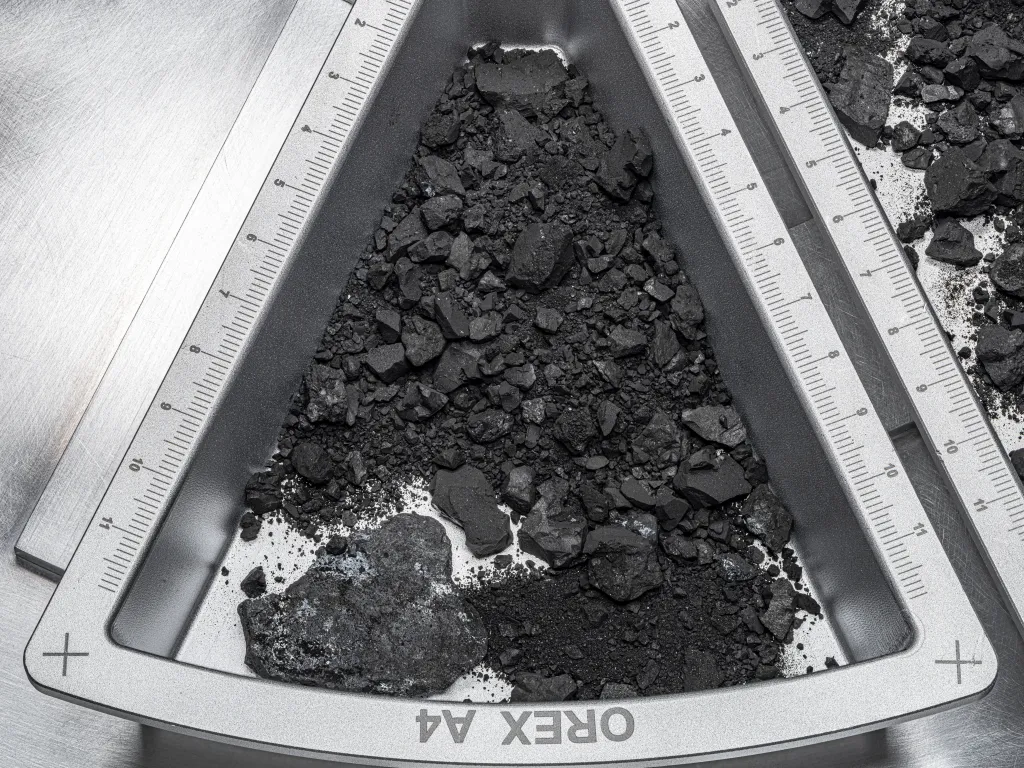
    The half a gram of Bennu material that was sent to ETH Zurich. Credit - Erika Blumenfeld & Joseph Aebersold / NASA

    Asteroid sample return missions have brought well preserved samples of the early solar system (that hadn’t been roasted in a fireball) back to Earth for the first time. But those samples, like the OSIRIS-REx sample from asteroid (101955) Bennu, sometimes provide more questions than answers. A new paper, published in Science Advances from researchers at ETH Zurich and Lawrence Livermore National Laboratory, highlights one of those questions - why Bennu appears to have been born in both the inner and outer solar system - and a possible answer to it.


    NASA's First Selection for a New Class of Mission: The PRIMA Far-Infrared Telescope Oct 01, 2026
    Show notes

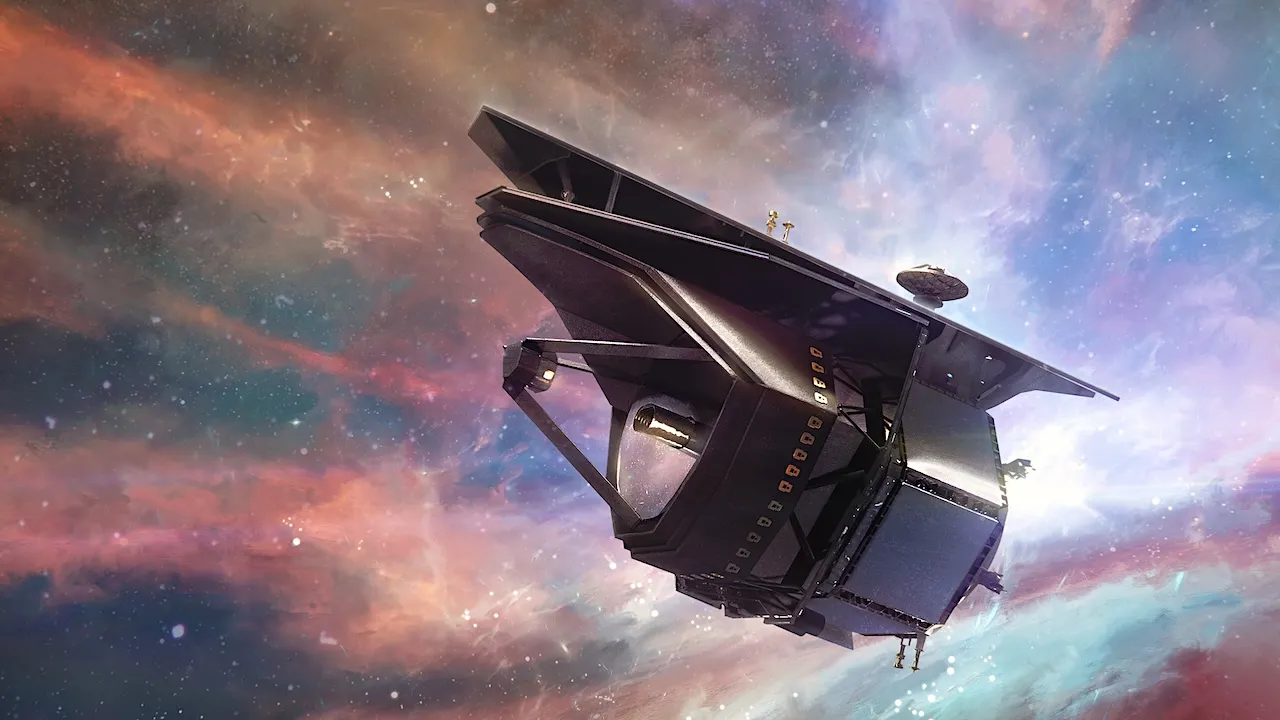
    Artist's impression of PRobe far-Infrared Mission for Astrophysics (PRIMA). Credit: NASA

    NASA announced Wednesday a mission to explore the history and evolution of the universe, PRIMA (PRobe far-Infrared Mission for Astrophysics), is advancing to the next phase of development. This space telescope is the first in a new class of NASA astrophysics missions, called Probe Explorers, within the agency’s longstanding Explorers Program.


    NASA's Hubble Marks its 200,000th Orbit by Watching Lensed Supernova Oct 01, 2026
    Show notes

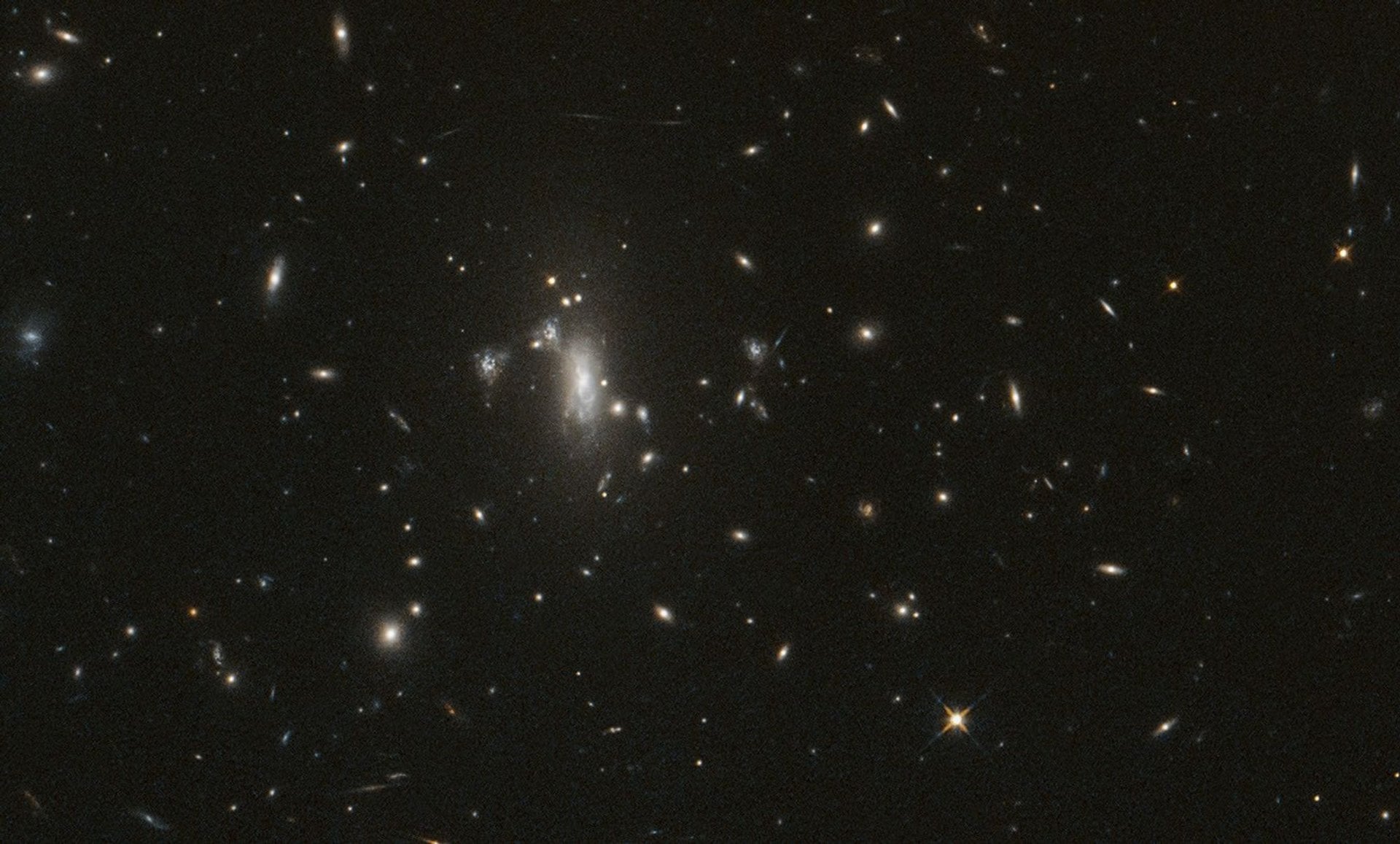
    An image from NASA's Hubble Space Telescope of the galaxy cluster MACS J0417, part of repeated observations to monitor for the reappearance of supernova Athena. Credit: NASA/ESA/STScI/UCLA

    NASA’s Hubble Space Telescope completed its 200,000th orbit around Earth on Sept. 19th and marked this milestone with observations that could help refine astronomers' measurements of cosmic expansion (aka. the Hubble Constant).


    Exercise Keeps Astronaut Hearts in Fighting Shape for the Journey to Mars Oct 01, 2026
    Show notes

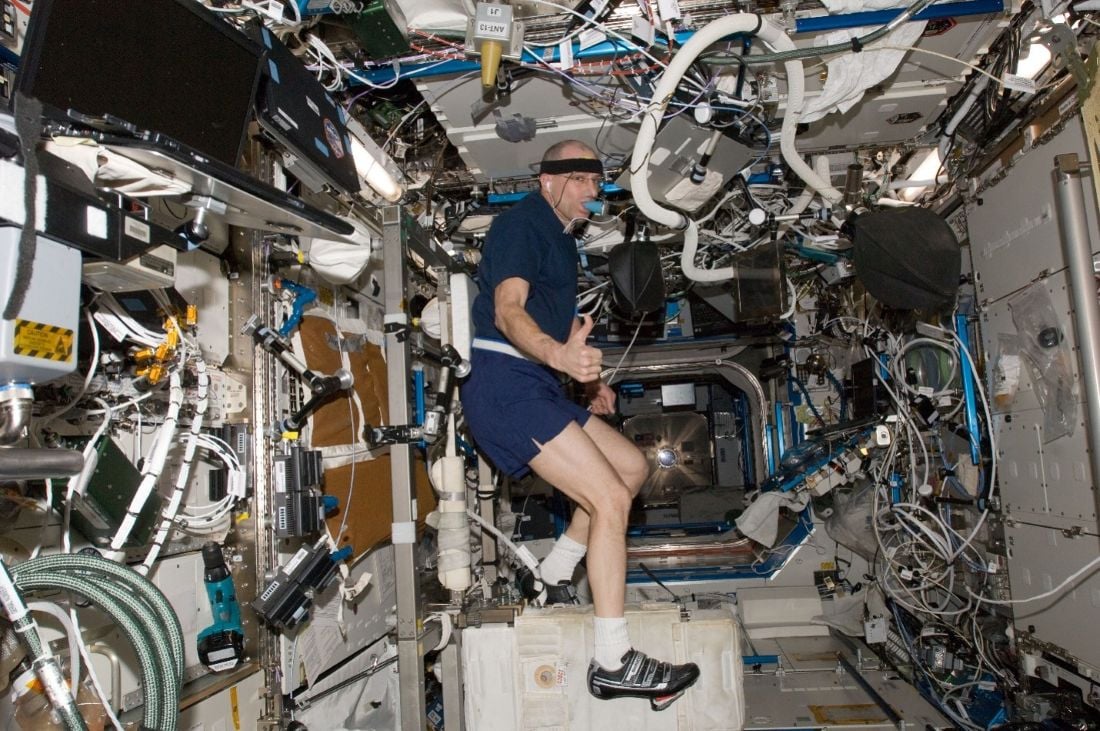
    Astronaut Don Pettit participates in endurance exercise during his mission in 2012. Credit - NASA

    Getting a human body to Mars will take a toll on it. NASA and other space agencies have been concerned for years that the 6-9 month travel time to get to the Red Planet could have such a deleterious impact on human anatomy that any crewed mission would fail before it even began. But a new study, co-led by Dr. Benjamin Levine of the University of Texas Southwestern Medical Center and published in the journal Circulation, eases some of that concern by claiming that, given a sufficient exercise regimen in low gravity, astronauts should be able to operate on Mars upon arrival without any major cardiac issues.


    Mars' North Pole Ice Is Far Cleaner Than Expected Oct 01, 2026
    Show notes

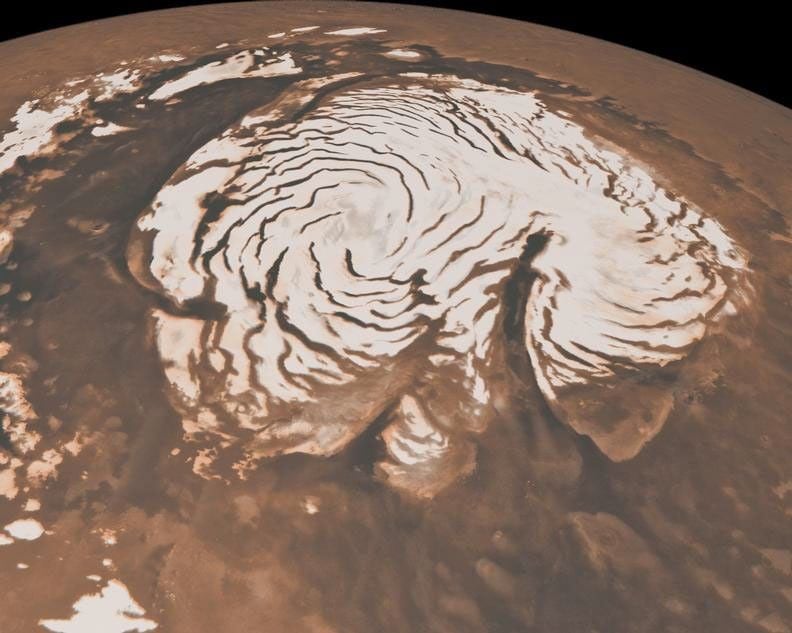
    North Pole of Mars. (Credit: NASA/JPL-Caltech/MSSS)

    The planet Mars is known for its massive dust storms, dust devils, and two large polar ice caps, with its north polar cap being one of the Red Planet’s most striking features. Comprised of water ice, the north polar cap not only holds potential for being a source of water for future human missions, but it also helps researchers’ piece together past climates on Mars. But an ongoing debate within the scientific community is the ice-dust relationship at the north polar cap, specifically how much dust comprises the north polar cap compared to the much larger amount of water ice.


    First Direct Image of Protoplanet Swirling Surrounding Gas Oct 01, 2026
    Show notes

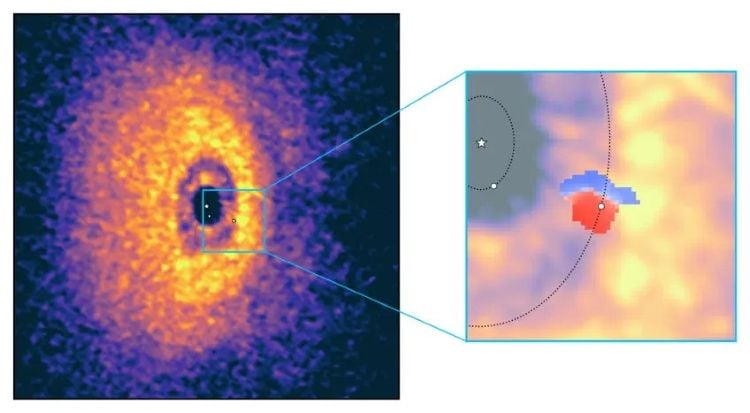
    Image of WISPIT 2b (inset outer white dot with red and blue) and WISPIT 2c, (inset inner white dot) taken by ALMA in Chile. WISPIT 2b is the first directly imaged protoplanet (young planet) with gas moving towards us being blue and gas moving away from us being red. (Credit: M. Benisty, MPIA / ALMA)

    The formation and evolution of planets is the driving force behind both where and how we might find life beyond Earth. This complex and lengthy process first begins with a massive ball of gas and dust that swirls until it flattens into a disk, followed by rocks ranging in size from pebbles to kilometer-scale objects clumping together in a process known as accretion, as they too swirl around within the larger disk and form rocky planets closer to the star and the farther out planets collect the gas, ice, and dust that the star couldn’t evaporate. Until now, researchers have been limited to visualizing the swirling gas and dust forming planets through computer models.


    Coldest Lava Exoplanet Found to Hold an Atmosphere Oct 01, 2026
    Show notes

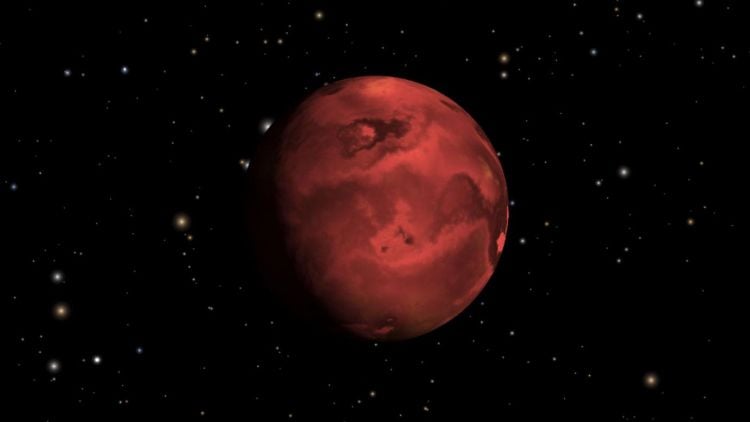
    Artist's illustration of a lava exoplanet. (Credit: NASA)

    Exoplanets continue to challenge our understanding of planetary formation, evolution, and whether they might be able to support life as we know it. Scientists often use planets in our solar system as analogs for exoplanets, studying exoplanets with extremely short orbital periods forces scientists to constantly rethink our understanding of what planets can withstand during their lifetimes. One such type of exoplanet that has entered the foray in recent years are “lava world” exoplanets, and especially lava exoplanets that orbit dangerously close to their stars. But while it has been long known that lava worlds on with higher temperatures have atmospheres, “colder” lava worlds have been found to lack atmospheres.


    Catch a Rare Lunar Occultation Jupiter Plus Saturn at Opposition in Early October Sep 30, 2026
    Show notes

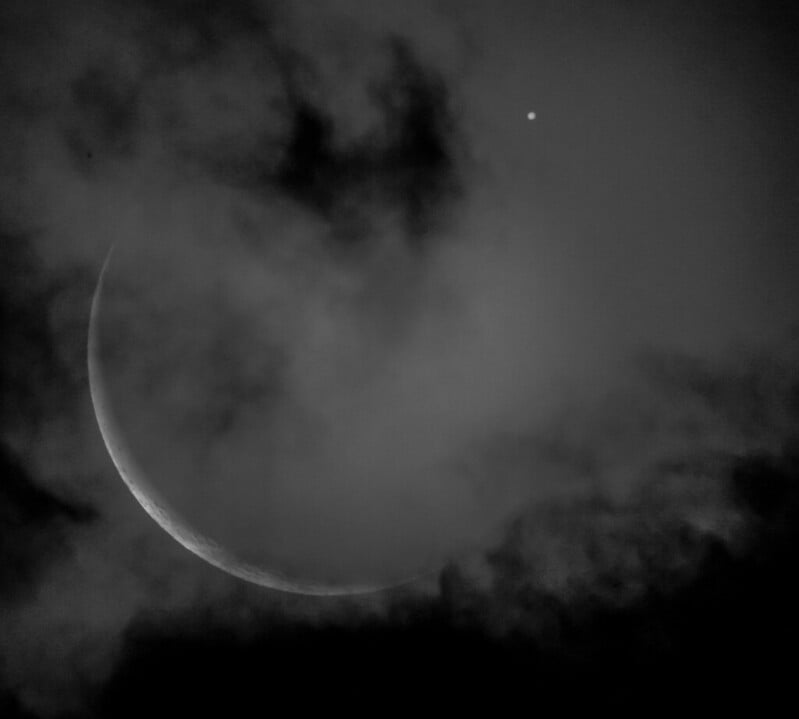
    A cloudy view, as the Moon greets Jupiter in May 2023. Credit: Eliot Herman.

    It’s a busy skywatching month ahead. The first full week of October sees two top-notch skywatching events, with Saturn reaching opposition, and the Moon occulting Jupiter for North America on October 6th. This month’s occultation of Jupiter by the Moon is one of the best-placed and top skywatching events for 2026, while Saturn puts on a fine show near opposition.


    Finding Life on Enceladus Could be Easier than We Thought, Says New Research Sep 30, 2026
    Show notes

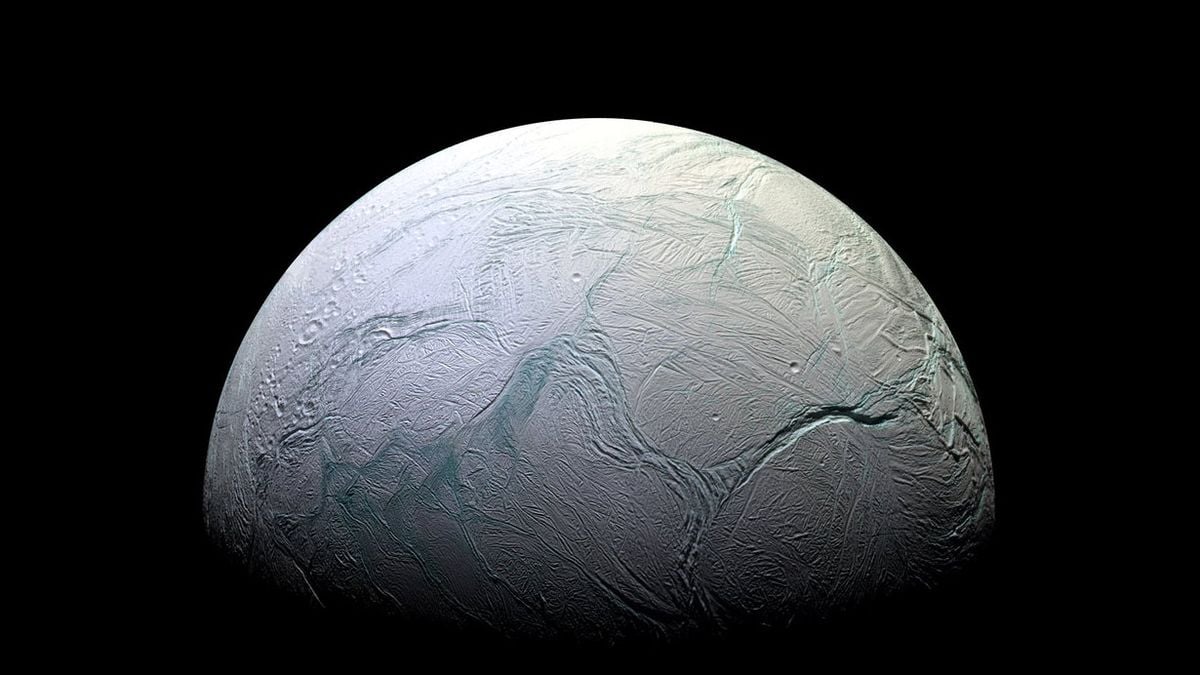
    This mosaic of Saturn's moon Enceladus was created with images captured by NASA's Cassini spacecraft. Credit: NASA/JPL/Space Science Institute

    Planetary scientists from Freie Universität Berlin have published two new studies that indicate that a spacecraft could identify evidence of life much more easily than previously thought.


    Strange giant planet TOI-1355 b set to vanish from view in 2033 Sep 30, 2026
    Show notes

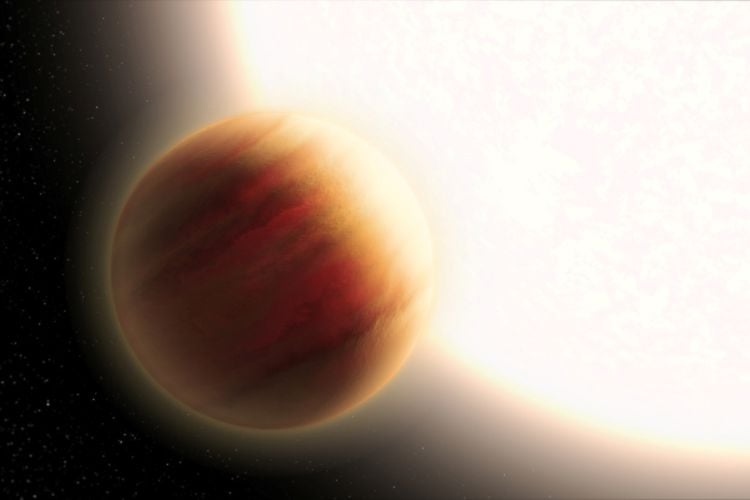
    Artist's impression of a hot Jupiter. (Credit: NASA, ESA, L. Hustak (STScI))

    Since their first discovery in 1995, hot Jupiter exoplanets (hot Jupiters, for short) quickly challenged our understanding of exoplanet formation and evolution, including exoplanetary system architecture. This is because, as their name implies, they orbit at extremely close distances to their host stars, ranging from a few days to a few hours. Some of their orbits are even oval-shaped, called eccentric in the scientific community, meaning their orbit is oval-shaped. But could such an orbit cause a hot Jupiter to completely vanish from view, preventing astronomers from studying it?


    1 2 3 4 Next

    Related Podcasts

    Science Friday

    1

    Science Friday Astronomy
    Radiolab

    2

    Radiolab Documentary
    BrainStuff

    3

    BrainStuff Natural Sciences
    StarTalk with Neil deGrasse Tyson

    4

    StarTalk with Neil deGrasse Tyson Games & Hobbies
    Radiolab

    5

    Radiolab Documentary
    Stuff To Blow Your Mind

    6

    Stuff To Blow Your Mind Life Sciences
    footer-logo

    Contact Us

    Toll Free: 844-670-7747

    Links

    • Home
    • Top Charts
    • Networks
    • Apps
    • Independents Podcasts
    • Podcast Advertising
    • Podcast News
    • Contact Us
    • About Us
    • Analytics & Insights

    Stay Connected

      Privacy, Terms of Use & Our Code of Ethics Protecting Content Creators Copyrights