TopPodcast.com
Menu
  • Home
  • Top Charts
  • Top Networks
  • Top Apps
  • Top Independents
  • Top Podfluencers
  • Top Picks
    • Top Business Podcasts
    • Top True Crime Podcasts
    • Top Finance Podcasts
    • Top Comedy Podcasts
    • Top Music Podcasts
    • Top Womens Podcasts
    • Top Kids Podcasts
    • Top Sports Podcasts
    • Top News Podcasts
    • Top Tech Podcasts
    • Top Crypto Podcasts
    • Top Entrepreneurial Podcasts
    • Top Fantasy Sports Podcasts
    • Top Political Podcasts
    • Top Science Podcasts
    • Top Self Help Podcasts
    • Top Sports Betting Podcasts
    • Top Stocks Podcasts
  • Podcast News
  • About Us
  • Podcast Advertising
  • Contact
Not in our directory?
Add Show Here
Podcast Equipment
Center

toppodcastlogoOur TOPPODCAST Picks

  • Comedy
  • Crypto
  • Sports
  • News
  • Politics
  • True Crime
  • Business
  • Finance

Follow Us

toppodcastlogoStay Connected

    View Top 200 Chart
    Back to Rankings Page
    Buddhism

    Thich Nhat Hanh Dharma Talks

    Dharma offered by the Venerable Zen Master Thich Nhat Hanh.

    Advertise

    Copyright: © Plum Village Community of Engaged Buddhism

    • Apple Podcasts
    • Google Play
    • Spotify

    Latest Episodes:
    The Way Out is In Aug 21, 2013
    Show notes

    August 12, 2013. 76-minute dharma talk given by Thich Nhat Hanh from Brock University in St. Catharines, Ontario during the 2013 Nourishing Great Togetherness teaching tour. This is the first dharma talk for the 6-day retreat with the theme Happy Teachers will Change the World. Topics Listening to the bell Releasing tension in our body with mindfulness at any time Generating joy and happiness Being aware of our conditions of happiness in the present moment The practice of mindfulness can also help us handle a painful feeling or emotion There is a deep connection between suffering and happiness Compassionate listening - mindfulness of compassion Global ethics - how to release tension, reduce pain Sixteen exercises on mindful breathing (briefly mentioned) Store and mind consciousness - seeds 51-mental formations, such as anger and mindfulness The suffering inside the school teacher and inside the student The way out is in - we must take care of ourselves first then for the other person Supporting our young people and teaching them how to love http://youtu.be/8PKbMf4FgPk


    Opening Mindfulness Retreat for Educators Aug 20, 2013
    Show notes

    August 11, 2013. 55-minute dharma talk given by Thich Nhat Hanh from Brock University in St. Catharines, Ontario during the 2013 Nourishing Great Togetherness teaching tour. This is the opening session of the 6-day retreat. In this short talk, the focus is on the Art of Suffering and how chanting the name of Avalokiteshvara can help open us up to our suffering. In the last segment of the talk we have a teaching on walking meditation. http://youtu.be/5VnWjHZ3lSw


    Closing Summer Opening 2013 – You Are, Therefore I Am Aug 08, 2013
    Show notes

    August 2, 2013. 86-minute dharma talk given by Thich Nhat Hanh from Upper Hamlet of Plum Village during the 2013 Summer Opening. This is the sixteenth talk of the summer and this is the final talk for the summer. Thay begins a 17-minute teaching for the children on no coming, no going and no sameness, no otherness. He uses a picture of himself as a teenager to illustrate sameness and otherness. Is it the same person as a picture of him today? Thay also uses the flame of a match to illustrate. Is it the same? This is the nature of things and we can see this if we meditate. The teaching of the middle way is a very deep teaching. Thay continues with the adults. The third pair of opposites is no birth, no death and the fourth is no being, no non-being. We can live with no fear if we remove these four pairs of opposites and have Right View. Removes discrimination and produces understanding and compassion.This is enlightenment. Awakening. Interbeing. You Are, Therefore I Am With Right View, we have understanding and we generate Right Speech. Speech that is filled with understanding and compassion and restore communication. Right Action - thought, speech, and behavior. With Right View we can also have Right Livelihood, Right Dligence, Right Mindfulness, Right Concentration. A brief teaching on the Doors of Liberation - emptiness, signlessmees, and aimlessness. These too can help remove fear, anger, and despair. http://youtu.be/oFK8nVkfwvE


    Staying Mindful in a Connected World Aug 07, 2013
    Show notes

    August 1, 2013. 96-minute dharma talk given by Thich Nhat Hanh from Lower Hamlet of Plum Village during the 2013 Summer Opening. This is the fifteenth talk of the summer and it is a session of questions and answers. Children What can I do so my brother and I don't argue anymore? What can I do to not be stressed in school about time? Why did you choose to make Plum Village? How can get myself to sleep quickly when I have to get up early? If there is an to the world, is there an end to everything? Teens and Adults How do you feel when you are deep in meditation? Have you developed theories of the universe? What does it mean to be a more mindful student and what are their responsibilities to the teacher? A Japanese priest asks a question related to smiling and Japanese culture and Rinzai School. How do I combine smiling and austere Japanese culture? How can the teachings help the people of Spain where unemployment is very high and we have a political crisis? Can a person be mindful and still be "connected" to smartphones and social media? http://youtu.be/cGLAFmXFofI


    The Buddha Has Suffered Aug 07, 2013
    Show notes

    July 29, 2013. 119-minute dharma talk given by Thich Nhat Hanh from Upper Hamlet of Plum Village during the 2013 Summer Opening. This is the thirteenth talk of the summer. Even the Buddha was a human and suffered. In just one week we can know the art if suffering in order to generate joy and happiness. There is a usefulness to the suffering. We are always trying to run away from suffering. We use consumption to run away fr our suffering. The Buddha teaches us to do the opposite. Do you have time to look deeply at your suffering and the suffering of the other person? Can we listen to the suffering in the world and inside yourself? The chant calling the name of Avalokiteshvara is about listening to the suffering. t's energy can also heal your suffering. The monastics begin the chant at 36-minutes into recording. The main talk begins at 59-minutes. Teaching on signlessmees. We do not have a separate self. We have the practice of hearing the bell to let all our cells and ancestors to listen with us. This is deep listening. We listen as a stream and we practice for everyone. How do we practice mindfulness in our every day activities? How do we use our breath as a tool for mindfulness. How do we do walking meditation using "I have arrived. I am home." The Kingdom of God is available everyday by the practice of mindful breathing and mindful walking. Why is walking meditation important? http://youtu.be/DTgv4iPgQ2o


    What is God? Aug 04, 2013
    Show notes

    July 25, 2013. 77-minute dharma talk given by Thich Nhat Hanh from Lower Hamlet of Plum Village during the 2013 Summer Opening. This is the eleventh talk of the summer and it is a session of questions and answers. Children How can I stop worrying? When I'm angry, how do I let my anger out? What is God? Why do I suffer? What can I do to not have friends exclude me? Adults How can Buddhism help in serious illnesses? What is your teaching on reincarnation? How can you treat ... Question on love? http://youtu.be/_YFO0JufBt4


    Third Week of Summer Opening Jul 25, 2013
    Show notes

    July 22, 2013. 73-minute dharma talk given by Thich Nhat Hanh from Upper Hamlet of Plum Village during the 2013 Summer Opening. This is the ninth talk of the summer. Mindfulness is always mindfulness of something. It could be breathing, walking, or washing the dishes. It allows us to know what is happening. In our body, feelings, emotions, and perceptions. It is the energy of mindfulness is holy. Mindfulness can being you insight and enlightenment. Today we explore mindfulness of suffering and compassion. Beginning at 28-minutes, we listen to the monastics invoke the name of Avalokiteshvara to help relieve the suffering in ourselves and in the world. Editor's Note: there is some skipping during the chant, but it's still lovely to listen to. Following the chant, Thay leads the sangha through a few mindful movements. The main talk continues at 49-minutes into the recording. How to listen to the bell. The bell helps us return to our true home. Our true home is not located in space or time but it is in the present moment. How to practice walking meditation and eating meditation. Note: some skipping occurs in this talk but the essence of the teaching is available. If I can get a better recording copy, I will post again. http://youtu.be/6w-n7b4K984 http://youtu.be/sAfr0Al06dA


    Be Yourself. Be Beautiful. Jul 24, 2013
    Show notes

    July 18, 2013. 95-minute dharma talk given by Thich Nhat Hanh from Lower Hamlet of Plum Village during the 2013 Summer Opening. This is the seventh talk of the summer and this is a session of questions and answers. Children Why are there bad days and why are there good days? Where does the spirit go when it leaves the body? How did Thay become a monk? What is the difference between the soul and the spirit? How old do you have to be to become a monk? How can I make my mother happy when she is angry with me? Adults Do we have to forgive everything and how can we do that? A question about students and masters. If Buddhism supports the love of nature then why doesn't it support romantic love? How can I help people who have sadness and loneliness in their hearts? Question about the "be yourself. Be beautiful" verse And Mother Earth http://youtu.be/PLBYSYux6Kg


    Meditation on the Corn Seed Jul 22, 2013
    Show notes

    July 16, 2013. 81-minute dharma talk given by Thich Nhat Hanh from Upper Hamlet of Plum Village during the 2013 Summer Opening. This is the sixth talk of the summer and this is an English translation from the French. The recording begins with a talk for the children and then the main talk begins (at 18-minutes). Meditation on the corn seed. Meditation is having the time to look and to listen. There is knowledge in this seed and it is alive. Does the plant remember when it was a little seed? Has the corn seed died? Meditation can help us see things that other people cannot see. Looking into the corn plant we can see the seed. A teaching from the Sutra on the Full Awareness of Breathing. The exercises of breathing are simple yet can be very profound on us. The first is recognizing. Bringing our attention to our in-breath. We can let go of our past, of our projects, etc. and we can immediately be free. Buddhism is made of three kinds of energy: mindfulness, concentration, insight. The second exercise is to follow the breath. We focus entirely on the in-breath and the out-breath. The third is awareness if body and then fourth we calm our body. The next two are giving rise to a feeling of joy and happiness. We can do this anytime. The seventh exercise is recognizing a painful feeling. Then we calm the feeling in the eighth. The art of happiness. The art of suffering. http://youtu.be/IhFARfxOFVo


    Meditation on the Flame Jul 22, 2013
    Show notes

    July 19, 2013. 110-minute dharma talk given by Thich Nhat Hanh from New Hamlet of Plum Village during the 2013 Summer Opening. This is the eighth talk of the summer. Editor's Note: This talk coming slightly out of order as I catch up on the recordings. The sixth (July 16) and seventh (July 18) talk of summer will be posted soon. Teaching using the meditation on the flame. The flame is there but it is hidden. Maybe in the box? It is hidden by the conditions, and there are conditions that help the flame manifest. Where does the flame go? Her nature is no coming and no going. We know this with mindfulness, concentration, and insight. When conditions are no longer sufficient, the manifestation ceases to continue. The same is true for those we love. This is a very deep teaching. We continue the teaching on the Four Noble Truths. The first is dukkha, translated as ill-being/suffering. The second is the making of ill-being; how suffering is made. This is seeing the cause of our suffering. With the third, we have the cessation of ill-being. The path, or the way, leading to well-being is the the fourth. The Five Mindfulness Trainings contain this path and is called the Noble Eightfold Path that leads to healing and out of suffering. Right View Right Thinking Right Speech Right Action Right Livelihood Right Diligence Right Mindfulness Right Concentration The Noble Truths in the context of mindful consumption and the fifth mindfulness training. Nothing can survive without food. In Buddhism, we speak of Four Kinds of Nutriments. Edible Food Sense impression Volition Consciousness We've been taking mostly about the second and fourth noble truth so far. The talk continues here with looking more closely at Right View and the other elements if the path. http://youtu.be/kfRegRl6Y6M


    Previous 1 15 16 17 18 19 30 Next

    Related Podcasts

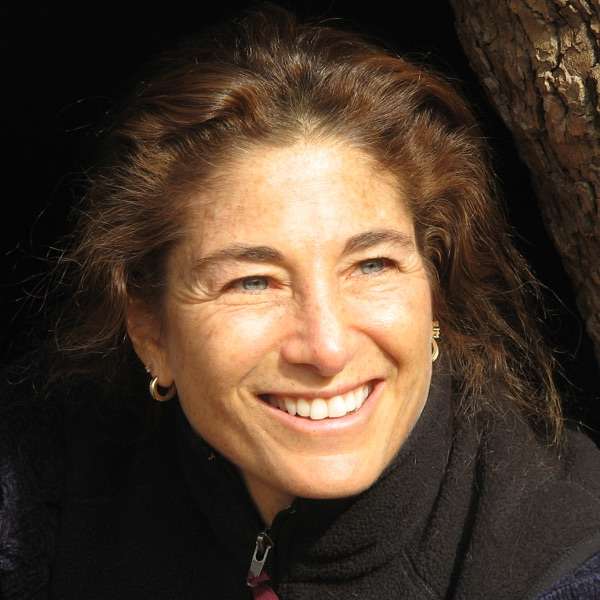
    Tara Brach

    1

    Tara Brach Buddhism
    Tara Brach

    2

    Tara Brach Buddhism
    Grace to You Radio Podcast – webnews@gty.org (Grace to You)

    3

    Grace to You Radio Podcast – webnews@gty.org (Grace to You) Buddhism
    Secular Buddhism

    4

    Secular Buddhism Buddhism
    법륜스님의 즉문즉설

    5

    법륜스님의 즉문즉설 Buddhism
    Buddhist Geeks

    6

    Buddhist Geeks Buddhism
    footer-logo

    Contact Us

    Toll Free: 844-670-7747

    Links

    • Home
    • Top Charts
    • Networks
    • Apps
    • Independents Podcasts
    • Podcast Advertising
    • Podcast News
    • Contact Us
    • About Us
    • Analytics & Insights

    Stay Connected

      Privacy, Terms of Use & Our Code of Ethics Protecting Content Creators Copyrights