Show notes
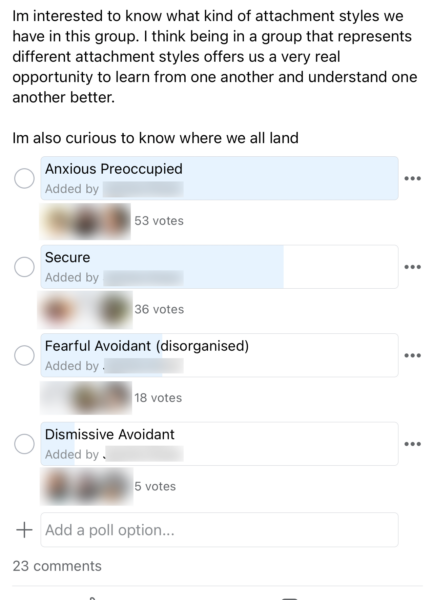
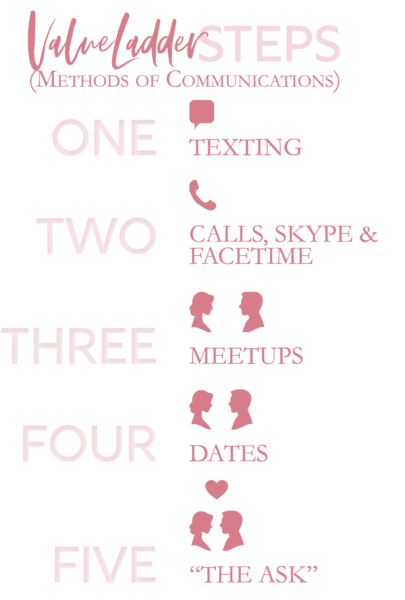
Today Coach Amor and I will be breaking down this concept of pushing and pulling during a breakup. More specifically, We’re going to define it Show you our push pull equation Look at the healthy way of utilizing push/pull Look at the toxic ways in which it’s utilized Show you how to implement it during the rapport building phase And most importantly have you sign up for coaching with Amor! There’s a lot to cover here so let’s jump right into it. What Are Your Chances of Getting Your Ex Boyfriend Back? Take the quiz Interview Transcript Summary SUMMARY KEYWORDSpull, give, push, people, response, toxic, mirroring, negative, strategy, love, ghosting, positive response, implement, girls, pace, reach, move, argument, bare minimum, interestingSPEAKERSAmor, Chris Seiter Chris Seiter 00:00ready? Okay, today, a more and I are going to be talking about the push pull method of flirting as it relates the breakup situation. How are we doing today? We’re Amor 00:17doing great. I’m excited for topic today. It’s very interesting. Chris Seiter 00:22So I want everyone listening to this to know that more, and I spent an hour. And I literally, I don’t know if you know this more, but I timed it. You can see my screen here. I timed it below. It’s an hour and five minutes. Yeah, this outline. We barely have anything. No, I’m just kidding. Amor 00:40We had a lot of arguments. We did. Chris Seiter 00:43We did. And actually, what a great segue. Our very first argument was revolving around defining push and pull. Yeah. So so we had a fundamental difference on what push and pull meant. So I believe I think you need to Amor 00:59adjust that. Okay. Some people might have the same idea as I did. Chris Seiter 01:05Yeah, you know, it is kind of confusing because of the way they I’ve also heard it referred to as rubber banding, which might actually be an accurate way of looking at it. But of course, push and pull is the keyword people type into Google. So that’s the one we got to play with. Anyways, basically, this is funny, this is the big argument that I’m worn, I had basically for like 15 minutes. And I think I won the argument after I pulled up like multiple references, or at least a reference. But basically, I believed that pushing was essentially the kin to ghosting someone or avoiding someone and pulling was kind of like love bombing or showing a lot of interest. But a more had this wacky other way of thinking about it. And now tag your it because I don’t even know how to explain that. Amor 01:53In my point of view, when you push, it’s not your it’s your time of giving so much investing so much giving attention, you know, texting a lot, calling a lot, showing up a lot. And then when you pull, you suddenly take it all back. It’s a very toxic way. But that’s how manipulators do it in their mind. They’re investing investing, investing in the receivers point of view. That’s the push and when they pull away when everything is gone when they’re bread, crumbing or ghosting, that’s the pull away stage. That’s actually yeah, I realized that’s wrong. I mean, that’s not the right definition. I just really did it that that. Chris Seiter 02:35So the thing is, I see what you’re talking about. But for the purposes of this discussion, we’re gonna go with my definition, since I think that’s probably the most accurate one. Not to say you’re wrong, but you’re wrong. Amor 02:52I am wrong. Okay, but defeat. Chris Seiter 02:55Finally, God only took an hour. Okay, so basically, for the purpose of this discussion, push is going to be ghosting. Polling is going to be kind of love bombing. And we kind of came up with this fun little equation about really, I don’t know, maybe if equation is the right word, but basically a frame of reference to look at pushing and pulling. And, and it was actually a Moore, who had this really intriguing way of looking about how girls and guys kind of handle relationships. Yeah, so why don’t you go ahead and take that. Amor 03:33I used to hear this a lot from other women. not that old, but since high school. And you know, how, you know, how is the courtship starts with men pursuing the flirting stage. And we don’t know this that, at first, the guys are, sometimes they’re always into it, like, they move too fast. They give everything and when they’re excited, you know, they want to do everything they plan everything they want to see you always what the girls are not aware of is that the guys set the direction of the relationship or the courtship stage, but the girl should be the one that’s deciding about the pace of how, you know how everything goes, That guy set the direction the girl set the pace. So in that way, you’re both incorporating the push pull equation, because if you’re, but most of the time, girls are not aware of that. They just let the guy pursue and pursue and then in some cases, if if the guy is toxic, if the guy is manipulative, they know that the more they invest, they’re gonna, they’re gonna hook you in and then that’s when they ghost you or they read Chrome, you now you’re confused. There’s only one person is implementing the push and pull. The guy is setting the direction and he’s also setting that He’s so yeah, just to share girls, you need to be aware of that you should be the one setting the pace. And I think you gave a better example on how to implement it equally, because I didn’t I wasn’t even. I didn’t realize that we can. You know, the guys are the one that’s the guy should allow the girl, I think you need to talk about that more. Okay. Chris Seiter 05:27So yeah, I mean, believe it or not, I’ve been doing this for 10 years. It was the first time I had ever heard this take on relationship dynamics, and I loved it. So Amor 05:37I think it’s more of a cultural thing. Because in Asian, you know, in Asian culture, the guy should be the pursuer. It’s not encouraged for the girls to pursue. You’re allowed. Chris Seiter 05:51Yeah, yeah. I mean, I can’t tell you how often people want to crucify me for saying like, Oh, yeah, no, you reach out first, especially if they’re women. They’re like, No, but no. So I don’t necessarily think it’s just Asian culture. I think it’s almost as a universal thing. But yeah, so Amor 06:04basically, your wraps in the topic of, you know, feminine and masculine energy. right into that. Chris Seiter 06:12I think they are Amor 06:13interrupting you. Okay, good. Chris Seiter 06:17So yeah, basically, the argument you were making is like, Guys, in general, in relationships, they’re thinking about the direction you know, where to go, what to do natural. So like, they have this, this natural inclination to want to move really fast. They, they’re kind of in love with this pursuit stage. Whereas girls, on the other hand, they’re all about the pace of the relationship, which I really love that you talked about that. So like, you know, oftentimes they’ll say, you know, that date doesn’t work for me, or I’m not ready for that. So they kind of dictate the pace, but Amor 06:45we’re worried about it, but we love it, that you move fast, but we are worried about it. Chris Seiter 06:51You’re kind of like slow down their head honcho? You know, we’re not, we’re not quite ready for that yet. But yeah, more than I had this really another one of the big debates we had when we were kind of like outlining this topic was the healthy ways of push pull, and the toxic ways of push pulling. And I think that was that was an idea that came up with you. So basically, like, she was asking me like, Hey, what is the healthy way of of implementing this push pull thing, and I was arguing that I think there needs to be a reset in the way that we’ve looked at pushing and pulling, you know, we often look at the pushing and pulling as his way of manipulating this person to feel a certain way about us. Instead, I think a more healthy way of looking at it is the mirroring approach, you know, so when they pull back, you pull back. And what often happens in healthy environments is guys, they’re allowing the girl to set the pace, and girls are knowing when to set the pace. So oftentimes, this push pull mechanism, these two elements are present. But on the other hand, a more was talking about this toxic way of pushing and pulling. And we actually had a really long spirited debate about like, Okay, well, let’s define what the toxic way of pushing and pulling is. And the toxic way is, basically you’re trying to manipulate the person with selfish intent, so you only care about what you feel. So you’re kind of like in love with this high being chased. And we see this a lot with guys specifically, who are not allowing a girl to pace and girls not knowing that they are allowed, they let the guy dictate the pace. And these are kind of like the this, if you look at this equation of like, Okay, girls, set the pace, guys try it or think about the direction. And if that is present, you tend to have a more healthy way of looking at this push pull. But on the other hand, it’s very toxic. If guys are setting the pace, or yeah, basically, guys are setting the pace and direction. So to kind of bring this back to that masculine feminine energy or a yin and yang, both of these elements need to be in place for a healthy relationship to potentially develop. Yeah. And I do you want to take the implementing the because really, you so I want Amor 09:15to be more clear that go over I know, I mentioned this earlier, but if the toxic way is leaning more on what the intent is, for example, if it’s a long term relationship, and just like what we talked about, once you’re bored, you pull away everything, just because you’re bored. But sometimes, you know, I don’t know how you would react to this stress, but sometimes a little bit of that for me, for me, it’s okay just to spice things up, but don’t do it in a routine way. Like you need to you need to set it so that when you know there’s an imbalance in the relationship. Like you’re giving way too much. You have to pull back. And that’s that’s although the intention is more for yourself. You’re thinking about I like how we advise the UG hours because some of them would think so the UG hours or more for myself than that it’s toxic right? Chris Seiter 10:08Now you can easily argue that this is girls just setting the pace. Amor 10:13Yes, yes, exactly. But if they do it, is it also toxic if they need more time for themselves? Chris Seiter 10:22I don’t think so. Amor 10:24Right? Because yeah, they are basing it, but it’s not. I just want to make it clear that it’s not black and white. But you would know that if it’s toxic, if it keeps happening, if it becomes a pattern. Ghosting, you know, right bread crumbing. That’s a push and pull tactic. And they’re doing it for fun, not because they want to be want to grow, they need time for themselves. No, they’re doing it for the height of the feeling of being chased. Some because I want to address that this people, some people are, they’re not really into this, because they feel like they’re manipulating their ex. So, yeah. Chris Seiter 11:05But yeah, I mean, I think certainly that’s the case with a lot of people, I think the the long pole in the tent for people to understand, I guess the thing we’re trying to get out here is probably the mantra you should be having when you’re looking at pushing and pulling is instead trying to approach it from a mirroring perspective. Amor 11:27Racing, Chris Seiter 11:29because, like, if you think about it, like if you’re marrying someone, it allows a relationship to kind of unfold organically. And really to kind of hammer this home, you know, a more was asking me like, Okay, you, you’re arguing, Chris, that the the push pool concept is sort of not even the right way of looking at it. Instead, the mirroring concept is probably the better way, you know, when they pull away, you, you pull away when they pull back, you pull back. But how do you actually implement it? When you’re building rapport? And you do it? Exactly. And so my argument there is, it’s important when you’re in the rapport building stage with an ex, or I guess, just in general with anyone. We’ve had actually a lot of interesting. People in the Facebook group specifically telling us like, yeah, you know, I’m not trying to get my ex back anymore. But I use some of the stuff that you’re teaching to get exes back on, just like normal dates, and it’s working. So I do think there’s some applications here with just non breakup situations. But it’s important that you have a framework like the value ladder, and within that framework, be implementing the mirroring approach with some guardrails or bumpers. And to kind of, we kind of created a chart, I guess, to help with that. Do you want to just set up the chart? And then I can kind of go into it? Amor 12:58Yeah, we we talked about how do you really handle it in the real world? Because that’s probably what your concerns are, how do you implement the push pull while you’re building rapport? And with the responses that, you know, you’re gonna get? So how do you implement the push pull when you get a positive and negative and neutral and no response? That’s, that’s what you’re gonna encounter, whether you’re trying to build rapport with your ex or with a new person. So the first at first, I thought, if you always, you know, get a positive response, which what we all want in a fairytale setting your positive response? Yeah. And everything’s good. And you’re getting back faster than everyone else. Chris Seiter 13:41It’s true. Amor 13:45In real life, specially with our listeners who have avoidant access, or let’s say fearful avoidant, let’s say you get a positive response. This, does that mean, you’re not going to implement the push pull? Well, how do you? Yeah. Chris Seiter 14:02Are you asking me more? Amor 14:04Yeah. Okay. Chris Seiter 14:08So yeah, I mean, this is actually something like not to belabor the point here. But this is actually something I struggled with a long time. Because we see it a lot in the group. This concept of people really falling in love with being Eugene, and a lot of times they associate being Eugene with being unavailable. And that is a huge part of it, you know, but if you’re unavailable all the time, that’s not going to foster necessarily the best environment for attraction to happen. You have to be available some time for attraction to happen. And so yeah, one of the reasons why I like the mirroring approach so much is actually how it handles positive interactions. So oftentimes, what I see people or a mistake I see people making in the group is they get a positive response from their ex And then they’re almost trained. And a lot of this is my fault for the way I had the program set up in the past before we kind of like had it evolve, but they’re trained to like, Okay, I got the positive response. Now I’m gonna kind of go back into my bunker and wait a little bit, and then I’ll come back out. But what’s interesting is, when I’ve interviewed a lot of success stories, I found that it’s usually the people who take advantage of the momentum that end up having the greater successes in the end. So in my opinion, when you get a positive response with someone, it’s important to keep going. But you don’t want to match their exact enthusiasm. So if they’re like, if their enthusiasm is at a 10, you want to match their enthusiasm, but a bit at a seven. So you give them a little something, you acknowledge how they’re feeling, and you can kind of keep the momentum going, but you’re not matching them. Exactly. So you’re there’s always like a little, little sum. So I think that’s kind of the thing that makes the biggest difference. And that that is that is my way of being available while being unavailable. Amor 16:02Like what I basically you’re basing it, you’re trying to take it slow. Yeah. But you’re not totally pushing them away. By being predictable. You’re there, you’re like, you have to validate, but…
Full show notes at the publisher 
 Our TOPPODCAST Picks
  Stay Connected