TopPodcast.com
Menu
  • Home
  • Top Charts
  • Top Networks
  • Top Apps
  • Top Independents
  • Top Podfluencers
  • Top Picks
    • Top Business Podcasts
    • Top True Crime Podcasts
    • Top Finance Podcasts
    • Top Comedy Podcasts
    • Top Music Podcasts
    • Top Womens Podcasts
    • Top Kids Podcasts
    • Top Sports Podcasts
    • Top News Podcasts
    • Top Tech Podcasts
    • Top Crypto Podcasts
    • Top Entrepreneurial Podcasts
    • Top Fantasy Sports Podcasts
    • Top Political Podcasts
    • Top Science Podcasts
    • Top Self Help Podcasts
    • Top Sports Betting Podcasts
    • Top Stocks Podcasts
  • Podcast News
  • About Us
  • Podcast Advertising
  • Contact
Not in our directory?
Add Show Here
Podcast Equipment
Center

toppodcastlogoOur TOPPODCAST Picks

  • Comedy
  • Crypto
  • Sports
  • News
  • Politics
  • True Crime
  • Business
  • Finance

Follow Us

toppodcastlogoStay Connected

    View Top 200 Chart
    Back to Rankings Page
    Fitness

    The B.rad Podcast

    Join Brad Kearns, New York Times bestselling author, world #1 ranked masters 60+ high jumper, Speedgolf world record holder, and former world #3 ranked pro triathlete, in pursuing peak performance with passion throughout life. Brad delivers an engaging mix of step-by-step education on important health topics like staying fit, strong and powerful as you age; transforming diet to lose body fat and increase energy; sort through hype and misinformation to make simple, sustainable lifestyle changes; and broaden your perspective beyond a fit body to experience happy relationships, nonstop personal growth, and ultimately sail to 100 with a happy, healthy, long life. Let’s explore beyond shortcuts, hacks, and crushing competition to laugh, have fun, appreciate the journey, and not take ourselves too seriously. It’s time to B.rad!


    Advertise

    Copyright: © 2022 Brad Kearns

    • Apple Podcasts
    • Google Play
    • Spotify

    Latest Episodes:
    Brian McAndrew: The Backstage Keto King Apr 09, 2019
    Show notes

    Brian McAndrew, the man behind the scenes of the Get Over Yourself podcast audio production, as well as Primal Blueprint’s audio and video production efforts, takes the stage as the honored guest on this wide-ranging and thoughtful discussion about life, peak performance, exploring your passions and dreams, learning from failure and setbacks, and of course ketogenic eating.

    At the age of 31, Brian has had quite a healthy journey of vast exploration and deep immersion. He’s been hard-core keto for over two years, all the while pursuing ambitious goals in the weight room. Brian’s life experiences include: dealing with a serious parasite infection contracted while swimming in an African pond (hey it’s hot in Sierra Leone for an Oregon coast boy!); plunging into the trendy LA juice bar health scene and digging a hole of veganism and chronic cardio; getting big into the familiar combo of Paleo and Crossfit; getting a burnt out on Crossfit and transitioning into a pattern of MAF pace cardio workouts along with high-intensity strength training; and finally gracefully pairing ketogenic eating with athletic training.

    Brian offers some thoughtful insights while Brad intersperses several cameos for Brian’s amazing viral YouTube video that he made in college that was the genesis of his current career. Search YouTube for “I Love My Ducks,” and you will see a masterpiece of filmmaking and positive energy for the beloved Oregon Ducks football club. Brian is constantly tweaking and testing on our behalf and today has a very groovy rhythm of simple, delicious meals, eating enough food to fuel his ambitious workouts, not stressing about testing his ketone numbers, and enjoying occasional departures from keto followed by effortless recalibrations. There is much talk about how athletes should optimize carb intake. Brian offers a sensible recommendation to calm down: “Life will give you refeeds,” Brian says. Brian also conveys the benefits of a simplified approach, where you don’t get overwhelmed by excessive choice or temptation because you are honoring a distinct commitment to dietary guidelines without any will power or decision fatigue involved.

    This is a very informative show where Brian shares insights from many resources; he consumes a ton of podcasts and has 14,000 followers on his Instagram account despite rarely writing anything more than, “I’m eating this” or showing pictures of his cute one-year-old daughter. Brian describes the magic and effectiveness of a simplified approach to ketogenic eating—the motto on his WholeDoods Instagram site is, “Eat boring food. Live an interesting life.” Brian believes one of the highest benefits of keto is the pleasure of a simplified approach. You don’t get overwhelmed by excessive choice or temptation, because you are honoring a distinct commitment to dietary guidelines without any will power or decision fatigue involved. Psychological studies confirm that when we are presented with too many choices, it compromises our enjoyment and increases our stress levels, likely due to FOMO – fear of missing out.

    Brian relates some wild stories during the show, such as his wilderness survival retreat where things got dicey due to a flash flood leaving participants without food for 6 days. Oh, this was when he was parasitic and “wasting away” at a buck twenty! There are numerous insights about formulating an effective training program and avoiding the perils of overtraining that plague Crossfit athletes, endurance athletes, and even recreational fitness enthusiasts trying to be consistent about their 6am Spin classes. Brian says he “hates rest days” but emphasizes the importance of purposeful light days or weeks in the gym to keep blood flowing and hormones optimized. Regarding the ethical dilemma we face when eating animals, Brian was obliged to slaughter a sheep during his survival school and offer up the profound insight that if you are going to take another life to support your life, you best make the most of your existence.

    Particularly for a younger listener, this will be a memorable story of exploring your passions and dreams, avoiding the pitfalls of fitness trends, and soul-sucking jobs in the world of advertising, and pursuing career excellence along with optimal health and fitness. Also, a reminder to appreciate your partner because Brian had to wait a freakin’ year to secure permission for his wife to join him in the crazy nation of America.

    These two voices on the show have talked at length during their long days filming content for Primal Blueprint digital courses, trying to sort out hype from effective tips for athletic training, healthy living, and the best approach to a healthy, sensible, whole foods, whole doods diet. They have figured out almost everything for your listening pleasure, so don’t miss this show. Brian’s meals on Instagram, and Brad’s underground recipe videos have become so popular that the duo are working on a top-secret book for lazy doods who want to cook keto but can’t be bothered to follow complex recipes.


    Support this podcast at — https://redcircle.com/the-get-over-yourself-podcast/donations
    Advertising Inquiries: https://redcircle.com/brands

    See omnystudio.com/listener for privacy information.

    See omnystudio.com/listener for privacy information.


    Appreciating Tiger Woods's Amazing Comeback and How To Model His Competitive Intensity (Breather Episode With Brad) Apr 05, 2019
    Show notes

    Today’s episode is all about the legendary Tiger Woods and his incredible comeback. Most of the world is well aware of the scandals and very public downfall that affected Tiger’s life and career. What I am focusing on today is how he handled himself after his public scandal. He has had the greatest comeback in the history of sports – but how? How did Tiger manage to achieve such a feat? I cite Jeff Benedict’s Tiger Woods book – the first comprehensive, in-depth book on the athlete’s life. The book traces and highlights the influences and experiences that shaped him, notably his father, Earl Woods. He was instrumental in crafting Tiger’s public persona, as well as the driving force behind his son’s initial ambition.

    How many “Helicopter Parents” have you encountered over the years? We all know parents like this – they are singularly focused on how to make their child a success. Unfortunately, the person who suffers most from this pressure is the child. Years ago, a friend of mine, an Olympic athlete who knows Tiger, shared an insight with me that I’ve never forgotten. He remarked, “Tiger rose to the highest competitive plane than any human has ever risen to. No one compares to what he has done.” Putting the circumstances of his daily life into context is crucial to understand both his public and private persona - the global level of his celebrity, the attention and scrutiny that accompanies worldwide fame, not to mention the money.... How else could he deal with it? He was driven, by necessity, to foster this extreme, obsessive personality and become absolutely insatiable for achievement and conquest.

    I draw parallels between Tiger and Michael Milken – remember him, the “junk bond” King of the 80s? He too was going and going and going, until he finally went off the rails. Like Tiger, he spiraled, and he couldn’t turn it off.

    I wrote a book, How Tiger Does It, many years ago, in which I detail the three factors that have made him such a successful athlete. 1) Focus. 2) Work-Play Ethic. And 3) A Balanced Approach (or so I thought at the time). The book is all about how to banish self-limiting beliefs through hard work, believing in yourself, and focusing on your peak performance goals. Under the first topic, “Focus,” I talk about the importance of feeling absolute freedom from fear of failure or insecurity. I highlight how intense Tiger’s focus was, how he was working on his swing – even when he was already at the top – his only competition was himself, his only goal – to get better for himself.


    Support this podcast at — https://redcircle.com/the-get-over-yourself-podcast/donations
    Advertising Inquiries: https://redcircle.com/brands

    See omnystudio.com/listener for privacy information.

    See omnystudio.com/listener for privacy information.


    Mia Moore #2: Becoming More Conscious In Relationships, The Cheerleader Concept, And Minimizing Conflict Apr 02, 2019
    Show notes

    Mia Moore returns to the show after a long absence to discuss relationship insights with her fiancée! We get John Gray’s marching orders: males: don’t speak if you have a negative emotional charge; females: frame everything as requests instead of complaints. We reflect on Dr. Wendy Walsh’s insight that conflict is healthy for a relationship, wondering if we really need to go there, or is it possible to be more chill. Mia says it is, and we do a whole Breather show on how to be more chill in life and relationships. In working toward healthier communication patterns, we mention insights from John Gottman about achieving a ratio of 5:1 positive to negative comments, even during times of conflict (20:1 during routine daily life!). We relate Harville Hendrick’s suggestions for effective communication: emphasize safety, establish a zero communication policy, and deliver chronic affirmations.

    Mia mentions how Don Miguel Ruiz’s Four Agreements can help you be the best you can be, and bring out the best in your partner. Proper loading of the dishwater becomes an interesting central theme and metaphor for healthy relationship dynamics, including Mia Moore’s pure genius move of putting a new soap packet into the box right after unloading clean dishes, and how being told something once and executing every time is a winning relationship dynamic.

    We present an interesting philosophical question about relationship dynamics: Do you want a mature, authentic, dynamic adult relationship with conflict, frank discussion, negotiation-compromise-resolution, or do you just want a cheerleader to stand by and cheer you on? When we reflect upon how difficult daily life is—work, school, kids, hectic, high-stress daily routines—the answer might very well be “cheerleader.” Mia and I reflect on this big question and also make an effort to refine the definition of cheerleader: not a meek, submissive partner of old-time stereotypes. Rather, a partner who delivers support and encouragement, especially when you might be a little discouraged and need it most. With this explanation, Mia argues that you can have both a cheerleader and an authentic partner. She says there’s nothing wrong with mature, authentic communication, including negotiation-compromise-resolution, but perhaps we do without conflict and negativity.

    Sounds reasonable, but Mia points out that some people get off on conflict for assorted reasons. It could be that conflict behavior delivers a payoff in the form of a hormonal burst and gets wired into an unconscious habit, or it could be replaying a familiar pattern from childhood. Witness how Dr. Bruce Lipton, author of Biology of Belief, states that we operating from subconscious programming 95-99 percent of the time. Mia Moore states that if you don’t stuff this about yourself, call the habitual patterns into your awareness, resolve to be more mindful about your communication, and Mia says, make a conscious choice for how to operate in a relationship.

    Reflect upon Mia show #1 where she reveals that decades ago, she made a conscious choice to never again engage in yelling in a relationship. Done deal. And what happens if stuff like this drifts into the picture again? We need to reflect on what are, or what should be, your relationship deal breakers. This will be the topic of an entire future show.

    When you are deserving of some honest feedback that’s not “rah rah” in nature, the feedback can be delivered with sensitivity and loving kindness. Recall noted author and relationship expert Dr. John Gottman’s data from the study of healthy, long-lasting romantic relationships: Even in times of conflict, healthy couples maintain a 5-to-1 ratio of positive comments to critical comments. During routine everyday life, the ratio looks more like 20-to-1! Gottman also says that arguments that come out of nowhere or seem to be about nothing merely represent a failed attempt to connect.

    Some tips for how to be a cheerleader:

    • Don’t keep score, just go all in. This means maybe second-guessing a concept like “50/50 share on housework” and the like.
    • Mars&Venus: Recall the great work of therapist and bestselling author John Gray: Males must learn to just listen when females are venting, instead of trying to solve their problems. Females must learn to give males their “cave time,” and they will return to the relationship and intimacy with fresh enthusiasm.

    Relationship communication tips from Harville Hendricks:

    • Safety: you know you can speak your truth.
    • Zero negativity policy: otherwise defenses go up. It's not what you say it's how you say it. you could bring up issues just say them gently. use a respectful tone of voice and eye contact instead of entitlement.
    • Chronic affirmations: helps support objective #1—safety. Permanent damage can be caused by relationship dynamics that generate fears and insecurities.

    Unfortunately, people today instead have a relationship baseline of power struggle and conflict, distraction, not much cheerleading. Are people afraid to be cheerleaders? Why?  Perhaps giving up your “side,” your self-sufficiency, tees you up for rejection and pain. In today’s high tech world, people may be averse to hitching their wagon to someone when they can slide or click to a new relationship opportunity at any time. Furthermore, economic opportunity for both males and females in modern life have altered the long-standing relationship dynamics to the extent the people may be more picky and choosy and, over time, more set in their ways and less willing to compromise.


    Support this podcast at — https://redcircle.com/the-get-over-yourself-podcast/donations
    Advertising Inquiries: https://redcircle.com/brands

    See omnystudio.com/listener for privacy information.

    See omnystudio.com/listener for privacy information.


    Breakthrough Knowledge (Breather Episode With Brad) Mar 29, 2019
    Show notes

    We are diving into one of my favorite topics today: how to deal with hyper-connectivity and overstimulation. There is such an excess of content out there, but there is a way to deal with it: instead of feeling overwhelmed and stressed, you can utilize some strategies suggested by Michael Simmons in order to extract “breakthrough knowledge.” He argues that while everyone deals with social media excess, successful people have mastered the ability to find breakthrough knowledge in our era of information overload.

    I go into detail about Dr. Matthew Walker’s views on sleep. Since we are simply less productive when we become deficient in sleep, you can actually get more done in less time – if you are taking care of your health. Many athletes and fitness enthusiast types have reported experiencing epiphanies and breakthroughs in their mindset and decision making when exercising. The brain on exercise is operating at a higher level, increasing creativity and cognitive function. This is why it is so crucial to make sure you get your 15-minute break every couple of hours and are mindful of moving your body, even just a little bit, after sitting for just 20 minutes. 20 minutes seems innocuous, but it makes a real difference.

    Another seemingly innocuous but harmful daily habit? According to Dr. John Gottman - rolling your eyes. It’s a total relationship killer. Do yourself and your partner a favor and keep that contempt to yourself!

    I delve into “Content Shock” and how I deal with the avalanche of information out there, and why it’s so hard to fight against Constant Distraction – especially with all the clickbait online and marketers, software developers, and hackers all focused on one thing: how to get you addicted to their product. Billions of dollars are spent getting your attention – and the more time you spend surfing their site, the more money they get. So how do you counteract all the efforts to steal your time and your attention? You have to be picky.

    What more can you do for yourself than be picky? Having boundaries and standards when it comes to everything that enters your body and your mind is of the utmost importance now more than ever. The internet can be a “junk food information desert,” so you gain much more from being proactive instead of reactive. Ask yourself: “Does this content provide me with breakthrough knowledge that has the potential to change my life?” Work on implementing patterns in your life that improve it – like actively seeking out critical feedback like Elon Musk, who believes that pursuing experiences and knowledge that prove you wrong is far more valuable than things that confirm you’re right.


    Support this podcast at — https://redcircle.com/the-get-over-yourself-podcast/donations
    Advertising Inquiries: https://redcircle.com/brands

    See omnystudio.com/listener for privacy information.

    See omnystudio.com/listener for privacy information.


    Christopher Smith, Part 2: Tiger’s Comeback, Smart Practice, and Learning From Failure Mar 26, 2019
    Show notes

    There is a little chit chat about Tiger Woods and his amazing comeback and legacy. Enough with the tabloid drama, if this dude is able to bag another major, it will go down as one of the greatest comebacks in sports history!

    Remember, it’s been 10 years since Tiger won his last major title. Ben Hogan had a great comeback after a life-threatening car accident in the 50s. Speaking of Ben, he was one of the best “practicers” ever in sports. Ben used to practice intently for 20 minutes in total solitude, then take a short break to reflect and absorb the neuro-muscular experience into his brain. Six decades later, the latest greatest brain research validates that we can only focus intently on a peak cognitive task for about 20 minutes before we require a break. Yes, you can bang out emails for longer than that, but your peak focus falters without these recharge periods.

    Again we cover numerous concepts calling for deep reflection. “Humans are designed to solve problems.” This is when we feel most alive and fulfilled. Today as we pursue and avail ourselves to more and more comfort, we forget this truth and end up feeling unfulfilled. We speculate that Tiger in his prime had mastered the game and dominated the competition to such a great extent that he became bored and pursued the off-course distractions to his downfall. Now he has a daunting goal to try and return from layoffs and serious medical issues, so watch out!

    More good stuff: “Failure is an opportunity to grow,” “emotions and subconscious are running the show”; The “10,000 hour rule,” popularized by Malcolm Gladwell but first conceived of by Christopher’s friend K. Anders Ericksson, has been misinterpreted and overhyped. Excellence and mastery are more about deliberate, context-specific, challenging practice. Yes, that could mean lots of hours are required, but we also have genetic considerations when we are in competitive environments. Do the best you can, get over yourself and have fun out there at whatever level you perform at, and train to trust! Whew, what a killer show and time for a break to go pick berries in Eugene.


    Support this podcast at — https://redcircle.com/the-get-over-yourself-podcast/donations
    Advertising Inquiries: https://redcircle.com/brands

    See omnystudio.com/listener for privacy information.

    See omnystudio.com/listener for privacy information.


    Deconstructing John Gray Beyond Mars and Venus Insights Part 2: Relationship Troubles and How To Get Out Of Them Forever! (Breather Episode With Brad) Mar 22, 2019
    Show notes

    Keeping the momentum going and the dream alive with more tightly focused insights from John Gray's fantastic book, Beyond Mars and Venus, and his insights shared on episode 51 of the Get Over Yourself podcast.

    In this show, I discuss Gray’s insights about how trouble happens in a relationship. Men who are overstressed and underappreciated become underconfident and emotional, as estrogen increases and testosterone drops. This leads to unregulated emotions, manipulative, passive-aggressive, overreacting behavior, and feeling sad, depressed, resentful, angry, and tired. Males need to feel valued and appreciated and be able to say, “I got this!” They need cave time to replenish testosterone by doing things that come with an expectation of success and appreciation

    An overstressed woman who overexpresses male side (e.g. the modern workplace) will resist help, be frustrated that she has to do too much, and feel overwhelmed, this is excess testosterone, not enough estrogen. They need to share feelings that they have suppressed during the male dominant workday - need Venus talk to rebalance estrogen. A female who tries to express herself and isn't listened to puts up walls and increases male side. An out of balance feel will become detached, cold, critical, independent (“I'll do it myself”), goal oriented (“got so much to do”). Eventually, this will lead to exhaustion, resentment, dissatisfaction, difficulty sleeping, mental rigidity, resistance to change, low libido, depression. John Gray says today’s female is really suffering like no other time in history, with record rates of depression, anxiety, and accordant medications being dispensed.

    Are conflict-free relations just a dream? No! It’s possible, and studies with successful long-term romantic couples prove that it’s possible to maintain that romantic spark for decades! Functional MRI results show that happy long-term couples light up brain areas in the same manner as new couples who have fallen deeply in love. They are even one better than that because the familiarity and friendship bond developed over the years, combined with the attraction action, lights up the brain all over.

    Most of the time relationship challenges come from unrealistic expectations of ourselves or our partner. Let go of resentment; open your heart to forgiveness. Transform anger into passing annoyance. Practice effortless patience.

    Remember.. silence is golden!

    Learn it, know it, live it! Thank you John Gray, and thanks for listening to the Get Over Yourself podcast!


    Support this podcast at — https://redcircle.com/the-get-over-yourself-podcast/donations
    Advertising Inquiries: https://redcircle.com/brands

    See omnystudio.com/listener for privacy information.

    See omnystudio.com/listener for privacy information.


    Christopher Smith, Part 1: Context Specificity, Rewiring Your Emotions Mar 19, 2019
    Show notes

    I travel to beautiful Eugene, OR to meet with my Speedgolf mentor and most excellent podcast guest, Christopher Smith. We had an intense all-day podcasting binge, interspersed with a long run around Eugene, including a stop at the Prefontaine Memorial high above the Willamette River. Christopher is a longtime PGA professional and the all-time king of the great sport of Speedgolf. He holds the official Guinness World Record for the lowest round of Speedgolf, when he shot 65 in 44 minutes at Jackson Park in Chicago in 2005. Yes, this guy can break par in under an hour! Can you? No, because he is the only person in history to do so in official competition. On YouTube, you can witness one of the greatest golf rounds in history, when Christopher shot a four-under par 68 in 53 minutes at the legendary Bandon Dunes course while shooting a promotional video. You can watch the entire round in only a few minutes on this entertaining high-speed video and it will absolutely blow your mind.

    Christopher is much more than a Speedgolfer. He is one of the top-100 ranked golf teachers in America and travels the world as a teacher/consultant for both the PGA of America and Nike Golf. Christopher gets to beta-test the coolest shoes before anyone, and yes Nike is coming out with a Speedgolf shoe (Sssshhhh)! He is also a lifelong student of health and peak performance, with a particular interest in the psychology of optimal training and competition.

    This first podcast covers many thoughtful topics about how to overcome fears, manage emotions, ask the right questions, and pursue true peak performance. Christopher is a passionate guy with an evolved perspective, and he has no problem calling out the many examples of bullshit in hectic modern life, whether it’s overhyped and misdirected golf instruction or the forces of consumerism that disconnect us from our appreciation of the natural and simple pleasures of life….such as his 22.5 year old cat whom he cares for intently. Golf is understandably the backdrop for Christopher’s philosophical observations, but his message applies to any and all peak performance ambitions in daily life. Sign up for his newsletter at ChristopherSmithGolf.com and you’ll see that’s is far more weighted toward life lessons than optimizing your swing plane.

    Christopher calls his teaching method, Train2Trust. Accordingly, you will get exposed on this show to topics like: More is not better, working smarter and more intently is better. Whatever you are doing, ask yourself, “are you getting better?” Maybe it’s because you are comfortable with the status quo and fear the unknown. Sports psychologists talk about thinking positive and so forth, but Christopher asserts that thoughts are triggered by emotions, and we must reprogram ourselves from an emotional standpoint to achieve real breakthroughs. He quotes a favorite book, “We are feeling creatures who think, not the other way around.”

    The most profound takeaway from Christopher’s approach is that for practice to be effective, you must have what he calls context specificity. Say that three times quickly so you never forget it! This means practice must resemble your competitive circumstances or your learning literally will not transfer over to a competitive environment. The concept of sinking ten short putts in a row on the practice queen is not very relevant to sinking a short putt on 18 to win the big bucks. Yes, you have to hone technique in practice so it becomes automatic (Christopher says you can do this very effectively in front of a mirror at home—don’t even need a club!), but you have to simulate competitive pressure in practice for maximum impact. For example, hitting a drive on the practice tee, walking around the parking lot, returning to hit a 6-iron, then walking over to the practice green and stroking a long putt, then a short putt, as if you were playing an actual hole.

    Context specificity is a vastly more profound concept than my aforementioned breezy example. Functional MRI studies reveal that different parts of the brain light up when you are on the practice green versus trying to make a putt under pressure. Maybe this sounds familiar if you practice your presentation in front of a mirror and then feel a little different when you are called to the podium in a packed lecture hall! Furthering this concept, functional MRIs show profound changes in brain chemistry for people who are asked to go from an angry state to list things they are grateful for. If you get a triple bogey on the golf course or something similar in daily life, express some gratitude and you will calm down!

    Regarding emotions, Christopher suggests that even anger is okay if it energizes you, but if your emotions weaken you then it’s time to do some hard work rewiring. This is a show of deep content that will really get you thinking, and with more coming in part two!


    Support this podcast at — https://redcircle.com/the-get-over-yourself-podcast/donations
    Advertising Inquiries: https://redcircle.com/brands

    See omnystudio.com/listener for privacy information.

    See omnystudio.com/listener for privacy information.


    Deconstructing John Gray Beyond Mars and Venus Insights, Part 1 (Breather Episode With Brad) Mar 15, 2019
    Show notes

    This show and the follow up part 2 breather show about John Gray will pull all of his life-changing insights—from both our podcast and his new book, Beyond Mars and Venus, together into a focused plan of action for both males and females to rid your love relationship of petty arguing, stress, and dysfunction and take it to the next level. Listen closely with an open mind as males get some in-your-face assignments to “man up” and “shut up” instead of turn into cranky bitchy boys when they experience a negative emotional charge.

    That’s right, Dr. John Gray himself, the number-one bestselling relationship author of all time, is telling us to shut up and take some cave time instead of “express your feelings.” Your woman doesn’t wanna hear you bitch and moan. Her deep-seated biological drives want you to calm, cool, and collected and protect her from every danger in the world, including your negative emotions! WOW! Dudes, can you carry this assignment out? Or do you wanna trash your testosterone with negative, argumentative conversations that leave you feeling limp (literally) and drained?

    In this show, I cover Dr. Gray’s foundational insights men and women experience stress, love, and success in different ways, through different filters. With hormone balance absolutely essential to a relationship, males have to engage in testosterone-boosting behaviors (“cave time”), females have to engage in estrogen-boosting behaviors (“Venus talks”) and both parties have to strive for close connection, respectful communication, and taking full accountability for their roles in relationship conflict.

    If you are a wussy boy or a cranky chick, then this show will offend you and get you complaining about how both Brad Kearns and John Gray should mind their own business. If you have an open mind and open heart and want to improve your relationship, listen carefully and try these tips out! Especially the John Gray classic where he said males forget easily when they just take some time away, and female can settle any contention with a female by just taking matters into the bedroom! And be sure to tune in to Breather Show #2 to put all the insights together.

    Life changing takeaways that you MUST listen to and absorb :

    • Be accountable for your actions, otherwise, you are a victim.
    • We respond drastically different to moderate external stress: males detach (analyze calmly) females get strong emotions (assessing support). Men misinterpret female emotions as needing a solution. 
    • Most couples get stuck in a pattern of she's giving more and he's giving less, then she feels resentful and he gives even less since he’s not appreciated.

    Male takeaways:

    • Male’s main purpose is to make a difference and be appreciated for it.
    • Male is happiest when his partner is happy. This is a symbol that he has made her happy and respected her needs wishes and desires. He’s happy with his own success but only when it’s made a difference and has a meaning to others.
    • Males you DON’T need to complain, bitch n' moan to your partner. If you're too sensitive and emotional, needy and demanding, she’ll get turned off. JG says, “She wants your T, man! She wants you to solve problems, protect, keep her safe, understand her—and especially protect her from your own anger! Stop talking if you have a negative emotional charge.
    • Females wanna be heard and understood. Venus talk!
    • Males must NEVER express anger toward partner: expressing anger is damaging to the relationship (exacerbates testosterone/estrogen imbalance). Go into the cave instead. “As long as you have a negative emotional charge, don’t share feelings.” 
    • Males can easily forget when matters are taken into the bedroom (also mentioned in the Mia Moore show).
    • Males lacking cave “T” time: Suppression of male side causes internal heat and overexpression of female emotional side. “Sharing and caring leads to more stress"  Male develops exaggerated needs and sense of entitlement.
    • Venus talk: Males must learn to just listen when females are venting (building estrogen), instead of trying to solve their problems (T).  Listen intently, don’t interrupt,  say “tell me more”. Validate their complaints. NOT about partner. End with positive/gratitude/ End with hug. Time apart after

    Female takeaways:

    • Female’s main purpose is to give and receive love from happiness, gratitude, appreciation, respect
    • The workplace is T dominant, so females must work harder to balance the female side outside of a kick-ass workday. At home, she will take on more and more and get further exhausted, when what she really needs is to be heard and appreciated, as well as take some "me" time.
    • Female’s biggest stress today is too far on her doing side and not enough on her feeling side, due to evolving cultural roles. 
    • Female assignment: Give males their “cave time,” (rebuild T, ball game, video game, tinker with the car, meditate, (Speedgolf). Male will return to the relationship and intimacy with fresh enthusiasm. Don’t chase after him and ask what’s wrong!

    Support this podcast at — https://redcircle.com/the-get-over-yourself-podcast/donations
    Advertising Inquiries: https://redcircle.com/brands

    See omnystudio.com/listener for privacy information.

    See omnystudio.com/listener for privacy information.


    Ashley Merryman: Rethinking Parenting Strategies, Understanding Healthy Competition, and Constantly Seeking Improvement Mar 12, 2019
    Show notes

    What an honor to meet this mega-bestselling author in person in Los Angeles and crank out an interesting podcast! Ashley has been spreading the word about her two very important books for over a decade, speaking and consulting internationally to sports teams, business leaders, and parent and school groups. She also operates a cool non-profit tutoring program for inner city kids in LA. Her books, written with Stanford professor Po Bronson, have rocked our world and make us rethink the most basic notions about parenting and the nature of healthy competition. Interested researchers and readers are transcending dated and harmful cultural values and embraced the new possibilities communicated wonderfully by Ashley and Po.

    The first book was called Nurtureshock: New Thinking About Children. The world of Carol Dweck, Stanford professor and author of Mindset, was highlighted. The idea that this effusive praise, obsession with boosting self-esteem, and helicopter parenting to ensure kids don’t suffer or fail was called into question. Kids need healthy struggle and setbacks to grow and develop resilience and determination. They benefit from adopting a “growth mindset,” where the emphasis is on effort and improvement rather than results. The research from Nurtureshock was the inspiration for the next book, Top Dog. If you are interested in competition and peak performance in any area (business, athletics, parenting), this book will provide lasting insights and strategies to be the best you can be, and not succumb to the dangers of a lame, ineffective approach to competition.

    Interestingly, Ashley relates that she has been rethinking the emphasis placed on effort and instead prefers to focus on improvement. We all know how misdirected effort may not lead to improvement and can even be unhealthy—such as with an overtrained athlete or the college student who pulls all-nighters and eats Top Ramen in the name of delivering maximum effort. In these examples, excess effort or a narrow focus on effort alone will not lead to success or happiness. Reference my podcast about the Japanese Soccer Team and the Japanese cultural ethic of doryoku, translated as honorable effort. You could infer this means dispensing effort in a focused and productive manner to stimulate improvement.

    Ashley garnered attention years ago for stating that the long-standing practice of giving every kid a trophy is a bad idea. After much reflection and controversy, Ashley is more certain than ever that this is a really bad idea! Listen to her go off about the many ways in which our cultural trophy policy cheapens the experience for everyone.

    We also get into the groundbreaking article that changed my mindset and approach to parenting on the spot when I first read it in 2007. It’s called the Inverse Power of Praise and I did a blog post about it that I send to anyone who will listen. This article led to the NurtureShock book project. The article calls into question the self-esteem movement that has led to the widespread concerns about helicopter parenting today. Ashley talks about how to set rewards to generate optimum outcomes for competition. A local 5k promoting a healthy community (everyone gets a finisher medal, that’s fine), versus a contest to discover the most distinguished performers. A college application process for an Ivy League admission could be a good example: many competitors, few prizes.

    You will love this show and be compelled to grab these books and go in for a deep immersion. Following is some details about Ashley and Po’s work, and accolades, to get you excited about Ashley and Po’s work: Ashley and Po have won nine national awards for reporting. Merryman's been on countless radio and television shows, while email, Facebook, and Twitter are filled with demands to read her essays, such as "Losing is Good for You," "How Not to Talk to Your Kids," and "Creativity Crisis." Among the awards for Top Dog was a "Best Book of the Month" by both Barnes & Noble and Amazon, while Salary.com said it was the #1 book that every entrepreneur must read. 
    Top Dog is an astonishing blend of science and storytelling that reveals what's really in the heart of a champion. It's about the thrill of victory and the character-building agony of defeat. Testosterone and the neuroscience of mistakes. Why rivals motivate. How home field advantage gets you a raise. What teamwork really requires. It's baseball, Wall Street financial analysts, the SAT, sales contests, and Linux software. How before da Vinci and FedEx were innovators, first, they were great competitors. Olympians, professional athletes, and their coaches are already carrying Top Dog around in gym bags. It's in the briefcases of Wall Street traders and Madison Ave. madmen. Professional risk takers - from Silicon Valley venture capitalists to Vegas gamblers - are racing to master its ideas, while educators and philosophers are debating it the halls of academia. 
    Merryman and Bronson's previous book, NurtureShock: New Thinking About Children, is also a New York Times bestseller, translated into sixteen languages to date. But beyond that, it has become one of the most influential books about children ever been published. With impeccable storytelling and razor-sharp analysis, Merryman and Bronson demonstrate that many of modern society's strategies for nurturing children are in fact backfiring--because key twists in the science have been overlooked.
    Merryman has written for Newsweek, Time, the New York Times, the Washington Post, New York, the Guardian, and many more. A frequent commentator on radio and television, Merryman has appeared on shows such as: Fox & Friends; CNN's AC 360 and CNN Newsroom; The Charlie Rose Show; The Tavis Smiley Show; @KatieCouric; Canada AM; BBC World News; NPR's Tell Me More and On Point; and many others around the world.
    Honors for Merryman and Bronson include: the PEN Center USA Literary Award for Journalism; the American Association for the Advancement of Science (AAAS) Award for Science Journalism; an "Audie" from the Audio Publishers Association; and two Clarion Awards. And their work is considered so substantial that scientists themselves rely on their reporting. Their work has been cited as a research authority in 80 academic journals and 260 books, and it is being used as text in universities around the world. You'll find references to their work in publications by the White House to speeches by politicians around the globe. 
    Merryman lives in Los Angeles, where she has directed a small all-volunteer tutoring program for inner-city kids for 15 years; in that time, her program has helped over 800 children. For her civic involvement, she received commendations from both the Clinton and Bush Administrations. An attorney, Merryman previously served as a speechwriter in the Clinton Administration. Merryman holds a Bachelor of Fine Arts from the University of Southern California's School of Cinematic Arts, a J.D. from the Georgetown University's Law Center, and a Certificate in Irish Studies from Queen's University, Belfast, Northern Ireland.


    Support this podcast at — https://redcircle.com/the-get-over-yourself-podcast/donations
    Advertising Inquiries: https://redcircle.com/brands

    See omnystudio.com/listener for privacy information.

    See omnystudio.com/listener for privacy information.


    Deconstructing Dr. Tommy Wood; Developing Metabolic Efficiency And A Healthy Gut For The Win! (Part 2 Breather) Mar 08, 2019
    Show notes

    Knowledgeable health experts are really making gut dysfunction the heart and center of a variety of real issues that can arise within. The recent discoveries being made is that the impact on our guts is enormous. Tim Noakes says insulin resistance and gut health are the future of medicine. Most of our immune function and half of our serotonin function happens in the gut. When you have a stomach that isn’t performing optimally, the digestion and assimilation of food as it’s passed doesn’t correctly absorb nutrients, and you're left with uncomfortable gas and bloating, and nutrient deficiencies as well. High stress puts a ton of pressure on your digestive system. For example, when performing a triathlete circuit, it’s your stomach that will be the first to suffer the consequences.

    Getting off carbs is one of the best ways we can save our stomachs. You burn fewer carbs at rest, AND during a workout (including the warmup and peripheral movement before the meaty, hard stuff) where you definitely do burn carbs (glycolytic). BUT you can make carbs from fatty acid metabolism or have ketones replace your carb needs. You don’t need a bunch of carbs coming from your diet. Excess carbs end up wreaking havoc on your gut.

    Tommy points out that if you cut dietary carbs, you can still meet your glucose needs. By making carbs via gluconeogenesis (your fat metabolism makes glycerol split off of fat).Glycogen stores carbs in your muscles and liver. It binds with 3-4 grams of water/gram of carb ingested. That’s why you quickly lose 10 pounds when you dramatically cut carbs out of your diet.

    Polarized training is tremendous to metabolic efficiency. Working out at Maximum Aerobic Function (MAF) or at brief intensity works with our genetics and PB laws. We want to stay in a range of completing daily movement and entering a very short cycle of fight or flight overall. Going all the way to the threshold is a punishment not just for our hormones but our poor guts. If you don’t want a leaky gut, polarized training is the way to go.

    Tommy counters the boilerplate keto talk that fasting is actually the ultimate health practice and that eating fewer calories equals longevity. I think my calorie increase experience has increased energy AT REST because I’m not overcompensating for exercise while fasting and on keto. This is the best step toward metabolic efficiency.

    We also have to consider the emotional stress of adhering to keto. Peter Attia got tired of it after three years after all.

    Tommy also believes that athletes that are doing depleting workouts also get autophagy. Personally, I like the intuitive approach where I may be fasting/keto several days and other days may pound out workouts in the morning.

    How awesome is it to ‘eat more food till you get fat’? …Yes, you will find ways to increase thermogenesis. It is hard to believe though because the calories in/calories out concepts are so ingrained in us.

    Tommy was talking about how we know what to do, but need the psychology part. Why is this so? We have so much temptation in modern life to engage in digital entertainment, exhaust ourselves in work or training. We also have poor mechanics like sleeping habits. We’ve become so far removed from knowing what our bodies really need.

    Lack of respect appreciation for the importance of movement - Katy Bowman lazy athlete mentality. If we sit, we store fat, if we move, we burn fat. Don’t be a fitness freak. Nutritionmovement.com - mechanotransduction


    Support this podcast at — https://redcircle.com/the-get-over-yourself-podcast/donations
    Advertising Inquiries: https://redcircle.com/brands

    See omnystudio.com/listener for privacy information.

    See omnystudio.com/listener for privacy information.


    Previous 1 62 63 64 65 66 70 Next

    Related Podcasts

    The Chalene Show | Pop Culture, Women’s Health, & Fitness

    1

    The Chalene Show | Pop Culture, Women’s Health, & Fitness Fitness
    Aubrey Marcus Podcast

    2

    Aubrey Marcus Podcast Business
    20 min. Yoga Sessions from YogaDownload.com

    3

    20 min. Yoga Sessions from YogaDownload.com Fitness
    Boundless Life

    4

    Boundless Life Fitness
    The Model Health Show

    5

    The Model Health Show Fitness
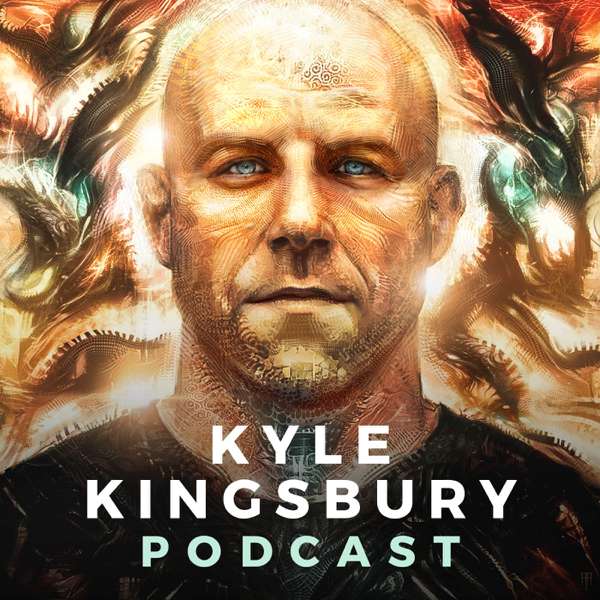
    Kyle Kingsbury Podcast

    6

    Kyle Kingsbury Podcast Fitness
    footer-logo

    Contact Us

    Toll Free: 844-670-7747

    Links

    • Home
    • Top Charts
    • Networks
    • Apps
    • Independents Podcasts
    • Podcast Advertising
    • Podcast News
    • Contact Us
    • About Us
    • Analytics & Insights

    Stay Connected

      Privacy, Terms of Use & Our Code of Ethics Protecting Content Creators Copyrights