TopPodcast.com
Menu
  • Home
  • Top Charts
  • Top Networks
  • Top Apps
  • Top Independents
  • Top Podfluencers
  • Top Picks
    • Top Business Podcasts
    • Top True Crime Podcasts
    • Top Finance Podcasts
    • Top Comedy Podcasts
    • Top Music Podcasts
    • Top Womens Podcasts
    • Top Kids Podcasts
    • Top Sports Podcasts
    • Top News Podcasts
    • Top Tech Podcasts
    • Top Crypto Podcasts
    • Top Entrepreneurial Podcasts
    • Top Fantasy Sports Podcasts
    • Top Political Podcasts
    • Top Science Podcasts
    • Top Self Help Podcasts
    • Top Sports Betting Podcasts
    • Top Stocks Podcasts
  • Podcast News
  • About Us
  • Podcast Advertising
  • Contact
Not in our directory?
Add Show Here
Podcast Equipment
Center

toppodcastlogoOur TOPPODCAST Picks

  • Comedy
  • Crypto
  • Sports
  • News
  • Politics
  • True Crime
  • Business
  • Finance

Follow Us

toppodcastlogoStay Connected

    View Top 200 Chart
    Back to Rankings Page
    Education

    Teaching in Higher Ed

    Thank you for checking out the Teaching in Higher Ed podcast. This is the space where we explore the art and science of being more effective at facilitating learning. We also share ways to increase our personal productivity, so we can have more peace in our lives and be even more present for our students.

    Advertise

    Copyright: © Innovate Learning, LLC

    • Apple Podcasts
    • Google Play
    • Spotify

    Latest Episodes:
    What this Trader Joe’s sign teaches us about professional development, with Dave Stachowiak Jul 10, 2014
    Show notes

    Overcome the excuses we make that stop us from pursuing more professional development opportunities in this episode of Teaching in Higher Ed.

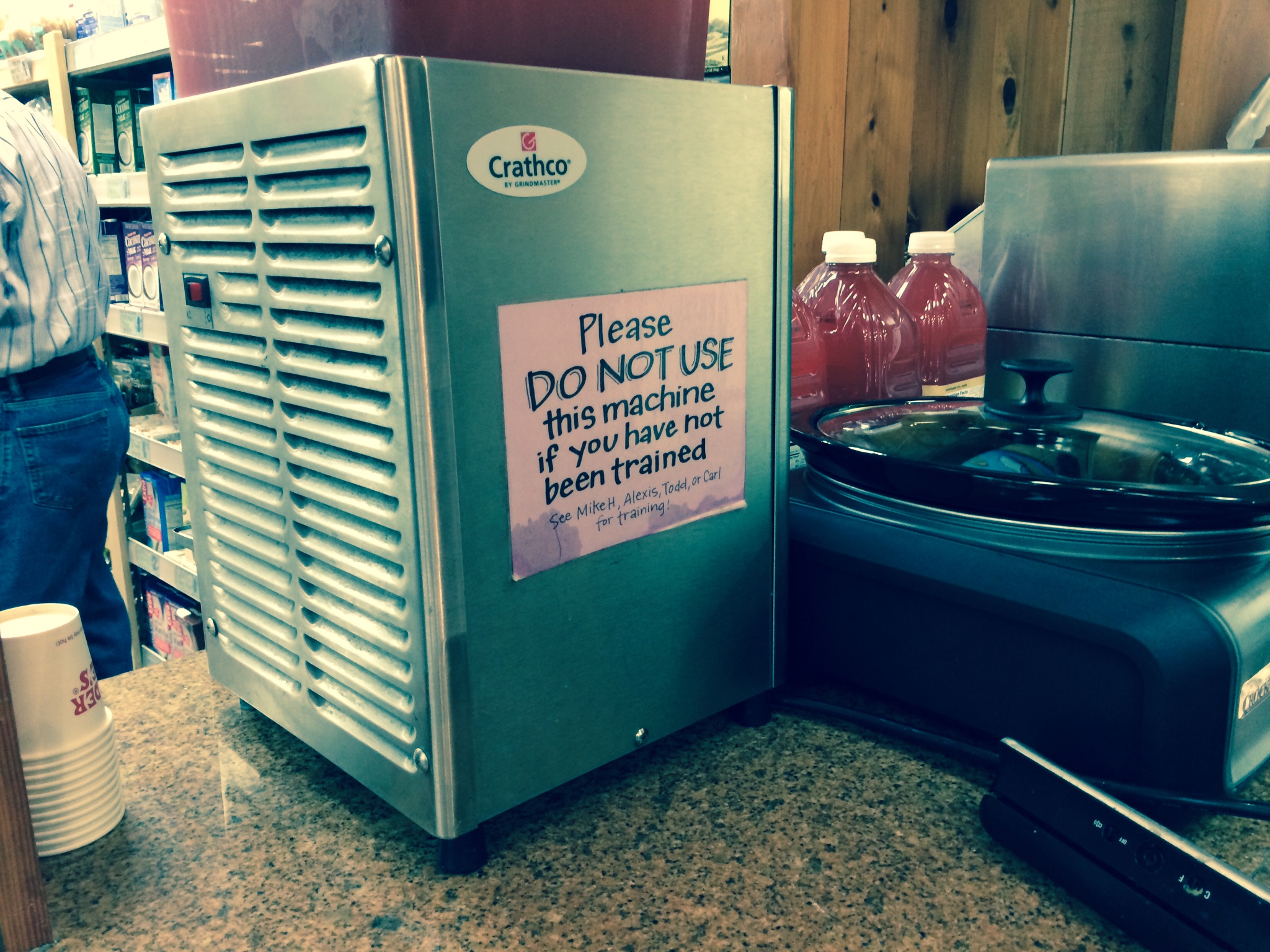
    There’s a sign posted in our local (and beloved) grocery store: Trader Joe’s. “Please do not use this machine if you have not been trained,” it reads. The machine in question is a drink dispenser. As absurd as this is, in some cases, there’s more training required to dispense raspberry lemonade than there is to teach a college class.

    traderjoesdrink

    Guest: Dave Stachowiak

    There are abundant resources out there for professional development, but we can sometimes be held back by our own excuses.

    Professional development excuses and opportunities

    Here are the most common excuses for not pursuing more training on how to teach and how to overcome each of them:

    Not enough time

    • Podcasts (Bonni’s podcast recommendations)
    • Audio books (Dave listens via Audible.com)
      • A couple of audio books that Dave particularly enjoyed listening to lately on Audible:
        1. Adam Grant’s Give and Take
        2. Essentialism by Greg McKeown
    • When you’re waiting (Pocket)

    Too hard to keep up

    • Subscribing to blogs (feedly)
    • Twitter
    • Bonni’s professional development Twitter lists:
      1. Teaching in Higher Ed
      2. EdTech
      3. Teaching and learning centers
      4. ProfHacker

    My discipline is unique

    • Coursera
    • EdEx

    Nothing I’ve tried before works

    • Filming or recording yourself teaching

    My university doesn’t dedicate resources for professional development

    • Faculty development centers at other universities
    • USC’s Center for Teaching Excellence videos
    • Grass roots efforts
    • EdTech group at Vanguard

    EdTech tools

    JotPro stylus (Dave)

    iAnnotate (Bonni)


    Your teaching philosophy: The what, why, and how, with Dave Stachowiak Jul 05, 2014
    Show notes

    How to formulate, refine, and articulate your teaching philosophy.

    [divwrap class=”one-half first”]

    Podcast notes

    The academic portfolio: A practical guide to documenting teaching, research, and service by J. Elizabeth Miller

    Miller provides examples of the narrative from actual promotion and tenure portfolios.

    What is a teaching philosophy?

    • Why we teach. Why teaching matters.
    • Not just a formula for teaching structure, but the rationale behind the structure.

    Why is having a teaching philosophy important?

    Helps guide our teaching methods. Needed in the job hunting process. Typically part of the promotion/tenure process at most universities.

    [/divwrap][divwrap class=”one-half”]

    How to identify, articulate, & refine it?

    Questions from The Academic Portfolio (p. 13):

    • What do I believe about the role of a teacher, the role of a student?
    • Why do I teach the way I do?
    • What doesn’t learning look like when it happens?
    • Why do I choose the teaching strategies and the methods that I use?
    • How do I assess my students learning?

    Questions of my own that I have found useful in articulating my teaching philosophy:

    • Who are my students? How I describe them says a lot about how I approach my teaching.
    • Who am I, as an educator? How I describe myself says a lot about my teaching, too.
    • What is teaching? Is the purpose to convey information, or to facilitate learning (or something else altogether)?

    Planet Money episode about young woman becoming a business owner in North Korea.

    • What are the artifacts of my teaching? Observable things.
    • What would I see/hear/experience that would be evidence of those beliefs, if I was in your class?
    • Espoused beliefs vs theories in use. Chris Argyris / Edgar Schein

    Podcast updates

    Thanks to Suzie RN for giving us our first iTunes review. We appreciate iTunes or Stitcher reviews from listeners, as it helps us get the word out about the show. Also, if you haven’t done the listener survey yet, please do. That will help us continue to make the show better meet your needs.

    [/divwrap]


    Lessons in teaching from The Princess Bride, with Dave Stachowiak Jun 30, 2014
    Show notes

    This is the space where we explore the art and science of being more effective at facilitating learning. We also share ways to increase our personal productivity approaches, so we can have more peace in our lives and be even more present for our students.

    Lessons in Teaching from The Princess Bride

    The Princess Bride on Facebook – official site

    Store (selling magnets… if only today’s fridges were magnetic)

    Princess Bride party game

    IMDB: The Princess Bride

    Test your knowledge: The Princess Bride quiz

    From: “Who played the grandson?” (Fred Savage) to “What town is Inigo Montoya from?” (huh?)

    The Wonder Years

    You keep using that word. I do not think it means what you think it means.

    Help students break things down. visualization. pencasts.

    As you wish.

    Pay attention to wishes… dreams… going to take a lot to get there. grit. resilience.

    From Psychology Today:

    “Resilience is that ineffable quality that allows some people to be knocked down by life and come back stronger than ever. Rather than letting failure overcome them and drain their resolve, they find a way to rise from the ashes. Psychologists have identified some of the factors that make someone resilient, among them a positive attitude, optimism, the ability to regulate emotions, and the ability to see failure as a form of helpful feedback.”

    Beware of ROUSs (rodents of unusual size)

    Politics in higher ed. power. French and Raven’s five bases of power.

    From MindTools:

    “One of the most notable studies on power was conducted by social psychologists John French and Bertram Raven, in 1959.” They identified five bases of power:

    1. Legitimate – This comes from the belief that a person has the formal right to make demands, and to expect compliance and obedience from others.
    2. Reward – This results from one person’s ability to compensate another for compliance.
    3. Expert – This is based on a person’s superior skill and knowledge.
    4. Referent – This is the result of a person’s perceived attractiveness, worthiness, and right to respect from others.
    5. Coercive – This comes from the belief that a person can punish others for noncompliance.

    EdTech Tools

    HaikuDeck (Bonni)

    Pinboard (Dave)


    Still not sold on rubrics?, with Dave Stachowiak Jun 27, 2014
    Show notes

    Welcome to this episode of Teaching in Higher Ed. This is the space where we explore the art and science of being more effective at facilitating learning. We also share ways to increase our personal productivity approaches, so we can have more peace in our lives and be even more present for our students.

    [divwrap class=”one-half first”]

    Quotes

    n/a

    [/divwrap][divwrap class=”one-half”]

    Resources Mentioned

    • Introduction to Rubrics*: An Assessment Tool to Save Grading Time, Convey Effective Feedback, and Promote Student Learning.
    • Harold Jarche’s Personal Knowledge Mastery Framework

    Seek

    • AACU value rubrics
    • Kathy Schrock’s Guide to Everything
    • Wiggins (part 2)

    Sense

    • Delicious bookmarking site
    • My rubrics saved on Delicious
    • Evernote
    • Tapes

    Share

    • Blog about them
    • Tweet about them

    [/divwrap]

    Recommendations

    Remind (Bonni)

    Tapes (Dave)

    Note from Bonni re: Tapes. The application only includes 60 minutes of recording per month, which would not be enough for most of us educators in a typical semester, if we were using the service for a number of assignments. The app makers are not very forthright about this shortcoming in their documentation, when you purchase it. They indicated to me on Twitter that they are exploring options for expanding what’s available, but as of this recording, no solution has been communicated.


    Three things my children have taught me about teaching, with Dave Stachowiak Jun 24, 2014
    Show notes

    Welcome to this episode of Teaching in Higher Ed. This is the space where we explore the art and science of being more effective at facilitating learning. We also share ways to increase our personal productivity approaches, so we can have more peace in our lives and be even more present for our students.

    Guest

    Dave Stachowiak, Ed.D

    Strawberry Farms

    family

    Three things my children have taught me about teaching in higher ed

    • It’s often not about me
    • You never know what they’ll remember
    • It’s the little things that add up to something big

    EdTech Tools

    Canva.com

    Omni Outliner

    ***

    TeachinginHigherEd.com/survey
    Show Notes teachinginhighered.com/1


    Previous 1 63 64 65

    Related Podcasts

    Making Sense with Sam Harris

    1

    Making Sense with Sam Harris Education
    Grammar Girl

    2

    Grammar Girl Education
    Good Life Project

    3

    Good Life Project Education
    Explain It to Me

    4

    Explain It to Me Education
    Team Never Quit

    5

    Team Never Quit Comedy
    Optimal Living Daily – Personal Development and Self-Improvement

    6

    Optimal Living Daily – Personal Development and Self-Improvement Alternative Health
    footer-logo

    Contact Us

    Toll Free: 844-670-7747

    Links

    • Home
    • Top Charts
    • Networks
    • Apps
    • Independents Podcasts
    • Podcast Advertising
    • Podcast News
    • Contact Us
    • About Us
    • Analytics & Insights

    Stay Connected

      Privacy, Terms of Use & Our Code of Ethics Protecting Content Creators Copyrights