TopPodcast.com
Menu
  • Home
  • Top Charts
  • Top Networks
  • Top Apps
  • Top Independents
  • Top Podfluencers
  • Top Picks
    • Top Business Podcasts
    • Top True Crime Podcasts
    • Top Finance Podcasts
    • Top Comedy Podcasts
    • Top Music Podcasts
    • Top Womens Podcasts
    • Top Kids Podcasts
    • Top Sports Podcasts
    • Top News Podcasts
    • Top Tech Podcasts
    • Top Crypto Podcasts
    • Top Entrepreneurial Podcasts
    • Top Fantasy Sports Podcasts
    • Top Political Podcasts
    • Top Science Podcasts
    • Top Self Help Podcasts
    • Top Sports Betting Podcasts
    • Top Stocks Podcasts
  • Podcast News
  • About Us
  • Podcast Advertising
  • Contact
Not in our directory?
Add Show Here
Podcast Equipment
Center

toppodcastlogoOur TOPPODCAST Picks

  • Comedy
  • Crypto
  • Sports
  • News
  • Politics
  • True Crime
  • Business
  • Finance

Follow Us

toppodcastlogoStay Connected

    View Top 200 Chart
    Back to Rankings Page
    Education

    Teaching in Higher Ed

    Thank you for checking out the Teaching in Higher Ed podcast. This is the space where we explore the art and science of being more effective at facilitating learning. We also share ways to increase our personal productivity, so we can have more peace in our lives and be even more present for our students.

    Advertise

    Copyright: © Innovate Learning, LLC

    • Apple Podcasts
    • Google Play
    • Spotify

    Latest Episodes:
    How to get students to participate in discussion, with Stephen Brookfield Sep 18, 2014
    Show notes

    The reading has been assigned. You have prepared the questions, in advance. As you ask them, you are met by blank stares. This week on Teaching in Higher Ed: How to get students to participate in discussion with Dr. Stephen Brookfield.

    Podcast notes

    My guest this week is Dr. Stephen Brookfield. His career has spanned decades, with a focus on helping those of us in higher ed more effective at facilitating learning.

    Guest information

    Dr. Stephen Brookfield

    His band: The 99ers

    Playing music… brings a completely different part of your being into existence. I love that I have this very visceral and emotional side, right front and center in my life, which is a nice contrast to the cognitive element of thinking about teaching.

    His bio

    Teaching as a Way of Teaching: Tools and Techniques for Democratic Classrooms, by Dr. Stephen Brookfield

    Definition of terms

    Discussion

    It isn’t people talking. You can actually have silent techniques, like when you use the chalk talk technique.

    When a majority of learners are involved in exploring some topic that is of mutual concern to them. In exploring that topic, they’re trying to gauge its multiple shades… by taking into account other people’s views on it…

    Teaching with discussion

    Creating the conditions under which that kind of “to and fro”ing can take place.

    Assessing discussion

    Class participation grading rubric

    Techniques for engaging with discussion

    Allows for thinking time

    Structured silence

    TodaysMeet

    Susan Cain’s Quiet: The Power of Introverts in a World That Won’t Stop Talking

    50 Great Ways to Get People Talking (coming in 2015)

    Actualizing democracy

    Critical incident questionnaire (been using it for 22 years now: out of thousands of responses – “We really appreciate when you tell us why we’re doing what we’re doing.”)

    The Skillful Teacher: On Technique, Trust, and Responsiveness in the Classroom

    Modeling discussion when teaching

    Recommendations

    Google voice + hangouts (Bonni)

    “Try to find some way of researching how your students are experiencing your teaching.” (Stephen)

    Maximize the value of Teaching in Higher Ed

    Have you subscribed to our weekly updates? If not, head on over to https://teachinginhighered.com/subscribe and receive these podcast notes and an article each week, plus the EdTech Essentials guide: 19 Tools for Teaching.

    Please consider leaving a review for Teaching in Higher Ed on iTunes or Stitcher, so others can discover the show.


    Engaging difficult students in higher ed, with Dave Stachowiak Sep 11, 2014
    Show notes

    Dave and I talk about how to deal with students that we perceive as difficult, engaging them in the learning experiences in higher ed.

    Podcast notes

    Engaging difficult students in higher ed

    Guest: Dave Stachowiak

    Dave and I talk about how to engage students that we perceive as difficult. We start by describing the dangers in labeling people as difficult.

    Be cautious about focusing on the more challenging students, at the expense of the learner who is engaged and desiring to learn.

    Dave tells a story about how his chemistry teacher created a memorable experience for his students.

    Distinguishing students who don’t want to be there, but aren’t distracting other students from learning, and those who are barriers to others’ learning.

    Help students save face, when possible.

    Attempt to keep conversations one-on-one, unless there’s a compelling reason that the dialog needs to happen in the classroom community.

    Recommendations

    Difficult Conversations: How to Discuss What Matters Most by Douglas Stone, Bruce Patton, and Shelia Heen

    Hear Shelia Heen talk on Dave’s Coaching for Leader’s podcast about her latest book about feedback

    The End

    Subscribe to the weekly update, receive the free Educational Technology Essentials ebook, and get an email each week with an article about teaching and the notes from each podcast episode.

    [reminder]What do you think about when you’re driving down the road? How do you try to engage your more difficult students?[/reminder]


    Engaging millennials in the learning process, with Chip Espinoza Sep 04, 2014
    Show notes

    Help classrooms become worthy of human habitation… a dialog with Chip Espinoza on generational cohorts, specifically millennials.

    Podcast notes

    Generations

    “We aren’t saying that all these people are the same, just because they are the same age.”

    “My desire is not to have a conversation about millennials, but have a conversation with millennials. I don’t want to have a conversation about professors; I want to have a conversation with professors.”

    Quiet: The Power of Introverts in a World that Won’t Stop Talking, by Susan Cain

    Millennials

    The “before” and “after” of teaching in the early 90s and today

    In the 90s – no one would look at a syllabus

    In the 2000s – more legalistic view of the syllabus

    • Can tend to perceive that quantity and quality are equal
    • Think that everything is negotiable (the most effective leaders and teachers of this generation enjoy the collaboration)

    Frustrations of working with this generation

    Teaching multi-generational audience: Baby boomers, GenX, and Millennials

    What did you think about the book you were assigned (Chip’s book)?

    “What’s your theoretical framework for saying it’s hogwash?”

    Characteristics

    Access to information – where subject matter experts come in

    Sage on the stage >> Allison King 1990s article to Guide on the side >> to Learning with…

    KickStarter campaign for getting Chip’s book into the hands of millennials

    Importance of immediate feedback

    Recommendations

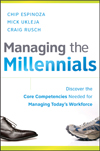
    Managing the Millennials

    managing-the-millennials

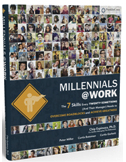
    Millennials at Work

    Take the quiz

    millennials-at-work

    iRobot Roomba


    How to get better at learning names, with Dave Stachowiak Aug 28, 2014
    Show notes

    It that season again: A lot of new faces and a lot of new names. How to get better at learning students’ names. learning-names

    Podcast notes

    How to get better at learning names

    Dave and I talk about the approaches we use to learn students’ names.

    Attendance2 iphone app on iTunes (iOS) There is an iPad app, in addition to the iPhone app, but they don’t sync/connect with each other. It is best to choose the device that you’ll have with you during each class session, to make the process of attendance tracking easier.

    SoundEver app on iTunes – saves audio recordings into Evernote

    Recommendations

    How to Win Friends and Influence People by Dale Carnegie (Dave)

    Alone Together: Why We Expect More From Technology and Less From Each Other by Sherry Turkle (Bonni references this book, in relation to Dave’s recommendation)

    Visual thinking talk by Giulia Forsythe – her bio on Twitter is great: “I work at a university supporting teaching & lifelong learning. I think in pictures. Doodling helps me be a better listener, problem solver and communicator.”

    Article: A learning secret: Don’t take notes with a laptop from Scientific American Counter-point article: Study proves why we need digital literacy education

    Pencast example from Bonni on marketing (created with a LiveScribe smartpen)

    Doodle breaks My visual notes from Peter Senge’s The Fifth Discipine

    The End

    If you haven’t already, please subscribe to the Teaching in Higher Ed weekly update.

    It comes out once a week and includes these podcast notes in your inbox, a weekly article on teaching in higher ed, and you’ll also receive a free Educational Technology Essentials ebook: 19 tools for efficiency and teaching effectiveness.

    Also, please send us feedback for podcast topics or guests. We can make these podcasts even better with your help.

    Note: These podcast notes contain affiliate links. We typically make around $10 a year through our referral links, though perhaps this year will generate more money than that. Maybe $12?

    We have not been paid for any of the recommendations we made on this post, or received any free products. However, many of my students have commented that the people over at LiveScribe should give me a free smartpen, given how many times I’ve talked about them in my classes. As of now, they’ve got me hooked, buying my own…

    Thanks for listening. Please tell a friend about Teaching in Higher Ed.


    Back to school prep, with Sandie Morgan Aug 21, 2014
    Show notes

    It can be stressful to head back into another year of teaching in higher ed. However, there certainly are actions we can take to make our experience more peaceful and be more present for our students as we get our new academic year underway.

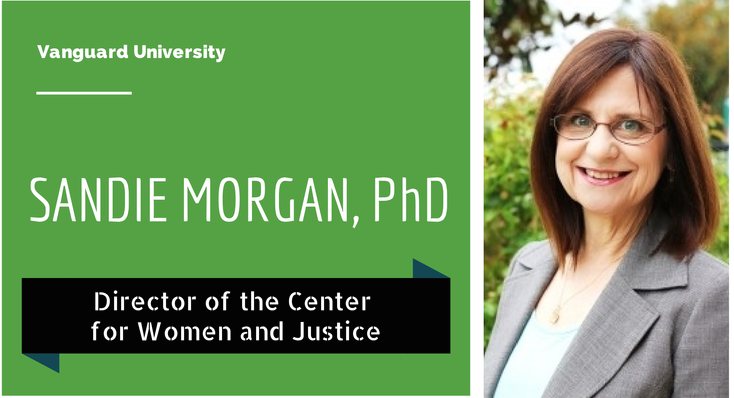
    sandie_morgan_vu

    Our foci for the Fall

    Sandie and I share about where we are focused for the start to our academic year. We both have very different roles at the university, but share a desire for continually wanting to improve our students’ learning experiences in our classes. We talk about the technology tools we will be using to support our work this year, along with other ways we will seek to facilitate learning more effectively.

    Updates to classes

    Technology-using professors on LinkedIn

    Cheating Lessons, by James Lang

    Attendance 2 iPhone app

    Remind

    Check list for class planning

    Grant Wiggin’s checklist resources

    The Checklist Manifesto by Atul Gawande

    Getting Things Done by David Allen

    Asana

    Recommendations

    Camscanner app, which connects with Evernote (Sandie)

    Evernote‘s use in giving students feedback on their resumes (Bonni)

    The End

    Ending Human Trafficking podcast

    Free ebook: Educational Technology Essentials

    Sign up for the weekly update, which has an article each week, along with these show notes


    Developing 21st Century skills, with Jeff Hittenberger Aug 14, 2014
    Show notes

    It is going to take creative collaboration to better equip college students to develop 21st century skills. My guest, Jeff Hittenberger, has worked in higher ed, K-12; in the U.S. and abroad; and as a teacher and as an administrator. His unique perspective helps us think about how to prepare our students in higher ed for tomorrow’s challenges and opportunities.

    Inspiration from childhood in Haiti

    Learned from experiences growing up in Haiti.
    Most common response to the question: “What’s up?”
    “I’m on fire.”
    Regardless of what kind of adversity you are facing, you are alive, and you have something to say.

    21st Century Skills

    What does higher education have to learn from what’s happening in K-12, as we all work to develop 21st century skills?

    Disconnect between higher ed and K-12

    Communication that one might anticipate happening between these educational bodies doesn’t happen. Can lead to gaps in students’ educational experiences. 21st century skills gives us one way to talk about what we have in common.

    Partnership for 21st Century Skills

    Resources for educators

    4 competency areas, referred to as the 4Cs

    PIMCO partnership

    Carnegie hour

    Lipscombe – competency-based higher education

    Critical thinking and problem solving

    Important for faculty to discover where there are differences in how they gauge critical thinking and develop ways to assess it in similar ways

    Creativity

    SmartBoards being used to teach physics

    “He who opens a school door closes a prison.” – Victor Hugo

    The maker movement

    TED Talk: Thomas Suarez – 12-year-old app developer

    Communication

    How can we tap into the passions of our students and engage them?

    Why Do Americans Stink At Math by Elizabeth Green in the New York Times

    Collaboration

    How the increase in technological capabilities is changing our ability to collaborate

    Character

    As parents of a college-age daughter, Jeff and his wife care more about who their daughter becomes as a person, in terms of her character, than they do about the knowledge she is gaining. Answering: “Who am I? Who am I becoming? What am I contributing to the world?”

    Recommendations

    Cheating Lessons, by James Lang (Bonni)

    21st Century Skills: Learning for Life in Our Times, by Bernie Trilling and Charles Fadel (Jeff)

    Education for Life and Work: Developing Transferable Knowledge and Skills in the 21st Century, by The Committee on Defining Deeper Learning and 21st Century Skills (Jeff)


    Academic personal knowledge management workflow, with Crystal Renfro Aug 07, 2014
    Show notes

    Librarians can be such a wonderful resource to us as faculty. Today’s guests are Georgia Tech Academic Librarians: Mary Axford and Crystal Renfro. They have been a tremendous help to me – and I’ve never even met them in person. Call it a testament to the power of academic personal knowledge management…

    Episode 9: Academic personal knowledge management

    These are the notes from our dialog together about academic personal knowledge management for academic researchers and librarians.

    Podcast notes

    Guests

    Crystal Renfro

    Mary Axford

    The comments made by Crystal and Mary during the podcast are their own opinions and do not represent those of Georgia Tech.

    Academic personal knowledge management

    • Academic Personal Knowledge Management – AcademicPKM.org
    • Free course: A year to improved productivity for librarians and academic researchers
    • Link roundups

    Our recent PKM discoveries

    • Jamie Todd Rubin’s Going Paperless Blog (Mary)
    • Jamie Todd Rubin’s post on simplifying Evernote notebooks (Mary)
    • Bonni advises to start simple with Evernote notebooks (I use 1) personal, 2) work, and 3) reference; plus 4) a shared/family notebook with Dave called BondNotes)
    • I Click it and I Know it video from Mircosoft about how OneNote works with the Surface tablet (Crystal)

    PKM Foundations

    • Compares it to a Trapper Keeper folder; Ways of organizing information (Crystal)
    • First discovery of PKM was from a colleague at Georgia Tech, Elizabeth Shields (Mary)
    • Loves using Evernote: Helped her accomplish a move a few years back in a very short time (Mary)

    Academic databases and PKM

    How the databases have kept up, as well as how the researchers have kept up with the new features (Crystal)

    • Evernote to track and plan blogs and podcasts (Mary)
    • Bonni’s Zotero tutorials
    • Catherine Pope’s Zotero posts

    It’s very individual. What works for one person may not work for someone else.

    Be sure that you don’t let the ‘doing the tool’ well become more the goal versus achieving your purpose with the tool. (Crystal)

    • Archived version of our A Year to Improved Productivity for Librarians and Academic Researchers Program

    Recommendations

    ProfHacker | GradHacker | Catherine Pope’s The Digital Researcher (Mary)

    Tweet about the random sandwich generator from Dan Szymborski (Bonni)

    This is why I really need adult supervision: I made a random sandwich generator based on my available cold cuts. pic.twitter.com/dnwyWFXpR1

    — Dan Szymborski (@DSzymborski) August 6, 2014

    ScoopIt : Robin Good’s Scoop.it sites on content curation (Crystal)

    Reminders

    1. Write us a review on iTunes or Stitcher to help other people discover the show
    2. Subscribe to the weekly update and receive the EdTech Essentials eBook, as well as the podcast show notes via email – only one email per week and you can unsubscribe at any time.

    Workflow show – Personal knowledge management tools, with Dave Stachowiak Jul 31, 2014
    Show notes

    Enough with the hypothetical. Now we share what tools we use in our personal knowledge management systems.

    Podcast notes

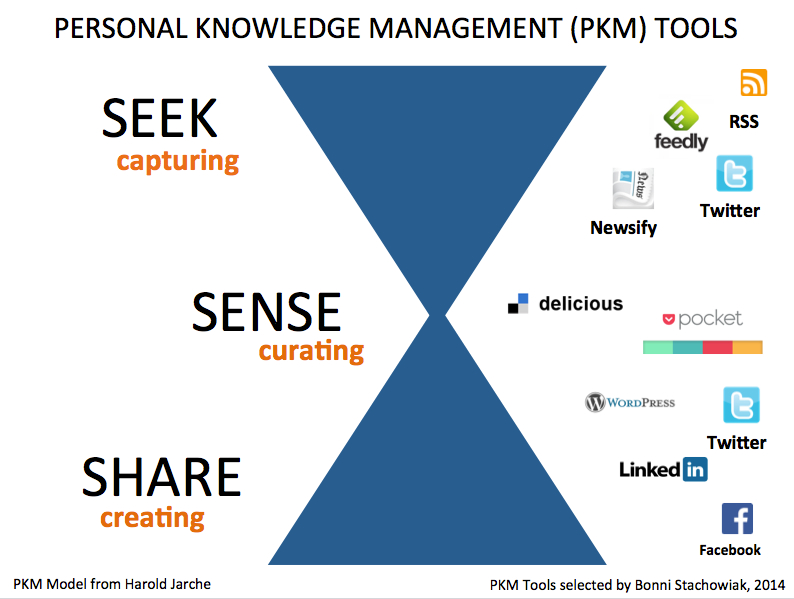
    This episode walks through each of the phases of a personal knowledge management system and the tools we each use for each step.

    Discipline of finding information, making meaning of it, and sharing it with others.

    pkmtools

    Personal knowledge management definition

    “Discipline of seeking from diverse sources of knowledge, actively making sense through action and experimentation and sharing through narration of your work and learning out loud.” – Harold Jarche

    Key posts on PKM from Harold Jarche

    Bonni’s online PKM modules

    Framework

    Bonni and Dave describe what tools we use in each of the stages of personal knowledge management.

    Seek – capture

    Feedly

    Newsify

    Mr. Reader

    Unread

    Podcasts

    • Bonni’s favorite podcasts
    • Overcast
    • Instacast

    Follow Dave on Twitter

    Follow Bonni on Twitter

    Subscribe to Bonni’s Twitter lists

    RSS

    NextDraft: The day’s most fascinating news

    Audible

    Drafts

    Sense – curate

    Dave’s Pinboard

    Bonni’s Delicious

    Evernote

    Share – create

    WordPress.com – free blog, good place to get started, but for most customization, you will want a self-hosted WordPress site

    20 minute tutorial by Michael Hyatt on how to start your own self-hosted WordPress blog / website

    Twitter

    LinkedIn

    Facebook

    Recommendations

    TextExpander (Dave)

    Breevy (Bonni)

    Feedback

    On this episode: https://teachinginhighered.com/8

    Comments, questions, or feedback: https://teachinginhighered.com/feedback


    Personal knowledge mastery, with Dave Stachowiak Jul 24, 2014
    Show notes

    Personal knowledge management and mastery. How to capture information, curate it, and create new knowledge from it. It can be so challenging to keep up with everything we have on our plates, let alone to what’s happening in the world and in areas that are most important to us.

    Podcast notes

    Guest: Dave Stachowiak

    This episode introduces the terms personal knowledge mastery and management.

    Discipline of finding information, making meaning of it, and sharing it with others.

    pkmtools

    Personal mastery

    “Personal mastery is a discipline of continually clarifying and deepening our personal vision, of focusing our energies, of developing patience, and of seeing reality objectively.” -Peter Senge

    Personal knowledge management

    Harold Jarche’s PKM resources

    Harold Jarche’s introductory video

    Personal knowledge mastery

    Skills for 2020

    KickStarter campaigns

    StorkStand

    Potato salad

    Framework

    Seek – capture

    Sense – curate

    Share – create

    Definition

    “Discipline of seeking from diverse sources of knowledge, actively making sense through action and experimentation and sharing through narration of your work and learning out loud.” – Harold Jarche

    Key posts on PKM from Harold Jarche

    Bonni’s online PKM modules:

    1. Introduction to PKM

    2. PKM demo (the actual tools I use in my PKM process)

    3. PKM for academics

    Recommendations

    Practical Typography by Butterick (Dave)

    Dave Pell’s NextDraft – The day’s most fascinating news (Bonni)

    Feedback

    On this episode: https://teachinginhighered.com/7

    Comments, questions, or feedback: https://teachinginhighered.com/feedback


    Eight seconds that will transform your teaching, with Dave Stachowiak Jul 17, 2014
    Show notes

    How can we use silence to condition our students to answer the questions we pose?

    Podcast notes: Eight seconds of silence that will transform your teaching

    It is counter-intuitive. We want students to engage with us, so we pose questions. Then, they just look at us, or down at their desks, with a pained or bored expression. We decide this whole question-asking thing is for the birds… or, at least, for a different kind of class/discipline than the one in which we teach.

    Guest: Dave Stachowiak

    How we condition ourselves not to ask questions and condition our students not to answer them.

    We try to get our students to engage by asking a question. They stare back at us, blankly. It’s awkward.

    Thinking in terms of what to cover in class, versus where the needs actually are.

    What has to happen before a student will answer a question.

    1. Process what’s been asked.
    2. See if they can formulate an answer to the question.
    3. Formulate an answer in their head (how they will convey their answer).
    4. Decide if it is safe to answer.
    5. Raise their hand, or speak (depending on the cultural rules in the classroom).

    The 8 second rule takes this time I to account. It used the power of silence to pressure students to take to risk of engaging.

    EdTech Finds

    Broadening the definition of EdTech for the purpose of sharing a couple things that have captured our attention:

    Evernote water bottle (Bonni) After recording the show, I saw that not only is this a great water bottle, but it is also associated with a great cause: WaterAid.

    Turning off email on phone (Dave); Essentialism book


    Previous 1 62 63 64 65 Next

    Related Podcasts

    Making Sense with Sam Harris

    1

    Making Sense with Sam Harris Education
    Grammar Girl

    2

    Grammar Girl Education
    Good Life Project

    3

    Good Life Project Education
    Explain It to Me

    4

    Explain It to Me Education
    Team Never Quit

    5

    Team Never Quit Comedy
    Optimal Living Daily – Personal Development and Self-Improvement

    6

    Optimal Living Daily – Personal Development and Self-Improvement Alternative Health
    footer-logo

    Contact Us

    Toll Free: 844-670-7747

    Links

    • Home
    • Top Charts
    • Networks
    • Apps
    • Independents Podcasts
    • Podcast Advertising
    • Podcast News
    • Contact Us
    • About Us
    • Analytics & Insights

    Stay Connected

      Privacy, Terms of Use & Our Code of Ethics Protecting Content Creators Copyrights