TopPodcast.com
Menu
  • Home
  • Top Charts
  • Top Networks
  • Top Apps
  • Top Independents
  • Top Podfluencers
  • Top Picks
    • Top Business Podcasts
    • Top True Crime Podcasts
    • Top Finance Podcasts
    • Top Comedy Podcasts
    • Top Music Podcasts
    • Top Womens Podcasts
    • Top Kids Podcasts
    • Top Sports Podcasts
    • Top News Podcasts
    • Top Tech Podcasts
    • Top Crypto Podcasts
    • Top Entrepreneurial Podcasts
    • Top Fantasy Sports Podcasts
    • Top Political Podcasts
    • Top Science Podcasts
    • Top Self Help Podcasts
    • Top Sports Betting Podcasts
    • Top Stocks Podcasts
  • Podcast News
  • About Us
  • Podcast Advertising
  • Contact
Not in our directory?
Add Show Here
Podcast Equipment
Center

toppodcastlogoOur TOPPODCAST Picks

  • Comedy
  • Crypto
  • Sports
  • News
  • Politics
  • True Crime
  • Business
  • Finance

Follow Us

toppodcastlogoStay Connected

    View Top 200 Chart
    Back to Rankings Page
    Courses

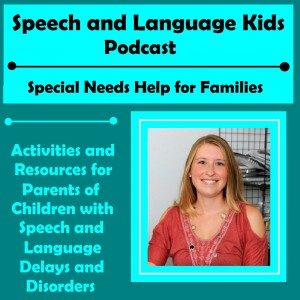
    Speech and Language Kids Podcast

    The Speech and Language Kids Podcast is BACK and better than ever! Learn how to treat communication challenges in children without losing yourself in the process. Speech-language pathologist Carrie Clark shares her best tips, tricks, and strategies to help children improve their communication skills in all areas: speech, articulation, phonology, language, literacy, social communication, stuttering, voice, AAC, functional communication, and more! Plus, Carrie will walk you through the best ways to save time and streamline what you do so your clients make faster progress and you can be more effective in less time (and stop taking work home)! Listen to the live recordings inside The Hub at Hub.SpeechAndLanguageKids.com

    Advertise

    Copyright: © Copyright: Speech and Language Kids 2013

    • Apple Podcasts
    • Google Play
    • Spotify

    Latest Episodes:
    What Is An IEP Plan? Podcast #4 Mar 14, 2013
    Show notes

    In this episode of the Speech and Language Kids Podcast, I answer the question of “What is an IEP Plan?” by giving you an overview of what to expect from the IEP process (for parents). And in the quick tip, I share a website for learning sign language that you can use with your child with a language delay.

    Download the podcast in I-Tunes!

    What is An IEP Plan?

    An IEP is an Individualized Education Program. This is the plan that your child’s public school must complete if your child is found to have a disability. In this episode, you will learn about the following steps to the IEP process:

    **Disclaimer: This is how the IEP process works in Missouri. Other states may do things slightly differently but it will all follow the same basic format because many of these things are federally mandated

    • What is an IEP Plan?
      1. How The IEP Process is started:
        1. Parent Referral
        2. Teacher Referral
      1. When a referral comes in
        1. Screening by an SLP
      1. Is there concern that your child may have a disability?
        1. Yes: Begin IEP evaluation process
        2. No: give you and the teacher strategies to use at home
      1. Begin Evaluation Process
      2. First meeting: Review of Existing Data
        1. Discuss all areas of development
        2. Determine which areas are suspected of being in disability
        3. Determine which testing should be done
        4. Get your consent to test
      1. Professionals will do the testing
        1. Speech Testing
        2. Language Testing
        3. Fluency Testing
        4. Educational Impact
      1. Evaluation Meeting
        1. Must be done within 60 days of consent to test
        2. Will tell you if your child qualifies for services
      1. Does She Qualify?
        1. Yes: Have 30 days to write the IEP
        2. No: You can ask for strategies or home ideas for areas that were low but didn’t qualify, you can also ask for local speech therapists that you could pay privately to do speech therapy with your child
      1. The IEP meeting
        1. child’s strengths and your concerns
        1. How his disability impacts his participation in school
        1. How your child will participate in standardized testing
        1. Goals that your child’s therapists will target
        1. How many minutes each professional will work with your child for
        1. Where those services will take place
        1. Any modifications that need to made during the school day for your child to learn best
        2. You sign to initiate or change any services, placement, etc.
      1. What Next?
        1. Another IEP in one year
        2. Another re-eval in 3 years

      Your Rights as a Parent:

      • You can request an IEP meeting at any time
      • You have 10 days to think about any changes before they are made
      • You can bring anyone you want to the meeting
      • You should be given 10 days notice of the meeting
      • You get a copy of the IEP
      • You should know what’s happening with your child’s education
      • Public Schools only, private schools don’t have to follow this

    What is an IEP Plan-Resources and Links:

    Links and Resources Shared in This Episode:

    • Website for Learning Sign Language: www.ASLPro.com
    • My Pinterest Page

    Thank you for listening and don’t forget to head over and leave me some feedback on I-Tunes!

    More Resources for Speech-Language Pathologists:

    Looking for more therapy ideas and resources to help you provide the BEST services to your clients? Join us in The SLP Solution, our membership program for speech-language professionals! Inside the membership, you’ll find:

    • Step-By-Step Guides for teaching a variety of speech/language/communication skills
    • Pre-Made Worksheets and Therapy Activities for hundreds of different topics
    • Training Videos for dealing with difficult disorders or problems
    • Answers to Your Questions in our exclusive SLP community
    • Tools and Resources to help you with your paperwork and admin tasks
    • Continuing Education through our monthly webinars and webinar recordings

    To join us in the full SLP Solution, or to snag a free membership, click on the button below!

    JOIN THE MEMBERSHIP TODAY!

    The post What Is An IEP Plan? Podcast #4 appeared first on Speech And Language Kids.


    How to do Speech Therapy at Home: Podcast 3 Mar 08, 2013
    Show notes

    In this episode, I discuss how to get your child to sit down and do speech therapy at home with you. Also, in the quick tip, I will tell you about a resource that has helped me keep my students engaged and doing work with me for a very long period of time!

    Download the Podcast in Itunes!

    Speech Therapy at Home Notes:

    1. Setting Up Your Home Therapy Schedule
      • Choose specific times that are designated as speech times
      • Set a schedule or for older children, work it into their homework routine as something they need to do before they can be done with homework for the evening.
      • Start with very short sessions and build up time
      • Choose a certain location that speech time will happen each time (can move around and have fun, just start there)
      • Be consistent!
      • Don’t give in if your child doesn’t want to do it. If you are running low on time or energy, just make your child do speech work at the scheduled time for one minute. That way you’re still in the routine even if neither of you had it in you to do a full session.
      • Explain to your child what you’re doing and why you’re doing it.
        • Older Children vs. younger children
    1. Setting Up Each Home Therapy Session
      • Have one specific skill in mind that you want to target
      • Choose an activity that’s fun!
        • www.speechandlanguagekids.com/weekly-activity
      • Have everything you need together
      • Give your child a 5-minute warning
      • Have a highly reinforcing reward for the end
    1. Starting the Session
      • Tell your child what you’re going to do and why you’re going to do it (especially older kids)
      • Your child should know what he’s working on
      • Tell her what she’s working for, what are the criteria for getting it
      • Set a timer and set it short
    1. Making the Session Fun
      • Play a game while you work
      • Trace something while you work
      • Give them a piece to something after they do a little work (marbleworks)
      • Hold yoga poses while doing work
      • Perform actions while doing work
      • Shoot hoops or toss a ball while doing work
      • Plastic coins/treasure in a slot
      • Put cards in mailbox
      • Find computer or I-Pad games that will work on the skill (technology is always fun!)
      • Have your child be the teacher and show you how to do it (get it wrong so they can correct you)
      • Hide their work around the house and have them find the work
      • Video tape or audio record them doing their work so they can watch/listen to it later
      • Take pictures of them doing their work and make a book they can show others
      • Tape work to walls in the bathroom, turn off lights, use flashlight to find and say
      • Put work on wall and shoot it with a dart gun
      • Make file folder games:
        • www.SpeechAndLanguageKids.com/products
      • Find worksheets
        • www.mommyspeechtherapy.com
    1. Making sure they will want to do it again
      • Praise them a lot!!
      • End with something they are successful with
      • If it’s too hard, back down to something easier and then mix in the harder ones
      • If you get frustrated, end the session early.
      • Mark their progress and show it to them.

    Troubleshooting:

    • Toddler won’t do it: work it into play
      • /b/ sound by bringing out bubbles, ball, balloon, barn, book
      • Trying to get them to talk: put everything out of their reach and get confused when they point
      • Put things they want in sealed jars so they have to ask for help
      • Give them toys that wind up
    • Preschooler won’t do it:
      • bee hive for reinforcer
      • timer
      • shorter sessions
      • Get siblings or friends involved
    • Child with Autism won’t do it:
      • strong reinforcer (can be food) given after you help them do the skill
      • Fade prompts so they’re doing it on their own
      • Break skills into smallest parts
    • Child won’t imitate any sounds
      • have him imitate actions first. If he won’t do it, help him and then reinforce like he did it on his own
    • Child’s too old for playing games
      • Get buy-in. Make sure he knows why it’s important to improve speech
    • I don’t have time!
      • Throw some speech work or words in your purse or car and pull them out when you’re stuck in traffic or waiting in a line somewhere

    Speech Therapy At Home Links and Resources:

    • Speech and Language Kids Podcast
    • Speech and Language Kids Weekly Speech and Language Activity: www.speechandlanguagekids.com/weekly-activity
    • File folder games you can print and make at home for free
    • Speech and Language Worksheets you can print for free: www.MommySpeechTherapy.com
    • Yoga Pretzel Cards you can buy on Amazon to get your child doing yoga while you work on speech and language skills

    More Resources for Speech-Language Pathologists:

    Looking for more therapy ideas and resources to help you provide the BEST services to your clients? Join us in The SLP Solution, our membership program for speech-language professionals! Inside the membership, you’ll find:

    • Step-By-Step Guides for teaching a variety of speech/language/communication skills
    • Pre-Made Worksheets and Therapy Activities for hundreds of different topics
    • Training Videos for dealing with difficult disorders or problems
    • Answers to Your Questions in our exclusive SLP community
    • Tools and Resources to help you with your paperwork and admin tasks
    • Continuing Education through our monthly webinars and webinar recordings

    To join us in the full SLP Solution, or to snag a free membership, click on the button below!

    JOIN THE MEMBERSHIP TODAY!

    The post How to do Speech Therapy at Home: Podcast 3 appeared first on Speech And Language Kids.


    Overview of Speech and Language Disorders: Podcast 2 Feb 26, 2013
    Show notes

    This episode will provide an overview of speech and language disorders, delays, and therapies. And in the quick tip, I will tell you about an app that will provide you with tons of words and activities to help you teach your child a new sound.

    Speech and Language Disorders Notes:

    In this episode, you will get answers to these questions:

    ** Don’t get overwhelmed, don’t try to remember all

    • Speech Delays, Disorders, and Therapies
      • Define: specific sound or many sound (common misconception)
      • Types of delays and disorders and their therapies
        • Articulation Disorder-therapies
        • Phonological Disorder-therapies
        • Apraxia of Speech-therapies (AAC)
        • Motor Speech Disorders-therapies (AAC)
    • Language Delays, Disorders, and Therapies
      • Define: using language to communicate and understanding the language that others are using to communicate with you
      • Areas of language that can be affected: grammar, vocabulary, using words, combining words to make phrases or sentences, asking and answering questions, following directions, reading, writing, social language
      • Therapies:
        • What an SLP can do
        • What you can do at home:
    • Fluency/Stuttering
      • Define: children who have difficulty speaking with appropriate rhythm
      • Types of fluency disorders:
        • Stuttering: repeat sounds/words/phrases, get stuck on sounds, physically struggle to get sounds and words out
        • Cluttering: speak very quickly and with irregular rate or intonation, leave off sounds, difficulty finding the word to convey what they mean (that place with the people where we went that one time)
      • Therapies for fluency disorders:
        • SLP does:
          • indirect for younger children: demonstrate slow rate, have child identify bumpy and smooth in the SLP’s voice
          • ** Many young children go through normal bouts of stuttering, your SLP will help you know if you should be worried or not
          • direct therapy
        • What You can do at home: talk to SLP first, here are some tips to help ease the pressure at home:
    • Voice Disorder
      • Define: Problem with the production of sound from the child’s voice.
        • Examples: too loud, too soft, scratchy, breathy, too high/low, hoarse
        • Causes:
          • physical abnormalities on the vocal cords
          • vocal abuse
          • learned way of speaking
        • Therapies:
          • fix physical problems (doctor, not slp)
          • vocal rest
          • teaching the child how to use the voice appropriately

    How Can I Tell If My Child has a problem in one of these areas?

    • Ask your child’s teachers how he compares to other children in his class. Is she worried?
    • Compare your child to other children his age. If you aren’t often around other children, take your child to a playground or playplace and watch how he communicates compared to the other children, then ask the other parents how old their children are. Keep in mind, there is a wide range of normal. Your child could be quite a bit behind another child his age but they may both be in the normal range.
    • Request a screening by an SLP. Most states have programs that will do this for free for children aged birth-three years. After that, the public schools will do screenings for free, you just need to call your school and ask how to get a hold of a speech-language pathologist
    • You can also check out my developmental checklists for children of every age. Go to www.Speechandlanguagekids.com/archives

    Speech and Language Disorders Links and Resources

    • Speech and Language Kids Collaborative Facebook Group
    • Parents of Children with Speech and Language Delays LinkedIn Group:
    • Carrie Clark’s Twitter Feed
    • Carrie Clark’s Speech and Language Fun Pinterest Board
    • How To Teach Your Child A Class of Sounds: www.SpeechAndLanguageKids.com/teaching-long-sounds
    • Weekly Speech and Language Activity that you can do at home: www.SpeechAndLanguageKids.com/weekly-activity
    • Tips for Parents of Children Who Stutter
    • Developmental Checklists for each age (scroll to bottom): www.SpeechAndLanguageKids.com/archive
    • Articulation Station App for teaching a child a new sound

    As always, don’t forget to head over and rate my podcast or subscribe to future episodes!

    More Resources for Speech-Language Pathologists:

    Looking for more therapy ideas and resources to help you provide the BEST services to your clients? Join us in The SLP Solution, our membership program for speech-language professionals! Inside the membership, you’ll find:

    • Step-By-Step Guides for teaching a variety of speech/language/communication skills
    • Pre-Made Worksheets and Therapy Activities for hundreds of different topics
    • Training Videos for dealing with difficult disorders or problems
    • Answers to Your Questions in our exclusive SLP community
    • Tools and Resources to help you with your paperwork and admin tasks
    • Continuing Education through our monthly webinars and webinar recordings

    To join us in the full SLP Solution, or to snag a free membership, click on the button below!

    JOIN THE MEMBERSHIP TODAY!

    The post Overview of Speech and Language Disorders: Podcast 2 appeared first on Speech And Language Kids.


    Working Speech and Language Into Bedtime Routines (Podcast) Feb 18, 2013
    Show notes

    Hey everyone! I just finished the first episode of my podcast! Here are the show notes which contain an overview of what we discussed as well as all of the great links and resources provided in the show. If you have any questions, don’t hesitate to ask!

    News and Updates:

    On today’s episode I introduced myself and talked about my plans for the coming year.

    Learn more about me here!

    I invited my listeners to tell me a little about themselves as well. Use the following link to facebook and tell me about yourself, how you found me, who in your life has a speech and language delay, and what tools and resources you need from me!

    www.SpeechAndLangaugeKids.com/facebook

    I also discussed the format of the podcasts to come. Each episode will begin with news and updates before moving into the feature segment about the topic of choice. At the end, I will share a valuable quick tip or resource so be sure to stick around!

    Feature Segment, Bedtime Routines:

    Today I discussed easy ways for a busy family can work speech and language lessons into bedtime routines. This is great for busy families that are constantly on the go!

    You can read the blog post version of this content here!

    For ways to use book-reading to improve your child’s speech and language skills, use the link below:

    www.SpeechAndLanguageKids.com/Books

    Quick Tip/Resource:

    For my quick tip/resource, I talked about the Speech and Language Kids store! You can purchase, download, and print great speech and language games and activities from our store:

    Click Here to Visit The Store

    Thank you so much for checking out my first podcast episode! Don’t forget to head over to I-Tunes and subscribe to the podcast so you can get instant access to coming episodes!

    Click Here to Find my Podcast in I-Tunes!

    More Resources for Speech-Language Pathologists:

    Looking for more therapy ideas and resources to help you provide the BEST services to your clients? Join us in The SLP Solution, our membership program for speech-language professionals! Inside the membership, you’ll find:

    • Step-By-Step Guides for teaching a variety of speech/language/communication skills
    • Pre-Made Worksheets and Therapy Activities for hundreds of different topics
    • Training Videos for dealing with difficult disorders or problems
    • Answers to Your Questions in our exclusive SLP community
    • Tools and Resources to help you with your paperwork and admin tasks
    • Continuing Education through our monthly webinars and webinar recordings

    To join us in the full SLP Solution, or to snag a free membership, click on the button below!

    JOIN THE MEMBERSHIP TODAY!

    The post Working Speech and Language Into Bedtime Routines (Podcast) appeared first on Speech And Language Kids.


    Previous 1 8 9 10

    Related Podcasts

    Coffee Break French

    1

    Coffee Break French Courses
    EconTalk

    2

    EconTalk Courses
    TED Talks Education

    3

    TED Talks Education Courses
    The Torch: The Great Courses Podcast

    4

    The Torch: The Great Courses Podcast Courses
    LSE: Public lectures and events

    5

    LSE: Public lectures and events Courses
    Homeschool Better Together

    6

    Homeschool Better Together Courses
    footer-logo

    Contact Us

    Toll Free: 844-670-7747

    Links

    • Home
    • Top Charts
    • Networks
    • Apps
    • Independents Podcasts
    • Podcast Advertising
    • Podcast News
    • Contact Us
    • About Us
    • Analytics & Insights

    Stay Connected

      Privacy, Terms of Use & Our Code of Ethics Protecting Content Creators Copyrights