PMP504: Ready to Lead with AI with Dr. Kip Glazer
Jun 10, 2026
Show notes
A Quick Note to Listeners:
Before this week’s interview, Will Parker and Jen Schwanke take some time to answer a listener question. This week’s question is:
I’m working hard, doing good work, of course not perfectly, but I’m beginning to feel stuck. How do I keep myself from becoming complacent as a leader?
Listen in to hear their response!
Meet Dr. Kip Glazer:
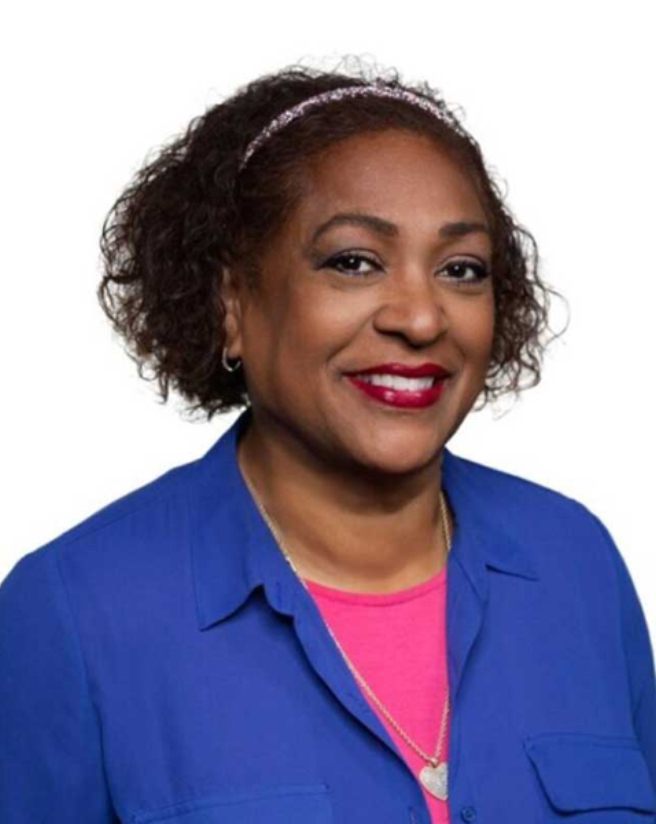
Dr. Kip Glazer is a former classroom teacher, district technology coach, and current high school principal of Mountain View High School in Mountain View, California. She has more than 20 years of experience helping schools translate emerging technologies — including artificial intelligence — into practical, responsible practice.
Her work includes leadership decision-making, understanding ethical AI, and building systems that strengthen teaching, learning, and student voice. Kip has advised districts, collaborated with national research organizations, and spoken nationally and internationally about what it really takes to lead in the AI era with clarity, credibility, and healthy skepticism.
She’s been recognized as one of DA Magazine’s Top 100 Influential Education Leaders and is a CSTA Equity Fellow, Google Innovator, and EngageAI Practitioner Advisory Board member.
In this episode of Principal Matters, we talk to Dr. Kip Glazer—author, high school principal, and longtime education technology leader—for a timely conversation on what it means to lead well in an AI era when the answers still aren’t clear.
What makes this conversation especially powerful is Kip’s humility and candor: she argues that if anyone claims they fully understand AI right now—even tool builders—school leaders should be skeptical. The work is evolving in real time, and leaders are navigating an “iterative space” where staff often expect certainty simply because the principal has the title.
Kip shares her personal origin story as an English language learner who moved to the U.S. from South Korea at age 23 without speaking English. That experience shaped her leadership lens: to look beyond what’s visible and honor what students already carry—culture, knowledge, and identity—even when they don’t yet have language to express it. She reminds leaders that a student’s limited English isn’t a measure of their intelligence, and that truly equitable leadership requires curiosity, empathy, and respect for what may not be immediately seen.
The Challenges of AI in Schools:
As the conversation turns to AI, Kip names an under-discussed challenge: identity disruption. For decades, educators have been the most knowledgeable people in the room, and AI changes that. Kip explains that this shift has an emotional toll for teachers and leaders alike, creating insecurity when students know tools the adults don’t. Her response isn’t to retreat into control, but to double down on pedagogy, collaboration, and communication, and to model the stance of learning with students instead of pretending to know everything.
Kip also challenges schools to rethink what they assess. Traditional systems often measure what students know, but struggle to measure how students use knowledge to create. She argues that AI can open doors for deeper learning if schools strengthen pedagogy that supports collaboration, creation, and problem-solving. She shares an example from her own teaching, where she used game-based learning principles in an AP Literature classroom—an approach that looked unconventional to observers, but still resulted in strong outcomes for students.
Principal’s Tech Internship Program:
One of the most practical highlights of the episode is Kip’s Principal’s Tech Internship Program, created to elevate student agency while strengthening support across campus. Kip describes how she built a structure where tech-skilled students can serve their school community, gain internship experience, and even earn community college credit through a partnership. The program began small—helping teachers onboard students and solve everyday tech problems—but grew as students began proposing bigger ideas, hosting events, and presenting their work beyond the school. Kip’s approach is intentionally “hands off” in the best way: she asks questions, guides, and protects space for students to take ownership—while learning through real-world planning, setbacks, and reflection.
Leadership Growth:
Kip also shares an honest leadership growth edge: learning that staff often need more affirmation and personal connection than she realized—especially coming from a background where praise wasn’t expressed as directly. That insight has shaped how she thinks about culture, support, and presence.
Finally, Kip offers a grounded model for leading through uncertainty: invite honest feedback, assume positive intent, and be explicit about your intentions—especially in the presence of power dynamics. She emphasizes that leaders can’t fix what they don’t know, and that openness is always healthier than suffering in silence.
Closing Comments:
Kip closes with a message of solidarity: school leaders may have different contexts, but they share similar pressures and hopes. Her goal in writing Ready to Lead with AI: A Practical Guide for School Leaders was to create the book she wished she had—honest, practical, and rooted in real school life.
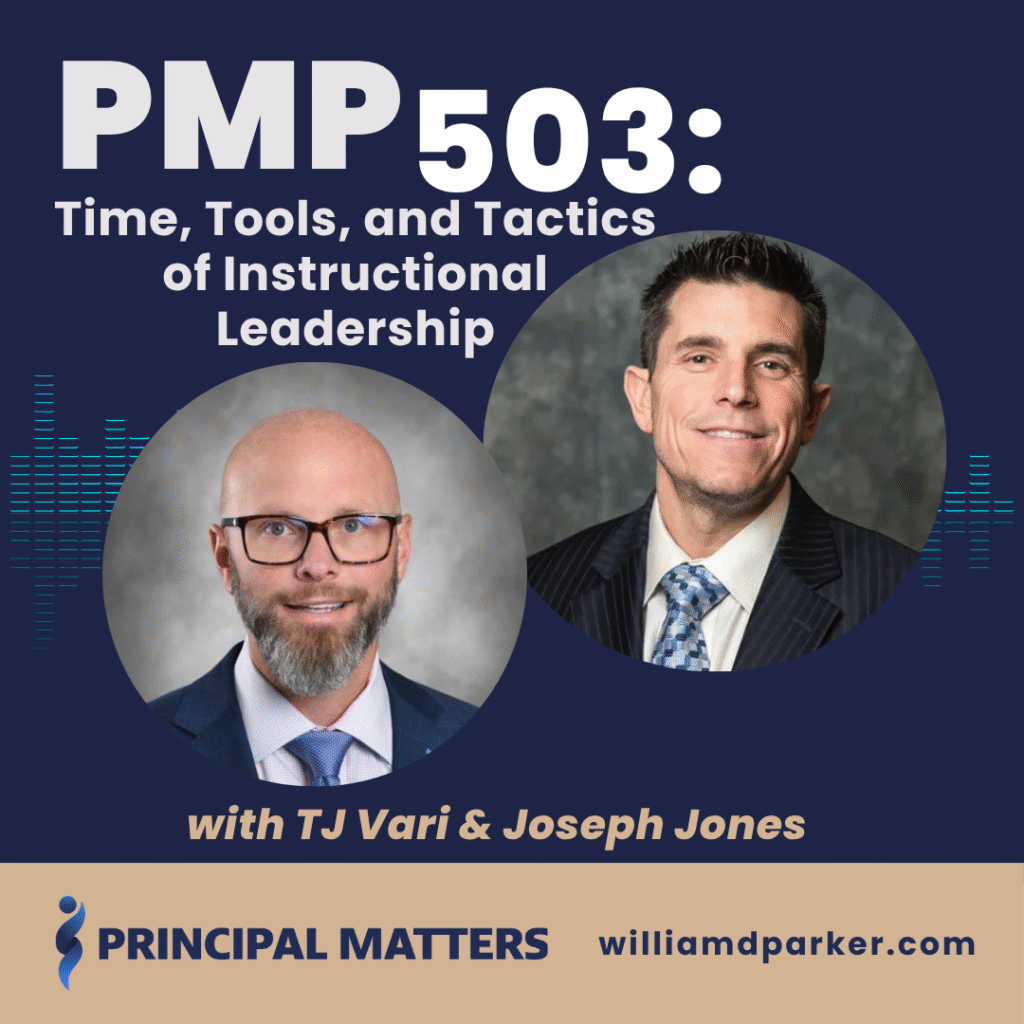
PMP503: Time, Tools, and Tactics of Instructional Leadership with TJ Vari & Joseph Jones
Jun 03, 2026
Show notes
A Quick Note to Listeners:
Before this week’s episode Will Parker and Jen Schwanke take some time to answer a listener question. This week’s question is:
How do you know when you should stay or leave? I’m in a place in my career where I’m wanting to do something different and not finding as much joy in my role as in the past. What should I do?
Listen in to hear their response!
Meet TJ Vari and Joseph Jones:
Joseph Jones and T.J.Vari have spent years as instructional leaders in various schools and districts. They have also provided professional learning and coaching to hundreds of school leaders. They have tested the strategies they recommend with principals, assistant principals and teacher leaders. They understand that the work we ask school leaders to do is complex and often time sensitive. They also know that schools are filled with daily distractions that often derail and take the leader away from the most important work which is getting into classrooms where they observe and provide feedback to teachers about the quality of instruction provided to students. They have shared many of these lessons in their other books such as Invest In Your Best, Passionate Leadership, 7 Mindshifts for School Leaders, Retention for Change, Building a Winning Team, and Candid and Compassionate Feedback.
Their newest book is Time, Tools, and Tactics of Instructional Leadership: A Principal’s Guide to Leading Learning Momentum.
Will Parker welcomes returning guests TJ Vari and Joseph Jones for a practical, high-impact conversation on the time, tools, and tactics of instructional leadership. With years of experience coaching and developing leaders across hundreds of schools, TJ and Joe speak directly to the reality principals and assistant principals face every day: instructional leadership matters most—but distractions, urgency, and weak systems often pull leaders away from classrooms, feedback, and learning momentum.
The conversation centers on their newest book, Time, Tools, and Tactics of Instructional Leadership: A Principal’s Guide to Leading Learning Momentum, which was born from a shared frustration: many leaders care deeply and work incredibly hard, yet struggle to execute instructional leadership consistently—not because they lack commitment, but because they lack systems. TJ and Joe explain how the book offers frameworks and models that serve as “architecture” until leaders build their own rhythms and habits.
Will highlights the book’s story-driven structure—seven leadership scenarios that mirror the real challenges school leaders face daily: finding time, delivering feedback that lands, balancing praise and coaching, asking effective questions, clarifying direction, and responding to resistance. TJ describes how each story builds intentionally from the last, moving leaders from “random acts of leadership” to consistent, aligned practice.
A major takeaway is the need to protect high-leverage priorities through intentional scheduling and reflection. TJ and Joe unpack time blocking and reverse time blocking as tools to help leaders see what’s actually consuming their day—and to reset back to priority work after inevitable interruptions. Joe emphasizes that when your time gets hijacked, your default can’t become empty space or reactive busywork—it must return to the high-leverage actions that move instruction forward.
The episode also digs into the danger of fear-based leadership, where leaders take the weight of school success on themselves. TJ and Joe stress that school improvement is a collective outcome and that culture strengthens through coherence and collective clarity, not pressure and control. They encourage leaders to build and develop strong leadership teams, align professional learning and feedback to clear priorities, and create shared language around what quality instruction looks like.
To close, TJ and Joe offer actionable guidance for leaders entering new roles: secure coaching support, read widely—especially about what works in schools—and focus on fundamentals. Joe adds a powerful reminder for sustainability: define the standards you want your school to embody, and when the work feels heavy, reconnect to your “why” by visiting classrooms where great teaching and learning are happening. Those moments, he says, re-center leaders faster than any mantra.
Stay Connected with TJ Vari & Joseph Jones:
You can connect with TJ and Joe, explore their services, and learn more about their work here:
MONDAY MATTERS with Jen Schwanke and Will Parker – The Perspective Question
Jun 01, 2026
Show notes
This week’s episode of Monday Matters is about shifting one’s perspective. Will Parker and Jen Schwanke consider a question about perspective that Jen recently wrote about in her newsletter. The question is: “If every person in the world wrote down their problems and put them in a hat, would you risk taking on someone else’s problems or would you keep yours?”. Will and Jen reflect on the question and talk about how educators can apply this question to problems faced by their schools and their students. Listen in to hear the full conversation!
This episode was inspired by one of Jen Schwanke’s newsletters. You can check out the post here.
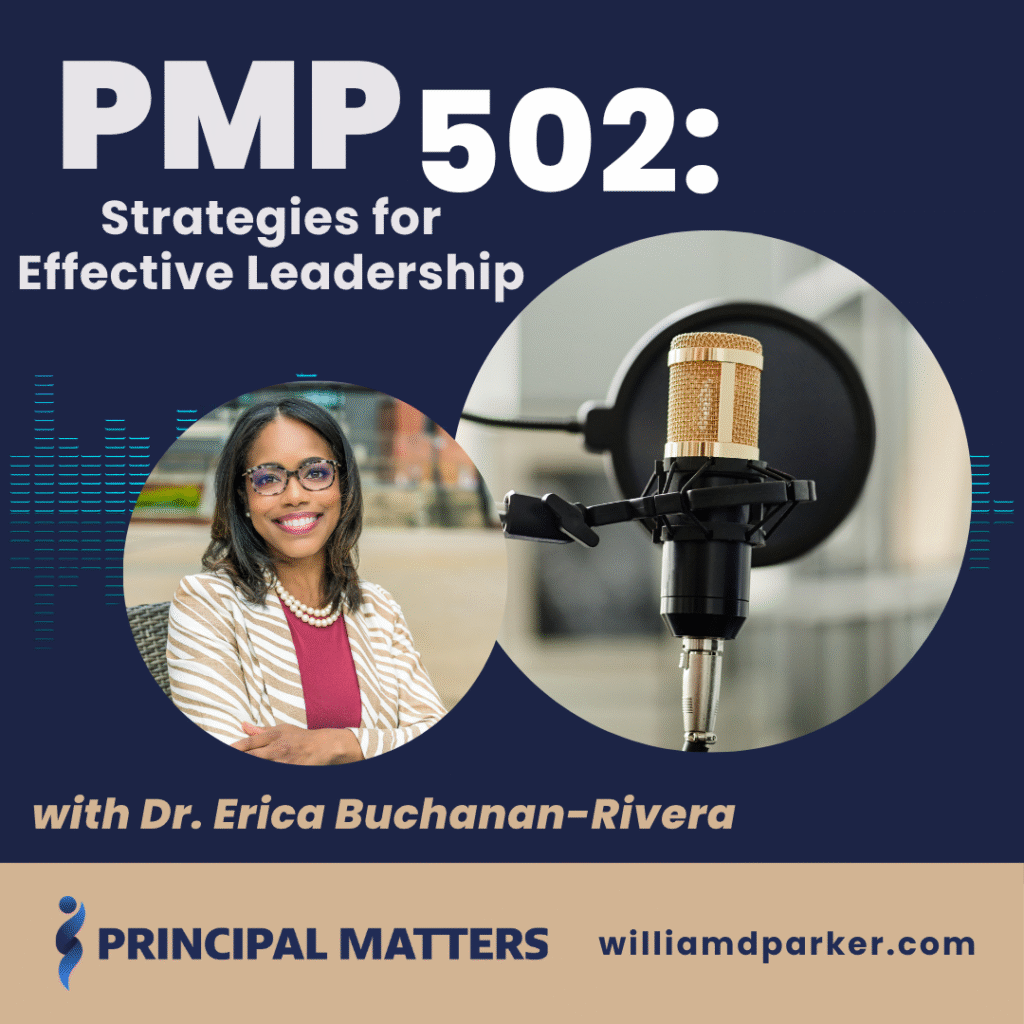
PMP502: Strategies for Effective Leadership with Dr. Erica Buchanan-Rivera
May 27, 2026
Show notes
A Quick Note to Listeners:
Before this week’s interview, Will Parker and Jen Schwanke take some time to answer a listener question. This week’s question is:
I’ve said yes to a new position within the district. How do I leave my current school in the best way possible while also doing my best to get ready for my upcoming role?
Listen in to hear their response!
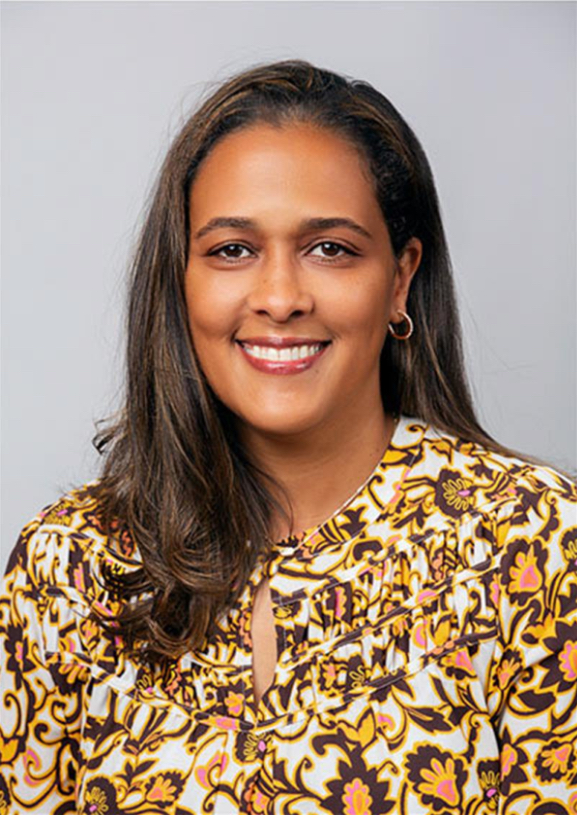
Meet Dr. Erica Buchanan-Rivera:
Dr. Erica Buchanan-Rivera is a fierce advocate for justice-centered work and humanizing approaches in educational environments. She has served in education for nearly 20 years as a teacher, an award-winning principal, director of curriculum, and a chief equity and inclusion officer in an urban and suburban school district. Dr. Buchanan-Rivera attended Butler University, where she received her Bachelor’s in Elementary Education and Master’s in School Administration. She completed her doctoral degree from Indiana State University in 2017. Currently, Dr. Buchanan-Rivera supports aspiring school leaders and educators as an Assistant Professor at DePaul University. She is also an educational consultant (EBR Educational Consultant) who focuses on ideological work to support culturally responsive practices and conditions for learning.
Strategies for Effective Leadership:
In today’s rapidly evolving educational landscape, the role of school leaders is more crucial than ever. Dr. Erica Buchanan-Rivera joins Dr. Jen Schwanke to share her experiences and strategies for effective leadership. In this episode, we explore the importance of identity-affirming cultures and the delicate balance between empathy and accountability in educational leadership.
Dr. Erica Buchanan-Rivera, also known as Dr. EBR, has dedicated her career to fostering equitable educational environments. With a background as an award-winning principal and director of curriculum, she brings a wealth of experience to her current role at DePaul University.
Dr. EBR’s journey began in Peoria, Illinois, where her early experiences in a predominantly white school ignited her passion for justice and advocacy in education. Using that background, Dr. EBR emphasizes the need for identity-affirming classrooms that center humanity. She believes that leaders should strive to create conditions for learning that eliminate barriers to achievement. She highlights that good intentions alone are insufficient; it is essential to actively work towards an inclusive environment.
Dr. EBR introduces the concept of “mirror work,” which encourages leaders to reflect on their identities and the beliefs that shape their practices. She shares that self-reflection is vital for maintaining humanity in decision-making. By consistently engaging in this introspective process, leaders can better understand their impact on students and the school culture.
Throughout her career, Dr. EBR has encountered various challenges that have shaped her leadership approach. One defining moment was her early transition to principalship, where she witnessed racial inequities within disciplinary procedures. This experience motivated her to advocate for culturally responsive teaching practices and to implement systems that address these disparities.
One of the key challenges in leadership is ensuring genuine staff buy-in for new initiatives. Dr. EBR acknowledges that not all staff members will align with a leader’s vision. However, she stresses the importance of transparency and the willingness to accept that some resistance is natural. Engaging in open dialogue and demonstrating the positive impact of changes can help foster a supportive environment.
Dr. Erica Buchanan-Rivera’s insights offer valuable guidance for current and aspiring educational leaders. Her commitment to fostering identity-affirming cultures and her emphasis on self-reflection highlight the need for empathy balanced with accountability in leadership. By embracing these principles, leaders can create impactful educational experiences that promote equity and empower students to thrive.
Staying Connected:
If you wish to learn more about Dr. Erica Buchana-Rivera, visit any of the links below:
MONDAY MATTERS: Making an Impact with Ohio Mastermind Members
May 25, 2026
Show notes
In this episode of Monday Matters, Will Parker brings together a group of school leaders from Ohio who participate in an ongoing Impact Mastermind in partnership with the Ohio Department of Education and Workforce, Adkins & Company, LLC, and Principal Matters, LLC.
The conversation centers on how collective coaching and collaboration strengthen leadership practice and help leaders better develop others.
Meet the Ohio Impact Mastermind
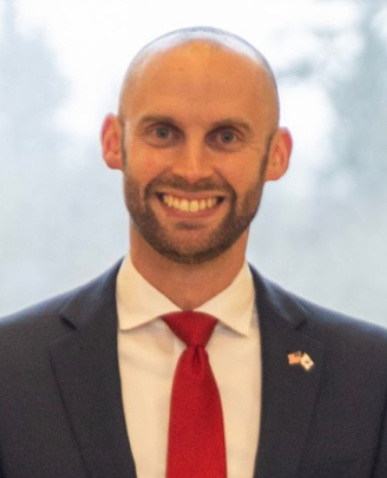
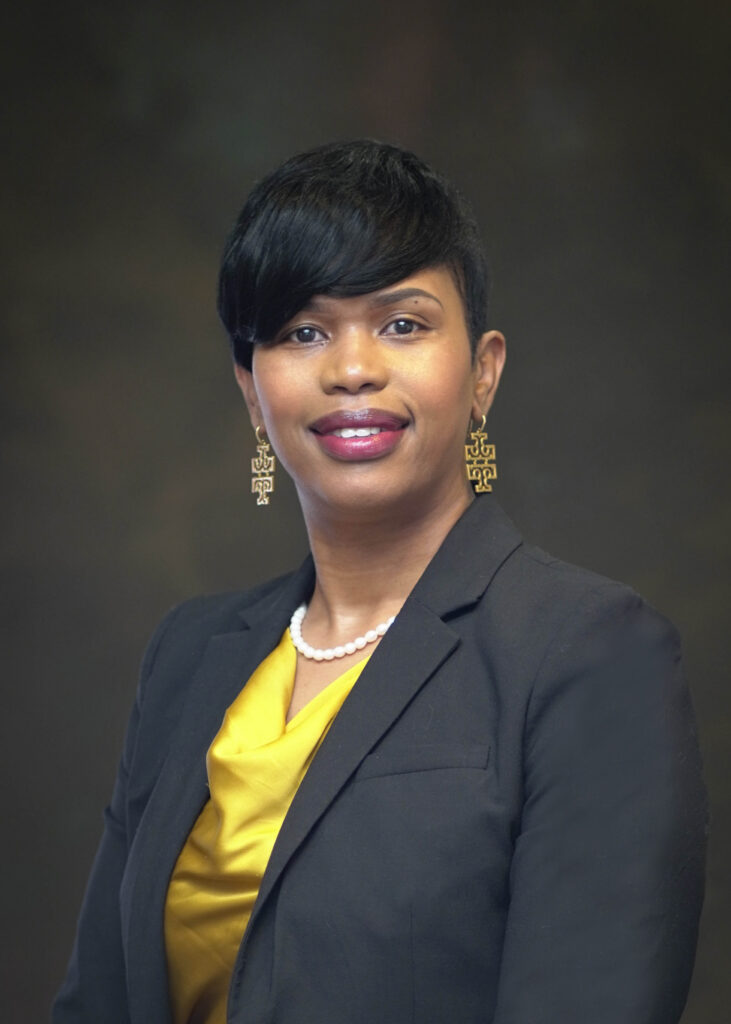
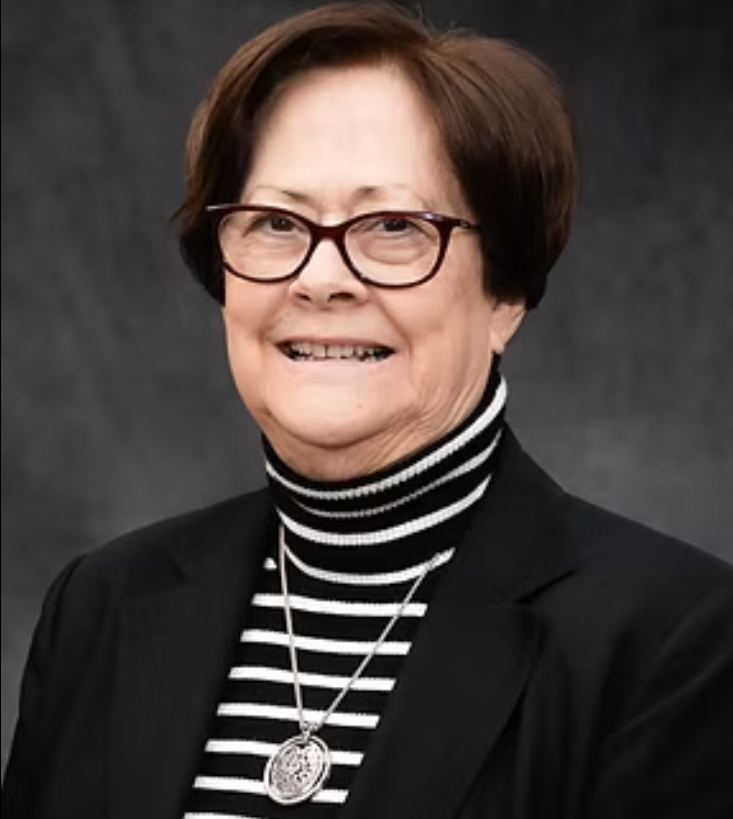
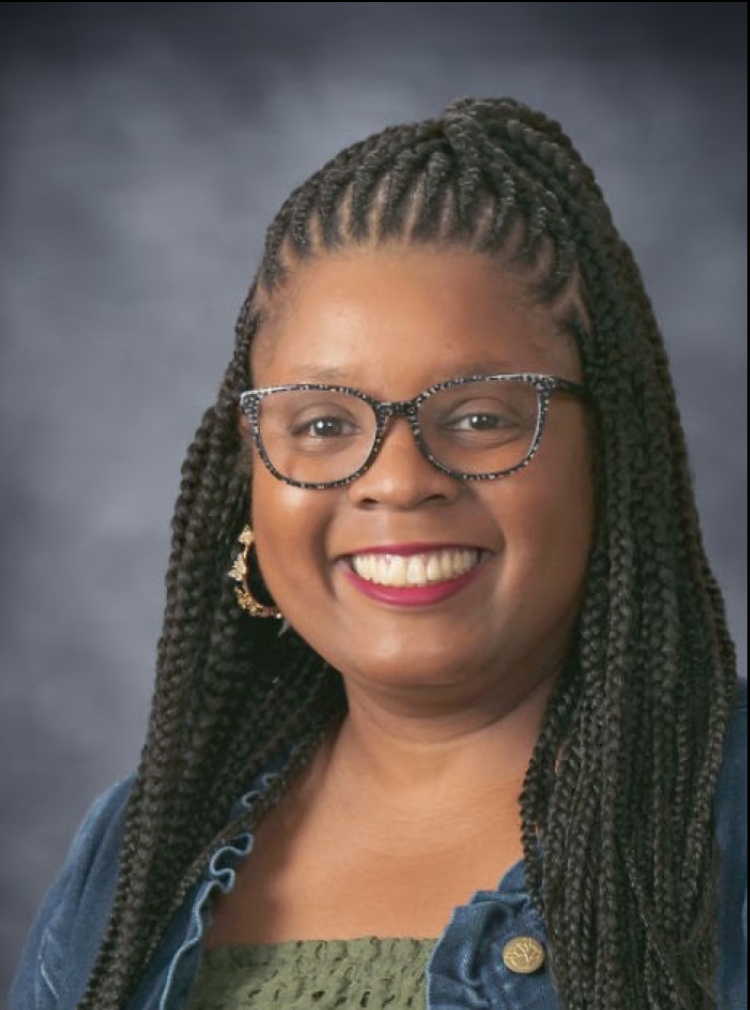
This week’s guests (pictured above) include Kelly M. Brodzenski, Breen Slauter, Julita (Julie) Flowers, Danielle Morris, and Renee Holt.
Additional members mentioned but not present include: Jared Hawk, Allison Shardell, Joe Weisend, Ken Goodrum, and Chris Brooks. I’m grateful for each of them, and I’m excited to share lessons from our regular sessions together.
Let’s Keep Learning as Leaders
A key theme throughout the discussion is that leadership can feel isolating, but being part of a trusted community creates space for honesty, reflection, and growth. The leaders describe how regular mastermind sessions provide:
A safe, non-evaluative environment to process real challenges
Opportunities to learn from others’ experiences and apply solutions proactively
Support in navigating emotionally complex decisions, especially around staff and school culture
Accountability to stay focused on professional growth and reflective practice
Several leaders highlight how coaching has sharpened their ability to:
Listen deeply and ask better questions rather than rushing to solutions
Separate emotion from evidence when making difficult decisions
Build confidence and clarity in high-stakes leadership moments
The group also emphasizes the practical impact of this work. They are not just learning—they are translating these strategies back into their schools by:
Using coaching questions with assistant principals and staff
Creating more reflective, people-centered staff meetings
Encouraging team growth beyond just data and performance metrics
Modeling collaboration and continuous learning within their own organizations
Another major insight is the distinction between typical school meetings (focused on data and outcomes) and mastermind conversations, which focus on the “how” of leadership—mindset, decision-making, and personal growth.
Parting Words of Wisdom
As the conversation concluded, each leader offered a meaningful parting word of advice for fellow school leaders, reinforcing the importance of connection, growth, confidence, and purpose in the work.
Danielle Morris reminded listeners, “You are not alone—seek out community.”
Julita (Julie) Flowers encouraged leaders to remain grounded in their development, sharing, “Stay committed to growth to sustain leadership success.”
Breen Slauter added the importance of trusting oneself while continuing to learn, noting, “Trust your instincts while remaining open to learning.”
Finally, Renee Holt brought the focus back to purpose, urging leaders to “Always reconnect to your ‘why’ for leading.”
Let’s Wrap This Up
Great leaders don’t grow in isolation. They grow through intentional, collaborative learning with others who understand the work. If you’re interested in learning more from these leaders, reach out through their websites listed in the introduction. If you’d like to connect about opportunities for coaching, mentoring, or Masterminds for yourself or your leaders, reach out to Will at will@williamdparker.com
Until next time, thank you for doing what matters!
PMP501: Developing Teacher Leaders with Dr. Chris Jochum
May 20, 2026
Show notes
A Quick Note to Listeners:
Before this week’s interview, Will Parker and Jen Schwanke take some time to answer a listener question. This week’s question is:
I’ve been leading short-handed with an Assistant Principal on leave and without the kind of support I’ve wanted from my central office. Any advice for wrapping up a school year strong when I’m feeling tired and discouraged?
Listen in to hear their response!
Meet Chris Jochum:
Dr. Chris Jochum is the founder and CEO of CJ Leadership Solutions. He is a nationally recognized speaker, trainer, and coach who believes leadership is about influence, not titles. Chris works with organizations across the U.S. and abroad to strengthen culture, climate, and leadership at every level.
He also serves as Professor and Chair of Teacher Education at Fort Hays State University, leading a large teacher preparation program. Over nearly three decades in education, he has worked in K-12 and higher education, beginning his career teaching Spanish and English as a Second Language in public schools, and later holding faculty roles at the University of Central Missouri and the University of Nebraska at Kearney. Chris’s research centers on leadership development and the value of study abroad. He hosts The Department Chair Leadership Podcast and is the author of The Department Chair: A Practical Guide to Effective Leadership, and You Don’t Have to Leave to Lead: A Practical Guide to Teacher Leadership.
The Foundation of Teacher Leadership:
Dr. Jochum emphasizes that every school is a reservoir of untapped potential, akin to a diamond mine waiting to be discovered. He shares a compelling analogy about an African farmer who searched far and wide for diamonds, unaware that his own land was rich with them. Similarly, schools possess hidden leadership capabilities among their educators. By creating an environment that encourages teachers to step into leadership roles, schools can increase student achievement and improve faculty morale.
Inviting Teachers into Leadership:
Will Parker recounts a conversation with a principal who, despite his best intentions, had not actively invited teachers to participate in leadership discussions. This highlights a common issue where leaders may feel protective of their staff, inadvertently excluding them from decision-making processes. Dr. Jochum stresses that inviting teachers into these discussions can unlock their potential, allowing them to contribute to school improvement in meaningful ways.
Practical Strategies for Identifying and Supporting Teacher Leaders:
Dr. Jochum outlines several key strategies for identifying and nurturing teacher leaders:
Model Leadership: Leaders should demonstrate the behaviors they wish to see in their teachers. By modeling effective leadership, principals can set a standard for their staff.
Share the Vision: Clearly communicate the importance of empowering teachers and encourage them to take ownership of their roles in leadership.
Provide Support: Acknowledge that not everyone will be on board with new initiatives, but encourage open dialogue and support among staff.
Insights from Future Educators:
Dr. Jochum also sheds light on the perspectives of current education students, emphasizing the importance of communication between teachers and their leaders. He advises principals to foster an environment where new teachers feel comfortable expressing their challenges and uncertainties. By reassuring them that making mistakes is part of the learning process, leaders can create a more supportive atmosphere.
The Credo for Teacher Leaders:
One of the highlights of the discussion is Dr. Yokum’s “Credo for Teacher Leaders,” which outlines essential beliefs and commitments for effective leadership:
It’s not about me, but it starts with me.
I must give up to go up.
I’m in the people business, and people are messy.
Other people’s irresponsibility will oftentimes become my responsibility.
I will never have a perfect group of people, and they will never have a perfect leader.
I must be vulnerable.
Conflict happens every day, and that’s okay.
Relationships and influence are not optional.
These principles serve as guiding values for educators stepping into leadership roles, fostering a culture of collaboration and understanding.
Staying Connected:
If you would like to learn more about Chris Jochum and his work, you can visit his website https://cjleadership.com/.
MONDAY MATTERS: “What Would Mastermind Do?” with Archdiocese of Louisville School Leaders
May 18, 2026
Show notes
In this special episode of Monday Matters, I had the privilege of sitting down with members of a leadership mastermind group from the Archdiocese of Louisville Catholic Schools in Kentucky. Recorded during Kentucky Derby season, I affectionately referred to this group as my “Derby Mastermind.” Together, we reflected on how collective coaching, mentorship, collaboration, and reflective practice shaped our growth throughout the school year.
Guests Featured:
From left to right: Dr. Trevor Timmerberg, Shelly Pence, Chasity Livers, Jessica Young, Dr. Karen Loper, and Morgan Wissing (not included in this recording but a member of the mastermind)
Throughout the conversation, we discussed how mastermind collaboration helped us:
Become better listeners rather than immediate problem-solvers Several leaders reflected on how easy it is in administration to jump quickly into “fix-it mode.” Through coaching conversations and reflective questioning, we learned the value of listening first, seeking to understand root causes, and creating space for people to process their own thinking before offering solutions.
Slow down and reflect more deeply before reacting The group repeatedly emphasized the importance of pausing before responding to difficult situations. Rather than reacting emotionally or rushing toward quick answers, leaders described learning how to reflect more intentionally, ask deeper questions, and approach challenges with greater wisdom and perspective.
Examine assumptions and refine decision-making Leadership often requires reevaluating assumptions and seeing situations from multiple angles. Participants shared how collaborative discussion and “hot seat” conversations challenged their thinking and helped them make more thoughtful, nuanced decisions.
Build confidence in their leadership capacity Some leaders entered the cohort unsure of what they could contribute, especially those newer to administration. Over time, the encouragement, collaboration, and shared learning within the group helped build confidence and reinforced that their experiences, instincts, and leadership voice mattered.
Reduce the isolation that often accompanies leadership A recurring theme throughout the conversation was that leadership can feel lonely. The mastermind experience created a trusted space where leaders realized they were not alone in their struggles, challenges, or questions. The relationships and shared experiences helped replace isolation with connection and support.
Develop healthier rhythms around reflection, family, wellness, and personal growth Through recurring reflection questions and accountability practices, leaders became more intentional about balancing their professional responsibilities with personal wellness, family presence, reading, reflection, exercise, and healthy routines.
Translate coaching practices into stronger support for teachers and teams Leaders shared how they began applying mastermind strategies within their own schools — including celebrating successes, revisiting norms, asking stronger coaching questions, holding reflective conversations, and intentionally developing leadership capacity among teachers and staff.
We also explored how structured reflection, accountability, and collaborative problem-solving influenced our schools. Several leaders shared that the practices modeled during our mastermind meetings — including celebrations, norms, reflective questions, coaching conversations, and clear agendas — became strategies they intentionally implemented with their own faculty and leadership teams.
A recurring theme throughout the episode was that leadership development is not selfish; it is essential. As Trevor Timmerberg reflected, effective leaders invest in themselves so they can better serve others.
Parting Words of Advice from Each Leader
Shelly Pence
“If I don’t invest in myself, then I don’t have the capacity to invest in others. I have to continue to invest in my own growth to be able to invest in other people.”
Chastity Livers
“Take the time to learn and grow. It benefits your school, your professional growth, and even your personal life. I’m always recharged after every mastermind session.”
Jessica Young
“Having an opportunity to collaborate helps you feel supported and stretched. You become a better leader and a better person.”
Dr. Karen Loper
“Give yourself permission to spend the time you need to become a better leader. That’s what we’re all striving for.”
Dr. Trevor Timmerberg
“Investment in yourself as a leader is never superfluous and it’s never selfish. You owe it to the people you serve to put the oxygen mask on first so that you can help others.”
Now It’s Your Turn
Thank you for listening and learning together. When you intentionally invest in your own growth, collaboration, and reflection, you are:
Learning and growing
Supported and stretched
Creating time for renewal and reflection
Recognizing that leadership growth is not selfish
Returning to your schools equipped with greater perspective, wisdom, and context
As always, I hope this episode reminds you that leadership is strengthened through collective learning, thoughtful reflection, and meaningful relationships.
If you’re interested in learning more from these leaders, reach out through their websites listed in the introduction. If you’d like to connect about opportunities for coaching, mentoring, or Masterminds for yourself or your leaders, reach out to Will at will@williamdparker.com
Until next time, thank you for doing what matters!
PMP500: Celebrating 500 Conversations in School Leadership
May 13, 2026
Show notes
A Milestone Built on Consistency and Community
Episode 500 of Principal Matters is more than a milestone; it’s a reflection of years of consistency, curiosity, and commitment to elevating school leadership. What began as a blog in 2013 and evolved into a podcast in 2015 has grown into a global conversation among educators. With over 700 pieces of content produced, the show has become a trusted space where leaders learn from one another, share experiences, and grow together.
For this special episode, Will Parker and Jen Schwanke invited a panel of respected leaders and longtime listeners to reflect on lessons learned, meaningful moments, and the future of education leadership. The panel includes: Dr. Don Parker, Josh Tovar, Donna Hayward, Frederick Buskey, Brent Kline, Dr. Nick Davies, and Dr. Tracie Swilley.
A consistent theme across the episode is the idea that Principal Matters is not just a podcast; it’s an ongoing conversation among trusted colleagues.
Our friends described the show as:
A “circle of trusted friends”
A space where leadership challenges feel shared, not isolated
A bridge connecting leaders across different contexts and regions
Rather than one standout episode, they emphasized the cumulative impact of hearing diverse voices over time. Whether discussing rural leadership, student voice, or restorative practices, the conversations feel timeless and relevant.
Leadership Through Relationships
Another major takeaway is the relational nature of leadership. Guests highlighted how the show models:
Authentic dialogue
Curiosity-driven questioning
Respect for diverse perspectives
Dr. Don Parker reflected on how meaningful it is when leaders feel seen and valued in conversation, while others noted the importance of creating environments where people feel safe to share openly.
The podcast itself mirrors what effective leadership looks like in schools: listening deeply, building trust, and learning collaboratively.
Timeless Lessons for School Leaders
Across the discussion, several key leadership principles emerged:
1. Leadership is Human Work
The most impactful leaders connect with people—not just systems or outcomes.
2. Growth Requires Community
No leader succeeds in isolation. Networks, mentorship, and ongoing dialogue are essential.
3. Student Voice Matters
Including students in decision-making leads to stronger, more meaningful school practices.
4. Reflection Drives Improvement
Whether through podcasts, conversations, or coaching, reflection helps leaders refine their practice.
Behind the Scenes: Crafting the Conversation
Jen Schwanke offered insight into the preparation behind each episode:
Researching guests and their work
Developing thoughtful, curiosity-driven questions
Allowing conversations to evolve naturally
Meanwhile, the production process—editing, publishing, and distribution—relies on a dedicated team, including our editor, Emily Parker-Eaton, and our theme music by Samuel Parker, highlighting that the podcast is truly a collaborative effort.
Parting Words: Wisdom from the Panel
The episode concludes with powerful reflections from each guest, including:
Remember your “why”
Seek support—you don’t have to do this alone
Slow down and focus on people, not just tasks
Embrace the impact you have on lives every day
Stay committed to growth and connection
Each message reinforces a shared belief: leadership is challenging, but deeply meaningful work.
Thank you
Listen to the entire episode for even more takeaways!
Episode 500 wouldn’t be possible without you, the listener, so thank you! This show is a celebration of perseverance, relationships, and shared purpose. More than anything, it reminds us that leadership is not about having all the answers; it’s about asking better questions, building stronger connections, and continuing the conversation.
And as the panel suggested, this isn’t the end. It’s just the beginning of the next 500 conversations. Until the next episode, thank you for listening, and thank you for doing what matters!
MONDAY MATTERS: Jedi Lessons from Legacy Mastermind Leaders
May 11, 2026
Show notes
When I was a boy, I loved watching Star Wars. I thought it was incredible when Jedi masters like Obi-Wan Kenobi or Luke Skywalker could persuade others through thought or outwit opponents through their use of “The Force.”
Sometimes, I like to describe amazing educators as “Jedis” in their own work. You know that teacher who seems to master any classroom setting, or that inspiring principal who can be both firm and caring at the same time? It’s hard to describe what makes them so effective, but good teaching and leadership is both an art and science.
In this week’s Monday Matters, I’m sharing a recording with one of my longest-running Mastermind groups—a group of Jedi educators.
Six years ago, Sheila Vitale at the Ohio Department of Education and Workforce reached out about working with Ohio charter school leaders.
We began with a series on my Hats for Leadership, and many of those leaders later transitioned into a Mastermind. For this episode, I invited the group that has been together the longest to record a session with me about how collaboration, coaching, and applying ideas have supported their growth.
The takeaway for other leaders is simple: your commitment to collaboration, mutual mentoring, and coaching can protect you from isolation and inspire stronger connections with your teachers, students, and community.
As we wrapped up the conversation, I asked each leader for a parting word of advice. I’ve included their insights below along with their school information.
PMP499: Cultivating Educator Wellness with Dr. Alli Phelps
May 06, 2026
Show notes
A Quick Note to Listeners:
Before this week’s interview, Will Parker and Jen Schwanke take some time to answer a listener question. This week’s question is:
I’m an assistant principal with 9 years of experience. I’ve made it to superintendent interviews to become principal of my school. K-8 with about 900 students. My competition is a 20 year veteran principal. How can I compete with that? What advice do you have?
Listen in to hear their response!
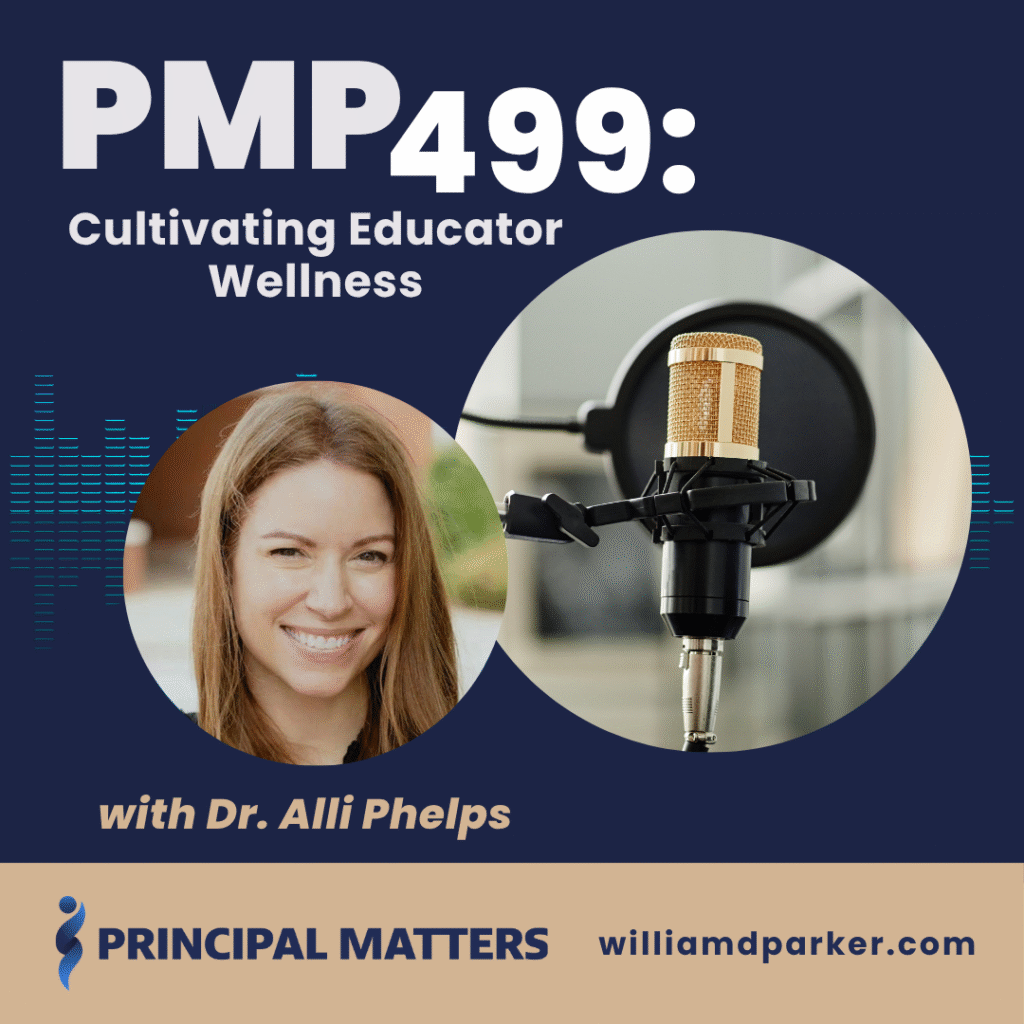
Meet Dr. Alli Phelps:
Dr. Alli Phelps has spent more than twenty years dedicated to Educator Wellness, improving the lives of both teachers and students. Her experience spans classroom teaching, EL instruction, advocacy, mentoring, coaching, and school administration.
She began teaching English in Australia in 1999, then returned to the U.S. to teach English and ESL at Homewood High School after completing her first Master’s in Secondary English Education. She later earned a second Master’s in ESL, which included cultural immersion work in Venezuela. In 2009, she moved to Shades Cahaba Elementary to teach K–5 EL students.
In 2021, Alli was named Alabama’s Elementary Teacher of the Year. She went on to earn her P–12 administration certification and complete a doctorate at Samford University focused on Educator Wellness.
Today, Alli serves as Assistant Principal at Riverchase Elementary in Hoover City Schools. Outside of work, she loves running, yoga, reading, time with family and friends, and caring for her Great Dane rescue, Murphy.
Understanding Educator Wellness:
Dr. Ali Phelps, with over 20 years in education and recognized as Alabama’s Elementary Teacher of the Year, emphasizes the critical need for wellness among educators. She highlights that despite the passion educators have for their work, burnout is a common struggle. “Those aren’t mutually exclusive,” she notes, reflecting on her own experiences during the pandemic and the subsequent challenges faced by many in the education field.
Research Focus: From Teacher to Administrator Wellness:
Initially focusing her research on teacher wellness, Dr. Phelps discovered a significant gap regarding administrator wellness. She transitioned her research to explore how educational leaders manage their well-being amidst the demands of their roles. “There’s a huge problem with administrators and educational leaders and how to get from managing this career to maintaining longevity over time,” she explains. Dr. Phelps conducted qualitative research involving interviews with high-performing administrators across the country to gather insights into effective practices.
Three Pillars of Educator Wellness:
1. Physical Wellness: Dr. Phelps found that physical wellness is paramount for educators. Her research indicated that exercise, nutrition, hydration, and sleep play crucial roles in enhancing resilience. Many administrators reported that regular movement not only improved their physical health but also positively impacted their decision-making and overall performance.
2. Strong Boundaries: Another critical theme from her research was the importance of setting clear boundaries. As she puts it, “You have this job to support your family, you don’t have this family to support your job.” This notion underscores the necessity for educators to prioritize personal time and model respect for boundaries within their teams. This discipline in maintaining boundaries helps prevent burnout and fosters a healthier work-life balance.
3. Aligning Values with Work: The third pillar involves connecting daily work to personal values. Dr. Phelps highlights that many educators enter the profession driven by a passion for service, and maintaining that connection is essential. Practices such as gratitude exercises, community engagement, and staying involved in classrooms help educators nurture their commitment to their core values, combating emotional fatigue and the challenges that come with the profession.
Dr. Ali Phelps’ research sheds light on the vital aspects of educator wellness that can help sustain those dedicated to teaching. Her findings reveal that prioritizing physical wellness, setting strong boundaries, and aligning values with work are essential for maintaining a healthy and fulfilling career in education. As the landscape of education continues to evolve, these insights serve as a reminder of the importance of taking care of oneself in order to effectively serve students and communities.
Staying Connected:
If you wish to connect with Dr. Phelps, you can reach her via email at: aphelps@hoover.k12.al.us

 Our TOPPODCAST Picks
  Stay Connected