TopPodcast.com
Menu
  • Home
  • Top Charts
  • Top Networks
  • Top Apps
  • Top Independents
  • Top Podfluencers
  • Top Picks
    • Top Business Podcasts
    • Top True Crime Podcasts
    • Top Finance Podcasts
    • Top Comedy Podcasts
    • Top Music Podcasts
    • Top Womens Podcasts
    • Top Kids Podcasts
    • Top Sports Podcasts
    • Top News Podcasts
    • Top Tech Podcasts
    • Top Crypto Podcasts
    • Top Entrepreneurial Podcasts
    • Top Fantasy Sports Podcasts
    • Top Political Podcasts
    • Top Science Podcasts
    • Top Self Help Podcasts
    • Top Sports Betting Podcasts
    • Top Stocks Podcasts
  • Podcast News
  • About Us
  • Podcast Advertising
  • Contact
Not in our directory?
Add Show Here
Podcast Equipment
Center

toppodcastlogoOur TOPPODCAST Picks

  • Comedy
  • Crypto
  • Sports
  • News
  • Politics
  • True Crime
  • Business
  • Finance

Follow Us

toppodcastlogoStay Connected

    View Top 200 Chart
    Back to Rankings Page
    Science

    Podcasts Archive | Steven Winter Associates, Inc.

    We help you identify progressive solutions to improve the built environment.

    Advertise

    Copyright: © 2020 Steven Winter Associates

    • Apple Podcasts
    • Google Play
    • Spotify

    Latest Episodes:
    Charlotte’s Web of Building Electrification Strategies …with Charlotte Matthews Jun 30, 2022
    Show notes

    Featuring

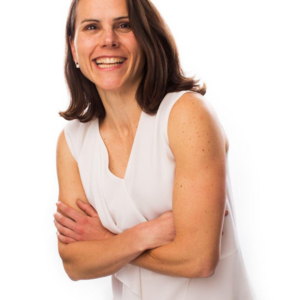
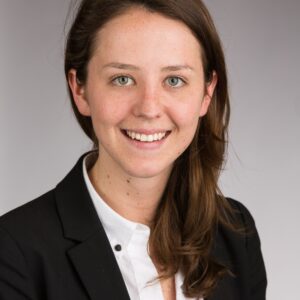
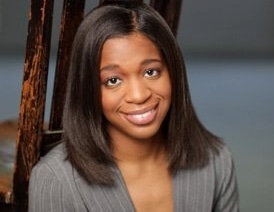
    Charlotte Matthews

    Charlotte Matthews is the Head of Affordable Electrification at Google. Her career spans building design, construction management, real estate development and tech, always with the goal of finding scalable solutions to reduce the climate impact of buildings.

    At Google, Charlotte leads a cross-functional team developing a product to help utilities address the competing pressures of energy affordability and transitioning homes from fossil fuels to clean electricity. Charlotte moved to Google from Sidewalk Labs, an Alphabet startup focused on urban sustainability and affordability. Prior to that, Charlotte was the Vice President of Sustainability for Related Companies, a large owner-developer of mixed-use neighborhoods.

    Charlotte taught for several years in Columbia University’s Masters in Real Estate Development program and holds a BSc in Environmental Science from Brown University.

    Fun fact: Once upon a time, Charlotte Matthews worked for Steven Winter Associates as a Sustainability Consultant!

    It’s not every day we get to interview someone with such a diverse background of project experiences. Whether it was working for an architect, developer, construction manager, or tech startup, our guest for this episode has leveraged her passion and expertise as a sustainability professional to come up with some pretty impressive solutions for buildings.

    In this episode, Robb and Kelly chat with Charlotte Matthews, Head of Affordable Electrification at Google. Charlotte reflects on her experience working for different firms as a sustainability professional and shares some of the challenges she faced when attempting to improve the operational efficiency of buildings. Throughout the episode, the group discusses why buildings don’t perform as expected, the importance of benchmarking and normalizing, and the impact of dynamic energy pricing.

    This episode marks our first ever video podcast! Check it out on SWA’s YouTube page and let us know what you think.

    Watch us on YouTube!

    We hope the video component brings our listeners closer to the conversation and provides a sneak peak into our lives as building science nerds podcasters. Let us know what you think!

    Episode Information & Resources

    Sidewalk Labs

    Performance Gap Studies:

    • Sidewalk Lab’s master innovation and development plan (MIDP) for the Toronto project
    • Residential MF Building Performance Gap Study
    • Commercial Building Energy Analysis Study

    Sponsor

    P3C Logo

    “The P3 Higher Education Summit examines campus infrastructure challenges faced by colleges and universities nationwide, and how new approaches to procurement, risk, planning, and asset management are helping campus planners and facility managers deliver critical projects nationwide.

    Join over 600 college and university representatives, developers, and design-build professionals for two days of project delivery discussions and networking. Check out P3HigherEducation.com to learn more and to register. Opportunities for sponsorship are still available.

    Register with code SWINTER for $100 off your registration!

    We Want to Hear From You!

    Send your feedback and questions to podcast@swinter.com

    About Buildings and Beyond

    Buildings and Beyond is the podcast that explores how we can create a more sustainable built environment by focusing on efficiency, accessibility, and health.

    Buildings and Beyond is a production of Steven Winter Associates. We provide energy, green building, and accessibility consulting services to improve the built environment. For more information, visit swinter.com.

    Hosts: Robb Aldrich | Kelly Westby

    Production Team: Heather Breslin | Alex Mirabile | Dylan Martello | Ian Slakas

    The post Charlotte’s Web of Building Electrification Strategies …with Charlotte Matthews appeared first on Steven Winter Associates, Inc..


    (ENCORE) ‘All-Access’ with Peter Stratton May 05, 2022
    Show notes

    Featuring Peter Stratton Peter Stratton is a Senior VP and the Managing Director of Accessibility Services at SWA. Under his leadership, the firm’s Accessibility Consulting Team provides services for a variety of private and public clients nationwide, including the owner of the largest privately owned residential real estate portfolio in New York City, two of the top-ten largest housing authorities in the U.S., and the largest shelter system in the U.S. He is the author of a variety of industry publications, including A Basic Guide to Fair Housing Accessibility – Everything Architects and Builders Need to Know About the Fair Housing Act Accessibility Guidelines, published by John Wiley & Sons, Inc. ** First released in 2018, ‘All-Access’ is the perfect episode for those interested in learning more about accessibility compliance, especially as it pertains to building design, construction, and ownership. Before we dive into the original episode, we learn about a new term called “Inclusive Design” and how it differs from “Universal Design”. ** There are approximately 57 million Americans living with disabilities in the United States; worldwide, people with disabilities make up 15% of our population. Given this information, we must do our part to ensure that people with disabilities have equal access to opportunities afforded to everyone – starting with equal access to buildings. This week’s guest is a long-time accessibility expert who serves as the Managing Director of SWA’s Accessibility Services, Peter Stratton. Peter begins the episode with an overview of the existing accessibility requirements in the U.S. and highlights additional measures that should be taken to ensure inclusiveness for all. Join us to learn how we can foster a more accessible built environment through careful design and planning. Episode Information and Resources A Basic Guide to Fair Housing Accessibility: Everything Architects and Builders Need to Know About the Fair Housing Act Accessibility Guidelines Designing for Passive House and Accessibility Requirements Cost of Accessible Housing Accessible Housing by Design: Universal Design Principles in Practice Aging in Place Guide for Building Owners Accessibility Posts on PartyWalls Blog Regulations Fair Housing Accessibility Guidelines Americans with Disabilities Act (ADA) International Building Code (IBC) Chapter 11 We Want to Hear From You! Send your feedback and questions to podcast@swinter.com About Buildings and Beyond Buildings and Beyond is the podcast that explores how we can create a more sustainable built environment by focusing on efficiency, accessibility, and health. Buildings and Beyond is a production of Steven Winter Associates. We provide energy, green building, and accessibility consulting services to improve the built environment. For more information, visit swinter.com. Hosts: Robb Aldrich | Kelly Westby Production Team: Heather Breslin | Alex Mirabile | Dylan Martello Episode Transcript Kelly: Welcome to buildings and beyond Robb: the podcast that explores how we can create a more sustainable built environment Kelly: by focusing on efficiency, accessibility and health. Robb: I’m Robb Aldrich Kelly: and I’m Kelly Westby. Robb: This week I’m talking with Peter Stratton, who is the managing director of accessibility services here at Steven winter associates. And he’s been at this for quite a while. He’s been working on accessibility related topics since back in the eighties or nineties when the first accessibility legislation came out and he’s been helping people comply with the legislation. We talk a little bit about the history of accessibility requirements, how it differs from codes. They’re not always the same thing, which can be frustrating. And basically what he does, how he helps building owners, designers, developers comply with the proper accessibility requirements. New Speaker: Pete thanks for being here. Peter: Thanks for having me Robb. Robb: So one of my big focuses of this podcast, one of my big interests is to talk more with people in this company. I mean, the company’s not huge, 125 people or so, but we do a lot of different things. And accessibility is one of the things that I’m really not very familiar with. So when we decided to do this podcast, I said, all right, I want to interview Peter Stratton first. And I told you and you said fantastic, and then you left the country for two weeks. So what’s up with that? Peter: I’m back now though, I was investigating accessibility in Machu Picchu Robb: I look forward to the report. I guess first we’re talking about accessibility and people know what it is in a vague sense, but do you have a good working definition or an official definition? Peter: working definition? So when we talk about accessibility in the context of what we do here at Steven winter associates, accessibility really means, that a building, a space, a facility is in compliance with a requirement or a criteria. So when we say is the building accessible? we really mean, does it comply with the requirements that are applicable to the building? Robb: Okay. And the term universal design I hear a lot is that kind of a above and beyond term? Peter: many terms. Accessibility is what- when we talk about accessibility, again, we mean in compliance with the requirement. When we talk about universal design or inclusive design, we talk about sort of going beyond compliance and accommodating the needs of a variety of potential building users versus accessibility, which focuses mostly on accommodating the needs of people with disabilities. So that’s the distinction. Robb: And accessibility- The legal requirements for accessibility are a big enough stretch for some people that going above and beyond is, we don’t get into that too much Peter: We do get into it often enough, but universal design for the most part is not a requirement of federal, state or local law or building codes. There are universal design requirements that are out there, but not to the extent that accessibility requirements exist. Robb: Okay. So when did it start, when did you start working and when did accessibility requirements come on the books? Peter: Yeah, well, we been working on accessibility for many years. I personally celebrate my 25th anniversary here at Steven Winter associates this month. But we haven’t been working on it that long, almost that long. Many years ago we were a contractor to HUD’s office of policy development and research and OPDNR at that time had RFPs out on the street for contractors who could get involved in some early research on the fair housing amendments act. Robb: And that was new? Peter: That was new at the time. Certainly. The law fair housing amendments act of 1988 when we talk about the Fair Housing Act, subsequent to the passing of the Fair Housing Amendments Act, you know, the industry was kind of confused about having to comply with the legal use of a federal regulation and also with the requirements of a building code or criteria. Robb: And there wasn’t overlap? So this was, this was the legislation, not building code. Peter: This is federal legislation in addition to building code that that was, that applied at the time. and then architect for example, understands building code and criteria, technical standards. And at that time, little bit confused about the legally use of a federal regulation, which they at that time learned that they need to comply with. And so there was some early research on what it all sort of really meant for the industry. And we were involved in that early research and then it sort of snowballed from there. And here we are all these years later with a significant number of people on the team doing a lot of great stuff. Yeah. Robb: Very cool. And is it mostly with developers we’re working with? I mean, what’s the stretch? Peter: I mean, so our clients run the gamut. We work with a whole bunch of stakeholders, right? So architects, developers, contractors, public agencies, and lots of attorneys because it is very litigious as you can imagine. And we’ve got developers and other entities that are sued often for noncompliance with requirements. And we do a lot of that litigation consulting. So working with a lot of attorneys these days. But for the most part I’d say we work primarily with developers and architects- that sort of bread and butter. New construction. The requirements depending also cover existing construction alterations, renovations. But I think our bread and butter for the most part is new construction, multifamily housing. Robb: And so is that separation between legislation and codes still present? Has it gotten better or has legislation outpaced codes and codes are trying to catch up? Peter: You know it’s a mixed bag. So in the very beginning, we had the legal use of federal regulations to worry about when we design and construct facilities, and I’m talking about housing, but we have all the federal requirements like the ADA that apply to facilities that are non housing facilities, like public accommodations. Fair housing is obviously housing and the ADA is public accommodation and commercial facilities. Title Three of the ADA and title two of the ADA covers activities of states and local governments. So if the local government does have a housing type of a facility, like a shelter, although it is housing, it is also subject to ADA title two because it’s a activity of a state or local government, I should say. So federal regulations have to be complied with in addition to the building code in the very beginning, many years ago it was a tough kind of nut to crack. Peter: You know, what’s more stringent, what takes precedence over the other. I really only need to worry about the requirements of the building code when it comes to access because that’s enough to get me in compliance with federal regulation, which is not true. And so that was the sentiment at that time. Robb: Were talking about nineties? Peter: we’re talking early nineties, mid nineties. Now a lot has changed, more current additions of the building code. And I’m talking about the international building code way. When all these federal regulations came into play, we didn’t have the international building code. We had a number of different building codes like BOCA or the southern building code, that covered different jurisdictions across the country. Now, for the most part, we have the international building code. And it has chapter 11 accessibility in it. Peter: And it has, you know, attempted to keep up with the requirements of federal law. There are some editions of the International Building Code, for example, that are approved by HUD as safe harbors for compliance with the design and construction requirements of the Fair Housing Amendments Act, a safe harbor is a document that you can turn to, that when you comply with that document from beginning to end, you essentially comply with the requirements of fair housing. Robb: And so HUD will review a code and say, all right, this meets all our checklists? Peter: That’s right. And HUD it has done that, but they stopped at the international building code 2006, and now we’re up to 2018. So Hud is sort of lagging, building codes have progressed. Robb: And the accessibility requirements, the legislation also have progressed or evolved? Peter: No, the fair housing amendments act has remained the same. The Americans with Disabilities Act has been updated and there had been criteria that have been updated. But additions of the international building code beyond 2006 have not been approved by HUD as safe harbors for compliance. Robb: So presumably they didn’t backtrack on their accessibility measures? Peter: Thats right. I think things have gotten better and the trend is sort of improved accessibility in the building codes for sure, but still not a HUD approved safe harbor. And it’s not that, you know, there’s nothing in the legal ease of the law that tells you that you’ve got to comply with a HUD approved safe harbor. Robb: Thats just a service really to try to get accessibility into standard practice. Cause I mean developers, builders, have to deal with codes, architects, everybody has to deal with the codes. They know how to deal with the codes. And now you throw up a piece of legislation at them, and it’s like woah. Peter: I think I would have believed I would have agreed with that statement 20 years ago. But today for an industry key stakeholder to say, “hey look, I’m a little confused at this law” or “I understand my building is not compliant, but you know, I get the building code I’m not really familiar with it.” I think a little bit too late for that. It’s been around for many, many, many, many years at this point. And so, you know, you try to learn and grow and I think what has changed from now to then is that the industry I think realizes now that accessibility really is its own sort of niche practice. Robb: Right. You have to do it. That’s like efficiency. I mean codes didn’t use to address efficiency. It was, you know, structural safety, fire safety.. Peter: You’ve got to do it right. And you rely on the accessibility consultant just like you would rely on any specialty consultant. The acoustics consultant, right? The landscape consultant, the mechanical consultant, you know, the architect is not developing or designing mechanical systems and is not doing acoustics probably for the most part. So how can you expect an architect to essentially be paid what they’re paid and also understand all of the nuts and bolts of a federal regulation in addition to the building code? I think it’s just way too much. Robb: Gotcha. So what are some of the nuts and bolts, I mean, what are some of the things that people fail to comply with? Some common things that just requires some extra thought or some extra planning? Peter: Yeah things people fail to comply with that? That a great question. I think what trips people up and when I see people, I think for the most part, designers or architects and interior designers, speaking as one of those professionals. Yes. And just based on the experience, you know what I see every day. All of the codes, the federal laws, the state laws, local legislation, all have what’s called scoping criteria and technical criteria. So the scoping criteria is what needs to be accessible. For example, how many building entrances are required to be accessible, how many bathrooms are required to be accessible. And then you turn to technical criteria for direction on how to make an entrance accessible. The clear width of the door, you know, maximum opening pressure, maneuvering clearance on both sides, the hardware type, closing speed, all of that. The technical criteria I think are pretty simple. You know, you go to the criteria, you open the book and you follow the steps, the door has to provide a clear with of no less than 32 inches measuring between the face of the door and the opposing stop when the door is open, 90 degrees. That’s simple. I think it’s scoping criteria in terms of how many, how much, that sort of confuses architects and designers. And that’s where we see, I think, the mistakes being made. You know, the building code for example in New York City requires that all public entrances are accessible. Americans with disabilities act requires that 60% of public entrances are accessible. The fair housing amendments act requires that at least one primary entrance be accessible. So if you have a building that is subject to a number of federal requirements, which many are, in addition to building code, you’ve got different scoping requirements and you’ve got different technical requirements to comply with. So it’s understanding what to apply and sort of what governs what rule you’ve got to follow. And so it’s mostly the scoping information. That’s what trips designers up. Robb: And its not necessarily getting the details right, You know, so something has to be a…

    Full show notes at the publisher

    Building Operations and Training with Jonathan Rodnite and Adam Romano Apr 10, 2022
    Show notes

    Featuring

    Jonathan Headshot

    Jonathan Rodnite

    I am the Assistant Chief Engineer of 125 Park Avenue with 10 years of commercial and real estate experience. I started as a handyman in 2012 and my career goal is to become a Director of Engineering. My passion for this business has driven me to pursue additional classes at the Local 94 Training Center with the goal of becoming an instructor. I want to encourage the current and future generation of Local 94 engineers to elevate their performance with a deep understanding of operational efficiencies by way of hands on experience.

    Adam Romano headshot

    Adam Romano

    Adam Romano is a Principle Building Systems Consultant with Steven Winter Associates. Adam possesses over 17 years’ experience in the building science field and has extensive experience with new and existing buildings. His work at SWA focuses on building performance analysis, conducting energy audits and commissioning, design and implementation of high-performance HVAC systems, and instructional design and training delivery.

    Ever wonder who is responsible for ensuring the performance of a building? Yes, designers and contractors can have a significant impact during construction, but once the building is complete, it’s the building operators and maintenance staff that have the greatest influence on the operational efficiency of large buildings. As a result, these boots on the ground professionals play a critical role in our fight against climate change.

    In this episode, Kelly chats with Jonathan Rodnite and Adam Romano, two engineers who represent two interconnected and vital practices of building operations—maintenance and training. Both Jonathan and Adam share their perspectives on the importance of operator training, provide advice to listeners who may be interested in joining the workforce, and recount their favorite stories from the field.

    Episode Information & Resources

    • Local 94 Training Center Website
    • Recommended book from Jonathan – “How To Win Friends & Influence People” by Dale Carnegie
      • “It’s not only applicable to improving your career but great life advice as well” – Jonathan

    We Want to Hear From You!

    Send your feedback and questions to podcast@swinter.com

    About Buildings and Beyond

    Buildings and Beyond is the podcast that explores how we can create a more sustainable built environment by focusing on efficiency, accessibility, and health.

    Buildings and Beyond is a production of Steven Winter Associates. We provide energy, green building, and accessibility consulting services to improve the built environment. For more information, visit swinter.com.

    Hosts: Robb Aldrich | Kelly Westby

    Production Team: Heather Breslin | Alex Mirabile | Dylan Martello

    The post Building Operations and Training with Jonathan Rodnite and Adam Romano appeared first on Steven Winter Associates, Inc..


    The Economics of Developing Sustainable Buildings with Christina McPike Feb 03, 2022
    Show notes

    Featuring

    Christina McPike Headshot

    Christina McPike

    Christina McPike is the Director of Energy & Sustainability at WinnCompanies, a Boston based, 50-year-old multifamily housing owner, developer, and manager. Since joining Winn’s Energy & Sustainability team in 2013, Ms. McPike has implemented over $50 million worth of energy efficiency upgrades across Winn’s portfolio. Under Ms. McPike’s leadership, WinnDevelopment successfully integrates high performance design in every project, from occupied moderate renovations to historic adaptive reuse projects to ground up new construction. Ms. McPike is a Lifetime member of the Northeast Sustainable Energy Association. She holds an M.S. degree from Northeastern University and a B.A. from Boston College.

    If you’re like us, you want to hear from someone who not only talks the talk but walks the walk. Our guest for this episode is the perfect example of this: she has the experience of a developer and the expertise of a sustainability guru – a perspective that is hard to find.

    Christina McPike is the Director of Energy and Sustainability at WinnCompanies, a 50-year-old multifamily housing owner, developer, and manager. Christina provides an insightful look into the energy market, and shares the trends, incentives, and opportunities that have stemmed from recent carbon mandates for buildings. She also describes the details of one of Winn’s most ambitious projects – an all-electric deep energy retrofit in Boston – and discusses the programs her team leveraged that made the project economical.

    Episode Information & Resources

    • Rocky Mountain Institute’s ‘REALIZE’ Initiative
    • Eva White Case Study
    • About Winn’s Renewable Energy & Sustainability Initiatives

    We Want to Hear From You!

    Send your feedback and questions to podcast@swinter.com

    About Buildings and Beyond

    Buildings and Beyond is the podcast that explores how we can create a more sustainable built environment by focusing on efficiency, accessibility, and health.

    Buildings and Beyond is a production of Steven Winter Associates. We provide energy, green building, and accessibility consulting services to improve the built environment. For more information, visit swinter.com.

    Hosts: Robb Aldrich | Kelly Westby

    Production Team: Heather Breslin | Alex Mirabile | Dylan Martello

    The post The Economics of Developing Sustainable Buildings with Christina McPike appeared first on Steven Winter Associates, Inc..


    Venting About Ventilation, Heat Pumps, and Net Zero with the Buildings+Beyond Team Jan 07, 2022
    Show notes

    Featuring

    Photo of Robb Aldrich

    Robb Aldrich

    Robb focuses on building energy systems: researching new technologies, monitoring performance, and helping practitioners create better, healthier, more efficient buildings.

    Kelly Westby

    As Director of the Building Operations, Decarbonization, and Efficiency team at Steven Winter Associates, Kelly has worked with building owners, developers, contractors, and design teams to improve building performance throughout the east coast. She has a wide range of experience in building science, energy efficiency retrofits, commissioning, and building decarbonization.

    Dylan Martello

    Dylan is a Senior Building Systems Consultant and Certified Passive House Designer with Steven Winter Associates, Inc. specializing in Passive House and Net Zero projects. Dylan works with project architects and engineers to assist in the design of extremely energy efficient buildings. His direct project experience on large-scale Passive House certified or pre-certified projects comprises a wide range of use types such as high rise multifamily, core and shell offices, hotels, and industrial facilities.

    Alex head shot

    Alex Mirabile

    Alex Mirabile is a Marketing Coordinator at Steven Winter Associates (SWA) and a recent graduate from the University of New Hampshire. His responsibilities at SWA span a wide range of the company’s marketing efforts including social media management, event planning, and writing for external publications. During his time at UNH, Alex graduated with a B.S. in Environmental Conservation and Sustainability and served as a member of the New Hampshire Sustainable Energy Association (NHSEA).

    Sometimes it’s good to vent. Well, if you ask a Passive House expert, it’s always good to vent. So, that’s exactly what we did for this episode.

    Based on popular demand, the Buildings and Beyond team took a more informal approach to this month’s episode and gathered for a roundtable discussion. With a mix of backgrounds and expertise, we came to the table with a different topic and shared our thoughts, findings, and of course, did some venting…

    Here are the topics we discussed:

    1. Kelly – Ventilation [3:05]
    2. Robb – Electrifying domestic water heating [18:45]
    3. Dylan – All-electric commercial kitchens [35:00]
    4. Alex – Backup power generation in a zero-carbon world [49:45]

    Episode Information & Resources

    Ventilation:

    • Blogs with ventilation case studies and best practices

    Electrifying domestic water heating:

    • Blog about domestic hot water

    All-electric commercial kitchens:

    • Podcast episode on all-electric kitchens with Chris Galarza
    • Everyone’s meal orders for all-electric vs. gas kitchen analysis:

    [one_third]

      • Alex
        • Dinner
          • Seasonal Flatbreads
          • Tomato Soup
          • Asian Ahi Tuna
          • Hangar Steak
        • Breakfast
          • Heuvos Rancheros

    [/one_third]

    [one_third]

      • Robb
        • Dinner
          • Roasted Cauliflower
          • Massaged Kale and Quinoa
        • Breakfast
          • Heuvos Rancheros

    [/one_third]

    [one_third_last]

    • Kelly
      • Dinner
        • Duck Confit Sliders
        • Chowder
        • Massaged Kale and Quinoa
        • Short Ribs and Grits
        • Almond Cake
      • Breakfast
        • Smoothie Bowl

    [/one_third_last]

    Backup power generation in a zero-carbon world:

    • Article about Canadian farmer’s methane-powered electricity plant

    Sponsor

    PHN Logo

    The Passive House Network is a national 501(c)3 nonprofit, that provides Passive House education to building professionals across the United States, and supports a community of knowledge-sharing, in collaboration with regional and international Passive House organizations.

    Formerly known as the North American Passive House Network (NAPHN) – this past year, in 2021 – NAPHN became simply The Passive House Network, or PHN, with a focus on reinforcing the connections between regional and global capacities.

    Find out more and register for your next Passive House training at www.PassiveHouseNewtork.org.

    We Want to Hear From You!

    Send your feedback and questions to podcast@swinter.com

    About Buildings and Beyond

    Buildings and Beyond is the podcast that explores how we can create a more sustainable built environment by focusing on efficiency, accessibility, and health.

    Buildings and Beyond is a production of Steven Winter Associates. We provide energy, green building, and accessibility consulting services to improve the built environment. For more information, visit swinter.com.

    Hosts: Robb Aldrich | Kelly Westby

    Production Team: Heather Breslin | Alex Mirabile | Dylan Martello

    The post Venting About Ventilation, Heat Pumps, and Net Zero with the Buildings+Beyond Team appeared first on Steven Winter Associates, Inc..


    What Should a Degree in Sustainability Look Like? with Patrick Hossay Dec 09, 2021
    Show notes

    Featuring

    Patrick Headshot

    Patrick Hossay, PhD

    Patrick Hossay is Professor and founding Chair of the Sustainability department and Energy Studies program at Stockton University. He jokingly states that his eclectic training has made him ideally suited as a professor of sustainability, but not much else, with advanced degrees, training and experience in engineering, technology, political science, and history. He is the author of multiple books and articles in diverse fields, including social science, history, environmental science, and engineering; and has taught and conducted research in renewable energy, environmental policy, natural resource management, sustainable communities, and international development. He currently works and teaches in renewable energy, green buildings, automotive technology, green vehicle innovations, and sustainable design. Hossay has worked for more than two decades as a consultant on international development projects and municipal planning, and currently consults and advises regionally in the energy and design fields. He is also an experienced and licensed aircraft and automotive mechanic, and restores classic cars and motorcycles in his off time.

    A degree in sustainability can mean many things. Sure, you can develop a focus, but how does an undergraduate program truly prepare you to become a professional in such a broad and complex topic? To learn more about what an undergraduate degree in sustainability should look like, we looked to Stockton University’s Patrick Hossay.

    Patrick was recommended to us by various colleagues of ours who were fortunate enough to go through his sustainability program. Influenced by Patrick’s eclectic background, the program takes an interdisciplinary approach to education, requiring students to master a variety of topics that they may face as future sustainability professionals.

    In addition to learning about Stockton’s unique degree program, Patrick and “Buildings and Beyond” host Robb take a trip down memory lane and share their experience as students. They also discuss the value of trades, which Patrick believes is being hampered by the growing belief that everyone “must” go to college.

    Episode Information & Resources

    About Stockton’s Sustainability Program

    Stockton University’s Sustainability program offers BS and BA degrees that allow students to concentrate their studies in Renewable Energy, Agroecology, Environmental Policy or Sustainability Management, and gain hands-on practical training along with a broad interdisciplinary education.

    Information on the Sustainability degree program at Stockton University can be found here: https://stockton.edu/sciences-math/sustainability.html

    Other Resources

    Shop Class as Soulcraft – book by Matthew Crawford

    We Want to Hear From You!

    Send your feedback and questions to podcast@swinter.com

    About Buildings and Beyond

    Buildings and Beyond is the podcast that explores how we can create a more sustainable built environment by focusing on efficiency, accessibility, and health.

    Buildings and Beyond is a production of Steven Winter Associates. We provide energy, green building, and accessibility consulting services to improve the built environment. For more information, visit swinter.com.

    Hosts: Robb Aldrich | Kelly Westby

    Production Team: Heather Breslin | Alex Mirabile | Dylan Martello

    The post What Should a Degree in Sustainability Look Like? with Patrick Hossay appeared first on Steven Winter Associates, Inc..


    Designing the World’s First Passive House Car Dealership with Andrew Peel Nov 04, 2021
    Show notes

    Featuring

    Andrew headshot

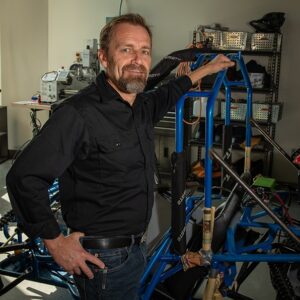
    Andrew Peel

    Andrew Peel is the Founder & Managing Principal of Peel Passive House Consulting. Andrew’s primary areas of expertise are in low-carbon buildings and renewable energy. His professional and academic experience ranges from consultancy, program management, authoring technical and non-technical articles, course and lecture delivery, and technical research. Andrew provides Passive House and sustainability consultancy, certification, and training services to the building sector. Prior to forging out on his own, Andrew worked in a variety of capacities in Europe. These included managing the innovative carbon-saving technologies scheme and the Energy Saving Trust’s Best Practice Helpline. He also managed and delivered Passive House, Code for Sustainable Homes, wind turbine development, and thermal modelling projects as well as organizing Passive House study tours. Further activities included contributing to the development of the UK government’s housing energy calculation methodology (SAP) and the Passive House Planning Package (PHPP). Read more

    The Passive House standard has been applied to some extraordinary building projects to date. From single family and high-rise residential to industrial and commercial buildings, building professionals have adopted the Passive House approach to improve occupant health and comfort, and reduce energy use (in some cases up to 90%!). That’s why when we heard about the world’s first certified Passive House car dealership, we knew we found our next podcast guest.

    On this episode, Kelly chats with Andrew Peel from Peel Passive House Consulting to discuss one of his favorite (and most challenging) projects to date: a Passive House-certified Subaru dealership in Alberta, Canada.

    Episode Information & Resources

    • Peel Passive House Website
    • Subaru Car Dealership Overview
    • Subaru Car Dealership Case Study
    • Subaru Car Dealership Blog

    We Want to Hear From You!

    Send your feedback and questions to podcast@swinter.com

    About Buildings and Beyond

    Buildings and Beyond is the podcast that explores how we can create a more sustainable built environment by focusing on efficiency, accessibility, and health.

    Buildings and Beyond is a production of Steven Winter Associates. We provide energy, green building, and accessibility consulting services to improve the built environment. For more information, visit swinter.com.

    Hosts: Robb Aldrich | Kelly Westby

    Production Team: Heather Breslin | Alex Mirabile | Dylan Martello

    The post Designing the World’s First Passive House Car Dealership with Andrew Peel appeared first on Steven Winter Associates, Inc..


    The Role of Heat Pumps in Low-Moderate Income Homes with Jon Harrod Oct 06, 2021
    Show notes

    Featuring

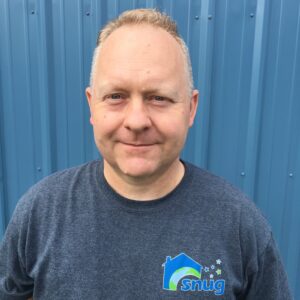
    Jon Harrod

    Jon Harrod, Ph.D., is a contractor, author and electrification advocate. In 2006 he founded Snug Planet, an award-winning home performance company based in Ithaca NY. From its initial focus on energy audits and envelope improvements, Snug Planet has grown to offer whole-home solutions, including moisture management and HVAC upgrades. Snug Planet is an active participant in New York State residential programs serving low-income and market-rate customers. In early 2022, Snug Planet will be merging with Halco Energy, one of the largest home performance contractors in New York. Jon is certified by the Building Performance Institute as a Building Analyst, Envelope Professional, Heating Professional, and AC/Heat Pump Professional. Jon’s articles have appeared in Home Energy Magazine, Journal of Extension, Building Performance Journal; and ASHRAE Journal. He is a regular contributor to Green Building Advisor.

    The electrification of buildings is considered to be a primary strategy for reducing carbon emissions and kicking fossil fuels. Luckily, due to advancements in technology and carefully developed best practices, heat pumps may be a driving force in helping us to achieve our all-electric goals. But when do heat pumps make sense? As we know, there’s no one-size-fits-all application.

    On this episode, Robb chats with Jon Harrod about the feasibility of heat pumps in low-moderate income homes. John shares some important factors to consider when evaluating heat pumps, such as construction type, geographic location, project financing, and more.

    Episode Information & Resources

    Snug Planet:

    Website

    Case Studies

    Jon’s Blogs:

    Green Building Advisor

    We Want to Hear From You!

    Send your feedback and questions to podcast@swinter.com

    About Buildings and Beyond

    Buildings and Beyond is the podcast that explores how we can create a more sustainable built environment by focusing on efficiency, accessibility, and health.

    Buildings and Beyond is a production of Steven Winter Associates. We provide energy, green building, and accessibility consulting services to improve the built environment. For more information, visit swinter.com.

    Hosts: Robb Aldrich | Kelly Westby

    Production Team: Heather Breslin | Alex Mirabile | Dylan Martello

    The post The Role of Heat Pumps in Low-Moderate Income Homes with Jon Harrod appeared first on Steven Winter Associates, Inc..


    A Framework for Equity and Buildings with Kathryn Wright Sep 16, 2021
    Show notes

    Featuring

    Kathryn Wright Headshot

    Kathryn Wright

    Kathryn Wright joined USDN in February 2020 as the Programs Director for Building Energy. In her role, Kathryn oversees the network’s strategic direction and innovation work in the built environment. Prior to USDN, Kathryn led Cadmus’ Sustainable Communities and Organizations practice. In this role, she focused on helping local and state governments plan and implement greenhouse gas reduction and resilience strategies. Illustrative work includes leading stakeholder engagement for the development and refinement of performance requirements for Boston’s disclosure ordinance, preparing research to support the City of Cambridge’s roadmap for resilient and equitable renewable thermal deployment across its community and serving as the Project Director for Massachusetts’ 2030 Climate Plan and 2050 Roadmap. Prior to Cadmus, Kathryn held a fellowship at the Center for Business and Environment at Yale and the Connecticut Green Bank focused on helping cities and towns increase distributed solar deployment. She currently serves on the Board of Directors for the New Buildings Institute. She holds Bachelors degrees from the University of Pittsburgh in Marketing and Environmental Science and a Masters from Yale in Environmental Management. Read more

    As building professionals and policymakers, it is our responsibility to integrate equity into our work. But how do we ensure equity is being addressed in a comprehensive manner? Fortunately, the Urban Sustainability Directors Network (USDN) has developed a framework for local government decision makers to serve as a guide for ensuring equity in the built environment.

    On this episode, we had the pleasure of speaking with USDN’s Program Director for Building Energy, Kathryn Wright. Kathryn summarizes some of the concepts and practices highlighted in the framework and explains how her personal experiences drove her to improve equity in buildings.

    Episode Information & Resources

    USDN

    The Equity and Buildings Framework: https://www.usdn.org/projects/equity-in-buildings-framework.html#/

    Zero Cities Project: https://www.usdn.org/projects/zero-cities-project.html#/

    Equity Principles and Commitments: https://www.usdn.org/uploads/cms/documents/usdn_equity_and_buildings_framework_-_june_2021_-_principles.pdf

    High Impact Practices: https://www.usdn.org/high-impact-practices.html#/

    Other Organizations

    Greenlink Analytics Equity Metrics Project: https://www.equitymap.org/

    Justice 40: https://www.whitehouse.gov/omb/briefing-room/2021/07/20/the-path-to-achieving-justice40/

    Cool new story map on redlining and environment from CalEPA: https://storymaps.arcgis.com/stories/f167b251809c43778a2f9f040f43d2f5

    We Want to Hear From You!

    Send your feedback and questions to podcast@swinter.com

    About Buildings and Beyond

    Buildings and Beyond is the podcast that explores how we can create a more sustainable built environment by focusing on efficiency, accessibility, and health.

    Buildings and Beyond is a production of Steven Winter Associates. We provide energy, green building, and accessibility consulting services to improve the built environment. For more information, visit swinter.com.

    Hosts: Robb Aldrich | Kelly Westby

    Production Team: Heather Breslin | Alex Mirabile | Dylan Martello

    The post A Framework for Equity and Buildings with Kathryn Wright appeared first on Steven Winter Associates, Inc..


    (ENCORE) Why is Kitchen Ventilation So Important? With Dr. Iain Walker from LBNL Aug 03, 2021
    Show notes

    Featuring Iain Walker, PhD Iain Walker is a scientist at Lawrence Berkeley National Laboratory (LBNL). He has more than 20 years of experience as a building scientist and consultant, conducting research on energy use, ventilation, moisture, performance simulation, and commissioning/diagnostic issues in residential buildings. His current work focuses on retrofits, zero/low-energy homes and heating, ventilation, and air-conditioning (HVAC) systems in residential buildings through field and laboratory evaluations, modeling and simulation activities, and standards setting. Dr. Walker is the task group leader for the American Society of Testing and Materials (ASTM) standards committees on building and duct system air leakage and sealant longevity. For the American Society of Heating, Refrigerating, and Air-conditioning Engineers (ASHRAE) he serves on National Standards committees for indoor air quality, weather, moisture design, and equipment air leakage. He also serves on Building Performance Institute (BPI) and Residential Energy Services Network (RESNET) Technical Committees, the Affordable Comfort (ACI) conference planning committee and provides leadership and technical input to many local, state, national and international bodies. Read more We first released this episode in April 2019. Since then, our topic of discussion with Iain has only become more relevant. We recently caught up with Iain and have some updates to share, which are reflected in the resources below and at the end of the episode. Enjoy! When you fire on a stove-top burner, whether it is electric, gas, or convection, many byproducts are released. This increase in moisture, gas, and other particulates is not only detrimental to the health of a building, but dangerous for human health as well. To advance our knowledge on this topic, we invited building scientist and ventilation expert, Dr. Iain Walker, from Lawrence Berkeley National Laboratory (LBNL). Dr. Walker discusses strategies for controlling byproducts associated with cooking by focusing on kitchen ventilation. Episode Information & Resources New Resources as of 8/3/21: Simulation of short-term exposure to NO2 and PM2.5 to inform capture efficiency standards Effects of Residential Gas Appliances on Indoor and Outdoor Air Quality and Public Health in California Investigating Emissions from the Cooking of Meals Ultrafine Particles from Electric Appliances and Cooking Pans Reducing Exposure to Cooking Pollutants – Policies and Practices Studies: Indoor Air Quality: Residential Cooking Exposures Measurement of Ultrafine Particles and Other Air Pollutants Emitted by Cooking Activities Particle Concentrations in Inner-city Homes of Children with Asthma… Impact of Natural Gas Appliances on Pollutant Levels in California Homes Indoor Air Quality in 24 California Residences Designed as High Performance Green Homes Guides/Resources: HVI Guide HVI Products Directory Standards: ANSI/ASHRAE Standards for Ventilation and Indoor Air Quality ANSI/BPI: Home Energy Auditing Standard ANSI/BPI: Standard Practice for Basic Analysis of Buildings We Want to Hear From You! Send your feedback and questions to podcast@swinter.com About Buildings and Beyond Buildings and Beyond is the podcast that explores how we can create a more sustainable built environment by focusing on efficiency, accessibility, and health. Buildings and Beyond is a production of Steven Winter Associates. We provide energy, green building, and accessibility consulting services to improve the built environment. For more information, visit swinter.com. Hosts: Robb Aldrich | Kelly Westby Production Team: Heather Breslin | Alex Mirabile | Dylan Martello | Jayd Alvarez Episode Transcript Robb: (00:00)It’s summer 2021. And we have a couple of new guests lined up for our August episode, but scheduling and vacations just didn’t work out. So we are posting an episode from a couple of years ago where Kelly talked with Iain Walker about kitchen ventilation. We all really liked this episode and it’s really relevant to anyone who cooks or lives with someone who cooks. We reached out to Iain about any new developments on this front and I’ll recap what he had to say at the end and the outro. And we also have some new links in the show notes for more information. So here’s Kelly’s conversation with Iain Walker. Iain: (00:42)They should care because the idea is that when you cook, it’s basically one of the activities that you do that emits the most contaminants into, into your home and by contaminants- there are some pretty straightforward ones. Like there’s lots of water vapor when you’re cooking and if you don’t wanna have condensation on your windows in the winter for example, or you don’t want to make your house get too humid, so you might get some mold growth. Do you want to control the humidity levels in it? It’s a good idea to vent the moisture from cooking to outside. Then you have to think about odors. And of course, you know, some odors are good when, when you’re cooking, right? The, the odor is what makes you know, home cooking worthwhile sometimes and what’s make makes food tastes nice and everything. But if you’ve been frying fish one day, maybe you don’t want the smell of fried fish in your house for the next few days. And the last thing is more from a health perspective, which is that aside from the moisture and odor issues there are contaminants admitted when you cook that can actually impact your health. One of the primary ones is small particles and they come from either the burning of natural gas if you’re using a gas cooktop, or the cooking process itself. And then there are things like oxides of nitrogen that also are emitted from from gas burners. And those contaminants are ones that if they get to a high enough concentration can have some health impacts. So there’s a good health reason for venting most of those things to outside. And so it’s a combination of you want to control moisture in your home, you want to control odors in your home, and there’s a health impact also. And I’m not saying that you shouldnt cook. I personally love cooking and everybody should cook. I think a home cooked meal is probably the healthiest way to feed yourself, but we should do it with an awareness that it’s a good idea to control what we do when we’re cooking. And effectively the best way to do it is to vent some of these things to outside. So that’s the rationale for why you would vent a kitchen ever. And if you’ve ever been in a commercial kitchen, you’ll see that they have enormous range heads with huge amounts of flow and they’re physically large and they have gigantic makeup air systems and if you’re cooking all the time, they make a huge effort to vent the cooking to outside. Of course we cook less in our homes, but the principles behind it are for the same reason. It’s about controlling the moisture odor, and some of these contaminants that can have health impacts. Kelly: (03:22)Now, Iain Walker, who you just heard is a scientist at Lawrence Berkeley National Laboratory, LBNL. He works as a building scientist and consultant conducting research on energy use, ventilation, moisture performance simulation and commissioning diagnostic issues in residential buildings. I encourage you to go to the show notes and look at the link to LBNL’s website. It turns out Iain has been doing ventilation research papers dating back to 1990. Whether you cook once in awhile or you cook all the time, whether you live in an apartment or a house, whether you have no renovation budget or unlimited- stay tuned, there will be something in this episode for you. I’ll let Iain give you a little background and lay the groundwork for you. So we’re going to jump right in. Iain: (04:07)Kitchen ventilation is not a new thing, right? It’s been around for a long, long time. But it’s only recently that we’ve done anything about it and in a way where we could actually put some numbers to it. And by that I mean kitchen rangers had been used and just, you know, simple vents and kitchens have been around for thousands of years. But actual kitchen rangers with a fan in them have been around for a while. But how good are they and how much of the contaminants they capture has been something that hasn’t really been studied until recently. And what we were really looking for was a way to figure out how well these devices work with a longer term goal of maybe we could make them work better even though they moved less air for example, because there surely is an energy penalty just in the fan power and also heating and cooling all that air that you’re exhausting. Right. So that’s why we wanted to like actually put some numbers on how well a range hoods work and try and figure out is there something about the geometry or the amount of airflow that makes some work better and some not and so on. Kelly: (05:13)Great. Yeah. And mostly, the research is looking at single family or low rise multifamily? Iain: (05:22)Well I wouldn’t say necessarily- no. I think, I everybody’s kitchen should get some good ventilation so I wouldn’t restrict it. But you raise a good point, which is it’s easier in some buildings than others, right? In a house, having an exhaust fan in your kitchen is not too difficult to conceive of. Right? Maybe you have to cut a hole in the wall or maybe in the ceiling if you’re gonna go out through the ceiling, put some ducting in. Seems pretty straight forward. But in a high rise building, it can be a little trickier. Often highrise architecture is much more sensitive to having lots of holes in the wall. And then if you’ve got many, many stories all stacked up on top of each other, you’ve got to find room for all that ducting in the end. And it does get a little more complex from an engineering perspective, but not impossible. Kelly: (06:12)So now say I’m a homeowner and maybe I don’t have any renovation budget, but what should I think about when I go to Cook my dinner tonight? Iain: (06:22)Well there’s some simple things you can do if you’re not going to remodel your kitchen or replace the range hood. The first thing, is you should know if your range ofvents to outside, that’s the first question there. There are many hoods over cooktops that just blow the air back into the kitchen and they’re not particularly effective at doing anything for controlling the things I just talked about. As you imagine, they just blow the moisture straight back in. They don’t do much for removing things like particles, oxides of nitrogen and they don’t control odor as much. They often will have a grease filter in, right, that you’ve probably seen, these sort of metal things. If you look underneath your hood, you’ll see this sort of metal grate and so it might stop some of the grease getting circulated your kitchen, But for the other stuff, it doesn’t do much. So first of all, you need to have something that vents to outside. If it’s just blowing back and greasing your forehead, then I’m ambivalent about whether you use it or not. It’s totally up to you. But I don’t think it’s doing very much. So As long as vents to outside, the first thing is to turn it on. And even the very worst hood is going to be better than not using it. So even if you think you have a bad one, try using it. The next thing is, if we’re talking now about a cooktop that’s up against the wall with a hood above it also mounted on the wall, they always do better at capturing from the burners at the back than the front. So if you can cook on the back burners it’s going to be way better. Of course, that’s also the most awkward way to cook. And so most people cook on the front burners for convenience. And so it’s always gonna be a personal tradeoff, but certainly using the back burners is going to be better for your range hood for getting it to to capture what’s on the cooktop. So even if you do nothing in your kitchen, you can at least turn it on and cook on the back burners. And, and that’s, that’s a big step forward. Kelly: (08:18)Awesome. That’s great. That’s great advice. And then I guess taking the next step, if I’ve maybe convinced my partner that we should decide to renovate our kitchen and we maybe have some renovation budget now, what should we look at or what should we talk to our builder about? Iain: (08:36)So here you’re talking about how do I pick my new range hood effectively? And there’s a couple of things you can do, that when you’re browsing through catalogs or you’re at the hardware store looking at these things. One is to simply look at the physical geometry of the hood. And the key thing is, does it come out far enough from the wall to cover all the burners? And basically the further out from the wall it comes, the more coverage it has generally speaking, the better it will perform. And this is just a simple sort of common sense exercise. If you imagine the hot air and the hot balloon that’s coming off your cooking it, it basically is going upwards. And if the hood doesn’t come out and cover that part of the cooktop, you can imagine that sort of hot air and plume and all the moisture and everything, it just goes in the kitchen and doesn’t get captured. It’s sort of a straightforward geometry thing. So if you can pick one that’s larger that that covers more of the cooktop area, that’s better. The other thing you’re deciding is what height to mount it at and you might think, well, the lower I get the better. Right? But that’s not always true. There’s sort of a range of mounting heights where we get reasonable performance. But you’re often going to be restricted by the cabinets that you choose also. And there are stock cabinet sizes that kind of limit your options there if you’re remodeling. But we usually want to aim for a height above the cooktop of something like 24 to 30 inches, if you will. That’s sort of measuring to the bottom of the hood. And it turns out that most modern kitchens with typical cabinetry, they’re going to have something in that sort of range. Iain: (10:31)If you’re using a microwave device, though, that that’s kind of different. The ones with the built in microwave tend to be mounted lower, for starters, and some of that simply because they are physically deeper top to bottom, right. If you’re mounting them under the same cabinet in your kitchen, it comes down lower. They also tend to not stick out very far and that means that they don’t have the greatest performance, honestly. And also they tend to suck air not just from underneath where the cooking is happening, but they often have vents around the top and the sides. And that’s what I would call more like general kitchen ventilation. So they are exhausting air but it’s from the kitchen, It’s not from directly over the cooking, So they’re less effective in that sense. So these microwave devices, sure you free up some counter space, but they are less effective as exhaust hoods for, for your cooking. Although I realize the popular in people liked them. So I would not say never install one, but you should understand that it’s not going to be quite as good as one that doesn’t have a microwave stuck in it. Kelly: (11:35)Just consider your alternatives in that case. New Speaker: (11:38)Right. And the last thing is that there are some ratings for hoods that are put out by an organization called the home ventilating institute or HVI and anyone could go to HVI.org and look at their ratings. And one of the key aspects of the ratings is to look at the the sound level, how noisy they are. Because in our research we found that as you can imagine, if a range hood is too noisy, people use it less particularly in a, in a modern kitchen, which has no wall between you and the dining room or living room. Like most modern homes are this open plan layout and the ferociously loud range hood, you can’t use it if you’re trying to watch television or the family’s trying to eat and have a conversation or something. It doesn’t work. Right. So you can try an…

    Full show notes at the publisher

    Previous 1 2 3 4 5 8 Next

    Related Podcasts

    Invisibilia

    1

    Invisibilia Personal Journals
    Hidden Brain – Hidden Brain, Shankar Vedantam

    2

    Hidden Brain – Hidden Brain, Shankar Vedantam Science
    How To Do Everything

    3

    How To Do Everything Science
    Hidden Brain

    4

    Hidden Brain Games & Hobbies
    Something You Should Know

    5

    Something You Should Know Education
    Sword and Scale – Sword and Scale

    6

    Sword and Scale – Sword and Scale Alternative Health
    footer-logo

    Contact Us

    Toll Free: 844-670-7747

    Links

    • Home
    • Top Charts
    • Networks
    • Apps
    • Independents Podcasts
    • Podcast Advertising
    • Podcast News
    • Contact Us
    • About Us
    • Analytics & Insights

    Stay Connected

      Privacy, Terms of Use & Our Code of Ethics Protecting Content Creators Copyrights