Show notes
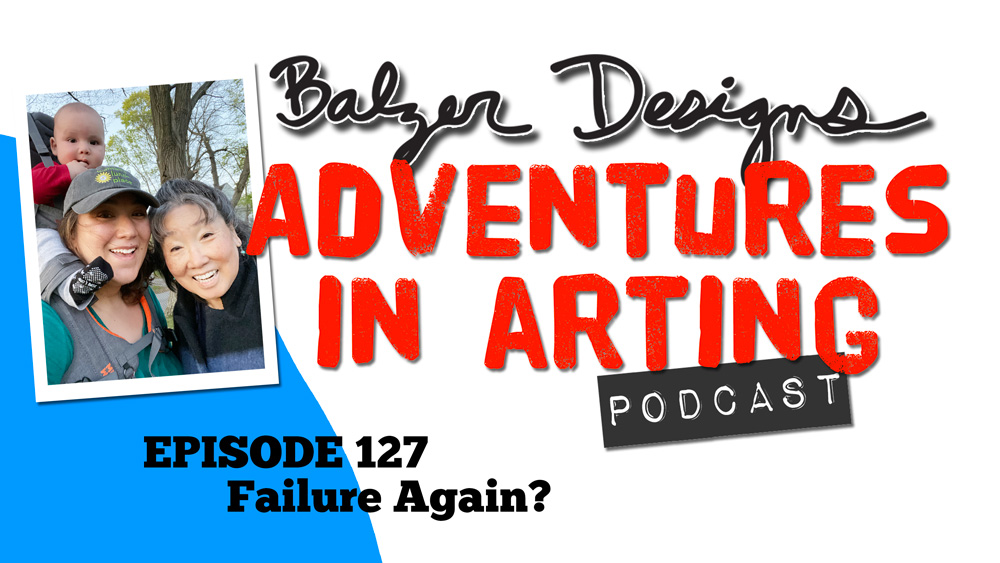
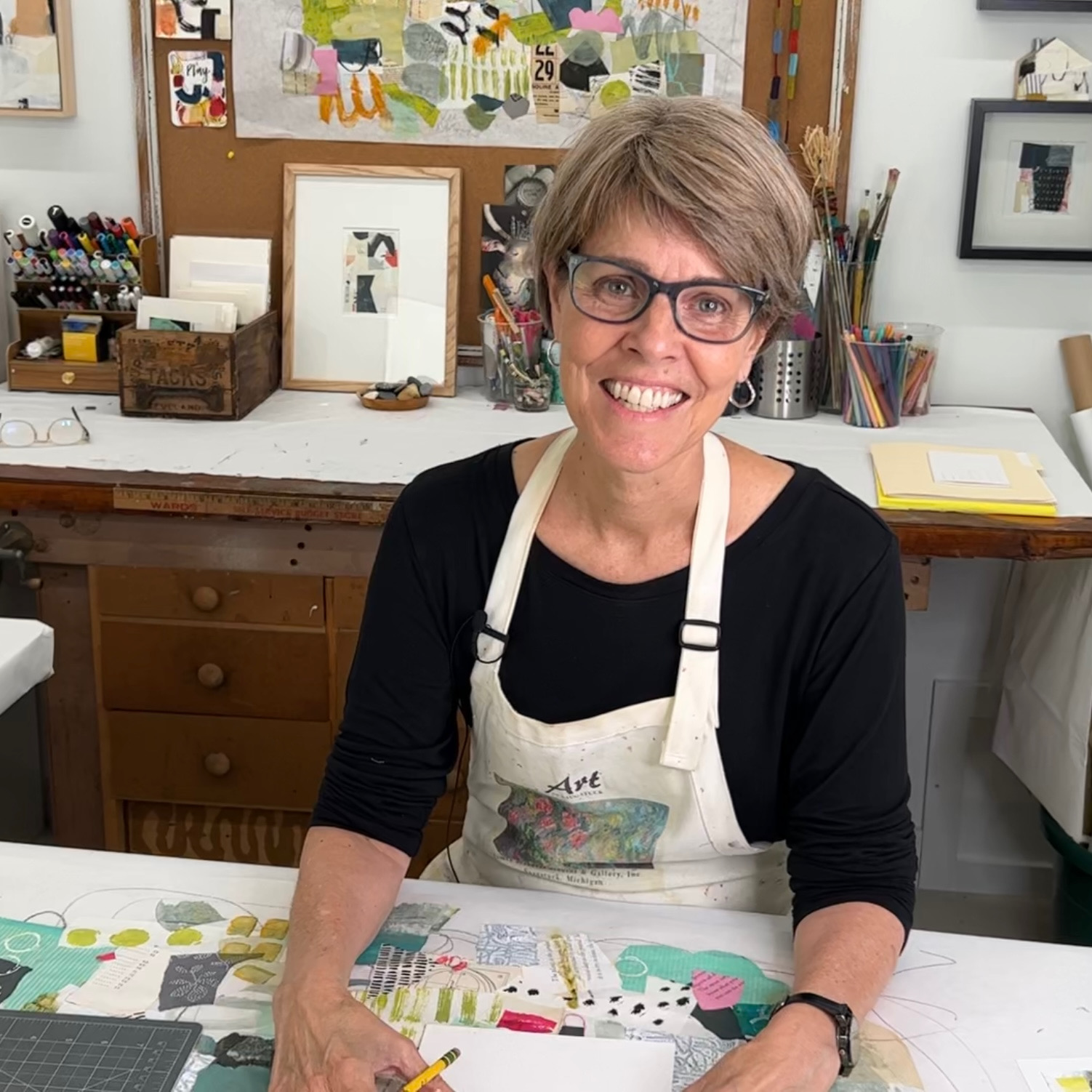
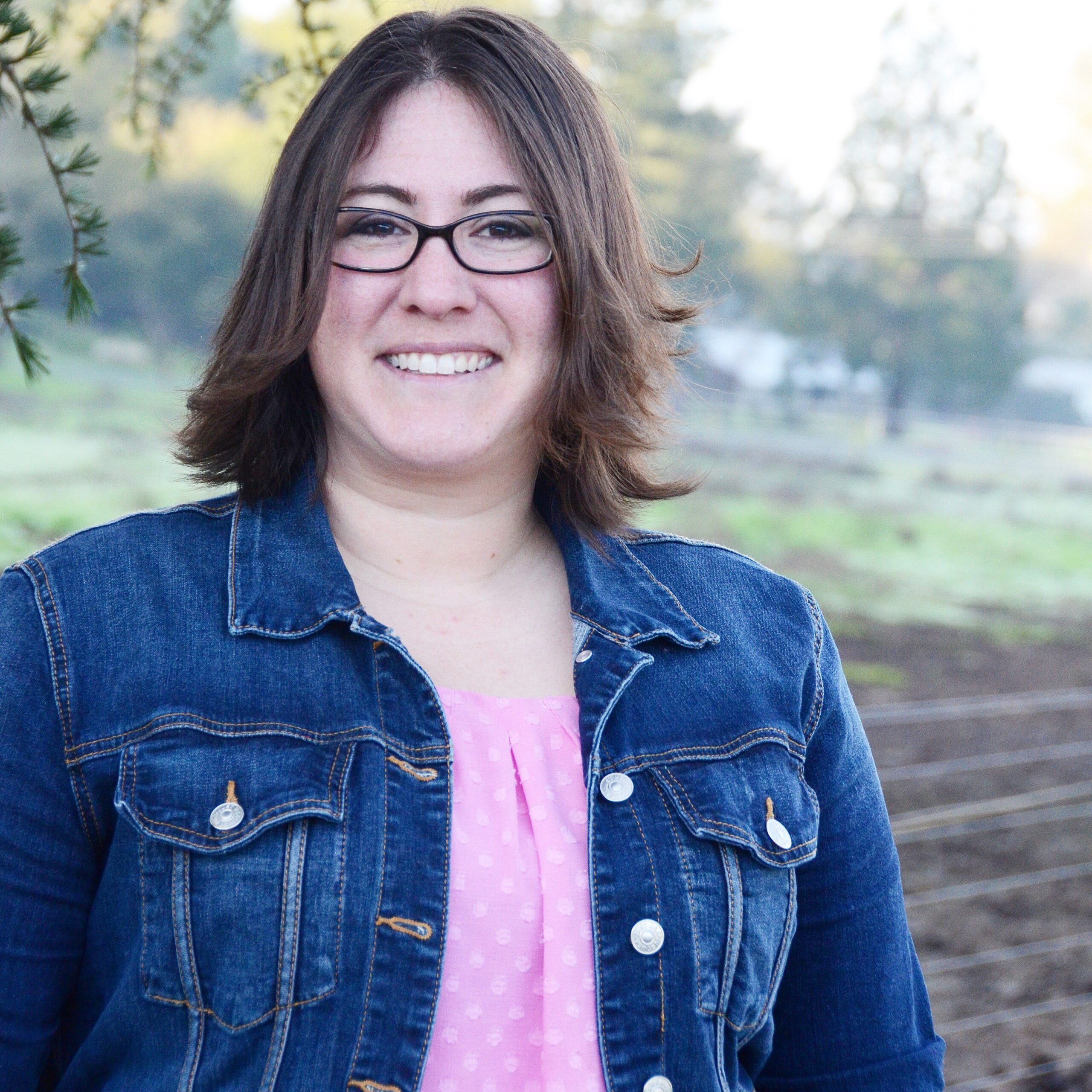
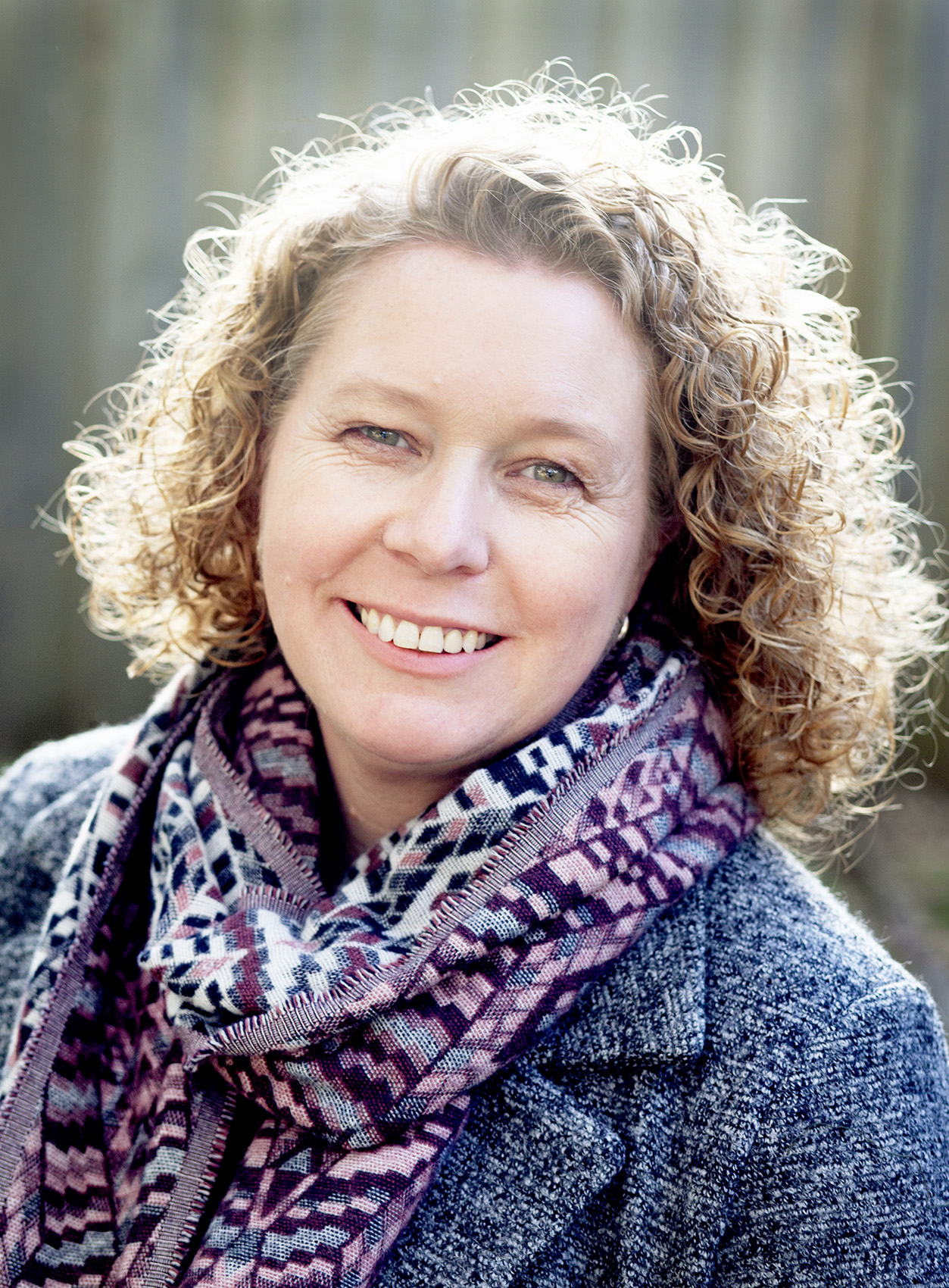
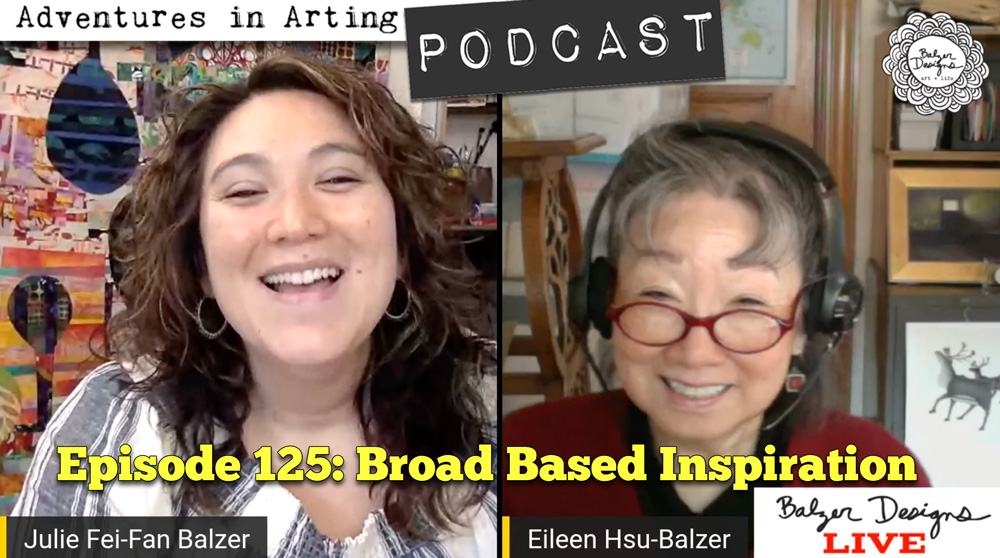
Mom and I recorded this podcast back at the beginning of September. But life has been so crazy that I only just managed to edit it this week! You can watch the video version on my YouTube channel, or you can listen above (or anywhere you get podcasts). The focus of our conversation is on why keeping a sketchbook matters. We do wander into chatting about what makes for a successful art practice, as well as how cooking, construction, and yoga are similar to an art practice. And all of it really boils down to the notion of a “directed practice.” I thought I would try sharing a transcription of the podcast today. The transcription is auto-generated so it’s a little bit wonky. I did my best to edit it for clarity. Also I say, “like” constantly. But for those who don’t listen to podcasts, it might be nice to get a bit of the flavor of the conversation. Let me know if you find the transcription helpful. It’s a bit time consuming to do, so if you’re into it, let me know that it’s worth the time. PODCAST TRANSCRIPT Julie Hello and welcome to the “Adventures in Arting” podcast. My name is Julie Fei-Fan Balzer and I am a working artist and mother to a curious toddler. My business, Balzer Designs, is all about helping you to live an artful life through thoughtful art education. On this podcast, together with my super special co-host and my mom, Eileen Hsü-Balzer, we ask questions of each other and our guests while discussing learning, the creative career path, finding balance, looking at art, setting goals, and why being creative matters. Our goal for this podcast is to stimulate your imagination. So hi, Mom. Eileen Hello. Julie So we’re back in the saddle again in the studio. We’re here together. You have had a lot of construction going on at your house. It’s a big art project. Eileen It is a big art project. It started out because a car drove through my porch and then, as they opened it up, there was more and more rot under the porch. Julie And as always happens with an old house. Eileen There was a fence that needed attention, and before you know it, this one project has morphed into a gigantic, all-encompassing thing, and I simply brace myself for the endless onslaught of change orders and what, because it’s a big project. Julie Ball rolling down a hill. Eileen And a Victorian house. You can’t sort of do part of it because the whole porch is connected. So this is my project. I’m sorry Julie, but I have no time for you anymore ’cause I have to sit there and look through my window at this. Julie Yeah, it’s a big project. And I think this happens. I mean, everybody who’s renovated a house knows how things snowball. And it just changes and like, you know you uncover one thing. And suddenly everything is rotten and I think this has happened to me multiple times. But I think, you know, art projects are like that too, where you think you have an idea and you’re going somewhere and then you suddenly realize that it’s somewhere else you’re supposed to be. Or you’re in the middle of, you know, making something and things change. And so that actually brings us back to our topic today, which is really about keeping a sketchbook and why that’s an important practice. And I think — the biggest key — I’ll give you the bit of advice at the beginning of the podcast today instead of making you wait till the end. But the biggest thing I hope you take away is going to be the idea that if you want to get better at art — which, I don’t know why you wouldn’t want to get better at art. Everybody wants to get better at art, right? But if you want to get better at it, directed practice is the way to do it. And a sketchbook is a wonderful, essentially free. I mean, I guess you have to pay for the sketchbook. Unless you make it yourself. But then you did pay for the paper. You know what I mean. It’s really a way for you to make yourself get better in a focused way. So I thought we could talk a little bit about directed practice. And sort of what that means as opposed to sort of — I think when people start talking about sketch books, the first thing they start talking about is drawing, and drawing can be a thing that pushes people away and makes them sort of uninterested in pursuing it. Eileen Well, because they start comparing what they’re drawing to a photograph. Or Michelangelo. What I would say is it, since I don’t keep a sketchbook, but one thing I might compare it to is recipes, cooking and some recipes have a lot of technique involved as well as a lot of equipment, and so the first time you try it, it might not come out like the picture, it might not come out the way you expected it. And again, people take notes. They write notes in the margins of the cookbook or the recipe, they alter things to suit their tastes and I think that’s a sort of same idea, which is you should get more comfortable and make it work for you personally. The more you do it, and if you keep the notes then you won’t keep repeating the same mistakes. Julie Yeah, I think that’s. A sketchbook can be many things. I mean, let’s get that started right there, right? There’s the kind of sketchbook that’s like a visual diary. There’s the kind of sketchbook that’s, you know, preparing for a project. There’s the kind of sketchbook that’s like practicing a particular skill. There are a lot of different kinds of sketchbooks. I think what I’m mainly interested in pursuing right now is something that I call a studio notebook, which I just think is an easier way of thinking of a sketchbook ’cause then you’re not focused on the idea that it’s like all drawing. Like Michelangelo. There’s more of an acknowledgement that in a notebook, you write things down. You might have lists. There could be a calendar, there’s, you know, to do’s, there’s sort of like random thoughts. This notebook can also be something that’s ugly, and then it has lined paper or something like that, so it doesn’t have to be this kind of pristine book, and I think all of it gets twisted a million times by seeing on social media people talking about, you know, “I hate all these ugly pages in my sketchbook when I wasn’t very good.” And then you’re looking at these gorgeous, you know, luminous drawings page after page of stuff and you just think, well…. And actually, I think that is a reminder to get back to the house renovation. Like when people show their houses… Eileen Their whole house doesn’t look like that. Julie That’s one corner that they cleaned out for you to look at for 5 seconds with really good lighting, dude. I mean, or any of that stuff, you know, people’s real lives aren’t like, constantly filled with all the perfect moments. Like for instance I don’t ever post anything where my toddler is like having a tantrum or a meltdown or anything like that, because I don’t think that kind of stuff should be on social media. But does he? Yeah. He’s a toddler, but if you saw the pictures, you’d think that all he did was like play all day and be pleasant, you know? And I think like that’s the thing about us too. We generally don’t show the things that we really hate, because that’s really hard to do. Most people just don’t want to if you really, really hate it right? Eileen Sometimes I think about what if there had been social media around when I had little kids. What I would have posted about you? Julie What would you have posted about us? That we were perfect all the time angels? Eileen Well, that would have left me with nothing. Well, I just think it’s interesting because from birth these kids today are used to being photographed and they just have a different idea, I think, of their childhood. They have a lot more pictures to look at and a lot of video to look at. Julie Well, you and I even discuss generationally between us, you know, when I’m on the cusp of a lot of the technology stuff. But you have an expectation of privacy in your life. And I kind of I’m….Like, I mean I have some expectation of privacy, but not a ton, and I think one generation away from me, they’re like: “What’s privacy?” That’s about how you grow up. I remember reading an interview with Anne Hathaway — who I think is similarly aged to me. She may be slightly younger — but she said that she was so glad that she had gone to college in the years before there was social media ’cause she could do all the dumb things she wanted and, you know, people have to break out the film. And you know, develop it in a darkroom in order for any of it to come to life. And I think that’s true. You know, there’s a lot of ways in which you can’t hide. So to bring it back briefly to an art conversation: You know, there was a person that I interviewed on this podcast who was a stranger who I just approached on the Internet and said, “Hey, do you want to do an interview?” And one of the things that she said to me, she said. “ I researched you. I went back all the way through every single one of your Instagram posts, back to the very first one that you posted.” Now to be completely fair, I’m pretty sure I joined Instagram in like 2011. So it is 2022. Eileen So that’s a decade. She has too much spare time. Julie But you really do see where somebody came from. And like I’m not a celebrity. I don’t like scrub my social media and stuff ’cause I think my very first post was of my ex-husband and I just….I’ve never taken down any of those posts because they’re so buried. Why would anybody? But apparently…. Eileen Well, even if they did, I mean. Julie It’s true. It’s not like it’s not part of my history. And I think that’s another thing too, is remembering that people erase things they don’t like from their past. In fact, you sent me an article today, didn’t you, about how now you’re going to be able to. Eileen UN-text people. The new Apple software that will be available starting Monday. Well, but you can’t erase your text forever. But if you immediately doubt it, there’s a little time lag you can. Julie Like you pressed it and like and…. Eileen Get rid of it. Julie So you can text and I think that Gmail has something like that where you can — like if you hit send but then you had, you know, did something wrong to sort of immediately UN-Send it. Eileen I just think that one of the things you’re right about is this expectation of privacy also means that I’m very thoughtful, one might say guarded, about anything I put online. Like Instagram and stuff. And it’s private. My thing is private on purpose. I can’t remember the last time I posted anything on Instagram. Julie I’m more careful now than I would have been, like, if I had a kid 10 years ago. I don’t think I’d be as careful as I am now about it, you know. I think that we’ve learned a lot of the ways in which the Internet is great and a lot of ways in which it’s bad. But I do want to say like what I think a sketchbook is or should be in my mind: and it’s sort of like social media history, but without any edits. So you’re able to look back ten years and say like, oh. This is where I was. These are the thoughts that I was having at the time. Eileen But you’re using it for you. Julie Yeah, I’m using it for me. I mean, you know, I taught a sketchbook class maybe two years ago, and one of the questions that I thought was really interesting that someone asked me is she said, “uhm, I never see any pictures of your sketchbook online. Why don’t you ever share that? Like how, how is this a thing that you do since I’ve never seen any of it.” And I was like, “hey, it’s really interesting that you think I share everything that I do online, ’cause I don’t.” Like, I don’t share my sketchbooks very often. I especially don’t share the note parts of them. Sometimes I’ll share the pictures if I think they’re interesting or worth it. Because I think that’s private. That’s your brain. That’s what you’re thinking of right now. That’s your moment. I’ve had this idea to do this sketchbook class for a while, which I’ve never put together, partially because I’m not sure how I feel about like dragging out the old books ’cause they feel they feel very much like me, like a very personal version of me. Eileen Very much like let’s all read my diary. Just because some of it is pictures doesn’t mean it’s not your diary. Julie Yeah, ’cause it’s like my thought process. Listen, we’re all guilty of this. There’s an idea that seems terrible at the time. Or a drawing that’s ugly, or a pink color that you can’t stand and then three years later or three months later, you look at it and you go. “Right!” And so the thing is, if you’re working on like loose papers that you throw away, or you know, you’re gesso-ing over everything to cover it up as you’re working, like you’re not ever keeping that record of where you’ve been. I’m working on a new class right now which is kind of a sketch book class, I guess, It’s called “The Carve December Workbook.” And one of the videos I was making this afternoon…I was talking a little bit about this idea of when you’re doing your test prints and stuff, when you’re stamping — I used to have them only on a paper and I was sort of trying to keep them. But then they were just kind of like test prints and I would get rid of them. And sometimes I liked the stamp earlier in the carve and I carved too much and I messed it up. And I was going to make a mental note, which we know where the mental notes go — into the garbage. I actually heard an interview with Jay-Z on Fresh Air and he was saying , “Do you know how many rap songs I’ve lost? By thinking that I just had them in my brain. And not, you know, writing them down.” And I was like: That’s it. That’s the thing. Which is if you have this brilliant moment, right? It happens to all of us. When you’re in the shower or laying in bed or in a place where there isn’t a pen. You know how it feels when you can’t remember it later and you’re driving yourself crazy ’cause it was the best idea you ever had. So that’s to me again with sketchbooks. Or write that idea down, and even if you don’t use it now, you might use it later. So even if you don’t use that drawing now, you might use it later. But to get back to the carving, like the way that I find it really useful is, I can come back to the design at the point that I liked it and re-carve — not being something my feeling of what it was, but by actually seeing what was or trying to figure out like why I liked it or, you know, any of that kind of stuff. Which sort of gets us back again to the idea of directed practice and what that means. So I’ll just ask you, you’re the smartest person I know. Eileen Is that sad. Julie OK, you’re the smartest person I know in real life. In person. I mean, I don’t think you’re the smartest person on the planet, but she’s pretty smart. Eileen Ah. Julie So what does directed practice mean to you? Eileen Let’s go back to the recipe thing. It means getting some something — an idea in your brain that you want to try, but it means not feeling like that the directions and the recipe own you and and working around something so that it expresses what you want. And the same thing goes with clothing. If you are always dressing according to like what is the latest fashion? Too bad for you if you don’t have that kind of model body and that kind of expendable money. And you know the whole thing. I just think all of your life, you’re faced with making your own choices and the directed practice is a way of living where you take in lots of input, but you make selections and you get rid of the things that don’t work for you, don’t interest you, you know, don’t appeal to you, and so you steal some ideas from people. You reject some things from people and you don’t let other people tell you what’s right for you. You know you. You let people tell you, oh, that doesn’t look like a horse that you drew well. Maybe to you it feels like you. You got the essence of horsing. Julie Although I did show you my drawing today and tell you it was an orchid and you said it looked like an iris and then I read the caption and real…
Full show notes at the publisher 
 Our TOPPODCAST Picks
  Stay Connected