TopPodcast.com
Menu
  • Home
  • Top Charts
  • Top Networks
  • Top Apps
  • Top Independents
  • Top Podfluencers
  • Top Picks
    • Top Business Podcasts
    • Top True Crime Podcasts
    • Top Finance Podcasts
    • Top Comedy Podcasts
    • Top Music Podcasts
    • Top Womens Podcasts
    • Top Kids Podcasts
    • Top Sports Podcasts
    • Top News Podcasts
    • Top Tech Podcasts
    • Top Crypto Podcasts
    • Top Entrepreneurial Podcasts
    • Top Fantasy Sports Podcasts
    • Top Political Podcasts
    • Top Science Podcasts
    • Top Self Help Podcasts
    • Top Sports Betting Podcasts
    • Top Stocks Podcasts
  • Podcast News
  • About Us
  • Podcast Advertising
  • Contact
Not in our directory?
Add Show Here
Podcast Equipment
Center

toppodcastlogoOur TOPPODCAST Picks

  • Comedy
  • Crypto
  • Sports
  • News
  • Politics
  • True Crime
  • Business
  • Finance

Follow Us

toppodcastlogoStay Connected

    View Top 200 Chart
    Back to Rankings Page
    Games & Hobbies

    Nice Games Club – a gamedev podcast!

    The podcast where nice gamedevs talk gaming and game development. Nice!

    Advertise
    • Apple Podcasts
    • Google Play
    • Spotify

    Latest Episodes:
    "Insert interesting car here." Verisimilitude; Indie Game Credits Sep 14, 2022
    Show notes

    Your nice hosts' pronunciation is on point this week as they say a really hard word a large number of times! In this episode, Mark and Ellen BOTH introduce even more complicated words to the other hosts, and Stephen admits to losing an argument (which he'd done on the show before but still don't tell his brother).

    • Noble Robot Office
    0:05:23

    Verisimilitude

    Verisimilitude DefinitionDictionary.comVeracity DefinitionDictionary.comThe Quest For Verisimilitude: Realism, Illusion, and Consistency In Video GamesErik KainForbesHow to build verisimilitude in your games?ThunderdicesRedditOne comment of note in the thread: “Your point about making things simple is extremely important. Lots of things in real life are simple and it’s the combination of items interacting that it becomes complicated. When a DM makes the simple complicated there’s a danger of the world becoming too complex and breaking verisimilitude from the other side.”ThriveAdam's Apple GamesBrobdingnagian DefinitionDictionary.comThomas Was AloneBithell GamesSteam

    Indie Game Credits

    MobyGamesMobyGamesFilm Credits: Everything You Need To KnowNashville Film Institute

    Postmortem: "Scrapeboard" (with Frank DeMarco and Blake Andrews) Sep 08, 2022
    Show notes

    This week, a behind-the-scenes look into the game that uses a skateboard deck as a controller! Scrapebopard combines elements of rhythm, racing, and fighting games to create a unique boss attack experience. What's it like playtesting unique hardware? How much did they learn about electronics and wiring? How difficult was it to demo the game at alt.ctrl.GDC? What's next for the game? We explore these questions and more in this interview.

    Postmortem: "Scrapeboard"

    EventsGame DesignHardwareElectric Scrapeboard - Shake That ButtonMakey MakeyAbout formalism - Dario D'Ambra, Game DeveloperGame Dev Tools for Raspberry PiBabycastlesWondervillePlaytest Thursdays - NYU Game CenterCome Out & Play Festival"A Work of Art Is Never Finished, Merely Abandoned" - Quote Investigator

    "Always be the banker." Broken games; Support Systems Sep 01, 2022
    Show notes

    In this episode the your nice hosts discuss broken games, solved games, and purposely broken games. Ellen realizes that even if it is broken, doesn't mean you need to fix it. They discuss who's job it is to make a game fun, and how you can always make a game not fun.

    This episode features the origin story of Stephen Business, and if you are still reading, spoiler alert: Mark's topic is a stealth sequel to his topic about Curling.

    • Stephen reports that the paperwork has been submitted and he is officially a co-owner of Future Club!

    • Ellen now co-owns a still difficult to obtain Steam Deck.

    • Noble Robot now offers coworking at thier Minneapolis office.
    • Stephen and Ellen went to see a show at the Minnesota Fringe Festival - and Ellen LOVED it!

    • Fringe Festival History - Wikipedia
    • "Developers" - Michael Rogers, Minnesota Fringe Festival
    0:24:00

    Broken games

    No More Jokeys Channel on YouTubeNo More JockeysYouTubeMonopoly HotelsDaisy BarringerTrillist"Is Connect Four a Solved Game? and what does that even mean"GamesverMark mentioned a previous episode topic about Curling"No referees?!" 53:57

    Support Systems

    Types of Support Systems

    -Emotional Support -Financial Support -Someplace to live

    Investment and Risk

    "We quit our jobs, remortgaged our houses"Alex GilyadovGamesRadar

    Nice Games Jam: "Dogpile! (part 2)" Aug 25, 2022
    Show notes

    It's our second climb into the scruff as your nice hosts continue development on "Dogpile!" We've updated the rules and did a lot of work toward defining the properties of a full prototype deck, consisting of 100, or 150... or maybe 250 unique cards? However many it ends up being, we're looking forward to part 3!

    PromptKeep working on "Dogpile!"Game typeCard gamePlayer count2-4Setup
    1. Shuffle a standard 52-card deck.
    2. Deal 5 cards to each player.
    3. Set the remaining cards aside; this is the draft deck
    4. For the first round, assign the "player one" indicator to the person who most recently played with a dog.

    Terms

    • Turn: One player's action.
    • Round: Once around the table (each player takes an action).
    • Draft Deck: The pile of dog cards you draw from each round.
    • Dogpile: This is where the dogs that you're able to recruit into your pack will end up.
    • Pack Leader: The card drawn from the Draft Deck once per Round.
    • Player One: The first player to lay their cards face-down next to the Pack Leader card in each round. The First Player status is indicated with a First Player token that rotates clockwise at the start of each round.
    • Strays: The discard pile.
    Rules

    Objective: Get as many dogs into the Dogpile as possible!

    How to play

    1. Draw a card from the draft deck and place it face-up in the center of the table. This is the Pack Leader card.

    2. Without talking about what’s in their hands or what cards they’re playing, all players select and number of cards from their hand to lay face-down around the Pack Leader. Each player lays their cards face-down in clockwise order, starting with the First Player.

      • Players can lay down any number of cards up to the full complement of their hand.

      • If a player decides to not lay down any cards (skipping their turn, essentially), then skip to Step 3 below. Remaining players’ turns are forfeit.

    3. After all players have put their selected cards face-down, all players reveal their cards at the same time.

    4. Once all cards are revealed, determine whether the group of dogs (the Pack) will join the Dogpile or become Strays. For the pack to join the Dogpile, every revealed card on the table (players’ face-up cards and the Pack Leader card) must be physically "connect" to form a single unbroken shape, consisting entirely of legal connections. As of the recording of episode 275, cards can be connected by number or suit.

      • Cards connected horizontally must be 1 number different (up or down) from the connected card. (Numerical values are 1-13 where Ace = 1 and King = 13).

      • Cards connected vertically must be of the same suit.

      • Cards cannot connect diagonally, and if two cards are physically touching, they must legally connect.

      • The two Jokers are "wild" in that they can adopt any suit or number, but like a Scrabble tile, all cards connected to a Joker must connect based on a single, newly adopted value.

    5. Clear the table by placing the group of dogs in the Dogpile, in the Strays. Optionally, the pack of Strays may be tossed randomly about the room. Then, begin the next round.

    6. At the start of each subsequent round, players refresh their hands up to 5 with newly-drawn cards, and the Player One token is passed clockwise.

    Continue steps 1-6 above until the timer rings. How many dogs did you get in your Dogpile?


    "I’m not coding your game, y’all figure that out." GameMaker for Unity Devs; Inspiration from Behavioral Economics Aug 17, 2022
    Show notes

    Your nice hosts accidentally stumble into the thesis of the show as this episode explores these two topics! Also found in the show: Stephen's composed song, Mark tries to avoid Entity Component Models and Ellen thinks about snakes for 20 minutes (but holds it together somehow).

    • Beefsteak Tomato - Wikipedia
    • Woman in Motion - Paramount
    • Woman in Motion on Peacock - Peacock
    • Woman in Motion on Tubi - Tubi
    • Noble Robot - Noble Robot
    0:06:01

    GameMaker for Unity Devs

    Stephen was wrong, here's a marketplace for GameMaker pluginsYoYo GamesWhat is the difference between statically typed and dynamically typed languages?Stack OverflowRustRust TeamMain Theme for Rooty Tooty Fresh n Shooty (Stephen's Work Project)Stephen McGregor0:40:58

    Inspiration from Behavioral Economics

    5 Examples of Behavioral Economics in Your Everyday LifeRebecca KochThe Chicago School of Professional PsychologyChoice architectureWikipediaWhat determines human decisions?Daniel KahnemanUBSRichard ThalerWikipediaNudge (book)WikipediaPredictably IrrationalDan ArielyFreakonomicsFreakonomics Radio NetworkProspect theoryBehavioral Economics

    The State of VR in 2022 (with Andrew Eiche) Aug 11, 2022
    Show notes

    Your nice hosts talk to Andrew Eiche, COO at Owlchemy Labs (Job Simulator, Vacation Simulator, Cosmonious High) about the state of VR in 2022, and where VR and VR development tools may be going in the coming years.

    Andrew talks about how industrial design should influence VR design, why you shouldn't take inspiration from movies, and how ergonomics are important. Also, Ellen takes a hard stand on the right way to use a dial.

    VR in 2022 and its Future

    VR / AR / XROwlchemy LabsThe Design of Everyday Things - Don Norman, book

    Headsets

    Pico VR HeadsetPlaystation VR2

    VR Engines

    VRTK (Virtual Reality Tool Kit)TButt - Turbo Button

    Cosmonious High

    Cosmonius High on Tik Tok - Tik TokCosmonius High on TwitterCosmonius High on Steam

    Nice Games Jam: "Dogpile!" Aug 05, 2022
    Show notes

    It’s Ellen’s 100th episode as a Nice Games Club host! And there’s no better way to celebrate a big day than with a Nice Games Jam. Dale gave us a prompt and you’ll never guess the theme. Can your Nice Hosts come up with a playable prototype in “ruffly” an hour? Enjoy live edits, goofs, special cubes, and piles of dogs taken to the logical extreme!

    • Ellen's first episode as a permanent host."Click here for fleet operations."
    • "Ameritrash" - Board Game Geek
    • Texas Hold'em Poker - Bicycle
    • Can Dogs See Color? - American Kennel Club
    PromptCreate a game that could be subtitled "The 100 Dog Days of Calendar Math."Game typeCard gamePlayer count2+Materials

    Two standard 52-card decks

    Setup

    First, some additional prompt information.

    The objective is to get your dog pack to exactly 100 members (no more, no less) in 100 units of time. You decide how many dogs you start with, how you add or lose members, and what a "time unit" is. Because this is the special for Ellen, bonus points if the game has a dog or multiple dogs in it.

    Now, on to the setup:

    1. Shuffle both decks of playing cards together
    2. Deal X cards to each player
    3. Set the remaining cards aside; this is the draft deck
    4. For the first round, assign the "Pack Leader" indicator to the person who most recently played with a dog

    Terms

    • Turn: One player's action
    • Round: Once around the table (each player takes an action)
    • Draft Deck: The pile of dog cards you draw from each round
    • Dogpile: This is where the dogs that you're able to recruit into your pack will end up
    • Pack Leader: An outdated term we're using to describe the First Player in each round
    • First Player: The first player to lay their cards face-down next to the Pack Leader card in each round. The First Player status is indicated with a First Player token that rotates clockwise at the start of each round.
    • Strays: The discard pile.
    Rules

    Objective: Get 100 dogs in 100 units of time!

    How to play

    1. Draw a card from the draft deck and place it face-up in the center of the table. This is the Pack Leader card.

    2. Without talking about what’s in their hands or what cards they’re playing, all players select cards to lay face-down around the Pack Leader. Each player lays their cards face-down in clockwise order, starting with the First Player.

      1. Players can lay down any number of cards up to the full complement of their hand.

      2. If a player decides to not lay down any cards (skipping their turn, essentially), then skip to Step 3 below. Remaining players’ turns are forfeit.

    3. After all players have put their selected cards face-down, all players reveal their face-down cards at the same time.

    4. Once all cards are revealed, determine whether the group of dogs join the Dogpile or if they become Strays. To join the Dogpile, the cards on the table, which include all players’ face-up cards and the Pack Leader, must not breach any compatibility constraints. As of the episode 272 recording, these constraints include:

      1. The cards taken together as a whole must form an uninterrupted sequence of numbers.

    5. Clear the table by placing the group of dogs in the Dogpile or in the Strays. Then, begin the next round.

    6. At the start of each subsequent round, players refresh their hands with newly-drawn cards. Draw until your hand reaches X cards.

    Continue steps 1-6 above until the timer rings. Did you get 100 dogs in your Dogpile? If so, you win!


    Nice Thinking: "Neurodiversity in Gamedev (with Adam Clewes-Boyne)" Jul 28, 2022
    Show notes

    This week, we invite our first guest for Nice Thinking! Adam Clewes-Boyne is putting together an initiative for neurodiversity advocacy and education in the games industry, specifically focused on ADHD. It started as a meetup at a conference, and Adam wants to see where it can go next.

    Neurodiversity in Gamedev

    EventsIRLAdam joined us, after a fashion, in a previous episode:Game Dev London does Nice Games JamCoffee with Butterscotch podcast - Butterscotch ShenanigansHow the Gender Gap Leaves Girls and Women Undertreated for ADHD - CHADDStrategic Planning for Nonprofits - National Council of Nonprofits

    "Killed the flightmaster, killed the griffin..." Maintaining an Open-Source Project; Should we design for Killers? Jul 20, 2022
    Show notes

    In this larger than normal episode, your nice hosts bring a lot to the top of the show with a bunch of exciting news. And there's still two topics to discuss after that! Mark brings his documentation A game, Stephen describes his time at SGDQ and Ellen has complaints to bring to the table.

    • Summer Games Done Quick 2022 - YouTube
    • Stephen and Charles walking across SGDQ on camera - YouTube
    • Dall-E 2 - OpenAI
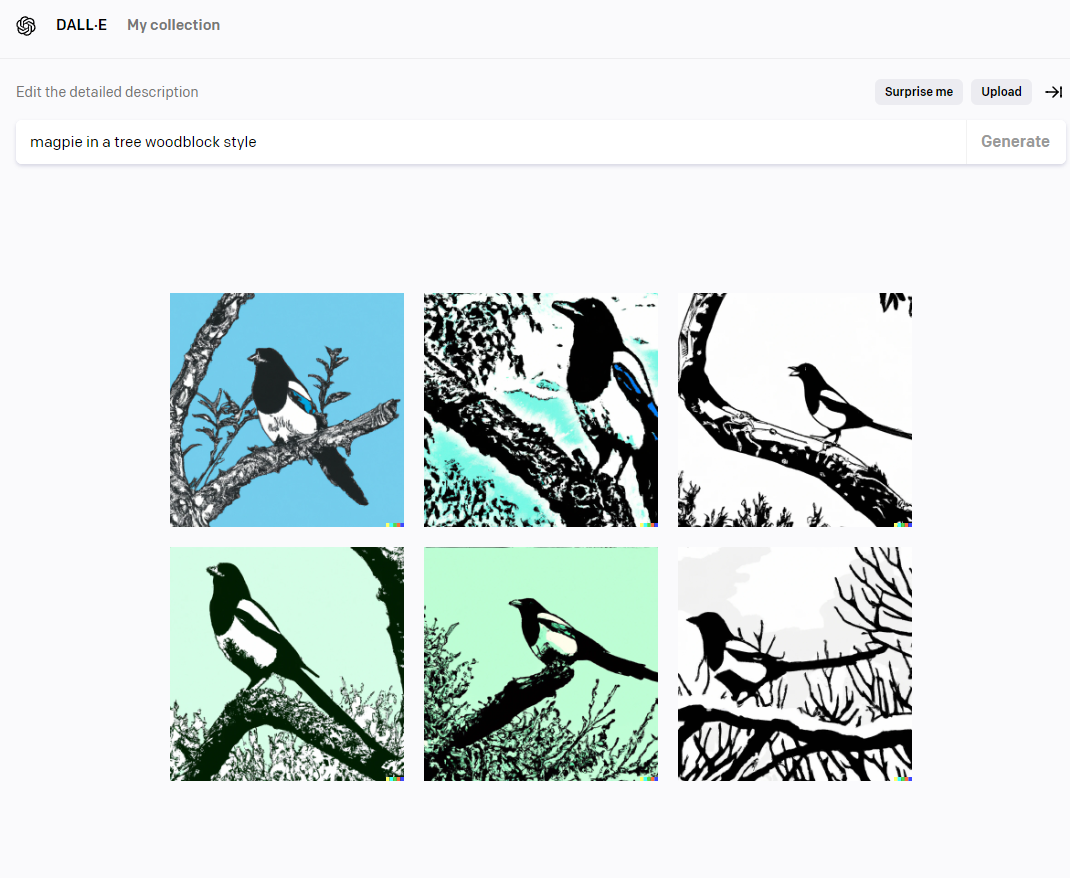
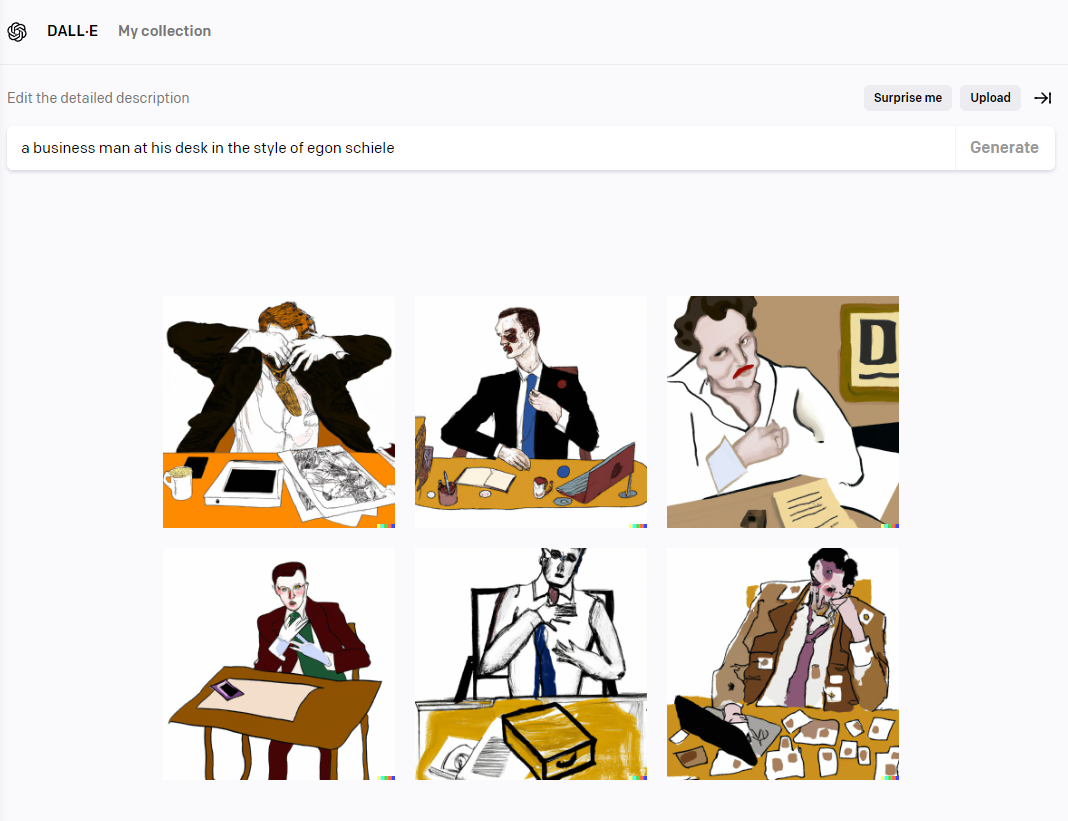
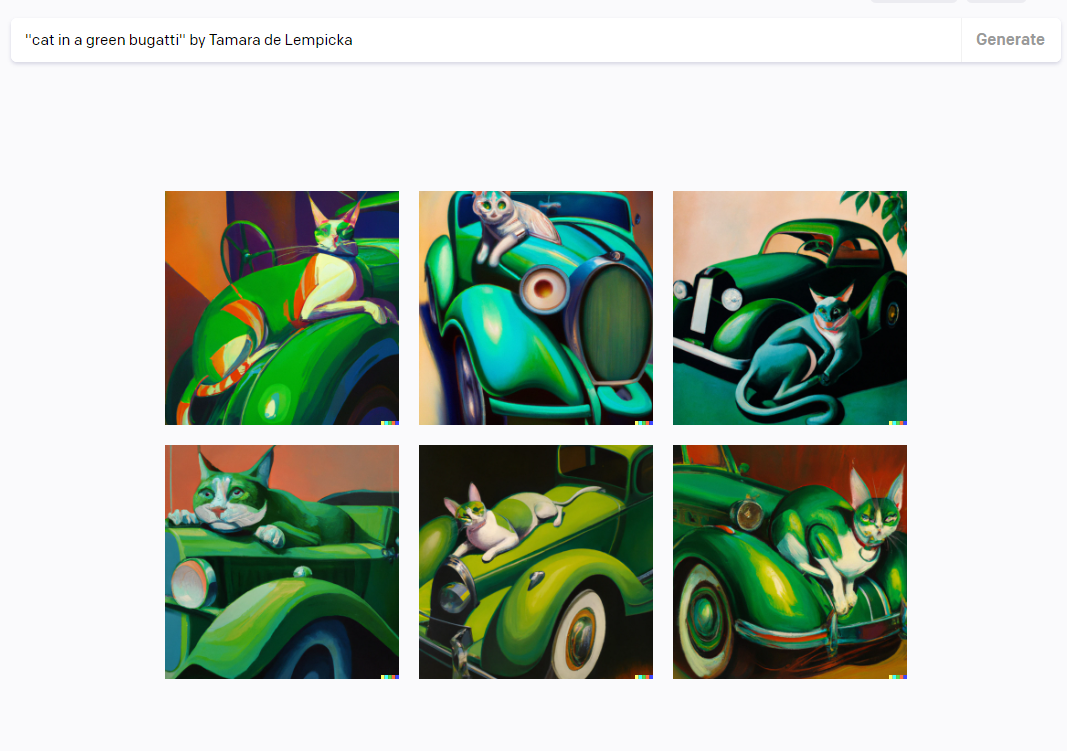
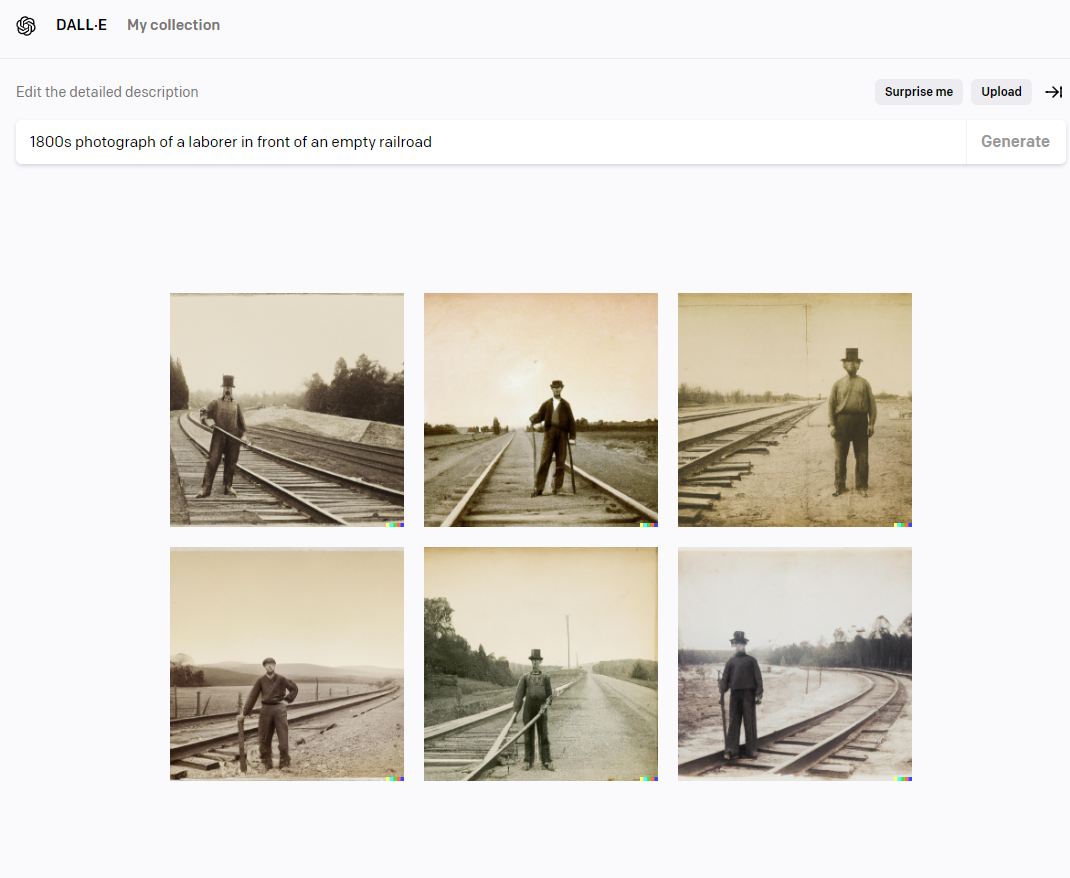
    • Here's a collection of images that Ellen has generated using Dall-E 2!

    • A Dall-E generated image of a magpie in a tree, woodblock style
    • A Dall-E generated image of a business man at his desk in the style of Egon Schiele
    • A Dall-E generated image of
    • A Dall-E generated image of an 1800s photograph of a laborer in front of an empty railroad
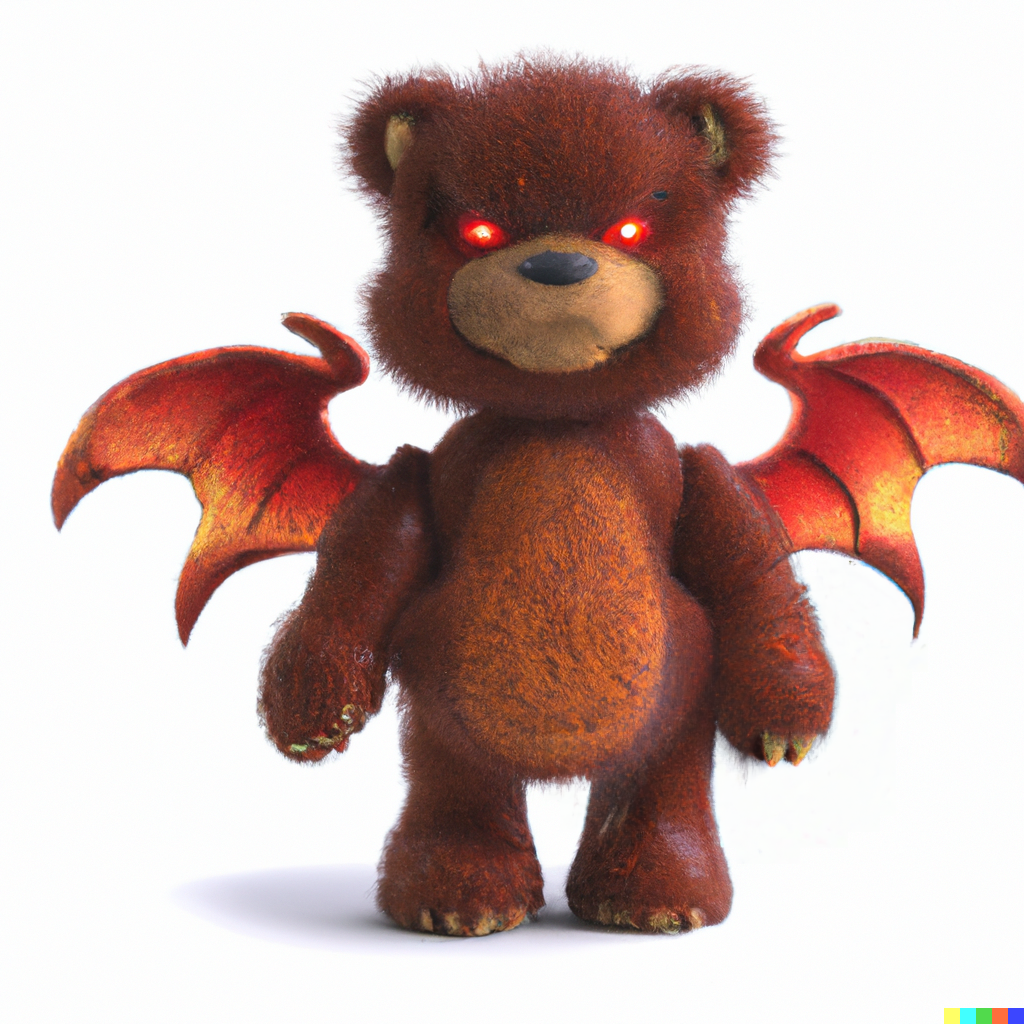
    • A Dall-E generated image of a stuffed bear with demon wings
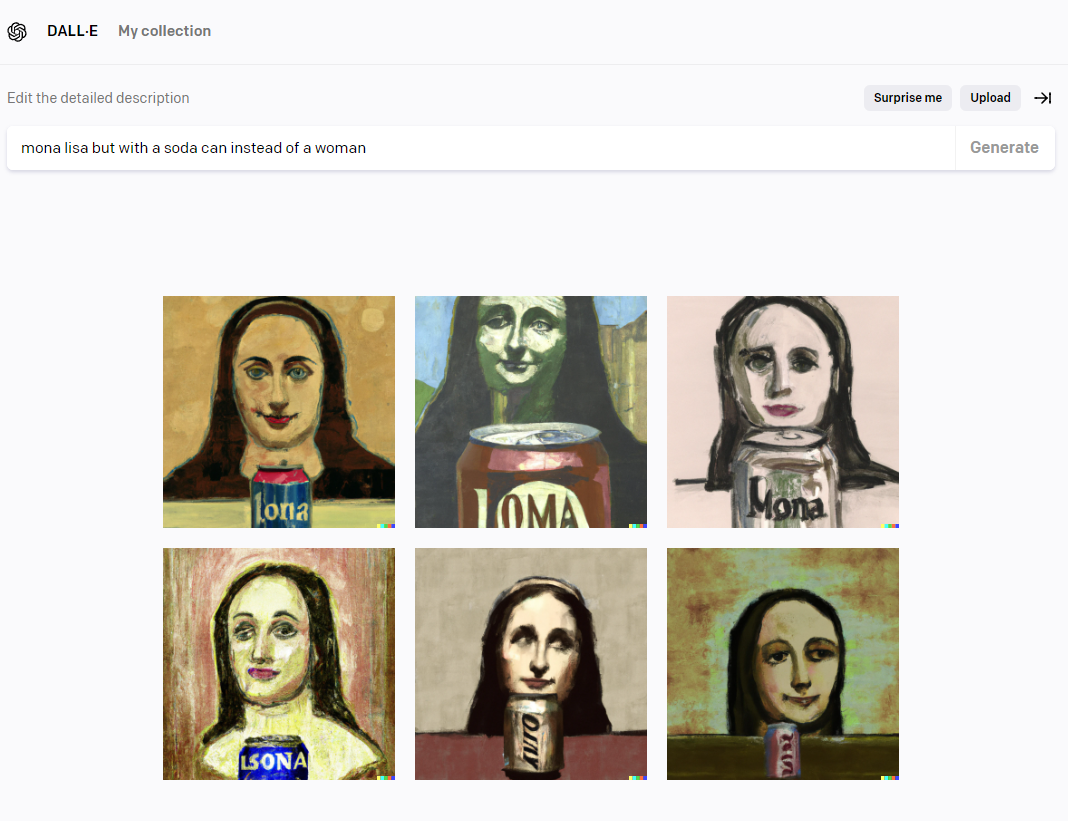
    • A Dall-E generated image of Mona Lisa but with a soda can instead of a woman
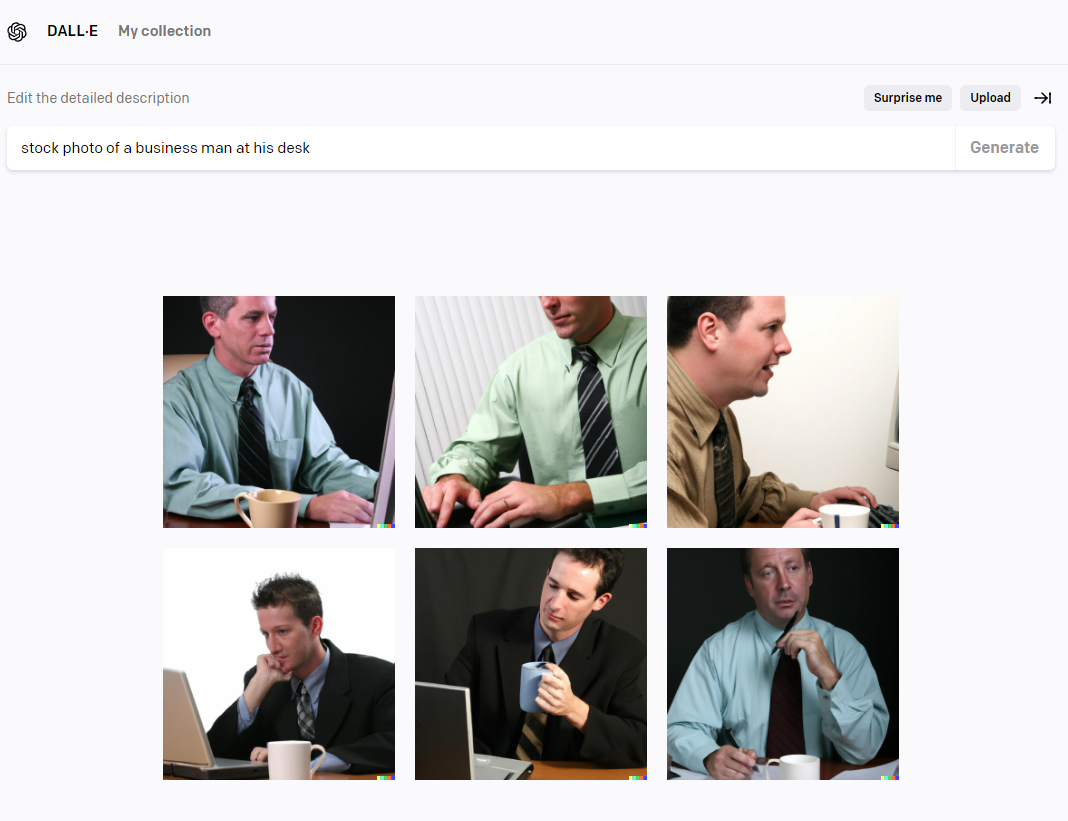
    • A Dall-E generated image of a stock photo of a business man at his desk
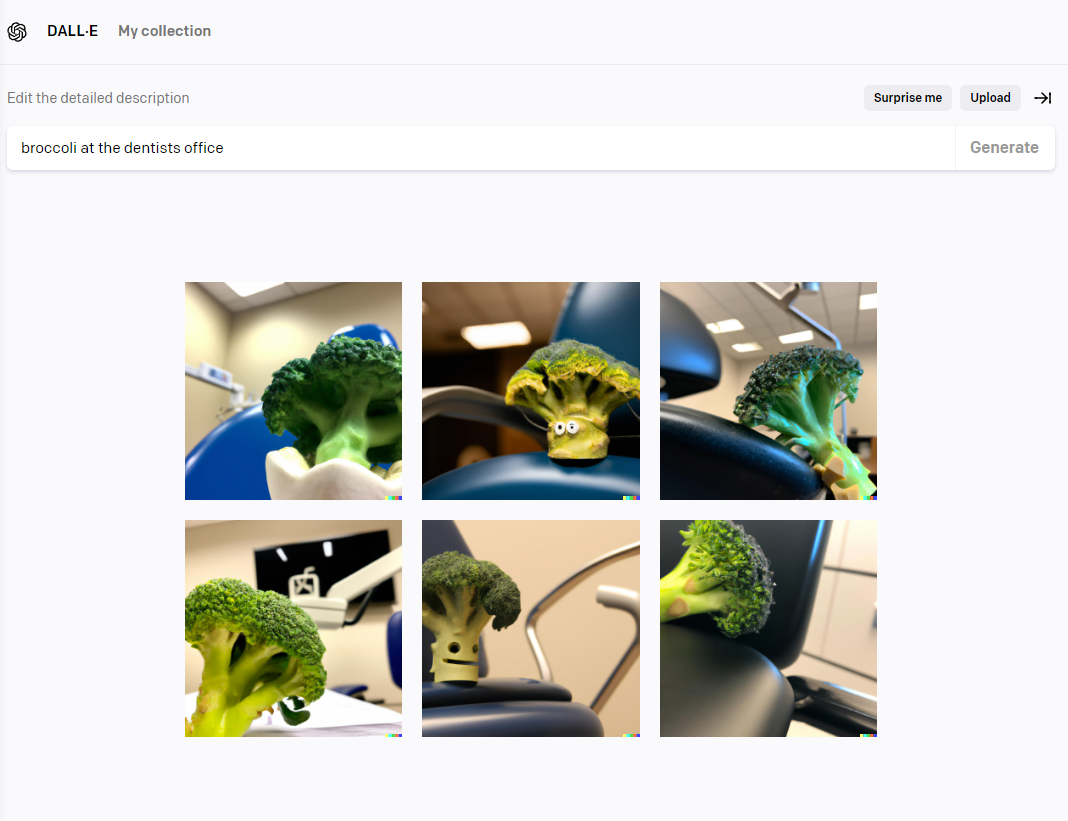
    • A Dall-E generated image of broccoli at the dentist's office
    • DALL·E 2 Preview - Risks and Limitations - OpenAI
    0:21:25

    Maintaining an Open-Source Project

    Git SubmodulesgitLDocSteve DonovanGitHubMarkdown GuideMark ConeThe Markdown GuideTyporaTypora0:49:50

    Should we design for Killers?

    Bartle’s Player Types for Gamification comes up in this previous episode."Mindworm husbandry."Bartle’s Player Types for GamificationJanaki Mythily Kumar, Mario Herger and Rikke Friis DamInteraction Design FoundationBartle's Taxonomy of Player Types (And Why It Doesn't Apply to Everything)Kyatrictuts+MUDWikipedia

    Level and Interaction Design (with Nina Marotta) Jul 14, 2022
    Show notes

    Nina Marotta (and Kelso the cat) from High Moon Studios enters the clubhouse to talk about level and interaction design. She showers your nice hosts with bits of wisdom, such as:

    "Games are ugly for 90% of their development."

    "You have to live your life in order to be a good team member and a good designer."

    Level and Interaction Design

    Game DesignNina mentions the Geam Design program at Kent StateWe previously talked to Professor Chris Totten in episode 264Teaching Gamedev to Young People, Again!

    Previous 1 20 21 22 23 24 53 Next

    Related Podcasts

    The Joe Rogan Experience

    1

    The Joe Rogan Experience Comedy
    Casefile True Crime

    2

    Casefile True Crime Games & Hobbies
    Reply All

    3

    Reply All Games & Hobbies
    You Must Remember This

    4

    You Must Remember This Games & Hobbies
    Real Time with Bill Maher

    5

    Real Time with Bill Maher Games & Hobbies
    Last Podcast On The Left

    6

    Last Podcast On The Left Comedy
    footer-logo

    Contact Us

    Toll Free: 844-670-7747

    Links

    • Home
    • Top Charts
    • Networks
    • Apps
    • Independents Podcasts
    • Podcast Advertising
    • Podcast News
    • Contact Us
    • About Us
    • Analytics & Insights

    Stay Connected

      Privacy, Terms of Use & Our Code of Ethics Protecting Content Creators Copyrights