TopPodcast.com
Menu
  • Home
  • Top Charts
  • Top Networks
  • Top Apps
  • Top Independents
  • Top Podfluencers
  • Top Picks
    • Top Business Podcasts
    • Top True Crime Podcasts
    • Top Finance Podcasts
    • Top Comedy Podcasts
    • Top Music Podcasts
    • Top Womens Podcasts
    • Top Kids Podcasts
    • Top Sports Podcasts
    • Top News Podcasts
    • Top Tech Podcasts
    • Top Crypto Podcasts
    • Top Entrepreneurial Podcasts
    • Top Fantasy Sports Podcasts
    • Top Political Podcasts
    • Top Science Podcasts
    • Top Self Help Podcasts
    • Top Sports Betting Podcasts
    • Top Stocks Podcasts
  • Podcast News
  • About Us
  • Podcast Advertising
  • Contact
Not in our directory?
Add Show Here
Podcast Equipment
Center

toppodcastlogoOur TOPPODCAST Picks

  • Comedy
  • Crypto
  • Sports
  • News
  • Politics
  • True Crime
  • Business
  • Finance

Follow Us

toppodcastlogoStay Connected

    View Top 200 Chart
    Back to Rankings Page
    Science

    Music Therapy Research Blog

    Bringing current research to music therapy clinicians

    Advertise
    • Apple Podcasts
    • Google Play
    • Spotify

    Latest Episodes:
    Music Therapy Sessions Compared to Music Listening Oct 03, 2026
    Show notes

    One of the most exciting questions in music therapy research is also one of the most practical: Is it the music itself that creates change, or does the way we use music with another person make the difference?

    A 2020 randomized controlled trial by Rabeyron and colleagues offers an important contribution to this conversation. The researchers compared 25 sessions of therapist-led music therapy with music listening over an eight-month period for children between 4 and 7 years old with autism spectrum disorder (ASD). In total, 37 children took part in the study.

    The results were encouraging. Children who participated in music therapy showed greater overall clinical improvement than children in the music-listening condition as measured by the Clinical Global Impression scale. However, children in both groups showed improvements.There were no other areas of difference between the two groups.

    Music therapy is more than listening to music

    What I find interesting about this study is the inclusion of two types of music engagement. Both groups had access to music, but the experiences were not the same. The music therapy intervention involved a trained therapist using musical experiences that were interactive. Rather than simply hearing music, the children engaged in a process shaped by the therapist and the developing relationship between therapist and child.

    In the comparison condition, children listened to music without the same therapist-mediated and psychotherapeutic interaction. This distinction is central to the study. The findings suggest that simply being exposed to music may not provide the same benefits as participating in a responsive therapeutic relationship that uses music intentionally.

    Why this matters for music therapy research

    This study is exciting because it moves beyond asking whether music therapy is helpful. It begins to sk if it’s simply the presence of music or if the way we engage with music matters.

    For many music therapists, the answer has always involved the relationship. The music is important, but so are the therapist’s responsiveness, timing, flexibility, and ability to create a shared experience with the child. A song, rhythm, or musical pattern can facilitate engagement, but the therapeutic relationship is often what helps the child meet the outcomes.

    The study does not prove that the relationship alone caused the improvement, and it does not tell us which specific music therapy techniques were most important. However, the comparison between music therapy and music listening is something we should be considering within the field.

    A promising finding with important limits

    As with any study, these results need to be interpreted thoughtfully. The sample was relatively small, and the participants were recruited from a limited number of psychiatric facilities. The study also compared two different kinds of music experiences, so factors such as therapist attention, active participation, and the therapeutic relationship may all have contributed to the differences between groups.

    More research is needed with larger and more diverse samples, clearer descriptions of the music therapy process, and studies that examine exactly how therapist-child interaction contributes to change. Future research might also investigate which children benefit most, which specific musical and relational processes are involved, and whether improvements continue after therapy ends.

    Even with these limitations, Rabeyron and colleagues provide a valuable reminder: music therapy is not simply music delivered to a client. It is music experienced in relationship.

    Reference

    Rabeyron, T., Robledo Del Canto, J. P., Carasco, E., Bisson, V., Bodeau, N., Vrait, F. X., Berna, F., & Bonnot, O. (2020). A randomized controlled trial of 25 sessions comparing music therapy and music listening for children with autism spectrum disorder. Psychiatry Research, 293, 113377. https://doi.org/10.1016/j.psychres.2020.113377

    The post Music Therapy Sessions Compared to Music Listening appeared first on Music Therapy Research Blog.


    A Little Hello and a Return to the Blog Oct 03, 2026
    Show notes

    It has been a very long time since I last posted here.

    Over the past few years, life has been full in ways that have left little room for blogging. I have been occupied with editing a journal, raising an amazing child, working, and simply living. There have been busy seasons, meaningful moments, unexpected challenges, and plenty of days when the to-do list seemed to grow faster than the available time.

    Although I have not been writing here, music therapy research continues to be a major part of my world. I have kept reading, thinking, talking with colleagues, and following the exciting developments in the field. I have missed having a space to share those thoughts in a more informal and accessible way.

    So, this is a small hello and a hopeful return. I would like to start posting again about music therapy research, clinical questions, new studies, and the ideas that make this field so interesting. My goal has always been to make research feel less distant and more connected to the work music therapists do every day.

    I am not promising a perfectly regular posting schedule but I am looking forward to making space for this blog again. Thank you for being here, whether you have been reading for years or are discovering this site for the first time.

    I am happy to be back. 🙂

    The post A Little Hello and a Return to the Blog appeared first on Music Therapy Research Blog.


    Family-Based Music Therapy for Non-Clinical Families Oct 20, 2018
    Show notes

    by Kimberly Woodman

    The practice of family-based music therapy has generally been directed toward families of individuals with special needs, focusing on both the needs of the indivudal and the family context/needs of the parents. There is support within the literature for treating individuals within the family context, with one meta-analysis offering evidence that care provided within the family context offers a range of benefits for the family as a whole as well as for individual family members (Dunst, Trivette, & Hamby, 2007), suggesting that it may be of value to expand access to these services to families outside of the usual clinical context in which music therapists see clients.

    The current study under discussion, which was part of Nemesh’s PhD research dissertation, set out to extend family-based music therapy interventions to families who were not seeking treatment for any particular diagnosis or for a particular individual within the family unit. Three families were chosen to participate based on their interest in engaging in short-term family music therapy for the family as a whole that would be delivered at no cost to them. The study was designed to both explore the subjective experiences of the families involved, as well as to investigate the therapeutic possibilities of a family-based music therapy approach.

    All families completed six hour-long family music therapy sessions that involved the improvisational method. All three families found the sessions to be effective in revealing underlying family issues without raising defensiveness, as well as in motivating positive change within their interactions. The sessions provided opportunities to practice new ways of relating to each other within the musical improvisations, then helped the families to generalize those changes to their interactions in everyday life.

    I think it’s important to note that the music therapist who conducted this study is a dual-expertise therapist, credentialed in both music therapy and family therapy, so interpretation of the applicability of the results should keep this particular factor in mind. This study highlights the strength of combining disciplines to create more effective therapeutic approaches and interventions.

    These preliminary results are promising, providing initial evidence that family-based music therapy provided within a short course of treatment may be beneficial. From the therapeutic perspective, the potential of this approach is best summarized by the author herself when she says that “the importance of family music therapy training lies in the fact that, as individuals, we are all part of a family system.” The author makes a strong case for why training in family music therapy should be a part of every music therapy student’s education.

    The other aspect of this study that I found particularly intriguing is the intervention’s ability to be an assessment tool for identifying challenges within the family system, and to be able to do so quickly and reliably. We will need more research into this potential use of family-based music therapy, but the results of this study are also promising in this regard.

    References

    Dunst, C.J., Trivette, C.M., & Hamby, D.W. (2007). Meta-analysis of family-centered helpgiving practices research. Mental Retardation & Developmental Disabilities Research Reviews, 13(4), 370-378. PMID:17979208

    Nemesh, B. (2017). Family-based music therapy: From dissonance to harmony. Nordic Journal of Music Therapy, 26(2), 167-184. doi: 10.1080/08098131.2016.1144638

    The post Family-Based Music Therapy for Non-Clinical Families appeared first on Music Therapy Research Blog.


    Lullaby for Pain Management in the NICU Sep 21, 2018
    Show notes

    By Kimberly Woodman

    There has been a substantial amount of research conducted within the last 20 years relating to the use of music within the NICU context, both by music therapists and other medical professionals. Researchers have shown that music may be beneficial for decreasing stress symptoms, crying, and the length of NICU stays. Furthermore, music may be used to increase vital signs, coordinate sucking and feeding behaviors, and weight gain. These outcomes indicate that music therapy may be an incredibly beneficial intervention for premature infants. Researchers have also sought to identify whether recorded or live music is most effective in producing positive outcomes, with live music showing a greater effect on both physiological and behavioral characteristics of the infant and social bonding behaviors between infant and parents (see Ullsten, Eriksson, Klässbo & Volgsten).

    A 2017 study by Ullsten, Eriksson, Klässbo and Volgsten looked at the use of live lullaby singing for managing pain relating to venepuncture in two premature infants. Lullaby singing was chosen specifically because of its repetitive and predictable structure, as these and other features have been shown to be more effective than infant-directed speech at helping infants regulate their stimulation levels.

    Both infants acted as their own controls within the study, each experiencing one venepuncture with standard care alone and one venepuncture with standard care plus the live lullaby singing protocol. The procedures and interventions were video recorded and then subjected to microanalysis using qualitative measures that identified the layers of effects from the treatment (either standard alone or standard with live lullaby singing), as well as a quantitative microanalysis of the two infants’ responses using the validated Behavioral Indicators of Infant Pain (BIIP) assessment tool.

    For both infants, there was greater physiological stability throughout the procedures that included the live lullaby singing. The venepunctures that employed live lullaby singing also were shorter in total duration for both infants and required only one needle puncture as opposed to two punctures in the standard care protocols in order to get enough blood for the necessary testing.

    The results of this study are promising; however, the major limitation is the sample size of two infants. It would be beneficial to see this type of study conducted with a larger sample of premature infants in order to provide stronger data about this type of intervention. I would also like to see more controlling of possible confounding factors, such as the presence or absence of one or both of the parents during both procedures, the structure of the prelude music leading into the lullaby, and the environmental factors such as outside noise and interactions with the nurse performing the procedures.

    This study, combined with other available research findings, does suggest that live lullaby singing could be very beneficial in helping to manage procedural pain in premature infants. The authors of the paper also discuss a potential strength of this approach in involving the parents or caregivers in the actual singing. It would be interesting to see a study examining whether or not having the lullaby sung by a parent or primary caregiver has any impact on the effect of the intervention as compared to having the lullaby sung by the music therapist.

    References:

    Ullsten, A., Eriksson, M., Klässbo, M., & Volgsten, U. (2017). Live music therapy with lullaby singing as affective support during painful procedures: A case study with microanalysis. Nordic Journal of Music Therapy, 26(2), 142-166. doi: 10.1080/08098131.2015.1131187

    The post Lullaby for Pain Management in the NICU appeared first on Music Therapy Research Blog.


    MTRB #23 – Petra Kern and Daniel Tague Nov 06, 2017
    Show notes

    https://www.musictherapyresearchblog.com/wp-content/uploads/2017/11/MTRB_23_Kern-Tague-Oct-11-2017-11-1-17-edit.mp3

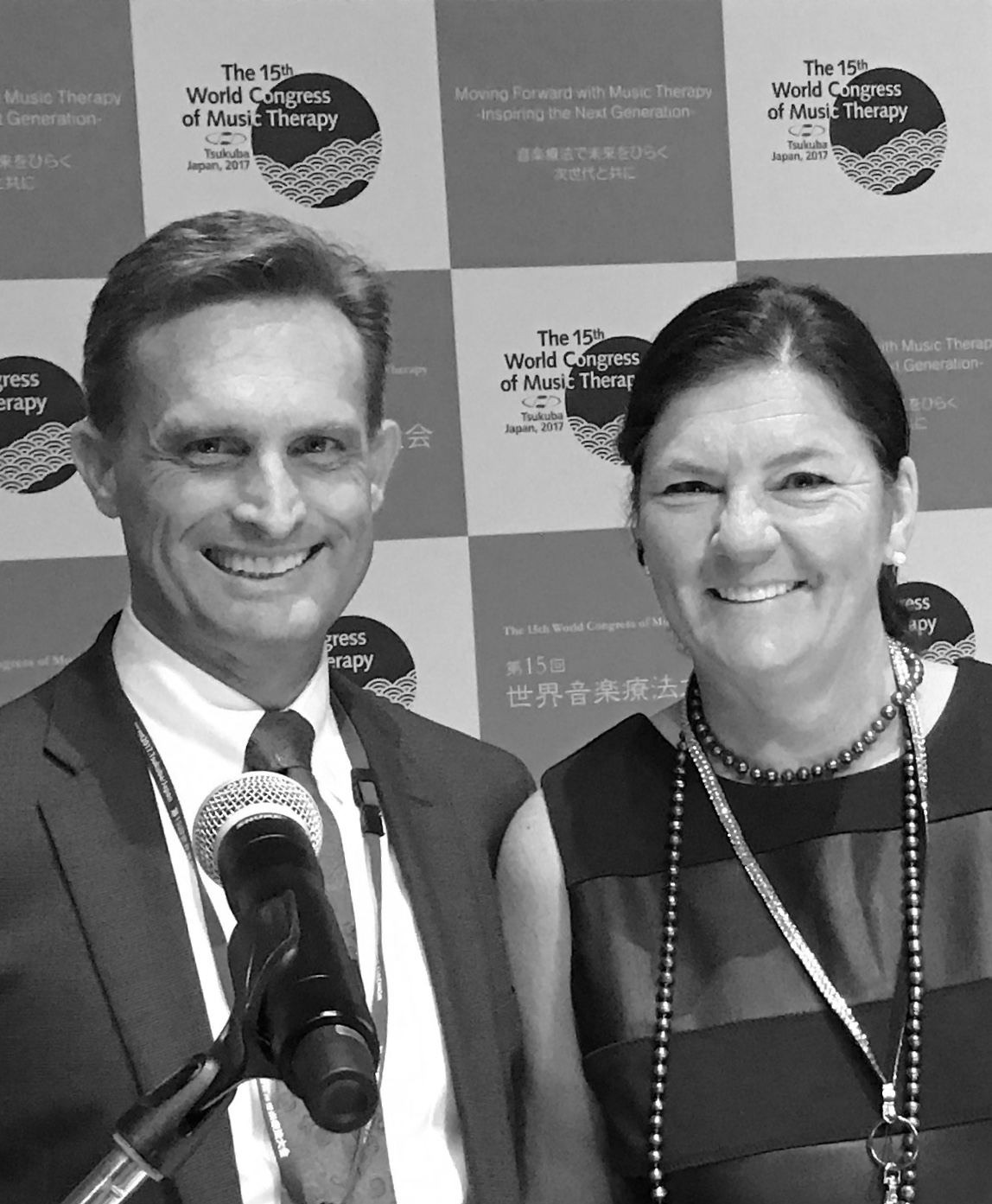
    Dr. Petra Kern, owner of Music Therapy Consulting, is adjunct Associate Professor at the University of Louisville and Editor-in-Chief of the online magazine imagine. She is a former WFMT President, currently serves on CBMT’s Board of Directors, and is a recipient of AMTA’s Research/Publications award.

    Dr. Daniel Tague is Assistant Professor and Chair of Music Therapy at Southern Methodist University. With experience as a teacher, clinician, blogger and researcher, he currently serves as Chair of the Clinical Practice Commission of the WFMT.

    Link: Their international survey is published in the Journal of Music Therapy

    Link for Dr. Kern: www.musictherapy.biz Link for Dr. Tague: www.musicmakessense.blogspot.com

    The post MTRB #23 – Petra Kern and Daniel Tague appeared first on Music Therapy Research Blog.


    MTRB #22 – Ronna Kaplan Jul 25, 2017
    Show notes

    https://www.musictherapyresearchblog.com/wp-content/uploads/2017/07/MTRB_20_RonnaKaplan-5-24-17EDIT.mp3

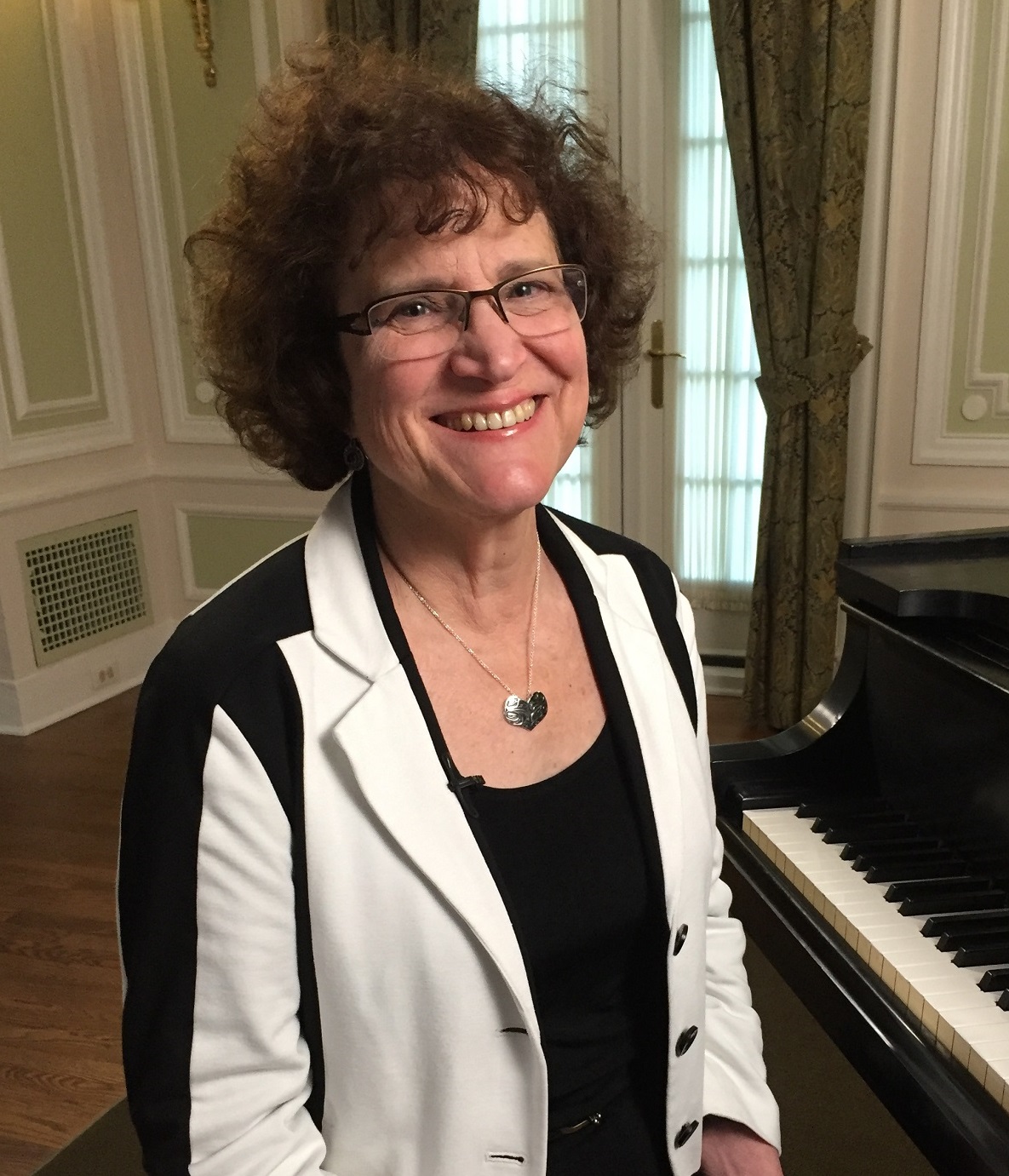
    Chair of the Center for Music Therapy since 2004 and a Music Therapist at The Music Settlement (TMS) since 1988, Ronna Kaplan has served clients ranging from premature infants to adults through 103 years-of-age with varied disabilities and levels of functioning. Her special interests are young children and individuals with diagnoses on the autism spectrum, language delays and/or problems in the area of social skills, as well as teen parents or those with mental illness. She was instrumental in developing the Center’s Outcomes-Based Measurement tool and program and supervised many TMS Center for Music Therapy interns. Ronna served as TMS Interim Co-Executive Director and Acting Director of the Performing Arts Department/Music School for several months in 2007.

    Ronna earned a Bachelor of Music in Music Therapy and Music Education from Michigan State University and a Master of Arts in Special Education from Kent State University. She holds a Certificate in Nonprofit Management from the Mandel Center for Nonprofit Organizations at Case Western Reserve University, as well as certificates in DIRR/Floortime(TM) Basic Course and Orff Level I. She completed her Neurologic Music Therapy training from the Robert F. Unkefer Academy of Neurologic Music Therapy at Colorado State University’s Center for Biologic Medical Research in Music. Ronna conducted research on the effects of music on premature infants in Cleveland Clinic’s Neonatal Intensive Care Unit, as well as music therapy program goals and outcomes for clients with autism spectrum diagnoses at The Music Settlement. Additionally, she taught classes in Music Therapy Practicum and Adapted Percussion classes at Baldwin-Wallace College for 14 years.

    She has held significant positions in state, regional, and national music therapy organizations. A Past President of the American Music Therapy Association (AMTA), Ronna co-chaired the AMTA’s Autism Think Tank/Task Force from 2008-2009 and the AMTA Diversity Task Force from 2010- 2015. She served as co-chair of AMTA’s Early Childhood Music Therapy Network from its inception in 1994 until 2006. Ronna has published articles and book chapters, guest lectured at colleges and universities, and presented nationally and internationally. She was honored with the Association of Ohio Music Therapists Past Presidents’ Club Award in 2011, the AMTA Professional Practice Award in 2003, the Great Lakes Region of AMTA’s Service Award in 1997 and their Honorary Life Member Award in 2014.

    Currently, Ronna serves as a member of AMTA’s Masters Level Entry subcommittee and the Editorial Board for Music Therapy Perspectives. She became the Chair of the National Coalition of Creative Arts Therapies Associations (NCCATA) in October 2016. She also writes a music therapy column for the Huffington Post.

    Music for this episode is “Coasts of Cleveland,” by The Unsacred Hearts.

    Errata: At 5:05 the university mentioned should be KSU, not Michigan State University.

    The post MTRB #22 – Ronna Kaplan appeared first on Music Therapy Research Blog.


    MTRB #20 – Robert Groene Jan 07, 2017
    Show notes

    https://www.musictherapyresearchblog.com/wp-content/uploads/2017/01/MTRB_22_12-13-16RobertGroene.mp3

    Robert Groene is an Associate Professor and the Director of Music Therapy at UMKC. He received his BS, MA, and PhD degrees from the University of Minnesota. He is a past professor at The University of Iowa and Wartburg College. Dr. Groene is an active teacher researcher, clinician and research editorial board member in local, regional, national, and international venues. He was a past nominee for President-Elect of the American Music Therapy Association, Past President of the AMTA Midwestern Region, former Co-Chair of the AMTA Standards of Clinical Practice, and a recipient of the AMTA Service Award.

    He is a former Interim Associate Dean of Academic Affairs at the Conservatory, a recipient of the Muriel McBrien Kauffman Conservatory Excellence in Teaching Award, and a recipient of the Kauffman Conservatory Service Award. Dr. Groene is a Leadership Fellow of the UM System and Co-Chair of the 2020 Task force Faculty/Staff/Student Climate Subcommittee. His current research interests include the efficacy of music therapy concerning neurologic music therapy, curriculum, imagery, dementia, road rage, dental fears, and aging in community.

    Music for this podcast is “Missouri Joe” by Sophie Tucker from the album Edison Amberol Record: 716

    The post MTRB #20 – Robert Groene appeared first on Music Therapy Research Blog.


    MTRB #19 – Michael Viega Nov 28, 2016
    Show notes

    https://www.musictherapyresearchblog.com/wp-content/uploads/2016/11/MTRB_18_10-24-16-viega.mp3

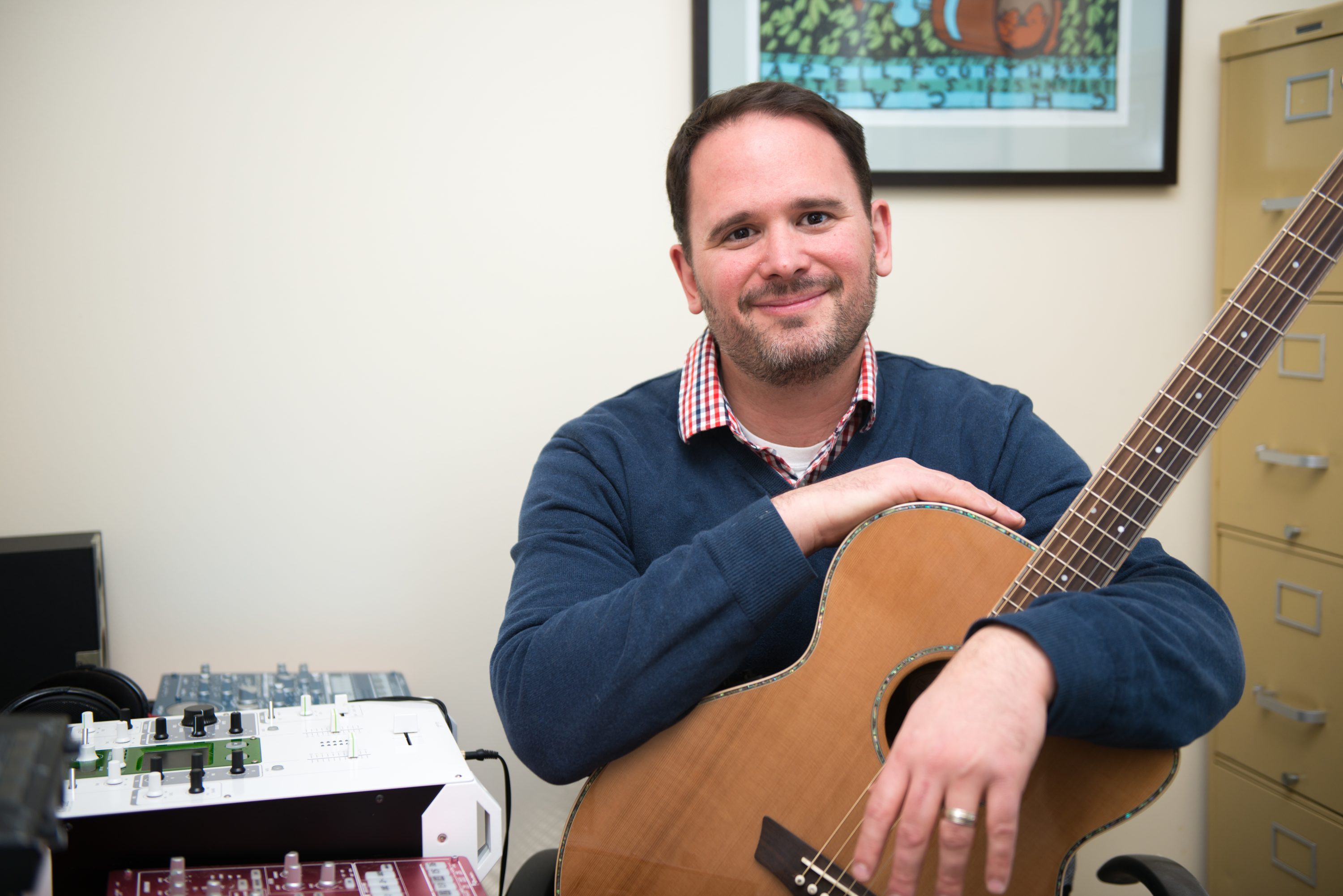
    20150218-2_viega-michael_0029Michael Viega, Ph.D., LCAT, MT-BC, is an Assistant Professor of music therapy at the State University of New York (SUNY), New Paltz and a Fellow in the Association of Music and Imagery. He has published and presented on a wide range of topics such as Hip Hop and music therapy (which can be found in a 2016 edition of Music Therapy Perspectives), arts-based research methodologies, therapeutic songwriting, and adverse childhood experiences and adolescent development. He serves on the editorial board for Music Therapy Perspectives and Voices: A World Forum for Music Therapy. He is currently the President-elect of the Mid-Atlantic Region of the American Music Therapy Association (MAR-AMTA) and on a national level, serves on the AMTA Assembly of Delegates.

    Music for this podcast is “Every Door Must Open” from Dr. Viega’s Soundcloud page.

    The post MTRB #19 – Michael Viega appeared first on Music Therapy Research Blog.


    MTRB #18 – Joy Allen Nov 22, 2016
    Show notes

    https://www.musictherapyresearchblog.com/wp-content/uploads/2016/11/MTRB_19_11-2-16_JoyAllen.mp3

    joyallenJoy Allen, PhD, MT-BC is an accomplished clinician, researcher, and educator. She has extensive experience working with medical patients where she focuses on psychological health, pain management, and the family system. She is particularly passionate about working with individuals and families facing chronic illnesses, including cancer. Her current research interests include quantitative analysis of the effects of music therapy on the psychological health of medical patients, Guided Imagery & Music with medical patients, as well as medical music therapy theory development and efficacy research. She is currently chair of the music therapy department at Berklee College of Music.

    Music is Jimniclucl by Kid Romance from the album Boston Hassle Comp

    The post MTRB #18 – Joy Allen appeared first on Music Therapy Research Blog.


    MTRB #17 – Varvara Pasiali Sep 16, 2016
    Show notes

    https://www.musictherapyresearchblog.com/wp-content/uploads/2016/09/MTRB_17_09-6-16VarvaraPasiali.mp3

    vpasiali2016Varvara Pasiali, PhD, MT-BC, is an associate professor of music therapy at Queens University of Charlotte. She completed her Master’s in music therapy at the University of Kansas and her doctorate at Michigan State. Her research interests include early intervention, prevention, resilience, and parent-child attachment/reciprocity. Dr. Pasiali is a regular presenter at conferences and has published in various journals. She also serves on the editorial board of the Journal of Music Therapy, and Approaches: An Interdisciplinary Journal of Music Therapy.
    Mentioned in this podcast:

    The Foundations of Social Research by Michael Crotty

    The use of prescriptive therapeutic songs in a home-based environment to promote social skills acquisition by children with autism: Three case studies. Pasiali (2004)

    The effect of musical attention control training (MACT) on attention skills of adolescents with neurodevelopmental delays: a pilot study. Pasiali, LaGasse, and Penn (2014)

    A Clinical Case Study of Family-Based Music Therapy by Pasiali (2013)

    Supporting parent-child interactions: music therapy as an intervention for promoting mutually responsive orientation. Pasiali (2012)

    Music for this podcast is “Povo Que Caís Descalco” by Dead Combo.

    The post MTRB #17 – Varvara Pasiali appeared first on Music Therapy Research Blog.


    1 2 Next

    Related Podcasts

    Invisibilia

    1

    Invisibilia Personal Journals
    Hidden Brain – Hidden Brain, Shankar Vedantam

    2

    Hidden Brain – Hidden Brain, Shankar Vedantam Science
    How To Do Everything

    3

    How To Do Everything Science
    Hidden Brain

    4

    Hidden Brain Games & Hobbies
    Something You Should Know

    5

    Something You Should Know Education
    Sword and Scale – Sword and Scale

    6

    Sword and Scale – Sword and Scale Alternative Health
    footer-logo

    Contact Us

    Toll Free: 844-670-7747

    Links

    • Home
    • Top Charts
    • Networks
    • Apps
    • Independents Podcasts
    • Podcast Advertising
    • Podcast News
    • Contact Us
    • About Us
    • Analytics & Insights

    Stay Connected

      Privacy, Terms of Use & Our Code of Ethics Protecting Content Creators Copyrights