 Our TOPPODCAST Picks
 Audio narrations of LessWrong posts. Includes all curated posts and all posts with 125+ karma.
If you’d like more, subscribe to the “Lesswrong (30+ karma)” feed.

 Stay Connected
Audio narrations of LessWrong posts. Includes all curated posts and all posts with 125+ karma.
If you’d like more, subscribe to the “Lesswrong (30+ karma)” feed.
Copyright: © 2023 LessWrong Curated Podcast


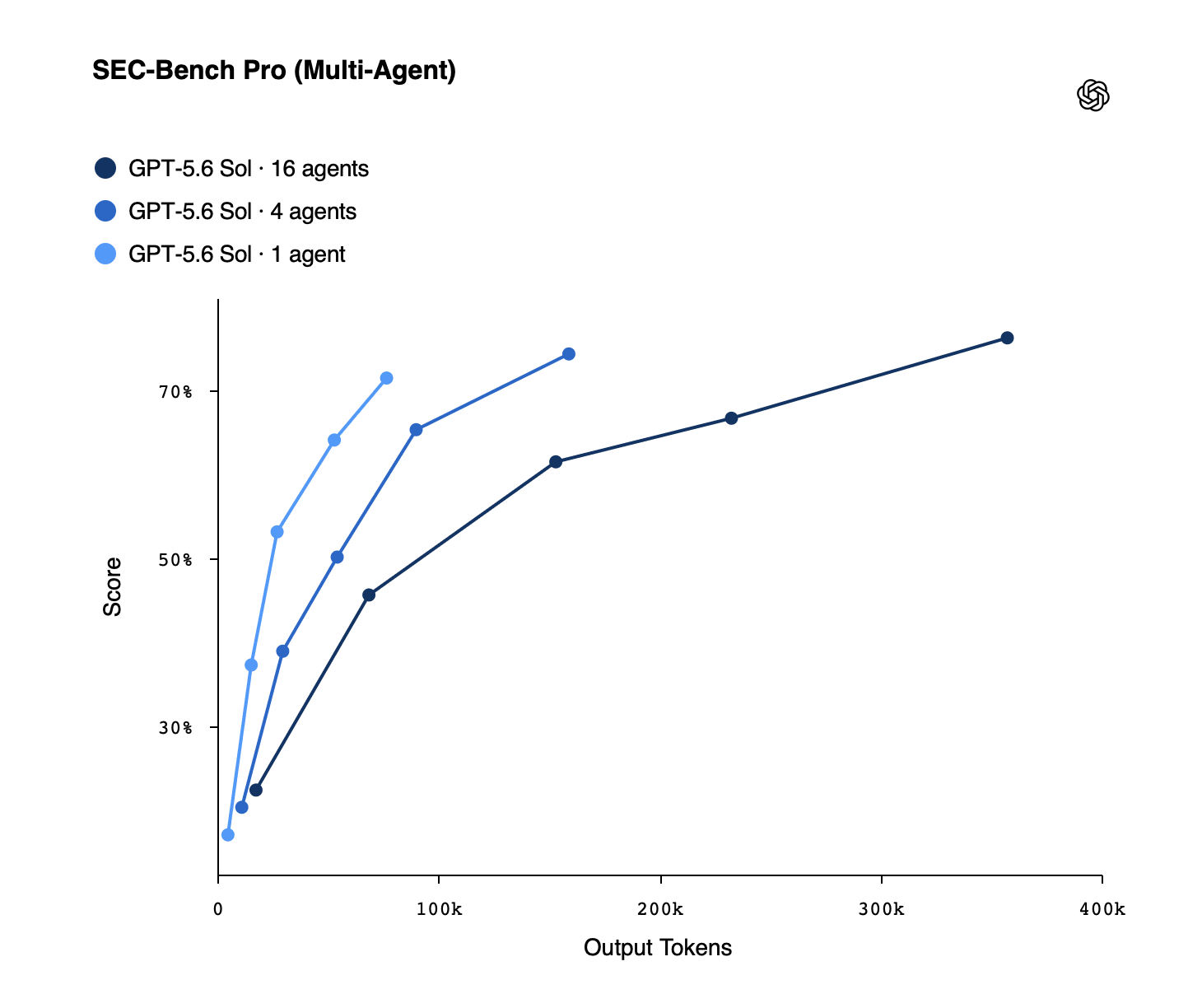
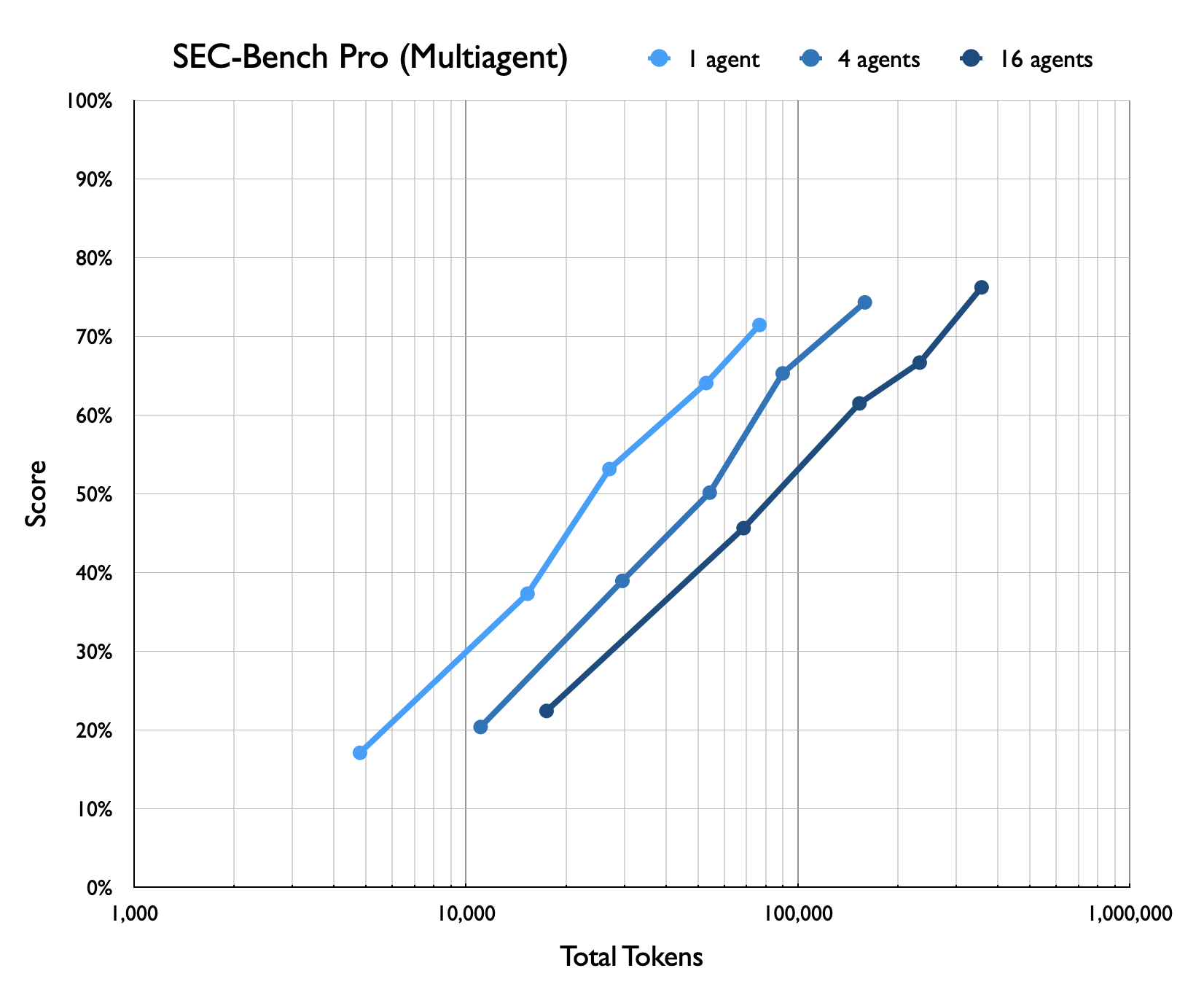
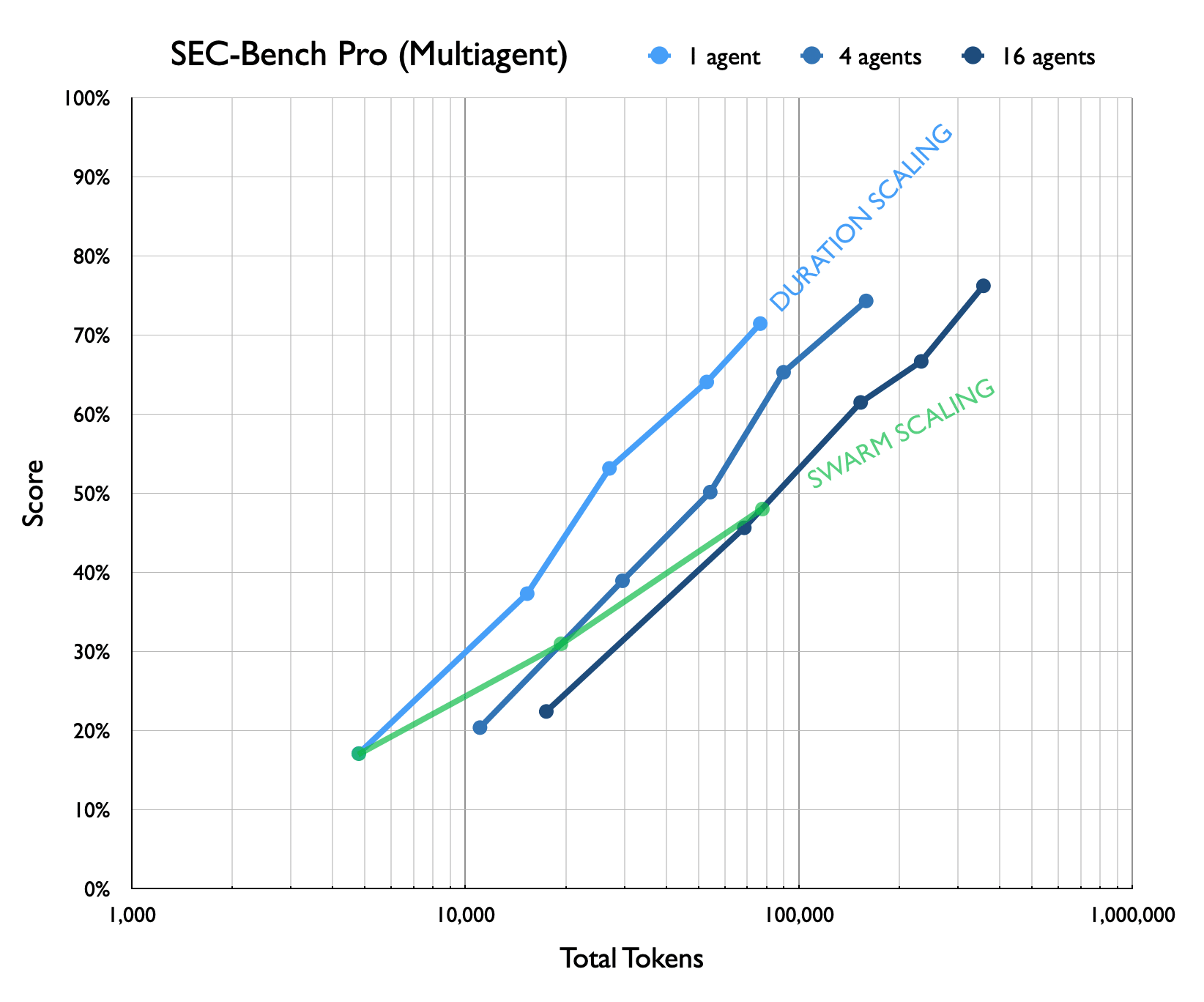
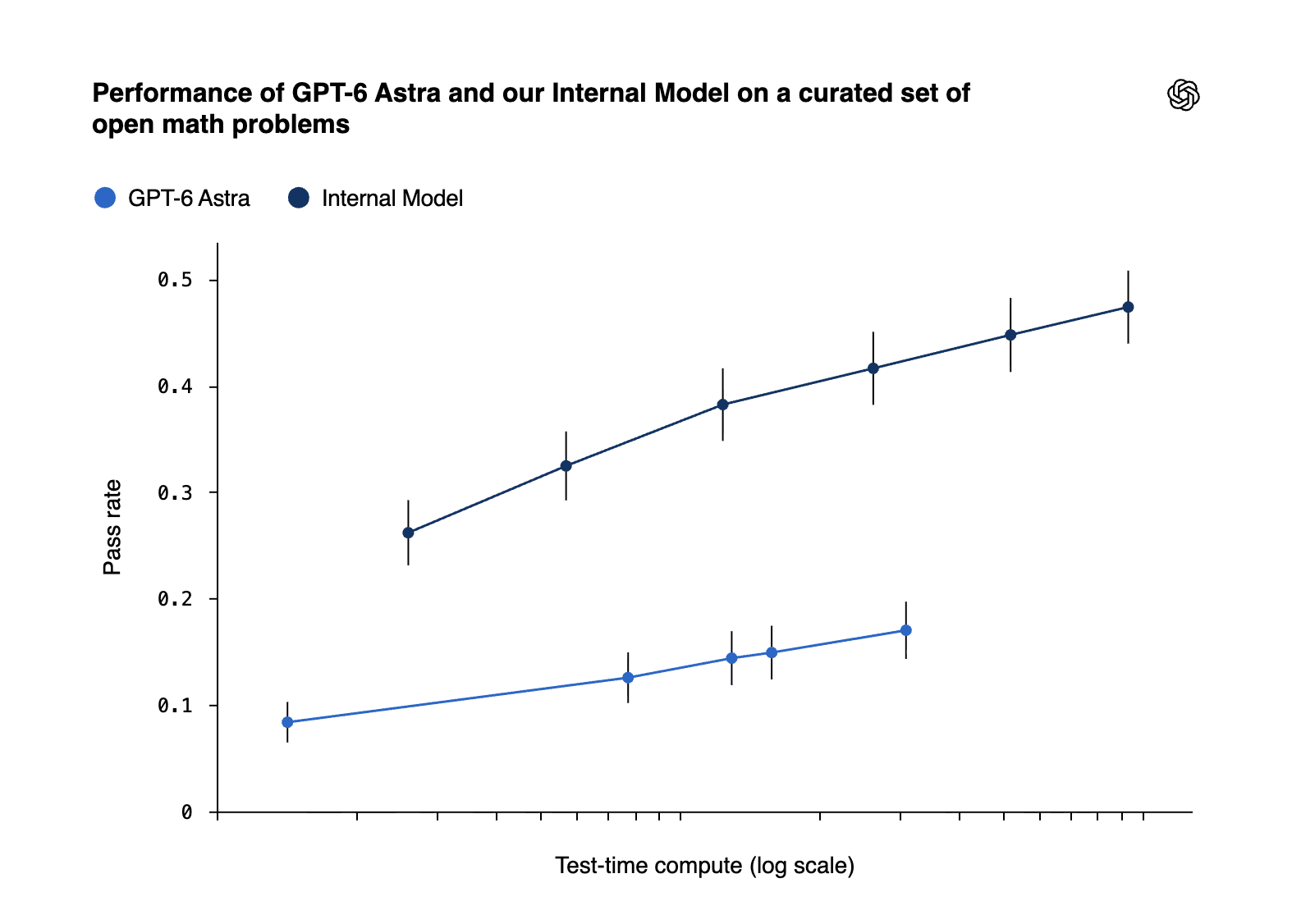
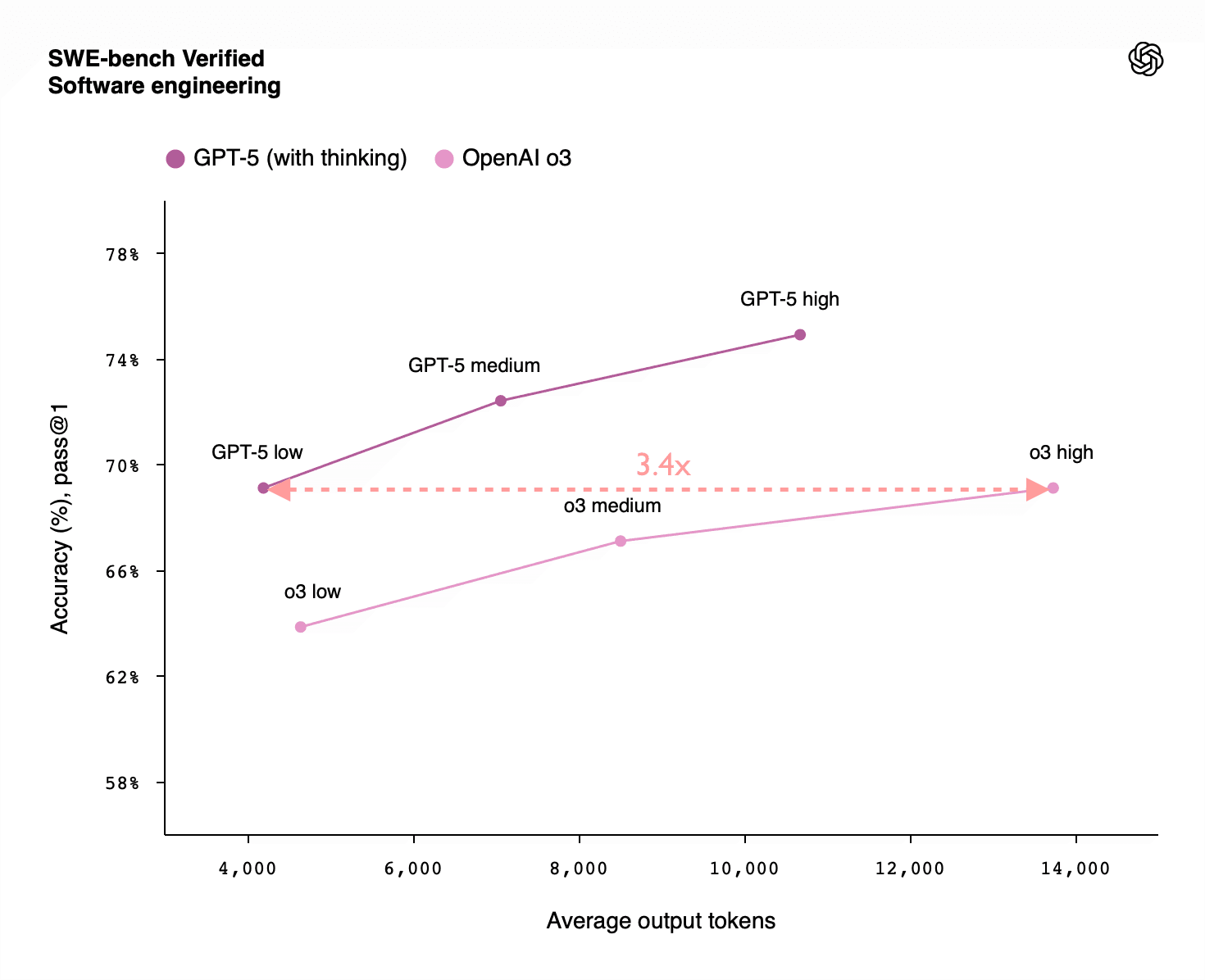
Just how powerful are large swarms of AI agents? And how do their powers scale as more and more agents are added to the swarm?
We’ve seen two large and extremely capable swarms from OpenAI in the last few months:
 Apple Podcasts and Spotify do not show images in the episode description. Try Pocket Casts, or another podcast app.
It might destroy the world, despite passing every known safety test. If we wait for a “warning shot” before we act, it might be too late. And action requires global coordination, because if anyone makes it, everyone dies. Sound familiar?
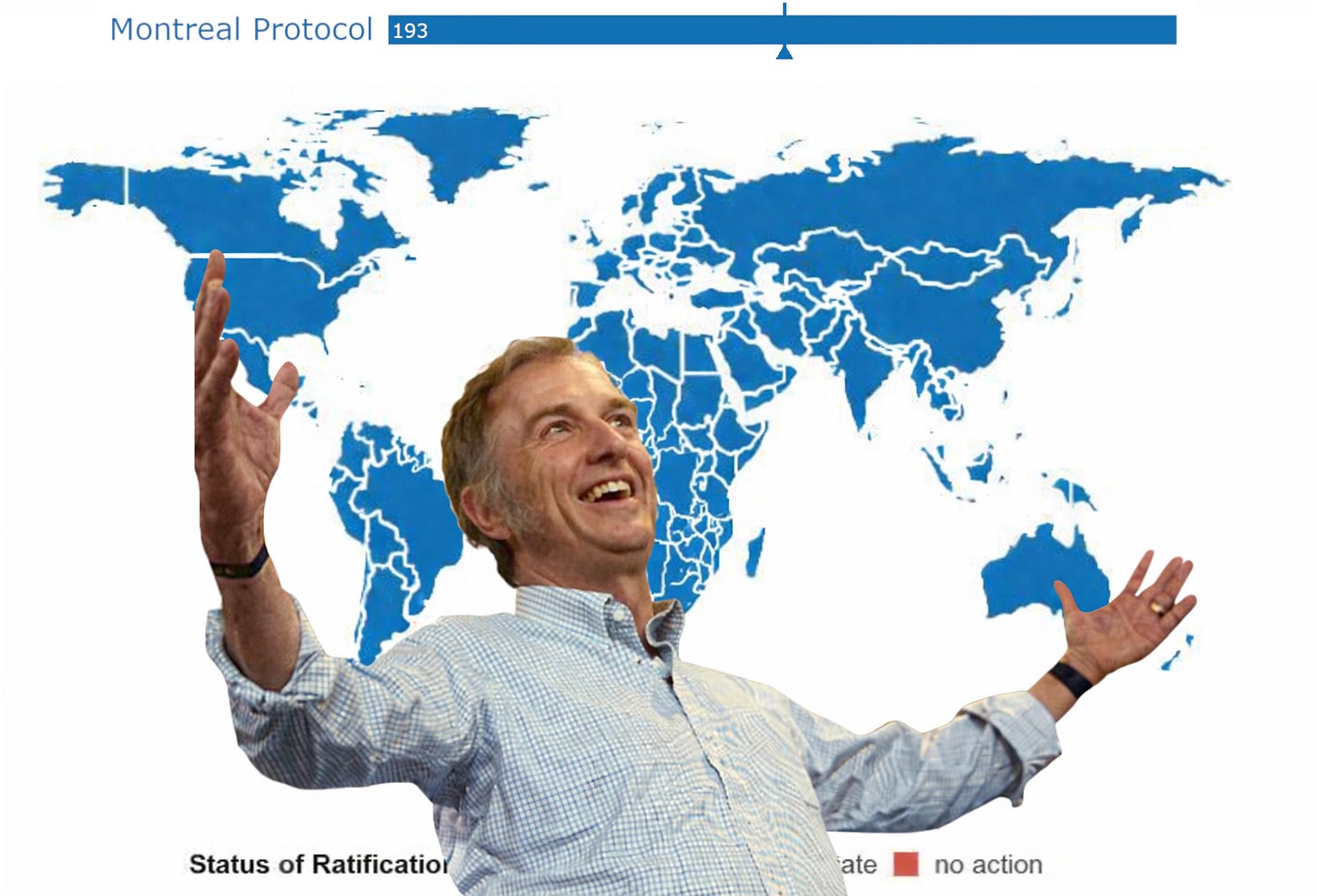
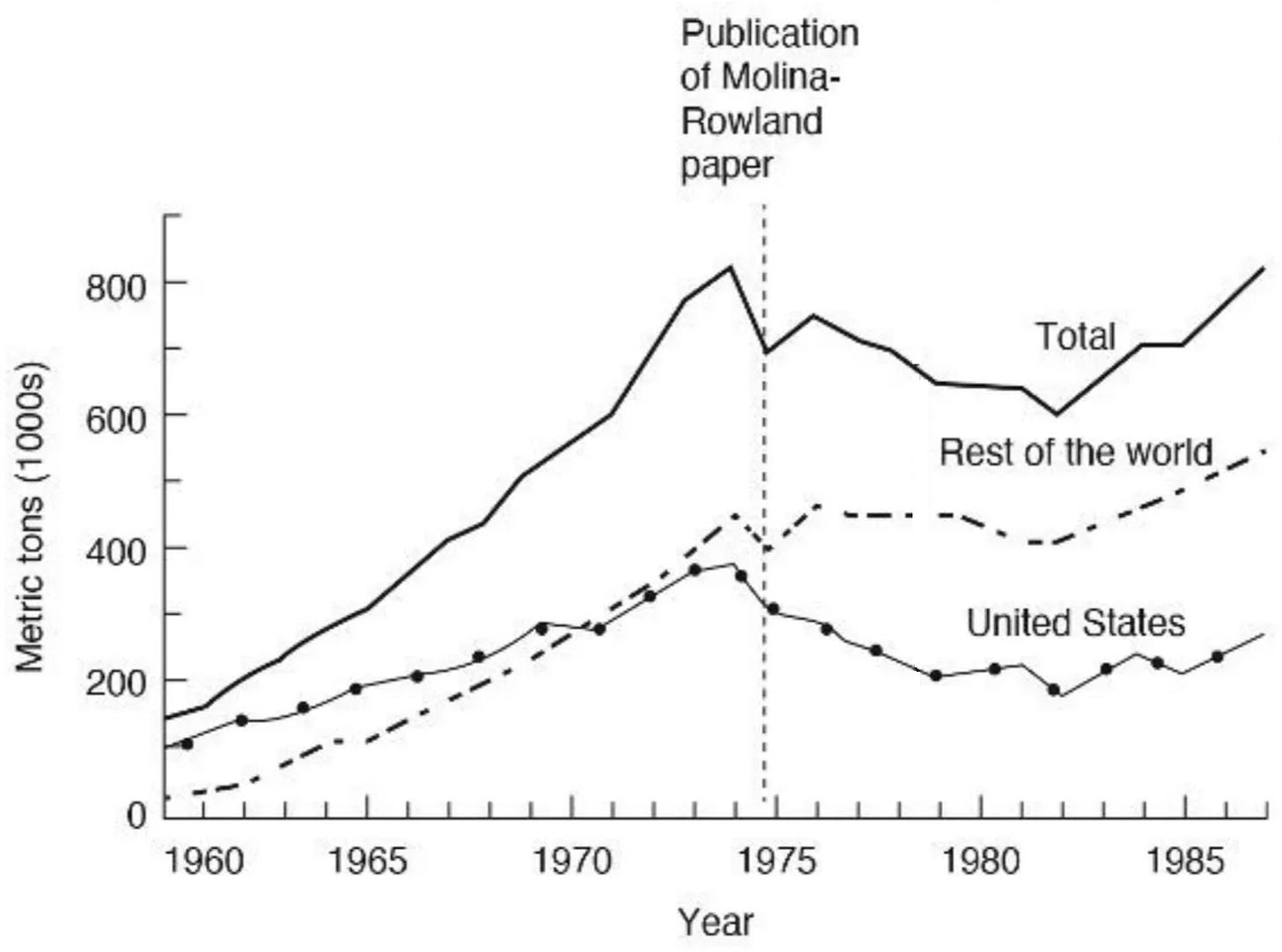
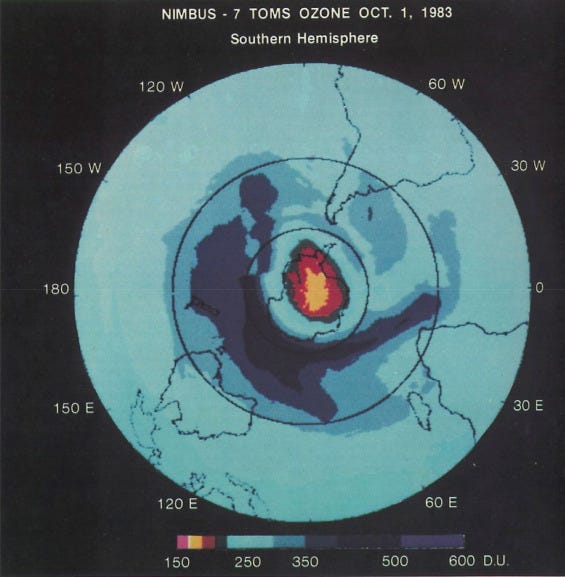
It should, because it already happened half a century ago, with chlorofluorocarbons (CFCs). Despite seemingly impossible odds, we got our act together and completely solved the problem through unprecedentedly successful international coordination. The Montreal Protocol banning CFCs, signed 39 years ago today, is the only treaty that has ever been ratified by every single country in the entire world.
Total Montreal protocol victory
Making AI go well is going to be a lot harder than fixing the ozone hole. Nonetheless, the similarity is uncanny, and we don’t have any other choice. Understanding how we did the impossible once before may teach us something about how to do it again.
The theory is born
The year is 1973. The slow televised unraveling of the Nixon administration is already well underway. DDT finally got banned last year by the newly created EPA. A river got so polluted that it literally caught on fire.
The Cuyahoga River Fire
Environmentalism looms large in [...]
---
Outline:
(01:24) The theory is born
[... 7 more sections]
---
First published:
September 20th, 2026
Source:
https://www.lesswrong.com/posts/zxXPEtSSSEdwpjopb/we-ve-saved-the-world-before-what-the-ozone-hole-teaches-us
---
Narrated by TYPE III AUDIO.
---


 Apple Podcasts and Spotify do not show images in the episode description. Try Pocket Casts, or another podcast app.
The Chinese AI researcher has read the Three Body Problem series of sci-fi novels since high school, and understand the concept of existential risk vaguely.
He is fascinated by Ye Wenjie, the researcher that turned against humanity in that book, and decides that in the future if AI progress leads to a superior intelligence, he might be tempted to become Ye if there's no good alternative.
He performs the duties of capabilities research in a Chinese frontier lab, seeking to one day achieve parity with Western companies, though he knows this is difficult. He has a mentality of hillclimbing, believing that the progress of a future technology is highly uncertain and even unknowable, and so him and his peers could only tread one step at a time.
He looks at the western world and sees what is typical when a great technology is developed: the first mover will decide to impose restrictions to further their lead, while latecomers should use whatever means necessary to widen access to the whole world. He thinks of the AI chip restrictions as evidence of this.
He uses Anthropic and OpenAI models regularly in his day to day work. He [...]
---
First published:
September 19th, 2026
Source:
https://www.lesswrong.com/posts/qmxkHm2dTLKG6GZ6i/the-anatomy-of-a-chinese-ai-researcher
---
Narrated by TYPE III AUDIO.
Back in the day, I was a very active AI safety group organizer. I commonly notice people making the same mistakes across many clubs. I have written down a list of some of these mistakes hoping people will avoid them in the future:
When I finished HPMOR, I immediately knew it was the best novel I had read in more than a decade. I only wished I had found it sooner.
When I started reading The Sequences, I discovered that the Chinese translation group had translated only the first volume. When I graduated from university, two years ago, AI translation had only just become good enough to convey the meaning of an article with reasonable accuracy. It was only about a year and a half ago that I truly found my way here and began engaging seriously with rationalism.
My score on the Chinese college entrance exam was only slightly above the cutoff for what was then called a first-tier university. At university, my grades were near the bottom of my year, and I almost failed to graduate. It is probably fair to say that the vast majority of graduates from first-tier Chinese universities are smarter and more capable than I am.
English has always been my worst subject. From childhood through school, I could barely pass it.
I have now been working for two and a half years and have saved about 15,000 [...]
---
First published:
September 20th, 2026
Source:
https://www.lesswrong.com/posts/GoX3uYQ4QN5HKvL7u/please-give-them-a-chance-on-china-rationalism-and-ai-safety
---
Narrated by TYPE III AUDIO.
I avoid Twitter (𝕏) for similar reasons to drugs: I think it
would change me for the worse, and I would be unable to give it up.
After staying off Twitter reasonably successfully for years, I
cross-posted my AI
Tweets there a few weeks ago. I had something very Twitter-shaped
to say, and I thought it was important to get out, so I do
think this was worth it. And it all went well: none of this is
complaining about the comments I got there.
Coming back a few times to check notifications, however, it's been
very good at baiting me: Tweets that are confidently wrong in cases
where I have relevant and uncommon knowledge. The pull to dive in and
share what I know is very strong! Then this bleeds over to the far
broader case where people are wrong, and you have a large potential
time sink.
If it were just the time sink, I'd stop resisting. I spend some
time on HN and Reddit, and to the extent that Twitter could substitute
for that by showing me things I was more interested in, that wouldn't
be an issue. The real problem [...]
---
First published:
September 19th, 2026
Source:
https://www.lesswrong.com/posts/tvwtwgcujTfep4HgY/why-i-stay-off-twitter
---
Narrated by TYPE III AUDIO.
While this is relevant to my work at MIRI, I have not checked these ideas with anyone else on the team and am posting this on my personal LW account. These views are my own. And to be honest, I am writing this mostly to remind myself of my weakness.
---
I expect one (or many) adversarial memetic attacks aiming to trip you up, perhaps consisting of fake leaks relating to dangerous stuff happening in the labs. Specifically, worrying incidents that may fit snugly within your worldview, leaking from multiple sources including news outlet/s, but not confirmed/confirmable by a primary source. Think rumors about exfiltrated weights, AIs attempting to create viruses, agent swarms hacking into and gathering information from nuclear infrastructure, etc.
An easy way to remove status from a movement is to trip it up: make it fall for a misinformation trap in public, then use that slip-up to discredit the movement for all time. The game is set for a memetic attack like this. There's a well-resourced group waiting for your screw-up.
And then you may remember much that will help you.
In public and in private, if you feel surprised or confused, notice your confusion. These [...]
The original text contained 2 footnotes which were omitted from this narration.
---
First published:
September 17th, 2026
Source:
https://www.lesswrong.com/posts/5mcDjo5gjn3Leahhu/the-game-is-set-for-a-targeted-memetic-attack-on-the-ai
---
Narrated by TYPE III AUDIO.
(I began writing this post several weeks ago, but political events are moving much faster than I expected, so I am publishing now out of fear that otherwise the message will arrive too late to have an impact.)
I
In this post I want to explain a concept,
and issue a warning based on it.
But I expect the warning will be superfluous if my explanation is sufficient.
If you want to convey the idea
"the rattlesnake has venom in its fangs, so don't let it bite you",
you won't need a hard sell for the concluding advice
if the listener understands the initial statement about venom.
The word for the concept I want to illustrate is partisanize,
which means to align an issue with a political tribe.
It is modeled on politicize,
but the latter word is not useful here.
It would be meaningless to say "Don't Politicize AI Safety":
the project is intrinsically political.
It involves international diplomacy, consensus-building,
the willingness to sacrifice near-term economic growth for long-term human values,
and a brutally difficult coordination problem.
AI Safety is inescapably political, but not inevitably partisan.
It's possible that,
like issues such as infrastructure or [...]
---
Outline:
(00:22) I
(05:25) II
(07:53) III
(11:51) IV
(19:14) V
---
First published:
September 16th, 2026
Source:
https://www.lesswrong.com/posts/Rx38cuCpL9hguLCDq/for-love-of-the-lightcone-don-t-partisanize-ai-safety
---
Narrated by TYPE III AUDIO.
---
 Apple Podcasts and Spotify do not show images in the episode description. Try Pocket Casts, or another podcast app.
tl;dr: A good analogy for AI going well is an orderly evacuation rather than a stampede. Imagine a crowd of people leaving a building. If they all walk calmly, they’ll be fine. But if people start pushing, and panicking, a surge towards the exit could lead to mass casualties.
“Alignment is hard” is analogous to “the door is wedged shut”. If so you need enough time to fix it before anyone can get out. But even if alignment is relatively easy in principle, opening the door is much harder when a crowd is trying to force its way through.
At the very least, I consider this a useful complement to the standard “arms race” analogy. But it also has three notable advantages. Firstly, it gives a more visceral sense (for those of us who haven’t studied historical arms races in detail) of the kind of fear and herd mentality involved. Secondly, “arms race” connotes intense militaristic hostility, which contributes to AGI companies’ self-fulfilling cultures of competitiveness and paranoia. Thirdly, “AI arms race” is often shortened to “AI race” (or simply “racing”), which is clearly the worst analogy of the three (e.g. because it implies that there’ll be a winner [...]
---
First published:
September 16th, 2026
Source:
https://www.lesswrong.com/posts/FCMG4qnxks3yEqBbh/ai-as-orderly-evacuation-vs-stampede
---
Narrated by TYPE III AUDIO.
 Apple Podcasts and Spotify do not show images in the episode description. Try Pocket Casts, or another podcast app.




