COVID-19 CU-BOULDER – OFF CAMPUS PARTIES – SUPERSPREADERS
Sep 15, 2020
Show notes
In this final show in our four-part series on CU Boulder & COVID, we look at how CU Boulder Contact Tracing and CU data collection has revealed that the biggest spreader of COVID-19 on CU Boulder’s campus is students “socializing” in risky ways, particularly in off-campus parties at sororities, fraternities and large student apartment buildings on “The Hill” near CU Boulder. In contrast, attending in-person classes on CU is not a spreader of COVID-19, and neither are the residential halls. This show features news from the CU Chancellor’s office about a stronger call to reduce the spread, the leader of CU Contact Tracing Matthew McQueen, and Boulder County Spokesperson Chana Goussetis, explaining Boulder County Covid Data.
Testing wastewater for COVID-19
Sep 08, 2020
Show notes
Cresten Mansfeldt
PROGRESS AND CHALLENGES IN COVID-19 TESTS (starts 1:00) Beth Bennett reviews the years progress and challenges in COVID-19 Tests, including the latest tests at CU Boulder.
CU UPDATE ON COVID-19 (starts 4:15) CU Media Relations spokesperson Candace Smith gives an update on the CU COVID-READY DASHBOARD including progress on getting the Sawyer Lab ultrafast test back in action at CU-Boulder.
WASTEWATER TESTING AT CU DORMS (Starts 9:50) CU Environmental Engineer Cresten Mansfeldt explains how and why CU Boulder is testing for evidence of the coronavirus that causes COVID-19 with daily checks of wastewater coming from CU dorms.
Keeping Indoors COVID-Safe – CU Aerosol Experts Shelly Miller & Jose Luis Jimenez
Sep 01, 2020
Show notes
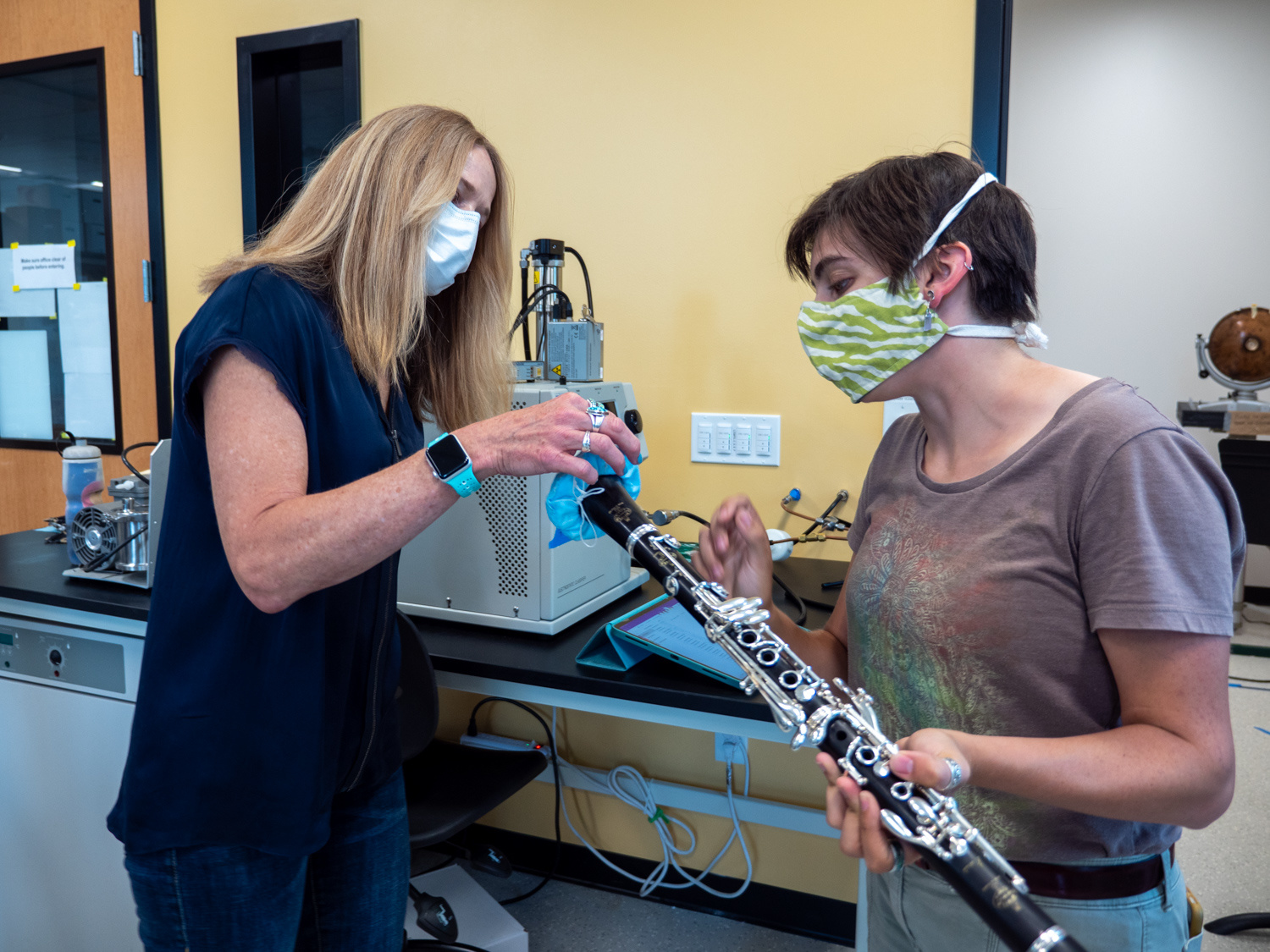
Graduate student Teyha Stockman, right, shows off her homemade bell cover made from medical mask material that helps decrease aerosol spread on her clarinet to mechanical engineering professor Shelly Miller Photo courtesy CU.
Ultrafast COVID Test Update (starts 1:00) Sara Sawyer’s ultrafast COVID saliva test might be an option sometime soon for allowing visits inside senior care facilities.
CU COVID-READY DASHBOARD (starts3:35) CU Media Relations spokesperson Candace Smith gives an update, and How on Earth’s Beth Bennett shares comparisons with other university successes and failures at opening up.
KEEPING INDOORS COVID-SAFE (Starts 9:25) CU Aerosol Experts Shelly Miller & Jose Luis Jimenez have become world-renowned for their expertise in how to reduce the risk of aerosol transmission of COVID-19, plus how CU Boulder is working with them to increase the safety of in-person CU Classrooms from COVID-19 for more, see. CU Boulder Covid Research Strategies Webinar
CU Boulder – COVID Test Innovations
Aug 25, 2020
Show notes
CU Boulder has just opened up dorms and in-person classes. The CU Boulder Covid Research Strategies Webinar presents innovative testing plans that include ultra-fast COVID tests from the Sara Sawyer Lab and an automated sewage sampling system from Creston Mansfeldt. Both tests may speed early warning of Covid. Both testing strategies are innovative and ambitious. But funding and testing capacity mean only dormitory students receive these tests. Dorm students represent around 20% of CU Boulder students. Roughly 80% of CU students live off-campus (not in the dorms). They are not slated to receive these special tests, or basically, any regular tests.
Currently, CU-Boulder COVID infection rates are low. As questions on next week’s show, we will be watching for . . . how does all this influence the ability of CU-Boulder’s innovative tests to help CU keep Covid-19 cases down and to help the campus stay open?
The Neuroscience of Pain
Aug 11, 2020
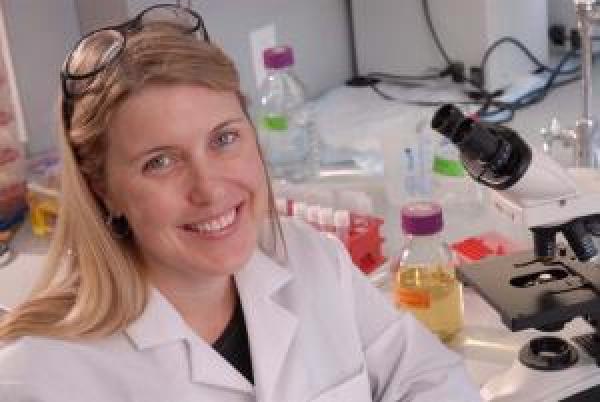
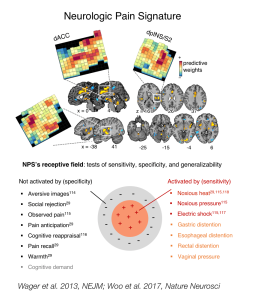
Show notesChronic pain is a debilitating condition for millions of people worldwide. But what role does our brain play in processing pain? Cognitive neuroscientists are gaining a better understanding of how our brain processes pain. Using advanced imaging techniques, they can now measure and model brain systems linked to our pain and emotions. This is shedding new light on interventions for people who suffer from chronic pain.
In this How on Earth episode, Jill Sjong speaks with Tor Wager, Distinguished Professor in Neuroscience at Dartmouth College, and formerly Professor of Psychology and Neuroscience at CU Boulder. Jill also speaks with Charlie Merrill, a Boulder-based physiotherapist and Clinical Advisor at Lin Health, a digital integrative pain clinic. Charlie Merrill works extensively with local athletes, many of whom suffer from chronic pain.
Host: Jill Sjong
Executive Producer: Susan Moran
Engineer: Maeve Conran
Listen to the show:
COVID-19: The Evidence for Aerosol Transmission & Implications for Containment
Aug 05, 2020
Show notes
This week How on Earth producer Beth Bennett spoke with Professor Jose Jimenez, a professor in the Chemistry Dept here at CU in Boulder. His research background for over two decades has focused on detecting and measuring aerosols. Recently he became involved in applying this expertise to the question of how the corona virus is transmitted. He and his team have developed a model that predicts the likelihood of transmission of the virus from an infected person to other people in an indoor space. Here are find links to the model, a webinar describing its development and use and his website. The interview starts at ~8 min.
Executive Producer: Susan Moran Show Producer: Beth Bennett Additional Contributions: Joel Parker Engineer: Maeve Conran
Listen to the Show:
Salmonella Biofilms — Inside of Us
Jul 28, 2020
Show notes
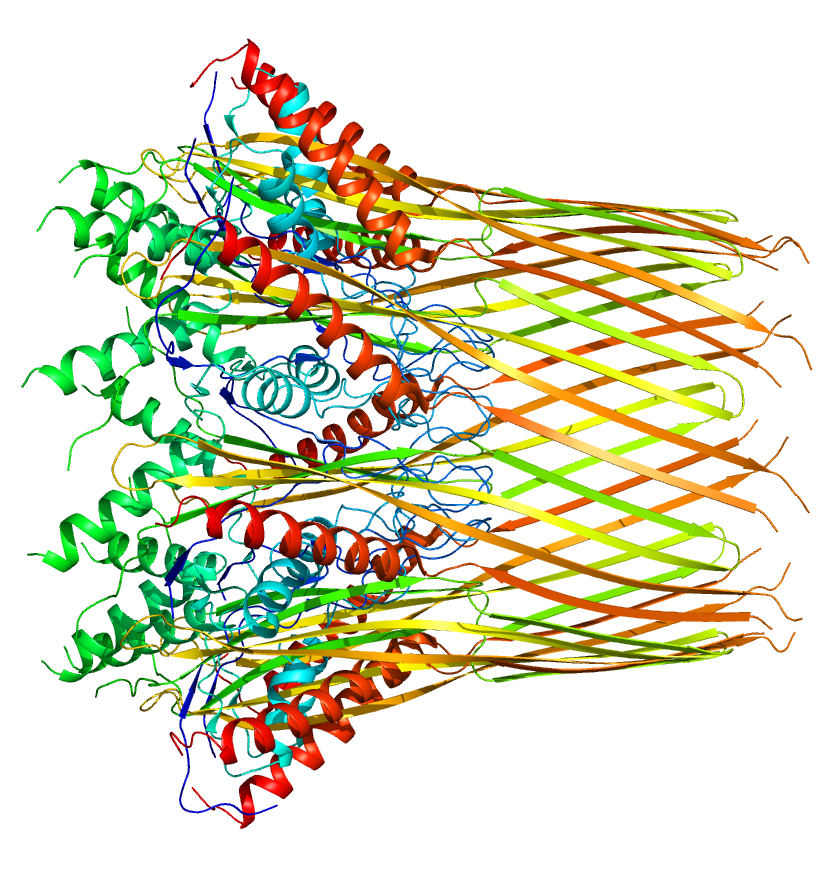
Curli Protein artists rendition cc Wikimedia
Salmonella Biofilms — Inside of Us. (starts 4:06) Foodborne Salmonella infections MIGHT pave the way for arthritis, Parkinson’s disease and even Alzheimer’s. We talk with Aaron White, co-author of a new study documenting how a salmonella infection can “leak” out of the intestines and form velcro-like biofilms in body tissues. These biofilms are made of curly-shaped, curli (scientific name) proteins on the surface of a Salmonella bacteria. These curli proteins help the cells stick together. They’re hard for the body to scrub away, and they might contribute to a number of health problems. (GO HERE for Extended Version TRANSCRIPT with links to related research)
Headlines – WHY Covid causes loss of smell; Sensors from Louisville Vaisala on new Mars Explorer, Perseverance.
Formation of Pluto and Its Ocean
Jul 14, 2020
Show notes
Five years ago today on July 14, 2015, the New Horizons spacecraft made the first reconnaissance of Pluto, collecting data that continue to be analyzed and provide surprises of this distant world. On this 5th anniversary of the Pluto flyby, our guest is Dr. Carver Bierson, who is a planetary scientist at Arizona State University. Carver has been involved with the New Horizons mission, and recently published a paper about Pluto based on data from the mission. We talk with him about results in the paper titled: “Evidence for a Hot Start and Early Ocean Formation on Pluto”
New Method for Measuring CO2 from Fossil Fuels
Jul 08, 2020
Show notes
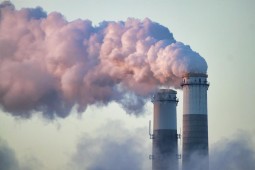
This week on How on Earth, Beth interviewed Scott Lehman of the University of Colorado here in Boulder. Dr Lehman collaborated with a team at NOAA, to develop a novel technique to identify the CO2 released by burning of fossil fuels, allowing its exact calibration in the global carbon budget. Due to technical difficulties, you can’t hear Beth’s questions in the audio, but Scott’s responses are very clear. You can find more information at his website and read his recent paper published two weeks ago in PNAS.
The Corral Bluffs’ Fossil Discovery: Earth’s Comeback Story
Jun 30, 2020
Show notes
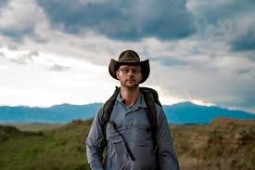
Tyler Lyson. P/C: Westword
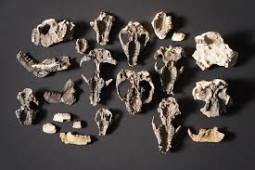
In this episode Angele Sjong interviews Tyler Lyson, a vertebrate paleontologist at the Denver Museum of Nature and Science, about his team’s extraordinary fossil discovery at the Corral Bluffs.
When the asteroid destroyed most of life on earth 66 million years ago, including the dinosaurs, this cataclysmic event ended the Age of Reptiles and began the Age of Mammals.Paleontologists have long struggled to understand the first million years of the Age of Mammals, however. What kinds of mammals survived this event? When and how did mammals become big again? When did mammals begin to diversify? What was the plant life and climate like at this time? The animal and plant fossils at Corral Bluffs shed light on this critical time period in earth’s history that has been a mystery for so long.

 Our TOPPODCAST Picks
 Stay Connected


 Chronic pain is a debilitating condition for millions of people worldwide. But what role does our brain play in processing pain? Cognitive neuroscientists are gaining a better understanding of how our brain processes pain. Using advanced imaging techniques, they can now measure and model brain systems linked to our pain and emotions. This is shedding new light on interventions for people who suffer from chronic pain.
In this How on Earth episode, Jill Sjong speaks with
 Five years ago today on July 14, 2015, the
 This week on How on Earth, Beth interviewed Scott Lehman of the University of Colorado here in Boulder. Dr Lehman collaborated with a team at NOAA, to develop a novel technique to identify the CO2 released by burning of fossil fuels, allowing its exact calibration in the global carbon budget. Due to technical difficulties, you can’t hear Beth’s questions in the audio, but Scott’s responses are very clear. You can find more information at his