TopPodcast.com
Menu
  • Home
  • Top Charts
  • Top Networks
  • Top Apps
  • Top Independents
  • Top Podfluencers
  • Top Picks
    • Top Business Podcasts
    • Top True Crime Podcasts
    • Top Finance Podcasts
    • Top Comedy Podcasts
    • Top Music Podcasts
    • Top Womens Podcasts
    • Top Kids Podcasts
    • Top Sports Podcasts
    • Top News Podcasts
    • Top Tech Podcasts
    • Top Crypto Podcasts
    • Top Entrepreneurial Podcasts
    • Top Fantasy Sports Podcasts
    • Top Political Podcasts
    • Top Science Podcasts
    • Top Self Help Podcasts
    • Top Sports Betting Podcasts
    • Top Stocks Podcasts
  • Podcast News
  • About Us
  • Podcast Advertising
  • Contact
Not in our directory?
Add Show Here
Podcast Equipment
Center

toppodcastlogoOur TOPPODCAST Picks

  • Comedy
  • Crypto
  • Sports
  • News
  • Politics
  • True Crime
  • Business
  • Finance

Follow Us

toppodcastlogoStay Connected

    View Top 200 Chart
    Back to Rankings Page
    Home & Garden

    GREEN Organic Garden Podcast

    The GREEN Organic Garden Podcast will inspire, teach, and promote earth friendly techniques by interviewing organic gardeners who share their journeys, tips, and tricks to simplify the process of growing your own delicious healthy food. Whether you want to have a small bed in your backyard or a full grown farming operation, our guests will help you reach your gardening goals and offer you resources and solutions to everyday gardening challenges, and inspiration to dig down in the dirt and get growing!

    This podcast uses the following third-party services for analysis:

    Spotify Ad Analytics – https://www.spotify.com/us/legal/ad-analytics-privacy-policy/

    Advertise

    Copyright: © 2015

    • Apple Podcasts
    • Google Play
    • Spotify

    Latest Episodes:
    March 20, 2020 Update! Happy Spring everyone! Mar 20, 2020
    Show notes

    Hey everyone just checking in and saying hey! I recorded this Thursday March 19, 2020! What a crazy week! I truly believe we are going to come out stronger on the other side. I know it's scary and crazy things are happening, I truly believe the good in humanity and that we should all donate blood if that's a possibility. Our schools all closed Monday, our governor said we were closed Sunday right after I bleached my classroom... and my principal said be ready to teach online when spring break is over (our spring break is 3/20-27/20) in case they ask.

    Listeners I know I go oh! at the end, but it was probably just something in my car. I am jumpy! haha... don't panic no big deal... anyway, I will try to post soon. My storage is almost full out!

    I did post a good instagram/facebook post of mike's minifarm and his lesson he learned about tarping.

    Be safe and Let's Get Growing!


    This podcast uses the following third-party services for analysis:
    Spotify Ad Analytics - https://www.spotify.com/us/legal/ad-analytics-privacy-policy/

    310. Cindy Ondish | Master Gardener • Listener | Conneaut, Ohio Feb 28, 2020
    Show notes

    Hi Jackie!

    I am a new listener who has been (vegetable) gardening all my life & in the last few years added fruit trees to my repartee. I live in NW PA, tho my garden is about 30 miles away in Conneaut, Ohio, a few blocks South of Lake Erie. I listened to the show with Melissa K. Norris today & enjoyed it very much. I will definitely be listening more! (& I entered the book give away, too!)

    Keep up the good work!

    Cindy Ondish

    Tell us a little about yourself.

    The way this weird situation started is a long story

    where I live in NW PA I had a garden

    trees grew up

    we live amongst woods

    My garden got worse and worse eveyryeareveryyear

    tomato plans around my house

    separate from this

    my husband bought a place

    boat garage

    lot with weeds taller then me

    hacked them down with a cycle

    he noticed there was an asparagus

    there’s where my garden is

    the ground is like a gardener’s dream

    person who owned it before was friends

    there’s my garden

    I resisted the whole thing a bit of the time

    nothing grows at my house because there is no light

    we’re there all the time in the summer

    we cleared an acre out of the woods

    some of it I want to turn back to woods

    didn’t want to cut anymore down

    such a gradual thing

    I will

    always had tomato plants around the house

    pepper plants

    pots on the deck

    it was ok

    I guess if I do raised beds

    right in the middle of the lawn

    gradual thing

    worked

    how wonderful this stuff grows

    expanded

    I came from an Italian family

    everyone grew tomatoes

    which is weird

    we canned teammates

    we ate a lot of pasta

    that’s all I really knew

    he came over on the boat from Italy

    knew about other plants

    my first garden

    out of college

    live in an apartment and stuff

    as soon as I had space

    I did

    I have a lot of house plants

    I have kind of a green thumb

    good place to grow then at that time

    I grew corn

    whole range of things, my family never grew

    so nice

    feel like you can take care of yourself

    empowered

    I am going to the store

    can it

    grow it and can it

    as I had my children

    got bigger

    trying to feed them

    knew what I was feeding

    Tell me about your first gardening experience?

    How did you learn how to garden organically?

    4

    Tell us about something that grew well this year.

    4

    I was head over heels in love with parsnips

    always had good luck growing parsnips

    I know now my garden was such clay

    even thought I tried to work things in it

    if they dry out

    once they dry out they’re dead

    old timer

    teaching me how to grow parsnips

    never eaten a warship

    boiling water on them

    board over top

    never did the top

    mine would grow

    because my ground was so nasty and wet

    so I have been trying to grow them in my good garden

    drainage

    mulching them

    could not get parsnips to grow

    bummed out of it

    more that I read

    what do I have to lose

    let them start sprouting on the sink

    tedious job of picking up the sprouts

    biggest most beautiful

    start them first

    plant them

    plant them

    pour boiling water over the row

    seeds make them float to the top

    waxy coating that has to get through the coating

    worked because my ground was so wet

    didn’t drain

    new garden is drains

    my husband introduced them to me

    cravings for them

    sometimes

    bounty of parsnips

    we started out

    my husband cooks everything starting with a stick of butter

    long pieces

    cut out the center bitter center

    fry them in a butter

    carrots and potatoes

    quicker then the carrots did

    then I wanted to try

    cutting them in kind f chunks

    brushing them with butter

    get them with a little crisp

    brushed over the top of them

    butternut squash

    Is there something you would do different next year or want to try/new?

    I’m just excited for the whole garden

    minimize my tomato planting

    end of the year

    I have tomatoes rotting on the plants

    do some trellising

    last year I got some of that fencing that they use

    orange fencing where they are tying to keep people way

    I found some that was green!

    plastic fencing

    just do something on the chap

    put up posts

    big giant U

    put tomato plants

    I have been using stakes

    never wove them through the fencing as they grew

    shoots off

    between the plants

    sit between the rows

    didn’t have to sit in the sun

    people laughed at me

    beach umbrella

    stick

    20 feet long

    just wide enough for the beech umbrella

    moved it along with

    Tell me about something that didn’t work so well this season.

    Actually last year my russell sprints

    little tin

    2 different spots

    giant mulberry tree

    shades late in the afternoon

    cold weather plants like Brussels sprouts

    didn’t get any cauliflower

    googling

    watch how you rotate things

    try to make sure my garden

    make sure I don't do that

    good rule of thumb

    above ground

    different bugs you can get

    started planted flowers in my garden too

    bring the pollinators in

    might eat

    I don’t think I did last year

    this year again

    before I started my garden

    calcium

    minimal the things we had to

    how big is your garden

    yes, I haven’t had a whole lot of luck with onions

    I tried

    haven’t had a lot of luck with that

    use basil

    don’t grow a lot of herbs

    garlic a few years ago

    whole education needed there

    once you harvest your garlic

    to process it

    how do you do this

    watch youtube videos

    edu websites

    pulled it

    cooked it

    didn’t dry it

    so that the stuff I initially used

    aired it for too long

    dried up by the time I used it again

    grew

    my garlic

    it’s easy to grow it

    have to know

    Which activity is your least favorite activity to do in the garden?

    I really don’t it almost hurts me to see things rotting on the vine

    figure out what I want to grow

    I’m not good at starting my own plants

    that little thing I should probably throw it away

    end up with way too many plants

    control myself

    plant what I think I can really harvest and use

    hate to see things rotting

    find a food bank or something

    mixed result

    What is your favorite activity to do in the garden?

    harvesting of course

    with my fruit trees

    I love to prune

    I could weed all day long

    suns going down

    lost in pruning

    an old throw cushion

    boats

    make perfect kneeling pads

    crazy expensive

    use the boat fusion

    handle on the side

    take that around

    as I am rooting

    pr

    4

    cold water

    turn some music on

    I’m good

    music and water

    something nice to

    What is the best gardening advice you have ever received?

    I thought about this, I can not think of anything specific

    find things myself

    parsnip advice was good

    I hear things

    grow what you like to eat

    things like try something new

    I tried kohlrabi last year

    I tried it and didn’t really care for it

    cook looking to grow

    specific gem I received from anyone

    gardeners are such awesome people

    share and help

    just sitting to you and talking to other gardeners

    good advice

    something new to try

    one thing

    so many

    A favorite tool that you like to use? If you had to move and could only take one tool with you what would it be.

    about a 40 minute drive from my house

    weather’s bad we hang out and play

    need to get there earlier in the day

    not much of a morning person

    before it gets really hot

    weeding

    watering

    sprinkler

    A favorite recipe you like to cook from the garden?

    actually I discovered

    it is wonderful

    you can eat it and not feel so bloated and heavy

    I’ve been making that

    you can use this with whatever

    brocoli peppers

    beans

    put in the pan with tomatoes

    seem it

    moisture in there

    tomato will cook

    pull the skins off the tomatoes

    becomes like the base

    sprinkle cheese over the top of it

    vegetable

    experiment

    mixing different vegetables

    I have a little bit of this

    A favorite Podcast?

    I love Joe Gardener

    he also has a tv show

    ever Saturday

    he has a really good podcast

    you bet your garden

    Mike McGrath

    out of Philly

    gets a call in show

    you never know what you are going to hear

    ask him questions you will

    topic of the day

    A favorite internet resource?

    penn state has a lot of ag things too

    I look there

    anything that ends in edu

    more researched based

    that’s

    A favorite reading material-book, mag, blog/website etc you can recommend?

    lasagna gardening

    do layers on a raised bed

    organic gardening magazine

    Final question- if there was one change you would like to see to create a greener world what would it be? For example is there a charity or organization your passionate about or a project you would like to see put into action? What do you feel is the most crucial issue facing our planet in regards to the environment either in your local area or on a national or global scale?

    My charity is arbor day

    plant trees

    we need to plant trees

    and up

    boy

    try to

    not use so much plastic

    really hard not to use plastic I’ve tried

    minimize how things are just so throw away

    cheaper to buy something new then get it fixed

    do actually have a shoe maker that works out of his house

    try to reuse whatever I can

    globally we need to concentrate

    everybody go out and vote and vote climate

    we can do our own little thing

    lot more of a global effort

    us is kind of lagging as far as that goes we need to change that

    plant trees

    even lawns

    acreage of lans then national park

    took small part of their lawn

    planted flowers

    or milkweed for the monarchs

    something not grass

    everybody could make a difference

    combined would be a big

    Do u have an inspiration tip or quote to help motivate our listeners to reach into that dirt and start their own garden?

    I think scientific studies have shown that being out in nature is good for you

    connected

    find to do that

    growing flowers

    go ahead if you want to grow

    vegetables more my passion

    grow whatever makes you feel good

    never had a garden

    been in the woods

    experience where they don

    t can’t even impinge being so separated from nature

    be in the house

    feel that connection

    I’m a master gardener

    grow peanuts

    lets’ all try it

    I actually got peanuts

    pulled the plants

    they were good! They tasted like better

    they were small

    no they were easy to harvest

    pull the plant

    hang to dry

    they didn’t all grow

    How do we connect with you?

    The Organic Gardener Podcast is a participant in the Amazon Services LLC Associates Program, an affiliate advertising program designed to provide a means for sites to earn advertising fees by advertising and linking to amazon.com

    If you like what you heard on the Organic Gardener Podcast we'd love it if you'd give us review and hopefully a 5 star rating on iTunes so other gardeners can find us and listen to. Just click on the link here.


    This podcast uses the following third-party services for analysis:
    Spotify Ad Analytics - https://www.spotify.com/us/legal/ad-analytics-privacy-policy/

    Hempitecture | Tommy Gibbons | Ketchum, Idaho Feb 24, 2020
    Show notes

    Happy to talk about any Hemp building topics or direction the conversation goes.I call my listeners Green Future Growers. I had a guest on the east side of Montana, and one of the things he talked about the importance of having a market ahead of time. And then my husband and I have always been interested in building a hemp house, or straw bale house but hempcrete would be even better.Yeah it totally would and it's exciting all the different applications of hemp being used across the United States. For that eastern Montana farmer what he said was spot on.You gotta have an idea of where the plants are gonna end up and who is going to buy it and using it for what purpose before you even start farming.Mike said you have to interview these guys and here is Tommy Gibbons to talk to us today from Hempitecture! Part of me feels like I have been waiting for this for so long, I thought this would pass back in the 1990's and I talked to Tara Caton last year at the Rodale Institute and I was like what is going on in our country finally?Tell us a little about yourself.There’s so much to tell about our businesspeople in the 90s who have been fighting this battle, it's been an accumulative effort and truly the future is ahead of us and that’s what we look towardsWe are HempitectureKetchum Idahosun valley ski resort2014built the first commercial hemp concretewe make building with hemp easyconsult on different projectstrain people how to build with materialssell building materialssellcome to your job site and professionally install your hemp insulation productsJust hempcrete and hemp wool now but who knows where it's gonna go!woolreally exciting!Maybe it was 2014. I remember going to this business thing. Our Senator Jon Tester, is actually one of those Eastern Montana farmers. He wanted to pass a hemp bill, but he said the problem was the police not being able to tell the difference between a hemp plant and a cannabis plant and I thought that was lame because for me, I always think that any cannabis farmer is not going to let any hemp seeds near their cannabis so they are going to regulate it themselves in a way. But that is sort of off topic.common interest incultivate growYoure just allowed to transportpeople didn’t feel they could tell the difference between marijuana flower passing through the state and hemp flowers. differencethreshold 05THC send out for testingIdaho police didn’t feel like they should pay, or didn't have the sources in placeultimatelyThere is all this confusion about what is hemp and what is marijuana, but does come down to the THC content.The hemp we use for building that looks nothing like smokable0% THC contentstems or fibersSo we don’t bump too much into that problem, luckily now things are legal, the cultivation and transportation is legalrecentlyin some states the battle persists and it was very important if it was So where do you get your hemp then from local people in Idaho?No we don't. They are still not growing in Idaho.our current supplier s out of quebecWe've had suppliers more local likekentucky in the USuntil this yearmore growersand need to processorsinner core, needs to be chopped up, then it needs to be bagged2 phases to the materialsuse them forgrow themprocess theminner wooden core of the industrialhemp hurdhemp corebags are mixed with a lime binderhemp crete materialtakes the shape of your wallthermal and moisture regulatorplant to walltransitionstage might be therea lot of growers are growing for cbd and you can’t use the left over biomass from the plant for building at least at this current timeCBD is a short bushy plantindustrial hemp for building is a very fast bamboo like cultivars of hempIT's really controlled by how you sow the seeds if you give it room it will branch out wide it will grow out to flower if you plant them more intensely it will grow the long fiberlong stemYou might know more then me.It's the Tara Caton down at the Rodale Institute in Pennsilvania. So if you don't know they have been running the test plot comparing organic practices side by side vs conventional methods. She said the good thing for them, the first year they used it for a cover crop. The rotation was soy beans and where the conventional crop was growing the soy beans couldn't take the wet season that came that spring but the soy beans that were grown where the hemp had the long tap root were able to go to market.collect a lot of biomass about that then meget someone from the rodale institute at our summitagain this year in 2020we can include them next timeresearching regenerative sustainable farmingformalities and things that stand in the wayplant that is part of human historylonger then this government hasso that was a penalized wall systemprefabricated constructed in that naturehemp building20-30 years in France and the UK even Australianew to the USunfamiliarity with growing hempcommercial hemp build in 2014largest hempcrete structurebellingham Washingtonhighland hemp house4 more projectPrincetonIdahofirst housespray hempcreteincrease labor ski cabin near us in Idahopaneled where we poured the hempsummit we had in Octattended by all thees internationalnetworked and collaboratedhuge step forward for the people in our industryhemp woolcultivar fiber rather then the shivwould with polyester8%fiber bat insulationmineral woolnontoxiccarbon negativeenvironmentally friendlydirect competitormore traditionalhemp cretestraw-balebuilding strategyno vapor barrierother breathable finishesfrom insiderunning electrical concretearen’t ready to make that stephemp producedisperse that heat at nightdown jacketlong lasting plant based materialnoteworthy qualityit issourced from Quebec as wellamerican distributor for this companytake up the volume west of the USa lot of our projects shipping more then the materialslight premiumcheapest fiberglasas hemp sources gets more abundantour goal is to make this extremely cost competitiveyeah! it was a carcinogen up until 2011removedanyone who has installed fiberglasscan cause rashing not made from a regenerative sdepletingno carbon annually regrowing hemptaking that volume of massive carboncoming from a renewable resourcethat’s what excites peoplelowest carbon impact possiblehome sickenssick house syndrome new materials can potentially make them sicklooking to try something newbuilding materialseffect on their environmentdifferent directionsgrew up in NJmaking examples of themselvesdoing work that they want change that they want to see in societysmall parttypes of building materialsmore sustainable optionsmovements consumer choicescareer choicesthink about the transition to different dietsmeat based to plant basedpurchased in mass in my demographicuses electricitywe don’t want coalwe care what turns on our lightssolar hydroless impactful sourceupbringing and knowledgegenerations that raised ushuman growth and wellbeing of Th. planetcoincideGetting involved in a stem programopen mindedmillennials working on organic farmshome builder workshopmentioned it as a launched a Kickstarterfirst commercial hemp building projectforwardgrowth taggreat for hempitecturelos angelosvenice beach cawell renowneddesigned by go onsiteput in the hemp woolphotographshining example of it in usecontractor training sessionin our officesinhousemake hemp insulationtrain people up until this pointfebruaryaustin texasthermal breakingconversations every day with people who are building their dream househemp creteyesif you are designing you can use whatever materialshow are these materials gonna fit togethermore depth to their wallinsulation value per inch is lesshow hot or coldmoisture thermal bridgingwhen you build a monolith wallthermal massable to regulate the heat more effectivelystandard per inchdeep walls6-12 inchesthat is set by code based on R valuehemp wool doesn’t have that problemput it between a 4inch sone funny anecdotein that school in Atown is called Asbestosminegot biggerAsbestosthey’ve kind of shut down production theregovernmentsponsored the creating of a hemp building now this townre-birthed this townwww.hemparchitecture hempLet’s take a minute to thank our sponsors and affiliate linksPlease support us on Patreon so we can keep the show up on the internet. It cost close to $100 a month just to keep it up on the internet for the website etc so if you could help by supporting it with an $8/month contribution or $10/month to join the Green Future Growers Book Club where we can delve deep into some of the best gardening books that have been recommended on the show! GoDaddy even is bugging me for dollars just to have the domain name…https://www.patreon.com/OrganicGardenerPodcastThe Organic Gardner Podcast is sponsored by Health IQ, an insurance company that helps health conscious people like runners, cyclists, weightlifters and vegetarians get lower rates on their life insurance. Go to healthiq.com/OGP to support the show and see if you qualify.Over half of Health IQ customers save between 4-33% on their life insurance.Health IQ uses science & data to secure lower rates on life insurance for health conscious people just like you green future growers! Like saving money on your car insurance for being a good driver, Health IQ saves you money on your life insurance for living a health conscious lifestyle.To see if you qualify, get your free quote today at healthiq.com/OGP or mention the promo code OGP when you talk to a Health IQ agentThe Good Seed CompanyNow Let’s Get to the Root of Things!We’d love if you’d join Organic Gardener Podcast Facebook Community!The Organic Gardener Podcast is a participant in the Amazon Services LLC Associates Program, an affiliate advertising program designed to provide a means for sites to earn advertising fees by advertising and linking to amazon.comIf you like what you heard on the Organic Gardener Podcast we’d love it if you’d give us review and hopefully a 5 star rating on iTunes so other gardeners can find us and listen to. Just click on the link here.and don’t forget if you need help getting started check out our new Free Garden Course.com Free Organic Garden Course Remember you can get the 2018 Garden Journal and Data Keeper to record your garden goals in ourYou can download the first 30 days here while you’re waiting for it to come in the mail. We’d love if you’d join Organic Gardener Podcast Facebook Community!If you like what you heard on the Organic Gardener Podcast we’d love it if you’d give us review and hopefully a 5 star rating on iTunes so other gardeners can find us and listen to. Just click on the link here.This podcast uses the following third-party services for analysis: Spotify Ad Analytics - https://www.spotify.com/us/legal/ad-analytics-privacy-policy/

    Full show notes at the publisher

    263. Advancing Eco Agriculture | Where Plant Health Builds Soil Health | CEO John Kempf Feb 23, 2020
    Show notes

    https://www.advancingecoag.com/aboutSo excited because my guest today has this amazing green future grower story I KNOW listeners are going to absolutely love! So if you’re driving don’t worry I’ll make awesome SHOWNOTES because I know we are going to have a million golden seeds dropped with this amazing interview. CEO of Advancing Ego Agriculture, John Kempf is on a mission to “produce healthier soil, stronger crops, and consistently higher yields!”What I love about his story is how he started out and I can’t wait for you to hear it too! His passion for growing healthy soil and healthy plants for profit is contagious! Tell us a little about yourself.I love what I do I have fun!I grew up in a family vegetable farm in snow-belt south of Lake ErieSmall scale market ~ fruits and veggies for wholesale marketsearly 2000s we had 3 consecutive yearsintense diseasewe lost majority of crops to a variety of disease and insectsIn the 3rd year in 2004, we observed thatplants which were grown on healthy soilbetter biologywere very disease and insect resistantcantaloupe resistant to powdery mildew that was side by sidesoil with he previous pesticide exposure for the prior decade of growing vegetables we lost the majority of the crop to powdery mildew, 80% of leavesThe new soil didn’t have pesticide exposure didn't have any powdery mildew. Not 5-10% you couldn't find any! ZERO! There was a knifelike effect right down the field.really a major turning pointwhat was the difference between those two plants resistant to powdery mildew when the next plant 2 feet away was susceptible. asking that question and the things I learnedplant science and agronomy from asking that question were what led to foundingAdvancing Eco Agriculture (AEA)in 2006AEAWas the idea that we can grow plants that are completely resistant to diseases and insects based on how we manage nutrition.where we identified plants that are healthynot only are theyresistant to diseases and insects but they regenerate soil health at the same timeprocess of this journey I was fortunate to be guided byUSDA expertsland grant universitiesall over the worldrealized this exceptional info that very wise people had was scattered all over the placedifficult to findnot recorded at allsome experiences were not being transferredLed me to starting the Regenerative Ag Podcastwith the intention and goal of interviewingleading farmersleading scientistssharing their information with other professional agronomists and growers who wanted to produce in a regenerative agriculture context!Tell me about your first gardening experience?I grew up even from before I remember, we always grew our own food.appreciate it as an adultThere were many years my parents purchased salt and pepper and spices and that was just about itmaple syruphoneysteviasweetenersgrew many of our own herbs2 farmed ponds where we raised fishraised poultrygrass fed beeffamily dairy cowgrew a large gardensmall orchardLived an incredibly rich life from a food quality perspectiveMy parents started growing vegetables commercially in 1994, so I was still very young My earliest memories are working out in the fields harvesting fruits and vegetables.Awesome! I love millennials. I thought you were older then that.So you have this amazing journey. I am curious it seems like you almost have this test plot like at Rodale's, how did you have this plot without chemicals and the other part was getting sprayed with pesticides etc. Is that it right?It was sort of an accidental test plotland grant universitiespesticides were finedidn’t know any bettersurrealwere uninformedWhereas the challenges and dangers of pesticides are now very clearlyas a result using a lot of pesticides on my farmMy dad was the original distributerwe were the first people to use to the newest products and cocktails so we could make recommendations to customersI was a licensed pesticide applicator at 16.As a result of thisfarm we were farming on and managingHad a history of growing very intensive vegetablescover cropintense pesticidesIn 2004We started rentingdairycorn, small grains2 year of alfalfa rotationSo that soil did not have the history of pesticide applications it had limestonemanureThat soil was much richer and more fertilefield bordered up against our field and we started one side intense powdery mildew infections and the other there was none presentThis is fascinating?That was the lightbulb. I wanted to know what was the difference between thee plantswhat emerged after research and speaking to a lot of peopleareas of plant science which are not even considered in mainstream agronomyparticularly in that point in timeThanks to people like you...Do you know who Liz Carlisle... she wrote the book the lentil Underground. It kind of asked the same questions. I think she was getting her phd from Stanford. She teaches there now.there areWhat I learned in my researchthat plants have an immune system and yet they don’t all work equally wellWe know people who become illnever become illtwo individuals is the way their immune system is supported over the course of their lifetime even before they were bornholds true of plants as wellWe can support a plant nutritionally so it has a very functional immune systemaggressive immune systemsextremely resist to a broad array of pests and diseasesI feel like a lot of people ask me these questions you have a great way of breaking this down.there are agriculture ecosystemsit's challenging to communicate because there is a fundamental dissonance between the scientific method and agthe scientific method is based on the single factor analysisspecific factor or additionwhen you add somethingattract somethingagriculture and soil are so interconnected and interrelated so when you shift and change one piece everything else also changesOne of the gifts I have been able to bring is to communicate these interrelated concepts is to communicate them in a way to understand.On your website you have so many webinars my listeners would be interested in learning.It’s hard to identify a single surprise.Perhaps the biggest surprise is the realization that this knowledge and understanding of plant immune systems and managing plant nutrition has not already been the mainstream.I understand there are substantial economic forces that would be at a disadvantage if this information was more wildly known. regenerative ag ecosystems have been around for 50,60, 70 years or longeragricultural green revolutionrefuted by some of theJustice von Liebig when he wrote the law of the minimumleachesplant yields and developmentTriggered the development ofpotassiumphosphorusnitrogenWhat most people don't know he published a 2nd book that completely reversed his position and saidit’s all about biology150 year old exampleleading scientists of the dayunderstood theknowledgeinformation todayhow to implement regenerative ag systems on a very large scaledon’t need new ideas ofsimply need to implement what we knowIs it similar to what people are talking about no-till, permaculture or is it something you're doing.I think our approachdeveloped at Advancing Eco Ag (AEA) one key fundamental differencein particular to otherbiologicalecologicalorganicagriculture the difference is are very soil centriccommon mantra to regenerate that healthy soil creates healthy plants but we believe that the opposite is truehealthy plants create healthy soilbuildingplants and photosynthesisplants createsoil biologysoil environmentin our approach where we work with very large scale commercialFocus is on changing soil across the entire farm is by growing really healthy plants!commercial strawberriesFocus is to change the health and quality of those plants such that those plants will change the soilWe can build organic matter while growingcornstrawberriestomatoesThe only difference between regenerative and degenerative is how farm manager manages plant healthregen ag ecosystemsIt's all about how do you manage plant healthtillage agnosticpermaculture agnosticValuable ideas that have merit and appropriateYou are not going to grow carrots in a no-till environmental on a large scalepracticalimplement on large scaledon't have in depth conversationsregenerate soil health in a tillage environmentcontinual annual cropping systemmuch prefer to focus on the results then the specific ideology.Ok, so then how do you create healthy plants then?Ah, the magical question, the perfect question?functional food as medicineto do that I tend toHow do you create healthy plants then?Foundationif you're emphasis is not on soil healthmantrayou need to have healthy soil to have healthy plants is not a fallacy you can do that when you have regenerated and rebuilt soil healthchallenge most growers don’t have healthy soilcommon prescription is tocover cropscompostno-tillthose are valuable and useful tools don't always make sense for a given farming environmentIncorporate when we can.The most foundational piece is we need to drive a plants photosynthesisWhat we have come to accept as commonnormalphotosynthesizing at 15-25% of their inherentPlant 5xs more sugar5x more yieldmore biomass?majorityyield increaseparticularly on vegetative cropswon't commonly see asugar productionwhere did all the sugar go? The surplus gets sent out as a root source for soil biology as root exudatesFoundation howsequester large volumes of carbonThe have the capacity to transmit tremendous volumes of sugar out through the rot system as root exodusesmany crops the quantity of exceeds the quantity of plant biomassif you have a tomato plant20 lbs of tomatoes and 20 pounds of biomass40 lbs there is an equivalentif it's a healthy plantin the soilas long as you have a really healthy plants don’t do thisin a commercial settingwhere we have compromised soils our approach is to use foliar application of trace minerals that are needed specifically for the photosynthesis processgive the plant the nutrients that it needsto photosynthesize at a high ratesoil profile begins making extractsfoliar applications of nutrients are the jet fuel that get the plane growinginitial strong surgenot something that is necessary for the long termcan get things moving quickly on a much higher performancewhere do you get the trace minerals?We built a company called Advancing Eco Ag (AEA) to answer that questionsThere are five key minerals that are necessary to increase it by several orders of magnitudefor all of our listenerslist of necessary nutrients. Your plants need to have enough of thesemagnesiumironnitrogenmanganeseif any of those four is limited to any degree it will have an immediate blocking effect on photosynthesisfifth mineral is phosphorousall the sugars that are producedover simplificationgardeners are also lacking other nutrientsWe find that these initial nutrients when we apply them as a foliar spray can accelerate Can you get those minerals from any other sourcesnitrogen can be sourced in many wayscommercial sideurea organicallydry powdered amino acidsNitrogen is readily easy to source and supplyBut we need to be careful not to do it in excessmagnesium can be epson saltsmag sulfate readablyiron and manganesemust be chelated and in the reduced formshould be able to source them from any garden supply storeFifth element phosphorus is also readily availableSource from any garden store and address from each of thoseI guess what I meant is can you grow them? Like beans for nitrogen or buckwheat?short answer is if you want to take 10 years30-60 in 3 weeks No.If you want to grow really healthy crops quicklyIt takes a very long time to regenerateThe challenge is this, when you are growing your cover crop of buckwheat but it is only photosynthesizing at 20% capable of what it is releasingIf you focus on managing the nutrition that cover crop and increase it’s photosynthesis you are going to get much more rapid release of nutrients in the soil profilemore nutrient availability10 years to produce and effect or do it in 60 daysA fundamental difference and why we took different approachneed to deliver an immediate economic response. When a grower applies a product it needs to pay the bills this growing seasonpromise many soil amendmentsrock powderscompostother amendmentsCover crops take a long time and they make the other soil amendments workSo is the place to start a soil test?I have to be the controversial person here and stir up a debateyou can take a soil analysisWe use soil analysis on all the farms we work on, we recommend it.The question is if you do take an analysis, what are you going to do with that recommendations?Addlimstonegypsumrock phosphatecompostwhatever the list containsthat’s the wrong answer in my perspective.My most recent webinar was on managing nutritional prioritiesI described the sequencemake an immediate impacthow do you decide whether a foliarbiologicalsoil amendmentwhat is the right place to start?In my opinionI believe the place to start is with the photosynthesis and growing really healthy plants.When you have healthy plants can change the soil analysis really fast when there is an underlying geological profile.is a farm we were working with in Nebraska commercial soy bean productionwe put on one application on 30 acres of a 60 acre fieldsplit the field and had soil analysis on both sections before the treatmentsecond analysis followed one year apartsame seasonon the treated section before the applications the untreated fieldcalcium deficientacidicphcalcium base saturation on the treated field where we put one foliar applicationcalcium levels jumpedph's were 6.2-6.3We added no calcium no limestoneWhat changed is the plants put such a large volume of sugars out through the root system they were able to reach out to an abundant food sourcerelease calciumobviously this doesn’t workin all soilssoil’s underlying foundation had to have adequateI don’t want to suggest you can do this across the board and biology will fix all imbalances but I do believe that soil amendments aren't always the right place to begin. What's the difference between a foliar application and a soil amendment?foliar application is sprayed onto a plant leaf to accelerate plant healthyamendment large quantity of material to soil itself100k pounds per acre 10s of pounds per 1000 to almost. feetTruth be told, I feel like Patti Armbrister has said a lot of the same thing but perhaps differently.I invite the dialogue and the debate, it's an intriguing debate.shift the perspectiveconversation should be framed as from the soil up it should be from the sun downphotosynthesis the engine we can harness that drives the entire systemthe only way you have of building the new energy to ecosystemhave this conversation with commercial farmers but for gardeners when you do the mathof the quantity of carbon that can be sequestered and fixed into a soilwritten history of agriculture the agronomists of 60s and 70s engaged in converstationsfastest way to build soil organic matter is to grow corn.idea that corn extracts organic matter, it's true that it does but it’s not the fault of the corn plant1/2 of a percentage point of organic matter on a commercial scale on the same soil growing corn and corn and cornwhen you do the matha corn crop can transmit as much as 15000 pounds out of the root system to feed soil biologyOn a farm that’s 7.5 tons per acreA farmer can not afford to do that in composteconomics don’t exist in or less true in a garden because you justify dozens of tons of compost per acreultimately the fastest way to build soils to focus on building plantsemphasizing very strongly and specifically on plants because I feel that it's a side of the conversation that has been missed and not been well describedsoil and plants are on the same ecosystem healthy plants create healthy soil creates further supports further generations of health soils and...

    Full show notes at the publisher

    303. Listener • Chef • Cover Crop Expert | Nick Schneider | Thrive Chef Works | Twin Cities, Minnesota Feb 19, 2020
    Show notes

    Tell us a little about yourself.I'm from Minnesota originallyfamily typical upbringing in the suburbscareer as being a chefmy extensive hobby as being a gardenermarket gardeninggrowing up in the 80s food was sort of an afterreddishso I got a degree in psychologyneeded to do something a little more inspiringlived in Europe for a semester in collegetraveled around Europe and really saw food in a different lightexperienced it really differently from what I hadThen I decided to go to culinary school, I ended up in Vancouver BCrelatives out there as well so I came back to the twin citiesItalian kitchensownerskind of moved around bit as chefs do is quite normalI also started gardening at a fairly young ageearly twentiesI ended up dating a woman from the Ukraine, she had a strong gardening interestI had always been interested in nature as a young kidgardening with my parentsbut very simple, chard and green beans and that kind of thingI started working at a natural foods coop right next to a really old and thriving community gardenin St Paul and that’s where I met some really great gardeners who I would call mentorsOne particular gardener there was a soil scientist at the university of MN, she took me under her wing learned some incredible techniquesraised bedno till gardencover cropsrotationOne thing that really inspired me from a young age to kind of continue this and do a lot more was just witnessing the differences in her garden and other community gardensShe made her community garden plot not tilled in the back row and the rest of the 90 plots were tilled once a year. In the other plots, the soil was still quite good but it was obvious she had thebest looking vegetablesearliestlargest vegetables in that gardenIt was no mystery she was doing something different and right. It was from her I learned about Mycorrhizal fungi and the relationship to the plants and how important that wasusing those techniquesI was able to follow in her footsteps in a way when she got done, working at an urban agriculture non profit in st paul, centered at gardens all over st Paulchildrenform a market garden essentiallyI was able to take over that job when she was finished, working on her phdI got to be a market gardener for 3 years, all the while I was cooking at night, I couldn't do that these days, way too intense, way too muchSo wait, are you a rockstar millennial?I'm 42 so I'm more of an xeryeah for meFor many years, I've been involved in both the culinary world and the growing worldI see that they are so intermittently intertwined, and kind of dependent on each other, the communities overlap so much. I find that really inspiring, such that I was able to go to the MOSESMIDWEST Organic Conference for Organic Farming and meet a lot of great farmers and gardenersmove to the country and start a land based businessAlas I stayed in the city and am still working as a chefAfter working at some great restaurants and for some people who are superstars for natural foodslocal alice watersworked for this woman for 7 years, after that endedI started my own business as a personal chef, working in people’s homescooking Monday - Friday, everyday meals, it's different from catering Gives me a lot more time on weekends and eveningsbeing a chef is pretty awesome but the restaurant life can be hard on you, working 60 hours a week bare minimum. The end game is sort of to own your own restaurant but that takes lots of hours and lots of risk.Well, I worked at a restaurant this summer, and I told the owner over and over it's amazing what you do here. How many people they employ and the pickle guy, and the bakery guy next door, the egg guy, and produce guy, there is so much food and so much to run and manage all the employees, etc. What it must be like to pay all these people through the winter.I've been listening to the organize 365 podcast and this woman talks about getting help, either in your professional life or home, like getting someone to cook for you!I don’t grow it, but sometimes I will take a small portion from my own gardenif I have an abundance of something, inspired to use some of my own stuffWe know how abundant gardens are, so I do take some of that stuffIDK if you know this but what is basic model, in the twin cities, we have a really strong natural coop, there are just a ton of themthey all supply great organic food and meats and cheesesblossomed and proliferated in the last 20-30 years. Went though a hiatus part of the 80s 90s so I am lucky to be a member of some of the co-ops where I buy that stuff.when you are a personal chefget to know the staffboard membersinfluence a littlelearn how your membership can be a driver in decision making to get new products or find different onesgive feedbackMy particular passion and interest is finding great farmerskeeping great farmerscoop has to the small local farms in the arealooking for the best nutrient nutrient dense food that is available.that’s where I get the produce, I don't grow at the clients homes.How many homes do you go to a day?usually one a day sometimes 2two is about the limitWe're pretty spread out, so just the commute time. I am hoping to maybe do some bike commuting next year.I asked to describe a typical day.I am a single employee, maybe in a catering job I hire some help.in a typical dayI am just going to the coop, getting some things I might needplanning I am following an agreed upon menuWhen you go into the store,don’t know what’s gonna be fresh and availablechef skills of thinking on the fly are pretty usefulI like to change the menu seasonally, dishes.Do you have some entertaining or recipes to share?One of the best cooking tips I could mentioncrowding the panIf you want to sauté something and you put too many things in the pan, you end up steaming them which is a totally different process then sauteing.One of the most common things people do to possibly get not as nice resultsvegetablesproteinsmatter of physics, draw more heat into the pan, the more things you put into the panheat is more distributeddon’t get the browning so you might as well get the steamer out.You hit my number right on the nail, I usually fill a cast iron pan as high as I can, I tell my mom all the time, it's not that people don't want to cook, they don't want to clean up so one pan is better then more.don’t have the timeWe have a one year old now so I can relate to don’t have the timeuse a lot of herbsbold flavorsa dish should have one or two herbsit’s rare that I cook without an herbSamin NosratSalt, Fat, Acid, Heat: Mastering the Elements of Good Cooking she talks aboutimportant acidic component you can find that in cultural cuisineslimelemonvinegarbalsamictamarindsour quality to lift the flavorsKind of acts a little bit like salt in lifting the flavors balancing out the fattiness youWhat about wine, for all of us Italians out there, my mom's big sauce is lemon and wine?heres’ a tip about cooking with winethis comes from Julia child, my dad used to do this, I just have this memory of slowly simmering tomato sauce. If you reduce your wine slowly you will get more flavorbubbling real slowly through the daydifferent kind of chemical reactions happeningmemory of that taste is really quite greatwines in a professional kitchen we sometimes we don't have time to slowly reduce, and have to do it more rapidly, can’t extract, not getting that long slow cookingI'm thinking in red sauce my mom is more likely to use red wine and for fish she is likely to use white.improvedala manette saucesyour dealing with such a small quality bigger pot reducing tomato or Balineseone recipe I love and will share with youtend to cook simplelove to be in the gardendaylight hours are limited so you need to be out thereTuscan Kalelacinto dinosaur kale comes from tuscanystrip off the stemdon’t alway have to do thatbrown buttercooking oil in a panlet it start to brown a littlestir fry the kalepopping sizzlingblackening of kalefew drops of watersteam as welllittle bit of crisp in therelightly blackenedgrilled brassicasbok choybroccolimmmm, last summer I cooked a ton of that. Ever since I discovered it it is my favorite kale!I'm curious. Tell us about your garden, do you live in the city.I'm in Minneapolis, fairly urban. We have 1/8 acrebefore buying our house a few years ago I was in a lot of community gardensintentional community with a community garden attached to it. Before that we were in rural Wisconsin, I kind of revitalized and expanded an orchardOn our property we have 1/8 acrewe get full sun, do need to have thatraised bedsno till methodswhen we set up this gardencurious to doexperiment4 beds with 4 methodsDouble dug, john jeavons style2 years of layered lasagna gardening brown and green3 years of nothing but cover cropssheet mulch compost growing something nowTo watch the different examples of things growing was really impressive to me, I found the one I used the cover crop on over the following 3-4 years really produced bigger and more robust That was a fun little experiment. Also, the double dug one, we grew sunflowers for our wedding! The sunflowers were like 15 feet tall super happy, everything I have heard of that method produces a lot of productivity.So how does the double dig method fit into the no-till method is it a broad shovel?Well the idea is it’s a one and done process where your digging in deep the first time and not touching it ~ I guess that my reaction to that now is that it’s necessary or pertinent in the upper midwest. We have lots of water. Our soils are fairly decent.sandy loamfairly decent growing soilWhat I have seen of the Jeavon's method is it is done in the summer arid where the water is not that abundantdon’t think it would be that important where I am againmy own thoughts now are, at least growing where I am, don’t need much of a raised bedin GA where you have the clay soils you might go higher where you need the drainage in the Southwest you might go lower and have a sunken beddifferent geographic influencesparent soil is really important and working with that. I have had mixed results where we have imported compost, don’t always know what was in itnot all created equalsmall quantitiesWhat cover cops did you put in that bed?started out doing a lot ofryevetchoatspeasOver the years, I started doing more. I have been recently interested in what Farmer gabe browndiverse mixes7 mixesbuckwheat and sorghum and milletbrassica root with the borage radish I LOVE THAT ONE!so what I have been doingdoing that recently leave them in cover crop for half season or full season if I am preparing the soil. section of bedimprove the soilone of the things I have observed cooking and market gardeningone farm in igardens of veganfirst o farmers int estatemaster famerstop of the marketpartnering with the restaurantsbeen tot heat farmsee what they dohalf of the farm in cover crops each yearother halfassorted vegetablesstuff looked so goodreally regenerative ag before we were using that termsome of the things I am working ondiverse cover cropsif you are not puttingif you don’t have animals eating itgoing to seed at different rates and different timesbuckwheatstyledon’t manage them wellmanage in terms of knocking it downa lot of that in your bedwhen you re trying to seed lettuce or somethingcan be a bit of a challengeI have been teaching cover crop classesvarious venues in towncomfrey is a used a lot in permacultureone thing I will mention aboutyou put it in somewhere it’s gonna be there for a long timehas a deep taprootit’s in to stay if you were ever to tillroot you cut will start a new planteasy to propagatebig reason to use comfreyit’s a mulch makermake mulch under some fruit treesperennial plants if you likethroughout the seasonsuse that as a mulchhow quickly the leaves darken and blackengood sign it’s reacting so well with the soilyou can get the common kindeverything different everywherewhere I am in MN it doesn’t reseed itselfthere’s a cultivar calledsterile cultivarit’s seeds aren’t going to besouth in the southtime to reside itselftime tobecome more of a problemapply local factornot too close tot eh trunkfeet awayuse it to create mulch for that treepairs fairly well with fruit tree roots tend to be more horizontalaccessing differentuse it cautiouslycan heal things too rapidlyheredon’t forget to ask about comfrey as Patti asTell me about your first gardening experience?How did you learn how to garden organically?4Tell us about something that grew well this year.fro me one of the biggest differences I saw was cucumbers and applesvery different corpsdoing a lot of applications of foliar feeder this year particularly theego ag productsacceleratecalciumseaweeddifferent suppliersnot necessarilyspokespersondo like what they dosaw really impressive resultsmore cucumbers that just kept producingapples did extremely wellapplications of calciumright after bloomabsolute ton about plants and cropshow to increase the yield and maximize sizevarious foliar feedingjohn kemp webinarsprettycucumbers did wellapples did wellcities are like petri dishes we have a lot of pestsapple maggot liecoddling mothdecent harvesttalon clayessentialother wise called surroundpest off of fruityou knowone thing I observedthough some webinarscucumbersstopped producing for about 2 weeks in July it got so hotplants basically shut downnot pollinatedon’t thing it had anything told ow with the insectslullproliferategetting really weird weather basically beginning of fallone nice bit of adviceplanting and preparing for climate changeplant stuff that is a zone below and one aboveplant for extremes cold and variability of weatherSeptember of mineweek and half of highIs there something you would do different next year or want to try/new?let’s seeone thing I am excited building to try here is a cold framekind of the shape of a deep winter greenhouseit’s gonna be cedar and polly carbonatecatch that sun at the end of the season end of the summercarrotskalelettuces coming upabout to put the cold farm into placenov dechaving them freezethese big jugsI’m gonna put in thereget from the greek groceriesfill t hem with waterextend the season a littleno fresh produceI lovetend to do better in my garden in fall through springworking though a problemascertain the issuebasically in springtends to go after little brassicas intransplantarugula over my lifein various gardensis a littlegrowing arugulain the spring for suresprout ing nowsuper cold tolerantgreensyou may not of have heard ofherbistella an Italian herbthinflattallgrowing that a few timescontinue to grow that challenging to growTell me about something that didn’t work so well this season.other examplepolyculture of tomatoescucumberspole beans like a broad beangrew everything too closethe cucumbers took over the tomatoes and shaded things a little too muchdelayed ripening of tomatoeskeep the tolerances lessproblems in gardening in urban areasspreading things out a little bit morepolyWhich activity is your least favorite activity to do in the garden?I like most thingsthat grates on mewood chipsmulching under fruit treeswood chips forkeeping weeds off paths to keep them from being muddydrop them in a central locationfind the timefilling the back of a sedan makes a bit of a messleast favorite jobinteresting you mention itgets at the question of itare any of our farmscarbon negativechallenge to not bring instWhat is your favorite activity to do in the garden?harvesting is quite funclose to cookingrecipes and things I might enjoyfor exampleone of the things I lovein JuneVietnamese soup called phothyme basil and cilantromint in it toofavorite mealsall of those headWhat is the best gardening...

    Full show notes at the publisher

    309. Black Sun Farm CT | Rockstar Millennial + Listener Amelia Kellner Feb 03, 2020
    Show notes

    Author ofUgly FarmTell us a little about yourself.I am IDK if I am a rockstar but I am tryingNE CT, the poor part of CT, we’re not in HartfordThere’s a lot of farms in general in this part of CTit’s not where I started farmingmy husband and I bought a little piece of propertyit’s sort of an Urban farmwe have neighbors we can see1.2 acresOh, it’s um.My husband and I were Goth kids in schoolI’m really into growing black vegetableslove the black carrotsalways buy those seedswith the black tomatoesIf you forget to trim your tomato bush for a couple of weeks the busy parts are hiding inside are going to have big green splotches on themeither assumethe tomatoes are only going to be blackturn your tomatoes toward the sunby the time that happensbugsslice themthey are blackfrom the toptaste greatmake salsa out ofnot as impressive if the wholeBaker Creek Black Beauty Tomatoesalmost every tomato I have ever hadstill tastes in one shape or formsweeter or nicertomato tastes like at tomatoblack like your soulblack jalapenosI thought they would be super spicypicking them and eating them off the bushthe black nebula carrotsblack all The wayblanch them for a two minutespurple dyeYou are just dropping golden seedsTell me about your first gardening experience?my grandmother on my mother’s sidekind of a homesteadunder an acrebeing a little kidblueberriesfruit treesthey were getting older19101915-16something like thatwhen I was littlemother was used to gardening a vegetablelittle kidmostly you go eat green beans when you are seven years oldcrazy flower plant lady8 gardens at the houseplants on itwith he crazy plant ladydidn’t always like itused to itcan’t remember my first gardening experiencechildhood was surrounded by plants and gardenslife and enjoying thingsI was in Vo-AgWe have poultryhere?we have 2 goats2 big geeselargest possible that’s funnythey imprinted on herthat’s pretty cool2 little boy goatspart of our 1.2 acres1/4 acre is wooded areajust total junkneglected the heck out of itliteral trashtiresout of there every yearpuling things up2 little weathersable to go back there and eat a lot of stufflike having 2 dogsjust lost 2 hens @blacksunfunCTsomewhere else Yeah! I understand the fence dilemmawe ended up having to replace our whole flock last yearslimour rooster was an Egyptian flumethey're flightyhe drastic measureswe got rid of everybody except our favorite couple of hensheavy bird that wasn’t going to fly uptrying to raise partridge super cuteone rooster and one hendoing a big chick order in a couple of weeksI forgot the train of thoughtdon’t get skinnyanother lesson we learned the hard wayany gardenyou buildfence inespecially if you have birdswe battled 3 different families of groundhogsunder the fence into the gardenburry your fencetall fencebirds outrunner ducks won’t eat your produce they will eat the bugsa lot of people chickensthey will also eat half of your vegetablesbushnew geesethey are terriblecompost pileworks out they can eat whatever they wantit’s a good symbiotic relationshipwarm and cookingbugs are going crazyfree bring me save all their leftover scraps and what notbirds get a nice treathelps keep food costs downvegetables geese eattomatoes carrotsapple coresI keep them outpet gooseget your but out of hereyou knowHow did you learn how to garden organically?NO! I learned nothing organically from the family2014my ex husband and I got divorcedthis is the sad storywe were getting divorcedI had never heard of a farm apprenticeshipdiscovered that it was a thingwork on that farmthey give you a place to live for the growing seasonI found a farm that I could move tothey were paying a pretty meager wagehousing foodvegetableseggspretty good dealstay at home mom for 4-5 yearsgoing to live on the farmI only got to see my kids 1-2 daysSunday4 and 1 1/2it’s the hardest thing I had to do in my lifeif anyone can avoidI knew that my ex couldn’t afford to put me in an apartmentI’m gonna get out of the ousegrowing seasonapril - octdo the wholehe had a good jobpaid a baby sitter June he lost his jobhe and I had bought a house togetherno money to pay the mortgageI learned a lot!60 hours a weekI learned a lotloved learningI was the only apprenticethere was a couple of people that worked full time/part timeknew what was going oncustomer saidwhen’ties - Sundayoriginallyfirst got Sundays and Mondays offpoint where I got market in woodbury ct.bosses wifedidn’t want to go any moreoffered to split the profitsif I went to the marketfind a place to live with my kidseven less time to see my kidsmanagedmake some extra moneyit worked out in the endimportant learning experiencebecause of that being an apprenticewhen you specialize in working seasonal positionsdesirable as a winter a it was above their garagecontractor friendssinkhis old refrigeratorcomposting toiletI had to take care ofshower behind the barnmost of the timeyou only had the end of a day to do anythingI was seeing him at the timeanother farm in CThe worked way worse then $200/weekgood deal therehis farm livingliterally a shackrun electricity totoilets out way in the backin a shack by the chicken and pig pens$10012-15 hours a daySundays couple of hours off8 hour a day on SundaysexhaustedI had it better then he didfarming is not easythis was 6 years ago nowI have been still doing ityou get in good shapewhen you are busting your buttdifferent organic farm in MASSworking

    Full show notes at the publisher

    2020 Garden Goals Challenge Day 8 | Visualize Feb 01, 2020
    Show notes

    Do you want to save time in your garden?

    Do you want to grow a garden full of healthy vegetables but feel you don’t have time? Do you struggle to get all the weeds pulled and watering done in the heat of summer when your friends are all headed to the lake? Are you tired of paying the high cost of organic vegetables in the store but struggle to grow your own?

    Well, our 2020 Garden Goals Challenge will help you find success in your garden journey!

    SYLLABUS

    Day One - Brainstorm - No Dream is Too Big

    Day Two - Make A Plan

    Day Three - Create a SMART Goal

    Day Four - Research Time

    Day Five - Get Organized

    Day Six - Photo Time - the Before shot

    Day Seven - Reflect

    Day Eight - Visualize

    Imagine anything is possible!

    Now I want you to visualize yourself enjoying your garden this summer. You’ve done the hard work, you’ve mastered the challenges, your ready to harvest the fruits of your labor.

    Close your eyes and imagine all of your garden dreams have come true. At least the goals we set out in the last few days.

    What does that look like? What does it feel like? Can you smell it? Can you taste it? Can you hear it? What do you feel when you pick a fresh flower?

    Are you drinking coffee or tea and enjoying the flowers? Are you taking pictures of a beautiful butterfly or flower? Are you eating a fresh garden salad or apple from your fruit tree? Are your grand children skipping through your earth-friendly environment? Are people raving over your fresh veggies at the farmer’s market stand?

    What does achieving your 2020 garden goals really mean to you?

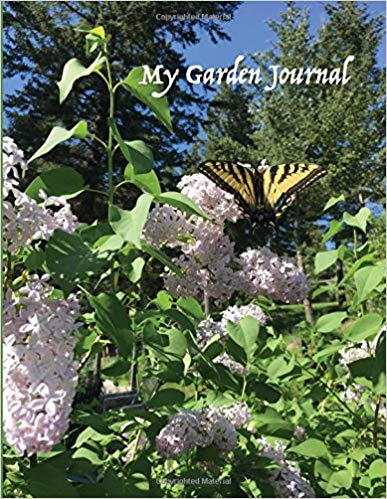
    This is a great place to promote our blank garden journal!

    MyGardenJournal

    My Garden Journal

    It’s always good to have a before and after photo to record your progress. When I look back at our place in the early 90s I can’t believe how far we have come. Take a picture now of your before and get ready for the after!

    If you need more help with your 2020 GREEN Organic Gardener Podcast Challenge let us know. You are more then welcome to email me at OrganicGardenerPodcast@gmail.com and I will answer as soon as possible. Or you can post in the Organic Gardener Facebook Group or message me or Mike on Facebook.

    organic oasis master class learn to garden organically

    The Organic Oasis Master Class Starts Friday, January 24th and ends Friday, February 21st! Get in first and you'll have your workbook and journals before the first class! This $97 course can be had for $75.00 if you order before the 24th!

    Join today!


    This podcast uses the following third-party services for analysis:
    Spotify Ad Analytics - https://www.spotify.com/us/legal/ad-analytics-privacy-policy/

    2020 Garden Goals Challenge Day 7 | Reflect Feb 01, 2020
    Show notes

    Do you want to save time in your garden?

    Do you want to grow a garden full of healthy vegetables but feel you don’t have time? Do you struggle to get all the weeds pulled and watering done in the heat of summer when your friends are all headed to the lake? Are you tired of paying the high cost of organic vegetables in the store but struggle to grow your own?

    Well, our 2020 Garden Goals Challenge will help you find success in your garden journey!

    SYLLABUS

    Day One - Brainstorm - No Dream is Too Big

    Day Two - Make A Plan

    Day Three - Create a SMART Goal

    Day Four - Research Time

    Day Five - Get Organized

    Day Six - Photo Time - the Before shot

    Day Seven - Reflect

    Day Eight - Visualize

    Imagine anything is possible!

    Go back to your garden journal goals and see if there are any new goals you’ve decided on or any that you might have left out.

    What other things have you decided you would like to accomplish this year?

    Do you have something you want to accomplish each month?

    Is there something you learned when you were doing research you think you might also like to take on?

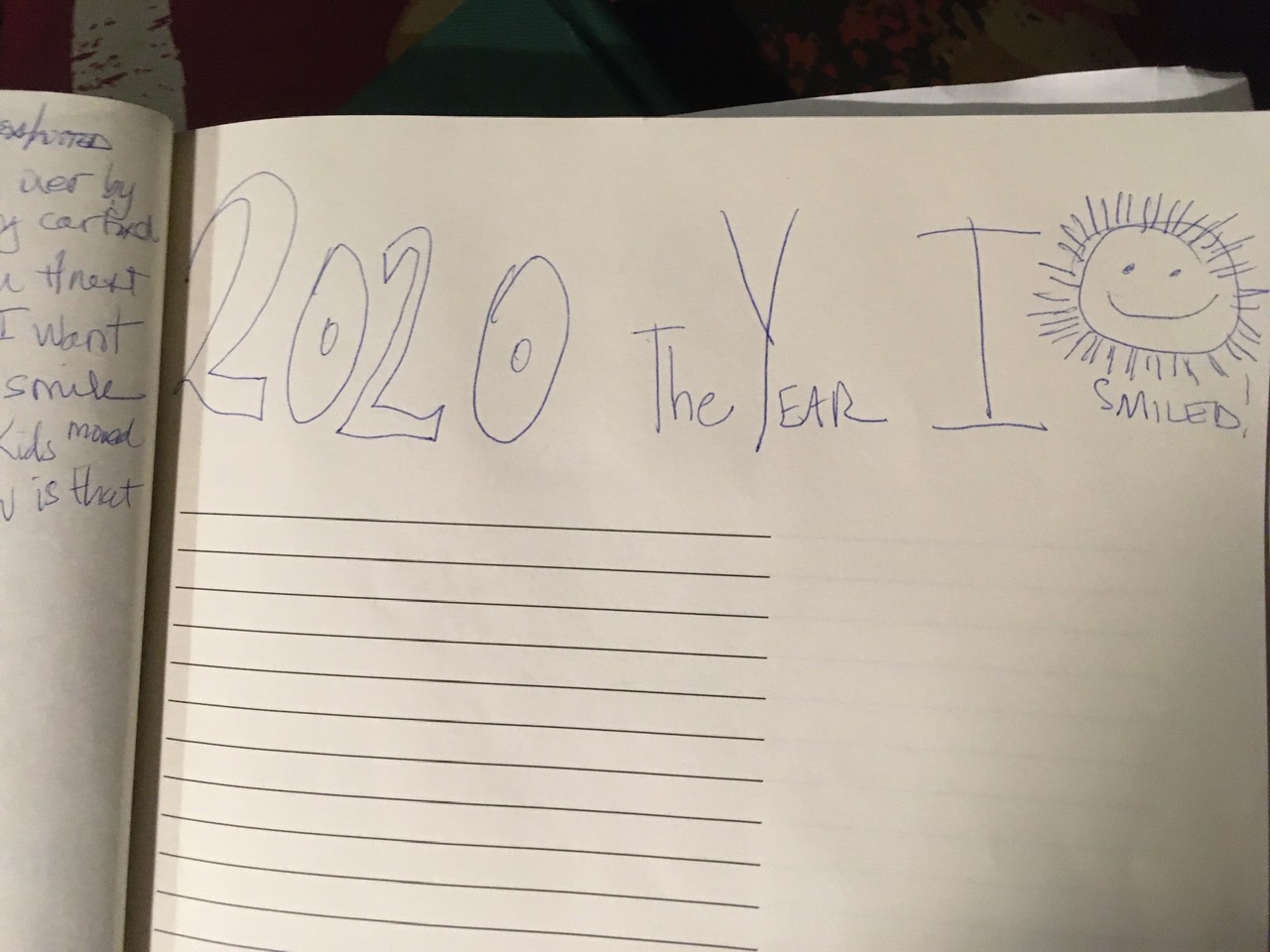
    2020TheYearISmiled

    This is a great place to promote our blank garden journal!

    MyGardenJournal

    My Garden Journal

    It’s always good to have a before and after photo to record your progress. When I look back at our place in the early 90s I can’t believe how far we have come. Take a picture now of your before and get ready for the after!

    If you need more help with your 2020 GREEN Organic Gardener Podcast Challenge let us know. You are more then welcome to email me at OrganicGardenerPodcast@gmail.com and I will answer as soon as possible. Or you can post in the Organic Gardener Facebook Group or message me or Mike on Facebook.

    organic oasis master class learn to garden organically

    The Organic Oasis Master Class Starts Friday, January 24th and ends Friday, February 21st! Get in first and you'll have your workbook and journals before the first class! This $97 course can be had for $75.00 if you order before the 24th!

    Join today!


    This podcast uses the following third-party services for analysis:
    Spotify Ad Analytics - https://www.spotify.com/us/legal/ad-analytics-privacy-policy/

    2020 Garden Goals Challenge Day 6 | Photo time Feb 01, 2020
    Show notes

    Do you want to save time in your garden?

    Do you want to grow a garden full of healthy vegetables but feel you don’t have time? Do you struggle to get all the weeds pulled and watering done in the heat of summer when your friends are all headed to the lake? Are you tired of paying the high cost of organic vegetables in the store but struggle to grow your own?

    Well, our 2020 Garden Goals Challenge will help you find success in your garden journey!

    SYLLABUS

    Day One - Brainstorm - No Dream is Too Big

    Day Two - Make A Plan

    Day Three - Create a SMART Goal

    Day Four - Research Time

    Day Five - Get Organized

    Day Six - Photo Time - the Before shot

    Day Seven - Reflect

    Day Eight - Visualize

    Imagine anything is possible!

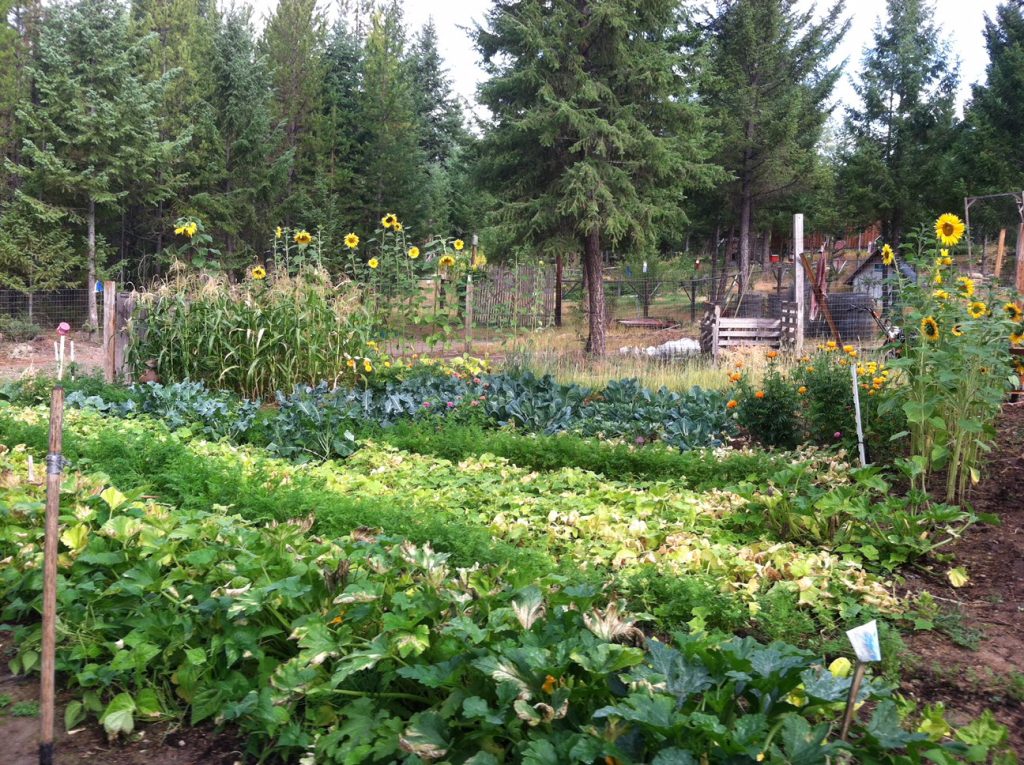
    IMG_2954-Minifarm

    This is a great place to promote our blank garden journal!

    MyGardenJournal

    My Garden Journal

    It’s always good to have a before and after photo to record your progress. When I look back at our place in the early 90s I can’t believe how far we have come. Take a picture now of your before and get ready for the after!

    If you need more help with your 2020 GREEN Organic Gardener Podcast Challenge let us know. You are more then welcome to email me at OrganicGardenerPodcast@gmail.com and I will answer as soon as possible. Or you can post in the Organic Gardener Facebook Group or message me or Mike on Facebook.

    organic oasis master class learn to garden organically

    The Organic Oasis Master Class Starts Friday, January 24th and ends Friday, February 21st! Get in first and you'll have your workbook and journals before the first class! This $97 course can be had for $75.00 if you order before the 24th!

    Join today!


    This podcast uses the following third-party services for analysis:
    Spotify Ad Analytics - https://www.spotify.com/us/legal/ad-analytics-privacy-policy/

    2020 GREEN Organic Gardener Podcast Challenge in Full Days 1-8 Feb 01, 2020
    Show notes

    Check out the video version of the 2020 GREEN Organic Gardener Podcast Challenge here:

    https://youtu.be/1Ki-9NNSBTI

    Want to learn more join us for the Organic Oasis Master Class


    This podcast uses the following third-party services for analysis:
    Spotify Ad Analytics - https://www.spotify.com/us/legal/ad-analytics-privacy-policy/

    Previous 1 19 20 21 22 23 30 Next

    Related Podcasts

    The Fine Homebuilding Podcast – Fine Homebuilding Magazine

    1

    The Fine Homebuilding Podcast – Fine Homebuilding Magazine Education
    The Money Pit Home Improvement Podcast

    2

    The Money Pit Home Improvement Podcast Education
    Gardenerd Tip of the Week

    3

    Gardenerd Tip of the Week Games & Hobbies
    Encyclopedia Botanica

    4

    Encyclopedia Botanica Arts
    kiwimana Buzz Beekeeping Show – A Beekeeping Podcast/Show

    5

    kiwimana Buzz Beekeeping Show – A Beekeeping Podcast/Show Games & Hobbies
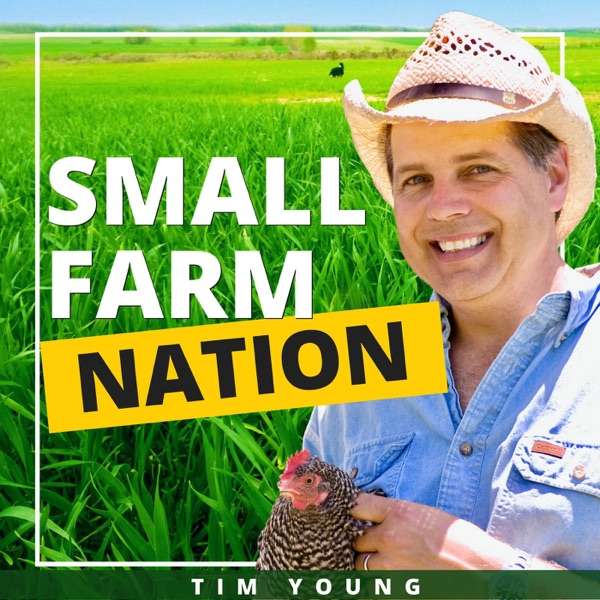
    Small Farm Nation

    6

    Small Farm Nation Education
    footer-logo

    Contact Us

    Toll Free: 844-670-7747

    Links

    • Home
    • Top Charts
    • Networks
    • Apps
    • Independents Podcasts
    • Podcast Advertising
    • Podcast News
    • Contact Us
    • About Us
    • Analytics & Insights

    Stay Connected

      Privacy, Terms of Use & Our Code of Ethics Protecting Content Creators Copyrights