TopPodcast.com
Menu
  • Home
  • Top Charts
  • Top Networks
  • Top Apps
  • Top Independents
  • Top Podfluencers
  • Top Picks
    • Top Business Podcasts
    • Top True Crime Podcasts
    • Top Finance Podcasts
    • Top Comedy Podcasts
    • Top Music Podcasts
    • Top Womens Podcasts
    • Top Kids Podcasts
    • Top Sports Podcasts
    • Top News Podcasts
    • Top Tech Podcasts
    • Top Crypto Podcasts
    • Top Entrepreneurial Podcasts
    • Top Fantasy Sports Podcasts
    • Top Political Podcasts
    • Top Science Podcasts
    • Top Self Help Podcasts
    • Top Sports Betting Podcasts
    • Top Stocks Podcasts
  • Podcast News
  • About Us
  • Podcast Advertising
  • Contact
Not in our directory?
Add Show Here
Podcast Equipment
Center

toppodcastlogoOur TOPPODCAST Picks

  • Comedy
  • Crypto
  • Sports
  • News
  • Politics
  • True Crime
  • Business
  • Finance

Follow Us

toppodcastlogoStay Connected

    View Top 200 Chart
    Back to Rankings Page
    News & Politics

    Global Dispatches — World News That Matters

    The longest running independent international affairs podcast features in-depth interviews with policymakers, journalists and experts around the world who discuss global news, international relations, global development and key trends driving world affairs.

    Named by The Guardian as “a podcast to make you smarter,” Global Dispatches is a podcast for people who crave a deeper understanding of international news.

    Advertise
    • Apple Podcasts
    • Google Play
    • Spotify

    Latest Episodes:
    Greg Stanton Fights Genocide -- and Genocide Haunts Him Sep 02, 2019
    Show notes

    Greg Stanton has spent a career researching and fighting genocide. He speaks candidly about the psychological toll of this line of work and managing the PTSD which he confronts to this day.

    Stanton is a descendent of Elizabeth Cady Stanton and as you'll learn from this conversation, the human rights gene runs strong in this family. His father was a liberal preacher and civil rights activist, and Greg tells me the most dangerous place he's ever worked, to this day, was registering black voters in Mississippi in the 1960s. Greg is the founder of the NGO Genocide watch. His career as a genocide scholar and activist began in the 1980s as an humanitarian worker in Cambodia, and he recounts collecting evidence of war crimes committed by the Khmer Rouge. Greg served for many years in the State Department as well, including in Rwanda to help establish the war crimes tribunal following the 1994 genocide. We kick off discussing an ongoing genocide against the Yazidi people in Iraq and Syria. The subject matter of this episode is pretty heavy and i just want to thank Greg for being so open and honest about the emotional challenges he's faced throughout his career. This is a rebroadcast. The episode originally aired in August 2016.

    Jair Bolsonaro and the Destruction of the Amazon Aug 29, 2019
    Show notes

    Fires raging in the Amazon have captured the world's attention and put focus on the policies of the Brazilian government.

    The true extent of the fires is not yet known--but most sources suggest that the scale of the fires and deforestation underway is much greater than that of previous years. The reason for that is the permissive policies of the Jair Bolsonaro government.

    Bolsonaro is a rightwing firebrand who was elected to office in 2018 following major scandals implicating more left wing parties. As my guest today Rebecca Abers explains, once in office Bolsonaro quickly enacted policies that reversed years of progress against forestation of the Amazon.

    Rebecca Abers is professor of political science at the University of Brasilia in Brazil. And in this conversation, she describes the bureaucratic maneuvers engineered by Bolsonaro to undermine protections against de-forestation. We also discuss how and why international pressure, including an upcoming major UN Summit on Climate Change is impacting domestic politics in Brazil and forcing Bolsonaro to more productively combat de-forestation.

    https://www.patreon.com/GlobalDispatches


    Research Uncovers a Link Between the Cost of Getting Married and the Outbreak of Conflict Aug 26, 2019
    Show notes

    About 75% of the world's population live in societies that practice of form of dowry payment. This is also known as brideprice and it is essentially wealth that a potential husband must pay to the family of his would-be wife. But in this way, brideprice acts as a kind of regressive flat tax that younger, and generally poorer men must pay to wealthier, older men.

    Hilary Matfess, a PHD candidate at Yale University, undertook a wide study of the impact of fluctuations in brideprice on broader issues related to conflict. She found that there is a positive correlation between changes in brideprice and the outbreak of violent conflict. In other words, when the cost of getting married increases, so too does the probability of armed conflict.

    Hilary Matfess published her findings a paper published in the 2017 issues of the academic journal International Security. In it, she and her co-author Valerie Hudson identify how the cost of getting married can lead to the outbreak of violent conflict and war.

    Anyone who has ever taken an international relations or security class knows that there are volumes of research on what causes the outbreak of violent conflict. Through case studies, which Matfess discusses in this conversation, the paper demonstrates how fluctuations in brideprices can lead to the outbreak of violent conflict. It is fascinating research with very real-world policy implications.

    This is a re-broadcast of an August 2017 episode. Become a premium subscriber to unlock bonus episodes, earn other rewards, and support the show!

    An Inside Look at Slavery on Fishing Boats in the South China Sea Aug 22, 2019
    Show notes

    The fish you eat may have been caught by slaves.

    Most Thai fishing boats operating in the South China Sea are dependent on migrant labor. But many of those vessels are essentially floating slave ships in which migrant workers are forced into a kind of debt bondage from which they cannot escape.

    Journalist Ian Urbina covered this issue for years as a reporter for the New York Times. He reported from land and sea to offer a first hand account of both the conditions on these ships and the broader economic, political and environmental forces that propel slavery on fishing boats in the South China Sea.

    Ian Urbina is on the podcast today to discuss his reporting on this issue, which is included in his new book the Outlaw Ocean: Journeys Across the Last Untamed Frontier. We kick off discussing the plight of these debt-bonded laborers before having a broader conversation about the issue of slavery at sea.

    Support the show! https://www.patreon.com/GlobalDispatches


    How We Can Feed the World Without Destroying the Planet Aug 19, 2019
    Show notes

    The United Nations Intergovernmental Panel on Climate Change, the IPCC, released a report in August demonstrating the harmful relationship between climate change and how we humans are using land for food and agriculture.

    The warnings are dire. Agriculture and deforestation account for nearly a quarter of all human made greenhouse gas emissions -- and big changes in how we produce and consume food need to take place if we are to curb the worst effects of climate change. At the same time, the world population is increasing and poverty is declining, meaning food consumption patterns, particularly around meat, are changing.

    Big changes in how we produce and consume food need to take place if we are to curb the worst effects of climate change.

    On the line with me to discuss how we can feed the world without destroying the planet is Timothy Searchinger. He' s a research scholar at Princeton University and fellow with the World Resources Institute. He was recently the lead author on a report by WRI Creating a Sustainable Food Future: A Menu of Solutions to Feed Nearly 10 Billion People by 2050.

    We kick off discussing the IPCC report and the significance of its findings before having a solutions- focused conversation about policies that can be enacted to help better balance our relationship between food and how humans use the finite resource of land. If you have 20 minutes and want to learn how we can feed the world without destroying the planet, have a listen. Unlock Rewards. Become a Premium Subscriber

    The Rohingya of Myanmar Suffered Crimes Against Humanity. Can There Be Justice? Aug 15, 2019
    Show notes

    In August 2017, hundreds of thousands of ethnic Rohingya muslims from Myanmar fled across the border to Bangladesh. The Rohingya are a minority population that have long faced discrimination by the Buddhist Burmese majority. In the summer of 2017, things got very bad, very quickly.

    A Rohingya militant group attacked some police outposts in Myanmar. The government and military responded by attacking Rohingya towns and villages, unleashing massive violence against a civilian population. This drove over 600,000 Rohingya to refugee camps in a region of Bangladesh known as Cox's Bazar.

    Some 700,000 Rohingya refugees remain there, to this day.

    The violence that drove these people from their home was certainly a crime against humanity -- a UN official called it "a text book example of an ethnic cleansing." And maybe even a genocide.

    That of course demands the question: who will pay for these crimes. What does accountability look like in a situation like this. And can perpetrators of these crimes even be brought to justice in the first place? On the line with me to discuss these questions in the context of the current plight of the Rohingya refugees is Param-Preet Singh, Associate Director, International Justice Program of Human Rights Watch.

    We kick off discussing the events of August 2017 before having a longer conversation about possible avenues for justice for these crimes.

    This episode pairs well with my conversation last week with former Obama administration official Ben Rhodes, who discusses the fall from grace of Aung San Suu Kyi, the nobel peace prize winner who was the de-facto head of state of Myanmar while these crimes against humanity occurred--and who remained a notably silent bystander to ethnic cleansing.


    The Yazidi Genocide, Five Years On Aug 12, 2019
    Show notes

    In the summer of 2014, ISIS forces swept through parts of Iraq that were home to the Yazidi people. This is an ethnic minority that has lived in Northwestern Iraq for centuries -- and suddenly they were under attack. What transpired was a genocide. Men and boys were murdered for being Yazidi; women and girls were kidnapped and taken as sex slaves for ISIS fighters.

    At the time, my guest today Emma Beals was reporting from Erbil, a city in the Kurdish region of Iraq near to where these atrocities were taking place. She was reeling from the news that a fellow journalist, James Foley, had been brutally murdered when she received a call from a human rights organization asking her to investigate rumors of a massacre in the Yazidi town of Kocho.

    Emma Beals describes whats next in a series of powerful essays, titled Kocho's Living Ghosts.There were 19 surviving men from the town's original population of 1,888. In our conversation Emma Beals recounts the massacre through the testimony of the survivors she interviewed.


    What Happened to Aung San Suu Kyi? Aug 08, 2019
    Show notes

    When Ben Rhodes first met Aung San Suu Kyi she exuded the all traits that made her such an international icon for human rights and democracy. It was 2012, and Ben Rhodes, who was the deputy national security advisor, was accompanying Barack Obama in an historic visit to Myanmar. As he puts it, this meeting was the high water mark for her moral authority. There was a hopefulness, surrounding her, he says.

    Now seven years later, she has stripped of many international accolades, honors and prizes. At issue is the fact that as the most powerful civilian leader in Myanmar she refused to intervene against, or even publicly condemn, a genocide committed by the government against a religious and ethnic minority. Some 700,000 ethnic Rohingya have fled Myanmar amid what a UN official has called a textbook example of ethnic cleansing. All the the while, Aung San Suu Kyi was silent.

    So what happened to Aung San Suu Kyi? How did a Nobel Peace Prize winner who spent decades under house arrest in an elegant pursuit of democracy and justice in Myanmar fall so from grace? And was the international community, including the Obama administration, wrong about her all along?

    Ben Rhodes grapples with these questions and more in a new piece in the Atlantic that combines some of his own self-reflection with fresh reporting. He's on the podcast today to discuss the piece. We kick off setting the historic context for Aung San Suu Kyi's rise to prominence and the circumstances of her persecution and house arrest before having a longer conversation about the causes and implications of her becoming a bystander to genocide.

    I do want to note that next week on the podcast, I'll be doing whole episode more directly focusing on the Rohingya genocide, including ongoing human rights abuses and the current humanitarian challenges facing hundreds of thousands of Rohingya refugees in Bangladesh. So, stay tuned to that--it will compliment this conversation with Ben Rhodes.

    Before I begin: A big thank you to premium subscribers who support the show through recurring monthly contributions on Patreon.com/GlobalDispatches. You help me do what I do and get rewards in return, including bonus episodes. The bonus episode I'm posting this week is my conversation with George Mitchell, a former US Senator from Maine and international peacemaker who is largely responsible for the Northern Ireland peace agreement. You can unlock access to that episode and many more by becoming a premium subscriber. Check out the tiers of support and the rewards you earn, including access to a daily global humanitarian news clips service I run, by going to patreon.com/GlobalDispatches.

    https://www.patreon.com/GlobalDispatches


    Drought in the Horn of Africa is Threatening 15 Million People Aug 04, 2019
    Show notes

    The Horn of Africa region, which includes parts of Somalia, Kenya, Ethiopia, is experiencing a severe drought. This region has been particularly vulnerable to droughts in recent years--but the situation this summer has become increasingly dire and is raising the prospect of a widespread humanitarian emergency.

    A little background: In the summer of 2011, there was a similar drought in the region. But warnings about the humanitarian consequences of this drought went largely unheeded until the drought lead to a famine -- the first of the 21st century. Over the subsequent weeks and months over 260,000 people died, making this famine one of the worst mass atrocities of this decade.

    That was 2011. In 2017, there was another drought. But this time, the international community and governments in the region responded with urgency. They were able to provide humanitarian assistance and other aid and interventions that prevented the tragedy of 2011 from being repeated.

    This brings us So that is all some recent historic background to an email that landed in my inbox from Oxfam, which compared data around the humanitarian response in 2011 to the response to the current ongoing drought, which shows that compared to 2011, the humanitarian needs are greater and the international response is far less robust. This of course suggests that unless something changes, the current drought could lead to another famine.

    On the line with me to discuss the current humanitarian situation in the Horn of Africa is Dustin Barter, the regional drought policy and advocacy lead, Oxfam. He authored a report comparing the impact of the 2011, 2017 and current drought and the international humanitarian response.

    If you have 20 minutes and want to learn why the international community ought to be paying attention to an incipient humanitarian emergency in the Horn of Africa, have a listen

    Support the show

    https://www.patreon.com/GlobalDispatches


    Ethiopia is in the Midst of a Democratic Renewal. Can It Succeed? Aug 01, 2019
    Show notes

    Ethiopia is in the midst of a fairly remarkable democratic renewal. Since taking office in April 2018, Prime Minister Abiy Ahmed has accelerated a process of political opening, including a greater freedom of press, the release of political prisoners, a detente with Eritrea, and other meaningful reforms.

    But Ethiopia's transition to a liberal, open and multi-party democracy has faced some significant challenges in recent weeks. On June 22, an a general tried to orchestrate a coup attempt, which resulted in two high profile assassinations. That coup attempt, which failed, came on the heels of inter-communal clashes that forced nearly 3 million people from their homes.

    Now, the transition underway in Ethiopia is very much being challenged.

    On the line to help explain why Ethiopian politics is at such a pivotal moment right now William Davidson, senior Ethiopia analyst with the International Crisis Group. He offers listeners some helpful context and background for understanding the current situation, including what is driving change and the counter-reactions to the process of democratic renewal. To that end, argues William Davidson, it is crucial to understand how rivalries within the ruling coalition, known as the the Ethiopian People's Revolutionary Democratic Front, or EPRDF, are driving politics.

    Thank you to all the premium subscribers who have filled out the survey I sent about discounts you'd like to receive to publications, products, membership organizations and the like. I'll be reaching out to those in the coming few weeks to see what kind of group discounts we can secure for you guys.

    Support the Show

    https://www.patreon.com/GlobalDispatches


    Previous 1 70 71 72 73 74 119 Next

    Related Podcasts

    Crimetown

    1

    Crimetown News
    Up and Vanished

    2

    Up and Vanished News & Politics
    The Joe Rogan Experience

    3

    The Joe Rogan Experience Comedy
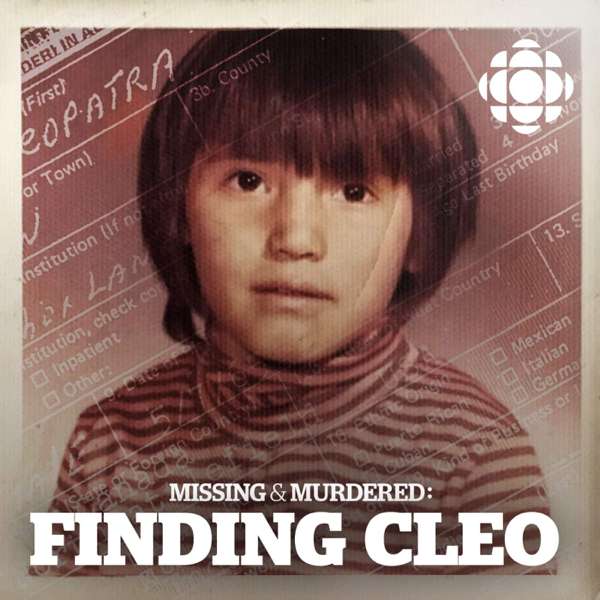
    Missing & Murdered: Finding Cleo

    4

    Missing & Murdered: Finding Cleo News & Politics
    Casefile True Crime

    5

    Casefile True Crime Games & Hobbies
    Code Switch

    6

    Code Switch News
    footer-logo

    Contact Us

    Toll Free: 844-670-7747

    Links

    • Home
    • Top Charts
    • Networks
    • Apps
    • Independents Podcasts
    • Podcast Advertising
    • Podcast News
    • Contact Us
    • About Us
    • Analytics & Insights

    Stay Connected

      Privacy, Terms of Use & Our Code of Ethics Protecting Content Creators Copyrights