TopPodcast.com
Menu
  • Home
  • Top Charts
  • Top Networks
  • Top Apps
  • Top Independents
  • Top Podfluencers
  • Top Picks
    • Top Business Podcasts
    • Top True Crime Podcasts
    • Top Finance Podcasts
    • Top Comedy Podcasts
    • Top Music Podcasts
    • Top Womens Podcasts
    • Top Kids Podcasts
    • Top Sports Podcasts
    • Top News Podcasts
    • Top Tech Podcasts
    • Top Crypto Podcasts
    • Top Entrepreneurial Podcasts
    • Top Fantasy Sports Podcasts
    • Top Political Podcasts
    • Top Science Podcasts
    • Top Self Help Podcasts
    • Top Sports Betting Podcasts
    • Top Stocks Podcasts
  • Podcast News
  • About Us
  • Podcast Advertising
  • Contact
Not in our directory?
Add Show Here
Podcast Equipment
Center

toppodcastlogoOur TOPPODCAST Picks

  • Comedy
  • Crypto
  • Sports
  • News
  • Politics
  • True Crime
  • Business
  • Finance

Follow Us

toppodcastlogoStay Connected

    View Top 200 Chart
    Back to Rankings Page
    Education

    FILO Podcast

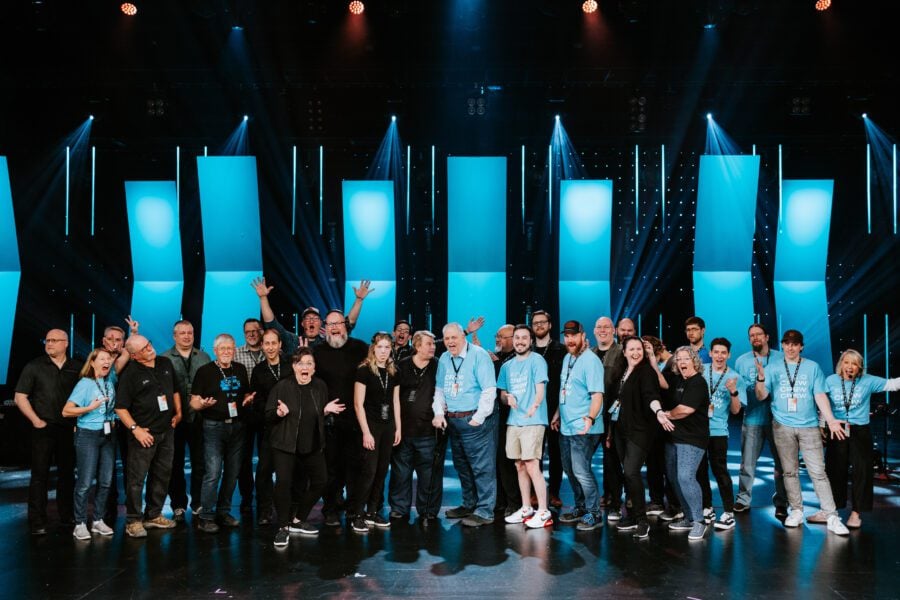
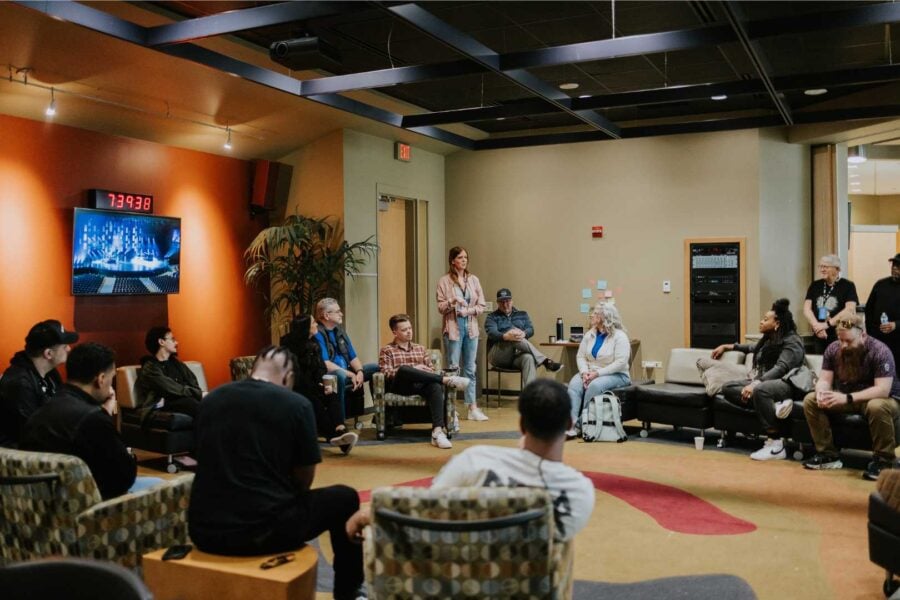
    FILO Podcast continues the conversations started at FILO Conference and carries them throughout the year. Todd Elliott hosts the podcast and interviews key influencers in the world of church production to talk about ideas that affect all of us involved in pulling off weekend services.

    Advertise
    • Apple Podcasts
    • Google Play
    • Spotify

    Latest Episodes:
    Episode 137: Todd Elliott Sep 01, 2025
    Show notes

    Todd talks about the importance of always refining the methods to accomplish a mission, and not being married to “the way we’ve always done it.” There are many ways to allocate resources, so how do we leverage what we have for the maximum impact? Todd looks back on the podcast and talks about what’s next.

    Show Notes:

    Follow FILO on Social Media: Instagram | Facebook

    FILO Emails: The best way to stay in the loop with what FILO is up to, is to sign up to receive our emails.

    FILO Advent: As we head into the Christmas season, the busiest stretch of the year for so many of us, we’re also launching a NEW FILO Advent Devotional. By signing up, you’ll receive a short, focused encouragement to help you slow down, reset, and stay rooted in Jesus while you pour yourself out for others.


    team killers part 3: exception vs. rule – FILO Blog Aug 22, 2025
    Show notes

    If you haven’t read Part 1 (Mind the Gaps) and Part 2 (The Grass is Greener Complex) of this series, take a few minutes and go back. Those lay the foundation for where we’re headed. This series isn’t just about building great teams—it’s about identifying the subtle, sometimes unspoken dynamics that kill great teams.

    Now for Part 3: Exception vs. Rule.

    This team killer isn’t about attitude, performance, or even talent—it’s about culture. And more specifically, understanding the culture you’re working in. Miss this, and you’re setting yourself (and your team) up for constant frustration, confusion, and possibly burnout.

    What Do I Mean by Exception vs. Rule?

    Every organization leans toward one of two types of cultural wiring: Exception-Over-Rule Culture or Rule-Over-Exception Culture. Let’s break them down.

    Exception-Over-Rule Culture

    In this type of culture, the guidelines are flexible. There may be policies, sure—but they’re more like suggestions than commandments. The unspoken motto is: “We’ll figure it out as we go.”

    Need to bypass a process? Go ahead.
    Need to make a game-time decision? Totally fine.
    Need to work outside your job description? Expected.

    This kind of culture is nimble, quick, and creative. It thrives on flexibility and favors people who can improvise and adapt.

    But… if you’re a by-the-book kind of person, this will drive you crazy. You’ll ask, “Why even have rules if no one follows them?” You’ll create systems, and watch them get ignored. You’ll push for consistency and be told, “Let’s just get it done for now.”

    Rule-Over-Exception Culture

    On the flip side, this culture values order, clarity, and consistency. The rules exist for a reason, and everyone is expected to play by them—even if there’s a good reason not to.

    Want to change something? Submit a form.
    Need to do something out of the ordinary? Let’s take it to the committee.
    Even if it makes sense to bend a rule… Sorry, we can’t.

    This culture thrives on structure and protects the organization from chaos. But it can also stifle innovation, delay decisions, and frustrate high-capacity leaders who feel like they’re being asked to color inside the lines with a crayon that’s already broken.

    So, What’s the Team Killer?

    The killer isn’t the culture itself. Both styles have pros and cons.

    The real danger comes when no one knows what kind of culture they’re in—or worse, they expect one culture but are living in another. If you’re a rule-follower in an exception-driven church, you’ll feel like the ground is always shifting under your feet. If you thrive on flexibility but work in a rule-heavy organization, you’ll feel handcuffed and uninspired.

    Over time, this mismatch leads to frustration, bitterness, and burnout—not because anyone is doing anything wrong, but because no one called it out.

    Know What Game You’re Playing

    Here’s the key takeaway: Know what kind of culture you’re in.

    Ask yourself:

    • Does my organization value flexibility over consistency?
    • Do we make room for creative solutions or default to policy?
    • When something needs to change quickly, do we move or stall?

    Once you understand which way the organization leans, you can:

    1. Align Your Expectations: Don’t expect a rules-based culture to operate with exception-level flexibility. And don’t expect an exception-driven team to suddenly create airtight systems.
    2. Adapt Where You Can: If you love rules but live in an exception culture, learn to loosen your grip a little. If you love freedom but serve in a rule-driven organization, find creative ways to innovate within the boundaries.
    3. Call It Out (Kindly): Sometimes the most powerful thing you can do is help your team see what’s really going on. “Hey, I think we’re living in a ‘rules-first’ culture… but we keep trying to lead like it’s an ‘exceptions-are-fine’ environment.”
    4. Decide if it’s a Fit: This might sound harsh, but it’s honest: if the culture drives you crazy and you can’t adapt, it might not be the right place for you. Culture misalignment isn’t a failure; it’s clarity.

    Every team has its own rhythm. The goal isn’t to change the culture—it’s to understand it so we can lead effectively within it. So, whether your team loves structure or lives in chaos, make sure everyone knows what game you’re playing. It might be the difference between a frustrated team and a thriving one.

    That wraps up our Team Killers series—three subtle culture killers that can take down even the strongest teams if we don’t call them out. Let’s lead with clarity, serve with humility, and name what’s real. Your team will thank you.

    Looking to learn more and grow in community? FILO Cohorts are for you! These small groups, led by a FILO Cohort Leader, are designed to help church technical artists process challenges, strengthen their leadership, and grow spiritually.


    Episode 136: Ryland Russell Aug 11, 2025
    Show notes

    Ryland Russell joins the podcast to talk about the benefits of livestreaming our services. It is some of the most live and unfiltered content online (talk about authentic!) and is a great front door for people to check out our churches. They talk about ways to improve and resources that can help get the most out of what you’re already doing.

    Show Notes:

    FILO Cohorts: So often as a technical artist, it can be easy to forget to look after yourself. FILO is here to provide spaces where you can feel seen, known, and valued. FILO Cohorts are a place where you can receive practical coaching and best practice sharing. We have 2 more Cohorts launching this fall! Learn more and register today: filo.org/cohorts

    Ryland at FILO 2025: Want to hear more from today’s Podcast guest? Check out his class about Making the Most of your ATEM in the Digital Resource library.

    Ryland’s YouTube: youtube.com/@RylandRussell

    Ryland’s Course: Next Level Livestreaming on a Budget – Be sure to use discount code “FILO50” for 50% off!

    Subscribe to the FILO Podcast: Never miss an episode! Subscribe to the FILO Podcast on your favorite podcast platform and be alerted any time we launch a new episode.

    Leave a review of the FILO Podcast: Your ratings and reviews help spread the word about the FILO Podcast to others. We’d appreciate your help! Leave a review on Apple Podcasts.

    Have ideas for the FILO Podcast? Email your feedback, send us your topic ideas or names of people you think we should interview! filopodcast@filo.org

    FILO Emails: The best way to stay in the loop with what FILO is up to, is to sign up to receive our emails.

    Follow FILO on Social Media: Instagram | Facebook


    team killers part 2: the grass is greener complex – FILO Blog Aug 08, 2025
    Show notes

    If you haven’t read Part 1 of this series, go back and check it out here. We talked about the silent but dangerous impact of gaps—those unnoticed tasks that can burn out team members if we don’t address them. Today, we’re moving on to the second team killer: The Grass is Greener Complex.

    You know the phrase. “The grass is greener on the other side.” It’s often said with a sigh or a hint of envy—and it’s a mindset that will quietly poison your team if you’re not careful.

    Comparison Kills Culture

    Here’s how this usually shows up in real life: You start looking around and noticing what others are doing—or not doing. You compare your role, your responsibilities, your hours, your visibility, even your perceived value… and before long, you’re frustrated.

    One of the most common places I see this is between production and worship teams in churches.

    I’ve heard it more than a few times: “What do the worship folks even do all week? Why are they sitting around with guitars while I’m 30 feet up on a lift fixing a stage light for the third time today?” From the outside, it looks like one person is working harder than the other. But that assumption is built on a limited perspective. The truth? That worship leader is doing exactly what they’re supposed to do. Practicing. Creating. Thinking. Leading their team. Just because it doesn’t look like your work doesn’t mean it isn’t work.

    The same thing happens with youth pastors: “They’re at Six Flags again?” Yes—and it’s part of their job. They’re building trust, forming relationships, and creating discipleship moments… even if it’s between roller coasters and churros.

    Different Jobs, Different Rhythms

    Here’s what we forget: not all jobs look the same, and that’s okay.

    One of the fastest ways to kill unity on a team is to constantly compare your responsibilities, schedule, or workload with someone else’s. Especially when that someone is in a completely different role or department.

    Even within similar roles, comparison is dangerous. Why? Because every person brings their own approach. Some people work fast and loud. Others are slow and methodical. Some love checklists. Others run on caffeine and instinct.

    That’s where the battle between results and methodology comes in.

    Results vs. Methodology

    Let’s go back to our trusty trash can from Part 1.

    There are multiple ways to take out the trash:

    • Pull out the bag, tie it up, toss it, and put in a new liner.
    • Carry the whole trash can to the dumpster, dump it, and leave it empty.
    • Text someone else to do it (not recommended, but it is a method).

    At the end of the day, if the trash is gone, the job got done.

    But here’s where things get tricky: Some people only care that it’s done. Others care how it was done. Some organizations value results more: “As long as it’s complete, we’re good.” Others value methodology: “It matters how you do it—process is everything.”

    Neither is wrong, but confusion happens when you start judging someone else’s work through your lens of what matters most. You may think they’re slacking, cutting corners, or doing it wrong—when in reality, they’re getting the same result, just with a different rhythm or approach.

    How to Kill the Grass is Greener Complex

    1. Stop Comparing Across Lanes: Just because you don’t understand someone’s work doesn’t mean they’re not working. Respect different roles, even when they look easy from your perspective.
    2. Understand What Wins Look Like: Is your team focused on results, methodology, or both? Define it clearly so people aren’t guessing or judging.
    3. Trust Each Other’s Purpose: You weren’t hired to do their job—you were hired to do yours. Trust that each role brings value, even if the output looks different.

    The truth is, the grass may look greener over there… but it’s probably just a different kind of grass. Different sunlight. Different soil. Different season.

    Don’t waste your time looking over the fence. Water your grass. Do your job well. Celebrate others for doing their job. And that’s how you kill the comparison trap before it kills your team.

    Stay tuned for Part 3.

    If you want to learn more from Dennis Choy, check out his breakout from FILO 2024 – “FILO 2024 Breakout: How to Recruit Volunteers and Keep Them for Life.”


    team killers part 1: mind the gaps – FILO Blog Jul 25, 2025
    Show notes

    We spend so much time talking about how to build great teams—casting vision, creating culture, setting clear expectations. I’ve taught on these things for years, and they absolutely matter. But what we often don’t talk about is the stuff that breaks teams. Not the big, obvious issues… but the small, subtle habits that quietly erode culture and morale.

    I call these team killers, and I’ve paid a lot of “dumb tax” learning them the hard way.

    This is the first in a three-part series, and today’s team killer is something I’ve seen happen in almost every growing organization. Gaps.

    What Are Gaps?

    Gaps show up when a task or responsibility doesn’t clearly belong to anyone. It’s not in a job description. It’s not assigned to a person. It just… exists. And in growing churches or departments, gaps naturally multiply. More people, more complexity, more stuff that needs doing—but no clear owner.

    That’s when your gap-filling team members show up. These are the people who just get stuff done. They see a need, and they jump in. No complaining, no spotlight. Just ownership and servant-heartedness.

    Sounds great, right? It is—until it isn’t.

    A Real-Life Example: The Trash Can

    At one church I served at, we had a trash can in a shared office area. One of those common spaces everyone uses but no one owns. Every time I walked by it, it was overflowing with coffee cups, paper, and food wrappers.

    So one week, I decided to run an experiment: I did nothing. Just watched.
    Day after day, the trash piled up.
    Eventually, one of our team members quietly took it out. Problem solved, right?

    Over the next few months, I noticed the trash was magically emptied on a regular basis. I assumed the team had worked out a rotation, or maybe facilities picked it up. Turns out, it was that same team member. Every. Single. Time.

    And it wasn’t just the trash. They were also restocking the printer, cleaning the counter, and organizing supplies—none of it was technically their job. They just couldn’t stand the gap, so they filled it.

    Until one day… they quit. Burned out. Unseen. Frustrated. And the worst part? No one else even realized what they had been carrying.

    Why Gaps Kill Teams

    Gap fillers are gold. But if we let them carry unspoken responsibilities alone—without acknowledgement, support, or shared ownership—they will eventually burn out.

    Gaps kill teams because they:

    • Create hidden workloads that no one tracks
    • Reward silence instead of communication
    • Cause resentment when one person always “picks up the slack”
    • Lead to burnout when good intentions go unrecognized

    Most of the time, we don’t even realize it’s happening.

    How to Mind the Gaps

    So, what can we do as leaders?

    1. Identify the Gaps: Ask your team: “What are you doing that’s not technically your job but you do anyway because no one else is?” Those answers will open your eyes.
    2. Thank the Fillers: Don’t wait until they quit. If someone’s been silently carrying something, acknowledge it. Publicly, privately—whatever it takes. Let them know you see them.
    3. Assign the Task: If it matters, make it official. Assign a name to it. Or create a schedule. Gaps need owners—otherwise, they’ll always fall to the same faithful few.

    Building healthy teams isn’t just about what we start doing—it’s also about what we stop allowing. Gaps might seem harmless, but they wear people down.

    Mind the gaps. Name the gaps. Share the gaps. And don’t let a trash can be the thing that costs you a great team member.

    Stay tuned for Part 2.

    If you want to learn more from Dennis Choy, check out his class from FILO 2026 – “FILO 2026 Lunch & Learn: From Burnout to Buy-In: Leading Volunteers Who Stay.”


    Episode 135: Reach Communications Jul 21, 2025
    Show notes

    Todd sits down with the team from Reach Communications, an event, rental, equipment sales and installation company that helped with technology support to make the FILO Conference happen this year. Dan, Steve and Josh share their production journey stories and how that has translated into who Reach is today. They also have a vulnerable conversation about the struggle between being excellent and being perfect.

    Show Notes:

    FILO 2025 Digital Resources: The FILO 2025 Resource Library is OPEN! Head to filo.org/filo-resources and add the one big bundle of FILO 2025 goodness to your cart. Who doesn’t love a good bundle? Or, take some time to review each Breakout class title and presenter, Lunch & Learn event and Intensive before deciding on a few individual resources to add to your digital library.

    Reach Communications: They help their customers effectively REACH their audience through technical excellence. Learn more at reachcomm.net.

    Subscribe to the FILO Podcast: Never miss an episode! Subscribe to the FILO Podcast on your favorite podcast platform and be alerted any time we launch a new episode.

    Leave a review of the FILO Podcast: Your ratings and reviews help spread the word about the FILO Podcast to others. We’d appreciate your help! Leave a review on Apple Podcasts.

    Have ideas for the FILO Podcast? Email your feedback, send us your topic ideas or names of people you think we should interview! filopodcast@filo.org

    FILO Emails: The best way to stay in the loop with what FILO is up to, is to sign up to receive our emails.

    Follow FILO on Social Media: Instagram | Facebook


    they don’t like my idea – FILO Blog Jul 09, 2025
    Show notes

    You were afraid to say it. To say what you said and pitch what you did, it raised eyebrows. It made everyone around you wonder what you were thinking. It may not have been scandalous; it may have just been dull. Either way, it was an idea that didn’t land.

    If that is the stage you are in, consider yourself lucky. In that version of not liking an idea, you still have a chance to resist the urge to bring it to production.

    Sometimes “us creative types” are too stubborn to hear the naysayers in the idea phase. Sometimes we ignore the signs, take a bad idea to the final stages of production, and we end up with a product that has everyone shaking their heads.

    This is going to happen. If you are a creative, you are going to pitch an idea that flops. So this discussion is not designed to try to prevent that from occurring, but rather, to discover what we can learn from those moments to press on, and push through the experience to create great moments. Moments that push us to move further while still being supported by our team, our peers, or our direct reports.

    In a collaborative environment, there will be a natural divergence of ideas. There will be those who are drawn to the risks of the art, and those who are comforted by the familiar choices of proven success. It is a generalization, but for the sake of discussion, it could be said that a creative wants to take more “risks,” and a pastor wants to play it more “safe.” Usually, the team gathered is a reflection of the tastes and desires of the direct report, and the propensity to risk or play it safe will follow that pendulum.

    A rejection of an idea may be as simple as that idea not hitting the mark when it comes to the personal taste of the listener. As the “idea bringer” it will be important for you to determine at that moment how important this idea, or this way of thinking, is to you. Is this an idea bursting with principle, or a throwaway? How hard and long should I fight for an idea that is tanking?

    HOLD ON LOOSELY

    In my experience, letting go is the most effective way to deal with the negative reaction coming from an idea that doesn’t land. As trivial or cliche as it sounds, it really is true – if you love something, set it free. If it comes back, it is yours. A great idea cannot permanently be stifled by a naysayer. If it was meant to come back into the conversation, it will. Let it go, wait, have patience. If you end up forgetting about it as you have moved on, then that will also be telling.

    TRY WHAT WORKS WITH A SLIVER OF NEW

    Oftentimes, those of us who prefer to “risk” get bored. Often, our bad ideas come from not wanting to repeat ourselves, and so in the name of risk, we try to launch with half-baked notions that have a ton of holes that could be easily filled with “what we usually do.” Don’t be afraid of repeating yourself – and if that sounds like heresy to a creative artist, think of it this way: do what works, and add only a “sliver” of new. You don’t have to reinvent the wheel at every brainstorm meeting – you know your taste, you know your team – do what works, and enhance it with the new idea rather than insisting that the entire thing be rebuilt from the ground up.

    INCREASE YOUR OUTPUT

    Hand in hand with letting go is a natural need to increase your output of ideas. The bottom line is that you won’t know a great idea until it’s had a truckload of average ideas upon which to compare. If you are not generating enough idea output, it makes the loss or the negative reaction to any one idea seem way more important and devastating than it needs to be. Churn out the ideas, get them in an idea bank, and draw from it often. Write down things you have seen in pop culture that inspire you; often, those things become a great playground for increasing your idea output.

    Can this idea survive a change of style to meet in a middle ground with your collaborators? If so, great!

    “WHAT IF” INSTEAD OF “WE SHOULD”

    When faced with idea push-back, it is very important in a collaborative environment to ask the right questions. Many times, the way we pitch ideas reveals our level of trust in the team. If we begin our pitch with “what if” rather than “we should”, we are placing our idea in the listener’s hands – this is a vulnerable place to be, and one that shows trust. It is important that we brainstorm with fewer commands and more questions. Teaching our teams to think about our ideas in terms of “what if” will also lead to more exchange and collaboration between ideas, especially ideas that might otherwise seem to be competing for the same space.

    Assuming the best of our team in the brainstorm space will bring the best ideas to the forefront. When bad ideas happen, which they will, there is a path for releasing them and setting your team up for success. Leading by example will help your entire team learn how to hold onto their own ideas loosely and gain trust that impacts the final product in profound ways.

    If you want to learn more from Eric Bramlett, check out his breakout from FILO 2025 – “Humor: The Church’s Secret Weapon.”


    Episode 134: Bryan Bailey Jun 30, 2025
    Show notes

    Bryan Bailey from Prestonwood Baptist in Dallas joins Todd on the Podcast to talk about the importance of not just doing whatever seems good for production, but also the need to be strategic with how technology aligns with fulfilling the mission of our churches.

    Show Notes:

    FILO 2025 Digital Resources: Stick close to your email and social media feeds to be notified when the Resources are released this week! Be sure to grab the download of Bryan Bailey’s Breakout on Camera Robotics!

    FILO Cohorts: If you enjoyed today’s episode topic about production culture, a great next step would be to join a FILO Cohort to continue the conversation with others just like you! Learn more and see the available Cohorts for the fall at filo.org/cohorts.

    Subscribe to the FILO Podcast: Never miss an episode! Subscribe to the FILO Podcast on your favorite podcast platform and be alerted any time we launch a new episode.

    Leave a review of the FILO Podcast: Your ratings and reviews help spread the word about the FILO Podcast to others. We’d appreciate your help! Leave a review on Apple Podcasts.

    Have ideas for the FILO Podcast? Email your feedback, send us your topic ideas or names of people you think we should interview! filopodcast@filo.org

    FILO Emails: The best way to stay in the loop with what FILO is up to, is to sign up to receive our emails.

    Follow FILO on Social Media: Instagram | Facebook


    Episode 133: Delwin Eiland & Nate Parker Jun 09, 2025
    Show notes

    Delwin Eiland and Nate Parker, the Worship Leader and Technical Producer for FILO 2025, sit down with Todd to talk about some behind the scenes stuff from the Main Sessions of the FILO Conference, as well as the importance of trust between the platform and production teams.

    Show Notes:

    FILO Book – Learn more about I Love Jesus But I Hate Christmas on our website: filo.org/book. Be sure to specifically check out the chapter titled “Tenacity in Relationships” for more on today’s topic!

    Subscribe to the FILO Podcast: Never miss an episode! Subscribe to the FILO Podcast on your favorite podcast platform and be alerted any time we launch a new episode.

    Leave a review of the FILO Podcast: Your ratings and reviews help spread the word about the FILO Podcast to others. We’d appreciate your help! Leave a review on Apple Podcasts.

    Have ideas for the FILO Podcast? Email your feedback, send us your topic ideas or names of people you think we should interview! filopodcast@filo.org

    FILO Emails: The best way to stay in the loop with what FILO is up to, is to sign up to receive our emails.

    Follow FILO on Social Media: Instagram | Facebook


    stewarding people no matter what – FILO Blog May 26, 2025
    Show notes


    We rarely ever get to hand-pick our volunteers, right? So often in church production ministry, we are meeting people where they are at just like the other ministries of an organization. Some come in hurting, needing community, or just a place to belong and be cared for.

    Sorry, I am getting ahead of myself, let me first give you context to me. I began my staff journey as one of our church’s lighting associates where I focused on our lighting volunteer teams at each of our satellite locations. Many, many years ago, our church dubbed our volunteers the “Dream Team”. These guys and gals that so selflessly serve our communities are incredible. All walks of life; young, old, new to faith, long time believers, tech-savvy, just trying to find a team to call their own. That is the beauty of what the local church gets to be: the hands and feet, the family of believers wanting to spread the Good News of the Gospel. But, how do we steward, pastor, and care for volunteers regardless of if we recruited them, inherited them, or if they just stumbled into the booth on a Sunday after service and wanted to get plugged in? I think there are three key things to remember when we are trying to steward volunteers,

    First, volunteers need to be pastored. Although we have soundchecks to get to, rehearsals to prep for, and services to run, we cannot lose sight of the fact that first and foremost these volunteers on our team need to be pastored. We can’t forget to check up on, be there for, and support those on our teams from a spiritual level. Pray for them by name, as often as you can. Check up on them and know what they have going on in their lives. Regular phone touch points, texts, meaningful connect points especially when they are going through specific big life moments! Ask how their spouse is doing. How about the child that is nervous to start a new grade in school? We must be present as pastors first, and tech leaders second to these volunteers.

    Second, I believe we cannot write someone off just because you might have “inherited” them from someone else’s past leadership decision. It doesn’t always work out that we personally get to recruit every single one of our volunteers to the teams we are tasked with leading, but that doesn’t matter! We are still called to guide, equip, and train every single person we are gifted with. This also applies to volunteers who may be struggling with finding a spot they are comfortable in, or those struggling with a task. Do you have a lyrics slide operator not seeming to get the timing right? We shouldn’t automatically write these people down as unable to perform the task, let’s come alongside them and find a solution with training or perhaps an encouragement to have them try a new role on the team!

    And third, just because a team or group of volunteers is thriving, doesn’t mean it is time to set the cruise control and coast! Stay as proactive as possible in each other’s lives by building out times to come together as a team. Build community, foster relationships from team member to team member. You never know what divine connections were meant to be formed within your team, and perhaps that connection is waiting to be made by you! Coordinate team nights, opportunities to cross train in other areas, and perhaps let those already proficient in an area help train new people learning those skills!

    We are called to be good stewards of our resources, and “people above process” is the only way to have a healthy, thriving team. We have to make sure that we are maintaining physical, emotional, and spiritual health, and guiding our teams and volunteers to do the same, regardless of if they are “acquired” or “recruited”!

    If you want to learn more about how to care for your volunteers, check out the FILO Breakout “Building Strong and Sustainable Teams: Prioritizing Culture and Wellness for Optimal Performance”.


    1 2 3 30 Next

    Related Podcasts

    Making Sense with Sam Harris

    1

    Making Sense with Sam Harris Education
    Grammar Girl

    2

    Grammar Girl Education
    Good Life Project

    3

    Good Life Project Education
    Explain It to Me

    4

    Explain It to Me Education
    Team Never Quit

    5

    Team Never Quit Comedy
    Optimal Living Daily – Personal Development and Self-Improvement

    6

    Optimal Living Daily – Personal Development and Self-Improvement Alternative Health
    footer-logo

    Contact Us

    Toll Free: 844-670-7747

    Links

    • Home
    • Top Charts
    • Networks
    • Apps
    • Independents Podcasts
    • Podcast Advertising
    • Podcast News
    • Contact Us
    • About Us
    • Analytics & Insights

    Stay Connected

      Privacy, Terms of Use & Our Code of Ethics Protecting Content Creators Copyrights