AncestryDNA has recently made some major updates to its ethnicity updates! In this interview, Diahan Southard tells us genealogists what they can expect as they explore their DNA test results and uncover more about their heritage.
Also mentioned in this episode:
AncestryDNA release of 60 new regions, resulting in most customers receiving updates to their results.
What if your family tree could speak? VoiceGift helps preserve the voices and stories that define your family — so they’re never lost to time.
Record memories from parents and grandparents… and link them to photos, albums, and heirlooms. Inspired by museum audio guides and designed to last, VoiceGift PLAY is an audio time capsule — for generations.
Family Tree Maker 2024 is here! Rick Crume (Family Tree Magazine contributing editor and founder of Inside Genealogy) and Andrew Koch talk about the many features this program offers compared to earlier versions of the program and how genealogists can benefit from them.
Also mentioned in this episode:
The Many Unique Features of Family Tree Maker 2024
What if your family tree could speak? VoiceGift helps preserve the voices and stories that define your family — so they’re never lost to time.
Record memories from parents and grandparents… and link them to photos, albums, and heirlooms. Inspired by museum audio guides and designed to last, VoiceGift PLAY is an audio time capsule — for generations.
Sign up now for our FREE daily newsletter and get:
Expert tips and tricks to accelerate your research
In-depth articles on a variety of genealogical topics
Exclusive offers on new tools and resources
Plus, find Family Tree Magazine on your favorite social channels!
Your Host
Andrew Koch is the Editor of Family Tree Magazine.
Exploring JewishGen – An Interview with Caitlin Hollander Waas
Dec 15, 2025
In this episode of Best Websites, genealogist Caitlin Hollander Waas talks with Lisa about Jewish genealogy and the tools at JewishGen that can help with the process.
In this episode, Lisa Louise Cooke welcomes Caitlin Hollander Waas, the chief genealogist at JewishGen.org, to the podcast. They discuss the intricacies of researching Jewish ancestry and the invaluable tools and resources available at JewishGen.
Guest: Caitlin Hollander Waas, Chief Genealogist at JewishGenVisit the website:https://jewishgen.com/
Stay in the Know
Sign up now for our FREE daily newsletter and get:
Expert tips and tricks to accelerate your research
In-depth articles on a variety of genealogical topics
Exclusive offers on new tools and resources
Plus, find Family Tree Magazine on your favorite social channels!
Listen to Lisa Louise Cooke’s Genealogy Gems podcast available at her website and all major podcasting services, or download the Genealogy Gems Podcast app.
Reflecting on the World of Genealogy in 2025 – An Interview with Andrew Koch
Dec 01, 2025
In this episode of the Family Tree Magazine podcast, Andrew Koch and Lisa Louise Cooke look back on all that has happened in the world of genealogy in 2025.
As we close out the year, we’re taking a look back at the moments that shaped our pursuit of genealogy in 2025. Lisa Louise Cooke’s guest is Andrew Koch, editor of Family Tree Magazine.
He’s here to share his expert perspective on the biggest genealogy news stories of the year and what they mean for you, the family historian, moving forward.
Mentioned in this episode:
New/significantly updated websites for several important genealogy resources include FamilySearch Catalog, Chronicling America, the Atlas of Historical County Boundaries, WikiTree, and the Irish National Archives.
FamilySearch Full-Text Search moved out of beta and into main part of the site. Records are continually being added so it’s worth checking regularly.
MyHeritage finishes Name and Stories Indexes added French-language papers from Canada.Elephind.com has been relaunched. It’s a great resource for searching multiple disparate newspaper collections at once. Watch Lisa Louise Cooke’s interview with the founder of Elephind.com for the story behind the relaunch and recommended search strategies.
Visit Our Sponsor:
Newspapers.com
Use promo code ‘FamilyTreeMagazine’ for a 20% discount on your subscription. Sign up today at Newspapers.com and embark on a journey of discovery!
Stay in the Know
Sign up now for our FREE daily newsletter and get:
Expert tips and tricks to accelerate your research
In-depth articles on a variety of genealogical topics
Exclusive offers on new tools and resources
Plus, find Family Tree Magazine on your favorite social channels!
Your Host
Listen to Lisa Louise Cooke’s Genealogy Gems podcast available at her website and all major podcasting services, or download the Genealogy Gems Podcast app.
Finding Church Registers with Matricula – An Interview with Katherine Schober
Nov 15, 2025
In this episode of Best Websites, Katherine Schober highlights how Matricula Online can help you locate church registers.
Matricula Online is a specialized digital archive where you can find church registers (mostly books of birth, marriage and death) from various European countries (currently Austria, Germany, Poland, Serbia and Slovenia).
German genealogy expert and translator Katherine Schober of Germanology Unlocked joins Lisa Louise Cooke on the podcast to explore this valuable and free website.
Use promo code ‘FamilyTreeMagazine’ for a 20% discount on your subscription. Sign up today at Newspapers.com and embark on a journey of discovery!
Stay in the Know
Sign up now for our FREE daily newsletter and get:
Expert tips and tricks to accelerate your research
In-depth articles on a variety of genealogical topics
Exclusive offers on new tools and resources
Plus, find Family Tree Magazine on your favorite social channels!
Listen to Lisa Louise Cooke’s Genealogy Gems podcast available at her website and all major podcasting services, or download the Genealogy Gems Podcast app.
Organizing Family History Writing Projects – An Interview with Rhonda Lauritzen
Nov 02, 2025
In this episode of the Family Tree Magazine podcast, Rhonda Lauritzen offers practical tips for organizing your family history writing projects.
Rhonda Lauritzen is a professional biographer at Evalogue.Life and a regular speaker at international conferences. She has written a dozen books and has been hired to help tell the stories of families, cities, and nonprofits. As an expert storyteller, Rhonda is joining us today to share how to efficiently write well-organized, gripping family history projects.
Read In the Write Order by Rhonda Lauritzen in the Nov / Dec 2025 issue of Family Tree Magazine.
Use promo code ‘FamilyTreeMagazine’ for a 20% discount on your subscription. Sign up today at Newspapers.com and embark on a journey of discovery!
Stay in the Know
Sign up now for our FREE daily newsletter and get:
Expert tips and tricks to accelerate your research
In-depth articles on a variety of genealogical topics
Exclusive offers on new tools and resources
Plus, find Family Tree Magazine on your favorite social channels!
Your Host
Listen to Lisa Louise Cooke’s Genealogy Gems podcast available at her website and all major podcasting services, or download the Genealogy Gems Podcast app.
Using Find a Grave Ethically and Efficiently – An Interview with Daniel Loftus
Oct 15, 2025
In this episode of Best Websites, Daniel Loftus offers some valuable tips for using Find a Grave with more efficiency and respect for others in mind.
Daniel Loftus, Genealogist and Creator of Project Infant,joins Lisa Louise Cooke to discuss best practices for using the Find a Grave website for genealogy. At Find a Grave you can search for the graves of your ancestors, create virtual memorials,add photographs,leave virtual flowers and a note on a loved one’s memorial, and even search graves of famous people from around the world.
Use promo code ‘FamilyTreeMagazine’ for a 20% discount on your subscription. Sign up today at Newspapers.com and embark on a journey of discovery!
Stay in the Know
Sign up now for our FREE daily newsletter and get:
Expert tips and tricks to accelerate your research
In-depth articles on a variety of genealogical topics
Exclusive offers on new tools and resources
Plus, find Family Tree Magazine on your favorite social channels!
Listen to Lisa Louise Cooke’s Genealogy Gems podcast available at her website and all major podcasting services, or download the Genealogy Gems Podcast app.
Perfecting the Cemetery Transcription – An Interview with Robbie Gorr
Oct 01, 2025
In this episode of the Family Tree Magazine podcast, Robbie Gorr provides tips for the mastering the cemetery transcription.
Use promo code ‘FamilyTreeMagazine’ for a 20% discount on your subscription. Sign up today at Newspapers.com and embark on a journey of discovery!
Stay in the Know
Sign up now for our FREE daily newsletter and get:
Expert tips and tricks to accelerate your research
In-depth articles on a variety of genealogical topics
Exclusive offers on new tools and resources
Plus, find Family Tree Magazine on your favorite social channels!
Listen to Lisa Louise Cooke’s Genealogy Gems podcast available at her website and all major podcasting services, or download the Genealogy Gems Podcast app.
Exploring Historical Newspaper Pages with Veridian with Lisa Louise Cooke
Sep 15, 2025
In this episode of Best Websites, Lisa Louise Cooke highlights some of the most valuable features of Veridian, an excellent resource for finding historical newspapers.
In this episode of the Best Websites for Genealogy Podcast, host Lisa Louise Cooke explores Veridian, and its millions of historic newspaper pages searchable and accessible online. Learn what Veridian, the scope of the collections and strategies for accessing the archival content. Whether you’re hunting for obituaries, wedding announcements, or everyday details that bring your ancestors’ lives into focus, Veridian offers a unique and free resource for your research.
Stay in the Know
Sign up now for our FREE daily newsletter and get:
Expert tips and tricks to accelerate your research
In-depth articles on a variety of genealogical topics
Exclusive offers on new tools and resources
Plus, find Family Tree Magazine on your favorite social channels!
Your Host
Listen to Lisa Louise Cooke’s Genealogy Gems podcast available at her website and all major podcasting services, or download the Genealogy Gems Podcast app.
Learning About Ancestors Through Homestead Records – An Interview with Katie Merkley
Sep 01, 2025
In this episode of the Family Tree Magazine podcast, Lisa Louise Cooke speaks to Katie Merkley about homestead records and what they can tell us about ancestors.
In this episode, we’re digging into the lives of our American ancestors through land records—specifically, homestead records.
When President Abraham Lincoln signed the Homestead Act into law in 1862, it offered settlers a bold promise: free land in exchange for a commitment to improve it. This opportunity drew thousands of families westward in pursuit of a new beginning. But there was a catch—qualifying for that land required detailed documentation and years of effort.
While it may have been a bureaucratic challenge for our ancestors, that very paperwork has become a treasure trove for today’s genealogists. Homestead applications often include personal details, affidavits from neighbors, naturalization records, and more, providing an extraordinary window into our family’s past.
Join the thousands of genealogists who rely on Family Tree Magazine for the latest news and advice. Follow us today and start your journey of discovery!
Listen to Lisa Louise Cooke’s Genealogy Gems podcast available at her website, and all major podcasting services, or download the Genealogy Gems Podcast app.
Generating Citations with Cite-Builder.com – An Interview with Jenny Joyce
Aug 15, 2025
In this episode of Best Websites, website founder Jenny Joyce of Cite-Builder.com shows the value of a proper citation and how Cite-Builder makes citation more manageable.
In this episode, we dive into the world of genealogy with Jenny Joyce, the creator of Cite-Builder, an online citation generator designed specifically for genealogists.
Discover how Cite-Builder streamlines the often daunting task of creating source citations, making it easier for researchers to track and verify their findings.
Jenny shares insights on the importance of proper citation, the variety of templates available, and how her platform supports different citation styles.
Visit Cite-Builder.com Use coupon code FTM20 to receive a 20% discount on your first-year subscription.
Stay in the Know
Sign up now for our FREE daily newsletter and get:
Expert tips and tricks to accelerate your research
In-depth articles on a variety of genealogical topics
Exclusive offers on new tools and resources
Plus, find Family Tree Magazine on your favorite social channels!
Your Host
Listen to Lisa Louise Cooke’s Genealogy Gems podcast available at her website and all major podcasting services, or download the Genealogy Gems Podcast app.
Celebrating the 101 Best Websites of 2025 – An Interview with David Fryxell
Aug 01, 2025
In this episode, host Lisa Louise Cook interviews David Fryxell about the best online tools for genealogy research.
Lisa Louise Cooke and David Fryxell discuss the impact of AI on genealogy, the importance of newspapers as sources, innovative tech tools for genealogists, and international resources.
Join the thousands of genealogists who rely on Family Tree Magazine for the latest news and advice. Follow us today and start your journey of discovery!
Listen to Lisa Louise Cooke’s Genealogy Gems podcast available at her website, and all major podcasting services, or download the Genealogy Gems Podcast app.
Exploring the National Archives with Lisa Louise Cooke
Jul 15, 2025
In this episode of Best Websites, Lisa Louise Cooke walks through the National Archives and all there is to discover.
In this episode of Family Tree Magazine’s Best Websites podcast, host Lisa Louise Cook dives into the National Archives website, a vital resource for genealogists. She discusses the vast array of free records available, including census, military, and immigration documents, and highlights unique collections such as the Freedmen’s Bureau records and Dawes Rolls. Lisa also shares tips for navigating the site and utilizing its features, including the History Hub and webinars, making it an essential tool for anyone researching their family history.
Sign up now for our FREE daily newsletter and get:
Expert tips and tricks to accelerate your research
In-depth articles on a variety of genealogical topics
Exclusive offers on new tools and resources
Plus, find Family Tree Magazine on your favorite social channels!
Your Host
Listen to Lisa Louise Cooke’s Genealogy Gems podcast available at her website and all major podcasting services, or download the Genealogy Gems Podcast app.
Researching Ancestors in Any State – An Interview with Andrew Koch
Jul 01, 2025
In this episode of the Family Tree Magazine podcast, Andrew Koch offers tips for researching ancestors across the United States.
Feature: How to research ancestors in any US state.
In this episode of the Family Tree Magazine podcast, host Lisa Louise Cooke welcomes Andrew Koch, the editor of Family Tree Magazine, to discuss the intricacies of genealogy research across the United States. They explore the importance of understanding U.S. history, the significance of vital records, the role of census records, and the value of land records in tracing family history. Andrew shares insights on the state-specific research guides published in the magazine and how they can aid genealogists in their quest to uncover their family histories.
Join the thousands of genealogists who rely on Family Tree Magazine for the latest news and advice. Follow us today and start your journey of discovery!
Your Host
Listen to Lisa Louise Cooke’s Genealogy Gems podcast available at her website and all major podcasting services, or download the Genealogy Gems Podcast app.
Tools for Translating Records – An Interview with Rick Crume
Jun 15, 2025
In this episode of Best Websites, Rick Crume highlights some translation tools for making sense of foreign-language records.
One of the biggest challenges that genealogists face is translating foreign-language records, especially if the handwriting is hard to read. Author Rick Crume joins Lisa Louise Cooke on the podcast to discuss navigating a variety of tools that can get the job done.
Read Found in Translation by Rick Crume in the May / June 2025 issue of Family Tree Magazine.
One of Family Tree Magazine’s best of 2024 is genealogy research software called Goldie May. It can help you speed up your research, untangle your family tree, and stay organized. It even has an automatic research log. It does not replace your genealogy programs, but it might replace the sticky notes on your monitor and papers on your desk — all those places where you keep notes and figure out your research.
There’s lots to do for free. Get started at goldiemay.com.
Stay in the Know
Sign up now for our FREE daily newsletter and get:
Expert tips and tricks to accelerate your research
In-depth articles on a variety of genealogical topics
Exclusive offers on new tools and resources
Plus, find Family Tree Magazine on your favorite social channels!
Your Host
Listen to Lisa Louise Cooke’s Genealogy Gems podcast available at her website and all major podcasting services, or download the Genealogy Gems Podcast app.
It can be a challenge to navigate hard-to-talk-about subjects in family history interviews. Author Rhonda Lauritzen shares interviewing tips from journalists, storytellers, and her own professional experience as a professional biographer at Evalogue.life.
One of Family Tree Magazine’s best of 2024 is genealogy research software called Goldie May. It can help you speed up your research, untangle your family tree, and stay organized. It even has an automatic research log. It does not replace your genealogy programs, but it might replace the sticky notes on your monitor and papers on your desk — all those places where you keep notes and figure out your research.
There’s lots to do for free. Get started at goldiemay.com.
In this episode of the podcast, Lisa Interview Richard Miller about all Goldie May has to offer.
Stay in the Know
Sign up now for our FREE daily newsletter and get:
Expert tips and tricks to accelerate your research
In-depth articles on a variety of genealogical topics
Exclusive offers on new tools and resources
Plus, find Family Tree Magazine on your favorite social channels:
Join the thousands of genealogists who rely on Family Tree Magazine for the latest news and advice. Follow us today and start your journey of discovery!
Your Host
Listen to Lisa Louise Cooke’s Genealogy Gems podcast available at her website and all major podcasting services, or download the Genealogy Gems Podcast app.
Using Google Earth for Genealogy with Lisa Louise Cooke
May 15, 2025
In this episode of Best Websites, Lisa Louise Cooke offers tips for using Google Earth for genealogy.
Discover why Google Earth is an essential tool for every genealogist’s toolkit in this engaging episode. Lisa explores how this powerful platform brings your family history to life by:
Anchoring genealogical context to specific places and timeframes.
Navigating shifting boundaries with access to historical maps.
Visualizing research for deeper analysis and insights.
Crafting compelling, interactive stories to share your family’s legacy.
Lisa dives into practical applications, highlighting features like:
Exploring historical maps from the David Rumsey collection, spanning the globe.
Creating custom historical map overlays tailored to your research.
Plotting land patents and legal descriptions with precision.
Building immersive family history tours and recording videos for storytelling.
Tune in to learn how Google Earth can transform your genealogy journey.
One of Family Tree Magazine’s best of 2024 is genealogy research software called Goldie May. It can help you speed up your research, untangle your family tree, and stay organized. It even has an automatic research log. It does not replace your genealogy programs, but it might replace the sticky notes on your monitor and papers on your desk — all those places where you keep notes and figure out your research.
There’s lots to do for free. Get started at goldiemay.com.
Stay in the Know
Sign up now for our FREE daily newsletter and get:
Expert tips and tricks to accelerate your research
In-depth articles on a variety of genealogical topics
Exclusive offers on new tools and resources
Plus, find Family Tree Magazine on your favorite social channels!
Your Host
Listen to Lisa Louise Cooke’s Genealogy Gems podcast available at her website and all major podcasting services, or download the Genealogy Gems Podcast app.
Exploring Divorce Records – An Interview with Judy Russell
Apr 29, 2025
In this episode of the Family Tree Magazine podcast, Judy Russell tells us what genealogists can expect to find in divorce records.
In this episode of the Family Tree Magazine podcast, host Lisa Louise Cooke interviews Judy G. Russell, The Legal Genealogist, about the often-overlooked topic of divorce records in genealogy. They discuss the types of information found in divorce records, the historical context of divorce laws, and the various documents associated with divorce cases.
Takeaways:
Understanding the legal context of divorce is crucial for research.
Different types of divorce records exist, including legislative and judicial.
State archives are key resources for finding divorce records.
Privacy laws can restrict access to divorce records for many years.
Newspapers often contain valuable information about divorces.
Genealogists should look for patterns in names and records.
Record loss can complicate research, especially in judicial cases.
One of Family Tree Magazine’s best of 2024 is genealogy research software called Goldie May. It can help you speed up your research, untangle your family tree, and stay organized. It even has an automatic research log. It does not replace your genealogy programs, but it might replace the sticky notes on your monitor and papers on your desk — all those places where you keep notes and figure out your research.
There’s lots to do for free. Get started at goldiemay.com.
In this episode of the podcast, Lisa Interview Richard Miller about all Goldie May has to offer.
Stay in the Know
Sign up now for our FREE daily newsletter and get:
Expert tips and tricks to accelerate your research
In-depth articles on a variety of genealogical topics
Exclusive offers on new tools and resources
Plus, find Family Tree Magazine on your favorite social channels:
Join the thousands of genealogists who rely on Family Tree Magazine for the latest news and advice. Follow us today and start your journey of discovery!
Your Host
Listen to Lisa Louise Cooke’s Genealogy Gems podcast available at her website and all major podcasting services, or download the Genealogy Gems Podcast app.
What’s New with AncestryDNA and MyHeritage DNA – An Interview with Diahan Southard
Apr 15, 2025
In this episode of Best Websites, Diahan Southard walks through some of the most recent updates to AncestryDNA and MyHeritage DNA.
Best Genealogy Websites: AncestryDNA and MyHeritage DNA updates with Diahan Southard
In this episode of Family Tree Magazine’s Best Websites podcast, host Louise Cooke discusses the latest updates in genetic genealogy with expert Diahan Southard. They explore significant changes in AncestryDNA and MyHeritage DNA, including refined ethnicity estimates and new features that enhance user experience. The conversation delves into the importance of reference populations, the impact of algorithm updates, and practical advice for navigating unexpected results in DNA testing.
One of Family Tree Magazine’s best of 2024 is genealogy research software called Goldie May. It can help you speed up your research, untangle your family tree, and stay organized. It even has an automatic research log. It does not replace your genealogy programs, but it might replace the sticky notes on your monitor and papers on your desk — all those places where you keep notes and figure out your research.
There’s lots to do for free. Get started at goldiemay.com.
Stay in the Know
Sign up now for our FREE daily newsletter and get:
Expert tips and tricks to accelerate your research
In-depth articles on a variety of genealogical topics
Exclusive offers on new tools and resources
Plus, find Family Tree Magazine on your favorite social channels:
Your Host
Listen to Lisa Louise Cooke’s Genealogy Gems podcast available at her website and all major podcasting services, or download the Genealogy Gems Podcast app.
Finding Female Ancestors – An Interview with Gena Philibert-Ortega
Apr 01, 2025
In this episode of the Family Tree Magazine podcast, Gena Philibert-Ortega addresses common obstacles faced when finding female ancestors and strategies for overcoming them.
In this episode, Lisa and Gena Philibert-Ortega discuss the unique challenges faced by genealogy researchers when tracing female ancestors. They explore five common obstacles, including name changes, missing records, and the importance of understanding historical context. Gena provides practical strategies for overcoming these challenges, emphasizing the need for thorough research plans, creative searching techniques, and awareness of significant historical events that impact women’s records.
Read The Feminine Mystique by Gena Philibert Ortega in the March / April 2025 issue of Family Tree Magazine and online.
One of Family Tree Magazine’s best of 2024 is genealogy research software called Goldie May. It can help you speed up your research, untangle your family tree, and stay organized. It even has an automatic research log. It does not replace your genealogy programs, but it might replace the sticky notes on your monitor and papers on your desk — all those places where you keep notes and figure out your research.
There’s lots to do for free. Get started at goldiemay.com.
Stay in the Know
Sign up now for our FREE daily newsletter and get:
Expert tips and tricks to accelerate your research
In-depth articles on a variety of genealogical topics
Exclusive offers on new tools and resources
Plus, find Family Tree Magazine on your favorite social channels:
Join the thousands of genealogists who rely on Family Tree Magazine for the latest news and advice. Follow us today and start your journey of discovery!
Your Host
Listen to Lisa Louise Cooke’s Genealogy Gems podcast available at her website and all major podcasting services, or download the Genealogy Gems Podcast app.
Discovering Your Irish Heritage with RootsIreland.ie – An Interview with Dr. Brendan Scott
Mar 15, 2025
In this episode, Dr. Brendan Scott, manager of Roots Ireland, discusses the importance of the RootsIreland.ie website for Irish family history research.
Best Genealogy Websites: RootsIreland/Irish Family History Foundation Centres
In this episode, Dr. Brendan Scott highlights the extensive collection of records available, particularly Catholic records, and explains how the site operates with genealogy centers across Ireland. The conversation also covers the subscription model for accessing records, tips for newcomers to Irish genealogy, and the limitations of historical records.
The next generation of family history is here. Storied is taking family history to new and exciting places with AI, StoriedBooks and more. With billions of historical records and exclusive newspaper publications, you can build and expand your family tree with ease. Collaborating with your family has never been easier or more affordable. Don’t let your family’s legacy go untold. Preserve these memories in a beautiful, interactive format that will be cherished for generations. Turn your family’s journey into a stunning StoriedBook — a keepsake to pass down to your children and grandchildren. Visit Storied today and get started for free.
Stay in the Know
Sign up now for our FREE daily newsletter and get:
Expert tips and tricks to accelerate your research
In-depth articles on a variety of genealogical topics
Exclusive offers on new tools and resources
Plus, find Family Tree Magazine on your favorite social channels!
Your Host
Listen to Lisa Louise Cooke’s Genealogy Gems podcast available at her website and all major podcasting services, or download the Genealogy Gems Podcast app.
Comparing the Top Three Genealogy Websites – An Interview with Sunny Morton
Mar 01, 2025
In this episode of the Family Tree Magazine podcast, Sunny Morton takes a look at three popular genealogy websites (Ancestry.com, FamilySearch.org and MyHeritage) and compares them and their features.
In this conversation, host Lisa Louise Cooke and author Sunny Morton compare the top three genealogy websites: Ancestry.com, FamilySearch.org, and MyHeritage.com. They discuss the definition of historical records, the role of AI in indexing, and the strengths of each platform when it comes to DNA testing and tools, and searchability.
Takeaways:
The definition of historical records is unclear and varies.
Ancestry has the largest number of total records, but not all are historical.
AI is significantly improving the indexing of genealogy records.
FamilySearch is a free platform with a global focus.
MyHeritage offers advanced language translation technologies.
FamilySearch does not provide DNA testing tools.
MyHeritage allows users to upload raw DNA data from other companies.
Read Three’s Company by Sunny Morton (Mar / Apr issue of Family Tree Magazine)
Storied.com CEO provides an overview of how Storied can help genealogists easily tell their family history stories.
Storied is taking family history to new and exciting places with AI, StoriedBooks, and more. With billions of historical records and exclusive newspaper publications, you can build and expand your family tree with ease. Collaborating with your family has never been easier or more affordable. Don’t let your family’s legacy go untold. Preserve these memories in a beautiful, interactive format that will be cherished for generations. Turn your family’s journey into a stunning StoriedBook, a keepsake to pass down to your children and grandchildren. Visit Storied today and get started for free.
Stay in the Know
Sign up now for our FREE daily newsletter and get:
Expert tips and tricks to accelerate your research
In-depth articles on a variety of genealogical topics
Exclusive offers on new tools and resources
Plus, find Family Tree Magazine on your favorite social channels:
Join the thousands of genealogists who rely on Family Tree Magazine for the latest news and advice. Follow us today and start your journey of discovery!
Your Host
Listen to Lisa Louise Cooke’s Genealogy Gems podcast available at her website and all major podcasting services, or download the Genealogy Gems Podcast app.
Exploring WorldCat.org – An Interview with Sunny Jane Morton
Feb 15, 2025
In this episode of Best Websites, Sunny Jane Morton introduces us to WorldCat, a site that allows users to search libraries across the country in just a couple of clicks.
Wouldn’t it be nice if you search libraries across the country on one website? Well, you can with WorldCat.org, and that makes it one of the best websites for genealogy.
In this episode, Family Tree Magazine Contributing Editor and bibliognost Sunny Morton joins host Lisa Louise Cooke to share her thoughts on what makes WorldCat a “best website”.
The next generation of family history is here. Storied is taking family history to new and exciting places with AI, StoriedBooks and more. With billions of historical records and exclusive newspaper publications, you can build and expand your family tree with ease. Collaborating with your family has never been easier or more affordable. Don’t let your family’s legacy go untold. Preserve these memories in a beautiful, interactive format that will be cherished for generations. Turn your family’s journey into a stunning StoriedBook — a keepsake to pass down to your children and grandchildren. Visit Storied today and get started for free.
Stay in the Know
Sign up now for our FREE daily newsletter and get:
Expert tips and tricks to accelerate your research
In-depth articles on a variety of genealogical topics
Exclusive offers on new tools and resources
Plus, find Family Tree Magazine on your favorite social channels:
Your Host
Listen to Lisa Louise Cooke’s Genealogy Gems podcast available at her website and all major podcasting services, or download the Genealogy Gems Podcast app.
Preserving and Organizing Family Photos – An Interview With Maureen Taylor
Feb 01, 2025
In this episode of the Family Tree Magazine podcast, Maureen Taylor offers tips for preserving cherished family photos for years to come.
Feature: Preserving Family Photos With Maureen Taylor
It’s a wonderful thing to have old family photos but organizing them can present quite a challenge. They may be loose in boxes or stuck in old magnetic albums or other albums that are falling apart. Tackle the daunting task of preserving your treasured photos with the Photo Detective, Maureen Taylor.
In the article Photographic Memory (January/February 2025 issue of Family Tree Magazine), Taylor lays out seven steps to preserve and organize family photos:
1) Weed out photos
2) Label people and places
3) Scan your prints
4) Work with a digital organizer (services mentioned: MemoryWeb, Forever)
The next generation of family history is here. Storied is taking family history to new and exciting places with AI, StoriedBooks and more. With billions of historical records and exclusive newspaper publications, you can build and expand your family tree with ease. Collaborating with your family has never been easier or more affordable. Don’t let your family’s legacy go untold. Preserve these memories in a beautiful, interactive format that will be cherished for generations. Turn your family’s journey into a stunning StoriedBook, a keepsake to pass down to your children and grandchildren. Visit Storied today and get started for free.
Stay in the Know
Sign up now for our FREE daily newsletter and get:
Expert tips and tricks to accelerate your research
In-depth articles on a variety of genealogical topics
Exclusive offers on new tools and resources
Plus, find Family Tree Magazine on your favorite social channels:
Join the thousands of genealogists who rely on Family Tree Magazine for the latest news and advice. Follow us today and start your journey of discovery!
Your Host
Listen to Lisa Louise Cooke’s Genealogy Gems podcast available at her website and all major podcasting services, or download the Genealogy Gems Podcast app.
Best Websites – Study the Atlas of Historical County Boundaries with Lisa Louise Cooke
Jan 15, 2025
In this episode of Best Websites, Lisa Louise Cooke offers a walk-through of the Atlas of Historical County Boundaries, hosted by The Newberry Library.
Best Genealogy Websites: Atlas of Historical County Boundaries
When searching for records, it’s critical to know where to look. The Newberry Library’s Atlas of Historical County Boundaries is a free online website that helps you identify changing county boundaries throughout history. Host Lisa Louise Cooke will explain how to use this free tool on the web as well as how to download the file for use in popular geographic software programs.
The next generation of family history is here. Storied is taking family history to new and exciting places with AI, StoriedBooks and more. With billions of historical records and exclusive newspaper publications, you can build and expand your family tree with ease. Collaborating with your family has never been easier or more affordable. Don’t let your family’s legacy go untold. Preserve these memories in a beautiful, interactive format that will be cherished for generations. Turn your family’s journey into a stunning StoriedBook — a keepsake to pass down to your children and grandchildren. Visit Storied today and get started for free.
Stay in the Know
Sign up now for our FREE daily newsletter and get:
Expert tips and tricks to accelerate your research
In-depth articles on a variety of genealogical topics
Exclusive offers on new tools and resources
Plus, find Family Tree Magazine on your favorite social channels:
Listen to Lisa Louise Cooke’s Genealogy Gems podcast available at her website and all major podcasting services, or download the Genealogy Gems Podcast app.
Celebrating 25 Years of Family Tree Magazine – An Interview with Andrew Koch
Jan 01, 2025
In this episode of the Family Tree Magazine podcast, Editor-in-Chief Andrew Koch reflects on 25 years of Family Tree Magazine and discusses what the future holds!
In this special episode of the Family Tree Magazine podcast, we are not only ushering in the new year but also celebrating the 25th anniversary of the magazine. Editor-in-Chief Andrew Koch joins host Lisa Louise Cooke to talk about the evolution of the magazine and genealogy over the last quarter century, and wrap up the discussion with a look to the future.
The next generation of family history is here. Storied is taking family history to new and exciting places with AI, StoriedBooks and more. With billions of historical records and exclusive newspaper publications, you can build and expand your family tree with ease. Collaborating with your family has never been easier or more affordable. Don’t let your family’s legacy go untold. Preserve these memories in a beautiful, interactive format that will be cherished for generations. Turn your family’s journey into a stunning StoriedBook, a keepsake to pass down to your children and grandchildren. Visit Storied today and get started for free.
Stay in the Know
Sign up now for our FREE daily newsletter and get:
Expert tips and tricks to accelerate your research
In-depth articles on a variety of genealogical topics
Exclusive offers on new tools and resources
Plus, find Family Tree Magazine on your favorite social channels:
Listen to Lisa Louise Cooke’s Genealogy Gems podcast available at her website, and all major podcasting services, or download the Genealogy Gems Podcast app.
Best Websites – Explore One-Step Pages – An Interview with Stephen Morse
Dec 16, 2024
In this episode of Best Websites, Stephen Morse highlights his website One-Step Webpages, which has been going strong since 2001 and offering many tools for finding genealogical records.
Best Genealogy Websites: One-Step Webpages by Stephen P. Morse
In this episode, Lisa Louise Cooke’s guest is Stephen Morse, the founder of the One-Step Webpages website. Since 2001 genealogists have been using the site’s innovative tools to more effectively find immigration records, census records and vital records. Over the years tools have been added that help researchers with calendars, maps, foreign alphabets and more.
Use promo code ‘FamilyTreeMagazine’ for a 20% discount on your subscription. Sign up today at Newspapers.com and embark on a journey of discovery!
Stay in the Know
Sign up now for our FREE daily newsletter and get:
Expert tips and tricks to accelerate your research
In-depth articles on a variety of genealogical topics
Exclusive offers on new tools and resources
Email Address: Family Tree Genealogy News - DailyFamily Tree Trusted Partner OffersFamily Tree Genealogy News - WeeklyFamily Tree UniversityFamily Tree StoreFamily Tree Magazine OffersSurvey May 2025
Plus, find Family Tree Magazine on your favorite social channels:
Join the thousands of genealogists who rely on Family Tree Magazine for the latest news and advice. Follow us today and start on your journey of discovery!
Your Host
Listen to Lisa Louise Cooke’s Genealogy Gems podcast available at her website and all major podcasting services, or download the Genealogy Gems Podcast app.
Understanding Cousinhood – An Interview With Lisa Lisson
Dec 02, 2024
In this episode of the Family Tree Magazine Podcast, Lisa Lisson explains what makes a person a cousin and offers tips for determining cousinhood.
Have you ever wondered what makes someone a cousin, and how to determine exactly what type of cousin they are? Lisa Lisson of the Are You My Cousin? website and YouTube channel joins Lisa Louise Cooke to provide answers to questions like:
How do you calculate cousins?
What’s a good online tool that can help with calculations?
What are the differences between 1st, 2nd, 3rd and so on cousins?
Join the thousands of genealogists who rely on Family Tree Magazine for the latest news and advice. Follow us today and start on your journey of discovery!
Your Host
Listen to Lisa Louise Cooke’s Genealogy Gems podcast available at her website and all major podcasting services, or download the Genealogy Gems Podcast app.
Best Websites – Finding Ancestors Who Fought in Major Conflicts with the ABMC – An Interview with Benjamin Brands
Nov 15, 2024
In this episode, Benjamin Brands of the American Battle Monuments Commission (ABMC) highlights some priceless resources for finding ancestors who served our country in major conflicts.
Best Genealogy Websites: American Battle Monuments Commission
Established by Congress in 1923, the American Battle Monuments Commission (ABMC) is an agency of the executive branch of the federal government. ABMC is the guardian of America’s overseas commemorative cemeteries and memorials. It honors the service, achievements and sacrifice of US armed forces.
Host Lisa Louise Cooke’s guest in this episode is Benjamin Brands, historian for the American Battle Monuments Commission. He covers:
the Burial Search feature on the website
tips for successfully searching burials
the WWII Memorial Registry and the Korean War Veterans Memorial Honor Roll
suggestions for how genealogists can fully utilize ABMC’s resources
Use promo code ‘FamilyTreeMagazine’ for a 20% discount on your subscription. Sign up today at Newspapers.com and embark on a journey of discovery!
Stay in the Know
Sign up now for our FREE daily newsletter and get:
Expert tips and tricks to accelerate your research
In-depth articles on a variety of genealogical topics
Exclusive offers on new tools and resources
Email Address: Family Tree Genealogy News - DailyFamily Tree Trusted Partner OffersFamily Tree Genealogy News - WeeklyFamily Tree UniversityFamily Tree StoreFamily Tree Magazine OffersSurvey May 2025
Plus, find Family Tree Magazine on your favorite social channels:
Join the thousands of genealogists who rely on Family Tree Magazine for the latest news and advice. Follow us today and start on your journey of discovery!
Your Host
Listen to Lisa Louise Cooke’s Genealogy Gems podcast available at her website and all major podcasting services, or download the Genealogy Gems Podcast app.
Writing About the Places Your Ancestors Lived – An Interview With Laura Hedgecock
Nov 01, 2024
In this episode, Laura Hedgecock offers tips for writing about places as you tell your family’s story. Also, Lisa Louise Cooke talks with Jenny Ashcraft from Newspapers.com
Feature: Why You Should Include Ancestral Places in Your Family Histories
In her article called Falling into Place in the November/December 2024 issue of Family Tree Magazine, author Laura Hedgecock provides us with a guide to writing about places. She joins Lisa on this episode of the podcast to share many of her strategies.
Read Falling into Place by Laura Hedgecock in the November/December 2024 issue of Family Tree Magazine.
Listen to Lisa Louise Cooke’s Genealogy Gems podcast available at her website and all major podcasting services, or download the Genealogy Gems Podcast app.
Best Websites – Genealogical Research Meets DNA Testing – An Interview with Katherine Borges
Oct 15, 2024
In this episode of Best Websites, Lisa speaks with Katherine Borges of the International Society of Genetic Genealogy (ISOGG) about using DNA test results to inform your genealogical research.
Best Genealogy Websites: International Society of Genetic Genealogy (ISOGG)
If incorporating DNA testing into your genealogical research is important to you, then you’ll want to check out ISOGG.org, one of the best websites for genetic genealogy information. Lisa’s guest is Katherine Borges, director of the International Society of Genetic Genealogy. Their mission is to “Advocate for and educate about the use of genetics as a tool for genealogical research while promoting a supportive network for genetic genealogists.”
“The Journal of Genetic Genealogy (JoGG) is a free and open-access quarterly journal of strategies, case studies and topics of interest for genetic genealogists using DNA testing to research the ancestry of an individual or group. Articles include features, editorials and peer-reviewed scholarly articles.”
Listen to Lisa Louise Cooke’s Genealogy Gems podcast available at her website, and all major podcasting services, or download the Genealogy Gems Podcast app.
Understanding Death Heirlooms – An Interview With Robbie Gorr
Oct 01, 2024
In this episode, Robbie Gorr introduces us to the morose but fascinating world of death heirlooms, explaining what they are and what we can learn from them.
Death-related family heirlooms may seem a bit macabre by today’s standards, but they may actually hold details that are valuable to your genealogy research.
Robbie Gorr, author of the article Memento Mori, explains what to look for and what these items can tell you about your ancestors.
Listen to Lisa Louise Cooke’s Genealogy Gems podcast available at her website, and all major podcasting services, or download the Genealogy Gems Podcast app.
Best Websites – Having Fun With Genealogy With Genea-Musings – An Interview With Randy Seaver
Sep 16, 2024
In this episode of Best Websites, Lisa Louise Cooke chats with Randy Seaver of Genea-Musings, a long-running genealogy blog packed with genealogy tips, stories and even a little bit of humor.
One of the longest running genealogy blogs, Genea-Musings features genealogy research tips and techniques, genealogy news items and commentary, genealogy humor, family history research and some family history stories from the keyboard of Randy Seaver, who thinks “that Genealogy Research Is really FUN!”
Ready to take your family history research to the next level? Consider planning a trip to The Genealogy Center at Allen County Public Library. Located in Fort Wayne, Ind., the Genealogy Center is the second-largest center in the nation and one of the best places to research family histories due to its free, extensive collection, services and database access. The Genealogy Center has more than 1 million physical items, and the trained genealogists all have unique specialties and are available to help everyone find success for free!
Use the services and materials at the Genealogy Center to take your family history research to the next level. Plan your trip and book an appointment at VisitFortWayne.com/Genealogy.
Listen to Lisa Louise Cooke’s Genealogy Gems podcast available at her website, and all major podcasting services, or download the Genealogy Gems Podcast app.
Exploring Pre-1850 Censuses – An Interview With Lindsey Harner
Sep 01, 2024
In this episode of the Family Tree Podcast, Lindsey Harner offers tips for navigating census records before 1850.
Feature: Strategies for Using Pre-1850 US Censuses
The census is one of those records that serves as the backbone of genealogy. However, not all census records are the same. Have you run into the dreaded “1850 brick wall”? Lindsey Harner is here to help us understand what’s so significant about that year, and how you can use the earlier census records successfully.
Read “Come to Your Census” by Harner in the July/August 2024 issue of Family Tree Magazine.
Ready to take your family history research to the next level? Consider planning a trip to The Genealogy Center at Allen County Public Library. Located in Fort Wayne, Indiana, the Genealogy Center is the second-largest center in the nation and one of the best places to research family histories due to its free, extensive collection, services, and database access. The Genealogy Center has more than 1 million physical items, and the trained genealogists all have unique specialties and are available to help everyone find success for free!
Use the services and materials at the Genealogy Center in Fort Wayne, Indiana, to take your family history research to the next level. Plan your trip and book an appointment at VisitFortWayne.com/Genealogy.
Listen to Lisa Louise Cooke’s Genealogy Gems podcast available at her website, and all major podcasting services, or download the Genealogy Gems Podcast app.
Best Websites: Diving Into Reclaim the Records – An Interview With Brooke Schreier Ganz
Aug 15, 2024
In this episode of Best Websites, Lisa Louise Cooke talks with Brooke Schreier Ganz from Reclaim the Records, a group that aims to make genealogical records more accessible to researchers.
Have you ever tried to access a record only to be told by a government agency or archive that you can’t? What can you do in those situations? Brooke Schreier Ganz figured out that there was a lot she and her fellow researchers could do about it. Ganz founded Reclaim the Records, a not-for-profit activist group that identifies important genealogical records that they believe are incorrectly being restricted by government archives, libraries and agencies. They fight to gain access and digitize everything they acquire and make it available online for free.
In this episode, Ganz explains:
more about what Reclaim the Records does,
why some records are wrongly restricted,
how you can access the records they acquire for free, and
Ready to take your family history research to the next level? Consider planning a trip to The Genealogy Center at Allen County Public Library. Located in Fort Wayne, Ind., the Genealogy Center is the second-largest center in the nation and one of the best places to research family histories due to its free, extensive collection, services and database access. The Genealogy Center has more than 1 million physical items, and the trained genealogists all have unique specialties and are available to help everyone find success for free!
Use the services and materials at the Genealogy Center to take your family history research to the next level. Plan your trip and book an appointment at VisitFortWayne.com/Genealogy.
Listen to Lisa Louise Cooke’s Genealogy Gems podcast available at her website, and all major podcasting services, or download the Genealogy Gems Podcast app.
How to Bring Your Ancestors to Life in Writing – An Interview With Rhonda Lauritzen
Aug 01, 2024
In this episode of the Family Tree Magazine Podcast, author Rhonda Lauritzen offers tips for writing your ancestors in an engaging, unique way.
If you’ve been researching your family history for a while, you may be thinking about writing the story so that you can share it with others. Author Rhonda Lauritzen joins Lisa Louise Cooke to share tips and tricks for writing about your ancestors in a way that the reader will form an emotional connection with them, making the story a compelling read. Rhonda is a professional biographer at Evalogue.Life and a regular speaker at international conferences. She has written a dozen books and has been hired to help tell the stories of families, cities, and nonprofits.
Ready to take your family history research to the next level? Consider planning a trip to The Genealogy Center at Allen County Public Library. Located in Fort Wayne, Indiana the Genealogy Center is the second-largest center in the nation and one of the best places to research family histories due to its free, extensive collection, services, and database access. The Genealogy Center has more than 1 million physical items, and the trained genealogists all have unique specialties and are available to help everyone find success for free!
Use the services and materials at the Genealogy Center in Fort Wayne, Indiana to take your family history research to the next level. Plan your trip and book an appointment at VisitFortWayne.com/Genealogy.
Sign up for Our Free Genealogy Newsletter:
The Genealogy Insider email newsletter includes a digest of articles, including one or two free articles in each newsletter. Daily and weekly options.
Listen to Lisa Louise Cooke’s Genealogy Gems podcast available at her website, and all major podcasting services, or download the Genealogy Gems Podcast app.
Best Websites: Celebrating 101 Best Websites – An Interview with David Fryxell
Jul 15, 2024
In this episode of Best Websites, Lisa Louise Cooke chats with David Fryxell about some of the highlights from Family Tree Magazine‘s 2024 list of 101 Best Websites.
Ready to take your family history research to the next level? Consider planning a trip to The Genealogy Center at Allen County Public Library. Located in Fort Wayne, Indiana the Genealogy Center is the second-largest center in the nation and one of the best places to research family histories due to its free, extensive collection, services, and database access. The Genealogy Center has more than 1 million physical items, and the trained genealogists all have unique specialties and are available to help everyone find success for free!
Use the services and materials at the Genealogy Center in Fort Wayne, Indiana to take your family history research to the next level. Plan your trip and book an appointment at VisitFortWayne.com/Genealogy.
Listen to Lisa Louise Cooke’s Genealogy Gems podcast available at her website, and all major podcasting services, or download the Genealogy Gems Podcast app.
Planning Your Summer Heritage Trip – An Interview with Sunny Morton
Jul 01, 2024
In this episode of the Family Tree Magazine podcast, Lisa Louise Cooke speaks with Sunny Morton about choosing the best heritage tour companies and seeking out the most valuable resources as you plan your heritage trip.
In her article called Tour Guides appearing in the May June 2024 issue of Family Tree Magazine, Sunny Jane Morton shares ideas on genealogy-related travel. In this episode, she joins Lisa Louise Cooke to share ideas on the top heritage tour companies, cruises and libraries to consider for your next genealogy journey.
Ready to take your family history research to the next level? Consider planning a trip to The Genealogy Center at Allen County Public Library. Located in Fort Wayne, Indiana the Genealogy Center is the second-largest center in the nation and one of the best places to research family histories due to its free, extensive collection, services, and database access. The Genealogy Center has more than 1 million physical items, and the trained genealogists all have unique specialties and are available to help everyone find success for free!
Use the services and materials at the Genealogy Center in Fort Wayne, Indiana to take your family history research to the next level. Plan your trip and book an appointment at VisitFortWayne.com/Genealogy.
Sign up for Our Free Genealogy Newsletter:
The Genealogy Insider email newsletter includes a digest of articles, including one or two free articles in each newsletter. Daily and weekly options.
Listen to Lisa Louise Cooke’s Genealogy Gems podcast available at her website, and all major podcasting services, or download the Genealogy Gems Podcast app.
Best Websites: Highlighting Google’s Best Tools for Genealogy
Jun 15, 2024
In this episode, genealogist and writer David Fryxell highlights some of the best Google tools for genealogists to use, including Google Scholar, Google Drive, and more.
Dive into the newspapers where your family’s history unfolds as you search nearly a billion pages in seconds. Newspapers.com offers an unparalleled treasure trove of historical newspapers, providing a window into the past. With papers from the 17th century to today, Newspapers.com is the largest online newspaper archive. It’s a goldmine for anyone seeking to uncover stories from the past.
Whether you’re a seasoned genealogist or just starting your journey, Newspapers.com makes it easy to search for obituaries, birth announcements, and the everyday stories that shaped your family. It’s like having a time machine at your fingertips! Our listeners get an exclusive offer! Use promo code ‘FamilyTreeMagazine’ for a 20% discount on your subscription.
Sign up for Our Free Genealogy Newsletter:
The Genealogy Insider email newsletter includes a digest of articles, including one or two free articles in each newsletter. Daily and weekly options.
Mastering ChatGPT for Genealogy – An Interview with Steve Little
Jun 01, 2024
In this episode of the Family Tree Magazine podcast, Steve Little of the National Genealogical Society chats with Family Tree Magazine Editor Andrew Koch about artificial intelligence tools like ChatGPT and how to use them effectively for genealogy research.
Artificial Intelligence (best known as AI) has taken the world by storm over the past few years. This is especially true for chatbots like ChatGPT. Naturally, many genealogists find themselves wondering if they should use it to aid their research. In this interview, the National Genealogical Society’s AI Program Director Steve Little explains what chatbots are, what ChatGPT is capable of, and how genealogists can use it effectively.
Dive into the newspapers where your family’s history unfolds as you search nearly a billion pages in seconds. Newspapers.com offers an unparalleled treasure trove of historical newspapers, providing a window into the past. With papers from the 17th century to today, Newspapers.com is the largest online newspaper archive. It’s a goldmine for anyone seeking to uncover stories from the past.
Whether you’re a seasoned genealogist or just starting your journey, Newspapers.com makes it easy to search for obituaries, birth announcements and the everyday stories that shaped your family. It’s like having a time machine at your fingertips! Our listeners get an exclusive offer! Use promo code FamilyTreeMagazine for a 20% discount on your subscription.
Sign up for Our Free Genealogy Newsletter
The Genealogy Insider email newsletter includes a digest of articles, including one or two free articles in each newsletter. Daily and weekly options.
Best Genealogy Websites: Full-Text Library Search at FamilySearch
FamilySearch announced Full-Text Search just this year at RootsTech 2024. Family Tree Magazine Editor Andrew Koch explains how the tool can transform your genealogy and even walks us through how to it to find valuable information about ancestors.
Whether you’re a seasoned genealogist or just starting your journey, Newspapers.com makes it easy to search for obituaries, birth announcements, and the everyday stories that shaped your family. It’s like having a time machine at your fingertips! Our listeners get an exclusive offer! Use promo code ‘FamilyTreeMagazine’ for a 20% discount on your subscription.
Sign up for Our Free Genealogy Newsletter:
The Genealogy Insider email newsletter includes a digest of articles, including one or two free articles in each newsletter. Daily and weekly options.
Researching enslaved ancestors can be a challenge. Fortunately, American Ancestors is working hard to recover the names of the millions of people who where enslaved in the United States via the 10 Million Names Project. In this episode, Professional Genealogist and Head of Research Services Lindsay Fulton speaks with us about the 10 Million Names Project, its purpose and how you can get involved.
Dive into the newspapers where your family’s history unfolds as you search nearly a billion pages in seconds. Newspapers.com offers an unparalleled treasure trove of historical newspapers, providing a window into the past. With papers from the 17th century to today, Newspapers.com is the largest online newspaper archive. It’s a goldmine for anyone seeking to uncover stories from the past.
Whether you’re a seasoned genealogist or just starting your journey, Newspapers.com makes it easy to search for obituaries, birth announcements, and the everyday stories that shaped your family. It’s like having a time machine at your fingertips! Our listeners get an exclusive offer! Use promo code ‘FamilyTreeMagazine’ for a 20% discount on your subscription.
Sign up for Our Free Genealogy Newsletter:
The Genealogy Insider email newsletter includes a digest of articles, including one or two free articles in each newsletter. Daily and weekly options.
GEDmatch is a handy third-party tool that allows you to compare your DNA test results with over 1.5 million profiles across many of the major DNA test companies. GEDmatch also offers several features to help you better understand your test results and make meaningful discoveries about your heritage.
In this episode, Kitty Munson Cooper chats with Family Tree Magazine editor Andrew Koch about GEDmatch and what its key features entail.
Dive into the newspapers where your family’s history unfolds as you search nearly a billion pages in seconds. Newspapers.com offers an unparalleled treasure trove of historical newspapers, providing a window into the past. With papers from the 17th century to today, Newspapers.com is the largest online newspaper archive. It’s a goldmine for anyone seeking to uncover stories from the past.
Whether you’re a seasoned genealogist or just starting your journey, Newspapers.com makes it easy to search for obituaries, birth announcements, and the everyday stories that shaped your family. It’s like having a time machine at your fingertips! Our listeners get an exclusive offer! Use promo code ‘FamilyTreeMagazine’ for a 20% discount on your subscription.
Sign up for Our Free Genealogy Newsletter:
The Genealogy Insider email newsletter includes a digest of articles, including one or two free articles in each newsletter. Daily and weekly options.
Guest Host: Andrew Koch, Editor of Family Tree Magazine
Handling Inherited Research and Objects – An Interview with Lahni Carney
Apr 01, 2024
In this episode, New Media Editor Rachel Christian talks with her cousin, professional organizer Lahni Carney about handling inherited research and items with care.
Professional organizer Lahni Carney explains all that goes into professional organizing and how family historians can strategize to preserve their most valuable research and items.
Dive into the newspapers where your family’s history unfolds as you search nearly a billion pages in seconds. Newspapers.com offers an unparalleled treasure trove of historical newspapers, providing a window into the past. With papers from the 17th century to today, Newspapers.com is the largest online newspaper archive. It’s a goldmine for anyone seeking to uncover stories from the past.
Whether you’re a seasoned genealogist or just starting your journey, Newspapers.com makes it easy to search for obituaries, birth announcements, and the everyday stories that shaped your family. It’s like having a time machine at your fingertips! Our listeners get an exclusive offer! Use promo code ‘FamilyTreeMagazine’ for a 20% discount on your subscription.
Sign up for Our Free Genealogy Newsletter:
The Genealogy Insider email newsletter includes a digest of articles, including one or two free articles in each newsletter. Daily and weekly options.
Best Genealogy Websites: Ancestry Pro Tools (00:56)
Ancestry recently announced a new membership called the Pro Tools membership that provides new ways for users to improve the accuracy of their family trees.
Ancestry describes Pro Tools as offering “advanced” family history tools. The features are designed to help you correct and analyze your Ancestry tree with four tools:
Tree Checker
Charts and Reports
Advanced Filters
Map View
In this episode we are joined by Family Tree University instructor Gena Philibert Ortega who will explain what the Pro Tools membership is, what’s included and if it’s worth your time and money.
The next generation of family history is here. Storied is taking family history to new and exciting places with AI, StoriedBooks, and more. With billions of historical records and exclusive newspaper publications, you can build and expand your family tree with ease. Collaborating with your family has never been easier or more affordable. Don’t let your family’s legacy go untold. Preserve these memories in a beautiful, interactive format that will be cherished for generations. Turn your family’s journey into a stunning StoriedBook, a keepsake to pass down to your children and grandchildren.
Guest Host: Rachel Christian, New Media Editor at Family Tree
Overcoming Brick Walls in Your Irish Genealogy Research – An Interview with Eliza Watson
Mar 01, 2024
In this episode of the Family Tree Magazine podcast, author and genealogist Eliza Watson provides some valuable tips for researchers looking to overcome obstacles in their Irish genealogy research.
Eliza Watson is a USA Today best-selling author and genealogist. Her book is Genealogy Tips and Quips, and she has an article in the upcoming March / April 2024 issue of Family
Tree Magazine called May the Road Rise to Meet You.
Irish research strategies covered include:
Studying Irish Naming Patterns
Types of Records to Find
Connecting with Local Residents
Read 9 Ways to Break Down Irish Genealogy Brick Walls by Eliza Watson.
In this sponsored interview, CEO Kendall Hulet tells us what makes Storied stand out as a tool for preserving your family history.
The next generation of family history is here. Storied is taking family history to new and exciting places with AI, StoriedBooks, and more. With billions of historical records and exclusive newspaper publications, you can build and expand your family tree with ease. Collaborating with your family has never been easier or more affordable. Don’t let your family’s legacy go untold. Preserve these memories in a beautiful, interactive format that will be cherished for generations. Turn your family’s journey into a stunning StoriedBook, a keepsake to pass down to your children and grandchildren. Visit Storied today and get started for free.
Guest Host: Andrew Koch, Editor of Family Tree Magazine
Introducing BanyanDNA – An Interview with Leah Larkin
Feb 15, 2024
In this episode of Best Websites, New Media Editor and Guest Host Rachel Christian interviews Leah Larkin about an exciting new genealogy tool called BanyanDNA.
You can catch Dr. Larkin at this year’s RootsTech conference to learn more about BanyanDNA.
Note: BanyanDNA differs from WATO in that it doesn’t suggest hypotheses. BanyanDNA can give an estimate of which hypotheses are most likely among those the user set. If the user neglected to consider some valid alternatives, the tool won’t consider them.
The next generation of family history is here. Storied is taking family history to new and exciting places with AI, StoriedBooks, and more. With billions of historical records and exclusive newspaper publications, you can build and expand your family tree with ease. Collaborating with your family has never been easier or more affordable. Don’t let your family’s legacy go untold. Preserve these memories in a beautiful, interactive format that will be cherished for generations. Turn your family’s journey into a stunning StoriedBook, a keepsake to pass down to your children and grandchildren.
Guest Host: Rachel Christian, New Media Editor at Family Tree Magazine
Preparing for RootsTech 2024 – An Interview with Sunny Morton
Feb 01, 2024
In this episode, Family Tree Magazine Editor and Podcast Guest Host Andrew Koch interviews Sunny Morton about the highly anticipated genealogy conference RootsTech, what to expect and what past conferences had to offer.
Rootstech – Your Story Is Worth Remembering will be held 29 February through 2 March 2024 in Salt Lake City, Utah and online. Family Tree Magazine Contributing Editor Sunny Morton shares her memories of previous Rootstech conferences and provides tips for getting the most out of this year’s event.
The next generation of family history is here. Storied is taking family history to new and exciting places with AI, StoriedBooks, and more. With billions of historical records and exclusive newspaper publications, you can build and expand your family tree with ease. Collaborating with your family has never been easier or more affordable. Don’t let your family’s legacy go untold. Preserve these memories in a beautiful, interactive format that will be cherished for generations. Turn your family’s journey into a stunning StoriedBook, a keepsake to pass down to your children and grandchildren. Visit Storied today and get started for free.
Guest Host: Andrew Koch, Editor of Family Tree Magazine
Best Websites – Explore FamilyTreeMagazine.com with Lisa Louise Cooke
Jan 15, 2024
That’s right! We’re starting off 2024 by taking a look at our very own FamilyTreeMagazine.com. Join Lisa Louise Cooke as she highlights some of our best free downloadable genealogy forms, informative eBooks, quick reference guides and so much more.
In each episode of this podcast, we highlight one of the best websites that can help you with your genealogy research. In this episode we kick off the new year with a website near and dear to our hearts, the Family Tree Magazine website at FamilyTreeMagazine.com. FamilyTreeMagazine.com is not just the home base for our magazine, it’s really a treasure trove of information and resources that can help you on a daily basis.
Chances are you already know some of the countries where your ancestors came from, or you’ve discovered that by reviewing records like the census. You can learn a lot more about your ancestors’ heritage and homeland by clicking Explore by Place in the menu.
The next generation of family history is here. Storied is taking family history to new and exciting places with AI, StoriedBooks, and more. With billions of historical records and exclusive newspaper publications, you can build and expand your family tree with ease. Collaborating with your family has never been easier or more affordable. Don’t let your family’s legacy go untold. Preserve these memories in a beautiful, interactive format that will be cherished for generations. Turn your family’s journey into a stunning StoriedBook, a keepsake to pass down to your children and grandchildren.
Listen to Lisa Louise Cooke’s Genealogy Gems podcast available at her website, and all major podcasting services, or download the Genealogy Gems Podcast app.
Celebrating 15 Years of the Family Tree Magazine Podcast
Jan 01, 2024
In this episode, we celebrate 15 years of the Family Tree Magazine podcast by revisiting some of our most popular interviews. First, we learn from Rich Venezia once more about finding ancestors’ hometowns. Then, we review some tried-and-true heirloom preservation tips from Denise May Levenick. Finally, we listen as your DNA Guide Diahan Southard explains what to do about missing or unexpected matches.
The next generation of family history is here. Storied is taking family history to new and exciting places with AI, StoriedBooks, and more. With billions of historical records and exclusive newspaper publications, you can build and expand your family tree with ease. Collaborating with your family has never been easier or more affordable. Don’t let your family’s legacy go untold. Preserve these memories in a beautiful, interactive format that will be cherished for generations. Turn your family’s journey into a stunning StoriedBook, a keepsake to pass down to your children and grandchildren.
You get your DNA results, and the matches aren’t what you expected. In this November 2020 episode, Your DNA Guide Diahan Southard explains the reasons behind these confusing situations.
Attending to objects that have been kept within your family for generations is a mighty responsibility. Here, we highlight the 2022 interview in which Denise May Levenick, (aka The Family Curator) provides some heirloom preservation tips.
Subscribe to the Family Tree Newsletter! It’s free, and you can choose how often you receive a newsletter (weekly or daily).
Listen to Lisa Louise Cooke’s Genealogy Gems podcast available at her website, and all major podcasting services, or download the Genealogy Gems Podcast app.
Best Websites – Revisiting Ellis Island Passenger Search Portal with Kathryn Marks
Dec 15, 2023
In this episode, we revisit the April 2023 interview with Kathryn Marks, in which she offers a walk-through of the Passenger Search database as a tool for finding ancestors who arrived in America via the Port of New York.
The sponsor of today’s episode is Newspaper.com, the largest online newspaper archive. Newspapers.com is your ultimate resource for family history research. Explore more than 800 million newspaper pages in their vast collection spanning three centuries. Newspapers.com is your gateway to exploring the past, with papers from the US, UK, Canada, Australia, and beyond. Trace your family’s journey and uncover the extraordinary tales of your ancestors through newspaper stories, birth and marriage announcements, obituaries, photos, and much more.
For listeners of today’s show, Newspapers.com is extending a discount of 20% off on a Publisher Extra Subscription. Just use the code “FamiyTreeMagazine” at check out. Don’t miss out on this incredible opportunity!
Best Genealogy Websites: Ellis Island Passenger Search (00:40)
Back in April of this year, Kathryn Marks from the American Family Immigration History Center offers many practical tips for finding ancestors who arrived in America via the Port of New York between the early 19th century and mid-20th century.
Listen to Lisa Louise Cooke’s Genealogy Gems podcast available at her website, and all major podcasting services, or download the Genealogy Gems Podcast app.
December Podcast – Podcast Interview Highlights from 2023
Dec 02, 2023
In this episode, we look at some of the most memorable interviews from 2023, including Lisa Alzo sharing her family history research plan and Denise May Levenick offering tips for preserving old family recipes and kitchenware. Also, Family Tree Magazine Editor Andrew Koch provides a 2023 genealogy year in review.
Feature: Revisiting the Family History Research Plan from January 2023 (02:04)
At the beginning of the year, Lisa Alzo broke down the basics of genealogy research into five distinct steps to determine the who, the what, the where and the why. We’re revisiting that plan just in time 2024 and the research resolutions that are sure to come with it.
The sponsor of today’s episode is Newspaper.com, the largest online newspaper archive. Newspapers.com is your ultimate resource for family history research. Explore more than 800 million newspaper pages in their vast collection spanning three centuries. Newspapers.com is your gateway to exploring the past, with papers from the US, UK, Canada, Australia, and beyond. Trace your family’s journey and uncover the extraordinary tales of your ancestors through newspaper stories, birth and marriage announcements, obituaries, photos, and much more.
For listeners of today’s show, Newspapers.com is extending a discount of 20% off on a Publisher Extra Subscription. Just use the code “FamiyTreeMagazine” at check out. Don’t miss out on this incredible opportunity!
Newspapers.com is an excellent resource for exploring the past. Here, Jenny Ashcraft gives us an overview of what you can learn about your ancestors through newspapers and how Newspapers.com can help you find that information.
Family History Home: Preserving Recipes and Kitchenware (10:52)
In this segment, we head back to February to revisit strategies for preserving priceless family recipes and kitchenware with Denise May Levenick.
Subscribe to the Family Tree Newsletter! It’s free, and you can choose how often you receive a newsletter (weekly or daily).
Listen to Lisa Louise Cooke’s Genealogy Gems podcast available at her website, and all major podcasting services, or download the Genealogy Gems Podcast app.
Best Websites – FamilySearch Image Portal – A Discussion with Ryan Roughan and Chris McConkie
Nov 15, 2023
In this episode, Experience Manager Ryan Roughan and Web Designer Chris McConkie from FamilySearch walk us through the FamilySearch Image Portal, its search functions and what you might discover as you explore.
Best Genealogy Websites: FamilySearch Image Portal (01:06)
Learn how you can find newly-digitized genealogical records as soon as they’re available on FamilySearch, the world’s largest free family history website!
To try out this free website tool, head over to FamilySearch.org, and click Search and then Images in the main menu.
Listen to Lisa Louise Cooke’s Genealogy Gems podcast available at her website, and all major podcasting services, or download the Genealogy Gems Podcast app.
When AI and Genealogy Unite – An Interview with Thomas MacEntee
Nov 01, 2023
In this episode, genealogy professional Thomas MacEntee shares some of the incredible ways that artificial intelligence (AI) is shaping the world of genealogy and what this might mean for genealogists. Also, Lisa Alzo shares some excellent tips for writing your family history.
The sponsor of today’s episode is Newspapers.com, the largest online newspaper archive. Newspapers.com is your ultimate resource for discovering your family’s history. Explore more than 800 million newspaper pages in their vast collection spanning three centuries. Newspapers.com is your gateway to exploring the past, with papers from the US, UK, Canada, Australia and beyond. Trace your family’s journey and uncover the extraordinary tales of your ancestors through newspaper stories, birth and marriage announcements, obituaries, photos and much more.
For listeners of today’s show, Newspapers.com is extending a discount of 20% off on a Publisher Extra Subscription. Just use the code FamilyTreeMagazine at check out. Don’t miss out on this incredible opportunity!
Tree Talk (01:43)
Family Tree Magazine New Media Editor Rachel Christian covers the latest genealogy news.
Join the Conversation – Follow Family Tree Magazineon Social
Expert genealogist and author Thomas MacEntee stops by to explore the important topic of artificial intelligence (also known as AI) and the impact it’s having on genealogy research.
Family Tree Magazine’s Digital Editor Melina Papadopoulos covers the latest new content at FamilyTreeMagazine.com, in particular the recently updated eBooks.
Best Websites – Virtual Genealogical Association – An Interview with Jeanette Sheliga
Oct 15, 2023
In this episode of Best Websites, we hear from Virtual Genealogical Association president Jeanette Sheliga about the Virtual Genealogical Association (VGA), its monthly programs and special interest groups and the benefits that come with getting involved with a virtual community devoted to genealogy.
Best Genealogy Websites: Virtual Genealogical Association (VGA) (00:35)
Even if you belong to a genealogy society in your local area, there’s a lot to gain from also going virtual for more genealogical education and camaraderie. That’s where this month’s best website comes in, the Virtual Genealogical Association (VGA). Here to tell us all about it is the president, Jeanette Sheliga.
Today’s episode is sponsored by Newspaper.com, the largest online newspaper archive. Newspapers.com makes it easy to find your family’s story with more than half a billion digitized newspaper pages from the 1690’s to today. Search for obituaries, marriage announcements, birth announcements, photos, and more in papers from across the United States, the UK, Canada, and beyond, stretching back three centuries.
For listeners of this podcast, Newspaper.com is offering 20% off a Publisher Extra subscription. Just use the code “familytreemagazine” at checkout.
Sign up for Our Free Genealogy Newsletter:
The Genealogy Insider email newsletter includes a digest of articles, including one or two free articles in each newsletter. Daily and weekly options.
Listen to Lisa Louise Cooke’s Genealogy Gems podcast available at her website, and all major podcasting services, or download the Genealogy Gems Podcast app.
Spotting Inconsistencies in Census Records – An Interview with Robyn Smith
Oct 02, 2023
In this episode, Robyn Smith explains how census records can be potentially misleading due to inconsistencies. Also, Gena Philibert-Ortega offers tips for preserving your favorite family recipes.
Subscribe to the Family Tree Newsletter! It’s free, and you can choose how often you receive a newsletter (weekly or daily).
Feature: How the Census Can Mislead You (04:39)
In this episode we’re going to dig into one of the most commonly used records in genealogy: the census. However, genealogist and author Robyn Smith is here to tell us how the main staple record might just mislead you.
Family History Home: Family History Cookbooks (16:22)
Gathering around the table is a hallmark of family, and the food found on that table can tell you a lot about your family history. Here to help us save and share family recipes is Gena Philibert-Ortega, the instructor of Family Tree University’s course on how to make a family history cookbook which is available this month
Magazine editor Andrew Koch gives us an insider preview of the November / December 2023 issue of Family Tree Magazine.
Highlights:
Cover story on printing family trees: Common question that genealogists have.
Tip: Review your work before printing! Have someone else proof, set down and return to it later, or “read in reverse.”
Other articles on writing stories from family journals, getting involved in genealogy societies, MyHeritage’s photo tools, and Scandinavian genealogy.
Plus: Tear-and-save index for 2023, which can help you cross-reference all the articles we’ve published this year. We have these downloadable on the site back to our first year, 2000. Hint: at the comprehensive all-year index that will hopefully be available later this year.
Listen to Lisa Louise Cooke’s Genealogy Gems podcast available at her website, and all major podcasting services, or download the Genealogy Gems Podcast app.
Best Websites – Meyers Gazetteer – An Interview with James Beidler
Sep 15, 2023
In this episode, James Beidler highlights Meyers Gazetteer and how you can use it to better understand Germany’s boundary changes and how they might guide your German genealogy research.
When it comes to doing genealogical research and finding the records of your ancestors, there are two very important things you need to know. The time frame you are looking in, and the location. This is particularly important in German research because Germany’s boundaries have changed many times over the centuries. The Meyers Gazetteer website is one of the best websites to help you maneuver the geography of Germany. Author and German genealogy expert James Beidler explains in this episode.
Listen to Lisa Louise Cooke’s Genealogy Gems podcast available at her website, and all major podcasting services, or download the Genealogy Gems Podcast app.
Strategizing Your Italian Genealogy Research – Tips from an Article by Melanie D. Holtz
Sep 01, 2023
In this episode, Lisa Louise Cooke reviews an article written by Melanie D. Holtz, which offers some excellent tips on Italian genealogy research. Also, learn how to read even the most challenging handwriting on your ancestors’ documents with the help of Colleen Stutz.
Subscribe to the Family Tree Newsletter! It’s free, and you can choose how often you receive a newsletter (weekly or daily).
Feature: Italian Research (04:34)
Lisa shares strategies for Italian genealogy research from a Family Tree Magazine Premium article by Melanie D. Holtz called “Researching Your Italian Ancestors.”
Resources Mentioned in This Interview:
Comuni-Italiani.it – Includes information and statistics on municipalities, provinces and regions in Italy. Official site, zip code, number of inhabitants, banks, schools, pharmacies, maps, weather forecasts, useful links.
Family History Home: Deciphering Handwriting (13:33)
Getting correct information from a document requires being able to read it correctly. And that’s not always easy with handwritten documents. Handwriting expert Colleen Stutz share tips for making sure we’re interpreting what we read correctly.
Listen to Lisa Louise Cooke’s Genealogy Gems podcast available at her website, and all major podcasting services, or download the Genealogy Gems Podcast app.
Best Websites – Cyndi’s List – An Interview with Cyndi Ingle
Aug 15, 2023
In this episode of Best Websites, Cyndi Ingle of Cyndi’s list shares some of the excellent resources that her website has to offer and some tips for making the best use of these resources as you research your family history.
Genealogists were early adopters of the Internet when it first went public. They saw the potential for sharing information was tremendous. But before there was Google, for genealogist’s there was Cyndi’s List.
Cyndislist.com has consistently been one of the best websites for genealogy research, which makes it the perfect choice for our Best Websites podcast. The website’s founder and namesake Cyndi Ingle joins Lisa Louise Cooke for a discussion of what the website offers, best practices for using it and more.
Listen to Lisa Louise Cooke’s Genealogy Gems podcast available at her website, and all major podcasting services, or download the Genealogy Gems Podcast app.
Picking the Perfect DNA Test – An Interview with Shannon Combs-Bennett
Aug 01, 2023
In this episode, Shannon Combs-Bennett highlights the top DNA tests and their most notable offerings to help you decide which one best fits your needs. Also, author Charlotte Barnes tells us how we can get the kids in our lives interested in genealogy.
Editor Andrew Koch gives us an insider preview of the September/October issue of Family Tree Magazine.
Andrew’s Tip: Since you can create and manage as many online family trees as you like, create trees for different purposes. Similar to Lisa’s “master tree” model where online trees are limited and for certain purposes.
Your Host
Listen to Lisa Louise Cooke’s Genealogy Gems podcast available at her website and all major podcasting services, or download the Genealogy Gems Podcast app.
FamilyTreeMagazine.com is a participant in the Amazon Services LLC Associates Program, an affiliate advertising program designed to provide a means for site to earn advertising fees by advertising and linking to affiliated websites.
Best Websites – Historypin.org – An Interview with Sunny Jane Morton
Jul 15, 2023
In this episode, Sunny Jane Morton highlights Historypin.org, an excellent free resource that allows you to share and tag images, videos and stories in one place.
Historypin is a free online tool for gathering, tagging, and sharing images, online videos and other stories about historical topics, and it uniquely links them to a place.
In her new website tutorial article in the July issue of Family Tree Magazine, Sunny Jane Morton refers to Historypin as being like Pinterest for history-lovers, where each pin is tagged with locations, dates, keywords and descriptions.
Listen to Lisa Louise Cooke’s Genealogy Gems podcast available at her website, and all major podcasting services, or download the Genealogy Gems Podcast app.
Finding Your U.S. Colonial Ancestors – An Interview with David Fryxell
Jul 01, 2023
In this episode, David Fryxell offers practical advice for researching U.S. colonial ancestors. Plus, learn how to preserve heirloom American flags for many years to come.
Although only 102 Pilgrims sailed on the Mayflower to land at Plymouth Rock in 1620, the General Society of Mayflower Descendants estimates tens of millions of people worldwide descend from those brave souls. Even if your predecessors weren’t Mayflower passengers, one of your family branches could spring from colonial times. Learn more how to navigate Colonial US research with David Fryxell, author of Family Tree Magazine’s Premium online article How to Research Your Colonial US Ancestors.
Sponsor: Visit Fort Wayne and the Genealogy Center (15:00)
Jessa Campbell of VisitFortwayne.com explains why the Genealogy Center at the Allen County Public Library in Fort Wayne, Indiana (the second largest genealogy library in the country!) should be on every genealogist’s travel itinerary.
Listen to Lisa Louise Cooke’s Genealogy Gems podcast available at her website, and all major podcasting services, or download the Genealogy Gems Podcast app.
Best Websites: Family Tree Magazine’s 2023 Best Websites – An Interview with Rick Crume
Jun 15, 2023
In this episode of Best Websites, author Rick Crume highlights some of the excellent websites that made the cut for 2023 on Family Tree Magazine’s lists of 101 Best Genealogy Websites and 75 Best State Websites.
Our Sponsor: Mylio,com If you have lots of family photos, documents and home videos collecting dust in boxes, Mylio provides you someplace safer to store those treasures. With Mylio, you can keep your family photos in one digital library. That way, you can preserve them and share them with others for years to come. To learn more about Mylio and its many features, visit Mylio.com. Subscribe today to get free gifts valued at $80.
Best Genealogy Websites with Author Rick Crume (00:57)
In this interview, Rick Crume talks about some of his favorite websites included on Family Tree Magazine‘s list of 101 Best Genealogy Websites and 75 Best State Websites in 2023.
Listen to Lisa Louise Cooke’s Genealogy Gems podcast available at her website, and all major podcasting services, or download the Genealogy Gems Podcast app.
Navigating the 1931 Census of Canada – An Interview with Kathryn Lake Hogan
Jun 01, 2023
In this episode, Kathryn Lake Hogan tells us what we can find in the highly anticipated 1931 Census of Canada and offers some strategies for searching it efficiently. Plus, learn how to plan a memorable family reunion this summer with Shamele Jordon.
This episode is brought to you by Mylio. Mylio can help you keep your countless photos safe in one digital library so that they can be cherished for years to come. To learn more about Mylio and its features, visit Mylio.com. Subscribe today to get receive gifts valued at $80.
Tree Talk (01:38)
Family Tree Magazine New Media editor Rachel Christian covers the latest genealogy news.
The long-awaited 1931 census of Canada is finally here. It was made public by the Library Archives Canada on June 1, 2023. Professional genealogist Kathryn Lake Hogan explains what you’ll discover and how to find it in this new online record collection.
Family History Home: Tips for Hosting a Family Reunion (18:23)
Summer is family reunion season and it’s just around the corner. Shamele Jordon has helped many family historians organize successful events through her webinars for family Tree Magazine. In this episode, she shares creative ideas and great resources to help you with your next reunion.
Magazine editor Andrew Koch gives us an insider preview of the July/August issue of Family Tree Magazine.
Listen to Lisa Louise Cooke’s Genealogy Gems podcast available at her website, and all major podcasting services, or download the Genealogy Gems Podcast app.
Best Websites: AncientFaces.com – An Interview with Daniel Pinna
May 15, 2023
In this episode of Best Websites, co-founder Daniel Pinna showcases everything that his platform AncientFaces has to offer as a tool for searching and sharing family memories and as a community.
Our Sponsor: Mylio,com If you have countless family photos, documents and home videos stored away in boxes, Mylio can help you keep those valuable items safe. Keep your special family photos in one digital library so that can share and preserve them for years to come. To learn more about Mylio and its many capabilities for family photo management and organization, visit Mylio.com. Subscribe today to get free gifts valued at $80.
Best Genealogy Websites: AncientFaces.com (00:57)
Guest: Daniel Pinna, Co-Founder of AncientFaces.
AncientFaces is a 100% free, family-friendly, and safe community to share photos, biographies and memories.
Listen to Lisa Louise Cooke’s Genealogy Gems podcast available at her website, and all major podcasting services, or download the Genealogy Gems Podcast app.
Exploring the History Behind Post-Mortem Photography – An Interview with Robbie Gorr
May 01, 2023
In this episode, Robbie Gorr shares the eerie but beautiful history and art behind Victorian post-mortem photography. Plus, learn how to keep those original photo prints safe with Photo Detective Maureen Taylor.
Family Tree Magazine New Media editor Rachel Christian covers the latest genealogy news. May is National Photography Month, and Rachel provides some resources that can help you both preserve old photographs and take new ones.
A Free, Downloadable Shot List for Genealogy
Your camera can be an indispensable genealogy tool! Download this free, handy shot list to keep track of your genealogy photo projects. This list covers essential shots for five key family history categories: gravestones, ancestral homes, family heirlooms, records and family portraits.
Family Tree Magazine
Join the conversation – Follow Family Tree Magazine:
May is National Photography Month, so in this episode we’re looking at family photos from many different angles.
Robbie Gorr is the author of a new online article at Family Tree Magazine.com called In Death, Immortal: The Victorian Tradition of Post-Mortem Photography. He shares the history of these unusual post-mortem photos and tips for how to find them.
Read “Understanding the Victorian Tradition of Post-Mortem Photography”by Robbie Gorr, linked below.
Maureen Taylor, AKA Photo Detective, returns to the show to explain the best way to save and preserve original photo prints.
Sponsor Interview: Mylio.com (24:14)
Mylio.com and founder and CEO, David Vaskevitch explains how to use Mylio to organize and share photos. Subscribe today to receive free gifts valued at $80.
Family Tree Magazine’s eLearning Producer, Amanda Epperson, highlights Photo Editing for Family Historian, a one-week Family Tree University course starting on June 12, 2023, taught by Lisa Alzo.
Listen to Lisa Louise Cooke’s Genealogy Gems podcast available at her website, and all major podcasting services, or download the Genealogy Gems Podcast app.
Best Websites: Ellis Island Passenger Search Portal – An Interview with Kathryn Marks
Apr 15, 2023
In this episode of Best Websites, Kathryn Marks of the Family History Center at Ellis Island tells us how to use the Passenger Search database to find ancestors who arrived in America via the Port of New York.
Mylio allows you to store your special family photos in one digital library so that can be easily shared, organized and preserved for years to come. To learn more about Mylio and its many capabilities for family photo management and organization, visit Mylio.com/ftm/. Subscribe today to get free gifts valued at $80.
Best Genealogy Websites: Ellis Island Passenger Search (00:39)
If you have an ancestor who came through the Port of New York sometime between the early 19th century and mid-20th century, then the Ellis Island Passenger Search website is definitely a best website for your genealogy research.
Lisa’s Guest: Kathryn Marks, Manager of the Family History Center at Ellis Island.
Listen to Lisa Louise Cooke’s Genealogy Gems podcast available at her website, and all major podcasting services, or download the Genealogy Gems Podcast app.
Piecing Together Your Ancestor’s Life with Newspapers – An Interview with Stephen Wendt
Apr 01, 2023
In this episode, Stephen Wendt shows us how we can uncover stories about our ancestors and learn more about them as people simply by gleaning old newspapers. Also, learn how to create an inspiring outline to guide you as you write your family history.
In his new article, professional genealogists Stephen Wendt says that old newspapers “make the seemingly impossible, possible”. In this episode he shares his experience of that firsthand, as well as some of his best tips for successfully finding newspaper articles.
Read Case Study: Using Newspapers to Reconstruct an Ancestor’s Story by Stephen Wendt
Family History Home: The Power of Outlines in Writing Family History (14:17)
Writing your family history might seem daunting, but a really good outline can help make the job much easier. In this episode Family Tree Magazine Digital Editor Melina Papadopolous explains how to get started creating an outline that can lead to a really interesting story.
Read How to Create an Outline for Writing an Interesting Family History by Melina Papadopolous in the May / June 2023 issue of Family Tree Magazine.
Magazine editor Andrew Koch gives us an insider preview of the May / June 2023 issue of Family Tree Magazine.
Listen to Lisa Louise Cooke’s Genealogy Gems podcast available at her website, and all major podcasting services, or download the Genealogy Gems Podcast app.
Best Websites: RootsTech.org – Enjoy Conference Video Content at Home
Mar 15, 2023
From March 2nd to March 4th, genealogists from all over the world gathered in Salt Lake City for the highly anticipated genealogy conference, RootsTech 2023. But even if you couldn’t make it in person, you can still enjoy quality RootsTech content from the comfort of home. In this episode, Jen Allen from FamilySearch highlights the RootsTech.org on-demand library and how you can search it to find informative video content.
Get 20% off a Publisher Extra subscription at Newspapers.com with coupon code familytreemagazine.
Featured Best Website: RootsTech.org (00:50)
Attending FamilySearch’s Rootstech conference in person in Salt Lake City is an exciting experience for any genealogist. However, that experience doesn’t have to end there. The Rootstech website features on-demand videos throughout the year.
Lisa Louise Cooke’s guest is Jen Allen, Director of Events at FamilySearch.
Listen to Lisa Louise Cooke’s Genealogy Gems podcast available at her website, and all major podcasting services, or download the Genealogy Gems Podcast app.
Finding the Maiden Names of Female Ancestors – An Interview with Shelley Bishop
Mar 01, 2023
In this interview, Shelley Bishop offers some strategies and resources for tracking down the maiden names of female ancestors. Also, learn what you can do with those family photos that smell less than pleasant.
Get 20% off a Publisher Extra subscription at Newspapers.com with coupon code familytreemagazine.
Tree Talk (01:51)
Family Tree Magazine New Media editor Rachel Christian covers the latest in genealogy news. Specifically, she highlights a new tool from MyHeritage that allows you to share your ethnicity estimate via video and a new genealogy platform for tree-building called Storied.
The Genealogy Insider email newsletter includes a digest of articles, including one or two free articles in each newsletter. Daily and weekly options.
Feature: Finding Your Female Ancestors’ Maiden Names (05:54)
Finding female ancestors poses unique challenges that can throw roadblocks in your way. The reason is simple: the women in our family tree assume the surname of their husbands when they marry.
Since in genealogy we’re researching backwards through time, we encounter their married surname first. It’s critical that we locate records that mention the woman’s maiden name so that we can then find her parents and continue climbing her family tree.
Professional genealogist Shelley Bishop comes to the rescue with 12 resources for discovering maiden names from her new Family Tree Magazine article.
Read Ladies-in-Waiting by Shelley Bishop in the March/April 2023 Issue of Family Tree Magazine.
Family History Home: Handling Smelly Family Photos (24:02)
Family Tree Magazine columnist David Fryxell stops by to help us make our family history home a little sweeter smelling with tips on how to deal with odorous old family photos.
Read the Now What column by David Fryxell in the March / April 2023 issue of Family Tree Magazine.
Magazine editor Andrew Koch gives us an insider preview of the March / April 2023 issue of Family Tree Magazine.
Mar/Apr is the “newspapers issue,” including:
Comparison of the mega-websites (such as Newspapers.com and GenealogyBank)
Roundup of best websites for state and local papers
Case study: How one researcher built an ancestor’s timeline using newspapers
Newspapers Cheat Sheet, with tutorials, search tips, sample records and more
Editor’s Tip: Don’t stop at obituaries. Andrew shares a terrific example of an article about his great-grandfather’s family winning an award. It was an article packed full of genealogical details!
Listen to Lisa Louise Cooke’s Genealogy Gems podcast available at her website, and all major podcasting services, or download the Genealogy Gems Podcast app.
Best Websites: Enslaved.org – An In-Depth Look with Shamele Jordon
Feb 15, 2023
In this episode of Best Websites, genealogist and writer Shamele Jordon highlights the many resources available on Enslaved.org, a website perfect for those who wish to research African American genealogy.
Get 20% off a Publisher Extra subscription at Newspapers.com with coupon code familytreemagazine.
Best Genealogy Websites: Enslaved.org (01:05)
There is more digitized material available for African American genealogical research than ever before. In her article called Black Roots Online, Author Shamele Jordon covers 12 premier websites that can help you find your ancestors. In this episode Shamele joins host Lisa Louise Cooke to talk about one of the best websites called Enslaved. She explains what you can find and how to find it.
Listen to Lisa Louise Cooke’s Genealogy Gems podcast available at her website, and all major podcasting services, or download the Genealogy Gems Podcast app.
Researching Your Family History at Your Local Library – An Interview with Anna Rose Johnson
Jan 31, 2023
In this episode, Anna Rose Johnson provides tips for taking advantage of the many resources offered by local libraries to find your ancestors. Also, learn how to preserve heirloom utensils and other kitchenware.
The Genealogy Insider email newsletter includes a digest of articles, including one or two free articles in each newsletter. Daily and weekly options.
Feature: Maximizing Local Libraries for Genealogy Research (4:53)
Sometimes the best genealogy resources can be found in our own backyard. Anna Rose Johnson, author of the article “Using Local Libraries for Genealogy Research,” provides strategies for the best ways to use our local libraries in our genealogy research.
Jenny Ashcraft of Newspapers.com returns to share her most recent amazing newspaper discovery.
Get 20% off a Publisher Extra subscription at Newspapers.com with coupon codefamilytreemagazine.
Example of an article from Newspapers.com
Family History Home: Culinary History (19:18)
In this episode we head to the kitchen to explore and preserve our culinary history. Denise May Levenick shares ideas from her Family History Home column.
Read Saving Heirloom Kitchenware by Denise May Levenick in the Jan / Feb 2023 issue of Family Tree Magazine.
Family Tree Magazine’s Digital Editor Melina Papadopoulos provides an update on new landing pages devoted to genealogy strategies and tools at the Family Tree Magazine website.
Listen to Lisa Louise Cooke’s Genealogy Gems podcast available at her website, and all major podcasting services, or download the Genealogy Gems Podcast app.
Best Websites: Ancestry.com Card Catalog Walk-Through with Lisa Louise Cooke
Jan 15, 2023
In this episode of Best Websites, Lisa Louise Cooke walks us through Ancestry.com’s expansive card catalog and reveals how this resource can be used to find valuable records for free.
Best Genealogy Websites: Ancestry.com Card Catalog (00:18)
Ancestry.com is one of the world’s most popular genealogy websites. The card catalog at Ancestry.com can make it much easier to find records, even if you’re not a subscriber. The Card Catalog helps you determine whether Ancestry.com has a particular record you need, and then allows you to search that specific collection.
Listen to Lisa Louise Cooke’s Genealogy Gems podcast available at her website, and all major podcasting services, or download the Genealogy Gems Podcast app.
How to Make the Perfect Genealogy Research Plan – An Interview with Lisa Alzo
Jan 01, 2023
In this episode, Lisa Alzo offers practical tips for creating your own genealogy research plan. Plus, learn how to better organize that research (including any documents and other valuable resources).
The Genealogy Insider email newsletter includes a digest of articles, including one or two free articles in each newsletter. Daily and weekly options.
Feature: Creating a Genealogy Research Plan (5:16)
A research plan helps you record the who, what, when, where and why of your family history quest. To help you map out your research plan, author Lisa Alzo shares her five steps for how to create a genealogy research plan.
Family History Home: Organize Genealogy Research (13:58)
Many of us have been accumulating data and documents for years (even decades) and that means we have a lot of stuff to keep track of. It’s easy to fall behind in keeping it all organized. Gena Philibert-Ortega, instructor of the Organize Your Genealogy Research course at Family Tree University, shares organizational strategies that can get your 2023 off to a great start.
Editor’s Desk (27:36)
Magazine Editor Andrew Koch offers a glimpse into the January/February 2023 issue of Family Tree Magazine.
Listen to Lisa Louise Cooke’s Genealogy Gems podcast available at her website and all major podcasting services, or download the Genealogy Gems Podcast app.
How Witness Records Can Guide Your Genealogy Research – An Interview with Robyn Smith
Dec 01, 2022
In this podcast, genealogist Robyn Smith tells us how you can use witness records to guide your genealogy research. Plus: learn what you can do with those photo negatives and how to navigate WikiTree.
This podcast is sponsored by Newspapers.com, the largest online newspaper archive. Newspapers.com boasts over half a billion digitized newspapers from the 1690s to the present day and can help you learn more about your family’s story. Find marriage announcements, birth announcements, obituaries, photos and more in papers from across the United States, the UK, Canada and beyond. Cover three centuries worth of family history!
We may not have been around when our ancestors lived, but there were witnesses to the important events in their life. In her new article for Family Tree Magazine, called WitnessTestimony, author and genealogist Robyn Smith explains how witnesses can help you in your genealogy research.
1950 Census Research Guide
The 1950 census documented names, ages, occupations and more for over 150 million people. Here’s everything you need to know about using the 1950 census for genealogy research.
Family Tree Magazine
Listen to Lisa Louise Cooke’s Genealogy Gems podcast available at her website, and all major podcasting services, or download the Genealogy Gems Podcast app.
Build Your Family Tree with DNA – An Interview with Diahan Southard
Nov 09, 2022
In this episode, Diahan Southard shares how you can create your family tree with just your DNA. Also: learn about how DNAPainter.com can help you better understand your DNA test results and what tools you can use to more effectively tell your ancestors’ stories.
This podcast is sponsored by Newspapers.com, the largest online newspaper archive. With over half a billion digitized newspapers from the 1690s to the present day, Newspapers.com can help you learn more about your family’s story. Find marriage announcements, birth announcements, obituaries, photos, and more in papers from across the United States, the UK, Canada, and beyond. Go back as far as three centuries!
Family Tree Magazine New Media editor Rachel Christian joins Lisa to share the latest in the world of genealogy including Family History Month and resources on doing photo interviews with family and provides some resources to help you do so.
Is it possible to build family trees using only DNA? Your DNA Guide Diahan Southard tackles this question in her new article called Genetic Engineering in the Nov / Dec issue of FTM.
Read “Genetic Engineering” by Diahan Southard in the November / December 2022 issue of Family Tree Magazine.
Family History Home: Best Tools for Family Storytelling (18:46)
Sunny Jane Morton walks us through the best story building tools currently available at three of the biggest genealogy websites: FamilySearch, Ancestry and MyHeritage.
Read “Storytime” by Sunny Morton in the Nov. / Dec. 2022 issue of Family Tree Magazine.
Sunny Morton
Best Genealogy Websites: DNAPainter.com (27:28)
Would you like to be able to learn more from your DNA? DNAPainter.com is an award-winning website that can help demystify your DNA results. Blaine Bettinger, the Genetic Genealogist, talks about how to get the most out of the features offered on DNAPainter.com so that we can better understand what our DNA results are telling us. Blaine is the author of the book The Family Tree Guide to DNA and Genetic Testing.
Listen to Lisa Louise Cooke’s Genealogy Gems podcast, available at her website and all major podcasting services, or download the Genealogy Gems Podcast app.
Find Your Ancestor’s Old World Town of Origin – An Interview with Rich Venezia
Oct 13, 2022
In this episode, professional genealogist Rich Venezia offers some valuable research tips that will help you track down your ancestor’s Old World town of origin and find meaningful records. Plus: learn how to clean tombstones efficiently and respectfully and how you can use DeadFred.com to search for old photos of your ancestors and upload your own photos.
This podcast is sponsored by Artifcts.com. Artifcts.com can help you preserve the wonderful memories and rich stories held by the special objects you collect throughout your life. Whether you have physical family heirlooms, old photos, or favorite recipes that have been passed down from generation to generation, Artifcts.com allows you to create a collection that you can organize in one convenient, secure place. You can start your own free collection today at Artifcts.com or download the app.
Family Tree Magazine New Media editor Rachel Christian joins Lisa to share the latest in the world of genealogy including cemetery research tips from both our readers and listeners.
The Genealogy Insider email newsletter includes a digest of articles, including one or two free articles in each newsletter. Daily and weekly options.
Feature: Hometown Heroes (04:50)
Whether you want to visit the village where your ancestor was born on your next vacation, or you just want to find their records, you’ll need to know the exact place name and location. Professional genealogist Rich Venezia will help you pin down those ancestral places.
Read Hometown Heroes by Rich Venezia in the September / October 2022 issue.
Do you have an unlabeled old photo that you’d like to get identified? Or would you like to find more old photos of your ancestors? We’re digging into a website that can help you do both those things. It’s called DeadFred, and founder Joe Bott is here to tell us all about it.
Ellen Goodwin, Co-Founder & CSO of Artifcts, tells us about Artifcts.com and how it can be used to capture the stories and memories behind objects so that they can be immortalized and shared for years to come. You can get started on your own collection by going to Artifcts.com or by downloading the app, which is available for both Android and Apple devices. Create up to 5 Artifcts for free!
We’re going to be doing a bit of clean up, not at home, but at the cemeteries where our ancestors are at rest. Here to coach us on how to clean and preserve tombstones is the Tombstone Tourist herself, Joy Neighbors!
Read How to Clean and Preserve Tombstones by Joy Neighbors.
How to Clean and Preserve Tombstones
The better preserved tombstones are, the more information they can offer genealogists. Here’s how to safely clean and preserve gravestones, as well as enhance the writing on them.
Family Tree MagazineJoy Neighbors
Editor’s Desk (37:44)
Family Tree Magazine Editor Andrew Koch provides a sneak peek at the November / December 2022 issue of Family Tree Magazine.
Listen to Lisa Louise Cooke’s Genealogy Gems podcast available at her web site, and all major podcasting services, or download the Genealogy Gems Podcast app.
Lisa Louise Cooke
Crafting Your Genealogy Will — An Interview with Denise May Levenick
Sep 15, 2022
In this episode, Denise May Levenick offers tips for creating your genealogy will so that your research can live on for generations. Also: learn how to navigate the Sanborn Fire Insurance Maps as handy genealogical tools and how to find meaningful clues about your ancestors simply by studying what they are wearing in old photos.
This podcast is sponsored by Artifcts.com. Artifcts.com can help you preserve the memories and stories held by the objects you collect and accumulate throughout your life. These objects may include everything from physical family heirlooms, photos and art to favorite family recipes. You can start your own free collection today at Artifcts.com or download the app.
Family Tree Magazine New Media editor Rachel Christian joins Lisa to share the latest in the world of genealogy including Findmypast’s new Tree Search feature.
Without a legacy plan, your carefully documented family tree may wither and die. Denise May Levenick shares strategies on how you can pass on your genealogy research so that your family history will survive for generations to come.
Read How to Pass on Research: What to Include in Your “Genealogy Will” by Denise May Levenick in the Jan/Feb 2022 issue of Family Tree Magazine or online.
Ellen Goodwin, the CEO and co-founder of Artifcts.com, explains how the website can be used to help you bring out the stories and memories attached to important family heirlooms. That way, you can pass along both physical objects and the rich history attached to them for generations. You can get started by creating up to 5 Artifcts for free. You can also download the Artifcts app for Android or Apple to use Artifcts wherever you are.
Family History Home: Clue in family photos (18:52)
If you have old photos that aren’t labeled, there’s still a lot you can learn from them about where and when they were taken. Maureen Taylor, also known as the Photo Detective explains how old hats and fashion can provide clues.
Sanborn Fire Insurance maps provide detailed drawings of the streets of your ancestors’ neighborhoods. Julie Stoner, Reference Specialist at the Geography and Map Division of the Library of Congress joins Lisa to discuss this free map collection and how to navigate the expansive online collection on the Library of Congress website.
Listen to Lisa Louise Cooke’s Genealogy Gems podcast available at her web site, and all major podcasting services, or download the Genealogy Gems Podcast app.
Tips for Filipino Genealogy — An Interview with Todd Lucero Sales
Aug 17, 2022
In this episode, professional genealogist Todd Lucero Sales offers some tips to those new to researching their Filipino heritage. Plus: learn how to streamline your genealogy research materials by knowing what to keep and what to toss, and discover the capabilities of the genealogy software program RootsMagic.
We can remember those we love even after they have died by sharing stories that highlight how special they were to us. The best part is that there are many ways to accomplish this. We can hold memorial services that capture their spirit, write heartfelt poems and create beautiful art that preserve their memory, and celebrate their birthday or special holidays with them in mind. Visit RememberingALife.com for more inspiration and guidance.
Our email newsletter features articles and resources, hand-picked by our editors, for you to read and download from FamilyTreeMagazine.com. Daily and weekly options. Subscribe today, and become a better researcher!
Feature: Filipino Genealogy (04:44)
Professional genealogist Todd Lucero Sales provides a beginner’s guide to Filipino genealogy research.
We’re going a little outside the box to talk about one of the best genealogy software programs out there called RootsMagic, and it happens to have a great website too. RootsMagic CEO and Developer Bruce Buzbee stops by with the latest news on the new version of the program and the website.
Family History Home: What to Keep and What to Toss (32:57)
It doesn’t take long for genealogy materials to pile up when you’re actively researching. So, how do you decide what to keep and what to toss? Lisa Alzo explains what you should consider as you make these important decisions.
Read Lisa Alzo’s article “Keep or Toss” in the September/October 2022 issue of Family Tree Magazine.
Magazine Editor Andrew Koch gives us an insider preview of the September/October issue of Family Tree Magazine.
Listen to Lisa Louise Cooke’s Genealogy Gems podcast available at her website and all major podcasting services, or download the Genealogy Gems Podcast app.
Solving Mysteries Behind Conflicting Birthdates — An Interview with Lindsey Harner
Jul 15, 2022
In this episode, Lindsey Harner walks through 5 questions that can help you solve the puzzle of an ancestor’s conflicting birthdate across many different records. Plus: learn about some tools you can use to share your family videos and photos online and how to navigate the Periodical Source Index (PERSI).
We can honor the people we love dearly long after they have passed by sharing and preserving their memories—through moving art, through heartfelt memorial services, through the sharing of their favorite songs or flowers or holiday meals. What’s most important is that you cherish these memories in ways that feel right to you. If you aren’t sure where to begin, visit RememberingALife.com for guidance and inspiration.
Family Tree Magazine New Media editor Rachel Fountain shares the latest genealogy buzz, specifically the return of the U.S. version of the documentary series Who Do You Think You Are? and the release of Ancestry’s “docu-style” film entitled “A Dream Delivered: The Lost Letters of Hawkins Wilson.”
Have you ever been frustrated by an ancestor’s conflicting birthdates? In her new article professional genealogist, Lindsey Harner shares 5 questions you should ask yourself when comparing birthdates across a variety of records.
Sharing photos and videos online will help you preserve your family stories, as well as draw relatives into your research. Contributing Editor Rick Crume explains where and how to share your important mementos online.
Gail Marquardt, Vice President of Consumer Engagement at the National Funeral Directors Association, offers some tips on how to collaborate with relatives at family reunions to create thoughtful tributes to loved ones that you can cherish long after they are gone.
Best Genealogy Websites (29:28)
The Periodical Source Index (PERSI) is your portal to millions of genealogy articles and is now searchable for free on the Allen County Public Library Genealogy Center website. Allison Singleton, Acting Genealogy Services Manager at the Genealogy Center at the Allen County Public Library in Fort Wayne, IN, provides insight into this important collection.
Listen to Lisa Louise Cooke’s Genealogy Gems podcast available at her website, and all major podcasting services, or download the Genealogy Gems Podcast app.
Exploring the Freedmen’s Bureau – An Interview with Shelley Viola Murphy
Jun 14, 2022
In this episode, Shelley Viola Murphy highlights the Freedmen’s Bureau and its accessibility for genealogical research. Also: find out what resources made the 2022 Best Genealogy Websites list and learn how one TikTok user is using the platform to explore cemeteries and uncover stories from the past.
Remembering the lives of people we love begins with sharing stories about the moments that meant the most to us. Whether we hold a meaningful funeral or memorial service, create a beautiful piece of art in their memory, or acknowledge special days like birthdays and anniversaries, capturing and honoring special memories helps us keep our loved ones close. Visit RememberingALife.com for more ideas and inspiration.
Family Tree Magazine New Media editor Rachel Fountain joins Lisa to talk about her new article on how to archive the photos memories and genealogical details you and others have shared on social media.
Read “Saving Face(Book)” by Rachel Christian in the July / August 2022 issue of Family Tree Magazine.
Join the conversation – Follow Family Tree Magazine:
Shelley Viola Murphy, Descendent Project Researcher for the University of Virginia, highlights the historical significance and genealogical richness of the Freedmen’s Bureau and explains how it makes finding enslaved ancestors more accessible than ever.
Gail Marquardt, Vice President of Consumer Engagement at the National Funeral Directors Association, is here to showcase the many resources that Remembering a Life offers to make navigating the weightiness of grief more manageable. Also find guidance for memorializing loved ones with reverence, compassion and grace.
Best Genealogy Websites (20:59)
Author David Fryxell has rolled out a Hollywood-style red carpet for what he calls “the Blockbuster 101 Best Genealogy Websites.” He joins Lisa to share some of the biggest stars.
The video-sharing app TikTok is mostly known for dance and stunt-related videos and is popular among teens and young adults. 35-year-old Caitlin Abrams shares how she amassed over 2 million followers on the social media app talking about dead people in cemeteries.
Magazine editor Andrew Koch gives us an insider look at the July / August 2022 issue of Family Tree Magazine.
Listen to Lisa Louise Cooke’s Genealogy Gems podcast available at her website, and all major podcasting services, or download the Genealogy Gems Podcast app.
Lisa Louise Cooke
Find German-Speaking Ancestors Outside Germany – An Interview with James Beidler
May 24, 2022
In this episode, James Beidler offers practical tips for tracking down German-speaking ancestors who lived outside Germany. Plus, learn how to preserve special family treasures and navigate David Rumsey’s Map Collections Project, a priceless genealogical tool.
This episode is sponsored by Newspapers.com. The largest newspaper archive available today, Newspapers.com offers more than 500 million digitized newspaper pages, from today all the way back to the 1690s. Find obituaries, birth announcements, marriage announcements and more. The archives span across the United States, as well as Canada, the UK and beyond.
Family Tree Magazine New Media Editor Rachel Christian talks about National Photo Month and an updated article on interviewing family members for valuable information about photos.
Featured Interview:Finding German-Speaking Ancestors Outside of Germany (5:24)
Even if your relatives spoke German, that doesn’t necessarily mean they lived in Germany. Author and genealogy expert James Beidler provides strategies for finding your German ancestors outside of Germany’s borders.
Read James Beidler’s article “Germans from Russia” in the September/October 2022 issue of Family Tree Magazine.
In addition to Beidler’s magazine article, he also has an article available for subscribers of the Family Tree Magazine website called “How to Research Ethnic Germans in Non-German Regions.“
Family History Home: Caring for Common Heirlooms (16:18)
Whether you’ve inherited a shoebox of old snapshots or an entire house filled with a lifetime of memories, becoming your family’s caretaker of the past is a weighty responsibility. It’s also a joy for those who understand the physical connection to your ancestors that old items can provide.
Denise May Levenick, aka The Family Curator, stops by the podcast to give us a few tips on caring for your entire family heirloom collection. Levenick is the author of the book How to Archive Family Keepsakes.
Read “Family Heirlooms: How to Care for the Most Common Types” by Levenick on the Family Tree Magazine website.
Best Genealogy Websites: David Rumsey Map Collections Project (27:11)
A new collaboration has been announced between one of our favorite websites for old maps, the David Rumsey Map Collection, and the Machines Reading Maps project commonly referred to as MRM.
The project will apply the MRM’s technology called mapKurator to 60,000 georeferenced old maps in the Rumsey collection. MapKurator scans the text that appears on the maps—all the place names—and makes that text searchable.
Example from the official announcement:
Detail of Cassini Paris map 1762 with mapKurator text recognition boxes in red and transcriptions in blue.
Meet Melina Papadopoulos, the new Digital Editor at Family Tree Magazine. In this segment, she also reviews some of the latest website updates.
Listen to Lisa Louise Cooke’s Genealogy Gems podcast available at her website, and all major podcasting services, or download the Genealogy Gems Podcast app.
Lisa Louise Cooke
Become a 20th Century Census Expert — An Interview with Gena Philibert-Ortega
Apr 21, 2022
In this episode, Gena Philibert-Ortega joins us to discuss the importance of understanding 20th century census records as genealogists. Plus: we explore how to participate in the indexing of the 1950 census and sniff out both facts and fictions in family stories.
This episode is sponsored by Newspapers.com, which boasts over 575 million pages from the 1690s to the present day. Find papers from across the US, UK, Canada and beyond.
Family Tree Magazine New Media Editor Rachel Christian joins Lisa to talk about National DNA Day and shares tips on how to maximize DNA results as a genealogy research tool.
Featured Interview: Become a 20th Century Census Expert (06:21)
We just got our hands on the 1950 census, which is chock full of valuable information about our more recent relatives. In fact, all of the 20th century census records are extremely important to our genealogy research. Gena Philibert-Ortega thinks that you should become an expert in these records. She’s about to teach a course at Family Tree University that will help you do just that called Become a 20th Century Census Expert.
Family History Home: Separating Fact From Fiction in Family Stories (16:07)
State Records Coordinator at the Rhode Island State archives Richard Hite offers several steps for evaluating family stories to separate fact from fiction.
From “Nothing but the Truth” by Richard Hite in the May/June 2022 issue of Family Tree Magazine.
Richard Hite
Best Genealogy Websites (27:34)
In our Best Websites for Genealogy segment, Jim Ericson from FamilySearch will explain how you can get involved in the indexing of the 1950 census.
Editor’s Desk: May/June Issue of Family Tree Magazine (43:38)
Magazine editor Andrew Koch gives us an insider preview of the May/June 2022 issue of Family Tree Magazine, including several resources for understanding and navigating the 1950 US Census.
Listen to Lisa Louise Cooke’s Genealogy Gems Podcast in your favorite podcasting app or with the Genealogy Gems Podcast app in your app store, and visit her website for great research ideas, podcast episodes and videos.
Have fun climbing your family tree!
Lisa Louise Cooke
Preparing for the 1950 Census Release
Mar 18, 2022
An enumerator checks the census form and helps the farmer with any difficult questions. (Photo by the Department of Agriculture) National Archives Catalog 207899868
In this episode we’re getting ready for the release of the 1950 census by learning how to research ancestors through the 1940s, as well as how to find your ancestors’ Enumeration District with Steve Morse’s One-Step Webpages. Plus, unlikely sources for family photos and much more!
This episode is sponsored by Newspapers.com, home to over 738 million pages of historical newspapers from the US and beyond.
Featured Interview: Prep for the 1950 Census by Researching the 1940s (06:21)
Author Sunny Morton joins Lisa to discuss how to prepare for the release of the 1950 census by tracing your ancestors through the 1940s. Learn about how to research your family in between 1940 and 1950 with these key genealogy resources
Best Genealogy Websites: Steve Morse’s One-Step Webpages (19:15)
The 1950 US Federal Census is going to be released on April 1, 2022. Getting the records fully indexed and searchable will take some time. If you’re anxious to get digging into the records, you’ll need to know where you relatives lived, and then find the Enumeration District or ED number. Thankfully Steve Morse has developed a terrific free online tool that will help you find those ED numbers.
Family History Home: Finding Family Photos (30:42)
When you want to find more old family photos, a natural first step is to ask your relatives what photos they have in their collections. You might get lucky, or you might strike out. But either way, don’t despair because author Lisa Lisson has 12 more places for you to look for family photographs!
Family Tree Magazine’s eLearning Producer Amanda Epperson discusses the upcoming free webinar that will help you prepare to search the 1950 census.
Your Host: Lisa Louise Cooke
Listen to Lisa Louise Cooke’s Genealogy Gems Podcast in your favorite podcasting app or with the Genealogy Gems Podcast app in your app store, and visit her website for great research ideas, podcast episodes and videos.
Have fun climbing your family tree!
Lisa Louise Cooke
Overcoming Challenges in African American Genealogy Research — An Interview with Shamele Jordon
Feb 19, 2022
Four African American women seated on steps of building at Atlanta University, Georgia. Ca. 1899.
In this episode, Family Tree University instructor Shamele Jordon joins us to discuss challenges in African American genealogy research and how family historians can overcome them. Plus we explore websites for French genealogy records, newspaper research and a new online storytelling tool.
Featured Interview: Challenges in African American Genealogy (04:28)
Family Tree University instructor Shamele Jordon discusses some of the challenges of African American research, and provides and overview of how her upcoming course can help.
There’s a new storytelling online tool that allows users to record answers to questions about their life, and then uses Artificial Intelligence to make it interactive for generations to come. Heather Smith, CEO of StoryFile, tells us more.
Podcast Sponsor: Newspapers.com (27:42)
This episode is sponsored by Newspapers.com and Jenny Ashcraft is back to share three of her top search tips for finding great content at Newspapers.com.
Best Genealogy Websites: French Genealogy (32:15)
Author David Fryxell explains the latest changes in the genealogy industry pertaining to French genealogical records.
How to Use Geneanet
Geneanet claims to be the largest European genealogy website. Here’s an overview of its family trees and other helpful features.
Family Tree Magazine
Editor’s Desk: Our New Issue (41:28)
Magazine editor Andrew Koch gives us an insider preview of the March/April issue of Family Tree Magazine.
Your Host: Lisa Louise Cooke
Listen to Lisa Louise Cooke’s Genealogy Gems Podcast in your favorite podcasting app or with the Genealogy Gems Podcast app in your app store, and visit her website for great research ideas, podcast episodes and videos.
Have fun climbing your family tree!
Lisa Louise Cooke
Becoming a Forensic Genetic Genealogist — An Interview with Dr. Claire Glynn
Jan 20, 2022
Have you ever wondered what it would take to become a forensic genealogist? In this episode, Dr. Claire Glynn joins us to discuss a new program that trains participants how to apply genetic and traditional genealogy to forensic investigations. Plus: genealogy writing strategies, Findmypast tips and much more.
Family History Home: Writing Your Family’s History (21:52)
We’re launching a new segment of the podcast called Family History Home. In it we will explore different ways of using your research including telling family stories, crafting, and preserving research for future generations.
In this episode author Sophia Wilson will be here to lay out five steps for writing your family’s history:
Write Down Your Own Memories
Define the Purpose, Scope and Tone
Build on Existing Research
Decide Where to Stop, then Publish
You can find the full article “5 Steps to 160,000” in the March/April 2022 issue of Family Tree Magazine.
Podcast Sponsor: Newspapers.com (31:01)
This episode is sponsored by Newspapers.com and Jenny Ashcraft is here to share some stories that really illustrate how newspapers fill in the story of your ancestors.
Best Genealogy Websites: Findmypast and the 1921 Census (34:55)
If you’re researching British ancestors then you’ve probably heard of the UK-based genealogy website Findmypast. They’ve been in the news recently with the much-anticipated release of the 1921 census of England and Wales, so it’s a great time to brush up on the best search strategies for the site. In this episode author Rick Crume shares some of his top tips from his article “Findmypast: 12 Tips for Beginners.”
Editor’s Desk: Upcoming Courses (47:27)
Amanda Epperson, eLearning Producer at Family Tree University, provides a run down of new courses starting soon.
Listen to Lisa Louise Cooke’s Genealogy Gems Podcast in your favorite podcasting app or with the Genealogy Gems Podcast app in your app store, and visit her website for great research ideas, podcast episodes and videos.
Have fun climbing your family tree!
Lisa Louise Cooke
Preserve Your Family History in the New Year
Dec 17, 2021
In this episode, our host Lisa Louise Cooke and her guests discuss what archival supplies you need to safely protect and preserve your family history. Plus, editor Andrew Koch reviews the most significant genealogy news in 2021 and looks looks ahead to what’s new in 2022. Listen for all this and more, and set yourself up for genealogy success in the new year!
Featured Interview:The Archivist’s Gift Guide (06:40)
Family history comes in all shapes and sizes. If you have old documents, photos, quilts and other items in need of preservation, The Family Curator Denise May Levenick is here to help with her top 10 archival supplies.
We wrap up the year with Family Tree Magazine editor Andrew Koch. He takes a look back at the highlights in the world of genealogy in 2021, and then looks forward to discuss what’s in store at the magazine in 2022.
Andrew Koch
Your Host: Lisa Louise Cooke
Listen to Lisa Louise Cooke’s Genealogy Gems Podcast in your favorite podcasting app or with the Genealogy Gems Podcast app in your app store, and visit her website for great research ideas, podcast episodes and videos.
Have fun climbing your family tree!
Lisa Louise Cooke
Researching Ancestors Among the Five Tribes — An Interview with Judy Muhn
Nov 17, 2021
In this episode, genealogist and author Judy Nimer Muhn discusses how to research ancestors who who belonged to one of the United States’ five largest indigenous tribes today: Navajo, Cherokee, Sioux, Chippewa and Choctaw. Plus, Diahan Southard is back to shed some light on DNA Painter and what third-party DNA tools can tell you about your genetic ancestry.
Too often genealogists forget that their story IS family history! Social Media Editor Rachel Christian asked readers “Do you keep a journal? Do you include yourself in family history writing projects? How do you document your life and experiences for future generations?” In this episode she shares some of the great ideas these questions generated. Join the conversation on Facebook and Twitter.
Many people have family stories of Native American heritage in their family tree. But how can you be sure? Author Judy Nimer Muhn is here to share tips for helping you find your ancestors who belonged to the United States’ five largest indigenous tribes.
Tracing Ancestors Among the Five Largest Indigenous Groups
Does your family lore contain tales of Native ancestors? These tips will help you find your ancestors who belonged to one of the United States’ five largest indigenous groups: Navajo, Cherokee, Sioux, Chippewa (Ojibwe) and Choctaw.
Family Tree MagazineJudy Muhn
DNA Deconstructed: What is a DNA Painter? (24:28)
Your DNA Guide Diahan Southard joins Lisa to discuss third-party DNA tools are, as well as answering common questions about DNA Painter.
Best Genealogy Websites: The 75 Best Websites for Genealogy (29:30)
We’re exploring some of the best genealogy websites for state research with Rick Crume, author of Family Tree Magazine’s new 75 Best State Websites for Genealogy list.
Whether you want to learn more about using FamilySearch, land records, or historical newspapers, Amanda Epperson has some great Family Tree University courses to tell you about that can help.
Listen to Lisa Louise Cooke’s Genealogy Gems Podcast in your favorite podcasting app or with the Genealogy Gems Podcast app in your app store, and visit her website for great research ideas, podcast episodes and videos.
Have fun climbing your family tree!
Lisa Louise Cooke
The History of Obituaries and Where to Find Them: Episode 154
Oct 20, 2021
In this spooky episode of the Family Tree Podcast, we learn how to locate and use historical obituaries for genealogy research. We’ll also compare the the three major cemetery websites and take a closer look at the origins of Halloween. Join our host Lisa Louise Cooke and her guests as we explore these topics and much more.
There’s a lot more to Halloween than just candy and costumes! This spooky holiday has a long history, as well as a rich ethnic background. That got Social Media Editor Rachel Christian wondering what the DNA test results would look like if Halloween were to take a DNA test, and she stops by with the answer.
Chronicling America at the Library of Congress (Free) The Library of Congress Chronicling America is a great start. See if they have one of the local newspapers for the place that you’re researching for the timeframe your ancestors were there.
FamilySearch (Free) Check out the resource page at the FamilySearch Wiki which includes many links to sources for obituaries.
Tracing Ancestors Among the Five Largest Indigenous Groups
Does your family lore contain tales of Native ancestors? These tips will help you find your ancestors who belonged to one of the United States’ five largest indigenous groups: Navajo, Cherokee, Sioux, Chippewa (Ojibwe) and Choctaw.
Family Tree MagazineShannon Combs-Bennett
DNA Deconstructed: Can I Delete My DNA Data? (22:44)
Perhaps you took a DNA test a few years ago, and your results are on the testing company’s website. But now you’ve decided you don’t want them there anymore. Can you delete your DNA data? Your DNA Guide Diahan Southard is here to help answer that question.
Listen to Lisa Louise Cooke’s Genealogy Gems Podcast in your favorite podcasting app or with the Genealogy Gems Podcast app in your app store, and visit her website for great research ideas, podcast episodes and videos.
Have fun climbing your family tree!
Lisa Louise Cooke
Genealogy and Spirituality — An Interview with Author Lori Erickson: Episode 153
Sep 17, 2021
Church in Vestpollen on Lofoten, Norway.
Do you feel a spiritual connection to your ancestors? In this episode, our host Lisa Louise Cooke interviews author Lori Erickson about the connection between genealogy and spirituality. Plus, our DNA expert Diahan Southard is back to discuss how and why ethnicity estimates change, and we take a look at a Facebook group that returns lost family heirlooms to their rightful homes.
Family Tree Magazine social media editor Rachel Fountain recently became Rachel Christian thanks to her recent marriage, and she’s here to share some conversation from the magazine’s Facebook page about another marriage – one that took place 150 years ago.
Best Genealogy Websites: How to Use Facebook for Genealogy (27:24)
Facebook can help you learn more about your family history in several unique ways. It can:
connect you with cousins through friends suggestions based on your connections
provide a great place to search for living people
give you a place to meet with others in groups devoted to history and genealogy
One such group is called From Shrubs to Trees: A Pay-It-Forward GenealogyGroup. It specializes in identifying lost family heirlooms and reuniting them with their family. The group’s administrator Caryl Kidd Osborn joins Lisa to talk about their work.
Editor’s Desk: Free Genealogy Research (37:59)
Do you like free stuff? Digital Editor Courtney Henderson has just the webpage for you!
Listen to Lisa Louise Cooke’s Genealogy Gems Podcast in your favorite podcasting app or with the Genealogy Gems Podcast app in your app store, and visit her website for great research ideas, podcast episodes and videos.
Have fun climbing your family tree!
Lisa Louise Cooke
FamilyTreeMagazine.com is a participant in the Amazon Services LLC Associates Program, an affiliate advertising program designed to provide a means for sites to earn advertising fees by advertising and linking to Amazon.com and affiliated websites.
Our Ancestors’ Psychology: An Interview with Author Helen Parker-Drabble: Episode 152
Aug 19, 2021
Austrian psychologist Sigmund Freud with his mother.
In this episode of the Family Tree Podcast, Lisa interviews author Helen Parker-Drabble about how so-called “modern” mental health problems like anxiety or depression shaped the lives of our ancestors, and how understanding their experiences can benefit future generations. Plus, our DNA expert is back and we chat with Devon Lee of the YouTube channel Family History Fanatics.
Family Tree Magazine New Media editor Rachel Fountain joins Lisa to share listener’s answers to the question Where is the strangest place you’ve found a genealogy record?
It’s pretty hard to find a family tree that isn’t touched by anxiety, addiction or depression. These are the challenges that aren’t limited to modern life. Author Helen Parker-Drabble has been thinking about how these conditions not only touch our own lives, but how they shaped the lives of our ancestors.
Helen is a former counsellor, turned what she calls “geneatherapist”. Her mission is to share historical and current theories of mental health, psychology, and neuroscience to help people gain a better understanding of their ancestors for the benefit of present and future generations. She writes about this subject in her new book, A Victorian’s Inheritance.
DNA Deconstructed: DNA Testing for Kids for Genealogy (22:44)
In her recent online article our DNA expert Diahan Southard answers the question should I have my children and/or grandchildren tested? There is genealogical value in having your children and grandchildren test, but maybe not for the reason you think.
Best Genealogy Websites: YouTube for Genealogy (31:01)
Would it surprise you to hear that YouTube is one of the best websites for genealogy? Family History Fanatics YouTube channel explains why it is and some of the genealogy channels you should be watching.
Listen to Lisa Louise Cooke’s Genealogy Gems Podcast in your favorite podcasting app or with the Genealogy Gems Podcast app in your app store, and visit her website for great research ideas, podcast episodes and videos.
Have fun climbing your family tree!
Lisa Louise Cooke
Shining a Spotlight on Marriage Records: Episode 151
Jul 19, 2021
At Family Tree Magazine we like to shine a light on the most important sources for your genealogical research, and marriage records rank right up there at the top of the list. In this episode, host Lisa Louise Cooke is joined by Amanda Epperson to discuss how and why to research marriage records. Plus, our DNA expert is back to explain why you should upload your tree to your DNA test results.
Family Tree Magazine New Media editor Rachel Fountain joins Lisa to share listener answers to the question “What’s the oldest marriage record you’ve found?” See reader responses and add your own thoughts on Facebook and Twitter.
Featured Interview: How to Research Marriage Records for Genealogy (05:08)
At Family Tree Magazine we like to shine a light on the most important sources for your genealogical research, and marriage records rank right up there at the top of the list. In the new Source Spotlight column in the July / August issue of the magazine, Amanda Epperson explains how to research marriage records for genealogy.
Information Generally Found on US Marriage Records
Name of bride (maiden name, unless 2nd marriage) and groom
Date and place of marriage
Name of officiant
On a marriage bond: surety/bondsmen (almost always from the bride’s family)
More modern records may also include: name of parents, occupations, residence, names of witnesses
Where Marriage Records Can Be Found
Each colony/state responsible for its own marriage law and records (and each state had its own marriage laws and recording requirements)
Check all the main database websites (FamilySearch, Ancestry, MyHeritage, etc.) to see what records they have for the time and place you need (look for civil records and church records)
Some states, like West Virginia, also have their own pages
Strategies for Overcoming Challenges with Marriage Records
Poor Index
Keep trying, search line by line and try using a site that might have a different index.
You Need Substitutes (to name a few)
Newspapers – look for marriage announcements and obituaries
Reconstructed marriage records
Probate and Property Records (married daughters usually referred to by married names and their husbands signed the paperwork; men can’t sell property on their own/dower rights of wife)
DNA Deconstructed: Adding a Family Tree to Your DNA Results (12:52)
If you’ve tested your DNA in hopes of expanding your genealogical research, you may have noticed something rather frustrating: A lot of your best matches haven’t uploaded their family tree to your testing company’s website! And if you haven’t uploaded your tree, you may not be getting the most out of your DNA results. Your DNA Guide Diahan Southard joins Lisa to make the case for adding your family tree to your DNA results.
Best Genealogy Websites: How to Use Trello for Genealogy Research (20:29)
When it comes to genealogy, there are never enough hours in the day to do everything we want to do. And it’s so easy to get distracted when we do find the time by those “bright shiny objects”! What’s a family historian to do?
One of the best ways to streamline your research and stay on track is to develop a system to log and manage the seemingly endless genealogy “to-do” items that crop up as you learn more about your ancestors. This is where a tool like Trello can come in handy. Lisa Alzo is an expert in Trello and the author of a new article on how to use Trello for genealogy.
The Genealogy Insider is a free, weekly newsletter sent on Thursdays. It includes a new message each week from Family Tree editors, University instructors and guest family history experts. Subscribe here for weekly research strategies, tips and tricks, as well as the latest goings-on at Family Tree Magazine!
Your Host: Lisa Louise Cooke
Listen to Lisa Louise Cooke’s Genealogy Gems Podcast in your favorite podcasting app or with the Genealogy Gems Podcast app in your app store, and visit her website for great research ideas, podcast episodes and videos.
Have fun climbing your family tree!
Lisa Louise Cooke
Overcoming Scanning Challenges: Episode 150
Jun 23, 2021
Scanning documents and photos is an important step in preserving family history – but what about those items that are hard to scan (like slides and photo negatives)? In this episode, learn how to scan these items and overcome more common scanning challenges.
Family Tree Magazine New Media Editor Rachel Fountain shares readers’ thoughts on a place that genealogists know well: the cemetery! See all the reader responses to this discussion question and sound off with your own thoughts on Facebook and Twitter.
Find our podcast listening guide at the link below!
Featured Interview: Overcoming Scanning Challenges (07:46)
Though scanning technology has improved over the years, there are still things to consider before you get started. Author Rick Crume’s new article Scan-Do Attitude appearing in the July/August 2021 issue of Family Tree Magazine explains how to scan oddball items, such as photo negatives and oversized documents.
It can be fascinating and fun to get your DNA tested and find genetic matches. But with DNA testing comes concerns and questions about privacy. Your DNA Guide Diahan Southard is back to help answer those questions.
Best Genealogy Websites: Photo Editing Tools (31:12)
These days there are tools available to not only enhance and fix old photographs, but turn black and white into color. But how much should we be altering our family photos? In Sunny Morton’s new article called Touching Up Your Roots she asks the experts to share their opinions and provide a comparison of two of the top photo-colorization tools to help you decide.
Listen to Lisa Louise Cooke’s Genealogy Gems Podcast in your favorite podcasting app or with the Genealogy Gems Podcast app in your app store, and visit her website for great research ideas, podcast episodes and videos.
Have fun climbing your family tree!
Lisa Louise Cooke
Researching Indentured Servant Ancestors: Episode 149
May 18, 2021
In this episode, join our host Lisa Louise Cooke and her guests as they discuss strategies for researching indentured servants, websites for Jewish genealogy research and so much more.
There are several big genealogy subscription websites out there and Family Tree Magazine’s Social Editor Rachel Fountain has been making some inquiries on social media to find our which ones you think are the best investment.
From Ancestry to ArkivDigital, check out all our reader responses and join in on the conversation on Facebook and Twitter.
Featured Interview: Researching Indentured Servant Ancestors (05:38)
In centuries past, not everyone who wished to come to America could afford it. As a result, indentured servants were common in American settlements. They worked a set period of time, for a master in exchange for things like passage on a ship and room and board.
If you’re wondering whether any of your ancestors were indentured servants, or you’re found one that was and you’d like to learn more, Sumner G. Hunnewell can help. He is the former president of the National Society – Descendants of Colonial Indentured Servants and the author of the Family Tree Magazine online article called Tips for Finding Your Indentured Servant Ancestor.
DNA Deconstructed: Navigating Unexpected DNA Results (22:25)
It’s common these days to come across news stories about people who found their life turned upside down by DNA testing. Diahan Southard helps us navigate those unexpected results.
Best Genealogy Websites: Online Resources for Jewish Research (30:19)
In our best websites for genealogy segment Ellen Shindelman Kowitt shares some of the best websites for Jewish genealogy straight from her article Find Your Jewish Roots Online featured in the May 2021 issue of Family Tree Magazine.
Ellen is the director of JewishGen’s USA Research Division and National Vice Chair of a DAR Specialty Research Jewish Task Force. You can learn more about Ellen and her work as a genealogy lecturer and teacher on her website, www.ellenkowitt.com.
Editor’s Desk: Upcoming Courses (44:11)
Family Tree Magazine’s own eLearning Producer Amanda Epperson discusses genealogy courses that will be starting soon at Family Tree University.
Note: The African American course Amanda mentioned was taught by Shamele Jordon; learn more about the course here.
Your Host: Lisa Louise Cooke
Listen to Lisa Louise Cooke’s Genealogy Gems Podcast in your favorite podcasting app or with the Genealogy Gems Podcast app in your app store, and visit her website for great research ideas, podcast episodes and videos.
Have fun climbing your family tree!
Explore Your Family History at the Allen County Library Genealogy Center: Episode 148
Apr 16, 2021
Allen County Courthouse in Fort Wayne, IN.
This month’s podcast features an in-depth look at the vast genealogy resources available at the Allen County Public Library in Fort Wayne, Indiana. Librarian Allison Singleton joins Lisa to discuss how this library can help anyone on their genealogy journey, no matter where they are. Plus, our DNA expert is back to discuss chromosome browsers, author David Fryxell shares his favorite websites for Civil War research, and much more.
Watch the entire interview with Allison Singleton as featured in Episode 31 of Lisa’s weekly show on YouTube called Elevenses with Lisa.
DNA Deconstructed: Chromosome Browser (20:33)
Your DNA Guide Diahan Southard explains whether or not genealogists really need to figure out how to use things like chromosome browsers and centimorgans to be successful in my family history.
Magazine editor Andrew Koch explains how the May/June 2021 issue has something for everyone:
A cover story on the best Civil War genealogy records, to commemorate 160th anniversary of the war’s beginning. Authors Michael Strauss & Sunny Morton.
Feature on ancestor and descendant numbering systems like Ahnentafel from author Drew Smith of the Genealogy Guys.
New online resources for Jewish genealogy and on finding ancestors who have common names, plus a free cheat sheet on finding female ancestors (roundup of records, nicknames for common names, timelines of women’s history, glossaries of words in multiple languages related to women, and more.)
Your Host: Lisa Louise Cooke
Listen to Lisa Louise Cooke’s Genealogy Gems Podcast in your favorite podcasting app or with the Genealogy Gems Podcast app in your app store, and visit her website for great research ideas, podcast episodes and videos.
Have fun climbing your family tree!
How to Research Your Irish Ancestry: Episode 147
Mar 18, 2021
In this episode, Lisa and her guests explore records and resources for tracing Irish ancestry. Plus, our DNA expert explains how to interpret your ethnicity results.
In today’s Tree Talk segment, a reader and listener shares the genealogical path he has traveled that led to “a wealth of riches.”
Share your story of discovery and you may just hear it here on the Family Tree Magazine Podcast! Email your story to: FamilyTree@yankeepub.com
Feature Interview: Luck of the Irish with Claire Santry (03:20)
You may have heard the common lament that all Irish genealogy records were burned in a 1922 courthouse fire, making Irish research nearly impossible. In this episode Claire Santry explains that there is indeed hope and discusses the variety of available records. She also shares Irish research strategies from her article “Luck of the Irish” which appears in the March 2021 issue of Family Tree Magazine.
Claire’s Record Pick: Graveyards and Headstones
Local community groups have been surveying and capturing the stories of old Irish burial grounds.
Best Genealogy Websites: IrishGenealogy.ie (18:50)
The Irish Genealogy website, operated by the Department of Tourism, Culture, Arts, Gaeltacht, Sports and Media, is a staple in Irish genealogy research. It’s home to the on-line historic Index entries and register images of the Civil Registers (GRO) of Births, Marriages and Deaths. It is also home to historic Church Records of Baptism, Marriage and Burial from a number of counties. The website is a search portal to record sources such as:
1901/1911 Census records and pre-1901 survivals
Census Search Forms from 1841/1851
Tithe Applotment books
Soldier’s Wills
Griffith’s Valuations
Ireland – Australia Transportation database
Military Archives
Ellis Island
Roman Catholic Church records
National Photographic Archive from the National Library of Ireland
Lisa’s guest is Tadhg O’Shea, Arts, Film and Investment Unit. He’s been involved in the oversight of the website since 2009.
DNA Deconstructed: All About Ethnicity Estimates (30:47)
We’re going back to basics with a review of DNA ethnicity results. Your DNA Guide Diahan Southard explains what they are and how they have improved since they were first made available back in 2007.
Listen to Lisa Louise Cooke’s Genealogy Gems Podcast in your favorite podcasting app or with the Genealogy Gems Podcast app in your app store, and visit her website for great research ideas, podcast episodes and videos.
Have fun climbing your family tree!
RootsTech Goes Virtual – An Interview with Jen Allen on RootsTech Connect: Episode 146
Feb 17, 2021
The biggest genealogy event of the year has gone virtual! Lisa talks with RootsTech’s Jen Allen to see what participants can expect from RootsTech Connect. Plus, our DNA expert sheds some light on re-testing, and we get an inside look at the Freedmen’s Bureau records available on FamilySearch.
Feature Interview: Jen Allen on RootsTech Connect 2021 (06:20)
It’s February 2021 and that means its’ once again time for RootsTech, the world’s largest genealogy conference. However, this year the event will see some major changes. It has been renamed RootsTech Connect, it will be 100% virtual, and it’s absolutely free. Event director Jen Allen shares all the details with Lisa.
This year’s event features:
shorter sessions
session recordings available all year long
new website navigation (check out the Getting Started section)
no mobile app this year (the website is enhanced for mobile viewing)
11 different languages
chat feature with staff, exhibitors, speakers and other attendees
the Relatives at RootsTech experience
DNA Deconstructed: Should You Retake a DNA Test? (20:59)
The DNA industry has gone through a lot of change in just a few short years. Your DNA Guide Diahan Southard answers the pressing question “Should I retake my DNA test?”
Best Genealogy Websites: How to Use FamilySearch.org (31:04)
FamilySearch.org is always busy bringing new and unique record collections to genealogists, and the Freedmen’s Bureau records certainly fall into that category. Deputy Chief Genealogical Officer at FamilySearch, Thom Reed joins Lisa to discuss the records.
Listen to Lisa Louise Cooke’s Genealogy Gems Podcast in your favorite podcasting app or with the Genealogy Gems Podcast app in your app store, and visit her website for great research ideas, podcast episodes and videos.
Have fun climbing your family tree!
Show Transcription
00:00:08
[Cooke] Welcome to the Family Tree Magazine podcast, I’m Lisa Louise Cooke. It’s February 2021, and that means it’s once again time for RootsTech, the world largest genealogy conference.
00:00:21
Well, this year for the first time the event will be 100% virtual and the event director Jen Allen is here to tell us all about.
00:00:29
Something else that has experienced a lot of change is DNA testing and Diahan Southard, Your DNA Guide will be here to help us figure out if we should retake our DNA test. In our Best Websites for Genealogy segment, the Deputy Chief Genealogical Officer of FamilySearch International, Tom Reed, is going to be here to tell us about the Freedmen’s Bureau records. These are available both at FamilySearch.org and the Freedmen’s Bureau Project website.
00:00:58
And then we’re going to wrap things up at the offices of Family Tree Magazine, where Amanda Epperson, the e-learning producer at Family Tree University will tell us about another exciting upcoming event. The Family Tree University Winter 2021 Virtual Conference. But first, let’s hear about your genealogical journeys. And this month, friend of the show Shannon Combs Bennett shares her own census mystery.
00:01:30
[Bennett] Have you ever searched a line felt great about all the information you’re covered and then learned you spent all that time on the wrong family.
00:01:39
Well, if you haven’t, you’re lucky.
00:01:42
I have done this a couple times.
00:01:44
But each time, I do learn something valuable.
00:01:47
One of my first stumbling blocks,
00:01:49
which led to a great lesson
00:01:51
in using census records was for George Bennett.
00:01:54
Now I had his marriage record, his death
00:01:57
record, him on the census with
00:01:59
his wife, and even a picture of him
00:02:01
and his father,
00:02:02
also George Bennett, in 1902. What I didn’t know was his mother’s name.
00:02:08
When I first investigated this problem, I was not able to get George’s death certificate from Florida.
00:02:14
So the only information I had was from his marriage record. On it
00:02:18
he states he was George Benentt, but he was born in Manhattan on 9 February 1897. Great! I just need to order his birth certificate
00:02:28
from the municipal archives.
00:02:30
One snag, though. There were two babies named George Bennett, born in Manhattan on that date.
00:02:37
So one was born to a woman named Catherine Golding, the other to Augusta Junka
00:02:43
Which one do I choose?
00:02:44
To be honest, it was a 50/50
00:02:47
shot I was going to get it right, but I was
00:02:50
confident. Why?
00:02:52
Well, because I knew my George Bennett married
00:02:55
a woman named
00:02:56
Ruby who lived in Hartford, CT in the 1920 census. Then, believe it or not, I found a George Bennett
00:03:04
living with his parents George and Augusta in Hartford, Connecticut
00:03:09
at the same time.
00:03:10
To me, I knew right then my George
00:03:13
must be the son
00:03:15
of Catherine Golding.
00:03:16
It all fit together, but I couldn’t go further back and something nagged at me.
00:03:23
It wasn’t until I started researching Ruby’s line that I noticed the real problem in the 1920 census. Her brother Alton
00:03:31
Taylor was listed in her home and in the home of her parents.
00:03:36
A double enumeration? Really?
00:03:40
Then I investigated
00:03:41
the siblings for the two Bennett
00:03:42
families, that is when I realized
00:03:44
I’d made a mistake.
00:03:46
Surnames were not appearing like they should with the forward research.
00:03:51
You see my father-in-law
00:03:52
knew who his first and second cousins were,
00:03:55
and they were not in my tree.
00:03:57
Uh oh. Needless to say,
00:03:59
I went back to the original records and it was in the original records
00:04:03
that I pieced it
00:04:04
all back together.
00:04:06
George was the son of Augusta Junka and George Bennett after all. How could George Bennett and his brother-in-law Alton Taylor be enumerated two times in the 1920 census? My two best guesses are they were visiting George’s parents the day the census taker came,
00:04:25
and they were enumerated as being in the house.
00:04:28
Or, one family enumerated the son as living
00:04:31
with them, not
00:04:33
realizing they were only supposed to state the names of the people in the house on the census date.
00:04:38
Weird, but my best guess. From the census, I know that George and Ruby lived at 23 Harbinson Ave, Hartford, Connecticut and they were enumerated on January 7th.
00:04:49
George and Augusta lived at 45 Summer St, Hartford, Connecticut and were enumerated on January 6th. I plugged it into Google Maps and it’s just a little
00:05:00
less than four miles apart.
00:05:02
Not right next door, but easy to get to via public transportation or driving.
00:05:07
Alton and Ruby parent’s Benjamin and Annie Taylor, enumerated on the 12th of January, lived on their farm in Coventry, Connecticut, about 20 miles away. George
00:05:18
and Dalton both
00:05:19
worked for the Underwood Typewriter Factory in Hartford.
00:05:23
Doing a little digging, I found the address, 56 Arbor St, for the Underwood Typewriter Factory. It’s not far from where the Georges live, which makes sense that Alton would live in Hartford and not have to travel 20 miles into town every day in 1920 to work at the factory.
00:05:42
Today the old factory
00:05:44
is the home of the Real Art Ways.
00:05:46
I also discovered a New
00:05:48
York Times article from August 11th, 1919 during my research that announced
00:05:54
the closure of the
00:05:55
Hartford, Connecticut
00:05:56
Underwood Typewriter Company plant due to strikes.
00:05:59
It must have
00:06:00
been back up and running again by the time this census was taken in the next January.
00:06:10
[Cooke] Last year, over 32,000 people from 55 countries and 49 states in the United States flocked to the RootsTech Conference in Salt Lake City.
00:06:19
This year, many more are going to be flocking to RootsTech, but not in person. And here to tell us all about RootsTech Connect in 2021 is the event director Jen Allen.
00:06:31
Welcome back to the show, Jen.
00:06:33
[Allen] Hi, thank you so much.
00:06:35
I love coming and visiting with you Lisa and all of your followers
00:06:39
and fans. I love it!
00:06:40
[Cooke] Well, you know, Jen. I was thinking back on RootsTech 2020 and we really didn’t realize at that time
00:06:47
that was really just about the last major genealogy event that was held before COVID-19 started really closing down all of our public gatherings. It just seems like ages ago, doesn’t it?
00:07:00
[Allen] It really does. It almost is crazy to think how many people we had in one building, right?
00:07:06
And we knew, you know, we all heard kind of things going on over in China or other parts of the world, and we really were one of the last events,
00:07:17
even in the event world.
00:07:19
That was one of
00:07:21
the last weekends
00:07:22
that anybody was holding mass gatherings like
00:07:25
that, so it—
00:07:26
It’s crazy. We were lucky—really, really lucky to be able to have it.
00:07:29
[Cooke] We were very, very lucky and you know—but last year you were celebrating a wonderful new decade.
00:07:36
Gosh, a 10-year anniversary with the conference. But in this year, you’re celebrating something kind of new,
00:07:43
which is this brand-new format.
00:07:45
So tell us about how it’s in a virtual
00:07:48
event this year.
00:07:49
[Allen] Yeah, you know, with the pandemic we knew early on that we were going to have to make this choice and—
00:07:56
so excited to introduce this new virtual experience to everybody. I’ll say, you know, I’m an event person.
00:08:05
I love to be around people, so it was a little sad at first to kind of make that decision and put the stake in the
00:08:12
ground. But I
00:08:13
will say that the things that we have
00:08:16
Seen and the opportunities that this constraint
00:08:20
is causing—
00:08:22
it’s pretty remarkable. You know, even though we are sort of forced into it, there’s some really big things
00:08:29
I think we’re all going to learn and love. And don’t get me wrong—someday
00:08:34
we’re ready to get back together and have the
00:08:36
party again. But
00:08:37
this, is—it’s opening the
00:08:39
door to a lot of opportunities.
00:08:40
[Cooke] Well, imagine it’s going to continue to evolve, and when we get to finally get back together in person, which I can’t wait, you know,
00:08:47
you’ll probably still
00:08:48
be able to bring with you all these wonderful things you’ve been developing for this year.
00:08:51
Let’s talk about one of people’s favorite things, which is of course the genealogy training sessions.
00:08:58
How is that going
00:08:58
to look this year in 2021?
00:08:59
[Allen] Well,
00:09:01
it’s all going to be virtual, you know?
00:09:03
What’s great about this is
00:09:06
you now have
00:09:07
sort of a what we’re calling a “learning library”
00:09:10
that you can
00:09:11
go in now and choose these classes and watch them at your leisure.
00:09:16
I mean, obviously—
00:09:17
hopefully a lot of people would be there for those three days watching. But
00:09:21
we’re creating this virtual, massive library that will be available all year long,
00:09:28
you know, so come and enjoy!
00:09:30
Start creating your playlists.
00:09:32
We can talk about that a little
00:09:33
bit later. But you can start you know, starring the classes that you want to watch, but we know there’s no way you’ll be able to
00:09:41
get it all done in three days, right?
00:09:43
So now with this virtual experience, learning is totally different because you can come
00:09:50
back to it.
00:09:51
No more furiously trying to take your notes, right?
00:09:54
You can go back and
00:09:55
reference what you learned.
00:09:56
It’s going to be pretty exciting.
00:09:59
I can’t
00:09:59
wait to see
00:10:00
how it works and how it resonates, and if everybody you know, really,
00:10:03
kind of gravitates to it.
00:10:05
[Cooke] So in the past, we’ve typically had like, a 50-minute in-person session, perhaps in a ballroom at the conference center.
00:10:13
Is the length going to stay the same?
00:10:15
Is it going to
00:10:15
be shorter or longer?
00:10:17
How is that going to change?
00:10:18
[Allen] Yeah, great question.
00:10:19
So we have been trying to innovate in
00:10:22
this space all year long.
00:10:24
So what we
00:10:25
refer to as “transforming the learning space” within our industry is really coming to fruition at this event.
00:10:33
So you’re right, we had long-form classes 50 to 60 minutes long.
00:10:38
But we are
00:10:38
reducing that this year. And really, you’re going to see most classes—the majority of classes—
00:10:44
will now be around the 20-minute mark, which will be a really different experience.
00:10:51
But I’ll tell
00:10:52
you what, when you start thinking
00:10:53
about a virtual world, I
00:10:56
don’t know what it is, but I
00:10:58
have a hard time sitting there and watching something for an hour.
00:11:00
So we knew that it needed to be shorter, a little more engaging, but we also knew it needed to be just as deep as what we used to have.
00:11:12
You know, we have
00:11:12
hardcore genealogists.
00:11:14
Very experienced and professional level, but we know 20 minutes just won’t.
00:11:19
cut it, right?
00:11:19
So some classes will be long still.
00:11:22
Or, you might see three classes in a series, and so they’re 20 minutes, but they’re meant to kind of be one after the other so that you get that
00:11:33
full, kind of more deep and rich experience, so
00:11:37
lots of shorter—
00:11:38
We even have tips and tricks which will be around three minutes.
00:11:42
You know, two- to three- to four minutes in length where anyone can get on and just watch; just a really quick snippet of little tips and tricks that you can do
00:11:52
within the industry.
00:11:54
[Cooke] So that gets me thinking about from a logistics standpoint.
00:11:57
You know, I’m sure you think about this when you’re moving people around in-person.
00:12:00
Now you’re moving them through the website, and I imagine this takes quite a sophisticated search feature so that people can efficiently find the topics, the speakers that they want to hear.
00:12:12
So that brings my question to maybe just a little tidbit about how the navigation will work, if that will look different?
00:12:18
And also, are we still using the mobile app?
00:12:21
[Allen] Yeah oh, great question.
00:12:23
Good, good.
00:12:24
So what crazy is right now we would normally
00:12:28
be stressed about
00:12:30
how many chairs in a classroom and where everyone
00:12:32
gonna line up and, you know, where the food cart is going to go.
00:12:36
But all of that stress
00:12:38
is gone and now it’s all put in the platform.
00:12:42
Like you said, how do we
00:12:44
think that people will intuitively know how to navigate and find what they’re hoping to find, or what they’re looking for?
00:12:53
So FamilySearch.org has some incredible engineers. They would
00:12:58
have to, right?
00:12:59
[Cooke] Right.
00:12:59
[Allen] That’s their full-time job.
00:13:00
And we have enlisted the best of the best to come in.
00:13:04
And I’ll tell you what, it’s no short of a miracle, because we really started doing this like in September, which is not very long.
00:13:13
But they have just come up with an incredible platform that is easy to use.
00:13:20
I will just quickly mention that we were searching—
00:13:23
we were searching from every company possible, who to purchase and who to work with on these platforms that already exist.
00:13:31
There’s hundreds of them, thousands of them almost.
00:13:34
But in the end we
00:13:35
decided to build our own so it would absolutely serve our customer.
00:13:40
We have a wide range of ages and expertise within this industry and we wanted to make sure that it was really speaking to them.
00:13:48
So that is why we decided to build custom—which is not an easy feat, by the way—but it is pretty incredible the way it’s all coming together. There’s incredible
00:14:00
search features, but you could also just kind of click around in different categories.
00:14:05
You can—we have what—this is new this year,
00:14:08
it’s called a Guide Me series, or section, where if you don’t know where to start you can go in there and there’s a Getting Started section.
00:14:16
There’s even one for archives, there’s discovery kind of things in there. But you click on that Getting Started and it’s going to take you through
00:14:25
kind of a journey and show
00:14:28
you kind of lists of classes
00:14:29
within that category that makes sense, so
00:14:32
just the way you’ll
00:14:34
be able to navigate through and find, hopefully, what you’re looking for is going to be
00:14:38
pretty incredible. But
00:14:39
yes, all logistics are now virtual online. It’s crazy.
00:14:42
[Cooke] So that’s through the website.
00:14:44
Will you still be updating doing a new app this year?
00:14:46
[Allen] Yes, thank you for reminding me about that second
00:14:49
question. We actually
00:14:50
will not have a mobile app
00:14:52
this year. This year everything is online, it’s web-based, but it is all customized or enhanced for mobile viewing as well.
00:15:04
So you can do it on your
00:15:06
phone, you just have
00:15:07
to have your Chrome or Safari or whatever—
00:15:09
a browser you use—up on your phone.
00:15:12
But no app.
00:15:13
So it’s a good question.
00:15:15
[Cooke] So you mentioned that people will be watching throughout that normal time frame that they would have been there in person.
00:15:21
Tell us a little bit about the registration, the cost.
00:15:25
I’ve heard that maybe there is no cost, but also different packages in terms of access during that designated three- or four-day time versus after the event.
00:15:34
[Allen] Great question. The conference RootsTech is 100% free this year, which is also an incredible change.
00:15:42
And we knew going virtual
00:15:44
that was really the only way we could actually make it global as well. And going kind of global was our number-one goal with switching to this virtual experience, so it’s all free.
00:15:56
So congratulations and welcome and tell everybody you know.
00:16:00
There’s no reason not to come
00:16:01
and check it out.
00:16:03
So with that we, you know—by trying to make it global we have people coming
00:16:08
from all over the
00:16:08
world and a lot of the experiences you will see will be in 11 different languages
00:16:16
So the mainstage,
00:16:17
the navigation on the website, and then the classes will really be dependent on which classes we received in language.
00:16:26
We didn’t really go and translate anything, but everyone taught classes in their own native tongue or wherever
00:16:34
that they were from, and so we have a lot of classes in 11 languages, plus.
00:16:38
I mean we actually have classes in 20 plus languages.
00:16:43
I can’t even remember the number, but—so it’s pretty incredible.
00:16:46
Again, that’s one example of deciding to go
00:16:49
virtual has really opened the door for
00:16:52
us to really, truly be a
00:16:53
global experience. It’s going to be incredible.
00:16:56
[Cooke] So they still need to register.
00:16:58
That’ll give them that free registration, which is, which is fantastic.
00:17:01
How long will they have access to these videos?
00:17:05
We are
00:17:05
not cutting off access.
00:17:07
So whether you come
00:17:08
the three days
00:17:10
or three months later, it’s open to everybody.
00:17:13
That whole learning library that we talked about earlier will be available to everybody
00:17:17
for free all year long is what we’re saying right now.
00:17:21
We—who knows, we may even keep some of the classes for longer, but next year at RootsTech we’ll start looking at what to freshen up or switch out or change a little bit so, all year long.
00:17:32
But there are definite benefits just showing up live during the event
00:17:38
that won’t be able to continue for the whole year, but the classes will.
00:17:42
[Cooke] OK, so let’s wrap with that.
00:17:44
You mentioned, you know, wanting to make it an engaging experience.
00:17:48
What are some of these elements?
00:17:49
I bet you’ve got some a few things up your sleeve.
00:17:53
[Allen] You know one of
00:17:54
the big things that we knew, I mean—
00:17:56
we called it RootsTech Connect, that’s pretty
00:17:59
bold already, right?
00:18:00
We knew that the most important thing was really to help people make connections.
00:18:05
We’ve been sitting in
00:18:07
a lot of virtual
00:18:08
conferences in the last year just to learn and watch, and
00:18:12
those conferences that don’t have any interaction feel pretty stagnant,
00:18:17
you know? There’s, you know, there’s people watching, but you just you don’t get to feel that energy and we really, really felt that was important. So
00:18:25
the platform part of what they’ve been working so hard is a huge kind of chat feature is what we’re calling it, where at any time you can connect with people.
00:18:35
Now there’s a huge variety of ways or groups of people you connect with. One of them is, you know, all those 800 plus volunteers. We’ve always
00:18:45
had at the event, wearing those annoying blue shirts that say
00:18:48
Ask Me Anything.
00:18:50
Those people will still be there for you. So there will be this this place on the present—on the website where you can always go and ask anything of our volunteers.
00:19:01
Whether it’s a genealogical question or you know, what do you have for DNA? Or help
00:19:06
me find the
00:19:07
Ancestry booth. You know, whatever it might be
00:19:09
we’re there to help.
00:19:11
But then there’s also ways for you to connect with other attendees and chat with them.
00:19:17
There will also be ways to connect with some of the presenters or with the exhibitors.
00:19:22
That will be a feature as well.
00:19:24
And there will also be kind of chat rooms,
00:19:27
we’re calling them, with like-minded people. So you know, you as an attendee can create a chat room or we might, you know, create a few to get it going as well. But there might be like, a Jewish genealogy chat room where you can go in and either ask questions or just have a conversation with some people and
00:19:44
so, this chatting/connecting feature is really, really big.
00:19:49
Not to mention we also are bringing the Relatives at RootsTech experience to this virtual experience, so if you’ve been to RootsTech before you know how fun that is to find your actual living cousins,
00:20:01
and that will be part of this one as well.
00:20:03
Who knows, you might actually meet a cousin in like, I don’t know, Ireland.
00:20:10
[Cooke] How fun. Well, OK, so are we still headed to RootsTech.org to get our registration for this free event this year?
00:20:19
[Allen] Absolutely. Yep, you go to RootsTech.org.
00:20:21
All the information is there here in a few weeks.
00:20:24
Well, you know, right before the event—a couple of weeks before—you’ll see that page
00:20:28
transform into our new platform. But right now all the information is out there for you as well.
00:20:34
It’s a really simple registration this year that will only take you 30 seconds.
00:20:38
[Cooke] Oh, how fun. Jen,
00:20:40
thank you so much for giving us a preview and we look forward to seeing everybody over there at RootsTech Connect.
00:20:46
Thank you so much.
00:20:47
[Allen] Thank you for having me! Appreciate it.
00:20:49
So perhaps you have tested at AncestryDNA or 23andMe. Maybe you did that a few years ago. Well have you ever wondered if your results are still up to date? I mean, do you need to retest?
00:21:07
Or is it worth buying another kit when you see them on sale?
00:21:11
Well, our DNA expert, Diahan Southard is here to help you determine whether or not you should retake that genetic genealogy test.
00:21:19
Hi Diahan.
00:21:20
[Southard] Hi Lisa, thanks for asking this great question.
00:21:23
[Cooke] Well, you know it’s hard to believe that it’s been, what? Almost 14 years since we the autosomal DNA testing, you know, first
00:21:30
hit the direct-to-consumer market. Gosh, that was back in 2007.
00:21:34
Have these tests changed a lot since then? I’m guessing
00:21:38
maybe they have.
00:21:39
[Southard] You are absolutely right. Of course, yes, they’ve changed so much! I can’t even believe, honestly, the early results compared to what we get these days.
00:21:50
So that’s the short answer:
00:21:52
Yes, absolutely they’ve changed.
00:21:54
[Cooke] So back then, were we even getting our genetic ancestry?
00:21:59
I mean, what did they look like then, and how does that compare to what we’re getting out of these tests today?
00:22:05
[Southard] Right? Well, so the early days they were able to break down your ethnicity into three categories.
00:22:12
They could tell you if you were European, Asian, or African and—
00:22:16 Speaker
I know! Can you imagine? We were so excited
00:22:20
about that. We were like,
00:22:20
“Oh my gosh, they can tell me if I’m European!” And now we’re
00:22:24
upset because they’ve missed like, 3% of our Irish.
00:22:27
[Cooke] Right.
00:22:28
[Southard] So yes, they changed a lot.
00:22:30
The good news is, for the most part, those updates that have happened periodically over the years are completely able to be done with the data that they have. So it’s less of a “let’s test new and different DNA markers” and more of a “let’s go back and re analyze our current
00:22:48
data now that we have more information”.
00:22:51
[Cooke] So what does that
00:22:52
look like practically?
00:22:53
I mean, do they go back and kind of reprocess that sample you sent them?
00:22:57
Are they able to take what little information was retrieved the first time when the sample was done, and then somehow reprocess that?
00:23:06
How does that work?
00:23:07
[Southard] Right. So it’s
00:23:08
kind of a combination of both things. So if
00:23:10
you were one
00:23:11
of the early adopters 2007, first one in the door, then your DNA sample has probably been reanalyzed.
00:23:17
They went back into the freezer where they kept your extracted DNA.
00:23:20
They pulled it out and
00:23:21
they reran it.
00:23:22
But they did that all complementary—for free, essentially, because it was helping them as much as it was
00:23:28
helping you. It was helping
00:23:29
them build their database, helping them build their systems.
00:23:32
And so as long as it made sense for the company to do that, they
00:23:35
were doing it.
00:23:35
But as the databases have gotten bigger and their techniques have gotten better, then they’ve decided they’re not
00:23:43
going to do
00:23:43
that anymore. And so
00:23:45
some of the companies, most pointedly
00:23:48
23andMe, have outrightly said
00:23:50
“Hey, if you want the best of what we’re going to offer, you’re going to have to upgrade and
00:23:54
it’s going to
00:23:54
cost you. So you can keep your current results and maybe we’ll make some incremental updates, but if you want the best that we have to offer, you’re
00:24:01
just going to need to take a new test.”
00:24:04
[Cooke] Oh, interesting. And they would, I assume, tell you whether you fall in that category? There must have been some point along the path from 2007, where if you were before this date, you need to do it. If you’re after this date you don’t. Do they just tell you that through your account?
00:24:19
[Southard] Exactly. For sure. So you can find out what version of the test you have within your account and then they will tell you, “Hey, if you’re below this version then you’re going to need to retest,” essentially. But so far, they’re the only company that’s come out and said that. All the other companies are still using whatever data they have from you, they’re just
00:24:39
performing an additional function in the analysis stage they call imputation.
00:24:45
So imputation essentially is the process of
00:24:49
determining what DNA markers you may have, based on the DNA markers of other people who have tested who are similar to you.
00:24:58
So you can think about—I don’t know if you’ve seen this, Lisa.
00:25:02
It’s like a—
00:25:02
it’s gone around the Internet several times, but it’s like a paragraph and you’re supposed to like, read it and figure out like the,
00:25:10
edit essentially. Figure out what’s wrong with the
00:25:11
paragraph. And most
00:25:13
people that read it don’t see anything wrong with it.
00:25:15
Like, there’s nothing wrong with the paragraph. And so then you’re like, “Huh.
00:25:18
Well, I don’t know what’s wrong with it.”
00:25:19
And then you scroll down and it points out all of the words
00:25:22
that were left out of
00:25:23
this paragraph.
00:25:24
[Cooke] Oh wow.
00:25:26
[Southard] Yeah, you read it and you’re like,
00:25:26
“Wait a second, how? What?
00:25:28
That word wasn’t there!
00:25:29
And yet I saw it.
00:25:30
I was sure I read it. Like, I understood
00:25:32
the paragraph perfectly.”
00:25:34
It’s because our brains
00:25:35
are really good at imputation.
00:25:37
They’re really good at recognizing patterns. So if words are left out of a sentence, we’ve read enough sentences in our lives that we know what word belongs there and our brain just fills it in automatically.
00:25:48
[Cooke] Well, that explains a lot about my writing, but—
00:25:52
Now something that—it’s so interesting that they can do all this—we hear about a chip and that these chips change.
00:26:01
What are they talking about with that?
00:26:03
And is that something
00:26:04
we have to be worried about?
00:26:05
[Southard] Right. So a chip is just
00:26:06
the name of the kind of technology they use to do your DNA test.
00:26:10
So every chip contains a certain number of data points that they’re testing. So there’s about 700,000 data points that each company is testing, but they’re not the same. Like, different companies have chosen different data points for different reasons.
00:26:23
And so there are differences.
00:26:25
So for years we’ve been able to transfer our DNA from one company to another.
00:26:30
So you get tested at Ancestry,
00:26:31
you can transfer your DNA—just the results, not the physical sample—into MyHeritage
00:26:36
and they can analyze it.
00:26:38
But how are
00:26:38
they analyzing it
00:26:39
if you didn’t take their test? It means you’re missing data,
00:26:43
and you have some extra. But the point is you’re missing data, so
00:26:47
how can you
00:26:47
possibly be analyzed according to their system? And that’s what imputation does. It
00:26:52
looks at the data you do have,
00:26:54
then it looks at the information they’ve generated in their database. And it’s basically, “Oh. Well, if we see this genetic pattern and you’re missing these two in the middle, everybody else has these two values right here.
00:27:06
We’re going to put them in for you.”
00:27:08
[Cooke] So it’s a bit of guesswork.
00:27:10
But it sounds like it’s scientifically based, and that it’s probably pretty
00:27:14 Speaker 1
Accurate.
00:27:15
[Southard] Yes. So when I first started learning about this, when the companies were really getting into transferring, I actually visited with all of the lead technology scientists at all companies and I was like, “I don’t believe you.
00:27:27
How can this
00:27:28
possibly be good
00:27:29
science?” You know?
00:27:31
“How can you just make
00:27:32
up data for
00:27:33
people?” And all of them,
00:27:34
with their big fat PhDs and
00:27:36
all of their experience and training, were
00:27:38
like, “No no no, Diahan. This works.
00:27:40
This totally works.” And so I guess when people ask me, “Do I need to be retested because Ancestry’s upgraded their chip 14 times since I last took a test?” And my answer is no, you don’t.
00:27:53
They’re telling us we
00:27:55
don’t need to.
00:27:56
But I can’t help but think that it can’t hurt.
00:28:00
Right?
00:28:01
[Cooke] Right. So if you really want it to be, what? All you and the most current, then if you can afford to do it, and there’s a sale and you want to get a kit, go for it.
00:28:10
But we’re not really missing anything big if we
00:28:13
don’t right now?
00:28:18
[Southard] Exactly. And if you think about what do you want to get out of your DNA test? What’s your goal? If your goal
00:28:20
is to learn a little bit about your
00:28:21
Ethnicity, about your family history—
00:28:23
You know, ethnically speaking, your taking another test is not going to make that much difference.
00:28:29
If you’re thinking about, “I want DNA matches.
00:28:31
I want to find my relatives.
00:28:33
I’m going to fill in my ancestors.”
00:28:34
It’s not going to make that much
00:28:36
difference. But if you’re some kind of purist, or you just like a really good, scientific
00:28:41
research goal then, yeah.
00:28:43
Get yourself tested again.
00:28:44
Compare your two tests and see if you can find any differences.
00:28:47
[Cooke] Well, my last question would be, we hear more and more about the health testing. When it comes to the ancestry side versus the health side, is one of them moving faster than the other in terms of its evolution?
00:28:59
[Southard] Well, that is an interesting question, and it does pose this question about imputation, right?
00:29:03
The whole purpose of
00:29:04
health testing is that you’re finding the marker that’s different than everyone else.
00:29:08
[Cooke] Right.
00:29:08
[Southard] So there are different health markers than ancestry markers. So they probably have figured this out and I’m going to just speak off the cuff here, but at AncestryDNA
00:29:19
they just barely cut their health product. They decided it wasn’t worth it for them. So they’ve dropped out of that market. And so MyHeritage is still in the health market. So’s 23andMe. So there are some very specific health-related markers
00:29:34
and at MyHeritage, if you want the health test, you have to test with them.
00:29:39
They won’t impute that data
00:29:41
So that’s that answer. Like, they know that
00:29:43
they have to look for specific data that has to be yours. So
00:29:48
if you want
00:29:48
a health test,
00:29:49
you’re going to have to
00:29:49
physically test with the company.
00:29:51
[Cooke] Well, that sure makes sense.
00:29:52
We draw a lot of conclusions from the health results, so I mean, imagine you’d want them exact as possible. And I thought—did think it was really interesting that Ancestry did step out of that market.
00:30:01
So, I guess
00:30:02
also maybe the answer right now is no, unless you really want to.
00:30:06
But we’re going to see,
00:30:08
I imagine, continuing changing in this arena, correct?
00:30:11
[Southard] I totally agree.
00:30:12
And maybe, let me just mention this is one
00:30:14
of the reasons why
00:30:15
I recommend that people do get physically tested at each company.
00:30:19
You can transfer for free and get the data that you want. But there is an element of having your actual DNA sample with each company, because we don’t know which company is going to come up with that
00:30:31
the next big thing that they will need to
00:30:33
retest. And if your aunt or uncle has passed away, you can’t get that data back, right?
00:30:38
So if their DNA is physically present at the company, you can always, you know, go back and retest it.
00:30:45
[Cooke] It continues to be a fascinating area.
00:30:47
Thank you so much for shedding light on it for us, Diahan. It’s great to
00:30:51
talk to you.
00:30:52
[Southard] Thanks Lisa, it’s been fun
00:30:53
to talk to you, too.
00:31:01
[Cooke] Well FamilySearch is always busy with new and exciting records that they’re bringing to genealogists, and the Freedmen’s Bureau records are certainly in that category.
00:31:10
So today, I have invited the Deputy Chief Genealogical Officer of FamilySearch, Tom Reed, to join us and talk about the Freedmen’s.
00:31:19
Bureau records, and the website, and everything else that we need to know to make the most of these records.
00:31:25
Welcome to the show, Tom.
00:31:27
[Reed] Thank you! Thank you so much for
00:31:29
having me. This is exciting.
00:31:31
[Cooke] Well, you’re always a busy guy.
00:31:33
I know when we see each other
00:31:34
at conferences, you’re always busy. You’ve been busy this week, you’ve been going to SLIG,
00:31:39
the Salt Lake Institute of Genealogy, right?
00:31:42
[Reed] Correct. Correct,
00:31:43
I’m in this—
00:31:44
the week-long—the second week of SLIG this year, where we’re doing in-depth African American genealogy. So,
00:31:51
I’ve already seen in the first
00:31:53
two days, references to Freedmen’s Bureau records
00:31:55
and how they’ve been so instrumental
00:31:57
for helping people that I, you
00:31:59
know —I’m ready to talk!
00:32:01
[Cooke] Awesome! So they’ve been on your mind, definitely.
00:32:05
And of course, you were really involved in that project, but I don’t want to jump too far ahead.
00:32:09
Let’s help bring everybody together and say, let’s start at the beginning, which is good, in case somebody hadn’t heard of these records before. Tell us what the Freedmen’s Bureau was?
00:32:21
So the Freedmen’s Bureau was
00:32:22
established shortly after the
00:32:24
Civil war to
00:32:25
help those newly-freed enslaved individuals and poor, white Southerners, kind of get back on their feet— or start anew. Start afresh.
00:32:36
And so, in 15 states and the District of Columbia
00:32:40
they got the—
00:32:41
the Department of the Army actually established these Freedmen’s Bureau field offices and
00:32:46
local offices, where if people needed assistance in any sort of way they could come and seek help, right?
00:32:53
And so many African Americans, you know, who had been formerly, you know, had been enslaved, now were on
00:33:00
their own and they needed,
00:33:01
you know, work. And they needed food. And they
00:33:04
needed, you know, housing and things like that.
00:33:06
And so they came to the Bureau seeking support, and the government was there to kind of help them.
00:33:11
And during the course of that help, in administering that help, the government kept great records.
00:33:18
And sometimes the first records of African Americans in this country—
00:33:23
because many had not been documented before.
00:33:25
If they had been documented, it had been in wills and probates and the state files, where it might
00:33:30
have only been a first
00:33:31
name. Or something like that, as part
00:33:34
of property, not
00:33:35
as citizens of the United States. And so you,
00:33:38
know for—it
00:33:39
operated from 1865 to 1872.
00:33:43
And after—you know, it went out of—
00:33:48
out of operation
00:33:50
it was hard to maintain, right? On that kind of a large scale, and so there’s some other programs and things that happened after that, and hopefully and in many instances the state governments took up,
00:34:00
you know, the responsibility and carried on the work of the Freedmen’s
00:34:04
Bureau. And so it
00:34:04
was that kind of seven-year period where they were in very much operating and helping people
00:34:10
all across the South.
00:34:11
[Cooke] Wow, so certainly it’s a wonderful resource for African American research.
00:34:16
You also mentioned that there were some,
00:34:19
I’m imagining, people who kind of lost everything in the war or Southerners,
00:34:24
Native Americans, maybe? We’re going to find kind of a mix of people in their records.
00:34:29
[Reed] You will find many.
00:34:31
It was called the Bureau of Refugees, Freedmen and Abandoned Lands.
00:34:35
[Cooke] OK.
00:34:35
[Reed} That’s the actual organization name.
00:34:38
We’ve shortened it to Freedmen’s
00:34:39
Bureau, but that says a lot:
00:34:41
Refugees, Freedmen and Abandoned Lands.
00:34:44
And so that tells you who they really tried to serve is
00:34:46
anyone who had those needs, who were refugees were they freedmen, where they you know, did they have their lands confiscated and they needed to get their lands
00:34:54
restored to
00:34:55
them? And that maybe with
00:34:56
some of the case—with
00:34:57
some of the white Southerners at the time
00:34:59
as well. So you
00:35:00
will find a variety of ethnicities these are not African American-only
00:35:04
records, but we
00:35:06
do see a lot of African Americans who are documented in these records, and that’s why it’s so, so helpful.
00:35:11
[Cooke] Absolutely. Well, and as we talk about here on the show a lot, that
00:35:15
anytime our ancestors interact with the government, you know, records get generated and that’s what you were talking about with these. And I think you mentioned, and I think this is really important for anybody
00:35:29
doing research, is to realize
00:35:31
this may be the first
00:35:32
time we see first and last name for some of these
00:35:35
free people, isn’t that true?
00:35:37
[Reed] Absolutely. You know, there’s one—
00:35:39
A friend of mine reached out to me wanting help and was able to find her, you know, formerly enslaved ancestor for the first time with his full name in a labor contract
00:35:51
in Arkansas. And so that was for her, that was like wow, this name had carried through, you know, to her family even till today.
00:35:59
But to see where the origin of that name was,
00:36:03
and then to find
00:36:03
out that the origin of that surname actually comes from the person who enslaved her ancestor as well.
00:36:10
But that name has carried through and that she was able to find that name for the first time in the Freedmen’s Bureau records.
00:36:17
[Cooke] Would it be safe to say that these types of records—and we’ll talk about some of the types of records that it generated—
00:36:23
but would these Freedmen’s Bureau records potentially help people kind of get past that wall
00:36:30
we tend to hit in African American research?
00:36:32
[Reed] Yeah, absolutely. The 1870 brick
00:36:35
wall, as it’s kind of known
00:36:36
as. These form a bridge, if you will, and in many instances allow people to breakthrough that brick wall. This is exactly the situation that I’m talking about,
00:36:46
where now you’ve identified someone in the Freedmen’s Bureau record who has a labor contract with a former, you know, planter, and now you see this connection in this
00:36:57
relationship that you had no idea about, coming in 1870—because all you saw in 1870
00:37:02
is the household in the census.
00:37:04
And you don’t know the relationship between those people
00:37:07
who lived near them
00:37:09
from the census record alone. But now looking at the Freedmen’s Bureau records you see these relationships that start to give you a sense of direction and give you some hypotheses and things to further your research, hopefully to get further,
00:37:23
you know, back in identifying those ancestors.
00:37:27
[Cooke] You can see why they’re so important.
00:37:30
Tell us—
00:37:30
OK, so what kinds of records are we talking about?
00:37:33
What were there a variety of different records?
00:37:35
Or was it like one?
00:37:36
This is your document.
00:37:38
[Reed] No, they did—
00:37:39
they did everything. So there’s, you know,
00:37:41
like I said, there’s labor contracts.
00:37:43
There’s apprenticeship records, which is different than kind of a labor contract.
00:37:48
They—
00:37:48
they solemnized marriages in many cases.
00:37:51
It was illegal to marry, so now they’re,
00:37:53
you know, the Bureau officers are sitting with this couple saying, “How long have you, you know, been married and how many children do you have?”
00:37:59
and documenting that. There are education records.
00:38:03
So they started freedmen in schools, and they listed the children that attended those schools.
00:38:08
There’s hospital records.
00:38:10
Many were getting healthcare for the first time.
00:38:13
There are court documents.
00:38:14
There’s records of complaints, you
00:38:16
know, and
00:38:17
grievances that happen in the area.
00:38:19
There are ration records
00:38:22
where, you know, they appealed to the Bureau for food
00:38:25
and things like
00:38:26
that. So this really runs the gamut.
00:38:29
Like we said, in any way that they interacted
00:38:31
with the government during this time, it was documented
00:38:34
in these records.
00:38:36
The majority, though, really was correspondence between the Bureau officers themselves and the state and federal offices. So there’s a lot of communication and records where it’s just transactional and talking about—like it may talk about—
00:38:52
It may not be the records I’m talking about, the various types of all
00:38:56
kind of genealogical-relevant, you know, ones. But there’s so many others that also have additional information on individuals in them,
00:39:04
like a letter from a commissioner to another one saying, “Hey, we served this family today, they’re going to be moving.
00:39:10
We want to make you aware.” And so here’s
00:39:12
a letter from one, you
00:39:14
know, assistant commissioner to another assistant commissioner.
00:39:17
[Cooke] Well, that gets me thinking about now, I know you put that project together. Was it back in 2015, 2016 where you were getting these records digitized, making them available?
00:39:25
[Reed] Right.
00:39:29
[Cooke] So when I’m thinking about some of this correspondence. As you were going through that process, were you able to extract who they were talking about, or would people need to kind of dig in and just read it all for themselves and
00:39:41
hope that they see something?
00:39:42
[Reed] Well, there’s two sides to kind of this. You mentioned
00:39:46
the Freedmen’s Bureau
00:39:47
Project, which we kicked off in 2015 and finished in in 366 days, actually.
00:39:54
Where we did—we kind of took from the records those genealogically-relevant pieces and kind of put them in a project where people could index those digitized images and now make those searchable. And so that part of it
00:40:10
made searchable 1,783,463 names.
00:40:16
And so that’s the searchable main part.
00:40:19
But there’s also pages and pages and pages of documentation that are still unindexed.
00:40:25
Many people ask, “Did you do all the Freeman’s Bureau records?”
00:40:27
No, we
00:40:28
didn’t do all
00:40:28
of them, because we didn’t do a lot of that correspondence, where there still is some genealogical nuggets and breakthroughs
00:40:35
that can be had. So you’ll have to use,
00:40:38
you know, the finding aids and the descriptive guides and pamphlets
00:40:41
and go through and kind of look at those images.
00:40:44
All the all those images are available online to view, but not all of them have been
00:40:49
Indexed, so
00:40:50
it will take some research help and really spending the time in these records to get the most out of both sides.
00:40:56
[Cooke] That’s interesting and I love that you mentioned finding aids, ’cause I think those are so
00:41:01
key. If we understand the collection then we can better understand how to access it. So let’s talk about access. I know FamilySearch.org
00:41:09
was such a driving force in all of this, and you have the—is it DiscoverFreedmen.org?
00:41:16
[Reed] Correct.
00:41:20
[Cooke] Should they start there, or should they just go straight to FamilySearch.org? Is there a difference?
00:41:21
[Reed] It depends on what you want to do and what you know, right?
00:41:25
And so for many people just getting into the database and understanding what it has, going to
00:41:30
DiscoverFreedmen.org and
00:41:32
seeing if you’re—if you know you have,
00:41:34
for example, an ancestor that was enumerated in 1870 census,
00:41:39
you may want to go to DiscoverFreedman.org and see if there are Freedmen’s Bureau records for that ancestor, and that’s a great way to start.
00:41:47
The way it works on that website is actually,
00:41:49
you just put in a
00:41:50
Name—a first name and a last name,
00:41:52
not even a location—and it will search
00:41:55
all the index collections that we
00:41:57
have available, including the Freedman’s
00:41:59
Bank records, which was a separate entity
00:42:02
than the Freedmen’s Bureau, and
00:42:03
I can talk about that in a second.
00:42:05
But it’ll search all of those record
00:42:06
collections together, and then it will let you know where that name appears and
00:42:13
lets you kind of scour through that.
00:42:14
And that’s one kind of way to do it.
00:42:17
And many people do that. We don’t promote it
00:42:20
very much anymore, since the projects
00:42:22
went over, but we still get lots of traffic;
00:42:24
lots of people who are searching for their ancestors on DiscoverFreedmen.org. But then you can also, if you know the locale or if you know the specific type of record that you’re looking for, you can go on
00:42:34
FamilySearch.org
00:42:35
and just like you would, you know, search our searchable record database and browse our published collections. You can get into individual collections there and start to do some research, and so that’s usually if you have a lot more clues on who you’re looking for and you’re looking for a specific type of record—would be good to start at FamilySearch.org.
00:42:55
But if you don’t know, we always, you know, say go ahead, go to DiscoverFreemen.org
00:42:59
and put
00:43:00
in the name and see what comes up.
00:43:02
[Cooke] It’s amazing what can get accomplished when you pull together, and how FamilySearch is able to pull together some wonderful volunteers. I mean, you did this in record time.
00:43:12
It’s really something.
00:43:13
[Reed] We have 25,550 volunteers that helped us with this project, and like I said, done in 366 days.
00:43:22
I say 366 because we were
00:43:25
trying to get
00:43:25
it done in
00:43:26
a year, and I remember that June 19th of 2016 was a Sunday
00:43:32
and so I didn’t get the report
00:43:35
for the completion of
00:43:36
the project, because we weren’t in
00:43:37
the office until Monday morning. And so I couldn’t
00:43:40
say that we
00:43:41
finished it on Sunday, because I didn’t have a
00:43:43
definitive record that showed it.
00:43:45
So 366 days. 1,783,463 names from that project, with those 25,550 volunteers.
00:43:55
And I can’t thank enough people, because there were so many who were involved who have made this possible.
00:44:03
FamilySearch, maybe, you know, have been the facilitator and tried to organize this.
00:44:07
But really, without the help of volunteers and.
00:44:10
you know, your listeners and folks who really are dedicated to this,
00:44:14
we wouldn’t have this treasure trove of records that we have today. So thank you very much to anyone who’s listening.
00:44:21
[Cooke] I’m sure there are many who probably participated, and wow, what a treasure trove.
00:44:26
Thank you so much for coming here today and sharing with us about these amazing records.
00:44:31
I know everybody will be interested to take another look for themselves at DiscoverFreedman.org or
00:44:37
FamilySearch.org. Tom, thank you so much.
00:44:41
[Reed] Thank you for having me, and I hope this again, helps individuals right through that brick wall and discover and connect with their families.
00:44:53
We’ve covered a lot of ground in this episode, but before we wrap up, let’s make a quick stop over at the Family Tree Magazine Editor’s Desk. And look who I have found, Amanda Epperson. She’s the e-learning producer at Family Tree University. Hi, Amanda.
00:45:09
[Epperson] Hi Lisa, how are you today?
00:45:09
[Cooke] Doing great.
00:45:12
Well, I know you’ve been busy over there at Family Tree Magazine, and I think the new thing coming up is the Winter Virtual Conference.
00:45:20
Tell us about that.
00:45:21
[Epperson] Yes Lisa, I’ve been busy working on our 2021 Virtual Conference, which starts on March 12th and runs until March 14th.
00:45:28
I have a really great slate of speakers lined up, including you who will be giving the keynote speech on Saturday afternoon.
00:45:38
[Cooke] Yes, I’m looking forward to that.
00:45:39
Those are fun
00:45:40
’cause we do them
00:45:41
live, and there’s interaction during the conference, right?
00:45:45
[Epperson] There is. There are discussion boards where you can interact with people at the conference, like saying what surnames you’re looking for, what’s your favorite snack, and those sorts of things.
00:45:54
There will also be live question and answer sessions, so you’ll be able to post questions on a discussion board on a particular topic and then we’ll have our presenters answer those questions on
00:46:04
live webinar, and then you can also ask additional questions, time permitting,
00:46:08
at the end of that
00:46:09
live session.
00:46:14
[Cooke] How many speakers and what kinds of topics can people look forward to?
00:46:15
[Epperson] OK, we have currently scheduled—I think it’s 16? 15 or 16 speakers, plus yourself and the two people doing the question-and-answer sessions.
00:46:24
They’re in four different tracks, so we have four DNA talks, some on methods and strategies,
00:46:30
some on technology; using technology in your research, and then a few talks on researching
00:46:35
immigrant ancestors.
00:46:37
[Cooke] Wonderful. Now when they attend, I know they register and everything.
00:46:41
Do they then have to be there at a certain time,
00:46:43
certain place? Can
00:46:44
they watch these videos on-demand? How
00:46:47
does all that work?
00:46:47
[Epperson] The entire conference is virtual, so right now as we speak, the presenters are busy prerecording their talks so that you’ll be able to watch them whenever you want.
00:46:56
If you want to
00:46:57
binge on genealogy on March 12th
00:47:00
when you wake up at 5:00 in the morning, you can absolutely do that.
00:47:03
The live sessions, which are the two question and answers and your keynote,
00:47:07
those will be live and then posted to the conference afterwards in case they’re in an inconvenient time for you.
00:47:14
[Cooke] Yeah, that’s really nice,
00:47:15
’cause having them on video then you can kind of fit them in around everything else that goes on on any given weekend and still take it all in.
00:47:23
[Epperson] Exactly, and if there’s—like at many conferences, you go
00:47:25
Sometimes—I know I’ve had this and my mother,
00:47:27
there’s two talks you want to hear
00:47:28
at exactly the same time.
00:47:31
This way you don’t have
00:47:32
that problem. You can watch them when
00:47:33
it suits you.
00:47:34
[Cooke] Awesome, and are there handouts?
00:47:36
Are there notes?
00:47:37
I know everybody scrambles to get their notes down during presentations.
00:47:40
[Epperson] Yes, there will be handouts that you’ll be able to print out ahead of time, which should have the key points and all the websites you would need to do
00:47:47
the research mentioned in the
00:47:48
Presentation.
00:47:50
[Cooke] Awesome. Well I am looking forward to doing my cold case strategy presentation because I think we’ve all got a brick wall
00:47:57
we can try to bust, and certainly there’s something
00:48:00
for everybody, and like you said, kind of divide up into some different topic tracks.
00:48:04
So OK, well where can they find out more information on how to participate?
00:48:09
[Epperson] They can register at our website, so University.FamilyTreeMagazine.com, and then they would click on the Winter Conference image and sign up there, and we have a coupon code:
00:48:22
VIRTUALCONF21 and I believe Lisa will put that in the show notes. So it’s VIRTUALCONF21 all capital letters, and that would get you
00:48:29
21% discount off the full registration price of $199.99 and it is valid until Friday, March 5th.
00:48:36
[Cooke] Great, so we’re talking about the 2021 Virtual Conference. And as Amanda said, I’ll have everything for
00:48:43
you in the show notes.
00:48:44
Great, I’m looking forward to it! I
00:48:46
look forward to seeing you there.
00:48:47
[Epperson] Me too.
00:48:52
[Cooke] Thanks for joining me for this February 2021 episode of the Family Tree Magazine podcast. The show from America’s #1 genealogy magazine. Now, if you’re listening to the show through a podcast app like Apple Podcasts or Google Podcasts,
00:49:08
will you do us a favor and leave a review?
00:49:10
Your reviews are going to help other genealogists find this show.
00:49:14
We’d love to have more folks joining us here and we really appreciate the important role that you play in that.
00:49:19
So thank you so much.
00:49:21
As always, I will have links on the show notes page to everything that we discussed today and you can find the show notes at familytreemagazine.com/podcast.
00:49:33
Thanks again for joining me. I’m Lisa Louise Cooke. You can visit me over at genealogygems.com, the home of the Genealogy Gems podcast,
00:49:41
and the weekly YouTube show “Elevenses with Lisa”. Until next time, have fun climbing your family tree.
Free Genealogy Resources and Money-Saving Tips: Episode 145
Jan 20, 2021
In this episode, we’re bringing you some of our favorite free genealogy resources and money-saving tips so you can start your year off strong (without breaking the bank). Plus, our DNA expert discusses how transferring your raw data can be a money-saving technique for acquiring more DNA matches.
In today’s Tree Talk segment, Family Tree Magazine Podcast listener Ken Bonvallet writes in to share how online technology is helping to connect him with relatives and the stories of his family history.
Share your story of discovery and you may just hear it here on the Family Tree Magazine Podcast! Email your story to: FamilyTree@yankeepub.com
Featured Interview:Free Genealogy at Ancestry.com (03:50)
Lisa’s Tip: Use the Find on Page feature of your computer (on Windows use Control + F) to conduct a quick search for keywords in the titles of the large list of free record collections and indexes on the Free Index Collections page.
Lisa’s Tip: Check out the new Newspaper Navigator tool at the LOC Labs. Learn how to use this exciting new image search tool by watching Elevenses with Lisaepisode 26.
Editor’s Desk: Free Genealogy Resources from Family Tree Magazine (32:58)
Family Tree editor Andrew Koch highlights free content and resources available from Family Tree Magazine.
Andrew Recommends:
Free Podcast – Get all the new episodes of the Family Tree Magazine Podcast plus archive and show notes back to 2008!
Free Genealogy Resources Library – Quick-reference guides and charts, ebooks, dozens of type-able forms such as five-generation charts and family group sheets.
Free Genealogy Newsletters – The Genealogy Insider email newsletter includes a digest of articles, including one or two free articles in each newsletter. Daily and weekly options.
Listen to Lisa Louise Cooke’s Genealogy Gems Podcast in your favorite podcasting app or with the Genealogy Gems Podcast app in your app store, and visit her website for great research ideas, podcast episodes and videos.
Have fun climbing your family tree!
FamilyTreeMagazine.com is a participant in the Amazon Services LLC Associates Program, an affiliate advertising program designed to provide a means for sites to earn advertising fees by advertising and linking to Amazon.com and affiliated websites.
How to Handle Difficult or Uncomfortable Facts When Writing Family History: Episode 144
Dec 15, 2020
Lisa interviews author Annette Gendler about how to address difficult or uncomfortable information when writing your family’s history. Plus, tips from our DNA expert on how to persuade relatives to take a DNA test, as well as a closer look at the genealogy resources available at the State Library of Pennsylvania.
Lisa shares Family Tree Magazine Podcast listener May Smith’s story of genealogical success.
Share your story of discovery and you may just hear it here on the Family Tree Magazine Podcast! Email your story to: FamilyTree@yankeepub.com
Featured Interview: Annette Gendler (05:16)
Families and family histories can get a bit messy. And when you’re trying to write the family’s story, you’re eventually faced with how to deal with the blemishes that you come across, and whether or not you should or shouldn’t include them.
DNA Deconstructed: Convincing a Relative to Take a DNA Test (18:05)
You’re hot on the trail of a DNA research project and there’s one person who’s standing between you and the answers you’re looking for. But what if you suspect that person is going to be hesitant about testing? Your DNA Guide Diahan Southard provides advice on how to persuade a relative to test.
“In all of your excitement about digging up the past, don’t forget that there is a possibility that this information could affect their present.”
– Diahan Southard
Best Genealogy Websites: The State Library of Pennsylvania (26:34)
Listen to Lisa Louise Cooke’s Genealogy Gems Podcast in your favorite podcasting app or with the Genealogy Gems Podcast app in your app store, and visit her website for great research ideas, podcast episodes and videos.
Have fun climbing your family tree!
FamilyTreeMagazine.com is a participant in the Amazon Services LLC Associates Program, an affiliate advertising program designed to provide a means for sites to earn advertising fees by advertising and linking to Amazon.com and affiliated websites.
Researching Mayflower Connections – An Interview with Chris Child: Episode 143
Nov 17, 2020
Chris Child, editor of the Mayflower Descendant journal, joins Lisa to discuss strategies genealogists can use to discover their connection to the Mayflower passengers. Plus, our DNA expert is back to talk about how to understand missing or unexpected matches in your DNA test results, and much more!
Lisa shares Family Tree Podcast listener Charlene Jassim’s story of how she learned more about her ancestors by talking to their neighbors.
Share your story of discovery and you may just hear it here on the Family Tree Podcast! Email your story to: FamilyTree@yankeepub.com
Feature Interview: Chris Child (03:36)
According to the General Society of Mayflower Descendants an estimated 35 million people worldwide are believed to be descended from the passengers of the Mayflower which arrived in New England in November of 1620.
Chris Child of the New England Historic Genealogical Society (American Ancestors) is the author of the article “Pilgrim’s Pride” (November/December 2020 issue of Family Tree Magazine). He joins Lisa Louise Cooke in this episode to help us celebrate the 400th anniversary of the Mayflower’s landing and discover how our family lines might connect to the famous voyage.
Child has worked for New England Historic Genealogical Society since 1997. He has edited the genetics and genealogy column of American Ancestors magazine, and has edited the Mayflower Descendant journal since 2016. He has lectured on these topics and others, and is the author, editor or co-author of six books. He also frequently writes for the blog Vita Brevis.
DNA Deconstructed: How to Understand Missing or Unexpected Matches (13:00)
Sometimes your DNA matches don’t quite match what you expected. Maybe you and your mom don’t have all the DNA matches you expected, or you can’t find a particular surname among your matches.
In this month’s episode Your DNA Guide, Diahan Southard breaks down why this might be the case—and what to do if a relative isn’t actually related to you like you thought they were.
In the November/December 2020 issue of Family Tree Magazine, we crisscross the country to bring you the 75 Best State Genealogy Websites. From the great state of Ohio comes Ohio Memory, and their Digital Services Manager Jenni Salamon joins Lisa to explore the website.
The free genealogical resources waiting for you at Ohio Memory include early state history, American Indian records, maps, drawings, journals, yearbooks and much more.
Salamon’s number one search tip? Everything is digital and keyword searchable. Use the search box on the home page. You will be searching both text and metadata. If you want to search just visual items, select “exclude full text sources.”
Are you looking for the perfect gift for a friend who shares your passion for genealogy? Or perhaps you would like to pass on a few hints to loved ones about items you would love to see in your stocking this year? Look no further than the new article by Family Tree Magazine Digital Editor Courtney Henderson.
Listen to Lisa Louise Cooke’s Genealogy Gems Podcast in your favorite podcasting app or with the Genealogy Gems Podcast app in your app store, and visit her website for great research ideas, podcast episodes and videos.
Have fun climbing your family tree!
Decoding Grave Symbols – An Interview with Joy Neighbors: Episode 142
Oct 19, 2020
Author Joy Neighbors joins Lisa to talk about cemetery research and how you can use gravestone symbols to discover more about your ancestors. Plus, our DNA experts discusses testing deceased relatives and we explore strategies for success on Find a Grave.
Lisa shares Family Tree Podcast listener Devin Meireles’s story of his grandfather Manuel De Lima Meireles and the family’s Portuguese-Canadian roots.
Share your story of discovery and you may just hear it here on the Family Tree Magazine Podcast! Email your story to: FamilyTree@yankeepub.com
Feature Interview: Joy Neighbors (05:27)
A walk through a cemetery when researching ancestors can be a little haunting, and yet a beautiful and reflective experience. Aside from the names, birthdates, and death dates, there are sometimes clues and even secrets embedded in tombstones. Joy Neighbors, author of the book The Family Tree Cemetery Field Guide: How to Find, Record, and Preserve Your Ancestors’ Graveshelps us decode the mystery of grave stone symbols.
Joy neighbors and Lisa Louise Cooke.
A bit of history about symbols:
Puritans started adding skulls and cross bones to tombstones.
In the 18th century the grim reaper became popular and was perhaps meant to instill the fear of God in those left behind.
In the 19th century Victorians loved including secret messages on tombstones.
Find a Grave is home to the world’s largest collection of gravestone records — and it’s all free. Author Sunny Morton provides tips for using Find a Grave to build a bigger, better family tree.
Family Tree Magazine editor Andrew Koch gives us a sneak peek at the November / December 2020 issue of the magazine which includes an article on the 400th anniversary of the Mayflower landing and the new 75 Best State Websites list.
Please give the podcast a positive rating in iTunes or your favorite podcast app and share it with your friends – thank you!
Your Host: Lisa Louise Cooke
Listen to Lisa Louise Cooke’s Genealogy Gems Podcast in your favorite podcasting app or with the Genealogy Gems Podcast app in your app store, and visit her website for great research ideas, podcast episodes and videos.
Have fun climbing your family tree!
What Will Genealogy Look Like Post COVID-19?: Episode 141
Sep 15, 2020
In this month’s episode, Lisa talks with genealogist and librarian Daniel Klein about how the COVID-19 pandemic has affected genealogy research and what genealogy will look like in the future. Plus, our DNA expert is back with tips on ethnicity estimates, and Lisa shares some of her favorite genealogy apps.
Listener Jason Burt’s grandfather was a Julliard trained trumpet player and a music teacher much of his life, playing in the Des Moines Symphony Orchestra.
Jason explains how his grandfather brought his music with him while he served in the military.
“During WWII, he was the lead trumpet player of an Army Air Force HQ band stationed in the Philippines. Before the war ended, this 20-piece orchestra recorded themselves playing 10 chart topping big band songs of the time period. My grandpa was permitted to have these recordings by his Commanding Officer and he brought them home.
My grandparents have both passed away and I recently inherited all my grandpa’s military belongings. He thought he lost these recordings in the 80s; however, I discovered them while going through his attic.”
Jason shares a fascinating project that he’s working on in hopes of bringing the sounds of the past to the present.
You can learn more by following Jason on Twitter @746thFEAFband.
Share your story of discovery and you may just hear it here on the Family Tree Podcast! Email your story to: FamilyTree@yankeepub.com
DNA Deconstructed: All About Ethnicity Estimates (18:06)
In today’s episode, Your DNA Guide Diahan Southard tackles a common question that people have when deciding where to test: Which DNA testing company has the best ethnicity estimates?
Lisa Louise Cooke, host of the Family Tree Magazine podcast and author of the book Mobile Genealogy discusses the following three free apps available in your app store.
Family Tree’s eLearning Producer, Amanda Epperson, discusses the newest course at Family Tree University. Master MyHeritage in 4 Weeks, taught by Rick Crume, helps you learn how to use the popular genealogy website MyHeritage. You will learn the best ways to search the site’s 12.5+ billion historical records and how to create and manager your online family tree.
https://www.familytreemagazine.com/course/
Your Host: Lisa Louise Cooke
Listen to Lisa Louise Cooke’s Genealogy Gems Podcast in your favorite podcasting app or with the Genealogy Gems Podcast app in your app store, and visit her website for great research ideas, podcast episodes and videos.
Have fun climbing your family tree!
Becoming a Professional Genealogist – An Interview with Diana Elder (AG) and Nicole Dyer: Episode 140
Aug 18, 2020
Mother-and-daughter genealogy team Diana Elder (AG) and Nicole Dyer join Lisa to discuss the process of becoming a professional genealogist. Our DNA expert Diahan provides organizational strategies for DNA matches, and author Rick Crume gives us a closer look at the digitized newspapers available on GenealogyBank.
Lisa shares Family Tree Magazine fan Frances Sheldrick’s story of surprising genealogical discovery that led to new-found cousins.
Share your story of discovery and you may just hear it here on the Family Tree Magazine Podcast! Email your story to: FamilyTree@yankeepub.com
Feature Interview: Diana Elder and Nicole Dyer of Family Locket (4:35)
If you are passionate about genealogy, it may have crossed your mind to go professional. One of the first things to consider is getting credentialed. Professional genealogists Diana Elder and Nicole Dyer discuss certification options and what you can expect from the process.
DNA Deconstructed: Organizing DNA Results and Matches (20:15)
When you take a DNA test you are hoping for answers, but often the results generate more questions. In this episode genetic genealogist and author Diahan Southard provides an answer to one of the most common questions: how do I organize test results from multiple companies?
Author Rick Crume gives us the scoop on getting the most from the digitized newspaper website GenealogyBank.
GenealogyBank Highlights
• One of the largest collections of digitized U.S. collections • Newspapers date back to 1690 • Cover all 50 states • 90% of their newspapers are exclusive to Genealogy Bank
Rick’s Best Practices
Browse before you buy.
Try searching a person’s name.
Try first and middle initials with last name.
If your ancestor has an unusual surname, try just searching the last name.
Narrow and focus your search by dates, location, newspaper titles and keywords.
Andrew Koch highlights important happenings in Family Tree Magazine and over at Family Tree University.
https://www.familytreemagazine.com/course/
Your Host: Lisa Louise Cooke
Listen to Lisa Louise Cooke’s Genealogy Gems Podcast in your favorite podcasting app or with the Genealogy Gems Podcast app in your app store, and visit her website for great research ideas, podcast episodes and videos.
Have fun climbing your family tree!
A Closer Look at NBC’s “Roots Less Traveled” – An Interview with Host Faruq Tauheed: Episode 139
Jul 15, 2020
Lisa interviews Faruq Tauheed, host of the NBC TV series “Roots Less Traveled” about the show and his own genealogy journey. Plus, highlights from the 101 Best Websites for Genealogy and a look at the burgeoning market of health-focused DNA tests.
Lisa shares Family Tree Podcast listener Margaret Cline Harmon’s story of how she used her genealogy skills to help her mother piece her history together.
Share your story of discovery and you may just hear it here on the Family Tree Magazine Podcast! Email your story to: FamilyTree@yankeepub.com
Feature Interview: Faruq Tauheed from NBC’s “Roots Less Traveled” (4:47)
Faruq Tauheed is the host of the NBC TV series “Roots Less Traveled.” He joins Lisa to talk about the show and his personal introduction to genealogy.
Want to add your voice to the call for a second season? You can find “Roots Less Traveled” on Facebook,Twitter and Instagram.
Farug Tauheed, host of the genealogy show “Roots Less Traveled” from NBC.
Best Genealogy Websites (18:10)
Author David Fryxell is back at the microphone to share some of the highlights from the new 101 Best Websites for Genealogy list.
Diahan Southard provides insight into the types of DNA health tests available, the potential implications for insurance, and the importance of reading the terms of service and privacy.
The tables are turned as eLearning Producer Amanda Epperson interviews Lisa about her completely updated upcoming Family Tree University course, Google Search Success for Genealogy.
Course Outline
Lesson 1: The Google Search Process and Strategies
Lesson 2: YouTube’s Limitless Possibilities
Lesson 3: Get the Scoop on Your Ancestors at the Google News Archive
Lesson 4: Mining for Family History at Google Books
Discover Your Roots with Family Tree University
Since its inception in 2000, Family Tree Magazine has been on a mission to connect family historians—regardless of experience level—with the latest and most valuable genealogy resources. Sign up today for a current online course or webinar!
Family Tree Magazine
Your Host: Lisa Louise Cooke
Listen to Lisa Louise Cooke’s Genealogy Gems Podcast in your favorite podcasting app or with the Genealogy Gems Podcast app in your app store, and visit her website for great research ideas, podcast episodes and videos.
Have fun climbing your family tree!
Simple Steps to Practical Genealogy – An Interview With Brian Sheffey: Episode 138
Jun 17, 2020
Lisa Louise Cooke interviews Brian Sheffey, author of the book Practical Genealogy: 50 Simple Steps to Research Your Diverse Family History. Listen for practical tips you can apply to your genealogy research, plus the latest edition of our 101 Best Websites for Genealogy and much more.
James Beidler, author of the book Trace Your German Roots Online returns to the podcast to provide you with a wealth of German genealogy resources from his article Sturn und Drang featured in the May/June 2020 issue of Family Tree Magazine.
Family Tree Magazine Editor Andrew Koch gives us a sneak peek at what we can look forward to in the next issue of Family Tree Magazine as well as some of the exciting new online Family Tree University genealogy courses coming in July.
Listen to Lisa Louise Cooke’s Genealogy Gems Podcast in your favorite podcasting app or with the Genealogy Gems Podcast app in your app store, and visit her website for great research ideas, podcast episodes and videos.
Have fun climbing your family tree!
FamilyTreeMagazine.com is a participant in the Amazon Services LLC Associates Program, an affiliate advertising program designed to provide a means for sites to earn advertising fees by advertising and linking to Amazon.com and affiliated websites.
How to Capture Family Stories Before They’re Lost – An Interview with Rachael Rifkin: Episode 137
May 20, 2020
This episode, Lisa talks with author Rachael Rifkin about preserving our family history before it’s lost to time. Plus: some great online writing tools and pointers from our DNA expert on opting in (or out) of DNA research studies.
Listener Jennifer Reyes shares what she discovered about her ancestors known as the Potato Germans of Denmark.
Share your story of discovery and you may just hear it here on the Family Tree Magazine Podcast! Email your story to: FamilyTree@yankeepub.com with “Tree Talk” in the subject line.
DNA Deconstructed: Opting into DNA Research Studies (15:55)
In today’s DNA Deconstructed segment, Your DNA Guide, Diahan Southard joins Lisa to explain what DNA research studies are and your options for opting in or opting out.
Best Genealogy Websites: Writing Your Family’s Story (24:55)
Getting started writing family stories is arguably one of the most-popular genealogy goals, and yet one that can so easily fall prey to procrastination. Thankfully, it’s easier than ever to save and preserve our precious family memories online. Whether you want to document the important moments in your own life or remember the lives of your ancestors, author Lisa Alzo has some of the latest websites and apps to make writing and sharing family stories a snap.
Listen to Lisa Louise Cooke’s Genealogy Gems Podcast in your favorite podcasting app or with the Genealogy Gems Podcast app in your app store, and visit her website for great research ideas, podcast episodes and videos.
Have fun climbing your family tree!
How DNA Tests Shape Our Idea of Family – An Interview with Libby Copeland: Episode 136
Apr 17, 2020
This month Lisa interviews author Libby Copeland on her new book The Lost Family and discusses how consumer DNA tests are changing the way we think of family relationships. Plus: a look at the reliability of DNA, free DNA websites and more.
Listener and author Barb Baltrinic shares her DNA story. You can find her book Maternal Failure on Amazon.
Share your story of discovery and you may just hear it here on the Family Tree Magazine podcast! Email your story to: FamilyTree@yankeepub.com
Feature Interview with Author Libby Copeland (3:09)
Lisa talks with award-winning journalist Libby Copeland about her new book, The Lost Family (Abrams Press). This book focuses on the impact of consumer DNA tests on our families and explores the question: How much our genes should get to tell us about who we are?
The Lost Family (Abrams Press; March 3, 2020; U.S. $27.00; Hardcover) about DNA and its impact on genealogy and society.
Sponsor Spotlight: Tag That Photo (14:07)
This episode was brought to you by Tag That Photo, an AI facial recognition technology that enhances identifying family members when archiving photo catalogs. It’s a great resource to speed along your photo organizing as you tell your Family Tree story. Lisa’s guest is April Ganong of Tag That Photo. You can learn more by visiting their website at TagThatPhoto.com.
In this month’s DNA Deconstructed segment, Your DNA Guide, Diahan Southard joins Lisa to answer one of the most fundamental and commonly asked questions about DNA: How reliable is it?
For more information, check out Diahan’s article below!
Best Genealogy Websites: Top Free Websites for Research (29:46)
We’re all familiar with the websites and companies that offer DNA testing, but there are many other related sites you can turn to after you get your results. Genetic genealogists Blaine Bettinger shares some of the best websites for maximizing your testing dollars and getting the most useful genealogical information out of your results!
Websites mentioned in this interview: GEDmatch.com
For more free DNA resources online, check out Blaine’s article below!
Listen to Lisa Louise Cooke’s Genealogy Gems Podcast in your favorite podcasting app or with the Genealogy Gems Podcast app in your app store, and visit her website for great research ideas, podcast episodes and videos.
Have fun climbing your family tree!
FamilyTreeMagazine.com is a participant in the Amazon Services LLC Associates Program, an affiliate advertising program designed to provide a means for site to earn advertising fees by advertising and linking to affiliated websites.
Unusual and Underused Records for Researching Female Ancestors: Episode 135
Mar 18, 2020
Join Lisa and her guests as she discusses unusual and underused records for researching your female ancestors. Plus: Dutch genealogy websites, genetic communities, and a few great genealogy accounts to follow on social media.
Lisa shares Family Tree Podcast listener Holly Simpson Corley’s story about an unexpected discovery made in her own hometown. Thanks for sharing, Holly!
Want to share your story on the podcast? Connect with us on Facebook or email FamilyTree@Yankeepub.com with “Tree Talk” in the subject line.
Letter telling the story of Holly’s ancestor, Miss Elisabeth Simpson.
Feature Interview: Unusual Records for Finding Female Ancestors (7:10)
Courtney Henderson, Digital Editor at Family Tree Magazine, has some unusual places for us to search for our female ancestors from her Premium article, “14 Unusual Records for Finding Female Ancestors.”
“For more than 300 years,” notes Hilary Sargent in an article for the Boston Globe, “newspapers ran advertisements from men publicly announcing their wives had left them, and that they would no longer ‘be responsible for her debts.’” As early as 1656, newspapers printed these notices, and the practice continued well into the 1980s. Look for these notices in the classified ads section of newspapers, sometimes under the heading “Special Notices.”
Female Clubs, Organizations and Sisterhoods
Beginning in 2003, the YWCA donated over one million photographs, publication pages, and rolls of microfilm to the Sophia Smith Collection of Women’s History at Smith College in Northhampton, Mass. Thanks to a grant from the Council on Library Information and Resources these records have been digitized and are available for researchers. For more information, you can visit the library’s website.
If you have tested with Ancestry DNA then you have probably heard about their Genetic Communities. If you’ve been wondering how you can use these migration groups and communities, Diahan Southard, Your DNA Guide, is here to answer that question.
Best Genealogy Websites: Researching Dutch Ancestors (22:52)
If you have Dutch ancestors there’s good news: millions of free genealogical records are coming online. John Boeren, author of the article Going Dutch which appears in the March and April 2020 issue of Family Tree Magazine explains where to start.
Editor’s Desk: The Best Social Media Accounts for Genealogy (32:12)
Family Tree Magazine‘s New Media Editor, Rachel Fountain, shares some her favorite genealogical and historical accounts to follow on social media. Her article, “Fan Favorites” can be found in the March/April 2020 issue of Family Tree Magazine.
Listen to Lisa Louise Cooke’s Genealogy Gems Podcast in your favorite podcasting app or with the Genealogy Gems Podcast app in your app store, and visit her website for great research ideas, podcast episodes and videos.
Have fun climbing your family tree!
How to Research Enslaved Ancestors: Episode 134
Feb 19, 2020
This month, Lisa is joined by contributing editor Sunny Morton to discuss key strategies for researching enslaved African American ancestors. Plus, a quick tutorial on RootsTech apps from FamilySearch’s Jen Allen, tips for deciphering shared matches in your DNA and much more.
How to Research African American Slave Ancestors (4:00)
Contributing editor Sunny Morton shares a few tips from her article in Family Tree Magazine, “Trace Your African-American Slave Ancestors,” co-written with Deborah A. Abbott, Ph.D.
Sunny also discusses several exciting new African American resources coming online:
The free genealogy website FamilySearch has recently added or updated over 30 historical record collections with relevance to African American genealogy.
Lisa chats with Jen Allen, Director of Events at FamilySearch, to talk about how you can use the RootsTech website and app for a great experience at the conference.
Editor Andrew Koch gives us an inside look at all the recent happenings at Family Tree.
Highlights from the Magazine
Andrew discusses the latest issue of the magazine, which is all about websites. The feature story, “The Fab Four” by Sunny Morton, compares the four genealogy giants: Ancestry, FamilySearch, Findmypast and MyHeritage.
If you’re headed to this year’s RootsTech conference, stop by the Family Tree Magazine booth (1404 in the Expo Hall) to pick up a copy of the magazine and say hi to the editors.
Keep up with all the latest RootTech news from Family Tree Magazine on the website, as well as on Facebook and Twitter (remember the hashtag: #NotAtRootsTech).
Family Tree University Relaunch
Family Tree University is in full swing after being re-launched in December. Andrew gives us a preview of some upcoming courses:
Google Earth for Genealogists with Lisa Louise Cooke
Listen to Lisa Louise Cooke’s Genealogy Gems Podcast in your favorite podcasting app or with the Genealogy Gems Podcast app in your app store, and visit her website for great research ideas, podcast episodes and videos.
Have fun climbing your family tree!
Timeless Strategies for Genealogy Research Success: Episode 133
Jan 17, 2020
In this episode, founding Family Tree Magazine editor David A. Fryxell reflects on the past 20 years in the genealogy world and shares his favorite timeless genealogy problem-solving strategies.
David Fryxell joins Lisa to celebrate the 20th anniversary of Family Tree Magazine and cover some timeless family history tips for good research.
Back in the year 2000, Google was just a start-up, 16-year-old Mark Zuckerberg hadn’t even invented Facebook yet, and genealogy websites like MyHeritage and Findmypast were years away from launching. But genealogy was gaining in popularity and David Fryxell, who was also the founding editorial director of Family Tree Magazine was convinced there were no signs of it slowing down. And it certainly hasn’t. But with all the advances and technological changes, the core of good genealogy research remains the same.
Read David Fryxell’s article “The Roaring Twenties” in the Jan / Feb 2020 issue of Family Tree Magazine.
DNA Deconstructed (21:23)
Your DNA Guide Diahan Southard returns to the show to talk about the history of GEDmatch and the acquisition by the forensic DNA company, Verogen.
Best Genealogy Websites (36:40)
It’s a new year and if you’re going to hold a family reunion this summer, it’s probably time to start planning now! Contributing Editor Sunny Morton returns to the show to talk about the top tech tools for family reunions from her new article, Coming Together.
Sunny recommends the following websites for managing invitations to your family reunion:
For more great websites like these that can help you plan your next family reunion, read Sunny’s article called “Coming Together” the January / February 2020 issue of Family Tree Magazine.
Listen to Lisa Louise Cooke’s Genealogy Gems Podcast in your favorite podcasting app or with the Genealogy Gems Podcast app in your app store, and visit her website for great research ideas, podcast episodes and videos.
Have fun climbing your family tree!
The Best State Websites for Genealogy: Episode 132
Dec 16, 2019
Join Lisa and her guests for an update on Family Tree Magazine’s new edition of the best state websites for genealogy! Plus, a 2019 year in review and a look forward at what’s to come in 2020.
Lisa shares a research success story from the genealogy community in Tree Talk. This month, professional genealogist Rich Venezia shares how he used Civil War pension index cards to solve a family mystery.
2019 Genealogy Year in Review, Plus a Look at 2020 (5:55)
Family Tree Magazine editor Andrew Koch joins Lisa for a recap of what’s happened in the world of genealogy in 2019. He also shares what he sees on the horizon for 2020 including:
Family Tree Magazine’s 20th anniversary. The Jan/Feb issue includes our 20 best tips from the last two decades, plus tips for whipping your genealogy into shape and 14 underused records for finding female ancestors.
More international conferences: MyHeritage LIVE in Israel (where Lisa Louise Cooke will be speaking), and the possibility of a second international RootsTech.
Andrew Koch, Editor of Family Tree Magazine.
DNA Deconstructed (13:53)
DNA expert Diahan Southard brings some clarity to the topic of DNA triangulation.
We take a look at some of the best genealogy websites that you’re going to want to focus on in the new year ahead with Rick Crume, author of our “75 Best Websites” article entitled All-Americans. Here are the websites mentioned by Rick in this episode:
Email your questions before you visit: history@nypl.org
Take advantage of the online catalog.
Use the Digital Collections including the City Directory Collection, the Sanborn Fire Insurance Map collection, and Map Wharper which is a crowd-sourcing project providing for historic map overlays in New York. Digital Collections: https://digitalcollections.nypl.org/
Tap into the online Research Guides. A link to the guides can be found on the Milstein Division home page.
Your Host: Lisa Louise Cooke
Listen to Lisa Louise Cooke’s Genealogy Gems Podcast in your favorite podcasting app or with the Genealogy Gems Podcast app in your app store, and visit her website for great research ideas, podcast episodes and videos.
Have fun climbing your family tree!
Picture-Perfect Photo Books: Episode 131
Nov 25, 2019
The podcast is back and better than ever with new tips, tricks and interviews with the experts. Join Lisa as she tackles perfect photo books and much more.
“It was a surprise when I found it took us back to the Revolutionary War and the 7th Great grandfather was the only one arrested for the Boston Tea Party. I had to verify this, and it is on the web page for the Tea Party museum.”
Reader Helen via email
Thanks to Helen for sharing, and keep an eye out for upcoming Tree Talk questions on the Family Tree MagazineFacebook page!
Picture Perfect Photo Books (4:38)
In this episode we are featuring an article from the December 2019 issue of Family Tree Magazine that is guaranteed to help you put a smile on your family’s face. It’s called Picture Perfect Photo Books, and the article’s author, Sunny Morton, explains how to save and share your memories with a family photo book.
DNA Deconstructed: Handling Sensitive Information (14:01)
Some of the most personal, sensitive or unique information that exists about us is our DNA. And with the popularity of DNA testing for genealogical purposes, more and more people are facing delicate and sensitive interpersonal situations. DNA expert Diahan Southard shares tips on handling sensitive genetic information.
Claire Vail is the Director of Creative and Digital Strategy for the New England Historic Genealogical Society, and the leader and visionary behind the website’s new content, growth, and development for the past five years.
In this interview you’ll hear what’s available at the website, best search strategies for finding what you need, and some of the most popular collections on the site.
Quick Facts:
Database search = 463 databases
Founded in 1845.
The organization’s 175th anniversary is in 2020.
Physical Location: 99 – 101 Newbury St., Boston, MA 02116, USA Phone: 888 – 296 – 3447
Learn more about visiting the library in person here.
Search Tips:
A membership gives you full access. $95/year
You can also sign up as a Guest. Do that before you start searching. Click the Join and Renew button and then click the first box that says Guest Membership. All that is required is a name and email address. This will allow you to see much more content than you would otherwise.
Sign in > Search > Advanced Search – on the right you will find search help.
When you select a database, search tips specific to that database will appear beneath the form.
Your Host: Lisa Louise Cooke
Listen to Lisa Louise Cooke’s Genealogy Gems Podcast in your favorite podcasting app or with the Genealogy Gems Podcast app in your app store, and visit her website for great research ideas, podcast episodes and videos.
Have fun climbing your family tree!
Online Records Roundup: Episode 130
Mar 01, 2019
Discover valuable resources for online records with this month’s genealogy podcast.
FDR delivers his first “fireside chat” on the radio, Mar. 12, 1933
This month in 1933: Just eight days after his inauguration (in which he famously said “The only thing we have to fear is fear itself”), President Franklin Delano Roosevelt took to the airwaves in the first of his fireside chats. In the 13-minute-and-42-second address, Roosevelt explained the basics of the banking crisis two weeks prior, and outlined what his administration was doing to prevent the crisis from getting worse.
Rich Venezia, founder of Rich Roots Genealogy joins Lisa to discuss finding naturalization records online.
Rich is the founder of Rich Roots Genealogy. He specializes in 20th-century immigrant ancestry, and he assists clients with dual citizenship applications for Ireland and Italy. He’s a proud Italian dual citizen and spoke about “How to Grow Empathy From Uncovering Your Roots” at TEDx Pittsburgh 2017. He was a member of the research team of the PBS TV show Genealogy Roadshow for two seasons and consulted on The Travel Channel’s Follow Your Past.
DNA Deconstructed: GEDMatch and Genesis
Family Tree University instructor Shannon Combs-Bennett guides you through the GEDmatch migration to Genesis.
To learn more about the new site, check out these tutorials:
Family Tree University instructor Donna Moughty tells us about one of her favorite website’s for Irish records online, John Grenham’s website Irish Ancestors.
Stories from the Stacks
In this episode, we virtually roam the aisles of the Houston TX Public Library’s Clayton Library Center for Genealogical Research. Susan Kaufman is the Senior Manager there and she has more than 30 years of experience as a genealogy librarian. Susan is a genealogy conference speaker and currently serves as the Texas State Genealogical Society’s Director of Education.
Scroll down and click Clayton Library Center for Genealogical Research
Click the red button Clayton Library’s Collections and Services
Scroll down and click the Collections card
Click Online Resources (last link in the bullet list) or scroll down to find Online Resources
This Just In
It’s easier than ever to create a book about your family history. Family Tree Magazine Contributing Editor and Family Tree University instructor Sunny Morton explains how you can do it in just three days. Sign up for the workshop today! It runs April 12 – 14, 2019.
After six months of fighting, the Japanese finally surrendered the island of Guadalcanal, one of the Solomon Islands, on Feb. 9. The Allied victory marked a turning point in the Pacific campaign of World War II. Along with the Battle of Midway in June 1942, the Battle of Guadalcanal set the Japanese on their back heels and hindered their further expansion. For the rest of the war, Japan was on the defensive.
Life on the island during the battle had been bleak. Allied soldiers struggled in the hot and humid climate, and tropical diseases such as malaria sidelined as many as two-thirds of Allied divisions at a time. Regular Japanese bombardment kept Allied troops from feeling truly secure in the drawn-out campaign.
How to find the records
You can request World War Two service records (called Official Military Personnel Files) from the National Archives. A 1973 fire at a records center in St. Louis destroyed 75 to 80 percent of Army and Air Force personnel records. However, you can still find World War II army enlistment records online at the National Archives’ Access to Archival Databases.
Deborah A. Abbott, Ph.D. joins Lisa to discuss a powerful problem-solving reearch technique called Cluster Research.
Cluster research is the practice of searching beyond your ancestor. By researching the friends, neighbors, and associates of your ancestor, you may uncover new leads and new connections that can solve brick walls.
Deborah Abbott, PhD is a professional genealogist, specializing in genealogical methodology, manuscript collections and African American family research. A Trustee on the Board of the Ohio Genealogical Society (OGS), she is also a member of the Cuyahoga County Ohio Archives Advisory Commission, and of the Board of Directors for the Federation of Genealogy Societies (FGS). Moreover, Dr. Abbott is an affiliate with the Kentucky-Tennessee Associates, past president of the African American Genealogical Society, Cleveland, Ohio and a retired professor of Counseling from Cuyahoga Community College in Cleveland. She holds both the BS and M.Ed. degrees from Tuskegee University in Alabama and the PhD degree from Kent State University in Ohio.
Want to see Dr. Abbott put cluster research in action? Join the 2019 Spring Virtual Conference, where you’ll get access to a brand-new presentation from Dr. Abbott, along with 15 other videos, live Q&As, and activities galore to help you with your problem-solving.
DNA Deconstructed
Family Tree University instructor Shannon Combs-Bennett guides you through a particularly vexing DNA problem.
What to do when your match doesn’t have a tree? This can be a huge stumbling block for many researchers, but it doesn’t have to be. Just because they do not have a tree on the DNA site you are looking at, doesn’t mean they do not have a tree uploaded somewhere else. This will take a bit of detective work on your part, but your efforts may be rewarded.
There are several ways to do this. First, you want to look online at other DNA testing sites and online tree sites for the matches name. Their name may be a user name, which many people use consistently between platforms or a variation of their real name. Often a simple Google search will do the trick.
Check the shared matches for trees
Next, check to see if they share DNA with another match which does have a tree. Because so many DNA companies offer ways to see who else you and a specific person share DNA with, you may be able to find where they fit in through a shared match. Shared matches, in-common with, and other tools can help you determine how you are related to someone. If they share DNA with you and someone else (or a group of someones) you now know you can start with the genealogy research. This is especially true when the matches share surnames, or even better, the same familial lines.
Then, when all else fails, ask! Sometimes matches without trees are administered by someone else. Maybe they have not linked the DNA to a tree yet, or the person does not know how. Sometimes a simple email can fix the situation. Do not give up though if you do not hear back from someone right away. Sometimes it takes days, months, or even years. All sorts of reasons can prevent someone from writing back to you.
Best Genealogy Websites
Gena Philibert-Ortega joins us to talk about using newspaper research in our genealogy problem-solving.
Another way to solve genealogical problems is to find sources that can fill in the gaps in your ancestor’s history. Family history writer, author and Family Tree University instructor Gena Philibert-Ortega returns to the show to discuss one of her favorite genealogy websites that can do just that: GenealogyBank.com.
Gena’s Tips:
Create a search plan
Write down all of the versions of a person’s name
Include and exclude words as you search
Sometimes it helps to specify the state and newspaper
Use the map of the U.S. on the home page to see which newspapers are available and from what time periods.
GenealogyBank now includes the ability to save your search and save items to a folder.
You can download articles to PDF or JPG
Stories from the Stacks
Toni Carrier, Director of The International African-American Museum Center for Family History, and Robin Foster Coordinator of Genealogy Education at the museum, join Lisa on the show. They provide an overview of the types of records you will find there on the website in their “Digital Library” and you can donate items from your own collection.
You’ll love all of the genealogy organization tricks and techniques contained in this podcast episode, designed to help you make 2019 your best year yet.
This Month in Family History
Editor Andrew Kock shares a brief history of Ellis Island
This month in 1892: Ellis Island opened its gates for the first time. Irish teenager Annie Moore became the first immigrant to pass through the port. Over the next 62 years, Ellis Island processed more than 12 million immigrants, making it the largest port of immigration in the country.
Ellis Island served as a replacement to Castle Garden, which had been used by the New York State government to process immigrants since 1855. The federal government recognized Castle Garden’s facilities were inadequate, and so set out to build a larger station to meet the demand.
Ellis Island closed in 1954. Now, the immigration center is a museum operated by the Liberty Ellis Foundation. Visitors to the museum can view the island’s facilities and learn about the immigration process, plus find records of their ancestors who stepped off ships in the island’s port. You can also search a database of Ellis Island passengers at LibertyEllisFoundation.org
Author, Family Tree University instructor, and genealogical researcher Gena Philibert-Ortega discusses why research logs matter, how they can keep you organized and why they aren’t as boring as you think!
Family Tree University instructor Shannon Combs-Bennett guides you on how to simplify and organize your DNA test results. Organizing your DNA results really is not complicated. Just like all other forms of organization for genealogy research, it simply takes time, patience, and the commitment to keep it up.
It helps to understand that being organized will help you with your analysis and keep you on track for your DNA research goals. Most of you will want to organize and track the same types of items. For example:
Testing information
Matches
Contact information
Your project — or what you want to do with the DNA results you are collecting — will determine how you store it. Spreadsheets are not the only tool you can use, but Shannon finds them essential to her research. She keeps them online when she’s working on a project with other researchers.
Best Genealogy Websites
Genealogy Gophers was started by folks who wanted to make family history easier, faster, and FUN! The site features a unique interface that searches the 80,000+ digitized books at FamilySearch.
Founder Dallan Quass is the principal developer of GenGophers.com, WeRelate.org, and most recently RootsFinder.com. Prior to writing family history software, he was a co-founder of WhizBang! Labs, FlipDog.com (acquired by Monster.com), and Junglee (acquired by Amazon.com). He has a Ph.D. in computer science from Stanford University and B.S. and M.S. degrees from Brigham Young University.
Stories from the Stacks
In this segment of this month’s podcast, you’ll hear all about the collections housed in the Mid-Continent Public Library’s Midwest Genealogy Center. Cheryl A. Lang, MLS, Midwest Genealogy Center Manager, gives you some great tips for what to expect when you visit.
Free standing branch of the Mid-Continent Public Library
200,000 books, 10% of which can be checked out through inter-library loan.
Collections include city directories, microfilm, microfiche and books that cannot be digitized due to copyright, international resources, and a vast collection of Kentucky tax list records.
Free classes onsite
Tips:
Start online with the catalogue
Make a list of counties and surnames and search for them in the catalogue
Prioritize items that can only be accessed in person.
This Just In
Vanessa Wieland discusses the upcoming Family Tree University course Tricks to Tell Your Ancestor’s Story, instructed by Nancy Hendrickson.
This month in 1823: US President James Monroe declared that any attempt by a European power to create new colonies in the Western Hemisphere would be considered a hostile act against the United States. The proclamation, given before Congress on Dec. 2, 1823, became known as the Monroe Doctrine.
As part of this new foreign policy, the United States vowed to respect existing European colonies in the region and not to interfere in wars between European powers. The declaration reinforced the separation between the New and Old Worlds, and also left the door open for the United States to continue expanding west without fear of competition from other world powers.
The policy change came shortly after most countries in Central and South America gained their independence from Spain. Monroe and his secretary of state, John Quincy Adams, were concerned that Spain (along with France) would attempt to recolonize the region. And so, they decided to firmly assert the United States’ role as protectorate of the Western Hemisphere.
Feature
The Biggest DNA Development / Trends for 2018
The biggest development in the field was the use of DNA and genealogy to solve cold case crimes across the US. Leaving your personal feelings and the ethical debate behind, bringing the use of genealogy coupled with genetics to the attention of the public had an amazing effect. I answered many questions from people who had never thought about genealogy before who were now intrigued by what their DNA, and their genealogy, held.
When I was recently in Glasgow, Scotland I talked to a group of people at a local café about DNA testing for a good hour. Regular people are picking up DNA testing kits out of curiosity, and many I found out are eager to learn about cousins over here. With ancestry DNA tests available in 36 countries the trend in making contacts with distant cousins can only increase.
Last spring DNA Painter made a splash with its incredible website. For those who have not heard of it before, this website allows you to “paint” your chromosome with segments as you identify them. The process gives you a colorful chart of ancestral DNA segments which can be helpful as you identify other descendants of common ancestors. Plus, you can figure out exactly which bits of you came from whom.
The most recent development in 2018 came in November from Genetic Affairs. This program takes your results from AncestryDNA, FamilyTreeDNA, and 23andMe, collates your matches, and then emails them to you. Then there is the AutoClustering function that many people have lost their minds over. While this portion of the site is not free, it shows the user a graphic of all three-way matches in your list. This is not verified triangulation, but you can figure that out easily enough. Just be warned, some people have lost whole weekends playing with the software!
Finally, MyHeritage held an all genetic genealogy conference in Oslo, Norway this past November. While it is not the only one of its kind, there is also the Family Tree DNA conference in Houston and the i4gg conference in San Diego, this one was geared more to general users and made their live streaming videos free to view. While a specialty part of the genealogy community, genetics can be accessible by all.
DNA Deconstructed
Top Gen Stories of 2018 and a look ahead to 2019 With Andrew Koch, Editor Family Tree Magazine.
Best Genealogy Websites
Author Rick Crume shares some of his favorite websites from the “75 Best Free Websites to Trace American Ancestors” article in the December 2018 issue of the magazine.
Stories from the Stacks
Lisa’s special guest: David Rencher, Director of the Family History Library in Salt Lake City, Utah.
This Just In
Family Tree University Dean Vanessa Weiland shares a new online course that’s going to help you get hands-on with your genealogy organization in 2019 Genealogy Organization Bootcamp Online Course.
Andrew provides a quick look at a major event that impacted your family history: the end of World War I.
Feature
Author Rick Crume explains how researching your family history in England and Wales has never been easier. Rick shares some of the reasons why from his new upcoming article in Family Tree Magazine.
Rick’s website recommendations:
FreeReg This terrific site provides free access to transcribed baptism, marriage and burial records from parish registers, nonconformist records and other sources. Operated by volunteers and regularly updated, FreeReg has more than 40 million records from across the United Kingdom.
FamilySearch Research Wiki Made up of articles contributed by the public, the Research Wiki has especially useful guides to family history research in England and Wales.
GENUKI Provides extensive information on genealogy resources for the United Kingdom and Ireland. The church database can pinpoint a parish on a map or produce a list of nearby parishes. Once you find your ancestors in one parish, you might work outward in the surrounding parishes to find other references to the family. The homepage also has links to family history societies.
DNA Deconstructed
Family Tree University instructor Shannon Combs-Bennett discusses genes that make up the British Isles.
In July 2016 a study reported that there were 26 ethnicities going back 500 years for Great Britain. Considering the global impact, the British people had on the world, is that any surprise? Besides British and Irish traits, for test takers in the UK the other top percentages were Europe West, Scandinavian, and Iberian Peninsula. If we broke the study into smaller areas those numbers did change (reflecting the immigrations in and out of that area) and other ethnicities were counted such as Finland, Italy, Jewish, and Russia.
Living DNA analyzes your segments looking for clues into your past allowing their computer algorithm to determine which of the 21 regions of the UK your family came from. Their program looks at linked DNA, which they refer to as “constellations” to help determine the areas your family most likely descended from. They really take into account migration history of the peoples who came to the islands into account too. That is important if you are trying to figure out why you have such a high Scandinavian percentage.
When we head to any library it’s important to be prepared so we can make the most of our visit. Allison DePrey Singleton, Genealogy Librarian at the Allen County Public Library Genealogy Center provides tips for genealogists for making the most of their research time at the library:
Unique one of a kind digitized content can be found there that is only available online, in addition to content thanks to partners like Family History Library Books and Internet Archive
Amanda Epperson joins Lisa on the show to share strategies for researching your Scottish family history from her new book, The Family Tree Scottish Genealogy Guide; How to Trace Your Family Tree in Scotland.
Since completing her Ph.D. in history from the University of Glasgow in 2003, Amanda has taught history at the college level, researched and edited family histories, most recently for Genealogists.com, and written articles for a variety of publications including Family Tree Magazine and Your Genealogy Today. She blogs occasionally at the Scottish Emigration Blog.
Andrew brings us back in time to the Chicago Fire of 1871.
If you have ancestors who lived in or around the city in the early 1870s, look for property records before and after the Fire to see how this disaster may have affected your relatives.
Family Tree University instructor Shannon Combs-Bennett helps us understand a common problem in understanding our DNA results: Confusing mitochondrial DNA and the X-Chromosome.
The X-Chromosome is one of the two sex chromosomes in our body (the other being the Y-Chromosome). A person who has an X and a Y is genetically male, and a person who has two X chromosomes is genetically female. Now, there are nuances to this due to some genetic diseases in humans, but we are going to keep this simple. During reproduction a man will pass down an X or a Y chromosome to his child where as a woman can only pass on an X. Everyone has at least one X-Chromosome.
Similarly, everyone has mitochondrial DNA. A woman passes her mitochondrial DNA to all of her children. But unlike an X-Chromosome, men will not pass this information on. Mitochondrial DNA is found in the mitochondria, an organelle floating in the cytoplasm of our cells and not in the nucleus like the X-Chromosome. This is important to remember!
Why is it important? Because it will help you understand how they are inherited and why they are different. You see, an egg is a cell, and as such contains all the organelles a cell needs to survive. This includes mitochondria. Inside the cell is the nucleus which contains the autosomal chromosomes and the X-chromosome a woman will pass on. Sperm, on the other hand, is a specialized cell which contains the genetic material found in a nucleus, and this does not pass on mitochondria.
So, while the X-Chromosome and mitochondrial DNA can be associated with the women in your family they are inherited very differently and can tell you different information. The X-chromosome information is found with autosomal DNA data from an autosomal DNA test. As with any autosomal DNA test an X-Chromosome can give you information on males and females in your family tree. You will not find that information when you take a mitochondrial DNA test, which is a separate test. It gives you ancestral information solely on your direct maternal line. No other lines are associated with mitochondrial DNA tests.
Getting answers from others including Family History Library staff
Sharing your expertise to help other genealogists
The convenient weekly email summary on groups you follow.
Stories from the Stacks
When we head to any library it’s important to be prepared so we can make the most of our visit. Allison DePrey Singleton, Genealogy Librarian at the Allen County Public Library Genealogy Center provides tips for genealogists for making the most of their research time at the library:
Unique one of a kind digitized content can be found there that is only available online, in addition to content thanks to partners like Family History Library Books and Internet Archive
Our guest Rich Venezia is the founder of Rich Roots Genealogy. He specializes in 20th-century immigrant ancestry, and he assists clients with dual citizenship applications for Ireland and Italy. He’s a proud Italian dual citizen, and spoke about “How to Grow Empathy From Uncovering Your Roots” at TEDx Pittsburgh 2017. He was a member of the research team of the PBS TV show Genealogy Roadshow for two seasons, and consulted on The Travel Channel’s “Follow Your Past”.
Shannon Combs-Bennett answers the question: “Why don’t I show DNA for a region that I know I have ancestors from?”
Keep in mind that these results show you only the information you inherited from your ancestors. Due to a process called recombination, the DNA passed down to each generation is a new combination of genes and only a portion of the parent’s DNA. This means your genetic family tree and genealogical family tree will not match 100%. It all depends on what you inherited from your parents, they inherited from their parents, and so on back.
Ethnicity analysis is constantly begin refined. We are lucky if you think about. As we study genealogy and genetics we are also watching science develop. As the companies learn more about ethnicity traits and control groups they put out new information on their websites. For example, AncestryDNA released new ethnicity results to their customers the beginning of September. If you test there you can compare your old results with the new ones. It is obvious by looking at them side by side how they are refining and developing the science.
The take away is this: ethnicity results will only show what you inherited. Since the science is being developed and refined as we speak expect your results to change over time.
Best Genealogy Websites
Author Dave Fryxell shares the Best Websites for Saving and Sharing from the 101 Best Websites list.
Sharing and Social Media
Facebook: Recent controversies aside, the world’s biggest social-networking site can connect you with cousins as well as with your favorite genealogy institutions.
GEDMatch: Sort of a matchmaking site for genetic genealogy, here free registration lets you match your autosomal DNA (atDNA) results with others who’ve uploaded data from AncestryDNA, 23andMe or Family Tree DNA’s Family Finder.
Geni: Geni’s World Family Tree connects more than 120 million individuals. It’s free to add your own family and invite kin to collaborate.
Pinterest: Share anything visual with this online tagboard, from family photos to census images.
YouTube: Your favorite Family Tree Magazine authors, “Genealogy Roadshow” and other family-history TV shows, Ancestry experts and more are among the quarter-million videos that pop up when you search for “genealogy.” Join the DNA Detective Facebook group. There you’ll find Search Angels who will make contacts for you as a third party.
Stories from the Stacks
Larry Richmond is the Manager of the Genealogy and Local History Department of the Public Library of Cincinnati and Hamilton County where he has worked since 2004, and his responsibilities include the library’s digitation efforts and special collections. The digital collection currently includes over 56,000 items, and be sure to check back because they add 20,000 pages every month!
We discuss three collections in today’s episode:
The Disabled American Veterans is a preeminent veterans organization that was founded in Cincinnati in 1919. We have digitized their newsletters from the 1940s and 1950s. So, if anyone is interested in the DAV, veterans issues, or even specific veterans, this is an excellent resource.
Indigent Burial Records for Hamilton County Ohio. Spanning from 1931 through 1990, these fascinating records shed light on those whose families could not afford to bury them.
African American Society Columns is a project that we’ve just gotten started but will be a tremendous resource for genealogist researching African American relatives in Cincinnati in the late 19th Century. From 1884 through 1896 the Cincinnati Commercial Gazette, Cincinnati Enquirer, and the Cincinnati Times-Star each ran a weekly “Our Colored Citizen” column. This is a remarkable record of the church, civic, fraternal organizations, and businesses of leading African Americans of the time.
Stories from the Stacks
This Just In! Editor Diane Haddad tells us about a new book at Family Tree Magazine called the Family Tree Factbook.
Best Genealogy Websites of 2018 (Live from FGS): Episode 123
Aug 31, 2018
Recorded live at the FGS conference in Ft. Wayne, Indiana, it’s our annual Best Genealogy Websites episode. We’re discussing our 101 best sites list, interviewing Daniel Horowitz from MyHeritage, chatting with Rick Voight from Vivid-Pix and much more. Don’t miss this episode!
Online content direct Ashlee Peck joins us to discuss the building of the Berlin Wall and its impact on genealogy research.
Two possible impacts to your research:
Many families were separated by the wall, some of them for the full 28 years that the wall was in place. There are cases of expectant mothers and fathers being divided by the wall, leading to children not meeting their father until the wall fell. In some cases, it was too late and difficult for the children to develop relationships with their fathers at this point. In addition to children not being with their parents, many couples relationships did not survive the division, with many eventually moving on and finding a new partner or starting another family.
The wall is that many people began to lie about what part of Berlin they were initially from, out of fear of being separated from family and friends. This can lead to misleading information in your research of records from the time period.
Social Media Minute
Why you should follow your DNA testing company on social media:
Blog updates
Most DNA testing companies post social updates sharing their newest blog articles. This is an excellent way to get thorough explanations of updates to DNA results as well as new additions to the websites.
Along with their own blogs, they also often share great stories and case studies.
Take advantage of groups and communities
Many DNA testing companies take advantage of the community and group features of their social sites, offering followers a place to interact with each other and ask questions.
Discover sales and genealogy record offers
Companies will use their social media pages to promote their services and products, but this can give genealogists a way to stay on top of new record releases, special sales and discounts. Fold3, the military records site Ancestry runs, is particularly good about blogging when they are offer
Daniel Horowitz is the genealogy expert at MyHeritage. He provides key contributions, liaising with genealogy societies, bloggers, and media, as well as lecturing and attending conferences around the world. Dedicated to the study of genealogy since 1986, Daniel was the study guide editor and instructor for the project “Searching for My Roots” in his native Venezuela. He holds board level positions at the Israel Genealogy Research Association (IGRA).
DNA Deconstructed
Family Tree University instructor Shannon Combs-Bennett discusses websites for furthering your DNA analysis.
DNA Painter
DNA Painter was released this past spring to much fan-fare in the genetic genealogy community. This website allows you to color or “paint” segments of a chromosome to identify a specific ancestor or sets of ancestors. If you are a visual person like I am this is a great to see how segments of DNA show up across chromosomes. It is very easy to use. There are tutorials on the page and a Facebook group if you get stuck.
Even better the website has a feature which utilizes Blaine Bettinger’ s Shared Chromosome chart. On this section of the website you can type in the amount of shared centimorgans you and a DNA match have in common. The program will highlight on the chart all possible relationships the two of you have.
Pedigree Thief (Google Chrome plugin)
This application collects family tree data from websites such as Ancestry, Family Tree DNA, Genie, and MyHeritage that I know of. However, there could be more. It then reads the data and creates an ahentafel chart for you. Even better, if you navigate to your DNA matches page the application will gather that information together for you and create a CSV file of them. Ready-made spreadsheet.
Go to the Google Play store on your desktop and install the application. An icon of a tree wearing a mask will appear on your toolbar. If the icon is greyed out, the application will not work on the website you are viewing. If it is in color, you are good to go. Simply click the icon and Pedigree Thief will do the rest.
Best Genealogy Websites
Join Ashlee and me as we discuss the 2018 Best Genealogy Websites list!
If you’d like to access the full 2018 list from our website, you can head to our Best Genealogy Websites page, which you can easily link to from our header from any page on our site. You can then use the drop down to select “101 Best Websites 2018” to see the full list, which includes links, descriptions, and a peek of what their homepage looks like.
We hope you love this years list as much as we do!
This month we’re turning the clock back 45 years to a disastrous event that lit up the hot July skies in 1973: the fire at the National Personnel Records Center in St. Louis Missouri. Theresa Fitzgerald, Chief, Archival Operations at the National Archives at St. Louis tells us all about it.
With the rise of DNA testing we’re seeing more and more articles published about adoptees locating and meeting their biological parents. Sunny Morton has written an article for the July / August issue of the magazine called One Man’s Successful Search for His Sperm Donor Father and she’s here to tell us about it.
Sunny’s top 3 tips:
You’ll need advanced DNA strategies. You have to be willing to wait and to work the results
Remember that traditional genealogical research still plays a large role and you research the trees of matches.
Keep the human element in mind. Think about what you are looking for and your motivations for finding it. Keep expectations in check. Be sensitive to the perspective and lives of those you contact.
DNA Deconstructed
Many advances have made it possible for adoptees to search for answers using DNA more easily than they could even a few years ago. For instance
Types of at-home DNA tests have increased and dropped in price
Genealogical data and documents are accessible online in larger frequencies for adoptees to do preliminary research
Thank to social media. many people are easier to track down now
And, adoptees are sharing their DNA stories publicly, through TV shows and other media giving many people hope for their own search.
Best Genealogy Websites: ISOGG
Guest: Katherine Borges is the Co-Founder and Director of the International Society of Genetic Genealogy (ISOGG), which promotes and educates about genetic genealogy to over 20,000 members in over 70 countries. She works to increase professional standards in the practice, research, and discussion of relevant issues in DNA testing, interpretation, and ethics. Katherine gives many presentations on genetic genealogy to groups across the United States, the United Kingdom and in Ireland.
Types of at-home DNA tests have increased and dropped in price
Genealogical data and documents are accessible online in larger frequencies for adoptees to do preliminary research
Thank to social media. many people are easier to track down now
And, adoptees are sharing their DNA stories publicly, through TV shows and other media giving many people hope for their own search.
At the top of the show we heard about the fire that occurred at the National Personnel Records Center back in 1973. So, in today’s “Stories from the Stacks” segment we check back in with Theresa Fitzgerald, Chief of Archival Operations at the National Archives in St. Louis to find out more about the lost Official Military Personnel Files (OMPF) for the Army and Air Force.
Alternative auxiliary files available at the national archives include:
Deceased Veteran Claim Files which can include copies of some of the OMPF documents.
Army and Air Force Morning Reports
Tips on how to make the most of our visit the National Archives in St. Louis, MO
Make an appointment 6 weeks in advance to access the “Burn File” (AKA B File)
Celebrating the 10th Anniversary of the Podcast: Episode 121
Jun 28, 2018
The Family Tree Podcast is celebrating its 10 year anniversary! Join us as we discuss some of our favorite stories and interviews from the last decade.
Diane discussed some of her favorite blog posts that she has shared over the last 10 years on the show.
Top Tips
Host Lisa Louise Cooke digs into the archive and shares two of her favorite interviews from the past.
The first comes from Episode 83 which was published in April of 2015. The theme for the episode was source citation, and in the Family Tree University Crash Course segment Shannon Comb-Bennett, instructor of the Family Tree University: Source Citations for Regular People course made an eloquent case for citing your sources.
The other favorite interview was first published in March of 2014. In the 101 Best Websites Lisa got to cover one of her favorite websites, Digital Public Library of America. Lisa interviewed Dan Cohen, Executive Director of the DPLA, and he took us on a tour of this terrific website.
Social Media Minute with Rachel Fountain
In this episode we introduce a brand new segment devoted to genealogy on social media. Rachel shares some of her favorite podcast that you may want to start listening to as well:
Lisa wraps things up on this episode with instructor Lisa Alzo, instructor of the course Organize Your Genealogy Research. It’s always a good time to get organized, and the two Lisas have got some great ideas for you.
The New Family Tree Magazine: Episode 120
May 24, 2018
Need help deciding which DNA test is right for you? In this month’s podcast we’ll share tips for selecting your test. We’re also discussing Family Tree Magazine‘s new look. Join us!
Top tips for selecting the right DNA kit with Shannon Combs-Bennett
Shannon suggests:
Start with asking yourself “What do you want to find out?”
Think of DNA as another genealogical records
Go beyond Autosomal DNA. Consider Mitochondrial (your mother’s direct line) and YDNA (your father’s direct line) testing offered only by Family Tree DNA.
If you’re tight on money, keep an eye out for sales which are run regularly
Look for Shannon’s 5 part series which will offer practical tips about each genetic genealogy testing service on the Family Tree Magazine website in the coming months.
101 Best Websites
Lisa chats with David Fryxell, author of the 101 Best Websites for Tracing Your Family History, about Elephind.com, the historical newspaper archive search engine.
Family Tree University Crash Course
Gena Philibert-Ortega, instructor at Family Tree University, shares tips from her Become an Ancestry.com Power User class.
Tips:
1. One important thing to remember about Ancestry is that it’s not just about searching on an ancestor’s name. Yes, we do that for the census, vital records, and other databases but there are collections that do not include names. Let me explain…Ancestry has collections like the Sears Catalog, postcards, and photos. The Sears Catalog is one of my favorites. This is a great database for understanding your ancestor’s life, identifying fraternal order jewelry in photos, or even learning more about the dishes and kitchen tools you inherited.
2. Use a Private Tree to work out problems. Ancestry.com family trees needn’t be public proclamations of your research. They can be a private tree where you work out if that Samuel Johnson is really your Samuel Johnson. Once you feel comfortable with your results you can make the tree public, download it to your genealogy software program, or you can delete it altogether.
Class topics include:
The Online Family Tree
Searching Ancestry’s Online Records
Ancestry.com DNA
Using Ancestry.com to solve research problems
This class is more than just searching Ancestry.com, it’s about taking your ancestry subscription and making the most of the tools that are offered.
The Publisher’s Desk with Allison Dolan
Allison share background on Family Tree Magazine’s history, it’s mission, what’s changed, and where to find it! If you’d like to sign up for one of the memberships discussed in this segment, visit our subscription page.
Your Host: Lisa Louise Cooke
Listen to Lisa Louise Cooke’s Genealogy Gems Podcast in your favorite podcasting app or with the Genealogy Gems Podcast app in your app store, and visit her website for great research ideas, podcast episodes and videos.
Have fun climbing your family tree!
All About Ancestry.com: Episode 119
Apr 26, 2018
Ready to dive into Ancestry.com? Grab your headphones and join Lisa and her guests as they discuss top tips for maximizing the site.
Top tips for selecting the right DNA kit with Shannon Combs-Bennett:
Start with asking yourself “What do you want to find out?”
Think of DNA as another genealogical records
Go beyond Autosomal DNA. Consider Mitochondrial (your mother’s direct line) and YDNA (your father’s direct line) testing offered only by Family Tree DNA.
If you’re tight on money, keep an eye out for sales which are run regularly
Look for Shannon’s 5 part series which will offer practical tips about each genetic genealogy testing service on the Family Tree Magazine website in the coming months.
Best Websites
Lisa chats with David Fryxell, author of the 101 Best Websites for Tracing Your Family History, about Elephind.com, the historical newspaper archive search engine.
Family Tree University Crash Course
Gena Philibert-Ortega, instructor at Family Tree University, shares tips from her Become an Ancestry.com Power User class.
The Publisher’s Desk with Allison Dolan
Allison shares background on Family Tree Magazine’s history, it’s mission, what’s changed, and where to find it!
Tips on accepting hints about your family tree with Diane.
Top Tips
Sunny Morton discusses her favorite strategies for using online family tree hints Read Sunny’s article “Should You Take the Hint?” in the April 2018 issue of Family Tree Magazine.
Best Websites
David Fryxell talks about one of the top websites providing online family tree hints: MyHeritage. Their online trees are unique in that they have such a vast number of people worldwide who have posted their trees.
Family Tree University Crash Course
Lisa Alzo shares her tips for digitizing your family history from her Family Tree University course.
The Publisher’s Desk with Allison Dolan
Lisa and Allison discuss the latest and greatest news from Family Tree Magazine.
With the marriage of Prince Harry and American actress Meghan Markle, Diane looks at heraldry related to royal weddings.
Top Tips
Should you hang up your family coat of arms, or zip it up and show it off? We’ll untangle the myths of family heraldry and help you start discovering your armigerous ancestry.
Best Websites
In our 101 Best Websites for tracing your roots segment author David Fryxell is back to talk about a website where you can find many famous folks, and that’s Find A Grave.
Family Tree University Crash Course
It’s January and chances are you are thinking about getting organized for the new year. Why not follow the strategies of the pros? Janine Adams visits the show to share some of the tips she’s gathered from well-known genealogy experts that she’ll be sharing in an upcoming workshop called What the Pros Know: Genealogy Organization Tips.
The Publisher’s Desk with Allison Dolan
Allison shares her genealogy research resolutions for 2018.
Join the thousands of genealogists who have saved 70 percent or more on books, DNA tests, CDs, webinars, subscription websites and gift items. Genealogy Bargains features exclusive “inside” deals negotiated with vendors just for you! Check out Genealogybargains.com for the latest promo codes and coupons for featured genealogy and family history items.
In this episode:
News from the Blogosphere with Diane Haddad
Diane talks about how to create a family history photo book for the holidays.
Top Tips
Author Shelley Bishop provides tips for creating a family history book that is perfect for sharing and gift giving.
101 Best Websites
Author David Fryxell talks about Treelines, and website geared to helping you share your family history.
Family Tree University Crash Course
Family Tree University instructor Shannon Combs Bennett provides strategies for getting your family involved in DNA testing.
Writer and professional genealogist Shelley Bishop provides tips for creating a family history book that’s perfect for sharing and gift giving. Read Shelley’s Premium article An Open Book: Creating Family History Books.
101 Best Websites
Contributing editor David A. Fryxell talks about Treelines, a website geared to helping you share your family history.
Family Tree University Crash Course
Family Tree University instructor Shannon Combs Bennett provides strategies for getting your family involved in DNA testing.
News from the Blogosphere with Diane Haddad
Diane tackled a family history book project last year.
Your Host: Lisa Louise Cooke
Listen to Lisa Louise Cooke’s Genealogy Gems Podcast in your favorite podcasting app or with the Genealogy Gems Podcast app in your app store, and visit her website for great research ideas, podcast episodes and videos.
Have fun climbing your family tree!
Research Secrets from the Pros: Episode 113
Oct 25, 2017
Lisa investigates tips for breaking down brick walls, knowing when to hire an expert, and chats with the FTU Dean.
Allison tells us all about the new Family Tree Magazine website, where free genealogy content, the Genealogy Insider blog, Family Tree University, and the Shop Family Tree store all come together under one roof.
Top Tips: The New 101 Best Websites List for 2017
The 2017 list of 101 Best Websites for genealogy includes only sites that don’t charge a subscription or pay-per-view fee to access great genealogy content. Exploring this year’s list won’t cost you anything except electricity and internet access. List author Dave Fryxell joins Lisa for the big reveal.
101 Best Websites: Free UK Genealogy
FreeUK Genealogy Site Engagement Coordinator, Denise Colbert, gives us a tour of the site and shares tips for getting the most out of this free resource.
Family Tree University Crash Course
Family Tree University Dean Vanessa Weiland discusses the video download “Using DAR.org to Research Early American Ancestors.”
Diane talks about five ways to have a great virtual conference this year.
Top Tips
How to get the most out of the Virtual Conference with Family Tree University Dean Vanessa Weiland .
101 Best Websites: Library of Congress
The Library of Congress website includes old photos, maps, books, newspapers (including the Sanborn Fire Insurance Maps), and more for free. Search the catalog.
Family Tree University Crash Course
Enjoy a preview of one of the many terrific classes you’ll
be enjoying in the Virtual Conference. Conference moderator and instructor Gena
Ortega shares tips from her class on Marriage
Records, including:
what makes them so unique
types of marriage records
where to look
The Publisher’s Desk with Allison Dolan
Allison discusses resources to help you document your genealogical findings.
If you haven’t even had your DNA tested yet, no worries because Family Tree University instructor Kerry Scott provides tips on how to get started in genetic genealogy.
The Publisher’s Desk with Allison Dolan
Allison Dolan discusses the ideal resource for genetic genealogy: The Family Tree Guide to DNA Testing and Genetic Genealogy by Blaine T. Bettinger, and gives us the inside scoop on a new DNA book coming out next year.
Researching Your Heritage: Episode 108
May 18, 2017
In this May 2017 podcast episode, host Lisa Louise Cooke brings in genealogy research experts Claire Santry and James Beidler to talk about researching ethnic heritage.
In this episode, Diane takes on a tour of heritage museums.
Top Tips
Claire Santry provides Irish genealogy tips from her book, The Family Tree Irish Genealogy Guide: How to Trace Your Ancestors in Ireland.
Claire answers the question “Where’s the best place to start with Irish research?” and explains that there are two key factors to look for:
Religion
Place – townland
101 Best Websites
Author and German genealogy expert James Beidler is back to talk about the German genealogy website called GEDBas. It features user-submitted family trees, but offers so much more.
Family Tree University Crash Course
Scotland’s colorful history and efforts to preserve their heritage is a boon to any family historian with Scottish ancestry. If you’re one of the many descendants of the 1.5 million Scots who immigrated to the Americas, you can learn how to find your ancestors before they ever left Scotland with the 4-week course, Scottish Genealogy Research Strategies. We will kick start your Scottish research with some search strategies from the Family Tree University Dean, Vanessa Weiland.
The Publisher’s Desk with Allison Dolan
Allison shares about her family’s heritage and how it ties to her family today.
Sunny Morton, the instructor of the Resolving Conflicts in Your Family Tree course shares strategies for resolving conflicts in your family history research.
The Publisher’s Desk with Allison Dolan
Lisa and Allison discuss the new FTU course Sidestep Your Brick Wall: Using Indirect Evidence.
Are your genealogy finds too few and far between? Author David Fryxell covers tech tricks for freer, faster, more effective family history research from his new article called “Heritage Hacks.”
101 Best Websites
One of the most popular websites with genealogists these days is Evernote.com, and Kerry Scott, author of the book How to Use Evernote for Genealogy, joins Lisa on the podcast to talk about some of her favorite genealogical uses for this versatile program.
Favorite uses:
Indexing and OCR
DNA and sharing
Presentations
Store publications and make them searchable
Family Tree University Spotlight
FamilySearch.org is a genealogy website from the Church of Jesus Christ of Latter-day is among the top online resources for family historians, with more than 3.5 billion names in searchable databases and 1.2 billion names in family trees. And the best part? It’s free! Family Tree University instructor, Lisa Alzo, shares tips from the family tree university independent study course called Become a FamilySearch Power User.
The Publisher’s Desk with Allison Dolan
Allison shares some of her favorite lesser known genealogy websites:
Diane talks about six keys to success for african-american genealogy research.
Top Tips
The records of the Freedmen’s Bureau can help you discover freed slaves in your family tree – and FamilySearch’s indexing project makes access easier than ever. Leslie Huber is the author of the Family Tree Magazine article Finding Freedom.
Family Tree University Crash Course
Angela Walton-Raji shares some best practices from her webinar called African-American Genealogy Research Essentials.
Angela’s Tips:
Pay attention to oral history – ask the right questions
Employ a time line for African American history
Study the Great Migration – Was the family someplace else?
Use the Freedmen’s Bureau
The Publisher’s Desk with Allison Dolan
Allison gives us an update on the upcoming Virtual Conference.
Genealogy Insider Diane Haddad talks about how to revive lost memories in your own histories.
Top Tips: Ancestry.com
Ancestry is one of the mainstays of online genealogy research, and that means that one of the keys to success in 2017 will be to say up to date on the best way to use the site. Nancy Hendrickson, the author of the brand new Unofficial Ancestry.com Workbook: A How-to Manual for Tracing Your Family Treeon the #1 Genealogy Website joins Lisa to talk about one of the features you should master this year: hinting.
Nancy’s Tips:
Don’t use the website, use the mobile app – filter “show me hints on all the Jones”, and “stories”.
Work on one surname or person at a time.
Ancestry casts a wide net – Quickly skim down and look for stuff that doesn’t apply, clear them out.
Best Websites: HeritageQuest
David Fryxell, author of the 101 Best Websites for Tracing Your Roots, helps set you up for success with HeritageQuest, a long-time favorite genealogy website that may be available through your local library.
Family Tree University Crash Course
Blaine Bettinger is the instructor of our Genetic Genealogy 101 course and author of the book The Family Tree Guide to DNA Testing and Genetic Genealogy. In this episode, he shares tips for choosing the right DNA test.
TIP: Test oldest generation first
Y-DNA Test: paternal line (males only) Available through Family Tree DNA
mtDNA Test: mother’s line (less informative for genealogy) Available through Family Tree DNA
AutsomalTest: males and females can take this test. Available through AncestryDNA, 23andMe Family Tree DNA, and MyHeritage.
The Publisher’s Desk with Allison Dolan
Lisa and Allison discuss the new and improved State Research Guides.
Tips for US research from recent webinars, with Vanessa Wieland.
Know Your State History: Fun fact: A lot of us tend to think that American settlements start in the East, with Jamestown and the 13 Colonies, but before that, in 1598, the Spanish were lead into New Mexico. While there might not be a lot of genealogy-based documentation for that particular event, it does impact the heritage of people in the Southwest. It’s always good to learn the history of each state to get a sense of what events could have an impact, especially when those events might generate records and attract immigration.
Study the State’s Geography: Think about the geographical layout of your state and why that would attract people.
Big cities tend to
bring a large population, but if your ancestors were farmers or coal miners, or
worked on the railroad, that would impact which states – and where in that
state – they would have settled.
Think about how
geography affects – or encourages travel and migration – River routes,
railroads, etc. – opportunities arising out of that
Think about how your
ancestor’s ethnicity might affect where they chose to settle.
Check the records of
surrounding/nearby states as well
Learn About the Records: Because each state has its own unique history and and laws, there are going to be unique challenges and collections of records generated.
When you’re tracing your ancestors in a specific state, it pays to do some research beforehand into the collections available – learn the start dates for specific types of records
Did they conduct a state census?
Most state records are at the county level – but that’s not always the case – where are the records held? Are they accessible online?
Learn about the state-level repositories, such as libraries and museums, both state and university, and their curators and archivists.
Cincinnati Public Library for Ohio
Kenton County Public Library for Kentucky
Missouri History Museum – Dennis Northcott
The Publisher’s Desk with Allison Dolan
Allison talks about the new Family Tree Historical Maps Book.
Stepping Into Your Ancestor’s Shoes: Episode 102
Nov 16, 2016
Gain invaluable insight into the lives of your ancestors by learning how to use social history to reconstruct their neighborhoods, find new records, and more.
In this episode, Diane talks about how you can step into your ancestor’s shoes to learn how they really lived, as well as how that can offer clues to finding additional records.
Top Tips
One of the best ways to step into your ancestor’s shoes is to stroll through their neighborhood. In her new article, Here Comes the Neighborhood, contributing editor Sunny Morton shows us how we can use old records, maps, and photos to recreate the place our family called home and open a window into their lives. Check out the article in the Oct/Nov 2016 Family Tree Magazine issue.
Family Tree University Crash Course
In her half-hour video class called Using the American Memory Collection, Shannon Combs-Bennett shows you how to sift through the Library of Congress’ American Memory Collection website, and discover a vast array of digitized photographs, filmstrips, newspapers, music, and more to augment your US genealogy research.
The Publisher’s Desk with Allison Dolan
Lisa and Allison catch up on the latest news from the publisher’s desk.
Diane talks about going to the cemetery and the things you can learn about your ancestors from their cemetery records.
Top Tips: Key Clues in Cemetery Research
In this segment, we talk key clues in cemetery records from the Cemetery Records Workbook in the Oct/Nov 2016 Family Tree Magazine issue by Sharon DeBartolo Carmack. Sharon talks about:
What we should be looking for when it comes to cemeteries and their records
Which sites to turn to first
Strategies to try if you don’t have luck finding your ancestor’s burial place
Best Websites: FamilySearch
Jennifer Davis from the Records Division at Family Search gives us the scoop on cemetery and death records at Family Search. She provides an overview of the types of death and burial records we can find in their online database and advice on how to effectively run a search to find them. Finally, she explains Family Search’s partnership with memorial websites such as Find A Grave and Billion Graves, and how to work with their content on the Family Search site.
Family Tree University Crash Course
Vanessa Wieland shares tips from Family Tree University’s 2-week self-paced course: Doing Cemetery Research.
The Publisher’s Desk with Allison Dolan
Allison’s Cemetery Research Dos and Don’ts:
Do check for online databases of cemetery records. See if the cemetery has posted burial records online.
Don’t assume that the tombstone is all there is. The cemetery might have additional burial records it will allow you to access, and those records could contain information and clues that complement the tombstones.
Do find out the cemetery’s hours, rules, etc. before visiting in person. It would be a shame to show up and not be able to do what you came for.
Don’t apply any substances other than water to a tombstone to make it more readable. When I got started, I heard a lot people recommend using shaving cream to bring out the words, but preservationists do not recommend this. Instead take a digital photo and then use the photo editing software to adjust the contrast so you can make out the transcription. If the lighting isn’t good for the photograph, try using a mirror to reflect sunlight onto the stone.
Do take photos of the entire plot and any surrounding stones you think could have a connection to your family, to create a permanent record.
Family Tree Magazine is celebrating our 100th episode with this special, hour-long podcast. From unusual surnames to special censuses, get the great genealogy search tips and tools, we revisit five highlights from the past few years.
We celebrate a milestone: Our 100th episode! In this hour long podcast, our host, Lisa Louise Cooke, looks back at some of her most memorable highlights of the last 99 episodes:
The US census is more than those every-10-years head counts; several types of “special censuses” may also hold ancestor answers. In our Top Tips segment, Curt Witcher, department manager for the Historical Genealogy Department of the Allen County Public Library in Fort Wayne, IN talks about the content of these records and where to use them. Read our complete guide to nine types of special censuses in the July 2009 issue of Family Tree Magazine.
Local Flavor with Sunny Morton
One of the best ways to spice up your family history is by adding a dash of local flavor. Background details of your ancestors’ everyday lives like the fashion of the day, the foods they ate and local scandals rocking their neighborhood can all help you understand where they were coming from, and can also sweeten up your storytelling.
In this episode, Sunny Jane Morton, author of the article “Local Flavor” from the Sept. 2013 issue of the magazine, shares some of the homegrown ingredients that will help you cook up fresh genealogical discoveries.
The Library of Congress with James Sweany
James Sweany, Head of Local History and Genealogy Reference Services at the Library of Congress takes you on a tour of the website.
Finding Your Roots with CeCe Moore
Special guest CeCe Moore discusses what it’s like to research for the PBS show Finding Your Roots with Henry Louis Gates Jr.CeCe is the co-founder of the Institute for Genetic Genealogy, an instructor for a number of courses and conferences around the U.S. and the author of the blog Your Genetic Genealogist and Adoption and DNA.
Unusual Surnames with Dave Fryxell
David Fryxell is back to explain how an unusual surname can be an asset when researching your family history. And he’s got 6 strategies for using those oddball names to your advantage from his article, “The Unusual Suspects,” available in the Jan/Feb 2016 issue of Family Tree Magazine.
Genealogy Insider Diane Haddad brings us up to speed on the latest and greatest news from the blogosphere.
101 Best Websites
Author David Fryxell explores the 101 Best Websites for Genealogy 2016. See below for some of his favorite genealogy websites and get the complete list at 101 Best Websites for Genealogy 2016:
Andrew Koch, the editor of the book How to Use Evernote for Genealogy shares five things you can do with Evernote:
Keep a research log—p. 134
Keep track of previous searches and where you looked—prevents doing duplicate research
Especially helpful for when doing research over long periods of time
Can provide more detail than a family tree can
Can serve as the basis for a research/ancestor report
Save important links—p. 106–107
Provides easy web access to online record collections or research resources. Could also have note for shopping list or for schedule of webinars or online courses
Evernote Web Clipper browser add-on allows you to easily save important screenshots, records, and web links
Plan future projects/create to-do lists—p. 13, 48
Take notes about future goals, then circle back
Can create to-do lists with check boxes to help keep you on task
Evernote has Reminder system that will keep you on-task
Also allows for collaboration on projects—you can send individual notes or notebooks to others either by URL or by sharing the actual note and making it collaborative
Share your research—pp. 112–122
Allows you to share notes and notebooks via e-mail and social media (Facebook, Twitter)
Allows for collaboration opportunities—you can send notes and notebooks to others either by URL or by sharing the actual note and making it collaborative
For Premium subscribers, you can also do presentation mode, which converts your selected notes into a slideshow-like presentation similar to Microsoft Powerpoint
Create research templates for recording data (e.g. census abstract forms) pp. 136–137
Create table to input data and have it accessible across multiple devices
Copy and paste templates for different kinds of notes
Book has template for each federal census
Family Tree University Crash Course
Excel spreadsheets have been keeping folks in organized in all types of work. Why not genealogy? We certainly deal with our fair share of data. Shannon Combs-Bennett is back to share tips from her webinar video called Spreadsheet Secrets to Organize Your Genealogy.
The Publisher’s Desk with Allison Dolan
Allison talks about the power of using genealogy forms to stay organized and achieve your research goals.
Diane’s talks about 12 free websites to search for your fallen military ancestors.
Top Tips: Preserve Military Memorabilia
In our Top Tips segment the Family Curator, Denise Levenick, returns to the show to talk about how to preserve military memorabilia such as flags, medals and uniforms.
101 Best Websites
David Fryxell shares a sneak peek at the military sites included in the upcoming 2016 list:
American Battle Monuments Commission – www.abmc.gov
Diane discusses the “in person” factor that occurs at conferences and can boost your research.
Top Tips: Hiding in the Census
In the Top Tips segment Lisa invites David Fryxell back to the show to provide tips on how to find ancestors that seem to be hiding in the census, from his article “Hiding in the Census” which appears in the May / June 2016 issue.
Best Websites: Newspapers.com
Newspapers can offer genealogical information sometimes found nowhere else. Author and genealogist James Beidler discusses searching digitized newspapers at Newspapers.com.
Family Tree University Crash Course
Genealogy research isn’t just about finding records of your ancestor’s existence or building a pretty family tree. Family Tree University Dean Vanessa Wieland discusses what we can learn from the records we find, and how can we use that information to understand our past.
The Publisher’s Desk with Allison Dolan
Allison’s top three tips for outwitting elusive ancestors:
Researching the elusive ancestors sideways – siblings, cousins, coworkers, neighbors, etc.
Making a timeline. Allison likes using Excel to create timelines that can expose gaps in her research.
Putting the problem aside and taking a break! Come back with fresh eyes.
In this episode, get the scoop on tracing your immigrant ancestors, from tips on finding German and Eastern European ancestors, to tracing your Irish roots.
In this month’s episode, Diane Haddad follows up on her blog post on “The Four Ways I’ve Found German Ancestors’ Birthplaces.”
Top Tips: Eastern European Research
Let’s trace our Eastern European immigrants, and we’ll do that with Lisa Alzo, author of the new Family Tree Polish, Czech, and Slovak Genealogy Guide. Lisa discusses how to get started in Eastern European research, heritage travel, and resources for facing challenges with names, geography and language.
Best Websites: German Resources
This month’s featured websites are all about the German resources on Ancestry.com and FamilySearch.org with Jim Beidler, author of the new book, Trace Your German Ancestors Online.
Meyers gazetteer – geographic dictionary or village names: Link on Ancestry
Lisa discusses researching Irish Immigrant ancestors with Donna Moughty, presenter of the on-demand video webinar, Tracing Your Irish Immigrant Ancestors. Visit Donna at her website to learn more about her heritage trips!
The Publisher’s Desk with Allison Dolan
Lisa and Allison catch up on the latest news from the publisher’s desk.
Diane covers the demise and return of Family Tree Maker, plus Ancestry.com’s partnership with RootsMagic.
Top Tips: Triple Threat
There are three big players in online genealogy records: Ancestry, FindMyPast, and MyHeritage. Just how do they measure up to each other – and to your research needs? In today’s Top Tips segment, Lisa Louise Cooke invites Family Tree Magazine Contributing Editor Sunny Morton back to the show to share what she learned when she dug into all three of them for her article that appears in the March/April 2016 issue of the magazine.
101 Best Websites
In our 101 best websites segment we’re going to take another look at Ancestry, and you might be surprised to hear that Ancestry features many database collections that don’t require a paid membership. Lisa chats with author Dana McCullough about exactly where to look. he has divided these free collections into about 4 main categories:
US Genealogy: 1940 census
Regional City and State: PA: Philadelphia Bank Immigrant Passage Records, 1890-1949
Military: Index of Revolutionary War Pensioners at americanancestor.org, and full records available at Fold3.com
Ethnic records: Brandenburg, Prussia Emigration Records
Family Tree University Crash Course
So you’ve been assembling some great stuff on your family history and you want to share it with relatives near and far. One of the best ways to do that is with a website. In today’s FTU Crash Course, Lisa Alzo shares tips on How to Make a Family Website. In addition to being a great vehicle for sharing family history with our relatives, a website also gives us our own online bulletin board of sorts, that can help us connect with cousins who are Googling the same ancestors. So just about anyone can benefit from having a website. Thinking about creating your own family history website?
Here’s where Lisa recommends you start:
Importance of having an idea of what you want in a family website before you choose a platform, including evaluating a free site or a top level domain.
Run a small trial site before investing a lot of time and effort, to get to know the features, etc.
A few tips on what to include on your family website (photos, stories, family trees, history, etc.)
The Publisher’s Desk with Allison Dolan
Allison shares 3 must-see sessions from the Winter Virtual Conference. These sessions teach you how to maximize technology in your genealogy work.
The Best Methods for Searching Your Family Last Names: Episode 93
Feb 17, 2016
Get the best genealogy research tips and tools for searching your family’s last names – from how to handle common surnames to using of geographical data.
David Fryxell is back to explain how an unusual surname can be an asset when researching your family history. And he’s got 6 strategies for using those oddball names to your advantage from his article, “The Unusual Suspects,” available in the Jan/Feb issue of Family Tree Magazine.
A rose by any other name would smell as sweet, but for the family historian, names are vital to our research – and often just as thorny! Nancy Hendrickson returns to the Family Tree University Crash Course segment to share some tips on the best methods to research your family’s trickiest last names.
Nancy’s tips for distinguishing between people with a common name:
Go to Google first
Use search operators such as quotation marks to denote exact phrase that must be in all search results
Add the word Genealogy to increase the chances that the website containing other keywords will be genealogy/family history focused
Search for your surname
Things named with that name
Favorite Tools:
Surname distribution maps – Learn more about them from the FamilySearch Wiki
Allison talks about how she uses spreadsheets to keep her genealogical research on course.
Allison’s favorite resources for surname origins:
Dictionary of American Family Namesfrom Oxford University Press, searchable on Ancestry.com: Fun tool to look up facts about a name: meaning, distribution, places of origin (example: Riesenbeck).
Behind the Name: Great for looking up surnames and given names by country/ethnic background, “Unpuzzle” name mysteries; e.g., figure out the native spellings of a name that’s been garbled or the spelling Americanized
American Surnames by Elsdon Smith: An interesting reference book on the origins of surnames – helps you understand how your ancestors got their surnames, cultural influences.
Diane gives us the scoop on the “Finding Your Roots” season premiere.
Top Tips: Make No Mistake
Making sure that you are researching the correct person as your ancestor is certainly a key to success, so in an extended Top Tips segment professional genealogist Shelley Bishop will join me and she’ll cover seven time-tested strategies to confirm that you have indeed added the right people to your family tree.
Top Tips:
Resist the urge to merge
Venture beyond the index
Create a chart or timeline
Map it out
Follow the network
Beware making assumptions
Play Devils’ Advocate
Family Tree University Spotlight: Source Citations for Genealogists
One area that is absolutely critical to the success of every genealogist is source citation. Shannon Combs-Bennett returns to the show to share some pointers for easier, more effective documentation from her Family Tree University class, Source Citations for Genealogists.
The Publisher’s Desk with Allison Dolan
If the thought of a spreadsheet makes you cringe, you’ll be in for a pleasant surprise, because when it comes to genealogy, a spreadsheet can be the best record you’ll ever keep – and even lead you to making new connections you’ve never seen before!
Diane wraps things up with the top genealogy news stories of 2015.
Top Tips: Back Up Your Family Photos
Our old family photos are precious, and with all the mobile devices these days we are creating new family photos in greater numbers than ever. Denise Levenick, author of the book How to Archive Family Photos: A Step-by-Step Guide to Organize and Share Your Photos Digitally provides tips for backing up all those photos to the Cloud.
101 Best Websites for Genealogy
Lisa talks with Yev Pusin of Backblaze about Cloud Backup and how it differs from other cloud based services.
Family Tree University: Google Drive Crash Course
Lisa provides a crash course in Google Drive, the free cloud-based storage service that integrates with Google Docs.
The Publisher’s Desk with Allison Dolan
Publisher Allison Dolan kicks off the episode by explaining what cloud computing is, and why it matters for genealogy.
Brick Wall Busting Strategies: Episode 90
Nov 16, 2015
In this month’s episode, learn how to break down those brick walls in your family tree with fantastic tips and tools from Lisa Louise Cooke and her guests.
Editor Diane Haddad provides a buffet of brick wall strategies from some of her recent Genealogy Insider blog articles.
The 1939 register from FindMyPast can help you with brick walls caused by modern record gaps due to privacy restrictions, or in this case, the absence of a census in England.
Newspapers can be helpful in opening up new research avenues and filling in details.
Under-recorded populations such as American Indians can be difficult to research. This post explains six clues to prompt your research into American Indian ancestry.
Top Tips: 10 Ways to Tell if You’ve Really Hit a Brick Wall
If you feel like you’ve hit a brick wall in your genealogy research, it may actually just be a detour—not the end of your research road. In his article Long Way Around (Dec. 2015 issue) author David Fryxell discusses 10 ways to tell if we are really at the end of the records road, or just at a detour.
101 Best Websites for Genealogy
Lisa’s guest Taneya Koonce shares her favorite websites:
Family Tree University: Cluster and Collateral Research
Contributing Editor Sunny Morton joins Lisa to share tips from Family Tree University’s course, Cluster and Collateral Research 101.
Cluster and Collateral Research 101 covers:
How to get started with cluster and collateral research: who to look for, what constitutes a cluster or collateral relation
When to use cluster and collateral approaches
Which records are best for cluster and collateral research, including census, vital, church, newspapers, land transfers, wills. etc.
How to determine the names and relationships between relatives
How to organize and employ the information you extract from cluster and collateral research
How to find clusters beyond neighbors and coworkers that hold info about your ancestor
Research problems needed to extend the tree
Explain a mystery or apparent contradiction in the record
Identify how someone fits into the family
Separate people of the same name
Find a family that disappears
Research before 1850 and immigrants
Provide biographical clues and appreciation for their lives
Personal understanding of how past generations have affected today
Sunny’s Example: Census Research. The U.S. federal census began requesting the relationship of each person to the head of household in 1880. This is extremely helpful, though occasionally can be misleading. Perhaps most commonly, it’s easy to assume the son of a male head of household is also the son of the current wife. Look for the age difference between each child and the wife. Look for significant age gaps between children. If you wonder, search for additional marriage records for the man. (Or jump to the 1900 census, if this family unit is still intact then, to see how many years they’d been in this current marriage and how many children the woman had borne.) Sometimes in the marital status column, you’ll see “M1” for first marriage and “M2” for second marriage, etc.
The Publisher’s Desk with Allison Dolan
Allison discusses the ebook 101 Brick Wall Busters: Solutions to Overcome Your Genealogical Challenges. This compilation of Family Tree Magazine experts’ answers to readers’ toughest questions offers solutions for beginning and veteran genealogists. You’ll learn strategies and discover new resources for tracing missing ancestors, finding the right records, researching in the old country and more. And you can use our exclusive Records Checklist and Brick Wall Worksheet to formulate your plan of attack.
Conquering the Courthouse II: Episode 89
Oct 14, 2015
Join Lisa Louise Cooke and guest Sunny Morton to learn four tips to learn how to use courthouse records in your family search and create a research plan.
Diane shares her top organization tips from one of her latest Genealogy Insider blog posts.
101 Best Websites for Genealogy: Evernote
Lisa discusses Evernote and how you can use it for your genealogy research. Evernote is a free website, a software application, and mobile app. You can use it on all platforms: PC, Mac, iOS, Android, Windows. It synchronizes your research notes via the Internet so that you always have the most current updates of your notes on all your computing devices.
Lisa recommends using notebooks sparingly, and focusing on tags. Here are some ideas for tags:
Record types (census, birth, death, marriage, etc.)
Locations (city, state, country)
Surnames (Smith, Jones, etc.)
Tasks (Analyze, Correspondence, Questions, etc)
Family Tree University Spotlight
Instructor Lisa Alzo helps you get organized with tips from her Family Tree University course Organize Your Genealogy.
The Publisher’s Desk with Allison Dolan
Allison dishes up some of her personal organizational strategies. Here are Allison’s favorite organizational tools:
Diane shares hints from the new Discover Your Roots newsstand special issue.
101 Best Websites: Instant Discoveries
Lisa talks with Aaron Godfrey, Director of Marketing at MyHeritage about Instant Discoveries.
Best Websites: Perry-Castaneda Map Collection
Grace Dobush, Associate Editor at Family Tree Magazine talks about this month’s featured website: Perry-Castaneda Map Collection at The University of Texas at Austin.
Family Tree University: Getting Started in Genealogy
If you’re ready to get going on your family history, there’s an easy and awesome way to get started: head over to Family Tree University to enroll in Lisa Alzo’s Discover Your Family Tree: Genealogy for the Absolute Beginner course.
The Publisher’s Desk with Allison Dolan
Publisher Allison Dolan and Lisa discuss ideas for capturing your memories.
Editor-in-Chief Diane Haddad shares her recent blog post called “Confessing a Genealogy Mistake.”
Top Tips: Myth-Takes
Would it surprise you to know that many of those often-repeated assumptions about the past are simply not true? The problem is that “myth-takes” like these about days gone by can affect the way you pursue your family history, ultimately becoming roadblocks to finding your ancestors and understanding their lives. To help us prevent this from happening, Diane Haddad sheds some light on common genealogy myths found in the new article by Nick D’Alto called “Genealogy Mythbusters,” which appears in the July/August 2015 issue of Family Tree Magazine.
101 Best Websites: Correcting Misinformation on Ancestry.com
When inaccurate information is posted on an Ancestry Family Tree or a transcription of a genealogical record, it has the potential of tainting the research of future genealogists. In this episode, Nancy Hendrickson, author of The Unofficial Guide to Ancestry.com walks you through how to submit corrections to Ancestry.com to help prevent this from happening.
Family Tree University: Treat Errors in Your Research
Contributing Editor Sunny Morton walks us through her process for not-quite starting over, as excerpted from her video class 12 Ways to Diagnose (and Treat) Errors in Your Research: “First, review and rethink what you’ve already learned—go back to those original sources to see what you’ve missed.” Sunny shares four strategies for tracking down original records and searching deeper for additional records about a single event. She then describes how to organize and regroup what you’ve found with tools like timelines and maps, and renew your search with fresh eyes, energy and questions.
The Publisher’s Desk with Allison Dolan
In this episode, Publisher Allison Dolan shares ideas for resolving conflicting data and analyzing evidence from the book The Family Tree Problem Solver.
This month we have tips on photo organizing secrets, 25 keepsake family photo projects and Lisa provides strategies for navigating the Library of Congress Prints & Photographs Online Catalog.
Diane discusses 25 keepsake family photo projects.
Top Tips: Digital Photo Organizing Secrets
Digital photo organizing secrets from Denise May Levenick, author of the book How to Archive Family Photos.
101 Best Websites: Library of Congress Prints & Photographs Online Catalog
Lisa recommends reviewing the Help page to familiarize yourself with best practices for using the site and images.
Click the orange Subscribe button above the search box to subscribe for free to the Picture This Blog featuring Highlights from the collections, research tips, upcoming public programs, as well as peeks “behind the scenes” in the Prints & Photographs Division.
Family Tree University: Photo Editing & Retouching for Genealogists
Digital photography tools are essential for genealogists–not only for capturing family memories now, but also for preserving, retouching and editing historical photos. From scanning and uploading these pictures to your computer, to fixing damaged areas and reprinting, there is an hour-long webinar video from expert Nancy Hendrickson at Family Tree Shop that will revive and reinvigorate your family photo collection. Family Tree University Dean Tyler Moss shares tips from the video.
The Publisher’s Desk with Allison Dolan
Publisher Allison Dolan shares a few fun ideas for ways to celebrate National Photo Month.
Source Citations Made Easy: Episode 83
Apr 16, 2015
Lisa interviews guests about key strategies for creating simple source citations. Plus, Lisa walks through how to use WorldCat’s source documentation tool.
Diane shares her tips for simplifying source citations.
Top Tips: Citation Elation
Source citations have an intimidating reputation as difficult to write and organize. Fortunately, these days genealogy software helps you do both. Diane Haddad, editor of the article “Citation Elation” from the May / June 2015 issue of the magazine will be here to talk about source citation in genealogy software.
101 Best Websites: WorldCat
Lisa discusses how a free account at Worldcat.org can allow you access to their easy-to-use source citation tool.
Family Tree University: Source Citations for Regular People
Shannon Combs Bennett, the instructor for the Source Citations for Regular People at Family Tree University, joins Lisa, and helps to calm citation anxiety with tips for great source citation.
Publisher Allison Dolan joins Lisa to discuss the curation process of the new book Family Tree Historical Maps Book: Europe, and some of the mapping strategies she learned from that experience.
101 Best Websites: HistoryGeo.com
Greg Boyd, the found of HistoryGeo takes us on a tour of the website. HistoryGeo.com is a family history software service for linking old maps and land records to your genealogy research. They are best known for providing online versions of the Family Maps and Texas Land Survey Maps book series, and now have released the First Landowners Project.
Family Tree University: Google Earth for Genealogists
Tyler turns the tables and interviews Lisa about using the free Google Earth program for family history.
Diana Haddad who will share how a quick Google search can boost your family history.
Top Tips: Genealogy Websites Guide
Diane discusses her five favorite search tips from the genealogy websites guide in the March/April 2015 issue of Family Tree Magazine.
101 Best Websites: Crowdsourcing on Facebook
We dig into Facebook strategies for genealogy with Shannon Combs-Bennett, presenter of Jumpstart Your Genealogy with Social Media. She talks about the benefits of genealogical crowdsourcing on Facebook.
Family Tree University: Become a FamilySearch.org Power User
Online Editor Tyler Moss is here to share tips from Family Tree University’s upcoming course, Become a FamilySearch.org Power User.
The Publisher’s Desk with Allison Dolan
Lisa and Allison discuss Evernote research resources from Family Tree Magazine.
The Past & Future of Genealogy: Episode 80
Jan 16, 2015
In the 15th Anniversary episode of the podcast, host Lisa Louise Cooke asks the editors and writers of Family Tree Magazine to reminisce about the past decade and a half in genealogy, and to speculate on the future of family history.
Publisher Allison Dolan and Managing Editor Diane Haddad look back over the last 15 years of the magazine.
Top Tips: Fab 15
Diane shares some must-use tools for your genealogy research, from the article Power Tools:Technological Changes to GenealogyResearch by Rick Crume, which appears in the Jan/Feb 2015 anniversary issue of the magazine. The resources they cover include: online census records, crowdsourced databases, online mapping and more.
15 Fabulous Family Tree Tools
Join us to celebrate Family Tree Magazine’s 15th Anniversary by entering our sweepstakes for 15 Fabulous Family Tree Tools—a $500 value!
Family History Flash Forward
Lisa asks five of the top Family Tree Magazine contributors to peer into the future 15 years from now to predict what resources or advancements they think will have changed genealogy.
Featuring David Fryxell, Maureen Taylor, Denise Levenick, Lisa Alzo, and Sunny Morton.
And throughout this episode we will be hearing from you, our loyal Family Tree Magazine readers!
2014 Genealogy Year in Review: Episode 79
Dec 16, 2014
We’ll discuss major genealogy news to happen in 2014, the best family history websites of 2014, and tips from the best webinars to take place this year.
Using DNA to Solve Family Mysteries by Blaine Bettinger
Sometimes it’s just as important to consider what DNA can’t do for your genealogy, as it is to know what it can do.
What DNA can do:
Examine deep ancestry (1,000’s of years ago)
Examine recent ancestry (within past 500-700 years)
Identify unknown genetic relatives
Test genealogical hypotheses & answer family mysteries
Reveal family secrets!
What DNA can’t do:
Tests will NOT return a family tree
Testing alone cannot always determine relatedness
DNA alone rarely solves mysteries – combine DNA and traditional research
Making Evernote Effortless by Lisa Louise Cooke
Evernote is an excellent tool for source citations. For instance, you can take a screenshot of citation details on Ancestry.com, and then include a URL back to the webpage.
Photo Editing and Retouching for Genealogists by Nancy Hendrickson
Scan your old photos in color, even if the image is black and white. Even a black and white image can have subtle variations in shades of gray. By scanning in color, you are able to better draw out that contrast.
Cloud Genealogy Crash Course with Randy Whited
There is so much more to the cloud than just online storage. Of course, backup is a major component, but the uses far surpass the obvious. Randy talks about Google Drive and Evernote, of course, which allow you to access your genealogy notes from any computer with an internet connection. He also discusses apps to pull information off of the internet and save it to review later, such as Pocket, Feedly and the Evernote Web-Clipper. He even goes into photo sharing—saving your old photos to the cloud—and collaborative online family trees.
The Publisher’s Desk with Allison Dolan
We want to hear how Family Tree Magazine has helped you in the past decade and a half—and feature some of you on the show. So we’re launching a contest to feature podcast listeners in our special 15th anniversary episode in January!
Here’s how to participate: Call us at 847-868-0387 and leave a voice message.
Say your name, hometown, how long you’ve read Family Tree Magazine and your email address.
Tell us the best thing you’ve learned from Family Tree Magazine: What tip or resource enabled you to make a research breakthrough?
Say “Happy Anniversary, Family Tree Magazine!”
If we feature your voicemail in the January episode, you’ll receive a free copy of our 15 Years of Family Tree Magazine DVD. You can search 96 issues at once and print out pages of interest — think of it as your portable complete Family Tree Magazine library!
The contest will be open through January 5, 2015—that’s just a few weeks away, so don’t wait to dial in. And thanks for sharing your feedback—and for being part of the Family Tree Magazine community.
We will take a closer look at one of the leading DNA websites, Family Tree DNA, with its founder, Bennett Greenspan. Bennett is the president and Chief Executive Officer (CEO) and also the managing partner of Family Tree DNA’s parent company, Gene by Gene. He’s also the project administrator of several surname DNA projects, and a genetic genealogy lecturer.
Family Tree University: Genetic Genealogy 101
Blaine Bettinger, author of The Genetic Genealogist blog and instructor of the Family Tree University course Genetic Genealogy 101, discusses common misconceptions about using DNA for genealogy and how DNA can help you bust through your brick walls.
The Publisher’s Desk with Allison Dolan
Allison discusses the evolution of DNA testing for genealogists.
Lisa chats with Allison cemetery research dos and don’ts.
Allison’s Recommendations:
• Go online to see what’s already available and then plan your visit • Pack for your outdoor activity! Camera, Sunscreen, Umbrella, Layered clothes, Map of the Cemetery, note taking tools, mirror, water, bug spray • Ask in the Cemetery office for a map • Be respectful and observe cemetery rules
• Go alone. Bring a helper with you. • Be careless around unstable and fragile stones • Put shaving cream on a tombstone. Water is OK.
101 Best Websites: BillionGraves
About our guest Hudson Gunn, President of BillionGraves:
Hudson graduated from Utah Valley University with a BS in Business Management and Entrepreneurship. Over the last several years, he has created several technology geared toward connecting families and making genealogy easier to a larger audience through mobile technology. He has been awarded Student Entrepreneur of the Year and Best Small Business. As President of BillionGraves, he utilizes this leading technology to preserve the world’s headstones one picture at a time.
Family Tree University: Analyzing Ancestral Tombstones
Genealogy author and instructor Diana Crisman Smith explains how to find clues in the tombstones of your ancestors in the video class Analyzing Ancestral Tombstones.
The Publisher’s Desk with Allison Dolan
Publisher Allison Dolan tells you how to get the perfect tombstone rubbing.
Your Genealogy Preparedness Plan: Episode 76
Sep 16, 2014
This month is all about Genealogy Preparedness. Learn how to backup your research, archive physical files and ensure long-term preservation of your genealogy.
Diane discusses four pointers to preserve your family heirlooms in a disaster.
Top Tips: Your Genealogy Disaster Plan
Denise May Levenick’s disaster preparation and salvage tips, from the September 2014 issue of Family Tree Magazine, can be found in her article “Your Genealogy Disaster Plan.”
Allison Dolan, publisher of Family Tree Magazine shares some of the sites and tools from the 101 Best Websites list that factor into your genealogy “preparedness plan.”
• Flickr: Share/store digital copies of photos. You can set up an account that other members of your family can access/add to so that there are multiple copies of everyone’s favorite pictures. • Evernote: Create and keep copies of your notes in the cloud. • BackupMyTree: Automatically backup your genealogy software files. • Ancestry.com, FamilySearch, MyHeritage, TribalPages: Hosting an online tree is a way to ensure your data isn’t entirely lost in a computer failure or natural disaster.
Choose a service that allows the level of privacy you’re comfortable with.
Family Tree University: Genealogy Estate Planning
When you pass on to the great beyond, who will inherit your hordes of hard-found genealogy research? In this segment, Online Editor Tyler Moss discusses how you can plan the prolonged preservation of your genealogy research, long after you’re gone.
The Publisher’s Desk with Allison Dolan
Allison shares 5 things every family historian should do today:
Backup, backup, backup!
Give copies to someone else, somewhere else — safety through sharing.
This September, Family Tree Magazine released our 15th annual listing of the 101 Best Genealogy Websites list. The collection is curated by Family Tree Magazine founding editor David A. Fryxell. This list can guide your research and give you new reasons to visit your old favorites.
Family Tree University: Fall 2014 Virtual Conference
Coming in September is the Fall 2014 Virtual Genealogy Conference. You will learn strategies and resources to boost your research—and because it’s web-based, you can participate from anywhere! This conference features 15 half-hour videos about genealogy technology, research strategies, and ethnic research. You can also participate in live chats and message board discussions. In this month’s section, Online Editor Tyler Moss discusses one of his favorite live chats from the last virtual conference on Female Ancestors and the Law.
The Publisher’s Desk with Allison Dolan
Family Tree Magazine Publisher Allison Dolan gives her best research strategies.
In this month’s episode, learn all about Ancestry.com including the site’s recent attack from hackers and about the retirement of popular Ancestry.com services.
Diane discusses the retirement of several Ancestry.com services and the website’s recent outages.
Top Tips & 101 Best Websites: Ancestry.com
Insider secrets from Nancy Hendrickson, author of the forthcoming book Unofficial Guide to Ancestry.com.
Family Tree University: Become an Ancestry.com Power User
Online Editor Tyler Moss is back to give us some strategies for getting more out of Ancestry.com from the upcoming course, “Become an Ancestry.com Power User.”
Tracing Your Military Ancestors: Episode 73
Jun 12, 2014
This month’s theme is Tracing Military Ancestors. Learn how to find info on your female veteran ancestors, what military records you can find and much more.
Diane shares some interesting news on where to find military records.
Top Tips: Tracing Female Veterans
Even though our theme for this episode is Tracing Your Military Ancestors, that doesn’t limit our conversation to men. Women have historically played vital roles both on the home front and on the field. This was certainly true during World War I. Lisa Alzo joins Lisa to discuss our female ancestors who served.
101 Best Websites: Fold3.com
Learn more about how to get the most out of the leading military records website Fold3 with Anne Gillespie Mitchell, Senior Product Manager at Ancestry.com.
Family Tree University: US Military Records
With so many military conflicts throughout America’s history, it’s likely your ancestors were involved. Finding records of their service will help you round out the portraits of their lives and honor their memory. Military files also can reveal information about widows and children—and even ancestors who didn’t serve might have left behind draft records. Online Editor Tyler Moss shares tips from the upcoming Family Tree University course “US Military Records: Trace Your Ancestors’ Service” which runs 7/7/2014 – 8/1/2014.
This episode is sponsored by Family Tree Tours. Family Tree Tours provides a unique travel experience for those who are eager to know more about their family history.
Envision meeting family you never knew existed, walking the cobblestoned streets through your ancestors’ village to the church where your great-great-grandfather was married,or visiting with local townsfolk in a beer garden. Whether you choose a privately escorted, group, or independent tour, Family Tree Tours provide you the opportunity to experience the culture of your heritage and create memories for future generations. Visit familytreetours.com.
News from the Blogosphere with Diane Haddad
A well-weathered genealogy traveler, Diane shares what key supplies and tools you should be packing for your family history trip.
Top Tips: Genealogy Destinations
In this Top Tips segment we help you cross one or more of America’s top genealogy research and history destinations off your bucket list this summer. Dana McCullough is here to give us guiding tips from her article Genealogy Adventure Awaits which appears in the July/August issue of Family Tree Magazine.
101 Best Websites: Evernote
In this segment, Lisa shares Evernote tips and tricks for on-the-go research!
Family Tree Tours: President Kathy Wurth
Lisa and Kathy discuss tips for successfully planning a wonderful family history tour. Learn more at familytreetours.com.
Family Tree University: Using Your iPad for Genealogy
Lisa recommends these tablet apps for research away from home:
Allison shares here “must-bring” items for hitting the road:
1. Smartphone for using camera and apps 2. Flash drive 3. SD card 4. Charger(s) 5. Research binder with copies of ancestor charts and family group sheets for lines being worked on 6. Printouts of information about the repository/destination being visited 7. Sweater (in case A/C is uncomfortably cold) 8. Comfortable bag with room enough for sweater and research supplies 9. Dollar bills and quarters for parking, copiers/copier cards, etc. 10. Pencils
Record and Preserve Your Family’s Story: Episode 71
Apr 15, 2014
For many genealogists, the goal of their research is to share it with future generations. This month, learn about some helpful tools for doing just that.
In this episode, Diane discusses the importance of preserving family history through our own written works. In the blog post below, she breaks down eight signals you can find in your own research that indicate you should start writing your family’s story.
Top Tips: Preserving Memories
Your grandchild is the cherished next chapter of your family’s story, so what’s the best way to capture and share your own memories so that you can pass them on? Stories from My Grandparent – An Heirloom Journal for your Grandchild is a book that prompts you tell your life story in your own words, from childhood to the present day. Author Susan Adcox joins us to discuss recording those defining moments.
101 Best Websites: Library of Congress
James Sweany, Head of Local History and Genealogy Reference Services at the Library of Congress takes you on a tour of the website.
Family Tree University: Create a Family History Book
You’ve worked hard to uncover your family’s history, and you want to preserve your research in a form that will stand the test of time—a keepsake book that can be shared today as well as archived for future generations.
If you’ve ever thought such a project was too overwhelming or that you had to fully complete your research before you could create your story, this simply isn’t true.
Family history books come in all flavors, from collections of family recipes to compilations of oral history interviews. Lisa Alzo returns to the show to give us some pointers from her Family Tree University course: Creating a Family History Book.
From the Publisher’s Desk: Preservation Resources
Allison shares some of her favorite books for preserving memories, including My Life and Times and Family Tree Memory Keeper.
Your family health history might be one of the strongest influences on your own health risks, for many types of disease.
With knowledge, you have the most to gain from lifestyle changes and health screenings. Visit our website at www.epigenealogy.com to get started on your journey of identifying your family’s health risks.
Epigenealogy, Providing Research Services to Trace Your Family’s Health History.
News from the Blogosphere with Diane Haddad
After being inspired by our recent webinar on Genealogy Problem Solving, Diane started thinking about strategies that have helped her solve problems in her family history research. She looked back on some old blog posts and camp up with these six tips.
Top Tips: German Genealogy
Would you like to follow your family tree back to its roots in Bavaria, Baden, Prussia, Hesse, Saxony and beyond? German research has its unique set of challenges, and here to give us some tips for overcoming them is Jim Beidler, author of the new Family Tree German Genealogy Guide.
101 Best Websites: Digital Public Library of America
Dan Cohen, Executive Director of the Digital Public Library of America (DPLA) takes on a tour of this exciting website.
Family Tree University: Unpuzzling County Boundaries
As the population proliferated in places your ancestors settled, counties were often cut into a collection of confusing and chaotic pieces: subdivided, renamed and rearranged—potentially wreaking havoc on your knowledge of where to look for records. Early-settler ancestors may have lived in several different counties without ever having moved an inch.
David Fryxell shares tips that will help you figure out those shifting county boundaries and how to tell which county has the genealogy records you are searching for.
From the Publisher’s Desk: Genealogy Solutions
Allison shares some of her favorite genealogy solutions from Marsh Hoffman Rising’s book Family Tree Problem Solver.
Allison and Lisa catch up on the genealogy conference scene live from the RootsTech exhibit hall.
News from the Blogosphere with Diane Haddad
Ancestry.com offers a wealth of genealogical data: 31,000 databases with more than 9 billion historical records, to be exact. Diane discusses ideas to make the most of this popular online resource from her blog post: 6 Simple Ways (3 Are Free) to Use Ancestry.com.
Top Tips: Online Genealogy
Family Tree Magazine Editor Diane Haddad provides a sneak peek at the March/April 2014 issue, with a special focus on online genealogy. This issue features guides to 20 popular genealogy websites, including Ancestry.com, MyHeritage, FindMyPast and others honored on Family Tree Magazine‘s annual 101 Best Websites list.
101 Best Websites: FamilySearch.org
Lisa chats with FamilySearch’s Brian Edwards about the latest developments on FamilySearch.org, the free genealogy website of the Church of Jesus Christ of Latter-day Saints.
Sponsor Spotlight: Backblaze
Founder and CEO Gleb Budman explains how to back up all varieties of genealogy files using the Backblaze online backup service.
Family Tree University Crash Course: Winter 2014 Virtual Conference
Online Editor Tyler Moss joins Lisa to discuss how to participate in the upcoming Family Tree University Winter 2014 Virtual Conference.
Photography has a long and fascinating history. The photographic negative process was discovered by William Henry Fox Talbot, the owner of Lacock Abbey in 1835, and he later discovered the actual process of reproducing images through negatives when he reproduced a grainy image of a window of the Abbey.
In an article published on February 25 of 1839 Johann von Maedler, an astronomer from Berlin used the word photography in a German newspaper.But it was just a few months later that same year, 175 years ago, that Sir John Herschel in a lecture before the Royal Society of London, made the word “photography” known to the world.
News from the Blogosphere with Diane Haddad
Editor Diane Haddad explains how some of the biggest websites in genealogy are incorporating old photographs.
Top Tips: From the Photo Detective
Maureen Taylor, The Photo Detective joins Lisa for a discussion of the history of photography.
101 Best Websites: What Was There
In this episode we dig into the What Was There website that helps you incorporate past photos with the present. Lisa’s special guest is Laurel Erickson, Founder of WhatWasThere.com.
Family Tree University: Photo Editing and Retouching
Instructor Nancy Hendrickson joins Lisa to provide tips for retouching and restoring old family photos from the Photo Editing and Retouching for Genealogists webinar.
The Publisher’s Desk with Allison Dolan
Allison gives us her picks for this month from the Family Tree Shop.
Genealogy Insider Diane Haddad brings us up to speed on the latest news from the blogosphere.
Top Tips: Religious Records
Religious records are key to tracing your German roots in Germany. Rick Crume stops by to guide us to our German ancestor’s church records using the six steps he outlines in his article “Going to Church” from the November 2013 issue of Family Tree Magazine:
#1 Acquaint yourself with German church records #2 Identify your immigrant ancestor’s parish #3 Check online church records #4 Rent FamilySearch microfilm #5 Write to German churches #6 Contact German Archives
101 Best Websites: National Archives of Norway
One of the shining stars on the Internet that offer rays of research hope for those with Norwegian heritage is the National Archives of Norway’s Digital Archive. Lisa’s special guest: Yngve Nedrebø, Chief archivist at Riksarkivet.
Family Tree University: Discovering Your Czech and Slovak Roots
Researchers with Czech or Slovak roots often battle certain brick walls—do surname issues, border changes and language troubles sound all too familiar to you? Lisa A. Alzo, a specialist in Eastern European genealogy, and she discusses some of the tools and tricks for tracking down those hard-to-find ancestors from the Austro-Hungarian Empire and Czechoslovakia, which she covers in her Family Tree University class, “Discovering Your Czech and Slovak Roots: Strategies for Searching Over Here and Over There.”
The Publisher’s Desk with Allison Dolan
Allison gives us her picks for this month from the Family Tree Shop.
Genealogy Insider Diane Haddad brings us up to speed on the latest news from the blogosphere.
Top Tips: Converting Home Movies
Now is the time to convert your old home movies to digital before they deteriorate. But how? In the October/November 2013 issue of Family Tree Magazine author Rick Crume provides five options and loads of information to help you get the job done in his article “5 Ways to Digitize Home Movies.”
101 Best Websites: Tribal Pages
Ravi Rao, the Founder of the Tribal Pages website joins Lisa to talk about how genealogists can use the site’s tools to document and share their family history.
Family Tree University: Organize Your Genealogy
Author and instructor Lisa Alzo provides tips for getting your genealogy organized from her Family Tree University course called Organize Your Genealogy: Get Your Research in Order (and Keep It That Way.)
The Publisher’s Desk with Allison Dolan
Allison announced a brand new feature that is launching in the October/November issue of Family Tree Magazine: Workbook Pullouts!
Listen as Diane shares some of her favorite money-saving genealogy resources.
Top Tips: Local Flavor
One of the best ways to spice up your family history is by adding a dash of local flavor. Background details of your ancestors’ everyday lives like the fashion of the day, the foods they ate and local scandals rocking their neighborhood can all help you understand where they were coming from, and can also sweeten up your storytelling.
In this episode, Sunny Jane Morton, author of the article “Local Flavor” from the Sept. 2013 issue of the magazine, shares some of the homegrown ingredients that will help you cook up fresh genealogical discoveries.
101 Best Websites: HistoryGeo.com
Come explore our featured website, HistoryGeo.com, with Greg Boyd, Creator and President of HistoryGeo. Greg also introduces us to his new First Landowners Project.
Family Tree University: Finding Your Ancestral Village
Most genealogists hope to “cross the pond” as quickly as possible—but to do that you need to know the name of the town or village where your ancestor lived. In this episode you’ll get tips on how to identify your ancestor’s place of origin from Lisa Alzo, the instructor of the Family Tree University course called Finding Your Ancestral Village.
The Publisher’s Desk with Allison Dolan
In recognition of National Disaster Preparedness Month, join us for the live webinar: Disaster Preparedness for Genealogists September 25, 2013 at 7pm EST. Presented by Denise May Levenick
We combine the Top Tips segment together with the 101 Best Websites for Tracing Your Roots Segment to devote more time to the brand new 101 Best Websites list for 2013. Author David Fryxell shares some of his favorites from the list that debuts in the Sept 2013 issue.
Learn how to find your Gettysburg ancestors, honor the battlefield with a virtual visit and learn to navigate the Civil War Soldiers and Sailors System website.
Listen as Diane shares some news about virtual tours of Gettysburg.
Top Tips: 150th Anniversary of Gettysburg
July 2013 is the Gettysburg 150th anniversary. Lisa talks with David Fryxell about his “7 Steps to Discovering Your Gettysburg Ancestors” article from the July/August 2013 issue of the magazine.
101 Best Websites: Civil War Soldiers and Sailors Database
The “Civil War Research: Find Your Ancestors in the War Between the States” course at Family Tree University will guide you in determining your ancestor’s service, finding the records to document it and fleshing out your knowledge of their lives. Course instructor Diana Crisman Smith provides tips from the class.
The Publisher’s Desk with Allison Dolan
This month, Allison recommends: The book Life in Civil War America by Michael Varhola.
This month’s theme is Family History Freebies. Learn about some free family history tools, Heritage Quest, and how to become a FamilySearch.org Power User.
Listen as Diane shares some of her favorite money-saving genealogy resources.
Top Tips: Free Genealogy Tools
Allison interviews Lisa about her article “41 Free Family History Tools” article from the May/June 2013 issue of the magazine.
101 Best Websites: HeritageQuest
Genealogy author and instructor Gena Philibert Ortega takes us on a tour of the HeritageQuest Online website by ProQuest. The website is available for free from many public libraries across the country, and also (depending on the library) from home through the use of your library card.
Family Tree University: Become a FamilySearch.org Power User
Online Editor Tyler Moss joins Lisa to provide tips for getting the most from the free website FamilySearch.org from the “Become a FamilySearch Power User” course.
The Publisher’s Desk with Allison Dolan
This month, Allison recommends the Ultimate Collection: Best Free Genealogy Websites.
The new FamilySearch.org adds photo features and more!
Top Tips: Conquer the Courthouse
Lisa talks with author and instructor Lisa A. Alzo about her upcoming feature in the magazine. For more from Lisa Alzo, check out her book Three Slovak Women.
101 Best Websites: Cyndi’s List
Lisa takes you on a tour of the ever-popular genealogy website Cyndi’sList.
Family Tree University: Probing for Clues Power Course
Family Tree Magazine Online Editor Tyler Moss gives you probate pointers from the Probing for Clues Power Course at Family Tree University.
The Publisher’s Desk with Allison Dolan
In honor of National Photo Month, Allison Dolan, Publisher of Family Tree Magazine covers the latest deals at Family Tree Shop.
Gena Philibert Ortega has written a wonderful book called From the Family Kitchen: Discover Your Food Heritage and Preserve Favorite Recipes that also reveals some innovative ways to learn more about our female ancestors.Gena recommends these digitized book websites:
Watch Gena and Lisa cooking in Lisa’s kitchen with a vintage kitchen tool of the past at the Genealogy Gems Channel playlist called Food and Family History.
101 Best Websites: Inside Ancestry.com
A look inside the genealogy giant: Ancestry.com.
Family Tree University: Finding Female Ancestors
Author and instructor Lisa Alzo joins Lisa to provide tips from her Finding Female Ancestors class. Lisa shares how to tease out maiden names, sources to check, and learning more about the historical context of our female ancestor’s lives.
The Publisher’s Desk with Allison Dolan
In this episode Allison recommends the following resources: My Life and Times – A Guided Journal for Collecting Your Stories by Sunny Morton.
Family photos capture some of the most meaningful moments in life—wedding, babies, graduations, military service and holidays. Your old family photos are full of important family history clues. Maureen Taylor’s book, Family Photo Detective, helps you identify and research these clues that can further your genealogy research.
Maureen is a photo identification expert and the author of the Family Tree Magazine’s Photo Detective blog and magazine column. She joins us for this episode devoted to Historical Photography to give us some tips on identification and preservation.
101 Best Websites: DeadFred.com
When genealogists think about historical photography, one of the first websites that should come to mind is Dead Fred. It’s a catchy name for a site that catches the hopes of those who want to identify unknown photos, or to be reunited with old photos from their families that went astray. Joe Bott, the founder of Dead Fred, joins us in this episode to discuss using the site.
Family Tree University: Picture Your Family History
Family Tree University’s Power Courses are designed to give you an intense dose of learning on one specific topic. In the time it takes to watch a movie, you’ll give your research skills a huge boost and come away with new tools and techniques that you can use immediately to find your ancestors.
In this segment Tyler Moss, Online Editor at Family Tree Magazine, joins Lisa to discuss the Picture Your Family History Power Course, and provides some tips you can use right away.
The Publisher’s Desk with Allison Dolan
In this episode Allison’s recommends the following resources:
Black History Month Special Offer: 50% off Finding African-American Ancestors in Newspapers
Family Tree University Winter 2013 Virtual Conference
Has someone already written a local or family history book relevant to your genealogy? Use Google Books to find out. In this episode, Family Tree Magazine Contributing Editor Rick Crume, author of the article “Hitting the Books (Jan./Feb. 2013 issue), explains how.
101 Best Websites: WikiTree.com
Lisa talks with Chris Whitten, Founder of WikiTree.com.
Family Tree University: Mastering Ancestry.com
With 5 billion historical records, Ancestry.com can unlock valuable information about your family—if you know how to make the most of its search and other tools. Tyler Moss, Family Tree Magazine’s Online Editor, provides search tips from the recorded webinar: “Your Unofficial Guide to Ancestry.com.”
The Publisher’s Desk with Allison Dolan
Lisa and Allison discuss ways that listeners and readers can get involved with Family Tree Magazine.
In this episode Allison’s recommends the following resources:
Sunny Jane Morton, author of the article “Shelf Life” in the December 2012 issue of Family Tree Magazine shares six steps to get your family history book into library stacks.
Best Websites: British Ancestry on FindMyPast
Lisa talks with D. Joshua Taylor of brightsolid about the FindMyPast.com website, which specializes in British genealogical records.
Family Tree University: Creating a Family History Book
Tyler Moss, Online Editor at Family Tree Magazine, provides tips from the class Creating a Family History Book: Start-to-Finish Guidance for Assembling and Printing a Family Keepsake.
The Publisher’s Desk with Allison Dolan
In this episode Allison recommends:
The Editor’s Pick Ultimate Collection: Genealogy Websites
Nancy Hendrickson’s Discover Your Family History Online
City Guides CD, all published in the magazine to date, plus some not yet published
Digitize Your Documents and Photos: Episode 54
Nov 15, 2012
This month, give thanks for your family by digitizing your documents and photos. Learn tricks for scanning old pictures, and get the details on digital photography essentials.
Diane shares what’s new in the world of genealogy, including Ancestry.com’s big time buyer.
Top Tips: Scanning Secrets and Preserving Photos
When it comes to digitizing your family history, scanning old family photos is one of the first things that comes to mind. In this episode, the Family Curator Denise May Levenick is here to give us some scanning advice from her new book How to Archive Family Keepsakes: Learn How to Preserve Family Photos, Memorabilia, & Genealogy Records.
Best Websites: Family History on Facebook
These days, like it or not, Facebook is one of the most common digital homes for our family history and photos. In the 101 Best Websites segment, Tyler Moss, online editor of for Family Tree Magazine, is here to talk about this new phenomenon.
Family Tree University: Digital Photography Essentials
Photography is an essential tool for genealogists—not only for capturing current family memories, but also for preserving old documents and heirlooms. Family Tree University’s Digital Photography Essentials course will help you master the basics of using digital cameras, photo editing software and scanners in your genealogy work. Tyler Moss provides tips from the class.
The Publisher’s Desk with Allison Dolan
n this episode Allison recommends the following resources:
Diane shares what’s new in the world of genealogy, including some big-time acquisitions.
Top Tips: Crack the Tombstone Code
Lisa dips into the Family Tree Magazine Podcast archive. In a 2009 interview with Sharon Debartolo Carmack, Sharon explains how to crack the tombstone code and glean more than just names and dates.
Best Websites: Preserving Genealogy in Historic Cemeteries
FTU instructor and active Find a Grave volunteer Diana Crisman Smith explains how you can help preserve the genealogy in historic cemeteries and make it accessible to fellow genealogists.
Family Tree University: Cemetery Research 101
Family Tree University Instructor Midge Frazel shares a few tips from her Cemetery 101 class: Cemetery Research 101: Dig Up Your Family History. The course is designed for the beginner cemetery researcher with some knowledge of genealogy, and uses cemeteries in the student’s home area to prepare them for finding their own ancestors.
Tip #1: The Dead Live At Find-a-Grave. Look here first before leaving home. Use maps to find the location (street/GPS).
Tip #2: The Dead Can Move. Cemetery names change over time, people can be disinterred and move to a new cemetery (the death record/book, family notes lists the wrong location).
Tip #3: The Dead Can Talk.
Find the cemetery office/superintendent by phone, email or before setting out to the cemetery get from them the cemetery map, plot # card, date of burial, burials without stones
Ask for help
Remember your manners
Bring them treats or a check
Find out where the Town/City Hall is located
Use the bathroom
Take as many photos as you can of the stone (front, back, all sides/angles), and a photo of you with your ancestor as a separate shot
Take photos of the surrounding stones (or write down the surnames)
Tip #4: Visit the Dead with a Boneyard Buddy. When you get to the cemetery or burial location, pretend you are going to have to direct another person to the location. Take photos or videos of the entrance, the sign, the parking or a surrounding landmark and write down how to get to the section you located. I can guarantee that if you don’t do this, you will have to go back.
The Publisher’s Desk with Allison Dolan
In this episode, Allison shares Tombstone Rubbings Dos and Don’ts.
Preventative Medicine for Your Research: Episode 52
Sep 13, 2012
This month, practice some preventative medicine with your family tree by guarding it from sick sources and learn what DNA tests can reveal about your genealogy.
Diane shares what’s new in the world of genealogy, including some apps that can help you go mobile with your family research.
Top Tips: Recognizing Sick Sources
Every family tree is vulnerable to fall victim to diseased records. Sharon DeBartolo Carmack, the family tree doctor, is in the house and she’s going to give you tips for recognizing sick sources and preventing them from infecting your research. Her article “Preventative Medicine” appears in the October/November 2012 issue of Family Tree Magazine.
Best Websites: Using a DNA Test
Lisa talks with Bennett Greenspan, founder and president of FamilyTreeDNA, about using DNA as a tool to validate or disprove your research..
Family Tree University: Source Documentation 101
Family Tree University Instructor Charlotte Bocage shares a few tricks for citing your sources. Learn more about Charlotte’s class: Source Documentation 101.
The Publisher’s Desk with Allison Dolan
In this episode Allison recommends the following books:
Evidence! by Elizabeth Shown Mills
Evidence Explained by Elizabeth Shown Mills
Family Tree Problem Solver by Marsha Hoffman Rising
Step-by-Step Guide: Improve Your Research Skills by Sunny Morton
Take your genealogy on the road with some great new mobile apps, learn tips and tricks for family history travel and tour the top mobile websites of 2012.
Denise Levenick, creator of The Family Curator blog, provides travel tips from her article “No Place Like Home” from the July/August 2012 issue of Family Tree Magazine.
Best Websites: Mobile Genealogy
Lisa talks with David A. Fryxell about the best mobile websites for genealogists. The brand new “101 Best Websites for Tracing Your Roots” list for 2012 was just announced in the September 2012 issue.
Family Tree University: Discovering Your Czech and Slovak Roots
Family Tree University Instructor Lisa Alzo shares her recent international family history travel experience. Learn more about Lisa’s class, Discovering Your Czech and Slovak Roots.
The Publisher’s Desk with Allison Dolan
In this episode Allison recommends: The Family Tree University Fall Virtual Conference, Sept. 14–16, 2012. Enter into a sweepstakes for the chance to win a free registration!
Diane gives an update on the 1940 census and talks how to tap Revolutionary War resources from the Genealogy Insider blog.
Top Tips: How to Find War of 1812 Ancestors
This year we celebrate The War of 1812 Bicentennial. Diane Haddad has tips on discovering the stories of your ancestors who preserved American Independence in the War of 1812.
David Allen Lambert’s article Star-Spangled Genealogy is featured in the July/August 2012 issue of Family Tree Magazine.
Best Websites: Searching with Daughters of the American Revolution
Diane explains how to locate archived genealogy blog posts on any subject.
Top Tips: Discover Your Food Heritage
Gena Philibert Ortega, shares ideas from her new book From the Family Kitchen,Discover Your Food Heritage and Preserve Favorite Recipes for capturing our culinary family history.
101 Best Websites: Putting Lives in Context
Lisa talks with author David Fryxell about some of the best websites for adding context to your ancestors’ lives:
Family Tree University Crash Course: Find Your Ancestors in American News Sources
Family Tree University instructor James Beidler provides ideas on how to get the scoop on events and attitudes of your ancestor’s era through newspapers from his course Newspaper Research 101: Find Your Ancestors in American News Sources.
Diane gives the scoop on recent news in the genealogical community, including the recent acquisition of Archives.com by Ancestry.com.
Top Tips: The 1862 Homestead Act
Dive into land records with a discussion of the 1862 Homestead Act with Thomas MacEntee. Learn more from his video class from the Family Tree University Spring 2012 Virtual Conference.
101 Best Websites: Newberry Atlas of Historical County Boundaries
Lisa talks with author Nancy Hendrickson about the Newberry Atlas of Historical County Boundaries.
Family Tree University Crash Course: Top 5 Confusing Land Terms
Family Tree University instructor Diana Crisman Smith sheds light on confusing terms you might find as you review your ancestors’ land records. Diana teaches FTU’s Land Records 101 course.
Social Media Minute
Kerry Scott returns to talk about why Facebook’s new timeline has a silver lining for genealogists.
The Publisher’s Desk with Allison Dolan
Allison takes you behind the scenes at Family Tree Magazine and tells us more about the Land Records Research Value Pack, the Ultimate Photo Preservation Collection, and the Jewish Genealogy Value Pack.
Tips for Researching the 1940 Census: Episode 47
Apr 15, 2012
In this episode, we’re celebrating the release of the 1940 census with tips, websites and resources you can use in your research.
Ep. 47: April 2012
In this episode:
News from the Blogosphere with Genealogy Insider Diane Haddad
Top Tips
Diane shares 1940 census resources, and tips for how to make the most of your research time.
101 Best Websites
Amy Johnson crow explores Archives.com, the website of the National Archives and Records Administration.
Family Tree University Crash Course
Allison Dolan discusses strategies for using all available census records, covered in the upcoming Census Research Secrets webinar.
Social Media Minute
Kerry Scott talk about the role social media as played in the 1940 census release.
The Publisher’s Desk with Allison Dolan
Your Host: Lisa Louise Cooke
Listen to Lisa Louise Cooke’s Genealogy Gems Podcast in your favorite podcasting app or with the Genealogy Gems Podcast app in your app store, and visit her website for great research ideas, podcast episodes and videos.
Have fun climbing your family tree!
Finding Living Relatives: Episode 46
Mar 30, 2012
Finding living relatives, verifying data from online family trees, and an interview with Daniel Horowitz, Chief Genealogist at MyHeritage.com.
Diane gives the scoop on recent news in the genealogical community, including the latest on NBC’s “Who Do You Think You Are?”
Top Tips: Verifying Information From Online Family Trees
You can find a lot of information in online family trees, but it’s critical to verify the data you uncover. Nancy Hendrickson joins us to discuss some strategies from her article, “One in a Million,” which appears in the March/April issue of Family Tree Magazine, and her upcoming book Discover Your Family History Online.
Best Websites: MyHeritage.com
Lisa talks with Daniel Horowitz, Chief Genealogist at MyHeritage.com.
Family Tree University Crash Course: Finding Living Relatives
Family Tree University instructor Thomas MacEntee gives tips on how to use online family trees to locate living relatives from his on-demand webinar, They’re Alive! Finding Living Relatives. Don’t miss Thomas’ Toolkit article, “Tools to Locate Living Relatives,” which features five great tools you’re going to want to use. You can find it in the March/April 2012 issue of Family Tree Magazine.
Social Media Minute
Kerry Scott returns to talk about how you can use Facebook to learn more about your ancestors’ hometowns. Check out the Facebook page for Glenbeulah, Wis. to see a sample of what you might find.
The Publisher’s Desk with Allison Dolan
Allison takes you behind the scenes at Family Tree Magazine and tells us more about the Woman’s History Month Value Pack and the Farmer’s Wife Sampler Quilt.
Social Security Death Index: Episode 45
Feb 24, 2012
The campaign to save the Social Security Death Index, an interview with Mocavo’s Chief Genealogist, a sneak peek at the Spring 2012 Virtual Conference!
Diane gives the scoop on recent news in the genealogical community, including RPAC’s “Stop ID Theft NOW!” campaign to save the SSDI and brightsolid’s new pay-as-you-go census records site.
Top Tips: From the Special Discover Your Roots Issue
Author and instructor Lisa Alzo covers some genealogy fundamentals from her new article, “Matters of Principle” from the special Spring 2012 Discover Your Roots issue of Family Tree Magazine.
101 Best Websites: Mocavo
Lisa talks with Michael J. Leclerc, Chief Genealogist at Mocavo.
Family Tree University Crash Course: A Variety of Online Genealogy Education Options
Kerry Scott from Family Tree University explains the online genealogy courses available to suit all experience levels, budgets and time constraints.
Social Media Minute
Kerry Scott returns to talk about how hashtags can enhance your genealogy conference experience—even if you’re stuck at home. You can search for hashtags even if you’re not a Twitter user. Be sure to follow the #FTUVC hashtag during the Spring 2012 Virtual Conference.
The Publisher’s Desk with Allison Dolan
Allison takes you behind the scenes at Family Tree Magazine and tells us more about Family Tree University’s Spring 2012 Virtual Conference.
Diane gives the scoop on recent news in the genealogical community, including Ancestry.com’s plans for 2012 and the celebrities scheduled to appear on Season 3 of NBC’s “Who Do You Think You Are?”
Top Tips: From the February Issue
Managing Editor Diane Haddad returns to share tips from the February 2012 issue of Family Tree Magazine.
Best Websites: Evernote
Lisa and Online Community Editor Kerry Scott discuss why Evernote is an ideal tool for genealogists. You can learn more about Evernote and a variety of other genealogy topics by attending Family Tree University’s Spring 2012 Virtual Conference.
Family Tree University Crash Course: Organize Your Family Archive
Denise Levenick from The Family Curator shares tips from the her recent Organize Your Family Archive webinar.
Social Media Minute
Kerry Scott returns to talk about the one thing you can do to make it much easier to connect with fellow genealogists online. Facebook, Twitter and Google+ are among the most popular social media sites for genealogists to connect.
The Publisher’s Desk with Allison Dolan
Allison takes you behind the scenes at Family Tree Magazine and tells us about the January’s Ultimate Get Organized Collection.
Visit Salt Lake is the go-to website for any family historian planning a visit to Salt Lake City, Utah. Read Lisa Louise Cooke’s genealogy blog posts at the Visit Salt Lake blog.
News from the Blogosphere with Diane Haddad
Diane gives the scoop on recent news in the genealogical community, including a new mapping tool called Historypin and MyHeritage’s acquisition of FamilyLink and BackUpMyTree.com.
Best Websites: Western States Historical Marriage Index
Lisa Louise Cooke talks about what you can find in the Western States Historical Marriage Index, a BYU Idaho Special Collections & Family History website. You can find a list of counties by state here. If you’d like to help, you can volunteer by emailing familyhistory@byui.edu.
Family Tree University Crash Course: First Steps
Kerry Scott talks about Family Tree University’s new “First Steps” courses for new genealogists.
Social Media Minute
In this new segment, Online Community Editor Kerry Scott talks about Google+, the new networking tool from Google that has taken the online genealogy community by storm.
The Publisher’s Desk with Allison Dolan
Allison takes you behind the scenes at Family Tree Magazine and tells us about the four vital things every genealogist should do this month.
Preserving Your Family’s Recipes: Episode 42
Nov 19, 2011
Tips on how to get relatives to discuss family history, a discussion of the Historic American Cookbook Project and news on the Genealogists for Families project at Kiva.org.
Diane gives the scoop on recent news in the genealogical community, including the shutdown of the Random Acts of Genealogical Kindness (RAOGK) website and the Genealogists for Families project at Kiva.org.
Top Tips: Getting Relatives to Talk About Family History
Tips from Family Archivist columnist Sunny Jane Morton’s article “Family Feast” from the January 2012 issue of Family Tree Magazine. Sunny’s new book is My Life & Times: A Guided Journal for Collecting Your Stories.
Best Websites: Feeding America: The Historic American Cookbook Project
The Michigan State University Library and the Michigan State University Museum have partnered to create an online collection of some of the most influential and important American cookbooks from the late 18th to early 20th centuries. Digital images of the pages of each cookbook are available, as well as full-text transcriptions and the ability to search within the books across the collection in order to find specific information. Our special guest is Peter Berg, head of special collections and associate director for special collections and preservation.
Family Tree University Crash Course: Create a Family History Book
Creating a family history book is a great way to preserve your family’s story and share it with others. Family Tree University instructor Nancy Hendrickson tells us more about her course on how to create a family history book.
The Editor’s Desk with Allison Stacy
Allison takes you behind the scenes at Family Tree Magazine.
Diane gives the scoop on recent news in the genealogical community, including the release of two long-awaited software programs: Family Tree Maker 2012 and Personal Historian 2.
Top Tips: Using Autosomal DNA Testing
Blaine Bettinger, author of the article “More Power to You” in the December 2011 issue, discusses how he used autosomal tests to solve a family mystery. Blaine blogs at The Genetic Genealogist.
Best Websites: Sorenson Molecular Genealogy Foundation
DNA offers family historians some exciting options. In this episode, we profile the Sorenson Molecular Genealogy Foundation (SMGF) website to learn more about what is available to family historians. Our special guest is Dr. Ugo A. Perego, Director of Operations and a senior researcher at the non-profit organization.
Sponsor Spotlight: Visit Salt Lake
Visit Salt Lake is the go-to website for any family historian planning a visit to Salt Lake City, Utah. Read Lisa Louise Cooke’s genealogy blog posts at the Visit Salt Lake blog.
Meet Kerry Scott
Get to know Kerry Scott, the newest member of the Family Tree Magazine staff. Kerry is the new online Community Editor for Family Tree Magazine and Family Tree University. She also blogs at Clue Wagon.
Family Tree University Crash Course: Land Records
Land records are fascinating. Family Tree University instructor Diana Crisman Smith shares tips from her Land Records 101 course to help you mine land records for their genealogical gold.
The Editor’s Desk with Allison Stacy
Allison takes you behind the scenes at Family Tree Magazine and tells us about the Family History Month Daily Deal & Giveaway.
Family Tree Magazine contributing editor Rick Crume shares tips from his article “Netting the News” in the November 2011 issue.
Rick’s Top Tips:
Browse through online newspapers available in online collections to see which ones have newspapers covering the places and time periods where your ancestors lived.
Carefully word your query. Try different search terms and keep in mind that some sites have search limitations.
If your ancestor’s hometown newspaper isn’t online, request a microfilmed copy on interlibrary loan.
Best Websites: PERSI
Allison Stacy gives an overview of the Periodical Source Index (PERSI) at HeritageQuestOnline, a fabulous resource for tracking down family history periodicals. Ask your library if it subscribes to HeritageQuest Online, and whether you can access the service from home using a library card. Watch Allison and Diane’s video tour of the Allen County Public Library, which created PERSI:
https://youtu.be/zwPx61I4eVg
Family Tree University Crash Course: Historical Books on the Web
Family Tree University instructor Nancy Hendrickson provides tips on how to find family history publications from her on-demand webinar Historical Books on the Web.
The Editor’s Desk with Allison Stacy
Allison takes you behind the scenes at Family Tree Magazine, explaining how the issues of America’s favorite family history publication come together.
Author Sunny Morton talks about fraternal ethnic organizations our ancestors belonged to, heritage-focused organizations you can join and more tips from her article “Culture Club” in the November 2011 issue.
Best Websites: Genlias
Sunny Morton returns to tell us about Genlias, a key website for genealogists researching Dutch ancestors.
Family Tree University Crash Course
Family Tree University Instructor Jim Beidler shares tips from his Find Your German Roots course.
The Publisher’s Desk with Allison Stacy
Allison chats with us about Family Tree University’s Summer 2011 Virtual Conference. Join us August 19-21, 2011, or check out the on-demand sessions available for purchase on Family Tree Shop.
Visit Salt Lake is the go-to website for any family historian planning a visit to Salt Lake City, Utah. Read Lisa Louise Cooke’s genealogy blog posts at the Visit Salt Lake blog.
Safe Keeping: Online Backup Services
Grace offers advice on backing up your digital files. Check out these four services:
FTU Dean Grace Dobush interviews Lisa Louise Cooke about her Google Earth for Genealogy course.
The Editor’s Desk with Allison Stacy
Allison chats with us about Family Tree University’s Summer 2011 Virtual Conference. Join us August 19-21, 2011, at a genealogy conference you can attend in your slippers.
Family Tree University instructor Nancy Hendrickson shares techniques taught in her class Digital Photography Essentials: Techniques to Capture and Preserve Your Family History.
The Editor’s Desk with Allison Stacy
Allison talks about some new resources at great savings.
Jamie chats with us about the special Civil War events Family Tree Magazine is up to this month.
Top Tips: Civil War Research
Civil War expert Michael Varhola, author of the book Life in Civil War America, provides tips on Civil War research and gives some background how our ancestors lived at that time.
Best Websites: Civil War Soldiers and Sailors System
This month we look at one of the premiere Civil War websites, the National Parks Service’s Civil War Soldiers and Sailors System, with Mike Litterst, national communications coordinator for the National Park Service’s Civil War 150th Anniversary commemoration.
Safe Keeping: Military Uniforms
Grace provides shares ideas for preserving military uniforms. Read more in the following articles:
Jamie gives us the scoop on the latest and greatest from the Genealogy Insider blog.
Top Tips: Cold Cases
Author and Family Tree University instructor Lisa Alzo provides brick wall busting strategies from her article “Cold Cases” in the March 2011 issue of Family Tree Magazine.
Best Websites: Irish Resources
Just in time for St. Patrick’s Day, Lisa pulls several great websites for researching Irish Ancestors from the 2010 101 Best Websites list.
Family Tree University instructor Charlotte Bocage talks about the importance of citing your research sources and share some tips from her Family Tree University class, Source Documentation 101: How to Cite Genealogy Sources Accurately and Effectively.
The Editor’s Desk with Allison Stacy
Allison talks about some new resources at great savings.
Jamie, filling in for Diane, who’s on maternity leave, gives us the scoop on “Who Do You Think You Are?”
Top Tips: African-American Research
Author and lecturer Tim Pinnick, who teaches FTU’s Finding African-American Ancestors in Newspapers course, provides tips on how to find African-American ancestors in newspapers from his upcoming article from the May 2011 issue of Family Tree Magazine. He recommends these resources:
Bibliographic Checklist of African-American Newspapers by Barbara K. Henritze
African-American Newspapers and Periodicals by James Danky
Starting on the Right Foot: Episode 32
Jan 14, 2011
We’ll show you how to get 2011 started on the right foot. We’ve got tips for using a research plan and ways you can make 2011 the year of the heirloom.
Diane gives us the scoop on the new FamilySearch website.
Top Tips: Using a Research Plan
Author Lisa Alzo provides tips on using a Research Plan to organize your research from her article “Road Map to Your Roots” in the January 2011 issue of Family Tree Magazine.See a sample family history research plan here.
Best Websites: Evernote
Andrew Sinkov, vice president of marketing for Evernote, gives us a tour of the website and innovative ways the website can help you save and remember everything you find online.
Safe Keeping: Plans for 2011
Grace offers her tips for getting 2011 started right, with three steps to reaching your preservation goals this year: Set mini-goals. Just start scanning. Invest in quality archival materials.
Family Tree University instructor Nancy Hendrickson shares some great ideas for organizing your family history research from her class Organize Your Genealogy.
The Editor’s Desk with Allison Stacy
Allison provides additional resources for starting the research year off right.
Saving and Sharing Family Memories: Episode 31
Dec 17, 2010
Learn how to preserve your family’s legacy. We offer tips for collecting family stories, preserving heirloom recipes and organizing your memories online.
Allison provides additional resources for preserving memories.
News from the Blogosphere with Diane Haddad
Genealogy Insider Diane Haddad tells us what’s been going on in the genealogy world.
Top Tips: Collecting Family Stories
Author Sunny McClellan Morton provides tips on folks to interview when collecting family memories from her article “Oh, the Stories They’ll Tell” in the December 2010 issue of Family Tree Magazine.
Best Websites: Arcalife
Arcalife CEO and founder Paul Taylor gives you a tour of the website and innovative ways to preserve family memories online.
Allison tells us about some great tools to assist you in your US research.
News from the Blogosphere with Diane Haddad
Diane gives us a recap of Family History Month and tells us about her experience at the FamilySearch Blogger’s Day.
Top Tips: Best State Websites
Author David Fryxell gives us the lowdown on the 75 Best State Websites for climbing your family tree from his article “Heads of State” in the December 2010 issue of Family Tree Magazine.
Best Websites: Washington State Digital Archives
Washington State Archivist Jerry Handfield of the Washington State Digital Archives gives us a tour of this innovative website loaded with digital records.
Tracing Immigrant Ancestors: Episode 29
Oct 11, 2010
In this episode, we’ve got advice on tracing immigrant ancestors, news about Ancestry.com’s acquisition of Footnote.com, Scots-Irish research tips and more.
In the Top Tips segment, author Jim Beidler provides some historical background and solid tips from his article “Trace Your Scots-Irish Roots” in the December 2010 issue of Family Tree Magazine.
Register for Lisa’s class Tracing Immigrants: How to Research Your Family’s American Arrivals. Visit Family Tree University to see all the available online classes and webinars.
Allison gives us some ideas on ways to go green with your research.
News from the Blogosphere with Diane Haddad
Diane gives us an update on the new FamilySearch Beta website. All the digitized records from Pilot are on Beta, and it’s open to the public. According to Diane it’s “the place to go to search FamilySearch records.”
Nancy Hendrickson provides you with tips for digital photography from her FTU class Digital Photography Essentials. Visit Family Tree University to register for more online classes and webinars.
Safe Keeping: Portable Scanners
Grace Dobush talks about new scanners that are small enough to take on your next research trip.
PlanOn DocuPen X series Price: $299-$399 Weight: 2.5 oz. Power source: Battery rechargeable through USB cable Storage method: Uses an SD memory card Operating systems: Windows 2000, XP, Vista and 7, Mac 10.5 and 10.6 Features: pen style; scans to JPG and TIFF; 150-1200 dpi; freescans.
VuPoint Magic Wand Price: $99.99 Weight: 7.5 oz. Power source: 2 AA batteries Storage method: uses a Micro SD card up to 32GB Operating systems: Windows XP and Vista, Mac 10.4 and above Features: pen style; scans to JPG; 300-600 dpi; 10 inches long; freescans.
IrisPen 6 (Express, Executive or Translator) Price: $129-$199 Weight: 1.8 oz. Power source: Powered by USB Storage method: no built-in memory; must be connected to a computer Operating systems: Windows XP, Vista or 7; Mac 10.3.9 or newer; requires USB port Features: pen style; scans text in black and white; exports text to any application you can type in; OCR (that’s optical character recognition) for 128 languages; Translator version works in six languages.
IRIScan Anywhere 2 Price: $199 Weight: 1 lb. Power source: Battery rechargeable through USB cable Storage method: 512MB flash memory and a 1 GB SD card is included Operating systems: Windows XP, Vista or 7; Mac 10.4 or newer; requires DVD drive and USB port Features: sheetfed, letter size; 300-600 dpi resolution; scans to JPG; doesn’t have to be connected to a computer to scan.
HP Scanjet Professional 1000 Price: $249.99 Weight: 1.4 lb. Power source: USB port Storage method: no built-in memory; must be connected to a computer Operating systems: Windows XP, Vista and 7, Mac 10.5 and 10.6 Features: 200-600 dpi; sheetfed; max document size 8.5 x 14 in.; can scan two sides at once; scans to PDF, TIFF, JPEG, Word and more; includes USB cable.
Flip-Pal Price: $149.99 Weight: 1 lb. 4.5 oz. Power source: 4 AA batteries Storage method: uses SD or SDHC cards Operating systems: Windows and Mac; requires USB port Features: flatbed that you can flip; 300-660 dpi; stores scans on an SD card; can scan textured objects.
Author and professional genealogist Sharon DeBartolo Carmack talks with Lisa about the best free websites for genealogy research from Sharon’s article “Finding Mr. Right” in the September 2010 issue of the magazine.
Contributing editor David Fryxell talks with Lisa about the best free websites for genealogy research from David’s article “Fancy Free” in the September 2010 issue of the magazine.
In today’s Top Tips segment, author Sharon DeBartolo Carmack and Lisa talk about some of the things you can do to document your life and become the ancestor you always wished you had from Sharon’s article “Saving Yourself” in the August 2010 issue of the magazine.
Best Websites: MyHeritage
Lisa talks with Daniel Horowitz of the MyHeritage website, which is in the 10 Stellar Sites for Storing and Sharing section of our 2009 101 Best Websites.
Family Tree University Crash Course
Lisa shares strategies from the Reverse Genealogy class she’s teaching for Family Tree University.
Sunny Morton and Lisa discuss the questions we should be asking about cemetery records from Sunny’s article Tombstone Tales in the July 2010 issue of the magazine. Family Tree Magazine Plus members can read the article here.
Here are some websites that Sunny recommends:
The Department of Veterans Affairs lists American military cemeteries around the country as well as military cemeteries created by states
Lisa talks with David Day of the Names in Stone website, which is in the 10 Best Places to See Dead People section of the 101 Best Web Sites list from the September 2009 issue.
Safe Keeping: Tombstone Rubbings
Grace provides safe keeping tips for doing tombstone rubbings.
In this month’s Top Tips segment, Diane and Lisa discuss genealogy blogs and the article Fab Forty from the May 2010 issue of the magazine.
Diane recommends using Google Reader to follow all your favorite blogs. Sign up for free at www.google.com/reader Watch Lisa’s four-part video series How to Blog Your Family History on the Genealogy Gems YouTube channel.
Best Websites: Genealogy Gems
Allison talks to Lisa about her website, Genealogy Gems, which is in the 10 Top Sites for Cutting-Edge Tools and Tips section of the 2009 101 Best Web Sites list, which appeared in the September 2009 issue.
Family Tree University Crash Course
Allison provides tips for beginners and tells us about the new “Discover Your Family Tree: Genealogy for the Absolute Beginner” class at Family Tree University.
Safe Keeping with Grace Dobush
Grace gives advice on preserving your heirloom quilts—new and old.
Lisa chats with Allison about the census excitement at Family Tree Magazine.
News from the Blogosphere with Diane Haddad
Diane talks about the new genealogy themed TV series “Who Do You Think You Are?” airing on Fridays at 8:00 p.m. on NBC. Listen to Lisa Kudrow on the Genealogy Gems Podcast here.
Top Tips: Everybody Counts
In today’s Top Tips segment we talk about the evolution of census questions with David A. Fryxell, author of the article Everybody Counts featured in the May 2010 issue of the magazine.
Best Websites: Footnote.com
Lisa talks with Justin Schroepfer, marketing director at Footnote.com, about their its interactive census collection.
Family Tree University Crash Course
Allison and Diane share census secrets from their recent online webinar, Online Census Secrets.
Safe Keeping with Grace Dobush
Grace gives advice on preserving your family Bible — and the valuable information contained in it.
Resources for African American Research: Episode 21
Feb 01, 2010
Tune into the February 2010 episode of our podcast, which features tips on African-American genealogy, newspaper preservation and tips for getting your genealogy in shape.
In today’s Top Tips segment we’re going to get into genealogical shape with Sunny McClellan Morton, author of the article “Shaping Up” featured in the March 2010 issue of the magazine.
Best Websites: DearMYRTLE
We get some homespun genealogical advice from genealogy blogger DearMYRTLE.
Safe Keeping with Grace Dobush
Premiering in this episode is the new preservation segment Safe Keeping with our own in-house preservation expert Grace Dobush, who discusses preserving old newspapers.
Allison Stacy discusses the magazine’s 10th anniversary and how you can post your photo of where your Family Tree Magazine has been to our Flickr photo pool.
News from the Blogosphere with Diane Haddad
Genealogy Insider Diane Haddad shares her experiences from her recent visit to Ancestry.com headquarters.
Top Tips: Looking Back
Magazine founder and contributing editor David Fryxell reminisces about the magazine’s launch ten years ago, and shares some of the best tips from the magazine’s pages from his article “Vintage Advice” featured in the January 2010 issue of the magazine.
Best Websites: USGenWeb Project
Join Lisa as she takes a tour of the USGenWeb Project website and provides tips for getting the most out of this online powerhouse.
Family Tree University Crash Course
Lisa and Allison launch this new segment of the podcast featuring tips from the Family Tree University webinars and classes.
Lisa discusses heirloom preservation with Grace Dobush, associate editor and author of the article “Preservation RX,” which appears in the December 2009 issue of the magazine. Read “Preservation RX” in the December 2009 issue of Family Tree Magazine.
In today’s Best of Family Tree Magazine segment Diane Haddad shares tips for creating family history gifts from her article “Giving Trees” from the December 2006 issue of Family Tree Magazine.
Footnote’s New Interactive Census Collection: Episode 18
Nov 01, 2009
Diane Haddad gives you the inside scoop on Footnote’s new interactive census collection, which will add 9.5 million documents to the website’s collection.
Lisa and Allison catch up on the latest and greatest news from Family Tree Magazine.
News from the Blogosphere with Diane Haddad
Genealogy Insider Diane Haddad discusses Footnote’s new interactive census collection.
Top Tips: DNA Fact or Science Fiction
Lisa discusses Lauren Gamber’s article “DNA Fact or Science Fiction” from the December 2009 issue of the magazine with Dusty Rhoades, Product Manager at Genetree.
Best Websites: GeneTree.com
Dusty Rhoades answers common questions about the DNA services provided by GeneTree.com, named one of the 101 best websites for tracing your roots by Family Tree Magazine.
Library Spotlight: Wisconsin Historical Society Library
In today’s Best of Family Tree Magazine segment, Rick Crume shares tips from his article “Clean Sweep” from the February 2004 issue of Family Tree Magazine.
Lisa and Allison discuss ways that listeners and readers can get involved with Family Tree Magazine.
News from the Blogosphere with Diane Haddad
Genealogy Insider Diane Haddad discusses what’s new at Ancestry.com.
Top Tips: Indian Territory
Professional genealogist Jim Warren provides tips for researching your Native American ancestors. Read his article “Indian Territory” in the November 2009 issue of Family Tree Magazine.
Best Websites: FindAGrave.com
FindAGrave.com is a favorite web site among genealogists for cemetery records. Founder Jim Tipton takes us on a tour.
In today’s Best of Family Tree Magazine segment, Sharon DeBartolo Carmack shares tips from her article “Name Calling” from the 2006 Genealogy Guidebook issue of Family Tree Magazine.
Lisa and Allison discuss ways that listeners and readers can get involved with Family Tree Magazine.
News from the Blogosphere with Diane Haddad
Genealogy Insider Diane Haddad discusses what’s new at Ancestry.com.
Top Tips: Express Shipping
Contributing Editor Rick Crume provides tips for researching your ancestors online.
The article “Express Shipping” can be found in the November 2009 issue of Family Tree Magazine.
Best Websites: HeritageQuest Online
HeritageQuest Online boasts the complete US census, the Periodical Source Index to genealogy publications, 24,000 history books and loads of other goodies for the genealogist.
Guest: Bill Forsyth, Director of Product Management at ProQuest.
Best of Family Tree Magazine: The Grandparents Trap
In today’s Best of Family Tree Magazine segment, Allison Stacy sheds light on some of the common myths in genealogy! She draws from Lauren Gamber’s article “The Grandparents Trap” from the September 2004 special issue of Trace Your Family Tree.
Library Spotlight: The Library of Congress
In this episode we explore the variety of US collections available at the Library of Congress.
Guest: James Sweany, Head of the Local History and Genealogy Room
Lisa and Allison chat about Family Tree Magazine’s upcoming 10th anniversary. Allison gives a sneak preview of plans for new content and design in the magazine.
News from the Blogosphere with Diane Haddad
Genealogy Insider Diane Haddad discusses what’s new at two major genealogy Web sites: Ancestry.com and Footnote.
Top Tips: 101 Best Websites
Contributing Editor David Fryxell talks about the much anticipated 101 Best Web Sites list for 2009.
You’ll find the full list online and in the September 2009 issue of Family Tree Magazine, available in our online store.
Library Spotlight: Indian River County Library
In this episode we explore the variety of US collections available at the Indian River County Library in Vero Beach, Fla., with librarian Pam Cooper.
Best of Family Tree Magazine: Cracking the Tombstone Code
There’s more to tombstones than names and dates, and in the Best of Family Tree Magazine segment author Sharon DeBartolo Carmack helps us “crack the tombstone code.”
Find Sharon’s article in the June 2005 issue of Family Tree Magazine available in our online store.
In this episode’s top tips segment, Family Tree Magazine contributing editor Maureen A. Taylor tells us how reversing the rules can deliver some great results.
Lisa and Allison catch up on the latest news from Family Tree Magazine.
News from the Blogosphere with Diane Haddad
Genealogy Insider and managing editor Diane Haddad gives the scoop on Genealogy Wise, the new social networking Web site from FamilyLink. Plus, learn about the new name for Ancestry.com’s parent company (hint: it’s a no-brainer).
You’re probably familiar with the basic rule of genealogical research that says to start with yourself and work backward. In this episode’s top tips segment, Family Tree Magazine contributing editor Maureen A. Taylor tells us how reversing that rule can deliver some great results.
Maureen’s article “Switching Gears,” which outlines five benefits to reverse genealogy with real-life examples, appears in the July issue.
Best Websites: DeadFred
Lisa chats with Joe Bott of DeadFred, a site that strives to reunite orphaned old photos with family members of the people pictured.
Library Spotlight: The DAR Library
The Daughters of the American Revolution library in Washington, DC, is chock-full of resources and records—but did you know it also offers some useful online genealogy tools? Learn how to take advantage of the site in Lisa’s interview with library director Eric Grundset.
Best of Family Tree Magazine: Destination Yesterday
Ever wished you could walk in your forebears’ footsteps? Lisa talks with Family Tree Magazine contributing Nancy Hendrickson about unique ways to experience the lives of your ancestors, the subject of her article “Destination Yesterday” from the August 2005 issue.
Order the August 2005 Issue in digital or print format here.
Where to Find Us this Summer: Episode 13
Jun 01, 2009
Allison and Lisa talk about upcoming genealogy events where you can meet Family Tree Magazine staff, network with fellow researchers and take away great ideas for tracing your roots.
Allison and Lisa talk about upcoming genealogy events where you can meet Family Tree Magazine staff, network with fellow researchers and take away great ideas for tracing your roots.
Look for us at the following conferences this summer:
Plus, we announce the winner of last month’s contest.
News from the Blogosphere with Diane Haddad
Genealogy Insider and managing editor Diane Haddad gives the scoop on online options available to family historians for connecting with professional researchers. Read “Where to Find a Genealogist for Hire”
Top Tips: Summer Reunions
Summer is reunion time, and Family Tree Magazine writer Sunny McClellan Morton has great ideas for gleaning genealogical information at your next get-together. She shares some tips from her article “Reunion Riches” in the July issue.
Best Websites: Genline
Lisa chats with Kathy Meade of Genline, a leading source of online Swedish records. (Note: Genline’s records are now part of Ancestry.com.)
Listen to the episode for details, then submit your entry via e-mail by May 30.
News from the Blogosphere with Diane Haddad
Genealogy Insider and managing editor Diane Haddad joins Lisa from the National Genealogical Society conference in Raleigh, NC, where she reports on breaking news out of this annual genealogy community gathering.
The US census is more than those every-10-years head counts—several types of “special censuses” may also hold ancestor answers. In our Top Tips segment, Curt Witcher, department manager for the Historical Genealogy Department of the Allen County Public Library in Fort Wayne, IN talks about the content of these records and where to use them. Read our complete guide to nine types of special censuses in the July 2009 issue of Family Tree Magazine.
Best Websites: Footnote
Lisa chats with Footnote‘s Justin Schroepfer about what’s new on the historical records subscription site, including a way to memorialize relatives on Facebook.
Best of Family Tree Magazine: Searching Censuses Online
In our last census-related segment, Family Tree Magazine contributing editor David A. Fryxell shares some of his tips for searching censuses online, from his articles in the April 2005 issue and the May 2007 issue.
Lisa and Allison discuss ways that listeners and readers can get involved with Family Tree Magazine.
Lisa and Allison talk about tracing roots “across the pond” and the magazine’s newest CD, the Family Tree Passport to Europe. In this segment, you’ll learn more about the how-to advice on this CD—and our contest for a chance to win a copy!
News from the Blogosphere with Diane Haddad
Genealogy Insider and managing editor Diane Haddad gives you the scoop on new records coming online.
Top Tips: Clues in Old Hairstyles
You’ve probably inspected your old family photographs for genealogy information, but have you ever paid attention to the hairstyles of the people pictured? Contributing editor Maureen A. Taylor describes some of the photo-dating and social history clues you can glean from your ancestors’ coiffures. Her visual guide to hairstyle history from 1840 to 1930 appears in the May 2009 Family Tree Magazine.
Best Websites: Findmypast
Lisa chats with Debra Chatfield, marketing manager of UK-focused records site Findmypast, about the site’s content and resources.
Best of Family Tree Magazine: Economic History
Now that you’ve turned in your taxes, consider what your ancestors’ tax and financial records can tell you about your genealogy. Lisa catches up with Jim Beidler, author of the April 2006 article “Financial Aid,” to discuss how economic history helped shape our ancestors’ lives.
Lisa and Allison talk about Family Tree Magazine’s free, weekly e-newsletter and the free e-book you can get right now when you sign up: Best of the Photo Detective, a 42-page compilation of Family Tree Magazine contributing editor and blogger Maureen A. Taylor’s articles and columns on how to identify who’s in mysterious old photos and when they were taken.
News from the Blogosphere with Diane Haddad
Genealogy Insider and managing editor Diane Haddad talks about the new features in RootsMagic 4, a new version of the software that just opened up for a free public beta test.
Top Tips with David A, Fryxell
As you probably know if you’ve done much US genealogy, not all states are created equal when it come to genealogical documents, resources and access. Contributing editor David A. Fryxell discusses which are the best and the worst for genealogy research, the topic of his article “States of Mind” in the May 2009 issue. Listen as David divulges the most genealogically friendly state on this month’s show.
Library Spotlight: FHL and FamilySearch
Don Anderson, director of the Family History Library and FamilySearch Support, discusses the world largest genealogy library’s vast collection.
Listen to Family History: Genealogy Made Easy Episode 16 for an in-depth look at The Family History Library and more conversation with Don Anderson.
And tune in to Episode 17, 18 & 19 for a three part series on everything you wanted to know about using the library and the Family History Centers around the world.
Best Websites: World Vital Records
Lisa interviews Steve Nickle, President and Chief Operating Officer of FamilyLink, about the collections and databases on World Vital Records.
Best of Family Tree Magazine: Irish Blessings
Lisa chats with the Sharon DeBartolo Carmack about Irish genealogy research and tips from her article “Irish Blessings” from the March 2008 issue.
Get a sneak peek at the magazine’s new series of collectible pullouts, called Web Guides. The first article covers Ancestry.com—which managing editor Diane Haddad recently visited and reported on in a blog series: Wrapping Up Our Look Inside Ancestry.com
News from the Blogosphere with Diane Haddad
Genealogy Insider and managing editor Diane Haddad gives some inside scoop on the new television show coming to the United States called “Who Do You Think You Are?” Plus: a review of some of the new genealogical records from around the world that have been released in early 2009.
Lisa chats with Allison Stacy and Beth Williams, executive editor of Memory Makersmagazine, about the Family Photo Essentials CD, a joint project of both magazines, and how it can help you create, share and save your family photos.
A sister publication of Family Tree Magazine, Memory Makers encourages intermediate and advanced scrapbookers to savor and share life’s unique memories through highly personalized and creative scrapbooking projects.
Lisa and Allison go behind the scenes of the History Matters column on innovations and trends that shaped your ancestors’ lives.
News from the Blogosphere with Diane Haddad
Diane announces the winner of the Free DNA Test from GeneTree: Congratulations to Kenna Luck!
Top Tips: Make the Most of Library Catalogs
Contributing editor Rick Crume shares some of his tips for getting the most out of library catalogs from his March 2009 article “Catalog Shopping.”
Best Websites: GenealogyBank
Lisa interviews Tom Kemp, Director of Genealogy Products at GenealogyBank about the resources available on this subscription Web site, including a collection of historical newspapers and the US Serial Set.
Best of Family Tree Magazine: Goals for the New Year
Author and genealogy instructor Lisa Alzo shares some of her favorite tips from her article “365 Ideas For Tracing Your Family Tree In The New Year” from the February 2006 issue of the magazine.
Highlights from this episode include genealogy gifts, top tips for making the most of Google, hints for interviewing relatives over the holidays and more.
GeneTree DNA test Giveaway Drawing Send an e-mail stating your favorite segment of the Family Tree Magazine Podcast for a chance to win a DNA test from GeneTree. Deadline: Dec. 22, 2008
Top Tips: Your Guide to Google
Lisa and Allison talk about how to make the most of Google, with highlights from Allison’s article “Your Guide to Google” in the January 2009 issue.
Six tips from the new book Google Your Family Tree by Daniel M. Lynch (FamilyLink)
Best Websites: GeneTree
Lisa chats with Matt Cupal, president and chief operating officer of GeneTree, where you can discover your family through DNA, and connect with others to share and preserve family history.
Best of Family Tree Magazine
Sunny McClellan Morton talks with Lisa about her article “Get ‘Em Talking” from the March 2008 issue of Family Tree Magazine. Sunny discusses five great techniques for getting reluctant relatives to open up.
Footnote partnership with NARA and FamilySearch for digitization of civil war pension records. First release this week: Widows Pension Applications.
Top Tips: Genealogy on Your Lunch Break
Lisa chats with David Fryxell contributing editor at Family Tree Magazine and author of the article “14 Genealogy Tasks You Can Do On Your Lunch Break” from the upcoming January 2009 issue.
Best Websites: Civil War Soldier & Sailors System Website
Lisa and Allison discuss the launch of the new Family Tree Magazine website.
News from the Blogosphere with Diane Haddad
Lisa and Diane chat at the recent FGS 2008 Conference in Philadelphia. Check out the video below!
https://www.youtube.com/watch?v=nampgzfowWU
Top Tips: Operation Online Records
Lisa chats with Rick Crume, author of the article “Operation Online Records” in the Nov 2008 issue article. Join the march to search out military records on the web!
Lisa and Allison discuss ways that listeners and readers can get involved with Family Tree Magazine.
News from the Blogosphere with Diane Haddad
Genealogy Insider Diane Haddad brings us up to speed on FamilySearch’s new partnerships with Ancestry and Findmypast.
Top Tips: Make No Mistake
Lisa talks with author and instructor Lisa A. Alzo about her upcoming feature in the magazine. For more from Lisa Alzo, check out her book Three Slovak Women.
Best Websites: Perry-Castaneda Map Collection
Grace Dobush, Associate Editor at Family Tree Magazine talks about this month’s featured website: Perry-Castaneda Map Collection at The University of Texas at Austin.
Best of Family Tree Magazine: Fabulous Free Resources
David Fryxell discusses his article No Purchase Necessary – 89 Fabulous Freebies.
In the premiere episode, Lisa and Allison discuss the virtues of podcasting and what we can look forward to in upcoming episodes, as well as catch up on the latest from Family Tree Magazine.
News from the Blogosphere with Diane Haddad
Genealogy Insider Diane Haddad brings us the latest news from the blogosphere, including her recent TV appearances and Family Tree Magazine’s recent partnership with Tamagotchi.
Top Tips: Making Your Own Luck
Lisa talks with Maureen Taylor about how to make some of our own luck in finding distant relatives. Maureen Taylor is the author of Family Tree Magazine’s Photo Detective blog.
Best Websites: WorldCat
This month’s featured website is WorldCat, which you can explore at Worldcat.org.
Best of Family Tree Magazine: Breaking Through Brick Walls
Sharon DeBartolo Carmack, professional genealogist and Family Tree Magazine contributing editor, discusses strategies for recharging your research and breaking through stubborn brick walls.

 Our TOPPODCAST Picks
  Stay Connected







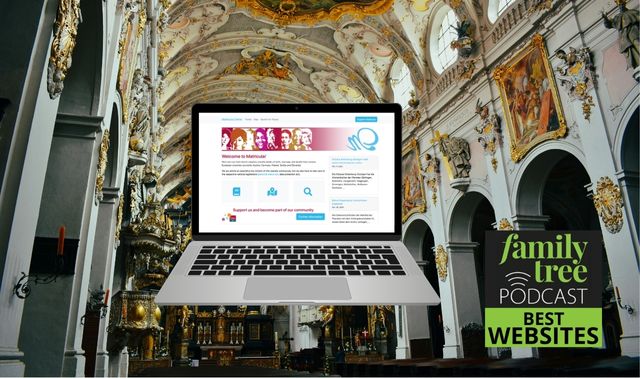


 In this article, Rhonda Lauritzen offers strategies for managing family history writing projects to avoid overwhelm.
 Family Tree Magazine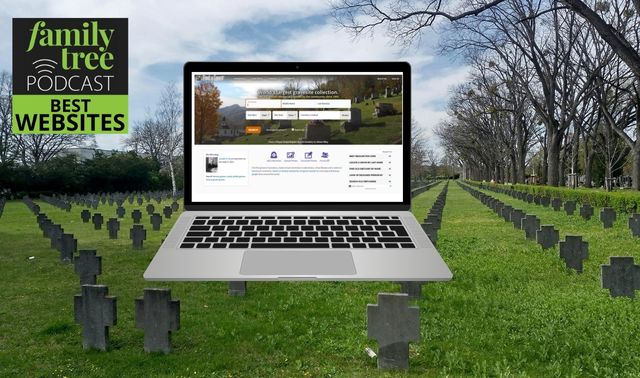


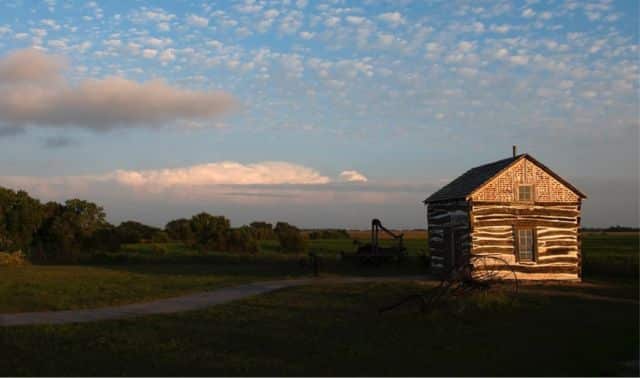 This article explains what homesteading entails and how genealogists can find and use homesteading records in their own research.
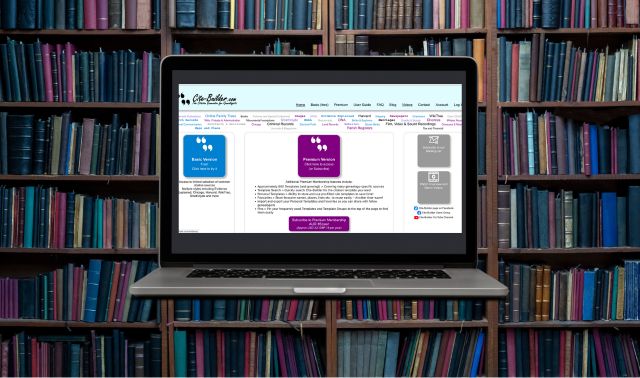

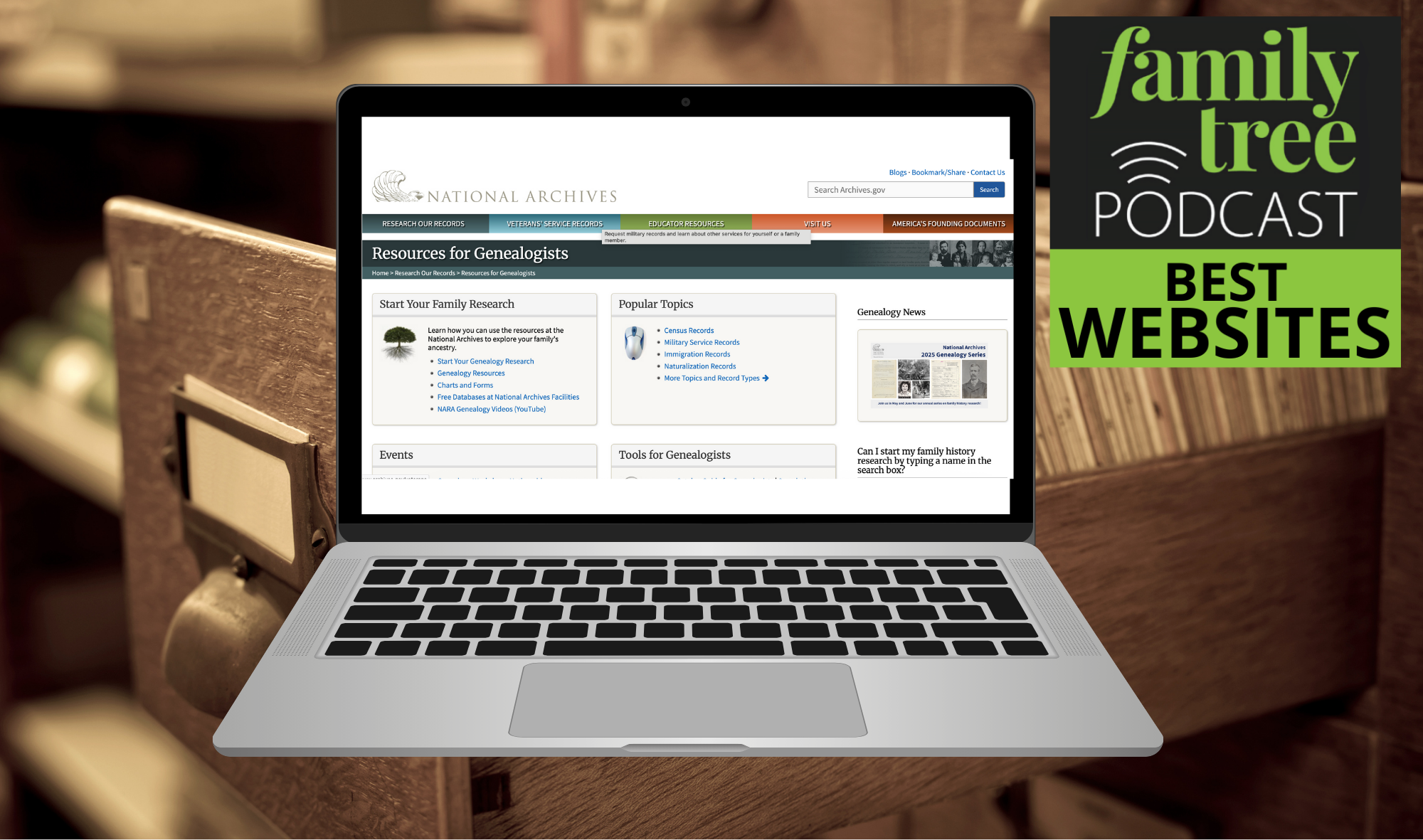


 Navigate hard-to-talk-about subjects in family history interviews with these tips from journalists and other storytellers.


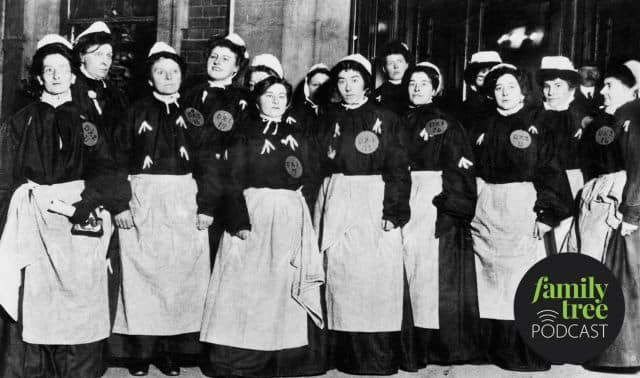

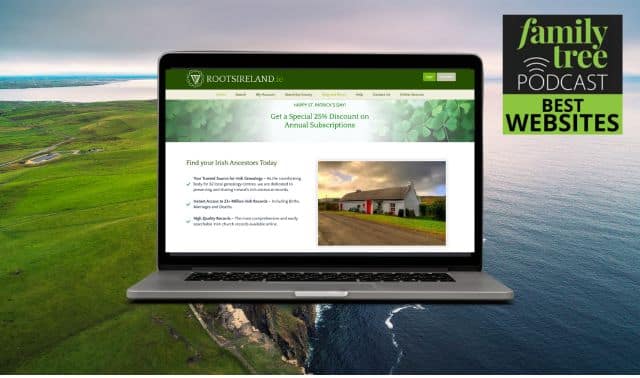
 and more. With billions of historical records and exclusive newspaper publications, you can build and expand your family tree with ease. Collaborating with your family has never been easier or more affordable. Don’t let your family’s legacy go untold. Preserve these memories in a beautiful, interactive format that will be cherished for generations. Turn your family’s journey into a stunning StoriedBook


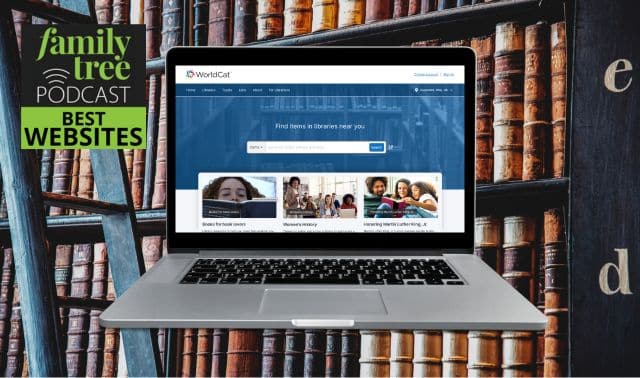

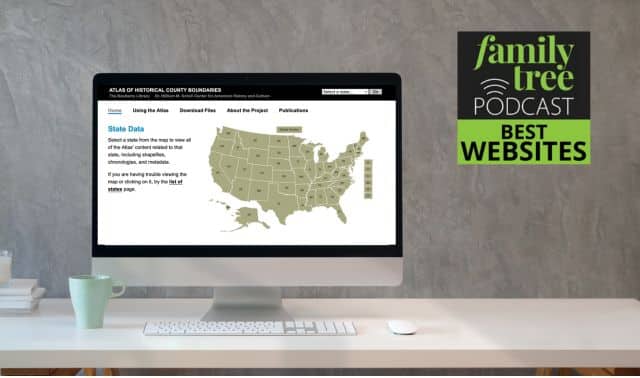

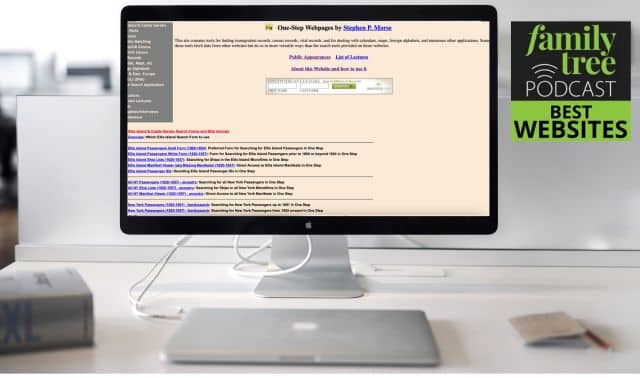

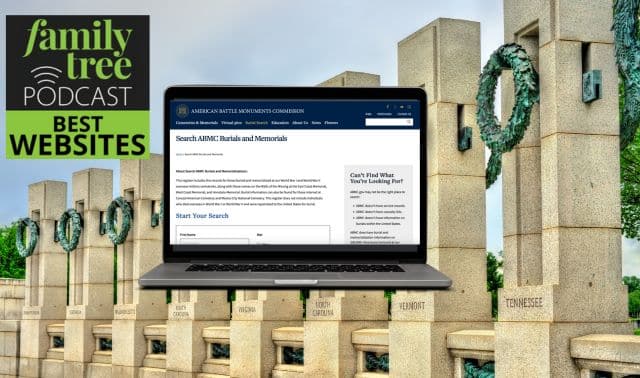

 Tell the stories of not just people, but also their communities. This guide to writing about places will help you captivate your readers.

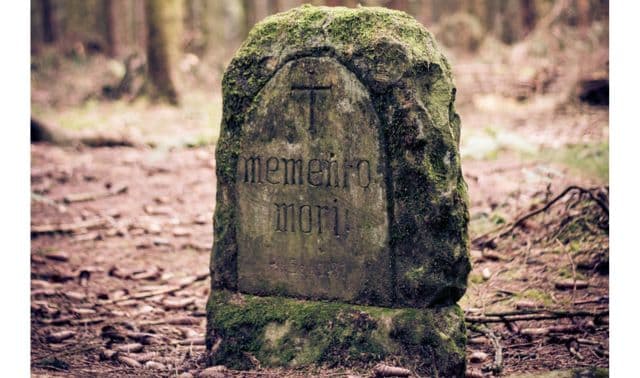 Even after death, your ancestors could have left valuable items that reveal critical details about their lives. Here’s what you should know.
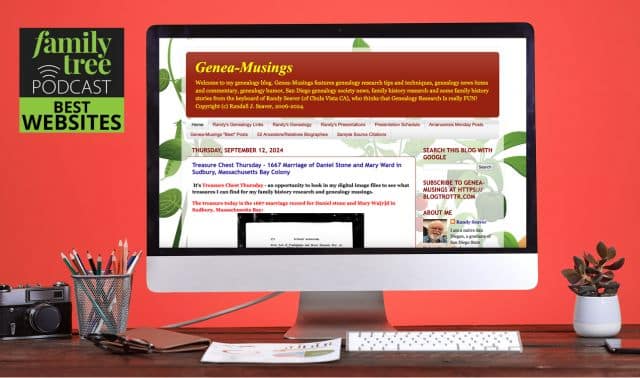

 Don’t stress out about finding ancestors in early, head-of-household-only censuses. These tricks will help you transform those tick marks into ancestral families.

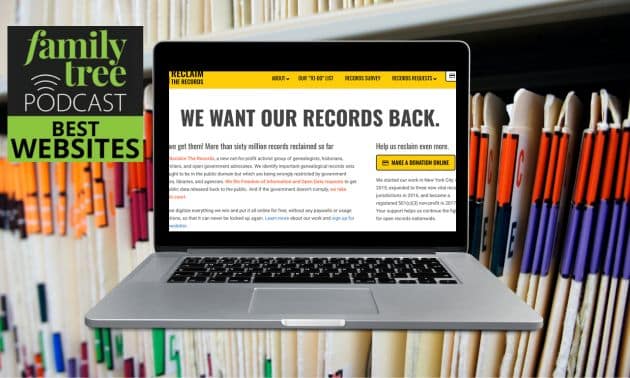
 A good story often contains people whom others want to read about. Here is a guide to writing compelling characters in your family history.

 These 15 free, world-class Google tools help you organize your genealogy, find old records and more.

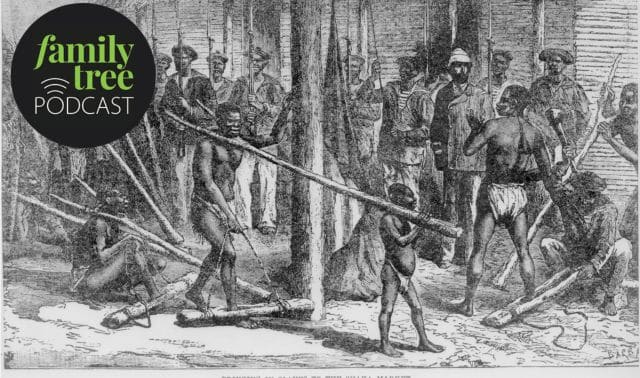

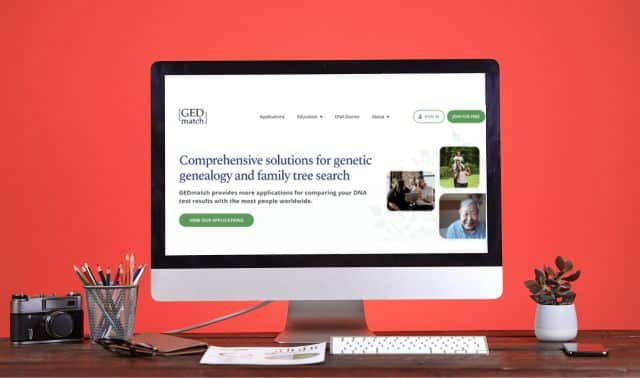 GEDmatch allows you to compare your DNA test results with other results from many of the top testing companies. Here is a guide for using many of its tools.
 It’s time to get organized! Whether you need to tidy up your workspace, digitize your photos or get your files in order, this handy ebook will help make your project a success.
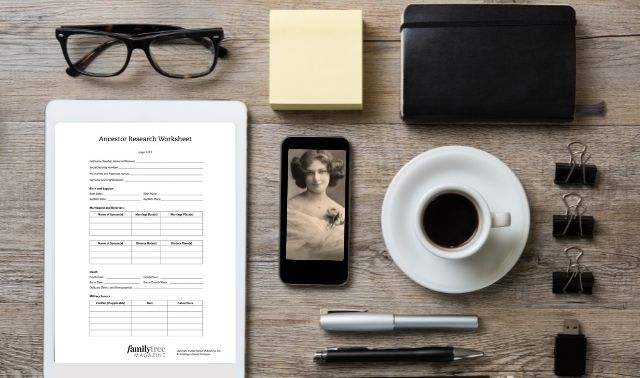 It’s always a good time to get your genealogy organized. There are more than 25 ideas here to help get you started.
 If all you’ve got is a Saturday to organize your genealogy, make it count with these tips for a successful one-day organization project—plus 14 realistic goals.

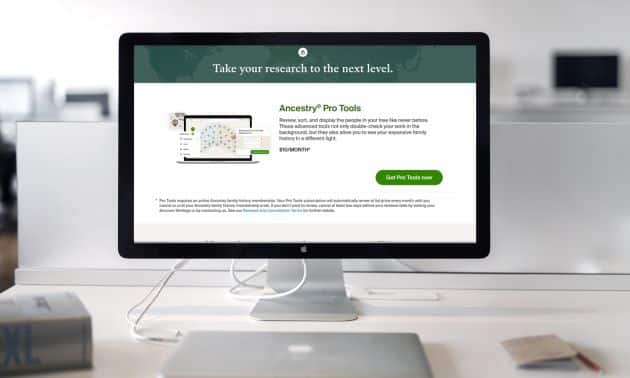
 Ancestry Pro Tools can enhance your family tree building experience. Here are some tips to help you make the most of these valuable features.


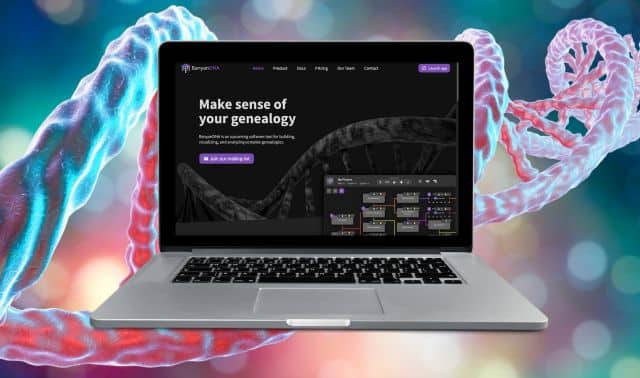


 These sources will help you pinpoint an immigrant ancestor’s Old World town or village of origin.

 Wondering why you don’t share more DNA matches with your mother, or why you’re not seeing a surname you expect? We’ll explain a few of the possible reasons.
 If you don’t know how to organize and properly store your family heirlooms, fear not! Learn expert tips from an archivist on saving the most common types.




 Don’t know how to begin your genealogy research, or hit a brick wall? Get on track and inspired with this sample family history research plan.

 How did our ancestors go from eating with their hands to using knife, fork and spoon? Discover the surprisingly fascinating development of cutlery.


 This article explores what artificial intelligence (AI) is and how it may affect the world of genealogy. Plus, find tips for using AI for genealogy projects.


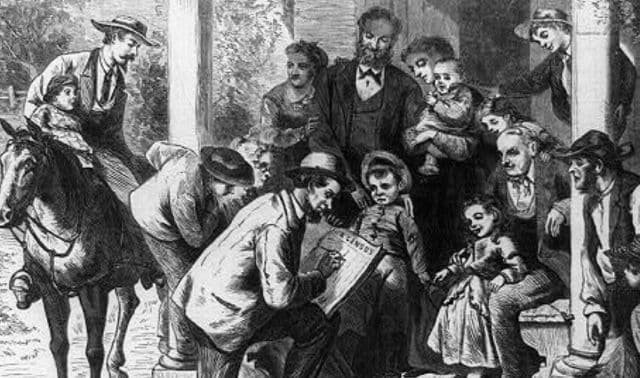 Despite its importance, the US census can come riddled with genealogical errors. Here’s how to avoid them.


 Track down your German ancestors’ hometown with Meyers Gazetteer, one of the most useful geographical resources.


 Use this comprehensive Italian genealogy guide to trace your ancestor’s journey, find Italian genealogy records and much more.

 Cyndi’s List has over two decades as the premiere directory for online genealogy resources under its belt.

 Genealogist and DNA expert Shannon Combs-Bennett looks at five of the major DNA tests on the market.


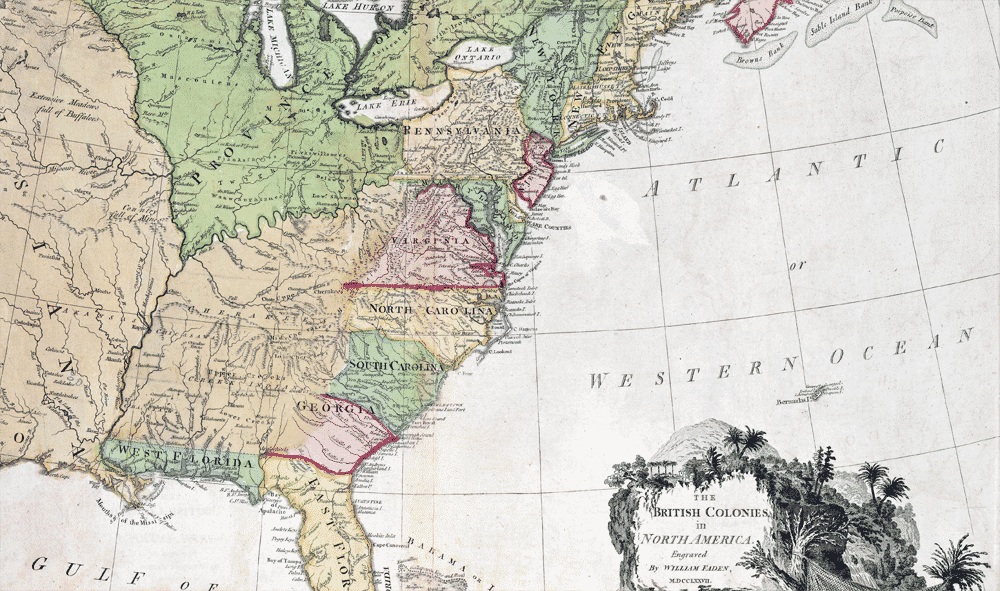 Colonial genealogy can be difficult, but it isn’t impossible. Use these records to find ancestors who lived in the United States before the Revolutionary War.

 Military memorabilia is often handed down as a remembrance of service time. Here are several tips for flag, medal and military uniform preservation.



 This guide will show you what questions were asked in the 1931 Census of Canada and how to find records of your family online.



 Your camera can be an indispensable genealogy tool! Download this free, handy shot list to keep track of your genealogy photo projects. This list covers essential shots for five key family history categories: gravestones, ancestral homes, family heirlooms, records and family portraits.
 While a bit creepy by today’s standards, post-mortem photography has a rich history. Here is a detailed review of that history, as well as tips for finding such photos.


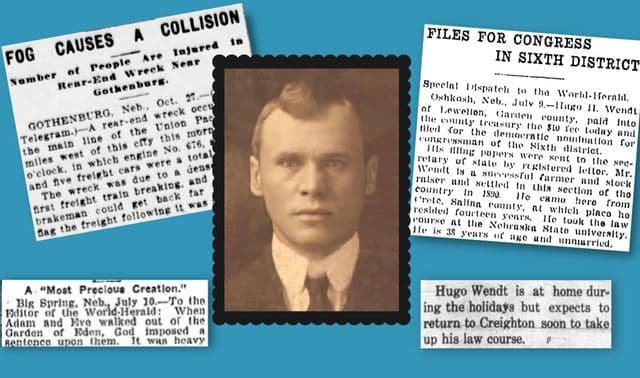 Learn what newspapers can do
for your research in this case study,
in which they help reconstruct
a long-forgotten ancestral history.
Learn what newspapers can do
for your research in this case study,
in which they help reconstruct
a long-forgotten ancestral history.

 If you want to write your family history but don’t know where to start, a good outline can help. Here are some outline examples and tips to get you started.


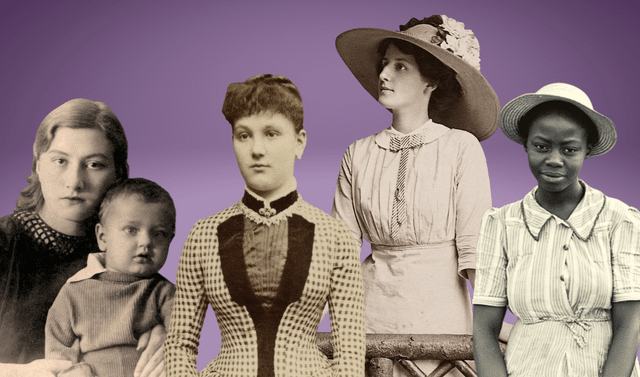 Find long-lost female ancestors with these 12 resources for discovering maiden names.

 Why do your old photos smell musty or moldy? Here’s how to handle foul-smelling family photos.
 Looking for digitized newspapers? We’ve got the scoop on five newspaper giants: Newspapers.com, GenealogyBank, NewspaperArchive, Chronicling America and Fulton History. Here’s how they compare.
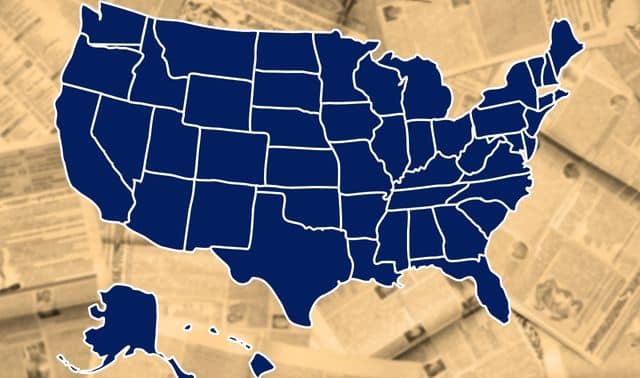 Don’t stop at the big newspaper websites—these smaller state-by-state databases will help you find historical newspapers for your ancestor’s hometown.
 Use this download to locate the newspapers of your ancestor’s small town or to zero in on a specific state.


 You don’t have to travel far to find valuable genealogy resources. You may be able to find some at your local library. Here are some research tips to help.


 How do you find more ancestor answers in the genealogy collections at Ancestry.com? Follow these tips to master the Ancestry.com Card Catalog.


 Don’t hide your family history—show it off! These inspiring projects and gift ideas offer many ways to use your family photos and heirlooms.
 Take your research down new paths by studying the witnesses and bondsmen named in records. Learn when they were needed and what they can reveal.
 You’ve found the record you’re desperate for–too bad the old handwriting looks like chicken scratch. Here’s your ticket to deciphering difficult documents.
 Learn how to care for and scan old photo negatives—and why they deserve a place in your collection.

 The 1950 census documented names, ages, occupations and more for over 150 million people. Here’s everything you need to know about using the 1950 census for genealogy research.

 Don’t know what to ask? Consult our list to learn everything you can.
 Family members are often the best genealogy resource. Here are family history interview questions and prompts to help you discover more about past generations’ lives.
 Interested in interviewing someone in your family about the historic events they’ve experienced? Be sure to check out these tips!

 Can DNA tests build your family tree for you? Tools from companies like AncestryDNA make what was once science fiction, reality. Here’s what they actually can do.

 What is DNA painter? Do you need this third-party tool to make the most of your DNA results? Our expert weighs in.


 The better preserved tombstones are, the more information they can offer genealogists. Here’s how to safely clean and preserve gravestones, as well as enhance the writing on them.

 German speakers migrated to the Russian Empire as early as the 18th century. Here’s how to research your “Germans from Russia” roots.


 Determine if the information you find in online family trees (such as those at Ancestry.com, FamilySearch and MyHeritage) is accurate.
 Create a “genealogy will” that outlines for your heirs what you’d like for your research after you’re gone. Here’s what to include in it.

 This mystery photo features a lovely assortment of hat styles. Let’s take a closer look at the details in this photo, (including the hats!) to see what more we can learn.


 Build your Filipino family tree with this guide to key genealogy records and resources for researching in the Philippines.


 Declutter your genealogy life with these three steps for determining what papers to keep and what to trash.
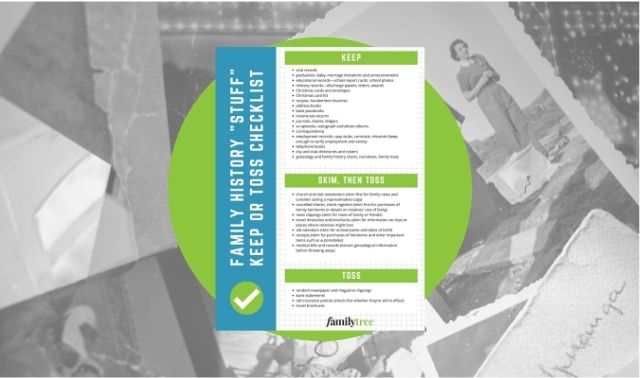 You don’t have to keep all the papers, photos and other “stuff” you inherited from Grandma’s attic. Our checklist will help you decide what to keep and toss.
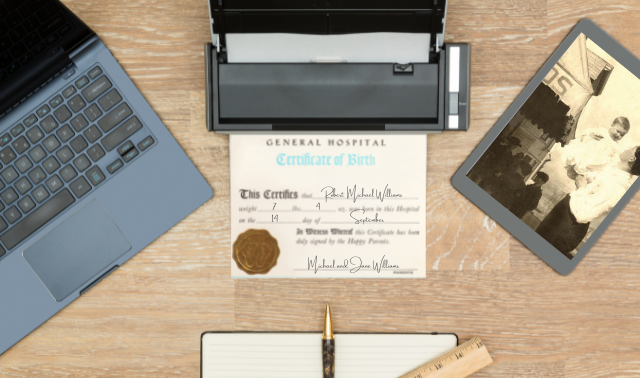 Cutting your paper clutter will sharpen your focus on your family history. Get started with these 12 less-paper strategies and genealogy organization tips.

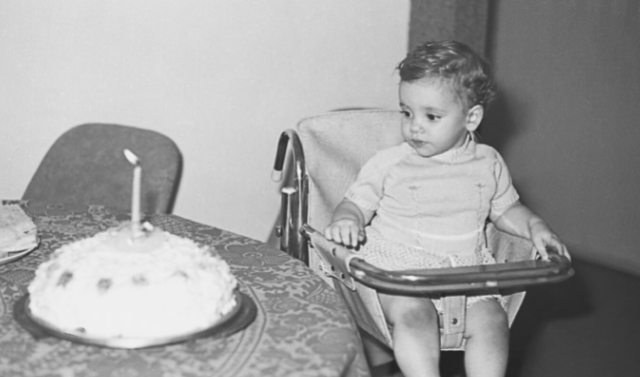 When records list different birth dates for your ancestor, how can you determine which is correct? Here are five questions that can guide you to the right answer.

 There are now more ways than ever to easily share photos and ancestor stories online. From major genealogy websites to lesser-known resources, here’s a brief comparison of the options.
 Search PERSI for free at Findmypast to identify articles that may be related to your family history, such as abstracted records, local history details, family profiles and more.


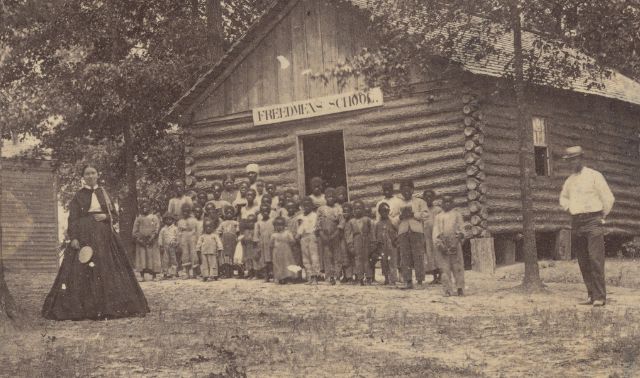 Freedmen’s Bureau records are more accessible now than ever, online at sites like Ancestry.com and FamilySearch. Learn what you can uncover in them.

 With so many genealogy websites available for your family history quest, how do you know which sites are the best? Leave it to our genealogy experts!

 Seeing the gravestone and viewing records in the cemetery office may yield ancestry information you won’t find in an online database of burials. Here are nine things you can learn.

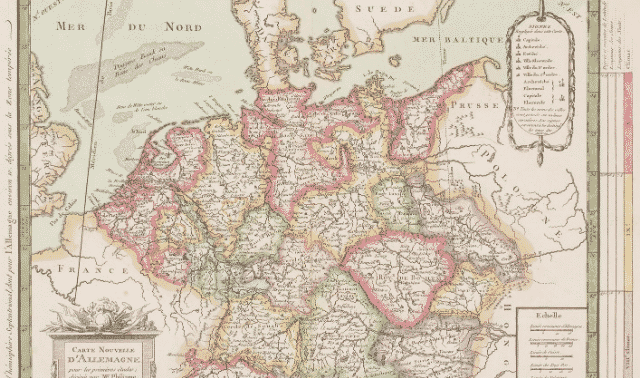 Just because your relatives spoke German doesn’t mean they came from Germany. Learn how to research Germans beyond Deutschland’s borders.

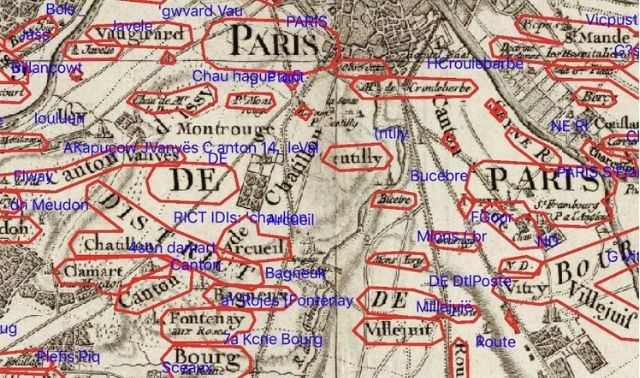
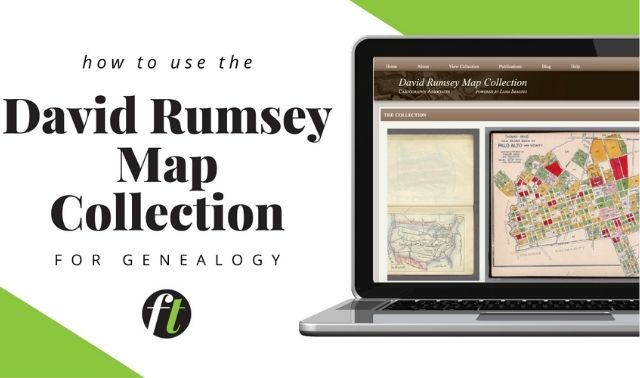 The David Rumsey Map Collection boasts over 115,000 unique resources on its free online portal. In this video, Sunny Morton provides a thorough walk-through of this tool.

 Turn your DNA into a valuable tool for finding your family history with these tips and techniques.


 Learn about your family between the 1940 and 1950 censuses with these key genealogy resources that reveal how and where they lived.


 Looking for old family photos? Here are 12 often-overlooked sources to consult when your family and home sources come up empty.


 Geneanet claims to be the largest European genealogy website. Here’s an overview of its family trees and other helpful features.


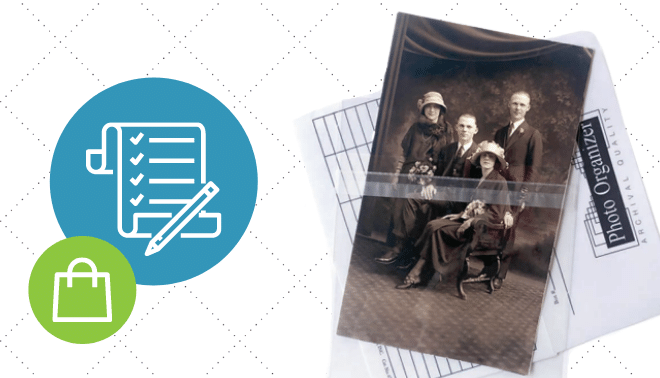 Preserve your family treasures with these archiving tips and tools every genealogist should have.

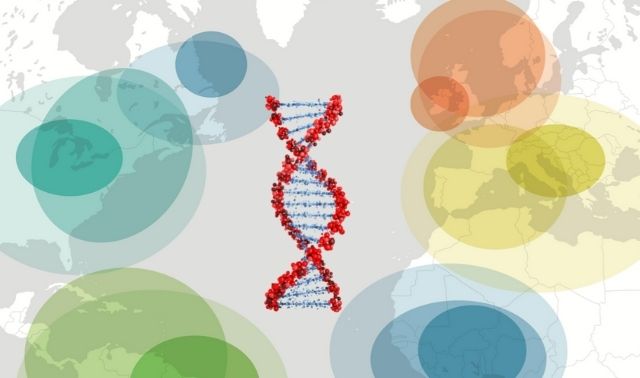 AncestryDNA Communities, MyHeritage Genetic Groups, and 23andMe Recent Ancestor Locations all assign your DNA to a time and place. Are they accurate?
 Every genealogist should know their way around Archives.gov and how to find the records available at the National Archives. Let us help you!


 Remember, your own history will eventually become family history! Record these 16 things about yourself to preserve your life story for future genealogists.
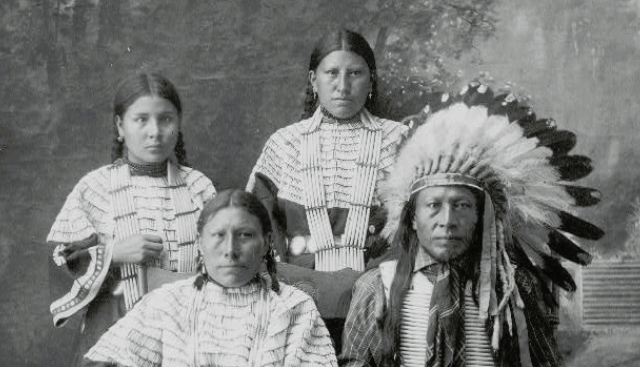 Does your family lore contain tales of Native ancestors? These tips will help you find your ancestors who belonged to one of the United States’ five largest indigenous groups: Navajo, Cherokee, Sioux, Chippewa (Ojibwe) and Choctaw.

 Take the time to explore every one of these websites that covers a state (or territory) where your ancestors lived.




 What can you do with ethnicity estimates? Which company has the best? Our DNA expert weighs in.

 How do you find your ancestors for free? Here’s your guide to free genealogy websites, records, software, services and much more!


 Should you have DNA tests done on your children or grandchildren? Our DNA expert gives the pros and cons.
 It’s not all viral videos and cat memes. Find the best genealogy videos on YouTube with these top genealogy YouTube channels.


 Your ancestors’ weddings generated all kinds of records. Here are 12 types of marriage records to look for.
 Become an expert at tracking down marriage records with this in-depth guide to researching marriage records throughout history.
 Should you link your family tree to your DNA results? How do you do it? Our DNA expert explain why and how for each DNA testing company.
 Plan your family history research, track ancestor searches, and log your genealogy finds with the free Trello app. Here’s how to use it.


 Your flatbed scanner can do more than you think. Learn how to quickly scan slides, photo negatives and large items, plus combine multiple scans into one image.
 When it comes to DNA tests, privacy is sometimes a concern. DNA expert Diahan Southard weighs in.
 Learn to use MyHeritage’s photo tools for colorization, enhancement, and AI animation. Also: a review of MyHeritage’s Reimagine scanning app.


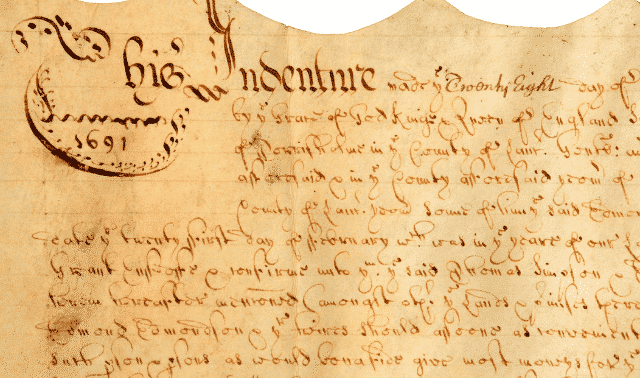 Not everyone who wished to come to America could afford it. As a result, indentured servants were common in Colonial America. Was your ancestor one?
 DNA results can sometimes reveal distressing truths about your family relationships—and even your identity. Here’s how to handle such situations.


 Do you really need to figure out how to use things like chromosome browsers and centimorgans to be successful in your family history research? DNA expert Diahan Southard explains.
 Researching your Civil War ancestors? Learn everything you need to know with our Civil War Genealogy Research and Records Guide!


 Have you looked in all the usual places for your Irish ancestors and no luck? If so, try these six overlooked sources for tracing roots in Ireland.
 Tracing Irish roots has become a passion for many. Here are some websites to get started.

 DNA mapping and ethnicity estimates are a big draw of home DNA test kits. Learn more about them here.


 Shannon Combs-Bennett shares how she sorted through confusing census records to uncover her ancestor’s mother’s name.

 Our DNA expert weighs in on whether you ever need to retake a DNA test from a company like AncestryDNA or 23andMe.
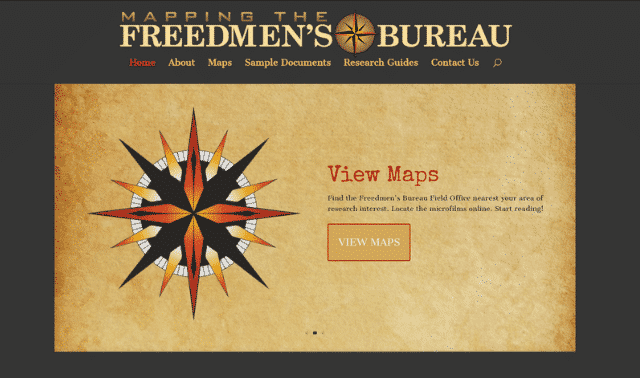 Learn how to use Mapping the Freedmen’s Bureau website to research African American ancestors after the Civil War.

 Here are eight techniques you can use to research for free on Ancestry.com, no subscription required!
 Transferring your DNA results means you can take them from one company to another. Here’s why and how to take advantage of this research technique.
 On these genealogy and family history websites, you can search databases of ancestor names and digitized records—and it’s all free.

 Research may turn up your ancestor’s “blemishes,” shameful actions or traits. One writer explores whether you should include them in your family’s stories.



 If you’re one of the 35 million Mayflower’s descendants, use these databases and strategies to research your ancestors who made the perilous journey.

 If you need unique gift ideas for your genealogically inclined relatives, look no further! We’ve gathered the best genealogy gifts for everyone on your list.

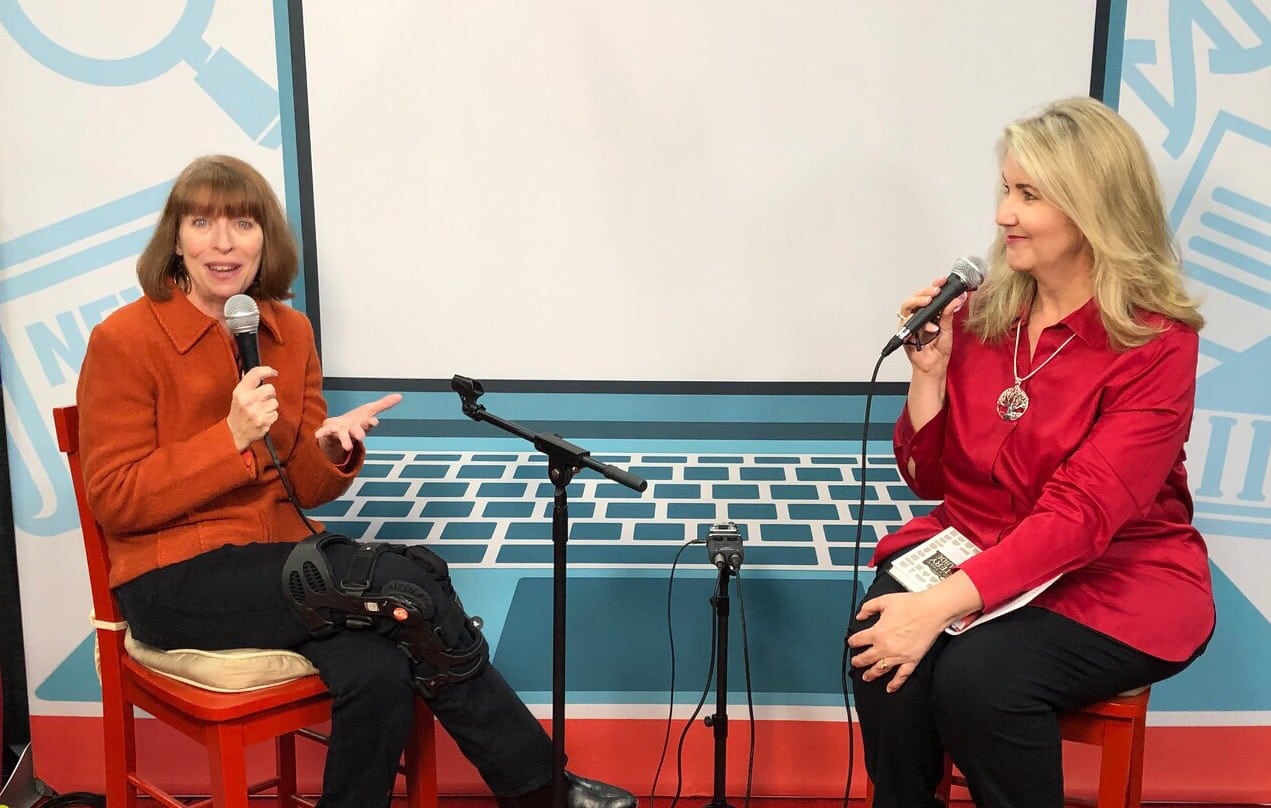

 Since its inception in 2000, Family Tree Magazine has been on a mission to connect family historians—regardless of experience level—with the latest and most valuable genealogy resources. Sign up today for a current online course or webinar!


 It’s hard to know which of your hundreds of DNA matches are most important. Learn how to sort through them to find those most useful to your research.
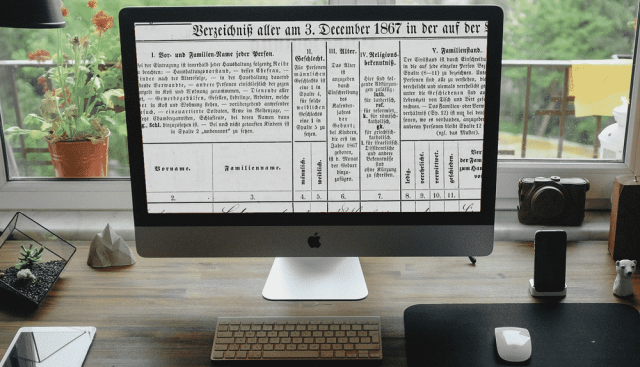 Dive into millions of church records, immigration documents, gazetteers, maps and more with these top German genealogy websites.