TopPodcast.com
Menu
  • Home
  • Top Charts
  • Top Networks
  • Top Apps
  • Top Independents
  • Top Podfluencers
  • Top Picks
    • Top Business Podcasts
    • Top True Crime Podcasts
    • Top Finance Podcasts
    • Top Comedy Podcasts
    • Top Music Podcasts
    • Top Womens Podcasts
    • Top Kids Podcasts
    • Top Sports Podcasts
    • Top News Podcasts
    • Top Tech Podcasts
    • Top Crypto Podcasts
    • Top Entrepreneurial Podcasts
    • Top Fantasy Sports Podcasts
    • Top Political Podcasts
    • Top Science Podcasts
    • Top Self Help Podcasts
    • Top Sports Betting Podcasts
    • Top Stocks Podcasts
  • Podcast News
  • About Us
  • Podcast Advertising
  • Contact
Not in our directory?
Add Show Here
Podcast Equipment
Center

toppodcastlogoOur TOPPODCAST Picks

  • Comedy
  • Crypto
  • Sports
  • News
  • Politics
  • True Crime
  • Business
  • Finance

Follow Us

toppodcastlogoStay Connected

    View Top 200 Chart
    Back to Rankings Page
    Arts

    BULAQ | بولاق

    BULAQ is a book-centric podcast co-hosted by Ursula Lindsey (in Amman, Jordan) and M Lynx Qualey (in Rabat, Morocco). It focuses on Arabic literature in translation and is named after the first printing press established in Egypt in 1820. Produced by Sowt. Hosted on Acast. See acast.com/privacy for more information.

    Advertise
    • Apple Podcasts
    • Google Play
    • Spotify

    Latest Episodes:
    12: All Over The Map Apr 23, 2018
    Show notes

    In this episode, we talk about debates surrounding Western military intervention in Syria; about Arab American writer Randa Jarrar and her Twitter rant against the late Barbara Bush; and about whether there is any alternative to the term “Arab world.” Also Ursula has a squeaky chair.

    Show notes

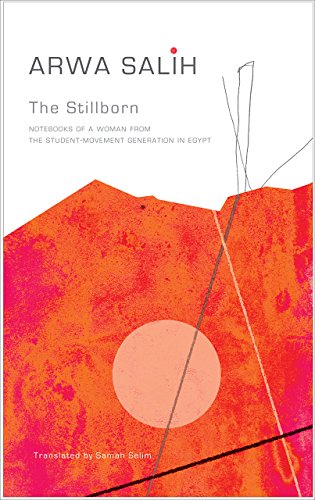
    • At the recent Yale symposium on translation, Samah Salim discussed the relationship between translator, text, and paratext in “Paratext and Political Translation,” with a focus on the introduction, footnotes, and glossary of her translation to Arwa Salih’s The Stillborn. Kamran Rastegar talked about “Translational Infidelity: Paul Bowles’ notes on For Bread Alone.”
    • If you are near Princeton on April 23 at 4:30, do come hear MLQ speak about “Shifting Local, Regional, and International Pressures on Arabic Literature.”
    • The winner of the International Prize for Arabic Fiction will be announced Tuesday, April 24. MLQ’s prediction of Aziz Mohammed’s The Critical Case of K as the winner will almost certainly not come true.
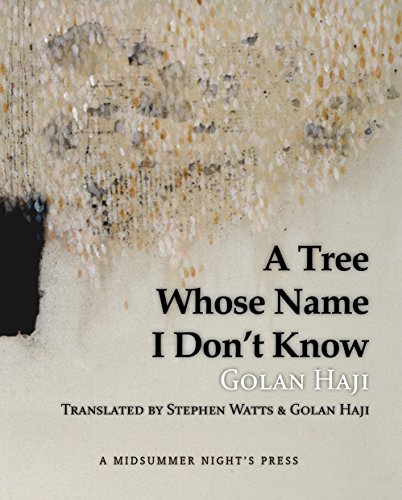
    • A Tree Whose Name I Don't Know, by Golan Haji,tr. Haji & Stephen Watts, was a favorite of MLQ’s that did not make the recent Best Translated Book Award poetry longlist.
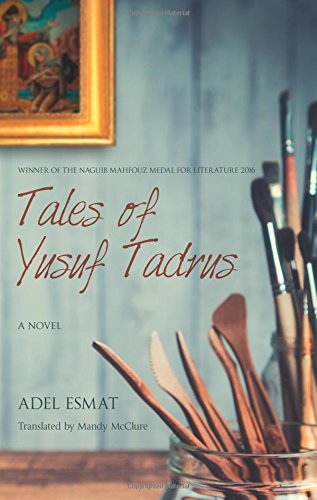
    • Tales of Yusuf Tadros, by Adel Esmat, tr. Mandy McClure, has just been released in English and MLQ was hoping it will receive some prize attention.
    • Leila al-Shami, co-editor of Burning Country: Syrians in Revolution and War, is author of “The Anti-Imperialism of Idiots.”
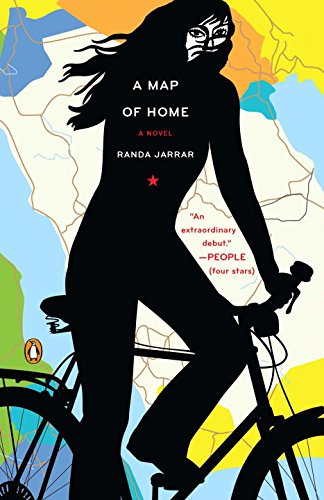
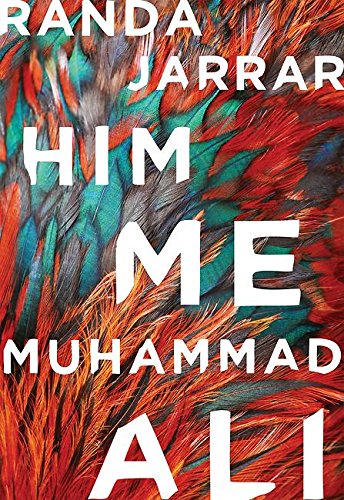
    • Randa Jarrar is the author of A Map of Home (2008), Him Me Muhammad Ali (2016) and a handful of tweets about the late Barbara Bush’s legacy that were turned into a major trolling campaign and news story. She teaches at Fresno State, where President Joseph Castro has suggested the university is investigating her tweets, which, he has alleged, “wasn’t just a free speech issue.”
    • In “Can Muslim Feminism Find a Third Way?” Ursula writes about the resignation of Asma Lamrabet, a well-known Moroccan feminist, from her position at the Mohammedan League of Scholars. Lamrabet was also discussed in Episode 2.
    Buy on Amazon Buy on Amazon Buy on Amazon Buy on Amazon Buy on Amazon Buy on Amazon Buy on Amazon

    All Over The Map Apr 23, 2018
    Show notes

    In this episode, we talk about debates surrounding Western military intervention in Syria; about Arab American writer Randa Jarrar and her Twitter rant against the late Barbara Bush; and about whether there is any alternative to the term “Arab world.” Also Ursula has a squeaky chair.

    Show notes

    • At the recent Yale symposium on translation, Samah Salim discussed the relationship between translator, text, and paratext in “Paratext and Political Translation,” with a focus on the introduction, footnotes, and glossary of her translation to Arwa Salih’s The Stillborn. Kamran Rastegar talked about “Translational Infidelity: Paul Bowles’ notes on For Bread Alone.”
    • If you are near Princeton on April 23 at 4:30, do come hear MLQ speak about “Shifting Local, Regional, and International Pressures on Arabic Literature.”
    • The winner of the International Prize for Arabic Fiction will be announced Tuesday, April 24. MLQ’s prediction of Aziz Mohammed’s The Critical Case of K as the winner will almost certainly not come true.
    • A Tree Whose Name I Don't Know, by Golan Haji,tr. Haji & Stephen Watts, was a favorite of MLQ’s that did not make the recent Best Translated Book Award poetry longlist.
    • Tales of Yusuf Tadros, by Adel Esmat, tr. Mandy McClure, has just been released in English and MLQ was hoping it will receive some prize attention.
    • Leila al-Shami, co-editor of Burning Country: Syrians in Revolution and War, is author of “The Anti-Imperialism of Idiots.”
    • Randa Jarrar is the author of A Map of Home (2008), Him Me Muhammad Ali (2016) and a handful of tweets about the late Barbara Bush’s legacy that were turned into a major trolling campaign and news story. She teaches at Fresno State, where President Joseph Castro has suggested the university is investigating her tweets, which, he has alleged, “wasn’t just a free speech issue.”
    • In “Can Muslim Feminism Find a Third Way?” Ursula writes about the resignation of Asma Lamrabet, a well-known Moroccan feminist, from her position at the Mohammedan League of Scholars. Lamrabet was also discussed in Episode 2.

    Hosted on Acast. See acast.com/privacy for more information.


    Hosted by Simplecast, an AdsWizz company. See pcm.adswizz.com for information about our collection and use of personal data for advertising.


    11: Stillborn in Egypt, Fractured in Palestine Mar 31, 2018
    Show notes

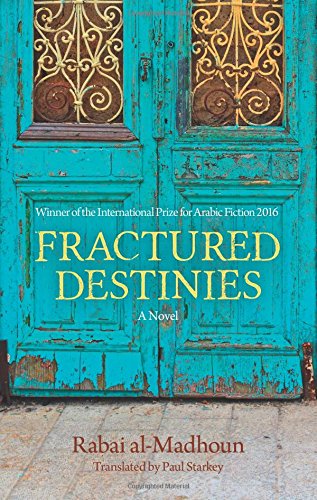
    We spend most of this episode talking about two books: the late Arwa Salih’s Stillborn, a memoir of and reckoning with her time as a leftist student militant in Egypt in the 1970s; and Rabai al-Madhoun’s novel Fractured Destinies -- about lives constrained, conflicted and divided in Palestine.

    Show notes

    • Arwa Salih’s The Stillborn, tr. the brilliant Samah Salim and published by Seagull Books as part of their “Arab List,” curated by Hosam Aboul-ela.
    • Rabai al-Madhoun’s International Prize for Arabic Fiction-winning Fractured Destinies(published in Arabic as called Destinies: Concerto of the Holocaust and the Nakba), tr. Paul Starkey, and extends the universe of Walid al-Dahman who first appeared in IPAF-shortlisted The Lady from Tel Aviv, tr. Elliott Colla.
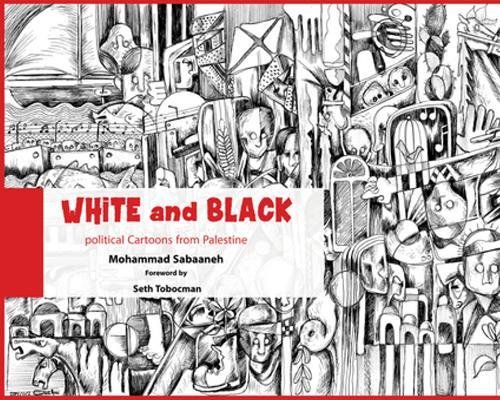
    • The claustrophobia was reminiscent of Mohammed Sabaaneh’s collection of political cartoons White and Black.
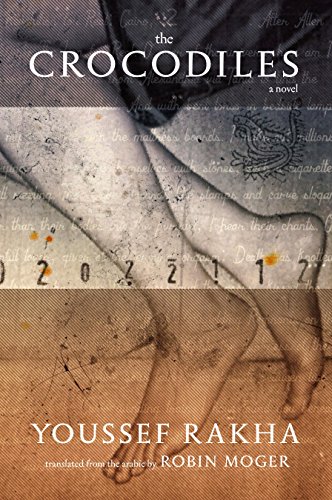
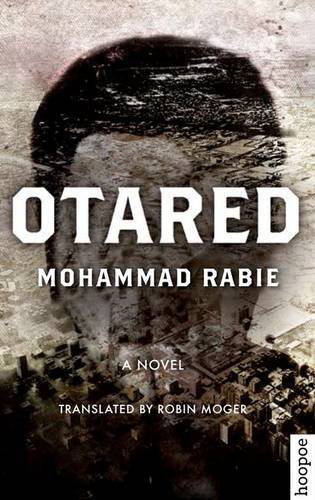
    • For books in a constellation around The Stillborn, we mentioned: Waguih Ghali’s Beer in the Snooker Club, Naguib Mahfouz’s Adrift on the Nile, tr. Frances Liardet, Youssef Rakha’s Crocodiles, tr. Robin Moger,and Mohammed Rabie’s Otared, tr. Moger.
    Buy on Amazon Buy on Amazon Buy on Amazon Buy on Amazon Buy on Amazon Buy on Amazon Buy on Amazon Buy on Amazon

    Stillborn in Egypt, Fractured in Palestine Mar 31, 2018
    Show notes

    We spend most of this episode talking about two books: the late Arwa Salih’s Stillborn, a memoir of and reckoning with her time as a leftist student militant in Egypt in the 1970s; and Rabai al-Madhoun’s novel Fractured Destinies -- about lives constrained, conflicted and divided in Palestine.

    Show notes

    • Arwa Salih’s The Stillborn, tr. the brilliant Samah Salim and published by Seagull Books as part of their “Arab List,” curated by Hosam Aboul-ela.
    • Rabai al-Madhoun’s International Prize for Arabic Fiction-winning Fractured Destinies(published in Arabic as called Destinies: Concerto of the Holocaust and the Nakba), tr. Paul Starkey, and extends the universe of Walid al-Dahman who first appeared in IPAF-shortlisted The Lady from Tel Aviv, tr. Elliott Colla.
    • The claustrophobia was reminiscent of Mohammed Sabaaneh’s collection of political cartoons White and Black.
    • For books in a constellation around The Stillborn, we mentioned: Waguih Ghali’s Beer in the Snooker Club, Naguib Mahfouz’s Adrift on the Nile, tr. Frances Liardet, Youssef Rakha’s Crocodiles, tr. Robin Moger,and Mohammed Rabie’s Otared, tr. Moger.

    Hosted on Acast. See acast.com/privacy for more information.


    Hosted by Simplecast, an AdsWizz company. See pcm.adswizz.com for information about our collection and use of personal data for advertising.


    10: Noir Is The New Black Mar 18, 2018
    Show notes

    In which Marcia talks about her difficulties being interviewed; we discuss genre (sci-fi, fantasy, and especially noir) writing in Arabic; and we question whether translation into English “empowers” women writers from the Arab region.

    Show notes

    • The Asymptote interview with MLQ, conducted by Claire Jacobson.
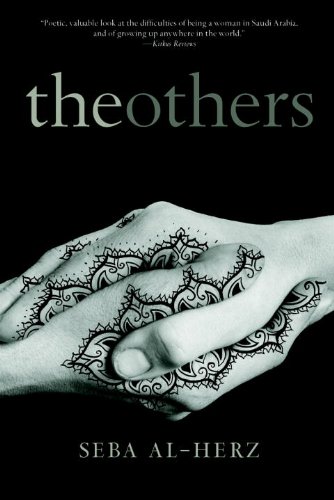
    • On voices at various margins: Midaq Alley, by Naguib Mahfouz (recently re-translated by Humphrey Davies); Kamal Ruhayyim’s Muslim Jew trilogy(tr. Sarah Enany); the film Marock; The Othersby Seba al-Herz.
    • There is a video of Adam Talib's talk "Translating for Bigots" on YouTube: https://www.youtube.com/watch?v=aANKpO4zmGA
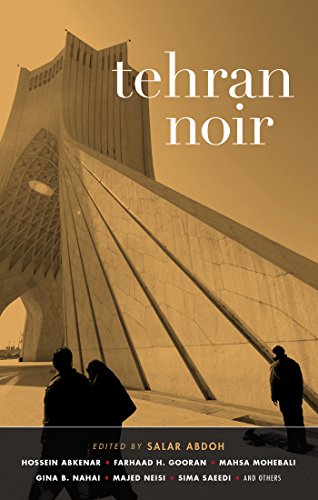
    • Baghdad Noir, ed. Samuel Shimon, is forthcoming from Akashic Books later this year. You can already get Tehran Noir, ed. Salar Abdoh, who has a story called “Baghdad on Borrowed Time” in Baghdad Noir.
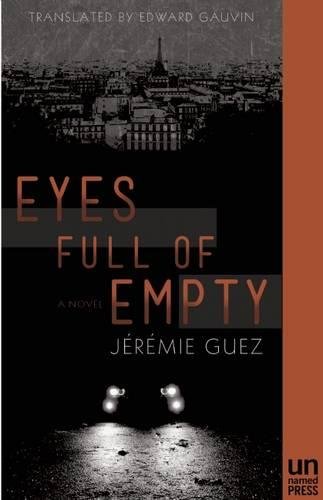
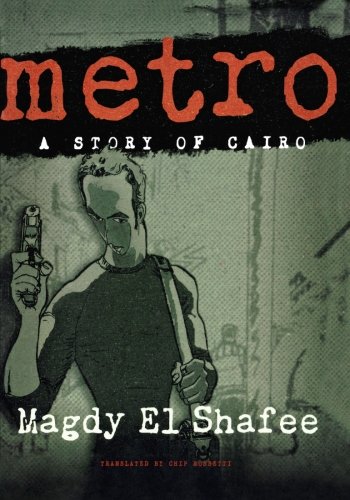
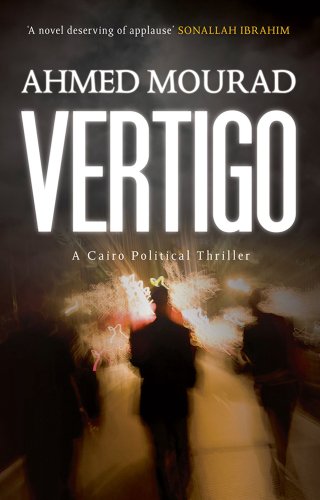
    • More on noir: The Thief and the Dogs, Naguib Mahfouz, tr. M.M. Badawi and Trevor Le Gassick, revised by John Rodenbeck; Vertigoby Ahmed Mourad, tr. Robin Moger; Metro, by Magdy Shafie, tr. Chip Rossetti; the noir of Algerian-French author Jérémie Guez; Apartment at Bab el-Louk, by Donia Maher, ill. Ganzeer and Ahmed Nady, tr. Elisabeth Jaquette; the films The Nile Hilton Incidentand Casanegra; Abdelilah Hamdouchi’s detective series, published by Hoopoe.
    • You can also listen to Jonathan Guyer’s The Strange Case of the Arabic Whodunniton BBC4.
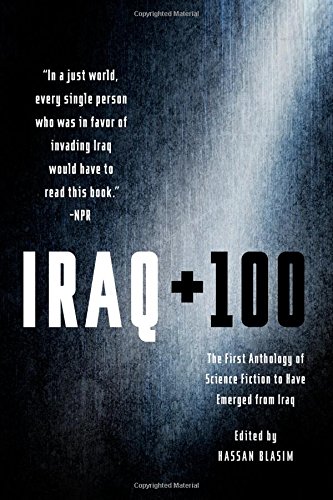
    • Iraq + 100, ed. Hassan Blasim, is available from Comma Press in the UK and Tor in the US.
    • “Saudi discovers science fiction” or “L'Arabie saoudite découvre la science-fiction” appears on Orient XXI.
    • See more about Osama Al Muslim’s Basateen Arabistanat GoodReads.
    • The novel HWJN,by Yasser Bahjat and Ibrahim Abbas, is available in English and Arabic.
    • You can read Maysaa Alamoudi’s Mimosa in Arabic.
    Buy on Amazon Buy on Amazon Buy on Amazon Buy on Amazon Buy on Amazon Buy on Amazon Buy on Amazon Buy on Amazon

    Noir Is The New Black Mar 18, 2018
    Show notes

    In which Marcia talks about her difficulties being interviewed; we discuss genre (sci-fi, fantasy, and especially noir) writing in Arabic; and we question whether translation into English “empowers” women writers from the Arab region.

    Show notes

    • The Asymptote interview with MLQ, conducted by Claire Jacobson.
    • On voices at various margins: Midaq Alley, by Naguib Mahfouz (recently re-translated by Humphrey Davies); Kamal Ruhayyim’s Muslim Jew trilogy(tr. Sarah Enany); the film Marock; The Othersby Seba al-Herz.
    • There is a video of Adam Talib's talk "Translating for Bigots" on YouTube: https://www.youtube.com/watch?v=aANKpO4zmGA
    • Baghdad Noir, ed. Samuel Shimon, is forthcoming from Akashic Books later this year. You can already get Tehran Noir, ed. Salar Abdoh, who has a story called “Baghdad on Borrowed Time” in Baghdad Noir.
    • More on noir: The Thief and the Dogs, Naguib Mahfouz, tr. M.M. Badawi and Trevor Le Gassick, revised by John Rodenbeck; Vertigoby Ahmed Mourad, tr. Robin Moger; Metro, by Magdy Shafie, tr. Chip Rossetti; the noir of Algerian-French author Jérémie Guez; Apartment at Bab el-Louk, by Donia Maher, ill. Ganzeer and Ahmed Nady, tr. Elisabeth Jaquette; the films The Nile Hilton Incidentand Casanegra; Abdelilah Hamdouchi’s detective series, published by Hoopoe.
    • You can also listen to Jonathan Guyer’s The Strange Case of the Arabic Whodunniton BBC4.
    • Iraq + 100, ed. Hassan Blasim, is available from Comma Press in the UK and Tor in the US.
    • “Saudi discovers science fiction” or “L'Arabie saoudite découvre la science-fiction” appears on Orient XXI.
    • See more about Osama Al Muslim’s Basateen Arabistanat GoodReads.
    • The novel HWJN,by Yasser Bahjat and Ibrahim Abbas, is available in English and Arabic.
    • You can read Maysaa Alamoudi’s Mimosa in Arabic.

    Hosted on Acast. See acast.com/privacy for more information.


    Hosted by Simplecast, an AdsWizz company. See pcm.adswizz.com for information about our collection and use of personal data for advertising.


    9: On Good Bad Reviews Mar 03, 2018
    Show notes

    In which we discuss the validity and necessity of the negative review (or what we like to simply call critical engagement); how rare it is to find negative reviews these days; and the shift that has seen Western reviewers of Arabic literature move from one extreme to another. But is it more condescending to dismiss outright or to offer all-around encouragement?

    Show notes

    • Hisham Aidi's lovely portrait and critical re-evaluation of Juan Goytisolo was published by MERIP “Juan Goytisolo: Tangier, Havana and the Treasonous Intellectual.” For non-subscribers (and everyone should consider supporting this excellent publication!), a version can be found on academia.edu. And here is Aidi’s piece in The Nation: “Is Morocco Headed Toward Insurrection?”
    • Ursula also recommends Aidi’s Rebel Music(2014) which she wrote about here.
    • Rafia Zakaria penned “In Praise of Negative Reviews.” It references both Elizabeth Hardwick’s “The Decline of Book Reviewing,” which ran in Harper’s in 1959 and Kristina Marie Darling’s more recent “Readerly Privilege and Textual Violence: An Ethics of Engagement.”
    • Marcia has written on Arablit about John Updike’s infamous dismissal of Abdelrahman Munif’s Cities of Salt, from a time when negative reviews of Arabic literature were more than common.
    • The International Prize for Arabic Fiction (“Arabic Booker”) shortlist was announced on February 21. The biggest controversy was around the inclusion of Shahed al-Rawi’s The Baghdad Clock, which is forthcoming in translation by Luke Leafgren in May (US) and June (UK).

    On Good Bad Reviews Mar 03, 2018
    Show notes

    In which we discuss the validity and necessity of the negative review (or what we like to simply call critical engagement); how rare it is to find negative reviews these days; and the shift that has seen Western reviewers of Arabic literature move from one extreme to another. But is it more condescending to dismiss outright or to offer all-around encouragement?

    Show notes

    • Hisham Aidi's lovely portrait and critical re-evaluation of Juan Goytisolo was published by MERIP “Juan Goytisolo: Tangier, Havana and the Treasonous Intellectual.” For non-subscribers (and everyone should consider supporting this excellent publication!), a version can be found on academia.edu. And here is Aidi’s piece in The Nation: “Is Morocco Headed Toward Insurrection?”
    • Ursula also recommends Aidi’s Rebel Music(2014) which she wrote about here.
    • Rafia Zakaria penned “In Praise of Negative Reviews.” It references both Elizabeth Hardwick’s “The Decline of Book Reviewing,” which ran in Harper’s in 1959 and Kristina Marie Darling’s more recent “Readerly Privilege and Textual Violence: An Ethics of Engagement.”
    • Marcia has written on Arablit about John Updike’s infamous dismissal of Abdelrahman Munif’s Cities of Salt, from a time when negative reviews of Arabic literature were more than common.
    • The International Prize for Arabic Fiction (“Arabic Booker”) shortlist was announced on February 21. The biggest controversy was around the inclusion of Shahed al-Rawi’s The Baghdad Clock, which is forthcoming in translation by Luke Leafgren in May (US) and June (UK).

    Hosted on Acast. See acast.com/privacy for more information.


    Hosted by Simplecast, an AdsWizz company. See pcm.adswizz.com for information about our collection and use of personal data for advertising.


    8: Escape Acts Feb 17, 2018
    Show notes

    Ursula and MLQ discuss a moving new book documenting the suffering and the resourcefulness of Yazidi women taken captive by Daesh, and the efforts to help them escape; and the perversely dull newspaper columns of the great Egyptian novelist Naguib Mahfouz.

    Show notes

    • Dunya Mikhail’s The Beekeeper: Rescuing the Stolen Women of Iraqis coming out in March 27, 2018 from US publisher New Directions and as The Beekeeper of Sinjar from the UK’s Serpent’s Tail in August 2018. Both were translated by Dunya Mikhail and Max Weiss.
    • Les Revenants: Ils étaient partis faire le jihad, ils sont de retour en Francewas written by David Thomson and won the Prix du livre Albert Londres in 2017.
    • Historian Omar Mohammed is the force behind Mosul Eye, an independent writer who documented what was happening in Mosul during Daesh’s occupation. He wrote anonymously for three years before revealing his identity in December 2017 and can still be followed at @MosulEye and @omardemosul. One of Mosul’s libraries re-opened this month.
    • Omar Mohammed was interviewed by Al Fanar’s Gilgamesh Nabeel.
    • The Casablanca International Book Fair is going on now through Feburary 18, with Egypt as a guest of honor.
    • Theshockingly dull collectionEssays of the Sadat Era: The Non-fiction Writing of Naguib Mahfouz: Volume IIwas recently released by The Gingko Library and is being distributed in the US by the University of Chicago Press.

    Escape Acts Feb 17, 2018
    Show notes

    Ursula and MLQ discuss a moving new book documenting the suffering and the resourcefulness of Yazidi women taken captive by Daesh, and the efforts to help them escape; and the perversely dull newspaper columns of the great Egyptian novelist Naguib Mahfouz.

    Show notes

    • Dunya Mikhail’s The Beekeeper: Rescuing the Stolen Women of Iraqis coming out in March 27, 2018 from US publisher New Directions and as The Beekeeper of Sinjar from the UK’s Serpent’s Tail in August 2018. Both were translated by Dunya Mikhail and Max Weiss.
    • Les Revenants: Ils étaient partis faire le jihad, ils sont de retour en Francewas written by David Thomson and won the Prix du livre Albert Londres in 2017.
    • Historian Omar Mohammed is the force behind Mosul Eye, an independent writer who documented what was happening in Mosul during Daesh’s occupation. He wrote anonymously for three years before revealing his identity in December 2017 and can still be followed at @MosulEye and @omardemosul. One of Mosul’s libraries re-opened this month.
    • Omar Mohammed was interviewed by Al Fanar’s Gilgamesh Nabeel.
    • The Casablanca International Book Fair is going on now through Feburary 18, with Egypt as a guest of honor.
    • Theshockingly dull collectionEssays of the Sadat Era: The Non-fiction Writing of Naguib Mahfouz: Volume IIwas recently released by The Gingko Library and is being distributed in the US by the University of Chicago Press.

    Hosted on Acast. See acast.com/privacy for more information.


    Hosted by Simplecast, an AdsWizz company. See pcm.adswizz.com for information about our collection and use of personal data for advertising.


    Previous 1 16 17 18 19 20 Next

    Related Podcasts

    Fresh Air

    1

    Fresh Air Arts
    Twenty Thousand Hertz

    2

    Twenty Thousand Hertz Arts
    The Black Tapes

    3

    The Black Tapes Arts
    Snap Judgment

    4

    Snap Judgment Arts
    Here’s The Thing with Alec Baldwin

    5

    Here’s The Thing with Alec Baldwin Arts
    The NoSleep Podcast – Creative Reason Media Inc.

    6

    The NoSleep Podcast – Creative Reason Media Inc. Arts
    footer-logo

    Contact Us

    Toll Free: 844-670-7747

    Links

    • Home
    • Top Charts
    • Networks
    • Apps
    • Independents Podcasts
    • Podcast Advertising
    • Podcast News
    • Contact Us
    • About Us
    • Analytics & Insights

    Stay Connected

      Privacy, Terms of Use & Our Code of Ethics Protecting Content Creators Copyrights