
MIT World — A Primary Source of Great Ideas on the Web
Which ideas and innovations can change the world?
MIT World™ answers that question by publishing key presentations by the MIT faculty and guest speakers who are shaping the future. These free, on-demand videos, available 24/7 to viewers worldwide, reflect and extend MIT’s educational mission—to provide the best education in science, technology, and related fields—to engaged learners anytime, anywhere.
More a publication of thought leadership, and less a news site, MIT World aims to capture the pulse and excitement of the range of ideas discussed at MIT every day and share them with the world. A growing archive offers insights on topics ranging from architecture to innovation to technology and sustainability. Cumulatively, these presentations by world-class thinkers and doers map great ideas in the making.
Podcast Categories: Science & Medicine
Mini Med School: The Heart – Stanford Continuing Studies Program
This course is a single-quarter, focused follow-up to the yearlong Mini Med School course sequence offered in 2009–10 by Stanford Continuing Studies and the Stanford Medical School. The course focuses on diseases of the heart and cardiovascular system, the leading cause of death and disability for both men and women as well as the most common cause of serious birth defects. Addressing these challenges, the Stanford Cardiovascular Institute catalyzes a unique collaboration among clinicians, translational and basic scientists, and engineers, fostering the development of novel approaches to diagnosing, treating, and ultimately preventing cardiovascular disease.
Featuring a dozen distinguished faculty from Stanford’s Cardiovascular Institute, this course offers students a dynamic introduction to the world of cardiovascular biology, health and disease, and the groundbreaking changes taking place in medical research right here at Stanford.
The course begins with an overview of how the cardiovascular system works, setting the stage for more in-depth talks by experts on topics such as: how heart disease affects men, women, and children; the role genes play in cardiovascular disease; how we can mend a broken heart through new surgical approaches, technologies, and bioengineering (including stem cells); the cardiovascular risks and benefits associated with performance athletics; new innovations in heart imaging; and more.
Stanford Medicine Women’s Health Lunch 2018 – Stanford University
Emergency Ultrasound – J. Christian Fox, MD
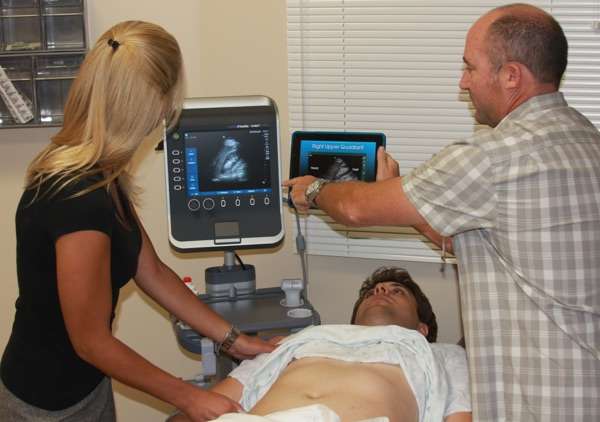
These lectures comprise the bedside ultrasound curriculum from the perspective of emergency medicine.
Vetenskapsradions veckomagasin
Vetenskapsradions veckomagasin sänder inte längre nya avsnitt. Lyssna på alla avsnitt i Sveriges Radios app.
Ansvarig utgivare: Magnus Gylje
Epidemics in Western Society Since 1600 – Audio – Frank Snowden
This course consists of an international analysis of the impact of epidemic diseases on western society and culture from the bubonic plague to HIV/AIDS and the recent experience of SARS and swine flu. Leading themes include: infectious disease and its impact on society; the development of public health measures; the role of medical ethics; the genre of plague literature; the social reactions of mass hysteria and violence; the rise of the germ theory of disease; the development of tropical medicine; a comparison of the social, cultural, and historical impact of major infectious diseases; and the issue of emerging and re-emerging diseases.
Ask A Biologist – Dr. Biology – School of Life Sciences, Arizona State University

The Ask A Biologist program originates from the ASU School of Life Sciences. The host of the show is Dr. Biology (a. k. a. CJ Kazilek). Each episode revolves around an interview with a scientist(s) and their work in the life sciences. Students from preschool to high school and beyond will enjoy this show.
Companion program time logs and transcripts are available at the Ask A Biologist web site to help educators integrate content from each episode into the classroom. Teachers and parents of younger students may want to use the logs and transcripts to preselect segments of content from each episode for their students.
PSYC 213: Abnormal Psychology – de – Diane Edmond
This course includes the theories and etiology of abnormal behavior and its social significance. Students will understand how symptoms relate to disorders, the techniques for treating those disorders and theories on the causes of those disorders. This is a Core B course.
The podcasts are pre-recorded topics to supplement information provided by your text, the publisher’s website and Faces Interactive. The podcasts are focused on those topics that tend to be confusing or difficult for most students.
If you have comments or suggestions, please forward them to DMEDMOND@HACC.EDU
Center for Cognitive Neuroscience – University of Pennsylvania
A graduate course in neuroethics, intended for neuroscience graduate
students, being developed and offered with support from the NSF. It includes a
combination of traditional classroom lectures, discussion and debates, as well as an
online component coordinated with a course at Wisconsin’s Neuroscience and Public
Policy graduate program.
In brief, this is the rationale: Neuroscience is increasingly affecting all aspects of human life, from the relatively familiar medical applications in neurology and psychiatry, to new applications in education, business, law and the military. Today’s neuroscience graduate students will be among the scientists, citizens and policymakers who will lead society through the maze of decisions regarding the appropriate uses of neuroscience.
This course provides a survey of the key ethical, legal and social issues at the
intersection of neuroscience and society.
Immunology – Yale School of Medicine
This collection features interviews and talks with Yale Faculty and researchers on the topic of Immunology.
 Our TOPPODCAST Picks
  Stay Connected