TopPodcast.com
Menu
  • Home
  • Top Charts
  • Top Networks
  • Top Apps
  • Top Independents
  • Top Podfluencers
  • Top Picks
    • Top Business Podcasts
    • Top True Crime Podcasts
    • Top Finance Podcasts
    • Top Comedy Podcasts
    • Top Music Podcasts
    • Top Womens Podcasts
    • Top Kids Podcasts
    • Top Sports Podcasts
    • Top News Podcasts
    • Top Tech Podcasts
    • Top Crypto Podcasts
    • Top Entrepreneurial Podcasts
    • Top Fantasy Sports Podcasts
    • Top Political Podcasts
    • Top Science Podcasts
    • Top Self Help Podcasts
    • Top Sports Betting Podcasts
    • Top Stocks Podcasts
  • Podcast News
  • About Us
  • Podcast Advertising
  • Contact
Not in our directory?
Add Show Here
Podcast Equipment
Center

toppodcastlogoOur TOPPODCAST Picks

  • Comedy
  • Crypto
  • Sports
  • News
  • Politics
  • True Crime
  • Business
  • Finance

Follow Us

toppodcastlogoStay Connected

    View Top 200 Chart
    Back to Rankings Page
    Health

    Parkinson’s Podcast – Matt Zepelin

    Welcome to the Mindful Movement for Parkinson’s podcast and audio library. Using the Feldenkrais Method® of movement education, as well as mindfulness techniques such as body scans and guided meditations, Matt Zepelin offers mindful movement lessons designed to help people with Parkinson’s Disease increase ease of movement, improve range of movement, and develop skills for the betterment of quality of life.

    Advertise
    • Apple Podcasts
    • Google Play
    • Spotify

    Latest Episodes:
    Mindful Movement for Parkinson's - A Podcast and Audio Library May 27, 2017
    Show notes

    Welcome to the Mindful Movement for Parkinson's podcast and audio library. In this podcast, I offer mindful movement lessons designed to help people with Parkinson's Disease increase ease of movement, improve range of movement, and develop skills for the betterment of quality of life. The lessons are based on the Feldenkrais Method® of movement education, as well as mindfulness techniques such as body scans and guided meditations.

    Many of the installments are recorded directly for the podcast, while others are recorded during live sessions (this is why you may occasionally hear me addressing someone during a recording.)


    Introduction to the Podcast and Audio Library May 26, 2017
    Show notes

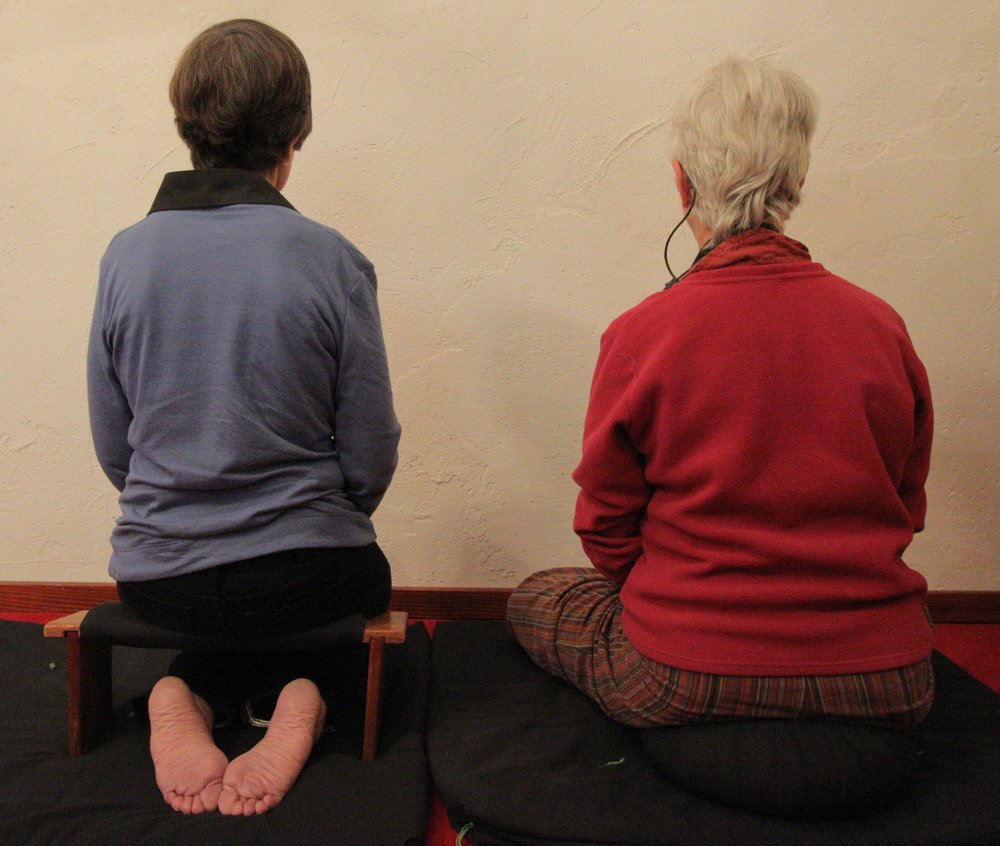
    This is a sixteen-minute introduction to the Mindful Movement for Parkinson's Podcast and Audio Library. It introduces some of the concepts underpinning mindful movement and reasons why it is an effective practice for those with Parkinson's Disease, as well as information about myself and how to use the audio library.


    Guidelines for Mindful Movement Lessons May 25, 2017
    Show notes

    In this thirteen-minute installment of the podcast, I give guidelines for doing the mindful movement lessons in a safe and effective manner, including positions and props, addressing issues like tremor and dystonia, and where to direct your attention throughout a lesson. If you are familiar with guidelines from the Feldenkrais Method, you might skip this introduction. Otherwise, please take the time to listen to this so as to maximize the benefit of these lessons.


    Brief Guided Meditations Apr 19, 2017
    Show notes

    Whether you are just beginning to meditate, or looking for ways to connect to mindfulness in the middle of a busy day, it can be helpful to have brief meditations as touchstones. Here are two brief guided meditations. They both focus on awareness of the breath and body sensations, and anchoring attention in the present moment. The 10-minute meditation also explores bringing mindful attention to common symptoms of PD, such as tremor and pain.


    Working with the Eyes Jun 24, 2016
    Show notes

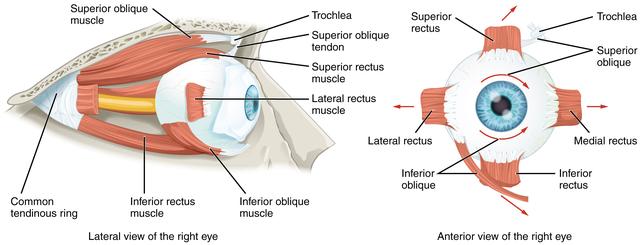
    It can be hard to remember that vision is not just "automatic." It requires the smooth functioning of a complex system of muscles and nerves. Because we are so highly visual as a species, the muscles of the eyes end up having a strong influence on the muscles of the neck and back, and from there the entire body! Using the eyes with greater awareness can lead to less strain, better balance, and a greater sense of security in movement. The two audio recordings posted here are similar in nature, but the "shorter version" is only 35 minutes a bit simpler, while the "longer version" is a bit more complex and runs to 50 minutes.


    Interview with Dr. Chris Hageseth Jun 24, 2016
    Show notes

    In this episode, I interview Dr. Chris Hageseth of Ft. Collins, Colorado. Dr. Hageseth is a retired physician and Marine flight surgeon, with decades of experience in the field of psychiatry. After receiving a diagnosis of Parkinson's disease over five years ago and being dissatisfied with the cost and effects of his medications, he began investigating a wide-range of exercises and holistic bodymind practices. His regimen, which includes meditation, yoga, intensive exercise, and lots of walking, has allowed Dr. Hageseth to control his symptoms even without the use of medications. Please see below for a synopsis of the topics in our interview (including many useful links), which include Dr. Hageseth's personal regimen, the training he is now offering others, the experience of members of the Ft. Collins PD support group using medical marijuana, and the practice of mindfulness meditation.

    Here is a synopsis of topics in our interview, including time markers for those who would like to skip to a particular topic.

    Interview begins: Dr. Hageseth describes his symptoms and experience of diagnosis

    - 6:00 minutes – looking at PD as a challenge instead of a sickness – experience with medications, aerobic exercise, yoga, and weightlifting

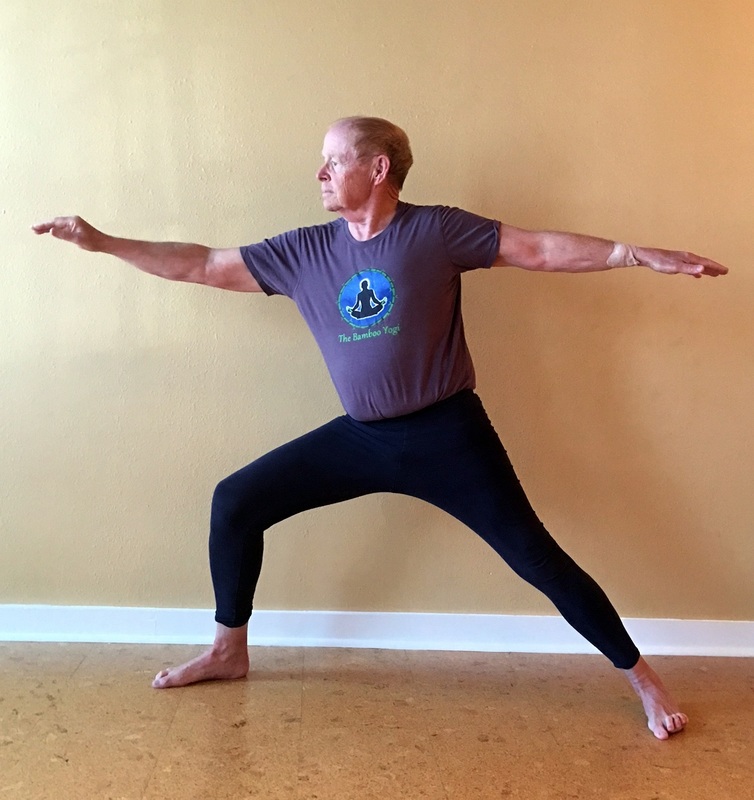
    - 7:30 – Why yoga? – “I feel like I’m alive in every cell of my body… I woke up my proprioceptive system”

    - 9:00 – experience with marijuana – Society of Cannabis Clinicians – the issue with THC and balance – anecdotal results from 32 people in the Ft. Collins PD support group: only 2 continued to use marijuana.

    - 12:15 – using exercise and yoga as a treatment plan, without medications – Dr. Hageseth explains that PD isn’t just a movement disorder, it has many manifestations

    - 14:15 – comparing yoga and tai chi - finding a good teacher – link to Tai Chi study in New England Journal of Medicine

    - 15:15 – current regimen, how does he feel? Mindfulness practice – Jack Kornfield link, Jon Kabat-Zinn (Full Catastrophe Living) – 45 minutes of meditation, 15 minutes of yoga, virtually every morning – yoga classes at least 4 days a week – high-intensity trainings once a week – walking one hour per evening, six days a week, “the most important exercise”

    - 18:30 – John Pepper and conscious walking – difference between Chris's and John’s techniques – the role of imagery in movement – link to ideokinesis.com

    - 21:15 – Chris's website, explaining his training program and offerings, called 'Integrating the Bodymind': sweatingoutpd.com - the role of intensity in PD treatment – by last spring, Chris started checking out how he could be doing so well – DAT scan, checked out by two neurologists who confirm his PD

    - 23:30 – neuroplasticity and Dr. Norman Doidge

    - 26:20 – the question of case studies versus larger studies – Chris introduces his program, "integrating the bodymind"

    - 27:30 – “the first move that got me on the track to feeling better, was what happened in my mind when I reinterpreted PD from a disease to a challenge” – description of Chris’s 7-week program, including the role of positive thinking, guided imagery/hypnosis, “mindful contemplation”

    - 31:45 – the importance of training sinking into one’s daily life – how much training do you need for an intervention to stick

    - 32:30 – what is it about mindfulness that is beneficial to PD? “Moment-to-moment awareness” – “I am correcting myself hundreds of times a day… I never judge myself, I am taking care of myself”

    - 35:00 – benefits of mindfulness specific to PD, and also beyond it – a holistic wellbeing, appreciating aliveness – “I’m really glad that I’ve got Parkinson’s”

    - 36:00 – sweatingoutpd.com , or google “sweating Parkinson’s disease”


    Balance - A Four-Part Series Mar 30, 2016
    Show notes

    These recordings are from a four-part series on balance I taught in Boulder, Colorado in March 2016. It is four lessons that were taught over four weeks.

    In the first lesson, we explore one of the fundamentals of human movement: crawling. After building awareness of the main factors in balance - contact with support surfaces, body position, and gravity - we slowly build up the movements that compose crawling. Crawling is a wonderful activity for activating the full range of the shoulders and hips, and it can help to ease fear of falling if one is already familiar with how to move comfortably on the ground. If you'd like to explore crawling in more depth, start with my earlier podcast, "Crawling #1", available below.

    The second lesson address an issue common amongst people with movement disorders, as well as in the general elderly population - getting safely to the floor and back to standing. The loss of this ability has been correlated with lots of negative health outcomes, so it's a great thing to practice and retain!

    The third lesson looks at the crucial element of side-to-side weight transfer as an element of balance in walking. Part of the lesson is done in walking and standing, while other parts are done lying down and sitting in a chair.

    The last lesson focuses on the roles of the ankles in balance. Having a sense of range of motion in the ankle joints - up and down, and though to a lesser degree, side to side - can help us negotiate ground forces and the transfer of our body weight to the ground in ways that make balance much more approachable.


    Resting Deeply Quickly Jan 20, 2016
    Show notes

    These two recordings are from a "Mindful Movement for Parkinson's" workshop in Denver, Colorado on January 17th, 2016. The theme for the workshop was "resting deeply quickly," and we looked at rest from various angles - how to rest from mental stress or exertion; how to adopt restful yet intentional postures lying on the ground, for refreshing breaks during the day; and how to reduce one's effort in movement, letting go of unnecessary muscular work that can cause tiredness over time.


    Feldenkrais for PD Study Results Oct 09, 2015
    Show notes

    Medscape Medical News > Conference News

    Feldenkrais Method Exercise Promising for Parkinson's

    Laird Harrison
    May 28, 2015

    PALM SPRINGS, California — An exercise program based on the Feldenkrais Method can improve the mood and quality of life among people with Parkinson's disease, a new study shows.

    By damaging neurologic functioning, Parkinson's disease often diminishes quality of life and leads to depression.

    "The Feldenkrais Method uses easy movement and breath control and flexibility and balance to facilitate more control in the whole body," said first author Lavinia Teixeira-Machado, PT, PhD, from the Education in Health Department, Federal University of Sergipe in Sergipe, Brazil. "I use it in cerebral palsy, autism, and Down syndrome."

    "We reduced the isolation," said Dr Teixeira-Machado told Medscape Medical News. "It's very interesting."

    She presented the finding here at the American Pain Society (APS) 34th Annual Scientific Meeting.

    Whole-Body Exercise

    To see whether the Feldenkrais Method could help with Parkinson's disease, Dr Teixeira-Machado and her colleagues administered the Mini-Mental State Examination (MMSE), the Parkinson's Disease Quality of Life (PDQL) questionnaire, and the Beck Depression Inventory (BDI) to 36 people with Parkinson's.

    They excluded four people from further study because of cognitive impairment, cardiopathy, or advanced impairment. Two others declined to participate.

    The researchers then randomly assigned 15 of the patients to instruction in exercises based on the Feldenkrais Method. The remaining 15 got educational lectures. Both groups attended 50 one-hour sessions, with two sessions given per week.

    The patients had an average age of 61 years, an average weight of 64 kg, an average height of 159 cm, and an average body mass index of 26 kg/m2. These measures did not statistically significantly differ between the two groups.

    The groups were also statistically similar at baseline on the Unified Parkinson's Disease Rate Scale Part III (UPDRS III), the MMSE, and the BDI.

    After the 50 sessions, the researchers tested the patients once again on the PDQL and the BDI. The group receiving Feldenkrais instruction improved significantly on both quality of life and depression while the control group got slightly worse on both scales.

    The change in the Feldenkrais group compared with baseline was statistically significant for both PDQL (P = .004) and BDI (P = .0005).

    The differences between the Feldenkrais group and the control group were also statistically significant for both PDQL (P = .002) and BDI (P = .05).

    "People with Parkinson's have all kinds of trouble with movement, so if we can modify that it would be great," said Kathleen Sulka, PT, PhD, a professor of physical therapy at the University of Iowa in Iowa City.

    But other exercise programs have also proved beneficial for people with Parkinson's disease, she said, so she would like to see a larger study in which some patients practiced the Feldenkrais Method and others practiced different exercises.

    "I see this as a wonderful pilot study," she told Medscape Medical News.

    The study was funded by Conselho Nacional de Desenvolvimento Cientifico e Tecnológico. Dr Teixeira-Machado and Dr Sulka have disclosed no relevant financial relationships.

    American Pain Society (APS) 34th Annual Scientific Meeting. Presented May 14, 2015.


    Workshop - October 25th, 2015 in Denver, Colorado Oct 08, 2015
    Show notes

    Below are links to four audio recordings, comprising a complete three-hour workshop on "Mindful Movement for Parkinson's" done at "A Living Arts Centre" in Denver, Colorado on October 25th, 2015.

    The recordings are given in the order in which we did them, starting with the "Opening meditation" and ending with the "Mindfulness body scan."

    The lessons build on each other thematically, and you may hear me make reference to a prior lesson from time to time, but they are also intended to stand alone.

    Apologies for occasional microphone static - I was using a new microphone and didn't realize how much sound it would pick up from my clothing!


    1 2 3 Next

    Related Podcasts

    The Joe Rogan Experience

    1

    The Joe Rogan Experience Comedy
    Casefile True Crime

    2

    Casefile True Crime Games & Hobbies
    Reply All

    3

    Reply All Games & Hobbies
    Good Life Project

    4

    Good Life Project Education
    Happier with Gretchen Rubin

    5

    Happier with Gretchen Rubin Health
    The Other F Word: Conversations About Failure

    6

    The Other F Word: Conversations About Failure Health
    footer-logo

    Contact Us

    Toll Free: 844-670-7747

    Links

    • Home
    • Top Charts
    • Networks
    • Apps
    • Independents Podcasts
    • Podcast Advertising
    • Podcast News
    • Contact Us
    • About Us
    • Analytics & Insights

    Stay Connected

      Privacy, Terms of Use & Our Code of Ethics Protecting Content Creators Copyrights