Stacey Higginbotham (formerly Sr. Editor at Fortune) and co-host Kevin Tofel discuss the latest news and analysis of the Internet of Things. Covers Consumer IoT, Industrial IoT and Enterprise IoT. Guests include Vint Cerf, Om Malik, and people from Amazon.com, AT&T, IBM Watson and more.
This is the final episode of The Internet of Things Podcast, and to send us off after eight years, we don’t discuss the big news of the day such as Arm’s planned IPO, a new display option from Brilliant, or new gear from Leviton. Instead we share our reasons for stepping back from the show, and where we’re heading next. Also, because everyone wants some new podcasts or IoT news options, we share some of our favorite resources. On the podcast side, I sometimes listen to the Mr. Beacon Show or The IoT Podcast. We also read The Verge, TechHive, The Ambient, and The Journal of Innovation published by the Industrial IoT Consortium. We both stop in at r/smarthome and r/homeautomation on Reddit, and I’ll read anything by James Blackman over at RCR Wireless for industrial IoT news. I also check out the Axios Pro Rata newsletter from Dan Primack to see fundings and sales, and subscribe to Target is New by Iskander Smit for thoughtful takes on IoT, AI, and design. There are many other options out there, but we didn’t want to make our goodbye episode any longer. To close out the show we answered our last listener question on what we think makes a complete smart home and our thoughts on future innovation that will keep the industry moving forward.
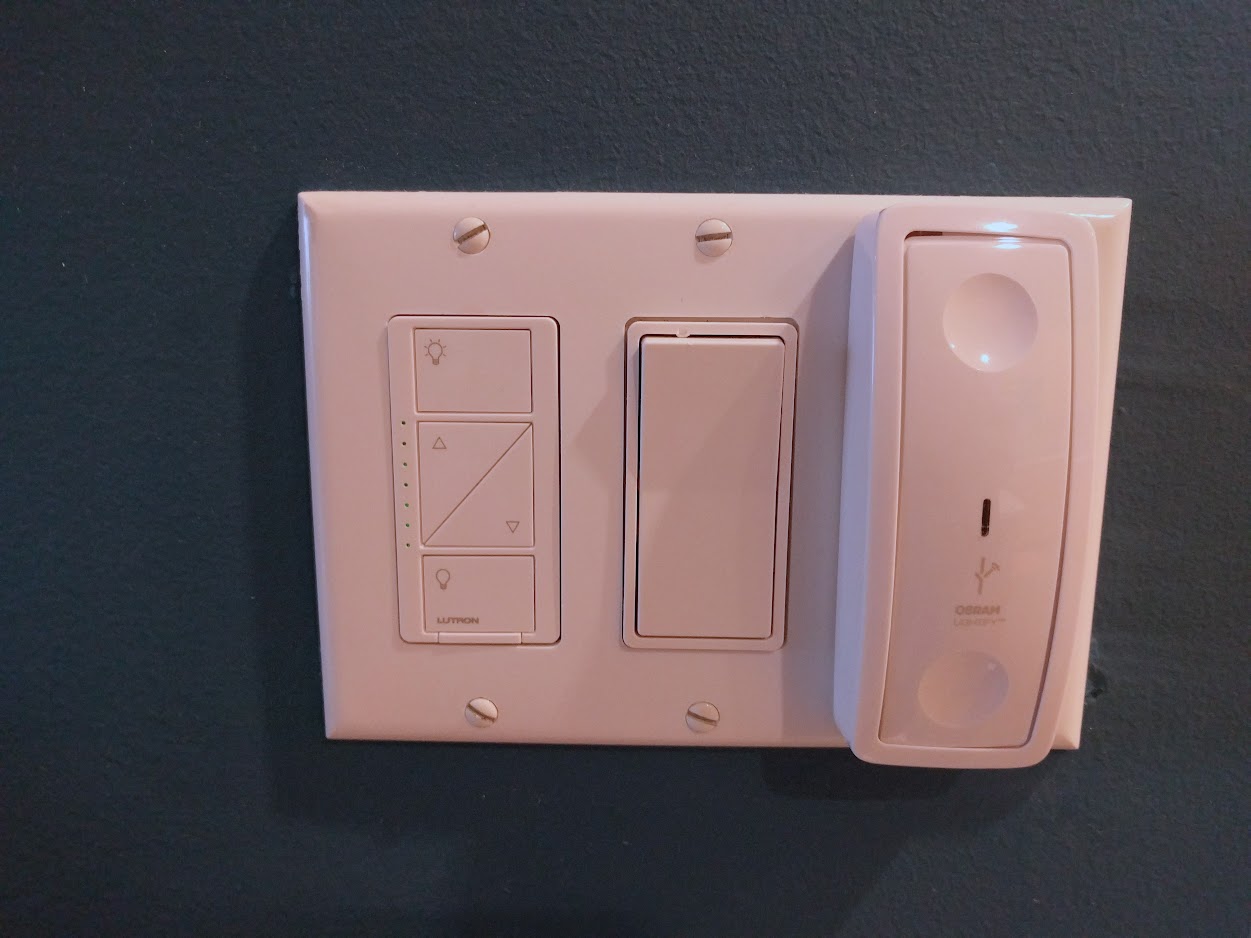
After we started the show full-time in 2016, I never had matching light switches again. Image courtesy of S. Higginbotham.
Our guest this week is Jennifer Pattison Tuohy from The Verge. I’ve known Jenn for almost a decade from her work covering the smart home for a variety of publications. She is smart, tries everything she writes about, and has the history in covering technology to see the bigger picture. She’s on the show to talk about where the smart home is today, the state of Matter, and what business models are likely to work for connected home devices. She gives us some insights into some cool things the Connectivity Standards Alliance is planning, her thoughts about smart home infrastructure versus devices, and even shares her current smart home setup. It’s the perfect note on which to end the show.
Hosts: Stacey Higginbotham and Kevin Tofel Guest: Jennifer Pattison Tuohy from The Verge
The Masonite smart door is on sale at Home Depot. Image courtesy of Masonite.
Our guest this week is Mariusz Malkowski, founder and CTO of Trident IoT, who tells us about the company’s origin and what it means for the Z-Wave community. He also explains how Matter will work with Z-Wave, and the importance of bridging between the two standards. We discuss the future of Z-Wave, including the plans for Z-Wave Long Range and planned security upgrades. We then cover how Trident is going to build Z-Wave chips, but also how it will focus on building or integrating other smart home radio protocols into devices, and will act as a Z-Wave certification house as well. Enjoy the show.
Hosts: Stacey Higginbotham and Kevin Tofel Guests: Mariusz Malkowski, founder and CTO of Trident IoT Sponsors: Skyhawk
David Limp’s departure from Amazon inspires a smart home reckoning
Are expensive doors and compost services the future of the connected devices?
The Homey Pro is an expensive hub with privacy in mind
Why a new chipmaker could boost the Z-Wave standard
Trident IoT is building a new type of chip company
Episode 435: How Honeywell is approaching TinyML
Aug 10, 2023
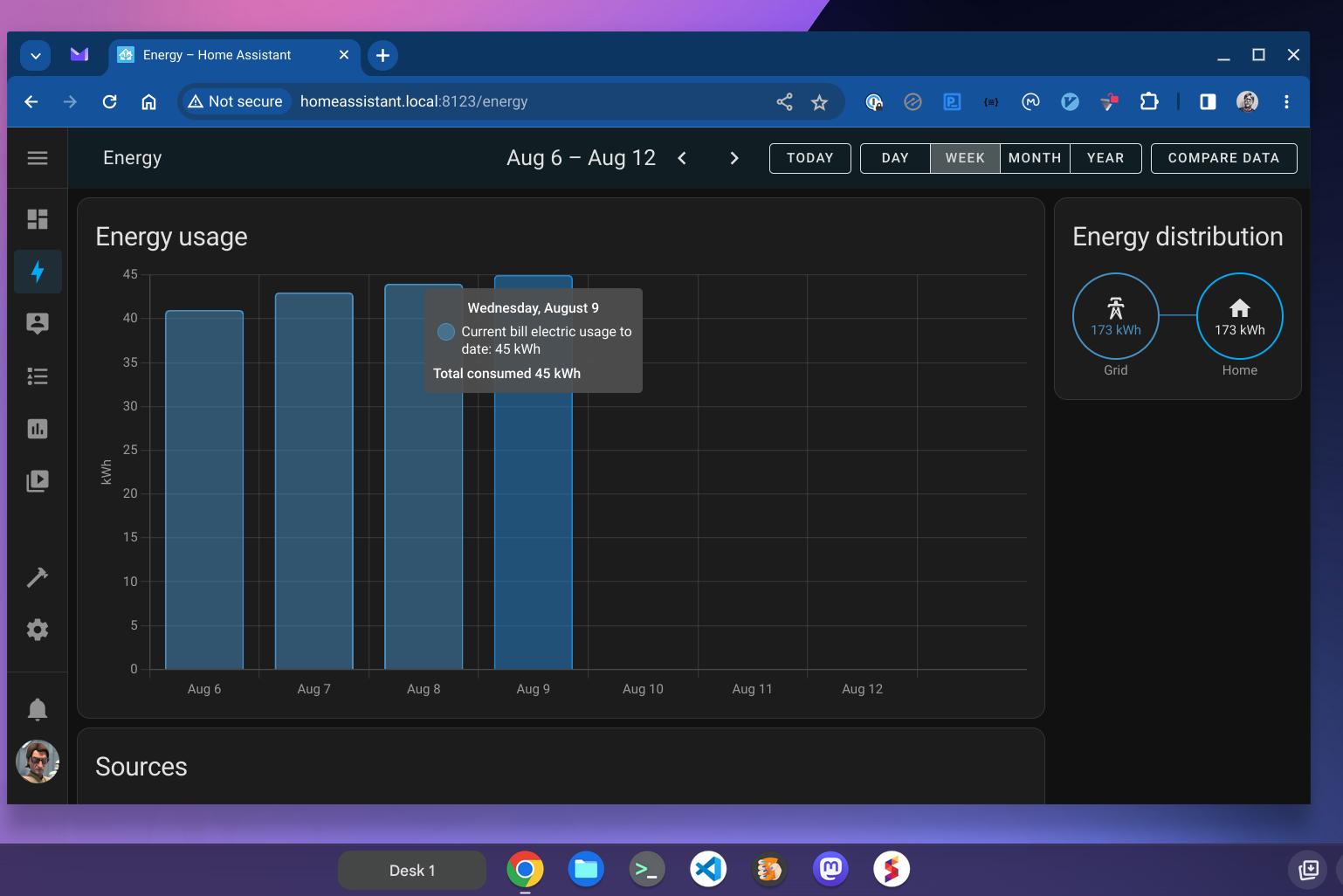
This week we make a big announcement about the podcast and newsletter. Get ready! Then we talk about the issues with Matter and who’s to blame. We lay out the challenges that both we and The Verge have highlighted with Thread credentialing, and talk about uneven device support. It’s a mess. Other messy topics include the prospect of hacked radiation sensors in Chernobyl, as reported by Kim Zetter. Then we get chippy, discussing the new RISC-V company that Qualcomm, NXP, Infineon, and others are backing, and the proposed sale of an IoT module business to Renesas. A drone startup is building an on-demand drone network that looks like a satellite network, and we have thoughts. We also discuss Kevin’s experience and reaction to our audience’s comments on his transition to Home Assistant. Then, we highlight some tips to help you prep your home ahead of smart energy management programs. Finally, we answer a listener question about the Amazon Echo Show and devices that might work with it.
Home Assistant energy monitoring. Image courtesy of K. Tofel
Our guest this week is Muthu Sabarethinam, VP AI/ML product and services with Honeywell, who is on the show to talk about TinyML. We start off discussing how Honeywell is thinking about using data from equipment to build services, and then segue into talking about how Honeywell might use TinyML located on sensors. Sabarethinam explains the reasons Honeywell wants algorithms that can run directly on a sensor, and how it will help with security, power, and latency. He also shares his thoughts on how companies should package their algorithms to make it easier to deploy TinyML at scale. For perspective, Honeywell supports more than a million sensors in the field that could all use TinyML. We conclude by talking about business models and how customers want to access data. It’s a great show.
Hosts: Stacey Higginbotham and Kevin Tofel Guest: Muthu Sabarethinam, VP AI/ML product and services with Honeywell Sponsors: Wilderness Labs and Skyhawk
We’re hitting pause on the podcast later this month
Sensors can lie, so how should we offset that risk?
Why RISC-V is getting so much love
Why Honeywell wants local AI on industrial sensors
How to think about building AI sensors that can scale
Episode 434: So many new hubs, and a primer on LPWANs
Aug 03, 2023
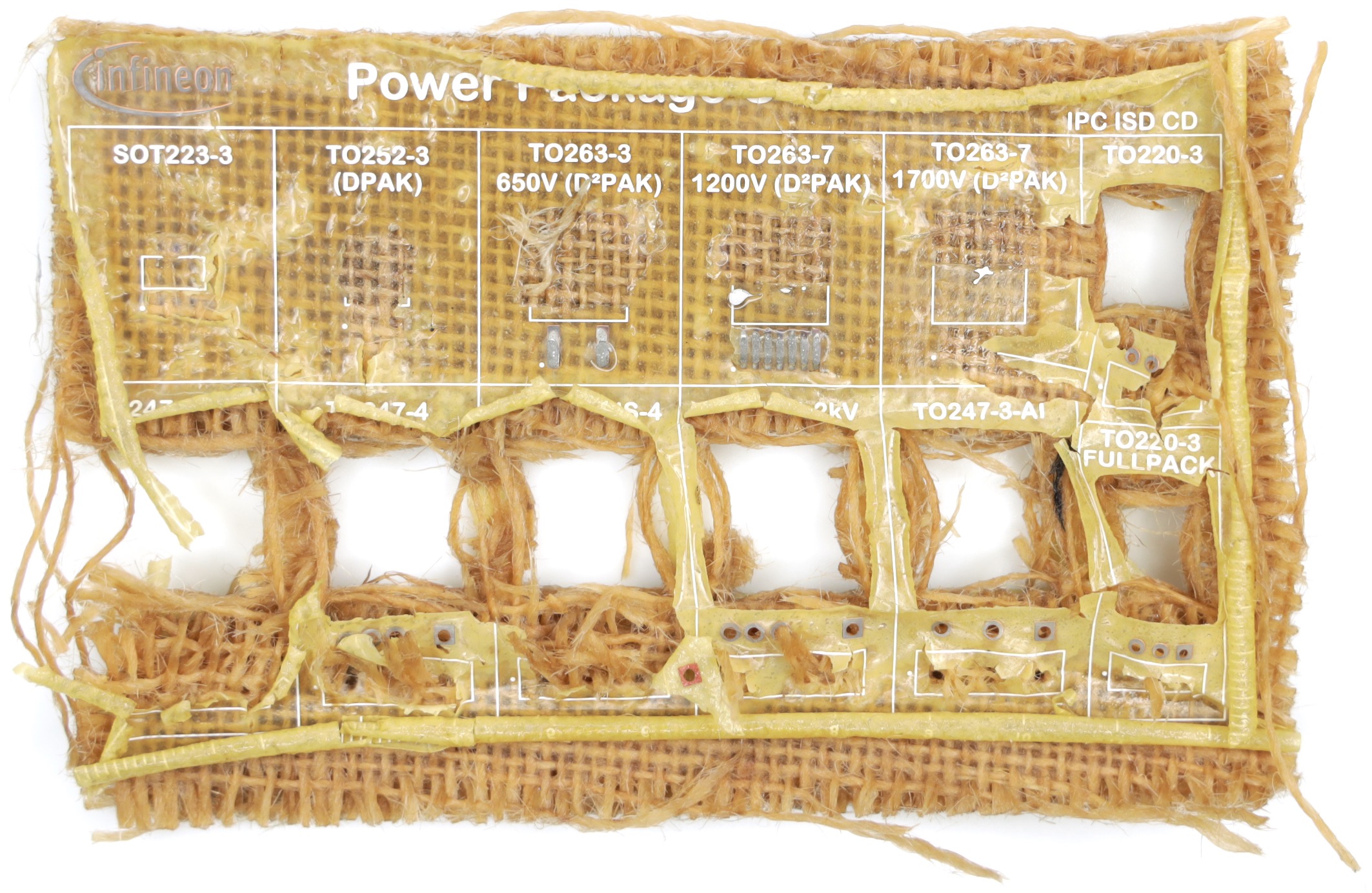
This week’s show kicks off with a surprising revelation from Kevin, who has decided to swap out his smart home platform. He explains his choice, which also may represent a theme of sorts, as we see more and more high-end smart home hubs hit the market. We discuss the HOOBS Pro device and the Homey Pro, both of which cram a bunch of different radios into one powerful box. Then we talk about California’s Privacy Protection Agency and its decision to investigate how connected car companies are using consumers’ data. Do connected car companies violate California’s 2018 privacy law? After that we dig into a new report about the troubles facing OT and IT security professionals, and marvel over a water-soluble PCB board that might help address some of the challenges associated with e-waste. The board isn’t destined for large scale production or IoT devices yet, but we applaud any effort to bring more easily recycled electronics to the market. Finally, we hear from Signify’s CEO that the maker of Philips Hue devices is planning a video camera for a home security offering. We close the first segment with a pair of comments from our listeners responding to last week’s question about turning off lights using a sensor.
Infineon is testing out a water-soluble PCB board. Image courtesy of Infineon.
Our guest this week is Alexis Susset, the CTO of UnaBiz. He’s on the show to explain the value of Low-Power Wide-Area networks and Unabiz’s plans to offer many LPWANs under one roof. He shares how the acquisition of Sigfox’s assets last year helped give Unabiz the credibility it needed to create deals with other LPWAN providers to share their networks. He also does a deep dive into the pros and cons of various available LPWAN technologies such as Sigfox, LoRaWAN, and cellular. Finally, we talk about the rise of satellite networks for IoT devices and whether or not we’ll need any more LPWAN technologies in the near future. Enjoy the show.
Hosts: Stacey Higginbotham and Kevin Tofel Guests: Alex Susset, the CTO of UnaBiz Sponsors: Wilderness Labs and Skyhawk
Kevin switches to Home Assistant, and even his wife likes it
Hubs are back, baby
Criminals are still hacking enterprise networks and critical infrastructure
How Sigfox helped UnaBiz make deals with other LPWAN providers
Why IoT devices might benefit from specialized satellite
Episode 433: Tracking air quality with the IoT
Jul 27, 2023
This week we didn’t see a ton of news, yet we managed to talk about several big trends in IoT. We started with an update on Amazon’s planned acquisition of iRobot, and Amazon dropping the price by 15%. We explain why and then decided to explain in depth why we need the planned cybersecurity labeling plan for connected devices because so many people asked me why we need this. We then talk about Unabiz creating a partnership with Semtech to bring Sigfox technology into the Semtech network. Then we talk about insurance companies using data gleaned from drones, satellite photos, and IoT devices and how that may hurt consumers, as insurance companies try to cancel policies in risky areas. This is where climate change, the IoT, and data privacy will all intersect in ways that will harm consumers. We then ponder what will happen with Google displays as the company pulls back from its Fuchsia OS, and how a smart home reporter’s broken HVAC system made her realize the limits of the smart home. Finally, we answer a listener question about using a motion detector to make sure kids turn off their lights.
The PurpleAir Zen works both indoors and outdoors and costs $299. Image courtesy of PurpleAir.
Our guest this week is Adrian Dybwad, CEO and founder of PurpleAir, which makes a line of air quality sensors. As we head into wildfire season here on the West Coast, air quality data is becoming more important for people. For example, I turn regularly to PurpleAir data from the app, its web site, or on my Google display to see if I should go outside for a run or hold off. Dybwad and I talk about why the company was created, and how the air sensors are helping communities lobby for positive policy changes that can improve air quality. We also talk about how to think about connected devices contributing to citizen science, and why having a lot of sensors can mitigate concerns over accuracy. We spend a lot of time on how air quality sensors work and how to place them optimally as well. Enjoy the show.
Hosts: Stacey Higginbotham and Kevin Tofel Guest: Adrian Dybwad, CEO and founder of PurpleAir Sponsors: Wilderness Labs and Skyhawk
Why Amazon cut the price for Roomba maker, iRobot
Why you (and everyone else) should care about secure IoT devices
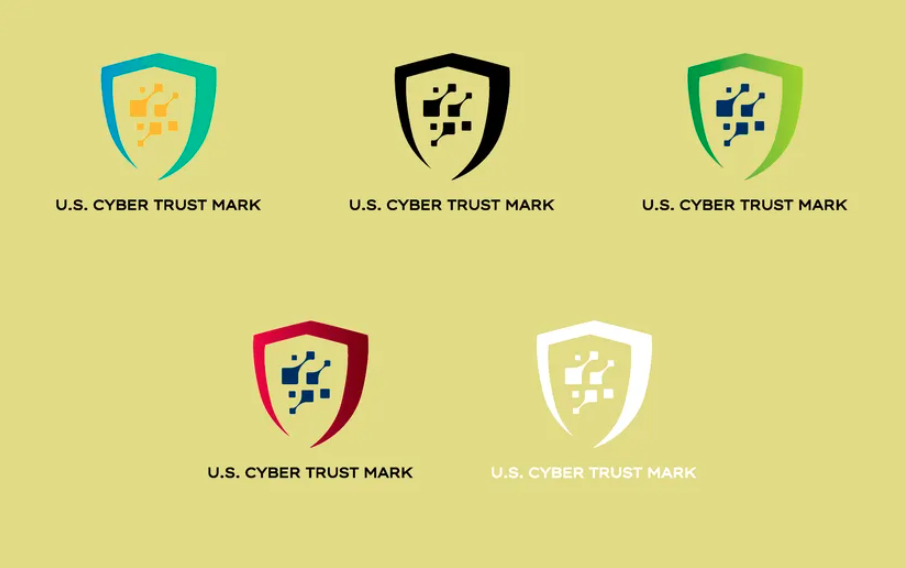
The U.S. Cyber Trust Mark could indicate that your next IoT device meets select security requirements. Image courtesy of the FCC.
Our guest this week is Steve Hanna, a distinguished engineer at Infineon and the chair of the security working group at the Connectivity Standards Alliance. He’s on the show to tell us more about the need for a voluntary, government cybersecurity mark for devices, and explain why developing such a mark is so difficult. We talk about the FCC’s role in managing the program, the time frame for a mark, and how the government plans to think about keeping up with the always-changing security landscape. We also discuss how Infineon’s customers are changing their views about IoT security labels, and how the mark relates to work done by the Arm’s PSA security standard and the security elements that are part of the Matter standard. It’s a good interview, made better by the fact that Hanna sounds just like Mr. Rogers.
Hosts: Stacey Higginbotham and Kevin Tofel Guest: Steve Hanna, a distinguished engineer at Infineon Sponsors: Wilderness Labs and Particle
Why we want a U.S. Cyber Trust Mark for consumer devices
What happened to this smart BBQ controller?
Leviton embraces Matter for its switches
Badges, QR codes, and building a layered mark for cybersecurity
Where will privacy fit into any security mark or standard?
Episode 431: Why Josh.ai added ChatGPT to the home
Jul 13, 2023
This week on the show, Kevin and I start off talking about some of the Roku gear I’ve been playing with for the last week. We discuss the gear and the subscription plans and how they compare with what else is on the market, before moving on to talk about Latch laying off 59% of its workforce in preparation for what I suspect will be a pivot from access control to a services business aimed at folks living in luxury apartments. After that, we share some tales of civil disobedience from San Francisco, where activists are placing traffic cones on top of self-driving vehicles to halt them in their tracks. Then we devote the rest of our time to novel sensors and platforms for sensing, starting with research showing that seven days of smart watch data can predict Parkinson’s, and research on a wearable for people with epilepsy that can predict seizures. We also cover funding for Pano, a camera platform that uses computer vision to “see” fires in remote locations, and a sensing platform called Nami raising $10 million in Series A financing. There’s also a new sensing device called the Nano Computer from Nodle that combines a few sensors, an Arm M-0 microcontroller, a Bluetooth radio, and a printed battery in a device that should cost about $3 per device at shipments above 100,000 devices. Finally, we answer a listener question about the Aqara FP2 presence sensor and security.
Nodle has shown off a design for a cheap, battery-powered sensor package. Image courtesy of Nodle.
Our guest this week is Alex Capecelatro, CEO and co-founder of Josh.ai, who returns to the show to talk about Josh.ai adding generative AI to the company’s voice platform. We get a lesson in Josh.ai’s history and why it decided to build a voice interface for the home even after Apple, Amazon, and other big companies launched their own products. Then he explains how Josh.ai added ChatGPT to its platform and the steps it took to help customers understand the limitations of the service. We talk about why it’s useful and how customers are using it so far. Since every company in the smart home space is contemplating the role generative AI will play in their products, this is an essential listen.
Hosts: Stacey Higginbotham and Kevin Tofel Guest: Alex Capecelatro, CEO and co-founder of Josh.ai Sponsors: Blynk and Particle
Who is the Roku smart home for?
Latch cleaned house before Jamie Siminoff takes over
The most innovative element in the IoT is new sensing technology
What Josh.ai learned when adding generative AI to its voice platform
Practical thoughts on privacy for voice assistants and generative AI
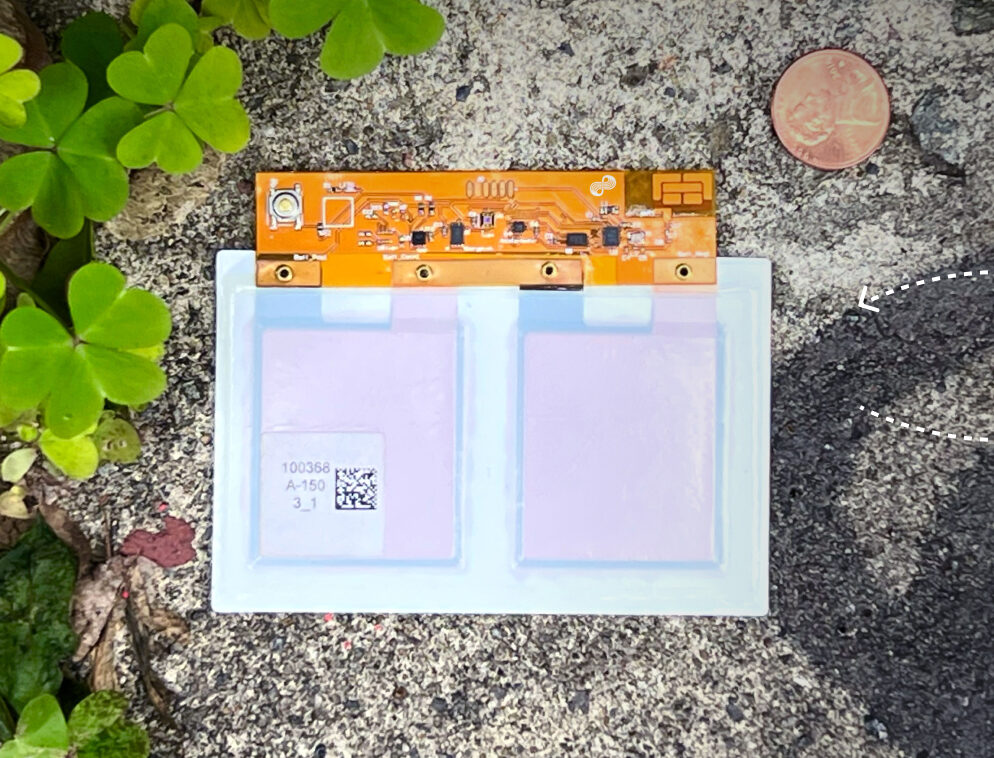
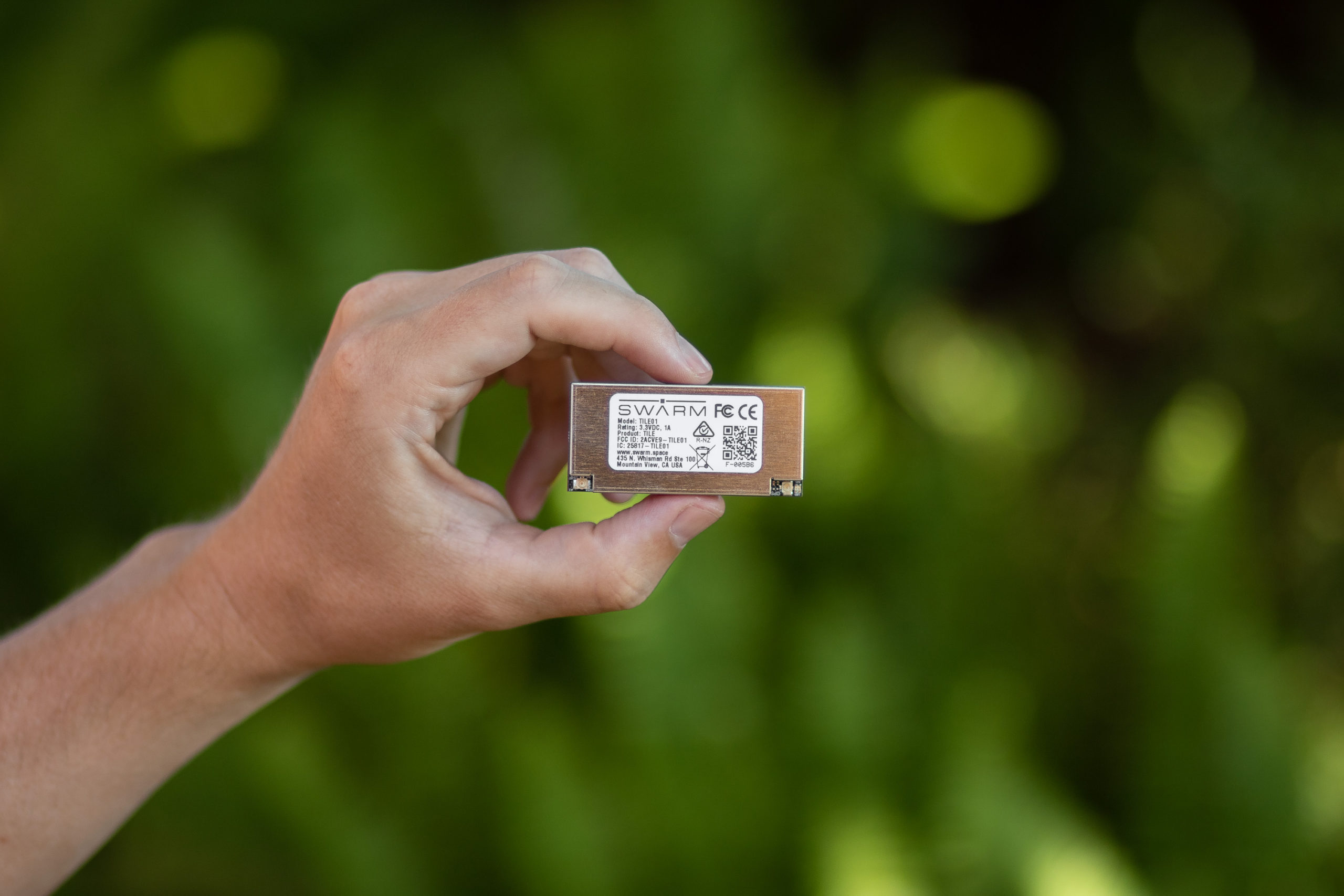
The Swarm Tile hardware won’t be sold anymore, but is still supported … for now. Image courtesy of Swarm.
Our guest this week is JJ Lechleiter, SVP and general manager of PTC’s Vuforia business, discussing another kind of wearable — headsets. Lechleiter has been building augmented and mixed reality software for years, and shared whether he thinks the introduction of Apple’s Vision Pro headset will change the adoption of mixed reality, augmented reality, and virtual reality in manufacturing operations. He also shares different use cases where AR and VR are already in use and explains the various reasons one might use one over the other. Lechleiter discusses different headsets already on the market and shares some thoughts about how AI, IoT, and AR will get used in day-to-day manufacturing. It’s a good show.
Hosts: Stacey Higginbotham and Kevin Tofel Guest: JJ Lechleiter, of PTC’s Vuforia business Sponsors: Blynk and Particle
Why wouldn’t Apple make a hearing aid?
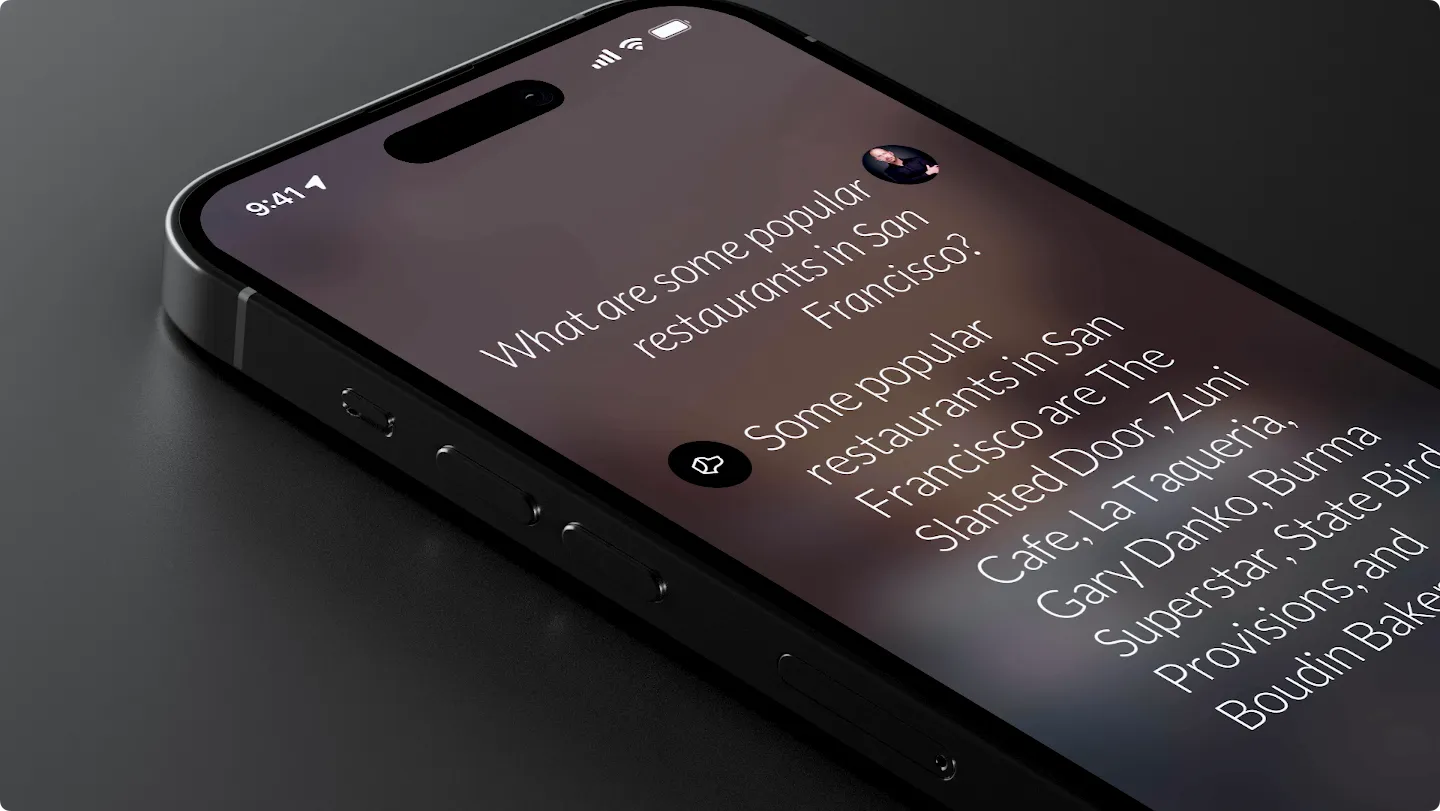
Is Humane the future tech that moves us beyond the smartphone?
Swarm stops selling its VHF satellite hardware
Can Apple move the needle on mixed reality in manufacturing?
Josh.ai’s new generative AI model can answer many more questions than a traditional home assistant. And it can still turn on the lights. Image courtesy of Josh.ai.
Our guest this week is Scott Ford, the CEO of Pepper. Pepper recently teamed up with Embedded Insurance to create an add-on cyber insurance policy that Pepper can offer through its partnerships with service providers and consumer device makers. Pepper provides a smart home application and service for other businesses, for example providing a smart home interface for an ISP or providing cloud storage services for a connected camera maker. Much like adding on cloud storage can generate extra revenue, adding cyber insurance or other insurance policies can generate money. So customers of Pepper’s customers may soon get a notification asking if they want to pay $5 for cyber insurance that will offset some of the costs of identity theft, cyberbullying, cyber extortion, and more. Ford talks about the cyber insurance product and about how connected devices are changing the way that insurers market their products, and how they assess risk. Honestly, that risk assessment is both exciting and a little bit scary. Enjoy the show.
Hosts: Stacey Higginbotham and Janko Roettgers, creator of the Lowpass newsletter Guest: Scott Ford, the CEO of Pepper Sponsors: Blynk and Particle
Does Roku really want to build a smart home OS or just sell more gear?
Josh.ai brings generative AI to smart homes, and it’s nice
Nanoleaf’s 4-D screen mirror tech is pretty cool
Why your smart camera maker may soon offer you insurance
How connected devices change the way insurance is sold … and priced
This week’s guest is Ran Roth, CEO and co-founder of Sensibo, a maker of smart HVAC controllers. The add-on devices connect to window units, mini splits and other A/C and heating units that use IR controllers. We talk about smart energy and the road the company has taken since its founding in 2014. But most of our conversation focuses on how Sensibo is using ChatGPT to improve the user experience with its devices. Roth also hints at other potential use cases for ChatGPT that are less intuitive, and explains how he thinks the availability of large language models will help companies that have access to them use their data more easily. He likens it to the shift that Amazon’s cloud computing had on innovation after AWS launched cloud computing (EC2) in 2006. He then talks about what he’s learned so far and the concerns people have around AI and privacy. It’s a good show.
Hosts: Stacey Higginbotham and Kevin Tofel Guest: Ran Roth, CEO and co-founder of Sensibo Sponsors: Blynk and Particle
As expected, Google’s Pixel tablet isn’t a major improvement for the smart home
Better energy harvesting from Dracula sucks more power from light
Broadcom’s chips could lead to smartphones with Zigbee or Thread
How Sensibo is using ChatGPT to parse a lot of data
What Sensibo has learned about using generative AI
Episode 427: What it takes to put LTE on the moon
Jun 15, 2023
We start this week’s show with a review of DeviceScript, a limited subset of the TypeScript programming language, built by Microsoft to bring a more modern programming option to connected device programing. Kevin downloaded the code and tried it out on a simulated device and shares his thoughts. Also in programming news, Google released a script language for programming complex automations in the Google Home. Even I can use it. We also look at a new product offering from Vivint, which is selling connected light bulbs as part of a smart lighting service that will cost users $5 a month. Then we go to a dark place, discussing two reports from Wired about a loss of privacy today. The first concerns the FBI and other government agencies paying data brokers for phone location data and credit card information to get around needing a warrant, and the second is about the use of a connected systems with sensors and wearables to monitor prisoners. The prison system even tracks the inmates heartbeats! Before we leave, we talk about an innovation in an in-ear wearable from STAT Health Informatics that can predict fainting, a video keypad for your garage door, and Arm’s attempts to get Intel to help invest in its initial public offering. Finally, we answer a listener question about finding a smart lock for an exterior gate.
The STAT wearable in someone’s ear above a set of AirPods. Image courtesy of STAT Health Informatics.
Our guest this week is Thierry Klein, president, Bell Labs solutions research, at Nokia Bell Labs, who is on the show to talk about building an LTE network on the moon. We talk about why Nokia is building a network on the moon and what we can learn from it for the IoT. Klein also explains the challenges of the moon environment, such as temperature, vibrations (rocket launches are tough on delicate electronics), and radiation. Plus, with no one around to configure the network or reboot it if there are problems, Nokia has had to figure out ways to automatically configure and operate the equipment. All of this will help when bringing connectivity to remote areas such as mines or oil rigs. It’s a really fun show.
Hosts: Stacey Higginbotham and Kevin Tofel Guest: Thierry Klein, at Nokia Bell Labs Sponsors: Blynk and Particle
Check out DeviceScript if you want a modern IoT programming language
Now, there’s even less privacy in prisons thanks to the IoT
This in-ear device detects fainting before it happens
Episode 426: Our take on Apple’s Vision Pro and fixes for bad air
Jun 08, 2023
It may not surprise anyone, but Kevin and I have thoughts on Apple’s Vision Pro mixed reality headset that we’re sharing with y’all. We also lay out some details about changes to Apple’s various operating systems and services that relate to Siri and the smart home. Google also added Matter support for its Home app on Apple devices, which is another means for chipping away at the challenges of deploying Matter across a variety of ecosystems. As we head into wildfire season, and with Kevin’s home wreathed in smoke, we talk about measuring air quality and addressing poor air quality in your home using connected and unconnected devices. Then we celebrate some recent settlements and fines from the Federal Trade Commission that involve Amazon storing children’s data and Ring compromising users’ privacy when it comes to their face data. Then we speculate on whether Fitbit might release a new sleep-tracking device based on a patent it has filed. Finally, we close by answering a listener question about a smart lock for a HomeKit user with a mobile home.
Apple’s Vision Pro headset has 12 cameras, several sensors, and a special chip to process all that incoming data. Image courtesy of Apple.
Our guest this week is Micha Anthenor Benoliel, the CEO and co-founder of Nodle, a decentralized wireless network created using Bluetooth. He’s on the show to talk about the newly launched app that will let folks turn any old Android phone into a Nodle hotspot. If you’re wondering about the value of a dedicated device for a short-range Bluetooth hotspot, Benoliel explains why companies or consumers might want to run this network, even if their device isn’t traveling out in the world. We also talk about enterprise customers on the Nodle network and why those customers ditched LPWANs or cellular for BLE. He also talks about the role of cryptocurrency in decentralized wireless and discusses how the crypto winter affected Nodle. It’s a good show.
Hosts: Stacey Higginbotham and Kevin Tofel Guest: Micha Anthenor Benoliel, CEO and co-founder of Nodle Sponsors: Particle and Kudelski IoT
The Apple Vision Pro isn’t for all-day or even mobile computing
Apple also updated Siri and some home control widgets
How to prepare for wildfire and smoke season
Why the world needs a decentralized Bluetooth network
Will the crypto winter stop Nodle’s blockchain-based decentralized network?
Cooler Screens makes doors for cold storage that can show shoppers what’s inside. Image courtesy of Cooler Screens.
Our guest this week is Nate Williams, founder and managing partner at Union Labs VC. He’s on the show to answer my questions about the current fundraising environment for startups. We talk about what it takes to raise an early round of funding, and why venture capital firms are reluctant to invest in new companies while they try to figure out what their existing investments need. He also mentions that Union Labs is raising a second fund, and discusses what areas he’s excited about. We then discuss the hype around generative AI and what he’s looking for in AI investments. We end with our thinking about the current state of smart home investments. Enjoy the show.
Hosts: Stacey Higginbotham and Kevin Tofel Guest: Nate Williams, founder and managing partner at Union Labs VC Sponsors: Particle and Kudelski IoT
Will smart store technology benefit retailers or consumers?
Microsoft’s DeviceScript is a cool software tool for embedded devices
A brief history of the Internet of Bees
A closer look at the venture market for those seeking funding
If you’re selling AI to investors, you need a moat
Episode 424: Trust, AI, and the economy drive IoT conversations
May 25, 2023
This week’s show is live from Dallas as I attend the Parks Associates Connections smart home event, so I start out discussing some of the themes I’ve seen so far, including the growing importance of data privacy, local processing and generative AI. We also talk about the five-year-anniversary of the General Data Protection Regulation in the EU and evaluate its impact so far (it’s not as bad as you think). On the security front, we evaluate Samsung’s plans for IoT security with its Knox Matrix vision and talk about its similarities to the security design for the Matter smart home interoperability standard. Microsoft’s Build event is also this week, and the company’s newly launched Fabric data service and unified data lake products are worth watching for enterprises and industrial customers trying to aggregate and use IoT data. Then we cover some smaller news items such as new Matter products from Yeelight, Govee, and Yale. There’s also a new smart outlet with a sensor-packed outlet cover that has been funded via Kickstarter, which our audience might be interested in. Finally, we answer a listener question about good Zigbee-based light bulbs.
The Yale Assure Lock SL will have a Matter Smart Module, available for $229.99 in black suede or satin nickel. Image courtesy of Yale.
Our guest this week is Paul Williams, chief product officer of Nice North America, who last appeared on the show two and half years ago when he was at Savant. We start off talking about Matter. Williams says that so far the roll out has been slower than expected which has obviously affected adoption, but he hasn’t lost hope for the standard. He also explains how Matter might affect professional integrators. During our conversation on generative AI he discusses how Nice is using AI currently and where he’d like it to go with generative AI. However, he cautions that privacy of consumer data and corporate data is a real concern when using generative AI, so he’s looking for more conversations about how providers deal with that. We close with a discussion about the economy and how it affects professional integrators and the adoption of smart home devices. Enjoy the show.
Episode 423: Why Wemo is a no go for us
May 18, 2023
We start this week’s show with a conversation about Latch, the company that is acquiring Jamie Siminoff’s stealth startup. Siminoff, who also founded Ring, left Amazon (which had acquired Ring in 2018) this week ahead of the planned deal. He will become the CEO of Latch after the deal closes. Then we discuss Google I/O and wonder why we didn’t hear more about Google Assistant, and explore what it means to bring large language models to the smart home. Surveillance is a possibility. And for residents of public housing in the U.S., surveillance is a reality as landlords use cameras and AI to evict residents for minor infractions. They are weaponizing the internet of things. Also in depressing news, we recommend you never buy Belkin Wemo gear again and toss the Wemo gear you own after poor handling of security vulnerabilities by the company. In smaller news, Infineon has purchased TinyML company Imagimob, Amazon has lost a robotics executive and launched new Echo gear, and Eve has two new products. Finally, we answer a listener question about a message users might hear from their Google devices as Google sunsets a program called Conversational Actions.
Amazon introduced a new Echo device called the Echo Pop that will sell for $39.99. Image courtesy of Amazon.
Our guest this week is Doug Roberson, the chief operating officer at Shelly. We talk about Shelly and its history, as well as the products it offers. Roberson explains Shelly’s focus on relays designed to connect outlets and light switches with sensors and other devices to manage electrical consumption in homes and businesses. He talks about how enterprises are using Shelly’s products and what consumers can do with them. He also gives us a tutorial on connecting your dryer to the internet to detect when your clothes are done. We end with an update on Matter and a sneak peek at coming Shelly products, including a water shut-off device. Enjoy the show.
Hosts: Stacey Higginbotham and Kevin Tofel Guest: Doug Roberson, the chief operating officer at Shelly Sponsors: Computex and Blues Wireless
Latch has a bunch of issues. Will Siminoff solve them?
Google Assistant was missing at Google I/O
When smart cameras can see everything, which laws do police enforce?
We recommend Shelly gear often, what is this company?
Shelly’s U.S. business has an enterprise, integrator, and DIY audience
Episode 422: The Pixel tablet is a smart home let down
May 11, 2023
Google launched a new tablet and dock at the Google I/O event Wednesday, and Kevin and I share our thoughts on how it might fit in with a smart home. Will it replace your Nest Smart Displays? We also share some of the updates expected in the new Google Home app before moving on to discuss Roku’s new smart home security system. Then we ask questions about the new State Farm and ADT combined security and water monitoring plans that provide a 6% discount on your insurance premium. Will insurers see your ADT data? You do have to to share it. After this we talk about Qualcomm’s V2X acquisition of Autotalks, the return of Mirai on TP-Link routers, and more perspectives on the Aqara FP2 sensor. It’s not great at fall detection, but it is able to offer some unique automations based on where people are in a room and how many people are there. We then end the news section by answering a listener question about connecting IR devices to your smart home.
The new Roku security system has two sensors, a hub with a siren, a keypad, and an alarm. Image courtesy of Roku.
Our guest this week is Calista Redmond, the CEO of RISC-V International. She explains what RISC-V is and the why the chip world needs a new instruction set. She also gives some examples of RISC-V architectures used to design chips for the IoT. There are hearing aids and edge computing gateways that currently use the technology as well as automotive chips. We also addressed concerns about the lack of software that supports the RISC-V architecture and how the organization plans to handle fragmentation. Enjoy.
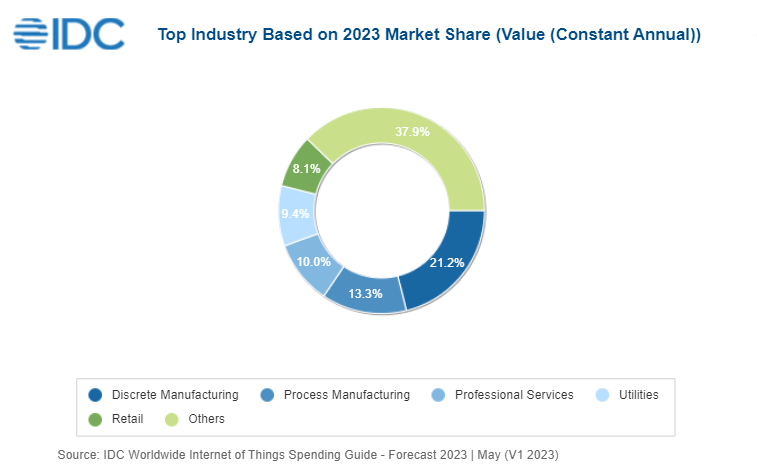
Forrester says that four out of five organizations are in the process of adopting or have plans to adopt IoT.
Our guest this show is Jonathan Beri, who is the founder and CEO of Golioth, a platform to link hardware to the cloud. Golioth recently raised $4.6 million in a tough funding environment, so we talk a bit about what Beri plans to do with the money. But the bulk of our conversation touches on the changes happening in the embedded world as connectivity gets added to more devices. Beri provides historical context to help explain why the embedded world and OT staff have been so slow to adopt the Internet of things, and then expresses his hopes that the phrase IoT will simply fade into the background as connectivity becomes assumed. Before we can get to that place, he explains what vendors, developers and buyers need to think about from security to business processes. It’s a good show.
Hosts: Stacey Higginbotham and Kevin Tofel Guest: Jonathan Beri , founder and CEO of Golioth Sponsors: Computex and Blues Wireless
Amazon adds Matter, kills Halo, invests in Alexa
What worries enterprises about the IoT?
SwitchBot’s devices are surprisingly useful in Kevin’s opinion
Virtual PLCs and standard radios indicate a big shift in embedded computing
Bringing IT skills to the embedded world will make it safer
The Yale Assure 2 lock now comes with Z-Wave as an option. Image courtesy of Yale.
Our guest this week is Daniel Wroclawski, a senior writer at Consumer Reports, who is on the show to discuss an article he spent two years writing. It’s about how connected appliances collect and share your data. We talk about his conversations (or lack of conversations) with the five big appliance makers about the state of connected device data gathering. We discuss why consumers and manufacturers are excited about connected appliances and then talk about some of their potential downfalls. For example, will your oven features work if you don’t connect it to the internet? Maybe not. We also talk about what we should do in our homes to protect our privacy and what Congress needs to take action on. It’s a good show, especially if you have a connected fridge.
Hosts: Stacey Higginbotham and Kevin Tofel Guest: Daniel Wroclawski, a senior writer at Consumer Reports Sponsors: OnLogic and Silicon Labs
The Aqara mmWave sensor can detect falls or light levels and presence.
The IoT has embraced dark design patterns.
Lights with Matter, better Bluetooth buttons, and Z-Wave locks.
Why does your dryer need to be connected to the internet?
Most appliance makers didn’t want to share what data they collect.
The Cherish Serenity device uses millimeter wave sensing to detect movement and falls. Image courtesy of Cherish Health.
Our guest this week is Robert Pile, the head of real estate strategy at Homma, a company that is building smart homes. The company started out building smart homes but has since switched to building townhomes and multifamily units for rentals thanks to the changing real estate market. Pile talks about the technical challenges of building the infrastructure for smart homes and what types of buyers are choosing their properties. He also discusses the price premium that people are paying to buy or rent a smart home that’s built smart from the first foundation pour. I’m not sure if I’m done with my DIY efforts, but it does sound nice to have everything already smart when you move in. Enjoy the show.
Hosts: Stacey Higginbotham and Kevin Tofel Guest: Robert Pile, head of real estate strategy at Homma Sponsors: OnLogic and Silicon Labs
GroundWorx sensors makes water use visible, and reduces it
Could ambient sensing be the key for aging in place?
Home Assistant has a really nice Matter implementation
How much will people pay for a smart home or apartment?
What does the “plumbing” for a smart home look like?
Episode 418: Why is the smart home still so terrible?
Apr 13, 2023
This week’s show is full of both good news and bad news, starting with Google apparently dropping software update support for third-party smart displays. We question Google’s commitment to the smart home, even though the good news from Google is that it has released more capabilities to control new device types — a bit of good news. Then we review Nanoleaf’s Matter-enabled Essentials light bulbs and strips and are a bit worried about what it means for Matter. If you’re putting these bulbs in your smart home, you’ll need the Nanoleaf app and can only control them on one hub ecosystem based on our testing. That’s not what Matter was designed to do! In more bad news, Samsung SmartThings deleted a bunch of hubs on April 5, and we suggest some alternative options if you’d like to switch platforms. Digital privacy rules are getting more attention and I think smart medical device implants represent a tipping point. In generative AI news, Siemens and Microsoft are bringing AI to factories and we explain how they might work, while the National Telecommunications and Information Administration (NTIA) has a request for comment out on auditing AI. You have until June 10 to submit comments. The CSA has announced the launch of Zigbee Pro 2023 with better security features and a new transmission band. Finally, we answer a listener question about bringing smart charging his Tesla with his solar panels.
Kevin’s 10-inch Lenovo Smart Display can play YouTube videos, Netflix and images from his Nest cameras. Image by K. Tofel.
Our guest this week is Eben Upton, the CEO of Raspberry Pi Trading Ltd. and co-founder of the Raspberry Pi Foundation. Upton explains why Sony Semiconductor has made an undisclosed investment in the Pi Trading company. He also details the end of the supply chain challenges for the PI and says customers should see the shortage of Pis end in the second quarter (which is now). We also talk about why Raspberry Pi won’t get ML accelerators or smarter sensors on the board, what the industrial world is doing with Pis, and when we might see a Pi 5. We close with thoughts on RISC-V and future custom Pi designs. It’s a great interview.
Episode 417: We need a standard for aging in place
Apr 06, 2023
This week’s podcast is focused on IoT infrastructure, with our first conversation explaining the upcoming 6G cellular connectivity standard. After that, we discuss sales of IoT connectivity chips and modules, and the leaders in each category before moving on to low-power wide area network news from Unabiz, which is open sourcing the code for Sigfox. Then we talk about smart home systems and devices for aging in place, and what we’d like to see for products in this category. The bad news is we need a standard that no one is currently developing, but the good news is we think people will pay a subscription for these devices, so there’s a reason to create that standard. Security is our next hot topic with news from DoorBird, then an ultrasonic exploit, a garage door exploit, and a Wi-Fi exploit. We then discuss the market update from the Bluetooth SIG. Finally, we answer a listener question about which new Matter or Zigbee light bulbs to buy.
The Bluetooth SIG expects Bluetooth to gain the biggest market share in the smart home as a means of connecting appliances and in lighting. Chart courtesy of the Bluetooth SIG.
Our guest this week is Tarun Gupta, the chief product officer at Skylo, a company that is using existing satellite infrastructure to converge satellite and cellular networks. Gupta explains what satellite connectivity is good for in the IoT, and how we can expect convergence between the cellular and satellite networks to occur. He also explains why Apple’s and Qualcomm’s satellite approaches differ from other options out there, and how the latest release of the LTE standard will drive the convergence between cellular and satellite networks. We then discuss the concerns around space trash and whether companies need to own their own constellation of satellites. Enjoy the show.
Hosts: Stacey Higginbotham and Kevin Tofel Guest: Tarun Gupta, the chief product officer at Skylo Sponsors: OnLogic and Silicon Labs
Why 6G is ready-made for the industrial IoT
We need a Matter-like standard for devices aimed at aging in place
DoorBird’s new firewall is an interesting approach to security risks
Why satellite connectivity is everywhere this year
These are the best use cases for satellite coverage in IoT
Episode 416: What the heck is an IoT hyperscaler?
Mar 30, 2023
With this week’s show I feel like we’re singing the same old tune. Philips Hue maker Signify is delaying its implementation of Matter while it waits for others to implement features it needs. Meanwhile Eve has started selling plugs that are Matter-ready from the get go, and will sell new Matter-ready contact and motion sensors starting April 17. In related news, we tout the fact that the Thread Group has now certified 200 devices. We also see a new integrated DIY home security product from Google and ADT, which is a culmination of their $600 million partnership signed three years back. In enterprise news, we discuss Kore’s acquisition of Twilio’s IoT assets and try to figure out what an IoT hyperscaler is. Amazon has also opened up its Sidewalk Network, a free LPWAN for connecting devices (it’s free because it sends your data to AWS). We talk about what I saw with regards to Sidewalk coverage in my travels around Seattle and the Bay Area. We then hear about Kevin’s frustrations with HomeKit and the latest Apple iOS upgrades that broke his smart home, and new features from the Home+ app which Kevin uses to manage his devices. I then review the Homey Bridge, a DIY smart home hub. Finally, we answer a listener question about Shelly products.
The ADT/Google start bundle which retails for $220. Image courtesy of ADT.
Our guest this week is Chuck Sabin, the head of market development for the Bluetooth SIG. He is on the show to discuss the newly launched Bluetooth standard for Electronic Shelf Labels. We discuss what electronic shelf labels will enable for consumers and retailers, as well as the different services and profiles that the SIG has built into the standard. After extolling the potential benefits for Instacart shoppers, we then talk about smart tags and the concept of ambient IoT. You’ll be hearing that phrase a lot more often. The SIG is working on a standard around smart tags, as well as updating its networked smart lighting standard. You’ll get a good sense of what Bluetooth plans to bring to the IoT, so enjoy the show.
Hosts: Stacey Higginbotham and Kevin Tofel Guest: Chuck Sabin, the head of market development for the Bluetooth SIG Sponsors: InfluxData and Silicon Labs
Why is Matter taking so long, and what problems should you expect?
What is an IoT hyperscaler, again?
Amazon’s Sidewalk network is live for developers.
How Bluetooth’s electronic shelf label standard works.
The Bluetooth SIG also plans updates for smart tags and networked lighting.
Levi’s offers a jacket made with smart fabric from Google. Image courtesy of Levi’s.
Our guest this week is Svein-Egil Nielsen, the CTO of Nordic Semiconductor. We talk about the DECT-NR standard for massive IoT, defining both the standard and what we mean when we talk about massive IoT. We also cover use cases for energy harvesting technology and Nielsen gets cagey about Nordic’s plans for energy harvesting technology in Nordic chips. We end with a conversation about TinyML and how Nordic is planning to make its modules ML-ready for developers. It is a fun interview.
An at-scale rendering of the wafer chip-scale packaging xG27 SoC from Silicon Labs. Image courtesy of Silicon Labs.
Our guest this week is Nick D’Angelo, director of public affairs for Eaton’s Electrical Sector. He’s on the show to discuss how two new laws are incentivizing consumers and businesses to take steps to modernize the electric grid. We cover the concept of grid modernization and why it’s necessary, the two laws that have the most relevance, and lay out some of the incentive programs that will be available at state and federal levels for things like replacing electric panels and swapping out furnaces for heat pumps. We also talk about how long the process of modernizing the grid will take and then conclude with what else will need to be done. Enjoy the show.
Episode 413: Cranes, trains, and cybersecurity
Mar 09, 2023
This week’s podcast kicks off with a story about the Pentagon’s fears over a Chinese-connected crane maker and its prevalence in U.S. ports. The Pentagon and others focused on national security question whether or not ZPMC, the maker of these cranes, could gather intelligence or cause work stoppages using sensors and motors connected to the internet. It’s a concern that underscores the importance of trust when it comes to connected devices. In train news, we discuss Norfolk Southern’s Ohio train derailments, the findings of a preliminary National Transportation Safety Board report, and Norfolk Southern’s plans to spend more on track sensors. Could legislation force companies to adopt more IoT? Then we focus on Ring’s new plans to eke out $40 a year for new buyers of its security system product and the new Ring wireless doorbell that will start shipping in April. In cybersecurity news, we talk about The White House’s new pillars to address cybersecurity. Developers beware. Then we talk about the latest Hubitat device, my plan for the new Sonos Era speakers, and Kevin’s troubles adding Matter devices using Apple devices. Finally, we hear from a reader on how to send messages to an elderly parent using their TV and an Android phone.
The new Sonos Era 300 speaker has a new shape and can handle spatial audio. Image courtesy of Sonos.
Our guest this week is François Baldassari, CEO and co-founder of Memfault, who is on the show to discuss his startup, the history (and future) of reliability in products, and his thoughts from a decade of participating in building connected devices. Baldassari was a former engineer at Pebble and built Memfault to solve the problem of debugging connected devices at scale. We talk about why he’s focusing on industrial customers, how reliability has been slipping over time, and why AI will need its own form of debugging in the near future. He also explains the two big trends he’s noticed in a decade of building connected devices. Enjoy the show.
Hosts: Stacey Higginbotham and Kevin Tofel Guest: François Baldassari, CEO and co-founder of Memfault Sponsors: InfluxData and Silicon Labs
Are Chinese cranes the next Huawei?
Will IoT help drive new waves of regulations?
Buying speakers is a mess in the wireless and streaming era
Will manufacturers adopt a devops mindset for their connected equipment?
Yes, connected devices require new business models, and most won’t like it
Our guest this week is Paulus Schoutsen, founder of Home Assistant, the DIY, open source smart home platform. Schoutsen explains why this year is the “year of voice” for the platform and how to build an AI for users to speak in their own language for triggering automations (all without sharing data with third-party providers). He also shows off two new features; the first is using a HomePod to talk to Google Assistant over Home Assistant, and the second is using a generative language model like ChatGPT over a HomePod to create stories. We also talk about Matter and Home Assistant’s plans for a smart speaker or voice-capable device, as well as why you can’t easily buy Home Assistant Yellow, a pre-packaged box that already has the radios and software a beginner needs to run Home Assistant. It’s a good show.
The latest survey from the Eclipse Foundation shows that IoT deployments are approaching greater scale.
Our guest this week is Mohammed Ansari, senior director of business development of 5G and IoT at Qualcomm. He’s on the show to talk about the new Qualcomm Aware platform that the chip maker announced this week. The Aware platform is designed to be a cloud-based IoT service that ties into Qualcomm’s chips to provide telemetry, device management and services such as precise positioning and optimizing the network connection based on the quality of local network options. Ansari explains why Qualcomm has chosen to build a cloud and why he thinks that customers will use it (even though chip firms have not historically had success launching software or service businesses). He also describes how two of Qualcomm’s prior acquisitions will fit within this cloud offering. Enjoy the show.
Hosts: Stacey Higginbotham and Kevin Tofel Guest: Mohammed Ansari, Qualcomm Sponsors: InfluxData and Silicon Labs
The CSA has launched a group to bring privacy to the IoT
Connectivity is still too hard for the IoT
Open source software is big in the IoT
Why Qualcomm has decided to launch an IoT cloud
What does Qualcomm Aware mean for other cloud providers?
Episode 410: Inside the CSA’s plan for health device interoperability
Feb 16, 2023
This week’s show starts off with news from the Connectivity Standards Alliance as Kevin and I talk about the new Health and Wellness Working Group. Then we discuss some of the challenges that people face trying to use Matter devices across multiple platforms. It’s not seamless or easy yet. Also on difficult things, we discuss the challenges of securing the industrial IoT thanks to a new report from Dragos. Then we offer a preview of a new wireless technology for so-called massive IoT that will be on display from Wirepas at Mobile World Congress later this month. For those who were hoping for an open source voice assistant, I have bad news. Mycroft.ai is ceasing development of its open-source voice platform, and in addition, will not be shipping voice assistants to Kickstarter backers. There’s good news, however, for Arlo customers who were set to see the end of life for some of their cameras in 2024. Arlo has extended that date, and will continue to offer free 7-day cloud storage to existing customers. For listeners who are interested in energy-harvesting sensors, there’s an upcoming campaign for an open source board from Riotee that will provide solar-power sensing and Bluetooth. And if you’re more into working out and connected fitness, Tonal is looking for cash. Finally, we answer a listener question about upgrading his router and cleaning up his smart home.
Mycroft’s Mark II next-generation open-source smart speaker won’t ship to Kickstarter backers. Image courtesy of Mycroft.
Our guest this week is Michelle Mindala-Freeman, who is the head of marketing and member services at the Connectivity Standards Alliance. She’s here to explain why the CSA is launching a new standards working group for health and wellness. We talk about what types of companies should be involved, what sorts of use cases the CSA hopes to deliver and why now is the right time to make such a standardization effort happen. Given that helping people age in place is one of the more compelling reasons to install smart home devices, the CSA is likely to find members willing to work on the problem. I also ask what other problems the CSA might try to solve. Enjoy the show.
An example of an electronic shelf label. The Bluetooth SIG has created a wireless standard to connect these labels to data and power. Image courtesy of Bluetooth SIG.
Our guest this week is Jaser Faruq, Senior Vice President, Innovation at Schneider Electric, who is on the show to discuss why his company is betting big on smart home technology to manage energy consumption, storage and generation. We talk about the three reasons energy management is such an important feature for smart homes, and what it will take to get consumers to adopt it. We also talk about what role utilities will play in the development of a smarter grid and how long it will take before this becomes more mainstream. It’s an important topic, especially for those of y’all considering the purchase of an electric vehicle. Enjoy the show.
Lowe’s innovation group is testing a connected anti-theft program. Image courtesy of Lowes.
Our guest this week is Kevin Fu, who is a professor of electrical and computer science at Northeastern University, and the former acting director of medical device cybersecurity for the Food and Drug Administration. I’ve followed his efforts to hack physical sensors for years, and was excited when he started focusing on medical device security for the FDA. On the show, he discusses new federal legislation that will require companies to get an FDA review of their medical device’s cybersecurity before it goes on the market. This is a first for the U.S. in terms of requiring some sort of cybersecurity review before a product is released, and it might become an inspiration for legislation in other industries going forward. We also talk about how to regulate AI in healthcare and more. Enjoy the show.
We asked, and 79 of y’all answered what hub system you use for creating smart home routines. Apparently, a lot of y’all use Hubitat.
Our guest this week is Matt Rogers, the co-founder and CEO of Mill, a startup using a connected kitchen bin to fight food waste. We talk about the problem of food waste and who will pay $33 a month for the bin and concurrent service. Rogers also explains the math behind the service, and talks about why he chose to use a subscription model to fund the business. He also tells me why this isn’t a composting device, since it’s designed to keep food in the food system, and explains why that is so important. Finally, he shares how challenging it was to build a hardware startup during the pandemic. It’s a fun chat.
Hosts: Stacey Higginbotham and Kevin Tofel Guest: Matt Rogers, co-founder and CEO of Mill Sponsor: Akenza
Researchers use Wi-Fi to track movement through walls
Half of us don’t connect our smart appliances
Maybe you don’t need hearing aids just yet?
Why Matt Rogers went from smart thermostats to fighting food waste
Rogers tried to keep manufacturing during the pandemic local
This week’s show kicks off with a discussion of Apple’s new HomePod, which has some cool machine learning capabilities and new sensors built into it, plus a higher price tag than most smart speakers. Then we talk about a survey out of the UK that asked 119 appliance makers about their plans to continue updating software over the life of the appliance, finding out that some won’t commit to updates. A former Nest employee has a new connected composting startup that we have some questions about. Then we talk about some deals in the enterprise and industrial sector with the $1.2 billion acquisition of Sierra Wireless by Semtech completed, and a $7 billion hostile takeover of National Instruments by Emerson. In smaller news, we talk about what it means that Google’s new Chromecast 4K remote does away with batteries, Wyze’s new connected cameras that bring back the $20 price tag, and Kevin’s review of the Govee Smart Kettle purchased by his wife. Finally, we answer a listener question about motion sensors that don’t always work, which inspired us to create a survey asking where y’all build your smart home automations.
The new Apple HomePod will ship on Feb. 3. Image courtesy of Apple.
Our guest this week is Ivo Rook, COO of 1NCE, a company that provides device connectivity for 10 years at a cost of $10. Obviously this isn’t for smart phones or cameras, but for many IoT devices, this type of flat-rate pricing over a long time period makes it easy for developers to create a device and predict exactly how much it will cost to support. Rook discusses how the 1NCE mindset differs from the traditional carrier a-roach and explains the rationale behind a new operating system that 1NCE announced at CES. It’s not exactly an OS, but more of an abstraction layer for data traveling from the device to the cloud. It’s a good idea and the open, developer-friendly ethos 1NCE has is pretty exciting. Enjoy the show.
Hosts: Stacey Higginbotham and Kevin Tofel Guest: Ivo Rook, COO of 1NCE Sponsor: Silicon Labs
How long will your appliances get software updates?
Why Emerson would want National Instruments
Kevin’s wife bought a smart kettle, and it’s pretty cool
Episode 405: More CES trends including wireless power
Jan 12, 2023
Want to bring an IoT company back from the dead? Or understand the technical and business challenges associated with building an IoT product? Then this story by Kevin Chung is for you. Kevin and I have left CES 2023 behind, but we had plenty of of things to talk about on this week’s show, starting with our sense of disappointment after the show. We also serve up some more news from CES tied to Matter, Leviton, Aqara, and new products from Shelly. Then we discuss the deal between John Deere and The American Farm Bureau Federation to give U.S. farmers the tools they need to repair their own farming equipment at fair and reasonable rates. We talk about what this deal does and does not make possible. We also focus on wireless power with news from Energous, Ossia and a door lock that we saw at CES that charges over the air. I can’t wait to get rid of charging cables, and batteries. We then answer a listener question about updating plugs and energy monitoring products to Matter.
The Aqara presence sensor will come out later this year and cost $60. Image is a screenshot from Aqara’s YouTube.
Our guest this week is Sanjay Gupta, president of the AirFuel Alliance. He’s on the show talking about the newly launched AirFuel RF standard, which provides up to 1 watt of power over a distance. We discuss what that means for convenience in terms of not having to replace batteries, and what it means for sustainability if we can eliminate batteries. We also talk about why over-the-air wireless power is actually real after more than a decade of hearing about it. It turns out we have companies such as Wiliot, Atmosic and others who are pioneering efficient computing and low power radios for IoT use cases to thank. Finally, we discuss when we’re likely to see wireless power become commonplace and where we’ll see it first. Enjoy the show.
Hosts: Stacey Higginbotham and Kevin Tofel Guest: Sanjay Gupta, president of the AirFuel Alliance Sponsor: Silicon Labs
What’s next for the Matter standard
Why this Aqara sensor is so cool
John Deere compromises on right to repair
Over-the-air wireless charging is ready for its close up
Low power chips help bring over-the-air wireless power closer
Episode 404: CES has more Matter and many voices
Jan 05, 2023
Kevin and I are at CES 2023 this week and eager for the show floor to open to see all of the new and crazy gear. But before we see the show floor, we had to slog through the planned news and media events, which we’re talking about in this week’s show. Matter is everywhere so far with most companies choosing to announce new Matter products that will arrive in the coming months. We cover news from Nanoleaf, Eve, Govee, Samsung, Lutron (no update on Matter plans), and SwitchBot. We then talk about Amazon’s Sidewalk expansion news and its work with two partners for voice interoperability in an automotive platform and with Josh.ai. Also in voice news, Home Assistant will add voice control for its platform in the coming year. And now, prepare for the rush of product news including new Ring cameras, ADT’s app with upgraded Nest integration, Cync lights, and Moen’s new sprinkler and soil sensors. We also discuss Arlo’s new end of life plans for older cameras, which the user community is upset with. Then we talk about a larger trend emerging at CES of building smart devices, such as Masonite’s new powered door, into the home itself. I don’t think we’re ready for this, but the consumer electronics industry is eager to provide these products. Finally, we get more details on Thread’s range from a listener calling in on the Internet of Things Podcast hotline.
Nanoleaf has smart switches and an intelligent Matter over Thread hub. Image courtesy of K. Tofel
Our guest this week is Gimmy Chu, CEO of Nanoleaf. He’s on the show to discuss Nanoleaf’s new Sense+ Controls light switches that contain sensors and additional buttons to manage the growing complexity of color lighting. These are also key components for Nanoleaf’s new Nanoleaf Automations Learning Assistant (Nala), which is an effort to let your lights automate themselves. The idea is that sensors inside the switches will indicate presence, based on time of day, ambient light and stated preferences, then add more information to get the appropriate lighting for that moment. As a person who has been testing smart lights for a decade, I’m eager to see if Nanoleaf has the goods. We’ll have to wait until the third quarter until these are out to test it, but Chu explains what he’s aiming for. We also talk about the future of lighting and how color will play a larger role. Enjoy the show.
Hosts: Stacey Higginbotham and Kevin Tofel Guest: Gimmy Chu, CEO of Nanoleaf Sponsor: Silicon Labs
The promise of Matter is everywhere at CES. The devices, not so much
Amazon’s adding LoRa connectivity parters to its Sidewalk program
You’re getting more options on the voice assistant front
Nanoleaf’s plans for intuitive controls are compelling
Why Nanoleaf is waiting to deploy Matter to existing gear
Episode 403: Matter upgrades aren’t ready for prime time
Dec 22, 2022
We tried Matter for the first time late last week, and have a lot to share with our listeners about what we and other journalists learned through the process. The early verdict is that most people should not update for a while because the process is tedious at best and downright frustrating at worst. But if you want to update, we provide tips. Then we focus on a story about iRobot’s Roomba vacuums that shows how a larger ecosystem of tech partners are taking device data and potentially sharing it in places consumers wouldn’t be comfortable with. Next up, we cover the acquisition of Notion by Pepper IoT, which wants to help insurers build policies around the smart home. We also cover some news bits such as an Amazon employee becoming the new chairman of Z-Wave Alliance, delays for the next generation of Raspberry Pi hardware, and further updates on the Eufy camera security snafus. We conclude the first segment of the show by answering a listener question about how far apart Thread devices should be in the home.
The Homey hub will launch in the U.S. at CES. Image courtesy of Homey.
Our guest this week is Stefan Witkamp, the commercial director at Athom, the company behind the Homey smart home hub. Witkamp explains Honey’s privacy-focused smart home hub and the plan to launch the latest generation of the Homey Pro hub at CES. This will be the first time Homey is available in the U.S. after six and half years of availability for the original Homey hub in Europe. Homey Pro has all of the radios that a smart home needs, including Thread and IR. For listeners who care about privacy, Witkamp explains how Athom created a business model that allows the company to respect user privacy. This means the $399 pro version of the hub is more expensive than other options on the market, and the cheaper version comes with a monthly subscription. We talk about what it costs to keep a home hub running and how investors can push a company to choose alternative business models. Enjoy the show.
Hosts: Stacey Higginbotham and Kevin Tofel Guest: Stefan Witkamp, Commercial Director for Homey Sponsors: Arm and Silicon Labs
Wait a minute before updating to Matter
Will a Roomba story get everyone to care more about device privacy?
The smart home meets insurance in this acquisition
Data from Comcast focused on what people think they should worry about, and what they actually do worry about when it comes to home cybersecurity.
Our guest this week is Sean Petterson, the CEO and founder of StrongArm Tech, a company that makes wearable safety devices for industrial and warehouse workers. We talk about the company’s history of building exoskeletons and its pivot to data analytics and wearables, and then the challenges associated with converting worker safety into an ROI. Petterson makes the case that analytics can drive home the importance of keeping workers healthy despite the costs of the system and the perceived costs in terms of productivity. He gives a good example from a warehouse customer using StrongArm’s analytics to send workers home after they meet their quota for the day, even if it means they get sent home early. Petterson says it’s simply not efficient or smart from an ROI perspective to keep them working. We also talk about the ethics of such software and how StrongArm tries to make sure its data isn’t used to retaliate against poor performers. Enjoy the show.
Hosts: Stacey Higginbotham and Kevin Tofel Guest: Sean Petterson, the CEO and founder of StrongArm Tech Sponsors: Arm and Silicon Labs
Matter hits Google and Eve devices, but wait a second before updating
Don’t worry about someone hacking your voice assistant or robot vacuum
Check out this new RISC-V microcontroller
Keeping workers healthy improves ROI and this company can prove it
What happens when worker data gets really detailed?
Episode 401: Two big smart home deals explained
Dec 08, 2022
The end of the year is a busy time for M&A as companies rush to get deals done before the start of a new tax year, and this week the smart home sector saw Assa Abloy sell its Yale and August smart lock and some other brands to Fortune Brands for $800 million. We explain why the deal happened and why we can blame Matter and the DoJ for the sale. Then we discuss NRG Energy’s $2.8 billion planned acquisition of Vivint, and why it is a big signal for the future of energy management as part of the smart home. Fundings also happen ahead of the new years, and Phlux Technologies, which makes infrared sensors and Reach, a company building wireless over-the-air power transmitters both scored venture capital this week. In smart home news, we discuss a new mixer from GE that’s super smart and super pricey, and Samsung’s plans for CES this year. In security news, there’s a new botnet out there to worry about. And for developers, there’s a new $200 kit from Swarm that provides satellite connectivity. Finally, we answer a listener question about Matter and local control.
The GE Profile mixer is smart, but expensive. Image courtesy of Crate and Barrel.
Our guest this week is Cathy Pearl, a conversation designer at Google and the author of the O’Reilly book Designing Voice User Interfaces. We discuss the history of voice interactions and what changed to make Amazon’s Alexa such an innovation. We also discuss how voice can help make technology less complicated, what type of conversations people want from a voice interface and how voice also drives accessibility. Then we discuss the ethics of creating voice companions for lonely people and a time that Pearl was stuck at an airport talking to a chatbot for 20 minutes. We then end after I ask if voice is going anywhere after the upheavals in Amazon’s Alexa business. Her answer will not surprise you. Enjoy the show.
Hosts: Stacey Higginbotham and Kevin Tofel Guest: Cathy Pearl, a conversation designer at Google Sponsors: Arm and Silicon Labs
Assa Abloy slams the door on Yale and August brands
Episode 400: How to pronounce IKEA’s Dirigera hub
Dec 01, 2022
This week’s show starts off with a review of news from AWS Re:Invent which is happening now in LAs Vegas. We cover the general availability of support for the latest version of the MQTT messaging protocol, the launch of LoRaWAN and other connectivity technologies as part of AWS Device Location services, and there will be more in the newsletter as the conference concludes. We then talk about whether or not it makes sense to buy a cheap smart plug today or wait until we get more with Matter support. It’s just that those smart plugs are so cheap right now! We also debate whether or not it’s a good thing that the Hubitat smart home hub will start supporting HomeKit, and mention Samsung’s new capabilities that link its phones to a UWB door lock. Then we cover funding news from Sanctuary, which is trying to build general purpose robots; Morse Micro, which is making Wi-Fi HaLow chips; and Deepgram, which is developing a new natural language processing algorithm built on vocal utterances as opposed to text. I then explain what I’m using right now in my home for security and monitoring of my many connected devices. Finally, we hear from a listener offering a tip on creating a simple pill tracker using an open/close sensor.
IKEA’s Dirigera hub is now available. Image courtesy of IKEA.
Our guest this week is Rebecca Töreman, business leader of the IKEA Home Smart business. Töreman first teaches me how to pronounce Dirigera, the name of IKEA’s new smart home hub. We then talk about why IKEA has chosen to focus on products that includes lights and connected blinds, but not security cameras. After a discussion on connected air purification devices, we talk about what the IKEA Home Smart team learned from its prior five years with the Trådfri smart home hub and how that influenced the design of the Dirigera device. We clarify a few points about how IKEA plans to introduce Matter to its hub and then close out. Enjoy the show.
Hosts: Stacey Higginbotham and Kevin Tofel Guest: Rebecca Töreman, business leader of the IKEA Home Smart Sponsors: Arm and Silicon Labs
It’s our 400th episode!!!!
Should you buy a cheap smart plug without Matter?
A HomeKit compatible home may be less flexible, but it’s also less work
Why IKEA needed a new smart home hub
What IKEA learned about provisioning and communication with Trådfri
Episode 399: Alexa’s drama and our holiday gift guide
Nov 24, 2022
The biggest news in the internet of things this week was the staggering story about Amazon’s Alexa business being responsible for the majority of an estimated $10 billion loss in the year ahead. So Kevin and I discuss what Amazon pulling back on Alexa might look like and what it means for voice and the smart home. Then we talk about how a newly available Amazon device signals Amazon’s problem and the potential solutions to that problem. After talking about voice, we take a look at a new controller from Aqara that uses gestures and share our thoughts about the form factor. After all our user interaction talk, we then cover some news, such as the FIDO Alliance planning to work on security and authentication issues for the IoT, Google’s plans for aggregating fitness data, and a new dev kit from T-Mobile. We also talk about new devices from Wyze and Firewalla. Finally, we answer a listener’s question about connecting LED fairy lights. Then it’s time to talk about the holidays.
The Aqara Cube T1 Pro costs $22.99, and is a fancy button that you can press, roll and shake. Image courtesy of Aqara.
Every year we choose 10 devices that we think make good holiday gifts for our audience and their loved ones. This year we suggest a few in the first part of the show, such as the JaxJox kettlebell and my perennial favorite, the Ember mug. (I gave this to my mom in 2019, and she still uses it every day.) This year’s gifts include a smart plug designed for Matter, a device to reboot your router, and multiple options for smart buttons from Philips Hue and Shortcut Labs. We also include a Nanoleaf option because we’re such fans of the devices as gifts for teens. We also include some fancier gifts for chefs and dog owners. There are more options in this week’s newsletter, but before we sign off we also want to thank our listeners for the gift of their time this year, and the nine years that Kevin and I have been producing this show. Y’all are awesome.
Hosts: Stacey Higginbotham and Kevin Tofel Sponsors: Arm and Silicon Labs
The Meross outlets won’t ship until January, but you can order them today. Image courtesy of Meross.
Our guest this week is Michele Pelino, a principal analyst at Forrester. She’s on the show to share four predictions about the IoT, edge computing, and connectivity in the coming year. We discuss the technologies that will entice city planners and lead to more municipal deployments in the hopes of bringing people back to cities. She also shares some bad news about future IoT device failures and the creation of millions of IoT bricks. We also hear predictions and advice on securing the internet of things with a focus on confidential computing and zero-trust security. Finally, she shares her thoughts on the connectivity company to watch in 2023 as satellite wins over companies looking for connectivity in rural and thinly populated areas. Enjoy the show.
Hosts: Stacey Higginbotham and Kevin Tofel Guest: Michele Pelino, a principal analyst at Forrester Sponsors: Arm and Silicon Labs
The Bluetooth SIG eyes spectrum currently used for Wi-Fi 6E
Big moves in the world of energy harvesting devices
Episode 397: Arduino Opta adds a little IT to the OT
Nov 10, 2022
This week’s show kicks off with a discussion of the lawsuit between Arm and Qualcomm amid accusations that Arm is changing its licensing model. We cover what has been said, and what it might mean for the IoT before heading into some industrial news. Arduino has announced a programmable logic controller (PLC) in conjunction with Finder called the Arduino Opta. It’s part of a larger trend of convergence between the IT and OT, as is news from Marvell that it has built an integrated networking chip for industrial clients that uses Ethernet. We talk about how Marvell made Ethernet appealing to the industrial world, and then shift to smart home news. First, Vivint reported financial results and previewed some new products coming in 2023, including integrated indoor lighting. Then we talk about the new Eufy trackers that use Apple’s Find My network and new connectors for the Nanoleaf Lines. And before we finished this segment, we also talked about last week’s Matter launch, including the news that more device types were coming. We end by answering a listener’s question about building DIY devices that will talk to Matter devices.
The Eufy tracker is less expensive than an AirTag, and it has a hole you can use to attach it to things. Image courtesy of Eufy.
Our guest this week is Matt Rose, the CEO of Apana, a company that tracks water usage for commercial clients. The company has more than 800 customers including Costco Wholesale, Coca-Cola, and Fetzer. Rose talks about how business is booming thanks to Environment, Social and Government (ESG) directives and growing corporate concern about water usage. He explains how the focus has moved from ROI to ESG and how to parse over a billion points of data into something front-line workers can take action on. He also talks about the scaling challenges early on and moving from wired to wireless connections for his company’s sensors. Finally, we discuss his switch from private LoRa connectivity to LoRaWAN and how that should expand his business going forward. Enjoy the show.
Hosts: Stacey Higginbotham and Kevin Tofel Guest: Matt Rose, CEO of Apana Sponsors: Arm and Silicon Labs
Arm’s suit against Qualcomm is pretty crazy
The industrial IoT will have to embrace IP
More Matter device types are coming next year!
This company’s digital twin can save on water consumption
Episode 396: Here’s when you’ll get Matter on your devices
Nov 03, 2022
This week’s episode kicks off what I hope is a flurry of news from vendors about their Matter plans. We hear when and how vendors such as Amazon, Eve, Nanoleaf, and Schneider Electric plan to roll out Matter to new and old devices. We also call out companies that haven’t yet shared information and what you’re likely to see get support first. Then we go to other news such as leaked photos of Amazon’s Ring Car Alarm, a privacy lawsuit against Amazon going forward and new security and camera devices from Arlo. In less exciting news, we talk about a lock-picking lawyer’s discovery that the HomeKey version of the Level Home lock (the Level Lock+) can be easily picked with a simple lock pick or a bump key. Also in the bad news department, Orro Systems, the makers of a smart lighting switch and system, is looking for more investment and will stop distributing its gear so as to support existing customers. This looks like the beginning of the end. Kevin got his hands on Google’s Nest Wifi Pro, and decides that people on existing Wi-Fi 6 mesh systems probably won’t benefit much from this update, but those coming from older Wi-Fi 5 systems (like Google’s prior mesh Wi-Fi kit) will. Finally, we answer a listener question about Matter on smoke alarms.
Arlo’s new all-in-one multi-sensors and Keypad Security Hub. Image courtesy of Arlo.
Our guest this week is Peggy Carrieres, VP of Sales Enablement at Avnet, who is coming on the show to discuss what the changes in the chip sector mean for hardware designers. Carrieres spoke with me a year and half ago to talk about the chip shortage, and now has new data thanks to a survey of Avnet customers. The survey shows that 29% of respondents believe chip prices will continue to rise and that 26% expect to see more supply shortfalls. We talk about what’s driving challenges in sourcing chips and components for hardware as well as how engineers are starting to change how they design products amidst the shortage. We also point to some software developments that may help. It’s a nerdy interview, but worth the time if you’re building hardware.
Hosts: Stacey Higginbotham and Kevin Tofel Guest: Peggy Carrieres, VP of Sales Enablement at Avnet Sponsors: Arm and Silicon Labs
Matter is coming to Amazon, Nanoleaf, Eve and more
Amazon’s next device may have a cellular data plan
I’m worried about Orro Systems and its future
Why chip shortages continue to cause problems for designers
Steps to help make hardware design easier in times of shortages
The IKEA Dirigera hub is available now in some markets. Image courtesy of IKEA.
Our guest this week is Mike Nelson, VP of IoT security at DigiCert, who joins me to discuss what Matter will require from a security standpoint. We talked about it for a story two weeks back, but in the show we also discuss what the next iteration of Matter security might include as the specification matures with later versions. The current version of security with Matter is one of several progressive steps the industry has taken toward boosting security of connected devices, but regulators are also getting involved. So I ask Nelson his thoughts on the White House plans for a cybersecurity label for consumer IoT devices. He isn’t sure a detailed label makes much sense but talks about what he’d like to see for consumer IoT, and for other industries such as healthcare. It’s an important conversation.
Hosts: Stacey Higginbotham and Kevin Tofel Guest: Mike Nelson, VP IoT security at DigiCert Sponsors: Arm and Silicon Labs
What we think a cybersecurity label needs
Everyone is preparing for Matter
Why is Ecobee adding a video doorbell?
Here’s what we may see in future Matter security requirements
Why a nutrition-style cybersecurity label for IoT won’t work
Episode 394: This company thinks TinyML will be big
Oct 20, 2022
TinyML is about to get really big, or at least that’s what a startup thinks, as we explain on this week’s podcast. Useful Sensors is the company that’s making inexpensive, low-powered edge sensors in a way that protects privacy. We discuss why we agree with that approach. Next up are our thoughts on why 5G really hasn’t taken the IoT market by storm yet. You’ll want to hear our reasons for this because there are several. We then turn to Apple, as the company is reportedly working on an iPad smart display of sorts, similar to the recently announced Google Pixel Tablet. Kevin then points out something important about the newest Apple TV 4K devices if you plan to have a Thread network for Matter devices in your house. And speaking of Matter, there’s a new USB dongle for HomeAssistant: It adds multiple radios for both Matter and Zigbee support. If you’d rather go with an integrated solution, we can point you to Aeotec as we share news of its SmartThings hub upgrade for Matter. Health data and algorithms also make the show this week as there’s a unique project to track which algorithms are better than others. Lastly, we discuss Verizon’s free new service for its internet customers: Verizon routers can now detect physical disruptions in your network, indicating the movement of people. Before closing out the news portion of the show, we answer a listener’s question about people controlling smart home devices in vacation homes.
Image courtesy of Verizon.
Our guest this week is Pete Warden, CEO of Useful Sensors, a company that’s bundling a sensor with predetermined machine learning algorithms for recognizing people, faces, gestures, and more. Warden explains the challenges of TinyML; the act of embedding machine learning algorithms on constrained, power-sipping devices; and how he hopes Useful Sensors can help companies that build devices figure out compelling uses for the technology. TinlyML has a huge amount of promise for the IoT, but it’s hard to find use cases outside of the ubiquitous wake-word detection. By offering a $10 sensor that can provide person and face detection to makers, Warden hopes to jumpstart new ideas for TinyML. We might see those in future appliances, televisions, toys, and more. We also talk about how he’s thinking about respecting consumer privacy and what it will take to make people feel comfortable in a world with millions of tiny cameras, microphones, and other sensors embedded in everyday objects. Enjoy the show.
Connectivity is still hard for IoT developers according to the Eclipse Foundation survey.
Our guest this week is Janko Roettgers, a senior reporter at Protocol, who explained the role that the TV currently plays and will likely play in the smart home. This is especially helpful because, as he explains to me, my home is a bit weird when it comes to televisions. He discusses how TV makers are looking for new forms of revenue, including advertising, while tech firms are getting into making TVs for similar reasons. He also puts Roku’s move into the smart home with devices and services into context. Specifically it’s because TVs are super low-margin and if it doesn’t move into the smart home it’s rivals will. Actually, they are already as he clearly explains. He also explains how TVs will handle smart home navigation and offers a little scoop on Google’s display plans. Enjoy the show.
Episode 392: Matter is here. Now what?
Oct 06, 2022
Matter is now official after almost three years of waiting, and Kevin and I are super excited. Well, I am. Kevin is more measured, but we talk about what to expect and when to expect Matter to start changing your smart home. In related news, we discuss Google’s new doorbell, mesh router, and plans for the Home app. Google is also adding more sensing capabilities to the smart home through its existing hubs. In November, IKEA plans to launch its latest smart home hub, the Dirigera, which will cost about $60. This will replace the Trådfri hub, but will also let users bridge their older IKEA devices to the Matter protocol. Kevin gets to tell me that he told me so, as Amazon kills the Glow video-calling device for kids, and we lay out the five principles that are part of a new U.S. blueprint for legislation related to AI. We end by answering a question from a listener about using their SmartRent Hub as a secondary Z-wave controller.
Like other big name smart home vendors, Google already has plans for Matter. Image courtesy of Google.
Our guests this week are both from John Deere. We have Tracy Schrauben, manager, manufacturing emerging technologies at John Deere, who represents the operational technology side of the manufacturing plant. Also joining is Jason Wallin, principal architect at John Deere, who is handling IT. Both are on the show for an exclusive look at how the agricultural company is deploying the CBRS spectrum it purchased in 2020. In its Moline, Ill. plant, John Deere has deployed 14 microcells that today provide LTE connectivity to various pieces of equipment. But the plan is to get to an all-5G network as end devices become available. Our guests explain why they are unwiring the factory, some of the use cases, and what it’s like to build and manage your own private wireless network. This is a must-listen for folks who care about factory 5G.
The new Roomba is both a vacuum and mop. Image courtesy of iRobot.
Our guest this week is Elizabeth Parks, president and CMO of Parks Associates, a research firm focused on emerging technologies. Parks discusses how COVID changed the home security market as well as how monitored security providers have moved downmarket while DIY security companies have expanded upward into offering monitored security. All of this jostling has expanded the overall market. We also talk about the coming demand for energy management services as well as trends in new home building. Expect more connected devices! We end with a quick overview of what to expect from the CEDIA Expo happening this week in Dallas. It’s a fun conversation.
The Federal Trade Commission is looking into Amazon’s decision to purchase the maker of Roomba vacuum cleaners for $1.7 billion. The agency this week asked Amazon and iRobot for more information about the deal, so Kevin and I took a moment to explain exactly what the FTC should worry about. Then we talk about Wi-Fi sensing showing up in Signify’s WiZ lightbulbs, and a wireless power provider paired with smart tags enabling a new retail experience — all without batteries. We touch on Nvidia’s continued forays into the metaverse and its plans to create digital twins for retailers with its new Omniverse services. We also cover two surveys this week from MachineQ and Hitachi Vantara. Those surveys focus mostly on enterprise IoT adoption and things that stand in the way of them. We also cover Helium’s new deal to bring its decentralized 5G wireless network to T-Mobile and then discuss Tile’s new QR code stickers to create a tech-savvy label for your stuff that might get lost. It’s better than sewing your name in your underwear. Kevin then discusses his review of a LoRa-based IoT development kit from Blues Wireless. We end by answering a listener question about leak monitoring and water shut off tools.
Image courtesy of MachineQ.
Our guest this week is Rob Davies, the chief insurance officer at Vivint. We start the interview by asking what a monitored security company is doing in the insurance sector, and move on to discuss what data might be most useful in building new insurance products. We also talk about how an insurance company might use smart home data to become more proactive about alleviating risk as opposed to paying out once the worst has happened. Davies uses the example of someone who has forgotten to lock their door. With Vivint’s platform, the insurance provider can let the homeowner know their door is unlocked before someone tries to break in. This creates a new relationship between insurers and their clients, and it will be interesting to see how far insurance companies take this idea. Enjoy the show.
Hosts: Stacey Higginbotham and Kevin Tofel Guest: Ron Davies, chief insurance officer Vivint Sponsors: Infineon and Silicon Labs
Why Robot OS could become Amazon’s anti-competitive advantage
Buy IoT gear is tough, and having customer support matters
This LoRa development kit was easy to set up and get data from
Why a monitored security firm is interested in offering insurance
Owning your own devices is useful for building new insurance products
The new Diva paddle switch and dimmer. Image courtesy of Lutron.
Our guest this week is Prashant Kanhere, the CTO of PayRange. PayRange provides a Bluetooth-based module that installs on a vending machine, washing machine, or pool table and replaces coin payments with electronic payments. I’ve followed this company for years and was stoked to see they had half a million devices under management now. With that scale, the company has figured out how to monitor those devices and how to update their firmware over tiny sips of connectivity. It’s a process that could come in handy for other IoT devices on low data-rate networks that need security or feature updates. We also discuss how the app works and the future of smart pool tables for a bit of fun. Enjoy the show.
Host: Stacey Higginbotham and Kevin Tofel Guest: Prashant Kanhere, the CTO of PayRange Sponsors: Infineon and Silicon Labs
Matter may be too little, too late
The IoT should keep an eye on Apple’s satellite ambitions
Lutron’s new switch will fit right in
Dynamic pricing could come for commercial laundromats
The Flair vents work with a temperature-sensing puck. Image courtesy of Flair.
We don’t have a guest this week so we dove right back into the news with a trio of big fundings for the internet of things. First up is funding for a satellite IoT company called OQ that is special because it can use existing NB-IoT and LTE-M radios. The second funding is $140 million for Morse Micro, a chip company that is making chips for Wi-Fi HaLow deployments. The final funding is for Flair, a maker of connected HVAC vents for the home, which raised $7.6 million. We then talk about Ring adding end-to-end encryption for its wireless doorbell and video camera products, new ways to address your Nest Hub Max without saying “Hey Google” first, and new lights from Philips Hue. I also review the Hue Tap Dial Switch and realize my love of buttons is going to force me to do some serious work when Matter arrives. We end the show by answering a listener question about a smart button (or maybe a dumb one) for a smart garage door opener.
Episode 387: Is Kickstarter still relevant for smart devices?
Sep 01, 2022
This week we start off talking about the Federal Trade Commission suing a data broker for sharing sensitive location data. It’s a topic we’re following closely, in part because location information can’t be anonymized even when companies promise that it strips identifying information from it. With that in mind, Fight for the Future, a nonprofit focused on consumer privacy, is asking the FTC to prevent large tech firms from getting access to car data. In more data-sharing news, we talk about Adrich, a Pennsylvania company that has found some success selling Bluetooth tags that track how much of a product has been used and can reorder them for consumers. But it also shares product data usage with the company making the product. Then we kick off the IFA conference with some news bits from the Home Connectivity Alliance adding new members and a plug fest, as well as updated products from Eve. Also, Tado has created a subscription plan to optimize low-energy prices. For those interested in the evolution of the security business, check out ADT’s deal with Uber to monitor drivers and riders on request. And for those who want to understand the consolidation happening in the IoT connectivity sector, we talk about Telit’s latest acquisition. We then answer a listener question about what he needs to run Hue bulbs even when the internet is out.
Image courtesy of Woosh.
This week’s guest is Winston Mok, the founder and product lead of Woosh, a company making a connected air filter. We talk about how Woosh works, its focus on sustainability, and how it plans to integrate within existing smart home services. We also talk about Mok’s decision to use Kickstarter to launch the connected air filter, a decision that would have been a no brainer back in 2014, but seems almost quaint now. Mok explains why he thinks Kickstarter was a good option for Woosh and shares some of the benefits he got from launching on the platform. He also discusses how it it helped prepare for manufacturing at scale amidst the chip shortage, and shared advice on dealing with that situation. It’s a really useful interview.
Hosts: Stacey Higginbotham and Kevin Tofel Guest: Winston Mok, founder and product lead, Woosh Sponsors: Infineon and Silicon Labs
The FTC is taking action against sellers of location data
This company can tell how quickly you eat your peanut butter
A standard for connected appliances gets a boost
Smart air filters? Why not?
Is Kickstarter still relevant for launching a smart device?
The Happy Ring will track your moods and is only available via a subscription. Image courtesy of Happy Health.
Our guest this week is Josh Corman, who returns to the show to discuss his work at the Cybersecurity and Infrastructure Security Agency (he just joined Claroty as vice president of cyber safety strategy). Infrastructure in the U.S. and in many other countries has become increasingly attractive to hackers seeking ransoms or more serious disruption. Whether it’s someone hoping for profits or a nation-state, Corman points out some of the easiest and most effective steps an entity can take, even if that organization doesn’t have a formal cybersecurity program — or the budget for one. He starts with the Bad Practices list from CISA that states organizations should avoid hard-coded passwords, establish multi-factor authentication and to avoid using software that has reached its end of life. We also discuss an easy effort to get your Stuff off Search, a program that helps any IT person suss out open ports on popular search sites such as Shodan, Censys and Thingful. It’s so easy I can do it.
Hosts: Stacey Higginbotham and Kevin Tofel Guest: Josh Corman, Founder, I am The Cavalry and VP Cyber Safety Strategy at Claroty Sponsors: Silicon Labs and Impinj
We have big concerns about a decentralized 5G network’s viability
More vulnerabilities are showing up in firmware
Here’s a mood ring for the 21st century
We need to get more companies to do the bare minimum for cybersecurity
How to get your stuff off search and start securing your network
Episode 385: Google Cloud kills IoT Core and hearing aids get smart
Aug 18, 2022
This week’s show kicks off with a whispered bang that Kevin will soon hear, thanks to the FDA approving over-the-counter hearing aids. We talk about what happened and what it means for innovation in wearables before then tackling Google killing off its Google Cloud IoT Core service that manages device data and connects that data to Google’s Cloud Platform. Then we turn to security news including a John Deere hack shared at Defcon last week and an “Evil PLC” attack that affects industrial controllers from all major vendors. The smart home also gets a cool project called Fluid One that will create a network of ultra wideband sensors in a home which then lets you control devices by pointing a phone in their direction. With Omdia stating that this year there will be 2 billion smart home devices globally, we should figure out easier ways to control them. Finally, we talk about research that lets you power wearable sensors with sweat. It’s gross, but also really useful. We end the show by answering a listener question about continuous video recording on Apple’s HomeKit Secure Video.
Hearing aids can now be sold over the counter, which should lower costs and drive more innovation.
Our guest this week is Chris Albrecht, the founder and editor of Ottomate, a newsletter dedicated to food robotics. We talk about where you’re likely to see food robots first, and what they might look like. He then discusses how many places that already have robots serving diners and frying their food. Plus, we get a glimpse of a future food court comprised of meal-making vending machines that could line the lobby of a hotel, providing hot food even if the hotel doesn’t offer room service. And of course, we talk about delivery robots and how inefficient it is to use a two-ton vehicle to deliver two tacos. Our automated world of food delivery and cooking awaits us, and I’m honestly eager to see it. Enjoy the show.
Hosts: Stacey Higginbotham and Kevin Tofel Guest: Chris Albrecht, founder and editor of Ottomate.news Sponsors: Silicon Labs and Impinj
We’re excited for more innovation in hearing aids.
Our favorite hacks from Defcon.
Powering wearables could become a sweaty business.
All the places food vending machines could thrive.
Where is my robot delivery driver, and how far might it travel?
This week’s show kicks off with our discussion of Amazon’s planned acquisition of iRobot, the maker of Roomba robotic vacuums for $1.7 billion. We then talk about a survey from Parks Associates that indicates almost a third of people using AirTag-style trackers to track people without their knowing and why users and companies must focus on consent. Then we hit on another ethics issue associated with a connected Epson printer that stops working after a set period of time, also unbeknownst to the user. In non-ethics news, Feit has purchased LIFX assets, Energous got FCC approval for sending up to 15 watts of power over the air for wireless charging and Qualcomm signed a deal with Global Foundries to ensure its chip supply through 2028. While on the topic of chips, we talk about software that runs on existing ESP32 that uses Wi-Fi for person detection and sensing, and future Apple products for the smart home. We end with a listener question about whether he should buy a new DIY hub and devices, or wait for Matter gear.
LIFX assets are now owned by Feit. Image courtesy of LIFX.
Our guest this week is Mark Benson, the head of Samsung SmartThings US. Benson is on the show to explain how SmartThings plans to eliminate the use of Groovy apps on hubs. The way forward is using APIs for cloud-to-cloud integrations, and LUA-based event handlers for smart apps that run locally. The final shift from Goovy takes place Sept. 30 so get ready for disruption if you have an older, niche routine or app on SmartThings, or update before then. Benson also shares more information on how SmartThings plans to support Matter and what it will mean for Samsung’s overall strategy in the smart home. We dig into what it means to be a Matter controller versus a Matter bridge and what role SmartThings will play. It’s a good show.
Hosts: Stacey Higginbotham and Kevin Tofel Guests: Mark Benson, the head of Samsung SmartThings US Sponsors: Silicon Labs and Impinj
Amazon buys iRobot to build out the next generation of the smart home
I’m surprised to see how many people are secretly tracking others
We need expiration dates for smart devices
SmartThings gets ready for its final goodbye to Groovy
The new Dronedek mailbox has a section for postal delivery and a climate-controlled chamber for food delivered via drone. Image courtesy of Dronedek.
Our guest this week is Ken Fairbanks, the CEO of Insteon Technologies Inc. who is ready to share what happened between the end of Insteon in April and his acquisition of the assets in June. He also discloses what comes next for the new Insteon and explains why customers were caught off guard by the abrupt closure and the equally abrupt return of service for their hubs. Fairbanks is still trying to piece together the assets he purchased, but is also trying to talk to users about what they want to see for the smart home service. He also explains why he had to charge a subscription and how he plans to move forward. If you’re an Insteon customer take a listen, and if you are smart home user you might learn why it’s so hard to restart a dying connected home business.
Episode 382: Is Helium full of hot air?
Jul 28, 2022
We start this week’s show with a deep dive into a popular post from this week about the Helium network. The report pointed out that Helium only made $6,500 in the month of June from data rates. We explain why that’s not a surprise and what it will take to get those numbers up. Then we talk about Apple’s Air Tags and their potential use to track thieves and suitcases. Then Kevin reviews the Eve Motion with Thread sensor and then we focus on the excellent article from CNET that documents when Ring, Nest, Arlo and other camera companies will share your video data with police. The we cover shorter stories from Drover AI, two satellite deals including a $3.4 billion European acquisition deal, and updated lighting features from GE Cync. We then answer a listener question about Insteon’s plan for an annual fee for cloud connectivity and services.
My suitcase and obligatory Air Tag. Image courtesy of A. Allemann.
Our guest this week is Jim Ethington, CEO of Arable, a precision agriculture company. He’s on the show to talk about Arable’s $40 million in funding, and what Arable has learned in the last six years of operation. We also talk about the myth of using data to create “perfect predictions” and what sorts of predictions are more realistic when discussing how farm sensors can help farmers increase yields. Then we discuss why farmers are looking beyond simple ROI measurements when adopting technology and how sensor platforms such as Arable’s can help make their investments in sustainability or traceability pay off. We end with a list of hardware that Ethington would like to see for future field sensors. These include better connectivity options and sensors that provide more options for detecting different wavelengths of light. Enjoy the show.
Hosts: Stacey Higginbotham and Kevin Tofel Guest: Jim Ethington, CEO of Arable Sponsors: InfluxData and Intent
Helium is a legit business, but is it worth $1.2 billion?
The Air Tag is a tool for good or evil
How Ring and Google decide what videos to share with police
The future of precision farming goes far beyond greater yields
Sensors with different spectral ranges will let us better monitor plant health
This week’s show kicks off with our discussion of several announcements from Amazon’s Alexa Live developers’ conference held Wednesday. Alexa is getting several features as part of the launch of the Matter smart home interoperability protocol that should launch in the fall. For example, users will be able to name a device once and put it in a group and that nomenclature will work across Alexa, manufacturer apps, and other controllers such as Google Home or Apple’s Siri. Amazon also shared new ways for developers to access context in the home thanks to its new Ambient Home Dev Kit and new ways for developers to build Routines for Alexa. Also ahead of Matter, Thread is getting an update, so Kevin and I explain what that entails before turning to Qualcomm’s new wearables chip.
The Google Glass AR prototype. Image courtesy of Google.
One of the keywords for Qualcomm’s new wearable platform is ambient, as the chipmaker has moved several features to a low-power always-on processor to ensure that smart watches built using the platform have always-on sensing, wake-word detection, and a nice display without compromising on battery life. Then we talk about FCC Chairwoman Jessica Rosenworcel’s inquiry into data-gathering and sharing practices by cell phone providers, especially when it comes to location data. We also discuss Google’s new plans for AR glasses, using the IoT to detect forest fires, and yet another security flaw. This time it’s in a GPS tracker from a Chinese provider. We also say goodbye to Microsoft’s Sam George who retired from his role leading Microsoft Azure IoT. We end by answering a listener question about tracking the temperature of a fish pond.
Hosts: Stacey Higginbotham and Kevin Tofel Sponsors: InfluxData and Intent
With new features Alexa is a smarter brain for the smart home
Thread’s getting an update ahead of Matter
Qualcomm’s wearable chip is better late than never
The FCC wants to know what carriers want with your location
What the heck is up with Wink? We still don’t know.
Our guest this week is Pilgrim Beart, CEO of DevicePilot, which works with companies to provide service assurance for connected devices. We discuss what the heck service assurance actually is, as well as the challenges of the smart home. Beart was the former CEO of AlertMe, which provided the back end for Lowes’ Iris and the Hive smart home systems. He talks about how his companies both shifted from a focus on smart home devices to smart energy. Then we talk about why the energy market is so ripe for disruption from players willing to take advantage of embedded intelligence. We end with a discussion about the role of regulators in the connected energy markets and how they should approach the job. Enjoy the show.
Hosts: Stacey Higginbotham and Kevin Tofel Guest: Pilgrim Beart, CEO of DevicePilot Sponsors: InfluxData and Intent
It’s time to dump Wink and here’s what to choose instead
Police have gotten data from Ring 11 time in the last year without owner permission
The FTC thinks your data anonymization claims are sus
Why the smart home was destined to fail
We need to think about resiliency when bringing smarts to the grid
Episode 379: Lock down your smart home’s data
Jul 07, 2022
This week we continue discussing privacy and data protection with a focus on the smart home. I’d like to see a feature that lets us turn on privacy as needed on our devices, but Kevin doesn’t think that’s likely. For those who want concrete steps they can take today, Mozilla and the EFF have some suggestions that will appeal to the DIY types. And smart home device makers should be aware that if they focused on privacy, the might sell more gear according to a recent survey. For those worried about security (less about privacy), we discuss network segmentation options. In smaller news on this slow news week, Unabiz will retain the Sigfox brand, the FCC approves roaming satellite broadband via Starlink, and Samsung SmartThings is readying an app update with more features. I also share the devices I connect before I head out of town. In our IoT Podcast Hotline we answer a listener question about the best platforms on which to practice IoT development.
Home Assistant’s Yellow hub can help you keep your smart home automations locale and more private. Image courtesy of Home Assistant.
Our guest this week is Vijay Sankaran, the CTO of Johnson Controls. He talks about the reasons we’re adding more sensors to our buildings, and ensuring they work with other with IT systems. He also explains what needs to happen at the edge and what should take place in the cloud, while also laying out the standards we need to make digital twins of smart buildings. On the practical front, he says that customers usually start with modernizing buildings that are more than 10 years old or those that are currently under construction. And the best way to get started is for customers to start tracking carbon consumption by trying to understand how much energy is being used in a building and then understanding what deices are using it. Only after customers understand that, can they work on optimizing their energy usage to reduce consumptions or at least allocate carbon consumption to places or products that generate the most value.
Siemens Process Simulate (left) connects to NVIDIA Omniverse (right) to enable a photorealistic, real-time digital twin. Image courtesy of Nvidia.
Our guest this week is Alok Bhanot, the CTO of ParkourSC, a company trying to create digital twins for the supply chain. We discuss the current state of the supply chain and why we’re moving into what Bhanot calls supply chain 2.0. He explains how companies are going beyond merely tracking their products and instead are trying to predict problem areas in advance and automate their response to those problems. This takes sensors and connected devices, but it also takes deep integration across the entire logistics, transportation and product ecosystem. We also explain how these solutions can’t predict everything, but for many companies, the goal is to optimize for easing the delivery of the most important things. We also discuss why ParkourSC decided to stop making its own hardware.
Our guest this week is Daniel dos Santos, head of security research at Vedere, a business unit of Forescout. He’s on the show to discuss why Forescout released 56 new OT vulnerabilities dubbed ICEFALL. He shares the design flaws that led to these vulnerabilities and more importantly, explains what needs to happen if compromised controllers or devices can’t be fixed. He also shares a startling stat about how many industrial customers are actually updating their devices after a vulnerability has been disclosed, and how to encourage more of them to address security flaws. If you want to learn more abut securing critical infrastructure, this is a good place to start.
Hosts: Stacey Higginbotham and Kevin Tofel Guest: Daniel dos Santos, head of security research at Forescout Sponsors: Nordic Semiconductor and Wirepas
There are still more 2G and 3G IoT connections than 4G/5G ones
With smart speakers it’s the same as it ever was
Are the new Hue track lights for you?
The ICEFALL vulnerabilities are a sign of progress actually.
This vendor says only one in ten patch their OT gear
Our guest this week is Evan Kaplan, CEO of InfluxData, who is talking about the demand for time series data for the internet of things. InfluxData makes a time series database for storing trading and sensor data. We discuss how companies are using time series data as part of closed loop systems, and what the future tech stack for the IoT will be. He also shares his strategies to get developers interested in a platform and why he thinks appealing to developers will be essential for success in the industrial IoT. It’s a fun show.
Episode 375: Arduino gets $32 million for enterprise IoT
Jun 09, 2022
This week’s show is an exercise in controlled chaos, as I am once again quarantined in a hotel room (this time with my teen). Kevin and I discuss Apple’s Worldwide Developers Conference and Apple’s claim that HomeKit is the foundation of the upcoming Matter smart home protocol. Insteon users got a shock this week when their formerly dead hubs mysteriously turned on and their cloud-based integrations began working. We explain what we know. SmartThings is getting a new app, and Microsoft signed a multi-year deal to help Procter & Gamble with its digital transformation. In security news, we discuss new ransomware that starts on the IT side but can move over to the OT side to wreak havoc, as well as a new program from Dragos to help small businesses secure their OT networks. Finally, in chip news radar chip company Vayyar raised $108 million and Arm launched a new low-power image sensor for embedded vision. During the IoT Podcast Hotline, we answer a listener question about how to prepare his smart home for a move.
Arduino launched the Portenta line of boards for the enterprise a year and half ago. Image courtesy of Arduino.
Our guest this week is Fabio Violante, the CEO of Arduino. Arduino raised €30 million ($32 million) this week as it seeks to add software and hardware to meet the needs of enterprise and industrial product designers. We discuss why Arduino is branching out from the DIY market, and how it differentiates itself from other computing platforms such as the Raspberry Pi or Nvidia’s Jetson Nano. Violante also shares his observations about the state of the market and the popularity of certain connectivity options, protocols and cloud platforms. It’s a good show.
Our guest this week is Ron Rock, CEO and co-founder of Microshare.io, who discusses why his company started building pre-packaged IoT solutions and selling the data, as opposed to trying for some horizontal IoT platform. He also talks about the next big use cases for enterprise IoT after COVID. First up is figuring out how to best use corporate real estate in a hybrid work environment and how to rightsize corporate real estate holdings post-pandemic. His third use case is my favorite. He talks about why ESG (Environmental, Social and Governance) demands are driving companies to adopt IoT solutions across a wide variety of use cases and industries. We end with a bit of conversation about new building standards and how he expects those standards to develop in the next three to five years. It’s a fun show.
Episode 373: Matter’s security details explained
May 26, 2022
Our focus is on the Matter smart home interoperability protocol this week, specifically some of the security requirements that will be associated with the standard. I moderated a panel on Tuesday where we learned a lot about plans for security, controllers, provisioning, and how companies such as Amazon and Google plan to keep Matter devices working within their respective ecosystems. We also talk about IKEA’s upcoming smart home hub and what that might mean for existing Tradfri hubs. In the enterprise world, we cover Nokia’s plan to release 5G-capable devices to help drive adoption of private 5G and 5G networks in commercial settings, Verizon’s new Data Breach Investigation Report and edge-computing capabilities coming to the world of industrial robotics. We also answer a listener question about the future of motion sensors in the home.
Verizon now tracks eight types of attack patterns in its survey. Image courtesy of Verizon.
Our guest this week is Jonathan Beri, CEO and founder of Golioth, a hardware platform for IoT. We discuss his history at Google/Nest and Particle to discover why he thought the IoT world needs a platform like Golioth. From there we talk about choosing a real-time operating system, how companies can adapt to the continued chip shortage, and ideal networking platforms for the IoT. Surprisingly, he’s seeing a lot of interest in Thread for industrial clients. He shares a lot of practical advice for companies trying to optimize their IoT hardware, so if you’re building products, this is a good interview. Enjoy the show.
Episode 372: Ecobee embraces radar sensors!
May 19, 2022
Did y’all know that almost a quarter of people who buy a smart home device, hire a professional to install it? That’s just one of the facts I learned at the Parks Associates event happening this week in Dallas. We talk about that before focusing on Google’s plans for Matter and SmartThings new Matter testing program. After that we talk about Ecobee’s new thermostats and a HomeKit sensor that uses millimeter wave sensing. In enterprise news, we mention a new real-time asset tracking network service from MachineQ, sub-$2 battery-powered Bluetooth tags from Wiliot, and LoRaWAN getting IPv6 functionality. We close with a review of Eve’s new outdoor camera, and a reminder to stay safe if you’re going to handle smart home installs yourself. In our hotline segment, we answer a listener’s question about moving from Alexa to HomeKit, and finding a garage door opener that works.
Image courtesy of Samsung.
Our guest this week is Stuart Lombard, the CEO of Ecobee and president of Generac connected devices. In our interview we dig into the new thermostats’ industrial design and why Ecobee replaced its PIR sensor with radar. Lombard also explains why services are essential for smart home providers and what Matter may do for the creation of new home services. We end with a discussion of Generac’s acquisition and why the combination of Ecobee and an energy storage and resiliency company makes sense. He didn’t share any specific products but he also gave us a hint about what to expect from the two companies going forward. Enjoy the show.
Hosts: Stacey Higginbotham and Kevin Tofel Guest: Stuart Lombard, the CEO of Ecobee and president of Generac connected devices Sponsors: LoRaWAN World Expo and InfluxData
Google’s preparations for Matter includes two new SDKs
Vivint’s new doorbell camera will detect package thefts and sound an alarm when it happens. Image courtesy of Vivint.
Our guest this week is Mike Child, VP of Product Management at Vivint. This week, Vivint launched an array of new security cameras and accessories as well as a new feature called smart deter. Child is on the show to talk about the design decisions that went into building the new gear as well as what Vivint had to consider when trying to design its smart deter feature. We discuss why it’s important to own your own hardware when building novel AI-based services and what companies need to consider when evaluating partners for future integrations. He also explains why Vivint wasn’t ready to give consumers the ability to record just any message for intruders on their property. Enjoy the show.
Hosts: Stacey Higginbotham and Kevin Tofel Guest: Mike Child, VP of Product Management at Vivint Sponsors: LoRaWAN World Expo and InfluxData
Google and others trying to reset expectations for Matter
Why this industrial IoT mashup makes sense
Smart screws are why we need tech for massive IoT
Why Vivint invested in an AI feature to deter criminals
Why building your own hardware is essential for advanced AI features
Episode 370: How to build the infrastructure for public tech
May 05, 2022
This week’s show kicks off with research suggesting Amazon uses data from Alexa devices to advertise its own products, and that Amazon is selling some of the insights derived from Alexa requests to third parties. This is disturbing, but so is John Deere’s ability to decommission tractors stolen by Russians from a Ukraine dealership. We talk about why this sort of power makes me nervous. And in a final story about digital rights, we discuss the U.S. Center for Disease Control and Prevention buying location data from private companies so it can see how effective some of its COVID policies were. From there we go into basic product news, starting with new wellness features coming to your Google Nest Hub screen ahead of Google I/O next week, a new room sensor from Wyze, new light switches from Leviton that don’t require a neutral wire, and new Wi-Fi 7 chips from Qualcomm. Kevin then shares a new smart home purchase and his thoughts on the Schlage Encode Plus with Home Key door lock. We finish by answering a listener’s question about if we’ll get a custom sound detection from Amazon’s Alexa.
The Wyze room sensor has a screen, and tracks temperature, humidity and motion. Image courtesy of Wyze.
Our guest this week is Bianca Wylie, who is a partner with Digital Public, a public interest firm focused on technology. She wrote an article calling for the end of Canada’s COVID contact tracing application and explains why she thinks it’s time to sunset the app. I think her ideas are important to discuss as our governments invest in digital infrastructure without necessarily having a plan for maintaining or auditing it. The COVID-tracking apps are a great case study that we can learn from. For example, when governments implement new technology they need to figure out how they plan to maintain it and ensure that it is doing the job it was intended to do. As citizens, we need to participate in the process of buying technology, working with government officials to set the requirements and limitations of the tech our government is buying. This is a really good interview for all of us to listen to.
Hosts: Stacey Higginbotham and Kevin Tofel Guest: Bianca Wylie Sponsors: Impinj and InfluxData
Amazon is selling Alexa voice data to advertisers
We need to classify more data as Personally Identifiable Information (PII)
Wi-Fi 7 chips are here but don’t upgrade your network
What’s wrong with Canada’s COVID contact-tracing app
Wireless charging is coming to Belkin devices. Image courtesy of Wi-Charge.
Our guest this week is Willem Sundblad, CEO of Oden Technologies. Oden Technologies is an industrial IoT startup that tries to bridge the gap between operational technology data and IT data. We discuss how its clients are using the software to help track the quality of their batch processes, and how software is helping its customers with supply chain challenges and sustainability goals. Paper manufacturing and plastics companies are facing issues getting enough raw materials with supply chains mucked up, and so are trying to use more recycled materials. But changing inputs means adjusting the process, which can be difficult and lead to poor yields while the manufacturer adjusts the recipe. Oden’s customers are able to tweak their processes for new inputs faster and without as much waste, which is something to be excited about. It’s one of the things I had hoped the IoT was going to enable, and I’m glad to see it happening.
This week we start the show with the end of Insteon, which is probably the biggest smart home story this week. We talked about what we know (which isn’t much) and why saving cloud-based smart home services is not as easy as escrowing code and hoping a community continues to support the product. In other bad business news, the company that purchased LIFX has hired a consulting firm to explore a possible sale. We also get an update on the total number of smart homes in Europe and the U.S. It’s more than I thought. In small product news, Wyze has a new door lock and Senet has expanded its partnership with Helium to expand its low-power wide-area network. We didn’t have a voicemail this week because we wanted to provide options for Insteon users who have been left out in the cold.
A three-gang Brilliant switch is $499.99, but it’s pretty powerful. Image courtesy of Brilliant.
Our guest this week is Aaron Emigh, CEO of Brilliant, who is on the show to discuss Brilliant’s plan to sell its smart home control system to DIYers, builders, and apartment owners. Brilliant makes a smart home control system that’s packed into a light switch with the lighting control, a screen, cameras, and microphones. Emigh shares why Brilliant exists and how it’s trying to meet the market’s need for smart home controls that are easier for the mainstream to work with. We also discuss business models, Matter, and the end of Insteon for an interview that covers a lot of the big issues associated with the smart home today.
Hosts: Stacey Higginbotham and Kevin Tofel Guest: Aaron Emigh, CEO of Brilliant Sponsors: Impinj and InfluxData
Insteon is dead so what do you do?
What is happening at LIFX?
The chip shortage strikes the Helium network.
Why Brilliant teamed up with Resideo to combine the home’s OT and IT systems
What can other device companies learn from Insteon?
Episode 367: What do you want in a home robot?
Apr 14, 2022
In this week’s show we question whether or not we want Amazon’s Astro home robot after seeing a fewreviews. We then note that Google has introduced gaze as signal to wake up Google Assistant, which is one of the first uses of gaze as a wake-up indicator for the smart home. Then we talk about wearables starting with a recollection from Eric Migicovsky, the founder of Pebble, about what went wrong ending up with Pebble’s assets sold to Fitbit. We compared the Pebble story to the latest funding for the Oura ring, and mentioned Fitbit’s new FDA-approved atrial fibrillation detection. Then we discuss smarter tags manufactured in a new Brazilian factory for Avery Denison before discussing two new options in air purifiers: one from Wyze and one containing a UV-filter from Xiaomi. In other product news, here’s a new smart grow lamp and watering system for houseplants and some smart trackers with a greener footprint. And for all of our Home Assistant fans, Kevin checks in on the platform after a one-year-hiatus. We close by answering a listener question about consolidating smart lights.
Amazon’s Astro robot roves around the home trying to be helpful. Image courtesy of Amazon.
Our guest this week is Dan Simpkins, CEO and co-founder of Dwellwell, a startup that aims to create a check-engine light for the smart home. Simpkins started the company in 2018 after experiencing a flood caused by frozen pipes, and realizing that many of the options available to monitor the home were too expensive and siloed. The solution he’s worked out is a SaaS product called Dwellwell that relies on custom-sensors that contribute data to several algorithms to check on the health of several home systems. We discuss how it works, why he chose to go after the multi-family and rental market and why he needs to use his own sensors. We also discuss the role Matter will play in the smart home and eventually, his platform. Enjoy the show.
Hosts: Stacey Higginbotham and Kevin Tofel Guest: Dan Simpkins, CEO of Dwellwell Sponsors: Impinj and InfluxData
Is your home robot ready?
What we’ve learned in a decade of wearables
Home Assistant’s worth another look
Why companies should base their AI on their own sensors
How Dwellwell rethinks traditional maintenance devices
Episode 366: Meet a robot that weeds your garden
Apr 07, 2022
This week’s podcast starts with an update on the state of Bluetooth adoption courtesy of the Bluetooth SIG. We discuss adoption of Bluetooth in the smart home, adoption of Bluetooth mesh and why Kevin prefers NFC to Bluetooth for secure keys. From there we discuss a new effort by the U.S. Congress to make it easier for medical device companies to keep their devices secure and up-to-date. We then talk about a new chip that handles a lot of the complexities associated with energy harvesting chips, and a new partnership program from Wiliot to enable other companies to put their postage-stamp-sized computers on products. We also talk about how the chip shortage can have negative impacts on R&D, building off of conversations I have had recently, and this article. In product news we discuss using picture-in-picture for Apple’s HomeKit camera feeds, Eufy’s new battery-powered camera that has a cellular subscription, and whether we should be done with Wyze gear or not. Kevin also reviews the Wyze gun safe and finds that its connectivity doesn’t offer much value. We end the first half of the show by answering a listener question about creating a do-not-disturb option for connected devices.
The Bluetooth SIG estimates that Bluetooth will be in 552 million smart home devices shipped in 2022. Chart courtesy of the Bluetooth SIG.
Our guest this week is Helen Greiner, a co-founder of iRobot and CEO of Tertill, a weeding robot. We discuss what she learned building a robot designed for the mass market, and how to think about introducing new capabilities over time. We also discuss how the Tertill works. It’s surprisingly low-tech for a robot, but that’s intentional to keep the price low enough to convince skeptical consumers to shell out $349 for a robot designed to keep gardens weed-free. We also talk about adding a subscription business model to the company’s mix and why that matters today. We end with Greiner’s vision for the smart garden of the future. It’s a fun interview just in time for spring.
The Beewise robotic beehive is ready for occupation. Image courtesy of Beewise.
Our guest this week is Doug Stovall, the CEO of Ossia, an over-the-air wireless power company. Ossia’s technology, called Cota, uses the 5.8 GHz spectrum to send 5 watts of power to devices that have a Cota chip and are able to accept it. There’s no charging pad or wire involved.nWe discuss the company’s recent FCC approval, which brings the technology to the U.S., as well as a deal with Archos, a French smart home device maker. Stovall says we’ll see Cota-enabled products in 2023 and maybe a smart home camera in time for the holidays. We dig in on how to think about efficiency when it comes to power delivery and what kind of impact over-the-air wireless could have before we play a game where I say a device and Stovall tells me how it should be powered. Enjoy the show.
Episode 364: Speed queens and Matter dreams
Mar 24, 2022
A week after the CSA said that the Matter smart home interoperability standard would be delayed we get a chance to talk about why the standard is delayed until fall, and what it means for consumers and smart home device makers. We then share Omdia data on how much ownership of different smart home devices has grown in the last year and explain what new design and privacy tweaks are coming to the Google Home app. In security-oriented news we share how radar might keep secured spaces clear of people and the latest CISA and FBI alert for infrastructure companies and satellite companies worried about cyberattacks. We then showcase how a new factory 5G network in Lexington, Kentucky deploying a private 5G network might signal the actual beginnings of 5G adoption in other manufacturing settings. In other wireless news, I reviewed the Eero Pro 6E routers mostly because I’m excited about 1,200 MHz of new spectrum for Wi-Fi. Finally, we answer a listener question about the Level Home locks and if it might get support for Apple’s HomeKey.
Omdia chart showing adoption of various smart home gadgets in the last year.
Our guest this week is Alex Hawkinson, CEO of BrightAI. Hawkinson is likely familiar to listeners as the founder and former CEO of SmartThings, the smart home platform purchased by Samsung. At his latest company, Hawkinson is continuing to try to add intelligence to the world by taking sensor data and turning it to insights. Only this time, he’s trying to tackle the challenge with more AI and an enterprise focus. We talk about what BrightAI is trying to do and how it ties back to Hawkinson’s history at SmartThings. He explains how BrightAI client CSC Serviceworks uses the internet of things to modernize its operations leading to a 10% to 20% growth in revenue. The case study is impressive, as is the vision of helping lots of older companies retrofit their operations with connected sensors and AI. Enjoy the show.
The Wyze gun safe is $154.99. Image courtesy of Wyze.
Our guest this week is Beau Legeer, the director of imagery and remote sensing from GIS software provider Esri. He explains the infrastructure behind the maps we use every day and then talk about how companies are using satellites as part of their IoT sensing infrastructure. Most of us are aware of the potential for using satellite imagery to track all kinds of things, but satellites are launching now that measure heat, various gases and more. We talk about why putting sensors in the sky can help augment those on the ground or supplant them. We also talk about using satellite data as a trigger. And if you’re a startup, we talk about Esri’s partnerships with startups and charities. Enjoy the show.
Hosts: Stacey Higginbotham and Kevin Tofel Guest: Beau Legeer, director of imagery and remote sensing, Esri Sponsors: Save our Standards and RAKwireless
Will year-round daylight saving time affect the IoT?
Episode 362: IoT security after Russia invaded Ukraine
Mar 10, 2022
This week’s show spends a lot of time on security in everything from an Amazon Echo to an infusion pump. But before we get to security stats, we offer a quick overview of Apple’s latest announcements. Then we pivot to discuss the Critical Infrastructure Defense Project, a series of free services enterprises can use to help protect their operations from attack. We also outline some vulnerabilities found in PTC’s Axeda remote management software and research showing that many infusion pumps have existing vulnerabilities. Finally, we discuss research showing that some popular consumer devices might be using vulnerable OpenSSL encryption technology. Then we talk about the end of another French unlicensed low-power wide area network and Space Force adding wearables to ensure the members of Space Force are fit. We also talk about a new predictive maintenance service from Xerox PARC called Novity. We close the news section by answering a listener question about getting rid of your old IoT devices while respecting your friends and the environment.
Space Force Guardians will wear wearable devices to track their physical fitness. Photo taken by Airman 1st Class Samuel Becker and provided by the U.S. Space Force.
Our guest this week is Bryson Bort, CEO and founder of Scythe, a cybersecurity firm. Bort is a former U.S. Army officer and a co-founder of the non-profit ICS Village that addresses security issues in industrial control systems. He is on the show to discuss the risks that Russia’s invasion of Ukraine could pose for US enterprises and industrial players. He tackles topics such as how much executives should worry about their OT or IT risks and how should they address any concerns. We also address the age-old divide between OT and IT security and explain why it’s so difficult to reconcile their differences. You’ll learn a lot.
Hosts: Stacey Higginbotham and Kevin Tofel Guest: Bryson Bort, CEO and founder of Scythe Sponsors: Somfy and Pantacor
Three tech firms get together to offer free cybersecurity tools
What isn’t vulnerable nowadays?
Are employee-mandated wearables okay if being fit is your job?
How ransomware fits into the invasion of Ukraine
How to shore up your cyber defenses in times of war (and peace)
Thermacell’s new Liv mosquito-repelling system works with Alexa and Google Assistant. Image courtesy of Thermacell.
Our guest this week is Bob Marshall, the CEO of Whisker Labs. the company behind the Ting fire detection device. Marshall has been working with sensor data for more than a decade, so we talk about his earlier company and where the idea for Ting came from. We also discuss how to get in business with insurance companies and why Ting has elected to build a subscription business. We also discuss what types of service you need to provide if you do plan to charge a subscription. I like the Ting device, so was excited to chat with Marshall. I hope you enjoy the show.
Hosts: Stacey and Kevin Tofel Guest: Bob Marshall, CEO of Whisker Labs Sponsors: Somfy and Pantacor
Sanctuary feels like a moonshot, not a startup
Alexa can connect you to medical care
Murder mice humanely with a smarter mouse trap
How Ting built a business built on insurance companies
How Marshall pivoted from weather to fire prevention
Our guest this week is Joe Britt, CEO of Afero who is on the show to talk about securing IoT devices and the work his company has done with Home Depot. The home improvement retailer chose Afero to build out its custom app to control HomeDepot-branded products such as light bulbs, fans, and more. Britt explains what Home Deport was looking for and what he’s learned from his experience in the last eight years of working with IoT products. Britt, who was a founder of Danger, lays out the ways IoT platforms differ from traditional computing platforms and explains what companies with unsecured devices should do with them. Enjoy the show.
Hosts: Stacey Higginbotham and Kevin Tofel Guest: Joe Britt, CEO of Afero Sponsors: Somfy and Pantacor
How the EU is tackling the competitive barriers caused by data concentration
Investing in security can improve the bottom line
How to rethink subscriptions for connected hardware
Episode 359: Meet the man who “invented” the IoT back in 1985
Feb 17, 2022
The National Institute of Standards and Technology has finally released its plans for securing the IoT, so we discuss what the plans are for a consumer-oriented cybersecurity label. We then give a quick update on the Sigfox receivership and Intel’s plan to purchase Tower Semiconductor before spending a large chunk of time on Apple’s AirTags and how ubiquitous and cheap trackers change the game for privacy. We share new subscription plan revenue data for the manufacturing sector and for IoT devices, and unsurprisingly the folks at Zuora are optimistic. We then share some details on Anthony Levandowski’s plans to build a peer-to-peer cellular network for self-driving vehicles that looks a lot like Helium, and a sad story about bionic eyes made by a company that is going out of business. We end by answering a listener question about smart controls for 220-volt or 240-volt outdoor heaters.
Apple is trying to prevent folks from abusing AirTags to stalk people.
Our guest this week is Peter Lewis, who was a co-founder of Cellular One and the originator of the term “Internet of Things.” Lewis coined the term and described the connection between wireless sensors, cellular networks, and the internet, all the way back in 1985 during a speech he gave to the Congressional Black Caucus Foundation 15th Annual Legislative Weekend in Washington, D.C. This week, you can hear the relevant segment of the speech and he shares why he was so eager to get things connected to the Internet 37 years ago. He also talks about what surprised him as the IoT really gained ground and discusses what he’s doing today. This is a great history lesson that everyone should know.
Associate Professor Prem Prakash Jayaraman of Swinburne University works with Dr. Felip Marti Carrillo and Dr. Yong-Bin Kang (left to right) to test cameras on garbage trucks in Brimbank, Australia. Image from Swinburne University.
Our guest this week is Yana Welinder, the CEO and co-founder of Kraftful. She joins us to discuss the new analytics software Kraftful has launched and to broadly discuss best practices for connected device apps. Unsurprisingly, getting a device connected quickly and easily is the most important consideration for most connected device makers, and she’ll discuss how to make that easy. But she also talks about when apps make sense compared with voice interfaces or automated routines. We end our conversation with her take on what the upcoming Matter smart home interoperability protocol might mean for her business and for consumers at large. Enjoy the show.
Hosts: Stacey Higginbotham and Kevin Togel Guest: Yana Welinder, the CEO and co-founder of Kraftful Sponsors: Rightpoint and Hologram
Smoke detectors have a huge opportunity in the smart home
Using sensors and computer vision to make cities better and beaches cleaner
ARM’s next step should include a plan for RISC-V
If your users can’t connect their device in 10 minutes, they’re gone
Imagining a world where every product has an app is a nightmare
Withings purchased a subscription workout app to add to its wellness hardware. Image courtesy of Withings.
Our guest this week is Simon van der Jagt, CEO of Nowi. Nowi makes an energy harvesting chip that is easier to use in a variety of sensors. We talk about why, before moving to a discussion of plug and forget devices, and what those will entail. The idea is that companies can build energy-harvesting sensors that could last for the life of a road or container or other product, and thus we can forget about them. We also talk about trends in designing chips for the IoT such as sales challenges and the growing demand for highly specific chips that can consume the least amount of power while getting the work done. Enjoy the show.
Hosts: Stacey Higginbotham and Kevin Tofel Guest: Simon van der Jagt, CEO of Nowi Sponsors: Rightpoint and Hologram
Peloton is changing its production plans, but we still think it has value. Image courtesy of Peloton.
Our guest this week is Oisin Hanrahan who is the CEO of Angi, the home services company formerly known as Angie’s List. He’s on the show to talk about startling data his company discovered late last year. According to Angi’s data, for the first time ever, smart home investments were in the top three home improvements made by homeowners. Hanrahan explains what homeowners are doing and why they are willing to invest in more technology. He also offers advice to device makers who want to attract the pro-installer business and makes recommendations on how pros think about the smart home. It’s a great interview.
Hosts: Stacey Higginbotham and Kevin Tofel Guest: Oisin Hanrahan, CEO of Angi Sponsors: Rightpoint and Hologram
Nvidia may be giving up on its ARM-acquisition
$52 billion for U.S. chip factories won’t fix the real problem
Peloton could learn a thing or two from Apple
Painting, bathroom remodels, and smart home drive home improvements
Furhat Robotics has acquired Misty Robotics for better social robotics. Image courtesy of Furhat.
Our guest this week is Kailas Nair, a co-founder and director at Plentify. The South African startup is trying to help power companies store energy generated by renewable sources for later use by home appliances. Nair discusses how his startup is trying to use sensors and data analysis to make it possible to power a fridge, a heat pump, or a water heater when power is cheap and clean, for use when renewable energy isn’t available. He also explains how important it is to manage energy across many homes, not just on an individual basis. For the last five years, Plentify has sold its electronics and algorithms for water heaters in South Africa, and now he’s bringing the tech to the U.S. and hoping to convince appliance manufacturers to put the Plentify tech into their own products.
Hosts: Stacey Higginbotham and Kevin Tofel Guest: Kalais Nair, co-founder and director at Plentify Sponsors: Rightpoint and Hologram
Canopy will bring smart home security to cars
U.S. merger guidelines are set to change
Let’s talk about Wi-Fi 6E and Wi-Fi 7
Smart appliances will become a source of stored energy
How Plentify will use insurers and utilities to bring energy storage to homes
Abbott Labs is launching a new line of wearables for measuring glucose, ketones, and more. Image courtesy of Abbott Labs.
Our guest this week is Yoon Ho Choi, president of the Home Connectivity Alliance, which launched last week at CES. Choi joins me to discuss the reason the HCA exists, how it’s recruiting new members and why we want our appliances to interoperate. He addresses questions about security, why the HCA is promoting cloud-to-cloud integrations instead of local ones, and if the HCA wants to work with the Matter protocol. It’s still unclear what the HCA wants to produce in terms of APIs or certifications, but it’s clear that the companies involved recognize that collaboration will be essential for building worthwhile intelligence into washers, dryers, HVAC systems, TVs, and more. Enjoy the show.
Episode 353: Virtual CES extravaganza
Jan 06, 2022
It’s CES week, and neither Kevin nor I are physically there for the second year running. That makes it really tough to get a macro sense of cool tech and upcoming trends outside of press releases and product launches. Normally, we spend so much time trawling for the weird or futuristic in the demos and report on the stuff that isn’t pre-packaged in a release. Maybe we can return to that next year. In the meantime, there are a lot of stories, but the biggest trends in the smart home relate to the upcoming launch of the Matter interoperability standard for the smart home, a bunch of new products that will support HomeKit, and new products for Amazon Alexa and the Google ecosystems. We are also are excited about the newly launched Home Connectivity Alliance and what it might mean for future product features and energy consumption in the home.
Arlo’s new DIY security system includes an all-in-one sensor and keypad. Image courtesy of Arlo.
After a quick break, we share our non-amazement of John Deere’s automated tractor. It’s cool, but it has also been half a decade in the works, so it’s not like it comes as a huge shock. We then discuss new products from Samsung (an energy harvesting remote and a tablet for the smart home), Schneider Electric’s update to its energy management software, a new assistive robot, and Arlo’s smart home security system with an all-in-one sensor. Outside of product news, the Wi-Fi Alliance has released an update to the Wi-Fi 6 standard with more uplink capacity and better power management. This will ensure that Wi-Fi 6 is more relevant for IoT devices and perhaps ensure those chips get used in more end devices, especially in cameras and video doorbells. Masonite also showed off its smart door at CES so we share our impressions. Finally, we answer a question from a listener about power consumption in IoT devices.
Hosts: Stacey Higginbotham and Kevin Tofel Sponsors: Twilio and Silicon Labs
Matter may be late, but it’s looking much better
All three digital assistants got a lot of love from new product launches
John Deere’s robot tractor shows how technical farming has gotten
Episode 352: As Alexa goes, so does the smart home?
Dec 30, 2021
We’re back after a one-week break in the Internet of Things Podcast, and we didn’t miss too much. The biggest stories of this show are the slow collapse of CES 2022 and a Bloomberg article that uses internal Amazon documents to show how Alexa growth has stagnated and illustrates the hopes Amazon has for its smart speakers. We also talk about Alexa’s unfortunate suggestion to a 10-year-old looking for a challenge. After that, we discuss a survey related to edge computing from Zededa after we explain what edge computing means for different folks. Then, in smaller news, we highlight Level Lock’s new keypad, a smart ring, sales data on connected appliances, and my review of the Fi collar. We close out the news portions of the show by answering a listener question about why he can’t find Wi-Fi motion sensors anywhere.
The Level keypad fulfills an essential need for people who don’t carry a smartphone — or their keys. Image courtesy of Level.
Our guest this week is Raoul Wijgergangs CEO of EnOcean. Wijergangs joined EnOcean in August to help the maker of energy-harvesting IoT devices expand into building management with a focus on sustainability. In the interview, Wijergangs talks about what he’s learned from his efforts building out the Z-wave standard, and how he’s trying to apply an ecosystems approach to making buildings smarter. We also talk about the challenges of designing energy-harvesting sensors and what new energy harvesting technologies might become available. It’s a fun interview.
Hosts: Stacey Higginbotham and Kevin Tofel Guest: Raoul Wijgergangs CEO of EnOcean Sponsors: Twilio and Silicon Labs
I’m no longer going to CES, and I’m not alone.
Alexa and the smart home are stagnant.
I love keypads with my smart locks.
Sustainable buildings should be smart and need middleware to get there.
New polymers might drive the next generation of energy harvesting devices.
The Fi collar costs $149 and requires a subscription for its location-tracking feature. Image courtesy of Fi.
This week’s guest is Jonathan Bensamoun, the CEO and founder of Fi, a maker of a connected dog collar. We discuss the product and why people buy a connected collar. Then we cover the connectivity options and why the Fi collar uses cellular as opposed to some of the other low-power wide-area networks such as Amazon’s Sidewalk. Lastly, we talk about subscription options and how to build a plan that works for your audience. Whatever Bensamoun is doing works, because 93% of people who buy the collar subscribe to the service. That’s amazing! Enjoy the show.
Hosts: Stacey Higginbotham and Kevin Tofel Guest: Jonathan Bensamoun, the CEO and founder of Fi Sponsors: Twilio and Silicon Labs
Does the metaverse have a role in the smart home?
How UWB can help make the smart home better
Where there’s LoRaWAN coverage, and where there isn’t
Why cellular still beats Amazon Sidewalk and LoRaWAN
The sensor from Vayyar costs $250 and can work with Amazon’s Amazon’s Alexa Together service to track falls. Image courtesy of Amazon.
This week’s guest is Phil Carter, director of managed print and IoT services at Lexmark, the printer giant. He’s on the show to share what Lexmark has learned through more than a decade of managing millions of connected printers around the world. He shares how the company built a predictive maintenance program, uses sensor data from printers to redesign new printers to handle common problems, and even discusses how connected devices help with Lexmark’s sustainability goals. Lexmark has taken its expertise and created its own IoT platform called Optra. Lexmark launched the first Optra service this year, and Carter talks about why Lexmark launched the platform and why it felt that a consulting element was essential for the platform. It’s a very practical interview for those trying to build and manage a bunch of connected devices.
Hosts: Stacey Higginbotham and Kevin Tofel Guest: Phil Carter, director of managed print and IoT services at Lexmark Sponsors: Twilio and Juniper Networks
So much Amazon news from data center outages to new devices
We’re really excited about how Sonos is designing gadgets for sustainability
Boo. Life360 forces people to opt-out of allowing it to share location data
Why Lexmark decided to launch an IoT platform of its own
How connected printers can help reduce Lexmark’s environmental impact
The Ember mug was the best gift I’ve ever given. Image courtesy of S. Higginbotham.
Our guest this week is Alicia Asin, the co-founder and CEO of Libelium, which this week launched its own cloud service. She is on the show to talk about Libelium’s shift from making hardware sensors for the IoT to building a complete IoT platform that includes devices, connectivity, and the cloud. She also shares her perspective on the changes in the marketplace over the last decade and then in the last two years with the pandemic. Finally, she discusses her future plans for Libelium, which include several acquisitions in the coming 24 months as Libelium adds consulting services that require industry expertise. She talks about what verticals make sense and more in this interview. Stay tuned!
Hosts: Stacey Higginbotham and Kevin Tofel Guest: Alicia Asin, the co-founder and CEO of Libelium Sponsors: Twilio and Juniper Networks
Amazon re:Invent has lots of IoT news so far
Schneider Electric deserves an award for its Wiser thermostat shut down
Will the FDA crack down on companies selling digital snake oil?
Episode 348: We’re thankful for smart cows
Nov 25, 2021
Heading into the holiday weekend, Kevin and I share what we’re thankful for (mostly y’all, our sponsors, each other, and Thread), while also talking about the sad sale of Tile to Life360. We also discuss Clevr, Qeexo, and efforts to make AI accessible to people who can’t or don’t want to code. After that, I discuss my desire for a new activity tracker and the rise of Wear OS. We also talk about a new HomeKit camera from Aqara that’s pretty fancy without having a high-end price tag before diving into some of the financials and data from Samsara’s IPO filing. This week on the IoT Podcast Hotline, we answer a listener question about the anti-drunk driving provision in the Build Back Better legislation.
Smaxtec can track the health of cows for better milk and fewer farts.
Our guest this week is Stefan Scherer, the CEO of Smaxtec, a company making health sensors for dairy cows. First, we learn a lot about cows and how to assess temperature, motion, and data on acidity from a cow’s stomach and translate that into health metrics. Then we talk about the challenges of building a sensor that’s rugged enough to last three to five years in a cow’s stomach as well as the challenges of keeping such a device connected. With this data, farmers are able to track disease spread in dairy cows and prevent costly illnesses that could mean their milk gets tossed, while also tracking data that can help prevent cow farts from causing as much damage to the environment through the release of methane. You’re going to learn a lot about cows and a lot about solving a connectivity problem I wouldn’t wish on anyone.
Hosts: Stacey Higginbotham and Kevin Tofel Guest: Stefan Scherer, CEO of Smaxtec Sponsors: Twilio and Juniper Networks
Several things we’re thankful for
Why the Tile buy makes us a bit sad
How no-code AI will make information overload less of an issue
Rugged sensors can lead to smart cows, and smart milk prodiction
Smaxtec wants to optimize a cow to produce fewer carbon emissions
The Yeelight panels are dupes for the original Nanoleaf panels, but are half the cost at $97.99. Image courtesy of Yeelight.
Our guest this week is Jen Caltrider, lead on Mozilla’s Privacy Not Included list of creepy and not-so-creepy connected devices and apps. This year’s list was the largest ever with 147 services and devices, and I was actually surprised by how much improvement there has been in some of the security and data practices. Caltrider shares the methodology, particularly egregious devices, and where we seem to be heading on the security and privacy front. We also get advice for consumers that still want to buy these gadgets and recommendations for the companies making them. I was excited to see that list was compelled by a person who loves gadgets as much as I do, but who is still concerned about the impacts poorly secured products or lackluster data policies have on trust.
GE will deliver a software update to its connected ovens that will make cooking a turkey a breeze. Image courtesy of GE.
Our guest this week is Karen Lightman, the executive director of the Metro21 Smart Cities Institute at Carnegie Mellon University. She’s on the show to talk about the passage of the $1.2 billion infrastructure bill by Congress. We talk about the impact this will have on smart cities and specific policy recommendations to ensure we get wide-reaching equitable broadband access. Because you can’t have a smart city or even the internet of things without the internet. She also shares a bit about the backlash that the smart cities movement experiences as citizens grew concerned about their privacy and the rise of surveillance states, and talks about her hopes that companies will do more to build that trust. Myself, I think that’s going to take government action, but we’ll see. Enjoy the show.
The Alexa air quality monitor will cost $70 and ship in December. Image courtesy of Amazon.
Our guest this week is Sri Samavedam, who is the senior vice president of semiconductor technologies at imec, a semiconductor R&D consortium. We discuss imec’s new effort to research sustainability in chip manufacturing. You’ll learn how chips are made and why manufacturing ICs delivers such a blow to the environment. Samavedum explains why Apple has joined its efforts and how it plans to measure the carbon footprint of chipmaking. He also offers some advice for product manufacturers and consumers on how they can use chips more responsibly given how much they cost (in terms of environmental damage) to make. There’s no sugar-coating it, we need more data on this and we also need to think about using silicon for longer than we do today.
Hosts: Stacey Higginbotham and Kevin Tofel Guest: Sri Samavedam, imec Sponsors: Very
What Generac’s Ecobee purchase means for the smart home
Amazon loves Matter
Would you buy your kid a $500 hoverboard?
Chip manufacturing is extremely bad for the environment
We should try to use our devices for as along as possible
Alexa is heading to senior living facilities and hospitals. Image courtesy of Amazon.
Our guest this week is Steve Statler, the senior vice president of marketing at Wiliot, a company that had been making Bluetooth beacons that don’t require batteries. Now the company offers sensing as a service and licenses its chip technology. Statler explains the shift and discusses how Wiliot had to build up a web of relationships to make the sensing-as-a-service option possible. We also discuss how smart Bluetooth tags can create what Statler calls the demand chain to track products on an individual level and ensure supply meets demand based on reality instead of estimates. Statler also talks about how to make the tags recyclable, and what he still needs to make that happen. It’s a fun interview for people who have high hopes for smart labels, and who want a glimpse of the future where items in your fridge or closet may communicate with you after you’ve purchased them.
Hosts: Stacey Higginbotham and Kevin Tofel Guest: Steve Statler, Wiliot Sponsors: Very
More support for Matter (and more questions too)
Alexa now has a role in senior living facilities and hospitals
Augury’s sensors have saved Colgate-Palmolive a lot of tubes of toothpaste
Why Wiliot switched from selling chips to selling a service
Do we want our clothes to ask us why we haven’t worn them in a while?
Episode 343: Return of the connected bunny!
Oct 21, 2021
We kick off this week’s podcast with a focus on chips and hardware starting with an explainer on Arm’s new Total Solutions for IoT and why it will help developers and device makers speed up time-to-market for connected products. We then talk about plans to put Linux on Arduino devices that were outed in a release from Foundries.io and plans for scalable ways to provision and secure connected devices at the manufacturing stage from Infineon. We skipped over to Amazon’s new Alexa Connect Kit SDK and what it means before tackling the new colors for Apple’s HomePod mini and a hew Apple hire. In smaller news, we discuss Tesla’s insurance plans, Wyze’s new battery-enabled doorbell, and why I should have purchased a Pixel 6 Pro, despite its giant size. We then share a crowdfunding campaign designed to bring one of the original connected devices of yesteryear back to life. Click here to resurrect your Nabaztag connected bunny. Finally, we talk about your responses to our question from the IoT Podcast Hotline related to connected devices for workshops.
The Nabaztag bunny gets resurrected. Image courtesy of Olivier Mével.
Our guest this week is John Cowan, co-founder and CEO of EDJX, a company building out a distributed software platform for developers. We start off talking about a new project EDJX is implementing with the military at Camp Mabry in Austin. We talk about the necessary hardware for sensor deployments in cities and how those might become the new infrastructure for edge computing. Cowan then explains why containers aren’t the correct match for a highly distributed computing platform at scale, and how serverless solutions can help answer this need. We discuss compute, networking and databases, so prepare to get nerdy. Enjoy the show.
Hosts: Stacey Higginbotham and Kevin Tofel Guest: John Cowan, co-founder and CEO of EDJX Sponsors: Very
Details on Arm’s plans to help the IoT
Amazon’s new SDK takes Alexa to more hardware
Bring a vintage IoT bunny back from the dead
Why the military needs low-latency edge computing today
Episode 342: Explaining the IoT’s latest $11B deal
Oct 14, 2021
The industrial automation world got a jolt of news with Emerson combining some of its industrial IoT software businesses with AspenTech in an $11 billion transaction. We explain why the deal matters and what it means, before hopping over to discuss Best Buy’s acquisition of Current Health. Then we review large funding rounds for Plume and Magic Leap. On the product news front, AT&T will provide connectivity for Blues Wireless, Tile’s new trackers have Ultrawideband, and Ecobee has added Siri support for its voice thermostat. Apple is also thinking about health sensors inside its AirPods, although this has been a dream of headphone companies for years, and Amazon Alexa has new Halloween routines. I’m less excited about the routine and more excited that Amazon has found an easy mechanism to share routines. We close out the news segment of the show by answering a listener question about smart devices for woodworking workshops.
Tile uses AR to help find your lost objects. Image courtesy of Tile.
Our guest this week is Jim Carroll, who is the CEO of Sendal, a fairly new smart home company that wants to create services built on the backs of popular connected devices. We discuss the planned business model, why people will pay for good user experiences in the smart home, and how to share revenue among many device makers. We also get Carroll’s perspective on the smart home from his time as the CEO of Savant until now. Like me, he’s disappointed at where we’re at and hopes to change it. We then discuss how you can differentiate a true IoT company from a hardware company, and how to graduate from thinking like a device maker to a services company. It’s a fun interview, and I always enjoy a good Boston accent.
Hosts: Stacey Higginbotham and Kevin Tofel Guest: Jim Carroll, CEO of Sendal Sponsors: Trek10 and Ayla Networks
Why Emerson’s deal with AspenTech matters for the industrial IoT
Best Buy aims to be the connected device integrator for remote healthcare
Why Magic Leap got more money
After Savant, this is the smart home problem Jim Carroll wants to solve
Are you a real IoT company or just a pusher of connected hardware?
The Mini Pupper is a small and cute spin on a much larger and scarier robot. Image courtesy of Mini Pupper.
This week’s guest is Sanjeet Pandit, global head of smart cities and digital transformation at Qualcomm. He’s on the show a week after Qualcomm held a smart cities event where it added new SaaS-based smart city services. We talk about how the pandemic has changed what municipalities want from technology firms, and how they are redefining what it takes to make a city smart. Pandit didn’t answer a lot of my questions about how cities are paying for these services or which ones were deploying some of the more futuristic services such as predictive traffic management, telling me that the cities get to decide when they talk about their deployments. But he assures me that many cities are making investments that go well beyond smart lighting, and I suppose for now, I’ll have to believe him and hope to see what municipalities start making announcements.
Hosts: Stacey Higginbotham and Kevin Tofel Guest: Sanjeet Pandit, global head of smart cities at Qualcomm Sponsors: Trek10 and Ayla Networks
Why you want to start your holiday shopping now
Does anyone think an Amazon fridge could be trusted?
Would you trust a tiny open-source version of Boston Dynamics’ Spot robot?
What smart cities want after the pandemic
Several use cases for smart cities that don’t involve lighting!
Episode 340: Amazon wants you to trust its devices
Sep 30, 2021
This week’s podcast is all about Amazon (with a few other stories for variety). We start the show with a rundown of the devices and services Amazon launched at its device drop on Tuesday. We then explain what it means for the smart home and ask if this is what we want. We also question if the Astro robot is really all it seems before offering a public service announcement about updating to iOS 15 beta software. After that, we cover a new Helium miner called Finestra, designed for the mainstream consumer. As an added bonus, the company behind the new miner, Mimiq, is also building LoRaWAN devices, which is desperately needed if we want these networks to actually provide real value. After that, we talk about a smaller satellite signal module that works indoors and an incredibly irritating marketing campaign for the new Flic Twist device that puts me off from what is actually a good idea. Then, Kevin talks about his experience with the new Wyze Cam Pan 2. We close the news segment by answering a listener request for a Spanish-speaking smart home.
Amazon launched a $1,000 robot. Image courtesy of Amazon.
Our guest this week continues the Amazon theme. We have Anne Toth, head of Alexa Trust to discuss how Amazon is trying to introduce friction into the Alexa experience as a way to promote privacy and help consumers open up to Alexa at their own pace. She didn’t answer my question about the number of false positives or give me a convincing reason why Alexa keeps interrupting me with suggestions about other things I can do with the device, but she does a good job talking about the challenges of explaining what Alexa does and doesn’t know about people and why people may want Alexa to know more. It’s a good interview, even if I didn’t get all the information I’d like.
Hosts: Stacey Higginbotham and Kevin Tofel Guest: Anne Toth, Head of Alexa Trust at Amazon Sponsors: Trek10 and Ayla Networks
Ambient intelligence is code for stop looking at your smartphone
There’s a looming wave of new Helium miners
Flic has a cool new device coming, but finding out about it is annoying
Amazon does care what you think about privacy
Alexa talks back so you know all of the cool things it can do
Home Assistant has introduced a new hardware concept called the Amber, but if you order now it won’t be delivered until November 2022. Image courtesy of Home Assistant.
This week’s guest is Leo Simonovich, the head of industrial and cyber at Siemens Energy. He and I talk about the threats facing the grid, especially as we add renewables and more two-way devices. He also points out that while the media focuses a lot on nation-state attacks, issues like ransomware and other threats are far more likely and damaging. Siemens Energy recently announced a new security product, so he explains how the company is closing the divide between IT and OT while also adding credence to the idea that we need to watch how devices behave in the real world and not just on the network when it comes to security monitoring.
Episode 338: Wyze comes back from the edge
Sep 16, 2021
I need to warn y’all in advance that we don’t discuss Apple news at all this week because nothing really jumped out at us for the IoT. But we did have a lot of other big news starting with Wyze raising $100 million and sharing the precariousness of its situation over the last 18 months. We then talk about a political risk for Tuya and what that might mean for your devices, and three pieces of news from Silicon Labs’ Works With event that have big implications for radios, Matter, and security. After the chip news, Kevin sets the record straight on a story that got Matter wrong, I get excited by new chips coming out of a stealthy startup, and there’s an acquisition that will help developers work with more IoT devices. Google has a new digital twin service for supply chains, Whoop has a new fitness wearable with a fancy battery, and Yale added HomeKit support for its cabinet lock. We end the segment by answering a listener question about new smart home cameras.
The Luci device fits onto existing power wheelchairs. Image courtesy of Luci.
Our guest this week is Jered Dean, who is a co-founder and CTO of Luci, a startup making a smart addition for power wheelchairs. First, Dean explains why power wheelchairs are so dangerous and why he created Luci. Then we dive into other challenges of building specialized millimeter-wave radar sensors for the device and specialized ultrasonic sensors and how challenging it is to combine those sensors and cameras into one view of the world. We also talk about why Dean added integrations to connect Luci with health monitoring platforms and digital assistants. And finally, we talk about what it could mean if Luci shared data about what it “sees” with smart city or mapping platforms. I really had fun with this one.
Hosts: Stacey Higginbotham and Kevin Tofel Guest: Jered Dean, co-founder and CTO of Luci Sponsors: Silicon Labs and Infineon
Wyze shares the details of its near-death experience
Silicon Labs has new radios, a new security option and software for a unified smart home
JFrog’s Upswift buy is good news for the IoT
Why this startup had to build its own sensors to see the world
How smart cities could help people using smarter wheelchairs
The Halo dog collar is pricey but pretty smart. Image courtesy of Halo.
Our guest this week takes us beyond the edge of the earth’s atmosphere with Charlie Kindel, a former executive at Microsoft, Amazon, and Control4, who is now advising companies who are working in space. We talk about how there’s a new economic flywheel driving investment in space communications and research and how that can be an advantage for the IoT. Those advantages aren’t simply related to communications and providing connectivity for sensors on Earth. Kindel gets excited about the ways researchers building networks for IoT can apply some of those learning to communications in space, where innovations are sorely needed. It’s a really fun interview.
Episode 336: Australia’s terrible, horrible, no good, very bad surveillance law
Sep 02, 2021
We start this week’s show with a look at a new surveillance law in Australia that seemingly obliterates a lot of protections around how law enforcement officials can access data and what they can do with it. We also talk about a survey conducted in the U.S. that shows how willing many Americans are to share their data in exchange for cheaper insurance. From there we cover new fundings for Brilliant, Wirepas, and Carbon Robotics. For those eager for an update on Helium’s 5G plans, the Freedom Fi hotspots will hit the market on Sept. 28. We also have updates on new products and features from the maker of Philips Hue devices, Spotify, Google, and Amazon Alexa. We end with a question from David about how to avoid the problems associated with adding new devices or hubs to his smart home network.
Brilliant, the maker of smart home light switches, has raised $40 million. Image courtesy of Brilliant.
Our guest this week is Charles Young, the EVP and COO of Invitation Homes, a company that leases single-family homes. He’s on the show to discuss how Invitation Homes plans to add smart devices to its portfolio of 80,000 homes and to talk about the challenges of managing that many devices. We discuss the future of predictive maintenance across the portfolio, the savings the company has already achieved, and plans for new features such as video doorbells. We also talk about the perceived longevity for different device types in the smart home. And of course, we talk about how the company handles privacy. It’s a fun interview.
Hosts: Stacey Higginbotham and Kevin Tofel
Guest: Charles Young, the EVP and COO of Invitation HomesSponsors: Silicon Labs and Infineon
In Australia, your data can be modified and searched by law enforcement
Alternative 5G networks and smart home devices raise VC funds
Alexa and Google both get new features
Why Invitation Homes thinks the smart home could help it be more efficient
It’s pretty difficult to manage 80,000 smart homes
Surely, this understates the actual breaches, right? Image courtesy of Honeywell.
This week’s guest is Lionel Robert, Associate Professor of Information at the University of Michigan. He published a paper this month discussing how robots should best rebuild trust with humans after making a mistake. The paper is really interesting, and we spend a portion of this segment discussing why we need to trust robots and what is classified as a robot. From there we talk about the personality characteristics that Robert believes will work for different robots based on their form factors, their jobs, and the people they work with. We even talk about the ethics of making robots too trustworthy. It’s a lot of fun.
The Otii Arc device measures power consumption. Image courtesy of Qoitech.
Our guest this week is part of a mini-theme focused on sustainability in the IoT. Last week, we heard about a new emphasis on price performance per watt from an Arm executive. This week, Vanja Samuelsson, CEO of Qoitech, visits the show to discuss adding power consumption measurements throughout the product and software design process. Samuelsson discusses common energy-draining behaviors that they can address when measuring power consumption through their design process and talks about customers such as Deutsche Telekom, which encourages developers to perform power analysis to help prevent poorly behaving devices on its network. Given how much I hate changing my batteries in sensors or recharging my wearables, I hope everyone listens to what she has to say.
Hosts: Stacey Higginbotham and Kevin Tofel Guest: Vanja Samuelsson, CEO of Qoitech Sponsors: Very
SmartThings has a new strategy that DIY users should love
A bonanza of flaws in the IoT. Some won’t ever get fixed.
Why not launch another IoT satellite service?
How to avoid choosing the wrong battery for your device
Episode 333: An IoT networking bonanza
Aug 12, 2021
Elon Musk’s SpaceX satellite broadband company is getting into the IoT with the acquisition of Swarm, a smallsat IoT connectivity provider. We talk about that deal, plus what it means that Helium scored $111 million in funding led by Andreessen Horowitz. After that, we talk about malvertising infiltrating the IoT and the Samsung smartwatch that launched Wednesday. We also discuss the creation of a virtual border wall built with surveillance tech and facial recognition. In other news, Wyze has a new camera option, there’s a connected sump pump on the market, and Legrand is using Netatmo’s tech to launch battery-powered light switches that can control pre-installed Legrand dimmers and switches, allowing them to work as a remote control for existing switches. Finally, we answer a listener question about older Insteon gear and telnet.
Legrand’s new battery-powered switches can act as a remote for existing Legrand switches in the home. Image courtesy of Legrand.
Our guest this week is Rob Aitken, a fellow and director of technology at Arm, who came on the show to discuss the new priorities in designing chips now that Moore’s Law is less of a driver for innovations in silicon. His argument is that price-performance per watt is the new focus for designers, although flexibility and cost still matter a lot. We talk about the drivers for chip innovation in the past and he also shares his thoughts on a future where chip design is less focused on the latest process node, and embraces older alternatives. This might also help us mitigate some of the problems associated with the chip shortage. Aitken packs a lot of insights into his interview, and you’ll learn something even if you aren’t a huge chip nerd.
Hosts: Stacey Higginbotham and Kevin Tofel Guest: Rob Aitken, a fellow and director of technology at Arm Sponsors: Very
Why Swarm got snapped up by SpaceX
Helium’s 5G network needs more details
Samsung’s new smartwatch isn’t bad
Why Moore’s Law matters less
Chip designers have more freedom to play without Moore’s Law
IKEA’s new air purifier is built into the side table. Image courtesy of IKEA.
Our guest this week is Shaun Cooley, CEO of Mapped, who is on the show explaining why smart buildings are getting more attention lately. We talk about what matters for real estate with the ongoing pandemic (I can no longer bring myself to say Post-COVID, y’all) and a renewed focus on energy savings. For the nerds, we cover technologies and data layers such as Haystack, Brick, and Microsoft’s Real Estate Core for building digital twins. He also shares his thoughts on how buyers are maturing when it comes to evaluating the security of their tech purchases. It seems buyers are asking more questions and better questions, which can only be a good thing. I agree.
Hosts: Stacey Higginbotham and Kevin Tofel Guest: Shaun Cooley, CEO of Mapped Sponsors: Very
We have a good idea/bad idea segment this week
Wyze has $110 million in new funding for AI
Home Assistant gets energy monitoring as a feature
The Swarm Eval kit could be yours for $499 plus the $60 annual connectivity fee. Image courtesy of Swarm.
Our guest this week is Jason Shepherd, the VP of Ecosystem with Zededa, a container orchestration company for the industrial internet of things. It’s been a while since Shepherd has been on the show, so I asked him for an update on the IT and OT divide that we talked about four years ago. Both sides are coming together, but there are still challenges when it comes to bringing IT to scale in operations. We talk about heterogeneity, security, the challenges of remote access, and more differences worth thinking about when we put computers in industrial equipment. We also talk about the challenges of scaling machine learning models at the edge, and especially those designed to adapt to changing real-world conditions. It’s a fun interview.
Hosts: Stacey Higginbotham and Kevin Tofel Guest: Jason Shepherd, the VP of Ecosystem with Zededa Sponsors: Very
Does your smart home need a safe word? Or an emergency alert?
Biden wants to secure our infrastructure from cyberattacks
Want to try a satellite connection for your sensors?
Four ways IT folks have to adapt to the real world of OT needs
Episode 330: Amazon’s Matter plans and how IoT helps first responders
Jul 22, 2021
This week we got great news on the Matter front, as Amazon announced its plans for supporting the smart home interoperability protocol on most of its Echo devices. We talk about new features for Alexa developers before talking about new research from ARM showing a 32-bit ARM-based chip printed on flexible plastic. We then turned to a discussion of Qualcomm’s attempts to build something for wearables and plans for a new smart lighting platform from Nokia. (Actually, the platform is from Smartlabs Inc. which makes the Insteon brand and has now launched Nokia-branded smart lighting products.) We also focused a bit on industrial IoT security with the results from MITRE’s testing of several industrial IoT security platforms including Armis, Dragos, and Microsoft. We also mentioned Samsung’s upcoming Unpacked event that you can watch on August 11. Then we ended by answering a listener question about creating a sunrise/sunset-based schedule for Wyze lighting outside the native app.
The Nokia smart lighting keypad switch will sell for $59.99. Image courtesy of Smartlabs Inc.
Our guest this week is Michael Martin, CEO of RapidSOS, a company that provides software to 9-1-1 providers that lets phones, cars, and IoT devices send sensor data to 9-1-1. The 9-1-1 infrastructure has been having trouble adapting to the end of stable location data provided by landlines and the adoption of cell phones, so when people call for help on a cell phone, 9-1-1 agents can have trouble getting their location. RapidSOS has deals with Apple and Google to use a phone’s GPS to share location and is also working with clients in the vehicle space and now in the smart home to bring in new sources of data for emergency workers. Martin talks about what sensors would be most useful for first responders and what the future might entail. It’s a good glimpse of how the smart home might help people in the years ahead.
Hosts: Stacey Higginbotham and Kevin Tofel Guest: Michael Martin, CEO of RapidSOS Sponsors: Silicon Labs and Trek10
Almost all Amazon Echo devices will support Matter
What could you do with flexible electronics?
Welcome the Nokia brand to the smart lighting world
Why you might want to send your health data to 911
Smart cameras, cars, and wearables would help first responders
The latest generation Google Nest hub uses radar to track sleep. Soon, we could see the tech in more devices around the home and in cars. Image courtesy of Google.
Our guest this week is Chris Grove, product evangelist at Nozomi Networks, who is on the show to discuss a new report detailing the escalation of ransomware attacks across several industries. He also talks about how the recent spate of ransomware attacks has and will continue to affect manufacturing operations. He breaks down how attacks on IT networks can affect operations networks and he offers some advice on how governments and companies can mitigate the harm of ransomware attacks. One suggestion I found worth noting was his idea that more companies start adopting separate Safety Instrumented Systems, which are separate networks that monitor and can shut down other network systems in case of an error. It’s a really informative interview for those who want to understand more about the demands of OT systems and what they can teach us about IT security.
Hosts: Stacey Higginbotham and Kevin Tofel Guest: Chris Grove, product evangelist at Nozomi Networks Sponsors: Silicon Labs and Trek10
Want to understand everything you need to know about radar?
Brilliant’s smart lights. Image courtesy of Brilliant.
Our guest this week is Teppo Hemiä, the CEO of Wirepas. Hemiä explains what massive IoT is and where Wirepas’ network fits in with other IoT networks such as those from Amazon, Apple, or even proprietary industrial options. Instead of the physical radios, Wirepas makes a distributed, mesh network software that can run on other company’s radios. Hemiä shares some customer stories from a hospital and from a ball-bearing manufacturer to show the benefits of having access to a cheap, scalable connectivity layer. He then tries to explain how Wirepas technology is part of a new DECT-2020 new radio standard that was adopted by the ITU for 5G deployments. It’s a bit confusing but could lead to a non-cellular technology used as part of 5G networks. Enjoy the show.
Hosts: Stacey Higginbotham and Kevin Tofel Guest: Teppo Hemiä, the CEO of Wirepas Sponsors: Silicon Labs and Trek10
Researchers discover a privacy flaw in Echo devices
Wait, how many requests for user data does Microsoft get each day?
Can we train robots to handle the real world in virtual spaces?
The Lenovo Smart Clock 2 can charge your phone using a Qi dock. Image courtesy of Lenovo.
Our guest this week is Nathan Dyck, chief product officer at Nanoleaf. We kick off the segment by focusing on the future of lighting before digging into a discussion of the Thread protocol. He talks about why Thread is such a positive choice for the smart home, and then we talk about Matter. He explains what the multi-admin feature is and tells us why he’s excited about the distributed ledger for tracking the provenance of a device. We end with a look ahead at some of the features he expects to see in smart lights after Matter is established. Enjoy the show.
Host: Stacey Higginbotham and Kevin Tofel Guest: Nathan Dyck, chief product officer Nanoleaf Sponsors: Silicon Labs and Trek10
Amazon’s Halo isn’t about fitness, it’s a about health
How long should a thermostat get security updates?
Could Verizon’s new display offer a path to Amazon’s Sidewalk?
Ecobee participates in demand response programs such as those that caused frustration in Texas. Image courtesy of Ecobee.
Our guest this week is Mary Beth Hall, director of wireless strategy and marketing with Panasonic. We dig into the reality of 5G deployments inside manufacturing plants and what it will take to actually see real deployments instead of mere pilots. She’s responsible for putting 5G inside Panasonic’s line of Toughbook handheld computers used in industrial settings, so she has good insights into what’s real and what’s hype. She also shares her thoughts about what 5G will offer manufacturing customers when they finally adopt it. But she can’t actually tell us when that moment will come. I enjoyed her honesty.
Hosts: Stacey Higginbotham and Kevin Tofel Guest: Mary Beth Hall from Panasonic Sponsors: Bsquare and Edge Impulse
Smart thermostats aren’t the problem in Texas, communication is
The Senate wants more information on smart home interoperability. Us too.
Why I’m excited for Arm’s confidential compute plans
IKEA’s new speaker hides within a picture frame, but IKEA has limited art available. Image courtesy of IKEA.
Our guest this week is Lesley Carhart, an incident responder at Dragos. Carhart’s specialty is industrial IoT incident response which means she’s been busy, given how often ransomware attacks have taken out critical infrastructure in the past few months. She explains how she got into doing industrial security and how it differs from IT security (which she also did). She shares what industrial clients want IT security professionals to understand, and shares how people can get into the field of providing industrial IoT security. In my favorite moment, she explains the Purdue Model of security used by manufacturing and industrial clients. Understanding these things will only become more important as we place more assets online. Please listen.
Host: Stacey Higginbotham and Kevin Tofel Guest: Lesley Carhart, an incident responder at Dragos Sponsors: Bsquare and Edge Impulse
A few remedies to prevent lock-in by the tech giants
Wellness is gaining ground in the smartwatch world
Maybe wait on that smart lock purchase
Hardhats may be necessary for industrial IoT security response
What the OT world wants the IT world to know about security
Episode 324: HomeKit and Home Assistant embrace Matter
Jun 10, 2021
We start this week’s show with a quick update on Amazon’s Sidewalk and then focused on the smart home news from Apple’s WWDC event earlier this week. We’re excited about third-party devices getting Siri support. We then cover the EU’s thoughts on anticompetitive behavior by IoT device companies, as well as the launch of a new standard that allows for low-power, highly-dense, mesh networks for 5G and Bluetooth. While on the topic of networking, we explain why Qualcomm’s new cluster of IoT chips is pretty cool. Then we talk about Google backing off AR Measure and Helium getting a new customer. I also review the new Nanoleaf Elements light panels and explain why you might want them, despite their cost. We close by highlighting a caller’s demand for two-factor authentication on smart home devices, specifically the Moen Flo products.
Ecobee’s SmartThermostat will be one of the first third-party devices to support Siri. Image courtesy of Ecobee.
Our guest this week is Paulus Schoutsen, the creator of Home Assistant, a smart home platform for DIYers. He talks about why he built the service as well as plans for new hardware later this year. We also discuss his plans for the Matter protocol and difficulty implementing the available Matter code on Github. Schoutsen also shares his recommendations on what buyers should look for in a connected product, especially one that connects back to the cloud. We end with a bit about Home Assistant’s business model, and with me asking for his help on a common listener question. It’s a fun show.
Hosts: Stacey Higginbotham and Kevin Tofel Guest: Paulus Schoutsen, the creator of Home Assistant Sponsors: Bsquare and Edge Impulse
Apple’s bringing Siri to more devices and opens up on Matter
The EU isn’t keen on walled gardens in the smart home
This new low-power, highly-dense wireless network is worth a look
The folks at Home Assistant are working on new hardware
Episode 323: Stick with Sidewalk, y’all
Jun 03, 2021
This week’s show is going to get controversial with a discussion of Amazon’s Sidewalk. Kevin is out on vacation this week, so my friend Chris Albrect of The Spoon is here to co-host. We start with a rundown on why I think you should participate in Amazon’s Sidewalk network but also explain how to opt out. We then talk about how tech-savvy lawyers helped push Amazon to drop arbitration clauses, the meatpacking hack, and new rules from the Army’s CIO on IoT devices in the home. Then we focus on fitness, discussing the potential for connected rower Hydrow to go public, Google’s plans for Fitbit, and the speculation around Apple’s upcoming Airpods. We end by answering a question from an electrician about what we’d like to see in a newly built smart home.
The Level Lock. Image courtesy of Level.
Our guest this week is Ken Goto, the co-founder and CTO of Level Lock. I invited him on the show because I am fascinated by how well the company has adapted to changing software requirements for the smart home. So I asked him what sort of planning that took and how the company approaches things like Homekit, Alexa, Matter, and even Amazon’s Sidewalk. Goto is actually a big fan of Sidewalk, and talks about what it can offer customers of the lock and what it does for him as a developer. We close with a look ahead at the technology he’s really excited about seeing in the smart home. Enjoy the show.
A DroneExpress drone and package. Image courtesy of DroneExpress.
Our guest this week is Beth Flippo, CTO at Telegrid, which owns DroneExpress. DroneExpress has built a drone delivery service based on drone and radio technology built by Telegrid for the military. With DroneExpress, Flippo aims to build a business delivering items weighing less than five pounds within a small radius. This month Kroger announced it was trying the service for grocery delivery. We discuss why Teregrid decided to sell a service as opposed to the technology, what niche drone delivery serves, and even how widespread drone delivery could change consumer packaging. We also talk about the limitations of drones and Flippo’s belief that drone delivery could reinvigorate brick and mortar businesses.
Hosts: Stacey Higginbotham and Kevin Tofel Guest: Beth Flippo, DroneExpress Sponsor: Very
What will Roku do in the smart home?
Kevin thinks Google’s Fuchsia OS will be good for the IoT
Technology is a tool, but we need to understand its potential uses
Why sell hardware when you can sell a service?
How drone delivery might influence the size of consumer packaged goods
Episode 321: Google decides Matter matters
May 20, 2021
This week’s show focuses on news from Google I/O 2021 where it’s clear the search giant is trying to build out a fairly open ecosystem based on the Matter protocol and WebRTC for audio and video streaming. Google also said it would use Wear OS for Fitbit and combine Wear OS with Samsung’s Tizen OS. Google also announced a CarKey deal with BMW. There’s bad news on the data-sharing front from Imperial College London and Northeastern University, where researchers tracked how many connections popular smart home devices opened, and what it means for privacy. In security news, Consumer Reports found flaws in four security cameras and video doorbells, and we discuss the Eufy video camera bug. Additionally, cyber risks are so high that the CEO of Swiss Re, a reinsurer, said insurance for cyberattacks was becoming impossible. Finally, we mention the new Echo Frame options, although Kevin is still not a fan. In our hotline, we answer a question about Matter and keeping a SmartThings hub.
Google CEO Sundar Pichai speaking at Google I/O 2021. Image courtesy of Google.
Our guest this week is Mark Hanson, VP of Innovation at Sony Semiconductor America. We talk about embedded computer vision and what it means to have machine learning taken care of on the image sensor itself. It enables lip-reading applications, occupancy sensing, and new ways to track inventory in stores. (He’s very excited about inventory sensing cameras.) Hanson also says the sensor and its DSP can provide training at the edge, allowing a user to show the sensor images and then have the sensor later recognize those images. We also talk about how product designers can figure out if they need a camera for a particular use case. Hanson really wants to get new ideas from everyone listening about use cases for embedded computer vision, so see if any of the interview sparks your creativity.
Hosts: Stacey Higginbotham and Kevin Tofel Guest: Mark Hanson, VP of Innovation at Sony Semiconductor America Sponsor: Very
Google will embrace Matter in most displays, smart speakers and on Android
Do you know who your smart devices talk to?
Cyberattacks are becoming too big for insurance to cover
Why adding ML to an image sensor makes sense
How to use a “dumb” sensor to offload some computing tasks
Episode 320: Project CHIP becomes Matter and hacked pipelines
May 13, 2021
This week’s show hits on two of the biggest stories of the year for the smart home: Project Connected Home over IP is now called Matter and Amazon’s Sidewalk Network adds Tile as a participant. We also discuss what it means for Zigbee after the Zigbee Alliance changed its name to the Connectivity Standards Alliance. The Colonial Pipeline ransomware also merits some attention. We then spend time on some news bits such as Amazon updating its Echo Show devices for the video calling era we seem to be in, Wyze’s new earbuds with noise-canceling technology, and the new Phyn leak detection sensors. We also discuss the FragAttack vulnerabilities and try to explain them. We conclude by answering a listener question about whether we’ll see Thread on phones anytime soon.
The Phyn puck, cable, and extension node combine to create a compelling option for sensing leaks. Image courtesy of Phyn.
Our guest this week delves even deeper into the Matter protocol. Kevin Po, a senior product manager at Google, is involved in the Matter working group. Po explains the multi-admin feature that will let consumers swap ecosystems with ease if they have Matter-certified devices, and lets me pester him with specific questions for those who might have multiple ecosystems in one home, or those that might want to use different smartphones. He also lays out some of the security features and explains where he thinks device makers should try to differentiate themselves as the Matter standard develops. He also foreshadows some Google-related Matter news at Google I/O next week, so we should probably pay attention.
Hosts: Stacey Higginbotham and Kevin Tofel Guest: Kevin Po, a senior product manager at Google Sponsor: Very
Project CHIP becomes Matter and the Zigbee Alliance becomes the Connectivity Standards Alliance
Why the Colonial Pipeline really shut down
Amazon’s Sidewalk network is better than Apple’s Airtags at one thing
Will Matter let me have Alexa and Google in my home?
Is Matter an attempt for the big three tech firms to dominate the smart home?
Kroger will introduce a drone delivery pilot this spring in the Midwest in partnership with Drone Express. Image courtesy of Kroger.
This week, our guest is David McIntyre, the VP of marketing at Perceive, a startup building edge-based machine learning chips. He shares several ways that local machine learning will enable new features in products and explains how to add machine learning to consumer devices. He also explains how adding smarts to products changes their design and offers advice for those trying to rethink their own product strategies. We spent a lot of time trying to dissect what makes something smart as opposed to connected, and I think y’all will enjoy that discussion.
Hosts: Stacey Higginbotham and Kevin Tofel Guest: David McIntyre of Perceive Sponsor: Very
The chip shortage will make a lot of gadgets more expensive
How should we handle camera data from inside our cars?
Lutron’s outdoor outlet is pricey, but high quality
Local ML will enable better Zoom calls and smart appliances
Forget the ecosystem, and think about differentiation when building smart devices
An image taken from ADT’s lawsuit alleging trademark infringement by Ring.
This week’s guest is Matt Johnson, the newly named president of Silicon Labs. He and I discussed Silicons Labs’ divestiture of its automotive and industrial lines of business to Skyworks for $2.75 billion. With this deal, Silicon Labs is going all-in on the IoT, and we talk about what that means for the company. He shares his thoughts on what the IoT requires from chipmakers in terms of hardware and software. We also explore how Silicon Labs plans to continue adding security for the IoT and the growth of machine learning on edge devices, and how that will affect chip design.
Hosts: Stacey Higginbotham and Kevin Tofel Guest: Matt Johnson, president of Silicon Labs Sponsors: DigiCert and Qt
ADT files another lawsuit against Ring
Will we try Wemo’s new HomeKit-enabled scene controller?
Helium expands its mining and network operations
Why Silicon Labs sold off a big chunk of its business
The two biggest trends in the IoT are security and AI
The Fitbit Luxe is designed to look more like jewelry. Image courtesy of Fitbit.
Also in honor of Earth Day, our guest this week is Phil Skipper, head of business development and strategy for IoT at Vodafone Business. Skipper explains how Vodafone is trying to reduce the carbon footprint of its networks and IoT devices. For example, Vodafone uses an integrated SIM card for some of its devices to cut down on plastic. In other designs, it is using different batteries that are more recyclable than lithium-ion batteries. The company is trying to extend the life of its equipment by selling it to other network operators, which ensures that the carbon created to produce the equipment at least is spread out over a longer life. He also touches on how Vodafone is helping customers reduce their carbon footprints using connected products provided by Vodafone. Enjoy.
Hosts: Stacey Higginbotham and Kevin Tofel Guest: Phil Skipper, Vodafone Business Sponsors: DigiCert and Qt
Apple’s AirTags go above and beyond the traditional Bluetooth trackers
What the EU gets right with its proposed AI legislation
Two new security standards for the IoT
Don’t forget reuse when thinking about your carbon footprint
The Swarm Tile gets integrated into a sensor or device and costs $119. Image courtesy of Swarm.
Our guest this week is Sara Spangelo, the CEO of Swarm. She talks about Swarm’s monthly $5 per device pricing model and how Swarm can offer satellite connectivity for that price. We also talk about which customers are using Swarm today and why the company decided to focus on one-to-one connectivity as opposed to building a gateway. We conclude with a conversation on how to evaluate a satellite provider since there are so many options available for customers. I have to admit, I’m coming around to the idea of IoT coverage delivered via satellite as a legitimate business proposition.
Hosts: Stacey Higginbotham and Kevin Tofel Guest: Sara Spangelo CEO of Swarm Sponsors: DigiCert and Qt
CHIP won’t support wearables, appliances, or cameras at launch
Why Project CHIP is embracing the blockchain for security
Should your service really have a hardware product?
Why the satellite era is upon us
How to figure out what satellite networks can and can’t do
Eaton’s new Alexa Wi-Fi dimmer is part of a portfolio of products that fit into its Home as a Grid concept. Image courtesy of Eaton.
Our guest this week is Jennifer Ploskina, connected solutions segment manager with Eaton. Eaton makes electrical equipment for utilities, industry, and homes. We talk about how demand for electricity will force utilities, homeowners and building owners to invest in a smarter grid. She argues that we will eventually have energy generation capabilities that will help offset demand from the grid, and may one day even provide additional revenue streams for homes or offices. And she explains how we’ll get to the place where homes have batteries, solar and other features that will turn them into little power stations. We also discuss standards, Alexa, and the potential for Project Connected Home over IP. Enjoy the show.
Hosts: Stacey Higginbotham and Kevin Tofel Guest: Jennifer Ploskina with Eaton Sponsors: Digicert and Qt
The Will.i.am mask is not totally ridiculous
Apple expands its proprietary ecosystem to asset finding
Some “hackers” are employees and companies need to deal with that
What happens when your home or office has a mini power grid?
Episode 314: A look at Arm’s new vision for computing
Apr 01, 2021
Om Malik takes Kevin’s place this week as my co-host and also doubles as my guest. Malik is my former boss at GigaOm, is currently a partner at True Ventures, and writes thoughtfully about technology on his own blog. We start the show focused on chips, specifically Arm’s brand new v9 architecture and the vision Arm has for secure, distributed computing. Both Om and I are big believers that chip architectures can help us predict the future, so we spend time discussing what the silicon tea leaves are telling us.
The Bluetooth SIG’s 2021 market update anticipates growth in Bluetooth chips for the smart home.
After touching a bit on the chip shortage, we dig into the Bluetooth Special Interest Group’s latest market update. Bluetooth growth was flat, but the smart home had a few bright spots. I review the second-generation Google Nest hub which reminded me how much Google knows about me. I also focus on Tesla’s in-cabin cameras. Malik uses my worries to explain why we need a regulatory framework for thinking about our rights in what will essentially become a surveillance state. We both are excited about the Biden administration’s plan to back broadband and I wonder what Tonal will do with $250 million in funding. We end the episode by answering a question from a listener about the best sprinkler systems or hose timers to buy ahead of summer. Enjoy the show.
Hosts: Stacey Higginbotham and Om Malik Sponsor: Switch Always On
Arm’s vision for computing makes the cloud and edge equal players
Bluetooth shipments were flat and LE audio is delayed
The new Nest hub is a decent hub and sleep tracker
We need a new framework for citizen’s rights when digital data is everywhere
Will the big ISPs crash Biden’s multi-billion-dollar broadband bonanza?
Episode 313: We are super pumped about Thread
Mar 25, 2021
In this week’s show, we focus on Thread because Kevin tried out the new Eve sensors that use the wireless protocol, and fell head over heels in love. “This is what the smart home should be, ” he says. After that, we talk about additional sensors on the HomePod Mini and wonder when and if Apple would make a smart home display. Then we discuss Masonite’s connected doors and why it’s such a disruptive move. Peloton made several acquisitions, so we cover those before discussing another radar product and funding for Flex Logic, an edge-based machine learning chip startup that raised $55 million in funding. We also answer a question about getting a list of your connected devices from your Wi-Fi router.
Vayyar’s new radar module can use one device to monitor all three rows of a large SUV. Image courtesy of Vayyar.
Our guest this week is Carla Diana, who is a product designer whose new book “My Robot Gets Me: How Social Design Can make New Products More Human” comes out next week. We start the conversation with her thoughts on whether we should anthropomorphize devices like Roombas or Alexa. We talk about the frameworks that designers should consider when designing connected products and some best practices to consider. If you’re interested in design, ethics, or how we could have a better-designed future, you’ll enjoy the interview, and likely, the book. Enjoy the show.
Episode 312: Cricut’s switch up, Google’s new hub, and the end of the HomePod
Mar 18, 2021
This week on the show we return to the classic story of a company trying to use a software update to limit the functionality of a connected product after someone has purchased it. The latest example is Cricut, which makes a connected craft cutting device. The company recently said users would have to start subscribing to its service if they wanted to continue uploading more than 20 patterns to its software each month. After an outcry, it shifted its stance. We also talk about Apple stopping sales of the original HomePod, and new products from Ring. We then cover updates to the Particle platform, a self-sanitizing door handle, and Apple’s potential plan for light switches. We also answer a listener question about HomeKit-compatible indoor cameras.
Deako plug-n-play light switches are contracted to be installed into 1 out of every 8 new single-family homes built in the U.S.
Our guest this week is Derek Richardson, CEO of Deako, a company that builds modular light switches for home builders. The company just raised a $12.5 million funding round, so Richardson and I discuss the plans for the money and the changes happening in the builder market when it comes to smart devices. We then talked about what it takes to build a long-lived device and why you may one day pack your light switches when you move. We closed with a bit on Thread and the potential that Project CHIP might have. It’s a fun interview and offers a very different perspective on smart lighting.
Hosts: Stacey Higginbotham and Kevin Tofel Guest: Derek Richardson, CEO of Deako Sponsor: Switch Always On
Cricut angers a lot of users with new subscription push
Do you want to let Google watch you sleep?
Particle entices developers with free connectivity for the first 100 devices
What has changed in the last five years of selling smart homes to builders
Will you one day bring your light switches when you move?
Airthings View Plus will track particulate matter and will cost $299. Image courtesy of Airthings.
This week’s guest is Julie Setser, SVP of R&D at P&G Ventures. She and I discuss how P&G Ventures operates and what sorts of products they are interested in bringing to market. We talk about how the phone can help create a new relationship with a consumer, even if the product isn’t connected. We also discuss what P&G has learned from its previous forays into connected devices and how that influences Procter & Gamble going forward. I like the holistic view they are taking around smarts, consumer products, and respecting the user’s time and experience. Enjoy the show.
Hosts: Stacey Higginbotham and Kevin Tofel Guest: Julie Setser, SVP of R&D at P&G Ventures Sponsor: Switch Always On
This camera hack is a good example of why MFA rocks
Companies will spend $800 billion on edge computing from 2019-2028
Are we going back to Sonos with the new Roam Bluetooth speaker?
How P&G Ventures works and what it’s looking for
P&G is using the smartphone to change its relationship with customers
Zuora’s end of ownership report looks at the increasing consumer interest in subscription services.
Our guest this week is Tien Tzuo, CEO of Zuora. He’s on the show to explain why the ownership model is going away and how companies can make the shift to charging subscriptions for products ranging from cars to steam traps. We talk about how subscriptions and software updates change marketing, finance, and innovation inside companies with Tzuo offering some excellent examples. We then talk about how to set pricing, and what that might look like in the years ahead. Tzuo thinks the cell phone providers are a good model, but I hate my carrier’s opaque pricing. There’s a lot of food for thought here.
Hosts: Stacey Higginbotham and Kevin Tofel Guest: Tien Tzuo, CEO of Zuora Sponsor: Very
SmartThings’ changes make now a good time to evaluate other hubs
Virginia’s new privacy law is a lighter version of California’s CCPA
NXP’s secure IoT chips are coming and gigahertz MCUs are here
How selling subscriptions changes the way a company thinks about innovations
Consumer trust and systemic thinking are essential to building a subscription service
Episode 309: Why your IoT device shipments are delayed
Feb 25, 2021
We’re really excited about radar in this week’s episode, so we discuss Ring’s new doorbell that added it for motion detection and Apple’s patent that plans to use radar for detecting vital signs. We also talk about radar being a feature that Plume plans to add to its Wi-Fi devices in the near future while discussing the company’s $270 million funding round. We then discuss Portland ditching smart city software, the Echo Show 10 reviews, HomeKit support for twosets of devices, and the coming ability to talk to Google’s Assistant even when the screen is locked. I then explain how you can stop some of the unwanted comments from Alexa if she’s telling you about low batteries in your smart home devices or asking you to rate a product you have purchased on Amazon. We end by answering a listener’s question about bringing Wi-Fi to his detached garage.
Ring’s new doorbell will cost $249.99 and ships on March 31. Image courtesy of Ring.
Our guest this week is Chris Carney, the co-founder and CEO of Abode. Carney explains why companies are experiencing so many delays in shipping products and why many of your favorite devices might be out of stock. The chip shortage plays a role, but so do delays at ports and challenges faced by last-mile delivery networks like the US Postal Service, FedEx and UPS. He explains how his company is trying to adapt, and when we can expect to see these shortages ease up. He also offers some advice to other companies affected by similar challenges. Enjoy the show while waiting for your latest gadget to arrive.
Hosts: Stacey Higginbotham and Kevin Tofel Guest: Chris Carney, co-founder and CEO of Abode Sponsor: Very
If you want to see Amazon build a scale that works with Alexa for $34.99, you can pre-order it today. If enough people order it, Amazon will make it. Image courtesy of Amazon.
Our guest this week is Alasdair Allan, technical documentation manager at Raspberry Pi Trading, the commercial arm of the Raspberry Pi Foundation. Allan explains why the Foundation decided to build its own chip for the first Pi Pico microcontroller and why the Pi Foundation even built a microcontroller in the first place. He also discusses how the Pi Pico differs from an Arduino, talks up some use cases, and dives into ways it might be used for machine learning at the edge. After declining to tell me what might be next for the Pi Foundation, he did point out that no one assembles a chip design team to build just one chip, so it sounds like there’s a lot to look forward to.
Hosts: Stacey Higginbotham and Kevin Tofel Guest: Alasdair Allan, technical documentation manager at Raspberry Pi Trading, the commercial arm of the Raspberry Pi Foundation Sponsor: Very
What’s behind the chip shortage and how long will it last?
We can’t expect Ring to police the police, so here’s what we should expect
Project OWL is a public safety or industrial mesh network
The custom-chip in the Pi Pico is designed for flexibility
Tuya’s new Wi-Fi 6 modules will bring next-generation Wi-Fi to IoT devices. Image courtesy of Tuya.
This week, our guest is Beau Woods, a cybersecurity expert who came on the show to discuss this week’s hack of a water treatment plant in Florida. He lays out the hack and lets us know whether we should freak out or not. After discussing that particular hack, we dig into the nature of threats facing the IoT and how the landscape has changed in the last four years, touching on ransomware, the new IoT Cybersecurity Act, and more secure chips. We end with Woods promoting his upcoming book, Practical IoT Hacking, which will teach readers how to hack IoT devices and help the non-technical get a sense of the types of threats they need to consider as they design their products. Enjoy the show.
Hosts: Stacey Higginbotham and Kevin Tofel Guest: Beau Woods, a cybersecurity expert Sponsors: Very
What to expect from Wi-Fi 6 IoT devices
The smallest Pi has a custom-designed microcontroller and runs FreeRTOS
Why smart homes need a display or some useful ambient notifications
Should we freak out over Florida’s water treatment plan hack?
Apple’s HomePod mini is small and costs $99. Image courtesy of Apple.
Our guest this week is Eric Feder, who is with LenX, the venture group for homebuilder Lennar. He’s on the show to talk about Lennar’s new partnership with Ring, Flo by Moen, Resideo, Level Lock, and more. We also discuss how Lennar’s views of the smart home have changed since it first started trying to integrate connected devices into its houses. He then talks about what features might be missing and investments the company has in new building techniques, gray water reclamation, and more. It’s a sneak peek into the future.
Hosts: Stacey Higginbotham and Kevin Tofel Guest: Eric Feder, of LenX, the venture group for homebuilder Lennar Sponsor: TeraCode and Techmeme
Ring’s still using local police to sell its doorbells
Tesla’s right about computers in long-lived devices
After Wink, which hub is right for you?
Why Lennar dumped “movie night” routines and focused on plumbing
Span’s electrical panel combines computing and circuit breakers. Image courtesy of Span.
Our guest this week is Arch Rao, CEO and founder of Span, which raised $20 million in venture funds this week. Span’s product is a rethink on traditional electrical panels that adds computing and internet connectivity to the box. The idea is that people will put more electrical load on homes as homes and our transportation networks electrify. Adding a breaker box that understands what’s using power and providing computing to orchestrate the flow of power around the home helps reduce energy usage during peak times, but also can help a home avoid upgrading their electrical systems. Rao explains this and talks about building a connected device designed for a thirty-year life. It’s a glimpse into a future I’d like to live in.
Hosts: Stacey Higginbotham Guest: Arch Rao, CEO and founder of Span Sponsors: TeraCode and Techmeme
How Amazon is taking the guesswork out of hunches
Why Tiny ML is such a big deal now
This is a LPWAN that really scales
The grid of the future needs a more proactive electrical panel
Why solar installs and batteries may be the key to Span’s growth
Episode 304: Presidential Pelotons and data accountability
Jan 21, 2021
This week’s show kicks off with Kevin and I discussing a smart camera vulnerability before digging into what it means when the White House becomes a smart home. We then discuss Wi-Fi 6E and what it means for IoT. Next up: new devices from Signify which makes Philips Hue-branded gear. Then we dig into Google Assistants’ new skills, the Nest/SmartThings integration, and what Google wanted from Fitbit. We discuss a DIY smartwatch, self-learning sensors from Bosch, and Samsung SmartTags, which don’t seem all that smart. We end by answering a listener question about swapping out Hue gear for the Nanoleaf Essentials bulb and also Firewalla devices for Eero services.
The new Philips Hue dimmer switch looks much better. Image courtesy of Signify.
Our guest this week is Ran Korber, CEO and co-founder of BreezoMeter, which uses math and public data to track air pollution. Korber joined me to talk about why air pollution matters so much, and how to combine many sources of data to produce real insights. He also talks about how to check his company’s algorithms, as well as how to build a business on shared data. After last summers’ wildfires, I am convinced of the value of good air pollution data, and it was neat to hear how companies are putting it to use. Enjoy the show.
Hosts: Stacey Higginbotham and Kevin Tofel Guest: Ran Korber, CEO and co-founder of BreezoMeter Sponsors: TeraCode and Techmeme
President Biden’s Peloton could influence smart home security efforts
More Philips Hue gear heading our way
Google’s Fitbit deal is about data, not advertising
How to combine air quality sensors with traffic data
Building a business on data begins with transparency
The MyQ Pup portal is quite the pet door. Image courtesy of Chamberlain MyQ.
Our guest this week is Wienke Giezeman, CEO and co-founder of The Things Network. He is here to talk about how to build a business around LoRa networks and give his thoughts on why enterprises might need one. We also talk about consumer LoRa networks and Amazon’s Sidewalk network. Will that ever be an open option? Giezeman shares case studies and a discount code if anyone listening wants to learn more about LoRa at The Things Conference, a weeklong virtual event all about LoRa that starts Jan. 25. That discount code we mention is TTC21-I-KNOW-STACEY. Enjoy the show.
Hosts: Stacey Higginbotham and Kevin Tofel Guest: Wienke Giezeman, CEO and co-founder of The Things Network Sponsors: TeraCode and Techmeme
CES had half the vendors and some weird tech
Smart home tech is in a period of refinement right now
The new Cync indoor camera will launch in May. Image courtesy of GE Lighting, a Savant company.
Our guest this week is Paul Williams, general manager of product management & growth at GE Lighting, a Savant company. He shares the rationale behind the new Cync brand, the decision to add a security camera to the lineup of GE Lighting devices, and the thinking behind a new app planned for March. Williams also talks about other devices and how the Cync devices will and won’t tie into the Savant professional brand of products. I’m excited about the details the future Cync app will borrow from Savant, and can’t wait to see it. We end with his insights on what Project CHIP will and won’t mean for device makers. Enjoy.
Netatmo’s video doorbell now supports HomeKit and will go on sale Jan. 6 for $300. Image courtesy of Netatmo.
Our guest this week is Sharon Mirsky, COO and co-founder of Firedome, which provides security services for IoT device manufacturers. We talk about the role of consumers in IoT security and she offers several pieces of advice on how to secure your IoT devices, including a recommendation that you run them on a separate network, or at least your guest network. I don’t do this, but maybe I should start. She also explains what device makers should do and the role your ISP needs to play in securing the IoT. Enjoy the show.
Hosts: Stacey Higginbotham and Kevin Tofel Guest: Sharon Mirsky, COO and co-founder of Firedome Sponsors: Calix and Plume
There’s a draft spec for Project CHIP but you need to pay to play
Can Congress please get on some sort of privacy legislation?
Peloton’s buy is the smart overtaking the dumb
Who should ensure the IoT is secure?
The most important thing you can do to ensure your smart home’s security
Episode 300: Get excited for our annual Q&A episode
Dec 24, 2020
It’s time for the end-of-year question and answer episode where Kevin and I tinker, search Google, and ask companies for help answering your questions about the smart home. We start with a broad category of questions related to your needs outside that mostly require some kind of low power wide area network to work. Then we focus on Wi-Fi by answering a question about what to look for in a mesh Wi-Fi router and automating your home using your phone attaching to the in-home Wi-Fi as opposed to using GPS.
Arlo makes a high-end and high-quality outdoor camera that can go the distance. Image courtesy of Arlo.
For the second half of the show, we touch twice on my favorite topic — lighting! We answer a question for help finding a few smart bulb options that are super bright. Then we talk about smart bulbs that you could take on the road, because why not make your hotel room or Airbnb smart? We get tactical with specific sensors to address a request for a hidden open/close sensor for a door and steer y’all away from a product that seemed too good to be true. Finally, we talk about why you might see declining stocks of SmartThings hubs. It’s not because SmartThings is going away, it’s just that Samsung, which owns the company, isn’t focusing on building its own hardware anymore. Enjoy the show, and we’ll be back next week with our traditional format!
Hosts: Stacey Higginbotham and Kevin Tofel
I need a smart driveway, shed, or garden soil sensor outside of Wi-Fi range
Help me find a camera for the great outdoors
What features matter in a Wi-Fi router?
Can you find a smart bulb that’s more than 1,000 lumens?
The Flic buttons are $29.99 for a single button or can be sold as a package with multiple buttons and a hub. Image courtesy of Flic.
Our guest this week is Geoff Wylde, lead, IoT and Urban Transformations at the World Economic Forum. We are discussing the latest WEF report, The State of the Connected World 2020, which was pretty much rewritten in the last few months to focus on how IoT can help us respond to the global pandemic. Wylde talks about the role collaboration plays in solving problems with IoT, the report’s findings around social equity, and the concept of compromised consent, as it relates to sharing data. There’s a lot of good info in the interview and much more in the report, which you can find here. Check both out.
Hosts: Stacey Higginbotham and Kevin Tofel Guest: Geoff Wylde, the head of IoT and Urban Transformations at the World Economic Forum Sponsors: Calix and Plume
Will Amazon’s Sidewalk ever be part of LoRaWAN?
Can nutrition labels help with privacy and IoT device security?
Let’s all read the NIST cybersecurity suggestions!
How IoT Can help us during the global pandemic
What is compromised consent and how can I avoid it?
The Logitech Circle View Doorbell will cost $199.99. Image courtesy of Logitech.
Our guest this week is Sudhir Arni, senior vice president of business outcomes at Sight Machine. We start by talking about the ability to use data to help optimize for additional metrics such as sustainability. We then discuss how the ability to prioritize different metrics and more flexible production lines means that manufacturers are now able to create custom product runs designed for highly targeted audiences. We then discuss how such flexibility and customization will change the roles of manufacturing workers.
Hosts: Stacey Higginbotham and Kevin Tofel Guest: Sudhir Arni, senior vice president of business outcomes at Sight Machine Sponsor: Calix
SmartThings works with Google’s Nest devices at long last
The first video doorbell with HomeKit Secure Video is from Logitech
The ACRN hypervisor makes its industrial debut
Manufacturers can use the IoT to optimize for more than yields or profitability
More data might mean factory operations staff can go remote
The Wyze Watch will ship in February. Image courtesy of Wyze.
Our guest this week is Scott Turnbull, director of technology at US Ignite. He’s on the show to help assess where we are at when it comes to smart city deployments. We discuss what’s holding us back, and the need for a citizen’s bill of rights before cities start buying gear. He also has an idea for a new job created to oversee the smart city. We also talk about what the city should own and how they should fund their deployments. If you care about the future of surveillance and cities this episode is a must-listen.
Hosts: Stacey Higginbotham and Kevin Tofel Guest: Scott Turnbull, director of technology at US Ignite Sponsors: Calix and Lee Odess
The big IoT news at Amazon’s big event
Wyze just keeps those gadgets coming, y’all.
I make the case for leaving Amazon’s Sidewalk service on
How to ensure smart cities have citizen oversight
Why cities should own their technical infrastructure
Episode 296: Gifts galore and a recipe for smarter food prep
Nov 26, 2020
This week’s podcast is full of gift suggestions from our annual gift guide, many of which are aimed at those people on your list who have a green thumb. We then discuss my disappointment with Wemo after almost a decade of using its devices, and Kevin shares his plans to eliminate data-mining services from his life. On a related note, we do a deep dive into Amazon’s Sidewalk network plans and talk about trust. From there, we discuss newfeatures for Google Assistant, an adorable AI bird feeder on Kickstarter, and my thoughts on the Chef IQ smart cooker. We end by answering a listener’s question about wearables and their accuracy.
The BirdBuddy feeder won’t ship until Sept. 2021, but I can’t wait to review it for next year’s gift guide. Image courtesy of BirdBuddy.
In honor of the American Thanksgiving holiday, our guest this week is Nick Holzherr, head of product for Whisk at Samsung Next, who talks about the future of the smart kitchen and food preparation. We discuss the role recipes can play as a standard for smarter kitchens, how to solve the problem of pantry management, and why it’s so hard to build updated kitchen experiences when everyone has kitchens that are from different eras. We even discuss the challenges of personalization and how to get users to trust the services to which they’re asked to give up their personal information. It’s a good show to listen to while prepping a meal.
Hosts: Stacey Higginbotham and Kevin Tofel Guest: Nick Holzherr, Head of Whisk at Samsung Next Sponsors: Calix and Teracode
Four gift ideas for people obsessed with their plants
Amazon’s Sidewalk isn’t as invasive as you might think
The ChefIQ smart cooker combines gadgets and makes cooking easier
The future of the connected kitchen is almost here
This sensor is part of a network that will detect and monitor wildfires. Image courtesy of Katia Obraczka.
Our guest this week is Katia Obraczka, a professor of computer science and electrical engineering at UC Santa Cruz. She’s designing a sensor network to detect and monitor wildfires. She explains how she’s handling a lack of connectivity, power constraints, and budget constraints, all while trying to build in resiliency. After all, elements of this network are in fire-prone areas, and it stands to reason some of it will burn. She discusses how she’s using simulations of the network to figure out power budgets and what types of sensors she needs. She also talks about using drones as flying access points to build in more resiliency in case other forms of connectivity burn. It’s a good way to think about building a sensor network for a harsh environment.
Hosts: Stacey Higginbotham and Kevin Tofel Guest: Katia Obraczka, a professor of computer science and electrical engineering at UC Santa Cruz Sponsors: Calix and Teracode
Project CHIP has commercial ambitions but needs a better name
TinyML is a big deal and the tools are getting better
Eero Pro is expensive but does provide quite the speed boost
What matters most in building a sensor network for detecting wildfire
Repurpose drones as flying Wi-Fi access points to make your network resilient
The new Wyze vacuum has LIDAR and will cost $199 at first. Image courtesy of Wyze.
Our guest this week is Chris Nelson, VP of Software Development at OSIsoft. He explains what a digital twin is and isn’t and attempts to cut through some of the marketing hype about where we are in terms of building real-time updateable models of machines and manufacturing processes. If that gets too esoteric, he also tries to talk about what they mean for IoT business models and shares how digital twins might be helping us find a vaccine for COVID-19. It’s a good interview if you want to figure out what’s real and what is just marketing.
Hosts: Stacey Higginbotham and Kevin Tofel Guest: Chris Nelson, VP of Software Development at OSIsoft Sponsors: Calix and Teracode
Why Apple cares about Thread and you should too
Why not put LIDAR on a vacuum cleaner?
What it means when Honeywell’s CEO says it’s a controls company now
What’s real and hype when it comes to digital twins
How digital twins can help us discover a COVID vaccine
Episode 293: Amazon’s Halo and the election and IoT
Nov 05, 2020
We kicked off the post-Election Day show with an update on ballot initiatives in Massachusetts, Maine, and California that have an impact on the internet of things. After that, we discussed Google’s ability to predict HVAC problems and the promise of smart thermostats. Then we focused on two devices worth covering, a smart lamp from Byte-Dance and a communications tool for outdoor adventures from Milo. Smarter AI in the form of voice detection and drones that can tell the number of people in a building rounded out the news. After that, I discussed my first impressions of the Amazon Halo fitness tracker and had a small break down over body fat percentages. We ended with a call from a football fan who wants to play AM radio over his smart speakers during the game.
The Amazon Halo is an activity tracker focused on wellness. Image courtesy of S. Higginbotham.
Our guest this week is Nick Kucharewski, VP and GM of wired and wireless infrastructure and networking at Qualcomm. He’s on the show to explain where Wi-Fi is heading in the next few years and why you should upgrade to Wi-Fi 6 if you’re in the market for a new router. He also makes the case for a new router even if you don’t think you need one. And he explains what we can expect from home Wi-Fi in the future such as security services, monitoring of the elderly, and more. But the next generation of Wi-Fi isn’t something that will come in a box; it’s something you’ll pay subscription fees for. Enjoy the show.
Hosts: Stacey Higginbotham and Kevin Tofel Guest: Nick Kucharewski of Qualcomm Sponsors: Silicon Labs and Teracode
The Whoop strap is a fitness tracker/coach that requires a monthly subscription.
Our guest this week is Nate Clark, the CEO of Konnected. Three years ago he launched the company with a Kickstarter project: A replacement for motherboards inside old alarm systems, turning the existing panel and sensors into a smart security system. DIYers love the ability to control their existing sensors and Clark explains where the product is going and how he handled SmartThing’s transition from its Groovy IDE to the cloud. He ends with advice for anyone who wants to build a business in the smart home.
Hosts: Stacey Higginbotham and Kevin Tofel Guest: Nate Clark, the CEO of Konnected Sponsors: Silicon Labs and Very
Forrester predicts COVID-19 making IoT pretty ubiquitous
Whoop is a different kind of fitness tracker
Wyze’s third-generation cam looks familiar
SmartThings’ platform shift explained by a developer
Advice for people building a niche connected product
The new Nanoleaf triangles and mini-triangles will work with the existing hexagon Shapes. Image courtesy of Nanoleaf.
Our guest this week is Manolo Arana, GM of Amazon’s Sidewalk network. He explains how the network will work for consumers and device makers. For now, you’ll need an Amazon device with a Sidewalk-compatible radio in it to connect devices to the network. We also talk about how much bandwidth Amazon wants to use on your network and which radios will support the Sidewalk protocol. For those wondering when we’ll see devices for the network and how much it will cost, he talks about that too. Enjoy.
Apple’s HomePod mini is small and costs $99. Image courtesy of Apple.
This week’s guest is a blast from the past. I am running my chat with Dan Jeavons, general manager – Data Science at Shell, who spoke at my event in July focused on machine learning at the edge. I am running his interview because ML at the edge is getting a lot more attention and Jeavons did a good job explaining what it can and can’t do yet, and how hard it is to use machine learning in edge use cases. We also talked a bit about synthetic data, another hot topic. So if you attended the event, this guest will sound familiar, but many of y’all will likely hear it for the first time.
Hosts: Stacey Higginbotham and Kevin Tofel Guest: Dan Jeavons, general manager – Data Science at Shell Sponsors: Silicon Labs and Very
Why does Apple’s Homepod mini have a Thread radio?
Which $99 smart speaker is right for you?
What inexpensive thermostats say about the smart home
Even in my cluttered office, the $99 Nest Audio fits right in and sounds pretty good. Image courtesy of me.
Our guest this week is Mike Cerilli, VP Marketing, Commercial Digital Solutions at Ecolab, discussing how Ecolab is using Hololens and IoT to save time and keep workers away from manufacturing plants. Ecolab provides sensors and services to ensure water quality for industrial clients. Cerilli explains how different industries use water and what the company has learned after 25 years of offering a custom-designed connected sensor. He also shares tips on augmented reality and how it’s helping Ecolab keep workers remote.
Hosts: Stacey Higginbotham and Kevin Tofel Guest: Mike Cerilli, VP Marketing, Commercial Digital Solutions at Ecolab Sponsors: Perceive and Very
The average IoT project deployment takes 12 months
ARM and Nvidia’s CEOs think the deal will go through (but it will be slow)
Nest Audio fits on your shelf and sounds great for $99
Can augmented reality help cram a week’s worth of training in a few hours?
IoT is going to help companies with water use and conservation
Our guest this week is Emily Anthes, a science journalist, and the author of The Great Indoors, a book that covers how we live now. Anthes talks about how the smart home is turning into a medical device to meet the needs of the elderly and how important people still are in figuring out what to do with connected device data. She then talks about how employers are using sensors in the workplace to help boost health and productivity. However, boosting productivity can be benign or almost totalitarian depending on the employer so we discuss surveillance and how to ensure people’s rights aren’t trampled in the process of making workplaces smarter. You’ll enjoy the show.
The Wyze video doorbell will cost $29.99 and offers two-way audio and 1080p video. Image courtesy of Wyze.
Our guest this week is Andy Boyd, a product manager who handles the business side of 3M’s Filtrete brand. He came on the show to talk about wildfires, a little COVID, and mostly about 3M’s plans to make indoor air quality better using the IoT, by combining its materials expertise with connected devices and other platforms. Boyd talks about the lessons learned building a Bluetooth-based connected air filter, an upcoming Filtrete air purifier, and plans for a smart plug that will let customers link their older air purifiers to the Filtrete ecosystem. I really love Boyd’s approach to the smart home. 3M clearly knows what it has to offer and is willing to work with others or take on all the elements needed to deliver good indoor air quality.
Hosts: Stacey Higginbotham and Kevin Tofel Guest: Andy Boyd, 3M Sponsors: Perceive and Ayla Networks
Why Amazon decided it needed to build an IoT network
Intel’s edge chips are really designed for industrial use cases
Alternatives to WebThings now that Mozilla is spinning it out
How to clean indoor air, even during wildfire season
Why 3M wants to work with everyone when it comes to better air quality
The latest Arlo doorbell can run off a battery or wires. Image courtesy of Arlo.
Our guest this week is May Wang, a senior distinguished engineer at Palo Alto Networks. She’s on the show to talk about challenges associated with securing IoT devices and how to use machine learning to improve IT security. We also talk about various degrees of network segmentation, zero-trust security, and how to bring the OT and the IT worlds together to ensure that devices stay secure. For fun, we also talk about the strangest devices seen on corporate networks. See if you have something wackier to add.
An updated and more detailed diagram of what the CHIP application layer will handle.
Our guest this week is Linden Tibbets, the CEO of IFTTT. He’s on the show to explain the details behind IFTTT’s new Pro plan, which I’m guessing that most of the audience will want to investigate. The Pro plan offers users more complex applets, lower latency, and actual support, but it comes at a price. Tibbets explains why users can set their own price for the service for now, and how he hopes to get people to pay $9.99 a month eventually. Tibbets also explains what free users can expect and gives an update on the other side of IFTTT’s business — selling integration services to brands. If you’re an IFTTT user, you’ll want to listen to this show, and if you’re not an IFTTT user, maybe you’ll want to be after hearing the show.
Hosts: Stacey Higginbotham and Kevin Tofel Guests: Linden Tibbets, CEO of IFTTT Sponsors: Very and Ayla Networks
Project CHIP’s latest news wasn’t big, but it was encouraging
Z-Wave isn’t dead yet
This air quality sensor will predict your home’s likelihood of mold
IFTTT boosts applet creation options and makes users pay
How IFTTT is trying to warm users up to a monthly subscription fee
Blink Outdoor and Indoor Cameras will sell for $99.99 and $79 .99 respectively. Image courtesy of Amazon.
Our guest this week is Matan Tessler, VP of product for Otonomo, an Israeli automotive data company. He came on the show to discuss what we can do with car data. Cars can produce gigabytes of data and Otonomo can pull data in from more than 20 million vehicles, either in aggregate or individually, to provide different services. In smart cities, car data might provide detailed parking information or flag dangerous intersections. For companies, Otonomo can provide fleet management, but it also foresees a future where third-party businesses can build services such as a tire-pressure management service that ensures all the cars in a fleet have enough air in their tires. Broadly, Matan convinced me that connectivity and sensors in cars could become a platform as powerful as the mobile phone. See what you think.
Hosts: Stacey Higginbotham and Kevin Tofel Guest: Matan Tessler, VP of product for Otonomo Sponsors: Very and Silicon Labs
Surveillance tech can go two ways
Get ready for consolidation in the connected MDU world
Amazon is launching several cool new products and functions
If you think of a car like a smartphone what could you do?
How cars can help cities flag dangerous intersections
The Level lock with touch or a keycard retails for $329 and doesn’t have the clunky hardware associated with most connected locks. Image courtesy of Level.
This week’s guest is Matthew Prince, the CEO of Cloudflare who starts off with a history of computing and an insight into his college dorm room decor. The history will be especially valuable for folks who are not in the IT world but who have to deal with it thanks to the IoT. Prince then discusses what comes after containers and talks about what drives usage on his company’s distributed edge compute service. Then, he explains why he views his engineering work through the lens of others, and how Cloudflare tries to make ethical decisions when building products and offering them. It’s a good interview.
Hosts: Stacey Higginbotham and Kevin Tofel Guest: Matthew Prince, the CEO of Cloudflare Sponsors: Very and Silicon Labs
Why ARM isn’t spinning out its IoT assets
Fitbit has a new, wellness device
Let’s talk about security in appliances
How computing has moved from individual servers to containers
How to create a culture where engineers can discuss ethics
Expect to buy one or more hubs over the life of your Philips Hue bulbs, as the system gets smarter or addresses new opportunities over time.
Our guest this week is George Yianni, head of technology at Philips Hue, who came on to discuss what Hue is trying to do with smart lighting and where it wants to go next. We also get his thoughts on Project Connected Home over IP, the unifying standard that Apple, Google, Amazon, and Samsung are trying to create. For users who want to understand the decision to kill the version 1 Hue hub, Yianni explains that move and covers a good lesson for other device manufacturers on how to handle the tough calls to stop supporting a device. It’s a good show that has me eager to spend money on color-changing light bulbs.
Hosts: Stacey Higginbotham and Kevin Tofel Guest: George Yianni, head of technology at Philips Hue Sponsors: Very and Silicon Labs
Why the Z-Wave Alliance shook up its organizational structure
Remember the days of the IoT platform play?
Your smartphone may know when you’ve had one too many drinks
Has Philips Hue achieved what its inventors hoped?
How Project CHIP could help, or hinder Philips Hue
The new Carbon Mirror is yet another fitness service disguised as a device. Image courtesy of Carbon.
Our guest this week is Bill Bither, CEO of MachineMetrics, which grabs data from factory machines. He discusses the impact that COVID-19 has had on manufacturing based on aggregated client data, and best practices for dealing with the pandemic. He also dug deep on the concept of a digital thread. The digital thread is the idea that manufacturers can gather enough data to follow the life of a product from material to finished good in the field, and use data from the manufacturing process to understand how to improve quality. We also talked about sharing data across supply chains, and why that isn’t yet happening. It’s a good show.
Brainworks has launched the Medio Smart Health web app that uses a camera image to track certain health metrics. Image courtesy of Brainworks.
Our guest this week is Brad Ree, the CTO of the ioXt Alliance. The Alliance is pushing a new security standard for connected devices and is backed by Amazon, Google, Facebook, Resideo, Le Grand, and more. Ree explains how the group got started, what the group is trying to do, and why it’s not endorsing “nutritional labels” for device security or different levels. Ree answers my questions about the two different methods one can use to get certified, which devices the certification works for today, and whether or not retailers or large partners might require the certification in order to sell or integrate with a device. It’s the same group of companies that are bringing you Project Connected Home over IP, so listen up and see what you think.
Host: Stacey Higginbotham and Kevin Tofel Guest: Brad Ree, the CTO of the ioXt Alliance Sponsor: Very and Very
What’s behind Google’s deal with ADT?
Alexa, screw you!
Why on earth do we need another security standard for connected devices?
Why nutritional labels and levels of security are too much
The Mellow sous vide has new owners and a new subscription plan. Image courtesy of Mellow.
This week’s guest is John Ouseph, executive director of embedded software in the smart home solutions group at GE Appliances. He came on the show to discuss UL’s new IoT security framework and why GE Appliances chose to use it. We also talk about security challenges facing connected appliances, how to manage long-lived connected assets in the home, and why it will get more and more difficult to buy non-connected devices. I walked away more confident that major brands are really taking security seriously. Hopefully, you will too.
Hosts: Stacey Higginbotham and Kevin Tofel Guest: John Ouseph, executive director of embedded software in the smart home solutions group at GE Appliances Sponsor: Very
Struggling hardware companies have three options to manage surprise IoT costs
These startups are raking in the cash during the pandemic
Kevin likes the new Wyze Outdoor Cam but had one tiny glitch
GE Appliances was serious about security but needed a way to tell consumers
How GE thinks about security by design and risk models for your fridge
New Wemo outlets are smaller, and if you buy a 3-pack, cheaper. Image courtesy of Wemo.
Our guest this week is John Smee, the VP of engineering and head of cellular research at Qualcomm, who explains everything you need to know about 5G for the IoT. We discuss the recently approved release 16 version of the 5G standard and how it helps with enterprise and industrial IoT. That release includes the ability to combine licensed and unlicensed spectrum, offers better positioning and lower latency. And then we move onto the Release 17 standard that will come out in 18 months. This standard is what I call the Goldilocks standard that will provide a mix of capabilities between the superfast multi-gigabit 5G on phones today and the very low-data-rate NB-IoT capabilities. You’ll learn what it will enable and when to expect it. Enjoy the show.
Hosts: Stacey Higginbotham and Kevin Tofel Guest: John Smee, the VP of engineering and head of cellular research at Qualcomm Sponsor: Very
Amazon’s Alexa updates make it smarter and put Alexa inside apps
Wyze wants its “friends” to donate for person detection
Smart lighting and outlets get two new products
This upcoming 5G update will give us 100 Mbps speeds for IoT devices
The Zoom hardware costs $599 and has three cameras, eight mics, and a 27-inch screen.
This week’s guest is Jonathan Cobb, the CEO of Ayla Networks, who explains how companies need to think about the connected tech they are adding to their offices to keep employees safe after the pandemic. We talk about what he’s doing at Ayla, what he recommends other leaders think about when trying to bring employees back, and why companies probably shouldn’t buy this stuff in haste. We also discuss security, privacy, and what you don’t want to know about your employees. It’s a helpful interview.
Hosts: Stacey Higginbotham and Kevin Tofel Guest: Jonathan Cobb, the CEO of Ayla Networks Sponsors: Very and Very
Google’s house mouse may give point and click new meaning
Amazon’s SiteWise for IIoT is designed to lock you in
Who would buy Arm and would it be a good investment?
Define your business problem and then buy IoT
What should a business consider before surveilling workers
Augury’s sensor forms the basis of the Halo system. Image courtesy of Augury.
My guest this week takes us to the manufacturing floor where his company is enabling insurance providers to better assess risk and price policies accordingly. Saar Yoskovitz, co-founder and CEO at Augury, joins me to talk about the company’s new guarantee that is backed by Hartford Steam Boiler, a division of Munich Re, that pays customers IF Augury fails to anticipate a machine breakdown. We also discuss the role the pandemic has played for Augury’s business and how the company ended up launching a new product for its customers to help them keep production employees working remotely. Instead of just helping manufacturers keep an eye on the health of their machines, Augury has a web-based communication tool that lets production managers keep an eye on their plant and schedule workers. It’s a cool story.
Hosts: Stacey Higginbotham and Kevin Tofel Guest: Saar Yoskovitz, co-founder and CEO at Augury Sponsor: Very
Google’s integration with Android reminds me of Apple
Arm’s decision to spin out its IoT services makes sense
A new codec could help cut down on smart camera data demand
When IoT meets an insurer’s moral obligation
Why Augury found itself building a Slack for manufacturing
The North Focals glasses cost $999 and now belong to Google. Image by North.
Our guest this week is Que Dallara, President and CEO of Honeywell Connected Enterprise, who came on the show to discuss the partnership Honeywell signed last month with SAP to combine operations data from buildings with business data. She explains that this deal is about bringing the analytics common in the IT world to the action-oriented information from the OT world, allowing companies to understand how their buildings affect their bottom line. She talks about the details of the partnership but also explains what’s behind the IT/OT convergence and shares her thoughts on how far companies can get with a horizontal solution for enterprise IoT. Enjoy the show.
The new Wyze Cam Outdoor is battery-powered and cheap. Image courtesy of Wyze.
This week’s guest is Mark Benson, head of engineering at Samsung SmartThings, who joins us to discuss the changes coming to the platform later this year. He lays out why SmartThings is going to end support for some features as it tries to move toward delivering a more intuitive smart home. For example, on the hardware side, your hub will still exist but SmartThings will also put its software on hubs made by other vendors and we’ll see other manufacturers make SmartThings’ branded devices. On the software side, it’s moving from the current Groovy programming environment to an API, which is going to upset some developers and DIY folks. Benson explains why this change is needed and what developers will gain and lose. You’re going to want to listen.
Hosts: Stacey Higginbotham and Kevin Tofel Guest: Mark Benson, head of engineering at SmartThings Sponsors: Very and Very
Apple’s using its chips and closed ecosystem to deliver context to devices
Spot will cost as much as a luxury car at $74,500, but anyone can buy one. Image courtesy of Boston Dynamics.
This week’s guest is Amir Haleem, the CEO and co-founder of Helium, which operates a network for the IoT. Haleem explains why he’s chosen to build a network using a mixture of cryptocurrency, decentralized hotspots and LoRa devices. On the show, he announces Helium’s new tracker hardware and the launch of the Helium network in Europe. We talk about business models, Europe’s IoT efforts, and whether or not I will get any LoRa sensors that can deliver low-power connectivity at a greater distance from my house. It’s a good show.
Hosts: Stacey Higginbotham and Chris Albrecht Guest: Amir Haleem, CEO and co-founder of Helium Sponsors: Calix and Very
The Ripple20 vulnerabilities are bad. Here’s how to make it easier to patch
Let’s talk about delivery robots
Philips Hue’s new gear is worth a look
Why low power IoT networks have a business model challenge
Helium didn’t want to get into hardware, but it ultimately caved
Lutron adds smart wooden blinds to its Serena line of smart window coverings. Image courtesy of Lutron.
Our guest this week is Andrew Farah, CEO of Density, a startup that provides sensors for people tracking. We last chatted more than five years ago and since then he’s built out the company, created a product for commercial real estate and found time to advocate for building IoT products that are anonymous by design. We talk about how companies are using his service and sensors to keep occupancy rates below the legal limits during the pandemic and why sensors are much better than cameras. You’ll enjoy the show.
Hosts: Stacey Higginbotham and Kevin Tofel Guest: Andrew Farah, CEO of Density Sponsors: Calix and Very
IBM’s decision to stop selling facial recognition software is a start
This enterprise hub can read 12,000 Bluetooth tags in a minute
Three things that will move the smart home forward
This sensor has 800 components and can tell how many people are in a room
Why we need to build things with anonymity at the forefront
The nutrition-style label that helps users figure out how secure a connected device is.
This week’s guest is Lorrie Cranor, director of the CyLab Security and Privacy Institute at Carnegie Mellon University, who is on the show discussing the newly created nutrition-style label researchers created for IoT devices. Researchers tried to convey about 47 relevant pieces of information that relate to a device’s security and privacy qualifications and crammed as many as they could onto an easy-to-read-label that’s designed to fit on a product’s packaging. The label doesn’t convey all 47 elements, but it does capture several key pieces of information about how long a device will get security updates, the types of sensors it has, and how the company treats its data. Other elements are relegated to a deeper privacy fact sheet that a consumer can access via a web site or QR code. Cranor explains the label, the methodology, and asks for help turning the research into something useful for the industry at large. Let’s make it happen.
Wemo is asking users to adopt accounts to improve security.
This week’s guest is Vahid Manian, the COO of Morse Micro, a company building a radio chip for Wi-Fi HaLow. If you are unfamiliar with the standard, that’s because after the Wi-Fi Alliance launched it in 2017, no one got excited about the so-called Wi-Fi for IoT. So far, I can’t think of a single company pushing forward with Wi-Fi HaLow devices or silicon, outside of Morse Micro. But Manian explains what Wi-Fi HaLow is good for, and why we might see it used for sending video over longer distances. I don’t know if I’m sold, but he says we can expect some devices using the tech in the middle of next year, so I’m willing to wait and see. Enjoy the show.
Hosts: Stacey Higginbotham and Kevin Tofel Guest: Vahid Manian, the COO of Morse Micro Sponsors: Calix and Edge Impulse
My dysfunctional relationship with Wink
AR for work can be smart, but shouldn’t be surveillance
Why Savant is buying GE Lighting and GE is selling
Episode 269: Wyze wants to bulk up and Microsoft Build news
May 21, 2020
This week’s show is all about Seattle-area companies. First up, Wyze wants to raise money, so it shared its sales from last year and plans for 30 more smart home products. Kevin and I talk about the company and its impact on the industry. Then we shift to Microsoft and its Build event, which took place this week. We discuss the IoT news including Azure RTOS, an update to Azure IoT Central (the SaaS IoT platform for Azure), and more. We also took a side trip to explore a new consortium dedicated to digital twins. We then discuss what $4.99 a month buys you from Wink, a new wearable for contact tracing from Nodle and Avnet, the new Logitech Circle View camera, and Google Assistant getting new skills for appliances. We conclude by answering an email from Australia about door locks for rentals.
The new Logitech Circle View camera works with Apple’s HomeKit Secure Video service and sells for $159. Image courtesy of Logitech.
This week’s guest is Dr. Ben Calhoun, co-founder, and co-CTO at Everactive. I profiled the company a few years back when it had a different name but the same mission — building battery-free sensors that are powered via energy harvesting. The company has sold its steam trap sensor since 2018 and is now launching a vibration sensor. We talk about how to build a sensor that can harvest enough energy to monitor factory conditions, how COVID-19 is changing the demand for industrial IoT, and what changes once plant managers get a continuous stream of data about their operations. It’s a fun show, and you’ll learn all about steam traps!
Hosts: Stacey Higginbotham and Kevin Tofel Guest: Dr. Ben Calhoun, co-founder, and co-CTO at Everactive Sponsors: Very and Edge Impulse
Wyze sold $95 million in gear last year
Microsoft’s really building out an end-to-end IoT infrastructure
Wink is charging me $5 a month so my voice assistants integrate better
The brains of Johnson’s smart home are packed away in custom-made benches. Image courtesy of Jason Johnson.
Our guest this week is Jason Johnson, the co-founder of August Home. He’s not on the show to discuss the new lock but to talk about his new home and the systems he uses for automation. Like many of us, Johnson went the DIY route and says he spends about five or more hours a week tweaking his set up. He explains why he chose the platforms he uses and how he has routines and automation set up. For those curious about what’s governing the 138 nodes in his home, I encourage you to listen and find out.
Hosts: Stacey Higginbotham and Kevin Tofel Guest: Jason Johnson, co-founder August Home Sponsors: Very and Edge Impulse
Is Wink’s new subscription worth it? Nest’s?
Apparently, a few people still need their gadget fix in Texas
August’s new lock is great for renters, but may not work for everyone
Image of the MailPig mailbox sensor courtesy of Christine Sunu.
Our guest this week is Christine Sunu, who got a lot of attention a week or two ago with the creation of a sourdough fitness tracker called Sourd.io. She joined us to walk us through the creation of a sensor to detect if your mail has arrived (specifically if your mailbox has been opened). As an IoT developer community engagement manager with Twilio, and a former developer engagement manager with Particle, Sunu has been making connected devices for years, so she helps with the terms you might want to Google and how to get over common barriers standing in the way of a final project. It was so much fun to talk to her, and she has written a blog post to go with the interview in case you need more than the auditory guidance.
The Moxie robot from Embodied will start shipping in October. Image courtesy of Embodied.
Our guest this week is Alex Capecelatro, CEO of Josh.ai, which makes a voice platform for the pro installer market. The company has just raised $11 million in funding, and Capecelatro tells us what he plans to do with that money as well as explains why Josh.ai shifted from making software to building hardware. He also offers perspective on the development of the voice market in the smart home. Josh.ai started in 2015, a few months after Amazon released the Echo speakers, and before Amazon had enabled the smart home features on the Alexa platform. The interview offers a history of voice, IoT hardware, and a hint of the future. Enjoy.
Hosts: Stacey Higginbotham and Kevin Tofel Guest: Alex Capecelatro, CEO of Josh.ai Sponsor: Very
Why silicon startups are on the rise
Companies blaming the pandemic
Should you buy the new Blink Mini camera?
Why Josh.ai pivoted from software to hardware
Can a dedicated voice platform for the smart home beat a digital assistant?
The $199 swim goggles from Form include a heads up display, heart rate tracking, and more. Image courtesy of Form.
This week’s guest is Karen Herter, Level III energy specialist at the California Energy Commission, who explains how we’re going to get to a dynamic energy grid that helps consumers and businesses react in real time to the price of energy. We have plenty of energy-saving devices and even the ability to turn off or lower the energy demands in our home, using smart tech, but there’s not much of an incentive. If states and utilities work to make real-time pricing changes available to the home (likely a governing device) then the home can react by reducing electrical demand. She talks about the tech and regulations that will make this possible and informs me that FM broadcasts might be the best way to disseminate the pricing information cheaply. It’s a good interview.
Ecobee launched a few new products and a new security service. Image courtesy of Ecobee.
My guest this week is Dave Crosby, co-founder and head of marketing at Wyze Labs. We kick off with an explanation of why Wyze has released a scale and the fitness band, which is a bit of a pivot for the smart home device maker. Crosby teases the timing for the outdoor camera and we talk about how low-cost devices could open up a lot of creativity for users. We then discuss how the coronavirus is affecting the business before ending the conversation with the Connected Home over IP standard. Enjoy the show.
Hosts: Stacey Higginbotham and Kevin Tofel Guests: Dave Crosby, co-founder and head of marketing at Wyze Labs Sponsors: Calix and Ayla Networks
Everything in the IoT has been touched by the coronavirus
The pros and cons of Google and Apple’s contact tracing plans
Wyze scale is cool, but the band needs work
Low-cost devices could open up the DIY smart home of my dreams
Surgical masks? Thermometers? How Wyze is trying to help with the pandemic
This week’s guest is Alex Kubicek, the CEO of Understory, a startup that began life as an IoT weather sensor company and is now an insurance provider. Kubicek talks about why the company had to build its own gear and bypass the insurance market in order to succeed. He also anticipates where we’re going to see data-driven insurance go next. As a bonus, he offers a detailed account of how hail insurance works in my former home state of Texas. Exciting!
Hosts: Stacey Higginbotham and Kevin Tofel Guest: Alex Kubicek, the CEO of Understory Sponsors: Calix and Ayla Networks
Why Google’s local SDK is so good for the smart home
What the heck is the new Ring Doorbox?
Yes, we did discuss the smart toilet seats that take a fingerprint of your backside
The connection between Texas, hail and some impressive insurance fraud
Data could drive the spread of parametric insurance
The Fitbit Charge 4 will be out on April 13 and cost $149.95. Image courtesy of Fitbit.
This week’s guest is Steve Steinhubl, the director of digital medicine at the Scripps Research Translational Institute. Scripps is trying to recruit people who have a Fitbit or other wearable to participate in a study to detect COVID-19 using variations in resting heart rate. We talk about the DETECT study (which you can sign up for from the link) as well as how to design a legitimate health study that includes consumer wearables. We also discuss the use of data and data privacy for those who want to understand those things before dedicating data to science. Enjoy the show.
Ready for a new IoT prototyping device? Check out this Kickstarter project. Image courtesy of Frame.IoT.
Our guest this week is Josh Datko, founder and chief engineer at embedded security firm Cryptotronix who is here to school us all in IoT security. We start with his advice for consumers, including advice on splitting off a separate IoT network in your home. We then discuss the difference between embedded security and IT security and discuss the importance of security engineers in product design. We end with Datko explaining the difference between secure enclaves, trusted execution environments and other security terms that may mystify you. Enjoy the show.
Only 13% of connected device makers have any sort of bug reporting program according to a new survey.
Our guest this week is Nick Dawson, who has had several roles at the intersection of medicine and design at places such as Stanford, Johns Hopkins, and Kaiser Permanente. We talk about the state of telemedicine today and where it may go after COVID-19 forces changes in the current medical system. We also talk about the role of connected health gadgets in these times, and advice for individuals who want to help solve some of the medical challenges facing us today. I learned a lot about why it’s 2020 and we still don’t have widespread telehealth.
Hosts: Stacey Higginbotham and Kevin Tofel Guest: Nick Dawson, designer Sponsors: MachineQ and LiveWorx
Google’s Jacquard is now inside an insole designed for soccer fans. Image courtesy of Google.
Our guest this week is Spencer Wright, the editor of The Prepared, a web site and newsletter dedicated to manufacturing (and other cool stuff). He’s sharing his and his community’s perspective on the COVID-19, what it means for Apple, big manufacturers and for companies starting on their product journey. It’s not all doom and gloom. He provides great reasons to get comfortable with making your product and suggests that like most crises, there could be opportunities. Enjoy the show.
Hosts: Stacey Higginbotham and Kevin Tofel Guests: Spencer Wright, the editor of The Prepared Sponsors: MachineQ and LiveWorx
Two smart lighting platforms are shutting off support
Kevin thinks Home Assistant needs some tweaks for normals
Google Jacquard’s price isn’t crazy high
COVID-19 could affect your holiday gift options and next year’s laptop
Why you should try to manufacturer your product if you can
Alphabet’s X group has created Tidal, a project to help understand what’s happening underwater so we can protect fish. Image courtesy of Alphabet.
Our guest this week is Johanna Huggare, manager, Intelligent Machine Platform at Volvo Construction Equipment. We talk about Volvo’s new business unit devoted to autonomous systems, and why it’s not devoted to autonomous vehicles. She also shares her take on the value of 5G, 4G and even 3G, and explains how Volvo CE is trying to change how it does business now that it sells services and not just heavy trucks. It’s a fun show featuring haulers, pavers and remote mining. Enjoy.
The Wyze band, according to the Wyze APK art. Founded by Dave Zatz.
Our guest this week is Om Malik, a venture partner at True Ventures and my former boss. He came on the show to discuss his recent diatribe against the tech media, which he accuses of flipping from fawning over the industry to hating it without much thought. We talk about the lack of nuance in coverage, our more nuanced relationship with technology and what regulation is the only real solution to the problem of tech companies’ overreach. Enjoy the show.
Hosts: Stacey Higginbotham and Kevin Tofel Guest: Om Malik, True Ventures Sponsors: DigiCert and Very
Why we’re so excited about Microsoft Azure Sphere
LoRa gets a cloud-based location-tracking capability
Kevin’s pining for local failover options for cloud cameras
Tech isn’t all bad or all good, and we need to cover it that way
Regulations will be essential for ethical technology
The prototype is a self-contained wearable comprised of ultrasonic transducers, a signal generator, a microcontroller, a battery, a voltage regulator and a 3W amplifier. Image courtesy of the University of Chicago.
This week’s guest is Taj Manku, CEO of Cognitive Systems, who comes on to share details of the firm’s technology and to discuss how the company is trying to respect user privacy. Cognitive Systems has developed technology that measures disruptions in a home Wi-Fi network and uses those disruptions as a way to track actions in the home. Currently, ISPs and router makers can use the technology to offer motion sensing for security purposes, but eventually, it might offer a way to detect falls or even motion as subtle as a baby breathing. That level of insight also creates privacy concerns, so Manku explains exactly how the firm handles consumer data and the steps it has taken to ensure even law enforcement can’t see inside the home. Enjoy the show.
The new LIFX switch is pricey but beautiful. Image courtesy of LIFX.
Our guest this week is Naomi Lefkovitz, senior privacy policy advisor and lead for the Privacy Framework in the Information Technology Lab at the National Institute of Standards and Technology. She comes on the show to explain what the many, many pages actually mean and how companies should think about and adopt the framework. She also shares why she avoids connected devices in her own life. Unsurprisingly, the complex user agreements aren’t inspiring a lot of trust. You’ll want to hear this show.
Hosts: Stacey Higginbotham and Chris Albrecht of The Spoon Guest: Naomi Lefkovitz, senior privacy policy advisor and lead for the Privacy Framework at NIST Sponsors: DigiCert and Very
Apple and Google could see some smart home deals come under review
Nest’s two-factor decision could lead to better two-factor authentication methods
Should I spend $800 on a smart grill?
Breaking down the NIST privacy framework with a connected fridge
The new framework won’t make you legally compliant, but it can build user trust
The Paranoid device turns off the mic on your smart speaker or spouts white noise that interferes with the speaker until you want to ask Alexa or Google for something.
My guest this week is one of the creators of a new device designed to stop your smart speaker from listening to your conversation. Demian Pimentel is an electrical engineer with Pleasant Solutions. The Candian software development firm has launched a device called Paranoid that sits on top of your smart speaker and either physically turns off the microphone or uses white noise to block the mic from listening in. When the user activates the Paranoid device using their voice the Paranoid either physically unmutes the smart speaker or stops generating white noise so Google or Alexa can hear the request. Pimentel explains why Pleasant built this and how it works for our listeners. It feels like a security blanket for people who are worried enough about their smart speaker to spend $49 for a Paranoid device but are still enamored by the convenience of their smart speaker.
Hosts: Stacey Higginbotham and Kevin Tofel Guest: Demian Pimentel is an electrical engineer with Pleasant Solutions Sponsors: Digicert and Very
Can Google’s new Glass cut it in the enterprise?
Kevin discovers that Ring doorbells in his neighborhood may share with police
This industrial IoT board may double as a space heater
A rendering of a home in a KB Home planned community near Seattle. Image courtesy of KB Home.
My guest this week is Dan Bridleman, a senior vice president with KB Home. As a home builder, KB Home has started to integrate some smart devices into their portfolio. Bridleman explains what those options are and how KB plans to support (or offload the support) of a smart home. He also shares what he’s excited about in the home sector and why newer technologies could do away with expensive home infrastructure like copper wiring to switches.
Hosts: Stacey Higginbotham and Kevin Tofel Guest: Dan Bridleman, a senior vice president with KB Home Sponsors: MachineQ and IoT World
Ring is bad, but it’s hardly the only offender
Smart cities are the opposite of a smart home
The U.K. may mandate a device expiration date!
No one comes in wanting a smart home
New tech could replace a lot of expensive home wiring
The Noon light switches now belong to the parent company that owns the Savant brand.
Our guest this week is Perry Correll, product manager at Extreme Networks. Correll also acts as the liaison between Extreme Networks and the Wi-Fi Alliance and the IEEE’s 802.11 standards committee. We discuss why Wi-Fi 6 is such a sea change for networks, and also why you shouldn’t rush out and change your router. He also explains why Wi-Fi 6e is a big deal and updates us on the FCC’s progress in allocating spectrum. His comments will help both consumers and enterprise customers get a sense of the future of Wi-Fi.
Hosts: Stacey Higginbotham and Kevin Tofel Guest: Perry Correll, product manager at Extreme Networks Sponsors: MachineQ and IoT World
We should mandate expiration dates for smart devices
Privacy isn’t dead … yet
SmartThings has really improved as a mainstream smart home hub
How Wi-Fi 6 revolutionizes Wi-Fi
Wi-Fi 6E sounds strange, but enterprises and public spaces will love it
The Withings ScanWatch offers medical-grade heart monitoring and sleep apnea detection. Image courtesy of Withings.
Our guest segment this week is comprised of five different guests who I cornered at CES to talk about the new Connected Home over IP standard. First up was Lee Ratliff, senior analyst with IHS Markit, who explains why he thinks CHIP is a positive development, what each player is likely to bring the standard and why the IP aspect of the standard matters so much. Then I spoke with Tobin Richardson, CEO of the Zigbee Alliance and Chris LaPrè, a solutions architect at the Zigbee Alliance, about the need for schemes and a name change for the Alliance. Matt Johnson, SVP and general manager of IoT at Silicon Labs, shares his take on CHIP and as the company behind the Z-Wave standard, talks about what happens to Z-Wave as CHIP gains ground. Scott Harkins, Vice President Connected Home Resideo, explains why Resideo is backing CHIP and why he’s not giving up on the Open Connectivity Foundation, or any of the other standards efforts Resideo is involved in. And finally, Brian Van Harlingen CTO of Belkin International talked about how CHIP could help his company and whether or not he thinks it’s going to happen. There’s a lot here, and I’m sure you’ll enjoy the show.
Hosts: Stacey Higginbotham and Kevin Tofel Guests: Lee Ratliff, senior analyst with IHS Markit; Tobin Richardson, CEO of the Zigbee Alliance and Chris LaPrè a solutions architect at the Zigbee Alliance; Matt Johnson, SVP and general manager of IoT at Silicon Labs; Scott Harkins, Vice President Connected Home Resideo; and Brian Van Harlingen CTO of Belkin International. Sponsors: MachineQ and IoT World
Say goodbye to the old guard at CES
Healthcare startups and maker boards catch our eye
Get ready for the SmartThings app migration
Why the Zigbee Alliance is contemplating a name change
Episode 250: Everything that mattered at CES
Jan 09, 2020
This week Kevin and I went to Las Vegas for the annual CES event showcasing thousands of technology products under dozens of roofs. We recorded the show before we had the chance to see everything, but we did pull together this show with some of the big themes we saw developing and the news that we felt would matter most to our smart home listeners.
Kevin and I in front of our official CES podcasting booth!
We saw several products purporting to adapt to the user and their environment to deliver a product or experience. L’Oreal showed off personalized makeup and skincare that adapted to the environment and your face on a daily basis, while Nanoleaf promised a lighting system that would learn your habits and deliver the right lighting. We also talked about a bunch of new Wi-Fi routers and a new talent that some routers will get. The third big trend revolves around healthcare for people and pets. We’ll have more on that next week as well.
Episode 249: Welcome to the internet of senses
Jan 02, 2020
Happy New Year, y’all! This week Kevin and I kick off the show with a chat about the Wyze security breach. We talk about what it means for you and I offer an idea on how to stop some of these breaches. We also mention the lawsuit against Ring, discuss how the new IoT security and privacy laws in California might be enforced, and talk about our CES predictions. They include robots, digital snake oil, and new entrants into the IoT market. We end by answering a question about pro installations and what to do when Wi-Fi goes down.
Some of your Wyze camera data is probably out in the world, but not your videos.
This week’s guest helps kick off the new year with a discussion about the future, specifically the future of the internet in 2030. I talk to Dr. Pernilla Jonsson, Head of Ericsson Consumer & Industry Lab, about the company’s recent consumer survey on the future of the internet. We talk about brain-to-computer interfaces, building digital taste buds and how to deliver touch and scents over the internet. We also talk about the business models necessary to make this future possible. Hint: It’s not advertising.
Hosts: Stacey Higginbotham and Kevin Tofel Guest: Dr. Pernilla Jonsson, Head of Ericsson Consumer & Industry Lab Sponsor: Cirrent
What Wyze data was leaked? And what wasn’t?
Let’s start enforcing developer checklists to protect data
CES is going to be good for health tech and robots
The next decade is when wearables replace smartphones
How we’ll get touch, taste and smells delivered via the internet
Episode 248: Should I put my IoT devices on a guest network?
Dec 26, 2019
This week’s Internet of Things Podcast is a bit different from our typical format. Instead of discussing a range of topics and sharing a guest interview, we’re tackling the question we get so often from our listeners who are rightfully concerned about their home network security with smart devices installed: Should all of these webcams, smart locks, thermostats, and other devices be segmented to a guest network?
On the surface, that sounds like a smart idea. The main reason is that any compromised smart devices won’t be able to infect computers and other things on your primary network. A secondary reason is to limit access to your smart home when guests are over.
Credit: Google
So here’s what we did: We both created guest networks in our home and migrated all of our smart devices over to them. And we found out some very interesting things. For starters, we didn’t lose access to any of our devices through this setup, which is good. However, we also found out that the reverse situation is a bad one. When on our guest networks with devices on the regular network, we still had access to many of them unexpectedly, which is bad.
Our takeaway is that if you want to put your smart home devices on a guest network, that’s fine but it may not add much more security. In particular, if your smart device credentials are stolen, as was the case with recent “hacks” of the Ring and Nest systems, this setup won’t really help you. We’re thinking that using a network monitoring system such as a Firewalla is a better solution. And better yet would be installing a router that supports VLANs, or Virtual LANs, for your smart home devices. Tune in and let us know what you think or if you have additional related network concerns or solutions.
The LIFX BR30 bulbs are now IP65 rated and cold tolerant down to -30 Celsius. Image courtesy of LIFX.
Our guest this week is Lee Reiber, COO of Oxygen Forensics, who talks about how law enforcement officers view your connected devices. He shares his perspective on the value of these devices when it comes to solving crimes and explains the current safeguards. The encouraging news is that it’s tough to get most of this data. That, plus the learning curve that police officers have to take judges and prosecutors down makes using it even more difficult. Thus, police officers report to device data only in bigger cases. Enjoy the show.
Hosts: Stacey Higginbotham and Kevin Tofel Guest: Lee Reiber, COO of Oxygen Forensics Sponsor: Cirrent
The CHIP effort is a gamechanger. If it comes together.
Thanks to your questions, LIFX bulbs are now outdoor-ready
Why must security be so inconvenient?
How does law enforcement view our worries about Ring?
Murder makes it worth the trouble of getting device data. Shoplifting does not.
This week’s guest is Dr. Irene J. Petrick, senior director of industrial innovation in Intel’s IoT group. Petrick has conducted hours of research on the industrial IoT and the efforts companies are making to transform digitally. She talks about her newly released research as well as the skills that manufacturers believe their employees need today and in the future. I think those manufacturers are short-sighted and Petrick and I spent a lot of time discussing the shift from transactional business relationships to ecosystems. You’ll enjoy the show.
Hosts: Stacey Higginbotham and Kevin Tofel Guest: Dr. Irene J. Petrick, senior director of industrial innovation in Intel’s IoT group Sponsor: Cirrent
China’s surveillance society is as far-fetched here as you might think
Here’s what we recommend for your holiday gift list
Do you want Google’s AI to wake you up in the morning?
The employee of the future apparently needs some serious tech skills
Transactional relationships are tired; ecosystems are wired
The new Wyze lock is $89 but doesn’t have a keypad. Image courtesy of Wyze.
This week’s guest is Felicite Moorman, CEO of Stratis IoT. Moorman’s company provides the infrastructure for smart apartment buildings, so we discuss the up and coming trends for connectivity in multi-family housing and how to optimize for security. We also talk about the questions residents should ask when they lease a smart apartment, and what rights they should have. Moorman also explains how smarter buildings can help increase sustainable living and her faith in younger generations. Enjoy the show.
Hosts: Stacey Higginbotham and Kevin Tofel Guest: Felicite Moorman, CEO, Stratis IoT Sponsor: Cirrent
Could Amazon’s new Wavelength service be good for the industrial edge?
Resideo’s CEO is stepping down.
How to transfer your smart hubs.
Is now the time for sustainable smart apartments?
Questions you should ask your landlord when moving into a smart apartment.
Episode 244: How AWS plans to take on the IoT
Nov 28, 2019
This week Amazon announced several new services ahead of its re:Invent event next week including news about Alexa Voice Services and the IoT elements of the cloud. We also touch base about Wink’s latest problem and try to explain the kerfuffle on lightweight IoT encryption. In smaller news bits, we talk about Wyze killing its person-detection feature unexpectedly, NB-IoT trackers from See.Sense and Flok, Google’s Ambient Mode coming to phones and Black Friday deals. We then review the Philips Hue Smart Button and the RoomMe presence detection devices from Intellithings. We end by answering a listener question about ways to remotely track his parents’ medicine adherence.
The Flok is one of several upcoming trackers that will rely on NB-IoT. Image courtesy of Flok.
Our guest this week brings us back to where we started, with Sarah Cooper, GM of outcome-driven engineering at Amazon Web Services, coming on the show to talk about how Amazon plans to compete in the industrial and enterprise IoT with cloud and on-premise services. She talks about the latest news, the architecture required for the IoT, and the three laws of building a connected service. Plus, she explains why containers and serverless computing matter so much for the internet of things. You’ll learn a lot.
Hosts: Stacey Higginbotham and Kevin Tofel Guest: Sarah Cooper, GM of outcome-driven engineering at AWS Sponsors: Legrand and Schlage
Amazon doubles down on the cloud for Alexa
What’s up with the lightweight-encryption debate
I loved the Hue Smart Button but Kevin didn’t go for the RoomMe sensors
How Amazon plans to compete for enterprise and industrial cloud services
Episode 243: Nanoleaf Canvas review and a talk with Tuya
Nov 21, 2019
We kick off this week’s podcast with Kevin’s struggles to get his Google Home to talk to Wink. Then we unpack some of the standards news out from the ZigBee Alliance and the Open Connectivity Foundation, which is introducing OCF-over-Thread. From there we do a quick update on Ring, talk about a new smart grill from Weber, a new way for Alexa to control your TV, and updates to Eero’s Wi-Fi. We then talk about my experience with the Nanoleaf Canvas lights. One of us had a better experience than the other. We end with an answer for a listener who bought low-cost Wi-Fi bulbs and wants a remote to control them.
The new Weber SmokeFire pellet grill has smarts provided by June. Image courtesy of Weber.
Our guest this week is Alex Yang, the COO and co-founder of Tuya. Tuya is an IoT platform that provides everything from connectivity to help building out sales channels for end products. Brands such as Energizer, Walmart’s Merkury Innovation, and more use Tuya’s platform to connect their devices. Yang talks about Tuya’s founding, its multi-country headquarters, and its privacy policies. He also shares details behind the recent appointment of former GE CEO Jeff Immelt to the Tuya board and some details about its new deal with SmartThings. Enjoy the show.
Hosts: Stacey Higginbotham and Kevin Tofel Guest: Alex Yang, the COO and co-founder of Tuya Sponsors: Legrand and Afero
Wink’s malaise strikes its Google integration … again!
Why we might want OFC-over-Thread
A fun lighting product that doubles as art
Tuya is one of the largest IoT platforms you’ve never heard of
Can we trust a Chinese startup with our home data?
The Whoop 3.0 fitness band is a compelling device with a pricey service.
Our guest this week is Michele Chambers Turner, senior director Google Smart Home Ecosystem, who explains why Google had to kill its Works with Nest program and what it means for users. You’ll also learn how Google thinks about privacy, that it doesn’t keep device state data and how it cordons off home data from its advertising network. We also talk about the local SDK and making it easier to add devices to the Google Home network. It’s an essential episode for Google fans.
The new Firewalla security device is now also a router. Image courtesy of Firewalla.
Our guest this week is Lee Odess, vice president of strategic partnerships at Allegion. We start off talking about smart edge capabilities that could be used to make schools, offices and other spaces safer. Then we discuss how smart home device manufacturers have changed their goals when trying to create partnerships. Before, the focus might be on marketing on one-off features, but manufacturers are becoming more sophisticated. Find out what’s new, and enjoy the show.
Hosts: Stacey Higginbotham and Kevin Tofel Guest: Lee Odess, vice president of strategic partnerships at Allegion. Sponsors: Legrand and Afero
Using frickin’ lasers to hack Alexa
What do your devices do while you are sleeping?
Why Amazon should have purchased Fitbit
Stopping tailgaters at college requires smarts at the edge
Privacy is becoming a point of negotiation in the gadget world
What the heck is up with Wink? We still don’t know.
This week’s guest is Massimo Russo, managing director and senior partner at BCG, who came on the show to discuss why incumbent businesses have an advantage in the internet of things. We discuss how existing businesses can take advantage of their data and expertise to offer services that startups just can’t. We also talk about when to partner up with startups and tech firms, and how that can make your businesses even more successful. In the coming era of competing and cooperating, businesses will have to figure this out. Enjoy and Happy Halloween.
Hosts: Stacey Higginbotham and Kevin Tofel Guest: Massimo Russo, managing director and senior partner at BCG Sponsors: Nutanix and Afero
What to buy if Wink dies
What Google should do with Fitbit
Microsoft adds some excellent features to it’s IoT products
The Shine Bathroom Assistant cleans and detects leaks. Image courtesy of Shine.
After all that, join our guest Rose Eveleth, journalist, and creator of the Flash Forward podcast for a discussion about the role science fiction writers play in shaping our understanding of technology, We talk about the role fiction should have in setting tech policy, the different types of sci-fi and where stories should help guide our understanding of tech. It’s a deep discussion that ends with a few book recommendations. I hope y’all enjoy it.
Hosts: Kevin Tofel and Stacey Higginbotham Guests: Rose Eveleth, journalist, and creator of the Flash Forward podcast Sponsors: Nutanix and Afero
Tuya’s rapid rise as an IoT platform
Nvidia’s edge news was big for telcos and some IIoT
Here’s a smart take on the smart toilet
My sci-fi may not be your sci-fi
What can science fiction writers teach us about IoT?
Update on 10/24/2019: In the podcast, we mistakenly noted that the new SmartThings integration with Philips Hue bulbs doesn’t require a hub. Because the SmartThings Hub doesn’t support Bluetooth, a Philips Hue bridge is still required.
The Level Home smart lock hides the electronics inside the door and deadbolt. Image courtesy of Level Home.
Our guest this week is Azhar Hussain, CEO of Hanhaa, a company that has created a tracking device for mail, a mobile network operator, and a way to plug sensor data easily into Microsoft Excel spreadsheets. We spend most of the time talking about the creation of the ParceLive service which provides subscribers with a postcard-sized device that customers drop into packages before they mail them. The device tracks the package and has several sensors affixed to it that can track temperature, humidity and more. We talk about creating a sustainable company, the future of Wi-Fi in a 5G world and the engineering challenges associated with building the ParceLive product.
Hosts: Stacey Higginbotham and Kevin Tofel Guest: Azhar Hussain, CEO of Hanhaa Sponsors: Nutanix and HiveMQ
Google’s taking its digital assistant beyond the smartphone
Innit provides the backend tech and data for Mars brands on Google Lens. Image courtesy of Innit.
Our guest this week is Kevin Brown, CEO of Innit, a company trying to build a back end operating system for food. The company has products that serve consumer packaged good brands, it’s embedded in appliances and also offers apps for consumers. Brown and I spend most of our time talking about how the rise of Amazon, and technology more broadly, will affect the way consumers choose what to eat and where they buy their food. We also talk about how to make the idea of food as medicine more palatable for people. It’s a quick segment, but it may make you excited about the future of food.
Hosts: Stacey Higginbotham and Kevin Tofel Guest: Kevin Brown, CEO of Innit Sponsors: Nutanix and HiveMQ
Could healthcare drive the adoption of smart clothing?
We need a building safety code for connected devices
ARM’s instruction set news could drive a lot more innovation
Alexa, let’s make a lasagna
Will you keep buying name brand foods in a decade?
Microsoft’s earbuds are $249 and will have a few cool tricks.
Our guest this week is Simon Crosby, the CTO of Swim.ai, a company that provides machine learning at the edge for a variety of use cases. Crosby explains how Swim.ai works and then digs into the challenges the company has faced in trying to find a business model that works. His example of parsing through 60 terabytes of data a day from traffic lights only to sell the resulting insights for a quarter per intersection is pretty tough. He does offer hope in the form of new tech developments that we also talk about on the show. Enjoy!
Hosts: Stacey Higginbotham and Kevin Tofel Guest: Simon Crosby, the CTO of Swim.ai Sponsors: Control4 and HiveMQ
Find out what disappointed Kevin most from the Amazon announcements
Yes, I am still geeking out about Sidewalk
Why Rockwell bought MESTECH
How to architect a product for machine learning at the edge
The cost of parsing edge data doesn’t always match the value of the insights
For 99 cents you can get an explicit or clean version of Samuel L. Jackson to replace Alexas voice for some features of the Echo.
Our guest this week is Daniel Rausch, VP of Smart Home, Amazon who runs through some of the bigger announcements from the Amazon Alexa and services event on Wednesday. We cover why Alexa has moved beyond a physical device to become a digital assistant and platform. We talk about how Amazon wants to make money on that platform as well as some of the new devices that will showcase Alexa. These include Frames and the Loop ring. Plus, we do a deeper dive into Sidewalk, Amazon’s new wireless protocol for the front yard (and maybe more). Rausch ends by telling us how long we’ll take to see Amazon deliver a truly smart, proactive home.
Hosts: Stacey Higginbotham and Kevin Tofel Guest: Daniel Rausch, VP of Smart Home, Amazon Sponsors: Control4 and HiveMQ
Are cameras the secret to smart home dominance?
The pros and cons of voice interoperability
This Wi-Fi plus LoRaWAN plan isn’t too crazy
The digital assistant is the new tech platform and Alexa is queen
Facebook’s family of Portal devices for video calling.
Our guest this week is Dan Rozycki, the CEO and founder of The Transtec Group, a pavement engineering firm. He shares how he turned a simple Bluetooth sensor into a fifth of his company’s revenue and his hopes for the next generation of Bluetooth. He also talks about the future of roads from how we should redesign them for autonomous vehicles to new sensor technology needed to give our highways more intelligence. We close with a far-fetched project focusing on bioluminescent trees. Sure.
Episode 233: How IoT will change your sales job
Sep 12, 2019
This week’s show kicks off with the whimper after Apple failed to give us any exciting IoT news. We discuss the scraps Apple gave us, but move to Google’s new Nest Hub Max and the future of local wake word recognition thanks to a new chip. We also talk about Samsara, the industrial IoT’s latest unicorn, an update on the founders of Centralite, and Best Buy’s decision to kill its Insignia app. We end on a down note with the details from Trend Micro’s terrifying report that details what hackers talk about on the dark web in regards to IoT devices. Lock down that camera, people. This week’s IoT Podcast Hotline question circles back to last week’s question with a listener providing yet another way to track tools. It would work for books as well!
The Google Nest Hub Max has a huge display, facial recognition and costs $229.
Our guest this week is Elisabeth Schloten, the CEO of ECBM, a German consultancy that helps companies implement IoT for digital transformations. She explains how the internet of things differs from Industry 4.0 and then explains how to talk to employees about changing job expectations after a digital transformation. She spends much of the last half of the interview explaining how sales jobs will shift when companies sell their products as services. It’s really eye-opening.
Hosts: Stacey Higginbotham and Kevin Tofel Guest: Elisabeth Schloten, the CEO of ECBM Sponsors: Afero and Simple Commands
Where was Apple’s Bluetooth tracker or sleep tech?
Google Nest Hub Max recognizes your face
Russian hackers want smart meter secrets and Brazilians go for gas pumps
Episode 232: How secure is your favorite smart home device?
Sep 05, 2019
This week’s show has good news for smart device buyers concerned about security. We discuss a new research effort called Your Things that tracks the security of popular smart home devices. We also talk about a new Z-wave hub from Ezlo Innovations, a DIY voice assistant from Picovoice, and rumors about Apple’s new AR glasses and smart tracker. In bummer news, a popular maker board has a vulnerability that the manufacturer has patched. From there we move on to quick news from Amazon, August, and Android. Then we close by answering a question about how to track tools that you may want to lend out to friends.
Yale introduced new locks for the European market at IFA with August software inside.
Our guests this week are Gaye Soykök, who is head of emerging technologies at financial firm Legal & General, and Pilgrim Beart, CEO at DevicePilot. The two have come up with this idea of creating a minimum viable ecosystem for testing connected services. The idea is that most companies can’t do everything needed to pull a good connected service together, so they must create an ecosystem. We talk about how to make that happen, what to look for in partners, and how it ultimately will affect the consumer. It’s a meaty topic.
This Microsoft image shows one of the Guides Microsoft has created for industry partners using the Hololens 2.
Our guest this week is Mark Webster, who is a director of product at Adobe. He discusses how enterprises should view voice interactions. He shares his thoughts on why voice should be separated from the digital assistants that have become popular in the home and explains why enterprise software will lead to different interactions and UX design. As part of the conversation, he also talks about where voice stops being useful and when companies should think about a multi-modal user interface that includes voice, screens and even gestures. If the future of work interests you, then this is a good episode.
Hosts: Stacey Higginbotham and Kevin Tofel Guest: Mark Webster, who is a director of product at Adobe Sponsors: Afero and SimpleCommands
Wait on Wi-Fi 6 routers until there are more devices
Explaining Microsoft’s digital twin plans and Hololens 2
Fitbit is planning a service to go with its devices
Voice UIs should not be confused with digital assistants
The Phyn Smart Water Assistant will cost $299 and tracks leaks.
Our guest this week is Tim Farrar, of TMF Associates, who is a consultant in the satellite industry. I’ve turned to Tim to answer questions about the rush of companies trying to offer connectivity to the IoT using satellites. Do the economics make sense? How many of these businesses can the industry support and what the heck happens if these companies fail? Plus, we address the issue of space trash. You’ll want to listen.
Our guest this week is Adam Smith, director of marketing at LitePoint, a company that makes wireless test equipment. He came on the show to discuss the reasons LightPoint joined the FiRa Consortium, while also giving a primer on how the location-finding and the security features work. After that, we discuss how he decides which wireless tech to bet on and which ones he’s most excited about today. You’ll learn a lot.
Hosts: Stacey Higginbotham and Kevin Tofel Guest: Adam Smith, director of marketing at LitePoint Sponsors: Nutanix and DigitalOcean
Overt surveillance and covert manipulation, coming to a phone near you
Our guest this week is Meirav Oren, CEO and co-founder of Versatile Natures. She explains how to get non-tech firms to adopt AI and IoT and why she thinks cameras are not the best IoT sensor to use. She also tells me how she thinks the construction industry will evolve over the next decade as it adopts new technology. You’ll gain a lot from this interview.
The Pixel 4 could turn gestures into reality in more devices.
Our guest this week is Mike Nefkens, the CEO of Resideo, who came on the show to explain why Resideo has purchased three companies in the last few months. He also breaks down Resideo’s plan for the smart home and talks about a plan to create something akin to a warranty service that will help monitor water, electricity, HVAC, and gas lines in the home. This vision relies on professionals, and while there’s a place for DIY, Nefkins doesn’t think an amalgamation of off-the-shelf gadgets will replace a professional service using data to anticipate a home’s needs. Enjoy the show.
Hosts: Stacey Higginbotham and Kevin Tofel Guests: Mike Nefkens, the CEO of Resideo, Sponsor: Nutanix and DigitalOcean
This bed is the future of big-ticket home items
Kevin and I fight over Google’s gesture tech
How should the FTC regulate kids and tech in today’s world?
The OmniFob can replace your car keys, your house keys and control your smart home.
Our guest this week is Yana Welinder, co-founder and CEO of Kraftful, a newly launched startup building apps for smart home devices. Kraftful is a company at YCombinator that is working with big brands to make the apps for connected devices work better. She explains what features mainstream consumers want, why big companies aren’t building these apps themselves and why her business isn’t a feature of a larger tech stack. It’s a good intro to a new company.
Hosts: Stacey Higginbotham and Kevin Tofel Guest: Yana Welinder, co-founder and CEO of Kraftful Sponsors: Dell Technologies and Afero
Call it intuitive, smart or helpful, just make it happen
Microsoft’s contracts serve a burgeoning need for enterprises
Firewalla makes a big impression
Why do so many smart device apps suck?
Can Kraftful turn app development into a scalable business?
One of Intel’s Nahuku boards, each of which contains 8 to 32 Intel Loihi neuromorphic chips. Intel’s latest neuromorphic system, Poihoiki Beach is made up of multiple Nahuku boards and contains 64 Loihi chips. Image courtesy of Tim Herman of Intel.
This week’s guest is Rags Srinivasan, who is a senior director of growth verticals at Seagate. He’s on the show to talk about Seagate’s efforts to make its wafer manufacturing process smarter. The company started with the idea of implementing a predictive maintenance program for manufacturing machinery but realized that if it could instead use AI earlier in the manufacturing process it would have a larger impact on the company’s bottom line. Srinivasan explains the tools the company used for Athena, how it hopes to achieve a 300% return on investment and why internal branding is essential. He also extols the virtues of cameras as the ultimate IoT sensor. Enjoy the show.
Episode 224: Wyze Bulbs and the Echo Auto reviewed
Jul 11, 2019
This week Kevin and I spend more time reviewing gadgets than on news. First, we hit the latest update for Z-Wave which basically makes it easier to grab a new Z-wave device and get it on a network. Then we talk about vulnerabilities in medical devices before turning to the new Wyze camera person detection. I also review the current state of the Wyze light bulbs which I have in early release. In the smarter device side, Google may be testing some form of package delivery recognition for its doorbell, while ADT has created its own doorbell. Ikea has made some new smart lights, which are more expensive than the Wyze bulbs, but a bit brighter. Google’s new local home control is in developer preview and I offer impressions on the Amazon Echo Auto device. We also answer a listener question about smart buttons for SmartThings.
The Amazon Echo Auto is a handy tool if it works in your car.
Our guest this week is Guneet Bedi, VP of global sales at Relayr, who discusses the role of insurance firms in making IoT business models possible. For example, insurance provider Munich Re, which owns Relayr, now provides guarantees behind “as a service” IoT business offerings for smaller companies who may need the backing of a big insurance provider to get customers over the hump of trusting a big operation to a smaller company deploying untested technology. We also talk about the mismatch in revenue coming in when a product company tries to implement a product-as-a-service model and how financial firms might step in to help. It’s a look at how the IoT can and will affect balance sheets in the near future.
Hosts: Stacey Higginbotham and Kevin Tofel Guest: Guneet Bedi, VP of global sales at Relayr Sponsors: Dell Technologies and Afero
The Z-wave Alliance makes it easier to get products online
Wyze bulbs are a nice product for a nice price
Put Alexa in your car if Android Auto or Apple CarPlay isn’t for you
Insurance can play new roles in the industrial IoT
How to match new business models to changing revenue streams
Episode 223: How Amazon treats your Alexa data
Jul 04, 2019
This week Kevin and I read and discuss the letter from Amazon responding to inquiries about how it keeps and handles data. We go in-depth because it’s important to discuss the tradeoff between services and privacy. We also discuss a company leaking smart home data, the FTC settlement with D-Link and a smart home hub for apartments that can be hacked. After the bad news, we move to analyze HPE’s goal of selling everything as a service by 2022 and Kevin’s experience trying out Olisto, an IFTTT-like service. There are few news bits to cover, and then we answer a listener question about how to set up Amazon or Google accounts when two people with their own accounts move into the same house.
RealWear CEO Andy Lowery, wearing a RealWear head-mounted display. Image courtesy of RealWear.
Our guest this week is Andy Lowery, the CEO of RealWear, a company that makes a head-mounted display for industrial workers. The company raised $80 million this week, so I ask about Lowery’s plans for that kind of capital. I also want to know why people were using head-mounted displays, and how RealWear’s products are different from something like Google Glass or Microsoft’s HoloLens. We also talk about the shift in industrial work that will come about thanks to real-time collaboration in the field over remote connections, and what it means for workers. Enjoy.
Hosts: Stacey Higginbotham and Kevin Tofel Guest: Andy Lowery, the CEO of RealWear Sponsors: Dell Technologies and Afero
Privacy is nuanced, and that’s what makes it hard to talk about
HPE wants to make all of its products a service by 2022
SmartThings launched a bulb, camera and light bulb that could form the basis of a beginner smart home.
This week’s guest is Komathi Stem, the CEO of MonArc Bionetworks, who explains how her background in clinical trials enabled her to see the future of medicine in a world of unproven wearables. Like one of our prior guests, Stem is interested in using remote monitoring provided by connected medical devices to broaden the participants in clinical trials. She is ultimately advocating for personalized and data-driven medicine based on proven devices and algorithms. I don’t know if medicine will adapt but I feel better knowing people such as stem are pushing it to adapt without compromising on proven data.
The JLL app lets office workers schedule conference rooms and more, using their voice.
This week’s guest is Elizabeth Hackenson, the CIO of Schneider Electric. In her role as CIO, she is helping make the 130,000-employee company undergo a digital transformation. It’s a big job and she shares her exact role, the challenges of bringing IT and OT together and does a deep dive on the type of security she’s trying to implement. She also provides helpful tips on how to get your team members on the same page and what to look out for when trying to build connected factories and operations. Enjoy the show.
Google’s IoT sensor board plugs into a Raspberry Pi and talks to Google’s Cloud IoT Core service.
This week’s guest is Dominique Guinard, the CTO of Evrythng, a platform that connects unique tags to the internet. Brands ranging from Coke to liquor giant Diageo use the Evrythng platform to track individual items and connect brands to customers. Guinard discussed how Evrythng has changed with the times in the internet of things, how a new standard could let consumer packaged good companies track individual items, and how the economics are finally in favor of connected tags. We also discuss the tech needed to track a trillion connected objects, salmon and why companies always turn to marketing first when it comes to IoT. Enjoy the show.
Twice a year Kevin and I gather up a bunch of your questions from the Internet of Things Podcast Hotline and find answers for them. The episode stars all of our listeners and this time around y’all want to know about helping students build Amazon Alexa skills, how to use a sensor to track when the washer or dryer is done, and how to know when you left the stove on. Y’all also asked for an update on my Grand Google Home experiment, which caused my family to mutiny.
What the heck is up with Wink? We still don’t know.
Smarter appliances were a big trend this episode, but y’all also wanted a smarter mailbox, an update on Wink and the safest way to set up a Wi-Fi network for your devices. Sadly, we recorded this before Apple shared the news that it would work with router makers to create a separate network for IoT devices. John asked a question about surge protectors for IoT devices, which was honestly something I had never considered. Kevin thinks it’s a good idea for those higher priced items. We round it out with a question from Kiril about which tablet he should buy to support remote monitoring of his Ring doorbell. We hope you enjoy the show, and appreciate Schlage and Afero for their continued support of the IoT Podcast Hotline.
Eve sensors can be used to automate the all-Apple home.
Our guest this week is Jerome Gackel, CEO of Eve. Eve makes well-designed sensors, lights, power strips and other smart home devices for the Apple HomeKit ecosystem. Gackel explains that while Apple’s pace has been slow in the smart home, he’s willing to bet his company on Apple’s eventual success. He also gives a friendly tip on how to build a security system for the all-HomeKit home. I know a good chunk of our audience will find it helpful.
The Lutron Aurora sells for $40 and is easy to install.
The guest this week is Zach Supalla, the CEO of Particle, who shares the results from a company-commissioned a survey of 800 IoT developers. We talk about the industries spending money on IoT and their use cases and then talk about the things that companies tend to struggle with once they scale up an IoT project. Surprisingly data isn’t the challenge you need to worry about. There are good learnings here.
The Sonos One got Google Assistant and there’s one drawback. Photo by Kevin Tofel.
This week’s guest is Mariel Devesa, global head of business at Phyn who discusses why insurance firms have been slow to underwrite more smart home devices and what we can expect going forward. One potential future involves companies bidding for our business based on feeds of smart home data showing how low our risk profiles are. Because Phyn is a leak prevention sensor, she also spends a chunk of time talking about water damage and how to find algorithms to build a compelling product. Enjoy the glimpse into our future.
The new Amazon Blink XT2 indoor/outdoor wireless camera will sell for $89.99.
This week’s guest is Kiva Allgood, the new head of IoT and Automotive at Ericsson. She has worked at GE Ventures and at Qualcomm, so she’s familiar with the history of the IoT. She discusses agile factories that will be enabled by 5G networks, why we need industry-wide standards for the IoT and explains why adoption has been slow. We also talk about the importance of resiliency in the industrial IoT, something that is occasionally lost on the IT folks.
Whistle, the company behind a connected dog collar is part of Mars’ new Kinship business.
Our guest this week touches on a topic many of our listeners will love — pets! Leonid Sudakov is the CEO of Kinship, a newly created business of Mars Petcare. Sudakov comes on the show to talk about the newly created business he’s running that combines connected gadgets and data analytics to understand the secret lives of our pets. He talks about what Kinship is looking for in partners and how technology can help people communicate with our companion animals.
Hosts: Stacey Higginbotham and Kevin Tofel Guest: Leonid Sudakov is the CEO of Kinship Sponsors: Software AG and IoT World
Residents in Manhattan are suing over a connected door lock
AT&T’s NB-IoT pricing is very compelling
Would you buy a $2,000 device to prevent drowning?
Connected collars and data analysis will give pets a voice
Our guest this week is Danny Huang, one of the co-creators of Princeton’s IoT Inspector program. Huang shares why they created the program that tracks what smart devices are on a network and what they talk to and explains how it works. Some of his findings, such as the lack of security and vendors who seem to be confused about how good their security is, are worrisome. He also discusses how Princeton is handling privacy and what the program will do to your network. If you have a device that runs Mac OS, check IoT Inspector out.
AI created a game called Speedgate. This image is taken from a video of people playing it.
This week’s guest is Nadir Izrael, the CTO of security firm Armis. He discusses how security challenges have changed in the era of connected devices and the business pressures behind some connected devices getting onto the network even when IT wants to say no. He also shares some horror stories associated with insecure connected devices, such as a hospital infusion pump infected with malware that was connected to a patient. Izrael says the hospital had to get a nurse to watch the patient all night to make sure the infusion pump didn’t misbehave. Weak security can cost lives, not just spam all your friends.
Hosts: Stacey Higginbotham and Kevin Tofel Guest: Nadir Izrael, CTO at Armis Sponsors: Software AG and IoT World
Here’s where you can download IoT Inspector for Mac OS
Will you be playing Speedgate, a new, AI-developed sport?
The Sonos and IKEA collaboration produced this speaker/lamp combo.
Our guest this week is Andy Coravos who is the CEO of Elektra Labs, a startup that is trying to create scientifically accurate benchmarks for medical devices. The early audience is pharma companies who want to remotely monitor participants in clinical trials and need to know if the step counter on the Apple Watch or the heart rate monitor on the Fitbit is accurate. Coravos was also a former EIR at the Food and Drug Administration, and she talks about the steps the agency is taking to regulate digital health products without standing in the way of innovation and security. It’s a great conversation.
A figure from Amazon’s hot air balloon patent issued this week.
This week our guest is Keith Kirkland, CEO of Wearworks, which makes a product called the Wayband. The Wayband uses haptic feedback to guide visually-impaired people using haptic feedback. Kirkland explains what his team learned about building a product, the opportunities offered by haptic feedback and how other designers should think about adding haptic feedback to their devices. And all of this started because he just wanted to build a connected suit that would help him learn Kung Fu. It’s a fun interview!
Host: Stacey Higginbotham and Kevin Tofel Guest: Keith Kirkland, CEO of Wearworks Sponsors: Software AG and IoT World
The IT industry digs into industrial IoT at Hannover Messe
Episode 209: The industrial IoT is under attack
Mar 28, 2019
This week I’m in Helsinki learning a lot about Finnish IoT. I’ll write about it more in the newsletter, but in the meantime, Kevin and I discussed where Siri and HomeKit fit in with Apple’s services strategy, new funding for CyberX and severalreasons that industrial IoT security is becoming such a critical issue. Plume launched a new security service for the smart home, and I’m still not sure I need these services. Plus, low-power chips from Atmosic, UPS is testing drones for medical payloads, Google’s testing robots, and the NYPD is testing crime pattern recognition. After all of that, we answer a question about linking smart blinds with Alexa.
UPS is testing drones for medical deliveries. Image courtesy of UPS.
Our guest this week is Eve Maler, VP of innovation and emerging technology at ForgeRock. She is returning to the show to discuss how to handle the exploding number of passwords and to explain how new FIDO standards will help on the browser side. She also offers a bit of hope for the device side in the long and medium term. Come for the tips and stay for the deep dive into identity and authentication.
Hosts: Stacey Higginbotham and Kevin Tofel Guest: Eve Maler, VP of innovation and emerging technology at ForgeRock Sponsors: Afero and IoT World
Where is Siri in the new Apple?
Why hacking industrial systems is so fruitful
Airborne kidneys and more
Your password nightmare is almost over … on browsers
Episode 208: IKEA’s smart home arrives in August
Mar 21, 2019
Kevin was out of town this week, so I co-hosted the podcast with my former colleague Chris Albrecht, who is managing editor at the Spoon, a foodtech site and the head of the Articulate conference all about kitchen robots. We start the show with news about Vivint adding cars to its smart home product and Alexa getting contextual data from Echo devices. Then we discuss two pieces of federal legislation. The first covers IoT security and the second prevents companies from grabbing facial recognition data without permission. From there we talk about robot dogs, Nvidia’s new ML dongle that will be great for industrial IoT, Fibaro’s link up with SmartThings and Qualcomm’s new chips for smart speakers. We close by answering a question on the Stich smart home hub from Monoprice.
Fibaro gear now works with SmartThings without you downloading a custom device handler.
Our guest this week is Bjorn Block, the head of development at IKEA Home Smart. Block returned to the show to give us the details on the new IKEA Fyrtur roller shades and some hints about its collaboration with Sonos for new smart speakers. We also talk about how IKEA plans to support smart home products at retail. It will unveil a new smart home section of the store in August along with the blinds and Sonos speakers. In the wake of most big retailers shutting down their smart home efforts, I am eager to see how IKEA plans to plow ahead. Enjoy the show.
Hosts: Stacey Higginbotham and Chris Albrecht, managing editor of The Spoon Guest: Bjorn Block, IKEA Home Smart Sponsors: Afero and Western Digital
A huge thanks to Yonomi for hosting the event. People from left Stacey Higginbotham, Devren Hobbs, Jim Hunter, Hanns Anders, Dan Davis, and Mark Reimer. Image courtesy of Andrew Allemann.
Our guest this week is actually five guests who joined me for a smart home panel in Austin during South by Southwest. The panel was hosted by Yonomi and sponsored by Resideo, Schlage, and Gentex. Thank you to Yonomi, which also provided the recording. The panel covered who gets your data, why people are willing to accept microphones in their homes and what businesses get out of connected products. Our guests are Jim Hunter, CTO, Delos; Hanns Anders, investment director, iRobot; Devren Hobbs, director of product, Tendril; Dan Davis, director, IoT and Emerging Markets, LexisNexis Risk Solutions; and Mark Reimer, sr. director connected home and home security products, Charter Communications. You’ll feel like you’re at SXSW ready to catch some live music and a free beer.
Episode 206: Why your smart devices cost so much
Mar 07, 2019
This week Kevin and I start off the show with a discussion about Google’s new Coral board that provides machine learning at the edge. We then jump to sensor company Centralite’s bankruptcy filing in Alabama. We also discuss the death of Jibo and how the end of Lighthouse meant new patents for Apple. After covering all of that sad news we jump to new Alexa skills, why I want an Alexa Auto, and a new video doorbell from August Home. From there Kevin and I spend the rest of the show discussing the challenges associated with smart home hubs, the best home hubs and why you should delete your devices from your home hubs. We end by answering a listener question about connected car devices for teens.
The Centralite family of products.
Our guest this week is Chrissy Meyer, a partner at Root Ventures and a former product manager at companies that include Square and Apple. She shares her experiences building connected devices, where companies tend to go wrong and what to look for in a manufacturing partner. She also explains why a device that costs $100 to make might end up costing $300 on the shelves at Best Buy. It’s a good conversation for anyone building or buying connected devices.
Episode 205: How technology will shape your energy bills
Feb 28, 2019
There were two big shows this week with Embedded World and Mobile World Congress. Thus, this week’s show focuses a lot on industrial and enterprise news starting with a deep dive on ARM’s PSA certification announcement. We explain what it means and how it should improve IoT security for all before moving to news about new chips that bring Alexa to microcontrollers and to Wi-Fi access points. We also discuss a gesture-based interaction model for smart homes and explain why we’re getting excited about it for the home and office. From there we spend time on Alexa in hospitals as well as a bunch of small industrial and embedded news from Google, Microsoft, Wind River, SAP, and Qualcomm. This week’s IoT Podcast Hotline inquiry is about finding a chime for the Nest Hello doorbell.
NXP’s MCU-based solution for Amazon’s Alexa Voice Service. Image courtesy of NXP.
Our guest this week is Beth Karlin, CEO and founder of the See Change Institute, a research institute aimed at solving environmental and social justice issues. Karlin came on the show to discuss how utilities view smart home devices. It’s well known that smart home technology is the latest method that homeowners can use to reduce their energy bills. Traditional techniques like fitting new windows austin is known for having the best range of suppliers if this is something you’re looking into, are still effective but you will need to embrace modern methods too in order to save as much as you can. She discusses their goals in offering connected device rebate programs and talks about methods they might use to stabilize the grid when more of our devices are connected and have computing power. We also talk about the role the big tech guys could play in the energy sector. Plus, she talks about the best device to buy if you want to save money on energy costs.
The Nest Guard’s hidden mic became apparent after Google announced it offered Google Assistant.
This week’s guest is Tyson Tuttle, the CEO of Silicon Labs (NASDAQ: SLAB), a semiconductor firm that is making a big bet on IoT. Tuttle talks about the role of various radios in the smart home and in industrial settings. He also explains why he’s not worried about the tech giants snapping up gadget-makers that are using his chips. We end with a discussion on how we need to rethink tech and innovation for the edge. It’s a good chat.
Our guest this week is Loic Lietar, CEO of Greenwaves Technologies, a chip design firm using the new open-source RISC-V architecture to design a low-power IoT processor. Lietar explains what RISC-V is, how difficult it is to get the industry to adopt a new processor architecture and what RISC-V could mean for the IoT. He also discusses how the economics of open source silicon could change how chips get adopted and designed. You’ll want to tune in.
Episode 202: What happens when your smart home gets a subpoena
Feb 07, 2019
This week’s news was somewhat grim for the smart home with Lowe’s shutting down its Iris smart home hub program and a number of acquisitions in the space. Those include LIFX, Neeo, and WigWag. We are pumped about the rise in mainstream attention for consent around data use and privacy. Unfortunately, we also have a bunch of stories about leaking data, poor security practices and a slight bright point with a UK investment in device security. We end with some Google Assistant updates that are pretty compelling. Then we hit our IoT Podcast Hotline to answer a question about the best light switch to replace a Plum light switch, which has stopped working.
LIFX was purchased by an Australian company for $51 million.
Our guest this week is Denise Howell, a lawyer in California who shared some thoughts about how smart devices will change the legal landscape. We spent some time talking about what might happen in criminal and civil lawsuits when police or even other lawyers want access to device data. What rights do you have? We also talk about GDPR and the likelihood of new data protection laws getting passed at a federal level. She’s not as optimistic as I am. Enjoy the show.
The Casper Glow sells for $89 for one or $169 for two.
This week’s guest is Ken Kolderup, VP of marketing for the Bluetooth SIG. Kolderup explains what the SIG’s new location services technology is all about and when we can expect it in industrial, enterprise and consumer applications. Unsurprisingly, Bluetooth is prepping for a role in industrial and enterprise settings with this move. He also explains why Beacons are not the failure I think they are. Enjoy the show.
Episode 200: These are the features that matter in the smart kitchen
Jan 24, 2019
This week’s podcast kicks off with a discussion about property owners forcing smart apartments on renters. The discussion was sparked by a series of tweets. Kevin and I discovered the name of the company behind the service and cover some of the challenges associated with the proposition. (Here’s a hack of the device on GitHub.) From there we talk about various device and subscription cleanses and new low-power Wi-Fi chips. There’s also a new gateway for the abode security system, a setback for Microsoft’s Cortana and Kevin’s rediscovery of Node-RED. In our voicemail, we answer a question about finding smart lights that are equivalent to 100-watt bulbs.
Abode launched a new hub with 4G cellular and improved Z-wave security.
Our guest this week is Michael Wolf, the creator of the Smart Kitchen Summit and publisher of The Spoon, which covers food tech. We talk first about the state of the smart kitchen and where various appliance manufacturers are in adopting connectivity. He then goes through all the major appliances and explains which features I should look for when I’m shopping for new white goods in the next 18 months or so. We end with a discussion about the Wirecutter’s shocking (to us) review of the June oven. There’s a lot to talk about.
Hosts: Stacey Higginbotham and Kevin Tofel Guest: Michael Wolf, the creator of the Smart Kitchen Summit and the publisher of The Spoon Sponsors: FairCom and Afero
Tenants have the right to avoid the smart home
I dumped smart devices and Kevin sumped subscriptions
Episode 199: Check out Maslow’s Hierarchy of IoT
Jan 17, 2019
We finish up our CES thoughts this week, although after living it, writing about it and talking about I’m not sure what’s been covered and where. We talk about Wi-Fi devices, Chamberlain working with Amazon’s Key program, and Kevin’s post-CES thoughts. We then turn to some security issues that are still plaguing companies grabbing and storing IoT data from Gemalto and Trend Micro. But avoid despair, IEEE has an idea to help improve security. In fun news, Lutron made an acquisition, Kevin’s excited about robots in his grocery store and there’s a new idea to protect your privacy from smart speakers. We also answer a listener question about tracking when someone comes home from school.
ABB makes robots and the software to work with them. Image courtesy of ABB.
Our guest this week is Guido Jouret, the chief digital officer from ABB. ABB makes everything from industrial robots to plastic zip ties in more than 290 factories around the world. Jouret explains Maslow’s hierarchy of IoT needs, or rather IoT development. From there we discuss the industrial IoT moonshot and new capital models enabled by usage-based pricing. What if pension firms end up owning big industrial assets while other companies merely pay per use? It turns capital expenditures into operating expenditures for manufacturers and lets investment firms own the capital equipment. Crazy. You’ll like this episode.
Hosts: Stacey Higginbotham and Kevin Tofel Guest: Guido Jouret, chief digital officer of ABB Sponsors: FairCom and Afero
It’s time for our annual CES edition of the Internet of Things Podcast!
This year’s CES wrap focuses on newer additions to the gadget world with conversations from Procter & Gamble and Kohler. You’ll find out why Kohler stuck Alexa in a toilet. I also talk to folks about Bluetooth, Thread, and Wi-Fi, because I’m a big believer in understanding the connectivity that makes the IoT possible. Brian Bedrosian, the VP of marketing for IoT at Cypress, predicts Wi-Fi sensors that don’t guzzle battery power coming within the next 18 to 24 months. We also talk to a board member of the ZigBee Alliance about the Dotdot standard, and Kevin Tate of Rigado about Bluetooth. Especially Bluetooth in the enterprise.
Our CES broadcasting booth was open for interviews!
Other interviews focus on strategic shifts in the smart home space, such as the smart night light company Leeo pivoting to tackle aging in place. We also chat with Mike Nefkens, the CEO of Resideo, which is the company that recently spun out of Honeywell focused on consumer and smart home technology. We talk about how we might see the smart home evolve and the role of a trusted service provider.
The episode is sponsored by MachineQ, a Comcast company, and we have CEO Alex Khorram answer a few questions on the show about enterprise IoT.
It was an exhausting week in Las Vegas. Listen to this special edition to see what you missed.
Episode 198: Check out CES and a smart KB Home
Jan 10, 2019
Kevin and I are at CES this week ready to embrace the future of consumer technology. But so far, we haven’t found much that is new. We discuss the domination by Google at the show, a bunch of news about Amazon’s Alexa ecosystem and a smattering of news from smart home providers. By this point in the show, we had seen several demos of smart home systems, tried on the connected glasses from North and tasted bread baked by a robot. Kevin also rode the ride marketing Google’s Assistant. This time we conducted the show from a bar in Vegas while we were rehashing our thoughts from the last few days and figured we might as well just hit record. It’s a bit loosey-goosey, but it will help you feel like you’re there.
Google announced a smaller clock display at CES as well as ways to bring the Google Assistant into the car.
This week’s guest was also in Las Vegas, showing off a new concept home from KB Home. Jacob Atalla, vice president of sustainability at KB Home, joined us to share the details of KB Home’s concept house in Vegas that combines connected products, wellness-focused AI, pre-fabrication techniques and walls that move to create new rooms on demand. The concept home has air quality sensors built into the walls, lights that are tuned to circadian rhythms and connected an HVAC system that tries to make the house as healthy as possible. Atalla explains the tech and which of these technologies you might see in future homes.
Hosts: Kevin Tofel and Stacey Higginbotham Guest: Jacob Atalla, vice president of sustainability at KB Home Sponsors: FairCom and Afero
Google may have the biggest news at CES and that’s sad
Alexa is also stealing the show with partnerships galore
Smarter kitchens are coming whether you want them or not
KB Home has built a house with a wall that moves and solar power
Episode 197: What to expect at CES and in 2019
Jan 03, 2019
This week’s show is all about the coming year. We start with Kevin and I discussing things we expect to see at CES next week as well as overall trends we think 2019 will bring to IoT and the smart home. They include everything from connected toilets to an increasing number of cellular providers for IoT. We also discuss smart speaker IQ tests, what’s up with Samsung’s Bixby and a new way to reduce power usage of sensors. We also talk about drone deliveries, Google’s Project Soli and a new IoT unicorn. For this week’s IoT Podcast Listener hotline, we revisit an answer from last week and answer a new question on how to get a Ring doorbell to work with Google Home.
Samsung’s Galaxy Home smart speaker is MIA.
Our guest helps us kick off the new year with his thoughts on the industrial and enterprise IoT. Scott MacDonald, managing partner at McRock Capital manages a fund dedicated to the industrial IoT. He explains why he thinks we’re about to enter a new phase of the internet of things where AI and cybersecurity will become far more important. His thesis is that the last five years of work building out connected machines and putting sensors in more places was building the “body” of the internet of things. And once that has been built, it’s time to focus on building the brain. For this, he’s turning to AI and cybersecurity startups. We talk about what those startups will look like and whether companies who haven’t yet built out a “body” should worry.
Hosts: Stacey Higginbotham and Kevin Tofel Guest: Scott MacDonald, managing partner at McRock Capital Sponsors: Digicert and Afero
Your bathroom is about to get seriously connected
Voice programming and MVNOs for IoT devices are top enterprise trends for 2019
Will Kevin beat last year’s CES walking goal?
The next five years of IoT are about a brain and an immune system
Is it too late for your company to digitally transform?
Episode 196: The holiday Q&A extravaganza!
Dec 27, 2018
This week Kevin and I took some time off to prepare for the CES and get ready for 2019. It’s going to be awesome! But we can’t leave you guys without a show, so we selected almost a dozen listener questions from the IoT Podcast Hotline and tried to answer them. You’ll learn about some in-ceiling speaker mounts for Alexa or Google devices, turning lights off after a motion-detection event turns them on and two requests that the Amazon Alexa team should listen for because they’d make good features.
We get so many questions about Alexa, y’all.
We also gave some advice and opinions on popular DIY smart home programs, mesh Wi-Fi systems and our favorite outdoor temperature systems. We had a caller who wanted advice on the best ways to get middle schoolers working with Alexa, and Kevin was happy to share his tips. We also had someone trying to outfit a long driveway with some kind of detection system for their smart home. All in all, we learned a lot researching this episode and are in awe of your ideas and methods for making your homes smarter. There is a long tail of needs out there that we hope we helped with a bit.
This entire voicemail effort, plus the locks that our questioners are able to win each month are made possible by our sponsorship from Schlage. Kevin and I would like to thank Schlage for its support over this last year. And a big thanks to all of our listeners who send dozens of questions each month. We’ll keep trying to answer as many of them as we can.
Hosts: Stacey Higginbotham and Kevin Tofel Sponsor: Schlage
My guest this week is my family. My husband and daughter come on the show each year to discuss what they like and don’t like from the world of smart devices. While we love Alexa and use it often, we’re switching over to Google Home after seeing the Nest gear and how well it performs with the Google Smart Displays. We also discuss our thoughts about what to take with us when we move and which devices we’ll miss most. I hope you enjoy the show, and the holidays!
Host: Stacey Higginbotham and Kevin Tofel Guest: Andrew and Anna Allemann Sponsors: Digicert and Afero
What the new GE IIoT business needs to do
Thank you Hue!
Alexa gets a lot of cool features and integrations
Look at this bee-autiful connected sensor backpack. Image courtesy of Vikram Iyer, Paul G. Allen School of Computer Science & Engineering, University of Washington.
We didn’t just cover privacy in the news segment. The guest this week also details what happens when data gets out of control. In this case, we’re talking about smart cities. I had Bianca Wylie co-founder of Tech Reset Canada and a Senior Fellow at the Centre for International Governance Innovation on to discuss why we need to hit pause before adding too much technology to cities. She suggests that we invite more people to participate in the process and tells us how to be better citizens as our governments try to bring in more technology. To be clear, she’s not against technology, but she is concerned that we don’t often have important conversations about how technology can lead to surveillance and how it can impact vulnerable citizens.
Our guest this week is Heather Reed-Fenske, the chief information technology officer at the City of Calgary. She talks about how Calgary has built a sensor network on top of its existing city-wide fiber network. Calgary is using LoRa radios that cost about $45,000, and is layering all kinds of new services on top of the network. She talks about what that has meant for city workers, trees and even concert promoters. We also discuss privacy and how governments should think about deploying smart tech in municipal settings. It’s a fun show.
Episode 192: Amazon’s big news and UL’s cyber safety standard
Nov 29, 2018
This week Kevin and I start off on a heavy note discussing the things that went wrong during the Lion Air crash at the end of October relating that to the increase in sensors, software and inadequate procedures for marrying the Silicon Valley mindset with the real world. We then tackle the many, manyannouncements made by Amazon at its Re:Invent event, focused on the elements that matter to the internet of things. From there we discuss smaller news such as the Open Connectivity Foundation’s standards becoming an ISO standard, ISO’s new drone standard proposal and a new Google speaker. Kevin shares his thoughts on the future of digital assistants and we tell a father which connected light switches won’t require a neutral wire.
The Klipsch Google Assistant speaker is pricey, but pretty. Image courtesy of Klipsch.
After that, I speak with Gonda Lamberink, who is a senior business development manager at UL, about the cybersecurity standards UL is working on. We talk about best practices, why UL charges for its standard and how many UL certifications an IoT company should expect to get. We also discuss the challenges in preparing a standard for the software world, which changes so rapidly. It’s a good interview.
Hosts: Stacey Higginbotham and Kevin Tofel Guests: Gonda Lamberink, UL Sponsor: Afero
Sensors can lie, so how do we adapt?
Amazon’s new IoT services take aim at the enterprise and industrial IoT
Kevin is waiting for Jarvis
How will UL adapt it’s standards work for software?
Episode 191: Lowe’s wants to dump Iris
Nov 22, 2018
This week on the show, Kevin and I talk about Lowe’s putting the Iris smart home system on the block, Apple buying Silk Labs and why now is a perfect time to pull the trigger on the smart home device you’ve been eyeing. We then dug deep on a swath of Alexa-related news such as the ability to bring Bluetooth devices to the Alexa ecosystem, Anki’s Vector robot getting Alexa integration and the new Alexa Wake-on LAN commands. Google also has some new features to discuss such as an ability to replace Siri on an iOS and a new developer board with microcontrollers linked to Google’s cloud. We also teased our gift guide coming out on Friday in the Stacey on IoT newsletter and shared the new Abode security device plus a new Google Assistant Smart Display from LG. In this week’s voicemail, we advise a dad about what smart home gear he should buy his two daughters for their first apartments.
The Iota gateway and camera from Abode costs $259. Image courtesy of Abode.
November is National Diabetes Month, and so I brought on Mike Nelson who is the head of IoT security at DigiCert, but for the show purposes, is a father whose 4-year-old daughter has diabetes. He does too. Nelson talks about how connected devices have changed the way he manages his illness and what it means for him as a parent. He also shows how insecure devices, especially medical devices, can become deeply concerning for patients and parents. It’s a good interview that will bring home the need for better security.
Episode 190: The Federal government takes on consumer privacy
Nov 15, 2018
We kick off this week with an in-depth discussion of the NTIA’s suggestions for regulating consumer privacy in a digital era. It’s a long discussion, but one worth having, and we welcome your thoughts as well. From there, we talk about botnets, neural networks on a stick, and then Alexa’s new talents and devices. Then some Google Home and Wi-Fi news makes the cut as well as a new Withings activity tracker and new services from IFTTT. From there we end with some enterprise security stats and a new effort to bring IoT to the enterprise. This time the platform is intelligent windows! Instead of answering a listener question we offer a suggestions from a listener that may solve some outdoor camera and sensor problems.
The Withings Pulse HR costs $129.95 and has a projected 20-day battery life!
Our guest this week is Emily Silverman, a program manager for Denver’s smart city efforts. Silverman explains how Denver is thinking about smart infrastructure and how to provide new citizen services. She also details how the city is trying to safeguard citizen privacy and protect data. Some vendors aren’t keen on the plans, but Silverman says the attitude is changing. It’s a good interview and important for anyone who wants to be an informed citizen.
Hosts: Kevin Tofel and Stacey Higginbotham Guest: Emily Silverman, program manager for the City and County of Denver Sponsors: Bitdefender and Cognizant
Here’s how the feds want to boost consumer privacy
Episode 189: Meet the Digital Standard for IoT security and privacy
Nov 08, 2018
The battle for more secure IoT products will get its day in court now that a judge has rejected requests for summary judgment in a case pitting the FTC against D-Link. The agency called out D-Link for making insecure routers and cameras. Now, the courts will decide. A smart glass maker gets a whopper of an investment, we discuss two new cellular modules from Sierra Wireless and Gemalto and there’s a creepy new twist on insecure IP cameras. Microsoft is switching things up for Cortana, and there’s a good idea for getting 9-1-1 calls on your Echo or Google Home. Finally, Kevin shares a tip on getting Alexa to notify you of events in the home using a new skill and IFTTT.
Dallas Fort Worth International Airport uses smart glass from View to reduce heat and glare from the sun.
Our guest this week, Andi Wilson Thompson, a policy analyst at New America’s Open Technology Institute, also hits on privacy and security of connected devices, discussing a new effort called The Digital Standard. The goal of this year-old effort is to offer specific criteria and tests that connected devices should follow in order to be considered secure. Consumer Reports is using it to evaluate products and I think we’ll start formally assessing products against it in our reviews. Learn more in this week’s show.
Episode 188: How to design a better smart home
Nov 01, 2018
Smart home hubs are dying, DIY will become increasingly niche and smart companies are prepping for this. For example, Honeywell’s smart home spin out Resideo went public this week with an eye to removing complexity from smart homes. Meanwhile, Calix unveiled a gateway device and a service to make it easier for ISPs to deliver the smart home. In other failed IoT efforts, Kevin and I talk about the fall of beacons and point out what might take its place. Google’s new deal with iRobot comes up, and then we segue into Microsoft’s plans for a smart office followed by some of the more recent security breaches. We end with a low-power AI chip and by answering a listener’s question about a Wi-Fi motion sensor to work with his LIFX bulbs.
Roomba i7 robots will share mapping information with Google if users agree.
Our guest this week has written a new book on the smart home. We welcome Alexandra Deschamps-Sonsino, who is an industrial designer and author of Smarter Homes: How Technology Will Change Your Home Life. We talk about more than a century of smarter homes, how the term has changed and why today’s efforts are not succeeding. She also asks us to question our current design methodologies for digital assistants and explains what might replace them. It’s a fun show.
The new Focals glasses cost $999 and have limited functionality. Image by North.
Our guest this week is Hugo Fiennes, the CEO of Electric Imp, who shares how a connected product made by a company that no longer exists can still operate and get security updates. For fans of the Quirky egg minder this is great news. We also talk about the rush of new IoT platforms that have cellular connectivity and why they are so popular now. We end with a fun workplace IoT project involving Slack, some code and connected speakers. Enjoy the show.
Hosts: Stacey Higginbotham and Kevin Tofel Guest: Hugo Fiennes, CEO of Electric Imp Sponsors: Cognizant and Auklet
New AR smart glasses test the market for connected eyewear … again
Privacy will be the defining issue of the IoT
Walabot is designed to detect falls
How the Quirky Egg Minder works even after the company that made it failed
The SimpliSafe Video Doorbell Pro is will cost $169 and will be sold on the SimpliSafe site and at Best Buy. Image courtesy of SimpliSafe.
Our guest this week is Teo Swee Ann, founder and CEO of Espressif Systems. Espressif makes the ESP8266 and the ESP32 chips used by thousands of people and customers making IoT devices. We learn about the history of the ten-year-old company, discuss building IoT devices that can last 20 years and what Teo thinks about IoT in China. We also get the lowdown on the new architecture that Espressif plans to launch for IoT devices next year. It’s a fun show.
Hosts: Stacey Higginbotham and Kevin Tofel Guest: Teo Swee Ann, founder and CEO of Espressif Systems Sponsors: Cognizant and Auklet
Explaining ARM’s big bets on IoT
The UK publishes great IoT security advice for business and consumers
Sometimes it’s hard to imagine your industrial or enterprise IoT project. This site can help.
Episode 185: Google’s news and smart kitchens
Oct 11, 2018
This week Kevin kicks off the show with his thoughts from the Google event, including a lot of information on the new Google Home Hub. Kevin talks about what it means for Google and the smart home race between Amazon, Apple and now Facebook. Yes, we discuss the Facebook Portal as well. Also the latest software updates from both Amazon and Google on the respective digital assistant apps. We finish the first segment of the show with GE’s new connected light bulbs designed for the Google ecosystem.
The Google Home Hub comes out just in time to show off Google’s new Home app.
We had too much news to have a guest this week, so we continue the show with my tips from the Smart Kitchen Summit this week. I checked out an update from the June oven as well as a bunch of new screens on cooktops, range hoods and refrigerators. Plus, I tried out the Rotimatic flatbread-making robot and it’s expensive but good. We talk about cybersecurity, privacy and whether or not we are ready for the responsibilities associated with the internet of things. We close with an answer to a listener question about wireless doorbells and security cameras.
Hosts: Stacey Higginbotham and Kevin Tofel Sponsors: Cognizant and Auklet
Which Google hub is right for you?
This is the year of getting the smart home ready for normals
Episode 184: How to remake the Internet for IoT
Oct 04, 2018
This week Kevin and I start out discussing The Wi-Fi Alliance’s new branding for the wireless standard and why you don’t need to rush in to buy Wi-Fi 6 gear. We then turn to space, specifically, Iridium and Amazon’s decision to create an IoT network that uses satellites to deliver signals around the world where cellular doesn’t reach. California passed an IoT security law and Kevin talks about his high hopes for bringing IBM’s Watson into his smart home setup. We then ask why we’re not using NFC on door locks, talk about a thermostat acquisition, GE’s woes and Kevin shares his ideas for what else you can do with motion sensors. This week’s listener question involves a keg, a freezer and a request for electricity monitoring.
Lux Products makes the Kono thermostat. It was just purchased by Johnson Controls.
We continue with the space theme with this week’s guest Matthew Prince, who is the cofounder and CEO of Cloudflare, discussing a future version of the internet that would even handle the rigors of space travel. We talk about building an internet that is cheaper, distributed and not beholden to Google, Amazon and Facebook. We also talk about Cloudflare’s Workers edge computing platform, cheaper bandwidth and more. It’s a show that will make you feel smarter.
Hosts: Stacey Higginbotham and Kevin Tofel Guest: Matthew Prince, who is the co-founder and CEO of Cloudflare Sponsor: Cognizant and Auklet
What’s up with Wi-Fi’s new branding?
The internet is going to space thanks to Amazon and Iridium
Four ways to use your open/close sensors
How the Bandwidth Alliance could save you money
Cloudflare updated its faster edge computing platform hosted around the globe
Amazon launched a $60 Microwave with Alexa inside as well as a $25 smart plug.
This week’s guest is Raiford Smith, who joins us from Entergy to discuss his company’s digital transformation. He walks listeners through the process of creating a group to handle the technical demands of building products around data and analytics, and then talks about how to communicate with vendors and business units. It’s a detailed look at this utility’s two-year process to get a grip on the potential inherent in the internet of things. Enjoy.
Hosts: Stacey Higginbotham and Kevin Tofel Guest: Raiford Smith, who joins us from Entergy Sponsors: SAS and Auklet
The Array Smart lock uses Wi-Fi and has solar panels.
Our guest this week is Kim Kelley, CEO of Hampton Products, which makes the new Array-branded smart lock. We discuss the lock but spend most of our time on the topic of tariffs. Kelley explains his company’s history of manufacturing in China, and what Trump’s new tariffs will mean for his business. He also shares some considerations for any company trying to create a physical product that connects to the internet. It’s not easy.
Hosts: Stacey Higginbotham and Kevin Tofel Guest: Kim Kelley, CEO of Hampton Products Sponsors: SAS and Auklet
Your kids’ toys will soon have a new relationship with Alexa
Google’s planned home hub is pretty limited
Want some insurance with your IoT?
What happens to consumer devices under new tariffs
Episode 181: Are you ready for IoT to be a $520B business?
Sep 13, 2018
A lot of people are getting a smart speaker for the holidays. That’s one of the takeaways from a recent survey by Adobe that Kevin and I talk about this week. We follow that up with the new Sonos integration with IFTTT before covering a $6.7 billion semiconductor merger. Also on the chip side, we discuss Qualcomm’s new chip for smart watches and why I think it’s worth noting. On the security side, we cover a new security chip for Google IoT core, more botnets and a new security bill that awaits the signature of California’s governor. We update some older stories, cover IKEA’s possible smart blinds and talk about my experience with the new Brilliant Switch. We end the news segment of the show answering a question about programming lights to change color in response to the weather.
Adobe surveyed 1,000 consumers about smart speakers.
Our guest this week is Ann Bosche, a partner with Bain & Company. She discusses how IoT will become a $520 billion business by 2021 and which companies will get a piece of that pie. She also explains how vendors need to step up if we want to see more IoT pilots become integral parts of a business. Her suggestions and advice are practical and worth hearing. Enjoy the show.
Host: Stacey Higginbotham and Kevin Tofel Guest: Ann Bosche who is a partner with Bain & Company Sponsors: SAS and Auklet
We love Lenovo’s Smart Display, but how will we feel about its new smart bulb, plug and camera?
Our guest this week tackles the challenges of indoor location, explaining why it matters and why it’s so hard. Vikram Pavate is CEO of Locix, a newly launched startup that has been working on this problem for the last four years. Pavate talks about using indoor location in typical use cases such as inventory management, but also to take away some of the manual labor associated with the smart home. I can’t be the only one who hates hand labeling the rooms for every light bulb in the house.
Hosts: Stacey Higginbotham and Kevin Tofel Guest: Vikram Pavate is CEO of Locix Sponsors: SAS and Auklet
Amazon’s Alexa gets new skills and a bunch of devices
What makes an IoT standard?
Why Munich Re needs an IoT platform
Indoor location is hard but the context it provides is key
Episode 179: IFA news and bringing extreme wattage to your kitchen
Aug 30, 2018
This week in Germany, the IFA trade show is the place to be. Unfortunately Kevin and I aren’t there, but we share a lot of the news that came out from the first half of the show. This includes smart speakers at the high end and lower end, crazyconnectedkitchen tech and a HomeKit enabled air quality monitor. From there we discuss $50 million in funding for Puls and Kevin’s experience with the Philips Hue Outdoor Lights. We also talk about some disappointing experiences with various updates of our products, from latency to services breaking. After that we answer a question about what to give a student leaving for the dorms. I will confess that I forgot to recommend a Tile, but we did recommend this (affiliate link).
The Joule sous vide cooker packs a lot of power and plenty of connected smarts. But no physical interface. Image courtesy of ChefSteps.
Our guest this week is Chris Young, the CEO of ChefSteps, which operates a recipe site and makes the Joule sous vide cooker. We talk about why the Joule doesn’t have any external controls, and what happens if the company goes bust, as well as why ChefSteps doesn’t plan to license Joule’s tech to other appliance companies. He claims to have the Best Sous Vide Machine and I was fascinated by how it works. It’s certainly a machine I would recommend. He also shares a recipe that will change your perception of beef. Enjoy the show.
Hosts: Stacey Higginbotham and Kevin Tofel Guest: Chris Young, CEO of ChefSteps Sponsor: Afero
All about IFA
When updates go wrong, or take too long
Gifts for college-bound kids for $50 or less
What is sous vide?
Putting the power of a nuclear reactor into your stock pot
This is how I picture myself in the FitBit Charge 3. Not stuck behind my computer screen.
Our guest this week is Tyler Baker, the CTO of Foundries.io, a company created to provide continued security for connected devices. Baker explains why Foundries.io exists, how it works and the company’s attempts to become the Red Hat of IoT security software. Unlike some of the recent IoT security platform efforts out there, Foundries.io isn’t linked directly to hardware. You’ll learn more on the show. Enjoy.
Hosts: Stacey Higginbotham and Kevin Tofel Guest: Tyler Baker, the CTO of Foundries.io Sponsors: NETGEAR and Afero
Why Facebook needs your voice
A new type of IoT attack changes how I think about risks
50 ways to track your children
Foundries.io is taking open source security and turning it into a service
Samsung’s Galaxy Home smart speaker doesn’t look like the competition.
Our guest this week is Alison Clift-Jennings, CEO of Filament who came on the show to discuss what blockchain can do for the internet of things. One big area we discussed was micropayments. Another was how Clift-Jennings realized that to create the business she envisioned, she was going to have to build some hardware. We also spent a lot of time thinking about building decentralized trust and where information theory meets economic theory. It’s a fun show.
Hosts: Kevin Tofel and Stacey Higginbotham Guest: Alison Clift-Jennings, CEO of Filament Sponsors: NETGEAR and Afero
Hacked Alexas and voting machines
Google needs to be transparent about user data
An update for SmartThings featuring Plume
Why Filament had to build a special chip for the blockchain
The parallels between information theory and economic theory as it relates to data
Episode 176: Why did Apple join the Thread Group?
Aug 09, 2018
This week Kevin and I kick off the show with our thoughts on the future of hearables before explaining why we think Apple joined the Thread Group and what it means for future HomeKit products. From there we talked about a new report suggesting that IoT will be a $520 billion industry by 2021 and how enterprise and industrial IoT has stalled. A reader tip led us to valuable security actions you can take with your connected devices from Make magazine and Kevin shares his thoughts on the new Anki robot. We hit news from ARM, the feds, Control4 and Smarter before answering a listener question about IR in the smart home.
The new June oven is $499 for a limited amount of time. It will eventually retail for $599.
Our guest this week is Matt Van Horn, who is the CEO of June. This week June launched a second generation oven that is roughly a third of the price of the original. Van Horn shares how June made that possible, how the company is using data to improve the user experience and why he’s not going into meal delivery kits anytime soon. He also shares a recipe for S’mores. Enjoy the show.
Hosts: Stacey Higginbotham and Kevin Tofel Guest: Matt Van Horn of June Sponsors: NETGEAR and Afero
We’re going to ditch screens for voices in our ears
Kevin’s 10-inch Lenovo Smart Display can play YouTube videos, Netflix and images from his Nest cameras. Image by K. Tofel.
This week’s guest is Chris Smith, vice president of service innovation at Otis Elevator Company. He talks about how Otis connects its elevators, the architecture, and most importantly what it learned in trying to use data to predict failures. In addition to his practical knowledge he also answers everyone’s big question: Does the door close button on an elevator actually work? Enjoy the show.
Episode 174: How Wyze makes such a crazy, good camera for cheap
Jul 26, 2018
This week I was at Google’s cloud event in San Francisco while Kevin swapped out his video doorbells. We discuss Google’s news related to edge computing and several pieces of doorbell news before talking about a few recentarticles that show how far the smart home has to come. Kevin talks about the first NB-IoT tracker for the U.S., a new Bluetooth security flaw, and how Google’s cloud differs from AWS in his experience connecting our voicemail hotline to the cloud. We also cover a surprise contender for the worst connected device seen this week and answer a question on Alexa and hubs that is probably pretty common.
This is the $20 Wyze camera.
This week’s guest is Elana Fishman, COO of Wyze Labs, who came on to explain how the company can make a high-quality HD camera for between $20 and $30. The combo of a low price and a good camera obviously works. Wyze has sold more than 500,000 cameras so far! She also answers questions about security, privacy and the company’s recent integration with Amazon’s Alexa ecosystem. You’ll enjoy the show.
GE’s latest microwave costs $139 and can be controlled with Amazon’s Alexa. Image courtesy of GE Appliances.
Our guest this week is Mark Allen, vice president of IT at Jacuzzi, who discusses why and how Jacuzzi connected its premium line of hot tubs. Jacuzzi has connected 1,000 hot tubs so far and since it starting selling them in April, it has 500 of the connected tubs in consumers’ homes. Allen explains the tools Jacuzzi has used to get the hot tubs online and connected to dealers’ service operations. He also shares his thoughts about privacy rules and how connected devices will change Jacuzzi’s business. Enjoy the show.
Hosts: Stacey Higginbotham and Kevin Tofel Guest: Mark Allen of Jacuzzi Sponsors: Afero and Avnet
Why Microsoft and GE got a little closer
Lots of lock news from the home to the enterprise
Should you update your Echo?
Which platform did Jacuzzi choose to connect its tubs?
Episode 172: The smart home goes public
Jul 12, 2018
This week’s show takes up last week’s news of Netgear’s Arlo division and Sonos filing for initial public offerings. Kevin and I share what we see in the filings and what it means for the smart home. We also discuss Amazon’s Prime Day deals and Google’s answering sale with Walmart, before digging into this week’s other news. There’s a bit about building IoT networks in space and LG CNS’ plans to launch a smart city platform. Kevin also found a fun project that tackles how to make your own indoor air quality monitor. We close our segment by answering a listener question about garage door automation.
Me installing the Alexa-enabled faucet a few weeks ago.
This week’s guest helped build the new Alexa-enabled faucet from Delta Faucet and shares the process with us. Randy Schneider is a product electrical engineer at Delta Faucet, and discusses how the company decided on Alexa, why there’s no app and why the phrasing for asking Alexa to turn on a faucet is so awkward. You’ll learn a lot from this, and may even find yourself wanting to connect your own kitchen sink. Enjoy the show.
Hosts: Stacey Higginbotham and Kevin Tofel Guests: Randy Schneider is a product electrical engineer at Delta Faucet Sponsors: Afero and Avnet
Amazon looms large in both planned smart home IPOs
Episode 171: Your smart home questions, answered!
Jul 05, 2018
This week Kevin and I decided to do something a bit unusual, turning our segment where we answer listener’s questions into the entire show. You guys have been sending a lot of interesting questions to the Schlage IoT Podcast Listener Hotline, and we hated to leave so many unanswered, so we combined a slow holiday news week with some Q&A. Remember, if you have a question, give us a call at 512.623.7424.
Kevin and I at CES in 2018 when we hunt for cool new stuff and ask manufacturers about your questions.
We tackle issues such as insurance discounts for smart home gear, local hubs and the best skills for Alexa in a classroom setting. We failed to find a perfect USB cable for someone, but did locate a smoke detector that will work with SmartThings for a Canadian listener. We also dug into details on several home hubs for listeners debating Home Assistant, Home Bridge, Open HAB, SmartThings and Wink. We hope you enjoy the show and keep those questions coming. Next week, we’ll be back to the usual format.
Hosts: Kevin Tofel and Stacey Higginbotham Sponsors: Control4 and Schlage
When will my insurer give me a discount on my smart home?
Episode 170: Smart stents, surveillance tech and Alexa-powered faucets
Jun 28, 2018
This week’s episode begins on a grim note, as Kevin and I discuss the New York Times’ story about how smart home gadgets can become another point of control in abusive relationships. From there we touch on the new Wi-Fi WPA3 security standard and Tesla’s new plan to charge users for data and what it means for IoT. Kevin shares the new Alexa for iOS feature and explains why it’s useful, while I talk about a startup that wants to detect pollution at granular levels. We share news of a smart stent, smart park benches and my experience with an Alexa-enabled faucet. We then answer a question from a reader who wants to buy Abode’s security system but wonders what gadgets will work with it. The reader hopes that he can connect his home camera system to it, but has his doubts. If you are looking for your own home camera system, you may want to check out something like a home security camera, and maybe, just maybe, you’ll be able to connect it to Adobe’s security system.
This smart stent is one long antenna with a pressure sensor. Image courtesy of the University of British Columbia.
For the guest segment, I visit with Cyrus Farivar, who is a reporter at Ars Technica and wrote a book on surveillance tech called “Habeas Data”. We discuss the current legal underpinnings of privacy law in the US and how it has evolved. Our conversation covers the recently decided Carpenter case, the 1967 case that established the concept of a “reasonable expectation of privacy,” and how the government could use our connected devices against us. You’ll learn a lot, but you may want to unplug your Echo.
Hosts: Stacey Higginbotham and Kevin Tofel Guest: Cyrus Farivar author of “Habeas Data” Sponsor: Control4
How to reset connected devices and be a decent human being
Y’all had some great ideas on connected cameras
Alexa, ask Delta to turn on faucet
Where the expectation of privacy came from
What to ask device makers about government snooping
Amazon created a special version of Alexa for hotels. Image courtesy of Amazon.
This week’s guest is Gabriel Halimi, CEO and co-founder of Flo Technologies who discusses his leak detection technology as well as the insurance market. We talk about why consumers will end up sharing their data with an insurance firm, what you can learn from water flow data, and Halimi poses a somewhat scary future where your insurance firm will know if you actually set your alarm that they offer a discount for. Enjoy the show.
Hosts: Stacey Higginbotham and Kevin Tofel Guest: Gabriel Halimi, CEO and co-founder of Flo Technologies Sponsors: Praetorian and Control4
AT&T joins Verizon and T-Mobile with anew NB-IoT network
This week’s guest comes from GE’s Current lighting business. Garret Miller, the chief digital officer at Current by GE explains why the division is for sale, why GE has to offer lighting as a service, and how reality forced a shift in thinking for Current. When Current launched, it had grand plans to deliver electricity as a service but realized that it was several steps ahead of the market, so it now offers lighting as a platform. It’s a good interview about how to reassess the market when needed.
Hosts: Stacey Higginbotham and Kevin Tofel Guest: Garret Miller, chief digital officer at Current by GE Sponsors: Praetorian and Control4
Why ARM bought Stream Technologies
Ring and Nest gear up for home security fight
I like the Wyze Pan Cam
Why GE had to change the way it sells lights
Why Current changed business models and what it says about IoT
Episode 167: Apple’s WWDC news and connected musicians
Jun 07, 2018
Kevin kicks off the show with his thoughts on Apple’s World Wide Developer Conference news, including Siri’s new IFTTT-like abilities. We continue with Alexa finding a home on computers and a discussion of the OVAL sensor that’s hoping to crowdfund a second-generation product. I’m disappointed that Lenovo’s new Google Assistant screen-enabled device won’t ship until September, but super excited about Microsoft’s new IoT offerings, including spatial intelligence. There’s yet another industrial IoT platform for cellular low power wide area networks, this time from Sierra Wireless. Finally, Kevin and I share our latest buys, an Aware Glow air quality monitor for me, and an app that puts Alexa on the Apple Watch for Kevin.
My Awair Glow plugged into my bedroom wall.
Our guest this week is Anya Trybala, a musician and creator of SynthBabes, a group that supports female electronic music artists. Trybala talks about how connectivity and technology could change the way artists perform and introduces a concept for VR called The Elevator. For a look at her work, check out this video. To hear her thoughts on how to use AR/VR and the blockchain for changing music, listen to the interview.
Hosts: Stacey Hgginbotham and Kevin Tofel Guest: Anya Trybala of SynthBabes Sponsors: Praetorian and Bosch
Apple still isn’t changing the game in the smart home
Microsoft continues making its IoT services better
166: Alexa gets better at business and AI at the edge
May 31, 2018
The General Data Protection Regulation took effect last week so we kick off this episode by talking about what it means for IoT devices. We then hit the Z-Wave security news and explain why it isn’t so bad, after which we indulge in some speculation on Amazon’s need to buy a security company. We also discuss a partnership between Sigfox and HERE and a new cellular module for enterprises. Also on the enterprise IoT side, we review Amazon’s new Alexa meeting scheduler feature. Then we hit on news about Arlo cameras, Philips’ lights, new gear from D-Link and Elgato’s compelling new HomeKit accessories. We also have a surprisingly useful Alexa skill for enterprise service desks.
The new Elgato Aqua is a HomeKit water controller for your spigot. It will sell for $99.95. Image courtesy of Elgato.
Our guest this week is Jesse Clayton, a product manager for Nvidia’s Jetson board. I asked Clayton to come on the show because the 10-watt Jetson board is being used in a lot of industrial IoT applications and I want to understand why. He tells me, explains how AI at the edge works and shares some cool use cases. I think you’ll learn a lot.
Hosts: Stacey Higginbotham and Kevin Tofel Guest: Jesse Clayton of Nvidia Sponsors: Praetorian and Bosch
Episode 165: How Sears plans to use IoT
May 24, 2018
I was at the Parks Connections event that covers the smart home this week, so I share a few thoughts on what’s holding back adoption and how to think about using AI to create a smart home. From there, Kevin talks about the new meeting function offered by Alexa and we add nuance to the debate over Amazon selling facial recognition software to police. We then dig into some additional doubts about the new Wi-Fi EasyMesh standard, cover Comcast expanding the places it offers new Wi-Fi pods, discuss funding for a smart light switch company and new Arduino boards. For the more industrial and maker minded, we talk about Ayla adding Google Cloud as a hosting option and Kevin shares how we put our IoT hotline into the cloud. Finally, we answer a question about getting different bulbs to work together before switching to our guest.
A panel on smart home user interfaces. Photo by S. Higginbotham.
This week’s guest is Mitch Bowling, the CEO of Sears Home Services, who gives me the answer to what Sears plans to do with its acquisition of Wally sensor business back in 2015. I have been wondering what happened to Wally inside Sears for years. He also discusses how Sears can use IoT to make appliance repair better and the plans to add smart home installation services. Enjoy the show.
Episode 164: New Wi-Fi standards and robots
May 17, 2018
The Wi-Fi Alliance has created a new standard for mesh networks, and Kevin and I are on top of it, discussing what it means, who’s participating, and whether or not it matters. We then tackle Sigfox’s new sensor and network in a box offering before sharing details on a new home hub from Hubitat that keeps your data local. We then talk up a new product for communicating with your kids, plans for outdoor lights from Philips and Netgear’s Arlo, and Kevin discusses his experience with the $20 Wyze v2 camera. He also bought a Nest x Yale lock, so we talk about that before getting a tip from a listener on the hotline about using cameras to set his alarm.
The Misty II is cute and somewhat affordable.
Our guest this week is Chris Meyer, who is head of developer experience at Misty Robotics. We talk about the newly launched personal robot that is aimed squarely at developers. In our conversation we get technical (so many specs), physical (why do robots fart?) and philosophical (will playing with robots turn our kids into monsters?). You’re going to enjoy this episode.
Hosts: Stacey Higginbotham and Kevin Tofel Guest: Chris Meyer of Misty Robotics Sponsors: MachineQ and Bosch
Our guest this week is Microsoft’s head of IoT Sam George. He’s been on the show before, but this time we run down the big news on edge computing from Microsoft Build and discuss how a company can avoid messing up their business transformation. It’s a fun show no matter what you care about.
Hosts: Stacey Higginbotham and Kevin Tofel Guest: Sam George, head of Microsoft’s IoT platform Sponsors: MachineQ and Twilio
The Smart Wall research was conducted at Disney Research. The first step is building a grid of conductive materials. Later, researchers painted over it.
This week’s guest Chris Harrison, an assistant professor at Carnegie Mellon University, share his creation of a smarter wall, one that responds to touch and also recognizes electronic activity in the room. We discuss the smart wall, digital paper, how to bring context to the connected home or office, and why you may want to give up on privacy. It’s a fun episode.
Hosts: Stacey Higginbotham and Kevin Tofel Guest: Chris Harrison, an assistant professor at Carnegie Mellon University Sponsors: MachineQ and Twilio
The IKEA Tradfri lights have expanded to include colors and wall-mounted flat lights.
Our guests this week are from IKEA with Rebecca Toreman, who heads up the IKEA Tradfri products and Lena Pripp-Kovac, Sustainability Manager IKEA of Sweden. Toreman gives us a Tradfri update after a year on the market, while Pripp-Kovac offers valuable tips on how to design connected products with sustainability in mind. It left me questioning how I think about many connected devices. Enjoy the show.
Hosts: Stacey Higginbotham and Kevin Tofel Guests: Rebecca Toreman and Lena Pripp-Kovac of IKEA Sponsors: Forgerock and Twilio
Alexa for kids and the home robot debate reignites
Smart walls, power-saving cameras and IoT security
The Art Institute of Chicago uses Ketra’s lighting. Ketra was recently acquired by Lutron. Image courtesy of Ketra.
Our guest this week is Galen Hunt from Microsoft, who has been working on the Azure Sphere product for the last four years. He shares why Microsoft attacked IoT security with a hardware, OS and cloud product and shared how far Redmond is willing to go on openness. He also talked about the revenue model, support life and other practical aspects. You’ll walk away from this one a lot smarter.
Hosts: Stacey Higginbotham and Kevin Tofel Guest: Galen Hunt, partner managing director at Microsoft Sponsors: Forgerock and Yonomi
This week’s guest is Poppy Crum, chief scientist at Dolby Laboratories, who came on the show as part of an IEEE event at SXSW last month. We talk about where hearables are today, what’s changing and some of the cool things we can look forward to. I suggest a mute button for people you dislike, which Crum admits is possible. We also dig into the things that kill your hearing, and how we perceive sound. You may never take an aspirin again. Listen and learn, y’all.
Episode 158: Stacey and Kevin debate robots
Apr 05, 2018
Intel said it would sell its nine-year-old IoT acquisition Wind River to private equity firm TPG this week. We explain why, and offer some context on the deal. Driven by Spotify’s public listing, I suggest how it can improve its service for the IoT, and then Kevin and I debate what we’d like to see in robots. Kevin shares a smart radon detector. News bits include stories about Google possibly building its own smart display, controlling the Nest Secure system through Google Assistant, Sigfox doing a deal with Louis Vuitton, and enabling devices to use emotion as a form of contextual insight. I also offer a word of caution for those installing video doorbells and we answer a question from Zach about multiple users and the Google Home.
As a side note, if you think there are any risks in your home of radon poisoning, or if the detector finds anything, don’t hesitate to get in contact with a Nashville Radon Mitigation company, or one more close to home, to deal with the problem as soon as possible to help avoid health risks.
The Airthings Wave is a smart radon detector for €199.
Back on topic, our guest this week is Elecia White who is the creator of the Embedded podcast and an embedded systems engineer. She has spent 20 years building software for devices that aren’t computers and has a lot of insights on how the internet of things is changing the role of such engineers and the tradeoffs one makes when building a connected product. I enjoyed her stories on the challenges of security, the future for her job and the ideal team you need if you want to build a connected device. Enjoy the show.
Hosts: Stacey Higginbotham and Kevin Tofel Guest: Elecia White producer of Embedded Sponsors: Forgerock and Ring
Why Intel dumped Wind River
Should digital subscriptions be tied to homes or to users?
I do want a Google display
What the heck does an embedded systems engineer do?
What your ideal smart device team should look like
Episode 157: Why Foxconn is buying Belkin and the future of healthcare
Mar 29, 2018
We discuss two big news issues this week with the first being Foxconn’s offer to buy Belkin for $866 million. The deal would include the Wemo line of smart home devices and the Phyn leak detection joint venture. After that, data, privacy and surveillance rule the show in light of Facebook’s decision to delay its smart home speaker device. Before we lose hope in IoT entirely, Kevin brings up an effort in the UK to enshrine some basic consumer rights around the IoT including a device expiration date. We also talk about new Google Home skills, August’s updates, an acquisition by Particle, and Kevin’s thoughts on the Fibaro wall plug. We end our segment answering a question about smart door locks.
Particle’s recently launched mesh-enabled boards were part of a collaboration with the newly acquired RedBear Labs.
After the news segment, I interview Dr. Leslie Saxon who heads up the Center for Body Computing at USC, who believes that we’ll soon get 80 percent of our healthcare virtually. She talks about what we’ll need to make that happen and offers up a unique idea—a virtual version of herself that uses AI to provide basic care in her image and demeanor. The implications of all of this are pretty big, so we dig into two of the big ones; privacy and how it changes the relationship individuals have with healthcare. You’ll end up doing a lot more work. It’s an eye-opening episode.
Hosts: Stacey Higginbotham and Kevin Tofel Guest: Dr. Leslie Saxon of USC Sponsors: Samsung ARTIK and Ring
Why Foxconn wants Belkin
Why would anyone want a Facebook smart speaker?
How the UK is advancing IoT security
The virtual doctor is in your pocket, your car and even your airplane seat
Episode 156: Lennar’s smart home and why it dumped Apple HomeKit
Mar 22, 2018
Like the rest of the tech media, Kevin and I kick off the show with a discussion about data collection and privacy in light of the allegations against Cambridge Analytica. It’s a stark reminder on what can be gleaned from your information as well as how much of your data is being gathered without your knowledge or real consent. We also talk about smart home lock in, Alexa’s new “brief” mode, shopping on Google Home and my IoT Spring Clean. IBM’s new crypto chip and Watson Assistant made the show as well as several industrial IoT news bits such as Foghorn’s industrial IoT integration with Google’s cloud and a new hardware platform for IIoT from Resin.io. We also answer a listener question about IoT for new parents.
The Nest Hello doorbell is now available, and sells for $239.
I’ve heard that smart home tech is the new equivalent of granite countertops (basically it’s a big deal for buyers) for several years now, but I had never investigated what that tech experience would look like or how it would come to be. It’s pretty complicated, as you’ll learn from David Kaiserman, president with Lennar Ventures, the investment arm of Lennar Homebuilders. Kaiserman walked me through a Lennar home outfitted with a bunch of smarts last month, and shares his thoughts on what matters to buyers and the gear inside. He also sheds light on Amazon’s Alexa-focused geek squad and explains why Lennar backed out of its plans for a Apple HomeKit home and banked on Alexa instead. Enjoy.
Hosts: Stacey Higginbotham and Kevin Tofel Guest: David Kaiserman of Lennar Ventures Sponsors: Samsung Artik and IoT World
Get ready for an IoT spring clean
Kevin thinks shopping with Google Assistant is “brilliant”
This board’s build for industrial use
How Amazon’s team of Alexa experts changes the smart home experience
Episode 155: New toys, Pi Day and insect-tracking LIDAR
Mar 15, 2018
We have reached the purported end of Broadcom’s bid for Qualcomm, so Kevin and I finally shared our thoughts on the topic. After that we discussed a murder that was solved using evidence from connected devices, Google Routines and Strava’s privacy clean up. We used the SmartThings outage to discuss whether or not we need a hub in the smart home before hitting an array of new devices, including the new Raspberry Pi Model B+, Ecobee’s new light switch, and a new security hub/camera from Abode. Kevin’s Nest Cam solved a crime as well and we answered a listener question about taking the first steps to learn about the IoT.
The Raspberry Pi Model 3 B+ has more computing power and still costs $35.
Our guest this week was Tobias Meene, the global head of digital farming at Bayer AG, who shared a bunch of insights about bringing sensors, machine learning and intelligence to farmers. He discussed how the firm has managed to remotely identify insects by their wingbeats using LIDAR, several startups working with Bayer to make farming more productive and how Bayer sees IoT remaking its business and business model. Plus, Bayer has built a cool app to identify weeds and problems called Xarvio. I couldn’t try the app because it’s not compatible with my devices, but I would love to. Enjoy the show.
Episode 154: Google and Amazon fight and we are the losers
Mar 08, 2018
The tech titans are feuding again, and this time it means you can no longer buy Google’s Nest gear on Amazon’s online store. Kevin and I dissect the fight and speculate where it could lead. We also hit on funding for Ecobee, Alexa’s creepy laugh, and I ponder buying Delta’s pricey new Alexa-enabled faucet. Kevin shares his thoughts on the Raven dashboard camera, a new security camera standards effort and smart dorm rooms at Arizona State University. I talk about a new Wi-Fi feature that’s on the long-term horizon, and we answer a user question about lights and Google Home.
This week’s guest shares exclusive details of Allegion’s new, $50 million venture capital fund aimed at the safety and security startups combining tech and hardware. Rob Martens, futurist and president of Allegion Ventures, comes on the show to talk about where he wants to invest, how he sees consumer IoT and what it means that Amazon is getting deeper into the smart home sector. Allegion, through Schlage, is a sponsor of the podcast. Hope you enjoy the show.
This week’s guest is Dominik Schiener, who is a co-founder of IOTA, a distributed ledger for machine transactions. I met Schiener at Bosch’s Connected World event in Berlin, and he explained the rationale behind IOTA’s creation, how it differs from traditional blockchain-based ledgers and why the focus on cryptocurrencies is driving the wrong attention for distributed ledgers. It’s a fun interview.
Hosts: Stacey Higginbotham and Kevin Tofel Guests: Dominik Schiener of IOTA Sponsors: Yonomi and IoT World
The Nucleus video conferencing device. Amazon invested in the maker, and then put out a competing product.
The guest this week is Eve Maler, VP of innovation and emerging technology at ForgeRock. She talks about the multiple personas we have and how to tie that back to the internet of things in a way that’s scalable and doesn’t require a user to have dozens of passwords. She introduces the User Managed Access standard as a way for people to control access to their many many things and talks about the complexities that the EU’s General Data Protection Regulations will mean for data and identity management. It’s a fun episode.
Hosts: Stacey Higginbotham and Kevin Tofel Guest: Eve Maler, VP of innovation and emerging technology at ForgeRock Sponsors: Ring and IoT World
Episode 151: Thoughts on Apple’s HomePod and chip news galore
Feb 15, 2018
The big news this week is in machine learning chips. ARM announced a new architecture for machine learning called Trillium, and said it would license an object detection design and one that could handle some basic training at the edge. Amazon, too, is building a chip for its edge devices and machine learning will certainly have a part to play. Meanwhile, we cover Intel’s smart glasses, Kevin’s opinions on the Apple HomePod and Google’s new IoT hire. We also answer a listener’s question about using different profiles with the Amazon Echo.
An Intel NUC board beloved by the Industrial IoT.
Our guest this week is Alexandros Marinos, who is the CEO of Resin.io. He discusses the popular hardware platforms for prototyping, the industrial IoT and an up-and-coming platform that is breaking out because of interest in machine learning. He also talks about the similarities and differences between servers and connected devices as it relates to building software to manage them. We learn that servers are like cattle, not like pets.
Hosts: Kevin Tofel and Stacey Higginbotham Guest: Alexandros Marinos CEO of Resin.io Sponsor: Ring
ARM and Amazon bet on machine learning at the edge
Why Intel’s smart glasses are actually a smart gadget
They’ve fragmented Siri and Kevin isn’t excited by the HomePod
The top three IoT hardware development platforms are …
Servers used to be like pets. Now they are like cattle. And IoT is a jungle.
Screenshots from Mozilla’s new IoT Gateway web software. Clean design, but this is still very DIY. Image courtesy of Mozilla.
For the enterprise minded, we bring in Bruce Chatterley, the CEO of Senet, to talk about LoRa networks and offer some use cases in the smart city, enterprise and residential setting. I learned some new things, including efforts to allow roaming onto LoRa networks. Chatterley also brought up a new business model and said that new partners mean that Semtech no longer holds all the cards when it comes to LoRa networks. Enjoy the show.
Hosts: Stacey Higginbotham and Kevin Tofel Guest: Bruce Chatterley, CEO of Senet Sponsors: PointCentral and Renesas
Grab your Pi and order a Z-wave dongle for Mozilla’s new IoT software
What does Nest going into Google mean for consumer hardware?
This week’s guest also discusses the Strava news as part of a broader discussion on the new regulations on data privacy in the EU. The General Data Protection Regulation rules come into effect on May 25 of this year and will have an effect on tech companies, data brokers and consumers — even if you aren’t in the EU. Chiara Rustici is an independent analyst covering privacy and GDPR, and she goes into depth on what it means, how it may be enforced and the questions better data privacy poses for innovation, especially when it comes to third party risk management or any other types of software that relate to GDPR. You’ll want to hear this.
Hosts: Stacey Higginbotham and Kevin Tofel Guest: Chiara Rustici Sponsors: PointCentral and Renesas
Will this be the wake up call the U.S. needs to secure data?
The Apple HomePod goes on sale this week and Kevin is getting one for the show. We’re not sure if you should yet. We discuss that, and our respective Google Home experiments in this week’s show. We also cover Ring raising money at a big valuation, layoffs in consumer IoT, and trouble at SigFox and other low power wide area networks. Kevin also bought a hearable, Comcast reported its number of security and home automation customers and Bluetooth rescue buttons have flaws. Plus, we answer a question about wired alarms from one of our listeners.
An image of Turck’s latest IoT market map.
This week’s guest is Matt Turck, managing director at First Mark Capital. Every two years, Turck amazes us with his map of all the IoT startups. This year, he came on the show to talk about where the industry is, what he’s looking to invest in and the end of the first phase of the IoT hype. Listen to the overview and then go check out his in-depth blog post and market map.
Episode 147: Okay Google, manage my home
Jan 18, 2018
At CES I made the decision to traumatize my family and swap out the Amazon Echo for the Google Home despite Wi-Fi challenges. We kick off this week’s show explaining why, and discussing some newtricks the Home has. From there, we hit the partnership between Maersk and IBM to create a digitized supply chain using the blockchain. Then we talk about a startup that might help with that effort. Add in news bits ranging from BMW acquiring ParkMobile to a new low power wide area network module that can last 15 years, and we round out the first half of the show. We also answer a listener question about radiation from IoT devices. If you’re not clued in on this subject, we’re living among radiation with things like WI-Fi and phone signals in our homes, which is why some are resorting to purchasing an EMF Meter to measure these levels of radiation. Listen on if you’re interested.
Port of Algeciras, Spain. Image courtesy of Maersk.
Our guest takes us back to the topic of IoT networks and the future 5G holds for the internet of things. Chetan Sharma is the founder of Chetan Sharma Consulting, and is a widely respected telecom analyst. He talks about what networks are likely to succeed and why, and then also digs into his thoughts on how we should rethink competition and M&A in the digital economy. He also asks if it’s too late to regulate anticompetitive data practices in the U.S. I hope you enjoy the show.
CES is full of stories if you know where to look. This year we had to look beyond companies putting Alexa in everything from toilets to toothbrushes. If you did, you could find out all kinds of fascinating things, such as the big opportunities in the enterprise internet of things or what Comcast is doing with its purchase of Stringify. While roaming the halls of the Las Vegas Convention Center and the Sands Expo, I asked people what they were excited about, what they were looking for and what they think the future might hold.
Once again, we bring you the less obvious side of CES.
The results are in this podcast, with interviews with Alex Hawkinson, CEO of SmartThings; Nate Williams, an EIR at Kleiner Perkins; a CEO who sold his camera startup to Ooma, and many more. I also share my favorite device from CES, which is not exactly something you can buy at Best Buy. But if we’re lucky, we could soon see it in something from Amazon. I hope you enjoy. If you do, thank the Open Connectivity Foundation which sponsored the entire episode, and gave an update on that standard effort.
Host: Stacey Higginbotham Guests: There are a lot Sponsor: Open Connectivity Foundation
Comcast explains what’s next for Strinigfy
Alexa Hawkinson on Samsung’s plans for SmartThings
Ben Nader of Butterfleye on how to pick a buyer
Nate Williams on enterprise tech
Willy Pell on how to architect machine learning at the edge
Episode 146: ARM’s CEO on Spectre and Meltdown, plus hot CES 2018 takes
Jan 11, 2018
This week. the Internet of Things Podcast crew (Kevin and I) went to CES to discover that the consumer electronics industry was ALL OVER the internet of things. We talked about the big trends and news, such as Amazon Alexa and Google Assistant starring in everything, the concept of a smart bathroom and Samsung’s really big play in the connected home. We also talk about Ring’s latest lawsuit, Z-Wave’s newest low-power chips and some of the cooler things we’ve seen so far at the show. We also answer a question about bathroom fans taken from the listener hotline.
Google was really pushing Google Assistant and the Google Home.
While at CES I had the chance to sit down with Simon Segars, the CEO of ARM, to discuss the future of technology as well as the Spectre and Meltdown security vulnerabilities. Segars says that the potential attack has “blown away” chip designers with decades of experience who had never considered that particular type of attack. He also gave some good advice to any consumer concerned about how this particular flaw affects them. Listen up.
Hosts: Stacey Higginbotham and Kevin Tofel Guest: Simon Segars, CEO of ARM Sponsors: Lux Products and CBT Nuggets
Episode 145: The block-less blockchain
Jan 04, 2018
This week Kevin and I talked about the death of an expensive smart lock, Amazon buying a security company, and spent a lot of time wondering what the heck is going on with Google’s IoT cloud platform. We also wondered what the ad strategy for voice UIs will be given the news that Amazon is talking to consumer product brands about advertisements. Our news wrap-up includes voice computing from Roku, Arrow buying eInfochips, and the Intel CPU flaw that shouldn’t affect edge devices too much. We also answer a listener question on which smart speaker to buy if you don’t have a smart phone.
The Otto lock will likely never ship after the company shut its doors.
And for those tired of cryptocurrencies, we bring you block-less blockchains for the internet of things from Computes, a new startup. Computes founder, and former IoT Podcast guest Chris Matthieu, discusses why IoT needs decentralized computing and why a new type of blockchain makes the most sense. We dig into Computes, blockchain and more in a somewhat geeky interview. Enjoy the show.
Episode 144: Our IoT predictions and my family’s thoughts
Dec 28, 2017
Once again it’s time for the holiday episode of the Internet of Things Podcast, where Kevin and I gather weeks ahead of the show’s air date to predict what we think will happen next year. We kick it off with our disappointments from 2017, such as very limited (at best) presence detection in the home and a lack of flexible cellular plans for IoT devices. From there we shared our predictions for 2018 such as Kevin’s expectation that local machine learning will finally offer contextual smarts in the home and my prediction that IT shops will reassess how they value IoT deployments. We end with our big questions for the industry wondering what havoc GDPR regulations will wreck and if we’ll get a new security model that works for IoT.
My family still loves the June oven we purchased this year.
Just like last year and the year before, the guest portion of the show features my family, sharing what they liked and didn’t like about our smart home this year. Much of what we use has become so ingrained in our lives we don’t think of it anymore, but there are still the usual challenges and irritations that show how far the smart home needs to come. Enjoy the show, and I hope you have a restful end of the year.
One more note: I used a different microphone to record this show. I will not be using it again.
Hosts: Kevin Tofel and Stacey Higginbotham Guests: Andrew and Anna Allemann Sponsors: ADT and FSG
Episode 143: The IoT dystopia episode
Dec 21, 2017
This week’s episode starts out with a pretty grim perspective, with Kevin Tofel and I discussing what the end of net neutrality means for the internet of things. We then talk about facial recognition technology in the U.S. and in China. We try to lighten the mood with discussion of the IOTA blockchain for the internet of things, a $99 doorbell, the reviews of the Amazon Echo Spot, and new skills for Wink. We also discuss data on IoT device consumption. This week, we answer a listener question about why someone might want a hub for his or her smart home.
Blink offers a $99 video doorbell to go with its lines of battery-powered cameras.
In keeping with our dystopian worldview, the guest this week is Janice Tsai from Mozilla who discusses privacy for IoT and Mozilla’s Holiday Buyers guide. Janice and I discuss what risks connected devices pose, the things consumers should look for and what she’d like to see companies do to protect user privacy. The show wasn’t quite what I imagined for right before the holiday, but maybe it’s a good way to head into the new year, ready to face the good and the bad that connected tech can bring.
Hosts: Stacey Higginbotham and Kevin Tofel Guest: Janice Tsai, senior HCI research scientist, Mozilla Sponsors: ADT and FSG
Episode 142: Smart sheets, suits and carpets are coming
Dec 14, 2017
We begin this week with another cautionary tale about bricked connected devices. This week it’s an automotive product called Mojio. From there I discuss the things I recently learned about building wireless networks in industrial settings while Kevin talks about how much money connected plants can save. We then get super nerdy on innovations in low-power chips before dipping into a lot of news such as IDC’s expectations for the IoT and new talents for the Google Home, Amazon Echo and Honeywell’s controller. We end the show with reviews on two connected devices we installed and answer a question about leak sensors from a listener.
Levi’s offers a jacket made with smart fabric from Google.
Stick around and you’ll hear from Nick Langston, head of business development at TE Connectivity, talking about the future of smart fabrics. While the biggest use case so far is in smart clothing to detect health data, Langston envisions a future where those same sensors might be put into sheets, carpets or even cars. He also shares an idea about what might be the coolest jersey ever that would react to your player getting hit on the field or light up in response to your team scoring a point. It’s pretty cool.
Episode 141: Alexa suits up for business
Dec 07, 2017
Last week Amazon made a slew of IoT announcements at its annual user conference, bringing established functions into general availability and surprising us with the launch of Amazon’s Free RTOS after it hired the man responsible for the most popular embedded OS for microcontrollers. It also introduced Alexa for business. Kevin and I share our thoughts on that and also discussed Microsoft’s own platform announcement, the Google/Amazon spat, and Walmart’s search for a cheap sensor. I share my learnings from an event on IoT business models held at Target’s Open house last week and Kevin shares his thoughts on the GoControl/Linear garage door controller. We also discuss naming conventions thanks to a question on the IoT Podcast hotline.
Amazons IoT dreams are becoming clear.
The guest this week put the challenges of building an IoT project into perspective. After years of being “spoiled by cloud computing,” Upal Basu of NGP Capital says that we have to reframe our IoT projects with longer ROIs and more of a focus on decentralized deployments away from the corporate offices. His ideas make sense for anyone familiar with complexities of deploying sensors, and it’s a good interview for folks thinking about how to transform her business using connectivity, sensors and cloud analytics. I hope you enjoy the show.
Hosts: Stacey Higginbotham Guest: Upal Basu, General Partner at NGP Capital Sponsors: Lux Products and ADT
Greengrass, Free RTOS, Device Defender and more from Amazon
Alexa gets her MBA
Sustainable IoT hardware is actually a service
You returns on IoT investments should be years, not 12-18 months
The value in IoT deployments happens where the sensors are
This week we kick off the show with a bit about voice such as Google getting better at understanding your commands, the ability to talk to Waze and notifications coming to the Amazon Echo. We also touch on China’s plans to create standards for the smart home, including a preference for NB-IoT over Wi-Fi. Weather reporting gets more accurate without sensors and Kevin and I discuss the end of two smart light bulb startups. Finally, I offer a pro tip for the holidays and we answer a listener question about WeMo and HomeKit.
Google’s Home speaker and AI assistant.
After all the news, things get a bit grim as I discuss the future of battle with Tarek Abdelzaher, a professor of computer science at the University of Illinois Urbana Champaign. He’s part of a team that won a research grant from the U.S. Army Research Lab to figure out how to bring the internet of things to the battlefield. Our discussion ranges from technical elements to the ethics of having machines kill people. It will make you think.
Hosts: Stacey Higginbotham and Kevin Tofel Guest: Tarek Abdelzaher, a professor of computer science at the University of Illinois Urbana Champaign Sponsors: Spark Cognition and ADT
Episode 139: The 2017 IoT Podcast Gift Guide!
Nov 22, 2017
You guys, this week’s podcast is all about the toys. Specifically toys for your kids, your dog and your loved ones. In the last year Kevin and I have tried many devices and have compiled our experiences into a gift guide for the connected life. You’ll find both our favorites like the June oven and utilitarian objects like the Ecobee 4 thermostat among a $20 smart camera and $30 motion sensor for kids. We also handled the few news items for the week– namely Apple deciding to delay the sale of the Home Pod.
This is the $20 Wyze camera. It’s a solid gift.
We also took on an incredibly topical question from Aaron in Ontario who asked about heating cables for his roof and recommended switches for automating outdoor holiday lights. As a Texan I’m drawing a blank on the remote control for the heating cables, but I shared my favorite outdoor-rated smart plugs with him. This year there have been a bunch of new Wi-Fi options, which is awesome. Enjoy the show.
Episode 138: Wink’s security system review and Las Vegas is a smart city
Nov 16, 2017
There was a lot of small news this week including updates to the Google Home/Assistant ecosystem that Kevin and I discuss on this week’s podcast. I share my feelings on the Google Mini and then we segue into a conversation about Google’s new AI framework for embedded devices that launched this week. We also discuss the push by smart home and lock companies to give delivery or service people access to your home. SmartThings gets local control for some devices this week. Kevin reviews the Wink Lookout security bundle and we take a listener question about what to look for in a smart home camera.
The Wink Lookout bundle works right out of the box.
Our guest this week is awesome. I speak with Michael Sherwood, Director of Technology and Innovation City of Las Vegas, about plans for a traffic light that detects pollution and can send cars along before it builds up, and what it really means to build a smart city. Sherwood shares a lot of good insights about the challenges of building a smart city that we don’t often see. It’s a good show.
Hosts: Stacey Higginbotham and Kevin Tofel Guests: Michael Sherwood Director of Technology and Innovation City of Las Vegas Sponsors: SparkCognition and ADT
Google’s making some changes to Now and Google Assistant
Who would you let into your home alone?
Wink’s new security system has one big flaw
How a smart city gets that way
This is the biggest challenge halting innovation in smart cities
One of the Notion sensors that now works with Nest.
Our guest this week is Grant Erickson, the president of The Thread Group, who tried hard to convince me that this week’s news out of the wireless standard organization wasn’t bad. Thread is implementing an official certification and something called “Thread Ready” which is like some kind of royal bastard. It won’t have all of the features of Thread and certified Thread gear won’t recognize it. I’m worried it will break the standard, but Erickson explains what it means. You’re gonna want to hear this.
Hosts: Stacey Higginbotham and Kevin Tofel Guest: Grant Erickson, the president of The Thread Group Sponsors: SparkCognition and ADT
Why minivans are good autonomous vehicles
There is no such thing as an airgapped network
Can we please get an expiration date for devices?
Did Nest just break the Thread protocol?
We’ll see tens of Thread devices at CES next year.
Episode 136: Sony’s Aibo is back and Chamberlain’s CEO explains its moves
Nov 02, 2017
The best news of the week is that Sony is bringing back the Aibo robotic puppy. The bad news is that it will costs a pretty penny. Kevin Tofel and I discuss the pup, San Diego’s smart city efforts, the Apple HomePod, and funding for Ayla’s IoT platform as a service. I emailed companies to find out who has updated after KRACK and Kevin shares smart home data from Mozilla. Finally, we review the Amazon Echo Plus with ZigBee and Amazon Alexa’s new smart home interface.
The new Sony Aibo has OLED eyes and so many moving joints.
This week’s guest is JoAnna Sohovich, CEO of Chamberlain Group, who came on the show to explain where Chamberlain is heading with new commercial products, and its new subscription plan for IFTTT. Sohovich has been at Chamberlain for 20 months and in that time she’s focused on turning what was only a product business into a service business. Part of this is to better align with costs, but there is also a chance to boost margins by offering software features and integrations. We also hit on the future of smart home subscriptions. Enjoy the show!
Hosts: Stacey Higginbotham and Kevin Tofel Guests: JoAnna Sohovich, CEO of Chamberlain Group Sponsors: SAP and ADT
Bring on the monthly subscription fees
Ayla gets $60 million and a Chinese joint venture
Why you may not want to buy an Amazon Echo Plus
Why Chamberlain is charging $1 for monthly IFTTT access
Episode 135: Amazon wants your key and Vodafone wants your sensor data
Oct 26, 2017
The home security train just keeps on rolling in the smart home with Amazon offering a connected camera and door lock combo to enfold Prime Members even more deeply into the ecosystem and Wink launching a new security package for its members. Also on the home front Kevin Tofel and I discuss the new lighting startup Noon, which launches Thursday. We also talk about some new devices including a $20 camera and a Google Assistant intercom system before answering a question from Derek about how to integrate a bunch of devices together using an Android app. And because today ends in Y we also have a security story with Reaper as well as ARM’s new IoT security effort.
The Noon lighting system on a wall.
The guest this week is Phil Skipper of Vodafone who shares the details of building a low power wide area network using cellular. Skipper is betting on NB-IoT, and he explains the role it will play compared with Cat M and even alternatives like LoRa. He also discusses how companies are using, securing and pricing NB-IoT services. I learned a lot about new business models for IoT in this conversation. Enjoy the show!
Hosts: Stacey Higginbotham and Kevin Tofel Guests: Phil Skipper of Vodafone Sponsors: SAP and ADT
Amazon’s Key and Wink’s new security system are part of a trend
Noon’s lighting system is pretty cool
It’s not IoT exactly, but you should fear Reaper
Why choose NB-IoT over other low power network options
A glass break sensor can teach us new business models for IoT
Episode 134: KRACKed security and a river of sensors
Oct 19, 2017
This week began with a bang as researchers disclosed a vulnerability in the Wi-Fi protocol that could cause problems for smart device owners. The details of the KRACK vulnerability can be found here, and a list of connected devices affected here. After that, we discuss Bluetooth issues and the trouble with most trackers. Kevin reviews the Sonos One and I review Alexa’s ability to tell different people apart. We also share some ideas from IFTTT to turn your smart home into a spookier one in time for Halloween. News from GE and Apple, an update on smart home device penetration and a spin out of Honeywell’s home division round out the show.
Find out what Kevin thought of the new Sonos One. Photo by Kevin Tofel.
After that I interview John Miri, who is the chief administrator for the LCRA in Austin, Texas. In his role, he oversees 275 sensors spread out over 800 miles of river in Texas. These sensors are part of a real-time flood reporting system that I was glued to during Hurricane Harvey. Curious about how it was managed, I asked Miri to discuss how the agency built it, how they keep it running and what data he’d like to see next. The biggest takeaway from the interview wasn’t that the IoT aspects were hard, but that the operations and maintenance were perhaps the most challenging. It’s a great interview for anyone who thinks IoT is a magic wand that will generate the data to solve your business problems.
Hosts: Stacey Higginbotham and Kevin Tofel Guest: John Miri of the LCRA Sponsors: Qualcomm and SAP
What to do after KRACK broke Wi-Fi security
Samsung’s global tracker is cool, but can it do this?
IFTTT wants to help you automate a haunted Halloween
Measuring floods in real-time is harder than you think
Anyone want to build a new radio network for the LCRA?
Episode 133: August’s new doorbell and Vitamix blends with Bluetooth
Oct 12, 2017
Both Dell and Salesforce made big announcements about their internet of things plans this week, so Kevin and I try to break that down for people. We then discussed Amazon trying to deliver things to the trunk of your car, Google Home going too far in recording conversations and updates to hardware for autonomous cars. We also review the latest August lock and doorbell hardware and answer a listener question from Sally about linking her Sonos with her August locks for some musical automation.
This Vitamix blender has Bluetooth and an app.
I was at the Smart Kitchen Summit this week, and ran into Tony Ciepiel, COO of Vitamix, which just launched a connected blender. I had a few moments to ask Ciepiel how Vitamix was thinking about bringing its blenders into the 21st century and why. He explained how to think about technology in a product designed to be an heirloom and what it means for the company’s operations to support a connected device. We also talk about sharing data across connected products and how technology changes blenders’ capabilities. Enjoy the show!
Hosts: Stacey Higginbotham and Kevin Tofel Guest: Tony Ciepiel, COO of Vitamix Sponsors: Qualcomm and SAP
Dell and Salesforce are adapting to the IoT
Cheaper LIDAR and smarter cars are coming
August locks are good but the doorbell made me angry
Why use Bluetooth as opposed to Wi-Fi in a connected blender
Software can let you count calories even more granularly
Have a question? Leave a voicemail on the IoT Podcast hotline at 512.623.7424 and we might answer it on the show!
Our guest this week offers a practical perspective on building out large-scale sensor networks. Yodit Stanton, founder and CEO of OpenSensors, has deployed thousands of sensors in buildings and shares how companies should think about security, deployment and maintenance. Keeing your building safe, whether a home or an office, should be the top priority, especially if there’s other people involved counting on you to implement the best security. While these sensors are great at keeping strangers out of your building, simpler methods are offered. Simply check out these locksmith security tips for the most efficient methods on staying safe in your own building! As well as this, she also talks about how LoRa networks are gaining ground for private IoT networks. It’s a packed show!
Hosts: Stacey Higginbotham and Kevin Tofel Guests: Yodit Stanton, OpenSensors Sponsors: Qualcomm and FSG
The “SimpliSafe effect” in the home security market
Passive information gathering is easy. Too easy?
How to control HomeKit light switches remotely
Sensor deployments have a lot in common with VoIP systems
Your sensors should take 30 seconds to install and cost less than $10
Episode 131: Amazon’s new gear and Nest’s Matt Rogers
Sep 28, 2017
This week’s show features a quick rundown of Amazon’s new devices. It also has a lot of exciting news on the wearable front. Kevin Tofel reviews his Apple Watch with LTE and we also discuss a new program from the Food and Drug Administration that will allow nine companies to get pre-certifications for their devices. I’m optimistic that consumers will get more innovation and better data. We also hit on a stealthy new lighting startup from a former Nest co-founder, a partnership around autonomous vehicles and a fight between Google and Amazon.
The Echo spot has a camera, a screen and costs $129.99.
My guest is Matt Rogers, co-founder and VP of Engineering at Nest, who discusses the rationale behind the new Nest Security system and where Nest is heading. We also talk about efforts to build a closer relationship between the Google Home and Nest teams. Plus, he offers hope for an eventual HomeKit integration, although I am not going to hold my breath. Enjoy the show.
Hosts: Stacey Higginbotham and Kevin Tofel Guest: Matt Rogers, Nest Sponsors: Qualcomm and Eero
Which new Amazon device will you buy?
The FDA gets into wearables
Advice for a listener on creating audio-activated scenes
Episode 130: Nest’s a security company now and Hitachi’s new industrial IoT explained
Sep 21, 2017
Wow. This week saw some big news from Nest as it announced a new security system plus other devices. August also updated its line of locks and promised a better doorbell. Meanwhile, rumors of an Amazon Alexa security system or even glasses emerged. And Google leaked some news. We also talked about smart grid M&A and Comcast buying Stringify, a company that links together myriad devices and lets you create scenes. Kevin also shared his thoughts on the Apple Watch with LTE and we answer a reader question about garage doors.
A Nest Detect sensor in action.
On the guest front, we speak with Rob Tiffany, the CTO of Lumada, about Hitachi’s new industrial IoT play Vantara. He discusses the existential threat that faced Hitachi and why it needed to make a move as well as shared how Hitachi is offering trains as a service. There’s a lot to digest in this show, but it’s a solid overview of the big news this week.
Host: Stacey Higginbotham and Kevin Tofel Guest: Rob Tiffany of Hitachi Vantara Sponsors: ForgeRock and Xively
The Nest Connect and Security is the return of Weave
So much hardware getting released and leaked
On the Apple Watch with LTE, manage your networks or manage your expectations
IoT posed an existential threat to Hitachi’s business
The Apple Watch with LTE and a set of Air Pods might be the future of computing.
Our guest this week talks about a particularly relevant topic given the recent hurricanes. David Martin, co-founder and managing director of Power Ledger, is building an energy trading market using blockchain, connected meters and a network of residential solar. He discusses the bifurcation of the energy market, the trend towards resiliency and how the blockchain can help generate revenue for consumers and the larger energy grid. But, as you’ll hear in this interview, it’s a disruptive concept.
Hosts: Stacey Higginbotham and Kevin Tofel Guest: David Martin of Power Ledger Sponsors: ForgeRock and Xively
Hey Apple, show me the HomeKit!
In which we shame Samsung on Blueborne missteps
What to do with an ancient security system? Rip it out.
How to use blockchain to make money on renewables
Building a more resilient grid starts with IoT (and the blockchain)
Have a question? Call the IoT Podcast hotline at 512.623.7424 and get an answer!
Everything you need to know from CEDIA
Sep 11, 2017
Grab your headset for a special bonus edition of the Internet of Things Podcast from the CEDIA show floor in San Diego. Last week I attended the show, which is aimed at the professional AV installer market to understand what’s hot, what’s not and how the business of home automation will evolve. I saw some beautiful televisions and more light switches than I even knew existed, while I walked away despairing of ever getting the smart home experience right.
This OLED screen is actually two OLED screens mounted back-to-back in a sheet of glass. It costs $20,000 and is designed for high-end retail.
I spoke with Julie Jacobson, the founding editor of CEPro to find out what she thought was cool, met with Tim McInery of Savant to talk about the benefits consumer tech has on the installer business and asked Richard Gunther of the Digital Media Zone to explain the changes in business models. I also interviewed the CEO of Josh.ai to understand why the smart home industry has progressed so slowly, and talked to Ragan Mena, the president of Audio Zeal, a custom installer to see what toys he was excited about. He did like the Josh Micro, which enables voice access for older custom systems.
This entire episode was sponsored by Ring, which is offering discounts on bundles of home security items to both consumers and pro installers. Visit www.ring.com/stacey to learn more.
Stacey’s highlights and news (0:45)
Julie Jacobson of CEPro on trends and cool stuff (10:25)
Tim McInerney of Savant on the benefit consumer tech has for installers (14:40)
Richard Gunther of The Digital Media Zone discussing the custom installer business model (16:20)
Ragan Mena, president of Audio Zeal explain how he decides what consumer tech to use (22:00)
Alex Capecelatro, of Josh.ai on why Crestron, Control4 and others have a hard time competing against consumer tech (25:10)
Episode 128: The coolest fridges at IFA and how to build a connected product
Sep 07, 2017
This week launched our new hotline feature with a comment and question from you guys. Keep them coming! Before we got to the Q&A, Kevin and I discussed news from IFA, Europe’s largest appliance show. There are smart fridges, roaming fridges, washing machines and yes, speakers. We also discussed a Cat-M1 network in Africa, noting that it has an unusual property. Because it’s a day ending in Y we also had a security breach to discuss. We ended with a user experience adventure I had with my WeMo dimmer switch.
It’s a Big A** Fan!
Want to build a connected product? Then listen to Landon Borders of Big A** Fans talk about his company’s experience building a high-end connected ceiling fan. It’s a look at the beginnings of the internet of things and also shows off lessons every product manager should heed when thinking about building a connected product portfolio. He offers thoughts about working with HomeKit, Alexa and Google as well as his thoughts on manufacturing and customer service. He also drops a few surprising stats. Enjoy!
Hosts: Stacey Higginbotham and Kevin Tofel Guest: Landon Borders, VP of connected products at Big A** Fans Sponsors: ForgeRock and Xively
This week’s guest, Alasdair Allan, is a tinkerer and researcher who is thinking about the way we secure highly distributed systems. His concern is malicious data inserted into a system that can report false information to bring about a destructive action. In his example, someone created an imaginary moisture sensor that told a vineyard sprinkler system the ground was dry. It wasn’t. The resulting overwatering was a problem for the vines and resulted in a large fine. If you’re a blockchain fan, you’ll want to hear this one too.
Episode 126: Sonos wants to brick your speakers
Aug 24, 2017
The breaking story as we recorded this show was Sonos updating its Terms of Service to prepare for the Amazon Echo integration. As part of this update, the connected speaker maker confirmed that customers who did not accede to the new terms of service would see their devices stop working in the future. This didn’t go over well, but this is a complicated issue. Kevin and I break many of these issues down. We also talk about Google’s Assistant plans, hacked robots, what has happened to the Nvidia Spot, the potential sale of AT&T’s Digital Life service, and answer a reader question.
Accept Sonos’ new terms of service or else.
Our guest this week is Nick Dawson, executive director of the Johns Hopkins Sibley innovation hub. If you want to hear about applying some DIY tech to healthcare, Dawson has stories for you. He describes how his team built a separate network to experiment with Amazon Dash buttons, Amazon Echoes, Sonoses, Philips Hue lights and even using Slack as a way to track patient calls. He’s looking for feedback, so if you have ideas, want to talk security or even hospital IT, you can find him at www.debughealthcare.com or @nickdawson on Twitter.
Hosts: Stacey Higginbotham and Kevin Tofel Guest: Nick Dawson, executive director, Johns Hopkins Sibley Innovation Hub Sponsors: HiQo Solutions and Eero
Are companies selling services or devices?
What ever happened to the Nvidia Spot?
We advise a reader to check out Blue Iris camera software for Alexa and SmartThings integrations
This hospital built a rogue network for IoT experimentation
How to use Slack and Amazon Dash Buttons to get quick data
Our guest this week covers what we need to do to continue building out the internet of things. As SVP and General Manager of Silicon Labs’ IoT division, Daniel Cooley has the unenviable task of predicting what features chips will need three to five years before he thinks we’ll need them. In this segment he talks about pushing more math to sensors, how important it is to get security right, the future of human-to-machine interfaces and the types of business models we’ll need. He also dives into the concept of unified data models for the internet of things– essentially defining in software what a physical product can do. You’ll learn a lot.
Correction: This episode credited the super sensor to MIT, but it was built by researchers from Carnegie Melon. The post has been changed on Aug. 29, 2017 to reflect the correction.
This music player puts my Spotify playlists on an iPod shuffle-like device.
For those that want to experience a chill, stick around for Mike Spear, the ?Global Operations Manager, Industrial Cyber Security at ?Honeywell Process Solutions. He discusses everything from the differences in securing oil refiners and paper-making plants to how to train IT folks to think like a manufacturing security expert. We also revisit Petya and dig into who should pay for securing plants when compromising them doesn’t necessarily hurt the company’s bottom line, but might hurt the environment or national security. Enjoy the show!
Hosts: Stacey Higginbotham and Kevin Tofel Guest: Mike Spear of Honeywell Process Solutions Sponsors: HiQo Solutions and Eero
I can’t believe how many T-shirts this factory makes
HomeKit breaks Apple’s historical model and that’s okay
The Mighty player rocks!
How to train an IT security expert for manufacturing security
Which countries are creating good cyber risk regulations?
Episode 123: Whatever happened to Wink and DefCon’s greatest hacks
Aug 03, 2017
Security was a big topic this week in the internet of things, so on the podcast we talk about news from Defcon, efforts to hack the Amazon Echo and our take on the Senate’s new IoT security bill. We also cover the week’s big news of the Wink platform getting sold to Will.i.am, Eero’s new employees and $50 million for TrackR, the Bluetooth-based tracking company. Kevin and I also highlight a product that we think is silly and discuss the future of bikes in a world of autonomous cars. Oh, and we answer a reader’s question, recommending this for lighting without a neutral wire and this for gaining voice control for your AV system.
The TrackR Atlas will one day provide location information inside the home.
The industrial and enterprise IoT folks will want to stay tuned for my interview with Microsoft’s Sam George, who heads up the Azure IoT Platform. George and I have had a few conversations in the last two years covering where the IT world stops and the real world begins. We talk about this plus the right architectures for the edge and a bit about Microsoft’s stance on cybersecurity. Finally, he shares a story from the Internet of Twizzlers.
Hosts: Stacey Higginbotham and Kevin Tofel Guest: Sam George of Microsoft Sponsors: HiQo Solutions and Eero
This is not the IoT security law we need
Will.i.am doesn’t have Kevin’s endorsement
We answer a reader’s A/V and lighting question
How Microsoft thinks about security in the overall IoT ecosystem
August raised $25 million to expand its Access partnerships.
Don’t be tempted to tune out after all of that, because we’ve got more! This week Comcast’s MachineQ IoT network is in the spotlight. We talk about Comcast’s interest in LoRa networks and its plans for enterprise and industrial IoT with Alex Khorram, GM of MachineQ. Khorram explains LoRA networks and what they are good for, how they might be built and what other providers are doing with the technology. Not only will you learn about LoRA, but you’ll also know what Comcast plans to do with it. Enjoy the show!
Hosts: Stacey Higginbotham and Kevin Tofel Guest: Alex Khorram, GM of MachineQ Sponsors: Schlage and Smart Kitchen Summit
Roomba’s sucking up your data represent a turning point for IoT
Who is Prodea and what will it do with Arraynet?
My thoughts on the Amazon Dash Wand and Kevin’s book recommendation
Every thing you need to know about LoRa and LoRaWAN
Google Glass goes commercial. Image courtesy of Google.
After that we’re back to Bluetooth mesh with Ken Kolderup, the VP of marketing for the Bluetooth SIG. Kolderup dives deep to explain what Bluetooth mesh is for and how the SIG handled Bluetooth’s power constraints. The solution is a managed flood network that requires developers to use different “mesh models” for different devices. It gets really complicated, really quickly. This show has it all: crazy gadgets and nerdy tech. Enjoy.
Lighthouse combines machine learning, natural language processing and computer vision to create an assistant for your home that can see, hear and speak.
Then I chat with Alex Teichman about Lighthouse, his new startup that marries computer vision with a voice-based personal assistant to make your life easier. For the nerds out there, we also discuss the category of sensors available for 3-D sensing and how they differ. This matters for Lighthouse, self-driving cars and maybe even for the next-generation iPhone. Get ready to cover everything from recurrent neural networks to frickin’ lasers!
And because I’m so obsessed with Wi-Fi, I interview Fahri Diner, the CEO of Plume about where Wi-Fi is heading. He’s one of those that convinced me that Wi-Fi will end up in more devices, and he talks about how his deals with Comcast and Samsung will make that possible. We also discuss why you’re going to pay your ISP for Wi-Fi and where the retail model will struggle. You’ll have opinions about this episode.
Episode 118: Reviewing Eero’s new gear and IoT ransomware
Jun 29, 2017
Alexa has new skills thanks to the Echo Show launching this week, and the Google Home gets some fancy new code. Kevin and I discuss how to turn your Echo device into an intercom, my take on the new Eero routers and a new $100 million fund from TrendMicro for IoT security. There’s also Apple’s reported acquisition of an eye-tracking firm to discuss, since augmented reality is supposedly one way we’ll tackle the influx of information connected sensors can provide. We also talk about Petya and ponder what the ransomware threat means for IoT.
The Echo Show has a 7-inch screen. And Alexa!
This week’s guest is Daniel Elizalde, who teaches a course at Stanford on IoT product management. Elizalde offers his advice on how to develop a connected product from the hardware all the way to the service. In our conversation, he shares common mistakes, does a deep dive on risk management as part of our security discussion and provides a framework for companies trying to “add some IoT” to their business. It’s a helpful listen.
Episode 117: Intel’s new IoT strategy has fewer things
Jun 22, 2017
Intel plans to discontinue several of its boards designed for makers. Kevin and I discuss what this means for Intel’s IoT strategy. We also talk about ARM’s extension of a program that eliminates license fees to design custom chips, Ring’s new doorbell and Hue’s new lights. We then circle back on Amazon’s Whole Foods purchase and the availability of the Dash wand, while Kevin shares his favorite new Alexa Skill.
Too hot for the IoT?
Next up is blockchain, specifically how it could build sustainable IoT business models and even help generate wealth in the subscription economy. My guest Paul Brody is a principal at EY and a blockchain expert. You’ll learn a new way of thinking about subscriptions, fractional ownership and why blockchain and IoT are like chocolate and peanut butter. Listen up.
Episode 116: Meet Eero’s new routers and see how Aclima uses IoT to stop pollution
Jun 15, 2017
There was a lot of Wi-Fi news this week with new routers and services from Eero. Meanwhile, the Wi-Fi Alliance has created a certification program for builders to ensure that newly constructed homes get the best in-home coverage available. Since I was out this week, Kevin and I recorded early, so there’s news of AWS Greengrass and Softbank buying Boston Dynamics. Plus, Kevin and I share how to connect your smart locks to Alexa and further information on the WeMo dimmer.
This is BigDog, one of Boston Dynamic’s scarier robots. Image courtesy of Boston Dynamics.
My guest this week tackles a serious topic. Davida Herzl, the CEO Aclima, discusses how we can use sensors on cars to map pollution data and shares the results of a study conducted in Oakland with Google. We talk about the importance of scientific validation for sensor data and algorithms as well as how to charge for this type of data. Beyond that, she shares why she thinks this sort of granular pollution monitoring is the future of fighting climate change.
Episode 115: All about Apple’s HomePod
Jun 08, 2017
Apple’s disclosure of the HomePod, a connected speaker and personal assistant, drove much of the IoT news this week. However, research from Pew on how rapidly people are becoming connected and the lack of transparency about how our data is used might end up being the story with real legs. Kevin Tofel and I discuss both this week, along with some Wink news, how he feels about the Google Home and a brand new purchase I made.
The Apple HomePod. Image courtesy of Apple.
To continue with the HomePod theme, I spoke with three different people to get a sense of how voice affects adoption of smart home technology, what the HomePod could mean for HomeKit adoption and what another voice-activated speaker means for privacy. Scott Harkins of Honeywell, Adam Justice of ConnectSense and Nuala O’Conner of the Center for Democracy and Technology joined me for the discussion.
Hosts: Stacey Higginbotham and Kevin Tofel Guests: Scott Harkins of Honeywell, Adam Justice of Connect Sense and Nuala O’Conner of the Center for Democracy and Technology Sponsors: TE Connectivity and Affiliated Monitoring
This week’s in the guest segment we discuss assistants and bots in the home and enterprise. Bret Greenstein, VP of Watson IoT for Consumer Business at IBM, shared a bit about Watson and IoT, but his biggest service might be his help breaking down how analytics, machine learning and AI all relate. It’s a good mix of the future for enterprises and consumers. Enjoy the show.
Hosts: Stacey Higginbotham and Kevin Tofel Guest: Bret Greenstein of IBM Sponsors: Aeris and Affiliated Monitoring
Episode 113: Google Home gets way better
May 25, 2017
It has been a week since Google I/O, which gave Kevin and me time to wade through some of the developer videos and ponder the features Google is announcing for the home and for Google Home. The jury is still out on whether Kevin is buying the device, but he is tempted, y’all! We discussed Dish’s integration with the Amazon Echo, the new maker tier on IFTTT and IKEA’s plans to make its smart lights work with a variety of platforms.
Google’s Home speaker and AI assistant.
Our guest this week gives us a chance to discuss both the smart grid and saving sea turtles, which I imagine is a relative rarity. Michael Bell, the CEO of Silver Springs Networks, joined us this week to talk about scale, the future of the electric grid and the trouble with solar power. He also talks about new businesses for Silver Springs and turtles. Enjoy the show.
Hosts: Stacey Higginbotham and Kevin Tofel Guest: Michael Bell, CEO of Silver Springs Networks Sponsors: Aeris and Smart Kitchen Summit
Google Home makes calls, offers shortcuts and has new partners
IFTTT gets way more flexible
The smart grid is just the beginning
How to scale to 25 million devices (and then more)
Episode 112: Google’s IoT Cloud takes on Amazon and Azure
May 18, 2017
This week we recorded before the big rush of news from Google I/O but we managed to cram in the details on Google’s new IoT Core beta that offers developers a cloud-based platform for connected devices. Since Google servers are used frequently by businesses it would be interesting to see how google monitoring would work within this new cloud beta. Kevin Tofel and I also discuss Android Things and the moves Amazon has made with the Echo to compete with anticipated Google news. These include notifications on the Echo and a pledge to pay some developers. Add to this, Samsung’s new ARTIK modules, Honeywell’s new venture fund and some speculation on Spotify and we have a solid show. Plus, soon I can shop at B8ta.
GE’s appliances can talk to Alexa or Google’s Assistant.
Our guest this week is Bill Gardner from GE Appliances, who shares the industrial giant’s thinking around connected ovens, stoves and more. There’s some bad news, an AI named Geneva that works with Alexa and Google Home, plus a call for partners in building the smart kitchen for the future. And just for fun, I find out why I may want a connected washer and dryer. Enjoy the show!
Episode 111: All about the Amazon Show and costs of IoT compute
May 11, 2017
Who’s buying an Echo Show? This week Kevin and I share our thoughts on Amazon’s latest device, which adds a screen to the Echo, video calling and more. We also talk about Apple buying Beddit presumably for sleep data, a new smart home product with a DARPA and Playground Studios pedigree and the industrial internet. Plus, we throw in a discussion on the economics of serverless computing as part of the launch of a new product from Yonomi.
The Echo Show has a 7-inch screen. And Alexa!
We have three guests this week. The number of our guests is three. (Props to all who read that as a Monty Python sketch.) We’re getting three different perspectives on the Echo Show, with the first from Mike Wolf, a smart home analyst and editor of The Spoon who discusses it as a kitchen device. Then we discuss design and the way we will interact with the smart home with Mark Rolston of argo design, and we finish with Jonathan Frankel, the CEO of Nucleus, which just saw its device replicated in Amazon’s new Echo Show. You’ll learn a bunch!
Hosts: Kevin Tofel and Stacey Higginbotham Guests: Mike Wolf of The Spoon; Mark Rolston of argo design; and Jonathan Frankel of Nucleus Sponsor: Aeris
Will Kevin buy the Amazon Show?
Startup Lighthouse has a new take on personal assistants
Episode 110: IKEA’s smart home plans and will you buy an Amazon Look?
May 04, 2017
This week we discuss Apple’s plans to introduce Siri in a can, Amazon’s Style maven ambitions and a few other items on the personal assistant front. We also discuss Orbit, a new security idea from Cloudflare, and a lawsuit filed by ADT against Ring and Zonoff’s former CEO. From there we go straight into an ad which launches my new IFTTT channel so you can get the podcast and articles on my site in the form you favor.
IKEA’s smart lighting products will expand over time.
After that, I interview Bjorn Block of IKEA about the company’s four-year old effort to combine technology with the home and home furnishings. Block and I discuss the newly launched TRADFRI lights, the astonishing number of meatballs IKEA customers consume each day, and IKEA’s plans for future connected home efforts. We also discuss the environmental impact of connected products and IKEA’s plans to keep technology inside long-lived goods fresh.
Hosts: Stacey Higginbotham and Kevin Tofel Guest: Bjorn Block of IKEA Sponsors: Samsung ARTIK and IFTTT
The one thing Apple must fix before launching an Echo-killer
iDevices, the maker of this connected dimmer, was acquired this week.
We did forget to discuss Juicero’s challenges, and the Amazon Look came out after our recording, which just means you’ll have more to look forward to next week. In the meantime, sate yourself with a deep dive into the launch of the EdgeX Foundry platform for the industrial internet of things. Dell’s Jason Shepherd describes the newly launched open source effort as a way to scale IoT like we once scaled the PC. Listen up.
Hosts: Stacey Higginbotham Guest: Jason Shepherd, Director IoT Strategy and Partnerships at Dell Sponsors: Samsung ARTIK and IFTTT
Episode 108: Owning digital property could save our privacy
Apr 20, 2017
Kevin is back for this week’s show, and we talk about Google Home, Amazon’s latest hardware plans for the Echo and how we think voice may evolve. I installed the Honeywell T5 thermostat as well as a leak sensor from Honeywell, and share what I liked and what I didn’t. We also discuss Kevin’s field trip to the Biosphere 2 project in Arizona and the latest developer survey from The Eclipse Foundation.
Bitmark’s platform used a custom-designed blockchain to store digital property records.
After some more news, we turn to this week’s guest. Sean Moss-Pultz, CEO of Bitmark, explains how he thinks giving people the ability to own digital property will make privacy easier online. His company has built a blockchain based software product that stores rights to someone’s digital data whether it’s photos or fitness info. We discuss why this sort of record matters and how Bitmark plans to make its abstract ideas real. It’s a fun discussion.
Hosts: Stacey Higginbotham and Kevin Tofel Guest: Sean Moss-Pultz, CEO of Bitmark Sponsors: Samsung ARTIK and IFTTT
Have you ever wondered how the internet of things got its name? Well wonder no more, as this week’s guest explains how the phrase came to be. Kevin Ashton, who is the author of How to Fly a Horse, joins me to talk about the beginnings of IoT, his optimism about the future and how the world he imagined back in the late 90s measures up to today.
The possibilities afforded by interconnected devices are of a huge benefit to businesses. IoT technology has totally changed the way companies think about cloud computing and customer relationship management, and as a result, new solutions to common issues are constantly entering the fray. For example, companies that use Pipedrive CRM platforms can now complete a pipedrive google contacts sync to compile a comprehensive database of customer information that can be used in outreach and to highlight areas of improvement.
Over all, it is a fun episode that will take you back to the pre-dot com era.
The new Zebra SmartPack Trailer product uses a camera and offers analytics.
We talk also about Zebra’s new tech for tractor-trailers and why virtual beacons from Mist are better than real ones. Finally, I confess to a secret and contemplate an IoT device to solve it. This week’s guest Simon Bungers discusses what happens when the internet of things invades research labs, and how it could change scientists’ job descriptions.
Hosts: Stacey Higginbotham and Kevin Tofel Guest: Simon Bungers, CEO of Labfolder Sponsor: Samsung ARTIK
Google Home just got better. Is Kevin convinced?
Zebra has good new freight tech and virtual beacons are better than the real thing
Tizen has some major security flaws. Roughly 40 of them.
Meet Smart Nora, which may help my husband sleep at night
Scientists will spend more time with Python than petri dishes
Episode 105: Comcast’s platform plans revealed
Mar 30, 2017
This week there were two big stories in the internet of things. The first is that Google Home has expanded the number of companies it works with, adding Rachio, Wink, August and more. The other story is that Congress has repealed rules that prevented ISPs from selling your personal data. This will open up consumers’ search history to ISPs and marketers, but Kevin and I discuss what it means for your smart home devices and data. We also discuss IKEA’s new smart home products, Kevin’s poor Z-wave lock experience and hacked commercial dishwashers.
This week’s guest is in charge of a smart home platform that aims to take over a huge number of homes in the US. Daniel Herscovici is the head of Comcast’s Xfinity Home program, and he has some big ambitions. We talk about the purchase of iControl, why Comcast isn’t keen on Zigbee and why Comcast isn’t sweating standards. It’s a fun show.
Hosts: Stacey Higginbotham and Kevin Tofel Guest: Daniel Herscovici of Comcast Sponsors: Samsung ARTIK
Ikea has smart home ambitions
Google Home… is it good enough?
How to protect your IoT devices from your ISP
Comcast wants to be the base platform for the smart home
Have you ever wanted to know what Vint Cerf, a vice president and chief internet evangelist at Google, has in his smart home? Find out in our guest segment, as one of the fathers of the internet comes on the show to discuss the internet of things and the questions we should be asking. We discuss standards, architecture, privacy and more. You’ll enjoy it.
Hosts: Stacey Higginbotham and Kevin Tofel Guest: Vint Cerf of Google Sponsors: Samsung ARTIK and wolfSSL
Google needs to pivot, and its latest misstep shows why
Kevin isn’t sold on ARM’s new architecture
Yes, standards are important for the internet of things
Episode 103: Sue your way to a safer IoT
Mar 16, 2017
This week Intel said it would spend another small fortune buying a chip company, Kevin discusses uses for LIDAR outside of connected cars and the Ring doorbell is embroiled in a security SNAFU. At SXSW this week, I learned about the IoT Design Manifesto and have some thoughts. Kevin discusses a new security flaw that deals with the physical side of cyber-physical systems and my SmartThings and Lutron integration still doesn’t work.
The ring connected doorbell.
But the best part of this week’s show is my interview with Phoebe Wilkinson, a partner with Hogan Lovells. Wilkinson helps manufacturers defend themselves against class action lawsuits. We discuss what aspects of connected products might be ripe for a future lawsuit and how companies can defend themselves. We also talk about how warranties are going to have to change for connected products. We may also see a revamp of how data opt-ins are handled. Listen up. You’ll learn something.
Then we talked about IBM’s Watson teaming up with Saleforce’s Einstein platform before moving on to Ros Harvey, this week’s guest. Harvey founded The Yield, a data startup focused on farming. She really digs in (ha!) to the challenges of building a business around insights. She focuses on the challenges of making sure data is high-quality and how to negotiate data-sharing deals with big companies and still make money. She’s pretty awesome.
Episode 101: What happens when everything becomes a service?
Mar 02, 2017
Well, the skies fell this week for the smart home. Or more accurately the cloud was somewhat disconnected thanks to Amazon Web Services stumbling. We discuss what happened and how companies can avoid having similar problems by designing for resiliency. We also talk about several new Alexa skills for locks, routers and phones. We then discuss the hacked teddy bears and a few new devices worth checking out. Plus Kevin gives an update on the June oven and I share my update on the Logitech Harmony.
CloudPets are incredibly insecure in so many different ways.
After all of that, we move to the business world for a deep dive into the new value chain for producers of physical products. Once you add connectivity, data analysis and machine learning, the model changes. I speak with Saar Yoskovitz, CEO of Augury, to find out what happens to the distributers and after market parts venders, and how startups can force their way into the process and steal margin from bigger players. It’s a really insightful conversation about what happens when everything becomes a service.
Hosts: Stacey Higginbotham Guest: Saar Yoskovitz, CEO of Augury Sponsors: WolfSSL and SpinDance
The cloud is falling!
Please stop making me write about security problems
Episode 100: Let’s build the internet of moving things
Feb 23, 2017
It’s our 100th podcast, which would be a big deal if Kevin Tofel and I were a TV show hoping for syndication, but in the podcast world it means we’ve been at this for almost two years. YAY! We took a brief stroll down memory lane before digging into the week’s news covering new LTE chips for the IoT from Intel and Qualcomm as well as a report from ARM and The Economist that highlights slow growth in enterprise IoT projects. We talk about a few things to see at Mobile World Congress next week, discuss the Orbi router and also share our thoughts on Somfy motorized shades, female personal assistants and shopping from Google Home.
Google’s Home speaker and AI assistant.
For our guest this special week, I speak with Jaoa Barros, CEO and founder of Veniam, about what happens when we treat cars and buses as roving nodes on a mesh network. Venian calls this creating the internet of moving things, and it’s a big, awesome idea. We cover everything from the connectivity needs to autonomous cars to how connected transportation makes cities smarter. You’ll like it.
Episode 99: Tim Cook’s HomeKit setup and Echo mania
Feb 16, 2017
This week we have sales estimates on the Amazon Echo, a new way to unlock your August locks and a hub that may talk to both HomeKit and legacy Z-wave and ZigBee connected devices. We also cover several networking stories ahead of Mobile World Congress involving AT&T’s IoT network, a satellite-backed LoRa network and Nokia’s plans to offer an IoT-grid network on a wholesale basis. Finally, I explain what worked and what didn’t about my effort to secure my home by splitting off into two networks. Kevin also discusses the new Google smart watches and we share Tim Cook’s HomeKit routines.
This week’s guest runs the Techstars IoT accelerator and drives investing for the Techstars Fund in the internet of things. Jenny Fielding explains the trends she’s seeing in startups, what makes a good IoT exit and some of the challenges facing industrial internet startups. She also talks about how to get around them and shares the secret beginnings of Sphero, the maker of the BB-8 toy robot. Enjoy the show.
Episode 98: Science fiction prepared me for spying TVs
Feb 09, 2017
This week we discuss the city of Louisville, Kentucky adding an If This Then That channel, a settlement over televisions that spy on you, and a possible new feature for the Amazon Echo that could bridge the gap between it and the Google Home. That last tidbit was contributed by Grant Clauser, the smart home editor at the Wirecutter who took Kevin’s place this week. (Never fear, Kevin will be back next week.) Grant also provides input on the professional installer networks like Control4, Crestron and Savant in case you’re wondering about those options. We also have some kitchen M&A and security embedded in the Almond3 router.
Our guest this week is Bruce Sterling, a popular science fiction author and the co-creator of a smart house/maker lab in Turin, Italy. Sterling discusses Casa Jasmina, overlooked aspects of the transition to smart homes and how Europe is likely to react to the challenges of security and privacy in connected devices. He also offers up the name “Talking Donkey” for devices like the Amazon Echo or the Google Home. To find out why, listen to this week’s show!
Episode 97: Enterprises will spend big bucks ($269 billion) on IoT
Feb 02, 2017
There’s a lot of money in the internet of things. No, not just in your smart home gadgets. The Boston Consulting Group estimates that by 2020 enterprises will be spending €250 billion on the internet of things. We discuss the survey, news of the week, an update on my OpenHab project and answer the question of how one gets started with a smart home. Two cases caught our eye on the privacy and security front, with one dealing with self-incrimination and a pacemaker and the other being the hotel in Austria that dealt with a ransomware attack on its smart lock system.
A chart from the recent BCG report on the internet of things.
And for everyone who wants to know about how to get into the smart home as a renter, I brought on Felicite Moorman, the CEO of Stratis to discuss things renters can buy to connect their (temporary) homes. She also laid out the future of smart apartments and explained what tech renters are likely to see from their landlords. There’s something for everyone this week.
Hosts: Stacey Higginbotham and Kevin Tofel Guest: Felicite Moorman, the CEO of Stratis Sponsor: Ayla Networks
Episode 96: Okay Computer and Stacey begins with HomeKit
Jan 26, 2017
Talking to the Amazon Echo just got easier, after Amazon adds “Computer” as a wake word, while I test out the use of Google Home’s new partner WeMo (Honeywell also made a connection with Google Home). Ring managed to raise $109 million this week, and we put that in context with the state of the smart home market. We also put Jawbone’s lack of customer support in similar context. I also started my Apple HomeKit review starting with set up, and pledged to try the latest version of the OpenHAB open source smart home hub software.
The Ring floodlight cam is just one of a few new Ring products out in the last year.
In the guest portion of the show, we spoke with Susan Norris who is at PG&E about how connected devices are both a boon and a burden for energy conservation. In addition to fun facts about how solar power is changing the demand for electric power, she shared information on what she wants smart home device companies to think about when trying to work with utilities. It’s a fun show.
Hosts: Stacey Higginbotham and Kevin Tofel Guests: Susan Norris, senior manager for energy efficiency products at PG&E Sponsor: June
Differences in Google Home and the Amazon Echo
Stacey makes a solemn pledge
What can we expect on regulating the internet of things?
How to get your product in front of millions of normal consumers
Episode 95: The industrial internet is gaining ground
Jan 19, 2017
You asked and we delivered! This week Kevin discusses the possibility of using the Nvidia Shield as a smart home controller of sorts (and gives his impression of its gaming chops). I give an early review of the Stringify app which is now out for Android and iOS. We also discuss “The Big Show” as folks call the National Retail Federation conference that happened this week, hitting on how players like Intel and Zebra are staking out territory. There’s some Nest news, a bit on another service provider offering a smart home plan and our thoughts on Sonos’ new direction.
The Industrial Internet of Things Lab at National Instruments.
After the news, I brought on three industrial internet experts to talk about the state of the industrial internet of things, tips for smaller companies at setting your pricing in a negotiation with larger players and insights on PTC’s strategy after it bought all of those IoT and augmented reality companies. I’m curious if you guys see what PTC CEO Hepplemann sees when it comes to the future of AR.
Hosts: Stacey Higginbotham and Kevin Tofel Guests: Jamie Smith, Director of Embedded Systems at NI, Alex Davern CEO of NI, and Jim Heppelmann CEO of PTC Sponsor: Dell
Episode 94: Our CES Hangover with Alexa, Comcast and Carnival
Jan 12, 2017
Whelp, I’m back from CES with the obligatory cold, thinking over many of the conversations I had and the gadgets I saw. Some of that bubbles up in this show, with talk of Amazon Alexa Voice Services taking a star turn at the event, my thesis that industrial IoT is going to be where the real opportunities are and Kevin and I trying to parse the idea of Fitbit having an app store. We also talked about Carnival’s connected cruise ship concept, and why I believe that is worth keeping an eye on. I also review my GE Z-wave hinge pin sensor and we discuss Comcast’s new Wi-Fi software and gateway.
The Carnival medallion that connects passengers with several systems on the ship.
And for everyone who woke up in 2017 with the plan to make a device, I brought on maker extraordinaire Dr. Lucy Rogers to inspire you. Five years ago Rogers picked up a soldering iron and taught herself how to build connected products. Now she does it for a living. And some of her work involves dinosaurs! Listen up to learn more.
Episode 93: Special CES Edition covering all the things!
Jan 09, 2017
This week’s podcast has too many guests to list (I’m going to list them anyway) and a format that’s totally different. We start off with a discussion on the state of the smart home and what we can learn from CES about mainstream adoption featuring commentary from Cory Sorice, VP of connected platforms at Chamberlain, Jason Johnson, CEO of August, and Ed Zitron of EZPR who is representing the normals among us.
The Stringify table at CES shows some of the myriad connected devices out there today.
From there we hit news from Lutron, Moen and discover what the new Dot Dot standard is all about. After a brief ad from the sponsor for this special edition of the podcast, The Open Connectivity Foundation, we talk to Dr. Michael Bjorn head of research at Ericsson Consumer Lab who shared predictions about technology trends facing us in 2017.
And we wrap with a few thoughts on business models for the internet of things from Zach Suppala, the CEO of Particle, a bit about changing standards from Grant Erickson of the thread Group and finally touch on the challenge of device longevity from Chamberlain’s Sorice.
Episode 92: At CES Amazon Alexa and robots rule
Jan 05, 2017
This week we bring our first impressions and several bits of news from CES, the consumer electronics trade show held annually in Las Vegas. I’m here while Kevin avoids the lines by staying in Pennsylvania, but we’re both happy to talk about connected grooming products, robots and the onslaught of Echo-related news. I also noticed that connected gadgets are essentially becoming a consumer’s chance to pay to be in a focus group, as their data is harvested through connected products.
This is a $200 hairbrush slated to come out later this year that measures how healthy your hair is.
Outside of the CES news, this week also has an enterprise IoT slant, with our guest Tim Crawford explaining how CIOs view the internet of things. Crawford is a CIO-for-hire and consultant who has helped advise companies through several tech transformations. We discuss how the role of the CIO needs to change and what new skills the IT organization as a whole must acquire.
Episode 91: The cops want your smart home data
Dec 29, 2016
This week’s big story was the Bentonville, Arkansas case where police were seeking data from an alleged murderer’s Echo history. Kevin and I share our thoughts on the case, what police could learn from connected gadgets and what this means for your privacy. We then talk about Google’s new smartwatches coming in 2017, two new open/close sensors I discovered and Intel’s work with Amazon to create a model smart home. We also debate what shape the smart home should take and I’m getting ready for CES next week.
The Amazon Echo in my kitchen.
After a big thank you to the companies who sponsored the podcast this year, I interviewed Guarav Garg, a managing partner at Wing VC about how the fight to be the next big IoT platform will shape up. He has some surprising views on the roles startups will play and where the innovation in IoT will come from (and when).
Episode 90: Spend the holidays with Stacey’s family
Dec 22, 2016
We’re heading into the holidays with a guest appearance from my family who share their thoughts on what it’s like to live in a smart home, the products they like and what’s missing so far. My husband has been on the show before, but I also invited my 10-year-old daughter on to talk about her favorite toys and what she thinks of Philips Hue bulbs and the Amazon Echo (and Google Home). It’s a short and sweet reality check for us all.
Zuckerberg’s Jarvis ties together several smart home systems. Image courtesy of Mark Zuckerberg.
Before bringing on my family, Kevin and I discuss Mark Zuckerberg’s smart home and how his Jarvis isn’t all that different from what’s already on the market. And because it’s Thursday, we’ve got another security flaw in routers to talk about. Then we hit a solid budget smart watch and the new GPS system that can fine tune location sensing to a few inches. Finally, Kevin and I share some of our go-to home automation tricks to help you get started in making your own home smarter.
Hosts: Stacey Higginbotham and Kevin Tofel Guests: Andrew (Stacey’s husband) and Anna (Stacey’s daughter) Sponsors: Samsung ARTIK and Level Education
Zuck built Jarvis and Stacey makes a confession
Check your router again
From toddlers to teens, we have some home hacks for you
Episode 89: Google’s IoT Strategy takes shape and Microsoft enters the fray
Dec 15, 2016
There was so much news this week, that we skipped having a guest in favor of just keeping track of some big moves in the sector. This week was Google’s time to shine since it launched both Actions on Google (an SDK for talking to its Assistant on Google Home) and its IoT operating system plus the Weave communications protocol. Not to be topped Microsoft released an SDK for Cortana it’s voice powered personal assistant and Amazon doubled down with AI for all on AWS. So Kevin Tofel and I spent the first half of the show discussing what this means.
The Plume WiFi pods
For the second half we focused on all the little bits of news such as Fibaro’s new HomeKit sensors, Ayla Networks’ new ability to help customers build Alexa skills, GE’s decision to build networking gear for the industrial IoT and a new Bluetooth hub for the enterprise from Cassia Networks. Uber and Google also offered some exciting self-driving car news this week and the ZigBee and Thread groups achieved a feat. We also reviewed two Wi-Fi options with Kevin discussing Google WiFi and me talking about why the new Plume pods may not work for everyone. We’ll be back next week with a guest, but in the meantime, enjoy the show.
Hosts: Kevin Tofel and Stacey Higginbotham Sponsors: Samsung ARTIK and Skybell (Use STACEY50)
The 3 things every personal assistant needs to succeed
Radio news from Thread and Zigbee plus a new BLE hub
GE and Ayla are making IoT easier for the enterprise
Episode 88: Bluetooth 5 and testing lights on Echo and Google Home
Dec 08, 2016
Get the bottom line on the Bluetooth 5 specification with Kevin and I in this week’s podcast. If radios aren’t your thing, then delve into the details of connected lights and new features with Amazon Echo and Google Home. We also talk about GE’s new Alexa concept light. (We think it’s strange-looking). We also cover the end of Pebble, the new Amazon Go store and a new energy monitoring device.
What do you guys think of this new Alexa-enabled lamp from GE?
After the news, I chat with Peter Zornio, Chief Strategic Officer at Emerson Process Management. His company has been thinking about the internet of things for almost a decade and Emerson is currently offering new services based on connected sensors. Zornio explains how switching from a product to a service changes the company’s sales cycles, accounting, contracts and more. He also discusses the issue of security and the industrial internet, and how the internet of things “brand” is being damaged by recent attacks.
Hosts: Stacey Higginbotham and Kevin Tofel Guest: Peter Zornio of Emerson Sponsors: Samsung ARTIK and Skybell (use code IOTPODCAST25)
Episode 87: We’ll govern the internet of things with mob rules
Dec 01, 2016
Gosh, it’s another week and another show that features security. We kick it off with this week’s news that features ransomware, botnets and a report from the Department of Homeland security discussing the internet of things. Kevin and I then touch on Intel’s new IoT chief and new Automated Driving Group as well as a bunch of Amazon Echo news. Finally, I discuss my impressions of the IFTTT integration with the Kevo lock and gripe about some frustrating sales practices by August.
The August doorbell cam courtesy of August.
It’s not all complaints on the show. My guest this week is Nick Feamster, the co-editor of a report out last week by a non-partisan group of technical experts focused on how to secure the internet of things. Feamster offers some tangible suggestions and directions where the industry can play a more active and helpful role. We discuss everything from how to create over the air updates that can be authenticated to how to create new types of routers to improve home IoT security.
Hosts: Stacey Higginbotham and Kevin Tofel Guest: Nick Feamster, professor of computer science at Princeton Sponsors: Samsung ARTIK and Bluetooth
The future may have more cyber extortion than cyber warfare
Intel’s new automated driving boss is the same as the old (IoT) boss
You shouldn’t claw back functionality on a connected device for a fee
Episode 86: The Internet of Things Podcast gift guide
Nov 23, 2016
‘Tis almost the season to offer gifts large and small for the loved ones in your life. In the podcast, Kevin and I focus mostly on larger gifts, because once you add connectivity the price takes a big jump. We also discuss Black Friday deals.
Vibhu Norby, the CEO of B8ta, is on the show to share some of his gift picks. They range from $3,000 (get two!) to $30. Hopefully we can inspire you if you’re shopping for a tech-friendly family member or friend. Norby also discusses a new way of thinking about retail and what sells in the connected device category.
The B8ta store in Palo Alto.
Hosts: Kevin Tofel and Stacey Higginbotham Guests: Vibhu Norby, CEO of B8ta Sponsors: Samsung ARTIK and Bluetooth
Episode 85: Thoughts on Trump, smart locks and troubleshooting
Nov 17, 2016
We recorded last week’s podcast before the election results came out, so this week Kevin and I kick off the show with some thoughts on what Trump means for smart homes and the industrial internet. Then we hit gadgets hard with news about Eero routers getting a big update, the trouble with Google’s troubleshooting and resolution for my Google Home issue. I review the June oven, discuss new security from Z-wave and we answer a reader question on smart bulbs versus smart switches. I also discovered a Wi-Fi leak sensor that’s worth a look.
The June oven is recognizing my asparagus.
Then we started in on locks. This week’s guest is Rob Martens, a futurist at Allegion (Schlage). He discusses when a device becomes a service, the challenges of being open and security in both a digital and physical world. He also shares his thoughts on the role of futurists for anyone who is angling for that job. Enjoy the show.
Episode 84: Google Home is in the house!
Nov 10, 2016
The Google Home arrived this week and I detail a few first impressions here. Kevin Tofel and I also came up with a sneaky way to control a wider variety of devices using If This Then That and the Google Home. We kicked off the show talking about the recent hack of the Philips Hue light bulbs and then covered the Nest appliance news. We also discussed a new mindfulness device I’m testing, Talkies, a way to connect with your kids, and Bixi a gesture-controlled button.
The Spire mindfulness tracker feels like an oxymoron. Image courtesy of Spire.
The next half of the show features Rammohan Malasani, the CEO of Securifi, which makes the Almond Router, discussing how the Wi-Fi demands in the home are changing, how to secure routers and why consumers may never buy a smart home hub. We also talk about adoption rates and what he’s learned in four years of selling the idea of a smart home. Enjoy.
Hosts: Stacey Higginbotham and Kevin Tofel Guest: Rammohan Malasani, founder and CEO of Securifi Sponsors: Samsung ARTIK and Bluetooth
First impressions of the Google Home
Philips bulbs (and ZigBee lights in general) are vulnerable
Episode 83: Merger mania, more outdoor cameras and security galore!
Nov 03, 2016
This week’s podcast is light on the smart home and heavy on the infrastructure required to make the internet of things work. Kevin and I explain why Qualcomm’s $37 billion buy of NXP makes sense, the details behind NB-IoT, which is yet another low power wireless network and how Microsoft is stepping up to protect security for the internet of things. Speaking of security, we also talk briefly about Netatmo’s new outdoor security camera as well as the best cheap wireless security camera money can buy. For fun, I talk about my visit to the B8ta store in Palo Alto, which was a connected gadget lover’s dream.
The new Netatmo Presence camera uses image recognition to tell what’s outside your house. It retails for $299.
After all this, I bring out the second of my two security interviews, Brian Knopf, who is the director of security research at Neustar. Knopf has a deep history in working security for connected devices have worked at Belkin and Wink. We talk a bit about the challenges exposed by the Mirai botnet and what consumers should look for in connected devices.
Some people may also find that having security measures on their property can help lower their home insurance rates. If you have these installed, there is no reason to wait for coverage, as you can look online to find the one that suits your needs best.
In the meantime, enjoy the show!
Hosts: Stacey Higginbotham and Kevin Tofel Guest: Brian Knopf, director of security for Neustar Sponsors: ARM and AtlasRFID (Use coupon code IOTPODCAST)
Qualcomm needed NXP for cars, customers and a new sales plan
Microsoft’s the first to create an IoT security service
Episode 82: IoT botnets and the Nucleus intercom review
Oct 27, 2016
Security was the big topic this week after a massive botnet comprised of connected devices disrupted many popular internet services. I hated the thought of all connected devices coming under attack, so I wrote a bit about the realities of IoT security here and also here. As part of my effort to understand what was going on I interviewed Andy Ellis, Akamai’s chief security officer about what happened last week, why it matters and the challenges of making people pay for security.
Three Nucleus devices costs $600.
Kevin Tofel and I mentioned security but then dove into a discussion of the new HomeKit-enabled Bluetooth light switch from Elgato, the newtricks from the Amazon Echo and a few chip stories. ARM launched an IoT cloud service, while Intel launched a new Atom chip. Then Kevin shared a convenient home automation that makes his family feel safer, and I review the Nucleus video intercom platform. It’s a fun show.
Hosts: Stacey Higginbotham and Kevin Tofel Guest: Andy Ellis, CSO at Akamai Sponsors: ARM and Hewlett Packard Enterprise
Where do we stand on Bluetooth lights?
Things are getting weird in the chip world
The Nucleus is a good devices for low-tech homes or people
Learn the one devices that may enhance your IoT security
The internet of things has an externalities challenge
Episode 81: Reviewing the Wink Hub 2 and new gear from Philips Hue
Oct 20, 2016
The second version of the Wink hub, complete with an Ethernet connection, Bluetooth and a $99 price tag is out, and I started testing it. The good news so far for folks who have existing Wink gear is in this week’s show, along with my take on the new, richer color Philips Hue bulbs. For those seeking the latest in thermostats, we discuss the new, cheaper Ecobee Lite, the Honeywell Lyric T5 for $149 and Nest’s need to the lower its pricing. (We also discussed the new Eco nomenclature). Kevin Tofel shared his impressions so far on Google Assistant, and we’re all still waiting for Google Home.
After that, Michael Wolf, creator of the Smart Kitchen Summit and host of The Smart Home Show talked with me about his vision of the connected kitchen, some of the latest gadgets on offer for that segment and food waste. In the show I mention my anti-food waste recipes, so here they are for y’all (Minestrone and Weeknight Curry). Just chuck your old produce in one of these and feel virtuous.
Episode 80: Comcast builds an IoT network and Amazon streams music
Oct 13, 2016
Comcast has decided to bet big on the internet of things by investing in LoRa, a radio standard used for low power wide area networks. Kevin and I discuss the cable company’s plans in this week’s show along with Amazon’s new streaming music service, new Arlo indoor/outdoor cameras and wireless charging. We also point out that SmartThings may be the best bet if you are a UK smart home user with an Echo. It’s the only Echo-integrated smart home system supported in the UK.
Farmers have had self-driving tractors for a while. Sensor-fueled smarts make them better.
This week’s guest, Eric Hansotia, is the VP at agricultural conglomerate Agco. He spends the first few moments discussing precision farming and the rest of the interview talking about how to transform your business. Agco is trying to move from selling farm equipment to selling outputs. Instead of a tractor a farmer would buy a specific yield of crops, for example. This is a big transition, and Hansotia walks us through it.
Hosts: Stacey Higginbotham and Kevin Tofel Guest: Eric Hansotia, senior vice president, global harvesting, crop care and advanced technology solutions at Agco Sponsor: ARM
Episode 79: Google’s Home versus Amazon’s Echo
Oct 06, 2016
Google finally told us what to expect with its Google Home product, a new mesh router configuration and an updated Chromecast this week at its hardware event. Kevin and I break down what we know about Google Home, how it compares to other devices on the market and also what we won’t know until we get the Home in our hot little hands. I expect mine on Nov. 8-10, so stay tuned. In more serious news, the use of IoT devices as a tool in DDoS attacks has everyone freaked out. We discuss why IoT devices are vulnerable and share a new checklist from the Online Trust Alliance on what you can do to help.
The Google Home sells for $129 and you can choose which color base makes the most sense for your home.
After that we talk to Danny Herztberg, a Realtor in Miami Beach who told me what devices make for a good investment and how his job has changed with the advent of smart home technology. He also pleads with device makers to make these things easier for consumers to use and understand.
Episode 78: There are no dead dogs on the internet of things
Sep 29, 2016
There’s a new Wink hub heading to Walmart, Home Depot and Amazon, so Kevin Tofel and I unpacked the new features on the second generation of the smart home hub in this week’s episode. We also discussed Amazon’s delivery plans that could take advantage of your connected door locks and garage doors, and then hit Kevin up for his opinion on the Apple Watch 2. SAP’s $2 billion investment in IoT, an IoT botnet, The Wirecutter’s favorite connected camera and Snap’s (formerly Snapchat) new glasses round out the show.
The Wink Hub 2 will sell for $99.
Afterward Carlos Herrera, the CEO of PetNet talks about what happened when his company’s pet feeder stopped sending users updates in late July. He offers a valuable lesson on building connected devices and sets the story straight about what really happened during a 12 hour server failure. All pets were fed during the lack of internet access, which means for now, the internet of things didn’t kill anyone’s dog.
Hosts: Stacey Higginbotham and Kevin Tofel Guest: Carlos Herrera, CEO of PetNet Sponsors: HPE and ARM
What’s new with the Wink 2?
Amazon and August teaming up?
The Apple Watch 2 is a good fitness tracker
No dogs were kills during the loss of these servers
What a bunch of aerospace engineers learned when building a connected device
Episode 77: So much about security plus Canary’s new service
Sep 22, 2016
The internet of things is about services, not devices. This is why I had Jon Troutman, co-founder of Canary on the show this week to talk about Membership, a new service offering from the all-in-one security device maker. This week Canary joined the masses in offering an outdoor camera, but it also launched a monthly service that does for security what AAA does for autos. The service holds your hand after a burglary, repays your deductible if anything was stolen and yes, provides some cloud storage. We talk to Troutman about how the company figured out what to offer and its hopes for Membership.
The Canary Flex wireless indoor/outdoor camera.
But first, Kevin Tofel and I discuss more security related topics, from the governmental framework on autonomous cars to the Industrial Internet Consortium’s new security framework. I also clarify some things I said last week about the Kevo lock. We briefly discuss the idea of Google’s Assistant service getting a name so we can anthropomorphize it and cover ARM’s new chip design for industrial manufacturing, cars and robots. If nothing else, you’ll walk away from this show knowing that people are now thinking very hard about securing the internet of things.
Hosts: Stacey Higginbotham and Kevin Tofel Guests: Jon Troutman, co-founder of Canary Sponsors: Macadamian and the Smart Kitchen Summit
What should we call Google’s Assistant in the home?
Cars and the industrial internet get new security frameworks
Episode 76: Tips and tricks for Apple’s HomeKit
Sep 15, 2016
Have you downloaded iOS 10 yet? If you have, and are wondering what to do with the Home app and your HomeKit home automation, then this show is for you. We brought on Adam Justice the head of ConnectSense, a home automation brand to discuss his experience with HomeKit so far (check out his video series).
This is screen from the Control Center pane. (Image courtesy of Apple).
Episode 75: What connected cars can learn from tractors
Sep 08, 2016
Nest is in the news again this week with a clarification on what its software engineers are really up to and new products. Its outdoor camera is launching as are thermostats in 3 new colors. It’s also unveiling a new software product that looks pretty cool. I’m still worried about the hardware innovation we can expect. Kevin and I also discuss Verizon’s new IoT network, leaked news of a new Wink hub and Kevin’s review of his Wink Relay light switch.
The new Outdoor Nest Cam.
I interview Cory Reed, senior vice president of intelligent solutions at John Deere, to discover what connected car executives can learn from the company that pioneered a self-driving tractor. Reed and I also discuss how John Deere thinks about connectivity adding value to the business and how it prices connected products. Also, farmers are pretty sophisticated consumers of technology. From the diverse range of agricultural equipment and tractors farmers use to make their jobs easier, to the revolutionary developments in cultivation software, these are exciting times for the farming community.
Hosts: Stacey Higginbotham and Kevin Tofel Guest: Cory Reed, senior vice president of intelligent solutions at John Deere Sponsor: Macadamian
Will LTE Cat M1 pose a threat to other IoT networks?
News from Nest
Kevin’s thoughts on the Wink Relay
How to think about building connected products from production to pricing
What John Deere can teach us about building autonomous cars
Episode 74: More Nest distress and a primer on protocols
Sep 01, 2016
As IFA starts in Berlin, there’s a bunch of product news to cover, including a partnership between Sonos and Amazon, that will let you control your Sonos from the Amazon Echo … in 2017. But before we get to that, Kevin Tofel and I explore what it means that Nest’s developers are reportedly moving over to Google, specifically part of the Google Home team. We also cover Z-wave becoming a more open standard, which could lead to more Z-wave compatibility in products like the Amazon Echo or smart TVs.
After Kevin and I hit the news, strap yourselves in for a primer on the pros and cons of different radios, protocols and even clouds for those designing a connected product. Chris Matthieu, VP of IoT Engineering at Citrix, and one of the creators of Citrix Octoblu, came on the show to offer his expertise. This is nerdy, but great for anyone who wants to understand some of the popular options out there for making a connected product, whether you are a developer, a product manager or just someone trying to keep up with the trends.
Hosts: Stacey Higginbotham and Kevin Tofel Guest: Chris Matthieu of Citrix Sponsor: Macadamian
Can we change the way companies use our consumer and personal data derived from connected devices? Gilad Meiri, the CEO of Neura, discusses a new model for data privacy and a way to apply machine learning to connected devices. The results he’s after sound like magic, but we explore how it could be made real in this week’s show.
Episode 72: Your IoT efforts can expose you to legal risks
Aug 18, 2016
Hell hath frozen over at Intel, with the big news this week that Intel has taken an ARM license so it can manufacture ARM-based chips. We talk about what this news means for Intel, its IoT strategy and more. We also try to make sense of Fucshia, a reportedly new OS that Google has dumped in Github. And for those less enamored of the big companies’ strategies, I also share my review of the Brita Infinity water pitcher that uses the Amazon Dash Replenishment service. You can see if it’s your thing.
The Wi-Fi connected Brita pitcher sells for $44.99.
Our guest this week explains why you should call your lawyer before deploying sensors or flying drones to collect interesting data. Elizabeth Wharton, an attorney at Hall Booth Smith (@lawyerliz on Twitter) has been working on IoT issues and security for the last decade. She talks about the regulatory environment, things companies should worry about, and a future fight over end user license agreements.
Episode 71: Don’t panic over IoT hacks
Aug 11, 2016
Ransomware on a connected thermostat. Bluetooth locks that can be opened from a quarter-mile away. Cars that can be controlled at highway speeds. All of this and a Mr. Robot reference await you in this week’s show as I discuss the news from Defcon and BackHat with Beau Woods, the deputy director of the Cyber Statecraft Initiative at the Atlantic Council. Woods’ advice for consumers was surprisingly comforting. And yes, you have heard him before. He appeared on Episode 52 with 9 tips to secure the smart home.
The Staples Connect Hub (plus assorted gadgets) in November 2013.
Before we delve into the insecurities of the internet of things, Kevin Tofel and I discuss the demise of the Staples Connect hub, which hubs we’re currently fans of and updates on several developer tools. We also talk about carriers’ efforts in the IoT, connected car data plans and a new device from Logitech.
Hosts: Stacey Higginbotham and Kevin Tofel Guest: Beau Woods, Deputy Director Cyber Statecraft Initiative at the Atlantic Council Sponsors: Xively and ThingMonk
Are hubs like the Highlander? Staples Connect is done!
The Plum light switches in their package. The switches cost $289 for three.
Our guest is Utz Baldwin, the CEO of Plum, the maker of a Wi-Fi light pad. Smart home aficionados will appreciate the quality Wi-Fi light pad that accepts dimming and other commands, while nerds will be excited by the fact that this light switch runs Erlang and acts as a node for a distributed compute network in the home. Baldwin also is the former head of CEDIA, which means he gives a professional installer’s point of view on DIY smart home devices. You’ll enjoy this episode!
Hosts: Stacey Higginbotham and Kevin Tofel Guest: Utz Baldwin, CEO of Plum Sponsors: Xively and ThingMonk
Thoughts on Philips’ new consumer medical device suite
Thoughts on UnderArmour’s products
Brita’s Amazon Dash water pitcher in the real world
Episode 69: Amazon opens up about the Echo
Jul 28, 2016
The Amazon Echo is the gateway drug to the smart home for many folks. They start with Alexa and move to shopping for connected lights or outlets. So we brought Charlie Kindel, director of Alexa Smart Home at Amazon, on the show to discuss the Echo’s history, its future and what voice can and cannot do in the home. So turn off your Echo mics for this one because we couldn’t avoid saying “Alexa” for this show.
Episode 68: The future of food and ARM’s buyout
Jul 21, 2016
Japanese conglomerate SoftBank making an offer to buy chip design firm ARM in a deal worth $32 billion kicks off our show this week, as Kevin and I weigh the merits and opportunities presented by the deal. We then skip over to ZenReach, the Wi-Fi provider that uses Wi-Fi as a means to capture more data about you. Kevin and I share some tips to ensure privacy. On a somewhat related note, the Federal Trade Commission is eyeing the longevity of connected devices and the marketing practices uses to sell them to consumers.
Arable’s sensor in the field. Image courtesy of Arable.
We also touch on a White House plan for $400 million in “IoT” funding, but it’s really for 5G wireless research, some doorbell camera news and a bit on why your garage door and LED lights might cause interference problems. Then we have a guest who is building a sensor for farmers to discuss how farmers are adopting technology. It’s not actually the farmers doing the buying in all cases.
Hosts: Stacey Higginbotham and Kevin Tofel Guests: Adam Wolf, CEO of Arable Labs Sponsor: Xively
What happens with ARM post-SoftBank?
The FTC is not impressed with bricking consumer devices
Skybell works with SmartThings and August doorbell disappoints
Episode 67: New Nest gear and a shocking experience
Jul 14, 2016
For the first time since it became part of Google/Alphabet, Nest has released a new product. It’s an outdoor camera for home security. But Nest has added a bit of a twist. We discuss the $199 camera and the ideas behind it with Mehul Nariyawala, a product manager who was in charge in building the camera.
The new Nest Cam Outdoor.
Before we dig into the deets on Nest, Kevin Tofel and I share this week’s news. First up, Kevin installed an Ecobee 3 and learned some valuable lessons. (This is the Steve Jenkin’s post that Kevin wished he had seen.) And because we felt left out of the general hubbub about Pokemon Go we talked about the game and augmented reality. It probably could have helped Kevin with his install. To make sure we got into the IoT news of the week, we ran down the partnership all-in-one security device Canary signed with an insurance company, GE and AT&T’s partnership with Microsoft Azure and bit more depth on Alibaba’s new smart car. Also, he’s a link to my new favorite app, Lexa.
Hosts: Stacey Higginbotham and Kevin Tofel Guest: Mehul Nariyawala of Nest Sponsors: Xively and wolfSSL
Kevin’s shocking Ecobee experience and some good advice
Pokemon whoa!The game taking the world by storm
Microsoft’s Azure is cleaning up with the enterprise IoT
Is this the Nest security product you were looking for?
Episode 66: The smart home will make you love your insurance company
Jul 07, 2016
Insurance firms might be the savior of smart home technology. Because the price for many connected gadgets are so high, and consumers are uncertain if they are worth the investment, insurance discounts and programs are one way connected devices could find their way into a home. But they also could help the insurance companies totally transform their business. It used to be just about insuring some of your vehicles with websites like Money Expert, but now the more advanced technology and the world is becoming, you have to ensure everything is insured. This week, we discuss the future of the smart home and insurance with Ryan Rist, the VP of Innovation at American Family Insurance.
Ryan Rist of American Family Insurance
Before we get to that, though Kevin and I talk about how manufacturers should kill connected devices using the end of EyeFi as our case study. Then we offer consumers some advice on how to kill their accounts for connected devices when they want to return them to stores or just leave them behind based off the experience a Redditor had with an Arlo camera from Netgear. And just for fun we also covered the Nest patent for a baby crib, the expansion of LoRa networks and my thoughts on the Arlo camera.
Hosts: Kevin Tofel and Stacey Higginbotham Guest: Ryan Rist, American Family Insurance Sponsors: Ayla Networks and Wolf SSL
The end of EyeFi and how to kill a product.
Don’t return your connected device before doing this.
LoRa, LoRa everywhere!
Taking insurance from reactive reimbursement to proactive protection.
Episode 65: All about Wink and Alexa’s new Skills
Jun 30, 2016
Are you curious about Wink? On June 11 it started selling its Relay switch, a light switch that contains a screen and two soft programmable switches for $99 each. Two cost $149 and also double as an intercom. So we talked to Nathan Smith, Wink’s co-founder and CTO, about what happened to bring Wink out back into the game and what to expect next.
The Relay switch from Wink.
Kevin Tofel and I also discussed another Wi-Fi light switch from Plum as part of a discussion on switches and a home without hubs. Before we got there we cover Amazon’s makeover of the Alexa App to highlight Skills, the new Dash buttons and an update on Wi-Fi. Just for fun, I covered my doorbell review that ran in the Wirecutter.
Hosts: Stacey Higginbotham and Kevin Tofel Guest: Nathan Smith of Wink Sponsor: Ayla Networks
Episode 64: How a VC views the internet of things
Jun 23, 2016
Do you need money? Want to buy or sell an internet of things startup? Then this week’s interview is must-listen stuff. Matt Turck, of FirstMark Capital came on the show to give some advice to those seeking financing, discuss the overall funding landscape and try to pinpoint where the next big exits are going to come from. Why Turck? Because a few months ago he covered this who topic in amazing depth. So listen up to see what has changed!
Episode 63: Two summertime gadget reviews and wisdom on wearables
Jun 16, 2016
This week is all about health and wearables, starting with Kevin Tofel discussing his frustration with fitness trackers that aren’t sharing everything. This ties into this week’s guest, Ernesto Ramirez, who just received a doctorate in public health and is an expert on how people and companies are using wearables. Ramirez and I spoke about fitness trackers’ accuracy, their utility and then moved on to questions about how employers might use them for good and ill. We also talk about Kevin’s issue of being able to transfer your data because you should own it.
Kevin bought a Fitbit Charge.
Aside from the health and wearables chatter, I reviewed the Ilumi color-changing outdoor BR30, which was pretty great, but had one flaw, and brought on my father-in-law who was testing the Rachio sprinkler system in his yard (since I don’t have one). Both of these gadgets are great for summer! Kevin and I didn’t get to the Apple HomeKit news this week, but we will next, so enjoy this show and you’ll have something to look forward to in the next one.
Hosts: Kevin Tofel and Stacey Higginbotham Guests: Greg Allemann and Ernesto Ramirez
You’ll never believe why Kevin bought a Fitbit!
3 awesome things about the Ilumi and 1 bad one.
Never install a smart sprinkler without checking this one thing!
Check out how wearables are changing healthcare
This story about your boss and fitness trackers will terrify you!
Episode 62: Tony Fadell set to Away mode
Jun 09, 2016
This week we got to the big story of the last few days, Tony Fadell leaving Nest. We discuss what that means for any Nest buyers out there and what it says about selling connected device. And because Father’s Day is around the corner, we came up with three gift ideas for Dad. None of them relate to ties, golf or grilling. And for people who love lighting as much as I do, we found reports of white BR30 lights from Philips Hue, something I’ve been eagerly awaiting since the launch of the white, standard A19 bulbs.
The Nest thermostat courtesy of Nest.
Then we move to this week’s guest, Chris Penrose, the SVP of IoT at AT&T. He chatted with me about the carriers plans for building an IoT business beyond cars, and also talked about the opening of the latest AT&T innovation center devoted to medical devices. This AT&T Foundry is based in Houston, Texas and will tackle home health devices as well as challenges associated with connected hospitals. Enjoy the show!
Hosts: Stacey Higginbotham and Kevin Tofel Guests: Chris Penrose, SVP of IoT, AT&T
Episode 61: Look inside Google Home and what’s up with Jawbone?
Jun 02, 2016
This week is all about chips and presence. First Kevin and I dig into the disclosure that the Google Home Device will have the same chip as the Chromecast, and we explain what that means. Then we dive into the Jawbone rumors and cover Atari’s plans for building IoT devices through a partnership with Sigfox. Finally, we ran across a presentation to add a wake up and receive technical spec to Wi-Fi, which was worth talking about since it will lower the power consumption of Wi-Fi connected “things”.
The Trackr Bravo trackers. Image courtesy of Trackr.
After the break, I interviewed Chris Herbert, the CEO of Trackr, a presence tag. Hebert’s vision involves making it easy to tell what room in your home something is, as opposed to just offering the address. But to do this, you’ll have to buy a $99 set of plugs that help offer fine-grained presence detection. It’s cheaper than Zuli, the other maker of presence detecting outlets, so I’ll probably give them a try when they come out later this summer. Please enjoy.
Bulk is better. What’s inside the Echo and Google Home?
Episode 60: Everyone takes on the Amazon Echo
May 26, 2016
Kevin is back from Google IO this week, and so of course, we discussed the Google Home product in detail. But since voice + a personal assistant is so hot right now, we also talked about the recent Apple rumors that said it was building its own Echo-like device and opening up Siri to developers. We then talked about Pebble’s new gear, how much power my devices are sucking and Samsung’s possible decision to use Tizen instead of Android Wear on its smart watches.
Google’s proposed Home speaker and AI assistant.
In the spirit of Father’s Day and the start of summer, I spoke with Chris Klein the CEO of connected sprinkler maker Rachio, who talked about how a municipality could use connected sprinklers to control water usage, how to talk to your vocal users and what he learned selling Rachio in a Big Box retailer. You’ll also get my first impressions of the device. Enjoy the show.
Hosts: Kevin Tofel and Stacey Higginbotham Guest: Rachio CEO Chris Klein
Who will command your smart home?
Pebble pivots
An update on vampire power
How to take a connected device from the home to the city level
Episode 59: Chipmakers love the smart car
May 19, 2016
This week I was at the NXP Technology Forum interviewing the semiconductor company’s CEO Rick Clemmer about smart cities and smart cars. The most interesting fact he shared was that the BMW Series 7 cars have about $300 worth of silicon inside them. To compare the estimates on the cost of chips inside the Apple iPhone 6 come to roughly $120.
The BMW Series 7 sedan packs a lot of silicon. –Image courtesy of BMW.
Kevin was at Google IO this week, so next week’s episode should be full of great insights, so Janko Roettgers from Variety was my cohost. He has just been to CES Asia, so we learned about the Amazon Echo of china called Ding Dong and the size of CES Asia. We also discussed new integrations for the Nest, the Amazon IoT Dash button and a then I was kicked out of the room where I was recording. So we didn’t get a chance to cover Google Home and the sound quality isn’t as great because I was live with a wobbly connection. I hope you will bear with it.
Hosts: Stacey Higginbotham and Janko Roettgers Guest: Rick Clemmer, CEO of NXP
So many more things work with Nest!
Tips on the AWS IoT button
Meet the Amazon Echo of China
How a chip company thinks about the internet of things
Then we go to Rich Brown, who is the executive editor of CNET’s smart home and appliance coverage, to discuss how the news site set up a smart house in Louisville, Kentucky, the site’s favorite gadgets and how the Amazon Echo has democratized access to the smart home. The big theme of our conversation was compromise, as in, if you want a smart home you are going to have to make compromises.
Hosts: Ken Tofel and Stacey Higginbotham Guest: Rich Brown, Executive Editor, CNET
A smart home may be a wasteful home
Deciphering OpenThread
Everyone is hopping into the Industrial Internet pool
Episode 57: A deep dive into OpenHAB and some problem devices
May 05, 2016
We dove into the deep end of wearables this week discussing the dresses at this year’s Met Gala, where Kevin shared that Clare Danes’ princess fantasy gown took 30 battery packs to operate. It’s not all celebrity this week as Kevin and I dove into several devices that unfortunately didn’t all quite work as we expected. I reviewed the Pebblebee Stone, a bluetooth tracker and programmable button that was supposed to connect to If This Then That, but didn’t. Kevin talked about connecting his OnHub router to If This Then That, but also had some troubles. And once again we shared news of SmartThing’s troubles–this time with a security vulnerability. We ended with Microsoft’s acquisition of Solair and Oracle’s acquisition of Opower.
The Pebblebee Stone next to a pen. The other side is covered in the soft plastic.
Then for the open source, DIY smart home junkies out there, I brought Kai Kreuzer, the founder of OpenHAB onto the show. He discussed the projects ambitions–let people connect all their stuff without worrying about handing over control to a vendor–and how he might commercialize the project. The conversation exposed how tough it is to get the ideals of the open source community to mesh with the reality of trying to connect your home, especially when it comes to open source security and keeping your home safe amongst all the integration. Make sure to listen up.
Hosts: Stacey Higginbotham and Kevin Tofel Guests: Kai Kreuzer of OpenHAB
You must match your LEDs to your dress
Some bumps in the road for IFTTT, OnHub and the Pebblebee Stone
Rick Osterloh returns to Google and Kevin and I disagree
Want to build your own home hub?
Ease of use means totally different things to me and to Kai
Episode 56: How Ericsson plans to remake its business for a networked era
Apr 28, 2016
After a beating on the stock market last week, I spoke with Ericsson’s CEO Hans Vestberg to understand how the company’s 5-year-old plan to change its business is going. The company has just announced a restructuring as it tried to convince Wall Street that it was making progress, so Vestberg discussed that, the role of the internet of things in its new business, and how he defines 5G. Ericsson saw the shifts in its business from the internet of things almost a decade ago, and is working hard to adapt the 140-year-old business.
Hans Vestberg, CEO of Ericsson. Image courtesy of Ericsson.
Episode 55: Find out what Ford learned from Tesla
Apr 21, 2016
With ride-sharing, electric vehicles and millennials who aren’t super keen on owning a car all converging, the auto industry is in a panic. But Ford, led by both Bill Ford and Ford CEO Mark Fields has created a plan to keep the carmaker relevant, even if fewer people buy cars. With this being said, there will always be people out there who love vehicles like the Ford Maverick and collecting vintage cars. In this week’s show, I chat with Don Butler, executive director, Connected Vehicle and Services at Ford, about moving from making cars to delivering transportation. Butler shares Ford’s thoughts on connecting the car, the integration with the Amazon Echo, and a few things Ford has learned from Tesla. Is this exciting news?! An upgrade at long-last to the Ford! If you want to get yours ordered, you may want to have a look at the car finance options available to you. Of course, getting a car on finance isn’t the best option for everyone. Some people still prefer to buy their cars outright. However, with the prices of newer vehicles, this can be difficult. Although, more people are finding ways around this. For example, some people might look into applying for a Petal credit card to help them build their credit up. Having a reputable credit score can increase an individual’s chances of being able to receive a loan from a bank, allowing them to own their car instead of paying for it monthly.
The 2017 Ford Escape is possibly the smartest car Ford has to offer said Butler.
Before Butler and I get talking, Kevin Tofel and I discuss Intel’s job cuts and internet of things strategy as well as a Zigbee chipmaker’s acquisition. We then talk about the challenge of matching tech components to the long lifespan of some home products. Kevin bought a Pine 64 development board and we talk about what he should do with it, we add a few other updates on devices such as the Philips Hue lights and cover a new deal to bring connectivity to your clothes
.
Hosts: Stacey Higginbotham and Kevin Tofel Guest: Don Butler at Ford
Can Intel matter in the internet of things?
My smart bulb’s radio broke so now it’s dumb
Connected clothes are coming
What Ford learned from Tesla
Discover Ford’s biggest asset as it seeks to transform its business
Episode 54: Fashion meets the internet of things
Apr 14, 2016
Do you want your smart jewelry to have a screen? Do you want to be able to have replica designer jewellery from Maurielle’s Replica Fashion and be able to connect it to your smart phone? If we have multiple pieces of connected jewelry how do you make it easy to program for the day? Or will you only have one sensor-laden wearable akin to to a smart watch that does everything? These are some of the questions Matt Manley, of Fjord tackles with me on this week’s show. We start off discussing jewelry, but veered off into how devices should deliver ambient information and the state of wireless power. Even if you aren’t into wearables, Manley’s comments on notifications is worth a listen.
The Aries bracelet from Ringly is one example of a smart jewelry.
Kevin and I kicked off the show with jewelry as well, discussing the newly launched Aries bracelet from Ringly. We then talked about the $12.5 million in funding for Luma, one of the companies trying to make a mesh router. This one offers parental controls that allows parents to stop their kids from accessing porn on all electronic devices in the home and should be out in April. We also took a look at the Wirecutter’s review of the best smart switch (outlet). For those of you shopping, they liked the Belkin Wemo Insight Switch. We quickly discuss Pfizer’s plan to use existing sensors to monitor Parkinson’s patients and the lifesaving Fitbit data everyone was so excited about. And like the rest of you on SmartThings, we’re waiting for a fix of the system which has been broken for almost four weeks.
Hosts: Stacey Higginbotham and Kevin Tofel Guest: Matthew Manley, group design direct at Fjord
New smart jewelry and mesh networking routers!
Medicine embraces the internet of things. And off-the-shelf hardware.
Episode 53: How to prevent good devices from being killed
Apr 07, 2016
This week’s show deals with recurring themes such as whether or not you should trust the cloud, device lifespan, the Amazon Alexa platform and more lighting than a Times Square billboard. Our guest this week is Mike Pessina, the co-CEO of Lutron. He shares his recipes for great lighting (at the very end) and talks about the role of Lutron’s proprietary wireless protocol for lighting control in a world that is rapidly embracing Wi-Fi and Bluetooth. Before we learn about Lutron, Kevin Tofel and I discuss the news that Nest plans to shut down all Revolv smart home hub devices that are in the field, turning the $299 device into a hunk of metal and plastic scrap.
A Lutron Caseta dimmer switch (left) installed near the Osram Lightify wireless dimmer switch (right). A regular rocker switch is in the middle.
While Revolv sold fewer than 10,000 units, those who own one are upset. We came up with a few suggestions that might help other connected device companies avoid alienating their users in case of failure or a sale. On the brighter side, Amazon’s Alexa platform is gaining new smarts, with the Smart Home API now available to anyone. We also tell you how to control your TV with Alexa and review the Amazon Dot. This week you also get a second review, of the Osram Lightify dimmer switch, which renters and folks who aren’t keen on replacing their wired switches will like. And once again, we ask that you take our survey if you have a chance.
Hosts: Stacey Higginbotham Guest: Michael Pessina, Co-CEO of Lutron
Episode 52: These 9 ideas can secure the smart home
Mar 31, 2016
Security is a big deal for the Internet of things, which is why we’re so pumped about having Beau Woods, the deputy director of the Atlantic Council’s Cyber Statecraft Initiative, on the show to discuss nine new recommendations for securing smart home devices. These devices will all be linked to your home network, but you can access this remotely if you click here to find your IP address. The Atlantic Council and security research group I Am The Cavalry created the report to as the beginning of what they hope will become a formal framework for smart home devices. Some are basic such as design with security in mind, but others help data privacy and what happens when a device becomes disconnected form the Internet (or the app governing it). For a full list of recommendations please check the report or my summary in PCMag.
The August doorbell cam courtesy of August.
Before we delve into security, Kevin Tofel and I cover the big Nest drama from last week that extended into this one when former Dropcam CEO Greg Duffy defended the Dropcam employees from Nest CEO Tony Fadell’s insults. Nest isn’t the only company that acts as a smart home platform that had drama. If This Then That also ruffled some feathers as it sent out notices to longtime developers that it was changing the way it requested information from their APIs. I emailed Linden Tibbets, the IFTTT CEO, and got a quick comment, but still have questions. As Kevin and I await our Amazon Dot’s coming the day this show airs, we discussed the Amazon Dash expansion, the longer wait for June connected ovens, a connected wine bottle and the new August doorbell. We end with a plea for y’all to take our survey and tell us what you think. So enjoy the show, and please click here if you’d like to take the survey. (It’s super short).
Hosts: Stacey Higginbotham & Kevin Tofel Guest: Beau Woods, The Atlantic Council
Nest is run like Apple and that’s not a good thing.
Episode 51: This CEO killed his hardware startup to start a wireless network
Mar 24, 2016
This week we have a two for one in the guest portion of the show, with Daniel Conrad, the CEO of Beep Networks explaining how he decided to stop making a connected device, take his VC funding and find a new business model. That’s part one. Part two is all about LoRa, the wireless radio technology used for low power wireless area networks, which is what his business is now built on. Conrad explains a classic entrepreneurial dilemma and then educates us all on up-and-coming networking technology that transmits small amounts of data over fairly long distances. Is this the perfect network for the Internet of things?
The Bernooli bottle top.
Before you get to Conrad, Michael Wolf is guest hosting in place of Kevin, and we discuss the lack of HomeKit news at the Apple event Monday, some cool connected bartending gear I saw at SXSW and Bosch’s new cloud for the internet of things. Bosch is spending $548 million on R&D in innovation tech, which is less than 1 percent of its annual revenue, but still nothing to sneeze at. For the gadget lovers, Mike and I discussed b8ta, the new retail concept for selling connected devices and tried to consider what Target’s secretive Project Goldfish is.
Episode 50: Are your devices being held hostage?
Mar 17, 2016
This week, Kevin Tofel and I discuss the challenges of treating connected hardware like software. Nest is experiencing one of those challenges this week as it requests users accept new terms and conditions in order to use their Nest. If you don’t agree, you don’t get the app, which is frustrating users who feel that Nest is reducing the functionality of the product. Twitter users are calling this holding the device hostage, but it is a legal necessity if you change certain features. Kevin and I propose a solution.
Paying with a Callaway golf glove with MasterCard payment tech inside. –Image courtesy of MasterCard.
Our guest this week is Sherri Haymond, Senior Vice President of Digital Payments & Labs at MasterCard, who discusses the future of payments and how MasterCard’s partners are putting the ability to buy things in surprising places. Callaway, the maker of golf gear, has put payment tech into a golf glove while a fashion designer is embedding the technology in hats, handbags and jewelry. Enjoy the show.
Hosts: Kevin Tofel and Stacey Higginbotham Guest: Sherri Haymond, Senior Vice President of Digital Payments & Labs, MasterCard
We need granular permissions for new connected device features
Episode 49: Did you buy an Amazon Dot?
Mar 10, 2016
This week’s podcast is chock full of smart home stuff with updates from Nest, new products from Amazon and some new tech on the Wi-Fi front. Mozilla is getting into the Internet of things, with four ideas for possible open-source products that range from a smart home hub to voice recognition services. Kevin isn’t sold on the need for more options, but if Mozilla doubles down on security and privacy it might be worth looking at.
We don’t have a guest this week since I am traveling, but Kevin and I spent a lot of time discussing Amazon’s new hardware. The launch of the Amazon Dot and Amazon Tap aren’t totally unexpected, but we’re not sure about the rationale for the portable Amazon Tap. We did both shell out $90 for the squat Amazon Dot. We also briefly discussed the semiconductor industry getting set to pass 1 trillion devices sold in 2018 and a future low-power Wi-Fi technology. So, listen up and enjoy this week’s show.
Episode 48: Realtors ready for the smart home
Mar 03, 2016
We’ve talked about how whether you should take your connected devices with you when you move on previous shows, but on this week’s show Chad Curry, managing director at the center for Realtor Technology at the National Association of Realtors, takes things further. Much further. Curry discusses the future of MLS listings and how your next real estate transaction might end up with you receiving the gift of a smart hub. From there we discuss the future of home listings and what items will disappear from the home of the relatively near future. In the future when prospective buyers do a property search they may be able to request a smarter house and pick and chose their gadgets. And for those who missed it, check out the work Curry’s team did on helping people who move reauthenticate their smart devices. Most of our listeners should probably bookmark this checklist.
The future MLS listing with smart home data–GIF provided by the National Association of Realtors.
Before we get to Curry, Kevin and I discuss the new Raspberry Pi with integrated Bluetooth and Wi-Fi, which people are saying is THE Pi for the internet of things, the new Fitbit smartwatch and price cuts at the Pebble Time. We also run through some of the features on the Sony Xperia agent prototype shown off at Mobile World Congress which reminded Kevin a lot of the Amazon Echo. And I finally remembered to tell y’all about the future of the new standards-setting organization that formed two weeks ago with Intel, Qualcomm, Microsoft and more. So listen up, and don’t worry, next week, Kevin and I will discuss the new Amazon Echo products.
Hosts: Stacey Higginbotham and Kevin Tofel Guest: Chad Curry, managing director at the center for Realtor Technology at the National Association of Realtors
Episode 47: New money for IoT startups, new routers for homes and Eero’s CEO
Feb 26, 2016
This week was so full of small news items Kevin and I could barely keep up. We kicked off the show with a review of the Eero routers that launched on Tuesday, that I tried for this show and wrote about for PCMag, and we also had Eero CEO Nick Weaver on the show to explain why previous routers have sucked for so long, what Eero is doing about security woes and why the company is not focusing on software to help manage devices … yet. Weaver has a lot to say about Wi-Fi in the home and the state of the industry, especially about security, so check him out. The majority of homes now have access to the internet. With routers being password-protected if a Netgear router is one that is installed within the home, knowing how to access the Netgear router login will enable members of the family to be able to use the internet freely. The same goes for any router that’s purchased.
If you’ve just brought your new router home, you may be trying to get to grips with the default usernames and passwords – see here for more.
The Eero router 3-pack.
But first, Kevin and I heard back from Philips about its messed up Android app that we discussed last week, we covered Verizon’s surprising gains in the Internet of things and Nokia’s launch of a $350 million fund for startups interested in building technologies that help make a highly distributed and connected world a reality. We also talked about some Mobile World Congress news, such as AT&T’s partnership with Intel to test new LTE-enabled drones, a new IoT network from Ingenu, and a new chip design from ARM for wearables. We also snuck in a business idea for anyone who wants it. Maybe you can take it to Nokia’s new fund. So give a listen and we hope you enjoy.
Hosts: Kevin Tofel and Stacey Higginbotham Guest: Nick Weaver CEO of Eero
Why the I love the Eero routers (for my very specific home)
Episode 46: Barbie has a smart home and Sense gives your home computer vision
Feb 18, 2016
Andreas Gal, the CEO of Silk Labs has built what feels impossible. With the Sense hub he has created an artificially intelligent home hub that contains a camera, controls for other connected devices and a dedicated to privacy that means he can still offer services but still protect users from blanket surveillance. And the device is beautiful. Gal came on the show this week to talk about the Sense hub and why the world needs yet another connected camera and how he took his role as the former CTO of Mozilla and used that to inform the privacy features the camera offers. We also discussed how to implement AI models and learning on a device as opposed to in the cloud. Many of the challenges Gal has dealt with in his design are ones that hardware designers are thinking through as they implement their own AI or consider how to think about privacy in a world where the U.S. government has declared open season on stalking the Internet of Things.
The Sense camera and home hub from Silk. –Image courtesy of Silk.
And yes, Kevin Tofel and I discuss James Clapper’s comments before the Senate’s Armed Services Committee from last week in this episode, as well as a bunch of updates to some popular products. Some are good, such as the Wemo updates that boost reliability of the platform and Wink’s updates that bring lighting commands inside the home as opposed to between clouds. Some are frustrating, such as Philips Hue updating its Android app in a way that breaks it if users don’t want to share their location and photos. And some are just awesome, like the continued updates to Amazon’s Echo that include support for Spotify, Uber and the Ecobee3. And yes, Barbie has a smart home. So get set for your commute, your run or however you enjoy the show and have a listen.
Hosts: Stacey Higginbotham and Kevin Tofel Guests: Andreas Gal, CEO of Silk Labs
Barbie’s smart home might rival yours
Amazon’s Echo gets better and updates gone crazy for Hue, Wemo and Wink
The Internet of things is a gift for spies
Meet the Sense home hub which uses computer vision to learn more about your home
Episode 45: A Playground for IoT and how to buy a data plan for your device
Feb 11, 2016
So you wanna build a connected device? If so, there’s apparently no better place for a startup to go than Andy Rubin’s new incubator/VC/design shop called Playground. With an in-depth profile in Wired, the former founder of Danger and the man behind Android has built a place for folks with a hardware idea. On this week’s show Kevin Tofel is out, so I called in my friend Carla Diana, a product designer of connected devices and robots to discuss Rubin’s new effort, connected coat racks, Max Braun’s Google Now mirror and fun projects in general. We have a good time, and you will too. Don’t get too attached to Carla (it’s hard, because she is awesome) as Kevin joins us again next week.
The electron module. – Image courtesy of Particle
Our guest this week is Zach Supalla who is the CEO of Particle, which makes a series of development boards for connected devices. It seems like there used to be a dozen startups doing this, but Spark has so far, stayed around and added more products. The latest board out this week is it the Electron, which costs $59 and offers cellular connectivity for 99 cents per MB on a 3G connection. That’s pricey, but it has been pretty hard to find a cellular carrier willing to work with a startup or sell data in small batches, so this is a big deal. We ask Zach how he convinced the carriers to play ball. We also talk about other wireless standards out there for the internet of things, so stay tuned if you’re excited about alternative networks. And really, who isn’t?
Hosts: Stacey Higginbotham and Carla Diana Guest: Zach Supalla, CEO of Particle
Playground. We want to go to there.
Mirror, mirror on the wall, what data should we install?
Episode 44: Mandatory Fitbits and a new ISP with smart home aspirations
Feb 04, 2016
Last week the man who founded Aereo, a company that was aimed at bringing over the air television to the masses who couldn’t always get it, and then allowing them to time-shift that television by recording it, launched Starry. Starry is a new type of ISP that aims to deliver gigabit internet service to homes (in Boston at first) and will also sell a router, smart home hub combo device. With Starry or any ISP, I would usually use an IP Transit from M247 to go with it, to manage internet traffic and to have a high capacity internet connection. Because any new hub device gets my attention–especially if it comes with gigabit broadband–Chet Kanojia, CEO of Starry, came on this week’s show to discuss his plans. We didn’t get too much into the technical details of the broadband, but did talk about why he’s adding a smart home component and what he learned from Aereo. It’s a good listen.
The Starry Station hub. –Image courtesy of Starry.
And of course, Kevin and I talked about the news of the previous week with Oral Roberts mandating Fitbits for students, which segued into insurance firms and the Internet of things. Then we moved onto the Alphabet earnings and what that meant for Nest. We were a little disappointed. We also discussed two really cool projects and hope someone out there tries to make the homemade Amazon Echo project or purchases the Pine64 smart home pack. If you do either of these things, email us at info at iotpodcast dot com to tell us about it. Next week Kevin and I will talk about Cisco buying Jasper for $1.4 billion as well as this awesome Google Now mirror Max Braun at Google built.
Host: Stacey Higginbotham and Kevin Tofel Guest: Chet Kanojia, CEO of Starry
Mandatory Fitbits and the future of insurance.
How many Nests are out there exactly?
Built your own Amazon Echo with Intel and a USB mic.
Why build an ISP with a smart home component?
How to avoid a single point of failure in your business.
Episode 43: This smart home needs an email address
Jan 28, 2016
Freak out! This week’s episode isn’t about disco, it’s all about the security of your things. Or insecurity as the case may be. We talk about Shodan, the search engine for connected devices and the creation of a security framework for connected devices by the researchers at I am the Cavalry. Go read the story at Ars Technica and scroll all the way down to the Cavalry stuff. After we talk about that, we discuss a new programming interface for Raspberry Pi’s from myDevices called Cayenne, Amazon opening up its new Dash Replenishment Service to everyone, and the big news that could shake up the building automation market.
The Cayenne dashboard.
For those of you guys who love thinking about the smart home, I brought Scott Jenson, a UX designer from Google, to join us to talk about his personal thoughts on how connected devices change a home’s design and how to avoid having to give your home an email account just to make it functional as a connected entity. Jenson blogs about some of these topics here, such as why he doesn’t think we should look to smart homes to recreate butlers. Find out why he thinks that, and some of his other ideas in this week’s episode.
Hosts: Stacey Higginbotham and Kevin Tofel Guest: Scott Jenson, Google
Episode 42: These are the two biggest challenges facing the smart home
Jan 22, 2016
There is no winner takes all in the smart home yet, because none of the products and services available have the scale yet says Om Malik, this week’s guest on the Internet of Things Podcast. Malik, who is a partner at True Ventures and wrote a great article in the New Yorker on the virtuous cycle of fast infrastructure leading to more users and more data, which leads to better algorithms, which leads to more customers and more data, ad infinitum. We talked about what it would take to get to that point for the Internet of things and the devices he would like to see. He also discussed the challenges ahead, and if you are making products you better listen up.
The UA Health Box sells for $400.
Before he and I chatted, Kevin Tofel and I broke down the week’s news including the Amazon Echo’s new ability to read your Kindle books aloud, Nest glitches, and Kevin’s random purchase of the Quirky egg minder. Kevin also reviews the new Under Armour health box that includes a Wi-Fi scale, a fitness band, a heart rate monitor and in his case a pair of running shoes. At the behest of a listener I also found the only two Wi-Fi leak detection sensors on the market to see if they made sense for his needs. So stay turned and listen up.
The Nest has new issues, so what is a homeowner to do?
Finding a Wi-Fi water sensor is harder than it looks
Reviewing the Under Armour gear kit (Now with IBM Watson!)
Will the Internet of things build its own monopoly players?
Om’s two biggest threats for the Internet of things startups are ….
Episode 41: Can a $20 device stop the spread of disease?
Jan 14, 2016
After a week at CES, the giant technology trade show in Las Vegas I’m beat, but full of observations about the future of the Internet of things. I wrote up a few over at Fortune, but Kevin and I talked about some of them on this week’s show as well. We covered some new news, including my conversations with Wink and the news that Amazon is planning to add support for thermostats to the Echo next. And speaking of amazon, both Kevin and I think a smaller Echo needs to have some way of offering always-on listening to really carry over on the benefits of the product. But if it does, we’d both buy it.
The $20 wired Kinsa thermometer.
After spending most of our time on the smart home, we move into connected health with Inder Singh, the CEO of Kinsa, the maker of connected thermometers, as this week’s guest. But it would be a mistake to think of Kinsa a connected thermometer company, since the thermometer is merely a means to an end. It’s a way to get data about the spread of disease. Singh’s actual goal is to use that data to help stop the spread of disease, starting with childhood illnesses. To learn more about the future of epidemiology packaged as a $20 or $60 connected thermometer, listen to this week’s show.
Episode 40: The Amazon Echo and AI take a starring role at CES
Jan 07, 2016
This week I was at CES, the huge consumer electronics trade show held in LAs Vegas. Kevin wisely stayed home, but monitored the news. It’s actually easier to do that from 2,000 miles away. There’s more news than we can cover in one show, but we started with the links between Ford and the Amazon Echo and all of the other tie ups with Alexa that were showed off at the event. We then moved to our doubts about the new Wi-Fi standard for the Internet of Things called HaLow and the news that ZigBee and Thread were trying to work a little more closely together and what that means for you.
Finally, we delved into the gadgets and partnership news that caught our eye. Most of it focused on the hot new cameras in odd places, such as inside fridges and outside. But we also spent time discussing IBM’s new partnerships for Watson announced at the show. We’ll come back next week with more insights based on my final days at the show and time spent walking the show floor, but already I think we’re seeing a gradual maturation of the industry. Unfortunately it’s not in the direction we may have wanted in terms of everyone embracing open standards. Interoperability is going to come slowly through custom integrations.
Hosts: Kevin Tofel and Stacey Higginbotham
Alexa is the star of CES this year
Can you hear me now? Radios get gussied up for IoT
Put a camera in it!
Did I saw Alexa was the star? Maybe I meant IBM’s Watson.
Episode 39: CES bound and the Internet of postage
Dec 31, 2015
If you haven’t gone totally paper free on your bills yet, it’s highly likely that the envelope that arrives via the mail has been touched by a Pitney Bowes machine. Pitney Bowes is a $4 billion company that makes mail its business, and Roger Pilc, its chief innovation officer, came on the show this week to explain how it thinks about the Internet of things, how it works with startups and invests in them to rethink how it manages mail. He also talks about how he’s challenging the company to improve by signing up startups as customers who demand services that are a year or two ahead of the curve.
The Samsung /SmartThings line up. Courtesy of Samsung.
Before we get to Pilc, Kevin and I talk about Samsung’s decision to turn its 2016 Wi-Fi TVs into hubs for the connected home and its introduction of the SmartThings Extend dongle that will add Z-Wave and ZigBee to the TV. In the show we were trying to figure out if the current hub was running Tizen, and the answer is a definitive no. The SmartThings software is ported to run on Tizen OS for the TVs. As for the rest of the show, we hit the anticipated high points of CES and I delve into my experience with the Saeco Gran Baristo Avanti Bluetooth Connected Coffee Maker. We also discuss a new idea in why non of our gadgets work together from Bruce Schneier who penned a good article over at The Atlantic.
Hosts: Stacey Higginbotham and Kevin Tofel Guests: Roger Pilc, Chief Innovation Officer, Pitney Bowes
Episode 38: A holiday troubleshooting guide under your tree
Dec 24, 2015
Just in case you open a few Christmas goodies in the coming days or decide to use the holidays as an excuse to set up a few connected devices, Kevin and I decided to offer the gift of our experience. We’ve condensed our stupid mistakes (like not reading the box for device compatibility) and more advanced tricks (like making sure all the devices are on the 2.4 gigahertz Wi-Fi network) into a relatively quick podcast that might one day help you solve your connectivity problems.
At the very least it will remind you that you are not alone as you struggle to set up your connected door locks or your ZigBee sensors. I just spent an hour on the phone with some very smart and helpful support folks trying to figure out why my WeMo outlet decided to stop connecting to my Amazon Echo. The experts decided that it must be some weird modem issue that will require Belkin to buy my model of modem and visit the testing lab. So know that this stuff is hard. In your network, with your stuff, as you get more wacky and crazy, your stuff will fail. Be patient, have fun, and keep listening. Kevin and I look forward to hearing your stories.
I’m also including above, a holiday demonstration of Alexa’s capabilities using the Wink hub ($50), a Lutron dimmer switch in the dining room chandelier ($45), four Hue bulbs in the living room ($260) and 3 GE Jasco outdoor switches ($40 each). I could have used a WeMo outlet or my SmartThings outlet, but neither would connect via the Echo, and so I just swapped out my outdoor ones for the sake of the video and figured I’d troubleshoot over the holidays.
Episode 37: Philips Hue drama and plan to fail even as you hope for success
Dec 17, 2015
Phillips caused a kerfuffle this week when it stopped supporting third-party light bulbs with its Philips Hue bridge and software. It has since reversed the decision after customers complained, but because the crazy time travel that Kevin and I undergo each week to bring the podcast to you had to record an update. However, the conversation about third-party support and standards still remains relevant for the smart home today. We also dig into IBM’s new program that brings the Watson set of cognitive computing services to the industrial internet and Kevin’s crazy Bitcoin mining operation on a Raspberry Pi. Due to the rising popularity of this online currency, more and more ways are being developed to try and make extra Bitcoins more efficiently in order to trade them on platforms such as bitcoin revolution. Bitcoin mining can be a long and tiring process to go through in order to try and create a profit though, which is why some Bitcoin users opt for bitcoin auto trading instead. Not only does this remove the physical trading aspect, some sites also guarantee a profit daily. Some decide to trade manually by deciding to buy their Bitcoin from websites similar to Bitcoin Australia which can be great if you have an action plan with your trading but isn’t for everyone.
Kevin’s Bitcoin mining operation using a Raspberry Pi and a custom dongle.
Our guest this week is Santiago Merea who just sold his startup, the Orange Chef Co. to Yummly for an undisclosed amount. Merea discusses the future of the Prep Pad connected scale made by his company, and the future of Yummly. He also talks about the importance of having a plan for failure when you start out building a connected product. It’s a great show, so please enjoy.
Hosts: Stacey Higginbotham and Kevin Tofel Guest: Santiago Merea of Yummly
What’s wrong with Philips Hue?
IBM’s calling in Watson for a job on the industrial internet.
How to make 4 cents a day using your Raspberry Pi and a $35 dongle.
What’s next for recipe provider Yummly after swallowing a connected device company.
When building hardware, think about failing even as you plan for success.
Episode 36: A total breakdown in connected gadgets and the Hiku review
Dec 11, 2015
This week it seemed that many of my devices and some other people’s devices were experiencing some troubles. My Nest thermostat decided to roast my family in bed at night and it seemed I wasn’t alone. Kevin and I discussed Nest’s response as well as why switching to the Ecobee might require a little extra work on the part of a consumer as well. I also shared my disappointment with the SmartThings’ hub, which has turned into a product that only works about 80% of the time when it comes to turning on my devices on a schedule, some news about Wink and why consumers may not be the ultimate buyer for the smart home.
The Hiku and its app. –Image courtesy of Hiku.
We started a new program this week of reviews from other reviewers who aren’t Kevin and I (although Kevin did discuss his Fire TV purchase). The idea is that because connected devices are best used and lived with, it’s worth getting opinions from people who have tried the stuff out for a few weeks and knows what they are looking for. Since I don’t do the grocery shopping in my house, I had my husband on to review the Hiku, a device that recognizes speech and scans bar codes to grab your grocery list and import it into your phone. Stay tuned for that, and let me know what you think of the segment. I’d love to get some user reviews of connected sprinklers and some of the packages for aging in place.
Hosts: Stacey Higginbotham and Kevin Tofel Guest: The Hiku Review from Andrew Allemann
Episode 35: Raspberry Pi creator Eben Upton shares ideas for the Pi Zero
Dec 03, 2015
Sure it’s a week after Thanksgiving, but we are all about Pi with this week’s episode. Yes, I went there! With the launch of the Raspberry Pi Zero, the cheapest Linux computer yet at $5, we invited Raspberry Pi founder Eben Upton on the show to discuss how Google’s Eric Schmidt helped inspire the cheaper computer, when it might be available to buy again and his ideas for connected projects. We also discussed what’s missing and how to add things like connectivity and battery life. He also gives a bit of advice for engineers and non-engineers alike.
The Raspberry Pi Zero. Photographer: Matt Richardson
But before we get to Pi, Kevin and I discuss the VTech hacks and a scary survey from SEC Consult, that lays out how many vendors of connected products are sharing code and thus, sharing static keys used for encryption. This is a big problem as connected devices proliferate, and one the industry is already addressing. Still, it’s worth delving into. We also got a little holiday cheer going, as I described how I used my Amazon Echo and SmartThings (or Wink) plus my GE/Jasco outdoor modules and Wemo indoors to create a voice command that lets me “Turn on Christmas.” So please, listen up and enjoy the show.
Hosts: Kevin Tofel and Stacey Higginbotham Guest: Eben Upton, creator of the Raspberry Pi
Exploited kids accounts and everything is vulnerable
Have a connected holiday with Alexa
What on earth is the Raspberry Pi?
Let’s talk about specs
Whew, now let’s talk about how this whole cheap computer thing happened
Episode 34: All I want for the holidays is a smarter home
Nov 26, 2015
The holidays are rapidly approaching so as you’re prepping your Thanksgiving dinner or wallowing in that special feeling of torpor that only comes after downing three servings of stuffing and a piece of pumpkin pie, check out Kevin and my selections for holiday gifts. This week’s episode doesn’t have any guest so we could focus on the gadgets, but next week, the show will be back to its normal format.
Kevin and Stacey at CES in 2015. Kevin’s hair is longer and so are my bangs.
I’m not going to lie, I’ve already realized that I left off a few ideas, so you’re going to want to stay tuned for new devices and a few more gift ideas in the coming episodes as well. No one would accuse Kevin and I of being overly organized. And in honor of Thanksgiving, Kevin and I just want to take a moment to thank you guys for listening to us. This is a labor of love created after Gigaom exploded, done because we like the topic, and because we got so much feedback from our listeners that they enjoyed the show and found it valuable. So keep the feedback coming, keep listening, and we’ll keep it up.
Episode 33: Better Bluetooth and an AI for the smart home
Nov 19, 2015
If you’ve learned anything from this podcast, you’ve probably learned that the smart home is pretty much a mess if you want everything to work together in some sort of seamless, easy-to-use way. Amazon’s Echo helps. HomeKit has a roadmap, but it’s still got a ways to go. This week, our guest Alex Capecelatro, CEO of Jstar, a company developing a voice-controlled artificial intelligence for the smart home discusses how to build an intuitive self-learning home. Our conversation will teach you a lot about how machines learn and the limitations of voice for controlling your home.
The Misfit Shine.
Before we get to that, Kevin and I spend time breaking down the big news of the week including Lowe’s updated Iris home hub and the updated Bluetooth roadmap which includes speed updates and a mesh. We also break down Fossil’s reasons for buying Misfit, the company behind the Shine wearable device. So get comfortable, and listen up.
Hosts: Stacey Higginbotham and Kevin Tofel Guests: Alex Capecelatro, CEO of Jstar
Episode 32: Amazon for the kitchen and Apple for the living room?
Nov 13, 2015
This week had so much connect home and internet of things news Kevin and I covered everything from a brand new way to turn your old smoke detectors into connected smoke detectors using a $35 battery replacement to new chip design from ARM that could make the Internet of things more secure. In the middle of all of that we talked about being able to buy the Amazon Echo in retail stores, the new Tag Heuer connected watch partnership with Intel and Gartner’s latest data on the Internet of things.
The Roost battery.
After Kevin and I run through the news, I turned to my friend Chris Albrecht, who was the emcee at the Smart Kitchen Summit held last week in Seattle. The event was awesome, and brought a good mix of old-school appliance folks together with Silicon Valley startups trying to remake the kitchen. Chris doesn’t love the connected kitchen, so he’s a good person to discuss what seemed worth buying and what seemed like hype. He also offered a bonus review of the Sonos Truplay feature at the end. That feature listens for your Sonos speakers’ sound quality in your room, and tweaks it so they sound as good as they can given their placement in the room. Find out what Chris says about it by listening to show (it’s iOS only, so Android lovers, need not apply).
Host: Stacey Higginbotham and Kevin Tofel Guest: Chris Albrect of OneHub
Episode 31: Walmart gets connected and this is what you want for Christmas
Nov 05, 2015
This week’s guest Rob Katcher is working with Wal-Mart to take a little of the pain out of grocery shopping with the Hiku connected fridge magnet. I chatted with Katcher to understand how he decided to create an entirely new category of device—a button that sticks to your fridge and lets you scan or tell it what you need. It then adds it to a shopping list that is available on a mobile app. With a new deal to link its magnet to Wal-Mart’s curb-side pick up in parts of the country and Peapod’s grocery delivery, Hiku is creating a service that consumers will love and a new revenue stream.
In the first half of the show, Kevin and I take a Mulligan on the SmartThings hub, after discovering a hub replacement solved many of my issues. We also discuss a new integration with the Ring doorbell, Google’s Brillo OS and finally talk about Kevin’s new toy. It isn’t connected, but you watch the snippets of him riding around above and tell me that you don’t want one of these things. Actually, I am sure I’ll hear from y’all. Please enjoy the show.
Replacing my SmartThings hub made it a whole new experience.
What is Google Brillo good for?
Self balancing scooters are pretty hot right now.
What it’s like to build a category defining device (you hope).
Episode 30: My SmartThings hub must be haunted
Oct 30, 2015
Does your office need more conference rooms? Or maybe there’s wasted space where the printer and several reams of paper sit. In this week’s podcast we discuss how companies can use connected sensors in their lights to make better decisions about their real estate while also saving money on their energy costs with Joe Costello, the CEO of Enlighted. Before we talk to Costello, Kevin Tofel and I cover the SmartThings version 2 hub.
The SmartThings Monitoring kit.
After the show aired I got on the phone with SmartThings and swapped out the hub, but my initial experience was terrible (you’ll hear). Since the show was recorded, I’ve since managed to join most of the sensors to the network using the new hub and will keep testing. Kevin and I also talk about Verizon’s plans for the Internet of things and a list the National Association of Realtors put together to help people sell their smart homes without compromising their data. You can find it here!
Hosts: Stacey Higginbotham and Kevin Tofel Guest: Joe Costello, CEO of Enlighted
Episode 29: The smart home may one day have a debt to NASA
Oct 23, 2015
If you’ve ever wondered how to get started on a smart home of your own, Kevin Tofel and I share a few ways to get started, answering some questions about hubs outlets and how to think about buying connected gadgets for the first time. Those looking to start converting their home to a smart home could begin with something as simple as Smart blinds to revolutionize the way natural light is let into their properties. A solution as simple as this can prove extremely effective in demonstrating what the future of similar technologies holds in store and the exciting world of smart devices we are moving towards. We also discuss a few new development boards and why I went on a rant about the issues with the smart home in Fortune last week. Finally we talked about Korner, a really simple to use home security product for $98 that seems to have a lot going for it.
Korner tag being applied to a window. — Image courtesy of Korner.
For those looking for my SmartThings review, please wait another week. I set it up and became a little too ambitious and didn’t test out the more common use cases before going straight to some really fancy things that most people wouldn’t do and caused some problems for myself. Next week it will be ready for the full run down. As for this week’s guest, We have Jim Hepplemann, the CEO of PTC, whose company just said it would acquire the Vuforia augmented reality platform from Qualcomm. PTC has also acquired ThingWorx and Axeda, both IoT platforms for businesses as part of remaking the former industrial design software company into a one-stop-shop for the connected world.
Heppleman shares this idea of creating a digital twin in AR for every physical product, chock full of data that product might be generating. So under AR, your smart devices might one day share information about their connections with other devices and services, their histories and stats that aren’t visible to you and more. In industrial settings it’s far more powerful. So listen to the podcast and be wowed.
Hosts: Stacey Higginbotham and Kevin Tofel Guest: Jim Hepplemann, CEO of PTC
Let’s put the consumer first and stop issuing new standards that require people to constantly buy new stuff.
How to set up a smart home? We tell you how to think about it.
Check out new dev boards and a the Korner home security set up.
Thinking about how to use augmented reality in the smart home and industrial internet.
The concept of a digital twin and the IoT’s debt to NASA.
Episode 28: Warm and fuzzy drones and living with Apple’s HomeKit
Oct 15, 2015
Several HomeKit devices finally arrived in the house and were installed with relative ease. I had the Lutron bridge that had come out earlier this summer paired with two dimmer switches, a lamp module and my Nest thermostat, the new Philips Hue bridge that is HomeKit enabled paired to five Hue lights and a Schlage Sense lock installed on my back door. It was a good smattering of devices, but unfortunately it was the wrong smattering, because none of the apps seemed to have a way to bring all of the individual devices together, unless it was through Siri. Listen up as Kevin and I discuss a full review of the products on this week’s podcast.
The outside-facing side of my HomeKit-enabled Schlage Sense lock.
We also cover August smart lock’s new video doorbell, keypad and access plans and Savant’s new DIY home automation system. But most of our time is spent on HomeKit, Apple and little bit of comparison between that and other solutions on the market, such as the Amazon Echo. Our guest for the week covers the topic of helping people age in place through the use of drones. In recent years, drones such as the Mavic Mini have soared in popularity thanks to their HD recording capabilities. Drones in general have flown off the shelves as their potential grows and grows, with people finding a multitude of different uses for them. They are not only used for photography and videography now, although you can see some of the amazing videos people have made with them at dronesuavreport.com. However, in the podcast we talk about a whole different use for these consumer electronics. Yes, we are not talking about your typical surveillance drone, but a warmer, fuzzier version that is autonomous. Naira Hovakimyan, a professor in Mechanical Science and Engineering at the University of Illinois discusses her research in developing autonomous drones that work with people and don’t frighten people. Listen up to find out how she plans to transition from farming to helping the elderly.
Hosts: Stacey Higginbotham and Kevin Tofel Guests: Naira Hovakimyan, a professor in Mechanical Science and Engineering at the University of Illinois
Episode 27: Early adopters will suffer for their love of the smart home
Oct 08, 2015
This week the smart home got some new capabilities with Philips Hue announcing a new HomeKit enabled bridge that also will be upgraded to support the newly announced Nest Weave protocol. Kevin Tofel and I discuss both the new bridge and the new Nest Weave protocol and whether or not we want to keep investing in new gear to upgrade our networks. We also touch on the new cloud offerings announced by Amazon and Microsoft for developers looking to build connected products.
Our guest this week Alexandra Deschamps-Sonsino (pictured above), who is a design consultant and the creator of the Goodnight Lamp, joined me to discuss consumerism and selling the internet of things. We touched on product lifecycles, again on the Hue bridge and even about designing for sustainability and the responsibility that connected device designers have to consumers and the environment. She came to a pretty grim conclusion, but it’s good food for thought, especially if you haven’t bought into the connected device bonanza yet.
Host: Stacey Higginbotham and Kevin Tofel Guest: Alexandra Deschamps-Sonsino of Design Swarm
Should you upgrade your Philips Hue bridge to the latest version?
A deep dive into the Nest Weave protocol
Consumerism and the IoT. Is this what we want?
If you buy your connected device today, be prepared to suffer.
Episode 26: A skeptic’s view on the smart home and how to build services, not products
Oct 01, 2015
This week I invited my husband to replace Kevin Tofel (it’s only for this week, y’all) to get a viewpoint from someone who isn’t exactly enamored of the connected home. Andrew Allemann (my husband) talks about the devices he likes and the things he doesn’t. If you’re building a product,he’s worth listening to, although his complaints are probably familiar to anyone whose spouse is tired of living with a bunch of gadgets in perpetual beta.
Some of Andrew’s favorite products are the Hue lights.
Our guest is Nandini Nayak, who is with Fjord, and she came on the show to share research and insights about transitioning from selling products to selling services, which almost every single company building connected products will have to master. Nayak has helped create the concept of Living Services and Living Brands, which she explains on the show. The basic idea is that once connected, products can become personal and adapt over time to the needs of the buyer be it a consumer or a corporation. IT’s a powerful one and we explore it in depth. Please listen to the show for more.
Hosts: Andrew Allemann and Stacey Higginbotham Guests: Nandini Nayak, Fjord
The perils of living in a smart home plus some of the perks.
Why this device is my husband’s favorite?
How do you define a living service?
Will startups or big companies be better at creating connected services?
What will happen with Wink and a review of Zuli’s presence-promoting smart outlets
Sep 24, 2015
In episode 25 companies are spending billions trying to figuring out how to use wearables to help seniors age in place so we asked Philips Digital Health solutions’ Liat Ben-Zur on the show to discuss some of the things the health giant is doing to rethink medicine for a connected era. She discussed how the venerable Lifeline program must adapt and why today’s wearables aren’t providing enough context for doctors to use them in healthcare settings. We also talked about medical clouds, data analytics and a bit about the looming healthcare crisis. Good times.
The Zuli smart plugs in action.
Meanwhile Kevin Tofel and I discuss the not-so-shocking bankruptcy of Quirky and what it means for Wink. So far Quirky has a $15 million bid for Wink from Flextronics, the company that built the actual hub, but there’s still too much uncertainty for me. And after more than 18 months I have gotten my hands on the $160 Zuli smart plugs that offer Bluetooth-based presence in the home. Listen up to learn what I thought about them.
Hosts: Stacey Higginbotham and Kevin Tofel Guest: Liat Ben-Zur, Philips
Why Flextronics isn’t going to try to destroy Wink
What are the best hub options if Wink does go down
Zuli smart plugs are a good way to bring presence into your home. But they could do more.
What’s next for Lifeline in an era of ubiquitous wearables and DIY
Why your wearable isn’t good enough for a doctor’s eyes just yet.
Episode 24: HomeKit surprise and no more passwords for the internet of things
Sep 17, 2015
Apple didn’t cover HomeKit in its massive event last week, but Kevin and spent a good chunk of time explaining what we we knew. Sadly, it’s not a lot, but it should be worth downloading iOS 9 and waiting a few more weeks. In enterprise news, we covered Salesforce’s IoT Cloud news, which will compete with IBM’s IoT foundation cloud. We also talked about a new access point from Samsung that adds Zigbee and Bluetooth to the mix before delving into a review of the OnHub router from Google. You’ll have to listen to the show and Kevin’s review to see if it’s worth the $199 price tag.
The OnHub router. Image courtesy of TP Link.
After all of that, Paul Madsen, who works in the office of the CTO at Ping Identity, came onto the show to discuss the future of an identity layer for the Internet of things. This may sound esoteric, but it’s really important for all of us who hate having multiple passwords for every app on every device we have in the house, if you are one of those people, you may want to read more into these reviewed password managers. It also could help with guest authentication. The conversation gets a bit techie, but its worth it to understand how we may access our devices in the near future. He does threaten some kind of two-factor authentication for our smart home, guys. Enjoy.
Hosts: Stacey Higginbotham and Kevin Tofel Guests: Paul Madsen of Ping Identity
HomeKit gets new tricks as part of iOS9 but where are the devices?
Comcast and AT&T are supporting new third-party devices.
Salesforce gets into the Internet of things and here’s why.
Does Kevin like the Google OnHub router?
Managing identity for smart home might look a lot like the web.
Are you ready for two-factor authentication in your home?
Episode 23: Smart home breweries and Amazon’s konnected kitchen kabinets
Sep 10, 2015
I hope you’re hungry for some smart kitchen news because this week I have smart home analyst and the host of The Smart Home Show podcast Michael Wolf coming on to discuss Amazon’s plans for the kitchen and some really awesome technology he’s seeing in that room of the house. Wolf, who is hosting a conference on the topic Nov. 5 (you can register using the code IOTPOD and get 15% off the conference fee) wrote his take on the news that Amazon is building a connected device for the kitchen called Kabinet, that was leaked in a Wall Street Journal story. Wolf and I discuss what the Kabinet might entail as well as some other connected technologies he’s seen and how the smart kitchen will evolve. Some speculate that with the rise of electronics in the kitchen (with many looking for the best electric induction hob) so too will rise interconnectivity between them.
The Amazon Echo in my kitchen.
Before Wolf and I get started, Kevin Tofel and I share the latest on this week’s news with the Nest outage over Labor Day weekend, ARM and IBM’s partnership to bring the internet of things to more industrial users and introduce our own idea, which is that Google should buy web service If This Then That. The one thing you won’t find is Apple’s latest announcements because we recorded the show the day before Apple’s announcements. We just give you a reason to listen next week. In the meantime, please enjoy the show.
Episode 22: The new Nest and behind the scenes with SmartThings’ new hub
Sep 03, 2015
This week has a bunch of updates on old favorites for the smart home with a third generation thermostat from Nest and a new home hub from SmartThings. We start the show with Kevin and I discussing the slimmer Nest thermostat with a bigger screen and software upgrades. Our decision? There is no need to upgrade, but the Nest is still a winner. We also review the reviews of the new router from Google and Kevin decides if he can find one, he’ll try it out and report back. But the biggest news on the smart home front is probably the upgrade to the SmartThings hub, which I’ve had in my home since 2013 and is getting an upgrade on Thursday.
The new SmartThings hub and smaller sensors.
Our guest is SmartThings CEO Alex Hawkinson, who covers some of the changes and the new services model the company first unveiled at CES. We also talk about how it is handling Apple’s HomeKit and competition after its acquisition by Samsung last summer. The company has handled the challenge of being open while also trying to make a consumer-friendly product, which isn’t easy, as any Android user can tell you. This iteration may be the one that pushes it into the mainstream. Listen up and see what you think.
Hosts: Kevin Tofel and Stacey Higginbotham Guest: Alex Hawkinson, CEO and founder of SmartThings
The new Nest is skinner and can double as a clock with Farsight.
Reviewing the OnHub reviews. Should Kevin buy Google’s router?
SmartThings’ new hub is finally here!
How to walk the line between open and usable.
Why SmartThings isn’t supporting Apple’s HomeKit.
As a note to this show, there’s a slight ghosting on Hawkinson’s voice that I couldn’t quite take care of in editing. I apologize.
Episode 21: Here’s what Amazon’s Echo will and won’t do
Aug 27, 2015
We connected our lights and locks to the Internet and frankly, we don’t seem to be much better off. In this week’s podcast I talk to Claire Rowland a user experience consultant and lead author of Designing Connected Products about why that is, and who actually is better off. We also discuss what she’s discovered about making friendlier designs and why she’s optimistic about the smart home.
The Philips wireless dimmer kit.
In the here and now, Kevin and I discuss how I connected my Wink and SmartThings hub to the Amazon Echo and what we can and cannot do now that we’re linking our hubs into a larger hub. We also do a little review of the latest Hue light product from Philips–a $40 wireless dimmer kit. I even managed to fix a lingering problem with my Wink setup and now I have porch lights that go on when my garage door opens. It’s a known issue with scheduling on the Wink, so listen up to see if it might apply to you.
Hosts: Stacey Higginbotham and Kevin Tofel Guests: Claire Rowland, Designing Connected Products
So what can you do on the Amazon Echo with SmartThings and Wink?
Should you buy the Philips new wireless dimmer kit?
Adding the internet to consumer products isn’t enough.
Connected devices are turning out to be great for accessiblity
7 things successful companies do to make money with the Internet of things
Aug 20, 2015
Technical skills are important when it comes to deploying a new connected manufacturing plant or designing a just-in-time inventory management system. But equally important is developing a management culture that can really take advantage of the data transparency that connectivity can offer a business, according to this week’s guest on the IoT podcast. Satya Ramaswamy of Tata Consultancy Services shares his thoughts about a recent report on the Internet of things and how companies can adapt to really take advantage of this business shift.
Richard Branson with his Ring doorbell. Image courtesy of Ring.
Episode 19: Meet the chef teaching a connected oven how to cook
Aug 13, 2015
This week’s podcast explores how sausage gets made. Actually we explore how roast chickens, cookies and salmon get made. Ryan Baker is the research chef at June, a company making a $1,500 connected oven. When he’s not appearing on the IoT podcast he spends his days baking 15 batches of cookies or 20 batches of salmon trying to figure out how to train the artificial intelligence inside the June oven how to build recipes for certain types of food. It sounds like an amazing job, and he’s in a prime position to explain how technology and food prep can come together to change how people learn how to cook and how the internet of things might invade the kitchen.
Ryan Baker, research chef at June.
Before we talk to Baker about how he controls his June ovens at the command line, Kevin Tofel and I discuss Google’s stunning corporate restructuring and what it means for Nest and Google’s Brillo and Weave plans. We also talk about a few examples of the smart home still being a little bit dumb, and some fall out on the security from the Black Hat security conference. On the gadget front, D-Link has a new $60 Wi-Fi water sensor and Kevin reviews the $15 connected Cree LED light bulbs.
Hosts: Stacey Higginbotham and Kevin Tofel Guest: Ryan Baker, June
Nest is an Alphabet company now, but where are Brillo and Weave?
Post-vacation blues in the smart home
ZigBee was hacked and here’s a device that could crack your car or garage for $30
How should we connect the kitchen?
It takes a lot of batches of salmon and roast chickens to teach an oven how to be smart
Episode 18: Why Target chose clear furniture for its smart home concept store
Jul 30, 2015
Forget about connecting your smart home, can you imagine the technical challenge of connecting a rhinoceros to the internet? That’s what a new anti-poaching organization called Protect has done with its effort to connect rhinos in South Africa to the internet as part of an anti-poaching effort. Kevin and I discuss the project on this week’s show, as well as the challenges of living with new products that try to train algorithms to help make life easier. So far, their just make you have to interact more with mobile apps.
We also discuss Best Buy’s plan to use the Geek Squad as a network of experts to help homeowners navigate the complexities of the internet of things. Neither Kevin nor I are sure this is the way to save Best Buy, but we’re willing to see if the Geek Squad can become the Apple Genius Bar of the smart home. In other retail news, we snagged David Newman, the man in charge of pulling together Target’s Open House store concept that was launched earlier this month to discuss plans for the space and what he’s learned so far. He also shares why the furniture inside the store is clear. Listen up, and before you go, please note that Kevin and I will be skipping our show next week because we’re taking a quick week-long break in broadcasting. See you next on August 14.
Host: Stacey Higginbotham and Kevin Tofel Guest: David Newman, Target
The internet of wild animals
Training smart home devices needs some work
Best Buy’s plan for smart home relevance also needs some work
Why Target went with clear furniture for its Open Home store
Target doesn’t have the connection and API drama that normal people experience
Episode 17: Hacked Jeeps and hardware’s broken funding model
Jul 23, 2015
This week we discuss what happens when you’re driving along in your automobile, and suddenly you’re not in control of the wheel, as happened to a Wired reporter. While, he was lucky, Kevin and I discuss the very real threat this can pose and what the industry and lawmakers propose we do about it. A great resource for the topic is I Am the Cavalry, which we have featured on Episode 2 of this podcast discussing the safety challenges of connected vehicles. After discussing the serious topic of connected cars, we move onto the worrisome future facing the Wink come hub as described by Quirky CEO Ben Kaufman at last week’s Brainstorm Tech event in Aspen.
Kevin also spent a bit more than 5 minutes describing his new connected home setup which consists of Sylvania Osram lights, the Wink hub and an Amazon Echo, but we’re calling the Osram Lightify lights our 5-minute review anyhow. Our guest this week is Sproutling CEO Chris Bruce explaining how the crowdfunded hardware startup model is dead.
Hosts: Stacey Higginbotham and Kevin Tofel Guests: Chris Bruce, CEO of Sproutling
Hacking a Jeep on the freeway is good for headlines but bad for drivers
Here’s a starting place for talking about securing connected cars
More details on Quirky and Wink from CEO Ben Kaufman
Why the crowdfunding model is broken for hardware startups
Manufacturing lessons for those building hardware in the U.S. or in China
Episode 16: The internet of Ts: Target, Thread, and tennis
Jul 17, 2015
This week we don’t have a guest on the show, but we covered a lot of great stuff starting with the week’s news about The Thread Group releasing its code and Qualcomm joining the group touting the wireless protocol. We also spent a considerable amount of time covering Target’s new retail concept for the internet of things. The retailer has opened up a store in San Francisco that stocks connected devices from 50 vendors and shows people how these products work in a simulated home and how they work together.
The Vivint doorbell installed at my front door. You can do a better job scraping away the residual silicon from the previous doorbell.
Listen up to hear how Target plans to use the store as a lab to learn about how to sell the internet of things. After that we talk about using connected devices in sports, specifically tennis. Since Wimbledon just wrapped up we pulled data on connected tennis rackets on Babolat from IBM and discussed how better data might change the way the sport is played and how it may influence the rules of the game. So when you’re next attending your Los Angeles Tennis Lessons, you could use a connected racket. Kevin also referenced a scary NASCAR crash that you can see here. Finally, our 5-minute review this week is on the Vivint doorbell camera.
Hosts: Kevin Tofel and Stacey Higginbotham
The Thread standard is officially available and old Zigbee chips can be upgraded
Target’s latest store concept is a winner for connected home fans
Connected devices is a big deal for sports–including tennis
I spent $120 on lights so I could control them with my Amazon Echo
Jul 09, 2015
If you love something you should set it free, but if you love a connected device you should spend gobs of money adding more gadgets until you have a platform. And this week I have done just that, spending $20 on six light bulbs that I can control with my Amazon Echo. I explain how I used GE’s Link lights which work with the Philips Hue platform, which works with the Amazon Echo, to both lower my overall energy spend and add voice control to more of the lights in my home. It’s awesome.
This is my new kitchen light bulb. Purchased for $20 at Home Depot.
After this week’s news and my lighting project I welcome Andrew Farah,CEO of Density to the show to discuss how we might count people in public places. Before y’all get too worked up, his sensors offer anonymity, and we discuss why merchants, offices, consumers and governments would be keen on getting a tally of people inside buildings. We also talk about alternatives that rely on facial recognition and how building a company that sells data is very different from building a company that sells products.
Hosts:Stacey Higginbotham and Kevin Tofel Guests: Andrew Farah, CEO of Density
News about July Fourth drones, Thread and a free business idea from Kevin.
What does President Obama think about the Internet of things?
Jul 02, 2015
The president recently made a famous podcast appearance but he didn’t talk about the internet of things. Since he has yet to offer to visit the IoT Podcast, I spoke to Darren Samuelsohn, a senior policy reporter at Politico who recently spent seven weeks trying to discover what Washington D.C. thinks about the Internet of things. The resulting series of articles is informative and little bit scary so I had Samuelsohn come on the show to share the D.C. take on all things IoT.
Before we focus on the nation’s Capitol, Kevin Tofel and I debated whether Amazon just outmaneuvered Apple when it come to building the best smart home platform and discussed how connected devices are changing the insurance business. We start with the details of the Beam Technologies plan to build an insurance business around a connected toothbrush. Finally my visit to Marriott to see a connected hotel room and a follow up 5-minute review of my Ringly connected ring. Enjoy the show.
Host:Stacey Higginbotham and Kevin Tofel Guest: Darren Samuelsohn, senior policy writer at Politico
Can Amazon do for the smart home, what Apple did for the smartphone?
New insurance business models for the internet of things.
Hotel rooms of the future and an update on Ringly.
Is legislation or regulation the way to govern the internet of things?
Ladies love wearables and you should buy the Amazon Echo: Episode 13
Jun 25, 2015
This week was a big one for fans of the connected home. Amazon announced that its Siri-like personal assistant for the home is now available for anyone to buy, so Kevin Tofel and I did a fairly extensive review on the show. There’s more over at Fortune. Kevin and I also talked about the big letdown that was the Nest announcement from last week, while also introducing a new connected device called Curb that’s far more interesting for those worried about energy efficiency.
The Amazon Echo in my kitchen.
And for those less excited about devices for the home, and more pumped about gadgets for your wrist, I spoke with Aarthi Ramamurthy, the CEO and founder of Lumoid, about what wearables are hot right now and who is wearing them. Lumoid is a web site where you can go to rent wearables, drones and photo equipment, and Ramamurthy has some solid data to share about who’s buying what. Listen up to hear her describe what may be the best job in the world for a gadget lover and maybe even find your next fitness tracker.
Hosts: Stacey Higginbotham and Kevin Tofel Guest: Aarthi Ramamurthy, of Lumoid
It will soon be so cheap to add connectivity, everyone will do it
Jun 18, 2015
We spend a lot of our time focused on the U.S. market, but this week’s show we review an IP camera from a French company and feature Dave Friedman, the CEO of Ayla Networks, discussing the Internet of things evolution in China. Friedman discusses a recent deal his company signed to provide the back-end infrastructure that will let Chinese manufacturers connect their products to China’s WeChat social network. Friedman also offers to compelling stats on how much the cost of connectivity and cloud hosting has dropped in the last five years. No wonder more people have been using services similar to hostiserver.com. Soon we’ll add connectivity to everything!
The Netatmo Camera
First up Kevin Tofel and I riff on the ideas from this article in Wired, which looks at the convergence of features in the big mobile operating systems and says we’ve basically come to agreement on what a smartphone should do. Kevin and I apply that same questioning to the smart home during the first half of our show talking about the role of the cloud, context and services. Then we hit some news from the Industrial Internet Consortium and analysis around HomeKit that might make the AllSeen Alliance a little worried. Finally, we review the Netatmo Welcome camera which offers facial recognition. Listen up.
Host: Stacey Higginbotham and Kevin Tofel Guests: Dave Friedman, CEO of Ayla Networks
Defining the essential features for the smart home
The industrial internet gets a new testbed
5-Minute review of the Netatmo Welcome camera
Costs are dropping by 70 percent for connectivity and cloud services
China is embracing the smart home and isn’t too far behind the US
Episode 11: HomeKit certification comes at a big cost for consumers and device makers.
Jun 12, 2015
This week Apple disappointed the smart home aficionados at its WWDC conference by not mentioning much in the way of new HomeKit news and new devices. But Kevin Tofel and I discussed the challenges that Apple’s HomeKit partners faced trying to accommodate Apple’s security and hardware needs. This includes the Ecobee CEO’s response to criticism about his older thermostats not being upgradable to HomeKit.
The ring connected doorbell.
Since we don’t have a guest this week, we spent the rest of the show discussing a new, $1,500 oven from June and what the heck is happening with Wink. The Wink platform is for sale and Quirky, the product development group that created Wink, is getting out of the manufacturing business. Finally, we cover the Ring connected doorbell in our 5-minute review segment. Despite my enthusiasm for the connected doorbell, I learned that my doorbell isn’t in the right spot on the to make the device as useful.
Hosts: Stacey Higginbotham and Kevin Tofel
Not much HomeKit at Apple’s WWDC
We do get some cool watch features in the upgrade for the Apple Watch
Episode 10: When will connected devices get cheaper?
Jun 04, 2015
We now have four devices for Apple’s HomeKit and about as many slides detailing Google’s own entry into the Internet of things with its Brillo operating system and Weave communications platform. Kevin and I discuss what we know about the Google strategy and more importantly, what we don’t yet know. We also discuss some new research on the use of consumer connected devices in corporate IT networks from OpenDNS and use our 5-minute review slot to talk about the Ecobee 3 and the Lutron Caseta devices that just launched in new, HomeKit compatible versions.
After the break, I interview Chet Pipkin, the CEO of Belkin, which makes the WeMo line of connected devices. We talk about WeMo’s future in the connected home, why connected devices cost so darn much, and how long we can expect until our smart home experience become more automated, thanks to likes of this electronics design Sydney team innovative devices are becoming more complex, cheaper and smarter. I also ask why my WeMo experience seems so glitchy compared to others. For all this and more, listen up.
Hosts: Stacey Higginbotham and Kevin Tofel Guest: Chet Pipkin CEO of Belkin
Why don’t we know more about Brillo’s details and Weave?
A brief interlude about corporate security
The 5-minute review on Lutron lighting and the Ecobee3
Why WeMo doesn’t always work like you want it
When will our connected devices get cheaper?
Please note, that after we recorded, the Ecobee folks let us know that existing Ecobee3 thermostats are not HomeKit compatible, so you would have to buy a new one.
Episode 9: How connected devices will change the way you travel
May 28, 2015
Google is about to get into the smart home with new software called Brillo that will connect devices to a router. It won’t be part of the Nest ecosystem of devices, but it will work with Nest devices, according to reports on the Google news. By the time the show airs, we should know more, but for now, we spend some time on this week’s show discussing what another major entrant means for the smart home. It’s mostly good news for consumers. Kevin and I also explore a cool Kickstarter project that will ship in July for Microduinos, tiny sensors and modules that snap to LEGOs and work with an Arduino board.
They remind me of Little Bits, and are pretty intriguing. After we discuss that, Alarm.com’s initial public offering and a 5-minute review of Microsoft’s Cortana, since it will soon be available on both Google Android and Apple’s iOS, Jon Mann, a UX designer at Artefact, a design consultancy discusses how we can expect the internet of things to change our travel experience. We start with the smart home, but move on to Disney, air travel and hotels, since those are the venues where many people will experience the joys of a connected experience for the first time.
Episode 8: Which devices will the internet of things drive to extinction?
May 21, 2015
Hold your books and costume jewelry close because they may not survive the connected device revolution, according to Rob Coneybeer of Shasta Ventures. In a conversation on this week’s podcast he and I had a fun conversation about what devices might disappear, what objects might stay analog and what devices get more intelligent as we embed connectivity and sensors into more things. He expanded on his thinking from an earlier blog post, and we covered a huge range of products, from the future of the kitchen to clothing and building materials.
Coneybeer provided insights not only into what he thought, but how he came to his conclusions, so anyone interested in how to divvy up the world of consumer products should listen to his segment. Before he went on, Kevin and I broke down the week’s news, which included Target’s move into the home automation space, AT&T’s big bet on the connected car and a new product from Honeywell that is straight out of the movies. Check out the video below. I kind of want one in my home. Finally, we cover out 5-minute review of a web site called SmartHomeDB that smart home lovers will want to bookmark.
Episode 7: How does a startup catch Apple’s and Comcast’s eye?
May 14, 2015
Andrew Thomas wanted to build a better doorbell, but now he’s in the enviable position of pitching his wares to Comcast’s millions of subscribers, and is an Apple HomeKit partner. The Skybell co-founder joined my on this week’s podcast to discuss how to allocate time and resources as a hardware startup and also to talk about what it feels like to get a call from Cupertino about your device. For that, thoughts on the boom in connected devices and whether there is a bubble, listen to our guest segment.
But first Kevin Tofel and I share the news of NinjaBlocks’ demise and what happens when a connected hardware company goes out of business. We also discuss Samsung’s new chip family for the internet of things and introduce a new segment. We call it the 5-minute device review, and this week we start with the Myo armband, a $200, gesture-based controller you can buy on Amazon. And of course, Kevin shares his thoughts on the Apple Watch and its ability to control his new Philips Hue light bulbs.
Episode 6: Who will make the smart home mainstream? Comcast, Amazon or Apple?
May 06, 2015
Kevin and I both got what we wanted this week, with Kevin getting his Apple Watch about an hour before we recorded the show and Amazon adding support for If This Then That for the Echo speaker/personal assistant device. However both long-awaited dreams had a few caveats as we explored this week on the show, with Kevin discussing the learning curve of the Apple Watch and me laying out a big limitation with the Amazon Echo’s IFTTT triggers. You can’t really use it for controlling your smart home just yet.
The Leeo night light. One of the new devices that will work with Comcast’s Xfinity Home (credit: Leeo).
We also had a fair bit of news this week. Comcast opened up its Xfinity Home platform to devices from some great startups such as Nest, August Locks, Rachio connected sprinklers, Skybell, Lutron and more. It was so exciting I sang a little ditty about the smart home going mainstream! Prepare yourself. With LIGHTFAIR International happening in New York this week, we also discussed lighting news from GE, plus WeMo working with the cheaper Cree connected LEDs and coming back to IFTTT. We didn’t have a guest this week because I need a little time to get my iTunes and editing house in order, but we should be back in top form next week, on iTunes and even with intro music!
Episode 5: The Apple Watch is a “hot mess” and other design considerations
Apr 29, 2015
The Apple Watch is out, and while Kevin Tofel didn’t wake up early enough to get one, I interview Mark Rolston, the co-founder and chief creative officer at Argo Design, who did, to see what he thinks of his. Rolston is designing the interface for the Peq smart home hub, and discussed how he’s thinking about designing home interfaces on the Apple Watch. We digressed to general design principles, but did focus on the home, voice control and what the Watch does badly. According to Rolston, the Watch is just like me in the mornings — it’s so desperate to fall back asleep it won’t stay awake long enough to deliver notifications.
However, aside from the Apple Watch and its design considerations, Kevin and I discussed Google’s mysterious FCC filings for a Bluetooth device, my first test of a Bluetooth light bulb system from Ilumi which didn’t blow my mind, but would blow my budget, and a bit more on the Amazon Echo’s future. I also get excited about the future of digital medicine with Scanadu raising $35 million and letting us know that next year we’ll be able to buy what is essentially a good chunk of Star Trek’s Tricorder device for $199. Listen up for all this and more.
Episode 4: The evolution of an IoT services business and build a connected garden
Apr 22, 2015
Spring is in the air, so this week’s podcast celebrates with a preview of an upcoming connected garden product that looks pretty smart — the Edyn sensor and connected water valve system that will hit Home Depot shelves in May and is available for pre-orders. Kevin I discuss the solar-powered sensors, and although it’s iOS-only for the time being, there’s reportedly an Android app coming some time in the future. We also talk about my plans for nighttime bathroom lighting, an awesome beta app that uses the Android lock-screen to control your connected devices in the home called Reach and more.
Michael Simon, CEO and Chairman of LogMeIn
This week’s guest focuses on the business benefits of adding connectivity to your products with guest Michael Simon, the CEO and chairman of LogMeIn, the maker of the Xively service. Xively provides the back end infrastructure for connected devices, and recently launched an upgrade that offered better compliance and rules associated with devices and data. Simon focused on why that matters, what types of businesses can easily take advantage of connected products to offer higher value services and what the evolution of a connected business looks like. At the very end he dives into the architecture of the Xively platform, which boasts an “MQTT-compliant” messaging layer the Xively team built as well as off-the-shelf MySQL and Cassandra databases. I was hoping for something a little more like a knowledge graph given the relationships it would have to track, but apparently that’s not under the hood.
So, listen up for some inspiration on the home front or for your business, and feel free to let me know what you think.
Episode 3: Restaurant too dark? You could soon control the lights with your phone.
Apr 15, 2015
This week’s podcast we hit on my favorite topic. Lighting! First we start off in the home with Kevin Tofel and I discussing how I’m using the Amazon Echo to control my Hue lights and a WeMo connected lamp via the Amazon Echo. Then we chat with my guest this week, Willem Smitt, the vice president of marketing at Soraa, a lighting company whose customers include a variety of big name commercial clients. Soraa is pioneering the launch of Bluetooth connected lights, that launched on Tuesday via a partnership with Polish startup Seed Labs.
A California Pizza Kitchen featuring Soraa lights.
The ability to control your lights via your phone could offer consumers new opportunities in restaurants other commercial settings, but it also changes the nature of the services businesses can offer. Lights can store beacons or other sensors, so can become homes for sophisticated customer-information gathering tools and personalizations experiences. We discuss this on the show. So tune in to hear about the future of lighting, the Apple watch, a bit about June plans for HomeKit and the Apple TV and more.
Episode 2: Is it too late to secure the internet of things?
Apr 08, 2015
Fans of the connected home got some exciting news when Amazon showed of its Dash Buttons, a simple, connected button that consumers could press to order a single products from the e-commerce giant. The idea is consumers would pop a Tide button by their washing machine, a Cottonelle button by their toilet and an Oil of Olay or Gillette Fusion button by their medicine cabinet, and as they run low, press the button to order more. It was an idea so simple that it seemed ridiculous and people wondered if it was an April Fool’s prank.
So Kevin Tofel and I discussed the Dash on this week’s show and you won’t believe why Kevin doesn’t like the idea. We also discuss the newly launched Hue Go wireless LED light, which I review ahead of its May or June launch. For $99.95 it’s a splurge, but if you like lights, I think it makes a nice gift. We kicked off the show with me sharing a segment that I recorded with Nightline, the ABC late-night news program. The show came to my home and hired a hacker to film a segment on smart homes and security. You can see the segment below:
The experience prompted me to ask this week’s guest Joshua Corman to come on the podcast to speak about his efforts with an organization called I am the Cavalry, a collective of hackers, researchers and activists trying to build a more secure connected future. We spent a lot of time discussing the group’s framework for connected cars, but it’s a framework that will translate well to other aspects of the internet of things. So get ready to feel very insecure (watch Corman’s TED talk to feel worse) and to learn a bit more about Kevin Tofel’s odd network habits.
Episode 1: How to build hardware that doesn’t suck
Apr 01, 2015
Brady Forrest of Highway1 courtesy of SXSW Hardware House – Michael O’Donnell – @photo
Welcome to the inaugural Internet of Things Podcast with Stacey Higginbotham. It’s super exciting to be able to share the show with all of you, after these past few weeks of Gigaom closing its doors and us wondering about the fate of the show. This week my co-host Kevin Tofel and I have missed three weeks but didn’t miss a beat when it comes to reviewing the Staples Connect Home hub version 2, discussing the Apple Watch and Kevin’s earlier article on smart watches and their issues in general. In other news, look for more Kevin coverage at his new home on ZDnet.
After Kevin and I chat, I interviewed Brady Forrest, who is in charge of PCH’s Highway1 incubator on how to build hardware that won’t make consumers question why they bought it in the first place. Forrest, who has mentored startups such as Ringly and the company behind the Drop kitchen scale, has helped build companies whose products don’t suck. That’s why I asked him to join me for a chat. Listen in for some good advice and to hear me learn exactly how hard it is to develop hardware for the myriad platforms out there. I gained a new appreciation for the challenges companies are going through and learned something new. Listen up, and maybe if I get enough downloads, next week I’ll manage to get an intro and some music pulled together. Here’s hoping! In the meantime, listen below.