TopPodcast.com
Menu
  • Home
  • Top Charts
  • Top Networks
  • Top Apps
  • Top Independents
  • Top Podfluencers
  • Top Picks
    • Top Business Podcasts
    • Top True Crime Podcasts
    • Top Finance Podcasts
    • Top Comedy Podcasts
    • Top Music Podcasts
    • Top Womens Podcasts
    • Top Kids Podcasts
    • Top Sports Podcasts
    • Top News Podcasts
    • Top Tech Podcasts
    • Top Crypto Podcasts
    • Top Entrepreneurial Podcasts
    • Top Fantasy Sports Podcasts
    • Top Political Podcasts
    • Top Science Podcasts
    • Top Self Help Podcasts
    • Top Sports Betting Podcasts
    • Top Stocks Podcasts
  • Podcast News
  • About Us
  • Podcast Advertising
  • Contact
Not in our directory?
Add Show Here
Podcast Equipment
Center

toppodcastlogoOur TOPPODCAST Picks

  • Comedy
  • Crypto
  • Sports
  • News
  • Politics
  • True Crime
  • Business
  • Finance

Follow Us

toppodcastlogoStay Connected

    View Top 200 Chart
    Back to Rankings Page
    Buddhism

    Thich Nhat Hanh Dharma Talks

    Dharma offered by the Venerable Zen Master Thich Nhat Hanh.

    Advertise

    Copyright: © Plum Village Community of Engaged Buddhism

    • Apple Podcasts
    • Google Play
    • Spotify

    Latest Episodes:
    Getting Back into Touch with Life Aug 05, 2012
    Show notes

    July 21, 2012. 98-minute recording given at Lower Hamlet, Plum Village by Thich Nhat Hanh. This is the eleventh dharma talk of the Summer Opening and this is the first day of the third week. Listening to the chant. We suffer and we often turn to consumption to relieve our suffering. The teaching of the Buddha, using mindfulness and concentration, can help use embrace our sorrow with tenderness. We can have relieve. Listen to the chanting and allow the sound to penetrate into our body. To stop our thinking. Avalokiteshvara chant. The silence we produce can be very healing. We feel alive. The joy of being alive. Instruction for walking meditation. The practices of "I have arrived. I am home," mindfulness, concentration, insight. Also, the Buddha body. Who is the real Buddha? What is the real Sangha? What is the Dharma?


    Mind, Mindfulness, and the Three Concentrations Aug 04, 2012
    Show notes

    July 19, 2012. 119-minute recording given at Upper Hamlet, Plum Village by Thich Nhat Hanh. This is the tenth dharma talk of the Summer Opening and the talk was originally given in French. This is an English translation. We begin with chanting and a short guided meditation getting in touch with our parents. The teaching on "nothing is born and nothing dies" for the children. How do we live with happiness? At 34-minutes, Sister Chan Khong introduces Alexandra from L'Express magazine who is preparing a special issue on happiness. She will interview Thay because he is a master of happiness. How can zen Buddhism help us westerns who are in a crisis in our society ? Can we reach our children to be happy? What is your definition of happiness? We can use the exercises on mindful breathing starting with the first eight exercises. Mental formations are explored in the ninth exercise. The three concentrations taught in all Buddhist traditions: emptiness, signlessness, aimlessness.


    How does it feel when you’re dead? Question and Answer Session Aug 02, 2012
    Show notes

    July 18, 2012. 88-minute recording given at Upper Hamlet, Plum Village by Thich Nhat Hanh. This is the ninth dharma talk of the Summer Opening and this is a session of questions and answers. Children How does it feel when you are dead? Sometimes I feel nobody loves us and I'm all alone. A game the children are playing has something about killing. Is this okay? Help me understand. Teens and Adults People seem afraid of silence. Is it because they are afraid of being with themselves? I experience extreme energies and sometimes feel as a victim with the energy. Husband is in a deep depression and then one of our daughters was seriously injured. He feels it's unjust and he is suffering. How can I help him transform suffering he doesn't see in himself? Difficulties with meditation. What happens during meditation and how can I improve?


    Plum Village Mantras and How to Be the Sum of Your Acts Jul 30, 2012
    Show notes

    July 16, 2012. 91-minute recording given at New Hamlet, Plum Village by Thich Nhat Hanh. This is the eighth dharma talk of the Summer Opening and we begin with seven minutes of chanting. Last week the children also learned pepple meditation. When you practice this, you become more stable, fresh, and calm. Story of the rich businessman who doesn't have enough time to spend with his family. All the little boy wanted was his father to be truly present. Also told the story of the German businessman who thought he was indispensable to his business. The first mantra is, "Darling, I am here for you." We can learn this mantra by using pepple meditation. Thay wants you to learn both. Then, we have the second mantra. "Darling, I know you are there and it makes me happy." Product of our action. Our karma. It I out environment. Retribution. We have been living in such a way that we've destroyed our environment. We are our environment. Thought, speech, and action are energies that cannot be destroyed. We are talking about the noble eightfold path. Thay continues fromm yeaterday by giving a teaching on Right Livelihood and Right Diligence. Includes a teaching on store and mind consciousnesses.


    Interbeing of Father and Son, Exploring the Fundamental Teachings of the Buddha Jul 30, 2012
    Show notes

    July 15, 2012. 121-minute recording given at Lower Hamlet, Plum Village by Thich Nhat Hanh. This is the seventh dharma talk of the Summer Opening and the talk was originally given in French. This is an English translation. We begin with a talk for the children. What is the Buddha? How can we make use of suffering? What can we do with anger? What is loving speech? The story of the corn plant. The method of meditation called Signlessness. Uses the birth of a child to illustrate. Following the talk for children, the main talk begins at 53-minutes into the recording. In classical science things are all outside of each other. In modern science, quantum physics, we see that things are inside each other. In Buddhism, we try to look this way. There is no separate self. Coexistence. This is, because that is. Interbeing. A teaching in the Four Noble Truths. Why do we have suffering? Hiw do we get understanding and love? How can we see the all in the one? The noble eightfold path beginning with Right View (the fruit of our meditation). The notions of being and non-being. Right Thinking. Right Speech. Right Action.


    We Are Peace Jul 28, 2012
    Show notes

    July 14, 2012. 111-minute recording given at Upper Hamlet, Plum Village by Thich Nhat Hanh. This is the sixth dharma talk of the Summer Opening and the beginning of the second week. We begin with instructions on listening to the chant, followed by listening to the name Avaloketeshvara. The main talk begins about 40-minutes into the recording. The third exercise of mindful breathing is about our body. Getting in touch with your body. True life is only possible with concentration and mindfulness. We learn to stop thinking so we can feel. The secret of meditation is to bring the mind in touch with the body. In the here and the now. Mindfulness is the first energy. This bring concentration. Followed by insight. Three kinds of energies. They are within. Breathing in, I get the insight that I am alive. There are many insights like this. When we each practice like this, we develop a collective energy and we can change the world. Just these three kinds of energy. The second exercise is to follow your in breath all the way through. And the first is to be with your breath. At 1:25 into the recording, Thay responds to a few questions on the topic of fear submitted by Self Magazine. How do you make good use of the energy of fear to produce good things? Finally, tips on how to participate in a peace walk.


    Bringing the Practice to Life Jul 27, 2012
    Show notes

    July 12, 2012. 84-minute recording given at Upper Hamlet, Plum Village by Thich Nhat Hanh. This is the fifth dharma talk of the Summer Opening. We begin with chanting and the talk was originally given in French. This is an English translation. With many questions about anger in yesterday's questions and answers session, Thay offers a lovely 25-minute lesson for the children (and everyone of course!) on helping our friends who may have anger. What can we tell our friends about meditation? Meditation is looking deeply with our eyes, mind, and your heart. Meditation is looking. We can see things other people can't hear. Meditation is listening. Concentration. A person who meditates can see the cloud in the flower. There is much more there in the flower. To see the flower deeply you have to recognize the non-flower elements. The same can be said about people. We all have non-human elements such as anger. We all have the seed of anger. What can we do to help those who suffer from anger and violence? If we practice meditation, we can see the seeds of compassion and kindness in that person. What can we do to water those seeds in him? We can water the seeds of kindness. We can practice selective watering of the good seeds. We can sign a peace and happiness treaty with our friends and our loved ones in order to support each other. After the children leave, Thay reminds us that we need a spiritual dimension to deal with difficulties in our daily life. We need practices to deal with the difficulties. In the Buddhist tradition, we have a spiritual body in addition to our physical body. We are offered a teaching on dharmakaya (dharma body) and buddhakaya (Buddha body). If our dharma body is solid, we can deal with our difficulties. There is also a sangha body (sanghakaya). We should build and participate in a sangha to maintain our practice. Create a living sangha where we can generate mindfulness. We can use our time and energy to build sangha. To be a refuge. We can use the Sutra on the Full Awareness of Breathing to cultivate our Buddha body. Sixteen exercises. We learn the first eight exercises.


    Why do I sometimes cry for no reason? Jul 26, 2012
    Show notes

    July 11, 2012. 115-minute recording given at Upper Hamlet, Plum Village by Thich Nhat Hanh. This is the fourth dharma talk of the Summer Opening. We begin with chanting and this is a session of Questions and Answers. Children's Questions How are you? Why is everyone against him? Why do I sometimes cry for no reason? How can we let go of anger? (question from Oprah magazine) What do you do when your teacher makes fun of you and everyone laughs? Why do I sometimes feel a heavy ball on my heart? Teens and Adults Can you say some words about Interbeing of Catholic and Buddhist? Have you ever been able to calm down a person in rage and angry at you? I feel a lot of anger sometimes and I don't want to let it come out, try to control, but sometimes I just explode and hurt the other person. How do I listen and respect myself versus letting me do whatever I want? Freedom versus discipline. Question about bi-polar disorder. How can we respond in a more loving and supportive methods than drugs? How can I trust myself!


    The Truth About Happiness Jul 24, 2012
    Show notes

    July 9, 2012. 94-minute recording given at New Hamlet, Plum Village by Thich Nhat Hanh. This is the third dharma talk of the Summer Opening. We begin with chanting and the talk begins at 15-minutes into the recording. Bowing. Buddhahood. A lotus for you, a Buddha to be. The seed of Buddhahood. Stories of being in Paris during the war. Supporting peace and practicing being together. Teaching on kingdom of God and the pure land. It is now or never. This is the teaching of Plum Village. We can do everything in the kingdom of God. Suffering and the noble truths. The buddhadharma can help you. We can love and understand our suffering.


    Conditions of Happiness Jul 22, 2012
    Show notes

    July 8, 2012. 68-minute recording given at Lower Hamlet, Plum Village by Thich Nhat Hanh. This is the second dharma talk of the Summer Opening and it was originally given in French. This is an English translation. Peace. Freshness. Solidity. We all have these elements in the form of seeds. We can learn how to water these seeds. We all have a Buddha-nature in us. With meditation, we can offer this to ourselves and others. We can use pebble meditation and inviting the bell. Discovering conditions of happiness. Being the mind back to the body. Established in the present moment. Mindfulness, the first energy, is the heart of meditation. The second energy is concentration. And the third energy is insight. The practice of walking and sitting should bring pleasure. These three energies allow you to identify the conditions of happiness. Meditation is possible all day long. I have arrived, I am home.


    Previous 1 24 25 26 27 28 30 Next

    Related Podcasts

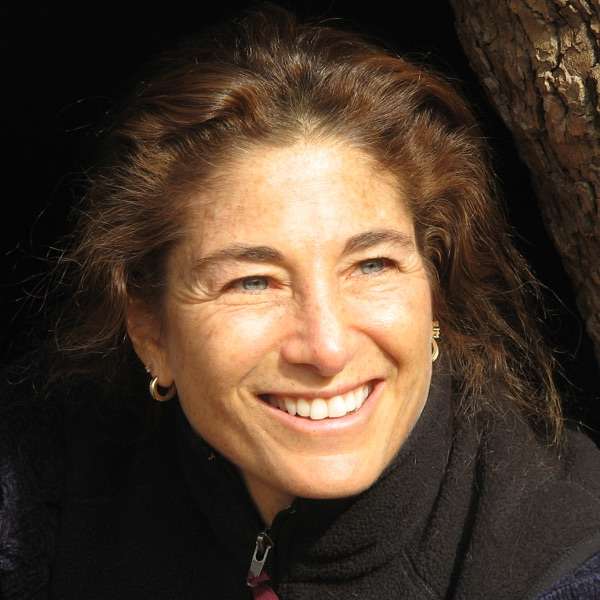
    Tara Brach

    1

    Tara Brach Buddhism
    Tara Brach

    2

    Tara Brach Buddhism
    Grace to You Radio Podcast – webnews@gty.org (Grace to You)

    3

    Grace to You Radio Podcast – webnews@gty.org (Grace to You) Buddhism
    Secular Buddhism

    4

    Secular Buddhism Buddhism
    법륜스님의 즉문즉설

    5

    법륜스님의 즉문즉설 Buddhism
    Buddhist Geeks

    6

    Buddhist Geeks Buddhism
    footer-logo

    Contact Us

    Toll Free: 844-670-7747

    Links

    • Home
    • Top Charts
    • Networks
    • Apps
    • Independents Podcasts
    • Podcast Advertising
    • Podcast News
    • Contact Us
    • About Us
    • Analytics & Insights

    Stay Connected

      Privacy, Terms of Use & Our Code of Ethics Protecting Content Creators Copyrights