TopPodcast.com
Menu
  • Home
  • Top Charts
  • Top Networks
  • Top Apps
  • Top Independents
  • Top Podfluencers
  • Top Picks
    • Top Business Podcasts
    • Top True Crime Podcasts
    • Top Finance Podcasts
    • Top Comedy Podcasts
    • Top Music Podcasts
    • Top Womens Podcasts
    • Top Kids Podcasts
    • Top Sports Podcasts
    • Top News Podcasts
    • Top Tech Podcasts
    • Top Crypto Podcasts
    • Top Entrepreneurial Podcasts
    • Top Fantasy Sports Podcasts
    • Top Political Podcasts
    • Top Science Podcasts
    • Top Self Help Podcasts
    • Top Sports Betting Podcasts
    • Top Stocks Podcasts
  • Podcast News
  • About Us
  • Podcast Advertising
  • Contact
Not in our directory?
Add Show Here
Podcast Equipment
Center

toppodcastlogoOur TOPPODCAST Picks

  • Comedy
  • Crypto
  • Sports
  • News
  • Politics
  • True Crime
  • Business
  • Finance

Follow Us

toppodcastlogoStay Connected

    View Top 200 Chart
    Back to Rankings Page
    Health

    The Zack Arnold Podcast

    If you want to make things that matter, I want to help you. And if you've built your entire career around your creativity, you too may be asking: Is there a future for us? Or is it game over? I don't know what the future holds, but I do promise few are more dedicated to helping us find the answers than I am.

    You're in the right place if:

    • You live to create. Your work isn't just a job but an expression of who you are.
    • You create to live. Your livelihood depends on your creativity.
    • You love making cool shit.

    Whether you identify as introverted or neurodivergent (or both, like me)…

    No matter if you're a misfit, a rebel, an outlier, or a troublemaker…

    If you've been called weird, nerdy, dorky, quirky, or awkward…

    Or if you’re an over-thinker, procrastinator, or perfectionist…

    You are welcome here. 😊

    Come join me as I have honest, authentic, and candid conversations with NYT bestselling authors, Oscar and Emmy winners, experts across many different industries, and ordinary humans achieving extraordinary things.

    Advertise
    • Apple Podcasts
    • Google Play
    • Spotify

    Latest Episodes:
    Pursuing Your Passion With Authenticity (And No Apologies) | with Dr Noah Arnold Nov 13, 2018
    Show notes

    My guest today is Noah Arnold, a veterinarian and business owner who runs his own veterinary clinic in Shorewood, Wisconsin in a very unique way, to say the least. Before going any further, if you’re wondering why in the world I would interview a veterinarian on a podcast that’s all about reaching your full creative potential, trust me. This is one of the best and most inspiring stories you will ever hear, especially if you’re a freelancer or small business owner struggling to build your own niche.

    Noah did all the right things, took all the right classes, got the right degrees, and landed the right jobs. He had 2.4 kids (well actually 3), a car payment, and a mortgage. He was doing everything he was told to do in order to be happy...except he was miserable. Needless to say, living the life that he was “supposed to” live was slowly killing Noah. In order to get to the point where he had the freedom to build a business his way so he could pursue his passion and fulfill what he believes is his true purpose in life (serving animals and serving people who love animals), he had to summon the courage to escape his old life of desperately trying to conform and fit into the corporate world of animal medicine. In our discussion today Noah gives us an incredibly candid look into his journey and what inspired him to give up a life of comfort and security to take a huge risk, bet it all, and pursue his dream.

    If you’ve ever felt stuck, lost, or asked yourself, “Is this all there is?” then you don’t want to miss this interview. I’ve released over 180 podcasts, and I can honestly say this is the first interview that ever brought me to tears. I challenge you to make it through without choking up at least once.

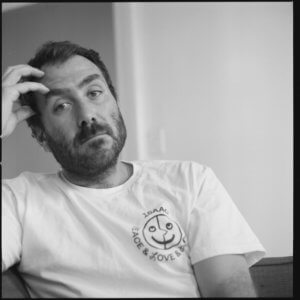
    Finally as a full disclaimer, similar to my previous interview with world-renowned Instagram street photographer Daniel Arnold (which is episode 54 if you’re interested), Noah also happens to be my cousin...and he’s Daniel’s younger brother. Needless to say, I am extremely blessed to have such passionate, creative, and wonderful people in my family.

    Here's What You'll Learn:

    • How rejection can fuel perseverance
    • Letting go of the necessity of comfort
    • "The trick to success is not focusing on the success but being authentic"
    • Creating a clinic that feels as safe as your living room
    • Facing your own desperation to be a person you're not
    • "There's no reason you should be waking up every day unhappy"
    • Being terrified to take the leap to independence

    Useful Resources Mentioned:

    "Guitars at the Vet: Dr. Noah puts his own riff on pet medicine"

    Dr. Noah Arnold Sings to Animals to Relax Them Before Procedures

    Our Generous Sponsors:

    This episode is made possible by our proud supporters Adobe. Leave a review of this episode in iTunes or Apple Podcasts and you’ll be entered to win a yearly subscription to Adobe Creative Cloud, an essential package of video creation tools that I personally can’t live without. What’s so cool about creative cloud is how easily you can move from ingest to editing, and from color grading to 3D compositing, thanks to smooth integration between Premiere Pro, After Effects, and Audition. To win yourself that yearly subscription, just leave an honest review of this show in iTunes or Apple Podcasts.

    You can also enter to win the 12 month 'Pro Plan' from our sponsor Frame.io, an amazing online collaboration tool where you can comment and interact directly with your videos providing instant feedback, rather than constantly going back and forth via endless email chains. (And you know how I feel about email and productivity.) Even cooler your comments can be imported directly into your editing software of choice, and it’s so intuitive, easy to use, and dare I say “pretty” that Frame.io won an Apple Design Award. Leave a podcast review in iTunes to be entered to win your 12 month 'Pro Plan.'

    This episode is made possible for you by Ergodriven, the makers of the Topo Mat, my #1 recommendation for anyone who stands at their workstation. The Topo is super comfortable, an awesome conversation starter, and it’s also scientifically proven to help you move more throughout the day which helps reduce discomfort and also increase your focus and productivity. Click here to learn more and get your Topo Mat.

    This episode is made possible by SitTight, my new #1 recommendation if you’re searching for a healthier, more ergonomically-friendly office chair that turns sitting into an activity that actually improves your health rather than damaging it. Yes, you can actually get fit while you sit. If you’ve never seen one, just imagine the most comfortable bar stool on the planet on top of a Bosu Ball. Trust me...it’s awesome. SitTight can provide fitness for your body, focus for your mind, and fun for your spirit. BONUS: Use the coupon code OPTIMIZE for 10% off your order!

    Guest Bio:

    Facebook

    I was born in Madison, WI and moved to the East Side of Milwaukee when I was two. As a kid I stole birds from their nests and bunnies from their moms, misconstruing it as a rescue, and fed them by hand till they flew away or hopped off. I read books about boys with pet raccoons and dreamed of a far away life where people and animals and nature were interconnected.

    When I was 12 we moved to the North Shore of Milwaukee so I could attend Nicolet high school (where I graduated in 2000 with the esteemed award of class clown). I spent my free time volunteering at nature preserves, caring for the animals on display, and shadowing local vets during surgeries. I received a bachelor’s degree in biology from UW Milwaukee and spent two years studying Animal Science at the University of Minnesota, Twin Cities. In 2010 I graduated from the University of Wisconsin, Madison as a Doctor of Veterinary Medicine.

    After vet school I worked for 6 years as a small animal veterinarian at Spring Harbor Animal Hospital in Madison and The Thiensville-Mequon Small Animal Clinic in Milwaukee’s North Shore. I married the girl of my dreams (we’ve been together since I was 15 and she was 34. Just making sure you’re paying attention… she was also 15), and had 3 beautiful, terrible, lovely children (Sadie, 5, Amelia, 3, and Elliot, 8 months). I have a brown tabby cat named “The Little Boy” and a wooly beast of an Alaskan Malamute, “Bella.” I write sad songs on guitar and piano and play locally on a regular basis. If I didn’t have so many diapers to change I would hike and canoe and explore.

    What I really want you to know about me is that I love animals and I love people and I love people who love animals. My goal is not to be rich and famous. I want to create a family where people and pets feel loved and listened to and receive the highest quality of care.If you’re still reading this, thanks… I am long winded and as much as you’re willing to read, I’m willing to write.

    I use my Facebook to share stories and I’ve included a few posts that tell about my pets over the years. Follow my Facebook page for my daily adventures.

    Show Credits:

    This episode was edited by Curtis Fritsch, and the show notes were prepared and published by Elyse Rintelman. The original music in the opening and closing of the show is courtesy of Joe Trapanese (who is quite possibly one of the most talented composers on the face of the planet).

    Note: I believe in 100% transparency, so please note that I receive a small commission if you purchase products from some of the links on this page (at no additional cost to you). Your support is what helps keep this program alive. If you have any questions, please don’t hesitate to contact me.


    One Sleep Tracker to Rule Them All...the Oura Ring | with Chuck Hazzard Nov 01, 2018
    Show notes

    Whether you do intense creative work every single day, or intense athletic training, or if you happen to do both like me, the most overlooked aspect of life is often RECOVERY.

    If you don’t recover, you can’t focus or solve difficult creative problems (especially with tight deadlines).

    If you don’t recover, you can’t train harder.

    And if you don’t recover, you’ll eventually burnout.

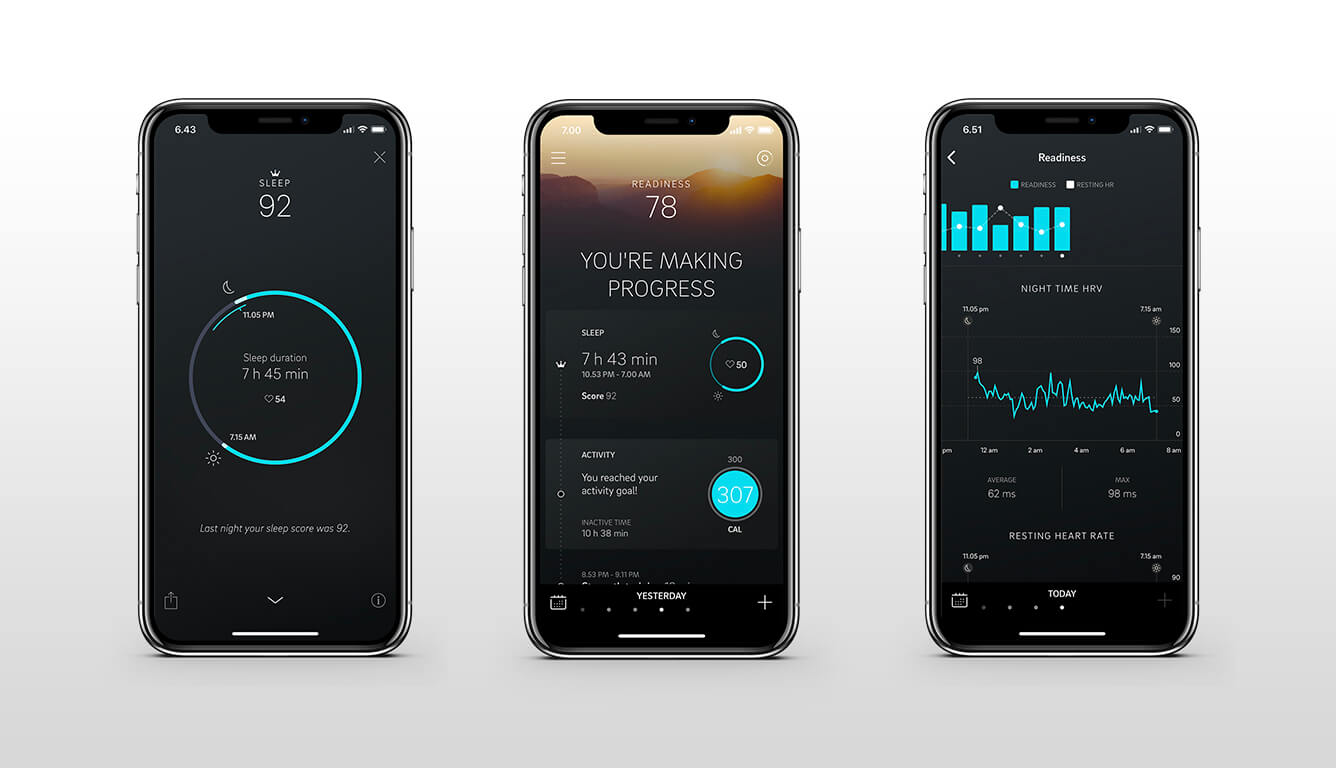
    Thanks to the Oura Ring (use the coupon code 'Optimize' for $75 off!), recovery is now as measurable as your weight, your height, or your daily step count.

    oura ring app screenshot

    My guest today is Chuck Hazzard, an entrepreneur and expert when it comes to wearable technology and biohacking, and he is currently the VP of sales at a company called Oura based in Finland but taking the US by storm with it’s device the Oura Ring.

    If you’re not familiar with the Oura Ring, it’s probably because you’d never recognize that someone else is even wearing one (that’s part of its brilliance). It’s easy to spot Apple Watches, Fitbits, and the countless other trackers people wear today, but the Oura Ring is as inconspicuous as they come because it essentially looks like a very simple wedding band. But despite its design simplicity, there is no question it’s the best sleep tracker on the market today.

    If you have any interest in measuring and improving the quality of your sleep at a level so detailed your doctor would be envious, then you need to listen to this interview.

    Chuck and I take a deep dive into the sleep quantification rabbit hole in this interview and discuss the many kinds of medical-grade measurements the Oura Ring takes while you sleep including your resting heart rate, your heart rate variability (HRV), your respiration rate, your body temperature, and more. And more importantly, we talk about how all this data is only meaningful if you know how to interpret it and modify your daily behaviors so you are better rested and have recovered enough to take on whatever today’s challenge might be.

    P.S. Chuck was kind enough to offer a coupon code worth $75 off your order (no that’s not a typo - $75 OFF!!!!), but it’s only available until January 1st. So if you have a stocking to stuff this upcoming holiday season (whether someone else’s or your own), use the coupon code ‘OPTIMIZE’ for $75 off your Oura Ring.

    Disclaimer: I am NOT an affiliate for Oura Ring, I do not earn a single cent in commissions if you choose to buy one with or without the coupon code. I simply believe in this technology and I want to help you succeed.

    Here's What You'll Learn:

    • The keys to understanding your sleep data
    • Breaking down Heart Rate Variability
    • Decoding your circadian rhythm (sleep chronotype)
    • The variability of individual's sleep needs
    • Your 'Readiness score' is the one number to rule them all
    • How activity works and it's impact on your waking (and sleeping) life
    • Infrafred vs optical sensors during the day (and why HRM is still necessary)

    Useful Resources Mentioned:

    Chuck Hazzard

    Oura Ring

    Heart Rate Variability Podcast

    Our Generous Sponsors:

    This episode is made possible for you by Ergodriven, the makers of the Topo Mat, my #1 recommendation for anyone who stands at their workstation. The Topo is super comfortable, an awesome conversation starter, and it’s also scientifically proven to help you move more throughout the day which helps reduce discomfort and also increase your focus and productivity. Click here to learn more and get your Topo Mat.

    Guest Bio:

    Facebook|Twitter

    Chuck Hazzard is an entrepreneur and technology expert, with a current focus on the wearable industry. In the past, Chuck has designed and built computer networks, developed software applications for large corporations, helped build a successful telecommunications business from the ground up, and more recently, helped a large telecommunications company develop and bring to market products and services yielding an additional $500M in annual revenue.

    Chuck earned his BA in Computer Science and Mathematics from the University of Maine, where he also earned his JD at their School of Law. Chuck is also a graduate of the FDN program and is a licensed Heartmath Provider.

    Show Credits:

    This episode was edited by Curtis Fritsch, and the show notes were prepared and published by Elyse Rintelman. The original music in the opening and closing of the show is courtesy of Joe Trapanese (who is quite possibly one of the most talented composers on the face of the planet).


    The Ten Commandments of Working With Editors Oct 25, 2018
    Show notes

    Hello and welcome to a special episode of the Optimize Yourself podcast where I provide my written articles in audio form so you have the opportunity to listen instead of read if that’s your preference. My hope is that you’ll use this opportunity to get up and step away from your desk to build the habit of moving more throughout your workday.

    Today’s reading is for an article I wrote for Frame.io titled “The Ten Commandments of Working with Editors.”

    » Click here to read the whole article at Frame.io

    Curmudgeon. Loner. Keyboard monkey. Cave dweller. Hermit.

    These are just a few of the choice names many have come to associate with those of us who edit for a living.

    And they’re not 100% wrong. Stereotypes often emerge from a grain of truth.

    There’s no question that editors are unique creative creatures that are often misunderstood by producers, directors, and clients:

    • We more often than not prefer to work alone.
    • We don’t get a whole lot of sun (not familiar with “The Sun?” Here, let me Google that for you).
    • We can be ridiculously OCD about “our way” of doing things.
    • We don’t like to be told what to do.
    • And we get really snappy when you touch our keyboards (sorry about that, it’s nothing personal).

    If you’re a producer or client sitting on the couch in an edit suite struggling to understand what makes your editor tick, and you’d like a better understanding of how we operate, I hope the following “commandments” will give you some important insights.

    [Author’s Note: I totally get that “editor” encompasses a wide range of job types. For those of you specifically in the Fortune 500 agency world, for example, it may be routine for the editor and producers to sit together during a session. I assure you, whether you’re with your editor every day in his or her suite, or collaborating cross-country with a tool like Frame.io, you will have a superior working relationship with your editor if you adopt the spirit of these commandments—which will yield a superior end product. And that’s something we all want.]

    The Ten Commandments of Working with Editors

    1. Thou shalt respect each editor’s unique personality.
    2. Thou shalt understand the creative process takes time.
    3. Thou shalt be patient and understand that “we will get there.”
    4. Thou shalt not micromanage the process.
    5. Thou shalt understand we report to multiple people.
    6. Thou shalt maintain the position of “collaborator.”
    7. Thou shalt not “play around” with our cuts (or touch our stuff).
    8. Thou shalt accept that editors are not technical wizards.
    9. Thou shalt accept that not everything can be “fixed in post.”
    10. Thou shalt accept that editing is our career and our passion—but it’s not our life.

    How Tiny Changes Can Create Remarkable Results | with James Clear Oct 18, 2018
    Show notes

    "You do not rise to the level of your goals, you fall to the level of your systems."

    - James Clear

    My guest today is James Clear, an author and speaker who specializes in habits, decision making, and continuous improvement. His work has appeared in the New York Times, Entrepreneur, Time, and on CBS This Morning, just to name a few. In addition, his website receives millions of visitors each month, and he has hundreds of thousands of subscribers to his popular email newsletter which you can find at JamesClear.com. On top of all of his writing, James is also an accomplished speaker having spoken regularly for Fortune 500 companies, and much of his work is used by teams in the NFL, NBA, and MLB.

    In short...James is one of the world’s foremost experts on habits and the impact of small behaviors on your health & well-being.

    In today’s interview we do a deep dive into James’ brand new bestselling book Atomic Habits. We talk about how good and bad habits form in the first place, and how to break down seemingly impossible goals (losing weight, breaking bad habits, moving forwards in your career, etc) so you can make small but continuous improvements every single day.

    If you’re ever wanted to make any kind of positive change in your life but you weren’t sure where to start, or even worse you just can’t make yourself give up bad habits, James is THE guy to get you where you want to be.

    Win a One 1-Yr Subscription to Adobe Creative Cloud or Frame.io

    » Click here to leave a review of this episode in iTunes (or Apple Podcasts)

    Here's What You'll Learn:

    • How to get 1% better each day
    • Retouching a painting, upgrading a portion of yourself (through behavior)
    • Creating goals that actually have actionable steps
    • Rapid transformation is not achievable for most people
    • How to deny to intrusive desire to slack off 1% every day
    • Breaking down the phrase "atomic habits"
    • Conquering habit formation by preparing for the "plateau of latent potential"
    • Observing how your expectations influence your behavior
    • How to build a habit based on identity rather than just outcomes
    • Ways in which your descriptions of your habits can make them impossible to change

    Useful Resources Mentioned:

    JamesClear.com

    Atomic Habits

    The Habits Academy

    Our Generous Sponsors:

    This episode is made possible by our proud supporters Adobe. Leave a review of this episode in iTunes or Apple Podcasts and you’ll be entered to win a yearly subscription to Adobe Creative Cloud, an essential package of video creation tools that I personally can’t live without. What’s so cool about creative cloud is how easily you can move from ingest to editing, and from color grading to 3D compositing, thanks to smooth integration between Premiere Pro, After Effects, and Audition. To win yourself that yearly subscription, just leave an honest review of this show in iTunes or Apple Podcasts.

    You can also enter to win the 12 month 'Pro Plan' from our sponsor Frame.io, an amazing online collaboration tool where you can comment and interact directly with your videos providing instant feedback, rather than constantly going back and forth via endless email chains. (And you know how I feel about email and productivity.) Even cooler your comments can be imported directly into your editing software of choice, and it’s so intuitive, easy to use, and dare I say “pretty” that Frame.io won an Apple Design Award. Leave a podcast review in iTunes to be entered to win your 12 month 'Pro Plan.'

    This episode is made possible for you by Ergodriven, the makers of the Topo Mat, my #1 recommendation for anyone who stands at their workstation. The Topo is super comfortable, an awesome conversation starter, and it’s also scientifically proven to help you move more throughout the day which helps reduce discomfort and also increase your focus and productivity. Click here to learn more and get your Topo Mat.

    This episode is made possible by SitTight, my new #1 recommendation if you’re searching for a healthier, more ergonomically-friendly office chair that turns sitting into an activity that actually improves your health rather than damaging it. Yes, you can actually get fit while you sit. If you’ve never seen one, just imagine the most comfortable bar stool on the planet on top of a Bosu Ball. Trust me...it’s awesome. SitTight can provide fitness for your body, focus for your mind, and fun for your spirit. BONUS: Use the coupon code OPTIMIZE for 10% off your order!

    Guest Bio:

    Facebook|Twitter|Instagram

    James Clear is an author and speaker focused on habits, decision-making, and continuous improvement. His work has appeared in the New York Times, Entrepreneur, Time, and on CBS This Morning. His website receives millions of visitors each month and hundreds of thousands subscribe to his popular email newsletter at JamesClear.com. He is a regular speaker at Fortune 500 companies and his work is used by teams in the NFL, NBA, and MLB.

    Through his online course, The Habits Academy, Clear has taught more than 10,000 leaders, managers, coaches, and teachers. The Habits Academy is the premier training platform for individuals and organizations that are interested in building better habits in life and work. You can learn more at habitsacademy.com

    Show Credits:

    This episode was edited by Curtis Fritsch, and the show notes were prepared and published by Elyse Rintelman. The original music in the opening and closing of the show is courtesy of Joe Trapanese (who is quite possibly one of the most talented composers on the face of the planet).

    Note: I believe in 100% transparency, so please note that I receive a small commission if you purchase products from some of the links on this page (at no additional cost to you). Your support is what helps keep this program alive. If you have any questions, please don’t hesitate to contact me.


    Dear Zack: "Is pursuing feature film editing worth it given the sacrifices?" Oct 11, 2018
    Show notes

    (Author's Note: If you'd like to submit a question for an upcoming article, don't hesitate to reach out and send me a message. I read every single email I receive.)

    On a weekly basis I receive emails, Facebook messages, and tweets from people all over the world who work in creative fields. Some people send me pages worth of their life stories, others are looking for quick tips to optimize something very specific in their lives, but most often the messages I receive are from people frustrated with where they are in their career who don’t know where to go next.

    The question below from Matt is a common concern many people have who are passionate about breaking into feature film editing but not sure if they're willing to pay the price necessary to achieve success. If you're not interested in feature film editing specifically, the advice below applies to just about any other creative field in the entertainment industry.

    Dear Zack,

    I'm Matt, 27, a video editor from England. I've been lucky enough to work as an editor for Manchester United and for brands like Adidas, but the dream inside me is big feature film editing. I've edited a couple of lower budget projects and love the creative challenge. I've been a film nerd since however long I can remember and when I see a great film I always think how awesome it would be to have had a creative part in that.

    I know you address this in the podcast but...I'm wondering if pursuing this goal is worth it in terms of the sacrifice knowing the long hours involved and what it can do to your social and family life...and health. I enjoy editing and feel I have a talent in crafting edits and storytelling but I also like my social life and traveling and having adventures with friends.

    Is it realistic to be able to work 6 months on 6 months off given the financial gain of working at that level and the intensity of a project like...the Avengers? It's probably only a question I can answer but any thoughts you could offer would truly be most appreciated.

    Thanks,

    Matt
    Hi Matt,

    The hard truth is that there's no right answer to this question. You already hit the nail on the head when you said, "It's probably only a question I can answer." But that having been said, I have provided three questions below that you can ask yourself that will hopefully help you clarify your true purpose and whether the cost of you pursuing your goal is worth the sacrifice.

    1. Do you have a deep understand of WHY editing feature films is the right creative profession for you?

    Before determining what the true sacrifices are if you want to become an A-list feature film editor of huge films like The Avengers, the first step you must take is identifying and understanding your deeper "Why's." The answer to this question might come simply to you at first, but the deeper you get, the more complex your answer becomes very quickly.

    Think of this process like peeling the layers of an onion.

    Start simply by asking yourself:

    "Why do I love editing?"

    And your answer can be as simple as:

    "It's fun cutting shots together with music."

    Now ask yourself, why is it fun cutting shots together with music?

    "Because I get an adrenaline rush when the perfect shot comes together at the right moment with a moment in the music."

    Okay...so why is that so important?

    "Well I guess when I think about it, I know if I feel a rush at that moment, the audience will too. So I guess that means I love making other people feel something."

    Okay...so why is that so important?

    "Making people feel something is important to me because I want the work I do every day to have a positive impact on others and thus on the world."

    NOW we're getting somewhere. You no longer want to edit big budget feature films because "It's fun cutting shots together with music," your deeper WHY is that you really want to make people feel something so you have a positive impact on the world.

    Only after you've spent the time to define your deeper WHY will you then be able to more closely align your career path and your job choices with what truly matters to you (more on aligning your needs with your employer's needs below).

    Action Step: Set aside a minimum of 1 hour to clearly define your most important 'Why's.'

    Before spiraling down the rabbit hole and questioning whether or not you should pursue your true passion (or ditch it altogether) despite the tremendous personal sacrifices, spend some time thinking deeper about why working on big films like The Avengers is your ultimate goal.

    Here are some additional resources to help you define your 'Why's':

    Ep48: Feeling Lost? It’s Time to ‘Find Your Why’ | with David Mead

    Simon Sinek's TED Talk about 'The Golden Circle'

    Start With Why: How Great Leaders Inspire Action

    Enroll in my 'Design Yourself' program (which contains an entire module dedicated to the process of 'Defining Your Why')

    2. Are you excited about the process, not just the outcome?

    In your message above Matt you mention, "When I see a great film I always think how awesome it would be to have had a creative part in that."

    Having a "creative part in that" comes at a price.

    One of the biggest mistakes I see people make in the entertainment industry is focusing so much of their effort on the outcome while completely losing sight of the process.

    Hopefully after taking the necessary time as I suggested above to 'Define Your Why' this question becomes moot, but it's important to ask yourself if you're intimately familiar with the process of editing huge tentpole films like The Avengers?

    Or are you chasing the outcome of success?

    Sure it would be amazing to go out with friends, tell them you edit huge Marvel films, and see amazed and impressed looks on their faces. How cool are you!

    Of course it would be awesome to give speeches, win awards, and be at the top of your profession (and command a HUGE weekly rate).

    And how fantastic would it be going to bed every night knowing that literally tens of millions of people across the globe watched and loved your work?

    Everyone living the life I just described has had to pay their dues for decades to reach that outcome:

    • They have spent tens of thousands of hours behind a computer in a dark room (probably with no windows)
    • They have sacrificed countless nights & weekends away from their families
    • They have missed dance recitals, holiday shows, and birthday parties
    • They have put their health on the back burner many times to meet deadlines
    • They have endured a creative career with no certainty from job to job, often spending months (or even years) earlier in their careers where it was extremely tough to find steady work at all

    If you're chasing film editing because you're interested in the glamour, consider 99% of your life will be spent behind a computer, and 1% will be schmoozing at fancy parties.

    Is it worth it?

    If the 99% excites you more than the 1%, you're on the right path.

    If the 99% sounds absolutely miserable, you'll never get the opportunity to experience the 1%.

    Action Step: Prioritize time to weigh the true cost of becoming an A-list feature film editor against what you would receive in return.

    If the cost of spending the next 2-3 decades climbing the ladder to the top of the feature world is worth it and then some, pursue your dream! But if giving up your social life and sacrificing time and adventures with your friends is non-negotiable, this career path might not be the best fit for you. Proceed below to go even deeper down the rabbit hole of defining your own needs versus the job requirements.

    Here are some additional resources to help you understand what it really takes to edit feature films at the highest level (and calculate the true costs):

    Ep105: Jeffrey Ford's Secret Weapon to Editing (and Surviving) Marvel Films

    Ep50: EditFest 2018 Panel 'The Extended Cut: How to Survive and Thrive In Editorial'

    Ep18: Surviving the Insanity of the Edit Suite | with Billy Goldenberg, ACE

    Ep60: Legendary Film Editor Walter Murch on Surviving 50+ Years In Post

    Ep40: Editing Hollywood Blockbusters | with Alan Bell, ACE

    Dear Hollywood: We Create Entertainment For a Living...We're Not Curing Cancer

    3. Taking into account the career ladder you want to climb, have you considered whether or not your future employers' needs align with your own personal needs?

    One of the most common mistakes many people make in the entertainment industry is taking any work that comes their way because, "You never know when the next job will come around." But if the work you're taking builds a resume and a contact list that doesn't align with your own personal needs over the long term, in a decade you'll end up hating your profession and want to transition to something else (e.g. everyone who is desperately trying to get out of reality and transition to scripted television right now).

    I have very clearly defined my own personal needs. By doing so, I have created a "filter" so to speak that allows me to either consider or politely decline offers and opportunities that either align or do not align with my needs.

    Here is a small list of my own personal needs:

    • Commuting drives me bonkers, so I will no longer accept work with a commute longer than 60 minutes
    • With two kids (8 and 6) I prioritize weekends just for them. So I won't accept jobs that expect me to routinely work 6 or 7 day weeks
    • I'm focused on building my website, my private coaching program, and training for American Ninja Warrior, so I won't accept jobs that expect me to work more than 10+ hours a day (with an allowance for crunch time here and there)
    • Having clearly defined my own 'Why,' I won't accept projects or work with toxic people that don't align with my deeper motivation for editing
    • I've very efficient with my time, so I won't work with a team that micromanages my process or forces me to work without internet (not having access to Trello would be a deal breaker!)

    Because all of the needs listed above are paramount to my own well-being and long-term health, I'm very firm when approached with jobs that don't align with these needs.

    Action Step: Listen to my podcast interview with Norman Hollyn where we discuss the process of aligning your needs with your employers' needs using the Venn Diagram below.
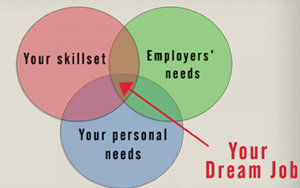
    Make a minimum of two columns.

    In column #1 list your employer's needs and expectations (refer to the resources in question #2 if you aren't familiar with those expectations).

    In column #2 list your own personal needs over the long term.

    Where do they intersect?

    To Summarize...

    Unfortunately there is no clear cut answer to your question Matt. Only you can determine if the sacrifices will be worth attaining your ultimate goal of editing huge feature films. But to make the process a little easier on you:

    1. Define your deeper 'Why's' so you understand what drives you and motivates you every single day
    2. Determine whether you are more excited waking up every single morning to embrace the process or simply enjoy the outcome
    3. Clarify whether your own personal needs align with your employers' needs

    And to answer your final question, "Is it realistic to be able to work 6 months on 6 months off given the financial gain of working at that level?" there's no question editing huge Marvel movies like The Avengers will pay a generous weekly rate...but is that rate enough to compensate you for the sacrifices necessary to reach that level in your career?

    If the answer is yes...then go for it!


    The Darker Side of Creativity | with Daniel Arnold Oct 04, 2018
    Show notes

    Daniel Arnold, is a world-renowned NYC street photographer who has been hailed by Gawker as ‘The best photographer on Instagram,’ by Wired as ‘Instagram’s ultimate street photographer,’ the New Yorker turned over their Instagram feed to Daniel for a week to document activity on the NYC subways, and his work is regularly featured in Vogue as well as The New York Times, just to name a few of his accolades. And in the interest of full disclosure...Daniel also happens to be my cousin.

    In this marathon conversation Daniel and I take a deep, candid, and unfiltered look at the creative process. We leave no stone unturned and share both of our very honest experiences with both the amazing (i.e. manic) sides of creativity...and we also aren’t afraid to talk about our numerous personal experiences with depression and burnout. I thought this article would be both helpful and timely given that October 7th is the beginning of Mental Illness Awareness Week.

    If you are dealing with mental health issues, whether or not you work in a creative field like us, know that you are not alone.

    If you’ve ever felt like your creativity is a calling, a part of your identity, or something you simply must get out of your system in order to feel alive or be considered a productive member of society, you don’t want to miss this conversation.

    And as soon as you’re done listening (or even while you’re listening), do yourself a favor and look up Daniel’s Instagram page. His photos will literally blow your mind. And I’m not saying that because he’s my cousin....his 200 thousands followers definitely agree with me.

    Win a One 1-Yr Subscription to Adobe Creative Cloud or Frame.io?

    » Click here to leave a review of this episode in iTunes (or Apple Podcasts)

    Here's What You'll Learn:

    • The social safety net of holding a camera
    • Creating art as a response to stress
    • The performative nature of being human
    • How photography lowers the unreachable pedestal of cultural fame
    • The ways in which creativity is bred through confrontation
    • Creativity as a positive relationship with the fear of inadequacy
    • Legacy, wanting to be loved, and feeling like your contributions to the world give you internal value
    • Processing expectations and moving past the disappointment of not meeting them
    • Depression and it's relationship with creating
    • "Stop trying to be a good photographer...just make a mess"

    Useful Resources Mentioned:

    Daniel’s Instagram Page

    Our Generous Sponsors:

    This episode is made possible by our proud supporters Adobe. Leave a review of this episode in iTunes or Apple Podcasts and you’ll be entered to win a yearly subscription to Adobe Creative Cloud, an essential package of video creation tools that I personally can’t live without. What’s so cool about creative cloud is how easily you can move from ingest to editing, and from color grading to 3D compositing, thanks to smooth integration between Premiere Pro, After Effects, and Audition. To win yourself that yearly subscription, just leave an honest review of this show in iTunes or Apple Podcasts.

    You can also enter to win the 12 month 'Pro Plan' from our sponsor Frame.io, an amazing online collaboration tool where you can comment and interact directly with your videos providing instant feedback, rather than constantly going back and forth via endless email chains. (And you know how I feel about email and productivity.) Even cooler your comments can be imported directly into your editing software of choice, and it’s so intuitive, easy to use, and dare I say “pretty” that Frame.io won an Apple Design Award. Leave a podcast review in iTunes to be entered to win your 12 month 'Pro Plan.'

    This episode is made possible for you by Ergodriven, the makers of the Topo Mat, my #1 recommendation for anyone who stands at their workstation. The Topo is super comfortable, an awesome conversation starter, and it’s also scientifically proven to help you move more throughout the day which helps reduce discomfort and also increase your focus and productivity. Click here to learn more and get your Topo Mat.

    This episode is made possible by SitTight, my new #1 recommendation if you’re searching for a healthier, more ergonomically-friendly office chair that turns sitting into an activity that actually improves your health rather than damaging it. Yes, you can actually get fit while you sit. If you’ve never seen one, just imagine the most comfortable bar stool on the planet on top of a Bosu Ball. Trust me...it’s awesome. SitTight can provide fitness for your body, focus for your mind, and fun for your spirit. BONUS: Use the coupon code OPTIMIZE for 10% off your order!

    Guest Bio:

    Facebook|Twitter|Instagram

    Daniel Arnold could be the William Eggleston of Instagram. Using his iPhone (along with a Contax G2 and Yashica T5), he captures the daily rhythms of New York street life in moments of both high drama and sublime banality. When he needed extra cash in March (“I had 40 bucks in my bank account and 10 grand of credit card debt,” he said), Mr. Arnold told his Instagram followers that he would sell 4-by-6 prints of his photographs for $150 each. By day’s end, he was $15,000 richer.

    In 2012, the gossip website Gawker published an article about how Mr. Arnold had been censored: He had posted a cheeky but artfully composed photo of two topless sunbathers at Fort Tilden beach. Though he had only 1,500 followers at the time, Gawker called his Instagram feed a “stream of brilliantly voyeuristic snapshots of New York City streets.”

    Show Credits:

    This episode was edited by Curtis Fritsch, and the show notes were prepared and published by Elyse Rintelman. The original music in the opening and closing of the show is courtesy of Joe Trapanese (who is quite possibly one of the most talented composers on the face of the planet).

    Note: I believe in 100% transparency, so please note that I receive a small commission if you purchase products from some of the links on this page (at no additional cost to you). Your support is what helps keep this program alive. If you have any questions, please don’t hesitate to contact me.


    The Ultimate Guide to Building a Healthy Workstation (And Being Less Sedentary)...All For the Price of a Single Desk Chair Sep 27, 2018
    Show notes

    Author’s note: This ‘Ultimate Guide’ is a collection of over a decade of research, experimentation, and many of my past articles on the topic of living a less sedentary lifestyle. This guide is also based on many conversations with the world’s foremost experts on proper ergonomics, the dangers of being sedentary, and the benefits of more consistent movement throughout the day. There’s A LOT of information in this guide to help you build a healthy workstation and move more during your day.If you’d prefer to have this guide as a PDF you can reference for later use, Click here to download this ‘Ultimate Guide’ as a PDF.Working a very sedentary career as a Hollywood film & tv editor, I have spent the last two decades figuring out how to stay active all day long despite living in front of a computer (in the dark) .Fifteen years ago when I traded in my super-fancy Herman Miller Aeron chair for a $20 exercise ball as my primary desk chair, people laughed at me.Ten years ago when I invested $3000 in a motorized height-adjustable workstation for my home office, people thought I was crazy.And five years ago when I moved in a desk treadmill, a doorway pull-up bar, and kettlebells to my office at Empire, people snickered thinking I had lost my mind.Luckily a lot has changed in the last five years.But a lot hasn’t changed as well.While it’s true that people are becoming much more conscious about the fact that sitting is slowly killing us, they are still often seeking the wrong solutions.The most common question I’m still asked to this day is:“I want to invest in the best ergonomic office chair on the market for the sake of my health. What should I buy?”This question is encouraging because it means people are (finally) recognizing that you can have a successful career because you invest in your health, not despite prioritizing your health ahead of your career.But it’s also frustrating because it’s completely the WRONG question to ask.If you do a search via Dr. Google for the “healthiest office chairs,” the #1 option (if budget is no object) is the Herman Miller ‘Embody’ Chair.And it costs just under $1500.Even more extreme, for those with ample funds to spend (who aren’t terrified of the film WALL-E becoming our reality), there is even a workstation that allows you to lie down while you work...if you’re willing to drop over $8500.Clearly if I spent over $3k on a motorized standing desk a decade ago I have no problem investing in technology that will make my work environment healthier and more ergonomically friendly. But the last thing I would ever spend a single dollar on is a chair that is so comfortable it encourages me to sit (or lie down) for hours on end without moving.Do not make the cardinal mistake of thinking that “ergonomic” and “healthy” are synonyms.An “ergonomically friendly” desk chair like the Herman Miller Embody Chair will absolutely reduce lower back pain and discomfort...but unless you’re moving throughout your day, it’s still slowly killing you.Here’s the hard truth: The probability is over 70%1 that you are sitting as you read this ultimate guide. You were probably sitting for the 60 minutes before reading this ultimate guide, and you will probably sit for the vast majority of your day after reading this ultimate guide. (Full disclaimer: I’m also sitting as I write this ultimate guide)We sit at the breakfast table.Then we sit in our cars (or buses...or trains) until we get to work.Avoiding the stairs, we then take the elevator until we land at our desk chairs.Then after between 6-12 hours of sitting at our desks, we then sit in our cars on the way back home.Exhausted from a “crazy day” we then sit at the table while eating dinner (yeah right...more like the couch).Then we decompress by binge-watching the latest and greatest Netflix drama until we collapse into bed (wishing we had stopped three episodes earlier).Rinse. Lather. Repeat for 30 years.Between sitting an average of 13 hours per day and sleeping an average of 8 hours per night (8 hours...yeah right): Americans are sedentary for an average of 21 hours per day2.There has to be a better way, right? Right?????Despite thinking that ‘The Perfect Chair’ will eliminate your discomfort, there’s nothing healthy about sitting in the proper ergonomic position for 12-16 hours a day.The best ergonomic position is always your next position.Josh Kerst, ErgonomistThe key to building a healthier workstation is combining proper ergonomics with consistent movement. Only with the right equipment AND the right habits can you truly have a “Healthy Workstation.”The good news is you can redesign your entire work environment, your workstation, your chair, your habits, and the tools around you all for the price of a fancy office chair.And you don’t even have to do the research...because I’ve done it for you.What’s In This Ultimate Guide?If you’ve decided you are ready to make a substantial investment in upgrading your work environment for the sake of your health, your creativity, and your well-being, before buying “the perfect desk chair,” here is the ultimate guide to building a healthier, more active, and more ergonomically friendly workstation...all for the price of a fancy desk chair.This guide is working under the assumption your budget is $1500 (roughly the cost of the Herman Miller Embody Chair mentioned above). If your budget is substantially lower, I have broken this guide down to what I believe are the “Essentials,” and I have provided as many budget-friendly options as possible.Simply mix & match the many tools from this guide to fill your most pressing needs first, then over time slowly invest in more tools as you start building in the proper daily habits to use them.TABLE OF CONTENTSPART I: Everything You Always Wanted to Know About Movement* (But Were Afraid to Ask)I. Why “Sedentary Is the New Smoking” (Not Sitting)II. Why Movement Is So Important For Your Health & CreativityIII. Why Standing (and even Exercise) Isn’t EnoughPART 2: The Gearhead’s Guide to the Best Equipment Available to Keep You Moving (And Alive)IV. The Essential ‘Must-Haves’ For Both Sitting & StandingV. Tools to Reduce Chronic Discomfort & PainVI. Tools to Increase Strength (and Burn Calories!!!)PART 3: It’s Not Just About the Tools...It’s About Using Them ConsistentlyVII. How to Modify Your Daily Habits to Make Activity EffortlessAppendix: Expert Interviews & Additional ArticlesAFFILIATE DISCLOSURE: I believe in 100% transparency, so please note that I receive a small commission if you purchase some of the following products below (at no additional cost to you). Your support is what helps keep this program alive. If you have any questions, please don’t hesitate to contact me.PART I: Everything You Always Wanted to Know About Movement* (But Were Afraid to Ask)Before diving right into all the cool tools I recommend for living a more active (and pain-free) life in front of your workstation, it would be irresponsible if I didn’t provide at least a brief overview that explains why being sedentary is so detrimental to your health, your creativity, and ultimately your lifespan. And conversely, it’s also vital to explain on a scientific level why movement throughout your workday is so important to optimize your creativity (not to mention your physical and mental health).And if you think you get a free pass because you already have a standing desk, or because you “hit the gym” once in a while or even regularly...keep reading.I. Why “Sedentary Is the New Smoking” (Not Sitting)If you have a working internet connection, you’ve most likely come across the headline ‘Sitting Is the New Smoking.’ This sensationalist phrase, as coined by Dr. James Levine, director of the Mayo Clinic at Arizona State University, is everywhere.Yes the statistics are downright terrifying.Chronic sitting and a lack of physical activity can lead to an increased risk of:Type 2 diabetes3Cardiovascular disease4 Breast cancer5 and kidney disease in women6Colon cancer in men7Oh yeah….early death for people 35 yrs and older8But like a frog slowly boiling in water, you don’t realize anything is wrong until it’s too late.According to Dr. Levine:Sitting is more dangerous than smoking, kills more people than HIV and is more treacherous than parachuting. We are sitting ourselves to death.What’s most alarming to me about all of these studies as they relate to those of us who work in creative fields is they warn people of the negative and deadly consequences of sitting up to 6-8 hours per day.Seriously? 6-8 hours?6-8 hours is a half day for most creative professionals.It’s not like I’m going to write, “You should be moving more throughout the day,” and you’re going to say, “Wait, what? You mean I need to be more active? Huzzah!” But knowing that sitting is bad clearly isn’t enough to motivate people. The question is given the complete and total lack of free time in the constantly-moving busyness of the 21st century, what alternative do you have?According to the media and the multi-billion dollar fitness industry, you essentially have two options:Option #1: Do absolutely nothing, sit all day long, eat poorly, become fat, ugly, unattractive, and then die.Option #2: Exercise 6 days a week (everyone needs a “rest day” after all), eat an impeccable vegan/paleo/Mediterranean diet, and become one of those amazing “Before and After” pictures you see on late-nite infomercials.There is a giant chasm in between these two options that I like to call “Everybody else.”The problem is there’s nothing sexy about taking a flight of stairs instead of waiting for the elevator. You can’t make gazillions of dollars selling “moderate long-term lifestyle change.” Yet the vast majority of people fail to reach their exercise goals or complete their fitness programs because success is measured by long-term results, and results like losing 30 pounds don’t happen overnight.Here’s the secret nobody tells you:You don’t have to go to they gym every single day to be considered, “healthy,” but you do need to move more.That’s the brilliance of reframing your mindset from “I have to exercise,” to “I need to move more throughout my day.”Unlike “all or nothing” exercise programs, when you make the conscious choice to be more active, the benefits are profound and (almost) immediate.To be clear before moving forwards, I’m not saying you shouldn’t exercise. In fact, I highly recommend it if you have a pulse. But if you are working 14 hours a day and trying to raise a family, getting to the gym or doing a round of P90X every single day just isn’t a realistic expectation.There has to be a middle ground.Shockingly, our genes expect us to move 10-14 miles per day9. PER DAY. If you’re already counting your steps with a Fitbit or similar technology, you know that 10,000 is the magic number recommended by the American Heart Association10. That’s roughly 5 miles per day, less than half of the movement our bodies and minds expect, according to our genetic code.Here’s why this is terrifying if you rely on your creativity for a living - your brain functions very similar to a muscle.With lack of activity, your brain will atrophy.And conversely… The more you feed your brain, the more it will grow.The best way to feed your brain the fuel it needs to function at an optimal level (i.e. oxygen) is consistent movement.II. Why Movement Is So Important For Your Health & CreativityWhen you move, especially when you do quick bursts of high intensity exercise, even for as little as 60 seconds, your brain releases the neurotransmitters serotonin, dopamine, and norepinephrine. So every bout of activity is like taking a small dose of Prozac and Ritalin mixed together.Exercise has been proven beyond the shadow of a doubt to help people regulate their anxiety, depression, and their attention issues11.As someone who has suffered from adult ADD since college, I’ve been down the prescription drug road, and I took Adderall for a short time to manage my attention issues. Having also managed my depression, anxiety, and attention issues with exercise and activity, I can tell you firsthand that perpetual motion throughout the day is a much better long term solution for me.SIDE NOTE: Just to be clear, I am not giving medical advice of any kind, especially when it comes to taking medication or choosing to eliminate medications in exchange for increased activity. So please make sure to consult your physician first before changing how you manage your own medication. I am just sharing my personal story with you to give you some personal perspective.According to Dr. John Ratey, author of Spark: The Revolutionary New Science of Exercise and the Brain:“A massive Dutch study of 19,288 twins and their families published in 2006 showed that exercisers are less anxious, less depressed, less neurotic, and also more socially outgoing. A Finnish study of 3,403 people in 1999 showed that those who exercise at least two to three times a week experience significantly less depression, anger, stress, and “cynical distrust” than those who exercise less or not at all.”Beyond the release of neurotransmitters, the other very important chemical that is released during movement and exercise is called BDNF, or brain-derived neurotrophic factor. The reason this is so important is because BDNF is considered “Miracle-Gro for the brain,” meaning the more of it that is released, the faster your new neural connections can grow, the better your memory becomes, the faster you can learn new information, and thus ultimately become smarter over time.“In a 2007 study of humans, German researchers found that people learn vocabulary words 20 percent faster following exercise than they did before exercise, and that the rate of learning correlated directly with levels of BDNF. Along with that, people with a gene variation that robs them of BDNF are more likely to have learning deficiencies. Without Miracle-Gro, the brain closes itself off to the world,” according to Ratey.Furthermore, inmy podcast interview with Dr. John Ratey, he cites a study done in Sweden with 1.2 million boys, and they found a definitive connection between fitness and cognition. Even when they tested identical twins, they found that the less active of the two had lower cognitive scores.Beyond your creativity, perhaps your second most important professional investment (especially if you are a film editor like me) is your ability to retain information. If you have 40 hours of raw footage to review and then ultimately edit into a 42 minute episode of television, you better have systems in place to make sure you can retain as much of your raw footage as possible and synthesize your creative ideas into a finished product.According to Dr. Joan Vernikos, the former head of the life sciences division at NASA, as well as the author of Sitting Kills, Moving Heals:“When you are either sitting or lying down, your body is experiencing gravity in a very similar fashion as being weightless in space.”When the force of gravity is no longer present on the human body:Your muscles and your bones begin to atrophyBlood circulation is reduced to the brain and your brain is deprived of oxygenTriglycerides increase (fats in the blood) and you become insulin resistant (meaning that your body goes into a pre-diabetic state)Inflammation in the body increasesYour metabolism slows to burning as little as 1 calorie per minuteAs depressing as this sounds, I only bring it up because if you move more throughout the day, the opposite of every single item listed above becomes true.Movement every 20-30 minutes, even as simple as just standing up and sitting right back down, interrupts the negative effects of sitting. So it’s not really so much about the fact that you’re sitting…“What’s important is how much time you are sitting without interruption.”Therefore the more you are able to move throughout the day and protect your brain, the better your ability to make creative de…

    Full show notes at the publisher

    Never Take 'No' For An Answer | with Natalie Asatryan Sep 20, 2018
    Show notes

    Natalie Asatryan is the youngest female in the country to be certified as a yoga instructor. If you’re not terribly familiar with the process of becoming a yoga instructor, trust me...it’s not easy for college-educated adults, much less a thirteen year old girl. But as we talk about in our interview, Natalie simply refuses to take NO for an answer. Which is why I wanted to share her inspirational story, because no matter what creative or athletic endeavor you might be pursuing, I guarantee you will hear the word NO a lot more than you will ever hear the word YES. And the difference between those who succeed vs those who fail is simply their ability to overcome adversity and failure.

    Listen and be inspired...

    Win a One 1-Yr Subscription to Adobe Creative Cloud or Frame.io?

    » Click here to leave a review of this episode in iTunes (or Apple Podcasts)

    Here's What You'll Learn:

    • How Natalie became the world's youngest certified female yoga instructor
    • Being told NO so many times but persevering anyways
    • Most of the time people say no because it's about them, not about you
    • Using yoga to do other good in the world through charity work
    • Respecting and embracing the incredible learning abilities of young people
    • "There is no age limit for changing the world"
    • Empowering other young kids to become certified and not have their goals restricted by their age
    • The difficulties and joys of being a young person in a field presumed to be only for adults

    Useful Resources Mentioned:

    Natalie Asatryan's Site

    Our Generous Sponsors:

    This episode is made possible by our proud supporters Adobe. Leave a review of this episode in iTunes or Apple Podcasts and you’ll be entered to win a yearly subscription to Adobe Creative Cloud, an essential package of video creation tools that I personally can’t live without. What’s so cool about creative cloud is how easily you can move from ingest to editing, and from color grading to 3D compositing, thanks to smooth integration between Premiere Pro, After Effects, and Audition. To win yourself that yearly subscription, just leave an honest review of this show in iTunes or Apple Podcasts.

    You can also enter to win the 12 month 'Pro Plan' from our sponsor Frame.io, an amazing online collaboration tool where you can comment and interact directly with your videos providing instant feedback, rather than constantly going back and forth via endless email chains. (And you know how I feel about email and productivity.) Even cooler your comments can be imported directly into your editing software of choice, and it’s so intuitive, easy to use, and dare I say “pretty” that Frame.io won an Apple Design Award. Leave a podcast review in iTunes to be entered to win your 12 month 'Pro Plan.'

    This episode is made possible for you by Ergodriven, the makers of the Topo Mat, my #1 recommendation for anyone who stands at their workstation. The Topo is super comfortable, an awesome conversation starter, and it’s also scientifically proven to help you move more throughout the day which helps reduce discomfort and also increase your focus and productivity. Click here to learn more and get your Topo Mat.

    This episode is made possible by SitTight, my new #1 recommendation if you’re searching for a healthier, more ergonomically-friendly office chair that turns sitting into an activity that actually improves your health rather than damaging it. Yes, you can actually get fit while you sit. If you’ve never seen one, just imagine the most comfortable bar stool on the planet on top of a Bosu Ball. Trust me...it’s awesome. SitTight can provide fitness for your body, focus for your mind, and fun for your spirit. BONUS: Use the coupon code OPTIMIZE for 10% off your order!

    Guest Bio:

    Facebook|Twitter|Instagram

    Natalie proves there is no age limit for pursuing your dreams and using your gifts to make the world a better place. She developed a passion for yoga at the young age of 5, and within a few years of studying yoga, she knew she had to share it with others. At only 9, Natalie and her mom set out to find a program that would help make her dream of teaching yoga come true; however, finding a program that would accept her at such a young age was challenging. After searching for 3 years, Natalie found a yoga school and completed a rigorous 200-hour curriculum with several adults. At only 12 years old, Natalie became the youngest female yoga instructor in America and is also a member of Yoga Alliance. She now teaches donation-based yoga classes throughout the Los Angeles area, and all of the proceeds go to charity.

    Within less than a year of teaching yoga, Natalie raised thousands of dollars to support the Red Cross and the Unstoppable Foundation, a nonprofit that she holds dear to her heart. Through her partnership with the Unstoppable Foundation, Natalie is helping a village in Kenya build a school and get access to education, nutritious food, clean water, sanitation and healthcare.

    Natalie has a deep appreciation for the ancient wisdom of yoga and is a yoga student for life. Her favorite yoga pose is lotus because that's how she often meditates and escapes from the entire world. Natalie enjoys being part of the yoga community and had the honor of learning from world-renowned yogis such as Tao Porchon-Lynch and Sri Dharma Mitra. She also takes yoga classes in the Los Angeles area and hopes to collaborate with other instructors in the future.

    Show Credits:

    This episode was edited by Curtis Fritsch, and the show notes were prepared and published by Elyse Rintelman. The original music in the opening and closing of the show is courtesy of Joe Trapanese (who is quite possibly one of the most talented composers on the face of the planet).

    Note: I believe in 100% transparency, so please note that I receive a small commission if you purchase products from some of the links on this page (at no additional cost to you). Your support is what helps keep this program alive. If you have any questions, please don’t hesitate to contact me.


    Taking Recovery to a Whole New Level with the TheraGun | with Dr. Jason Wersland Sep 13, 2018
    Show notes

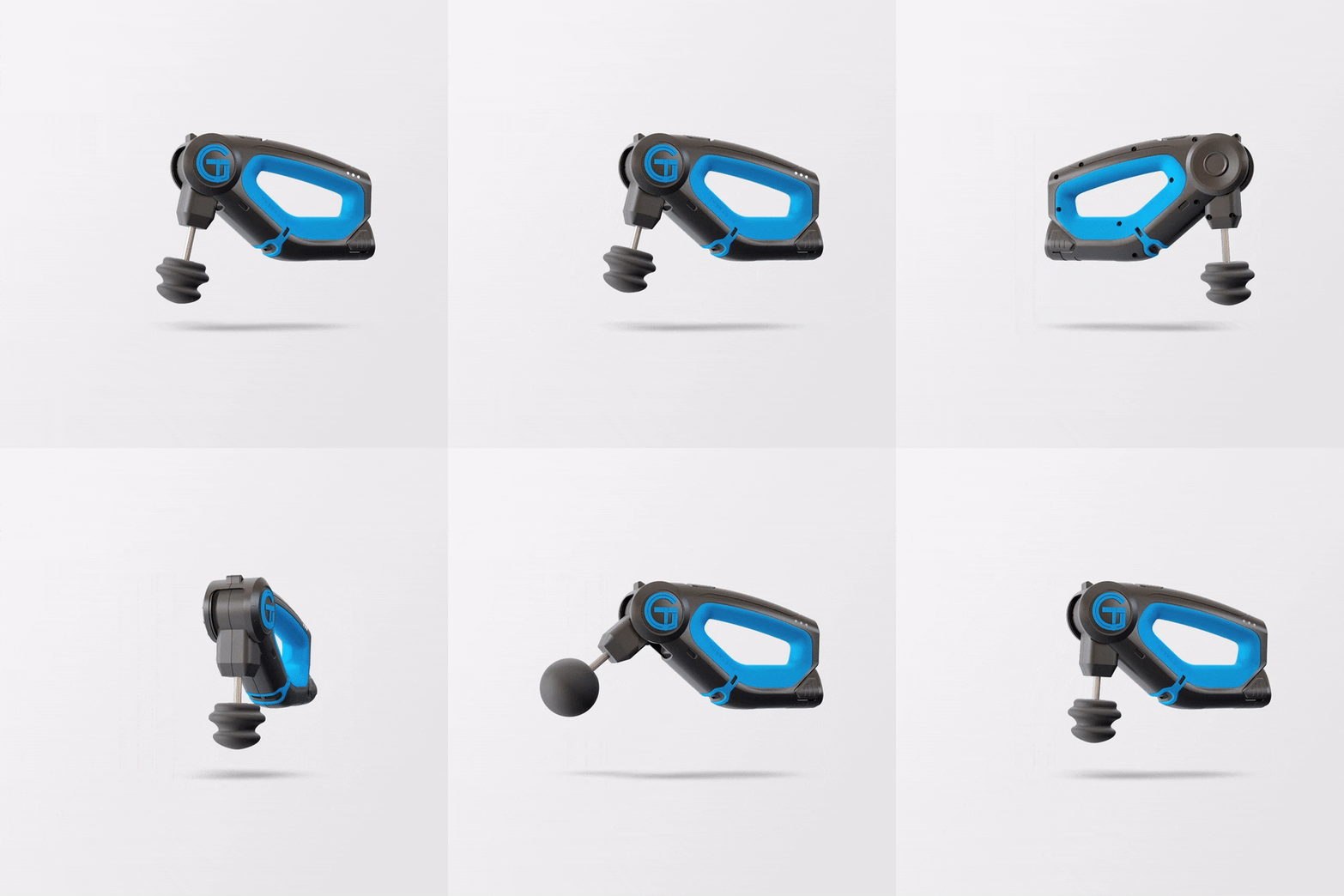
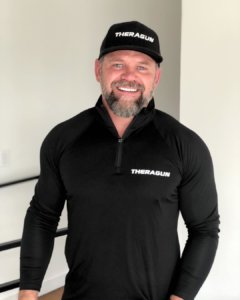
    Dr. Jason Wersland is a chiropractor, athlete, and the founder & inventor of the TheraGun, a revolutionary neuromuscular percussive therapy device...or in laymen’s terms, the most badass massage power tool you’ve ever seen. Whether you’re a professional athlete, a ‘Weekend Warrior’ running Spartan Races or training for American Ninja Warrior like me, or if you’re simply someone who lives behind a computer all day long and battles chronic discomfort, aches, and pains, I say this with zero hyperbole...the TheraGun is a GAME. CHANGER. Within minutes it literally melts knots, tension, and pain away. It’s like the cheapest, fastest, and best massage you’ve ever had. After suffering a motorcycle accident that caused a disc herniation that resulted in intense pain (and eventually atrophy), “Dr. J” recognized an extraordinary need for an effective portable treatment device for patients to use as needed. So he basically decided to build one himself. The TheraGun began as a do-it-yourself pieced together device from whatever Dr. J could find in his garage to what is now the world leader in percussive therapy. And since the introduction of this device there have been countless other companies trying to copy or improve the TheraGun...but given Dr. J’s intense attention to detail, there’s still no device quite like it. In this interview Dr. J and I discuss his “origin story” and what led him to build this device on his own, how he developed and perfected it to become the device it is today, and more importantly how anyone can use it on a daily basis to overcome muscle soreness, tightness, fatigue, and chronic aches & pains.
    Want to Win a One 1-Yr Subscription to Adobe Creative Cloud or Frame.io?

    » Click here to leave a review of this episode in iTunes (or Apple Podcasts)

    Here's What You'll Learn:

    • How a motorcycle accident led Jason to invent his own tools for physical therapy
    • Paying attention to the information your body is telling you about your habits
    • Reaching as many people as possible with new potential for pain reflief
    • How the TheraGun works on a neurological and muscular level
    • Why it makes more sense to choose value over cost (the cheaper guys out there)
    • Why vibration is so critical for muscle pain relief
    • How solving problems for yourself also provides solutions for others
    • Jason's experience treating "Danger Ehren" from Jackass
    • The gently intuitive design of the TheraGun that helps you use it effectively

    Useful Resources Mentioned:

    Electric Face Puncher in Slow Motion - The Slow Mo Guys

    Deskbound – Standing Up To a Sitting World | with Dr. Kelly Starrett

    Our Generous Sponsors:

    This episode is made possible by our proud supporters Adobe. Leave a review of this episode in iTunes or Apple Podcasts and you’ll be entered to win a yearly subscription to Adobe Creative Cloud, an essential package of video creation tools that I personally can’t live without. What’s so cool about creative cloud is how easily you can move from ingest to editing, and from color grading to 3D compositing, thanks to smooth integration between Premiere Pro, After Effects, and Audition. To win yourself that yearly subscription, just leave an honest review of this show in iTunes or Apple Podcasts. You can also enter to win the 12 month 'Pro Plan' from our sponsor Frame.io, an amazing online collaboration tool where you can comment and interact directly with your videos providing instant feedback, rather than constantly going back and forth via endless email chains. (And you know how I feel about email and productivity.) Even cooler your comments can be imported directly into your editing software of choice, and it’s so intuitive, easy to use, and dare I say “pretty” that Frame.io won an Apple Design Award. Leave a podcast review in iTunes to be entered to win your 12 month 'Pro Plan.' This episode is made possible for you by Ergodriven, the makers of the Topo Mat, my #1 recommendation for anyone who stands at their workstation. The Topo is super comfortable, an awesome conversation starter, and it’s also scientifically proven to help you move more throughout the day which helps reduce discomfort and also increase your focus and productivity. Click here to learn more and get your Topo Mat. This episode is made possible by SitTight, my new #1 recommendation if you’re searching for a healthier, more ergonomically-friendly office chair that turns sitting into an activity that actually improves your health rather than damaging it. Yes, you can actually get fit while you sit. If you’ve never seen one, just imagine the most comfortable bar stool on the planet on top of a Bosu Ball. Trust me...it’s awesome. SitTight can provide fitness for your body, focus for your mind, and fun for your spirit. BONUS: Use the coupon code OPTIMIZE for 10% off your order!

    Guest Bio:

    Facebook|Instagram

    I’m Dr. Jason S. Wersland, D.C., a chiropractor and the founder/inventor of TheraGun. After being in a motorcycle accident that caused a disc herniation, resulting in intense pain and eventual atrophy, I recognized an extraordinary need for an effective home or portable treatment device for patients to use as they needed. My philosophy behind TheraGun came from several perspectives. As an athlete, I recognized athletes’ unique need to be involved in their own muscle recovery. As a chiropractor, I wanted the best product for both ease of use and effectiveness. As a practitioner, I wanted a less expensive, more efficient, and more accessible product than what was available on the market. To solve this problem, I spent 8 years developing the TheraGun. With its uniquely calibrated frequency, amplitude, and torque, the TheraGun was engineered to effectively treat sore lactic-acid-filled muscles and other muscle-related conditions. Additionally, it allows the activation of muscles and joints to achieve a broader range of motion. In 2014, top professional teams and athletes began using the TheraGun to optimize their recovery and performance. The results were unanimous! Today, daily users include members of elite NCAA programs, MLB, NFL, NBA, NHL, and MLS teams, top football clubs in Europe, top rugby clubs in Europe, the United States Navy SEALs, the United States Marines Corp, IFBB professional bodybuilders, high school athletes, and US Olympians. In addition, the world's best triathletes, cyclists, runners and Crossfit athletes are training harder, recovering faster, and performing better with the latest model, the TheraGun G2PRO™. I want to express my gratitude to all the people who have assisted me on this journey. My children and many others have helped in so many ways, and I’m humbled by their support. I continue to work hard every day with the most talented team at TheraGun to deliver the best product and results for our customers.

    Show Credits:

    This episode was edited by Curtis Fritsch, and the show notes were prepared and published by Elyse Rintelman. The original music in the opening and closing of the show is courtesy of Joe Trapanese (who is quite possibly one of the most talented composers on the face of the planet).

    Note: I believe in 100% transparency, so please note that I receive a small commission if you purchase products from some of the links on this page (at no additional cost to you). Your support is what helps keep this program alive. If you have any questions, please don’t hesitate to contact me.


    Don't Just Sit...SitTight | with Scott Bahneman Sep 06, 2018
    Show notes

    Scott Bahneman is the creator of the SitTight (use coupon code 'OPTIMIZE' for 10% OFF), an active sitting chair which has become my new #1 recommendation for anyone looking for “the best ergonomic desk chair” (a question I get ALL THE TIME). While a bit difficult to describe if you haven’t seen one, the SitTight basically looks like the coolest bar stool you’ve ever seen attached to a Bosu Ball. Trust me...it's awesome. If you haven’t heard about the SitTight yet, you are going to hear a lot about it in the coming weeks and months because I’m on a mission to get this product in front of as many creative professionals as possible who are tired of sitting all day and want a better solution. I’m so excited about this product, in fact, that I practically begged Scott to become a sponsor of this podcast so I could inspire as many people as possible to spread the word about this new way of “active sitting.” In this episode Scott and I dive into what compelled him to transition from working in the credit card processing industry to designing this chair in his spare time out of his garage. And then we dive much deeper into how using this chair can drastically increase your heart rate, help you burn more calories, strengthen your core and spinal muscles, and even help you focus more (and longer) on complex creative tasks. Never did I anticipate having a show where I would get emotional about a desk chair, but just listen to the story of how a child with autism reacted to using this chair for the first time, and you’ll know what I’m talking about.

    Want to Win a One 1-Yr Subscription to Adobe Creative Cloud or Frame.io?

    » Click here to leave a review of this episode in iTunes (or Apple Podcasts)

    Here's What You'll Learn:

    • How Scott transitioned from working in the credit card industry to revolutionizing the desk chair
    • The innovative origins of the SitTight chair
    • The correlation between sedentary lifestyles and morbidity rates
    • How the SitTight uses the body's natural sense of balance to improve your posture and tighten your core
    • What separates the SitTight chair from other "ergonomic" posture-straightening chairs
    • Why even the most supportive of chairs will contribute to misalignment and weakness in your spine
    • Learning to take balance and maintaining health slowly, rather than demanding perfection
    • Where the sedentary work lifestyle originated, and the dangers of standing all day
    • The importance of balance therapy in providing focus for those with Attention Deficit Disorder, Autism, or Alzheimers

    Useful Resources Mentioned:

    SitTight (use coupon code 'OPTIMIZE' for 10% OFF)

    Our Generous Sponsors:

    This episode is made possible by our proud supporters Adobe. Leave a review of this episode in iTunes or Apple Podcasts and you’ll be entered to win a yearly subscription to Adobe Creative Cloud, an essential package of video creation tools that I personally can’t live without. What’s so cool about creative cloud is how easily you can move from ingest to editing, and from color grading to 3D compositing, thanks to smooth integration between Premiere Pro, After Effects, and Audition. To win yourself that yearly subscription, just leave an honest review of this show in iTunes or Apple Podcasts. You can also enter to win the 12 month 'Pro Plan' from our sponsor Frame.io, an amazing online collaboration tool where you can comment and interact directly with your videos providing instant feedback, rather than constantly going back and forth via endless email chains. (And you know how I feel about email and productivity.) Even cooler your comments can be imported directly into your editing software of choice, and it’s so intuitive, easy to use, and dare I say “pretty” that Frame.io won an Apple Design Award. Leave a podcast review in iTunes to be entered to win your 12 month 'Pro Plan.' This episode is made possible for you by Ergodriven, the makers of the Topo Mat, my #1 recommendation for anyone who stands at their workstation. The Topo is super comfortable, an awesome conversation starter, and it’s also scientifically proven to help you move more throughout the day which helps reduce discomfort and also increase your focus and productivity. Click here to learn more and get your Topo Mat. This episode is made possible by SitTight, my new #1 recommendation if you’re searching for a healthier, more ergonomically-friendly office chair that turns sitting into an activity that actually improves your health rather than damaging it. Yes, you can actually get fit while you sit. If you’ve never seen one, just imagine the most comfortable bar stool on the planet on top of a Bosu Ball. Trust me...it’s awesome. SitTight can provide fitness for your body, focus for your mind, and fun for your spirit. BONUS: Use the coupon code OPTIMIZE for 10% off your order!

    Guest Bio:

    Facebook | Instagram | Twitter

    Scott has spent over 30 years in the acquiring side of the credit card industry working with businesses that accept credit card payments. He also spent several years in the digital media space, founding and running a company that delivered high definition music and movie downloads. Scott Bahneman is the inventor of the SitTight and founder of the company by the same name.

    Show Credits:

    This episode was edited by Curtis Fritsch, and the show notes were prepared and published by Elyse Rintelman. The original music in the opening and closing of the show is courtesy of Joe Trapanese (who is quite possibly one of the most talented composers on the face of the planet).

    Note: I believe in 100% transparency, so please note that I receive a small commission if you purchase products from some of the links on this page (at no additional cost to you). Your support is what helps keep this program alive. If you have any questions, please don’t hesitate to contact me.


    Previous 1 40 41 42 43 44 59 Next

    Related Podcasts

    The Joe Rogan Experience

    1

    The Joe Rogan Experience Comedy
    Casefile True Crime

    2

    Casefile True Crime Games & Hobbies
    Reply All

    3

    Reply All Games & Hobbies
    Good Life Project

    4

    Good Life Project Education
    Happier with Gretchen Rubin

    5

    Happier with Gretchen Rubin Health
    The Other F Word: Conversations About Failure

    6

    The Other F Word: Conversations About Failure Health
    footer-logo

    Contact Us

    Toll Free: 844-670-7747

    Links

    • Home
    • Top Charts
    • Networks
    • Apps
    • Independents Podcasts
    • Podcast Advertising
    • Podcast News
    • Contact Us
    • About Us
    • Analytics & Insights

    Stay Connected

      Privacy, Terms of Use & Our Code of Ethics Protecting Content Creators Copyrights