A podcast about what we work on, not what it feels like to be a woman in tech.
Hosted by Edaena Salinas, Software Engineer at Microsoft.
Website: wit.fm
Stephanie Hurlburt is founder and co-owner of Binomial. Binomial is making one of the best texture compressors. In this episode, Stephanie explains what texture compression is and why this is still a bottleneck in graphics engineering. We also talked about what graphics engineering is, and how she began working in this area when she was building art installations around companies. Stephanie also highlighted several open source projects and gave advice on how to get started in graphics engineering.
Stephanie Hurlburt is building a texture compressor at Binomial
Starting a technology company has become easier than a decade ago. Having access to excellent resources to switch your career focus to a different area of technology is also easier now. In this episode Tracy Aiken, General Manager at Galvanize explains how Galvanize is helping entrepreneurs, aspiring technologists, as well as people that already work in technology. Galvanize has beautiful locations in the United states that nurture a community that strives to improve. Tracy talked about what people can do once they are at Galvanize and the variety of opportunities that they give their members. Given Tracy’s 20 years of experience in leadership positions, we also talked about leadership and her work in ensuring that the community at Galvanize remains inclusive.
What is cloud computing? Is this about where we compute or how we compute? In today’s episode, Cornelia Davis, Sr. Director of Technology at Pivotal answers these questions. Cornelia and I also walk through the fundamental patterns in cloud computing as they emerge when a service grows from 1000 users to millions. We also talked about the potential end of cloud computing. I learned a lot by talking to Cornelia and hope that you will too.
Cornelia Davis is Sr. Director of Technology at Pivotal
Alaina Percival is the CEO of Women Who Code. Women Who Code is a non-profit global organization dedicated to inspiring women to excel in technology careers. Alaina explained how Women Who Code grew from a meetup to a global organization that has connected over 80,000 women. We also talked about building an organization that focuses on women that already have careers in technology and engineering and why this is important. Alaina also explained how being accepted to Y Combinator in 2016 has helped Women Who Code.
Today’s episode is part 2 of the Grace Hopper Celebration of Women in Computing. On part 1, I talked to three attendees and for this episode I talked with speakers and volunteers at the event.
Liz Hill Liz Hill was a speaker at the student opportunity lab, where she spoke about how to interview teams as you are going through the interview process. Liz Hill is a Program Manager in Microsoft’s Skype for Business group. She has worked in a number of roles prior to moving into program management full time, including as a college radio deejay, mobile phone game tester and in mobile content merchandising.
Liz Hill spoke at the Student Opportunity Lab
Bushra Anjum Bushra talked about the Open Source track at Grace Hopper. She was a speaker twice and shared advice on what makes a talk good, and how to improve your talk so that it gets a high interest factor. Bushra has a PhD in Computer Science from North Carolina State University and is currently serving as a Tech Lead for the Amazon Prime Program. her team is responsible for the timely, accurate and reliable services for millions of Amazon Prime customers across the world.
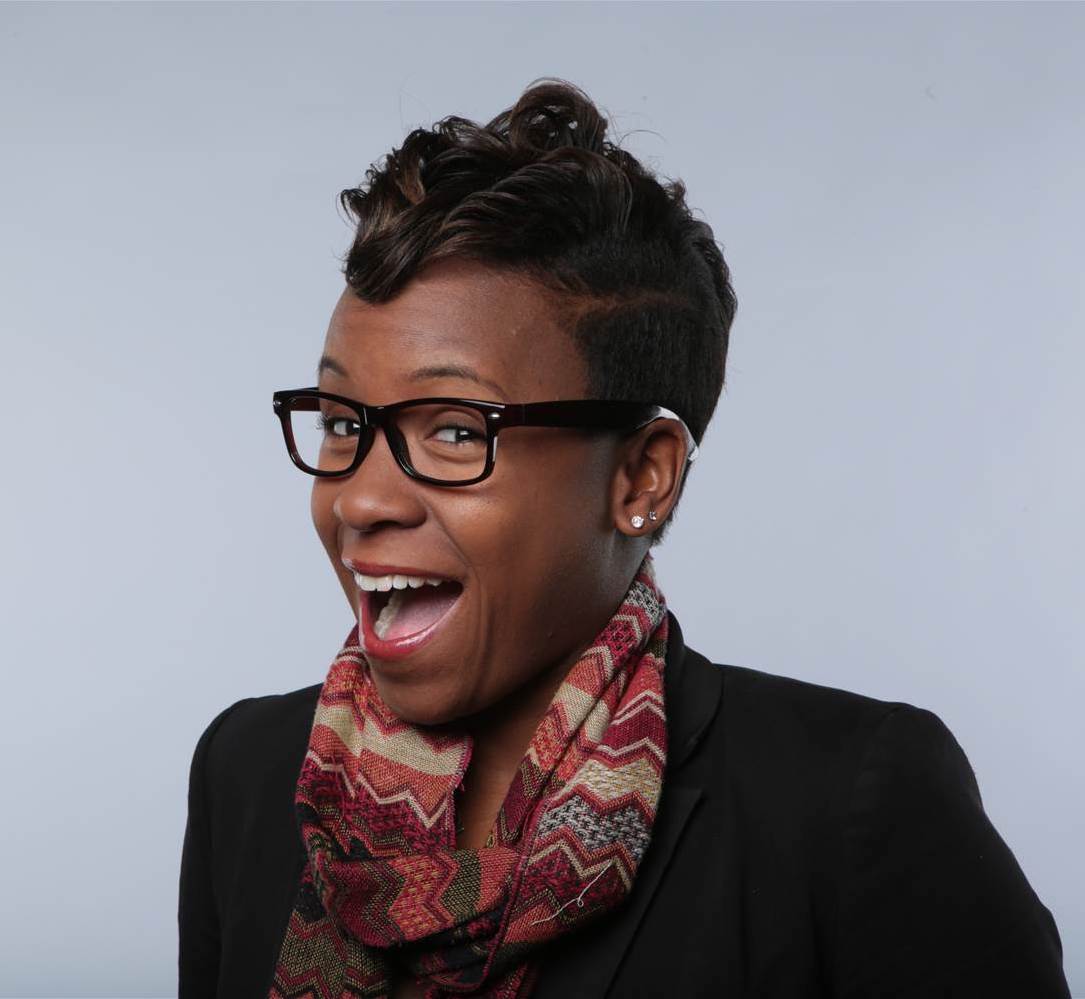
Bushra has been a speaker twice at Grace Hopper
Sahana Gururaj Sahana was a volunteer on Open Source Day. We talked the projects that attendees worked on, and the importance of participating at the hackathon. Sahana is a Computer Science graduate from UT Austin. She has worked on the Scholarship Application Committee at Grace Hopper and has been a mentor at Open Source Day. In 2016 she volunteered in logistics and worked with sponsors for the hackathon at the conference.
The Grace Hopper Celebration of Women in Computing is the world’s largest gathering of women technologists. It is organized every year by the Anita Borg Institute and this year there were 15,000 attendees, and 1,000 of those were men.
In this episode I talked to three attendees of The Grace Hopper Celebration: Sundas Khalid, Chih-yu Chao, and John Kingsly. Sundas is a first time attendee, Chih-yu is a returning attendee, and John is one of the male attendees.
Sundas Khalid Sundas is passionate about the intersection of business and technology, and is always looking at learning new things. Currently, she works as a Data Engineer at Amazon’s Weblab Science team, empowering Amazon’s A/B testing platform worldwide with statistical analysis that enables businesses within Amazon to understand customer behavior and make million-dollar launch decisions of critical site features at the flick of a switch.
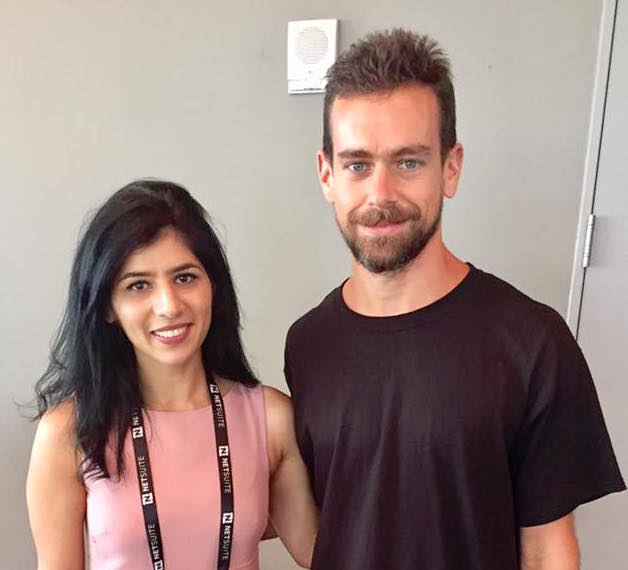
Sundas and Jack Dorsey CEO of Twitter at GHC 2016
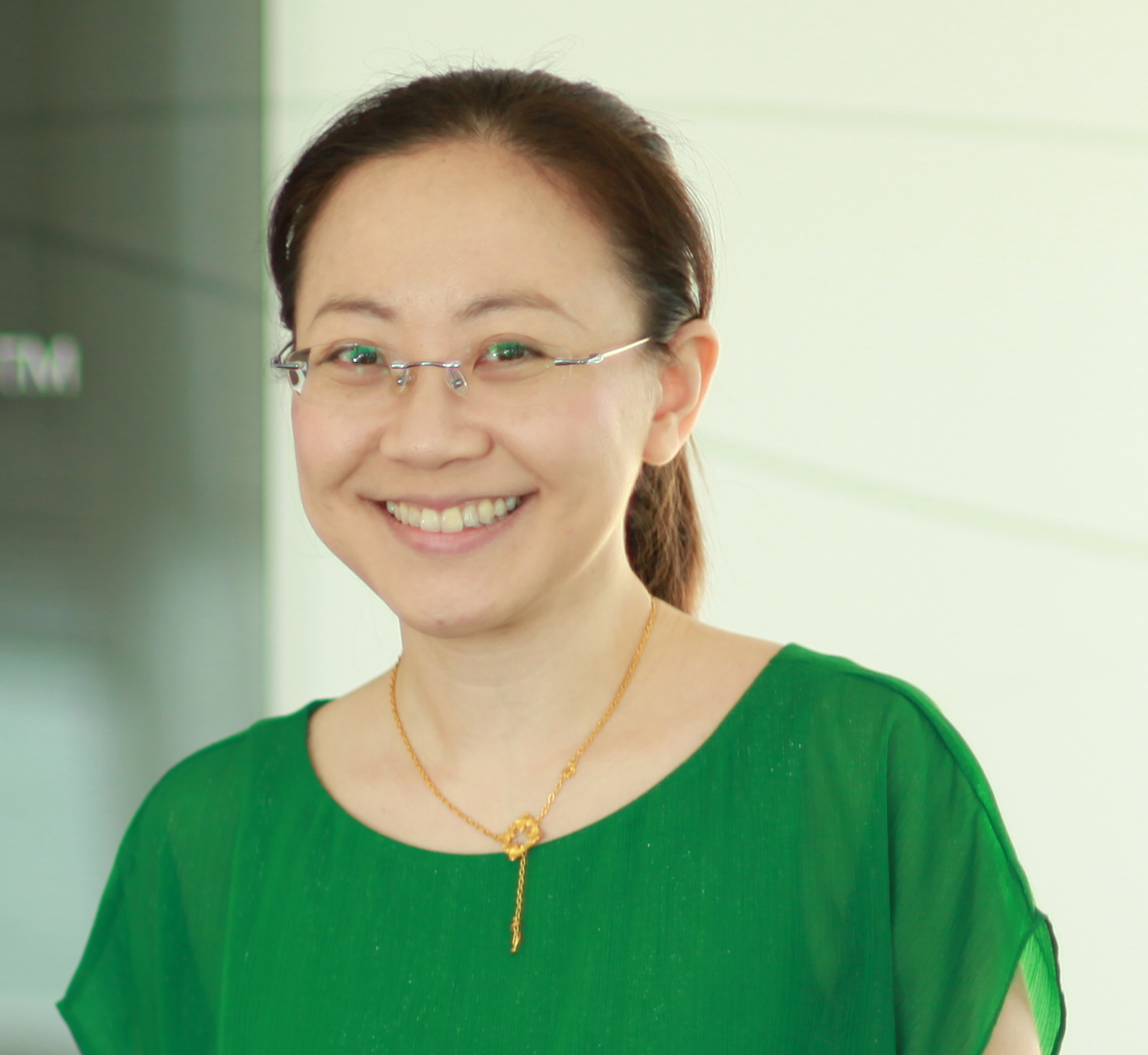
Chih-yu Chao Chih yu is a returning attendee. She received 2 Masters degrees from Carnegie Mellon and a PhD in Computer Science at MIT. While attending Carnegie Mellon University and Massachusetts Institute of Technology, she explored her career in fields including research (academic and industrial), non-profit, management consulting, and patent law, while helping a start-up that was then acquired by IBM.
She joined Microsoft as a Program Manager in 2011 and used to work on Bing Ads and Cortana International. Currently she is working on Learning Experiences – which provides free online education on Microsoft technologies to empower learners all over the world.
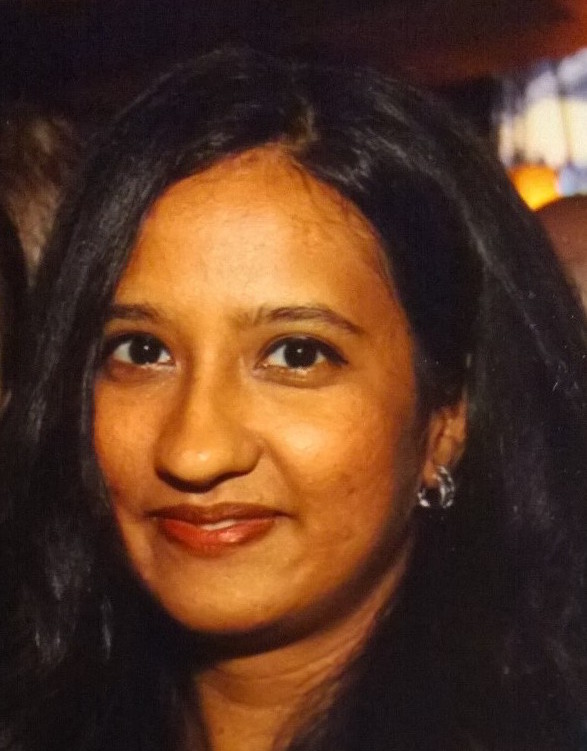
Chih-yu was a returning attendee at GHC 2016
John Kingsly John Kingsly is a program manager at Microsoft building capacity planning systems that power Microsoft’s cloud services. Having worked in Consulting, Services and most recently in engineering roles understanding the lack of diversity needs an eye-opening moment lest an assumption be made it is normal. Seeing leaders who walk the talk in diversity and the effectiveness of their teams at work influenced him to be committed to supporting the cause of women in Tech. As a father of two girls who want to be in Tech, he was thankful for the invitation by his mentor to be part of the Microsoft team at GHC16. He believes that there should be more women in technology as technology shapes the future of humanity.
John Kinglsy was one of the 1,000 men that attended GHC 2016
Stephanie Lampkin is Founder and CEO of Blendoor. Stephanie was named by MIT Technology Review as one of the 35 innovators under 35 in the category of Entrepreneurs. After graduating from MIT and Stanford, Stephanie applied for an analytics job at a major tech company but was offered a job in sales instead. After this experience, Stephanie created Blendoor on her own at a Hackathon. Blendoor is a job search platform that hides candidate’s names and photos in the initial stages of the process. This is helping tackle bias issues that can occur in the hiring process. We talked about how the idea of Blendoor was formed, and how she built a team and has been growing the user base.
Cynthia Tee is Executive director at Ada Developers Academy. For 20 years, Cynthia worked at Microsoft leading diverse products and during this time she also served as a mentor for many women. We talked about the ways in which she has helped other women grow in their careers and her work at the Ada Developers Academy. The Ada Developers Academy is a tuition-free program in Seattle where women can become Software Developers and get work experience. We also talked about her perspective on staying at a company for 20 years and how she would approach her career if she was starting it in 2016.
Cynthia Tee was at Microsoft for 20 years and is now at Ada Developers Academy
Andrea Goulet is the CEO and Co-founder at Corgibytes. When Andrea was 24 years old, she started a consultancy where she worked with some of the world’s largest brands. We talked about how she leveraged that experience to lead Corgibytes, a company focused on continuously improving codebases through software remodeling. Andrea also explained the process of working with legacy code, and the community she built around it called Legacy Code Rocks. We also explored topics on building inclusive environments in tech and her personal experiences in the field. I really enjoyed this episode because Andrea shares the path to starting Corgibytes as well as the early exposure she had to the world of computers when she was a kid.
Sonali Sridhar is Co-Founder of The Recurse Center, a free three month educational retreat for new and experienced programmers. Sonali talks about building a successful learning organization for programmers and how to establish and maintain a diverse environment through a set of lightweight social rules. She also explained what people work on while they are at The Recurse Center and strategies to become a better programmer. The Recurse Center is a very unique experience because it is not a boot camp and there is no curriculum, programmers build their own path to learning.

 Our TOPPODCAST Picks
  Stay Connected