A podcast about what we work on, not what it feels like to be a woman in tech.
Hosted by Edaena Salinas, Software Engineer at Microsoft.
Website: wit.fm
Small electronic components enable us to have powerful portable devices. Isabel Yang, Chief Technology Officer at Advanced Energy Industries explained what microelectronics is. Isabel has over 20 years of industry experience in semiconductor research. We talked about what transistors are, their characteristics and their role in electronics. Prior to being CTO at Advanced Energy Industries, Isabel worked at IBM Research for 19 years.
Advancements in the cloud computing space have democratized how software developers manage their product infrastructure. With this, they can focus more on the core components of their product instead. Risha Mars, Software Engineer at Buoyant and Eliza Weisman, Systems Software Engineer at Buoyant explained various components that improve how an infrastructure is developed and maintained. We discussed various topics like: service proxy, service mesh, and the programming languages Rust and Go.
Risha is a Software Engineer at Buoyant and works on the Linkerd 2 control plane, writing APIs, CLIs and dashboards using Go and Javascript. Previously, she worked on the Ads team at Twitter, on internal ads tooling and dashboards.
Risha Mars, Software Engineer at Buoyant
Eliza Weisman is a Systems Software Engineer at Buoyant in San Francisco. She focuses primarily on Linkerd 2’s data plane and the Rust library ecosystem.
Eliza Weisman, Systems Software Engineer at Buoyant
Learning to code opens a lot of opportunities. Even if you decide that you don’t want to code for a living, it helps you understand how software is made and the technical implications of it across different industries. Alex Sejdinaj, Founder of South Bend Code School, explained why she decided to start teaching kids how to code. We talked about the components of an immersive curriculum and the things kids learn as they get older. Alex explained different projects the kids built and the different programming languages and technologies they use.
Technology can be used to improve slow and manual processes. Ritu Vincent, Engineering Manager at Checkr, explained the bottlenecks of the background checks process and how it’s being improved. Ritu explained how a REST API and machine learning are speeding up the process of getting a background check, and reducing the unconscious bias that is present in the traditional workflow of background checks.
Many industries are using technologies to improve their processes and to provide better services to people. Natalie Gray, Co-founder and Lead of Product Design at Cover, explained the bottlenecks in the insurance process and how technology can simplify it. We talked about a mobile-first solution that addresses these problems. Natalie talked about the product design process and how ideas can be evaluated. We also talked about Stylekick, a fashion e-commerce app that she co-founded that was later acquired by Shopify.
Natalie Gray, Co-founder and Lead of Product Design at Cover
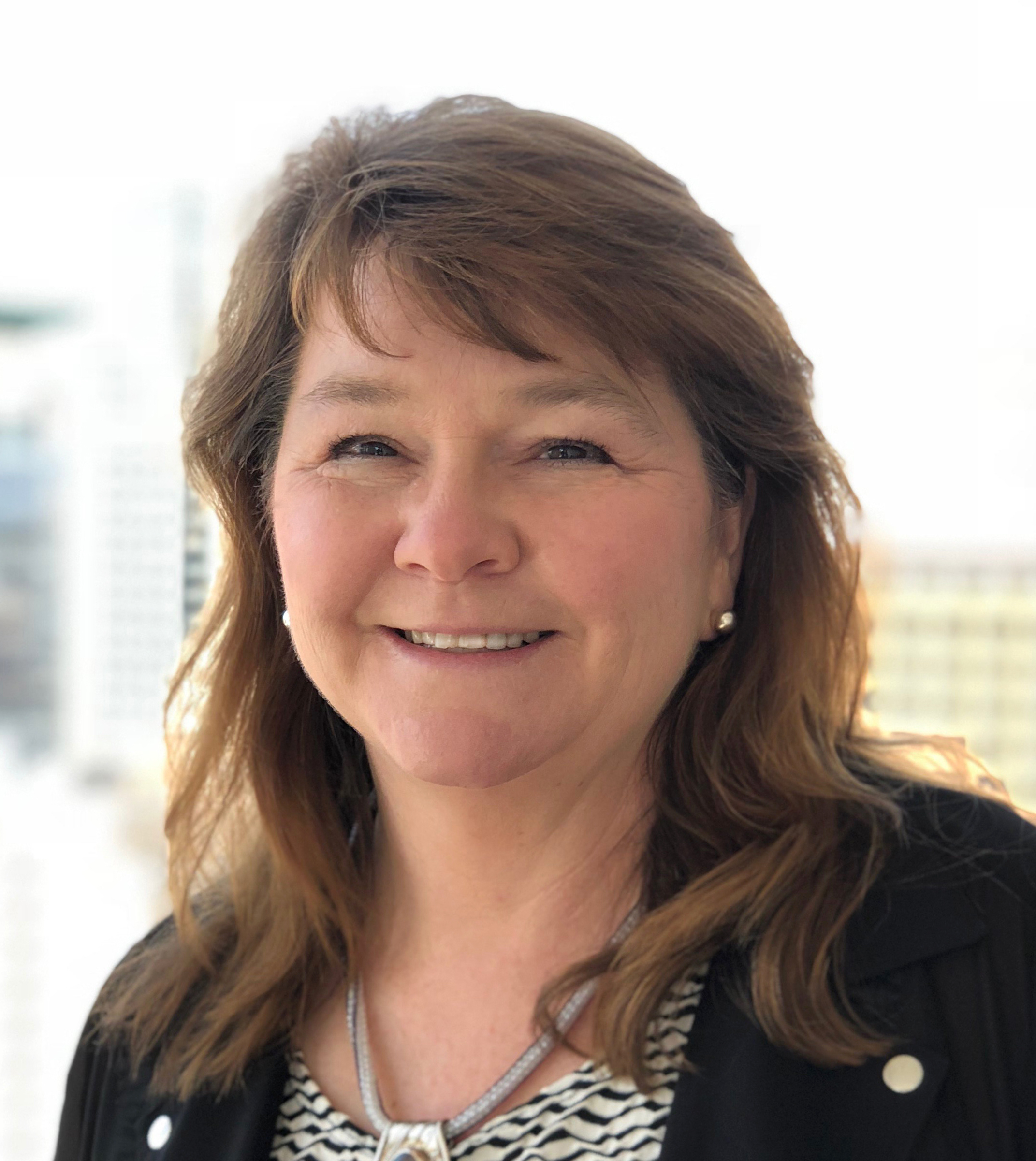
Security threats are everywhere. To tackle these threats we can gather and analyze information about potential attacks. Barbara Kay, Senior Director of Security Product at ExtraHop, explained internal and external threats that systems can be exposed to. We talked about different types of threats and how these can be identified using machine learning. Barbara also explained the product development strategy for products in security. Prior to working ExtraHop, Barbara led security operations market research and product strategy for McAfee and was responsible for the threat intelligence and analytics solutions, as well as the security information and event management. Before McAfee, her consultancy helped innovators including Cisco, McAfee, Websense, Good Technologies, and Netgear.
Barbara Kay, Senior Director of Security Product at ExtraHop
Creating and deploying applications to the cloud has gotten a lot easier. With advancements in containers and networking capabilities organizations can adopt a hybrid cloud approach. Lakshmi Sharma, Director of Product Management and Networking at Google explained what the hybrid cloud and the role of containers in cloud computing. We also talked about Ingress, a tool on Google Cloud that makes containers a first-class citizen in the cloud. Lakshmi also explained the process of deciding what tools to build and how some internal tools from Google developed into products that are released to the public.
Lakshmi Sharma, Director of Product Management and Networking at Google
Today’s episode is a mixture of technical and career development discussions. Maureen Zappala, former Engineer at NASA explained what it meant to conduct jet propulsion research at the NASA Lewis Research Center, now known as the NASA Glenn Research Center. We talked about the different experiments that could be conducted there. Maureen also explained the ways in which she experienced Impostor Syndrome and what this consists of. We talked about examples of symptoms and strategies to combat it. Maureen is the author of Pushing Your Envelope: How Smart People Defeat Self-Doubt and Live with Bold Enthusiasm.
As technology keeps evolving, we are surrounded by more devices. These devices can be connected to other devices forming the Internet of Things. Maria Gorlatova, Assistant Professor at Duke University Department of Electrical Engineering and Computer Engineering explains what the Internet of Things consists of. Maria also talked about what Edge computing is, and how we can bring intelligence from the cloud to devices that are installed close to the users. We discussed the architecture components for edge computing and how it can be used for machine learning.
Maria Gorlatova, Assistant Professor at Duke University
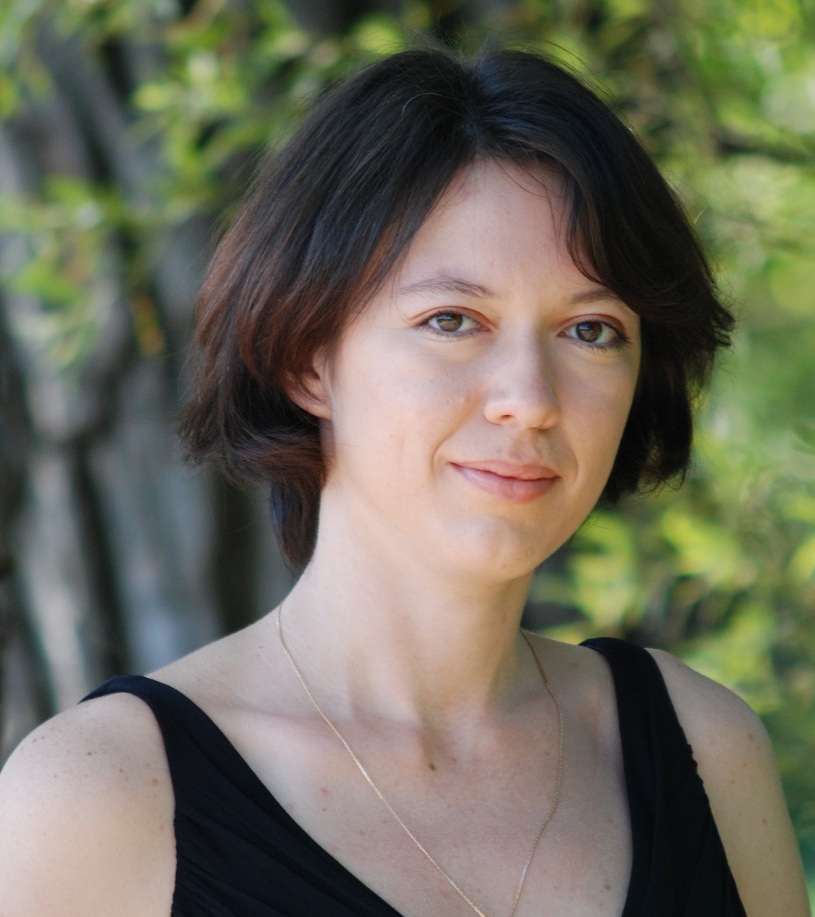
Blockchain technology is being used in different industries. NASA is using it to improve their communications systems. The finance industry is exploring it in how they do transactions. Jin Wei-Kocsis, Assistant Professor in Electrical & Computer Engineering at University of Akron explains what blockchain technology is. We talked about the components of blockchain and examples of applications using it. Jin explained the implications of decentralized processing and tools we can use to use this technology.
Jin Wei-Kocsis, Assistant Professor in Electrical & Computer Engineering at University of Akron

 Our TOPPODCAST Picks
  Stay Connected