TopPodcast.com
Menu
  • Home
  • Top Charts
  • Top Networks
  • Top Apps
  • Top Independents
  • Top Podfluencers
  • Top Picks
    • Top Business Podcasts
    • Top True Crime Podcasts
    • Top Finance Podcasts
    • Top Comedy Podcasts
    • Top Music Podcasts
    • Top Womens Podcasts
    • Top Kids Podcasts
    • Top Sports Podcasts
    • Top News Podcasts
    • Top Tech Podcasts
    • Top Crypto Podcasts
    • Top Entrepreneurial Podcasts
    • Top Fantasy Sports Podcasts
    • Top Political Podcasts
    • Top Science Podcasts
    • Top Self Help Podcasts
    • Top Sports Betting Podcasts
    • Top Stocks Podcasts
  • Podcast News
  • About Us
  • Podcast Advertising
  • Contact
Not in our directory?
Add Show Here
Podcast Equipment
Center

toppodcastlogoOur TOPPODCAST Picks

  • Comedy
  • Crypto
  • Sports
  • News
  • Politics
  • True Crime
  • Business
  • Finance

Follow Us

toppodcastlogoStay Connected

    View Top 200 Chart
    Back to Rankings Page
    Professional

    The RosterPilot Show

    The RosterPilot Show is built for baseball and softball coaches who want to get better at evaluating, recruiting, developing, and managing their programs.

    Hosted by Patrick Jones, former professional hitting coach and founder of RosterPilot, the show features conversations with college coaches, professional coaches, scouts, and other people shaping the game.

    We go inside how coaches actually operate — from evaluating and recruiting players to player development, roster construction, managing a staff, and building a successful program.

    You’ll hear real conversations about what’s working, what’s changing, and how coaches are adapting across every level of the game.

    Evaluate. Recruit. Manage.

    Learn more about RosterPilot at rosterpilot.com.


    Hosted on Acast. See acast.com/privacy for more information.

    Advertise
    • Apple Podcasts
    • Google Play
    • Spotify

    Latest Episodes:
    D1 Scholarship Pulled to Pac 12 Pitcher of the Year - Troy Rallings Nov 14, 2022
    Show notes

    In this episode, we have Troy Rallings. Troy is a former Pac-12 pitcher of the Year at the University of Washington. While in high school, he was recruited by another D1 program and ended up getting his scholarship pulled. We hear a lot about that in the recruiting world now, and Troy lived it. Still, he persevered and ended up attending the University of Washington and becoming the Pac-12 pitcher of the year.


    SHOW NOTES:

    [3:12] Why do you want to stay in baseball and continue to coach, develop, and help players get recruited?

    [4:22] Have you been in the travel baseball scene?

    [5:32] What are some ways you feel you can change the industry?

    [9:47] How do you monitor arm stress?

    [12:44] Where do you think travel baseball is going in the next 3-5 years?

    [16:10] What are some of the things you're doing to help get their name out and get them recruited?

    [21:21] How do you educate the parents and be honest with them when reviewing the recruiting process and where their kids stand right now?

    [23:48] What are your thoughts on finding the right fit?

    [26:18] What about the kids who aren't Power Five kids? Would you give them the same advice?

    [29:46] How many players do you think never reach their potential because they don't believe that they deserve to have success?

    [35:22] It's more than the money. It's about the influence of the impact and the relationships.

    [36:37] If it's not the reality I want, let's just pause, take a deep breath and look at it and say, okay, what is it?

    [37:01] How were you recruited in high school?


    FOLLOW TROY:

    Website: wholesticbaseball.com

    Twitter: Troy Rallings

    Instagram: Troy Rallings

    Hosted on Acast. See acast.com/privacy for more information.


    Pitching Tips from a former MLB Pitcher - Jacob Turner Nov 07, 2022
    Show notes

    Jacob Turner is a former player who was a first-round pick in 2009, #9 in the draft and had an MLB career. He also played for several years in the big leagues and Korea. He has retired from playing and is now an entrepreneur; where he and his brother started JL Strategic Wealth company.


    In this episode, Jacob talks about how he made adjustments on the mound as a pitcher and what things he would do differently if he could start over again as a young pitcher.


    Aside from baseball, he also talks about his transition after baseball, becoming an entrepreneur.


    Time Stamps:


    [3:33] If you go back and give yourself one piece of advice, what would it be to a young Jacob Turner just coming up through the minor leagues?


    [5:01] How did you keep your energy level neutral when you didn’t do well?


    [7:10] Is there a time when you shouldn’t stick to the process anymore?


    [8:31] What was different between your best year in the MLB as a 22-year-old?


    [12:20] When you started struggling in 2013-2014, were you trying to find a new feeling, or were you still trying to find that feeling you had when you were dominant?


    [12:38] What’s the most significant difference between facing big league hitters versus minor league hitters?


    [17:20] Were you ever trying to add more velocity to get back to the big leagues?


    [12:27] Why did you stop playing when you were only 28?


    [21:36] How did you enjoy playing over in Korea?


    [22:56] What was one thing you learned while in Korea?


    [23:55] If you had a son, would you let him sign out of high school?


    [26:49] Do you know anybody who has struggled to transition out of baseball?


    [28:04] Can you take everyone through what you did after playing?


    [32:17] What things stand out to you that successful people have?


    [35:23] Where do you see yourself in the next 5-10 years?


    [36:58] Was there a moment when you realized what type of a business this was when you were a player?


    [38:30] What was the process like when you were being sent down or released?


    [40:13] What’s the most significant difference between minor and major leagues?


    FOLLOW JACOB:

    TWITTER: TheSuddenWealth

    Hosted on Acast. See acast.com/privacy for more information.


    Learn to Develop Infielders at Every Level - Brandon Szink Oct 31, 2022
    Show notes

    How do you Develop Infielders at Every Level of Baseball?


    * Youth

    * High School

    * College

    * Professional


    Brandon Szink is a coach at Ohio Wesleyan University and runs the Bo Jackson Elite Travel organization. He has coached in professional baseball and is now doing travel baseball.


    Brandon talks about high school and college baseball and developing infielders. He also shares how to manage a team and build a lineup.


    He gives ways on how you can communicate with your players as well as with parents and coaches.


    SHOW NOTES:

    [3:00] How do you help players develop?

    [9:08] what's usually the lowest-hanging fruit that you see when working with those kids? Is there any couple of things that you consistently see time and time again that you consistently have to work on with infielders?

    [12:10] On the infield side, is it possible to take too many ground balls?

    [15:53] What's something that you see from players that they really need to work on or emphasize in order to get to that next level?

    [19:48] Is there anything that you help your infielders with specifically to help reduce that anxiety?

    [32:44] What are some of the things that coaches can improve upon? What's some good pieces of advice you have for managing the game?

    [38:34] Is there a certain reason you structure your lineup the way that you?

    [43:01] What would you say to other travel organizations as something that they could do that would benefit travel baseball as a whole? What's something you feel like you guys do very well that maybe other organizations overlook?

    [47:48] Is there anything else you would want to have or want anybody to know about you?


    FOLLOW BRANDON:

    Twitter: b_szink12

    Instagram: b_szink12

    Website: https://brandonszink.wordpress.com/about/

    LinkedIn: Brandon Szink

    Hosted on Acast. See acast.com/privacy for more information.


    Recruiting as a D3 College Baseball Coach - Taylor Valentine Oct 24, 2022
    Show notes

    Taylor Valentine is currently an assistant coach at Centre College in Kentucky. He has coached at now a division three level. He has also coached NAIA, Division One College Baseball, and USA Baseball. In this episode, we talk about some of the similarities and differences between the various levels. He talks about what he is doing with his play from a development standpoint at Centre College and what he is looking for in recruiting. Taylor also shares about USA Baseball and how they run things at USA Baseball.


    SHOW NOTES:

    [2:00] What would you say the biggest difference is in terms of the type of player that

    you're recruiting in NAIA and Division 3?

    [3:21] Would you say that the power tool is usually the one that separates players more than anything else?

    [3:50] What would you say that your guys philosophy is on the transfer portal?

    [4:42] Are most of the guys in the transfer portal Division 1 players or do you also find a lot of D2 and D3 kids in there too?

    [6:15] What's your time frame like for recruiting high school players?

    [6:56] How many players are you looking to bring in per class?

    [7:27] Would you mind sharing what velocity or ranges and positions for a pitcher that you’re looking for?

    [12:11] how do you help them get ready for that from a development standpoint?

    [12:33] Are you okay with players swinging at the breaking ball first pitch?

    [13:01] I guess your coaching philosophy is more so just be aggressive, is that your guys hitting philosophy, or is it even more in-depth than that?

    [14:19] How do you help them understand what part of the zone that they're really good at?

    [16:57] Do the players understand those angles?

    [18:35] What does game planning look like for you guys during the season?

    [20:36] Are you coaching third base during the game?

    [21:40] If you could go back and tell yourself one thing, what would you tell yourself like

    the first game that you ever coached their base?

    [22:22] Is it hard to be the hitting coach and coach third base?

    [23:41] How do you guys go about communicating with the players on where they stand throughout this season?

    [27:25] What are your thoughts on pinch-hitting?

    [29:16] Do you give the guys who are pinch-hitting any specific advice?

    [30:50] During the summertime, what are your guys normally doing? Do you all go play somewhere?

    [33:54] Would you say that most of the players want to go play?

    [34:48] What is your schedule during the summertime?

    [36:36] What is it like being a part of USA Baseball?

    [39:09] What does the plans for you like? Do they tell you where they would want you to be for the following year?

    [40:15] Is there anything else you want to say to those listening or watching this?


    Follow Taylor:

    Twitter: tvalentine_18

    LinkedIn: Taylor Valentine

    Hosted on Acast. See acast.com/privacy for more information.


    Growing the Game of Softball - Tyler Black Oct 17, 2022
    Show notes

    In today’s episode, we talk to Tyler Black. Tyler is the host of the Black Diamond Softball and fitness podcast. He talks about his background in softball as well as what he is trying to do within the game of softball and helping it grow. He also talks about how he coaches his daughter and explains the development process from a parent and from a coach. He also mentions some of the things that he thinks are going to help and improve softball down the road and where he sees the game going.


    SHOW NOTES

    [3:00] Why did you start your podcast?

    [04:19] What’s something that you’ve learned from doing your podcast that has helped your family understands the landscape of travel softball?

    [05:53] Where do you see the disconnection between parents, players, and coaches in softball?

    [08:14] Why would there be a disconnect between the talent level from the east coast to the east

    coast?

    [09:52] Do you ever foresee high school ball going away and it’s just nothing but travel

    ball?

    [12:43] How necessary is it for parents and players to be traveling around all over the

    country playing travel softball?

    [16:27] Does everyone feel that they need to go to all these tournaments and play so that when September 1st rolls around, they’re getting the calls?

    [18:24] What is going to be your plan for your own daughter going forward?

    [22: 35] What is your advice to players who are on social media and want to get recruited?

    [23:18] Make sure you have a clean professional profile to that when they see that, they know who that person is.

    [25:18] Are there certain metrics that they should put out there on their social media?

    [27:15] Let someone else tell your story.

    [29:07] What are some of the things that you find yourself consistently working on with players?

    [31:24] If you develop the person, you’ll develop the player.

    [36:29] How much bigger do you see softball getting?

    [39:16] Why do you think baseball would get involved?


    FOLLOW TYLER

    Youtube: Black Diamond Softball and Fitness

    Facebook Page: Black Diamond Softball and Fitness

    Hosted on Acast. See acast.com/privacy for more information.


    What the Analytics Don't Tell You, Scouting with 40 + Years of Experience - Doug Laumann Oct 10, 2022
    Show notes

    In today’s episode, we talk to Doug Laumann. Doug is currently with Chicago White Sox and is not just simply a director; he has over 40 years of scouting experience with several major league organizations. In this episode, he talks about what it is like scouting players down in the Dominican Republic versus scouting players in America. He also mentions what he is looking for when he is out scouting and how he only really needs to see a player one time before he's in or out on him.


    SHOW NOTES:


    [02:51] What piece of advice would you give yourself 40 years ago?

    [4:28] What did you mean when you said to keep an open mind?

    [8:02] There's a lot to having good area scouts, good scouts with no backgrounds on

    players that you have to trust and that you can rely on to tell you because you're not

    You will always see it the first time you go to see it.

    [8:54] Do you attribute that gut feeling to you the performance of the players?

    [18:07] Have you ever drafted a player based on those metrics and went against your gut?

    [31:44] The best player on the team isn't the best prospect.

    [33:24] Try to be as good as you can be.

    [33:43] How much harder is it to draft a high school hitter versus a college hitter?

    [39:05] What is the difference between scouting in Latin America and Dominican

    Republic versus Americans?

    [51:11] You need a guy who knows the culture, the language, and the kids to be there and be on the ground with them.


    FOLLOW DOUG:


    LinkedIn

    Hosted on Acast. See acast.com/privacy for more information.


    Blueprint to Recruiting and Player Development - Marty Sutherland Oct 03, 2022
    Show notes

    In today’s episode, we talk to Marty Sutherland. Marty is currently the associate head coach and recruiting coordinator at the University of Iowa. He gives some great insight and great tips to those who are going through the recruiting process right now. He also talks about what he's looking for and how they do things at Iowa from a development standpoint. He mentions some of the things that are important to them at Iowa. Marty takes us behind the scenes and talks about some of the things that they are implementing this fall with their players that they haven't done necessarily in the past.


    SHOW NOTES

    [4:26] What is your story on having to stop coaching, selling insurance, and then getting back into coaching?

    [10:19] How many texts and emails would you say you get a day about recruiting?

    [12:29] Why do you not go after and offer tons of kids then sit back and see how they perform?

    [16:29] Would there be smaller classes because of the transfer portal?

    [19:32] What does a high quality high school kid look like for you?

    [22:56] What's something that turns you off when you are watching high school kids?

    [27:51] Make sure you're working on your defense too. Because even if you're a good hitter, if you cannot defend or you’re a liability, you're not going to play.

    [28:04] Are you looking for players who play solely up the middle?

    [29:50] From a projectability standpoint, would you take into account where a kid is at right now versus where you project him to be down the road in a couple of years?

    [32:25] Knowing what you know now, what piece of advice would you tell yourself from the first day you started recruiting out on the road several years ago?

    [32:41] Trust what you see.

    [35:19] Where did you learn how to recruit from?

    [37:41] Is there anything that you feel like you want to really get better at from a recruiting or scouting standpoint?

    [41:45] How did Iowa become known for this development program?

    [45:14] Could you elaborate on the manager program?

    [49:02] What would a position player who comes to campus in the fall at Iowa typically look like from a development standpoint throughout the fall into the winter?

    [51:32] How do you help those players understand their swing?

    [54:09] How important is helping players with feel?

    [57:00] How do you help players with the mental side of the game?


    FOLLOW MARTY

    Twitter

    msuth15

    Instagram

    msuth15

    Hosted on Acast. See acast.com/privacy for more information.


    Developing Canadian Baseball Players - Mitch Davidoff Sep 26, 2022
    Show notes

    In today’s episode, I speak to Mitch Davidoff. Mitch is currently the manager for the Victoria Eagles, which is a travel baseball organization. Mitch talks about how he helps young baseball players in Canada as well as the comparison of Victoria Eagles in Canada and in the United States. Mitch is also a fantastic hitting coach and has a growth mindset that works perfectly with his coaching skills. He also mentions hitters that he watches to observe their strategies in playing.


    SHOW NOTES

    [2:26] Based on what you've seen on how travel baseball is in the States, what's the biggest differences that you see from Canada to the United States?

    [6:21] Do your team travel a decent amount?

    [7:00] How often do your team come to the United States to play?

    [7:54] How often do your team have college coaches come up and see you in Canada?

    [10:39] What is your story behind playing college baseball at four different schools?

    [13:52] What was your experience with competing at a higher level?

    [16:42] Did you play hockey growing up?

    [17:30] What is the timeline like for players in high school level in Canada?

    [20:59] Is the strength conditioning world pretty big up there in terms of baseball players working out pretty hard all year round?

    [22:05] What would be something that you would want to implement for your player from a development standpoint that you don’t have right now?

    [25:46] What’s your framework from hitting standpoint when you’re developing players?

    [29:09] How do you go about helping players deal with building an approach and the mental side of the game and kind of that tactical game planning?

    [34:02] Who was your team growing up? Was it the Mariners?

    [35:18] Are there any hitters that you really like watching today who are still playing?

    [36:14] What are some of the things that you see from the hitters you watch that you take to your hitters?

    [38:30] Do you ever have your hitters feel the positions you mentioned during their practice?

    [40:13] What is the C from A.C.T.?

    [41:45] Did you came up with the A.C.T. kind of program?

    [42:55] What is your dream?


    FOLLOW MITCH

    LinkedIn: Mitch Davidoff


    Hosted on Acast. See acast.com/privacy for more information.


    Using Data to Evaluate Softball Pitchers - Nate Walker Sep 19, 2022
    Show notes

    Nate Walker has worked in baseball operations for two Major League Baseball front offices. He acted as a contact person for the coaching staff of the Major Leagues and helped them with pregame planning, game strategy, and statistical analysis. Nate currently serves as the founder and president of Diamond Solutions, a business that provides analytics consulting to softball and baseball companies.


    In today’s episode, Nate talks about how he collects data and information in softball. He also mentions that high school pitchers should focus on creating movement north-south vs. east-west.


    Nate also mentions that he goes out and scouts high school pitchers or the travel ball scene and his ways of scouting and recruiting pitchers.


    Free Presentation on how to help Softball Hitters improve their timing


    Tune in to this episode to find out more about Nate Walker.


    SHOW NOTES

    [2:37] How did you go from a scout and professional baseball to now working with different programs in the softball world on the pitching?

    [5:40] How are you collecting data and information in softball? Is it through Rapsodo?

    [7:17] When you said that, similar to when you were in the front office, are you speaking about just movement plots? Like the way track, man would have different scattered plots?

    [9:12] What was something that did surprise you once you started collecting some of the data and information? Is there anything that stood out or surprised you?

    [11:35] If they're focusing on their development, let's say they are high school pitchers, they should focus more on north-south and developing that repertoire than worrying about east going east-west.

    [13:45] Have you ever experimented with players or had them experiment with different grips? And if so, have you seen any correlation between increased vertical brake with varying grips of pitch or finger pressure on the ball?

    [15:06] What are some common flaws you see from a Biomechanical analysis?

    [17:12] What velocity should high school players aim for if they want to play in college, based on the data you've seen?

    [18:36] Do you scout high school pitchers or the travel ball scene?

    [23:21] How do you, scout and recruit pitchers?

    [27:00] What would you say about the percentage of progressive college softball coaches and maybe some of those early adopters you just mentioned?

    [38:28] Do you do any work with travel softball organizations?

    [37:37] How many years do you think it will take for softball to be as accepting and open from a technology analytics development standpoint right around where baseball is right now?

    [40:41] What advice would you give to a high school pitcher?


    FOLLOW NATE:

    Twitter: DomiNate34

    LinkedIn: Nathan Walker

    Email: nhwalker34@gmail.com

    Hosted on Acast. See acast.com/privacy for more information.


    Teaching Players to Move Better - Dr. Ismael Gallo Sep 11, 2022
    Show notes

    Dr. Ismael Gallo, a physical therapist who was once a professional baseball player, appears in today's episode. As a current physical therapist as well as a former baseball player, he's able to mix the areas of movement and on field baseball and comprehend abilities and skill growth. He also created a movement system that enables players to execute more effectively from a young age through high school, junior high, college, and professional baseball.


    SHOW NOTES

    [2:20] Did you immediately knew that you wanted to get into studying the movement and biomechanics of how people move?

    [4:05] What are some of the things that you've found that we're doing a poor job of training and developing athletes from a young age all the way up?

    [5:05] What are some things that coaches can start doing to help their athletes develop at a younger age and at a faster rate?

    [6:46] What are some ways to help a player when they grow older in high school?

    [8:09] It's not necessarily a strength issue, it's just the players not having good movement.

    [8:50] What are some simple ways that you can help with that movement and help improve that movement if you are a coach?

    [10:45] How big of an impact does going though puberty affect movement and mobility?

    [12:24] What about lifting weights? Do you combine your system with them already lifting weights?

    [14:01] What exactly do you mean by they're moving one way in the weight room and then moving the other way?

    [15:29] How many times a week should players be doing your program?

    [16:58] Is your program something that you would want the player to do before practice or would you rather do them after?

    [17:56] How long does it normally take to start to see changes that will show up during a game?

    [19:27] What age should they be starting to do some of these movement patterns?

    [20:25] Do you need anything for the program or is it something that you just need literally the ground and space?

    [21:50] Is there anything specific that you see routinely a lot that could be preventative?

    [23:02] What are some mechanical issues you see from pitchers when you watch them on a video?

    [25:25] What exactly do you mean by flow?

    [25:30] Flow is how we transition from one movement pattern to the next.

    [28:03] Simplification is the biggest thing we have to do as providers.

    [28:39] Train your movement patterns.

    [28:49] What are your thoughts on young kids using weighted balls?

    [31:56] Experience matters, the reps matter. You need a lot of reps to be able to master your craft as a coach.

    [34:56] Do you have any Adrain Beltre stories you could share with the audience?

    [36:29] Is there anything else you would like to share with the listeners?

    [40:30] Just because you dropped out of something doesn't mean that your identity is a drop out or quitter forever. You can always pick yourself back up and finish strong.

    [40:48] It’s never too late to reinvent yourself. It’s never too late to believe in yourself.

    [43:06] If anyone wants to contact you, what’s the best way?


    FOLLOW DR. GALLO:

    Instagram: @dr.ismaelgallo @baseballflowsofficial

    Twitter: @flowsdoc

    Website: www.baseballflows.com

    Facebook: Baseball Flows Page

    Hosted on Acast. See acast.com/privacy for more information.


    Previous 1 13 14 15 16 17 42 Next

    Related Podcasts

    The Bill Simmons Podcast

    1

    The Bill Simmons Podcast Professional
    The Herd with Colin Cowherd – iHeartPodcasts and The Volume

    2

    The Herd with Colin Cowherd – iHeartPodcasts and The Volume Basketball
    Road Trippin’

    3

    Road Trippin’ Basketball
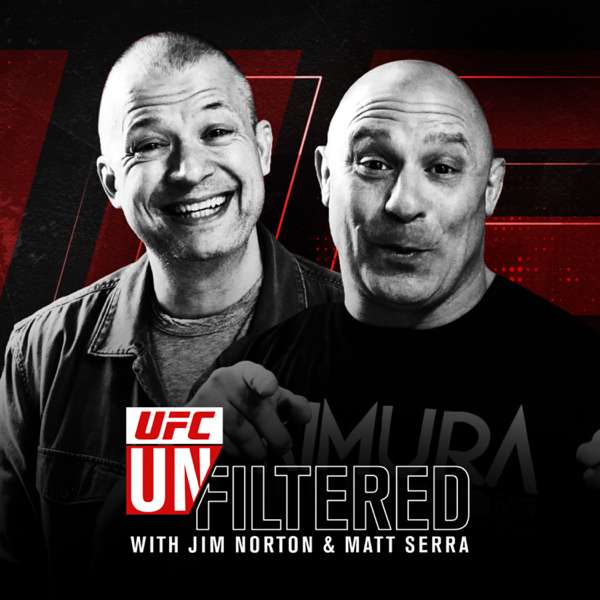
    UFC Unfiltered with Jim Norton and Matt Serra

    4

    UFC Unfiltered with Jim Norton and Matt Serra Government & Organizations
    Hang Up and Listen

    5

    Hang Up and Listen Professional
    The Jonah Keri Podcast

    6

    The Jonah Keri Podcast Professional
    footer-logo

    Contact Us

    Toll Free: 844-670-7747

    Links

    • Home
    • Top Charts
    • Networks
    • Apps
    • Independents Podcasts
    • Podcast Advertising
    • Podcast News
    • Contact Us
    • About Us
    • Analytics & Insights

    Stay Connected

      Privacy, Terms of Use & Our Code of Ethics Protecting Content Creators Copyrights