Your prescription for happier, healthier homeschooling. Christian psychologist, author, and homeschool mom of six Dr. Melanie Wilson shares research-backed, doable strategies for the things that steal your sanity — stress and burnout, time management, organization, motivation, and curriculum decisions — with plenty of encouragement along the way. For homeschooling parents who want calmer, more joyful days. Follow the show and homeschool with more sanity and grace.
Special Replay: How To Help Your Anxious Child
May 05, 2026
Show notes
🌿 This episode is proudly sponsored by Eden’s Table — a Christ-centered herbalism curriculum for K-5 homeschool families. One plant a week, woven through Bible, science, history, art, and Latin.
In this conversation, Melanie Wilson discusses anxiety in homeschoolers and provides a three-part framework for managing anxiety. The first part of the framework is prevention, which includes ensuring regular sleep and wake times, engaging in exercise, and limiting caffeine intake. The second part is recognizing the symptoms of anxiety, such as muscle tension, headaches, stomach aches, and insomnia. The third part is substitution, which involves teaching children to calm themselves down through deep breathing and changing their thoughts. Wilson emphasizes the importance of faith in managing anxiety and suggests using scriptures and truth journaling as tools. Overall, she emphasizes that anxiety can be overcome with practice and offers her curriculum, Training Aliens, as a resource.
Why Your Kids Don’t Take Initiative (and What Actually Helps)
Apr 28, 2026
Show notes
🌿 This episode is proudly sponsored by Eden’s Table — a Christ-centered herbalism curriculum for K-5 homeschool families. One plant a week, woven through Bible, science, history, art, and Latin.
Because what looks like laziness or lack of motivation… is usually something else entirely.
Let’s dive in.
I want to start today with a question that might feel a little too familiar.
Have you ever thought:
“Why do I have to tell my kids everything?” “Why can’t they just see what needs to be done?” “Why don’t they start their work without me reminding them…again?”
If that’s you, you’re not alone.
In fact, it’s one of the most common frustrations we have as homeschool parents…and it’s it’s exhausting.
Because when kids don’t take initiative, what happens?
You become the manager of everything. You carry the mental load. And you start to feel like if you don’t say it… it won’t get done.
That’s frustrating.
But what if I told you that a lack of initiative isn’t necessarily a character problem?
It may be a skills problem.
And that’s actually good news for us.
What Initiative Actually Is
Let’s define initiative in a simple way.
Initiative means:
Noticing what needs to be done—and acting. Without being told.
Now, when we define it that way, we can start to see why our kids struggle.
Because initiative actually requires several underlying skills:
Awareness (noticing what needs to be done) Planning (knowing what step to take next) Motivation (getting started) Confidence (believing they can do it)
If any one of those is missing… initiative breaks down.
Why This Feels So Personal
Here’s where it gets tricky for us as parents. When kids don’t take initiative, it feels like:
They don’t care
They’re being lazy
They’re ignoring us
But much of the time?
They’re overwhelmed… unsure… or simply untrained.
And when we interpret it as defiance, we respond with:
more reminders
more frustration
even verbalizing our assessment of their character
Which—unfortunately—doesn’t build initiative. It actually shuts it down.
Initiative in Our Family
I had kids who didn’t take initiative to clean. I spent time teaching them how to clean but didn’t teach them to notice when something needed to be cleaned. It seemed like they should just know. But the truth is, they weren’t thinking about the value of a clean house like I was. They were likely thinking about games, sports, and friends. If I had it to do over again, I would have taught them to notice when something needed to be cleaned or put away and I would have given ample rewards to motivate them in the beginning.
I also had a kid who did take initiative, but not in the way I wanted. Without telling me, my teen called the tennis coach of our local high school and asked what was required for him as a homeschooler to be on the team. That’s something we often forget to teach our kids. Initiative isn’t just “do whatever you think is best.”
It’s: notice act and ask if you need permission
I made it clear that my son should have asked first. He did end up being on the tennis team. And his initiative was a blessing when it came to applying for college scholarships. He handled the whole process.
Why Kids Wait to Be Told
But many kids wait to be told what to do. Why?
Here are a few common reasons:
1. They don’t know what “done” looks like
If expectations aren’t crystal clear, kids hesitate.
2. They’ve been corrected a lot
If they’ve heard “That’s not how I wanted it,” they may stop trying.
3. They feel overwhelmed
When everything feels big, they don’t know where to start.
4. They’re used to being directed
If we’ve always told them what to do, they haven’t practiced deciding.
What Actually Helps
So what can we do to help our kids build initiative muscles? Let me give you a few practical strategies.
1. Make the invisible visible
Instead of assuming they “should know,” say:
“Here’s what I would notice in this situation…”
You’re training their awareness.
2. Start small
Initiative grows with success.
Instead of: “Take care of your schoolwork,”
Try: “What’s the first thing you can do right now?”
3. Allow imperfect action
If we correct everything, kids stop initiating.
Let some things be “good enough.”
(This is hard for us perfectionists—but powerful.)
4. Ask instead of tell
Instead of: “Go start your work,”
Try: “What do you think should be done next?”
Now our child is planning, not just obeying.
5. Notice initiative when it happens
Even small things.
“I noticed you got started on your math without being reminded.”
That builds identity: “I’m someone who takes initiative.”
A Mindset Shift That Builds Initiative
Here’s the shift I hope you take away today:
Instead of asking:
“What’s wrong with my child?”
Ask:
“What skill is missing?”
That question changes your tone. It changes your response. And it changes your child’s experience.
Free Sample Lesson
If this is an area your child struggles with I want to give you something to help.
I’ve just completed Level 3 of Training Aliens, a fun, story-based curriulum that teaches kids social and emotional skills. I want to send you the lesson on initiative for free.
This lesson is designed to:
teach kids what initiative actually is give them a story-based example they’ll remember and help them practice it in a simple, concrete way
Instead of lectures, kids learn through: stories modeling and practice
You can grab that free lesson in the product description here:
If you enjoy it, be sure to take advantage of launch pricing for Level 3 this week. Or grab the discounted bundle of all three levels, allowing you to choose the skills your kids need to work on first. These materials are a wonderful summer course for your kids.
Conclusion
If you’re feeling frustrated right now, I want you to hear this:
Your child’s lack of initiative is not a fixed trait.
It’s a skill that can be taught.
And you don’t have to carry the whole load forever.
With the right tools and a little patience, you can move from:
constant reminding to growing independence
And that leads to exactly what we all want:
Less frustration… and more confidence.
Thanks for joining me today for the Homeschool Sanity Show, a production of the Ultimate Homeschool Radio Network.
Is Your Discipline Too Hard Or Too Soft? Find the “Just Right” Balance
Apr 21, 2026
Show notes
🌿 This episode is proudly sponsored by Eden’s Table — a Christ-centered herbalism curriculum for K-5 homeschool families. One plant a week, woven through Bible, science, history, art, and Latin.
Have you ever wondered if you’ve gotten discipline wrong — been too strict, too lenient, or somehow both in the same day? If so, you’re in good company. In this episode, I’m tackling one of the most common fears I hear from homeschool parents: the fear that your approach to discipline may have already done damage. I want to reassure you right from the start — it is not too late.
Most of us were never taught how to discipline in a balanced way. Instead, we’re reacting to what we experienced growing up — either repeating it or trying hard to avoid it. Parents who grew up with harsh discipline often swing toward being too permissive. Those who submitted to strict parenting to avoid conflict may find themselves doing the same with their own strong-willed child.
Fear is the second big reason we swing between extremes — sometimes in the same afternoon. We ask ourselves:
What if I’ve been too hard and my child rebels?
What if I’ve been too soft and my child can’t make it on her own?
What if I’ve already done damage that can’t be undone?
That fear comes from love. But it’s also based on a belief that isn’t entirely true. Yes, our parenting has a real developmental impact — but children are far more resilient and forgiving than we’ve been led to believe. They learn, they adapt, and they respond to change.
A third reason we stay stuck at the extremes is that they seem to work in the moment. Counting to three or giving in to avoid a meltdown produces short-term compliance — but it doesn’t build character or create lasting change.
The Just Right Approach
There is a better way, and it doesn’t require perfection. The Just Right approach to discipline is built on four qualities:
Clear — your words and actions send the same message
Calm — you respond rather than react out of anger or anxiety
Consistent — you follow through most of the time
Connected — your relationship with your child comes first
One of the simplest ways to prioritize connection is through individual time. With six kids, I couldn’t do it daily, so I assigned each child a day of the week. On their day, I focused on them completely — a game, a shake, whatever they chose — for as little as 15 minutes. That small investment paid off in big ways for our relationship and our ability to work through hard moments together.
When It’s a Skill Issue, Not a Discipline Issue
Sometimes what looks like a discipline problem is actually a skill deficit. My daughter struggled with intense emotions and would scream in frustration. Punishing her made it worse. Ignoring her made it worse. Even sending her to her room wouldn’t have prevented future outbursts — because the real issue was that she hadn’t yet learned to regulate her emotions.
When your child struggles this way, it doesn’t mean they’re broken or that you’ve failed. It means they need to be taught a skill. And because skills can be taught, change is always possible.
It’s Not Too Late
If you’ve felt like you’ve gotten discipline wrong, I want you to hear this: a small course correction can make a big difference. You don’t have to overhaul everything. You just have to take one step toward a calmer, more connected approach.
If you’d like help with that, I’d love for you to check out my new book, Goldilocks Discipline. It’s designed to help you move away from the extremes and toward a confident, just right approach that works in real life — without the fear that you’re ruining your kids.
Through Sunday, April 26th, the book comes with two bonus resources:
A 7-Day Just Right Discipline Reset — short daily emails, a printed guide, and audio encouragement to walk you through a course correction this week, even before you finish the book.
A Just Right Discipline Swaps Guide — practical ideas for what to say and do instead of defaulting to too hard or too soft responses.
The book is short and includes discussion questions, making it easy to read alongside your husband.
Subscribe to the Homeschool Sanity Show for weekly encouragement, practical tools, and the confidence to homeschool well. If this episode helped you, please share it with a friend who needs to hear it!
12 Homeschool Hacks That Changed Everything (Special Replay)
Apr 14, 2026
Show notes
🌿 This episode is proudly sponsored by Eden’s Table — a Christ-centered herbalism curriculum for K-5 homeschool families. One plant a week, woven through Bible, science, history, art, and Latin.Try a free week →📚 Part of our guide: Homeschool Organization Hey, homeschoolers! I love hacks. A hack is a simple, creative strategy or shortcut that makes homeschooling easier, more effective, or more enjoyable. In my case, there are 12 hacks that changed everything for me as a homeschool mom. I hope you’ll listen to them all and will find one or more than will change everything for you too. I’m recording this episode in honor of the Ultimate Homeschool Radio Network’s birthday celebration. Take a moment to visit the website this week and download free gifts we’ve provided at ultimateradioshow.com. Watch on YouTube Sponsor: Thank you to the NIV Application Bible for sponsoring this episode. We love our sponsors who help us bring you hacks like these. Hack #1: Daily Devotions The first hack that changed everything for me is daily devotions. I wrote about my experience with establishing a devotional habit in my book The Organzied Homeschool Life. The short version is speaker Becky Tirabassi convinced me to commit to having an appointment with the King daily. I read the entire Bible in a year and prayed daily, even in the hospital after giving birth. At the time I thought the great blessing of my devotional practice was it educated me about the faith I professed. I knew only stories and Scriptures here and there before reading the entire Bible. I also recognized that I had more peace as I prayed. I would wake up overwhelmed with everything I needed to do. I would pray and God would often supernaturally manage my schedule or supernaturally manage me. But I now understand that the most powerful change that occurred is I learned that God was trustworthy. I did not have a lot of experience with trustworthy people before that time. After that first year, my devotional habits changed as my life changed. I still read the Bible and prayed most days, but sometimes I spent time with God in the middle of the night, nursing an infant. Other times, I prayed as I cleaned the kitchen. I listened to devotionals and sermons as I got ready in the mornings. I had a time of legalistic devotions too that blessedly became a grace-filled time that I look forward to. I give God my worries, record connections with the Scripture I read, and pray for myself and others. I don’t believe I would have succeeded in my homeschooling without this practice or at least with my sanity intact. I was recently asked about where to start if you’re new to Scripture reading. If you are in a challenging season, I suggest starting with the book of John. If you want to get the full story, start with Genesis. If you really don’t have much time to yourself, read the Bible with your kids for school. You’ll have more quiet time as your kids get older. Hack #2: Routines Hack #2 that changed everything is routines. If you’re a regular listener, you’ve heard me say it dozens of times. When I started homeschooling, or should I say when I said I was starting homeschooling, I had no routines. I got up at all different times and did nothing in a particular order. I put out fires all day, usually not getting dressed. I accomplished nothing other than taking care of my three kids. With this kind of chaos, I wasn’t able to teach my preschooler using any of the books or materials I had purchased. I was ready to quit and stop having more kids. Then a friend told me about a woman named FLYLady. Like me, she was a messy, disorganized person. But she began to string together simple habits into routines. The first habit was shining her sink–making sure the dishes were in the dishwasher and that everything else was clean. It seems crazy to me now that I used to go to bed with a sink full of dirty dishes. Waking up to that was demoralizing. Beginning with that simple habit changed my life because it kept expanding. Soon my whole kitchen and home was tidy before I went to bed. My clothes were laid out and I was ready for the next day. An evening routine became a morning routine which became a school routine. I wrote about my experience for Woman’s Day Magazine and my dream of being a freelance writer was realized. This disorganized woman went on to help homeschool moms establish routines of their own. My interview with FLYLady on routines. Hack #3: Praying with Kids As part of our morning routine, the kids and I would do chores together. That’s a bonus hack, but I include it in routines. Having their help cleaning and picking up was essential for my sanity. BUT invariably there were kids who weren’t doing the chores they were assigned or they were doing them poorly. There were squabbles and delays so that by the time we started school I was NOT happy. But we had a practice of beginning with prayer. First, each of us would say what we were thankful for. It was nice to hear gratitude from the kids. But the second part of our group prayer is the hack that changed everything. We would go around and say what we were sorry for. Invariably, the child I was most miffed at would confess their poor behavior. I was usually humbled about my own reaction to it. The final part of our prayer was asking for help from God for yourself or someone else. Usually the child would say they needed help with the thing they were sorry for. Understandable as that’s usually how I pray too. If you’d like to start this prayer routine, I recommend modeling it for the kids by going first. Hack #4: Reading Historical Fiction / Biographies Aloud After our prayer time, I felt the closest to the kids as I read aloud to them. We used Konos and then Mystery of History for our history lessons. Konos incorporated read alouds automatically. When I started using Mystery of History, I would look up recommended titles to go along with the time period we were studying on Sonlight’s website. Stories not only make history more memorable, they are also key in teaching character and social and emotional skills. My kids loved our read alouds and usually begged for another chapter. I was happy to oblige. Our success with learning through story prompted me to create language arts and social and emotional skills curriculum using stories. You can learn more at FunToLearnBooks.com. Hack #5: Independent Work with Supervision I talk to new homeschoolers whose schedules with work and other commitments require independent learners. We now have computerized curriculum and online classes that can make independent work possible, even for kids who aren’t yet reading fluently. My caution concerns kids’ need for relationship and interaction. Most adults don’t want to stare at a screen all day. Kids are the same. The younger the child, the more they need that interaction and the less maturity and attention they have for sustained work. Having to give six kids’ individual attention, I did them to have periods of independent work. After finding out that some of my kids were struggling to accomplish anything on their own, I had them all sit at our school table to do independent work on the same subject. So everyone had their math in front of them. Then for 20 minutes, they would all get to work while I walked around the table. They had no opportunity to mess around, but they had every chance to ask for help. It worked brilliantly. I allowed my sophomores and up to work completely independently. By this point, they were mature enough to handle it. Hack #6: Homeschool Co-op When I decided to use Konos curriculum, I also wanted to find other families to participate in a co-op. One day a week we would complete the group activities and field trips related to the topic we were studying. Originally, we met in a church basement. The kids had a blast doing the hands-on activities, crafts, and games together. When one family moved, I suggested that we meet at my house. I had little ones that still napped in the afternoons. I also had the most kids and it was easier for me to stay home. Forming this kind of co-op had unexpected benefits. First, it made my kids love homeschooling. They said it was their favorite part of it. Next, they built close friendships. This kind of co-op as opposed to a class or two in a learning center, is most likely to help your child form close friendships. It helped me build close friendships too. I made no friends when I later had my kids enrolled in a learning center. Finally, a co-op in which all the moms were responsible for the activities created much-needed accountability for me. I could not blow off the preparatory lessons. The kids had to have their papers or projects done. And because I was hosting it, my house had to be clean. My kids would have learned far less if we had not participated in a co-op. Hack #7: Exercise as Part of the School Day My husband and I have always been committed to fitness. Exercise is the #1 way of promoting physical and mental health, so we wanted to emphasize it for our kids. We had them in sports with practices and games. They played outside and rode bikes, but it wasn’t a regular fitness routine. That’s when I realized I could make fitness a part of our school day. We had times when we would lift weights together. I had many light dumbbells and we would lift in a slow and controlled fashion that is safe for kids. Then we started doing video workouts together before lunch. I got a workout in and my husband would join us when he was home. The workouts went by quickly and we laughed a lot. Today our kids are all committed to fitness. I highly recommend including it in your school day. Hack #8: Loop Scheduling I have always been someone who tries to do it all. As a homeschooler, that created stress for me. An introduction to loop scheduling helped me fit more things in without frustration. If you aren’t familiar, a loop schedule simply means that on a given day or during a specific time period, you will loop or rotate through a set of options. If you want to do baking, calligraphy, and nature study on Fridays, but you can’t do all three, you bake the next Friday you’re home. In a traditional schedule, you would have calligraphy on the schedule for the second Friday. But if you have a field trip that Friday, you’d miss your calligraphy day. With a loop schedule, you’ll do calligraphy the Friday after your field trip. An unexpected benefit of loop scheduling is you will learn what really matters to you. If you are set to do calligraphy, for example, and you realize you’d really like to do nature study instead, you can drop calligraphy from the loop. You’ve trimmed your activity list without much fuss. Hack #9: Delegating Difficult Subjects I believe that we are capable of teaching any subject to our kids at home. There are so many resources out there that we can DIY it all. But do we want to? I tried and tried to teach my kids piano, but I kept avoiding it. I think part of it was that I didn’t feel confident in teaching it, despite many years of piano lessons. But the other issue is I didn’t want to teach it. I was teaching all the other subjects and teaching piano wasn’t enjoyable for me. I paid an excellent piano teacher to come to our home and teach it instead, and it was worth every penny. As a side note, I took lessons with my older kids and seeing me practice motivated my kids. I did the same thing with science labs. I could do it, but I didn’t want to. I had my friend who enjoyed science labs and was excellent at leading them teach them. I taught her kids literature, writing, and speaking which I love to teach. If a subject is difficult or not enjoyable for you to teach, consider delegating it. Hack #10: Interest-Led Afternoons Unschooling was fringey when I started homeschooling. I didn’t know people like Karla Marie Williams, who has shared how to provide a quality unschool education on this podcast. But I did fall into a bit of unschooling in the afternoons when I found myself worn out. I would work on my own projects and allow the kids to do independent work and hobbies in the afternoons. Some amazing things happened as a result. One son started creating with paper and started a YouTube channel about it. My daughter wrote a paper to convince us to let her get guinea pigs. I felt guilty for not providing more structure in the afternoons than I did. Now I know that it was a blessing I didn’t. Hack #11: Apprenticeship My son applied for a job running slides for our church. He learned the program and was the leader for that aspect of worship. But most importantly, he was being mentored by the pastors and other leaders at church. Another son worked closely with the youth leader at church and grew in his faith and leadership ability. I taught yet another son how to edit my podcast. All of our kids have helped my husband and me exhibit and sell books at conferences. My kids have helped me with proofreading and shipping books over the years, too. This summer, my youngest, a computer programming major, was an apprentice with me in multiple aspects of my business. It was a wonderful experience for me to share dilemmas and get his help. I think it was excellent experience for him as well. If I were starting over in homeschooling, I would start my kids as apprentices at even younger ages. Hack #12: Community College in High School If you have this option where you live, I commend it to you. One semester college course is a full year’s high school credit. These courses will limit the studies you have to supervise at home. Community college classes in our area are half the cost of homeschool learning center classes. The credit they earned was transferred to the four-year university they attended. Going to community college gave my kids a chance to further develop their study and writing habits and gain confidence. They learned that they could handle college-level work and it wasn’t just mom saying they were doing well. I also had the opportunity to talk through the worldview of secular coursework with them before they left home. Even if you plan to send your student to a Christian college, they will encounter views that don’t mesh with your family’s. It is also a good trial if your student isn’t sure what they want to do after high school. Daily devotions, routines, prayer with the kids, historical read alouds, independent work with supervision, co-op, exercise in school, unschooling afternoons, loop scheduling, delegating difficult subjects, apprenticeship, and community college. I would love to hear which one of these hacks you’ll try next. Comment on this post. Be sure to subscribe so you don’t miss an episode. Have a happy homeschool week! Your Golden Takeaway: Small, intentional changes can transform your homeschool. Whether it’s starting the day with devotions, creating peaceful routines, or learning side by side, every little “hack” builds toward something bigger — a home filled with grace, growth, and connection. There’s a golden clue hidden in the podcast for today’s featured episode! Visit Making Biblical Family Life Practical: Rules and Relationship to find your next piece of Podcast Gold. The post 12 Homeschool Hacks That Changed Everything (Special Replay) appeared first on Ultimate Homeschool Podcast Network.
Everything Feels Hopeless?
Apr 07, 2026
Show notes
🌿 This episode is proudly sponsored by Eden’s Table — a Christ-centered herbalism curriculum for K-5 homeschool families. One plant a week, woven through Bible, science, history, art, and Latin.
Have you ever said the words, “Everything feels hopeless”? Whether you’re walking through chronic pain, a prodigal child, grief, or unanswered prayers, this conversation is for you.
In this episode, Dr. Melanie Wilson sits down with Kirby Kelly — author, speaker, and podcaster — to talk about her new book, The Fabric of Hope: How God Weaves Redemption into Every Season. Kirby has lived through deep personal loss, chronic migraines, and seasons that felt like a long, dark winter. She doesn’t offer easy platitudes — she offers something better: honest, biblical hope.
In this episode, you’ll learn:
The difference between wishful thinking and true biblical hope
Why hoping in God — and still feeling disappointed — is something Christians need to talk about openly
How the four “threads” of hope (God’s promises, patterns, personhood, and presence) can anchor you in the storm
Why Jesus being “well acquainted with grief” is one of the most comforting truths in Scripture
What to do when God’s will doesn’t go the way you prayed
A powerful first step for rebuilding hope — even if you’re in the darkest season of your life
About Kirby Kelly: Kirby Kelly is the author of The Fabric of Hope, a speaker, and the host of the Bought and Beloved podcast, where she answers listeners’ real-life questions with accessible, scripture-grounded theology. She lives in the Dallas, Texas area with her husband Richard and is expecting her first baby in April.
Resources mentioned:
The Fabric of Hope by Kirby Kelly — available everywhere books are sold | FabricofHopeBook.com
Special Replay: Why You’ve Fallen Behind In Your Homeschool Plan
Mar 31, 2026
Show notes
🌿 This episode is proudly sponsored by Eden’s Table — a Christ-centered herbalism curriculum for K-5 homeschool families. One plant a week, woven through Bible, science, history, art, and Latin.
How to Get Back on Track in Your Homeschool When You’ve Fallen Behind
A sanity-saving plan for overwhelmed homeschool moms
Have you fallen behind in your homeschool plan and now avoid opening your planner because it feels too discouraging?
You’re not alone.
In this episode of The Homeschool Sanity Show, Dr. Melanie Wilson explains why so many homeschool moms fall behind—even when they start the year with the best intentions—and what to do when your homeschool plan no longer matches real life. If you’ve ever looked at your lesson plans and thought, There is absolutely no way we’re getting all of this done, this episode is for you.
If you’ve been feeling behind, discouraged, or quietly tempted to pretend your planner doesn’t exist… this episode will help.
One of the biggest reasons homeschool plans unravel is something called the planning fallacy.
The planning fallacy is a common human thinking error that causes us to underestimate how long things will take, even when we’ve done them before and should know better. In homeschooling, that might look like:
assuming a science experiment will only take 30 minutes
believing you can finish two full language programs in one year
thinking you can get to co-op faster “this time”
forgetting how long math or writing lessons actually take
Dr. Wilson points out that many homeschool moms also deal with optimism bias—that tendency to believe that this time things will magically go more smoothly than they have in the past. And while optimism can be helpful, it can also lead to unrealistic homeschool planning.
Why Your Homeschool Plans Keep Falling Apart
If you’ve ever wondered, Why do I keep doing this to myself?—there are actually some understandable reasons.
According to the episode, homeschool moms often fall behind because they:
1. Plan using the best-case scenario
You assume every light will be green, no child will melt down, and the printer will behave.
2. Want to believe the plan will work
It feels better to make a hopeful plan than to admit you probably cannot do everything on your wishlist this year.
3. Misremember how long things took last time
You remember the math lesson taking 10 minutes when it actually took 20.
4. Assume this year will be different
You tell yourself:
I’m more organized now
The kids are older
This curriculum is easier
Maybe. But maybe not.
5. Plan too far ahead
It’s much easier to plan a realistic week than an idealized full school year.
6. Forget about interruptions
Homeschooling rarely happens in a vacuum. Life happens:
kids get sick
appliances break
dogs escape
people need help
emotions show up
That doesn’t mean you’re bad at homeschooling. It means you’re homeschooling in real life.How to Get Back on Track in Your Homeschool
The good news? You do not need to throw out your homeschool plan completely.
You just need a better one.
Here are the key strategies Dr. Melanie Wilson shares for getting back on track:
1. Plan Using the Worst-Case Scenario
Instead of assuming everything will go perfectly, estimate based on what usually happens on a normal or difficult day.
A simple way to do this:
estimate how long something should take
then double it
or at least split the difference between best case and reality
If a science experiment “should” take one hour, plan for two—or at least one and a half.
That may feel pessimistic, but it’s actually more honest and much more useful.
2. Accept That You Can’t Do Everything This Year
This one stings a little—but it’s freeing.
Sometimes the best way to get back on track is to stop trying to fit everything into this school year.
Instead:
make a list of “not this year” ideas
save great projects or extras for later
choose what matters most right now
That doesn’t mean you’ve failed. It means you’re prioritizing.
3. Start Timing Your Homeschool Activities
One of the easiest ways to plan more realistically is to stop guessing.
Try timing:
your math lessons
science labs
writing assignments
read-aloud time
transitions between subjects
This gives you actual data instead of wishful thinking.
And yes… it may be mildly humbling But it’s incredibly helpful.
4. Learn From Last Year Instead of Ignoring It
Ask yourself:
What consistently slowed us down last year?
What took longer than I expected?
What parts of our day always felt harder than planned?
What routines still aren’t working?
If your homeschool day still tends to start late… If your kids still dawdle… If you still hate setting up science supplies…
That matters.
Past patterns are often better predictors than future hopes.
5. Plan for the Short Term
If yearly planning keeps overwhelming you, try shifting to:
quarterly planning
monthly planning
weekly planning
even daily planning if needed
Short-term planning can feel more manageable and more realistic.
It also gives you a chance to adjust before things spiral too far off course.
6. Build Margin Into Your Homeschool Plan
This may be the most sanity-saving strategy of all.
Dr. Wilson encourages homeschool moms to leave margin in their plans—intentional open space for the unexpected.
That might look like:
leaving one hour unscheduled each day
keeping one lighter day each week
leaving one week open each month
creating “catch-up” space instead of packing every day full
This is so important because real life always shows up eventually.
And when it does, margin helps you recover without feeling like the entire year is ruined.
What to Do If You’re Already Behind in Your Homeschool
If you’re already behind, here’s your gentle reset plan:
Start here:
Open the planner
Don’t panic
Don’t try to catch up on everything at once
Then:
Ask:
What absolutely still needs to happen this year?
What can be simplified?
What can be dropped?
What keeps getting in the way?
Then do this:
revise your expectations
shorten your planning window
add margin
move forward from today, not from where you “should” be
That’s how you get back on track.
Not with guilt. Not with overloading tomorrow. But with a better plan.
Final Encouragement
Falling behind in your homeschool plan doesn’t mean you’re failing.
It usually just means your plan was built for an ideal life… and you’re living a real one.
The goal is not to create a perfect homeschool year.
The goal is to build a homeschool life that actually works.
And that starts by planning with reality, grace, and a little more margin.
How to Teach Grammar in High School (Special Replay)
Mar 28, 2026
Show notes
🌿 This episode is proudly sponsored by Eden’s Table — a Christ-centered herbalism curriculum for K-5 homeschool families. One plant a week, woven through Bible, science, history, art, and Latin.
How do you teach grammar in high school homeschool?
The best way to teach grammar in high school homeschool is through short, practical instruction that connects directly to real writing. High school students are often more developmentally ready to understand grammar than younger students, and they are more motivated to improve because grammar now affects essays, communication, and future academic or career goals.
Do you have a high school student who struggles with grammar? Or do you have a soon-to-be high school student and no idea how to approach grammar at this stage?
This is the Homeschool Sanity Show, the episode where I share a sane approach to teaching grammar in high school.
Hey, homeschoolers! If you’ve struggled to help your high schooler use correct grammar in writing or if the thought of teaching it in the high school years gives you the heebie geebies, I have good news.
The high school years are the perfect time to learn grammar.
First, high school students have the abstract reasoning ability required to truly understand and implement grammar.
As I’ve explained to parents of elementary students many times, these younger students simply aren’t developmentally prepared to master the abstraction of grammar. It’s similar to the abstract reasoning ability required to master algebra. Sure, some students develop this reasoning ability earlier, but most don’t. Up until this point in their development, they were working hard to decode and pronounce words and determine the meaning of words given the context of the sentence. Asking them to determine the role of the word in a sentence as well is extra challenging.
That’s why I made Grammar Galaxy a fun, confidence-building introduction to grammar and other language arts in the elementary years. I didn’t want them avoiding grammar once the were developmentally ready to use it in their writing.
The second reason high school is the perfect time to learn grammar is because they have begun to care about it.
When students are in classes with other students and sharing in speech or writing, they will want to avoid the embarrassment of poor grammar. I capitalized on this peer pressure with my own kids with great results. In the English classes I taught, students read their writing aloud and passed it to a friend to read aloud. This performance pressure rapidly improved my students’ grammar and spelling. High school students also begin to use messaging and email and do not want to have poor grammar and spelling for their friends to see. Some of them will be interested in learning grammar for the first time as a result.
Finally, high school is a great time to teach grammar because these students can learn independently.
With the developmental ability and new motivation, students can use grammar curriculum to learn more quickly than they could have in elementary school. With instruction, they will learn to make better use of automatic editors like Grammarly. Like all writers, they will still require another human editor–whether that’s you, an outside instructor, or a friend with good grammar. I have found high school students learn from this editing feedback very quickly.
I hope I’ve convinced you that your teen isn’t behind or incapable of growing as a writer if they still need to master grammar.
But now the question becomes how to teach it.
The first step is to encourage your student to continue reading for pleasure.
Studies indicate that high school students tend to spend more time with friends than reading as much as they did in their earlier years. They also tend to use reading time for study instead of leisure. But reading for enjoyment is the key to developing your student’s vocabulary, grammar, and writing. Invest time helping your student find enjoyable books and making time to read them in their schedule.
The next step in teaching high school grammar is to reinforce the purpose of it.
Reluctant students want to know why they should care. Using prescreened, funny grammar memes and examples is a great way to do this. Because I write grammar curriculum, my high school student loves pointing out grammar errors he finds. You can have fun with this, too. Consider having a competition to find grammar errors.
Many of the principles of teaching high school grammar are the same as teaching younger students.
First, keep grammar instruction short. I think of grammar like a tennis drill. When I take a tennis lesson, I enjoy doing a short drill on volleys. But doing an hour of it without playing the game would be a buzz kill.
Make grammar memorable. When grammar concepts are taught using relevant humor, multimedia, games, and with adequate repetition, students will remember it. (Grammar teaching podcast).
Limit the corrections to a student’s writing. Correcting all the grammar and spelling mistakes at once can be demoralizing for a budding writer. Tell your student ahead of time which grammar issues you’ll be looking for. Consider limiting your first review to the content. Give as much positive feedback as possible. Then go over the specific grammar skills you’re working on. If your student asks for more feedback, then give it. But otherwise limit your editing to those skills.
How to Choose a Grammar Curriculum for High School
When choosing a grammar curriculum for high school, you haven’t had many options. There are worksheet drills indistinguishable from elementary and middle school curriculum. There are the thoroughly dry English curricula that have sentences unrelated to story or to teens’ lives. And then there are brief reviews that are optional. My students didn’t learn anything from these.
The number one request I get from Grammar Galaxy booth visitors at Great Homeschool Conventions is a curriculum for high school. I knew that the Grammar Galaxy story line wasn’t well suited to older teens, so I created a new fictional curriculum. Kirk English, the programming whiz kid in Grammar Galaxy, has developed a program to deal the failure of autocorrect. His Fast Grammar training is for human autocorrectors. These trainees will get to know clients’ intentions so they can correct their grammar in real time through the power of science fiction.
The client in the training is a high school student who has typical teen troubles as well as high school writing assignments. Students who use Fast Grammar correct the client’s grammar while learning it themselves. Trainees will look forward to getting the client’s updates in each lesson.
Fast Grammar is a supplemental, secular curriculum that can be used with any high school literature or writing program. The brief lessons can be completed in one sitting or preferentially, spread out over the week. Like Grammar Galaxy, much of the lesson can be completed with a highlighter. Homophone graphics are included each week because choosing the wrong homophone is a common and embarrassing problem for writers.
The curriculum is completely independent, with the solutions at the back of the student book. At the end of each unit, teachers can administer a test that is available in a separate PDF download. The solutions will help you score the test and give a grade that can contribute to the English grade for the year.
Click here to download a complete lesson. If you’ll be joining me at the Great Homeschool Conventions this year, you can see it in person. The week of this broadcast, the curriculum is 20% off in print or digital.
Whether you try Fast Grammar or not, I hope I’ve given you hope that high school can be the time that your student grasps grammar. Give some of these strategies a try, and I feel confident that you’ll see your high schooler’s writing improve.
Have a happy homeschool week!
FAQ’s
Is high school too late to teach grammar?
No, high school is often the ideal time to teach grammar because teens are more developmentally ready to understand abstract grammar concepts and more motivated to apply them in writing.
Do homeschool high schoolers need grammar curriculum?
Many homeschool high school students benefit from a grammar curriculum, especially if they struggle with writing mechanics, punctuation, sentence structure, or common usage errors.
What is the best grammar curriculum for homeschool high school?
The best grammar curriculum for homeschool high school is one that is age-appropriate, practical, and easy to apply in real writing rather than just isolated drills.
How often should you teach grammar in high school?
Grammar is often most effective when taught in short, consistent lessons rather than long, infrequent sessions.
Special Replay: The Importance Of Music In Child Development
Mar 24, 2026
Show notes
🌿 This episode is proudly sponsored by Eden’s Table — a Christ-centered herbalism curriculum for K-5 homeschool families. One plant a week, woven through Bible, science, history, art, and Latin.
Why does music matter in home education? Is it just so we can have junior show off for grandparents at recitals? Is it just a nice elective to fill out the kids’ transcript? Or is it an underappreciated medium for the development of multiple skills? That’s what I’ll discuss with my guest Adrian Edward.
Visit our sponsor: Now Programs, Neuro Development of Words
Podcast Guest: Adrian Edward
I met Adrian the way I meet many of my podcast guests and eventual friends—at a Great Homeschool Convention. One of the first things I noticed about Adrian and his wife Maria was how much friends who greeted them at their booth loved them. Like adored them. After seeing him at five conventions, I’ve realized it’s because that’s how much they love other people. They have both made me feel special. But that’s not all they have going for them. Their Color Me Mozart materials are ingenious and professional. I can’t wait to use them with future grandchildren.
Adrian is a music educator, but it was during his work at The Guild for Exceptional Children in Brooklyn that he saw just how powerful music could be—especially for children with special needs. But he also noticed a troubling truth: in many early education programs, music was treated as an afterthought. Adrian set out to change that.
Through innovative teaching methods and a deep belief that music should be accessible to every child, Adrian has helped families and educators bring joy, connection, and growth into their homes and classrooms—whether their children are neurotypical or have special needs.
We discuss:
How preschoolers can learn real music—even if you aren’t musical The brain science behind music as a language The surprising reason most music curriculums fail young learners
Your Child Wants To Keep Everything: Here’s What to Do
Mar 10, 2026
Show notes
🌿 This episode is proudly sponsored by Eden’s Table — a Christ-centered herbalism curriculum for K-5 homeschool families. One plant a week, woven through Bible, science, history, art, and Latin.
Learn: • The biggest mistake parents make when decluttering with kids • Two powerful questions that help kids make their own decisions • How the Container Concept works even with strong-willed kids • Why the “five-minute pickup” is your secret weapon • How “Winnie’s Pillows” gets kids to voluntarily declutter
**Key insight:** You don’t have to convince kids something is “bad” to let it go. Just help them face the reality of space.
Parents report: After reading “Winnie’s Pillows,” their kids asked to declutter their own rooms!
Book: Available anywhere books are sold Connect: @DanaKWhite or @ASlobComesClean
The College Model Is Broken; What To Do Instead
Mar 03, 2026
Show notes
🌿 This episode is proudly sponsored by Eden’s Table — a Christ-centered herbalism curriculum for K-5 homeschool families. One plant a week, woven through Bible, science, history, art, and Latin.
Jonathan is a homeschool graduate who became the youngest director of admissions in Virginia. He spent 11 years on the inside of traditional higher education. Now, as CEO of Unbound and father of eight homeschooled kids, he’s challenging everything we think we know about preparing young adults for life after high school.
WHAT YOU’LL DISCOVER:
Why the traditional college model is fundamentally broken
The crisis Jonathan faced: “I’m making a living asking people to make a bad financial decision”
Why we’re asking 18-year-olds to make decisions we would never make ourselves
How education has shifted from answers-based to questions-based
Why failure needs to be an option (not catastrophic) for real-world success
The real definition of success (not fame, fortune, or power)
How homeschoolers already have an enormous advantage
Jonathan is a homeschool graduate who became the youngest director of admissions in Virginia. He spent 11 years on the inside of traditional higher education. Now, as CEO of Unbound and father of eight homeschooled kids, he’s challenging everything we think we know about preparing young adults for life after high school.
WHAT YOU’LL DISCOVER:
Why the traditional college model is fundamentally broken
The crisis Jonathan faced: “I’m making a living asking people to make a bad financial decision”
Why we’re asking 18-year-olds to make decisions we would never make ourselves
How education has shifted from answers-based to questions-based
Why failure needs to be an option (not catastrophic) for real-world success
The real definition of success (not fame, fortune, or power)
How homeschoolers already have an enormous advantage

 Our TOPPODCAST Picks
  Stay Connected


 Hey homeschoolers!
 kids who don’t take initiative.
 Free Sample Lesson
 Have you ever wondered if you’ve gotten discipline wrong — been too strict, too lenient, or somehow both in the same day? If so, you’re in good company. In this episode, I’m tackling one of the most common fears I hear from homeschool parents: the fear that your approach to discipline may have already done damage. I want to reassure you right from the start — it is not too late.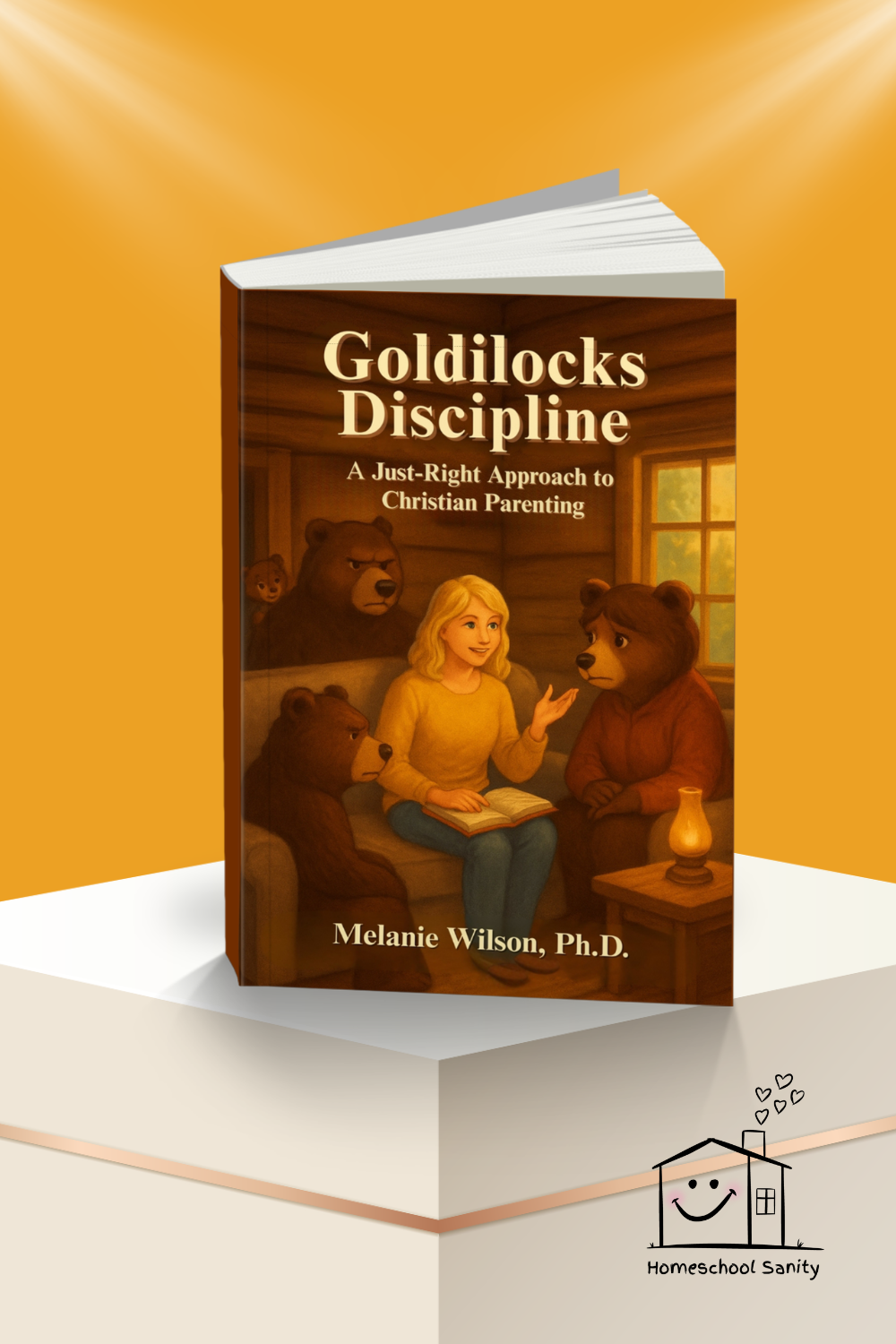
 Have you ever said the words, “Everything feels hopeless”? Whether you’re walking through chronic pain, a prodigal child, grief, or unanswered prayers, this conversation is for you.
 The Fabric of Hope by Kirby Kelly — available everywhere books are sold |

 Listen now
 How do you teach grammar in high school homeschool?
 Why does music matter in home education? Is it just so we can have junior show off for grandparents at recitals? Is it just a nice elective to fill out the kids’ transcript? Or is it an underappreciated medium for the development of multiple skills? That’s what I’ll discuss with my guest Adrian Edward.
 How preschoolers can learn real music—even if you aren’t musical
  The brain science behind music as a language
  The surprising reason most music curriculums fail young learners
 Your child wants to keep every rock, every toy, every piece of packaging. And saying “this is trash” just creates power struggles.

 Is the College Model Broken?




