TopPodcast.com
Menu
  • Home
  • Top Charts
  • Top Networks
  • Top Apps
  • Top Independents
  • Top Podfluencers
  • Top Picks
    • Top Business Podcasts
    • Top True Crime Podcasts
    • Top Finance Podcasts
    • Top Comedy Podcasts
    • Top Music Podcasts
    • Top Womens Podcasts
    • Top Kids Podcasts
    • Top Sports Podcasts
    • Top News Podcasts
    • Top Tech Podcasts
    • Top Crypto Podcasts
    • Top Entrepreneurial Podcasts
    • Top Fantasy Sports Podcasts
    • Top Political Podcasts
    • Top Science Podcasts
    • Top Self Help Podcasts
    • Top Sports Betting Podcasts
    • Top Stocks Podcasts
  • Podcast News
  • About Us
  • Podcast Advertising
  • Contact
Not in our directory?
Add Show Here
Podcast Equipment
Center

toppodcastlogoOur TOPPODCAST Picks

  • Comedy
  • Crypto
  • Sports
  • News
  • Politics
  • True Crime
  • Business
  • Finance

Follow Us

toppodcastlogoStay Connected

    View Top 200 Chart
    Back to Rankings Page
    Music

    The Cipher

    The Cipher is a podcast featuring in-depth conversations with the most interesting figures in Hip-Hop and culture

    Advertise
    • Apple Podcasts
    • Google Play
    • Spotify

    Latest Episodes:
    122: Thembisa Mshaka Sep 28, 2015
    Show notes

    This week, we talk to Thembisa Mshaka. Thembisa is an author, journalist, copywriter, filmmaker, and pretty much anything else you can imagine. In her career, she’s given the likes of Common and D’Angelo their first magazine covers as the rap editor of The Gavin Report; helped people like Nas, Lauryn Hill, and Beyonce sell over 150 million records during her time writing ad copy at Sony; and wrote and directed multiple film projects, from shorts to documentaries to features.

    As if that wasn’t enough, she also found time to write the definitive how-to book for women in the entertainment business, Put Your Dreams First: Handle Your [entertainment] Business. Her latest film, Biscuit, has its New York City premiere this Saturday, October 3rd, at NYC’s Ocktober Film Festival.

    See http://theciphershow.com/episode/122/ for full show notes and comments.


    121: Baje One/NIKO IS Sep 21, 2015
    Show notes

    This week, we have a two guests for you. In the first half of the show, we talk to Baje One, the rapping half of the long-running underground duo Junk Science. And in part two, we sit down with NIKO IS, a Florida-by-way-of-Brazil rapper whose world-class freestyling skills put him on the radar of none other than Talib Kweli, who signed Niko to his Javotti Media label.

    Baje One and his group’s producer, DJ Snafu, first met in in their native NYC in the mid-1990s and have been making smart, funny, and ambitious music together since 2003. The success of their 2005 debut album Feeding Einstein led to a deal with El-P’s seminal Def Jux label, which put out their 2007 follow-up, Gran’dad’s Nerve Tonic. The album, in the first of a long run of packaging innovations from the group, came with its own beer, brewed by Sixpoint Craft Ales. Since then, Baje has released three more albums with the group, and several solo and collaborative projects.

    NIKO IS was born in Rio De Janeiro, but has spent his rapping life in sunny Orlando, Florida. He made a name for himself in his adopted city as a teenager with his almost supernatural freestyling skills, and started releasing mixtapes in 2012 with Chill Cosby. The following year, he would cross paths with Kweli, and eventually sign to the rapper’s label. NIKO’s first album on Javotti, Brutus, was released earlier this year.

    See http://theciphershow.com/episode/121/ for full show notes and comments.


    120: Masta Ace Sep 14, 2015
    Show notes

    Duval “Masta Ace” Clear is a rap legend whose career dates back to his time with the Juice Crew in the late 1980s. That historic rap collective, led by producer Marley Marl, included stars like Big Daddy Kane, Biz Markie, Roxanne Shante, and Kool G. Rap.

    Ace made his recording debut on what is arguably hip-hop’s greatest posse cut, Marley Marl’s “The Symphony.” The success of that song led to Ace’s debut album, 1990’s Take A Look Around, which featured the comic hit “Me and the Biz.”

    After leaving Marley’s orbit, Ace successfully reinvented himself with critically beloved albums like SlaughtaHouse and Sittin’ on Chrome - the latter of which, with its West Coast-sounding beats and songs about car culture, got him in a little bit of trouble with a few of his fellow New Yorkers.

    After several years of career ups and downs, Ace reinvigorated his career with the 2001 album Disposable Arts. The success of that album, and the renewed audience it brought to his live performances, led to a career upswing that has continued to this day. Ace has released numerous solo, duo, and group albums in the ensuing decade and a half, and tours heavily by himself and with his group EMC. His latest album, with eMC, is called The Tonite Show.

    See http://theciphershow.com/episode/120/ for full show notes and comments.


    119: Denaun Porter Sep 07, 2015
    Show notes

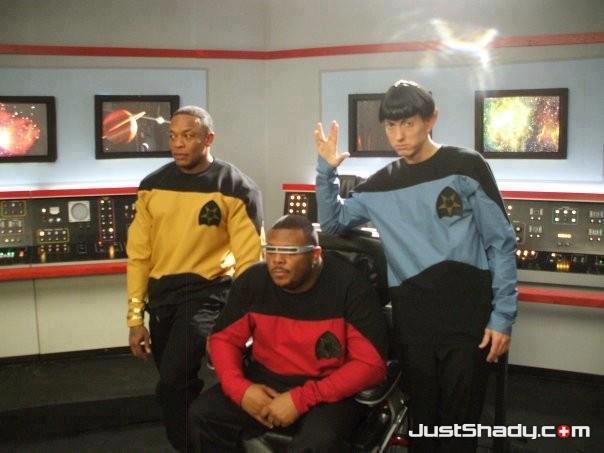
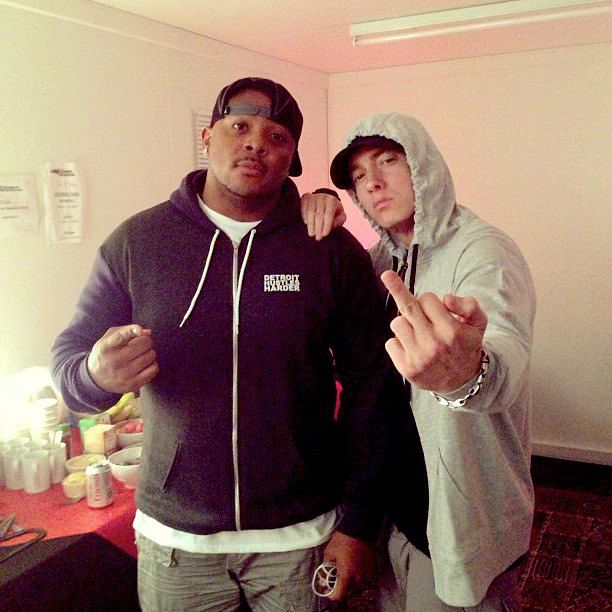
    Denaun Porter is best-known as a member of the group D12 – a collective that also featured one of his best friends, a fellow Detroit rapper named Eminem. But Denaun’s real passion has always been for production.

    Porter got his start as a beatmaker (after some tips from a young Dilla) with Em’s hard-to-find debut album Infinite, which he produced in its entirety. But as his pal teamed up with Dr. Dre, so did he. Denaun quickly began producing songs for Xzibit, 50 Cent and G-Unit, Busta Rhymes, Rakim, Pharoahe Monch, and lots more.

    After the death of fellow D12 member and longtime Eminem hypeman DeShaun “Proof” Holton in 2006, Porter took a break from music. But he’s returned stronger than ever, releasing a brand-new solo EP, Stuff in my Backpack, and taking up his late friend’s hypeman job on top of it.

    See http://theciphershow.com/episode/119/ for full show notes and comments.


    118: Joe Conzo Aug 31, 2015
    Show notes

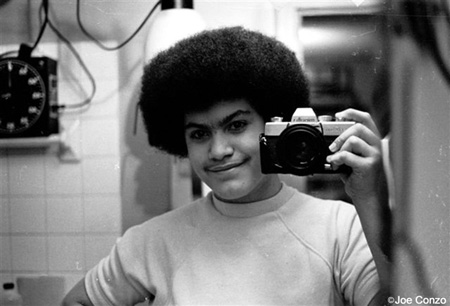
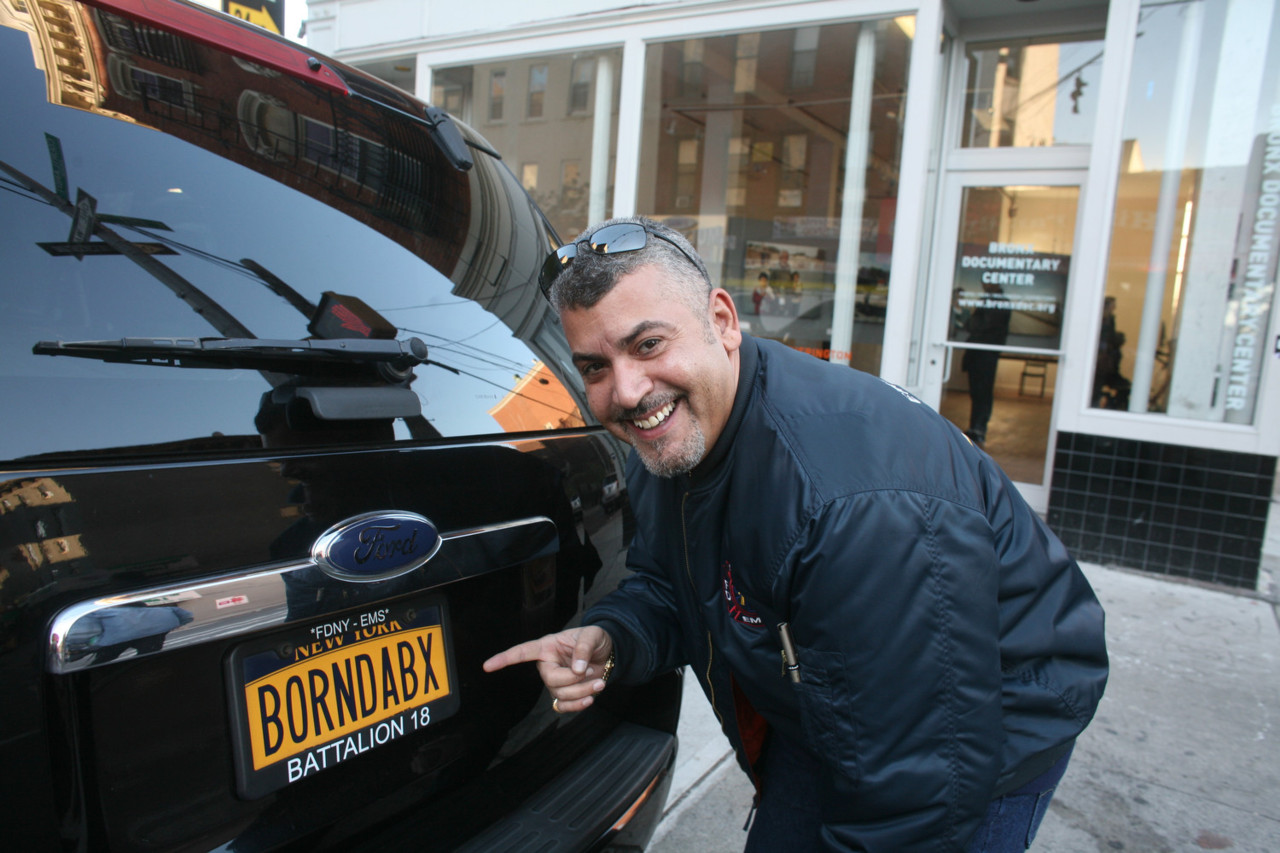
    Joe Conzo Jr. has been called “the man who took hip-hop’s baby pictures” by the New York Times – a title that’s right on the money. Conzo, a third-generation Bronx native, first got into photography as a young boy and took to shooting pictures of his neighborhood.

    But it was when he followed some high school friends who had formed a rap group to an early concert that he really found his calling. That group, the Cold Crush Brothers, was perhaps the most influential of hip-hop’s first generation. Joe was there to document their every step, from high school gymnasiums to giant clubs and movie sets. His pictures provide the single best visual record of hip-hop’s early years.

    Personal troubles caused Joe to put away his camera for many years. But over the past decade, his work has been re-discovered and used for documentaries, exhibited in museums all over the world - including the Museum of the City of New York, where an exhibit of his photos is running until September 27th - and even published in a book, Born In The Bronx: A Visual Record of the Early Days of Hip Hop. A fictional version of Joe appears in Baz Luhrmann’s upcoming Netflix series The Get Down, about the early days of hip-hop, where the real Joe was on set as a behind the scenes photographer.

    NOTE: To see the photographs that we talk about during this interview, visit this episode’s photo gallery at Imgur

    See http://theciphershow.com/episode/118/ for full show notes and comments.


    117: K-Def Aug 17, 2015
    Show notes

    Kevin “K-Def” Hansford is a producer with a long and storied legacy. He hooked up with Marley Marl in the early 1990s and became a key part of Marley’s famed studio The House of Hits. While under Marley’s wing, he produced great records for Tragedy, Da Youngsta’s, and more. But it was his work with Lords of the Underground that would really cement his reputation. K-Def produced half a dozen songs on the group’s classic debut, 1993’s Here Come the Lords, including the omnipresent “Chief Rocka.”

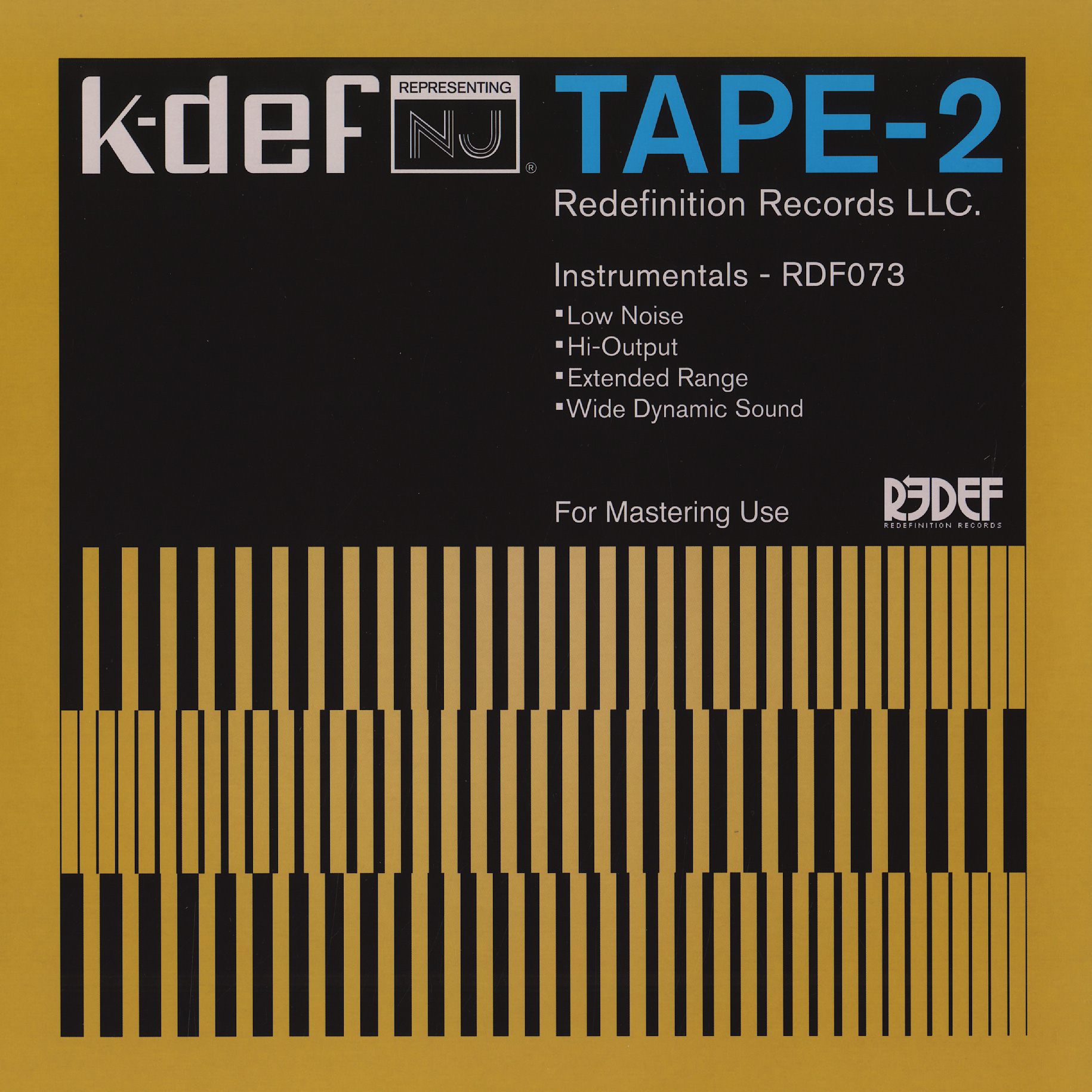
    After leaving Marley’s tutelage, K-Def’s production career continued, with songs by Ghostface, Diddy, UGK, Ol’ Dirty Bastard, and even his own group, the duo Real Live. In recent years, K-Def has released a number of stellar instrumental works with Redefinition Records, and continues to find new ways to expand the palette of sample-based music.

    NOTE: This episode, we have a special contest. Find the answers to the two questions below in this interview, and you can win prize packs from Redefinition Records. E-mail your answers to contest@theciphershow.com by September 7th, and three winners will be chosen at random from all the correct answers.

    Question 1: Which artists ended up with a K-Def beat that was originally supposed to be on Illmatic?

    Question 2: What song does K-Def credit with marking the end of sample-based hip-hop?

    1 Grand Prize: K-Def’s Tape Two on vinyl & cassette + Damu’s Public Assembly Vol. 2 CD

    2 Runner-Up Prizes: K-Def’s Tape Two cassette + Damu’s Public Assembly Vol. 2 CD
    See http://theciphershow.com/episode/117/ for full show notes and comments.


    116: Luther Campbell Aug 03, 2015
    Show notes

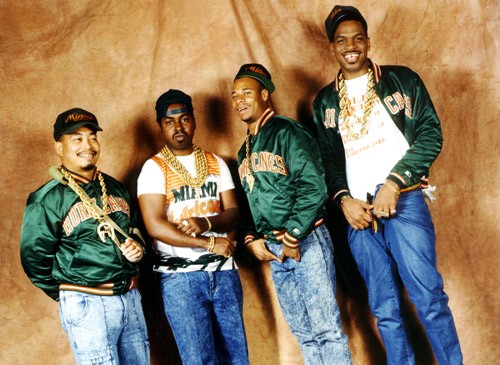
    Luther Campbell needs no introduction. Since starting his career as a DJ in Miami in the late 1970s, he’s been an innovator musically, culturally, business-wise, and even legally. As the mastermind behind 2 Live Crew, Campbell guided the group’s change from a California-based conscious rap group into a pioneering Southern crew who popularized Miami bass music, and whose raunchy lyrics were often imitated.

    It was those same raunchy lyrics that would land Campbell and the group in repeated legal hot water. Luke fought and won legal battles not only for his group’s right to be, as his most popular and controversial record would have it, “as nasty as they wanna be,” but also for record stores’ right to sell his work. He also took a battle to parody songs all the way to the Supreme Court - and won. Simultaneously, he was running the fiercely independent Luke Records, which was for a time the largest black-owned record label in the country, and discovering acts like Poison Klan, Trick Daddy, and Pitbull.

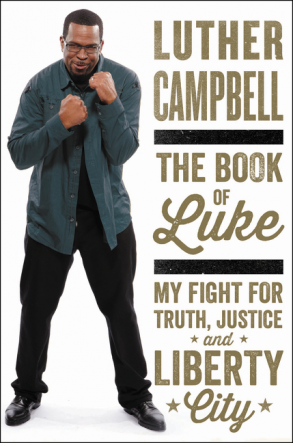
    Luke has also been fiercely devoted to the children of his native Liberty City neighborhood, starting a popular youth football league, coaching teams himself, and even running for Mayor of Miami in 2011. His latest venture is a memoir (with Tanner Colby) that covers his wild life and times, as well as the history of his hometown. It’s called The Book of Luke: My Fight for Truth, Justice, and Liberty City, published by Amistad.

    See http://theciphershow.com/episode/116/ for full show notes and comments.


    115: The 45 King Jul 20, 2015
    Show notes

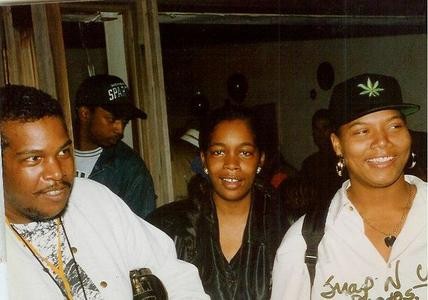
    The 45 King has produced some of the most popular rap songs of the past few decades, for artists like Jay Z and Eminem. But before that, he took his keen ear for a funky loop and put it into the creation of beats for one of Golden Age rap’s greatest crews, The Flavor Unit. He served as beatmaker and tour DJ for the Unit’s breakout star, Queen Latifah, producing and mixing the vast majority of her gold debut album, 1989’s All Hail the Queen.

    His work with other Flavor Unit members like Latee, Apache, and Lakim Shabazz, his own instrumentals like the classic “The 900 Number,” as well as songs outside his crew with acts like Gang Starr, Eric B & Rakim, and even Madonna cemented his reputation as one of rap’s hottest producers.

    After a few years out of the public eye, the 45 King returned with a sparse, Annie-sampling beat that Jay Z turned into his career-making hit “Hard Knock Life (Ghetto Anthem).” Shortly afterwards, the producer turned an obscure Dido song into one of Eminem’s biggest hits with “Stan.” We caught up with the 45 King at his home in New Jersey, famous subway turnstile still intact, to discuss his storied career.

    See http://theciphershow.com/episode/115/ for full show notes and comments.


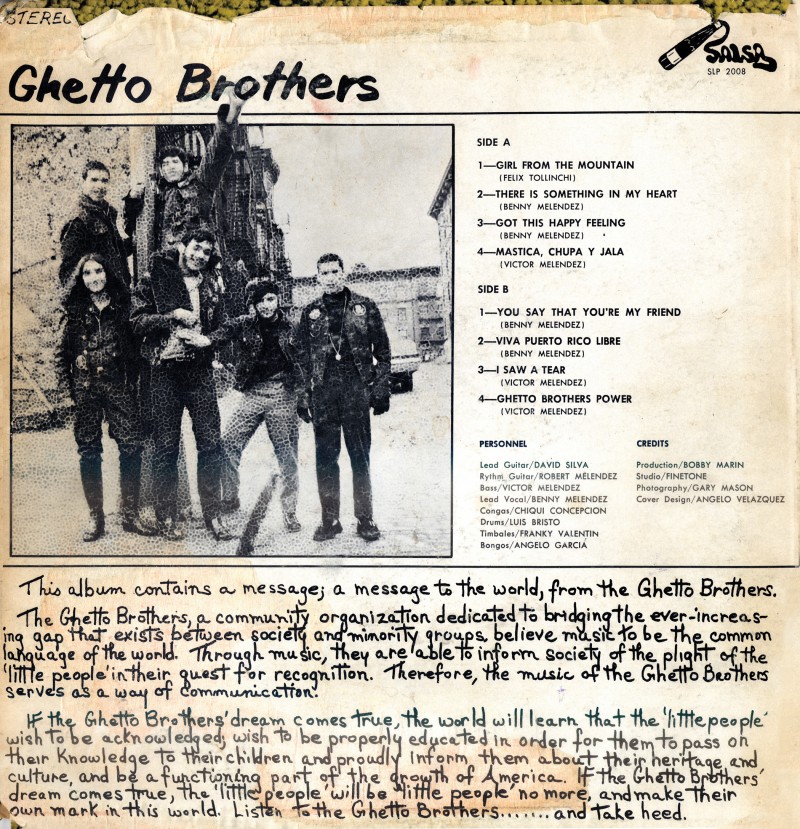
    114: Benjy Melendez of the Ghetto Brothers Jul 06, 2015
    Show notes

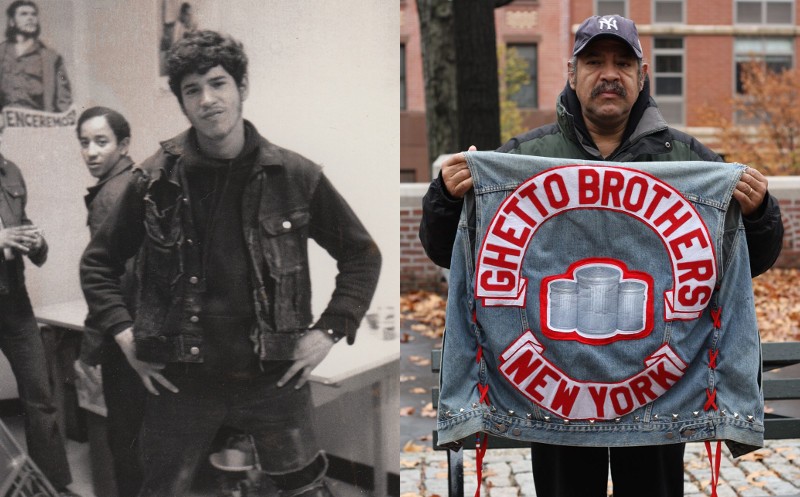
    This week, our guest is Benjy Melendez, founder, President, and singer of the Ghetto Brothers. He is joined by his co-author and friend, Amir Said.

    The Ghetto Brothers were one of the largest and most powerful street gangs in the Bronx in the late 1960s and early 70s - a time when the borough, and New York City as a whole, had plenty to choose from. At its height, the organization had around 2,000 members city-wide.

    But after one of their key figures got killed by rival gangs, Benjy devoted his efforts to peace, and held a now-famous peace treaty meeting at the Hoe Avenue center in the Bronx in 1971 - a gathering that set the stage for the ending of the gang era and the beginnings of hip-hop.

    In addition to being a powerful organization, the Ghetto Brothers were also a rock and roll band. They only released one album, 1971’s Power Fuerza, but it became a prized collectors item, notable for its surprisingly sweet lyrics and Beatle-esque melodies, Latin percussion, and unique backstory.

    While parts of Benjy’s story have been shared in the new documentary Rubble Kings and even in a graphic novel, the new book by Benjy and Amir Said, Ghetto Brother: How I Found Peace in the South Bronx Street Gang Wars, is the first place Benjy shares his entire life story.

    See http://theciphershow.com/episode/114/ for full show notes and comments.


    113: Lil Slim Jun 29, 2015
    Show notes

    Mikel “Lil Slim” Pettis began his rap career as a teenager in New Orleans in the early 1990s, performing in nightclubs around the city. He was discovered by a then brand-new record label called Cash Money Records. Slim signed with them and became a key part of the first generation of artists on that label - acts like UNLV, PxMxWx, Pimp Daddy, Ms. Tee, Mr. Ivan, and many more, who would quickly turn Cash Money into a regional powerhouse just as the city was inventing a rap style of its own, a raunchy, call-and-response based approach called “bounce.”

    During his tenure on Cash Money, Slim discovered a young kid from his neighborhood who, despite being only 10 or 11, already had a notebook full of memorable raps. Slim hooked that kid up with his label, and thus began the career of Lil Wayne.

    Lil Slim left Cash Money after his 1995 album Thuggin and Pluggin, citing concerns over his label’s business practices that sound like they could be ripped from today’s headlines. He’s released several projects since then, including most recently the third volume of his Platinum Edition EP series.

    See http://theciphershow.com/episode/113/ for full show notes and comments.


    Previous 1 12 13 14 15 16 26 Next

    Related Podcasts

    Twenty Thousand Hertz

    1

    Twenty Thousand Hertz Arts
    NPR Music

    2

    NPR Music Music
    Here’s The Thing with Alec Baldwin

    3

    Here’s The Thing with Alec Baldwin Arts
    Drink Champs

    4

    Drink Champs Music
    Soundtracking with Edith Bowman

    5

    Soundtracking with Edith Bowman Music
    Red FM Bauaa

    6

    Red FM Bauaa Music
    footer-logo

    Contact Us

    Toll Free: 844-670-7747

    Links

    • Home
    • Top Charts
    • Networks
    • Apps
    • Independents Podcasts
    • Podcast Advertising
    • Podcast News
    • Contact Us
    • About Us
    • Analytics & Insights

    Stay Connected

      Privacy, Terms of Use & Our Code of Ethics Protecting Content Creators Copyrights