Southern Songs and Stories is a documentary series about the music of the South and the artists who make it. We showcase their performances and discover the stories behind their songs with a look at their lives on stage, in the studio and at home as well as the family, friends, fans and music professionals around them.
Where Soil and Song Work In Harmony: S.G. Goodman
Oct 19, 2022
Show notes
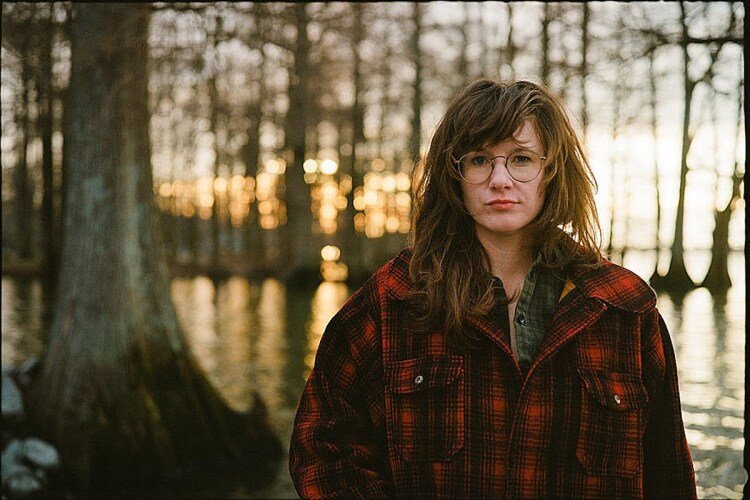
As a lifelong Southerner, and a mostly small-town Southerner all these years, I can understand when people want to get out of their small, Southern town in favor of a city with more people of like minds. And as that mostly happy small-town Southerner, I can understand why people want to get out of the city and put themselves in that countryside. Both scenarios play out on the regular here in red dirt country, with results that mirror our current national tendency towards polarization between city and country. Very seldom do you find someone with the depth and talent level of an S.G. Goodman choosing to stay in a small town in a rural setting, with all of its tragedies and shortcomings firmly in mind, over practically any other place of their choosing in the whole U.S. As S.G. Goodman said in another interview, what you find commonly is people in rural places tending not to listen to outsiders, and progressively minded people leaving and taking their ideas with them. She, however, is taking a road few have traveled: she embraces her homeplace as part of her resolve to see change by living it out in front of people.
S.G. Goodman (photo: Meredith Truax)
S.G. Goodman spoke with me following her live performance on public radio WNCW on September 20th, 2022, and we present two songs from that live set here, as well as album tracks from her second collection titled Teeth Marks. Our conversation touches on her love of her Kentucky homeland, where she does not shy away from the manual labor that she first knew growing up on her family farm. She also takes note of the region’s tragedies which, at times, have served as a catalyst to pave the way for the greater good, plus we go in depth about two songs at the center of her new album: “Work Until I Die” and “If You Were Someone I Loved”.
Where Soil and Song Work In Harmony: S.G. Goodman
Joe Kendrick/Osiris Media/WNCW
Songs heard in this episode:
“Work Until I Die” by S.G. Goodman, from Teeth Marks, excerpt
“Space and Time” by S.G. Goodman, performed live on WNCW 09-20-22, excerpt
“If You Were Someone I Loved” by S.G. Goodman, live on WNCW 09-20-22
“All My Love Is Coming Back To Me” by S.G. Goodman, from Teeth Marks
Thanks for listening, and we would be even more grateful were you to share this episode with someone. It is super easy to follow us on your podcast platform of choice, and then it will only take a minute to give it a good rating, and on platforms with the option, a review. Great ratings and reviews will make Southern Songs and Stories and the artists it profiles more likely to be found by more people just like you.
Southern Songs and Stories is a part of the podcast lineup of Osiris Media, with all of the Osiris shows available here. You can also hear new episodes of this podcast on Bluegrass Planet Radio here. Thanks to Corrie Askew for producing the radio adaptations of this series on public radio WNCW, and to Joshua Meng, who wrote and performed our theme songs. This is Southern Songs and Stories: the music of the South and the artists who make it. - Joe Kendrick
Making Festival Goers Sing and His Banjo Ring: Brian Swenk
Oct 04, 2022
Show notes
For a place as remote as Ashe County, NC, you could be forgiven for overlooking it as a wellspring for musical talent. But music seems to flow naturally out of the Appalachian mountains in and around towns like Sparta, NC, where artists like Brian Swenk grew up. Our recent episode on banjo player Tray Wellington gives another example of how the region punches above its weight with its long track record of producing great roots music artists: Frank Blevins and his Tarheel Rattlers, the Carolina Night Hawks, Clarence “Tom” Ashley, and Ola Belle Reed all hail from Ashe County as well.
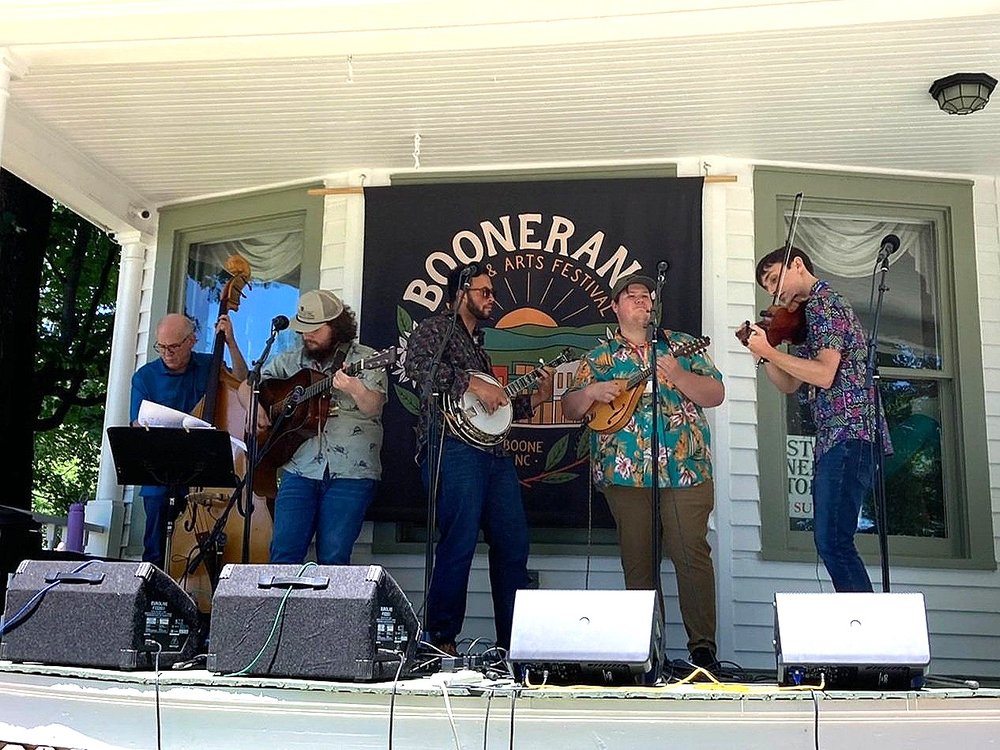
Even though many artists mentioned above moved away, they never forgot their homeplace. Recently I witnessed both Tray Wellington and Brian Swenk returning to the mountains to make music and give back to the cultural traditions that gave them their start, when both were a key part of the inaugural Boonerang Music & Arts Festival in nearby Boone, NC in June 2022. There, Brian came back to the town where he attended Appalachian State University as a key part of the team that produced the festival, which went swimmingly. Town Mountain and Acoustic Syndicate, both featured on previous episodes of this series, were headliners, and along with many other artists and bands with connections to the region, they helped make the weekend a winner with fans and critics alike. Brian’s work was all behind the scenes there, but he is no stranger to the stage, with years of experience playing banjo in the band Big Daddy Love.
Brian Swenk
Here, Brian talks about the music business, his rock and roll roots and how they find their way into Big Daddy Love’s music, we pick up on a conversation started in our episode on Tray Wellington with the influence of rap and hip hop in roots music, and more, including Brian’s story about how a painting of his band playing live sold for six figures. Plus, we sample several songs by Big Daddy Love, which describes itself as an “Appalachian Rock” band.
Making Festival Goers Sing and His Banjo Ring: Brian Swenk
Joe Kendrick/Osiris Media/WNCW
Songs heard in this episode:
“Smoke Under The Water” by Big Daddy Love, from This Time Around
“Down From the Mountain” by Big Daddy Love, from Let It Grow, excerpt
“Air Bellows Gap” by Big Daddy Love, from Let It Grow
Thank you for listening to this episode, and we would be even more grateful were you to share this with someone. It is super easy to follow us on your podcast platform of choice, and then it will only take a minute to give it a good rating, and on platforms with the option, a review. Great ratings and reviews will make Southern Songs and Stories and the artists it profiles more likely to be found by more people just like you.
Southern Songs and Stories is a part of the podcast lineup of Osiris Media, with all of the Osiris shows available here. You can also hear new episodes of this podcast on Bluegrass Planet Radio here. Thanks to Corrie Askew for producing the radio adaptations of this series on public radio WNCW, and to Joshua Meng, who wrote and performed our theme songs. This is Southern Songs and Stories: the music of the South and the artists who make it. - Joe Kendrick
Melody, Nuance and Innovation on the Banjo With Tray Wellington
Sep 20, 2022
Show notes
Years ago, when the tenth anniversary of the O Brother, Where Art Thou? soundtrack was the topic on my WNCW talk show What It Is,writer and editor Kim Ruehl remarked that the movie made an indelible mark on the music scene by taking heretofore uncool hillbilly music, putting it in the mouth of George Clooney, and exposing all the punk and rock and roll kids to a style which could be truly offensive. It was a hilarious, spot-on statement, and indeed many a rough hewn, banjo-fronted band was born in the wake of the film’s massive success. O Brother was an inflection point for roots music like old-time and bluegrass, becoming a lens for discovering and interpreting a culture and its go-to musical styles for the broader public, akin to Deliverance a generation before.
Even though banjo sales jumped and the instrument became more prominent in settings both acoustic and otherwise, its perception did not change wholesale throughout our culture. Even though banjos enjoyed a renaissance in places before, like with Bela Fleck and the Flecktones, and would go on to become essential to the sound of folk-pop stars like Mumford & Sons, the instrument was still firmly anchored in music traditions born of its mostly White, Appalachian origin story. But what happens when you realize that story is only part of the history?
Tray Wellington Band performs at the Boonerang Music & Arts Festival 06-18-22 in Boone, NC
The banjo’s origin story, and how it moved into almost exclusively White contexts is touched on in this episode on Tray Wellington. The young artist from North Carolina also talks about his new album, Black Banjo, where he takes the instrument into a musical territory that borders bluegrass, old-time and jazz, while never staying so long in any one place that things get predictable. Tray talks here about how he cut his teeth playing at old-time music jams as well as other banjo players he looks up to, plus his love of making rap beats on the side. That and more at the link below and on podcast platforms everywhere.
Melody, Nuance and Innovation on the Banjo With Tray Wellington
Joe Kendrick/Osiris Media/WNCW
Songs heard in this episode:
“Strasbourg/St. Denis” by Tray Wellington, from Black Banjo
“Gibbous Moon” by Tray Wellington, from Uncaged Thoughts, excerpt
“Naima” by Tray Wellington, from Black Banjo, excerpt
“Half Past Four” by Tray Wellington, from Black Banjo, excerpt
“Wasted Time” by Tray Wellington, with Tim O’Brien, from Black Banjo
Thank you for listening to this episode, and we would be even more grateful were you to share this with someone. It is super easy to follow us on your podcast platform of choice, and then it will only take a minute to give it a good rating, and on platforms with the option, a review. Great ratings and reviews will make Southern Songs and Stories and the artists it profiles more likely to be found by more people just like you.
Southern Songs and Stories is a part of the podcast lineup of Osiris Media, with all of the Osiris shows available here. You can also hear new episodes of this podcast on Bluegrass Planet Radio here. Thanks to Corrie Askew for producing the radio adaptations of this series on public radio WNCW, and to Joshua Meng, who wrote and performed our theme songs. This is Southern Songs and Stories: the music of the South and the artists who make it. - Joe Kendrick
Green Acres Music Hall, Revisited
Aug 23, 2022
Show notes
Back in 2018, we dove into the history of a beloved venue that was its own cultural phenomenon over a span of nearly four decades. It was a sprawling, quirky, at times surprising and almost always joyful tale; those first three episodes of our Green Acres series totaled almost three hours (they started with fifteen separate interviews totaling over five hours), and included 19 songs or portions of songs played live at the venue.
Acoustic Syndicate performs live on WNCW in the mid 1990s as Steve Metcalf (r) looks on. Steve Metcalf, Acoustic Syndicate and Darin Aldridge, who was a member at the time of this photo, are featured in this episode.
Those episodes detailed the history of the Acres, from its inception as a spot for dancing and country music to its embrace of Bluegrass and progressive acoustic bands, to the addition of an outdoor stage and larger and larger crowds in later years. In those first three episodes you can hear about how owner Nile Cuthbertson started Green Acres, how Steve Metcalf became its front man, while the episodes include a lot of context on external forces at play in the music scene locally and nationally in the 1970s, 80s and 90s.
Steve Metcalf (l) and Phil Johnson (r) outside the WNCW control room in the 1990s.
People are just as ready to talk about Green Acres today as they were when we made those first episodes. Additionally, many artists who played there are set to perform at the inaugural Earl Scruggs Music Festival on Labor Day weekend in 2022, and that got me thinking about revisiting the Acres by reworking all those hours of interviews and including many portions of our conversations that were left out the first time. Now, we put forward Green Acres alumni Bela Fleck, Sam Bush, Jerry Douglas, Darin Aldridge, and Acoustic Syndicate in this new context, as well as the person who made an indelible impact on the whole shebang, Steve Metcalf.
Green Acres Music Hall, Revisited
Joe Kendrick/Osiris Media/WNCW
We are glad you stopped by, and hope you will follow Southern Songs on your podcast platform of choice. Once you’re there, could you take a moment and give us a top rating and, if possible, a review? Giving us a top rating is super easy, and ratings and reviews go a long way towards bumping us up in the rankings, which puts this series and the artists we profile in front of more music fans like you! Southern Songs and Stories is a part of the podcast lineup of Osiris Media, with all of the Osiris shows availablehere. You can also hear new episodes of this podcast on Bluegrass Planet Radio here. Thanks to Corrie Askew for producing the radio adaptations of this series heard on public radio WNCW, and to our former intern Joshua Meng, who wrote and performed our theme songs. This is Southern Songs and Stories: the music of the South and the artists who make it. - Joe Kendrick
On the Road With the Electric Trio and on the Farm With His Orange Scout: Darrell Scott
Aug 02, 2022
Show notes
As nineteenth century US senator Daniel Webster said, “When tillage begins, other arts follow. The farmers therefore are the founders of human civilization.” In the case of Darrell Scott, he mastered one of the arts that followed so well that it became possible to try his hand at music’s ancient ancestor, the equally challenging, mysterious and at turns joyous endeavor of farming.
I sat with Darrell Scott in Greer, South Carolina on a beautiful spring afternoon in May at the Albino Skunk Music Festival, where he played with Bryn Davies on bass and Jeff Sipe on drums in what he dubs his Electrifying Trio. Our conversation ranged from topics like his love of electric guitar, to some favorite collaborations from his decades-long career, life on his 500 plus acre farm near Cookeville, Tennessee, his favorite cover of one of his signature songs, to how he came to own Guy Clark’s old orange Scout. Included here are many excerpts of his music, including Darrell’s favorite cover of “You’ll Never Leave Harlan Alive”.
Darrell Scott with Jeff Sipe on drums and Bryn Davies on bass at their Albino Skunk Music Festival performance on May 13, 2022
On the Road With the Electric Trio and on the Farm With His Orange Scout: Darrell Scott
Joe Kendrick/Osiris Media/WNCW
Songs heard in this episode:
“Long Time Gone” by Tim O’Brien and Darrell Scott, from Real Time
“(Have You Ever Been Down To) Colorado” by Darrell Scott, from Jaroso, excerpt
“(I Heard That) Lonesome Whistle” by Darrell Scott, from Darrell Scott Sings the Blues of Hank Williams, excerpt
“You’ll Never Leave Harlan Alive” by Patty Loveless, from Mountain Soul, excerpt
“River Take Me” by Darrell Scott, from Live at the Station Inn, excerpt]
We are glad to have you enjoy this episode, and would be even more so were you to share this with someone. It is super easy to follow us on your podcast platform of choice, and then it will only take a minute to give it a good rating, and on platforms with the option, a review. Great ratings and reviews will make Southern Songs and Stories and the artists it profiles more likely to be found by more people just like you.
Southern Songs and Stories is a part of the podcast lineup of Osiris Media, with all of the Osiris shows available here. You can also hear new episodes of this podcast on Bluegrass Planet Radio here. Thanks to Corrie Askew for producing the radio adaptations of this series on public radio WNCW, and to Joshua Meng, who wrote and performed our theme songs. This is Southern Songs and Stories: the music of the South and the artists who make it. - Joe Kendrick
Why Is Live Music So Good? Let’s Talk It Over
Jul 12, 2022
Show notes
Do you love live music? This episode is for you! After taking in a number of shows after a bit of a lull, I was energized, engaged, and excited. It got me thinking about telling the story of not only those concert experiences, but also about the broader subject of live music. So let’s talk, shall we? I’ll start, and then hopefully you can respond, and we can compare notes in a future episode.
Southern Songs and Stories has been running for over five years as a podcast, and existed as a video documentary series years before that. You probably know that the main mode for both versions of the show remains a series of in-depth interviews with music artists and media professionals, along with commentary from yours truly, and music to round it all out. But every once in a while we branch out with different approaches. This episode is also a tangent, not focusing on one artist or group, but touching on the common theme of live music so often featured here. It is presented in three chapters, with each chapter putting forward a question to guide the narrative and also literally ask you that question. First up: what was your first live music experience? Then, what was your most recent concert or festival? And probably the biggest of all, what was your favorite?
Paul McCartney at Bonnaroo 06-14-13
This episode is a music diary of sorts, with no artist interviews at all. It is also the first Southern Songs and Stories to be offered as an NFT, or Non-Fungible Token. It is available online like every other in this series, but there are also a small number of unique versions of it available on the website uncut.fm, the company which states that their mission is to build a new podcasting economy, where hosts can connect directly with their fans, and distribute their work and receive payments without intermediaries. It is a bit like taking the crowd funding model up a notch, because everyone who buys the NFT version of this podcast owns something that they can then sell, trade, or give away. It is no longer a one-way street; it is not a subscription that will end; it is yours even if I stop producing Southern Songs and Stories and take down this site. You could think of it as a kind of digital trading card, or a way to bookmark a chapter in this series. The benefits? Imagine this first edition, limited run of ‘digital trading cards’ becoming more valuable in time; you could sell yours for a profit if you like, and that benefits me too because in addition to the first sale, there is a small return to every NFT’s creator on each subsequent transaction. And there are more benefits, like being a part of the unique community of contributors who will have access to a gated space on Uncut where we can talk about this episode or anything else we want to share. We might even come up with a new and better NFT for the next round. Everything is spelled out in the Southern Songs and Stories listing online at uncut.fm.
Why Is Live Music So Good? Let's Talk It Over
Joe Kendrick/Osiris Media/WNCW
Songs heard in this episode:
“A Good Bass For Gambling” by Komiku, sourced from freepd.com
“Still Pickin’” by Kevin MacLeod, sourced from freepd.com, excerpt
“Eddie’s Twister” by Eddie Lang, sourced from Open Music Archive, excerpt
“Little Bits” by the Johnny Dodd Trio, sourced from Open Music Archive, excerpt
“Take The Ride” by Bryan Teoh, sourced from freepd.com
We are glad to have you visit us, and would be even more so were you to share this with someone. It is super easy to follow us on your podcast platform of choice, and then it will only take a minute to give it a good rating, and on platforms with the option, a review. Great ratings and reviews will make Southern Songs and Stories and the artists it profiles more likely to be found by more people just like you.
What are your live music experiences? What else would you like for us to focus on in another live music themed episode? Everyone who buys one of the limited edition NFT versions of this episode on the website uncut.fm will have access to a gated space with everyone who supported us in this way, where we can start even more conversations about the music we love.
Southern Songs and Stories is a part of the podcast lineup of Osiris Media, with all of the Osiris shows available here. You can also hear new episodes of this podcast on Bluegrass Planet Radio here. Thanks to Carlos Diaz and the team at uncut.fm for making it possible to make the NFT version of this episode available -- uncut.fm has a host of other podcast NFTs to offer on their website as well. I’m Joe Kendrick, and this is Southern Songs and Stories: the music of the South and the artists who make it.
From #1 Hitmaker to Roots Music Torchbearer: Colin Hay
Jun 28, 2022
Show notes
Music artists often face a difficult choice: do I make songs that people likely expect me to make, or do I go in a new direction? Artists who are successful become associated with the style of music that got them their fame, and the stakes are then higher, the question harder to answer. Success can become a gilded cage, and is a large reason why some artists make records that sound the same over and over.
With very few exceptions, fame is fleeting, so the gilded cage that once seemed like a creative impediment can look better and better in the rear view mirror. Very many artists get locked into a pattern of trying to get back into that cage, which mostly plays out with diminishing returns as they go on. For aging pop music stars, this can be a really bad look. The artists that are continually rehashing their old hits are reminiscent of people that were popular in high school and never matched that later in life, but who keep focusing on early achievements decades later. It all becomes quite tedious. Who wants to be solely defined by something they did in their teens or twenties?
In his late twenties, Colin Hay was on top of the world. His band Men At Work had two #1 singles and a number one album, Business As Usual. Against a lot of odds, he helped crack open a door that had shut out Australian artists for over a decade. But by his early thirties, Men At Work was done — their third album flopped and the pop music machine spat them out. This could have easily ended his career, or like many artists, made for a kind of creative Groundhog Day that he never escaped. Thankfully, he did not stay in that mode, and went on to make many solo records that charted a new, rootsier course.
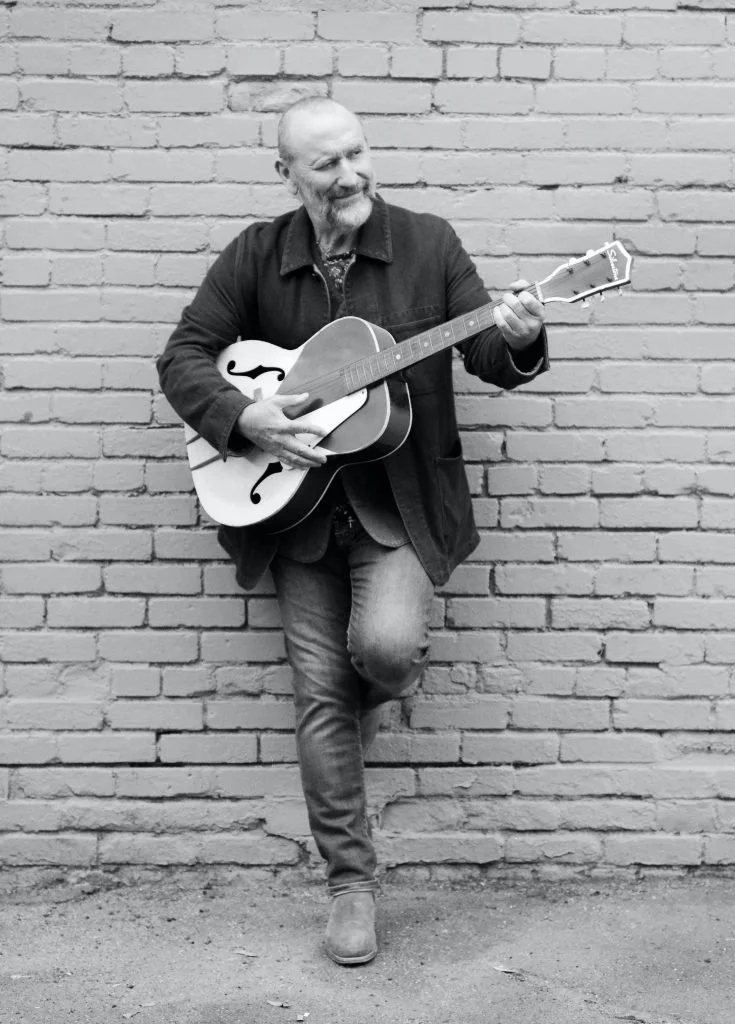
Colin Hay (photo: Paul Moble)
I caught up with Colin when he played Merlefest in April of 2022. It was a solo performance that saw him play from his extensive solo catalog as well as from his Men At Work days. As you will hear, Colin still embraces his earlier work, which is not always the case with artists enjoying a second career in roots music. We talked about his new album Now and the Evermore, his longtime relationship with Compass Records, the music and music scenes of his native Scotland and his successive home countries Australia and the US. Colin also points out his admiration for artists like Kasey Musgraves, Sturgill Simpson and Chris Stapleton, talks about finding his way out of having been, as he puts it, too alternative for commercial labels and too commercial for alternative labels, and a lot more, including more music from Colin’s latest record.
From #1 Hitmaker to Roots Music Torchbearer: Colin Hay
Joe Kendrick/Osiris Media/WNCW
Songs heard in this episode:
“Now and the Evermore” by Colin Hay, from Now and the Evermore
“A Man Without A Name” by Colin Hay, from Now and the Evermore, excerpt
“Undertow” by Colin Hay, from Now and the Evermore, excerpt
“Down Under” by Men At Work, from Business As Usual, excerpt
“Agatha Bell” by Colin Hay, from Now and the Evermore, excerpt
We are glad to have you visit us, and would be even more so were you to share this with someone. It is super easy to follow us on your podcast platform of choice, and then it will only take a minute to give it a good rating, and on platforms with the option, a review. Great ratings and reviews will make Southern Songs and Stories and the artists it profiles more likely to be found by more people just like you.
Southern Songs and Stories is a part of the podcast lineup of both public radio WNCW and Osiris Media, with all of the Osiris shows available here. You can also hear new episodes of this podcast on Bluegrass Planet Radio here. Thanks to Corrie Askew for producing the radio adaptations of this series on WNCW, and to Joshua Meng, who wrote and performed our theme songs. This is Southern Songs and Stories: the music of the South and the artists who make it. - Joe Kendrick
Tradition and Diversity: A New Appalachia with Dori Freeman
Jun 14, 2022
Show notes
Time travel is real. Not in the science fiction sense of the term, but you really can travel back in time by simply going to Galax, Virginia and seeing Dori Freeman play music with her husband Nicholas Falk and her father and grandfather. Three generations of musicians in a family is extraordinary today, but in centuries past in the South, it was practically normal. Listen to Dori Freeman’s music and you will hear the echoes of an outlook and a way of life that is centuries old at the same time that it is grounded in a new, diverse Appalachia that her ancestors would likely be surprised to see.
It was a gorgeous spring day in May at the Albino Skunk Farm as I walked the festival grounds and thought about my upcoming interview with Dori, and on the spur of the moment I invited Sloane Spencer to join us. If I did have an real time machine and could go back to that day, I would not do it any differently because Sloane is a pro, and added a lot to our conversation. We spoke ahead of Dori’s performance with her husband Nicholas as well as guest bandmates Rachel Baiman and Daniel Kimbrough, talking about Dori’s deep Appalachian roots, recording her family album in Nick’s newly constructed studio in their backyard, how she draws inspiration and ideas from listening to rap artists, and even her love of Topo Chico brand seltzer. All of that and more awaits you in this episode, which includes some of the band’s set at the festival plus an excerpt of Dori Freeman’s duet with Logan Ledger from her latest album Ten Thousand Roses.
Nicholas Falk and Dori Freeman perform at the Albino Skunk Music Festival in Greer, SC 05-14-22
Tradition and Diversity: A New Appalachia With Dori Freeman
Joe Kendrick/Osiris Media/WNCW
Songs heard in this episode:
“Appalachian” by Dori Freeman, live at Albino Skunk Music Festival 05/14/22
“You Say” by Dori Freeman, live at Albino Skunk Music Festival 05/14/22, excerpt
“I Am” by Dori Freeman, live at Albino Skunk Music Festival 05/14/22, excerpt
“Ern and Zorie’s Sneakin’ Bitin’ Dog” by Dori Freeman, live at Albino Skunk Music Festival 05/14/22
“Walk Away” by Dori Freeman featuring Logan Ledger, from Ten Thousand Roses
We are glad to have you visit us, and would be even more so were you to share this with someone. It is super easy to follow us on your podcast platform of choice, and then it will only take a minute to give it a good rating and a review. Great ratings, and reviews especially, will make Southern Songs and Stories and the artists it profiles more likely to be found by more people just like you.
Southern Songs and Stories is a part of the podcast lineup of both public radio WNCW and Osiris Media, with all of the Osiris shows available here. You can also hear new episodes of this podcast on Bluegrass Planet Radio here. Thanks to Corrie Askew for producing the radio adaptations of this series on WNCW, and to Joshua Meng, who wrote and performed our theme songs. This is Southern Songs and Stories: the music of the South and the artists who make it. - Joe Kendrick
Painting a Portrait of 23 Years With Ketch Secor of Old Crow Medicine Show
May 28, 2022
Show notes
How long is the average lifespan for a band? That could be hard to pin down, but it is surely a lot shorter than the time we have witnessed Old Crow Medicine Show do their thing. Starting out as strict revivalists of old-time string band traditions, they did not even believe in writing original songs. To Ketch Secor’s thinking back at Old Crow’s inception, all the great songs had already been written, so any attempts to add to that canon would be futile. Fortunately for all of us, Ketch and the band changed their minds on that point, and almost immediately discovered how much impact they could have with originals (and one whale of a co-write). Like any group starting out, they had no way of knowing how far they would go or how much they would change in time. If you had told them that they were going to sell millions of records and win multiple Grammy awards back in 1999, they would likely have laughed. If you had pointed out that a future member of their group (Mason Via) had just been born, my bet is that they would have looked at you as if you had come from another planet. But all of this would come to pass.
Fast forward to spring 2022, when Old Crow Medicine Show returned to the place that a generation before had served, as Ketch said in our interview, a lily pad, a springboard for their success. There at MerleFest, I sat with Ketch in the library at Wilkes Community College ahead of their two shows that day — the first a surprise acoustic performance off stage on the festival grounds, the second their main stage performance hours later. A documentary crew was on hand filming our conversation, which covered a wide range of topics, including the current lineup of Old Crow Medicine Show, his time living off the land in Avery County, North Carolina when the band first formed, his recent fascination with music from Equatorial Africa and Texas border country, how he always wants to be, as he puts it, a mockingbird, and more. There is plenty of music from their latest album Paint This Town featured as well.
Old Crow Medicine Show plays a surprise acoustic set on the Wilkes Community College campus ahead of their main stage performance 05-30-22
Photo: Martin Anderson
Painting a Portrait of 23 Years With Ketch Secor of Old Crow Medicine Show
Joe Kendrick/Osiris Media/WNCW
Songs heard in this episode:
“DeFord Rides Again” by Old Crow Medicine Show from Paint This Town
“New Mississippi Flag” by Old Crow Medicine Show from Paint This Town, excerpt
“Used To Be A Mountain” by Old Crow Medicine Show from Paint This Town, excerpt
“Gloryland” by Old Crow Medicine Show from Paint This Town, excerpt
“Paint This Town” by Old Crow Medicine Show from Paint This Town
We are glad to have you visit us, and would be even more so were you to share this with someone. It is super easy to follow us on your podcast platform of choice, and then it will only take a minute to give it a good rating and a review. Great ratings, and reviews especially, will make Southern Songs and Stories and the artists it profiles more likely to be found by more people just like you.
Southern Songs and Stories is a part of the podcast lineup of both public radio WNCW and Osiris Media, with all of the Osiris shows available here. You can also hear new episodes of this podcast on Bluegrass Planet Radio here. Thanks to Corrie Askew for producing the radio adaptations of this series on WNCW, and to Joshua Meng, who wrote and performed our theme songs. This is Southern Songs and Stories: the music of the South and the artists who make it. - Joe Kendrick
It's Not Always About the Jam: Justin Golden
May 17, 2022
Show notes
Music is a lot like a blueberry bush. Especially blues music, since blueberries are among a handful of fruits native to North America, just as blues is a native art form. With a blueberry bush, you get fruit off the newer branches -- once they get old enough to form a lot of bark, they do not yield many blueberries, and you need to start pruning so that you can get new growth, and more of those delicious berries. In the same way, music blossoms in its newest forms, forms which tend to become rigid over time. Everyone likes to focus on the fruit but they can easily lose sight of where those new, fruit bearing branches came from, which is always an older, more rigid branch. And those oldest, most foundational branches, like blues music, tend to invite more preconceptions.
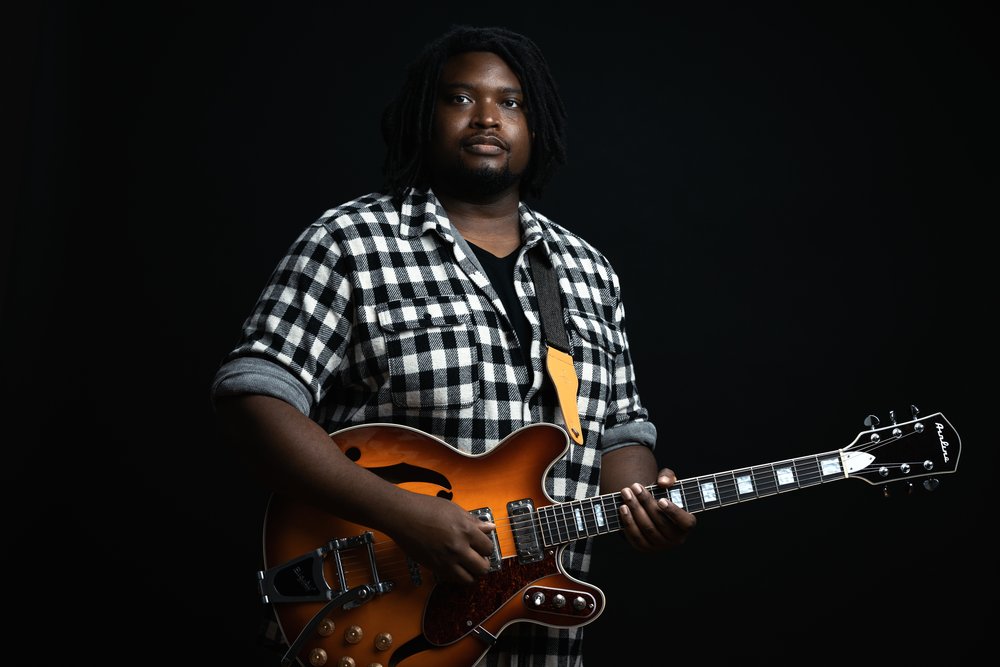
Enter Justin Golden. Justin is here to expand the tent of what we think of as blues music by both pointing back to the Piedmont blues, fingerstyle guitar tradition of his native Virginia, and by charting a new direction of his own. As he said in our interview, one thing people tend to get wrong about blues music is thinking that it is all about electric guitar jams: “acoustic blues was about expression, you know, especially the country blues. It's not really jammable music if you don't know the song. Because it's not a set form for a lot of it. It's just, you know, the recording is how they played it that one time. And if you ever hear … recordings of some of the older people like Blind Boy Fuller and stuff, and there's multiple takes, it's played wildly differently every time. So that's the biggest misconception is that it's lots of leads, or they assume I play lots of lead guitar. And I'm more of a rhythm guitar player that can finger fake leads on top of it.”
It's Not Always About the Jam: Justin Golden
Joe Kendrick/Osiris Media/WNCW
Justin Golden
Songs heard in this episode:
“Can’t Get Right” by Justin Golden from Hard Times and a Woman
“Dog Days of August” by Cephas & Wiggins from Dog Days of August, excerpt
“Lightning When She Smiles” by Justin Golden from Hard Times and a Woman, excerpt
“The Gator” by Justin Golden from Hard Times and a Woman, excerpt
“Moon Far Away” by Justin Golden from Hard Times and a Woman
Thanks for visiting Southern Songs and Stories, and I hope you might tell someone you know about the series in person or on social media (feel free to tag us in your posts!). Please follow us on any podcast platform you prefer. After that, it helps a lot when you give us a good rating and a review. Top ratings, and reviews especially, will make Southern Songs and Stories and the artists it profiles more likely to be found by more people just like you.
Southern Songs and Stories is a part of the podcast lineup of both public radio WNCW and Osiris Media, with all of the Osiris shows available here. You can also hear new episodes of this podcast on Bluegrass Planet Radio here. Thanks to Corrie Askew for producing the radio adaptations of this series on WNCW, and to Joshua Meng, who wrote and performed our theme songs. This is Southern Songs and Stories: the music of the South and the artists who make it. - Joe Kendrick

 Our TOPPODCAST Picks
  Stay Connected