Creating Belonging, Experience, and Memories with Robyn Hamasaki – PMP519
Sep 23, 2026
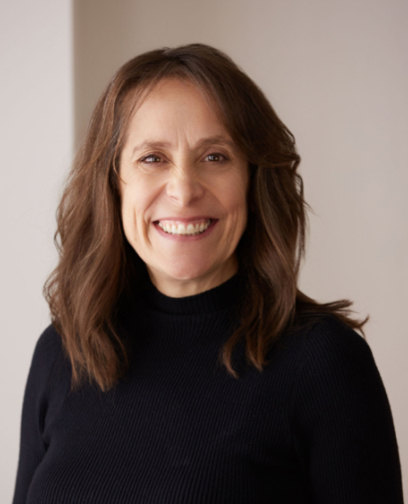
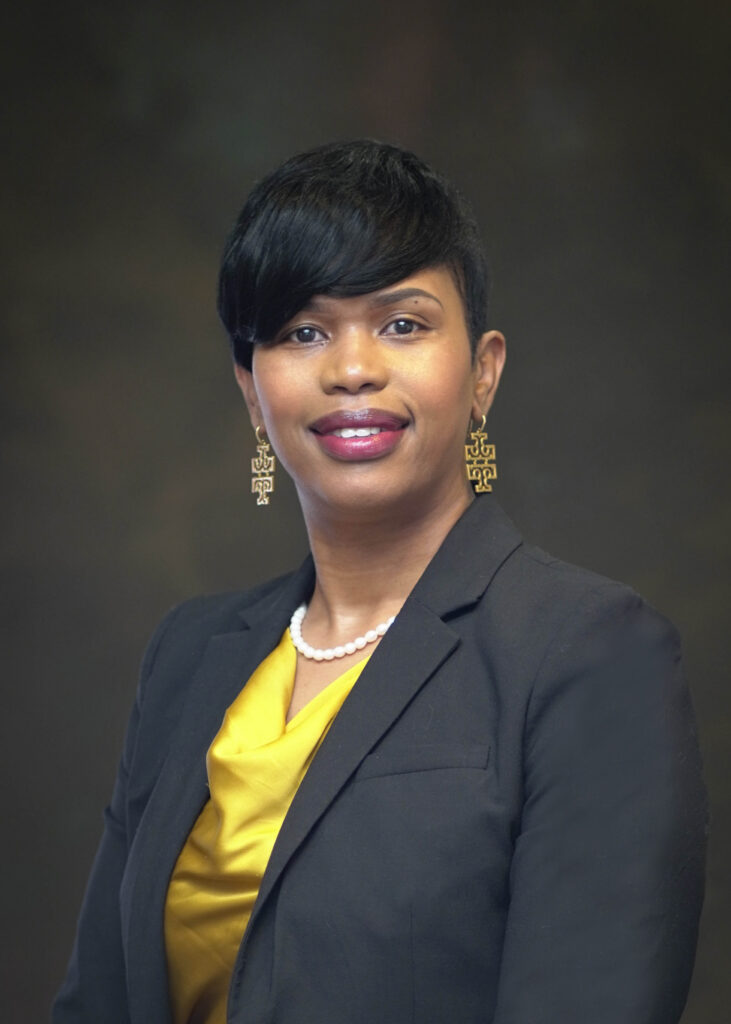
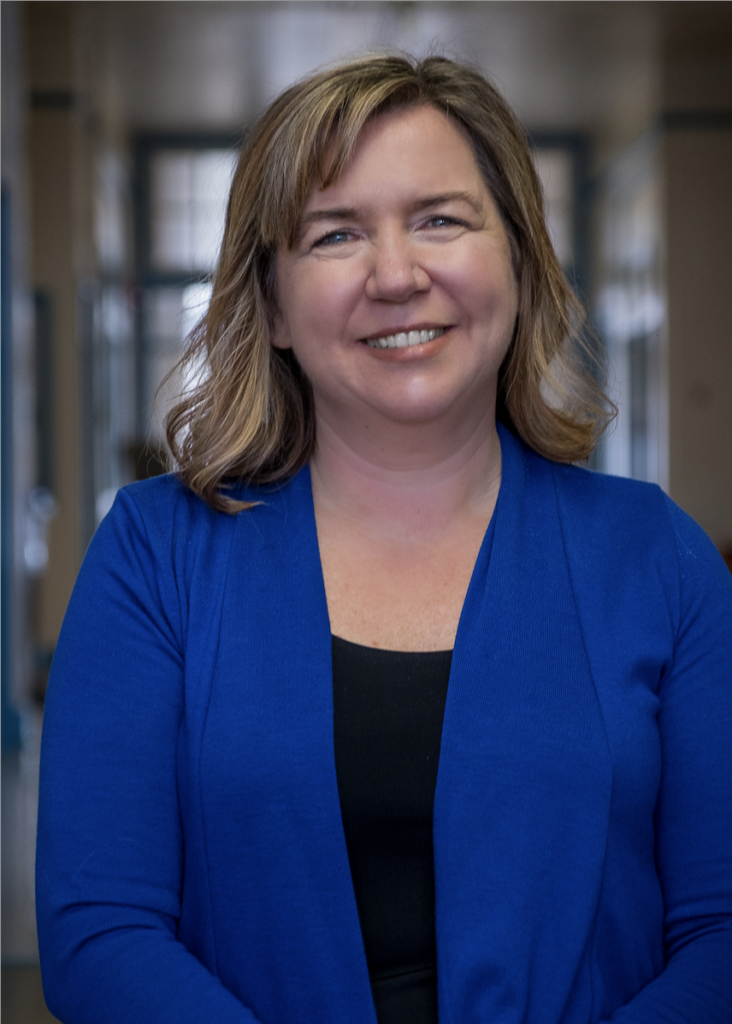
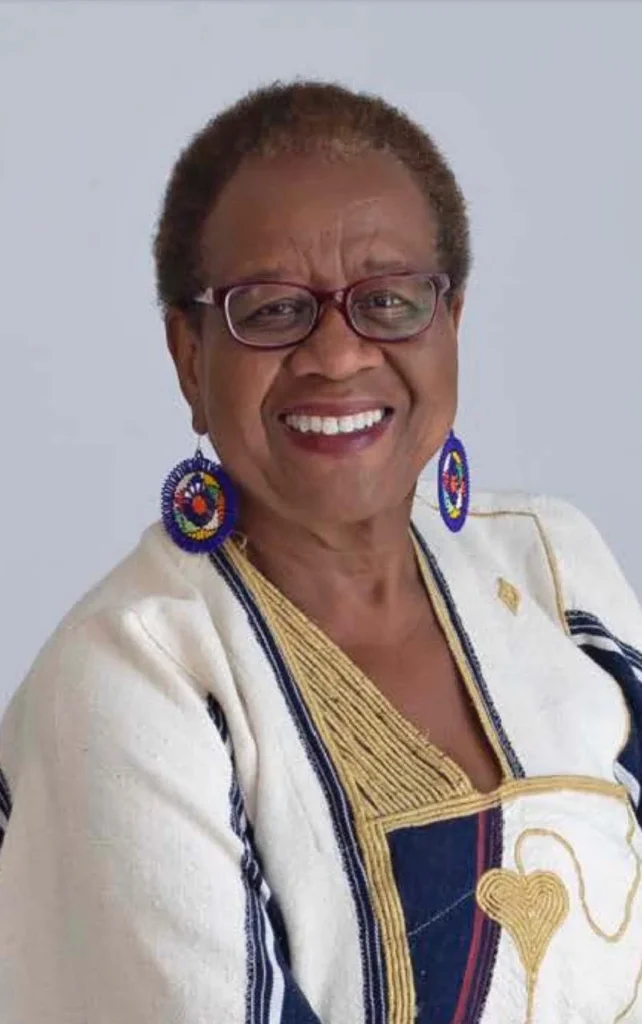
Meet Robyn Hamasaki:
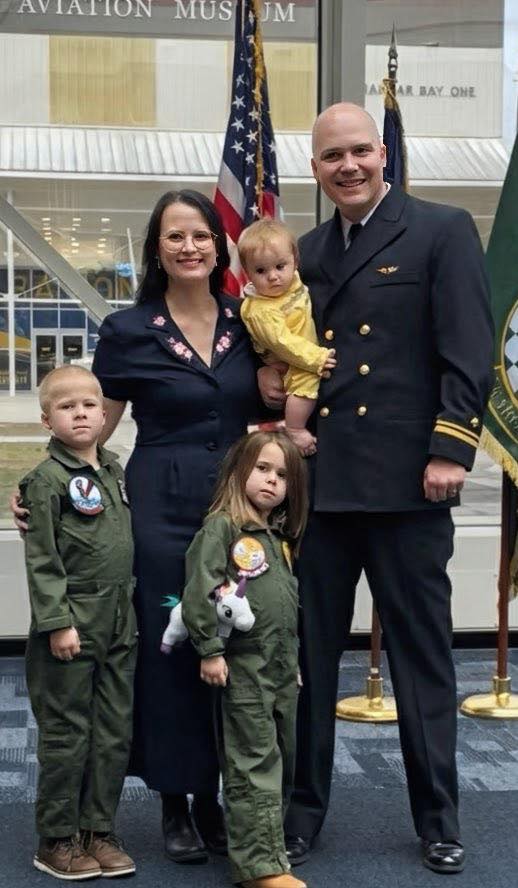
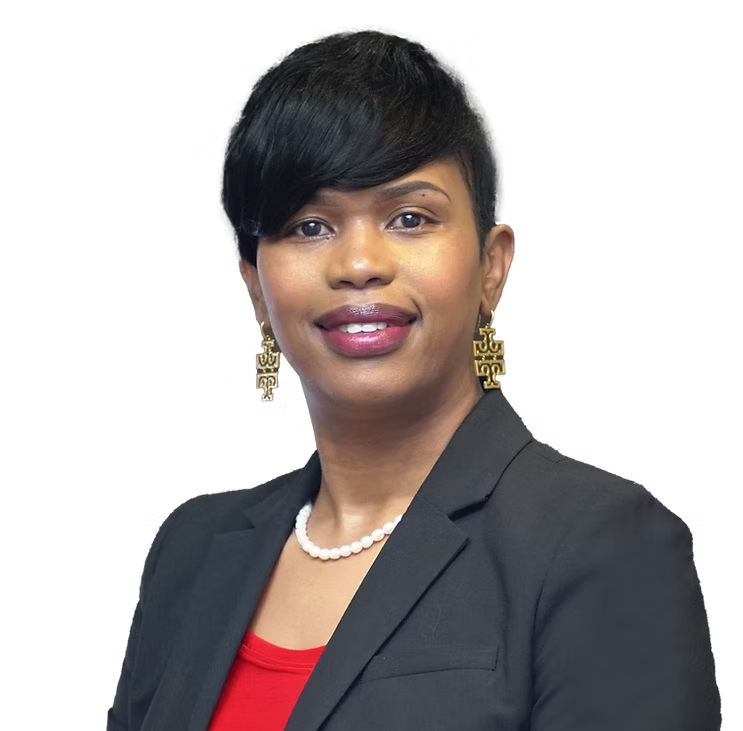
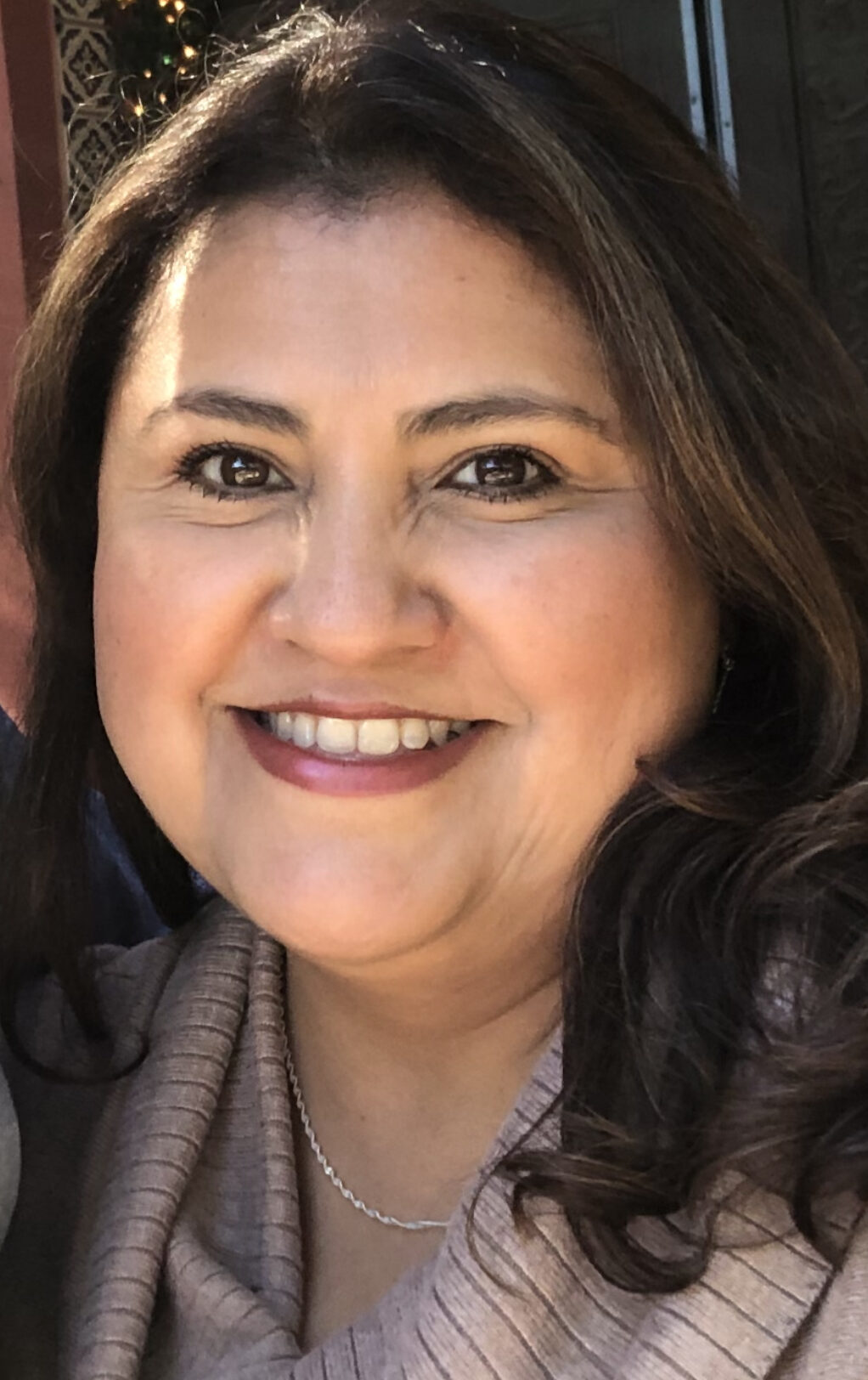
Robyn Hamasaki is Managing Director of Leadership Development for the National Principals Association, supporting efforts to develop PreK–12 school leaders, National Honor Society advisers, and student councils. Previously, she served as a teacher, assistant principal, and PreK–8 principal and helped establish the Principal Leadership Institute with the Colorado Department of Education. She also served as a Colonel in the U.S. Army Reserve. Born and raised in Hawaii, Robyn brings a deep commitment to servant leadership, coaching, belonging, relationships, and developing others.
The Realities of School Leadership:
Robyn begins by discussing one of the persistent realities of school leadership: it can be lonely. Whether leading a rural school, serving without an assistant principal, or simply carrying responsibilities others may not fully understand, school leaders need meaningful connections with people who understand the work. Robyn emphasizes the importance of networks, coaching relationships, and communities where leaders can safely talk through challenges, exchange ideas, and learn from one another.
Belonging:
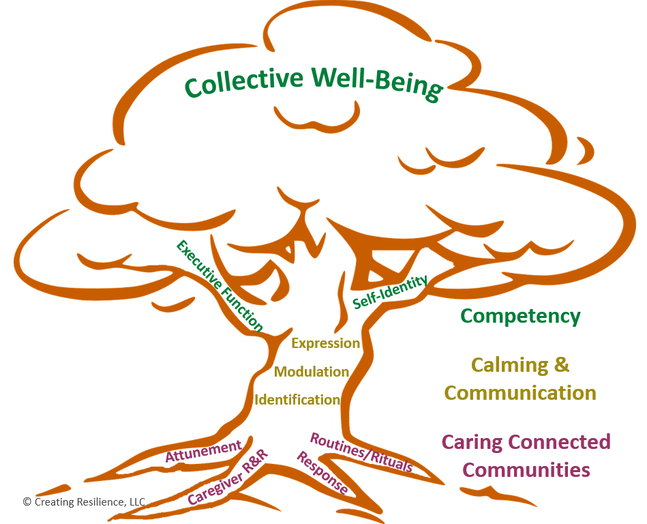
A central theme of the conversation is belonging. Robyn explains that belonging matters not only for students, but also for teachers and school leaders. When people feel seen, heard, and connected, they become more committed and confident. The progression can be summarized in this way:
The conversation also explores lessons Robyn has learned from decades of leadership across education and the military. She identifies five principles that continue to guide her:
I can’t do it alone.
It’s not about being right and making someone else wrong.
Include and empower others in leadership.
Lead by example.
Trust your gut and the experience behind it.
2027 National Principals Conference:
Robyn also previews the February 2027 National Principals Conference in Tampa, built around the theme “One Conference, One Community.” She shares how the conference is being designed as a PreK–12 gathering focused not simply on professional development, but on creating meaningful experiences, relationships, and memories for school leaders. Conference strands will address teaching and learning; belonging and well-being; systems leadership; community voice and shared responsibility; and innovation, technology, and AI.
Closing Comments:
As the conversation closes, Robyn offers a reminder to school leaders to cherish the experience of leadership. The work is difficult, but leaders have an extraordinary opportunity every day to influence students, teachers, families, and communities. She encourages leaders to notice and celebrate what’s going well, reach out when the work becomes difficult, build a community of support, and remember the power of something as simple as noticing another person and saying hello.
Staying Connected:
To connect with Robyn Hamasaki, you can shoot her an email at: robyn.hamasaki@principals.org.
If you would like to learn more about the 2027 National Principals Conference, you can visit https://www.principals.org/ or see the information below!
National Principals Conference 2027: February 6–9, 2027 Tampa Convention Center | Tampa, Florida https://npc.principals.org/
MONDAY MATTERS with Jen Schwanke and Will Parker – Helping Teachers Avoid Burnout
Sep 21, 2026
This week on Monday Matters, Jen Schwanke and Will Parker discuss helping teachers avoid burnout. They start out the conversation by going over the differences between fatigue and burnout. Next, they spend some time talking about the benefits of proactively addressing burnout. Then, Will and Jen address the ways that school leaders can be proactive about teacher burnout. School leaders do have some responsibility to provide teachers with the tools they need to avoid burnout. Some ways that leaders can address the risk of burnout with teachers:
Auditing the invisible load
Learning to protect focus over volume
Normalizing boundaries
These three practices are a great way for leaders to open the discussion about burnout with their teachers and minimize the risk of teacher burnout down the line. The tools discussed in this week’s episode are also great ways for leaders to proactively address their own burnout. Will and Jen remind listeners that this job is a gift, but even gifts can be handled in a way that leads to burnout. Give yourself grace as you navigate the highly emotional and impactful work you do!
Now It’s Your Turn:
Think about a time that you felt exhausted or lonely in your work. What did you do to resolve that?
Listen to the full conversation for more takeaways! If you would like to read Jen Schwanke’s full post about burnout, you can find it here. As always, thank you for doing what matters!
Why Rural Schools Matter with Dr. Mara Tieken – PMP518
Sep 16, 2026
A Quick Note to Listeners:
Before each week’s interview, Will Parker and Jen Schwanke take some time to answer a listener question. This week’s question is:
If we know best practices for strong student outcomes, why are so many schools not implementing them?
Listen in to hear their response!
Meet Mara Tieken:
Mara Casey Tieken is a professor of education at Bates College in Lewiston, Maine. Her research focuses on educational equity for rural students and communities, including rural college access, rural school closure, and rural racial justice. She is the author of Educated Out: How Rural Students Navigate Elite Colleges—and What it Costs Them (University of Chicago Press, 2025), which was a 2025 American Educational Studies Association Critics’ Choice Book Award winner, and Why Rural Schools Matter (University of North Carolina Press, 2014). She is currently working on two projects: one focused on school closures in rural Black communities, and another studying rural-serving college access organizations. An award-winning teacher, Mara also designed and maintains a web-based toolkit for rural communities fighting school closure. She began her career in education as a third-grade teacher in rural Tennessee.
“We give rural students an awful choice: college or community. We need to help them think about it as navigating different worlds rather than choosing one or the other.”
Mara Tieken
In this week’s episode, Dr. Jen Schwanke leads the conversation with author and researcher Dr. Mara Tieken to explore the unique challenges and strengths of rural education. Drawing from her experience teaching in rural Tennessee, Mara discusses the invisible barriers that rural students face when navigating higher education and the cultural cost of leaving home.
The “College vs. Community” Paradox:
Rural students often feel they must choose between pursuing a degree and maintaining their community identity. Educators must help students see college not as a replacement for their roots, but as a path to navigate multiple worlds.
Recognizing Rural Assets:
Rural students bring immense practical skills—like problem-solving, development of systems, and establishing routines—that are often undervalued in traditional academic settings. High school leaders can help students frame these life experiences as professional and intellectual strengths.
The Myth of “Schooling” vs. “Schools”:
There is a critical distinction between the business of education (test scores, mandates, data) and the sanctuary of a school (relationships, safety, and community). Successful principals “clear the clutter” so that the human element of the school remains intact.
The True Cost of School Closures:
Research shows that closing rural schools rarely saves the money promised by policymakers, yet it can flatten a community’s social and economic hub. Listening to student voices during these transitions is vital for mitigating trauma and preserving community hope.
Normalizing Help-Seeking:
Many first-generation rural students feel isolated in elite environments because they aren’t aware that certain resources (like emergency funds or tutoring) are meant for everyone. Administrators can bridge this gap by coaching students on how to advocate for themselves before they leave high school.
Staying Connected:
If you would like to learn more about Dr. Mara Tieken, you can visit her Linked In profile.
MONDAY MATTERS with Jen Schwanke and Will Parker – A Tribute to Wendell Berry
Sep 14, 2026
Thinking about Wendell Berry’s Lessons for Schools
When Andy Catlett, Wendell Berry’s character, a nine-year-old boy, visits his grandparents in 1943 over a Christmas vacation, he narrates the everyday happenings of a three-day journey. In one scene, he describes his Grandma’s button box. According to Andy, everyone had button boxes in every home he visited in those days — an assortment of glass, brass, or pearl buttons in different shapes and colors collected over the years from worn or discarded garments. These could be used to adorn new handmade clothes or to replace the lost buttons on other shirts or dresses. For Andy Catlett, playing in these boxes was like searching for hidden treasure.
On this particular visit, however, Andy realized he no longer liked playing with buttons. In one sense, he was surprised at the realization. On the other hand, it was an acknowledgment that growing up means losing interest in some things and finding it in others.
At the same time, Andy was realizing his interests were shifting to more adventuresome objects like rifles or mule teams. Even as he thought of this moment from childhood, the grief in his voice is evident as he says, “Maybe it was because I was now traveling away from home…by myself, but I knew suddenly and finally that my time of playing with buttons was past, just as one summer evening a year or two later, when I had found a perfect slingshot fork in the top of a tree, it came to me that I was no longer interested in slingshots, and I climbed down and left the perfect fork uncut” (Berry 457).
In addition to Andy’s realization that button boxes and slingshots had lost their interest for him, he also realizes that small farming practices are going out of style as well, and this sad reality brings more serious consequences for entire communities. In fact, it is this loss that shows up most as one of the major themes for most of Wendell Berry’s characters.
Almost all of Berry’s books contain themes that run up against the losses of treasures we so easily discard in the name of progress or modernization. From his nonfiction work, The Unsettling of America, to his poems of protest against practices like strip-mining, Berry’s works create a masterpiece of classics that help us relate to the everyday lives of his characters while yearning to redeem or repair the damage being done to their places and lives.
Some of these losses, Berry acknowledges, are a natural part of living. Others, however, he shows, have been thrust upon us by outside forces bent on taking rather than giving.
In his novel about Hannah Coulter, the grandmotherly narrator is able to show her patriotism while also pointedly convincing you of her hatred of war and violence.
Jayber Crow, the town barber, in the book he narrates, helps readers grieve the loss of forests and natural field boundaries that protect farms from erosion and land devastation.
As a Kentucky farmer, Berry lived near the very Kentucky River he describes in his fictional town of Port William. He also practiced what he preached. The Berry Foundation, established by his family, has helped small farmers reclaim more than 2,000 acres of Kentucky farmland to reestablish regenerative farming practices that are not dependent on industrialized farming methods.
What do Wendell Berry’s stories have to do with school leadership?
Growing a community of learners can very easily be compared to the growth of a healthy garden or farm.
Both require healthy soil as the culture for healthy growth.
Both require a commitment to long-term investment of careful husbandry versus quick fixes or trendy applications.
Both require an investment in the people involved in the work as much as the work itself.
As I’ve said in other posts, strong schools (or any community, for that matter) require commitments to three areas:
strong shared beliefs,
committed people of strong character, and
sustainable, effective systems.
Strong beliefs include the shared values that every child can learn and include an unbending commitment to doing whatever it takes to hold them to high expectations while providing high supports.
Committed people have the hearts, not just the heads, for good teaching and learning. Character is more important than competency, and competency goes much further when carried by people with character.
And without strong, sustainable systems or structures in place, you cannot achieve outcomes. You can attract good people with the right beliefs, and you can have the right collective outcomes in mind, but if the structures are weak, many of those same people will grow frustrated in the work and likely go somewhere else.
It is the responsibility of leaders to set the tone for beliefs, to invest in supporting people, and to create the structures for sustainable outcomes.
This school year, you will be venturing into the hard work of growing a healthy learning environment. Wendell Berry’s books remind me of the wonders and joys of being a child. They also remind me to honor the legacies of brave everyday men and women who are often our best examples of human flourishing.
He calls his readers to think deeply about our relationships not just to people but also to places. He inspires us to improve or redeem the places and times we live in now, not just yearn for the past or look to the future.
Wendell Berry’s ability to take simple, everyday occurrences and turn them into moments of reflection is a gift that keeps giving over and over again in his books and poems.
These sentiments may be best captured in one of his most famous poems, “The Peace of Wild Things,” where he says:
When despair for the world grows in me and I wake in the night at the least sound in fear of what my life and my children’s lives might be, I go and lie down where the wood drake rests in his beauty on the water, and the great heron feeds. I come into the peace of wild things who do not tax their lives with forethought of grief. I come into the presence of still water. And I feel above me the day-blind stars waiting with their light. For a time I rest in the grace of the world, and am free.
From The Selected Poems of Wendell Berry (Counterpoint, 1999)
Now It’s Your Turn
This school year, what commitments can you make to the beliefs, people, and systems that produce healthy learning outcomes?
How can you stay timely in your understanding of your students and your practices while also holding to the timeless principles that have always made learning possible and will keep on working long after we’re gone?
Other Source Cited: Berry, Wendell. Port William Novels & Stories: The Civil War to World War II. Edited by Jack Shoemaker, Library of America, 2018.
Teachers Are The Engine of School Success with Chien Nee – PMP 517
Sep 09, 2026
A Quick Note to Listeners:
Before this week’s interview, Will Parker and Jen Schwanke take some time to answer a listener question. This week’s question is:
What is a story with a student, teacher or community member that reminded you why you are an educator?
Listen in to hear their response! They also invite listeners to reflect on this question as they finish their work week.
Meet Chien Nee:
Chien “Ray” Nee, is a transformational education leader with more than two decades of experience. He currently serves as a Performance Specialist in Maryland’s second-largest school district, where he supports, monitors, and evaluates instruction across 104 elementary schools, impacting more than 50,000 students.
Chien’s work is grounded in a belief in thinking bigger. Before moving into district leadership, he served as principal of a K–8 charter school, where he led the school to its first four-star rating on the Maryland State Report Card, a distinction it maintained throughout his tenure. He also served as an assistant principal and resident principal in Baltimore City Public Schools.
A graduate of the New Leaders program, Chien believes teachers are the engine of school success. His leadership focuses on instructional rigor, intentional coaching, strong relationships, and celebrating great teaching, with a commitment to the daily habits that drive lasting student achievement.
A Consistent Mission with a Broader Lens:
Chien emphasizes that while his role has evolved from classroom teacher to school leader to district-level support, his core mission remains the same: creating meaningful academic impact for students. What has changed is his vantage point. He now sees how individual teacher effectiveness scales into system-wide success, reinforcing the importance of every educator’s role.
The Core of Student Achievement:
At the heart of Chien’s message are three essential elements that drive student success: engagement, relationships, and relevance. When teachers actively engage students, build strong relationships, and make learning meaningful, classrooms become places where students want to be. These elements not only improve learning outcomes but also influence key indicators like attendance and overall student motivation.
Supporting Leaders and Schools:
Chien describes his work as deeply collaborative, supporting district leaders, principal supervisors, and school principals. His favorite part of the role is being on-site in schools, working directly with leadership teams that include principals, assistant principals, and teacher leaders. Through job-embedded professional development, he helps teams strengthen their instructional practices while honoring the unique ecosystem of each school.
Building Trust Through Relationships:
A key part of Chien’s leadership approach is building trust through authentic relationships. He explains that effective coaching begins with being a reliable and consistent thought partner. Because leaders’ time is limited, every interaction must be meaningful and valuable. Trust is built over time through consistency, responsiveness, and a genuine commitment to supporting others.
Balancing Expectations and Support:
When it comes to holding leaders accountable while supporting their growth, Chien offers a practical framework built on three guiding questions: What do they already know? What are they currently wrestling with? What will be immediately useful? These questions ensure that coaching is personalized, timely, and actionable, helping leaders grow in ways that directly impact their work.
Creating Healthy School Systems:
Chien also shares insight into building healthy systems within schools. He encourages leaders to prioritize visibility and connection, making time for brief but meaningful interactions with teachers throughout the day. Small actions—like visiting classrooms or leaving positive feedback—can shape a school’s culture and climate. He challenges leaders to increase their presence intentionally, knowing that these moments build trust and reinforce support.
Consistency Over Intensity:
One of the most powerful ideas from the conversation is the importance of consistency over intensity. Sustainable impact comes from daily habits and intentional actions repeated over time, not from occasional bursts of effort. By consistently showing up, engaging with teachers, and supporting leaders, school leaders can create lasting and meaningful change.
Bloom Where You Are Planted:
As the episode closes, Chien leaves listeners with a simple but powerful message: “bloom where you are planted.” He reminds educators that while the work is challenging, focusing on doing the best with what is in front of you will lead to meaningful impact.
MONDAY MATTERS with Jen Schwanke and Will Parker – Proflection
Sep 07, 2026
Happy Monday, Principal Matters Listeners! This week, Jen Schwanke and I are talking about a term called “proflection”. Coined by Jen, the term “proflection” means “proactive reflection”. Typically, reflection is a passive process, but proflection is intentionally taking charge of what you intend with your work and what you think about your work. In practice, this looks like reflecting before an event, during the event, and after the event to figure out what you want the event to look like, how the event is going, and what you could have done differently. Jen says that there are four steps to proflection:
Plan
Pause
(Perhaps) Pivot
Plan Again
This cycle will provide you with the ability to improve your practice as a leader through proflection. Listen in to hear all our takeaways.
Now It’s Your Turn:
Reflecting is good, but what are you going to do with those reflections to improve your work or your school? Take some time this week to proactively reflect while you work.
Here is the link to purchase Jen’s audio book! Use code PRINCIPAL30 for a 30% discount!
Rooted Leadership in a Mobile World with Dr. Tyler Watkins – PMP516
Sep 02, 2026
A Quick Note to Listeners:
Before each week’s interview, Will Parker and Jen Schwanke spend some time answering a listener question. This week’s question is:
What advice would a teacher want to give to a new principal?
Listen in to hear their response!
Meet Tyler Watkins:
Tyler Watkins, Ed.D., is the principal of Petal High School, one of Mississippi’s top-rated high schools and a 2022 National Blue Ribbon School. He began his career in 2011 as a teacher and baseball coach before moving into school leadership.
His work centers on building belonging, creating predictable systems, and leading through stability. Dr. Watkins earned his doctorate in Educational Leadership from William Carey University, where his research focused on the academic effects of student transiency.
Dr. Watkins’ passion for this topic didn’t begin with theory. It began with what he was seeing every day. Students were constantly entering and leaving his school, and even in a high performing system, each new student was starting over. That led him to ask a deeper question, what are we doing to make students feel rooted, even when their lives are not. In today’s landscape of school choice and increased mobility, this isn’t a niche issue. It is everywhere. Whether a school is high performing or struggling, students are navigating transitions, and schools must be ready to respond.
It’s Not Just Academic, It’s Human:
One of the biggest shifts Dr. Watkins describes is recognizing that student mobility is not just an academic issue, it is a human one. New students are not simply catching up on content. They are trying to understand new teachers, new systems, and new social environments, often while carrying emotional weight from their transitions. Too often, schools focus first on academics. But Dr. Watkins emphasizes that stability has to be intentionally designed, not assumed.
Start with the First 10 Days:
At its most practical level, Dr. Watkins encourages leaders to focus on the first 10 days of a student’s experience. Every new student should have a clear plan, not just a schedule. That plan should include intentional check ins, clear expectations, and a structured way to help them navigate the building. Without this, students are often left to figure things out on their own, which increases stress and disconnect.
Every Student Needs an Adult Connection:
Along with a clear plan, every student needs an immediate connection with a trusted adult. At Petal High School, Dr. Watkins and his team assign students to an administrator and counselor by alphabet, and they meet them right away. It is simple, but it matters. Students need to know someone knows their name, where to find them, and how to reach out when they need help. That connection is often the difference between feeling lost and feeling grounded.
Consistency Reduces Stress:
Another key insight Dr. Watkins shares is the importance of consistency across classrooms. It is overwhelming for students, especially new ones, to relearn expectations from class to class. Schools must align expectations so students can focus on learning rather than constantly adjusting to different systems. Clarity and consistency do not just support behavior, they create stability.
Communicate Early with Families:
Dr. Watkins also highlights the power of early communication with families. A simple message home letting a parent know their child had a great day can immediately build trust and connection. These small moments send a clear message, your child matters here, and we are paying attention.
High Expectations with High Support:
A common misconception is that schools must choose between being welcoming and maintaining high expectations. Dr. Watkins challenges that thinking. You do not lower expectations for new students, you increase support. You teach the systems, clarify confusion quickly, and give students the tools they need to succeed. Confusion should not be punished, it should be addressed with clarity.
Leadership Sets the Tone:
This work does not happen by accident. It is a leadership responsibility. Dr. Watkins emphasizes that leaders must design systems that create predictability and ensure consistency across the school. Teacher attitudes toward new students are critical. When staff see new students as opportunities instead of interruptions, it changes everything. Leaders set that tone through clarity, communication, and example.
From Classroom to Campus Leadership:
Reflecting on his own journey, Dr. Watkins describes a shift many leaders experience. As a teacher, the focus is on running a great classroom. As a principal, the focus becomes building a school where every classroom reflects that same level of excellence. For new leaders, he offers practical advice. Set clear expectations, follow through consistently, protect instructional time, and keep systems stable. These foundational practices create the environment where both students and staff can thrive.
Belonging, Predictability, and Purpose:
At the heart of this conversation are three essential elements, belonging, predictability, and purpose. Dr. Watkins emphasizes that students need to feel known. They need systems they can rely on. And they need to understand that what they are doing matters. When those elements are in place, students can succeed, even in the middle of constant change.
What Students Need to Succeed:
Drawing from Ruby Payne’s research on under resourced learners, there are key resources every student needs in order to thrive in school.
Financial resources
Emotional stability and self regulation
Mental and academic skills
A sense of purpose or direction
Physical health
Support systems such as family, friends, and trusted adults
Motivation, persistence, and grit
Knowledge of hidden rules, expectations, and social cues within a school
For students who are constantly moving, many of these supports are disrupted. That is why schools must intentionally step in to provide them.
Final Thoughts:
Dr. Watkins leaves us with a reminder that is both simple and powerful.Students do not need perfect schools, they need stable ones. And that is something every leader can influence.
Below are some ways to stay connected to Dr. Watkins:
MONDAY MATTERS with Jen Schwanke and Will Parker – A Positive Start to the School Year
Aug 31, 2026
Welcome back to another episode of Monday Matters! This week, Jen Schwanke and I are discussing ways that school leaders can influence a positive start to the school year with a few shout-outs to school leaders we’ve admired. Below is a brief overview of our conversation:
Set the tone with staff and students
Enjoy teamwork and camaraderie with staff as you set the tone for the school year. Hard work can be accomplished in a way that is lighthearted and fun for staff and students.
Model expectations
Start out the school year by creating an environment that feels like home for students. Foster a sense of community so that students feel they are a part of something bigger than themselves.
Schedule in advance what’s most important
Ensure that teachers know, in advance, important dates that are happening throughout the school year. Allow them to plan around the schedule so no one feels rushed or out of the loop when it comes to PD days or other important events.
Identify key responsibility areas and support new staff
The beginning of a new school year can be overwhelming for new staff and admins. Key responsibility areas can help the start of the year run smoothly for these individuals and diminish feelings of overwhelm.
Expect the unexpected
No matter how much you plan, you can’t plan for everything. By shifting your mindset to expect the unexpected, you can handle anything the school year throws at you.
Stay calm
Everything feels like an emergency in schools, but very rarely is something truly an emergency. Be the calmest person in the room when you can, and that will set the tone for the rest of the room.
Now It’s Your Turn:
What are some methods that you used to influence a positive start to the school year at your school? Are they similar to what we discussed in the episode, or are they different? Think about what worked and what didn’t.
Listen to the episode to hear all of our takeaways! We hope your school year started on a positive note, and, as always, thank you for doing what matters!
Collaborative Team Meetings: The Missing Piece with Kurtis Hewson – PMP515
Aug 26, 2026
A Quick Note to Listeners:
Before each week’s interview, Will Parker and Jen Schwanke take some time to answer a listener question. This week’s question is:
I’m new to my role as a principal after years as an AP, and I’ve set my calendar for what I believe are the most important priorities. How do I prepare for the unknowns — those responsibilities or expectations I won’t be aware of until they happen for the first time?
Listen in to hear their response!
Meet Kurtis Hewson:
Kurtis Hewson is an award-winning educator, former teacher and administrator, and a respected post-secondary instructor. He is the co-founder of Jigsaw Learning and works with schools and districts across North America and internationally to design and implement Collaborative Response frameworks that improve outcomes for all learners.
Known for his practical, systems-level approach, Kurtis supports thousands of educators each year in strengthening collaboration, assessment, and responsive instruction. He and his wife, Lorna Hewson, have an upcoming book, Collaborative Team Meetings: The Piece Connecting PLCs and MTSS, focused on helping schools build powerful collaborative team meetings—an essential structure within the Collaborative Response framework that empowers educators and directly impacts student success.
Joining us from Lacombe, Alberta, Canada, Kurtis brings both classroom experience and leadership insight to help schools create systems that truly support every learner. He previously joined me on Principal Matters in 2024. You can listen to that episode here.
Moving from Groups to Teams:
One of the most powerful themes from our conversation was the distinction between working in groups and working as a team. Kurtis reflected on lessons learned from Richard DuFour and explained that many schools operate as collegial groups where people enjoy one another, share ideas, and support each other. While those qualities are valuable, true collaboration requires something deeper. Teams are willing to challenge assumptions, examine practices openly, and engage in conversations that can sometimes feel uncomfortable because they are focused on growth rather than simply maintaining harmony.
The schools that make the greatest progress are not necessarily the schools with the most programs. They are the schools that intentionally build trust, safety, and structures that allow adults to learn together. As Kurtis put it, collaboration often means becoming comfortable being uncomfortable because meaningful learning happens when we invite others into our thinking and practice.
The Four Layers of Collaboration:
Kurtis described four layers of collaboration that exist in effective schools. He emphasized that these layers apply whether a school has five staff members or 150. Each serves a distinct purpose, but together they create a connected system of support.
The first layer is Collaborative Planning, where teams focus on curriculum, standards, assessments, and instructional planning. This is where traditional PLC work often lives.
The second layer is Collaborative Team Meetings, which Kurtis describes as the missing piece. These meetings focus on instructional challenges, shared problem-solving, and expanding the collective capacity of teachers before concerns escalate to formal intervention processes.
The third layer is the School Support Team, which coordinates additional interventions, services, and supports for students who need more than classroom-level responses.
The fourth layer is Case Consult, where teams focus on individual students or families whose situations require highly personalized attention and, in some cases, support from outside agencies.
What struck me most was Kurtis’s observation that many schools have the first, third, and fourth layers in place but often overlook the second. Without that bridge, teachers can quickly move from classroom concerns to formal referrals without fully leveraging the collective expertise already present within the building.
What Makes Collaborative Team Meetings Different?:
Traditional meetings often begin with a student. Collaborative team meetings begin with a challenge. Instead of launching into a lengthy discussion about a particular child, the teacher identifies a key issue such as reading comprehension, task completion, classroom engagement, or on-task stamina. The conversation then focuses on strategies rather than stories.
This subtle shift changes everything. When teachers discuss the challenge first, they quickly discover that others are experiencing similar issues. The conversation becomes less about diagnosing a single student and more about expanding the team’s toolbox of responses. The result is a culture where educators learn from one another and leave meetings with practical ideas they can implement immediately.
A Meeting Structure That Builds Collective Efficacy:
One of the most practical parts of our conversation was Kurtis’s explanation of what these meetings actually look like. Several elements are consistently present in effective collaborative team meetings:
Begin with celebrations and successes.
Ask what contributed to those successes.
Identify a specific instructional challenge.
Invite colleagues to share strategies and ideas.
Commit to one action step before leaving the meeting.
Rather than treating success as something to acknowledge briefly before moving on, Kurtis encourages teams to examine it closely. Asking, “What did you do that contributed to that success?” helps educators identify effective practices and share them with colleagues. Over time, this creates stronger collective efficacy because teachers begin to see the impact of their actions more clearly.
Why This Matters for School Leaders:
I was particularly struck by Kurtis’s observation that collaborative team meetings are not ultimately about meetings at all. They are about creating habits of thinking. The real evidence of success is when teachers begin asking one another for ideas, experimenting with new approaches, and seeking solutions together long after the meeting has ended. As we wrapped up, Kurtis challenged us to think beyond immediate solutions and instead create structures that empower others to respond effectively. Sustainable improvement happens when systems, not just individuals, become stronger.
Now It’s Your Turn:
As you prepare for a new school year, consider where collaboration is strongest in your school and where it may be breaking down. Are your meetings creating new learning, or are they simply sharing information? Are teachers leaving with practical next steps, or are conversations ending without action? Most importantly, are your systems helping adults learn from one another in ways that ultimately benefit students? Those questions may reveal the next leadership move your school needs to make.
You can connect with Kurtis Hewson via his website, and view his Collaborative meeting Starter Kit here. Or find his new book, Collaborative Team Meetings: The Piece Connecting PLCs and MTSS here.
Thank you for listening to Principal Matters, and thank you for doing what matters!
MONDAY MATTERS with Jen Schwanke and Will Parker – Examine Your Influence
Aug 24, 2026
Welcome back to another episode of Monday Matters! This week, Will Parker and Jen Schwanke reflect with listeners about the importance of examining your influence.
Your influence matters. Every day, the way you interact with students, teachers, colleagues, and families contributes to the emotional and cultural atmosphere around you. Are you helping others breathe healthy air, or are you contributing to an environment that feels toxic?
In this episode, we examine five practical ways you can positively influence others:
Be a mentor. You need input and encouragement, but so do educators with less experience than you. Look for opportunities to pass along what you’re learning.
Be a servant leader. Stay willing to jump in and help when needed—even if that means serving in the cafeteria line, picking up trash, or taking on an unexpected task.
Lead by example. Don’t simply tell others where to go. Be willing to go first and invite them to follow.
Keep teaching. Whether you’re working with students, teachers, parents, or colleagues, look for opportunities to instruct, model, encourage, and help others grow.
Build platforms. Use the opportunities available to you to share what you’re learning and to broadcast, amplify, and celebrate the successes of students and educators.
Finally, remember the author Jon Gordon’s warning about becoming an “energy vampire.” Instead, choose to be an energy builder—someone whose presence helps others breathe a little easier.
Now It’s Your Turn: What kind of atmosphere are you creating for the people around you? Where could you be more intentional this week about mentoring, serving, leading, teaching, or sharing?
Listen in for the full conversation. As always, thank you for doing what matters!
Lessons from Beekeeping with Dr. Fernando Branch – PMP514
Aug 19, 2026
A Quick Note to Listeners:
Before this week’s interview, Will Parker and Jen Schwanke take some time to answer a listener question. This week’s question is:
I’ve joined a new team and I want to build trust without coming across as too eager to be accepted, if that makes sense. What’s the balanced way to do this?
Listen in to hear their response!
Meet Dr. Fernando Branch:
Dr. Fernando Branch is the principal of Robert F. Smith STEAM Academy in Denver, Colorado, where he leads innovative work focused on culture, instruction, and college- and career-ready pathways. With more than 25 years in education, he is a nationally recognized turnaround leader who has helped transform schools across multiple states by rebuilding systems and strengthening school culture.
His work emphasizes social-emotional learning, trauma-informed practices, and a whole child to whole family approach to education. In addition to his leadership in schools, Fernando is an author, consultant, and passionate beekeeper, often drawing powerful leadership lessons from the work of building and sustaining thriving hives.
Leadership Begins with Mindset and People:
Dr. Branch explains that meaningful change begins with the right mindset and people. He emphasizes servant leadership as a foundation, where educators see their work as a mission rather than a job. Alongside this is a commitment to relentless relationship-building, which he describes as essential for trust, collaboration, and long-term success. He also highlights the importance of team design, describing his staff as a puzzle of diverse strengths that, when aligned, create a powerful and unified force for student success.
Vision and Conviction Drive Change:
At the core of turnaround leadership, Dr. Branch stresses the importance of clarity and conviction. Leaders must establish a clear and compelling vision, communicate it consistently, and take full ownership of outcomes. Most importantly, they must hold unwavering expectations. As he puts it, “The bar is the bar.” He challenges leaders to reject limiting beliefs and instead operate with the mindset that every student is capable of excellence, reminding us that “There are footprints on the moon—who are we to limit what students can achieve?”
From Whole Child to Whole Family:
One of the most impactful shifts in his work has been moving from a focus on the whole child to a broader whole family model. Dr. Branch explains that many students are not dealing with isolated trauma, but rather ongoing and generational challenges. Because of this, schools must extend their reach beyond the classroom by building partnerships with community organizations and offering supports such as financial literacy workshops, mental health resources, and career exposure opportunities. This approach strengthens not only students but entire families and communities.
Expanding Perspective Through Global Experiences:
A bold and innovative part of his leadership includes ensuring students gain global exposure. Dr. Branch has made it a priority for students to obtain passports and travel internationally, believing that exposure builds perspective and possibility. These experiences help students see themselves as global citizens and reshape how they view their futures. The impact has extended beyond students, as families themselves have begun engaging in travel and new opportunities as a result.
Trauma-Informed Leadership Must Be Intentional:
He also challenges traditional approaches to social-emotional learning, emphasizing that trauma-informed leadership must be intentional and ongoing. One-time professional development is not enough; schools must build consistent systems that support both students and educators. Dr. Branch reminds listeners that trauma affects entire communities, and effective leadership requires a commitment to both teaching and healing.
Beekeeping and Leadership Lessons:
Drawing from his experience as a beekeeper, Dr. Branch offers a powerful metaphor for leadership. A hive thrives only when conditions are carefully monitored, threats are addressed, and every part of the system works together. The beekeeper must be observant, patient, and intentional. In the same way, school leaders must nurture environments where people can succeed. As he explains, “If the hive isn’t functioning… it won’t produce a good harvest.” This analogy highlights the importance of protecting and cultivating the systems that drive success.
The Power of Time and Purpose:
He closes with a reflection on time and purpose, sharing a quote that has guided him since he was 18. “Every moment matters, and leadership is ultimately about how we choose to use the time we’re given.” By showing up fully for students, staff, and communities, leaders have the power to change lives in meaningful and lasting ways.
Staying Connected:
If you would like to learn more about Dr. Fernando Branch, you can email him or visit any of the channels listed below:
MONDAY MATTERS with Jen Schwanke and Will Parker – Weather vs. Climate
Aug 17, 2026
This week on Monday Matters, Will Parker and Jen Schwanke discuss a recent newsletter from Jen, “Weather vs. Climate”. Jen starts out the episode recounting a time that she got caught in an unexpected storm while on a run. She then goes on to talk about how sometimes unexpected storms pop up in leadership. Leaders don’t always know when people are going to push back against a decision, or when there’s going to be a lot of deep emotions. When this happens, it’s like a storm flaring up out of nowhere, but a storm is not indicative of the overall climate of a school.
Climate is what happens regularly at a school, it’s persistent and systematic. Shaping a school climate so that it can weather a storm is important, but we often rob our climates of the thing that is going to protect them during severe weather. Will asks listeners: “If we know crazy weather is going to happen eventually, how do we shape our climate to lower the stress of intense storms?”. Jen also shares four questions to ask yourselves when a storm rolls into a school:
Is this pushback a sign that the work is wrong or is this just a natural symptom of change?
If I adjust this strategy, am I doing it because I want to improve its impact, or am I just trying to avoid the storm?
Six months from now, will I even remember this storm?
Six months from now, if I hold this line, will I see a lasting, positive impact for our students?
Listen in for more takeaways! And, as always, thank you for doing what matters!
Cornerstones of Effective Schools with Dr. Darin Thompson – PMP513
Aug 12, 2026
A Quick Note to Listeners:
Before this week’s interview, Will Parker and Jen Schwanke take some time to answer a listener question. This week’s question is:
I’m wanting to intentionally develop leaders on my team. Ideas or suggestions?
Listen in to hear their repsonse!
Meet Dr. Darin Thompson:
Darin A. Thompson, PhD, is a veteran K–12 leader from Fairfax, Virginia, with nearly 20 years of experience and the founder of Pivotal Leaders Group. A two-time Outstanding Principal of the Year semi-finalist within his region, Dr. Thompson has led transformative school improvement efforts across multiple school divisions, resulting in double-digit gains in student outcomes and significant reductions in achievement gaps for historically underserved populations. A regular presenter at conferences such as NAESP/NASSP’s United Conference, Making Schools Work, and the Virginia Alliance of Black School Educators, Dr. Thompson has contributed to Education Week, the Journal of Urban Learning, Teaching, and Research, and other publications. He is the author of The Four Cornerstones of Effective Schools, published by Solution Tree, and a proud member of Kappa Alpha Psi Fraternity, Inc.
Effective Schools & the Four Cornerstones:
Dr. Thompson’s framework centers on the belief that effective schools are built through intentional systems, not isolated initiatives. In The Four Cornerstones of Effective Schools, he outlines how culture, collaboration, and aligned structures work together to support improvement. Rather than chasing new programs, leaders are encouraged to focus on building systems that consistently reinforce high-quality teaching and learning.
Dr. Thompson’s Educational Journey:
Dr. Thompson shares that his path into education was anything but traditional. Initially interested in careers in law and financial planning, he discovered his passion for teaching and was later encouraged by a principal to step into leadership. That encouragement set him on a path that would eventually lead to the principalship and beyond, shaping his belief that leadership development often begins with someone recognizing potential in others.
The Pivotal Leader Mindset:
A key takeaway from the conversation is the importance of developing a “pivotal leader mindset.” Dr. Thompson explains that school improvement begins with how leaders think. Growth-oriented beliefs, combined with a willingness to examine one’s own assumptions, allow leaders to better navigate complex challenges. Without this mindset, even the best strategies can fall short.
Limiting Beliefs in Leadership:
As the discussion continues, Dr. Thompson highlights how limiting beliefs can quietly undermine progress. Under pressure, leaders may begin to question their own effectiveness or doubt the capabilities of their staff. He emphasizes the importance of confronting these beliefs with evidence and shifting the focus toward building skills and capacity. When leaders change how they think, they change how they lead.
School Culture & Staff Support:
The conversation reinforces that strong culture is foundational to any improvement effort. Dr. Thompson describes common barriers such as complacency, isolation, and command-and-control leadership, all of which can limit progress. He stresses that support must come before accountability—teachers need clarity, resources, and encouragement before they can be expected to perform at high levels.
Diagnosing the Cultural Landscape:
Before implementing change, Dr. Thompson encourages leaders to pause and assess their current environment. He introduces three essential elements for a culture of support: clarity, trust, and readiness. Clarity ensures everyone understands the vision, trust builds confidence in leadership, and readiness equips staff with the skills needed to succeed. Skipping this diagnostic step often leads to frustration and failed initiatives.
Building Instructional Capacity:
Improving instruction requires more than one-time professional development. Dr. Thompson shares strategies for building capacity over time, including job-embedded learning, teacher-led sessions, and consistent feedback. He describes practical approaches like teacher-led “egg camps,” where educators share effective practices based on real classroom data, creating relevance and ownership in the learning process.
PLCs & Collaboration:
Professional Learning Communities play a critical role in sustaining improvement. Dr. Thompson explains that effective PLCs go beyond logistics and focus on meaningful collaboration around instruction and student outcomes. While resistance is common at first, establishing clear expectations and purpose helps shift teams toward deeper engagement and shared responsibility.
Systems for Sustainable Improvement:
Throughout the conversation, Dr. Thompson returns to the importance of systems. Strong systems act as guardrails, helping leaders stay focused on priorities and avoid reactive decision-making. By aligning systems with the school’s vision, leaders create consistency and momentum, allowing improvement efforts to take root and grow over time.
Leadership & Well-Being:
The episode concludes with an encouraging message for leaders. Dr. Thompson reminds listeners that meaningful school improvement is possible without burnout. By focusing on systems, maintaining clarity, and prioritizing the right work, leaders can create lasting impact while also sustaining their own well-being. His message is both practical and hopeful—offering a clear path forward for those committed to leading effective schools.
Staying Connected:
You can stay connected with Dr. Thompson’s work via the following channels:
MONDAY MATTERS with Jen Schwanke and Will Parker – What Kind of Day is It?
Aug 10, 2026
This week on Monday Matters, Jen Schwanke and I take some time to talk about decision making. Inspired by a newsletter Jen recently wrote, we talk about how it’s important to make decisions on an average day, not a really good day or a really bad one.
School leaders make a lot of decisions each day, and sometimes it’s easy to let emotion drive your decision making. Even if you don’t realize it, the kind of day you are having can significantly impact your decisions. Taking the time to make sure that you are in the right mindset to make important decisions is the key to fair decision making. There’s no shame in taking a break and coming back to make your decision at a later time. Listen to the full conversation to hear all of our takeaways!
We hope this conversation serves as a reminder to leaders to remain thoughtful and grounded in their decision making process, especially as you step into the new school year. As always, thank you for doing what matters!
PMP512: Forgiveness Looking Like Nachos with Dr. Will Darter
Aug 05, 2026
A Quick Note to Listeners:
Before this week’s interview, Will Parker and Jen Schwanke take some time to answer a listener question. This week’s question is:
How can I set the tone on Day #1?
Listen in to hear their response!
Meet Will Darter:
Dr. Will Darter is a rural school superintendent, author, presenter, speaker, and national advocate for small school leadership. He is the host of the Rural Education Leaders Podcast that elevates and celebrates rural voices and focuses on impact for leaders. Will is the author of The Empowered Rural Education Leader, where he champions the belief that big things come from small schools.
Will’s transformative leadership and service have had him recognized as the Emerging Superintendent by the Southwest Missouri Association of School Administrators, a Leader of Impact in Small Schools by the National Association of School Superintendents, and a member of the Springfield Business Journal’s 2026 40 Under 40 Class for his leadership, service, and impact in education.
Will is passionate about equipping leaders with practical systems, clear vision, and a deep commitment to service. Through his writing, speaking, and podcasting, he empowers educators to build strong cultures, steward resources wisely, and create lasting impact in the communities they serve.
Let’s Get Into the Episode:
In this episode, hosted by Dr. Jen Schwanke, we challenge the “bigger is better” narrative that often dominates educational conversations. While urban and suburban districts frequently capture the national spotlight, the heart of American education beats strongly in its rural communities. My guest today, Dr. Will Darter, joins us to share his unique journey from a childhood in Orange County, California, to the rural heartland of Missouri, where he now serves as a dedicated administrator and advocate for small schools. We discuss the challenges and value of tight-knit communities, the shift from a “scarcity mindset” to one of stewardship, and why the most impactful leadership isn’t about a ladder of status, but about climbing a “wall of significance.”
Significance Over Status:
Rural leadership offers a unique level of visibility and impact. In a small district, leaders can’t hide; success is measured not by “flashy” facilities, but by the faithfulness of service and the depth of connection to every student and staff member.
The “Speedboat” Analogy:
Unlike large “cruise ship” districts that take a long time to turn, small schools function like speedboats. With a clear, written plan and a driven team, rural leaders can implement change and see the direct impact of their vision almost immediately.
Stewardship vs. Scarcity:
Rather than focusing on what they lack compared to suburban and urban districts, rural leaders are best served by focusing on the resources they do have. This includes building local partnerships where the community and students work together to improve their own schools.
Connection as the Antidote to Burnout:
Rural administration can feel like an island, but isolation is often self-imposed. Dr. Darter emphasizes that “connection beats burnout” and advocates for maintaining a tight inner circle of mentors and peers to sustain long-term passion for the work.
Staying Connected:
If you would like to learn more about Will Darter, follow any of these links below:
MONDAY MATTERS with Jen Schwanke and Will Parker – First Day of School Reminders
Aug 03, 2026
First Days of School Reminders
William D. Parker
This post is reprinted from an archived one we shared in 2019.
Jenny is a returning student at her high school. She has a part-time job, which keeps her up late most nights.
When she arrives late to school, she has already missed breakfast, and she’s tardy. She stands in a long line at the counseling office until she is given her class schedule. She reads it quickly: First hour, Mr. Samuels, room 125, Algebra II. She doesn’t recognize the name. Maybe he’s one of the new teachers.
She heads down the hall. She’s flush with frustration but holds her head high, turns the corner, and steps into the classroom. She finds an open seat in the back of the room. As she glances around the room, she does not see the teacher’s name anywhere.
By this time, she’s too embarrassed to ask, and the teacher is so involved in his first-day-of-school speech that he hasn’t paused to ask Jenny for her name or schedule or given her any other leads. As he talks on, she realizes this is Language Arts, not a math class. She must have entered the wrong room or misread her schedule.
Jenny endures the discomfort for the remaining minutes. Then she rushes from the class as quickly as possible, frustrated and hoping the rest of her first day of school is not this confusing.
Keeping Students in Mind
As important as it is to keep your responsibilities in mind as you start a new school year, it is even more important to keep the end goal in mind: serving students. You have students returning from all kinds of backgrounds and experiences. You also serve teachers, staff, and parents with questions and concerns. How can you be ready for all of them?
Questions Every Student Is Asking on the First Day
As you know, how we prepare for students can either help or hurt their first-day experiences. Harry Wong, author of The First Days of School: How to Be an Effective Teacher, reminds us of seven questions every student asks about his or her teachers:
Am I in the right room?
Where am I supposed to sit?
Who is the teacher as a person?
Will the teacher treat me as a human being?
What are the rules in this classroom?
What will I be doing this year?
How will I be graded?
Questions Every Teacher and Staff Person Asks on the First Day
But students aren’t the only ones who need clarity. Your teachers and staff also want answers to some questions that only school leaders can answer. So, I’ve rewritten Harry Wong’s questions to reflect what your teachers and staff will be asking:
What is my schedule?
What extra duties, assignments, or activities might I expect?
Who is my administrator as a person?
Will he or she treat me as a human being?
What are the expectations, procedures, and policies in our school?
What am I expected to accomplish this year?
How will I be evaluated, mentored, graded, or coached?
Tips for School Leaders Preparing for School
With those thoughts in mind, in this week’s Principal Matters podcast, co-host Jen Schwanke and I share six ideas to keep in mind when preparing for the start of school. Listen to the podcast version for even more stories and takeaways.
1. Build and Rebuild Relationships
As teachers, staff, or parents return to your building, how are you reconnecting with them? Whether it’s hearing about summer trips, family updates, or meaningful moments in their lives, these conversations are important for building trust. They also open questions your teammates may have that are important for you to answer before school begins.
2. Use Technology and Social Media
Jen likes to schedule several reminders to her community through social media that she posts throughout the summer. Whether you are using your school website, school-wide communication apps, or social media, share important announcements and reminders several times throughout the summer to set expectations for the new school year.
3. Organize and Manage—Remember Everything!
Obviously, no system is perfect, but as you move into a school year, it is important to keep a list of to-dos for your team and yourself. One way to do this is to maintain a list as you start the year that you can use again the following year or years. Go through last year’s calendar to see if you’re missing anything. Rely on a team—secretaries, assistants, and lead teachers—who can help you stay on track.
4. Define Responsibilities
Sometimes principals have well-defined expectations for teachers but forget about non-instructional staff. Consider working with each staff member on well-defined key responsibility areas. You can learn more and see samples in previous posts. With teachers and staff, don’t be afraid to say what is expected and provide it in writing.
5. Manage High Anxiety
Everyone is anxious, in good or bad ways, about the start of school. They are looking to the principal to set the tone. Manage the high anxiety by demonstrating a sense of calm and reassurance.
One way to do this is by including celebration in your welcome back. Provide lunch, give them a gift, communicate positivity, and reassure them again and again that it will be a great year and all will be well.
6. Host Orientation Meetings
New teachers, returning teachers, new students, returning students, and new parents—you will have several groups who need to be welcomed in orientation meetings. Each group will have different needs, but the goals are the same: communicate expectations, be positive, and be available to answer questions.
Additional Checklists for the School Leader’s First Days of School
Here are some additional questions to ask as you start the school year:
Have you posted “Welcome Back” signage?
Have you included maps of your school for new students?
Is signage clear and visible throughout the building?
Have you shared master schedules in advance with teachers?
What are your established arrival and departure routines?
Did you update and plan for consistently implemented policies and procedures?
Have parents and students been invited to an orientation or open house before school?
Is your school website updated with current calendars, a welcome-back message for parents, and key information they should know?
Have you updated and shared duty rosters, activities, and/or game calendars for teachers?
Does your own calendar include dates for state reports, observations, evaluations, and team meetings?
Let’s Wrap This Up
Think through your school-wide processes from the fresh perspective of a student, parent, or teacher, and then decide what steps to take moving forward so that everyone in your school or organization has clarity on what to expect.
Most importantly, remember that creating the best “first days” for students and staff also means realizing your school members need many of these questions answered every day.
PMP511: Creating a Greenhouse Culture with Mike Hayes & Ashley Pacholewski
Jul 29, 2026
A Quick Note to Listeners:
Before this week’s interview, Will Parker takes some time to ask Jen Schwanke about recording an audio book version of her book, You’re the Principal Now What?
Use code PRINCIPAL30 for a 30% discount!Follow this 30-second demo to learn how to use the code.
Bulk pricing is available too! Contact sales@echopointbooks.com for special bulk pricing to gift this resource to your entire team!
Meet Mike Hayes & Ashley Pacholewski:
Mike Hayesserves as Assistant Superintendent of Aurora City School District in Northeast Ohio. Previously, he was principal of Aurora High School—known as “The Greenhouse”—and earlier served as an assistant principal and administrator in the Cincinnati/Dayton area. He began his career as a secondary language arts teacher. An Aurora resident, Mike holds a leadership certificate from Harvard University, an M.Ed. from Xavier University, and a B.A. from The Ohio State University. He is currently pursuing a Ph.D. in Educational Leadership at University of Dayton. Mike is passionate about growth, optimism, and courageous leadership. He believes in dreaming boldly, embracing vulnerability, and choosing to see the best in others while fully engaging in the life right in front of us.
Dr. Ashley Pacholewski (Pach) serves as Principal of Aurora High School, “The Greenhouse,” in the Aurora City School District. Previously, she was an assistant principal at Ashland Middle School and began her career teaching English language arts and serving as an instructional coach at Brunswick High School. She earned her undergraduate degree from Bowling Green State University, her M.Ed. and reading certification from Cleveland State University, and her Ed.D. from Ashland University. Ashley is passionate about creating a culture of curiosity, connection, and joy—empowering teams to take risks, collaborate meaningfully, and support students as whole learners.
Creating a Greenhouse Culture:
In this week’s episode of Principal Matters, Dr. Jen Schwanke hosts a “full circle” conversation with Ashley Pacholewski, the first female principal in the history of Aurora High School, and Mike Hayes, Assistant Superintendent of Aurora City Schools. The discussion centers on the “Greenhouse” culture of their district—a nickname for their school, but also a metaphor for the school’s nurturing environment where leadership is shared and growth is continuous. Mike describes the intentionality behind the transition to Ashley’s leadership, which was designed to ensure that the new leader wasn’t just a fit for the existing culture but had the authenticity to make it even better.
Ashley reflects on her first year, emphasizing the profound impact of being given permission to enjoy her first year. She describes a leadership style rooted in authenticity and gratitude, where she brings her whole self to the job—symbolized by the mason jar bouquets from her own garden that she leaves for staff. The support between Mike and Ashley serves as a model for effective mentorship; it is built on scheduled bi-weekly check-ins, generous assumptions of positive intent, and a lack of ego, allowing Ashley the space to lead without the weight of top level pressure.
The Power of Permission:
A successful transition starts when veteran leadership gives the new leader explicit permission to enjoy the role and focus on relationship-building rather than just immediate data or achievement. It also involves staff in reflecting on how they can support the incoming leader, creating a sense of shared ownership in the new principal’s success.
Professional respect:
Shift leadership vocabulary from “top-down” praise to “side-by-side” validation. Using language that honors the person (e.g., “You are inspiring”) rather than the leader’s reaction to them (e.g., “I am inspired by you”) fosters true professional respect.
Stress is Good:
Growth requires a certain amount of stress. Effective leaders don’t just clear the path; they provide the support systems that allow individuals to develop the strength to handle challenges.
Cultural Gratitude:
Small, authentic gestures are not “extras”; they are essential seeds of trust that define the building’s climate.
The interview concludes with a powerful outlook on the future of school leadership as an infinite game. Mike shares a poignant analogy about the importance of wind in a biodome, noting that leaders should not seek to remove all obstacles, but rather help staff and students grow the resilience needed to withstand them. By focusing on intentional language and prioritizing collaborative learning over mandates, the Aurora team demonstrates how a heart-centered, value-driven approach creates a thriving educational ecosystem.
MONDAY MATTERS with Jen Schwanke and Will Parker – Book Talk
Jul 27, 2026
In this week’s Monday Matters episode, Jen and I grabbed four of the last books we’ve read, and shared a few takeaways from each for listeners looking for good reads this summer:
Will’s List:
The Lion Women of Tehran by Marjan Kamali A compelling novel tracing the history of Iran from the 1970s through the Revolution and into modern times through the lives of two lifelong friends.
A Very Small Farm by William Paul Winchester One of my favorite winter reads when I’m longing to be in the garden. It’s a thoughtful memoir about restoring a small homestead and finding joy in simple living.
Into the Wild by Jon Krakauer The first time I’d read it. Equal parts wanderlust and cautionary tale, with Krakauer telling the tragic story Christopher Johnson while weaving in his own stories of nearly dying in the wilderness.
Playground by Richard Powers Powers has a remarkable way of writing epic novels that make you care deeply about the natural world. This one will leave you thinking about the oceans long after you’ve finished it.
Jen’s List:
This Is Not About Running by Mary Cain A powerful memoir from the former elite runner about identity, resilience, and reclaiming her life after experiencing abuse within professional athletics.
Paper Girl by Beth Macy A memoir highlighting the value and importance of education in rural communities, told through the eyes of an award-winning journalist. If you enjoy it, also check out Dopesick.
Still Writing by Dani Shapiro An inspiring reflection on the creative life and the importance of continuing to make art, even through uncertainty.
Awake by Jen Hatmaker A thoughtful memoir about rebuilding a life, embracing change, and discovering that it’s okay to change your mind.
Joyride by Susan Orlean A collection of essays that reminds us no story is ever as simple as it first appears. Reading it led me to Saturday Night, The Orchid Thief, and Rin Tin Tin.
Now It’s Your Turn:
What books are you reading? We’d love to add them to our own lists!
PMP510: Redefining Leadership Through Relational Intelligence with Brad Johnson and Rachel Edoho-Eket
Jul 22, 2026
A Quick Note to Listners:
Before this week’s interview, Will Parker and Jen Schwanke take some time to answer a listener question. This week’s question is:
I’m thinking about retiring in a year, but I want to do something part time. What are some options you’ve learned about consulting that I might be able to develop for me?
Listen in to hear their response!
Meet Brad Johnson and Rachel Edoho-Eket:
In this episode of Principal Matters, Dr. Schwanke is joined by two heavy hitters in the education world: Dr. Brad Johnson, author of over 20 books including the newly released Coffee with the Custodian, and Dr. Rachel Edoho-Eket, a Blue Ribbon school principal, TEDx speaker, and President of the Maryland Association of Elementary School Principals. Together, we dive into the core philosophy of their co-authored book, Relational Intelligence. We challenge the outdated “command and control” model of leadership, shifting the focus from technical systems to the human systems that actually drive school success. As we discuss, while strategy is important, it simply doesn’t move the needle if the foundational relationships aren’t in place.
Emotional Intelligence and Relational Intelligence:
In our conversation, we explore the critical distinction between Emotional Intelligence (EQ) and Relational Intelligence (RQ). While EQ helps a leader understand themselves, RQ is what allows them to effectively lead others by navigating the complex web of stakeholders—from students and staff to parents and the central office. Brad and Rachel share practical advice on how busy administrators can prioritize “connection over compliance.” We talk about making “relational deposits,” the power of being vulnerable enough to admit when we don’t have all the answers, and why research shows that RQ is actually a better predictor of leadership success than IQ.
The Million Dollar Questions:
Finally, we tackle the “million-dollar questions” of school leadership: handling toxic staff members and preventing burnout. Dr. Johnson shares his “HOPE” framework—focusing on Help, Opportunity, Praise, and Encouragement—to flip the script on our natural tendency toward negativity. We wrap up with a look at his narrative approach to leadership in his new book, reminding us that the best insights often come from the most “invisible” people in our buildings. This conversation is a powerful reminder that while your title gives you your position, your relationships are what truly define your impact.
Staying Connected:
If you wish to stay connected with the work of Dr. Brad Johnson or Dr. Rachel Edoho-Eket, you can learn about them via the following channels:
MONDAY MATTERS with Jen Schwanke and Will Parker – Lessons in Sailing Upwind
Jul 20, 2026
Lessons in Sailing Upwind
William D. Parker, July 9, 2026
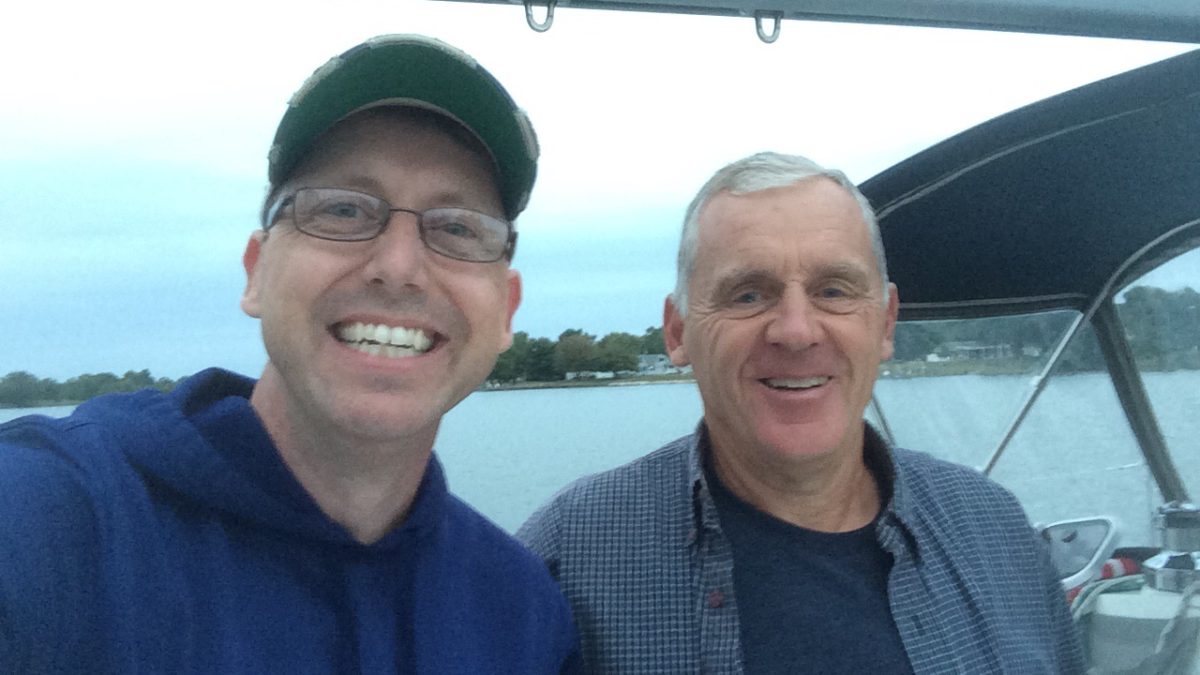
When my friend Dave Sandowich, a retired principal with 20+ years of admin experience, invited me to go sailing with me off the Chesapeake Bay, I was thrilled. This would be the third time he had taken me on the water, and my son Jack, now 20 years old, was coming along.
We sailed 60 miles over three days, from Dave’s place on Kent Island to Annapolis, Maryland, and then south to a quiet cove. Sailing upwind was the most challenging and exhilarating part of the trip. Calm waters and quiet moments were nice too, but Dave was quick to point out that sailing upwind takes work – a mastery of understanding the sail and jib, the use of crewmates to help you come about, and knowledge and skill to stay on track.
As Dave told me the first time we sailed together in 2019, “Sailing is a lot like leadership,” he said. “On a sailboat your destination may be directly from where the wind is coming from. A sailboat can’t sail directly into the wind but it can work its way up wind by sailing at angles off the wind and working its way up wind to the destination. It is more work and will take more time but you will get there if you stay the course, apply your sailing knowledge and get the feedback from your instruments and instincts and adjust along the way.”
Whenever I think about resistance in leadership, I think about sailing into the wind. Leaders have a destination in sight for their teachers, students and communities. The question is: what do you do when you experience pushback and resistance toward reaching those goals.
What has facing resistance taught you?
This week, I met with a group of leaders for a retreat, and I posed that question to them. Some of their responses included:
“Pushback causes me to reassess my own understanding of mission and vision and if I’m effectively and clearly communicating it with others.”
“Perhaps there is misunderstanding or misrepresentation of our goals that I need to recommunicate.”
“It’s my responsibility to realign expectations while keeping in mind that relationships are complex. Reaching my goal may not be a straight shot. Sometimes I have to work with people until they come around to a clearer perspective.”
“Leadership is more like chess than checkers. It requires wisdom to know how to maneuver among people and systems while still reaching the right outcome.”
Each one of these statements reminds me that the work of leaders is complex, and navigating complexity takes more than just a good handbook or code of conduct. It requires wisdom to step into the complexities and determine the next best step for moving forward.
Having said that, here are a few thoughts to keep in mind as you sail a route in the coming school year:
People – Investing in people means taking time to know who is on your team, gaining their trust, and remembering that development is not a one time event.
Systems – Developing systems means analyzing your operations, processes, routines, and procedures in light of your students, teachers, and community members. Ask yourself what it is like to be on the other side of any activity at your school. How are you aligning the system involved for the outcome you want them to experience?
Belief – Encouraging collective efficacy among your team members means being clear on what you believe is most important for the outcomes and impact happening around student learning.
These three reminders bring us back to commitments to people, systems, and belief – the essentials for any flourishing school community.
Anyone trying to navigate or move forward an entire organization or community must be prepared to face some winds of resistance. You can either allow the pushback to cause you to throw anchor, drop sails, or turn around.
Choose Your Hard
Our last day together, Dave and Jack and I were having breakfast together, when I asked Dave what were some lessons in leadership he’s learned along the way.
Dave is enjoying retirement and a lot of time on his boat with family and friends. When I asked him what lessons he was learning, he looked at me and Jack and said, “You have to learn to choose your hard.”
“What do you mean by that?” I asked.
“Take my physical fitness, for example,” he continued. “I choose the hard by keeping my workout routine. I don’t really want to do pullups, planks and pushups, but I choose that hard over the hard of declining health, higher blood pressure, or losing my mobility over time. You choose your hard one way or the other.”
Life and leadership teach us a lot of lessons along the way if we slow down enough to listen and reflect. In leadership, the harder and wiser option often requires sailing into the winds of resistance. If it wasn’t hard, everyone would do it by default. But good outcomes often require hard choices.
When I think about the goal of schools to build a community of learning, I’m encouraged that the task is worth it for students, for teachers, and for communities. It’s also worth it for leaders.
On our last day of sailing, Dave navigated the boat back toward Kent Island. He gave each of us a turn at the helm. I tried to soak in the memories of sun, waves, and the warmth of friendship and family.
Your school year ahead will be full of unexpected situations, and the truth is: you don’t choose the winds you encounter. But you can choose how you respond to them.
As you sail into the winds of a new school year, may you learn to pivot, to navigate, and to recalibrate along the way.
The destination and experiences you reach will look different in each journey, but the mindset you have along the way may be what makes all the difference.
Now It’s Your Turn
What are some experiences in pushback or resistance you’ve faced, and what lessons did you learn? How can you apply those lessons to navigating with wisdom “upwind” in the school year ahead?
PMP509: A Complaint Free World with Will Bowen
Jul 15, 2026
Meet Will Bowen
Will Bowen is an internationally recognized speaker, author, and founder of the Complaint Free® Movement. This movement has inspired millions of people across more than 100 countries to live with greater positivity and personal accountability.
He is best known for his bestselling book A Complaint-Free World, which introduced a simple yet powerful idea: by becoming more aware of our words, especially complaints, we can transform our mindset, relationships, and results. His challenge has helped individuals, teams, and organizations break the habit of chronic complaining and replace it with intentional, solution-focused thinking.
His message has been featured on major media outlets, including Oprah, NBC’s Today Show, and People Magazine. Whether speaking to schools, corporations, or leadership groups, Will Bowen equips people with tools to elevate their thinking and ultimately, their lives.
Complaining, Mindset, and Personal Growth
In this conversation, Will Bowen shares the origin of his global initiative, which began with a simple purple bracelet and a challenge: go 21 days without complaining. What started as a small experiment quickly grew into a worldwide movement, helping millions become more aware of their thoughts, words, and habits.
At the heart of Bowen’s message is the idea that complaining is not just harmless venting; it reinforces negativity, limits growth, and shapes how we experience the world. Instead, he encourages individuals to take responsibility for their responses and focus on solutions rather than problems.
The G.R.I.P.E. Framework
A key takeaway from the conversation is Bowen’s practical acronym for understanding complaints: G.R.I.P.E.
G – Get Attention Complaints Will makes an important distinction between honest reflection and complaining; complaining is expressing something primarily for selfish appeal or ego. Response Tip: When others complain for attention, redirect their thinking toward gratitude. Ask: “So what is going well with __________?” For example, if someone complains about students, ask: “What’s going well with your classes?” This shift moves the conversation from misery to possibility.
R – Remove Responsibility Complaints Complaining is often used as a way to get off the hook. When faced with accountability, people may point to others’ failures or claim circumstances are beyond their control. This keeps them stuck and avoids ownership. Response Tip: Shift from excuse-making to solution-seeking by asking: “If it were possible, how might you do it?” This question removes the escape route and opens the door to action.
I – Inspire Envy Complaints (The Humble Brag) Sometimes complaints are really disguised attempts to appear superior. For instance, pointing out someone else’s shortcomings may actually be a way to highlight one’s own strengths. These “humble brags” create comparison rather than connection. Response Tip: Will Bowen suggests “complimenting the opposite.” If someone points out another’s flaw, you might respond by affirming their strength: “It’s great that you’re always on time.” This can gently expose the motive behind the complaint and shift the tone. Changing the subject is also an effective way to disengage from this pattern.
P – Power Complaints People who feel powerless sometimes use complaining as a way to gain control—often through gossip or criticism of others. This can be especially toxic in teams. Response Tip: If someone comes to you to complain about another person, respond with: “It sounds like the two of you have a lot to talk about.” If they continue, you might add: “Would you like me to arrange a meeting?” This redirects them toward resolution instead of reinforcing the complaint.
E – Excuse Complaints (Excusing Poor Performance) Complaining is one of the quickest ways to avoid accountability. Instead of addressing areas for growth, individuals may focus on obstacles or limitations. Bowen notes that, like in team sports, those who resist coaching often weaken the team dynamic. Response Tip: Replace excuses with ownership by asking: “How do I plan to improve next time?” This shifts the focus from justification to growth and from problems to solutions.
Complaining, Social Media, and Leadership
A powerful part of the conversation focused on how social media platforms often amplify and reward complaining. Bowen explained that algorithms are designed to prioritize emotionally charged content (especially negativity) because it drives engagement. As a result, complaints, outrage, and criticism tend to spread faster and wider than thoughtful or solution-oriented messages.
In a world where complaints are often rewarded with attention, leaders stand out by modeling steadiness, responsibility, and solution-focused thinking.
Listen for even more!
Will Bowen reminds us that eliminating complaints does not mean ignoring real problems. Instead, it means choosing to address those problems in a way that is constructive, responsible, and focused on solutions. Listen to the entire conversation for even more great takeaways, and as always, thank you for doing what matters!
Contact & Resources
To learn more about Will Bowen and the Complaint Free® Movement, visit https://willbowen.com/, where you can find resources, tools, and information about his work.
MONDAY MATTERS with Jen Schwanke and Will Parker – The Problem with Certainty
Jul 13, 2026
Welcome back to another episode of Monday Matters! This week, Will Parker and Jen Schwanke talk about the problem with certainty. Certainty is not a bad thing. It is very soothing and comforting for us, but it doesn’t equal growth. In fact, being certain is a terrible substitute for growth. The idea of leadership as a single individual who believes they do not need help or input is a dangerous one. It’s important for leaders to lean into their relationships with others. Surrounding yourself with people who you can collaborate with to grow is powerful. We don’t want to shut out the voices of other people who might see things that we can’t see ourselves. By welcoming input from other principals, teachers, staff, and even students, we can truly grow as leaders. Listen in to the full conversation to hear more about the problem with certainty!
Stacey James currently serves as a Magnet Lead at Armwood High School and has held this role for several years, leading schoolwide efforts to align rigor, routines, and relationships to support instructional improvement and student success. With over 17 years in education, she has previously served as a classroom teacher, AVID coordinator, and instructional coach. James also has more than five years of experience as an AVID staff developer, facilitating professional learning for educators at AVID Summer Institutes and national conferences.
Dina Langston serves as principal of Armwood High School, where she leads efforts to improve instructional quality, school culture, and student outcomes through aligned systems and collaborative leadership. Her work has contributed to significant school improvement, including increased graduation rates and academic performance. In recognition of her leadership and impact on student achievement, Langston was awarded the 2026 Principal Leadership Award from Florida TaxWatch. Together, Stacey James and Dina Langston design and deliver professional learning grounded in real school contexts and focused on sustainable improvement for educators and students.
The Triple R Framework:
Today’s guests center their leadership work around what they call the Triple R Framework: rigor, routines, and relationships. These three elements work together to create strong learning environments where students and educators can thrive. When schools intentionally focus on all three, they create both the structure and the culture necessary for sustained improvement.
Rigor:
Rigor is not simply about giving students more difficult assignments. Instead, it involves designing learning experiences that require students to think deeply, engage meaningfully, and apply their knowledge in authentic ways. When educators maintain high expectations while also providing the support students need to succeed, rigor becomes a pathway to greater engagement and stronger learning outcomes.
Key ideas:
Maintain high expectations for every student
Design learning that requires critical thinking
Connect instruction to real-world applications
Pair high expectations with strong student support
Routines:
Predictable routines create stability in classrooms and throughout schools. When students understand procedures and expectations, they can spend less time navigating uncertainty and more time focused on learning. Clear routines also help teachers manage classrooms effectively and maintain a consistent learning environment.
Examples include:
Clear entry and exit procedures
Consistent assignment submission processes
Structured discussion and participation norms
Reinforcing routines regularly so expectations remain clear
Relationships:
Relationships are the foundation of a healthy school culture. When students feel known, valued, and supported, they are more likely to engage in learning and take academic risks. Strong relationships among educators, students, and families build trust and create a sense of community that strengthens the entire school environment.
Effective strategies include:
Community-building activities
Meaningful conversations with students
Learning about students’ interests, backgrounds, and goals
Creating a culture where students feel safe to participate and grow
Staying Connected:
Listen to the full conversation with Dina Langston and Stacey James for more insights on leading with rigor, routines, and relationships! You can stay connected with Dina Langston and Stacey James via the following channels:
MONDAY MATTERS with Jen Schwanke and Will Parker – Why Vacation Matters
Jul 06, 2026
Today’s Monday Matters discusses the importance of summertime for mental break and the importance of disengagement from the worries. Will Parker and Jen Schwanke discuss the benefits of giving yourself a mental break from the stress of a leadership job. They talk about how taking a break will make the next school year better, and will allow you to re-connect to yourself and the things that you love. Will and Jen also talk about how taking a break from work is easier said than done. Sometimes you need a few days for your brain to reset and get into vacation mode. If you feel like you can’t stop working, or don’t want to, you don’t have to take the whole summer to stop working, but it’s important to take some time to mentally and emotionally detox. Take a few days in the summer to spend time enjoying time with family and friends, enjoying nature, and remembering what is important. Listen in to hear more about the importance of summer vacation! You can also read this article Will wrote several years ago about the importance of vacation. As always, thanks for doing what matters and enjoy your summer break!
PMP507: Steady Leadership with Paden Morris
Jul 01, 2026
A Quick Note to Listeners:
Before this week’s interview, Will Parker and Jen Schwanke take some time to answer a listener question. This week’s question is:
What would you say is the solution for the current state of decline in U.S. schools?
Listen in to hear their response!
Meet Paden Morris:
Paden Morris serves as principal of Tyler Consolidated High School in Tyler County, West Virginia, where he has led for the past five years. Known for his steady leadership, Paden is passionate about helping staff and students believe in their own capacity for growth. He is a believer in collaboration and committed to reflection, continuous growth, and building a culture where belief drives performance. A husband and father of a curious three-year-old son, Paden is intentional about balancing leadership and family life while prioritizing what truly matters. In 2026, he was recognized by the West Virginia School Counselors Association as the Administrator of the Year.
In this week’s episode, Paden reflects on his 12–13 year journey in education—from special education and science teacher to career and technical education leader, and now principal. Leading a small high school of approximately 360 students, he shares how steady leadership, collaboration, and belief in people have shaped his school’s culture—especially in the years following the pandemic.
Rebuilding After the Pandemic:
Taking the principalship during the COVID recovery period, Paden focused on restoring normalcy, rebuilding relationships, and re-centering the school around a clear and memorable mission: To make it possible for all students to be self-supporting, contributing, and caring citizens. Rather than allowing the mission to sit on a wall, Paden and his leadership team distilled it into language that guides daily decisions. Each word carries weight:
Self-supporting – Students develop independence, resilience, and life readiness.
Contributing – Graduates move forward into work, military, college, or other meaningful pathways.
Caring – Students grow into high-quality human beings who care for themselves and others.
Building Culture Through Collective Efficacy:
Paden emphasizes shared leadership and collective efficacy. By empowering teachers as experts and forming a student advisory council, he ensures students have voice and ownership in school culture. He regularly meets with grade-level groups to ask what’s working, what’s challenging, and what they’d change—modeling transparency and trust. The results of his leadership style are inspiring: Over 90% of students participate in extracurricular activities, reinforcing connection, motivation, and belonging.
“Don’t Water Rocks”:
One of the most impactful leadership lessons Paden shares comes from his superintendent: DWR — Don’t Water Rocks. Instead of pouring energy into unproductive criticism or negativity, leaders should invest their time where growth and impact are possible. Paden reframed his mindset: “I will defend this place every day—but I’d rather be proud of it.” This shift from defensiveness to pride allows the school to spotlight the 95% of good happening daily rather than being consumed by the 5% of negativity.
Moving from Compliance to Deep Learning:
The conversation also explores Tyler Consolidated’s shift toward standards-based grading. Post-pandemic, Paden and his team realized their assessment practices had drifted toward compliance rather than deep learning. Through a voluntary summer cohort that grew far beyond expectations, staff began rethinking grading practices to focus on:
Clear proficiency criteria
Evidence-based assessment
Meaningful feedback
Learning over averaging
The shift reflects a commitment to authentic growth rather than traditional gradebook calculations.
Leadership and Family Balance:
As a husband and father of a young child, Paden shares the ongoing challenge of balancing school leadership with family life. He emphasizes intentionality, perspective, and protecting what matters most—recognizing that sustainable leadership requires healthy personal priorities.
PMP506: Hope Is A Strategy with Jamie Meade
Jun 24, 2026
A Quick Note to Listeners:
Before this week’s interview, Will Parker and Jen Schwanke take some time to answer a listener question. This week’s question is:
What is the difference between procedures and systems?
Listen in to hear their response, and thank you for doing what matters!
Meet Jamie Meade:
With a career spanning over 35 years in education, Jamie Meade is dedicated to positive change and impact in our nation’s education systems, working to advance academic achievement, growth, and well-being for our nation’s youth. Jamie began her career as a high school English teacher in the rural Appalachian region of Ohio, and her passion led her to leadership roles in the school and district-level. Jamie has also served in regional school improvement services with the Ohio Department of Education and as Vice President at Battelle for Kids. For more than a decade, Jamie has done extensive research in the science of Hope—and why it matters for students, staff, education leaders, and communities.
The Science of Hope:
Jamie has made herself a student of hope, and has learned a great deal how we can focus on hope as a tool for leading, teaching, and learning. In this interview, Jamie explains that hope is different from wishful thinking, and walks us through the science of the brain— and where hope actually lives in our minds. Unlike “wishing” (which is passive), real hope is an active, strategic cognitive process. Neuroscience shows that hope is a skill that can be practiced. The more we choose hopeful thoughts, the more we physically rewire our brains to build capacity for resilience.
The GPA of Hope:
Jamie also introduces C.R. Snyder’s Hope Theory framework:
Goals: A vision for a future that is better than today.
Pathways: The ability to identify multiple routes to reach those goals and navigate obstacles.
Agency: The belief in one’s own ability and the mental energy to pursue those pathways.
Building Hope Among Students:
Students are often stuck in the downward spiral of losing hope, which often starts with anger , moves to despair, and ends in apathy. As Jamie says, “Don’t misdiagnose hopelessness as laziness. Apathy is the final stage of a depleted spirit.” Teachers and staff are key factors in increasing student hope. Look for staff who bring energy, share their power, and get students excited about the future. Hope is a gift that can be shared. A student who has lost hope can borrow it from a teacher, but only if that teacher has it to spare. This applies to leaders and their staff as well.
Staying Connected:
If you would like to learn more about Jamie Meade, you can connect with her via email at j-meade@outlook.com.
MONDAY MATTERS with Jen Schwanke and Will Parker – Let Them Theory
Jun 22, 2026
Will Parker and Jen Schwanke spend this Monday Matters episode discussing one of Jen’s recent newsletters about the “let them” theory. The central thesis of their discussion is that school leaders can’t control other people’s emotions. They talk about how leading sometimes means making decisions that people disagree with, and being okay with that. Whether you’re dealing with teachers, parents, or students, someone is going to be upset by your decisions. Let people be mad, sad, and frustrated for a little while, rather than trying to keep everyone happy. Sometimes people just need to feel their emotions for a bit before they calm down and be okay with your decision. Still, it can be hard to gauge when someone’s reaction is worth responding to. Jen offers up a framework she calls the “four ten’s” to figure out how to respond. The “four ten’s” work like this: Ask yourself if this is going to matter in ten minutes, ten hours, ten days, ten months, or ten years. You can hear all of our takeaways by listening to the episode, or watch it on YouTube.
Tiffany brings more than two decades in education — from teaching at the elementary, middle, and high school levels, to instructional coaching and serving as an elementary principal before taking time to teach and support educators nationwide as part of the Connected Communicator movement.
Erika Bare has spent over 20 years in education as well, including roles as a special education teacher, administrator, and currently as a district leader committed to helping all students reach their potential. Together, they blend deep classroom and leadership experience with practical communication tools that help adults build stronger, more connected relationships with students.
They joined us on Principal Matters: The School Leader’s Podcast in Episode 369 to share insights from their work and strategies that empower leaders and educators to handle tough conversations with care and confidence. Now, they are authors of the new book, A School Leader’s Playbook for Tough Conversations.
Understanding the Challenge of Tough Conversations:
Tough conversations often create anxiety for school leaders, leading to sleepless nights and lingering stress. Tiffany Burns notes that, while most educators enter the profession to serve students, it is often the adult conversations — with staff, caregivers, and colleagues — that feel most complex and emotionally charged. In their book, Burns and Bare provide concrete strategies to help leaders prepare intentionally, reduce uncertainty, and approach conversations with purpose rather than avoidance.
The Importance of Relationship-Building:
A central theme of the conversation is the importance of building relationships long before difficult conversations arise. Erika Bare emphasizes the need for leaders to systematize relationship-building by intentionally scheduling regular check-ins and informal connections with staff. Simple habits — such as dedicating the first part of the day to walking classrooms and engaging in brief conversations — help staff feel seen, valued, and supported.
Will Parker reinforces this idea with the reminder: “Our systems support our habits.” When leaders prioritize relationship-building in their calendars, those behaviors become sustainable rather than reactive.
Strategies for Effective Communication:
Burns and Bare share several practical strategies for reducing tension and increasing clarity during tough conversations. One example involves responding thoughtfully when someone seeks immediate feedback or resolution. Instead of dismissing the concern or rushing a response, leaders can say:
“This conversation is important, and I want to give it the time it deserves. Let’s schedule a time to talk more.”
This approach honors the person’s concern while creating space for a more focused and productive conversation.
Another powerful strategy is the intentional use of supportive language. Bare highlights the impact of simple questions such as, “How can I support you?” This communicates empathy and helps leaders better understand what type of support is truly needed — whether emotional reassurance, problem-solving, or simply being heard.
Overcoming Obstacles to Communication:
Despite best intentions, school leaders often struggle to sustain these practices amid constant demands and crisis-driven work. Burns acknowledges how easily proactive relationship-building can slip as the school year intensifies. The solution, however, is not perfection — it is consistency and accountability. Leaders must protect their calendars, recommit to intentional habits, and recognize that meaningful connections are not optional extras but foundational leadership work.
Conclusion:
Tough conversations do not have to be overwhelming. When leaders invest in relationships, communicate intentionally, and build supportive systems, difficult moments become opportunities for trust, growth, and clarity. By applying these practices, school leaders can transform anxiety-producing conversations into meaningful moments of connection and leadership impact.
If you want to connect with Erika Bare and Tiffany Burns, you can learn more about them at their website.
MONDAY MATTERS with Jen Schwanke and Will Parker – Learning From Asparagus
Jun 15, 2026
This week on Monday Matters, Will Parker and Jen Schwanke reflect on a story that Jen recently shared in her newsletter. She shares the story of watching the asparagus her father planted to see if it would grow, only for it to grow when she wasn’t watching it. Will and Jen take some time to apply this story to schools and talk about how change and growth happen over time, even when we’re not watching. So often, school leaders will want to see change happen immediately, and will get frustrated when it doesn’t. In these moments, it is important to remember how change happens gradually, over time, even when we’re not looking for it. Don’t fixate on the immediate; focus on the long-term. Listen in to hear the full conversation!
PMP504: Ready to Lead with AI with Dr. Kip Glazer
Jun 10, 2026
A Quick Note to Listeners:
Before this week’s interview, Will Parker and Jen Schwanke take some time to answer a listener question. This week’s question is:
I’m working hard, doing good work, of course not perfectly, but I’m beginning to feel stuck. How do I keep myself from becoming complacent as a leader?
Listen in to hear their response!
Meet Dr. Kip Glazer:
Dr. Kip Glazer is a former classroom teacher, district technology coach, and current high school principal of Mountain View High School in Mountain View, California. She has more than 20 years of experience helping schools translate emerging technologies — including artificial intelligence — into practical, responsible practice.
Her work includes leadership decision-making, understanding ethical AI, and building systems that strengthen teaching, learning, and student voice. Kip has advised districts, collaborated with national research organizations, and spoken nationally and internationally about what it really takes to lead in the AI era with clarity, credibility, and healthy skepticism.
She’s been recognized as one of DA Magazine’s Top 100 Influential Education Leaders and is a CSTA Equity Fellow, Google Innovator, and EngageAI Practitioner Advisory Board member.
In this episode of Principal Matters, we talk to Dr. Kip Glazer—author, high school principal, and longtime education technology leader—for a timely conversation on what it means to lead well in an AI era when the answers still aren’t clear.
What makes this conversation especially powerful is Kip’s humility and candor: she argues that if anyone claims they fully understand AI right now—even tool builders—school leaders should be skeptical. The work is evolving in real time, and leaders are navigating an “iterative space” where staff often expect certainty simply because the principal has the title.
Kip shares her personal origin story as an English language learner who moved to the U.S. from South Korea at age 23 without speaking English. That experience shaped her leadership lens: to look beyond what’s visible and honor what students already carry—culture, knowledge, and identity—even when they don’t yet have language to express it. She reminds leaders that a student’s limited English isn’t a measure of their intelligence, and that truly equitable leadership requires curiosity, empathy, and respect for what may not be immediately seen.
The Challenges of AI in Schools:
As the conversation turns to AI, Kip names an under-discussed challenge: identity disruption. For decades, educators have been the most knowledgeable people in the room, and AI changes that. Kip explains that this shift has an emotional toll for teachers and leaders alike, creating insecurity when students know tools the adults don’t. Her response isn’t to retreat into control, but to double down on pedagogy, collaboration, and communication, and to model the stance of learning with students instead of pretending to know everything.
Kip also challenges schools to rethink what they assess. Traditional systems often measure what students know, but struggle to measure how students use knowledge to create. She argues that AI can open doors for deeper learning if schools strengthen pedagogy that supports collaboration, creation, and problem-solving. She shares an example from her own teaching, where she used game-based learning principles in an AP Literature classroom—an approach that looked unconventional to observers, but still resulted in strong outcomes for students.
Principal’s Tech Internship Program:
One of the most practical highlights of the episode is Kip’s Principal’s Tech Internship Program, created to elevate student agency while strengthening support across campus. Kip describes how she built a structure where tech-skilled students can serve their school community, gain internship experience, and even earn community college credit through a partnership. The program began small—helping teachers onboard students and solve everyday tech problems—but grew as students began proposing bigger ideas, hosting events, and presenting their work beyond the school. Kip’s approach is intentionally “hands off” in the best way: she asks questions, guides, and protects space for students to take ownership—while learning through real-world planning, setbacks, and reflection.
Leadership Growth:
Kip also shares an honest leadership growth edge: learning that staff often need more affirmation and personal connection than she realized—especially coming from a background where praise wasn’t expressed as directly. That insight has shaped how she thinks about culture, support, and presence.
Finally, Kip offers a grounded model for leading through uncertainty: invite honest feedback, assume positive intent, and be explicit about your intentions—especially in the presence of power dynamics. She emphasizes that leaders can’t fix what they don’t know, and that openness is always healthier than suffering in silence.
Closing Comments:
Kip closes with a message of solidarity: school leaders may have different contexts, but they share similar pressures and hopes. Her goal in writing Ready to Lead with AI: A Practical Guide for School Leaders was to create the book she wished she had—honest, practical, and rooted in real school life.
PMP503: Time, Tools, and Tactics of Instructional Leadership with TJ Vari & Joseph Jones
Jun 03, 2026
A Quick Note to Listeners:
Before this week’s episode Will Parker and Jen Schwanke take some time to answer a listener question. This week’s question is:
How do you know when you should stay or leave? I’m in a place in my career where I’m wanting to do something different and not finding as much joy in my role as in the past. What should I do?
Listen in to hear their response!
Meet TJ Vari and Joseph Jones:
Joseph Jones and T.J.Vari have spent years as instructional leaders in various schools and districts. They have also provided professional learning and coaching to hundreds of school leaders. They have tested the strategies they recommend with principals, assistant principals and teacher leaders. They understand that the work we ask school leaders to do is complex and often time sensitive. They also know that schools are filled with daily distractions that often derail and take the leader away from the most important work which is getting into classrooms where they observe and provide feedback to teachers about the quality of instruction provided to students. They have shared many of these lessons in their other books such as Invest In Your Best, Passionate Leadership, 7 Mindshifts for School Leaders, Retention for Change, Building a Winning Team, and Candid and Compassionate Feedback.
Their newest book is Time, Tools, and Tactics of Instructional Leadership: A Principal’s Guide to Leading Learning Momentum.
Will Parker welcomes returning guests TJ Vari and Joseph Jones for a practical, high-impact conversation on the time, tools, and tactics of instructional leadership. With years of experience coaching and developing leaders across hundreds of schools, TJ and Joe speak directly to the reality principals and assistant principals face every day: instructional leadership matters most—but distractions, urgency, and weak systems often pull leaders away from classrooms, feedback, and learning momentum.
The conversation centers on their newest book, Time, Tools, and Tactics of Instructional Leadership: A Principal’s Guide to Leading Learning Momentum, which was born from a shared frustration: many leaders care deeply and work incredibly hard, yet struggle to execute instructional leadership consistently—not because they lack commitment, but because they lack systems. TJ and Joe explain how the book offers frameworks and models that serve as “architecture” until leaders build their own rhythms and habits.
Will highlights the book’s story-driven structure—seven leadership scenarios that mirror the real challenges school leaders face daily: finding time, delivering feedback that lands, balancing praise and coaching, asking effective questions, clarifying direction, and responding to resistance. TJ describes how each story builds intentionally from the last, moving leaders from “random acts of leadership” to consistent, aligned practice.
A major takeaway is the need to protect high-leverage priorities through intentional scheduling and reflection. TJ and Joe unpack time blocking and reverse time blocking as tools to help leaders see what’s actually consuming their day—and to reset back to priority work after inevitable interruptions. Joe emphasizes that when your time gets hijacked, your default can’t become empty space or reactive busywork—it must return to the high-leverage actions that move instruction forward.
The episode also digs into the danger of fear-based leadership, where leaders take the weight of school success on themselves. TJ and Joe stress that school improvement is a collective outcome and that culture strengthens through coherence and collective clarity, not pressure and control. They encourage leaders to build and develop strong leadership teams, align professional learning and feedback to clear priorities, and create shared language around what quality instruction looks like.
To close, TJ and Joe offer actionable guidance for leaders entering new roles: secure coaching support, read widely—especially about what works in schools—and focus on fundamentals. Joe adds a powerful reminder for sustainability: define the standards you want your school to embody, and when the work feels heavy, reconnect to your “why” by visiting classrooms where great teaching and learning are happening. Those moments, he says, re-center leaders faster than any mantra.
Stay Connected with TJ Vari & Joseph Jones:
You can connect with TJ and Joe, explore their services, and learn more about their work here:
MONDAY MATTERS with Jen Schwanke and Will Parker – The Perspective Question
Jun 01, 2026
This week’s episode of Monday Matters is about shifting one’s perspective. Will Parker and Jen Schwanke consider a question about perspective that Jen recently wrote about in her newsletter. The question is: “If every person in the world wrote down their problems and put them in a hat, would you risk taking on someone else’s problems or would you keep yours?”. Will and Jen reflect on the question and talk about how educators can apply this question to problems faced by their schools and their students. Listen in to hear the full conversation!
This episode was inspired by one of Jen Schwanke’s newsletters. You can check out the post here.
PMP502: Strategies for Effective Leadership with Dr. Erica Buchanan-Rivera
May 27, 2026
A Quick Note to Listeners:
Before this week’s interview, Will Parker and Jen Schwanke take some time to answer a listener question. This week’s question is:
I’ve said yes to a new position within the district. How do I leave my current school in the best way possible while also doing my best to get ready for my upcoming role?
Listen in to hear their response!
Meet Dr. Erica Buchanan-Rivera:
Dr. Erica Buchanan-Rivera is a fierce advocate for justice-centered work and humanizing approaches in educational environments. She has served in education for nearly 20 years as a teacher, an award-winning principal, director of curriculum, and a chief equity and inclusion officer in an urban and suburban school district. Dr. Buchanan-Rivera attended Butler University, where she received her Bachelor’s in Elementary Education and Master’s in School Administration. She completed her doctoral degree from Indiana State University in 2017. Currently, Dr. Buchanan-Rivera supports aspiring school leaders and educators as an Assistant Professor at DePaul University. She is also an educational consultant (EBR Educational Consultant) who focuses on ideological work to support culturally responsive practices and conditions for learning.
Strategies for Effective Leadership:
In today’s rapidly evolving educational landscape, the role of school leaders is more crucial than ever. Dr. Erica Buchanan-Rivera joins Dr. Jen Schwanke to share her experiences and strategies for effective leadership. In this episode, we explore the importance of identity-affirming cultures and the delicate balance between empathy and accountability in educational leadership.
Dr. Erica Buchanan-Rivera, also known as Dr. EBR, has dedicated her career to fostering equitable educational environments. With a background as an award-winning principal and director of curriculum, she brings a wealth of experience to her current role at DePaul University.
Dr. EBR’s journey began in Peoria, Illinois, where her early experiences in a predominantly white school ignited her passion for justice and advocacy in education. Using that background, Dr. EBR emphasizes the need for identity-affirming classrooms that center humanity. She believes that leaders should strive to create conditions for learning that eliminate barriers to achievement. She highlights that good intentions alone are insufficient; it is essential to actively work towards an inclusive environment.
Dr. EBR introduces the concept of “mirror work,” which encourages leaders to reflect on their identities and the beliefs that shape their practices. She shares that self-reflection is vital for maintaining humanity in decision-making. By consistently engaging in this introspective process, leaders can better understand their impact on students and the school culture.
Throughout her career, Dr. EBR has encountered various challenges that have shaped her leadership approach. One defining moment was her early transition to principalship, where she witnessed racial inequities within disciplinary procedures. This experience motivated her to advocate for culturally responsive teaching practices and to implement systems that address these disparities.
One of the key challenges in leadership is ensuring genuine staff buy-in for new initiatives. Dr. EBR acknowledges that not all staff members will align with a leader’s vision. However, she stresses the importance of transparency and the willingness to accept that some resistance is natural. Engaging in open dialogue and demonstrating the positive impact of changes can help foster a supportive environment.
Dr. Erica Buchanan-Rivera’s insights offer valuable guidance for current and aspiring educational leaders. Her commitment to fostering identity-affirming cultures and her emphasis on self-reflection highlight the need for empathy balanced with accountability in leadership. By embracing these principles, leaders can create impactful educational experiences that promote equity and empower students to thrive.
Staying Connected:
If you wish to learn more about Dr. Erica Buchana-Rivera, visit any of the links below:
MONDAY MATTERS: Making an Impact with Ohio Mastermind Members
May 25, 2026
In this episode of Monday Matters, Will Parker brings together a group of school leaders from Ohio who participate in an ongoing Impact Mastermind in partnership with the Ohio Department of Education and Workforce, Adkins & Company, LLC, and Principal Matters, LLC.
The conversation centers on how collective coaching and collaboration strengthen leadership practice and help leaders better develop others.
Meet the Ohio Impact Mastermind
This week’s guests (pictured above) include Kelly M. Brodzenski, Breen Slauter, Julita (Julie) Flowers, Danielle Morris, and Renee Holt.
Additional members mentioned but not present include: Jared Hawk, Allison Shardell, Joe Weisend, Ken Goodrum, and Chris Brooks. I’m grateful for each of them, and I’m excited to share lessons from our regular sessions together.
Let’s Keep Learning as Leaders
A key theme throughout the discussion is that leadership can feel isolating, but being part of a trusted community creates space for honesty, reflection, and growth. The leaders describe how regular mastermind sessions provide:
A safe, non-evaluative environment to process real challenges
Opportunities to learn from others’ experiences and apply solutions proactively
Support in navigating emotionally complex decisions, especially around staff and school culture
Accountability to stay focused on professional growth and reflective practice
Several leaders highlight how coaching has sharpened their ability to:
Listen deeply and ask better questions rather than rushing to solutions
Separate emotion from evidence when making difficult decisions
Build confidence and clarity in high-stakes leadership moments
The group also emphasizes the practical impact of this work. They are not just learning—they are translating these strategies back into their schools by:
Using coaching questions with assistant principals and staff
Creating more reflective, people-centered staff meetings
Encouraging team growth beyond just data and performance metrics
Modeling collaboration and continuous learning within their own organizations
Another major insight is the distinction between typical school meetings (focused on data and outcomes) and mastermind conversations, which focus on the “how” of leadership—mindset, decision-making, and personal growth.
Parting Words of Wisdom
As the conversation concluded, each leader offered a meaningful parting word of advice for fellow school leaders, reinforcing the importance of connection, growth, confidence, and purpose in the work.
Danielle Morris reminded listeners, “You are not alone—seek out community.”
Julita (Julie) Flowers encouraged leaders to remain grounded in their development, sharing, “Stay committed to growth to sustain leadership success.”
Breen Slauter added the importance of trusting oneself while continuing to learn, noting, “Trust your instincts while remaining open to learning.”
Finally, Renee Holt brought the focus back to purpose, urging leaders to “Always reconnect to your ‘why’ for leading.”
Let’s Wrap This Up
Great leaders don’t grow in isolation. They grow through intentional, collaborative learning with others who understand the work. If you’re interested in learning more from these leaders, reach out through their websites listed in the introduction. If you’d like to connect about opportunities for coaching, mentoring, or Masterminds for yourself or your leaders, reach out to Will at will@williamdparker.com
Until next time, thank you for doing what matters!
PMP501: Developing Teacher Leaders with Dr. Chris Jochum
May 20, 2026
A Quick Note to Listeners:
Before this week’s interview, Will Parker and Jen Schwanke take some time to answer a listener question. This week’s question is:
I’ve been leading short-handed with an Assistant Principal on leave and without the kind of support I’ve wanted from my central office. Any advice for wrapping up a school year strong when I’m feeling tired and discouraged?
Listen in to hear their response!
Meet Chris Jochum:
Dr. Chris Jochum is the founder and CEO of CJ Leadership Solutions. He is a nationally recognized speaker, trainer, and coach who believes leadership is about influence, not titles. Chris works with organizations across the U.S. and abroad to strengthen culture, climate, and leadership at every level.
He also serves as Professor and Chair of Teacher Education at Fort Hays State University, leading a large teacher preparation program. Over nearly three decades in education, he has worked in K-12 and higher education, beginning his career teaching Spanish and English as a Second Language in public schools, and later holding faculty roles at the University of Central Missouri and the University of Nebraska at Kearney. Chris’s research centers on leadership development and the value of study abroad. He hosts The Department Chair Leadership Podcast and is the author of The Department Chair: A Practical Guide to Effective Leadership, and You Don’t Have to Leave to Lead: A Practical Guide to Teacher Leadership.
The Foundation of Teacher Leadership:
Dr. Jochum emphasizes that every school is a reservoir of untapped potential, akin to a diamond mine waiting to be discovered. He shares a compelling analogy about an African farmer who searched far and wide for diamonds, unaware that his own land was rich with them. Similarly, schools possess hidden leadership capabilities among their educators. By creating an environment that encourages teachers to step into leadership roles, schools can increase student achievement and improve faculty morale.
Inviting Teachers into Leadership:
Will Parker recounts a conversation with a principal who, despite his best intentions, had not actively invited teachers to participate in leadership discussions. This highlights a common issue where leaders may feel protective of their staff, inadvertently excluding them from decision-making processes. Dr. Jochum stresses that inviting teachers into these discussions can unlock their potential, allowing them to contribute to school improvement in meaningful ways.
Practical Strategies for Identifying and Supporting Teacher Leaders:
Dr. Jochum outlines several key strategies for identifying and nurturing teacher leaders:
Model Leadership: Leaders should demonstrate the behaviors they wish to see in their teachers. By modeling effective leadership, principals can set a standard for their staff.
Share the Vision: Clearly communicate the importance of empowering teachers and encourage them to take ownership of their roles in leadership.
Provide Support: Acknowledge that not everyone will be on board with new initiatives, but encourage open dialogue and support among staff.
Insights from Future Educators:
Dr. Jochum also sheds light on the perspectives of current education students, emphasizing the importance of communication between teachers and their leaders. He advises principals to foster an environment where new teachers feel comfortable expressing their challenges and uncertainties. By reassuring them that making mistakes is part of the learning process, leaders can create a more supportive atmosphere.
The Credo for Teacher Leaders:
One of the highlights of the discussion is Dr. Yokum’s “Credo for Teacher Leaders,” which outlines essential beliefs and commitments for effective leadership:
It’s not about me, but it starts with me.
I must give up to go up.
I’m in the people business, and people are messy.
Other people’s irresponsibility will oftentimes become my responsibility.
I will never have a perfect group of people, and they will never have a perfect leader.
I must be vulnerable.
Conflict happens every day, and that’s okay.
Relationships and influence are not optional.
These principles serve as guiding values for educators stepping into leadership roles, fostering a culture of collaboration and understanding.
Staying Connected:
If you would like to learn more about Chris Jochum and his work, you can visit his website https://cjleadership.com/.
MONDAY MATTERS: “What Would Mastermind Do?” with Archdiocese of Louisville School Leaders
May 18, 2026
In this special episode of Monday Matters, I had the privilege of sitting down with members of a leadership mastermind group from the Archdiocese of Louisville Catholic Schools in Kentucky. Recorded during Kentucky Derby season, I affectionately referred to this group as my “Derby Mastermind.” Together, we reflected on how collective coaching, mentorship, collaboration, and reflective practice shaped our growth throughout the school year.
Guests Featured:
From left to right: Dr. Trevor Timmerberg, Shelly Pence, Chasity Livers, Jessica Young, Dr. Karen Loper, and Morgan Wissing (not included in this recording but a member of the mastermind)
Throughout the conversation, we discussed how mastermind collaboration helped us:
Become better listeners rather than immediate problem-solvers Several leaders reflected on how easy it is in administration to jump quickly into “fix-it mode.” Through coaching conversations and reflective questioning, we learned the value of listening first, seeking to understand root causes, and creating space for people to process their own thinking before offering solutions.
Slow down and reflect more deeply before reacting The group repeatedly emphasized the importance of pausing before responding to difficult situations. Rather than reacting emotionally or rushing toward quick answers, leaders described learning how to reflect more intentionally, ask deeper questions, and approach challenges with greater wisdom and perspective.
Examine assumptions and refine decision-making Leadership often requires reevaluating assumptions and seeing situations from multiple angles. Participants shared how collaborative discussion and “hot seat” conversations challenged their thinking and helped them make more thoughtful, nuanced decisions.
Build confidence in their leadership capacity Some leaders entered the cohort unsure of what they could contribute, especially those newer to administration. Over time, the encouragement, collaboration, and shared learning within the group helped build confidence and reinforced that their experiences, instincts, and leadership voice mattered.
Reduce the isolation that often accompanies leadership A recurring theme throughout the conversation was that leadership can feel lonely. The mastermind experience created a trusted space where leaders realized they were not alone in their struggles, challenges, or questions. The relationships and shared experiences helped replace isolation with connection and support.
Develop healthier rhythms around reflection, family, wellness, and personal growth Through recurring reflection questions and accountability practices, leaders became more intentional about balancing their professional responsibilities with personal wellness, family presence, reading, reflection, exercise, and healthy routines.
Translate coaching practices into stronger support for teachers and teams Leaders shared how they began applying mastermind strategies within their own schools — including celebrating successes, revisiting norms, asking stronger coaching questions, holding reflective conversations, and intentionally developing leadership capacity among teachers and staff.
We also explored how structured reflection, accountability, and collaborative problem-solving influenced our schools. Several leaders shared that the practices modeled during our mastermind meetings — including celebrations, norms, reflective questions, coaching conversations, and clear agendas — became strategies they intentionally implemented with their own faculty and leadership teams.
A recurring theme throughout the episode was that leadership development is not selfish; it is essential. As Trevor Timmerberg reflected, effective leaders invest in themselves so they can better serve others.
Parting Words of Advice from Each Leader
Shelly Pence
“If I don’t invest in myself, then I don’t have the capacity to invest in others. I have to continue to invest in my own growth to be able to invest in other people.”
Chastity Livers
“Take the time to learn and grow. It benefits your school, your professional growth, and even your personal life. I’m always recharged after every mastermind session.”
Jessica Young
“Having an opportunity to collaborate helps you feel supported and stretched. You become a better leader and a better person.”
Dr. Karen Loper
“Give yourself permission to spend the time you need to become a better leader. That’s what we’re all striving for.”
Dr. Trevor Timmerberg
“Investment in yourself as a leader is never superfluous and it’s never selfish. You owe it to the people you serve to put the oxygen mask on first so that you can help others.”
Now It’s Your Turn
Thank you for listening and learning together. When you intentionally invest in your own growth, collaboration, and reflection, you are:
Learning and growing
Supported and stretched
Creating time for renewal and reflection
Recognizing that leadership growth is not selfish
Returning to your schools equipped with greater perspective, wisdom, and context
As always, I hope this episode reminds you that leadership is strengthened through collective learning, thoughtful reflection, and meaningful relationships.
If you’re interested in learning more from these leaders, reach out through their websites listed in the introduction. If you’d like to connect about opportunities for coaching, mentoring, or Masterminds for yourself or your leaders, reach out to Will at will@williamdparker.com
Until next time, thank you for doing what matters!
PMP500: Celebrating 500 Conversations in School Leadership
May 13, 2026
A Milestone Built on Consistency and Community
Episode 500 of Principal Matters is more than a milestone; it’s a reflection of years of consistency, curiosity, and commitment to elevating school leadership. What began as a blog in 2013 and evolved into a podcast in 2015 has grown into a global conversation among educators. With over 700 pieces of content produced, the show has become a trusted space where leaders learn from one another, share experiences, and grow together.
For this special episode, Will Parker and Jen Schwanke invited a panel of respected leaders and longtime listeners to reflect on lessons learned, meaningful moments, and the future of education leadership. The panel includes: Dr. Don Parker, Josh Tovar, Donna Hayward, Frederick Buskey, Brent Kline, Dr. Nick Davies, and Dr. Tracie Swilley.
A consistent theme across the episode is the idea that Principal Matters is not just a podcast; it’s an ongoing conversation among trusted colleagues.
Our friends described the show as:
A “circle of trusted friends”
A space where leadership challenges feel shared, not isolated
A bridge connecting leaders across different contexts and regions
Rather than one standout episode, they emphasized the cumulative impact of hearing diverse voices over time. Whether discussing rural leadership, student voice, or restorative practices, the conversations feel timeless and relevant.
Leadership Through Relationships
Another major takeaway is the relational nature of leadership. Guests highlighted how the show models:
Authentic dialogue
Curiosity-driven questioning
Respect for diverse perspectives
Dr. Don Parker reflected on how meaningful it is when leaders feel seen and valued in conversation, while others noted the importance of creating environments where people feel safe to share openly.
The podcast itself mirrors what effective leadership looks like in schools: listening deeply, building trust, and learning collaboratively.
Timeless Lessons for School Leaders
Across the discussion, several key leadership principles emerged:
1. Leadership is Human Work
The most impactful leaders connect with people—not just systems or outcomes.
2. Growth Requires Community
No leader succeeds in isolation. Networks, mentorship, and ongoing dialogue are essential.
3. Student Voice Matters
Including students in decision-making leads to stronger, more meaningful school practices.
4. Reflection Drives Improvement
Whether through podcasts, conversations, or coaching, reflection helps leaders refine their practice.
Behind the Scenes: Crafting the Conversation
Jen Schwanke offered insight into the preparation behind each episode:
Researching guests and their work
Developing thoughtful, curiosity-driven questions
Allowing conversations to evolve naturally
Meanwhile, the production process—editing, publishing, and distribution—relies on a dedicated team, including our editor, Emily Parker-Eaton, and our theme music by Samuel Parker, highlighting that the podcast is truly a collaborative effort.
Parting Words: Wisdom from the Panel
The episode concludes with powerful reflections from each guest, including:
Remember your “why”
Seek support—you don’t have to do this alone
Slow down and focus on people, not just tasks
Embrace the impact you have on lives every day
Stay committed to growth and connection
Each message reinforces a shared belief: leadership is challenging, but deeply meaningful work.
Thank you
Listen to the entire episode for even more takeaways!
Episode 500 wouldn’t be possible without you, the listener, so thank you! This show is a celebration of perseverance, relationships, and shared purpose. More than anything, it reminds us that leadership is not about having all the answers; it’s about asking better questions, building stronger connections, and continuing the conversation.
And as the panel suggested, this isn’t the end. It’s just the beginning of the next 500 conversations. Until the next episode, thank you for listening, and thank you for doing what matters!
MONDAY MATTERS: Jedi Lessons from Legacy Mastermind Leaders
May 11, 2026
When I was a boy, I loved watching Star Wars. I thought it was incredible when Jedi masters like Obi-Wan Kenobi or Luke Skywalker could persuade others through thought or outwit opponents through their use of “The Force.”
Sometimes, I like to describe amazing educators as “Jedis” in their own work. You know that teacher who seems to master any classroom setting, or that inspiring principal who can be both firm and caring at the same time? It’s hard to describe what makes them so effective, but good teaching and leadership is both an art and science.
In this week’s Monday Matters, I’m sharing a recording with one of my longest-running Mastermind groups—a group of Jedi educators.
Six years ago, Sheila Vitale at the Ohio Department of Education and Workforce reached out about working with Ohio charter school leaders.
We began with a series on my Hats for Leadership, and many of those leaders later transitioned into a Mastermind. For this episode, I invited the group that has been together the longest to record a session with me about how collaboration, coaching, and applying ideas have supported their growth.
The takeaway for other leaders is simple: your commitment to collaboration, mutual mentoring, and coaching can protect you from isolation and inspire stronger connections with your teachers, students, and community.
As we wrapped up the conversation, I asked each leader for a parting word of advice. I’ve included their insights below along with their school information.
PMP499: Cultivating Educator Wellness with Dr. Alli Phelps
May 06, 2026
A Quick Note to Listeners:
Before this week’s interview, Will Parker and Jen Schwanke take some time to answer a listener question. This week’s question is:
I’m an assistant principal with 9 years of experience. I’ve made it to superintendent interviews to become principal of my school. K-8 with about 900 students. My competition is a 20 year veteran principal. How can I compete with that? What advice do you have?
Listen in to hear their response!
Meet Dr. Alli Phelps:
Dr. Alli Phelps has spent more than twenty years dedicated to Educator Wellness, improving the lives of both teachers and students. Her experience spans classroom teaching, EL instruction, advocacy, mentoring, coaching, and school administration.
She began teaching English in Australia in 1999, then returned to the U.S. to teach English and ESL at Homewood High School after completing her first Master’s in Secondary English Education. She later earned a second Master’s in ESL, which included cultural immersion work in Venezuela. In 2009, she moved to Shades Cahaba Elementary to teach K–5 EL students.
In 2021, Alli was named Alabama’s Elementary Teacher of the Year. She went on to earn her P–12 administration certification and complete a doctorate at Samford University focused on Educator Wellness.
Today, Alli serves as Assistant Principal at Riverchase Elementary in Hoover City Schools. Outside of work, she loves running, yoga, reading, time with family and friends, and caring for her Great Dane rescue, Murphy.
Understanding Educator Wellness:
Dr. Ali Phelps, with over 20 years in education and recognized as Alabama’s Elementary Teacher of the Year, emphasizes the critical need for wellness among educators. She highlights that despite the passion educators have for their work, burnout is a common struggle. “Those aren’t mutually exclusive,” she notes, reflecting on her own experiences during the pandemic and the subsequent challenges faced by many in the education field.
Research Focus: From Teacher to Administrator Wellness:
Initially focusing her research on teacher wellness, Dr. Phelps discovered a significant gap regarding administrator wellness. She transitioned her research to explore how educational leaders manage their well-being amidst the demands of their roles. “There’s a huge problem with administrators and educational leaders and how to get from managing this career to maintaining longevity over time,” she explains. Dr. Phelps conducted qualitative research involving interviews with high-performing administrators across the country to gather insights into effective practices.
Three Pillars of Educator Wellness:
1. Physical Wellness: Dr. Phelps found that physical wellness is paramount for educators. Her research indicated that exercise, nutrition, hydration, and sleep play crucial roles in enhancing resilience. Many administrators reported that regular movement not only improved their physical health but also positively impacted their decision-making and overall performance.
2. Strong Boundaries: Another critical theme from her research was the importance of setting clear boundaries. As she puts it, “You have this job to support your family, you don’t have this family to support your job.” This notion underscores the necessity for educators to prioritize personal time and model respect for boundaries within their teams. This discipline in maintaining boundaries helps prevent burnout and fosters a healthier work-life balance.
3. Aligning Values with Work: The third pillar involves connecting daily work to personal values. Dr. Phelps highlights that many educators enter the profession driven by a passion for service, and maintaining that connection is essential. Practices such as gratitude exercises, community engagement, and staying involved in classrooms help educators nurture their commitment to their core values, combating emotional fatigue and the challenges that come with the profession.
Dr. Ali Phelps’ research sheds light on the vital aspects of educator wellness that can help sustain those dedicated to teaching. Her findings reveal that prioritizing physical wellness, setting strong boundaries, and aligning values with work are essential for maintaining a healthy and fulfilling career in education. As the landscape of education continues to evolve, these insights serve as a reminder of the importance of taking care of oneself in order to effectively serve students and communities.
Staying Connected:
If you wish to connect with Dr. Phelps, you can reach her via email at: aphelps@hoover.k12.al.us
MONDAY MATTERS with Jen Schwanke and Will Parker – Welcome to May-cember
May 04, 2026
Welcome to “May-Cember”: 5 Steps for Closing Out the School Year (And Preparing for Your Next Launch) by William D. Parker
It’s the end of the school year, and the last month of school is often the busiest. My wife likes to call this month “May-cember” because, next to Christmas, there’s not a busier time for school leaders.
When people outside of education ask what you do at the end of the year and how you prepare for summer, you may want to smile, knowing that wrapping up a school year and managing summer to-do’s can be a heavy lift. There’s a common assumption that once the school year ends, school leaders simply step away for a couple of months. And while you may have opportunities for rest and time with family, you know the reality is more complex.
I like to use the cruise ship analogy. You’ve just finished a full voyage with your students and staff. The building begins to quiet, but your work shifts. The passengers have disembarked, and now you’re preparing the ship for the next journey.
Even in the summer, schools don’t fully stop. There are still students in the building, programs running, and responsibilities that continue. At the same time, these weeks give you a critical window to finish well and begin building momentum for the year ahead.
From my own years as a principal, and from watching other leaders navigate this season well, here are a few suggestions to consider. These aren’t meant to be prescriptive. Every school and team is different. But I hope they offer something helpful as you reflect on your own context.
1. Create a working list you can return to each year. You face many of the same responsibilities this time each year: reports, scheduling, hiring, budgeting, and communication. Instead of starting from scratch each year, consider building a running list you can revisit and refine.
Over time, that list becomes a reliable guide. It helps you stay organized, reduces decision fatigue, and ensures important details don’t get overlooked during a busy season.
2. Be intentional about sharing responsibility. You are not meant to carry this work alone. As you close out the year, take time to clearly define who owns which responsibilities.
When your team knows their roles, multiple priorities can move forward at once. Clear communication, shared documents, and regular check-ins help everyone stay aligned. This approach not only improves efficiency but also builds trust and develops leadership capacity in others.
3. Adjust your pace to protect energy. The end of the school year is demanding. If you move straight into summer at the same pace, burnout can follow quickly. Keep a sensible schedule where you can.
Consider how you might adjust schedules to create more focused work time and space for recovery. Shorter days, flexible hours, or intentional planning windows can make a difference. When you and your team have time to recharge, the work you do tends to be more thoughtful and effective.
4. Collaborate on the work that matters most. Some tasks can be completed independently. Others require deeper thinking and shared perspective.
When you’re working through complex challenges like staffing, master scheduling, or program decisions, invite others into the conversation. You will often find better solutions when you draw on the collective insight of your team.
5. Make rest part of the plan. It can be tempting to treat rest as something you’ll get to if time allows. In reality, it needs to be intentional.
As you plan the end of the semester and the summer ahead, think about how you can ensure coverage while also encouraging your team to truly step away. Give yourself permission to do the same. Time to rest and reset is not a luxury. It is part of what allows you to lead well when the new school year begins.
Let’s Wrap This Up As you move through these final weeks and into the summer, remember that how you finish this year will shape how you begin the next.
You may not complete everything on your list, and that’s okay. Leadership always involves more priorities than time allows. But with a clear sense of focus, shared responsibility, thoughtful pacing, collaboration, and intentional rest, you can position your team for a strong start.
You’ve already led through a full year of challenges and successes. This next phase of your journey is an opportunity to reflect, reset, and prepare for what comes next.
PMP498: Rethinking High School with Dr. Dominique Smith
Apr 29, 2026
A Quick Note to Listeners:
Before this week’s interview, Will Parker and Jen Schwanke take some time to answer a listener question. This week’s question is:
Help! Our school construction project was supposed to be finished for the start of next semester, and we found out it won’t be completed till some time in late October. How do you lead a school through multiple classrooms being displaced in the middle of a semester?
Listen in to hear their response!
Meet Dr. Dominque Smith:
Join Dr. Jen Schwanke as she welcomes a very special guest, Dr. Dominque Smith, the driving force behind Health Sciences High and Middle College (HSHMC) in San Diego. HSHMC is a uniquely diverse school with a profound mission to be a “home away from home” for its students while preparing them for high-demand careers in health and healthcare. Dr. Smith shares his expertise on how to build a truly equitable, restorative, and mission-driven school culture. We dive into the core principles that guide HSHMC, the power of a social work lens in educational leadership, and the practical steps his team takes every day to ensure every student feels a powerful sense of belonging and leaves with “A Diploma That Matters.”
In today’s episode, you will learn about several different mindsets at HSHMC, including:
The Power of Belonging: Learn the specific, practical strategies HSHMC uses daily to foster a family-like environment, ensuring every student feels a sense of belonging in their diverse community.
Restorative Practices in Action: Dr. Smith shares a compelling rationale behind using a restorative approach—rather than a punitive one—and how it can fundamentally change a student’s path and trajectory. He does not see restorative practices as a lack of consequences; on the contrary, he sees it as an opportunity for students to accept consequences and own the aftermath of their decisions.
A Social Work Lens on Leadership: Discover how Dr. Smith’s Master’s in Social Work shapes his daily decisions as a principal, offering a unique perspective that prioritizes the holistic well-being and needs of students over a traditional educational leadership approach.
Theme Integration & Career Pathways: We explore how the “Health & Healthcare” theme is integrated across the curriculum at HSHMC—not just in science—and how HSHMC creates personalized pathways to ensure students leave with “A Diploma That Matters,” ready for college or a high-skill career.
Dismantling Barriers to Equity: Dr. Smith discusses what he sees as the single biggest barrier to creating truly equitable schools in America today and shares the active steps HSHMC is taking to cultivate a culture where every student is supported and successful.
The work being done at HSHMC, guided by Dr. Smith’s expertise in restorative practices and equity, offers a necessary and powerful model for school leaders everywhere. Don’t miss this conversation on building a truly mission-driven culture where every student is seen, supported, and prepared for a meaningful future. To learn more, check out Dr. Smith’s books at Corwin.com or Amazon.com, or visit Dr. Smith’s school’s website at hshmc.org.
MONDAY MATTERS with Jen Schwanke and Will Parker – Wayward Solutions
Apr 27, 2026
Recently, Jen Schwanke shared a newsletter about wayward solutions. She and I spent this week’s episode of Monday Matters discussing solutions. Specifically, we talk about how solving a problem can sometimes lead to even more problems down the road. In school leadership, we are constantly trying to find solutions to problems, but we have to remember to look at the big picture and consider the impact of our solutions before implementing them. Jen also shares an amusing story from her childhood to illustrate the points we are making in this episode. Listen in to hear the full conversation!
PMP497: Magic Acronyms with Andrew Marotta
Apr 22, 2026
A Quick Note to Listeners:
Before this week’s interview, Will Parker and Jen Schwanke take some time to answer a listener question. This week’s question is:
I’m a new principal and preparing for my first meeting to let a teacher know we won’t be renewing their contract for next year. Any tips on how to do this well? How do you control any damage to the culture of the school if it upsets other teachers?
Listen in to hear their response!
Meet Andrew Marotta:
Andrew Marotta is the Director of Communications and Academic Services for Port Jervis Schools in New York. After spending more than 20 years as a principal and assistant principal, he stepped into this role to champion his district in creative ways while expanding his work as an author, speaker, and podcaster.
Andrew is a husband, father, adjunct professor of school leadership, and the founder of the Surviving and Thriving movement. A master storyteller, he loves to energize others with authentic stories, memorable visuals, and engaging, thought-provoking activities — all rooted in his commitment to positively impact every person he meets.
He also officiated Division I men’s college basketball for nearly 20 years, balancing high-pressure moments on and off the court — lessons he brings to life for other leaders.
He is the author of seven leadership books, including his latest, The Magic Acronyms, Formulas & Impactful Stories of Leadership, a tribute to Dr. Rob Gilbert and the Success Hotline that explores leadership through hope, action, and timeless success principles.
Lessons from the Work:
Andrew spent years as both a principal and a college basketball official. Over the course of his career he learned many lessons from both fields that help him in his work with teachers and students, and he shares three with Principal Matters listeners. One lesson is that you have to show up and do the job, no matter how you feel. The second lesson is that sometimes all you have to do is be a great listener. The third lesson that Andrew shares is the importance of being authentic, and using your mistakes to better yourself. He tells listeners, “If you make a mistake, admit it. Then you make sure you go back and do better.”
The Success Hotline:
Andrew’s most recent book, The Magic Acronyms, Formulas & Impactful Stories of Leadership, a tribute to Dr. Rob Gilbert, tells the story Dr. Gilbert’s Success Hotline and how instrumental it has been to Andrew’s career. In it, he weaves his own experiences into the story and shares some of the acronyms he uses that contribute to his success as a leader. One thing Andrew learned from Dr. Gilbert is the importance of persistence and mental strength. He also talks about how a commitment that is greater than your feelings will get the results that you want.
Supporting Others:
Throughout the episode, Andrew talks at length about supporting others, whether that is school leaders, teachers, students, or other members of your community. He reminds listeners not to lose sight of the fact that leadership is about others. When you pour into supporting teachers, you will get the results you are looking for because people respect you. The same goes for students, parents, and other members of your school community. Andrew talks about when his mother passed away. He says that he made a memorial post for her on social media, and most of the comments on that post were from former students and parents, who talked about the impact he had on them. He shares this story to showcase how the impact you make through developing trust and relationships stays with you throughout your career.
Staying Connected:
You can learn more about Andrew Marotta at www.andrewmarotta.com & through his #ELBlog & podcast: Education Leadership & Beyond found on Facebook, LinkedIn, X @andrewmarotta21, and Instagram.
You can also contact him through email: andrewmarottallc@gmail.com
MONDAY MATTERS with Jen Schwanke and Will Parker – Staying Connected to the Work
Apr 20, 2026
This week, Jen Schwanke and I talk about the importance of proximity and presence in our work with schools. I hope the ideas remind you of the power of being connected and visible with those whom you serve, no matter, what role you play. You read more thoughts in the short post I wrote below. Or listen in for more conversation and takeaways!
Staying Connected to the Work, Not Just the Ideas
I’ve been reading a lot of Wendell Berry this year. A friend recommended him years ago, and I finally picked up his books after spending time in rural Kentucky visiting schools I serve there.
Berry writes about a fictional farming community along the Kentucky River, spanning decades of change from the 1930s through the 1970s. He was not just an author and professor. He was also a farmer. Through his stories, he shows what happens when a way of life shifts under the pressure of growth, efficiency, and modernization.
Yes, tractors, highways, and large-scale farming brought progress. But they also brought loss. Small farms disappeared. Communities dispersed. Relationships changed.
In one scene, Andy Catlett, now an older man, attends a conference on agriculture. As he listens, he realizes something unsettling. The experts presenting no longer farm. They study it. They write about it. But they don’t live it. And yet they are the ones telling farmers to “go big or get out.”
That moment stuck with me.
Because it raises a question for all of us in education. What happens when we get too far removed from the work we’re trying to influence?
A few weeks ago, I attended an evening event at a local school. The principal opened the doors to the community. Students in JROTC uniforms greeted guests. The band performed. Students led us to classrooms where they shared how they had grown through clubs, internships, athletics, and college partnerships.
It was a powerful night.
Walking those halls, talking with students and teachers, and being present in the life of the school reminded me of something simple: Doing the work is different from talking about the work.
And I say that as someone who spends a lot of time talking about schools.
So I’m reminding myself of two things.
If I want to stay relevant in serving schools, I have to stay close to them.
Not just through research or conversations, but through presence. And there is always a danger, even for people like me, of pushing ideas that sound good in theory but don’t fit reality. The same “go big or get out” mindset can show up in education when we chase growth without purpose.
Growth for the sake of growth is just action without purpose.
I was reminded of that recently in a conversation with Dr. Fernando Branch (an upcoming guest on my podcast and principal of Robert F. Smith STEAM Academy in Denver). A few years ago, he made a decision to help students obtain passports because he believed exposure to the world could expand their thinking and opportunities.
Since then, students have traveled to Costa Rica. This year, they’re going to Italy. Families are getting passports too. Students are showing up differently because their view of what’s possible has changed.
That’s not growth for growth’s sake. That’s purpose-driven leadership.
It’s also a reminder that what works in one school is not a prescription for another. Every community is different. Every school has its own story. But every student deserves a school that expands their opportunities.
As I continue coaching, visiting schools, and having conversations with leaders, I’m reminded how easy it is to drift into becoming an “expert” who talks more than listens.
We have to resist that.
That’s why I encourage principals to bring teachers and even students to conferences. The smartest person in the room is the room. We are better when we learn together, not in silos.
Student-centered leadership looks like leaders regularly asking students what is working and what is not. It looks like inviting student voice into decisions that shape the school. It looks like prioritizing time for collaboration among teachers, leaders, and students.
As I think about what works in schools, I want to stay grounded in the real work happening in classrooms and hallways, not just ideas about it.
And I think that’s why you’re here too.
Leaders who care about growth are always looking to learn. But the goal is not just to learn more. It is to stay connected to the people and the purpose behind the work.
So as the year gets busy and your to-do list grows, don’t lose sight of this. The relationships you build with students, teachers, and your community are where the real impact lives.
Long after the meetings, the plans, and the initiatives are done, that’s what will last.
Now It’s Your Turn
How often do I intentionally seek input from students and teachers about what is working and what is not?
Am I pursuing growth with clear purpose, or simply responding to pressure, trends, or expectations?
What is one way I can increase authentic student voice in leadership decisions this month?
PMP496: Crisis-Tested Strategies with Lauren Berlin
Apr 15, 2026
A Quick Note to Listeners:
Before this week’s interview, Will Parker and Jen Schwanke take some time to answer a listener question. This week’s question is:
I’m planning PD for next year and want to pour into my leadership team. Suggestions for making my good intentions a reality?
Listen in to hear their response!
Meet Lauren Berlin:
Lauren Berlin is an education leader with more than 20 years of experience helping schools navigate everything from daily challenges to real crises — including natural disasters and student tragedies.
As a school administrator, she managed million-dollar budgets and led community-wide crisis responses, learning firsthand what separates reactive managers from intentional leaders.
Today, she works as an executive and leadership coach, helping overextended school leaders break free from the constant urgency that leads to burnout. Lauren teaches how to tell the difference between what’s truly important and what just feels urgent, so leaders can focus on the meaningful work that brought them into education in the first place.
Her coaching emphasizes balance — staying calm in crisis, setting healthy boundaries, and leading with purpose instead of reaction. You can learn more or connect with her at https://www.laurenberlincoaching.com/.
Now Let’s Get Into the Episode:
In the world of education, leaders are often faced with unpredictable challenges that require not only quick thinking but also emotional resilience. In this episode of the Principal Matters podcast, host Will Parker engages with Lauren Berlin, an experienced education leader and coach, to explore crisis-tested strategies that can help school administrators navigate tumultuous times with grace and effectiveness.
Lauren’s Journey:
Lauren Berlin’s path to education leadership is anything but traditional. Starting her career as an educational psychologist, she worked with students with autism before taking on administrative roles that included managing a high school as an assistant principal and later as the principal of a continuation high school. Lauren emphasizes that there is no single route to leadership; rather, it’s essential to find your own passion and interest in the field.
Crisis Management:
One of the key topics discussed is the range of reactions to crises within school communities. Lauren recalls her experience in Santa Barbara, where she faced multiple crises, including natural disasters and student tragedies. She highlights how the best gift a leader can offer during such times is their presence—actively listening and supporting the grieving community rather than trying to fix problems immediately. This approach fosters a sense of solidarity and understanding among staff and students alike.
The Importance of Reflection:
Will and Lauren dive into the necessity of reflection for school leaders, especially when faced with overwhelming situations. They discuss the Eisenhower Matrix, a tool that categorizes tasks into four quadrants based on urgency and importance. Lauren urges leaders to spend most of their time focusing on quadrant two—tasks that are important but not urgent, such as strategic planning, relationship building, and instructional leadership.
Practical Strategies:
To help leaders shift their focus from urgent tasks that may be less impactful, Lauren suggests practical strategies such as reviewing calendars to identify unnecessary meetings or tasks that can be delegated. She emphasizes the importance of setting aside time for reflection and meaningful work. Additionally, she points out that email can be a productivity trap and encourages leaders to replace email communication with quick phone calls or scheduled check-ins to foster deeper connections and more efficient problem-solving.
MONDAY MATTERS with Jen Schwanke and Will Parker – Getting Through Hard Times
Apr 13, 2026
This week on Monday Matters Jen Schwanke and Will Parker take some time to talk about finding solace in work during hard times. Every leader experiences bad days and hard times, and we respond to them in a variety of ways. Some people need to be alone when they grieve, while some people need to jump right back into their routines so that they can feel some kind of control. Jen shares the story of when she lost her dog. For her, going to work was a safe place to land during a hard time, and was a welcome distraction from her sadness. While they are not saying that all listeners need to continue working through grief, Will and Jen both talk about how the sense of community that comes along with working at a school helps them during hard times. Listen in to hear the full conversation!
This post was inspired by a newsletter from Jen Schwanke. You can check it out here!
PMP495: The Fierce-Hearted Leader with Leanne Nicol
Apr 08, 2026
A Quick Note to Listeners:
Before this week’s interview, Will Parker and Jen Schwanke take some time to answer a listener question. This week’s question is:
I am an AP, and I’ve been invited to apply for a principal position. What should I keep in mind as I step into a series of upcoming interviews?
Listen in to hear their response!
Meet Leanne Nichol:
Leanne Nicol is a Sydney educator, experienced principal, and certified master coach who supports education leaders in culture, strategy, and wellbeing. She has led in Catholic primary schools and worked with Sydney Catholic Schools on review and improvement processes.
As founder of Fierce Hearts, she helps leaders align purpose and practice to create flourishing school communities. She’s also the author of the upcoming book, The Fierce-Hearted Leader: Living, Learning and Leading from Love — a guide to leading from the inside out.
The Fierce-Hearted Leader:
Leanne describes being a fierce-hearted leader as someone who leads with both strength and tenderness. She expresses that she considers being a school principal as the best gig in the world; it brings joy to her soul. At the same time, it can be a really challenging role. Leanne shares how it breaks her heart to be people struggling at a human level. Being a fierce-hearted leader means remembering what brought you to the education space to begin with. This type of leader can deal with the challenges of their jobs while still finding joy in their work. Embodying the mindset of a fierce-hearted leader is hard, and requires you to really know who you are on a deep level. Leanne talks about how fierce-hearted leaders have to actively choose peace, serenity, and calmness throughout their day.
Nurturing Culture and Human Flourishing:
Today’s educational leaders often feel pulled into compliance and crisis management. Leanne talks about how leaders can balance accountability requirements with nurturing culture and human flourishing. She shares that leaders who do this best in the practice of gathering themselves and their work into their mission. Leanne challenges listeners to spend some time reflecting on their vision for their life and their passion. Leaders can balance accountability requirements with human flourishing by figuring out their passion and being loud and bold about it.
Staying Connected:
You can stay connected to Leanne Nichol via Linkedin.
MONDAY MATTERS with Jen Schwanke and Will Parker – The Expectation Conversation
Apr 06, 2026
This week on Monday Matters, Jen Schwanke and Will Parker take some time to talk about building trust through communication. Specifically, they focus on how school leaders can build trust with other leaders on their team. In leadership teams, there is a high need for trust and clarity among team members because they are handling a lot of hard situations together. They talk about the importance of having an expectation conversation with your team members and emphasize that it should be an ongoing, continuous conversation. Through conversations about role expectations and figuring out how to handle disagreements among team members, a trusting relationship can be established. School leaders should also have conversations with their supervisors about feedback, and ask for clarity between suggestions and non-negotiables.
Trust between team members is essential to the success of that leadership team. This episode was inspired by a newsletter from Jen Schwanke. If you would like to read that post, you can find it here. Listen in to hear the full conversation!
PMP494: Rethinking Walkthroughs with Mark Shellinger
Apr 01, 2026
A Quick Note to Listeners:
Before this week’s interview, Will Parker and Jen Schwanke take some time to answer a listener question. This week’s question is:
What are some rules of thumb I should keep in mind if I’m on an interview committee?
Listen in to hear their response!
Meet Mark Shellinger:
Mark Shellinger is a returning guest to Principal Matters. He is the founder and director of the National SAM Innovation Project, a nonprofit helping school leaders reclaim their time for what matters most: teaching and learning.
Mark began his career as a teacher, later serving as a principal and superintendent before developing the SAM process in 2005, a system designed to help principals shift from managing tasks to leading instruction.
Under his leadership, NSIP now supports more than 1,200 schools across the country, giving leaders the tools and coaching they need to spend less time on paperwork and more time with people. Mark’s passion is simple but powerful: helping every educator and every student thrive.
Mark was a guest on the podcast back in September of 2024. You can check out that episode here to learn more about the SAM process.
Walkthroughs with a Purpose:
Mark shares what leaders tend to misunderstand about the purpose of walkthroughs and how to make them more meaningful. He talks about how school leaders often make the assumption that merely being in the classroom improves teacher practice. However, research shows that classroom presence doesn’t improve teaching practices unless it is paired with feedback or rich conversation to help the teacher figure out how to be better. Many principals confuse teacher observation or the formal observation system with improving teacher practice. Mark recommends that principals consider their intention when going to see teachers teach. One example he gives of a way to spend time in classrooms that improves teacher practices is by working with students while in classrooms. Working with students allows the principal to see the lesson in a different way and gives the principal something real to talk with their teachers about during follow-up.
Post-walkthrough Conversation:
Teachers improve the most after walkthroughs when their principals have an effective post-walkthrough conversation with them. Many teachers walk away from conversations with their principals feeling confused because of a lack of clarity. When using the SAM system, principals can utilize the tools available to them to ensure clarity in their post-walkthrough conversations. After a walkthrough, the SAM encourages the principal to reflect on the walkthrough and think about what kind of feedback they want to give the teacher. The SAM system provides four different walkthrough types and four different feedback types. They are able to track the feedback and walkthrough types used with each teacher to help the principal find different ways to reach teachers.
Work with Students:
SAM principals are encouraged to use a work with students approach in which leaders step in as a teaching assistant. Mark talks about how building relationships with students can be used to help teachers improve. An example he gives is that some SAM principals will give students lunch tickets during their walkthrough. The students then sit with their principal at lunch and talk about their experiences in the classroom. The principal can then use that feedback to find ways to help teachers improve their practices.
Staying Connected:
You can learn more about Mark Shellinger and the SAM project by visiting samprocess.com
MONDAY MATTERS with Jen Schwanke and Will Parker – Why Your Mindset Matters
Mar 30, 2026
Why Your Growth Mindset Matters William D. Parker, March 19, 2026
I’ve been thinking about growth a lot lately. Maybe it’s because it’s spring, and the past two weekends I’ve found myself kneeling in the dirt, pulling weeds, trimming back perennials, and hoping for the burst of life that comes into gardens and trees.
Another reason I’ve been thinking about growth is that I’ve been revisiting the idea of growth mindset, made popular by the work of Dr. Carol Dweck.
Recently, while meeting with a group of leaders, we watched a short summary video of her findings. I asked them to write down words or phrases used to describe “fixed mindsets” versus “growth mindsets.”
We created lists that looked like this:
Fixed Mindsets
My skills are innate and unchangeable.
This condition is permanent.
Negative feedback is a personal attack.
I should choose the easy or minimal-effort option.
Why not give up, since I can’t change this?
My accomplishments only matter if they’re measurable.
I’ll take fewer risks since I have little chance of succeeding.
Growth Mindsets
This is a chance for me to improve or change.
Maybe this problem is an opportunity to pivot or experiment.
Perhaps we can design a better system for a better outcome.
The harder or more challenging task will help us grow stronger.
If I try, perhaps I’ll have a better outcome.
The lessons learned in the journey—not just the outcome—matter.
I’ll take creative risks because I have the chance to improve.
I don’t know about you, but when I read those lists side by side, my head hurts. I quickly realize that I can fall into either mindset depending on the day or the season.
For instance, I think all of us yearn for days of peace or stability in our work and lives. We do a lot of executive-function work to make that happen. We set schedules, exercise accountability, develop others toward collective outcomes, and measure growth — all in pursuit of better results.
At the same time, what happens when the systems we create or the stability we achieve cause us to believe we’ve arrived? It only takes one day for that illusion to crumble. And when the next conflict or difficulty comes, we often run back to the idea that the goal is simply to calm the storm and stabilize the situation.
But what if the goal is different?
What if the goal is to see each challenge as an opportunity to learn something new? What if we allow curiosity to drive us toward new ideas, actions, or experimentation?
Let me make this practical. All of us want to work in schools where students are well-behaved, teachers are prepared, and the culture is strong — where student learning and achievement are evident.
But how do we define those outcomes? By quiet, orderly, compliant behavior? Or by welcoming difficult, challenging moments that push our thinking and experimentation toward deeper understanding?
You could walk into classrooms that are quiet or boisterous and still not know if real growth is happening — until you look closely at whether the teaching and learning are rooted in a fixed mindset or a growth mindset.
I think every student and teacher struggles with their mindset, just like you and I do. So how do we recognize which mindset we’re seeing?
Embrace failure as part of success: Failing early and often accelerates learning and leads to better outcomes over time.
Adopt and model a growth mindset: Believe abilities can be developed through effort, strategies, and support from others.
Step outside your comfort zone: Growth requires taking risks, facing challenges, and stretching beyond what feels safe.
Let go of the need to always appear “smart”: Fear of failure limits progress; prioritizing learning over image unlocks potential.
Actively seek feedback: Honest criticism is one of the most powerful tools for continuous improvement.
View success as an ongoing journey: Leadership is not about “arriving,” but about continually growing and helping others thrive.
These commitments can be heard in the way we talk and reframe challenges. For example, if a child says, “I’m not good at math,” a teacher might respond, “I see you haven’t figured out how to solve that problem yet. Let’s try it again like this.”
Or instead of saying, “That person is impossible to change,” we might ask, “What could we try next that we haven’t tried before?”
This isn’t positive toxicity, as some might argue. It’s an invitation to rethink the way we think.
Let’s Wrap This Up
So, where do you want to see growth as you step into this new season? Maybe you’re simply hoping for a little peace — a few days of spring break to rest and recharge. If so, I hope you get that. But when your next challenge comes, how will you face it? Will it tempt you to believe that nothing you do really matters — that the situation is unchangeable? Or will you see it as an opportunity to grow?
PMP493: Building, Designing, and Leading with Ann Cummins Bogan
Mar 25, 2026
A Quick Note to Listeners:
Before this week’s interview, Will Parker and Jen Schwanke take some time to answer a listener question. This week’s question is:
I’ve been invited to apply to a school but the time available to interview is not when I’m able to be there. Should I go around the person who is doing the scheduling?
Here is a link to a resource Will mentions from Jimmy Casas, on tips for Hiring for Excellence. Listen in to hear their response!
Meet Ann Cummins Bogan:
Ann Cummins Bogan began her career as an elementary school teacher, spending 20 years in both urban and suburban schools. During that time, she took every opportunity to learn and grow, and to take on leadership roles to advance teaching and learning. She saw firsthand the challenges teachers face — limited time for planning and collaboration, limited resources, frustration, burnout, and a sense of being undervalued. Through her collaborative work with district and school leaders, she realized the power of the teacher voice and experience, and realized the system needed reimagining.
In 2012, she founded ACB Consulting, and since then, she’s partnered with more than 250 schools nationwide. Her consulting work has ranged from support with instructional practices at the classroom level, to strategic planning at the district level. At the heart of her work is the belief that, for schools and school districts to be successful, engaging teacher voice in decisions about teaching and learning is critical. Ann works with a system to design and build collaborative teams at all levels (district, school, grade level/department, and classroom) focused on a common vision of excellence and accountability, through shared commitments to ensure that all students thrive.
In this episode, Ann Cummins-Bogan, veteran educator and founder of ACB Consulting, discusses how school systems can better align leadership, teacher voice, and student learning. Here are some takeaways:
Bridging the Teacher–Leader Gap:
Ann explains that tension between teachers and administrators often stems from hierarchical structures and siloed roles. While accountability differs at each level, the shared purpose—student success—remains constant. Building trust, clarity, and shared ownership helps close this gap.
Clarity Around Core Priorities:
Ann centers systems around three foundational practices: high-quality instruction, a culture of belonging and rightful presence for all students, and effective systems and teams. Collaborative leadership teams that include teacher voice are essential to defining and advancing these priorities.
Reframing “Data”:
Because “data” can feel like judgment, Ann encourages schools to treat it as a shared story—identifying what’s working, what needs refinement, and what actions should follow—rather than as a compliance measure.
Alignment Between District and School Priorities:
When initiatives are disconnected, principals become “air traffic controllers,” juggling mandates. Ann advocates for parallel structures where district and school improvement plans align clearly, while still allowing schools discretion based on student needs and staff capacity.
The Importance of Timing:
New initiatives often arrive when educators’ plates are already full. Effective systems account for school calendars and protect limited “thinking time” for teachers and principals, rather than overwhelming them midstream.
Student-Centered Leadership:
Drawing from Charlotte Danielson’s Framework for Teaching, Ann emphasizes that students learn through active engagement. All leadership decisions and professional development efforts should ultimately connect back to improving student learning experiences.
The Principal as “Shock Absorber”:
Because central office departments often operate in silos, principals absorb and translate multiple directives while managing daily school demands. Strengthening communication systems and the “connective tissue” of the organization helps reduce overload.
Doing Less, Better:
Schools often chase the next new idea instead of refining what already works. Ann argues that sustainable improvement comes from focus, coherence, and continuous refinement rather than adding more initiatives.
Ultimately, the episode reinforces a powerful message: strong systems and strong people are not opposing ideas—they are mutually reinforcing. When leaders clarify priorities, align structures, respect timing, and elevate teacher voice, schools can reduce overwhelm and focus on what matters most—creating classrooms where students learn, belong, and thrive.
Staying Connected:
You can stay connected with Ann Cummins Bogan via her website.
MONDAY MATTERS – Mission-Driven Leadership with Trevor Timmerberg
Mar 23, 2026
This week on Monday Matters, we are taking time to learn from Dr. Trevor Timmerberg, who serves as the Assistant Superintendent of Catholic Schools for the Archdiocese of Louisville, where he supports principals and school leaders in advancing Catholic identity, academic excellence, and mission-driven leadership across the district.
A former principal of Saint Mary Academy, Dr. Timmerberg helped lead the school to become a nationally recognized Model PLC at Work campus and is regarded for his commitment to forming disciples through collaborative, faith-centered school cultures.
His background spans educational leadership, teacher formation, strategic planning, and governance, and he is passionate about helping Catholic educators integrate the Gospel mandate with the best of professional practice. Dr. Timmerberg was also an Army officer and is a practicing Catholic whose work is rooted in service, stewardship, and developing leaders who inspire others to holiness and excellence.
In this episode of Monday Matters, Will Parker sits down with Dr. Trevor Timmerberg, Assistant Superintendent of Catholic Schools for the Archdiocese of Louisville, for a rich conversation about leadership, service, and growth. At the heart of the conversation is the idea that leadership is not about doing the work alone, but about building the capacity of others so the mission can thrive.
Trevor reflects on his years as principal of St. Mary Academy, where he helped lead the school to recognition as a Model PLC at Work campus. One of his biggest lessons from that experience is that a leader is only as strong as the team around them. Rather than centering leadership on one person, he emphasizes shared ownership, distributed responsibility, and the importance of developing teacher leaders, assistant principals, and other members of the school community. For Trevor, the role of the leader is not simply to solve problems personally, but to create the conditions for others to lead well.
A major theme throughout the episode is servant leadership. Trevor explains that although education, military service, and faith may seem like very different spheres, they all point him back to the same foundational principle: leaders exist to serve. He talks about stewardship, modeling expectations, and helping others see both the purpose of their work and their place in it. Drawing from military leadership, he describes how strong leaders provide the what and the why, while empowering others closest to the work to determine the how. That kind of trust, he explains, creates both ownership and momentum.
Will and Trevor also discuss what it means to support a system of schools rather than a traditional school system. Trevor explains that the Archdiocese of Louisville operates with both shared mission and some local autonomy, which makes influence, collaboration, and credibility especially important. He describes the intentional ways their system supports leaders through regular meetings with principals, assistant principals, counselors, and learning coordinators, along with professional development for teacher leaders and staff. What stands out is that these meetings are not simply held for the sake of meeting. They are designed to advance the mission of the schools and help leaders meet the needs of students.
Another highlight of the episode is the conversation around the Grow Leadership Academies and Mastermind groups that Trevor and Will help facilitate together. Trevor shares what it was like first to participate in one of these academies as a principal and now to co-facilitate leadership development for others. One of the key phrases that has stayed with him is, “The smartest person in the room is the room.” That belief reflects the deep value of collaboration and reinforces the idea that continuous improvement is strongest when leaders learn alongside one another. In these spaces, leaders are not isolated. They are challenged, encouraged, and sharpened by peers who understand the realities of the work.
When describing the difference between the Grow Academy and the Mastermind experience, Trevor notes that the mastermind format especially highlights the value of reflective questioning. Instead of rushing in with answers, leaders are invited to process real challenges with the support of thoughtful peers. He points out that some of the best leadership growth happens not when someone gives advice, but when the right questions help a leader discover the next best step on their own. That reflective practice, grounded in trust and confidentiality, helps leaders become more thoughtful, self-aware, and effective in the face of difficult decisions.
For leaders who may not have access to a strong support system, Trevor offers encouragement to keep growing anyway. He talks about the abundance of resources available through books, podcasts, courses, and professional networks, and he encourages leaders not to limit themselves only to education content. Sometimes, he says, the most valuable leadership insights come from outside the field, whether from business, ministry, the military, or even fiction. Curiosity matters. So does finding someone else to learn with, whether formally or informally, because growth is almost always stronger in community than in isolation.
The episode closes with a strong word of encouragement for school leaders. Trevor reminds listeners that leadership can be expressed from any role and that those serving in schools are doing deeply important work. He especially affirms principals and assistant principals, acknowledging how demanding their work can be while encouraging them to keep the main thing the main thing. Students matter, and so does the leadership required to support them well. Will closes the episode by reminding listeners that their mission matters and that continued investment in their own growth is what makes it possible to fulfill that mission with greater impact.
Staying Connected:
You can stay connected with Trevor Timmerberg via the following channels:
Matthew McDaniel, PhD, is an assistant professor and director of The College of Idaho’s M.Ed. in Educational Leadership program, a master’s degree program for aspiring school principals. With well over a decade of school leadership experience in both the traditional public and charter school sectors, he now engages preservice leaders in the process of honing their knowledge and skills to prepare them for the challenges of school administration.
Prior to his school leadership experience, Dr. McDaniel was a secondary music and Spanish teacher, as well as a district ENL coordinator. Besides his work at The College of Idaho, Matthew is the founder and CEO of Cresvia Education Consulting, a firm that focuses on offering high-quality leadership coaching and professional development for educators. He holds a master’s degree and Ph.D. in Educational Leadership from The University of Idaho, as well as a BA in Secondary Vocal Music Education from The College of Idaho. Dr. McDaniel lives in Caldwell, ID with his wife and three children.
Now, Let’s Get into the Episode:
This episode of Principal Matters dives into a topic that is at the heart of school leadership: How do we, as leaders, shift our school’s culture from a collection of individual classrooms—a culture of ‘I’ and ‘my students’—to a truly collaborative community built on ‘we’ and ‘our students’? How do we build collective efficacy and de-privatize our practice in a way that feels supportive, not evaluative?
To help us explore this, Dr. Matthew McDaniel joined Jen for a great discussion. Dr. McDaniel is the director of the M.Ed. in Educational Leadership program at The College of Idaho, where he is actively shaping the next generation of school principals.
But he’s not just coming from the world of academia. Matt has over a decade of experience as a principal in both traditional public and charter schools. And his journey began in the classroom as a secondary music and Spanish teacher and as a district ENL coordinator. He’s seen school culture from multiple, unique angles. He likens leadership to the manager of a baseball team. It’s the person who is in the dugout, wearing the uniform, but not actually swinging a bat. Instead, the leader helps others learn to be part of the team by collaboration and upskilling.
Staying Connected:
You can stay connected with Dr. McDaniel via the following channels:
MONDAY MATTERS with Jen Schwanke and Will Parker – Trust at the Crux
Mar 16, 2026
In this week’s episode of Monday Matters, Will Parker and Jen Schwanke discuss a post from Jen’s newsletter entitled “Trust at the Crux”. Inspired by Jen’s experience in middle school, she describes trust not as an emotion and a judgement. Their conversation then moves on to building and maintaining trust as a principal. Principals always want to be trusted thoroughly by parents, teachers, and students. Unfortunately, trust is always being tested for principals. They are always trying to meet the conflicting expectations of many different people.
The decision-making process is typically where trust in principals is tested. Usually, a good decision pleases some and upsets others. Understanding that there is always going to be pushback is an important step. The next steps leaders should take are ones that minimize fallout from their decisions. It is important for leaders to take steps to minimize fallout from their decisions. Jen clarifies that trust isn’t about the content of a decision, but rather the process of making it and how clearly it is communicated. To hear more of Will and Jen’s thoughts on trust and decision-making, listen in to the full conversation!
PMP491: Navigating the Future of Education with Dr. John Spencer
Mar 11, 2026
A Quick Notes to Listeners:
Before this week’s episode, Will Parker and Jen Schwanke take some time to answer a listener question. This week’s question is:
How do I manage parents (without losing my patience) who come to conversations with the assumption that educators cannot be trusted?
Listen in to hear their response!
Meet John Spencer:
Dr. John Spencer is a former middle school teacher and current college professor who is passionate about seeing students reach their creative potential. He is the author of the bestselling books Launch,Empower, and Vintage Innovation, and The A.I. Roadmap. In 2013, he spoke at the White House, sharing a vision for how to empower students to be future-ready through deeper learning and creativity.
In this episode of Principal Matters, Dr. Jen Schwanke and Dr. John Spencer engage in a fascinating, wide-ranging conversation that touches on nearly every critical aspect of modern education.
While anchored in the core practices of effective teaching and leadership, their discussion also dives deep into a rich array of interconnected topics. They explore the nuances of AI in schools—from its impact on academic integrity and educational technology to its potential to unlock student agency and creativity. The conversation also weaves in the essential human elements of education, examining the roles of emotional intelligence, practical teacher training, and meaningful professional development. This episode is guaranteed to be entertaining and insightful, but more than anything, it will be inspiring.
To begin, Dr. Spencer details his compelling professional journey, tracing his path from a dedicated middle school teacher to his current multifaceted roles as an educational consultant, keynote speaker, accomplished author, and university professor.
Drawing from his extensive experience teaching and supporting preservice teachers, John discusses the critical skills that new educators must possess to be successful. He offers invaluable, practical insights specifically tailored for principals and school leaders who are responsible for mentoring and guiding these new members of the profession.
From there, Jen and John dive deep into the prevalent misconceptions surrounding artificial intelligence in education. They specifically address the inherent risks and flawed logic that come with an over-emphasis on trying to “catch” students who might be “cheating” with AI tools.
Instead of a punitive approach, John stresses the fundamental importance of fostering creativity and enhancing student agency. He persuasively argues that AI should be viewed as a powerful tool that can assist with, and even amplify, both of these critical educational goals. To that end, he emphasizes the urgent need for educators to proactively adapt to new and emerging technologies. However, he cautions that this adaptation must be balanced with a steadfast commitment to maintaining emotional intelligence and intentionally fostering genuine joy within the classroom environment.
The wide-ranging conversation also touches on the broader challenges that modern educators face today, while concluding on a hopeful note about the profound promise of innovation in the teaching profession.
Staying Connected:
You can stay connected with John Spencer via the following channels:
MONDAY MATTERS with Jen Schwanke and Will Parker – Lessons from Coaching Leaders
Mar 09, 2026
Welcome back to another episode of Monday Matters! This week, Will Parker and Jen Schwanke are taking some time to reflect on lessons they have learned through coaching school leaders. Listen in to hear the full conversation! This week’s episode was inspired by a post written by Will. You can read it below:
Lessons learned in coaching leaders
by William D. Parker
Over the past several years of working with school leaders across the country, a few lessons have become increasingly clear.
In 2017, when I transitioned from principal to executive director of my state principal association, I put more than 30,000 miles on my car in my first year in that role.
My goal was to connect across the state with as many leaders one-on-one or in groups in order to secure stronger relationships, as well as get a better feel for the variety of schools represented.
I have visited schools in almost every demographic imaginable — urban settings where hundred-year-old buildings house generations of learning, suburban schools supporting college towns, and rural schools where principals may also drive buses and coach teams. One school I visited in the Panhandle of Oklahoma was a district where half the schools served Oklahoma residents, and half of the district was across the border of West Texas.
Since those days, I’ve also criss-crossed the U.S. and spoken in states from coast to coast, at schools, conferences, retreats, and workshops with an emphasis on training or equipping school leaders.
I’ve walked the halls of a demonstration academy in Washington, D.C., observed a program for raising laying hens at a middle school near Oklahoma City, walked the shop floors of welding and robotics programs near Houston, Texas, and spent the day with principals in locations near beaches, mountains, skyscrapers, and cattle lots.
In addition to walking in these various settings, I’ve probably spent even more time in one-on-one conversations with education leaders through virtual or phone calls. Many of these have been coaching or reflection sessions. Some of them have been one-time complimentary times, and many of them have been with leaders who meet with me regularly on a formal basis for coaching and feedback.
Along the way, I have gathered a few lessons in coaching leaders that may be insightful as you think about your own development or the opportunities you may have to coach or mentor others.
Lesson 1
Most people already have the answers for their next steps. They just need someone to listen and provide them clarity on what they already know they want.
That may not seem like an interesting point, but it still surprises me (and the leaders whom I coach) that when we go deep on a challenge they’re currently facing, they often already know what they want. The challenge is talking through the pros and cons, the risks and benefits, thoroughly enough to recognize the importance and value of what they want to do next.
A lot of times, I’ll use what I call the magic wand question with leaders and ask something like, “If you could wave a magic wand, what is the outcome you really want to see happen?”
Simply saying this out loud can often provide the clarity and motivation needed to move forward.
Lesson 2
Leaders hold roles that isolate them, and they deserve the confidence of someone they can trust.
This may be obvious to you if you are a leader, but it may also be a good reminder that the more responsibility you take on in any school or organization, the less others can really understand the weight of concern you carry for those under your care.
Many times, school leaders, in particular, manage people or systems where they are being pressured by people from every part of the organization. Board members, teachers, parents, students, and community members all see priorities that are important to them. You must weigh those concerns in light of information none of those other groups is really studying or considering.
Yes, it’s important to be transparent with the budgets, data, feedback, progress, or lack of progress you are aware of when making hard decisions. But leaders often see the wider lens of all these inputs where their staff or community only see the part most important to their group.
When weighing tough decisions about personnel, student discipline, budgets, or curriculum, the leader often is the final decision maker. This position of isolation means they benefit from a third party whose perspective can be objective without being prescriptive.
One benefit of working with a coach is avoiding the pitfalls of isolation. We think better with others. Sometimes those others can be the people on your teams or in your communities. At other times, you need to be alone with your thoughts long enough to have clarity, and a good coach will help you navigate your thoughts toward reaching that kind of clarity.
Lesson 3
Leaders deserve to be challenged in their thinking and maintain their own growth professionally.
Whenever I meet with leaders, I usually include some discussion around content on leadership or education practice. These discussions allow us to talk about writings, research, and practice from other practitioners who inform us of trends, takeaways, or insights into what is working best in improving outcomes.
I not only use my own books for these discussions, but I also pull in books from leadership and education authors to guide conversations with school leaders and ask them how this looks in their practice (good or bad), and what they may want to do next to adjust, monitor, or change their own practice.
As a result, I’m asking leaders to stretch themselves in their own learning. If we are going to lead learning communities, we must also remain learners.
As we wrap up these three lessons, I want to add an additional self-reflection practice I like to do with leaders. If you have ever attended my trainings or listened to my podcast before, you’ve probably heard me share these.
When I meet with leaders, I like to ask them to do a quick self-inventory based on the following statements, ranking their agreement with each statement from 1–5 (1 = little time, 5 = much time).
I have been visible and present with every student, every teacher, every day this week.
I have been reading, meditating, or reflecting on helpful books or lessons (and our time together also counts).
I have made healthy choices in my sleep, nutrition, and exercise.
I have been faithful to those I love with my time and attention.
You may want to pause a moment and do some math for yourself. The goal is growth, not perfection.
Coaching leaders has given me the opportunity to spend time with leaders in places I never imagined visiting before. It has also given me treasured moments of providing feedback, asking hard questions, and protecting confidences.
We know in other industries like business and professional athletics that those at the top of their games receive coaching. If that is the case for men and women managing multibillion-dollar companies or competing at the highest levels, why would we not want to provide coaching for those responsible for the learning outcomes of hundreds, if not thousands, of students?
Providing helpful feedback to a fellow leader — or inviting someone to sit across from you in coaching — can help you see answers that were already in front of you, protect you from isolation, and stretch your thinking.
Just like we want students and teachers to have the best environments for learning, leaders deserve the best environments for their own learning as well. Coaching is one way to help leaders enjoy the very outcomes they are seeking to provide others.
Whether you’re seeking clarity for your next step, encouragement not to lead in isolation, or growth in your own learning, coaching can be a powerful way to move the needle toward your goals. If you or someone on your team would like to explore one-on-one coaching opportunities, I’d be glad to connect and talk further.
PMP490: Rural School Leadership with Eric Nichols
Mar 04, 2026
Some people have begun to refer to Dr. Eric Nicols as “The Rural School Leader,” and no wonder. Dr. Nichols has dedicated his career to championing the students and communities of rural Eastern Oregon. Serving as both Principal and Head Boys’ Basketball Coach at Crane Union High School, one of the nation’s last public boarding schools, he has embraced the multifaceted leadership required in isolated educational environments. Driven by his own small-town upbringing, Dr. Nichols has not only led his basketball team to four consecutive state championships, forging deep community bonds, but has also significantly enhanced academic offerings through expanded Career and Technical Education (CTE) programs. A passionate advocate who understands that rural schools are the “hubs” of their communities, he co-founded “Wide Open Spaces,” a professional network to combat the isolation of rural educators, embodying his mission to ensure these vital institutions receive the recognition and resources necessary to thrive.
This episode of Principal Matters Podcast features Dr. Jen Schwanke in conversation with Dr. Eric Nichols, who is celebrated as a champion for students and educators in rural communities. Jen met when Dr. Nichols invited her to present at a 2-day rural conference in beautiful Bend, Oregon, an event he co-founded to connect educators across the state.
Dr. Nichols currently serves as the principal and head boys basketball coach at Crane Union High School, where he advocates for the belief that the school is the primary hub of its small town community. During their discussion, Dr. Nichols recounts his path to rural leadership, the unique structure of his public boarding school, the origin of his networking initiative for isolated educators, and the importance of fostering deep community connections. He emphasizes that moving to rural life was a choice he made, noting that “rural isn’t something that happens to you. It’s something you get to be a part of.”
You can find Dr. Nichols on X and Instagram at @iamericnichols. You can also find him on LinkedIn.
MONDAY MATTERS with Jen Schwanke and Will Parker – Tips for Interviewing
Mar 02, 2026
Welcome back to another episode of Monday Matters! This week, Jen Schwanke and I are talking about interview tips for educators. We share practical interview tips and tell some stories about times that interviews did not go well for us. Today’s topic was inspired by one of Jen’s recent newsletters, you can read it here. You can also read some of my older posts on interviewing here and here. Listen in to hear the full conversation!
ENCORE FRIDAY – PMP412: The Principal’s Journey with Dr. Rachel Edoho-Eket
Feb 27, 2026
For the final Friday of Black History Month, the exceptional educator highlighted this week is Dr. Rachel Edoho-Eket.
She is a wife, mother, principal, public speaker, and author, and has decades of experience in public education. During her educational career, she has proudly served as a classroom teacher, instructional team leader, mentor teacher, Assistant Principal, and Principal.
PMP489: Leading with Heart and Strategy with Blaine Wise
Feb 25, 2026
A Quick Note to Listeners:
Before this week’s interview, Will Parker and Jen Schwanke take some time to answer a listener question. This week’s question is particularly loaded, so it will be answered in two parts, with part two coming out next week. The question is:
I’m a longtime listener and am reaching out because I’m struggling with burnout. I’d love to hear how you’ve navigated the most difficult stretches of your career. What helped you persevere? Are there particular podcast episodes or conversations you’d recommend for someone trying to regain perspective and resilience?
Listen in to hear their response!
Meet Blaine Wise:
Blaine Wise is a passionate and dedicated educational leader with 17 years of experience in Oklahoma public schools. Since 2021, he’s served as principal of Glenpool Middle School, where he’s led with purpose, building a high-performing, positive school culture that’s earned statewide recognition. In 2025, he was named the OASSP/OMLEA Middle Level Principal of the Year.
Blaine began his career as a classroom teacher at Glenpool High School, later serving as a teacher and assistant principal at Charles Page High School and Charles Page Freshman Academy. With a strong foundation in instruction and leadership, he leads with both heart and strategy.
He holds a bachelor’s degree from Haskell Indian Nations University and a master’s from Southern Nazarene University. Known for his collaborative, student-centered approach, Blaine serves in multiple leadership roles through CCOSA, OMLEA, and NASSP—including as OASSP President-Elect.
In 2025, he launched his website to share actionable leadership strategies that ignite purpose in educators and inspire excellence in students. Blaine Wise leads with gratitude, models excellence, and is committed to supporting students, staff, and the broader school community.
Interview takeaways:
Blaine Wise’s journey into the profession began unexpectedly after a closed door to a job opportunity opened the door to teaching. A proud member of the Seminole Nation, Blaine holds a Bachelor of Arts in American Indian Studies. He initially explored career paths with that degree outside of education. However, once he began teaching, he found his calling and has never looked back.
Blaine believes that effective leadership requires a strong commitment to building and sustaining school culture. He emphasizes that culture does not happen by accident—it must be intentional and consistently cultivated through daily interactions and leadership practices.
Culture is intentional. It is shaped through the way leaders conduct meetings, interact with staff, and communicate one-on-one.
Leadership interactions matter. “We can’t control how people feel, but we’re responsible for how we interact with them,” he explains.
A guiding principle: Support in public and correct in private.
When offering advice to new leaders, Blaine highlights the importance of humility, action, and collective wisdom:
Build a trusted network of mentors for guidance and support.
Remember, “It’s not your school—it’s our school.”
Take action on good ideas; leadership is both a privilege and a responsibility.
“The smartest person in the room is the room”—use collective knowledge to guide decisions.
Learn through trial and error, and commit to intentional reflection.
Share school-wide plans and maps in advance to foster clarity and trust.
For veteran leaders, Blaine encourages replacing the word motivated with inspired or committed. He believes staying inspired comes from returning to cycles of reflection and remembering why you lead in the first place.
Take time to pause before making major decisions.
Revisit your “why” by being the kind of teacher and principal you once needed.
Protect your time for thoughtful decision-making by sometimes closing the door or asking for a moment to think.
Blaine draws inspiration from other educational leaders, including Baruti Kafele, and continually asks himself, “Is my school better because I lead it?” He even wears a whistle daily to remind himself that, at his core, he is the coach of his school.
In addition to his work as a principal, Blaine shares leadership insights through his website. He also loves to speak to schools and welcomes opportunities to collaborate with other leaders.
MONDAY MATTERS with Jen Schwanke and Will Parker – Stretching Students Beyond the Test
Feb 23, 2026
This week’s Monday Matters episode is a longer response to a listener question covered in the Q&A portion of Principal Matters Podcast. The question is:
“As a system leader, how do you encourage teachers in high-performing schools to go beyond “my students do well on the tests” or even other administrators, “have you seen our test scores?” and aim for instruction that really stretches students’ thinking, agency, and intellectual rigor? I’m especially curious how you do this when current success metrics and evaluations tend to reinforce the status quo.” – Cat Stathulis, Westerville, Ohio
In response to Cat’s question about how to push high-performing schools beyond strong test scores toward deeper intellectual rigor, Will and Jen’s conversation is centered on redefining what “rigor” really means.
First, leaders must remember the realities of the teenage brain. Students have limited cognitive and emotional stamina. A student can perform well on a test yet still need structured opportunities to build endurance for extended thinking. High scores do not automatically equal deep learning.
Second, rigor does not require more assignments or heavier workloads. It often happens through better conversation. Simple questions like “What are you thinking?”, “Tell me more,” and “Why?” can stretch thinking far more effectively than additional worksheets. Dialogue itself can deepen learning.
The discussion also emphasized being intentional about levels of questions on tests. Teachers should plan questions at three levels:
Level 1: Facts and recall (Do students understand the material?)
Level 2: Interpretation and analysis (Can they connect and explain ideas?)
Level 3: Application (Can they use and transfer what they know?)
Deep learning frequently operates at Levels 2 and 3 — and that depth does not always show up immediately on standardized tests.
Another key measure of success is readiness.Beyond scores, leaders should ask: Are students prepared for what comes next — academically, intellectually, and personally?
Finally, teachers themselves must stretch. Thoughtful teaching sharpens not only student thinking but also teacher clarity about what students truly understand.
Big takeaway: Rigor isn’t about more work or higher test numbers. It’s about intentional questioning, intellectual stretch through conversation, and preparing students for the next stage of life — even when that growth isn’t easily measured.
Resources for Further Learning:
In addition, Jen and Will discussed two resources from previous podcast guests that unpack practical ways for educators to go deeper in their own teaching practices as well as in student learning.
Listen in to the entire podcast conversation for more, and check out these resources and previous guests.
PMP177: Cha Cha’s for Making Learning Stick with LeAnn Nickelsen
ENCORE FRIDAY – PMP268: Equity, Equality, and Systems with Enid Lee
Feb 20, 2026
Happy Friday! Our encore episode for the third week of Black History Month is an interview with Enid Lee. She is a front-line educator, an anti-racist professional development specialist, leadership coach, writer and community builder.
Originally recorded in 2021, this conversation is as relevant in 2026 as it was then. Listen in to hear the entire conversation, and read the original blog post here to learn more about Enid Lee! You can find more about Enid Lee and her resources for schools at https://www.enidlee.com/resources.
PMP488: Empowering Student Voices with PAHS Principal Advisory Committee
Feb 18, 2026
A Quick Note to Listeners:
Before this week’s interview, Will Parker and Jen Schwanke take some time to answer a listener’s question. This week’s question is:
As a system leader, how do you encourage teachers in high-performing schools to go beyond “my students do well on the tests” or even other administrators, “have you seen our test scores?” and aim for instruction that really stretches students’ thinking, agency, and intellectual rigor? I’m especially curious how you do this when current success metrics and evaluations tend to reinforce the status quo.
Listen in to hear their response!
Meet the Palo Alto High School Principal Advisory Committee:
Brent Kline is the Principal of Palo Alto High School and a student-centered leader known for driving instructional improvement, equity, and strong community engagement. A former Washington State High School Principal of the Year and national finalist, he arrived at Paly in 2020. He has elevated student and staff voice—creating student-driven, student-led advisory meetings that guide his leadership and offer feedback to teachers. He has also supported innovative programs that helped Paly earn recognition as a Top-10 finalist for the World’s Best School Prize in Innovation. Kline holds degrees from CSU Hayward and Western Washington University. In this episode, he is joined by three PAC Executives:
Brian Miller-Junior
Sione Fusimalohi-Junior
Amalia Tormala-Senior
Charlotte Barclay-Senior is also a member of the PAC Executive Committee, but was absent from this interview, getting her wisdom teeth pulled.
These student members are part of the Principal Advisory Committee at Palo Alto High School and share what inspired them to apply and why student voice matters so deeply in school leadership.
They explain how underrepresented students benefit when they have a meaningful platform to be heard, and why teachers need insight into how students want to grow—not just for short-term gains, but for long-term success.
The students discuss the value of choice, agency, and project-based learning, including opportunities to select their level of challenge and design their own learning experiences.
We also explore the power of relationships, the “why” behind learning, and the importance of school leaders stepping back to let students take an active role in shaping their school community.
What began as a program with 30 applicants has grown significantly—this year, 90 students applied, with 25 selected to serve. Each student leader describes how the committee helps them advocate for all students, represent the diversity of their school, and build a trusting, honest partnership with their principal.
Learn more on the Palo Alto High School website or contact Principal Brent Kline at bkline@pausd.org.
MONDAY MATTERS with Jen Schwanke and Will Parker – Leadership Lessons From an Admiral
Feb 16, 2026
Welcome back to Monday Matters! Recently, Will attended his nephew’s naval flight school graduation. While at the graduation, an Admiral gave a speech to the graduates that centered around these three main points: Know your mission, be decisive, and invest in your people. This week, Will Parker and Jen Schwanke take some time to reflect on those three points and talk about how they apply to the role of a principal. Listen in to hear the full conversation! Below is an article written by Will to accompany this week’s episode.
Lessons from a Naval Flight School Graduation
William D. Parker
Stephen and his family, January 30, 2026
Last week, my wife and I met family members in Pensacola, Florida, to celebrate the graduation of my nephew, Stephen, who received his wings as a flight officer. The ceremony was held at the National Naval Aviation Museum, and officers from several command groups were being honored. Among the hanging planes, flying colors, and many command officers on stage, an Admiral visiting from his post in Washington, D.C., addressed everyone with three reminders for the soon-to-be flight officers to keep in mind:
Know your mission.
Be decisive.
Invest in your people.
Of course, he applied each of these principles to the leadership required for officers in difficult situations that require clarity, firm responses, and a deep understanding of both practice and combat situations.
As I listened, I immediately began thinking about the conversations I have with school leaders. Each day, you have a similar pathway in front of you.
People want to know that what they are doing has a purpose and goal in mind beyond the day-to-day operations of “doing school.” I like to call this the “walk to the front door speech.” Each day, when you arrive at school, you have a question to answer: Why are you here?
You can either tell yourself the story that your purpose is to put out fires, keep school from descending into chaos, or wish everyone would just get along. Or you can remind yourself that ultimately you want to provide solutions to challenges, help resolve conflicts and restore relationships, and build a community where students and teachers can flourish. One of those statements is rooted in mission, while the other is rooted in fear. Choose the mission.
Second, you must be a decisive leader. This does not mean a rash or impulsive leader. Decisiveness means you learn how to analyze the variables in front of you, consider the options available, and then make a choice. Once you make that choice, you move ahead with confidence.
I remember one day when we had an alert of a potential threat on campus. I was with one of our security personnel at the time, but the call was mine to make on next steps. Without going into details that would divulge confidentiality, we decided to watch video surveillance to see if the report was reliable, and when it appeared clear that it was, we took action to secure a location and bring a student in for questioning. When I looked back at the situation later, I realized several steps we could have taken instead of the ones we chose. However, in the moment, our decisiveness isolated the situation and brought it to a quick and safe resolution.
Of course, not every situation requires that kind of safety decision-making. Whatever decision you are making, you will have time to reflect and reevaluate after implementation, but hesitating on action sends signals to others that school is a place of instability instead of stability. You will also never have 100% buy-in from others when you are a decision-maker. The goal is not agreement, however, but action that is based on your policies, practices, experience, and environment. Even though you never make perfect decisions, you do find over time that some decisions become second nature when you are confronting similar ones moving forward.
Finally, I appreciated the reminder that relationships matter. When you are stepping into any kind of environment, people need to know you care about them as much as you care about the outcomes. When we invest in knowing people, spending time with them, learning about their families and their hobbies, and appreciating them as people, they tend to see you not just by your title but also as a person. This works for everyone in your community: bus drivers, office staff, teachers, cafeteria workers, counselors, parents, and students.
I don’t want to create any unrealistic expectations that the goal is for everyone to like you. Instead, the goal should be to earn their respect by how you lead. And we are much more likely to respect someone who is clear and kind. Leaders can be both.
In order for my nephew Stephen to receive his wings, he had to undergo months of training in classrooms and in the air. When I saw him walk across that stage and watched as his wife and three young children surrounded him for a group photo, I was reminded that he was experiencing a milestone. At the same time, he is just beginning a new adventure.
Last week, a young man who is a junior at a nearby university reached out to me by email. He is pursuing a future in education, and he listens to my podcast. I was humbled and encouraged by his curiosity and his desire to learn as much as he can about leadership—even before he finishes his undergraduate degree. His curiosity reminded me that our work never stops, whether we are leading at a school level or supporting those who are. I encouraged him to reach out to other education leaders he admires, and I introduced him to a friend to start his next conversation.
Talking to him reminded me that the principles involved in building and leading schools are not a secret formula. Just as I watched a Navy Admiral pass along lessons to new flight officers, those lessons are transferable from generation to generation.
Know your mission. Be decisive. Invest in others.
These truths may not make the journey easier, but they are certain to lead to better outcomes.
ENCORE FRIDAY – PMP452: Reaching Every Student with Dr. Tracie Anderson Swilley
Feb 13, 2026
I am excited re-release this interview with Dr. Tracie Anderson Swilley for the second Friday of Black History Month.
With over 12 years of school leadership, Dr. Swilley was the 2025 National Principal of the Year. Currently, she is serving as the Assistant Superintendent at Fairfield Central School District in Winnsboro, South Carolina. To learn more about the amazing work that Dr. Swilley is doing, listen to the episode or head over to the original blog post to find out where you can contact her!
PMP487: Leaning Into Student Leadership with Paul Branagan
Feb 11, 2026
A Quick Note to Listeners:
Before this week’s interview, Will Parker and Jen Schwanke take some time to answer a listener question. This week’s question is:
I’m struggling with how to best reach our teachers with clear communication. What systems help with clarity and consistency with staff, without depending on a single communication channel?
Listen in to hear their response!
Meet Paul Branagan:
Paul Branagan is the very proud principal of Middleborough High School in Middleborough, MA. Paul has served the students of Middleborough for the last 29 years. He has served in the role of History Teacher, Department Leader for History and Social Studies, Assistant Principal, and is in his 14th year as the Principal. The role of Principal has been his favorite position. Paul deeply believes that he never left the classroom…the classroom just got much bigger.
Additionally, Paul has served as the State Executive Director for the Massachusetts Association of Student Councils since 2010. In this role, Paul works with high schools throughout the Commonwealth, helping with their student councils and leadership programs. Paul has served as the Student Council Adviser at Middleborough High School since 1997, and finds the marriage of being the principal and the student council adviser a perfect blend of leadership and culture building, which are two essential components of being an educational leader.
Paul was named the 2011 National Student Council Adviser of the Year, and was honored with the 2022 Earl Reum Award, which is a national award celebrating excellence in the work of student activities.
Leaning Into Student Leadership:
In this episode of Principal Matters, Will Parker sits down with Paul Branagan, longtime principal of Middleborough High School in Massachusetts, to explore what it really looks like to build student agency, belonging, and a school culture that lasts. Paul shares his unlikely journey—from a disengaged high school student to an award-winning principal and national leader in student council work—and reflects on how that experience shaped his leadership philosophy. Now in his 14th year as principal, Paul explains how Middleborough High School has become a place where students feel known, valued, and invested in their school.
A central theme of the conversation is student voice and ownership. Paul emphasizes that authentic engagement goes beyond symbolic gestures: “When students really believe that their voice matters, it’s incredibly powerful. It stops being your school and starts becoming their school.”
With more than 250 students—over 30% of the school—actively involved in an open student council model, Middleborough High demonstrates how broad access to leadership builds connection and pride. Paul and Will unpack practical systems such as monthly student “temperature check” surveys, leadership roundtables, and feedback loops that turn student input into real action.
The conversation also explores belonging as a driver of engagement. Rather than reacting to perceived crises, Paul describes how listening closely to students helped the school recalibrate its culture and strengthen everyday experiences—from classrooms to cafeterias to fan sections.
As Paul puts it: “Once students feel engaged and believe that school matters, school starts to make sense. And when it makes sense, they lean in even more.”
Throughout the episode, Paul reframes leadership as facilitation rather than control: “My job as a principal isn’t to control the school—it’s to guide students in the direction they want their school to go.”
The episode closes with advice for both aspiring and veteran leaders. Paul encourages leaders to treat the work as a vocation, remain visible, and stay deeply connected to students as a way to sustain purpose over time:
“The more time I spend around students, the more grounded I am. That’s what reminds me why this work matters, even on the hardest days.”
Other topics we’ve discussed:
Student agency
Career readiness
Future Ready 2030
Advisory Boards Alumni
Redesigning courses – Teaching staff
Engagement in learning
Culture as an entry point
Commitment to engagement practices
Watching each other teaching
Inviting vulnerability
Question asking
Stay Connected with Paul
Listeners who want to learn more or continue the conversation can connect directly with Paul Branagan:
Email: pbranagan@middleboro.k12.ma.us (contact via school directory)
MONDAY MATTERS with Jen Schwanke and Will Parker – Some Thoughts on AI
Feb 09, 2026
Welcome back to another episode of Monday Matters. This week, Will and Jen are discussing a conference Jen recently attended that was dedicated to the topic of AI in schools. Some of what is covered in this conversation include cautions for schools. Schools are currently being sold lots of different AI products, and they need to know that “We use AI” is not the same as “We use good AI”. Schools also need to understand that AI does not mean accuracy; we shouldn’t confuse confidence with correctedness. Next, Will and Jen talk about how teacher grading practices need to change to account for AI usage by students. They also discuss the difference between using AI to make our lives easier vs. using it to transform our work. Listen in to hear the whole conversation and let us know your thoughts on this topic! You can read more of Jen’s thoughts on this topic by reading her newsletters, found here and here.
ENCORE FRIDAY – PMP362: Be the Driving Force with Dr. Don Parker
Feb 06, 2026
Happy Friday, Principal Matters Listeners! In honor of Black History Month, I am re-releasing interviews from some exceptional educators that I have had the privilege of interviewing over the years. This week’s encore episode is an interview with Dr. Don Parker.
Don is a former teacher and principal who is currently working to support teachers and build trusting relationships with students. You can learn more about the work of Dr. Parker at his website. You can read the original blog post for this episode here. I hope you all enjoy listening to this encore episode! As always, thank you for doing what matters!
PMP486: The Cost of Happiness for Education Leaders with Elizabeth Dampf
Feb 04, 2026
A Quick Note to Listeners:
Before this week’s interview, Will Parker and Jen Schwanke take some time to answer a listener question. This week’s question is:
What Self-Reflection Practices work for you?
Listen in to hear their response! You can find the link to the self-assessment questions mentioned here.
Meet Elizabeth Dampf:
Elizabeth Dampf is a practicing administrator in the Chicagoland area, where she has served at both building and district levels. Her most recent book, Am I Cut Out For This? An Educational Leader’s Guide to Navigating Self Doubt, is available now. She has written several print articles in Educational Leadership and regularly contributes to the ASCD blog. Elizabeth has also spoken on several podcasts, including Leaning into Leadership and Principal Liner Notes.
In this week’s episode of the Principal Matters podcast, Jen Schwanke speaks with school administrator and writer Elizabeth Dampf about the systemic issues creating a divide between teachers and administrators. Sparked by Dampf’s ASCD blog post, “The Cost of Happiness for Education Leaders,” their conversation explores the deep-seeded mistrust in education, the challenges of leading in trying times, and the critical need for empathy when working with others. Dampf provides practical advice and frameworks for building a healthier, more trusting school culture from both the building and systemic levels.
The “Us vs. Them” mentality as a systemic problem:
Elizabeth shared her experiences and belief that the mistrust between teachers and administrators isn’t due to personal failings but is a product of the educational system itself. Teachers face immense pressure and workload, while administrators deal with a lack of job security and constant turnover, creating different priorities and fostering a natural mistrust.
Build Trust by Attending to Feelings, Not Managing Them:
A leader’s job isn’t to make everyone happy, which is an impossible task. Instead, Elizabeth, referencing Brené Brown, suggests leaders should “attend to” their staff’s feelings by listening and showing empathy. The focus should be on building an environment of professional norms and high expectations for the collective good, rather than trying to please everyone individually.
Empathy is a learnable skill:
When dealing with difficult behavior, Elizabeth advises leaders to ask, “Why would a reasonable, rational, and decent person do that?” A practical way to build this empathy is to first ask yourself, “Have I ever done that?” The answer to this might be yes— and this self-reflection helps humanize the other person and shifts the focus from judgment to understanding the root cause of their actions.
Prioritize relationships over authority:
New administrators often make the mistake of trying to assert authority immediately. Elizabeth stresses that the first and most critical step is to build trust by focusing on relationships. We can show people we care about them as individuals before introducing any new initiatives or change plans.
Elevate the Teaching Profession:
When asked for one “magic wand” change, Elizabeth pointed out that making teaching a revered, respected, and well-compensated profession would solve many underlying issues. If society valued teachers on par with doctors and lawyers, it would fundamentally improve morale, retention, and the overall health of the education system.
Ultimately, this powerful conversation between Elizabeth and Jen emphasizes that bridging the divide in education requires leaders to lead with empathy, humility, and a focus on building genuine relationships. While systemic problems like high turnover and cultural disrespect for the profession require large-scale change, Elizabeth makes it clear that individual leaders can foster a positive, trusting, and effective community within their own schools by listening, understanding their staff’s perspective, and consistently demonstrating that they care.
Staying Connected:
You can stay connected with Elizabeth Dampf via Linkedin.
MONDAY MATTERS with Jen Schwanke and Will Parker – Financial Wellness
Feb 02, 2026
This week on Monday Matters, Will Parker and Jen Schwanke take some time to talk about financial wellness for educators. They talk about the importance of making sure that your financial house is in order in the event that a new or different job opportunity comes up. Finances can either be an anchor that is used to hold one steady when times are hard or an anchor that keeps one’s head underwater if they are mismanaged. They also discuss how maintaining healthy practices benefits you in life and in the choices you have in your work. It is important for educators to manage their resources effectively, as it affects how you show up for your staff. If you are burdened by your finances it is hard to show up for others and support their work. Listen in to hear the whole conversation!
PMP485: Preventing Trauma Before it Happens with Dr. Jan Harrell
Jan 28, 2026
A Quick Note to Listeners:
Before this week’s interview, Will Parker and Jen Schwanke take some time to answer a listener question.
—- The Question of the Week is supported by Summer Pops Math Workbooks.
Principals, when students practice math over the summer, math scores go up. What’s your summer math plan this year? A great way to start is by ordering FREE summer workbook samples at Summer Pops Workbooks.com. —-
This week’s question is:
It’s very difficult to change one’s mind. When was the last time you were surprised to learn something new? How did this new learning make you feel?
Listen in to hear their response!
Meet Jan Harrell:
Dr. Jan Harrell is the creator of emotional education curricula now used in schools and prisons, with materials also accepted for use in both U.S. and Canadian federal prison systems—programs that help prevent bullying, build empathy, and transform communities. Her curricula bring students and inmates together by highlighting the shared human experience and transcending cultural, ethnic, and racial divides. Passionate about advancing human understanding, Dr. Harrell offers her programs to schools and juvenile justice/corrections at no cost, driven by a vision of preventing trauma before it happens and empowering young people with lifelong emotional wisdom.
Addressing Student Anxiety:
Jan has a long history in clinical psychology, but she is on this week’s episode of Principal Matters Podcast because of her outreach to schools. When addressing how school leaders should think about addressing the painful anxiety of students in schools, Jan talks about how a revolution in education is missing. Throughout the history of education, schools have focused on teaching human survival, through teaching problem solving abilities and teaching students about physical well-being. According to Jan, what is missing is education on emotional well-being. We are taught how to take care of our body, but not how to take care of our emotional well-being. Jan gives the example of a fire alarm going off. If a fire alarm goes off, we immediately know what to do. If an emotional alarm goes off and we do not know what to do about it, we go into a reactive state. Students need to be given the opportunity to learn what to do when their emotional alarm goes off.
Success of the Curriculum:
Jan shares that her curriculum originated because of a friend who was the Dean of Students at a local high school. This friend would often talk to her about how her students suffered from anxiety. This friend piloted Jan’s program in her high school, and through this experience Jan learned that the issues of being a human being transcended every difference between us. The students in her program were brought together into an intimate family-like situation in which they felt comfortable being vulnerable and sharing their trauma and anxiety with each other. This same framework has been utilized in prisons with both juveniles and adults, with the same results. Through teaching the concept of understanding the self and learning how to work through issues with other people, Jan’s curriculum allows people to free themselves from the cycle of being in an emotionally reactive state.
Helping Students Avoid being Sabotaged by the Emotions:
Towards the end of the episode, Jan offers teachers and principals some strategies to help students avoid being sabotaged by their own emotions. She talks about how students often come to school feeling tortured and are filled with reactive emotions. Teachers and principals can try to suppress or judge their reaction, or they can view it as a gift that creates a teaching moment and helps students connect with their own wisdom. It is important to give students the rightness of their own feelings, not the wrongness. Equally important is teaching students that they can figure things out within themselves and between themselves. Helping students learn to guide the worst emotions the mind has to offer provides them with the tools to break out of an emotionally reactive state.
Staying Connected:
If you are interested in learning more about Jan’s curriculum, she is currently offering it and her consultation for free. The only strings attached are that she wants to know that it’s being used and that it does not get fed into AI. You can reach out to her at janharrell.now@outlook.com or on Linkedin.
MONDAY MATTERS with Jen Schwanke and Will Parker – Keeping Challenges in Perspective
Jan 26, 2026
This week on Monday Matters, Will Parker and Jen Schwanke take some time to talk about the challenges and emotional burdens faced everyday by school leaders. They highlight the importance of self-reflection practices and finding hope in trying times, and emphasize the importance of keeping challenges in perspective. This post was inspired by a blog post written by Will, you can read it below.
Every One of Them Is Worth It
The first time I ever saw a student banging his head against a locker, I was completely perplexed. Even with eleven years of teaching, I had never seen a student engage in self-harm in such a public way. This was my first year as an assistant principal. The boy had been placed in the hallway for disciplinary reasons and, for reasons unknown to me at the time, was so distraught that his way of coping with being in trouble was to hit his head over and over again against a metal locker.
Thankfully, my assistant principal partner at the time was well-trained in trauma and had a background working as a mental-health professional. She helped guide the student back to a place of calm and reason. It was an eye-opener for me. Moving out of the classroom and into an entire school setting would confront me with situations that were novel, different, and far more challenging than anything I had seen in my own classroom.
The first time I met a student with schizophrenia, I was also perplexed. He began pulling his hair out while sitting in my office and admitted to me that he could see someone sitting in a chair nearby. After consulting with his parents and getting to know him more personally, he would open up about the times he was frightened–scared of others appearing in rooms and unsure whether they were real or not.
Then there was the time a student became so upset after an argument at lunch that he slammed his head into the window frame of a door, shattering the glass and bleeding from his head. He lay on the office floor, growling and angry. When he was finally able to regain control, the residual effects of his meltdown were felt deeply by other students and staff. Even though my responsibility was to define an appropriate disciplinary response, that behavior still perplexes me to this day.
There was also a student I didn’t work with directly, but one of my assistant-principal friends did. She learned his story over time: during his traumatic early years, his father abused him by locking him in a cage throughout the day when he didn’t want to tend to him. The emotional scars from those memories made it incredibly difficult for him to cope with the everyday dramas he encountered at school. Over time, he learned better self-control–but it came from a place of deep pain.
As I think about these things today, I am sometimes amazed that educators can teach math, reading, and science–or coach sports–never knowing the underlying situations children face. Even students from well-adjusted families, or those who seem to have all the support they need, I have seen end up in facilities needing inpatient therapy because of self-harm or suicidal ideation.
The statistics around trauma for young people–especially in my own state–are pretty compelling. Psychologists use a measurement called ACEs (Adverse Childhood Experiences), and Oklahoma is among the states with high numbers of children who have experienced significant trauma. Because of that, they come to school desperately needing stability, consistency, and predictability. They need a place that holds them to high expectations while also providing high support.
A good teacher knows this. But if a teacher has a classroom with multiple students who may melt down, over-respond, or lack the coping skills needed to regulate their emotions, it can be overwhelming. Even one student with those needs can make a classroom difficult–now imagine if half or more of your students came in with those kinds of backgrounds.
This is why teachers, to me, are heroes. You can’t predict what kinds of students you will get. Some schools can try–those with placement applications or tuition-based enrollment can deny students whose needs they know they cannot meet. But public schools, in particular, take them all. That should be even more reason for every community to want their public schools fully resourced, well-trained, and staffed with teachers who are supported to meet children wherever they come from.
The idea of creating a school where no bad things happen, where students never see others in crisis, where children are never exposed to difficulty–that is a fallacy. It is only possible for those with enough resources to insulate their children in carefully constructed environments. And even those environments are no longer sealed off. Phones and social media have proven that outside forces can invade anywhere–often faster than parents or schools have the capacity to respond–especially when algorithms backed by billions of dollars are designed to capture the attention of our children, and of us adults.
So the question becomes: how do we create daily, weekly, monthly, and yearly routines that reintroduce the civility and consistency necessary for good learning, good outcomes, and healthy, flourishing lives?
This is why the best schools I work with understand that children are complex, adults are complex, and environments and communities are complex. And three things must be present for schools to succeed.
First: people. Schools must be full of people committed to high expectations and high support.
Second: systems. Schools must commit to creating policies, procedures, protocols, and curricula that guide students toward better outcomes while providing support along the way.
Third: belief. An unwavering commitment that all students are worth our investment–our time, our creativity, and our care. None of them is expendable. None is disposable.
For those of us who are veterans in education, these have become familiar refrains we must revisit again and again. For those new to education, the fresh perspective and vision quickly reveal the truth: the work is as hard as it has always been–but with the right people, systems, and beliefs, it is still deeply worth doing.
Because we also know the flip side of these stories.
There is the orphaned student who sat across from me one day, clutching a book to her chest–so excited to be reading, asking permission to take it home for the night. There are the bright voices of students discovering their talents in the school choir, standing for the first time in front of friends and family, singing at a Christmas concert. There is the amazement and awe in the eyes of students doing a science experiment for the first time. Or the pride of a young girl standing beside her groomed heifer, showing it for Future Farmers of America.
The list could go on and on: the exhilarating moments of watching children learn to read, listening to their curious questions, enjoying their laughter on the playground, watching them wrestle for the ball in athletics. No one goes into this profession without a love for kids. And over time, I think we all realize something else–everyone is still a kid at heart.
So whether you are working with a student, a fellow teacher, or a community member, we are all someone’s student in one way or another. How we treat the people right in front of us–whether they come from backgrounds of deep trauma or from more stable settings–matters. They all deserve the same attention, the same intention we would have wanted to receive at any age. The same grace and compassion. The same forgiveness and correction.
Humanity has been on this planet a long time, and the traumas of our present age are not always as new as we think. But they are still painful. Still profound.
So let’s keep perspective. Let’s be people who show up with high expectations and high support. Let’s build systems that provide students with the stability, consistency, and outcomes we know they deserve. And let’s hold firmly to the belief that every one of them is worth it.
Further Reading:
If you would like to read some of Jen’s thoughts on managing struggles, check out her newsletter, linked here. As always, thank you for doing what matters!
PMP484: Brain-Body Literacy with Trish Keiller
Jan 21, 2026
A Quick Note to Listeners:
Before this week’s interview, Will Parker and Jen Schwanke take some time to answer a listener question.
—- The Question of the Week is supported by Summer Pops Math Workbooks.
Principals, when students practice math over the summer, math scores go up. What’s your summer math plan this year? A great way to start is by ordering FREE summer workbook samples at Summer Pops Workbooks.com. —-
This week’s question is:
What is something you will never forget about school leadership? How did you learn it and how did it impact your career?
Listen in to hear their response!
Meet Trish Keiller:
Trish Keiller is an Emotional Intelligence Trainer, SEL Coach, and founder of Roots Education https://roots-education.com/. With more than 20 years in education and dual master’s degrees, her career spans from middle school teaching to pioneering wellness practices for schools. Trish is the creator of Brain-Body Literacy™, a framework that integrates mindfulness, neuroscience, yoga, nutrition, and leadership to help educators and students thrive. Drawing on her background as a teacher, administrator, and holistic health practitioner, she equips schools with practical tools to manage stress, build resilience, and foster authentic connection. Through her training and coaching, Trish empowers educators to transform school culture, showing that well-being is not an add-on, but the foundation for achievement and joy.
The Importance of Learning Readiness:
In her work, Trish promotes a “Learning Readiness” framework as an important way to talk about wellness with students, teachers, and school leaders. She based this framework on her experience as a middle school math teacher. As a young teacher, Trish utilized yoga as a way to help her deal with stress. She began practicing it in front of her students, who said that they wanted to try yoga too. Through this experience, Trish began to examine the disconnect that happens in modern teaching, saying that the whole child is being taught while neglecting the body. Thus the “Learning Readiness” framework was born. Through the use of yoga practices and other tools, the framework that Trish uses creates a sense of belonging and connection for students that allows for greater learning experiences. The “Learning Readiness” framework allows students to be more centered and feel less anxious.
Understanding the Brain and Body Connection:
Trish is passionate about educators gaining a deeper understanding of learning and brain and body connection. She reiterates that the body is not fully included in how we think about learning in modern teaching practices. “Learning Readiness” is about getting students’ minds and bodies ready to focus on learning. It is important for students to learn how to practice preparing to learn, so that those skills become subconscious. When educators want students to be able to self-regulate and remain calm in conflict, they first have to teach students those skills and allow them to practice them. Doing so helps these skills become part of the students’ subconscious and saves teachers time and energy in the future.
The Significance of Self-Forgiveness and Self-Compassion:
In her work as a coach, Trish spends a lot of time preaching self-forgiveness and self-compassion to school leaders. School leaders have to deal with a lot of stress, and approaching stress with self-forgiveness and self-compassion gives leaders space to acknowledge that their job is a lot. She uses a framework called the LOVE framework to help school leaders deal with stress and uncomfortable emotions. The LOVE framework stands for Lean in, Observe, Validate, and Embrace. Through this method, school leaders can really understand stress at a deep level.
Staying Connected:
Listeners can stay connected with Trish Keiller and her work via the following channels:
MONDAY MATTERS with Jen Schwanke and Will Parker – Planning PD
Jan 19, 2026
This week on Monday Matters, Will Parker and Jen Schwanke take some time to discuss second semester PD planning. This topic comes from this question: A common “Catch-22” is when the principal feels staff needs a particular PD, but staff says, “Just let me go to my room, close my door, and teach.” How can a principal reconcile these two perspectives? Will and Jen discuss this question and talk about building PD based on responses, successes, and challenges from first semester PD. They remind principals that, ultimately, if the goal is to create something that people will enjoy, then the solution is to include their voice. Listen in to hear the whole conversation!
A little more about them individually: Maureen Chapman loves school. As the co-founder of Cor Creative Partners, Maureen supports leadership development and student engagement through speaking, coaching, workshops, and PLCs. Maureen is a lifelong educator who taught for 15 years in elementary, middle, and high school classrooms and spent eight years in school leadership. As a curriculum director and the head of an instructional leadership team, Maureen oversaw curriculum, resources, student data, instructional coaching, professional development, new teacher induction, and career education. James Simons loves school. James is the co-founder of Cor Creative Partners, and supports leadership development and student engagement through consulting coaching, facilitating workshops and PLCs, delivering speeches, and producing videos. Prior to co-founding Cor Creative Partners, James served as a high school principal and dean of students, an instructional coach, a middle and high school English teacher, a video-based storyteller, and a writer.
In this episode, Dr. Jen Schwanke interviews a dynamic duo, James Simons and Maureen Chapman, co-founders of Core Creative Partners and co-authors of the Solution Tree book “Leaders of the Class.” Drawing from their combined experiences as teachers and school leaders, they discuss the parallel work of adults and students in building leadership skills. The conversation centers on a framework that emphasizes the importance of motivation, perseverance, communication, and collaboration as essential leadership competencies. They argue that leadership is not a fixed position, but rather a set of skills and a mindset that can and should be cultivated in everyone, from school administrators and teachers to students in the classroom.
Their discussion reveals a philosophy that sees leadership not as a top-down mandate, but as a collective endeavor fueled by a shared love for school and a belief in one another. By providing a practical framework for educators to teach and model these competencies, James and Maureen hope to empower every member of the school community to see themselves as a leader. Their work is a compelling call for a more empathetic, collaborative, and joyful approach to education, grounded in the belief that when adults and students work together to develop these essential human skills, everyone wins.
Staying Connected:
You can keep up with Maureen and James’ work via the channels linked below:
MONDAY MATTERS with Jen Schwanke and Will Parker – Wellness for the New Year
Jan 12, 2026
Welcome back to this week’s episode of Monday Matters where Will Parker and Jen Schwanke are discussing the topic of wellness. Will shares some takeaways from a book he is reading called Super Agers: An Evidence-Based Approach to Longevity by Dr. Eric Topol. The book highlights a study with 1400 participants called a ‘well-derly” study. Participants ages ranged from 85-102 years old who had no health problems and were not on any medications. When compared to a control group of ‘normal’ elderly people 85 and above, DNA samples revealed no significant differences in their genetics. Yet, they had higher immunity, better cognitive and cardiac functions.
“Long-term benefits are often worth the short-term commitments.”
The takeaway from this study highlighted by Dr. Topol is that prevention really is the best medicine. The way to stop heart attacks, Alzheimer’s, or cancer is twenty years before it has time to develop into a condition or disease through movement, rest, and nutrition. Will and Jen share some of their thoughts and practices about approaching wellness and talk about the importance of wellness for school leaders. Listen in to hear the entire conversation!
PMP482: Empowering Learning Through Physical Education with Charles Rizzuto
Jan 07, 2026
Meet Charles Rizzuto:
Charles Rizzuto currently serves as Assistant Principal at Islip High School, following 15 years as a health and physical education teacher at Oyster Bay High School. A nationally recognized speaker, he has presented across the country on high-quality instruction, leadership, school culture, cultural proficiency, and social and emotional wellness. His highly regarded keynote address, The Driver’s Seat, has been featured by numerous school districts and state organizations.
In addition to his school leadership role, Rizzuto teaches graduate courses at Adelphi University and Cambridge College, focusing on the influence of social issues in education, instructional technology, models-based instruction, and social-emotional literacy. His teaching excellence has been recognized by students and peers alike—he was nominated as a Professor of Excellence at Adelphi in 2021 and named National Teacher of the Year by SHAPE America in 2022.
Additionally, Charles was named Eastern District Physical Education Teacher of the Year, New York State Physical Education Teacher of the Year, New York State Health Education Amazing Person of the Year, and Drug-Free Hero. He was a contributing author of the New York State Physical Education Learning Standards, served as President of Health Education for New York State, and sat on the National Health Education Council.
Let’s Get Into the Episode:
In this episode of the Principal Matters Podcast, host Dr. Jen Schwanke welcomes guest Charles Rizzuto, an assistant principal at Islip High School in New York, former National Teacher of the Year, and a self-proclaimed “super fan” of the Principal Matters Podcast.
Rizzuto, who previously served 15 years as a decorated health and PE teacher at Oyster Bay High School, shares his extensive experience and insights into elevating health and physical education from mere “glorified recess” to an essential component of a school’s academic, social, and emotional framework. The conversation delves into the nuances of effective health and PE programs, Rizzuto’s transition into administration, and how his deep classroom experience shapes his current leadership role.
For any principal wondering why a high-quality health and PE program matters, and what school leaders can do to get one, here are a few things to consider.
“PA is not PE”:
Rizzuto emphasizes a critical distinction between physical activity (PA) and physical education (PE), stating that mere physical activity does not constitute a comprehensive PE program. Movement serves as the “text” in PE, acting as a vehicle for deeper, more meaningful learning across cognitive, psychomotor, and affective domains. A quality PE program focuses on these learning outcomes, not just whether students are moving, sweating, or smiling.
Skills-Based Health Education:
Rizzuto asserts that a quality health education program is skills-based rather than solely content-driven. While content (like the recent addition of vaping education) changes, the essential life skills taught—such as analyzing influences, accessing valid information, goal setting, and decision-making—remain constant and are paramount for students’ transferrable learning.
Health and PE as a Central Engine for SEL:
Rizzuto highlights that health and physical education are the environments where social-emotional learning (SEL) and social-emotional literacy can surface most organically. Due to the nature of interactions in PE and the topics discussed in health, these subjects provide unique opportunities for students to develop conflict resolution, leadership, and emotional regulation skills, using frameworks like the Zones of Regulation. He shares a personal anecdote about building relationships with students by explicitly expressing care and love in his health classroom.
Elevating Health and PE Departments:
To truly support and elevate health and PE, school leaders should recognize the discipline’s nuances but not lower expectations for lesson structure, assessment, rigor, or participation. Feedback to health and PE teachers should be rooted in the same principles as feedback for other disciplines, including expectations for posting mastery objectives using a “what, why, how” framework. Leaders should also regularly communicate with health teachers to help them advocate for their curriculum with community members.
Addressing Reluctant PE Teachers:
Rizzuto advises principals to handle resistant PE teachers as they would any other resistant educator, but also to consider that the pushback might stem from feeling invisible or undervalued over time. Leaders should explicitly communicate their value to the staff, reflect on any unintentional messages (e.g., consistently using the gym for non-PE activities), and include them in building-wide professional development.
Fostering Inclusivity in PE:
For genuine inclusivity, Rizzuto recommends that educators embark on a journey of cultural proficiency, seeking to deeply understand their students beyond superficial surveys. Practical solutions include differentiating the scope and sequence of activities from year to year to keep students engaged and interested, and moving away from grading based on participation, as this can turn students off to physical activity altogether.
After all these critical conversations about Heath and PE, this episode concludes with Rizzuto sharing an item from his “if/when I become a principal” list: prioritizing a structured, intentional, and frequent meeting schedule for the leadership team. He proposes daily “What We Know” (WWK) and “What We Learned” (WWL) meetings, and weekly “Planning and Goal Setting” (PAGS) meetings to proactively address issues and foster shared leadership. This comprehensive discussion underscores the transformative potential of health and PE when viewed through an educational and leadership lens, and we know it will inspire principals to mirror Rizzuto’s dedication to expanding positive impact in our schools.
Staying Connected:
You can stay connected with Charles Rizzuto via Linkedin
MONDAY MATTERS with Jen Schwanke and Will Parker – Reflections and Goal-Setting for the New Year
Jan 05, 2026
Happy New Year! This week on Monday Matters, Jen Schwanke and Will Parker take some time to reflect on the past year through a series of questions. They talk about reaching major milestones, meeting personal and professional goals, overcoming challenges, and learning lessons. Reflecting back is an important step to growing forward. Will challenges listeners to take the questions asked in this episode and answer them on their own as they set their goals for the upcoming year. Listen in to hear the full conversation, and thank you for doing what matters!
PMP481: Think Remarkable with Guy Kawasaki
Dec 31, 2025
Note from Will about Guy:
Principal Matters listeners are primarily education leaders, so they may be surprised at first that today’s guest is a specialist in marketing and communication. But I’ve been an avid listener of Guy Kawasaki’s podcast and recently read his book Think Remarkable: 9 Paths to Transform Your Life and Make a Difference. His insights on making compelling presentations have been incredibly helpful to me personally.
What I appreciate most about Guy is how his spirit of curiosity, joy, and authenticity shines through in every episode and interaction. He has a gift for making complex ideas feel accessible and inspiring across all professions, including education. That’s why I’m so honored to have him join me on the show.
Meet Guy Kawasaki:
Guy Kawasaki is a marketing specialist, author, and Silicon Valley legend best known as Apple’s former Chief Evangelist. He played a key role in marketing the original Macintosh in the 1980s and later became a pioneer in evangelism marketing. Today, he’s the Chief Evangelist at Canva and host of the Remarkable People podcast. Guy is also the author of 15 books, including The Art of the Start and his most recent book, Think Remarkable: 9 Paths to Transform Your Life and Make a Difference. Guy has been inspiring entrepreneurs and innovators worldwide. His career blends tech, storytelling, and a passion for helping people change the world through bold ideas.
The Impact of Education:
Guy Kawasaki shares that he thinks educators are the unsung heroes of society. Part of why he feels this way is because of a 6th grade teacher who saw potential in him. Guy grew up poor in Hawaii, and in 6th grade, his teacher told his parents that he should be in a college prep school. Attending this prep school is what got him into Stanford, and Stanford got him his job at Apple. He says that in many ways, he can attribute the success in his life to that 6th grade teacher who believed in him. Guy is a huge proponent of higher education, and pushes back against the myth that people do not need a college degree to be successful. He challenges listeners not to focus on people who became successful without a college degree, but rather to focus on how many people who do not have a college degree and are not successful. Guy also believes that college can broaden the horizon for students and can be useful in helping them explore the world.
What Makes People Remarkable:
In his podcast “Remarkable People”, Guy Kawasaki interviews people he believes are remarkable, not necessarily rich or famous people. To him, what makes someone remarkable is the difference they make in the world. Guy says that what makes someone remarkable is hard to define, but it is not correlated with wealth or power. His mindset around what makes someone remarkable was greatly influenced by Carol Dweck’s book The Growth Mindset. While defining what makes someone remarkable is hard, Guy shares that he considers a person’s grit, growth, and grace when determining remarkability.
Tips on Public Speaking:
On top of being Canva and Apple’s top evangelist, Guy shares a lot of feedback on speaking or presenting in public. So, he graciously offers some advice to listeners who want to make the most impact when speaking publicly. One tip he shares is the 10-20-30 rule, which says that presenters should never have more than ten slides, those slides should be presented in twenty minutes, and the smallest font size that should be used is 30. The second tip he shares is the glance test. When making slides, presenters should make sure that people can glance at their slide and then look back at them. The glance test helps presenters make sure they do not lose their audience. Guy’s third tip on presenting is to use a light colored font on a dark background. This makes slides easier for the audience to read. His final tip is to not start a presentation with a joke, because if the joke does not land then you have to fight to get the audience back. He says that this final tip is the only tip he does not follow; he tries to start every presentation with a joke for the sheer challenge of it.
Advice for Educators:
Educators feel a lot of tension in today’s climate and culture of trying to serve the needs of their school community while also sometimes being the punching bag of politics and outrage. When asked what advice he has for teachers who want to be remarkable in today’s climate, Guy tells listeners to keep their students’ best interests at heart. When people in your community can see that you care about your students and truly want to make the world a better place, they will often agree with you even if you do not share all the same politics. To reiterate how important education is to him, Guy says that education is what got America to where it is, and is what is going to save us.
Parting Words and Staying Connected:
To wrap up the interview, Guy says that he wants listeners to know that at least one person in Silicon Valley appreciates what educators do.
To stay connected with Guy Kawasaki, check out his podcast, Remarkable People.
PMP480: Maximizing Your Systems with John Boyd
Dec 24, 2025
John Boyd is the Principal of Ste. Genevieve High School in Missouri, where he leads with a passion for innovation, efficiency, and creating memorable experiences for students and staff. A proud SGHS alum, he returned to teach for seven years, served three years as Assistant Principal, and is now in his fourth year as Principal.
Named Missouri’s 2023 Jim L. King High School Principal of the Year, John also serves as President-Elect of the Missouri Association of Secondary School Principals.
John has a passion for integrating AI, coding, and automation. He’s developed tools from digital hall passes to real-time dashboards that streamline operations and enhance communication.
With over 30 years connected to Ste. Genevieve, John is committed to reimagining possibilities for learning and staff empowerment. He and his wife, Sierra, are the proud parents of their children, J.B. and Emery.
John often utilizes AI to help him think outside the box and solve problems in completely new ways. He shares how, as an assistant principal, his principal and mentor, Chris Hoehne, took pride in thinking through problems analytically. This mentor inspired John to develop the skills he uses now to integrate coding into their systems. One way that John has integrated these skills into the systems at his school is by using them for attendance reports, a task that used to take hours to complete. Typically, John takes time each summer to build these pipelines. While the front-end work takes time, the systems that John builds end up saving him and his team a lot of time.
Practical Uses:
One way that John utilizes AI in his school is through a digital hall pass system, a system that John built himself. His process for building these tools starts by thinking about what he wants the tool to do. In the case of the digital hall passes, John used AI to create a form that takes data and processes it on a Google Sheet. Each classroom in his school now has a kiosk in it that allows students to fill out a hall pass request before they leave, and it is where they check in when they get back to the classroom. The hall pass system is set up so that administrators are notified if a student has been out of class for more than 15 minutes, and meet-up notifications for students who should not be in the same place at the same time. John finds that this hall pass system is very helpful for his school. Another way he utilizes this technology is for scheduling sports physicals, which has saved his secretaries and support staff a lot of time.
Navigating AI with Students and Teachers:
Although John embraces using AI as a tool, he acknowledges that it is a topic that requires nuance. Recently, John, along with his staff, has begun having conversations about the need for consistent language regarding AI for students and teachers. It is important for teachers and administrators to have consistent messaging about AI so that students know when it is appropriate to use and when it is not. Without that messaging, it can be confusing for students. There is a definite need for teachers to be able to monitor whether AI is being used or not. The best solution to this is for teachers to know their students and to build relationships with them. Through intentionality, teachers, principals, and students can navigate these new technologies with confidence.
Staying Connected:
You can stay connected with John Boyd via email at jboyd@sgdragons.org.
MONDAY MATTERS with Jen Schwanke and Will Parker – A Year in Review
Dec 22, 2025
Happy holidays, Principal Matters listeners! This week Will Parker and Jen Schwanke take some time to reminisce about the year and share some of holiday traditions that they are looking forward to. Listen in to hear the full conversation, or read the post below to learn more about what we are thankful for this holiday season!
A Year in Review from Principal Matters (2025)
As I look back on the past year, I’m incredibly grateful for the opportunity to work alongside school leaders across the country through Principal Matters. Whether through districts, state agencies, professional organizations, or individual coaching, the goal has remained the same: helping leaders lead with clarity, confidence, and sustainability during a time when the work feels heavier than ever.
Instead of one-time sessions, much of our work this year focused on ongoing partnerships. Through executive coaching, cohort-based leadership programs, in-person learning, and keynote experiences, we created space for leaders to pause, reflect, and grow together — while building trusted relationships with peers who truly understand the challenges of the role.
By the Numbers
300+ school and district leaders supported
20+ districts, state agencies, and school networks served
10+ states represented
250+ executive coaching sessions delivered
50+ cohort sessions, workshops, and professional learning experiences
More than anything, these numbers represent relationships built over time and a continued shift toward sustained, retainer-style leadership support.
Grateful for Our Partners
I’m especially thankful for the trust and collaboration of the districts, organizations, and partners we had the privilege of serving this year, including:
Districts, Schools, & State Agencies
Archdiocese of Louisville Catholic Schools, Louisville, KY
State of Ohio (Ohio Department of Education & Workforce) & Adkins Consulting
Palo Alto Unified School District / Palo Alto High School, Palo Alto, CA
Springfield Local School District, OH
Joplin High School, Joplin, MO
Brazosport Independent School District, Clute, TX
Pecos Barstow Toyah Independent School District, Pecos, TX
South Umpqua School District, OR
Owasso Public Schools, OK
Burlington Schools, OK
Holdenville Public Schools, OK
Utica Shale Academy, Salineville, OH
Northeast Ohio College Preparatory School, Cincinnati, OH
Leigh High School, Campbell Union High School District (CUHSD), San Jose, CA
Alfred G. Waters Middle School, Appoquinimink School District, Odessa, DE
Woodland Middle School, Woodland Public Schools, Woodland, WA
Ste. Genevieve High School, Ste. Genevieve, MO
Professional Associations & Conferences
School Administrators of New York State (SAANYS), virtual & in-person (Lake George, NY)
School Administration Manager (SAM) National Innovation Conference, Miami, FL
Louisiana Principals Association, Baton Rouge, LA
CLAS (Alabama Assistant Principal Conferences)
Apptegy Conference (School CEO), Little Rock, AR
Southeast Missouri Association of Secondary School Principals (SEMoASSP) Regional Meeting
National Association of Secondary School Principals (NASSP) and National Association of Elementary School Principals (NAESP)
Organizations & Strategic Partners
IXL Learning
DigiCoach
EduSkills
Alpaca
Better Learning / Summer Pops
Grateful for Our Team
I cannot do this work alone, and I’m incredibly thankful for the people who make Principal Matters possible:
Missy Parker — my wife and the CFO of our company
Emily Parker-Eaton — Executive Assistant and Editor/Copywriter for the podcast, social media, and client relations
Jen Schwanke — Co-host of the podcast, prolific author, and weekly contributor whose insight and energy shape the show
Aaron Fulbright — Designer and manager of the Principal Matters website
Grateful for Helpful Friends
My most recent book, Whose Permission Are You Waiting For?: An Educator’s Guide to Doing What You Love, was made stronger through the thoughtful proofreading and editing of Megan Doyle. I’m also thankful for our partnership with ConnectEDD Publishing, including Jimmy and Kheila Casas, as well as the outstanding editorial support of Jeff Zoul.
New Podcast Music:
If you are a frequent listener, you may have noticed our new music for intros, outros, and sponsorships as well as sound clips like, “You’re listening to Principal Matters: The School Leader’s Podcast.” All of these are thanks to the creative skills of my younger brother, Samuel Parker. You can find more of his work on Sam’s YouTube channel.
New Branding:
This year also marked a complete rebrand for Principal Matters. I’m deeply grateful to MollyKeleneDesigns.com. Molly designed our new logos and brand identity. She captured the heart of this work and gave us a fresh, professional look that truly reflects our mission.
New Headshots:
Also, I want to give a shout-out to my friend Brian Killian, a master craftsman and photographer at Peters Photography in Dublin, Ohio. Jen Schwanke has had her headshots taken at Peters Photography for years. Then we discovered we have a mutual friend in Brian, who is a childhood friend from my growing-up years in West Tennessee. We met him at the studio when I was doing work in Columbus, as he offered to do new headshots for our website. Here are a few extras we enjoyed from his wonderful hospitality:
Looking Ahead to 2026–27?
If you’re starting to think about next year’s professional learning, have ideas for guests, episode topics, or sponsorships—or you simply want space to reflect on your leadership—I’d love to connect. I’m offering a complimentary Zoom reflection session to help you think, plan, and clarify next steps.
Grateful for Our Guests
Finally, 2025 was also another banner year for Principal Matters: The School Leader’s Podcast, now available on YouTube as well as wherever you listen to podcasts. I’m deeply thankful for the many guests who shared their stories, insights, and leadership lessons with our listeners this year.
We also launched a Monday Matters show, where Jen Schwanke and I provide updates on current happenings in our work with leaders, as well as a shorter show for weekly inspiration.
With deep gratitude, we would like to thank all the incredible guests who shared their time, insights, and leadership on Principal Matters in 2025. Your voices, stories, and expertise continue to shape meaningful conversations for school leaders everywhere.
Thank you to Tracie Anderson Swilley, Amanda Austin, Danny Bauer, Bethany Bilodeau, Cale Birk, Todd Bloomer, Karen Borchert, Beau Brannon, Derek Cantrell, PJ Caposey, LaDonna Chancellor, Margaret Coates, Tyler Comeau, Jenn David-Lang, Angela Diggs, Mike Fitzpatrick, Kate Anderson Foley, Tony Frontier, Wilnic Gideon, Daman Harris, Donna Hayward, Brent Jaco, Carlos Johnson, Greg Johnson,
Jeff Jones, Baruti Kafele, Robert Kaiser, Brandi Kelly, Nason Lollar, Eric Mace, Kim Marshall, John Marinucci, John Mihalyo, Derek Mitchell, Mike Nicholson, Ohio State University Grad Students, Darrin Peppard, Lana Penley, Ross Romano, LaVonna Roth, Tanya Sheckley, Danny Steele, Michelle Steingart, T. J. Vari, Steve Ventura, Tim Villegas, and Crystal Williams. Your generosity and commitment to leadership and learning make this work possible, and we are truly grateful for each of you.
Thank you for being a part of the Principal Matters Community. Wishing you a wonderful Christmas & Winter holiday, and Happy New Year. Thank you for doing what matters!
With appreciation, William D. Parker
P.S. Below is an entire list of our 2025 shows with links if you want to listen back or check them out for the first time:
PMP479: The Instructional Leader in You with Danny Steele
Dec 17, 2025
A Quick Note to Listeners:
Before this week’s episode, Will Parker and Jen Schwanke take some time to answer a listener question. This week’s question is:
What are your practices for writing a book?
Listen in to hear their response!
Meet Danny Steele:
Danny Steele worked for 31 years in education as a principal, assistant principal, teacher, coach, and assistant professor of Instructional Leadership. In 2005, Steele was recognized as the “Assistant Principal of the Year” for the state of Alabama. And in 2016, he was recognized as Alabama’s “Secondary Principal of the Year.” He has written six books, including two with Todd Whitaker, has presented at numerous state and national conferences, and has spoken in school districts around the country. Steele has an undergraduate degree in History from Covenant College; he has a Master’s in History from the University of Alabama, Birmingham, and a Doctorate in Educational Leadership from Samford University. He is the father of three (mostly grown) children and resides with his wife in Birmingham, Alabama. Something that listeners may be surprised to learn about Danny is that he occasionally writes raps that he performs for his students and teachers.
Current work:
After spending 31 years in education, Danny retired from the principalship last summer. Even though he is retired, he still has a lot of passion for the work of teachers and principals. Currently, Danny channels that passion into leadership coaching and consulting. He realized that there was a need for coaching in instructional leadership after working with two young principals. These principals needed help building their instructional leadership capacity. This experience is what solidified Danny’s passion for instructional leadership and what inspired him to write his book. According to Danny, “Until something is learned, nothing is taught”. When a principal goes into a classroom, they should be more focused on what the students are doing than what the teachers are doing.
The Instructional Leader in You: 10 Strategies for Every School Leader
The Instructional Leader in You lays out 10 strategies that school leaders can use to increase their instructional leadership capacity. You can read the full list of 10 strategies below, and Will and Danny cover a couple of the strategies in the show.
1. A Foundation of Curiosity
2. The Powerful Role of Visibility
3. The Surprising Strength of Vulnerability
4. Leading Without Relationships Isn’t Leading
5. Creating Opportunities for Growth
6. Delegating is Winning
7. Being Intentional
8. Prioritizing Learning, Not Teaching
9. Removing Barriers
10. Focusing on the Culture
Being Visible:
Danny discusses how “management by wandering around” is important for instructional leadership. School leaders who are walking around and staying visible to students and staff communicate what you value. When you pop into classrooms, your presence communicates to teachers that you care about the work they are doing, and, to the students, that you care about their experiences in the classroom. Staying visible throughout the school day reinforces your priorities as an instructional leader.
Delegating is Winning:
When asked to summarize the delegating is winning strategy, Danny talks about how, as a principal, you sometimes feel inadequate because you feel like you need to be everything to everyone. Principals burn out really quickly like that. Part of delegation is about letting go and being okay with not being in control of everything. Delegating some of the management pieces of the principal job frees you up to visit classrooms and be an instructional leader. Delegation can also improve your relationship with the rest of your leadership team. When you begin to delegate tasks to your colleagues, it shows you value them and their expertise. New leaders tend to struggle the most with delegation because they feel insecure giving up authority, but learning to do so is essential to being successful in leadership.
Revisiting Your “Why”:
Near the end of the conversation, Will asks Danny to share some advice he would give to principals. Danny tells listeners to revisit your “why”, and references a sign above his door that reads, “I am the difference”. He had this sign above his door when he was an AP and a principal to remind him of the role he plays. Most leaders get into education because they love kids and want to make a difference for them. When you become an admin, the mission changes. You have to win over the adults in the building and make them feel loved and appreciated. Danny shares how he learned to redefine his lightbulb moment to be anytime he could support a staff member and lighten their load. Making a difference for his staff became his “why” and helped him stay motivated.
Staying Connected:
Listeners can stay connected to Danny Steele via the following channels:
MONDAY MATTERS with Jen Schwanke and Will Parker – Not the Place
Dec 15, 2025
This week on Monday Matters Will Parker and Jen Schwanke share some thoughts on addressing the political landscape that educators face. They discuss how educators, particularly school leaders, are often asked to weigh in on culture war issues. Taking sides on political issues is not what school leaders are paid to do, and in doing so you run the risk of alienating a significant portion of your school community. School leaders are paid to keep students safe, follow the law, and do what is best at any given time. Speaking publicly about politics as a school or district leader often requires a lot of nuance, since those leaders are representing an entire community. Still, it is important to be an advocate for your school based on the facts and what is best for your community. Sometimes it is better to protect your position rather than speaking on every issue so that you lose out on the ability to make a bigger impact through creating a safe and welcoming environment for all students. Principals should ask themselves: “How am I going to love and serve every student in this school? How do I make sure that every student feels valued and protected and that they belong? How do I make sure all my teachers know that I am here for them?”. Through creating an environment where students and teachers feel safe and protected, you can do far more than you would if you spoke about every political issue. Listen in to the episode to hear all of Will and Jen’s thoughts on the subject!
This episode was inspired by a post in Jen’s newsletter. You can read her post here.
The podcast episode referenced in the show can be found here.
PMP478: From Classroom to Crisis and Beyond with Dr. Greg Johnson
Dec 10, 2025
A Quick Note to Listeners:
Before this week’s episode, Will Parker and Jen Schwanke take some time to answer a listener question. This week’s question is:
How can we build and sustain trust with staff, students, and parents?
Listen in to hear their response!
Meet Dr. Greg Johnson:
Greg Johnson is the high school principal at West Liberty-Salem High School in West Liberty, Ohio. He was first hired as a middle school social studies teacher in 1997 and recently completed his twentieth year as principal, marking his twenty-eighth year in education – all at the same school. Greg enjoys the small rural school setting and appreciates the family atmosphere and collaborative spirit of his K-12 building.
Greg serves on the NASSP Board of Directors. His involvement with NASSP can be traced back to the school shooting that he and his school experienced in 2017. This event and the extensive recovery period that followed let to Greg’s involvement in the establishment of the NASSP Principal Recovery Network in 2019. While serving as a co-facilitator of this group, Greg gained a deeper understanding of the vision, mission, and work of NASSP. Greg joined the Board of Directors in 2024.
Sharing his experience and educating others about school leadership during and after a shooting as well as the long and difficult road of recovery has been a passion of Greg’s since 2017. This passion has allowed him to speak at conferences across the country, often accompanied by his wife, three children, and son-in-law. All members of the family were in the school the day of the shooting and each experienced the event and its aftermath differently. Greg brings a thoughtful, authentic, and compassionate approach to speaking on school safety as well as to his work as a school leader.
Greg’s greatest passion is his family. He has been married to his wife Crystal for 28 years and they are the proud parents of three adult children. Additionally, he is also passionate about his Ohio State Buckeyes. Greg and Crystal met at Ohio State. All three children are graduates or current students at OSU. In addition to his bachelor’s and master’s from OSU, Greg accomplished a life-long goal of earning his Doctor of Education from Ohio State in 2024. As their youngest follows her two older siblings to OSU, Greg looks forward to tailgating on campus with his wife and kids as often as possible. Go Bucks!
Episode Highlights:
A Call to Leadership:
Dr. Johnson initially considered a career in engineering but found his calling in education through a mentor. He began teaching social studies and coaching at West Liberty Salem in 1997. Witnessing a “revolving door” of five principals in seven years, he felt a strong pull to provide stability. A dean of students role served as a stepping stone to his principalship 20 years ago. Despite missing the daily joy of teaching, his commitment to consistency for his school community remained paramount. In his rural setting, he deeply values the opportunity to know all students and their families, often before they even reach high school. A significant challenge, however, is the limited support for specialized services and the necessity of wearing many hats due to smaller staff, particularly during his 16 years as both middle and high school principal (grades 6-12). Greg’s positivity and commitment to his school have kept him rooted to his community, where he and his wife— who, by the way, is Jen’s longtime best childhood friend— have raised three children.
Navigating a School Shooting:
In January 2017, West Liberty Salem High School faced an unimaginable crisis. Dr. Johnson recounted the chaotic morning when he received the call about a shooting in the high school wing. Upon entering, he and his assistant principal discovered shell casings and located a student, Logan, who had been shot twice by another junior. Remarkably, Logan’s presence and his ability to talk to the shooter disrupted the perpetrator’s plan. The school’s ALICE training proved invaluable, empowering students and teachers to make independent decisions; many high school classrooms self-evacuated through windows minutes before any official announcement. In a moment of incredible composure, Dr. Johnson immediately called Logan’s family— who were personal family friends— to inform them of the incident and their son’s injury.
The Unseen Wounds of Trauma and the Power of Connection:
Dr. Johnson emphasized the profound and often underestimated traumatic impact of the event on students, staff, and the wider community. He realized that while the immediate threat ended with the shooter’s containment, students evacuating through cornfields endured agonizing hours of not knowing if their friends and family were safe. Initially, he felt compelled to project an image of “Tiger Strong” as a leader, inadvertently leading teachers and students to suppress their own suffering. A school counselor’s intervention helped him recognize his own need for support, prompting him to process the event emotionally. This experience was foundational to the formation of the NASSP Principal Recovery Network, an informal group initiated by Frank Deangelis (Columbine High School) and Greg Waples of NASSP. This network provides vital peer support, advocates for school safety, and has developed a “guide to recovery” for principals facing similar tragedies. In a poignant twist, Logan (the shooting victim) and Addie (Dr. Johnson’s oldest daughter), who was a sophomore in the same wing during the shooting, began dating during the COVID-19 pandemic and are now married. This unique detail, along with the fact that many students, including Dr. Johnson’s own children, chose to enter the field of education after the event, powerfully underscores the resilience and positive legacy that can emerge even from profound tragedy.
Listening to this episode will restore your faith in the power of community, leadership, and the hearts of principals like Dr. Johnson. His story stands as a powerful testament to the enduring and transformative impact of steadfast leadership in the face of adversity.
MONDAY MATTERS with Jen Schwanke and Will Parker – Who Are You Without A Title?
Dec 08, 2025
Welcome back to Monday Matters! This week, Will and Jen tackle the topic of understanding your identity outside of your career. They discuss how this can be particularly challenging for mothers, who often carry the mental load of running their households on top of having a career. Jen shares some insights into how she has learned to describe herself apart from her titles, and the toll that carrying the mental load can take on working moms. Will challenges listeners to learn to describe themselves in ways that align with their core values, and to align your decisions with those values. Listen in to hear the whole conversation!
This post is based on a thoughtful post by Will Parker. You can read it below:
Who Are You Without A Title?
This morning, I was in a meeting with a Mastermind group when a superintendent told me she asked her husband a question from a chapter in my book, Whose Permission Are You Waiting For? An Educator’s Guide to Doing What You Love. The question: If you had to define yourself without a title or position, or even the label of parent, spouse, or partner, how would you define yourself?
She told me she was surprised by how hard the question was to answer. Eventually, he said he was a problem-solver, and he described her as pragmatic.
The conversation reminded me of how difficult it can be to describe ourselves. In particular, I learned recently that this can be a significant challenge for moms. I learned this at a conference I attended in the fall of 2025, when two speakers, Katherine Wintsch and Lauren Fitzgerald, founders of The Mom Complex, reported five commonalities among most mothers they interview:
Moms are filled with doubt.
There are no such things as experienced moms (every stage is new and different).
Moms today are rejecting perfection.
Parenting is a team sport.
Moms carry a heavy mental load and are just trying to survive (Wintsch, Fitzgerald, public comments, 09/25/25, check out their website here: https://momcomplex.com).
Most interestingly, they have found that women tend to self-doubt and engage in negative self-talk more often than men in their surveys and work.
With those thoughts in mind, I wanted to ask the group of Mastermind members (both women and men) in my recent meeting how they would describe themselves in a positive way instead of a negative way if they could do so without relying on their own work or home titles.
As a way to encourage this activity, I introduced the following words as ways I would describe them from the interactions we’ve had over the past five years of meeting together. Words like…
Courageous
Tenacious
Committed
Brave
Thoughtful
Inspiring
Gritty
Resilient
Problem-Solver
As we talked, they introduced other words of their own, including:
Wise
Confident
Insightful
Funny
Fun-loving
Forgiving
Gracious
Nurturing
The challenge with an activity like this is to find a practical application. So, I wanted to make a simple one:
When you apply your most important core values to the goals you’ve set for yourself or your work, the chances are you’ll see outcomes that better reflect those values.
The inverse is true as well: When we step into our fears or ego-driven identities, or if we simply move forward based on our titles (at work or home), we either fail to experience the values we most cherish or we simply play a role without actually living into the best version of ourselves.
I know that’s a lot to think about in one sentence, but I’d like to you to take a moment and read that aloud. If it helps, say it in first-person:
When I step in my fear or ego-driven identities, or if I simly move forward based on my titles (at work or home), I either fail to experience the values I most cherish, or I simply play a role without actually living into the best version of myself.
At the time of this writing, we just wrapped up the Thanksgiving holiday. My dad, who passed last year, would have been 85 this month. One time, I asked him how he wanted to be remembered. He said he hoped he would be remembered as a man who had loved and supported his wife and family. It was a simple statement and one that beautifully summed up his values and character.
To be who we truly are may be less difficult than describing it. I guess I’d rather make the mistake of living out beautiful values like the ones above than simply identifying myself by titles or misunderstanding my true character.
As you step into your day, I’d like to remind you of something another leader said in our meeting this morning. I didn’t write it down word for word, but here’s my best attempt: “Leadership requires bravery, honesty, and hard conversations. We must be teachers or teachers. If someone isn’t willing to embrace these virtues, they should choose another profession.”
It may not be a warm or fuzzy moment to be reminded to live into your best values and qualities. But it may be helpful to realize those whom you serve know when you do.
Now It’s Your Turn
If you described yourself without using your job title or your roles at home, what words or qualities would you choose?
In what practical ways do you keep your decisions (at work or in life) aligned with your core commitments and values?
PMP477: Lessons from Transition with Beau Brannon
Dec 03, 2025
A Quick Note to Listeners:
Before this week’s interview, Will Parker and Jen Schwanke take some time to answer a listener question. This week’s question is:
What are the common pitfalls that keep principals from effectively leading instructional communities?
Listen in to hear their response!
Meet Beau Brannon:
Beau Brannon is the Principal of Union High School in Tulsa, Oklahoma. He previously led Union’s Freshman Academy as both assistant principal and principal. A Muldrow High School graduate and former college football player at the University of Tulsa, Beau followed his passion for education and earned degrees from the University of Arkansas-Fort Smith, Arkansas State, and Northeastern State University. He began his career teaching science and coaching football at Alma Public Schools, later becoming Teacher of the Year at Keys High School in 2015. Since joining Union in 2016, he’s taught Geometry, helped coach a state championship football team, and served in school administration since 2018. Beau and his wife, Caitlyn, have been married since 2013 and are proud parents of two children, Baker and Collins.
A previous guest on episode 391, Beau returns to Principal Matters with lessons from his first year in leadership at a new level. Welcome back to Principal Matters!
School Culture and Students Outcomes:
Each spring, Union High School partners with OU to give a survey to staff, students, and families. Over the last year, Brannon’s school has seen a 10% increase in “Faculty Trust in Principal” over the last year. 96.2% of respondents agree the principal at this school develops a team attitude and spirit amongst faculty & staff,94.3% agree the principal at this school commends me when I do a better than average job, and 98.1% agree that the admin team cares about them as a person. The emphasis on student relationships, student success, and providing real hope and pathways had led to improved student results in his school. Beau’s school has seen a 32.25% decrease in failed courses in semester one and a 21% decrease in failed courses in semester 2, totalling about 1300 courses that do not need to be recovered. All in all, Beau’s school is doing exceptionally well.
Challenges in Taking on a New Role:
Moving from Union’s Freshman Academy to Union High School presented a fresh set of challenges to Beau. The size of Union High School is one of the challenges that Beau had to navigate. Union High School has about 3,500 students and 250 staff. Beau had to learn how to work amongst a bigger admin team and had to try to get to know 175 teachers as quickly as possible. Since he previously taught at Union High School, it took a lot of work for Beau to gain the trust of some of the teachers at his new school, since not all of them saw him in the leadership light right away.
Hiring Process and Priorities:
In his first year, Beau hired 42 new teachers and staff members, and hired 29 new teachers and staff members in year two. One hiring tip he recommends is to have a hiring waitlist or chart. Throughout the year, you will hear names of people who want to work at the school. Beau also recommends building partnerships with area colleges and universities and going to their job fairs. Another hiring recommendation he makes is to develop your own staff.
Too Big to do Alone:
One lesson Beau Brannon has pulled for this past year is that the work of a principal is too big to do alone. Principals need to lean on their team’s strengths. Beau shares that his team just did the Clifton Strengths Finders from Gallup to learn each other’s strengths. Everyone has a passion, and they need to lean into them in order for leadership teams to be successful. Leaning into the collective intelligence that comes from working with a team means less stress for the individual.
Advice to Those Taking on New Roles:
When asked what advice he would give those who are stepping into a new role, Beau reminds listeners to take care of themselves. He follows up that statement by saying that you aren’t as important as you think you are, and that you are a lot more important than you think you are. This means that you need to take your work seriously, but that you also need to remember to take care of yourself and your loved ones first.
You can stay connected with Beau Brannon via X or Linkedin.
MONDAY MATTERS with Jen Schwanke and Will Parker – Responsive vs. Reactive Leadership
Dec 01, 2025
Welcome back to Monday Matters! This week, Will Parker and Jen Schwanke take some time to talk about the difference between responsive vs. reactive leadership. This conversation was inspired by a thoughtful post written by Will, you can read it below. As always, thank you for doing what matters!
Responsive, not Reactive, Leadership
During a Mastermind meeting today, a leader shared feedback about a team member who tends to be reactive versus responsive. In particular, situations involving student discipline or teacher behavior are often managed with what were described as “knee-jerk” reactions that make the matter worse rather than better.
We’ve all been on the other side of reactionary situations. My wife once worked in a school setting where the assistant principal would come on the intercom system to yell at students to be on time to class. She and her fellow teachers would cringe every time his voice came across the speakers.
Instead of directly addressing the students who were late to class, the administrator thought shouting at the entire student body (and teachers) would be more effective. He was wrong.
The harder question for leaders to ask themselves: In what ways am I reacting instead of responding in my own position or service to others?
Here are some other examples I’ve witnessed (or been guilty of not handling well) in the past:
One teacher misses professional development by taking a sick day. You find out later that she was really on a family trip. You’re tempted to blast out a reminder to your entire staff about being honest and using integrity when reporting an absence from work. What do you do?
The copy machine is broken again, and the backup machine is also out of ink. Teachers are lined up wanting a solution. You are tempted to shoot out an email or make an announcement to be patient as you try to replace the ink yourself or call for service repair. What do you do?
Two students have a verbal altercation on a field trip that is witnessed by their teacher. He brings the students to your office when they return to school and would like you to assign discipline and call the parents to back up his concerns. You realize what has happened does not meet the threshold for an office referral. You are tempted to manage the situation as requested, although you know this is a situation that can be managed by the teacher just as he would have done if it had happened in his classroom. What do you do?
In each of these situations, the quick fix may seem different to leaders depending on the size of their school, the systems they have in place for managing student or teacher behavior, or the temperament of the people involved. That is why a quick-fix suggestion for each scenario is normally not sufficient.
Instead, consider first what would be the “responsive” rather than “reactive” way to move forward. Also, when you’re not in the middle of a scenario, consider running these situations by team members before they happen, and ask them for ideas and responses. Your collective feedback may or may not reveal how closely aligned your values are as a team for responding rather than reacting.
Here are some principles to keep in mind:
Responsive leaders plan in advance for scenarios and have basic protocols for follow-through.
Reactive leaders put out fires as they arise without preset protocols or plans for follow-through.
With that context in mind, here are a few suggestions for each of the above to keep in mind for responding rather than reacting:
In the situation with the teacher who took a sick day but was really on vacation: Inquire with your Human Resources director or district policy on whether personal days can be taken during professional development. Meet with the teacher one-on-one and ask for feedback. Express your expectation that absences are handled with professionalism and integrity. At the least, let them know you are aware of the situation and that, in the future, they are expected to follow the same protocols as everyone else.
In advance of facing problems with copiers: Establish a first-responder system with a protocol for who is supposed to be managing, repairing, and servicing your copiers. Follow that system. If it is not working, reach out directly to the person responsible for feedback. Have some backup printers available for small sets (or class sets) of copies that need to be made in lieu of the first-responder system not working as planned.
When the teacher brings students to your office after the field trip: Acknowledge and support the teacher’s desire to have all students behave in ways that reflect the values and commitments of your school. Remind them that their classroom behavior norms are enforced both in and outside the classroom setting when on a school field trip. Remind them that the protocol will involve whatever classroom discipline the teacher believes is reasonable and that the teacher will follow up with parents accordingly. If the situation merits you also setting up a subsequent meeting, you will be happy to do so. Ensure the teacher immediately reaches out to parents with feedback and lets you know afterward so that you aren’t blindsided by a situation not handled correctly.
Even in my three suggestions or responses, I am sure many other ideas or scenarios could be suggested that would also work; however, the point of the examples is that responsive leadership versus reactive leadership involves establishing protocols, holding people accountable for following them, and communicating clearly throughout the process to maintain fairness, firmness, and consistency.
IDS (Identify, Discuss, and Solve)
During my Mastermind meeting, another leader shared a practical way to address concerns with fellow teammates. She called it IDS (Identify, Discuss, and Solve). Using this quick outline, she invites other educators to conversations to address these three areas. They identify what the real challenge is, discuss what is working and what is not, and then search for solutions–not just admire the problem.
Let’s Wrap This Up
The next time you find yourself (or someone else) reacting rather than responding to a situation, pause long enough to ask: Do we have a system in place for this? How are we following that system? What can I do differently next time to ensure we have and follow a system that works?
Whatever difficulties you’re managing in leadership today, be assured your students, teachers, and teammates respect your responses much more than your reactions. As tempting as it may be to jump into a situation and wrestle it back into control, remember that ultimately you create the best conditions for learning when you model what you expect from others.
It is not fair to assume you will have answers to every scenario in advance. That is why leadership is also more than planning ahead for responsive feedback. Leadership also requires wisdom to know when to apply solutions, what to do when outcomes go awry, and the ability to give yourself and others the grace anyone deserves when managing difficult situations.
For school leaders, your campus is your classroom. The same classroom norms, expectations, communication, and follow-through that work in strong (responsive) classrooms also work in strong (responsive) schools.
PMP476: Leading a Community of Educators with Steve Ventura
Nov 26, 2025
A Quick Note to Listeners:
Before this week’s interview, Will Parker and Jen Schwanke take some time to answer a listener question. This week’s question is:
I’m struggling with a new teacher responding to constructive feedback. Suggestions?
Listen in to hear their response!
Meet Steve Ventura:
Steve Ventura is the founder and president of Advanced Collaborative Solutions (ACS), a movement dedicated to empowering educators and students through collaboration, innovation, and impactful professional learning. With a vision of ensuring every child—regardless of background—has access to highly effective teachers and leaders, Steve provides practical, research-based strategies to drive meaningful change in education.
A dynamic and motivational speaker, Steve’s expertise stems from years of experience as a teacher (elementary, middle, and high school) and as an administrator, serving as an assistant principal, principal, director, and superintendent. His leadership insights have influenced countless educators through keynote presentations, professional development, and national conferences.
Steve is the author of several influential books, including Achievement Teams: How a Better Approach to PLCs Can Improve Student Outcomes and Collective Efficacy (ASCD, 2022). His newest ASCD publication, Improving Instruction Together: Leading Achievement Teams and PLCs, was released in August.
Now, let’s dive into the interview:
Welcome to a fascinating and insightful conversation with Steve Ventura! In this podcast, you will learn how to lead a community of educators— a very different task than merely managing a school. Ventura points out significant issues like the unethical and morale-destroying impact of ignoring substandard teaching, as well as the “overconfidence bias” among leaders who overestimate their progress, leading them to overlook crucial areas for improvement. He also notes that leaders are frequently pulled away from instructional focus by other tasks that don’t directly impact student learning.
To address these challenges, Ventura champions specific approaches. He stresses that effective instructional leaders must embrace collaboration based on research-backed strategies and maintain a relentless focus on student achievement. His latest book, “Improving Instruction Together,” advocates for cultivating a culture of teamwork and shared responsibility, moving beyond individual principal efforts. He identifies three essential leadership characteristics: leadership clarity, leadership consistency, and leadership integrity. This foundation of relational trust significantly increases the likelihood of success with new initiatives. Ventura also highlights the importance of collective efficacy, defined as the shared belief within a group that they can positively affect the lives of those they serve. He notes that teachers with high collective efficacy are less likely to refer students to special education, as they believe they haven’t exhausted all efforts.
A few additional insights you will find in this conversation:
Instructional Leadership Mindset: Leaders should approach their role with curiosity and a relentless pursuit of excellence, focusing on high-impact actions over simply “more work.”
Continuous Improvement & Shared Leadership: A mindset of continuous improvement is crucial, alongside a willingness to share leadership rather than shouldering every problem alone.
Student Well-being & Engagement: Promote student well-being through three levels of engagement:
Emotional Engagement: Giving students voice and choice in their learning.
Cognitive Engagement: Providing challenging learning experiences where students must problem-solve when stuck.
Behavioral Engagement: Seen as a positive outcome of strong emotional and cognitive engagement, leading to fewer issues.
The Power of Goals: Setting clear, short-term goals (e.g., end of the month, not just end of the year) significantly boosts motivation and accelerates progress for both teachers and students.
Structured Professional Learning Communities (PLCs) / Achievement Teams: PLCs should be well-defined and structured, not merely rebranded staff meetings. Ventura outlines a four-step structure, and brings us back to a central question: “What do our students need us to learn before the end of this meeting?” PLCs should aim to acquire new knowledge and sensitively challenge current practices, not just maintain existing knowledge.
Importance of Reflection: Meaningful reflection involves leaders openly sharing their own “missteps” or shifts in perspective to encourage similar introspection among staff. The ultimate goal is to learn from the work, not just do the work.
Leaders as Learners: Leaders should learn with teachers, not just sponsor professional development for others. Any proposed change should be presented with a compelling case demonstrating its worth, as people will resist change if they don’t perceive its value.
Staying Connected:
You can stay connected to Steve Ventura via the following channels:
MONDAY MATTERS with Jen Schwanke and Will Parker – Curiosity and Cracking the Code
Nov 24, 2025
This week on Monday Matters, Will Parker and Jen Schwanke take some time to talk about how curiosity leads to discovery. Sometimes, school leaders can get so caught up in their work that they forget to be curious, forgetting that curiosity is the engine of learning. As leaders, we need to intentionally seek out the inquiry, discover, and apply cycles in our work. Through using reflective tools, we can unpack what curiosity is teaching us. Listen in to the whole conversation to hear from Will and Jen about how curiosity can lead to personal and professional growth.
This episode is inspired by two posts, one written by Will Parker and one by Jen Schwanke about curiosity. You can find the link to Will’s article here and the link to Jen’s here.
PMP475: Lessons from the First Year with Dr. Robert Kaiser
Nov 19, 2025
A Quick Note to Listeners:
Before this week’s episode, Will Parker and Jen Schwanke take some time to answer a listener question. This week’s question is:
What are some strategies for my own professional growth while managing so many daily responsibilities?
Listen in to hear their response!
Meet Robert Kaiser:
Dr. Robert “Rob” Kaiser brings over a decade of Tulsa Public Schools experience to his current role as Principal of McLain High. A Teach for America alum, he began in 2013 as a 4th‑grade teacher at Cooper Elementary, earning TPS District Teacher of the Year in 2015.
He then served as assistant principal and principal at Monroe Demonstration Academy, earning a Doctorate in Curriculum & Supervision from the University of Oklahoma.
Named Principal at McLain High for the 2024-25 school year, Dr. Kaiser immediately focused on attendance, student engagement, and uniforms, even launching the “Titan Transport” shuttle to reduce chronic absenteeism.
He and his wife are proud parents. Rob is committed to a mission of creating equitable, high‑opportunity pathways for every student in North Tulsa.
Previous Leadership Experience:
Prior to serving as a high school principal, Rob Kaiser served as an assistant principal and principal at a middle school. This position taught him some valuable lessons about leadership that he has taken with him into his role as a high school principal. One of the most important takeaways for him during his tenure as a middle school principal is the phrase “put your feet where you lead”. Essentially, this means taking every opportunity you have to show up with enthusiasm for students and families in your school community. Another lesson Rob learned during his time as a middle school principal is the importance of establishing a vision for what you want your school to look like, and getting the right people in the right roles. Throughout his time as a middle school principal, Monroe Demonstration Academy saw a decrease in their suspension rate, an increase in their teacher retention rate, and developed a robust after school program.
The First Year:
At the time of this recording, Rob Kaiser has spent the past year as a high school principal. While reflecting on his first year at McClain High School, Rob remembers that the first three months were a whirlwind of change. Not only was he the new principal, but he also had two new assistant principals. Leading a school through a period of change is a daunting task, but Rob rose to the occasion, and ended the year feeling that the school is stronger than where they were a year ago. Over the past year, McClain High School has put on their first musical in 30 years, prepared kids for their ACT, had 12 students sign to play sports in college, and has seen many students be awarded scholarship money for college.
Relationships, Systems, and Supports:
Throughout his first year at McClain High School, Rob has focused on three buckets for leading change: relationships, systems, and supports. As a teacher, Rob learned from his school superintendent the importance of relationships. When he stepped into the role at McClain, Rob knew he wanted to build as many relationships as possible with the community, students, and teachers. Next, he focused on thinking through which systems the school has in place that work and which systems do not work. He states that he asked himself, “What was working in the past? How do we build on top of that?” and went from there. Finally, Rob talks about learning about the staff and teachers in his school and how they need to be supported. Using these three buckets, relationships, systems, and supports, are all vital to the success of the school.
Advice for Leaders:
When asked what advice he would give to new leaders, Rob talks about putting your feet where you lead. He tells new leaders to be in classrooms, the lunchrooms, the hallways; to constantly show up in spaces for students. It’s not the big moments that will have the largest impact, but the little moments of showing up with enthusiasm for students that will make a huge difference. For veteran leaders, Rob advises that they establish a routine to make sure that they are taking care of themselves first. He reminds listeners that taking care of yourself allows you to be there for your students.
MONDAY MATTERS with Jen Schwanke and Will Parker – Less is More
Nov 17, 2025
Principals often juggle a multitude of tasks and responsibilities, and they are constantly being asked to add more to their plate. Sometimes, you have to say “no” to say “yes” to something else. This week on Monday Matters, Will Parker and Jen Schwanke discuss the never-ending todo lists that many principals face. They talk about figuring out what to say “yes” to and what to say “no” to, thoughtfully cutting out tasks, and letting go of the things that you can’t control. The truth of the matter is that it is impossible for principals to keep adding tasks; at a certain point you will cease being productive. If saying “yes” to everything that is asked of you is something that you struggle with, this episode is the one for you.
This episode was inspired by a post from Jen Schwanke’s newsletter, “Principal Problems with Dr. Jen”. Check out the original post here.
PMP474: Radically Excellent School Improvement with Dr. Kate Anderson Foley
Nov 12, 2025
A Quick Note to Listeners:
Before this week’s interview, Jen Schwanke and Will Parker take some time to answer a listener question. This week’s question is:
How do we balance the expectations and challenges of system-wide leadership vs. site-specific leadership?
Listen in to hear their response!
Meet Kate Anderson Foley, Ph.D.
Kate Anderson Foley, Founder & CEO of the Education Policy & Practice Group and McLean Affiliate of Harvard Medical School Institute of Coaching Fellow, is a renowned transformational leader, author, and international keynote speaker. With a career spanning from pioneering inclusive practices as a special education teacher to senior leadership roles in state education, Kate has consistently championed equitable and integrated services for all learners, particularly those historically marginalized. Her expertise lies in leading organizational change through strategic frameworks, advocating for comprehensive reform, and developing asset-based education policies. Through her consulting firm, she partners with diverse organizations, offering guidance on school improvement, professional learning, strategic planning, and executive coaching, all while authoring influential books like Ida Finds Her Voice, Fearless Coaching, and Radically Excellent School Improvement.
“Don’t hand off your power to someone else.” This piece of advice is one of many provided for principals during this podcast episode. In this engaging conversation, Dr. Jen Schwanke welcomes Dr. Kate Anderson Foley, founder and CEO of the Education Policy and Practice Group and author of Radically Excellent School Improvement.
Dr. Anderson Foley shares insights from her extensive career, which began in special education and has spanned state and federal policy, always championing equitable and inclusive practices for all learners. The discussion centers on her book’s core premise: a comprehensive system of support that prioritizes students, particularly those historically marginalized, and integrates all services to replace disparate initiatives often juggled by school leaders. She emphasizes the vital role of principals in leading this transformation.
Here are some key takeaways from their discussion:
Radically Excellent School Improvement: This framework, detailed in Dr. Anderson Foley’s book, advocates for ambitious improvement and a tireless focus on ensuring every student grows, thrives, and achieves their fullest potential.
Integrating Special Education: A core tenet is the belief that special education should not be siloed but fully integrated into the school improvement process, moving beyond mere compliance to focus on growth and achievement for all students.
Principals as Inclusive Leaders: Principals foster inclusive environments by setting unrelenting high expectations, engaging families as partners (even through difficult conversations), and building strength-based support systems.
Using these takeaways as a foundation, there are a few ideas for principals to consider:
Re-evaluate schedules: Principals should take control of their schedules to ensure time for comprehensive, connected collaboration.
Inclusive collaborative teams: Ensure all educators, including special education teachers and specialists (music, art, etc.), are part of grade-level or subject-area collaborative teams.
Focus on adult collaboration: Design opportunities for teachers to co-design and co-deliver instruction, strategically baking in support for diverse learners.
Identify interventions, not students: Shift from labeling students (e.g., “RTI kid”) to identifying and implementing interventions within the classroom, tracking their impact, and being prepared to stop what isn’t working.
Kate believes that in order to lead effectively, principals must actively transition from day-to-day management to strategic leadership, focusing on coaching staff to achieve collective goals. Coaching is essential for building nimble, student-centered systems that respond in real-time to needs, addressing everything from social justice issues to ensuring equitable outcomes for students with IEPs, recognizing special education as a service, not a place. Ultimately, principals are advised not to undertake this complex work alone, but to form alliances and seek external support to navigate challenges and drive meaningful school improvement.
Dr. Kate Anderson Foley’s passion for ensuring equitable and excellent education for all students shines through, offering practical strategies and profound insights for principals striving to create truly inclusive and high-achieving school communities. Her work emphasizes that with strategic planning, collaborative effort, and a relentless focus on student growth, radical improvement is not just possible, but essential.
Staying Connected:
You can stay connected with Dr. Kate Anderson Foley via the following channels:
MONDAY MATTERS with Jen Schwanke and Will Parker – Addressing AI
Nov 10, 2025
Welcome back to another episode of Monday Matters! This week, Will Parker and Jen Schwanke take some time to have a conversation about the use of AI in public schools. They talk about how AI has blown up and the ways that it is impacting education. One concern about AI that is often cited is that teachers are very concerned about cheating through using AI. Will and Jen address this concern and offer advice to school leaders navigating the complicated education landscape created by AI. Listen in to hear all their takeaways!
This episode was inspired by an installment of Jen’s newsletter called “The Age of A.I.”. You can read it here.
PMP473: Road to Awesome with Darrin Peppard
Nov 05, 2025
Meet Darrin Peppard:
Dr. Darrin Peppard is a dynamic keynote speaker, leadership expert, and consultant with a passion for transforming organizational culture and developing the next generation of leaders. A former award-winning principal, Darrin draws from nearly 30 years of experience in education to inspire leaders to embrace clarity, purpose, and joy in their work.
Darrin hosts the Leaning Into Leadership podcast, where he shares real-world insights to help leaders build strong teams and thriving school cultures.
“So much of what we do as a leader isn’t about the words that we use or the things that we say but about our actions.”
Why Road to Awesome?
At the beginning of the interview, Will asks Darrin to share with listeners about why he chose to write the Road to Awesome. Darrin answers that his motivation for writing this book goes back to his first year as a high school principal. He dealt with a lot of discipline, and the school had a pretty toxic culture. One day, Darrin received a wake up call in the form of a question. A teacher asked him, “Why does it always have to be about what students do wrong? Why can’t we focus on what they do right?”. From that moment on, Darrin began showing up differently and shifted his focus to building relationships with students. Eventually, the rest of his staff followed suit. The shift in what they were looking for from students changed the school culture.
A.W.E.S.O.M.E:
Darrin and Will spend a large part of the interview covering Darrin’s acronym for leaders, A.W.E.S.O.M.E. Below is a short summary of the acronym and the meaning behind each statement.
Accepting challenge
Being a leader is hard, we have to accept that being a leader is a challenge
If we want a better school or team, if we want a better we, I have to be a better me.
Welcome feedback
If we’re going to continue to grow as a leader, we have to be willing to welcome support and feedback.
When I welcome feedback, it is an opportunity for me to learn about myself as a leader.
Take it as an opportunity to reflect, to continue to grow and improve.
Don’t get defensive.
Examine priorities
If you are not clear on what your priorities are, you will end up stuck in a consonant firefighter work, constantly running around and trying to fix problems.
There are certain things that only I can do, and there are things that I can delegate to others.
Figure out what work priorities are the most important to you; the things that only you can do.
What’s the most essential purpose of your role?
Stand on your values
Do you want to be a firefighter or a leader?
Be really clear about what really matters to you? What are your core values? What do you really want to see happening at your school?
Operate intentionally
When we are clear on our values, we need to go be intentional about the work that we do.
Doing things on purpose, not by happenstance.
If you’re doing something, it needs to be on purpose.
Be intentional about where you are.
Model what you expect
Don’t ask other people to do something that you’re not willing to do yourself.
If your actions don’t match what you’re saying, then teachers are not going to follow through on what you tell them to do.
Engage in reflection
Reflection needs to come at the end of the day, week, month, or year.
You are not going to learn unless you are reflecting on your experiences.
Spend time reflecting on your values and asking what evidence you have that you are engaging in the practices you think that you are.
MONDAY MATTERS with Jen Schwanke and Will Parker – Being a Swiss Army Knife
Nov 03, 2025
In this week’s episode of Monday Matters, Will Parker and Jen Schwanke take some time to highlight the extraordinary skills of school leaders. Using the image of a Swiss Army Knife, Will and Jen tie that image to the image of the job description of a school principal. The job of a principal often requires school leaders to navigate a multitude of situations while utilizing a variety of skill sets. Principals often have to manage challenges and difficult experiences daily, while people in other professions do not. Dealing with these challenges can make the role of a principal feel isolating at times. Will and Jen hope that today’s conversation will serve as a reminder to principals that they are not alone. Listen in to hear the entire conversation!
The topic for today’s conversation is based on an article that Jen wrote for her newsletter. You can read the article here, and subscribe to her newsletter while you’re there!
PMP472: Elemental Educator with Tyler Comeau
Oct 29, 2025
A Quick Note to Listeners:
Before this week’s episode, Will and Jen take some time to answer a listener question. This week’s question is:
How do I face a team of teachers who resist collaborating and like to “admire the problems” more than look for solutions?
Listen in to hear their response!
Meet Tyler Comeau:
Today, we have a truly inspiring guest joining us. Tyler Comeau is a visionary leader, an advocate for transformative education, and the creative force behind Elemental Educator, a wonderful podcast for all things education. As a principal, content creator, and leadership coach, he’s redefining what it means to lead with purpose and passion.
Through his innovative approach that connects leadership with the elements—earth, water, fire, and air—he empowers educators, leaders, and change-makers to ground their values, embrace change, overcome adversity, and take bold action.
His podcast, Elemental Conversations, dives deep into these themes, bringing together thought leaders and game-changers for powerful discussions. He is also a doctoral candidate with a research focus on the critical decision-making of Alberta’s principals, shining a light on the support structures that empower school leaders to thrive. Prior to his work as a school leader, Tyler was a tennis coach and through that work he learned that he loved making an impact and helping people grow.
Please welcome to the show, the Elemental Educator himself, Tyler Comeau!
The Elemental Leader:
At the start of his interview with Will Parker, Tyler Comeau tells listeners about his book, The Elemental Leader. Tyler states that one of the motivations for writing this book is the hope that he can help leaders unlock their potential. In The Elemental Leader, Tyler outlines what it would look like if leadership could correlate with the elements: earth, water, fire, and air. The book uses case studies from twelve leaders throughout the world and analyzes how they lead through the elements. It also provides actionable strategies for readers to apply to their own leadership. Leaders who want to check out The Elemental Leader for themselves should visit this website.
School Community and Happenings:
Next, Tyler shares some of the things that are happening in his school community that make him feel proud. One thing that makes him feel proud about his school is that he has a team that loves to try new things and be innovative. Something else that makes him feel proud about his school is their Green Program, where students get to learn about agriculture and farming. His school currently runs a full scale farm through the Green Program. After implementing this program, Tyler took the time to speak with students about what other kinds of programs they want to see at their school. Based on that feedback, Tyler’s school now has a computer programming program and a guitar club.
Critical Decision-Making:
On top of being a principal, Tyler Comeau is working towards his doctoral degree. The focus of his doctoral research is on critical decision-making for principals. Specifically, he wants to understand the decision making process of leaders who reside in the same province as him. He looks at four different types of decisions: decisions based on personal experience, decisions based on the opinions of others, decisions based on the understanding of policies, and decisions based on morals or ethics. Tyler states that his hope is that he can have the resources to help these other leaders and answer their questions based on the resources that he knows are available within their province.
Staying Connected:
Listen in to hear the full conversation between Will Parker and Tyler Comeau. If you would like to stay connected with Tyler, check out the links below.
MONDAY MATTERS with Jen Schwanke and Will Parker – Leading Through the Ordinary
Oct 27, 2025
In this week’s episode of Monday Matters, Will Parker and Jen Schwanke discuss the challenges that school leaders face as they navigate both the mundane and complex aspects of their job. They offer advice on how to lead through the ordinary and fight boredom in the job of a school leader by reconnecting to one’s purpose and finding joy in the day to day operations of a school. Below is a thoughtful post by Will Parker that highlights some of the topics covered in this episode.
Mending Fences and Leading Through the Ordinary, by William D. Parker
Last week, I presented at a conference in Little Rock, Arkansas, which also gave me an excuse to drive across the Mississippi River afterwards and visit the family farm in West Tennessee. My brother Jesse runs cattle on the old homeplace where my parents lived before they passed. It’s still the gathering place for family Christmases that include around thirty people representing siblings, grandchildren, and great-grandchildren.
My brother and I decided to mend some fences while I was there. Armed with a roll of barbed wire, a pair of fencing pliers, and a fence stretcher, we headed to the lowest pasture where a fallen tree had crushed five strands of wire. Jesse started by cutting the tree into sections with a chainsaw while I hauled the limbs and sticks into the nearby woods. Once the debris was cleared, we stretched new barbed wire so we could reattach the old wire to the fence line where it had broken. We also had to straighten a couple of bent metal posts.
I told him later that it was my favorite part of being home.
A few days later, I was back at my desk working in my office. That morning, I led a training session with a group of leaders from the state of Ohio. That afternoon, I had a Zoom call with a leader across the country who was interested in being a guest on my podcast. He was working on a new book, and I encouraged him to reach back out once he had finished it so we could schedule a show.
For some reason, during that meeting, I found myself anxious to end the call. It was an odd feeling. Normally, I enjoy these kinds of exchanges with fellow educators because it’s always fun to share our interests in schools and talk about lessons learned. On this particular call, however, I caught myself thinking: This feels like a conversation I’ve had a few hundred times already.
When the call ended, I began reflecting on why I felt that way—and the reason was pretty obvious. I had literally had similar conversations hundreds of times. What was once novel and interesting was becoming commonplace. The amount of energy I needed to stay focused was becoming harder to maintain.
Later, I was sharing this story with a friend when my son, Jack, overheard the conversation. That afternoon, he said to me, “Dad, I heard what you said about it feeling odd to find yourself becoming bored with your work. It sounds to me like maybe you need a reminder that sometimes a job requires work.”
He went on to say, “I don’t always like my college classes. But right now it’s the ‘job’ I have to help me finish my degree, and I realize that not everything I learn or do is always going to be enjoyable. I thought maybe you need that reminder too.”
Leave it to young people to put things in perspective!
2026 will mark ten years since I began producing a podcast for education leaders. In context, that means I’ve produced approximately 520 weeks of content. Because some episodes have been repeats or encores, by February 2026 we will have released 488 shows featuring unique content.
These include hundreds of one-on-one conversations with extraordinary leaders across the country and around the world. Every one of those talks has taught me something new and valuable. My co-host, Jen Schwanke, has been helping with interviews over the past two years, which has been a wonderful way to welcome more guests and share the responsibilities of hosting.
At the same time, I realize that what was once extraordinary is becoming somewhat ordinary to me. I don’t know if that’s good or bad—but it’s the reality of my experience.
Mending barbed-wire fences is not part of my daily, weekly, or even monthly routine. So when I put on gloves, pulled the lines tight, and cut the ends with fencing pliers, it felt like stepping back in time to my years helping my dad on the farm.
The truth is, my current work now involves tasks that may not always feel as exciting as they once did. Writing, speaking, podcasting, and coaching are still things I want to do—but they also require self-discipline to do well.
I still practice keynote presentations before giving them. Even when the content is familiar, I want to be fresh and ready for an audience that deserves my best. I still schedule time for writing. Even though I’m not currently working on a book, I write because the craft deserves practice—and because I often discover something worth saying once I begin.
I continue to schedule podcast interviews and meet twice a month with my co-host, Jen, to record introductions, Q&A segments, and Monday “extra” episodes for our listeners. In these one-hour recording blocks, we batch content for four shows at a time.
I also schedule, prepare, and show up ready to listen actively when coaching leaders. I keep a copy of seven reflection questions to the right of my computer monitor so I’m always prepared to ask thoughtful, guiding questions for reflection and feedback.
What does this have to do with your own leadership? Meaningful work can involve both highly enjoyable moments and extremely ordinary ones at the same time.
Welcome to Shocktober
This week, another leader told me she refers to October as “Shocktober” –when the honeymoon period of the new semester is over, and you realize how much work you really have to do to support teachers and shape students.
Perhaps you’re just beginning, or maybe you’re a seasoned veteran in your practice. Whatever stage you’re in, it’s worth remembering that taking time to do something novel and fun can reinvigorate you and add fresh perspective to your work.
At the same time, meaningful outcomes often depend on the ordinary actions that don’t always bring excitement or immediate joy. Here are some thoughts for remembering that what you do matters even in the commonplace moments of your day:
Extraordinary work often depends on ordinary effort. Great leadership is built on consistent, behind-the-scenes actions that make a long-term impact. Stay committed to actions that keep you connected to meaningful outcomes. For example, even when you grow tired of watching kids eat, being at lunch with students every day is a great way to stay connected with them.
Repetition doesn’t mean irrelevance. What may feel routine to us can still be meaningful to those we lead and serve. You may not recognize the power or the value in a quick hello or a short brag on good behavior. The person on the other side you may very well remember, though.
Seek a fresh perspective to reinvigorate purpose. Stepping away from daily routines can help leaders rediscover their “why.” If you find yourself becoming bogged down in meetings or reports, go find the places that reconnect you with effective teachers and curious students.
Discipline sustains what inspiration begins. Passion is powerful, but disciplined practice is what keeps the work strong over time. Walkthroughs can seem like a chore when you have lots of emails to read. Set a timer for 20 minutes and knock out as many emails as you can. Then set a timer for 20 minutes and walk as many classes as you can. The discipline is likely to reap rewards and may even reignite some inspiration.
Balance novelty with the commonplace. Meaningful leadership blends moments of fresh inspiration with the steady rhythms of faithful work. It’s okay to become bored at times in boring moments. I’ve had plenty of required meetings where I would rather have been talking to students–even if with a disciplinary situation. The good news about school leadership is that within five minutes, you’ll likely encounter a new adventure. Sometimes, though, it means keeping your eyes open for what is novel in the moment you are in.
Let’s Wrap This Up
Even in my work of coaching and consulting leaders, I’m learning to accept that good work requires both the willingness to seek new experiences and the humility to embrace the commonplace. Whether you’re mending fences (literally or figuratively) or simply carrying out a routine task, approach it with the mindset that the work before you, and the people you serve through it, still deserve your best effort. It may sound like an old-fashioned piece of advice, but even my college son has given me this good reminder: jobs require work, and even the most meaningful ones are a steady mix of purpose and practice or joy and routine.
PMP471: Lead with H.O.P.E with Dr. Brandi Kelly
Oct 22, 2025
A Quick Note to Listeners:
Before this week’s interview, Will Parker and Jen Schwanke take some time to answer a listener question. This week’s question is:
Do I HAVE to appease parents? How can I shut down a cycle of unproductive conversation? (I’m referring to the most unreasonable situations)
Listen in to hear their response!
Meet Dr. Brandi Kelly:
Dr. Brandi Kelly is an award-winning educator, leadership coach, and author of Lead with H.O.P.E.: Building a System of Self-Efficacy. With over 20 years of experience in education and mental health, she has served as a school social worker, principal, and superintendent. As a Licensed Clinical Social Worker and Maxwell Certified Coach, Dr. Kelly is dedicated to empowering leaders to inspire growth, create positive change, and cultivate environments where success thrives.
Her H.O.P.E. framework—Habits, Optimistic Outlook, Purpose, and Excellence—offers a holistic approach to leadership rooted in self-efficacy. Through her work, Dr. Kelly helps leaders build resilience, foster purpose, and pursue excellence.
Dr. Kelly is also the founder of Spark HOPE Edu and hosts the Lead with HOPE podcast, where she shares insights on leadership and resilience. Her mission is to ignite hope and empower individuals to lead with purpose and passion. To learn more about Dr. Brandi Kelly and her work, visit sparkhopeedu.com.
Current Work and Celebrations:
When asked about the district she serves, Dr. Kelly shares that she is stepping away from her role as superintendent and focusing on her work at Spark HOPE Edu, LLC. Still, she is proud of her former school district and the work she and others put in to build systems. Teachers and staff members often get burnt out because they are asked to carry so much weight. Putting those systems in place as a method of burn out prevention is something the Dr. Kelly celebrates about her former school district. She also celebrates students that stepped up into leadership roles through the creation of a student CEO program and a See You at the Pole program.
H.O.P.E. Framework:
In her book, Lead with H.O.P.E., Dr. Kelly explains why it is important for leaders to have a system for reaching their goals. H.O.P.E. stands for Habits, Optimistic Outlook, Purpose, and Excellence. Through utilizing that framework, school leaders can build a system that helps them meet their goals. Dr. Kelly states that it is only through the intentional practice of self-reflection that a person can grow as a leader. She then gives Principal Matters listeners a brief overview of her book. Listen in to learn more!
Holding Out Hope for Someone Else:
One story that Dr. Kelly tells in Lead with H.O.P.E. is the story of a student named Reagan who taught her how to hold out hope for someone else. This student was one who had previously been to counseling and did not think it would help her. She had fallen in with the wrong crowd, abused drugs, and struggled to maintain relationships. Through encouraging Reagan when she was struggling and showing her that she was seen and valued, Dr. Kelly was eventually able to reach Reagan. Brandi states that Reagan taught her that sometimes there are people in life that we want to help, but we are not yet able to. Instead, we must hold out hope for them. If you show up for students and consistently show that you believe in them, you may eventually be able to help them.
Post-Traumatic Stress vs. Post-Traumatic Growth:
In the final part of her interview, Dr. Kelly shares that the difference between Post-Traumatic Stress Disorder and Post-Traumatic Growth makes a difference in the way she reflects on leadership lessons. She states that a traumatic event is a wound, and how we carry that wound in our body is what makes the difference. In her own words, we can either operate in fear mode or in love mode upon suffering from a traumatic event. Growth after a traumatic event is possible, but it is something that requires an active choice. In striving towards post-traumatic growth, Dr. Kelly tells listeners that they have to remember the importance of rest and asking for help.
Staying Connected:
Listeners can stay connected with Dr. Brandi Kelly via her website or her Linkedin page. You can also check out her book to learn more about leading with H.O.P.E.
MONDAY MATTERS with Jen Schwanke and Will Parker – Staff Meeting Glow-Up
Oct 20, 2025
Welcome back to another episode of Monday Matters! This week, Jen Schwanke and I are talking about a post Jen wrote for her newsletter about staff meetings. Running a staff meeting can be a daunting task! We hope that this episode will provide principals with ideas to run staff meetings in a way that makes sure all staff members are engaged. Listen to the episode to hear all of our takeaways and read Jen’s post to learn more!
PMP470: Staying Committed to Inclusivity with Tim Villegas
Oct 15, 2025
A Note to Listeners:
Before this week’s interview, Will Parker and Jen Schwanke take some time to answer a listener question. This week’s question is:
What tips do you have for someone transitioning to a support role without specifically defined responsibilities?
Listen in to hear their response!
Meet Tim Villegas:
Tim Villegas is the Director of Communications for the Maryland Coalition for Inclusive Education. He is also the founder of Think Inclusive, which is the blog, podcast, and social media handle of MCIE. He has 16 years of experience in public education as a teacher and district support specialist, and has spent 6 years at MCIE. His focus now is on how media and communications can promote inclusive education for all learners.
Lightbulb Moment:
When Villegas was in college, a professor challenged him to create an inclusion plan for a high needs student. Tim thought the project would not end well. Still, he collaborated with a fifth grade teacher who was planning a topography map lesson. This teacher had a high needs student who loved to cut and tear bits of paper, so Tim and the teacher decided this student would help cut the cardboard out for the topography maps. Because of the advance planning and leaning into the student’s strengths and interests the project went really well. Tim describes this as a lightbulb moment for him in which he realized that it is possible to serve all students, you just need to plan.
Staying Committed to Inclusivity:
Tim offers up a strong argument for why school leaders and teachers should stay committed to inclusivity. Learners deserve to be included in classrooms and experience curriculum just like everyone else. When you have the mindset that everyone belongs, you are going to do whatever it takes to make sure everyone is included. He argues that both curriculum and classrooms should be designed with everyone in mind. Villegas also argues that it is important for special needs students to be placed in general education classrooms in order for them to succeed after graduation. The longer a high needs student is segregated from their peers, the higher the likelihood is that they will have to be separated from their peers outside of school. It is much easier for students to enter society and function if they have spent time among their peers.
Thoughts on RFK Jr.’s Rhetoric:
The post that led to Tim Villegas being a return guest on Principal Matters was one written in response to comments made by Robert F. Kennedy Jr. You can read the post here. In his conversation with Will Parker, Villegas says that Kennedy’s rhetoric is fear based, and parallels the rhetoric of people who say that we shouldn’t include high needs support individuals in general education. Ultimately, the comments by RFK Jr. spread a false narrative around autism. Tim projects that in the near future, we will begin to see more schools that are dedicated specifically to educating learners with autism. He states that he thinks this is a mistake, because it is hard for autistic learners to integrate into a system they do not know when they are done with school. The evidence is clear; students learn best when they learn in natural environments.
MONDAY MATTERS with Jen Schwanke and Will Parker – Left Brain and Right Brain Leadership
Oct 13, 2025
This week on Monday Matters, Will Parker and Jen Schwanke discuss the article below written by Will about left brain and right brain leadership. Listen in to hear their conversation!
Left Brain and Right Brain Leadership, by William D. Parker
There’s an old ad from Mercedes-Benz that shows an illustration of the human brain divided left and right. On the left side, the image is black and white. It has images like graphs and scaffolding. It contains words such as science, facts, linear, and process. On the right side, the image is full of splashes of color. It contains words like passion, dreams, singing, and love.
The advertisement is apparently trying to convince us that owning a Mercedes complements both sides of the human brain. Brain science is much more complex than a simple division between the left and right sides of the brain, but the simple illustration is making a point about human behavior. Just as certain parts of our brain activity are activated by different thoughts (like computation versus dancing) people tend to find themselves gravitating toward one side or the other in their style or decision-making.
In David Yeager’s book 10-20: The Science of Motivating Young People, he presents research on how the most highly effective teachers use a mentor mindset with students. He shows how teachers committed to both high expectations and high support tend to see higher student outcomes than teachers who emphasize one without the other.
In other words, if a teacher has high expectations without high support, students feel stifled and unmotivated to engage in learning. If a teacher has high support without high expectations, students view them as a pushover and perform at lower levels.
The key seems to be “using both sides of the brain” in our styles of teaching as well as inviting “both sides of the brain” in student learning.
The same is true for school leaders. For the school leader, the entire campus is his or her classroom, and the question is: How do we hold our school community members to both high standards and high support at the same time?
Recently, I asked a group of Assistant Principals to tell me how their best teachers use both sides of their brains, and they gave me very specific responses. I share them in two columns:
Column 1: Left Brain Teaching
Analyzing data
Teaching to standards
High rigor
Curriculum mapping
Alignment
Reaching mastery
Commitment to process
Structured classrooms
Clear behavioral and academic priorities
Column 2: Right Brain Teaching
Active learning
Engaged students
Collaborative settings
Facilitating inquiry
Guided “chaos” or curiosity
Applying lessons to real life
Creativity and expression
Whole child development
Individualized or differentiated learning
When I asked these same leaders to apply what this looks like in their own roles as leaders of learning across an entire campus, they added the following:
Left Brain Leadership
Setting expectations
Modeling behaviors
Sharing and following policies
Establishing structures
Intentionality
Data-driven decision-making
Right Brain Leadership
Encouraging freedom and autonomy
Openness to “What if” scenarios
Environments that encourage suggestions
Inviting voice among all stakeholders
Facilitating buy-in
Improving engagement
One example I shared for maintaining strong definitions of roles and responsibilities is knowing your own Key Responsibility Areas, as well as helping define those roles for team members.
When we are clear on the division of responsibilities among our administrators, counselors, support staff, and teachers, we are able to divide tasks in ways that allow leaders to do what only leaders are able to do.
If your goal is to spend more time in teacher observation and feedback, this cannot happen if you take on responsibilities that distract you from those priorities.
Mark Shellinger, from the SAM National Innovation Project, has done years of research around principal time management. He suggests principals engage in the following practices to build structures that lead to more engagement in classrooms:
Schedule your management and instructional tasks in advance.
Have a follow-up meeting with someone you trust for accountability.
Create a first-responder structure.
Train people to use you the way you’d like to be used.
Let’s Wrap This Up
Your school is not a Mercedes-Benz car, but people are choosing today whether or not they believe in, and are committed to, the learning happening in your school. So, in a sense, your school is a brand, like it or not. More importantly, though, it is a learning community. Good brands appeal to both sides of the brain, and good learning does too. So does good leadership.
How are you committed to both the structures (head) of high expectations, while also providing the supports (heart) of engagement and relationships that encourage the kind of learning environment every teacher, student, and parent wants to experience at school?
PMP469: Instructional Coaching with Crystal Williams
Oct 08, 2025
Meet Crystal Williams:
Crystal Williams is a dedicated instructional leader with 20 years of experience, currently serving as a District Literacy Coach in Houston, Texas. Originally from Albuquerque, NM, she holds a BA in Psychology and MA in Elementary Education. Now in her sixth year as an instructional coach, Crystal is passionate about equity, justice, and the transformative power of education. She has led data-driven coaching, modeled effective instruction, and facilitated meaningful feedback conversations. A seasoned presenter, she has designed and delivered equity-focused professional development. In 2024, a school she supported was recognized with a Superintendent’s Impact Award for instructional leadership. When she’s not advocating for justice in education, Crystal enjoys reading books on everything from open-hearted relationships to astrophysics and spending time with her Boxer Shepherd, Bernice. This week’s episode of Principal Matters podcast features Dr. Jen Schwanke interviewing Crystal Williams, a dedicated district literacy coach with 20 years of experience in Houston, Texas. Dr. Schwanke found Crystal on LinkedIn after being struck by a post about the often-misunderstood role of instructional coaches. The conversation delves into common misconceptions principals might hold, such as viewing coaches as unnecessary or as “spies.”
Crystal emphasizes that coaching is about instructional leadership, not just support, and highlights the importance of principals introducing coaches properly to build trust and credibility. She also shares insights on how principals can empower coaches by directing teachers to them for instructional inquiries. She explores the distinction between support and leadership in coaching, with support asking “what do you need?” and leadership asking “what will move us closer to our shared goals?” Crystal shares a powerful anecdote about witnessing a shift in a campus-based professional learning session when an instructional specialist began to relinquish control and allow teachers to engage in deeper dialogue.
Here are some of the most effective ways coaches build teacher capacity that Crystal highlights:
Observing without judgment: Coaches watch classroom dynamics and student learning to identify patterns without making immediate evaluations.
Analyzing student work collaboratively: Getting into the “weeds” with teachers to understand student thinking and inform next steps.
Taking low inference notes: Recording specific observations rather than interpretations to maintain teacher trust.
Focusing on strengths: Identifying and building upon existing positive practices.
Asking guiding questions: Facilitating teacher reflection and leading them to their own understanding and solutions.
Planning side-by-side: Collaborating with teachers to anticipate student misconceptions and design targeted instruction.
Key indicators of coaching impact include changes in teacher language, increased student engagement, and improved instructional decision-making, alongside quantitative data like improved exit ticket accuracy and progress on standards. Crystal also candidly discusses the emotional toll of coaching, emphasizing the need for clear protocols and support for coaches who often become confidants for teachers. She concludes by sharing her philosophy of “leading like it matters,” focusing on purposeful interactions and connecting daily actions to broader goals.
Staying Connected:
You can stay connected to Crystal Williams via LinkedIn.
MONDAY MATTERS with Jen Schwanke and Will Parker – Random Moments, Major Outcomes
Oct 06, 2025
This week on Monday Matters, Jen Schwanke and Will Parker discuss a post written by Will. Check out the post below and listen in to hear their thoughts on it!
Random Moments, Major Outcomes by Will Parker
I recently listened to an insightful episode of Hidden Brain that really provoked my thinking.
In the interview, host Shankar Vedantam shares the incredible story of Ivan, a man who was swept out to sea while swimming in Greece and survived against all odds—thanks to a random, drifting ball that had been kicked into the ocean by a little boy ten days earlier and 80 miles away from where Ivan was rescued. This story set the stage for a discussion with political scientist Brian Klaas about the hidden forces of chance and randomness in our lives.
As I listened, I was struck by two ideas:
We are very good at predicting outcomes based on data, trends, seasons, and experience.
We are very bad at predicting outcomes when we fail to take into account the random, unknown, or unseen forces involved.
Brian Klaas points this out in the interview by explaining that human behavior tends toward focusing on what we can control. As a result, however, when we are confronted with situations outside of our control, we often respond with alarm, despair, or uncertainty.
His suggestion for embracing both realities is to focus on building resilience. In other words, when we learn to take a look at our behaviors from the perspective of what values we hold or the kinds of character traits we would like to possess, we are better situated emotionally to handle or respond to the unexpected.
Lost at Sea
For more context, when the story of Ivan’s rescue made it on the news, people learned he had been struggling in the ocean for an entire night while rescuers searched for him. While treading water in the early hours of the morning, he was about to give up when he spotted a ball floating nearby. He grabbed onto it, and it waved his life until rescuers found him a few hours later. When the story hit the news, it was seen by a woman in a different part of the country. It was her son, who ten days earlier had been playing with his siblings on the beach. The boy kicked the ball too hard in the direction of the water, and it floated away on the ocean waves. When the mother saw the news story, she recognized the ball.
What are the chances that a man close to drowning in the ocean could be saved by a passing beach ball? Very slim. What is the reality that this actually happened? Ask Ivan and the mother of the boy who lost the ball.
Listen to the podcast episode yourself for more context and takeaways. For this post, I just want to reflect on the beauty and power involved in the second of his ideas. When we fail to take into account the random, hidden forces involved in our lives or work, we may also be failing to be aware of the impact of our own actions on others.
The point is this: Every day, you are involved in actions, conversations, and interactions with others with sometimes unseen but often powerful effects.
If you are an educator, you pour time and energy into lessons, feedback, and assessments to measure student outcomes. If you are an education leader, you strategize and execute in ways you hope improve learning outcomes across school communities. What you may never be able to measure, however, is the collective impact you are having in the hidden and unseen circumstances that lead to outcomes.
A friend of mine, Jim Wingo, will be 90 years old this year. He told me the story of the year he graduated from high school. His teacher of Agriculture Science came to see him at the local butcher shop, where Jim worked after school. He told Jim about a Civil Service scholarship exam that was being given that day at school, and he grabbed Jim by the elbow, still wearing his bloody butcher’s apron, and escorted him to take the test.
That exam qualified Jim for a scholarship that eventually led to his career as a nuclear scientist and his rank as a Colonel in the U.S. Army until his retirement.
One random moment taken by one teacher changed the life of one young person for generations. Jim’s son is now my family physician. What are the chances I would have his care today if not for that teacher’s generosity more than fifty years ago? What were the chances that a beach ball kicked by a boy in the ocean would save a life? What are the chances the smallest gesture of help you offer today could change the life of a child or colleague?
Let’s Wrap This Up
Today, as you do what you know is in your control, do not fail to recognize the power of intentional and meaningful action. At the same time, as you are confronted by what is out of your control, do not fail to recognize the power of building your own resilience to face whatever random, unplanned events that are coming your way, either. With perspective for what you can control and what you cannot control, you may be taking an action today (intentional or unintentional) that creates momentum and impact for others in ways you’ll never see. Isn’t that what makes life so beautiful anyway?
Now It’s Your Turn
What is a time when a seemingly random event dramatically changed an outcome or situation for you? How can we work on our resiliency to respond to the unexpected with wisdom instead of fear or overreaction?
PMP468: AI with Intention with Tony Frontier
Oct 01, 2025
A Quick Note to Listeners:
Before this week’s episode, Will and Jen take some time to answer the following listener question:
Is achievement only dependent on the perfect leader happening along at the perfect time?
Listen in to hear their response!
Meet Tony Frontier:
Tony Frontier, PhD, is an award-winning educator, author, and consultant who works with schools to improve curriculum, instruction, and assessment. A former teacher, associate principal, and curriculum director, he engages in research. He works with principals and teachers to develop engaging curriculum, use effective instructional strategies, design systems of teacher supervision that support reflective practice, and use data & assessment to improve student learning. He is a consultant with McTighe & Associates and an ASCD Faculty Member.
In this week’s podcast episode, Dr. Jen Schwanke interviews Dr. Tony Frontier, an expert educator, author, and consultant specializing in curriculum, instruction, and assessment. Tony discusses his new book,AI with Intention: Principles and Action Steps for Teachers and School Leaders, emphasizing that AI is already very present in schools and requires intentional use by leaders, teachers, and students. He highlights that high school students are actively using these tools and are “pleading” for clear guidance on effective use. Tony encourages principals to experiment with AI tools for their own tasks and to understand student usage, viewing AI as an interactive tutor rather than just a “super Google.” The conversation stresses the potential for AI to assist teachers (e.g., critiquing assessments against standards) and the crucial need to learn from past mistakes with cell phones and social media, integrating AI discussions into the curriculum. He also notes how AI challenges student misconceptions about learning being effortless and how the focus must remain on learning, not just task completion.
The discussion also covers Tony’s other works, including Teaching with Clarity. Tony stresses prioritizing content for deep understanding over mere coverage. He uses the jazz music metaphor—clarity on core agreements allows for creativity—to advocate for prioritizing standards to empower teachers, contrasting this with a rigid “classical music” approach. Drawing on his book titled Making Teachers Better, Not Bitter, Tony and co-author Paul Milkey advocate for systems supporting teacher reflection and growth beyond evaluation. They emphasize that principals cannot provide sufficient feedback through evaluation alone for significant improvement, highlighting the importance of a culture where growth is supported through collaboration, coaching, and student feedback. Tony links systemic change to transformational leadership focused on culture, standards, strategies, and beliefs about capacity, rather than just transactional changes. The interview concludes by reflecting on the value of artistic perspectives in leadership, noting artists’ focus on process, public performance, and skill-building, and using AI’s ability to isolate and slow down music parts as an example of how it can aid the process of learning.
Key Concepts Discussed:
AI with Intention: The need for schools to be deliberate and purposeful in how they integrate AI tools, understanding that students are already using them and require guidance.
Teaching for Understanding: Prioritizing depth of learning and conceptual understanding over simply covering large amounts of content.
Music as a Metaphor: Using the flexibility and shared agreements of jazz music as a model for school systems where clarity on core priorities allows for teacher creativity, contrasted with the rigid structure of classical music.
Supporting Teacher Growth: Focusing on systems and culture that support teacher growth and reflection through coaching, collaboration, and feedback, rather than relying solely on evaluation.
Transformational Change vs. Transactional Change: Understanding the difference between addressing deep-seated issues through relational, vision-focused leadership (transformational) and simply altering structures or resources (transactional), and focusing efforts on the former.
The conversation concludes by emphasizing that while AI tools are present and useful, the truly critical components are aligned and intentional teaching and fostering student agency and integrity, which are the things that really matter most in how these powerful tools are ultimately utilized.
MONDAY MATTERS with Jen Schwanke and Will Parker – Whose Happiness Are You Responsible For?
Sep 29, 2025
This week on Monday Matters, Jen Schwanke and I discuss happiness among educators. We cover an article by Elizabeth Dampf, The Cost of Happiness, and Jen talks about some articles she has written about joy in educators. School leaders face a lot of stress on the job. We spend a lot of time pouring into others. When you take time to pour into yourself, you have more to pour into others. How do principals hold on to the joy in their work as they deal with the pressure of feeling responsible for everyone else’s happiness? Listen to the episode to hear us try to answer that question!
Now it’s Your Turn:
If you are a principal who has found ways to hold onto joy and happiness in your work, what are the methods you employ to help you stay joyous in your work? Let us know at will@williamdparker.com.
PMP467: Being a Ruckus Maker with Danny Bauer
Sep 24, 2025
A quick note to listeners:
Before this week’s interview, Jen Schwanke and Will Parker take a few minutes to discuss the following question:
What is missing that keeps every school from moving forward at high levels all the time?
Listen in to hear their response!
Meet Danny Bauer:
Daniel Bauer is the founder of Better Leaders Better Schools and host of its top-ranked podcast, where he has inspired thousands of school leaders around the world. A former teacher and principal, Daniel now coaches education leaders to challenge the status quo, take bold action, and build school cultures that put people first. Through his mastermind groups, books, and speaking engagements, he equips leaders with the tools to create lasting impact. His mission: to help school leaders level up so they can lead with purpose, authenticity, and results. Learn more at betterleadersbetterschools.com.
Being a Ruckus Maker:
Ruckus Makers is the term coined by Daniel Bauer that describes school leaders who dream for a new, different, and better way of doing education. Daniel loves to help Ruckus Makers reimagine education so that they can create an environment they want to be in, making work enjoyable. He says that he coaches Ruckus Makers to create the rules in which they can always win; if they can’t answer what the rules are, then they’re playing someone else’s game. To clarify, Danny states that he is not saying that the current way of doing school is bad, just that we need to find new, different, and creative ways to reach students. In order to do so, he tells leaders that they need to see school through the eyes of kids.
Lessons from Category Design:
Recently, Daniel has been learning about category design, and those lessons have influenced his work. Category design is a business practice, used to sell products. When schools do this, they use category design as a way to sell their schools to potential employees. One example of how leaders can apply category design to their work is through the way they create job postings. Danny says that typically, job postings for school positions are generic and boring, and don’t move people to action. Instead, schools should lead with what makes their campus unique, or how they do school differently. Danny says that when school leaders take his advice, they tend to get so many applications they don’t know what to do. How you sell your school is what helps people know that it is the right fit for them.
Creating Principal Entry Plans:
In 2023, Daniel Bauer published the book, Build Leadership Momentum: How to Create the Perfect Principal Entry Plan. He outlines for Principal Matters listeners some ideas from that book to keep in mind as they step into a new school year. First, he reminds listeners that they are playing a game that they are the author of. Next, he lays out the framework for creating your 90 day entry plan. Then, he tells listeners to always start with you, for you are not going to have a great school year if you are not doing great. Finally, he states that creating and implementing a 90 day plan can help eliminate the stress of the start of the school year.
Final Comments and Staying Connected:
At the end of the interview, Danny shares some advice for listeners who are supporting educators through content creation. He tells listeners that they should not be afraid of being different. The most success he has found is when he is staying true to himself and bringing things that are unique to the table. He also says not to give up; a lot of people give up right before they are about to be successful.
You can stay connected to Daniel Bauer by visiting his website and subscribing to his newsletter.
MONDAY MATTERS with Jen Schwanke and Will Parker – Self-Trust and Beyond
Sep 22, 2025
Welcome back to another episode of Monday Matters! This week, join Will Parker and Jen Schwanke for the final discussion about Jen’s new book, Trusted: Trust Pillars, Trust Killers, and the Secret to Successful Schools. Chapter 7 is about self-trust for principals. The work of a principal is inherently very self critical. When a principal spends their time dealing with self-doubt, they are breaking their own self-trust. Jen outlines several key insights for school leaders to hold onto when they examine their own relationship with self-trust, by acknowledging that you are hardest on yourself. Next, Jen tells listeners some ways to build your self-trust. The first is by doing your best and accepting that. The second way to build self-trust is through confidence and humility. Then, Jen tells listeners to practice managing their emotions. Knowing that you are in control of your emotions is a good way to build self-trust. To hear the rest of Jen’s solutions to building self-trust, listen to the episode. For a more in-depth look into this topic, check out Jen’s book Trusted: Trust Pillars, Trust Killers, and the Secret to Successful Schools.
PMP466: Leading Collaboratively with LaDonna Chancellor
Sep 17, 2025
LaDonna Chancellor is the Executive Director of Teaching and Learning for Bartlesville Public Schools in Oklahoma. With over 25 years in education, she began as a special education teacher, later serving as assistant principal and principal at Central Middle School and Bartlesville High School. As a high school principal, she led major transitions, expanded STEM programs, and earned national recognition for diversity in computer science. In her current role, she oversees curriculum, supports principals, and champions student well-being through initiatives like unplugged school days. A graduate of Northeastern State University and Southern Nazarene University, LaDonna continues to drive academic excellence and student success across the district. Before becoming an educator, LaDonna worked in an abstract office. After becoming a single mother, she decided she needed to go to college, and thus began her education career.
Career Highlights:
Over the course of her career, LaDonna has served in many different roles at many different schools. Currently, she serves at Bartlesville Public Schools. When asked what she is proudest of at her school district, her answer is Bartlesville’s teacher recruitment and retention. When she first stepped into the role of Executive Director of Teaching and Learning at Bartlesville, she started a new teacher academy. Since the implementation of that program, Bartlesville Public Schools has seen a 90% retention rate of the new teachers hired.
Transition from Teaching to Leadership:
LaDonna tells Principal Matters listeners that the motivation to become a school leader came from being a teacher. Once she started teaching, she began to look around and saw needs for all students that could be met through being a school administrator. After becoming an administrator, LaDonna worked hard to create a school environment where teachers wanted to come to school everyday. She explains that if teachers want to come to school, their classroom will be a more enjoyable place. Therefore, LaDonna spends a lot of time focused on school culture.
Advice for New Leaders:
When asked what advice she would give a new leader, LaDonna says to maintain a positive attitude, always. Additionally, she states that positive relationships are the key to success as a leader. It is imperative for school leaders to build, maintain, and repair relationships with staff, students, and parents. Doing so will build the foundation needed for a school leader to be successful. Furthermore, when leaders are stepping into a new role, LaDonna suggests that they spend time watching, listening, and learning before making any changes to the way the school operates.
Advice for Veteran Leaders:
Next, LaDonna shares some advice with veteran school leaders. In order to avoid burn out, she tells leaders that it is important to focus on work/life balance, especially during busy seasons. For example, each week LaDonna schedules family time with all of her kids and grandkids, and time with her husband. She also emphasizes the importance of school leaders prioritizing their health, both physical and mental.
The Importance of Collaboration:
Throughout her tenure at Bartlesville Public Schools, collaboration has played a key role in the ways LaDonna supports schools and school leaders. Recently, two high schools in her district transitioned into one building, combining two different staffs in the process. Understanding how to bring all those people together to work as a team took some time. LaDonna says that she met with each staff member individually in the year leading up to the merging of the two schools to understand each of their needs. Through collaboration, the two schools successfully merged, with the staff as committed as ever.
Staying Connected:
You can stay connected with LaDonna Chancellor via email at chancellorlm@bps-ok.org, or Linkedin.
MONDAY MATTERS with Jen Schwanke and Will Parker – Building Trust with Students
Sep 15, 2025
This week on Monday Matters, Jen Schwanke and Will Parker are talking about building trust with students. Their conversation is a follow-up to last week’s episode, where they talk about what kills trust with students. If you haven’t already listened to that episode, go back and give it a listen! Building trust with students is the key to successful schools. When students trust their teachers and principals, behavior referrals are lowered, there are fewer interruptions during instruction, and overall student engagement increases. There are several ways that teachers and principals can build up the pillars of trust, and Jen Schwanke outlines them for listeners. The first is showing commitment to your students; being passionate about the things they are passionate about and staying present for the students who need it most. The second pillar of trust is authenticity. Rather than trying to fit into the mold of what you think a teacher or principal should be, focus on being yourself and bringing your skills and personality to the table. Students are much quicker to trust an authority figure who is authentically themself, rather than trying to be someone they are not. The third pillar of trust is engaging completely and sincerely. Immerse yourself in whatever you are engaging in, whether that is in classrooms, sporting events, or the lunch room. The fourth pillar of trust is clear and honest communication. Students appreciate it when adults or authority figures engage in direct communication with them. The fifth pillar Jen talks about is being consistent with student discipline and policy enforcement. The final pillar mentioned by Jen is handling crisis with calm. If you would like to learn more about how to build trust with students, check out Jen Schwanke’s new book: Trusted: Trust Pillars, Trust Killers, and the Secret to Successful Schools.
PMP465: Better Together with Derek Cantrell
Sep 10, 2025
Derek is the principal of Alleghany High School in Covington, Virginia, where he led the merger of two rival schools into a unified school community. Instead of allowing division to define the transition, he focused on building culture first, ensuring students, staff, and the community had a voice in shaping a new identity under a Better Together philosophy.
Beyond fostering a strong school culture, Derek is also known for leveraging AI to enhance leadership and instruction. He has developed AI-driven tools to streamline administrative workflows and support teachers, including using Julius AI to help analyze state testing data to drive student achievement.
By blending relationship-centered leadership with innovation, Derek is proving that schools can honor their past while embracing the future.
Unifying School Communities:
Merging rival school districts is no easy task. Having successfully done so, Derek Cantrell shares his experience with Will Parker, and talks about some of the outcomes he is the most proud of at his school. One of the outcomes Derek is the most proud of is his school’s undefeated football team, and the culture around sports in general at his school. Anyone who has worked at a school that has a sports rival knows how impressive it is that the students from both schools were able to come together and unite behind their schools sports teams. Part of what led to this success at Alleghany High School is the way that Derek Cantrell and other members of the AHS leadership team worked hard to incorporate community feedback when merging the two schools. Their hard work paid off, turning AHS into a school that students are excited to attend and that teachers are excited to work at.
Utilizing AI:
In his work as a principal, Derek Cantrell has learned how to utilize AI in a way that enhances his work in both administrative responsibilities and school operations. Each year, Derek attends the VSTE annual conference to stay updated on technology. He often uses ChatGPT to streamline day to day tasks, and to create practice problems for teachers to give to students. Similarly, Derek shares that he uses a program called Julius to analyze data from end of year testing.
Advice for Veteran Leaders:
At the end of their conversation, Will asks Derek to share some advice that he has for veteran leaders who want to stay inspired in their work. Cantrell reminds leaders that they should avoid getting caught up in the grind of the day to day tasks of a principal, and to stay focused on their why. He highly recommends going to conferences, as finding ways to learn more and doing things outside of the day to day grind are excellent ways to stay inspired. Finally, he reminds principals to celebrate the small things throughout the school year.
MONDAY MATTERS with Jen Schwanke and Will Parker – Trust Killers with Students
Sep 08, 2025
Happy Monday Principal Matters listeners! This week, Will Parker and Jen Schwanke are discussing a topic from Jen Schwanke’s new book, Trusted: Trust Pillars, Trust Killers, and the Secret to Successful Schools. Today’s conversation is part one of a two part conversation about building trust with students. Building trust with students is an essential skill for school leaders and teachers, but before talking about how to build trust, Jen is going to share with the audience some factors that kill trust between students and administrators. Trust killers are never done to intentionally destroy trust, but school leaders need to stay mindful of what behaviors can kill trust nonetheless. One trust breaker is public shaming, or calling someone out publicly for their misbehavior. Embarrassment is a huge driver for student behavior, so trying to find ways to address student behavior without embarrassing them is important for maintaining trust. Another trust breaker for students is favoritism. Students can always tell whenever a teacher or a principal have favorites; they will not trust individuals who have favorites. The third trust breaker that Jen lists is a lack of due process. It is so important for school leaders to allow students to feel like they are heard, even when they are in trouble. Another trust killer that Jen lists is ambiguous or arbitrary decisions. Students need to know why things happen, especially when it comes to policies and procedures. Exclusivity is another trust killer that Jen adds to the list. Sometimes, the idea of rewarding the exact same profile of a student tends to award the same type of student. The final two trust killers that Jen shares are disrespect and overstepping boundaries. Listen in to the full conversation and tune in next week to learn about things that build trust with students!
PMP464: Human Capital Management with OSU Graduate Students
Sep 03, 2025
Welcome back to another episode of Principal Matters Podcast! This week’s episode is a little different than our regularly scheduled content. A few months ago, Will Parker joined Dr. Jen Schwanke’s class on human capital management at Ohio State University to answer their questions about school leadership. This class is made up of students who are working towards getting their principal license. Below is a list of the questions asked, listen in to hear Will’s response!
Leadership Evolution: How did your leadership style evolve over the course of your principalship, and how did it impact the way you managed human capital?
Hiring for Fit vs. Skill: When building a school team, how do you balance hiring for specific skills versus hiring for cultural fit?
Retention Strategies: What are the most effective strategies you’ve used or seen for retaining high-quality teachers, especially in challenging school environments?
Difficult Conversations: As a principal, how did you approach difficult conversations with underperforming staff while maintaining dignity and fostering growth?
Coaching and Development: What role did coaching and ongoing professional development play in improving staff performance and morale at your school?
Workforce Trends: In your work as an educational consultant, what current trends in human capital management do you believe future principals need to be aware of?
Staff Morale and Burnout: What practical strategies did you use to boost staff morale and prevent burnout, especially during times of high stress or change?
Equity in Staffing: How did you ensure equity and fairness in staff evaluations, promotions, and leadership opportunities?
Lessons from Consulting: Through your consulting work, what common human capital challenges do you see schools facing, and how can principals proactively address them?
Podcaster Insights: From your experience as a podcaster, what are the most compelling or surprising insights you’ve gained from other educational leaders regarding human capital management?
Now it’s your turn:
Did you agree or disagree with any of Will’s responses? Send him an email at will@williamdparker.com or leave a comment below to let him know your thoughts! Thanks for doing what matters and we’ll talk to you next week.
MONDAY MATTERS with Jen Schwanke and Will Parker – Building Trust with Parents
Sep 01, 2025
This week on Monday Matters, Will Parker and Jen Schwanke talk more about a concept from Jen’s new book, Trusted: Trust Pillars, Trust Killers, and the Secret to Successful Schools. The topic of conversation this week is building trust with parents. Jen shares several components that are key to schools building a trusting relationship with parents. The first is strong communication; parents need to know who to contact. The second is fostering a sense of belonging for students and parents alike. Another component is competency. Parents need to feel that their children will be well served by teachers and staff. Finally, building connections among families so that they feel that they are a part of what the school does leads to a trusting relationship between parents and school leaders. To learn more about how schools can build a trusting relationship with parents, listen to the episode and make sure to check out Jen’s book, Trusted: Trust Pillars, Trust Killers, and the Secret to Successful Schools!
PMP463: Leaning into Leadership with Darrin Peppard
Aug 27, 2025
A quick note to listeners:
Before this week’s interview, Jen Schwanke and Will Parker take a few minutes to discuss the following question:
What feedback do you have for an AP who feels like they are carrying all the weight of the Principal?
Listen in to hear their response!
Leaning into Leadership with Darrin Peppard:
Hi, Principal Matters listeners! This week’s episode is something a little different from our usual content. Rather than our regularly scheduled episode of Principal Matters Podcast, we are sharing an interview from Darrin Peppard’s podcast, Leaning into Leadership. Listen in to hear him interview me about Whose Permission Are You Waiting For? An Educator’s Guide to Doing What You Love. Below are Darrin’s show notes:
In this episode of Leaning Into Leadership, Dr. Darrin Peppard sits down with the brilliant William D. Parker—an award-winning former principal, author, speaker, and executive coach. Will is the founder of Principal Matters, LLC and the host of Principal Matters: The School Leader’s Podcast, with over 1.5 million downloads. Through his coaching, books, and virtual leadership academies, Will empowers school leaders to improve culture, communication, and student outcomes.
Together, Darrin and Will dive deep into the real and raw experiences of school leadership. Will shares his journey from teacher to principal, including the moment he almost walked away from education—and the letter of resignation that changed his life. They explore the importance of reflection, well-being, and why leaders must pour into themselves before they can lead others.
Leadership begins with personal wellness: Will’s turning point came through a wake-up call at home, leading him to redefine how he approached leadership.
The question every educator should ask: Whose permission are you waiting for?
Leading with curiosity can unlock clarity and drive real school improvement.
Scaling your influence is not about doing more—it’s about sharing your expertise and elevating others.
Reflection and coaching provide the safe space leaders need to grow.
You can find the original interview via Darrin’s website, or on YouTube. Check out his website to learn more about the amazing work he does!
MONDAY MATTERS with Jen Schwanke and Will Parker – Trust with Teachers
Aug 25, 2025
Welcome back to another episode of Monday Matters! This week, Will Parker and Jen Schwanke are talking about building trust with teachers. Competency, openness, and honesty are three key building blocks to building trust with teachers. Teachers feeling that their principal is competent is key to having a trusting relationship between teachers and principals. Staying open to feedback from teachers and staff members will make them feel listened to and appreciated. Being honest is an essential skill, but principals should be mindful of being tactfully honest with their teachers to keep their trust alive. Listen in to the full conversation to hear all of the advice Will and Jen have to offer for principals trying to build or rebuild trust. If you would like to learn more about this topic, check out Jen’s new book, Trusted: Trust Pillars, Trust Killers, and the Secret to Successful Schools!
PMP462: Supporting New Teachers, Part 2, with Jenn David-Lang and Kim Marshall
Aug 20, 2025
A quick note to listeners:
Before this week’s interview, Jen Schwanke and Will Parker take a few minutes to share some feedback that Will has recently received after a PD session with teachers and staff.
Listen in to hear their conversation!
Meet Kim Marshall and Jenn David-Lang:
Kim Marshall is a veteran educator and writer known for his work on teacher development, leadership, and school improvement. After spending 32 years in the Boston Public Schools—as a teacher, principal, and central office leader—he began writing and consulting full-time. He’s best known for The Marshall Memo, a weekly summary of important research and ideas for educators, and for his work on teacher supervision and evaluation. Kim’s mission is to help educators stay informed, inspired, and focused on what matters most for student success.
Jenn David-Lang is an experienced educator, writer, and professional learning facilitator known for making education research accessible and actionable. She is the founder of The Main Idea, a service that provides monthly summaries of essential education books for busy school leaders. With a background in teaching, leadership, and coaching, Jenn combines deep knowledge with practical insights to support school improvement. Her mission is to empower educators with the tools and ideas they need to lead with clarity and purpose.
They are the authors of two books, The Best of the Marshall Memo: Book One and Book Two: Ideas and Action Steps to Energize Leadership, Teaching, and Learning and they received a grant to upload all of the chapters to a website to offer these materials for FREE (bestofmarshallmemo.org)
Identifying and Retaining Good Teachers:
Will Parker begins the conversation by asking Jenn David-Lang and Kim Marshall to share some tips on how school leaders can identify and retain good teachers. For some principals, identifying the best teachers to retain can be difficult, and doing so is crucial to the health of the school. Sometimes identifying these teachers can come down to a simple judgement call; recognizing that there is potential in a teacher can lead to teacher growth. Kim Marshall suggests that classroom visits are what help identify good teachers, while giving them feedback is what will help retain them. Jenn David-Lang reminds listeners to pay attention to how a teacher responds to feedback, as well as the relationships they have formed.
Preventing Teacher Burnout:
Next, Kim and Jenn share some insight into preventing teacher burnout. They recommend reading Article #8 of the Best of the Marshall Memo, an article that shares the story of a teacher, Rebecka Peterson, who almost left the profession. The turning point for Rebecka was when she started reminding herself of one good thing that happened each day. Eventually, she had her students start doing the same thing. In 2023, she was named the National Teacher of the Year. Kim and Jenn highlight Rebecka’s story, among others, in the Best of the Marshall Memo to provide principals with a variety of solutions to combating teacher burnout. Teaching is a hard profession, so it is essential for school leaders to provide the necessary coping strategies to struggling teachers.
Why Teachers Don’t Ask for Help:
Many new teachers often hesitate to ask for help when they need it, which can lead to stress and burnout for these individuals. One reason for this, Jenn and Kim highlight, is that teachers feel that principals are not easily accessible to them. Kim suggests that principals move away from a once a year teacher evaluation system to a frequent, informal system, thereby reducing the stakes of the process so that the administrator is more accessible. Jenn discusses the power of reflection on teacher growth. She says that principals should regularly ask new teachers about one thing that is going well and one thing they need support with. This removes some of the hesitation a new teacher may feel about asking for help by going to them, rather than them coming to you.
Resilience Strategies:
Building emotional resilience is a hard, but necessary skill that all educators must develop. This is an exceptionally difficult skill for new teachers to develop. Jenn recommends the book Onward: Cultivating Emotional Resilience in Educators to teachers and principals. Kim and Jenn also recommend Article #9 of the Best of Marshall Memo to teachers as a story that provides a realistic solution to managing tough emotions in the classroom. Focusing on what went well in the classroom can help boost teacher morale immensely. Teaching is a hard job, and Jenn and Kim want to help both school leaders and teachers to build emotional resilience and prevent burnout.
Staying Connected:
Jenn and Kim encourage listeners who would like to learn more about their work to visit Bestofmarshallmemo.org. They also encourage listeners to check out the all faculty discussions portion of their website.
MONDAY MATTERS with Jen Schwanke and Will Parker – Trust Pillars and Trust Killers
Aug 18, 2025
Welcome back, Principal Matters listeners! This week on Monday Matters, Will Parker and Jen Schwanke are talking about trust pillars and trust killers, a concept covered in Jen’s new book. When it comes to school trust, there are a number of methods school leaders can employ to build organizational trust among teachers and staff members. Jen describes the pillars of trust that hold up the weight of human and emotional needs of a school, and then outlines the things that can kill trust in those pillars. She also discusses the relationship between the amount of trust that teachers have in their principals and student achievement. There is also evidence that trust between teachers and principals leads to better student outcomes. Trust is crucial, essential, and foundational to building successful schools. To hear more about the importance of trust building for principals, listen in to Jen and Will’s conversation. If you would like to learn even more about building the foundations of trust, buy Jen’s book, Trusted: Trust Pillars, Trust Killers, and the Secret to Successful Schools. Join us later this week to learn more about new teacher induction programs!
PMP461: Supporting New Teachers with Jenn David-Lang and Kim Marshall
Aug 13, 2025
A quick note to listeners:
Before this week’s interview, Jen Schwanke and Will Parker take a few minutes to discuss the following question:
What would a spouse tell a principal stepping into their first year on the job?
Listen in to hear their response!
Meet Kim Marshall and Jenn David-Lang:
Kim Marshall is a veteran educator and writer known for his work on teacher development, leadership, and school improvement. After spending 32 years in the Boston Public Schools—as a teacher, principal, and central office leader—he began writing and consulting full-time. He’s best known for The Marshall Memo, a weekly summary of important research and ideas for educators, and for his work on teacher supervision and evaluation. Kim’s mission is to help educators stay informed, inspired, and focused on what matters most for student success.
Jenn David-Lang is an experienced educator, writer, and professional learning facilitator known for making education research accessible and actionable. She is the founder of The Main Idea, a service that provides monthly summaries of essential education books for busy school leaders. With a background in teaching, leadership, and coaching, Jenn combines deep knowledge with practical insights to support school improvement. Her mission is to empower educators with the tools and ideas they need to lead with clarity and purpose.
They are the authors of two books, The Best of the Marshall Memo: Book One and Book Two: Ideas and Action Steps to Energize Leadership, Teaching, and Learning and they received a grant to upload all of the chapters to a website to offer these materials for FREE (bestofmarshallmemo.org)
Teacher Induction Program:
Throughout the episode, Kim Marshall and Jenn David-Lang discuss teacher induction programs with Will Parker. They discuss how little preparation first-years teachers usually get before being thrust into the classroom. According to Harry Wong, around 50% of new teachers do not receive any training before they begin teaching. Additionally, 40%-60% of teachers end up leaving the profession, and 11% will quit within the first year. If school leaders want to ensure that their teachers feel well-prepared for the job, they should invest time in developing quality teacher induction programs for new teachers. Kim and Jenn point listeners to a number of resources that they can turn to for help developing effective teacher induction programs.
A Teacher’s First 90 Days:
One takeaway that Jenn and Kim impress on listeners is the importance of skill building during the first 90 days of a teacher’s career. Teachers can improve as much in one year as many teachers improve in their first twenty years when they receive classroom management and rigorous skills training in their first 90 days on the job. Unfortunately, many school leaders have a “sink or swim” mindset when it comes to new teachers. This mindset leads to new teachers not receiving help that may keep them in the profession. As the conversation progresses, Kim Marshall and Jenn David-Lang offer a few pieces of advice on how school leaders can help new teachers in their first 90 days on the job. School leaders can help new teachers by answering questions new teachers may have in advance, providing them the opportunity to observe veteran teachers, and figuring out how to do a workload reduction for new teachers.
Teacher Burnout:
Jenn and Kim have spent much of their respective careers researching ways that school leaders can improve teacher outcomes. Through their research, they have uncovered some of the most overlooked contributors to teacher burnout or turnover. They point out that the number one most cited reason that teachers are burning out is school leadership. Whether burnout is caused by excessive workload, the teacher evaluation system, or student behavior, all of these factors are heavily influenced by school leadership. They point listeners towards an article about how leaders put too little effort into retaining high-performing teachers. School leaders should conduct stay interviews with their teachers every year to find out what it will take for teachers to return the following year.
Staying Connected:
You can learn more about Jenn David-Lang and Kim Marshall by visiting their website. Stay tuned for next week’s episode to learn more about supporting teachers!
MONDAY MATTERS with Jen Schwanke and Will Parker – Trustworthy vs. Trust-willing
Aug 11, 2025
Hello, Principal Matters Listeners! Welcome back to another conversation about Jen’s new book, Trusted: Trust Pillars, Trust Killers, and the Secret to Successful Schools, available August 17th. Pre-order your copy now! Today, Jen Schwanke and Will Parker will be talking about what sets this book apart from a lecture on how to be trustworthy. Their conversation goes over the difference between being trustworthy versus being trust-willing. Being trust-willing as a school leader means trusting the professionals you work with; truly believing in the team that you work with. Listen to the episode to learn more about how being trust-willing will make you a better principal!
PMP460: Digital for Good with Richard Culatta
Aug 06, 2025
A quick note to listeners:
Before this week’s interview, Jen Schwanke and Will Parker take a few minutes to discuss the following listener question:
What other practical ways (like your student handbook) can you rethink for sending positive messaging to your students and school community?
Listen in to hear their response!
Meet Richard Culatta:
As the CEO of ISTE+ASCD, Richard Culatta is focused on creating the next generation of innovative learning leaders. Richard has served as the Chief Innovation Officer of the state of Rhode Island and was appointed by President Barack Obama to lead the US Department of Education’s Office of Educational Technology. His book, Digital for Good: Raising Kids to Thrive in an Online World (Harvard Business Publishing) aims to help create conditions for healthy tech use at home and school.
Join Jen Schwanke as she sits down with Richard Culatta, the visionary CEO of the newly merged ISTE and ASCD. This insightful conversation delves into the powerful synergy created by bringing together these two leading education organizations, exploring how their combined strengths are poised to better support administrators, technology experts, and educational innovators. Richard shares the compelling rationale and exciting opportunities arising from the merger, emphasizing the unified focus on enhancing the learner experience. Tune in as they discuss collaborative initiatives addressing critical contemporary issues, from navigating disruptive social media through their partnership with META to providing educators with robust resources for evaluating educational technology. Finally, Richard offers valuable insights from his book, Digital for Good, advocating for a nuanced approach to student technology use centered on screen value.
A Unified Force for Education:
Richard Culatta discusses the strategic merger of ISTE and ASCD, highlighting how this unification of curriculum and technology leadership will create a more comprehensive support system for educators, ultimately prioritizing the learner experience. He also provides insights into the initial plans for their annual conferences, which will be held concurrently but remain distinct events.
Addressing Social Media Challenges:
Richard discusses the impactful collaboration between ISTE, ASCD, and META, which resulted in the launch of “school mode” on Instagram. This innovative feature equips verified school administrators with crucial tools for the expedited review and removal of disruptive content and facilitates direct communication with the platform.
Navigating the EdTech Landscape:
Similarly, ISTE and ASCD have a forward-thinking approach to the ever-evolving world of educational technology. Under Culatta’s leadership, they focus on fundamental principles of effectiveness – curiosity, engagement, safety, accessibility, and research-based practices – helps educators discern valuable tools from fleeting trends. Additionally, they are raising standards for edtech vendors at their events and have launched edtechindex.org as a resource for reviewed educational applications.
Empowering Educators and Leaders:
Culatta offers insights into key initiatives such as Generation AI, a program aiming to train 200,000 teachers in the effective integration of artificial intelligence for learning. The conversation also highlights the new instructional leader certification and the upcoming “Instructional Leader of the Year” award, designed to recognize and support district-level learning leaders.
Rethinking Screen Time:
Richard Culatta shares the core message of his book, Digital for Good, advocating for a shift in focus from mere “screen time” to “screen value.” He emphasizes the importance of modeling healthy digital behavior and encouraging parents and educators to consider what children are doing online rather than solely the duration. Using the analogy of food, he illustrates how different online activities hold varying levels of value.
Now It’s Your Turn:
What are ways your school would benefit from the ideas offered in Digital for Good?
MONDAY MATTERS with Jen Schwanke and Will Parker – Trusted: A New Book by Jen Schwanke
Aug 04, 2025
Hi, friends. Jen Schwanke is excited to announce that her new book, Trusted: Trust Pillars, Trust Killers, and the Secret to Successful Schools, will be released on the 17th of this month! Over the next several weeks, Jen and I will be using the Monday Matters episodes to dive into each of the chapters of her book. This week, we are talking about chapter one: Trust in schools, why it’s broken, and how to get it back. If you would like to read along as we discuss each chapter, you can pre-order the book now via the ASCD website. On that note, we would love to hear your thoughts as we work through her book! Feel free to share your thoughts with us by commenting on this post or by emailing us at will@williamdparker.com or jenschwanke@gmail.com. We hope you enjoy listening to us as we dive into each chapter of Trusted, and, as always, thank you for doing what matters!
PMP459: Unlocking Academic Achievement with David Young
Jul 30, 2025
A quick note to listeners:
Before this week’s interview, Jen Schwanke and Will Parker take a few minutes to discuss the following listener question:
As I step into a new role at a new school, how can I make a difference in a school that is struggling with disengaged teachers without being seen as a ‘monster’ by the teachers I want to help?
Listen in to hear their response!
Also, Jen Schwanke now has her own newsletter! You can sign up for it here.
Meet David Young:
David Young is the CEO of the Central Kentucky Educational Cooperative in Lexington, KY. He resides in Danville, Kentucky, with wife Holly and their triplets – Mason, Connor, and Emma. David is a long-time school and district leader, having served as a principal and assistant superintendent before beginning work in his current role. Interestingly, David shares that when he began his career, he had no intentions of ever becoming a school or district leader.
Under the guidance of David and his team, schools and districts across central Kentucky have experienced great improvements in both standards mastery and student achievement while working to implement the Measurable Results system. He is also the author of the book, Unlocking Academic Achievement: A Principal’s Guide To Improved Measurable Results.
Extrapolating the Best From Your Superstars:
David Young’s book is a handbook for school leaders from someone who has done the work. A significant portion of Unlocking Academic Achievement discusses how school leaders can scale excellence in their own schools through identifying, studying, and extrapolating the best from super-star teachers. In order for a school to improve, there needs to be a foundation built for that improvement. David suggests that school leaders visit their best teachers’ classrooms to establish a list of best practices that can then be implemented across an entire school. Doing so will help teachers better understand what is expected from them and how to ask for help when they need it.
Utilizing the Expertise Within:
Another argument David Young makes in Unlocking Academic Achievement is that it is crucial for school leaders to utilize the “expertise within” their schools in order to reach their targeted destinations with student achievement. It is important for leaders to believe that their school already has what it takes to achieve what they want to achieve. David points out that in any given school, there are individuals who either have expertise or who can develop expertise. Certainly, bringing in outside expertise can help teachers develop their own expertise, but teachers can also learn from others within their school when trying to gain expertise. By tapping into the expertise at a school internally, school leaders are creating a return on their investment.
Congruence with Standards-based Teaching:
Throughout Unlocking Academic Achievement, David argues that the science of teaching is as important as the art of teaching, and that congruence with standards based teaching is in integral part of the science of teaching. David states that when teachers plan lessons, they need to pay attention to the key components of state standards. Specifically, teachers need to pay close attention to the verbs in state standards. If they don’t, students will fall behind in their learning. Teachers need to stay congruent with standards so that they can make sure students are learning what they are supposed to be learning. Likewise, school leaders need to focus on congruence when problem solving when students aren’t learning what they are supposed to be learning.
Staying Connected:
Listen in to hear the entire conversation! To wrap up the episode, David Young extends his thanks to teachers and principals who are currently working in education.
You can stay connected with David Young via the following:
MONDAY MATTERS with Jen Schwanke and Will Parker – Lessons From Climbing Mt. Massive
Jul 28, 2025
Lessons from Climbing Mt. Massive
On June 26, 2025, my son Jack and I summited Mt Massive, at 14,429 feet, the 2nd tallest peak in Colorado. That one sentence sums up an impossibly difficult-to-describe one-day adventure that he and I have dreamed about for a long time.
The day began at 4:30 AM, when we made coffee, ate a quick breakfast, and drove to the base of the mountain, parking in a gravel lot near what I believe was the Arkansas River.
From there, we put on our backpacks, adjusted our hiking poles, and set off up the trail. It was 5:30 AM by this time. We traversed through pine forests, many of the trees damaged or killed by pine beetles years before. The trail moved gradually up, and for the next four miles, we kept going, crossing two creeks — one using a fallen tree, and the other stepping across on rocks like steps over the rushing water.
As we moved higher and away from the damaged forest area, we began to encounter more ground cover, wildflowers, and healthy pines. As we came out of the forest cover, we could see Mt. Massive looming ahead. To reach it, however, would require three more miles of switchback trails through areas of small brush, grass, and more flowers.
To say it was a breathtaking view is an understatement. As we paused on the trail, we could look behind us at the pine forests below, and surrounding us were miles of mountain ridges, gray from the distance but covered in rivulets of snow marking the beginning of Spring in the mountains.
From a distance, I’ve wondered what those green spaces were like between the forest and barren mountain tops. As we walked along this in-between space, I was overwhelmed by the immensity of the space, the variety of shrubs and grasses, the rocky soil, and the occasional marmot with a wagging tail, running between shrubs and rocks.
Jack, always full of knowledge, explained to me that the lichen on the rocks in this area, which is a combination of fungus and algae, decomposes over time, creating soil, from which the grasses and flowers grow. It takes hundreds of years for this process to happen, which is why it is important for hikers to stay on the trail and not damage these delicate ecosystems.
Here we encountered our first snow. Across the grassy and shrub-filled areas, small snowpacks were visible. Jack pointed out that the pink tinges in the snow are created by bacteria, so hikers should avoid eating snow.
Eventually, we followed the trail higher until we were surrounded mostly by rock, and with the increasing altitude, we were both struggling to breathe. Our steps slowed, and we had to pace ourselves by looking ahead to a clump of rocks as our destination for stopping.
At this point in the hike, we had only seen two other hikers on the ridges ahead. As we headed into this rocky place on the trail, we heard a voice behind us. A young man, dark-headed and walking without a hat or hiking poles, said hello. He was a college student, named Ming, from Colorado Springs, he explained, extending a handshake. He grew up in Boulder and loves climbing.
When we told him this was our first 14-er, he said we had chosen a challenging one, but encouraged us that the summit would be worth it. And with that, he was off up the trail, bounding like a mountain goat. Jack and I looked at each other and laughed. Then we continued our plodding steps, one at a time, wondering if we really could reach the top. Each time I spotted Ming ahead of us, I was encouraged that it was possible.
As we neared the base of the summit’s first peak, I was really struggling with the thought of traversing the ridges it would take to reach the very top. But as we stepped up the trail, suddenly we were at the ridge of the base. In front of us opened an expanse of mountain ranges — endless miles of snow-capped ridges. The sight was so stunning, I actually felt like electricity was running through my entire body. The rush of endorphins was enough to motivate me to keep going.
The climb from here was almost like crawling. There were a couple of places where the pass from ridge to ridge required passing through snow-covered boulders. As we reached the height of one ridge, we would work our way to the next. Eventually, we saw the highest point, and a hiker who was standing on top with his phone out, capturing the moment.
Jack and I reached the summit a few minutes later, and the hiker moved away so that we could have our own moment there. We sat for a while eating and drinking, and just soaking in the horizon of mountain ranges west, north, and south of us. To the east of us lay the forest floor from which we had come that morning, and beyond that lay the town of Leadville, Colorado, where Missy was waiting back at the home we rented.
As we were coming down the summit, we stopped to call her, and Jack called his girlfriend. It felt so amazing to have reached the top and hear their sweet voices celebrating with us.
The climb down was much longer than we expected. Somehow, in the adrenaline of the early morning, we had hiked seven miles up, and we anticipated the hike down would be twice as fast. It wasn’t. The pounding of our feet on dirt trails and rocky pathways was harder than we had expected. We tried to pause to take in the beauty of the landscape.
We began to pick up the pace once we hit the tree line again, but the thought of making it back to the car became all-consuming. We also ran out of water as we hit the last three or four miles. With our water bladders in our packs dry, we carried less weight, but we were also thirsty and had made the good choice of packing extra water in the car for our return.
We crossed back over the two streams, walked back from the healthy green forest into the blighted lower parts, and eventually walked down the long path to the river running by the gravel road and lot where we had parked. It may have been the most excited we have ever been to see a car.
Lessons learned
The drive home was quiet and reflective, but the next day, I asked Jack what lessons he learned from the trip. Here’s what he said:
Lesson 1: Be prepared for it to be harder and longer than expected.
Even though we had trained for months prior to the climb, hiking on the weekends back home, the altitude and trail conditions were still more difficult than any training we had done. Of course, this will be true for anyone reaching high achievement.
Lesson 2: Take more water.
We felt pretty good about our water supplies because of the previous training and never running out. Lesson learned, however, that carrying extra reserves would have paid big dividends at the end of the trail and saved us three to four miles of longing for a drink till we reached the car.
Lesson 3: Two is better than one. He said, “I couldn’t have done that hike by myself. It’s really helpful to have a partner.”
Lots of research backs up this important reminder: we almost always achieve more (psychologically and in practice) when we partner with someone else on achieving difficult goals.
Lesson 4: Mentally prepare for the downhill as the uphill – it’s harder in its own way, and the result of fatigue.
Jack and I had given lots of thought, conversation, and preparation for the mentality we would need to adopt when we hit uncomfortable altitudes. We didn’t anticipate, however, the mental toll of the climb down. Of course, when you are tired and the adrenaline subsides, you should expect the downhill can feel like a more difficult chore than you anticipated.
Lesson 5: Take more time downhill – faster doesn’t mean a better hike.
Having said lesson 4, lesson 5 was something we talked about later too. We passed by some breathtakingly beautiful fields, forests, and waterways without stopping to enjoy the view. Maybe it is unrealistic to expect to be fully present when you’re tired, but it was something we talked about later — wishing we had paused to be in the moment instead of being so fixated on the pace that we missed out.
Let’s Wrap This Up
At one point, I remember looking at the back of Jack’s head as he walked in front of me. His ears were red from the day in the sun. His brown pants were the color of the dusty trail at our feet. His image was enveloped by the blue sky above, with white clouds hovering, the surrounding green of shrubs and grass, the yellows, purples, and whites of flowers along the trail and stretching out to pine forests of green — and the entire horizon surrounding us with other gray peaks covered in rivulets of snow. I tried so hard to imprint this memory in my mind.
At 56 years old, I realize the opportunities for moments like this are limited. For Jack, at 19, the opportunities are still boundless.
For school leaders, the lessons above may sound familiar as you reflect on the school year. Every season brings a significant climb for you, your teachers, students, and community. The hard work is always worth it when you help others achieve their goals, but a few practical reminders can help you maintain perspective along the way.
As you step into a new season, may you be prepared for the reality that reaching goals may be harder than expected, being well-resourced is essential, collaborating with others is more effective than going it alone, the downhill can be just as challenging as the uphill, and it’s important to pause and enjoy the moments along the way. Most importantly, though, is to remember the “why” of the climb — building memories, growing deeper in relationships, and leaving a lasting legacy for someone else to carry forward — these are the best outcomes of our work and our lives.
PMP458: Permission to S.H.I.N.E. with LaVonna Roth
Jul 23, 2025
A Quick Note to Listeners:
Before this week’s interview, Jen Schwanke and Will Parker take a few minutes to discuss the following question:
What should I be thinking as I step into the school year, especially if I am starting a new role?
Listen in to hear their response!
Meet LaVonna Roth:
With almost 20 years of experience speaking on four continents, LaVonna Roth helps leaders across various industries ditch self-doubt, break barriers, and step boldly into their shine. Through her signature S.H.I.N.E.® Framework, she draws on emotional intelligence, brain sciences, and wellness to create impactful and transformative experiences.
To open the episode, Jen recalls first seeing LaVonna present years ago, finding herself impressed by LaVonna’s focus on the human side of leadership, rather than just technical skills. LaVonna shares her diverse professional background, including teaching and corporate experience, and how negative experiences motivated her to start her own business, emphasizing the importance of treating people well.
S.H.I.N.E. Framework:
LaVonna explains the “S.H.I.N.E.” framework, which stands for “Self, Heart, Inspire, Navigate, and Exceptional.” It’s designed to help individuals identify their strengths and passions, inspire others, navigate challenges, and ultimately become exceptional leaders. She stresses that leadership is not just a title, but about making an impact. She addresses the common “imposter syndrome,” noting that it can be overcome by focusing on strengths and personal values. The S.H.I.N.E. framework is meant to be integrated into existing practices, rather than being a separate program, making it something that school principals could adapt and adjust to their own learning needs.
Challenges and Pressures of Leadership:
The conversation delves into the pressures and challenges faced by school leaders, including dealing with higher leadership, policy changes, and maintaining morale. LaVonna advocates for using “appreciative inquiry,” a method of focusing on past successes to find solutions, rather than dwelling on problems. She emphasizes the importance of building a supportive team and recognizing the value each member brings. The discussion also touches on the pervasive nature of imposter syndrome, attributing it to societal pressures and comparative culture, and encourages individuals to define their own measures of success.
Aligning Work with Passions and Strengths:
LaVonna and Jen address the importance of aligning one’s work with their passions and strengths, and not feeling pressured to conform to external expectations. LaVonna shares personal stories of impactful moments, highlighting the importance of recognizing and celebrating individual contributions. She encourages listeners to focus on their unique strengths and passions, and to create a life that aligns with their personal values.
Staying Connected:
LaVonna can be found at igniteyourshine.com and on social media platforms like Instagram (@igniteyourshinenow) and LinkedIn (@LaVonna Roth). You can also connect with her via email: lavonna@igniteyourSHINE.com
MONDAY MATTERS with Jen Schwanke and Will Parker – Your Greatest Joy Is Not What You May Think
Jul 21, 2025
Welcome back to another installment of Monday Matters! This week, Dr. Jen Schwanke and I are discussing chapter 13 from my new book Whose Permission Are You Waiting For? An Educator’s Guide to Doing What You Love. The focus of chapter 13 is based on avoiding the mindset that our greatest joy has to be in the work we do. It can be really easy to let your work define your whole identity. As individuals who work hard jobs with long hours, school leaders are especially prone to this kind of thinking. Separating one’s identity from one’s job is hard when you spend eight, nine, or ten hours at work every day. The reality of our world is that we live in a time where hard work is celebrated and promotions are encouraged; chasing the next big work achievement is hardwired into most of us. So, it is important to remind ourselves that work does not have to be our entire identity. Sometimes, work will be disappointing. It may not be as fulfilling as we wanted it to be, or we end up hating the job that comes with the promotion we longed for. If you are reading this, take some time today to reflect on what brings you joy both at work and outside of work. Listen in to hear our full conversation on this topic!
On another note, Jen Schwanke has a new book coming out soon! Visit the ASCD website to learn more!
PMP457: Listening To Your Teachers with Karen Borchert
Jul 16, 2025
Meet Karen Borchert:
Karen Borchert is the founder and CEO of Alpaca, a company with a mission to make it easier to support teachers. Karen started off in secondary education, but most of her career is as an entrepreneur, helping to grow high trust, highly aligned teams.
Karen started Alpaca to combine her passion for education with her experience in building employee engagement, leadership and management teams. Alpaca believes that asking teachers more about what they need, providing those things in delightful ways, and creating a way to show gratitude to teachers could change the way teachers feel about work. Alpaca is on a mission to create the first employee culture platform built just for K-12 educators.
Karen holds a Bachelor’s degree in Secondary Education and Teaching from Wake Forest University and an MBA from Georgetown University’s McDonough School of Business.
Before founding Alpaca, Karen had experience in operations, product management, and entrepreneurship. She held leadership roles at organizations such as ROKA, Flywheel, and Election Systems & Software, and co-founded Keen Guides, a platform for multimedia tours. Her professional journey also includes contributions in consulting and the nonprofit sector.
Today, Alpaca supports thousands of teachers across the country. Their unique model of semantic pulse surveys, and turn-key teacher recognition programs offers a new way to support educators.
Founding of Alpaca:
Karen shares the story of what inspired her to found Alpaca with Principal Matters listeners. Her years of work in employee engagement led to her desire to start a school related company. Throughout the process of founding Alpaca, Karen spent a lot of time interviewing teachers about their experience working in schools. She shares that she realized how many teachers purchase school supplies out of pocket, and decided to find a way to get those supplies into teachers’ hands easily. Thus the idea for Alpaca Packs was born.
Cutting Through the Noise:
One area of focus for Alpaca is providing solutions to school leaders to build credibility with their teachers as being trustworthy and appreciative. Karen suggests that school leaders learn to cut through the noise that often accompanies their job by listening to teachers. Specifically, Karen tells school leaders that they should stop listening to solutions and start listening to teachers. Karen lays out five core values that Alpaca employs to help school leaders build credibility with their teachers:
Listen to teachers
Write thank you notes
Tell stories
Elevate every educator
Bring out the best
Listen in to the interview to hear Karen dive into these core values in more detail!
Recognizing and Celebrating Teachers:
Next, Karen Borchert shares practical ways that leaders can recognize and celebrate teachers, especially as they plan for a new school year. She encourages listeners to begin the school year by creating a cadence and a habit of listening to and supporting teachers. There are several ways that Karen shares leaders can create this cadence, through scheduling time to listen to feedback from teachers and then acting on it. Building school culture doesn’t happen because of one isolated event, but rather a habitual practice of building culture.
Practicing What She Preaches:
Karen spends a lot of time traveling to events across the country to help leaders rethink the ways they can encourage and retain teachers. Furthermore, she applies those same lessons with her team at Alpaca. Once a month, the employees at Alpaca fill out a survey describing how they are doing at work. Each week, Alpaca holds a team meeting, during which Karen listens to feedback and lets the team know what changes will happen each week. The Alpaca team also constantly has calls with their customers to hear how they are using their products and what changes they can make.
Staying Connected:
You can find out more about Alpaca and the work they do on their website: www.getalpaca.com
MONDAY MATTERS with Jen Schwanke and Will Parker – Life Liturgies
Jul 07, 2025
Happy Monday, Principal Matters listeners! This week, Jen Schwanke and I are talking about chapter 12 from my new book, Whose Permission Are You Waiting For? An Educator’s Guide to Doing What You Love. The premise of this chapter is on something I like to call “life liturgies”: practices, routines, and rituals that define a person and their beliefs. Defining one’s life liturgy can be hard, so Jen and I discuss practices that listeners can employ to help the definition process. Intentionally reflecting on factors like health, mindset, movement, and personal relationships can help one regain focus on what truly matters.
School administrators often spend their time at work managing craziness. Amidst all the craziness, it is extremely valuable for school leaders to spend time each week being quiet and present. Previously, I have shared the story of becoming a shell of who I once was when starting out as an administrator. Figuring out my life liturgy through intentional reflection helped bring me back to life and allowed me to be both the school administrator and the father that I needed to be. Sometimes, staying present means putting away your phone and taking control of your mind. Other times, it means ending a habit that is detrimental to your well-being. Whatever intentionally staying present looks like for you, it will take an enormous amount of self-discipline. If you would like to learn more about life liturgies, or just want to spend some time reflecting with another person, Jen and I would love to hear from you! You can reach us via email at jenschwanke@gmail.com or will@williamdparker.com. Thanks for listening in today and, as always, thank you for doing what matters!
Listen in to hear more about this book, as well as where you can pre-order it. Thank you for doing what matters!
Meet Mike Fitzpatrick:
Mike Fitzpatrick is the Founder and CEO of NCX Group, a leader in cybersecurity solutions. With over 25 years of experience in Information Technology Risk Management, Regulatory Compliance, and Privacy Legislation, Mike has built a reputation as a trusted expert in the field. Throughout his career, Mike has collaborated with Fortune 50 and Fortune 2000 companies, developing innovative strategies to protect sensitive data and maintain business continuity. His expertise in cybersecurity has led him to serve as an advisor to influential policymakers, including Senator Dianne Feinstein and Congresswoman Mary Bono, contributing to critical NORPDA and DATA legislation. Mike is also a distinguished fellow at the Ponemon Institute, where he continues to shape the conversation on privacy and data protection. Known nationally as an engaging speaker, he regularly shares his insights at prominent forums, helping organizations understand and mitigate cyber risks.
Passionate about advancing cybersecurity, Mike leads a dedicated team at NCX Group, providing services like risk assessments, compliance reviews, and penetration testing to businesses of all sizes. His relentless commitment to keeping organizations secure has earned him and NCX Group an unparalleled reputation in the industry.
Cybersecurity in Schools:
For principals, learning about the very real risks to cybersecurity— and how we might proactively prevent a cyber attack— is an important learning opportunity and a critical issue to the health of our students, staff, and school data. Mike Fitzpatrick, CEO of Ncx Group, joins Jen Schwanke on Principal Matters to discuss the growing cybersecurity threat facing schools.
In explaining the risk factors, Fitzpatrick emphasizes that cybersecurity is not just an IT issue, but a critical business process impacting every part of a school. He details the various ways cyberattacks occur, from simple vulnerabilities like weak passwords to sophisticated phishing attacks, often amplified by generative AI. He stresses the significant financial and operational impact of these attacks, citing average downtime of over three weeks and costs reaching millions of dollars.
Fitzpatrick explains the vulnerability of schools due to their vast data holdings, placing them among the top at-risk sectors along with government and healthcare. He explains that cybercriminals, often operating from organized, sometimes state-sponsored groups, are highly skilled and resourceful, making it difficult for law enforcement to track them down. He urges schools to proactively assess their vulnerabilities, invest in cybersecurity awareness training for all staff, and implement robust security measures like password managers and multi-factor authentication.
The conversation explores the challenges schools face, including limited resources, aging technology, and a cybersecurity talent shortage. Fitzpatrick offers solutions such as training existing staff and partnering with managed security service providers to gain access to expertise and affordable services. He also discusses the role of state and federal regulations, noting that they often lag behind the evolving threats. He encourages schools to prioritize technology refresh plans and consider bond measures to fund necessary upgrades.
Fitzpatrick uses the analogy of candy to illustrate the importance of a layered defense. He describes many organizations as having a “Skittle” structure – a hard outer shell but a soft, vulnerable core. He advocates for building a “jawbreaker” – a tough, layered defense that makes it challenging and unprofitable for attackers to penetrate. He stresses that proactive measures, rather than reactive responses after an attack, are crucial. He also touches upon the connection between cybersecurity and insurance costs, explaining how strong security practices can lead to significant savings. He concludes by offering his expertise and services to schools seeking to improve their cybersecurity systems.
MONDAY MATTERS Bonus Episode – Mastermind Lesson with Legacy Leaders
Jun 30, 2025
Welcome back to another Monday Matters! I can’t believe it is already summer. This week, our Monday Matters Podcast is going to be a little different than usual. As listeners may already know, the focus of recent Monday Matters episodes have been on the chapters of my new book Whose Permission Are You Waiting For? An Educator’s Guide to Doing What You Love. The chapter we are covering this week is one on masterminds. However, instead of talking about the chapter, I wanted to give listeners the chance to hear what it is like to be a part of one of the masterminds I offer. The following seven leaders took part in a mastermind I offered in the previous school year:
Gisele James, Superintendent, Par Excellence Stem Academy, Newark, OH
Genesis Henderson, Deputy Superintendent, Cincinnati College Preparatory Academy, Cincinnati, OH
Anne Hyland, Superintendent, Franklinton High School, Columbus, OH
Guyton Matthews, Superintendent, Cincinnati College Preparatory Academy, Cincinnati, OH
Maria Rodgers, Principal and Superintendent Designee, SCOPE Academy, Akron, OH
Bill Watson, Superintendent, Utica Shale Academy, Salineville, OH
Listen in to hear their answers to the following questions:
What motivated you to be a part of the Mastermind?
What are some common challenges you have shared along the way with Mastermind members?
In what ways have content discussions enhanced your own leadership development?
What reason(s) would you give someone else to consider joining a Mastermind?
What are you hoping to achieve in the future as a part of this kind of collaboration?
If you would like to learn more about the masterminds and other trainings I offer, visit my website to learn more! As always, thank you for doing what matters!
PMP454: Maximizing Systems, Focus, and Impact with PJ Caposey
Jun 25, 2025
A Quick Note to Listeners:
Before this week’s interview, Will Parker answers a question from a student in Jen Schwanke’s graduate class at OSU.
The question is: From your experience as a podcaster, what are the most compelling or surprising insights you’ve gained from other educational leaders regarding human capital management? (This question is asked by Brenna Cropper, a first grade teacher in Worthington, Ohio)
Listen in to hear his response and thank you for doing what matters!
Meet PJ Caposey:
PJ Caposey is a dynamic speaker and a transformational leader and educator. PJ began his career as an award-winning teacher in the inner-city of Chicago and has subsequently led significant change in every administrative post he has held. PJ became a principal at the age of 28 and within three years was able to lead a small-town/rural school historically achieving near the bottom of its county to multiple national recognitions. After four years, PJ moved to his current district, Meridian CUSD 223, as superintendent and has led a similar turnaround leading to multiple national recognitions for multiple different efforts. He was the 2023 Illinois Superintendent of the Year, a finalist for 2023 National Superintendent of the Year, and a best-selling author. His latest book, coauthored with Bryan Wills, is Cracking the Coaching Code: Using Personality Archetypes to Maximize Performance (Rowman & Littlefield, 2023).
Show Summary:
In this episode of the Principal Matters podcast, Jen Schwanke interviews PJ Caposey, a superintendent overseeing two school districts and a prolific author and speaker. Caposey, a three-time cancer survivor, shares his unique perspective on time management and leadership, driven by a core belief in maximizing life’s finite resources. He emphasizes the importance of aligning personal ego demands, societal norms, and the inner drive for greatness to achieve focus and productivity.
Caposey advocates for a critical approach to time management, encouraging listeners to challenge accepted norms and prioritize tasks that yield the greatest impact. He questions the effectiveness of open-door policies, suggesting open calendar policies as a more efficient alternative. Part of his success relies on setting boundaries between work and personal life, sharing his personal strategy of achieving a “zero inbox” to fully engage with family. Caposey believes in giving his all to each aspect of his life, whether it’s work or family time, and encourages listeners to find what works best for them.
Jen and Caposey dive into a conversation, dear to Jen’s heart, about systems and people. Caposey draws from his experience with the Baldrige framework in solidifying his belief that simplifying and streamlining systems can empower teachers and leaders by reducing bureaucracy and increasing efficiency. He encourages principals to connect the dots between various initiatives and focus on a few core values to drive school improvement efforts, noting the power of language and consistent messaging in aligning actions with values, citing examples from his own district.
Caposey acknowledges that not all principals have the support of a systems-focused superintendent and offers strategies for simplifying systems at the building level. He suggests conducting an initiative purge to identify and group related efforts, reducing feelings of disjointedness. He also encourages principals to identify their strengths and build a team that complements those strengths, rather than striving to be a generalist. For all school leaders, an ongoing focus on continuous improvement and self-awareness will be an important component in success.
Staying Connected:
You can connect with PJ Caposey via the following:
MONDAY MATTERS with Jen Schwanke and Will Parker – The Value of Coaching
Jun 23, 2025
Welcome back to another Monday Matters. As school leaders across the country are wrapping up their school years, Jen and I are wishing everyone a happy summer! This week’s episode is a discussion of a chapter on coaching from my book, Whose Permission Are You Waiting For? An Educator’s Guide to Doing What You Love. Coaching is a reflective activity that is extremely valuable to people across different walks of life, and it is particularly valuable to those working in education. Jen shares a story she read about coaching fifteen years ago that really opened her eyes to the benefit of coaching. She also shares her experience of some complementary coaching she received from me a few weeks ago. Furthermore, there are many different types of coaching available to leaders. Coaching is something that has benefitted both Jen and myself greatly. If you would like to learn more about coaching or want to set up some coaching with Jen or myself at jenschwanke@gmail.com or will@williamdparker.com. Thanks for listening to our conversation and thank you for doing what matters!
PMP453: Leading with Wellness in Mind with Dr. Angela Diggs
Jun 18, 2025
A Quick Note to Listeners:
Before this week’s interview, Will Parker answers a question from a student in Jen Schwanke’s graduate class at OSU.
The question is: Through your consulting work, what common human capital challenges do you see schools facing and how can principals proactively address them? (Question from Madeline Platfoot, 6th grade math teacher from Columbus, Ohio)
Listen in to hear his response and thank you for doing what matters!
Meet Angela Diggs
Dr. Angela Diggs is an educational consultant with a background in special education, school administration, and school psychology. She earned her Bachelor of Arts degree in Psychology from Kentucky State University, a Masters Degree in School Psychology from Governors State University; and a Doctorate in Education in Counseling Psychology from Argosy University. Dr. Diggs is known for her strong work ethic as well as her personable and down-to-earth leadership style. In addition to her work as an educational consultant, Dr. Diggs is a real estate agent, a member of Delta Sigma Theta Sorority, Inc., and a mom to three children.
Interview:
In this week’s episode of Principal Matters, Dr. Jen Schwanke speaks with Dr. Angela Diggs, a leader who has a background in special education, school administration, and school psychology— and even real estate. She is currently a director of special services at an elementary school district.
The interview opens with Jen highlighting multiple hashtags that Dr. Diggs used on her LinkedIn profile. Each hashtag represents Dr. Diggs’s values and passions, including education as a gateway to success, the excellence and resilience fostered by Historically Black Colleges and Universities (HBCUs), and the importance of women in leadership, She also touches on leadership coaching and the significance of a growth mindset, as well as the need for mental health awareness and overcoming imposter syndrome.
As a Black woman in educational leadership, Dr. Diggs has faced unique challenges, including being seen and heard, dealing with microaggressions, and ensuring psychological safety . She learned to be more vocal and direct while remaining respectful . Dr. Diggs also stresses the importance of principals understanding special education law to advocate for students’ rights and navigate discipline issues effectively.
To maintain well-being, Dr. Diggs advises paying attention to the body’s signals and recognizing the importance of social and emotional intelligence in leadership. She shares her personal journey of recognizing and addressing stress, which led her to prioritize self-care and gamify the process of beating stress. She emphasizes the importance of balancing work with personal life, including family, exercise, and healthy eating. She encourages leaders to value diversity, prioritize relationships and trust, and see themselves as lifelong learners.
Thank you for listening to the entire conversation and for doing what matters!
MONDAY MATTERS with Jen Schwanke and Will Parker – Cycles of Reflection
Jun 16, 2025
Hi, Principal Matters listeners! Thank you for tuning in for another episode of Monday Matters. This week, Jen Schanke and I are talking about chapter 10 from my book, Whose Permission Are You Waiting For? An Educator’s Guide to Doing What You Love. Before we jump into that discussion, Jen announces all of the places she will be at the ASCD/ITSE annual conference. Listen in to hear all of the details. If any listeners are planning to attend the ASCD/ITSE conference, Jen would love to connect with you!
Next, Jen and I discuss how summer is a great time for school leaders to take some time to reflect. We talk about scheduling reflection and engaging in both proactive reflection and reactive reflection. Additionally, we remind leaders of the benefit of reflecting with another person. Summer is often a good time for school leaders to do this as well, because there is more room on their schedules to connect with colleagues. At the end of the show, Jen and I share some reflection questions for listeners who may want to try reflecting, but are unsure where to start. The questions are:
What are some of the biggest milestones you experienced this past year?
What’s something you’re really happy to celebrate from this past year?
What were some of the most difficult challenges you faced?
What were the lessons you learned along the way?
Our challenge to listeners this week is to try to connect with a colleague and work through these questions together. If you would like to reflect with Jen or I, reach out to us via email at jenschwanke@gmail.com or will@williamdparker.com. We would love to hear from you!
PMP452: Reaching Every Student with Dr. Tracie Anderson Swilley
Jun 11, 2025
A Quick Note to Listeners:
Before this week’s interview, Will Parker answers a question from a student in Jen Schwanke’s graduate class at OSU.
The question is: How did you ensure equity and fairness in staff evaluations, promotions, and leadership opportunities? (Question from Diona Ross, High School Intervention Specialist from Columbus, Ohio)
Listen in to hear his response and thank you for doing what matters!
Meet Dr. Tracie Anderson Swilley:
Dr. Tracie Anderson Swilley, principal of Fairfield Central High School, in Winnsboro, South Carolina, was named the 2025 National Principal of the Year, a testament to her 12 years of inspiring leadership. Originally a biology major, she discovered her passion for education through mathematics and began her journey as a high school math teacher before becoming dean of students, assistant principal of curriculum and instruction, and a principal.
Under her leadership, Fairfield Central has achieved remarkable student success despite economic challenges. Dr. Swilley credits her team and students for their resilience, emphasizing that circumstances do not define potential. Known for her unwavering belief in her staff and students, she continues to shape a culture of growth, confidence, and achievement. Something the audience may be surprised to know about Dr. Swilley is that she has the opportunity to be the dean of students and assistant principal at the school she graduated from. She actually ended up being the supervisor to people who taught her!
The How and Why of Getting Into Education:
Tracie Swilley graciously shares her story with me and the rest of Principal Matters listeners. Growing up, Tracie says that she always knew she wanted to work with children and young people. The impetus that propelled her into a career in education was an interaction with a college professor who helped Tracie understand the “why” of mathematics. This interaction made Tracie realize that she wanted to teach other people what she had learned about math. Additionally, Dr. Swilley says that her passion comes from lived experience, having grown up in a community that is economically challenged.
Next, Tracie shares some of the outcomes she is most proud of at Fairfield Central High School. Her favorite day of every year is graduation. At Fairfield Central High School, the graduation rate is 91 and their school report card is exceeding state standards. Dr. Swilley and her staff are dedicated to making sure that students are able to graduate within 4 years, and that they are leaving high school with enough credentials to go into the workforce. Furthermore, Dr. Swilley discusses why she feels it is so important for her to stay in her position at Fairfield Central High School for so long. It’s about showing students that they are important enough for someone to stick around.
Lessons from Leadership Experience:
As Dr. Swilley considers what she wants to share with listeners regarding lessons in leadership that can be gained from her experience, she says she first wants to focus on what she did wrong. Tracie says that when she first stepped into a leadership role, she thought she had to be a superwoman and get everything done herself. This mindset led to her becoming a workaholic. Dr. Swilley also shares that something that helps leaders get out of the workaholic mindset is connecting with other leaders. Learning how to build the right team for your school is another skill that Tracie suggests new leaders acquire. Finally, Dr. Swilley reminds listeners to stay true to themselves. She spent a long time trying to be like other people, and has found the most success as herself.
Lessons for New Leaders:
Dr. Swilley tells me that if she could talk to a new or aspiring leader, she would offer the following advice:
There should be nothing you’re not willing to assist or do
You can’t prepare for the principalship before you’re in the principalship
Be at events so that you understand the hours that go in to the job
You do not have to be an expert but you should know who to go to to find out the information you need when you have questions
Advice for Veteran Leaders:
At the end of our conversation, Tracie reflects on what keeps her motivated in her work for the long haul. She does not deny that leadership can be an extremely difficult job, and it can be hard to stay motivated. By surrounding herself with younger leaders, Dr. Swilley is able to stay motivated. Kids also help her get her motivation back. She recommends befriending an elementary school principal to learn the innovative ways they are working with kids. Tricks that work for elementary school students work for high school students too, and seeing a student light up will help bring back motivation. To wrap up the conversation, Dr. Swilly tells Principal Matters listeners “Be the best version of you every day”.
Staying Connected:
You can find out more about Dr. Tracie Swilley via:
MONDAY MATTERS with Jen Schwanke and Will Parker – Building Systems That Produce Outcomes You Want
Jun 09, 2025
Hi, Principal Matters listeners, and welcome back to another episode of Monday Matters! This week, Jen Schwanke and I are talking about building systems that produce the outcome you want (Chapter 8 in Whose Permission). I want to talk about systems on Monday Matters because Jen Schwanke has helped me understand systems better. Jen shares that systems is something she is really passionate about in her leadership and encourages listeners to experiment using systems in their work. We discuss considering the difference between a systems problem versus a peoplWe also talk about how good systems are often what will lead to someone finally achieving their goals. Systems are so important when it comes to achieving your goals and growing as an individual and a leader. Some questions Jen and I ask listeners to consider are: “What are the things you really want to achieve?” and “What are some systems that you have put in place to achieve those goals?”. If you keep having the same outcomes over and over again, and they’re not the ones you desire, then maybe you need to examine the systems that are creating those outcomes. Listen in to hear the whole conversation. Thank you for tuning in to Monday Matters and thank you for doing what matters!
PMP451: What is My Value Instructionally with Baruti Kafele
Jun 04, 2025
A Quick Note to Listeners:
Before this week’s interview, Will Parker answers a question from a student in Jen Schwanke’s graduate class at OSU.
The question is: What practical strategies did you use to boost staff morale and prevent burnout, especially during times of high stress or change? (Question from Cameron Carter, first grade teacher from Worthington, Ohio)
Listen in to hear his response and thank you for doing what matters!
Meet Baruti Kafele:
Hi, Friends! Jen Schwanke here, hosting Principal Matters Podcast this week. We are so excited to bring Principal Kafele back to this podcast episode, where we discuss the importance of a principal’s confidence, ability, and belief in themselves— and a whole lot more. Before we dive into the content of today’s episode, I’d like to share a short bio describing Principal Kafele and the work he has done as an educator and an author:
A highly-regarded urban educator in New Jersey for over twenty years, Principal Baruti Kafele served as an elementary teacher, assistant principal, and high school principal before becoming the author and renowned speaker he is today. His latest book, What is My Value Instructionally to the Teachers I Supervise? was recently released. Kafele’s website highlights this and the other of his thirteen books, including seven ASCD best sellers – Motivating Black Males to Achieve in School & in Life, Closing the Attitude Gap, Is My School a Better School BECAUSE I Lead It?, The Teacher 50, The Principal 50, The Assistant Principal 50 and The Equity & Social Justice Education 50. Principal Kafele is also the creator and host of the popular AP & New Principals Academy, streamed live every Saturday morning on his AP & New Principals Academy YouTube channel at 10:55 ET. He has been awarded the coveted Milken Educator Award as well as various other distinguished awards for his work.
My conversation with Principal Kafele starts with a discussion of his new book, “What is My Value Instructionally to the Teachers I Supervise?” We discuss the importance of instructional leadership and how it can impact students, particularly those who may be overlooked. Kafele is a living example of the importance of instructing all students, and he openly shares his personal story of struggling in high school before finding a passion for reading and education in college.
That passion transferred into a passion for instructional leadership. He emphasizes that principals should prioritize being instructional leaders and coaches rather than being bogged down by administrative tasks. He stresses that leaders should focus on pedagogy rather than trying to be experts in all content areas, and encourages leaders to utilize their central office supervisors and department heads for content-specific expertise. He also highlights the significance of starting each day with a positive message to students, creating a culture of belief and high expectations. A leader’s words matter to the students, and teachers should reinforce the messages of leadership throughout their day. Empowerment comes when we all focus on teaching and learning, school climate, and culture, rather than administrative minutiae.
At my prompting, Principal Kafele shares one of my favorite stories— the one that started his journey as an author—when he self-published his first book, “A Black Parent’s Handbook to Educating Your Children (Outside of the Classroom.” He sold it out of his car, contacted Black bookstores and radio stations to promote the book, and eventually found his hard work and hustle lead to his success with ASCD .
Above all, Principal Kafele emphasizes that instructional leadership is fueled by the power of belief and collective efficacy in schools, and encourages educators to believe in their ability to elevate their students.
Staying Connected:
You can stay connect with Principal Kafele and his work via:
MONDAY MATTERS with Jen Schwanke and Will Parker – Let’s Talk About Money
Jun 02, 2025
It’s Monday, so that means it’s time for another Monday Matters episode! This week, Jen and I are continuing a series of conversations that revolve around the chapters from my new book, Whose Permission Are You Waiting For? An Educator’s Guide to Doing What You Love. The chapter we’re discussing this week is called “Let’s Talk About Money”. Even though many educators love what they do, they often make less money than their peers in other professions. So, when educators consider doing the work they love, they also need to consider what kind of income they need to pay their bills. Listeners are encouraged to think about their money goals and what is it that they need to do to meet them. We also talk about ways educators can supplement their income, through work in education or outside of it. There are a lot of factors that go into an educator’s income, so the advice offered in this episode and the book are not one size fits all, but they are important things to consider when thinking about money. This is a very complex topic and there is not a one-size fits all answer about how educators can supplement their income. With that said, if this topic interests you and you would like to talk about it with us in more detail, email Jen or I at jen@jenschwanke.com or will@williamdparker.com. We would love to know your thoughts on this topic!
On another note, Jen announces her 5th book, Trusted, will be coming out in August! Stay tuned to learn more about it and where you can purchase a copy!
ENCORE FRIDAY – PMP287: Chasing the Show with Pete Hall
May 30, 2025
Happy Friday, Principal Matters listeners! This week’s encore episode is a conversation between myself and Pete Hall from 2022. Pete is a veteran school administrator and education consultant who has authored many books and articles on leadership. In this episode, we talk about his book Chasing the Show, a YA novel. Listen in to hear our full conversation, or read the original blog post to learn more about Pete Hall. As always, thank you for listening and thank you for doing what matters!
PMP450: Instructional Excellence with Michelle Steingart
May 28, 2025
A Quick Note to Listeners:
—- The Question of the Week is supported by Summer Pops Math Workbooks.Principals, when students practice math over the summer, math scores go up. What’s your summer math plan this year? A great way to start is by ordering FREE summer workbook samples at Summer Pops Workbooks.com. —-
Before this week’s interview, Will Parker answers a question from a student in Jen Schwanke’s graduate class at OSU.
The question is: In your work as an educational consultant, what current trends in human capital management do you believe future principals need to be aware of? (Question from Steph Rush, Intervention Specialist, Student in Education Master’s program at the Ohio State University)
Listen in to hear his response and thank you for doing what matters!
Meet Michelle Steingart:
Michelle Steingart is a dynamic and student-focused educational leader with over 20 years of experience in secondary education, including roles as assistant principal, teacher-leader, and classroom teacher. She has a proven record in fostering instructional excellence, cultivating collaborative relationships, and driving school-wide initiatives that enhance academic achievement, equity, and student well-being. As Assistant Principal of Palo Alto High School, in Palo Alto California, she is adept at leading large teams, managing complex programs, and aligning operations with a strategic vision for high school success. In her free time, she enjoys trying to talk with her teenage children and convincing them to spend time with her, reading, as well as exercising (running and weight lifting) to help keep her sane. Currently, Michelle is training for a trail half marathon. She enjoys finding sparks of JOY in everyday life.
The Importance of Scheduling:
Michelle shares with listeners her personal philosophy: If it’s important to you, schedule it. School leaders’ calendars fill up very quickly, and blocking out time in her calendar helps her prioritize aspects of her work that would otherwise be neglected. For example, Michelle says she wanted to make classroom visits a habit. She starts working on her calendar for the next school year before she goes on summer break and blocks out time she wants to be in classrooms. This time is made up of 3-4 fifteen minute intervals that she is going to classrooms throughout the week.
Being a Teacher Coach:
As Michelle considers some lessons from her experience that listeners can apply to their leadership, she reflects on being a teacher coach. One of the skills that she considers extremely important for school leaders to learn is how to observe and give information to teachers in a manner that is not opinionated. It took her years of practice to learn how to share facts without also sharing her opinion. Being a teacher coach helps build trust with teachers and allows them to grow in their craft. Furthermore, Michelle emphasizes that she tries to help teachers think about the intentions behind their practices when having coaching conversations.
Advice for New Leaders:
While considering what advice she would give to a new or aspiring leader, Michelle reflects on her first year as an administrator. She first became an administrator during the pandemic, and she shares that she had a hard time building trust with her school community during that time. Building trust is vital for new leaders, and Michelle says that is done best by listening with empathy and understanding. Additionally, she shares that finding a team to work with that trusts and supports each other is important for new leaders. Having that support system in your life will help leaders grow and become stronger school leaders.
Advice for Veteran Leaders:
After spending five years in school administration, Michelle is now considered a veteran leader. Her advice to other veteran leaders on how they can stay motivated for their work in the long haul is as follows: take care of yourself, and stay reminded of your larger purpose. Leaders must take care of themselves if they are going to take care of everything else. Finding sparks of joy every day helps Michelle stay reminded of her larger purpose. She shares that she knew she wanted to be in education since middle school, and she reminds herself of this on days that her work feels overwhelming.
Staying connected:
You can stay connected with Michelle via linkedin or email.
MONDAY MATTERS with Jen Schwanke and Will Parker – Will It Fly?
May 26, 2025
Hi, Friends! Welcome back to another installment of Monday Matters! This week, I am joined by Jen Schwanke to talk about a chapter called “Will It Fly?” in my new book, Whose Permission Are You Waiting For? An Educator’s Guide to Doing What You Love.
When I wrote this chapter, I wanted to share with readers advices on the following themes:
Giving yourself permission to try something new, even if you might fail
Learning comes from failure
When considering big changes, it might be your permission that you are waiting for
Throughout the episode, Jen and I reflect on a conversation we had in 2020. I had shared with her that I wanted to start offering masterminds, and she encouraged me to try it, even if I ended up not being able to make them work. Five years later, I am doing this work full-time. Jen also shares with listeners some examples on how this advice applies to building principals. Listen in to hear the entire conversation! Thanks for listening and thank you for doing what matters!
ENCORE FRIDAY – PMP291: Growing Leadership Teams with Dr. Keri Launius
May 23, 2025
Happy Friday! We’re back this week with another encore episode. This one is an interview from 2022 with Dr. Keri Launius, an administrator who has served in various roles throughout her education career. At the time of this interview, I was working alongside her team to facilitate learning and growing for her team of aspiring and assistant principals. Keri shares how her team has benefitted from learning lessons on the following topics:
Building Healthy Cultures
Coaching as Leaders
Listening to and Counseling Others
Managing effective systems
Accountability through Reflection
Chief Communication or Cheerleader
Importance of Servant-Leadership
Listen in to hear the full conversation or read the original blog post if you would like to learn more!
Interested in learning more about my professional development offerings? Check out this link.
PMP449: Inclusive and Supportive Schools for Every Learner with Dr. Eric Mace
May 21, 2025
A Quick Note to Listeners:
—- The Question of the Week is supported by Summer Pops Math Workbooks. Principals, when students practice math over the summer, math scores go up. What’s your summer math plan this year? A great way to start is by ordering FREE summer workbook samples at Summer Pops Workbooks.com. —-
Before this week’s interview, Will Parker answers a question from a student in Jen Schwanke’s graduate class at OSU.
The question is: What role did coaching and ongoing professional development play in improving staff performance and morale at your school? (Elizabeth Warvel, Teacher, Student in Education Master’s program at the Ohio State University)
Listen in to hear his response and thank you for doing what matters!
Meet Eric Mace:
Eric Mace, Ed.D., is the proud principal of Manorhaven Elementary, a diverse K-5 school on Long Island. His leadership journey began in the Marines, where he learned the value of teamwork, service, and resilience. After earning degrees in education and leadership, including a Doctorate in Educational Leadership at Liberty University, Mace spent a decade in middle school before transitioning to Manorhaven, where he focuses on opportunity, innovation, and community. Outside of school, he is a husband and dad of two, and enjoys coaching, cooking, and exploring historical sites with his family.
Jen Schwanke Interviews Dr. Eric Mace:
Dr. Eric Mace, the principal of Maynor Haven Elementary, a diverse K-5 school on Long Island, shares his leadership journey and some of the things that excite him most about the future. His path to education was non-traditional, beginning with his service in the Marines. He credits his military experience with instilling in him the values of teamwork, service, and resilience, skills he now applies in his role as an educator and leader. The GI Bill provided him the financial means to pursue higher education, leading him to earn multiple degrees, including a doctorate in educational leadership.
Mace’s passion for history and his desire to make a difference led him to teaching. He spent a decade teaching middle school social studies, where he learned the importance of prioritizing relationships and student engagement over curriculum. He emphasizes that middle school is a critical period for students to explore their passions and discover different avenues for success. He encourages educators to offer a wide variety of programs, including athletics, clubs, technology, and the arts, to help students find their interests.
Mace’s transition to elementary education was inspired by his daughter starting kindergarten. He was drawn to the energy and enthusiasm of younger students and saw an opportunity to make a greater impact on their early learning experiences. He became the interim principal at Manorhaven and was quickly appointed to the permanent position. He describes the school as having a diverse student body with a significant percentage of students from low-income families and English language learners.
One of Mace’s key initiatives at Manorhaven is fostering an inclusive learning community. He believes in providing all students with equal access to resources and opportunities. Recognizing the importance of literacy, he worked with the PTA to implement two impactful programs: ensuring every child received at least two books from the book fair, and introducing a book vending machine where students can earn tokens for positive behavior and redeem them for books. These initiatives aim to promote a love of reading and provide students with a valuable resource for learning and enjoyment.
Mace’s commitment to continuous improvement is evident in his approach to leadership. He emphasizes the importance of ongoing learning through podcasts, audiobooks, conferences, and collaborating with his experienced teaching staff. He recognizes the value of seeking diverse perspectives and being open to new ideas. His leadership style is characterized by transparency, communication, and a genuine desire to support both his staff and students in reaching their full potential. He aims to create a school culture that is inclusive, supportive, and focused on the growth and well-being of every learner.
Stay Connected with Dr. Eric Mace:
On Twitter/X : @Eric__Mace
On Instagram: Manorhavenpw
Thank you for learning together and for doing what matters!
MONDAY MATTERS with Jen Schwanke and Will Parker – Whose Permission Are You Waiting For?
May 19, 2025
Welcome back to another episode of Monday Matters! This week, Jen and I are talking about chapter 6 from my new book, Whose Permission Are You Waiting For? An Educator’s Guide to Doing What You Love. But before we jump into that discussion, we would like to share some details about some upcoming conferences we will be attending and other exciting work we are doing.
Jen talks about attending:
ITSE/ASCD conference in San Antonio
United conference in Seattle
Upcoming travel with ITSE/ASCD
Will talks about attending:
Upcoming travel to Utica Shale Academy in Ohio for in-person PD
United conference in Seattle
Next, Jen and I talk about chapter 6 from my new book, Whose Permission Are You Waiting For? The point that we try to get across to listeners is that sometimes, the biggest barrier to doing what you love is yourself. Listen in to hear the full conversation!
ENCORE FRIDAY – PMP274: 6 Literacy Levers with Brad Gustafson
May 16, 2025
Happy Friday! We’re back this week with another encore episode. This week’s pick is from 2022, when I talked with Brad Gustafson about his book The 6 Literacy Levers. Our conversation is filled with great advice for school leaders to rethink literacy through the use of Brad’s six literacy levers:
The Compass
The Invitation
The Walking Stick
The Utility Knife
The Catapult
The Collage
We also discuss questions about whether or not authentic literacy is happening and how to reach every student. Tune in to hear the full conversation or read the original blog post to learn more!
PMP448: The Antiracist School Leader with Dr. Daman Harris
May 14, 2025
A Quick Note to Listeners:
—- The Question of the Week is supported by Summer Pops Math Workbooks.Principals, when students practice math over the summer, math scores go up. What’s your summer math plan this year? A great way to start is by ordering FREE summer workbook samples at Summer Pops Workbooks.com. —-
Before this week’s interview, Will Parker answers a question from a student in Jen Schwanke’s graduate class at OSU.
The question is: As a principal, how do you approach difficult conversations with under-performing staff while also maintaining dignity and fostering growth? (Question from Christina Mahan, Teacher, Student in Education Master’s program at the Ohio State University)
Listen in to hear his response and thank you for doing what matters!
Meet Daman Harris:
Daman Harris, Ph.D., is a trailblazing expert in educator retention and antiracist leadership. He is the co-founder and co-director of the Building Our Network of Diversity (BOND) Project, a nonprofit that supports the recruitment, development, retention, and empowerment of male educators of color. He is also the Senior Manager for Educator Advancement and Institutions of Higher Education Partnerships for a large Mid-Atlantic school district. During his 28 years as an educator, Dr. Harris has been a teacher, coach, principal, district administrator, adjunct professor, speaker, writer, and consultant. He is also the author of The Antiracist School Leader: What Know, Say, and Do, and he hosts the podcast BONDCast. I am honored to have him as a guest on Principal Matters Podcast. Below is a summary of our conversation.
BOND:
When asked about his work with BOND, Dr. Harris shared that he started BOND when he realized that Black and latino male educators need a support network. Upon creating the Building Our Network of Diversity (BOND) Project, Daman learned that male educators of color need an opportunity to write and share their content with the world, so they created a blog and a podcast. Another realization Daman shares is that male educators of color are consistently priced out of conferences, even ones targeted to their demographic. Therefore, BOND found it necessary to create their own annual conference and provide training for people to have their own presentations at conferences. All the work the BOND does has been a resounding success; the support and guidance they provide to male educators of color is unmatched.
The Antiracist School Leader:
Dr. Harris shares that he was inspired to write The Antiracist School Leader as a result of his involvement with the BOND project. When the BOND project created a writer’s room, some of the men who were a part of that room inspired Harris to write his book. The seeds of his book were planted when he was working in a school building, and from talking to his friends who work in schools. At one point, Harris was the principal of a school where students fit the mold of students who wouldn’t achieve. Another seed of inspiration for his book is the work he was doing with his staff during this time, trying to make sure that they were able to reach all their students. When he would share this story with other school leaders, they would ask him lots of questions about how to do that work with their staff, so he realized that he should write a book to help others do the work that he was doing with his staff.
How-to Tools:
Throughout The Antiracist School Leader, Daman Harris shares how-to tools for leaders, including:
“Educate Yourself and Commit”
“Cast an Antiracist Vision”
“Plan Professional Learning Experiences”
“Encourage and Embrace Resistance”
“Elevate Antiracist Curriculum and Instruction”
“Monitor Your Impact”
After discussing the points above in depth, Harris highlights a few lessons for leaders to keep in mind as they examine the best approaches for their school communities. First, he tells leaders to examine their data, and tease out the disparate impact on students from different demographics. If it has been like that at your school for years, then you need to dig into why that is happening. Systems are going to system; they are doing what they are supposed to do and will not change without an effort to change them. To emphasize this last point, Daman asks listeners, “How are you changing your inputs on the system so that your output changes?”. Second, Dr. Harris tells listeners to read the book The Power of Us, a book containing tools for identity leadership. Next, he offers advice to leaders on how to help others see the obstacles students of color face by relating racism to sexism and the patriarchy, for it can be hard for people to see obstacles that they do not face. Finally, Harris reminds listeners that it is important to meet your students and your communities needs, and it is equally important to follow district guidelines. He tells listeners that they need to learn to politely comply with district guidelines while still doing what is best for students.
Advice to New or Aspiring Leaders:
Dr. Harris tells new or aspiring leaders that they need to educate themselves on topics and content related to racism and how to be an antiracist school leader. He also advises them to get the lay of the land before taking action. They can do so through researching books, podcasts, and other avenues that will allow them to learn about leading through an antiracist lens. His last piece of advice to new or aspiring leaders is to get an accountability partner, telling listeners that they are only alone if they choose to be.
MONDAY MATTERS with Jen Schwanke and Will Parker – The Value of Consistency
May 12, 2025
Hi, friends, and welcome back to Monday Matters! Today Jen and I are discussing the value of consistency, which is one of the chapters in my new book Whose Permission Are You Waiting For? An Educator’s Guide to Doing What You Love. To start out the conversation, Jen shares the heartwarming story of a nurse, Grace, who helped care for her during a recent hospital stay. Jen recalls how Grace shared this story with her at 2:30 in the morning, and how she was very moved by the tale. Grace, who is from Kenya, shared with Jen that, in Kenya, people do not become nurses for the money, as they are paid very little. Rather, they become nurses because they genuinely enjoy caring for others. This story really resonated with Jen because, in a similar fashion, people in America only go into the education field because they genuinely enjoy caring for others.
I appreciate Jen sharing Grace’s story with me because it ties in so perfectly with what we are talking about today on Monday Matters. In this chapter, I tackle the topic of outcomes and discuss how a person achieving outcomes is not nearly as important as whether or not those outcomes are meaningful. Committing time and effort towards doing something that is meaningful, and doing it very well, is what the best educators (and nurses) are doing. Therefore, giving yourself permission to intentionally engage in the thing that you know is going to create the best outcome for you.
I hope that you enjoy this rich conversation between Jen and me. We go into much more depth than I am going in this short post, so tune in to hear the full conversation! Thank you for listening and thank you for doing what matters!
ENCORE FRIDAY – PMP279: Support, Empower, Engage with Chris Jones
May 09, 2025
Happy Friday! This week’s Encore Episode is one from 2022, a dynamic interview with Dr. Chris Jones. We discuss teacher-centric leading and supporting teachers, to name a few discussion areas. I feel like this is the perfect encore episode to wrap up teacher appreciation week. Listen in to hear our conversation or check out the original blog post to learn more. Thank you for doing what matters!
PMP447: The Blueprint for Administrators with Todd Bloomer
May 07, 2025
A Quick Note to Listeners:
—- The Question of the Week is supported by Summer Pops Math Workbooks.Principals, when students practice math over the summer, math scores go up. What’s your summer math plan this year? A great way to start is by ordering FREE summer workbook samples at Summer Pops Workbooks.com. —-
Before this week’s interview, Will Parker answers a question from a student in Jen Schwanke’s graduate class at OSU.
The question is: What are the most effective strategies you’ve used or seen for retaining high-quality teachers, especially in challenging school environments? (Question from Emily Winship, 7th Grade Teacher, Student in Education Master’s program at the Ohio State University)
Listen in to hear his response and thank you for doing what matters!
Todd Bloomer, a New York native raised by educators, has dedicated his life to the field of education. After starting his career in Texas, he moved to San Antonio with his wife, Sharon, where they raised five children. Todd’s diverse experience in middle and high schools has shaped his unique perspective on education.
As principal of Bradley Middle School and later Winston Churchill High School, Todd built family-like atmospheres, championed student voices, and empowered teachers in their professional growth. An advocate for service-driven leadership, he is an active member of professional organizations like the Texas Association of Secondary School Principals (TASSP) and Raise Your Hand Texas.
One of the things that is so moving about Todd’s book is the authenticity in explaining what he has done right as well as wrong. When asked to share some of the lessons he learned moving from an experienced principal in one building to starting over in another, Todd explains that it is important to share your journey while you are currently in that journey. Furthermore, sharing his struggles was important to him so that readers could relate. Another reason Todd feels it is important to be authentic in sharing his experience is that he believes authentic stories help others become better leaders. Being authentic and vulnerable with his audience allows readers to connect with his story and builds rapport with his audience.
Commitment to Systems:
A commitment to systems is what Todd believes helps leaders focus on areas of their greatest strengths. Without a system, Todd states, leaders become the fireman of the campus, running around doing everything and nothing at the same time. Systems and structures put in place are what helped Todd survive his leadership journey. One way he says that leaders can implement systems into their work is through developing a relationship with your principal’s secretary and putting them in charge of your calendar. Then, have the person in charge of your calendar build in time for teacher observations and meetings with important teams and individuals throughout the work week. Todd emphasizes the importance of building a structure to have a family-like atmosphere at school. He shares how he sits on a red bench on the grounds of his school and works throughout the day. Students and teachers are able to approach him throughout the day. The bench enables him to increase visibility and build relationships with his students and staff. Finally, Todd talks about how putting physical well-being at the top of his structure is vital for him to maintain his sanity and keep up with the rigor of being a school leader.
Finding a “Tribe”:
In his book, Todd Bloomer talks about the importance of finding a tribe as a school leader. He explains that he defines tribe as people that he can seek out and get advice from as a leader. Throughout his career, he has purposefully sought out more experienced principals and picked their brains about what made them successful. Moreover, his tribe consists of a group of people he texts everyday to check in with. He encourages listeners to do the same, stating that the worst anyone can say is no. Todd also reveals that leaders’ tribes should come from within the district and outside of it. Additionally, he cautions leaders by stating that they will fail without a strong tribe.
Lightning Round:
At the end of the episode, Will asks Todd to answer some lightning round questions, answering in only a sentence or two. The topics covered in the lightning round are:
The best way to lead an effective faculty meeting
Managing email as a leader
Handling a hard conversation with someone who needs to be let go
Alert “Social Media Threat” to your school
Where you’d take a friend to eat in San Antonio and why
MONDAY MATTERS with Jen Schwanke and Will Parker – Curiosity Plus Inquiry Equals Discovery
May 05, 2025
Welcome back to another episode of Monday Matters! This week, Will and Jen are talking about another chapter from Will’s new book, Whose Permission Are You Waiting For? An Educator’s Guide to Doing What You Love. Throughout their conversation, Will and Jen discuss how important it is for school leaders to stay curious. One of the ways that leaders can accomplish this is through remembering why they love classrooms and schools. Doing so will keep the career journey fresh for school leaders and keep them from burning out. Another topic covered in this episode is complexity. Will shares a farming anecdote: “The more complexity that you create, the simpler farming will become for you, but it will never be easy.” He and Jen then reflect on ways that complexities have made sense over time throughout their individual leadership journeys. If you would like to learn more, listen in to the episode to hear the entire conversation.
Now It’s Your Turn
What are some ways you seek curiosity as you work? How do you explore things that bring you joy? As always, thank you for doing what matters!
ENCORE FRIDAY – PMP278: Encouraging & Motivating Staff with Jen Schwanke
May 02, 2025
Happy Friday! This week our encore episode is a conversation between Jen Schwanke and I, focused on encouraging and motivating staff. Listen in to hear us discuss the following reminders for education leaders:
Listen.
Remove competition.
Present “expectations” with care.
Look inward.
Build teachers up.
Tune in to hear the full conversation or check out the original blog post to learn more. Thank you doing what matters!
PMP446: Recovering After Fire with Lana Penley & Jen Schwanke
Apr 30, 2025
A Quick Note to Listeners:
—- The Question of the Week is supported by Summer Pops Math Workbooks.Principals, when students practice math over the summer, math scores go up. What’s your summer math plan this year? A great way to start is by ordering FREE summer workbook samples at Summer Pops Workbooks.com. —-
Before this week’s interview, Will Parker answers a question from a student in Jen Schwanke’s graduate class at OSU.
The question is: When building a school team, how do you balance hiring for specific skills versus hiring for cultural fit? (Question from Brittney Oliver, 3rd Grade Teacher, Student in Education Master’s program at the Ohio State University)
Listen in to hear his response and thank you for doing what matters!
Meet Lana Penley
Lana Penley, former Principal turned CEO, stands at the forefront of Social and Emotional Learning (SEL) movement in education. After a school fire crisis, Lana spearheaded a complete transformation at her school, reducing suspensions, improving academic performance, and fostering a thriving community for both students and staff
As the dynamic CEO and Co-Founder of Unlocking SEL, Lana draws on 25 years of experience to shape her groundbreaking, mindful, and community-based approach to schooling, solidifying her status as a preeminent voice in SEL. She is on a mission to reimagine what’s possible for schools today, helping them become healthier and happier places through SEL, increasing positive student outcomes while reducing teacher burnout.
With 25 years in education, Lana is also a renowned keynote speaker, avid pickleball player, dog mom, and the founder of groundbreaking courses like SEL Jumpstart—a mini-course designed to help educators stop delaying and start doing with SEL.
No matter what she’s doing, Lana brings a unique blend of engaging storytelling, wit, emotional connection, and practical insights, making her style truly unforgettable.
Penley’s journey began with a school fire crisis that transformed her approach to education, leading her to prioritize kindness, connection, and authenticity. She emphasizes that SEL is not just about managing emotions, but about creating a healthy community and teaching students how to be good humans. Penley believes that schools are uniquely positioned to foster these skills, especially in the wake of challenges like the pandemic and societal divisions.
Penley’s book, Unlocking SEL: The 5 Keys to Transform Schools Through Social and Emotional Learning,offers a practical blueprint for implementing SEL in schools.It focuses on five key areas: understanding the foundations of SEL, prioritizing adult SEL, implementing student SEL strategies, scaling SEL school-wide, and creating a cycle of success. She highlights the importance of adult SEL, arguing that when teachers and staff feel supported and connected, they are better equipped to create a positive learning environment for students.
The conversation also touches on the connection between SEL and academic performance. Penley shares an anecdote about a student named Jose, whose dysregulation hindered his learning until SEL strategies helped him manage his emotions and focus on his schoolwork. She argues that SEL creates the conditions for a more successful learning environment by helping students develop skills like self-management, decision-making, and relationship-building.
Finally, Penley addresses the role of equity in SEL implementation. She emphasizes the importance of creating a sense of belonging and inclusion for all students and staff, regardless of race, culture, language, sexual orientation, or socioeconomic status. By fostering a compassionate and empathetic school community, Penley believes schools can address the diverse needs of everyone and create a more equitable learning environment.
MONDAY MATTERS with Jen Schwanke and Will Parker – Avoiding the Binary
Apr 28, 2025
Welcome back to Monday Matters! This week, Will Parker and Jen Schwanke are discussing a chapter from Will’s new book, Whose Permission Are You Waiting For? An Educator’s Guide to Doing What You Love. The chapter is on avoiding the binary, and discusses innovative ways for readers to approach decision making in their work through the use of the Odyssey Process (Burnett and Evans, 2016). When using the Odyssey Process, it is important to consider more than two possible options while pondering a decision. Will shares how he used this process as a school leader by physically mapping out all of the options available to him on the walls of his office. He then invites leaders to think about the path they are on at the moment. Jen chimes in to remind listeners to stay out of their own way when they are making career defining decisions. She also encourages listeners to explore all possible options for their decisions, stating that you never know how many open doors are out there. Listen in to hear the whole conversation! Thank you for doing what matters!
ENCORE FRIDAY – PMP271: Answering Questions on School Discipline with Jen Schwanke
Apr 25, 2025
Happy Friday! This week’s encore episode is one from 2021, a conversation between Will Parker and Jen Schwanke about school discipline. Listen in to hear them talk about several different ways to approach consequences for student discipline, as well as some great advice and practical applications to approaching discipline. You can learn more by tuning in to their conversation or by reading the original blog post here. Thank you for doing what matters!
PMP445: Powerful Voices in Education with Donna Hayward and Jen Schwanke
Apr 23, 2025
A Quick Note to Listeners:
—- The Question of the Week is supported by Summer Pops Math Workbooks.Principals, when students practice math over the summer, math scores go up. What’s your summer math plan this year? A great way to start is by ordering FREE summer workbook samples at Summer Pops Workbooks.com. —-
Before this week’s interview, Will Parker answers a question from a student in Jen Schwanke’s graduate class at OSU.
The question is: How did your leadership style evolve over the course of your principalship, and how did it impact the way you managed human capital? (Question from Emily Jeans, Teacher, Student in Education Master’s program at the Ohio State University)
Listen in to hear his response and thank you for doing what matters!
Meet Donna Hayward:
Donna Hayward began her professional career as a high school mathematics teacher after earning her Bachelors and Masters degrees from Smith College. Inspired by her own high school principal, Donna completed her Sixth Year through UCONN and served as Assistant Principal/ Principal of Rocky Hill High School for a decade. During this time, she markedly increased Advanced Placement opportunities and standardized test scores and reduced discipline, leading to her presentation of effective strategies at the State’s annual data conference and the NASSP’s national conference.
She was honored as the Connecticut Assistant Principal of the Year in 2006. Donna then served as Principal of Suffield High School for six years, during which time she opened a new Agriscience center and led her school to exceed prior academic performance in all areas. She now serves as Principal of Haddam Killingworth High School which earned the National Blue Ribbon in her fourth year. Donna was named the CT Principal of the Year in 2022 and is the NASSP’s National Principal of the Year for 2023. From this platform, she has advocated for educators in Washington, DC and across the country to elevate educators and public education, secure more mental health support for young people, protect teachers and administrators from defamation on social media, and support women in leadership. She is a keynote speaker and frequent presenter on topics ranging from how to incorporate storytelling in advocacy, developing and leading with student voice, leveraging leadership with all stakeholders, digital safety for educators, and empowering women in the educational workplace.
From Jen Schwanke:
This podcast features an interview with Donna Hayward, the 2023 NASSP National Principal of the Year. Hayward’s career path, from high school math teacher to nationally recognized principal, highlights a journey of hard work, challenges, achievements and advocacy work. In this episode, she tackles some critical issues faced by educators today, such as increasing workloads, staff shortages, and the politicization of education. She also offers a few tips for self-care, finding joy in the profession, and advocating for a positive impact for children.
More detail:
Hayward describes her path to becoming National Principal of the Year as unexpected and unplanned. She was initially unaware of her nomination and almost missed a crucial call from NASSP CEO Ronn Nozoe informing her that she was a finalist. The experience involved travel and meetings with educators across the US and internationally. The distinction as National Principal of the Year did come with challenges, including maintaining a full-time job as a principal while fulfilling the demands of the award. Hayward discusses the difficulty of balancing her responsibilities at her home school while engaging in national advocacy work and traveling extensively.
Her work, both at her high school and through her travels and conversations with other educators, lend themselves to a conversation with Jen about the unique challenges faced by women in leadership, particularly the balance between work and family life. Donna, a single mother, shares a poignant anecdote about her daughter’s understanding and support for her demanding career. She emphasizes the importance of teamwork and collaboration between male and female colleagues to support women in leadership roles.
Next, Donna identifies several universal challenges faced by school leaders, including the ever-growing workload, teacher and administrator shortages, and the politicization of education. She stresses the need for educators to reconnect with their “why” and advocate for their schools and students. Jen and Donna acknowledge the societal anxieties projected onto schools and the need for educators to counter negative narratives surrounding education. They advocate for celebrating the positive impact educators have on children’s lives and promoting teaching as a fulfilling career path.
Finally, Donna considers the importance of self-care for educators, emphasizing the need for basic necessities like sleep, nutrition, and exercise. She also notes that experience makes the job easier over time, allowing for a better balance between work and personal life. Similarly, Jen challenges the notion that education is a sacrificial career that leaves educators depleted. Both she and Hayward stress the importance of finding fulfillment and joy in the work while maintaining personal well-being. They also emphasize the value of seasoned educators continuing to contribute to the profession even after retirement.
Donna hopes listeners will reach out to her, as she is eager to support and collaborate with educators all around the world!
Staying Connected:
You can stay connected with Donna Hayward through these avenues:
Website: donnahayward.com
X: @Donnahayward_
Email: dhayward@rsd17.org
Thank you for learning together, and thank you for doing what matters!
MONDAY MATTERS with Jen Schwanke and Will Parker – Professional Pathways for Educators
Apr 21, 2025
This week on Monday Matters, Will and Jen talk about professional pathways for educators and getting through the end of the school year. They discuss strategies for powering through what Will and Jen call the “slog” at the end of the school year, and share how they have each adjusted their mindset to have a more positive outlook towards the “slog”.
Next, Will shares some insights from his new book, Whose Permission Are You Waiting For? An Educators Guide to Doing What You Love. He addresses some factors that make the education career path unique and different from others. For example, according to a study done by the Economic Policy Institute (2023), teachers on average earn 73.6 cents for every dollar made by other professionals with their educational achievements. He also speaks about the different career options that are available within the field of education. Two of the questions he asks individuals exploring their career options within the field of education are:
Is what’s in front of you something you want to do?
Are you limiting yourself by only sticking to the traditional options you think are available, rather than thinking outside the box?
Jen chimes in and explains that as students, we saw a lot of teachers, whereas we rarely saw a person in an administrative role in action. She then shares a mistake that people often make (including herself) is trying to overly plan their careers. Her advice to listeners is, “Be ready for the job you might want.”
Listen in to hear the entire conversation and to hear some great takeaways on professional pathways for educators. Thank you for doing what matters!
ENCORE FRIDAY – PMP253: 10 Lessons from a First Year Assistant Principal with D.J. Klein
Apr 18, 2025
Happy Friday! Our encore episode this week is one from 2021, another interview with D.J. Klein. His interviews on this show are popular for a reason; he always has sage advice to offer listeners! Check out this interview to hear him share ten lessons he learned in his first year as an assistant principal. Listen in to hear the whole conversation or follow this link to read the original blog post. Thank you for doing what matters!
PMP444: Leading with Simplicity and Harmony with John Marinucci
Apr 16, 2025
A Quick Note to Listeners:
—- The Question of the Week is supported by Summer Pops Math Workbooks.
Principals, when students practice math over the summer, math scores go up. What’s your summer math plan this year? A great way to start is by ordering FREE summer workbook samples at Summer Pops Workbooks.com. —-
Before this week’s interview, Jen Schwanke and Will Parker answer a listener question with a five minute response.
The question is: How did your leadership style evolve over the course of your principalship and how did it impact the way you manage human capital?
Listen in to hear their response and thank you for doing what matters!
John Marinucci currently serves as the Principal of St Francis College, a role he has held since 2019. St Francis College is a contemporary Catholic school located in Logan City, on the southern edges of Brisbane, Australia. The institution is deeply rooted in Franciscan values, emphasizing simplicity and harmony in its educational approach.
Before his appointment as Principal, John was the Head of Campus for grades 7 to 12 at St Francis College. His leadership experience also includes significant roles at Carmel College in Thornlands and St Mary’s College in Ipswich. John holds a Master of Educational Leadership from the Australian Catholic University, a Bachelor of Business Accountancy from the Queensland University of Technology, and a Diploma of Teaching from Mt. Gravatt College of Advanced Education, now a part of Griffith University.
Outside his professional life, John enjoys crosswords, sudoku, camping, and spending quality time with his wife and three adult children.
John’s career reflects a deep commitment to educational leadership and the nurturing of future leaders within the Catholic education system. His contributions continue to shape and inspire the community at St Francis College and beyond. Something that listeners may be surprised to learn about him is that he spoke Italian at home, so when he started school, he only had a vocabulary of about six English words.
Relationship Building:
When asked what inspired his current work, John cites a love for the relationship building that comes with working in education. He has spent 35 years on and off working in education. At one point in his career, John left the field of education, but decided to come back because he missed the relationships he was able to build with young people through his work. Unquestionably, John is committed to serving students and families from all kinds of cultural and religious backgrounds. Currently, his school serves five of the eight poorest communities in Queensland.
Franciscan Values:
The values that John’s school is rooted in are called Franciscan values, emphasizing simplicity and harmony in its educational approach. One way that his school approaches the values of simplicity and harmony is through teaching students how to get along with people who are not like them. John says that students at his school have about twenty different faiths among them, which contributes to the students learning to be tolerant of people who are different from them. Another way that John’s school practices simplicity and harmony is by increasing parents’ involvement by celebrating student achievement. John emphasizes that things can be complex, but not complicated, and discusses the practice of seeking to make things simpler, not easier.
Time Management:
When thinking about tips he has for school leaders on time management, John points out that he, like many school leaders, has a tendency to overcommit. Nevertheless, John states that he tries to keep his days balanced. He carves out time before and after school each day for work so that he can dedicate his time during the school day to staff and students. Furthermore, John makes sure to take time each morning going for a walk with his dog, and he uses that time for meditation or to plan his day.
Advice for New Leaders:
As he considered what advice he would give to a new leader, John offered several pieces of sage advice. First, John talks about the importance of always treating people with dignity and respect. He states that genuinely caring about people helps foster a culture of trust and respect. Second, John emphasizes that leaders need to embrace change and see it as an opportunity for growth. Third, he tells listeners that they should always communicate the bad to people, as they will always find out what is going on, and it should come from you. John reminds listeners that hard conversations are really crucial conversations. Next, John says that young leaders must find a mentor who can guide you along the way. Finally, he reminds new leaders of the importance of really getting to know the people who work for you.
Advice for Veteran Leaders:
John’s advice to veteran leaders is to constantly remind yourself that you’re making a difference. He also discusses using the holiday break as a way to examine and evaluate why he does this work. Constantly setting new goals helps reignite his passion and keeps him motivated in his work for the long haul.
Staying Connected:
Listeners can stay connected to John via Linkedin or through email: jmarinucci05@gmail.com
MONDAY MATTERS with Jen Schwanke and Will Parker – Catching Up
Apr 14, 2025
Happy Monday, friends! This week for Monday Matters, Jen and Will are taking some time to catch up and talk about the exciting work we have been doing recently.
Jen talks about a presentation she gave recently. By the time this recording comes out, she will have returned from speaking at national school boards association with some of her colleagues. They are presenting about their social worker cohort, an idea dreamed up by Jen’s superintendent and brought to life by Jen and her colleagues. Essentially, this program is for teachers who want to get a masters in social work. This ensures that graduates from the program will have the classroom experience that is critical for guidance counselors and social workers for understanding school based interventions. The social worker cohort program was a resounding success; the program had over a hundred applicants and 25 ended up going through the program. The masters program itself is rigorous, and at the end of the program the students will be guaranteed job placement as a social worker within the school district. Listen to the episode to hear all the amazing details about this program!
Will talk about his new book, Whose Permission Are You Waiting For? An Educator’s Guide to Doing What You Love. He talks about wanting to share with listeners why he wrote this book. When summarizing why he wrote the book, Will says that he has spent the last several years coaching high-achieving school leaders. As he was coaching leaders, he found himself giving advice on similar themes. Eventually, Will says that he realized he should write down the advice he keeps giving to leaders, recognizing that other leaders he is not coaching may be struggling with the same issues as the leaders he is coaching. Drawing on his experience, and the experience of others, Will wrote 20 different chapters that will help transform the work and lives of school leaders. Tune in to hear more about Will’s new book or purchase your copy here.
ENCORE FRIDAY – PMP270: Gaining Buy-In & Building Leadership Teams with Jen Schwanke
Apr 11, 2025
Welcome back to Encore Friday! This week’s episode is one from 2021, a conversation with Jen Schwanke about gaining buy-in and building leadership teams. Tune in to hear us answer the following questions from principals:
How do you gain ‘buy-in’ among staff vs just ‘setting expectations’ when it comes to structuring or implementing new programs to support student learning?
How do you start a leadership team? Ask for volunteers? Invite specific people??
Listen in to hear the entire episode, or follow this link to read the original blog post. Thank you for doing what matters!
PMP443: Why Every Student Deserves a Pathway with Dr. T.J. Vari
Apr 09, 2025
A Quick Note to Listeners:
—- The Question of the Week is supported by Summer Pops Math Workbooks.
Principals, when students practice math over the summer, math scores go up. What’s your summer math plan this year? A great way to start is by ordering FREE summer workbook samples at Summer Pops Workbooks.com. —-
Before this week’s interview, Jen Schwanke and Will Parker answer a listener question with a five minute response.
The question is: How can we build stronger partnerships with community organizations?
Listen in to hear their response and thank you for doing what matters!
T.J. Vari is the Senior Director of Product Strategy at MaiaLearning and a former Deputy Superintendent, Principal, Assistant Principal, and High School English Teacher. He spent 20 years in public education before transitioning to the position he currently holds. His master’s degree is in School Leadership and his doctorate is in Innovation and Leadership. He holds several honors and distinctions, including his past appointment as President of the Delaware Association for School Administrators and the Paul Carlson Administrator of the Year Award. He teaches educational leadership courses at the master’s and doctoral levels.
T.J’s passion is college and career readiness. He has co-authored 6 books, including his latest two 7 Mindshifts for School Leaders and Invest In Your Best. He is a national presenter on school leadership and college and career readiness, and he’s the co-founder of TheSchoolHouse302, a leadership development institute.
A Post-Secondary Plan for Every Student:
Dr. Vari strongly believes that it is important to ensure that every student has a post-secondary plan. It is important for educators to recognize that this is an equity problem: privileged kids are talking about their post-secondary plans very young whereas other kids are not. One method that helps students create a post-secondary plan is advisory periods, ensuring that there is space in the student day to do some work making post-secondary plans. T.J. calls educators to think about how they are intentionally introducing these conversations with their students.
Helping Students Reach Their Best Outcomes:
As a coach and leader of leaders, Dr. Vari says that the answer to helping students reach their best outcomes is through school leadership. He often works with school leaders to build their capacity to change things. This work is important because the education system was never built to do what is best for all students. The education system, as it works currently, was built to dole out privilege. It takes a leader who is willing to challenge the status quo and is willing to make change happen for the system to benefit all students. T.J. coaches leaders to read about change in order to understand management and change models. He emphasizes that change is not going to happen naturally, leaders need to learn how to make change happen if they want everyone of their students to benefit from school.
Tensions in Leadership – Decision Making:
T.J. discusses why examining and reflecting on one’s motivations can be a helpful practice when it comes to decision making. His personal philosophy is that “Somebody’s going to have to go first, so it might as well be me”. There are a lot of people waiting around for someone to tell them to change instead of actually changing. The job of a leader is to make incremental changes each day that will eventually lead to massive change. Part of making that change in education is asking what kids really need to be successful in life. One big area that educators need to focus on is helping students learn how to read. A lot of people who are in trouble in this country either do not read well or cannot read at all. Another need that students have is a need to feel valued and that they have a purpose. This need can be met through using career exploration as a part of SEL. Understanding what students need in order to be successful can make decision making for leaders easier in the long run.
Advice for New and Aspiring Leaders:
Dr. Vari offers up three pieces of advice for new and aspiring school leaders. The first is time blocking. Every leader has a vision for what their day is supposed to look like. Time blocking allows leaders to use their time for a specific task. In order to successfully time block, everything needs to go on the calendar, and leaders should try to block their whole day or even their whole week out in advance. The second piece of advice T.J. offers is the strategy of reverse time blocking. To do this, leaders need to take out what was going to be in a calendar block and put what actually happened there. This requires a time of reflection each week to figure out what is derailing the leader’s schedule. T.J. emphasizes that reflection is what will help leaders improve how they are using their time. Finally, T.J tells leaders to ask themselves if they should really be the person to do all the things in their calendar. This helps determine what tasks can be delegated to other people on your team and will allow leaders to fill up their calendars with the things they really want to be doing.
MONDAY MATTERS with Jen Schwanke and Will Parker – Introducing a New PD Offering from Jen Schwanke
Apr 07, 2025
Hi, friends. This week for Monday Matters, Jen and I are taking some time to talk about an exciting new offering from Principal Matters, led by Jen Schwanke! Based on her book, The Principal’s Guide to Conflict Management, Jen will be leading a 3-hour masterclass on June 3rd, 2025, at 11 am EDT. This dynamic virtual training equips school leaders with practical strategies to transform conflict from a dreaded challenge into an opportunity for growth. Through interactive workshops and reflective sessions, participants will learn to shift their mindset towards embracing conflict, understand its various forms, and master a three-step “Anticipate, Analyze, Act” cycle for effective resolution. The program addresses common school conflicts, emphasizes empowering others to manage disputes, and even explores personal accountability in conflict situations, providing attendees with immediate, actionable tools to build a positive and resilient school environment. Register at https://williamdparker.com/guide/. Listen in to hear more about the masterclass. We look forward to learning and growing with you!
ENCORE FRIDAY – PMP299: 10 Lessons from a 2nd Year in School Admin with DJ Klein
Apr 04, 2025
Happy Friday, friends! This week, we are re-releasing an episode from 2022, an interview with a rockstar leader DJ Klein. DJ Klein has been featured on the podcast several times throughout the years and he is still doing the same phenomenal work in 2025 that he was doing in 2022. Listen in to hear the full episode or follow this link to read the original blog post. Thank you for doing what matters!
PMP442: Keys to Successful Schools with John Mihalyo
Apr 02, 2025
A Quick Note to Listeners:
—- The Question of the Week is supported by Summer Pops Math Workbooks.
Principals, when students practice math over the summer, math scores go up. What’s your summer math plan this year? A great way to start is by ordering FREE summer workbook samples at Summer Pops Workbooks.com. —-
Before this week’s interview, Jen Schwanke and Will Parker answer a listener question with a five minute response.
The question is: What are some strategies that foster parent involvement in the school?
Listen in to hear their response and thank you for doing what matters!
John Mihalyo, founder of Elementary Advancement Solutions, is a seasoned education professional with over 20 years of administrative experience and 15 years as a Catholic school principal. He has a proven track record in supporting Catholic and faith-based school leaders in leadership, advancement, and enrollment. John has successfully collaborated with leaders across multiple states, establishing himself as a respected authority in education.
His accomplishments include founding two Advancement Offices and securing over $1.8 million in funding. Additionally, he led a $6 million renovation project and increased school enrollment by 24% as a principal. Through Elementary Advancement Solutions, John partners with schools to develop customized strategies, leveraging his expertise to help them achieve their goals. While in college, John played tennis and later coached a state championship team. He resides with his family in Apex, North Carolina.
Previous Work:
John has worked as an administrator in both public and Catholic schools. One experience that he is immensely proud of is his work in a struggling Catholic school. When he took over, enrollment was down and the building was falling apart. Through his experience at this school, he learned that families are often hungry for a vision, and, if you can show them where the school is going, they’ll work with you to achieve that vision. John states that the experience led him to develop a passion for the business side of education and inspired the work he does currently.
School Identity and Culture:
Identity and culture are the hub for all other outcomes of successful schools. John describes culture as the way we do things, while emphasizing that culture does not mean the way we always do things. He encourages school leaders to meet with their team and define the core set of values that will guide all future decisions. When defining those core values, it is important for schools and leaders to be realistic. They should not define their core values as what they want them to be, but rather what they are today. Doing so will help leaders keep themselves on track towards meeting their goals.
The Hub of Identity and Culture:
A key point John impresses on listeners is that they do not always have to look at other schools to be a great school. Once, when John was at a conference, he attended a hospital management lecture. He was impressed by the organization of the hospital and decided to take some of their practices and apply them to his work. Another point that John emphasizes is that everybody in a school should have some kind of leadership role, students and teachers alike. When it comes to the hub of identity and culture within a certain school, John states that there are five things (or ‘spokes’) that indicate that a school is thriving and has students that are growing. Those five spokes are:
Community Engagement
Individual Student Growth
Workforce
Operational Vitality
Leadership
Advice for Leaders Trying to Implement Change:
One piece of advice that John offers for school leaders trying to implement change is focusing on building your school brand. He defines the school brand by what people say about your school when your back is turned. Another recommendation that John makes for leaders of struggling schools is to be honest and be willing to listen. In fact, he recommends that leaders do twice as much listening as they do talking. When tackling problems, John tells leaders that they need to really peel back the layers of problems and get to the root of the problem. Lastly, John reminds leaders that the transition period of change is what people do not like about change. If people can get through the transition period of change, then good change will happen.
Parting Advice & Staying Connected:
As a parting piece of advice, John discusses using the word ‘ambassador’ rather than ‘volunteer’ when seeking community engagement during school events. Engagement is something that people will be proud of and will foster a sense of excitement among people about getting involved.
MONDAY MATTERS with Jen Schwanke and Will Parker – Tips on Maintaining Sanity
Mar 31, 2025
Welcome back to Monday Matters! This week Jen Schwanke and Will Parker are sharing some lessons learned from doing PD with school leaders. They talk about some of the strengths that leaders who are women bring to the table, as well as strengths that leaders who are men bring to the table. During their conversation, Will and Jen discuss an article from the Harvard Kennedy School called “The Advantage of Women”. A few highlights from their discussion of the article are:
Studies show women are more likely to use collaboration
Bring more creative and sustainable solutions
More willing to seek solutions that benefit everyone
More able to grasp complexities of issues
More effective conflict attributes than men
Less ego-driven
More empathetic
More willing to recognize other’s pain
More willing to apologize
More tuned in to trust
More willing to be called upon to mediate disputes
ENCORE FRIDAY – PMP292: The Profile of a School Leader with Garth Larson
Mar 28, 2025
Happy Friday! This week’s encore episode is one from 2022 with Garth Larson. He chats with Will Parker about guiding leaders and helping them build their leadership. Listen in to hear the full conversation or check out the original blog post to learn more!
PMP441: Ease the Pain – Guidance for Safety and Regulation with Dr. Bethany Bilodeau
Mar 26, 2025
A Quick Note to Listeners:
—- The Question of the Week is supported by Summer Pops Math Workbooks.
Principals, when students practice math over the summer, math scores go up. What’s your summer math plan this year? A great way to start is by ordering FREE summer workbook samples at Summer Pops Workbooks.com. —-
Before this week’s interview, Jen Schwanke and Will Parker answer a listener question with a five minute response.
The question is: How do you support and develop your teachers who struggle with classroom management?
Listen in to hear their response and thank you for doing what matters!
Meet Bethany Bilodeau:
Dr. Bethany Bilodeau, an expert in human behavior with a Doctorate of Arts in Leadership, has a remarkable career that began teaching high school biology in Guam. She has designed innovative programs to help students achieve academic success and holds numerous certifications in behavioral therapies. She has been recognized with multiple awards, including the 2024 Business of the Year in education and Business Excellence award for Social Equity. Her upcoming guidebook, Ease the Pain in the Classroom: A Guide for Safety and Regulation, is set to launch in 2025.
Bethany says that something listeners might be surprised to learn about is that she did not have a great educational experience for her first eight years of school. Eventually, a personal family tragedy made Bethany realize she wanted to turn her life around and opened her eyes to helping kids who are struggling. Her personal philosophy is that all kids deserve the chance to be successful.
Who She serves:
Most of the students Bethany works with are ones who have the most challenging behaviors. Her company, the Behavior Bootcamp, provides support to school districts for students who have significant behavior problems. Dr. B states that her organization works with students who are classified as tier 3 and beyond. They primarily work with this population and reintegrate them back into the classroom within 3 months, with a 92% success rate.
Areas Taught:
Dr. B’s organization teaches educators how to make students feel physically and emotionally safe. They emphasize areas such as establishing trust, mirroring/labeling, and illusions of control. Bethany discusses how the ability to present empathy and confidence through her body features plays a significant role in helping build trust with kids very quickly. She often teaches educators about the “stance of safety”, which was developed by working with some of the best body experts to learn to read body language and determine how to interact with a student. Some of the body language emphasized for the “stance of safety” includes: thumbs pointed up to convey confidence, head tilted left to convey empathy, and the posture of your knees and feet to convey that you are listening. Dr. Bilodeau also talks about how she always finds something that she genuinely loves about the student she is working with and focuses on that gift. Once the student feels that love, their behavior will start to change.
Mindfulness:
Practicing mindfulness plays a significant role in both Dr. B’s personal life and the way she works with learners. She and her children meditate every single day. In the classroom, Bethany says that it is important for students to first feel safe and regulated before they begin to work on meditation. At first, students may find meditation a little silly, but with practice it becomes something that students look forward to each day. Dr. B recommends that if any listeners would like to try to practice meditation, they should start with a minute at a time and work up from there.
Words of Advice:
When asked “what advice would you give if you were talking to someone who is stepping into a season of challenge or change?”, Dr. Bilodeau gives two pieces of advice. The first is that you have to feel safe and regulated in order to take risks. The second is that in order to change and grow, you have to embrace challenges and risks.
For her final piece of advice to listeners, Bethany says that if you want to break the cycle of problematic behavior in a child you have to receive them back to school with empathy and care.
MONDAY MATTERS with Jen Schwanke and Will Parker – Dear Colleague Letter
Mar 24, 2025
This week on Monday Matters, Jen and I talk about some of the responses to the “Dear Colleague” letter sent out by the US Department of Education Office for Civil Rights. Sent to educators across the country, this letter has generated a multitude of responses from teachers, principals, and superintendents alike. If you would like to read the full letter, you can find it here.
Some of the topics covered and advice offered in this episode are:
Think and read, don’t act just yet
Take the letter seriously but remember that it is not legally binding, and is not policy
Find ways to respond to the letter that is not alarming while still responding to people’s concerns
Maintain commitments to the values that are best for students
Remember that we are more alike than we are different; celebrate the things about us that are unique and beautiful
Have conversations about this letter with the people you work with every day
Listen in to hear the full conversation! If you would like to continue this conversation with Jen or me reach out to us at jen@jenschwanke.com or will@williamdparker.com
PMP440: TRUST Principles for Professionalism with Dr. Nason Lollar
Mar 19, 2025
A Quick Note to Listeners:
—- The Question of the Week is supported by Summer Pops Math Workbooks.
Principals, when students practice math over the summer, math scores go up. What’s your summer math plan this year? A great way to start is by ordering FREE summer workbook samples at Summer Pops Workbooks.com. —-
Before this week’s interview, Jen Schwanke and Will Parker answer a listener question with a five minute response.
The question is: How do we manage difficult conversations with parents while maintaining positive relationships with them?
Listen in to hear their response and thank you for doing what matters!
Dr. Nason Lollar has more than 24 years of experience in the field of education. Nason has served as a high school math and social studies teacher, baseball coach, an assistant principal and currently as a lead principal at the Madison Career & Technical Center in Madison, MS. He holds a doctorate iIn education from William Carey University, and in 2023, he was honored by the Mississippi Association of Secondary School Principals as a State Assistant Principal of the Year. He is the author of the book 5 Principles of Educator Professionalism: Rebuilding Trust in Schools.
Dr. Lollar is a Mississippi educator who has spent 14 years in the classroom and has coached several different sports. Something listeners may be surprised to learn about him is that he is a second generation educator. He went to school and was educated by both his parents. Nason also states that he always thought he never wanted to be a school administrator.
School Success Outcomes:
One of the outcomes that Dr. Lollar is most proud of at Madison Career and Technical Center is the way the center has been able to implement different interview and career readiness programs for his students. Dr. Lollar emphasizes that workforce development is where his school makes an impact; students are ablt to jump into careers at a young age. He looks beyond just college readiness for his students and loves being able to set up opportunities for students who want to start out their careers early.
TRUST:
In his book, Dr. Lollar lays out 5 principals covered with the acronym TRUST:
Teaching and learning always come first.
Remain vigilant to safety concerns.
Understand the power of communication.
Seek balance.
Take ownership of our morale.
He discusses this acronym in depth for anyone who chooses to listen in to this week’s podcast of Principal Matters Podcast.
Leadership takeaways:
Dr. Lollar talks about his experience in schools, in hopes that listeners can apply his experience to their leadership. He talks about how in his first year of teaching in 2000, there was not one single device in his classroom. The next year there was one device in the classroom. Nason brings up this point to show listeners how learning has expanded quite a bit over the last 24 years, and the amount of technology in classrooms is one example of how learning has expanded. Dr. Lollar goes on to discuss how he tries to think about the things that are most important for a school community, and how he sticks to tried and true methods in his leadership. He emphasizes the need to really get to the heart of the need for students in order for leaders to be successful. Nason also urges leaders to examinine the five core principles of TRUST to help them get a mindset that will keep them from having tough conversations later on.
Advice for New Leaders:
When asked what advice he would give to new or aspiring leaders, Dr. Lollar brings up two points:
Professional conduct is an educator’s daily contribution to school culture. Our focus at work should be a daily focus on the question: Did I build culture today through my speech and actions? Hopefully we answer that question affirmatively most days.
Don’t think about professional conduct of your colleagues in terms of documentation, but instead through a lens of support. Structure the year-long professional development plan in terms of an answer to this question: “How can I support the growth of my staff in a way that allows them to build our culture, strengthen relationships, and focus on what matters most to our school community?”
Advice for Veteran Leaders:
Dr. Lollar states that in order for veteran leaders to stay motivated, they need to forge strong connections with other experienced leaders. He says, “Connection through our purpose is talked about so much because it is a fundamental requirement. There is no greater source of motivation. But a step further would be basing our relationships with colleagues and students on that purpose to center us on the work we are called to do.”
Parting Words and Staying Connected:
Dr Lollar’s parting words of advice to listeners are: “If we can consume ourselves with the most important and urgent aspects of our work, we can minimize the lapses that can damage our school community and build efficacy within our students and colleagues.”
MONDAY MATTERS with Jen Schwanke and Will Parker – Remembering Faces
Mar 17, 2025
On this week’s installment of Monday Matters, Will Parker and Jen Schwanke have a conversation about leaving your legacy and making your mark. Some topics covered in the conversation are:
Remembering that you will always be treasured by someone
Treating other with dignity and respect – because they will remember that for a long time
Knowing that our influence continues long after we are gone
Listen in to hear the full conversation! Below is a piece written by William D. Parker about the topics discussed in this episode:
Remembering Faces
by William D. Parker
The other day, I was in a thrift store in Stillwater, Oklahoma. My wife was looking for vinyl records, and I was perusing. Thrift stores are such fascinating places to discover antiques, trinkets, or little treasures—once beloved by someone else and now on the display table, surrounded by coffee mugs and hand-sewn quilts.
As I rounded a corner to step into another booth, I was struck by two portraits: framed paintings of two separate boys who looked like they could have posed sometime in the 1940s or 1950s. They were obviously brothers, and no description or writing explained who they were. The older boy looked like a teenager—his square jaw just beginning to take shape. His tightly cropped haircut, bow tie, and tan jacket gave his boyish look a certain elegance. But it was the expression on his face that captivated me. He wore a Mona Lisa-like expression—half grin, half nervous. His eyes peered into the artist’s face with probity and intelligence. At the same time, there was a hint of shyness and wonder.
His younger brother’s portrait was equally compelling but more haunting. He was a beautiful, blond-haired boy of seven or eight years old, dressed in a blue suit coat and a thin gray tie. His rosy cheeks and cleft chin gave him the look of a little man. It was his eyes, however, that pulled me into the painting—round, brown ovals with a riveting gaze that made you believe he would grow up to be successful, content, and loved.
The moment was uncomfortable for me because both paintings were obviously commissioned—the artist’s name was nowhere to be seen—yet these beloved boys, whose portraits once hung proudly on the walls of some grand home, were now sitting on the floor of an old thrift store in Stillwater, Oklahoma.
How many times had a mother or father peered at these portraits with affection? How many times had visitors to their home stopped to look with admiration? Had the boys grown up to go to war? Had they enrolled in a university or found meaningful work? Did they find love, have children, and leave a legacy for others to remember them by? Or were they tragically lost to illness, war, or heartbreak?
I’ll never know the answers to these questions. I think what made me feel sad was knowing that these once-treasured portraits were now forgotten. And this made me think about myself and the people whom I love.
How many years before my own face is no longer known? Will my own photos find their way to the trash heap or surprise some wanderer in a thrift store? Who will treasure the faces of my own children once I’m gone?
These kinds of thoughts would make me sad if I believed the value of those boys—or my own—was determined by the fate of where my memory lies after I’m dead. Instead, I have to take comfort in the following:
Like those boys, someone is treasuring you in the moment you are in. Whether it’s a close friend, a family member, or someone whose life you’ve influenced—today is the day to remember you are loved.
Each person deserves to be treated with dignity and respect. Just as you appreciate the kind words or gestures of others, someone needs to hear from you today and be reminded they are valued, adored, and appreciated.
No matter what the future holds for our memories, we have the comfort of knowing our influence continues after we are gone—whether or not history books or family records contain our images or stories. Just the way you treat someone today—the attention you pay them in their ordinary day-to-day doings—provides them with a reminder that they matter.
My hope is that both these boys grew up to enjoy precious, fulfilling lives. In my imagination, in fact, I dream they grew up and chose to move overseas to begin a company in remote India. They said goodbye to the comforts of home and struck out for adventure—finding love, success, and leaving a family legacy in a new land far from their old home, where the portraits gathered dust while they were forging a bold, new life.
The reality may be much different, but I am not capable of knowing. In the meantime, I want to share with you my moment peering at their faces. In a small way, those boys—whatever happened to them—are still being appreciated through my musings.
Now It’s Your Turn
Today, as you interact with children, colleagues, family members, or anyone, show them the kind of attention everyone deserves to receive. Make a memory of their faces in your mind and celebrate them—not only in your thoughts but also by letting them know they are seen and cherished.
ENCORE FRIDAY – PMP268: Equity, Equality and Systems with Enid Lee
Mar 14, 2025
“These are the times for stepping forward with courage.” – Enid Lee.
Diversity, equity, and inclusion are three things that make our country and our schools strong. I believe that it is vital to engage in conversations about these things in a time when our government in the US is cracking down on DEI. For that reason, I have selected to share this conversation with Enid Lee from 2021 as our encore episode this week. Listen in to the conversation or check out the original blog post here to learn more about her career dedicated to anti-racist work.
PMP439: Rebel Educator – Classrooms of Imagination and Impact with Tanya Sheckley
Mar 12, 2025
A Quick Note to Listeners:
—- The Question of the Week is supported by Summer Pops Math Workbooks.
Principals, when students practice math over the summer, math scores go up. What’s your summer math plan this year? A great way to start is by ordering FREE summer workbook samples at Summer Pops Workbooks.com. —-
Before this week’s interview, Jen Schwanke and Will Parker answer a listener question with a five minute response.
The question is: How do you maintain a sense of autonomy when so many external management decisions impact your role and school environment?
Listen in to hear their response and thank you for doing what matters!
Meet Tanya Scheckley:
Tanya Sheckley is an Edupreneur, Founder of UP Academy, and Co-Founder of Project UP. UP Academy is a non-traditional elementary school which values respect, innovation, empathy and strength. Project UP brings a fully integrated Literacy and project based learning curriculum for K-5 schools as well as building a community of founders and leaders.
Tanya’s vision and mission show it’s possible to celebrate differences, change what’s broken in the American education system, and that all children can receive a rigorous, well rounded education. She is author of Rebel Educator: Create Classrooms of Imagination and Impact and host of the Rebel Educator podcast. She speaks frequently on the future of education and entrepreneurship. She is a rebel educator who works with founders and leaders to launch innovative school models, question the status quo, and develop engaging student experiences through inclusion and project based learning.
From Dr. Jen Schwanke:
I reached out to Tanya Sheckley after seeing a post she wrote about turning 50. These days, I’m drawn to the story of a female educational leader who is in her fifties because… well, because I’m always looking for people who are on the same walk I am on. Aren’t we all?
Tanya’s path to education was unconventional. She started in sales for consumer packaged goods before deciding to open a school. Her inspiration came from her oldest daughter, who has cerebral palsy. Tanya and her husband wanted to find a school that could provide their daughter with the academic rigor she needed, as well as the therapy and independence she deserved.
Tanya’s school focuses on meeting each student at the right level of challenge at the right time. They use interactive, project-based work that is both relevant and interesting to their students. Classes are small, and students are often in cohorts within their own class, with a small group, or with students in another class, depending on their specific learning needs.
Not long ago, Tanya wrote a book titled, Rebel Educator: Create Classrooms Where Impact and Imagination Meet. The decision to write a book “snuck up” on Tanya, and the finished product capitalizes on the unique perspective of someone who wasn’t formally trained as an educator but who now is running her own school. In the book, she discusses how constraints in policy, procedure, history, and expectations can be stifling for students and how a fresh mind and a willingness to rebel against them can be beneficial.
As this episode wraps up, Tanya and I reflect on being a woman in leadership, how age plays into confidence and decision-making, and how we still have a lot to give as we age.
MONDAY MATTERS with Jen Schwanke and Will Parker – Reflections
Mar 10, 2025
This week on Monday Matters, Will and Jen are doing something they have not done before: talking about books they’re currently reading. Will talks about reading the book, The Covenant of Water by Abraham Verghese. Jen recently finished a book called Wintering: The Power of Rest and Retreat in Difficult Times by Katherine May. Listen in to hear their reflections on their readings and the lessons they have learned from those books!
Below is a reflection on the Covenant of Water by William D. Parker:
Thoughts from The Covenant of Water by Abraham Verghese
I just finished the Pulitzer Prize-winning book, The Covenant of Water by Abraham Verghese, a brilliant novel set over decades of experience from the origins of a rural Indian girl whose family’s stories encompass generations of love, joy, heartbreak, sorrow, and discoveries—culminating in the life and experiences of the main character’s granddaughter.
I’m not one who wants to ruin a story for anyone else, so I’ll encourage you to check out the book if you love a compelling narrative. Verghese explains at the end of the book how much of the material began from writings his own mother shared with him. With his background as a medical doctor, the author adds perspectives only someone with a career in medicine could have accomplished.
More impressive to me, however, was his ability to place himself into the minds of multiple characters and allow readers to hear their thoughts, consider their cultural and linguistic perspectives, and become absorbed in the emotional ups and downs they each experience.
It is at the apex of the story when you finally realize how all their stories converge, like the image of water running in a stream, binding them together in ways they never imagined or even understood when examining their individual place in the story.
In other words, Verghese allows us the privilege of examining the lives of others connected by the thread of one family while having the benefit of seeing the whole picture—one that those individuals were unable to see themselves.
I think that is what I love most about fiction, whether it is books or movies—the ability to examine a story from a wider perspective to better understand the small moments.
Of course, as a father, a husband, and an educator, I’m asking myself these questions as I finish the book:
If someone were to take a step back and examine the trajectory of my life and work, what common thread(s) would they see that perhaps I am unaware of?
What moment(s) am I experiencing today, or even right now, that may play a significant role in something I experience later?
What happens if I’m unable to view my experiences with the perspective that explores the impact of my words and actions—not just now, but for years to come?
Let me give an example of what I mean. Today, I was sitting in a virtual meeting with assistant principals who all serve schools in different parts of the same city. The twelve of us were discussing what happens when school leaders display the happenings of their school beyond the walls of their building; in other words, what happens when you share the wonderful or challenging experiences of a normal school day with your community at large?
As an example, we were watching a short video clip from Jenks High School, a school south of Tulsa, Oklahoma, where my friend David Beiler is principal. In 2019, their school published a video that began a yearly tradition where select seniors choose a teacher whose impact was most influential. Most of them chose teachers from their earlier years in elementary, middle school, or previous high school years. Each senior wrote a letter to that teacher explaining how their influence had made a difference in their lives.
Each senior then surprised their special teacher with a classroom visit and read their letters aloud while current students watched. The school’s media team followed each senior with a camera and captured each moment. The result was a heartwarming, tearful, and joyful reunion where both students and teachers bonded over sweet gestures of gratitude.
When the video was shared, it was downloaded thousands of times as students, parents, teachers, and community members experienced a small glimpse into the larger story of one school system—a place where individual experiences were tied together with a common thread of caring, learning, resilience, hard work, and achievement.
Isn’t this what we want for every school community? Isn’t it what we want for ourselves and our families—the sense of satisfaction that comes with knowing that what I’m doing makes a difference in the lives of others?
As I think about Abraham Verghese’s book, I am reminded of a scene where the main character, whom the others call Ammachi, is looking back over her life. She can see the threads that tied her to her husband, her children, and her community—the tragedies that marked them forever as well as the joys that bonded them in ways even death could not break apart.
If you are an educator reading these thoughts, you may not have the privilege of seeing where your influence lives on after your work with students is completed. My belief, however, is that your influence is immeasurable.
Even as I write these words, I’m reminded of the patient hands of Mrs. Blackwood, my first-grade teacher, who helped me form my first letters with primary-ruled paper and that large, yellow, jumbo-size pencil. Her memory lives on in my writing even though her memory of me is just one child among the hundreds she taught over 30 years.
Now It’s Your Turn
When is the last time you thought about the people who influenced the person you’ve become today? If you could tell them thank you, what would you want them to know?
When is the last time you looked over the work you are doing and asked: Where am I making a difference, and how can I be mindful today that even the smallest task may be producing large dividends later?
Thank you for being a part of making a difference for others, and thank you for doing what matters!
ENCORE FRIDAY – PMP281: Paradoxes of Leadership with Dr. Tim Elmore
Mar 07, 2025
Welcome back to Encore Friday! This week’s episode from the archives is PMP281: Paradoxes of Leadership with Dr. Tim Elmore, originally released in 2022. In it we discuss his book, The 8 Paradoxes of Great Leadership: Embracing the Conflicting Demands of Today’s Workplace. Listen in to hear Dr. Elmore talk about the complexities of leadership and how to avoid getting stuck in frustration. This is a great conversation, give it a listen or read the original blog post to learn more!
PMP438: Living on the Leadership Edge with Margaret Coates
Mar 05, 2025
A Quick Note to Listeners:
—- The Question of the Week is supported by Summer Pops Math Workbooks.
Principals, when students practice math over the summer, math scores go up. What’s your summer math plan this year? A great way to start is by ordering FREE summer workbook samples at Summer Pops Workbooks.com. —-
Before this week’s interview, Jen Schwanke and Will Parker answer a listener question with a five minute response.
The question is: How can leaders ensure staff feel supported, particularly in the face of all other management challenges?
Listen in to hear their response and thank you for doing what matters!
Meet Dr. Margaret Coates:
Dr. Margaret Coates became Superintendent of Owasso Public Schools on July 1, 2022, after nearly 15 years in the district as a teacher, coach, and administrator. She oversees operations for 9,800 students and 1,200 staff. Before her appointment, Coates was interim superintendent and previously served as Assistant Superintendent for Teaching & Learning. Since becoming superintendent, she has led the district’s largest bond package ($83.9 million), updated employee salaries, and initiated a five-year strategic plan.
Coates started her career as a geometry teacher at Owasso High School in 2002, later becoming assistant principal and Math Department Chair. She was key in creating Owasso Virtual High School and coached basketball, cross country, and track & field. She later served as Principal of Centennial Middle School and opened the Freshman Academy, followed by six years as Assistant Superintendent for Broken Arrow Public Schools before returning to Owasso in 2018.
A native of Collinsville, Coates earned her doctorate in Educational Leadership from Oklahoma State University in 2017 and holds degrees from The University of Tulsa in Athletic Administration and Health, Physical Education, and Recreation. She was an Academic All-American basketball player at TU.
An outdoor enthusiast, Coates has hiked the Pacific Crest Trail and completed more than 20 marathons, as well as the Ironman Tulsa Triathlon in 2022 and 2023. She enjoys living on the edge and taking on challenges.
Owasso Public Schools highlights:
One of the highlights of Owasso Public Schools that Coates is proudest of is their 5 year strategic plan and how it is being implemented. She says that they have collected lots of data to show how the program is impacting the areas where the program has been implemented. One of the programs Owasso has started offering as a result of their 5 year plan is the SPARK program, which is a before and after school care program. Owasso Public Schools is able to offer subsidies for families that need the program. Another highlight that Coates is proud of is how Owasso is a professional learning community. They really focus on the PLC process and have collaboration days on the calendar. Their PLC model is the foundation of the academic achievement for the entire district. A third highlight of OPS that Coates is proud of is that one their special Olympics coaches has been named the national special Olympic coach of the year; and that Owasso’s special Olympics team is the largest in Oklahoma. Finally, Coates is proud of how OPS is the largest employer in the city of Owasso. With a retention rate of about 91%, they have about 1,250 employees in the district.
Living on the Edge of Death:
Coates says that she enjoys taking extreme risks and “living on the edge of death”. To her, taking a risk equals being vulnerable. Goal setting is extremely important to Coates; she says that to start out, people should set small goals and try to accomplish them. The feeling of accomplishing those goals is what drives Coates to keep going after she sets a goal. Furthermore, she says that she gets a thrill of not knowing if you’re going to be able to finish something when you start it. For example, Coates runs marathons, and she decided that she wanted to qualify for the Boston marathon. She says it took her four tries to qualify, and that she had to push herself harder than she ever felt possible, but the thrill of meeting that goal is what made it all worth it.
In a position of leadership, Coates says that it is important for people to get comfortable setting goals, as leaders have to take risks and push themselves. Courage and the ability to ask for help is what makes a good leader, Coates states. Throughout her own leadership journey, Coates has learned that asking for help in instrumental for accomplishing goals. One event that taught her this was her journey through the Pacific Crest trail. When she started out, she was on her own, but she quickly realized that she needed a team and needed help getting through the journey.
Advice to New Leaders:
Coates says her biggest piece of advice for new leaders is the stay focused on the main thing: students and staff. In leadership, it can be easy to get distracted by the outside stuff, so it is important to keep yourself reminded of the reason you really do the job. Another piece of advice she has for new leaders is that you cannot make everyone happy 100% of the time. She says that, as a leader, you are going to make people mad, but that is okay as long as you know you’ve made the decision that is best for your students. Coates also wants to remind leaders that they’re not going to get through all the stuff you want to get done; that it is more important to take care of people first. Finally, she says that new leaders need to keep learning; that they should try to have a growth mindset and stay curious.
Self-care as a Leader:
Coates has learned to balance the responsibilities of leadership with her self-care in a revolutionary way. Hiking the Pacific Crest trail, Coates learned some important takeaways about self-care and what truly matters for leaders. She retired early to hike the Pacific Crest, and says that she was scared to death about retiring beforehand. After coming back to work at OPS, she realized that if her work doesn’t work out, she will be fine. Consequently, she realized that what really matters is your health, your family, and your relationships. She also says that it is important to learn from making mistakes; mistakes make a better leader and build grit. Coates further emphasizes that teamwork is the key to survival for leaders; there is no way to do it all alone.
Trauma Informed Practices:
Owasso Public Schools had partnered with ConnectED kids to implement trauma informed practices within their school district. Through this partnership, Coates says that she has realized the need to target students when they are really young. By doing so, it ends up spreading exponentially and organically when you bring those practices into the school.
Parting Words of Advice:
To wrap up the conversation, Coates emphasizes the importance of building and maintaining positive, collaborative relationships with board members for school superintendents, for nothing can move forward in the district without the board members. She also reminds listeners to have fun and find joy in everyday of their work.
To stay connected to Margaret Coates you can email her at margaret.coates@owassops.org
MONDAY MATTERS with Jen Schwanke and Will Parker- Decision Making
Mar 03, 2025
Happy Monday! This week, Jen and I cover the topic of decision making for school leaders. Specifically, we consider the question: What goes in to the thought process when a leader has to make a decision?
Some of the pieces of the decision making process we cover are:
Recognizing it’s not as simple as just looking at data
Outcomes need to be analyzed
Compliance, requests outside of your control, things that you cannot control
Constraints of budgets and personnel
Complexities of school leaders making decisions
Look at data that is trending in the moment
Look at data that tends to get overlooked
Employee retention
Extracurricular activity participation
Tech usage
Listen in to hear our full answer to that question!
ENCORE FRIDAY – PMP321: Lessons in the Leadership Journey with Shenita Perry
Feb 28, 2025
Happy Friday! This week’s encore episode is one from 2022. In it, Will Parker interviews Shenita Perry about her unique leadership experiences and the lessons she learned along the way. Listen in to hear the full conversation or check out the original blog post here!
PMP437: Partners in School Innovation with Dr. Derek Mitchell
Feb 26, 2025
A Quick Note to Listeners:
—- The Question of the Week is supported by Summer Pops Math Workbooks.
Principals, when students practice math over the summer, math scores go up. What’s your summer math plan this year? A great way to start is by ordering FREE summer workbook samples at Summer Pops Workbooks.com. —-
Before this week’s interview, Jen Schwanke and Will Parker answer a listener question with a five minute response.
The question is: I’m a lead principal, when do I know it’s time to move on? Once you’ve “maximized” the school or are high performing or is there ever a time?
Listen in to hear their response and thank you for doing what matters!
Dr. Derek Mitchell is the CEO of Partners in School Innovation, a nonprofit that provides solutions for educational inequities in underperforming schools. Since 2009, he has focused on building the skills of educators and leaders to improve student outcomes, particularly in marginalized communities, through equity-centered school improvement.
Dr. Mitchell holds a Ph.D. in Educational Psychology from UCLA and has held leadership roles in various educational organizations, including Oakland Unified School District and Prince George’s County. Under his leadership, Partners in School Innovation has received support from major foundations like the Bill & Melinda Gates Foundation. His work continues to advocate for lasting, systemic change in education. Dr. Mitchell’s career in education came after a few other careers; he spent some time as a dancer early in his career. He also worked in the entertainment industry and co-founded a software company building video games. Dr. Mitchell says that his life’s goal is to make sure that kids can have a rich education in their own neighborhoods.
Derek Mitchell’s Story:
Dr. Mitchell talks about how his experience in school motivated him to serve schools and students. He states that his personal education story has been a combination of the worst and the best. Growing up in Chicago, he had the experience of going to many different schools. He recalls being jealous that his older siblings were able to go to school; so when he finally got to go he says he felt it was the greatest thing in the world. As a student, Dr. Mitchell became obsessed with cockroaches, and this led him to participate in a city-wide science fair. The science fair was held at a school much nicer than his own, and showed him that our schools are often setting up students on two different tiers of education. He has since used this experience as his motivation for his work.
Serving Leaders:
Dr. Mitchell’s organization has supported 70 different school districts across the country, having served in places like Oaklahnd, San Jose, inner city Philadelphia, rural Mississippi, and many other districts across the country. They know that brilliance is everywhere and excellence is abundant. Dr. Mitchell states that there is nothing more powerful than teachers. Expanding on that point, he explains that the job of a leader is to improve what happens between students and teachers. Their organization typically works with new leaders, as they often do not have a sense of what they are really there to do. Typically, their organization is in a school for several years. They focus on growth in leadership, and recognize that everyone has a role in leadership in some capacity.
Job Embedded Coaching:
Dr. Mitchell talks about how the job of school leaders in heavily impacted communities is often a lonely and thankless one. One way to unlock agency from within school leaders is through job embedded coaching. Dr. Mitchell’s organization focuses on building leadership skills and knowing oneself. They also focus on giving job embedded feedback to leaders as a way to find the cues needed to grow in leadership.
Advice for Leaders:
Dr. Mitchell says that the advice he would give to an education leader who wants to make a significant change in a challenging setting boils down to three things:
Do they have the skill to do it?
Do they have the will to do it?
Do they have a way to do what they need to do?
He notes the importance of being transparent about your own learning as a leader, and states that most adults gain a will through coming together in community with other adults in a similar position. The last piece of advice he gives is that leaders need to be intentional about diagnosing where the hiccup in their learning community is, so that they can deal with the hiccup most effectively.
Staying Connected:
You can stay connected with Dr. Derek Mitchell through his website and through the book
Website: partnersinschools.org, free connection with other leaders
Book about their work “Change agent”
Thank you for supporting the needs of students and learners within your community!
MONDAY MATTERS – Warming Your Hands and Learning Lessons
Feb 24, 2025
By William D. Parker
When we lived in the basement, Daddy would wake up long before the rest of us. He would stir the remaining coals in the wood stove, adding fresh sticks to the barrel-sized belly and stoking it until the new wood caught fire. As we crawled out of our beds, we would make our way straight to the kitchen, circling around the wood stove as if it were a wise sage, radiating warmth and illuminating our little hands and souls.
Momma would move about the kitchen, making a skillet of eggs or a pan of oatmeal—whatever was on hand. On some winter days, she’d fry strips of salt pork. It was so salty that just a few bites were enough. Some old-timers would boil their salted meat to temper the flavor.
My oldest brother, Harvey, loved sitting in an old red rocking chair. Its springs creaked as he rocked, the feet of the chair bouncing up and down with increasing velocity. One day, curious as a five-year-old often is, I crawled underneath the chair and watched the wooden legs clamp up and down in rhythm with his rocking. Clamp, clamp, clamp.
An idea struck me: if I timed it right, I could slip my fingers under the legs and pull them away just before the chair came down. For a few tries, I succeeded, but by the fifth or sixth attempt, my luck ran out.
That day, I learned a hard lesson about motion, velocity, and friction—forces too unpredictable for my small fingers.
I never made the same mistake with the wood stove. Years earlier, as a toddler just learning to walk, I had backed into the kitchen oven while Momma was baking. The burn on my backside taught me a valuable lesson: fire burns. I never forgot it, especially when stoking the wood stove or adding sticks to its flames.
One of my earliest chores was splitting wood and hauling it inside with my small red wagon. Even as a boy, I learned to handle an axe and sledgehammer. Over time, splitting wood became a lesson in patience and meditation. Perhaps that’s why I still find so much pleasure in burning real logs in the fireplace or sitting by a backyard firepit, contemplating the mesmerizing colors of the flames.
We often learn life’s hardest lessons through experience. This thought came to me this morning during a video meeting with school leaders. We discussed how to navigate the challenges of leadership—how to steer the ship without crashing into obstacles. I shared a story about my friend Dave Sandowich, a 21-year school principal and an experienced sailor. He often draws parallels between sailing and leadership.
Dave once said, “Sailing is a lot like leadership. Your destination might lie directly upwind, but a sailboat can’t sail straight into the wind. Instead, you work your way there by angling off the wind, zigzagging toward your goal. It’s more effort and takes longer, but if you stay the course, apply your knowledge, and adjust based on feedback from your instruments and instincts, you’ll get there.”
When I asked the leaders how they face difficulties without creating more damage, here were some of their responses:
Pause and think before you speak.
Identify what’s really bothering you before addressing it.
Confront the reality, not the person, and consider your role in the situation.
One leader compared it to snow skiing: “When I try to control every variable, I fall more. But when I go with the natural forces instead of fighting them, I move forward. Each experience builds understanding for the next time.”
So, what do wood stoves and uncertainties have in common? Each day, we step into settings—some as comforting as a warm room, others as daunting as an angry parent. Each situation offers a lesson. Sometimes, the lesson is as simple as avoiding a hot stove: pause and seek understanding before responding. Other times, it’s about resistance. Do you fight against it like punching the wind, or do you adjust your sails, using those forces to propel you forward?
For example, when I asked these same leaders about clarifying their intentions for staff or students, they shared:
“I should explain why I’m spending more time in classrooms instead of just showing up.”
“I want to clarify new responsibilities for staff instead of assuming they’ll figure it out.”
“I need my teachers to see that we’re collectively responsible for all students, not just those on their rosters.”
“I want to understand my team’s goals so I can help them while aligning with our collective goals.”
You probably won’t place your hand on a hot stove or stick your fingers under a rocking chair today. But will you face resistance in pursuing your goals? Likely. Even this week, as I set goals for my work with Principal Matters, I found myself focusing too much on tasks. Tasks matter, but I paused to reflect on the values I want to cultivate:
Actively listening and improving as a consultant.
Creating collaborative spaces for problem-solving.
Encouraging reflection, perspective, and action.
Growing deeply as a person while equipping others to do the same.
No matter the resistance, these intentions guide me as I adjust my sails for the journey ahead.
Now It’s Your Turn
How are you approaching today’s challenges with intentionality? How can you use resistance to propel you forward instead of holding you back? What ideas or goals can you clarify for those you serve to ensure a clearer path ahead?
PMP436: Achieving Remarkable Outcomes with Dr. Amanda Austin
Feb 19, 2025
A Quick Note to Listeners:
—- The Question of the Week is supported by Summer Pops Math Workbooks.
Principals, when students practice math over the summer, math scores go up. What’s your summer math plan this year? A great way to start is by ordering FREE summer workbook samples at Summer Pops Workbooks.com. —-
Before this week’s interview, Jen Schwanke and Will Parker answer a listener question with a five minute response.
The question is: What are some of the successful methods for building actionable, sustainable systems regarding behavior and academics?
Listen in to hear their response and thank you for doing what matters!
Dr. Amanda Austin is the Director of the Iberville Math, Science, and Arts (MSA) Academy East in St. Gabriel, part of East Iberville High School’s magnet program. With 15 years of experience in STEAM education across elementary, middle, and high school levels, Dr. Austin brings a wealth of expertise to her role. She holds a Bachelor’s in Sociology from LSU, a Master of Arts in Teaching from Louisiana College, and a Doctorate in Educational Leadership from Lamar University.
A key achievement was reopening North Iberville High School after it was closed for over a decade, transforming it into a thriving STEM-focused institution. Dr. Austin, a recent participant in the Louisiana Superintendent’s Academy and ASCD’s Champion in Education cohort, is dedicated to ensuring all students reach their potential through teamwork and strong leadership. She has also been recognized as the 2025 Louisiana State Principal of the Year.
Inspiration for Current Work:
When Dr. Austin was in college, she originally planned to become a lawyer. Her mother was an educator for 40 years, and Dr. Austin says that education is in her blood. After participating in student teaching, Dr. Austin realized that teaching is her calling. She went on to teach for three years in her hometown. Throughout her career, Dr. Austin has sought out challenges and this has impacted her role at her current school; through her leadership her school has grown over 60 new students at her school this semester. Reflecting on what she is most proud of in her work, she says that she is most proud of the impact and the relationships she’s had as an educator.
Experience in Leadership:
While considering what takeaways she would want listeners to know from her own leadership experience, Dr. Austin emphasizes the importance of relying on others for support. Other leaders, she says, will often have the same goal in mind as you: to serve the school and help it thrive. Leaning on those around you will further those goals more so than working on your goals alone. Another takeaway that Dr. Austin emphasizes is the importance of the relationship between Principal and AP. She talks about how she wants her relationship with her AP to always be one of coaching, for them to be able to challenge her and think like her.
Advice for New Leaders:
Considering advice that she would give to a new or aspiring leader, Dr. Austin reiterates the importance of teamwork. She warns listeners that they will burn out very quickly if they do not have a team to rely on. Another point she emphasizes is the importance of keeping the main thing the main thing. Student achievement should be the first and foremost area of focus for all school leaders, as ultimately it is what teachers and school leaders alike are there for.
Staying Motivated:
Finally, Dr. Austin has some advice for veteran leaders: Keep your flame lit. Sometimes this means that you have to change up your circle, so that the mindset of others does not cloud your passion. She reminds listeners that if they want to make positive change, they need to be around other people who think similarly. A skill that Dr. Austin has honed is her ability to find the silver lining to try to change people’s perspectives as a method of helping them keep their flame lit. Additionally, Dr. Austin reminds leaders of the importance of continuing to learn from and ask questions of other veteran leaders. Utilizing their knowledge is imperative in helping move forward in one’s leadership journey. Lastly, Dr. Austin reminds leaders of the importance of their time.
MONDAY MATTERS with Jen Schwanke and Will Parker – AI in Schools
Feb 17, 2025
For this week’s Monday Matters topic, Will Parker and Jen Schwanke talk about AI in schools. While neither of them are experts on the subject, they acknowledge that AI is something that impacts everyone in the education world. Some of the points they address in this conversation are:
AI for educators
AI for students
The rapid development of AI
Ways that using AI can help save time
Tension between not wanting to use it and refusing to participate in it vs. wild abandonment
The dangers of using tools that are created in a vastly unregulated environment
The importance of using a tool that isn’t new or a stand out
Impacts of AI on creatives and on the environment
School Policies regarding AI
Now It’s Your Turn:
What are some ways that your school has been impacted by AI? Are there benefits or drawbacks to using AI in school that Will and Jen did not cover in their conversation? Let us know in the comments or write in to will@williamdparker.com to let us know your thoughts!
Resources:
Check out this resource from Jethro Jones on Best AI Tools for Educators:
ENCORE FRIDAY – PMP358: Inspired to Be Faithful with Timothy Alexander
Feb 14, 2025
It’s Friday and that means it’s time for another encore episode! This week’s episode from the archives is PMP358, an interview with my friend Timothy Alexander. Timothy’s story is moving and inspirational. Give this episode a listen or check out the original blog post from 2023 to learn more about him!
PMP435: Empowering Teen Learners with Dr. Wilnic Gideon
Feb 12, 2025
A Quick Note to Listeners:
—- The Question of the Week is supported by Summer Pops Math Workbooks.
Principals, when students practice math over the summer, math scores go up. What’s your summer math plan this year? A great way to start is by ordering FREE summer workbook samples at Summer Pops Workbooks.com. —-
Before this week’s interview, Jen Schwanke and Will Parker answer a listener question with a five minute response.
The question is: There is that meme, “I just sat through another meeting that could’ve been an email.” What is the value of meetings? How can principals determine what content needs to be a meeting and what could be an email? What happens when people don’t read the emails?
Listen in to hear their response and thank you for doing what matters!
Dr. Wilnic Gideon is a dedicated educator, author, and advocate committed to empowering teenagers and their families. With over a decade of experience as a middle school principal, assistant principal, and dean in Washington and Florida, Wilnic has honed his expertise in adolescent development. He is the author of two impactful books: Mindful Learning: Unlocking the Gifts of the Teenage Brain and Raising Ready Teens: 21 Essential Milestones for Learning and Life. Drawing on his academic research and real-world leadership experience, Wilnic provides practical strategies to support teens’ cognitive, emotional, and social growth, leaving a lasting positive impact on the communities he serves. Wilnic holds both a doctorate in education and a masters degree in educational leadership, as well as an MBA. Something listeners may be surprised to learn about him is that he has a passion for writing music. This passion is useful to both help him keep his mind sharp and to help him connect with students and their families.
Utilizing Adolescent Brain Science:
Dr. Gideon has done a considerable amount of research on the brain science of teens, which has influenced his practice as an education leader. One of his key takeaways from this research is that relationships are at the core of the development of adolescent students. When helping give kids a safe learning environment, Wilnic and his team focus on socio-emotional learning. They focus on teaching students how to behave, how to grow socially, and how to learn from failure, to name a few focus areas. Wilnic emphasizes that educators are not just helping kids grow as students; they are helping them grow as people.
Raising Ready Teens:
One of the motivating factors for writing Raising Ready Teens: 21 Essential Milestones for Learning and Life was the birth of Dr. Gideon’s own son. He states that he realized that there is a lot of information available to parents regarding the milestones that infants and young children go through, whereas there is not as much information available to parents about milestones for adolescents. Therefore, readers can expect a roadmap that will help them navigate growth for teens through each development milestone.
Maslow’s Hierarchy and Your Teen’s Journey:
Maslow’s hierarchy is a framework that helps us understand how human motivation works. The central idea is that people must have their basic needs met before they can thrive and flourish. For teens, meeting these needs is a balancing act. When teens feel emotionally safe at home and at school, they are more likely to take healthy risks. Dr. Gideon spends a lot of time addressing these needs and working with families to help them understand how to navigate all the changes that teens face during this time in their lives.
Discovery of His Own Practices:
Looking back at what he learned while writing this book, Dr. Gideon states that he learned a lot about his own practices and biases. One thing he noticed about himself, parents, and other educators is that they all have the tendency to focus on outcomes over process when it comes to students. This can lead to missed opportunities to teach students how to navigate failure and uncertainty. Another thing Wilnic noticed about himself and other educators is that they have the tendency to focus on students who are behind academically while neglecting those who are doing well. Each student needs their own individualized level of support.
Parting Words of Advice:
When considering his parting words of advice to Principal Matters listeners, Dr. Gideon tells listeners the following:
Listen more than you speak
Prioritize relationships over results
Don’t be afraid of failure
Creating a 90 day plan to help you truly get to the needs of your school
MONDAY MATTERS – What is your one word for 2025?
Feb 10, 2025
In this week’s Monday Matters, Will Parker and Jen Schwanke talk about their word for 2025.
Upcoming Events
If you’re going to be in St George, Utah, February 12-14, 2025, let Jen know as she’s speaking at the Utah Association of Elementary School Principals.
Word for 2025:
Jen’s word for 2025 is equanimity – defined as mental calmness, composure, and evenness of temper, especially in a difficult situation.
She says that she has made a giant sticker to put above the door in her office to help her remember her word and stay committed to it all year.
Will’s word for 2025 is values – specifically work values. He wants to make sure that his values are what translate into his work in 2025.
Listen in to hear the whole conversation and thank you for doing what matters!
ENCORE FRIDAY – PMP202: Transforming School Cultures with Dr. Anthony Muhammad
Feb 07, 2025
It’s Friday and that means it is time for an encore episode! This week’s encore episode is on from 2020, featuring Dr. Anthony Muhammad. Check out the original post here, or listen to the episode wherever you get your podcasts! This episode is full of great advice for leaders and is as relevant today as it was 5 years ago. Thanks for listening in and thank you for doing what matters!
PMP434: Power Engage with Carlos Johnson
Feb 05, 2025
A Quick Note to Listeners:
—- The Question of the Week is supported by Summer Pops Math Workbooks.
Principals, when students practice math over the summer, math scores go up. What’s your summer math plan this year? A great way to start is by ordering FREE summer workbook samples at Summer Pops Workbooks.com. —-
Before this week’s interview, Jen Schwanke and Will Parker answered a question in a five minute response.
The question is: What are your thoughts on icebreakers at staff meetings?
Listen in for our response and thank you for doing what matters!
Meet Carlos Johnson
Carlos Johnson, also known as Coach Carlos, is a professional speaker, trainer, author, and educator with a proven track record in transforming school culture. He and his team have successfully turned around three public schools and one private Christian academy, using research-driven strategies that boost parental engagement, enrollment, and student retention nationwide.
His core belief is that “a highly engaged school culture is the mother of high performance,” which led him to develop the I.M.A.G.E. Culture Transformation System. This system, offered both online and onsite, trains thousands of parents, students, and educators annually on the psychology of engagement.
In 2015, as Principal of the Male Leadership Academy, he doubled enrollment, raised staff pay, improved school culture, and enhanced student performance. In response to the school-to-prison pipeline crisis, he also created Future Man Success Prep, a leadership and behavior course for boys. Coach Carlos’s passion for transforming institutions is clear in every training and speech he delivers.
Carlos notes that his work is not a labor of love, but a labor of pain. He noticed that there were some things missing in his education journey, and wanted to find a way to fill in those gaps. His book is a blend of personal history, recent research, and practical application inside schools.
The Domino Effect:
Carlos says that we often ask kids, parents, teachers, and school leaders to move the world, without giving them the tools to do so. He has found that teachers and school leaders want one thing that will make everything else easier or unnecessary. That one thing is what Carlos calls a domino. Dominoes, he explains, use momentum to make big changes; small dominoes can knock over another domino 1.5x its size. Like dominoes, finding small, consistent ways to make change in schools everyday is what will eventually lead to big changes. So, rather than asking kids, parents, teachers, and school leaders to move the world, we should be asking them to find their domino, their daily small change that will lead to a monumental change.
Having a Coach Mindset:
When explaining why having a coach mindset is such an important concept for engaging learners, Coach Carlos reflected on his experience as a student. He recalled how, in his school experience, it was the coaches who had the greatest influence on school culture. In his words, he says that, “Coaches would walk down the hall and students would get it together.” When Coach Carlos realized this, he decided he wanted to find qualities that coaches have that teachers could implement in the classroom. Teachers who have a coach mindset, Carlos says, often have the ability to capture the heart of students and believe in their competency. Teachers who have a coach mindset also have compassionate consequences. Having a healthy blend of compassion and consequences will lead a child to go to battle for you because they know you have your best interests at heart. In classrooms like these, there is often a great sense of community.
Finding your “High Why”:
Carlos emphasizes the importance of finding a “high why” for both educators and students in his book. He talks about how stress levels are high in just about every profession. Stress is often painted in a negative light, but Carlos says that stress doesn’t always have to be a bad thing. When it comes to having stress about oneself (“you stress”), that stress can be helpful in staying motivated. Finding the right amount of “you stress” allows individuals to find their “high why”. Having that “high why” means that students and teachers have just the right amount of stress to keep themselves motivated; everyone will be walking around their school with a sense of purpose.
Reaching and Teaching Boys:
One of the factors that motivated Carlos to start teaching boys was when he read a report on how bad men and boys were doing across the globe. Right after he read the report, Carlos received an offer to lead a male leadership academy, and he got to work creating a culture of performance and expectation that worked. Throughout his work at the academy, he realized some key processes that will engage male students in the classroom. He developed an approach called the MAC attack to engage male students:
Movement
Activity
Competition
Carlos states that using a variation of those three in the classroom will engage male students on another level. In order to effectively implement the MAC attack in the classroom, teachers need to be a classroom coach so that they do not lose control of their classrooms. Coach Carlos also notes that he encourages everyone to think about learning from the perspective of the learner, and that will make it easier to reach and engage male students.
Finally, Carlos emphasizes the importance of relationship building for educators, and encourages them to get to know kids, where they come from, and what they’re thinking. He says, “Relationship building is what we do; education comes out of it.”
You can stay connected with Carlos at CarlosJohnson.org or at imageofsuccess.com.
MONDAY MATTERS – Time Spent and 5 Areas of Trust
Feb 03, 2025
In this week’s episode of Monday Matters, Will and Jen talk about time spent and 5 areas of trust.
Upcoming Events:
If you’re going to be in St George, Utah, February 12-14, 2025, let Jen know as she’s speaking at the Utah Association of Elementary School Principals.
Will has some upcoming PD in Columbus, Ohio. He and Jen note that every time he goes to Ohio, they try to meet up, but those plans usually fall through.
Time Spent Equals Relationships Built, by William D. Parker
This week I was coaching a district leader who is still relatively new in his position. We were talking about the difficulty of people questioning his credibility and his desire for people to trust his intentions when introducing new ideas or leading change.
We also discussed the reality that some areas of performance were already high, while other areas needed improvement.
How could he continue to push for growth, which was often painful, while also building trust?
One resource I referenced was Stephen M.R. Covey’s book The Speed of Trust: The One Thing That Changes Everything. In the book, Covey discusses how the deeper trust is among team members, the more speed, efficiency, and lower costs are involved in reaching outcomes.
Think about someone with whom you have high trust. How quickly can you accomplish tasks? How much more easily can reach a consensus? How effective is your collaboration, brainstorming, or conflict resolution?
Now think of someone with whom you have low trust. How much harder is it to accomplish tasks? How much more difficult is it to reach a consensus? How less effective is your collaboration, brainstorming, or conflict resolution?
Covey also invites readers to examine 5 areas of trust in their work or organization:
Self-Trust – examine your integrity, intent, capabilities, and results
Relational Trust – consider who you are building dividends of trust among team members
Organizational Trust – analyze how your systems, policies, and procedures support trust
Market Trust – evaluate how others see your school or organization as a place they are willing to invest their time and resources
Societal Trust – reflect on the difference or impact that is being made in the wider community because of your school or organization
Each of these areas can be examined to find ways we can build stronger trust for more effective outcomes.
Trust is not built, however, in a vacuum or in isolation. When you see areas of trust that are stretched, strained or threatened, however, you have a choice. You can step into those moments with an awareness that proximity helps to rebuild trust. Or you distance yourself because the strain is too uncomfortable.
Let’s be real. There are times in any organization or team where some members behave in ways that are not trustworthy. When this happens, they need to be called back to the norms and values we all say are important. If, however, they are unwilling to behave in a trustworthy manner, it is important that they stay uncomfortable until they improve or decide to go elsewhere.
Trust is built over time, and it would take another post to talk about ways to rebuild broken trust or establish it in the first place. However, the foundation of leading change begins with trust.
Reflections:
What are some intentional ways you are scheduling time with others in order to build more trust?
How is visibility with students, teachers, and community members an important way to build trust?
What may you need to say ‘no’ to in the short term in order to ‘yes’ to actions that will build trust in the long term?
ENCORE FRIDAY – PMP273: How to Manage When Someone is ‘Stirring the Pot’
Jan 31, 2025
Happy Friday! This week I am sharing out an old episode from 2021. In it, Jen and I answer a listener question about managing people who ‘stir the pot’ – teachers or faculty who gossip or cause drama. Check out the original blog post now to learn more about the episode! Thank you for doing what matters!
PMP433: The Benefits of Building Trust with Brent Jaco
Jan 29, 2025
A quick note to listeners:
Before this week’s interview, Jen Schwanke and Will Parker answered a listener question in a 5-minute response.
—- The Question of the Week is supported by Summer Pops Math Workbooks.
Principals, when students practice math over the summer, math scores go up. What’s your summer math plan this year? A great way to start is by ordering FREE summer workbook samples at https://summerpopsworkbooks.com/ —-
The question is: How do you foster collaboration within the admin team?
Listen in for our response and thank you for doing what matters!
Meet Brent Jaco
Brent H. Jaco is in his fifth year as Superintendent of Pecos-Barstow-Toyah ISD, in Pecos, Texas. He has led the district through significant improvements, including the passage of two bonds since 2021 totaling over $625 million. These bonds enabled the construction of two new elementary campuses, the first in over 45 years, along with new facilities for maintenance, child nutrition, and technology, and a state-of-the-art Career & Technology Education wing at Pecos High School. He has been an athletic trainer, athletic director, assistant principal, and principal before moving into district administration. Mr. Jaco possesses a Masters in Business Administration with a focus on Organizational Leadership from Ashford University and an undergraduate degree from the University of Houston. Before starting his career in education, he honorably served our country as a United States Naval Officer from 1994 – 1998.
In this episode, Will Parker speaks with Brent Jaco, Superintendent of Pecos-Barstow-Toyah ISD. Brent shares valuable insights about leadership, trust, and the transformations happening within his district.
Lessons in District Transformation
Brent begins by discussing the challenges Pecos-Barstow-Toyah ISD faced before his arrival, noting that no superintendent had stayed for more than a year in over two decades. His tenure, now in its fifth year, has brought much-needed stability, allowing the district to implement major changes. Brent emphasizes that these changes began with building trust.
Building Trust and Attracting Talent
Brent explains that when people are in survival mode, it’s hard to achieve anything substantial. His priority was to strengthen trust within the community, which started with assembling a strong leadership team. He focused on hiring excellent teachers and leaders, one way being through competitive salaries and benefits. Additionally, Brent led the district in passing a bond to build a 64-unit apartment complex where teachers can live and build stronger relational trust with one another.
Childcare Initiatives
Another significant achievement under Brent’s leadership was passing a bond to build a daycare center for children aged 6 weeks to 3 years. This facility can serve up to 230 children, and the Texas Workforce Commission has partnered with the district to support the initiative. This service is designed to benefit both teachers and the broader community.
The Importance of Trust
Brent and Will discuss the book “The Speed of Trust” by Stephen M.R. Covey, which Brent describes as a cornerstone of his leadership philosophy. Brent shares how self-trust—knowing your core values and living by them—is fundamental to building trust in others. He also highlights the importance of relational trust, which involves being truthful, and clear, keeping promises, and deeply understanding situations before providing solutions.
An example Brent provides is the passage of his first bond issue, which had just over 50% community support. However, after delivering on that promise, the next bond issue gained 66% support from the community.
Advice for New Leaders
Brent offers valuable advice to newer leaders: have a clear vision and mission for the future, and understand that not everyone will agree with you—and that’s okay. Leadership isn’t about winning a popularity contest. He reminds listeners that everyone is a leader—whether you’re a teacher, custodian, bus driver, or superintendent. Success lies in being trustworthy, focusing on what’s best for students, building relationships, and accomplishing collective goals.
Connect with Brent Jaco
If you would like to contact Mr. Jaco you can email him at bjaco@pbtisd.esc18.net, or complete our official PBTISD Just Ask form. You can also visit the Pecos-Barstow-Toyah ISD website at pbtisd.net. To reach out to Brent or his office directly, you can call (432) 447-7201.
MONDAY MATTERS – Your Well-Being and Meet Cherith Aven, OKED Run Club
Jan 27, 2025
In this week’s check-in, Jen Schwanke and Will Parker discuss habits and intentions surrounding commitments to your well-being as a leader.
Both of them share reflections on seasons in life, challenges we face in our personal and professional lives, and ways to stay present in our mindsets and practices.
You can stay connected with our professional development services through our websites, or email us at will@williamdparker.com or jen@jenschwanke.com if you want to set up a time for conversation or reflection.
Also, Will has a quick conversation with Cherith Aven, Middle School Principal from Cleveland Public Schools, in Cleveland, Oklahoma, about ways her commitments to well-being have benefited an entire community of educators and education leaders.
The Oklahoma Educators Run Club (OERC) is a nonprofit organization dedicated to promoting health, wellness, and camaraderie among Oklahoma educators through running. Our mission is to create a supportive and empowering community where educators can connect, achieve fitness goals, and foster lifelong wellness habits that benefit both their personal lives and professional impact.
ENCORE FRIDAY – PMP283: How to Be a Transformative Principal with Jethro Jones
Jan 24, 2025
Happy Friday! This week, the episode I have chosen to share from the Principal Matters archive is PMP283: How to be a Transformative Principal with Jethro Jones. We talk about self-care and growth for leaders, along with the challenges that school leaders face on a day-to-day basis. Click on the link above to read the original blog post or listen in to hear our conversation from 2022. Thank you for doing what matters!
PMP432: Be the Shift with Joshua Yeager
Jan 22, 2025
A quick note to listeners:
Before this week’s interview, Jen Schwanke and Will Parker answered a listener question in a 5-minute response.
—- The Question of the Week is supported by Summer Pops Math Workbooks.
Principals, when students practice math over the summer, math scores go up. What’s your summer math plan this year? A great way to start is by ordering FREE summer workbook samples at https://summerpopsworkbooks.com/ —-
The question is: How can leaders address the issue of teachers expecting every office referral to lead to a disciplinary situation and improve classroom management?
Listen in for our response and thank you for doing what matters!
Meet Joshua Yeager
Principal Joshua Yeager, a graduate of Mississippi State University, is a dedicated researcher with over a decade of leadership experience. He is the principal of Perry Central High School in Hattiesburg, Mississippi, which serves 400 students. In his third year as principal, Josh is proud to know every student by name. Under his leadership, the school has increased its graduation rate by 18% and raised its accountability scores by 100 points. The average daily attendance rate is 93%.
Principal Yeager has also directed public and private educational institutions throughout the South, including facilities for those with special needs. A turn-around principal, he uses innovation to maximize student and stakeholder potential. A Hattiesburg resident, he collaborates with Mississippi’s associations for school leaders, and he is actively writing his first book, “Turning Poverty into Riches: Rural Education At Best.”. In addition to being a principal, Joshua is the pastor of a local church within his community. He loves to coach people and maximize their greatness. He is the proud father of Makenlee Grace, a junior at Union High School in Mississippi.
Leading in a rural community:
When asked what he was most proud of in regard to the outcomes at Perry High School, Joshua talked about the rise in school spirit among his students. He noted that consistency is key for students, especially in rural communities. When Joshua first got to Perry High School, school spirit was really dry, but the students were eager to have pep rallies and engage in other forms of school spirit. Another outcome Joshua is proud of at Perry High School is how his school went from having a 70% graduation rate to a 90% graduation rate. As the graduation rate has increased, Joshua has seen parents becoming more active in the community through enrolling themselves in community college or by completing their GEDs. Overall, Joshua states that what he is most proud of are the smiles he gets to see on his students’ faces every day.
Flexible Schedules:
Joshua says that it is important for school leaders to view teachers as practitioners; the best teachers are good at “diagnosing” students. Therefore, one of the best tools that will help teachers achieve better outcomes is when teachers feel at liberty to teach. Additionally, Joshua reminds listeners that the most important factors that encourage students to learn and grow are their teachers and principals. When considering how to best utilize his position to encourage students to learn and grow, Joshua made the decision to add a 48-minute block to the daily calendar. Each of the blocks serves a different purpose each day:
Monday is the social and emotional learning block
Tuesdays are career planning
Wednesdays are remediation days
Thursdays are ACT prep
Fridays are club Fridays
As a result of these daily blocks, Perry High School has seen growth in student outcomes.
Advice for New Leaders:
Joshua says that one piece of advice he would give a leader stepping into a new role is that every decision needs to be made with the worst-case scenario in mind. He also notes as a school leader, your decisions should never be selfish; it should always be about what is best for the people you are serving. Furthermore, Joshua says that leaders need to be honest with themselves about what they don’t know. Leadership is about humbling yourself and putting in the effort to surround yourself with people who really know what they’re doing.
Hattie’s research, as well as other studies in psychology, have shown that ‘teacher expectations’ — the belief that all students have the capacity to learn — change the way we approach students. The more we believe in their abilities, the higher standards we hold for their learning, and the more they achieve as a result (Yeager, 10-25, Chapter 12).
If this is true, and it is, then how do we approach teachers or students who seem stuck in their ways or uninterested in growth or change?
Two works stand out to mind that seem to contradict each other, but I believe are two sides of the same coin:
In Muhammad’s work, he studies school culture as it is influenced by types of educators he describes as believers, tweeners, survivors, and fundamentalists. The key to a strong culture is often determined by which types of educators have the most predominant voices in their school communities. The more believers, the healthier the culture. The more fundamentalists, the more toxic. Muhummad’s solution among many? Leaders must be willing to engage in crucial conversations with people who need improvement.
In Whitaker’s work, he studies the outcomes of highly effective leaders and notices these leaders tend to frame their communication based on feedback needed for their highest performing teachers, or “super-star” educators. When leaders communicate feedback with these high performers in mind, they tend to elevate the experience of everyone else.
For instance, if you notice teachers not showing up for an assigned duty, you could make an announcement scolding teachers and reminding them to be present for supervision. Whitaker would say that this is unhelpful. Announcements should praise the good work of high performers. For instance, you might say, “Thank you teachers for being on duty today for drop-off and pick-up. When you’re present, our school is safer, and parents appreciate seeing you make safety a number priority as well.”
Whitaker and Muhammad are not disagreeing. Instead, they are showing two sides of the same coin. On the one side, you must have crucial conversations with someone when they are poisoning the culture or negatively affecting student achievement. On the other hand, those crucial conversations are best reserved for one-on-one conversations when possible. Messaging to the community as a whole should be done in a way that lifts up everyone in the process.
Here are a few rules of thumb to keep in mind as you discern when to apply pressure and when to praise:
Regularly look for and praise good behavior.
Great classroom teachers know it is best to direct with a positive statement vs a negative one. Great leaders are no different.
For instance, when students are becoming talkative, say, “I would appreciate everyone listening. In fact, if you hear my voice, clap once. If you hear my voice, clap twice.”
This is much more effective than saying, “Students, please stop talking.”
The same methods work in teaching adults – whether in a room of 10 or 100.
When you observe behavior that is intolerable or hurting others, you must intervene.
Do so one-on-one when possible. When not possible, be direct and then switch your focus back to the positive.
We should assume the best intentions of others, and if someone is behaving in a way that is a distraction from the mission and vision of learning, it is appropriate to call them out. If possible, this should be done in a way that is specific, clear, and invites a solution.
For instance, if someone is getting off-topic and pulling others into a negative path during a lesson or meeting, you might say, “I know we could go down this rabbit hole together, but I’d like to place that conversation on hold and let’s come back to the topic at hand.” Then ask a question that leads people back to the topic at hand.
Set norms for conversations and learning and revisit them when necessary.
By inviting students and teachers to set norms for learning together, you often address negative behaviors in a positive way. For instance, if a team commits to “engagement” as a norm then you can remind them that distractions like phones or checking email will probably keep them from being fully engaged. “Let’s remember to stay fully engaged in this conversation. If something distracts you, try to manage it with as little disruption as possible, and then please pull your attention back to the moment we are in.”
Notice in all these examples crucial conversations and positive ‘superstar’ phrasing can happen at the same time.
Let’s Wrap This Up
I see the two sides of this as a Venn diagram. When you draw those circles together, the circle in the middle becomes the sweet spot.
Now It’s Your Turn
Listen in as Jen Schwanke and I discuss these thoughts with her amazing feedback.
How do you decide when to have a crucial conversation vs praising performance?
ENCORE FRIDAY – PMP304: You’re the Principal, Now What? Revisited Part 1
Jan 17, 2025
Happy Friday! This week we are re-releasing an archival episode, from 2022, where Jen Schwanke joins me to discuss her book, You’re the Principal, Now What? Check out this link to read the original blog post about PMP304 or listen in wherever you get your podcasts. Thank you for doing what matters!
PMP431: Connecting Leaders with Ross Romano and Jen Schwanke
Jan 15, 2025
A quick note to listeners:
Before this week’s interview, Jen Schwanke and Will Parker answered a listener question in a 5-minute response.
—- The Question of the Week is supported by Summer Pops Math Workbooks. Principals, when students practice math over the summer, math scores go up. What’s your summer math plan this year? A great way to start is by ordering FREE summer workbook samples at https://summerpopsworkbooks.com/ —-
The question is: How do you effectively manage constant student-related issues while staying focused on broader school goals?
Listen in for our response and thank you for doing what matters!
Meet Ross Romano:
Ross Romano is a consultant, advisor, performance coach, and podcast host who helps organizations and individuals define and communicate their unique vision, connecting it with strategic decisions that lead to meaningful impact. He is the founder and CEO of September Strategies, an award-winning consulting firm supporting businesses and nonprofits in the K-12 space, and co-founder of the BE Podcast Network, with 40+ shows focused on transformative change in formal and informal learning environments. He is also the founding chair of the Excellence in Equity Awards, strategic advisor to the American Consortium for Equity in Education, and contributing editor of Educate AI.
From Dr. Jen Scwanke:
I met Ross Romano almost eight years ago after the publication of my first book. He was part of a team responsible for marketing and promoting the work of authors and educational leaders. In the intervening years, he has been quite busy, applying his many skills to educational consulting and performance coaching. He sees his work as being “a journey from vision to decision,” which entails planning “the right actions, making the right decisions, and investing in the right areas.”
But that’s not all. Ross is also deeply committed to connecting leaders together through shared experiences. His Be Podcast Network is a group of more than 40 podcasts, and all are connected to the area of education. Most podcasts on his network focus on K-12 leadership, but there are also topics including corporate learning, development, parenting, and more. Within his network, his own podcast, “The Authority,” focuses on authors and thought leaders in education.
With such an unconventional career in the education field, and with having so many conversations with people deeply embedded in school leadership, I asked Ross for a throughline— some things that stand out to him that might help Principal Matters listeners and provide some specific learning takeaways. Here are a few of his thoughts:
Educators, parents, and teachers should always be working on the same team. This is a complicated goal, though, and one that causes a great deal of discord if not done with thought and care.
Culture is something we all say is a priority, but many of us actually don’t focus on it— or, worse, we focus on the wrong things in an attempt to improve culture.
When things are messy and complicated, it is helpful to revisit what things we can control as educators and the things we really can’t control.
There is a sense of urgency now in education because making innovative change is an opportunity now. We need to become literate in what technologies are available, how to address equity gaps, what access gaps exist, and what potential tools we have to help us.
On that last point, Ross notes that we have to be careful we don’t exacerbate gaps by refusing to embrace current tools— AI is an excellent example of this— and it’s important to embrace and use the tools rather than be fearful of what they might mean for us. It is an exciting time in education, with ample opportunity for teachers, principals, classrooms, and schools to rethink our instruction and our assignments and how it might look different for a student today than it did even ten years ago.
As we wrapped up our interview, I asked Ross if he has any final thoughts for principals on how to lead toward the future in a positive and effective way. He pointed out that leaders often get stuck in thought patterns that lead to fear or lack of energy. To overcome those patterns, Ross says, it’s important to take the time to recharge yourself and make the choices that’s best for you as a leader. “Choose calm over chaos, ” he says. “Look for your helpers, even in a culture that seems antagonistic,” Ross says. “There are a lot of people out there who want you to succeed. Look for those people.”
MONDAY MATTERS with Jen and Will – Impact vs Impression
Jan 13, 2025
In this week’s Monday Matters, Jen and Will talk about the challenge of the work of any educator, in knowing you are making a meaningful impact, not just a good impression.
Upcoming Events
If you’re going to be in St George, Utah, February 12-14, 2025, let Jen know as she’s speaking at the Utah Association of Elementary School Principals.
Below are some further thoughts from Will’s notes he and Jen discussed in the show:
From Will Parker:
Impact vs Impression
The other day, I returned from an education conference, and I felt unsettled. The conference was enjoyable, and my presentation was well-received. Afterwards, I talked to many principals who told me they were encouraged my presentation from my book Pause. Breathe. Flourish.: Living Your Best Life as an Educator. I took lots of photos with leaders who asked me to sign their books.
In some ways, the experience was everything I could have hoped for. The room was interactive, engaged, and friendly. The learning was collaborative. At the end of the event, however, I was left wondering: did I make an impact?
Later in the week, I was talking to fellow podcaster, and former principal John Mihaylo, a guest on my podcast. At the end of the recording, we were reflecting on our individual work as coaches and consultants.
He was talking about a conversation he had with a guest, Jason Kurtis, who had a talent for attracting volunteers. His lesson was inviting volunteers as ‘ambassadors’ for your school versus volunteers for your school. As a result, he said that Jason never ran short of people willing to jump to help at any school activity or fundraiser.
While John and I were talking, I was reflecting on the unique contrast between the terms volunteer and ambassador.
The first emphasizes a sacrifice while the latter emphasizes an invested contribution or identity. That led us to talk about the difference between ‘involvement’ and ‘engagement’. Involvement describes being present. Engagement describes being all-in or actively investing in the moment.
For some reason, the light bulb came on for me as I thought about feedback from leaders with whom I work. Their feedback is often helpful in knowing the impression I’ve made. What is harder to measure is my impact.
Whatever season you are in as a leader, my guess is that you sometimes wonder the same: Am I really making an impact?
I often tell educators who are interviewing for a new position to think of themselves as a consultant rather than a candidate. A candidate is trying to win a competition. A consultant is trying to add value and help someone else grow through their contributions.
The same can be said in the work we do as leaders. Anyone can make a good impression with enough practice. We should care about treating others with politeness, professionalism, and excellence. Those qualities, however, are not a substitute for helping others reflect, grow, and improve.
If making a meaningful impact versus a good impression is important to you, keep the following in mind:
Discover what needs or challenges someone is wrestling with, and try to understand that challenge with open-ended questions.
Ask follow-ups like: What is the real challenge here for you? If you could have what you want, what would that look like?
Reframe the challenges others are having with powerful paraphrasing.
Repeating back to someone what they are saying allows you to show deeper understanding, and it helps the listener to clarify any of your misunderstandings.
Ask permission to provide feedback before offering any.
Saying, “How can I help?” is a powerful way to give the person an opportunity to invite your input in a way that may really be beneficial. A few weeks ago, I reached out to a younger leader who was new in his building but experienced in leadership elsewhere.
I wanted him to know I was rooting for him in his new position, and I asked, “How can I help?”
He responded with, “When can you come visit?”
I used the visit as an opportunity to learn more about him and his school, and as a result, we have scheduled some follow-up complimentary coaching sessions.
Invite others to think about the value exchange is saying yes.
Because meaningful impact requires strategic action, leaders must be willing to say ‘no’ while also saying ‘yes.’ This important mindset is important for scheduling your time for areas that match your strengths and thus make the most impact.
Often we become trapped in actions leading to no impact because we are not willing to say ‘no’ to commitments that are taking us away from our highest impact. For instance, principals know they make the most impact by direct interactions with students and teachers in learning environments.
If that is the case, what meetings, reports, travel, or supervision activities could be handed to someone else – or taken off your list – to free you up to say yes to more time in classrooms?
Let’s Wrap This Up
A few days after my conversation with John Mihaylo about Impact vs Impression, I talked to Principal, Dr. Amanda Austin, who attended my presentation at the conference in Baton Rouge. She had been named the 2025 State Principal of the Year for Louisiana, and I had invited her as a guest on my podcast.
At the end of the conversation, I asked her what I was really curious to know: what impacted her the most from the session I presented?
ENCORE FRIDAY – PMP197: 10 Tips for New Assistant Principals
Jan 10, 2025
Hello listeners! This Friday marks the first Friday that Principal Matters is starting to share out some archival content. We have over 400 episodes worth of content! That is a lot of content for listeners to work through, so we are sharing some old episodes in hopes that new and old listeners alike will find them helpful. This week’s encore episode is PMP197: 10 Tips for New Assistant Principals, from June 2020. Listen in to hear my conversation with D.J. Kline about how to navigate being a new assistant principal. Those who would like to learn more should follow this link to read the blog post from 2020.
If you have enjoyed this Encore Friday post, I would love to hear from you via email at will@williamdparker.com. Don’t forget to like, share, and subscribe so that you don’t miss any updates from Principal Matters!
PMP430: Culturizing for Impact with Cale Birk
Jan 08, 2025
A quick note to listeners:
Before this week’s interview, Jen Schwanke and Will Parker answered a listener question in a 5-minute response.
The question is: How can leaders feel heard and ensure that responses lead to meaningful change, rather than seeming like a waste of time?
Listen in for our response and thank you for doing what matters!
Meet Cale Birk
Cale Birk is a former teacher, high school principal, and District Head of Innovation from British Columbia, Canada. In 2015, one of his schools was named one of the first Model PLC Schools in Canada. Cale has been a keynote speaker, breakout speaker, and TED Talker around North America and the Pacific Rim, and he truly loves to equip leaders and school teams on observable impact.
Jimmy Casas is the owner and CEO of J Casas & Associates and has been an educator for over 30 years, serving twenty-two years as a school leader, including fourteen years as Principal at Bettendorf High School. Under his leadership, Bettendorf was named one of the Best High Schools in the country three times by Newsweek and US News & World Report. Jimmy was named the 2012 Iowa Secondary Principal of the Year, and in 2015, he received the Bammy Award for the National Principal of the Year.
They have co-authored their new book, Words on the Wall: Culturizing Your Classroom for Observable Impact. Listeners might be surprised to learn that Jimmy and Cale met each other through Twitter back in 2010. More recently, the two decided they needed to write a book together after an hour and a half long phone call they had discussing school culture.
Measuring the Impact of Culture
Will begins the interview by asking, “What motivated you to collaborate on the new book, and how can educators measure the impact of culture?”. Cale states that one of the motivations behind writing this book was the feeling that culture is being put to the test and that, as a result, leadership positions are becoming less attractive to people.
Their book pushes people to examine their own practices in classrooms and how classroom culture impacts how they teach. However, this book is not a blueprint for what school culture should look like; Cale stresses the importance of people developing their own culture throughout the interview.
Culture Checkpoints
A key conversation that led to the development of Culture Checkpoints was one that Cale had with his teenage daughter. When he told her the title of the book he was working on, she said, “We have lots of words on the wall at our school, but we don’t do those things.” Cale realized that when having discussions about culture in schools, the culture has to be able to pass the teenager test in order for it to be effective.
Another helpful practice for developing school culture is defining common words and phrases. For example, if a teacher says they want to be a champion for their students, then what does being a champion for students really look like? Cale notes that when coming up with these definitions, it can be helpful to replace the word “all” with “each”.
In order to make the Culture Checkpoints happen, Cale asks leaders to ask themselves, “What is the leadership required to make this happen?” and “What does a staff meeting look like when developing our school culture?”.
Layering Change
Another key to impactful change, highlighted in Words on the Wall: Culturizing Your Classroom for Observable Impact, is the concept of layering change. The book’s authors write that this can help educators “decrease the distance” between the ones implementing change and those experiencing it.
Cale challenges readers to actually look at the experience of change for adults. Furthermore, he states that layering change can look like changing the user experience of change by co-creating said change with people. This can look like asking the extra question, and can lead to change becoming doable while also making demonstrable progress towards change. Layering change can also look like figuring out what behaviors produce the results that you’re wanting, and then following through on those.
Staying Connected
Cale hopes that his and Jimmy’s book provides people with thoughts, ideas, and practical applications for building school culture. Likewise, he hopes that it is accessible and fun to readers. For listeners who would like to pick up a copy of the book, they can purchase it through ConnectEDD, or birklearns.com.
Thank you for learning together and for doing what matters!
MONDAY MATTERS with Jen and Will – What is Monday Matters?
Jan 06, 2025
In this week’s episode, Jen Schwanke and Will Parker discuss the new weekly show providing listeners some current updates on professional development they are offering to educators. They also discuss topics they come across when coaching or serving education leaders.
In the weeks ahead, they plan to talk about topics like:
Legislative issues influencing schools
AI and how leaders and principals can manage its use
The use of technology and how to leverage it
Impression versus impact in helping others
And so much more…
What’s Coming Up in the Show
We will continue sharing a Wednesday episode as our flagship show, and we are also sharing Friday Encore Episodes for archived content for those new to the podcast or for those who want to dig into learning from the archive of more than 400 shows.
Upcoming Events
If you’re going to be in St George, Utah, February 12-14, 2025, let Jen know as she’s speaking at the Utah Association of Elementary School Principals.
PMP429: Finding Solutions with Jeff Jones
Jan 01, 2025
A quick note to listeners:
Before this week’s interview, Jen Schwanke and Will Parker answered a listener question in a 5-minute response.
The question is: What strategies help maintain focus on long-term vision and direction in the face of daily challenges?
Listen in for our response and thank you for doing what matters!
Meet Jeff Jones
Jeffrey C. Jones of Bloomington, Indiana, is a graduate of the Kelley School of Business at Indiana University and is CEO and Chairman of Solution Tree, Inc. which delivers comprehensive professional development to PreK-12 educators around the world.
Jeff and his business partner DG Elmore purchased Solution Tree in 1998, established Solution Tree Canada in 2004, Marzano Research in 2008, and acquired Results Coaching Global in 2021. Jeff is also Chairman of Sarge Property Management and Hoosier Acres LLC. Jeff sits on the Board of Directors of Rachel’s Challenge and Marzano Academies and serves as Board Chairman for Trans World Radio.
Jeff is a founding partner and Board Chair for Cynisca Cycling, a not-for-profit professional women’s cycling team. He and his wife Margaret have been married since 1996 and have been blessed with four children.
In response to the opening question, Jeffrey shares the fascinating story of Cynisca Cycling, which he co-founded with a friend — a not-for-profit professional women’s cycling team named after a female Olympic medalist from ancient Greece.
In this episode, Jeff discusses his background and his journey to becoming the CEO of Solution Tree, highlighting its origins and relationships with key figures like Rick Dufour and Bob Acre. The conversation covers Solution Tree’s global impact, commitment to professional learning communities, and the importance of integrity in business. Jeff shares leadership insights, especially during the COVID-19 crisis, emphasizing servant leadership and effective delegation. Strategies for managing a growing organization are also discussed, focusing on clear communication and maintaining company values.
Jeff’s Background and Career Journey
Jeffrey’s journey into the education sector began in 1996 when his friend DG Elmore approached him with the idea of purchasing an education company after Jeff officiated his wedding. Despite its small size, Jeff saw potential in the company, with the initial team consisting of himself and seven women handling office responsibilities. His encounter with Rick Dufour and Bob Acre in Canada inspired him to delve into the concept of professional learning communities (PLCs). The first conference they hosted attracted 90 attendees, and PLCs soon became a significant part of their business.
Growth and Impact of Solution Tree
Under Jeffrey’s leadership, Solution Tree expanded significantly, initially focusing on conferences before diversifying into online professional development and portable event packages. The company has seen consistent growth every year except in 2012 and 2020, the latter due to the COVID-19 crisis. Solution Tree’s commitment to professional learning communities has made a global impact, underscoring the importance of integrity and keeping promises in business.
Values and Leadership Insights
Jeffrey emphasizes the importance of integrity and the principle of making promises you can keep, drawing inspiration from Rick Dufour’s work at Adelaide Stevenson High School. During the COVID-19 pandemic, Solution Tree successfully transitioned to online services, continuing to meet educators’ needs despite the challenges. Jeffrey’s leadership philosophy centers on servant leadership, encouraging leaders to trust, guide, be clear, and verify their team’s work.
Advice for Leaders
Jeffrey offers several key pieces of advice for leaders:
Become an expert in your field.
Identify and develop your unique skills.
Create a mission and vision, and live by those values.
Practice servant leadership by trusting and guiding others while being clear and verifying their work.
Managing a Growing Organization
With nearly 400 employees, Solution Tree’s growth necessitates a reliance on team members to be experts in their areas, allowing Jeffrey to focus on leading the company. The company’s guiding philosophy is to “Advance the work of our authors,” ensuring that high-quality professional development is delivered consistently.
Final Thoughts
Jeffrey advises educational leaders to seek providers with proven track records and to ensure they can trust and verify the quality of professional development services brought into their schools. This ensures the highest value and quality for their educational initiatives.
PMP428: What’s Happened in 2024 and What’s Next for Principal Matters?
Dec 23, 2024
Merry Christmas, and Happy New Year!
We are sharing our weekly episode early this week to avoid intruding on your holidays. In this episode, Will and Jen both share some favorite Christmas memories. Listen to the end, however, for some heartfelt aspirations and hopes for the New Year. We would love to hear from you. Feel free to share your thoughts or photos from the season with us by emailing: Jen@jenschwanke.com or
Will@williamdparker.com. Or you can text me (Will) with quick thoughts and Christmas photos at 1-918-698-3770.
Thank you, Guests and Listeners!
This year on Principal Matters, we had the privilege of hosting an incredible lineup of educational leaders and experts who shared insights vital to today’s schools. We began with Mark Geraets, who taught us to ride the waves of new ideas, and enjoyed discussions on leadership dynamics with Jen Schwanke, my regular co-host this year. We dove deep into conflict management, building student connections, accountability, and decision-making—Jen even released a new book on conflict management!
We were honored to have Flip Flippen, who shared his work on Capturing Kids’ Hearts, and Melissa Barlow, an Oklahoma Principal of the Year, who emphasized the importance of connecting every student to caring adults. As the year progressed, we discussed transformative leadership paths with Naheed Bardai and expanded perspectives on principal mindfulness with Dr. Rob Russell and Dr. Dustin Miller.
Turnaround leader Dr. Tameka Hyland brought insights into understanding middle schoolers and school development. Later, we embraced “messy” leadership approaches with Alyssa Gallagher, focused on boundary-setting, and celebrated ten years of Principal Matters.
The year was filled with powerful lessons on inclusivity from Tim Villegas, capacity building with Anne-Marie Maw, and effective feedback techniques with Molly Dexter and her team. Leaders like Bobby Dodd and Dr. Todd Dain shared innovative approaches, and we closed out the fall with lessons on energy and passion, featuring Dr. Jim Van Allan discussing The Energy Bus and David Yeager on mentoring.
We wrapped up with final episodes featuring Danielle Nuhfer, Garth Larson, Kenny Rodriguez, and George Couros. It’s been a year of unforgettable learning. I’m grateful for each guest’s contribution, as we continue to learn and grow together as school leaders.
Scroll to the end of this post to see a complete list of shows from the 2024 archives!
What Did Will’s Engagement Look Like in 2024?
A typical month of professional development for me (Will) is a mix of in-person events, virtual masterminds, and coaching sessions that keep me engaged with school leaders from all over. It starts with in-person sessions, like the one I had this fall with Owasso Public Schools, where I had a chance to connect face-to-face with their leadership cabinet. However, most of my sessions are virtual, which allows me to reach a wide range of educational communities.
For instance, early in the month, I lead Grow Academy sessions with the Ohio School Sponsorship Program and mastermind sessions with the Archdiocese of Louisville. These virtual gatherings provide a chance for leaders to share challenges and strategies, and build strong professional relationships even from a distance. I also lead an ongoing Executive Coaching Series through Principal Matters, which provides reflective leadership development for principals and administrators.
In between these virtual series, I get back on the ground for walkthrough visits, like one I did in Tulsa Public Schools at McClain High School with Principal Rob Kaiser. I also give keynote presentations, such as a recent one for the Louisiana Association of Principals in Baton Rouge. Each of these settings—whether I’m coaching virtually, participating in masterminds, or presenting in person—offers a unique perspective on the challenges and successes educators are facing.
By the end of each month, I’ve been part of sessions from New York to Ohio, from Kentucky to California, all from my own home or office, and I’m always struck by the variety and depth of insight I gain from each group. It’s a blend of sharing knowledge, learning new strategies, and recharging through meaningful connections, all of which help me stay on top of what’s most important to leaders in education today.
Jen’s Innovative Offerings This Past Year
In addition to her position as a Deputy Superintendent, Jen Schwanke has been equipping educators and leaders with the tools they need to thrive in today’s school environments. By specializing in conflict management, facilitation, and mediation, Jen’s work ranges in leadership topics. From “Rethinking Data Usage” to help leaders see data with fresh eyes, to “Leading Forward with Courage” which helps leaders face challenges head-on, her sessions are both insightful and practical. Jen’s training on “Public Speaking for School Leaders” builds essential communication skills, while “Women in Leadership” explores the unique experiences of women in education.
Her sessions on “Principal Impact on Teacher Morale” and “Having Difficult Conversations” address the pivotal role leaders play in school climate and communication. Finally, “Professionalism and Self Care” reminds educators of the importance of well-being in professional growth. With an eye for interaction and collaboration, Jen’s professional development creates space for educators to engage in meaningful problem-solving and innovation.
What’s In Store for Principal Matters in 2025?
We are expanding our content, including work from 15 Principal Matters Associates, besides Jen Schwanke and me. These include Don Parker, Timothy Alexander, Jason Jedamski, Lisa Parry, Erika Bare, Tiffany Burns, Jeff Springer, Nick Davies, Rachel Edho-Eket, Tameka Hyland, Frederick Buskey, Anne-Marie Maw, Dan Kelly, Donna Hayward, and Beau Brannon. See their profiles here: https://williamdparker.com/associates/
For podcast listeners, we are running a new schedule in the Spring by including shows on Monday, Wednesday, and Friday:
Monday Matters will be a short update from Will or Jen on what’s happening in our work and the lessons we are learning directly from our time with education leaders.
Wednesdays will remain the day for our flagship Principal Matters episode which includes our Q&A’s and interviews with guests.
On Fridays, we will be sharing Encore Episodes of the most popular content from the past archives of more than 400+ shows.
Stay tuned, and tell us what you like, or send us suggestions if you have ideas for content, guests, or other topics you’d like addressed.
Will’s newest book, is coming in 2025
Finally, I’m excited to share my newest book with listeners and leaders. This is a book, Whose Permission Are You Waiting For? An Educator’s Guide to Doing What You Love is born from the often hard conversations I have with educators who are wrestling with decision-making, especially when it comes to transitions in their careers as educators.
In my new book, I will walk you through a journey of disrupting your thinking about traditional pathways and embracing multiple, flexible routes to success. I start by challenging the notion that there’s only one path, sharing how my experiences as a teacher, principal, executive director, and business owner have taught me the importance of creating innovative pathways.
I talk about the power of consistent action, developing curiosity, and the critical role of reflection and coaching. I tackle the big question: Whose permission are you waiting for?
This book is all about helping you realize that your growth, skills, and dreams are within reach—whether through building systems, monetizing your talents, or developing supportive habits.
Finally, I explore the importance of masterminds, mentorships, pitching yourself, and showcasing your profile. I provide reflection questions for building a path that’s uniquely yours and mapping it backward to reach big goals. In every chapter, I offer practical steps, share personal stories, and challenge you to imagine—and create—a future that aligns with who you truly want to be.
2024 Shows List – Take A Deep Dive in the Archives
PMP427: The Fulcrum Position in Education with Olina Banerji
Dec 18, 2024
A quick note to listeners:
Before this week’s interview, Jen Schwanke and Will Parker answered a listener question in a 5-minute response.
The question is: How do leaders know when to protect staff from initiatives (buffer) and when to connect to initiatives that are handed down to them?
Listen in for our response and thank you for doing what matters!
Meet Olina Banerji
Olina Banerji is an award-winning journalist and writer. She spent ten years in international newsrooms and global non-profits and then shifted to five years leading editorial coverage on education for The Ken, an Indian business news website. For the past eighteen months, she has been a reporter for Education Week, where she has focused on the experiences and stories of principals. Her experience spans two sectors—journalism and social change— both of which provide insight and perspective valuable to educators.
From Jen Schwanke:
It’s not often we have an education reporter on the podcast, but this one makes the wait well worth it! Olina is a reporter for Education Week, an online publication popular among teachers and leaders. I met her at the NASSP United Conference this summer and couldn’t wait to share her with our listeners. We found one another because she was researching a story about principals and conflict management— a topic on which I was presenting in response to my book, The Principal’s Guide to Conflict Management.
Before the presentation, Olina and I had a short but intense conversation about common conflicts and how the fundamental issues of school leadership require skilled and disciplined responses to conflicts.
Afterwards, taken by her intelligence and thoughtful response to the role of the principal, I asked if she might join us on the “Principal Matters Podcast.” Our conversation did not disappoint; in fact, it opened my mind to some of the fundamental similarities in a principal’s work and gave us a preview of some of the challenges principals will face in the coming years.
But let’s back up. Why— and how— does someone become an education reporter? Olina followed a path of journalism that led her to understanding the vast potential of young people. She was— and is— inspired by their ideas, their potential, and their innovative spirit. This inspiration led her to think about the education system and how it both challenges and inhibits the people involved in it. At Education Week, she says, “Principals are my beat, and they are my bread and butter.”
She has spoken to hundreds of principals through her reporting and noted how school leadership is a uniquely “fulcrum” position— so much flows through them, yet so much of that flow is out of their control. Principals are, she says, some of the strongest people she knows, because they are always “bracing for impact.” They must stay on top of trends and training but also remain fundamentally grounded in their purpose.
Three topics that are on the front of Olina’s mind for the future work of principals are technology, instructional leadership, and the navigation of political environments.
“We have to think about the levers in the system,” she says, and notes the important role principals play in providing guidance for teachers, students, parents, and community.
Principals are expected to implement and oversee many structures, but they also need support and training to help navigate some of the problems coming toward us— problems we might not even know about yet.
This interview is intelligent, insightful, and provides a guiding perspective for all principals, and we’re so excited to bring Olina into your learning journey.
PMP426: What Makes a Great Principal with George Couros
Dec 11, 2024
A quick note to listeners:
Before this week’s interview, Jen Schwanke and Will Parker answered a listener question in a 5-minute response.
The question is: How do you navigate bureaucracy, especially with frequent shifts in focus that make previous efforts seem irrelevant?
Listen in for our response and thank you for doing what matters!
Meet George Couros
George Couros is a worldwide leader in the area of innovative teaching, learning, and leading, and has a focus on innovation as a human endeavor. Most importantly, he is a proud father and husband. His belief that meaningful change happens when you first connect to people’s hearts, is modeled in his writing and speaking.
In his 20-plus years in the field of education, he has worked at all levels of school, from K-12 as a teacher, technology facilitator, and school and district administrator, and is currently an Adjunct Instructor with the Graduate School of Education at the University of Pennsylvania. George is also the author of the books, The Innovator’s Mindset; Empower Learning, Unleash Talent, and Lead a Culture of Creativity, Innovate Inside the Box, and Because of a Teacher and Because of a Teacher 2.
In this week’s episode of Principal Matters Podcast I had an enlightening conversation with George Couros about his latest book, “What Makes a Great Principal,” which he co-authored. Our discussion wasn’t just about the book; we delved into various topics, reflecting George’s deep-seated philosophy about leaving a legacy his children can be proud of. This philosophy has guided his evolution as an educator, leader, author, and speaker, particularly in his commitment to being present and focused, especially over the last few years.
During the COVID-19 pandemic, there was a brief period when educators were widely celebrated, but this appreciation was quickly overshadowed by the chaos and outcry on social media. George applied the same celebratory writing model he used in his previous work, “Because of Teachers,” to his new book. Alongside Allyson Apsey, he explored effective school leadership practices not only in the U.S. and Canada but globally, identifying five key pillars:
Relationship Builder
Continuous Learner
Talent Cultivator
Resource Maximizer
Visionary
Our conversation touched on several of these pillars, starting with the crucial role of being a Relationship Builder. Effective educators and leaders must excel in communication and listening, but it’s also vital to understand the underlying principles of leadership without prescribing specific actions.
As an example of a continuous learner, George shared how he developed his own digital portfolio to encourage students and teachers to do the same, illustrating the importance of practicing what you preach.
We also discussed the role of technology in education. George stressed the need to use technology redemptively, sharing a humorous anecdote from a spin class to highlight how adults often contradict the behaviors they expect from children. He practices what he preaches by managing his digital interactions, ensuring they don’t interfere with his daily routines.
George recounted a conversation with his editor, Katie Martin, about why he chose to address the ‘Visionary’ pillar last in his book. He believes that defining a vision requires a deep understanding of your team, the working context, and available resources. This holistic understanding enables leaders to develop robust visions tailored to their specific environments.
We also highlighted the contributions of practicing educators who wrote illustrations for each chapter, including Marcus Belin, Ryan Daniel, Vicki Davis, David Domena, Emily Freeland, Liz Garden, Brad Gustafson, Mary Hemphill, Mike Kleba, Kari Lacny, and Abby Ramos Stanutz, CJ Reynolds, Shane Saeed, Vincent Taylor, and Taylor Teamann.
This conversation with George was truly enriching, and I hope listeners will find it as insightful as I did. For more from George Couros, visit his website at georgecouros.com, follow him on social media at @gcouros, or reach him via email at georgecouros@gmail.com.
Thank you for listening, and thank you for doing what matters!
PMP425: The Power of Engagement with Dr. Kenny Rodrequez
Dec 04, 2024
A quick note to listeners:
Before this week’s interview, Jen Schwanke and Will Parker answered a listener question in a 5-minute response.
The question is: How do you handle the tendency to catastrophize, which can drain energy and focus?
Listen in for our response and thank you for doing what matters!
Meet Kenny Rodrequez
Dr. Kenny Rodrequez became Superintendent of the Grandview C-4 School District in July 2016. Before this role, he was the Assistant Superintendent of Curriculum and Instruction for two years, overseeing K-12 curriculum programs and leading all schools in the district. Dr. Rodrequez has a diverse career, starting as a music educator for 8 years, and then moving into school administration over a decade ago, serving as assistant principal, principal, director, and assistant superintendent. He was also named the 2024 Missouri Superintendent of the Year by the Missouri Association of School Administrators (MASA).
In this week’s interview, we kicked off by talking about some of our mutual connections in the field, including Dr. Keith Ballard, an Oklahoma legend in school leadership. We also discussed our mutual collaboration with Matt Wenzel from LebraHQ.com, a podcast sponsor. LebraHQ provides helpful tools that Kenny uses for engagement and communication.
When I asked him about his work in the Grandview C-4 School District, Kenny shared how he focuses on engagement and relationship-building, especially through social-emotional support initiatives. For example, he developed screenings for third-to-fifth-graders and worked on expanding the staff’s cultural competence to create stronger bonds within the school community. He emphasized how essential it is to hold meaningful conversations about race and backgrounds to build those relationships.
Kenny and I also dove into how he navigated the challenges of the pandemic, which included supporting curriculum development and maintaining student engagement. These efforts ultimately helped Grandview C-4 surpass academic goals in 2022 and strengthen their strategic position for the future.
We touched on leadership consistency, too. Kenny’s commitment as superintendent has brought continuity to the district even with changes in the school board. He explained how his style of connecting one-on-one, whether with staff, students, or parents, has its roots in his experiences as a waiter, band director, and administrator. He even gave a great example of using LebraHQ.com to stay in touch with over 650 employees by acknowledging birthdays and achievements—though he’s always sure to personalize each message.
Wrapping up, Kenny offered advice for new leaders: take time to reflect, keep a journal, and think long-term. He recommends a three-year approach to new roles—focus on relationship-building in year one, make changes in year two, and see the impact by year three.
To connect with Dr. Kenny Rodrequez, you can find him on X (Twitter) at @KRodrequez or reach out via email at kenny.rodrequez@grandviewc4.net, or visit his district’s website at grandviewc4.net.
Thank you for being a part of Principal Matters and for doing what matters!
Remember what it was like to be a new teacher or educator? You probably can think of the feelings of enthusiasm, anxiety, and adrenalin. Most of us also cringe when we think about what did wrong in those first days, weeks, or months of our new role.
Now, think about how much you appreciated the patience, wisdom, and input of others who took the time to listen or to invest in your growth. Everyone deserves a good coach or mentor in the work they do, and principals have a significant responsibility to provide that kind of feedback to their teachers and teammates.
In the conversation, we talk about what it feels like to be new in the role of teaching or education, and how leaders can navigate the roles of evaluation, coaching, and mentoring.
Then we unpack the ten tips Jen provides in the article by exploring her feedback on the following:
Learn what coaching looks like.
Focus on new teachers.
Provide balance.
Don’t assume they know.
Listen to their ideas.
Highlight the good things.
Address small worries.
Encourage reflection.
Focus on your outcome.
Remember patience.
Just as we want to help others reflect on ways they can grow in their craft, we must also be willing to reflect on our own learning. We cannot expect something from others that we are practicing ourselves.
Why You Need Coaching and Mentoring Too
The tips that Jen provides for coaching and mentoring others also apply to you. If you’re looking for someone to provide you with reflection and coaching, Jen and I both offer opportunities for leaders to connect with us. If you’d like to learn more about executive coaching options, visit williamdparker.com/services or jenschwanke.com, reach out to either of us by email at will@williamdparker or jen@jenschwanke.com to learn more.
Listen to the entire episode for more takeaways or read the article in its entirety for even more helpful tips and ideas. Thank you for learning together, and thank you for doing what matters!
PMP423: Extinguishing Fires Within Assessment and Grading Reform with Garth Larson
Nov 20, 2024
A quick note to listeners:
Before this week’s interview, Jen Schwanke and Will Parker answered a listener question in a 5-minute response.
The question is: What are the best practices for improving communication and fostering a sense of ownership among staff?
Listen in for our response and thank you for doing what matters!
Meet Garth Larson
Garth Larson, Ed.D, is the Co-Founder and CEO of FIRST Educational Resources. He started his career as a high school speech and English teacher, later becoming an elementary principal and then the Director of Learning for the Winneconne Community School District in northeast Wisconsin. In 2015, he co-founded FIRST Educational Resources to enhance student achievement nationwide. Since then, over 2,000 global school districts have partnered with his company. Garth consults internationally, offering professional development on key educational topics like Professional Learning Communities 2.0 and Learning-Centered Grading Practices. He has authored four books, including “Grading for Impact” and “PLC 2.0: Collaborating for Observable Impact in Today’s Schools.
As we dove into a conversation about the evolution of standards-based grading, Garth shared how this approach represents a significant shift in how we assess student learning. He mentioned influential figures like Tom Guskey, Rick Wormeli, and Ken O’Connor. In particular, Ken O’Connor’s CALM framework—Consistent, Accurate, Learning-focused, and Meaningful—really stood out. If you’re interested in learning more about this, O’Connor’s bookA Repair Kit for Grading is a fantastic resource.
Garth offered some valuable advice for educational leaders. For those just starting with standards-based grading, he emphasized the importance of truly understanding what this system is—and what it isn’t. For leaders facing resistance or mixed messages within their communities, he stressed clear communication and proactive engagement with all stakeholders.
We also tackled some common hurdles, like the misconception that standards-based grading doesn’t prepare students for “the real world.” Garth flipped that notion on its head, urging us to focus on preparing students for life beyond school. He advocated for policies that align with our school’s mission and highlighted the necessity of allowing retakes and reassessments to give students real opportunities to learn from their mistakes.
One story that really resonated was about a school that shifted to proficiency-based grading, leading to multiple valedictorians. This change fostered a collaborative spirit among students, emphasizing learning and growth over competition.
If you’d like to learn more, feel free to reach out to Garth at garth@firsteducation-us.com or visit the FIRST Educational Resources website at firsteducation-us.com.
Thank you for learning together, and for doing what matters!
Listen in for our response and thank you for doing what matters!
Meet Danielle Nuhfer
Danielle Nuhfer, author of The Path of the Mindful Teacher and founder of Teaching Well. She is a former teacher turned coach and has devoted over two decades to supporting educators through the complexities of the educational system. In this episode, Danielle discusses her transformative journey in education, her insights on improving school environments through mindfulness, and her practical strategies for personal and professional growth.
First, she dives into a transformative topic: bringing mindfulness into our schools. Danielle shares how mindfulness has revolutionized her approach to education, starting with a pivotal moment in 2006 when her principal noticed a change in her demeanor. That observation pushed her to take a closer look at her work-life balance and self-care. Fast forward to 2014—though she was thriving professionally, she hit a personal wall due to a lack of boundaries. This led her to embrace mindfulness as a key part of her daily life.
Danielle walks us through practical strategies for mindfulness, starting with understanding our internal scripts—those automatic reactions we all have. By identifying “internal scripts” and understanding why we react the way we do, we can lead with greater awareness and empathy.
One of her powerful examples is “flipping your autopilot reactions.” She shares a story about how she shifted her response to a student’s tardiness, which not only prevented conflict but also fostered understanding and connection.
For those of us navigating stressful times, Danielle recommends tracking emotions and triggers with simple tools like post-it notes throughout the day. She also suggests focusing on one trigger at a time to gain deeper insight into our responses. And a favorite tip: integrate activities like stretching or walking to stay proactive instead of reactive, ensuring we’re present and grounded for our students.
If you’re ready to start your journey toward mindfulness, Danielle’s website, TeachingWell.life, is a fantastic resource. She believes that by embodying mindfulness, we can lead our teams toward a culture of reflection and growth.
Thank you for tuning into this week’s episode of Principal Matters! Visit us for more episodes, and don’t forget to subscribe to stay updated on future conversations. Let’s keep making a difference, one mindful step at a time, and thank you for doing what matters!
PMP421: Smarter Budgets, Smarter Schools with Nate Levenson and Jen Schwanke
Nov 06, 2024
A quick note to listeners:
Before this week’s interview, Jen Schwanke and Will Parker answered a listener question in a 5-minute response.
The question is: How can I exercise my voice as a ‘guardian’ without coming off as ‘challenging’?
Will refers to a resource The 5 Voices: How to Communicate Effectively with Everyone You Lead by Jeremie Kubicek and Steve Cockram. You can find it here.
Listen in for our response and thank you for doing what matters!
Meet Nate Levenson
Nate Levenson is president of New Solutions K12. He brings a great deal of experience to the topic of raising achievement and improving equity despite tight resources. He combines decades of private sector experience with 20 plus years in K-12. As a superintendent he led an effort that closed the achievement gap and reduced the number of struggling readers while the budget was shrinking.
As a consultant he has helped over 300 districts in 30 states redesign budgeting, spend differently and increase Academic Return on Investment. As an author and thought leader he has written six books, scores of articles, a few white papers and regularly speaks nationally. His newest budget related book, Smarter Budgets, Smarter Schools, second edition, was published by Harvard Education Press. His passion is helping ensure every dollar does the most good for the most students.
In this week’s episode of Principal Matters Podcast, Jen Schwanke sits down with Nate Levenson to discuss his book, Smarter Budgets, Smarter Schools.
From Jen Schwanke:
This was such an impactful episode for me. Every time I talk with Nate Levenson, I learn something new. It’s not knowledge or facts that are so impactful— though he has those too— but rather the way he challenges me to make mindset shifts and reconsider the status quo. In this episode, Nate gives us a glimpse of this expertise. Join us as Nate discusses how school leaders can provide excellent learning environments for students— even when budgets are tight. He challenges us to shift our mindsets toward impactful change— something that happens when we let go of some of the myths we carry about learning environments. Let’s take a look at three myths we dispel during this episode.
Myth #1: Small class sizes and small intervention groups are a must.
We get into education because we care about kids, and it’s best to care about them in small groups, right? Indeed, small class sizes and small intervention groups are held as sacred truths. But Nate thinks about it a little differently. With better allocation of staff, and with the enhancement of staff impact through smarter scheduling, small class sizes stop becoming the most important thing— instead, how many students we serve in a day becomes much more important than the size of the group.
Myth #2: When money is tight, we should just lower our expectations.
This is something a lot of school leaders do. We think, “In order to save money, we need to make cuts. When we make cuts, we’ll need to expect less of our teachers and students.” But there is never going to be “enough” money— as Nate points out, “We are going to spend every dollar we have.” And so when we have less dollars, we won’t be able to afford every staff member and every service we have been providing. Rather than expect less of our staff and students, the mindset must shift. Let’s not do less for students but instead do differently for students.
Myth #3: Every school needs the same resources.
Many times, schools allocate staff based on what seems fair and necessary. If we have a district of four schools and we have four reading teachers on staff, every school should get a reading teacher. Right? No. Not at all. Nate recommends building a budget in which we literally account for students served, not FTEs. “Have a column that shows how many students we are helping,” he suggests, which shines an entirely different light onto the concept of equity.
Myth #4: When change is necessary, Central Office should create the action steps— and principals should implement them.
Nate feels strongly that principals are critical assets in any district’s decision making process. He outlines ways that district leaders should get principals to the table, starting by thinking of them as overall district leaders rather than just the leader of an individual school.
If held too tightly, these myths can be extremely problematic for schools, especially as we enter a period of very tight budgets. This episode will challenge and inspire you, whether you are a teacher, principal, or district-level leader. Thanks for listening!
PMP420: Mentoring Mindset with David Yeager
Oct 30, 2024
A quick note to listeners:
Before this week’s interview, Jen Schwanke and Will Parker answered a listener question in a 5-minute response.
The question is: How do you help teachers keep their ‘Why’ in the forefront of their minds?
Listen in for our response and thank you for doing what matters!
David Yeager, PhD, is a professor of psychology at the University of Texas at Austin and the cofounder of the Texas Behavioral Science and Policy Institute. He is best known for his research conducted with Carol Dweck, Angela Duckworth, and Greg Walton on short but powerful interventions that influence adolescent behaviors.
He has consulted for Google, Microsoft, Disney, and the World Bank, as well as for the White House and the governments in California, Texas, and Norway. His research has been featured in The New York Times Magazine, The New York Times, The Wall Street Journal, Scientific American, CNN, Fox News, The Guardian, The Atlantic, and more.
Clarivate Web of Science ranks Yeager as one of the top 0.1% most influential psychologists in the world over the past decade. Before his career as a scientist, he was a middle school teacher and a basketball coach in Tulsa, OK. Now, he coaches his kids’ baseball team. He earned his PhD and MA at Stanford University and his BA and MEd at the University of Notre Dame. He lives in Austin, Texas, with his wife and their four children.
Below is a summary of the questions and responses between Will Parker and Dr. Yeager. Listen to the entire interview for even more takeaways!
Adopting a ‘Mentor mindset’:
David’s research is based on research that has been available for decades, but he uses this research to call on educators to adopt a ‘mentor mindset’ in their classrooms. The mentor mindset is grounded in the belief that mistakes are the root to growth. He states that some teachers adopt an “enforcer” mindset, having high expectations but little support for students. Conversely, some teachers have a “protector” mindset, having low expectations and high support for students. Finding the sweet spot between those two mindsets is where students excel. According to David’s research, when teachers have high expectations and high support for their students (mentor mindset), 95-100% of their students meet the expectations of the classroom.
Communicating with Young People:
Throughout the book, David pushes back on some misapplications in brain science and child development. One such misapplication is the fact that children’s brains are not fully developed can translate into the argument that children are not capable of making decisions that can be trusted. He also offers up some science-backed solutions to communicating with children in a way that their brains can understand. Young people want to have status and respect, and their goals have their emotions at heart, while social rewards drive the way they rationalize behaviors.
‘Mentoring Mindset’ Approaches:
Among the many topics covered in 10 to 25: The Science of Motivating Young People, David Yeager discusses approaches like the ‘4 Principles for Respectful Instructions’ or ‘Transparency Statements’ to help educators wanting to use a Mentoring Mindset. As an example of how to use these approaches, David uses the example of how telling kids to eat their broccoli is a stereotype of bad teaching or ‘grownsplaining’. More explaining is not going to fix the problem; kids need to have agency and ownership over their decisions. David suggests that instead of ‘grownsplaining’ healthy eating to kids, healthy behavior should be aligned with what motivates their status and respect. This approach will often lead to them making healthier choices in the future. David also emphasizes the power of asking questions to kids rather than just talking at them. Kids just want to be heard, he says, so they will eventually come up with their own solutions and do better on their own in the future.
Wrapping Up and Staying Connected:
David says that wants people to have a sense of hope and optimism when it comes to young people. He wrote this book because he wanted to share the secrets of people who have figured out how to truly have hope in young people, and he wanted to share stories of actual change in young people’s lives.
PMP419: Energy Bus for Schools with Dr. Jim Van Allan and Will Parker
Oct 23, 2024
A quick note to listeners:
Before this week’s interview, Jen Schwanke and Will Parker answered a listener question in a 5-minute response.
The question is: How do you create schedules for observing teachers in advance?
Listen in for our response and thank you for doing what matters!
Meet Dr. Jim Van Allan
Dr. Jim Van Allan is President of The Energy Bus for Schools. He runs The Energy Bus for Schools program which gives schools the blueprint and framework to create a positive school culture. He coaches school leaders and superintendents on mindset, teamwork, communication, and culture-building. Additionally, Jim speaks to schools and districts across the country with keynotes, trainings, workshops, and student assemblies. He is the co-author of the book, The Energy Bus for Schools: 7 Ways to Improve Your School Culture, Remove Negativity, Energize Your Teachers, and Empower Your Students, with bestselling author Jon Gordon.
Jim is also a Professor of Communication Studies and Lead Speech Instructor at Keiser University, which is based in Florida. He teaches Public Speaking, Interpersonal Communication, and Business Communication.
Jim holds a Bachelor of Science degree in Public Relations from the University of Florida and a Master of Arts degree in Communication Studies from Florida Atlantic University.
He also earned his Ph.D. in Education Leadership from Keiser University. Jim studied the impact of an early version of The Energy Bus for Schools program on a model school in Ohio. Much of his research centered around the impact of sustainable professional development for schools.
He lives in Palm City, Florida, with his wife and three children, Brady, Brenden, and Brinley.
Throughout the episode, Jim discussed his collaboration with Jon Gordon, noting that Jon has authored 30 books, 16 of which are bestsellers. The latest edition of The Energy Bus details how to spread positive energy throughout a school. Jim’s Ph.D. research initially involved five model schools and examined the lasting impacts of the program. He observed a strong desire among schools for continuous, year-long professional development to reinforce and extend the lessons learned.
The latest “Energy Bus” book is a practical guide, sharing strategies gleaned from a decade of implementation across U.S. schools. It outlines seven key strategies for enhancing school culture:
Inviting staff on board
Building a positive foundation
Energizing the environment
Appreciating community members
Transforming negativity
Rejuvenating the team
Creating a network of supportive leaders
Notable Research Findings:
Jim shared stories illustrating these principles, such as a school leader in Texas who transformed a failing school into a high-performing institution, greatly supported by the community through a significant bond issuance. Another example from Northern Iowa showcased a school district that integrates lessons from The Energy Bus into an annual theme park visit, reinforcing the principles through engaging activities.
Jim also discussed the distinction between genuine positivity and toxic positivity, emphasizing the importance of addressing challenges constructively and fostering a healthy, positive environment. He concluded the interview by stressing the need for visionary leaders to spearhead positive changes.
For further details or inquiries, Jim can be contacted at his email address: Jim@jongordon.com.
PMP418: Maintaining Your Passion with Wes Cottongim
Oct 16, 2024
A quick note to listeners:
Before this week’s interview, Jen Schwanke and Will Parker answered a listener question in a 5-minute response.
The question is: What are some best practices in other school buildings to “flatten the walls of the school”? Where did you start on this journey/process?
[The idea of flattening the walls means that all stakeholders feel comfortable in sharing their ideas, and feel valued.]
Listen in for our response and thank you for doing what matters!
Meet Wes Cottongim
Dr. Wes Cottongim currently serves as an Assistant Professor of Education Administration at Western Kentucky University. Before arriving at WKU, Dr. Cottongim spent 20 years serving in a K-12 public school setting. Approximately 12 of those years were spent in an administrative role (either Assistant Principal or Principal). Since arriving at WKU, Dr. Cottongim has taught courses for both aspiring and current school administrators. Dr. Cottongim has focused his research on burnout and self-efficacy of teachers and school administrators. He has developed a passion for guiding current school leaders through the highs, lows, and sustainability of the profession.
In this conversation with William D. Parker, Dr. Wes Cottongim opens the discussion by sharing his appreciation for the podcast, which he enjoys during workouts and relaxing times at his fire pit. As a former sixth-grade teacher and an advocate for elementary education, Dr. Cottongim highlights his ongoing connection to schools, including refereeing a basketball game at his children’s school post-interview.
Career Journey and Commitment to Education
Dr. Cottongim reflects on his fulfilling career as an assistant principal and principal, emphasizing his goal to be actively involved with his students. Currently a professor, he continues his passion for education by recruiting students into teaching programs and involving himself in new educational initiatives at his university. His tenure as an administrator was especially rewarding when working with multi-handicap students, reinforcing his belief in the value of student interaction.
Leadership Philosophy and Challenges
Wes discusses his belief that everyone, regardless of their role, demonstrates leadership within a team. He shares insights from his journey into educational leadership, including the joys and challenges encountered along the way. One significant struggle he recounts is dealing with severe decision fatigue during a summer filled with a new building project and additional instructional responsibilities, which led to a period of depression.
The Importance of Seeking Help
Dr. Cottongim uses his experience to remind educators of the critical need to seek help when facing obstacles. He credits his recovery and professional growth to the support of his faith, family, and willingness to ask for assistance. Wes underscores the significance of personal care alongside professional development for education leaders.
Advocacy for Leader Well-being
Currently, Dr. Cottongim is active in presenting at education conferences and leadership groups, focusing on the importance of leaders asking for help. He advocates for cultivating practices that allow leaders to admit when they’re overwhelmed and to lean on others for support. Wes emphasizes the need for practices that foster school safety and culture improvement.
Stay Connected
Listen to the entire conversation for even more takeaways! Listeners interested in Dr. Wes Cottongim’s work and insights on leadership and educational practices can connect with him via email at wes.cottongim@wku.edu or follow him on Twitter at @DrC_WKU. Thank you Dr. Conntongim for shedding light on the personal and professional challenges faced by educators and the crucial role of community and support systems in overcoming these challenges.
PMP417: How To Design Smarter Schedules with David James
Oct 09, 2024
A quick note to listeners:
Before this week’s interview, Jen Schwanke and Will Parker answered a listener question in a 5-minute response.
The question is: How do you manage displacement conversations after teachers find out they are not returning?
Listen in for our response and thank you for doing what matters!
Meet David James
David is a managing director at New Solutions K12 and brings experience as a teacher, school founder, consultant, school board member, and author to his work partnering with educators. He leads New Solutions’ scheduling and staffing practice and advises schools and districts nationally on how best to design, build, and manage strategic school schedules. He is co-author of the book, It’s Time for Strategic Scheduling: How to Design Smarter K-12 Schedules that are Great for Students, Staff, and the Budget (ASCD).
From Jen Schwanke:
This week’s episode centers around a conversation many principals would like to have and aren’t quite sure where to start— the act of reimagining a school’s master schedule. Our guest, David James, is an undisputed expert on this topic. Jen met David James a couple of years ago at an author’s event, and they have worked together several times since. David is a managing director at New Solutions K12, bringing his experience as a teacher, school founder, consultant, school board member, and author to his work partnering with educators. He leads New Solutions’ scheduling and staffing practice and advises schools and districts nationally on how best to design, build, and manage strategic school schedules. He is co-author of the book, It’s Time for Strategic Scheduling: How to Design Smarter K-12 Schedules that are Great for Students, Staff, and the Budget (ASCD).
What does it take to re-think a school schedule? David provides some insight for any principal who might want to improve their scheduling process and reconsider if they are meeting their intended student outcomes. One component David suggests is that principals be aware of their blind spots. When we’ve always done something a certain way, it takes courage to look outside those norms and think creatively and differently about the schedule. Blind spots might exist in ourselves as the principal, but they also might exist in the team of people who create the schedule—teachers on staff, district leadership, and even community members.
Another component to consider might be how principals might broaden their perspective and see their school’s schedule as a bigger picture based on intentionality. What are your priorities as a school? How do you want to use your time and use your staff? What are your school’s intervention needs? Enrichment needs? One of the things that is finite in building a strong schedule, David points out, is time and staff. In most cases, it’s not possible to just add more minutes to the day or add more teachers to the roster. For that reason, if your school’s schedule needs improvement, it is important to think differently about your schedule’s opportunities within those two constraints.
There is a lot more wisdom in Jen’s conversation with David. This episode opens up new doors for anyone thinking about how they might change, update, or adjust their master schedule to maximize their staff and provide a better learning experience for students.
PMP416: Every Student Has a Name with Will Parker and Jen Schwanke
Oct 02, 2024
A quick note to listeners:
Before this week’s interview, Jen Schwanke and Will Parker answered a listener question in a 5-minute response.
The question is: What’s the best way to find a ‘balanced’ leadership team when interviewing?
It’s hard sometimes to go ‘deep’ and really see who people are in a formal interview.
Will mentions a resource from Jimmy Casas. Go here for a summary of his Hiring for Excellence tips and other links to Jimmy’s great resources.
Listen in for our response and thank you for doing what matters!
Mark Your Calendars! Virtual Series in Partnership with SAANYS
Jen and Will also talk about a year-long virtual series they and other Principal Matters Associates are offering in partnership with the School Administrators Association of New York State, Managing Culture, Conflict and Conversations. This offering begins October 16, 2024, and is followed by ongoing learning once a month through the spring semester. You can find out more via this flyer: https://qrs.ly/sgg4bzu. Or register here.
From Will:
Every Student Has a Name
by William D. Parker
This week’s episode is a conversation I had with Jen Schwanke based on a post I wrote while traveling to an education conference. I’m including the post below, but the conversation in today’s episode includes Jen’s feedback as we expanded the conversation to include the following:
How accountability standards often de-motivate schools from their essential mission.
How collective efficacy and the belief that all children can learn proves to be one of the most influential forces in positive school outcomes.
How understanding the dynamics of individual significance and collective results leads to better outcomes for everyone.
I hope you enjoy the conversation and the post below. Thank you for learning together and for doing what matters! ~ Will Parker
This past semester, I flew over a sea of humanity on my way to an education conference. It was sunrise above Chicago, and a rose-colored sky was awakening above the dark expanse of Lake Michigan. As our plane banked and turned toward the airport landing, the panorama of city life was already crawling with the thousands of twinkling yellows and reds of headlights and taillights.
Every highway was lined and several were already stalled with traffic flowing into the city. It was 7:00 a.m. CT, and surrounding every street were the millions of lights marking humanity — homes, businesses, and schools. Although my vantage point only allowed me to see headlights, porch lights, or street lights, I realized each one marked a spot where someone was sleeping, waking, working, or traveling.
In one way of seeing the world, this is just a panorama of lights, but from another vantage point, these lights mark something much more significant. For me, it’s a bit overwhelming. If every light marks a point of humanity, then how do you reconcile yourself to the unique, individual gifts and talents of each person marked by those lights?
In contrast, I recently watched the documentary, My Name is Salt, by Farida Pacha, about families who work eight months each year in the desert of Little Rann of Kutch, a 5000 sq km of saline desert in the Gujarat State in India. Filmed in 2013, the story with no script follows the lives of one family who works eight months each year in this desert. Each year, 40,000 people return to this area from villages to flood fields of mud and uncover salt. The painstaking work requires digging border trenches by hand, using a diesel-powered water pump to flood the fields with saline water. Families pay to have their drinking water trucked in. They live in primitive huts on dirt floors, and their children attend school, funded by an NGO.
Their setting is a different sea of humanity — groups of families who have been returning to this area for generations to harvest and sell salt. When you follow them through meal times in tents around small fires, wading in water to rack salt, walking long distances to attend a one-tent schoolhouse, you are struck by their perseverance, confidence, and courage to live in such harsh conditions, raise their children, and return each year for the same cycle of work.
Back in the more developed communities or neighborhoods where you and I live, ours is also a unique sea of humanity. Whether you live in a rural farm setting, a sprawling suburban neighborhood, or an urban cityscape, each place is marked by its own cultural norms, sets of values, conflicts, and triumphs.
Thoughts on Accountability
For a school, each student represents a whole set of unique points of humanity. A student represents a family, parents, grandparents, brothers and sisters. Each student has a unique background that he or she brings to school each day. We don’t always know their stories, but when we uncover the gifts, talents, and perspectives each student brings to learning, we are often surprised but what each one has to offer to the whole. We are also surprised by how much each student has in common with others.
When educators are asked how their schools are performing, we go to data: attendance records, disciplinary logs, achievement data — but these points of data are ultimately numbers that point back to the humanity of our students. Each data point represents a face of a child.
Data is a small measurement of the experience or life of a human being in our care for a set number of days in his or her life. When we ask the questions: “What are they learning?”, and “How do we know they are learning it?”, we need more than numbers to tell us the answers to those questions.
This past year, I led several leadership groups and individuals through a book study on Patrick Lencioni’s The Five Dysfunctions of a Team. The book is written as a fable of a tech company struggling to meet its targets, and a new CEO, Kathryn, who has been assigned to determine solutions for a struggling leadership team. Kathryn, a former 7th grade teacher who transitioned her career into industry executive, shares five dysfunctions she sees in underperforming teams:
Absence of trust.
Fear of conflict.
Lack of commitment.
Avoidance of accountability.
Inattention to results.
The flip side of this equation is the components that make up strong teams:
They trust one another.
They engage in unfiltered conflict around ideas.
They commit to decisions and plans of action.
They hold one another accountable for delivering against those plans.
They focus on the achievement of the collective result (The Five Dysfunctions of a Team, by Patrick Lencioni, pages 189-190).
Notice the final two categories in each list, numbers 4 and 5. In the book, the author attributes “avoidance of accountability” to low standards. In the category of “inattention to results,” he connects this behavior to the obsession with status and ego as opposed to shared outcomes.
Whenever I’m working with educators, tension normally arises when talking about accountability with questions like this:
How do I complete the work assigned to me individually while at the same time, adequately supervising the complexities of the work of others?
For teachers, the question might be phrased like this: How do I maintain my autonomy as an instructor while I’m being asked to share data and examine outcomes with other teachers?
These questions are normal responses in any work environment. We want to be excellent at our work. At the same time, no one works in a vacuum. We are all dependent on others to complete the important tasks of any job, task, or project.
These same tensions exist in our students. They are justifiably concerned about their grades and outcomes. At the same time, they recognize school is more than just their accomplishments – they are part of a community of other learners too.
So what difference does looking at our shared humanity make for school leaders and their responsibility to hold others accountable?
I think accountability, like most areas in leadership, has two sides to the same coin we must examine. On the one side, we need to recognize the unique individuals who make up every setting in education: students, teachers, administrators, and parents are people. They have faces and names. They must be treated with the respect and dignity that every human being deserves. Each one marks an important place in the world that no one else marks.
On the other side of the coin, we make up a collective community of people. Together we share learning spaces, eat together, learn together, follow the same calendars, complete learning standards, compete in extracurricular activities, reteach concepts, and master achievement.
At the end of the day, these two truths work in tandem together:
1) Each person is unique and important;
2) The cohesiveness and outcomes of our community as a whole are as important as the individuals.
Let’s consider an example of student discipline from the perspective of a school administrator. Whenever you are correcting the behavior of a student whose conduct is out-of-line, you are accomplishing two goals at once. First, you are wanting that student to live up to his or her best potential. Also, you are wanting to maintain behavior that helps everyone live together in a way where mutual trust and safety are maintained. Both truths are important.
If you forget about the individual, you become an educator who treats students like cogs in wheels, and they don’t feel heard or valued. At the same time, if you forget about the community, you may fail to consider appropriate consequences, apologies, or reconciliation that need to happen when trust is broken with another student or a teacher, and reconciliation or rebuilding of trust is essential to the whole.
This is not an easy task, but it may be a simpler one if you keep in mind both perspectives as a healthy and necessary tension as you pursue a stronger balance in accountability for individuals and school-wide accountability. What difference would it make if you reflected on these competing but important priorities when for teacher observations, professional learning community, or parent feedback?
Today as you step into the sea of humanity you call a school, give yourself permission to recognize the light each face brings. Also, give yourself permission to take the bird’s eye view of your school as a combination of people, experiences, systems, and outcomes.
For school leaders, the decisions you make today when holding others accountable must keep both those realities in mind at the same time.
Now It’s Your Turn:
Reflect on these questions as you interact with important decisions today:
What is best for this student?
What is the impact my decisions will have on the whole community?
How can the interests of the individual and community go hand in hand as you serve those around you today?
PMP415: Reclaiming Purpose with Frederick Buskey
Sep 25, 2024
A quick note to listeners:
Before this week’s interview, Jen Schwanke and Will Parker answered a listener question in a 5-minute response.
The question is: We are entering a new quarter. If boundaries need to be reset, what do you suggest?
Listen in for our response and thank you for doing what matters!
Meet Frederick Buskey
Frederick Buskey helps assistant principals live and lead better. Building on 32 years of k-12 and higher education leadership experience, Dr. Buskey provides simple frameworks and tools to help school leaders spend less time putting out fires and invest more time in growing teachers. Dr. Buskey hosts The Assistant Principal Podcast, writes a daily leadership email, and hosts courses for leaders at his Strategic Leadership Academy. He has recently released his first book, A School Leader’s Guide to Reclaiming Purpose.
A previous guest on the podcast, you can hear our first interview via PMP356.
Simplicity and Presence
In this conversation, William D. Parker interviews Frederick Buskey, who begins the conversation by emphasizing the power of simplicity in achieving presence. Frederick shares a personal anecdote about a transformative long walk he took with his wife, highlighting the value of being fully present and how it allows the small things in life to manifest as the most impactful.
The Motivation Behind the New Book
With a background in developing programs for teacher development, Frederick explains the importance of building strong student relationships, enhancing learning environments, and managing behavior and school safety. He addresses the complex nature of educational leadership, including the essential skills, knowledge, and collaborative processes required for success.
A Guide for Educational Leaders
Frederick’s book is presented as a resource for leaders striving to navigate the overwhelming demands of their roles. He outlines six key stages detailed in his work:
Understanding Our Current State and the Need to Become Unstuck
Making a U-Turn
Powering Down
Powering Up
Valuing Small Moments and Intentions
Embracing Strategic Leadership
These stages serve as a blueprint for escaping the constant urgency involved in educational leadership, guiding readers towards more targeted and meaningful engagement.
Leadership Insights
Frederick shares three pivotal ideas:
Recognizing the impossibility of doing everything.
Understanding the importance of choice in determining actions.
Acknowledging that these choices are a reflection of one’s values.
These insights help leaders prioritize essential management over time management, emphasizing that every commitment made inherently means a refusal somewhere else. Frederick includes practical exercises for leaders to reflect, set intentional targets, and engineer desired outcomes.
The Path to Intentional Leadership
As the interview concludes, Frederick encourages leaders to embrace intentionality, accept the journey’s never-ending nature, and seek collaboration in their professional paths. His book is a tool for leaders aiming to maximize their impact on students amidst the balancing act of safety, legal obligations, instructional outcomes, and teacher support.
For more information about Frederick Buskey visit his website for his insights into leadership, as well as his new book, explore his website or find his work on Amazon.com.
Listen to the entire conversation for more takeaways for educational leaders seeking to navigate the complexities of their roles. Thank you again for doing what matters!
PMP414: Managing Your Priorities with Mark Shellinger
Sep 18, 2024
A quick note to listeners:
Before this week’s interview, Jen Schwanke and Will Parker answered a listener question in a 5-minute response.
The question is: How do you drill down the big buckets in assigning key responsibility areas to the individual involvement of the team? Example: Testing can be led by 1 but is a team effort.
Listen in for our response and thank you for doing what matters!
Meet Mark Shellinger
Mark Shellinger created the SAM process in 2005 with help from his wife, Carol, a network of colleagues across the US and the Wallace Foundation. Mark was a teacher for seven years, a principal for ten and a superintendent for ten more. External research confirms SAM principals spend more time on instructional work, are happier, work a shorter day, are better liked by staff and see improved learning results. 1,200+ school leaders in 22 states do this reflective practice change process every day. Mark and Carol grew up in Alaska and return to their summer home in Fairbanks every June. They have one daughter, Jessica, who teaches in Las Vegas, a granddaughter, Aurora and son-in-law, Gino.
In this episode, host William D. Parker sits down with Mark Schellinger to delve into the complexities of a principal’s role. The conversation highlights the endless nature of a principal’s work and the necessity for effective management strategies.
The Essence of Principal Management
Mark shares his insights on the principal’s pivotal role in shaping school culture. Drawing from his personal experiences of guilt as a superintendent, Mark discusses his motivation behind creating the SAM (School Administration Manager) process. This initiative stemmed from his realization that principals, despite being expected to act as instructional leaders, often lacked the systemic support necessary for such leadership.
The SAM Process Explained
Mark and his team introduced the SAM process to address these challenges, which is outlined in three key strategies:
Principals scheduling their time to enhance effectiveness.
Engagement with a reflective partner to maintain focus and motivation.
Creating a first-responder system for your school.
Training individuals to interact with principals in a supportive manner.
These components encourage principals to allocate more time to instructional leadership, a practice that, according to Mark’s research on over 5,000 principal practices, currently occupies only 22% of their time.
Deep Dive into Each Strategy
Mark elaborates on the importance of connectivity and interaction with a reflective partner, emphasizing the significance of asking critical questions such as “What’s next?” or “As a result of being in the classroom, what will you do now?” He underscores the value of reflective inquiry in fostering improvement and supporting teacher development.
The Human Aspect of Leadership
Mark contends that managing people is more challenging than rocket science due to the inherent difficulty of facilitating change. He encourages leaders to focus on targeted feedback, particularly the impact of celebratory feedback in mitigating the isolation educators often feel.
Encouraging Effective Use of Leadership
Mark advises on the importance of being accessible to one’s team while also managing interruptions constructively. He suggests encouraging follow-up meetings as a means of maintaining priorities, even in the face of emergencies.
Stay Connected
The discussion concludes with resources for further exploration of the SAM process, available at the SAM process website and through direct contact with Mark Shellinger via email: mark@samsconnect.com.
Listen to the entire conversation for even more takeaways that not only shed light on the nuanced responsibilities of principals but also provide actionable strategies for enhancing leadership effectiveness within educational settings. Thank you again for doing what matters!
PMP413: The Art of Transformational Coaching with Elena Aguilar
Sep 11, 2024
A quick note to listeners:
Before this week’s interview, Jen Schwanke and Will Parker answered a listener question in a 5-minute response.
The question is: How do I identify the people I can trust to support me or assign positions of management?
Listen in for our response and thank you for doing what matters!
Meet Elena Aguilar:
This week’s podcast is hosted by Dr. Jen Schwanke as she interviews our special guest, Elena Aguilar. Elena Aguilar is a writer, leader, teacher, coach and podcaster. She joins us on our podcast this week to talk about several of her signature topics, including coaching, leadership, emotional resilience, and the powerful skill of listening.
After a brief introduction of Elena and her extensive body of work, Principal Matters listeners will hear Elena kick off the conversation with a summary of what she does, in her own words: “I speak to people’s hearts, and I speak to their minds, and I speak to their hands. And by ‘hands,’ I mean that I give people concrete tools that they can use. I speak to their hearts, and to the longing we all have for connectedness, belonging, purpose, meaning, and for autonomy, trust, and competence. Those are our core human needs.” When these needs are, Elena says, met we thrive individually and we thrive in the community in which we work and live.
Finding Her Purpose:
The root of Elena’s purpose is in her experiences as a young student, a time in which she felt isolated, alienated, and marginalized. Later on, as she awaited graduate school in what she thought was her next career step, she began substitute teaching and found herself energized and inspired by working with students. As a teacher in her own classroom, she committed to creating a learning environment in which every child was accepted and felt they belonged. When Elena transitioned to instructional coaching, she was trained in basic coaching methods but found she had to utilize more humanized and personalized strategies to support teachers when they felt overwhelmed, inadequate, or emotional.
The Importance of Listening:
For principals who either lead instructional coaches in their buildings, or who themselves serve as the instructional coach, this episode of the podcast will support their transformational coaching approach by focusing on the importance of listening— really listening— to get to the root of the opportunity to help. Indeed, this episode highlights Elena’s reflection on the shifts she had to make in her own beliefs about the power and science of emotions as we learn—a helpful takeaway for our listeners. After all, Elena acknowledged, principals and coaches often have a to-do list with countless items to manage, so it can be difficult to focus on the coaching aspect of managing a staff; however, there is great importance and power in thoughtful, compassionate listening and response.
Learning More:
If you’d like to learn more about Elena, you might start with her book! She is the author of eight highly acclaimed texts: The Art of Coaching (2013), The Art of Coaching Teams (2016), Onward: Cultivating Emotional Resilience in Educators (2018), The Onward Workbook (2018), Coaching for Equity (2020), The Art of Coaching Workbook (2020), The PD Book: 7 Habits that Transform Professional Development (2022), and the forthcoming Arise: The Art of Transformational Coaching (August 2024). She has also been a frequent contributor to Edutopia, ASCD’s Educational Leadership, and EdWeek Teacher. Furthermore, Elena is the founder and CEO of Bright Morning Consulting, an organization committed to helping individuals and organizations create the conditions for transformation. She has taught tens of thousands of folks how to have conversations that build a more just and equitable world. Listeners can hear Elena demonstrate these conversations on The Bright Morning Podcast.
PMP412: The Principal’s Journey with Dr. Rachel Edoho-Eket
Sep 04, 2024
A quick note to listeners:
Before this week’s interview, Jen Schwanke and Will Parker answered another listener question in a 5-minute response.
The question is: What would you say is the most high-leverage action new principals can take when they begin?
Listen in for our response and thank you for doing what matters!
Dr. Rachel Edoho-Eket is a wife, mother, principal, public speaker, and author. With decades as a teacher and leader in public education, she has earned a reputation as a strong instructional leader, passionate educational advocate, and dedicated mentor. As the Principal of a top-ranked school in Maryland, she is a lifelong learner who strives for excellence not only for herself, but also for everyone she serves. Additionally, Dr. Edoho-Eket’s belief in fostering meaningful relationships serves as the foundation for everything she does, and her highly effective teaching and leadership style continues to inspire up and coming aspiring teacher leaders.
During her educational career, she has proudly served as a classroom teacher, instructional team leader, mentor teacher, Assistant Principal, and Principal. Her book, The Principal’s Journey: Navigating the Path to School Leadership provides a helpful and practical blueprint for educators to follow as they transition into new leadership roles. Dr. Edoho-Eket holds degrees from Temple University, McDaniel College, and a doctorate from Trevecca Nazarene University.
From Athlete to Educational Leader:
Dr. Edoho-Eket’s background as an All-American athlete and her initial career start as a kindergarten teacher laid a strong foundation for her leadership path. Moreover, her active involvement in early childhood education eventually led to leadership opportunities, including the roles of assistant principal and principal.
Core Leadership Themes from Dr. Edoho-Eket:
Mentorship: Dr. Edoho-Eket emphasizes the important role of mentorship in shaping leaders. She discusses the critical aspects of finding a mentor, engaging in meaningful conversations, and developing a relationship based on shared philosophies, honesty, and mutual value addition.
Building Relationships: Highlighting the importance of relationships in achieving organizational goals, Rachel advocates for being a supportive presence, developing the capacity of fellow leaders, and implementing effective systems and logistics.
Work-Life Balance: While reflecting on her own experiences during the COVID-19 pandemic, Dr. Edoho-Eket shares her journey towards seeking therapy, which shifted her approach towards flexibility and the importance of having options in both professional and personal life decisions.
Achieving School Excellence:
Additionally, she talks about the high achievement of her school as a result of personal connections within the community, including relying on qualified personnel for intervention and remediation, and a data-driven approach to improved student performance.
Parting Wisdom:
Concluding the interview, Dr. Rachel Edoho-Eket shares her leadership philosophy with the principle that strong relationships are the bedrock of any successful endeavor.
Listen to the entire episode for more takeaways! Connect with Dr. Rachel Edoho-Eket on social media via Twitter @RachelEdohoEket or Instagram @the_principals_journey
PMP411: Collaborative Response with Kurtis Hewson
Aug 28, 2024
A quick note to listeners:
Before this week’s interview, Jen Schwanke and Will Parker answered another listener question in a 5-minute response.
The question is: I’d love to know more about how to set boundaries that help with individual self-care.
Listen in for our response and thank you for doing what matters!
Kurtis Hewson is an award-winning former administrator and teacher, as well as teaching faculty at the post-secondary level. He is the co-founder of Jigsaw Learning, a co-author of the text Collaborative Response: Three Foundational Components That Transform How We Respond to the Needs of Learners (Corwin, 2022), and currently works with districts and schools nationally and internationally establishing Collaborative Response frameworks and interacting with thousands of educators annually.
Joining us from Lacombe, Alberta, Canada, Kurtis shared insights from his journey in education, starting from his early days as a teacher to stepping into an administrative role just 1.5 years into his career.
Key Takeaways from Kurtis Hewson:
Leverage Team Expertise:
Kurtis emphasized the importance of utilizing the collective expertise of team members. He advises leaders to recognize their role in capacity building and to understand that “the room is the smartest person.”
Building Structures for Success:
The conversation highlighted the necessity of creating supportive structures within educational institutions. Kurtis believes in the power of collaborative capacity building, gathering data and evidence, and developing continuous support systems.
Responsive Professional Learning Communities (PLCs):
Kurtis pointed out that PLCs are not always responsive to student needs, citing examples where the focus on one area (like writing) might overlook more critical needs (like executive functioning skills). He stressed the importance of reevaluating collaborative processes to better meet student needs.
Strategic Collaboration:
He shared his learning that effective results come from restructuring processes through collaborative planning, team meetings, school support teams, and case consults. Kurtis advocates for “tiering supports, not kids” to facilitate meaningful discussions and identify best teaching practices.
Practical Strategies for Leaders:
For new leaders, Kurtis suggests adopting a mindset of setting broad directions (the banks of the river) and allowing flexibility within those bounds. He encourages embracing a ‘ready, fire, aim’ approach to action and adjustment, starting with pilot projects among willing champions to test and expand ideas.
Embrace the Journey:
In his parting words, Kurtis reminds leaders to give themselves grace, expect challenges, gather feedback, and continuously adjust to improve.
Finding More About Kurtis Hewson:
Listen to the entire episode with Kurtis Hewson for a deep dive into the philosophy and practice of collaborative response in education, and find valuable lessons for educators and leaders alike in building more responsive and supportive learning environments.
For those interested in learning more about Kurtis Hewson’s work on collaborative response in education, visit jigsawlearning.ca. Connect with via email at kurtis.hewson@jigsawlearning.ca.
PMP410: Innovation in Leadership with Bobby Dodd
Aug 21, 2024
A quick note to listeners:
Before this week’s interview, Jen Schwanke and Will Parker answered an exit-ticket question in a 5-minute response.
The question is: Reflection on my own leadership strengths and weaknesses: How do they correlate with my current team? Additional ways to grow as a leader.
Listen in for our response and thank you for doing what matters!
Bobby Dodd is a leadership coach and consultant and the former principal of William Mason High School, Ohio’s largest high school. With four degrees, he found his true calling in dedicating his life to helping others. His commitment to innovation has led to the creation of numerous opportunities at Mason High School, including digital academies, college summer camps, fabrication labs, Early College High School programs, modified block schedules for better relationship building, and personalized learning environments.
Bobby is not just an educator; he’s a leader who actively engages with the community to advance the field of education. He’s been recognized as the 2016 NASSP Digital Principal of the Year and was a finalist for the 2017 Varsity Brands “Principal of Principle” award. Beyond his school, Bobby contributes to education by presenting at conferences nationwide, co-moderating #ohedchat, co-founding EdCampLeader Ohio, and coaching future leaders at JCasas & Associates.
In this week’s episode, William D. Parker sits down with Principal Bobby Dodd who shares his innovative approaches and philosophies in leading a large high school with 3,600 students. With a unique background that includes a law degree and diverse interests such as an eclectic taste in music, Dodd brings a comprehensive outlook to educational leadership.
Student Involvement and Decision Making
Bobby has successfully incorporated student committees into the decision-making process, emphasizing the importance of student involvement even in interviews. This initiative reflects his commitment to giving a voice to the student body in school operations.
Focus on Mental Health and Well-being
A significant aspect of Bobby’s school is its focus on mental health and well-being. The school collaborates with community services to provide on-site therapists for counseling students, alongside promoting peer-to-peer counseling. This approach underlines the importance of mental health support within the educational environment.
Leadership Qualities
Bobby values patience, open-mindedness, and a growth mindset as crucial leadership traits. He is inspired by the work of David Langford, particularly in creating effective systems for educators, and prioritizes enjoying his work in the present over setting distant future goals. Here’s a link to Langford’s book, Tool Time for Education, which Bobby recommends.
Effective Communication and Time Management
Implementing the “plan, do, study, act” methodology, Bobby Dodd has introduced a system of 15-minute meetings scheduled via Calendly. These sessions allow him to connect personally with each teacher and staff member annually, addressing their challenges and suggestions for improvement. He also emphasizes the importance of time management, dedicating specific times for personal learning and growth.
Simplifying Professional Standards
Bobby approaches the standards for professional learning and leadership in a simplified manner, focusing on solutions, data analysis, operational definitions, and reflection. He advises breaking the year into quarters and tackling leadership standards sequentially to effectively manage workload and foster personal growth.
Preparing for Future Transitions
As he contemplates the future beyond his principalship, he remains guided by the motto “Our journey is happiness.” This philosophy reflects his belief in finding joy and satisfaction in work, highlighting the importance of staying true to what fulfills one personally.
Throughout the interview, Bobby Dodd showcases a leadership style that is both innovative and grounded in personal satisfaction and well-being. His strategies and philosophies offer valuable insights for educational leaders aiming to make a positive impact in their schools and communities. Stay connected with Bobby via: X: @bobby__dodd Instagram: bobby__dodd and LinkedIn.
Listen to the entire interview for even more takeaways, and thank you for doing what matters!
PMP409: Ready for Real Life with Andrew McPeak
Aug 14, 2024
A quick note to listeners:
Before this week’s interview, Jen Schwanke and Will Parker answered a listener question in a 5-minute response.
The question is: How do I coach a veteran (relatively) effective teacher who is reluctant to implement something new?
Listen in for our response and thank you for doing what matters!
Andrew McPeak is an author, researcher, communicator, and researcher on the emerging generations. From public school hallways to the boardrooms of corporate America, Andrew has honed an intimate understanding of the issues today’s young leaders face. Leveraging his experience and insights, Andrew, works to give adults practical tools and actionable advice for leading today’s youngest population. Andrew is the author of three books including Marching off the Map (2017), Generation Z Unfiltered (2019), and his latest: Ready for Real Life: Unpacking the Five Essential Skills Great Leaders Instill in Their Students (2023).
In this week’s episode:
Andrew McPeak answers several important questions about generational studies and the value of soft skills. Andrew shares how he started studying generations and began speaking to students, teachers, administrators, and parents. The discussion shifts from millennials to Generation Z, a topic Andrew explores in his new book.
Andrew explains the key differences between Millennials and Generation Z and how these differences affect education and leadership. His book emphasizes essential soft skills over just achievements or the next step in life, highlighting their importance for long-term success.
He also addresses how to communicate the value of soft skills to parents who often focus on external achievements. Andrew outlines the five essential skills in his book, providing a brief overview of each and their importance.
In the chapter, “Leading When You Feel Like Leaving,” Andrew explains why he felt it was necessary to discuss the challenges leaders face when they feel overwhelmed or consider stepping down.
Listen to the entire interview for amazing takeaways!
PMP408: De Facto Leadership with Dr. Karen Dudek-Brannan and Dr. Jen Schwanke
Aug 07, 2024
Dr. Karen Dudek-Brannan is the founder and owner/operator of Dr. Karen, LLC, a company focused on empowering therapists and educators to design interventions that support language, literacy, and executive functioning. She has a doctorate in Special Education and Director of Special Education and Assistive Technology credentials from Illinois State University, as well as a master’s and bachelor’s from Illinois State University in speech-language pathology.
She spent 14 years in the school systems and has held various roles in leadership and higher education teaching and mentoring clinicians. She is the host of the De Facto Leaders podcast, where she shares evidence-based practices, her own experiences, and guest interviews on topics relating to education and healthcare reform. She’s currently an administrator with the Illinois Department of Children and Family Services.
From Dr. Jen Schwanke:
I always like to have one important takeaway when I speak with guests, and in my conversation with Dr. Karen Dudek-Brannan, there was an especially clear and helpful takeaway. As principals, much of what we do can, and should, be considered from a “draft” lens. In other words, when I make a decision, I can alleviate pressure or anxiety about the permanence or strength of my decision if I simply consider it a “first draft.” I can even articulate it as such when communicating my vision— “This is a draft of how we are going to roll out this new initiative,” or, “The agenda for this meeting is a working draft.” In using “draft” language, I communicate with others that I am open and willing to adjust or adapt as I get more information.
But that’s not all you’ll hear in this episode. Dr. Karen Dudek-Brannan has a wealth of experience in education and leadership. Among other things, we discussed the connection between the work of principals and the “specialists” that bring an important perspective in conversations about students and our schools. These specialists might include speech-language pathologists, clinicians, therapists, psychologists, outside agencies, and even parents.
As Karen explains, principals benefit when they are fully open to the perspective of others, especially those who have “de facto” leadership capabilities. In her role as an SLP, consultant, business owner, and, more recently, the creator of products that can support students and schools, she has learned that someone in an identified “power role” is most successful when they give voice to those with specific expertise and insight, even if that person doesn’t have the traditional “power” role of principal, director, or superintendent.
It’s important to note, too, that many people who work as counselors, social workers, and specialized therapists don’t see themselves as a leader because the root of their work might be direct student therapy, case management, and direct intervention; however, they have such expertise in their specific area that they can have a profound impact on programming and process decisions. They can also provide crucial feedback that might help principals shift their thinking and allow for adjustments and evolution.
PMP407: Supporting Teacher Growth with Justin Baeder and Jen Schwanke
Jul 31, 2024
This week Jen Schwanke hosts guest educator Justin Baeder, author and veteran instructional leader, and takeaways from his newest book Mapping Professional Practice: How to Develop Instructional Frameworks to Support Teacher Growth (2022), a book co-authored with Heather Bell-Williams.
Justin shares his practical takes on accountability and the careful dance of driving school improvement. Discover the practical applications you can use, and check out Justin’s amazing resources from the Principal Center.
Justin is also a repeat guest on the show. You can hear his 2017 interview on his first book Now We’re Talking! 21 Days to High-Performance Instructional Leadership (2017) here.
Thank you for listening and for doing what matters! – Will Parker
Two areas of specific interest and expertise for Justin are classroom walkthroughs and instructional framing. In our conversation, he explains how classroom walkthroughs have transformative power— not necessarily because of the specific things that are seen during a walkthrough, but because they directly connect the principal to the teacher and student experience. Further, standardized evaluation frameworks have value, but only if we consider the parts of teaching that are not visible as a way to understand the true experience of being a teacher.
This same thinking is what drives Justin Baeder’s work with instructional framing. Comparing teaching to an iceberg, in which we only see a portion of the evidence and outcomes, Baeder encourages principals to look deeper to get to the rest of the iceberg. It can happen by following a process of developing instructional frameworks and articulating what the invisible dimensions of the practice should be.
Justin expands this thinking to the practice of peer observations. Having a teacher observe another teacher is meaningless unless everyone—the observing teacher, the teacher being observed, and the principal—all have an understanding of the depth of “invisible planning” that occurs to make a classroom exceptionally effective. Without this understanding, peer observation will not have a long-term impact. For that reason, principals who want to encourage peer observations should frontload the observer with specific “look-fors” or delve into the extensive planning work that structures a classroom’s routines.
As the episode wraps up, Jen asks Justin to share some of his thoughts about the word “accountability” and what it means in schools—specifically, the possibility that some schools have swung so far on the pendulum that they’ve lost some of the core effectiveness of teaching and learning. This episode provides an opportunity for our listeners to think about their own beliefs, their school environments, and where they want to prioritize their leadership.
PMP406: Thinking Inclusive with Tim Villegas
Jul 24, 2024
Tim Villegas is the Director of Communications for the Maryland Coalition for Inclusive Education. He is also the founder of Think Inclusive, which is the blog, podcast, and social media handle of MCIE. He has 16 years of experience in public education as a teacher and district support specialist. His focus now is on how media and communications can promote inclusive education for all learners.
In this week’s engaging episode of Principal Matters Podcast, Will Parker explores the world of inclusive education with Tim Villegas. The conversation begins with Villegas sharing his journey, highlighting his passion for running and his early interest in education that was sparked in middle school. His career trajectory from a teacher and district support specialist to a leader in inclusive education demonstrates his deep commitment to creating educational environments where all learners can thrive together.
Villegas explains the mission and work of MCIE, emphasizing the organization’s focus on partnering with school districts to implement inclusive practices. He recounts the history of MCIE, starting from its inception with the Neighborhood Inclusion Project, which aimed at integrating learners previously segregated into special schools back into their neighborhood schools. This project laid the foundation for MCIE’s broader efforts to promote inclusivity in education across Maryland and beyond.
A key part of the discussion revolves around the challenges and strategies of implementing inclusive education. Villegas highlights the importance of changing mindsets and practices within schools and districts to foster an environment where every student, regardless of their abilities, is valued and given equal opportunities to succeed. He stresses that inclusion is not only a philosophy but also requires practical, actionable steps to realize its full potential.
Will and Tim explore various aspects of inclusive education, including the role of leadership in driving change, the necessity of collaborative efforts among educators, and the impact of inclusive practices on all students, not just those with disabilities. They discuss the barriers to inclusion, such as entrenched systems and attitudes, and offer solutions like developing a clear vision for inclusion, forming task forces, and focusing on strong foundational instruction for all.
This episode also addresses the common misconceptions about inclusion and the importance of understanding its nuanced, multifaceted nature. Villegas shares resources and examples of successful inclusive education models, illustrating the transformative power of inclusion when embraced and implemented effectively.
In summary, the conversation between Will Parker and Tim Villegas offers valuable insights into the principles and practices of inclusive education. It underscores the need for a collective effort to overcome barriers, the significance of leadership in initiating change, and the profound impact of inclusion on the educational landscape, making it a must-listen for educators, administrators, and anyone interested in fostering a more inclusive world.
How can you take the next step in inclusive education? Consider the following:
Developing a vision for what inclusive education could look like in your community?
Developing co-teaching practices
Creating a task force of educators/parents to shape how communities can change
Reexamining behavior standards for all students
Reengaging with Tier 1 instruction to ensure learning opportunities are engaging for all students
Find out more about MCIE at their website, and check out the free resource Tim shares about Quality Indicators of Inclusive Schools that you can use to assess your own school’s attitudes toward thinking inclusive here.
PMP405: Building Capacity in Your Leadership with Anne-Marie Maw
Jul 17, 2024
Anne-Marie Maw is an educator who has worked in schools for over 25 years as a classroom teacher and school leader across a range of schools in Australia. Currently, she is the principal of St. Agatha’s Primary School in the northeast suburbs of Brisbane which is the capital city of the state of Queensland in Australia. She also regularly contributes to Principal Matters newsletters. She is the founder of Hey Hands Up, a website dedicated to raising the profile and capacity of educators. You can follow her work or find out more about their professional development offerings at her website.
Anne-Marie is a returning guest, first sharing in 2021, on episode 238. Go here to listen to the archived episode.
In this week’s conversation:
Anne-Marie Maw shared insights from her experience in educational leadership. Anne-Marie, a Pilates enthusiast with a new puppy, serves 350 students ages 5 through 12. She expressed pride in the family-centered approach of her community and the active involvement of parents.
Anne-Marie described her teachers as “a big bunch of learning nerds” and highlighted the openness of her students to share creative ideas, such as a proposal for a Ninja club. Four and a half years into her leadership role, Anne-Marie has embraced growth through compassion and a growth mindset, learning to balance her ego with the needs of her community.
She recounted a humbling experience of being perceived as micromanaging, which led her to foster a more supportive environment for her staff. Anne-Marie emphasized the importance of listening over fixing and giving individuals space to thrive. She advocates for recognizing everyone as human first and understanding the unseen motivations that drive people.
Setting intentional goals has been a key part of Anne-Marie’s journey, with a significant milestone at the three-year mark of her principalship confirming her commitment to the role. Her website, HeyHandsUp.com.au, serves as a platform for sharing educational insights and lessons learned.
Anne-Marie’s philosophy centers on long-term, service-minded goals, embracing micro-changes to achieve outcomes. She encourages educational leaders to be boldly compassionate, engage in difficult conversations, and support others’ growth.
PMP404: Managing Expectations and Accountability with Jen Schwanke and Will Parker
Jul 10, 2024
This week, Jen Schwanke and Will Parker tackle a question from an education leader: “As a principal, how can you monitor and ensure adherence to expected standards and outcomes in a way that is supportive rather than punitive, and fosters a culture of accountability?”
Key Points from Jen Schwanke:
Importance of mindset:
Lead with the intent to be supportive rather than punitive.
Believe that people generally do the best they can.
Be able to forgive mistakes and missteps.
Framing expectations:
Consider using terms like “hopes,” “norms,” and “practices” instead of just “expectations.”
Understanding accountability:
Distinguish between data-informed practices and merely pointing out weak spots.
Focus on why mistakes happen rather than who made them.
Avoid expecting others to do things exactly as you would; different approaches can still be valid.
Insights from Will Parker:
Will shares some analogies that help leaders see school through the eyes of two students with vastly different experiences based on the processes and clarity provided by school leaders and teachers.
Practical Systems to Support Staff:
Identify key responsibility areas.
Establish evaluation schedules.
Assign extra duties.
Plan for the first days of school processes.
Special Appearance:
In the final minutes, Missy Parker, Will’s wife, makes an unexpected appearance with an observation and example of how education leaders can learn to see their school through the eyes of their students.
Listen to the entire episode for even more takeaways, and thank you for doing what matters!
PMP403: Be the Change with Principal Baruti Kafele and Dr. Jen Schwanke
Jul 03, 2024
If you’ve not yet heard of Principal Kafele, this podcast captures him in a conversation with Dr. Jen Schwanke—a conversation that gets to the heart of why he is one of the most distinguished and transformational speakers and leaders of our generation.
A highly-regarded urban educator in New Jersey for over twenty years, Principal Baruti Kafele served as an elementary teacher, assistant principal, and high school principal before becoming the author and renowned speaker he is today. Jen first met Principal Kafele at an ASCD writer’s event in October of 2016 just after she had published her first book. She was so excited when ASCD brought the two of them together, and it led to a longtime collegial connection that is evident in this podcast episode.
Episode highlights:
Among other things, they discuss Kafele’s very first book, titled, The Black Parent’s Handbook to Educating Your Children (Outside the Classroom), which came to life during a period when Kafele was “Mr. Mom” and staying at home temporarily with an infant. Written in a notebook—this was before PCs were in wide usage— and self-published with help from friends, the book sold over 60,000 copies thanks to Kafele’s hustle and his personal mission to get it in the hands of anyone who needed it.
Jen and Kafele also discuss the importance of taking care of oneself while on the road or running a school; about how students have changed post-pandemic and how those changes affect the teachers and leaders who oversee them; and how attitude is the essential factor in both loving and succeeding as a school leader.
Over the years, Principal Kafele has continued to write important books for school leaders, has developed a popular YouTube channel, and has presented around the world on topics such as creating a positive school climate, improving school culture, transforming the attitudes of at-risk students, motivating Black males to excel in the classroom, and school leadership practices for inspiring school-wide excellence.
If you are looking for more information, check out Kafele’s website, or any of his thirteen books, including seven ASCD best sellers – Motivating Black Males to Achieve in School & in Life, Closing the Attitude Gap, Is My School a Better School BECAUSE I Lead It?, The Teacher 50, The Principal 50, The Assistant Principal 50 and The Equity & Social Justice Education 50. Principal Kafele is also the creator and host of the popular AP & New Principals Academy, streamed live every Saturday morning on his AP & New Principals Academy YouTube channel at 10:55 ET. He has been awarded the coveted Milken Educator Award as well as various other distinguished awards for his work.
Here is just one favorite quote from the interview:
“I often tell people that the ideal life is one where you can live according to your own terms. The world will be as it is, but I am determined to maintain my individuality and attitude within it. The world will not bring me down. Of course, there will be days when I am not as upbeat as others; we are all human, after all. However, I am committed to ensuring that, if there is one thing I can control in life, it is my attitude. I have the ability to control how I feel about my day, about myself, and about my circumstances. It is crucial for me to manage these feelings and not allow the world to dictate or influence them for me.”
Listen to the entire episode for even more takeaways, including why Principal Kafele has been so motivated to help education leaders. You will be inspired by his dedication and his commitment to doing whatever it takes to make changes.
Thank you for learning together, and thank you for doing what matters!
PMP402: Building Trust with Dr. Todd Dain
Jun 26, 2024
Dr. Todd Dain has significantly shaped education over a 30-year career, currently leading Shawnee Mission South High School in Overland Park, Kansas, since 2015. With a foundation in education from Emporia State and Baker University, he’s held roles as a teacher, coach, and administrator. His leadership is acknowledged beyond the school through his involvement in educational organizations and as a former associate principal and activities director at Blue Valley Southwest High School. Dain’s excellence in coaching led to multiple sports victories and district championships. Honored as the 2023 Kansas Principal of the Year, his impact on Kansas education is inspiring. Additionally, Dr. Dain contributes as an adjunct professor at Baker University and, together with his wife, Dr. Jessica Dain, Superintendent of Piper School District, they are raising three children.
In this episode, Todd Dain and Will Parker talk about important takeaways for school leaders, including:
Todd’s background growing up on a dairy farm and the lessons it taught him that he’s used in education leadership.
The history of Shawnee Mission South High School, and his school’s achievements, including being named an Apple Distinguished School.
The commitment to school culture even with a diverse student population and diverse economic experiences of his community members.
Todd’s commitment to exercise, family, and delegation.
Being “trust-willing” in order to build the capacity in others to avoid micromanaging outcomes.
Why education is a people business and how leaders must leverage that trust.
Culture trumps strategy.
Why leading begins with knowing your why. “Success is not defined today,” Todd says. “Today is defined ten years from now.”
Why not sweating the small stuff, and being mindful of the investment your making in others are two-sides of the same coin of leadership.
How Todd plans his entire year out during the summer months, planning for duties and responsibilities of his associate principals, and being clear on the details and follow-through necessary for them to complete their responsibilities.
Todd ends with parting words of wisdom, including to remember relationships come first, learn to listen with empathy, and focus on celebrating the good.
Also, a shout-out to USAKansas, where Todd has served as President for the association this year!
Listen to the entire episode for more takeaways! You can connect with Dr. Todd Dain via email: ToddDain@smsd.org or on social media’s X or Instagram via @SMSouthTDain.
PMP401: Inspiring and Developing Others with Northwest Rankin High School Admin Team
Jun 19, 2024
In this week’s episode, I talk to Lewis Bradford and three of his administrative team members, Jessica Hodges, Benny Bullock, and David Jones at Northwest Rankin High School in Flowood, Mississippi. On October 23, 2023, I was privileged to visit Northwest Rankin High School. Afterward, I invited Lewis to record a podcast episode together, and Lewis included Jessica, Benny, and David.
Lewis Bradford started his career at Northwest Rankin High School in 2006, teaching science to 9th-12th graders. In 2014, he became Assistant Principal at Pelahatchie High and returned to NWRHS in 2019 as Assistant Principal. By 2022, he was the Lead Principal at NWRHS. He was MASSP Assistant Principal of the Year for 2021/2022 and three times named Administrator of the Month in Rankin County School District. Recently, he was named the 2023 Secondary Administrator of the Year in Rankin County. An accomplished presenter, Mr. Bradford spoke at various educational conferences, including the 2023 NASSP in Denver, Colorado. Mr. Bradford is married to Alyssa Doner, an Assistant Professor at the University of Mississippi Medical Center. They have two daughters, Lilly Claire, 9, and Madilyn, 6.
The 2023-24 Northwest Rankin High School Administrative Team also includes five assistant principals:
Will and the Northwest Rankin High School Administrative Team. Left to right, the picture includes Jessica Hodges, Dr. Terrance McEwan, Angela Reynolds, Benny Bullock, Will Parker, Lewis Bradford, and David Jones.
In this episode, we discuss the strategies and methods Northwest Rankin High School has implemented to simplify processes and build capacity in their staff, which have contributed to the remarkable growth in their accountability scores. As Lewis explains, “Two years ago, we met with our staff and had crucial conversations about student data. We analyzed what is the role each of us plays in student outcomes.”
Student Support and Literacy:
In terms of student support and literacy, his team also discusses the non-negotiables they believe have had the most significant impact on their school’s improved performance. As Jessica Hodges describes, “From shared planning periods to professional learning communities, we believe every staff member must be a team player.”
They also share ways they have been able to enhance student support, including a compelling story of one student from their school. Benny Bullock says, “Our teachers are committed to ongoing student learning, which means we provide opportunities for re-teaching, re-doing, and re-testing. Cooper Johnson, one of our former students, is a good example of a student we intentionally built a strong relationship. His success as a graduate of the high school is a testament to how we strive to reach every student.”
Staying Connected As a Team:
Finally, they discuss how their team stays connected and unified even with such a large student population of 1,800+ students. As David Jones illustrates, “Joining a team this big requires a commitment to conversation. It also means being willing to question one another and to reach consensus.”
Lewis also adds, “Leaders need a 360-degree perspective on decision-making. We make the best decisions with the information we know, but we are also willing to talk it out – like sisters and brothers – and be real with one another while demonstrating unity school-wide.”
Jessica also gives a shout-out to Angela Reynolds, one of their assistant principals, who has been instrumental in increasing engagement with their business community. Just as college or military recruiters seek access to our students, they are inviting businesses and employers to do the same.
Now it’s Your Turn:
Listen to the entire episode for even more great takeaways, or reach out to this week’s guests at their email addresses or visit https://nrh.rcsd.ms/.
PMP400: Celebrating 10+ Years of Principal Matters
Jun 12, 2024
In this week’s episode, Dr. Jen Schwanke and I celebrate 400 episodes of the Principal Matters Podcast. We stroll down memory lane, reminiscing about 10-plus years of producing Principal Matters content.
This podcast was created as an outlet for lessons I learned as an assistant principal and principal. Over the years, it has become a treasure trove of practices from education leaders across the U.S. as well as worldwide. I am so grateful to have reached this milestone and invite you to go back into the archives of the show to discover years of helpful lessons!
Here’s a short timeline as Jen and I look back at the history of reaching 400 episodes:
2013
The journey began with my first blog post on February 9th, 2013, as I launched my website.
2015
By December 23rd, 2015, I decided to transform the blog into a podcast.
2018
On January 31st, 2018, we celebrated the 100th episode of the Principal Matters Podcast.
2020
Jen joined the show in Episode 146, and fast forward to June 25th, 2020, when together we marked the 200th episode, reflecting on a year of distance learning.
2022
By June 29th, 2022, special guest Dr. Jeff Springer hosted the show, interviewing me for episode 300.
We could not have produced 400 episodes without the many talented and inspiring guests who have made this show valuable for listeners worldwide! Find all the Principal Matters archived episodes here.
2024 – Let’s Celebrate!
For this milestone episode, number 400, Jen and I decided to have some fun. Playing around with AI, we generated 10 lighthearted questions for educators and took turns answering them, which led to engaging conversations for nearly 20 minutes.
Light-hearted Questions for Educators
What would be the theme song of your classroom?
If you could take your class on a field trip anywhere in the world, where would you go?
What’s the most unexpected thing that has happened during your teaching career?
If you weren’t a teacher, what would you be doing?
What’s your secret talent that your students don’t know about?
If you could have a mascot for your classroom, what would it be?
What fictional character would you pick as a co-teacher?
What’s your favorite educational meme?
If you could invent a new school subject, what would it be?
What’s the most bizarre question a student has ever asked you?
Listen in to the entire show for some goofy responses to these questions and hopefully some good laughs as you learn something new about Jen and me.
A Few Serious Questions
Jen followed up with a couple of more serious questions on building parent support for schools and instilling ethical behavior in students.
Jen’s Writing Process
Then Will asked Jen for feedback on the process she uses for writing content and books. Listeners might find it interesting that Jen has been featured in content for at least 114 posts since joining the show in 2017, with her first interview being in episode 146, “Balancing Priorities with Jen Schwanke.” Find our first recording together here.
Let’s Wrap It Up
To wrap it up, Jen asked for insights into my process of reaching 400 episodes and the lessons we’ve learned about consistency, grit, momentum, and teamwork along the way.
Also, we give shout-outs to Emily Parker-Eaton for content and marketing editing, Aaron Fulbright for technical and website moderator, and Samuel Isaac Parker for composing and performing podcast music.
Shout-outs from Listeners
We could not do this podcast without wonderful listeners like you. Throughout the show, we include some audio recordings sent by listeners with shout-outs for the 400th episode, including Shenita Perry,Lisa Parry, Brent Kline, Tomas Macalusco, Russell Tillery, Josh Fine, and Eddie Payne. Thank you for taking the time to share your encouraging feedback!
As we step into the next season of the podcast, we welcome your feedback and suggestions for future topics or questions. Reach out to either of us through our email addresses: will@williamparker.com or jen@jennyschwanke.com.
Thank you for listening to this episode, and we hope you’re enjoying your summer.
PMP399: Boundary Setting for Leaders and Educators with Jen Schwanke and Will Parker
Jun 05, 2024
Hello, Friends! It’s Will Parker here from Principal Matters: The School Leader’s Podcast. We’re excited to announce that we’re approaching our 400th episode! Can you believe it? To make this milestone even more special, we’d love to hear from you. If this podcast has inspired, helped, or encouraged you, would you consider sharing your thoughts with us? It’s easy: find a quiet spot, record a 60-second voice memo on your phone, and email it to will@williamdparker.com. We’re eager to hear why the show resonates with you, your favorite moments, or anything you find particularly thought-provoking or funny. Thanks in advance for your contributions, and thank you for doing what matters!
In this week’s episode, William D. Parker and Dr. Jen Schwanke talk about how Assistant Principals moving up to Principal positions can set good boundaries at work. They respond to the following listener question: What strategies can be employed to set clear boundaries in a professional setting, both as a new leader and in interactions with others, to ensure respect and equity without escalating tensions?
Jen’s points:
Question what we mean by “boundaries” – are they like walls?
Suggests using words like “norms” or “protocols” to sound less divisive.
Boundaries teach others how we want to be treated.
Advises thinking about what you need and want from others.
Warns against making yourself seem unapproachable or disconnected.
Will’s ideas:
Think about setting boundaries with the help of students and teachers.
Keep it simple: Listen, join in, and respect each other.
Respect has to be shown and earned.
Acknowledge that trying to be fair might sometimes lead to tension, but it’s important to distinguish between helpful tension and harmful environments.
They both agree that it’s important for leaders to be approachable and to communicate openly with their teams, making sure everyone feels included and respected.
Throughout their conversation, Will and Jen underscore the significance of leaders being approachable and connected with their school communities. They agree that setting boundaries—or norms—is crucial, but it should be done in a way that promotes inclusivity, respect, and open dialogue.
Listen to the entire episode for a discussion that sheds light on the delicate balance between demonstrating confidence and fostering a supportive, equitable environment in schools.
PMP398: Leveraging Executive Internal Communication for Stronger Brands with Brittany Keil
May 29, 2024
Hello, Friends! It’s Will Parker here from Principal Matters: The School Leader’s Podcast. We’re excited to announce that we’re approaching our 400th episode! Can you believe it? To make this milestone even more special, we’d love to hear from you. If this podcast has inspired, helped, or encouraged you, would you consider sharing your thoughts with us? It’s easy: find a quiet spot, record a 60-second voice memo on your phone, and email it to will@williamdparker.com. We’re eager to hear why the show resonates with you, your favorite moments, or anything you find particularly thought-provoking or funny. Thanks in advance for your contributions, and thank you for doing what matters!
Brittany Keil is the Research and External Relations Manager with SchoolCEO, a research and perspectives magazine for school superintendents and other K12 leaders published by Apptegy. Prior to working as a writer full-time, Brittany taught English and Special Education for eight years in Arkansas and in Washington, D.C. Brittany is an alumna of Johns Hopkins University, the University of Central Arkansas, and is a former Fulbright Scholar.
Brittany was a previous guest along with Tyler Vawser in episode 335 in a discussion on branding and marketing your schools.
On October 9, 2023, SchoolCEO, published the article,Layers of Leadership Leveraging Executive Internal Communication for Stronger Brands, authored by Brittany Keil. In today’s episode, she talks about what prompted her to write this article, and the scope of the work involved in interviewing principals and superintendents for its findings, and the implications of those findings. Using a qualitative research model, Brittany conducted 15 interviews with superintendents and principals from across the country, representing all sizes of districts.
Listen-in to the entire conversation for more takeaways.
Here’s a summary of our talking points:
With declining trust in institutions, research shows principals often play a pivotal role in why parents say they trust their child’s school. With that thought in mind, Brittany was curious about the shared values as well as differences in the ways superintendents and principals are approaching school marketing and branding.
Brittany Keil explains the five observations included in her findings:
Everyone knows school marketing is vital.
Principals struggle to incorporate school communication into their day-to-day work.
Principals are reluctant to initiate conversations about school marketing with their superintendents.
Getting everyone on the same page is a challenge—but having a communications team generally helps.
Clear lines of communication are critical.
She also discusses applications school leaders are to keep in mind as they work together for stronger shared branding and communication:
Make sure principals are part of the district-level cabinet, and therefore aware of district-level priorities.
Build intentional relationships between principals and school communications staff (if your district has them).
Emphasize communication and branding as part of regular discussions, as well as your principals’ annual evaluations.
Place administrators such as deans and assistant principals around your principals to alleviate some responsibilities and allow for more focus on communication.
In addition, she discusses four recommendations for districts supporting principals in branding and marketing:
Train principals early and often.
Emphasize a principal’s role as an experiential marketer.
Invest in communications professionals, if possible.
Make your mission and vision come alive.
Brittany also references my book, Messaging Matters. How School Leaders Can Inspire Teachers, Motivate Students, and Reach Communities. You can find it here.
Finally, Brittany mentions the dynamics superintendents and principals share and where that work overlaps with reference to this image:
Now It’s Your Turn: What is one action you are taking to showcase the experiences happening in your school community that demonstrate the overall vision and mission of your school community? What’s one step you can take today to prioritize or create structures that promote your school’s brand?
PMP397: Maximizing Feedback to Teachers with Molly Dexter, Brandon Mawhorter, and Kathleen Beckham
May 22, 2024
Hello, Friends! It’s Will Parker here from Principal Matters: The School Leader’s Podcast. We’re excited to announce that we’re approaching our 400th episode! Can you believe it? To make this milestone even more special, we’d love to hear from you. If this podcast has inspired, helped, or encouraged you, would you consider sharing your thoughts with us? It’s easy: find a quiet spot, record a 60-second voice memo on your phone, and email it to will@williamdparker.com. We’re eager to hear why the show resonates with you, your favorite moments, or anything you find particularly thought-provoking or funny. Thanks in advance for your contributions, and thank you for doing what matters!
This week Will Parker is joined by three guests whose expertise includes areas of teacher coaching and feedback. digiCOACH is a longtime sponsor of Principal Matters and provides resources to inspire educators with ideas and tools that may improve your work. This week we have the opportunity to meet some of the people behind the product – with a collective wisdom on ways principals can maximize feedback with teachers.
Here are bios for our guests and a few questions we explore:
Molly Dexter is an experienced educator, having worked in various educational settings from preschool to high school. She holds a Bachelor’s in Political Science and a Master’s in Education. Passionate about improving education, Molly joined digiCOACH over a year ago to enhance the experiences of educators and students. She believes in the power of positive coaching for effective learning environments.
Brandon Mawhorter is a self-taught tech enthusiast who started as IT support in Southern California schools. With a background deeply rooted in education, he has been a key member of digiCOACH since 2011. Brandon’s expertise has been instrumental in the platform’s development, focusing on client satisfaction and ongoing improvements. He plays a vital role in expanding digiCOACH’s coaching system and ensuring comprehensive client support.
Kathleen Beckham has over 50 years in education, spanning kindergarten to community college. Kathleen is a dedicated advocate for students and curriculum development. She holds a Bachelor’s in Education and two Master’s degrees in Reading, and Curriculum and Technology. Post-retirement, Kathleen joined digiCOACH, where for nearly 10 years, she has contributed to research, webinars, trainings, and company publications.
Listen to the entire episode for great takeaways!
Here are some highlights from the questions and responses in this episode:
Molly: Begin with understanding your ‘why’. Your purpose for being teacher and education. We all want to grow. Framing your feedback to teachers from that perspective is more helpful because it is a partnership, not a criticism.
Kathleen: So many admins have not been taught the methods they are trying to improve. You are not alone. Learning to ask questions is the first step in discovering strengths and weaknesses. Collaborating together is the most productive way to benefit in coaching feedback.
Brandon: Feedback must be viewed as a partnership or it is not effective. We must move beyond ‘I think and feel’ to data that drives meaningful feedback – and this must be separate from evaluations.
Kathleen: Collaboration works from everyone, and it begins at the top. Think about a sports team. Good teams observe one another, provide supportive feedback, praise good work, and make suggestions for improvement. The same works for teachers. Encourage a culture of collaboration helps leaders have the right atmosphere for providing feedback.
Molly: Teachers want advice, feedback and resources. Put yourself back in the shoes of your teachers. Then frame your conversations with that perspective in mind.
Brandon: First we need a big picture approach. How do you schedule and prioritize walk throughs, observations and feedback. What practices are you wanting to see? Are these essentials understood as a part of your learning community – from and with your teachers? What strategies and feedback can you provide in a way that actually provides help?
These important questions help you narrow down your practices. digiCOACH provides you with the tools to do implement these practices. With ready-to-use feedback prompts, a digital platform for communicating with teachers, and a system for analyzing your schoolwide data, you can accomplish your goals, be in more classrooms, and save time in the process.
As we wrap up, Brandon shares a “See it, Share it, Claim it” strategy. Molly reminds us to lead from our ‘why’, and Kathleen encourages leaders to “Choose one thing, and do that.”
Listen to the entire episode for more takeaways! You can stay connected with Molly, Brandon and Kathleen, and find out more about their resources for maximizing feedback to teachers at digicoach.com. Thank you again for doing what matters!
PMP396: Leadership Approaches to Conflict Resolution with Jen Schwanke and Will Parker
May 15, 2024
Will You Help Us Celebrate??
Hello, Friends! It’s Will Parker here from Principal Matters: The School Leader’s Podcast. We’re excited to announce that we’re approaching our 400th episode! Can you believe it? To make this milestone even more special, we’d love to hear from you. If this podcast has inspired, helped, or encouraged you, would you consider sharing your thoughts with us? It’s easy: find a quiet spot, record a 60-second voice memo on your phone, and email it to will@williamdparker.com. We’re eager to hear why the show resonates with you, your favorite moments, or anything you find particularly thought-provoking or funny. Thanks in advance for your contributions, and thank you for doing what matters!
In this week’s podcast episode, Will Parker and Jen Schwanke talk about how school leaders can handle conflicts without causing more trouble through their input. They use questions from Assistant Principals who want to become Principals to guide their discussion. The topics include building good relationships, setting boundaries, and becoming stronger organizational leaders.
In their typical fashion, Will and Jen fashion, they only had time to tackle one question. Here’s the question we tackle:
How can leaders effectively guide and protect their teams without appearing confrontational, especially in sensitive situations like managing resistance from individuals loyal to previous administrations or calming angry parents?
Jen’s advice:
Use the Conflict Resolution Cycle: Anticipate, Analyze, Act.
Tell the difference between someone being unsure and someone resisting.
Don’t be defensive or confrontational.
Taking a moment to pause can help build trust.
Approach conflicts without getting too emotional; think of it more like solving a problem.
If you’ve made a mistake, say sorry, and then focus on resolving the issue.
Will’s thoughts:
Good relationships are key to solving conflicts.
Being clear in your communication is a way to be kind.
Trying to make everyone happy won’t work. Aim to help everyone involved instead.
Building trust is more important than winning an argument.
Jen also mentioned that there’s often a lot of competition in education. Leaders should be open to hearing what they might be wrong and listen to understand others.
Please listen to the entire episode for more tips for school leaders on dealing with conflicts in ways that do not escalate unwanted behaviors in others.
PMP395: Embracing MESSY Leadership with Alyssa Gallagher and Jen Schwanke
May 08, 2024
A few words from William D. Parker
Hey everyone, William D. Parker here from Principal Matters: The School Leader’s Podcast. With over 1.4 million downloads and a decade of content for school leaders, our resources are always available for you at williamdparker.com. As we dive into May 2024, I’m reminded of the craziness this time brings. My wife affectionately dubs this time of year May-cember. It’s a whirlwind of activities and planning, so here are some quick survival tips: maintain a sensible schedule, accept what’s out of your control, prioritize tasks, lean on your team, tackle one thing at a time, and don’t forget to celebrate your wins. For more on staying sane this time of year, check out our 2016 archived episode, PMP014.
In other exciting news, Principal Matters is set to serve over 100 events next school year. We’re booking fast for professional development sessions, both in-person and virtual, covering a range of leadership growth opportunities. Interested? Let’s chat. Schedule a free 30-minute Zoom call with me to explore how we can collaborate. Reach out at will@williamdparker.com or visit williamdparker.com/services for more details.
This week, Jen Schwanke hosts a fantastic interview with Alyssa Gallagher, discussing Alyssa’s insights on coaching leaders and her new book “Embracing MESSY Leadership.” It’s a conversation full of valuable lessons. Thanks for tuning in, and thank you for doing what matters! –WDP
Embracing MESSY Leadership with Alyssa Gallagher and Jen Schwanke
Alyssa Gallagher started her career following a traditional leadership path. Based in California, she was a teacher, then served as a principal, and then worked as an assistant superintendent. These days, she is the Head of North America Programs at BTS Spark, a company that pairs school leaders with the coaching they need. She has co-authored two books with ASCD about design thinking, and a third book, co-authored with her colleague Rosie Connor, is titled Embracing MESSY Leadership. It will be out in May.
In this episode, Dr. Jen Schwanke sat down with Alyssa to discuss what kind of things she is working on and how her perspective can help school leaders expand their thinking and improve their outcomes.
As part of her work with MESSY leadership, she asks principals to consider five mindsets:
Meaning Making
Emotional Connection
Sensing the Future
Seizing Momentum
Your Presence
These five mindsets are the framework for her book about MESSY leadership. Extending them further, though, Gallagher took time during her conversation with Jen to outline several themes that might help leaders reimagine their schools and support other educators. These themes help Alyssa get to her root purpose—a purpose that was established when she was a school leader herself. That purpose includes staying committed to personalized learning for kids, individualizing the learning experience, and meeting people where they are. The themes also come from trends she has identified at BTS Spark, emerging through working with thousands of school administrators in a coaching environment.
A few of these themes include:
Courage
Empowering Others
Confidence
Showing Down
Setting Boundaries
Seeing the Bigger Picture
Alyssa dives deeper into each of these themes during the podcast, and it’s worth listening to understand how we might connect with each of these to shift our mindsets and make our leadership a little less messy. Of course, as Alyssa points out, leadership IS messy. It’s non-perfect. It’s non-linear. Embracing the mess is, after all, part of the journey.
Listen to the entire episode for more takeaways. You can find out more about Alyssa, and her amazing team at BTS Spark here.
PMP394: Lessons from a First Year Principal with Tomas Macaluso
May 01, 2024
In this week’s episode, William D. Parker interviews Tomas Macaluso, a dynamic first-year principal who began his journey in Career and Technical Education (CTE), where he served for 10 years as a CTE teacher. In this role, Tomas taught business, graphic design, and IT. His major contribution was helping establish a signature academy, available to students county-wide. Transitioning into administration, Tomas served as a Dean of Students for a year, honing his leadership skills. He then progressed to an Assistant Principal position, a role he held for seven years. Notably, four of these years were at his current school, North Valleys High School, in Reno, Nevada, where he now proudly serves as the principal. He is the Past President of NACTE (Nevada Association of Career and Technical Education). His diverse experience in various educational roles underpins his commitment to student success and educational excellence.
An avid fan of Disney, Tomas believes we must build the cultures we want. His office is full of memorabilia from his favorite animation movies.
Tomas and his staff have adopted four pillars as the foundation for their school practice:
Take care of yourself.
Set high expectations.
Connect students to school.
If you’re not growing, you’re not going anywhere.
With 2,400 students in the largest geographic area in the district, North Valleys High School represents students from diverse demographic experiences. One of Tomas’s main goals is to create a school where students want to be. This means applying lessons he learned as a teacher who helped students to be successful in all their classes, not just his class. As a principal, this includes being visible. “99% of my day is devoted to doing the ‘other duties as assigned’ part of my contract.”
As a former Assistant Principal, he learned that taking five minutes to solve a problem may provide someone with hours of productivity. Tomas finds his energy and joy in serving and helping other solve problems. This is possible because his admin team of four Assistant Principals know their roles and how to execute them well. “This allows me to be the chief culture officer,” he explains.
Principal matters provided Tomas perspective into what leaders do and why they do what they do. As a result, Tomas believes, “If I take care of my teachers, they take care of our students.”
Tomas recommends the book Creating Magic by Lee Cockrell. He has used it many times to inspire other educators in their journeys. He also believes “Culture is King.” Finally, he advises aspiring leaders to know their closure. Tomas’s closure in any interview is to say, “I want school to be like Disneyland, where students want to be, and they can’t wait to be back.”
PMP393: Turnaround Leadership with Dr. Tameka Hyland
Apr 24, 2024
Dr. Tameka D. Hyland is a transformative educational leader. As principal of Sherman Avenue Elementary, she and her team raised its grade from D to C and scored the second highest reading scores in Mississippi within two years. As the executive principal at Vicksburg High School, her team not only increased the graduation rate to a historic 91%, but also elevated its grade from D to B. Under her leadership, the school became a National Blue Ribbon School of Excellence and saw record enrollments in dual courses and advanced placement.
Dr. Hyland is also a thought leader in education, authoring The Reality of Teaching and her upcoming book U-Turn: A Recipe for School Reform. She is also the founder of the Teacher Leadership Academy, offering professional development, and the Empowering Future Women Mentoring Program, aiding young ladies in grades 9-12.
With degrees spanning from Child Development to Educational Leadership, Dr. Hyland is deeply invested in school reform and strategies to elevate student achievement. In short, she’s an educational powerhouse committed to excellence.
Listen to the entire episode for amazing takeaways. Here are a few highlights from the episode:
Tameka Hyland’s Leadership Journey:
Dr. Hyland was given the task by her superintendent to make her assigned school the best it could be. This inspired her to build the necessary systems, structures, and relationships to achieve excellence.
Importance of Vision
Vision means buy-in, not necessarily all at once. As a leader, it’s crucial to instill hope, provide the tools needed, and remain unwavering in the commitment to student success.
Finding the Right People
Clearing up misconceptions, identifying passionate individuals about student success, and discovering hidden talents within your staff is key. Dr. Hyland acknowledges several teachers and staff members who played pivotal roles in her schools’ success.
Design Matters
If you’re unhappy with your results, introspect and re-design aspects like teaching/learning standards and curriculum.
Intentionality in Leadership
Be well-versed with your data, promote transparency, and build trust.
Facing Challenges
Embrace challenges and view them as opportunities to find solutions.
Advice for New Leaders:
Accept that no one knows everything.
Seek help when needed.
Utilize the wisdom of those before you.
Allow people to truly know you.
Highlight the talents of others.
Don’t fear resistance.
Remember school members are also community members. Value their input.
For more in-depth insights and takeaways, tune in to the full episode! You can connect with Tameka via LinkedIn or by email at TeacherLeadershipAcademy601@gmail.com
PMP392: Small Steps to Big Joy with Kim Strobel and Jen Schwanke
Apr 17, 2024
Hi, Friends. William D. Parker here. As you listen to this week’s show, you’re going to hear a powerful conversation Dr. Jen Schwanke has interviewing author and educator Kim Strobel. Kim Strobel is a motivational powerhouse, inspiring lives and organizations as a keynote speaker, leadership consultant, and happiness coach. Overcoming personal adversities, she embarked on a journey of self-discovery, finding the key to shifting mindsets and achieving remarkable growth. Kim challenges the outdated notions of success, advocating for a life of passion, purpose, and potential. Her mission is to inspire change that boosts well-being and performance in the workplace. With over two decades of experience and reaching over half a million people, Kim’s impactful work includes collaborations with notable entities like The United Nations Global Happiness Summit. You’re going to be challenged and inspired by Kim’s vulnerability and authenticity. Thank you for doing what matters! – WDP
From Dr. Jen Schwanke
Welcome to Episode 392 of the Principal Matters podcast, where I sat down with Kim Strobel, owner of Strobel Education. At the beginning of her career, Kim taught fourth grade and served as a building leader and literacy coordinator. These days, she is a motivational speaker for businesses and organizations, sharing information she’s learned from studying the science of happiness. She believes shifting simple habits and thought patterns can optimize performance, enhance employee well-being, and strengthen culture.
I was eager to talk to Kim about some of the motivational approaches that might be helpful to principals, and I had a clear idea of how I thought the interview might unfold. To that end, before recording this podcast, I’d sent Kim a list of questions we might cover.
We got to none of them.
Instead, we fell right into a conversation marked by vulnerability and authenticity. We covered “real talk” that will resonate with many listeners, starting with how principals often bury their own challenges and mental health needs in an effort to take care of the people in our schools.
Kim talks about her own inner critic—a voice she has humorously named Ethel—who comes into her mind and needs to be told to get back out. Kim knows many of us have an Ethel. If we push against those crippling voices, she says, and let ourselves feel the fears carried by our inner critic, we can learn to find a positive mindset versus a negative, neutral, or stressed mindset. That’s when we can get up, get out the door, and be productive.
Kim is careful not to fall into the risk of “toxic positivity.” She is willing to talk about her own time grappling with dark days, such as the period in her twenties when she was so debilitated by panic and anxiety that she was scared to leave her house. Learning how to accept her own pain helped her overcome it. She pushes back against old formulas for what the world tells us success and satisfaction should be. “It’s reengineering our brains to do more of the things we love and actually getting the results we’re looking for in our professional lives,” she says.
This is just the beginning of the conversation. Listen in to learn more about Kim, about happiness, and about overcoming depressing and difficult days. At the end of the podcast, you’ll hear about Kim’s book, set to release in mid-April, titled,Teach Happy: Small Steps to Big Joy.
As you listen, you’ll feel connected by Kim’s ability to acknowledge the difficulties and heart of being an educator— and be joyful and happy anyway. — Dr. Jen Schwanke
PMP391: Hiring Tips from the Field with Principal Beau Brannon
Apr 10, 2024
Beau Brannon has served as principal of Union High School Freshman Academy, in Tulsa, Oklahoma, since the summer of 2022. Previously, he served four years as its assistant principal. A 2008 Muldrow High School alum, he ventured into college football at the University of Tulsa, then pursued his passion for education, earning a bachelor’s in middle childhood education from the University of Arkansas-Fort Smith, a master’s in educational leadership from Arkansas State University, and completed a Superintendent certification at Northeastern State University. Beau’s education career started at Alma Public Schools, teaching science and coaching football, before moving to Keys High School, where he was named District’s Teacher of the Year in 2015. Joining Union Public Schools in 2016, he taught Geometry and was part of the State Championship football team. Off the field and outside the classroom, Beau is a devoted husband to Caitlyn since 2013 and a proud father of two.
It’s hiring season, and in this week’s interview, William D. Parker talks to Beau Brannon, a experienced principal who shares effective strategies for other principals looking to find new hires. Here’s a summary of the strategies Mr. Brannon discussed:
Charting Interns and Referrals
Brannon maintains a dynamic chart that tracks potential hires from various sources, including district-wide interns and personal referrals. This Excel spreadsheet is color-coded to distinguish interns, referrals, and those who have moved into new positions, ensuring a continuously updated list of potential candidates.
Networking
Brannon leverages his network, including friends and current staff, to identify potential hires. By asking if they know someone who might be interested in an open position, he has uncovered opportunities that he might not have found otherwise.
University Partnerships
Every fall, Brannon reaches out to universities to request teaching interns, inviting them to his school. Building relationships with these institutions through job fairs and support for interns has resulted in many becoming full-time teachers at his school.
Making Cold Calls
Brannon proactively contacts applicants who haven’t applied directly to his school but have shown interest in the district, exploring their interest in his school’s openings. This approach has successfully attracted diverse candidates, including a college career specialist and a bus driver, demonstrating the effectiveness of mission-driven recruitment.
Staff Development
Brannon focuses on hiring paraprofessionals and supporting their progress toward becoming teachers.
Results in Retention
These strategies, along with a strong emphasis on retaining teachers through various engagement and recognition tactics, has led to a 90% retention rate at his school. Brannon underscores the importance of conveying the school’s mission and creating a positive environment, quoting John Gordon and Maya Angelou to highlight the impact of leadership and the lasting impression made on others.
Overall, Beau Brannon’s strategies are centered on proactive engagement, networking, and fostering a supportive and mission-driven school culture, proving effective in both attracting and retaining staff. As Mr. Brannon say, “Don’t wait. Be proactive. Seek connection. Love Care & Serve. As a person of faith, I know I have to be on a mission every day to be the light for all of those around me.”
Listen-in to the entire conversation for even more takeaways! You can stay connected with Beau Brannon in the following ways: Twitter/X @Beau_Brannon, LinkIn Beau Brannon, and email beaubrannon@yahoo.com
PMP390: Mindshifts for Leaders with Dr. T.J. Vari
Apr 03, 2024
Dr. T.J. Vari is the Deputy Superintendent of the Appoquinimink School District. T.J. is a former middle school assistant principal and principal and former high school English teacher. His master’s degree is in School Leadership and his doctorate is in Innovation and Leadership. He holds several honors and distinctions, including his past appointment as President of the Delaware Association for School Administrators and the Paul Carlson Administrator of the Year Award. He teaches educational leadership courses at the master’s and doctoral levels. He has co-authored 5 books, including his latest two 7 Mindshifts for School Leaders: Finding New Ways to Think About Old Problems andRetention for a Change. He is a national presenter on school leadership topics and the co-founder of TheSchoolHouse302, a leadership development institute.
District Highlights
T.J. is proud of the work his district is doing with Pathways to Work, and Portrait of a Graduate. 94% of their students who go to college are persisting from year 1 to year 2.
Dr. Vari confronts two myths in leadership:
Myth #1: High Schools prepare you for college.
Myth #2: High schools prepare you for a career.
Students must have a viable credential or certificate to be prepared for work, and students deserve pathways for careers and college that place them on the road toward those ends.
Turn-around restaurant manager
Next, T.J. talks about how his years in the restaurant industry taught him how to turn underperforming stores into profitable businesses.
5 takeaways for school leaders
Some things work. Discover them and use them.
People must be shown a way and then supported in their performance.
You must measure growth and ask ‘How do we know we have been effective?’
We must cultivate places of belonging.
Pressure without support is not fair.
Mindshifts
In addition, Dr. Vari touched on the premise of the book he co-authored on mindshifts for leaders. He explained how the COVID years taught us that we can find transformative solutions to hard problems. Now we must replicate that cycle in an ongoing way we know what is important, what is urgent, and what is persistent. The book 7 Mindshifts for School Leaders lays out 7 models for addressing problems and finding solutions.
Advice for APs
For new Assistant Principals, Dr. Vari, asks them to keep two questions in mind each day:
Do I need to solve the problem in front of me?
Am I the right person to solve it?
These questions will help APs steer away from the overwhelming requests for assistance that others can be trained to help answer while they remain available for their roles and responsibilities.
Advice for New Principals
For the new Principal, Dr. Vari suggests keeping three buckets in mind:
Your vision/mission
Your people/programs
Innovative solutions
Those areas are the responsibility of a building leader to be a part of guiding, directing, and supporting.
PMP389: Building a Systems Transformation Pathway with Naheed Bardai
Mar 27, 2024
Naheed Bardai is the Principal of UWC Atlantic and arrived in south Wales in August 2021 from Upper Canada College in Toronto, where he was head of upper school for six years. Before that, he served as dean of students and senior school principal during his 10 years at the Aga Khan Academy in Mombasa, Kenya. For Naheed, education is a deeply moral endeavor and the exercise of leadership demands a thoughtful, ethical foundation. His own rests on the tenets of pluralism, integrity, generosity and trust. He holds a Bachelor degree in Business Administration from the Western University, Canada; a Bachelor degree in Education from the University of British Columbia, Canada; Masters of Arts from the Institute of Education, University College London, UK; Masters of Educational Leadership from Teachers College, Columbia University, USA.
Naheed was a past guest discussing the Chat GPT. You can find that episode, PMP333, here.
In this episode, William D. Parker interviews Principal Naheed Bardai about the new Systems Transformation Pathway at UWC Atlantic. Listen to the entire conversation for great takeaways.
Questions we explore:
Please tell us a little more about UWC Atlantic and its unique opportunities and offerings for students.
Can you tell us what motivated you toward developing Systems Tranformation Pathway?
What will be the practical outcomes for students who integrate Systems Tranformation Pathway into their curriculum and school experience?
For schools that are International Baccalaureate® (IB) Diploma Programmes, how have you secured partnerships for Systems Transformation Pathway?
For my listeners who are not in international school or IB programs, what advice might you have for them as they consider innovative programs like this in their own setting?
Any other advice for leaders wanting to lead innovative initiatives in their own school school communities?
How can others stay connected with you or learn more?
Here’s a brief summary:
Students at UWC board in Wales but are from 80+ countries representing multicultural experiences. Seeing the world through the lens of curiosity creates a place of belonging – “to know what I don’t know and ask lots of questions.”
Understanding a vision for the future:
Education should provide what students need for today’s world, helping them navigate changes in global population, climate, urban/rural developments, and biodiversity. The world today is almost unrecognizable to what it was 30 years ago. We must respond with education approaches that match those challenges.
Looking towards 2050, our high school students today will be in their mid-40s. We must equip them in three areas:
Peace
Sustainability
Experiential Learning
The complexity of the world requires systems of learning that can bridge the gap students and solutions for the world. Helping them understand systems. Helping them find their place in those systems. Helping them transform those systems.
Systems Transformation Pathway:
UWC has launched Systems Transformation Pathway that is transdisciplinary, collaborative, action-oriented, and intergenerational.
For a student, this means:
Joining a cohort (100 hours of curriculum) – engaging with lessons on economy, climate, narratives, belonging, power, and regenerative leadership (well-being).
Areas of impact (250 hours) – identifying the systems in areas impacting our world, ie, food systems, energy systems, biodiversity (care for nature), and mass human migration.
Applications –
Self-directed interventions in home countries of students who apprentice under someone in one of the systems of impact in their home communities.
Back-at-school collaboration as students implement lessons learned through community-based programs benefiting Wales and local community members.
Festival of what works – celebrating, and showcasing what students are learning in line with a competency framework that is outcomes-driven.
Advice for other leaders wanting to begin new initiatives:
Know your why.
Understand what is unique about your school and setting.
Align your values and unique offerings with governance and stakeholder buy-in.
Develop your own systems of transformation.
Combine timing, resources, people, and foresight with a launch.
Set operations in motion to implement while building a team to support with a framework.
PMP388: How Do You Know if You’re Making the Right Decision? – with Jen Schwanke and Will Parker
Mar 20, 2024
In this week’s episode, Dr. Jen Schwanke and William D. Parker delve into the complexities of decision-making, particularly in leadership roles. Both share insights and strategies to navigate the often murky waters of making the “right” decisions.
Continuous Learning and Humility
Will emphasizes the importance of humility in leadership, advocating for a mindset of constant inquiry and openness to learning. He suggests that asking questions is a fundamental way to deepen understanding and make informed decisions.
Collaboration Over Isolation
Jen warns against the pitfalls of isolation, stressing the value of collaboration and external perspectives. She champions the idea of thinking things through collectively and soliciting feedback by asking others to assume different roles (e.g., parent, teacher) to gain diverse insights.
Confidence and Communication
Both Jen and Will discuss the balance between humility and confidence. They touch upon the necessity of presenting decisions confidently and communicating them effectively, tying back to the organization’s mission and vision to ensure alignment and coherence.
Coaching and Professional Development
Jen references Atul Gawande’s article “Personal Best,” and Will references Michael Bungay Stanier’s book “The Coaching Habit” to highlight the importance of seeking coaching and professional development. These approaches help leaders refine their skills and decision-making precision.
Strategic Questioning
Will also reviews Michael Bungay Stanier’s seven coaching questions, which serve as a powerful framework for introspection and guidance. These questions range from identifying the core issue to considering the implications of decisions and learning from the process.
Avoiding Binary Choices
Jen and Will advise against reducing decisions to simple binaries, encouraging leaders to explore multiple options and perspectives. This approach facilitates more nuanced and effective decision-making.
Pausing and Reflecting
They advocate for giving oneself space to reflect on decisions, suggesting that not all decisions need to be made immediately. Pausing and even sleeping on decisions can lead to better outcomes.
Accepting Imperfection
Acknowledging the human element in leadership, Jen and Will remind listeners that no decision is perfect. They encourage leaders to accept their limitations, learn from their choices, and extend grace to themselves.
Moving Forward
Once a decision is made, the focus should shift to implementation and addressing subsequent priorities. This mindset helps leaders avoid dwelling on past decisions and maintains momentum towards achieving organizational goals.
Let’s Wrap This Up
This week’s conversation offers valuable lessons on the art and science of decision-making. By blending humility with confidence, seeking growth opportunities, engaging in strategic questioning, and embracing the complexity of leadership decisions, leaders can navigate their roles more effectively.
Listen to the entire episode for even more takeaways, or reach out to will@williamdparker.com or jen@jenschwanke.com to schedule a time to reflect on your own decision-making.
PMP387: Accountability – A Dirty Word or Essential? with Jen Schwanke and Will Parker
Mar 13, 2024
In this week’s episode, Jen Schwanke and Will Parker talk about the word accountability. In education, this word can be perceived as both positive and negative.
On the negative side, education has been the target of a lot of political discourse, beginning for many modern U.S. educators in the 1980’s with the report a Nation at Risk, that shined a light on discrepancies in student learning and an avalanche of new laws that dictated outcomes and punished schools for lack of progress or performance.
Fast forward to 2024, and schools have spent decades redesigning accountability structures – with both good and bad results.
How do we step into healthy accountability (not toxic accountability) in a way that recognizes that strong organizations and schools share common expectations and share feedback in ways that help with both individual and collective growth?
How do we redeem the word accountability? Jen shares a story of a friend who in analyzing her own child’s teacher recognized that not all outcomes can be measured by scores.
Will shares two pieces of research that show different perspectives on accountability. Find the story of the Shell Oil rig and its “Learning Culture” here: NPR. (2016, June 17). Invisibilia: How Learning To Be Vulnerable Can Make Life Safer. Go here for story from Hidden Brain on the hospital cultures and one researcher’s findings on cultures where people are afraid to admit mistakes.
Listen to the entire episode for more takeaways! As we wrapped the show, Jen adds a helpful suggestion for leaders to consider asking their own teachers in professional development. Keep listening to the very end of this week’s episode for that great takeaway!
PMP386: Connecting Every Student to Caring Adults with Melissa Barlow
Mar 06, 2024
Melissa Barlow is in her eleventh year as Principal of Yukon High School in Yukon, Oklahoma. In her past two decades as an educator, she has taught both middle-level and high school science and math, as well as serving in the role of assistant principal. Barlow obtained her bachelor’s degree from Oklahoma State University and a Master’s in Education Administration from the University of Central Oklahoma. As a former alumnus of Yukon High School, Barlow is honored to serve her hometown community with a focus on individual student success through educator collaboration. Her focus on building relationships has established a rich culture and climate that values the success of all students. In 2021, Barlow was named the Oklahoma High School Principal of the Year and has presented on such topics as developing school culture, individualized intervention, and post-secondary preparation.
Listen to the entire conversation for amazing takeaways.
Here is a quick summary of this week’s episode:
During the interview, Barlow also mentioned her connection to Yukon, Oklahoma, and the interesting fact that she and famous musician Garth Brooks both grew up there. She recalled buying Garth Brooks’ first single on a cassette tape.
Barlow introduced the innovative S.O.S. (Save Our Students) program that Yukon High School has been implementing for the past seven years. Inspired by the story of Josh Shipp, a former student turned inspirational speaker, the program aims to identify adults who have relationships with the school’s nearly 3,000 students. The program has evolved from paper documents to a digital format, categorizing teachers into three tiers based on their knowledge of students.
Tier 1 teachers know students by name.
Tier 2 teachers are familiar with students’ interests and activities.
Tier 3 teachers have deep connections with students, serving as a safe place and understanding their triggers and motivations.
Barlow also emphasized the importance of documenting positive interactions with teachers, aiming for at least four such interactions with each of the school’s 186 certified staff members.
For aspiring school leaders, Barlow advised aligning their schedules with their priorities and defining collective commitments to distinguish emergencies from non-negotiables. She encouraged listeners to engage with the full interview for more insights.
Listeners interested in staying updated with Yukon High School’s progress and achievements, as well as reaching out to Melissa Barlow, can do so via email or by visiting the school’s website!
PMP385: Capturing Kids Hearts with Flip Flippen
Feb 28, 2024
Flip Flippen is a New York Times best-selling author, social entrepreneur, psychotherapist, and the founder and chairman of Capturing Kids’ Hearts, one of the largest educator training and team development companies in North America. Flip and his wife Susan were named Ernst & Young Entrepreneurs of the Year, making them the first couple to ever receive this prestigious award. Their company was chosen by Texas Monthly magazine as #2 Best Companies to Work For in Texas. Flip and his team are passionate about bringing out the best in people.
In this episode, Flip shares great takeaways on how to connect with learners, what the Capturing Kids’ Hearts process looks like in schools, and words of wisdom for leaders wanting to increase their impacts.
Listen-in to the entire episode, here are a few highlights of what we discuss:
Raising Children – Influences of Teachers
Flip shares how he and his wife Susan have raised 20 kids together over the years. He didn’t learn his real name until 1st grade, and in 2nd grade, when his teacher announced she was assigning him to a leadership role the following year, he did not realize he was being held back as a struggling reader. Instead, he fell in love with helping younger students, and that passion has stayed with him his whole life.
A Child’s Heart
Although Flip was not emotionally close to his parents, his teachers played an enormous role in helping him believe in himself and achieve success in school and life. After graduating with his doctorate from Texas A&M, Flip began working with young men in gangs. Eventually, he began a non-profit reaching out to troubled youth, working in prisons, and helping others learn that if you have a child’s heart, you have his head.
Impacting Outcomes
Young people need skills, and they need to understand the skills involved in the subculture of jobs and professions. Eventually, Fip began teaching methods in an afterschool program. This led to the development of Caputring Kids’ Hearts which has served millions of students and thousands of campuses across the U.S.
The CKH model reduces discipline referrals, establishes social contracts for classrooms, provides stronger self-governance for students, and increases academic performance.
Facing Today’s Issues
As we talked about current issues in education, Flip asserted that learning loss is not the biggest issue we face, discipline is the challenge. Culture is the “ground” of our schools, and curriculum and standards are the “seeds.” If we dont’ first instill the right conditions, learning will not take place.
Final Words of Wisdom
As we wrapped up the conversation, Flip shared that people only change when they have an emotionally compelling reason to change. This also applies to leaders.
What are you truly about as it relates to your role in school?
How can you communicate that passion to your people?
As Flip puts it, “People are drawn to purpose.”
Listen to the entire episode for even more great takeaways. You can learn more about Flip Flippen at the Flippen Group website and explore Capturing Kids’ Hearts at https://www.capturingkidshearts.org/
Jen asked leaders to consider a circle to anticipate, analyze and act as an ongoing movement – a way to visualize how approaching conflict.
Anticipate
Anticipate the adult, student, parent and self conflict that comes at different seasons, times, or throughout the processes of a school day. What did you not see coming? How can this experience prepare for anticipating when something similar may happen again because it likely will.
Analyze
Analyze behavior to understand the why behind conflict. Leaders exist because conflicts exist. What ways can you rely on others to help move through conflict? Everyone deserves due process, and how we manage behavior must be based in fact, not just feeling.
Act
Act and make a decision since atrophy is not optional. This means understanding the various options that exist in responding, mediating, waiting, embracing, or enforcing. Conflict resolution requires intentionality.
Will wraps up the conversation with an analogy about “the other side of the moon.” No matter where you are on planet Earth, you can only see one side of the moon as it orbits our planet. Sometimes people become upset with a person, decision or rule because people may only be seeing “one side of the moon” in their experiences. In a way, leadership allows you to see more of the moon than others in your community. How are you leveraging this responsibility and privilege to allow others to know as much information as you can share while also protecting confidentiality? You’ll never perfectly resolve conflict, but when you’ve taken time to give others as much feedback as possible, then move forward and accept that not everyone will understand or agree.
PMP383: The Principal’s Guide to Conflict Management – Jen’s new book!
Feb 14, 2024
Conflicts are inevitable. The question is how do you manage them in healthy ways with the appropriate mindset, anticipation, analysis, and action? This week, Dr. Jen Schwanke shares takeaways with William D. Parker from Jen’s new book, The Principal’s Guide to Conflict Management.
Listen-in as Jen explains how to approach conflict with courage. Learn the importance of managing specific conflicts with teachers, students, parents, and with yourself.
Embracing problems, not eliminating them, is an important part of the mindset for managing conflicts. Jen recommends cultivating these qualities like patience, poise, eloquence, curiosity, confidence, empathy, trust, attentiveness, clarity, equanimity, character, and acceptance.
Also, Dr. Schwanke reminds leaders not to forget the teacher experience.
While empathizing with the persons we are guiding, consider the model of motivation tree:
Finally, Jen shares about the 4 10’s rule. Will the situation you’re addressing be important in 10 minutes, 10 days, 10 months, or 10 years?
Will wraps up the conversation with a reference to the book The Boys in the Boat: Nine Americans and Their Epic Quest for Gold at the 1936 Berlin Olympics by Daniel James Brown. He connects the themes in Jen’s book to the lessons in the new movie of Boys in the Boat with a reminder that we are in “the same boat” – working toward the collective achievement of every member of the school community.
Listen to the entire episode for even more takeaways! If you’re interested in exploring a possible Mastermind Study Group over Jen’s book The Principal’s Guide to Conflict Management, email will@williamdparker.com to learn more.
PMP382: Profoundly Impacting Learning Culture with Dan Kelley
Feb 07, 2024
Daniel Kelley is an Associate Teaching Professor of Educational Leadership and Policy at the University of Rhode Island. He previously served as the principal of Smithfield High School in Smithfield, RI. During his tenure, he successfully implemented sustainable change initiatives that profoundly impacted the school’s learning culture.
Dan’s contributions to education extend to national leadership roles as well. He served as the president of the National Association of Secondary School Principals (NASSP) during the 2017-2018 school year and was a member of the NASSP Board of Directors for five years. His broad experience in education includes positions as a high school assistant principal, a high school and middle school special education teacher, and a middle school math and science teacher. In recognition of his outstanding leadership, he was named the Rhode Island Secondary Principal of the Year in 2012.
Fun Fact: Dan played rugby in college!
Listen into the entire episode to engage in a thoughtful conversation with Dan, as we explore the myriad of lessons in leadership and personal practices Dan instituted in leading a learning culture during his tenure at Smithfield High School. Dan’s broad spectrum of experiences, coupled with his passion for education, makes this episode a treasure trove of insights for school leaders at every stage of their careers.
Dan Kelley
Topics of Discussion:
University Role:
Building a master’s degree program in leadership and education policy at the University of Rhode Island.
Teaching “Intro to American Education” to undergraduate students.
Consulting/Coaching Work:
Developments in training for aspiring leaders post his year as NASSP President.
Facilitation of leadership training programs in multiple states.
Advice for Aspiring Leaders:
Impactful leadership starts from where you are.
The importance of networking and continuous learning through various mediums.
The significance of shadowing seasoned leaders and building foundational strength in current roles.
Guidance for New Leaders:
The indispensability of networking and self-care.
Managing leadership challenges with external perspectives through therapy.
Insights for Veteran Leaders:
The importance of acknowledging daily achievements and maintaining student connections.
Leadership isn’t always easy, as illustrated by Dan’s inspiring and poignant stories from his own experiences.
Reach out to Dan if you’re keen on presenting to any of his university program classes, or if you’re just looking to connect and learn more about educational leadership.
Remember to keep learning, growing, and making a profound impact in the lives of your schools. Thank you for being the beacon of transformative leadership in education. Keep tuning in for more enlightening conversations on Principal Matters, and thank you for doing what matters!
PMP381: Maximizing the Superpowers of each Individual with Jim Wichman
Jan 31, 2024
Jim Wichman is the founder of Inspired Edification, LLC, a seasoned educational administrator with over 25 years of experience. Jim has a rich history of service in both urban and rural public school settings. Coming from a background of poverty and even experiencing homelessness, Jim is a strong advocate for centered, respectful, and value-driven education. Not just an experienced educator, Jim is also a multi-talented individual who can play the accordion, a talent that saw him travel and compete in his youth. Additionally, he is a foster parent who adopted a 3-month-old child, who is now 21. Jim’s keynote speeches have reached audiences ranging from 50 to 1,700 people across multiple states.
Listen-in to the entire conversation for inspiration and takeaways. Here’s a summary of the show notes:
Lessons in Leadership:
Be True to Your Core Values: Authenticity is essential.
Flashy Fades: Stick to what’s important, not just what’s eye-catching.
5-2-1 Method: Jim’s unique approach to decision-making and leadership.
Be Vulnerable: Authenticity can be a strength.
Discovering “Superpowers”:
Jim strongly believes that each of us has a unique talent or “superpower.” However, life events can often cloud these innate abilities.
Jim also demonstrates the power of storytelling by sharing his own journey and the ways his hometown community served and inspired him throughout life.
Topics Jim Loves:
Celebrations: Jim stresses the importance of celebrating successes and telling our own stories.
Middle School: A formative stage that he describes as “simply the best.”
Perspective: Keeping the big picture in mind.
Motivational Takeaways:
Listening to teachers can yield valuable insights.
Every interaction matters in education, encapsulated in his hashtag: #iBelieve.
How to Connect:
Listen to the entire episode for amazing takeaways! To stay connected with Jim, you can follow him on social media via @JimWichman or visit his website, Inspired Edification, LLC. For parting words of advice, Jim emphasizes, “People Matter, You Matter, It Matters.”
We hope you find inspiration and practical takeaways in today’s episode. Thank you for doing what matters!
PMP380: Dynamics of Building Leaders vs District Leaders with Will Parker and Jen Schwanke
Jan 24, 2024
This week Jen Schwanke and Will Parker discuss the dynamics involved in building leadership vs district leadership. Although still a principal at heart, Jen has served in the role of Deputy Superintendent now for three years. Will asked her to reflect on the following:
What surprised her more in the transition from building leadership to central office leadership?
If she could go back and talk to herself as a principal, what advice might she now give?
How do we bridge the gap that often exists between district-level leadership and building leadership?
A few highlights include:
It can’t be us vs them if we want collective efficacy in reaching goals for all students.
Building level leadership involves enormous complexity with direct human elements. This is important for central office leaders to keep in mind as sometimes central office leaders can become more siloed in their assigned tasks.
Principals need support if they are to do the long term, sustainable work of school improvement.
The tension we feel in accountability and power dynamics, no matter what role we serve.
If we feel these gaps and tensions, how might this affect the ways our teachers see us as their leaders?
Ways to bridge the inevitable gaps that exist between leadership roles, including talking about and acknowledging the gaps as well as committing time to build relationships across the gaps.
We also discuss some takeaways from Patrick Lencioni’s book, The Five Dysfunctions of a Team: A Leadership Fable. You can find the book here.
Now It’s Your Turn
What are the pros and cons you have experienced in the different expectations among building-level and district-level leadership? How do you respond if working with an authority figure who is not connected or even untrustworthy?
Listen-in to the entire conversation for more takeaways. We would love to hear your thoughts and feedback on this topic. Thank you again for doing what matters!
PMP379: Systems Leader vs People Leader with Will Parker and Jen Schwanke
Jan 17, 2024
In this week’s episode, Jen Schwanke and Will Parker discuss the difference between systems leadership and people leadership. Here’s a quick summary: Leaders need to understand both. As one of Jen’s advisors told her, “If there is no route for the bus, it doesn’t really matter what people are on it.”
In other words, we often are told in leadership that “it’s all about the people.” This is only true if we support those people with systems, processes, policies and accountability measures that work. A “people only” approach implies a meritocracy– that districts/principals who recruit a certain type of person will have a better organization. Unfortunately, then we spend too much time addressing how people perform and how they feel rather than addressing the complex system issues that affect their performance and their feelings
W. Edwards Deming’s 95/5 rule was an industrial workplace philosophy that taught 95% of our focus should be on systems, and 5% on people. In education, we know we are in the people business so that philosophy is an apples to apples comparison. We all know that people are much more impactful than 5% (take a toxic teacher who leaves, for instance, the positive effect that has on teacher and student morale). However, we need to pay attention to systems and not assume the right people would eliminate the problem
Systems take time to change—Sometimes years
Systems are so interconnected, too
So principals: If you have a big problem, look at the system AND the people.
Listen to the entire episode for takeaways on how the focus on systems may be applied to drop-offs, medical forms, purchase orders, substitute teachers, tardy/attendance procedures, and first-responder protocols.
Also, we reference research discussed on how one study shows a majority of teacher’s perceive their opinions not being valued by their leaders. You can hear that discussion in a previous episode, PMP372: The Power of Principal Mindfulness with Dr. Rob Russell and Dr. Dustin Miller.
Finally, we discuss the difference between strategic, operational, tactical leadership from interview with Colonel Brad Ruttman, episode 222.
Please let us know your thoughts, and thank you for doing what matters!
PMP378: Surfing the Crest of New Waves with Mark Geraets
Jan 10, 2024
Mark Geraets, is an education leader with a career spanning 40 impactful years. Born in New Zealand as the youngest of seven to Dutch immigrant parents, Mark’s university education journey began at 16, as the youngest student at Teacher’s College. By 30, he assumed his first principal role in Whakatane, NZ. Venturing abroad, he taught in Bangladesh, deepening his love for travel and the International Baccalaureate education system. This passion led him to the International School of Basel, where he spent 12 years. Later, Mark revitalized Scots Independent School in Australia, transforming its enrollment and finances. Currently, the Head of Senior and Deputy Principal at Fintona in Melbourne, Mark anticipates a well-deserved retirement soon. Alongside his wife Yvonne, a former teacher, they’ve shared adventures across diverse education systems. As Mark reflects on his vast experiences, he’s especially excited about his newfound role: as a new grandfather.
Mark has worked in several careers and countries. Before education, he was a butler and worked at a psychiatric hospital. As a Deputy Principal of an all-girls school, he is inspired by the ways his students and teachers create learning opportunities, especially with engagement from alumni for support. He has the pleasure of bringing his dog, Fabio, to work to help students find joy.
Over the years, he has found some constants in education:
Students need to feel they are important, cared for, have opportunities to succeed, and can make a difference.
“Finding your spark of genius” is a catchphrase Mark learned while working in South Korea. This idea has served him well as a motivation for student learning.
When counseling younger administrators, he cautions them to “make haste slowly.” Talk, talk, talk…to students and the community.
When asked to share a failure story, Mark related how in his first assignment as an administrator, he tried to implement curriculum changes to include more differentiation. The idea was sound, but the implementation left out the input and buy-in of his teachers. As a result, he apologized and began over.
Other advice he gives includes:
Be kind to yourself. Take time for fitness, eat well, and have fun. If it’s not right, move on. Celebrate successes along the way.
For new or aspiring leaders, he adds:
Be aware of the imposter syndrome, and remember you are ready and can make good things happen. Have a mentor outside the organization you’re in to provide guidance and perspective.
PMP377: Conversations that Matter with Jennifer Abrams
Jan 03, 2024
Jennifer Abrams is an international educational and communications consultant for public and independent schools, universities, and nonprofits. She trains and coaches teachers, administrators, and others on new teacher/employee support, having hard conversations, collaboration skills, and being your best adult self at work.
In her over two decades at Palo Alto Unified School District (Palo Alto, CA, USA), Jennifer was a high school English teacher, new teacher coach, and professional development facilitator. She left PAUSD in 2012 to start her full-time communications consultancy in which she works with schools and organizations across the globe.
Her publications include Having Hard Conversations, The Multigenerational Workplace: Communicating, Collaborating & Creating Community and Hard Conversations Unpacked – the Whos, the Whens and the What Ifs, Swimming in the Deep End: Four Foundational Skills for Leading Successful School Initiatives, and her newest book, Stretching Your Learning Edges: Growing (Up) at Work.
Jennifer has been recognized as one of the “21 Women All K-12 Educators Need to Know” by Education Week’s ‘Finding Common Ground’ blog. She considers herself a “voice coach,” helping others learn how to best use their voices – be it collaborating on a team, presenting in front of a group, coaching a colleague, or supervising an employee.
Jennifer has worked for decades of work in classrooms, schools, and with leaders. When facing a difficult conversation, she shares why it is important to understand the motivation for why a conversation should (or should not) happen.
She breaks down hard conversations into three areas: Get Clear, Craft, and Communicate. In her lessons on ‘Get Clear”, she explains why it is important to get to a place of feeling ready and comfortable in order to share what needs to be said.
In her lessons on “craft,” she explains why we should focus on understanding specific behaviors, understanding our own thoughts, and offering suggestions for fixing problems.
Then, she breaks down the practical suggestion of making a plan or creating a script for hard conversations.
In this book, she probes several important questions. How do we:
want to level up and stretch ourselves?
want to be more inclusive in our thinking, our communications, and our actions?
want to engage more deeply in our conversations around equity, diversity, and belonging?
want to commit to changing the system for the ‘betterment of humanity’ through work on developing ourselves?
She states, “Through the study of five key facets for individual and collective development we can learn to be bigger and better versions of ourselves as leaders, collaborative team members, and educators.”
Throughout our conversation, we quote works from several sources, including authors like Carol Dweck (interviewed recently by Guy Kawasaki on his podcast Remarkable People), Michael Fullan, Timothy Elmore, and the podcast Hidden Brain by Shankar Vadantam.
You can connect with Jennifer Abrams, her resource, and professional learning opportunities through her website: https://jenniferabrams.com/
PMP376: Year in Review – Where Are You Growing? with Will Parker and Jen Schwanke
Dec 27, 2023
In this week’s episode, Will and Jen flip the mic, and Jen interviews Will about his experiences with Principal Matters as his full time work in the past six months of 2023.
They discuss the emotional ups and downs of the new work, the stats from the previous year, and lessons learned in goal setting and creating systems:
Will begins by sharing a poem that has inspired him of late and may be helpful to other leaders who wrestle imposter syndrome or accepting the joy in their work:
Our Deepest Fear, by Marianne Williamson, from the book Return to Love
“Our deepest fear is not that we are inadequate.
Our deepest fear in that we are powerful beyond measure.
It is our Light, not our Darkness, that most frightens us.
We ask ourselves, who am I to be brilliant, gorgeous, talented, fabulous?
Actually, who are you not to be?
You are a child of God. Your playing small does not serve the World.
There is nothing enlightening about shrinking
so that other people won’t feel unsure around you.
We were born to make manifest the glory of God that is within us.
It is not just in some of us; it is in everyone.
As we let our own Light shine,
we consciously give other people permission to do the same.
As we are liberated from our own fear,
our presence automatically liberates others.”
Here are some other discussions from the episode
What do you do on a daily, weekly, monthly basis with Principal Matters?
Will talks about:
Executive coaching
Grow Academies
Masterminds
Keynote events
November example: 20 events (17 of them virtual, 3 of them in-person conferences)
You can learn more about all these offerings here.
141 leaders via 11 virtual Principal Matters PD groups and executive coaching members
In-Person PD:
1,400+ in-person interactions
Guest virtual appearances:
Listeners on other podcasts with Frederick Buskey on the Assistant Principal Podcast; the NASSP Ignite+ Series; The Schoolhouse302 with TJ Vari, Joseph Jones; and Apptegy School CEO podcast guest appearances
& hundreds of guest virtual interactions
Total: 2,000+ leaders in trainings online or in-person
Principal Matters podcast data
1,365,810 downloads as of 11/10/23
475,316 downloads this year to date 11/10/23
30,000-40,000 downloads a month
10,000 a week
2,500+ or more leaders on average a month
Total of above trainings/interactions + podcast listeners:
4,600+ leader interactions
These leaders represent school communities that range from hundreds to thousands. Let’s say each leader represents 300 students, to be modest in an estimate.
All of these interactions may equal approximately 1.38 million students whose leaders are being influenced by the work we are collectively doing!
Podcast Sponsorships
We also want to thank the sponsors who have supported our podcast this past year, including:
Apptegy/School CEO
DigiCoach
Peer Driven PD
Summer Pops Math Workbooks
Bonus:
IXL Learning (coming in 2024)
2023 Podcast Guests
Finally, we are so grateful for the 41 podcast guests from 2023 (3 of them with Jen as host). Our guests were highlighted in 31 episodes this past year while Will and Jen shared on 21 episodes.
Finally, Will and Jen also talk about goal setting and systems — how your outcomes are a direct result of the systems you’ve created. If you don’t like the outcomes, how can you rebuild the systems?
Free LifeScore Assessment
Will also shares a free LifeScore Assessment tool he uses each year for looking back and moving forward and can be found here.
PMP375: She Leads with Dr. Rachael George and Dr. Jen Schwanke
Dec 20, 2023
A few quick words from Will Parker: Hi, Friends! You’re going to be listening to an interview hosted by Jen Schwanke with our guest, Rachel George, the author of the book, She Leads: The Woman’s Guide to a Career in Educational Leadership, co-authored with Majalise Tolan. You’re going to love this conversation about Rachel’s background in firefighting as well as your powerful feedback on how to manage the stress of leadership. She and Jen also talk about the unique challenges of women in leadership.
This episode will be coming out during the holiday season, so I want to also wish you all the best as you celebrate with family and friends as you step into the New Year. 2023 has been an unbelievable year for the Principal Matters community. The podcast now boasts more than 1.3 million downloads. This year hundreds of leaders have participated in virtual Principal Matters Grow Academies, Mastermind offerings, and executive coaching, and I’ve been able to connect with hundreds more through in-person conferences and professional development. Next week, we will share a Year in Review episode with some thoughts on your own goal setting. As you look at next year, if you’re interested in growing together through any of our offerings, please reach out at will@williamdparker.com or go to the website at williamdparker.com and click on the services link.
A big thank you to Dr. Jen Schwanke for hosting this week’s episode, and thank you again for doing what matters! – WP
She Leads with Rachael George and Jen Schwanke
This week Jen Schwanke hosts an interview with Rachel George, a former firefighter turned education leader! From fighting wildland fires with the U.S. Forest Service to putting out fires in the classroom, education was the last place that Rachael thought she’d end up. It wasn’t until a hard conversation with a base manager in Grangeville, Idaho did Rachael realize she needed to put her chainsaw down and make a bigger impact on the world. Rachael is a member of the ASCD Emerging Leaders Class of 2015 and currently serves as the Executive Director of Elementary Programs and pre-k principal in the Oregon Trail School District.
She is the past principal of Sandy Grade School and during her seven years there, they moved from being one of the lowest-ranked elementary schools in the state of Oregon to performing in the top 20% of elementary schools. Sandy Grade School has been recognized by the International Center for Leadership in Education (ICLE) as a Model School for closing the achievement gap. Prior to serving as an elementary principal, she was a middle school principal of an “outstanding” and two-time “Level 5: Model School” as recognized by the State of Oregon. Rachael specializes in curriculum development, and instructional improvement as well as working with at-risk students and closing the achievement gap.
Listen to the entire episode for great takeaways. Here is a summary of the conversation:
Talking to Dr. Rachael George is like talking to a type of Principal Whisperer. In this episode, Rachael explains how her journey has turned her into a woman who believes in children, leadership, education, and instruction— but also someone who believes in taking care of herself and the people she loves. Years ago, before becoming an educator, she worked for the U.S. Forest Service fighting wildfires. She stepped away from that job because she knew she wanted to make a big impact on the world. She can identify several similarities between forest work and school leadership, one of which is the need to figure out how to overcome the barriers placed before her.
What is the best way to lead a school and manage those barriers? Dr. George and Jen talk about the importance of empowering others rather than doing their work for them or taking the burden away from them. This approach is enhanced by the additional layer of being a female in leadership. This is a topic Rachael has thought a lot about, even pairing up with Majalise Tolan to co-author a book, She Leads: The Woman’s Guide to a Career in Educational Leadership.
The book captures the voices of women of many different backgrounds and experiences, coming away with a primary lesson: We are not alone. There are hidden power structures of which we should be aware, and some of the unique gifts women have to make them especially attuned to successful leadership, but we must practice self-awareness and self-care in order to be at our very best. These concepts are also addressed in Rachael’s other book, titled Principaled: Navigating the Leadership Learning Curve, which she co-authored with Kate Barker and Kourtney Ferrua.
Rachael is connected to her own learning, and in this episode, she shares several authors and resources she uses to keep learning and growing. She recognizes that principals face significant and increasing challenges, but has a few tricks up her sleeve to make it manageable and keep perspective. Her path has been meandering and she has faced significant challenges, but she has worked hard to hang on to her joy, her positivity, and her mind to continue leading.
You can connect with Rachael via email here: rachael.george00@gmail.com.
Thank you for learning together this week, and for doing what matters!
PMP374: Accelerating Student Voice with Dr. James Flynn
Dec 13, 2023
Dr. James Flynn has been a teacher, coach, Assistant Principal, Principal of the Grades 3-6 Intermediate School in Burlington City, Principal of Burlington City High School, and is currently the Director of Planning/Research, Evaluation, Operations, and State and Federal Programs for the Burlington City School District, Burlington, New Jersey. Jim’s principal practice included a number of Student Voice initiatives and his research study and dissertation was titled “High School Principal’s Perception and Experience with Student Voice and Youth-Adult Partnerships.” Jim recently presented a session at the NASSP’s Ignite Conference in Denver titled, “Foster Agency, Advocacy, and Citizenship through Student Voice and Youth-Adult Partnerships.” Jim has run 9 New York City marathons.
For his dissertation, he interviewed 10 high school principals across the nation, including in California, Vermont, New York, New Jersey, and Pennsylvania. Each of them leads strong programs for encouraging student voice. As a result, Jim coined the phrase “Educational Leadership Efficacy” and identifies strong principals as those who trust students and empower them to work within the school and community with ideas they own and deliver.
In addition, Jim shares takeaways for leaders to keep in mind, including:
Listening to students and staff by intentionally and actively creating advisory committees, and allowing other educators to have student advisories.
Allowing students to implement their ideas beyond the school into the community and world.
Breaking down the barriers of power and control from a top-down approach to shared leadership, including with students.
Expanding boundaries by including the National Honor Society, Student Council, as well as diverse communities for inclusion of all student voices.
PMP373: Increasing Your Impact with Donna Hayward
Dec 06, 2023
Donna Hayward began her professional career as a high school mathematics teacher after earning her Bachelors and Masters degrees from Smith College. Inspired by her own high school principal, Donna completed her Sixth Year through UCONN and served as Assistant Principal/ Principal of Rocky Hill High School for a decade. During this time, she markedly increased Advanced Placement opportunities and standardized test scores and reduced discipline, leading to her presentation of effective strategies at the State’s annual data conference and the NASSP’s national conference. She was honored as Connecticut Assistant Principal of the Year in 2006.
Donna then served as Principal of Suffield High School for six years, during which time she opened a new Agriscience center and led her school to exceed prior academic performance in all areas. She now serves as Principal of Haddam Killingworth High School which earned the National Blue Ribbon in her fourth year. Donna was named the CT Principal of the Year in 2022 and is the NASSP’s National Principal of the Year for 2023.
From this platform, she has advocated for educators in Washington, DC, and across the country to elevate educators and public education, secure more mental health support for young people, protect teachers and administrators from defamation on social media, and support women in leadership.
Episode Highlights
Building Familial Culture: Dive deep into the heart of Donna’s school community and its fervor for fostering a family-like environment.
Mentorship & Networking: Donna reflects on the wisdom of her mentor, Mike Buckley, and the significance of networking for principals.
The Art of Beginning Again: Donna emphasizes the essence of resilience and the constant evolution in education.
Listening Deeply: Leaders, Donna believes, should be active listeners – understanding the driving factors behind words and actions.
Courageous Inspection: A candid look at how schools and leaders can continually assess, grow, and celebrate successes.
Shared Leadership Challenges: Donna’s experiences in Washington, D.C., and South Korea showcase the universality of challenges and the importance of collective advocacy.
Final Words: Donna wraps up with a powerful message, “We have to be all in – recognizing our collective power for nurturing students.”
PMP372: The Power of Principal Mindfulness with Dr. Rob Russell and Dr. Dustin Miller
Nov 29, 2023
In this week’s episode, Dr. Jen Schwanke hosts an episode interviewing Drs. Rob Russell and Dustin Miller, with lessons from a recent article they authored on The Power of Principal Mindfulness.
Rob Russell, Ed. D., is an assistant principal at New Albany High School in New Albany, Ohio. He is a former science teacher. His research focuses on understanding the relationship between leadership decision-making and school culture.
Dustin Miller, Ph. D., is an assistant professor of clinical educational studies and director of the Ed.D in Educational Administration at The Ohio State University in Columbus, Ohio. He is a former principal and English teacher. His research focuses on principal professional learning and crisis leadership.
Listen to the entire conversation for great takeaways. Below is a summary of their conversation with Jen Schwanke and a link to their article, Being a More Mindful Principal, featured in ASCD’s Education Leadership that sets the stage for their discussion.
Summary of the show:
This podcast episode will give Principal Matters something to think about— your own thinking!
Several years ago, Dr. Rob Russell, an assistant principal in Central Ohio, entered his doctoral program at The Ohio State University wondering about the importance of principal mindfulness. Dr. Dustin Miller, who oversees the Ed.D. program at The Ohio State University and served as Rob’s advisor, joined him in developing and analyzing his research. They both wanted the idea of mindful leadership to transfer into applicable takeaways to the practitioners in the field—current and aspiring principals— while also being based on strong quantitative research. At the root of their work was the question of how mindfulness can improve the principal experience— both personally and with the relationships they have with others at their school.
Their conclusions, published in the October 2023 Educational Leadership magazine, outline the power of mindful leadership and explain how principals can intentionally become more mindful— first, by actively practicing awareness and reflection techniques, and second, by using deliberate, thoughtful questioning to build mindfulness in others. Using a survey of over 200 educators, who weighed in on their perceptions of their principal’s mindfulness capabilities, Rob and Dusty found that educators often do not need to get exactly what they want, but they do want their principal to hear them and, as Rob says, “to be taken seriously.” Valuing the perspective of others is part of a commitment to mindfulness.
As an extra bonus, mindful leadership can be a helpful tool in influencing positive mindsets, interactions, and responses throughout a school. Principals have a great deal of power to build their own confidence, improve their own leadership, and support student learning—but they can also use mindfulness to provide this same growth with their teachers and students. In the end, a mindful principal will lead a building that is a positive place to work, learn, and grow.
PMP371: Simplicity in Leadership Does Not Equal Easier with Jen Schwanke and Will Parker
Nov 22, 2023
As a child, I had the privilege of observing my grandparent’s farming responsibilities, so this week’s conversation with Jen Schwanke is important to me personally and professionally. In it, we discuss a documentary about traditional farming methods, and we draw connections between producing healthy soil and cultivating strong school cultures.
How might the story of one farm inform our work as education leaders? What are the ecosystems of your school community that make up the important soil or culture of your school?
Listen to the entire episode for takeaways on these questions and more. Here is a summary of this week’s conversation:
This week’s episode draws inspiration from the documentary “The Biggest Little Farm,” which details John and Molly Chester’s efforts to rehabilitate a 200-acre farm named Apricot Lane Farms. Their mentor, Alan York, guided them through numerous challenges, such as wildlife threats and soil rehabilitation, emphasizing that simple solutions are not always easy. The farm now thrives, featuring productive produce sales and popular tours.
In school leadership, we reflect on the complex ecosystem of school communities, including student populations and staff morale. For instance, Dr. Anthony Muhammad’s insights on transforming school culture highlight the need for diverse leadership roles in schools, such as decision-makers and communicators (see his book Transforming School Culture, Solution Tree Press). Cultivating a positive school culture is emphasized, focusing on relationship-building, rigorous learning, and creative outcomes.
Other leadership lessons discussed include the value of commitment to foundational principles, the role of observation and creativity in problem-solving, and managing educational tasks effectively. An example given is Jen’s approach to handling groundhogs with a farm dog, illustrating the cycle of traditional farming. The segment also stresses the importance of maintaining a healthy school culture and filtering out toxic behaviors to foster a conducive learning environment.
Thank you for listening to the entire episode for more reflections, or you can read a more comprehensive explanation in the post below. Thank you again for doing what matters!
Below is a full version of my reflections for more context and references:
Simplicity in Leadership Does Not Equal Easier
By William D. Parker, September 23, 2023
When John and Molly Chester founded Apricot Lane Farms in 2011, in Moorpark, California, they were taking on the daunting task of rehabilitating and redesigning more than 200 acres of land that had been abandoned by previous farming attempts. The soil, which had once boasted orchards, was now dead. An irrigation pond was empty. With the help of an older farmer, Alan York, who became their mentor, they envisioned a traditional-style farm, with a vast variety of fruit trees, and a blend of farm animals including ducks, chickens, pigs, sheep, and cows.
The task of rehabilitating the soil was their number one job. With the help of an investor and the enthusiasm of a team of like-minded young people interested in traditional farming, they began installing a robust composting system, refilling the irrigation pond, and introducing animals back to the farm.
John Chester, also a filmmaker, captured the story of their journey through the documentary, The Biggest Little Farm, which chronicles the first seven years of the farm’s new life — its trials, failures, discoveries — and eventually, its flourishing.
When their mentor, Alan York, advised them on the design and vision for traditional farming, he encouraged them to focus on diversity and complexity. By composting, introducing animal life, and rehabilitating soil for growing cover crops, the Chesters cultivated an ecosystem that would sustain fruit trees, egg production, and animal husbandry.
The benefits, however, would not come without their costs. In the first few years, the Chesters experienced enormous growth as cover crops grew and animals grazed, but they faced many setbacks including wildlife killing ducks and chickens, snails devouring the leaves of orchard trees, sick animals, and birds destroying their fruit. With each setback, the Chesters had to reevaluate and decide what part of the farm could be productive while another part was being damaged.
The inspiring part of their story is their undying optimism and reflection in the face of diversity. Alan, their mentor, became sick and could no longer help them. Their mother pig, Emma, becomes deathly ill. Chickens are being killed by coyotes by the dozens. Gophers are destroying fruit trees. The Chesters, however, continue monitoring and adjusting, nourishing the soil with compost and water, and allowing the crops and animals to work together in creating a healthier ecosystem.
As John’s voice narrates in his documentary of the farm, “Co-existences can’t be forced. It’s a delicate, patient dance. Ducks eat snails, chickens eat maggots…” Eventually, the systems created among the soil, trees, and animals reach a tipping point. Chickens begin eating garden pests, natural predators like owls begin killing gophers, ladybugs arrive to protect plants from aphids, and hawks protect the trees from fruit-eating birds.
Alan York eventually dies from cancer, but his legacy bears fruit as the farm begins to flourish. Early on, he told the Chesters that diversity and complexity in the ecosystem of their farm would eventually lead to simplicity. He cautioned them, though, that “Simple does not mean easy.” By the seventh year of the farm, Alan’s words became reality. The return of a healthy cover crop meant rains were captured and stored in the farm’s aquifer system instead of lost in run-off. The bounty of fruit trees brought back pollinating bees. The ranging animals added natural fertilizer to the soil with their droppings.
Today, Apricot Lane Farms is a bountiful traditional farm that sells produce throughout northern California. Tours of the farm are sold out each season. John and Molly Chesters’ dreams of traditional farming continue today with constant care, problem-solving, and intentionality in maintaining a healthy ecosystem.
Reflection for School Leaders
I’d like to take a moment to reflect on how their story may inform our work as education leaders. What are the ecosystems of your school community that make up the important soil or culture of your school? When I posed this question to a group of school leaders recently, they were quick to respond:
Student populations
Teacher mindsets
Staff morale
Parents
Leadership support
Political and institutional forces
Shared expectations
History
In Anthony Muhammad’s Transforming School Culture: How to Overcome Staff Division, Second edition, 2018, he talks about the difference between “fixing” and “transforming” school culture. He warns readers that “best practices” do not work in unhealthy school cultures (pages 24-29).
If like Chester’s farm, the complexity and diversity of an ecosystem eventually lead to simplicity but not ease, how might we as leaders approach the systems we are developing in our schools that nourish the culture of the school for better outcomes?
When I talk to school leaders about their schools, we often discuss pressing needs, staff morale, or scenarios involving difficult choices. These common challenges reflect the real-life work of leadership. School leaders wear so many hats in their work: they are called upon to be decision-makers, deep-listeners, accountability partners, team-builders, communicators, servant-leaders, and individuals. The tasks can be as daunting as the work is important.
The foundation of it all, however, comes back to the soil of the school, the ecosystem created in relationships, rigorous learning, and creative outcomes – our school culture. This week as you face the landscape in front of you, it is okay to admit it is hard work to take complexities and diversities and turn them into simplicity. That’s the goal of a flourishing farm with a healthy ecosystem. Let’s make it the goal of growing a flourishing school community.
Let’s Wrap This Up
When I first watched the documentary, The Biggest Little Farm, I was skeptical of the Chesters’ ambitions. But as the story unfolded, I was inspired by their commitment to the culture of their farm – their dedication to the foundational principles of cultivating healthy soil, and introducing cycles of nourishment, and rehabilitating farming practices. I was also struck by their reflective leadership.
Many times these young farmers faced situations where they were unsure how to find short-term or long-term solutions. For instance, when gophers were destroying the root systems of their fruit trees, it seemed impossible to rid the orchards of these pests. As John Chester explains in the documentary, he began to “take a step back and watch.” And observation was followed by creativity. He decided to install owl nests around the farm, and soon these natural predators were killing enough gophers to protect the root systems and save the trees.
Over and over, this became the pattern: a commitment to their principles of traditional farming while walking, observing, thinking, and problem-solving.
In education, our policies, procedures, calendars, observations, evaluations, counseling sessions, disciplinary assignments, parent meetings, and game observations are more than tasks on a to-do list. In a healthy school culture, where teachers and staff believe all students can learn, where respect and dignity for others are the hallmark of a school, where complex thinking and problem-solving are expected and encouraged — these systems, embedded in a culture that is constantly filtering out toxic behaviors, produce a healthy atmosphere for student learning.
Now It’s Your Turn
What systems describe a healthy or toxic school culture?
How can you intentionally nourish the environments most conducive to strong student outcomes?
What is one action you can take today that leads to more simplicity for your school community without the false belief that simplicity equals easier?
Phyllis is a frequent contributor to The Washington Post and freelances for publications such as Psychology Today, CNN, Working Mother, U.S. News & World Report, and Your Teen. Her ideas have been shared in outlets including The New York Times, The Atlantic, The New Yorker, Edutopia, Mindshift, The Chicago Tribune, and NPR. She has three children and lives with her husband in Bethesda, Maryland.
Addressing Anxiety in Youth
Phyllis shares insightful strategies to combat the rising anxiety rates among middle school kids. She remarks, “Educators are all counselors now…we must understand the developmental stages and become equipped to respond…”
Individual Responses
One-on-one interactions.
Observing and understanding.
Adopting mindfulness practices.
Collective Responses
Identifying as helpers.
Defining what anxiety truly means.
Demonstrating how to ask for help.
Encouraging adults to cope out loud.
Superpowers Discussion
The “Forcefield” superpower and its benefits.
“Optimism” as the antidote to the “Eeyore Syndrome.”
Other Discussions
I reference a couple of other research pieces that Phyllis and I discuss, including:
Hidden Brain’s podcast with Anna Lembke and her book Dopamine Nation: Finding Balance in the Age of Indulgence, by Anna Lembke, 2021. Check out that episode here.
Finally, Phyllis suggests three questions for helping students think about their use of social media
What for? (Identify the purpose of why you are on technology)
Why now? (What’s motivating you to use it?)
What else? (What may be an alternative use of your time that produces better outcomes?)
Thanks for joining us! Listen to the entire episode for even more insights and strategies. And always remember, understanding the developmental stages of our youth is crucial to helping them navigate their challenges. Thank you again for doing what matters!
Connecting Through Conversation with Erika Bare and Tiffany Burns
Principal Matters is proud to include contributing posts from Erika Bare, Assistant Superintendent, and Tiffany Burns, elementary school principal, in the Ashland School District in Oregon. Together, they have authored the book Connecting Through Conversation: A Playbook for Talking with Students, available from ConnectEDD Publishing, or at their website. As Principal Matters Associates, they also regularly contribute to our newsletters. You can follow their work or find out more about their professional development offerings at: www.ConnectingThroughConversation.com
Fair is Not Always Equal
“Fair is not everyone getting the same thing. Fair is everyone getting what they need to be successful.” -Rick Riordan
Every student needs something slightly different from us in order to reach their academic potential. One student may need extra time on a test, another student may need to take calming breaks throughout the day, and yet another may require extension activities in order to be challenged. Differentiation is necessary for our students to be successful, and accommodating their differing needs and levels is a critical piece of differentiation. So isn’t it strange that we aren’t as comfortable applying that same logic to behavior? Why is it that we feel pressure to respond to unexpected behaviors in the exact same way for each and every student?
Fair is not always equal. This is true for both academics and behavior. There are multiple things to consider when determining how to respond to unexpected behaviors. As Connected Communicators, we are careful to hold all students to high standards and expectations, however, our response varies depending on the circumstance and the individual. It’s important for us to remember that all behavior is communication. When responding to unexpected behaviors, we need to consider what the student was trying to communicate, and what purpose it served.
At times, this can be difficult for other educators to understand. If educators have an expectation that all students will receive the exact same consequence for the same behavior, regardless of the circumstances, then there is bound to be frustration. We find that it’s helpful to clearly articulate to our colleagues that unexpected behaviors will be addressed individually. To be clear- we are not throwing out the behavior matrix! We are using it as a flexible tool that gives us some guardrails on how to respond. In order to maintain trust with other educators in your building, we need to be sure to close the loop with the staff who reported the behavior. Remember to share both how you responded and why. You can help build the Connected Communicator movement by explaining that by holding students accountable, while keeping in mind their individual needs, you are maximizing the students’ learning.
A similar conversation is often needed with parents or caregivers, especially when they are trying to establish how a consequence for their child lines up with consequences for another. We all know how tricky it is to partner with a caregiver when they feel their student was wronged in some way and they want to make sure the other student’s consequence was “severe” enough. Of course, we can’t share exactly what we did, but we can let them know that we took the situation seriously, and each students’ behavior was addressed in order for the behavior not to be repeated. Sometimes, it’s helpful to share that we cannot disclose the details of another student’s consequences, in the same way we would not discuss their child’s confidential information with others.
We know that we have to differentiate for our students to meet their academic needs. The same is true for supporting their social, emotional, and behavioral development. Helping the whole school system remember that fair is not equal will allow us to give each student what they need to grow and develop into the amazing humans we know they are.
Connect with Erika or Tiffany at hello@connectingthroughconversation.com
PMP369: Connecting Through Conversation with Erika Bare and Tiffany Burns
Nov 08, 2023
Erika Bare has been an educator for over 20 years, currently serving as the Assistant Superintendent in the Ashland School District in Oregon. A special education teacher by training, she is passionate about supporting all students through individual supports to reach their limitless potential.
Tiffany Burns loves working with kids. In her two decades in education, she taught elementary, middle, and high school students. She worked as an instructional coach, curriculum writer, and university adjunct instructor in Oregon, Alaska, and Mexico. She loves her current role, as an elementary school principal where she gets to lead, learn, and play with her favorite people–kids and their grown-ups.
Together, they have authored the book Connecting Through Conversation: A Playbook for Talking with Students, available from ConnectEDD Publishing, or at their website.
In this episode, we delve into their backgrounds, educational philosophies, and the practical strategies they offer in their book, exploring ways educators can build meaningful connections with students through effective communication.
Listen to the entire episode for tremendous takeaways! Here are a few highlights:
Tiffany BurnsErika Bare
Erika and Tiffany share insights into their backgrounds, passions, and some surprising facts about their journeys in education. Tiffany shares the story of how their paths crossed and their collaborative journey in the realm of education.
Both authors discuss the practicality of their book, emphasizing the belief that ‘Behavior is Communication’ and introducing the EATS framework: Escape, Attain Connection, Tangible Connection, and Sensory.
Tiffany highlights the significance of showing care and establishing regular routines to acknowledge students’ success while Erika offers invaluable advice on reframing language to avoid harmful power struggles and maintain respectful relationships with students.
Toward the end of the show, the authors are asked to role-play conflict resolution. The model a strategy for de-escalating heightened emotions with Erika acting as the teacher and Tiffany as the student, followed by a detailed explanation of the technique.
Erika explains the thoughtful process of maintaining open and caring communication with caregivers, especially during conflicts.
Stay Connected
Erika and Tiffany love working as school administrators in the same district, while also providing professional development, consultation, and facilitation of book studies for educators across the country. You can find it, along with many free resources, on their website.
PMP368: Buildership with Robyn Jackson and Jen Schwanke
Nov 01, 2023
Hi, Friends. Will Parker here. A quick shout-out to Dr. Jen Schwanke and Dr. Robyn Jackson who agreed to record this special edition of Principal Matters where Jen hosts the show. In this conversation, you’ll find helpful lessons for your leadership as they discuss topics like:
Reaching 100% of Students
Principals as “Builders” instead of leaders
Navigating Leadership as Women
Confronting the Imposter Syndrome
I heard Robyn Jackson present this summer at the NASSP Ignite Conference, and she has been leading ongoing virtual sessions as part of the Ignite+ series. Her lessons on ‘buildership’ are both motivational and positively provoking as she calls school leaders to a mindset of ‘doing the work of building schools’ rather than just ‘doing the work of leading schools’.
By the way, each month in the fall of 2023, the National Association of Secondary School Principals is hosting virtual meetings led by Jimmy Casas, Dr. Salome Thomas-El, Dr. Robyn Jackson, Dr. Jen Scwhanke, and me. You can find out more or register at: https://nassp.org/igniteplus
Finally, I want to highlight my favorite quote from today’s interview, when Dr. Jackson says, “I don’t have to be your fantasy of a school leader in order to be transformative in the work I do. Who I am is sufficient.” I hope you find this conversation refreshing and challenging. A big thank you to Dr. Jen Schwanke for hosting this special edition, and to Dr. Robyn Jackson for providing an episode packed with valuable lessons for Principal Matters listeners. As always, thank you for learning together, and thank you for doing what matters! – WDP
PMP Special Edition Highlights:
Robyn Jackson, CEO of Mindsteps® Inc. and creator of Buildership® University
In this powerful and inspiring episode of Principal Matters, Jen Schwanke speaks with Robyn Jackson, CEO of Mindsteps® Inc. and creator of Buildership® University. “So many administrators are working incredibly hard and trying to eke out small incremental gains,” she says. “What if we could create schools in which every teacher and every administrator truly believed every kid could be successful?”
That’s the question Robyn first mulled over when she started her career as an educator. At the time, she was a high school English teacher, committed to sustaining rigor while also refusing to let students fail. It was this mindset of believing all her students could be successful in high-level classes that led her out of the classroom to instructional coaching. In that role, she challenged teachers to take risks, think differently about motivation and results, and improve their instructional practices with intention.
The problem? Many times, these teachers would be met with resistance from administrators who might not be open to their efforts. Robyn started to think she might need to focus her work away from teachers and toward supporting principals—in other words, she wanted to help principals change their mindsets toward a focus on transforming their schools.
Right about then, Robyn’s supervisors decided they needed more of her. On the day they came to find her, intending to promote her, she quit. The decision may have seemed impulsive, but it wasn’t, not really— she knew she wanted to write a book, and she was convinced she could find a way to coach principals to become “builders” rather than simply leading their schools. She wanted to make more of a difference by building structures and systems for principals so they could let teachers grow.
Several books later, Robyn now devotes her time to supporting principals. She often tells them, “Stop leading and start building.” So many times, she says, principals are working hard but not necessarily doing the hard work. She explains how she improved her efficiency and developed structures within her school, enabling her to work reasonable hours but be sure those hours were spent actually improving her school. She outlines why it is important for principals to build long-lasting structures and systems so they don’t keep spending their time on different versions of the exact same problem.
Robyn and Jen get real, too, in discussing some of the challenges faced by women, particularly Black women, who do leadership work in the field of education. Finding strength, Robyn explains, comes from “protecting your confidence,” so that “nothing you encounter can stop you. Nothing.”
Robyn can be found at https://buildershipuniversity.com/ or listen to her podcast at School Leadership Reimagined. She is the author of multiple books for ASCD and has also contributed multiple articles and blog posts for ASCD. Listen to the entire conversation for more powerful takeaways, and thank you for doing what matters!
Three Leadership Takeaways from Dr. Nick Davies
Principal Matters is proud to include contributing posts from Dr. Nick Davies, an elementary associate principal for Vancouver Public Schools. He is a Principal Matters Associate and posts his own weekly podcast version of the following content at “Monday Mornings with Dr. Nick” which can be found at https://www.linkedin.com/in/nick-davies-education/
Get Your Ego Out the Door
Bobby Dodd is a National Digital Principal of the year from Ohio. He is currently the principal of a large high school in Ohio, is a Jimmy Casas Associate, a national speaker, and so much more (including that he has a law degree!). Bobby and I met at the NASSP Ignite Conference and I was able to hear him speak on 10 Easy Ways to Build Leadership Capacity – it was a great session! I interviewed him recently to talk more about leadership and to continue to learn from him. Here are my 3 takeaways.
Put Protocols in Place to Help You Work Smarter
Bobby talked about how helpful it has been to him to have protocols/processes in place for just about everything in a school. Some of the protocol examples he mentioned were around teacher growth, classroom walk-throughs, communication, and job expectations for teachers and administrators. These might look different for different buildings, and he encouraged me to check out the book, Tool Time for Education by David Langford. This year Bobby will have a new AP on his leadership team. As a result, he will set aside time to ensure the new AP understands all of the tools that the admin team uses. These protocols extend to meetings as well. Bobby talked about how important it is to run effective meetings and to value everyone’s time. It is OK to cancel a meeting if it could be an email, video, or screencast. Furthermore, principals need a process to learn to delegate. He mentioned Jimmy Casas has one in his book Recalibrate, but it is about learning to let go and trust other people to do good work. All of these things have allowed Bobby to work smarter than he used to so he can get more work done during the day and go home at night.
Get Organized
It is pretty clear that Bobby is a systems expert on how to run a school. He continued to talk about how he loves the organization piece of running a school and getting the year off to a good start. He enjoys ensuring teachers are ready to be successful and have everything they need. The way he put it, if teachers aren’t in a good place, kids won’t be ready! Bobby talked about how not bringing work home in the evenings or weekends has been beneficial to him. That said, he does do one piece of work every weekend and this has been a key for him to have time in his day to get things done. He spends a little time on Sunday mornings getting his calendar set up for the week. He schedules 10 walk-throughs for the week, which is an expectation for all of the administrators, blocks out lunch and dismissal, and then schedules purposefully the other times in his day. He gets alerts about when and where he is supposed to be which keeps him on track throughout the day. For his associates, he encourages them to do the same thing with their calendars with a focus on putting the most important things at the beginning of the day. Unless it is an emergency, discipline can sometimes wait while the associates are in classrooms or doing other things.
How can I Help Other People?
Bobby and I talked a lot about how a principal can support staff and their school. I should note that when Bobby talks about his staff, he is referring to all staff members: teachers, clerks, secretaries, custodians, cafeteria workers, etc. All of these roles are important in schools. Some of the keys to supporting other people are to listen, build relationships, and show compassion. He wished that he would have known more about servant leadership when he first became an administrator. A principal’s first thought should be ‘how can I help other people?’ and not ‘do what I say!’ Bobby told the story of his first principal job in rural Ohio where the small staff did everything he asked. When he moved to a very large school, that no longer happened, so he approached his work differently. Now he has quarterly meetings with all staff members. He gets feedback and then shows people that he is listening by doing things about what they say. This is when he told me, ‘Get your ego out the door!’ It is not all about you as the principal. It is about the people who work for us. He finished with ‘don’t take yourself too seriously.’
Bobby recommended the book he is reading right now with his admin team: Thrivers by Michele Borba
PMP367: Head and Heart, A Principal’s Tools with Jen Schwanke
Oct 25, 2023
In this episode, Will Parker and Jen Schwanke, talk about her recent article, “Heart and head: A Principal’s Essential Tools,” written for the ASCD Education Leadership magazine. Check it out here.
Jen started the conversation by sharing a piece she read about chefs and their essential tools. Many chefs pointed to gadgets, but one chef’s emphasis was on his hands – trusted, adaptable, and skilled. Drawing a parallel, Jen equates school leaders with a chef. While there’s an abundance of external resources, the intrinsic tools – emotional intelligence (heart) and intellectual knowledge (head) – are fundamental.
Balancing Emotion and Cognition in Decision-making
One of the primary responsibilities of a principal is decision-making. The process often swings between two poles: emotion and cognition.
The Downside of a Purely Cognitive Approach
A purely logical approach has its shortcomings. Jen shared a story about a principal who addressed a discipline issue with pure detachment. The reaction from parents and staff was overwhelmingly negative, signaling the need for empathy in leadership. It’s essential to ensure decisions don’t come across as indifferent. We must weave in humanity and understanding.
The Dual Path: Heart & Head
Merging the emotional and cognitive paths yields the best outcomes. This balanced approach ensures decisions are both human-centered and well-informed. When school leaders make decisions with their hearts, they radiate empathy, understanding, and respect. On the flip side, cognitive decisions emphasize fairness, thoroughness, and structured processes.
Practical Application of the Dual Approach
Will and Jen also discuss examples from their previous schools, including communicating difficult situations in student discipline or during a tragedy.
Pulling the following advice from the article, they also discuss these takeaways for principals:
“When we make decisions using our hearts, others will know:
My principal likes me, respects me, and believes in me.
I add value to this school community.
I will make mistakes, but they do not define me as a person or a professional.
My principal is gracious and empathetic.
Expectations and goals are set because they are attainable, reasonable, and will make us better.”
“When we make decisions using our heads, others will know:
Decisions are made using data, knowledge, and stakeholder input.
My principal knows the policies, guidelines, laws, and mandates of our school and system.
My principal understands my contract and negotiated agreement and implements its language in a reasonable and fair way.
My principal knows what I teach and can provide helpful feedback so I can continuously improve.
There are protocols and processes to ensure a fair, equitable, and inclusive environment.
Best practices are implemented, and we evolve with the needs of our students” (Pages 68, 69, Heart & Head, ASCD Education Leadership, October 2023).
Final Thoughts and Advice
For overwhelmed new principals, Jen’s message is clear: our emotional intelligence and intellectual prowess are invaluable assets. School leadership, at its best, harnesses both the head and the heart. Read Jen’s entire article here.
Listen to the entire episode for more takeaways. If you enjoyed this episode, don’t forget to share it with others. Until next time, thank you for doing what matters!
Principal Parry’s Pithy Proverbs
Lisa Parry is a K-12 Principal in Arlington, South Dakota, and a professional development speaker and consultant. As a Principal Matters Associate, she also regularly contributes to our newsletter subscribers. You can follow her work at: https://principalparry.com/ Enjoy this thoughtful post from Lisa:
PMP366: Navigating Leadership Drift with Cale Birk
Oct 18, 2023
Cale Birk is a former teacher, high school principal, and District Head of Innovation from British Columbia, Canada. In 2015, one of his schools was named one of the first Model PLC Schools in Canada. Feeling like he was only scratching the surface with collaboration, Cale wrote the book PLC 2.0 – Collaborating for Observable Impact in Today’s Schools helping leaders and teachers go deep through The Observable Impact Model – used now by schools around the world. After working with schools and leaders at all levels of the system with OI over the last few years, Cale began work on his newest book, Navigating Leadership Driftwith co-author, Dr. Michael McDowell. Navigating Leadership Drift is about giving leaders the tools to build leadership efficacy so we can hang on to the leaders in our school at every level. Cale has been a keynote speaker, breakout speaker, and TED Talker around North America and the Pacific Rim, and he truly loves to equip leaders with tools they can actually use right away in their staff meetings, with their teams, and even with their students!
Listen to the entire conversation for great takeaways. Here are some highlights:
Cale’s Background
From the joys of keynote speaking to giving TED Talks, Cale cherishes equipping leaders with tangible tools for immediate implementation.
New Book Navigating Leadership Drift
Inspired by witnessing a drained Midwest Superintendent, the book examines the overwhelming demands on leaders.
Main message: Shift from mere action to observable impact.
Finding humor, recognizing drifts, and tools to tackle them. It’s about leadership efficacy.
Leading from the Middle
Understanding the ‘Tragic Gap’: Navigating corrosive cynicism and irrelevant idealism.
The difference between action and impact; why both don’t always align.
The central role of a leader: Leading by focusing on CONVERSION.
From current practices to knowledge.
Turning knowledge to action.
Reflecting on action to gauge its impact.
The mantra: “What did we learn? What’s next?”
Promoting Rigorous Learning
The SET model: Clarity, Resilience, and Observability.
The balance of giving students choice while ensuring alignment with standards.
Supporting Teacher Teams
The SET vision: Understand and assess the reality.
Go beyond common assessments; look at teaching methodologies and tasks.
Embrace reality as a learning tool, not a metric of inadequacy.
Staying Motivated as a Leader
Applying the Design, Implement, Observe, Document framework for continuous personal growth.
Dopamine moments in learning and sharing those moments with the community.
Final Advice: Continually question – “What observable impact does this action have in the classroom?”. Dive deeper than mere data.
Join the conversation using #chooseimpact.
Stay tuned for more insightful conversations on leadership, education, and change. Don’t forget to subscribe, rate, and share!
Three Leadership Takeaways from Dr. Nick Davies
Principal Matters is proud to include contributing posts from Dr. Nick Davies, an elementary associate principal for Vancouver Public Schools. He is a Principal Matters Associate and posts his own weekly podcast version of the following content at “Monday Mornings with Dr. Nick” which can be found at https://www.linkedin.com/in/nick-davies-education/
On the Other Side of Discomfort is Joy
Dr. Colleen Kelley is a college professor in Arizona who is passionate about making Chemistry, specifically Organic Chemistry, accessible to all students. Dr. Kelley was the first member of her family to go to college, and she joined the Army to pay for it. More recently she has started making comic strips about Organic Chemistry geared towards kids aged 8-10. You can find more information about her work here. https://kidschemicalsolutions.com/ Dr. Kelley focuses on creating equitable outcomes for all students, particularly around getting underrepresented students into medical school.
No Course should be a gatekeeper
Because Dr. Kelley is focused on getting more underrepresented students into medical school, she has looked for bottlenecks in the educational system. That bottleneck is often Organic Chemistry, which has a failure rate of around 80%. That means that 80% cannot make it to medical school, and all too often underrepresented students are overrepresented in that 80%. She called this a civil rights issue. To her, she has decided she is done accepting the status quo. She knows that early intervention is needed, but there aren’t resources for this work. This is where her work with younger students comes in. She has been able to get elementary-aged students to learn about Organic Chemistry, and now she is “trying to be a loud old lady” (her words, not mine!) about sharing this information. Her advice to me was twofold: If you are looking to do something new in your classroom or school, don’t let fear be the reason not to try it! And, on the other side of discomfort is joy! What/where/who are the ‘gatekeepers’ in your system and how can they be addressed to increase access for all stakeholders?
What I’m teaching isn’t all that important
It is, but it also isn’t! Dr. Kelley talked about how we only have a small window of time with our students. What are students going to take from your classroom or your school? Specifically for teachers, what do your grades tell the students? She tries to find more meaning to add to the grades so students get more out of them. She also understands that everyone has good and bad days, so how does that impact how students are assessed? Dr. Kelley said we need to be gracious with students’ personal choices, such as not choosing to do work or coming to class unprepared. If those things happen, have conversations about where students are and why.
Connect with People Authentically
Continuing on the idea of having conversations with students, Dr. Kelley talked about how connecting with students authentically has become much more important to her as she has moved through her career. This can be as simple as sharing what type of music you listen to or shows you like to watch. Let students get to know you as a human because the chatting and connection brings joy to all of us. This idea of connecting authentically extends beyond her classroom as well. She has been building a following around her comic books and has received attention from articles, podcasts, and media appearances. She has built the following one person at a time, and she continues to reach out to people individually to spread her message and get to know them. That is how the two of us got connected and I’m glad we met!
When I asked about book recommendations, Dr. Kelley gave me three to think about:
PMP365: Likable Leadership with Lisa Parry
Oct 11, 2023
Lisa Parry is a veteran English teacher (1994-present) and K-12 principal (2018-present) who is proud to lead a 2021 National Blue Ribbon Elementary School and a 2020 ESEA Distinguished Elementary School. In 2022, her colleagues recognized her as South Dakota Region 1 Principal of the Year. Some of the most gratifying work she has done has been serving as a co-developer and facilitator of the South Dakota Department of Education’s Good to Great Teacher Mentoring Program. Speaking and writing about ‘Likable Leadership,’ ‘Master Mindsets,’ and ‘Meaningful Messaging’ is important to her.
She has presented at the National Blue Ribbon School Conference, and she will be sharing her message there again this fall and at the Making Schools Work Conference this summer. Lisa earned an M.S.Ed. in Educational Leadership from South Dakota State University and a B.S.Ed. in English Education from the University of South Dakota.
You can learn more about her and her presentations at her website www.principalparry.com
Fill in the gaps on the intro and tell listeners something they may surprised to know about you?
I lead a PK-12 school of approximately 300 students, and I still teach one course each year. My AP Lang & Comp; Comp seniors keep me grounded in the experiences of a classroom teacher which is critically important to my success in so many ways!
Tell us about Arlington School District you lead as principal and AP Comp. teacher.
We are a rural district in South Dakota, and we serve 300ish students who all learn and grow together under one roof. We are proud of our academic and extracurricular programs and strive every year to go from great to even better!
Why do you focus on likable leadership?
We are in the customer service business: teachers need to lead their classrooms with warmth and competence and principals need to lead their schools with warmth and competence. We are losing too many students and teachers to competitors.
A few quotes come to mind when I consider this question:
Maya Angelou — “At the end of the day people won’t remember what you said or did, they will remember how you made them feel.”
TikTok post –“Have you tried being nice?” Ultimately, I find great joy in pursuing and securing mutually-beneficial outcomes, and when I am able to accomplish that, the individual on the other side of the negotiation generally has a positive feeling about me. That matters in leadership—and especially in roles that involve the most vulnerable populations (the young and the old).
Marigolds – Jen Gonzalez & Cult of Pedagogy
Can you tell us about your super power of managing difficult conversations and conflict? What lessons may help others who struggle with that skill set?
The key to success in managing difficult conversations and conflict is operating from a perspective of curiosity, not condemnation or contempt. When we “seek first to understand,” we allow another to feel heard and valued. This perception is everything! So often, people need someone to listen to their perspective, to acknowledge the difficulty of their situation, and to provide them guidance about next steps. I generally feel equipped to provide that to my stakeholders. Remember, it is always personal.
Last year you spoke at the National Blue Ribbon Schools conference, and this year you will be there again. You will also speak at the Making Schools Work conference in July of 2023. What are some takeaways you are sharing with leaders and educators there?
Despite our seemingly unique experiences—many leaders are from very large urban schools which, on the surface, are nothing like the schools I serve—we enjoy so many commonalities! The best of us are all in this world for one reason—to help kids succeed. We all shed tears when we lose one, and we all feel our hearts leap with joy when we see one transition to the next phase of making their dreams come true. To quote Angelou again, “We are more alike, my friends, than we are unalike.” Amen, Maya!
You are going into your 30th year. What advice do you have for others to help them sustain for the long term (or the short term)?
You have to see the good all around you—trust me, if you look for it, you will find it. (And if you look for the rotten, you will see plenty of that, too.)
Every experience—both good and bad—has a beginning, a middle, and an end. Don’t ever come to believe that because today was bad, tomorrow will be bad as well. Each day is an opportunity to start anew. We have to believe that for ourselves, for our students, and for our teachers.
We must strive to make new mistakes.
What ways has Principal Matters been helpful in your leadership?
I am the only principal in my district, so I do not have someone near me with whom I can collaborate. The reality of my isolation is sometimes lonely and frustrating, and if I don’t look for and learn from podcasts like Principal Matters, I only have the voices in my own head telling what to do and what to avoid. I have trusted Principal Matters to guide me in my first five years of leadership, and I have never been led astray.
What are some parting words of wisdom and how listeners can stay connected with you?
We are having a Waterloo moment of sorts in ed. And we principals have some–not all–power to change that. HOW CAN I HELP! REASONABLE DEMANDS!
Lisa Parry is a K-12 Principal in Arlington, South Dakota, and a professional development speaker and consultant. As a Principal Matters Associate, she also regularly contributes to our newsletter subscribers. You can follow her work at: https://principalparry.com/ Enjoy this thoughtful post from Lisa:
How I communicate with someone in pain:
A little was hurt on our playground yesterday.
She came to the office for first aid & TLC.
Not me: Stop crying & relax.
Me: That must hurt. I can understand why you are crying.
Not me: You are a big girl. Be brave.
Me: It is scary to fall & get hurt.
Not me: I know you want your mom, but you’re fine.
Me: Yes, let’s call Mom so you can talk to her.
Not me: If you were careful, you wouldn’t get hurt.
Me: Accidents can happen, even when we are careful.
And this narrative is not just applicable to littles.
Bigs need compassion, too.
I’ve lived 51 years, & no one has ever made me feel better by minimizing my pain.
By dismissing my experience.
By questioning my response to being hurt.
And in 30 years as an educator, I have never soothed anyone by being salty.
PMP364: Not Missing Out on Your Best Kept Secrets with Jen Schwanke and Will Parker
Oct 04, 2023
In today’s episode, Will Parker shares poignant takeaways from a summer hiking trip with his son, Jack, applying those insights to the realm of school leadership. The discussion centers on the importance of being present, connecting with students, and celebrating even the small moments.
Afterward, Will and co-host Jen Schwanke talk about applying those lessons to leadership, including these tips:
Walk the Land: The idea that you must be deeply involved in your environment to understand it.
Look Down: Pay attention to the details and small moments that may otherwise go unnoticed.
Observe the Patterns: Recognize behavioral and emotional trends among students and staff.
Jen’s Perspectives
Emotional Pulse: What are the ‘feels’ in the school? What emotions seem consistent?
Observing Loneliness: Are you attentive to students who may be sitting alone or hiding away in common areas?
Jen’s Tip
A simple smile, a shoulder squeeze, or a high-five can go a long way.
Hallway Exploration: Do you immerse yourself in crowded hallways during passing periods to discover what’s happening?
Jen’s Insights
Use this time for informal positive feedback for teachers and to uplift the school atmosphere.
Listening In: Do you ever pause outside classrooms to appreciate good instruction or enjoy musical performances?
Jen’s Experience
She used to record sounds from different school environments, like recess or the library, and play them back later to uplift her spirits.
FinalThoughts
These small, often overlooked moments are the building blocks for lasting memories and could serve to ground you throughout the school year. These are also the moments where you can discover or rediscover the best-kept secrets about your school community.
We hope you’ll listen to the entire episode, and we hope this discussion encourages you to be more present and intentional in your role as a school leader, helping you connect with your school community in meaningful ways.
Below is a longer post where Will adds the descriptions and longer version of the story he tells Jen in today’s episode. Thank you again for doing what matters!
Not Missing Out on Your Best Kept Secrets
By William D. Parker, August 18, 2023
This past summer, my son Jack and I headed out to the Panhandle of Oklahoma for some dad-and-son time. For the past couple of years, Jack has been interested in seeing the Black Mesa area where Oklahoma has its highest point of 4,731 feet above sea level. For those familiar with the prairie, you will not be surprised to know that the drive across Oklahoma’s most western lands includes a lot of open sky and open lands. From the highway, you can sometimes see thirty or forty miles in either direction, wide expanses of grass bordered by barbed wire fences.
Further west, however, you discover some hidden gems: the Alabaster caverns near Woodward; the Gloss Mountains with gypsum that reflects like glass off red buttes; and then the surprise of the Black Mesa Prairie Reserve. With more than 1,700 acres, you can enjoy a 4-mile hike to Oklahoma’s highest point. If you walk another 1,200 feet to the western edge of the summit, you’re met by a panoramic view of a long, green valley.
Jack and I sat on long slabs of black rock and ate lunch. The view below stretched for miles – a sea of green dotted by bushes, cedars, and ribboned with dusty field roads. Boundaries were lined with long barbed wire fences. Herds of cattle grazed from such a far distance, they looked like ants crawling on a green canvas. The sky above was brilliant blue, and the wind was gusting so furiously that we had to sit on our hats. Eventually, we found some small spaces in the craggy rocks to lay down for a few minutes to escape the wind and savor an after-lunch rest before the hike back.
As we encountered surprises with each step of our adventure, I was reminded how often our assumptions were proven wrong. How many times do we have pre-conceived ideas of what a new situation may have in store? Perhaps we set our expectations too high, or perhaps they are not high enough.
A few months ago, I was listening to Rick Steve’s travel podcast with guest Robert Reid, who writes about his love for the flatlands. One of his tips encouraged travelers to stop judging landscapes by drive-bys and fly-overs. His suggestions: walk the land, look down, and observe the intricate patterns around you that require careful observation.
I’m not sure what time of the year you are in, but for educators, I’m writing these thoughts at the beginning of a new school year for students in the U.S. Most of us have assumptions about the school year that are well founded. We know the average school year will consist of approximately 190 days of staff and student presence in our buildings. We know the seasons will mark start and end times for each term. We know that spring will bring announcements of retirements, resignations, and job postings. We anticipate in advance our need to reserve space and invitations for end-of-the-school-year ceremonies. How might we keep a traveler’s perspective as we walk this year’s journey?
Walk the Land
This may seem obvious, but I like to remind educators, especially leaders, to step away from their own space and walk your school. Poking your head into classrooms, checking on early-morning programs or practices, giving hello’s to bus drivers or cafeteria workers — these small moments tell you a lot about the emotions of the day.
When you listen in to conversations or take a few minutes to read the lesson objectives listed on a classroom wall, you are beginning to see the world of your school from the perspective of students again. The familiar suddenly becomes charged with new expectations and awareness.
My admin team and I used to share a common commitment to walk the school between every passing period. Often, we would stop by each other’s offices to say, “Let’s walk together,” as a way to stay accountable to see every student, every teacher, every day.
Look Down
Students notice the small things. They know what their teachers are wearing. They can tell you brands of shoes, backpacks, earbuds, and phones with just a glance. As educators, we justifiably fixate on learning outcomes, lesson plans, and student behavior. Just as important, however, are the human interactions we have with the people right in front of us.
By ‘looking down’ you are allowing yourself to be in the moment. One habit I practice is not allowing my phone to distract me from people. When you are constantly reading texts or emails, it is easy to be absorbed in those messages. As a result, when someone asks me a question, I make a commitment to put my technology aside and purposely give them 60 seconds of undivided attention.
Yes, educators need to keep a bird’s eye view of what happening, plan ahead, and think big-picture. At the same time, we also need to be physically and emotionally present for the people we are serving. Don’t allow your strategic thinking to cloud opportunities to capture the learning moments right in front of you.
Observe the Patterns
When I shared with my son Jack the idea of observing the patterns you see when walking trails, I noticed he seemed more quiet and absorbed on our outings. But then, he surprised me by drawing my attention to four different species of cacti he had been observing as we walked.
In our school journeys, you will find that the more you study the small moments, the more clearly you recognize the patterns of learning and behavior. For instance, educators may notice that conflicts among students and even teachers seem to increase after mid-day, especially after lunchtime.
In Dan Pink’s book, When: The Scientific Secrets of Perfect Timing, he explains this phenomenon as the “trough” time of each day – afternoons are often the most difficult because of strains on concentration, decision-making, and low energy. Just recognizing this pattern may help you step into your afternoons with awareness or perhaps a stronger commitment to patience and grace.
Let’s Wrap This Up
Another surprise from my hike with Jack was the sound of incessantly singing crickets and songbirds. Imagine the chorus of nighttime insects transported into a daytime setting of prairie grasses with birds flitting from cactus to cedar branches, and grasshoppers leaping across your pathway of flowing grasses and yuka plants. At one point, we paused to watch the wind whip across the grasses – the stems appearing like golden threads, the heads like small wheat shimmering in the sunlight, yellow dots of light on each stem and head creating millions of dancing, rhythmic surges of undulating waves.
Moments like these might go unnoticed if we had not taken time to simply walk the land, look down, and observe the patterns. The same goes for our schools. How are we taking time to anticipate the unexplored, unexpected, and often ignored parts of our school experiences?
When you are watching a room full of students in a common area or before school begins? How are you searching for someone who sits alone or tries to hide away?
Are you stepping into the middle of a hallway jammed with bodies during a passing period just to see what you may discover?
Are you pausing outside another classroom to catch the voices of good instruction or be swept away by the chorus of singing voices or band instruments?
These are the small moments of a school day that build memories and may keep you grounded throughout the journey of a school year. These are the moments that may help you discover (or rediscover) your best-kept secrets.
Now It’s Your Turn
What is one action you can take today to commit to being in the moment? See what would happen if you give 60 seconds of undivided attention to those asking for your feedback. Make a short list of what you observe the next time you walk through your school, and then share those observations with someone else.
Three Leadership Takeaways from Dr. Nick Davies
Principal Matters is proud to include contributing posts from Dr. Nick Davies, an elementary associate principal for Vancouver Public Schools. He is a Principal Matters Associate and posts his own weekly podcast version of the following content at “Monday Mornings with Dr. Nick” which can be found at https://www.linkedin.com/in/nick-davies-education/
Be a Dream Maker for Kids
Dr. Cynthia Clauson has held just about every role there is in education, including being a superintendent while in her 30s! She is known as an excellent mentor, which is how we were connected. I met with Ted Howard previously, who connected the two of us. Dr. Clauson had some great perspectives and reflections across her varied career in education. We had a long conversation that covered a lot of ground, but here are the three main takeaways from that conversation.
Your Family Cannot Be Second Fiddle
Throughout the conversation, Dr. Clauson kept coming back to her family. It was clear how important that part of her life was to her. As she has progressed in her career, she talked about how she has improved with supporting families so they can better support their kids. This is the same for her own family. She took her first superintendent job when she was 34 in Washington State. The stress and challenges for her young family were a lot. She talked about having the courage to notice those challenges, which led her to step down from the superintendency. Your job needs to be a happy place for your family, and the focus cannot be solely on what you provide to the district you are working in. There needs to be some give and take. She said that as a leader, you will always be limited by the imbalances in your own life, so you need to be aware of what your imbalances are.
Listen and Learn
Dr. Clauson spent a lot of time talking about the need to be constantly learning, which involves intentionally listening to the people around you. She specifically brought up listening to your community as a school leader and learning what their needs are. What can you do to make things better for them? What are the things that you are not going to be able to help with? As you listen as a leader, then you also need to be the lead learner wherever you are. If you have identified concerns in your community but you aren’t able to help them with that problem, then who do you need to bring in so you can eventually help? Dr. Clauson told me that she used Stephen Covey’s 7 Habits of Highly Effective People to help her constantly learn and grow as a leader. Lastly, because she is proactive (one of the 7 Habits), Dr. Clauson looks for processes that are needed before a crisis ever comes up. This means that she looks for people who have done similar things and then partners with and learns from them.
Be a Dream Maker for Kids
I loved this phrase by Dr. Clauson. I asked her what still drives her after a long career and education and she told me ‘Be a dream maker for kids!’ This is a challenge for all of us in schools, and we cannot go it alone. It takes a village as the saying goes. Dr. Clauson said we need to focus on helping students find their passion, talent, and interest. All of our students have gifts, so maximizing their gifts should be a priority of ours. How can we find opportunities in our own schools and communities that will make this a reality? From a superintendent’s perspective, she talked about how putting money towards programs that let students demonstrate their gifts is one of the best ways to demonstrate your commitment to that cause.
I asked Dr. Clauson for a book recommendation, and she loves to read. She told me to read about resilience, mindset, and staying balanced, and then gave me some titles of books that were already on her desk. Here are a couple of them:
Powerless to Powerful by Suzann Girtz, Joanie Eppinga, and Charles Salina
The Governance Core by Davis Campbell and Michael Fullen
The Book of Joy by the Dalai Lama, Desmond Tutu, and Douglas Abrams
Dr. Clauson’s book, Revealing Resilient Leadership, is coming out any day now! Thank you, Dr. Clauson, for your time and advice!
PMP363: Building Stronger, Authentic Relationships with Jen Schwanke and Will Parker
Sep 27, 2023
This week Will Parker and Jen Schwanke respond to a listener question submitted several months ago but still relevant today for leaders:
“I’ve been a loyal listener of the Principal Matters podcast and value the insights from both William and Jen. As a new principal of a small school with 125 students and 9 teachers, I’m facing a challenge. The staff has developed a ‘silo mentality’ since the pandemic, and it’s been hard to break. Any tips for authentically fostering stronger relationships among staff and creating a unified team culture?”
Key Discussion Points
Jen’s Strategies
1. Team Consultation:
Don’t tackle it alone. Assemble a group of teacher leaders and collaborate.
Identify the Objective: Identify the root causes of the ‘silo mentality.’
Ask Direct Questions: Ask staff if they’re overwhelmed, disconnected, or unfamiliar with colleagues, and how this can be addressed.
2. Social Gatherings:
Host casual outings, like a gathering at your home or a park.
Set an Agenda: A brief meeting, followed by food and socializing.
Incentivize: Give back time by canceling a less-urgent staff meeting.
3. Community Building in Meetings:
Sharing Segment: Don’t be the only one talking at your meetings. Start meetings with someone talking about a colleague.
Focus Areas: Share school, home, extracurriculars, or even quirky facts.
4. Leverage Positive Gossip:
End-of-Meeting Highlights: Share positive news or achievements about staff members.
Criteria: Only share information with consent and highlight overlooked successes.
5. Invite Student Involvement:
Cross-Teacher Projects: Encourage project-based learning initiatives across different teachers or teams.
Showcase Events: Create daytime events to show off collaborative projects.
Will’s Ideas
1. Intentional Time:
Equate the time spent together with the strength of relationships.
Scheduled Gatherings: Plan specific times for team activities that are already built into the schedule.
Communication: Openly share your heart and vision for a cohesive team.
2. Event-Based Engagement:
Pre-Event Activities: Tailgate parties or staff dinners are a great way to include staff in the life of the school while building cohesion.
Sitting Arrangements: Designate areas for staff to sit together at games. Strategize space for them to enjoy time together.
Time Bonuses: Sending staff home early when possible, especially those caring for pets, aging parents, or young children.
3. Ask Your Staff to Set Norms:
Valued Practices: Encourage staff to set the commitments everyone can adopt for team meetings and stick to them.
4. Tradition and Culture:
Traveling Trophies: Employ fun recognitions where teachers and staff recognize each other.
5. Student Participation:
Meeting Features: Bring students into staff meetings for updates or talent showcases.
Friendly Competition: Introduce “Houses” or teams among staff for fun contests.
Let’s wrap this up
We know this time of year can be overwhelming. Engaging your team, however, cannot be a second priority over “just doing school.” The cohesiveness of our teams will reflect in the energy and engagement teachers bring to student learning.
Listen to the entire episode for even more takeaways. We hope our strategies help you in fostering stronger, more authentic relationships within your school community. What other ideas or suggestions would you add to the list? Thank you again for doing what matters!
Principal Parry’s Pithy Proverbs
Lisa Parry is a K-12 Principal in Arlington, South Dakota, and a professional development speaker and consultant. As a Principal Matters Associate, she also regularly contributes to our newsletter subscribers. You can follow her work at: https://principalparry.com/ Enjoy this thoughtful post from Lisa:
PMP362: Be The Driving Force with Dr. Don Parker
Sep 20, 2023
Dr. Don Parker is a leading voice in professional development and educational transformation. Since beginning his educational journey in 1997, Dr. Parker has served in diverse roles, from teaching in Chicago’s inner-city schools to mentoring future educators as an Adjunct Professor at National-Louis University. As a former principal at both Posen School and Lincoln Avenue School, he made significant strides in areas like parent engagement, staff collaboration, and most importantly, student achievement. Known across the U.S. for his insights, Dr. Parker has presented at state and national conferences. His breadth of experience has allowed him to integrate evidence-based techniques to positively influence student behavior and learning outcomes. His book, ‘Building Bridges: Engaging Students Through the Power of Relationships’, underscores his philosophy on educational success. His newest book is Be the Driving Force: Leading Your School on the Road to Equity, from Solution Tree Press.
Here’s a brief summary of this week’s episode:
Dr. Don Parker was a previous guest on episode 189 in April 2020, and again for episodes 198 and 199 on Equity in Education with Marlena Gross Taylor and William Stubbs. We’ve also shared time together at state and national conferences. In this episode, he talks about his new book, Be the Driving Force: Leading Your School on the Road to Equity, you can find here.
During this interview, Don first shares why he believes: “Principals either drive school equity or tap the brakes on it.” He talks about the power of what educators bring to student learning in the attitudes, beliefs and actions we each embrace about student potential. His quotes include: “It starts at the top. Belief drives attitude and action. Leaders must know you are the key to the motivation, environment, and potential for student and staff success.”
In his own leadership, Don shares how he led a school that was initially plagued with racial inequality and staff division. He taught his teachers the principle of what he calls the Q-Tip: Quit Taking it Personal, when it comes to the ways students or parents respond to learning. He also teaches how our policies must reflect our beliefs and why restorative practices only work when educators connect relationships to outcomes.
Finally, he shares a powerful and personal story about his daughter, Rhonda Rene, who suffers from FOXP1 syndrome, and how Don has learned as a father and a leader that change first begins with us.
Listen to the entire recording for amazing takeaways and stories! You can connect with Don’s new book to find out more about the importance of leaders being the driving force behind the principles, vision, climate, equity, policies, procedures, communication, and responsive learning necessary for stronger student outcomes. Find Dr. Don Parker and his resources at https://drdonparker.com/about/
PMP361: Coaching Questions for Leaders with Jen Schwanke and Will Parker
Sep 13, 2023
This week Jen Schwanke turns the tables on Will Parker to place him in the hot seat as an example of reflective coaching. A few weeks ago, in episode 355, Will placed Jen in the hot seat of a conversation using questions from The Coaching Habit, by Michael Bungay Stanier.
Now, it’s Jen’s turn to ask Will the Bungay’s coaching questions:
The Kickstart Question: What’s on your mind?
The Awe Question: And what else?
The Focus Question: What’s the real challenge here for you?
The Foundation Question: What do you want?
The Lazy Question: How can I help?
The Strategic Question: If you’re saying yes to this, what are you saying no to?
The Learning Question: What was most useful to you?
Here are some of Will’s responses:
Will has been struggling with running a new business, especially in the area of technology support. Specifically, he has a website update where the podcast RSS feed needs to be transferred to a new website host that uses a different feed. The risk is: if the transition is not done correctly, setting up a new feed could result in losing subscribers to various podcast apps that have relied on the old feed for the past 5 years.
Jen asks Will, ‘What do you want?” This question prompts him to reflect on the purpose of his work: supporting and equipping education leaders with content, resources and reflection on their own work. He wants to make sure that any solution keeps this priority front and center.
When asked what he is willing to say ‘no’ to in order to say ‘yes’ to finding a solution, Will admits he has only relied on one other person for technical support, and he needs to reach out for targeted support. This won’t happen unless he schedules time in his schedule for these solutions just as he schedules time for other tasks. In fact, one area he may need to say ‘no’ to for a while is more podcast recordings as he already has recordings banked through the end of the year.
When asked, “What has been the most helpful for you?” Will admits the concentrated reflection time helped him have an ‘aha’ moment – he must prioritize time to work on the solution by reaching out for more help, scheduling time for addressing the problem, and realizing that time invested now results in better outcomes and results later.
What are the benefits of reflective sessions like this for leaders? Often we don’t have time or opportunity for someone to help us focus or reflect on the challenges we are facing with guided questions. How may reflecting help you better focus on solutions in your own work?
If you’d like an opportunity to reflect with Jen or Will, or if you have ongoing questions in your practice as an education leader, please reach out at will@williamdparker.com. Thank you again for doing what matters!
Principal Parry’s Pithy Proverbs
Lisa Parry is a K-12 Principal in Arlington, South Dakota, and a professional development speaker and consultant. As a Principal Matters Associate, she also regularly contributes to our newsletter subscribers. You can follow her work at: principalparry.com. Enjoy this thoughtful post from Lisa:
7 Reasons to Stop Forcing Apologies
These coerced, hollow statements often:
1️⃣ ignore the root issues behind a behavior.
2️⃣ breed resentment & lead to grudges.
3️⃣ result in stunted personal growth.
4️⃣ do little to repair a relationship.
5️⃣ dismiss context & perspective.
6️⃣ reek of insincerity.
7️⃣ lead to escalation.
Instead of making apologizing an obligation, frame it as an invitation.
Something to be done
in one’s own time
& on one’s own terms.
Because if it is anything other, what is the point?
The only answers: control & shame.
And if our goal is to help another grow, this practice is, at best, ineffective…and at worst, destructive.
PMP360: Creating Resilience in Learning and Leadership with Cheryl Step
Sep 06, 2023
In today’s episode, Will is joined by Cheryl Step, an authority on Adverse Childhood Experiences (ACE) and the profound influence they can have throughout a person’s life. Cheryl Step has extensive knowledge regarding the impact of Adverse Childhood Experiences. She has experience training and coaching others about the impact of trauma and a framework of strategies that build a foundation to respond to and empower people; this helps create an environment of collective well-being. She also consults with leadership to use these strategies and build trauma-informed schools and agencies. Cheryl brings real-world experience and stories to her training from her 17 years of experience working in Oklahoma public schools as a counselor. She is certified in Traumatic Stress Studies by The Trauma Center and The Trauma Research Foundation and in ARC Trauma Treatment for Children and Adolescents. She is a Licensed Professional Counselor and a Nationally Board-Certified Counselor and School Counselor. She has established her own training and consulting company, Creating Resilience.
Cheryl delves deep into her vast knowledge pool to share:
The effect of trauma on learning and how a structured framework can pave the way to empower individuals.
The importance of fostering an environment that promotes collective well-being.
Cheryl’s association with Oklahoma State University’s Center for Family Resilience and collaborations with experts like Dr. Brooke Tuttle provide deeper insights into trauma-informed care. Check out previous episodes for more:
From training horses and riders to becoming an experienced educator and counselor, Cheryl’s path is both unique and inspiring. While training a psychologist, Cheryl was encouraged by him to pursue a career in counseling, launching her transition from horse trainer to where she is today. Working at TraumaSmart in Kansas City for two years was what really helped Cheryl start doing the work that she does today.
The Importance of a Safe Environment:
Discover the crucial role attachment, regulation, and competency play in learning. Cheryl draws an analogy to different parts of a car, highlighting the importance of the prefrontal cortex in the learning process and why educators need to create regulated, connected environments conducive to learning.
Insightful Discussions:
Cheryl and Will dive deep into:
Practical strategies schools can implement for fostering responsible behaviors.
Tips and techniques for leaders to integrate trauma-informed strategies into staff management and their personal self-care routines.
For more, you can connect directly with Cheryl Step and delve deeper into her impactful work through her website: Creating Resilience.
Listen to the full episode to gain invaluable insights, stories, and strategies to bolster resilience in both learning and leadership environments. Don’t miss out, and thank you for doing what matters!
PMP359: Building Trust & Thriving as an Assistant Principal with Jen Schwanke and Will Parker
Aug 30, 2023
Updates for Principal Matters Listeners
New Website
Hi, Friends. Will Parker here. I want to share a few updates before today’s show. First of all, Principal Matters has a new website. For 10 years, I have been using the same website, and this week we are excited to launch a new place where you can find all the previous podcasts and blog posts, links to my books, as well as offerings and services like the Principal Matters Grow Academy, Impact Masterminds, Executive Coaching, and Keynote opportunities.
Please take a moment to check it out. If you know someone who would benefit from subscribing to our weekly newsletter, they can use the subscribe link at williamdparker.com to sign up.
Grow Academy
Also, I want you to know we have opened a Principal Matters Grow Academy https://www.williamdparker.com/services/ for the new school year. The Grow Academy is a monthly virtual leadership meeting where I facilitate discussion on a different hat for school leaders including decision-making, organizational management, effective communication, and more. Our first meeting is September 13 and we will meet each 2nd Wednesday of the month through June 2023. This is a limited registration in order to maintain a small number for collaboration so reach out soon if you’re interested at will@williamdparker.com.
Learn with Jen Schwanke and Will Parker at Ignite+
In addition, I want to encourage you to register for a virtual series that Jen Schwanke and I are providing for the National Association of Secondary School Principals this semester, called Ignite#. When you register, you will have direct access to four live virtual meetings that Jen and I will be facilitating on Whole School Wellness, on September 14, October 12, November 16, and December 14. We will be using content from both of our books to guide the conversation, including feedback from participants like you. You will also have access to other sessions led by great leaders like Robyn Jackson, Principal EL, and Jimmy Casas. Don’t miss out. Register today at https://nassp.org/igniteplus
Virtual Training with Dr. Helen Kelly
Next, I want to give a shout-out to a friend of mine, Dr. Helen Kelly. Dr. Kelly is an administrator from the UK who wrote the book School Leaders Matter, and she was a previous guest on PMP337 where she shared some powerful lessons on how to prevent burnout. Dr. Kelly is offering a virtual workshop on October 12, 2023, called Maximizing Your Work Recovery. You can find out more and register at https://drhelenkelly.com/workshops/05MYWR.php or go to the link on my website accompanying this post to find out more.
Complimentary Reflection Session
Finally, we want to hear from you. Recently, Jen Schwanke and I shared an episode of reflective questions. We had feedback from several listeners who wanted an opportunity to have a conversation where they could reflect with guided questions and coaching. As a result, I’ve made some new friendships and learned a lot from the experiences of other leaders. I want to extend this complimentary invitation to listeners if you are interested in connecting for a 30-minute touch-base where I can ask you questions to help you reflect on your own leadership. Email me at will@williamdparker.com with the subject line “Reflect” and I can reach back to schedule a time.
If you are a regular listener, thank you, and please check out the new website at www.williamdparker.com, and tell us what you think. Wishing you a great week ahead, and thank you again for doing what matters!
Now This Week’s Show-notes
This week Jen Schwanke and Will Parker reflect on a question from an assistant principal. Join us as we dive into a thoughtful question from one of our listeners. Here’s the listener question: “… my principal retired and we have a new principal this year… I just wanted to pick your brain to get suggestions for building and maintaining trust with my new principal along with tips for being the best assistant principal I can be. I value your insight (and Jen’s) and wanted to reach out.”
Jen Tips on Building & Maintaining Trust:
Listen Actively:
Understand the vision of your new principal.
Seek to understand before seeking to be understood.
Loyalty is Key:
Be steadfast in your support and demonstrate reliability.
Be Mindful of Perceptions:
People form opinions based on what you say and do.
Prepare for leading questions like, “So… what do you think?!”
Rethink Phrases:
Avoid: “This is how we’ve always done it.”
Instead: “Let me tell you why it’s been done this way” or “Let me share staff/parent feelings on this.”
Will’s Additional Insights for Assistant Principals:
Discover Vision & Values:
Align with the head principal’s vision and determine how best to support them.
Know Your Role:
Understand the administrative divisions and your specific job description.
Introduce Yourself:
Engage with everyone from teachers to students, ensuring a holistic connection.
Master the Art of Listening:
At first, prioritize listening over speaking to truly gauge the environment.
Guard Trust:
Trust is earned. Be cautious initially and determine who is truly trustworthy.
School Policies are Crucial:
Familiarize yourself with both district and school-specific policies.
Consistency is Key:
Especially when starting, adhere strictly to policies until you fully grasp the school’s culture.
Plan Ahead:
Schedule tasks for the entire year, ensuring important events remain a priority.
Self-Care:
Even amidst chaos, prioritize self-care. This is vital for long-term effectiveness.
Grace Upon Grace:
Recognize this is a learning curve. Pace yourself and remember, it’s a marathon, not a sprint.
Wrapping Up:
For more in-depth advice, real-life stories, and additional insights, ensure you listen to the entire episode. A huge thank you to our community for such great questions. Your questions inspire our content. Remember, you can catch all episodes, valuable resources, and more at www.williamdparker.com. Subscribe and share with fellow educators and school leaders!
Bonus: Principal Matters Update from Will Parker
Aug 27, 2023
Hi, Friends. Will Parker here. I am sharing this bonus episode to inform Principal Matters listeners about some new updates. First of all, we have a new website. For 10 years, I have been using the same website, and this week we are excited to launch a new place where you can find all the previous podcasts and blog posts, links to my books, as well as offerings and services like the Principal Matters Grow Academy, Impact Masterminds, Executive Coaching, and Keynote opportunities.
Please take a moment to check it out. If you know someone who would benefit from subscribing to our weekly newsletter, they can use the subscribe button at williamdparker.com to sign up.
Also, I want to encourage you to register for a virtual series that Jen Schwanke and I are providing for the National Association of Secondary School Principals this semester, called Ignite#. When you register, you will have direct access to four live virtual meetings that Jen and I will be facilitating on Whole School Wellness, on September 14, October 12, November 16, and December 14. We will be using content from both of our books to guide the conversation, including feedback from participants like you. You will also have access to other sessions led by great leaders like Robyn Jackson, Principal EL, and Jimmy Casas. Don’t miss out. Register today at https://nassp.org/igniteplus
Next, I want to give a shout-out to a friend of mine, Dr. Helen Kelly. Dr. Kelly is an administrator from the UK who wrote the book School Leaders Matter, and she was a previous guest on PMP337 where she shared some powerful lessons on how to prevent burnout. Dr. Kelly is offering a virtual workshop on October 12, 2023, called Maximizing Your Work Recovery. You can find out more and register at https://drhelenkelly.com/workshops/05MYWR.php or go to the link on my website accompanying this post to find out more.
Finally, we want to hear from you. Recently, Jen Schwanke and I shared an episode of reflective questions. We had feedback from several listeners who wanted an opportunity to have a conversation where they could reflect with guided questions and coaching. As a result, I’ve made some new friendships and learned a lot from the experiences of other leaders. I want to extend this complimentary invitation to listeners if you are interested in connecting for a 30-minute touch-base where I can ask you questions to help you reflect on your own leadership. Email me at will@williamdparker.com with the subject line “Reflect” and I can reach back to schedule a time.
That’s it. If you are a regular listener, thank you, and expect to hear our next regularly scheduled episode in just a few days. Please check out the new website at www.williamdparker.com, and tell us what you think. Wishing you a great week ahead, and thank you again for doing what matters!
PMP358: Inspired to Be Faithful with Timothy Alexander
Aug 23, 2023
Timothy Alexander, a faith-driven leader from Birmingham, Alabama, has become a symbol of resilience and inspiration. Ranked the #8 high school football player in the state during his time at Erwin High School, his life was dramatically altered by a car accident in 2006 that left him paralyzed from the neck down. Despite the incident, Timothy pursued his education at Wallace State Community College and the University of Alabama at Birmingham (UAB), double majoring in Criminal Justice and Communication Management.
His strong spirit allowed him to make history at UAB as the first paraplegic to receive a football scholarship. In addition to his academic achievements, Timothy led a movement that successfully reinstated UAB’s terminated Football, Bowling, and Rifle programs, raising over $40 million in support. He is also the recipient of the Student of Excellence Award for his outstanding academic and athletic performance. A pillar of his community, he is known for sharing his story with students and educators across the nation.
Key Discussion Highlights:
Your Connection with Schools:
The essence of purpose aids students in self-identification. It’s the ‘who’ that holds prominence over the ‘what’.
Guiding and inspiring them remains crucial, underscoring the significance of perspective and guidance.
Telling the truth to the students helps them feel related to and disrupts their thinking in a positive way. No one truly gets them more than someone who has been in their shoes.
Expectations when Schools Engage You:
Authenticity, forging connections, resonating narratives, and constructive disruption of thought processes.
Encourage challenging traditional norms. Make students challenge the status quo
Insights from Student Feedback:
The yearning for recognition stands out. Students feel seen when adults spend time to truly get to know them. Queries arise, questioning educators’ cognizance of students’ familial struggles.
Principals ought to earmark time for student interactions. Take two minutes to connect with students. It can be transformational.
The need to momentarily veer from curricular mandates, investing in forging connections is highlighted.
Value lies in conducting exit interviews with both outgoing seniors and incoming freshmen.
Personal Habits for Aspiring Leaders:
Slow down and listen to yourself. If you don’t listen to yourself, how will you be able to listen to anyone else?
Emphasis on attentive listening, extending genuine concern for others.
Prioritizing self-care and showcasing vulnerability by sharing personal challenges.
Reflecting on the philosophy of Pause, Breathe, Flourish: “To hasten, sometimes one must decelerate.”
How leaders can practice holding others accountable while also maintaining trusting relationships:
Remind them of what they signed up for. We say to students, “Oh well” because we don’t need it to be easy, we just need it to be possible. Remind students, “If it was easy, everybody would be doing it.”
Listening to whatever struggles students are having, and holding them accountable to work through them.
Have a story that connects with them.
Academics first. Focus on the small things. Major in the minors.
It goes back to perspective. Remind them in that moment of what they truly signed up for.
Hold yourself accountable.
Hang up your titles.
Avoid Stinkin Thinkin: the negative thoughts that hold you back.
Don’t be a Titanic story. You lose your people because you don’t have any relationships.
How can listeners stay connected with you and find out more about inviting you to their school?
PMP357: Leading Your Hometown School with John Boyd
Aug 16, 2023
A few thoughts from Will before this week’s show:
Hi, Friends. Will Parker here. A few remarks before we jump into today’s episode. First, many of you know Principal Matters is now my full-time venture. Beyond my collaborations with districts across the U.S., I’m thrilled to introduce the Principal Matters Grow Academy, tailor-made for dedicated listeners who want to develop capacity as decision-makers, communicators, team-builders, and more. Starting September 11th, 2023, and continuing every 2nd Wednesday through May, we’re offering 8 specialized 70-minute virtual sessions for leaders like you in various U.S. time zones. Spaces are limited to ensure quality interaction, so if you’re eager to join, drop me an email at will@williamdparker.com with the subject ‘Grow’ or go to the Services link on my website to fill out an application by the end of this month.
Also, don’t miss the Ignite+ virtual series by the National Association of Secondary School Principals. Jen Schwanke and I will dive deep into whole-school wellness over four sessions starting September 14th. You can register and access additional sessions with presenters Robyn Jackson, Principal EL, and Jimmy Casas at nassp.org/igniteplus.
Finally, a heartfelt shout-out to the wonderful school leaders with the Ohio School Sponsorship program, especially Sheila Vitale. It was an honor to facilitate a convocation day for them. Also, thank you to my friend Superintendent Justin Kana and the Morrision Public School faculty for hosting me to present on Pause. Breathe. Flourish. – as a part of their teacher professional development. If you want similar experiences, please reach out!
Thank you for your dedication to doing what matters. Now, let’s dive into the episode!
Let’s Meet John Boyd:
This week we have the pleasure of talking with John Boyd, a seasoned educator, dedicated community member, and avid runner.
John’s journey began as a middle school social studies teacher and has since blossomed into an illustrious career that led him back to his roots, Ste. Genevieve High School. Here, he spent seven years educating young minds before taking on the mantle of Assistant Principal. After three years in that role, John embarked on his current position as Principal, concluding his second year. John’s investment in his school community spans over 27 years in various capacities, from being a student himself to becoming an administrator. On top of his work at the school, John holds a spot on the Missouri State Principal’s Association Board of Directors. His exceptional leadership skills were recognized this year when he was awarded Missouri’s Jim L. King High School Principal of the Year Award. Outside of his career, John shares a joyful family life with his wife, Sierra, and their two children, J.B. and Emery.
Here’s a snapshot of what we discussed:
The Runner’s Life
John shares his running journey that began in high school and college and eventually became a catalyst for his career in education. He reminisces about his participation in the 2019 Boston Marathon and his attempt at a 50-mile race.
Ste. Genevieve – A Community’s Story
John talks about life in Ste. Genevieve, the oldest town west of the Mississippi River. He praises the town’s close-knit community and his proud work at Ste. Genevieve High School, a National Banner School for Inclusive Practices.
Leading Your Hometown School
John discusses the unique challenges and rewards of leading in his hometown school. He speaks about managing expectations, knowing the traditions and people, and his unwavering commitment to his community.
Sustaining Leadership Over the Long Term
John emphasizes the importance of finding a personal outlet, having an accountability partner, loving what you do, and the role of a supportive family in enduring leadership.
Advice for Fellow Leaders
As a leader, John highlights the importance of relationships, celebrating all achievements, modeling effective classroom strategies, and fostering a caring culture.
The Importance of Ongoing Learning
Discussing executive coaching, John stresses the danger of complacency and the significance of continuous growth for himself, his students, staff, and the community.
Final Thoughts and Contact
In conclusion, John reiterates his passion for education and leadership. He extends an open invitation for others to connect with him via email at jboyd@sgdragons.org.
For all this and more, tune in to the entire conversation. You won’t want to miss these insightful takeaways from John Boyd!
Will Parker and guest John Boyd discuss school management and leading your hometown high school in this week’s episode of PMP.
Will Parker and guest John Boyd discuss school management and leading your hometown high school in this week’s episode of PMP.
Three Leadership Takeaways with Dr. Nick
Principal Matters is proud to include contributing posts from Dr. Nick Davies, an elementary associate principal for Vancouver Public Schools. He is a Principal Matters Associate and posts his own weekly podcast version of the following content at “Monday Mornings with Dr. Nick” which can be found at https://www.linkedin.com/in/nick-davies-education/
“Be Humble and Don’t be a Jerk!” by Dr. Nick Davies
I met with Kim Marshall two separate times a few months ago. I normally don’t meet with leaders during the school day, but the way our schedules matched up, it was one of the only times we could make it work. Well, that serves me right! Within minutes I was called out to address a major student issue. So, we met again a couple of weeks later (not during the school day). Kim writes the Marshall Memo, and he says in a given week he will read roughly 150 articles each week and then narrows it down to around 8 that he focuses on for his memo. He has been doing this for awhile now, and he has a wealth of information on best practices for schools!Kim was interviewed on the Principal Matters Podcast on Episode 168.
Spread Your Net
When you are looking to do something new as a leader, where do you get your information? Do you have a go-to source or person? Kim encouraged me to always “spread your net” when it comes to information. “Good ideas are not all in once place.” One of the habits that has helped him across his career has been that he is a voracious reader. He follows interesting ideas and looks for whatever information he can find about that topic. Kim gave the example of a school leader who read about a strategy, Thinking Classrooms, in the Marshall Memo, expertly put it to use, and now kids are benefiting from it. Resources like the Marshall Memo take many ideas and many resources to save people time and expose them to great ideas.
What percentage of the time are you doing things that you like?
One of the things that I love about talking with leaders, particularly those who coach others as part of their job, is that they don’t just give me advice and answer questions. They often can’t help but ask me questions and then start asking coaching follow up questions. Kim asked me what percent of the time I do things I liked, and then we dove into what that means for being a sustainable principal. He is a veteran school administrator and talked about how the principal job is a 24/7 role. So much of the job can be challenging and often it is just trying to get the plane off of the runway, so to speak. How can you increase the percentage of time that you do things you enjoy while still getting the job done? The answer is different for everyone, but he had one piece of advice: Always teach when you are a principal! We all got into education to help students, and the best way to still be connected to the core of what we do is to be in the classroom with students. A principal’s schedule is never the same, so teaching can be challenging. His suggestion was something like Sex-Ed. Teachers don’t always want to teach it, and it is only a small part of the curriculum during a portion of the year.
The Power of Formative Assessments
Formative assessments are those in-the-moment adjustments that teachers make in the classroom. The best teachers do it instinctively, but Kim said that oftentimes it is the weakest thing seen in the classroom. The best formative assessments happen in the moment to make changes to what is currently going on. This means that exit tickets, although valuable, might be too late. This is an idea of constant adjustment and improvement, and it can extend to teachers as well. If teachers use common assessments, then they can meet and go over scores. The crucial part of this, however, is that you need a culture of sharing mistakes and teachers being willing to say, “You’re kids did better. What did you do?” Additionally, administrators need to be in classrooms and coach teachers along the way.
PMP356: Escaping the Black Hole of Urgency with Dr. Frederick Buskey
Aug 09, 2023
Frederick Buskey lives in Cullowhee, North Carolina, and helps assistant principals live and lead better by teaching them how to escape the black hole of urgency. Building on 32 years of K-12 and higher education leadership experience, Dr. Buskey provides simple frameworks and tools to help school leaders spend less time putting out fires and invest more time in growing teachers. Dr. Buskey hosts The Assistant Principal Podcast, writes a daily leadership email, and supports assistant principals through APEx, an online group coaching and learning community. For the past 13 years, he has supported education leaders in building sustainability in their work.
In this conversation, Frederick explains how he has led principal licensure programs at two universities.
Here are a few of the ideas Frederick shares:
“Leadership is not making others like me, it is serving and trusting others.”
He also shares the five stages for being unstuck in work as well as 4 principles for strategic leadership.
Understanding urgent vs important: Being driven by tasks instead of people causes leaders to misplace their priorities.
Realization or the U-Turn: Priority management vs time management. We can’t do everything. We choose what gets done and does not get done. Our choices reflect our values.
Transition to Intentional Leadership: sustainability happens when we move from tasks to systems – and move from actions to identifying non-actions.
Investing Time Into Practice – when you ‘save’ time by how you use it, you become intentional in where that time is now focused.
Strategic Leadership is supporting and growing people. Strategy happens when you understand people, purpose, problems and progress.
Dr. Buskey also gave us permission to share the following images for these lessons:
Listen in to the entire conversation for even more takeaways!
Read more about Dr. Buskey on his website and connect with him on LinkedIn.
PMP355: Using Reflective Questions with Jen Schwanke and Will Parker
Aug 02, 2023
In this episode, host Will Parker prompts guest Jen Schwanke with seven thought-provoking questions derived from the book, The Coaching Habit: Say Less, Ask More & Change the Way You Lead Forever by Michael Bungay Stanier. This reflective dialogue aims to explore leadership challenges and ways to overcome them. Buy the book here.
Question Overview:
The Kickstart Question: What’s on your mind?
The Awe Question: And what else?
The Focus Question: What’s the real challenge here for you?
The Foundation Question: What do you want?
The Lazy Question: How can I help?
The Strategic Question: If you’re saying yes to this, what are you saying no to?
The Learning Question: What was most useful to you?
Key Discussion Points:
Jen’s Leadership Struggles: She discusses her struggle with juggling many areas of life and work, expressing guilt about not being able to fully contribute to all of them.
The Challenge of Expectations: Jen talks about the pressure of living up to others’ expectations or perceived expectations and the importance of giving herself permission to be herself.
What Jen Really Wants: Her goal is to make a positive impact where she can, understanding that her contribution might look different from others.
The Power of Conversation: In response to “How can I help?”, Jen emphasizes that conversations like this are instrumental in uplifting leaders.
Strategic No’s: She expresses a desire to decline “dead ends and energy sucks”, focusing her energy more constructively.
This episode encourages leaders to engage in reflective exercises. Use these seven questions in a journaling session or invite a friend for a discussion. If you’d like a personal reflection session with Will, reach out to him at will@williamdparker.com. Listen to the full episode to get a better understanding of these discussion points and more!
A note from Will Parker
Hi, Friends.
Will Parker here. I wanted to give you a few updates. I just returned from speaking at an event in San Diego and enjoying some vacation time. My wife and I also celebrated our anniversary of 30 years! Many of you know that Principal Matters is now my full-time work, which means more opportunities for learning and growing with leaders like you.
This week I’ll be traveling to Columbus, Ohio, to provide a keynote for the Ohio State Department of Education’s School Sponsorship Program. On August 8, I will lead professional development for Morrison Public Schools in Oklahoma. August 14, 17, and 21, we will launch Executive Coaching and Masterminds with two cohorts of Ohio leaders. August 22 begins ongoing Masterminds for the Palo Alto High School Administration Team. And August 29, I will be with the Archdiocese of Louisville admin team for in-person events with principals participating in this year’s Principal Matters Grow Academy and Impact Mastermind.
If you’re interested in any of the offerings available for the coming school year, check out the services link at williamdparker.com or email me directly at will@williamdparker.com.
We are also enhancing some content available through the Principal Matters weekly newsletter. Not only does the newsletter include a summary of the show notes, but also it includes helpful resources and updates from sponsors and Principal Matters Associates.
For instance, beginning in August, the newsletter will include additional content provided twice a month by my friend, Dr. Nick Davies, an elementary associate principal for Vancouver Public Schools. Nick will share a written summary called Three Takeaways for Leaders, content based on his podcast “Monday Mornings with Dr. Nick.” You will want to read these helpful summaries by subscribing to the Principal Matters newsletter on my website at williamdparker.com.
Also, this month SchoolCEO, one of our sponsors, is conducting a leadership survey to explore the dynamics involved in superintendent/principal relationships. Your feedback is crucial. Find out more in the Principal Matters newsletter. Go to williamdparker.com and click the subscribe link.
Thank you for doing what matters, and I hope you enjoy today’s episode!
Three Leadership Takeaways: “Drink A Lot of Water” by Dr. Nick Davies
I met with Ted Howard, an assistant superintendent for Seattle Public Schools. Ted wasted no time giving me great advice and mentoring me in my personal leadership journey. Without prompting, Ted touched on all of the areas I always ask leaders about, so I just asked clarifying questions and took pages of notes! He emailed me articles and told me to check out the Conscious Leadership Group: https://conscious.is/. Ted’s passion and love for supporting students and anyone who works in the school system was extremely clear. His advice was so practical and useful right now that I titled the article after something he said at the end of our conversation: Don’t forget to drink a lot of water!
Find Sustainability as a Leader
Ted and I spent a lot of our time together talking about the sustainability of being a school leader. He did not use those words, but that was a commonality with what he talked about. First, Ted mentioned the need to have a mentor in this work. When you have a good mentor, they have a huge impact on you. Take advantage of those mentors in your life and physically spend time with them (when possible). Additionally, talk with and connect with people from all over. Spend time in different schools with different leaders to learn what they are doing. You are only as strong as the mentors and people around you! Additionally, when it comes to sustainability, you need to be able to renew yourself and your body. It is so easy to forget about ourselves while we serve others all day. We all want to do great things in our buildings, but Rome wasn’t built in a day. Take the time to slow down at work and at home. Ted talked about how when he was a new principal he would get home and look for a project to finish because our work as school leaders takes so long to see the impact! The problem with this mentality is that your brain is a muscle, so when do you let it rest? How do you let it rest (without any digital tools!)?
Be Interested and Really Curious
Ted told me that being really interested and really curious about everything has been a habit that has helped his career. He is always continuing to learn and grow and always asking questions. For example, if 99% of our teachers are proficient (common at least for the state of Washington), why do we have such a high failure rate in school? Do we not know how to evaluate teachers? Or is our system getting the results it is set up for? Additionally, many people do not truly know what their role is. Explicitly laying out what is expected of everyone in the building can relieve a lot of problems. Furthermore, Ted talked about how he likes talking with people who have a business mind. As educators, we have a huge buffer of time. There are 13 years to take a student from kindergarten to high school graduation! Businesses have to focus on the immediate and have a greater sense of urgency. Those different perspectives can be beneficial to what we are doing.
If you love kids, you always give them chances
Since Ted is an assistant superintendent of the largest school district in the state of Washington, we talked a lot about systems and leading other leaders. He did, however, always bring his comments back to kids. Ted talked about how our business is to educate students, but we are really in the people business. When you are running low on energy, go to classrooms and be seen. When you are in the classroom, don’t forget how to be a kid! If students don’t energize you, then you might be in the wrong profession! Staff may say a lot of things about their leader, but they need to always remember that you care about kids. That said, adults can and do fail students. As a school leader, if we always give students chances, one of our blindspots can be giving the people we lead chances. We want to bring out the best in people. When they fail, help them get back up and encourage them in the moment.
I always ask leaders for book recommendations, and Ted had a couple which are below. He said, however, that leaders are often so pressed for time and energy that they need to find ways to continue to learn in a shorter format. I agree! So stay tuned for the next two weeks as I talk to Kim Marshall and Jenn David-Lang, who make books and articles more accessible to leaders!
The Power of Servant Leadership – Robert Greenleaf
Leading at a Higher Level – Ken Blanchard
Thank you, Ted, for your time and advice! — Dr. Nick Davies
Dr. Nick Davies is an elementary associate principal for Vancouver Public Schools. He is a Principal Matters Associate and posts his own weekly podcast version of the following content at “Monday Mornings with Dr. Nick” which can be found at https://www.linkedin.com/in/nick-davies-education/
PMP354: Questions on Allocation of Support with Jen Schwanke and Will Parker
Jul 26, 2023
On this week’s episode, we tackle listener queries about leadership and resource allocation. Jen Schwanke shares an enlightening conversation with a principal from a small, rural school in Iowa about how best to utilize allocated funding for a new staff position.
Biggest Time Usage and Strengths:
Jen discusses the principal’s most significant time usage and strengths, and his decision to hire an instructional coach to handle the academics while he manages sports and music.
Proactive vs. Reactive Hiring:
Jen challenges this approach, suggesting hiring a leader for Operations of Extracurriculars, thereby allowing the principal to focus on instruction.
The Power of Intent:
Jen emphasizes the importance of knowing your “why.” She advises hiring someone to handle what is already a community focus, ensuring the principal’s energy is directed towards the academic growth of students.
Advice for One-Man Teams:
If hiring additional staff is not possible, Jen’s advice remains the same – empower those in your team to step up to leadership roles. It’s about evaluating if they are deflecting problems your way due to your control issues or if they believe you can make them disappear.
The Overwhelm Dilemma:
Jen refers to Anne Lamott’s words, “Helping is the sunny side of control,” and urges leaders to reflect on their tendency to control. Additionally, if exhaustion sets in, it’s vital to investigate the root cause, as suggested by Brene Brown.
Top Systems for School Administrators:
Answering another listener question, Will and Jen list three key areas to focus on for increasing productivity – Self, Staff, and Community. They discuss identifying the key responsibility areas (KRAs) that align with your strengths, gifts, and passion.
Practical Examples of KRAs:
Will shares an extensive list of KRAs from a principal friend, Russell Tillery of Sallisaw High School. These responsibilities cover various roles within the school, such as Office Staff, Principal, and more, providing a comprehensive guide for other leaders to develop their own KRAs. You can email will@williamdparker.com for a complete list of KRA’s.
Conclusion – Embrace Teamwork:
As you consider how to allocate resources and support in your school community, remember the power of teamwork. The aim is not only to be action-oriented but also to be dedicated to realizing the potential in others. When principals discover and amplify the strengths in their staff, schools thrive.
Listen to this episode for a deep dive into these topics and more!
PMP353: How to Provide Meaningful Feedback in Observations with Jen Schwanke and Will Parker
Jul 18, 2023
In this episode, Jen Schwanke shares insights from a new Quick Reference Guide she authored for ASCD on Teacher Observation and Feedback. You can find the resource here.
As the author of this new guide, Jen explains why she chose to focus on growth, positivity and relationship building as motivations for better observation feedback. As she says, “Our goal should be helping teachers see where they want to be in student learning, outcomes, care, feedback and parent communication.” She also adds, “You are never not giving feedback!”
The ASCD website summarizes the new guide as follows:
“Observation and feedback made easy for school principals. One of the most important responsibilities of a school leader is to observe and evaluate teachers. In this quick reference guide for school leaders, leadership expert and former principal Jen Schwanke provides some tips and strategies to ensure your process for observation and feedback is collaborative, is supportive, and promotes professional growth.”
“Learn how to make feedback a positive experience for everyone involved by focusing on your support role. Whether you’re reviewing content knowledge, team meetings, or more, Schwanke gives specific examples to look for and questions to ask so that you can recognize teachers’ strengths as well as encourage improvement when intervention is necessary.”
“With strategies to get started on planning for the year and stay efficient in the wake of busy schedules, blueprints for troubleshooting when issues arise, and a checklist of observations to always keep in mind, Teacher Observation and Feedback is a guide you’ll reference again and again. Learn how to be the best support for your teachers and help them become masters of their craft.”
Jen explains two areas from the rubric in detail:
Thorough versus General Review
Forgiving versus Punitive
As Jen reminds us, in interactions with teachers, staff and students, we should be asking ourselves, “What compliment do I owe this person?”
Listen-in to the entire podcast episode for even more takeaways!
Also, in our conversation, I reference a recent TED Radio Hour talk, Your future self might not want the life you’re planning for them, you can it find here.
PMP352: Grow Your Leadership with the Palo Alto High School Admin Team
Jul 12, 2023
When Brent Kline, Principal of Palo Alto High School, led me into the doorway of the original campus two-story tower building, erected in 1918, I was wearing a hard hat. We stepped carefully through as a construction engineer explained the work being done. For the past year, the offices and services housed in the two-story, 23,000 square feet building had been moved to portals and other locations around campus.
Now the structure was under renovation with entirely new heating and air, electricity and plumbing being installed. We walked through hallways and office spaces bare of ceilings with interiors being reconstructed to meet the needs of a 21st Century building that would house administrative, counseling, wellness, adult education and tutoring services. Soon the entire roof would be replaced and the exterior repaired and repainted.
Palo Alto High School (or Paly, as they like to call it) serves approximately 2,000 students and has a diverse student body, reflecting the multicultural nature of the region. It has a reputation for academic excellence and is known for enrolling a high number of students who pursue college education after graduation. It also offers many courses and activities that value student expression in sciences, creativity and athletics.
The administrative team includes Principal Brent Kline and Assistant Principals Jerry Berkson, LaDonna Butler, Erik Olah, and Michelle Steingart. During the 2022-23 school year, Brent Kline, Principal of Palo Alto High School, Palo Alto, California, invited me to meet with his admin team for monthly Principal Matters Grow Leadership Academy sessions, which included live, virtual Zoom meetings. Each month we discussed different school leadership responsibility areas and reflected on applications to their own school community.
On June 7, 2023, I had the privilege to visit Brent, Jerry, LaDonna, Erik and Michelle in-person and interview them as a group.
This week’s podcast episode includes:
Feedback from each principal on how long they have served in education and something you may be surprised to know about them
Ways Palo Alto High School has focused on equity as a priority for all student learning
Highlights from academic and extracurricular successes happening at Palo Alto High School
Takeaways from the Grow Leadership Academy and how it helps them in their own lives and leadership
An what advice they would give new education leaders who may be stepping into a new season or school year
I want to extend gratitude to this amazing team of leaders for their year-long commitment to learning, reflecting, and growing together. Also, I want to thank them and their Superintendent Don Austin for inviting me to present to their entire district leadership team on June 8, 2023, where we collaborated around ideas from my book Pause. Breathe. Flourish.: Living Your Best Life as an Educator.
Just as they are renovating a more than one hundred year old building on their campus, the Paly team continues to renovate their practices – never being satisfied with the status quo and consistently seeking new ways to better meet the needs of students.
You can learn more about Palo Alto High School or reach out to any of the Paly Admin Team members at their website:
PMP351: Understanding How to Serve Generations with Will Parker and Jen Schwanke
Jul 05, 2023
This week Jen Schwanke joins me as we talk about research on trends among students. As always, Jen’s feedback on this discussion adds so much value to how you apply practical responses to the real-life scenarios educators encounter when serving students – especially those struggling with anxiety or other emotional challenges connected to emerging technologies. Listen-in to the entire conversation for those great takeaways!
I’ve also taken time to write a summary of the notes and sources I mention in the show that you can read below for reference:
Serving Generations by Understanding How To Walk Together, by William D. Parker
I’m curious if you like to go for walks? I enjoy a good walk – especially when the weather is pleasant, there is a pleasant road ahead of me, and I have a companion to share good conversation with as we saunter along. A good walk doesn’t even need to include a destination as the walking experience may be the destination.
Let’s pretend that you were born in a time, place or physical condition where you had never seen or experienced a walk. I could explain ‘a good walk’ to you, but wouldn’t it be so much more meaningful if I was able to just go with you on a walk together?
Now, I want you to think about explaining generation trends and differences. Psychologists, researchers and educators spend a lot of time considering challenges, trends or differences in the various age groups, time periods and applications that happen between generations. This analysis can be very helpful. At the same time, wouldn’t it be even more helpful if I could take a walk with you to help understand the life experience through dialogue and shared stories?
Think-Tank Invitation
Recently, I was invited to a “Think Tank” session in Atlanta, Georgia, with some fellow educators. The event was hosted by Dr. Tim Elmore, the Founder of Growing Leaders. In attendance was the Growing Leaders executive team, several college interns, a few consultants and business owners, an executive coach and a set of educators from local schools, including the 2023 Georgia State Teacher of the Year, Michael Kobito.
Dr. Twenge’s research provides evidence to what many of us have already been seeing in practice. Adolescents are facing a mental health crisis. From 2011-2019, teen depression has doubled. Dr. Twenge’s research also shows that increases in self-harm and depression are correlated with increase in use of technology, including social media. Students today sleep less and interact in less face-to-face conversations than their predecessors. According to Dr. Twenge, the younger a child has access to a Smartphone, the greater his or her mental health challenges.
Her recommendation to policy makers and parents: raise the age of social media access to 16 years of age. Dr. Twenge is not alone in her concerns. Dr. Tim Elmore shared stories of parents who have encouraged delayed access and the benefits these young people report. As Dr. Twenge said in our meeting, “If social media and smartphones are a root cause, we can actually do something about it.”
This summary is not my attempt to recommend or prescribe policy. In fact, I listened to others in the Think-Tank share thoughts of trends they are seeing in education, industry, and culture, I wrote down five ideas I believe help add some additional context to Dr. Twenge’s data.
Here are five other areas I would like highlight that are also affecting the current economic and social factors we are currently experiencing in the U.S.:
5 Trends Influencing Current Dynamics in the U.S.
As we heard stories from educators, business owners and students, several trends emerged that seem consistent and persistent in our current cultural experience. Feel free to take a deeper dive into this topic through your own research, but in summary, I would like to provide a short assessment of trends I am seeing where I live at the time of this writing:
We are increasingly raising a “parentless” generation. Nearly 30% of U.S. children, for instance, are born into single parent households with an alarming number being raised by grandparents or other caregivers.
We are an increasingly “childless” generation. U.S. birth rates have been declining for years, and at the current rate of childbirth in the U.S., our younger generation population numbers will far below the number of people retiring.
We are a retiring generation. Baby Boomers are leaving the workforce, and we do not have an equal number of adults stepping into positions they are vacating.
We are grieving a deceased population. Deaths throughout the pandemic lowered instead of increased the life expectancy rates in the U.S. for the first time in a century. The vast majority of deaths during the pandemic were Baby Boomers with more than 800,000 pandemic-related deaths in the U.S. alone for people ages 65 years and older.
We have a decreasing immigrant population. Even with ongoing debates about the crisis on the U.S. Southern border, immigrants stepping into service industry jobs significantly declined during the Pandemic with an estimated loss of 2 million working age immigrants in 2021. Efforts by both the Trump and Biden administrations have kept immigrant population growth stagnant, and U.S. employers are still feeling the effects of small unemployment rates that increased wages have yet to remedy.
There are certainly more current social, economic or political factors that could be added to the list. Nevertheless, with all of these economic and social factors in play, it should be no surprise that our children feel additional anxiety while technology increases isolation, and loneliness and depression compared to previous generations.
3 Responses for Leaders to Consider
So how do we respond to the new realities in which we find ourselves living? As I said earlier, I want to avoid a prescription. Instead, I would like to encourage better understanding that may lead to some helpful responses.
We need to raise awareness by listening to one another for understanding. With the advent of the Smartphone and technologies that contain algorithms designed to addict us to social media, it is important that we recognize the new reality we are in while seeking solutions together. Not one person is going to have the resources, wit or expertise to take on the efforts that billion dollar industries have made to influence human behavior. Conversations about awareness that include well-founded research by people like Dr. Jean Twenge, for instance, lead to better understanding about ways we can begin to change our behaviors or respond with new policies or regulations around new technologies.
We need to ensure places of safety and belonging. No greater concern can be expressed about our current societal condition than the growing epidemic of loneliness for users of technology. The remedy that people are seeking in the small emotional “snacks” of social media time can only be satisfied with the real-life “feasting” found in real-life communities. We should reexamine what it means to create spaces where every person feels accepted and safe in families, schools, churches and neighborhoods. This can only happen when we commit to pushing back against trends to separate ourselves into opposing political and social groups and focus instead on the real-life common experiences that unite us.
We need permission for young people to have their voices heard. A young man in our focus group, a soon-to-be college senior, explained one reason young people depend on social media: “In a world where older generations seem to hold the majority of power, young people do not see where they have opportunity or permission to have a voice.” I was so grateful when he said this. So often, older generations like my own are quick to express solutions and remedies for others without considering how little space we give younger generations to express their concerns. Instead, how do we make sure younger generations are not only at the table, but have a voice in decisions affecting their futures?
Let’s Wrap This Up
Sometimes I feel like the conversations around generational differences make our younger counterparts feel like we are trying to describe a road we have not walked with them. Many times our assessments of their differences or challenges sound more like an indictment than an attempt to understand their real-life experiences. Research is helpful; however, it is most helpful when we allow ourselves permission to talk with one another, not just about one another.
I’m grateful for the opportunity I had recently to walk the road with other thinkers, educators and young people around this topic. The challenges of education are not growing any easier. However, we have met great challenges before and found solutions.
We now have a mental health crisis in some ways directly connected to addictive behaviors around newer technologies. As we increase our awareness, let us also stay committed to having real life conversations with each other – and especially with our young people – around ways to help them find real-life places of safety and belonging where their voices are heard and respected.
Now It’s Your Turn
In what ways may a round-table discussion be helpful for teams of teachers or students whom you are leading? How are you modeling healthy habits in your own use of technologies? What is one real-life conversation you might have today that could replace the ‘snacking” of relationships we often look for in our use of technologies?
I’d like to express deep gratitude to my friends at Growing Leaders for inviting me to the Think Tank which inspired this post. You can find out more about their work at http://growingleaders.com/.
PMP350: T.E.A.M: Together Everyone Achieves More with Bryan Miltenberg & Gary Karlson
Jun 28, 2023
Bryan Miltenberg is the proud principal of Aquebogue Elementary School in Riverhead, New York. He’s been a teacher, dean, and middle school assistant principal, and has presented and published on topics including school climate and culture, instructional technology, self-aware leadership, inclusivity, time management, and co-teaching partnerships. Against all logic, he remains a suffering lifelong Mets and Jets fan. Before he was an educator, Bryan was a musician who plays guitar, drums and sings.
Gary Karlson is an elementary administrator after nearly twenty years as a teacher. He usually follows that information with a “Dad joke” that he was a good teacher for at least a few of them. He lives on eastern Long Island with his ultra supportive wife and two sons. As Assistant Principal at Aquebogue Elementary School, he and Bryan lead an amazing staff dedicated to serving grades K-4 with the motto of T.E.A.M: Together Everyone Achieves More. A fun fact about Gary is that he spent 15 years bartending and believes it has made him a better listener.
Listen-in to the entire conversation for great takeaways. Here are a few highlights:
What are some outcomes from your school for which you’re most proud of?
Some areas of pride include the Sib Shop group that helps siblings of students with special needs to find support, information and guidance.
Aquebogue serves approximately 50% of students as second language learners. They have been able to hire a bilingual greeter. Integration of language into signage, announcements and messaging with families is also important.
Can you tell us more about your motto T.E.A.M: Together Everyone Achieves More and how it has influenced the service to students at your school? The Principal and Assistant Principal relationship is a unique one. How have you two personally and professionally benefited from your shared leadership experience?
Gary and Bryan first met when interviewing for the same principal opening at the school where Gary was teaching at Aquebogue Elementary School. After Bryan was hired as principal, he later had an opening for Assistant Principal and reached back to Gary who took on the new role. Principals should ‘hire their opposites’ as Bryan explains.
Gary adds that principals must also trust the leadership aspirations of their AP’s. Bryan often tells him that developing the leadership capacity in Gary is one of his number one priorities.
Teamwork for them means empowering others, not controlling others.
What are your transitions in leadership stories and lessons from those experiences?
Bryan shares that principals need to be super-students of learning about their school community. Avoid ‘skin graph or organ transplant’ leadership.
Gary notes that a move into leadership must be one that helps you be happy and fulfilled. It must be motivated by the benevolent and good intention of helping every stakeholder in your school community.
How can listeners connect with you and any parting words of advice?
You can find Bryan on Twitter via @BryanMiltenberg and Gary by email: garykarlson@yahoo.com or Twitter via @gkarlsonjr
PMP349: Helping Graduates Be Life Ready with Jarrod Johnson
Jun 21, 2023
Jarrod J. Johnson is currently the Superintendent of Drummond Public Schools, as well as an adjunct professor at Northwestern Oklahoma State University. With his experience as a classroom teacher, principal, athletic director, transportation director and now superintendent, he has a unique perspective that allows him to look at any school issue from multiple viewpoints. Although he pours his time and energy into many aspects of the school, school leadership and school culture are the areas he is most passionate about. His recent passion project, “Senior Culmination Series,” provides districts with a curriculum that prepares their students for the real world. It helps them learn life skills that are not traditionally taught in the classroom setting. Jarrod prides himself on being a problem-solver and this was an area that he and many of his peers observed was lacking in preparing our youth for their futures. With the help of countless focus groups, the Senior Culmination Series was born. When Jarrod isn’t leading the school district or building on the Senior Culmination Series curriculum, he’s likely with his wife, Megann, cheering on one of their three children, at one of their many activities.
Listen-in to the entire episode for great takeaways. Here are a few areas we discuss:
Can you fill in the gaps on the intro and tell listeners something else they may be surprised to know about you?
Jarrod was an Ag teacher when he received the call inviting him to interview for a principal opening.
What offerings and experiences are available at Drummond Public Schools that you would like other education leaders to know about?
Drummond is a community with approximately 400 students K-12. Their most recent bond issue election saw more than 90% approval from residents for school facility improvements. Drummond students also compete in Quiz Bowl at the State and National levels.
What lessons have you learned through your Senior Culmination Series that would be helpful for other leaders to know?
Jarrod tells the story when he realized schools do not always teach students real-life applications. As a result, he organized 10 focus groups around lessons and developed a curriculum for senior students of 32 areas, including topics like budgeting, health insurance, care maintenance, home maintenance, shopping on a budget, preparing meals for large groups, professional preparation, resume writing, interviewing skills, and more.
Can you share the stories of transition in your leadership journeys that brought you into your current role? For those seeking their first roles in education leadership – or for those thinking about a transition in their careers – what advice would you share?
Jarrod shares several takeaways including:
How hard work pays off
You are the brightest spot in a child’s day
Showing respect and dignity to everyone
Making and prioritizing to-do lists
Reading the book Principal Matters 🙂
Staying flexible
Remembering teachers want to be heard and helped
How has Principal Matters been a helpful resource for you in your leadership?
One way Principal Matters helped Jarrod was through a free PD resource Will Parker shared with him on helping staff create a vision and mission statement. You can see a sample here.
How can listeners stay connected with you?
Email Jarrod Johnson at jarrod@summiteducationservices.org
PMP348: Staying on the Path with Will Parker & Jen Schwanke
Jun 14, 2023
This week Jen Schwanke joins me as we explore what happens when we lose focus on the important goals and outcomes involved in serving others.
Listen in for more context and takeaways as Jen and both reflect on what happens when leaders lose focus on the mission and vision of their service.
Below I’m also including a companion post with the story and lessons I shared with Jen about recently getting lost while hiking. I hope these lessons may help you consider the dangers of leaving the path in your own leadership!
The Dangers of Leaving the Path
by William D. Parker
Recently, I visited a school in southwestern Oklahoma. As I was staying the night near the Wichita Mountains National Refuge, I drove down early and into the park a couple of hours before sunset. There I found open expanses of prairie and small mountains. Buffalo and Longhorns grazed on both sides of the road. I found the way to Elk Mountain, parked and changed into my running clothes and shoes. I filled my water bladder and strapped it into my backpack, and I set my watch for 45 minutes – enough time to hike into a section of the Wichita Mountains and back before sunset.
As I jogged the gravel trail, I was captivated by the budding spring wildflowers – orange, purple, and white blossoms waving in the breeze. The grass was green and short, and the rock hills above me bright with the sunlight beaming on their broad shoulders.
When I had gone a couple of miles in, I realized it was time to turn around, but I saw a hilltop that I was sure I could summit in less than five minutes, and I wanted a better view from up high before heading back. When I reached the top, I realized I wasn’t far from another higher point that might give me a view of the entire area.
As I stepped by cacti and weaved my way up enormous boulders, I realized the higher level was blocked by a small section of woods. I stepped through a small opening and pushed my way through brush until I had reached the next level of rocks. Here I climbed up and over a series of large rock faces until I stood about a body’s length below the highest point. It was here I realized I couldn’t reach the top safely. There weren’t good hand holds in the rock, and I didn’t have any climbing gear. By this point, I had put my running gloves on as the granite rocks were rough like sandpaper in some places.
While I won’t go into detail here about the next hour and a half, I will say that this was one of the moments in my life I am the least proud to tell. After I turned to climb down, I realized how far away I was from the trail I had left. I also realized I had broken every hiking rule I had taught my own children: leaving the trail and not marking a way back; pushing beyond the time I knew it would take to return before dark; and finding myself alone with a water container that would soon be empty.
I scrambled down the hills, and I thought I was heading in the direction of the valley where I had left the trail. But every new level I descended only showed me unfamiliar grass, rocks and trees with no trail in sight. I checked my watch and glanced at the sun as it hovered above the horizon.
Finally, I finally found a ravine between rocky crags that led downhill in what became my new path. Along the way, there were small pools of water collecting in rocks, and I knew this was a natural waterway for run-offs of rain, probably going to the small river that ran by the area where I had parked the car. The sun behind the western hills was beginning to set and cast a yellow glow across the entire landscape.
The irony of this beautiful moment was not lost on me. The stunning panorama of naked rock, greening valleys, and glowing sky were stunning. But here I was alone, unsure exactly where I was and desperate to find my way down before it grew dark. When I crossed the next boundary of rock, I caught a glimpse of the valley below and could see a very distant lake I recognized. At least I hoped I was heading in the right direction.
Losing the Trail
I don’t know if you have ever been in a scenario where you’ve lost sight of the trail, but my guess is that every educator finds himself or herself walking into situations where you did not plan to go. Perhaps it is a student disciplinary situation you’ve never faced before. Or maybe a parent has called with an alert from social media that has you and your team scrambling for a response.
You may be stepping into a season of your school where the pressures of activities seem to have erased the other priorities you set for student achievement, professional development or other goals.
Or maybe, like my hiking story, you’ve lost sight of your leadership path because you have pushed ahead of where you had planned to go or allowed a good distraction to become a potentially fatal one.
I remember times when I was teaching Advanced Placement Language to high school juniors. We had objectives that included analyzing the writing style or persuasive technique of authors along with goals to improve students’ abilities to write essays that both critiqued and applied lessons learned from those same writings. Sometimes, however, we would become so embroiled in debating positions for or against the pieces they were analyzing that we lost focus on the process, and I found myself refereeing arguments more than instructing them in analysis.
It was at a point like this while teaching when I would stop a class and say, “Ok. Let’s remember why we are reading this piece. What is the author’s point? What language is he or she using to make the point? How can you recognize the rhetorical device he or she is using? What is the effect, positive or negative, of the message communicated?”
As a teacher, I was responsible to guide my students back onto the trail of learning.
As educators, sometimes you are asked to implement programs or mandates from districts, state or federal agencies that can appear burdensome or be a distraction from the goals you and your team may already be working on for student achievement. When this happens, you know your role involves complying in a way that burdens others as little as possible while still keeping your primary goals front and center. This is not easy, but it is important.
Too often we are distracted by the urgent while losing focus on the important. When that happens, it is time to pause, to reassess your position, and to find a way back on the right trail. If you don’t, the outcome could be exhaustion, burnout, or perhaps worse – losing others along the way..
Let’s Wrap This Up
By the time I found a trail again on my mountain hike, I had to jog my way back as dusk was settling in, and frankly I was a disaster. I had scratched my legs and arms on rocks and brambles. At one point along the way, I had stopped to pull a cactus needle that had wedged its way through into my left shoe. Standing in a place I didn’t recognize, blood and dirt on my knees and arms, my water gone — I wasn’t sure where my car was from this point, but I made my way along the gravel road until I came to the highway.
Thankfully, when I opened the map on my iPhone, I could see it had pinged my car from where I had last parked. It was 1.5 miles from where I stood, and now it was dark. With stars beginning to shine above me, I began a long hobbling jog and walk down the lonely highway. Of course, I remembered the buffalo, elk and longhorns that roamed this refuge. The yellow lines marked the center of the road like a solitary ribbon into darkness, and I pushed forward, listening for sounds, catching faraway yelps of coyotes, and tromping along thinking about how foolish I had been, and how much I wanted to be able to tell this story if I ever made it back to my car.
Maybe you’ve never been in a place where you’ve left the path as literally as I did in this story. But it is possible that in leadership you may be leaving the path without even realizing it. Here are some questions to keep in mind for reflection:
When was the last time you revisited the mission and vision of your school?
What practical steps are you currently taking to fulfill the goals you set for the school year?
How are you and your teammates reflecting on your most important goals or outcomes to make sure you are keeping what is important central to your daily activities?
In what ways can you re-adjust if you’ve gotten off the trail? Think about one step or action you can take today to reconnect with work you know will make the most impact for student learning.
Let’s Get Real
I want to finish this story with some transparency in case someone is reading this who needs a ‘let’s get real’ moment.
My father passed away last month. I was preparing for a presentation to a group of education leaders in Mississippi when my brother called with the news. Dad had lain down on the couch after dinner and said he didn’t feel well. My brother offered to take him to the hospital, but he said he’d rather “not go to a place that’s cold where they hook you up to a bunch of tubes.”
They called 911 for an ambulance instead. By the time the emergency responders arrived, Dad had said goodbye to Mom and my brother. His last words were, “I love you too.”
I finished my trip to Mississippi and rerouted my return home through Nashville to spend the next week in West Tennessee with my family. My wife and kids drove in from Oklahoma, and all my siblings, 15 grandchildren, 5 great-grandkids, spouses, cousins, and friends joined us for the funeral.
We have a tradition in our family at burials. After the last hymn is sung and prayer is said, we take turns with the shovel placing dirt on the coffin of the deceased. I can’t remember how the tradition began, but over the years, it has given each of us the opportunity to add one more moment to the reality of saying goodbye. It seems such a gentler way to cover the grave with hands that loved the person being laid to rest..
Coming back to ‘life as normal’ afterward my dad’s funeral has been much harder than I expected. I’ve had friends tell me losing a parent is hard, but I didn’t expect the emptiness I have felt. I have very few regrets in my relationship with my dad. We were close and loving. But it is odd knowing he’s not there – the rock who was always there from my earliest memories.
The last couple of weeks I’ve found myself outside a lot. I like to jog and bike, and the spring weather has been filling the days with sunlight and greening trees. So I’ve been loading my bike and riding the river trails near Tulsa or into Osage County. The miles of road, the sweat and sore muscles – these workouts have been ways I’ve coped with stress or anxiety over the years.
When I returned home from my hiking trip and found the courage to tell my wife about my mishaps, she was upset that I had placed myself in danger. She was also kind enough to recognize my embarrassment and desire to commit to safer behavior in my future adventures. As we talked, I realized something else then that I hadn’t before. In the past when I have faced really stressful times, I have increased my exercise as a way to manage or release anxiety. Since my dad’s death, I have really picked up the pace. In some ways, I think I was trying to outrun the grief.
While my wife and I talked, I admitted this to her. And for the first time since my dad’s death, I had a hard cry. I’m not telling that story here to gain sympathy or evoke emotion. Instead, I want to leave you with a final point:
All of us face a lot of difficult moments, including ones of deep grief in the situations you manage with others. Sometimes those moments leave you emotionally rattled or even hurt. You may not realize that these moments can also push you off the path of what’s important. Or they may also serve to point you back to what matters most: relationships.
Either way, give yourself and others the grace to know that the work of education is hard. At the end of the day, we are all human, and it is in trusting relationships with others that we can find the strength and perspective to gain our footing again.
Now It’s Your Turn
As you take a look at the road in front of you, are you still on the path that will help you reach the best outcomes? If you feel rattled, distracted or off-target, do you have someone else in your circle of accountability you can reflect with? Give yourself permission to assess where you are and take one step today in the direction you know will lead to the best outcomes.
PMP347: Becoming Better Leaders with Robyn Hamasaki
Jun 07, 2023
Robyn Hamasaki is the Managing Director of Leadership Development with the National Association of Secondary School Principals (NASSP). Previously, she served as School Leadership Development Specialist for the Colorado Department of Education, where she developed the state’s first Principal’s Leadership Institute. She is a former principal at the elementary and PK-8 levels, and was a teacher for middle and high school students. Robyn also retired as Colonel in the U.S. Army Reserves, where she served for 32 years.
Listen-in to the entire conversations for more amazing takeaways! Here is a short summary of what we discuss:
NASSP and Ignite – what leaders can expect and benefits of attending:
Four Strands at the Conference include:
Building Leadership Capacity
School Culture & Climate
Student Engagement & Motivation
Whole School Wellness
Keynote speakers include: Principal EL, Jimmy Casas, Gerry Brooks, Robyn Jackson and Elena Aguilar
Robyn’s school leadership story and lessons that may help new leaders:
Building relationships comes first. Distributive leadership means believing in your people and trusting them with a clear vision for accomplishing goals together.
Coaching/mentoring tips Robyn learned while developing programs for leaders:
Your job is not to ‘fix’ people or problems. Your job is to empower others toward solutions. Asking questions is key to helping others discover their solutions. Paraphrasing and clarifying questions allows them to see the solutions that are already in their own thinking or within their grasp.
History in leadership in the military and how it’s influenced her work/life:
Both education and the military have this in common: serving others.“LDRSHIP” represents seven core values: Loyalty, Duty, Respect, Selfless Service, Honor, Integrity, and Personal Courage.
PMP346: Equity for Multilingual Learners, Part 2 with Carlene Thomas
May 31, 2023
Last week, we met Carlene Thomas. This week, she returns to answer more questions from school leaders searching for solutions for Multilingual Learners.
Carlene Thomas is the CEO and founder of an educational consulting company that advocates for equity for multilingual learners (MLs) and specializes in support for bilingual education and English as a second language (ESL) programs. Carlene also currently serves on the executive board for the National Association for English Learner Program Administrators (NAELPA), coordinating with other states and the U.S. Department of Education to advocate for MLs across the US.
Throughout her career, Carlene has been able to impact MLs through multiple perspectives. After teaching as a Teaching English to Speakers of Other Languages (TESOL) professor at a university in Bejing, China, she returned to the states with a clear passion for MLs. In Texas, Carlene has worked in various roles including ESL teacher (in both elementary and secondary school settings), ESL curriculum writer, ML compliance coordinator, ESL director, regional ESL/migrant educational consultant, and the ESL Program Coordinator for the state of Texas.
In her work at the Texas Education Agency, Carlene developed extensive compliance guidance resources, program implementation and evaluation tools, training materials, and comprehensive guidance on instructional practices for MLs. She is dedicated to serving MLs and their families by promoting additive bilingualism within all programs for MLs.
In Part 2 of this conversation, we explore the following questions from principals of second language learners who emailed the following. Listen to the entire episode to hear the full context of Carlene’s responses!
How do we help teachers develop the social consciousness to make connections and better serve our ELL students?
First, building of social consciousness, culturally sustaining practices, and global competence needs to come from a systemic perspective, with district and campus leaders at the forefront of growing in these capacities and embedding these mindsets and actions into all facets of education.
Meet people where they are along the spectrum of implementation from understanding/awareness to relevancy to sustainability; from deficit to difference to asset-based approaches.
How can I (as an LPAC Coordinator and Assistant Principal) make myself more involved?
Define LPAC for listeners (TX context)
Listen to the teachers
Spend time in the classrooms in a non-evaluative purpose
Grow your capacity through ongoing professional development
Any tips on how to incorporate our ELL students with non-ELL students?
Model inclusivity (staff relationships; approach with students and families)
Elevate ELs as leaders
Implement effective program models that limit isolation
What suggestions do you have related to testing newcomers in Kindergarten Readiness Assessment, Dyslexia, state testing, and third grade reading guarantee requirements?
Invest students in the purpose of the assessment with the goal of progress measure
Communicate with parents/families about these purposes as well
As feasible, assess students in their primary language as well as English, particularly when determining the need for 504 (dyslexia) or special education services
How do you navigate through the lack of psychologists, counselors, speech therapists, ELL teachers?
Communicate the responsibility of EL support to the whole staff; including all stakeholders’ roles in implementing an effective program
Train all teachers in content-based instructional methods, including culturally sustaining practices
Involve families and community members as partners in meeting the needs of the school community
What recommendations could be given in Special Education identification of ELL students?
Collaborate, collaborate, collaborate (Special Ed and EL teams)
Individual decisions/considerations are key
Understanding second language acquisition impact (comparatively with primary language)
Ensure equitable access to both programs
Will’s follow-up questions:
In your own journey as an educator, what are some lessons in transitioning in your roles may be helpful for others considering a change in their own work?
My goals for professional transitions have always been two-fold:
How can I grow my perspective?
How can I increase my sphere of influence?
Always keep students and families at the forefront of your mind and work
Any parting words of advice?
Multilingual learners/ELs are rich assets in our communities. Whether you have a handful or the majority of your student population, they matter! What benefits them will benefit all (Good for all, necessary for some).
PMP345: Equity for Multilingual Learners with Carlene Thomas
May 24, 2023
Carlene Thomas is the CEO and founder of an educational consulting company that advocates for equity for multilingual learners (MLs) and specializes in support for bilingual education and English as a second language (ESL) programs. Carlene also currently serves on the executive board for the National Association for English Learner Program Administrators (NAELPA), coordinating with other states and the U.S. Department of Education to advocate for MLs across the US.
Throughout her career, Carlene has been able to impact MLs through multiple perspectives. After teaching as a Teaching English to Speakers of Other Languages (TESOL) professor at a university in Bejing, China, she returned to the states with a clear passion for MLs. In Texas, Carlene has worked in various roles including ESL teacher (in both elementary and secondary school settings), ESL curriculum writer, ML compliance coordinator, ESL director, regional ESL/migrant educational consultant, and the ESL Program Coordinator for the state of Texas.
In her work at the Texas Education Agency, Carlene developed extensive compliance guidance resources, program implementation and evaluation tools, training materials, and comprehensive guidance on instructional practices for MLs. She is dedicated to serving MLs and their families by promoting additive bilingualism within all programs for MLs.
Below is a summary of our conversation. Listen to the entire episode to hear the full context of Carlene’s responses!
Can you please fill in the gap on the introduction and share anything else listeners may be surprised to know about you?
Thankful for varied perspectives along my career
Specialize in support for newcomers at secondary
Parent of students in two-way dual language immersion program
Personal – play competitive soccer
What led you into ELL, and what are some key takeaways in your work that may help school leaders to keep in mind?
Teaching experience in China
Hallway conversation with principal
Look for those who show investment and care – other skills can grow
What feedback do you have for schools who have the majority of their students who speak a different language from the language intended for direct instruction?
Number 1 priority is cultivating culturally sustaining practices, including family involvement and outreach
Asset-based approach – leveraging what students bring to the table (linguistic, academic, experiential)
Content-based instructional methods are essential
I have a listener who is an Assistant Principal in El Paso whose school serves mostly Spanish speaking students. Through my Grow Principal’s Academy, I also know a principal in Ohio whose school serves Russian speaking children, many of them whose families have fled the war in Ukraine. I reached out to both of them after scheduling you as a guest, and they sent these questions:
Do you have any suggestions for secondary-level resources?
Focus on grade level appropriate and high interest materials – (such as graphic novels)
Use the grade level content and expand with linguistic focus (rather than focusing on separate materials)
Use English language development software and materials as supplements, not replacements of content
Any tips for improving parental involvement and educating families as to what an ESL program entails?
Ask/survey parents on how they want to be communicating with and how they could best be involved
Use communication tools that support in the families’ primary language (such as Talking Points)
Based on finding out what parents/families’ priorities are for their child(ren), emphasize how the ESL or bilingual program will support those goals
Demonstrate how parents/families that are not proficient in English can support English acquisition as well
Any tips for helping language learners when their parents live across the border?
Reinforce asking/surveying parents on how they want to be communicating with and how they could best be involved.
Consider district/campus positions such as a parent liaison or social worker who can specifically focus on supporting families.
PMP344: Refocusing When Exhausted with Will Parker & Jen Schwanke
May 17, 2023
This week we answer a question from a listener who says:
“I’m an assistant principal with four years of experience. This has truly been a rough year and tough four years at my school. I know God is using this experience to prepare me for what’s coming, but I am exhausted mentally, physically, and emotionally. I am being pulled in so many directions trying to help and support everyone, and it is taking a toll on me. Someday I want to step out and apply for principal positions, but how do I move forward when I find myself being too tired in my present work to even find the energy to update my resume or other application materials? Do you have any suggestions?”
Listen to the entire episode for context and more takeaways! Here are a few of our thoughts:
Will thoughts:
Please know you are not alone. Hang in there as you wrap up school. This is the hardest time of the year. Ask others on your team for help.
Don’t be too hard on yourself. Give yourself the kind of grace you’d give someone else if they were in your shoes.
Give yourself permission to have a day or two of meetings with yourself. This may mean taking a couple of personal days off, or even appointments with yourself at work to finish tasks. Use this time as permission to work on goals you want to reach, not anyone else’s goals.
You may just need a couple of solid days to sleep, rest, and play. Sometimes this helps re-think with a new perspective.
Jen’s thoughts:
Self-audit- measure your job satisfaction
Measure your effectiveness
What does this exhaustion tell you?
Productive focus wheel
“How many days do you have left”
Would anything change if you were a principal?
Step back and think about your work
What led you here
What are your end goals
Write them down!
Track backwards to what will get you there
What keeps you?
Final thoughts:
This is a job that is never easy. Leadership is not easy. Don’t get caught in the comparison games.
Other links to resources mentioned in the show:
Seeing to Lead podcast episode with Chris Jones and Jen Schwanke
The HAPPINESS BOX from Sam Horn’s SOMEDAY is Not a Day in the Week Book
PMP343: Supporting Resilience with Dr. Brooke Tuttle
May 10, 2023
Brooke McQuerrey Tuttle serves as the Director of the Center for Family Resilience at Oklahoma State University. The mission of the Center for Family Resilience is to strengthen university and community capacity to prevent risk and promote resilience for individuals and families across Oklahoma by connecting research and practice. In her role at the Center, Brooke leads community-based research and translational science initiatives around topics of youth development, offender reintegration, health disparities, and children’s mental and behavioral health prevention.
She received her M.S. in Criminal Justice from the University of Central Missouri and holds a Ph.D. in Human Sciences from OSU. Dr.Tuttle’s research focuses broadly on topics of youth development as well as risk and resilience for police officers and law enforcement families. She also partners with local and state entities on school-based prevention programming to promote positive mental and behavioral health outcomes for students in Oklahoma. Prior to joining the OSU Center for Family Resilience, Dr. Tuttle gained experience in government and non-profit sectors through direct and indirect support of individuals and families impacted by justice system involvement to include youth group homes, juvenile corrections settings, juvenile diversion and delinquency prevention programming, and federal probation and pretrial services.
She currently teaches courses on adolescent development and family risk and resilience at Oklahoma State University. In addition to her work at OSU, Brooke is passionate about promoting first responder wellness through board engagement with first-responder supporting organizations to include the Warrior’s Rest Foundation and The Bench Foundation, formerly known as the Trooper Leon Bench Foundation.
In this episode, we explore:
What led Dr. Brooke Tuttle into her current work in supporting family resilience and what motivates her
How OSU Center for Family Resilience and its services provide assessments, technical assistance, and professional development for schools.
Ways they are currently servicing schools, and how schools inside and outside of Oklahoma may be able to connect with similar services.
The trends she sees on the horizon for supporting student and family well-being, and how those trends may influence the ways you serve schools.
Lessons learned in the concept of moral-injury among law enforcement that may also apply to educators.
The importance of cross-section collaboration in serving school communities.
And so much more!
Listen-in the episode for even more takeaways! You can learn more about the Center for Family Resilience by visiting their website.
Here’s a helpful video about the work at the Center!
For more information, email: cfr@okstate.edu or brooke.tuttle@okstate.edu
PMP342: Never Stop Learning with Dr. Nick Davies
May 03, 2023
Dr. Nick Davies, Ph.D., is an elementary associate principal for Vancouver Public Schools and an adjunct Faculty Member at Pacific University. He has a Ph.D. in Education and Leadership and wrote his dissertation on Curriculum Implementation. Nick has previously held roles as a high school associate principal/athletic director and was a high school math teacher and head track and field coach. He was a two-time state track and field coach of the year in Oregon. Nick also served as a reservist in the U.S. Coast Guard and currently serves on the Emerging Professionals Board at the Blanchet House, which supports people experiencing homelessness.
Nick’s district serves more than 21,000 students. He splits his day between two campuses as Associate Principal. His district is committed to building student engagement in learning, and he shares some of the innovative ways they are doing that with new programs, including an emphasis on inclusion in learning with special education students. The district is opening two new schools.
In his own research in leadership, Nick has been engaging education leaders in conversations that he shares in weekly posts on LinkedIn, and in a short weekly podcast called “Mondays Mornings with Dr. Nick: Authentic Leadership in Action”. You can find it here.
Through these conversations with more than 50 leaders, Nick has learned several meaningful lessons, including:
Reimagining What Success Means
Investing in Your Own Learning
Looking for Opportunities
Adding Value to Others
Aligning Your Values, Goals and Passions
Taking Action
As Nick explains, Serve must be at the center of all you do. Leave no one behind. Without students and learning communities, we have no mission as school leaders.
Listen-in to the entire episode for examples and takeaways!
Nick and Will are both presenting at the Ignite Conference with the National Association of Secondary School Principals in Denver, Colorado, July 12-15, 2023. Please let them know if you are attending! Find out more or register here.
PMP341: The Power of Shared Leadership with Cissy Goodridge and Deirdre Timusk
Apr 26, 2023
Cissy Goodridge is passionate about the Middle Years and the Performing Arts. She has taught instrumental (band) and vocal music for 30 years in both single-sex and co-ed independent schools in Toronto, Oakville, and in Melbourne, Australia. Cissy holds a Bachelor of Musical Arts in Music Ed from Western University and a Masters in Education from the University of Victoria. She has worked with students from Junior Kindergarten to Grade 12 and finds joy in helping students find their voices. In her 30 year career, Cissy has held many leadership roles, including, Assistant House Advisor, Department Head of Music, Director of Performing Arts and most recently, the Head of Middle School at Havergal College in Toronto.
Deirdre Timusk has been teaching since she was just seven years old, starting with her younger sister as her first and only student. For years, she conducted lessons on reading, math, and science from a school desk in their basement. She later earned a B.Sc. in Physics from Queen’s University and a Masters of Arts in Curriculum Design and Education from the University of Toronto. Deirdre began her formal teaching career in Medellin, Colombia, where she taught math. She later moved to the Hazelwood School District in St. Louis, Missouri before returning to Canada to teach at an all-boys school in Toronto. During her 19 years at the school, Deirdre held various leadership positions, including Department Chair of Mathematics, Senior House Advisor, Director of Community Service, and Assistant Head of the Upper School in charge of Operations and Strategic Projects. In her most recent career move, Deirdre became the Head of the Senior School at Havergal, an all-girls institution in Toronto, Canada, just 18 months ago.
Can you fill in the gaps on the intros and tell listeners something else they may be surprised to know about you?
Deirdre – I’ve lived in Medellin, Colombia in the late 90s and taught there for two years a love for Spanish and Latin dancing and am currently taking Salsa lessons.
Cissy – I was nominated for a Juno (Cdn equivalent of Grammy) and Much Music Video Award and spent the first decade of my teaching career moonlighting as a pop singer.
What offerings and experiences are available at Havergal College that you would like other education leaders to know about?
Deirdre
HC-X, our innovation hub which is designed to support students and faculty through new contemporary programs and innovative learning experiences. As a lead-learning organization, we believe in providing the tools to adapt and thrive no matter what the future brings.
We are a Round Square school with a thriving exchange program
We have a Forum for Change which helps to connect our students with meaningful volunteer opportunities with our community partners as well as outside opportunities
Cissy
We are a boarding school with students from 7 countries around the world
We have a robust Arts program that spans JK – 12, band, vocal, strings, drama, dance and visual arts.
Our competitive athletic program, with over 75 teams, begins in grade 5
Can you share the stories of transition in your leadership journeys that brought you into your current roles?
Deirdre
Never thought I would be an administrator
Wanted to make the school better and kept getting involved and putting my hand up
Began in a pastoral role as a senior house advisor at an all-boys school in charge of 80 students
Took on an academic leadership role and loved to create a vision and help the department work towards it
needed new challenge – went to a conference and was inspired by this advice: you leave or you try another area in the same organization – expand your skill set
Moved into a totally different area that needed a facelift; knew nothing about it
Moved into operations and strategic projects – another area I knew nothing about
Wanted a new challenge to round out my experience.
Ultimately I’d love to be a Head of an independent school and am growing and working each day towards that goal.
Cissy
I started teaching in a day / boarding school 30 years ago. I was asked if I would take on the role of Assistant Director to an all girls’ Boarding House. That was my first experience in administration and working with students outside of music.
I am curious by nature and love working with young people. I was at that school for 14 years and my Principal gave me many opportunities to grow my experience.
I led exchanges, organized large music trips around the world and each time, I met new people and gained more experience. It seemed as though with every opportunity I took, a new door opened and I just kept walking through them.
Head of Music, Head of Arts, Worked closely with Director of Community service and Outreach
From there I moved to Australia to do a 6 month exchange, 7 years later I returned to my current school with a husband and child in tow.
I moved back to T.O. went back to teaching and left administration for a few years, Director of PA, Co-ordinator of DEI, Head of MS
I’ve learned that I still don’t know what I want to be when I grow up.
I love working with young people, figuring out what makes them tick and how their school experience can help to shape the person they will become
For those seeking their first roles in education leadership – or for those thinking about a transition in their careers – what advice would you share?
Deirdre
Don’t wait to get experience– think about your transferable skills; if you organized X you can organize Y; just apply anyways
Talk to people– they want to help you – everyone likes to give advice – don’t be to too shy to ask – ask them about their jobs and what is great/not so great
Test the waters – Ask to take on projects to test the waters: organizing something large (I took 130 kids on a math trail through downtown Toronto), write curriculum, volunteer to help organize the accreditation visit; tell people you are interested in taking on more and try it.
Prepare properly for interviews – at that level – practice, research, get questions, get your stories ready
Cissy
Say yes, when you are approached by an administrator – Even when you aren’t sure that you are ready. Sometimes people will see in you what you don’t see in yourself. Some of my best learning has come from opportunities that leaders have asked me to take on.
Volunteer –get involved in all areas of the school. You may surprise yourself and find that you have a new skill or develop a new passion
Don’t be afraid to ask for what you want, or to challenge traditions –110 students to a band competition in Vancouver Canada. Prior to that, the school had never sent the students to a national band competition. Now, the band goes every year.
Know that your journey won’t be a straight line –A career can span decadesand every experience is a step toward your goal. Take all learning as a gift towards understanding your students and colleagues better.
What lessons have you learned in your experiences that you would pass along to other leaders – new or experienced?
Deirdre
Find mentors for yourself who you can ask for advice
Find your people and help to develop them; I always wanted to help those who I hoped would replace me when I moved on
Pause, breath and flourish! Slow down- decisions don’t need to be made today; listen to others but don’t react too quickly; take time to think; breath; take care of yourself – choir, salsa, plays, seeing friends, exercise
You can’t over communicate; communication is so important to helping everything move smoothly.
Cissy
Listen to hear, not to answer
Always acknowledge people’s feelings
Representation matters
Relationship, relationship, relationship, there is nothing you can’t solve if you have a strong relationship. That is the foundation to good communication
Find someone you trust. You need a mentor, but you need a sounding board more.
How has Principal Matters been a helpful resource for you in your leadership? How can listeners stay connected with you and any parting words of wisdom?
Deirdre
Listen to it every week; specific pieces of advice that are applicable tomorrow
Helps me to know that I am not alone
Parting words of wisdom: listen to others but ultimately listen to your gut and lean into your values.
Cissy
I have Deirdre to thank for your podcast. As soon as I got my new role, she sent me your link. I’ve listened to it every day since.
I always have to stop and enter an anecdote that I have heard on your podcast in my notes on my phone. ( I walk the dog while I listen to you) Many of these anecdotes are written on my white board in my office. They serve as reminders, or inspiration when I need support, or help in a situation. Eg. people then profession.
Listeners can reach me at cgoodridge@havergal.on.ca, or they can get on our website Havergal College and look us up.
Here’s an extra photo from our time together. Note the great choices in glasses from Cissy and Deidre! 🙂
PMP340: Prioritizing Work with Dr. Scott Beck
Apr 19, 2023
Dr. Scott Beck is an educator with 24 years of experience as a teacher, coach, assistant principal, head high school principal, central office administrator, and adjunct professor at the University of Oklahoma. He became a proud National Board certified social studies teacher in 2008 and was selected as the 2019 Oklahoma Secondary Principal of the Year.
Scott currently serves in the capacity of Employee Engagement Officer for the Department of Commerce in the Chickasaw Nation and continues to teach principal preparation courses for aspiring leaders as an adjunct faculty member at the University of Oklahoma.
Questions we explore:
As a former principal of the year, what were some of the experiences you were most proud of from your work with students and teachers?
I’ve been doing a series of interviews on transition in education. What ideas do you consider when you’ve transitioned in positions of leadership?
As you work in a new industry, what similarities and differences do you have in your leadership tasks/responsibilities?
Can you share how prioritizing tasks in work have helped you and others stay focused on what matters?
Other takeaways:
Learn about the partnership Norman High has had with the Institute for the Study of Human Flourishing
Why someone who is not inspired cannot inspire others
Essential questions in work: Am I still growing? Do I have the energy for this time and place? Do I know myself? Do I know my vision? How is my work connected to those values?
Intentionality is critically important to outcomes.
Scott shared the following takeaways from John Maxwell’s work:
Organize or agonize
Prioritizing Work
“A life in which anything goes will ultimately be a life in which nothing goes.” – John Maxwell
High Importance / High Urgency Tackle these projects first.
High Importance / Low Urgency Set deadlines for completion and get these projects worked into your daily routine.
Low Importance / High Urgency Find quick, efficient ways to get this work done without much personal involvement. If possible, delegate it to a “can do” assistant.
Low Importance / Low Urgency This is busy repetitious work such as filing. Stack it up and do it in one-half hour segments every week; get somebody else to do it; or don’t do it at all. Before putting off until tomorrow something you can do today, study it clearly. Maybe you can postpone it indefinitely.
PMP339: Digging Deeper into the 3 R’s with Jen Schwanke
Apr 12, 2023
This week Jen Schwanke and Will Parker share updates from their work, travels and lives. They talk about Will’s dad who passed away recently, and they share updates (including changes from last week’s announcements) on the professional development each of them is participating in over the summer.
In addition, they share lessons related to the three R’s from Dr. Bill Daggett, the founder of the International Center for Leadership in Education (ICLE). Dr. Daggett is well known for his research on Model Schools. He shares that effective schools display three R’s: Rigor, Relevance and Relationship in the way students engage with learning (Dewitt, 2012).
Listen-in to the entire conversation as Jen and Will both tell stories about their dads, and how your service in leadership is leaving a lasting legacy for others.
Below is a full post of the story Will shares to set up this week’s conversation:
Leaders Digging Deeper with the Three “R’s”
By William D. Parker
When I was growing up, we enjoyed a spring-fed creek that flowed below the woods near our house. In the summer, you could wade into the water on the hottest day, and you’d still be startled by the frigid cold.
We had a trail marked from our house and through the woods to this area we called the swamp. The cool waters were filled with lily pads that bloomed yellow blossoms all summer, and an open space was our place for swimming and fishing. A large oak tree stood at the base of the trail that followed the water’s edge. It was at the bottom of this oak where my father dug earthen steps that led to a source of water flowing directly under the bank and into the boggy waters beyond.
When we first moved there, my father took a shovel and began digging in this spot below the oak and its bank. With the mud removed, he soon found a layer of golden sand. Here my father dug three feet in depth and four to five feet in diameter. Together we cleared the mud and leaves around the hole and placed rocks and bricks around the edges to form a small pool. Then we dug a small trench for overflowing water from the small pool to drift away into the swampy creek bed.
The next day, we returned and found the small pool a glistening clear basin of spring water. Dad brought a small aluminum drinking dipper that he hung from the nearest tree. The spring became the place where we dipped water into a thermos jug we would carry back to the house for drinking water. After my dad installed plumbing in our home, the spring was still our favorite place to go for a special drink.
One day in my 7th grade class at school, my teacher, Mr. Adams was reading a poem that contained a line about water. Although I cannot remember its title or author, the poem said something about water’s lack of taste, and my teacher paused to emphasize the writer’s meaning.
“As you know,” he said, “Water doesn’t have a taste. So the author is making the point here that this moment or experience must have had little or no meaning for him.”
I raised my hand.
“Yes, William?”
“Well,” I said, “I don’t agree. You see, when we drink water from the spring back home, it has the freshest and most wholesome taste of any water I’ve ever had.”
Mr. Adams paused to peer at me over the glasses perched on the end of the nose. At first he looked puzzled. Then his expression softened into a smile.
“You know, that’s a good point, William.” Then he paused again, before continuing.
“I’d say that most people have probably never given much thought to the taste of water since we can find it so easily. Has anyone else here had the privilege of drinking water from a spring?” No one raised their hand.
“William, you’ve had some life experiences some of us might consider hard, haven’t you? But I’d dare say you’ve enjoyed a lot of adventure growing up – like the joy of camping out.”
“Yes, sir.” I replied.
I had never thought of my life as an adventuresome campout, but I liked the way Mr. Adams appreciated my thoughts. I think we both recognized the awkward moment. I had objected to the theme he raised from the poem while I had also said something that brought puzzled looks from my classmates.
Looking back, I now recognize some ways Mr. Adams leveraged that moment for learning.
First, he invited a different perspective on the poem we were reading together. Second, he allowed me to bring my own experiences into the conversation. And finally, he reassured me in a way that I helped me feel safe to share those ideas in his classroom.
Dr. Bill Daggett, the founder of the International Center for Leadership in Education (ICLE), is well known for his research on Model Schools. He shares that effective schools display three R’s: Rigor, Relevance and Relationship in the way students engage with learning (Dewitt, 2012).
My teacher, Mr. Adams, had probably not read Bill Daggett’s work, but he practiced all three R’s in his classroom that day.
How are you practicing the three R’s in the way you lead learning?
A Three R’s Inventory
Here are some questions to consider when practicing the three R’s in the way you lead learning.
Take a moment to do a short inventory of your own practice by reflecting on these questions:
Rigor
How are you setting and communicating clear expectations?
How do your teachers, students and community members know the learning standards covered at each grade level?
What maps, routines, rituals and schedules are available to help guide daily practices?
How is student learning supported by equitable assessment and reteaching practices?
Relevance
How is student learning connected to ideas, experiences or contexts that ‘hook’ them for deeper learning?
How are practices in teacher professional development tied to the kinds of solutions and outcomes they really need for improved student learning?
In what ways are you collaborating with design-thinking or innovative solutions in the way you pilot programs, beta-test ideas, or invite collaboration?
How are forming partnerships, internships or apprenticeships among post-secondary or industry with students seeking opportunities beyond academics or extracurricular activities?
Relationships
Do you know those whom you serve, and do they know and trust you as a person, not just a professional?
Are you prioritizing your schedule so that you are visible with every student, every teacher, everyday?
How are you taking advantage of the small moments throughout each day to give someone your undivided attention – even for 60-seconds?
When are you scheduling time into your calendar for feedback from students, teachers and community members in order to stay connected with their ideas and concerns?
Let’s Wrap This Up
A few years ago, I was visiting my parents along with my son Jack who was 12 years old at the time. We were walking the trail beneath the house when we found the large oak and the place where my father had dug the spring. Years had passed with no one cleaning or caring for the space. In fact, it looked just as it had the first time I saw my father dig it out: a dark, wet space surrounded by swamp grass.
Later, we were telling my dad about our walk, and he asked Jack if he wanted to dig out the spring. We found a shovel, and my dad explained the process and sent Jack back into the woods where he began the long process of clearing the original space where Jack worked the shovel. He dug deeply, removing all the leaves and twigs that now covered the dark ground.
Soon he found the rocks and bricks that had once lined its edges. With the trench re-opened, the muddy water flowed again into the swamp and creek bed beyond. The next day we returned to find a clear, beautiful pool of spring water. We even found the aluminum dipper and cleaned it. We drank from the spring and agreed that it was the best water we had ever tasted.
Learning moments happen around us everyday. Sometimes the ones that stay with us the longest require us to dig deeply, to get our hands dirty, and to wait patiently.
When we take time to lead and learn through hard work (rigor), meaningful experience (relevance), and human connection (relationships), we build lasting memories together.
Now It’s Your Turn
In the important work you do each day in leadership, what outcomes are you most committed to in the days and weeks ahead? How can you help learning to be more relevant to the experiences of others? In what ways can you be mindful of those around you today even as you dig deep in building a learning community together?
PMP338: Supporting RTI with Jen Schwanke & Will Parker
Apr 05, 2023
This week’s discussion topic came to us in a question from a listener: As a prospective administrator (and someone who is coming from an elementary music background) what should I know about the RTI process and more specifically what should an assistant principal know about the RTI process? How would an AP go about overseeing this process/leveraging teachers/staff/teacher leaders etc. to support this process?
Feedback from Will & Jen:
Will: Check out helpful resources or attend training with groups like Solution Tree or my friends at First Education for good PD on implementing RTI.
You definitely want this to be collaborative.
This cannot be a top-down approach. Think about how interventions are already working for you in the classroom – music is a good example – and how to apply that to RTI in other classroom settings.
Commit to non-negotiables for ways educators are willing to ensure student learning.
Remember the ability of the classroom teacher to differentiate is the most important intervention before bringing in outside resources or other interventions.
Don’t forget the interview process allows you to explore solutions with others with whom you may be working.
Not everyone has the same approaches to implementation and strategy – so use these learning opportunities to stretch your understanding and gain new knowledge.
Also, listen-in as Will and Jen talk about a recent conference where they were able to meet in-person for the first time and present together.
Will was surprised that Jen is tall! Here’s a photo of them presenting together:
PMP337: Helping Leaders Improve Wellbeing with Dr. Helen Kelly
Mar 29, 2023
Helen Kelly is an author, speaker, consultant, coach and researcher in the field of school wellbeing and culture. She was a principal in international schools in Asia and Europe for 15 years and has been conducting research in the field of principal and teacher wellbeing for almost a decade. Prior to becoming a teacher, she spent ten years as a lawyer in the field of workplace health and safety.
From this diverse experience, Helen brings a unique and valuable perspective to her writing, workshops and consulting. She works with schools around the world, in both the public and private sectors, to help them to maximize staff wellbeing and improve workplace culture. She also works with leadership teams and individual leaders to help them to make their leadership more sustainable.
Can you fill in the blanks on that introduction and tell listeners something else they may be surprised to know about you?
I experienced a burnout in 2019 and had to cut my career in education short.
You spent a career practicing law before becoming an educator, and you’ve served in international settings. How has your time in different career paths provided you a perspective that may be helpful for school leaders to consider in their own practice?
Having worked as a lawyer in the field of workplace health and safety, I have an understanding of how we should be treating stress as a health and safety risk in the same way as other risks. Working in international schools really helped me to understand the emotional demands of the principal’s role. You are responsible for all these people, staff, students and parents who are living away from their support networks. The emotional demands are huge. We talk so much about workload in relation to the amount of work we have to do as leaders but if governments, schools and leaders are to support leader wellbeing effectively, they need to acknowledge, understand and take steps to support emotional and psychological health.
Your new book focuses on several areas concerning the stress and workloads of school leaders. What causes burnout, how can people recognize it and how can it be prevented?
Understand burnout as a continuum.
3 dimensions
6 areas of worklife
Book contains details on signs and symptoms of each of the 3 dimensions
What advice do you have for educators for providing a framework to support thriving and resilience?
For individual educators it is about understanding 2 things, your work demands and your work recovery.
Identify areas of mismatch in 6 areas of worklife and take steps to address the imbalance
Understand their work recovery – 4 areas and 4 periods when we can be experiencing this
What practical coping strategies do you use or suggest for leaders who are feeling overwhelmed?
Get your work recovery in place. Sleep. Look for social support – coaching, supervision, networking, mentoring.
What parting words or advice would you have for leaders and how can they stay connected with your work?
Your wellbeing matters to the whole community. Schools and leaders need to start taking strategic approaches to improve working conditions for leaders but we also need to start seeing self-care as a core leadership attribute – an investment in the whole school community, rather than being embarrassed about it.
PMP336: Lessons in Influencing Change with Pete Dunlap
Mar 22, 2023
Pete Dunlap lives in beautiful Dayton, Ohio. His 15 years in education includes being a junior high teacher, Principal and CEO of Catholic Central School, in Springfield, Ohio, and High School Assistant Principal at Lehman Catholic School in Sydney, Ohio. It was as an assistant principal that Pete began developing his ideas for better ways to publish learning materials. He retired from school administration to start Better Learning Education, a publishing company based in Dayton, Ohio. Now, three years later, BLE’s workbooks are used by thousands of students all across the country, and Pete splits his time as Head of Research and Development and Director of School Accounts for Better Learning Education. Pete describes himself as a family man and an education nerd.
Pete and I met through his work with Better Learning Education, specifically his Summer Pops Math Workbooks. In this episode, he tells about his own story of education leadership. As a former principal, he shared lessons he learned in that work that may benefit leaders serving as principals today. He also shares the story of how his work in school leadership led to creating powerful education resources for schools.
Listen in for Pete’s feedback on these questions and more!
Topics we discussed:
The power of mentorship in your own work and working with others
The smartest person in the room is the room
Leadership can be lonely; we need others
Shout out to Pete’s former leaders Mike, Jim and Denise who encouraged Pete to go into leadership
What is moving up? And wanting to do more
How can I have a bigger influence?
Focus on impact of work, not job title
Keeping family a priority over work
The search for differentiation, good customer service, and retention of learning
Collaborating with others to build Summer Pops Math Workbooks
Ask yourself: who can help you do this work? Never solve problems alone
Check out the Summer Pops Workbooks for your teachers and students. Here’s a message directly from Pete:
A message from our friend Pete over at Summer Pops Math Workbook:
Demand is high this year. And if you want to order Summer Pops for your students, you need to place your order soon! If you have not contacted Summer Pops, you should do it this week. Principal Matters listeners can work with Pete directly, his email is Pete@BetterLearningEducation.com or visit their website, SummerPopsWorkbooks.com to learn more. Summer Pops are designed for your students to practice math over the summer. They are engaging, easy-to-use, and content rich. Summer is almost here, visit SummerPopsWorkbooks.com to learn more.
PMP335: Branding & Marketing Your Schools with Tyler Vawser and Britanny Keil
Mar 15, 2023
Tyler Vawser is the Vice President of Marketing at Apptegy. Tyler leads Apptegy’s Marketing & Media teams, which offer a number of resources to school leaders including guides to school marketing and SchoolCEO suite including a print magazine, website, and podcast, SchoolCEO Conversations . Tyler was the VP of People and focused on recruiting, onboarding, and culture for 3.5 years at Apptegy. Prior to Apptegy, Tyler worked in NYC in higher education and for startups including Museum Hack and Sticker Mule.
Brittany Keil is a writer, and researcher with SchoolCEO, a research and perspectives magazine for school superintendents and other K12 leaders published by Apptegy. Prior to working as a writer full-time, Brittany taught English and Special Education for eight years in Arkansas and in Washington, D.C. Brittany is an alumna of Johns Hopkins University, the University of Central Arkansas, and is a former Fulbright Scholar.
Here are a few questions we explore:
What are your respective journeys into education and what led you to your work with Apptegy?
Both Tyler and Brittany’s families have worked in the fields that they are currently working in. Tyler’s grandparents had a long history of education leadership in rural Colorado, while Brittany’s family has a history of working in media development. Brittany’s side job as a copywriter while teaching led her to the work she does today. Tyler’s work with startups in NYC led to him working with Apptegy in Arkansas. Since beginning to work there, Apptegy has grown from a small company to one with 400 employees.
Can you explain what topics SchoolCEO covers and what guidance you provide school leaders on school marketing?
Apptegy has created tools to help leaders navigate easier ways to communicate their values. Marketing is every experience others are having in our school. Principals are often the most trusted persons in a community. You must know your core identity and communicate those values to your community. These impressions of your school also influence how others feel about public education in particular.
How is a school like a brand? How can principals play an important role in that?
Schools are a brand; the question is are they being intentional about shaping that brand or is it being shaped for them? Brands are very much fueled by the community that a school serves and how that community feels about the school. School leaders can help play a role in shaping the brand of schools by highlighting the positive stories that happen in their school.
What lessons have you learned in your own education/leadership experiences and transitions in work that may benefit other leaders? What are some of your favorite takeaways from leaders influencing education today?
Most education leaders love their work and are dedicated to the best for all students they serve. The difficulties of the work should not overshadow the good outcomes happening in your schools. The power of curiosity is what leads to learning – especially when people are given permission to fail while trying new ideas or learning experiences.
Any parting words of advice for listeners, and how can they stay connected with you and your resources?
PMP334: Questions on Student Behavior with Jen Schwanke
Mar 08, 2023
A listener who is an administrator on the middle and high school level who has the opportunity to become a Vice Principal wrote to Will and Jen:
“As a classroom teacher this year has been quite challenging because there are some students who resist learning and either not coming to class prepared or asking to go to the bathroom repeatedly during the lesson, distracting or socializing during instruction, regardless how many times I go over expectations with them. What are some policies I can incorporate or I can tell teachers to incorporate as a future Vice Principal so that teachers would get support with similar types of issues?
There’s two questions being asked by this listener:
Question 1: What do you do about student discipline?
As a teacher managing a classroom, acknowledge that with every student comes a new adventure and a new journey, so there is no one size fits all when it comes to student discipline. However there are practices that will help provide consistency, predictability, and help provide students with an environment that they feel is stable and safe for learning. Give yourself the grace to realize that even when you’re doing things right, there will still be challenges.
As an administrator, it is important to understand trauma informed discipline (see resources below for a great book about this subject). Having a lack of understanding of what’s going on behind a student’s behavior can sometimes make it difficult to know what to do about the behavior. As a school, ask yourself about discipline, “What are our common definitions and what do we mean by them?”
Question 2: What should you say in an interview?
There is no one right answer to this question in an interview setting. The answer is to be truthful and authentic. What do you believe? How can you be confident and vulnerable? Being yourself and answering the question truthfully are what will show interviewers that you are the right candidate for the position.
Even though there is not going to be a right answer, there are principles that can be practiced that can create a better environment for student learning. As an interviewee, it can be helpful to focus on those principles instead of trying to find the right answer to the discipline question.
Resources for classroom management and student behavior:
PMP333: Understanding ChatGPT with Naheed Bardai
Mar 01, 2023
Naheed Bardai is the Principal of UWC Atlantic and arrived in south Wales in August 2021 from Upper Canada College in Toronto, where he was head of upper school for six years. Before that, he served as dean of students and senior school principal during his 10 years at the Aga Khan Academy in Mombasa, Kenya. For Naheed, education is a deeply moral endeavor and the exercise of leadership demands a thoughtful, ethical foundation. His own rests on the tenets of pluralism, integrity, generosity and trust.
He holds a Bachelor degree in Business Administration from the Western University, Canada; a Bachelor degree in Education from the University of British Columbia, Canada; Masters of Arts from the Institute of Education, University College London, UK; Masters of Educational Leadership from Teachers College, Columbia University, USA.
I invited you on the show after a listener benefited from a webinar on understanding ChatGPT. Before we go there, can you give a brief summary of your work at UWC Atlantic and some examples of unique offerings there for listeners to know more about the school community?
UWC Atlantic is a college that serves students from ages 16-19 that creates intentional diversity among students. They are serving 360 students from 80 countries. There are 18 UWC schools at the moment. They focus on creating a better and more diverse world with a focus on sustainably.
Like many school leaders, ChatGPT has become the latest AI software to assist or disrupt the way we interact with information, content-creation and potential learning. For those who are new to the technology, can you give an overview for school leaders on ChatGPT and its effects or potential effects on schools?
ChatGPT is an AI that interacts in a conversational way with the user. Many educators are facing fear-based responses. How do we build trust and determine what to embrace, integrate or restrict?
What obstacles and advantages do you see or anticipate as students and teachers use ChatGPT?
Some of the challenges really sit around deciding the ways in which we embrace, integrate, or reject AI such as ChatGPT. Another challenge is the ways in which students may use ChatGPT to produce inauthentic work. It also presents a potential opportunity for students to learn how to ask questions and become fact checkers for work produced by an AI. There’s opportunities for a different kind of learning to happen when using ChatGPT and other AI software.
What advice would you have for leaders navigating these pros and cons?
Pros with ChatCPT involve assistance for language learners, synthesizing information, use of lesson planning, writing report card comments, university reference letters, fundraiser campaigns, interview guides with rubrics. Principal Naheed Bardai has encouraged his campus by starting a dialogue with a committee of teachers and students. The explore: How will we guide our community? How will we allow these principles to guide our actions? What advice should we give in light of these principles? Be flexible: the technology is going to change very quickly and you must be adaptable.
As we wrap up, I’d also like to talk about your own leadership journey. You’ve been a school leader with an international perspective. What lessons or ideas in leadership may be helpful for others (experienced or beginning) to keep in mind in the places where they serve?
When I have energy from students, I know I am in the right place. I firmly believe that leading a school is a deeply moral endeavor. Schools are complex systems and we have a responsibility to design them with equity in mind. Compassion is the core. Leading is a deeply human endeavor and requires us to create safe spaces for student learning.
Any parting words or thoughts you’d like to share with other school leaders? How can listeners stay connected with you?
You can reach Naheed Bardai via email: naheed.bardai@uwcatlantic.org
Transformational Leadership with Joshua Spikes – PMP332
Feb 22, 2023
Joshua Spikes is Assistant Principal at Richwood High School, in the Ouachita Parish School Board, in Monroe, Louisiana.
… After graduating from DeRidder High School, he attended Grambling State University and was a member of the GSU World Famed Tiger Marching Band. He received both his Bachelor’s and Master’s Degrees from Grambling State University and his plus 30 from Louisiana Tech and The University of Louisiana Monroe. After his undergrad degree, he became the youngest band director in the school’s history at Richwood High School – at the same High School where he completed his student teaching. He held that position for ten years and made another historic move when he became the youngest Assistant Principal of the same high school.
He currently holds that position – with pride – in his seventh year. Mr. Spikes is known throughout the state of Louisiana as a man that loves children, a servant leader, a school operations guru, transformational leader, and an outstanding disciplinarian.
In addition, Mr. Spikes is a member of Alpha Phi Alpha Fraternity, Incorporated, Kappa Delta Pi, Grambling State University Monroe/West Monroe Alumni Chapter. He is active in his church community and serves as Minister of Music at Piney Grove Missionary Baptist Church, in West Monroe, LA. He is a native of DeRidder, LA, the son of a former principal and school teacher and married to the love of his life. Together they have two children.
Can you please fill in the gaps on that intro, and tell listeners something else they may be surprised to know about you?
Joshua and Will both love visiting other schools; Joshua is a self-described school and educational nerd.
Can you tell listeners more about Richwood High School and some of the great outcomes happening in your school community?
Richwood High School has approximately 500 students, with a predominantly African American student population. It was consolidated in the late 1980’s and reopened in the 2001-’02 school year with career technology options in welding, dental assistant, and cosmetology.
As you know, a lot of Principal Matters listeners are current leaders or aspiring ones. As an experienced Assistant Principal, what are some lessons in leadership you’ve learned that may help others thinking about becoming an AP? What takeaways or lessons would you have for others who may be stepping into leadership as the ‘youngest’ or ‘first’ in their own settings?
As a former band director, Mr. Spikes is committed to leading as an admin with structure and order so that he is supporting student learning. He lives by his 5 P’s: pray, plan, prioritize, participate, and problem-solve. Joshua states that tackling problems when they start instead of when they become a bigger problem helps new leaders learn what to prioritize. He also believes in the importance of participating in school events, whether that be sports events, drama, choir, etc. This will foster a sense of community between the students and the administrators.
You have been described as a transformational leader with strengths in operations and managing student behavior. Can you share some of the practical ways you have established helpful procedures, policies or practices in these areas?
Joshua is very serious about structure and order in his schools, making sure that there are no distractions from student learning. He believes that you have to build a relationship with students and with their parents in disciplinary situations. Honesty and transparency are what make a great and fair disciplinarian in an administration role. He also believes leaders need to distinguish among minor, middle and major challenges when problem-solving.
How can listeners stay connected to you? What parting words or ideas would you like to leave with Principal Matters listeners?
As a leader, be strong and courageous. You have to pause, you have to breathe, and if you do those things, you will start to see yourself flourish. These principles also apply to life and family.
How to Help Others Grow with Mary Beth Bowling and Amy Nall, Part 2 – PMP331
Feb 15, 2023
Dr. Mary Beth was named Superintendent of Schools for the Archdiocese of Louisville on July 1, 2021 after serving as Assistant Superintendent for seven years. Dr. Bowling has served in the Archdiocese of Louisville her entire career, serving in the role of elementary principal for 25 years.
Amy Nall serves as the Assistant Superintendent of Schools for the Archdiocese of Louisville. She has been a Catholic school educator and administrator for 35 years. She began her career as a high school English teacher in 1987 and moved into administration in 2004 when she became an assistant principal at Sacred Heart Academy, an all-girls Catholic school in Louisville. She served in that role until 2020 when she transitioned to Interim Principal during the year of the pandemic. She moved into her current role in 2021.
In this episode, Mary Beth and Amy continue to share ways they have engaged their teachers and leaders with ongoing learning, including with Principal Matters and Will’s offerings.
Can you provide feedback from some of our training together (keynote presentations, Grow Academy, Executive Coaching) and why other Principal Matters listeners might benefit from participating?
Our training together has benefited teachers and leaders on all levels of the school system from elementary and secondary school principals to superintendents and assistant superintendents. In particular, we have used Will’s book Pause, Breathe, Flourishas a part of a book study for elementary assistant principals. Many of those who have participated in your training have stated that they feel empowered by the resources that Will provides. It was simple and easy to connect with Will and set up training with him.
What are your hopes and dreams for the rest of the school year and as you look toward 2023-2024?
We are just beginning to realize the potential for our students and our schools, so some of the excitement for us is the follow through. Seeing how our plans come to fruition is another thing that is very exciting for us. We try to always be in a state of continuous improvement to better our schools and our systems.
We also explore:
The importance of empowering leaders
The loneliness of leadership
Why we must build relationships
Innovative programs among the schools in the Archdiocese
How Principal Matters has supported growth through Will’s keynote for opening events for Schools Teachers, End of Year teacher PD, Executive Coaching, Book studies for ongoing enrichment, and Elem/Sec Assistant Principal meetings
The Archdiocese of Louisville has also done superb work in facilitating community/board relations, promoting your schools through media, and supporting the professional growth of your educators. These are helpful ideas to keep in mind as Principal Matters leaders support their own educators and school communities.
How to Help Others Grow with Mary Beth Bowling and Amy Nall – PMP330
Feb 08, 2023
Dr. Mary Beth was named Superintendent of Schools for the Archdiocese of Louisville on July 1, 2021 after serving as Assistant Superintendent for seven years. Dr. Bowling has served in the Archdiocese of Louisville her entire career, serving in the role of elementary principal for 25 years. She attended college at the University of Louisville where she received a bachelor’s degree in elementary education, a master’s degree in early childhood and her administrative endorsement. She completed her Doctorate in Leadership Education at Spalding University in 2004. She was honored as the National Catholic Education Association (NCEA) Principal of the Year for Region 12 in 2005. In 2020, she received the NCEA 2020 Lead. Learn. Proclaim. Award which recognizes leadership and excellence in Catholic education. She currently serves on the Board of the Catholic Education Foundation and Spalding University Board of Trustees.
Amy Nall serves as the Assistant Superintendent of Schools for the Archdiocese of Louisville. She has been a Catholic school educator and administrator for 35 years. She began her career as a high school English teacher in 1987 and moved into administration in 2004 when she became an assistant principal at Sacred Heart Academy, an all-girls Catholic school in Louisville. She served in that role until 2020 when she transitioned to Interim Principal during the year of the pandemic. She moved into her current role in 2021. She has an undergraduate degree in English education and Journalism from Ball State University, a Masters in English and Teaching from the University of Louisville and an Educational Specialist Degree from the University of Louisville. Amy has been married for 35 years, and she and her husband live in Louisville and have three adult children and one grandchild.
She is grateful for the sacrifices her parents made to ensure she received a Catholic education, and she believes wholeheartedly in the value of community, particularly the importance of the Catholic school community where the partnership between parents, children and school support the holistic development of the individual.
Discussion Questions:
1. Can you give a brief summary of the work of the Archdiocese of Louisville schools and accomplishments you’re proud of happening in your schools?
2. What ways you are encouraging ongoing professional growth among your educators, including your leadership?
3. How has been the relationship with Principal Matters benefited you and your school leaders?
In this episode we also explore:
Collaborative visions for providing the best education possible for students
How to support a large school community, including 48 schools and 20,000+ students
Partnerships, engagement, building trust
Michael Fullan’s work on coherence in leadership
If you know what your vision is and where you are going, you then focus on professional learning and growth.
Developing school leadership teams
Merten Leadership Initiative resources
New Principals support
Grow Leadership Academy offerings with Principal Matters
How do you set and reach goals? with Jen Schwanke – PMP329
Feb 01, 2023
Setting goals is a practice that I’ve used to help me grow in my own work. Not only is goal setting important in your professional life, but in your personal life as well. It helps you visualize where you want to be at the end of each year and gives you something to work towards throughout the year. In this week’s episode, co-host Jen Schwanke and I discuss how we each set and achieve our goals in our personal and professional lives. Here are few takeaways:
Jen’s feedback:
I see many people asking what else can I do…
What are the outcomes you want? Fulfillment, balance, money?
Education as a path?
Establishing goals and writing them down…
Knowing your professional appreciation language…
Gary Chapman and Paul White 5 Love Languages at Work: Acts of Service, Quality Time, Words of Affirmation, Tangible Gifts and Appropriate Physical Touch
What are you looking for? Is it a genuine need, a hole that hasn’t been filled?
Peer Driven PD with Michael Alpert – PMP328
Jan 25, 2023
Michael Alpert is a Crystal Apple Award Winning educator, and has worked in both small, rural districts and large, suburban districts in the Portland metro area, even serving overseas as a teacher and Central Administrator in Prague, Czech Republic.
Mike is also a founding board member of Ex Novo Brewing Co, a benefit corporation donating all net proceeds to charitable organizations. Mike founded Peer Driven PD in 2019 with the goal of bringing streamlined, private sector solutions to public education. Mike’s corporate experience as a project analyst for an international renewable energy firm (Iberdrola Renewables) and as a financial services specialist (employee credit union of Intel and Microsoft) led him to realize the importance of education across all fields.
Mike earned his MBA at Portland State University, with focused coursework in finance and innovation management, and took his expertise to the classroom and school office, where he worked over the next decade as a middle school humanities teacher before becoming a building administrator and later founding Peer Driven PD. On his “off days” (a little educator joke) you can find him training for his next half-marathon or at home with his wife and their growing family.
In this episode, Will and Mike discuss the following:
Recognize that each of us is a specialist in our craft.
Learn to embrace the change instead of push against it.
Mike has learned the importance that you compensation (tangibly but also in other ways) should be relative to your ability to help others solve problems.
Teachers are looking for themselves to be represented in the PD we provide for them.
We must present high quality professional development from teachers TO teachers.
Teachers are world-class specialists! How are we utilizing their expertise?
Strong classroom management requires both structure and relationships.
Admins must learn to listen more to teachers.
If you have a struggling teacher, to to them and ask them to help you find solutions. Then take their advice and let them know you value how they help you solve problems.
Tap into the incredible ideas of those on your staff.
Candid Conversations about Education with Dr. Eric H. Tornfelt – PMP327
Jan 18, 2023
Dr. Eric H. Tornfelt is Assistant Principal at Sedgefield Middle School in Charlotte, North Carolina. He completed his Bachelor of Arts degree in Political Science from Furman University in 2003 and began his teaching career in the fall of 2004 at Sun Valley High School in Union County, NC, teaching Social Studies and coaching the Men’s Varsity Golf Team.
From 2007-2013, he served on the inaugural faculty of Mallard Creek High School from where he also participated in their literacy design collaborative team. In 2012, Dr. Tornfelt was honored as Charlotte Mecklenburg Schools Teacher of the year.
Dr. Tornfelt was named Assistant Principal at the nationally recognized Piedmont Middle School in 2013. Dr. Tornfelt joined the administrative team at Garinger High School in July of 2015 as a part of the Beacon school turnaround initiative. In 2018, Dr. Tornfelt became Assistant Principal at Sedgefield Middle School in Charlotte, NC where he currently serves. During his time at Sedgefield, Dr. Tornfelt has supported the transition of a major student reassignment plan at the school.
His leadership experiences have also included fostering an exceptional IB learning experience for students, participating in grant programs with the Bill & Melinda Gates Foundation and co-leading strategic task force initiatives. Dr. Tornfelt completed his Masters of Arts in Teaching (M.A.T.) from the University of North Carolina Charlotte and his Doctorate of Education (Ed.D.) in Educational Leadership from Wingate University. His dissertation is titled A Case Study Analysis of a Faith Based Partnership in a Middle School.
Eric was born in Egbe, Nigeria, and returned to the United States when he was six months old. He tells an inspiring story about his Assistant Principal, Mr. Dayton, who checked on him in middle school after Eric broke his arm.
He also operates from 3 core values:
Dignify all stakeholders.
Use truth to lead.
Teaching is an art.
Sedgefield is a Title I school where students are integrated from diverse income levels within the community. With 500 students, he has the ability to know students well. They created mentoring clubs for boys and girls, and they have a great sensory lab.
His dissertation identified ways that faith-based communities have strong collective purposes for caring for others, and schools can leverage these resources for mobilizing help for schools, including adult mentors for students. Eric believes in cultivating “high dosage” interactions.
Eric is a realist. Even as he leads a school, he knows educators face teacher shortages, tensions in student development, and weaknesses exposed by the pandemic. His book explores these issues and provides guiding questions for educators to dig deeper into solutions.
His parting advice: “Be committed to what is important and stay centered in your core values.”
You can connect with Eric via Twitter @drtornfelt or email at: eric.tornfelt@cms.k12.nc.us
Have other questions or interested in coaching on school culture, student engagement, or problem-solving? Reach out to discuss options available at will@williamdparker.com.
The 7 Levels of Intimacy in Leading with Jason Jedamski – PMP 326
Jan 11, 2023
Jason Jedamski is a 24 year educator who has served schools as a teacher, coach, assistant principal, principal, activities director and school culture coach. While serving as the activities director of Broken Arrow (OK) High School, Jason ignited a school culture turnaround that …..resulted in the Varsity Brands company recognizing Broken Arrow High School as the Nation’s Most Spirited High School in 2017. Later that year, Jason began working as a school culture facilitator for school culture expert Phil Boyte and his company Learning for Living, Inc.
In 2020, Jason started Ignite2Unite, LLC, a school culture focused speaking and consulting company. In 2022, Ignite2Unite acquired the renowned school culture program Breaking Down the Walls from Phil Boyte and Learning for Living, Inc. Jason is a resident of Tulsa, Oklahoma where he lives with his wife Kristin and 12 year old twins.
This week Will and Jason will be discussing school culture, interpersonal connection, student engagement, and the seven level of intimacy.
I’m excited to talk to you about school culture. Can you share why you believe engagement is the first intervention for working with students?
Dropout intervention summaries show the number 1 resource all students need is family connectedness. The number 2 resource they need is school connectedness. This requires an emotional commitment on the part of educators.
I know you also live by the motto “people before professional.” Why is this an important principle for school leaders in caring for students, staff and communities?
“People before professional” means being intentional about investing time connecting with staff, students, and communities on a personal level. High levels of connectedness boosts school culture and improves relationships between all members of the school community.
What are the 7 levels of intimacy, and how can they apply to the work school leaders do in improving school culture?
Matthew Kelly’s work with 7 Levels of Intimacy include:
Cliche
Facts
Opinions
Hopes
Feelings
Fears
Needs
Intimacy means “Into Me You See”. Tiered systems for student support also mean turning the dial to facilitate relationship building among students.
If someone invites you to their school, what will they see as you teach practical ways for engagement with students?
Strategies include teaching students to interact with partners through 5 unique handshakes. Layer these with levels of questions like:
What do you like the most about this school?
What do you like the least?
What are you the most proud of from this school?
What has disappointed you the most here?
Allow these discussions to facilitate ongoing ideas for growth and improvement. Wrap up these conversations with three questions:
What?
So What?
Now What?
How can listeners stay connected with you or invite you to work with their students or staff?
Follow Jason Jedamski on Twitter @jjedamksi or find him at ignite2unite.com.
Have other questions or interested in coaching on school culture, student engagement, or problem-solving? Reach out to discuss options available at will@williamdparker.com.
How Do Others See Me? Listener Questions with Dr. Jen Schwanke – PMP325
Jan 04, 2023
What is the best way to find out/gather information on how others see me? Should I create a questionnaire and have teachers/staff respond or hold conversations with teachers to find out how they view/see me and my leadership? Do you have any suggestions for questions? Any assistance you can offer would be greatly appreciated!
Jen’s feedback:
Proceed with care: where is the line between YOU knowing you do good work and wanting them to agree with you?
Who do you want to impress?
Picture a Venn diagram: where do courage to stand alone and responsiveness to unrest cross over? Pleasing your staff is not necessarily the goal
When you stand alone and do the right thing, you develop respect
Staff sometimes want immediate satisfaction that they get what they want. What they really need, though, is confidence and consistency. They’ll understand they don’t have to like what you do every time in order to like who you are and what you stand for.
Think backwards: What do you want them to say about you when you’re gone?
“I always got what I wanted.” or “She tried too hard to please people” *OR* “She did hard things.” “She always considered perspectives and then did the right thing.”
“It is not the critic who counts; not the man who points out how the strong man stumbles, or where the doer of deeds could have done them better. The credit belongs to the man who is actually in the arena, whose face is marred by dust and sweat and blood; who strives valiantly; who errs, who comes short again and again, because there is no effort without error and shortcoming; but who does actually strive to do the deeds; who knows great enthusiasms, the great devotions; who spends himself in a worthy cause; who at the best knows in the end the triumph of high achievement, and who at the worst, if he fails, at least fails while daring greatly, so that his place shall never be with those cold and timid souls who neither know victory nor defeat.” ― Theodore Roosevelt
Will’s feedback:
Am I staying true to the core values and mission?
Am I being fair, firm and consistent?
Think about completing a 5 Voices Assessment on yourself and ask someone you trust to complete it on your behalf.
Then compare the feedback. If you’re unaware of the assessment, check out this interview with the author Jeremie Kubecek (PMP 184).
Have coffee with a couple of trusted colleagues. Ask them to share their perspectives on your strengths and areas where you could grow. This requires courage but could be eye-opening.
I do not suggest anonymous surveys. They normally lead to unfiltered feedback from sources you may be unsure whether or not you can trust.
Now It’s Your Turn
What are some ways that you would answer this week’s listener question? Is there anything that Will or Jen left out that you would like to add to the conversation?
Submit your feedback and any other questions you may have to will@williamdparker.com.
Bonus Episode: Making Every Moment a Learning Moment – Year in Review and Big News for 2023!
Dec 21, 2022
A quick note: This will be the final post for 2022. Our next post will be January 4. Please use the “time off” to enjoy your loved ones. If you are curious what lessons or guests you missed in 2022, please enjoy some past episodes.
If you’d like to skip to the “Big News for 2023” scroll ahead. Anyone who takes time to read this entire post or listen to the audio version, you are a really good friend! 😉
Let’s begin this lengthy post with a story.
When I was five years old, my family moved to West Tennessee from San Diego, California. My father had had a long career in the Navy, and he decided it was time to move his wife and five children back home. During his years in the Navy, my dad had bought 120 acres adjacent to the farmland of my grandfather back in Tennessee.
The first time we saw the property, I remember large oak and walnut trees surrounding an empty space that held the remains of the foundation where an old farmhouse had burned years before. This would become the spot where my dad and his brother would dig a 50×30 foot hole for a basement lined with cinderblock walls, including a single entry with ground-level side windows, a chimney in the middle of the structure, and covered with a flat roof. Someday, a two story home would be built on the structure, but for six years, that basement would become our home.
The same day we visited the property for the first time, my dad took all five of us children for a walk across the land. A forty acre field carved out the northern point of the farm, which touched the gravel road that divided our land from my grandfather’s. The southern half of the farm was another eighty acres of field that could be used for crops or grazing pasture. The rest of the land was woods, creeks, and gulleys.
We walked with my dad to the farthest end and through some wooded areas where an old field road lined its way through a tunnel of trees. We stepped out of this enclosure into knee high sage brush. Woods of pines and oaks walled us in from both sides of the large pasture.
I was only five years old, and my goal was simply to keep up with my dad, my three older brothers and younger sister.
Suddenly, my dad stopped.
“Listen,” he said, “We’ve walked a long way from the road, and I’ve been leading the whole way. I’d like you all to find our way back without my help.”
We looked at each other puzzled and curious.
“Well,” said my oldest brother, Harvey. “I think we came from that way.”
He pointed in the direction he thought we should go.
“Are you sure?” asked my second brother Jesse. “I think we’re supposed to look at the sun and figure out which way to go.”
The arguing continued until one of us suggested we walk in the field until we saw something familiar.
So we walked. My dad kept his place behind us so that we were forced to discuss our progress and choose our way forward without his help. Before long, we came to a bend in the field, and ahead of us, we could see where the field led to a familiar space. Not long afterwards, we found the old homeplace.
It is one of my first memories there, and I still remember the sense of relief and joy in knowing we had found our way home – even though we hadn’t yet built the one we would live in.
Lessons in Learning
I think a lot of my life has been inspired by moments like that walk in the field. Although my father never earned much money in part-time farming, he also worked as an electrician and later started his own marine salvage business. Whatever his work, he was always interested in learning.
For years, he owned beehives where he taught us how to retrieve golden honey and combs we would jar and enjoy all year long. We kept two milk cows that had be tended morning and night, and we enjoyed the rich, creamy milk and butter they produced. I dug potatoes with my father and remember the joy of those fresh, soft, red skinned steamy wonders as we ate them with dinner. We fetched water from a spring until my dad dug a well and plumbed the basement home.
At the time, I didn’t realize how often my father created learning moments.
I remember the quiet evenings when the five of us would gather around my dad who would open a book of fairy tales and read to us before we fell asleep. Dad had never finished high school, but he had earned a GED while serving in the Navy, and he and my mother did their best to surround us with as many books as they could. Storytelling was also an important tradition in our family. It was how we held on to memories.
As I think back to those formative years, I can’t help but wonder how much of what I do today is influenced by my past experiences.
I love adventure, and although my path has taken me away to another state, I still enjoy returning back home to West Tennessee each year. My own four children, now three of them adults, consider Christmas time in Tennessee a sacred tradition that I’m grateful we can all still enjoy.
After I found my footing as a young teacher, I saw the classroom as a place where students should not only encounter content standards but also have memorable learning experiences.
For instance, one day I brought bags of found objects to class. Students closed their eyes while I placed items on their desks. They each had one minute to feel the objects, poke and prod them, smell them and lift them. Then I collected the objects. For the next 10 minutes they wrote – describing in as much detail as possible the intricacies of the object they held. Then they took turns reading their descriptions aloud, allowing the others to guess what the object was, its color or dimensions, before I would pull it from the bag to compare it to the student’s description.
Yes, the state learning standards for 9th grade Language Arts included composing a strong paragraph structure using various literary forms including descriptive, expository and argumentative writing. However, I was discovering that their words created imagery, sparked imagination, and could even inspire them and others with joy and curiosity.
Fast Forward to 2012
When I began blogging about education in 2013, I had returned from a memorable visit to Washington, D.C, in the summer of 2012, when I was awarded the State Assistant Principal of the Year from the National Association of Secondary School Principals.
I was so inspired by a room full of fellow education leaders from almost every state who were also being recognized. It was the first time in my education career where my perspective on school was suddenly so much bigger than my own school, my own community, or my own state. I realized that I was a part of a community of other educators who were experiencing similar challenges, joys, griefs, and lessons so much like my own – and yet, also often so different from my own as well.
After that trip, I felt compelled to begin telling my own stories in education. I researched how to start a website, and in February of 2013, I made my very first post at williamdparker.com. Each week, I would write about something I was learning, and I would post it.
For the next two years, this was my habit. In 2015, I decided it was time to gather my blog posts, and I curated them into my first book, Principal Matters: The Motivation, Courage, Action and Teamwork Needed for School Leaders. It was self-published, but it caught the attention of others in the publishing world, and soon I had two different education publishing companies asking me if I’d consider publishing my next book with them. I agreed to work with Solution Tree Press, and my 2nd book, Messaging Matters: How School Leaders Can Inspire Teachers, Motivate Students and Reach Communities was published in 2017.
At the same time, my writing was leading to invitations to present or speak at conferences for education leaders. The same year I was publishing with Solution Tree Press, our state principal association reached out with an invitation to apply for an executive director opening. I said yes, and my twenty-four years of serving in schools then pivoted for the next five years to serving school leaders.
In 2020, I wrote my third book Pause. Breathe. Flourish.: Living Your Best Life as an Educator with ConnectEDD Publishing. The pandemic had shifted much of the work I was doing with leaders into virtual settings. By then my blog had morphed into a weekly podcast. The weekly podcast episodes had begun in 2016 when I was posting audio versions of what I was writing for the blog. Overtime, my solo broadcast became a place for interviews. Later, I invited author Jen Schwanke to join me part-time as a regular co-host as she provided a fresh perspective and energetic voice each time we recorded.
Slowly, I began to see my download numbers increasing. More invitations were coming from groups outside of Oklahoma to present, to speak or to train leaders. In 2020, I launched my first Mastermind offerings for weekly virtual meetings of leaders from across the U.S. In 2021, I began a series of virtual trainings for groups of leaders in other states who participated in either weekly Mastermind sessions or a monthly Leadership series.
For all of these opportunities, I was taking vacation days from my association work, or scheduling virtual meetings in the early-mornings or evening hours. The work inside my state and across the country has been both exhilarating and sometimes exhausting. However, I am so grateful for the ongoing learning, relationship-building and collaboration it has provided.
2022 Year In Review
Podcast Guests
This past year has been another amazing opportunity for learning moments. I’d like to thank the 32 guests on this year’s episodes who helped me grow:
Jen Schwanke
Chris Jones
Tim Elmore
Kyle Palmer
Jethro Jones
Timothy Alexander
Principal EL
TJ Vari
Joseph Jones
Eric Garcia
Pete Hall
Warren Glen
Keri Launius
Garth Larson
Brent Kline
Gisele James
Rachael Smith
Ian Frank
Lisa Minor
Noah Campbell
Daniel Bauer
DJ Klein
Jeff Springer
Sapna Hopkins
Anya Kamenetz
Zac Bauermaster
Jordan Master
Kristi Kirschner
Danny Massey
Jimmy Casas
Shenita Perry
Lute Croy
A big thanks to my co-host Jen Schwanke, who joined me for 15 episodes in 2022.
Podcast Stats
To date, Principal Matters: The School Leader’s Podcast has had more than 880,000 downloads with an average of 20,000 downloads per month for 2022. Here’s a snapshot of some of those numbers:
All Time = 884,058
Last 30 Days = 21,579
This Year = 248,052
This snapshot shows a visual representation of the statistics mentioned above.
Events in 2022
I was able to finish trainings and offer several new opportunities for ongoing sessions or presentations in 2022:
January – December 2022 Ongoing Executive Coaching with one-on-one sessions
January – May 2022 Ohio School of Sponsorships, monthly Leadership Impact meetings
January – May 2022 Pecos Barstow Toyah ISD Grow Leadership Academy
February 18, 2022 – National SAM Innovative Project, webinar on Pause. Breathe. Flourish.
June 3, 2022 – Pecos Barstow Toyah ISD, Full-Day Leaderhip Session on Pause. Breathe. Flourish.
June 21, 2022 – Leadership Summit with First Education Resources, Pause. Breathe. Flourish. Breakout Session
August – December 2022 – Grow Leaders Academy virtual monthly sessions with Ohio Sponsorship Leadership Impact Series
August – December 2022 – Mastermind virtual monthly sessions with Ohio Sponsorship Leadership Impact Series
August – December 2022 – Grow Leaders Academy virtual monthly sessions with Archdiocese of Louisville Principals
August – December 2022 – Grow Leaders Academy virtual monthly sessions with Palo Alto High School Leadership Team
October 5, 2022 – Brazosport ISD, Pause. Breathe. Flourish. Workshop with School Leaders
A big thank you to education leaders Brent Kline, Sheila Vitale, Brent Jaco, Mark Shellinger, Garth Larson, and Danny Massey for listening to the podcast and for inviting me to collaborate with their leaders for ongoing learning!
Books or Resources
All three of my books continue to be helpful in training and resources for school leaders. You can find each title and links here:
Plus, a bonus resource that I’m especially proud of is the free study-guide available for Pause. Breathe. Flourish.
Big News Coming in 2023!!
Now for the big news. Last month, I announced to my state association members that I am resigning from my position as executive director of our state secondary principals association effective June 30, 2023. This allows us the next six months to advertise the opening and to finish out the trainings and conferences that I help assist or facilitate for the spring semester. Beginning July 1, 2023, I will become a full time consultant and independent contractor with Principal Matters, LLC.
Principal Matters, LLC, will provide ongoing content for school leaders, including new books, more trainings, executive coaching and select presentations. Options for 2023-24 will include:
GROW LEADERS ACADEMY – Ongoing year-long curriculum-based training for essential roles and tools for education leadership. This is ideal training for principals and assistant principals. Click here for GROW Leaders Academy Prospectus 2023-24.
LEADERSHIP IMPACT MASTERMIND – Facilitated group sessions with like-minded leaders for collaboration and solutions. Participants are encouraged to enroll in this after completing the Grow Leaders Academy. Click here for Leadership Impact Mastermind Prospectus 2023-24.
CLIMBING TOGETHER EXECUTIVE COACHING – One-on-one sessions with William D. Parker for reflective cycles of inquiry and problem-solving. Normally sessions meet once a quarter but consideration can also be given for weekly, monthly, or bi-monthly offerings. Click here for Climbing Together Executive Coaching Proposal 2023-24.
You can contact me to discuss options in any of these offerings or keynote presentations at will@williamdparker.com. Or complete this interest application to find out more!
Podcast Sponsors
Principal Matters, LLC, as a fulltime venture also allows me to open the podcast to sponsorships. With an average of 20,000 downloads a month, I am eager to share with listeners some of my trusted resources in education leadership. Interested in being a sponsor? Email me at will@wiliamdparker.com. Or complete this interest application to find out more!
The Light Ahead
When I was in high school, I was hiking in the fields and woods behind my childhood home in West Tennessee. It was a wintry afternoon when I set out, and I was wearing plenty of layers, including gloves and a mitten hat. The woods and gulleys near our house are filled with oaks, holly trees, and evergreens. Thick blankets of leaves and pine needles cover the grounds there. Further along the creek bed, you can find a beaver dam. And if you sit long enough on the water’s bank, you may see a gray egret or a flock of ducks land in front of you to forage for food.
As I made my way through the woods that afternoon, I worked my way through the woods and up a fence line until I stepped out into an open field — the same one my father had led us into my first time on the farm when I was five years old. The sun was setting in the west, but I couldn’t see it as the clouds were thick overhead and dusk was quickly turning to dark.
I walked north in the direction of the house, but a few minutes later, the darkness deepened. Suddenly, I realized I couldn’t see but a few feet in front of me. Thankfully, I was intimately familiar with my surroundings. At the same time, it is not easy to find your way in darkness. I could tell that I was still in the field where I had started heading north, but I was having difficulty knowing exactly how far it would be before I’d reach home. The temperature began to drop, and I was feeling coldness closing in.
I wasn’t panicked, but thoughts began pressing into my mind as I walked. What if I go the wrong direction, and I don’t know it? What happens if I get turned around and find myself freezing and lost? This was also before anyone carried Smartphones. At this point, I said a prayer, and hoped I could also depend on my sense of direction.
Slowly, I kept plodding ahead, my boots pushing through dry sage brush. My eyes scanning for any sign that I was on the right path. Just then, I saw a faint light flcker to my right and west. I walked a few steps more and and saw a warm, orange light. I stood still trying to make sense of this small, bright orb when I realized it was a single window. It took me a few seconds to realize it was a window in my house across the field. The entire structure was swallowed by darkness, but the single, orange window shone like the beacon of a welcome friend. It’s hard to describe the feeling I had at the moment.
I had looked at my home thousands of times. I could describe the angles of the roof, the placement of every door and window. But I had never known how beautiful the light of a single window could look when you’re feel cold and lost.
At times when I’m traveling far from home, speaking in an unfamiliar city, or driving the roads of town or state I’ve never visited before, I’ll imagine the light of that window. The warmth of home promises a safe place where you find your food, rest and kin. It is a place where you share stories of your adventures. It is a promised refuge even moment of unexpected darkness.
Sometimes we have the comfort of knowing we are heading in the right direction after all.
As I look at the year we are just finishing and the one around the corner, I feel like I’m catching the glimpse of a light ahead welcoming me to a new adventure. Will you go on the journey with me? I realize we have few guarantees of what is ahead. But I hope you’ve found some lessons from letting me share my stories with you. Lessons like:
Pay attention to where you’ve been and where you’re going.
Rely on the wisdom of others and lessons learned to give you insight for tomorrow.
Be grateful for those with whom you are learning, for those with whom you can share the journey or for those to whom you can tell your stories.
Savor the moments you’re in, and as you plan for what is ahead, trust your sense of direction, and say a prayer for what is and what is not in your own control.
I hope as you wrap up your 2022 and begin your 2023, that you’ll find the path ahead a little easier to navigate because of lessons we’ve learned together along the way.
Will you keep learning together with me? I’d be so honored to hear from you and about your plans for 2023. Or I’d be glad to explain more about any of my new offerings. Reach out to me by email at will@williamdparker.com for a conversation or to just catch up.
Please, let’s stay connected through the community we are building as fellow learners. Wishing you and your loved ones a blessed holiday and happy New Year!
PMP324: How Do I Learn Subject Areas Not My Own? Listener Questions with Jen Schwanke
Dec 14, 2022
This week, Will Parker and Jen Schwanke are tackling some listener questions. The question they are covering this week is: “Do you have any tips on becoming well versed in becoming knowledgeable about content areas other than my own and scheduling classroom observations?”
Jen’s Ideas:
Ask questions
Admit what you don’t know
Ask, “This looks like it’s working. Is my view accurate?” (coming from a place of positivity) intentionality
Making yourself a student of the thing 🙂
Getting multiple perspectives
Come from a place of positivity
Get feedback from other sources (data! Student experience! Parent feedback!)
Comfort zones– get out!
Set the standard and stick to it
Will’s Ideas:
Think more about what makes good teaching and learning
Examples: Clear focus for learning, student engagement, teacher transitions, checking for understanding, reteaching when needed, variety of assessments, collaboration with others
Ask for understanding from the subject area teacher
Be clear on appropriate learning standards as a guideline
PMP323: Lessons for New Leaders, Part 2 with Dr. Lute Croy
Dec 07, 2022
Dr. Lute Croy is currently an assistant principal at Prosper High School in Prosper, TX where he serves about 3800 students. Lute has been a teacher, coach, instructional coach, and assistant principal. He’s moved 12 times during his education career. In every move, he’s met new people, discovered new systems, developed new relationships, observed pros and cons of other leaders. He is in his 20th year in education and has spent 14 years as a teacher/coach in Texas and Oklahoma, and has spent the last 6 in administrative roles here in Texas. He is also the founder of the New School Leader where he dives into his passion for helping new and aspiring administrators take the next step in their leadership journeys.
His Bachelor’s Degree is from Southern Methodist University in Dallas, TX – Double Major in History and Psychology (2002) He was 4-year starter on the football team, and a discus thrower on the track and field team for two years. His Master’s Degree is from Lamar University in Beaumont, TX – Master’s in Education Administration (2013) His Doctorate is from Abilene Christian University in Abilene, TX – Doctor of Organizational Leadership (2022).
Last episode, we discussed transitions in leadership. Before we dive into lessons for new leaders, any other follow-ups you want to add to that conversation?
Think about the end. Where do you want to be when you retire? Utilizing backward planning helps you think through options. Think about the roles you need in order to get to that place.
Control what you can control. Don’t be afraid to be loose in your application of your plan; things don’t always work out the way you want them to.
James 4:13-15 “If the Lord wills we will do this or that.”
Tell us your story as a new leader and how it informed the way you serve now.
Lute’s leaders started multiplying their leadership through him, giving him the confidence to grow in his leadership capabilities.
On the night before his first day as an assistant principal, July 16, Lute lay awake all night wondering what he was supposed to do when he showed up at the office in the morning.
After his first year in leadership, Lute realized that there has got to be a better system for preparing new leaders to take on their first leadership role. This inspired him to spend the next four years trying to find ways to make the first year in administration easier for new leaders.
Can you explain the work you’ve done with new and aspiring leaders?
The New School Leader is focused on aspiring leaders and new leaders. Lute and his team want to help individuals get into an administration role and help them feel comfortable when they get into that role.
For aspiring leaders: What are ways that you can actively get yourself ready for an administration role?
The New Leader talks new assistant principals through topics like the top mistakes that new AP’s make or how to work through difficult conversations.
Can you talk about the focus of your dissertation on new leaders and their perceptions?
For his dissertation, Lute interviewed 16 new school leaders and asked them questions such as: “What were you most prepared for?”, “What were you least prepared for?”, “Did your principal preparation program do a good job of preparing you for the role?”, etc.
All of the research showed that overwhelmingly people aren’t prepared for instructional leadership when they step into the role.
Half of the people in the study said that they were not prepared for the amount of work and time management that the job entails.
The thing that really stood out in the study was the incongruence between responsibility of stated job description and what administrators really do.
The most mentioned responsibilities among the new leaders interviewed were: student discipline, parent communication, monitoring student attendance, taking care of paperwork, etc.
Many leaders expressed frustration that what they spend the most of their time working on didn’t line up with what they really felt are the most important parts of their job.
PMP322: Lessons in Leadership Transition with Dr. Lute Croy
Nov 30, 2022
Dr. Lute Croy is currently an assistant principal at Prosper High School in Prosper, TX where he serves about 3800 students. Lute has been a teacher, coach, instructional coach, and assistant principal. He’s moved 12 times during his education career. In every move, he’s met new people, discovered new systems, developed new relationships, observed pros and cons of other leaders. He is in his 20th year in education and has spent 14 years as a teacher/coach in Texas and Oklahoma, and has spent the last 6 in administrative roles here in Texas. He is also the founder of the New School Leader where he dives into his passion for helping new and aspiring administrators take the next step in their leadership journeys.
His Bachelor’s Degree is from Southern Methodist University in Dallas, TX – Double Major in History and Psychology (2002) He was 4-year starter on the football team, and a discus thrower on the track and field team for two years. His Master’s Degree is from Lamar University in Beaumont, TX – Master’s in Education Administration (2013) His Doctorate is from Abilene Christian University in Abilene, TX – Doctor of Organizational Leadership (2022).
This week, we will be discussing ways that leaders can transition in administration roles. In the past three episodes, we covered tips for leaders making transition, including:
Update your resume.
Talk to your leadership at the appropriate time.
Connect with your network.
Research your prospects.
Demonstrate your excellence.
Make introductory calls/emails.
Subscribe to a variety of updates.
Create a backward timeline.
Adapt an ‘Odyssey’ plan with options.
Celebrate success along the way.
For someone who may be facing a new transition in their own education career, what advice do you have them when considering their next move?
Part 1: I’m getting ready to make the move…
Decide what your boundaries are for making a move.
Talk to people who have in the role you want to be in.
Recalibrate your time frame. For admins, it’s always hiring season.
Sometimes you have to take step backwards before stepping forward.
Invest in developing your skills for the new role.
Part 2: I’m making the move.
Put your ego aside and admit you need help – ask questions!
Find a way to add value by leaning into your strengths. (Example: Lute created a Coaches Academy; currently, he’s pouring into his Guiding Leadership Team)
PMP321: Lessons in the Leadership Journey with Shenita Perry
Nov 23, 2022
Shenita Perry is a native of Newport News, Virginia. She attended Alabama State University where she received a Bachelor’s Degree in Music Education (BME) in 1994, a Master’s Degree in Music Education (MME) in 1996, and Certification in Educational Leadership in 2005. Shenita also recently completed the Certification in School Management and Leadership from Harvard University in July of 2022.
Shenita has worked as an educator with the Montgomery Public Schools school system since 1994. She served as an elementary music specialist for 22 years and is currently in her 7th year as a middle school assistant principal. She has worked in both Title I and Magnet School settings.
Shenita’s goal is to become a transformational instructional leader where she can empower students and educators to become their very best and succeed in work and life. She loves to serve, motivate and inspire others to achieve their goals. She is currently assistant principal at Baldwin Arts and Academics Magnet School in Montgomery, Alabama.
Recently, Principal Matters podcast did a series on tips for transitioning positions in education. As a long-time listener, you shared your leadership journey story with me, and I wanted to invite a practicing administrator to share it with listeners one leader’s lessons in the journey of finding the right fit in leadership.
You serve at a school for the arts. What makes Baldwin Arts a special place for you and your school community?
Baldwin Arts is a middle school that serves students who are very academically advanced or very artistically inclined. Students are able to pursue things that they are passionate about, which keeps them engaged in school.
Everyone has a unique story in his or her education leadership journey. Can you tell us yours?
Shenita initially struggled finding a leadership position in a school. She spent 11 years trying to find an administration job in education. In 2016 she finally was able to step into a leadership position as a middle school assistant principal.
What advice would you give leaders who are looking for movement in their career but are struggling to find the right fit?
Staying patient and remembering that you are a small fish in a big pond when it comes to interviewing for education leadership positions. Sometimes waiting to find that right position will help you prepare yourself for when you finally become an administrator. Be persistent and if being in education leadership is right for you, you will eventually find the right position.
In our previous episodes, we talked about tips for transitioning in education and included 10 tips: Update your resume. Talk to your leadership. Network with others. Research prospects. Demonstrate your excellence. Make introductory calls. Subscribe to job searches. Create a backward timeline. Adapt an ‘Odyssey’ plan. And celebrate success along the way. What tips would you highlight or add to that list?
Using Justin Baeder’s resources to help you build and update your resume. Be reflective on your practice and ask yourself “what impact did your leadership have on your students”? Make sure that your resume is a selling point for you. Connect with other leaders: you cannot be an island; you need to bounce ideas of others with experience.
Where do you find strength or inspiration in your current journey?
Surrounding yourself with a strong support group and finding ways to connect with leaders outside of your school district, outside of your state, etc. Use resources such as Baruti Kafele, Harvard CSML course, PLN’s, and the Principal Matters podcast to build a network of connections.
What parting advice would you give leaders and how can they stay in touch with you?
Don’t just focus on one component. Learn as much as you can about the variety of areas school leaders manage… Leadership is not for the faint of heart. Be ready to lead adults too, not just students.
PMP320: Tips for Seeking an New Education Position With Jen Schwanke (Part 2)
Nov 16, 2022
Last week we introduced the topic of tips for seeking a new education position, and Will and Jen shared four of ten tips, they included:
Update your resume.
Talk to your leadership at the appropriate time.
Connect with your network.
Research your prospects.
This week, you will find six more tips and some practical ways to plan in advance for transitions. Here are the remaining 6 tips:
Demonstrate your excellence.
This should go without saying, but you should be good at your present job. In fact, you should be performing with excellence if you plan to be considered to lead others at a greater capacity. Promotions should not be an advancement out of something you’re not good; instead, promotions should be an acknowledgement of the capacity you’ve developed for doing more.
For instance, if you’re currently an assistant principal looking for a principal position, continue being a great assistant principal. Hit your goals for managing and improving student behavior. Ask for opportunities to take on othe responsibilities in instructional leadership. Be involved in civic and community organizations. In doing so, you are modeling the kind of leadership that demonstrates your excellence and gives us other reasons to recommend you for future openings.
Make introductory calls/emails.
Leaders are people just like you. We remember people who take time to introduce themselves, not the ones who don’t. A short introduction with an attached resume is a great way to let others know you are available when a new position may be opening. I have observed leaders who have not voiced interest in openings being passed over when they assumed the others must instinctively know they are qualified and ready for a promotion. Don’t make this mistake. It is our own responsibility to communicate the goals, dreams or aspirations we have. No one else should be expected to guess or discern that on your behalf. Keep your communication short and professional. Rehearse it ahead of time if you want to avoid miscommunication.
Subscribe to a variety of updates.
Many state and national associations for leaders have places on their websites where you can subscribe for job openings.
You can also use free services like LinkedIn Career Searches, Indeed.com, or Zip Recruiter as sites where you can enter keywords that provide updates on current positions being posted by location or region.
Create a backward timeline.
Let be really practical here. If you’re looking for a move in a certain position by the end of a calendar year or the end of a school year, then start with the end date in mind, and work your way backwards to the present. Make a list of all the steps, conversations, and deadlines that would need to be met in order to see this move happen. Create a calendar outlining each of those benchmarks. Include the present responsibilities you also manage along that timeline to see where conflicts or other priorities may require you to reconsider due dates. All this backward mapping allows you to begin to realistically move toward the goals you are wanting to reach in pursing a new opportunity.
Adapt an ‘Odyssey’ plan with options.
The earliest reference to the ‘Odyssey Plan’ framework appears to be in the book Designing Your Life: How to Build a Well-Lived, Joyful Life by Bill Burnett and Dave Evans. Of course, I taught the classic mythology story by Homer of the Odyssey, but this application is a current twist on planning out your future journey.
Here’s the basic idea: Without a plan, we do not reach goals. A plan needs to include a road map of what targets you’d like to reach on the way to a final destination. One way to apply this is by creating three possible pathways for reaching destinations.
Plan A should be a pathway toward a desired goal based on staying in the place you are currently serving but making it better.
Plan B is a pathway toward a desired goal that would require a major move or change of current position or location.
Plan C is your dream pathway where you would ultimately like to see yourself if failure were not an option.
As you workout the details for all three pathways, you can begin to see what actions, additional training, networking, etc. will be needed for each. Doing an ‘Odyssey’ plan helps you design possible pathways so that you can see in writing the possibilities often trapped in your thinking. For one example of how to do an Odyssey Plan, see this video from Bill Burnett with the Stanford Life Design Lab.
I (Will) began doing this before I ever heard the term ‘Odyssey Plan’ and I’ve found it beneficial for working out contingencies and identifying obstacles before actually experiencing them.
Celebrate success along the way.
Practicing gratitude for where you are and highlighting success and celebrations of those whom you are serving act as a good reminder on two fronts. One, it helps keep in mind that your present work is meaningful or should have meaning each day. Two, it helps you look for successes of those around you so that others recognize the meaning and value of the work you’re collectively doing together. If you have nothing to celebrate then you probably are not doing meaningful work or not looking closely enough.
Let’s Wrap This Up
Whether you are considering a move or advancement within your current organization or you are dreaming of something completely new, then take time move your thoughts into actions. Update your resume. Talk to your leadership. Network with others. Research prospects. Demonstrate your excellence. Make introductory calls. Subscribe to job searches. Create a backward timeline. Adapt an ‘Odyssey’ plan. And celebrate success along the way. As you do so, you may see more doors open for opportunities or at least gain some clarity on what steps may be most helpful in moving ahead.
Have other questions or interested in coaching on transitions, job interviews or problem-solving? Reach out to discuss options available at will@williamdparker.com.
PMP319: Tips for Seeking a New Education Position With Jen Schwanke
Nov 09, 2022
Whenever leaders are looking for new opportunities, each situation is unique. Not everyone lives in the same setting, history or opportunity. At the same time, some common practices can be kept in mind when it comes to considering a new position or transitioning in your education career.
Here are 10 ideas to keep in mind (we will discuss 4 in this episode and the other 6 in next week’s episode):
Update your resume.
If you haven’t updated your resume this year, you should. First, it allows you the opportunity to review your past achievements and update any new accomplishments since the last time you refreshed it. Second, if a new position opens up, this will be one of the first chores you’ll need to accomplish. Go ahead and do it now so that that barrier is already crossed. Plus, you’ll have some good reminders of the qualifications you may have for the next opportunities you are seeking.
Talk to your leadership at the appropriate time.
Yes, some people work in places where leaders may feel loyalty is threatened by people looking for new opportunities. If that is the case, you are probably already in a place where the culture is toxic – a good sign that looking elsewhere would be a good move. On the other hand, sometimes perceptions are wrong. Most leaders are interested in the passions and goals that others have.
Your leader would not be in his or her own position had he or she not followed a similar path to the one you are interested in pursuing. With that in mind, set a time to talk to the person to whom you directly report. Let him or her know of your interests. Being honest and open about your intentions shows confidence and trust. This doesn’t mean that you should not do your homework first. If you give the impression that you’re a ‘free agent’ for instance, then you may be giving your leadership reason to question your commitment. The goal of speaking to your leadership is to let them know you value your current position and their input, but, yes, you also dream of making a bigger impact if future opportunities open for you.
Connect with your network.
Every educator should be a part of a network, association or a collaborative group of others who share the same passions and interests for ongoing growth. For school leaders, your state and national principal associations are great places to find these networks. Also, you can find other ways to network by being a part of Mastermind groups or participating in ongoing learning through workshops or conferences. Networking groups provide another level for communicating your interests, sharing your dreams for growth, and staying aware of potential opportunities and job openings.
Research your prospects.
If you are interested in a move within your district, know the demographics, outcomes, staff assignments and leadership structures of the place or places where you want to see advancement. Websites, conversations with friends or colleagues, or even visiting places where you have interest – all these opportunities to learn about others will build your understanding for the context, political structures and working environments of each. The most important question to ask when researching prospects: Does the organization or position your seeking match the core values you hold for reaching and serving others?
Next week: Listen-in for the remaining 6 tips…
Have other questions or interested in coaching on transitions, job interviews or problem-solving? Reach out to discuss options available at will@williamdparker.com.
PMP318: Returning the joy to teaching, learning and leading with Jen Schwanke
Nov 02, 2022
This week Will Parker is joined by Jen Schwanke to talk about returning the joy to teaching in learning and leading. As the year winds down, teachers and school leaders are getting tired and working hard. It is important for school leaders to encourage themselves and their teachers to look for the joy in the middle of all this hard work. Will and Jen discuss Jen’s recent article with Dr. Tracy Deagle “Can We Still Find Joy in Teaching?” that offers helpful suggestions on what we should hold on to when it comes to the joy of teaching in school leaders and teachers.
Jen and Tracy offer five suggestions of ways to find joy in teaching and leading:
I Get To, Not I Have To
“I get to lead this district”, “I get to have this conversation with teachers”, etc.
Feeling lucky to have the skills and the team and the background to do good work.
Taking time to feel
Spending too much time suffering through the difficult times really takes away from our ability to feel joy.
Slowing down and acknowledging your feelings to fully experience what you’re going through.
Joy is a place, not a transaction
Joy should not be an if/then statement; find and relish it on your own.
Celebrating the joy in others
“What brings you joy in your work?” or “How can you find it?”
Joy can help us overcome the things that may burn us out.
Find a joy partner
Checking in with each other to make sure that your joy partner isn’t struggling or in a dark place mentally.
Now It’s Your Turn:
What are some ways that you find the joy in teaching, learning, and leading? What suggestions would you add to the article written by Jen Schwanke and Dr. Tracy Deagle?
PMP317: Discipline with Dignity with Jen Schwanke
Oct 26, 2022
This week, Will Parker and Jen Schwanke tackle the topic of discipline in schools. More specifically, they discuss how to discipline with dignity as school leaders. One of the questions that they explore is: As discipline ramps up this time of year, how can principals empower teachers to manage discipline in Tier One?
Some topics teams might discuss:
10, 10, 10 rule
In what ways are policies only as good as the people who administer them?
Does the school handbook and district policies reflect your teacher’s approach to discipline and vice-versa?
What role do you think a principal should take in managing discipline?
Is a school-wide discipline approach or a class-by-class behavior plan better?
What are the limitations of PBIS? What are the strengths?
PMP316: Recalibrate Your Culture with Jimmy Casas (Part 2)
Oct 19, 2022
Jimmy Casas has been an educator for over 30 years, serving twenty-two years as a school leader, including fourteen years as Principal at Bettendorf High School. Under his leadership, Bettendorf was named one of the Best High Schools in the country three times by Newsweek … and US News & World Report. Jimmy was named the 2012 Iowa Secondary Principal of the Year and was selected as runner-up NASSP 2013 National Secondary Principal of the Year.
Jimmy is also the author of eight great books for educators and the owner and CEO of J Casas & Associates, where he serves as a professional leadership coach for school leaders across the country. In January 2020, Jimmy launched ConnectEDD, a publishing company aimed at giving back to the profession by supporting educators to become published authors.
In the part of your book on See the Culture Through the Eyes of Others, you talk about the 4 Most Powerful Words. What are the four most important words and why are they important for seeing culture through the eyes of others?
“I need your help.” These four words can help leaders create a vision for their school and enlist the help of qualified teachers to build a plan to bring that vision to life.
Documenting progress and building momentum can create hope and get people to believe that things can be better.
Celebrating improvements to show how hard work pays off.
You will get more constructive feedback from teachers if you sit down with them and discuss it face to face rather than through anonymous surveys.
Invest time in having conversations in the front end rather than trying to pick up the pieces further down the line.
Finally, in your chapter on Average Exists in Every Organization, you explain, “… in every community, three areas affect the morale and performance of each staff member, which I have identified as System – People – Fire.” Can you explain how “System, People, and Fire” help you identify areas where morale and performance may need to be improved?
Three levels within a system that make up an entire school district: classrooms, buildings, and district offices.
Spending time working on systems and people in a school district creates schools that can easily overcome adversity.
Constantly remind people what your mission is, focus on your strategic plan as much as possible.
Superintendents who are successful do strategic work on their system, intentional in growing and developing their cabinet team, and meeting with their board team to make sure that they are all on the same page.
Now it’s Your Turn
What are some ways that you have successfully used strategic work to improve your system?
Connect with Jimmy at JimmyCasas.com and on Twitter and Instagram: @Casas_Jimmy
PMP315: Recalibrate Your Culture with Jimmy Casas
Oct 12, 2022
Jimmy Casas has been an educator for over 30 years, serving twenty-two years as a school leader, including fourteen years as Principal at Bettendorf High School. Under his leadership, Bettendorf was named one of the Best High Schools in the country three times by Newsweek and US News & World Report. Jimmy was named the 2012 Iowa Secondary Principal of the Year and was selected as runner-up NASSP 2013 National Secondary Principal of the Year.
Jimmy is also the author of eight great books for educators and the owner and CEO of J Casas & Associates, where he serves as a professional leadership coach for school leaders across the country. In January 2020, Jimmy launched ConnectEDD, a publishing company aimed at giving back to the profession by supporting educators to become published authors. His newest book is Recalibrate the Culture: Our Why…Our Work…Our Values.
In this weeks episode of Principal Matters Podcast, Will Parker and Jimmy Casas discuss Jimmy’s newest book is Recalibrate the Culture: Our Why…Our Work…Our Values. It revisits the four premises of culturizing a positive school culture (Lead from a Core Set of Values; Cultivate a Community of Leader; See the Culture Through the Eyes of Other; Average Exists in Every Organization) with great takeaways and applications.
Listen in as Jimmy explains:
How to lead from a “Core Set of Values”
How the “The Power of Why: Passion, Behavior, Change” are helpful ways to recalibrate core values
Why “Cultivating a Community of Leaders” is analogous to leaders sharpening their axes
Tips for rethinking changes in others
Jimmy says, “You may not see it, but in some way(s) you are contributing to this issue, so keep looking inward.” Listen-in to discover what he means by this and how you can gain better perspective on how you lead.
PMP314: A New Kind of Diversity with Dr. Tim Elmore
Oct 05, 2022
Dr. Tim Elmore is the founder and CEO of Growing Leaders. His work grew out of 20 years of serving alongside Dr. John C. Maxwell. Elmore has appeared in The Wall Street Journal, the Washington Post, USA Today, Psychology Today and he’s been featured on CNN’s Headline News and Fox and Friends. Tim has written over 35 books, including Habitudes: Images That Form Leadership Habits and Attitudes and his newest book A New Kind of Diversity: Making the Different Generations on Your Team a Competitive Advantage.
Giving guidance to leaders when working with multi-generational teachers and staff.
A little over half of the workforce is made up of people from the millennial generation.
Managing preferences, tensions, and expectations: conflict expands based on the distance between expectations and reality.
Having assumptions about individuals of different generations can lead you to miss what they bring to the table and to a missed opportunity.
It’s in the best interest of a school leader to learn how to encourage the innovation and creativity of younger educators, creating a space where “Yes” is a more common answer than “No”.
Some ideas that leaders should keep in mind in order to be flexible while still maintaining the direction they want their organization to go are:
-Recognize how the brains of people from younger and older generations are different and embrace those differences.
-Stop stereotyping and ditch the niche. Find someone from another generation and have them share their superpowers with you.
-Senior veterans on a school campus need to meet with a rookie teacher and have both of them mentor each other.
Leaders need to be listening as much as talking.
Mixing generations to get timely and timeless advice.
The Generational Quotient Assessment: A resource recommended by Tim to help leaders learn the language of generational diversity.
Now it’s Your Turn:
What are some ways that you recommend to bridge the generational gap between teachers and staff at your school? Listen in for more takeaways!
PMP 313: Ideas for Teacher Recruitment and Retention with Kristi Kirschner and Danny Massey (Part 2)
Sep 28, 2022
Last episode, guests Danny Massey, Superintendent of Brazosport ISD and Kristi Krischner, Chief Human Resources Officer at Brazosport ISD shared ways their district is using innovative approaches for teacher recruitment. This week they share more ideas as well as ways they are working for retention of highly effective teachers.
Question:
As you look forward, what other ways (grants or additional partnerships) are you considering to attract educators?
Answer:
The apprenticeship program will keep our focus and attention as we are in the early stages of implementation; however our reach with state agencies will continue to expand as we work to build a shared understanding and language between workforce development and education.
As our learning continues to develop in the space of apprenticeship, we hope to identify opportunities to expand our thought partners to engage in areas focusing on quality, policy and access to increase opportunities for funding including public and private partnerships.
Pathway for para vacancies and difference in number of applicants (not sure where to add…)
Question:
Across the nation, teacher shortages have become a major crisis facing most schools. What lessons/practices have been helpful for you that may be applicable for leaders in other communities?
Answer:
Not only is teacher recruitment an important factor to help combat the teacher shortage, but also teacher retention. We have to be able to address why teachers are leaving the profession. Campus culture and climate are vital. We believe this starts with campus leadership. Investing in highly trained and highly skilled campus leaders is paramount for an effective school climate. Teachers must feel supported, be a part of a team and not work in isolation, take on qualities of highly effective teams.
Some other programs that have served well for Brazosport in recruitment and retention of teachers are:
Wellness initiatives
Local Perks – ways to show teachers that the community values public school educators.
Innovative Compensation:
-TEA Distinctions ($200 per)
-EOC Retester Bounty ($100 per student)
-Lanier Middle School- Master Level Teacher ($10K). This resulted in rating improved from IR (F) to 88 (B).
-Secondary Science and Math Stipends ($3,500)
-Student Teachers Paid & Discount Housing ($3,000 per month)
-Low cost tuition for staff full day PreK
-Perks That Work – Staff Discounts from local businesses
-Teacher Incentive Allotment
Stay Connected:
kristi.kirschner@brazosportisd.net or dmassey@brazosportisd.net
In Brazosport Independent School District, south of Houston, Texas, education leaders have launched innovative programs addressing the need as well. This week I’m joined by Brazosport ISD Superintendent Danny Massey and Kristi Kirschner, Chief Human Resources Officer, to talk about ways their district is responding to teacher recruitment and retention.
Danny Massey has been in public education for 33 years. He has been an educator in the Brazosport Independent School District for 31 of those years. He earned his bachelor’s degree in education from Missouri Southern State College, holds a master’s in education from Texas Southern University and a superintendent certification from Region 4 Education Service Center and St. Thomas University in Houston. He served as a special education teacher and athletic coach, an Assistant Principal, Principal, Executive Director, Assistant Superintendent and beginning his 8th year in his current position of Superintendent of Schools.Danny has been recognized for numerous achievements including:
2020 Region 4 Education Service Center Superintendent of the Year;
2020 Brazosport Area Chamber of Commerce Man of the Year;
2020 Ambassador of the Year in by the non-profit Friends of Texas Public Schools
In 2016, the Brazosport LULAC Council selected Danny as their Educator of the Year for demonstrating nthe values and characteristics of leadership to improve the economic and educational opportunities for the Hispanic community. Danny is known for his transparency, visibility, and positivity throughout the district. He is most proud of the student academic improvements throughout the district, and the passing of two bond referendums which are transforming the district with new state of the art campuses and facilities.
Kristi Kirschner serves as the Chief Human Resources Officer at Brazosport ISD. After graduating from Stephen F. Austin State University, Kristi started her human resources career in the manufacturing and oil & gas industries, where she served in both client support and leadership roles. After 12 years in industry, she continued her human resources career in education, with the most valuable product of all: our youth. Kristi has a passion for connecting with people, finding innovative solutions and utilizing her knowledge in human resources to support the organization and human capital initiatives.
1. Can you summarize your district’s efforts in teacher recruitment and retention and how you have enhanced those efforts in light of teacher shortages?
Danny and Krist share innovative programs including:
Ghost Organization Hiring – filling positions ahead of attrition
Grow Our Own – 2 Opportunities (Earned Associates degree and complete Bachelor’s or ACP)
Paid University Interns
Apprenticeship Program -> Residency Pathway
The partnership has developed a Registered Apprenticeship Program (RAP) to address an employer driven need to grow and develop high-quality teachers in a profession that is high growth, high demand, high skill, high wage and creates an opportunity to earn a family sustaining wage.
With clearly defined entrances, the RAP will have the ability to meet apprentices where they are in their journey into the education profession. The four onramps have a program length of 1-4 years, including a year-long residency experience where aspiring teachers are mentored by a highly qualified teacher. The pathways includ cohorts 1-4 and meet the apprentice where they are at in the pathway to earning credentials.
Prioritizing high-quality preparation to create intentional training and development to prepare apprentices for their residency experience; without compromising staffing ratios and/or certification requirements.
The apprenticeship creates opportunities for Brazosport ISD to upskill and develop existing talent who aspire to be a teacher – 42% of our apprentices for the 22-23 school year are current employees.
This onramp placement also highlights the available talent within the pipeline for the next four years.
2. Please talk more about your partnerships with the Department of Labor and your local Community Colleges. What suggestions would you have for other education leaders looking to build stronger partnerships?
Brazosport has taken advantage of the following:
Foundation of the partnership needs to be focused on common goals
Understand challenges and pain points for each partner
Opportunities to push each other’s thinking
Explore discussions regarding Reinvestment, Reallocation and Reduction to support financial aspects of the partnership
Communication
Opportunities to lift each partners role in the space
Intentional efforts to share the message -> always present and communicate as a Team
3. What are some of the outcomes you’ve seen in retention using innovative approaches like apprenticeships, paying interns and “ghost” openings?
92% retention rate of paid clinical teachers
Investment in the employee’s development increases retention
Mentor stipends
High-quality teachers
Creating teacher leader opportunities for Mentors who support year-long residents (added support in the classroom, leadership & training, stipends)
The Ghost organization allows HR to hire candidates ahead of attrition, so the candidate doesn’t continue looking for another opportunity because we were having to keep them “warm”.
Stay Connected with Kristi and Danny:
kristi.kirschner@brazosportisd.net or dmassey@brazosportisd.net
Want to learn more about Brazosport programs? Watch the videos linked below!
PMP311: Politics and Advocacy for School Leaders with Jen Schwanke
Sep 14, 2022
In this week’s episode, Will Parker and Jen Schwanke share some thoughts on how to remain focused on service to your school communities while also remaining aware of what is happening in politics and advocacy that may also be affecting your school.
A survey by NASSP’s Survey of America’s School Leaders and High School Students details that “the majority of school leaders (70%) and students (51%) report they have personally been threatened or attacked, physically or verbally during the past year…3 out of 4 of school leaders (73%) and students (74%) report they needed help with their mental or emotional health last year.”
Ideas for tackling politics and advocacy while staying focused on students from Will & Jen:
As a school leader you need to know where what matters and where you have influence intersects.
Do you have power and control over an issue? What actions are going to lead to the best outcomes?
Don’t create crises where they don’t exist and don’t respond to someone else’s crises.
When feeling overwhelmed by political and social issues, ask yourself what is it that you can do today that aligns with your goal as a teacher/leader?
Remember that historically, none of this is new. Whenever society is in unrest, the population turns to schools to push their issues. Don’t let the push for political change influence the way that you interact with students.
Draw boundaries when having conversations that are uncomfortable or rude.
How do we recognize the positives of old and new power structures within schools?
Advocate for schools with one hand and be the champion for your school with the other. Remind people why schools are such a great place.
Reflect on the suggestions Will and Jen made for school leaders in regard to staying involved in politics and advocacy, while still making students a priority. What would you add to the conversation?
PMP310: Questions from Listeners on Teacher Shortage and Staff Development with Jen Schwanke
Sep 07, 2022
This week Will Parker and Jen Schwanke are answering questions from listeners:
Q1: “Administrators doing double duty as teachers”:
“I was listening to your podcast this morning and cried a good part of my drive to school today. My director (principal) and I will very likely be in classrooms full day this year due to the fact that we are short multiple teachers and cloning hasn’t been invented yet. We are short 3 classroom positions, a specials position, and a special ed position. We are both overwhelmed and sad yet happy for the opportunity to create community and connect with kids. I thought I’d email and ask what you’d suggest we do about our ‘office with a window’ jobs, coaching teachers, discipline, attendance follow up, family and team meetings, and all the other things we aren’t going to be able to handle while we are with kids each day. I guess I am just looking for both encouragement and advice. What would you do? Who would you tap for what? How do we re-prioritize the things we do beyond “kids first”? Thanks for being willing to share your expertise…we appreciate it.”
-Teresa Brown, Director of Student Support, Academy for Advanced and Creative Learning, Colorado Springs, Colorado
Will’s response:
Jimmy Casas, a fellow ed leader and friend, likes to say the most important words a leader can ever communicate is: “I need your help.”
This goes for communicating with parents, community members, board members, students and anyone else who cares about the outcomes of your school. Asking directly for others to help keeps them aware of the need and can help create solutions in times of crisis.
Don’t be afraid to pull together a circle of staff whom you trust and brainstorm together what tasks you have in front of you. Sometimes just sharing out loud and making a shared list provides a sense of control when there are so many factors out of your control.
Jen’s response:
Think outside the box. Are there any seismic changes that could be made to this listener’s day, school, or world? Could you adjust time for teachers and staff? Flex time, comp time, an adjusted day? Shut down one afternoon a day to have meetings?
Utilize your community. How are you recruiting the members of your community in the hiring process? Parent volunteers are one way to get through staff shortages.
Communicating with parents and staff in a positive way that the teacher shortage is affecting student instruction.
Understanding the problem and the current solution creates an easy path towards a new solution.
Q2: “Development in schools”:
“I heard your 2 podcast [episodes] for first year principals. That is me. You discussed reading Dr. Wong’s book yearly. I love that book and it is driving my school PD this year. Our school is in major need for setting procedures and better class management. Just curious about any other tips or advice you have about using Dr. Wong’s material. What were key procedures you established? Trying to develop a vision for our school, so any help with that could go a long way…”
-Alex Short, St. Rose of Lima Catholic Church, De Soto, Missouri
Will’s reply:
If you are using Dr. Wong’s book for staff development, one suggestion would be dividing sections up among staff members and asking them to help summarize takeaways that would be helpful in their classrooms and for others. Allow time for feedback from experienced staff.
If you do not have teachers with that kind of experience, think about taking a team of teachers to tour another school that does have those strong practices and come back with ideas to discuss and report together.
The same suggestion goes for developing a shared vision. This requires asking for feedback from all stakeholders, really listening and then reaching consensus on where you all want to grow as a school community.
Jen’s reply:
Don’t just plan for best case scenarios. Rely on instructional coaches or behavioral experts to help you be prepared for when things go south. Plan who you can reach out to if needed and who you will rely on for support when creating gameplans.
Lean on your more developed staff to lead newer staff for PD. Ask for teachers to identify the areas that they are the strongest in to teach the rest of the staff their skills.
Creating a vision for schools needs to take into account the perspective of all the forward-thinking stakeholders involved with the school. Use innovators and people who are really excited to take your school into the future. Take your time and really listen to the voices of those who are helping create the vision.
Now it’s your turn:
Listen in for more takeaways. What answers would you give to the questions from today’s listeners?
Some shout-outs:
The podcast just topped an all-time record of 803,749 downloads. Thank you so much Principal Matters listeners!! We could not have gotten here without you.
PMP309: Leadership that Matters with Jordan Master
Aug 31, 2022
Jordan Master is Assistant Principal at Johnsburg High School located in Johnsburg, Illinois. JHS serves just under 600 students grades 9-12.
… . Jordan’s journey as an educator began after graduating from Marquette University in Milwaukee, Wisconsin, where she double majored in Secondary Education and Writing Intensive English. In 2014, she accepted a part time position teaching at a small Catholic School in Johnsburg, Illinois. The next year she accepted a position at North Boone Middle School in Poplar Grove, IL, and in 2016 she applied to an opening at the high school in North Boone School district where she taught English until 2020.
Her interest in taking the Educational Leadership path actually began in 2015, where she worked in the summer as a Day Camp Coordinator for our local YMCA until 2019. This sparked an interest in Administration, as her role was very similar to that of an Assistant Principal. In 2018, she began a Masters program through Concordia University Chicago. In May 2020, during the pandemic’s beginning, she graduated with a Masters Degree in Educational Leadership with a Principal Endorsement before becoming Assistant Principal at Johnsburg High School.
She resides in McHenry, Illinois with her husband Bob and their new puppy Pongo. When she is not at work, she enjoys spending time with family and friends, running, biking, going to farmers markets, reading, and chasing Pongo around.
Her feedback was so rich that I wanted to explore how the shared lessons may inform takeaways in your leadership journey. Here is some of Jordan’s feedback on managing requests:
“I enjoyed the chapter about Better Managing Requests, as when I started my role as AP I definitely had the “savior complex” and tried to immediately respond with solutions when it came to staff and parents for non-emergency things (I am still working on it!). But the 24 hour rule and taking time to reflect before jumping into action is something that Kevin has taught me as a young administrator.”
Takeaway on setting timers for tasks:
“I am going to use the tip of setting a timer for tasks that can consume too much time. While I cannot control high level discipline scenarios and when I am needed urgently, I can better manage my time to conduct more walk throughs and get into classrooms. I am always in such a good mood when I get to go visit classrooms- instructional leadership is really important to me and something that I need to dedicate more time to if I want to be an effective leader.”
A favorite application:
“One of my favorite points was ‘remember that you are not always in complete control’ as this is something I have struggled with as a person. My husband has helped me balance that feeling of always needing to be productive and busy; I got to a point where I realized if I continued to go at that rate, it would not be healthy for me. Your story about writing your resignation letter is something that sticks with me. Taking time to balance your life (which I always feel like you emphasize) has been a challenge for me. But I feel more fulfilled and purposeful when I am able to do that.”
Listen-in to the entire conversation for more takeaways, including Jordan’s tips for new administrators:
Advice for new administrators…
Take time to build positive relationships.
Take time to be creative with student interactions.
Take time to recognize and celebrate staff.
Take time to learn your community.
Have an open door policy.
Setting appropriate boundaries.
Try out new ideas, experiment and take risks.
It’s okay not to always have the answer to everything.
Stay connected with Jordan Master: Find out more about her school at or email her at jmaster@johnsburg12.org.
Now It’s Your Turn
Listen in for more takeaways. What are some tips that you have for new administrators?
PMP308: Leading with a Humble Heart with Zac Bauermaster
Aug 24, 2022
Zac Bauermaster currently serves as principal at Kissel Hill Elementary School, located in the Warwick School District in Lancaster County, Pennsylvania. Zac has the tremendous opportunity to lead teachers, support staff, families, and most importantly, the next generation daily. His greatest joy in education is seeing adults leverage their God-given talents and abilities through inspiring kids to find and use their gifts.
Before becoming a principal, Zac served public education in various K-12 roles such as assistant principal, administrator of online learning, teacher, and coach. Zac received his undergraduate degree from Millersville University in secondary education and completed his Master’s Degree in Educational Technology from Pennsylvania State University. Zac returned to Penn State, where he earned his Principal Certification. Most recently, Zac earned his Doctorate in Educational Leadership and Superintendent Letter of Eligibility from Drexel University. He is a lifelong learner, always looking to learn and grow. His family jokes that he went to school in Kindergarten and hasn’t ever stopped.
Zac continues to grow his leadership influence and share encouragement and positivity through various social media platforms, magazine publications, and speaking events. Most importantly, Zac is a husband to his wife Carly, and father to three young kids, Olivia, Eliot, and Isaac. Zac is a firm believer in leading his family first. The family resides in Lancaster County, Pennsylvania.
Zac explains how scripture has been a foundation for his leadership and the lessons it provides for in service to others.
He calls the book ‘Leading with Humble Heart’, and explains how the message of humble leadership different from the ways leaders are often perceived or expected to behave in positions of influence.
He explains how the life of Jesus is one of humble confidence. He has some advice for education leaders who receive harsh, sometimes threatening behavior from community members who claim their criticism is based on biblical principles.
The format of the book is designed for daily meditation and reflection. Zac illustrates how this helped him manage his own anxiety and depression with a favorite example from the book of what readers may expect.
He explores how leaders must navigate the important role of serving others with authenticity without crossing legal and social boundaries that exist when serving communities of diverse backgrounds, including religious and non-religous beliefs.
Finally, Zac shares encouragement he would you offer educators beginning another school year knowing they will be facing ongoing opportunities and challenges serving their communities. Zac talks about the difference between confirmation bias and impressive empathy as well as the wisdom of knowing when to just listen.
August 2022, NASSP shared a new survey of 1,000 principals who reported the following:
Three-quarters of school leaders (73%) and students (74%) report they needed help with their mental or emotional health last year.
The majority of school leaders (70%) and students (51%) report they have personally been threatened or attacked, physically or verbally during the past year.
One out of two school leaders claim their stress level is so high they are considering a career change or retirement.
“Leading with a Humble Heart is driven by scripture and authentic leadership stories and experiences from the author, with practical points of reflection and application. The devotional book includes various leadership topics from a Biblical lens centered around humility and confidence. Each day consists of a title, scripture verse, additional reading, a personal leadership story, and a biblical leadership example. This devotional book is for leaders from any walk of life looking to learn, grow, and improve themselves and those they lead. Whether you are a business owner, pastor, teacher, mother, father, coach, male or female, this devotional book is for you.”
PMP307: The Stolen Year with Anya Kamenetz
Aug 17, 2022
Anya Kamenetz has covered education for many years including for NPR, where she co-created the podcast Life Kit: Parenting. She speaks, writes, and thinks about learning and the future. Her newest book is The Stolen Year: How Covid Changed Children’s Lives, And Where We Go Now. She has been a senior staff writer for Fast Company magazine, contributed to the New York Times, Washington Post, New York Magazine, and has won multiple awards for her reporting on education, technology, and innovation. She is the author of four other books: Generation Debt, DIY U, The Test, and The Art of Screen Time. Kamenetz grew up in Baton Rouge and New Orleans, Louisiana, in a family of writers and mystics, and graduated from Yale University. She lives in Brooklyn with her husband and two daughters.
In her newest book, The Stolen Year: How Covid Changed Children’s Lives, And Where We Go Now, she reveals how the public school system was decimated by the pandemic, and how years of short-sighted political decisions have failed to put our children first. When schools closed, children went hungry. Mothers and other caregivers were forced from the workforce. Some children were physically unsafe and unhealthy, and many more suffered emotionally. Our peer nations quickly prioritized schools and childcare centers for reopening as soon as May 2020; here they stayed shut for months longer, and social support to families was spotty.
Her new book explores just why this happened and where we go from here.
In this episode, Anya Kamenetz, discusses the following:
Why U.S. public school students suffered so dramatically during pandemic shutdowns compared to schools in other nations.
In what ways some school districts are still leaving students behind.
The need for “a generation-long process of redressing harms done to children”, and why the paradigm we need to reach for is post-traumatic growth, not moving backward.
The disparities between affluent and poorer communities and how these were exacerbated during the pandemic.
How public funding for early-childhood or pre-school in the U.S. compares to other developed nations.
Other disparities influencing the ways we priortize education for children, ie. toxic individualism, lack of support for mothers, etc.What shifts we should hope to see in the years ahead to address this in public policy and civic practice.
Listen in for more takeaways. What are some other ways that we could address the harm done to students as a result of the pandemic? How do we move forward in a way that is beneficial to students?
PMP306: Courageous Leadership with Sapna Hopkins
Aug 10, 2022
This week, Will interviews Principal Sapna Hopkins. Listen to the entire show for her inspiring personal story and journey in education. Plus, learn ways she is engaging her new school community that can motivate any school leader with ideas for connecting your story with your core values and school mission.
Sapna Hopkins is the principal of Tilden Middle School in Rockville, Maryland. She is originally from India. After graduating with a Master’s Degree in Physics, she began teaching at a secondary school in India. About 22 years ago, she emigrated to the United States of America and stayed home to raise her two sons. She resumed teaching with Prince George’s County Public Schools (PGCPS) in Maryland as a high school math teacher. After 3 years, Sapna joined the Montgomery County Public Schools (MCPS) system as a high school teacher where she served for twelve years in various roles, from a math teacher to math resource teacher to assistant school administrator (ASA). Since then, she has been an assistant principal for four years and a principal intern before becoming a principal at Tilden Middle School in MCPS. She belongs to a family of three generations of teachers; her mother was a fine arts and language teacher in India and here son is a math teacher at a middle school in MCPS.
Q & A with Sapna Hopkins
1. How has your background and journey influenced your education philosophy and practice?
You cannot equip students with all the technical knowledge they will need, but you can give them the problem solving skills necessary to accomplish anything.
2. What lessons have you learned from your journey in education that may be helpful for those new to education leadership?
Adaptability: It is my responsibility to take initiative, not forgetting about my identity and roots, but knowing my current environment and where I can add value. Everything else is outside of your control.
3. What hurdles or challenges have you overcome in your education journey that provide you perspective for the road ahead in school leadership?
I have had to learn to shift my mindset – recognizing I must earn the respect of students through building relationships. I have also stayed committed to growing in digital leadership and seeking challenges that will help me grow.
4. How has Principal Matters influenced or supported you personally and in your service as a school leader?
No one else has your story. When I learned to leverage the power of my story through my work with Principal Matters coaching, I began to be able to build the bridge with others where they could entrust me with more responsibility.
5. What are you most excited about as you start a new school year? What are some practices you are employing to engage your teachers, students and community?
With a diverse school community and a district committed to reaching every student, I feel it is important that I build trust, take school outside the building and ensure well-being, excellence and first-class customer service to my school community. This means I will lead from my core values, be data-driven in accountability and results, and build on digital leadership through celebrating student learning in newsletters, social media and our school website.
Now It’s Your Turn
You can find out more about Tilden Middle School on our website, or reach out to me by email: Sapna_Hopkins@mcpsmd.org or via Twitter @PrincipalTilden.
Interested in connecting with Will for executive coaching? Email him at will@williamdparker.com.
PMP305: You’re the Principal, Now What? Revisited Part 2
Aug 03, 2022
This week Jen Schwanke and Will Parker continue conversations about ways school leaders can prepare for the school year – especially those who may be early career education leaders.
In this week’s discussion, Will and Jen share ideas on…
Taking on leadership roles in a deliberate manner to establish a sense of reassurance among school staff and students.
Ushering in change through collaboration, input, and time, and making students the center of decisions when making changes in schools.
Studying people, procedures and policies to bring about a better understanding of how a school operates.
Communicating expectations and documenting that communication at the beginning of the school year to eliminate confusion among staff, students, and parents.
Accepting that discipline has to happen and finding ways to prepare for discipline in order to avoid burnout.
Getting the expertise of other leaders, especially as a new principal.
Now it’s your turn:
Listen in for even more takeaways. What would you add to the list of ways that education leaders can prepare for the coming school year? What advice would you give a new principal going into their first year as a school leader?
If you are eager to learn more ways to prepare for the coming school year, consider reaching out to join a Mastermind from Will or Jen for some one-on-one coaching!
PMP304: You’re the Principal, Now What? Revisited Part 1
Jul 27, 2022
What priorities must you keep in mind as you start a new school year? In this week’s episode, Will Parker and Jen Schwanke draw on years of experience to provide ideas and takeaways – especially with new principals in mind.
Establishing productive professional relationships
Building and maintaining a positive school culture
Resolving conflict among staff and parents
Providing effective instructional leadership
Supporting students’ social-emotional needs
Conducting staff evaluations and delivering feedback
Keeping up with district, state, and federal mandates
Managing the facility and the budget
Providing focused and effective professional development
Prioritizing responsibilities
Learning from student and schoolwide data
Planning for growth and change
Working through behavior and discipline issues
Hiring high-quality teachers and supporting new ones
Leading effective meetings
Maintaining balance
Will reminds principals of the many hats you wear, including:
Coach
Manager
Counselor
Accountability
Servant Leader
Cheerleader
Team Player
Individual
Now It’s Your Turn
Listen-in for even more takeaways. What ideas would you add to the ‘first things’ list of a new principal? What other hats would you add to the principal list? Marketer/Branding Specialist, Security Expert…
We also discuss why one-size does not fit-all in working with teachers, and how the ‘trusting’ principal must develop meaningful relationships and master contextual literacy.
Listen-in for more takeaways, and order your copy of Jen’s new book today!
Now it’s your turn
What ideas would you propose as ways for school leaders to support and motivate their teachers? Let us know your ideas or questions by emailing me at will@williamdparker.com.
PMP302: Ideas for Principal Reboot Over Break
Jul 13, 2022
In this episode, Jen Schwanke and I discuss ways that principals can reflect over summer break. We begin with the questions: What makes you anxious? Is your anxiety about the coming school year because of lack of knowledge? If so, breaks are important times to dig deeper into some of the areas you may not have time to develop when students are present.
We also remind leaders to take time for yourself over the summer!
Now It’s Your Turn
What ideas would you add to this list for principals to consider over break! Let us know your ideas or questions by emailing me at will@williamdparker.com.
“How do you or would you mediate negative relationships between staff members in your building and the county/district office personnel to ensure it does not negatively impact the students/programs/initiatives in your school building?”
Jen’s response: When a storm devastated the family farm, Jen’s dad said, “You know, we can’t control the wind.” We cannot control what we cannot control. We will always have negative people in our building, and principals face this challenge all the time.
How do we respond to the front of negative people in our buildings?
1. Remember what you can control.
2. Remember what matters.
The place where those two circles cross is where we must focus our attention. Also, principals must focus purpose, priority and patterns of our teachers. (Listen-in for more…)
Question #2
“I just have a question: Where do I even start as a principal I feel as if there is so much I don’t even know so many technical terms and nuances? Any advice would be wonderful.”
Will’s response: I reached back to this principal with a phone call, and this leader relayed to me some more context. He was assigned to a new leadership position at semester and was really struggling with feeling disconnected from teachers and unable to find his footing in the new position. Part of his struggle also came when listening to the show and hearing leaders with such focus and determination. He asked how to develop these traits and skills in his own leadership experience?
Listen-in for our full responses to these questions…
Now It’s Your Turn
What suggestions you would add to these questions? What questions do you have? Email them to will@williamdparker.com. We would be glad to feature your question in a future episode.
PMP300: Celebrating a Milestone & Lessons Learned with Dr. Jeff Springer
Jun 29, 2022
In December 2015, Principal Matters: The School Leader’s Podcast began from my home on my laptop with a borrowed microphone during a Christmas Break when I had time to research how to start a podcast. Six years later, we have reached the milestone of 300 episodes with more than 750,000 downloads to date.
In this special episode, Dr. Jeff Springer, education consultant and 2013 Texas Secondary Principal of the Year, joins me to walk down memory lane together.
We discuss lessons learned from some of Jeff’s favorite PMP episodes. Plus, I fill-in-the gaps on stories behind the making of the show and the many guests who have shared over the years.
A special thank you to Principal Matters friends who send audio-messages to be included in this episode, including:
Eddie Trygar, Assistant Principal, North Chatham Elementary, Chapel Hill, North Carolina
Paden Morris, Tyler Consolidated High School, Sistersville, West Virginia
Kyle Novak, Visions In Education Charter School, Sacramento, California
Jen Schwanke, author, Deputy Superintendent, Dublin City Schools, Dublin, Ohio and co-host of Principal Matters who sent in a special message for listeners.
3 C’s for a Successful School Year: Communication, Conversations, and Culture
Lessons Learned… 1. Some students have lots of supports before they ever step into school. 2. Billy’s teacher made it easy for him to feel secure and oriented. 3. Jenny’s experience makes it difficult to have resources necessary to start successfully. 4. The lack of follow-through of a teacher to follow best practices makes Jenny’s experience even more difficult.
The more prepared we are to rally around common themes, the more opportunities our students have to be successful. Communication means creating a new consistent, friendly, helpful environment where students thrive. Conversations happen when educators steal ideas from one another and then act on them.Culture happens when an entire school is united around common expectations.*Adam Saenz research shows students need to know an adult is in control and to know they’re loved. Conclusion: Mixing together the 3 C’s provides the perfect ingredients for a successful school year!
Next, Jeff remembers lessons from Episode 2, including Diana Nyad’s incredible story of courage. Ingredients for leadership: courage & teamwork. Strong leaders achieve goals when they understand their goals, count the cost, run the race with endurance, and surround themselves with great teammates. https://williamdparker.com/2015/12/30/pmp02-one-day-in-the-life-of-a-principal/
This episode includes and hour-by-hour, incident-by-incident summary of what a typical day may look like for a school principal, and the constant change and challenge that competes for the most important goals you need to be accomplishing.
The motivations that can keep you going:
1. Creating a place of security, purpose, meaning and mission.
2. Redeeming, repairing, rescuing or rebuilding what is broken or in need of improvement.
Episodes PMP138-PMP178 included guests like John Wink, Kim Marshall, Jenn David Lang, Dave Sandowich, William Stubbs, Phyllis Faggell, Jesse Haynes, and Garth Larson.
Finally, we reminiscence about episodes PMP227-PMP275. The Pandemic series during this time included leaders such as Andrew O’Farrell, Samantha Bartrom, Anne-Marie Maw, Loredana Borello, Toirldelbhack O’ Lionaird, Brittany Harris, Paul Wendler, Jessica Wee plus many others.
As Dr. Springer and I wrapped up this episode, we took time to also say thank you to you – the listeners and many others who have influenced the lessons we have learned together the past six years. Thank you for doing what matters and for your ongoing and learning we experience together!
You can connect with Dr. Springer and his resources at PlaymoreToday.org
PMP299: 10 Lessons from a 2nd Year in School Admin with DJ Klein
Jun 22, 2022
Daniel (DJ) Klein is an Assistant Principal at Ocean Springs High School, in Ocean Springs, Mississippi. For longtime Principal Matters listeners, you may recognize the name DJ Klein from two previous episodes:
First, on June 4, 2020, DJ joined me when for PMP197 when we recorded an episode discussing ideas to keep in mind as he was moving into his first administrative role as Assistant Principal.
Then on July 14, 2021, DJ and I recorded PMP253 where he shared lessons from his first year as a school administrator.
This week DJ Klein is back to share lessons from his 2nd year in school administration. He was also kind enough to provide detailed notes and summaries to accompany this podcast episode. I will share them below:
“My Second Year in Administration – Reflections, Lessons Learned, and Takeaways to Implement Into My Own Journey to a Future Principalship” from DJ Klein:
1. Develop Two to Three Personal Yearly Goals and Work Streams
This lesson echoes the points of forming goals in your previous conversation with Daniel Bauer in episode 297. At the beginning of each year, reflect on areas in your leadership in which you would like to grow. Form work streams with others that can help you achieve these personal goals. Inspect your progression monthly or at the end of the first semester.
2. Evaluate Each Situation in its Entirety
They say there are three sides to a story: mine, yours, and the truth. During my previous role, a large amount of my day was dedicated to navigating a 6A (the largest school classification at the time) athletic program through the COVID-19 pandemic. Obviously, problems did arise while I wore that hat, however the challenges that I was confronted with during this school year differed in many ways. Educational leaders have many different challenges we see every day and, due to the nature of the work that we do, it is very easy to allow the false urgency we experience to influence a decision that we are about to make. Do not get me wrong, there are some cases – especially regarding student safety – where a quick decision has to be made at the moment. However, for everything else, it is critical that we get all of the information – the full story and all of the facts-before we can reach a thorough understanding of the matter at hand and make the best decision for whoever may be involved.
3. Form a Relationship with A Mentor Principal and be Deliberate in Serving as a Mentor Yourself
When I was a first year teacher and football coach, I had an amazing mentor teacher named Shannon McKay who went above and beyond to see that I was successful in teaching a state tested subject. That first year came with many hard-learned lessons, however it was only through her dedication to set up a fail-proof support system for me that I was able to turn into the successful teacher I became. She had over 27 years of experience (I was only 23!) to pass down to me, and I was all ears. In administration, we sometimes are tasked with assigning mentor teachers to either first year teachers or teachers who are new to our school. The irony is that many administrators do not have their own mentor (a veteran principal who does not work in the same building) to go to when they are seeking guidance on a difficult topic. Whether you are 30 or 50 years old, if you are getting into administration for the first time, be intentional about seeking out that mentor principal who can serve in that capacity. On the flip side, be intentional about serving as a mentor yourself. It may be in serving a teacher who aspires to go into administration, a teacher who wants to grow into a leadership role in the school, or even a student who expresses to you that they want to be a teacher after college. As assistant principals who will one day go into a lead role, we can continue to build up the next great assistant principal and teacher leaders. The process never truly stops, but we must be intentional on it.
4. Form School-Level Committees to Include a Variety Of Stakeholders that All Have a Common Goal: Ensuring Our Students Get The Most Out of Their Educational Experience
I have to give my head principal, Braxton Stowe, a shout out for this idea that I will implement during my first year as a lead principal one day. No matter the grade levels in your building, as leaders we all want to ensure that our school is meeting the diverse needs of all of our students. At Ocean Springs High School, we have many committees that meet monthly or quarterly with the lead principal and members of the administrative team. For example, we have a Student Advisory Council, Parent Advisory Council, a Guiding Coalition Council (made up of parents, students, teachers, and administrators), and a Teacher Advisory Council. Through the feedback from all of these stakeholders, we have made many positive changes in our school that, at the end of the day, benefit all of our students. As the quote goes, “it takes a village to raise a child.” It is best include everyone you can in the process!
5. Commit To Reflective Practices Weekly
As human beings, we generally learn through two primary methods: through our own experience, or through somebody else’s experience. Throughout this school year (and the previous), I utilize the Notes App on my Iphone to write down events, interactions, decisions, and other materials for my own reflection. Although many of us strictly focus on the negative experiences to reflect upon (in the hopes of not repeating said experience), it is equally important to reflect on the positive experiences as well. Although no two days are the same in this role, there will be deja-vu moments that we can draw back on these experiences and confidently move forward in the present time knowing that we are going in the right direction.
6. Maintain a “Later List” as You Progress Throughout the Year
Kudos to the book, The Together Leader: Get Organized for Your Success – and Sanity! by Maia Heyck-Merlin – https://www.thetogethergroup.com/books/the-together-leader
A great book and website that offers a wide variety of organizational tools, strategies, templates, and ideas to help stay on top of your daily, weekly, monthly, and yearly responsibilities. Maia Heyck-Merlin offers excellent professional development workshops for both principal teams and teachers.
7. Embrace Your Role as a Lead Learner
Oklahoma Pastor Craig Groechel hosts a great leadership podcast and states constantly that “when the leader gets better, everyone gets better.” Promoting a positive culture of growth, goal setting, accountability, and rewards between teachers and students is an everyday mission for school leaders. However, we must also see ourselves as lead leaders who work collaboratively with our teachers in our daily walk to help our students reach their full potential. In Viviane Robinson’s book Student Centered Leadership (2011), she identifies 5 domains that hold significant effect on student achievement:
Establishing goals and expectations
Resourcing strategically
Ensuring quality teaching
Leading teacher learning and development
Ensuring an orderly and safe environment
The most significant of these domains, as determined by Robinson, is leading teacher learning (being proactively involved with teachers). The principal who only covers areas such as establishing a vision, acquiring resources for teachers, working to help individual teachers, and other similar activities does not necessarily learn what is specifically needed to stimulate ongoing organizational improvement. The principal has to also make teacher learning and make their own learning a priority. For the domain of teacher learning and development, Robinson found two critical factors:
1) The ability of the principal to make progress a collective endeavor and 2) Skills for leading professional learning. Both of these factors require the principal to be present as a learner.
8. Know How to Leverage Data and be Familiar With How it Impacts Your School’s State Accountability Rating
One of the learning curves that I had this year was learning how the high school accountability system works. Although it may vary from state to state, I would be intentional about learning each parameter that goes into your school’s rating and familiarize yourself with the data that is behind it. When going over this data, you can discover patterns and areas for growth to not only improve your school holistically, but also for individual students as well.
9.Be Visible Outside of School (especially if you are a Middle School and High School administrator)
As administrators, we wear several hats. In Mississippi and other states, athletic events and most after school events require a member of the school’s administrative team to be present to ensure the event runs smoothly and safely. With a school of almost 1900 students and growing (the incoming freshman and sophomore classes are both 500 strong) in a small coastal town of roughly 18,000 people, it is safe to say that there is always something going on. During our weekly admin meetings, we make an effort to go to other events involving our students to show them that we are there to support them. Throughout the year, we have an amazing theater department that puts on several great shows that I have brought my own family to. To see the theater students showcase their talents and run into them in the hallway or while on morning duty and talk about their performance is truly rewarding. In addition, our arts department conducts an open gallery twice a year at a local restaurant for the public to observe. We also have an arts signing day, JROTC signing day, athletic signing day, and various celebrations throughout the year. It does take time, but when you plug in to our student’s lives outside of the everyday bell to bell schedule, you form relationships that you normally would not and see just how gifted and special your students really are.
10. The Second Key: Being a District and System Player
In Michel Fullan’s book The Principal: Three Keys to Maximizing Impact, the author emphasizes that educational leaders can see great potential for schools to grow when they pair up with other-like schools (whether it be a feeder in order to compare practices. Partnering with other principals, visiting other school sites, and coordinating professional development opportunities such as vertical alignment meetings with teachers can reap great benefits in the long run. On top of the book study that I mentioned earlier, we also have a variety of committees made up of administrators from all of our schools and central office. I have the pleasure of serving on our policy committee with our Director of HR, Communications Director, a school testing coordinator, five assistant principals and lead principal from various grade levels that meet monthly. I have learned a great deal about the process of implementing new policies along with revising current ones and how it impacts our district on a macro and micro level. In addition, I had the opportunity this year to shadow two amazing assistant principals, Adelle Register and Nikeland Cooper, at our Upper Elementary and Middle School and discover how their departments operate. Through these experiences, I came away with several ideas, take-aways, and a better understanding of what our students experience before they get to the high school level.
Let’s Wrap It Up
In summary, keep these ten lessons in mind in your school leadership:
Develop Two to Three Personal Yearly Goals and Work Streams
Evaluate Each Situation in its Entirety
Form a Relationship with A Mentor Principal and be Deliberate in Serving as a Mentor Yourself
Form School-Level Committees to Include a Variety Of Stakeholders that All Have a Common Goal: Ensuring Our Students Get The Most Out of Their Educational Experience
Commit To Reflective Practices Weekly:
Maintain a “Later List” as You Progress Throughout the Year
Embrace Your Role as a Lead Learner
Know How to Leverage Data and be Familiar With How it Impacts Your School’s State Accountability Rating
Be Visible Outside of School (especially Middle School and High School administrators)
The Second Key: Being a District and System Player
Stay Connected
A big thank you DJ Klein for sharing these lessons. Want to stay in touch with DJ Klein? You can reach him by email DKlein412@gmail.com or via Instgram @DKlein412.
PMP298: 5 Sticky Core Values for Leaders with Daniel Bauer
Jun 15, 2022
In this week’s episode, I am joined again by my friend Daniel Bauer, education leader, podcaster and author of the book Mastermind: Unlocking Talent Within Every School Leader. We explore how he applies his 5 “sticky” core values and how these can help leaders achieve goals and outcomes.
Danny has built an incredibly successful organization supporting education leaders, and he generously shared the thoughts behind the values that drive his work. They include:
Turning Pro
Purple Cow
Ripple Effect
Forest from Trees
Sponge that Scales
Listen in as Danny explains how leaders must:
Show up to your best, no matter how you feel.
Create something extraordinary so that others are compelled to share it.
Take action that creates impact for days, months and years ahead.
Keep perspective so that yours actions have meaning 5 decades from now.
Invest, learn and teach so that what you do grows in value and influence.
I know you’ll find many other takeaways from this talk with Daniel Bauer. If you’d like to connect with him and his resources, you can find him at https://www.betterleadersbetterschools.com.
Calling for your feedback…
By the way, if you’d like to share some of your favorite memories or lessons from the Principal Matters podcasts, I will be doing a special edition for PMP300 and would love to hear from you. Open your phone and find your voice memo. Record a 60 second audio including your name, what school you serve and what lesson, story or episode that spoke to you – or any other way Principal Matters podcast has been meaningful to you.
Email it to will@williamdparker.com. Or if you prefer to write rather than speak, email me your thoughts at will@williamdparker.com. I look forward to hearing from you and thank you again for doing what matters!
PMP297: Applying the Strangest Secret with Daniel Bauer
Jun 08, 2022
A couple of weeks ago, I was on a call with my friend Daniel Bauer, education leader, podcaster and author of the book Mastermind: Unlocking Talent Within Every School Leader.
I had taken to time to find it and listen and ended up writing down several notes and questions.
Danny was generous enough to schedule a call with me so that we could talk about my questions, and we decided a few minutes into the conversation to record it as I had a feeling it would be full of great takeaways. I was not disappointed, and I believe you’ll find Danny’s feedback helpful for your leadership as we discuss ideas including:
Setting goals and reviewing them
Not responding to what you fear
Giving more of yourself than ever before
The realities of how good things usually come from doing hard things
How “head winds and tail winds” in our lives influence our movement and generosity
By the way, if you’d like to share some of your favorite memories or lessons from the Principal Matters podcasts, I will be doing a special edition for PMP300 and would love to hear from you. Open your phone and find your voice memo. Record a 60 second audio including your name, what school you serve and what lesson, story or episode that spoke to you – or any other way Principal Matters podcast has been meaningful to you. Email it to will@williamdparker.com. Or if you prefer to write rather than speak, email me your thoughts at will@williamdparker.com. I look forward to hearing from you!
PMP296: The Post I Didn’t Want To Write
Jun 01, 2022
I enjoy the sounds of morning. Yesterday, as I sat on my back porch sipping coffee, I could hear the patt-pattering of a woodpecker in the Cottonwood tree. Three squirrels were scampering along the back fence, chasing each other with furtive jumps from fence to tree limbs. A cardinal sang out his morning song with sharp trills. My neighbor’s magnolia tree was bearing large white pedals across glassy green leaves. Spring is here, and I am reminded of new mercies we receive every morning.
Those small comforts feel good at the end of a difficult month. I attended two funerals in the past week – both for friends who lost family members who were very young. As I’ve watched community members gathering together to comfort one another and remember the precious lives of friends they have lost, I am reminded of my own humanity.
At one of the funerals I attended, a family member reminded everyone to take the word ‘later’ out of their vocabulary. It was a good reminder. Who is that person you’ve been meaning to call? What is that place you’ve always wanted to visit? What is a goal you’ve delayed pursuing? Just do it. Don’t wait it later.
Of course, I have also heard the news from Uvalde, Texas. One of my friends, Dr. Jeff Springer, who has been a guest on this podcast several times, talked to me over the weekend. Jeff had the privilege of providing professional development to teachers and administrators in Uvalde this past school year. Like so many others close to the situation, his grief carries with it so many good memories of the good people there.
Last week one of my former students called on the day of the shootings. We’ve known each other since 1993, my very first year of teaching. She keeps in touch and listens to my podcast. She wanted to know if I have ever talked about school shootings on my show.
The next morning, my oldest daughter, a recent college graduate called me at work. She was in tears. “They were just babies,” she kept saying over and over again.
The next day I was on a Zoom call with education leaders from across the country when a veteran leader from Iowa explained how he had sat in his living room the night before and wept at the losses at Robb Elementary School.
I’m guessing many of you listening to me talk right now have done the same. Maybe you’ve wept over last week’s tragedies. My guess is you’ve wept over many other difficult moments in your years serving schools.
On Friday, The National Association of Secondary Principals shared a post from the Principal Recovery Network https://www.nassp.org/community/principal-recovery-network/. This group was formed in 2019 for principals who have survived school shootings. 22 principals representing 15 states from this group. They also wrote an open letter to Congress that was published in the Washington Post over the weekend. It simply read:
“We are members of a club that no one wants to join. Yet, our membership keeps growing.
“We are the Principal Recovery Network, a group of school leaders who have lived through shootings at each of our schools. We constantly relive one of the worst days of our lives because we have taken it upon ourselves to reach out to principals who have experienced a shooting at their schools and help them navigate a path we all unfortunately have been down.
“The tragedy at Robb Elementary in Uvalde, Texas, was the 27th school shooting this year and one of hundreds since the massacre at Columbine High School 23 years ago. These horrific acts have compelled us to speak out. They compel us to act.
“To every elected leader at every level of government, you have a duty to do everything it takes to prevent our kids and educators from being murdered in school. Time and time again, we have come to you to prevent future shootings. If you don’t act now, this will happen again.
“We beg you: Do something. Do anything. This is a bipartisan issue. Protect our students. Protect our educators. Protect our schools. Violence extends well beyond our campuses. We ask you to act and to do the right thing — protect our communities.”
Out of respect for each of their experiences, I want to read the names of the principals in this network:
Michael Bennett, former Assistant Principal, Columbia High School, East Greenbush, NY
Elizabeth Brown, Principal, Forest High School, Ocala, FL
Frank DeAngelis, former Principal, Columbine High School, Littleton, CO
Lauren Ford, former Principal, Procter R. Hug High School, Reno, NV
Andy Fetchik, former Principal, Chardon High School, Chardon, OH
Thank you to each of them for their bravery in representing their school communities. And for your representation of school leaders in general. You can see their post on NASSP’s website, and there is a link where you can send it to your own elected officials: https://www.nassp.org/actnow/
When I talk to my former students, my own children, and my education colleagues, we seem to have the same conversations after tragedies like this. We grieve the state of any human who can be driven to such heinous crime. We question why schools are so often the target of such violence in the U.S. We question and wonder why an 18 year-old can so easily purchase an assault-style weapon and hundreds of rounds of ammunition.
I also have a daughter studying abroad in Wales. Her time there has given me pause as we compare U.S. policy to policies in the U.K. where she now lives. I did a little research this past week on U.K. schools. In case you are not aware, the last mass school shooting in the U.K. was in 1996 in Dunblane, Scotland. That event prompted stricter gun control laws, and the U.K. has experienced zero school shootings since then. Yes, I fact-checked the research. Zero school shootings since 1996. https://www.smithsonianmag.com/history/how-1996-dunblane-massacre-pushed-uk-enact-stricter-gun-laws-180977221/ The last mass shooting in the U.K. was in Cumbria in 2010, but it was not in a school.
I spend a lot of time talking to school principals. It is my full-time work. I consistently observe something amazing about you. No matter their political affiliation, no matter the size of their school, no matter whether they are urban, suburban or rural, they share this in common: you care about students. You believe in common sense solutions for caring for their school communities. You are the ones most responsible for ensuring school safety. You are also the ones picking up the pieces after a school tragedy.
I am grateful I was never forced to join a Principal Recovery Network – a group none of the members ever wanted to belong. But I’m proud of these men and women, and I am proud of my colleagues in schools in the U.S. and across the world who show up everyday to keep caring.
With that in mind, I can only share ideas from the times I have helped my own school communities manage grief. I have lost students to illnesses, to suicide, to car accidents, and to murder. Each tragedy created a different journey and response.
I have written and shared about ways school leaders can manage grief in previous posts. You can find a summary of those on my website, including these 8 suggestions:
1. Communicate, communicate, communicate.
2. Be present and visible.
3. Maintain as much stability and routine as possible.
4. Allow creative and spontaneous responses.
5. Ask for help from outside the school.
6. Enjoy and appreciate your students.
7. Be prepared for media contact.
8. Allow yourself time to grieve.
You can see the original post from the Principal Matters website here:
The Principal Recovery Network has several resources on its website educators can use as well and I’ll post a link here: https://www.nassp.org/actnow/
Let’s Wrap This Up
When I was boy, my oldest brother, Harvey, found a guitar that had been gifted to another family member who had never used it. He tuned it without knowing how and taught himself make-shift chords. One day a friend of his heard Harvey playing and taught him how to correctly tune it, and he learned chording all over again.
Later my brother taught me to play, and music has been one of the most important constants in my life. Even in junior high, I remember thinking if I had to lose a limb, I’d prefer not walking to the loss of my hands because of how much I enjoy playing piano and guitar.
In 2010, Harvey died of a heart attack. He was only 46-years old. It was sudden, unexpected and as tragic as you can imagine. The morning after his death, I was sitting at the old piano in my parents’ living room. I tried to pick out a melody but the sound of the notes reminded me of all the music Harvey and I had played together: the long nights of jamming with friends, sitting around with family for sing-alongs, listening to one another share songs we had written.
It was the moment when I cried the most bitterly that he was gone – not because I didn’t believe I’d never see him again in eternity – but because the world still seemed so much lonelier and less spectacular in his absence.
I wish I had some words of wisdom to share in the midst of these recent days of loss. Instead, I just want to remind you that you are appreciated.
Your sacrifices to serve others, the late night games, the endless meetings, the morning bus duties, the cafeteria duties, the playground duties, the countless times you have locked and unlocked doors, the patient and sometimes impatient waiting for the last parent to pick up the waiting kid. Thank you for being there on the good days. And thank you for being there on the hard ones.
For those of you starting summer break, I hope you discover small joys in the mundane things of life: the sip of coffee from a favorite mug, the surprise of a new sprouting leaf, the thrill of a whippoorwill’s song, the rush of wind in the trees. Whatever kind of day you’re waking up to, may you find new mercies every morning.
Send Me Your Thoughts
As I wrap up this week’s post, I want to ask for your feedback. Principal Matters Podcast is only 4 episodes away from 300 shows. If you’ve benefited from any of the podcast episodes, would you send me a favorite memory? Use the voice-memo on your phone, record one minute stating your name, the school you serve, and something you’ve enjoyed learning from the podcast. Email it to will@williamdparker.com and I’d be glad to share your voices on the 300th episode.
Until next time, thank you for doing what matters!
PMP295: A Mastermind on Leaving a Legacy
May 25, 2022
This school year I had the privilege of connecting with leaders from schools in the great state of Ohio through a series of Zoom meetings. We worked through twenty sessions together covering leadership content, including lessons from my newest book, Pause. Breathe. Flourish.: Living Your Best Life as an Educator.
In our final session for the school year, I shared ideas from the final chapter of the book on leaving a legacy. Afterwards, I reached back to five of the members to ask if I could share some of their comments as a part of this week’s podcast episode.
As you listen, you will hear me share ideas on why school leaders must keep in mind what kind of legacy they are leaving.
Listen in for takeaways on:
Why you are not as important as you think.
Why you are more important than you think.
Why you will both inspire and disappoint others as leader.
Why you will always be constantly learning in leadership.
You will also hear comments from the following school leaders:
Ian Frank, Cinncinati College Preparatory Academy
Rachel Smith, Youngston Community School
Dr. Lisa Minor, Dayton Business Technology High School
Gisele James, Par Excellence Academy, Newark, Ohio
Noah Campbell, Discovery Academy, Toledo, Ohio
I want to taink each of these leaders and others who met regularly to learn and grow in accountability, reflection and encouragement with one another.
If you are interested in how you can become a part of a Principal Matters Leadership Group or Mastermind, reach out to me at will@williamdparker.com. Just type “Mastermind” in the subject line, and I would to reach back with more information about opportunities for the 2022-2023 school year.
PMP294: Ensuring Staff and Student Voice with Brent Kline
May 18, 2022
Brent Kline is Principal of Palo Alto High School, in Palo Alto, California. His previous administration roles include four years at Santa Cruz High School. He began his education career as a teacher in Clovis, California, and he served as a teacher and principal at Mariner High School, Everett, Washington for more than two decades. In 2013, he was the Washington State High School Principal of the Year and a 2014 finalist for NASSP’s National Principal of the Year Program. As the Washingon State High School Principal of the Year, Kline’s commitment to literacy and academic excellence had resulted in a 10-year increase in the percentage of students meeting standards in reading and writing.
Brent was named the principal of Palo Alto High School (Paly), beginning his new position in the fall of 2020. Although his position began at the height of the pandemic and virtual learning, Brent continued the important task of including both student and staff voice to ensure the involvement of the entire school community with the immediate task of providing positive and relevant learning experiences throughout the challenges of the pandemic. Beginning in January 2021, Brent began facilitating conversations and learning opportunities with his staff and students around equity, with a focus on equitable grading practices. With the help of equity expert Enid Lee, Brent has led both the staff and students in a variety of conversations designed to unpack the effects of current grading practices, while exploring new and innovative practices that could be implemented to meet the needs of students in this ever-changing world.
He holds a bachelor’s degree from California State University at Hayward and a master’s degree from Western Washington University. Brent has presented at conferences including: Washington Educational Research Association, Coalition of Essential Schools, and Association of Washington School Principals. He was awarded the Western Association of Secondary Administrators Outstanding Achievement Award (2008), Western Scholastic Conference Distinguished Principal Award (2008, 2012), and the Washington State High School Principal of the Year (2013).
Listen-in as Brent shares the traditions that his campus has embraced since its beginning in 1918 – ironically the same year the nation was experiencing a global pandemic. He also talks about the following:
His partnership with Enid Lee who has facilitated conversations with staff and students on equity. (You can check out this interview with her for more information: https://williamdparker.com/tag/enid-lee/
Ways his leadership team has invited staff and students to influence change at your high school.
Outcomes or responses that have surprised him most when involving staff and student voice.
Feedback from a student-created podcast with responses on conversations around equity. Why his students created this and how this has helped encourage student voice.
How his school has used Joe Feldman’s Grading for Equity as a collaborative resource: https://gradingforequity.org
We also talk about executive coaching as Brent has partnered with Principals Matters, LLC. this past year and the benefits of our weekly meetings.
In addition, Brent explains the targets from staff/teachers produced from shared leadership:
PMP293: Lessons in Change, Bonus Episode with Garth Larson
May 11, 2022
Last week Garth Larson was a guest on episode 292 as he shared the Profile of a School Leader. During our pre-show conversation, we reflected on the lessons both of us had learned in our work during the pandemic. Afterwards, I asked Garth if I could share the back-and-forth as a bonus episode for a few lessons, including:
The way work environments have changed, and how we have tried to adjust our service and support accordingly.
The lessons learned through shifting to hybrid deliveries with both virtual and in-person options to connect with even more people.
The importance of reflection, resilience and application of new practices in order to maximize lessons learned.
I hope you find this a valuable opportunity to hear about the work Garth and I both do in service to others that may help you think about how the changes you have experienced will be ones you can carry on in the work you do.
Garth Larson, Ed.D is the Co-Founder and CEO of FIRST Educational Resources. Garth has previously worked as the Director of Learning for the Winneconne Community School District in northeast Wisconsin, was an elementary principal in two separate buildings and started his career in education as a high school speech and English teacher.
Want more learning this summer? I’ll be joining Garth Larson as a breakout speaker for an upcoming virtual summit: Check out the Learner First Leadership Summit June 21-22, 2022 at https://www.firsteducation-us.com/. Stay connected with Garth via email: garth@firsteducation-us.com.
PMP292: The Profile of a School Leader with Dr. Garth Larson
May 04, 2022
Garth Larson, Ed.Dis the Co-Founder and CEO of FIRST Educational Resources. Garth has previously worked as the Director of Learning for the Winneconne Community School District in northeast Wisconsin, was an elementary principal in two separate buildings and started his career in education as a high school speech and English teacher.
In 2011, Garth formed Wisconsin Educational Resources (now FIRST) with a focus on improving student achievement across the United States. Since 2011, over 2000 school districts throughout the globe have become partnership districts with his company. Garth currently consults with school districts around the world and provides customized professional development around a variety of topics, mainly Professional Learning Communities 2.0, Learning-Centered Grading Practices, Leadership and School Improvement. Garth is also the author of Collaborative Systems of Support: Learning for ALL with co-authors Tom Hierck and Chris Weber, Target-Based Grading in Collaborative Teams: 13 Steps to Moving Beyond Standards with co-author Tom Hierck, Grading for Impact: Raising Student Achievement through a Target-Based Assessment and Learning System and PLC 2.0: Collaborating for Observable Impact in Today’s Schools with co-author Cale Birk.
Garth has a Doctorate (Ed.D.) in Educational Leadership and Policy from the University of Wisconsin Oshkosh (WI), Master’s of Arts in Educational Leadership from Marian University in Fond du Lac, WI and a Bachelors of Science in Education (English and Speech Communications) from the University of Wisconsin Oshkosh (WI).
Something Garth has really been focusing on with schools lately is helping to create a profile of a school leader. Many schools do this so often with creating a portrait of a graduate in our schools, we may fail to understand the teachers and leaders we wish to cultivate in our buildings. In this episode, he talks about that in relation to the question, “What is the Observable Impact in my building as a result of my leadership?”
Listen-in as we discuss:
Why it is important for leaders to consider creating their own profile
Suggestions when guiding leaders through this practice
What ways this practice may be transferable to teachers or others on your school teams
How leaders can measure or access the observable impact they are having as a result of their leadership
Want more learning this summer? I’ll be joining Garth Larson as a breakout speaker for an upcoming virtual summit: Check out the Learner First Leadership Summit June 21-22, 2022 at https://www.firsteducation-us.com/leadership-summit.
Stay connected with Garth via email: garth@firsteducation-us.com.
PMP291: Growing Leadership Teams with Dr. Keri Launius
Apr 27, 2022
Dr. Keri Launius has worked in PreK-16 education for over 22 years. With experiences from classroom teacher, campus principal and district administration, she has had ample opportunities to learn and grow as an educator. She began her career as a high school teacher and spent close to a decade teaching in Texas Public Schools. Working as a district leader Dr. Launius has attended Harvard Graduate School of Education Principals Institute, has been nationally published, as well as presented on a national stage.
Launius graduated from Sam Houston State University with a Bachelors of Arts in Communication and a Masters of Education in Curriculum and Instruction. She earned a Doctorate of Educational Leadership from Nova Southeastern University, and holds both Superintendent and Principal certifications from Stephen F Austin State University. Away from the office, Launius enjoys her advocacy work as a Protege for TALAS (Texas Association for Latino Administrators and Superintendents) and as an Alumnus for Raise Your Hand Texas.
She serves alongside organizations including Kiwanis, Rotary, The West of The Pecos Rodeo Committee. She spends her evenings and weekends cheering for youth sports with her husband John Launius, who is a high school football coach. The two of them have 3 children.
This past school year, we have had the privilege of partnering together with Pecos-Barstow Toyah ISD and Principal Matters, LLC, to facilitate learning for your team of aspiring and assistant principals.
Our sessions together have covered several topics including:
Building Healthy Cultures
Coaching as Leaders
Listening to and Counseling Others
Managing effective systems
Accountability through Reflection
Chief Communication or Cheerleader
Importance of Servant-Leadership
Among those topics, Kerry explains lessons her teams have benefitted in learning and applying in their leadership.
We talk about growth among her district’s team members where she has seen leaders applying lessons they are learning from collaborating together.
As a district level leader, she explains how she facilitates training with her teams and how a partnership with Principal Matters has assisted in important role of supporting and resourcing aspiring and current leaders.
PMP290: Teacher Pipeline Ideas & Solutions with Jen Schwanke
Apr 20, 2022
This week Jen Schwanke and William D. Parker talk about how principals and education leaders can recruit and retain high quality teachers:
Learn about efforts school districts are using involving supporting employment funnels from local universities, substitute teachers, paraprofessionals, and student-teacher interns.
Discover how you can leverage duty stipends and arrival/departure times as incentives for those who need differing start/end times. Brainstorm ways to balance work loads and provide solid coaching for teachers who need more support – especially in hard-to-find positions.
Leaders can think outside the box, and keep investing in building relationships of trust and belonging to create places where people want to be. Listen-in to the conversation, and feel free to add your own thoughts or ideas by emailing will@williamdparker.com.
PMP289: Supporting School Communities District-Wide with Jen Schwanke
Apr 13, 2022
In Jen Schwanke’s new role as an Deputy Superintendent and in dissertation work, she has been learning a lot about supporting school communities district-wide. In this week’s episode, she explains some of the main responsibilities important to embrace in supporting educators:
Why you cannot forget what it feels like to be a teacher or principal. Not just saying it, but meaning it.
Some of the main challenges leaders face in serving from the district role versus the school site
Learning to say yes, and… Instead of yes, but…
What research shows about the historic and systemic work of central office roles in their supports of schools and school leaders
How school law, and Supreme Court cases affect the way we do school
Why we must communicate: you can make that decision for your children, but you cannot make it for other people’s children
How policy is guidance but not always rules
As we wrapped up the interview, Jen also talked about supporting principals. Many principals feel a conflict with their central office admins. On the other hand, some appreciate the support and accountability. Jen explains how district leaders may be perceived as disconnected from the day-to-day grind and how they must navigate this complicated pathway to supporting principals and their schools.
Listen-in the entire conversation. Stay connected with Jen via her website: jenschwanke.com.
PMP288: Better Strategies for Drop-Out Recovery with Dr. Warren Glen
Apr 06, 2022
Warren J. Glen has twenty years of experience in post-secondary education. His journey in higher education has enhanced his expertise to administer grants, manage deliverables, and mentor and motivate young scholars.
Currently, he is the area sponsor for the Ohio Department of Education community schools of northeast Ohio. Dr. Glen previously oversaw the Northeast Region of Drop-Out recovery high schools for Oakmont Education.
He recently received the degree of Doctor of Education with an emphasis in Community College Leadership from National American University. He earned his Bachelor of Education in Secondary Education, Social Studies, Sociology and Psychology from the University of Toledo (OH). He also earned a Master of Education degree in Education Administration, Secondary Administration from Cleveland State University, in Cleveland (OH).
Dr. Glen is a bow-tie expert and enjoys mentoring young African American males in the art. A few of his volunteer efforts include mentoring scholars enrolled in the Black American Council and organizing the Books Brothers Engagement to Graduation Event which is a Black Male Initiative Program at Cuyahoga Community College.
In this episode you will discover:
What prompted Dr. Glen’s dissertation on the subject of drop-out recovery;
Recommendations for school communities to provide stronger supports for students;
The importance of creating stronger bridges for post-secondary experiences – not just for students but also for their families.
In addition, Dr. Glen and I discuss the national crisis so many school are facing K-12 and post-secondary with teacher pipelines as well as powerful ideas might education leaders keep in mind for increasing the teacher pipeline.
PMP287: Chasing the Show with Pete Hall
Mar 30, 2022
Veteran school administrator and educational consultant Pete Hall channels his experiences as a school principal, life coach, and small-business owner into manageable lessons for continuous growth, personal improvement, and positive mindset.
Hall served 12 years as a principal in three schools, each earning awards for academic performance, growth, and student achievement. He currently works as an educational consultant through his two firms, EducationHall and Strive Success Solutions, and trains educators worldwide with a focus on the continuous improvement of our education systems.
Hall has authored over 20 articles on leadership and 11 books, including Lead On!,Motivational Lessons for School Leaders, Fostering Resilient Learners with Kristin Souers, and Teach, Reflect, Learn with Alisa Simeral. His latest book, Chasing the Show is a Young Adult Novel.
Listen-in to this week’s episode as Pete shares great takeaways on the following:
Lessons from his latest state championship in the senior long-jump
How his book Teach, Reflect, Learn with Alisa Simeral has been helpful in showing educators why we must model the kind of learning we want to see happening in our schools
How a commitment to curiosity and reflection influence lifelong learning
What concerns or advice is important for educators emerging from leading through a pandemic
What inspired his new book, Chasing the Show, and what others gain from reading it
Having come full circle in his education journey – Pete shares his passion of learning with young adults while inspiring those who work with them to keep them curious and growing.
PMP286: We’re Not Broken with Eric Garcia
Mar 23, 2022
Eric Garcia is a Washington, D.C.-based journalist focused on politics and policy and currently the senior Washington correspondent for The Independent. His first book We’re Not Broken: Changing the Autism Conversation, which the Washington Post called “outstanding,” was published August 3, 2021. He previously worked as an editor at the Washington Post and the Hill and as a reporter at Roll Call, National Journal and MarketWatch. His work has also been featured in The New Republic, The Daily Beast, Salon.com and Spectrum.
In his book, We’re Not Broken: Changing the Autism Conversation, Eric tells a gripping story of your own journey as an autistic person as well as his research on the history of autism and the varied stories of others who do not want to be seen as broken. Listen in for great takeaways, including:
Eric shares lessons from his story that can help educators better serve the unique needs of their students.
Learn why it is important for others to understand Eric’s premise that autistic people are not broken.
Although every autistic person is different, Eric explains what specific accommodations helped him throughout schooling.
One of the most touching stories in the book was when Eric reached out for help with one of his college professors. Listen-in to the podcast episode as Eric retells this story as well as many other great takeaways!
You can reach Eric by email at EMGarcia2009@gmail.com. Speaking inquiries media inquires can be directed to Kelly.Shi@harpercollins.com
This week I’m taking a break from posting so that I can enjoy more time with family during Spring Break. I hope you are doing the same if you are on break this time of year. I’d also love to hear updates from listeners, so please send me an email at will@williamdparker.com or find me on Twitter via my handle @williamdp and share updates on your school or life! In the meantime, please enjoy posts from the archives of Principal Matters: The School Leader’s Podcast!
PMP285: Retention for a Change with Principal EL, Dr. TJ Vari and Dr. Joseph Jones
Mar 09, 2022
How do you transform school culture so that you keep high quality teachers? Today’s guest include three education leaders: Dr. Salome Thomas-EL, Dr. TJ Vari and Dr. Joseph Jones. These men are school and district leaders in Delaware, and have keynoted and provided professional development at many state and national conferences.
Their team has been honored with providing state-wide training for new assistant principals and principals through the Deleware Dept. of Education. They have authored or co-authored 6 books on leadership, feedback for teachers and leaders, influence, school culture, equity, recruiting and retaining teachers, and so much more. Their newest book is Retention for a Change: Motivate, Inspire, and Energize Your School Culture.
Dr. Salome Thomas-EL, also known as Principal EL, is a former long-time lead in Philadelphia public schools and is currently principal of a two-time National Chess Champion K-8 Charter School.
Dr. Joseph Jones is a former H.S. Principal and currently the Superintendent of a nationally recognized CTE school district in Deleware.
Dr. T.J. Vari is a former Middle School award-winning principal and currently Assistant Superintendent of the fastet growing school district in Deleware.
In this episode, the authors discuss:
What compelled them to write this new book, Retention for a Change.
Key ideas education leaders should keep in mind for finding and retaining high quality teachers.
Tips and ideas for developing and supporting teachers and staff for the long-term.
Suggestions for principals or leaders who also need ideas for encouraging tired teachers or staff in the day-to-day work of school.
PMP284: Triumph over Tragedy with Timothy Alexander
Mar 02, 2022
Timothy Alexander is a bestselling writer, award-winning speaker, and life coach who thrives at the intersection of character development, counseling, and mentorship. After a life changing car accident in 2006 left him paralyzed from the neck down, Timothy has embodied a “never give up” spirit that inspires educators to do the impossible in their schools and lives.
Currently, Alexander serves as the character coach for UAB Football and Women’s Basketball. He travels across the country sharing his story of resiliency in an effort to motivate and inspire student athletes to live life to the fullest.
In this week’s episode, Timothy Alexander addresses how painful experiences and adversity breed resilience in students and educators.
He also discusses the three questions he uses to develop leadership in others, including asking:
Who are you?
Why are you here?
Who do you do it for?
Timothy shares how to stay centered in your leadership so that you continue serving with integrity. In addition, he tells a moving story about how to show compassionate responses to hard questions from students. Finally, he explains why leaders must model what they expect others to deliver.
PMP283: How to Be a Transformative Principal with Jethro Jones
Feb 23, 2022
Jethro Jones is the founder of Transformative Principal, which provides leadership development, weekly masterminds, and one-on-one coaching for school leaders across the nation and internationally. In 2017, he was recognized as Digital Principal of the Year by the National Association of Secondary School Principals. He has turned his years of experience and learning into books, an award winning podcast, and an annual event for leaders just like you.
He shares his transformative leadership plans and his secret weapon, a mastermind group built specifically for principals so that principals like you can lead your schools to your best year ever.
In this episode, Jethro lays out the challenges that principals face with test scores, student behavior, mental-health issues, etc. And he provides a surprising solution for leaders: self-care. With 487 podcast episodes of his own, Jethro relies on feedback from hundreds of leaders to show the attributes of tranformative principals.
He talks about the importance of delegating to people, not to tasks. Plus, he describes the domino effect that happens when leaders are committed to growth in the following areas:
Self-care
Support
Strengths & Delegation
Vision
Observations & Feedback
Communication
Relationships
Hiring
Culture
Finally, principals have the opportunity to be a part of a virtual book launch by going to:
When you do, you can join other leaders to write responses live and online to add whole new additional chapters to the qualitative feedback Jethro is collecting from principals.
PMP282: Building ‘Parentships’ with Dr. Kyle Palmer
Feb 16, 2022
Kyle Palmer is currently Executive Director of Human Resources for the Center School District of South Kansas City, MO. Before this transition, Dr. Palmer spent the previous ten years as principal of nationally recognized Lewis and Clark Elementary in Liberty, MO. Kyle began his career as a 4th grade teacher in Ankeny, Iowa in 2000.
In 2013, he was named the Distinguished Principal for the Clay-Platte region of Missouri Association of Elementary School Principals in 2013. Under his leadership, Lewis and Clark Elementary was designated as an “National Model PLC School” by Solution Tree in 2013 and 2015 as well as an “ICLE Model School” in 2015, 2016, and 2017. In his “spare time” Kyle consults with the ICLE (International Center for Leadership in Education), Solution Tree, and as a certified John Maxwell Speaker, Trainer, and Coach.
Parents and guardians can be a powerful resource for teachers, but it takes skill and confidence to build partnerships, or parentships, and proactively engage in a positive way. Kyle Palmer draws from his experience as both principal of a model PLC school and as a parent to offer practical strategies for including parents or guardians as part of your collaborative culture focused on student learning.
Understand the basics of PLCs and parentships.
Learn how parentships can integrate into and enhance the PLC process.
Create mission and vision statements for parentships in a PLC.
Use specific strategies to enhance your parentship and engage effectively with parents.
In this week’s episode, Dr. Palmer answers covers several topics:
What motivated him to write this new book
Ways education leaders embed “parentships” into their own learning communities
Strategies he has seen work that other leaders could consider implementing
Finally, he discusses how politics create an “us versus them” mentality with schools and parents, and Dr. Palmer offers advice for leaders to overcome this divide.
Listen-in as he explains how we must seek parent engagement versus parent “enragement” by setting norms with parent advisories, asking for more targeted feedback, assigning leaders to guide parent groups, and leveraging parent expertise to help motivate and guide student exploration.
PMP281: Paradoxes of Leadership with Dr. Tim Elmore
Feb 09, 2022
Dr. Tim Elmore is the founder and CEO of Growing Leaders. His work grew out of 20 years of serving alongside Dr. John C. Maxwell. Elmore has appeared in The Wall Street Journal, the Washington Post, USA Today, Psychology Today and he’s been featured on CNN’s Headline News and Fox and Friends. Tim has written over 35 books, including Habitudes: Images That Form Leadership Habits and Attitudes.
Tim Elmore, returns to the Principal Matters podcast after being a guest on PMP134, in November 2018. In this week’s episode, he answers the following questions about his new book:
1. What drove you to write this book?
2. You started your career in leadership over 40 years ago. What is it about today that makes these “paradoxes” relevant?
3. We live in an “either / or”world. Parents, educators and administrators feel they’re caught in the middle of a culture war on masks, vaccines and politics. How does this book address this?
4. Can you highlight a few of the paradoxes that would be relevant for a school administrator?
5. How can educational leaders use the principles in this book to mentor and train their next level leadership?
6. How can Growing Leaders and you partner with school leaders to teach these principles?
Listen-in as Dr. Elmore explains why leadership sometimes grows harder, not easier, as we understand its paradoxes. Why? Because leaders are encountering higher levels of exposure, higher levels of emotion, and higher levels of entitlement.
Dr. Elmore explains how uncommon leaders are both confident and humble. He talks about how great leaders “leverage their vision as well as their blind spots.” Every chapter in his book includes a case study as well as a personal study. For instance, Tim discusses why leaders must “read them before we lead them,” and “how leaders must be both visible and invisible,” using Dr. Martin Luther King, Jr. as an example of this kind of leadership. As well, he explains why leaders must “speak as though you are right but listen as if you may be wrong.”
Do you find yourself pushing against the paradoxes of leadership instead of embracing them? How might understanding the competing narratives involved in leadership help you move forward instead of becoming stuck in frustration? Find all of Tim Elmore’s resources at https://growingleaders.com.
Last month I had the privilege of presenting in a virtual event to a group of assistant principals and aspiring school leaders at Pecos Barstow Toyah ISD in Pecos, Texas. As part of a series we have been doing together this school year, I shared a session on the ‘Hat of Communication’ that is so important in school leadership. We explored the question: How can education leaders influence the perspectives others have about their schools?
As you do the important of work of communicating to students, teachers and communities, remember that showing others a more comprehensive perspective of your school allows them to become better invested in its outcomes. I call this ability ‘showing them the other side of the moon.’ Listen in to this week’s episode for more context, examples and tips for being the chief cheerleader and messenger for your school!
PMP279: Support, Empower, Engage with Chris Jones
Jan 26, 2022
Dr. Christopher Jones has been an educator in Massachusetts for 22 years. He has just finished his 14th year as a building administrator. True to his “why” of improving the educational experience for as many people as possible, he is currently the Principal of Whitman-Hanson Regional High School in Whitman, Massachusetts. Chris is passionate about continuous improvement and the idea that success is not a destination, but a process. Chris is a teacher-centered Principal and his beliefs around the importance of a positive work environment, continuous growth, and a healthy family work life integration can be seen in the presentations/workshops he has given at the State and National level and his participation in the Better Leaders Better Schools Mastermind group.
He is the host of the podcast SEEtoLead, http://drcsjones.blog, a blogger, active on Twitter, and vlogs on a weekly basis as a way to reflect on his progress, share his story, and get others to think about different perspectives. His overarching goal is to positively model continuous improvement in all facets of life by being purposeful, acting with integrity, and building character. He is the author of the upcoming book, How Do You S.E.E. Your Staff?, releasing in 2022.
In this episode, Chris answers the following questions:
What is a “teacher-centered leader” and how/why did you believe this an important distinction?
You write about the Cycle of Teacher-Centric Leading. What is that and how might it help other school leaders?
Can you share some other practical examples of supporting, engaging, or empowering teachers?
Right now leaders are feeling especially overwhelmed. What advice would you give fellow leaders as they continue supporting, engaging and empowering in the days ahead?
Chris also shares practical strategies for supporting teaching and student learning, including technology hacks for frequent, informal feedback like Voxer, Screencastify, and Loom; having multiple points of contact, identifying skill and will, helping teachers leverage their stories, and more!
PMP278: Encouraging & Motivating Staff with Jen Schwanke
Jan 19, 2022
In a recent article Jen Schwanke published with ASCD, First Engage Teachers: A Principal’s Role in Cultivating Staff Motivation, Jen makes the following assertion: “When principals foster a staff’s collective belief in themselves, their staff will incorporate that positive esteem toward their own motivation and engagement to work with students.”
How does this looks when applied? Listen-in to this week’s episode as Jen explains with examples the following reminders for education leaders:
1) Listen.
2) Remove competition.
3) Present “expectations” with care.
4) Look inward.
5) Build teachers up.
As an education leader, you are working hard to support students, teachers and communities. In this important work, your mindset, language and communication play an important role in encouraging teachers in their important work. Listen-in as Jen explains these five simple but powerful reminders. Thank you again for doing what matters!
PMP277: Lessons in Leadership from a Colonial Midwife
Jan 12, 2022
Last week a principal wrote to tell me he was short 25 teachers or staff as he ended his first week back in the new semester. Another principal wrote that he spent his first morning back from Christmas break finding coverage for 9 classes without teachers. Just today in my own community, one of our elementary schools closed for the remainder of the week as the district is missing 15% of its workforce due to outbreaks of COVID.
Sadly, just when we thought we were returning to some sense of normalcy this school year, educators are again doing the hard work of rescheduling bus routes, rearranging classroom coverage, or pivoting to online learning. If no one has told you yet, thank you for the hard work you’ve already been doing in just the first few days of 2022.
This week, however, I want to pull away from the present for a few minutes and share some perspective from history. My reading goals for 2022 include several historical pieces I have not read before. For instance, this month, I decided to read The Life of Martha Ballard, based on her diary, 1785-1812, by Laurel Thatcher Ulrich. I enjoyed listening to it via an Audible version read by Susan Eriksen.
What sparked my interest in the book was recognizing that I have almost exclusively read male authors from the early American periods. Except for a few poems from Anne Bradstreet and Phillis Wheatley, and some letters of Abigail Adams, most of the primary documents I’ve read from that time period have been by from men.
The story of Martha Ballard as a mid-wife, brought to life by historian Laurel Thatcher Ulrich, shines a light on past experiences from two unique perspectives. First, Ballard’s diary gives us the account of a early American healer; second, her diary tells that story from the unique perspective of a daughter, mother and grandmother of late 18th century Maine.
Throughout the book, several themes and lessons stand out. Here are seven I’d like to share:
1. Ballard’s unique lens as a woman highlights the life of women, not just men, as central to community life.
As a midwife, Martha Ballard had a front row seat into community life, and her diary details the births, deaths, sicknesses and sometimes drama of most of the people in her community in the township of Hallowell on the Kennebec River, which is now a part of Augusta. She lost three of her nine children to a diphtheria epidemic. And her diary includes the common fate of so many other members of her community in a time before vaccinations and still believed in blood letting as a medical remedy. Martha’s stories, however, were also about weddings, church goings, family, gardening, quilting and many other pastimes that brought people together. Unlike other diaries from men during the time period, she includes the names of women in the community, with stories of their part managing homes and livelihoods of their own.
2. Women ‘healers’ had more access and credibility among medical practitioners in colonial Maine than women would even fifty years later.
Surprisingly, local physicians included Martha Ballard and other midwives in autopocies and dissections of deseased patients. Just fifty years later, the historian Laurel Tatcher Ulrich, explains this practice was almost exclusively limited to men physicians. Although in early colonial times women were primary in birthing services, that practice became more controlled by men physicians over the next decades as well. Ballard delivered 816 babies and was present for more than 1,000 births in her 27 years of service. It wasn’t until the 1849, 37 years after Martha Ballard’s death that Elizabeth Blackwell became the first woman in American history to graduate from medical school. It wasnt’ until the 1870’s, fifty-eight years after Martha Ballard’s death, that it became more common for women to be allowed admission in medical schools.
3. In Ballard’s world, opportunities for livelihood were built on both reliability and community networks.
Martha Ballard averaged more than 30 births a year in her practice, and as the community grew so did requests for her presence. At the same time, she was earning daily wages equivalent to what her husband earned as a surveyor. Together, they ran a profitable homestead with children and servants helping them manage family affairs while mother and father worked inside and outside the home. As they aged, however, Martha and her husband Ephraim, began to marry off their children, receive less work, and eventually, Ephraim was arrested for debts. He served time at the town’s debtor’s prison for more than a year. It was a noteworthy part of Martha’s diary that she suffered more during this time. Only after Ephraim’s release from prison were they able to once again establish services in their former occupations – but by this time she was in her late 70’s and he was in his late 80’s.
4. The ‘good ole days’ of colonial America were also ‘bad’ ones, including rape, murder and insurrection.
The Ballard diary shows the realities of life for Martha and her neighbors. Although it contains quaint scenes like quilting gatherings and barn raising, it also chronicles horrible misdeeds including the alleged rape of a minister’s wife, the mass murder of six members in a neigbhoring family by a deranged husband and father, and an attempted insurrection from settlers against the town’s authorities. In addition, Martha’s own family suffered difficulties with a son who was often arrested or involved in lawsuits. For as many happy moments that Martha experienced, she seemed to also live through an equal amount of difficulty and community trauma.
5. Just like today, local factions and politics influenced change as well as divided communities.
Disagreements over theology split the town’s church into two separate congregations. Years later, the township saw even more division among its religious observers with Congregationalists, Methodists, and Univeralists congregating around separate beliefs. These divisions touched Martha’s life directly as she was friends and midwife to people from all these walks of life. She even served as a witness in court in the accused rape of her minister’s wife. In addition to religious disputes, neighbors often sued one another over property disputes. And as settlers expanded into the territory, violence erupted between neighbors. Bands of settlers began dressing in animal skins, disguising themselves while driving off surveyors, shooting at interlopers and in some cases killing them. Although much of Ballard’s diary includes daily chores, births and items purchased, the history she experienced was not always tranquil or peaceful.
6. Ballard’s story inspired future generations of women in medicine, specifically Clara Barton, the founder of the American Red Cross, and future granddaughter of Ballard’s sister.
The fact that Ballard’s diary survived is surprising. For years it was handed down within the family. Her grandaughter, Martha Hobart inherited it in 1884, after Martha had completed medical school. Later Clara Barton, Martha’s granddaughter, founded the America Red Cross in 1881. The family donated the diary to the Maine State Library in 1930. It was thirty years later before it was copied and published. Laurel Thatcher Ulrich’s publication in 1991, won a Putlizer Prize for bringing to life the stories almost lost to modern readers. The diaries provide a glimpse into the work and medicinal practices of a pioneer healer.
7. Many ‘great’ people have not been (and will not be) recognized or celebrated in this life, but it does not subtract from the importance of their influence.
The story of Martha Ballard is a great reminder that every day ‘normal’ people are serving the needs of others. If she had not left her diary behind, much less would be known about the practices of midwives from the colonial period. More importantly, little would have been known about the lives of women in general from the first-person accounts of a woman whose lives touched so many others in her community. As Thatcher wraps up her summary of Martha Ballard’s life, she reminds readers that history is full of people known for their wars on others. Much less is known about those who practices of healing and peace blessed their neighbors and communities.
Applications for Leaders
So what does this have to do with leadership? One important truth about leadership is that no one is really leading unless someone is following them. When you think about a life like Martha Ballard’s, it is easy to see her influence that came from her skills as a midwife and her reputation as a respected healer. At the same time, her life was filled with the drama, tragedy and conflicts of family and community life where the decisions of others often negatively affected her life as well.
Through it all, however, Martha Ballard is an example of a life well lived. A woman who lived out what it means to serve others, to restrain from harsh judgements of her neighbors, and to move forward each day in what ways she could do to serve.
Now It’s Your Turn
People may or may not look back on your own service someday with perspective. Most of us will never be known outside the circle of our influence. And sometimes that service may be unnoticed or misunderstood. It is safe to say that if you’re waiting for recognition or gratitude, it will come in small tokens. For the most part, great leaders serve regardless of the feedback. It is the task before them that provides the opportunity to help.
As you continue serving others, remember that the small acts of giving, caring, instructing, and supporting others may not be written in a history book. But you are still leaving behind a legacy in the important ways you are touching the lives of those right in front of you.
Just this afternoon, I was on a phone call with a principal who shared hard he and his team are working to respond to the difficulties his students have faced in the disruptions from the past two years. It is not easy. Even in the craziness of managing school during a pandemic, keep in mind that your unseen actions, sacrifices, and communications still matter. As a fellow educator and a parent, I see and appreciate what you’re doing. Please don’t let the loud voices of the few outweigh the sensibility of the quieter members of your community. Right now hundreds of others in your school community are quietly recognizing the difference you’re making. Someday, history may or may not reveal your untold stories. Whether anyone ever knows or not, what you’re doing still matters.
PMP276: 2021 Year in Review & 2022 Goal Setting
Jan 05, 2022
This morning I read a gripping opinion post in Education Week by Lisa Mead, a principal in upstate New York, whose piece titled A Principal’s Assessment: ‘We’re Not OK’.
She shared what I’ve heard from many principals this past year: 2021 was in many ways harder than 2020. Among the many important ideas she shared, she included the following:
“We are not only in a COVID pandemic, but we are also struggling to survive in an emotionally devoid epidemic. Grace and forgiveness are scarce. The stresses and mental health of students, teachers, and leaders are high. We can’t rely on routine as there isn’t much of one left, and our hopes about finally returning to a typical school year this year have evaporated.”
With this sobering truth in mind, I’ve been amazed at the obstacles school leaders have faced this past year. In addition, I’ve been encouraged by the innovation, determination, and commitment among education leaders to continue serving students, teachers and communities – no matter what. Somehow you keep serving while inspiring others to do the same. At the same time, school leaders are tired, and it’s OK to say ‘We’re Not Ok.”
I’ll never forget in 2012 when I attended my first national principal meeting. As a part of being recognized as Oklahoma’s Assistant Principal of the Year, I met principals from across the states who shared stories from their schools. I remember looking around the room and thinking, ‘Wow, this is a room full of people who also represent unsung heroes in schools across the nation I’ve never met. People who hear heartbreaking and heartwarming stories of students and families. How can I better connect with their stories?‘
It was then the idea for starting a blog for school leaders began to germinate in my thoughts. My blogging journey began in February 2013, and later in December 2015, I transitioned that work to a podcast as well.
This February will mark the 8th anniversary of the Principal Matters blog and this past month marked the 6th anniversary of the podcast.
Each year, I like to take time to review the year past and set goals for the New Year.
2021 in Review for Principal Matters, LLC. Here are several milestones we reached in 2021:
Podcast Guests
This year I interviewed 28 guests. Jen Schwanke, co-hosted 12 episodes throughout the year. The other 27 guests included:
Samantha Bartrom
TJ Warren
Emily Paschall
Toirdealbhach Ó Lionáird
Ann-Marie Maw
Andrew O’Farrell
Jessica Wee
Britainy Harris
Paul Wendler
Loredana Borello
Seán Óg Ó Duinnín
Kimberly Miles
Sam Fuller
Eric Hoops
Cynthia Winchester
Joy Kelly
Marita Diffenbaugh
Erin Igoe
Latrese D. Younger
Trevor Goertzen
Eric Sheniger
Daniel Bauer
Enid Lee
Janelle McLauhglin
Chris Zervas
DJ Klein
Brad Gustafson
PLEASE SCROLL TO THE END OF THIS POST FOR LINKS TO ALL 2021 EPISODES BY THESE GREAT GUESTS!
Website/Podcast Stats
As of the end of December 2021, the Principal Matters Website has had 400,300 visits.
The Principal Matters podcast episodes have been downloaded 636,006 times. Together that is more than 1 million times content has been accessed to help education leaders!
Events for 2021
This was the biggest year yet for invitations to present on content from my books with 4 in-person keynote events and 25 virtual presentations. These included the following:
January 31, 2021, MASSP AP & Dean Summit, Pause. Breathe. Flourish. Michigan Virtual Keynote.
February 18, 2021, National SAM Innovation Webinar, Louisville, Kentucky, Virtual Presentation.
January – April 2021, Ongoing Virtual Education Leadership Series with Ohio School Sponsorship, Columbus, Ohio.
January – June 2021, Principal Matters Mastermind Meetings with Yolanda Dawson, Erin Igoe, Samantha Bartrom and Jeff Springer
June 11, 2021, Educator Self-Care, End of School Year Training, Archdiocese of Louisville, Louisville, Kentucky
June 16, 2021, Minnesota Association of Secondary School Principals, Summer Conference, Breezy Point Resort, Minnesota, Keynote on Pause. Breathe. Flourish.
June 17, 2021, Texas Association of Secondary School Principals, Summer Conference, Virtual Presentation of Pause. Breathe. Flourish.
August 12, 2021, Welcome Back Teachers, Archdiocese of Louisville, Pause. Breathe. Flourish. Keynote, Louisville, Kentucky
August – December 2021, Ongoing Virtual Education Leadership Series with Ohio School Sponsorship, Columbus, Ohio
August – November 2021, Pecos-Barstow-Toyah ISD Assistant & Aspiring Principal Academy, Virtual Presentations
September & November 2021, Principal Matters Hats of Leadership with Archdiocese of Louisville Principals, Virtual Sessions
November 8, 2021, Alabama Association of Secondary School Principals with CLAS, Pause. Breathe. Flourish. Keynote, Clear Brook Conference Center, Mobile Alabama
Executive Coaching
In addition, I enjoyed offering weekly executive coaching sessions throughout the summer and fall semester, with five different school or district leaders.
I’m extremely grateful for every guest, listener, reader, mastermind member as well as those I’ve been able to connect with through my presentations, coaching and trainings. Your constant feedback, ideas, challenges and questions keep me motivated in finding and sharing solutions for school leaders.
Setting Goals for 2022
One tool I use for self-reflection is a free online assessment, called Life Score, a product from Michael Hyatt you can find here:
https://assessments.michaelhyatt.com/lifescore/
The Life Score Assessment allows you to reflect on ten areas, including:
Intellectual
Emotional
Physical
Marital
Parental
Social
Vocational
Avocational
Financial
Spiritual
You can select all or some of the options, depending on which areas you care to analyze. Each area includes both positive and negative statements, and you choose where you may fall on the spectrum using a 1-7 rating.
For instance, to assess your Intellectual Growth, you choose between the following statements:
EXAMPLE:
I am more or less content with what I know. I don’t really read or listen to podcasts and can’t recall the last time I attended a conference. I don’t budget for ongoing education or training.
OR
I’m a voracious learner – always consuming books, podcasts and other content. I love taking courses and attending conferences. I budget for education and consider it an investment in my growth and success.
I gave myself a score of 6. After completing ten areas of self-reflection, you receive a pie graph and a domain chart for feedback on your results.
Michael Hyatt also sells a Full Focus Planner, which I purchased couple of years ago. I use it as a template for my own personal goal setting.
For instance, in the area of Intellectual Growth, I set a monthly reading list, choosing a different title of classical literature I have yet to read but want to add to my learning. Years ago I read the book The Well-Educated Mind by Susan Wise Bauer.
From the list, my personal reading choices for 2022 include:
(January) Laurel Thatcher Ulrich – A Midwife’s Tale: The Life of Martha Ballard, Based on her Diary, 1785-1812 (1990)
(February) Harriet Jacobs – Incidents in the Life of a Slave Girl, Written By Herself (1861)
(March) Carl Sandburg Poems (1878-1967)
(April) Frederich Nietzsche – Ecce Homo: How One Becomes What One Is (1908)
(May) George Bernard Shaw – Saint Joan (1924)
(June) Richard Wright – Native Son (1940)
(July) Saul Bellow – Seize the Day (1956)
(August) James D. Watson – The Double Helix: A Personal Account of the Discovery of DNA (1968)
(September) Aleksandr I. Solzhenitsyn – The Gulag Archipelago (1973)
(October) Toni Morrison – Song of Solomon (1977)
(November) Bob Woodward and Carl Bernstein – All The President’s Men (1987)
(December) Elie Wiesel – All Rivers Run to the Sea: A Memoir (1995)
Over Christmas break, I downloaded the audio version of A Midwife’s Tale and am already half finished with it. It’s been an amazing read/listen!
Reviewing the 10 Life Goals Domains has allowed me to set SMART goals for each area as I step into 2022. I highly recommend taking time to reflect on your past year and set goals for the coming months. Even if you only reach half your goals, you’ve hit a higher target than you may reach otherwise.
2021 Podcast Episodes
In case you missed (or want to revisit) any content from the past year, below is a list of episodes from the past year:
Looking back is helpful when looking forward. If you haven’t had time to reflect on past successes/challenges, let me encourage you to consider doing so. If you’d like more feedback on setting goals or if you’re interested in some executive coaching to help you think through your own professional growth, please reach out anytime.
Now It’s Your Turn
What goals are you setting for the New Year? I’d honored to hear more about them.
I’m looking forward to growing together with you in the year ahead. Thank you again for doing what matters!
PMP275: 6 Literacy Levers, Part 2 with Brad Gustafson
Dec 22, 2021
What would happen if you asked your team, ‘What question would you predict I’m going to ask in a meeting?’ Brad Gustafson poses this scenario in Part 2 of our conversation about literacy. Educators know literacy is essential to student learning. Brad reminds principals what role school leaders play in helping grow a culture of reading. And he shares how these concepts have helped him navigate and grow a culture of reading.
Listen-in as we discuss rethinking leadership perspectives on literacy, helpful tips and questions principals should be using, and helpful feedback on Brad’s own struggles and successes as a lead learner for his school.
Brad Gustafson is an award-winning principal, best-selling author, speaker, and avid reader. He understands the critical role leaders play in creating the conditions where everyone in a school can be successful.
Brad’s newest book The 6 Literacy Levers, is a practitioner-friendly guide to leading a culture of reading–from anywhere in your school or organization. He also wrote Reclaiming Our Callingand Renegade Leadership. All of Brad’s books are built on the belief that everything we do starts with relationships and connectedness.
Brad co-hosts a weekly web series called Read This Now where he talks about literacy and shares book recommendations with fellow literacy leaders. He has served on the Scholastic Principal Advisory Board and been a national advisor with Future Ready Schools for several years.
Brad was also named Minnesota’s Principal of the Year in 2016. His school has been recognized at the local, state, and national level. From classrooms to the boardroom (and everywhere in between), Brad is helping educators own their influence.
Discover ways to rethink literacy with Brad’s six levers:
The Compass
The Invitation
The Walking Stick
The Utility Knife
The Catapult
The Collage
Now It’s Your Turn
What ways are you helping shape the kinds of questions teachers are asking about student learning? Thanks again for doing what matters!
PMP274: 6 Literacy Levers with Brad Gustafson
Dec 15, 2021
This week we share the first of a two-part series with Dr. Brad Gustafson. Listen-in as we discuss rethinking leadership perspectives on literacy, helpful tips and questions principals should be using, and helpful feedback on Brad’s own struggles and successes as a lead learner for his school.
Brad Gustafson is an award-winning principal, best-selling author, speaker, and avid reader. He understands the critical role leaders play in creating the conditions where everyone in a school can be successful.
Brad’s newest book The 6 Literacy Levers, is a practitioner-friendly guide to leading a culture of reading–from anywhere in your school or organization. He also wrote Reclaiming Our Calling and Renegade Leadership. All of Brad’s books are built on the belief that everything we do starts with relationships and connectedness.
Brad co-hosts a weekly web series called Read This Now where he talks about literacy and shares book recommendations with fellow literacy leaders. He has served on the Scholastic Principal Advisory Board and been a national advisor with Future Ready Schools for several years.
Brad was also named Minnesota’s Principal of the Year in 2016. His school has been recognized at the local, state, and national level. From classrooms to the boardroom (and everywhere in between), Brad is helping educators own their influence.
Discover ways to rethink literacy with Brad’s six levers:
The Compass
The Invitation
The Walking Stick
The Utility Knife
The Catapult
The Collage
The walking stick questions include: Is authentic learning happening? Are we serving each and every reader?
Now It’s Your Turn
What ideas or questions would you include for ensuring all students are being served through literacy efforts? You can find all Brad’s resources at: https://www.bradgustafson.com/
PMPEncore197: 10 Tips for New Assistant Principals
Dec 08, 2021
This week I’m sharing one of the most popular episodes from the Principal Matters archives. If you know a new or aspiring assistant principal, please pass this along. These tips are also good reminders for anyone leading others. – Thank you for doing what matters! ~ Will
Here’s a recap…
June 4, 2020:
A couple of weeks ago, I was contacted by a listener, D.J. Klein, from Jackson, Mississippi. He had just accepted his first position as an Assistant Principal and emailed me the following (that I’m sharing with permission):
May 20, 2020: Good evening Mr. Parker, I hope all is well. I started listening to your podcast about a year ago and just wanted to say thank you for all of your hard work and insight. I wanted to reach out to you to ask your advice. I am about to start my first full time administrative role as an assistant principal at a local high school. I was wondering if you have any resources or tips for my first year? I have started Jen Schwanke’s book “You’re the Principal [Now What?]…,” and it has been great so far. Thank you in advance!
When I reached back to D.J. to share ideas, I asked him if I could record our conversation to share with other potentially new administrators. For the next 35 minutes, we talked through several ideas that may be helpful for you or someone you know who is stepping into his or her first year as an assistant principal:
Book recommendations
First I shared a few book suggestions. Although I haven’t read the newest book by Principal Kafele, I’m hearing great things about it. The Assistant Principal 50: Critical Questions for Meaningful Leadership and Professional Growth by Baruti K. Kafele is a popular read among many new assistant principals I follow online. And based on the feedback I’m hearing, you should also check out his free weekly virtual meetings discussing the book.
I also sent D.J. a complimentary copy of my book, Principal Matters (Updated & Expanded): The Motivation, Action, Courage and Teamwork Needed for School Leaders 2nd Edition by William D. Parker, with new school leaders. Although I cannot give it away to everyone, I like sharing it with many of the principals I coach. I began this book as I was finishing my ninth year as an assistant principal and was stepping into my first year as a high school principal. It’s a practical reflection on the meaning behind leadership plus practical how-to lessons.
In addition, here are two non-education reads that may help you re-think approaches to organizational leadership:
EntreLeadership: A Step-by-Step Guide for Leading Your Business to Success by Dave Ramsey is another book I found helpful. This book looks at how to organize a team of professionals in reaching shared goals. The applications to school leadership helped me develop my first “KRA’s”, or Key Results Areas, with my teams.
10 Tips for Your First Year as an Assistant Principal
Finally, I shared with D.J. ten ideas to keep in mind the first year as an Assistant Principal. I unpack them in this podcast episode with follow-up to several questions for D.J. afterwards, but here’s the short summary:
Discover the vision and values of your head principal and consider how you can support him or her.
Figure out the administrative structural divisions and expectations. In other words, know your job description.
Be friendly and introduce yourself to everyone: Everyone means teachers, parents, community groups, custodians, bus drivers, paraprofessionals, counselors, nurses, upper admin, and of course, students.
Listen a lot. Speak little at first (except to be friendly and courteous). This way you learn to know the lay of the land.
Expect the best but guard your trust until you know who is trustworthy.
Understand and follow your school policies. Your student handbook should reflect district policies. Be familiar with both, and make your handbook your new Bible.
Follow those policies and procedures consistently, fairly, and firmly. Until you’ve learned the full context of your climate and culture, it’s best to avoid gray areas. If unsure, ask a trusted, experienced admin.
Schedule the entire year in advance with priority tasks. Whether you chunk your calendar with observations/evaluation meetings, team meetings, or student activities, plan ahead. This way what is important remains a priority around which you can manage your other urgent to-do’s.
Commit to personal self-care habits now and continue them even when you’re so overwhelmed you don’t think you have time to exercise, eat or sleep.
Give yourself lots of grace! This first year is the hardest as every “first-year” is. Ask yourself what you’ve done during other new seasons to find your groove, and take similar steps in this one. Take one step at a time, don’t expect to finish your race in a sprint. It is a marathon.
Let’s Wrap This Up
In our conversation, D.J. mentions when I was named Oklahoma’s Assistant Principal of the year in 2012. As grateful as I was to receive the state award from the National Association of Secondary Principals, I was also aware of something more important: Enjoying your work as an assistant principal only happens when you take time to appreciate others, relish the small moments, and recognize the importance of the journey and people that will shape you along the way.
As hard as any new position may be, let me encourage you to make the most of small moments and celebrate wins as they come. Learn from times you make mistakes. And keep growing – just like you did before you stepped into this new position.
That cycle of reflection, growth, and application is what helped you grow to this point, and it will help you grow into any position ahead. And one more thing: Pass those lessons along to others because we are not alone in this important journey of education.
Now It’s Your Turn
Maybe you know someone who is taking their first position in school administration as an assistant principal or otherwise. Or maybe this will be your first year. If you could add to the list above, what other books or tip(s) would you provide? What questions do you still have?
Reach back in the comments or email me at will@williamdparker.com. Think about another leader who may benefit from these takeaways, and share this post and episode with someone. Thanks again for doing what matters!
PMP273: How to Manage When Someone is ‘Stirring the Pot’
Dec 01, 2021
This week William D. Parker and Jen Schwanke answer the question: What do you do about a teacher who likes to ‘stir the pot’ about other teachers?
Feedback includes suggestions on:
Having open, honest, clear communication
Addressing ‘stirring the pot’ for what it is
Distinguishing between stirring and asking good questions
Addressing resistance, gossip, tattling, drama, insubordination or refusal to cooperate
Deciding whether to fight back, sit in it, or let go
Reflecting on yourself — does this person disagree with me, or is it legitimately disruptive?
Listen-in for more takeaways and ideas. What suggestions or advice would you add? Send your thoughts or questions to will@williamdparker.com.
Planning Ahead for 2022-2023
More from Will…
It may seem a strange time to be talking about next school year already, but I am already working on my calendar for the 2022-2023 school year. As Principal Matters listeners, I want to give you the heads up first as I only book a select number of days a year for virtual trainings and out-of-state travel. If you or your leadership team are interested in professional learning opportunities for the upcoming semester or next school year, now is the time to plan ahead!
Principal Matters offerings include keynotes on any of my books, half-day, full-day and multiple day workshops on principal leadership development, Mastermind group offerings and executive coaching options. If you’d like to find out more, visit my website at williamdparker.com and click on the “Work with Will” tab. Or reach out to my by email at will@williamdparker.com. I’m glad to answer questions or set up a phone conference with you. If you’d like to find out more, please reach out soon as I consistently fill my calendar a year in advance.
Thank you for learning together, and I hope you enjoy this week’s episode as Jen Schwanke and I answer the question from a principal about how to manage teachers who ‘stir the pot’ with others in the school!
PMP272: Thankfulness & Answers about Emotional and Behavior Supports for Students
Nov 24, 2021
This week Jen Schwanke joins Will Parker to discuss stories of gratitude from former teachers and educators in their lives. Will references this recent video from the singer Adele paying tribute to her teacher that will warm your heart: https://m.youtube.com/watch?v=hfb6CSDkWYQ
Also, they address these questions from a principal: “How do I provide resources for kids with trauma and behavior issues? What if we don’t have a therapist or counselor? How do we still help students?
Jen and Will cover several ideas, including:
Partnering with local resources
Considering what may be “cut” in a proposal to bolster support
Deciding what is necessary to support students and identifying the root of the resistance
Thinking outside the box about resources all students need
For those with counselors, supporting them in order to maximize their strengths
Now It’s Your Turn
What stories come to your mind of ways educators have inspired you in your own work? What suggestions would you add for education leaders who are wanting more supports for students?
PMP271: Answering Questions on School Discipline with Jen Schwanke
Nov 17, 2021
This week Jen Schwanke and Will Parker answer the principal question: “How do you structure discipline so that punishments fit the crime?”
We talk about how the word discipline, instead of punishment, carries an important distinction for how we approach consequences for students.
In addition, we provide feedback on several areas, including:
1. Set high expectations.
2. Let the consequence fit the infraction.
3. Be consistent.
4. Be creative when necessary.
5. Be polite.
6. Be Specific and Document.
7. Serve and Teach.
8. Communicate Trust .
You can find a previous post Will shared with more feedback on how to Discipline with Dignity.
Now It’s Your Turn
Student discipline is both an art and science. What are some ways you have learned to discipline with dignity? What ideas would you add to this list? What are some new steps you can take to see the positive behaviors you would like to with your students?
PMP270: Gaining Buy-In & Building Leadership Teams with Jen Schwanke
Nov 10, 2021
This week Jen Schwanke and Will Parker answer principal questions:
How do you gain ‘buy-in’ among staff vs just ‘setting expectations’ when it comes to structuring or implementing new programs to support student learning?
How do you start a leadership team? Ask for volunteers? Invite specific people??
Listen in for feedback on building trust, building on strengths, identifying leaders through volunteers as well as targeting leadership input.
During the show, William also refers to positive school outcomes at Dimension Learning Academy in Norman, Oklahoma. You can find out more about the school here: https://www.normanpublicschools.org/dimensions
PMP269: Leadership at Every Level with Janelle McLaughlin
Nov 03, 2021
Janelle McLaughlin, is an Education Consultant for Advanced Learning Partnerships working with districts all across the United States. She is a former curriculum director for Manchester Community Schools in Indiana. Prior to that role, Ms. McLaughlin spent 14 years as a classroom teacher. Her experiences range from job-embedded coaching for teachers and administrators, to leading reflective collaborations and facilitating action-plan development.
Ms. McLaughlin has a strong belief in the power of education and the role leaders play in building a strong foundation for their organizations. She has worked with educational leaders in over thirty different states and two countries. She has presented on numerous topics at national and international events.
Ms. McLaughlin holds a B.S. and M.A. in elementary education from Ball State University. She has obtained further licenses in school leadership from Indiana Wesleyan University, and gifted/talented education from Manchester University.
She’s the author of the new book: Leadership at Every Level: Five Qualities of Effective Classroom, Building, and District Leaders published by Solution Tree Press.
In this week’s podcast conversation, Janelle answers the following questions:
Can you share a brief overview of the five qualities needed for effective leadership?
You talk about leading with both the head and the heart. Can you explain why that is essential to you for strong leadership?
What are some of the suggestions you give to those who want to grow in their own path of leadership?
Every educator has a different story. Can you a share why teaching on leadership has become an important part of your own education story?
Now It’s Your Turn
Listen in to this week’s conversations for lessons from Janelle’s new book. You can find more about Janelle McLaughlin at her website www.innovativeeducationsolutions.net or via Twitter: @Ms_Mac4
Check out the new book, available for preorder at:
Leadership at Every Level: Five Qualities of Effective Classroom, Building, and District Leaders: Leadership at Every Level melds research with practical application while maintaining transparency among the levels of leadership in education. This book was written for educators in every role, whether you are leading in the classroom, the building, or at the district level, you are a leader. Leadership is really about the head and the heart. This book was written for educators at every level—in the classroom, at the building level, and at the district level—to equip and empower them to lead from both the head and the heart. Every person deserves a strong and caring leader, and every leader can continue to grow and learn those lessons to serve well. The best part is that we don’t have to wait on someone to make a plan for us, hire the right keynote speaker, or send us to that specific conference. Each person can determine the path to their own leadership growth.
PMP268: Equity, Equality and Systems with Enid Lee
Oct 27, 2021
Enid Lee is a front-line educator, an anti-racist professional development specialist, leadership coach, writer and community builder. She began her joyful journey as a teacher on the Caribbean island of Antigua about 5 decades ago. She has taught in Canada and the United States.
Today Enid consults internationally on equitable education with particular emphasis on language, race and culture and their roles in education. She engages members of school communities, families and community organizations in preparing all learners to create and experience a world with greater justice, joy and generosity.
Her publications include Letters to Marcia: A Teachers’ Guide to Anti-Racist Education; Coaching for Equity; andAnti-Racist Teaching in the Encyclopedia of Diversity in Education. She is a co-editor of Beyond Heroes and Holidays: A Practical Guide to K-12 Anti-Racist Multicultural Education and Staff Development andthe developer of an educational tool, Checking and Changing My Systems for Equity.
Enid has been the recipient of several awards for her path-breaking work in antiracist education and community building among Black communities and immigrant parents. She received an Honorary Doctor of Laws from Queen’s University, Canada, and holds an Interdisciplinary Masters of Arts in Sociolinguistics and Caribbean Literature. She is a Virtual Scholar with Teaching for Change in Washington, DC and in real time shares her time between Santa Cruz, California and Toronto, Ontario. In spare moments she enjoys sitting outdoors and nurturing the child within by reading books for youngsters of all ages.
One of her favorite current children’s book is Our Skin: A First Conversation About Race by Megan Madison (Author), Jessica Ralli (Author), and Isabel Roxas (Illustrator).
In this podcast conversation we cover the following questions:
1. When you define equity, equality and systems, you encourage educators to “build on strengths.” Why is that an important distinction?
2. Take us back to 1967 please. Most educators I work with today were either not born then or still in school themselves at the time. How has the work of anti-racist professional development evolved over the decades you have been in education?
– What changes have you observed in education at large?
– What challenges do you still see?
3. Why do you focus on ‘systems’ when address equity and equity in learning?
4. What keeps you motivated, involved, or ‘going’ for so long in this work with schools?
Another book we reference in our conversation includes The Rough Patch by Brian Lies:
Now It’s Your Turn
Listen-in to the conversation for valuable takeaways and perspectives. You can find more about Enid Lee and her resources for schools at https://www.enidlee.com/resources.
PMP267: Answering Questions on Grief and Behavior with Jen Schwanke
Oct 20, 2021
This week, Jen Schwanke, joins me as we respond to more listener questions. Jen Schwanke is an author and education leader from Dublin City Schools in Dublin, Ohio.
Question: How do you manage leading a school through the grief of losing a teacher to COVID?
Here are some of the points we cover in response:
Grief is loss — COVID involves fear — it is important to keep both those dynamics in mind when dealing with loss.
Loss takes time and community. Leaders need to involve others in the process of healing.
Fear takes action and, in the case of COVID, isolation has added to the difficulty of working through grief.
Remember that reconciling these losses is different for different types of people.
Understanding “The Five Stages of Grief” by Kubler-Ross can be helpful. These include:
Also, we refer to a children’s book, The Rough Patch by Brian Lies, that can be helpful when working with staff or students who need context for discussing grief:
Question: We are seeing an escalation of behaviors as we transition back to school. How can we better equip teachers to adjust to this unexpected scenario?
Just as we teach math and science, we need to teach behaviors, too.
Yes, there is an instructional loss here, but addressing it may take different tools.
As leaders, it is our responsibility to provide professional learning, books/resources and specialists in learning behaviors.
When possible, collaborate with parents for solutions.
A helpful resource is a previous podcast with Dr. Don Parker on Building Bridges to Reach Students. You can access that post here.
Now It’s Your Turn
We would be honored to hear your feedback or suggestions on these questions or to answer questions you would like us to address. Please reach out at will@williamdparker.com.
PMP266: Principal Questions on Curriculum and Goals with Jen Schwanke
Oct 13, 2021
Jen Schwanke joins me this week as we respond to listener questions. Jen Schwanke is an author and education leader from Dublin City Schools in Dublin, Ohio. We have two questions from a listener who wrote for feedback as an opportunity is opening to apply for a site principal position.
LISTENER QUESTION 1:
“After several years serving in the role of assistant principal, I have been mired in testing, discipline, bus routes etc. for the past several years. I know a little about curriculum, but I need to beef up my knowledge in the coming weeks. What tips do you have for digging in and learning curriculum?”
Jen: You don’t have to master curriculum. Just know people who have mastered it… curriculum coaches and support. Thru the evaluation process, ask questions. “This is for my learning…” Remember, you can have different standards being taught differently by different teachers.
Will: First of all, acknowledge you do not have to an expert in curriculum to be a strong instructional leader. At the same time, you should be able to identify what standards are important in learning. Curriculum choices are guided by that question. In other words, the learning standards drive the curriculum, not the other way around.
Here’s an example to consider: When someone is teaching 11th grade language arts, for instance, he or she may choose to introduce a text from Martin Luther King, Jr.’s Letters from a Birmingham Jail. Although the teacher wants students aware of relevant material from our own history, he or she also wants to tie the text to learning standards. In this case, the learning goal may be helping students understand how to analyze the elements of persuasive writing, including rhetorical strategies. The learning standards then guide the outcomes students will identify in the reading as well as model the kinds of critical thinking they will need when they practice organizing their own thoughts and writing on persuasive topics. You can apply this same learning framework to every subject. As an administrator, the goal is to apply these perspectives schoolwide. It is easier to guide instruction when every grade level and subject area has curriculum maps tie lessons and outcomes with agreed-upon standards.
LISTENER QUESTION 2:
I need to have reasonable goals for the school over the next 3-5 years. I clearly want to address learning gaps due to COVID and achievement gaps for students. Are there other areas you would recommend I look at?”
Jen: After you’ve set your own goals, you may want to pair with teachers to do the same… don’t leave this to chance… have them do it as a team… accountability comes with sharing with others…
Will: Always start with the questions:
1. What are we doing that is working?
2. What do we need to change or improve?
I’m sure you already have access to a rubric, but as a matter of reference, SMART goals should be:
Listen to the episode for even more explanations and feedback on the above questions!
As you lead others, do not forget that setting goals is an important part of leadership. At the same time, relationships are the bedrock of leading change. What questions or feedback do you want to add to the conversation? Reach back at will@williamdparker.com.
Danny’s new book reimagines what professional development for school administrators looks like in order to meet the needs of all school leaders who currently feel isolated and overwhelmed. You will want to pick up a copy today as I’ve already had an advanced look and can’t wait to get my hands on the final printed publication.
Listen-in as Daniel Bauer shares:
Ways your collaboration – and promoting the growth of others – leads to your own growth.
How to create environments of belonging that lead to trust and learning.
Why what you teach is something you should be experimenting with yourself.
Why thinking outside the box – especially reading books outside the education field – can help stretch your learning and your work as an educator.
Ways that openness and collaboration – not competition – is counter-cultural and still matters in your growth.
Why Danny likes to use the term “level-up” when he refers to leadership growth.
Plus, we add a bonus at the end of some follow-up conversation where you can hear Danny share even more takeaways!
Danny’s new book reimagines what professional development for school administrators looks like in order to meet the needs of all school leaders who currently feel isolated and overwhelmed. You will want to pick up a copy today as I’ve already had an advanced look and can’t wait to get my hands on the final printed publication.
Daniel Bauer is a self-proclaimed “Unorthodox Ruckus Maker” who has mentored thousands of school leaders through his Better Leaders Better Schools blog, books, podcasts, and powerful coaching experiences.
I have been sitting on this conversation for months, and I enjoyed this conversation so much that I have split it into two parts. So I hope you enjoy Part 1 this week, and I’ll share Part 2 with you next week.
Here’s a Glimpse of our Question/Answer Time:
WDP: In your book, you look at the variety of reasons school leaders aren’t experiencing transformative professional development. Can you explain what you have learned?
Danny shares…
Some professional development is delivered inauthentically.
Isolation is a key factor that leaders don’t connect and grow.
Many districts do their best, but the professional development they offer end up being missed opportunities.
WDP: What have you learned about who makes the ideal mastermind member and the ABCs of powerful professional development™?
Danny shares:
Authenticity, belonging, and challenge
Professional development built with the ABCs in mind leads to transformation. (Mastermind score card)
WDP: You talk a lot about authenticity. Why is this so important?
Danny shares:
Professional development that is psychologically safe
Encourages self-awareness
Is values driven can be regarded as authentic
WDP: What have you learned about the importance of belonging?
Danny shares:
Shared purpose, inclusive environments, and trust are the cornerstones of creating connection between leaders in a professional development experience.
WDP: How have you seen your mastermind challenging members to level up?
Danny shares:
We do this by developing our leaders’ mindsets, encouraging them to take action, and surround them with a powerful community
PMP263: Cycles of Self-Reflection in Leadership
Sep 22, 2021
This past month, we sent our third daughter to college. More than a year ago, she began to explore the possibility of studying abroad. As a result of months of apply to schools, virtual meet-ups, and 5,000 miles of travel, she is now a student at Aberystwyth University in Wales.
Sending off another Parker child has been an emotional roller coaster. But the experience also brought back some memories of the first time we sent a child to college. As I was walking down memory lane this week, I came across a post I had shared in 2017 about the cycles of self-reflection and applying those lessons both in parenting and in personal growth.
This week, I’ve decided to re-share that content here in an encore episode. Listening back also made me realize I originally shared this post in the spring of my last year as a high school principal. At the time, I had no idea I would be offered an opportunity to move into full-time work serving principals in my own state as well as across the globe with my books and trainings.
Listening back has been bitter-sweet, but it has also been a great reminder that growth is a ongoing cycle of learning, reflecting, refining, and action.
I hope you enjoy this repeat podcast episode and can apply it to your own journey:
——————————————————-
March 2017: A couple of weeks ago, my wife and I took our oldest daughter, Emily, out to dinner. She turned 18 this year, and we wanted to encourage her in the opportunities and challenges she will be facing as a graduating senior and soon-to-be college student.
Previously, I had been reading Tim Elmore’s Generation iY where he shares about three intelligences that help us in conversations with our students and children as they mature:
Emotional intelligence: We need to help them develop their EQ—self awareness, self-management, social awareness, and relationship management.
Moral intelligence: We need to coach them toward robust character—personal discipline, secure sense of self, strong positive values. (Perhaps we could call this MQ.)
Leadership intelligence: Finally, we need to encourage clear vision, courage, priorities, big-picture perspective, and planning skills (LQ) (Elmore 209).
During dinner, I asked Emily if I could read through the descriptions and if she could reflect on areas she felt were her strengths and where she thought she still needed to grow. As she self-reflected on different areas, I learned some new insights about her. And I think she may have learned some new insights about herself too.
My Own Self-Assessment
Self-reflection isn’t only good for our children as they grow. It’s good for older learners like you and me. I remember about five years ago when I was talking to a buddy who is twenty years younger than I. He was telling me about the goals he and his wife had set and reached. He was excited about being a young father, starting his own business, and pursuing his dreams. I began to reminisce with him about when I was his age—how my wife and I had paid off debts, bought our first house, started a family.
As he listened, he looked at me with a curious expression and asked, “So that was twenty years ago. What are your goals now?” Suddenly, I was stumped. I realized I didn’t have an answer, and as I stumbled around to find one, I finally looked at him and said, “You know. I think right now I’m just trying to survive.”
When I walked away from that conversation, I was haunted by my response. When was the last time I had self-reflected on new goals for my family and my future? In some ways, I had achieved a lot of my dreams in my career. But where did I want to grow from here?
A few weeks later, I was invited to a weekend men’s retreat with my church. It was a unique agenda: Instead of spending a day together in meetings or activities, our pastor asked us to spend time in solitude, self-reflection and prayer. He gave us a list of questions and goals, and among them these were some that I reflected on:
Reflections:
1. What were the major milestones of the past year (events)?
2. What were the major blessings?
3. Major victories?
4. Major defeats?
5. Major lessons learned?
Goals for this year:
Spiritual
Family
Social
Physical
Vocational
Are your personal goals also SMART goals?
Strategic and specific
Measurable
Attainable
Results-oriented
Time-based
Reflecting and praying about these goals was a great wake-up call for me. In fact, I’d say that was the launching pad for much of the content I have created over the last four years in my blog, books, and presentations. That day was a turning point because it challenged me to embrace a mindset of continuous growth.
To put it simply, self-reflection is a practice that can help you move from a “surviving” mentality to a “thriving” one. Ultimately, it also helps you reflect on how your life can benefit others in specific ways. We all have lots of room to grow, and I certainly haven’t maintained growth without difficulties, challenges or failures. But I can say that a significant shift occurs in your trajectory when you take time for self-reflection.
Recently, I heard Pete Hall present lessons from the book, which included a description he calls the Reflective Cycle. He explained that our ability to grow is connected to our ability to honestly assess our strengths and weaknesses. And our ability to self-reflect involves a continuum of four stages (my takeaways in parenthesis):
1. Unaware Stage(the inability too see or lack of sensitivity to our own practices—good or bad).
2. Conscious Stage(the recognition of our habits, progress—or lack of progress—and a realization of the implications)
3. Action Stage(moving forward armed with new information, new action-steps, new accountability, and a new commitment to trial-error for improvement)
4. Refinement Stage(repeating what works, thinking ahead, collaborating with others, and planning with this new knowledge or practice in mind)
Pete shared an amazing video clip from a teacher on YouTube reflecting on his own teaching practice. In that short spot, this young teacher went from describing his most incredible teaching moment to also acknowledging where he still had room to grow. He went from a “Wow, I’m awesome” moment to an “Uh-oh, I still have tons to learn” moment. It was a great example of how we can practice the reflective cycle even in the times when we think our practice is profoundly effective.
Pete concluded: “Beware of the traveler who thinks he has arrived.” In other words, we endanger effectiveness when we simply do what worked before without really analyzing our motivations or outcomes.
So here are some questions to think about this week:
When is the last time you have walked through a reflective cycle about your own practices?
When is the last time you assessed your own strengths and weaknesses as an educator, leader, spouse, parent, etc.?
If there is a direct correlation between our self-awareness and our ability to help others, how can you explore your own motivations, and how can you guide, coach, or help others with theirs?
Let’s Wrap This Up
During the special dinner with my oldest daughter, my wife and I took turns telling her ways we’ve seen her flourish as she’s grown up. And we encouraged her to keep growing in other areas. Then my wife gave her a beautiful necklace as a way to remember the occasion.
Later that night as my wife I were talking alone, we talked about the pleasure of watching our girl becoming a young woman. As proud as I am of her, she still has years ahead of her to grow. And like me, she will experience lots of ups and downs.
But in the process, my hope is that by modeling self-reflection for her (and with her), she can begin seeing the benefits of understanding her own EQ, MQ, and LQ now. In the process, she may also make wiser choices for the days ahead–choices I’m hoping will be focused on how she can, in turn, help others.
Now It’s Your Turn
What is one step you can take today to move toward a conscious awareness of where you may still have room to grow? Then what are some ways you help others do the same? Take time to reflect on the some of the questions shared above. If you’re preparing for a break soon (we’re getting ready for Spring Break at the time of this post), how can you include self-reflection as a way to recharge your batteries for the rest of the semester?
PMP262: Revisiting the Hats You Wear in School Leadership
Sep 15, 2021
A few weeks ago, I was invited to provide some virtual professional learning with a wonderful group of aspiring and assistant principals from Pecos Barstow-Toyah Independent School District, in Pecos, Texas.
As a part of our time together, I shared content from my book Principal Matters, including “8 Hats” that school leaders wear. For the sake of this podcast episode, I am including a shortened version of the introduction to the session. My hope is that you will find these takeaways helpful as you reflect on your own responsibilities as a school leader.
Here is a summary of the eight hats that all school leaders should expect to wear:
1. Coach
Someone has to make the final call, and as the principal, that will often be you. Like a good coach, you will need to understand the strengths and weaknesses of your team. You will need to listen to input from others. But ultimately, you will be the one who often makes many of the final calls in your building.
Coaches also set the tone, cast the vision, or help motivate their teams to action. Even if you are not a pep-talk kind of person, it is important that you are clear with direction, consistent with follow-through, and fair-minded in difficulties. Like it or not, others will look to you for direction and follow your lead. So plan to lead in a positive direction.
2. Manager
School leadership is much more than management, but it is still an important part of it.
Some principals are surprised at the amount of work required for supervision, personnel decisions, report generating, budget decisions, and schedule planning. If you are transitioning from the classroom, you are now responsible for an entire school.
You can’t manage a school without a great team.
One way I have tried to encourage focus in office management of our school, for instance, is by putting job responsibilities in writing. Each office staff member has key responsibility areas in writing so each of us know who is managing specific tasks throughout the year.
3. Counselor
Whether it is handling concerns of students, parents, teachers, or other school staff, a significant part of school leadership is learning to listen. I am not a counselor and do not pretend to be. But I have learned the importance of giving my attention to someone in need, providing them feedback, and helping them find solutions.
Sometimes people just need to be heard, and sometimes they need to be guided into finding their own solutions. My favorite Stephen Covey quote always comes into play when I talk about counseling: Seek first to understand before seeking to be understood.
4. On Duty
Like it or not, everyone is accountable to someone. Just because you are a principal does not mean you are on your own. You still answer to your superiors. You still answer to the state department. You still follow the same rules, regulations, policies, and laws your staff is expected to follow.
When you are absent for family sick leave, for instance, you fill out the same form your teachers fill out. I sign in every morning on the same sheet my teachers use for sign in. In fact, I am usually the first one to sign in. Principals are on duty just like everyone else.
5. Cheerleader
I am not sure I can emphasize enough the importance of keeping people informed. So often because you are on the front end of decisions or information coming to the school, you falsely assume others have the same information or context.
Here are a few ways I try to keep communication clear:
a. Be present and visible.
b. Follow up meetings with email summaries.
c. Email parents and teachers in group emails with school updates.
d. When someone is upset, call or see in person if possible.
e. Send photos and updates to your local media outlets.
f. Create a school newsletter so great events are published to a wider audience.
6. Servant-Leader
One aspect I appreciate about my current superintendent is his ability to roll up his sleeves and lend a hand. More than once, he has been seen helping out with grounds work, standing in the serving line at faculty meals, or organizing a tailgate party on game night.
Principals are not exempt from service. In fact, they should be on the front-line when it comes to helping others. This doesn’t mean you neglect the tasks of management, supervision, and meetings to do all maintenance tasks in your building. Instead, it means that at times, you will need to step in when there is a need and lend a hand.
More than once, I have cleaned up the spill in the commons. Working a mop is something I can still do while wearing a tie.
7. Individual
Sometimes school leaders forget that in order to serve others, you also have to invest in personal growth. In the wheel of life, if you pour the majority of your time and energy into work while neglecting other priorities, you will eventually burn-out. Your life also includes your family, finances, physical health, and spiritual growth.
Just like a seed grows best when planted in the right soil, you grow best when you cultivate each area of your life. When you take time to invest in the people, activities, and passions that make your heart sing, then you have the energy and motivation to lead others.
8. Team Player
Finally, a principal must remember he is not working alone. You are surrounded by teachers, students, or staff members who are talented, intelligent and creative. And you always accomplish more when pulling with a team than by yourself.
So you must not forget that you need others to be successful. And other need you too. Strong leaders do not push others. Instead, they lead and are followed.
As you set the tone for your building, remember you are doing this in partnership with others. Reminding yourself that you are part of team will keep you from the false belief that you are on your own. I heard someone say once concerning leaders: Tuck in your cape, you are not a super hero; you are on a team.
Conclusion
School leadership is a multifaceted calling whether you are a coaching, managing, staying accountable, communicating, serving, or working with a team. Ultimately, your goal is to create a safe and effective learning environment, no matter what hats you have to wear to reach that goal.
Now It’s Your Turn
This list is not exhaustive. What are some other roles or responsibilities school leaders must be prepared to handle? Thanks again for doing what matters!
PMP261: Your Friendships, Legacy, Laughter and Well-Being
Sep 08, 2021
In last week’s podcast episode, I shared the second part of a keynote presentation I provided on August 12, 2021, to the Archdiocese of Louisville for a welcome-back ceremony of educators from thirty nine Pre/K-8 elementary schools and nine high schools collectively serving 18,000 students.
In Part 3 of this keynote series, you will learn the power of your friendships, legacy and laughter. Learn the following:
What research says about the power of friendship when facing adversity
How your friendships allow others to see parts of you that may not be visible in isolation
How important it is to acknowledge those who are ‘packing your parachute’
Ways your story has been built by the influences of others
Considering your legacy as an educator, including two truths:
1. You’re not as important as you think.
2. You are more important than you think. Listen-in to find out why…
Relationships are more important than outcomes because deep trust inspires better outcomes. At the end of this episode, you’ll also hear some reminders of why you must keep finding humor and joy in learning and leading.
Further Reflection
There is a story that I love about friendship, involving C.S. Lewis, the author of The Chronicles of Narnia. Lewis was friends with J.R.R. Tolkien, the author of The Hobbit and The Lord of the Rings trilogy, and the two of them had a mutual friend named Charles Williams. When Charles died, Lewis wrote the following:
“In each of my friends there is something that only some other friend can fully bring out. By myself I am not large enough to call the whole man into activity; I want other lights than my own to show all his facets. Now that Charles is dead, I shall never again see Ronald’s [Tolkien’s] reaction to a specifically Charles joke. Far from having more of Ronald, having him “to myself” now that Charles is away, I have less of Ronald…In this, Friendship exhibits a glorious “nearness by resemblance” to heaven itself…” (Keller, 2016). Keller, Timothy. The Prodigal God: Recovering the Heart of the Christian Faith. Penguin Books, 2016.
You have others in your life who can see parts of you that you are unable to see yourself. And you have attributes that may be best displayed with one person over another. Keep this in mind as you remember the importance of connecting with friends, family, and community members. Sometimes we need one another to see the best in one another.
Now It’s Your Turn
How can you be committed to mutual accountability? How are you allowing your friendships to call you back to the best version of yourself? Is there someone you need to thank for doing work that makes your work possible (in school and outside of school)? Thank you again for doing what matters!
PMP260: Reflecting on Your Influence – Keynote Series #2
Sep 01, 2021
In last week’s podcast episode, I shared the first part of a keynote presentation I provided on August 12, 2021, to the Archdiocese of Louisville for a welcome-back ceremony of educators from thirty-nine Pre/K-8 elementary schools and nine high schools collectively serving 18,000 students in six counties.
In Part 2 of this keynote series, you will learn the power of your own influence:
How a medical team’s ability to save my son’s life provide lessons for what qualities will strengthen your education team.
How the challenges and lessons of the past school year are applicable for the difficult days ahead.
Ways you can commit to influencing others in positive ways even in the midst of stress, outrage or fear.
In addition, you will learn ways you can commit to positively influencing others, including:
Consider being a mentor. You need input but so do educators with less experience than you.
Stay committed to serving others. Education leaders can jump in lines to serve at the cafeteria when needed.
Lead by example. Be a positive by being willing to go first.
Stay committed to teaching, instruction, and modeling for others.
Utilize your platforms to broadcast, amplify and celebrate the successes of students.
As Jon Gordon teaches, don’t be an ‘energy vampire,’ but be an energy builder.
Now It’s Your Turn
Who would you consider someone who has been most influential for you?
How would you describe your own influence: toxic or healthy?
Pick one area from the list above where you can commit to positively influence others this week.
PMP259: 10 Areas of Self-Care in the School Year Ahead
Aug 25, 2021
On Thursday, August 12, 2021, I had the privilege of providing a keynote from my book Pause. Breathe. Flourish.: Living Your Best Life as an Educator at the Archdiocese of Louisville welcomed back ceremony for the new school year.
Although my teaching and administration work has been for public schools, Superintendent Mary Beth Bowling, invited me to address teachers from thirty nine Pre/K-8 elementary schools and nine high schools collectively serving 18,000 students in six counties of the Archdiocese of Louisville.
It was a wonderful experience to attend an early morning Mass followed by an hour of professional learning. This week I want to share the first in a series of episodes from the keynote I delivered to educators beginning a new school year.
If you’ve read my books or listened to my previous podcast episodes, you may find many of my stories and lessons repetitive or familiar. Nevertheless, I hope you will benefit from this summary of ideas on “breathing first” as you continue the important work of serving students – even in the midst of ongoing challenges as I share feedback on the following:
10 Areas of Self-Reflection for Self-Care
The Power of Your Influence
The Importance of Your Friendships
The Meaning of Your Legacy
In Part 1 of this series, learn the importance of reflecting on the following areas:
Your Body
Your Mindset
Your Influence
Your Time
Your Friendships
Your Spirituality
Your Resources
Your Intimacy
Your Future
Your Legacy
Now It’s Your Turn
Consider the 10 self-reflection areas. If you had to pick three, which ones would you identify where you would like more focus or growth?
Reflect on this quote: “If your goal is to influence others in becoming better, you can’t ignore this important safety notice: You need to learn to breathe first.” In this school year, how have you struggled with “placing the oxygen mask” on first?
Can you describe a time when you have felt like “a shell” of yourself. Who is one person that will tell you the truth and hold you accountable?
What is one way you are already “investing outside of work?” Or what is one way you plan to invest in yourself this coming week?
What is one area out of the ten that you’ve already seen significant growth? Of the ten self-reflection areas for breathing first described above, what is one area where you want to see personal growth?
PMP258: Bridging Academic and Social Gaps with Trevor Goertzen
Aug 18, 2021
Trevor Goertzen was recognized in 2020 as a National Digital Principal of the Year. He currently serves as the Principal of Spring Hill Middle School in Spring Hill, Kansas, and is an adjunct professor of Educational Technology for Harding University. Trevor recognizes the personal impact that technology can provide by bridging academic and social gaps in his students, staff and community when leveraged correctly and intentionally. He works to provide a learning focus for his building by supporting students of all backgrounds and needs.
Helping the Spring Hill Middle School learning community reach their potential, socially and academically, is a driving principle for his leadership. Trevor additionally is the Vice-President of the Kansas Principal Association (KASSP/KAESP) and hosts the podcast ListenUp that features the stories and celebrations of Kansas principals.
Trevor Goertzen grew up in rural Nebraska on a corn farm. In those early years, he learned the importance of working hard and serving the community around him. He is a National Board Certified teacher and Instructional Coach of nine years and now a building-level administrator of five years.
Here are some takeaways we explore in this episode:
Trevor explains how commitments to innovation and technology can enhance your service to students and your community.
After 2020-2021, Principals are more aware than ever of the multiple layers of support students need for achieving outcomes. Trevor shares what lessons principals have learned that they can carry on into the new school year.
Communities are experiences a lot of anxiety as the pandemic continues. Trevor shares tips for communicating with teachers and students and community members at the start of the new semester.
As a veteran school administrator, Trevor offers advice for those who may be beginning their journeys into school leadership.
ListenUp is a podcast for Kansas admins. Trevor explains how hosting a podcast can enhance your own professional growth.
Stay Connected
You can find Principal Trevor Goertzen on Twitter at his handle @SHMS_growdaily or listen to the KASSP Listen Up Podcast here.
PMP257: Leading with SOUL for the New School Year
Aug 11, 2021
Seven year ago, our son Jack was diagnosed with a rare disease. Kawasaki causes an inflammation of blood cells in young children. If untreated, it can lead to heart damage or death. He was hospitalized for two weeks. During that time, my wife and I sat many days watching medical teams work to bring down his fever and provide life-saving care.
His doctors, nurses, technicians – even those who cleaned his room – each played an important role and each did so with compassion. Even after Jack came home from the hospital, he told us how much he missed the people who gave him such incredible care.
Lessons Learned from a Medical Team
As a school principal at the time, I was struck by the lessons I learned from watching this medical team:
They were from diverse backgrounds, yet they shared a common goal.
They each knew their roles and executed them well.
They were committed to sound professional practice coupled with compassionate care.
These are the same qualities that make great teams, including educators. Last school year brought these lessons home when schools across the globe pivoted to provide students with education options in the midst of a global pandemic.
Challenges from 2020-2021
It was not an easy school year for anyone, and as I’ve spoken with educators, I’ve heard several common themes in the difficulties they managed:
Educators were exhausted with the constant change and higher demands.
Educators experienced decision-fatigue.
Educators felt like their own credibility was being questioned.
Educators felt like instructional outcomes took a back seat to other concerns.
Lessons Moving Forward
In addition to these challenges, I also heard these lessons from the past school year:
We are resilient and can do hard things.
Relationships still matter more than ever.
Strong instructional practice transcends time and place.
Teachers and students deserve strong leaders.
As you face a new school year, it may not be with the same kind of optimism you had even a few weeks ago. Variants of the pandemic and unvaccinated populations are complicating the first days of school. I’ve listened as educators struggle with how to approach another school year that involves uncertainty.
Leading with SOUL
Earlier this summer, I finished a book by Tony Dungy called The Soul of a Team: A Modern-Day Fable for Winning Teamwork. Dungy led the Indianapolis Colts to Super Bowl victory in 2007, and he became the first head coach to lead his teams to the playoffs for ten consecutive years.
He understands leadership and how to motivate great teams. In his book, The Soul of a Team, he uses the story of a fictional football team to illustrate the pitfalls of poor teams and the practices of strong ones. He uses the word SOUL as an acronym for four attributes of strong teams. These include:
Selflessness
Dungy reminds readers that strong teams are made up of individuals who are looking out from the betterment of others. They are willing to sacrifice their own interest, invest the time necessary for growth, and compromise when necessary for the common good of everyone.
Ownership
In a field obsessed with super stars, Dungy reminds others that teams are made up of people who each know their roles and responsibilities and execute them faithfully. Not everyone can be the quarterback. But the quarterback can find great success when each of his teammates plays his role on and off the field.
Unity
Even more important than winning is the commitment to the relationships with those on the team. This means everyone is committed to a common goal that unifies them around this outcome regardless of differences of opinions, backgrounds or positions.
Larger Purpose
Finally, Dungy reminds us that great teams care more about their communities and fans than they do about the game itself. This larger purpose may look a little different for each player, but when we see the greater meaning in our work, we perform with mission – knowing we are making a difference by inspiring, motivating, or helping someone else.
Let’s Wrap This Up
When I think back to my son’s own hospitalization seven years ago, I am thankful that he is a healthy 15 year-old high schooler. He is the product of a team of medical professionals who cared for him with selfishness, ownership, unity and larger purpose.
As you face the exciting or overwhelming prospect of a new school year, remember you are not alone. Your students have benefited from your commitment as an education professional. This year may you continue serving with SOUL!
Now It’s Your Turn
How would you define your larger purpose as you think about this new school year? Even with the challenges that may be ahead this new school year, how can you stay unified around a common mission of serving students? Thank you again for doing what matters!
PMP 256: Disruptive Thinking with Eric Sheninger
Aug 04, 2021
Eric Sheninger is an Associate Partner with the International Center for Leadership in Education (ICLE). Prior to this, he was the award-winning Principal at New Milford High School. Under his leadership, his school became a globally recognized model for innovative practices. Eric oversaw the successful implementation of several sustainable change initiatives that radically transformed the learning culture at his school while increasing achievement. His work focuses on leading and learning in the digital age as a model for moving schools and districts forward.
This has led to the formation of the Pillars of Digital Leadership, a framework for all educators to initiate sustainable change to transform school cultures. As a result, Eric has emerged as an innovative leader, best selling author, and sought after speaker. His main focus is using research and evidence-based practices to empower learners, improve communications with stakeholders, enhance public relations, create a positive brand presence, discover opportunity, transform learning spaces, and help educators grow professionally in the digital age.
In this week’s podcast episode, Eric provides takeaways on the following:
The science and practice of disruptive thinking for student learning and how he has applied this mindset to his own learning as an education leader.
The four spheres of disruptive thinking: comfort zone, fear zone, learning zone, and growth zone. How he has found those concepts helpful for encouraging growth, not perfection in learning.
Ideas on engaging learners, including conversations sticky, personalized or collaborative instruction.
Final thoughts and ideas about disruptive learning as educators begin a new school year – even as they navigate uncertainties.
Listen-in to this week’s conversation for answers and feedback on these questions and more! Thank you again for doing what matters!
PMP255: Reconstructing Place and Space, Part 2 with Jen Schwanke
Jul 28, 2021
This week, Jen Schwanke, author and education leaders, shares the second half of a conversation on Reconstructing Place and Space.
With credit to Dr. Miller, director of the EdD in Educational Administration and an assistant professor – clinical in the Department of Educational Studies at The Ohio State University, Jen probes into several questions his feedback has generated.
Listen to the entire episode for more context, but here is a short summary of this week’s conversation:
WDP: As a quick review, can you explain again the difference between space and place?
Jen:Space is something abstract…you can’t touch it. Place is how we internalize space. In a nutshell, place is space with meaning. For example, your house is an actual place, but the aspects of your house that cause you to feel safe, warm, loved, happy, maybe sad, etc. all constitute your home as a space to you.
WDP: When we think how educators influence environments for student learning, how reconstructing space and place be helpful?
Jen: We know we don’t have control of a lot of things that happen in our world. But we are in control of how we exist in that space. This is true for educators and students. Sometimes we get stuck in certain spaces and need to break free. My friend, Kevin, for instance reflected on his school’s dress code. He began to see how the dress code primarily corrected the dress of girls in his school more than on the dress of boys. He began to ask questions and rewriting dress code policy to encourage students to be their best but to rethink some of the social constructs that previously guided policy.
WDP: That reminds of a story from a principal who told me she and began to question their practices on head coverings when she had two male students who politely challenged the practice. She began to consult students and her own teachers on what they believed worked best in their community. This led to a consensus to change policy.
Jen:Leadership is a willingness to see a need for change and address it, where management is often about maintaining the status quo. Applause to school leaders who are willing to listen and apply solutions based on the feedback. With the right skills and the willingness to evolve, leaders have real opportunities to reconstruct practices.
WDP: Let me play the devil’s advocate. Why should we be considering change when we’ve already had a whole year of change?
Jen:You’ve asked the essential question: Why? Not for a second do I think leaders need to push forward quick change. People do not change that is forced on them. They want transparency. They want safe and welcoming environments. But now is the time to be asking what we should keep or discard from all the changes that happened in our schools this past year.
WDP: One of my trusted mentors, Superintendent Rick Thomas, would consistently ask our leadership teams each year where we wanted to grow. It can be stressful to think about change, but there are some areas each of us should be willing to reexamine for reconstruction. What other areas of change would you want leaders to consider in addition to the ones you mentioned in Part One?
Jen: Examine your resources and practices and consider what may be evaluated and reconstructed in your practice:
Evaluating resources and texts for bias or exclusion
Not grading every single assignment; grading doesn’t validate learning. Instead, going for efficiency and quality rather than quantity; letting students seek their own feedback; posting answer keys and being thoughtful about how they are used; allowing retakes with proof of re-learning the content; choice in what is used to assess their knowledge
Grading for the learning process, rather than a finished product. Measuring student effort and mastery for whom the A-F system might not serve.
Using technology to enhance the classroom experience (embracing that knowledge can be found online, but using peers and modeling to enrich their understanding and processing of information and become more critical absorbers of information)– shifting the teacher role from providing content to providing context, connections, and applications
Assessment cycle: Using pre-assessments, formative assessments, and ongoing student self-reflection to develop extensions, enrichment, and intervention plans
Project based learning: Instruction that provides meaning and purpose to learning, typically with a culminating event or capstone project
College and career readiness: Working with students of all ages to identify interests and engagement
Technical and workforce education: Exposure to opportunities, apprenticeships, and employment opportunities
Global connections: Giving students audience and perspective of learners and opportunities outside their classrooms and communities
Let’s Wrap This Up
Reconstruction of space and place is a team effort. There is no way you can reconstruct or evolve something as rich as teaching all by yourself. These need to be team discussions.
Now It’s Your Turn
Have fun this year as you consider areas for growth. Think about ways you can reconstruct space in the school building. What are some changes needed in how to make it an even better place for students?
PMP254: Reconstructing Place and Space with Jen Schwanke
Jul 21, 2021
This week, Jen Schwanke, author and education leader, shares thoughts on why education leaders should consider how ‘place and space’ play a role in learning outcomes.
With credit to Dr. Miller, director of the EdD in Educational Administration and an assistant professor – clinical in the Department of Educational Studies at The Ohio State University, Jen probes into several questions his feedback has generated.
Listen to the entire episode for more context, but here is a short summary of the conversation with several applications for education leaders:
WDP: What is the difference between space and place?
Jen:Think about it this way:
Space is something abstract…you can’t touch it
Place is how we internalize space. In a nutshell, place is space with meaning
For example, your house is an actual place, but the aspects of your house that cause you to feel safe, warm, loved, happy, maybe sad, etc. all constitute your home as a space to you.
Place, as a space, is fueled by memory and carries significant meaning (good and bad) for us. Simply stated, we have a relationship with place. We are nostalgic for places we have left, we protect places where we are, and we fully understand how to enact our lives in those places (e.g., where to play football, where to shop, where to fart).
Place, as a space, is socially constructed, which means they have politics, emotions, and meaning
What meaning does your school building have as a space for students, teachers, and parents? Consider ‘Social Construction’:What we take to be the truth about the world importantly depends on the social relationships of which we are a part. Sometimes that gets us stuck. Sometimes we need to break out of what we’ve already known to be the best way.
WDP: This is one reason our offices should be welcoming places where parents and others feel like guests, not intruders. For instance, our school had a habit of making a fresh pot of coffee and keeping water and sometimes fresh baked cookies on hand. How else should this influence the ways principals consider place?
Jen: For principals, it’s usually about a place of belonging.
Think about what that means for your school, your place, your space. What are some ideas and changes you can make? Consider the terms: Leadership, management, and reconstruction. Only you, your staff, your community can speak to what might need to be reconstruction. But you’re the leader. What does that mean?
a. Is it your job to represent the ideals of your school community?
b. Is it your job to adhere to best educational practice?
c. Is it your job to do what is best for students…at all cost?
Leadership is change/Management is holding down the fort. As a leader, do you have the ability to step outside the your own culture? What roles do you play?
historian – interprets current events against the backdrop of the past
anthropologist – finds meaning in the behavior of organizational participants
visionary – projects aspirations for others
marketer – models and provides ceremonies and routines
WDP: What is reconstruction?
Jen: For me, it’s evolution. It’s adapting. It’s keeping those students in mind. Changes aren’t hard to defend if they are done for students.
Will: So, is there anything principals should consider reconstructing?
Jen:Some principals are grappling with students of color, transgender, social relationships, mental health, instruction, athletics, hiring. For me, I want to evolve our instructional practices, including the following:
Academics:
Sit down and review some of the instructional practices that should be re-examined or adjusted to better fit the needs of today’s students.
Classroom setup (student input on classroom setup, options for flexible seating and collaboration, but also spaces for students to work quietly and independently)
Packets (Consolidated work tasks for rote and repeated practice)
Homework (work that has no value beyond gathering points for grades)
Worksheets
Whole class, whole period instruction
Packets and worksheets
Homework
Busy work (crossword puzzles, word finds) as a supplemental resource
Grading
Textbooks
Closed classroom doors, overhead projectors,
Teacher as master
Students as absorbers
Learning environment created by teacher
Filing cabinets and folders with grade, assessment data, worksheets
Reading logs
Presentation of rules to students
Punishment/rewards for things out of a student’s control; punishing the whole group for the actions of a few
2. What might be a better fit?
Interleaving: a technique for learning through curricular integration, giving the student the power to direct their interest and engagement. Interleaving can be considered a purposeful combination of differentiation, personalization and voice.
Teacher as mentor/coach; students as researchers, readers, writers, mathematicians, scientists, learning experts. Teacher provides resources or insight to support/supplement, and complement the learning.
Learning environment developed collaboratively
Blended Learning (mixture of digital and face-to-face instructional settings) – including online tutoring
On-demand video responses (Flipgrid, Marco Polo)
Video meeting (Google Meet, Zoom)
Review and recording via video (Screencastify, EdPuzzle)
Look for applications allow for closed captioning, translation, or subtitles to ensure accessibility)
Learning Management Systems: (Canvas, Schoology, Google Classroom)
To not expose students to learning management systems is to
1:1 Technology
Ensuring every child has the technology they need to participate in instruction and develop skills needed for college or career
*BYOD can help in a pinch, but aren’t as accountable to school firewalls.
Targeted instruction based on pre-assessment, addressing only what students don’t yet know
Discussion diagrams
“Think time” for students to collaboratively or independently process information and develop responses; students processing content together, and teacher allowing “fights” when kids argue about the content
Working with students to collaboratively develop standards for classroom behavior norms
Classroom libraries for secondary classrooms (much like classroom libraries at elementary)
Rewards or earned results for behaviors; rapport and private conversations with students who need privatized behavior support
Teacher focus on student learning vs. lesson planning
Allowing joy and laughter
Let’s Wrap This Up
The above ideas are just the beginning of suggestions Jen shares. Listen to the entire episode and share it with others if you find valuable takeaways! Remember that the key to changing practice is collaboration, not isolation.
Now It’s Your Turn
What would happen if you used the above list as a way to reflect on your school practices? Can you identify areas you would like to encourage ‘reconstruction’ to improve instruction and learning? Is there a team of other educators with whom you could brainstorm ideas for reconstructing practices at your school?
One year later, D.J. Klein has finished his first year as Assistant Principal and Athletic Director at Terry High School, south of Jackson, Mississippi. As the 2020-2021 school year has ended for D.J., we reconnected to reflect on lessons he learned from his first year in the role of school administrator. Below is a summary of 10 new lessons D.J. generously shared:
10 Lessons I’ve Learned in my First Year as Assistant Principal by D.J. Klein:
1) “Be aware of your strengths and weaknesses. Know your leadership style, natural strengths, and areas in which you can grow. Although it may seem elementary, having a strong sense of self-awareness of who you are will pay dividends as you develop relationships with more stakeholders than ever before. Take the time to take several personality tests (such as the one on 16personalities.com that is based on the Myers-Briggs theory) and speak to those who have worked close to you for a long time.”
2) “Be visible and accessible. While I was a teacher, my former superintendent once offered me this piece of advice as I prepared to enter the principalship: ‘If I come to visit your school and you are in your office, you better have a good reason for being in there.’ Being visible and accessible as a school leader to your teachers, students, and support staff throughout the day may sound simple, but it is essential. Although meetings, student discipline, and other matters will require your time, it is important to see and be seen.”
3) “Know available resources that benefit students. Learn all you can about the resources that are available in the community and allocate those resources to your students’ benefit. Although I am only a year into it, I am continuing to discover new resources that can be utilized to the benefit of our teachers and students.”
4) “Develop a routine and stick to it to the best of your ability. I learned very fast that there is really no such thing as a “normal” day for an assistant principal. Some days are very fast paced with many things on your daily agenda that need to be addressed. On the contrary, there will be some days when you are wondering why the day is going by as slow as it feels. Despite this, have a designated time frame set apart to complete specific tasks that require your attention: teacher observations, e-mails, returning phone calls from parents, etc.”
5) “Prepare for the unexpected. To piggyback on the last point: In the book ‘Extreme Ownership,‘ Navy Seals Jocko Willink and Leif Babin introduce the four laws of combat. After going through the school year in the midst of the COVID-19 pandemic, I’ve learned to prepare for the unexpected. Even if you take the pandemic aside, I am sure this is a rule of thumb that veteran principals will stand by. On the days that one is facing a large number of unforeseen circumstances (whether severe or minor), it is important to follow the third law of combat: ‘Prioritize and Execute.’ Prioritize the most urgent tasks and execute the means of getting these tasks knocked out.”
6) “Share your leadership with others. With the number of clubs, sporting events, extra-curricular activities, etc that are available on the secondary level, awesome opportunities to step in and lead will present themselves throughout the year. However, it is impossible for you to be able to take point on all of them. Look for opportunities to delegate leadership to other adults in your school. While still serving in a supervisory role, this gives individuals to use their unique talent and gifts that they may have never realized they had.”
7) “Listen more than you speak. Before I started, I really had no idea just how many people I would be working with (whether in a close capacity or not) and how many numbers I was going to add to my contact list on my phone. When you factor in students, parents, teachers, counselors, support staff, upper-level administration, central office personnel, transportation service personnel, vendors, custodial personnel, and other administrators from neighboring districts, you come to a realization of just how big the network really is. One thing that all of these great individuals have in common is this: they all have a story to tell. Take time to sincerely listen to each and every one of them. Every second builds a strong foundation of positive relationships that will directly impact your school and your students.”
8) “Ask for feedback from experienced admins. When second-guessing any decision that you are about to make, it is best to ask as many experienced administrators as you can. I was blessed to work with a great assistant principal here who took it upon himself to take me under his wing and serve as a mentor figure. He was recently promoted to be the head principal at the same school and he continues to be my go-to guy whenever I have a question.”
9) “Celebrate teacher and student success. Find ways to celebrate teacher and student success in as many ways as you can. Social media, e-mail shout outs, and small gift cards in a teacher’s mail box in the morning can go a long way.”
10) “Maintain a healthy life-work balance. Yes, the order in that phrase is correct. As the school year goes by, it will be easy to become overwhelmed with keeping up with the day-to-day responsibilities of the profession. Mr. Parker mentioned a piece of advice during our interview last year that parallels this lesson: commit to positive habits now (working out, practicing an instrument, reading, praying, etc). Yes, this is extremely important, but I would also add this: don’t forget those in your immediate family and close circle of friends that have invested in you and your personal journey. A vacation every now and then is nice, but commit your evenings and weekends outside of work to those who matter the most. The biggest lesson I’ve learned this year sounds simple in writing, but is of the utmost importance for any administrator.”
Let’s Wrap This Up
As D.J. finished his first year, he was contacted by a high school in Ocean Springs, Mississippi, and offered a new AP role there for the 2021-2022 school year. Located between Biloxi and Pascagoula, the school has four Assistant Principals, and D.J.’s new role will involve more focus on curriculum, which is a passion area for him as well. Congratulations, D.J.!
Now It’s Your Turn
Do you know someone stepping into the AP role for the first time? Please share this episode with them. What lessons have you learned from this past year? I’d be honored to hear other first-year stories as well. You can reach me by email at will@williamdparker.com
PMP252: Bomb-Proof Constructive Feedback with Chris Zervas
Jul 07, 2021
Leadership requires relationships, understanding others, and negotiating through conflicts. This week I am privileged to share a conversation from Chris Zervas about his book, Bomb-Proof Constructive Feedback.
Chris Zervas helps busy leaders improve their communication, leadership and employee engagement to impact their organization’s bottom line.
Chris’s trainings have helped organizations increase efficiencies, productivity, and retention valued at hundreds of thousands of dollars by his clients.
From Army National Guard Bureau, US Bank, and ConocoPhillips to small family owned businesses, Chris empowers leaders to communication relationally rather than transactionally. He is the author of the book, Bomb-Proof Constructive Feedback, and received his Master’s Degree in Communication from Wheaton College after graduating from the University of Oklahoma as a student/athlete. He has served two college communication faculties, worked in fundraising for over 10 years and has been trained in conflict resolution by the Administrative office of the courts of the Supreme Court of Oklahoma. Chris is a Cherokee Citizen and lives in Oklahoma with his wife and five children.
In this episode, we discuss several takeaways, including:
Knowing the right time, setting, and delivery for giving critical feedback
Using praise and constructive criticism as leadership tools
Minimizing stress and major confrontation through effective communication
Knowing what must be present for feedback to be effective
Now It’s Your Turn
What are ways you are cultivating strong relationships with others so that hard conversations happen within the context of mutual trust? What is one practical step you take in the days ahead to reach out to others (before a conflict) so that you are building bridges that may help later (during a conflict)? Listen to the episode for even more takeaways!
More information about Chris Zarvas and his keynote speaking, employee development and coaching can be found at ChrisZervas.com.
PMP251: You Can Do Hard Things, featuring Samantha Bartrom
Jun 30, 2021
This week marks the end of June 2021, and just today I heard from a principal friend, Andrew O’Farrell, West Islip Unified School District in Massapequa, New York, who is enjoying his first week of summer vacation. Other schools across the U.S. have been enjoying break since the end of May.
Wherever you are, I bet it is safe to say that graduation has been one of the most exciting times as you wrap up your school year. And 2021 has a special place of significance for graduating classes and the educators and communities who have served them through a year like no other.
With that well-earned celebration in mind, I am really excited that Principal Samantha Bartrom from Coastal Academy High School in Oceanside, California, shared a link to her graduation ceremony with the Principal Matters Mastermind community and me. Watching her speech was a moment of poignance and sentimentality. In fact, I was so moved by listening to her words to her school community, I asked permission to re-broadcast the speech as this week’s podcast episode.
As you listen, please give yourself permission to rewind the clock on this past year. Think about the lessons you and your school community learned together. Think about the resilience, hard work and dedication you saw demonstrated. And give yourself permission to congratulate yourself on being able to do hard things.
Thank you, Samantha Bartrom and Coastal Academy High School for permission to share your speech with Principal Matters listeners. A copy of the speech script is printed below, or you watch the speech via Youtube at this link: https://www.youtube.com/watch?v=vVJULpj5ZL0
Good afternoon Class of 2021:
“Congratulations on making it to this momentous and special day — your high school graduation! After this unforgettable and unpredictable school year, I am elated and grateful that l we are able to gather in person today to celebrate the resilient and inspiring Class of 2021.
I’d like to take you back to March 2020, your Junior year. On March 4, 2020 Governor Newsom declared a state of emergency. Out of extreme precaution, on March 13th, 2020, Coastal Academy High School transitioned to home-based learning until after Spring Break. At this point, COVID-19 was still very new. Some students were disappointed and even a little worried. Others were not distraught at all. Perhaps you welcomed the break from your day to day grind and hustle. Maybe you embraced the opportunity to do school in your PJs or with your best dog or cat friend on your lap.
At that point in time, I don’t think any of us expected to spend 448 days doing the distance learning shuffle, pivoting back and forth between at-home, hybrid and in-person learning.
448.
There have been exactly 448 days since March 13, 2020. During those 448 days there should have been school dances, athletic events, spirit days, Food Truck Fridays and so much more.
Class of 2021: I am so sorry you didn’t get to experience all of the many rights of passage that come with your Senior Year.
Rather than focus on what you have missed or lost this school year, I’d like to draw your attention to just a few of the things you’ve gained.
In the past 448 days, the Class of 2021 has exemplified the true meaning of a self directed learner. You set goals, created new routines & adjusted to Zoom class. I think we’d all agree the hands down quote of this school year is, “You’re on mute.”
In the past 448 days, the Class of 2021 has shown inspiring grit and resilience. This school year threw curveball after curveball to our Stingray family. It was really difficult at times to see a light at the end of this tunnel wasn’t it?
Now Class of 2021, I’m not sure how much you know about baseball, (shout out to the Stingray Baseball team for winning the League Championship) but the thing about a curveball, is you don’t see it coming. You think you know the exact direction and speed the pitch is coming, when all of a sudden, in a split second, it changes. When this happens, you have two choices: you adjust to the curveball coming your way or you strike out.
Class of 2021, the curveball I just described sums up your past 448 days. Seniors, you were presented with two choices. Accept and adjust to the massive learning curveball that came with distance learning. Or give up.
Where there is a will there’s a way and the class of 2021 proved this, every day, in every possible way. Seniors, this year you acknowledged and mourned the loss of what you expected your final year of high school to be. Then, you pivoted. You moved forward with grace and class.
You welcomed the opportunity to attend Mr. Whittaker’s Zero Period Government class from bed. You amused Mrs. E’s enthusiastic requests for participants to read King Lear. And when given the green light to return to campus 4-days per week, the Class of 2021 returned to school quicker than any other class at CAH. As a Principal, nothing made me prouder than to see the Seniors reminding the younger classes of what an incredible community we have here at CAH. Because of the example each of you set, we had over 80% of 4-day students return to school for in-person learning this semester.
Ultimately, you demonstrated your ability to think critically, communicate effectively, and achieve excellence, anywhere, at home, in school and for some of you, on your break at work! Class of 2021, you have proven time and time again, YOU CAN DO HARD THINGS.
Speaking of hard things, how can we forget your Sophomore year, the 2018-2019 school year. What do the letters QLN mean to you? We launched our 4-day, Summit and athletics program, all while starting our school year in a temporary facility. Do you remember the handbell I would ring to signal the end of class? Or what about getting lost in our maze of temporary classrooms trying to find your next class? That year we all grew through adversity and embraced what it means to be STINGRAY STRONG.
Class of 2021: I say again, you can do HARD things!
Congratulations on being the fourth graduating class of Coastal Academy High School! Many of you are graduating today having served as club officers, having played on multiple sports teams and taken many AP and/or community college classes. As individuals, you are a hard working, dedicated group who thoroughly deserves every ounce of success and celebration that comes with this momentous day. Take pride in how far you have come!
I’d like to recognize the entire Coastal Academy High School team of teachers and support team members for their dedication to our Stingray family. COVID-19 revealed the undeniable strength and commitment of Team Stingray. This team was truly willing to do whatever it takes to serve students, even if that meant pushing past their own fears, in the spirit of what’s best for students. We have a truly remarkable group of professionals. Stingray team, please stand. Students & parents, please join me in recognizing the CAH team with a round of applause.
I’d also like to thank the families of the graduates.
By the way, parents, the sign with your graduate’s name on it is yours to take as a memento from this special occasion.
Parent partners: Your continued partnership via conferences, emails, home based support and donations is so appreciated. When I reflect on this school year, while challenging, I am profoundly grateful to have navigated distance learning with this special group of parents. Our collective partnership was the glue that held us together and kept our program moving STINGRAY STRONG, all the way to the finish line. Students, please join me in recognizing your parents with a round of applause.
Now, back to the class of 2021: This is a truly defining moment for you. Each generation tends to have one. My generation’s defining moment was 9/11. Now this is yours. One day you will tell your kids and grandkids: “Back in my day, there was a global pandemic that led to the great toilet paper quarantine, everyone wearing masks and 448 days of the distance learning shuffle.”
All of this to say, I hope you can find time to allow yourself to feel and recognize how significant of a moment this truly is. But also be sure to take time to have fun and recharge your batteries before your next big challenge begins.
We wish you everything that you so richly deserve in the years ahead. It has been an honor and a privilege watching your progress and success! Congratulations Class of 2021!
Now, having met and exceeded the graduation requirements set by the State of California as well as the expectations of Coastal Academy High School, it is my honor to present the class of 2021.
We will now confer the diplomas. Will the first row of seniors please stand and prepare to receive your diplomas.” – Principal Samantha Bartrom, Coastal Academy High School
Now It’s Your Turn
As you wrap up your school year, thank you for doing hard things. You deserve to re-charge and re-fresh for the days ahead. Thank you for doing what matters!
PMP250: Principal Reboot, Part 2 with Jen Schwanke and Mastermind Members
Jun 23, 2021
In this episode, Jen Schwanke, principal of Indian Run Elementary in Dublin, Ohio, and author of two books on school leadership, joined me for a conversation with two principals from the Principal Matters Mastermind community: Samantha Bartrom, Principal of Coastal Academy in Oceanside, California, and Erin Igoe, Assistant Principal at Piedmont High School in the San Francisco Bay Area.
Listen to episode 249 for part one of this conversation where we discuss a chapter of The Principal Reboot: 8 Ways to Revitalize Your School Leadership, by Jen Schwanke with the author herself. This week, however, we share conversations about women in leadership, imposter syndromes, and how to pursue ideas for your own career growth.
In particular, I asked Jen to talk to education leaders considering their futures and what thoughts or advice she has for leaders who may want to write or tackle creative projects like she has.
Jen responded, “I have talked to principals all over this country who ask me how I was able to write a book or teach university classes while being a principal. My answer is that I did not wait for these things came to me. I wanted a piece of me to work for myself, not just serve as a principal. For me, I needed to be a writer. I reached out to ASCD and placed a proposal. I connected with Will and it led to podcasting. I decided that I wanted to teach at the university level, so I reached out and asked. It’s hard to stick your neck out, but I encourage people if there is something you want to do, don’t wait for it to come to you.”
Jen Schwanke also spends several minutes reflecting with Samantha and Erin about their dreams and passions, and she provides advice that may apply to any leaders.
Listen-in to the entire conversation for more takeaways on ways to pursue your interests and ideas in your leadership growth, including leaders interested in writing or creative projects.
Now It’s Your Turn
As you think about your future in leadership, what questions do you have about taking action on your dreams or creative ideas? Feel free to reach back by email and let me know other questions you would like to explore in future episodes!
PMPEncore028: Four Reasons Your Vacation Matters
Jun 16, 2021
This week’s post is an encore episode I shared a few years ago. Since I’m hoping you can enjoy some well-deserved vacation this summer, I thought I would remind you why your time away from school may help you better serve your school.
Photo by Holly Mandarich – Creative Commons No known copyright restrictions https://unsplash.com/@hollymandarich?utm_source=haikudeck&utm_medium=referral&utm_campaign=api-credit
Regardless of whether someone is an educator or not, or whether your vacation time is long or short, taking time away from work is healthy for a number of reasons. Here’s why:
4 Reasons Why Your Vacation Matters
1. Vacation reminds you of who you really are.
Sometimes it is too easy to identify ourselves completely by our work. When we introduce ourselves to someone new, we almost always end up explaining what work we do. That’s not bad, but it also exemplifies how common it is to build our identities around our work.
Getting away for personal or family time allows us to come back to some of the priorities motivate us to do good work. For me, it gives me time to see my children play, to explore together, to read books, to have longer conversations with my wife, and to pray. All of these connections can help you rediscover what is important and ultimately give more meaning to your work when you return.
2. Vacation allows you mental and emotion detox.
There is something healthy about days of not accomplishing work-related projects, reading emails, answering questions, solving problems, attending meetings, etc. Like exercising different muscles in your body helps you discover where you need to gain strength, vacation allows you to exercise different mental and emotional muscles. It gives your brain and emotions a break from the normal “work-out”.
3. Vacation stimulates creativity.
For me, I find myself having more time to write, play music, travel, or spend time with friends and family. Suddenly, I am finding time for those areas I love that may often get ignored.
For instance, one morning during a Colorado vacation, I was able to reflect on my surroundings and write the following:
This morning the panorama of mountains is breathtaking. Peaks in the distance show ridges still covered with snow. The jagged, gothic, jutting, massive gray of a 14-er hides behind the closer green aspen covered hills. Mountains to my north and east alternate with colors of green and exposed red dirt and bare rock. And meadows below them all are covered with wildflowers: brilliant yellows, whites, and purples. As I write this, humming birds are alternating between feeders nearby. Shimmering greens, browns, and ruby-throated buzzing back and forth. Yesterday morning, I saw a deer bouncing away in the meadows below. And two nights ago, we watch as a copper colored fox prowled around looking food treasures.
These kind of reflective moments are possible outside of vacation too, but getting away is also a great time to experience them.
4. Vacation creates great memories.
One of my teammates at work has a great practice of putting his vacation photos on his lap-top computer as a screen saver. He keeps it nearby his desk during the day. When he has time to work at his desk, vacation memories consistently greet him.
Although we should never live simply for the pleasure of playing, vacation is a great way to rediscover your priorities, detox mentally, stimulate creativity, and create new memories.
So as the new school year is about to begin, don’t forget to put some photos of your favorite memories nearby while you are working as a good reminder of the importance of making memories in and out of school.
Can I share a song with you?
One summer when I took my family to mountains, I wrote this song to share with friends who live in Crested Butte, Colorado. If you’d like to hear an amateur recording, listen to the end of the podcast episode with this post. I’ll share it here as a way to offer vacation best-wishes to you and those important to you:
Crested Butte Is Calling by William D. Parker, Copyright 2013, All Rights Reserved
1. I can see the jutting peaks of Gothic Mountain While the hummingbirds flit softly with the breeze And the wildflowers paint the meadows with their colors It’s a Rocky Mountain morning here with me
Chorus: It’s a Rocky Mountain morning here with me As the snow peaked ridges beckon us to sing Lift your eyes and see that Crested Butte is calling It’s a Rocky Mountain morning here with me
2. Walk the Snodgrass, see the dirt trails banked with Aspen Feel the sunshine as it warms the mountainside Dip your feet in the icy waters of Lake Erwin Gather friends and fill your soul with their sweet smiles
3. Autumn’s aspen leaves are the beauty of the seasons Their roots are joined together by one common bond Green to red and then to yellow as they’re spreading They remind us how God joins us one and all
4. Hear the laughter of the children on the snowbanks Feel of the hush of winter’s hibernating call Slide your way down slopes of icy covered landscape Warm your hands by fires, hot chocolate drinks for all
5. Say goodbye but know it’s only until next time For the mountains have worked magic on us all Carry memories of God’s beauty back home with us This is a taste of something greater after all
Now It’s Your Turn
What are some ways you can relax and unplug from your work this summer so that you can recharge your emotional batteries? What are some of your favorite vacation memories? How can you use those memories as ways for your school family to learn more about what motivates you?
PMP249: Principal Reboot with Jen Schwanke and Mastermind Members
Jun 09, 2021
On May 27, 2021, Jen Schwanke, principal of Indian Run Elementary in Dublin, Ohio, and author of two books on school leadership, joined me for a conversation with two principals from the Principal Matters Mastermind community: Samantha Bartrom, Principal of Coastal Academy in Oceanside, California, and Erin Igoe, Assistant Principal at Piedmont High School in the San Francisco Bay Area.
This entire school year, Principal Matters Mastermind members have been joining together once a week for book discussions, collaboration and problem solving. This week, two members joined me to ask Jen questions and discuss a chapter of The Principal Reboot: 8 Ways to Revitalize Your School Leadership, by Jen Schwanke with the author herself.
Each principal discussed updates on closing out the school year as well as content from Jen’s book in Chapter 7: Revisit Operations.
First, efficiency matters. As Jen says on page 134, “…if we are spending our time addressing repercussions of inefficient operations, then we’re not doing things we should be doing.”
Next, consider the following issues that principals should examine for efficiency:
Outdated practices
Overseeing technology
School safety and security
Transportation
Discipline referral systems and management
Staff allocations, schedules, and responsibilities
In our discussion, we explored areas from the list where principals have been able to address and improve efficiency as well as areas on the list where your school experiences challenges and why.
At the end of this week’s episode, Jen Schwanke also shared surprising news of an upcoming position she has been asked to fill in the 2021-2022 school. Listen-in to find out the great news!
Now It’s Your Turn
As you step into the summer, I hope you are taking time to rest. As you think about the next school year, give yourself permission to dream about ways to make your work more efficient. You can check out other great recommendations in Jen’s book, The Principal Reboot: 8 Ways to Revitalize Your School Leadership. Thanks for doing what matters!
PMP248: Inspiring and Leading Learning with Latrese D. Younger
Jun 02, 2021
Latrese D. Younger is an instructional lead learner in Virginia.
Her passion is English language arts and she believes that she will always be a teacher at heart. Latrese has a servant mindset, spirit, and attitude that she believes helps keep her grounded. She resides with her son, husband, and English bulldog. In her spare time, she loves writing, reading, and social media curating.
WDP: What has leading through a pandemic looked like for you and your school community?
Latrese Younger:As an assistant principal, my goal has involved a lot of grace giving – focusing first on the care and safety of our students and families. It was about the 4th quarter when students were allowed to return to in-person learning. One of our goals has also been to make sure our teachers know how important they are, and that we recognize how hard they have worked this year.
WDP: How are you responding to decision-fatigue and/or teacher exhaustion this time of the school year?
Latrese Younger: First, you must acknowledge the reality. One outlet for me has been listening to podcasts so that I don’t feel isolated in the experience we have had this year. Also, as a person of faith, I believe it is so important to tap into that source of strength. Admit you will not always have all the answers during uncertain times, and be all right with that.
WDP: What prompted you to begin your outreach via Black Women Education Leaders, Inc.?
Latrese Younger:This was not meant to be an organization. In November 2019, I began a Twitter page to amplify the voices of black women education leaders. Only between 11-13% of education leadership positions are held by black educators – most of those in elementary education or in the role of assistant principal. To change that trajectory, I have joined together with other women to form an organization, Black Women Education Leaders to feature and highlight black women education leaders. (See additional research on diversity in education leadership here.)
It is important to remember that representation matters. As much as possible, school leadership needs to reflect the diversity the schools they value. Even in communities with predominantly white populations, students need to see this diversity represented in educators and education leaders.
WDP: In a politically charged climate, how are you navigating barriers to meaningful conversations on race or equality?
Latrese Younger: The goal is to educate. One of my colleagues and I taught our district leadership on the criminalization of black female students. We were able to relay our own implicit biases as educators and some class issues that we had to get over. We were successful in helping others understand this perspective. When we think of ourselves as educators, how can we not have these conversations? Our students do not understand what is happening, and it is the role of adults to model constructive conversations about important issues.
The way I manage difficult conversations is to affirm and to understand. Listen and ask parents, for instance, to explain what makes them uncomfortable or concerned. I come to the table with an understanding of our school’s curriculum and the importance of critical thinking. Even in the conversations I’ve had with parents over curriculum and race, we have walked away not frustrated. The goal is to support the students, the teachers, and the parents.
WDP: As you look at leading in post-pandemic conditions, what are some of your hopes and plans?
Latrese Younger:We would really like to host a retreat for our educators so that our team has an opportunity to relax, refocus and redirect our attention for the year ahead. It’s important for me to get out of the school building to re-group and gain a new perspective. Give yourself grace. You have lived and survived educating through a pandemic. Make sure you use this summer time to refresh.
Now It’s Your Turn
Listen to the entire episode for more valuable feedback from Latrese Younger on instructional leadership, school culture and more! What ways are you planning to rest and refocus in the months ahead? How can lead important conversations about race with others that is built around connection and relationship? You can connect with Latrese D. Younger via Twitter @LatreseYounger or the Black Women Education Leaders website: https://www.blackwomeneducationleaders.com
PMP247: Leading Through ‘Unfinished Learning’ with Kimberly Miles
May 26, 2021
Dr. Kimberly Miles is the Principal of East Gresham Elementary in Gresham, Oregon.
A former elementary teacher and reading coach, she transitioned into a district instructional coach before becoming a principal. She has eleven years of experience in school leadership, and is a turnaround principal – having led a school community that has seen marked improvement in student outcomes.
Balancing Needs for Safety with Learning
WDP: You have so much passion for teaching and learning. As a guest on episode 246, you shared in a group discussion about the challenges of re-visiting teaching priorities even in the midst of a pandemic. How are you planning ahead to regain ground in student learning?
Kimberly Miles: It is important to remember that learning never stops. I need to model first for my students and staff. How do we accelerate learning for them? Learning is definitely different during a pandemic, but we’re also meeting social-emotional needs. It is a dance we are doing each day to make sure students have both emotional and academic health.
WDP: As you manage the tension of managing caring and teaching, what advice do you have for principals as they are strategizing unfinished learning?
Kimberly Miles:We must really prioritize the time teacher have together for time to analyze student outcomes and strategize next steps. As a leader, I have to ask what can I take off the plates of teachers so that they more time for collaborating around ways to help student learning improve. How can I help provide them that time?
WDP: What works for your school may not be the same actions that work for others, but you have discovered strategies that work for your school, including a great master schedule you’ve developed for unfinished learning. Can you talk about how you developed that kind of planning?
Kimberly Miles:Teachers need time to collaborate, and principals need that time as well. Each of our children needs access to core content and opportunities. As a district team, we shared priorities we would share in common across the district. When we brought our master schedule to our leadership team, we analyzed it based on whether it addressed our core values, including blocks of time for Language Arts, Math, and social-emotional learning.
I’m really proud of the priority we have for teachers to collaborate together. Our master schedule reflects that priority to meet within the school day. Also, we have allocated time for literacy, comprehension, vocabulary, and writing.
WDP: When you look at your master schedule for addressing unfinished learning from the perspective of a third grader in your school, what kind of schedule would he or she encounter?
Kimberly Miles:First, we need to consider school culture. Are we making school a place where students want to attend? These settings may including classrooms with quiet music playing, personalized goals placed on boards, check-in times for students, and transitions into reading goals.
Core literacy instruction may be followed by small groups. Brain breaks include movement or dancing to make place for energy. Reading practice may be followed by a special like P.E., music or library time. This may be followed by writing and math – making sure it is relevant.
After lunch, we want time for recess and play. Maybe experience some hands-on learning as we integrate science, social and health into our core literacy standards. We also provide language development. As a Title 1 school, we also provide individualized Tier-2 instruction. We are a school where students have full, active days for learning.
WDP: From the perspective of a teacher, how are you structuring time for them?
Kimberly Miles:We are focused on professional learning communities with a deep-dive into what the data tells us about student learning. But developing a community where families and students want to come is so important for teachers to facilitate learning. This also includes shared leadership. We make decisions together. We look at each child so that we can decide what we need to do to facilitate what they need for learning. We also share our school story on social media a lot so that parents can see the experience and culture of our school.
WDP: What concerns do you have as students and families try to reconnect with learning post-pandemic?
Kimberly Miles:I want them to know we will do whatever it takes to help them reach their goals. First, we must create warm, welcoming places where they want to be. Our staff is relentless in the pursuit of making students feel appreciated for who they are.
WDP: How can other leaders stay connected with you?
Kimberly Miles:You can connect via Twitter at @afewthingsworth or by email at miles16@gresham.k12.or.us. Do not feel alone. I enjoy connecting with other educators across the country. If there is any way I can help, please reach out.
Now It’s Your Turn
Listen to the entire episode for even more takeaways from Principal Miles. Check out Kimberly’s great blog at http://afewthingsworthreading.blogspot.com. Like Dr. Kimberly Miles says, “You are not alone.” As you step into this next season of learning at your school, please stay connected with other leaders as you plan ahead. Take time to refresh yourself, and thank you for doing what matters!
PMP246: Challenges and Solutions Leading Post-Pandemic
May 19, 2021
During the fall semester, I invited listeners to some virtual meetings to share protocols for re-opening their schools.
We formed a free Re-opening Mastermind and met once a week for six weeks to brainstorm and collaborate.
Just a few days ago, I hosted a meeting to re-connect with some of these same leaders in a virtual reunion. This time principals were invited to share updates on how each principal was wrapping up this historic school year of managing during a pandemic.
Common Challenges
Four school principals joined me on April 28, 2021, for this reunion conversation. They included:
Sam Fuller, South Aiken High School, Aiken, South Carolina
Eric Hoops, Chanute Elementary School, Chanute, Kansas
Kimberly Miles, East Gresham Elementary, Gresham, Oregon
Cynthia Winchester, Mary Helen Berlanga Elementary, Corpus Christie, Texas
This school year has included so many challenges. As Principal Sam Fuller shared, “If you don’t feel like you’re drowning, you probably don’t care.”
Sam’s point was that all leaders have felt overwhelmed: Teachers exhaustion, decision-fatigue, credibility crises, and challenges in teaching and learning — all of these obstacles have been even larger with safety protocols and political pressures.
In addition, principals have often been the last ones to consider self-care or emotional support for their own experiences during this school year.
Solutions to Consider
We also shared ideas on ways school leaders are finding solutions for the challenges ahead. These included:
Networking with other administrators
Building master schedules to bridge the gaps
Identifying priorities for actions steps
Re-discovering positive morale boosters
Wherever you are in your semester, you deserve a big congratulations for the innovation, courage, and dedication to providing opportunities to your students.
When you connect with other leaders, you find you share a lot in common and often discover solutions you would not find alone.
Listen to the entire podcast conversation for more feedback and takeaways.
Now It’s Your Turn
What are some lessons you’ve learned from serving your school community during the pandemic? What are some of the challenges you’re facing where collaboration with others may help?
Mastermind OpeningsThroughout the summer, I will have openings for the Principal Matters Mastermind. If you’re interested, check out the application page here, or reach out to me by email at will@williamdparker.com for more information.
Joy has more than twenty-five years of educational experience in public and parochial schools as a teacher, coach, mentor, associate principal and principal. In 2015, she was named the Iowaa Associate Principal of the Year. She also provides coaching and training for new administrators in Iowas. Joy serves as a leadership coach for administrators across the country on behalf of J Cass & Associates. She earned a Bachelor’s degree in History from the University of Iowas, a Master’s degree in Educational Leadership from the University of Northern Iowa, and is a licensed PK-12 superintendent; she also has an Educational Specialist (Ed.S) degree from the University of Iowa.
Q & A with Joy Kelly
WDP: Please fill in the gaps on that intro, and can you tell listeners something else they may be surprised to know about you?
Joy Kelly:Once I was asked once to fill in the gap in the sentence, ‘I am an educator because _________________.’ I wrote, ‘I am an educator because is the most effective way for me to minister to others.”
WDP: You start the book with a story called ‘Would you rather I call mom or dad?’ Can you explain the story here and how it should influence the way we serve students?
Joy Kelly:This story reminds us that we never know what is going on in the hearts of your students. In this scenario, a principal had a student in her office for discipline. When she asked that question, he said, ‘You cannot talk to either.’ He went on to explain that his parents were dead because his father had murdered his mother. It is so important that we remember every student has a story. And every teacher has a story. It’s important that people see us as more than school officials. We must handle others with care...
WDP: Educators invest a lot of time in correcting behavior or guiding student discipline. What ideas should leaders keep in mind for ‘culturizing discipline’?
Joy Kelly:When students have missteps, we need to understand it is the job of students to push the line, and it’s the job of administrators to hold the line. But we cannot have those immportant conversations without first building trusting relationships. Take time to explain the ‘why’ behind school rules. Admit when you make mistakes. Remind students they are not defined by their mistakes...
WDP: The pandemic has led to many challenges, including helping students to feel connected to school pride and activities. What ideas do you have for educators to keep in mind when trying to ‘culturize’ even in diffcult times?
Joy Kelly: You find out a lot about your school culture during difficult times. Lead with relationships before rigor. Take time to ask, ‘What is it you need me to better understand?’ One of the first things I told my teachers when the pandemic began was that perfection is not expected. This perspective works with students and with staff…
WDP: You also talk about being a ‘merchant of hope’. How can educators keep this in mind while also trying to achieve academic goals and outcomes?
Joy Kelly:Time, place, and manner are important. Ask yourself, ‘Is this the appropriate way to have the difficult conversation that is needed?’ Also, understand to be careful with power and give students options and choices. Finally, be open to feedback. I have to be willing to hear a little bad news if I’m going to improve...
Now It’s Your Turn
Listen to the entire podcast episode with Joy Kelly for even more takeaways! What ways can you build deeper relationships, provide students with choice, and give teachers permission to take risks? This week give yourself permission to handle your students and staff with care.
Reach out to Joy
Joy has presented on topics related to school culture at state and national conferences, including NASSP and ASCD. She believes the culture within a school is dependent on strong connections among all members of the community, rooted in kindness, respect and dignity. She maintains that the culture of an organization is directly related to its performance and that the responsibility for cultivating meaningful relationships throughout the school rests with all members of the community. Contact Joy via Twitter at: @joykelly05 or email joymkleely5@gmail.com
PMP244: Being a Hope Giver with Marita Diffenbaugh
May 05, 2021
Marita Diffenbaugh is honored to serve as principal of Elevate Academy North, a public Career Technical charter school for students in 6th-12th grades.
She has served as a teacher, administrator, and has provided leadership support for districts, schools, and classrooms. As a partner with Elevate Academy Inc., Marita is connecting education with industry and community by developing, planning, and launching this new North Idaho school in Fall 2022. Marita is dedicated to using her strengths and experiences to advocate for respect and opportunity for all learners.
Marita believes that hope is a prerequisite for learning, and looks for ways to help others see their value. Her recently published book, L.E.A.R.N.E.R., Finding the True, Good, and Beautiful in Education, is for hope-givers who thrive when helping others develop their full potential.
WDP: Can you fill in the gaps on that introduction and tell listeners something else they may be surprised to know about you?
Marita Diffenbaugh:It may surprise listeners to know I did not complete traditional high school. Part of my story is helping students find hope – especially ones like me.
WDP: As an educator and education leader, you live by the philosophy of providing hope. Can you explain why that is a driving force in your ‘why’ as an educator?
Marita Diffenbaugh: As a teen mom, I received my GED. Through cosmetology to managing a local grocery store, I was determined not to become a teacher. But I finally realized education is the best avenue for helping students find hope. I love my role in education now.
WDP: You use the acronym L.E.A.R.N.E.R. throughout your book to help educators keep in mind important ways to help learners reach their full potential. Can you explain what each letter stands for in LEARNER, and then walk through one or two areas that may help listeners apply those ideas to their own leadership and service?
Marita Diffenbaugh: Sometimes it is difficult to feel like you’ve met the mark as educators. From experience I came up with this acronym. If educators or students follow these steps, they will find success in learning.
Listens – An educator provides welcome, readiness and ways for students to contribute.
Empowers – What’s the vibe at your school and district? Is there active feedback for everyone to feel like they belong?
Analyzes – I’ve been thinking about better ways to measure success. Not all students find success through benchmarks. But all students are learning. Find out what you’re going to keep, what you’ll research, and what will get rid of.
Resources – Instead of budgets, I’m talking about wonder, play and spaces to learn.
Needs – Hope is the prerequisite. It is the biggest need students have in order to learn. You can encourage small wins, joy and celebrations for learning. Set goals, learning plans and guidance for reaching goals.
Experiences – Through my life as an educator, I’ve realized if you are analyzing whom you are serving, you may miss the mark matching learning to needs. Your lessons mean you study the learner while he/she studies the content.
Relationships – This means honoring the whole person, which is the greatest measure of success.
WDP: How do you apply that philosophy to the way you serve learners?
Marita Diffenbaugh:One of the areas I’ve been studying is, “What is feedback?” Understanding why learning is not happening means listening and empowering. This leads to analyzing the root cause. It’s really no different that watching children play – they always give responsive feedback. Educators need that same perspective to see learning happen.
Now It’s Your Turn
If you are looking for a culture building resource for teams working to provide education as a service, Marita’s new book will provide support. Consider inviting families and community members, along with district and school staff to reflect and respond to the following questions, while reading this book together:
Where is Your Attention?
Who is Learning?
What is Learning?
How Will Learning Continue?
What Will Support Learners?
What is Valuable to Learners?
How Will I Connect With Learners?
Listen to the entire podcast episode for more great takeaways. You can find Marita Diffenbaugh’s new book at https://amzn.to/36Xdl5X or follow her via Twitter @MDiffenbaugh.
PMP243: Grace in the Journey with Jessica Wee
Apr 28, 2021
Jessica Wee is the Principal of Rainbow Centre Yishun Park School in Singapore. She has previously served in the school as Vice Principal before taking over principalship six years ago.
Rainbow Centre School serves 400 students with autism and multiple disabilities.The school aims to nurture young persons with disabilities (aged 7-18) into adults who are able to live independently and interdependently, to grow continuously, and to engage in active participation and contribution to the community.
Her goal is to serve the underprivileged, but she realizing she is on the receiving end of much grace through this leadership journey. A firm believer that ‘everything rises and falls on leadership’, she continues a humble journey of self discovery as a leader.
WDP: Welcome to the Principal Matters podcast! Can you fill in the gaps on that intro and tell us something listeners may be surprised to know about you?
Jessica Wee:I did not start off to be an educator, in fact, my first career was in marketing and product development. I did a mid-career switch to education to spend more time with my family as my previous job involved a great deal of travelling and time away from home. Since then, there is no regrets entering education. I am grateful for my experience in the commercial sector and I have incorporated some of the best practises into the management of the school.
WDP: Can you tell us more about your school? What do you find are the challenges and opportunities of leading in your school?
Jessica Wee:Rainbow Centre schools offer an education that goes beyond the disabilities of the students we serve. The outcomes-based functional curriculum is facilitated by a teaching team and supported by an interdisciplinary team of therapists, psychologists, and social workers to enable students to access their educational goals.
Each student gets an Individualised Education Plan – a customised learning roadmap. Integrating co-curricular activities, therapy services, the use of technology and character and citizenship education, our students experience a well-rounded education experience.
In leading a school of 400 with students from junior years to young adults, it does present safety challenges. Family collaboration can also present its challenges as much effort is still needed to understand individual family dynamics to ensure success in this area.
There are many possibilities as I believe in maximizing potential of a child. I see providing accessible learning and participation as of utmost importance for the students. With technological support, creativity and the courage to challenge the status quo, we can certainly develop innovative and personalized communicative and mobility solutions to break down barriers for the special needs students.
WDP: How has leading through a pandemic affected your own school community?
Jessica Wee:The first case of COVID was confirmed on 23 January 2020. Early cases were primarily imported until local transmission began to develop in February and March. Thanks to the Singapore government’s swift action with formation of COVID taskforce, the Ministry of Education worked closely with the Ministry of Health and supported the school community with various safe management measures. The government announced school closure for about a month in April to curb the spread of COVID-19. All schools shifted to full home-based learning until May 4. With the announcement, we scrambled in a shortest time to develop a HBL COVID ready plan for students, parents and staff.
School wide Structure
The school has put in place a structure for students to continue learning at home, especially for the ASD population, to maintain as much as possible a daily routine that can enable them to easily transit back to school after the full HBL period. We have transformed the School wide assembly programme which used to be held at the auditorium into video lessons e.g. Exercises, Story-Reading, Time with Principal. These resources become useful for parents/caregivers to meaningfully engage the students at home.
In addition, for students who have challenges accessing the online platform, the school transport vendor would deliver HBL physical resource packs to them.
Communication to Parents
For continued support to parents during the full HBL period, teachers were also required to check in with their class parents once a week on Mondays via ClassDojo to communicate on the following:
✔ HBL content that the teacher has shared for the current week;
✔ Invite parents to check in with the teacher anytime during the week, if they have questions;
✔ State clearly the timing of ‘live’ lessons with the child during the current week; and
✔ Checking on the well beings of the parents.
Professional Learning for full HBL
Other useful supports which the school has put in place to support our teachers include the HBL Drive in Google Drive and the ongoing HBL PLT Sharing Sessionsorganized and conducted by the school team comprising the teaching and learning specialist and subject teacher in functional academics.
HBL ISSUES / CHALLENGES
COVID-19 has greatly changed the way the school works and the way we will continue to work even after the full HBL period is over and full school-based learning has resumed once again. Amazingly, many of our students have surprised and delighted us with the ease and enthusiasm they have taken to remote learning. Many of our teachers and APs too remain excited and encouraged by the possibilities and unexpected opportunities which have surfaced in these challenging times.
One of the most exciting possibilities that we see with HBL is that school has begun to establish a structure in family collaboration, with parents/caregivers playing a more active role in their child’s education, which is crucial once our students exit the school system. This area has always been a challenge to the school and we are beginning to see positive changes at home with HBL, the Good Life Goals which the school has envisioned are slowly becoming a reality.
When students returned to school, intensive efforts were made to put in safe management measures so as to ensure a safe learning environments for the students.
WDP: What has been one of your most challenging experiences in school leadership? What lesson did you learn that may help other leaders to keep in mind?
Jessica Wee:One of my most challenging experiences in school leadership is capacity building of my middle management. Many of the senior teachers and head of programme started off as teachers. They came into the special education sector with a heart to serve. They are patient and compassionate in nature. Therefore, as they move up the career ladder to take on management position, it requires a new set of skills in people management and programme management. It is no surprise that sometimes they struggle with balancing care and candour.
One lesson which I learned was the importance of people development. Leaders need to be groomed and thus I allotted time to have leadership conversation with my senior staff, and help them to develop a personal growth plan.
WDP: What lessons are you practicing in self-care (to pause, breathe, and flourish)?
Jessica Wee:I practice self-care by pausing daily to be thankful for all the blessings in my life through prayer, and daily reflection on my personal and professional lives. I breathe in fresh air daily through brisk walking, Pilate and swimming. As I am a foodie, I enjoy hunting for new eating places and enjoy a good meal with family or friends. Before, COVID, travelling to new places also rejuvenate me.
I flourish with renewal of God’s words daily from the bible. I am also an avid reader and enjoy listening to podcasts and TED Talk.
Now It’s Your Turn
Are you able to identify areas in your leadership where you are still ‘incomplete’ as Jessica explains? In what ways are you investing in the care of your students and your staff so they are equally able to grow in the days ahead?
You can stay connected with Principal Wee’s work at the Rainbow Centre website.
PMP242: Leading from Xi’an International School with Brittainy Harris and Paul Wendler
Apr 21, 2021
Brittainy Harris has been working at Xi’an International School, located in China, since 2010.
With her undergraduate degree in education, she landed at this American-based international school (that was founded in 1996 with the help of Shaanxi Provincial Bureau of Education) and began to teach multicultural students in a 4th grade classroom for a total of 4 years.
In 2015, she shifted to Middle School English for a total of 6 years, 4 of those years using her master’s degree in Curriculum as Curriculum Director. During her years in the classroom, she found that connection between people and focus on content helped students with not only developing as students, but also to be life-long learners and tomorrow’s leaders. 2020-2021 is her first year as a Principal. She finds leading through a Pandemic at an international school is a wonderful challenge for her first year and is thankful for the support of her XIS community and beyond.
Paul Wendler has been in China since 2001 when he and his wife started teaching at the university level. After many years of language learning, humanitarian work, raising children overseas and teaching in Chinese public schools, both university and High School/Middle School, Paul was recruited by the XIS school board to become it’s first superintendent in 2014. Since then he has worked closely with two principals in creating a long-term and sustainable vision for the future. Paul has a bachelor’s degree in Business Management, has a satisfactory grasp on the Chinese language, and holds two master’s degrees in both Business Ethics and Teaching English as a Second Language.
In this series with school leaders from across the globe, Brittainy and Paul share lessons they have been learning while leading an international school during a pandemic.
Listen in to the entire episode, but here is a short summary:
Questions & Answers with Brittainy and Paul
WDP: Brittainy and Paul. Welcome to Principal Matters Podcast. Can you fill in the gaps on that intro and tell listeners something else they may be surprised to know about you?
Brittainy:You may be surprised to know I was a struggling student with dyslexia. I have overcome a lot of learning challenges to become an educator.
Paul:I’m a practicing ventriloquist with a puppet named Pong-Pong the Panda. I still have room to grow but plan to introduce Pong-Pong to the world in a couple of years.
WDP: Can you tell us more about your school? What do you find are the challenges and opportunities of leading in your school?
Paul:Because we are an international school, many of our teachers are native English speakers and were home in the states when the pandemic began. A lot of them are still in the states, which means we have had many classes being monitored by other adults while our teachers teach online from abroad.
WDP: What are some of the unique advantages of leading an international school?
Brittainy:As an international school, we teach students from a lot of different cultures and countries. Where Americans are strong in creativity, our Asian students tend to show strength in memorization. We offer Chinese to all our students so that our students can connect with their own neighbors.
Paul: I have a passion to see students catch on to learning a lot earlier than I did as a kid. Some of our students are amazingly talented. We want them to foster a desire for learning in them. This is also my community as I’ve lived here since 2010. We want our students to engage in their communities here and really live here. It’s so important for them to study the language and step out of the foreign bubble.
WDP: What lessons are you practicing in self-care (to pause, breathe, and flourish)?
Brittainy:One of my favorite ways to refill my emotional tank is through the influence of others. I try to listen deeply and take in the stories of others, even with podcasts like yours. The influence of others helps me to keep my influence positive.
Paul:I find strength by making bad news good news. In other words, I look for ways God may be using the difficult parts of my day to teach me. Scripture, especially, the Psalms have been a real source of strength for me.
Now It’s Your Turn
Paul and Brittainy share even more takeaways in the podcast interview. Listen-in for more lessons learned!
You can contact Brittainy via email at principal@xischool.com. Or reach out to Paul via email at pwendler@xischool.com. Visit their school website at https://xianinternationalschool.com
PMP241: Lessons from an All Girls School with Loredana Borello
Apr 14, 2021
Loredana Borello is the Principal of Brescia House Secondary School in Johannesburg, South Africa. Brescia House School is a Catholic Ursuline All Girls Independent School from K-12.
As a principal, she is passionate about empowering and educating girls to take up their place as leaders in society, equipped with courage and compassion. She also is interested in mentorship, which was the focus of the research for her Masters in Education from the University of the Witwatersrand, in Johannesburg. Mentoring student teachers and interns in the practice of teaching is a vital responsibility to ensure that students are taught by dedicated and passionate teachers. In addition, she loves reading about leadership and personal development.
Questions & Answers with Loredana Borello
WDP: Welcome to Principal Matters podcast! Can you fill in the gaps on that intro and tell us something listeners may be surprised to know about you?
Loredana Borello:After 30 years in the classroom, I returned to school for my Masters degree. One is never too old to start being a student again!
WDP: Can you tell us more about your school? What do you find are the challenges and opportunities of leading in an All Girls School?
Loredana Borello:There is a quite a diversity of schools in South Africa. Brecia House is a very well-resourced Catholic school. Each school has similarities and differences in the facing the pandemic. Being an all-girls school, there are some common challenges: educating the whole-child. For girls to really believe they are enough as they are. Who they are is more important than what society tells them what a woman should be or how they should be behave. The opportunity an all-girls has is to educate young girls that they are enough and take a place at the leadership table. I’m committed to courage and compassion.
From K-12, our school has roughly 900 girls. We have a principal for the primary school, and I am at the high school. I’ve taken up this position as head of Brecia in my third year now. To inspire the teachers that what they do also is paramount.
WDP: How has leading through a pandemic affected your own school community?
Loredana Borello:Like I’m sure with many, we have had our ups and downs. Getting protocols all happening was important, but the economic crisis made it difficult for many families to not be able to pay school fees. With those pressures also came the emotional and psychological challenges for our students. Our psychologists and social workers had to reach out to many of them to help them through it. The learning became a huge opportunity for teamwork.
The opportunities created from this space gave us opportunities to do some things differently: holding parent/teacher meetings on screens, allowing students to stay connected, hosting online music concerts, bake-offs, daily prayers/meditation, and doing physical activity challenges.
We are back in school, but we do have some students who have not been able to return. So we have hybrid learning opportunities. As long as we’ve had protocols in place, school has been the safer place to be.
Let’s Wrap This Up
Listen to the entire episode for even more great takeaways from Principal Borello’s experiences, including how mentoring has played a role with serving students and how she pracitecs self-care! You can stay connected with Loredana Borello at https://www.brescia.co.za or by email at hshead@brescia.co.za
Now It’s Your Turn
In what ways has the pandemic re-shaped your service to your own school community? I’d love to hear your story. Reach out by email at will@williamdparker.com
PMP240: Self-Care Lessons with Seán Óg Ó Duinnín
Apr 07, 2021
Seán Óg Ó Duinnín is Principal of Scoil Mhuire, a small Irish language medium school in Ballingeary, Co. Cork, Ireland since 2006.
In his time there, he has seen many developments of physical facilities with the support of Cork Education and Training Board and implemented a Restorative Practices approach to school-based relationships.
He recently completed his Masters in Gaeltacht & Irish Medium Education at Mary Immaculate College, Limerick. He is currently a mentor/supervisor for others on this course.
He is also a Personal, Leadership & Executive Coach and posts on www.spreagadh.com (Irish for Inspiration) where he also has an Irish medium podcast. The podcast is not education-based but enquires of guests what inspires them and how they have grown and developed resilience, amongst other skills, in their lives.
Q & A with Seán Óg Ó Duinnín
WDP: Can you fill in the gap on the intro and tell us something else that might surprise listeners to know about you?
Seán: You will be surprised to know that when I was a boy, I was the voice actor for the Irish episodes of the cartoon character Arthur.
WDP: Recently, you shared some thoughts with me on ways you’re applying lessons from Pause. Breathe. Flourish. Can you share some of those ideas with listeners?
Seán:As leaders, we often feel guilty for taking care of ourselves. It is why airline attendants remind you to place your oxygen mask on first. But I would take the metaphor further. We are not just a passenger, we are the pilots. When a crisis happens, we’re not riding in coach, we’re in the cockpit trying to decide how we’re going to land the plane.
When I talk to leaders about self-care, they often tell me they just don’t have the time. We have to set the stepping stones, including good sleep, cutting back on caffeine, and turning off streaming devices. An early morning is great time to start the day. I charge my phone downstairs. I begin the day without the phone on. The Daily Stoic by Ryan Holliday has been really good for me for reading and journaling. I fit in time for meditation, drink coffee, water, and then I check my phone.
Consider these areas in your own practice:
Sleep
Meditation
Reading
Eating Well
Exercise
Gratitude
One way to foster gratitude is to use the words: ‘Rose, Rose, Thorn, Bud’…
Rose: What is something positive about the day?
Rose: What is something else positive from the day?
Thorn: What is something challenging from the day? (And listen without offering solutions.)
Bud: What is something you’re looking forward to?
WDP: How are you applying those lessons to the ways you serve your school community?
Seán: Another priority we set during the pandemic has been “connection before content.” Even before the importance of covering the course, we must first have a human connection.
WDP: In what ways has your school been able to continue serving during the pandemic?
Seán: Even before the pandemic, we used restorative practices. While we have been remote, we’ve continued many of those same practices, including checking in with students and asking them rank themselves emotionally. We also choose wellness activities, including fitness, gardening, art, song, baking and cooking.
WDP: In what other ways have you been implementing restorative based practices in your school?
Seán:It’s not if conflict occurs, it’s when conflict occurs, knowing how to restore trust in relationships… Instead of getting furious, we get curious to know why something is happening… We are more comfortable with listening to each other. Schools are based on relationships. The human connection is at the core of our business.
Let’s Wrap This Up
Listen to the entire episode for even more great takeaways on self-care and leadership during a pandemic! You can connct with Seán Óg Ó Duinnín via Twitter @seanogoduinnin or check out his podcast at www.spreagadh.com.
PMP239: The Principal Experience Here & Abroad with Toirdealbhach Ó Lionáird
Mar 31, 2021
As schools re-open across the globe, Principal Matters listeners have been sharing common experiences and lessons learned, including in Ireland.
Toirdealbhach Ó Lionáird serves a principal of Coláiste Ghobnatan, a second level high school in southwest Ireland. With 235 students, he has been the Principal there since 2017 and Deputy there since 2012. In addition, he teaches classes in French and English. His master’s thesis was a study in the experiences of school principals’ experiences.
Listen to the entire episode for valuable lessons. Here are some additional questions we discuss:
WDP: Can you share more about what would helpful for listeners to know about you and your school?
T. Ó Lionáird: In short, I am a serving principal of a second level school (high school) here in southwest Ireland. It’s a small, rural school, situated in what we call a “Gaeltacht” area where the Irish language was once the predominant language.
These days a lot of language planning is in hand to reinvigorate the language and inspire the younger generation.
We have a school population of 235 students, the majority of whom are fed from the local primary schools. The projected growth is for numbers to reach 300 by 2030, which puts us in line for an extension to the school building, currently at design stage. The teaching staff consists of 20 full-timers, an office administrator, janitor and cleaner.
Our governing body is Cork Education and Training Board which has a remit of 34 colleges ranging from primary through second level to third level. I’m lucky to have access to this solid, readily available network of good colleagues.
I’m 44 now but have been serving a Principal since 2017, having held the position of Deputy for 5 years prior to that. I teach classes of French and English. An inclination to lead seems to come easily to me (not that leadership is at all easy) as I’ve always striven to help others and improve on the status quo.
I have taken on further study every 5 years or so and have particular interest in other principals’ experiences (my thesis in a Masters completed in 2020 focused on this topic), along with student voice and immersion education.
Once upon a time, I had aspirations to a football player and touched on the national team, but my focus has taken me elsewhere.
WDP: How have you stayed connected with your school community during the pandemic?
T. Ó Lionáird:It has been pretty challenging. Since the 12thof March, 2020, Ireland has been shut down. For the new school year, we used Microsoft 365 to begin again in September 2020. We have managed to stay connected with that platform, but we also use phone calls to stay in touch.
WDP: When you do expect to be back in-person?
T. Ó Lionáird:It’s a bit of a political football in Ireland. It’s likely the senior students will return first in March 2021. A certain cohort of students has already returned. We are looking forward to be back even with masks.
WDP: What new routines have you discovered?
T. Ó Lionáird:Each class group has a teacher or tutor who checks in with students, and we have a guidance counselor who connects with them too. We also have a challenge with students for being outside and taking steps to stay healthy.
WDP: We all share similar experiences. You researched principal practice in your master’s thesis. What are some takeaways from that research?
T. Ó Lionáird:The context I’m working in is immersion education, teaching in the language of Irish. I wanted to see what principal experiences were like outside of areas that speak Irish. At the end, I realized we had very similar experiences. One suggestion I had was for principals to have more continuity in preparation and continuing education.
No doubt, COVID has created issues and challenges for principals whose students are expected to take state exams. We are trying to find another way to access in a way other than through exams as students don’t presently have a way to recoup if they miss the exam or are sick during examinations.
WDP: What advice would you have for aspiring education leaders?
T. Ó Lionáird:I think the initial impression I had of leadership was one of workload. I actually had no idea how much there was to do as a principal. When I was a deputy, I focused more on compartmentalized areas. But the magnitude of the principal’s work is amazing. You have to learn to park it. When you lock the door of your office, leave the work there. Be prepared on what is to be expected so that you have your head around what it is you will want to achieve. A small caveat would be that I probably should have invested in distributive leadership – to better share the workload with others.
WDP: Can you explain how your school is committed to student leadership?
T. Ó Lionáird:We allow our students to have input in their learning. Students should have a voice of what happens in the classroom and be able to co-construct lessons. Students are not just along for the ride, they should be recognized for the potential they have in shaping learning.
WDP: I agree. Principals who seem to navigate best are the ones who also rely on students for feedback. What other ideas would you like to leave with listeners?
T. Ó Lionáird:I would not consider myself an expert on immersion education, but I’ve realized how much I have had to learn. Also, action research and self-study is an area is an area that fascinates me. I’m glad to collaborate and can be reached via Twitter at @toirdealbhach.
Now It’s Your Turn
What unique lessons have you learned during this school year that you realize are common or uncommon from others? Ask that question to your teachers and staff and reflect on what ideas you want to carry into future practice in your school. Listen to the entire conversation for even more takeaways!
PMP238: Lessons from an Australian Primary School with Anne-Marie Maw
Mar 24, 2021
“Students are at the heart of all we do,” says Principal Anne-Marie Maw. “If you’re ever struggling with what to do, put the students at the heart of your decision, and it will always make the decision easier.”
This week I’m sharing the beginning of a new series on lessons from principals across the globe, beginning with an interview with Anne-Marie Maw, principal of St. Agatha’s Primary School Clayfield.
St. Agatha’s Primary School has 340 children from Prep through Year 6. Clayfield is in the north east suburbs of Brisbane which is the capital city of the state of Queensland in Australia. Prior to her appointment at Clayfield, she had been an Assistant Principal in several Catholic schools in Brisbane and Sydney for 18 years and then several years teaching in Sydney and country New South Wales.
St. Agatha’s is Anne-Marie’s first principalship, and COVID hit when she was only a few months into this role. In today’s conversation, we discuss lessons she has learned from leading during a pandemic.
Q & A with Anne-Marie Maw
WDP: I really want to unpack your story of how you provided quality learning for your school community during the pandemic. Can you walk us through what that was like for your school community when the pandemic first began?
Anne-Marie:For me the biggest focus was around being clear in our approach,providing certainty where we could and making difficult calls which became a whole lot easier when we kept student safety and learning at the heart of what we did.
Australia have had very low COVID numbers and Queensland have been among the strictest in border security in Australia. To give you some perspective, in Brisbane in January, we had a snap 3 day complete lockdown because one person had tested positive to the new strain of COVID as a community contact. This was the week before school started back for the school year which was a bit terrifying!
In Brisbane, we were locked down for 5 weeks last year only which I know is merely a drop in the ocean compared to the States and Europe. My mantra during this time was ‘We will continue to provide excellent learning and teaching regardless of context’. This is something we did particularly well. The focus on excellent learning and teaching included a whole school approach to how we would distribute our learning to students, a role out of technology to ensure every student had access to a device prior to the shut down, skilling up teachers to be able to manage this swift change in content delivery and a provision of face to face learning with students at least 3 times a day every day we were in lockdown.
WDP: As pandemic conditions continued through the school year, how did your efforts change or enhance?
Anne-Marie:We provided weekly video assemblies for 6 months as we still couldn’t gather as a school community once students were back on site. Being a Catholic School we also ensured religious celebrations such as school prayer and liturgical celebrations continued in a virtual space. We had to cancel our Year 6 senior trip to Canberra which was really heartbreaking for the kids but we decided to have a sleepover at school instead!
WDP: What have been some of the challenges you face in keeping parents informed and connected?
Anne-Marie: As a big community person, I found it hard not having parents on site. I had just started to get to know our school communtiy and then with everything shutting down I couldn’t have people on school grounds. Some parents said that I was deliberately keeping parents off-site and using COVID as an excuse which really hurt as it was the opposite of what I wanted. I had to keep my line whilst being compassionate and understanding to the needs of a community I was only just getting to know.
The new challange is now that our community, like many in Australia, feel the COVID fatigue and we are still needing to provide measures such as limited numbers at our swimming carnival, social distancing and sanitising measures. The argument remains with many in our community ‘Why is it that we can have 40,000 people watch a football game and only 100 people can attend a swimming carnival’. Trying to keep clear around policy whilst building community back has been difficult.
PMP237: Tips for Finding the Right Fit in Your Leadership
Mar 17, 2021
As co-host and Principal Jen Schwanke explains, the system we live in requires us to make some of the biggest decisions of life with our gut feelings.
Photo by kenteegardin – Creative Commons Attribution-ShareAlike License https://www.flickr.com/photos/26373139@N08
The good news is that you do not have to rely on gut feeling to find the right fit in leadership. What are steps you can take to be more intentional?
In this week’s episode, we explore several suggestions to keep in mind when interviewing or considering new positions in education:
Visit before saying yes.
Ask hard questions.
Picture yourself and/or your family for the next ten years.
Replace the ‘gut feeling’ with positives and negatives when making a final decision.
Be clear on weaknesses and potential pitfalls.
Remember fit does not mean perfection.
When Is It Time to Stop?
A podcast listener recently wrote in and said, “I think my follow up question for a future podcast is when is it time to just stop interviewing and find peace in your current reality?”
To answer this question, we consider the following:
Jen shares a heart warming story about a friend who chose to stay in teaching as his best fit.
Remember there is a point to just have peace, not “move up” the proverbial career ladder.
Look at the money, time, and commitment – weigh all those options before deciding.
As yourself what else is there in your professional life you could enjoy without a move.
Don’t limit yourself to titles
Finally, we talk about the importance of not getting caught up in what organizational charts dictate as “up and down”. Perhaps you may also want to flex your leadership muscles in ways that don’t fit the title of principal. You may want to consider:
Adjunct professor
Coaching
Blogging
Podcasting
Presenting at workshops
Mentoring
Let’s Wrap This Up
As you consider next steps in your own professional practice, you may be satisfied with your current fit. If so, congratulations! If not, think about how to explore the next options with forethought, well-versed, and prepared.
If you’re in the process of looking and want even more feedback on how to prepare for interviewing, check out other resources. Email us your questions. Or reach out to Jen or me if you’re interested in consulting or coaching options for preparing for the next step!
PMP236: What to do When You Feel Restless in Leadership
Mar 10, 2021
Spring time brings new opportunities. For some educators, it is a time of year when you may start feeling a little restless.
Photo by Ravi Roshan – Creative Commons No known copyright restrictions https://unsplash.com/@ravi_roshan_inc?utm_source=haikudeck&utm_medium=referral&utm_campaign=api-credit
Perhaps you will be considering new candidates for openings at your school. Or maybe you will be looking at new possibilities for your own leadership journey. In a previous podcast episode, Jen Schwanke and I led a discussion on spring hiring, and we had questions and feedback from several listeners. This week, we wanted to circle back with a follow-up conversation, including responses to the following:
Feedback from a Listener
One listener wrote in with this great reflection: “I really thought that the Principalship would be my last stop before retirement, but I am getting restless. I am not sure if it is because the Principal role has turned out not to be the ‘dream job’ that I thought it would be. It is difficult to tell during this pandemic. This is my third year as the Principal of my building and 8th year in the same building. I loved every day as Assistant Principal, but I am just not feeling that same joy now.”
“Listening to you and Jen has really made me focus my search and consider where I can add value in my current school district or surrounding districts. It made me laugh when Jen told her story about applying for the HR position. I feel the same way about interviewing, and I almost submitted my name for an HR administrator vacancy. I realized after listening to you that HR would not be a good fit for me.”
What do you do when you feel restless in your work?
Here are several ideas Jen and I discuss (listen to the full episode for more context):
As you think about the new semester, you may be looking at opportunities for movement or change. As you do, be careful not to search for ‘joy’ when searching for a job. Joy is not sustainable all the time in any work. First, you have to look for the right fit in your work and life – find the consistent behaviors that help you flourish. Then make that fit in whatever setting you find yourself.
In addition, look to see ‘where the hole is’ and fill it. Are you bored? Are restless because you don’t feel supported or respected? Are you feeling disconnected from colleagues? Look at the root causes to see if those issues can be pro-actively addressed before making a big move.
Especially during a pandemic, be careful not to overreact the temporary pressures that have been a part of this difficult school year.
Another component to keep in mind is that your teachers are feeling this way too. Most educators share something in common right now: there is just not as much joy without assemblies, parties, and moments to meet without masks. But keep in mind, you have also made school work with new lessons learned. That’s a different kind of joy – realizing the lessons learned through difficult times.
Finally, ask yourself what self-care practices do you employ when you feel you are at your best. Focus on the practices that work for you when things are not so crazy, and give yourself permission to re-engage with those actions now. You may be surprised that some of the ups and downs you experience are significantly influenced by those daily practices and routines.
What questions do you have about your own search or next move? Reach back by email with questions at will@williamdparker.com. What is one step you can take today to ‘fill the missing hole’ in your own self-care that may help you finish out the semester with more inspiration and joy?
PMP235: Leading Re-Entry in a Pandemic with Andrew O’Farrell
Mar 03, 2021
Andrew O’Farrell has been the Principal of Beach Street Middle School in West Islip, New York since 2009.
Prior to becoming a principal, Andrew was an assistant principal of Lindenhurst Middle School. Andrew began his journey in education as a Social Studies teacher and then became the Dean of Students at Dyker Heights Intermediate School I.S. 201 in Brooklyn NY. Andrew has been married to his wife Kathy for 20 years and they have three High School/College aged daughters.
During September 2020, his school successfully managed re-entry for students. In this week’s podcast episode, he shares lessons he has learned through a school year like no other, including:
Collaboration from district, community, teachers, and students that set the tone for planning and re-opening
Supports and strategic protocols that provided guidance for hybrid learning that soon led to full in-person instruction
How students have adjusted, remained flexible and showed amazing resilience throughout the school year
Lessons learned about the power of listening and relationships
In addition, Andrew tells a heart-warming story of student success, and he shares how being a part of a Principal Matters Mastermind has enhanced his own leadership journey.
PMP234: Connecting Students to Caring Adults with TJ Warren
Feb 24, 2021
This week, I had the privilege to interview TJ Warren, Director of Programs for Stand in the Gap Ministries.
Located in Tulsa, Oklahoma, Stand in the Gap is an organization committed to impacting the lives of orphans, widows and prisoners in partnership with generous donations from individuals, churches and businesses as well as various foundations. Specifically, he has been directly involved with assisting youth from difficult backgrounds and those who have aged out of foster care.
Listen to the entire podcast episode to hear more about TJ’s background and something surprising to know about him. Here is a short summary of our conversation:
Working with Students from Trauma
WDP: What are some important ideas for educators to keep in mind when working with youth from traumatic backgrounds or those without essential resources?
TJ Warren:First, it is important to learn to identify trauma-behavior. When you see behavior that is out-of-norm, remember there is usually a story behind that behavior. Behavior that is outside cultural norms should be a red-flag that it may be coming from trauma. We must have restorative responses, not punitive ones, if we are going to create safe environments where students can actually learn. This begins by knowing your students and understanding where they come from.
As adults, we need to work from a relational perspective, not a transactional perspective. Respect is not something we demand from students. Instead our attitudes toward children must be that they deserve to be treated with dignity and respect just as we hope they will treat us likewise. But we adults must initiate a posture of dignity and respect if we hope to see the same cultivated in children.
WDP: One of my classroom practices was to tell students every day, “I’m glad you’re here.” At the secondary level, eventually students would ask me why I said that phrase every day. When they did, I would remind them what an honor it was that they chose to step into class each day. Years later, I remember a former student visiting me to tell me how that phrase, “I’m glad you’re here,” was one that brought him a lot of encouragement while he was living in a very insecure home environment.
TJ Warren:Yes, the power of repetitive routines creates a biological response in the attitudes and expectations of students. It’s paramount. In essence, we are re-teaching students to feel safe – especially the ones who come from really hard places. Routine reduces the tendency of hyper-vigilance. When students are focused on survival, not learning, those repetitive routines provide them with a way to anticipate a safe learning environment. They begin re-orienting to those routines and expectations before they even come into your classroom.
WDP: Can you help us understand the perspective of a young adult who is transitioning out of foster care?
TJ Warren: Think about the routines that give you peace of mind in your life and home. Now apply that to young adults who are unraveling because they are losing those places of safety. First, expect some unraveling. Second, if you have access to organizations like ours, connect students with transition organizations at least six months before they age out. Organizations like ours will connect students with a team of mentors to help them safely transition.
WDP: The success of students happen when they are able to transition from school into those next areas of growth or support in life. Wraparound services like yours help students make that transition.
TJ Warren: Yes, through LifeLaunch, we solely focus on surrounding young adults with supportive mentors and connect them with other services that help with that transition. In Oklahoma, we operate LifeLaunch throughout the state. Anyone can access our website for current trauma-informed research and mentor training.
Now It’s Your Turn
You can listen to even more great takeaways by listening to the podcast episode! Even as you lead during difficult conditions, what ways can you help connect students in need with mentors or community organizations that may provide them support? You can find out more about resources for assisting young adults transitioning from foster care at https://www.standinthegap.org. Or reach out to TJ Warren by email at tj@sitgm.org.
As you know, culture drives the outcomes of your school, and Emily unpacks ways to not only live your own excellence, but to multiply excellence in others. In her book, you will learn:
How to use your lived experiences to help someone else
How to unlock the key to connecting with all kids, even those who seem unreachable
How to build partnerships with families so that they desire to work with you
How to make difficult conversations not so difficult
How to help every student, parent, and colleague achieve excellence…and more!
Meet Emily Paschall
Emily A. Paschall has served as a teacher, district coach, school administrator, professional learning trainer, and motivational speaker. Currently, she serves as assistant principal at Cedar Hill Elementary in Ardmore, Alabama.A fellow ConnectEdd author, her passions lie in teaching, learning, and serving others. She leads a nation wide group of administrators through supportive social media sites with shared ideas, information, and motivation. She is best known for founding the ElemAPNetwork where she offers various opportunities for administrators to experience a live exchange of best practices and fresh ideas. Her work is recognized around the world from educators who desire to learn how to create a climate and culture that promotes excellence.
Emily’s innovative methods for driving student engagement, promoting academic rigor, and stimulating excitement about school has created a ripple effect in others across the country.
Multiplying Your Excellence
Listen to the entire episode for even more takeaways! The following is a short summary of the conversation:
WDP: Emily, welcome to Principal Matters podcast. Can you fill in the gaps on that intro and tell listeners something they may be surprised to know about you?
Emily:I almost didn’t become a teacher. But Mr. Wade, one of my education professors in college was so inspiring, he had me hooked on the decision to become an educator.
WDP: Let’s talk about your new book. What is the overall message you want educators to know in ‘Eyes on Culture: Multiply Excellence in Your School’’?
Emily:I have always worked in high poverty schools. I didn’t grow up in that type of environment. I quickly realized that in order to reach my kids, I had to get in the trenches and learn their experiences. As a teacher, math specialist, and administrator, I realized we have to do whatever it takes. Relationships are the foundation of everything we do, but it is not just about relationships. The two most important qualities are compassion and grit. We are rooted in relationships, but we must also be committed to helping them reach learning goals.
WDP: Why is ‘being a champion’ for students so important for education leaders?
Emily:Some kids do have a champion, but many don’t have anyone rooting for them at home. How are we going to motivate them to become better? Kids must know we believe in them. One of my favorite ways to champion for kids is by riding the bus with them. With 600 kids in my building, I have to be very intentional about knowing them. Every Friday, I ride a different bus – it’s a great way to know students and bus drivers.
One student, Michael, for instance, was a student who I was only having negative interactions with at school. One Friday morning, I rode Michael’s bus. He was the first rider that morning, and we he saw me, he was stunned. I noticed he lived in a difficult home environment, his shirt was inside out, no one was waiting with him when he got on the bus. I realized I was probably the first person he would talk to that morning.
I invited him to sit by me, and before long he said, “Ms. Paschall. Do you see that red bike over there? That’s mine.” From that moment on, Michael and I had a new connection and I was able help him in ways I never had before. This was a turnaround moment for his learning and entire his school experience.
WDP: You also talk about celebrating student success. Why is that important to you – especially as educators manage during a pandemic?
Emily:If we celebrate the positives with our students, they are more likely to want to come to school. When I first became an administrator, I realized kids were only coming to my office for negative reasons. So we began recognizing students through positive phone calls home. As a school, we developed a Cub Award. Momentum is the greatest of change agents. By recognizing the positive things kids are doing, we call parents on speaker phone to celebrate what they are doing. For so many parents, it’s a great learning experience for them as well. It’s a wonderful way to connect with students and parents. I love to video those moments to share on social media because it’s so heartfelt to see students share with parents something great they have been doing.
WDP: How have you been able to held onto culture even during a pandemic?
Emily: When you’re faced with tough circumstances, it doesn’t make or break your culture, it reveals your culture. Last March when we had to shut down, we had to decide how we could stay connected to relationships with our students. I have always been a fan of home visits. Our teachers decided to do home visits – from the porch or yard – and our teachers did more than 1,000 home visits from March to May – reading them books or bringing them surprises. When we started back in the fall, we were so discouraged about not having parent nights. So, we decided to home visits again to meet them. The majority of staff met their kids this way. They knew our kids circumstances and knew all their parents before school ever began. December was the hardest month this year because of quarantines. We didn’t want to close, but it has been very hard as we’ve tried to cover staff. I’m so proud of our school, though, that we had the highest percentage of our students back in our building this year. More than 90% of our students have been able to return to in-person learning.
Let’s Wrap This Up
Emily’s book is packed full of ideas like the ones she has shared in the interview and more! One of the lessons Emily conveys in her book is that one of the most powerful things you can do is carry the banner for your school. It is easy to go silent when you’re discouraged. But that is one of them most dangerous things you can do right now when students need to know we want them in our buildings. Are you portraying your school in a way that makes people want to be a part of it?
Now It’s Your Turn
It is a responsibility and a privilege to tell the story of your school. How are you capturing the moments of excellence happening with your students and teachers – even during a pandemic? How can you share those ideas out and ‘carry the banner’ for your school?
Connect with Emily
To book future speaking engagements, contact her at EmilyAPaschall@gmail com. You can also connect with her on Twitter, Instagram and Voxer via @EmilyAPaschall.
PMP232: Looking for a New Education Position
Feb 10, 2021
Winter is a time of year for frigid temperatures across much of the U.S. It is also a time of year when principals look ahead.
Photo by mostafa meraji – Creative Commons No known copyright restrictions https://unsplash.com/@mostafa_meraji?utm_source=haikudeck&utm_medium=referral&utm_campaign=api-credit
Many education leaders may also be considering new positions as they think about the final semester and plan for next school year. This week, Jen Schwanke, Principal of Indian Run Elementary in Dublin, Ohio, joins me again as we talk about important ideas to keep in mind if you are considering that next step in your own education career. Here are some questions we discuss:
How are you adding value in your position, and what value could you bring to a new one?
How do you not take it personally when a school or district is not looking for the particular value you bring?
How do you keep in perspective when you really want a position but don’t get the offer? (Will and Jen both share vulnerable moments when they did not receive offers or opportunities they really wanted.)
Tips for Your Own Search
Listen to the entire episode for more conversations about the following:
Understanding how adding value is the most important part of job seeking
Letting your resume reflect your value
Knowing if you found a good fit
Thinking about your digital environment when interviewing virtually
Not pursuing something that isn’t right for you
Accepting if the interview doesn’t feel right, the job won’t feel right
Considering the reasons WHY you’re looking for a new position
Understanding if you DON’T get the offer, it’s not personal
Leaving others with ways they can make their school better – with or without you
Let’s Wrap This Up
Jen wraps up this conversation with a story about a friend of hers who realized why it is important it is to ‘be yourself’ and to accept ‘who you are’ even when you’re not chosen over someone else. Listen to the entire episode for more takeaways and stories!
You can check out previous Principal Matters episodes on tips for interviewing for education positions or questions principals may face in interviews at the following links:
Whether or not you’re offered a position, ask yourself: What value can I provide in an interview or interaction with a prospective opportunity? At the end of the day, if you can keep that your focus, then the goal is no longer about you, it’s about helping others – which is what others need most from your leadership.
Book Recommendation
If you want a deep dive into your own gifts and how they match best with the work you love, I recommend a book that helped me in that journey: 48 Days to the Work You Love by Dan Miller.
PMP231: Keeping Your Promises on Your Anti-Racism Journey
Feb 03, 2021
When I was a little boy, I remember sitting in a small theater with my family where we watched the 1977 release of the first Star Wars movie.
Photo by Tobias Cornille – Creative Commons No known copyright restrictions https://unsplash.com/@tobiasc?utm_source=haikudeck&utm_medium=referral&utm_campaign=api-credit
It was a pivotal moment. The visual effects and music were like nothing I had ever seen or heard. The characters were funny and endearing. Afterwards, I pretended to be Luke Skywalker with my friends who used tree limbs or broom sticks for light sabers.
I was eight years old at the time. Although the movie became iconic in its stamp on American cinema, I did not realize until much later that something was missing.
A few weeks ago, my 15-year-old son, Jack watched the movie with me via Disney Plus. When it ended, what was missing dawned on me, and I asked him, “I’m curious. Did you notice how many characters in that movie were black?”
He thought about it for a moment.
“Well, I don’t know what color all the aliens and droids were, but all the main characters – including the Empire and Resistance actors – they were white.”
I can guarantee that question never crossed my mind when I was eight years old, but I would bet it came across the mind of lots of African American girls and boys in 1977.
White School Leaders During Black History Month
This month marks the beginning of Black History Month. During the protests and marches that spread across our nation and the world, I was challenged, like many other educators to reexamine my own understanding of racism. Frankly, I made a lot of promises to myself to go deeper, to learn more about my neighbors and to find better ways for educators to meet the needs of all members in their school communities.
Keeping this promise has meant reading new (and old) books, having difficult conversations, and learning to look at life from the perspective of others – including re-examining some of my favorite old movies.
A Discussion on Race with Jen Schwanke
Recently, I sat down with Jen Schwanke, Principal of Dublin Elementary School in Dublin, Ohio, for this week’s podcast episode. We talked about the momentous summer of 2020. We talked about our struggle as white educators to become better listeners. And we discussed several ways education leaders can keep their promises about anti-racism.
Here are some of the takeaways from the episode:
Increase Your Reading
Over the summer, Jen and I read or reviewed several books we would recommend for other educators, including:
This summer Jen enrolled in a class at a local university on equity and social justice. Reading books and talking about racism in her own town in Ohio have brought those lessons closer to home. My family and I have participated in tours of North Tulsa, Oklahoma, where the Tulsa Race Massacres took place during May 31, 1921.
At Jen’s school, teachers have established an Equity and Inclusion Committee at the building level. They provide resources for learning and encourage an atmosphere where others can discuss what they are learning and raise awareness.
Think about how you can unpack the stories of racism where you live and ask others for their stories. As you attend school board meetings or city council meetings, listen and observe how your own community is responding to the needs of minority or marginalized community members.
Take Advantage of Current Events
February is Black History Month. This important celebration recognizes African Americans and their central role in U.S. history.
Talk about the struggle of meaningfully honoring Black History Month – moments in history that should be celebrated year-round, but ones that still deserve special recognition in February. In addition, think about the responsibility education leaders share in ensuring accurate history is a part of our shared history.
Black History month should not just include notable figures like Rosa Parks or Martin Luther King, Jr, although each is very important. We should also highlight contemporary heroes. With the election of Vice President Kamala Harris, for instance, we must allow our students to recognize the historic moment – a moment where millions of our students are seeing themselves for the first time in the person elected to one of the highest offices in the land.
A quick search History.com will show you that “the event grew out of ‘Negro History Week,’ the brainchild of noted historian Carter G. Woodson and other prominent African Americans. Since 1976, every U.S. president has officially designated the month of February as Black History Month. Other countries around the world, including Canada and the United Kingdom, also devote a month to celebrating Black history…Every year there is a specific theme. The Black History Month 2021 theme, ‘Black Family: Representation, Identity and Diversity’ explores the African diaspora (the dispersion of any people from their original homeland), and the spread of Black families across the United States.”
Let’s Wrap This Up
My son and I have continued watching the Star Wars movies together. Recently, we finished the Empire Strikes Back, originally released in 1980. I won’t make you guess how many African American actors we saw. I’ll just say: Billy Dee Williams. Remember him? Lando Calrissian. Just him.
Not surprisingly, we have come a long way in the past decades of representing the diversity of our nation in media productions. But not surprisingly, we still have a long way to go in keeping the promises we have all made to do better.
Now It’s Your Turn
What promises did you make this summer about better understanding racism and its influence in your school community? In what ways are you creating a safe environment for students to talk about issues that most concern them? What other books or resources would you recommend during Black History Month? Listen to the entire podcast episode for more takeaways.
PMP230: Managing Decision-Fatigue with Jen Schwanke
Jan 27, 2021
What do you do when every decision is a new one? How do you keep perspective amidst decision-fatigue?
Photo by Laura Chouette – Creative Commons No known copyright restrictions https://unsplash.com/@laurachouette?utm_source=haikudeck&utm_medium=referral&utm_campaign=api-credit
This week, Jen Schwanke, Principal of Indian Run Elementary in Dublin, Ohio, joins me for a conversation about leading through a pandemic.
Welcome back Jen!
Jen Schwanke is the author two books on education leadership. She provides keynote presentations and trainings for school leaders across the nation.
A frequent guest and co-host of Principal Matters: The School Leader’s Podcast, her books and resources are available at her website: jenschwanke.com.
Questions & Answers with Jen Schwanke
Listen to the entire episode for great takeaways and stories. Here is a summary of this week’s conversation:
WDP: When you’ve done the work of school leadership for a while, you begin to enjoy planning ahead. What do principals do when they are always planning ahead?
Jen Schwanke:This is not forever. Pandemics don’t last forever. We’ve had the hope for a long time that “this is almost over.” But the bigger lesson is that we are still building relationships and staying connected to families. We are also learning about what really matters in student learning. Maybe this is a year teachers are freed from some content that needed to be removed. I think we will have new tools after this that we never dreamed of.
WDP: Even in my own family, my daughter who is a high school senior has been experiencing a virtual setting as an All-State band member. Is it ideal? No. But she’s still found joy and moments to learn that she wouldn’t have otherwise.
Jen Schwanke: Think about what your daughter is learning. She’s learning to be flexible. Students are not getting hung up as adults are on what is being lost. They are resilient. We have a lot to learn from them.
WDP: How are you helping your teachers during their own decision fatigue?
Jen Schwanke:In some ways, things are easier, especially for teachers who have less classroom management issues. What’s harder is packing in content in a new ways and shorter time periods. Or their planning has doubled with synchronous and asynchronous learning. My role has been to keep giving the grace and the benefit of the doubt. One of my veteran teachers told me she couldn’t do remote learning. Now she has become one of the best teachers I have seen on teaching remotely. The decision for her was how deep would she be able to go, and she made the leap. I’m seeing teachers stronger through this experience, not weaker.
WDP: Sometimes I think the dilemma we have is not recognizing all the new skills we have learned. Most of us did not know how to teach and communicate through virtual settings. Now we all have new skills.
Jen Schwanke: Yes, technology has made this do-able. The funny thing is that we didn’t hesitate to take risks as young educators. As older educators, we have to keep that same mindset. When we do, it feels like we’re young again.
WDP: What are doing to keep teachers encouraged?
Jen Schwanke:I don’t have it all figured out. But I have found that surface-level appreciations don’t get you as far in this new situation. One-on-one, look-me-in-the-eye, asking about personal and life updates – those kinds of questions give teachers permission to share their stories with you. This pandemic has allowed us to take time to share stories and know our people better.
WDP: How are you managing keeping up with what meaningful instruction is happening in your school?
Jen Schwanke:I know some states and districts have exempted schools from evaluations. I want to do evaluations in this new setting. I feel almost a drive to document the amazing things I’m seeing teachers doing well this year. This year they have had to make a 180 in their approaches to communicating with students and teachers. I want to use my observations and evaluations as way to celebrate that success. Are some teachers struggling? Yes. But we also have a lot to gain from this experience to carry into future learning.
WDP: What I love about that perspective is your decision to make the best of this experience. You also are making the decision to find the joy in this moment of difficulty.
Jen Schwanke:I’m seeing teachers do amazing things. I’m looking forward to reminding them about that when someday we’re back in school full-time. I chaff against the notion that we are facing a learning gap we cannot overcome. I think teachers and students are more resilient than that.
Let’s Wrap This Up
Yes, it is challenging to lead during a pandemic. But there are also positive moments you can be capitalizing on during this season of learning.
Now It’s Your Turn
In what ways can you take advantage of this unique time to take note of the new ways of learning your teachers and students have embraced?
How can you use observations and evaluations as way to elevate those new lessons for future learning?
What is one way you can remind your teachers that they are still making a difference, no matter what setting they find themselves in this year?
First, he says that much of what we consider valuable in our world arises out of ‘lop-sided’ conflicts – the act of facing overwhelming odds creates moments of greatness and beauty. Second, he says that we consistently get these conflicts wrong. We mis-read them. “Giants are not what we think they are” (page 6).
This reminds me of the ‘Bull fight’ story from another book by Tim Elmore who says, “If those bulls knew that the little red cape was not their real enemy, and began to pursue the real enemy, that little matador wouldn’t have stood a chance” (Pivotal Praying, page 107).
This week my guest Principal Samantha Batrom shares the lessons she has been learning while facing unexpected giants in her own school leadership journey.
Meet Samantha Bartrom
Samantha Bartrom is the Principal of Coastal Academy High School, a charter school, serving students in grades 9-12. Her school is located in San Diego, California. Prior to becoming a Principal, Samantha served as an Assistant Principal, Director of Student Leadership, Writing Specialist and 6th grade teacher. She also has experience supporting military families through previous work for the Department of Defense. Also known as the “Power Lifting Principal,” Samantha enjoys competing as a powerlifter. Samantha is also a member of the Principal Matters Mastermind.
WDP: Can you think of a time where you have faced an enormous ‘giant’ to later find out what you were facing was something much different or more meaningful? If so, can you share that story and lesson?
Samantha:Let me take you on a walk down memory lane. A couple of summers ago, I just returned from a trip to Europe. My chief executive officer came to see me. He wanted to know about my trip. I told him about Postano, Italy. And then he asked me to prepare myself to channel those favorite memories into an unforeseen challenge. The summer renovations to my current building had not gone well, and we were not going to be able to begin school in my building. We were two and half weeks away from the start of school, and we needed a backup plan.
We had about 400 students who needed a home for school to begin. We ended up finding space at a nearby convention center in the San Diego area. QLM has large meeting rooms for conferences. I stood and looked at the enormous space with no walls, desks, white boards or technology. I was at a crossroads: delay the start of school, or make this work.
I was able to gather other directors from our organization. This giant was too big to face alone. We stood in the space and imagined what could we accomplish. Two days before school began, we brought students to campus to meet. Imagine walking into a huge convention room that looks like a maze. We were able to turn that space into a school. Once we made it through that orientation day, I knew we could make it work for the start of school.
WDP: What unexpected outcomes did you experience from conquering this ‘giant’ of moving your entire school?
Samantha:Even though I thought finding space was my giant, I soon discovered the bigger challenge was finding a way to foster a love of learning in an environment where everyone could hear one another. Our students and teachers had to whisper to teach and learn. Very quickly, though, they learned to use ‘inside’ voices with one exception. Whenever students were giving presentations, their classmates always gave them a round of applause. Pretty soon, anytime a presentation was happening, the rest of the school heard and the entire school would applause. What began as an overwhelming challenge actually turned into a moment in our school history that students still talk about today.
Even today, our seniors will brag about how much they had to overcome then – even as they struggle with the challenges of a pandemic today.
WDP: What are some other ‘giants’ you feel like you are up against in your own leadership journey right now?
Samantha: I think the greatest challenge lies around the uncertainty. We are coming up on a year since my school closed. Since then we have been able to serve students in small groups and virtually. Depending on our governor’s guidance, I never know from week to week what our reality is going to look like.
Back in March 2020, virtual learning was what I call Distance Learning 1.0. When August 2020 came, we were launching Distance Learning 2.0. We started with a schedule with students that was mostly virtual. By October, we were welcoming small groups back to the school through a hybrid schedule.
WDP: When you transitioned to having kids back in the building, how did you manage the anxiety of balancing safety and access?
Samantha:Throughout distance learning, we maintained incredibly close contact with our teachers. By the time we were talking about bringing students back to campus, we had talked about every aspect as small groups and as a large team. There were no surprises. The question we keep asking: What’s at stake if we do or do not take this step to bring more students onto campus? Once we ensured we had systems that assured safety, we felt empowered to take the step.
As the day drew near, my assistant principal told me he felt like we were the Titantic – organizing the furniture before another tragedy. But once we decided to step forward even with the risks in mind, we welcomed students back. And having them back in the building with safe protocols, masks and social distancing – we ‘ripped off the bandaid’ and this completely changed the atmosphere and removed the fear.
Let’s Wrap This Up
As Samantha and I wrapped up this conversation, we also talked the steps she has taken to hear one-on-one feedback from teachers so that she knows how they are feeling and coping with the added burdens of teaching virtually and in hybrid settings. We also talked about how the Principal Matters Mastermind has helped her collaborate and share ideas with other leaders. As she explains, principals should not lead in isolation.
Listen to the entire episode for even more takeaways!
Now It’s Your Turn
How are you staying connected to the parts of leadership that matter most to you – relationships? As you think about your teachers and staff, how can you reach out one-on-one to find out where each of them is emotionally? Perhaps you are facing decision fatigue. How can you be honest about your own struggles with your team while remaining patient with those whom you are serving?
PMP228: Strategic Leadership During Times of Uncertainty
Jan 13, 2021
Years ago, when I was transitioning from assistant principal to high school principal, my superintendent gave me an assignment to map out goals for the next three years of my school.
Photo by shixart1985 – Creative Commons Attribution License https://www.flickr.com/photos/156445661@N02
What was helpful about this assignment was the long-term planning required. Determining where I wanted my school to grow in the next three years meant taking a hard look at student data as well as understanding my school’s culture, community and resources.
In essence, my superintendent was asking me to think strategically. It is the strategic vision that helps us define the overall purpose and mission of our schools. But strategy is ineffective unless it is followed by action. I also needed organizational and tactical applications. Enter my staff, teachers, students and school community members. Leaders cannot implement strategic vision without the input and relationships of the people whom you are directly serving.
You may be asking: “How do I work tactically, operationally, and strategically during a time of pandemic?” “How do I respond to the pressures you are facing with current social and political unrest?“
Before I answer those questions, I want to first unpack the terms tactical, operational, and strategic in two separate applications.
#1 A Military Application
A few months ago, I interviewed Colonel Brad Ruttman, an Airforce officer and fighter pilot, on my podcast. Colonel Ruttman talked about tactical, operational and strategic leadership from a military perspective. In the military, tactical leadership involves the ‘boots on the ground’ activities and personnel – those who are involved in like maintaining equipment or the delivering of weapons, for instance. The operational side includes the day-to-day management and coordination of systems, protocols and policies that govern implementing the work at hand. Strategic leadership involves understanding the purpose of the overall mission and communicating what’s ultimately at stake as the entire organization is involved in successfully accomplishing its mission.
Colonel Ruttman told a story of when his commanding officer came to visit a division of maintenance operators at the end of their work day. He wanted to see them increase the speed of maintenance on aircraft so that pilots could accomplish more flights. He began to talk to them about strategic concerns happening with rival countries. Colonel Ruttman noticed the maintenance personnel members were only politely listening. Frankly, they didn’t care about the strategic mission at that point. They were at the end of a work day and wanted to head home and pick up their kids from football practice.
#2 A School Application
When you apply this to school leadership, your staff and teachers are often the ‘boots on the ground’ or tactical personnel in working with students in learning and well-being. Principals and building administrators often function as operational managers in organizational leadership, hiring personnel, overseeing site budgets, and guiding instructional outcomes. District leaders are tasked with strategic leadership: understanding the moving parts of the entire organization, including policies, school finance, oversight and compliance, and developing and relaying the mission of the collective community.
But for the people you serve, all they often care about is right in front of them. For parents, they want to know if their students are making good grades. For students, they want to know if they can still be a part of their favorite sport or activity. For teachers, they want to know what their key responsibilities are for instruction.
To meet the needs of your school members, however, school leaders must pay attention to the tactical, organizational and strategic – even if it is not what you are communicating to others on a day-to-day basis.
Unpacking the Standards
Several years ago, the National Policy Board for Educational Administration put together the Professional Standards for Educational Leaders, a document shared by almost all the national associations that support school leadership development. Just like we unpack standards for students, this report identifies ten standards for strong education leadership, including:
It’s easy to look at a list like this and see why education leaders, and principals in particular, have such wide-ranging responsibilities.
In any given day, you as the principal may be managing decisions involving placement and services for a student identified with severe and profound disabilities while minutes later observing and evaluating instruction for a teacher of Advanced Placement Calculus. You may be supervising students during a passing period followed by a meeting with a guiding coalition of student, teacher, and community leaders. You may be writing a weekly newsletter for your community and then attending an evening school board meeting.
The list goes on and on for how school leaders consistently manage the tactical, operational and strategic responsibilities under their care.
Managing During a Pandemic
And then throw in managing during a pandemic. Suddenly, you are asked to re-structure an entire school master schedules for in-person, virtual or hybrid offerings. Your district may be in a highly populated area where in-person instruction is impeded by high infection rates. Or perhaps you’re in a rural setting where your school began in-person but now you have so many adults testing positive, you no longer have substitutes available to service students so you have pivoted to virtual instruction for the first time.
Throughout this school year, the strategic tasks involved in education leadership have often been eclipsed by the tactical and organizational requirements of meeting the basic needs of student well-being and instruction.
So how do you keep leading in this new reality?
First, acknowledge that you can only control what you can control. Second, you are managing change. And change is stressful and always results in some kind of resistance.
Three things happen to your brain when confronted by change:
1. Fear Response
The Amygdala is the part of our brain that reacts to change with flight or flight reaction. Even in organizational change, our amygdala kicks into gear when we are asked to do something new, innovative, or disruptive. Educators know that disequilibrium is a powerful force in creating learning opportunities.
People cannot operate or think clearly when they feel deeply threatened by change. That is why leaders have to guide, direct, coach, and anticipate change with as much patience as they can muster. When we do, we help relieve some of the stress that naturally takes place when the amygdala floods the brain with danger alerts.
2. Personal GPS
The Entorhinal Cortex of the brain helps us navigate new settings, situations or changes. Sometimes people react to new environments with curiosity while others may react with panic. It is important to understand that when someone is either optimistic or resistant, they still have an uphill climb mentally when they are facing any new change. Think about the first time you worked in a new school or classroom. Until you figured out a place for everything and had organized that new environment for habitual use, you burned a lot of brain energy adjusting.
The same stress happens with any other changes: email upgrades, website changes for absence requests, curriculum mapping programs…pandemics. Any time we introduce anything new into the daily tasks of our team members or students, expect resistance as the entorhinal cortex kicks in the navigate the changes, memorize patterns, and establish new habits.
This is why many leaders I talk to have spent most of the year trying to establish new norms. Whether they are in-person or serving students virtually, they are working harder to establish routines that reduce the stress that happens with constant change.
3. Embedded Routines
The Basal Ganglia is the third part of the brain cortex Andreatta describes in her book. This is the part of the brain that helps us move from identifying new patterns to memorizing them and storing them into our brain as newly learned habits. The longer we practice an action, the more engrained it becomes in our muscle memory. And this happens because the basal ganglia transfers information into stored memory that if practiced long enough can eventually become almost second nature.
Here’s a quick application: Understanding how the human brain reacts to change helps us realize that resistance to change is normal. Under the best circumstances, you try to look down the road and plan for change in advance. In times like we are in now, you are often managing change on the run. Tactical, organizational and strategic leadership are still important. But keep in mind that change always result in times of resistance.
5 Practical Applications of Leading Through Change
As I’ve talked to principals across my state and across the nation, here are some things I’m learning that may be helpful for you to keep in mind as you try to manage the tactical, operational and strategic roles in leading during times of change:
Work the plan. Many schools with strong organizational plans for both in-person and/or at-home instruction have still been able to serve students. I know there is a lot of pressure for school leaders and teachers to feel like they must be back to school as normal and serving at high levels of performance. The truth is no one is doing it perfectly. Some are experiencing more success than others. For those I’m seeing be more successful, it is often because they developed plans far in advance that they are still executing with as much consistency as possible.
Remember when a new process becomes routine, it becomes more manageable. I’ve talked to many leaders who are beginning to find some stride in their new school protocols. At the same time, a surge in community infections can change that overnight. Don’t beat yourself up if you are managing conditions beyond your control. The safety and well-being of your students and staff must still come first as you respond to circumstances within and outside of your control.
You still serve as a powerful influence on maintaining patience and calm during uncertainty. A leader’s measured response during difficult times sets the tone for others. You won’t do this perfectly, but keep in mind that your brain and every brain in your building is trying to adjust to change. It’s okay to admit it’s stressful. Keep treating others like you would want to be treated when you are asked to change.
Find ways to celebrate success while maintaining a sense of optimism during times of uncertainty. I’m still hearing wonderful stories from principals who take time to recognize student and teacher success. This past week Kim Coody, Glenpool High School, near Tulsa, Oklahoma had one of her teachers highlighted on the nightly news for the ways he has been interviewing students and helping them serve families during the pandemic. Even though your communication with parents is more often about schedules or plans, still take time to give kudos to the others.
Keep tabs on your staff and teachers. Another principal, Samantha Bartrom, from Coastal Academy in Escondido, California, told me recently, she has made it a point to reach out to each of her teachers for one-on-one feedback. When she does this, it allows teachers to voice in private what they may not want to voice in a larger group setting. Keep building trust in your staff so that they you care and want to listen.
Let’s Wrap This Up
At the end of Andreatta’s book, she gives advice for how to take personal, proactive steps during times of change. The three strategies I liked most:
• Self-care • Mindfulness • Play
Just like you may increase good nutrition, sleep, and vitamin intake to increase your chances to stay healthy during past flu seasons, taking care of yourself through healthy practices allows you to better manage the stresses that happen to your brains, bodies, and emotions during times of change.
Now It’s Your Turn
In the days and months ahead, school leaders still have a far way to go before pandemic conditions improve and vaccinations begin making a significant difference. Thank you for the ways you’ve lead with courage and sacrifice. Whether you are managing tactically, operationally or strategically, you are doing so during times of enormous change. Leading in uncertainty is hard. That’s why we need leaders like you.
How can you plan ahead while also giving yourself permission that it is normal to be stressed during times of change? How can you practice patience in the ways you interact with anxious students, staff, and community members? What’s one action you can take today to keep caring for yourself so that you can keep caring for others during times of uncertainty? Thanks again for doing what matters!
PMP227: Me, Myself and Bob. 7 Lessons from the Rise and Fall of VeggieTales
Jan 06, 2021
Have you ever had a dream you’ve been unable to fulfill?
Phil Vischer was born in Muscatine, Iowa, in 1967. He grew up mesmerized by Disney films, Star Wars, and later by MTV. Phil also came from a family that was deeply religious. As he grew up, he longed to see media created that would portray his Christian values in ways that were both appealing and entertaining.
Phil Vischer was a technology wiz, even at a young age. Some of his earliest memories involved making special effects with his grandfather’s home video camera. And when the first Atari 400 personal computer was on the market, his family found a way to buy one for him.
He went to St. Paul’s Bible college in Minnesota, but he dropped out in his second year and began his first company making advertisement videos in 1989. It was during his twenties, that he began to experiment with software that allowed him to do what no one else was marketing at the time, lattice deformation: the ability to make digital images “squishy” instead of just blocks on a screen. This discovery led to his creation of a cartoon character named Larry: a green cucumber with quirky eyes and a toothy smile. Later he created his sidekick, Bob the Tomato, and the VeggieTales industry began.
Actually, the company was called Big Idea Productions, started in August of 1993. Throughout the origin story of the company, Phil Visher had several benefactors whose combined contributions gave him the capitol to take the next steps he needed in making his first 30-minute children’s video with animated vegetables telling stories from the Bible with funny songs and Phil’s brand of sly humor throughout.
For the first time in his life, Phil felt he was on the verge of creating something that matched the dreams he had as a boy. He idolized the stories of Walt Disney, and he thought maybe this was the opportunity to launch something as appealing as the Disney brand but with a focus on the values of his faith.
By 1994, Vischer had a staff of 4 and 50,000 orders for their first two VeggieTales videos, “Are You My Neighbor?” and “Dave and the Giant Pickle.” By November 1996, with 700,000 copies of his first six videos sold, Big Idea Productions now had 15 staff and revenues at $1.8 million. By 1997, with the release of “Madame Blueberry,” Big Idea Productions had 36 staff with $4 million in the bank and no debt.
Enter the leadership team. It was at this juncture, that Vischer decided to bring in some heavy hitters in finance and marketing. He hired a new company President who took over day-to-day operations, and increased the staff to 80 members with 8 million videos sold.
But the rapid growth soon hit several snags. As Phil’s dream began to grow, he began to wonder would happen if Big Idea Productions became successful enough to build an amusement park. Already, families were traveling to their office area outside Chicago to see where ‘Bob and Larry’ were being made.
That same year, Phil and his leadership team took on several new ventures in addition to children’s videos. The idea for a new office headquarters launched a $10 million dollar building project. In addition, an idea for an extended video release soon became plans for a full-feature film.
Also, Big Idea Productions started a new cartoon series as well as creating lots of merchandise. All these decisions moved Big Idea Productions from creating an essential product (children’s videos) to several products while hiring at a rapid rate to keep up with anticipated growth. By July 1999, with the release of the video “Larry & the Rumor Weed,” the company had 150 staff.
From 1996 to 1999, revenues grew 3,300 percent, from $1.3 million to $44 million. It seemed as if Phil’s dreams were coming true – that everything he touched was turning to gold. But here’s the catch. Expenses at Big Idea Productions had grown to $30 million a year, and this was not factoring in the anticipated final budgets of several of the upcoming product releases.
By the start of 2001, Phil began seeing the writing on the wall. The company had 210 staff, but missed their company’s growth estimates by 80%.15% of the staff had to be laid off, which was not nearly enough to cover the losses Big Idea Productions was incurring, but he didn’t have the heart to cut any deeper.
They abandoned the plans for a new headquarters. By the time Big Idea Productions released its first film, “Jonah: A VeggieTales Movie,” the company had to raise the money necessary to finish the movie, and ticket sales did not recoup the costs. Then the President of their partner distribution company died. Releases of Big Idea Production’s other new product lines fell well below projections. And Big Idea Productions was sued by HIT Entertainment, the company taking over from its distribution predecessor.
More cuts followed in the of winter of 2002. By April of 2003, with only 65 staff remaining, Big Idea Producations entered its final chapter of devastating events, HIT Entertainment won its lawsuit against them, and the company went bankrupt.
If you were able to follow that timeline, Phil Vischer’s company went from the launch of a dream to its bankruptcy in 10 years. I’m not sure I’ve ever read a book that so honestly unpacks the rise and fall of a dream. But Phil Vischer does not try to place the blame anywhere else but with himself. How did this young man who launched a dream at age 24 watch it unravel by the time he was 34?
He relays 7 takeaways:
Lesson 1: Never lose sight of the numbers.
Like ignoring your health at your own peril, Vichser paints a picture of a company where he let go of control of the finances as it grew. He asks an important question for creative types vs. managers: Who should call the shots? In his case, he says if he could back in time, the answer would be both. “The balance between creative inspiration and good stewardship is vital to any successful enterprise. Neither can be subordinated to the other without serious and detrimental consequences,” Vischer explains. Whether it is a trusted partner or board of directors, Vischer advises that leaders find others whose mutual interest is seeing you succeed while at the same time being willing to tell you ‘no’ when it’s needed.
Lesson 2: Ignore the voice that says, “You deserve it.”
Your personal commitment to not over-spending (or rejecting the attitude that some work is beneath you) will set an example for others on how you want them spending the company’s time and money. The temptation will be to push expenses up to match your perception of other successful executives. Pretty soon, Vischer, warns you’ll start paying more for everything, and so will your organization. The temptation ‘you deserve more’ should be called out for what it is: selfish. It lures you into a mindset of extravagance rather than humility. Then Vischer applies this to his own Christian faith. Christians should believe anything good they receive is a gift of grace, not something they deserve. You should never think you are better than anyone else. When it comes to money, choose the budget rental car, for instance, and avoid the temptation for more.
Lesson 3: If you successfully identity a need and create a product that meets it in a unique way, you are the expert.
This is an important lesson for Vischer who doubts his own ability to lead a company without bringing in experts – even some with whom he does not share the same values of dreams about the business. His point is to not doubt the value you bring and do not keep people on your team who doubt your value.
Lesson 4: Know yourself.
The simple lesson here is to understand your own strengths and weaknesses. Then you’ll better know who to bring along to compliment your strengths and shore up your weaknesses. This becomes a challenge when Vischer realizes his leadership team is meeting without him and making strategic decisions without his input.
Lesson 5: Bigger is no longer better.
Watching his company grow so quickly gives Vischer a false sense of security. As a result, he commits to hiring more staff and beginning more projects than he has the capacity to fulfill. Fast forward to the present, and Vischer now runs a much smaller business where he operates from a philosophy that smaller and smarter is better and more flexible. And he believes key relationships, not size, build strong businesses and organizations.
Lesson 6: If I did it again, I would let my business model determine my pay scales.
Vischer makes the mistake of believing he can only attract talent if he pays equivalent salaries compared to other industry leaders at the time, like Disney. In retrospect, he would have rather attract team members committed to the mission, even if he has to pay below market value to grow slower and with more stability.
Lesson 7: Build a team that rows in the same direction.
Vischer tells a painful story of a long meeting with his company’s leadership team where they are discussing the mission of Big Idea Productions. When Phil voices the mission of his company: to create videos that proclaim biblical truths for children, the CEO at the time says he did not agree with the mission. Looking back, Vischer realizes he was sharing his dream with audiences and investors but had not instilled that same mission and core values within his own organization.
Final thoughts…
In the last chapter of the book, Vischer gets even more personal about the loss of his dream. He reveals how much of his identity was wrapped up in the ten years of creating and growing Big Idea Productions. He was being invited to speak on television, in large churches, and was covered in Inc. magazine. His mission to ‘make a difference’ in the world had become all consuming.
Ironically, he realizes his work has become even more important than his own spiritual growth. In essence, his dreams were lost. But in this loss, he rediscovers the joys of what matters most. He begins to transition from a mindset of ‘making a difference’ to simply finding satisfaction where God has placed him and looking for the ways to joining God in the work he sees around him.. By the end of the book, Vischer makes a point I’m not sure I’ve seen anyone else make in a business story. When he was running Big Idea Productions, he had read ‘Built to Last’ – the book that coins the acronym BHAG ‘Big Hairy Audacious Goal.’ Phil realizes that his pursuit of a BHAG became more important that his pursuit of what matters most to him, primarily his faith.
I’ll quote him here: “I am very serious when I say this, beware of your dreams, for dreams make dangerous friends. We all have them — longings for a better life, a healthy child, a happy marriage, rewarding work. But dreams are, I have come to believe, misplaced longings. False lovers. Why? Because God is enough. Just God. And he isn’t enough because he can make our dreams come true — ”
Let’s Wrap This Up
As I read Phil Vischer’s book, I had to ask myself what lessons I could apply to my own dreams. And as you lead your school or organization in the coming year, let me encourage you to reflect on lessons from someone who saw lived the fulfillment and loss of his own dreams. For many people 2020 has been a year of lost dreams.
Schools are going into a new year with tighter budgets. School leaders are still facing the uncertainty of how much longer they will be managing the protocols of a pandemic. For many students and families, the situations are equally stressful. For those who have lost loved ones to the pandemic, the loss is bitter and personal.
So how do you keep pursuing what matters even in the face of so much uncertainty? Phil Vischer’s book is a helpful glimpse at some common sense reminders on how to keep your eyes on your purpose, remaining optimistic while also facing the future with wisdom.
Now It’s Your Turn
As you step into a new year, consider these questions as you think about plans for yourself and your own school or organization:
1. How do you not lose sight of what matters most as you pursue your dreams and goals?
2. How do you keep perspective on the real data driving the outcomes of your organization and not become disoriented by what you ‘think’ is happening? 3. How do you resist the voice telling you that ‘you deserve it’ when you want to something else that may not be good for you or your team?
4. How do you trust your own expertise while also trusting others who can help where you are weak?
5. How can you build a team of others with like-minded goals and core values so that you are rowing in the same direction?
I don’t know if you have ever pursued a dream you have lost? Or maybe you are reaching for a dream now you’re not sure if you’ll ever reach. As you look at lessons from Phil Vischer’s story, keep in mind how important it is to keep your dreams in perspective. Don’t let them control you. Keep what’s most important in mind even as you move toward reaching goals in 2021.
PMP226: Year in Review and Power of Masterminds with Jeff Springer, Part 2
Dec 30, 2020
This past semester, Dr. Jeff Springer has helped me facilitate the weekly book study portion of our Principal Matters Mastermind.
In this week’s podcast episode, we share Part 2 of a conversation about the benefits of Masterminds for education leaders. Dr. Springer’s dissertation was on the power of play at the secondary level. As we planned for this show, Jeff asked me, “What if we took each tenet of ‘play’ and tied it into the benefits and results of participating in a Mastermind?’
The Power of Masterminds, Part 2
For a quick overview, Dr. Springer explains P.L.A.Y. and its connections to a Mastermind as follows:
People – A Mastermind community helps members establish and identify who your people are.
Love – A Mastermind helps members verbalize how are you care and love for your team and others.
Acknowledge – A Mastermind helps participants acknowledge success, failures, and develop a plan for areas of improvement and investigation.
Yearn – A Mastermind helps members establish a platform to reconnect educators why they became educators in the first place, renewal with passion. It’s a reminder of what gets them out of bed in the morning and gives them purpose!
Listen in to this week’s podcast episode to enjoy these takeaways and more!
Principal Matters, 2020 Review
Some of you have been readers of the Principal Matters blog or have listened to the podcast for a long time. Others may be brand new members to the community.
I began blogging in 2013 and podcasting in 2016. At the beginning of my blogging journey, I had just been named Oklahoma’s Assistant Principal of the Year. I continued sharing blogs and podcasts as a high school principal. In 2017, I began the fulltime work I do with my state principal association. Principal Matters, LLC, has always been and continues to be a passion project for me. I dedicate time in the evenings and weekends to writing and recording. If I’m invited to present or keynote, I take vacation time from my full-time work, which means my time is somewhat limited. To date, my blog posts have been downloaded 345,885 times and my podcast episodes 495,784. On average, between 2,000-2,500 education leaders are digesting my weekly posts.
I like to think about how many students are being impacting by our collective learning. If each Principal Matters podcast listener, for instance, represents 300 to 500 students, it is possible we are influencing the lives of over 1 million students.
Whether you are a long-time subscriber or first-time listener, I want to thank you for learning along with me. It seems odd to be celebrating at the end of such a crazy and difficult year, but as I look back on the past 12 months, I am amazed at the opportunities we had to grow together through a global pandemic, school shutdowns, and re-openings or hybrid settings. I have so many people to thank for the wins of 2020. These include my guests, partners, Mastermind members, and executive coaching clients.
Guests
A special thanks to the 20 friends who shared on my podcast this past year, including: Juan David Campolargo, Tim Elmore, Anthony Fisher, Marlena Gross-Taylor, D.J. Klein, Jethro Jones, Jeremie Kubicek, Sonia Lopez Morales, Andrew McPeak, Patrick McLaughlin, Anthony Muhammad, Jena Nelson, Don Parker, Brad Ruttman, Carolyn Sattin-Bajaj, Jen Schwanke, Jeff Springer, Josh Stamper, William Stubbs, Justin Thomas.
Early 2020 Masterminds
I had the privilege of managing three separate Masterminds this year. Thank you to Cathy Blankenship, Anthony Fisher, Barbara Hawley, Eric Harrison, and Terrence Simmons – all principals who were a part of my first Mastermind offerings.
Re-Opening Mastermind
Over the summer of 2020, I switched to a free Mastermind offering to help principals navigate school re-openings. What a privilege to connect with education leaders from coast to coast. A special shout out to Kim Doepker, Cythina Winchester, Brighid Gates, Joy Wright, Dennis Shug, Eddie Trygar, Jessica Johnson, Brayden Savage, Eric Hoops, Sonia Lopez-Moralez, Kimberly Miles, Andrew O’Farrel, Sam Fuller, and Angie Garrison for the incredible learning we accomplished together. We created an amazing shared Google Doc with school plans and practices.
Fall 2020 Mastermind
The fall semester began with a new Mastermind offering as schools pivoted to both virtual and in-person options. This included another power-packed group of leaders from across the U.S. Thank you to Samantha Bartrom, Yolonda Dawson, Andrew O’Farrell, Erin Igoe, Kimberly Miles and Jeff Springer for ending out 2020 with such amazing learning!
Partnerships
One of my most exciting moments of the year was the publishing of my third book, Pause. Breathe. Flourish.: Living Your Best Life as an Educator. My goal was to self-publish this book, but when my friend Jimmy Casas read the manuscript as a reviewer, he reached back with an offer to join him and Dr. Jeff Zoul in publishing the book through ConnectEdd Publishing. What an honor to collaborate with these two education leaders. I hope you’ve picked up your own copy and would love more reviews on Amazon if you have time to leave one!
Guest Appearances
With the new book came invitations to present on other podcasts. I’m grateful to Justin Baeder or Principal Center Radio, Joshua Stamper at Aspire Leadership, and Jethro Jones at Transformative Principal for hosting me on their podcasts this fall.
Presentations and Keynotes
A global pandemic changes a lot of plans. Any in-person events I had planned were either cancelled or switched to virtual offerings. I am grateful to Sheila Vitale, Director of the Office of Ohio School Sponsorship for an invitation to train select school leaders in Ohio this past year through the Principal Matters Academy. These monthly half-day trainings allow us to dig deeply into each of the essential roles of school leaders based on the ‘8 Hats’ content I’ve shared with education leaders for the past 8 years. In addition, I am thankful for invitations I had to present virtual sessions for friends at Tulsa Technology Center and Southern Nazerene University’s Education Leadership Alumni Association. (Contact me if you are interested in discussing any of these offerings for yourself or your team members.)
Executive Coaching
In addition to Masterminds, I have had select opportunities to connect with some amazing leaders through one-on-one coaching.
What’s In Store?
As I look ahead to 2021, I’m excited to share a new Pause. Breathe. Flourish. Study Guide which will be a companion for anyone wanting to lead a book study. ConnectEdd will post the new resource after the New Year. Also, I already have a couple of invitations for virtual presentations in the months ahead. My monthly virtual Principal Matters Academy trainings will continue with my Ohio education leaders. My current Mastermind group will continue throughout the new semester, and applications open for anyone interested in additional offerings with my friend Dr. Jeff Springer facilitating as a Principal Matters Coach.
If you’re interested in any of the resources or trainings for your growth or for your own leadership teams, reach out by email at will@williamdparker.comor see links on my website at williamdparker.com.
2020 Episodes
For those who want to go back into the archives of this past year or share with others, here is a list of the Principal Matters episodes for 2020:
The best way to grow a community of learners is by sharing with one another. If you have found value in our learning together this past year, would you take a moment to share the podcast with others? Also, please leave a review on iTunes or wherever you listen to podcasts. When you do, the show becomes more visible to others. Thank you for doing what matters!
PMP225: 4 Wishes for Your Much-Deserved Break (Plus Will’s Bonus Christmas Hymns)
Dec 22, 2020
As you are wrapping up the semester, I wanted to send this note of encouragement.
Photo by Brooke Lark – Creative Commons No known copyright restrictions https://unsplash.com/@brookelark?utm_source=haikudeck&utm_medium=referral&utm_campaign=api-credit
This semester you have managed school in ways you never have before. Some of you have served students who have been at home all semester. Others have been in-person or in hybrid models. Whatever your circumstance, I have heard from many principals that this has been the most challenging year of their education career. With that in mind, I want to wish you the following during your much-deserved break:
1. I wish you rest from unending decision-making.
For some of you, you will still manage a lot of family to-do’s over break. But give yourself permission to turn off your technology. Put an automatic reply on your email that you are on vacation until the New Year. And then ignore your inbox. You deserve this time off.
2. Do something that recharges your emotional batteries.
If you are an extrovert, it will be hard to avoid crowds, but find an outlet that brings you joy. If you are a hunter, hunt. If you love exercise, start a new workout. Whether it is: dancing, knitting, reading, or taking long walks – find that thing and do it.
3. Make a list of what has been challenging and what has been a blessing this past year.
Sometimes it’s helpful to see the pros and cons of your experience. Accept the things you could not or cannot change, and then celebrate the experiences that were still happy moments this past year.
4. When you’ve had time to re-charge, think of something outrageously optimistic you’d like to accomplish this year.
Mike Mattos, Solution Tree author, calls this a ‘BHAG’ – a Big Hairy Audacious Goal. I like to encourage leaders to apply this to your personal life too: Maybe you want to run a marathon, start a YouTube channel, earn your doctorate, write your first book, or climb a mountain. If it’s a school-wide goal you’ve always dreamed of reaching, go for it. I can’t tell you what that dream is, but think of a BHAG, and give yourself permission to pursue it. Even if you don’t accomplish the goal, you’ll always go farther when you take action and learn a lot about yourself in the process of trying.
On behalf of the Principal Matters community, I want to wish you a much deserved time-off. As a bonus to this week’s podcast episode, I have included an additional 15 minutes of Christmas piano music from my home to yours (with ‘Yours Truly’ playing, mistakes and all).
I look forward to continuing to learn together in the year ahead. In the meantime, cheers to your Christmas Break & Happy New Year!
PMP224: The Power of a Mastermind with Jeff Springer
Dec 16, 2020
This past semester, I had the honor of leading a Mastermind with principals from across the U.S.
Photo by Viviana Rishe – Creative Commons No known copyright restrictions https://unsplash.com/@vivirishe?utm_source=haikudeck&utm_medium=referral&utm_campaign=api-credit
Like eating a meal with family members each week, a Mastermind is a way for consistent growth with people you trust and admire. Dr. Jeff Springer has helped facilitate the Principal Matters Mastermind by leading our weekly book study portion. In this week’s podcast episode, we spend time talking about the benefits of Masterminds for education leaders.
Welcome Back Dr. Jeff Springer
An educator for 34 years, Dr. Jeff Springer is the founder of Spring Strategies LLC and the G.O.A.L. TEAM (Getting Others to Achieve Higher Levels), created for helping high school students and young adults to maximize their personal leadership potential. Jeff, a former Texas High School Head Football Coach and eleven-year veteran of the classroom, is also formerly the Principal at Magnolia High School (2002-2016), in Magnolia, Texas. In 2013, he was selected as the State of Texas TASSP State Principal of the year. Jeff resides in Montgomery, Texas with his wife of 38 years. They have two children, and two grandchildren.
Community, Engagement, Transformation and Collegiality
WDP: One of my friends Jethro Jones compared the Mastermind to eating a great meal. A conference or workshop can be a great event or experience, like a quick meal. But a Mastermind can be like a family meal shared every week with people you trust, admire and respect.
Dr. Springer: Yes, I like that analogy. The opportunity to sit around the table with leaders from across the country who bring their own flavors to the feast. We enjoy several courses, and each week we experience new recipes from each other. And you walk away with one new idea to apply every time!
WDP: I know we want to talk about how Masterminds building community, engagement, transformation and collegiality. Can you start with how a Mastermind builds community?
Dr. Springer:The ability to share what you learn is a powerful opportunity. To listen to leaders share where they are – the different localities, grade levels, experiences that can inform others. That support provides a community approach to leading your campus.
WDP: Yes, it seems every time you are together, you discover something new about the other members you didn’t know before. During our book study of my new book Pause. Breathe. Flourish., for instance, we build community through exploring areas each of us is discovering in self-reflection.
Dr. Springer: There is the professional growth. But the bonus is knowing each other on a personal level. Between meetings you also share via Voxer messages. This Mastermind is a great model for carrying into your in-person relationships with your teams and schools.
WDP: Can you unpack how Masterminds lead to engagement?
Dr. Springer:What I have seen and hear from our Mastermind members is that this is vital part of their week. Whether they are principals or assistant principals, they make this a priority. They are so involved in the process, they don’t want to miss a week. If duty requires them to miss, they ask for the recording so they can keep learning.
WDP: I love how the Mastermind also facilitates additional conversations. Even outside the hot-seat moments, people continue connecting after the meetings for further learning and collaboration.
Dr. Springer:That leads to our next area, which is transformation. We didn’t do this intentionally, but community builds engagement. And you cannot have transformation without engagement. Even though you come to the table with an idea, you discover there is plethora of ideas because there may be more than one idea for a solution. Now you have more tools in your toolbox because of the conversations that happen in a Mastermind.
WDP: During the pandemic, principals have brought ideas that have helped one another with lessons that can help them as they face new challenges that others may have already faced. Can you unpack our final takeaway: the benefits of collegiality?
Dr. Springer:Collegiality and community are closely related. The professional growth that happens in these meetings leads to a group of professionals who care deeply what is happening in each others’ schools. This happens with confidentiality and a commitment to helping each other grow, which is why the resulting collegiality of a Mastermind is so powerful.
WDP: One of things I’m excited about for 2021 is the possibility of opening an additional Mastermind with you, Dr. Springer, leading as a Principal Matters Coach. If school leaders are interested in these offerings for the new semester, they can visit the “Mastermind” tab on my website for more information.
Now It’s Your Turn
Listen to the entire podcast episode for more takeaways. Whether or not you join a Mastermind, you can always find more growth when you are willing to connect with others and to be vulnerable about the challenges you are facing and lessons you are learning. What is one way you can commit to connecting with others in the coming semester so that you continue growing?
This week, he unpacks more of his “Pocket-List for Leading a New Command” as well as some of his favorite leadership quotes.
Meet Colonel Brad Ruttman
Col. Brad Ruttman is a 21-year veteran of the US Air Force and currently serves as the Operations Group Commander for the 138th Fighter Wing. He has commanded at the tactical, operational, and strategic levels and is a graduate of Air War College. As an F-16 fighter pilot, Col Ruttman has 5 combat tours and over 100 combat sorties in Iraq and Afghanistan. He is the recipient of several military awards to include 2 Meritorious Service Medals, 4 Combat Air Medals, the Aerial Achievement Medal and the Iraq and Afghanistan Campaign Medals. He resides in Owasso, OK with his wife Stephanie and their five children: JJ, Christian, Coleman, Savannah, and Dawson. All five of his children attend Owasso Public Schools.
Part 2 of the Leadership Pocket-List
WDP: Thank you again for being on the show. Last time you shared several takeaways, including setting boundaries/instilling discipline, project empathy/right any wrongs, and building trust. Can you take us through the other elements of your list?
Col. Ruttman:Sure. Let’s talk next about “Leading Your People Where They Are.” For strategic leaders, it is very important you think about your tactical team members from their perspective. That means understanding your people, what they do, and your own limitations. You cannot just assume you know how to do their work. In my own experience, I have seen officers or commanders show up to enlisted personnel and tell them why they need to work harder because of the global, strategic outcomes needed around the world. This kind of feedback is not helpful. Most people at the tactical level, however care about purpose, security and relationships. Don’t spend time trying to convince others of strategy. Meet them in the ways that matter most to them.
WDP: I’ll give an education application. When I was a high school principal, I would visit our cafeteria staff to thank them for the good work they were doing in feeding our students. Sometimes we would have lunch together or a quick meeting so that I could hear any concerns. I did not try to burden them with academic targets, for instance, as they were really not interested in the organizational or strategic plans I was working on. They were most interested in making sure every student was eating.
Col. Ruttman:That’s a great segue to the next area: “Seek first to understand, then to be understood” (Covey). I think many times as leaders, especially brand-new leaders, someone may have been a teacher for a long time, and when they become a principal, they cannot wait to lead a school the way they always dreamed of it being. The challenge is finding ways to influence others because most of them will not be inspired by your ideas. As a leader, it is your job to take your ideas and influence others. The best ways to influence are to first understand what their priorities are, understanding their history, and showing empathy for their experiences. If you can convince others that new ideas are ones they suggested, then they will be more committed to new outcomes.
WDP: Yes, ownership has to happen for accountability to be meaningful. You also talk about the “Staying sharp” with several bullets:
Never think “you’ve arrived”
Think like your boss’s boss
Beware of the Bathsheba Syndrome
Study Psychology
What lessons would you unpack from those areas?
Col. Ruttman:‘Sharpening the saw’ is another Covey takeaway. It is very easy when you are younger to set a goal for a higher level of leadership. When you finally have that position, however, it is easy to exhale and think you have nowhere to grow. You have to keep finding ways to be a better leader than you were yesterday. This happens by studying others, reading good books, and accepting that you never arrive. The ‘Bathsheba Syndrome’ came from an article I read on how leaders often fall from grace when they do not know how to hand the responsibility of their own position of leadership. When you think you have no more to learn, you start compromising to hold onto your position, instead of staying sharp and continuously being self-awareness and self-management.
On the area “Think like your boss’s boss,” I believe it is important to be aware of those you are leading as well as those whom you answer to at the operational level. It means thinking two-levels above yourself.
WDP: For school leaders, one of our greatest fears should be becoming someone no one would want to work for. Even the strongest leaders can slide. Can you explain how you’ve seen that happen?
Col. Ruttman:Yes, the foundation for that article on the ‘Bathsheba Syndrome’ was in response to General Petraeus, a four-star General who everyone respected. After all of his success, he had an affair with a news reporter while in Afghanistan and lost his entire command. How does this happen? It happens when people do not stay self-aware.
WDP: Entire organizations disintegrate around lack of trust and character. If the outcomes we want for others requires those we lead to behave with integrity, then we have to model integrity as well.
In addition to your ‘Pocket list,’ you also keep a running list of great leadership quotes, including this one from Colin Powell: “Never let your ego get so close to your position that when your position goes, your ego goes with it.” What does that mean to you?
Col. Ruttman:The reason I love that is quote is because I have seen it happen. For fighter pilots, for instance, sometimes they can wrap their identity in that position. I’m sure there are educators who wrap their entire ego into that position. What happens when they retire or no longer have that seat? If your identity is wrapped into that position, you may feel like your life has fallen apart. The most successful leaders can lead without placing all their marbles in that own ‘bowl’ of their leadership position. They learn to find meaning outside of work.
WDP: Yes, investing in all those other areas of your life (outside of leadership), make you a better leader. As we wrap up, what is one of the most meaningful experiences you have had as a leader?
Col. Ruttman:It’s funny because as a fighter pilot, you are not trained to care about relationships. You are trained to accomplish a mission. You want your front-line pilots to be the best. But as you get older, you have to learn how to work with others. What I think has been most important is that in the end, it is the relationships that matter most. Another of my favorite quotes is: “The axe forgets, but the tree remembers.” – African Proverb
Every relationship you have has impact. This is especially true when you are a leader. What you may think is insignificant may be significant to others. When I look back on my career, I am proud that I’ve been able to bridge the relationships between others.
WDP: Another quote from your list is: “The two most important days in our lives are the day we are born and the day we find out why.” – Mark Twain. If you can help someone find the purpose in their life, you are the greatest leader ever, in their eyes! Col. Brad Rutman, it is an honor to call you a friend. Thank you for sharing these lessons with leaders.
Col. Ruttman:It is so important we reach as many people with these important lessons. Don’t let these ideas end with your leadership. We must share them with others!
Additional Quotes
Colonel Ruttman also shared several leadership quotes he carries in his pocket-list:
– Resist complaining (only up, never down), resist the need to explain your decisions unless you need to repair a relationship
– Resist the need to win at all costs. Sometimes losing will help you more in the long run. Leadership is a contact sport and a constant negotiation.
– Realize that sometimes subordinates bring ideas to impress you, not to make themselves look smarter than you. Even if you’ve already thought of it, praise their idea and push it forward if it’s good.
– Get mad, then get over it (Colin Powell); 90% of things I got upset about in my career really weren’t that bad.
– Never let your ego get so close to your position that when your position goes, your ego goes with it. (Colin Powell)
– ALWAYS appear approachable.
– Show up to work and leave work on time… to the max extent possible. Not excessively early, not excessively late…on time. If you are unable to get your work done in your allotted duty day then you are not using your time wise.
– Never use hyperbole in electronic messages. It almost always gets misconstrued.
– Be careful about using exaggerations and conjecture to get your point across. Most individuals will be argumentative and defensive and will focus on your data than on the bigger picture. Then they will call you out on the data instead.
– As a leader your words will matter more, so choose them wisely. But keep in the back of your mind, you’re not as cool as you think you are.
– The large majority of your troops don’t want you in their house or want to be social media friends. It’s not that they don’t like you, they just don’t like you in their personal lives!
– A society grows great when old men and women plant trees whose shade they know they shall never sit in. – Greek Proverb
– “You can train a bright, willing novice in the fundamentals of your business fairly readily, but it’s a lot harder to train someone to have integrity, judgment, energy, balance and the drive to get things done” – unknown
– “The axe forgets, but the tree remembers.” – African Proverb
– “The two most important days in our lives are the day we are born and the day we find out why.” – Mark Twain…If you can help someone find the purpose in their life, you are the greatest leader ever, in their eyes!
Now It’s Your Turn
What is one step toward self-awareness you can practice to avoid the pitfall of thinking you have arrived? What is one step you can take today to invest cultivating positive relationships with those whom you are serving and leading? Thanks again for doing what matters!
PMP222: A Fighter Pilot’s Lessons for Leaders
Dec 02, 2020
Leadership is tactical, operational and strategic. These are three words Colonel Brad Ruttman has learned as the framework for understanding how to help others accomplish their goals. In this week’s episode, I had the privilege of learning lessons from a fighter pilot that also apply for all leaders, including in education.
Col. Brad Ruttman is a 21-year veteran of the US Air Force and currently serves as the Operations Group Commander for the 138th Fighter Wing. He has commanded at the tactical, operational, and strategic levels and is a graduate of Air War College. As an F-16 fighter pilot, Col Ruttman has 5 combat tours and over 100 combat sorties in Iraq and Afghanistan. He is the recipient of several military awards to include 2 Meritorious Service Medals, 4 Combat Air Medals, the Aerial Achievement Medal and the Iraq and Afghanistan Campaign Medals. He resides in Owasso, OK with his wife Stephanie and their five children: JJ, Christian, Coleman, Savannah, and Dawson. All five of his children attend Owasso Public Schools.
A Leadership Pocketbook
Listen to the entire podcast episode for the full conversation. Here is a short summary of our talk:
WDP: Thank you again for being on the show. School leaders have a lot to learn from other leaders. As I think about strategic and operational leadership, I wanted to ask you to unpack areas that may help any leaders apply lessons to their own teams. Let’s jump in:
Col. Ruttman:When I finished college with a degree in engineering, I was looking for my first job in the field. I always wanted to be in the military. When I realized the Air Force also had an engineering squadron, I decided to enlist for four years. I discovered I loved being in the Air Force, but I didn’t enjoy being an engineer. When I saw how much fighter pilots loved their work, I thought that is what I want to do. Through some hard work and the grace of God, I was able to do that. It definitely wasn’t the normal path to becoming a fighter pilot.
WDP: First of all, thank you for your service to our country. In addition to your training as a pilot, you’ve also learned a lot about leadership. You keep a running list of lessons you think about when considering managing a new command. What are those areas, and then can you choose one or two to unpack?
Col. Ruttman: In the military and in education, you go from follower to leader quickly. As I have gone through leadership training and conferences, I have kept a running list that I call ‘pocket leadership’ that I share with others in my work. At a Commander’s Development course, I heard presentations from other officers, and it inspired me to begin writing down lessons I could share with others. Here is a short summary:
Leadership steps for a new command:
Set boundaries/instill discipline
Project empathy/right any wrongs
Build trust
Lead your people where they are
Seek first to understand, then to be understood (Covey)
Stay sharp
Never think “you’ve arrived”
Think like your boss’s boss
Beware of the Bathsheba Syndrome
Study Psychology
WDP: From that list, can you talk about “Set boundaries/instill discipline”?
Col. Ruttman:I remember going through officer training school and watching a movie about a stoic, stone-faced leader. That’s what most of us envision as young leaders, but leaders are more than that. They are tactical, operational, AND strategic. In schools, you may think of teachers as tactical, principals as operational and superintendents as strategic. To be a better leader at the operational and strategic level, you must first learn at the tactical level. It is important to set boundaries and be clear about your vision and expectationsat the beginning. Brene Brown’s video on boundaries is a great resource for leaders. Once you’ve set boundaries, then you can find ways to meet needs and challenges.
WDP: That’s so true. Good educators create strong processes and expectations before learning can happen. You also talk about projecting empathy/righting any wrongs. How do you unpack those?
Col. Ruttman:You could really place together the areas of ‘project empathy/right any wrongs’, ‘build trust’, and ‘lead your people where they are’. When Colin Powell was asked the most important element of leadership, he said, “Trust.” When people trust you, then they will follow you, and you can find out what they need and serve them where they are.
When I became a fighter pilot, I learned to do the best job I could as a weapon in the arsenal of the U.S. Air Force. When I moved into the operational sector, my first job in the squadron was to be a scheduler. This meant with working with people who were and were not fighter pilots, including maintainers. There was a lot of friction among some of those who flew, those in maintenance, and some in strategic leadership.
Because I believe relationships are important, it was alot of work constantly trying to keep the peace and finding win-win outcomes. Later I was selected as one of the maintenance squadron commanders, even though I was a pilot. This meant I was now the boss over the maintainers I was previously have to negotiate with. At first they were suspicious of me, so my #1 priority was to build trust. I spent my first year just keeping my mouth shut and building relationships. By the end of my command, I feel like I strengthened the pilot/maintainer relationships and has also made lifelong friends.
Because I had taken the time on the front end to build relationships, they knew my requests were not based on an agenda, but what I felt was best for them and the overall mission.
WDP: What a great reminder of how trust allows us to accomplish operational goals. As we wrap up, could you share some books or resources you would encourage leaders to read?
Col. Ruttman:I have several favorite leadership books:
WDP: Would you be willing to come back for a follow-up episode to unpack more lessons in leadership?
Col. Ruttman:Absolutely! I think leaders only grow when they are willing to take time for introspection.
Now It’s Your Turn
Listen to the entire podcast episode for the full conversation with Col. Ruttman and more takeaways. As you are serving others this week, what is one way you can keep building trust so that others are willing to accomplish the goals you set together? How can you practice ‘understanding before being understood’? Thanks again for doing what matters!
Five years ago, I had the privilege to talk to Jethro Jones, host of the Transformative Principal Podcast, about my first book. That conversation began a friendship that we have enjoyed since then. Jethro has been a guest on my podcast, including Episode 74, on July 26, 2017, as well as episode 163 on September 5, 2019. What a joy to catch up with him this week and share takeaways from his new work and new book!
Meet Jethro Jones
Jethro Jones is an education leader and consultant who helps schools and districts to find simple solutions to complex problems. Named a Digital Principal of the Year in 2017 by the National Association of Secondary School Principals, he has served students as a teacher, district coach, media and distance learning specialist, and principal, with experience at every level of public education. He has been hosting the Transformative Principal podcast since 2013 and is the founder of the Transformative Leadership Summit. Jethro is married and has four children.
As always, listen to the podcast episode for our full conversation. But here are several takeaways:
How Leaders Facilitate Change
WDP: Welcome back to the show! Congratulations on your new book. What is one tool or strategy you find yourself using the most when helping principals facilitate change in their schools?
Jethro:The first area I would focus on is gaining empathy. Understand what others are experiencing so you have a better position for facilitating change. Here’s a quick tip: Walk up the front of a school and ask yourself how you feel when you walk into the school. Do you see threatening or intimidating signage? Do you feel welcomed?
WDP: You’re so right. That’s where leadership helps others move from understanding to change. As leaders are seeing these needed changes, how do they help others move forward to change?
Jethro: Normally, when something is negative, no one will complain when it is gone. Take down those negative signs in your school entrance and see what happens. This same rule applies in other ways. What if your district has a policy for turning in lesson plans if there is no purpose in the accountability? If you trust your teachers are doing good work, stop collecting their plans. See what happens when you stop doing things that don’t seem to have a positive purpose or meaning for your school. Ask the question: If we didn’t do X anymore, what would happen?
WDP: That makes me think about encouraging listeners to do an action audit.
Jethro:Yes, but sometimes simple changes don’t require a lot of consensus. Think about the small changes that move you closer to the desired result, and do that.
Lessons from the Pandemic
WDP: Now that we are heading into the end of the first semester, what are some lessons or takeaways you are seeing as principals manage so many different scenarios connected to educating during a pandemic?
Jethro: This may seem controversial but I’m convinced that learning loss is not a reality for our students. Students will progress and learn within their own abilities. In the minds of educators, we may see students as “behind,” but if we operate from that mindset, we are setting up students for failure. You cannot prove a negative. No matter what your situation, remember students are always ready for the next step in learning. No student ever strictly follows the scope and sequence we have set up for them. Whether they have been out of school or not, they will be ready to learn what’s next. Focus on what’s next, not get bent out of shape on what has not been covered yet.
WDP: Yes, I agree children are resilient. You must accept you cannot control what’s beyond your control. Our students need us to believe in their capacity. That positive mindset will help them more than despairing over what has been lost in school closures.
Learning from Failure
WDP: You tell a story in your book when you were a teacher and made the mistake of complaining about your students on social media – and you were surprised when they not only saw it but asked you about it. (Link to Jethro’s blog on this: Twitter Backfires!) It takes a lot of courage to share vulnerable moments like that. Education seems to provide daily opportunities for us to succeed or fail. It’s hard work. I’m curious what motivates you to consistently face obstacles in ways that lead to growth?
Jethro: I have thought a lot about deleting that post. But I haven’t because I believe when we own our mistakes, we learn more. Twelve years ago, when I was a teacher, I was new to Twitter. I had a really difficult group of students, and one day I caught some students cheating and I ripped up their tests in front of the whole class. The morale of the class just tanked. A few months later during a fire drill, I posted on Twitter about being on a fire drill with my “worst class”. It was a horrible moment, and I’m embarrassed at how I behaved then. I have had 12 years since then to post positive feedback about my students and school. I share that lesson because I want people to understand the power you have for goodness or for negativity.
WDP: What I love about that story is your willingness to hold that failure up in the light for other educators to dissect. Ironically, several years later your positivity on social media and podcasting resulted in your distinction as a National Digital Principal of the Year. Thank you for your vulnerability in helping others see how we can learn from failure. What lessons would you share with principals who feel like they are managing a mess of their own?
Jethro:There are so many lessons there. Reach out to me if you feel like that kind of leader. These things happen to everyone. No matter how good of a leader you are, you will run into difficult moments. If your goal is to just keep the school from burning down, you probably won’t do much as a leader. But if you are making a difference, you’ll will step on toes – even when you’re staying positive. That is the reality of leadership.
WDP: Strong leaders are people who are willing to learn from failure. In your own work, Jethro, you have been willing to take lots of risk, including putting your work out in such public settings. What motivates you to keep taking risks in learning even when you know you may face more failure?
Jethro:Our work is not just about helping others. I believe every human being is a child of God, and they deserve to live to their potential. My mission is based on that belief. The key is to not take rejection or criticism personally. People will reject you because of themselves. If someone is not ready for what you are offering, it is not a judgment on you.
WDP: What I like about that is the reminder I often tell leaders: You are not as important as you think you are (your school will exist long after you are gone). But you are more important than you think you are (your integrity, trust, and humility matter because the smallest things you do can influence others for positive or negative outcomes). Those statements seem like contradictions, but they keep you leading with humility. The condition of who you are as a person will drive the way you behave as a leader.
Lessons as an Education Consultant
WDP: Many listeners may know you from the Transformative Principal Podcast. Can you catch us up on what is happening with your work in education consulting?
Jethro:Most of my consulting is happening through my Masterminds. I like to compare learning at a conference or workshop, for instance, to a microwave dinner. The real joy comes from a slow-cooker experience – the Mastermind is like that. These are places where leaders meet every week to talk about how to become better. Because it is a closed, confidential space, people can be open and honest, not trying to score points with others. Everyone is working toward the same goal.
WDP: I talk to education leaders who have an interest in sharing, presenting, or consulting. What tips would you have for them in ways to get started on that journey?
Jethro:First, don’t wait for someone else to choose you. You have to choose yourself. When I started my podcast, I realized that I wanted to learn from other school leaders and I couldn’t find a podcast providing me with that feedback every week. So I chose to do it myself. Second, network with people and find out how you can help them. Ask others for help and offer help. When you do that, you start learning more about what you want to do and how to do it. You have value, expertise and knowledge to give. I believe everyone should have a podcast. It helps you grow and helps you celebrate what’s happening in your schools. Finally, if you are interested in education consulting, be courageous. At some point, ask to be compensated for your work – even it’s just a Subway gift card. Each small step is one step closer to reaching the top of any “mountain” you want to climb.
Let’s Wrap This Up
If you listen to Jethro Jones, you will hear practical advice on a lot of areas: influencing change, learning from failure, leading during a pandemic, and taking risks in order to grow. You can find all his resources at jethrojones.com.
Now It’s Your Turn
What is one area where you want to see more growth personally or professionally? What is one action, even if a small one, you can take today toward that goal? As Jethro says, how can you “choose yourself” for some of the dreams or aspirations you have for helping others?
When our mutual friend, Jimmy Casas, from ConnectEdd.org, encouraged us to talk about my new book, I was in for a real treat. Not only did we discuss Pause. Breathe. Flourish.: Living Your Best Life as an Educator, but also, we unpacked several other topics together. In fact, Josh agreed to make this a simulcast – an episode we would both share out with our listeners. I am very grateful to bring you this episode that Josh so generously allowed me to post here as well.
Joshua Stamper is a middle school Assistant Principal for a North Texas School District, where he’s had the amazing opportunity to work at four campuses, two districts, and with hundreds of students, teachers, and administrators.
Prior to Joshua’s current position, he was a classroom educator and athletic coach for 6 years working with students in grades 6-8. He and his wife, Leslie are the proud parents of five children. In addition to his administrative position, Joshua is a podcaster, blogger, leadership coach and education presenter.
Here are some takeaways from our conversation:
Lessons in the leadership journey
Joshua Stamper:First of all, can you share your origin story in leadership?
WDP: I guess my first lessons in leadership came from the influence of my father who was a veteran and a small business owner. Also, during college, I received leadership training as a college resident advisor. Later, I was quickly overwhelmed with the responsibilities of leadership when I moved from teacher to school administration. Over time, you learn that leadership is not really about you. It’s about serving others. With that perspective, you begin to find more balance in doing what leadership is really about: helping others.
Joshua Stamper:What are some things that can help new leaders find balance?
WDP: First, remember you’re not as important as you think. Second, remember you are more important than you think. I know those statements sound contradictory. But if you unpack those statements, you’ll realize they are not as contradictory as they sound. Your school will still exist when you are no longer there so it’s important to walk into leadership with humility. At the same time, the small actions you take each day are so important because who you are as a person will influence the effectiveness of your leadership.
Joshua Stamper:Balance is hard to find. Can you explain more about finding balance in leadership?
WDP: My listeners are familiar with my story as a young administrator when my wife shared with me that I had become a shell of the man I had once been. Because of that frank conversation, I wrote a resignation letter to my school district. I took the letter to school, placed it in a folder, and set it on the corner of my office at school. I told myself I would either begin to find more balance in taking care of myself and family, or at the end of the year, I would resign and find a new profession.
That letter became a reminder of the new habits I needed to employ for self-care and investment in my life outside of school so that I could be better at my work. As a result, I began to reinvest in other areas of my life. I believe that helped me be a better person and a better leader. When you invest in your own areas of self-care, you will discover more energy and inspiration for the work you do at school.
Joshua Stamper: Yes, my own burnout in school leadership was saved when I began podcasting. Because I had a passion project, I found more joy in work at school. Tell us more about your book.
WDP: The concept for this book came as I was sitting on airplanes listening to flight attendants explaining that if the cabin loses pressure, an oxygen mask would drop down, and you should place it on yourself first before helping others. I see so many leaders who are helping others while forgetting to breathe. When you fail to breathe first, you will eventually pass out. In leadership, that means you need to invest in your body, mind, resources, friendships, intimacy, spirituality, and legacy. As you do, you find you keep developing as a person.
Joshua Stamper:What is a way you’ve applied one of those lessons in your own journey?
WDP: Let’s talk about friendships as an example. When my oldest brother died unexpectedly at the age of 46, I faced the most difficult grief I had ever experienced to that point. Friendships became such an important way for me to experience healing. I will never forget a friend of mine, a former student resource officer at my school, who sat with me after my brother’s death. He wanted to know the entire story. When I finished, this strong, uniformed friend just began crying. That was a poignant moment that brought me so much comfort. Those kind of moments do not happen unless you are taking time to invest in relationships.
Joshua Stamper:Can you share how you began podcasting as a passion project?
WDP: When I was still a school principal, I loved listening to leadership podcasts by people like Michael Hyatt and Dave Ramsey. Through their shows, I discovered a podcaster, John Lee Dumas, from Entrepreneur on Fire and later, Pat Flynn from the Smart Passive Income Podcast. Through their work, I began exploring how to podcast. Through Pat Flynn’s YouTube tutorial on how to podcast, I took the time during a school break, and over one-week I learned all the steps necessary for recording and publishing a podcast. With 220 episodes now, I am still enjoying it and learning so much.
While we are on the subject, Joshua, could you give us your quick origin story in podcasting too?
Joshua Stamper:Sure, when I was a new school administrator, I was a part of developing an aspiring leaders program for my district. I have remained interested in ways I could share lessons with aspiring leaders. A few years ago, I had the opportunity to visit Todd Nesloney at his school, and he was interviewing Adam Welcome about his book, Kids Deserve It. Afterwards, he encouraged me to think about podcasting for aspiring leaders. I began to study the process, and now it’s a passion area for me too. In fact, it is due to podcasting, I rediscovered joy in my work as a school leader.
Next question: What advice do you have for aspiring leaders?
WDP: Here are three quick takeaways:
First, be excellent in your work right now. Your reputation will proceed you in whatever opportunity you’re looking toward stepping into later.
Second, make every situation an interview moment. You may be in the room today or tomorrow who can collaborate with you or open doors for a future opportunity.
Third, listen to feedback from others. Ask other leaders for their history and stories. When others provide you feedback, be open to constructive feedback.
Let’s Wrap This Up
You can hear more of my conversation with Josh Stamper by listening to the week’s episode or by checking out Josh’s episode of the conversation at his website: https://joshstamper.com. Or you can find him on Twitter @joshua_stamper. Take a minute to give his podcast a 5-star rating on iTunes and share it out with others!
Pause. Breathe. Flourish. Testimonial
I want to end this week’s post with an encouraging message from Principal Matters listener Eddie Trygar, Assistant Principal, at North Chatham Elementary in North Carolina. Here is some feedback he sent me after reading my new book:
Dear Will: This is Eddie Trygar from the Re-opening Mastermind. I wanted to write and tell you a way that Pause. Breathe. Flourish. has impacted me. I ran cross country in high school and college. After college, I ran two marathons. And then I bought a house, had kids, etc. The next thing I knew, I hadn’t been running in 20 years. When I read about your running routine, I was inspired to buy a new pair of running shoes and make exercise a priority again. I have found that a run after work reduces my stress and helps me sleep better. Best of all, my 10-year-old son has asked if he can run with me. It has opened the door to some great conversations with him as well. Running has allowed me to take care of myself AND spend quality time with my son. We have signed up for a 5K in December and I am so excited to share that experience with him. Thanks for the reminder that there is more to life than what happens at school. Thank you, Eddie Trygar, Assistant Principal, North Chatham Elementary
Now It’s Your Turn
What is a passion area for you where you find joy and encouragement? How can you prioritize time for that focus this week so that you can be leading from a place of positivity? Even it is just a few minutes today, what is one thing you can do to invest in your own self-care?
Photo by Andrew Neel – Creative Commons No known copyright restrictions https://unsplash.com/@andrewtneel?utm_source=haikudeck&utm_medium=referral&utm_campaign=api-credit
In Part 2 of our conversation, Jen asks me to explain my writing process and asks me questions about remaining positive during challenging times. Here are some takeaways:
Jen:You’ve written three books now and two of them while still a principal. I’m curious what is your writing process?
WDP: Every week for almost seven years, I have been sharing content on lessons learned in my education journey through my blog. I try to write 500 to 1,000 words each week as a way to journal my experiences. Over the years, I have taken that content and shaped into the books I’ve written. I look for concepts, themes or lessons that might help others. I encourage school leaders to have a way to log the lessons you’re learning. When you look back at previous challenges, you can apply them to ones you’re currently facing.
Jen:Recently, I shared a post about a teacher at my school who was working on the weekend. Then I was criticized for promoting ‘toxic’ positivity. You are such a positive and empowering leader. You always root for others. You seem genuinely happy when good things happen to other people. Is this something you need to work toward, or does it come naturally? How do you remain positive while also being authentic and not be accused of ‘toxic’ positivity?
WDP: That’s a great question, but first of all, let me say how sad it makes me that people have started weaponzing social media instead of using it to encourage others. If you haven’t seen the documentary Social Dilemma on Netflix, I highly recommend it for understanding how this is happening on a global scale.
To answer your question, though, I’m not sure if my positivity is natural. Let’s face it. In school leadership, we manage negative situations all the time. But if we only amplify the negative, how do we ever amplify the overwhelming positives that are also happening? I don’t want leaders to be fake or inauthentic. It’s important to be honest about our struggles, but what you publish in newsletters or social media should highlight the reasons people want their children attending your schools.
Also, one of the reasons I choose to celebrate the work of others is that I believe all boats rise with tide. In other words, when I take time to share out the success or achievement of someone else, everyone benefits, including me. That may seem selfish, but I believe in the principle that you reap what you sow. When we are willing to encourage the work and success of others, we will inevitably see our own work improving as a result.
Jen:You have built an impressive professional career outside of your work as a principal and principal leader. You write, you podcast, you mentor, you present… Do you think having “something else” is important? Why? How has it helped you grow as a professional and on a personal level?
WDP: We don’t have time to unpack that question fully this episode, but I will just say here that I know many school leaders who yearn to help others outside their normal school work. Years ago, I heard an author and education leader who was asked how could other educators learn to do the kind of work he was doing. He said this work is not for everyone – just be good at your work and eventually you might have an opportunity to do something like he does. His answer was not helpful. The truth is that if you want to grow in your professional outreach, there are practical steps you can be taking to reach those goals. Yes, I think it’s important to keep stretching yourself professionally. I’d love to unpack that more in a future episode.
Let’s Wrap This Up
This week’s episode was recorded before the recent national elections. We unpack a lot more than in this short post so listen to the conversation for more takeaways.
Elections, pandemics, and just managing school – you have a lot of stress and anxiety in the important work you do each day. In the middle of it all, however, do not forget the reason you show up to school. You can still take one step to help someone today.
No matter what else is happening that you cannot control, choose to amplify the positives happening in your own school community, and thanks again for doing what matters!
PMP218: Reflections on Pause. Breathe. Flourish. with Jen Schwanke
Nov 04, 2020
When Jen Schwanke and I sat down to talk about my new book this week, Jen turned the microphone to ask me some questions.
Photo by Jonathan Farber – Creative Commons No known copyright restrictions https://unsplash.com/@farber?utm_source=haikudeck&utm_medium=referral&utm_campaign=api-credit
Jen:Your new book Pause. Breathe. Flourish. Living Your Best Life as an Educator came out just two months ago. Congratulations! Let’s talk about it. I know you’ve done some reviews of your recent book on your podcast, but I want to ask you some questions about why you thought this book was an important one to share with the universe. What was your drive to write it?
WDP: This book was a response to the consistent question education leaders ask: How do I take care of myself in this very difficult work? Pause. Breathe. Flourish.: Living Your Best Life as an Educator explores the habits, practices, and mindset necessary for growth as both an educator and a person. Research shows that teachers and principals are leaving the profession of education at alarming rates.
Some of the causes stem from the rising expectations and demands that educators find difficult to manage. Unfortunately, for many educators, taking care of others often means neglecting their own health and well-being. How can educators continue doing work they love while also making sure they are protecting themselves in the process? Pause. Breathe. Flourish. provides practical strategies and common-sense approaches for taking better care of yourself so that you can better serve and lead others.
Jen: I feel like a lot of damage is done when we tell others to just “chill” out. But asking them to breathe seems more appropriate. Even when we cannot relax, we can at least breathe. You take it another step by sharing lessons from your own life and from others on how to flourish. What is it you are sharing about living your best life?
WDP: In the book, I unpack categories on health, mindset, resources, relationships, and legacy among others. This is really a book that applies to all people, not just educators. In it, educators will discover how your thoughts, relationships, commitments, values, and habits play an essential role in who you are as a person. Understanding ‘who you are’ plays heavily in your ability to weather storms, maintain perspective, work with purpose and effect meaningful change in the lives of others. Applying those insights can be challenging. This book will help you reconsider your mindset, reading habits, personal health, financial commitments, relationship priorities, and legacy building.
Jen:For those who haven’t yet had the chance to read your book, will you tell the story about writing your resignation letter and how that helped you keep your sanity and soul?
WDP: My moment of reckoning came my second year as an administrator when I was spending so much time focused on school at the expense of my own health and family life. One night my wife told me, “Will, the kids and I have accepted that you are a dad and husband on the weekends only. In fact, you’ve become a shell of the man you used to be.” She said this with no bitterness or resentment, just simple resignation. That night I wrote a letter of resignation. I took it to work and placed it in a folder that set on the corner of my desk. Each day I began telling myself: I’m either going to find a way to reconnect with those areas of my life outside of work or I will find another occupation. That was a turning point for me that helped shape the message of this book.
Jen: Your book is a very personal one. You tell a lot of stories, share memories, and make connections to your work. Why do you feel this personal approach is so helpful to administrators?
WDP: Vulnerability is an important part of building trust. Just like good classroom teachers connect with students through trusting relationships, the same principle applies in all relationships, including sharing lessons with educators. It’s not easy being transparent about my own challenges and struggles, but those personal stories are hopefully building trust so those lessons really connect.
Jen:Your book is meant to be a source for self-reflection. What role has self-reflection had on your role as a school and state educational leader?
WDP: Self-reflection is a mindset. It’s important in the classroom and in school leadership. As a creative writing teacher, I would teach my students to really “see” and observe their environments. Closely examining your surroundings is a helpful practice for really being in the moment. When we apply this to teaching, it means we reflect on what we are teaching, what students are learning, and how we must change instruction to take them to their next level. That cycle of self-reflection applies to school leadership and life as well.
Jen:One of the things I feel is important for administrators is to stay connected to the teacher experience. How do you do that?
WDP: There is a tension for every leader to be student centered while also supporting teachers. It’s important we put ourselves back into the shoes of those whom we are leading. Resistance is not always personal. As you say Jen, ‘Just because I disagree with you doesn’t mean you’re wrong.’ Hearing and accepting are essential for staying connected to teachers. We also have to ask ourselves how are we modeling acceptance and resistance. Teachers mirror the behavior of their leaders. So reflect on how you are modeling what you want to see in them.
Jen: Next week, we’ll unpack even more. Thanks for the opportunity to learn more about the new book!
Now It’s Your Turn
As you reflect on your own practice in education, how has self-reflection become a part of your own learning cycle? How are you able to integrate your own personal experience to build trusting relationships? What ways are staying connected with the work of teachers so you keep perspective on what it is like to walk in their shoes?
PMP217: 57 Years Together, A Tribute to My Parents
Oct 28, 2020
This year’s pandemic has made it difficult to see my parents as they live a long distance and are both in a vulnerable age group. Instead of posting about education this week, I want to share some personal reflections here instead. It was Sunday, October 27, 1963, 57 years ago at the time of this writing.
Polly Kathryn & J.D. Parker, 1963
My mother, Polly Kathryn Carter, with wispy brown shoulder length hair in her Sunday dress, stood 5 feet 2 inches tall, assuming she was wearing heels. Standing beside her my dad, Jesse Darden Parker, stood a foot higher, 6 feet, 2 inches of sunbrowned muscle. He had tight curly black hair, high on top and short on sides and back. He wore a suit jacket, a dress shirt with a straight black tie. When they posed for a photo, J.D.’s tie clip rested just above Polly’s collarbone.
Polly had wanted a church wedding, but when her father had died of leukemia a year before, the hopes were lost of having him walk her down the aisle. So after J.D. had ended his work on the farm that weekend, they had driven across the Tennessee state line into Kentucky and then across two rivers, the Ohio and the Mississippi till they came to Cairo, Illinois. At the time, it was a bustling river town where travelers could find hotels and gambling, bootlegged whiskey and plenty of churches to choose from.
At the first church where they stopped, they found a minister who eyed them suspiciously. He interviewed the couple for a few minutes and told them they would have to find another minister if they wanted to elope. He didn’t give them a reason. But J.D. nursed an uncomfortable feeling that his dark skin and curls gave the minister the false impression he would be performing an interracial marriage – a union that would still be illegal in many Southern states until 1967.
The couple moved down the street to another church. The minister there took them to his house. There in the presence of his wife as witness, he performed the small ceremony. I doubt my parents knew that on the same day they were married on Sunday, October 27, 1963, on the other side of the globe, U.S. Ambassador Henry Cabot Lodge, Jr. stationed in Saigon, received what historians would later call the “green light” telegram. The telegram message, approved by U.S. Under Secretary of State George W. Ball would authorize Lodge to not oppose a coup against South Vietnam President Ngo Dinh Diem.
When they arrived back at the farmhouse in west Tennessee where my dad lived with his foster parents, the older couple welcomed the new couple home. The guest bedroom became theirs for the next few months as the Old House across the field was prepped and old furniture located for their first home together.
The “Old House” as it was called had been built before the turn of the century. My mother’s grandparents had once owned it. Her mother was raised there. But during the Great Depression, her family had lost the home. Later when my father began working on the farm of his then foster family the Bowdens, the Bowdens owned the land and the Old House that once belonged to my mother’s family.
Now in a circle ending for my mother’s family history, the Old House became the first place where my parents began their first years together. Less than one month after their marriage, on November 22, 1963, my parents celebrated my father’s 23rd birthday. That same day, John F. Kennedy was assassinated in Dallas, Texas. The nation and world stood still. And my dad drove tractors, fed cattle and started a family. By 1967, they had two boys and one on the way.
My dad had been enlisted in the U.S. Navy, at age 17, in 1957 when he had dropped out of high school to join the military. His tour of duty had taken him to Japan, and he was eager to return to farming when his enlistment had ended. As a young farmer with a few years of seeing the world, he was ready to settle down when he started dating Polly Kathryn.
When I was a boy, I found a notebook where my mother had written the story of dad’s decision to reenlist in the Navy. It was sometime in late 1966 or early 1967. My dad had attended the funeral of a neighboring farmer. When he came back home to the Old House, she could hear his shoes clicking on the hardwood floor as he made his way to the back bedroom. When she stepped in, he was loosening his tie and unbuttoning his dress shirt.
He stood there a minute, holding his loose tie in his hand.
“We stood around the grave today, and I looked at the faces of the other men,” he said. “Many of them old and weary. Most have never left their farms or this county even. I kept asking myself, ‘Is this where I want to spend the rest of my life?’”
He raised his head and looked at Polly.
“I feel like there must be something more for us. I think it’s time for me to reenlist.”
That year my father reenlisted in the U.S. Navy and took the young family to San Diego, California. By 1967, the U.S. involvement in the Vietnam war had sent so many U.S. troops into combat that President Lyndon B. Johnson signed the Selective Service Act, which prompted thousands of young American men to either destroy their draft cards or leave the country to avoid the draft. My dad never explained to me whether or not he was concerned about the draft when he re-enlisted in 1967. The way he told it, it was just time for a change.
During this new tour of duty, he was a young husband and father. My third brother would be born in July 1967 at the San Diego Naval Hospital, one month after the assasination of Robert Kennedy at the Ambassador Hotel in Los Angeles. In another horrific moment for the nation, that spring, on April 4, 1968, Martin Luther King, Jr. would be assassinated in Memphis, TN. Nine months later, I was born in January 1969 at the same Naval hospital as my older brother. And my sister would follow 14 months later.
By this time, my parents owned a home in La Mesa, California. My father was stationed on several ships as an electrician’s mate, including a naval torpedo retriever. Little did I know that four short years later, we would be returning back to West Tennessee as my father was ready for another change.
In 1974, President Nixon announced his resignation. At the same time, my father purchased 120 acres just southeast of the Old House, and he and his brother built a basement with a flat roof on top. It became our home for the next six years. My dad framed walls, ran the electricity through our home, dug and installed a sewage tank, plumbed the kitchen and bathroom, and dug the well that eventually ran water into our home. Dad worked odd jobs as an electrician until he landed a permanent maintenance position at a small engine manufacturing factory in Paris, Tennessee.
By 1980, Gerald Ford and Jimmy Carter had served their terms, and Ronald Reagan had won his first Presidential election. That same year, my father hired builders who erected a two-story home onto the basement structure. The new house had five bedrooms and three bathrooms. We moved in when I was eleven years old, and I thought I was one of the luckiest boys in the world.
Today as I’m writing this my parents are celebrating 57 years of marriage. Over 57 years, they have raised six children. They endured another tour of duty when my father reenlisted again in the U.S. Navy during the late 1980’s and moved us to New York, Virginia, and then back to Tennessee to start a business and then retire. They have been blessed with fifteen grandchildren and three great grandchildren. They have grieved the loss of their oldest son, endured my mother’s life altering brain surgery and recovery. They have suffered through my father’s terrible stroke and learned to live with home nurses and new medications.
While I was growing up, my parents kept us moving in a circle between our farm in West Tennessee and the outside world. They showed us New York City. We stood atop the Empire State Building and saw the awe inspiring cityscape marked by the Twin Towers. We rode waves and built sand castles in Virginia Beach. We drove the beautiful Appalachian Mountains. We sat on the shores of Chesapeake Bay and watched the sky explode with brilliant red, white and blue sparks – the flaming fireworks of an Independence Day.
We worshipped together, sang together, and did life together. When dad returned to Tennessee in the late 80’s to start his own boat marine salvage business, I began diving for mussel shells in the Tennessee River area on the Kentucky Lakes. Dad taught me how to back a boat trailer, maintain my equipment, market my shells, and save money for my first car. Mom taught me how to pray for God’s direction, treat others with dignity and as equals, and pursue my dreams.
Little did I know then that we were living through anything historical. I barely remember the elections of Jimmy Carter, Ronald Reagan or George H.W. Bush. By the time I went to college, politics was still just the background noise for events we faced each day at work, school, church and life. By the time Bill Clinton came onto the scene, cable news was also making its debut. For some reason, politics began making more noise. I began teaching high school, and later became a school principal. As we lived through George W. Bush years and the Presidency of Barack Obama, my mom and dad slowly unplugged from the rest of the world on their farm in West Tennessee.
This month my mom turned 80 and my father will be 80 in November. They live in the same two-story house built 40 years ago. It’s much older now and so are they. My mom’s brown hair has actually stayed mostly brown. Although she is a few inches shorter now, her hazel green eyes still show the spark and laughter of her youth. My father’s black curls have turned to locks of white. He wears a beard like Santa Clause now, and he moves much slower and often with a walking stick.
My parents, Polly and J.D. Parker, pictured here with my sister and me in December 2019
This brief account doesn’t give nearly enough context for why I respect and admire them both so much on their 57th wedding anniversary.
I have failed to tell the stories of watching my mother walk barefoot through our pastures so she could feed our Jersey cows and provide us with gallons of fresh milk – pails of brimming, frothing white she would carry to the house for skimming cream to make into butter.
I have failed to recall how my father would sit with us at the end of a long day while we children piled onto our beds to listen to him read fairy tales or sing with us.
I have not told the stories of how he fell the trees and taught us to split and carry the wood that heated our home each winter. Or the meat he would salt and cure in Spring. Or the red potatoes we planted in early summer and later gathered in the soft warm soil of late summer. Or the nights he would erect his telescope and show us the craters of the moon or the red of Jupiter in the milky night sky.
When I was a little boy, I remember my dad always wore a suit on Sundays. He would stand at his mirror and tie a Windsor knot. I would stand by and imagine what I might look like someday in a suit and tie. One day I asked him, “Daddy, when you die someday, can I have your suit?” He laughed and said, “Sure, hot-shot, if you’re big enough by then.”
For what it’s worth, I have never grown as tall as my dad. I can honestly say I have never been and never will be big enough to inherit one of his suits. In fact, it is safe to say, I will never be big enough to fill the shoes of either of my parents. But I am thankful for the opportunity to have watched some of the steps they’ve taken in fifty-seven years together.
The Principal’s Toolbox is an honest look at many of the practical aspects of the principalship. In our conversation, we discuss what motivated him to write The Principal’s Toolbox, how the book is different from others that are available to school leaders, and key takeaways from his 200+ practical topics for principals.
Meet Justin Thomas
Justin Thomas, Ed.D., is an elementary school principal serving students, faculty, and community near Nashville, TN. Prior to his work in school administration, he enjoyed 8 years as a middle school and high school band director. During his 6-year tenure as principal of Nannie Berry Elementary, his school team has been recognized multiple times by the Tennessee Department of Education for outstanding student growth and achievement gap closure. Dr. Thomas and his wife Susan enjoy their busy life with 3 daughters in Nashville.
Here are a few questions we unpack together:
WDP: Can you talk to us about why you teach about the importance of “Feedback from Non-teaching Faculty”?
Justin:Whether it is teacher’s assistance, office staff, custodians, or front office staff – these are people whose direct influence on students is so important. Often, they have a very global perspective on how things are going around school. Ask them for feedback. Listen to their perspective on what parents think about your school, how your messaging is perceived by community, and what experiences others have when visiting your school.
WDP: You also have a chapter on “Things That Aren’t Your Thing Are Your Thing.” Can you explain what that means?
Justin:There is no way to escape your own competence with what your school really needs. You may not know much about changing light bulbs, but you may need to learn how it’s done. Paying attention to the quality of your building’s cleanliness, guiding consistency in instructional standards – these may not be areas you consider your expertise, but you must now learn to care about them.
WDP: I so agree. Even at the secondary level, you must make student activities ‘your thing’ as well. This applies academically as well. You may not have been a core content teacher, for instance, but you can still identify and guide effective instruction.
Next question: Why do you have a chapter called the “The Booger Test”?
Justin:I thought you’d ask that question! If your best friend had a booger hanging from his nose, wouldn’t you tell him? Why aren’t we willing to apply the same lesson to our teachers? It may be uncomfortable to provide critical feedback, but if you do it out of love and care, they will appreciate you helping them grow. If someone has the power to change a practice, offer them suggestions how. If it is not within their control, then don’t mention it.
WDP: In your book, you say you, “…believe that the keys to success revolve around growth and gratitude – the ideas that all members of a school can ‘get better’, and that a spirit of thankfulness is key to strong culture.” Can you unpack that for us?
Justin:If you have students showing academic growth, it is worth celebrating. The same applies to adults. A new teacher who learns strong classroom management, he or she should be celebrated. Set goals by measuring yourself by yourself. Don’t measure your staff by one another. Encourage each one to grow to his or her next level. One example is something we do called “The Friday Five.” Maybe it is celebrating a teacher’s assistance who helped reach a difficult student. Or recognizing a bus driver you’ve also seen picking up trash around campus.
WDP: Yes, it’s like highlighting ‘Unsung Heroes’. It reminds you great things are happening at your school. And when you do it on Fridays, you make sure the last word of the week is a positive one.
Last question: What lessons have you been learning while doing school during a pandemic?
Justin:Many of the districts around Nashville, TN, won’t return to secondary in-person until January. Our district has already been back in-person with protocols. We’ve learned so much about the resilience of teachers and students! They have risen to the occasion. As a principal, I have to give so much credit to my staff. It’s so humbling to watch how amazing they have been in building relationships – even with virtual options. Teachers are finding the silver lining during a very difficult time. Our staff has recognized the importance of providing as much normalcy and stability as possible. We must be the ones acting in ways we want them modeling during these times.
Direct Message Dr. Thomas
If you want to find Justin on Twitter, his handle is @happyteacherguy. Direct message him there – as the first few responders from Principal Matters listeners may receive a copy of his new book!
PMP215: Reflections from Pause. Breathe. Flourish. with Sonia Lopez-Morales
Oct 14, 2020
During the summer, several principals from across the nation joined me for a Re-Opening Mastermind to collaborate, explore, brainstorm and support one another during the difficult days of planning for a new school year.
Photo by Ben White – Creative Commons No known copyright restrictions https://unsplash.com/@benwhitephotography?utm_source=haikudeck&utm_medium=referral&utm_campaign=api-credit
As I was wrapping up the final content for my newest book, I shared an advance copy of my new book, Pause. Breathe. Flourish.: Living Your Best Life as an Educator. Sonia Lopez-Morales was a Mastermind member kind enough to write an endorsement for the book. This week, Sonia joined me to reflect on ways she is applying those lessons to her own school leadership. We also explore the unique ways her school is serving the children and families of a diverse community with many immigrant families:
Meet Sonia Lopez-Morales
Sonia Lopez-Morales is Assistant Principal at Charles Graebner Elementary in San Antonio Independent School District. Her bachelor’s degree is in music education. She earned her master’s degree at Texas A&M International University. She and her husband of 32 years live in San Antonio and are the proud parents of three adult children. Sonia began serving as an administrator in 2008. The last three years, she has been serving urban, inner city school students. Charles Graebner Elementary serves 660 PK-5 students with over 95% economically disadvantaged. It is a dual-language school in the southwest part of the city.
WDP: Welcome to Principal Matters! You were a part of the Principal Matters Reopening Mastermind and read the early edition of my book. I remember when you began school, you shared with me the important lesson from your first week. What was that lesson?
Sonia Lopez-Morales:Yes, the most important thing we can do is build relationships with students. Nothing is more than important than making connections with students. Students want someone who will be authentic with them and know where they are coming from. We are still living it and do not have history yet to tell us all we have done right and wrong in this new blended model. But in all of it, relationships must be there.
WDP: You are in a part of the country that saw soaring numbers of positive Covid cases near the start of school. What has the start of school looked like for your community?
Sonia Lopez-Morales:We began August 16 in distance learning. September 8, we began opening schools with 10% of our student body across the entire district. By September 21 we added another 10% of our students. We are cautiously doing well and providing simultaneous in-person and virtual instruction. Our metrics are looking better across the city as we’ve taken this cautious approach.
WDP: So many leaders I’m talking to are managing weariness. How do you even find time to recharge your batteries?
Sonia Lopez-Morales:If you are not disciplined with your time, this time will force you. But you must still be pausing for your family and person connections. It means adjusting your time for personal reflection and exercise. It may mean cutting your 30-minute routine to 15 minutes. I have a running checklist in my head and on my phone on a daily basis.
WDP: You serve in a border community. Several weeks ago, I interviewed Carolyn Sattin-Bajaj is an Associate Professor in the Gevirtz Graduate School of Education at the University of California, Santa Barbara, who contributed to a report, Supports for Students in Immigrant Families. What has been your experience and what strategies are you using to reach every student in your dual-language community?
Sonia Lopez-Morales:We are using flex schedules. In the communities we are serving, many of them must have their children in schools. But this means we have been willing to bring them in at various times that work for their family schedules. We also are committed to communication, and this means in the languages of those families. Allow parents to provide authentic feedback. You cannot just rely on surveys. It means talking family to family to find out what they need. And more than anything, expect high rigor. They deserve this kind of excellence because this is their future, not ours.
WDP: You are bringing students back in percentages. What is your goal for returning to campus. And what do your flex schedules look like?
Sonia Lopez-Morales:At the end of September, we are at 28% capacity with students on campus. Our goal by December is 50%. There is no way this works without teamwork. We also have co-teach models. If we have a small group, we team teachers together so that one can be teaching our in-person students while the other is planning and helping reach our virtual students. For our youngest students, we have some students coming half-days with some in the mornings and some in the afternoon. Teachers assigned to these groups may be re-teaching content to each group. Our specials classes have been serving the entire population but are also doing this synchronously and asynchronously.
WDP: If leaders want to reach out to you, how can they contact you?
Sonia Lopez-Morales: They can find me through my school email address: SLOPEZ-MORALES1@saisd.net. I also want to give credit to my Principal, Noemi Saldivar, and the many other leaders who have provided strong leadership and influence for me and those we serve.
WDP: Any final words you’d like to leave with listeners?
Sonia Lopez-Morales:I appreciate that your book is a balance of personal lessons and relevant sources for pedagogy. Whether you are serving a border community or another community, we are really more alike than not. This is hard work, but we’re going to get through it. We’re writing history so don’t forget it!
Sonia’s Endorsement
Sonia also shared this generous endorsement of the new book:
“In Will Parker’s book, Pause. Breathe. Flourish. Living Your Best Life as an Educator, I found myself reconnecting to the power of self-reflection and most importantly how it can effectively influence my perspective in school leadership. Whether you are a new or experienced educator, you will find connections in leadership experiences through his career and personal narratives in the guiding steps and questions found in the book’s section ‘Now It’s Your Turn’. I will add this book to my career ‘playlist’ because when home, life and careers get messy, and they do, applying analogies with a new growth perspective, will help to identify my “WHY” once again. I will also utilize the self-reflection questions in a professional learning network (PLC) book study, as it draws from relevant education research that can be applied right away in teaching/learning practices. Thank you, Will, for putting into words what is relatable and true during these extraordinary world events that have impacted education and will forever transform it and all of us as well.”
Now It’s Your Turn
As you are serving in new and innovative ways during a pandemic, what steps are you taking to connect and build relationships with students and families? How are you taking time (even just a few minutes) to reconnect with your own self-care and priorities? Thanks again for doing what matters!
PMP214: Pause. Breathe. Flourish. Part 2, Review with Dr. Jeff Springer
Oct 07, 2020
This week I was interviewed again by Dr. Jeff A. Springer, Ed.D., Educational Leadership Coach – Spring Strategies, LLC, and 2013 TASSP Texas State Principal of the Year, as we explored the final chapters from my new book, Pause. Breathe. Flourish.: Living Your Best Life as an Educator.
Photo by engin akyurt – Creative Commons No known copyright restrictions https://unsplash.com/@enginakyurt?utm_source=haikudeck&utm_medium=referral&utm_campaign=api-credit
Listen to the podcast episode for more takeaways. Here is a brief summary of our conversation:
Counting Days at School and in Life
Dr. Springer:You refer to the book, 20,000 Days and Counting: The Crash Course for Mastering Your Life Right Now, by Robert Smith. The author explains how each of our days is literally numbered. By the age of 55, you’ve lived 20,000 days. How many days do you have left? The reality is we do not have any time to waste. What does this look like for educators? How are you maximizing your time?
WDP: There is something powerful about perspective. This is an important conversation to have with students, which includes painting a picture for them of their ultimate goal in school or life. For high school students, for instance, I would ask my students to imagine graduation day together. This same perspective applies to adults. A friend once asked me what my personal goals were for the next five years. I had to admit I was mostly trying to survive. But the question haunted me. I began applying to myself the lessons I was asking my students to apply. For me, that meant investing in writing lessons about my experience in education leadership. Fast-forward and my work now with principals and educators is the outcome of those actions I began taking when I decided to make every day count.
Dr. Springer: I agree. When I was leading a high school, I literally lined up chairs in our assembly room, and we had incoming freshman sit in the order they could anticipate for graduation practice. In front of their parents, I would invite them into those seats and then challenge them to imagine the experience of graduating four years later. Being mindful of each day helps us see the meaning in each day.
Importance of Relationships Outside of School
Dr. Springer:Next question. You also talk about learning to climb together, instead of going alone. Why is this important in regards to your friendships?
WDP: I share a few stories in the book that provide some glimpses into more difficult moments in my life, like watching my mother-in-law struggle with Alzheimer’s. Or losing my oldest brother to an unexpected heart attack when he was in his 40’s. When our school work is over, who are the people still there for you outside that work? Those are the relationships that help sustain you when you are feeling hopeless – when no amount of self-talk motivates you – these relationships are essential during your most difficult days. If you haven’t experienced moments like this yet, you will. And relationships matter in helping you through them.
How Your Faith Influences Your Actions
Dr. Springer: How do you manage your faith in applying it to the work you do as an educator?
WDP: Faith and Transcendence are important conversations. As a believer in the Bible, I don’t expect others to share my faith beliefs. But I find such comfort and assurance in lessons that transcend the time and ideas we interact with every day. When is the last time you heard someone encourage you to love your enemies? Scripture provides this kind of perspective in a way you cannot find in news or current events.
Dr. Springer: Can you explain why you refer to Maslow’s Hierarchy of Needs as a way to explore Transcendence?
WDP: I remember a great presentation by Professor Scott Kaufman at an AMLE conference a few years ago about Maslow’s hierarchy of needs, that include physiological, safety, love and belonging, esteem, and self-actualization. Professor Kaufmann explained that in later writings by Maslow, he placed transcendence above self-actualization. For me, transcendence means the ability to understand myself and others within the context of something or someone eternal – and outside of myself. This often leads to mystery and worship.
Thoughts on Leaving a Legacy
Dr. Springer:How do we keep the eternal in perspective in the hard work educators do each day?
WDP: Let me end with some thoughts on your legacy, which I talk about in the book. I like to remind educators of two truths:
1. You are not as important as you think.
2. You are more important than you think.
Now let me unpack those seemingly contradictory statements. First, leaders should not be obsessed with themselves. Leadership is about serving others. So, don’t think too highly of yourself. Lose your ego. Second, every action you take matters. The small comments, attitudes, and decisions you make influence others either positively or negatively. This is way your integrity, character, and trust are so important in building relationships and meaningful outcomes for others. When educators keep those tensions in play, it helps keep meaning in our daily actions.
Lets’ Wrap This Up
Reflect this week on the following: How are making each day count? What meaningful relationships are you taking time to cultivate? How are you looking for meaning that transcends the present?
Now It’s Your Turn
Taking time for reflection is an important part of self-growth. But it is easy to become overwhelmed with ways you can be improving. Instead ask: What is one step or action I take today in a positive direction? Focus on what you can do, not on everything that needs to be done.
Connect with Dr. Jeff Springer
Jeff Springer’s website is CultivatingPlay.org. https://www.cultivatingplay.org. You can reach out to him for education consulting or find him via Twitter @cultivatingplay.
PMP213: Pause. Breathe. Flourish. A Review with Dr. Jeff Springer
Sep 30, 2020
This week I talk with Jeff A. Springer, Ed.D., Educational Leadership Coach from Spring Strategies, LLC, and 2013 TASSP Texas State Principal of the Year. In this episode, Dr. Springer turns the table and interviews me about my new book, Pause. Breathe. Flourish. Living Your Best Life as an Educator.
In his endorsement of the book, Dr. Springer shares, “Will Parker has discovered many truths along the way throughout his educational journey – all truths transferable and valuable to those areas of our lives that matter most. In his book, Pause. Breathe. Flourish., Will’s words offer transparency of both pain and victory, fears and faith. His style of storytelling creates a brilliant bridge between the writer and reader. Lessons learned and shared in this book are applicable to anyone in education; but also delivers the principles vital for all desiring to maximize balance, while infusing the power of play in their lives.”
Jeff’s Questions about Pause. Breathe. Flourish.
Listen to the episode for our full conversation, but here are some takeaways:
Dr. Springer:I earmarked 24 pages during my first read. Then I highlighted 17 specific areas that I wanted to ask you about. We won’t be able to cover them all. So I’ll start with your dedication to your parents, Jesse and Polly Parker. Can you tell us what motivated you to dedicate your book to them?
WDP: My mom and dad are amazing examples of people who have lived and modeled contentment. They live in rural northwest Tennessee, and although they were hardworking, our family always had limited income. I didn’t realize until I was a teacher that I was a Title I student. I always qualified for free and reduced lunches. But even with limited resources, my parents always provided me with a safe, nurturing environment. They also modeled finding joy and contentment, no matter what circumstances they faced.
Dr. Springer: You wrote in your forward that you had no idea this book would be published in one of the most monumental times in the history of education. What motivated you to write a book like this in the first place?
WDP: Over the years, I hear a consistent refrain from education leaders. Over and over, people have told me one of their biggest concerns is how to grow individually. Many principals are asking: How can I be a leader without losing myself? This book is a response to that question. It is a book for the heart of what you do.
Dr. Springer:When a crisis hits, who breathes first? You talk about the image of a flight attendant instructing others to place the oxygen mask on your own face first before helping others. Why is this such a hard message for education leaders to hear?
WDP: First, it was a message I needed to hear. When I realized in my early years of administration that I was burning out, I had to dig deeply into other areas of my life (health, learning, family, spirituality, and even finances) so my work would still have meaning.
Dr. Springer: Yes, when your wife told you that you were the shell of the man you had once been, how did you handle that?
WDP: That was the night I wrote my first resignation letter, placed it on my desk at school, and told myself I’d either find a better way to lead and take care of my own growth – or I’d find a different profession. I didn’t find a quick fix, but I began to slowly re-invest in what brought me joy. And I stayed in the profession with a newfound sense of purpose.
Dr. Springer:I remember a similar experience when I was an assistant principal. For me, that meant creating other activities within my day that brought me meaning. How many times do we not get to the bottom of our list but found something that reminds us of the meaning of our work? You talk about the importance of creating a mental playlist. Explain what that means.
WDP: As a person of faith, I’m often reminded of a scripture that reminds us to “renew” our minds (Romans 12:2). What we place into our minds will influence your heart, and what is in your heart will come out in your behaviors. As an educator, you are often called upon to manage crisis or difficult situations. If the only thoughts coming into your mind are stressful or anxious, those ideas will be what you communicate to others. So what are reading and listening to? What music do you choose to enjoy or podcasts do you frequent?
Dr. Springer: You also talk about being mindful and practicing mindfulness. Why is that important?
WDP: Let me give you an example. When you observe a classroom, before you pull out a checklist or begin an evaluation, are you looking into the eyes of students? Are you taking in the emotional atmosphere of the room? Being mindful allows you to find moments of meaning and practice gratitude. People are not distractions from your work, they are the purpose of your work. Being mindful helps you remember that.
Dr. Springer:I would often tell my senior students: Don’t count days. Make every day count. Being mindful gives me vocabulary for being present and in the now. You also talk about the importance of school leadership creating meaningful student outcomes. Why do you think principals struggle with feeling like they make a difference?
WDP: When I had the honor of being named a state assistant principal of the year, I remember realizing the powerful influence principals collectively have on their communities. Together we make positive or negative outcomes a reality for millions of students. If we are not reminded of how our work matters, then we may miss out on the vital importance of our influence on others.
Let’s Wrap This Up
At the end of our conversation, Dr. Springer reminded me that every day counts. By the time you are in your fifties, you’ve lived around 20,000. How many days do you have left in life? For most of us the answer is that we have fewer days left than we’ve already lived. Let’s make the most of each one by the way we take care of ourselves and those in our care.
Now It’s Your Turn
How can you reflect on your own practice this week? What is one action you can take today to experience joy even in the midst of all your other responsibilities? How can you invest in one area of self-growth this week so you have inspiration to serve others? A huge thank you to Dr. Jeff Springer for facilitating this week’s podcast episode and for agreeing to come back next week with more questions and feedback!
Dr. Tim Elmore, CEO and Founder of Growing Leaders, is a best-selling author and international speaker. A world-renowned expert on Millennial and Gen-Z trends, Dr. Elmore uses his knowledge to equip educators, coaches, leaders, parents, and other adults to impart practical life and leadership skills to young adults that will help them navigate through life.
How Can We Help Students During Times Like These?
Listen to this week’s podcast for the full interview. But here are some takeaways from this week’s podcast episode with Dr. Tim Elmore:
WDP: Hi, Tim. Fill in the gap on that intro, and tell listeners something they may be surprised to know about you.
Dr. Elmore:I love popcorn. If you’re ever in Atlanta, stop by the office to enjoy my favorite snack with me!
WDP: Let’s talk about your new book: The Pandemic Population: Eight Strategies to Help Generation Z After Coronavirus. You have published other books analyzing generational trends. What prompted you to begin sharing lessons educators should keep in mind during a pandemic?
Dr. Elmore:The Pandemic Population is a timely treatment on how to lead youth in a crisis. Students today are being influenced by a 24/7 news cycle covering a pandemic, protests, and panic attacks that will either make them wither or will make them stronger than ever. Generation Z is graduating into a VUCA world: Volatile, Uncertain, Complex, and Ambiguous. They’re already the most anxious generation in modern history and now they live in a most anxious time. This book provides best practices for leading in a crisis as well as creative ideas to sustain morale and collaboration among students. It’s designed for educators, parents, and coaches who want lead kids during this specific time in history.
WDP: Could you unpack a few strategies that people have used in previous pandemics and crises?
Dr. Elmore:Yes, we must help people see the silver lining in the dark clouds. As I’ve talked to survivors of past difficulties, here are some takeaways: First, make a pro and con list. Ask what have been the good and bad outcomes that have happened in the past and are happening right now? Issac Newton came up with calculus during his own time of pandemic. We might not have calculus or the law gravity without his contributions. The same lessons apply now. Millions of children may experience PTSD because of this pandemic. But crises are also accompanied by PTG (Post Traumatic Growth). Students need a caring adult to walk them through the hard times, process the situation, and find lessons to apply to their lives. The trauma does not bring on growth; it’s what you DO with the situation that can provide opportunities for growth. This means educators must provide safe spaces and facilitate truth walks so they can apply these lessons.
WDP: How are you balancing the cons and lists in your own life and work?
Dr. Elmore:Just like so many other organizations, Growing Leaders has had to dig deep on innovative ways to flex during the pandemic. But we’ve also been exploring ways to analyze our memories. Let me explain: How can we as educators not only have an accurate memory of what is happening but a positive perspective? This involves saying, “Yes, this is true. But what can we do about it?” Instead of ‘canceling 2020,’ what if it was the wake-up-call we all needed to take our schools and careers to new levels?
WDP: One of the pieces of advice you gave early on was to take advantage of this moment in history. For me, that meant recording new music and publishing another book, Pause. Breathe. Flourish. For educators, I’ve also seen them embracing new learning, technologies and strategies they’ve never used before. The need for fundamentals in helping others has also not changed. We still need the ‘timely’ and the ‘timeless’. Explain why you so often use that term.
Dr. Elmore:We must help our young people find hope during this time of pandemic, protests and anxiety. The CDC released numbers that 1 in 4 young adults has contemplated suicide during the last few months. We must be timely in responding to the current situation we are in. At the same time, there are timeless lessons like discipline, character, and social emotional learning we must still be teaching at all times. Here’s one other strategy to think about: Have your students practice psychological distancing. In other words, coach students to think about what they would do when helping a friend process their anxiety and stress. Then ask them to apply that same strategy to their own process when confronting difficulties.
WDP: Where can listeners find your book and how can they stay connected with you?
Dr. Elmore:You can find The Pandemic Population: Eight Strategies to Help Generation Z After Coronavirus at our website, GrowingLeaders.com, where we have lots of resources for educators who care about influencing the next generation.
PMP211: Reflections on Reopening Schools, Part 2, with Jen Schwanke
Sep 17, 2020
As you are re-engaging with your school community, what lessons are you learning as you walk through this new journey with your staff, students, parents and community?
Photo by Julian Wan – Creative Commons No known copyright restrictions https://unsplash.com/@julianwan?utm_source=haikudeck&utm_medium=referral&utm_campaign=api-credit
This week, Jen Schwanke joins me again to share what she’s been learning during re-opening school. Jen is the Principal of Indian Run Elementary in Dublin, Ohio. She’s also the author of You’re the Principal, Now What? and The Principal Re-Boot: 8 Ways to Revitalize Your School Leadership. Listen to this week’s episode for valuable takeaways. Here is a summary of some of our conversation:
10 Lessons for Principals to Remember:
1. This hasn’t been done before.
When things are new, they feel unstable. This is all brand new for all of us. Reassure yourselves with this knowledge and comfort yourself that it’s new for everyone else too!
2. This has revealed how much we depend on schools.
I’m not sure we realized how emotionally healthy our communities are because of our schools. Now that parents are unable to be as dependent on schools with COVID precautions, the instability makes everyone question if what they are doing this right. We need to give each other a lot of grace during these days.
3. As people re-connect, principals are rediscovering their purpose.
National surveys showed an increased number of principals considering leaving the profession. I’m curious if that sentiment has changed now that principals are reengaging with teachers, students and parents. When we are not connecting with those whom we are serving, we lose our purpose. Now we’re re-connecting.
4. It’s all about keeping your students safe while providing them the opportunity to learn.
At the end of the day, the question is not what do I prefer. The question is how can I still reconnect with the purpose of my leadership: serving students.
5. Principals need to be the ones bringing others back to calm and rationality – poking holes in the outrage around us.
We are living in an age of outrage before rationality and empathy. When others have a knee-jerk reaction to become angry, it should remind principals that others do not need to hear our ranting. Leaders have a different purpose: bring people back to compassion and calm and civility. At the end of the day, outrage is not productive. Just because we do not agree does not mean someone is always right and someone is always wrong.
6. Do not forget the promises we made about race relations and equity.
These are still important conversations where students need safe places to learn how to talk with civility. Also, think about how you will lead during a time when teachers may be introducing topics that were front and center during the pandemic. For instance, in race relations, as teachers may be introducing content or books that raise these issues, go back to your board policies and previous practices that guide the curriculum or books teachers use in classrooms. Principals do what you always do in these challenges: focus on instruction, standards and intent of lessons.
7. Communication is more important than ever.
It is exhausting but it pays big dividends on the back end. Everyone needs to know what you know when it comes to processes and protocols. Even as you are overwhelmed with the various tools for communication, keep evolving as you find a new groove for this time. Ultimately, keep putting yourself in the shoes of your parents and community. As Jen’s son once taught her, “Just because you said it doesn’t mean I understood it.”Ask yourself, “What are the facts?” Then communication that. You’ll save yourself a lot of unnecessary words when sending school communications.
8. Know what you can control and cannot control.
Make a t-chart. Put what you control on one end and what you cannot control on the other. There can be a great deal of peace acknowledging what you cannot control. Anger and frustration cannot be what drives you. These emotions can take over and trip you up. Have the mental discipline to say, “No, I’m not going to get hung up about this.” Jen tells a great story about dealing with these emotions with competing CDC guidelines on children and playground equipment. People watch you. If you are demonstrating outrage, others will follow your lead.
9. Don’t get hung up on what you perceive as another person’s incompetence.
Principals are seeing a lot of emotions of grief with their staff, including denial and anger. But acceptance is the best posture to keep as you keep moving forward. Whatever you do, you have to stay connected to something else than this crisis. How you handle this pandemic situation cannot be what defines you.
10. Have faith in the students you are serving.
The reason this is so hard is because we (schools) are so depended upon. In reality, that is a good thing. But students are amazingly resilient. Trust them to do their best just as you are attempting to do your best.
Now It’s Your Turn
As you manage your own re-opening, keep in mind the lessons you are learning. Remember you are not in this alone. How can you continue giving others the grace and patience you’re wanting them to show you during managing difficulties? Thanks again for doing what matters! You can also stay connected with Jen Schwanke’s work at her new website: http://jenschwanke.com.
PMP210: Re-opening Reflections with Jen Schwanke
Sep 10, 2020
This week I reconnected with Principal Jen Schwanke, Principal of Indian Run Elementary, author and education consultant, for reflections on what re-opening has looked like for her school in Dublin, Ohio.
Photo by sudama – Creative Commons Attribution-NonCommercial License https://www.flickr.com/photos/35468150609@N01
Together we explored some lessons she’s already learning that may be helpful for your leadership. Listen to the entire podcast episode for even more valuable takeaways in Jen’s own words. Here’s a condensed summary of our talk together:
Lessons Learned in Re-Opening School with Jen Schwanke
Jen Schwanke has been an educator for 23 years, teaching or leading at all levels. She is the author of two books: You’re the Principal! Now What? Strategies and Solutions for New School Leaders, and The Principal ReBoot.: 8 Ways to Revitalize Your School Leadership. She has written for Choice Literacy, Education Week Teacher, Principal, and Principal Navigator. Follow her on Twitter @jenschwanke.
WDP: What are some lessons you’ve been learning while leading in a pandemic?
Jen:Be careful with the comparison game. It’s easy to look at others and ask if you should be doing what they are doing. Stay focused on your community and what you can control, not what you cannot control. Remember the essentials that work in the conditions you have managed before. Teachers are struggling, not only with teaching, but if they are parents, they are also managing the learning of their own children.
As my school started all remote, some families have opted to stay remote through the end of first semester. This meant reassigning some staff to support these fully remote learning options. Reassignments have been a challenging but important time. Soon students will return for in-person instruction with only a percentage of the population returning on certain days. As numbers change across the state, guidance also changes.
Sometimes this has created a lot of stress for schools as they adjust to different messages coming from health officials. Thankfully, students are resilient. When students return, teachers will be focusing first on new processes and procedures.
WDP: Even with careful planning, I’m sure you’ve had to manage resistance. How have you managed resistance in these new expectations?
Jen:First, our district leadership has been modeling well for us. By creating a hybrid model that is slow, deliberate and careful, all parents are getting a little of what they want. When resistance comes, there is an answer (including talking points) for how to navigate the questions. The majority of people do have a lot of patience and grace. But it has been helpful to create a website where parents can go to see plans and samples.
Also, we provided sample student schedules for how they can manage learning at home. With sample schedules in hand, teachers were able to build their lessons to support and match those expectations. I’ve also had to learn how to push back on the overwhelming number of vendors trying to sell digital and curriculum tools to teachers. As these came into the school, we provided a list of approved providers so that teachers were not purchasing or subscribing to unvetted resources.
WDP: How would you describe how students are coping?
Jen:Every student is different. Some love distance learning while others loath it. Some have parent support. Others have less support. If I had to choose, I would say students are feeling OK. They are coping just like the rest of us with something they cannot control. I am overcome with pride for them, however. They are resilient and figuring out how to move forward.
WDP: What other ways are you supporting parents?
Jen: The challenge has been to help students to gain more and more independence so that their parents can feel supported. Slowly, teachers are finding ways to help even the youngest students find ways to log-in, learn and find ways to learn.
WDP: How has leading in a pandemic influenced you personally and professionally?
Jen:I keep reminding myself that I’m not paid to have an opinion. I’m paid to take care of student safety and learning, and I’m expected to communicate and empower my teachers to help them reach those goals. If I remember what I’m paid to do, I remember I’m not paid to be upset about pandemic conditions or buses running late.
Also, for administrators who are parents, you must keep those roles separate. When you talk to parents, be the principal, not the mom or dad. Take care of your own children when you have on your “parent” hat. But keep that separate when communicating with parents. They need to know how you’ll support THEIR kids.
Let’s also keep our sense of humor. You do not need to lose your soul while managing difficult times. Keep embedding fun and laughter into your school culture, no matter what.
WDP: What are your hopes and fears for the new school year?
Jen: Kids are often less prone to outrage than adults. And they are incredibly resilient. That gives me hope. Also, we have an opportunity to envision what school can be after this pandemic. Our communities need our schools more than ever. Schools, however, can use hybrid approaches to rethink some of the traditional models we’ve used for so many years before. My fear? How do we address the vast inequities that this pandemic has amplified even more?
Let’s Wrap This Up
As you think about your experience in re-opening, you may relate to some of Jen’s lessons. What is one step you can take today to keep your focus on what you can control, not just want you cannot control? Also, give yourself permission to look for joyful moments even in the new expectations, and remind your team members of how amazing they really are for doing what matters.
Check out Jen’s new website!
As Jen leads her school, she is also generating content and resources for school leaders. You can check out her updated website at jenschwanke.com to find out more about her books and education consulting options!
PMP209: Supporting Students from Immigrant Families in a Pandemic
Sep 03, 2020
Last week I talked a high school principal who told me she has already referred more students than normal to therapists and counselors for social emotional supports for this time of year.
I imagine you are more aware than ever the anxiety surrounding the start of school for so many families. In addition, you have the added stress of trying reach families who may not be reaching back to you or who may be struggling with protocols or distance learning because of unknown barriers. For instance, how are you reaching out to families whose language or cultural situations may create additional barriers to doing school during a pandemic?
Together we talk about the factors influencing education opportunities for children in immigrant families, what schools should be doing to serve them, and what practices school leaders should be avoiding.
Meet Carolyn Sattin-Bajaj
Carolyn Sattin-Bajaj is an Associate Professor in the Gevirtz Graduate School of Education at the University of California, Santa Barbara. Her research focuses on issues of educational access and equity for immigrant-origin students. Her work includes studies of school choice policies, the educational impacts of immigration enforcement, and school leaders’ responses to xenophobia and racism in schools.
Carolyn is author of Unaccompanied Minors: Immigrant Youth, School Choice, and the Pursuit of Equity, Matching Students to Opportunity: Expanding College Choice, Access and Quality (co-editor), Blueprint for School System Transformation: A Vision for Comprehensive Reform in Milwaukee and Beyond (co-editor) and Educating the Whole Child for the Whole World: The Ross School Model and Education for the Global Era (co-editor). She earned a Ph.D. and M.A. in international education from New York University. Prior to earning her doctorate, Carolyn worked on secondary school reform at the New York City Department of Education.
Supporting Students from Immigrant Families:
You can listen to the entire podcast episode for more helpful explanations and additional content. Below is a short summary of our conversation:
WDP: Welcome to Principal Matters. Fill in the gaps on that intro and tell us something else that may surprise listeners to know about you.
Carolyn: I’m originally from Connecticut, now living in California. In 2018-2019, I lived in Sydney and interviewed school leaders in New South Wales about ways they are dealing with racism.
Carolyn:This brief is part of a series of briefs being released by the Annenberg Institute at Brown University, partnering with Results for America as part of a larger initiative called EdResearch for Recovery. It started by reaching out to educators to find out what they were thinking about and asking where they needed help when planning for the re-opening of schools. Supports for immigrant students was one of the buckets of concerns that came up, so I was invited to work on a brief for supports for students in immigrant families along with Veronica Boix-Mansilla and Adam Strom. We came together to break down the issue and bring together research-based strategies for working with immigrant families (and those that districts should avoid).
WDP: As school leaders are reopening schools in a variety of ways during a pandemic, what are some key insights they should keep in mind?
Carolyn:Children in immigrant families include both first or second generation immigrants. First generation refers to children who themselves are immigrants, while second generation means U.S.-born children of immigrants. In total, 14% of the U.S. population are immigrants and 25% of school-aged children in the U.S. are immigrant-origin, but only around 10% of these students are immigrants themselves (first generation). Communication is front and center of supporting children in immigrant families. If students cannot access information, they cannot engage. Schools cannot rely on just one mode of communication. Use various modes, and when possible, in the languages of the people whom you are trying to reach. Religious and social organizations are potential partners for schools seeking to reach immigrant families as well.
Also, consider your policies on distance learning. What if seven people are living in a one bedroom apartment? A child may not want to have his or her video on during distance learning if they or their family members don’t feel their privacy is protected. The more you can create advisory groups of people you are serving, you may be aware of some unintended consequences of distance learning policies and practices.
Schools should also consider the implications of expecting a major role for parents in supervising and helping children with school work at home. If a parent is not familiar with the types of assignments or is unable for any number of reasons (language barrier, education level, work demands) to help, school may want to readjust the kinds of work you are assigning or ensure that after-school and tutoring supports are offered. Also, keep in mind the kinds of trauma and anxiety immigrant students are facing. The pandemic has compounded many of the issues, including fear of deportation, that many families were facing before the pandemic. How can we make sure they have the emotional supports they need?
WDP: I believe your last book focuses on the mixed results of school choice options in New York City. With more states moving toward school choice options, what takeaways have you seen for diverse populations and state policies?
Carolyn:A common thread between my former work and what is happening now is the assumption that creating an opportunity means that everyone has equal access to that opportunity. As a school choice researcher, I explore how to make opportunities more equitable. Applying that to the pandemic, consider what happens when a school provides a student with an iPad. Giving kids an iPad doesn’t mean you’ve solved all the problems. What if they do not have access to Wifi? We must understand the implications of the decisions we are making, and the obstacles are not evenly distributed.
In terms of best reaching students and families and meeting their needs, so much of this is relationship driven. By relying on trusted figures within your school community, you may be able to leverage those relationships as well to make sure you are reaching all students.
WDP: Thank you so much for sharing these takeaways with Principal Matters listeners. Where can listeners find more information or connect with your work?
Carolyn: The best way to stay connected is through the UC Santa Barbara, the Gervitz School faculty website. Look for Dr. Carolyn Sattin-Bajaj.
Let’s Wrap This Up
As you are beginning your new school year (in whatever way that looks for you), I am sure your teachers and staff are excited to reconnect with students. Schools across the U.S. are experiencing the joys and anxieties of serving during a pandemic. One question I’m sure you are also asking is: Who is not here?
Now It’s Your Turn
If you have students from immigrant families, how can you reach out to those family members in ways they may better understand? Who are trusted persons from within the community who may be a strong liaisons from your school? What other supports than just technology may families need in order to make learning work during a pandemic? Thanks again for serving your school communities and doing what matters!
PMP208: New School Year Celebrations and Challenges
Aug 27, 2020
This is the time of year when the green stalks of corn begin to brown and yellow, and the once moist kernels begin to harden into dry grain.
Photo by Arne Hendriks – Creative Commons Attribution License https://www.flickr.com/photos/31774856@N00
If you’ve ever shucked corn, you may know the difference between the sweet smell of corn-on-the-cob versus the drier, dusty smell of corn harvested in the fall. When I was a boy, my granddaddy would pull an ear of corn from a nearby stalk and peel down the feathery husks. Then he’d hand it to me and say, “Take a bite. When it’s young like this, it’s kind of sweet.” I’d take a bite and be surprised by the little bursts of flavor even in kernels that had not yet been cooked.
Later in the fall, I’d climb into the cab of his John Deere combine tractor, and watch as the rows of stalk and corn were combed into the bowels of what I thought was a magic machine. With rumblings and racketing sounds, the combine would cut and thresh the grain, shooting clean piles of golden corn into an awaiting tank.
Seasons help us keep time. And this time of the year, I not only miss memories of watching my grandad at work, but I’m also missing the normal rhythms of school. During normal times, buses run in lines down community streets. Family vehicles line up in front of schools to drop off children. Boys and girls wrangle thick backpacks, band instruments or sacks of lunches while weaving and stumbling their ways into buildings.
During normal times, principals stand out front to wave at parents and say hello as they deposit these motley crews of treasured love and labor at the school house doors. Teachers stand proudly outside their classroom doors to greet them with high-fives or fist-bumps. Crossing guards move them across busy sidewalks, and cafeteria workers usher them through long lunch lines.
Remember those times? When life seemed so normal with the rhythms of schools, work, business and activiites all intertwined into what we used to know as life in general? And during those past seasons, you saw lots of faces without masks or shields.
Changes Rhythms
But this year, our rhythms are not all the same. Some schools have opened for in-person instruction with a variety of protocols involving masks or disinfectants. Others are providing remote learning options. Some families have their children in full time virtual learning. Even schools that have started back in person are doing so with various levels of success and challenges. But whatever choices they have made, they cannot stop the arrival of the start of school – in whatever form they are experiencing.
Some schools are cancelling band programs while others are moving forward with specialized bags over instruments that can be sanitized between classes. Many schools have set up lanes in hallways so traffic only moves one way. Others are concerned about safety protocols for outside activities. As more teachers want students in outside places, school officials wrestle with how to ensure adequate supervision. Some districts are cancelling extra-curricular activities all together while others are still on schedule for after school events.
I’ve talked to high school principals whose lunchtimes mean students are staggering times so fewer kids eat together. Others in middle and elementary years have students eating in rooms with teachers and assigned classmates. Some schools are extending advisory periods so that the incremental time increases allow longer times for students to begin their days with just one teacher.
Keeping the Enthusiasm
In whatever ways schools are beginning, some changes cannot alter the enthusiasm of welcoming back teachers to a new year. Welcome-back signs and chalk drawn sidewalks are still boasting “We love you” messages to educators re-entering their schools for professional training or for first-time returns to their classrooms. Students are waking up early again, some logging into Zoom meetings while others are showing up on campuses to re-engage with old friends.
I bet it is safe to say that no matter what hybrid or in-person approaches you have chosen, no one has been able to suppress the energy or enthusiasm that comes with the return of school. Even kids with at-home lessons have been busy organizing school supplies. Others are writing out schedules to tape to walls or refrigerator doors. Students are nervously logging in and texting quick messages to friends about which teachers they’ve been assigned.
The school season is here — even if the crop looks different this year than any other we’ve ever witnessed before.
Welcoming Back Teachers
And how are principals facing both the celebrations and challenges of this new season? Just like in “normal” years, principals are staying creative. At a recent virtual Mastermind meeting with principals from across the nation, I asked them how they are welcoming back teachers. They shared several ways they are keeping spirits high with their own staff.
Here are a few ideas they shared:
Buying T-shirts, and handing out 1, 5, 10, 20 year recognitions, pins, hats, mugs, and sweatshirts
Dividing staff among the admin team and making phone calls to every person on staff
Creating a Padlet so that staff can drop in ideas, questions on any topic
Using digital chats before school starts – voluntary meetings that rebuild community
Being a liaison to new teachers, creating welcoming moments by inviting them to ask questions and providing time to give them answers
Writing personal notes to staff to welcome them back
Using humor – like wearing goggles or funny costumes in virtual meeting or in-person meetings!
Thinking ahead – using social media campaigns to introduce teachers to their community with photos or “five things to know” sections in newsletters about each teacher
Setting up a chocolate station for teachers who are back in-person by making a bowl of chocolates available anytime they want to stop by!
What about teachers afraid to return? Principals have told me: First, follow protocols for human resources or mental health support if needed. Second, just listen. Support and validate their thoughts, feelings, and let them know you are in this together.
Celebrations and Challenges
Just today I reached out to several principals who are already back in school or whose students have begun remote learning. They have experienced both celebrations and challenges in their first days. Here are responses from principals in different opening scenarios here in my home state of Oklahoma:
Middle School In-Person with At-Home Option Instruction:
“Our middle school has had 0 positive cases reported at school. We only have 6 out for exposure, but these were away from school. Adding an extra lunch has reduced the time in cafeteria and number of students within 6 ft. of one another. Our teachers have done a fantastic job presenting instruction on Canvas. At minimum, we have two direct instruction lessons for our online learners (Zoom, Canvas, YouTube, iPad). Significant improvements! Challenges: We struggled earlier with how to code absences, how to handle a report of exposure, how to legally tell teachers that kids would not be gone due to exposure, contract tracing. We have addressed those concerns, and we are now in a good spot!” — Kyle Hilterbran, Clinton Middle School
High School, Beginning with Remote-Learning Instruction:
“Hey Will. Overall, lots have been accomplished and I’m proud of our staff, students and community. Since we’re in distance learning, our biggest challenges have been communications (always difficult to reach everyone regardless of how many methods you use), overwhelming parents with emails and schedules from multiple teachers for the same student, SPED placements and accommodations, and EL needs where distance learning isn’t appropriate. HOWEVER, I’m super proud of how our teachers have been leveraging Canvas, Loom, Google Meets, and other online applications. It’s been impressive.” — David Beiler, Jenks High School
High School – Hybrid (In-Person and At-Home Options)
“It’s great. Celebration is definitely having kids back in the building. I think they are as glad to be here as we are. The mandatory mask has been a non-issue for kids. Challenge is supporting overwhelmed teachers who are teaching virtual as well as in person classes. They are accustomed to being great at what they do and it’s frustrating for them to have so many new processes and unknowns. I’m also grateful to work in a district with amazing leadership and community support. Thanks for checking in!” — LaDonna Chancellor, Bartlesville High School
Let’s Wrap This Up
As a boy, I really enjoyed when the combine tractor pulled up beside the grain truck to empty its tank into the open bed of the truck through an extended pipe. The grain would shoot out in streams – a golden blur that bounced off the metal floor, the sound of ricocheting corn-bullets, ting, tinging until slowly changing into a softer muffle of growing piles of yellow. When the tank was finally emptied, if I was lucky, my granddad would let me climb the ladder up the side of the grain truck and slide my feet into the awaiting mass. To him that grain meant money. To me it was a treasure hoard for climbing and digging.
As you think about the start of school, I bet you feel both the excitement of the challenges and celebrations that are ahead. Perhaps you’ve already begun classes. Or perhaps you are days away from launching. Either way, my guess is that no matter what happens, no amount of protocols or hybrid approaches can muffle the excitement in store for you – the treasure store of students and teachers, the relationships that make school meaningful. When you reconnect with your school community, you rediscover the joy and the reason you worked so hard this summer.
Now It’s Your Turn
I’d love to hear feedback from how you and your school community is managing the start of school. What ways can you share out those positive moments with your school community even while managing the difficult ones? I would be honored to hear how the start of school is going for you. Could you email me a quick heads message of the celebrations and challenges you are experiencing? Thanks again for doing what matters!
Free Video Gift
An encouraging message for education leaders starting a new school year!
Several days ago, a contact at Ohio’s State Department of Education reached out to see if I’d be able to share a welcome-back video with principals. Since I provided it complimentary, I wanted to make it available for Principal Matters friends as well. It’s called Why Your Leadership Still Matters. You may recognize several of the stories and examples from previous podcast episodes. If you find it helpful, please share it with other school leaders!
PMP207: Equity in Education During a Pandemic
Aug 20, 2020
Last week I was in a conversation with a principal from South Carolina, a member of a Mastermind for Reopening Schools that I have been leading.
Photo by Volodymyr Hryshchenko – Creative Commons No known copyright restrictions https://unsplash.com/@lunarts?utm_source=haikudeck&utm_medium=referral&utm_campaign=api-credit
Each week more than a dozen principals join me from across the U.S. to discuss the specific scenarios unique to their own school communities while beginning the new semester during a pandemic.
The principal from South Carolina shared some data from his school with the rest of the group. His school has offered students the option of returning to in-person instruction or receiving their instruction virtually from home. When he looked at the percentages of students staying home, his numbers matched what I had heard from many others, representing around 30% of his total population.
Surprising Demographic Data
When he broke down his numbers by demographics; however, he saw something surprising. 48% of his black students are planning to stay home while 52% are planning to return in-person. The same trend was present in his Hispanic student population. But when he looked at his white student population, 20% were staying home while 80% had elected to return to school.
When I asked him to reflect on these percentages, he told me some feedback he had been observing:
First, many of his minority families depend on buses for transportation. Whereas white families were more apt to drive their students to school during a pandemic, some of his minority students did not have that option.
Second, many children in the minority families live with grandparents, aunts, uncles, or in families with mixed generation members. Their concerns of infecting older family members seemed more pronounced.
Third, many of his minority families have less access to high quality health care. The possibility of infection or hospitalization are leading some of them to difficult decisions in finding care or the fear of facing financial hardship if they do so.
In this article Harris explains the similar trends school leaders are seeing in Oxford, Mississippi. She has found data suggesting this may be a trend across the nation. “Almost 70 percent of Black households with school-aged children said they support or strongly support keeping all instruction online, according to a recent poll. Only 32 percent of white parents indicated the same,” Harris reports.
As more schools begin to open nationwide, we may find these trends are more pronounced than school leaders realized.
These numbers have caused me to think about some of the other statements I have heard about why schools must re-open. Many leaders have reminded us that re-opening schools is the best way to serve our most disenfranchised or marginalized community members. While it is true that our schools are often the best options for providing equity to communities, the emerging numbers may suggest that these same students are the ones most concerned about returning during a pandemic.
If this is this case, then school leaders have another question to keep in mind during this new semester: how we do take extra measures to contact and to support those families who choose not to return, even when we are able to re-open schools?
This may look different from community to community. But here are a few ideas to keep in mind:
Begin calling trees to touch base with families who have chosen not to return.
Make home visits to check on students and families to make sure they have supports and resources needed.
Partner with area churches or youth organizations to provide an extra layer of contact and follow-up with families.
Whatever the scenario you face in your own community, as you work hard to provide service during a pandemic, keep in mind the mission that drives you during “normal” times is still the same now: Reaching all students.
Lessons from History
A few weeks ago, I finished a summer reading project: Open Wide the Freedom Gates, A Memoir by Dorothy Height. I was humbled and convicted that I was unfamiliar with the story of this brave American hero. A civil rights leader through several decades, Dorthy Height worked closely with Mary McLeod Bethune. She collaborated with Eleanor Roosevelt, met Martin Luther King, Jr., when he was 14 years old, and became a powerful influencer, advisor to several presidents, and an advocate for minorities and women’s rights around the world.
Reading her book reminded me that the calls for equity in our communities and schools has been happening long before the current national conversation. I was also reminded that the systems and institutions that exist in our school communities have histories that existed long before we ever arrived at our schools.
These systems are also at play during a pandemic, and it is the responsibility of the school leader to keep them in sight even while moving forward into uncharted territory.
Let’s Wrap This Up
In the days and weeks ahead, you will be leading in ways you’ve never had to lead before. Until this school year, no one has ever opened a school during a modern pandemic. Some leaders are already experiencing successful school openings with masks and safety protocols in place. Others have begun in-person but had to pivot home after several new outbreaks of COVID-19. Many schools are beginning with all students at home while waiting for community spread to decrease.
Now It’s Your Turn
From my conversations with school leaders, I know you are moving forward with courage and compassion. I know you are listening to your community members. And I know you are keeping students’ best interest as the center of your decision making. But as you move forward in the days ahead, take time to also look at the broader trends within your own school community.
If you are seeing certain students or families who may be less engaged in the days ahead, what measures or strategies will you employ to reach out and communicate with them? Let’s ensure that the widening gaps of learning that existed before the pandemic are not widened even more. Let’s keep our eyes on equity in education even during a pandemic.
PMP206: Growing Through a Mastermind with Anthony Fisher
Aug 13, 2020
Especially during difficult times, leaders need support from other leaders.
Photo by Clay Banks – Creative Commons No known copyright restrictions https://unsplash.com/@claybanks?utm_source=haikudeck&utm_medium=referral&utm_campaign=api-credit
Each week this past year, I have been hosting virtual one-hour conversations with select groups of school leaders through Principal Matters Masterminds. Together we have studied books, provided times for self-reflection, and allowed leaders to take turns in “hot-seat” opportunities. The result? I have built new friendships and found new ideas for my own leadership practices. Others tell me that they have a newfound inspiration for their own practices. Together we have a shared sense of unity and collaboration in serving others.
Have you ever thought about placing yourself into a setting where others consistently challenge you to grow, encourage you to reach goals, and provide you a confidential setting for feedback and problem solving?
Maybe you are already a part of a professional learning community like this. Or perhaps you are already serving on a team that provides this context. If not, a Mastermind may be a possibility to consider as a way to intentionally commit to this kind of personal and professional development.
Meet Anthony Fisher
Anthony Fisher, M.Ed. is the Principal and Chief Academic Officer of Dayton Business Technology High School, a high school dedicated to helping older secondary students with credit recovery, leadership skills, lifelong learning and community stewardship – all within the context of curriculum focused on the business and technology aspects of careers.
In this week’s conversation, Anthony talks about lessons he has learned in leading a school for challenged youth who require both meaningful relationships and resilience to meet their goals. He also talks about the power of being in a Principal Matters Mastermind – how it has has played a role in his own leadership and expanded his capacity to more effectively serve his school community.
Here are some takeaways from the conversation:
WDP: First, can you tell us more about your school and its mission?
Anthony:We are a credit-recovery program for youth 16-21 years of age. As a community school, in downtown Dayton, our location places our students into a unique surrounding – they see both the benefits and consequences of life right outside the doors of our school. In a partnership with St. Clair Community College, Montgomery County Career Services, and others, our teachers help students discover how to solve problems and tie all content to five pillars: food, shelter, clothing, health and finance. Our goal of the school is equip students with the ability to manage each of these areas of life with knowledge, skill and community partnership. Then learn how to apply these lessons to the business and technologies of whatever careers they are interested in pursuing.
WDP: What prompted you to join a Mastermind?
Anthony: A Mastermind is like a panoramic view to leadership. Think what it is like to march in a parade. It’s easy to get caught up in the moment. Most leaders are marching along in the middle of a “school parade” without really knowing what it looks like from the outside. A Mastermind allows you to identify your work from the outside and find tools for improving your ability on the inside. It is an opportunity to let your hair down, connect with people who are of a like mind, and it gives you a safe place to communicate your concerns. A Mastermind gives you more tools as well as a community of people who care about a focus on learning, celebrating the positive and identifying places where you can improve.
WDP: What lessons from the Mastermind have helped you grow?
Anthony:We have read several books: Blink by Malcolm Gladwell, Transforming School Cultures by Anthony Muhammad, and 5-Voices by Jeremy Kubicek. Blink helped me understand hidden biases. 5 Voices helped me better understand my team. Each book has provided new perspective, but Tranforming School Cultures by Anthony Muhammad has really helped. I has literally been like a Bible of information I could take and immediately apply to my school – like having a whole new toolbelt as a leader.
WDP: How has self-reflection helped you each week?
Anthony: Self-reflection keeps you honest! A wise person once told me, ‘Responsibility is simply your ability to respond,’ and each week our Mastermind requires you to respond. Each week you reflect on your connections to students, your healthy choices, your self-growth and your care for loved ones. After several months of this, you begin to change.
WDP: What have been the benefits of ‘hot-seat’ moments?
Anthony:What we talk about is confidential. In a Mastermind, we work with each other, not for each other. As a result, you realize you’re not the only one experiencing a specific hardship. Those moments help us stay relevant. Through qualifying questions and clarifications, you explore language to help you see your team members better. In environments that are highly political and stressful, a Mastermind gives you safe place where you can get real.
WDP: What kind of people woud you encourage to join a Mastermind?
Anthony:Believers are required. In other words, a group of people like this works with individuals who can relate to the experiences of one another, share each other’s experiences, and not judge one another as you strive to become the best administrator while not becoming jaded. It takes you higher. This is not a traditional training because it requires a commitment. You always get more out of it than the hour you put in.
WDP: What story helps you remember why your work matters?
Anthony:Years ago, I told my students ‘You are the future leaders of America whether you want to be or not.’ One of these days, I’m going to be old, and I’ll be at the grocery store and see a student. Will he turn away from me or toward me? How you invest in students, their neighborhood, and their knowledge – this will determine if you have earned their respect. And someday you’re going to be depending on these students to be your future leaders. Will your investment in them make that possible? The future of this country is the youth of this country. That’s why school leadership matters to me.
Let’s Wrap This Up
What ways are you intentionally growing in leadership development? Have you ever considered being a part of a Mastermind? Whether you do that through a long-term commitment like the one Anthony discovered in a Principal Matters Mastermind, or discover a similar experience through another PLN, make it a commitment to keep learning even as you manage the difficulties of school leadership this year. Learn more about openings in Principal Matters Mastermind groups this fall. Or reach out at will@williamdparker.com for more information.
Now It’s Your Turn
At the end of this week’s podcast episode, Anthony and I add some bonus minutes talking about serving students during a pandemic. Listen to the entire episode for more takeaways! A big thanks to Mr. Anthony Fisher for sharing his inspiring leadership stories and reminding us that what you do matters! If you’d like to contact Anthony, he can be reached at afisher@datyontech.org or at his school’s website: https://www.daytontech.org.
PMP205: Preparing the Start-of-School Year in a Pandemic
Aug 06, 2020
Jenny is a returning student at her high school. She has a part-time job which keeps her up late most nights.
Photo by JESHOOTS.COM – Creative Commons No known copyright restrictions https://unsplash.com/@jeshoots?utm_source=haikudeck&utm_medium=referral&utm_campaign=api-credit
When her school opens this fall, she knows remote-learning is the option until her building opens again. She calls the school but gets a busy signal. Then she uses her iPhone to log into the school’s website. It’s confusing, but she finds a link for her counselor’s email and sends a short message asking for help. A few days later, she misses a call. The voicemail is her school counselor telling her she has a schedule for her and needs to check her email.
Jenny checks her email. She sees she has been assigned six virtual classes. But she has more questions than answers. When should she login each day? How much time should she spend on each subject? Who will monitor her classes and follow-up with her? Will these be her same teachers once her school reopens?
She is still working her part-time job, so she puts off figuring it out till the first day of school is scheduled. That morning, she wakes up late and logs in. She checks her email and sees she has several emails from teachers with a variety of messages and instructions. She feels overwhelmed. So she logs back into her virtual schedule and clicks on her first class, Algebra II, with Mr. Samuels. She doesn’t recognize the name. Maybe he’s one of the new teachers.
She sees the class has both online lessons and links to live virtual sessions with Mr. Samuels. She has already missed his first live session. She’s flush with frustration. How is she supposed to figure out how to wade through the different classes, assignments and virtual meetings?
By this time, she has texted several friends. They are as confused as she is. One of them tells her she received a sample daily schedule from another teacher and will share a screen shot with her. Jenny is frustrated and hoping the rest of her first day of school is not this confusing.
Keeping students front-and-center
As impossible as this year may seem with the choices involved in distant learning, it is important to keep in mind who is at the end of all the preparation: students. You have students returning to school from all kinds of backgrounds and experiences. Some of them will have supportive guardians. Others won’t. Of course, as principals you also serve teachers, staff and parents with more questions and concerns than you may have answers for at present. How can you be ready for all of them?
Questions every student is asking on the first day
How you prepare for students on their first day of school can either help or hurt their experiences for the rest of the school year. Since many schools are attempting hybrid learning approaches for the first time, give yourself grace in knowing you won’t do it perfectly. But keep some enduring lessons in mind. Harry Wong, author of The First Days of School: How to Be an Effective Teacher, reminds us of seven questions every student asks about his or her teachers:
1. Am I in the right room?
2. Where am I supposed to sit?
3. Who is the teacher as a person?
4. Will the teacher treat me as a human being?
5. What are the rules in this classroom?
6. What will I be doing this year?
7. How will I be graded?
Now let’s apply those to the current situation of schools re-opening. Some of those questions may need to rephrased, but as you work out your plans for communicating with students and families, keep those simple questions front-and-center.
Perhaps you will do this in a helpful FAQ handout that can be posted on your website and mailed to every family. Maybe you can divide students into lists and call each one until you’ve talked to him/her or a family member to go over these questions. Perhaps you can host orientation meetings with small groups by alphabet with everyone in masks and socially distanced.
Whatever strategy you use, make it a goal to put students at ease with answers to the most basic questions about their school day.
Questions every teacher and staff person asks on the first day
But students aren’t the only ones who need clarity. Your teachers and staff also want to know some questions that only school leaders can answer. And their questions will be even more specific. Think about Harry Wong’s questions from the perspective of your teachers and staff who will be asking:
1. What is my schedule, class roster, and when will I receive it?
2. What extra duties, assignments or activities might I expect and what new safety guidelines should I expect?
3. Who is my administrator as a person and how can I communicate with him/her even if we are not physically in school?
4. Will my school leader help me and treat me as a human being?
5. What are the new expectations, protocols, procedures, and policies in our school?
6. What am I expected to accomplish this year in the classroom and other duties?
7. How will I be observed, evaluated, mentored, graded or coached?
Tips for school leaders preparing for school – even in a pandemic
In addition to these basic questions, teachers will want a platform to ask pressing questions on ‘what-if’ scenarios. How will you accomplish this? Just as you keep students in mind, think about how you will prepare teachers. Create an FAQ for teachers (just like you do for students). This may be helpful to email or mail them ahead of time. Place this on your website for staff or share via Google Docs. The same information is helpful for guardians and family members. Here is an example of the back-to-school web-page for the district where my own children attend.
6 tips for returning to school (in-person or distance learning).
Whatever situation you may be facing this semester, here are six other ideas to keep in mind:
1. Build and re-build relationships.
As teachers, staff or parents returning to work, how are you reconnecting with them? If possible, call your teachers before school begins to reconnect and remind them that you may not have all the answers, but you are in this together and will find solutions together. Don’t just focus on work. Whether it’s hearing about summer trips, family updates, or meaningful moments in their lives, these conversations are important for building trust. They also open questions your teammates may have that are important for you to answer before school begins.
2. Utilize technology and social media.
Some teachers may want to connect via Zoom or Google Hangouts with you. Stay active in posting helpful reminders on your social media feeds. Whether you are using your school website, school-wide communication apps, or social media — share out important announcements and reminders various times before school begins to set expectations for the new school year.
3. Organize and manage accordingly – Plan ahead!
Obviously, no system will be perfect, but as you move into a school year, it is important to keep a list of to-do’s for your team and yourself. One way to do this is to look at the list of to-do’s from your past start the year. How can you modify it for the changes going into this one? Go through last year’s calendar to see if you’re missing anything. What events do you already anticipate will be cancelled or can be reschedule? Rely on a team (secretaries, assistants, lead teachers) who can help you stay on track as well.
4. Clearly define responsibilities.
Even as you work on expectations for teachers, don’t forget about non-instrucational staff. Reach out to each staff member to discuss well-defined key responsiblity areas for them as well. If you use Key Responsiblity lists, consider re-doing them for the unique expectations. Ask what responsibilities can be removed or replaced. With teachers and staff, don’t be afraid to say what is expected and providing it in writing.
5. Manage high anxiety – including your own.
Everyone is anxious (in good or bad ways) about the start of school, and this year the stress levels will be higher than ever. For better or worse, your community will be looking to the principal to set the tone. So manage the high anxiety by demonstrating a sense of calm and reassurance. One way to do this is by including celebration in your welcome-back – even if this is done virtually. Send a card or gift to welcome back your staff. Communicate positivity, and reassure them again and again that it can still be a great year and you are in this together. While you are at it, keep practicing your own healthy habits so you have energy and focus in the days ahead.
6. Host virtual or in-perons orientation meetings.
New teachers, old teachers, new students, returning students, new parents — you will have several groups who need to be welcomed in orientation meetings. Some principals are setting these up in small, socially distanced events. Each school will have different needs, and each new person or group entering your school will have different needs, but the goals are the same: communication clear expectations, be positive, and be available to answer questions.
Mastermind Takeaways
Let’s reimagine our first day with our student, Jen. As you think about how to anticipate her needs, what would a great day look like for her instead? In this week’s podcast episode, I include a few minutes from a one-hour conversation with principals participating in the Principal Matters ReOpening Mastermind. Listen-in for more great ideas and takeaways. Below are some more ideas generated from those conversations:
Additional Checklists for the School Leader’s First-Days of School
Here are some additional questions to ask as you start the school year:
· Have you posted “Welcome Back” signage at school or online?
· Have you included maps of your school for new students or FAQ’s for remote options?
· For in-person or schedule/device pick-up days: is signage clear and visible throughout the building?
· Have you shared master schedules in advance with teachers?
· What are your established arriving/departing protocols and routines?
· Did you update and plan for consistently implemented policies and procedures?
· Have parents and students been invited to an orientation or open-house before school (in-person or virtually)?
· Is your school website updated with current calendars and a welcome back message for parents and key information they should know?
· Have you updated and shared duty-rosters, activities and/or game calendars for teachers if applicable?
· Does your own work calendar include dates for state reports, observations, evaluations, and team-meetings?
Let’s Wrap This Up
As you think through your school-wide processes from the fresh perspective of a student, parent or teacher, it is easy to feel overwhelmed. But decide what steps to take moving forward so that everyone in your school or organization has clarity on what to expect. Make a list, and begin to work through these to-do’s one at a time. And ask your staff and teachers for input and help. Of course, also remember that creating the best “first days” for students and staff is also realizing your school members need many of these questions answered every day.
Now It’s Your Turn
Take time to reflect on the above questions, tips, and checklist. What are some steps you can be taking right now to prepare for a great school year? How can you keep the perspective of your students, teachers, staff, and parents in mind in each part of your preparation? Don’t do this alone. Who can you include on your team in accomplishing these goals?
*Reference: Wong, Harry and Rosemary T. Wong, THE First Days of School: How to Be an Effective Teacher, 2018.
PMP204: We are all Pioneers and Tweeners this school year!
Jul 30, 2020
This week I did my first in-person meeting with a group of fellow-school leaders as they plan for the beginning of a new school year.
Photo by Brad Barmore – Creative Commons No known copyright restrictions https://unsplash.com/@bradbarmore?utm_source=haikudeck&utm_medium=referral&utm_campaign=api-credit
The team of administrators sat in a room with tables at appropriate distances, and we wore masks. Whenever I wear a mask, my glasses become foggy. So I held my glasses in one hand while we talked through topics on school culture, planning for the upcoming year, supporting teachers in the “new norms” ahead. As we took turns sharing ideas and reflecting together, I noticed how different interactions can be wearing masks.
We couldn’t see mouths or full facial expressions. We had to talk talk louder than normal and really enunciate words. But as the session continued, everyone seemed to become less mask-distracted and more focused on discussions and problem solving.
In the weeks and months ahead, I don’t know what is in store for you. You may be alternating days students come to school. Or perhaps your district is beginning with all students in remote learning. Maybe you are in a location where in-person is beginning with blended or virtual options together.
As I’ve connected with leaders in my own state and across the U.S., I am hearing so many different plans. But all of them have one thing in common: No one has ever done school like this before.
Check out PMP202 if you want to hear Dr. Muhammad explain each category in our interview together. But for the sake of this post, I want to remind you that a Tweener is someone new to the profession, impressionable, and looking for feedback. A Tweener is also most susceptible to the healthy or toxic cultures he or she encounters.
In other words, Tweener educators most need mentors who are optimistic and encouraging because they are desperately searching for their own identity in their new surroundings. A good fellow-educator can be a lifeline for a Tweener who needs strong role-modeling and encouragement in his or her first year.
Educators have a unique challenge this year, however. Even though some are more experienced than others or have weathered crises in the past, no one has weathered a global pandemic of this proportion in our lifetime.
Let me be clear. Optimism and hope are essential if we are going to lead forward during the days ahead. It doesn’t mean you cannot be transparent or admit your disappointment or frustrations. But it does require a commitment.
The ability for you to lead forward with hope will often be the catalyst that drives your school culture. Don’t get me wrong. You are not responsible for the attitude of others. But your attitude does affect others, like it or not.
So ask yourself some important questions: Is my attitude one of hope or resignation? Do I believe we have the capacity to serve children in the days ahead, no matter what? Am I willing to look for the next solution even if that means shifting plans that no longer work?
This will not be easy. But easy does not require leadership. Overcoming difficulty does.
Mountain Climbing
A few weeks ago, my family and I drove west for a few days in the national parks near Moab, Utah. It was a great time to social distance, walk the long trails in red canyons, and take a break from computer screens and the stress of current events.
Just above Moab are the La Sal Mountain range. My 14-year old son Jack, and I love mountain hiking, and we planned one morning to see if we could summit a nearby peak.
The morning of our climb, we arrived at the trail head shortly after sun-up. The day before, the weather had been in the 90’s, fahrenheit, as we visited the canyons near Moab. But when we sumitted the hills of the La Sal Mountain range, the temperature kept dropping with the elevation.
When we stepped out of our car, it was 32 degrees Fahrenheit, and the forest floor was covered in a light coating of snow. “You sure you want to make this climb?” I asked him. We had packed water for 8-10 hours, but we were wearing shorts, thin shirts, hoodies and ball caps. We hadn’t packed gloves or windbreakers.
“We can do this,” he said. So with backpacks filled with water bladders and snacks, we headed into the trail. Our goal was Mann’s Peak, a little more than 11,000 feet at the top, and the trail head began about 2.5 miles from the ascent. This meant with elevation changes, switchbacks and navigating through snow, we’d reach the top in about 4 hours.
If you’ve climbed in elevation before, you know that the beginning is usually the easy part. But as oxygen becomes thinner, the climb progressively becomes harder. We were mesmerized by the beauty of pines, rambling creeks, and occasional deer. Later the trees changed to Aspen and large swaths were fallen or broken from avalanches that had occurred during winter months.
Thankfully, the weather warmed as we hiked. When we hit the switchbacks, however, our climbing slowed. We could see the tree lines above us, and as we climbed, I began using a walking stick to support me. Jack climbed like a young deer, his fourteen year old legs carrying him carelessly along. But my 51-year-old legs, although used to my normal running schedule, could not keep up. Mostly it was the breathing that stopped me.
At one point in our climb, I was struggling to breathe. So Jack waited for me to catch up.
“See that bush just ahead?” he asked. “Let’s make it there and we’ll stop again.”
That became our pattern. Jack would march ahead. I would take one heavy step after another, leaning on my walking stick like and plod along until I could catch up.
Finally, we made it above the tree lines. Looking back below us, you could see the winding trails running through valleys, trees, and into the green miles below us. We could see several peaks along hills that formed the saddleback above the treeline. But just then the winds picked up. Without the cover of trees, we were exposed to a bitter wind that blew so hard we had to hold our hats onto our heads so they didn’t blow away.
And the temperatures were colder above the treeline. I could feel my fingers going numb. Jack and I looked at each other.
“Listen,” I said, “The way forward will be pretty painful. Are you up for this?”
We looked at the ridge of peaks, and Jack pointed to the closest one.
“Let’s just make it to the top of the closest one,” he said, “Then we’ll move back down into the treeline. It’s too cold to stay up here long.”
“Let’s do it,” I said.
Jack took off like a deer again. Up the rocks he began to climb. The first peak soon turned completely into a stone ascent of small boulders, each still covered in white from snow. He climbed ahead, and I followed. The biggest challenge was not being able to stand upright. In order to move ahead, we had to bear crawl, using our hands and our feet to move up the rocks. I could feel my fingers growing colder. I grabbed my hat and held it in my right hand as a glove while I crawled.
Before long Jack had lengthened the distance between us. I looked up to see him standing near the top of the peak. He had turned to look at me. Just then the sun over his shoulder to the east pierced through the clouds. As Jack stood there silhouetted against the rocky, snowy face of those rocks, I noticed he was wearing a mask. Because of COVID alerts, we had placed surgical masks in our pockets in case we ran into other hikers. I grabbed mine from my pocket and put it on as well.
Suddenly, Jack was standing beside me. He had come back down from the hill. “Dad, it’s too cold,” he said. “I don’t think we’ll make it to the top.”
With the gusting winds and masks, we were yelling to hear one another.
“You’re so close,” I said. “Keep going. If I don’t make it, it’s okay. I want you to reach the goal.”
He turned, and darted up the rocks. I plodded on. Rock after rock. Cold fingers turning red and numb. Feet slipping in the crevices of small boulders. And suddenly I was there. Jack was standing on the peak looking back at me. Once we were there, we spotted a line of rocks with a small decline into an open green area of grass. We slid behind this natural windbreak.
After catching our breath, we took off our masks and looked around. If you’ve ever climbed the summit of a mountain, you know what that moment is like when you are on the top of the world. The valleys and other mountain ranges lay before – a panorama of trees, rocks, valleys, clouds and sunlight. We sat down, unpacked our lunches and soaked it in while we rested.
“We made it,” I said.
“I’ve never been so tired in my life,” Jack replied.
“Was it worth it?” I asked.
“Yes.”
This past week, Jack and I were looking through the photos from that climb. “Dad,” he told me. “I think that will be one of the best memories of my life. I can’t remember ever doing anything so hard.”
As I wrapped up my visit with the team of school leaders this week, I shared the climbing story with them. I explained that as I’ve thought about our climb and Jack’s words this week, I couldn’t help but think of the mountain educators are preparing to climb in the days and months ahead. Whether your district has decided to begin classes remotely or in-person, no scenario will be easy. You’ll be navigating paths none of us has ever climbed before.
What to expect in a hard climb
Hard climbs require courage and determination.
They require planning for the knowns and expecting quick decisions when you face unknowns.
The climb is easier with strong teamwork and encouragement from one another.
Hard climbs with teams require selfless moments and looking out for others.
But something else surprised me in my climbing story. In our most difficult moment, the one item I never expected to help was a mask. Who would have ever thought those masks would provide us just enough protection from the elements and cold to keep us moving forward to reach our goals?
Let’s Wrap This Up
If you are like me, you are not looking forward to a school year of protocols and personal protective equipment. You’re not looking forward to blended options, virtual meetings, or social distancing. And it’s okay to admit that.
But it’s also important to realize you are not climbing the mountains ahead by yourself.
As educators, we are all in this together.
No one has more experience than anyone else in mitigating the factors of school leadership during a global pandemic.
No one understands the best outcomes yet for combining remote learning with entire cities or communities of school children.
No one knows when the numbers will finally decline to levels where we return to life before COVID-19.
But we do know this: We always face obstacles better when we move forward together with hope…when we commit with determination…when we rely on teamwork.
And who knows, someday we may even look back at all the masks and see how in the end, they helped us reach new summits together.
Now It’s Your Turn
How would you describe your own emotions going into the new semester? Be honest. Then ask yourself, how can you support those on your teams with how they are feeling moving forward. Be the one who commits to hope, and reach out to at least one other educator to remind them that you are pioneering in this together.
PMP203: Cultivating PLAY in Leadership with Jeff Springer
Jul 23, 2020
One of the biggest challenges for the a new school year is deciding how to mitigate concerns for safety while ensuring ways to still actively engage, support, and reach students.
Photo by Kelly Sikkema – Creative Commons No known copyright restrictions https://unsplash.com/@kellysikkema?utm_source=haikudeck&utm_medium=referral&utm_campaign=api-credit
In this week’s podcast episode, Dr. Jeff Springer shares takeaways from his research on the power of P.L.A.Y. in schools and offers suggestions for school leaders to keep in mind as you serve either in-person or from a distance.
Meet Dr. Jeff Springer
Dr. Jeff Springer is a former Texas High School Head Football Coach and eleven-year veteran of the classroom. He is also formerly the Principal at Magnolia High School (2002-2016), in Magnolia, Texas. In 2013, he was selected as the State of Texas TASSP State Principal of the year.
An educator for 34 years, Dr. Jeff Springer is now the founder of Spring Strategies LLC and the G.O.A.L. TEAM (Getting Others to Achieve Higher Levels), created for helping high school students and young adults to maximize their personal leadership potential.
Jeff resides in Montgomery, Texas with his wife of 38 years. They have two children, and two grandchildren.
Conversations on P.LA.Y.
As a part of his dissertation work, Dr. Springer researched the power of play, especially at the secondary level. In this podcast episode, we explore how he turned those findings into an acronym for leadership takeaways:
WDP: Let’s talk about your work with educators on understanding the power of play. What are the four tenets you teach using the acronym P.L.A.Y.?
Dr. Springer:First is People. Everyone needs to feel connected. We all need others in our lives. Typically in life and in the workplace the greatest accomplishments have been obtained when a group of people all connected together achieves a common goal.
Next is Love: Impressive empathy should be evident in the leader’s relationships. Even in the specific plans to consider team members deficiencies. Every individual should be able to establish their own plan of action with the coaching of the other team members and facilitators as well. “Impressive empathy should be evident in a leader’s relationship.” – as Michael Fullan says.
Then Acknowledge: Great leaders find ways to acknowledge success in others and show transparency in their own failures. Transformative cultures thrive on acknowledgment of their most important resources – each other.
Finally, Yearn: “Positive deviance” should be an aspect of the leader’s ability to see things differently. Throughout the process, each individual must have opportunities to express their concerns and need for support in the goal areas.
WDP: How would you connect these tenets to the principal or school leader who is thinking about engaging his or her students, teachers or community members?
Dr. Springer: During my dissertation, I interviewed 12 different secondary principals (assistant and principals) in the greater Houston area. 36 face-to-face interviews about their perspectives and experiences with the elements of P.L.A.Y. The assumption is that at the secondary level, we don’t always emphasis play. There is also a gap in the research of play in secondary levels. The number one barrier was their leadership style. The challenge for leaders is to give yourself permission to “play”, use your strengths, and operate through engagement.
Your ultimate goal should be to move from excellence to eminence. Look through that lens at every program in your school. Students should be reminded every day: “You are valuable, complete and loved!“
WDP: A lot of leaders are struggling right now as they think about an upcoming school year during a pandemic as well as leading communities with concerns over inequities. What thoughts do you have for other leaders moving forward?
Dr. Springer: Stewart Brown said, “Where there is peril, there is no play.” Not playfulness, but opportunities for connecting, imagining, problem solving, collaborating and innovating. Behind food and shelter, play is the third (and often most neglected) essential all humans need. Even though safety is paramount, we must still find ways to embed this third element for students, or we will not really meet their needs.
WDP: Any other books, content or resources you’d recommend to school leaders as they want to keep growing through the summer? And any parting words of advice for school leaders?
My parting words of advice are: Don’t underestimate the power of the principalship. Ask yourself, “Am I really making a difference?” The answer is yes! School leadership is calling. You are saving lives, and you set the tone. But you must PLAY.
How can listeners stay connected with me? Find me on Twitter @cultivatingplay. Or my website: Cutlivatingplay.org. Or reach out by email: Jeff@cultivatingplay.org.
Now It’s Your Turn
Listen to the entire episode for my takeaways and bonus conversation. This week ask yourself: What are ways I can keep people, love, acknowledgement, and yearning as tenets that inform the way I lead and serve?
Even as you take every step to ensure safety as you move forward in uncertain times, do not underestimate the power of the connections and relationships that create the learning foundations and safety-nets for your school community.
In this week’s podcast episode, Dr. Muhammad discusses takeaways from his book as well as his reflections on current events, including responses to racism and COVID-19. Listen to the podcast version for full context and feedback in this important conversation!
Meet Dr. Muhammad
Anthony Muhammad, PhD, is a much sought-after consultant. He currently serves as the CEO of New Frontier 21 Consulting, a company dedicated to providing cutting-edge professional development to schools all over the world. His tenure as a practitioner has earned him several awards as both a teacher and a principal. When he was principal of Levey Middle School in Southfield, Michigan, his school was recognized as a National School of Excellence, as student proficiency on state assessments more than doubled in five years.
His work has allowed him to work with schools across all U.S. states and throughout the world. Dr. Muhammad is recognized as one of the field’s leading experts in the areas of school culture and organizational climate. He is the author of several books on school culture and education leadership.
Exploring School Culture
WDP: As you study school cultures across the U.S., what do you see as a solution for struggling school systems?
Dr. Muhammad:A great book, Tinkering Toward Utopia: A Century of Public School Reform Revised Edition by David B. Tyack and Larry Cuban, is an analysis of the American public school system from its inception. The infrastructure is solid. It doesn’t need to be dismantled; it needs to be improved. Although many students have great opportunities, those same options are not available for all students. What are the barriers keeping all students from having access to those options? This is where school leaders need to confront the systemic biases that often keep disablied students, second-language students or other margenalized populations pathways to those same opportunities.
WDP: Could you give listeners a quick overview of the four types of educators you identify in your research and the effects they have on school culture?
Dr. Muhammad:How can schools with the same challenges end up with such different outcomes in reaching goals or failing to overcome obstacles? The answers are mainly sociological. The competing ideologies are seen in the cultures and sub-cultures within schools. Who carried the weight of influence determined who had the outcome. Healthy versus toxic cultures depend on four kinds of people:
Believers:These people embrace change, self-reflection, and possess a determination to personally contribute to improvement leading to student outcomes. In healthy cultures, these people have the most influence. In toxic cultures, the voices of believers are drowned out by those who are negative and selfish. The challenge to the believer: you must learn to speak up and amplify your voices if you want a healthier culture.
Tweeners:Open, optimistic, new members of the school. Administrators who invest in the proper socialization and proper professional development of new staff will see more positive outcomes.
Survivors: Teachers or educators who have burned out. Often they are placed in positions outside their skills or passion areas. These people work from a position of hopelessness.
Fundamentalists:“Me first” versus “we first” team members who care more about their personal outcomes than team goals or aspirations. Maintaining privilege and autonomy is primary to any other organizational goal. Fundamentalists gravitate toward one another to defame, destroy or sabotage those who oppose their individual aspirations.
A fundamentalist can be very skilled but if he or she is selfish, this undermines the goals of the entire school.
WDP: How does a leader move forward when he or she is aware of these types of members on his or her team?
Dr. Muhammad:You must devote time for change. This includes support and accountability. First, you must make sure your team members have the kind of support it takes to change and improve. Second, once you are convinced proper support is present, you hold members accountable for their behavior. Then break this down into three questions:
Why?Make sure your team understands why collaboration is essential for growth.
Who? Activate the emotional intelligence of others, not just academic intelligence. If your school has lots of leadership turnover, expect your staff will be apprehensive in trusting you. Understand these dynamics and lead with patience.
How? Ask what you are investing for the growth of capacity in your teachers. Don’t expect change if you are not properly investing time and resources for growth.
Once you’ve answered these questions and you still have resistance, then you have authority to require others to move forward together and have enough courage to make it uncomfortable for those contributing to toxic behaviors. When you do, these resistors either change or they will leave. Believers have an obligation to rally together in standing their ground in expecting others to step up and not show sympathy when others refuse to collaborate.
WDP: What reflections do you have personally or professionally in response to the conversations happening in the U.S. and globally about how inequality and racism are affecting our school communities through the lens of your work on school culture?
Dr. Muhammad:Calling for fair treatment is not a new fight. A society that promotes equal protection should not be called extraordinary. It is only reasonable that we expect our government shows fairness to all people. As people are fighting for justice, each community must also work for its own self-efficacy. Petitioning government is one part but so is volunteering, fundraising, etc. Self-respecting communities respect themselves first. Frederick Douglas said, “Power concedes nothing without a demand.” This first begins with ourselves. As self-respecting individuals, we can demand respect from others.
WDP: Any final words or thoughts, and how can listeners stay connected with you?
Dr. Muhammad:COVID-19 has given us all pause to reflect. Don’t waste this moment of introspection. It has made us reevaluate what is important, and it has made us all equal. The same level of compassion we experienced during closure is the same unity we need to bring back to school. Ask yourself how you can make the world better, and take that action.
Let’s Wrap This Up
As you think about your own leadership, where do you fit into the categories of Believer, Tweener, Survivor, or Fundamentalist? Identify your own areas of needed growth, and then through that lens, assess the kinds of categories that exist on your school teams.
Now It’s Your Turn
As Dr. Muhammad suggests, invest the appropriate time and support to build capacity in others. Then commit to the necessary measures to hold others (and yourself) accountable to the mission of reaching all students.
If you want to stay connected with Dr. Muhammad’s work and resources, check out his website at www.newfrontier21.com.
PMP201: Rebooting for the Summer with Jen Schwanke
Jul 09, 2020
On March 17, 2020, many schools across the U.S. began responding to the global pandemic of COVID-19 with school closures.
Most school leaders were scrambling to figure out how to keep school communities safe while adjusting to a new norm.
Jen Schwanke, Principal of Indian Run Elementary in Dublin, Ohio, was no exception. While her school community swung into action, she put everything else on hold as teachers, students and families transitioned to remote learning.
Recently, Jen and I recorded a podcast episode dedicated to lessons learned during school closures as well as how principals can apply the lessons from her new book to this current crisis.
Jen’s New Book
In this is episode, we cover several topics, including:
Content helpful for re-booting a principals’ career
What the pandemic did it for us, to some extent
Shaking principals out of a rut
Ideas on rebranding, revamping instructional leadership, re-envisioning teacher potential, reframing data, revisiting operations, relaxing, rediscovering and reviving ourselves
Connecting common experiences
Relying on others’ experiences
Realizing we can’t do this alone!
Handling Crisis
Next, Jen shares some great reflections on how principals are not new to crisis. School leaders have been forced to manage many of the following:
Social injustice/racism
COVID-19
Natural disasters
School shootings
Illnesses/deaths of staff/students
Addictions
Student anxiety
Facility Issues
Inequities in school funding
Teacher misconduct
Changes in student discipline
Sexual assault
Bullying
Budget cuts
GRIT development
Trauma-Informed Strategies
Remember the lessons you’ve learned from these many situations as you look forward to what is next…
Cycles of Reflection
Jen shares how a cycle of reflection can be helpful in three ways:
React: In every crisis, we first respond with both appropriate policy and emotion to ensure student safety and well-being.
Recover: Afterwards, we debrief and identify areas that need attention, people who need comforting, and practices that may need improvement.
Rebuild: Importantly, we must always move forward in growth and with new perspective, hopefully wiser and better able to serve students and school communities.
This cycle of learning for leadership is essential if we are going to take care of ourselves and those we serve in whatever happens next. Recovering also means not going back to the way it was. We must allow what we experience to make us stronger.
Leading with Equity
Finally, Jen and I share personal reflections as school leaders are responding to new calls for eradicating racism and equity. We talk about the importance of loving those who are hurting most in our school communities.
Lets’ Wrap This Up
As you think about the common lessons you’ve learned in the past several months, allow yourself time to reflect on ways you plan to rebuild. What ways can you help your teachers and students through what lies ahead as you have helped them through other difficult times? You will not do it perfectly, but by keeping their best interest in mind, you can do so with the same commitment that has guided you through other difficult times.
Now It’s Your Turn
What is one lesson you have learned through the past few months that can make you stronger moving forward? How can you help your teachers and students discover their own strengths through adversity?
PMP200: Looking Back at Distance Learning with Jen Schwanke
Jun 25, 2020
Now that the dust has settled from distance learning, school leaders are asking: what worked, and what didn’t work?
Photo by frank mckenna – Creative Commons No known copyright restrictions https://unsplash.com/@frankiefoto?utm_source=haikudeck&utm_medium=referral&utm_campaign=api-credit
How did you stay connected to people, or what important milestones did you miss? In this week’s podcast episode, Principal Jen Schwanke shares reflections on ways school leaders can look back at lessons during distance or remote learning.
Making a list
First, Jen talks about ways that leaders can reflect with a two column list: What we lost vs. What we gained.
As you look back at lost opportunities like school parties, graduations, and human connection, it is important to acknowledge the loss.
This also helps you continue to be real with your students, teachers, and community members while also remembering what others love about your school.
At the same time, ask yourself what you gained.
Perhaps your list includes:
An opportunity to do a new kind of job…
A break from discipline and angry conflicts…
An increase in gratitude for the small things…
A new way to look at challenges/opportunity…
Options for next year
Then we discuss options principals are considering for next year, differences in state and district guidance.
School leaders must consistently ask: What is my role? Remember that one of your responsibilities as a school leader is to value ALL view-points: parents, teachers, students, community members, etc.
Ask yourself, who are we trying to please?
As always, you must keep asking what is best for students. But also, how does any plan you are considering also affect laws, parents, teachers?
Your community members need to know you are not passing judgement on their different levels of response to pandemic restrictions or openings. They need to know you respect all opinions while doing your job to care for all students.
Let’s Wrap This Up
Finally, Jen shares a new motto she is adopting for the summer and semester ahead: Stop saying, “Yeah, but…” Instead start thinking, “Yes, we can.” Your school community will need someone who is willing to keep leading with optimism and positivity no matter what challenges are still ahead.
Now It’s Your Turn
Listen to this entire conversation for more perspectives, feedback and ideas on hybrid plans for the months ahead.
What are some ideas you would add to the conversation? Email will@williamdparker.com with your feedback, and thanks for doing what matters!
PMP199: Panel Discussion on Equity & Racism, Part 2
Jun 18, 2020
Last week, my guests William Stubbs, Marlena Gross-Taylor, and Don Parker shared feedback on their personal and professional reflections around equity, racism, and inequalities.
They each gave suggestions to help you decide how to respond in your own school community. In Part 2 of this discussion, they dive even deeper as they share several strategies, examples, and resources.
Meet the Panelists:
Marlena Gross-Taylor is the founder of Edugladiators.com, and provides education consulting and publishing services across the U.S. She serves as the Chief Academic Officer for Douglas County School District in Denver.
William Stubbs is the Middle School Managing Director at UpLift Education in Dallas, Texas. He is a former Instructional Leadership Director, K-12 Principal, Dean of Students and Upper School Literature Teacher. He is also a co-moderator for the Twitter chat #BMEsTalk, each Tuesday night at 8PM Central Standard Time.
In this episode, we discuss three additional questions with summary responses below:
What advice would you give to school leaders who are trying to reconcile the tension of leading as “neutral authority” while also leading with courage?
William:
Leadership is not for the faint at heart. Your core values and mission must align with calling out injustice and inequities when you see them. First, make sure of your own awareness of implicit bias and power structures. Being prepared begins with being a learner yourself. Your public and private beliefs and practices must align. That begins with family and friendships. When you’re having these discussions there first, you’ve exercised the muscles you’ll need for leading public conversations. Next, create safe places by relying on others who are experts in social justice discussions.
Marlena:
First, let’s call a spade a spade. Most leaders try to lead through appeasement. But compromising on your values means losing who you really are. There is no space to be neutral when it comes to racism and inequality. Be strong enough to say where you stand. Doing what is right for students always places you on the right side of a conversation. Make sure you are educating yourself in the literature and research. But this also includes having a leadership coach who can help you navigate organizational and situational roadmaps.
Don:
Being a leader is tough and having these conversations is challenging. Without challenge there is no change. Comfort and growth do not live in the same space. Yes, teachers have initiative fatigue, but cultural competency is not going away. We must guide others into these discussions by building trusting relationships. Once you have trust, guide them through inquiry. Use surveys, guided discussions, and help them discover these truths on their own through helping them reflect and grow.
School leaders may be asking ‘how should I be responding’ to my students and community in the weeks and months ahead?’ What other suggestions or resources would you point them to?
Marlena:
Yes, we feel the pressure to respond. First, think about your feelings, why you’re feeling that way, and fill in the gaps by reaching out to leaders you trust to process what you’re feeling before sharing with others. Second, reach out to someone who can help you lead conversations so you don’t create more harm. Third, simply reach out to your staff and students, and relay your re-commitment to equity. Make sure you ask others how they are feeling, and then just listen.
Don:
First, ask others what they are feeling in one word. Then ask, why are you feeling that way? Explain you are creating a safe place and a shared space for finding ways to make this better together. Give others the right not to speak if that’s what they choose. Students must have the space to express themselves in a respectful way that leads to change and shared understanding.
William:
Be clear to name what you are talking about. In this case, it is violence and racism. Using Socratic Seminars provides a constructive ways to talk specifically about any issue. First, take your staff through the productive struggles, misconceptions and the core of understanding an activity that leads them through guided discussions. Once this has been modeled for staff, then your staff will be better equipped for facilitating these conversations with students. Use primary documents as the basis for leading conversations by bringing the facts, not opinions, to the table. Practice caution with your protocols so you have the right balance.
What final thoughts do you want to share with other leaders and what resource(s) might you recommend?
Marlena:
My thoughts are not final because this is a conversation that must continue. Do more than just like, re-Tweet, or share a post about racism and inequity. Your way will look different from someone else, but this is a human rights issue. When the rights of blacks are diminished, the rights of everyone are diminished. Even after we find a vaccine for COVID, we cannot continue to see black people being killed. Participate in #edugladiators on Saturdays at 8AM Central Time via Twitter for ongoing conversations. Read White Fragility by Robin DiAngelo, this should be required reading for educators.
Don:
We have to be a role model for what we want to see in others. Think globally, act locally. The smallest deeds is greater than the grandest intention. Begin conversations at your local library. Let others share their feelings and experiences. If we are all taking small steps in the right direction, we can eventually affect great change. Don’t be afraid to speak up and speak out. Right is right. Stand up unapologetically. I recommend resources from the PUSH organization in Chicago. An injustice to one of us is an injustice to all of us.
William:
Think of the learner-lens and the leader-lens. You don’t switch to leading until you first understand the learner. Be genuine and authentic. Education is social justice. When we do it right, we are doing the work. Master your craft as an educator and then affect or change systemic problems as you see them. Connect with practitioners so you are learning from others actually do the work. They will provide a sounding board you will need for the work you are doing. New York City Leadership Academy and University of Washington Center for Educational Leadership. Both have helpful resources around equity. Also, check out the collaborative document on racism and understanding white supremacy via this doc.
Now It’s Your Turn
As you think about your own personal and professional responses to issues on equity and racism, reach out to others you trust for reflection and understanding. Keep in mind the importance of understanding issues from the lens of students before translating them as a leader. And keep learning by relying on good resources and educators who can provide real-life guidance and feedback along the way.
As Marlena Gross-Taylor, one of the guests on this week’s podcast episode explains, these conversations have been going on for at least four hundred years. It seems this time, however, communities have reached a tipping point – with vast majorities of Americans expressing outrage, grief, and demanding change.
How should school leaders be responding? What conversations, resources, and reflections can help you navigate these important conversations in whatever kind of community you serve – whether that is urban, suburban or rural?
This week my guests, William Stubbs, Don Parker, and Marlena-Gross Taylor take time to provide powerful reflections, suggestions, and advice.Listen-in as they explain perspectives from their own personal responses as well as professional guidance.
Meet the Panelists:
Marlena Gross-Taylor is a dedicated and successful EdLeader with a proven track record of improving educational and operational performance. In addition to education consulting, she serves as the Chief Academic Officer for Douglas County School District in Denver. Originally from southern Louisiana, Marlena’s educational experience spans several states allowing her to have served K-12 students in both rural and urban districts. She has previously served as a Director of Secondary Schools, and has been recognized as a middle school master teacher and innovative administrator at the elementary, middle, and high school levels. She is a proud Louisiana State University alumnus and the founder of Edugladiators.com, that provides education consulting and publishing services across the U.S.
William Stubbs is the Middle School Managing Director at UpLift Education in Dallas, Texas. He is a former Instructional Leadership Director, K-12 Principal, Dean of Students and Upper School Literature Teacher. William holds an M.S.A. from the University of North Carolina, Chapel Hill, and a B.A. in English from Shaw University. He is also a co-moderator for the Twitter chat #BMEsTalk, each Tuesday night at 8PM Central Standard Time, where educators from across the U.S. share ideas, research, and feedback on ways to encourage positive outcomes.
Dr. Don Parker is a highly sought-after speaker and professional development provider. He is the principal of Posen Intermediate School in Posen, Illinois, just outside of Chicago. Previously, he was the principal of Lincoln Avenue School, a K–8 school in Dolton, Illinois, where he improved the culture, implemented a resilience program, managed the implementation of restorative justice, and increased attendance and student achievement. He is also the author of the new book, Building Bridges: Engaging Students at Risk Through the Power of Relationships with Solution Tree Press.
Question #1: As you observe what is happening right around the world and in your own communities, what have been your thoughts and reflections both personally and professionally?
Marlena:
The struggles of growing up in southern Louisiana are explored in a recent blog-post, Never Dim Your Light. Recent events have brought range of emotions, including sadness and grief. “Overwhelming” is one word to describe the personal grief as well as the gratitude of having others carrying these burdens together.
William:
It is important to check in on friends as each person reflects with a range of emotions. Right now there is a feeling of spiritual brokenness that this is happening again. At the same time, it is encouraging that other marginalized communities are also standing together.
Don:
Actually watching the death of George Floyd has brought emotions like anger, sadness, and sickness. Now we are wondering if protests will be what it finally takes to force a change. While it is disturbing to also see rioting, the growing response of peaceful protests may finally cause lawmakers and the general public to really listen.
Question #2: What thoughts do you have for education leaders among various demographic groups for guiding their school communities through helpful conversations on equity and social justice?
Don:
It’s important that education leaders know how to talk to students and staff. Think about the use of “peace circles” to guide safe conversations. Consider attending an upcoming free workshop for school leaders called The Cultural Competencies Hour of Power, including how to help students feel “Accepted, Affirmed and Appreciated” in our schools. Email dr.donparker@comcast.net for more information.
William:
First, school leaders need to know what conversation they are having. Identify what you are talking about. If this is the first time you are talking about equity and racism, admit if you need help. Reach out to others who are skilled in leading these conversations or become the first learner, including looking at your school data and doing staff book studies. One resource that may be helpful in guiding your own learning is a compilation of books, documentaries and categories that can be found here.
Marlena:
If you haven’t engaged in this level of work or in these kinds of conversations on equity and race, you should bring in someone who has. It is important for predominately white communities to better understand black communities without judgement. If you are uncomfortable leading these conversations, bring in others who can lead these conversations with confidence and sensitivity. If you’d like to reach out to Marlena for more information on her presentations, go here.
Let’s Wrap This Up
Please listen to the entire episode for wisdom, guidance, and reflection. Also, at the end of the recording, we keep the microphone open for several more minutes as each guest shares their own personal experiences in the past few weeks.
Now It’s Your Turn
How can you take advantage of being the “first-learner” in your own school community? What book-study or blog-post can you share with others to begin discussions on equity, cultural competency and racism? What is one question where you still more guidance? Next week, we will explore more questions in Part 2 of this important conversation!
PMP197: 10 Tips for New Assistant Principals
Jun 04, 2020
Starting a new school year is like preparing for a marathon.
Photo by Nadine Shaabana – Creative Commons No known copyright restrictions https://unsplash.com/@nadineshaabana?utm_source=haikudeck&utm_medium=referral&utm_campaign=api-credit
The journey begins with training long before the race begins. And once the race starts, you need a lot of endurance for the road ahead. School leadership is the same. As you enter summer, the ways you “condition” in the weeks ahead may help set the pace for the year ahead.
A couple of weeks ago, I was contacted by a listener, D.J. Klein, from Jackson, Mississippi. He had just accepted his first position as an Assistant Principal and emailed me the following (that I’m sharing with permission):
May 20, 2020: Good evening Mr. Parker, I hope all is well. I started listening to your podcast about a year ago and just wanted to say thank you for all of your hard work and insight. I wanted to reach out to you to ask your advice. I am about to start my first full time administrative role as an assistant principal at a local high school. I was wondering if you have any resources or tips for my first year? I have started Jen Schwanke’s book “You’re the Principal [Now What?]…,” and it has been great so far. Thank you in advance!
When I reached back to D.J. to share ideas, I asked him if I could record our conversation to share with other potentially new administrators. For the next 35 minutes, we talked through several ideas that may be helpful for you or someone you know who is stepping into his or her first year as an assistant principal:
Book recommendations
First I shared a few book suggestions. Although I haven’t read the newest book by Principal Kafele, I’m hearing great things about it. The Assistant Principal 50: Critical Questions for Meaningful Leadership and Professional Growth by Baruti K. Kafele is a popular read among many new assistant principals I follow online. And based on the feedback I’m hearing, you should also check out his free weekly virtual meetings discussing the book.
I also sent D.J. a complimentary copy of my book, Principal Matters (Updated & Expanded): The Motivation, Action, Courage and Teamwork Needed for School Leaders 2nd Edition by William D. Parker, with new school leaders. Although I cannot give it away to everyone, I like sharing it with many of the principals I coach. I began this book as I was finishing my ninth year as an assistant principal and was stepping into my first year as a high school principal. It’s a practical reflection on the meaning behind leadership plus practical how-to lessons.
In addition, here are two non-education reads that may help you re-think approaches to organizational leadership:
EntreLeadership: A Step-by-Step Guide for Leading Your Business to Success by Dave Ramsey is another book I found helpful. This book looks at how to organize a team of professionals in reaching shared goals. The applications to school leadership helped me develop my first “KRA’s”, or Key Results Areas, with my teams.
10 Tips for Your First Year as an Assistant Principal
Finally, I shared with D.J. ten ideas to keep in mind the first year as an Assistant Principal. I unpack them in this podcast episode with follow-up to several questions for D.J. afterwards, but here’s the short summary:
Discover the vision and values of your head principal and consider how you can support him or her.
Figure out the administrative structural divisions and expectations. In other words, know your job description.
Be friendly and introduce yourself to everyone: Everyone means teachers, parents, community groups, custodians, bus drivers, paraprofessionals, counselors, nurses, upper admin, and of course, students.
Listen a lot. Speak little at first (except to be friendly and courteous). This way you learn to know the lay of the land.
Expect the best but guard your trust until you know who is trustworthy.
Understand and follow your school policies. Your student handbook should reflect district policies. Be familiar with both, and make your handbook your new Bible.
Follow those policies and procedures consistently, fairly, and firmly. Until you’ve learned the full context of your climate and culture, it’s best to avoid gray areas. If unsure, ask a trusted, experienced admin.
Schedule the entire year in advance with priority tasks. Whether you chunk your calendar with observations/evaluation meetings, team meetings, or student activities, plan ahead. This way what is important remains a priority around which you can manage your other urgent to-do’s.
Commit to personal self-care habits now and continue them even when you’re so overwhelmed you don’t think you have time to exercise, eat or sleep.
Give yourself lots of grace! This first year is the hardest as every “first-year” is. Ask yourself what you’ve done during other new seasons to find your groove, and take similar steps in this one. Take one step at a time, don’t expect to finish your race in a sprint. It is a marathon.
Let’s Wrap This Up
In our conversation, D.J. mentions when I was named Oklahoma’s Assistant Principal of the year in 2012. As grateful as I was to receive the state award from the National Association of Secondary Principals, I was also aware of something more important: Enjoying your work as an assistant principal only happens when you take time to appreciate others, relish the small moments, and recognize the importance of the journey and people that will shape you along the way.
As hard as any new position may be, let me encourage you to make the most of small moments and celebrate wins as they come. Learn from times you make mistakes. And keep growing – just like you did before you stepped into this new position.
That cycle of reflection, growth, and application is what helped you grow to this point, and it will help you grow into any position ahead. And one more thing: Pass those lessons along to others because we are not alone in this important journey of education.
Now It’s Your Turn
Maybe you know someone who is taking their first position in school administration as an assistant principal or otherwise. Or maybe this will be your first year. If you could add to the list above, what other books or tip(s) would you provide? What questions do you still have?
Reach back in the comments or email me at will@williamdparker.com. Think about another leader who may benefit from these takeaways, and share this post and episode with someone. Thanks again for doing what matters!
PMP196: Generation Optimism with Juan David Campolargo
May 28, 2020
Even in uncertain times, it is good to remember that positive ideas can come from even the most difficult situations.
Photo by Júnior Ferreira – Creative Commons No known copyright restrictions https://unsplash.com/@juniorferreir_?utm_source=haikudeck&utm_medium=referral&utm_campaign=api-credit
Juan David Campolargo, a seventeen-year-old high school student from Chicago, is no stranger to difficulty. Immigranting to the U.S. from Venezuela at age 14, he began to learn English for the first time, and over the past three years, he has become fluent in four languages, written his first book, and is preparing for college.
Based on his own story of overcoming the tragic murder of his father, he says, “The world will always have difficulties, adversities, and challenges that have never existed before. With all the negativity and pessimism, we may not be able to solve them. Unless we proactively create and encourage more people to be optimistic…we will never solve them.”
When he’s not writing books, he’s playing soccer, running, volunteering at the Museum of Science and Industry, or learning about science at America’s particle physics and accelerator laboratory.
When Juan David reached out to me by email about his new book, I reached back with an invitation to be a guest on this week’s podcast to share about:
How students like Juan can learn to turn difficulties into opportunities.
What school closures have been like for him and other students, and the benefits of project-based learning.
Ways schools could better serve students by finding and encouraging them to purse learning through their own interests.
Reminders to educators that their positive or negative influences have exponential affects on the lives of students.
Let’s Wrap This Up
Another favorite quote of Juan David’s is: “A smart person learns from their own mistakes, but a wise person learns from other people’s mistakes.” Talking to him is a great reminder why we can all be optimistic about this generation of students. As you wrap up this semester of school, be encouraged that students like Juan David are still eager to make the most of difficult situations.
PMP195: Instruction from a Distance with Jena Nelson
May 21, 2020
During school closures and remote learning, maintaining connection with students has been an enormous puzzle to solve.
Photo by kenteegardin – Creative Commons Attribution-ShareAlike License https://www.flickr.com/photos/26373139@N08
When 8th grade teacher Jena Nelson, from Deer Creek Middle School in Edmond, Oklahoma, switched to online delivery, she looked at this new difficulty as a new opportunity.
Digging into her arsenal of costumes from her previous years as a drama and theater teacher, she decided that her students would have a surprise guest every day when they logged in for her composition lessons. These characters included a duchess, judge, detective, viking, and more.
Meet Jena Nelson
Jena Nelson is the 2020 Oklahoma State Teacher of the Year. She teaches 8th-grade composition and academic enhancement at Deer Creek Middle School in Edmond, Oklahoma. Jena is a 15-year educator and formerly taught theatre, musical theatre, and stagecraft.
A long time advocate for career-based curriculum, Jena has helped her students earn over 4 million dollars in scholarships and incorporates career readiness in all of her classes. She has been selected twice to direct at the prestigious Edinburgh Fringe Festival in Scotland and Jena was also chosen as a presenter at International Music Festival in Campina Grande Brazil. This year she was selected by Congresswoman Kendra Horn to attend the State of the Union Address in Washington, D.C.
Exploring Ways to Stay Connected
In this week’s podcast episode, Jena discusses several topics that will inspire your own service as an educator, including:
Lessons in distance instruction from a teacher’s perspective, and words of encouragement for all educators facing similar challenges.
Examples of engagement in the normal classroom settings and how those ideas transfer to distance learning.
Why education is an inspiring career, and why Jena left performing arts to become a teacher.
The power of a trusting relationship to save a child from traumatic childhood and place her on the path to graduation.
How the partnership of relationship-oriented principals and teachers can create schools families.
Let’s Wrap This Up
As the fall semester begins, Jena Nelson will have the opportunity to travel her state as an advocate for Oklahoma teachers. She is thrilled to start her “revolution of morale” as she represents the profession she loves.
But until then, she recognizes what sacrifices teachers, students and families have all made to finish out the school year. Staying connected has not been easy, but every effort to cultivate relationships has been worth it as everyone realizes the value of doing school.
Now It’s Your Turn
What ways can you encourage your teachers to give themselves a pat-on-the-back for rallying together in such difficult times? What ideas from distance learning do you plan to embed into your school practices even after anticipated returns to school next semester? If you’d like to follow Jena Nelson on Twitter, you can find her at her handle @oktoy2020.
PMP194: Lessons from Leading in New York with Principal Patrick McLaughlin
May 14, 2020
School leaders share a common bond – whether you lead in an urban, suburban or rural setting.
Photo by ChrisGoldNY – Creative Commons Attribution-NonCommercial License https://www.flickr.com/photos/34325628@N05
During the last two months, I’ve also been thinking a lot about another common bond all school leaders now share: caring and serving from a distance.
Whether your school is public, charter, or private – you wear many hats, including guiding instruction, ensuring school safety, or communicating with your community members. Although stories vary across the nation and world in managing closures and remote learning, many principals also have learned how to respond to students whose families have lost grandparents to COVID-19, parents who are sick, and students who are hospitalized.
Meet Patrick McLaughlin
Principal Patrick McLaughlin
This week I had the privilege of interviewing Mr. Patrick McLaughlin. He is Principal of St. Francis Preparatory School, the largest, private, Catholic High School in the country. Located in Queens, New York, his school community has been at the epicenter of New York’s battle with COVID-19.
For some perspective, at the date of this recording, May 8, 2020, the U.S. had seen 1,248,040 cases of COVID-19 with 75,477 deaths. New York state alone has suffered 321,962 cases with 26,120 deaths. That means Patrick’s state has experienced almost 21% of the deaths that have occurred across the U.S.
Patrick is a frequent listener of the Principals Matters podcast, and two weeks ago, he sent me this email I’ve reprinted in part here with his permission:
“So many of our people have experienced death, illness, trauma and heartache here in New York… I have been doing videos to our school community once or twice a week. In between I send them written updates. Communication is such an important tool for us right now and I try to make both upbeat and informative. I am actually running out of spaces in my house to shoot the videos from. One was actually from my laundry room. My parents and students and faculty are very appreciative of all the times I have reached out to them. Communication is huge!”
I was touched by his email and reached back to him. Later we set up a time to share a conversation about the lessons he’s learning during distance learning.
Patrick has been fortunate to have spent his entire career in the same school, first as a student, teacher, coach, department chairperson, assistant principal and now principal. St. Francis Preparatory School is a highly diverse school in a highly diverse community.
In this week’s episode, he shares how his school has learned to come together through diversity. He also explains ways his students serve and work together with students from their neighborhood public elementary school.
Throughout this episode Patrick also explains:
How COVID-19 cases have touched his school community and his own family
What steps he and his team members have taken to stay connected and communicate with students and famililes during school closures
Lessons he is learning that may help other principals trying to stay connnected to their own students
Advice he has for principals who may be facing similar scenarios in the weeks or months ahead
Lessons in grace he is learning to show himself and his teachers in these new ways of doing school
The dreams he has for the future when students and teachers can one day reconnect and be together
Now It’s Your Turn
I hope you will listen to the entire show for great takeaways from Patrick’s experience.
As you continue serving your school community this week, be encouraged that your students, teachers and parents recognize the value of relationships now more than ever.
What ways can you continue reaching out, connecting and communicating with them? Even as you lead from a distance, what’s one step you can take today to give grace to yourself and others?
PMP193: Taking a Music Break from COVID-19
May 07, 2020
I don’t know about you, but it seems like every waking hour has been spent adjusting to a new normal, and the idea of relaxing almost seems unkind when you think of all the sacrifices people are making during times like this.
Photo by Tadas Mikuckis – Creative Commons No known copyright restrictions https://unsplash.com/@tadasmikuckis?utm_source=haikudeck&utm_medium=referral&utm_campaign=api-credit
In Oklahoma, school leaders have been managing distance learning for more than a month now. I know it’s the same wherever you are. School leaders are wrapping up their semesters this month or next. Many are still unsure what the summer will bring. Some states are lifting restrictions on social distancing while others are still responding to rising counts of hospitalizations or deaths.
During times like this, it’s hard to keep perspective. Most days I find myself pulled between two extremes…
On the one hand, the quiet and solitude of working from home means less travel, more walks in my neighborhood, and more time to practice music – one of my past times.
On the other hand, I find myself fretting over a crippled economy, knowing that budget failures in states across the nation will equal fewer dollars for schools on tough times ahead.
Staying Focused on What You Can Control
When I hit this crossroads in my own mind, I have to remind myself of two truths: One, it’s important to understand possibilities, data, and projections so that you are aware of what may be ahead of you.
Two, it’s important to remember what you can control and what you cannot. Although you are able to affect the moment you are in, you have very little control of what will happen in the future.
Having said all that, I just want to remind you that what you’re doing today still matters. As Jen Schwanke shared in one of our previous episodes, be careful not to spend so much emotional energy on what may happen in the future that you miss out on the needs of today.
Your students, teachers, and community members still need you in the present to reach out, stay connected, and provide necessary supports.
Taking an Emotional Break
But leading from a distance can also be tiresome. And this week I have been growing a little weary talking about uncertainties. In some ways, conversations on COVID-19 become circular – like the 24-hour media stations that keep rehashing the same themes over and over again, looking for new spins on the same stories.
It’s not that the news is not important. It is. But sometimes you just need a break from it.
That’s why I decided today to take a break from COVID-19 in the rest of this post. In what follows, I’m going to talk about something absolutely disconnected from COVID-19 or even school leadership.
Instead I’m going to share with you some samples of music recordings I’ve been creating the past couple of weeks.
Free Resources for School Leaders
Now, the last thing I want to do is become the strange uncle you wish you had not invited to dinner because he wants to show you every photo from his last vacation. So if you don’t want to hear anything about my music, you can stop reading (or listening) right now!
In the meantime, please check out the nearly 200 other free podcast episodes on school leadership at williamdparker.com, or find Principal Matters Podcast on iTunes or wherever you download your favorite podcasts. We’re almost to 400,000 downloads at present, so share them with others, and let’s reach that next milestone. Thanks for doing what matters, and I’ll talk to you again soon.
A Little Background…
For those of you who are still around, here’s a little background for you. I have an electronic piano that connects to my laptop where I can sit and record while I play songs. Recently, I’ve been going through our church hymnal and picking out old ones I’ve been singing since I was a child.
I grew up in West Tennessee and spent most of my adult life in Oklahoma. Both states have deep traditions rooted in church and hymnody. Although many modern churches only sing new songs, which I sometimes enjoy, traditional hymns still speak to me in ways that modern songs often do not.
I do not read music, and I am not a formally trained musician, which is obvious when you hear me play. And these are not polished, edited studio recordings. I just love to play music on my piano and guitar. And I normally I try to play songs the way I hear them in my own mind.
By the way, if you’d like to hear some other songs I put together on guitar while singing during these weeks of social distancing, I have another set I posted on YouTube – all by one of my favorite hymnodists, Fanny Crosby. Check them out here!
Now It’s Your Turn
I hope you enjoy listening to these songs as much as I enjoyed playing them. If they are encouragement to you, pass them along to others.
In the meantime, I hope you’ll take a small break this week from whatever has kept you busy to just do something you enjoy. You need to keep your emotional batteries charged if you’re going to lead an inspire others. Thanks for taking a break with me. And until next time, thanks for doing what matters!
PMP192: Leading from a Distance, Part 2 with Jen Schwanke
Apr 30, 2020
When storms roll across my home state of Oklahoma, residents here have a few common reactions.
Clouds over Owasso, Oklahoma, April 28, 2020 by William D. Parker
First, we listen to the weather station. Oklahoma has the best storm-tracking radar systems in the world. Second, we check our storm closets or shelters to make sure we have a good place to hide if severe weather turns to tornado warnings. Third, we step outside to look at the clouds – an Oklahoma tradition that surprised me when I first moved here, but I now I’m like everyone else.
Finally, we take shelter at the appropriate time, and when the storms pass, we go back outside to look for cool cloud formations or rainbows. The photo above is one I took after a recent storm. The colors and clouds were so stunning!
As I think about my state’s storm season, I’m reminded that we also have school traditions this time of year. This season normally includes field trips, baseball games, soccer matches, proms and graduation ceremonies. But this spring 2020 none of those traditions are common. The COVID-19 pandemic has left us with a storm of changes for which we had not prepared any common practices.
In this week’s podcast episode, Principal Jen Schwanke and I continue a conversation about leading from a distance. We discuss what it’s like to be a school leader in a time where norms seem to be constantly changing.
Here’s a summary of topics we cover together:
What are you doing for self-care?
Starting something new is always hard. Jen explains how caring for horse reminds her that when things get difficult, you pull her up, adjust, and start over. As you are managing school and your own self care during these closures, take time to stop, adjust and start over as needed.
How are you helping teachers adjust?
Just as you have had to adjust to a new normal, your teachers (especially those with small children or dependent loved ones) have an especially difficult task. So give them permission to be flexible and be okay with what is possible, not what is perfect.
Right now the mental health of your staff and students supersedes their academic progress. At the same time, there are lots of resources to support your teachers in preparing and creating diversified, differentiated instruction.
Give yourself and others plenty of grace.
Just like you are helping others accept a new norm, stop trying to everything perfectly. Find what works for your situation, talents, gifts and resources available, and do what works for you! When working with your community, show them grace too.
Ask parents what works for them. Keep expectations fluid and rubrics flexible. It’s not the student’s fault this is happening. So this cannot be punitive.
What about the gaps in learning?
Stressing about the gaps is not giving your students or teachers enough credit for their resilience and ability to still learn. Let go of what you can’t control. Instead of worrying about what is next, focus your energy on what is happening now.
Yes, you have to plan ahead as a leader, and you will face learning gaps when the time is appropriate. But don’t underestimate the abilities of your teachers to remediate and students to catch up when we again have the opportunity for face-to-face instruction.
Let’s Wrap This Up
Last night as I stood in my neighborhood watching storm clouds pass overheard, I was not in control of the raging winds and weather patterns. We took shelter at the appropriate times, and we observed with wonder the awe and beauty of nature after the storms had passed.
As you continue leading from a distance during school closures, keep in mind what you can control and what you cannot. Keep inspiring others by taking of yourself, give others plenty of grace, don’t fret over the gaps in learning you cannot currently change, and trust your teammates. In time, we will return to some sense of calm after the storm.
Now It’s Your Turn
What is one way you can remind your teachers that you value and appreciate them while allowing for flexibility in their own performance from a distance? As we look at Teacher Appreciation Week beginning May 4, what is a creative way you can encourage your teachers to keep their self-care a priority while serving others?
PMP191: Reflections on Leading from a Distance
Apr 23, 2020
If you’re like me, you’re probably still adjusting to a new normal.
Photo by Andrew Neel – Creative Commons No known copyright restrictions https://unsplash.com/@andrewtneel?utm_source=haikudeck&utm_medium=referral&utm_campaign=api-credit
Each morning I still wake up, walk the dog, or go for a run around the neighborhood. I login to my email and check my calendar for the series of meetings via Zoom or Google Meets. But life still doesn’t feel normal yet.
School has always been a place marked by milestones. Normally, high school students would be celebrating prom and looking toward graduation ceremonies. Elementary students would be enjoying Spring field trips.
Leading those same students from a distance is not the kind of “normal” anyone expected when this school year began. And like you, I’m still trying predict what’s next. I’m also curious what it has been like for you to lead from a distance?
We spent time reflecting on what it is like to lead from a distance, including challenges, encouragements, and ideas for staying connected. Here is a quick summary of our conversation that may resonate with your own experiences:
5 Challenges with Distance Leading
The falling price of oil and spiraling economy will mean difficult choices for state governments, which in turn means schools, in months ahead. How do we stay positive even when anticipating more difficult times?
Distance learning has taken away what most students love about school but left them many with what they hate most about it. How do we still encourage them?
Educators are grappling with the reality of what it’s like to be given a completely different job for fourth months. Are we giving them the credit and grace they deserve?
Schools are presently unable to be on the front-lines of protecting student well-being. What can we still be doing to reach out to those most in need?
Communities are relying on food services and facing technology inequities – we’ve taken the lid off of essential supports schools provides. How can we advocate for those services to continue for all students?
5 Encouragements in Distance Leading
Educators have done amazing work delivering services in a very short time frame. We should be celebrating them.
Teachers are shining with their professionalism during distance learning, especially when leaders choose not to micro-manage. Let’s remind our teachers they are still the most valuable asset for student learning.
Teachers must be trusted, and this time is no different. Yes, accountability still matters but leaders must show trust if you expect trust.
Look at your students and what they need, and let that be your focus in leading. When unsure what to do next, keep that focus in mind.
Do not compare your remote learning to someone else. Do what works for your school community and fits your strengths and abilities.
5 Ideas for Staying Connected with Students
Stay away from assumptions of why kids may not be connected. Every student and family is facing unique and different challenges and situations.
Give grace now more than ever and assume the best. People need encouragement in situations beyond their own control.
Use technology that works for you. Whether that’s Google Meets, Pen pals, Flip Grids, Pair Deck – find ways for students to shine.
Think ahead, but don’t fret over what is next. If we live in the ‘what-if’s” too much, we may burn up the emotional energy that is best used right now in serving people in the moment.
Communicate frequently with your school community in whatever forum works best for them.
Let’s Wrap This Up
Jen wraps up this episode with a story from her dad who remembered growing up during the U.S. polio outbreak. He reminded her that although the outbreak brought our nation to its knees, we recovered and grew stronger again. I hope you’ll listen to the entire podcast episode for that story and more takeaways!
Now It’s Your Turn
This week as you lead from a distance, remember to show gratitude. Promise to not overdo it, so you have the emotional energy to encourage others. Do not compete with what you see other leaders doing. And do what YOUR students and teachers need by being yourself! Thanks again for doing what matters!
PMP190: 5 Tips for Running the Uncertain Leadership Roads Ahead
Apr 16, 2020
This morning I was running a three-mile track around my neighborhood.
Photo by Tikkho Maciel – Creative Commons No known copyright restrictions https://unsplash.com/@tikkho?utm_source=haikudeck&utm_medium=referral&utm_campaign=api-credit
As I passed the houses and occasional drivers, I felt a sudden kinship to my neighbors I’m not sure I’ve felt before. We don’t just share the same zip-code; we now share a common experience. And this experience spreads beyond our cities and states. We share a common bond across the entire world.
If you think about it, we have only been in this distance learning journey a relatively short time. But it doesn’t feel that way. The first case of COVID-19 worldwide was reported in January. But none of us had any idea what would happen in the ensuing weeks. By early March, U.S. cases had been reported. Washington state was the first to close schools. And as the virus spread into a pandemic, U.S. schools across the nation responded with closures and implementation of distance learning.
In my own state of Oklahoma, March 25 marked the announcement from our Oklahoma State Department of Education that schools would close the rest of the year with distance learning plans beginning April 6. As I write this post on April 10, 2020, my family and I are in our fourth week of safer-at-home activity. And my children are finishing their first week of full-time distance learning lessons from their school.
Just as we all share a common bond with one another worldwide, as leaders, we also share common lessons during these times.
When schools began closing and making plans for distance learning, my calendar quickly filled with Zoom meetings and phone calls from other leaders. As executive director for the Oklahoma Association of Secondary School Principals (an affiliate of the Cooperative Council for Oklahoma School Administration), I have had a front-row seat with leaders across my state.
I also coordinate with other state leaders through NASSP, the National Association of Secondary School Principals. And as a Solution Tree author and speaker, I also have colleagues across the nation and internationally with whom I collaborate.
What lessons am I seeing from leaders during these uncertain times? Here are a five:
1. Relationships still matter now as much as ever.
For principals with small and large school populations, I’m hearing the same feedback: Reach out to your people. Make sure they know you care about them and their safety and well-being. Above all else, assure your teachers, staff and students that you care and want to be available to help however you can.
Chris Legleiter, Principal of Leawood Middle School, Blue Valley Schools, just outside Kansas City, Missouri, talked to me by Zoom and said, “I’ll be honest that is the hardest thing I think for most educators. We are all about relationships, and it took me a few days to really understand those relationships are still there. Now it is all about understanding how do I adjust to still connect with people.”
He explained more, “As the building leader, I have used videos as one way to connect. I spent some time calling families one-on-one by phone. You can still write a note and mail it to someone’s residence. I think connecting relationships are still important, but I think that looks so different now in the virtual world. That’s what I’m trying to stay focused on what I cando, not what I can’t do.”
2. It still takes a team!
Don’t carry the burden alone. Just like a great school functions during normal times, you cannot accomplish your goals without a strong team. Ask for help and reach out to others when you need feedback. Utilize your teachers and staff for reaching students.
Many elementary leaders I talk to are reaching students by using classroom teachers to connect and support students at home. At the secondary level, many principals I know are dividing up their students among PLC teams or Teacher Advisory Teams so that every student is being regularly contacted and supported.
Principal Chris LeGrande, at Guthrie High School, outside of Oklahoma City told me when closures were first announced, he and his two assistant principals divided up the phone numbers of every teacher and staff member in the building. They reached out to them by phone to hear their concerns and assure them of their support. Now that they have transitioned to distance learning, the same conversations happen among teachers and the more than 1,000 high school students in his building.
“I would say the best thing or the most exciting thing to me is the fact that we have required our teachers to reach out to their students to make contact and communicate with all of them,” Mr. LeGrande explained. “I think the overall theme is the fact that the kids just miss school and being around their friends,” he said.
Terrence Simmons, an Assistant Principal at Floyd Elementary, in Nye County, Nevada, told me how they responded as a team. They launched distance learning for their students in three days, and the district website became a resource for parents wanting guidance and digital tools.
Mr. Simmons explained one of their strategies for reaching families. “We are actually having our teachers call six students per day to check in with the students,” he said. “Teachers have also set up work hours to be accessible to our parents by phone just to make sure that there’s good communication happening.”
Nye County educators reached out to every parent to determine distance learning options, which include both online services for those with access and lesson packets for those without digital access.
3. Be creative and innovative in reaching goals.
Whether it is keeping up with others through shared Google Docs or managing your own day by sharing calendars with your team, set a schedule for yourself and others that makes sense.
At Glenpool High School, outside of Tulsa, Oklahoma, Principal Kim Coody, batches all Zoom team meetings into one day each week. That way she commits an entire day to touching base with all her teachers and teams. The rest of the week she can focus on the individual outreach and additional planning needed.
At the same time, Ms. Coody and her staff have found creative ways to stay connected with students by publishing school announcementsto social media with a traditional moment-of-silence, flag salute, and updates to students.
Schools are also finding creative ways to honor seniors with virtual meet-ups or live-streamed celebrations.
Although graduation ceremonies have been postponed at her school, LaDonna Chancellor, Principal of Bartlesville High School, Bartlesville, Oklahoma, is still finding ways to highlight seniors. This Friday night, April 10, the high school stadium lightsare being turned on throughout the evening as a beacon for the small town and a reminder that the school recognizes and celebrates their senior class.
Whether you use social media, phone calls, drive-by visits for distance-waving, or group Zoom or Google Meet-ups with your school community, be creative in the ways you are reaching and staying connected with others.
4. Think ahead and plan for what may be next.
Dr. Don Parker, Principal of Posen Intermediate School in Posen-Robbins School District, outside of Chicago, Illinois,described how his school already had plans in place in case of closures for bad weather.
“We were fortunate enough that we are in Chicago where we get a lot of snow and you know terrible weather conditions, so we were ahead of the curve in that we have e-learning plans,” he explained. “When we have snow days, we were prepared for students to learn from home by already having these plans in place. We also have what we call Blizzard folders where we have paper copies of lessons that students can do at home. If they are set up for e-learning, they can follow links in our website. Our teacher can also go online to update the lessons there.”
For many principals, these closures may also mean planning for next year already. This may involve modifying enrollment plans online. Others are already anticipating what school may look like if closures continue for parts of the country throughout the end of summer or the start of next school year.
Eric Harrison, Principal of A+ Arts Academy, Elementary School on the Fair campus, Columbus, Ohio, explained to me how his school is already training their teachers in the use of online application platforms and content sharing. He is wishing for the best with the start of a new school year, but he doesn’t want to be caught flat-footed if closures happen for a longer duration.
Leaders don’t only respond decisively during a crisis, they also think ahead.
5. Give yourself and others plenty of grace.
Every new opportunity comes with challenges, and many leaders I spoke to were working more and putting in longer hours than they had during a normal school year. That means teachers, students and families are also adjusting to new norms. For some of them in difficult situations, the new norm is overwhelming and stressful. For those in more stable conditions, the inconvenience and changes can still cause anxiety.
This is a good time to remember that your optimism, empathy, and decisiveness will help others remain positive. Someday your school community will look back at this time. And how you made them feel during this time will be even more important than what policies or procedures they followed during distance learning.
Giving grace also applies to yourself. Take time to rest, rejuvenate and unplug when you can. Teachers and students don’t need you rattled and exhausted. They need you to remain strong. Give yourself grace in the process of leading during uncertain times.
Let’s Wrap This Up
As I finished up my run this morning, I looked at the empty streets. No buses were running. No lines of cars heading to the local schools. There is an eerie emptiness in this new era of distance learning. But as I reach out to my school friends, and my kids are logging-in to connect with teachers, I feel so encouraged by the positivity I see in education leaders and their obvious love for students.
Leaders still set the tone. And as you lead in uncertain times, remember when you remain calm, gracious and patient, you influence the emotions of your students, teachers and community members as well.
And remember that timeless principles still apply even when timely practices are changing.
Relationships still matters. Teamwork is still required to accomplish goals. Creativity and innovative are needed to reach others. Planning ahead is still important. And throughout it all, giving yourself and others plenty of grace will help as you run the roads ahead.
Now It’s Your Turn
For more feedback from practicing principals on responses to school closures and distance learning, listen to the second half of this podcast episode for feedback from thirteen Oklahoma administrators who shared successes and obstacles their schools are managing.
Special thanks to the following school leaders for sharing their lessons while leading in uncertain times:
Chris LeGrande, Principal of Guthrie High School
Gary Willis, Principal of Elmore City-Pernell High School
Scott Kiker, Principal of Collinsville High School
Kim Coody, Principal of Glenpool High School
John Potter, Principal of Pryor High School
Eric Fox, Associate Principal of Jenks High School
Renae Dozier, Principal of Grove High School
Justin Mann, Principal of Del Crest Middle School
Clay McDonald, Principal of Yukon Middle School
Kyle Hilterbran, Principal of Clinton Middle School
Ellen Vannoy, Assistant Principal of Jenks High School
Jonathan Atchley, Principal of Irving Middle School
PMP189: Building Bridges to Reach Students with Dr. Don Parker
Apr 08, 2020
When Don Parker was a Dean of Students, he knew his students were struggling – especially those with high risk factors.
Photo by Anders Jildén – Creative Commons No known copyright restrictions https://unsplash.com/@andersjilden?utm_source=haikudeck&utm_medium=referral&utm_campaign=api-credit
Don’s passion became simple and challenging: Find the best ways to help students be more successful. Through his doctoral dissertation and his practice as a school administrator, he narrowed his focus to two approaches: 1. Building relationships. 2. Providing authoritative counseling.
Meet Don Parker
Dr. Don Parker is a highly sought-after speaker and professional development provider. He is the principal of Posen Intermediate School in Posen-Robbins School District 143.5 in Posen, Illinois. Previously, he was the principal of Lincoln Avenue School, a K–8 school in Dolton, Illinois, where he improved the culture, implemented a resilience program, managed the implementation of restorative justice, and increased attendance and student achievement.
In this week’s podcast episode, Dr. Parker covers several takeaways for serving serving all students:
How his school has responded to the COVID-19 closures and distance learning challenges.
How you must develop a relationship building mindset.
Why it is important to take an ecological approach in leadership.
Ways to promote “opening up” for yourself and those whom you serve.
Building Relationships
First, Dr. Parker explains practical strategies that will benefit teachers in building relationships and helping their students be successful in school and in life. These actions begin with mindset: a relentless effort to never give up. And this mindset is grounded in hope. As he explains, “Student must have hope that life will get better. And a leader must have hope that no matter how much resistance, my efforts will make a difference.”
Don explains his own story as a college freshman and how his uncle convinced him to hold on to hope and see why his degree would help him acheive his dream of teaching and coaching. He also challenges leaders to “burn your ships” if you’re going to make signficant changes happen.
Taking an Ecological Approach
Dr. Parker also encourages an ecological approach, a term he discovered in his reseach. He explains how researchers view student behavior under three lenses:
Lens 1: Epidemiological approach – This approach looks at DNA, physical or mental states that impact outcomes.
Lens 2: Social constructivist approach – School practices, for instance, can be constructed to help students become more successful.
Lens 3: Ecological approach – “Eco” means environment, and “olgy” is study of – and describes the culture and interventions that happen inside and outside of school.
By working through an ecological lens, schools can address the whole-child. In Don’s experience, he found one out of twenty-five of his students came from a two-parent household family. Most children, especially boys, did not have positive male role models. Thus, Don started a mentor program for students and adults.
Another school leader he knows, with a similar student demographic, placed washers and dryers in his school to meet student needs. The research is clear: When schools work with families and students (inside and outside of school), they are more successful than schools that don’t. Dr. Parker also uses behavior plans and academic plans with incentives tied to both.
Opening Up
Finally, Dr. Parker explains why “opening up” is so important. As leaders, we need to learn share our unique experiences with our students. These challenges let them know they are not unique in their struggles. All of us have faced obstacles and made mistakes and can still be successful and resilient.
For example, Dr. Parker once had a student who transferred from living in the city with his single mom to attending a suburban school while living with his grandmother. Don first built emotional support with him. He discovered the student’s favorite basketball player was Derek Rose from the Chicago Bulls. One day when this student was in trouble, Don intervened. He used Derek Rose’s injury as a model for helping the student understand how he was experiencing emotional injury – and how he could address those challenges to become successful for his team (his school and family). These conversations helped his student open up about his trauma.
Don helped him create a plan and connected him with a therapist, tutoring, counseling and rewards, including Derek Rose t-shirts and ultimately a jersey at the end of the semester.
Let’s Wrap This Up
Listen to this week’s podcast episode for even more takeaways from Don’s experience and his excellent book. As you do, think about how building relationships, serving with an ecological approach, and “opening up” can help you reach your students.
Now It’s Your Turn
What is a way you can stay connected with students by building trust? How can you continue serving your students needs inside and outside of school – even during school closures? What’s one step you can take today to connect a student with meaningful feedback so he or she is safe to open up about their own needs?
You can stay connected with Dr. Parker’s work at his website: DrDonParker.com or by emailing him at drdonparker@comcast.net.
PMP188: COVID-19 Update, Principal Reboot, Finding Balance Continued
Apr 01, 2020
This week I had the privilege of capturing a few minutes with Chris Legleiter, Principal of Leawood Middle School, Blue Valley Schools, just outside Kansas City, Missouri.
Photo by Amelie & Niklas Ohlrogge – Creative Commons No known copyright restrictions https://unsplash.com/@pirye?utm_source=haikudeck&utm_medium=referral&utm_campaign=api-credit
The state of Kansas has closed buildings for the rest of the school year, and like principals around the world, Chris is learning what it means to still connect with his teachers, students, and families while isolated during the COVID-19 crisis.
In the introduction to this week’s podcast episode, Chris shares how his school is responding to distance learning for their students. Listen for feedback, and think about how your service to students is matching the unique needs of your own school community.
How can you stay inspired so that you can inspire others?
Jen shares a story on riding horses as a reminder of her own free, wild, delicious childhood. Her horse stories introduced her daughter to caring for a horse and passing on the inspiration.
What ways are you finding balance by doing things way outside professional world?
Think about things you loved as a child – how can you reconnect?
Take inspiration from the people involved in your world/process.
Consider activities like photography, fitness, music, dance, movies, books, coaching (athletics or otherwise), pets, animals…. whatever it is, pick one thing!
Let’s talk about health:
How can you eat right, sleep, and walk away from email/texts?
Learn how Jen loves “hot yoga”.
Discover Will’s love for running with his dog.
Understand not beating yourself up for missteps. Give yourself grace!
Purge and clean out…
Set limits of what others can take from you.
Learn to ask for help if needed.
Ask: what needs updated?
Re-imagine your actual workspace – understand how to make your place somewhere you want to be.
Update your resume in order to battle the “imposter” syndrome.
Dust off your relationships, and embrace the concept of value added.
Learn Jen’s husband takeaway: ‘What value does this person bring?’
Let’s Wrap This Up
In their book, Creating a Culture of Reflective Practice, Pete Hall and Alisa Simeral share how educators must embrace the “Continuum of Self-Reflection” if to keep growing. These stages include:
Unaware Stage – recognizing we all have areas we don’t even know where we need to grow.
Conscious Stage – becoming aware of the process and learning happening in front of us.
Action Stage – taking steps based new knowledge and taking risks.
Refinement Stage – reflecting on what we’ve learned in order to tweak, then try again for improvement.
Life-long learners realize and repeat this cycle anytime you want to learn from an experience and improve. When you dig deeply into what you are learning from your experiences, you are better equipped to refine and, rinse, and repeat for all new learning opportunities.
Now It’s Your Turn
What new challenges are you experiencing right now? How can you reflect on lessons learned? What new actions can you take moving forward to refine your practice? What’s one area of balance above where you may need to refocus in the days ahead?
PMP187: Reboot for Principals, Part 2
Mar 25, 2020
As schools across the nation continue closures because of the Coronavirus pandemic, this week’s episode includes an update from listener, Terrence Simmons, Assistant Principal at Floyd Elementary, in Nye County, Nevada.
Floyd Elementary Staff are providing curb-site pickups for parents whose students did not have access to digital learning.
The district is also serving meals through pickup locations as well as bus deliveries to locations around the county. Listen-in to the first 7 minutes of this week’s podcast for Terrence’s update and some encouraging words he shares for other leaders facing these same challenges.
We talk about how school leaders must reflect on their motivations as they lead others by considering the following:
Why are you here in the first place? Understanding your ‘why’ must be more than a paycheck, position, or power.
Instinct – recognize the possibilities you have through your natural abilities.
Desire to lead – embrace your desire to help others improve.
Desire for change – learn to embrace your abilities to influence others.
It’s okay to cultivate your natural prowess for learning, leading, getting along with others.
Recognize the complexity of the work, and learn to lead people through it.
Choose joy in the work.
Laughter – It’s therapuetic!
Celebrate the silly.
Connect with students, staff, and community.
Jump on a committee… or start a new one (no, not kidding). Learn about Jen’s motto-mascot committee which turned into a new school song and motto, “What begins here will change the world.” This also led to a new logo and marketing for the school.
Do something brave and bold. Try the six word memoir. Instead of one book, one school, Jen tried a school-wide writing project that inspired all students to participate.
Travel with students – Use these opportunities to connect, learn and have fun.
Equanimity – Cultivate your mental calmness, composure, possession of self so you can model these behaviors for others.
Let’s Wrap This Up
Talking about balance in leadership may seem unrealistic during crisis management or while implementing major changes with your school, but you must keep taking care of yourself in order to have the motivation to keep taking care of others.
Now It’s Your Turn
What are some ways you’re taking care of yourself even in the midst of managing difficulties? How would you describe your own motivation for leading? What ways are you able to maintain joy in the journey? What are some healthy steps you and your teams are taking for yourselves while serving others?
PMP186: Reboot for Principals with Jen Schwanke
Mar 18, 2020
Throughout the world, schools are managing the challenges of school closures in response to news of the spreading corona virus or COVID-19.
Photo by Chris Benson – Creative Commons No known copyright restrictions https://unsplash.com/@lordmaui?utm_source=haikudeck&utm_medium=referral&utm_campaign=api-credit
As a school leader, you are expected to manage difficulties, but sometimes you are managing in uncharted territory. Also in the midst of helping others, what can you do to make sure you’re caring for your own mindset in leadership?
As you consider solutions for your school, let’s stay connected and share best practices. I’d love to hear your ideas and encourage you to email me at will@williamdparker.com with ways your school is supporting learning and services to students.
This week’s post, however, is not specific to the current crisis. Instead this week, I’m sharing an interview with Jen Schwanke about her newest book, The Principal Reboot: 8 Ways to Revitalize Your School Leadership. In this first in a new series of episodes together, Jen and I talk about how school leaders can reinvest in their own abilities to be “lead learners.”
Questions to ask as a Lead Learner:
What content are you taking in on a regular basis through reading, audio or podcasts? Suggestions include…
Focus on issues reflecting struggles of people we work with.
Use reading as way to stop, slow-down, and reflect.
Focus on books that describe experiences other than your own.
Look for books on issues you don’t understand.
What on-going professional learning are you engaging in? Keep in mind…
Learn to really listen to others.
Tour neighborhood schools and look for evidence of best practices.
Talk to colleagues about ways they solve problems you’re encountering.
Attend workshops or professional development
Start a podcast or begin a webinar series.
Teach a graduate level class.
Ask yourself: What ways can I be sharing with others and stretching myself? And take time to advance others in their growth and learning staying connected with your tribe. Discover what amazing groups of other people are doing the same work, and learn from them!
Let’s Wrap This Up
One of Jen’s goal each day is complimenting others with true, authentic feedback. All of us want feedback and to feel valued. Mindsets like this help you to stay a life-long learner and model the kind of curiosity you want to encourage in your own learners.
No matter what you are managing the days ahead, stay committed to supporting others, building them up, and discovering ways to keep learning in the process. Listen to this week’s entire podcast episode for many more take-a-ways, and pick up a copy of Jen’s book that comes out this week!
PMP185: The Power of Sharing Your Own Story
Mar 11, 2020
What stories have shaped your own leadership journey?
Photo by photo-nic.co.uk nic – Creative Commons No known copyright restrictions https://unsplash.com/@chiro?utm_source=haikudeck&utm_medium=referral&utm_campaign=api-credit
I recently finished reading, Educated: A Memoir by Tara Westover. If you’re unfamiliar with the book, Tara Westover grew up in a rural Idaho with parents who embraced radical ideologies, including not giving their daughter a birth certificate, not vaccinating her, and not providing her with any formalized education. It wasn’t until she decided she wanted to attend college in her late teens that she began to teach herself so that she could pass the ACT with high enough scores to qualify for entrance.
To her surprise, she made it into college, and her university experience revealed a world of new revleations, including hearing stories of the Holocaust, exposure to classic literature, and the opportunity to study abroad. Eventually, her studies led to her to a Ph.D. in history from Cambridge.
But her formal education came with personal cost. Her relationship with her parents would not survive her newfound freedom nor would they acknowledge the neglect, trauma and abuse she had experienced growing up. Even as her eyes were open to a world of knowledge through education, her ties to her parents crumbled.
As I finished the story, I was struck by Tara Westover’s deep sacrfices. To gain understanding, she also had to reconcile with the brutal realities of her past. And even though much of her childhood involved trauma, there were also moments of beauty and poetry in the rugged landscapes that shaped her youth. I was also touched by the deep loss she experienced.
As I’ve thought about her story over the past few weeks, I’ve been thinking of how our stories shape us. Do you ever wonder what others would think of your story if it were in ink the way Tara Westover told hers?
What I’ve discovered about most people is that their stories don’t seem unique or novel to them. Their stories are familiar. But when you take time to share your story with others, they find a new perspective that is not their own. At that moment, they have the privilege to see the world through another set of eyes or experience, and that provides perspective.
The truth is that you have a unique story. It may seem familiar or unintersting from your perspective. But to others, it may provide insights into life that help them see their own story better.
8 Stories Shaping My Journey
This week I’ve decided to share a few stories from my own journey. Perhaps it will give you a glimpse of my own past and provide some perspective of the world that may influence your own leadership. Sharing personal stories always comes with a risk of vulnerability or being misunderstood, but we don’t grow without risk, so here it goes:
Story 1: Free and Reduced Lunch Kid
I’m waiting for my bus at the end of the gravel driveway with my older brothers and little sister. A storm had blown over trees by the road, and the twisted roots of a large root has left a large mound of dirt. So we decide whoever stands on that mound will be King of the Hill. I am the youngest boy, so my attempts to be “king” mean I end up on my backside in the wet dirt and grass. That morning Mom packed a lunch for me, including my favorite chocolate oatmeal cookies in a plastic baggie. For some reason, I have decided to carry that baggie in my back pocket. During the bus ride to school, I pull out the baggie and look at the flat, dark, mushy contents. I figure it will still taste good.
The gravel road from my house to the next neighbor kid is about two miles away. And from that house we meander past red barns, grazing cattle, soy bean fields, and long stretches of woods.
By the time we arrive at school, I’ve been staring out the window for 45-minutes. Now the bus is full of other children from the rambling backroads of West Tennessee. Some of them live in brick farm homes. Others in trailer houses. I don’t know it at the time, but most of the children in my school are like me, they qualify for free or reduced lunches – even though I still pack a lunch most days.
Story 2 : Becoming a Writer
I’m standing in my 8th grade Language Arts class. Ms. Owens is a short woman who grew up in Germany and is fluent in both English and German. She has taught me grammar and literature since 6th grade. This day we are filling out schedule requests that will be sent to the high school I’m attending next year.
Ms. Owen walks up to me as I’m ready to leave class.
“William,” she says, “I think you should consider taking Advanced English next year. You’re a strong writer and you enjoy reading. I think the challenge would a good one for you.”
No one has ever given me any indication that I might have strenghts in academics. I have always considered myself an average student at best. But that day a new thought enters my mind. Maybe I could be good at writing and understanding books. It is a small conversation with big implications.
Story 3: Afraid to Talk
I’m standing outside a grocery in Brooklyn, New York. My older brother has gone into the store to pick up food for the apartment where we’re staying with my parents. I’m 15-years old, and this is my first time in a big city. Dad has re-enlisted in the Navy, and his ship is in dry-dock in Brooklyn. He’s been living here the past year, and now we’ve moved to be with him. I’m in a foreign country.
No forests, fields, or rambling creeks. Just concrete, brick buildings, and people – so many people. I’m standing outside because I’m afraid to go in the store. Someone might see me or even say something to me, and I’m convinced if I speak, I will be exposed. My Tennessee accent will betray me as an outsider.
Suddenly, a man stops and looks at me.
“Hey. Do you have the time?” he asks.
I freeze but realize that I’m wearing a wrist watch. In an instant, I raise my arm so he can look at the watch face and read time to himself.
“Thanks,” he says, and walks into the store.
I still haven’t spoken, and when my brother finally comes out with a bag of groceries, I can’t wait to get back to our apartment where I can talk again. I don’t know it then, but this is the first day I begin losing my Tennessee accent.
Story 4: Where is Yale and Harvard?
When I drive into Tulsa, Oklahoma, I’m behind the wheel of the Toyota Corolla I bought the summer of my junior year in high school. Over the summers, I have been going back to Tennessee and working by diving for shells in the Kentucky Lake area. I have saved enough money to buy a car. And after graduating from high school, I’ve loaded it up, and headed to Oklahoma.
As I look for the signs to Oral Roberts University, the college I was attending, I notice exits for Yale Avenue and Harvard Avenue.
“Gee,” I think. “Tulsa is bigger than I thought. Harvard and Yale are here too.”
Because neither of my parents have gone to college, I am not quite sure how long it takes to complete a degree. I remembered hearing something about associates and bachelors degrees, but I can’t figure out if that meant I am committing to two years or four years of school. When I am asked to declare a major, I remember the only subject in school where someone thought I was gifted. “English-Education,” I say. And little do I know I am signing up for my future career.
Story 5: I’m Glad You’re Here!
As I stand in front of my first class of students, I can’t believe they are actually in their seats and looking at me. Somehow it seems miraculous to me that a room full of teenagers would believe I am qualified to teach them. I don’t feel like it, but I fake it anyway. In fact, I say what will become the greeting I will use for the next eleven years.
“Thanks for being here. I’m glad you decided to come to school today.”
One day, several weeks later, a student asks, “Why do you say that each day, Mr. Parker?” I think for a moment.
Then I say, “Well, if you think about it, you actually have more power than I do. You could choose to not come to school. You could choose not to walk in my room. You could choose not to sit and learn. But you do. So I’m thankful you choose to learn, and I’m glad you’re here.”
I can see the tilted heads and looks of curiosity as they tried to figure out if I am being real.
Fast forward a couple of years, and I am attending church when I young man makes his way over to wear I am sitting after service.
“Hi, Mr. Parker,” he said. “My name is Anthony, and I was in your freshman English class a few years ago.”
I stand up. “Hi, Anthony,” I say, “It’s great to see you again.” Like a good teacher, I always act like a remember every student, even though he looks so much older, and it takes me a few seconds to connect the memory.
“I just wanted to tell you thanks. I had you first period, and each morning you’d begin the day by saying, ‘I’m glad you’re here.’ What you didn’t know was how messed up I was. My mom and dad were having a lot of fights then. And one night I had slept outside to get away from it all. When I came to class the next morning, I hadn’t changed clothes. I didn’t want to learn. But you looked at me and said, ‘I’m glad you’re here.’ I’ve never forgotten that moment and wanted to tell you thanks.”
Story 6: Kicking My Butt
One day as an assistant principal, I have a student in my office. His name is Steve. He lives with his uncle, and whenever he is in trouble, Steve normally loses his temper, makes threats and uses profanity. On this afternoon, he has been sent down by a teacher after refusing to do his work.
Whenever I tell him I’d need to assign him discipline and call his uncle, he says, “If you call my uncle, I’ll have to kick your ass.”
I stand up and close the door to my office. I normally leave it open so my work will be in the earshot of my secrertary. It’s a delicate balance between protecting student confidentiality and making sure you aren’t falsely accused when questioning students. But I weigh the costs of letting his angry words be heard by other students, and I shut the door, and sit back down.
“Steve,” I say “I really wish you hadn’t said that. It makes me realize there must be something going on deeper than just what’s happening at school. You know I have to do my job and hold you accountable to our expectations, but I’m much more concerned about what’s happening in your heart and mind than whether or not you’re following the rules.”
We talked for a long time. I accepts the discpline I’ve assigned him, but it doesn’t seem like anything I’m saying to him is really making any difference.
Story 7: Watching Prom
I’m standing at the back of room watching the school prom. Having a daughter who is a senior, however, also adds a new perspective to the experience.
It had been a stressful week so I am not sure if prom was going to add to the stress or not. The evening begins like most others: girls in beautiful gowns and boys in tuxes; lots of finger foods, soda and bottled water; loud music and lights. But one aspect is much different this year: we have a fantastic DJ who not only picks great music, but he loves to dance.
Suddenly, he is down from the stage onto the dance floor, microphone in hand and teaching the students a line dance or some new moves. He’s back on stage now, alternating genres and artists. There is so much laughter, fun, and singing. The atmosphere is contagious. Our teachers join in the fun.
I’ve been walking around taking photo, but I finally decide to just pull up a chair, sit back and take it all in: Here is a room full of students from different backgrounds, income-levels and interests all mingling together in one big group: couples dancing, groups of girls holding hands, students circling around single dancers showing off his moves.
At one point, I see our senior class president make his way over to a girl who is one of our special-needs students dancing alone. He asks her dance. From my perspective, they are both beaming as they move beneath the cascading colors of purple, blue, and gold showering the room from the spinning disco-ball overhead.
I take in the scene, and suddenly I begin to have the same feeling I have when watching my own children play: an overwhelming sense of gratitude. I smile. This is why we do it, I think. These amazing young people make the hard work of being an educator so worth it.
Story 8: I Resented You
It is an emotional day when I send the email to my teachers that I am resigning as principal. After twenty-four years as an educator, the opportunity has opened for me to support the work of school leaders. The moment is bittersweet as I love my school, but I also look forward to new challenges.
That evening I receive a Facebook message from an old student. “You probably won’t remember me,” he begins, “but my name is Steve, and I was in your school about ten years ago.”
He tells me how he is now a father of two small children. He explains how as a student, he had resented me and tried as hard as he could to show me he didn’t care. But the whole time, he said, he was listening to me after all. He has carried those lessons with him into his adult life.
“Just in case I never get the chance to tell you,” he says, “Your words made a difference.”
Let’s Wrap This Up
Reading the book Educated reminded me that all stories, even the ones with good endings, are tinged with the pain that comes from suffering and struggle. There are seldom neat or tidy endings to true stories. I could have told you more stories of my own that don’t wrap up with happy endings. And the life of an educator is filled with all those kinds of stories. We see the moments of hope, the despair in a child’s eyes, and brokenness that seems beyond our help.
At the same time, hearing one another’s stories also reminds us that we’re not alone in our struggles, disappointments and joys.
8 Takeaways for Your Journey
As I’ve given you eight small snap-shots into my past, perhaps you have some new perspectives on your own journey. Maybe you can relate to the takeaways I found in my own stories. Here are 8 lessons to think about:
Show empathy for students from all backgrounds, especially those for whom formal education is not a family tradition.
Realize your words have power. When you recognize a gift or potential in someone else, they deserve to know it, and you have no idea the impact it may make on their lives and choices.
Sympathize or empathize with teenage anxiety and try to remember when you were afraid to speak or take action.
Try not to assume everyone has the same context or information when making life decisions – like how long it takes to finish college, or where famous colleges are really located.
Remember the power of simple phrases like, “I’m glad you’re here.”
Anticipate some people will disappoint you and may not give you any sign that your input makes a difference. But you still can’t give up on them.
Take time to appreciate the moments you are in, to look for the beauty and goodness in those you are serving.
Remind yourself that it is often years later (and sometimes not in this lifetime) when you receive validation for trying to help others. Those moments make all the tough times easier to bear.
Now It’s Your Turn
This week, will you take time to think about your own story? How are your stories shaping the way you see your role and responsibilities as a leader? What are the moments that keep you motivated and inspired to serve others?
Also, would you be bold enough to share them with others? I’d love to hear your story – even if it’s just a few lines! Email me at will@williamdparker.com and tell me one story that helps shape they way you think about your role as an educator or school leader. I can’t wait to hear from you!
PMPEncore151: Hiring High Quality Educators, Part 2
Mar 05, 2020
Why is hiring such an important part of your responsibility as a principal?
Photo by Jony Ariadi – Creative Commons No known copyright restrictions https://unsplash.com/@joniastin?utm_source=haikudeck&utm_medium=referral&utm_campaign=api-credit
First and foremost, because the students, teachers, and community members deserve high quality education experiences. And secondly, because the people in your school often reflect on your own leadership. Although we cannot judge ourselves by the way others behave, school leaders are responsible for how others behave under their leadership, and hiring plays one of the most crucial roles in the kind of culture and environment a school provides.
Part 2 of Hiring & Retaining High Quality Teachers
This week we dive into Part 2 of Hiring & Retaining High Quality Teachers. You can check out Part 1 here. As my guest Jen Schwanke and I share in this week’s podcast episode, there are several important ideas to keep in mind. Listen to the podcast version as we unpack the following:
3 Tips for Hiring & Retaining Talented Educators
Know the difference between talent and skill. You can teach skill. You can’t teach talent. Enough said (but you can listen to the podcast episode for more).
Value your candidates. The way you treat candidates reflects on your leadership, and you never know when someone may be re-applying for a future position if this one isn’t offered. So remember:
Show respect, kindness, and professionalism (Show the same courtesy you’d want to receive.)
Remember others are out there talking about the experience
Be open to working your schedule around candidates, not vice-versa.
Keep in mind a number-2 candidate may later come back as a number-1. So treat everyone with dignity and respect.
When possible, follow-up by phone with every candidate so that even those not chosen feel honored.
Showcase your school’s vision, culture, and offerings. This IS a sales job for hiring the most excellent candidates.
When the candidate pool is shallow, be creative: visit job fairs, go online, use social media, be open to interviewing remote candidates via video-chats.
3. Keep them on your team.
Check in often (but don’t hover!) – New hires deserve your attention but also the autonomy to learn and make mistakes.
Morale/culture – Fostering positivity is an important part of attracting and retaining talent.
Support new teachers and watch out for exhaustion, confusion, loneliness. Give them a break when need.
Remember seasons that come with life – raising children, new marriages, caring for older parents, experiencing a crisis — all these times can be tough seasons, so be supportive.
Create a cadre of friends/colleagues for new hires. Then get out of the way.
Provide resources (many teachers leave because they had illusion of what it was like…then they find it was harder/lonely/etc.) Make sure they have the resources they need.
Act quickly when there are problems. Following-up shows you are paying attention and care.
Teach and model balance. Your teachers don’t need emails from you at 10PM. Model a good work/life balance.
Let them go, fly, and succeed. Everyone has a different personalities, gifts, and ideas. Encourage these unique talents.
Foster leadership. Allow new hires to develop skills in serving others, and look for potential future school leaders among them too.
Provide key responsibility areas or helpful lists of key people, resources, and information so new hires aren’t left to guess where to find help.
Tours: Provide a tour of your school to all new hires. Make teachers’ first experiences the foundation for a great introduction to your school and community.
Let’s Wrap This Up
The teachers you hire become the legacy of a school. Your students deserve the best, and your work becomes more joyful as you can attract high quality teachers onto your team. You won’t do this perfectly, but the hiring process, the on-boarding process, and how you support them will significantly affect the learning and the legacy of your school.
Now It’s Your Turn
What are some other suggestions you’d add to the list for hiring and retaining high quality teachers? What is one action you can take today to remind teachers you support their work and value their input?
PMPEncore150: Hiring High Quality Educators, Part 1
Feb 27, 2020
One day the teachers at Indian Run Elementary, in Dublin, Ohio, organized a “Flash TACO bar” – a spontaneous buffet meal where they shared great food and fun together.
Photo by rawpixel – Creative Commons No known copyright restrictions https://unsplash.com/@rawpixel?utm_source=haikudeck&utm_medium=referral&utm_campaign=api-credit
As principal of the school, Jen Schwanke reflected on the joy and creativity of her teachers: they not only love teaching but they also enjoy working together. How do you attract and build strong cultures of educators who find joy in teaching and just being together? In this week’s encore episode, Jen Schwanke, author of You’re the Principal, Now What! Strategies and Solutions for New School Leaders, and I discuss the importance of hiring high quality teachers.
Across the nation, principals are facing teacher shortages. In my state for instance, Oklahoma has felt that burden especially strong. The reasons vary: Whether it’s lower teacher pay in some states or the stress that comes with compliance or class sizes – fewer people are choosing education as a college major and career. This means that more than ever principals also have a competitive field in recruiting and retaining excellent teachers.
We first discuss reasons hiring teachers is a huge responsibility, including:
The implications of your hires that go on for years and years (decades), either positive or negative
How your hires represent your school (beliefs, philosophy, attitude, etc.)
Applications & Interviewing Takeaways
Next, we talk about some important hiring priorities to keep in mind:
Depending on the size of your faculty and staff, your strategies for outreach may vary, but it’s important to determine ahead of time what your application process will look like and ensuring it is easy to understand. This means your district or school website must be updated with easy-to-locate applications.
Consider soliciting applications before openings exist. In other words, if you keep general applications available, you may already have applicants available when openings occur.
As you have openings, dig through applications and resumes looking for the qualities you want in a candidate. Open up applications inside and outside your district.
Spend time on social media investigating possible candidates as you want someone who would be the right fit for working with students.
If possible, it is best to interview by committee. Include a small group of teachers, administrators, or counselors so that you have a diverse representation. Clarify roles, and if your district allows you the responsibility, let the ultimate decision be yours.
Remain open to changing your mind as your colleagues may have different perspectives from you. Determine what you are looking for, and remind committee members that feelings/emotions are not hiring criteria: “I really like her! She’s so fun!” cannot be the driving-force of whom you hire.
Common Missteps to Avoid
Hiring is not necessarily about being “right” or “wrong” in your choices, it is about “fit.” As you’re looking for the right fit, keep these pitfalls in mind:
Don’t fall for a beautiful resume: just because you see a great resume doesn’t always mean you have a quality candidate.
Don’t fall for versed, rote answers: Universities train candidates in how to interview. Avoid robotics and explore answers for motivation and practice.
Don’t use questions you found from the internet: Instead, use nonstandard interview questions–ones that really reflect what you need.
Don’t forget to ask “why”: Take time to ask why do you want to be here?
Check References
Don’t ignore references: This is one of the most important steps to not forget.
Who is not on the list? Make sure you contact both who is on the list and if possible, who may not be on the list but should be.
Follow-up through phone calls, not an email or survey (these are very common practices common lately but don’t replace the kind of feedback you’ll hear in voice-to-voice conversations).
Be very wary of vague answers. (Jen shares one trick she uses when having a hard time recommending some is saying, “Her attendance was good.”)
Be careful of your gut. It’s okay to trust your instincts… just so your “gut” contains facts and an unbiased review of all the steps.
Let’s Wrap This Up
Hold to your standards when it comes to hiring high quality teachers. Remember the goal is to hire someone you would want teaching your own child. At the end of the day, if you can’t find the quality person needed for a position, it may be better to move forward with a substitute than to place the wrong person in a teaching position.
Now It’s Your Turn
If you’re in a place where the pool of candidates is shallow, this means becoming creative in finding the right candidates: use your social media contacts, advertise in both traditional and non-traditional settings, and use the positive messaging of your school as a way to attract quality candidates.
What are the most valuable values and qualities you are looking for in a teaching candidate? How are you including others on your team in selecting and choosing your hires? What are some creative ways to stand out among others in attracting high quality candidates to your school?
PMP184: 5 Voices for Leading Teams with Jeremie Kubicek
Feb 20, 2020
It goes without saying that in order to lead you must have followers.
Photo by Luke Porter – Creative Commons No known copyright restrictions https://unsplash.com/@lukeporter?utm_source=haikudeck&utm_medium=referral&utm_campaign=api-credit
But taking others to a destination doesn’t just mean accomplishing all the to-do’s on your checklist. Leadership requires relationships. And meaningful relationships do not happen by accident; they are intentional and purposeful. Part of building meaningful relationships involves understanding yourself and the core values of those whom you are leading.
How can you cultivate those kinds of meaningful relationships so that you have the right conditions for healthy teamwork?
His other accomplishments include creating the Leadercast global simulcast, partnering in several current start-up organizations, former CEO over the national Catalyst conferences, former CEO over the John Maxwell brand, and developer of The Prairie at Post, a, modern niche real estate development in Edmond, OK.
When I reached out Jeremie Kubicek after reading his book on 5 voices, he was generous to provide the following feedback for Principal Matters listeners. Here’s a summary of our Q & A, but listen-in for even more takeaways!
Can you give a quick overview of the 5 voices and how they have helped you and others lead teams?
21st Century learners require different styles because we are now more visual. If our content is not scalable, it is not usable. The secret of the 5 voices is simplifying how to understand the wiring of yourself and other people into five categories. They are:
Pioneers
Connectors
Guardians
Nuturers
Creatives
If you know yourself, you can lead yourself. You can know your strenghts and your weaknesses. The Golden Rule can be used or mis-used, but to lead, you must do to others as they would want to be treated. Remember 7% of the population is Pioneer, but more than 50% of CEO’s are Pioneers. If you don’t understand your own core strengths, you may not be performing from your core. And you may not be protecting others from the parts of your core that can also be weaknesses.
How should leaders run meetings while keeping in mind the voices on your team? Why do you prescribe “quieter” voices always going first?
There is always friction with people. For instance, some people are present-oriented people while others are future-oriented people. Pioneers and Connectors can dominate meetings, which is why in 5 Voices we recommend Rules of Engagement:
Let Nurturers go first…
Then Creatives…
Next Guardians…
Fourth Connectors…
Let Pioneers go last…
This allows every voice to have its place and gives permission for your quieter voices to always be given an audience.
School leaders are often heading teams of teachers, non-teaching staff, and teams involving students or parents. What ideas might help an education leader who may be leading more than one kind of team?
Knowing who you are comes first. This means understanding your voice.
Knowing who they are comes next. This means understanding their voices.
Then you have the ability to “Build the Bridge” — creating the culture where others feel safe with their unique voice and contribution to the team.
Leaders define the culture. Just like a gardener doesn’t water every plant the same, you don’t water everyone on your team the same way. You respond to others according to how the are wired, not just how you are wired. Consistency does not always mean sameness.
When leaders are “for” those being lead and building them up, we create environments healthy and ready for growth.
How can listeners stay connected with you?
If you’d like to know more or stay connected with more leadership resources, check out Giant.TV/jk for access to a free trial subscription or connect via JeremieKubicek.com.
Now It’s Your Turn
As you think about leading your school teams, ask yourself the following questions:
What is my most dominant voice?
What are the core voices of those on my team?
How can I learn to understand my own voice and the voice of others in order to cultivate a culture of collaboration?
PMP183: Gen Z Unfiltered, Part 2 with Andrew McPeak
Feb 12, 2020
“When is a time you have used grit, and what lesson did you learn?”
Photo by Adrian Pereira – Creative Commons No known copyright restrictions https://unsplash.com/@adrianluisp10?utm_source=haikudeck&utm_medium=referral&utm_campaign=api-credit
In Part 2 of our interview, Andrew McPeak and I discuss this question and more as he unpacks the nine challenges faced by today’s students, which include:
Empowerment without Wisdom
Stimulation without Ownership
Privilege without Responsibility
Involvement without Boundaries
Individualism without Perspective
Accessibility without Accountability
Fluidity without Integrity
Opportunity without Resilience
Consumption without Reflection
Individualism without Perspective
In the second half of this conversation, Andrew unpacks the last area in that list: Individualism without Perspective.
First, he explains how most people today are experiencing a lack of community. Even with the dawn of technology connecting us, people are spending more time alone than ever in human history. In fact, we have an epidemic of loneliness. As a result, we see two negative trends among our youth:
Selfishness or narcissicm
Polarization
This is not their fault, Andrew explains. Our youth have adapted to a world we’ve created for them. For instance, adults often schedule every minute for students. One solution is to create margin for students in their day like spending more time outside, taking time for reflection, engaging in unscripted play, etc.
Generation Z research is also seeing a growth of “ego-centralization”. This results in focusing more on internal than external identities. Family, school, religion, work are being replaced by hobbies, interests, gifts, experiences. Egos are being influenced then by “me” rather than “us.”
McPeak explains that social scientists describe what is happening as a “tribal switch” –a phenomenon that often happens to survivors: when someone is forced into a group, he or she will always first act to protect those in their perceived tribe, even if their actions are sometimes immoral. Instead of “flipping switches” to protect the good of all, we are prone to protect those most like ourselves first. What are some solutions?
Individualism must come with perspective. Andrew uses examples from the book The Road to Character by David Brooks, which describes Resume virtue vs. Eulogy virtues. Resume virtues are outside accomplishments that demonstrate our accomplishments. Eulogy virtues, however, are how you really want to be remembered by others; how others were influenced by you; how your life was a service to the ones you love.
He also discusses the importance of “Learning to Draw Larger Circles”: spending time knowing people unlike ourselves, instead of excluding other; finding what we have more in common with people than differences. What is the virtue that links us, not separates us? How are we more similar than different? This creates the grounds for more civility.
How can we model for students the importance of having margin in their day? What ways can we rally around issues we share in common that promote school spirit and civic responsibility?
PMP182: Generation Z Unfiltered with Andrew McPeak
Feb 06, 2020
Students today face newer and different challenges than students of the past.
Photo by Joaquin VillaverdePhotography – Creative Commons Attribution-NonCommercial-ShareAlikeLicense https://www.flickr.com/photos/46078235@N03
Although many of the skills or values they need to be successful remain the same regardless of time and place, they also have unique challenges that make them one of the most anxious generations in history.
If we “take the filters” off our students, what would they really tell us? How can school leaders understand these unique challenges while also finding strategies for guiding students?
Meet Andrew McPeak
Andrew McPeak is a next gen researcher, speaker, and curriculum designer for Growing Leaders, in Atlanta, Georgia. He works with schools, universities, and sports teams on implementing Habitudes, teaching tools for life and leadership skills. He is also the co-author of two books, including his newest one written with Dr. Tim Elmore, Generation Z Unfiltered: Facing Nine Hidden Challenges of the Most Anxious Population.
In this interview, Andrew shares a story from his own background and why he is passionate about generational research. During college, he read Tim Elmore’s book, Generation iY: Secrets to Connecting With Today’s Teens & Young Adults in the Digital Age. That book caused him to fall in love with the concepts of generational trends in leadership. Fast forward five years later, and he is now the Vice President of Content for Growing Leaders. (Andrew was a guest on PMP, Episode 089, if you want to check it out for more information on his work and background.)
Here are questions and takeaways from our conversation:
What background research and info did you find for writing this book?
Andrew: We used focus groups of young people across the country, including sponsoring two Harris polls, one in 2017 and another in 2018. These were surveys of students born since 2001, most of them 17, 18 years old. What makes them distinct? As we removed the “filter” from kids, here’s what we found…
Nine Challenges Youth Face Today
Empowerment without Wisdom
Stimulation without Ownership
Privilege without Responsibility
Involvement without Boundaries
Individualism without Perspective
Accessibility without Accountability
Fluidity without Integrity
Opportunity without Resilience
Consumption without Reflection
Can you unpack one of those for us? Let’s talk about “Stimulation without Ownership”:
Andrew: We were interested in both the problem and solution. And we were committed to making this book “Prac-ademic” – practical strategies that fit student needs. One problem we are seeing is a lot of pre-scriptive goal-setting. By giving students both the goals and exact steps to young people, we rob them of individuality, discovery and ownership. What’s the outcome? Students tell us they don’t feel like they are in control of their own lives. This leads to a condition or term called “moral hazards”… I, the student, can make riskier decisions because an adult will rescue me.
What’s the solution? We must move to de-scriptive leadership. This means helping them identify goals and encouraging them to discover and design their own solutions and steps to reaching them. Adults facilitate and guide them along the way.
Use this simple way to think about strategies for de-scriptive leadership: P.R.O.V.E.
Problems – Flip the script. Lead with the problem for them to solve.
Relationships – Students learn best from adults they believe like them.
Ownership – Give young people permission to own their goals, decisions, and refuse to answer all their questions.
Visuals – Use images to communicate ideas, lessons, or principles.
Experiences – Guide students into discovering answers for themselves through their own actions.
One example of de-scriptive leadership is Cory Brooks, FFA teacher in Indiana, who bought his students a pig to care for. This provided students with hands-on responsibilities for feeding, caring, and delivering piglets. In addition, students expanded operations by having an architect design a new barn, and they raised over $200,000 to build it. Mr. Brooks’ students are providing produce back to their own schools. Mr. Brooks taught his students to own their learning, and they took those lessons to places he never imagined they could go.
Let’s Wrap This Up
You may not be able to address every challenge today’s students are facing, but being aware of the challenges they face is the first step in finding solutions. Next week, Andrew will unpack a second areas from the nine challenges, “Individualism without Perspective.”
Now It’s Your Turn
As you think about the ways you serve students, how can you encourage ownership of learning for teachers and students? Examine P.R.O.V.E. with your teachers and ask them ways they are engaging students in this kind of learning environment. How are you modeling this kind of learning for your own teachers and staff?
Encore099: Collaborating for Results – Interview with Dr. Judi Barber
Jan 30, 2020
I am digging into the archives of Principal Matters to bring you an episode from January 2018, when I had the privilege to interview Dr. Judi Barber.
Photo by Craig Whitehead – Creative Commons No known copyright restrictions https://unsplash.com/@sixstreetunder?utm_source=haikudeck&utm_medium=referral&utm_campaign=api-credit
First, let me tell you a story. During the previous Christmas break of 2017, I had taken my family to see the newest Star Wars movie. In the opening scene, Jedi-in-training, Rey, has journeyed to the planet where the retired Luke Skywalker, has hidden himself away from the universe and its troubles. She climbs the heights to his hidden village and finds him meditating on a cliff overlooking the sea.
Rey introduces herself: “I’m from the Resistance,” she says, “Leia sent me. We need your help.” To her surprise the elder Luke refuses to help and walks away. And thus, begins the most important conflict of “The Last Jedi” as Rey must find a way to convince Luke to train her and help her save the Rebellion. Thankfully, Luke finally begins training her and then takes the steps necessary to save the universe.
You can see the movie for yourself, but I had that opening scene when I traveled two hours from Tulsa to the backroads in Grove, Oklahoma, in January 2018, on my way to see a Jedi-master-in-education. I wound my way up a long driveway to beautiful home nestled on a bay above Grand Lake. After greetings on the front porch, we moved into the house for a cup of coffee and some catching up. This was her 50th year as an education leader, and I had sat under her teaching and coaching in my early years of school admininstrator. Dr. Barber had agreed days before to letting me capture an audio recording of our conversation.
Meet Dr. Judi Barber
Judi Barber has just finished her 50th year as an educator. She has been a Teacher, CurriculumInstructor, Arts-in-Education Coordinator, Principal, and Director of Curriculum and Instruction, in Norman Public Schools. Since her retirement she has continued work as a Special Instructor and Adjunct Professor at the University of Oklahoma and the President of her own school district consulting company, Collaborating for Results, Inc. You can also see her bio as an Oklahoma Education Hall of Fame Honoree in 2005.
Asking for Excellence
Here is a summary of the questions and takeaways from our talk. Listen to the entire podcast episode to unpack these bullet points:
What would say are timeless truths that apply to education just as much today as at the start of your career?
Parents love their children.
A strong education in the basics of reading and mathematics are essential AS ARE science, social studies, and the arts to build the capacity of curiosity.
The 9 essential elements of school are the rubric of effective schools
Curriculum
Evaluation and Assessment Strategies
Instructional Strategies
Learning Communities
Family and Community Connections
Professional Development
Leadership
Organizational Structures and Resources
Comprehensive Planning
What ways do school leaders need to be adapting with the changing times?
Understanding digital communication
Becoming open-ended thinkers
Applying shared leadership
If you could go back in time and talk to yourself as beginning school leader, what advice would give?
Be consistent in the way you follow the 9 essentials of effective schools.
Work with parents as EQUAL partners in the education of their children.
What advice would you give the veteran administrator?
Understand and apply that it is ALWAYS about student learning – although OTHERS often create very difficult environments. You must stay open-minded, constantly learn, and work collaboratively–there is no place for autocratic leaders in schools.
One of your strengths has been helping other leaders grow. How can other leaders build their own capacity in developing new leaders?
Many, many ways:
Sharing leadership – Structures – groups and teams and consistent conversations about the progress of the teams
Dialog rather than commands
Listening more than talking
Respectful, authentic relationships
Understanding adults learn through experiences
Model the way
Talk the walk
12 ingredients for building a strong culture:
Collegiality
Experimentation
High expectations
Trust and confidence
Tangible support
Reaching out to the knowledge bases
Appreciation and recognition
Caring, celebration and humor
Involvement in decision making
Protection of what’s important
Traditions
Honest, open communication
If you had to recommend one book for education leaders to read, what would it be?
First, strong up-to-date leaders are readers! Two recommendations:
Since this conversation with Judi, I have already listened back to the audio-recording three times. And each time, I have to pause and reflect. This is a conversation that is so packed with wisdom and experience, I want to encourage you to take notes as you listen or repeat the conversation if you really want to be really challenged in your growth as a school leader.
As we unplugged the laptop and microphone, I felt a little like I a Jedi-educator-in-training talking to a Jedi-master. In my mind, I was really thinking, “I’m from the Movement to Serve Schools. Other school leaders have sent me. We need your help.” And Judi Barber did not fail to step up to the call. You can stay connected with Dr. Barber online or reach out her by email via jbarber920@gmail.com
Now It’s Your Turn
Copy the 9 essentials for effective schools and 12 ingredients for culture and tape them on your office wall or make them the background on your desktop. Review them daily for the next week and ask yourself “Where is my school in these areas and where can we grow?”.
PMP181: Finding Your Swing – How Leadership & Teamwork Go Hand-in-Hand
Jan 23, 2020
This week I had the privilege of spending an afternoon with a team of new assistant principals.
Photo by Matteo Vistocco – Creative Commons No known copyright restrictions https://unsplash.com/@mrsunflower94?utm_source=haikudeck&utm_medium=referral&utm_campaign=api-credit
As we talked about their first semester, they shared the lessons they’ve learned in time management, communication, and problem solving. They are finding their unique places on new teams, understanding their new roles for the first time, and learning new lessons every day.
Being a school leader involves an overwhelming number of daily tasks, requests from teachers for help, and situations with students that require thoughtful intervention and assistance. It’s no easy task. And it’s certainly not one for the faint of heart. At the same time, it is not one you can accomplish alone. No amount of self-determination or grit will accomplish as much as what happens when you understand the power of others on your team.
Brown follows the life of one rower, Joe Rantz, whose struggles match the difficulties of so many during the Great Depression. Rantz led an especially difficult childhood, losing his mother at a very young age, and being left on his own for much of his youth and teenage years. His older brother helped him finish school and enroll in Washington State University. But the only way he could afford to attend college was if he could make the rowing team, which would allow him to work a part-time campus job as a janitor at the YMCA.
Throughout his training, Joe was noticeably talented. He was strong, intelligent and tenacious. But he was also a loner. As a result, he and his team struggled to find just the right chemistry to be a champion rowing team.
Brown describes the ultimate goal of any rowing team is to experience what rowers call “finding their swing”. But this only happens when rowers understand and execute their own individual roles while also relying on the other rowers to execute theirs with such trust and precision that they reach optimal rowing efficiency and speed – discovering the ultimate beauty, joy and glory of rowing.
Why is developing teamwork one of the most important, but difficult tasks of school leadership? How do you learn to execute your own role as a leader while building a climate where others are willing to rely on each other to use their combined skills toward accomplishing something beautiful?
What Makes a Great Rowing Team?
In Chapter 10 of the book, Brown gives a description of the teamwork required in rowing that is so poignant, I want to quote a couple of paragraphs in full:
“…the greatest paradox of the sport has to do with the psychological makeup of the people who pull the oars. Great oarsmen and oarswomen are necessarily made of conflicting stuff—of oil and water, fire and earth. On the one hand, they must possess enormous self-confidence, strong egos, and titanic willpower.They must be almost immune to frustration. Nobody who does not believe deeply in himself or herself—in his or her ability to endure hardship and to prevail over adversity—is likely even to attempt something as audacious as competitive rowing at the highest levels.
The sport offers so many opportunities for suffering and so few opportunities for glory that only the most tenaciously self-reliant and self-motivated are likely to succeed at it. And yet, at the same time—and this is key—no other sport demands and rewards the complete abandonment of the self the way that rowing does. Great crews may have men or women of exceptional talent or strength; they may have outstanding coxswains or stroke oars or bowmen; but they have no stars.The team effort—the perfectly synchronized flow of muscle, oars, boat, and water; the single, whole, unified, and beautiful symphony that a crew in motion becomes—is all that matters. Not the individual, not the self.”
What I love about this passage is the acknowledgement that achieving hard goals requires courage, tenacity, and self-determination on the one hand while on the other hand, relying on others is the only way to move beyond your own strength to the collective strength of the whole team.
In other words, courage plus teamwork equals the accomplishment of seemingly impossible goals.
But Brown goes on to describe something else important: When the main character, Joe Ranz finally realizes his need to trust his other teammates, rely on their unique skills and strengths, and trust them with his own contributions – then they begin to find their swing and move toward their ultimate goal of winning an Olympic gold medal.
How Do You Build Effective Teams?
Here are three thoughts to keep in mind:
1. Avoid the trap of looking for (or trying to be) the “Superstar”
In Principal Matters Podcast, Episode 041, I refer to a TedTalk by Margaret Heffernan who speaks about the research of William Muer. In Muer’s experiments with laying hens, he theorized that if he could isolate the best layers from flocks of chickens into a group of “super chickens,” then he guessed he could create a “super flock” of productive layers.
What he found instead was that chickens in untouched flocks outperformed his “super chickens” because the exceptional layers tried to peck one another to death. In Heffernan’s speech, she explains how this lesson also applies to her research on what makes productive teams. Her research shows that highly productive teams have three components:
• They show high degrees of social sensitivity to one another. • They are groups who give equal time to each other without one voice dominating and with no “passengers” on the team. • The more successful groups had more women on them.
This kind of teamwork happens when you build structures for shared leadership. Whether you are relying on school leadership teams, student leadership teams, or involving parents in decision-making, strong teams are developed by showing openness to others’ opinions, giving equal time to hearing many perspectives, and including a diverse group of voices.
2. Help others look outside of their own interests
A district school leader recently told me that she had taken a group of teachers in a bus ride to tour their community. She drove them into a part of their city where students were living in the most difficult conditions.
She wanted them to see for themselves the kinds of environments many of their students were facing outside of school. This perspective was helpful. When teachers understand that some students are living without electricity or food, they are a lot more compassionate about why they struggle do finish homework, for example.
The same mindset applies in shared leadership. Even though you may have a great idea, it is important to seek the input of others and value their perspectives as well. You’ll accomplish a lot more with a mindset of togetherness than simply assuming you have the best ideas just because you’re the leader.
3. Building trust means being trustworthy
It’s easy to talk about trust, but you only build trust through consistent, long-term actions that show others you can be trusted. That means you must avoid empty threats, you must keep your promises, and you must have the backs of those on your team.
And if or when you fail, you admit it, ask forgiveness and move on. One of the most valuable lessons I learned as a teacher was to apologize to my students when I had been unfair or overreacted to a classroom situation. What I discovered was their willingness to trust me more and give me a second chance when I was honest with my mistakes.
As I look back at some of my own decisions as a school leader, many times I have had to be humble enough to admit when I called it wrong, and pivot my position going forward.
It’s a delicate balance to lead with courage while also building a culture of reliance on others. At the end of the day, if you are encouraging shared leadership, and your decisions are in line with the core values and goals of your school, then you can sleep well at night–even if not everyone buys in. Cultures of trust take time to build and require constant nourishment. Resistance shouldn’t keep you from pushing for higher degrees of collaboration. In fact, it’s a natural part of the cycle.
Let’s Wrap This Up
“Finding your swing” in leadership, like rowing, may seem like an elusive and lofty goal. But something beautiful happens in collaboration and teamwork. Ultimately, it means you move from self-determination to the joy of helping others. And in the process, you rediscover the reason you are an education leader. No doubt you must have a good measure of courage to be a leader. But you also must learn to rely on others to if you want to really lead strong school communities.
In Daniel James Brown’s narrative non-fiction book, Boys in the Boat, he explains, “…Even after the right mixture is found, each man or woman in the boat must recognize his or her place in the fabric of the crew, accept it, and accept the others as they are. It is an exquisite thing when it all comes together in just the right way. The intense bonding and the sense of exhilaration that results from it are what many oarsmen row for, far more than for trophies or accolades. But it takes young men or women of extraordinary character as well as extraordinary physical ability to pull it off.”
Now It’s Your Turn
As you think about your school teams, what is one way you can invite more input from your teachers, students and community members? What structures do you have in place to schedule times of shared feedback and reflection? How can you recognize and celebrate the strengths and unique abilities others bring to your team?
PMP180: Tipping Points and Why Small Things Matter
Jan 16, 2020
What does it take for small actions to produce big results?
Photo by Blake Lisk – Creative Commons No known copyright restrictions https://unsplash.com/@blakeliskphoto?utm_source=haikudeck&utm_medium=referral&utm_campaign=api-credit
Let me quickly summarize by saying that Gladwell painstakingly details the phenomenon and players involved in what happens when products or ideas become social “epidemics” – in the best sense of the word. Why do certain shoe brands, books, or companies find success in such extraordinary ways? And what, you may be asking, does this have to do with school leadership? I’d like to connect those dots in this post.
First of all, products, ideas or companies become social phenomena by starting with something worth promoting – something Gladwell calls a “sticky” idea. Whether it is a great book, a fashionable shoe, or a line of plastic accessories for unique car brands — people (or customers) have needs that someone (creators or innovators) provide.
Those ideas must be “sticky” enough for others to want to adapt and participate. This is where Gladwell’s descriptions of certain types of people may be helpful to discuss because turning sticky ideas into social phenomena frequently involves the following players:
Mavens– These people identify or adopt a new trend and have the influence to model and teach others how to adapt and apply those same ideas. They are early-adapters and innovators who recognize new trends emerging; they buy-in first or are willing to take risks in testing out new ideas.
Connectors– These types understand sub-cultures and new trends and have relationships within various social spheres in order to bring new ideas and larger audiences together. They love to be the glue between new ideas and groups of people who can benefit from them. A connector may not be the creator of a new idea or product, but he or she becomes a champion for it.
Sales Persons– People who watch mavens and connectors and decide not only to adopt their ideas but become the story tellers for that idea. Sales persons can tell the stories of what’s trending in such convincing ways that others want it for themselves; they help growing numbers of people become consumers of the new product, trend or action.
When you combine a sticky idea with a community of mavens, connectors and sales persons, it will often begin a movement, a tipping point, when a small idea grows into something contagious and transformational.
Can School Leaders Have Tipping Points?
Let’s apply that to school and assume you understand the mission and purpose of your own. Your mission may be to educate and equip a future generation with the ideas, tools, values and social capital necessary to live full lives.
Having a vision for a great school and actually nurturing that kind of community, however, is where good ideas must become “sticky” actions. And for ideas to become actions, you must convince others to share those values and act on them too.
This where certain kinds of people play certain kinds of roles in creating tipping points. In order for a great idea to become a movement or phenomenon, you need mavens, connectors, and sales persons to play their roles.
Let’s take positive school culture as a good example. On Principal Matters Podcast, Episode 129, I interviewed researcher Heather Shaffery from the University of Oklahoma’s K20 Center. Heather shared a long-list of research showing how positive cultures and strong school leadership are intimately connected.
Those takeaways included:
School Culture & School Leaders
Research confirms the importance of the leader in a building. If you want strong culture, you need strong school leaders.
Strong school leaders have the ability to encourage and share leadership. They do not operate in isolation or without input.
Strong school leaders understand the importance of meaningful listening and valuing the ideas of others.
School Culture & Teachers
Most teachers know what constitutes good culture. But the challenge is an inability or resistance to implementing or practicing what’s best.
When schools practice shared listening with collaboration for leadership decisions, teachers feel empowered toward stronger instructional practice.
When teachers do not feel like their feedback is valued, they will be less inclined toward risk-taking and innovative instruction.
School Culture & Students
Involving students in shared leadership, not just on leadership teams, but in classrooms, increases student learning and achievement.
Teachers must explore these questions with students: What do they want to learn? What do they care about? How do you leverage their interests and input in their own learning?
School Culture School-wide
As culture and technology shifts, bullying has increased in schools. But when schools practice strong growth in culture, the result is a decline in those negative behaviors.
As students feel safe, secure, and accepted, the entire school culture becomes a place that encourages responsibility, trust, and achievement.*
How Can You Create a Tipping Point for Positive Culture?
To create a nurturing, positive school environments, you need a principal who embraces a philosophy of strong culture and promotes those convictions in his or her actions. You need teachers whose input is valued and can participate in shaping the outcomes of your school. You need students who are encouraged in providing feedback for the direction of the school, including the instruction they are receiving.
School culture is not the sole outcome of one man or woman. A leader can build and influence culture, but the tipping point happens when he or she allows others to play crucial roles in the phenomenon.
You cannot do this alone. You need mavens, connectors and salespersons. And a strong leader is not afraid of a variety of voices, points of view, or participants in cultivating strong culture. He or she needs early-adapters to new ideas, connectors to draw others together, mavens to model and build momentum, and salesmen to convince others to join the movement or team.
The culminating factor of strong leadership combined with team members who carry, promote, model, and sell those positive ideas – this creates a tipping point in strong school culture.
Students suggested rewarding and recognizing one another for good deeds. One day some girls began leaving positive notes of encouragement on bathroom mirrors. This soon turned into a phenomenon with girls filling entire bathroom walls with notes of encouragement. Teachers posted these on social media. Parents shared the news. A local news channel came to school to report on the acts of kindness happening spontaneously among our student body. We had experienced a tipping point in our school culture.
Tipping points can also work in negative ways too. Just like positivity can be contagious so can fear and negativity. In an epilogue to the original chapters, Gladwell adds a chapter at the end of the book on how school shootings have become a tragic epidemic in American schools. The same formula is present with children embracing ideas they see modeled and acting on those impulses with deadly consequences.
Let’s Wrap This Up
Without trying to sound too dramatic, I want to make a sobering statement: Leading schools of positivity may really be a life and death choice. We cannot single handedly combat all the negativity or hate students experience in social media or real-life scenarios. But we can commit to a consistent and overwhelming drumbeat of praise, celebration, and positivity for our students. When we do, we can create schools where students feel safe to learn, challenged in their thinking, and equipped for the future ahead. If this is the mission of our school, then the small things we do really do matter.
Now It’s Your Turn
What is one step you take today to encourage a positive environment in your school? How can you invite more voices into the conversation of your school culture? In what ways are you including teachers, students and community members in helping shape the mission, vision and goals for your school?
PMP179: Special Edition – Principal Matters 2019 Year In Review
Jan 08, 2020
Last week my family and I traveled back to Tennessee to see my parents and extended family.
Photo by Kelly Sikkema – Creative Commons No known copyright restrictions https://unsplash.com/@kellysikkema?utm_source=haikudeck&utm_medium=referral&utm_campaign=api-credit
My parents both turned 79 this past year. Life has slowed down a lot for them now. One of my mother’s favorite past times, for instance, is walking the woods — gathering treasures like small rocks or interesting plants. When my fourteen year old son, Jack, joined her for a stroll during Christmas break, they found their way to a leafy spot above a natural spring and talked so long the rest of the family thought maybe they were lost.
Later that night, Jack told me, “Dad, sometimes I’m jealous of Grandma.”
“Why?” I asked.
“She finds so much joy in the smallest things,” he explained. “Today she found a small leaf, and held it up saying, ‘Oh, look how beautiful and fragile it is.’ I wish I could be more like that.”
“Me too, Jack,” I said.
As I think back over the past year and look at the year ahead, I want to stay thankful for the small things.
For instance, I’m thankful for another year of marriage. This was the twenty-sixth year my wife and I am grateful we’re still crazy about one another. I’m thankful for our two daughters who are successfully completing college: one junior and one freshman on the same campus.
I’m thankful for weekly dates I’ve had with my two kids still at home during 2019: Watching sunsets with my sixteen year old daughter, Katie. She’s obsessed with sunrises and sunsets. One morning, I woke up early and saw the front door open. As I headed down the stairs to see what was wrong, Katie came bustling back in the door. “You won’t believe the sunrise!” she exclaimed. “It was so beautiful I had to run out into the front yard for a better look.”
I’m thankful for the quiet moments with my son Jack. When he decides to talk, it can be worth the wait. A few weeks ago, he began telling me about the book he’s reading in English class, Night by Elie Wiesel – how it has convinced him that all of us are capable of allowing horrible deeds if we refuse to listen to the experiences of history.
It is these small moments throughout the year that remind me of what is really important. And I’m sure, you have your own small moments that have built your most important memories this past year.
I’d also like to tell you that I’m thankful for you. Whether you know me through my posts or in person, I’m thankful that you trust me with your time. You have a lot responsibilities in your work and families, and I value the opportunity to share ideas and learn along with you each week through these posts.
In the lines that follow, I want to celebrate some of the small wins I’ve seen in the Principal Matters community with a quick re-cap of 2019. And as a token of gratitude for you, I want to provide you with a free professional development resource (at the end of this post) – something that may help you lead your team with more focus on their mission, vision, and goals for 2020.
Another Year of Growth
In 2019 the Principal Matters Podcast topped 345,000 unique downloads! It excites me that each episode averages more than 2,000 listens. Although this audience is modest in comparison to other nationally known podcasts, I am so encouraged to think about how each listener of Principal Matters is someone leading a school community. That means hundreds and thousands of students (perhaps even millions) are being influenced through our collective work. What an honor to add something of value to the work you are doing each week in your school communities!
In addition to free content, this past year I began offering Mastermind and Executive Coaching options. A special thanks to those school leaders around the country who have been joining me each week for these special offerings! Through our book studies, virtual meetings, and “hot seat” opportunities, we have been leveling-up our leadership together! If you are not participating, and would like to learn more, please email me and I’d be glad to send you an application or answer any questions.
Oklahoma School Leaders
I’m thankful to be serving for my third year as the Executive Director for the Oklahoma Association of Secondary School Principals (OASSP) and Oklahoma Middle Level Education Association (OMLEA).
In addition to trainings and workshops, our OASSP/OMLEA members hosted a successful state-wide conference for secondary and middle level leaders and teachers in Oklahoma City this past February with Jeff Zoul and Jack Berkemeyer as keynotes. (And we have another one next month featuring Akil Ross and Kim Campbell!)
In addition, our members represented Oklahoma principals at national events in March and October in Washington D.C, we attended NASSP’s National Conference in Boston, Massachusetts in July. And this fall, we participate in AMLE’s Conference in Nashville, TN. Oklahoma principals and teammates are not only great leaders but also they are my colleagues and friends. It is such an honor to serve them.
What a joy to be a part of CCOSA, our umbrella organization dedicated to supporting administrators across my state, which also allows me use of my vacation time for consulting and professional development requests outside of Oklahoma.
Principals Across the Nation
Last April, I was honored to provide a full-day of professional development for Brazosport ISD, Clute, Texas, where we studied the 8-Hats for School Leaders with Assistant Principals and Aspiring Principals who had used my first book, Principal Matters, for a year-long book study.
I’m also thankful to Renton Public Schools, Renton, Washington (outside Seattle). In August, they invited me to their Summer Principal’s Retreat, where I presented on my second book Messaging Matters – Inspiring Teachers, Motivating Students, and Reaching Your Communities.
I also had the privilege this past summer to be in Atlanta with Dr. Tim Elmore and the Growing Leaders Speaking Team. I always value the times I can learn from Tim’s mentorship and grow alongside this incredible group of leaders. We also had a sneak-peak at Dr. Elmore and Andrew McPeak’s newest book and content for Generation Z Unfiltered. You can pick up it up at this website: https://www.generationzunfiltered.com
2019 Episodes
A special thanks to my many podcast guests of 2019. These included LeAnn Nickelsen, William Stubbs, Phyllis Fagell, Chris Legleiter, John Wink, Dave Sandowich, Kim Marshall, Jenn David-Lang, Jethro Jones, Danny Bauer, Jesse Haynes, Garth Larson, Doug Casa, Kyle Palmer, Diana Lebsack, and Daniel O’Donnell. Their valuable lessons and takeaways have inspired me and thousands of others!
If you’ve missed out on any of the forty new podcast episodes from this past year, below is a list of the 2019 show-titles with links to the accompanying blog posts:
Thank you to those who have shared my books with others or used them for book studies. Several readers have asked me if I’m working on another book, and the answer is yes! The next book will be about the essential habits for principals who want to thrive, not burnout in life and leadership. I’ll keep you posted as I draw closer to a launch date.
Free PD Resource
Finally, as a way to thank you for your participation this past year, I wanted to share a free resource with you. Recently, a reader had emailed to ask me if I had any professional development content on developing mission, vision, and goals with school teams. So I put together this free summary of a Professional Development Session on Mission, Vision and Goal Setting that I wanted to also share with you as a complimentary New Year Gift. It includes tips on leading conversations with your school teams for 2020 and beyond. It is a skeleton outline (only 8 pages). But I hope it is a good place to start if you want to add your own ideas and personalize it for your team’s professional learning.
Let’s Wrap This Up
As I’m writing this post, I am waiting for my daughter, Katie, to arrive home from a trip she took with her high school band over Christmas break. The Owasso High School Band was invited perform in the Rose Bowl Parade on New Years Day. It was hard to not be with her on the trip, as we were driving back from Tennessee while she was performing. But thankfully, my wife was watching the parade on Instagram Live, so when the Owasso Band began its performance, we pulled the car over to the side of the road to watch together.
Sitting on a rural spot in Western Kentucky, we could see the 300 band members marching and playing in beautiful Pasadena, California, with mountains and palm trees in the distance. She was thousands of miles from home, but we were cheering her on and sending our love as best we could.
That’s what families do. When we can’t be together, we still cheer each other on from a distance.
Wherever you are today and the months ahead, I want to send my cheers your way for this New Year! Thank you so much for being a part of the Principal Matters community. As you begin the New Year, let me encourage you to dream big, set crazy audacious goals, and determine to have fun in the process. Remember that when you stay inspired (even by the small things in life) you inspire others to make the most of their days too.
Now It’s Your Turn
I’d love to hear from you on happenings from your past year and the goals and dreams you have for 2020. Feel free to send me an email at will@williamdparker.com or drop me a line via Twitter @williamdp or Instagram via @william_d_parker. Looking forward to continuing to learn and grow together!
PMP178: 10 Positive Takeaways from the Past Decade
Dec 24, 2019
Just like you, I can think of many reasons to worry about the future or raise concerns about trends that have developed over the past decade.
Photo by Kelsey Knight – Creative Commons No known copyright restrictions ://unsplash.com/@kelsoknight?utm_source=haikudeck&utm_medium=referral&utm_campaign=api-credithttps
Whether that includes increases in school shootings, soaring health care costs, rises in the costs of education, the number of children experiencing trauma, growing concerns in climate change or global and domestic political unrest — the list of negatives can be pretty overwhelming and depressing.
At the same time, as important as it is to confront the harsh realities of the world with possible solutions, I want to keep the dangers of this world in perspective with the amazing achievements of this last decade. As we draw 2019 to a close and officially end the 2010’s, I’d like to pause for a moment and celebrate 10 remarkable changes that have taken place in our world – and the lives of those whom we educate:
With the world’s population estimated at 7.7 billion, consider the implications of 65% of the world connected through technology. Never before have more people had the opportunity to interact, discover, and influence others with such speed and accessibility.
2. Access to information has increased learning potential.
Just as the printing press revolutionized the modern world during the 15th century, we have opened new territories of learning with access to information in the past ten years. Khan Academy, which began in 2008, for instance, has now become a staple for young people around the world who need immediate examples of lessons and examples in most major subject areas of school.
In addition, self-starters use YouTube for example, to access lessons or tutorials everything from repairing plumbing to installing camera systems. Since its start in 2005, YouTube’s first video to ever hit a billion downloads happened in 2011. This has also been a game-changer for education as schools have introduced blended learning options, 1-1 devices, and more virtual options for student learning. In many ways this has flipped the roles of educators from experts in conveying information to facilitating and guiding students in how to interpret information.
3. Innovation has changed the job market and our work.
According to Alice Murray from Jobbio.com, new jobs during the past ten years now include App developers, Uber drivers, social media managers, user-experience designers, Airbnb hosts, drone operators, data scientists, genetic counselors and anything involving cryptocurrency.
For many people, this past decade has also made it easier to work remotely or find jobs that match specific skills. In addition, this flexibility has forced some companies to recognize the importance of improving job culture in order to retain workers. As we for future jobs, it is important to remember many of those titles don’t even exist yet. So a focus on problem solving skills, critical thinking skills and people-skills is as important as ever.
4. Advances in medicine are saving lives.
Improvements in medicine and health outcomes have meant a reduction in smoking-related diseases, fewer people dying of HIV, better treatments for cancer, and more precise solutions for injuries, including reconstructive surgeries and bionic limbs.
Although we still have a long way to go to prevent diseases, modern medicine continues to improve possibilities for our collective futures. Even with the ever-growing costs of health care, it is important to recognize that longevity and quality of life have continued high in the modern world with the average life-span of a U.S. citizen now being around 78 years old.
5. Food production is at an all time high.
Yes, world hunger is still a problem, but it is also noteworthy that according to the Food and Agricultural Organization of the United Nations, projections for wheat and corn productions are heading toward an all-time high in 2019.
6. Ease in navigating travel has opened to world to cultural cross-pollination.
According to travel blogger Lucy Dodsworth, many travel agencies have been replaced by self-scheduling, low-cost airlines have made pricing more competitive and affordable, staying in-touch has become easier with advances in technology, the ability to continue working while traveling has been made more convenient, it has become easier to photograph and record travel with advances in phones, and experiences with exotic foods are now brought closer to home in U.S. cities.
On a personal note, who would have ever thought my own Oklahoma neighborhood would now host a Mexican Grocery, a Ding Tea shop, and a restaurant for Vietnamese Pho?
7. The advent of podcasting has changed the way we access content.
Even in my own forway into podcasting, I’ve been surprised that I’ve been able to connect with so many educators across the country and the world. With just 176 episodes shared, Principal Matters podcast has had 341,560 unique downloads at the time of this post!
8. Growth of Netflix and online streaming are changing entertainment.
9. Ease of digital tools has changed our work and life patterns.
During this decade, we have seen increases in online banking, online retail, video-streaming, self check-out options, and digital applications for almost any product, including food deliveries like DoorDash, GrubHub, and UberEats. In addition, online tools make it possible for anyone to own a website, create advertising, market products, or design. Much of what we purchase, consume, read, listen or watch is literally available at our fingertips. Even cleaning is easier with products like iRobot’s Roomba, which will automatically vacuum floors and recharge itself. Although social scientists are still uncovering the many pitfalls with the ease of digital access, this decade has given new meaning to the idea of convenience for work, play and life.
10. Young people are changing the conversations that drive practices and policies.
Although our youth may live in a world that is more stressed, more anxious, and more complicated than ever before, we should be able to celebrate the ways many they are shaping their futures with optimism and creativity.
Let’s Wrap This Up
It is easy to see why change has become a common part of the modern experience. At the same time, how do we lead our school communities during these changing times? One of my favorite leadership authors, Dr. Tim Elmore, says that we must stay committed to the timeless truths that always apply to life while also adapting to the timely ways others learn and grow.
Instead of being overwhelmed by the fast-paced world we live in, let’s celebrate the positives and focus on ways we can harness these tools to better prepare our students for the next decade.
Now It’s Your Turn
What ways have the developments of the past ten years improved or enhanced your abilities and service as a school leader? How can you prepare your students for opportunities that may not yet exist? As you think about the decade ahead, I’d also like to recommend Dr. Elmore’s newest book, co-authored with Andrew McPeak: Generation Z Unfiltered: Facing Nine Hidden Challenges of the Most Anxious Population. Let’s look at our students and future with optimism as we think about ways to leverage changes and equip our school communities for the 2020’s.
PMP177: Cha Cha’s for Making Learning Stick with LeAnn Nickelsen
Dec 18, 2019
A few weeks ago, I was sharing with a group of principals one of my favorite video-clips from the movie, The Incredibles.
It’s the scene where Lucius, aka the superhero, Frozone, is watching as his city is under attack from his apartment window. He pushes a button on his remote control to open a wall in his living room. When the secret compartment opens, the space is empty where his supersuit should be hanging. Thus ensues the following dialogue:
Lucius: Honey? Where’s my super suit?
Honey: What?
Lucius: Where – is – my – super – suit?
Honey: I, uh, put it away.
Lucius: Where?
Honey: Why do you need to know?
Lucius: I need it!
Honey: Uh-uh! Don’t you think about running off doing no derrin’-do. We’ve been planning this dinner for two months!
Lucius: The public is in danger!
Honey: My evening’s in danger!
Lucius: You tell me where my suit is, woman! We are talking about the greater good!
Honey: ‘Greater good?’ I am your wife! I’m the greatest *good* you are ever gonna get!
After watching this clip, I then asked the principals to reflect: How does this scene remind you of the tension you sometimes feel between your school responsibilities and your home life?
After we talked about their responses, I then shared three ideas for them to keep in mind as they feel the tension of managing crisis while also managing all the other important duties of their school leadership:
1. Staying mindful: Really seeing the great learning moments happening around you even as you take care of business.
2. Staying intentional: If you don’t schedule and prioritize what’s most important, it probably will not happen.
3. Moving the needle: At the end of everyday, reflect on one step you took toward reaching your targets or goals. And make sure you’ve done at least one action to move in that direction.
I then asked them to repeat back to me the three takeaways. Based on their responses, I summarized and reminded them that school leadership allows involves a balance of putting out situational fires while also focusing on the many other important tasks of building a school community.
And then I asked an important follow-up question: Now, can you unpack the instructional methods I just used in this short mini-lesson with you?
They were quick to respond: We began with an attention grabber. They had given feedback and input. We engaged in reflection and dialogue. We discussed three actions to consider in their leadership. I had checked for learning. We summarized our learning.
After this quick lesson, I reminded them that the cycles of learning happen in every setting. Whether you are leading a faculty meeting, a small group discussion or covering a classroom lesson, this cycle is important for us to model for our teachers as much as it is for us to encourage them to use it in their own teaching.
How Do You Make Learning Stick?
As you think about the ways to make learning meaningful, I am excited to introduce you to this week’s podcast guest, LeAnn Nickelsen, as we discuss her newest book co-authored with Melissa Dickson, Teaching With the Instructional Cha-Chas: Four Steps to Make Learning Stick. In her book and our discussion, LeAnn unpacks the learning cycle and provides practical ways for educators to increase learning for all students.
LeAnn’s Bio
LeAnn Nickelsen
LeAnn Nickelsen is the Founder and CEO of Maximize Learning, Inc. An author of 14 practical books for educators, she provides a wealth of information to School Districts in active, fun, and targeted professional development. A former teacher of the year, she has worked with teachers and school leaders in more than 450-schools in 49-states. LeAnn is an expert coach helping teachers incorporate best practices into their daily lesson plans and within their classrooms. LeAnn also loves to ski with her family, and in her spare moments, she loves drinking tea and petting her dog, Bella. And she’s the mother of college-age twins.
Chunk, Chew, Check, and Change
Here’s a snap-shot of our conversation, but listen to the entire episode for more powerful examples and takeaways:
WILL: One of the reasons I’m excited to talk about your book is because I’ve seen you present this material to teachers and leaders. School leaders want to provide better instructional coaching to their teachers. How can your catchy phrase Cha-Chas help school leaders better understand how to make learning stick?
LEANN: There is a lot of research and training in brain research. But how do we bring all those concepts together? The answer is in these four words: Chunk, Chew, Check, Change… Using the right learning cylces will double or triple the speed of learning for students. Collective teacher efficicacy, for instance, can produce three years of learning growth in student achievement. And even the most vulnerable student populations benefit greatly when teachers understand how to do this correctly.
But first you need the right foundation. And allignment happens first. Teachers must first undersand what standards they should be teaching. Within each standard, you have a specific learning target. Through baby-steps, you break down those into achievable learning targets. Ask yourself: What does your learning target have to do with the lesson you are presenting? Also, how are you using daily formatives? These questions must be answered first so that you have effective lesson planning.
Once you have your foundation for learning through understanding standards and learning targets, then you have a lesson plan that can break your learning into the Cha Cha’s:
Step 1 – Chunk It
Once you know your learning target, chunk the content into small amounts. The max amount is 14-15 minutes before you lose student engagement. So many factors affect the abilities of students to process learning, so break the learning into chunks of learning.
Step 2 – Chew It
Learning occurs here by finding buy-in, making connections, using memory-tools for high student engagement. Learning must be relevant for students to understand it. Have students act out or re-teach information. Have them physically and verbally engaging with the content. Ensure that all students are engaged, not just the ones normally engaged. Learn and talk, use dry-erase boards for feedback. The key is that differentiation happens throughout.
Step 3 – Check It
Everytime you pause, you have an opportunity to check for learning. It’s important to remember the four E’s: Examine Evidence Everyday from Every single student! This is a big part of equity. That feedback helps you understand the quality of your instruction.
Step 4 – Change It
One of the reasons we don’t see improvements is because we aren’t changing our instruction. We don’t want imperfect practice because it embeds wrong ideas. Change your pace. Pull students into individual instruction. Give verbal feedback to close gaps faster. Re-teaching is a powerful way to ensure all students have actually met the learning targets.
Let’s Wrap This Up
This conversation is just the tip of the iceberg for the many practical ideas and applications that LeAnn shares in this episode and in her book. As we wrapped up our interview, she explained: “We have to raise the urgency among all educators to use teaching methods that actually work in improving student learning. And that power rests in the magic hands of our teachers so that no student falls between the cracks. Effective learning can be done, and it is being done!”
If you’d like to receive a free copy of LeAnn’s bi-monthly newsletter for educators, check out her resources at https://maximizelearninginc.com or email her at leann@maximizelearninginc.com.
Now It’s Your Turn
How can you can you apply the four C’s to your own cycles of learning? How can you embed these in the lessons and professional learning you are doing with your own staff and teachers? Share this post with your teachers and ask them to reflect on ways Chunk, Chew, Check and Change may help their own teaching cycles.
Sign-Up For Free Updates and Ebook
When you enter your email address below, you will automatically receive my newest posts and a free Ebook, 8 Hats: Essential Roles for School Leaders. Let’s keep learning together!
Encore146: Balancing Priorities with Jen Schwanke
Dec 12, 2019
Have you ever felt overwhelmed in trying to balance priorities?
Photo by Stephen Leonardi – Creative Commons No known copyright restrictions https://unsplash.com/@stephenleo1982?utm_source=haikudeck&utm_medium=referral&utm_campaign=api-credit
If you’re like me, you can probably think of more than once where student discipline, parent concerns, and teacher feedback provided you more tasks than you could complete in a day.
No matter whether you are a new principal or a veteran leader, here’s a quick truth: you will never reach the point where you “have it all together.” That’s because you will always have room for growth. At the same time, how can you build strategies and good habits for better balancing priorities?
Jen Schwanke
This week, author and principal Jen Schwanke and I continue a series from her book, You’re the Principal, Now What? Strategies and Solutions for School Leaders. As we discuss ways for school leaders to balance priorities, we focus on nine helpful takeaways so that you increase your capacity to manage the demands of school leadership. These include:
1. Acknowledging your limitations. Every leader must admit he or she has limits, and it is a healthy practice to anticipate what you will do when overwhelmed with tasks, requests, and responsiblities.
2. Refusing to be a martyr. Tuck in your cape. You are not a super hero. And your teachers and students do not need a leader who sacrifices his or her well-being to serve.
3. Watching your attitude. At the end of the day, you set the tone for the optimism and hope of your school. You are not in it alone, but your attitude will convey to others how they should be handling pressure.
4. Staying organized. Yes, there are strategies, plans, and tips that can help. But these must fit your work style and personality to be effective.
5. Leaning on support. You were made to work with others. Don’t be afraid to model humility, ask for help, and rely on others for the tasks of leading a school.
6. Connecting with colleagues. Other principals and school leaders can provide a safety net for you. They provide perspective and support that can make the load feel lighter.
7. Putting students first. Yes, you have a lot on your plate, but always ask yourself how your actions, words, and plans are helping students.
8. Learning the cycle of leadership. Believe it or not, principals sometimes reach points of peace. When you have these rare moments, don’t feel guilty. Learn to draw strength from them for the next difficult moment you’ll encounter.
9. Embracing unpredictability with humor. It will be difficult to survive leadership unless you embrace pressure as part of the journey. It’s even more satisfying when you learn to find joy and laughter even in the crazy moments.
Let’s Wrap This Up
Among these helpful takeaways, Jen and I also discuss several ways leaders can organize and prioritize tasks so that they are fulfilling their duties and honoring those whom they serve. This includes creating a scheduling system that works for you, taking time to prioritize, and keeping track of tasks and crossing them off the list. Many of these great tips can be found in Jen’s helpful book, You’re The Principal! Now What?.
Now It’s Your Turn
The good news is that over time, school leadership does provide seasons of stability, where you can breathe, reflect, and re-prioritize. Good habits do lead to better results. This week, choose one good habit you may want to implement or enhance for balancing priorities. What is one step you can take today to rethink your approach to managing many responsibilities while also finding joy in the process?
Sign-Up For Free Updates and Ebook
When you enter your email address below, you will automatically receive my newest posts and a free Ebook, 8 Hats: Essential Roles for School Leaders. Let’s keep learning together!
PMP176: Leading Through Equity with William Stubbs
Dec 04, 2019
In October 2018, William Stubbs, an instructional leadership director at Oklahoma City Public Schools at the time, entered and won the Teach for America’s Shark Tank OKC as a contestant in the city’s Shark Tank competition.
Photo by Got Credit – Creative Commons Attribution License https://www.flickr.com/photos/144008357@N08
He was awarded $10,000 to implement stronger partnerships and mentoring opportunties for the city’s young men of color with educators and community businesses. His idea was borne from a conviction that black males, in particular, need more access to men of color as role models in education and business.
Recently, I had the privilege to interview William Stubbs, and he shared several takeaways for principals to keep in mind as they consider how to create stronger environments of diversity and equity.
William’s Bio
William Stubbs is the Middle School Managing Director at UpLift Education in Dallas, Texas. He is a former Instructional Leadership Director for the Oklahoma City Public School District. Before his Oklahoma tenure, he served as the K-12 Principal at Kennedy Charter Public School in Charlotte, NC. Before joining Kennedy Charter Public School, William was the Dean of Students and Upper School Literature Teacher at Kestrel Heights School in Durham, NC. He has also been a Principal Intern at Reedy Creek Middle School – Wake County Public Schools in Cary, NC. William holds an M.S.A. from the University of North Carolina, Chapel Hill, and a B.A. in English from Shaw University.
The Life of an Educator
William Stubbs has always been passtionate about learning and growing, and he wanted to be an educator from a very young age. As an undergraduate at Shaw Univeristy, he was a part of the Breakthrough Collaborative that allowed college students to teach and mentor middle school students. Later he was a Teach for America educator and taught high school English. Much of his experience has been working between district public schools and charters. He is also a co-moderator for the Twitter chat Black Males Educators or #BMEsTalk, each Tuesday night at 8PM Central Standard Time, where educators from across the U.S. share ideas, research, and feedback on ways to encourage positive outcomes for black male educators.
Important Trends in Education
In this episode, William shares about how diversity matters, especially in settings where demographics are shifting.
An important question for school leaders to consider is: how can you closely allign your student population and your staff represented there? Many black male educators did not have black male educators in early-childhood. More black male educators are seen in high schools but fewer in college settings. Teachers of color can often connect with the learning of students of color.
District and school leaders must be clear on what diversity means and why it’s important. And conversations on change need to begin with leaders. This includes developing professional learning around critical topics, like implicit bias, and strategizing around hiring practices and how leaders view talent.
William also explains how important it is to understand the need with both head and heart. Then leaders can began to implement policies and practices that reflect that understanding.
The implications of bias, for instance, are sometimes seen in the ways leaders view candidates with public versus private university degrees, the strategies they use for recruiting, and even the use of substitute pools. In addition, schools must develop leadership pipelines for building conditions for growth, and recognizing talent so that more black male educators are encouraged to stay in the profession.
Practices Affecting Student Popluations:
It is also important to review codes of conduct and analyze how zero tolerance practices may be affecting some populations more than others. This also means adopting restorative and guidance practices in student discipline.
In addition, school leaders need to consider how students are identified in special education or gifted and talented programs. For instance, do we have a clear system for identifying gifted and talented students from among all groups while not over-diagnosing students of color into special education classes?
Let’s Wrap This Up
At the end of our conversation, William shared six reasons black males typically leave the profession of education. These include:
Feeling alone or isolated
Being counted on for disciplinary or coaching without being viewed as instructional leader
Difficulties in navigating credentialing requirements
Low pay from state to state making it difficult for educators to make a living income
Wanting a supportive school leader
Wanting to be in a school or district that encourages growth
Now It’s Your Turn
What is one step you can take in rethinking practices in hiring, recruiting, and developing pipelines for leadership in your school or district? How can you make sure no one on your team feels isolated? How can you remove barriers and develop teachers as instructional leaders? It is important to ask how all students feel represented by their teachers and school leaders. And as you support teachers and students, consider the six areas above, especially for those on your team who may represent minority populations.
Listen to this podcast episode for more details, and follow William Stubbs on Twitter at @WmStubbs. Join the Tuesday night chats via Twitter at #BMEsTalk.
PMP175: Middle School Matters with Phyllis Fagell
Nov 27, 2019
Do you remember what is was like to be a middle school student?
For many people, memories of those years often bring back stories filled with anxiety and awkward physical, emotional, and social changes.
According to Phyllis Fagell, however, those years can be good ones. “Probably what people might be most surprised to know is that I actually had a positive middle school experience, and I was really inspired to write because of my experience as an educator and seeing how dramatically different childhood is today than when I was growing up.”
A school counselor and authorPhyllis Fagell has insights for middle school students and their parents.
“A lot of people have difficulty anticipating their own child going to middle school because they bring negativity to the table,” she explains. “I like to reassure parents that their own memories actually are inflated because they too were going through puberty. Actually those experiences weren’t probably markedly worse than any negative experiences they had at other times when growing up.”
In this week’s podcast episode, Phyllis Fagell, makes a guest appearance and shares about the skills middle school students need to develop. She provides an overview of ten skills, and she unpacks a few key areas where school leaders can provide stronger guidance.
Phyllis’s Bio
Phyllis Fagell
Phyllis Fagell is a lincened clincal professional counselor, certified professional school counselor, author, and journalist. She has worked in both public and private schools with students in grades K-12, focusing on middle school for the several years. She currently works full time as the school counselor for Sheridan School in Washington, D.C. As a journalist, Phyllis writes for a number of national publications and is a frequent contributor for Washington Post on counseling, parenting and education. She is the author of the new book, Middle School Matters: The 10 Key Skills Kids Need to Thrive in Middle School and Beyond – and How Parents Can Help.
10 Skills for Middle School Students
At the start of our conversation, Phylliss provides an overview of the 10 key skills kids need to know to thrive in middle school and beyond, which include the following:
Make good friend choices
Negotiate conflicts
Manage a student-teacher mismatch
Create homework and organization systems
Consider others’ perspectives
Self-advocate
Self-regulate emotions
Cultivate passions and recognize limitations
Make responsible, healthy, ethical choices
Create and innovate
Responsible and Ethical Choices
She also unpacks areas where school leaders can better understand those need areas for their students, including how principals can help students develop responsible/ethical choices. She shares how a veteran principal used meaningful responsibilities as a way for students to build positive identities at school and decrease behavior challenges among his middle school population.
Finding ways to engage students in building their own strategies also helps them own their learning and empowers them to support school practices. With cell phones, for instance, Phyllis argues that most students want a break from technology but want the rules enforced consistently – if everyone is complying, they avoid Fear of Missing Out or FOMO.
The more we treat students with respect, she explains, the more likely they are to participate in fulfilling expectations.
Self-Regulating Emotions
Phyllis explains how students may not recognize their own emotions. When school leaders validate, not shame students, they have better outcomes in transforming behavior. Ask students if they’ve been their best selves.
In another story, she explains how a principal confronted middle school boys who were harrassing an eight grade girl. At first the boys were defensive, but when the principals switched gears asking them if they were being their best selves, they softened and were open to correction – creating an opening for restorative consequences.
She explains that when principals help students connect their thoughts to feelings and behaviors, they better they are able to manage their emotions. Other strategies include: Asking kids to choose an emotion, place a name tag by emotion, asking them to assign numbers to their emotions, i.e., 1-10 “I’m in dire straights” to “I’m feeling joyful” and acknowledging both negative and positive emotions.
Helping Boys Connect and Girls Feel Empowered
Finally, Phyllis shares how leaders can help boys and girls learn to express themselves and push against stereotypes. In her work with boys and girls, she helps them identify emotions others may deem unacceptable for them to express, teaches them not to compete with opposite genders, and helps them understand healthy body image as well as ways to work on building trusting relationships.
Let’s Wrap This Up
Whether you are working directly with middle school students or supporting parents or others who work with them everyday, the mental health of your students is as important as their academic health. Middle School Matters: The 10 Key Skills Kids Need to Thrive in Middle School and Beyond – and How Parents Can Help, is a great resource for caring for their most essential needs.
Now It’s Your Turn
What are some ways you can help your students engage in owning more responsiblity for schoolwide and classroom practices, procedures and expectations? How can you reframe questions to students by focusing helping them be the best versions of themselves? In what ways can you help boys and girls learn to communicate in ways that are safe and empowering?
PMP174: 10 Areas to Focus on for Growth as a Leader with Chris Legleiter
Nov 21, 2019
Every person in your school is at a different level of growth. Not just students, but teachers are also at stages of growth. Leadership is not any different.
Photo by mikecohen1872 – Creative Commons Attribution License https://www.flickr.com/photos/143106192@N03
Some educators are just beginning the journey. Others are finishing their first few years, and some are experiencing years of mastery in certain strategies or subjects. Over time, you find some areas where you have deep understanding, but you always discover new areas where you need growth.
How do you continue to grow with intentionality? This week, veteran principal Chris Legleiter shares ten powerful takeaways from his years of experience as an instructional and building leader.
Chris’s Bio
Chris Legleiter has been in education for 24 years, including the last 13 years as an administrator. His experience includes teaching and coaching at the high school level and building administrator experience at both the middle school and high school levels. Chris has worked in rural schools and suburban school districts. He currently serves as the Principal for Leawood Middle School of the Blue Valley School District in the Kansas City Metro area.
Chris has a “lead-learner focus” that places a priority on continual growth that includes helping others to collectively grow and learn from each other. This work includes growing as a leader in his position and supporting others in our profession. His interests include spending time with his family, reading, exercising and writing. He also blogs at LeadLearnerPerspectives.com where you can read great posts on leadership.
In today’s conversation, Chris shares “10 areas to focus on for growth as a leader,” including:
Mindset – Your growth is dependent on importance you place in cultivating a mindset of growth and continuous improvement.
Core beliefs – Your non-negotiable drive your decision-making.
Challenging status quo – Your leadership is more than putting out fires; it is helping others see where to grow next.
Influencing others – Don’t aspire to the best on the team, aspire to be the best for the team; develop the confidence of capacity of others.
Be Intentional with your efforts – Build rapport, share your vulnerabilities, model, and be a servant-leader.
Reflect on your experience – Have a constant cycle of reflecting on experiences for yourself and your teammates.
Broaden you learning – Understand the power of Professional Learning Networks in your own growth.
Model your work – Be an example of strong instruction for your teachers, how to handle mistakes, and vulnerability.
Know your why – Stay centered in what matters most – helping others.
Positivity – Your attitude is contagious; celebrate others and set the right tone for change.
Let’s Wrap This Up
Chris asks the question, “If everyone in our school had your attitude, what kind of place would it be?” He hangs this sign in his school as a reminder to himself, his staff and his students. Listen-in to the entire conversation to be encouraged in your own leadership goals!
Now It’s Your Turn
What is one or two of the above areas where you can focus this next week? What goals can you help your staff or teachers set for continuous growth? How can you encourage and celebrate the work of your team members when they show growth?
PMP173: Lessons in Leadership from Your Scars
Nov 13, 2019
When I was in college, I had a blue 1981 Toyota Celica that overheated on the long trip to Oklahoma, and the engine burned up.
Photo by Mantas Hesthaven – Creative Commons No known copyright restrictions https://unsplash.com/@mantashesthaven?utm_source=haikudeck&utm_medium=referral&utm_campaign=api-credit
It was my first car. I had bought it with the money I earned over summers as a shell diver in the Kentucky Lake area. But now it was toast, and I became a car-less college kid. On my next summer break, I talked a friend into driving me back to Tennessee on his way home to North Carolina. Any money I earned that summer I had to save for school. Before long, it was time return to college, and I had planned to catch a Greyhound bus back this time.
The morning of my trip, I began packing my bag for the long road between Paris, Tennessee and Tulsa, Oklahoma. Shoving in all my belongings, and holding the bag down with my knee, I pulled the zipper closed around it. But as I did, it suddenly broke. The zipper threads spread open like long, jagged lines of opposing soldiers. No matter how hard I tried, I couldn’t weave them back in line, and the broken metal clasp was now in pieces.
I had an idea. I found my dad’s toolbox and retrieved some plastic wire-ties. With a pair of sharp scissors, I started cutting holes along the edges of the zipper hemming, and inserting the plastic ties, then pulling them tight. It worked. I had found a makeshift solution.
But as I dug the scissors into the next hole with my right hand, I didn’t think about my left hand as I was clenching the fabric beneath, and I quickly sliced through my left index finger. As I stared at the oozing blood, I knew I’d need stiches. Not only did I have a long bus ride ahead of, but now I’d be traveling with the fresh sting and throb of a sewed-up finger.
Mom gave me a ride to the ER. This was 1989, and 21-year-olds were not covered by their parents’ insurance in those days. And I hadn’t bothered to look for any other coverage. So mom talked to hospital staff, and they agreed to break the cost into a series of small payments. She wrote them a check for the first installment.
A few hours later, I was standing at the truck stop where Greyhound buses boarded passengers. Mom gave me a hug and kiss, and as she drove off, I wondered how long the 500 miles ahead would feel with my wire-tied traveling bag and my throbbing finger I had to keep elevated to prevent swelling.
A bus schedule was posted on the side of building. The next pick up time was 6PM, and I had a couple of hours. So I sat on my bag, ackwardly pointed my wrapped finger in the air, and waited. One hour turned into two, then three. No bus came. No one inside the truck stop had any explanation. As the evening darkened, I found a pay phone (yes, they had those back then too) and clumsily dialed the number to my grandmother. My parents didn’t have a phone at their house (I know, you can’t believe that either), so Grandma told me she’d drive down to tell them I needed help. As the evening darkened, I waited, and finally, one of my older brothers pulled up in his pick-up truck.
“Man, you’ve had a hell of day, haven’t you,” he said as he threw my bag in the truck bed. “You sure you don’t want to stay back this semester and farm with me?”
It was midnight by the time we made it to the house, and mom and dad already were in bed. I knew Dad would be the first one up in the morning, and I needed him to drive me back to the bus station before he headed to work. I’d lost a day of travel, and I couldn’t afford to another day, or I’d miss the start of the semester.
I was so tired I could barely think. The house was quiet, and I couldn’t decide how to make sure dad would drive me. So I dropped my bag by the front door and just lay down on the floor beside it and fell asleep. It was early morning and still dark outside when I felt my dad’s toes prodding me awake. “Get up and wash your face,” he said. “Let’s eat some breakfast, and then I’m driving you to the Nashville airport.”
I rubbed the sleep from my eyes, and said, “I don’t have money for a plane ticket, Daddy.”
“Well, I’ll take care of it, just get ready,” he said.
Like most families I knew, we lived on a tight budget, and my parents never used credit cards. I knew my parents would be sacrificing to get me back to school –just like they had sacrificed yesterday to mend my finger. But I also knew from the tone of Dad’s voice, the decision was made.
The first time he had sent me off to school as a college freshman, he had taken my car to the tire shop and bought me four new tires. “Those roads get icy in the winter,” he had said, “so you’re going to need good ones.” Of course, he was right, and I was thankful.
As we drove the two hours to Nashville in the family Oldsmobile, I looked out the window at the passing fields and trees. It was late summer, and Tennessee always boasts tall pines and thick patches of oaks and cedars. Soybean fields and corn were bursting with growth with not many weeks till harvest.
Even though it was a work day, I noticed Daddy wasn’t wearing his mechanic’s work clothes. Instead he had put on his “goin’ to town” clothes: a collared dress shirt, slacks, and a pair of black dress shoes. I don’t remember what we talked about as we drove, but it was a pleasant ride. I felt so relieved that I’d be flying instead of spending the entire day on the road.
As we I pulled into the airport entrance, I rolled down the window all the way for a good look. My elbow was hanging out the window, and we passed flower beds lined with rows of yellow petunias. The lanes of road semmed confusing but led us to a series of signs pointing to departing flights and parking areas. I didn’t have much experience with airports so I trusted Dad to navigate.
Before long, we had parked, dragged my bag to the ticket counter, checked it and bought a one-way ticket to Tulsa. In those days, you could still walk to the gate and wait together without any security lines or screenings. As we made our way down the long, carpeted hallway to my gate, my dad stopped and looked down at his shoes.
The sole of his left shoe was separating around his toes. You could see his sock-covered foot sticking out in front. “Well,” he said, “I guess we’ll have to walk a little slower.” So we walked along, the plop, plop of Daddy’s shoe smacking on the carpet. He just smiled till we reached my gate.
He stood there as I boarded the plane, and before long, the plane lifted up. Above the airstrip now, Nashville was quickly shrinking below me. Somewhere down there, my dad was plop-plopping his way back to the car for the long ride home.
All these thoughts came back to me last week when I was in Nashville for a conference with the Association for Middle Level Education. It was a great conference, and I learned a lot connecting with other educators. It was fun seeing the city again. It has changed a lot over the years — more skyscrapers and more places to listen to music.
My last night there, my little brother drove into the city to have dinner with me. And the next morning, I boarded the hotel shuttle for the Nashville airport. As I was scrolling through my phone and occasionally glancing out the windows, I noticed autumn was visiting the trees with hints of yellow and orange. And as we pulled into the entrance to the Nashville Airport, I was surprised to see the beds full with long yellow rows of blooming flowers.
And that’s when I remembered: In my imagination, I was sitting back in the car with my dad.
My elbow hanging out the old station wagon. He was sitting beside me – 50 years old, the same age I am today, peering through his dark rimmed glasses at the unfamiliar signs, looking for a place to park. He was unloading my bag, and before long, he was looking down with a grin at his broken shoe. As he dug into his wallet for the cash to buy the ticket, what was he thinking? Was he calculating the months it would take to cover the expenses of the last two days of hospital bills and airfare for his college boy? If he was, he never mentioned it. He just stood there like always, taking care of me.
One day a few years ago, I was driving my daughter, Mattie, home from school. She was in her junior year of high school where I was her principal. I was telling her about a conference I was planning to attend as the keynote speaker. As we talked about the upcoming trip, I said, “Sometimes it’s uncomfortable when people introduce me. It feels like odd to share stories about myself or tell feel like it’s bragging to be announced with a list of your accomplishments.”
She didn’t speak for a moment, and then she said with quiet resolve, “Well, if you give the credit to those who have helped you life, then it shouldn’t be embarrassing, right?”
Let’s Wrap This Up
This week I’ve been thinking about how much has happened since my dad walked me through the airport almost thirty years ago. Since then, I’ve taught thousands of students, raised a family, and now I’m watching my own kids go off to school. My oldest daughter turned 21 this week.
As I think about what I’d still like to change about my life, I also feel grateful. Grateful for parents willing to sacrifice. Grateful for friends and family. Grateful to connect with school leaders in my state and around the world. Grateful for shoes. Happy for luggage with zippers that work.
A few years ago, I was talking to my mother about the scar on my left index finger. “You know what?” she said. “It took us about three years to pay off that finger one month at a time, but we got it paid off.” I had no idea. I had completely forgotten that she had set up payments for my stitches. And like a typical college kid, I didn’t bother to ask about it again. So as I’m walking down memory lane today, I’m even thankful for the scar on my left finger. It not only reminds me of one bad day back in college; it’s also a reminder of the many small ways that others have loved me – even when I didn’t recognize or appreciate it at the time.
This week you will be serving and leading others, whether it involves your school or family. It’s likely you’ll be taking actions that others may never see. But my guess is that there is someone – whether it’s a student, a teacher, a fellow-leader, or a family member – who will benefit because you’re there. You may even be mending hurts, resolving conflicts, or cleaning up the messes that others are making. Wherever you find yourself this week, take a moment to remember the sacrifices others made for you to reach your goals. And then pay it forward by helping those around you with no expectations or strings attached. When you do, you’ll be doing what matters.
Now It’s Your Turn
Is there someone in your life you may need to reach out to with a thank you for the ways you’ve been helped recently or in the past? Pay attention today for the small ways you can add service or assistance – even in a small way – to someone in your life or your school. When you see someone else serving, how can you celebrate them and show them gratitude.
PMP172: Learning and Leading with John Wink
Nov 07, 2019
Whenever you think about your best teachers, I’m sure you think about the ones who make learning engaging, meaningful and memorable.
Photo by Mervyn Chan – Creative Commons No known copyright restrictions https://unsplash.com/@mervynckw?utm_source=haikudeck&utm_medium=referral&utm_campaign=api-credit
I often call these “magic teachers” because it seems they can hold the attention of any group of students. But when you unpack what makes an effective teacher, you discover a mix of procedures, expectations, relationships, creativity and levels of learning.
In this week’s episode, John and I discuss ways that teachers and leaders can optimize student learning with strong processes, meaningful engagement, and understanding mastery in learning.
John Wink Bio
John Wink currently serves as the superintendent of Carthage ISD in Carthage, Texas. Prior to that, John served as the director of curriculum, instruction, and assessment for the Tatum Independent School District in Tatum, Texas, and principal at Gilmer Elementary School (2011–2014). With over 20 years experience in education, John has served as a choir teacher at Longview High School, principal at the Gilmer Elementary School, Hallsville Middle School, and Hallsville High School, and Assistant Superintendent of Curriculum, Instruction, and Assessment at Tatum ISD in Tatum, Texas, and superintendent of Blue Ridge ISD in Blue Ridge, Texas.
In his new book, John cover several topics, including classroom management, relationships, student engagement, and rigor/mastery. In a lot of the professional development I’m attending, it is refreshing to see educators embracing the importance of positive relationships on culture and learning environments. But positivity doesn’t replace procedures and routines.
John explains why routines and procedures are such an essential foundation for learning:
Teachers have more demands than ever – which is why we often talk about rigor. That can difficult for new teachers or ones with challenging students. I ask teacher to think about this: If you focus on everthing, you focus on nothing… You can’t have a home until you have a house first: putting up the structures, routines, procedures… they must be done regularly. Students thrive on consistency…
The goal? Independent learners, not just good behavior
Parents need to be able to anticipate what to expect. Learn to be “boringly” predictable…
How can a school leader use the lessons in John’s books to help guide his or her teachers in increasing student engagement?
The fatal error: we think engagement is something we do or for students. If our marriage goal was engagement, we would stay married! The goal is not about teaching, it’s about active LEARNING. This requires the teacher to be observant. Building relationship is key to engagement. What you consider engagement may not be what someone else considers engagement. Fisher and Fry’s work define the stages of engagement: warmups, focused learning, guided learning, collaborative learning, independent learning, assessments w/exit tickets. I have 10 five-minute chunks of time. Define engagement! And model it!
Some educators have a love/hate relationship with the word ‘rigor’. What are the benefits of rigor when you talk about mastery in student learning?
You have two choices with rigor: 1. Vigorous learning or 2. Rigormortus 🙂 Rigor should not just mean “work, work, work…” How do reach levels of proficiency in learning? This means we know exactly where learners are starting. Then our goal is guide them to the next level. Design your assessments so that students can see what level they are on… When they know what skill they are missing, they can improve. When they don’t know, they only see learning as work… Rigor is not about the top step; it’s next step.
Principals: expect this of yourself and teachers. What steps are your teachers? Some just need resources. Others need relationships. Some are ready for mastery!
One final topic in John’s book is teacher leadership. Why is teacher leadership important for excellence in classrooms?
School leaders need to be dealing with the new problems…that is how your school and districts grow to the next level. We need people and systems of leadership for addressing OLD problems. Everyone should be a leadership of something. Someone should be a leader of copiers, Google classroom, note-taking, relationships…
Ultimately, all of our teachers should also be leaders. A school leader’s job is to create a system of leadership to get the job done: monitor and adjust…this happens when we share leadership with everyone.
What is one step you can take this week to better engage your teachers or staff in the kind of learning you want to see them practicing in classrooms? What “old lesson” responsibilities can you ask others to manage so that you can have space to manage “new lessons” as a leader?
PMP:170 Four Lessons in Teamwork from my Son’s Hospital Stay
Oct 31, 2019
Six years ago, on October 31, 2013, my son Jack was eight years old.
Photo by Will Montague – Creative Commons Attribution-NonCommercial License https://www.flickr.com/photos/36607441@N05
We had just finished an amazing day of trick-or-treating, and he asked if he could change back into his normal clothes. This was a big deal because he had been wearing a hosptial gown for almost ten days. On this Halloween, we did not go door-to-door as we normally did each year. In 2013, Jack was dressed up in his Star Wars Jedi costume and enjoyed trick-or-treating in a wheelchair as we pushed him through the St. Francis Children’s Medical Center in Tulsa, Oklahoma.
When bad things happen, it is sometimes hard to see the good in our difficulties. My son’s battle and recovery from an infectious disease known as Kawasaki, was one of those times. In addition to the amazing support of our friends, church and community, during those days, I was also astounded at the phenomenal care he received from his nurses, techs, doctors, and interns that literally saved his life.
Each year at Halloween, I think back to that time with gratitude. The medical team who cared for him was an excellent example of teamwork. In fact, I’ve often thought how their actions apply to the work we do in school — or anyone interested in developing a team, organization or even as family.
I’ve shared about Jack’s story in a previous podcast episode. But in honor of this special anniversary, I wanted to reflect on the our experience with my son’s medical team again and share four takeaways that may help you in your own service to others:
1. A common goal unites a group of diverse people.
To give you some context, when our son was first admitted, he was in terrible shape: high fever, rash, swelling, etc. When they diagnosed him with Kawasaki and began treatments, his condition worsened.
Then he went into shock.
His treatments had to stop while they stabilized him for the next twenty four hours. Then they began treatments again, and this time the symptoms began to disappear and he began to heal.
It was obvious during the entire time that his medical team had one goal in mind: to save our son.
No matter their backgrounds, gender, differences in job titles or compensation, each team member was focused on that one outcome. Every decision was weighed against its effect on him, his condition, and well-being.
In Jim Collin’s book, Good to Great, he studies the most effective businesses in America–ones with the longest track record of success. And one of many contributing factors was the ability of great companies to focus on a specific area where they can be most effective and work toward that goal.
Lesson learned? When we focus on a common goal, not allowing ourselves to be distracted by secondary ones, we are more strategic and effective. What is the common goal you are working toward with your team? A common goal can unify the most diverse of people into positive action.
2. Great team members know their roles and execute them well.
Whether it was the nurse tech assigned to check my son’s vitals, his RN who was determined to bring his fever under control, his physicians prescribing treatments or the pharmacists or lab techs we never met but who were prescribing or analyzing–each one played a pivotal role in his healing.
And each one performed the role assigned. The nurse did not attempt diagnose. That was the doctor’s role. The tech did not administer meds. That was the nurse’s role. Instead, each person performed the role he or she had been assigned.
At an athletic event, you sometimes see a team playing “in the zone”. Everything seems to flow effortlessly. But in reality you are observing the skills of individuals who understand their roles and have played them long enough, practiced enough, and been together enough to make a complicated event look like play.
The result is something beautiful to observe.
Lesson learned? Fulfilling specific roles means each team member understands his or her key responsibility areas. When each of us performs our specific role on a team, the effect and outcome can often be breath-taking.
3. Caring for people and reaching outcomes must go hand in hand.
Not only did his medical team accomplish the goal of curing our son, but also they truly cared for him.
Whether it was regulating his meds, whispering soothing words, or finding creative ways to relieve fever, they were consistently showing the sincerest care for him.
Most educators are familiar with the research done by the Gates Foundation on the three R’s that are present in all great schools: rigor, relevance, and relationship.
In school, an educator may be an expert in curriculum and instruction. But the intangible element of caring for and loving students always separates a good “instructor” from a great “teacher”.
Lesson learned? When trust and care are present, not only is a goal accomplished but a meaningful relationship is established at the same time. And usually more learning, productivity and positive outcomes occur in the process.
4. Great teams remain teach-able.
Another of the reason I think my son’s medical team was so effective was that he was in a teaching hospital. Resident doctors interning there were being asked to participate and lead in decision making. At the same time, the older doctors were mentoring, coaching, and teaching them.
It was an atmosphere of mutual respect where continuous learning, research, and practice were valued.
Not only do you flourish when you work in a culture of learning but also those whom you are serving will flourish too.
Lesson learned? When people value the importance of constantly learning from one another, relying on research-based methodology, and growing through experienced practice, then you have created a culture of learning and growth.
Great things happen in places where people are flexible, open, and teachable.
Let’s Wrap This Up
Today Jack is healthy, happy 14-year old. It wasn’t only his medical team who contributed to his care so many years ago. Our school friends, church friends, and family were also amazing. In fact, on Halloween morning in 2013, a local pastor in Tulsa placed this post on his Facebook page: “Hey, friends. There is a little boy in room 123 at St. Francis Hospital who needs to enjoy a great Halloween. Don’t let him down!” Before we knew what was happening, visitors (many of them complete strangers) began stopping by the room with candy, treats and games.
By that afternoon, every surface, counter and windowsill was overflowing with gifts.
Great commmunities work for common goals, execute individual roles, care for others, and remain teach-able. In my son’s case, the actions of a great community quite literally saved his life. Think about what we can accomplish in our lives, schools or organizations when we do the same.
Now It’s Your Turn
What are some other examples of great teamwork you have observed? What would you add to the list of qualities it takes to build a great team? What are some resources on team-work that you recommend?
PMP169: Leading into the Wind – Lessons from Dave Sandowich
Oct 24, 2019
A few weeks ago, I had the privilege to spend a few hours sailing on the Chesapeake Bay with Dave Sandowich.
Photo by Bobby Burch – Creative Commons No known copyright restrictions https://unsplash.com/@bobbyburchphotography?utm_source=haikudeck&utm_medium=referral&utm_campaign=api-credit
He commanded his 42-foot sailboat, Charis, with the skill of a man who has spent the past forty years on the water anytime when he wasn’t leading his school or his family. Dave, a 65-year old father of three and grandfather of eight, had relocated to Kent Island, Maryland seven years earlier, renovating a 120-year old farm house – a house with a very important accessory – access to a pier for a permanent home for Charis. Although he still consults younger principals, he spends his spare time with his boat or entertaining guests and family members who visit through the sailing season May through October.
With sleeves rolled up, he showed me how to handle the jib sheet, trim the main sail , navigate through changing depths and mark distant points for reference. His graying hair blowing in the wind, Dave’s deep voice rattled like a coach patiently giving orders. “Keep the wind at 30 degrees and head for the red buoy ahead.”
“Sailing is a lot like leadership,” he explains. “On a sailboat your destination may be directly from where the wind is coming from. A sailboat can’t sail directly into the wind but it can work its way up wind by sailing at angles off the wind and working its way up wind to the destination. It is more work and will take more time but you will get there if you stay the course, apply your sailing knowledge and get the feedback from your instruments and instincts and adjust along the way.”
Dave’s Bio
David Sandowich is a retired principal from Kent Island, Maryland. For 21 years, he was the principal of Haddon Heights High School in Haddon Heights, NJ. Although he still consults younger principals, he spends a lot of time focused on his favorite hobby – sailing. His experience as a teacher, coach, principal, father, mentor and as a sailing-enthusiast has given him a unique perspective on leadership.
During our time together, Dave was a great listener and a teacher. I’m honored to share the lessons and metaphors we discussed about sailing, and how they nay help you rethink the way you lead. In this conversation, we talk about the following:
Physics in sailing and leadership
First order changes, vs second order changes
Backwards design
Advice for new leaders and experienced leaders
Book and leadership recommendations
I thought about Dave’s words a day later when I was attending the National Association of Secondary School Principals. Joann Bartoletti, NASSP’s Executive Director, was introducing State Principals of the Year in a ceremony recognizing principals from across the country. First of all, Bartoletti pointed out recent research from the Pew Research Center showing 84% of respondents trust principals over every other public servant-leadership role for caring about others and working ethically on behalf of their communities.
“If we want great schools,” she said, “we need great principals. And the consensus is clear that principals matter.”
Schools can only grow to the capacity of their leaders, she went on to explain, And research shows what qualities effective principals possess for effectively leading schools. Using the Wallace Foundation’s research into effective principals, Bartoletti highlighted five qualities all great principals hold in common:
1. They shape a vision of academic success for all students. 2. They create a climate hospitable to education. 3. They cultivate leadership in others. 4. They improve classroom instruction. 5. They manage people, data and processes with the goal of school improvement (Wallace Foundation).
Lets’ Wrap This Up
Standing on the prow of Charis, I watched as the water cascaded below me. The jib and main sail had both been taken in, and I was holding the long pole for pulling the dock lines as we came into the slip. Dave stood in stern of the boat, steering and guiding us in. Soon we had snagged the lines and tied up. It had been a great day for sailing. The winds had been brisk and pushed us along the Chesapeake while the weather was moderate enough for long sleeves and bare feet.
As we wrapped up the excursion, Dave told me: “Some sailors will not want to do all that work and never sail to a destination that is up wind. Leadership is like that. It would be nice to just set a worthy objective point the organization in that direction and arrive in a reasonable amount of time. Rarely happens …you have to commit to the end destination and work your way toward it often headed in what seems away from your mark. You realize that it will take more time but you will see progress made. Feedback will be essential as you adjust , regroup and keep moving. As in sailing…it takes a skill set and the more experience you have and the more often you do it the results come easier.”
Now It’s Your Turn
What are some obstacles or “up-wind” moments you are facing? What are some strategies that can help you push toward goals instead of avoiding resistance? What is one step you can take this week to analyze your obstacles and strategize ways to use them as leverage toward your goals?
PMP168: Managing Your Day with Kim Marshall and Jenn David-Lang
Oct 17, 2019
If you are like most school leaders, time management can be one of the most difficult parts of your work.
Most new school leaders I meet explain how overwhelming the list of to-do’s can be. What are the solutions? Well, Kim Marshall and Jenn David-Lang provide a wealth of information on resources and practices that work in managing your time.
Kimwas a teacher, central-office administrator, and principal in the Boston Public Schools for more than 30 years. He now leads workshops and courses, coaches school leaders, consults with schools and districts, and produces the weekly Marshall Memo, summarizing ideas and research from over 60 publications. He is the author of numerous articles and books, including Rethinking Teacher Supervision and Evaluation.
Jenn David-Lang
Jennhas worked in education for more than 25 years as a teacher, administrator, and consultant. She now designs and provides workshops for principals and teachers, coaches leaders, and conducts school evaluations. Since 2007, Jenn has published The Main Idea, a service for busy school leaders that provides summaries of compelling education books, accompanied by suggestions for professional learning. She currently lives in Brooklyn, New York.
Kim Marshall and Jenn David-Lang are best know as “designated readers” for busy front-line educators, curating the best ideas and research from scores of magazines and books. In their new book, they identify the most thought-provoking and helpful article summaries from the Marshall Memo archive and add professional learning suggestions. The book aims to help principals, teachers, superintendents, consultants, and researchers address the most pressing issues they face every day.
In this episode, we explore one area of their research and practice: How Leaders Can Grow in Time Management.
Principals and school leaders share a common frustration with time management. How can you accomplish so many responsibilities and tasks? Kim and Jenn share lessons they’ve learned from your research and practice, including:
Understanding your time while knowing you’ll never check off all the blanks
Studying the “rock analogy“: Big rocks first, then gravel, then sand, then water… (When you prioritize important tasks first, you can add much more that matters to your day.)
Avoiding the useless: useless feedback, useless meetings, useless evaluation processes, and time-consuming emails
Utilizing Justin Baeder’sfire analogy: Fire fighters who work on prevention fight fewer fires so delegate, create committees, and train others to do tasks
Using whatever tool works for you to document and keep various ideas and requests in one place
Making a rainy-day list of ideas that don’t need to be worked on immediately
Also, Kim can be found at the MarshallMemo.com or at Kim.Marshall48@gmail.com. If you email him there, he will send you a free chapter on time management from the new book!
PMP167: Keeping Your Leadership Focused on Service, Not Self
Oct 09, 2019
Last week was the first time (except for a rare Christmas holiday) that I have not shared a blog post or podcast episode update in almost five years.
Photo by Josh Calabrese – Creative Commons No known copyright restrictions https://unsplash.com/@joshcala?utm_source=haikudeck&utm_medium=referral&utm_campaign=api-credit
At first, I thought it was because I’ve been so busy. Last weekend I flew to Florida for my nephew’s wedding. Then on Monday, I flew from there to Washington, D.C. for a national meeting. When I was back home late Wednesday night in Oklahoma, I had one day in my office on Thursday before traveling to a university on Friday to sit on a panel discussion for education interns.
Throughout my flights and driving, I kept rummaging through my mind for what I wanted to share next. I have some interviews scheduled but not recorded. So maybe I should talk about takeaways from my advocacy visits. Or maybe I could share about common struggles I see in education students trying to find their first school positions? I just finished listening to the audiobook No Ordinary Timeby Doris Kearns Goodman. Perhaps I should share leadership lessons from the remarkable lives of Franklin and Eleonore Roosevelt.
But frankly, I didn’t feel inspired to write about any of that. And I think I may have discovered why. For one, I had some lagging doubts: What if what I have to share isn’t really that valuable? What will people think? In fact, I found myself becoming more and more concerned about the process of posting and my self-imposed deadlines for posting something, and my concern of not having something meaningful to say. The result? I just decided to not share.
Why am I telling you this?
Why I Blog and Podcast
Let me back up a few years. Whenever I began blogging in 2012, I had one goal: to write a weekly reflection on something I was learning that might also help others in their own lives and leadership. When I turned that weekly content into podcast episodes three years ago, I had the same idea. From the beginning, my desire has been to capture the stories of school leadership and apply lessons from the stories.
Stories are the ways we rehearse, interpret and understand the meaning of our lives. Storytelling is an act of metacognition. For instance, I could talk to you about the importance of being a good listener. However, a better idea may be to tell you the story of Kristin: As an 8thgrader, she had lost both her parents in one year, moved into a foster home, and came to high school the following year having failed every class the previous year.
When we surrounded her with a mentor team, including a caring teacher an older student, she found an accountability group who followed her grades and provided feedback. Although Kristin resisted help at every turn, eventually she began to listen and pass her classes. But she still struggled. One day, when she skipped school, I brought her back to my office and assigned her to the in-school placement room.
She wasn’t happy about it, but she finished her work so quickly, she soon sent me a note that said, “I’m done. Now what?” I laughed at her ability to say so much in a few words, and I sent her a copy of Chicken Soup for the Teenagers Soul.
Later, she sent me another note, saying, “I finished the book.”
I couldn’t believe it so I sent for her, and when she came to my office, I quizzed her on the book, and she had read every page.
“What motivated you to read this book so fast?” I asked.
“Every story in that book spoke to me about my own story,” she said. “Do you have anything else like it?”
I called our school librarian and she sent down a copy of Chicken Soup for the Woman’s Soul. When I handed it to Kristen, she clutched it to her chest like a Christmas present. “You mean, I can take it home?” she asked.
“Of course,” I said, “And you can take home any other books you think you’d like.”
When she left my office after school, I sat at my desk for a moment and thought: This is why we do it. When you see the light in a student’s eye – when he or she discovers something they love about learning, it’s worth all the hard work of doing school.
You see, I could have told you to seek first to understand, but telling you a story illustrates the point so much better, I believe.
My Lagging Doubts
Even though I now serve school leaders, instead of directly serving students as my full-time work, I’m still surrounded by inspiring moments. So, why didn’t I just make a post this week about a captivating story and lesson I observed in my recent work?
Here’s my best attempt to answer that question: In my own work (perhaps like you), I can become so pre-occupied with my own performance, that I lose focus on what really matters. And when that happens, even the practice of sharing ideas with others can become more about me than about helping you. In other words, I decided not to post this past week because I thought you deserve better.
Reflect on this for a moment: Do you ever become so focused on your leadership performance, for instance, that you turn the focus on the work itself instead of the growth of the school community for whom you work? In other words, does your own leadership become a bigger focus than actually leading others?
This irony in leadership happens all the time, and it’s a common mistake I’ve seen in many other settings. Take student athletes for example. Perhaps a basketball player realizes she is on a trajectory for a 1,000-point scoring career. This is a phenomenal record to set, and one to be proud of. But I’ve watched coaches and players become so focused on helping that player to score more points to reach that goal, that a team-sport (or even winning games for that matter) becomes secondary to one student’s personal record. The focus is no longer on the game when it’s turned on to the superstar’s performance. And normally, teams start losing when that happens.
A family vacation can quickly disintegrate from a moment of rest into a frenzied race to create the best memories ever. Or your most important relationship can lose its zest when you start spending time together out of obligation rather than out of a longing to just be together.
Or how about when schools become so focused on raising test scores? Improving performance is important, but when raising scores somehow removes the joy of learning, discovery, or curiosity, the joy of learning somehow is lost in the strategy for improvement.
And, yes, this happens in school leadership too. You can become so focused on process, you forget culture. Or you can become so concerned with what others think about your leadership, that you forget it’s your service to them that really matters most. It’s not about you.
Recently, I was trying to explain this phenomenon to a fellow-leader when I said, school leaders would do themselves a favor by realizing they are not as important as they think. At the same time, they would do their schools a favor by realizing they are way more important than they think.
How can this be true? When you accept leadership with a posture of humility, you do your schools a favor by realizing that your leadership is all about service.
And even writing a blog about school leadership fails to be an act of service if I lose sight of whom I’m serving, of if fall into the trap of wanting listeners and downloads more than I want to help, inspire, or influence others.
Changing My Focus
This weekend I woke up early to go for a run. Oklahoma is experiencing the first hints of autumn. Cooler weather and bits of yellow and orange are appearing in the mums. Mornings are also a good time to walk the dog, and as I was tying my running shoes, Ivy, our rescue-dog who is part Husky, looked at me with her sweet golden eyes, silently asking to go with me.
I decided to combine my tasks. I put on her collar and leash, and stepped out into the morning. As we jogged along the street and sidewalk, I had to pause often to adjust the leash. Ivy loves to run, but she can also drag me along if I don’t keep her in check.
I was determined to teach her to stay by my side. This meant stopping and having her sit to refocus, and then beginning again. It meant readjusting the leash over time. A few times, a flitting bird or another dog would draw her attention, and we’d have to stop and start again. It took about two miles before she really had the hang of it, and we were finally jogging together.
When I ended, I looked at my watch. My time had been much slower than normal. I guess that’s the price you pay for combining tasks or training your dog to run. As I’ve gone through the following days, I have felt my muscles sore in different places than normal – another price for running with a dog that doesn’t seem to tire. At the same time, Ivy was so peaceful and quiet after the long-run that morning.
I also discovered something else during the run. Because my focus was on training Ivy, I thought a lot less about myself during the run.
Focusing on others is a great way to escape the trap of over-analyzing and self-doubt that can often paralyze you from just taking the next step.
Let’s Wrap This Up
Do you ever find yourself paralyzed by your own motivations? If so, let me encourage you to take perspective. Look around at the students, teachers, and communities you serve. Look at those in your own home who need your focus and attention. Take a moment to ask yourself: Where I can I be the most help today? And then step that direction and start helping. When you do, you may find yourself forgetting about whether or not you’re doing it right, and find yourself instead just doing something worthwhile.
Now It’s Your Turn
With all those thoughts in mind, I’d like to ask you some challenging questions about your own work:
How often do you find yourself hesitant to take action because of your concern of what others think of you?
When is the last time you had an inspiring idea to try something new only to pause because you’re not sure if you’ll experience failure by trying it?
Are you measuring success by how other respond to your work or by how your work is actually helping others?
Shift your focus today onto those whom you serving. When you do, you will have perspective to take the next step in being a servant-leader. And you will have stories to tell that remind you that what you do matters.
PMP166: Unique Challenges of Rural Principals and Why Your Story Matters
Sep 25, 2019
This week I’m sharing another episode from the road as I have been traveling across my state, Oklahoma, visiting principals at schools or in regional meetings.
Photo by Karsten Würth (@karsten.wuerth) – Creative Commons No known copyright restrictions https://unsplash.com/@karsten_wuerth?utm_source=haikudeck&utm_medium=referral&utm_campaign=api-credit
Recently, I visited Texhoma, Oklahoma, with High School Principal Connie Miller. After touring her school that serves students grades 5-12, she drove me one mile across the community to see the elementary school, which sits on the Texas side of town.
Although both school buildings serve the same community of students, the funding these schools receive is based on the allocations provided by their respective states. In fact, in Oklahoma’s Panhandle schools, competition for high quality teachers is intense. From Guymon, Oklahoma, for instance, you can drive thirty minutes in any direction and find yourself in Kansas, New Mexico, Colorado, or Texas.
As I’ve spent time with rural principals, in particular, I’ve been reflecting on some of their unique challenges:
Challenges Rural Principals Face:
Many rural schools still face teacher shortages in specialized classes or advanced coursework. Across the nation, and especially in rural areas, principals are finding it difficult to fill specialized positions like art, music, foreign language, and advanced mathematics or sciences. Teachers with these specialized areas are heavily recruited into other career options.
Many rural schools often have limited resources for students seeking career technology, concurrent or Advanced Placement coursework. Although Oklahoma has more opportunies than many other states for career technology courses, some rural schools in western Oklahoma, for instance, have no technology center classes. Offering Advanced Placement courses also requires teachers who have been trained in AP coursework, and these classes tend to be offered less often in rural settings.
Some rural principals have increased student populations of second language speakers. Agriculture and oil and gas industries tend to attract immigrant families for work, and their children need additional supports as English language learners. For instance, Guymon High School, a school with 800 students in the western Panhandle of Oklahoma, currently has more than 30 languages spoken by English language learners at the school.
Advantages for some Rural Schools:
At the same time, many of these rural schools have strengths that give them advantages in serving students:
Strong culture and shared values. Connie Miller, Principal of Texhoma High School, shared with me how her teachers and staff focus on shared values that they teach throughout the school year so they are focusing on academic and character growth with students. These shared values build a positive environment for learning.
Positive student behavior and safe learning environments. One of the advantages of a smaller school is the ability to manage student behavior with high expectations on safety and participation. Principal Miller, for instance, shared that she remembers only one long term suspension situation in her school in the past four years.
Innovation and blended learning opportunities. Technology does provide opportunities to connect with resources and information. And many school are introducing Chromebooks or other devices that provide students access to online options, including blended learning options.
Teachers and staff committed to a family atmosphere. Finally, the most important element is the committment of teachers and staff to giving students an atmosphere where they feel supported and loved while learning. Rural schools have a unique advantage of being able to keep close tabs on their students which often leads to higher accountability and involvement.
Oklahoma has had a unique story as the past two years have seen signficant increases to state funding for schools. But these increases come after a decade of cuts and declines. Our state is not alone in this challenge, and rural schools have especially felt the consequences of long term cuts. Although the recent changes have been positive in providing more support for schools, it sometimes takes longer for rural schools to see the benefits of stronger recruitment and retention of high quality teachers.
How does your story influence the support your school receives?
Every school has a unique story, and like it or not, how you tell that story often results in the kind of support (or lack of support) your school receives. How can you help build awareness for the importance of your own school? October is National Principals Month, and this is a good time to bring elected officials to your school.
Be a member of your state association. Whether you serve at the elementary or secondary level, your state associations provide opportunities to network with other principals so that your collective voices add weight to your calls for support for your schools.
Be involved in knowing and communicating with your state and federal represenatives. Principals do not have the luxury of letting others advocate for your school. Reach out to your elected officials so that they are aware of the unique needs and challenges in your school. You often have a much deeper knowledge of the implications of any education bills being considered.
Tell your story. You rally support from your students, teachers, and community members when they are consistently aware of the positive outcomes happening in your school.
Understand the legislative cycle. In most states there is a predictable cycle that happens each year. These includes times for interim studies, proposed bills, committee hearings, and bills that make it the floor for debate and votes. Being aware of the cycle helps you undertand when to lend your voice to an issue – whether it is one just being discussed in a study or one that may become debated a proposed bill.
Let’s Wrap This Up
Whether you serve in an urban, suburban or rural setting, all principals share similar struggles. Your students need high quality teachers. Students need safe learning environments. Students need opportunities and resources for learning. And they need principals who are advocating for them at every level. As you reflect on the stories of your own school, how can you consistently share that story with others to increase and rally support for your school community?
Now It’s Your Turn
What is one way you can spread the good news of what’s happening in your school while also highlighting areas where you may need more support? Think of how you can increase communication about your school during October Principal Month. Check out the this website for helpful resources. Reach out to an elected official and invite him or her to visit your school. Highlight and showcase the positive opportunities your school provides, and point out the areas where you want to grow.
PMP165: Three Lessons in Decision Making from Malcolm Gladwell’s Blink
Sep 19, 2019
Several years ago, I was standing in our school lunchroom watching hundreds of students eat breakfast.
Photo by Ryan Tauss – Creative Commons No known copyright restrictions https://unsplash.com/@ryantauss?utm_source=haikudeck&utm_medium=referral&utm_campaign=api-credit
I was positioned in the middle section of the room, and the front doors of the school were about one hundred feet across the room from me. Dozens of students were entering when I saw one high school boy who caught my attention. He was so far away, I could not see his facial features, but his demeanor and walk gave me a quick pause.
I decided to follow my hunch. I walked across the room, and as I approached him more closely, he tried to avoid eye-contact. But I casually stepped closer and asked him if I could talk to him in private for a minute. Once he was in my office, I invited another administrative team member to join me, and my hunch proved accurate.
The boy was under the influence of marijuana and was also in possession. Later that morning as we worked through meeting with parents and school discipline procedures, he suddenly looked up at me and asked, “How did you know I was messed up from all the way across the room?” I didn’t know how to explain how I knew. I had been a school administrator for more than ten years, and a lot of my observations came second nature.
This summer I enjoyed reading Malcolm Gladwell’s book, Blink: The Power of Thinking Without Thinking. In the book, he explains the importance of understanding your adaptive unconscious — the small ways we discern situations and make decisions that often happen in a split second.
Throughout the book, Gladwell uncovers three main takeaways:
Decisions made quickly can be as important as ones made over a long period.
Sometimes our instincts betray us.
Our first impressions and snap judgements can be educated and controlled.
Slicing Information
Gladwell explains that experts often “thin slice” information for quick judgements. For instance, he talks about the ability of experts in ancient artifacts to be able to tell the difference between a fake and an authentic piece of art by just glancing at the work. He describes the work of social scientists who can predict whether new couples will stay together long-term just based on a few minutes of watching them talk and interact. The lesson? Over time, you develop abilities to “think slice” large amounts of data or information that help with decision-making.
Instincts That Betray Us
But he also explains ways that our unconscious ideas can infiltrate or manipulate reality. One startling example is the way we perceive gender and race. Gladwell cites numerous studies where the majority of people (even people of diversity) will misjudge or assign more negative emotional levels to people of color, men who are shorter in stature, or to women in general.
Gladwell is the child of an integrated family. He shares how he participated in a scientifically designed computer programs that required participants to assign emotions to photos. To his surprise and embarrassment, he inevitably assigned more negative emotions to minorities. These blind-spots in our unconscious can be dangerous if they cause us to make biased decisions we are unaware we are making. In schools, this often happens in the ways we unconsciously pay more attention to the behavior of boys.
Educating Our Impressions
Finally, Gladwell explains how we have the capacity to train ourselves in the ways we make snap judgements. One example he gives is in police work. He cites research that police who pursue suspects in high speed chases almost always overreact with excessive force. Police academies are now adapting this research to instruct officers against high chase pursuits and against confronting suspects while alone. Officers are also learning to repeatedly mock-play crisis scenarios so that they do not freeze or overreact in real life ones.
For school leaders, you may not always think about the power of safety drills, crisis scenarios, or mock-playing uncomfortable scenarios. But what your mother told you is true: practice makes perfect. When it comes to training your unconscious to not overreact, training and education is essential to making better snap decisions.
Implications for School Leaders
What are some takeaways for your leadership when you consider Gladwell’s lessons?
1. Don’t underestimate your ability to “thin slice” complex situations when you’ve had deep experience in managing similar scenarios in the past.
Your experiences significantly inform your ability to make important judgement calls. Decisiveness can be the result of deep knowledge and experience. For instance, as an instructional leader, you will spend a lot of time observing and evaluating teachers. Rubrics and written instruments are an important way to maintain consistency, but these tools don’t replace your good judgement. Even in content areas where you may not be experiences, overtime, you can pretty quickly assess whether or not learning in happening in a classroom.
Yes, you are still required to do due diligence with documentation, but it doesn’t take long to identify good teaching from bad teaching. Students figure this out quickly too. Why? They’ve had a lot of experience being taught by strong or poor instruction. Don’t ignore those basic instincts that come with your own experience either.
2. Don’t overestimate your ability to follow your instincts.
Just because you may be good at “thin slicing” in some scenarios, you do have an excuse from consistently reflecting on areas where you may have a hidden bias. Ask others where they may perceive your blindspots. Study your own data on how students are performing in academics and behavior. Do you see tendencies toward some sub-groups struggling more than others? Ask yourself how you are providing equal access to resources, opportunities, and recognition to all students.
I remember once when a 16-year old female student was in trouble for an emotional outburst she had with another girl. After meeting with the girl, I gave her a stern lecture on her behavior and called her parents to explain the school consequences for her misbehavior. While talking to the parents, I realized this girl was on an IEP. When I dug into her file, I saw where her processing abilities were more similar to a 3rd grader than a high school sophomore.
The “light bulb” moment helped me realize why she was having such a hard time responding to my conversation the ways her peers were responding. Needless to say, it changed the way I spoke, responded, and guided her in future situations.
Don’t overestimate your abilities in snap-judgments. Consistently look for what may be hidden in a situation. If or when you see areas where you may need to readjust your perspective, do it.
4. Educate yourself so that you have stronger control in good decision-making.
Gladwell shares research that shows our tendencies to place too much importance on appearance versus substance. In addition, he shares ways professionals practice scenarios in advance so that they are better prepared not to make wrong decisions.
One example for school leaders is managing difficult conversations. I’ve often seen instructional coaches role-play difficult conversation scenarios with teachers or other administrators in advance. Doing this lowers anxiety and teaches better conflict-resolution skills.
Open your eyes to the perspectives of others. This past year, I had an administrator friend point out to me that a very small percentage of minority males serve in school leadership positions. As I looked at my summer reading list, I decided to expand my own reading to better educate myself on perspectives on minority leaders.
Here are a few books I have also enjoyed reading during the past months to help me keep expanding my own thinking on ideas from important leaders with historic and contemporary perspectives:
Think about ways you can better inform your own ideas and mindsets so that you don’t become subject to a fixed-mindset in your judgements and perceptions.
Let’s Wrap This Up
I have probably called it wrong as many times as I’ve called it right in good decision making. That may be a sad commentary on my personal and professional judgement. But the reality is that you always have room to grow.
Gladwell’s book is a fascinating study in how you tend to call it right more often when you have deep experience with a situation or subject. But it is also a good reminder that you may be working with blindspots when it comes to your perceptions and judgements of others. Most importantly, he shares how you can actually grow your abilities through practice and education so that you make better choices when called on to make quick decisions.
Now It’s Your Turn
Can you think of a time where a quick judgement has served you well? Can you remember a time where you may have needed longer study of a situation to make a better decision? Don’t be frustrated that both realities exist at the same time. Gladwell’s research shows that we are good and bad at decision-making. Understanding this is one step toward improvement. Is there a book or resource you may need to read to have a better perspective on your students or the people with whom you work?
PMP164: On the Road – Thoughts for New School Leaders
Sep 12, 2019
Photo by Trey Ratcliff – Creative Commons Attribution-NonCommercial-ShareAlike License https://www.flickr.com/photos/95572727@N00
These last couple of week, I’ve been on the road a lot visiting schools and principals across my state. For the next couple of weeks, I plan to share some thoughts from the road – literally. This week’s episode I recorded while driving (after safely cuing my recorder before starting a long drive).
5 Takeaways for New Principals
I reflect on thoughts I’ve been having while talking to new principals:
Building culture as the foundation of your school experience
Understanding your past, building new procedures, and maintaining momentum
“Chunking” your schedule to prioritize instructional leadership and focus on important vs. urgent tasks
Expressing appreciation to teachers in creative ways they help choose
Remembering why your leadership matters to your students, teachers, and community members
Normally, I include a longer written summary, but this week, I encourage you to listen to the podcast episode if want more details, examples, and reflections. (Plus, I can’t write as much when driving long road trips.)
I’d love to hear ideas from you on ways you’ve invested in culture, prioritized your schedule, or planned appreciation for your team members. As always, thanks for learning together, and thanks for doing what matters!
PMP163: Encouraging an Environment of Growth – Questions and Answers with Jethro Jones
Sep 05, 2019
Recently, I have been answering questions from listeners on a variety of subjects in school leadership.
Photo by Nicole Honeywill – Creative Commons No known copyright restrictions https://unsplash.com/@nicolehoneywill?utm_source=haikudeck&utm_medium=referral&utm_campaign=api-credit
This week I am joined by my friend, Jethro Jones the host of Transformative Principal Podcast as we tackle three questions together from our listeners. Jethro is an administrator with elementary and middle level experience and currently lives in Fairbanks, Alaska.
In 2017 he was recognized by the National Association of Secondary School Principals as a National Digital Principal of the Year. I’ve known Jethro for years from connecting online and have had the privilege of meeting him in person. He was first a guest on my program for PMP Episode 74, where you can hear a longer introduction to his work and check out conversations about why it’s important to embed digital practices in your school.
3 Questions from Listeners
This week we are tackling three questions that principal listeners have shared with us from our podcasts, covering these topics:
What do you do if or when your teachers give you the cold shoulder about learning something new?
How do you manage differences in student dynamics within competency-based instruction?
What ways can you measure student growth in Social Emotional Learning?
Listen-in for the complete conversation, and let’s jump right in…
Question 1. My teachers give me the cold shoulder when I try to introduce them to new ways of teaching. What should I do?
Jethro and I discuss the following:
Modeling for teachers
Observation of other teachers
What is he/she doing well already? Praise first, then instruct.
Lead with the question, “Where do you want to grow?”
Creating an enviornment where teachers ask for help
Celebrating innovative teaching
Learning to say yes before saying no
Question 2. How do you make sure that students who struggle don’t feel embarrassed or ashamed that they aren’t working with their peers? When competency-based, what happens?
We discuss these suggestions:
Defining expecations so that students measure against standards, not other students
They are already in different places! Your expectations matter in their perceptions…
Help them identify where they are good. And celebrate!
It’s not about competition with peers, but competition with themselves.
Question 3. How can Social Emotional Learning success be measured?
We discuss several takeaways:
Discover the importantce of self-reflection. It’s okay to embrace different standards for everyone.
Resilient students don’t really need more resiliency training. They need something else.
A student with trauma needs different things than a student without.
Creat an environment where you want your own chidren
You can measure the indicators like discipline, attendance and graduation/completion rates
We share examples of SEL through FOMO — karaoke cafeteria — from Principal Kim Coody’s High School in Okahoma and Amy Fast’s emotional learning practices in Oregon
The ability to have a fresh start is one of the biggest blessings of being an educator or education leader. You have a fresh start every morning and every new school year. Your ability to grow also requires reflection and practice. One theme that runs through this week’s questions from principals is the theme of continual improvement – improvement with teachers, students, and culture.
You will not grow perfectly in any of these areas, but when you reflect with others, grow together, and move forward, you build momentum toward continuous improvement. And over time, you reap the benefits of hard work as well as the positives that come from modeling the behaviors you expect in others.
Now It’s Your Turn
What is one new method or strategy you could model for your teachers or team? How can you instll in others the freedom to believe it’s okay to try and fail and in learning? And how can you celebrate the wins along the way?
Mastermind Update
I wanted to give you a heads up that I have opened applications for a mastermind community and am receiving and setting up phone interviews with interested listeners. If you want to be a part of an exclusive community of other school leaders who meet on a weekly basis for leadership discussions, book studies, and hot-seat opportunities, you can learn more by visiting williamdparker.com/mastermind or email me at will@williamdparker.com.
PMP162: Go! Community – How to Harness the Power of the Room with Danny Bauer
Aug 28, 2019
Author David Weinberger once said: “The smartest person in the room is the room itself.”
Photo by redcharlie – Creative Commons No known copyright restrictions https://unsplash.com/@redcharlie?utm_source=haikudeck&utm_medium=referral&utm_campaign=api-credit
In other words, the collective power of our thinking is always more powerful than working in isolation. By connecting with others, we can stretch our thinking and be motivated to take new actions.
This week I’m thrilled to bring back Danny Bauer to the podcast to discuss the power of community building for leaders. A former Chicago and Houston school administrator, Danny Bauer has dedicated the past five years to building resources, interviewing leaders, and facilitating Masterminds for school leaders. He is also the author of The Better Leaders Better Schools Roadmap: Small Ideas That Lead to Big Impact.
What is your superpower? Discover how this school leader has turned his superpowers of community building into full-time support for other leaders.
What is your main struggle? Reflect on the common struggles or themes Danny’s hear from men and women leading schools all over the world.
Why is leading in isolation so dangerous? Discover how Masterminds can be your place to discover authentic, vulnerable, courageous conversations about yourself and your leadership.
Where can you find a safe place for school leaders online? Explore Danny’s new online Go-Community for a confidential, exclusive social community of like-minded school leaders.
What is your number one priority this school year? Listen to what Danny thinks is the most important priorities principals should consider when starting this school year. (His answer will surprise you!)
Here’s a summary of offerings included in the new Go! Community:
Go! Community
Danny calls it the “Greatest Place on the Internet for School Leaders” … and you’re invited. The Go! Community is an online community for school leaders to level up. Connect with other school leaders from around the globe in this private, elite membership community.
You may also be interested in checking out the new Principal Matters Mastermind openings. This is an opportunity for focused, weekly online meetings with other like-minded leaders in a community of school leaders who want mutual accountability for personal and professional growth. Check-it out here.
Let’s Wrap This Up
If you are ready to grow your capacity for school leadership, consider investing in deeper growth through more learning. Two options you may want to consider could include Masterminds or Go! Community. You can check out both offerings on my website.
Now It’s Your Turn
What ways are you investing in your own growth this year? What steps are you taking to be involved in collective sharing with other leaders? Even if Masterminds or Go! Community are not options that fit your needs, don’t lead alone. Reach out to other leaders and refuse to lead in isolation.
PMP161: Answers to Principal Matters Questions, Part 2
Aug 15, 2019
Last week Jen Schwanke and I answered questions from podcast listeners. Listen to Part 1 here.
Photo by Helloquence – Creative Commons No known copyright restrictions https://unsplash.com/@helloquence?utm_source=haikudeck&utm_medium=referral&utm_campaign=api-credit 1DE-9D20-806E6F6E6963}
This week we take three more questions from principals on parenting, women in leadership, and professional growth. Here’s our feedback, or you can listen to the entire conversation on the podcast:
Question 1: How do you manage being a parent and a principal both? I had a serving principal tell me “It’s impossible!”
Jen and Will’s responses:
Nothing is impossible! Principals are known for managing a lot and being an education leader and parent is possible with planning and forethought. Let’s get practical. There are several Life Hacks you can use to help. For me (Jen) that includes making meals ahead, living by a calendar [with down time scheduled!!], and asking for help.
Focus on efficiency, not perfection. If possible, use others for help. Some principals hire out extras like cleaning to free up time for other tasks. If grandparents are near, rely on them.
Think of what’s making it impossible and remedy that area (commute, impossible professional self-expectations, Netflix binges, for instance.)
Find joy by embedding both worlds of leading a school and parenting children. When you do, you’ll be a more compassionate leader for others on your team doing the same.
Question 2: How do I most effectively lead as woman admin?
Jen‘s response:
I’ve never made my identity about a woman administrator. I’ve made it about being a good administrator. At times, I’ve felt it was an issue, but I tried to really think about why and put that “why” in a zone. Never, ever let being a woman be an excuse or an explanation. Go where you’re wanted and don’t lose your purpose.
Will’s response:
As I travel to other schools, I’ve noticed men still outnumber women in many leadership roles. But as someone who has served under several women leaders, I echo Jen’s statement. The women whose leadership I have respected have been persons of integrity, consistency, courage and compassion. These are important qualities in every leader. Serve with those qualities and you will earn the respect of others. If those around you can’t follow that kind of leader, you may want to consider finding a place where you will be more appreciated.
Question 3. I’m so busy. How do I maintaining professional growth?
Jen’s and Will’s responses:
Identifying needs you have (i.e. data, assessment, Title) and focus your learning on where you want to learn as you don’t have time to read everything others recommend. It’s important to remember how your personal balance and professional growth coexist: when you are personally growing, you’ll find yourself sharper professionally.
Learning hacks listen while commuting: listen to podcasts of other leaders or education leaders. Build a social media following of like-minded leaders and check out their recommendations. Pick up the phone and call another principal or eat a meal together. The professional ideas you can share face-to-face are powerful! Reflect on what you learn in leadership, and write it down or share with others. Every day you are learning something that could someone else grow.calen
Let’s Wrap This Up
You’ll never lead perfectly, but when you reflect on your practices and apply lessons learned, you will consistently see personal and professional growth. A big thanks to Jen Schwanke for co-hosting these series together!
Now It’s Your Turn
What’s an area where you would like to see personal or professional growth this school year? As you think about the challenges of school leadership, what other ideas or suggestions would you add to these questions?
PMP160: Answers to Principal Matters Questions, Part 1
Aug 08, 2019
Recently, several questions came from Principal Matters community members. This week, Jen Schwanke, principal and author, joined me to answer several questions from principals or aspiring principals.
Photo by John Schnobrich – Creative Commons No known copyright restrictions https://unsplash.com/@johnschno?utm_source=haikudeck&utm_medium=referral&utm_campaign=api-credit
Here are a three questions we take time to discuss and respond to:
Question 1: Finding my first principal position…
Hello! I have just completed my masters program to be an administrator for a school and I was curious what your advice would be on how I can be noticed more during the application process. I’ve applied to quite a few places and never heard anything back. So all in all, what would your advice be to any teacher leaders seeking out their first admin job?
–Question from an aspiring school leader
Jen’s ideas:
Do the math. Schools only have selected openings for administrators. Just because you haven’t been considered may be a reflection on the limited number of openings availalbe.
Apply and network. Don’t stop reaching out and applying. And connect with other school leaders. Those relationships pay dividends later when openings occur.
Go where you’re wanted. You want to be in a place that is a good fit and where you will be valued. If your current district is not that place, consider a move.
Don’t let desperation lead you. Make the right choice for you and your family. A bad leadership position is worse than no position at all.
Think of your negotiables and non-negotiables (moving, grade level switch, pay cut) and don’t waver.
Will’s ideas:
Lead where you are. Don’t forget the best way to interview for a future opening is by leading and excelling where you are right now.
Be an incredible teacher/teacher-leader. Principals are not made, they are developed. And your actions as a superb instructor and leader among teachers sets the tone for your future work as an administrator.
Get the word out. Tell others your looking. My first opening came when a friend saw a post for an assistant opening in a neighboring district and told me about it.
Interview anyway. One of the best ways to train for a future opening is interviewing – even for positions you may not get. When I moved from assistant principal to principal, I interviewed in locations where I was not offered the position before I found the right fit.
Question 2: Student discipline…
I’m struggling to want to stay consistent in disciplining students largely because I know that they are acting out due to what’s going on at home. I find that my heart is going out to these kids, and I want to show them some grace. It’s draining having to suspend the same kid yet again when you know there’s no follow through at home. At the same time, I can’t overlook these behaviors. I also feel like teachers come to me regarding my “frequent flyers” expecting me to be able to “fix” them. I guess I’m still searching for my magic wand. Any suggestions or words of advice? Does discipline from the AP role ever get easier?
–Question from an Assistant Principal
Jen’s ideas:
I don’t think it gets easier, and if it does, that’s because you’ve stopped caring, or gotten numb.
Just do the next right thing.
Follow your relationships (with kids, families, teachers).
Think of alternatives. You should be working on a menu of options for student discipline, not just a one-size fits all approach.
Teach teachers. Sometimes discipline can begin and end in the classroom. Teachers may need instruction in how to do this so issues don’t escalate to office referrals.
Explain without wavering. It is still your responsiblity to implement policy. You can do this in a compassionate way and still be consistent.
Will’s ideas:
Embrace the tension of consistency and compassion. They go hand in hand. But you can’t have one without the other.
Consider student contracts. With frequent-flyers, it is sometimes helpful to draft an agreement that spells out ahead of time the consequences and rewards for behaviors.
Bring a team together. Don’t manage student behavior alone. Invite a counselor, teachers, or parents to the table. You’ll find more creative solutions when you do.
Sometimes it’s as simple (or hard) as asking yourself, “What would a great leader do?” And do that.
Follow policy. It’s your responbility to be consistent. This actually allows you to be creative and nuanced within the parameters of your policies. If policies are too stringent, work on changing them for the next school year.
Question 3: Managing teacher and parent conflicts…
How do you handle the following scenario? You are asked to step into a parent teacher conference that you did not plan for and have no background information. You have both parent and teacher with you, and even the involved student at times. The parent brings legitimate concerns to the table. The teacher might not be flat out wrong, but could have handled the situation better. However, the teacher is adamant they are in the right and even asked you to attend as “backup”. How do you handle this without the parent leaving mad, or the teacher feeling unsupported?
–Question from a Principal
Jen’s ideas:
I would step into the meeting only to pause said meeting. It is perfectly fair to say you don’t have enough information and you would like to meet again later. Assure that the child is going to have a good experience tomorrow and we’ll get back together with more information at _____ time.
Your number one goal is supporting students.
Will’s ideas:
Jen’s advice is very wise because this may not be a situation where anyone can win. If you choose to hear both parties in the moment, be a good listener, and be honest with how you see the situation, but try to model the behavior you want to see in this situation. If the teacher or parent is upset, be the one who remains calm and patient.
Also, as you lead a school long-term, you begin to understand the people on your team and when a teacher may need to be coached toward more flexibility or if a parent needs to be coached towards stronger support.
Let’s Wrap This Up
Whether you’re pursuing your first admin opening or managing the complexities of student discipline, you benefit when you reflect with others. Reach out to others around you for from for input. Just like in student learning, the goal in leadership is not perfection, but it is growing and improving.
Now It’s Your Turn
What advice would you add to the questions asked by other leaders? Feel free to add comments to this post or send an email to will@williamdparker.com with your own feedback or questions.
PMP159: Engaging Students in Shaping Their Own Stories with Jesse Haynes
Aug 01, 2019
Jesse Haynes is one of those rare people you meet in life who has dared to make his dreams come true.
Photo by VooDoo Works – Creative Commons Attribution-NonCommercial-ShareAlike License https://www.flickr.com/photos/66549102@N04
He is a recent graduate from the University of Tulsa who has reached audacious personal goals, published multiple books, and created podcasts with millions of downloads – just while in high school and college.
In this week’s podcast episode, Jesse shares some of his own story as a high school student with a dream to publish his first book.
Since then he has signed a book-deal for four upcoming novels, he has published his own podcasts, and he’s finished his first college degree in media studies.
Schools are full of young people, like Jesse, who have untapped creative ideas. How do we give them the support and point them to the resources they need to take risks? Jesse shares the challenges he’s faced in becoming a published author, the rejections and struggles along the way, and then the practical steps he has taken to move forward and reach goals.
Free Resource for Leaders
Jesse also shares an excellent resource for any growing leader (or leader of leaders) in his latest free-ebook, Leaderphors, where he provides the essentials for a mindset of leadership. In addition, he shares practical group exercises and questions so others can immediately explore, discuss and apply the lessons learned in six areas:
Leaders Build Bridges – When you see a goal to be reached, you can either perceive the end as unattainable or takes steps to reach your destination.
Leaders Sow Seeds – Just a farmer sows and grows plants, the small steps and actions you take are what create bigger results later.
Leaders Score Points – Every situation provides you with the opportunity to take risks. When you take risks, you have the potential to “score points” and build momentum toward your goals.
Leaders Stay Connected – Relationships matter. Never underestimate the power of those people around you to help you achieve goals.
Leaders Quilt – Leaders involves looking for the odd or unique attributes in others that can lead to their success; it also involves helping others take incremental steps “patched together” to turn ideas into creative outcomes.
Leaders Fall – Taking risks means you will fail and succeed. You cannot have one without the other so embrace the fact that you’ll skin your knees along the way.
You can check out his “Leaderphors” publication to share with your teachers or student leadership groups. It also includes lesson and hands-on actives for group discussions with students on each leadership metaphor.
In our podcast conversation, Jesse also unpacks the processes he has followed to tackle big projects: the steps he takes when writing books or creating podcasts. Most importantly, he shares thoughts for school leaders who want to encourage students to reach big goals.
Listen in to this week’s entire podcast episode and be inspired!
If you want to connect with his free ebook here or find more resources at his website. Connect with Jesse via Twitter @realjessehaynes.
Let’s Wrap This Up
When I asked Jesse for a parting word of advice for principals, he said, “Never count out a student. Sometimes it’s the quietest kid in class — lean into those moments, listen to them, embrace them, and help students be creative.”
Now It’s Your Turn
This generation of students has access to more opportunities than ever before. What’s one step you can take to encourage students to take risks with their creative ideas? How can you incorporate creative expressions like publishing, podcasting, or video creation for students to communicate lessons learned?
In every setting of school, amazing learning and moments are happening every day that not a lot of people know about. In the humility of our service as educators, we are often hesitant to brag about our schools. On a national scale, this has created a crisis with a political landscape that now assumes many schools are failing. Many school leaders have decided to take back the narrative.
When you are talking about policies and resources that schools need to matter, then your messaging matters on how elected officials and the general public perceive whether schools are worth supporting.
Instead of telling educators to “stay out of the newspaper,” we should do the opposite. How do we increase our messaging with students, teachers, and our communities? We must adopt new habits of looking for moments of celebration and then embedding practices to consistently share that out.
School leaders must be first in making a commitment to celebrating the positives so often that those moment drown out the negative ones:
You are the astronaut!
Messaging first begins with mindset. Just like you can only see one side of the moon from the surface of the earth, others can only see a limited perspective of your school. As a school leader, you often have a wider perspective of what’s happening in school because you have access to so many locations, classrooms, and conversations within the school. Since you can “see more of the moon,” you have a responsibility and a privilege of sharing out that perspective with the rest of the world.
7 Ways to Maximize Messaging
Commit to a daily and weekly broadcast of amazing moments. As you walk through your school, look for moments to celebrate. Capture these moments on your phone and then share them out. It’s that easy. But it begins with a mindset of looking for the positives that are outshining the negatives. Encourage teachers and students to adopt that mindset as well.
Practice and schedule messaging so that you build momentum around those messages. Your students can take positive messaging further than anyone else. One year some of my students decided to begin a movement of kindness at our school. Their decision to share positive notes on a girls’ bathroom mirror, for instance, became a story our school shared on Facebook and was shared on TV news. Positivity is contagious when you encourage it.
Be present and mindful when you are with students. Instead of just doing walkthroughs or observations by using a tech tool, look into the faces of students and teachers and identify what kind of learning is happening. “Being in the moment” means actually watching, listening, and feeling the relationships and learning around you. This mindset will help you connect with others, and you’ll find lots to celebrate.
Include teachers and students in communicating what learning is taking place in school. No one understands better than students and teachers what learning is happening in classrooms. Whether you are bringing a team of teachers to board meetings or encouraging students to demonstrate what they’re learning, let people hear from the products of our educational environments— the students and teachers themselves.
Give teachers permission to share out their best ideas. If you have a teacher with some best practices others can learn from, encourage them to share about it. Also, find your “techy-teacher”, the one who likes to blog, podcast or create videos, and invite him or her to share what they’re doing with others.
Commit to a weekly newsletter. Whatever format you choose, reach out to parents and community members so they have an image-rich summary of awesome happenings. Give parents a positive context for your schools so that problems or conflicts are always in the context of positive conversations you’ve already initiated.
Don’t be afraid to oversaturate your audience, parents or community with positive moments. People want to be a part of something they are proud of. And most people need to hear a message several times before it sticks in their minds. So duplicate information: if you share something in a newsletter, also place in your social media feeds or other mediums you use for messaging.
Let’s Wrap This Up
At the end of the day, we celebrate our schools because they deserve recognition for the great achievements, connections, and learning that make them a school community. Or another way to say it: you celebrate them because you love them.
Would you consider giving yourself permission to celebrate how much you love your school? I know you already do, but show that love by the commitment you will make to celebrated, highlight, and broadcast those student and teacher achievements with the rest of the world.
Principal Center Radio
Thanks to Justin Baeder for allowing me republish this podcast episode. You can check out Justin’s amazing resources for school leaders at PrincipalCenter.com.
PMP158: Why Telling Your Own Story Matters
Jul 18, 2019
A few nights ago I was sitting in a theater with my wife watching the movie, Yesterday, starring Himesh Patel and Lily James.
Photo by Oana-Maria Sofronia – Creative Commons No known copyright restrictions https://unsplash.com/@oanamariaphoto?utm_source=haikudeck&utm_medium=referral&utm_campaign=api-credit
I don’t want to give away any spoilers, but I do want to say I was completely affected by the nostalgia and its focus on the legacy of Beatles music. In fact, it brought back some vivid memories of two great men I admire and whose love of music influenced me – both who died prematurely. One was my oldest brother, Harvey, and the second was a veteran teacher colleague, Brooks Walton. I’d like to share some reflections and memories from their stories that may influence how you think about your own story:
Memory #1 : Learning Guitar
There is a scene in the movie where the main character, Jack Barth (played by Himesh Patel), is given a guitar as a gift after his was destroyed in a bus accident that almost killed him. When Jack opens the guitar case and pulls out his gift, he begins playing the iconic single, “Yesterday.” It’s a poignant moment in the movie, but it also brought reminded me of my first guitar lessons.
When we were boys, my oldest brother, Harvey, found a guitar that had been gifted to another sibling who had never used it. He tuned it without knowing how and taught himself make-shift chords. One day a friend of his heard Harvey playing and taught him how to correctly tune it, and he learned chording all over again.
Later my brother taught me to play, and music has been one of the most important constants in my life. Even in junior high, I remember thinking if I had to lose a limb, I’d prefer not walking to the loss of my hands because of how much I enjoy playing piano and guitar.
In 2009, my oldest brother died of a heart attack. He was only 46-years old. The morning after his death, I was sitting at the old piano in my parents’ living room. I tried to pick out a melody but the sound of the notes reminded me of all the music we had played together: the long nights of jamming with friends, sitting around with family for sing-alongs, listening to one another share songs we had written. It was the moment when I cried the most bitterly that he was gone – not because I didn’t believe I’d never see him again in eternity – but because the world still seems lonelier and less spectacular in his absence.
Memory #2 : Using Music to Teach History
The second memory that came to me was of a teaching colleague, Brooks Walton, who passed away shortly after his retirement while I was principal at Skiatook High School. Mr. Walton was a legend among students and the entire community. He taught U.S. History, and for several years, he taught an elective on the 1960’s that was one of the most popular classes in the school.
Brooks Walton taught students that history has meaning, and he introduced many of them to that meaning through the songs of the Beatles. Each year he took students on a field trip to Dallas, Texas, where they toured the 6th Floor, a museum located on the very corner of the place where President John F. Kennedy was assassinated.
At his retirement party, Mr. Walton hired a live band. I’ll never forget seeing him in his T-shirt and jeans, hands in the air, leading the entire room in “Hey, Jude.” When he died two years later, our school board changed the name of our newest building to the Brooks Walton Activity Center. His funeral was a standing-room-only event with friends and students whose lives he had so richly influenced.
As I was watching “Yesterday,” I kept thinking about these men: these important mentors in my life. Music has a way of drawing us together. In a world that often seems so disconnected and hostile, it is good to be reminded that people still make a difference when they share their best with others.
Photo by Jonathan Weiss – Creative Commons No known copyright restrictions https://unsplash.com/@jweiss?utm_source=haikudeck&utm_medium=referral&utm_campaign=api-credit
The Haircut Image: What You Cannot Delegate
Last week, I was reminded of this same lesson when I heard a talk from Dr. Tim Elmore, the Founder of Growing Leaders and author of several books on generational trends. During his talk, Dr. Elmore shared an image of boy having his hair cut. He asked the question: Is a haircut something you can delegate to another person? The obvious answer was no.
Then he asked a follow-up: What are some important areas in your life, like a haircut, that you should take responsibility for because no one else should own those areas for you?
Here are some answers shared by others in the room:
1. Your attitude.
No one can control your attitude as you can. When you choose your response to people and situations, you become a person who sets the temperature of the room you’re in instead of reacting to the temperature set by others.
2. Your marriage (or significant relationships).
Your most intimate relationships only thrive when you are present. Time spent equals relationships built. You want to be the one your partner relies on as your soul-mate. You can’t delegate that to anyone else and still have a healthy marriage.
3. Your parenting.
Parenting requires intentionality. If you’re a parent, that means targeting (and scheduling) time for your children. This also means being emotionally present so they trust you when they need you most.
There is one other response I wanted to add to the list:
4. Your story.
You have been given a unique perspective, experience, personality and expression. To hold onto that experience and not share it with others is selfish. And you’re the only one of you who can share your unique story and expression with others.
Why is this important? I think it’s important because I so often see others, even school leaders, “selling themselves short” on the value they are providing for others. Most work involves processes, functions, deadlines, and outcomes. That’s the nature of work. But the longer you work, the easier it is to believe you are simply accomplishing tasks – checking items off your to-do list and reaching goals.
But for work to be meaningful, it must also involve providing others with your own unique perspective, gifts, insights, creativity and skills. In other words, the way you work, not just the outcome, makes a huge difference in the effect it has on others.
Let me give you an example. In the book Blink: The Power of Thinking without Thinking, by Malcolm Gladwell, the author provides data on why doctors are sued for malpractice. Gladwell explains:
“The overwhelming number of people who suffer an injury due to the negligence of a doctor never file a malpractice suit at all. Patients don’t file lawsuits because they’ve been harmed by shoddy medical care. Patients file lawsuits because they’ve been harmed by shoddy medical care – and something else happens to them.”
He continues…
“What comes up again and again in malpractice cases is that patients say they were rushed or ignored or treated poorly.”
In other words, people care as much about the solutions you provide as much as they do about the attitude and attention you provide in the process. The “human element” you provide – the unique signature you place on moments with others – you cannot delegate.
Let’s Wrap This Up
When the movie “Yesterday” ended, I had a difficult time gathering my emotions. When I finally made it to the car, I began crying. It was a long time before I could finally talk. When I did, I told her the memories that were coming back to me of my brother and my old friend. I’m not sharing that experience with you for sympathy.
I want to make a point. It is the unique, one-of-a-kind, poignant moments that people create in our lives that stay with us for years to come. My brother and Mr. Walton were both teachers. But it was not the act of teaching, their work, that I remember most about them. It was their unique flavor – their own stories that inspired others and me.
They did not delegate those stories to anyone else.
Perhaps that’s another reason I love music so much. Music requires you to see life from the perspective of someone else’s story. When you serve and lead others from the heart, you give them a part of yourself. So don’t be afraid to be yourself in your relationships, your work, and your leadership. When you do, you may be creating music for those around you that they’ll be singing for years to come.
Now It’s Your Turn
What is one way you can reflect on your attitude as you serve others? How can you provide meaningful outcomes and meaningful experiences at the same time? Who is someone whose story has touched your life in an important way? Can you reach out to them or celebrate them with others as an act gratitude?
P.S. Principal Matters Update: We keep growing!
Photo by Jungwoo Hong – Creative Commons No known copyright restrictions https://unsplash.com/@oowgnuj?utm_source=haikudeck&utm_medium=referral&utm_campaign=api-credit
As I wrap up this week’s post, I wanted to share some Principal Matters “family” updates: As this school leadership community learns together, we have thousands of readers and listeners, not only around the states, but also in countries around the world. These are women and men who teach or lead in schools of all grades, sizes, and demographics. Here are some quick stats as of July 2019:
To date, 2,497 readers subscribe for weekly emails updates (These include educators in North America, Australia, Africa, Asia and European nations).
More than 3,000 podcast episodes are being downloaded each week (3,871 podcast episodes have been downloaded by listeners this week alone).
280,791 podcast episodes have been downloaded in total since launching in November 2015.
Even though we have a relatively “small” online community compared to other platforms, think of this for perspective:
5,000 Principal Matters readers/listeners are regularly listening, reading, learning and growing in school leadership each week.
These leaders serve students, teachers, and communities. Assume this represents schools of 200 students each (although many of you serve thousands).
At least 1 million students are being touched right now by our collective work!
Share the Learning!
It’s exciting to think of the collective experiences we all share. Do you know other education leaders who would benefit from these lessons? If so, please forward along this post and invite others to subscribe for this free content.
In fact, if you know any education leaders in South America or Antartica, I’d love to include then and cover all 8 continents!
New Offer: Masterminds for Education Leaders
Photo by Headway – Creative Commons No known copyright restrictions https://unsplash.com/@headwayio?utm_source=haikudeck&utm_medium=referral&utm_campaign=api-credit
As I think about the 2019-2020 school year, I am planning on offering a Mastermind for Education Leaders. What is a Mastermind? This would be an exclusive weekly virtual meeting for school leaders who want to have one-hour of focused learning, feedback, and mentoring. Each member will be hand-picked to join the mastermind community.
To participate in a Mastermind, you would commit one hour a week to our online group meeting and another hour a week to personal development and leadership exercises. If you’re interested, applying is the first step. After reviewing applications, I will reach out to qualified candidates for an admissions phone interview. There is also a monetary commitment to be a part of this exclusive community.
Interested in a Mastermind? Before launching this portal or application on my website, I wanted to hear from any listeners or readers who may be interested. If that’s you, please email me at will@williamdparker.com. Just include the subject line, “Mastermind”, with your contact information. You’ll be the first to know when this option is live and available for application.
PMP157: Preparing for the Start-of-School Year
Jul 10, 2019
Jenny is a returning student at her high school. She has a part-time job which keeps her up late most nights.
Photo by JESHOOTS.COM – Creative Commons No known copyright restrictions https://unsplash.com/@jeshoots?utm_source=haikudeck&utm_medium=referral&utm_campaign=api-credit
When she arrives late to school, she has already missed breakfast and she’s tardy. She stands in a long line at the counseling office until she is given her class schedule. She reads it quickly: First hour, Mr. Samuels, room 125, Algebra II. She doesn’t recognize the name. Maybe he’s one of the new teachers.
She heads down the hall. She’s flush with frustration but holds her head high, turns the corner and steps into the classroom. She finds an open seat in the back of the room. As she glances around the room, she does not see the teacher’s name anywhere.
By this time, she’s too embarrassed to ask, and the teacher is so involved in his first-day-of-school speech that he hasn’t paused to ask Jenny for her name, schedule, or given her any other leads. As he talks on, she realizes this is Language Arts, not a math class. She must have entered the wrong room or misread her schedule.
Jenny endures the discomfort for the remaining minutes. Then she rushes from the class as quickly as possible, frustrated and hoping the rest of her first day of school is not this confusing.
Keeping students in mind
As important as it is to keep your responsibilities in mind as you start a new school year, it is even more important to keep the end-goal in mind: serving students. You have students returning from all kinds of backgrounds and experiences. You also serve teachers, staff and parents with questions and concerns. How can you be ready for all of them?
Questions every student is asking on the first day
As you know, how we prepare for students can either help or hurt their first-day experiences. Harry Wong, author of The First Days of School: How to Be an Effective Teacher, reminds us of seven questions every student asks about his or her teachers:
1. Am I in the right room?
2. Where am I supposed to sit?
3. Who is the teacher as a person?
4. Will the teacher treat me as a human being?
5. What are the rules in this classroom?
6. What will I be doing this year?
7. How will I be graded?
Questions every teacher and staff person asks on the first day
But students aren’t the only ones who need clarity. Your teachers and staff also want to know some questions that only school leaders an answer. So I’ve re-written Harry Wong’s questions to reflect what your teachers and staff will be asking:
1. What is my schedule?
2. What extra duties, assignments or activities might I expect?
3. Who is my administrator as a person?
4. Will he/she treat me as a human being?
5. What are the expectations, procedures, policies in our school?
6. What am I expected to accomplish this year?
7. How will I be evaluated, mentored, graded or coached?
Tips for school leaders preparing for school
With those thoughts in mind, this week’s Principal Matters podcast co-host Jen Schwanke and I share six ideas to keep in mind when preparing for your start of school. (Listen to the podcast version for even more stories and takeaways.)
1. Build and re-build relationships.
As teachers, staff or parents return to your building, how are you reconnecting with them? Whether it’s hearing about summer trips, family updates, or meaningful moments in their lives, these conversations are important for building trust. They also open questions your teammates may have that are important for you to answer before school begins.
2. Use technology and social media.
Jen likes to schedule several reminders to her community through social media that she posts throughout the summer. Whether you are using your school website, school-wide communication apps, or social media — share out important announcements and reminders various times throughout the summer to set expectations for the new school year.
3. Organize and manage– Remember everything!
Obviously, no system is perfect, but as you move into a school year, it is important to keep a list of to-do’s for your team and yourself. One way to do this is to maintain a list as you start the year that you can use again the following year(s). Go through last year’s calendar to see if you’re missing anything.Rely on a team (secretaries, assistants, lead teachers) who can help you stay on track
4. Define responsibilities.
Sometimes principals have well-defined expectations for teachers but forget about non-instrucational staff. Consider working with each staff member on well-defined key responsiblity areas. (You can learn more and see samples in previous posts). With teachers and staff, don’t be afraid to say what is expected and providing it in writing.
5. Manage high anxiety.
Everyone is anxious (in good or bad ways) about the start of school. And they are looking to the principal to set the tone. So manage the high anxiety by demonstrating a sense of calm and reassurance. One way to do this is by including celebration in your welcome-back. Provide lunch, give them a gift, communicate positivity, reassure them again and again that it will be a great year and all will be well.
6. Host orientation meetings.
New teachers, old teachers, new students, returning students, new parents — you will have several groups who need to be welcomed in orientation meetings. Each group will have different needs, but the goals are the same: communication expectations, be positive, and be available to answer questions.
Additional Checklists for the School Leader’s First-Days of School
Here are some additional questions to ask as you start the school year:
· Have you posted “Welcome Back” signage?
· Have you included maps of your school for new students?
· Is signage clear and visible throughout the building?
· Have you shared master schedules in advance with teachers?
· What are your established arriving/departing routines?
· Did you update and plan for consistently implemented policies and procedures?
· Have parents and students been invited to an orientation or open-house before school?
· Is your school website updated with current calendars and a welcome back message for parents and key information they should know?
· Have you updated and shared duty-rosters, activities and/or game calendars for teachers?
· Does your own calendar include dates for state reports, observations, evaluations, and team-meetings?
Let’s Wrap This Up
Think through your school-wide processes from the fresh perspective of a student, parent or teacher, and then decide what steps to take moving forward so that everyone in your school or organization has clarity on what to expect. Most importantly, remember that creating the best “first days” for students and staff is also realizing your school members need many of these questions answered every day.
Now It’s Your Turn
Take time to reflect on the above questions, tips, and checklist. What are some steps you can be taking right now to prepare for a great school year? How can you keep the perspective of your students, teachers, staff, and parents in mind in each part of your preparation? Don’t do this alone. Who can you include on your team in accomplishing these goals?
Reference: Wong, Harry and Rosemary T. Wong, THE First Days of School: How to Be an Effective Teacher, 2018.
P.S. Principal Matters Update: We keep growing!
Photo by Jungwoo Hong – Creative Commons No known copyright restrictions https://unsplash.com/@oowgnuj?utm_source=haikudeck&utm_medium=referral&utm_campaign=api-credit
As I wrap up this week’s post, I wanted to share some Principal Matters “family” updates: As this school leadership community learns together, we have thousands of readers and listeners, not only around the states, but also in countries around the world. These are women and men who teach or lead in schools of all grades, sizes, and demographics. Here are some quick stats as of July 2019:
To date, 2,497 readers subscribe for weekly emails updates (These include educators in North America, Australia, Africa, Asia and European nations).
More than 3,000 podcast episodes are being downloaded each week (3,871 podcast episodes have been downloaded by listeners this week alone).
280,791 podcast episodes have been downloaded in total since launching in November 2015.
Even though we have a relatively “small” online community compared to other platforms, think of this for perspective:
5,000 Principal Matters readers/listeners are regularly listening, reading, learning and growing in school leadership each week.
These leaders serve students, teachers, and communities. Assume this represents schools of 200 students each (although many of you serve thousands).
At least 1 million students are being touched right now by our collective work!
Share the Learning!
It’s exciting to think of the collective experiences we all share. Do you know other education leaders who would benefit from these lessons? If so, please forward along this post and invite others to subscribe for this free content.
In fact, if you know any education leaders in South America or Antartica, I’d love to include then and cover all 8 continents!
New Offer: Masterminds for Education Leaders
Photo by Headway – Creative Commons No known copyright restrictions https://unsplash.com/@headwayio?utm_source=haikudeck&utm_medium=referral&utm_campaign=api-credit
As I think about the 2019-2020 school year, I am planning on offering a Mastermind for Education Leaders. What is a Mastermind? This would be an exclusive weekly virtual meeting for school leaders who want to have one-hour of focused learning, feedback, and mentoring. Each member will be hand-picked to join the mastermind community.
To participate in a Mastermind, you would commit one hour a week to our online group meeting and another hour a week to personal development and leadership exercises. If you’re interested, applying is the first step. After reviewing applications, I will reach out to qualified candidates for an admissions phone interview. There is also a monetary commitment to be a part of this exclusive community.
Interested in a Mastermind? Before launching this portal or application on my website, I wanted to hear from any listeners or readers who may be interested. If that’s you, please email me at will@williamdparker.com. Just include the subject line, “Mastermind”, with your contact information. You’ll be the first to know when this option is live and available for application.
PMP156: 6 Tips for Managing School-Wide Changes
Jul 03, 2019
When my family recently visited the Rocky Mountain National Park, we enjoyed drives through snow-peaked mountains.
Photo by Tobias Mrzyk – Creative Commons No known copyright restrictions https://unsplash.com/@tobiasmrzyk?utm_source=haikudeck&utm_medium=referral&utm_campaign=api-credit
But my 13-year old son, Jack, was most excited about hiking and climbing. One morning, we gathered the family by Shadow Mountain Lake, and began a hike along the lake that eventually led to a 3-mile ascent to a lookout tower on the summit of nearest mountain.
At first, we were excited and full of energy. But as we climbed, the ascent became more difficult. Soon we were stopping for breaks, and at times, I began wondering if the climb was really worth it. At times, we were so tired, no one was talking as we trudged up the hills — sweating and panting as we climbed the steeper inclines. But when we reached the top, it was so worth it. Spread below us was a panaroma of mountains and lakes. We sat down and soaked in the beauty. Soon we were laughing, taking photos and making new memories.
Whenever I think about school-wide changes, I like to remember the lessons of a long hike. Most changes begin with a vision of the end-goal in mind. You gather your team, your map out plans, and you begin implementation. But along the way, people begin to push-back or resist. Others may grow tired or overwhelmed. Some may decide they don’t want to participate any longer. But if you can help others reach successful destinations, the hard work is worth it.
How do you lead and manage changes so that your school community can reach the goals you set together? This week, author and principal Jen Schwanke serves as co-host as we discuss several takeaways for school leaders to keep in mind for implementing and managing school-wide changes:
Introducing and Managing School-wide Initiatives or Change
1. Slow down and take the time making sure the change is necessary.
Before you can lead anyone through the change, you must first answer this important question: “What problem are we actually trying to solve here?” If there is no problem, don’t introduce change just for the sake of change. People must know the “why” involved in change.
2. Be careful of introducing too much change.
If possible, start conversations about change the year before they will happen (if possible). Your teachers and staff already have a lot on their plats. So start small. Include teachers or interested team members in exploring change, taking teachers on trips to see models that work, and anticipate how to mediate the anxiety others have with change. When possible, beta-test or pilot models in small groups or in isolated settings before fully implementing.
3. Find what your school needs vs. what you have seen/heard from others.
If you are reading books, attending conferences, or visiting with other schol leaders, you may be tempted to want to adopt every great practice you observe. Before introducing change, however, anticipate mindsets. People like to feel like they’re coming home after summer break. So Introduce change in small ways. Find those on your team who can help lead change, rather than trying to lead change alone. And as you do so, hold on to the meangingful practices in your school that already work and your school community already enjoy.
4. Anticipate resistance.
In Brene Brown’s book, Rising Strong: How the Ability to Reset Transforms the Way We Live, Love, Parent, and Lead, she teaches that the second day is the hardest when learning something new. In other words, you should anticipate high energy at the beginning, followed immediately by resistance. Likewise, Brit Andretta, in her book Wired to Resist: The Brain Science of Why Change Fails and a New Model for Driving Success, shares research that shows how the human brain is biologically wired to become anxious or stressed when any change is introduced — even good changes. So don’t be surprised by resistance. Instead create a plan that includes touch-points for your team to reflect, regroup, and celebrate along the way.
5. Beta-test or pilot ideas.
Another way to manage the resistance involved with change? Beta-test or pilot ideas first. Create small models or schedules and practice implementation before implementing school-wide. For instance, when my high school team wanted to introduce a new remediation schedule, we created models the spring semester before we planned to implement in the fall. In the spring, we set up two separate days to practice those models with students and teachers. We asked for feedback so we could edit those models and choose which one might work best.
6. Learn the art of implementing “outside” changes.
What happens when change is given to you? Most school leaders work in states or districts where many changes are mandated. If you are managing change that you “do not own,” remember you are being paid as a professional. As you do your duty in introducing change from “outside” your school, ask yourself how you can help your team “own” the change. Gather others to help brainstorm ideas for implementation. Build consensus and provide feedback on what is working or is not working. In the end, leading “outside” or “inside” changes requires many of the same strategies.
Let’s Wrap This Up
When I think back to our mountain climbing, I have a lot of great memories of the time together. But not all journeys lead to happy endings. You can choose, however, your attitude during the journey. If the goal in school leadership is stronger student outcomes or school improvement, you must continue growing. Growth is hard. But it’s worth it. And as a leader, you will often set the tone for the attitude others will have in the journey with you.
Now It’s Your Turn
What are some new changes you would like to see implemented in your school community? Who can you gather together to help brainstorm, plan, and test those ideas? What are some former unproductive practices that can be removed to make way for more important ones? How can you beta-test ideas before fully implementing to gather feedback and perspective?
PMPEncore077: Four Tips for Parents as Principals
Jun 26, 2019
Two years ago, my oldest daughter graduated from the high school where I was principal.
Photo by Dakota Corbin – Creative Commons No known copyright restrictions https://unsplash.com/@thedakotacorbin?utm_source=haikudeck&utm_medium=referral&utm_campaign=api-credit
When she headed off to college that fall, it was a mix of celebration and grief on my part. Recently, Jen Schwanke and I co-hosted two podcast episodes on Parenting as Principals. You can check them out here: Part 1 and Part 2.
This week I wanted to share an “encore post” I made when my daughter headed into the new chapter in our lives. In it, I share four tips for parents who want to make the most of the years you have left…
August 2017…I’ve been thinking a lot about fatherhood this week because my oldest daughter just went to college. Eighteen years ago, I was standing by her hospital crib when she been delivered prematurely. She was six and half weeks early and weighed a healthy 5lbs, 11 ounces. But she struggled to breathe, so nurses asked me to push her cart and follow them to the NICU. Here they moved her into a crib with a ventilator and connected her to wires and leads.
For the next two weeks, my wife and I spent our days at the NICU or the “NIC-unit” as the nurses called it. At first, we could only stroke her and hold her little hands. Then she was able to try nursing. Eventually, they gave Missy a room where she could sleep in the same room with Emily at night. It was Thanksgiving Day when we brought her home. My wife’s family had spent so much time out-of-state visiting her in the hospital and helping us prepare for her arrival, they had all returned to their homes to give us space. We forgot that it was Thanksgiving so I ran to the store and we had a simple dinner and just basked in the joy of having our first baby safely home.
During the two weeks of her hospitalization, the hardest part was sleeping at night without her there. It’s odd how I could live my whole life without knowing I would someday have an Emily to love, but the moment she was born, I could no longer imagine a world without her. We had bought a CD of Michael Card’s Sleep Sound in Jesus. So, we’d play it at night as we held one another and prayed for her.
This week our 18-year old went to college. It was a delight to see her filling the house with shopping bags and watching her organize books and clothes. The night before she left we gathered all four kids in the living room. I brought out a bottle of sparkling grape juice, and we all made toasts to Emily, and then we prayed for her. The next day, her mother was the hero of the day when we moved her in, and she helped her unpack and settle in. We are so proud of her for the full-academic scholarship that allows her in the school’s honors program. But the last few days have been harder than I imagined they would be.
It’s a different feeling than I’ve ever had before. I know she will come home again for breaks or long weekends. I know we’ll have her home for the holidays and talk her into vacation getaways. But there is more than an empty bed in our home. I’ve tried to compare it to finishing one of the best books you’ve ever read. You turn the page, and it’s over, but you still want more. And you find yourself grieving that you don’t get to be there for stories of the characters that must keep going on.
And I’m having all these memories of Emily. The nights we snuggled in the blue chair to read books. Playing with her in her first kiddie pool. Watching her play sports. Peeking into her classrooms at school. Driving to games together with her face paint and lucky blanket. Having her there after a school event to lay her head on my shoulder or tell me she was meeting her friends at IHOP. Hearing her sing in church.
One time I asked her if she had a favorite memory. I thought she’d say going to the mountains or Christmas at Gran’s. But she said, “My favorite memory is when I was still little and you were on summer vacation. We’d lay in the kiddie pool, and we’d look at clouds while you told me stories.”
And then there are the regrets. The lessons I wish I had taken more time to teach her. The fears of wondering if she’ll make the right choices while she’s on her own. The places I always wanted to show her but didn’t.
It may be too soon for me to offer advice to other dads, but for what’s it’s worth, here are a few thoughts I know older dads probably told me, and so now it’s my turn:
1. When you can, eat supper together as a family.
I know it’s old-fashioned, but when we don’t have a Scout meeting, band event, or game to attend, we unplug from all technology and sit at the table for meals. Having this time to talk and catch up is one of the best ways we’ve found to reconnect with our kids throughout a busy week.
2. Read to and with your kids.
I don’t do this as much now that they’re older, but for years, we had book time. When they were little it was story books. As they grew older, we read entire novels together including the Chronicles of Narnia, the Harry Potter series, the Hobbit and Lord of the Rings. Living adventures together gives you a lot to talk about and time together
3. Build your own rituals.
With four kids, it has sometimes been hard to find one-on-one time. So we have some family traditions we started so we could capture some special time with each one:
Half-birthday dates: Every kid gets a half-birthday date each year. The girls with me, and our son with Missy. They decide what they want to do, and we can spend an entire afternoon or evening just being together.
11-year-old weekend away: Each child also was given an out-of-town weekend away when they turned 10: the girls with Missy, and our son with me.
13-year-old first date: At thirteen, each girl was treated to a fancy date night with dad and given a special necklace. Our son still has his coming.
16-year-old weekend: Sixteen meant another weekend away with mom.
18-year-old adult dinner: Missy and I took Emily out just the three of us after she turned eighteen to remind her how proud we were of her.
Each of these times was a focus on the kinds of life lessons we wanted them to learn and understand as they were developing as children, teens, and young adults. We’d talk about everything from goals setting to understanding sex.
4. Give yourself lots of grace.
The last advice I’d give is to not be so hard on yourself. When I think back to all the times we’ve disagreed, the family crisis times, the angry outbursts or ways I’ve disappointed my kids, it’s easy to only remember the failures. But relationships are not like recipes. You can’t just mix all the right ingredients together and bake at the right temperature for a guaranteed outcome. People are spiritual, physical, emotional and complexly designed. And that’s what makes relationships so much more fulfilling and frustrating than a good piece of cake. So love well and when you don’t, start each day new. Ultimately, God is the one in control of the final outcomes.
Let’s Wrap This Up
Last night as I was getting ready for bed, I thought of Emily. I couldn’t peek in her room for a goodnight kiss or ask her about her day. We had texted back-and-forth a little but it was obvious she was busy with freshman orientation. So, I decided to play Sleep Sound in Jesus on my keyboard. As the music filled my soul, I remembered how it soothed me eighteen years ago. And I’m still whispering the same prayers now.
Sleep sound in Jesus my baby, my dear, Angels are watching, they keep you so near; Know for His sake you’ll be safe for the night, Sleep sound in Jesus, I’ll turn out the light.
Sleep sound in Jesus, sweetheart of my heart, The dark of the night will not keep us apart; When I lay you down in your bed for the night, He holds you gently till morning is light.
Sleep sound in Jesus, the angels are here, They’re keeping watch so there’s nothing to fear; Against any foe they are ready to fight, So sleep sound in Jesus, I’ll turn out the light.
Now It’s Your Turn
As you look at the start of a new school year, what are ways you can stay connected with those who matter most in your life? How can you keep investing time in loving those in your school or on your team while also making time for the ones you hold most dear?
PMPEncore028: Four Reasons Your Vacation Matters
Jun 19, 2019
This week’s post is an encore episode I shared a couple of years ago. Since I’m enjoying some vacation, I thought I would remind you why your time away from school may help you better serve your school.
Photo by Holly Mandarich – Creative Commons No known copyright restrictions https://unsplash.com/@hollymandarich?utm_source=haikudeck&utm_medium=referral&utm_campaign=api-credit
Regardless of whether someone is an educator or not, or whether your vacation time is long or short, taking time away from work is healthy for a number of reasons. Here’s why:
4 Reasons Why Your Vacation Matters
1. Vacation reminds you of who you really are.
Sometimes it is too easy to identify ourselves completely by our work. When we introduce ourselves to someone new, we almost always end up explaining what work we do. That’s not bad, but it also exemplifies how common it is to build our identities around our work.
Getting away for personal or family time allows us to come back to some of the priorities motivate us to do good work. For me, it gives me time to see my children play, to explore together, to read books, to have longer conversations with my wife, and to pray. All of these connections can help you rediscover what is important and ultimately give more meaning to your work when you return.
2. Vacation allows you mental and emotion detox.
There is something healthy about days of not accomplishing work-related projects, reading emails, answering questions, solving problems, attending meetings, etc. Like exercising different muscles in your body helps you discover where you need to gain strength, vacation allows you to exercise different mental and emotional muscles. It gives your brain and emotions a break from the normal “work-out”.
3. Vacation stimulates creativity.
For me, I find myself having more time to write, play music, travel, or spend time with friends and family. Suddenly, I am finding time for those areas I love that may often get ignored.
For instance, one morning during a Colorado vacation, I was able to reflect on my surroundings and write the following:
This morning the panorama of mountains is breathtaking. Peaks in the distance show ridges still covered with snow. The jagged, gothic, jutting, massive gray of a 14-er hides behind the closer green aspen covered hills. Mountains to my north and east alternate with colors of green and exposed red dirt and bare rock. And meadows below them all are covered with wildflowers: brilliant yellows, whites, and purples. As I write this, humming birds are alternating between feeders nearby. Shimmering greens, browns, and ruby-throated buzzing back and forth. Yesterday morning, I saw a deer bouncing away in the meadows below. And two nights ago, we watch as a copper colored fox prowled around looking food treasures.
These kind of reflective moments are possible outside of vacation too, but getting away is also a great time to experience them.
4. Vacation creates great memories.
One of my teammates at work has a great practice of putting his vacation photos on his lap-top computer as a screen saver. He keeps it nearby his desk during the day. When he has time to work at his desk, vacation memories consistently greet him.
Although we should never live simply for the pleasure of playing, vacation is a great way to rediscover your priorities, detox mentally, stimulate creativity, and create new memories.
So as the new school year is about to begin, don’t forget to put some photos of your favorite memories nearby while you are working as a good reminder of the importance of making memories in and out of school.
Can I share a song with you?
One summer when I took my family to mountains, I wrote this song to share with friends who live in Crested Butte, Colorado. If you’d like to hear an amateur recording, listen to the end of the podcast episode with this post. I’ll share it here as a way to offer vacation best-wishes to you and those important to you:
Crested Butte Is Calling by William D. Parker, Copyright 2013, All Rights Reserved
1. I can see the jutting peaks of Gothic Mountain While the hummingbirds flit softly with the breeze And the wildflowers paint the meadows with their colors It’s a Rocky Mountain morning here with me
Chorus: It’s a Rocky Mountain morning here with me As the snow peaked ridges beckon us to sing Lift your eyes and see that Crested Butte is calling It’s a Rocky Mountain morning here with me
2. Walk the Snodgrass, see the dirt trails banked with Aspen Feel the sunshine as it warms the mountainside Dip your feet in the icy waters of Lake Erwin Gather friends and fill your soul with their sweet smiles
3. Autumn’s aspen leaves are the beauty of the seasons Their roots are joined together by one common bond Green to red and then to yellow as they’re spreading They remind us how God joins us one and all
4. Hear the laughter of the children on the snowbanks Feel of the hush of winter’s hibernating call Slide your way down slopes of icy covered landscape Warm your hands by fires, hot chocolate drinks for all
5. Say goodbye but know it’s only until next time For the mountains have worked magic on us all Carry memories of God’s beauty back home with us This is a taste of something greater after all
Now It’s Your Turn
What are some ways you can relax and unplug from your work this summer so that you can recharge your emotional batteries? What are some of your favorite vacation memories? How can you use those memories as ways for your school family to learn more about what motivates you?
Sign-Up For Free Updates and Ebook
When you enter your email address below, you will automatically receive my newest posts and a free Ebook, 8 Hats: Essential Roles for School Leaders. Let’s keep learning together!
PMP:Encore090 Branding Your School with Marlena Gross-Taylor
Jun 12, 2019
When I was in junior high school, everyone on my basketball team wore Converse high-tops. Yes, that means I’m officially from the 70’s! I’ll never forget mine:
Photo by Oliver Hihn – Creative Commons No known copyright restrictions https://unsplash.com/@mr_kuchen?utm_source=haikudeck&utm_medium=referral&utm_campaign=api-credit
They were the color of golden-rod, and I was so proud of them that I never wore them outside the gym because I didn’t want to scuff them up. For a thirteen year-old boy at the time, Converse was the only brand to wear. But a few years later, when Michael Jordan came on the scene during my high school years, Nike soon became the new must-have shoe.
Sometimes I think about the brands I like to buy, but it’s easy to forget that schools are also brands. Because schools are learning communities, they are much more than products; at the same time, students don’t just attend our schools, they experience them. When is the last time you thought about the feelings people have when they experience your school brand?
This week I want to share a conversation on school branding from Marlena Gross-Taylor, a dedicated and successful education consultant, speaker, coach, and presenter.
Marlena Gross-Taylor Interview
A Nashville transplant originally from southern Louisiana, Marlena’s educational experience spans several states allowing her to have served K-12 students in both rural and urban districts. She has been recognized as a middle school master teacher and innovative administrator at the elementary, middle, and high school levels.
She is also the founder of #EduGladiators and has been recognized as a middle school master teacher and innovative administrator at the elementary, middle, and high school levels. Her professional development expertise has garnered both state and national attention.
After hearing her present on “Why You Should Brand Your School,” I asked her if she would join me as a guest for Principal Matters. Listen in, and I know you will enjoy Marlena’s optimism, insights, and practical tips on ways you can promote the wonderful things happening at your school.
Branding Your School Q & A:
WDP: Why do you believe it is so important for school leaders to think about branding?
MGT: School is also a business. If a business is not reaching its customers, its story will never be told. Schools must take control of their own story. Branding is about marketing. You should be able to tell your school in such a positive light that everyone wants to be a part of it. You must think about yourself as a brand if you plan to stay competitive. Also you need to think about yourself as a brand!
Here are some platforms schools are using for promoting their brands: Twitter Facebook Instagram Livestream YouTube Periscope
WDP: What should school leaders keep in mind about the different stages they will have in branding their schools?
MGT: Learn to understand and be aware of your messaging. Your story should be focused on driving awareness and establishing place in the market. Just like the company Lyft if taking the place of Uber in marketing awareness, schools must stay in front of their “customers” — your students, teachers, and community members. That means promoting the “why” of your school so there is no doubt students have purpose and meaning for being in your community.
Brand Marketing Messaging: Reiterate your message to drive affinity and stay top of mind with your community. If you want to control the narrative about your school, market that message.
Campaign Based Messaging: Communicate your brand in innovative ways…You can schedule posts so they feed to multiple platforms at once by using: Crowdfire Twittimer TweetDeck Facebook schedule posts Buffer HooteSuite
WDP: Can you walk through those 4 E’s and how the influence our school branding?
MGT: Yes, if you are going to have a compelling story, you must:
Explain…tell your community what is happening and what information is important to know.
Emotion…make your posts compelling, reminding people why they should be excited about your school.
Evoke Questions…be prepared to answer more by sharing and inviting feedback.
Exclude/Include…it’s okay to see your school as an “exclusive” brand — something for community members to be proud of. Remind them why it matters to be a part of your “tribe.”
WDP: If you could give school leaders some ideas on the kind of mindset it takes to do strong school branding, what would you tell them?
MGT: Stay “28-years-old always” If you’re not willing to be relevant, people will lose interest. Now What? Think about these four takeaways:
Study – Look at how marketers sell products and learn lessons in marketing your school.
Exposure – Don’t be afraid to share. The more exposure, the better for celebrating your school success.
Implementation – If you don’t have a plan, you won’t increase your branding. Plan and then execute.
Feedback – Ask for feedback from your community and then respond accordingly.
Finally, think about your website: You have 50 mila-seconds to make a good impression. How can you make it captivating? Make sure to look at:
Content: Is it up-to-date and relevant?
Navigation: Is it easy to access and user-friendly.
Calendar: Is it current?
Merchandising: Wear your school. Promote spirit days. Create an online spirit store. Use your PTA/PTO for promotion. Leverage alumni and community support. And recruit grandparents as brand ambassadors.
WDP: Any closing thoughts or comments you’d like to leave with our listeners? And how can they stay connected with you?
MGT: Recognize that every person in your school is a brand! Don’t be afraid for them to develop their own story about your school. Determine you will “stay 28 forever” and be committed to promoting the best in yourself and your school.
Follow Marlena!
Check out the podcast episode for illustrations, examples, and more takeaways. You can follow Marlena on Twitter @mgrosstaylor or visit her websites at marlenagrosstaylor.com & edugladiators.com.
Let’s Wrap This Up
You play an important role in the way others perceive the value of your school, organization, or team. Branding is not only something marketing experts should understand. As a school leader, you should be proud to promote the students, teachers, and school communities you serve too!
Now It’s Your Turn
What is one new social media tool you can begin using to promote your school brand? How can you stay relevant and timely in the way you are reaching communities with the values and benefits of your school?
PMP155: Parenting as Principals – Do’s and Don’ts, Part 2
Jun 05, 2019
A few years ago, we had a lockdown drill at the high school where I was principal.
Photo by Dane Deaner – Creative Commons No known copyright restrictions https://unsplash.com/@danedeaner?utm_source=haikudeck&utm_medium=referral&utm_campaign=api-credit
Local police had called to say they were aware of a potential threat against our school on social media. They were locating the person of interest in a location outside the school community but wanted us to lockdown until they had isolated and confirmed the situation at hand.
When we announced that the school was going into lockdown, my cell phone buzzed. It was my daughter, a sophomore at the time.
“Dad,” she said, “What’s going on?”
“Listen to the announcements like everyone else,” I said, “I need my phone open so that I can talk to police.”
As I hung up, I was annoyed. She knew my role as principal meant I could not stop in the middle of managing a security situation to answer her questions. But I also felt guilty. I realized some important thoughts. First, my daughter was scared. Second, the rest of my students probably felt the same way she did. Third, I had done a poor job communicating to my school community.
So, I made an all-call on the school intercom saying something like this:
Students, I want to let you know that we are conducting our lockdown procedure because local police are investigating a situation off-campus and have advised us to lockdown until they are finished investigating. We are monitoring the situation and your teachers will continue instruction and supervision while the campus continues in lockdown until we are cleared. Please know you are safe, and the situation of concern is off-campus. Thank you for your patience and we will keep you posted.
I also sent a quick email blast to parents and guardians with a similar message. Later that day and the next, I received thank-you emails or comments from parents who said their high school students told them my announcements calmed them and kept them feeling safe.
This week, Jen Schwanke, author and principal, continue our podcast discussion of what it is like to be a parent and principal of your own child. Wearing both hats can be both rewarding and stressful at times. We discuss understanding the teachers’ perspective in having your child, things to avoid with a child in your building, and priorities to keep in mind.
From the teacher’s perspective:
It’s important to acknowledge the natural stress teachers may have when they realize they have a principal’s kids in the class. Keeping this idea in mind means you protect both relationships. An important goal is to honor that relationship by presenting all your teachers in the best light to your child. Even when you are aware of situations that may require correction in your building, don’t gossip about teachers. Protect confidentiality. And teach your child to be the first advocate for himself or herself. Every child is unique, and parenting him or her through school requires wisdom, but be patient and work to protect and honor your child and his or her teachers.
Things to avoid:
Don’t use your position to try to change the trajectory of your child’s journey. He or she should be encouraged and supported but learn to engage in activities or interests that fit his or her personality, gifts, or interests.
Don’t make sweeping changes to your school based on one child (your child’s) experience. Schools are communities, and your child is one member of that community. Use his or her perspective to make you a better principal, but keep the big picture in mind by trying to see your school through the eyes of all students.
Keeping the end in mind:
What are your goals in parenting as a principal? Jen and I cover a few:
To be a strong parent – stay connected and step back at the same time. “I’m sorry” or “bummer” is an okay response when he or she is having a hard time.
To raise a child who is self-sufficient, confident, and capable of problem solving
To be an effective principal and to have people respect your work
To do right by all kids
Another thought to keep in mind: When in doubt, ask, What would a great parent do?
Let’s Wrap This Up
Having a child in your school allows you to be both a parent and a principal at the same time, and both these roles are enormous privileges. You’ll never do either with perfection, but both roles can be improved when you allow that privilege to inform the way you lead at school and at home. Whether it’s in academics, activities, or in setting goals with your child, leading a school and parenting your own children in your school requires wisdom and perspective. But the rewards can also include rich experiences together.
Now It’s Your Turn
What are some other takeaways you would add to parenting as a principal? Think about ways to honor the teachers of your children. How can you provide them with the positive feedback you appreciated when you were in the classroom?
PMP154: Parenting as Principals – Do’s and Don’ts, Part 1
May 30, 2019
Oklahoma has experienced its share of storms and severe weather this spring.
Photo by Lonely Planet – Creative Commons No known copyright restrictions https://unsplash.com/@lonely_planet?utm_source=haikudeck&utm_medium=referral&utm_campaign=api-credit
The other day, our family was sitting in our storm closet as sirens were sounding at 6:30AM. Afterwards, I was driving my seventh-grade son, Jack, to school. As we approached the school, I began to predict how his principals would manage the morning.
“Most likely, several teachers will be late because of the storms,” I said. “So, you’ll probably wait in the gym until staff have reported and then students will be sent to class.”
“Dad,” he interrupted, “I have good principals. I think they’ll know what to do.”
I started laughing. I realized at that moment I was parenting and being a principal at the same time. At that moment, he just needed me to be dad.
As the father of four, I had the privilege of being the principal of my two oldest daughters. For my younger two children, I have been their dad but not their principal. With my older two, I had to maneuver the landscape of both leading a school and being dad in their school.
Regardless if your children attend the school of which you are the principal, or they attend a different school, being the principal and a parent is a tricky balance. Each person has a complicated balance with these two roles, so this will speak to different people in different ways.
This week, Jen Schwanke, author and principal, co-hosts podcast episode 154 to discuss the dynamics of parenting from both the principal’s perspective and the child’s perspective:
From the principal’s perspective, here are four questions to ask:
What do you do when we see poor instructional decisions being made by your child’s teacher(s)?
When do you to step in to advocate for your child?
How do you balance the privilege and responsibilities of your leadership?
Are you advocating for YOUR child or ALL children? (The wisdom is to know the difference between the two.)
Just like every child you raise is different, the way you respond to the above questions is as complex as each child and situation. Be aware, be involved, and listen well so you have the most information possible for making a good decision.
Things to avoid saying:
Also, when speaking to your own children’s teachers, avoid saying comments that you HATE hearing from other parents:
“My son would never do that.”
“My daughter does not lie.”
“My daughter does not lie.”
“My child is gifted that’s why he’s bored.”
“Can you please make an exception?”
“I’m going to have to go higher up than you.”
Here are some pro-active thoughts to keep in mind instead:
When working with your child’s teachers, assume best intentions (always listen to both sides of the story).
Attend meetings: whether it’s an open house or parent conference nights, be present and communicate that you’re wearing the “parent” hat.
Communicate: Look at your school from the perspective of a parent and improve your communication accordingly.
From your child’s perspective:
Helping your child navigate the role of being the “principal’s kid” means understanding your child’s individual development and personality traits. Remember your child does not always want attention as the principal’s child. Your children will also never forget being the child of a principal. How can you make that as positive as possible?
Many children of principals listen to complaints from teachers and students who hope they’ll pass along the words to you. Some people will also perceive their success as “special treatment.” Jen shares a story of a principal’s child who received 504 texts asking if her dad would call a snow-day this winter. This requires coaching your child to recognize the unique experiences they may have.
At the same time, children of principals may have information about upcoming classes, test schedules, or events that help them stay actively engaged in school. Take advantage of being close to the action to help your children make the most of their school experience.
Let’s Wrap This Up
Whether your child is in your school or a school being led by someone else, you and your child have unique challenges and experiences as well. Next week, we will continue this Parenting as Principals discussion by looking at the teacher’s perspective, things to avoid, and setting goals with your own children.
Now It’s Your Turn
What other suggestions would you add to the above do’s and don’ts for principals as parents? If you have a child in your school, ask him or her what is like to be the principal’s child. Listen and think about your child’s perspective as you navigate the tricky road of being both the parent and school leader.
PMP153: Maintaining Balance and Focusing on What Matters, Part 2
May 22, 2019
When Principal Jen Schwanke was talking to one of her teachers about the importance of balance, her teacher asked an honest question. “Why should I do this when you don’t?”
Photo by Mpho Mojapelo – Creative Commons No known copyright restrictions https://unsplash.com/@mpho_mojapelo?utm_source=haikudeck&utm_medium=referral&utm_campaign=api-credit
Jen realized then that she had been modeling bad habits for her teachers. For instance, when she sent emails to teachers at 10:00 PM, she was demonstrating that work was happening when her teachers should have been resting.
All of us are guilty of not practicing or modeling the good habits of maintaining balance. And frankly, none of us will ever achieve perfect balance. But you can focus on areas of your life that need attention in order to keep those essential areas (your health, mindset, family, personal interests, etc.) of healthy and growing.
Othersare looking at us for the expectation we set for ourselves. So when you ask teammates to plan ahead, be in the moment, and “work smarter, not harder,” you must consistently reflect on your own practices and adjust accordingly.
2. Learn when it’s time to walk away.
You can’t be everything to everyone, so don’t kill yourself trying. Yes, many situations and people will require investments of time, energy, and emotion. At the end of the day, however, you cannot control every outcome. Learn to accept that and turn your focus back to those areas where you can make a difference.
3. Recognize seasons.
Certain times of year and seasons of life affect the stress of life and school. Be aware of new marriages, strained relationships, teachers as new parents, or those caring for aging adults. Just as school has seasons, so does life. So let others be vulnerable and honest about the seasons they are facing, and give them (and yourself) grace and support during the harder times.
4. Get help when you need it.
One of Jen’s administrator friends relates a story about how hiring a cleaning lady completely relieved her of the stress of housework at a time when she was trying to manage too much. Sometimes you need to be willing to ask for help or seek therapy to talk through anxieties. Tuck in your cape and don’t pretend to be a superhero.
5. Accept you are not always in control of your time.
Yes, we can set priorities, but accepting the ebbs and flows of school and life will help you maintain poise when situations happen that detour of time and attention. Part of the challenge (and joy) of school leadership is the unpredictability of leading school communities. So embrace it.
6. Acknowledge when others need a break.
At times, your teachers need you to simply acknowledge they are overwhelmed. Perhaps you need to cancel a scheduled meeting to give them some time for other tasks. When it comes to assign tasks, duties, or initiatives, ask yourself what can be “taken off their plate” before “adding more to their plates.”
7. Use free time you are given when you need it.
Time is something you will never get back. Use your personal days, vacation days, etc. — and when you are sick, let yourself be sick. When you find moments of freedom (especially vacations), stop working and focus on those other areas and people who deserve your attention. A good friend of mine lost his wife to a rare disease. He told me that their vacations are now some of his fondest memories. In fact, he told me, to protect those times now because you never know when you may not have the opportunity to enjoy them again.
8. Make a calendar and use it flexibly.
Use your calendar to prioritize and schedule what matters. This allows you to say “no” to some good but optional requests. And then remember that a calendar is a guide, not a commandment. Remain flexible and accept some events need to be rescheduled, rearranged, or cancelled.
9. Use your team.
You have talented team members who can help fill in when you need them, and you can fill in when someone needs you.
10. Consider the ups and downs.
As a school leader, one day you’re a hero, the next moment the enemy. This reality check will keep you humble and help you maintain perspective. Just like NBA superstars make mistakes, accountability and hard knocks help us remember our humanity and need for growth.
Let’s Wrap This Up
A few weeks ago, I had an eye infection, and my doctor suggested washing my face and eyes with baby soap. When I did, the smell of that soap brought back so many memories of when my children were babies. I sat down and wrote an email to my oldest daughter as way to write down those memories and to reconnect with a relationship that matters. If you want to hear it, you can listen to me read that letter at the end of this week’s podcast.
Now It’s Your Turn
What is one action you can take today to reconnect with an area of your life that may need attention? Just take five minutes to focus on that area. As you wrap up this semester, remember your school community deserves the kind of respect, attention, and excellence you gave them during the first days of school. And you deserve that kind of treatment too. Stay strong, and thanks for doing what matters!
PMP152: Maintaining Balance and Staying Focused on What Matters
May 15, 2019
We just celebrated Mother’s Day. This time of year is a good reminder that our families play such an important role in our lives outside of school.
Photo by Bruno Nascimento – Creative Commons No known copyright restrictions https://unsplash.com/@bruno_nascimento?utm_source=haikudeck&utm_medium=referral&utm_campaign=api-credit
No matter how many principals I visit, one conversation comes up often: how to maintain balance and stay focused on what matters even while leading a school. Although I think it is naïve to believe you can achieve perfect balance, I do believe you can take time to reflect and focus on important areas of your life – other than just your leadership – that lead to healthier self-growth and stronger care for others.
This week, co-host Jen Schwanke and I jump into a conversation on maintaining balance. School leadership is something you do with your heart, not just your mind. When you pour your heart out at school, how can you also have heart left for caring for your family, your health, and other life priorities? The answers are not easy, but just paying attention to your need for self-care is the first step.
As you reflect, remember you’re not alone. People in all professions face struggles in keeping healthy priorities, but principals are often like first-responders: managing situations that are often intense and emotionally draining. Consider these 10 tips for self-care we discuss in this week’s podcast episode (next week, we’ll cover even more):
10 Tips for Reflecting on Your Own Self-Care
Put family first. Whatever your family looks like, make sure the ones you love don’t only get the “leftovers” of your time and attention. Give them priority with your time and attention because they are the ones who need to be there when work no longer exits.
Stay connected to colleagues. Even if you are often working alone as a principal, you can still avoid loneliness but staying connected to others. Find what supports and uplifts you in your work, and take time for that connection. Maybe that means getting out of the office to spend more time in classrooms. Perhaps it’s taking a few minutes to eat lunch with others and stop eating while reading emails. You need others.
Exercise. Your body was made to move, not just consume energy-drinks. Yes, staying active is a commitment, but when you take time to exercise, you will actually find more energy, not less, for your work.
Drink coffee. Ok, this is my own personal indulgence. Whether it’s tea, coffee, or a smoothie, little rewards are okay and can boost your day and help provide boosts of energy. Plus, my wife tells me I’m a better husband and dad when I’m caffeinated!
Find activities outside of school you enjoy. A few weeks ago, I met Principal Ian White at Freeport Intermediate who is building his own paddle board after school. I love podcasting, which is something I did while leading a school because it gave me a creative outlet for sharing about my school’s success. Whatever it is you love to do, find time to enjoy those activities too.
Balance technology. Learn to turn off technology and have face-to-face conversations, or go for a walk. Or use technology in a healthy way rather than a way that depletes your energy.
Don’t eat like you work in a school. In other words, commit to good nutrition. Yes, your grandmother was correct: healthy food and lots of water makes you feel better.
Sleep. It is not weakness to rest. And research has confirmed this. You need good sleep for your overall health and peace-of-mind.
Make regularly scheduled sacred time. Whether that is a Sabbath rest, a designated time for something you love, or a vacation-time with your family – protect these sacred times to not do work and recharge your batteries.
Give yourself grace. No matter what season you are in, you may feel overwhelmed by the ups and downs of your leadership. So, give yourself a break. Accept you won’t manage life perfectly. So start each day fresh and give yourself the kind of grace you should afford others who are managing lots of responsibilities.
Let’s Wrap This Up
For those of you finishing up the school year, this time of year may be the worst time to think about self-care. But as you look at your day, week, and the weeks ahead, remember that taking care of your mental, physical, social, or even spiritual growth will give you more strength for caring for others. In the end, give yourself grace, and keep growing – you deserve good self-care and so do the people whom you serve.
Now It’s Your Turn
In next week’s podcast episode, Jen and I will touch on several other reminders for protecting your own health. What is one action you can take today to focus on something you love that can help your own self-care? What is a something that brings you joy? Take time today to invest in that part of your life. Stay strong as you wrap up this season of your school year!
PMP151: Hiring & Retaining High Quality Teachers, Part 2
May 08, 2019
Several weeks ago, I had the privilege of visiting Norman High School, in Norman, Oklahoma.
Photo by Ian Schneider – Creative Commons No known copyright restrictions https://unsplash.com/@goian?utm_source=haikudeck&utm_medium=referral&utm_campaign=api-credit
Dr. Scott Beck was recently named Oklahoma’s High School Principal of the Year, and I wanted to touch-base with him and tour his school. From the moment I entered the building until I left, I was impressed – not just with Scott’s leadership and connection with students, teachers, and team members, but also at the quality and professionalism of his team.
We walked hallways, observed classes, and visited with busy office staff. Office workers, counselors, librarians, teachers, teacher’s aids, and assistant principals – all of these team members were busy serving students, parents or colleagues. Parents were being treated with professionalism. Students were given ownership over their learning in classrooms. And Dr. Beck was demonstrating the same kind of excellence that I saw in his teachers and staff.
Why is hiring such an important part of your responsibility as a principal? First and foremost: because the students, teachers, and community members deserve high quality education experiences like the ones Scott’s school enjoys. And secondly: because the people in your school often reflect on your own leadership.
Although we cannot judge ourselves by the way others behave, school leaders are responsible for how others behave under their leadership, and hiring plays one of the most crucial roles in the kind of culture and environment a school provides.
Part 2 of Hiring & Retaining High Quality Teachers
This week, we dive into Part 2 of Hiring & Retaining High Quality Teachers. You can check out Part 1 here. As co-host Jen Schwanke, author and principal, and I share in this week’s podcast episode, there are several important ideas to keep in mind:
3 Tips for Hiring & Retaining Talented Educators
Know the difference between talent and skill. You can teach skill. You can’t teach talent. Enough said (but you can listen to the podcast episode for more).
Value your candidates. The way you treat candidates reflects on your leadership, and you never know when someone may be re-applying for a future position if this one isn’t offered. So remember:
Show respect, kindness, and professionalism (Show the same courtesy you’d want to receive.)
Remember others are out there talking about the experience
Be open to working your schedule around candidates, not vice-versa.
Keep in mind a number-2 candidate may later come back as a number-1. So treat everyone with dignity and respect.
When possible, follow-up by phone with every candidate so that even those not chosen feel honored.
Showcase your school’s vision, culture, and offerings. This IS a sales job for hiring the most excellent candidates.
When the candidate pool is shallow, be creative: visit job fairs, go online, use social media, be open to interviewing remote candidates via video-chats.
3. Once you have hired a quality educator, here are some important tips for keeping them on the team:
Check in often (but don’t hover!) – New hires deserve your attention but also the autonomy to learn and make mistakes.
Morale/culture – Fostering positivity is an important part of attracting and retaining talent.
Support new teachers and watch out for exhaustion, confusion, loneliness. Give them a break when need.
Remember seasons that come with life – raising children, new marriages, caring for older parents, experiencing a crisis — all these times can be tough seasons, so be supportive.
Create a cadre of friends/colleagues for new hires. Then get out of the way.
Provide resources (many teachers leave because they had illusion of what it was like…then they find it was harder/lonely/etc.) Make sure they have the resources they need.
Act quickly when there are problems. Following-up shows you are paying attention and care.
Teach and model balance. Your teachers don’t need emails from you at 10PM. Model a good work/life balance.
Let them go, fly, and succeed. Everyone has a different personalities, gifts, and ideas. Encourage these unique talents.
Foster leadership. Allow new hires to develop skills in serving others, and look for potential future school leaders among them too.
Provide key responsibility areas or helpful lists of key people, resources, and information so new hires aren’t left to guess where to find help.
Tours: Provide a tour of your school to all new hires. Make teachers’ first experiences the foundation for a great introduction to your school and community.
Let’s Wrap This Up
When I walked Norman High School with Dr. Scott Beck’s school, it was obvious Scott loves his school — I could tell by the way he interacts with teachers and students. It is also obvious that with his many years in the building, he has built a team of others who share and promote similar values for caring for and educating students. Long after he leaves or retires, his future students will continue benefiting from his commitment as well as the dedication of his teachers and staff.
The teachers you hire become the legacy of a school. Your students deserve the best, and your work becomes more joyful as you can attract high quality teachers onto your team. You won’t do this perfectly, but the hiring process, the on-boarding process, and how you support them will significantly affect the learning and the legacy of your school.
Now It’s Your Turn
What are some other suggestions you’d add to the list for hiring and retaining high quality teachers? What is one action you can take today to remind teachers you support their work and value their input?
Dr. Scott Beck with his amazing students at Norman High School, Norman, Oklahoma.
PMP:150 Hiring High Quality Educators, Part 1
Apr 24, 2019
Recently, the teachers at Indian Run Elementary, in Dublin, Ohio, organized a “Flash TACO bar” – a spontaneous buffet meal where they shared great food and fun together.
Photo by rawpixel – Creative Commons No known copyright restrictions https://unsplash.com/@rawpixel?utm_source=haikudeck&utm_medium=referral&utm_campaign=api-credit
As principal of the school, Jen Schwanke reflects on the joy and creativity of her teachers: they not only love teaching but they also enjoy working together.
Across the nation, principals are facing teacher shortages. In my state for instance, Oklahoma has felt that burden especially strong. The reasons vary: Whether it’s lower teacher pay in some states or the stress that comes with compliance or class sizes – fewer people are choosing education as a college major and career. This means that more than ever principals also have a competitive field in recruiting and retaining excellent teachers.
We first discuss reasons hiring teachers is a huge responsibility, including:
The implications of your hires that go on for years and years (decades), either positive or negative
How your hires represent your school (beliefs, philosophy, attitude, etc.)
Applications & Interviewing Takeaways
Next, we talk about some important hiring priorities to keep in mind:
Depending on the size of your faculty and staff, your strategies for outreach may vary, but it’s important to determine ahead of time what your application process will look like and ensuring it is easy to understand. This means your district or school website must be updated with easy-to-locate applications.
Consider soliciting applications before openings exist. In other words, if you keep general applications available, you may already have applicants available when openings occur.
As you have openings, dig through applications and resumes looking for the qualities you want in a candidate. Open up applications inside and outside your district.
Spend time on social media investigating possible candidates as you want someone who would be the right fit for working with students.
If possible, it is best to interview by committee. Include a small group of teachers, administrators, or counselors so that you have a diverse representation. Clarify roles, and if your district allows you the responsibility, let the ultimate decision be yours.
Remain open to changing your mind as your colleagues may have different perspectives from you. Determine what you are looking for, and remind committee members that feelings/emotions are not hiring criteria: “I really like her! She’s so fun!” cannot be the driving-force of whom you hire.
Common Missteps to Avoid
Hiring is not necessarily about being “right” or “wrong” in your choices, it is about “fit.” As you’re looking for the right fit, keep these pitfalls in mind:
Don’t fall for a beautiful resume: just because you see a great resume doesn’t always mean you have a quality candidate.
Don’t fall for versed, rote answers: Universities train candidates in how to interview. Avoid robotics and explore answers for motivation and practice.
Don’t use questions you found from the internet: Instead, use nonstandard interview questions–ones that really reflect what you need.
Don’t forget to ask “why”: Take time to ask why do you want to be here?
Check References
Don’t ignore references: This is one of the most important steps to not forget.
Who is not on the list? Make sure you contact both who is on the list and if possible, who may not be on the list but should be.
Follow-up through phone calls, not an email or survey (these are very common practices common lately but don’t replace the kind of feedback you’ll hear in voice-to-voice conversations).
Be very wary of vague answers. (Jen shares one trick she uses when having a hard time recommending some is saying, “Her attendance was good.”)
Be careful of your gut. It’s okay to trust your instincts… just so your “gut” contains facts and an unbiased review of all the steps.
Let’s Wrap This Up
Hold to your standards when it comes to hiring high quality teachers. Remember the goal is to hire someone you would want teaching your own child. At the end of the day, if you can’t find the quality person needed for a position, it may be better to move forward with a substitute than to place the wrong person in a teaching position.
Now It’s Your Turn
If you’re in a place where the pool of candidates is shallow, this means becoming creative in finding the right candidates: use your social media contacts, advertise in both traditional and non-traditional settings, and use the positive messaging of your school as a way to attract quality candidates.
What are the most valuable values and qualities you are looking for in a teaching candidate? How are you including others on your team in selecting and choosing your hires? What are some creative ways to stand out among others in attracting high quality candidates to your school?
Next week, we’ll cover Part 2 of this conversation, including more takeaways as well as ways to retain high quality teachers once you’ve hired them.
Sign-Up For Free Updates and Ebook
When you enter your email address below, you will automatically receive my newest posts and a free Ebook, 8 Hats: Essential Roles for School Leaders. Let’s keep learning together!
Subscribe for free weekly updates and receive free e-book!
* indicates required
Email Address * First Name
Last Name
(function($) {window.fnames = new Array(); window.ftypes = new Array();fnames[0]=’EMAIL’;ftypes[0]=’email’;fnames[1]=’FNAME’;ftypes[1]=’text’;fnames[2]=’LNAME’;ftypes[2]=’text’;}(jQuery));var $mcj = jQuery.noConflict(true);
Principal Matters–The Book!
School leaders are very busy, so each of the twenty-four chapters is designed as a quick-read and followed with take-action questions for follow-up or reflection. If you want practical ideas on understanding your purpose, managing school teams, dealing with challenges, and leading with courage, action, motivation, and teamwork, go HERE to pick up a copy for you or your team.
Messaging Matters
Harness the power of messaging to create a culture of acknowledgment, respect, and celebration. Written specially for leaders, this title is divided into three parts, helping readers to maximize their role as chief communicators with students, teachers, and parents and community. Each chapter includes suggestions for using digital tools to enhance messaging and ends with reflection questions and practical next steps.
PMPEncore109: The Power of One Caring Adult with Josh Shipp
Apr 17, 2019
A few years ago, I sat across my desk from a student whose father had abandoned him and left the state. Photo by Rémi Walle – Creative Commons No known copyright restrictions https://unsplash.com/@walre037?utm_source=haikudeck&utm_medium=referral&utm_campaign=api-credit A family in our community had taken in the young man, and our school had been in contact with the Department of Human Services on what to do next. That morning I had been watching a video by Josh Shipp called One Caring Adult.
On a whim, I asked the student if he would watch the video on my computer with me. In his story, Josh Shipp shared his own story of abandonment, foster-care, abuse, and eventually finding stability and hope. His story was a powerful reminder of how one caring adult can change the life of a young person.
After watching the video-clip, I asked the young man if he’d ever had one caring adult on whom he could depend. He said, “Yes, my adopted mom who lives out-of-state. But I left because I didn’t want to follow her rules, and I don’t know if she’d have me back.” After several calls and other conversations, his adopted mom arranged a flight for him, and he flew back to her home to start the next chapter in his life.
Josh Shipp has a powerful story that inspires educators and students alike. Earlier this year, Josh spoke at the Oklahoma Middle Level Educators Association annual conference. Later, I was able to sit down with him for an interview. You can listen to our podcast interview or watch the video of our conversation.
Who is Josh Shipp?
Josh is a best-selling author, global youth empowerment expert, and acclaimed speaker. A former at-risk foster kid turned youth advocate, he is known for his documentary TV series Teen Trouble on A&E, that followed his groundbreaking work with teens.
Josh has spoken at universities such as Harvard, Stanford, MIT & UCLA. He is a recognized teen expert for media outlets such as MTV, CNN, FOX, The New York Times, ABC 20/20, & Good Morning America. He’s worked with groups of parents, educators & mental health professionals plus has spoken to more than TWO Million teens and parents live.
His ultimate goal is to help as many young people as possible. He trains other speakers through Youth Speaker University and his online mentoring program One Caring Adult has a world-wide reach.
Questions for Josh
In this interview, Josh answers the following questions:
1. Can you share some of your own story with us, and why you are dedicated to reaching today’s youth?
Josh shares about the influence of a foster parent named Rodney, an educator from Yukon, Oklahoma, who provided him with unexpected stability, firmness and fairness. After being arrested for writing hot checks, Josh has an important conversation with Rodney who tell him: “We don’t see you as a problem, we see you as an opportunity.” As Josh shared, “Every kid is one caring adult away from being a success story.”
2. Can you share one or two strategies on ways to have conversations with youth about uncomfortable topics?
Some strategies that Josh uses when working through difficult conversations include:
A. Be vulnerable. Vulnerability leads to vulnerability. Just like you catch a ball when it’s thrown your way, when you go first in taking risk, students will often reciprocate the appropriate vulnerability you model. With a half million foster kids in the U.S., Josh believed he was the only one. As he has learned to see life from the perspective of others, he has also learned that we must operate from the position of “Heal the wound, reveal the scar.”
B. Give them a sense of control. When talking to a young person about a difficult topic, name the topic. Don’t avoid the obvious. Address the elephant in the room by saying, “I need to ask you about ____________.” Then give them a mile-marker. Let them know how long the conversation will last so they understand the controls involved. Also, with boys, Josh suggests side-to-side conversations that feel less threatening.
3. What are some lessons you’ve learned about building teams or training others that may be helpful for school leaders?
Josh also builds and trains teams of motivational speakers on issues affecting students. As he has built teams, he shares three takeaways that have benefited his organization:
A. Simulate inevitable challenges. If you can give someone a task that involves problem solving or reveals their ability to manage inconvenience or flexibility, you can see how they will handle tasks as responsibility increases. “With more responsibility, the air gets thinner.” Practicing scenarios with team members helps identify where they need to grow before stepping into the real situation.
B. Use Focus Groups. When testing communication, outreach, or a new lesson or resource, Josh will often share it out with twenty members of his work community. He will ask three simple questions: 1. What was most helpful? 2. What was unclear? 3. What did I just ask for you to do?
C. Keep Mental Focus. Josh asks his tem to always assess with the question: How can this be 10% better? Always focus on growth and improvement so your service and influence becomes better, not stagnant.
4. What is one parting piece of advice, and how can listeners stay connected with you?
Josh’s parting piece of advice is: “Wishful thinking is not a strategy.” You must be willing to take bold, decisive action on your ideas if you want to move forward in helping others.
If you want to connect with Josh and all his resources, including his menu of speakers he has trained in presentations to youth and educators, you can find out more about him at www.onecaringadult.com.
Let’s Wrap This Up
I do not know the end of the story of the young man who flew back home to his adopted mom, but I do know he was inspired by someone who had been through similar challenges. As a school leader, you also work with many young people who need someone to believe in them. Don’t forget the power of simply being someone willing to mentor or guide others.
Now It’s Your Turn
What is one action you can take today to encourage the student or teachers in your school to see themselves as opportunities? How can you turn good intentions into a positive and powerful actions today?
Sign-Up For Free Updates and Ebook
When you enter your email address below, you will automatically receive my newest posts and a free Ebook, 8 Hats: Essential Roles for School Leaders. Let’s keep learning together!
Subscribe for free weekly updates and receive free e-book!
* indicates required
Email Address * First Name
Last Name
(function($) {window.fnames = new Array(); window.ftypes = new Array();fnames[0]=’EMAIL’;ftypes[0]=’email’;fnames[1]=’FNAME’;ftypes[1]=’text’;fnames[2]=’LNAME’;ftypes[2]=’text’;}(jQuery));var $mcj = jQuery.noConflict(true);
Principal Matters–The Book!
School leaders are very busy, so each of the twenty-four chapters is designed as a quick-read and followed with take-action questions for follow-up or reflection. If you want practical ideas on understanding your purpose, managing school teams, dealing with challenges, and leading with courage, action, motivation, and teamwork, go HERE to pick up a copy for you or your team.
Messaging Matters
Harness the power of messaging to create a culture of acknowledgment, respect, and celebration. Written specially for leaders, this title is divided into three parts, helping readers to maximize their role as chief communicators with students, teachers, and parents and community. Each chapter includes suggestions for using digital tools to enhance messaging and ends with reflection questions and practical next steps.
PMP:149 Managing Adult Conflicts, Part 2
Apr 10, 2019
Spring time is here, and the landscape is green with new growth. Ironically, my wife told me that by the spring of each school year, she has decided that our marriage is falling apart, our kids all need counseling, and we have chosen to the wrong places to live, work, etc. Photo by Daniel Hjalmarsson – Creative Commons No known copyright restrictions https://unsplash.com/@artic_studios?utm_source=haikudeck&utm_medium=referral&utm_campaign=api-credit In other words, she has finally realized that this time of school year is often the most stressful time. Thankfully, by summer break, life seems more balanced again.
This may be no surprise for you. Right now, you may be busy with testing, sports, activities, and planning for assemblies or graduations this time of year. Along with stress, we often see an increase in conflicts, and even with conflicts among our teachers, parents, or other community members.
Last week, Jen Schwanke, and I hosted an episode dedicated to managing difficult conversations with adults. You can check out that post HERE. This week, we recorded a follow-up episode to talk more about this important part of your job.
10 Reflections for Managing Adult Conflict
Whether you are managing conflicts with parents, teachers, or other adults, here are some thoughts to keep in mind:
1. Recognize your own bias. Believe it or not, sometimes you don’t clearly see a conflict because of your own biases. This may be the way you perceive others or even behaviors or words that “set you off” in conversations. You may unknowingly have “favorites” among your staff, and this can also make it difficult to stay objective. Recognize these realities, and then approach each conflict with an openness toward understanding and finding solutions.
2. Be open to listening (on your timeline when possible). People want to know they are understood. So the first step to resolving conflict is validating the need for others to be heard. This doesn’t mean, however, that you cannot set boundaries. On the contrary, you want to invite people to talk when it can be most productive and with limits on time. This creates a sense of control for all involved.
3. When meeting in person, be aware of body language. Don’t cross your arms or clench your fists. Keep an open posture and engage with good eye-to-eye contact. These small gestures go a long way in assuring the other person that you are open to listening and don’t feel threatened by their conversation. Of course, if you have a person who is escalating or becoming aggressive, you want to set the ground rules for a good conversation and have back up plans for those especially tricky scenarios.
4. Think about the physical environment. Your office should be a professional setting where others feel welcome and respect that you are someone demonstrating competence, not chaos. Most people don’t like “going to the principal’s office,” so keep that in mind so that yours is a welcoming place. Others should feel like a guest, not an intruder, when meeting with you.
5. Don’t let your ego get in the way. The goal in conflict resolution is finding solutions, not being right or wrong. Don’t let your pride become a stumbling block for active listening and service to others.
6. Keep the others’ perspectives in mind. This happens in many ways: You will want to articulate what you know about their feelings. Take notes on what is being said. Repeat back what you hear others saying. And provide ideas on solutions in line with your normal policies and practices. With adult conflicts, you may simply need to provide a safe place for people to express their thoughts and feelings, even if there is not a final solution that works for everyone.
7. Be an ally. Don’t fall into the trap of taking sides. The goal is to help others find solutions. When is the last time someone offered you criticism with goal of helping you grow and improve? That should be the attitude you have when helping resolve conflict.
8. Identify tactics and keep the conversation focused. People will try all kinds of strategies to keep from talking about what really matters. Don’t allow tears, fears, anger, silence or blaming to push you away from the goal at hand. If possible, take notes when you are in a difficult conversation. This makes you an active listener and serves as good documentation. Don’t be afraid to say, “I feel like we’re getting off topic. Let’s talk about the goal we are trying to reach.”
9. Articulate an end time. If possible, set a time limit on conversations. This provides and goal for the meeting and gives participants a sense of control, which is important for everyone involved.
10. Know your exit strategy, have backup, and know when to ask for help. Whether you stand up when a meeting is over, or have your secretary call-in to remind you of your next appointment, plan ahead of time for how to wrap up a meeting. If you’re anticipating a meeting may escalate in emotion, have someone else in the room, leave the door open, or have another staff person standing by just in case you need a witness or extra support.
Let’s Wrap This Up
The goal of managing conflicts with other adults is to help find a solution so that students and the entire school community are better served. No matter how much agreement or disagreement happens in a difficult conversation, end with a personal touch. This may involve shaking hands and thanking them for talking together. Later, consider following up later with a phone call or text to make sure the person(s) you talk to know that you value them and their time — even you don’t agree on the final solution.
Now It’s Your Turn
No amount of preparation guarantees a positive outcome, but you can improve your ability to resolve conflicts, manage disagreements, and reach solutions. What is one new step you can begin taking when mediating or managing conflicts among adults in your school?
Sign-Up For Free Updates and Ebook
When you enter your email address below, you will automatically receive my newest posts and a free Ebook, 8 Hats: Essential Roles for School Leaders. Let’s keep learning together!
Subscribe for free weekly updates and receive free e-book!
* indicates required
Email Address * First Name
Last Name
(function($) {window.fnames = new Array(); window.ftypes = new Array();fnames[0]=’EMAIL’;ftypes[0]=’email’;fnames[1]=’FNAME’;ftypes[1]=’text’;fnames[2]=’LNAME’;ftypes[2]=’text’;}(jQuery));var $mcj = jQuery.noConflict(true);
Principal Matters–The Book!
School leaders are very busy, so each of the twenty-four chapters is designed as a quick-read and followed with take-action questions for follow-up or reflection. If you want practical ideas on understanding your purpose, managing school teams, dealing with challenges, and leading with courage, action, motivation, and teamwork, go HERE to pick up a copy for you or your team.
Messaging Matters
Harness the power of messaging to create a culture of acknowledgment, respect, and celebration. Written specially for leaders, this title is divided into three parts, helping readers to maximize their role as chief communicators with students, teachers, and parents and community. Each chapter includes suggestions for using digital tools to enhance messaging and ends with reflection questions and practical next steps.
PMP:148 The “Why’s” and “How’s” of Managing Adult Conflict
Apr 03, 2019
One of the biggest surprises for school new school leaders may be the conflicts that arise with adults. Photo by Nik MacMillan – Creative Commons No known copyright restrictions https://unsplash.com/@nikarthur?utm_source=haikudeck&utm_medium=referral&utm_campaign=api-credit Whether you are encountering conflicts with parents, colleagues or community members, these situations can be difficult to manage. Even experienced principals will tell you that managing conflicts is one of their most challenging but important responsibilities.
First of all, let’s talk about the motivations adults have when bringing conflicts to the principal’s office. As you are encountering scenarios, keep these ideas in mind:
People really do care about students and issues. Just as you care deeply about students, so do other adults. Assuming best intentions is a better place to start than assuming the worst.
People want to be heard and understood. Always seek to understand first before being understood. People often need to feel heard before being offered a solution.
People need mediators to help keep the focus on what is important. You often have the 1,000 foot view of your school because you have the responsibility to keep the big picture in mind. This places you in an important role as a referee and mediator.
It’s never “done.” There is always another coming… Dealing with conflict often means embracing that part of your work that is unpleasant. It will continue to be a role you play, so learn the skills and patience to become better — even while understanding you’ll never be perfect at conflict resolution.
There’s no measure of success. Sometimes everyone leaves unhappy. Even if you cannot help others reach a solution they like, you can still be a strong listener and advocate for what is right. In the end, the goal is not happiness, it is reasonable and wise guidance.
We are “evaluated” by how well we help other people solve problems. Like it or not, your ability to manage and resolve conflict helps the entire school community and district in its service. Learning to do this well also helps you make the jobs of your superintendent or supervisors a lot easier.
The first-steps in managing adult conflicts
Principals manage a lot of discipline scenarios, and some adult conversations can turn ugly. Here are some general ideas for managing tough conversations:
Know your district’s policies and procedures. When relying on the guidelines provided by your district, you have a measuring stick that is often objective and will be supported by your upper administration (in the best case scenarios). Either way, it is essential to let your policies be the primary guidance for consistency in decision making and mediation.
Keep your cool. It may be hard to keep your own emotions in check, but in order to provide objective feedback, it is a must. Your ability to gauge the emotions in a room and provide clear, calm responses will often help guide the outcomes.
Meet in person. When possible, it is best to meet face-to-face with someone who is upset, angry, or emotional. You will rarely resolve conflicts through texts or emails. People tend to be less defensive or volatile when face-to-face, and scheduling a meeting offers some time to collect your thoughts and calm emotions.
Filter out gossip vs. truth. Yes, people will often try to find ways around policies and procedures by diverting the topic to gossip, exaggerations, half-truths or lies. Stick to the facts. Show empathy but be discerning for what is truthful. This also means understanding both sides of an issue before making a decision.
Take responsibility/apologize when it is warranted. It’s okay to say “I’m sorry” to a parent or other adult when you need to validate their emotions.
Remember the pressure the other party is feeling. It takes time and courage to reach out with concerns, so be aware of the pressures others feel, acknowledge their stress, and try not to take complaints personally.
Let’s Wrap This Up
All of these steps happen after you’ve established with others that you care and are willing to listen. You will never perfectly manage conflicts, but you can help guide others through tricky or difficult situations by staying objective, relying on strong policies, keeping your cool, and trying to see others’ perspectives. In the end, we all have room to grow when it comes to mediating tough conversations.
Now It’s Your Turn
What is a step you can take to practice active listening when others bring you concerns while also relying on strong policies and procedures to guide your decisions? In next week’s post, PMP:149, Jen and I will dive deeper into other practical steps and scenarios for managing and resolving conflicts with adults.
Sign-Up For Free Updates and Ebook
When you enter your email address below, you will automatically receive my newest posts and a free Ebook, 8 Hats: Essential Roles for School Leaders. Let’s keep learning together!
Subscribe for free weekly updates and receive free e-book!
* indicates required
Email Address * First Name
Last Name
(function($) {window.fnames = new Array(); window.ftypes = new Array();fnames[0]=’EMAIL’;ftypes[0]=’email’;fnames[1]=’FNAME’;ftypes[1]=’text’;fnames[2]=’LNAME’;ftypes[2]=’text’;}(jQuery));var $mcj = jQuery.noConflict(true);
Principal Matters–The Book!
School leaders are very busy, so each of the twenty-four chapters is designed as a quick-read and followed with take-action questions for follow-up or reflection. If you want practical ideas on understanding your purpose, managing school teams, dealing with challenges, and leading with courage, action, motivation, and teamwork, go HERE to pick up a copy for you or your team.
Messaging Matters
Harness the power of messaging to create a culture of acknowledgment, respect, and celebration. Written specially for leaders, this title is divided into three parts, helping readers to maximize their role as chief communicators with students, teachers, and parents and community. Each chapter includes suggestions for using digital tools to enhance messaging and ends with reflection questions and practical next steps.
PMP:147 Providing Focused Professional Development
Mar 27, 2019
When you think about providing professional development, do you feel stressed or excited? Photo by 1DayReview – Creative Commons Attribution License https://www.flickr.com/photos/159770474@N08
For many principals, providing professional development can be a daunting task. The good news is that professional development can become something that is meaningful and enjoyable when you realize you no longer have to be the expert. Instead, together with your school team, you can select topics, share expertise, and learn together how about topics where teachers really care about.
In this week’s podcast, Principal Jen Schwanke and I discuss Providing Focused and Budget-Friendly Professional Development. She has been serving co-host for this series on “Strategies and Solutions that Work for School Leaders.” Jen is also the author of You’re the Principal. Now What? Strategies and Solutions for New School Leaders, and the Principal of Indian Run Elementary School in Dublin, Ohio.
Consider Your Background for Professional Development
Here are some ideas to keep in mind before developing a Professional Development Plan:
Size of school
Size of district
Previous professional development
The level of your learners
What the data say
The resources available
District priorities
It’s important to keep this context in mind so that you can design PD that works for your setting and context.
Recommendation for supporting teachers in PD
Once you have this background, consider these steps and strategies:
Gather history about what your teachers have done previously
ASK THEM what they need (surveys, conversations, responses to school initiatives) o Provide choice and voice (just like the kids) o It needs to be applicable to their daily work
Find time (creative solutions for finding time)
Plan short-term and long term (sketching out a vision)
Spread about the work (Delegate! The principal doesn’t need to be the wisest guy in the room)
Use internal experts, but know when to outsource
Vet your PD (don’t just jump on the first vendor that sounds good)
Use your principal colleagues
Follow through with what you promise!!
Make profession reading an expectation (cheap, easy, and applicable– book study groups)
Use resources (more and more available online)
Finally, at the end of these conversations and planning, develop a shared professional development calendar. At the end of this week’s podcast, Jen shares a sample of how she and her school team build their own.
Listen-in this week as we also add some bonus-conversation at the end to remind you that it is better to choose fewer priorities than overwhelm yourself and your teachers with un-focused professional development.
Let’s Wrap This Up
You need to remember there is no way to include everything you want to cover in professional development, but you can learn to share the learning and increase the joy of focused PD. It is more important to go deep in one or two areas than to overwhelm your teachers with too many initiatives at once. Be a leader who listens AND protects those whom your serving – while also inspiring learning.
Now It’s Your Turn
What is one new way you can begin approaching professional development that involves input from your team? How can you protect time in your calendar so that time is prioritized for ongoing learning for your teachers and staff? What is something you’d love to learn more about? Ask your teachers that question and begin planning professional development with their input.
Sign-Up For Free Updates and Ebook
When you enter your email address below, you will automatically receive my newest posts and a free Ebook, 8 Hats: Essential Roles for School Leaders. Let’s keep learning together!
Subscribe for free weekly updates and receive free e-book!
* indicates required
Email Address * First Name
Last Name
(function($) {window.fnames = new Array(); window.ftypes = new Array();fnames[0]=’EMAIL’;ftypes[0]=’email’;fnames[1]=’FNAME’;ftypes[1]=’text’;fnames[2]=’LNAME’;ftypes[2]=’text’;}(jQuery));var $mcj = jQuery.noConflict(true);
Principal Matters–The Book!
School leaders are very busy, so each of the twenty-four chapters is designed as a quick-read and followed with take-action questions for follow-up or reflection. If you want practical ideas on understanding your purpose, managing school teams, dealing with challenges, and leading with courage, action, motivation, and teamwork, go HERE to pick up a copy for you or your team.
Messaging Matters
Harness the power of messaging to create a culture of acknowledgment, respect, and celebration. Written specially for leaders, this title is divided into three parts, helping readers to maximize their role as chief communicators with students, teachers, and parents and community. Each chapter includes suggestions for using digital tools to enhance messaging and ends with reflection questions and practical next steps.
PMP:146 Good Habits for Balancing Priorities
Mar 20, 2019
Have you ever felt overwhelmed in trying to balance priorities? Photo by Stephen Leonardi – Creative Commons No known copyright restrictions https://unsplash.com/@stephenleo1982?utm_source=haikudeck&utm_medium=referral&utm_campaign=api-credit If you’re like me, you can probably think of more than once where student discipline, parent concerns, and teacher feedback provided you more tasks than you could complete in a day.
No matter whether you are a new principal or a veteran leader, here’s a quick truth: you will never reach the point where you “have it all together.” That’s because you will always have room for growth. At the same time, how can you build strategies and good habits for better balancing priorities?
This week, author and principal Jen Schwanke and I continue a series on Strategies and Solutions for School Leaders. As we discuss ways for school leaders to balance priorities, we focus on nine helpful takeaways so that you increase your capacity to manage the demands of school leadership. These include:
1. Acknowledging your limitations. Every leader must admit he or she has limits, and it is a healthy practice to anticipate what you will do when overwhelmed with tasks, requests, and responsiblities.
2. Refusing to be a martyr. Tuck in your cape. You are not a super hero. And your teachers and students do not need a leader who sacrifices his or her well-being to serve.
3. Watching your attitude. At the end of the day, you set the tone for the optimism and hope of your school. You are not in it alone, but your attitude will convey to others how they should be handling pressure.
4. Staying organized. Yes, there are strategies, plans, and tips that can help. But these must fit your work style and personality to be effective.
5. Leaning on support. You were made to work with others. Don’t be afraid to model humility, ask for help, and rely on others for the tasks of leading a school.
6. Connecting with colleagues. Other principals and school leaders can provide a safety net for you. They provide perspective and support that can make the load feel lighter.
7. Putting students first. Yes, you have a lot on your plate, but always ask yourself how your actions, words, and plans are helping students.
8. Learning the cycle of leadership. Believe it or not, principals sometimes reach points of peace. When you have these rare moments, don’t feel guilty. Learn to draw strength from them for the next difficult moment you’ll encounter.
9. Embracing unpredictability with humor. It will be difficult to survive leadership unless you embrace pressure as part of the journey. It’s even more satisfying when you learn to find joy and laughter even in the crazy moments.
Let’s Wrap This Up
Among these helpful takeaways, Jen and I also discuss several ways leaders can organize and prioritize tasks so that they are fulfilling their duties and honoring those whom they serve. This includes creating a scheduling system that works for you, taking time to prioritize, and keeping track of tasks and crossing them off the list. Many of these great tips can be found in Jen’s helpful book, You’re The Principal! Now What?.
The good news is that over time, school leadership does provide seasons of stability, where you can breathe, reflect, and re-prioritize. Good habits do lead to better results. This week, choose one good habit you may want to implement or enhance for balancing priorities. What is one step you can take today to rethink your approach to managing many responsibilities while also finding joy in the process?
Sign-Up For Free Updates and Ebook
When you enter your email address below, you will automatically receive my newest posts and a free Ebook, 8 Hats: Essential Roles for School Leaders. Let’s keep learning together!
Subscribe for free weekly updates and receive free e-book!
* indicates required
Email Address * First Name
Last Name
(function($) {window.fnames = new Array(); window.ftypes = new Array();fnames[0]=’EMAIL’;ftypes[0]=’email’;fnames[1]=’FNAME’;ftypes[1]=’text’;fnames[2]=’LNAME’;ftypes[2]=’text’;}(jQuery));var $mcj = jQuery.noConflict(true);
Principal Matters–The Book!
School leaders are very busy, so each of the twenty-four chapters is designed as a quick-read and followed with take-action questions for follow-up or reflection. If you want practical ideas on understanding your purpose, managing school teams, dealing with challenges, and leading with courage, action, motivation, and teamwork, go HERE to pick up a copy for you or your team.
Messaging Matters
Harness the power of messaging to create a culture of acknowledgment, respect, and celebration. Written specially for leaders, this title is divided into three parts, helping readers to maximize their role as chief communicators with students, teachers, and parents and community. Each chapter includes suggestions for using digital tools to enhance messaging and ends with reflection questions and practical next steps.
PMP:145 Promoting a Culture of Trust – Part 2
Mar 13, 2019
When is the last time you heard the following words? “We do what’s best for kids.” Of course, we want school leaders to do what is best for students. But we also want to provide a place where adults feels supported and encouraged in bringing joy to students. Photo by KzAkabueze – ONEin12 – Creative Commons Attribution-NonCommercial-ShareAlike License https://www.flickr.com/photos/64524820@N00 Those priorities are not in opposition to one another. And if you are going to encourage a culture of trust, collaboration and interdependence, you must value the input of your entire school community. That’s why I’m so excited to continue our conversation with author and principal Jen Schwanke as she co-hosts Part 2 of promoting a school culture of trust.
In Part 1, we discussed the three kinds of culture school leaders may face: cultures of isolation, cultures of distrust, or cultures of teamwork. In Part 2, we talk about how to cultivate a culture of trust or teamwork by promoting positive outcomes for everyone – students, staff, teachers, and community members.
Jen discusses some key questions for exploring your culture. Think about the following when seeking the input of your school members:
How do you feel about what’s happening in your classes and our school?
What is it that you see happening within our school that we can work on?
Tell me why you think this challenging situation has happened?
What do you think we can do about this?
Is there anything you’d like to share?
Listen to the history of your school, try digest information without passing judgement, and don’t commiserate with criticisms.
Also, in this episode, Jen and I talk about other scenarios like:
Does your school enjoy plenty of laughter? If not, it is possible students and teachers are not finding joy in their work.
What philosophy drives your leadership? Embracing a philosophy that what’s best for students = every member of the school community feels valued.
How do you encourage openness instead of isolation? Having open conversations vs. talking behind the back of the others.
Don’t miss out on the entire conversation for takeaways and encouragement in the way you are building culture as we continue our series on Strategies and Solutions for School Leaders.
Let’s Wrap This Up
Ultimately, when everyone feels valued, you are doing what’s best for kids. When you study cultures at Chick-fil-a, Southwest Airlines, or Starbucks Coffee and other successful companies, each of these organizations focuses on a commitment to employee satisfaction as much as customer satisfaction. And a focus on serving all helps lead to school-wide cultures of trust.
Now It’s Your Turn
What ways can your commitment to “What’s best for students” involve all members of your school community? What is a way you can embed open-ended questions into conversations with students and teachers in order to more deeply understand the “why” of your culture? What is one step you can take this week to model trust in others?
Sign-Up For Free Updates and Ebook
When you enter your email address below, you will automatically receive my newest posts and a free Ebook, 8 Hats: Essential Roles for School Leaders. Let’s keep learning together!
Subscribe for free weekly updates and receive free e-book!
* indicates required
Email Address * First Name
Last Name
(function($) {window.fnames = new Array(); window.ftypes = new Array();fnames[0]=’EMAIL’;ftypes[0]=’email’;fnames[1]=’FNAME’;ftypes[1]=’text’;fnames[2]=’LNAME’;ftypes[2]=’text’;}(jQuery));var $mcj = jQuery.noConflict(true);
Principal Matters–The Book!
School leaders are very busy, so each of the twenty-four chapters is designed as a quick-read and followed with take-action questions for follow-up or reflection. If you want practical ideas on understanding your purpose, managing school teams, dealing with challenges, and leading with courage, action, motivation, and teamwork, go HERE to pick up a copy for you or your team.
Messaging Matters
Harness the power of messaging to create a culture of acknowledgment, respect, and celebration. Written specially for leaders, this title is divided into three parts, helping readers to maximize their role as chief communicators with students, teachers, and parents and community. Each chapter includes suggestions for using digital tools to enhance messaging and ends with reflection questions and practical next steps.

 Our TOPPODCAST Picks
  Stay Connected