TopPodcast.com
Menu
  • Home
  • Top Charts
  • Top Networks
  • Top Apps
  • Top Independents
  • Top Podfluencers
  • Top Picks
    • Top Business Podcasts
    • Top True Crime Podcasts
    • Top Finance Podcasts
    • Top Comedy Podcasts
    • Top Music Podcasts
    • Top Womens Podcasts
    • Top Kids Podcasts
    • Top Sports Podcasts
    • Top News Podcasts
    • Top Tech Podcasts
    • Top Crypto Podcasts
    • Top Entrepreneurial Podcasts
    • Top Fantasy Sports Podcasts
    • Top Political Podcasts
    • Top Science Podcasts
    • Top Self Help Podcasts
    • Top Sports Betting Podcasts
    • Top Stocks Podcasts
  • Podcast News
  • About Us
  • Podcast Advertising
  • Contact
Not in our directory?
Add Show Here
Podcast Equipment
Center

toppodcastlogoOur TOPPODCAST Picks

  • Comedy
  • Crypto
  • Sports
  • News
  • Politics
  • True Crime
  • Business
  • Finance

Follow Us

toppodcastlogoStay Connected

    View Top 200 Chart
    Back to Rankings Page
    Podcasting

    Podcast Insider

    Blubrry’s official podcast where we talk about the podcasting industry, Blubrry news and interview podcasters on why they started their podcast.

    Advertise
    • Apple Podcasts
    • Google Play
    • Spotify

    Latest Episodes:
    Podcasting 101: The Terms Every Podcaster Needs to Understand – PCI 476 Mar 09, 2026
    Show notes

    Podcasting has its own language — and if you’re new to the space, it can feel like everyone already knows what all the terms mean. RSS feeds, hosting, CPM, downloads, distribution… it’s easy to get lost in the jargon. Blubrry breaks down some of the most common podcasting terms in plain English. Whether you’re just starting your show or looking to better understand how the podcasting ecosystem works, this episode will help make sense of the terminology that powers podcast publishing, distribution, and monetization.

    Today’s Hosts: Mike Dell & MacKenzie Bennett

    General Podcasting Terms

    1. Basic Terms

    The basic terms can be the hardest to understand. They seem basic, but when talking about your Podcast, clarity can make all the difference.

    • Podcast – An episodic show (mostly delivered by RSS)
      • Interchangeable with the word show
    • Episode – An individual entry in your overall podcast
      • One episode is not a PODCAST or POD, it’s a podcast episode
    • Feed – When talking about a podcast, this is the RSS feed
      • Not to be confused with a show listing on an app or directory. “My Apple feed…”
      • YouTube Channel – NOT a feed, there are no feeds coming OUT of YouTube
    • Upload – In publishing episodes, you have to upload that episode to a podcast host
      • You do not UPLOAD to Apple Podcasts. Blubrry and other hosts do not upload to Apple. Apple PULLS your episode in via your RSS feed. They do not host the file, the file stays where it is and they LIST your episodes.

    2. RSS Feed – Really Simple Syndication

    An RSS feed is the distribution engine for a podcast.

    It’s a file that contains the core information about your show, including:

    • Episode titles
    • Descriptions
    • Audio files
    • Artwork
    • Publish dates

    Podcast apps like Apple Podcasts and Spotify read this feed and display the show inside their apps.

    When a new episode is published, the RSS feed updates. Podcast apps check the feed and automatically pull in the new episode.

    3. Podcast Hosting

    Podcast hosting is where the media files for a podcast are stored.

    When an episode is uploaded to a host such as Blubrry Podcasting, the platform:

    • Stores the audio file
    • Generates the RSS feed
    • Delivers the file when listeners press play

    Podcast directories do not store the audio themselves. They simply read the RSS feed from the hosting platform.

    Hosting is the foundation that makes podcast distribution possible.

    4. Podcast Directories / Apps

    Podcast directories are the platforms where listeners discover and play podcasts.

    Examples include:

    • Apple Podcasts
    • Spotify
    • Amazon Music

    These platforms do not host the podcast files. Instead, they pull the show information from the RSS feed and display it inside their apps.

    Once a podcast is submitted to a directory, new episodes appear automatically whenever the RSS feed updates.

    5. Downloads vs Listens

    In podcasting, the primary measurement used for analytics is downloads.

    A download occurs when a podcast app requests the audio file from the host.

    This means the episode was delivered to a device. It does not necessarily mean the listener played the entire episode.

    Downloads are the industry standard measurement used for podcast analytics and advertising reporting.

    6. CPM

    CPM stands for Cost Per Mille, which means cost per 1,000 downloads.

    It is one of the most common pricing models used in podcast advertising.

    Example:

    • $20 CPM
    • 5,000 downloads

    That would equal roughly $100 for that advertisement placement.

    CPM helps advertisers estimate campaign costs and helps podcasters estimate potential ad revenue.

    7. Pre-Roll, Mid-Roll, and Post-Roll

    These terms describe where an advertisement appears within an episode.

    • Pre-roll: Ad plays at the beginning of the episode
    • Mid-roll: Ad appears in the middle of the episode
    • Post-roll: Ad plays near the end

    Mid-roll placements are often the most valuable because listeners are already engaged with the episode.

    8. Dynamic Ad Insertion

    Dynamic Ad Insertion allows advertisements to be added to episodes automatically during playback.

    Instead of permanently editing ads into the audio file, the ads are inserted when the episode is streamed or downloaded.

    This allows:

    • Ads to change over time
    • Different ads to play for different listeners
    • Campaigns to run across older episodes

    9. Episode Artwork

    Episode artwork is an image attached to an individual podcast episode.

    It can highlight:

    • A specific topic
    • A guest
    • A theme or series within the podcast

    Episode artwork is optional but can make episodes more visually engaging across podcast apps and websites.

    10. Podcast Landing Page

    A podcast landing page is a simple webpage that displays podcast episodes and listening links in one place.

    These pages typically include:

    • Podcast artwork
    • Episode list
    • Embedded players
    • Links to listen in podcast apps

    They provide a shareable home for the podcast outside of podcast apps.

    11. Publishing vs Distribution

    Publishing refers to releasing an episode inside a podcast hosting platform.

    Distribution is what happens afterward — when podcast apps detect the new episode in the RSS feed and display it for listeners.

    Once a podcast is approved in directories, new episodes are distributed automatically when they are published.

    The Big Takeaway

    Podcasting terminology can feel complicated at first, but most of the concepts describe simple parts of the same system.

    The basic process looks like this:

    1. Upload an episode to a podcast host
    2. The RSS feed updates
    3. Podcast apps read the feed
    4. Listeners receive the episode

    Once these fundamentals are understood, the rest of podcasting terminology becomes much easier to navigate.

    For the best support, please use our Blubrry ticket system so our full team can help. Join the Blubrry Podcasting Facebook Group for general podcasting discussion.

    Share your feedback at surveys.blubrry.com/podcastinsider.

    Blubrry hosting customers can schedule a one-on-one tech checkup with Mike (mike@blubrry.com)


    What We See Behind the Scenes as a Podcast Hosting Company – PCI 475 Mar 02, 2026
    Show notes

    Behind the scenes at a podcast hosting company, you start to notice patterns. Not just in downloads or dashboards — but in behavior, expectations, burnout, growth, and momentum. In this episode, we’re sharing what we consistently see across thousands of shows: why some podcasts quietly fade out, why others steadily grow, where creators get tripped up, and what actually builds longevity. This isn’t promotional — it’s observational. If you’ve ever wondered what separates the podcasts that last from the ones that stall, this conversation pulls back the curtain.

    Today’s Hosts: Mike Dell, MacKenzie Bennett & Dave Clements

    1. Why Shows Stop Publishing

    Most podcasts don’t stop because of tech issues.

    They stop because of:

    • Lack of a clear goal
    • Unrealistic expectations
    • Burnout (which is typically caused by the first two)
    • Life getting busy

    The shows that last usually have simple workflows and a clear purpose.

    Consistency beats intensity every time.

    2. Common Tech Mistakes

    A lot of support questions come down to basics:

    • Confusion about distribution timing
    • Not understanding what hosting controls vs. directories
    • Small publishing setting errors

    Podcasting has layers, and when you don’t understand how RSS and distribution work, it can feel chaotic.

    A little foundational knowledge prevents a lot of stress.

    3. Stats Misconceptions

    We often see creators discouraged by their numbers.

    Usually because they’re:

    • Comparing to unrealistic claims
    • Ignoring industry averages
    • Focusing on one episode instead of long-term trends

    Healthy growth is often gradual.

    Audience quality matters more than viral spikes.

    4. Monetization Misunderstandings

    Many podcasters assume monetization means ads.

    Behind the scenes, we see missed opportunities like:

    • Not leveraging services or expertise
    • Undervaluing niche audiences
    • Waiting until they feel “big enough”

    Monetization works best when it aligns naturally with your audience — not when it’s forced.

    5. Growth Myths That Add Pressure

    There’s pressure to:

    • Do video immediately
    • Be on every platform
    • Use every new tool

    But the shows that grow sustainably usually:

    • Stay consistent
    • Serve a clear audience
    • Improve gradually

    Growth comes from focus — not from doing everything.

    The Big Pattern

    Most podcast challenges come down to:

    • Unrealistic expectations
    • Over-complication
    • Comparison

    And most solutions come down to:

    • Clarity
    • Consistency
    • Patience

    For the best support, please use our Blubrry ticket system so our full team can help. Join the Blubrry Podcasting Facebook Group for general podcasting discussion.

    Share your feedback at surveys.blubrry.com/podcastinsider.

    Blubrry hosting customers can schedule a one-on-one tech checkup with Mike (mike@blubrry.com)


    Behind the Mic: Building Confidence as a Podcast Host – PCI 474 Feb 24, 2026
    Show notes

    If you’ve ever hit record and immediately felt your heart race, you’re not alone. Sitting behind a microphone can feel surprisingly vulnerable — even if you’re completely comfortable talking in everyday life. The truth is, confidence in podcasting doesn’t magically appear. It’s built over time, shaped by repetition, structure, and a willingness to grow in public. In this episode, we’re breaking down what actually creates confidence behind the mic — and why feeling a little awkward at first isn’t a red flag… it’s part of the process.
    Today’s Hosts: Dave Clements and MacKenzie Bennett

    Building Confidence as a Podcast Host

    1. Confidence Isn’t a Personality Trait — It’s a Skill

    A lot of people assume confident hosts are naturally outgoing or extroverted.

    That’s not always true.

    Some of the most confident podcasters are actually introverts who simply learned how to get comfortable in their format.

    Confidence grows from repetition and familiarity.

    What actually builds it:

    • Clear episode structure
    • Recording often enough that it stops feeling “new”
    • Regular publishing cadence

    The mic feels intimidating when it’s unfamiliar. It feels normal when it’s routine.

    2. Your First Episodes Are Supposed to Feel Awkward

    There’s this pressure to sound polished immediately.

    But early episodes are where you discover:

    • Your pacing
    • Your tone
    • Your rhythm
    • Your transitions

    If you wait to feel confident before publishing, you’ll wait forever.

    What actually works:

    • Accepting that improvement happens publicly
    • Measuring progress over perfection
    • Letting your audience grow with you

    No one starts smooth. They become smooth.

    3. Structure Reduces Nerves

    Most hosting anxiety comes from uncertainty.

    “What do I say next?”
    “Am I rambling?”
    “Did that make sense?”

    A simple outline can eliminate most of that.

    What actually works:

    • Bullet points instead of paragraphs
    • A defined beginning, middle, and end
    • Knowing the purpose of the episode before recording

    When you know your direction, your delivery improves automatically.

    4. Stop Performing — Start Talking

    Many hosts tense up because they think they need to “sound like a podcaster.”

    But your audience isn’t looking for a performance. They’re looking for connection.

    What actually works:

    • Imagining one listener instead of a crowd
    • Using conversational language
    • Letting small imperfections stay in

    The more you sound like yourself, the more confident you’ll feel.

    5. Confidence Comes From Consistency

    You don’t build confidence in a single episode.

    You build it by showing up repeatedly.

    • The more episodes you record:
    • The less you overthink
    • The less you second-guess
    • The more you trust your instincts

    Over time, the microphone stops feeling like a spotlight and starts feeling like a tool.

    And that’s when confidence really settles in.

    For the best support, please use our Blubrry ticket system so our full team can help. Join the Blubrry Podcasting Facebook Group for general podcasting discussion.

    Share your feedback at surveys.blubrry.com/podcastinsider.

    Blubrry hosting customers can schedule a one-on-one tech checkup with Mike (mike@blubrry.com)


    Monetization Myths: What Actually Works for Independent Podcasters – PCI 473 Feb 16, 2026
    Show notes

    Your podcast doesn’t need to be massive to make money — but it does need a strategy. Monetization isn’t one-size-fits-all, and most independent podcasters are building income in smarter, more diversified ways than people realize.

    Podcast Monetization Myths

    1. Myth: You Need Huge Downloads to Make Money

    A common misconception is that monetization only starts when you hit tens of thousands of downloads per episode.

    In reality, smaller, niche podcasts often monetize more effectively because they serve a highly specific audience. Advertisers, sponsors, and even your own products perform better when your listeners are clearly defined and highly engaged.

    A focused audience of 500 loyal listeners can be more valuable than 5,000 passive ones.

    What actually works:

    • Niche positioning
    • Audience trust
    • Clear listener intent

    2. Myth: Sponsorships Are the Only Way to Monetize

    When most people think “podcast monetization,” they think ads.

    But independent podcasters are generating revenue through multiple streams:

    • Listener support (memberships, donations, premium content)
    • Affiliate marketing
    • Selling their own services (coaching, consulting, speaking)
    • Courses or digital products
    • Events and community access

    For many shows, sponsorships are just one piece of the puzzle — not the foundation.

    What actually works:
    Diversifying income instead of relying on a single source.

    3. Myth: Monetization Should Happen Immediately

    There’s pressure to “make money fast,” especially for new podcasters.

    But monetization works best when it’s built on trust. If your audience doesn’t yet understand who you are and why you matter, revenue efforts will feel forced.

    The most sustainable monetization happens after:

    • Consistent publishing
    • Clear messaging
    • Audience feedback and engagement

    What actually works:
    Building value first. Monetizing second.

    4. Myth: More Ads = More Revenue

    Overloading episodes with ads can damage listener trust — especially for independent creators.

    Listeners stick around because they trust you. If monetization disrupts the listening experience, it can hurt long-term growth.

    What actually works:

    • Relevant sponsorships
    • Honest endorsements
    • Clear alignment with your audience

    Quality beats quantity.

    5. The Real Monetization Formula for Independent Podcasters

    Successful independent podcasters usually follow this pattern:

    1. Define a clear audience
    2. Build consistent, valuable content
    3. Identify what that audience already spends money on
    4. Align monetization with that need

    Monetization works best when it feels like a natural extension of your show — not an interruption.

    Your podcast isn’t just content. It’s a relationship. And relationships are what create revenue opportunities.

    🧠 Bottom line:
    Monetization isn’t about chasing trends or copying big shows. It’s about understanding your audience, building trust, and choosing revenue streams that fit your strengths.

    For the best support, please use our Blubrry ticket system so our full team can help. Join the Blubrry Podcasting Facebook Group for general podcasting discussion.

    Share your feedback at surveys.blubrry.com/podcastinsider.

    Blubrry hosting customers can schedule a one-on-one tech checkup with Mike (mike@blubrry.com)


    Branding Your Podcast: Standing Out With Purpose and Personality – PCI 472 Feb 10, 2026
    Show notes

    Branding Your Podcast

    Your podcast brand is the story you’re telling before a listener ever hears your voice. It’s built through your artwork, your title, your description, and the tone you use everywhere your show shows up. Today, Blubrry discusses how, when and why you should change up your podcast branding.


    Today’s Hosts: MacKenzie Bennett and Aaron Hope

    1. Branding Is More Than Just Artwork

    Your cover art is important — but it’s only one piece of the puzzle. Your show name, episode titles, descriptions, and even how you introduce yourself all contribute to your overall brand. When those elements work together, your podcast feels intentional and trustworthy.

    2. Consistency Builds Recognition

    Strong brands feel familiar. Using consistent colors, fonts, language, and tone helps listeners recognize your show instantly — whether they see it in a podcast app, on social media, or on your website. Consistency isn’t about being boring; it’s about being memorable.

    3. Your Podcast Should Have a Personality

    Every podcast has a personality — even if it’s accidental. The key is making sure that personality matches your content and your audience. Is your show conversational or polished? Playful or serious? Educational or storytelling-driven? Your branding should set the right expectations from the start.

    4. Standing Out Doesn’t Mean Following Trends

    Trends come and go, but clarity lasts. You don’t need flashy design or gimmicks to stand out. The most effective podcast brands clearly communicate who the show is for, what it’s about, and why someone should care — at a glance.

    5. When to Refresh Your Podcast Brand

    If your show has evolved, your branding should evolve too. A refresh might make sense if your audience has changed, your topic has narrowed or expanded, or your current artwork no longer reflects the quality of your content.

    🧠 Bottom line:
    Podcast branding isn’t about perfection — it’s about alignment. When your visuals, messaging, and tone all point in the same direction, it becomes easier for the right listeners to find you, trust you, and stick around.

    For the best support, please use our Blubrry ticket system so our full team can help. Join the Blubrry Podcasting Facebook Group for general podcasting discussion.

    Share your feedback at surveys.blubrry.com/podcastinsider.

    Blubrry hosting customers can schedule a one-on-one tech checkup with Mike (mike@blubrry.com)


    Podcast SEO in 2026: How Listeners Find Your Show – PCI 471 Feb 02, 2026
    Show notes

    🔍 Podcast SEO in 2026: How Listeners Find Your Show

    Podcast SEO still matters in 2026, but it’s no longer about gaming algorithms. It’s about clarity, structure, and helping the right listeners find your content across search engines and podcast platforms like Apple Podcasts and Spotify.
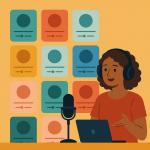
    In this episode of Podcast Insider, we break down what actually moves the needle when it comes to podcast discoverability.

    🎧 Podcast SEO Basics (Quick Version)

    Podcast SEO works because platforms rely on written context, not audio alone. That means:

    • Clear show and episode titles
    • Descriptive show notes
    • Clean, accurate RSS feeds
    • Transcripts when possible

    Each episode should stand on its own as searchable content.

    🧠 Keywords, Titles & Show Notes

    • Focus on real listener questions and topics
    • Use natural language, not keyword stuffing
    • Front-load clarity in episode titles
    • Use the first lines of show notes to explain the episode clearly
    • Break descriptions into short sections or bullets

    📝 Transcripts & Your Website

    • Transcripts improve accessibility and search visibility
    • A dedicated podcast page gives you full SEO control
    • Fast load times, mobile-friendly design, and embedded players all help

    📡 Platforms, Reviews & Promotion

    • Keep your RSS feed clean and up to date
    • Choose accurate categories
    • Encourage ratings, reviews, and shares
    • Repurpose episodes across blogs, email, and social media

    📊 Keep Improving

    • Track downloads and listener behavior
    • Review which episodes get discovered most
    • Refresh older titles and descriptions when needed

    Podcast SEO is ongoing—but small improvements add up.

    For the best support, please use our Blubrry ticket system so our full team can help. Join the Blubrry Podcasting Facebook Group for general podcasting discussion.

    Share your feedback at surveys.blubrry.com/podcastinsider.

    Blubrry hosting customers can schedule a one-on-one tech checkup with Mike (mike@blubrry.com)


    Making the Most of Your Podcast Back Catalog – PCI 470 Jan 26, 2026
    Show notes

    Give Your Podcast Catalog New Life

    Your podcast back catalog is one of the most powerful tools you already have — even if you don’t always think about it that way. Those older episodes aren’t outdated. New listeners are finding your show every day, and for them, everything in your archive is brand new.

    Today’s Hosts: MacKenzie Bennett and Mike Dell

    In this episode of Podcast Insider, we share practical ways podcasters can reuse, promote, and even monetize their existing episodes to grow their audience without burning out on constant new content creation.

    Why Your Podcast Back Catalog Matters

    Once an episode is published, it doesn’t stop being useful. Evergreen topics, interviews, and educational episodes can continue attracting listeners months or even years later.

    Your back catalog is more than an archive — it’s a searchable library of content that can:

    • Bring in new listeners through SEO and podcast app discovery
    • Keep listeners engaged longer by encouraging binge-listening
    • Highlight your expertise and authority in your niche

    If your show covers timeless topics instead of breaking news, your older episodes may still be just as valuable today.

    How to Bring Old Podcast Episodes Back Into the Spotlight

    You don’t always need to create brand-new episodes to grow your show. Instead, try:

    • Resharing older episodes when they become relevant again
    • Updating show notes with fresh keywords, links, and summaries for better SEO
    • Mentioning past episodes in new episodes (“If you liked this topic, check out episode…”)
    • Creating playlists or collections of your best or most important episodes for new listeners

    These small steps help listeners discover more of your content and stay subscribed longer.

    Refresh, Revisit, or Rerun — The Right Way

    Mike shares important technical tips for rerunning episodes:

    • Always resave or rename audio files before reposting
    • Add a short new intro explaining why the episode is being shared again
    • Retitle reruns clearly so podcast apps accept them properly

    Instead of replaying an episode exactly as-is, consider recording a short update or revisiting the topic with new insights.

    Monetizing Your Podcast Back Catalog

    Your archive can also become a source of revenue. In this episode, MacKenzie and Mike discuss ideas like:

    • Turning transcripts into a book or digital guide
    • Creating a premium feed with older episodes behind a paywall
    • Promoting older episodes that already include ads or sponsorships

    None of these are instant success strategies — but over time, they can reduce burnout, increase lifetime listener value, and create steady long-term growth.

    Use Your Data to Guide Future Episodes

    Pay attention to which older episodes continue getting downloads. Those topics often reveal:

    • What your audience cares about most
    • Which formats work best
    • Where future content opportunities exist

    Your back catalog can become one of your best planning tools.

    🧠 Bottom Line

    Your back catalog isn’t old content — it’s an ongoing opportunity.

    With a little intention, your existing episodes can:

    • Save you time
    • Grow your audience
    • Increase listener engagement
    • Support monetization
    • Help new listeners fall in love with your show faster

    If there’s an episode you’re especially proud of, give it another moment in the spotlight.

    For the best support, please use our Blubrry ticket system so our full team can help. Join the Blubrry Podcasting Facebook Group for general podcasting discussion.

    Share your feedback at surveys.blubrry.com/podcastinsider.

    Blubrry hosting customers can schedule a one-on-one tech checkup with Mike (mike@blubrry.com)


    Podfest 2026 Blubrry Recap – PCI 469 Jan 20, 2026
    Show notes

    🎙️ Podfest 2026 Recap: Creators, Community & What’s Next

    In this special episode of Podcast Insider, Mike Dell, Dave Clements, and MacKenzie Bennett are joined by Cyndee Harrison and Rachael Amato from Synaptic to recap Podfest 2026 — and the conversations that stood out most.

    From a packed booth and plenty of “pre-podcasters” (people planning their very first show) to meaningful reconnects with longtime customers, the team shares why Podfest continues to be one of the most creator-focused events of the year.

    What We’re Hearing From Creators

    • AI has shifted from fear to usefulness: More creators are asking how AI can help with planning, editing, and promotion — without losing the human connection that makes podcasts work.

    • Video podcasting is here (and the debate is tired): Whether creators are video-first or audio-first, the goal is the same: reach people where they listen/watch. Blubrry’s focused on supporting both.

    • Monetization is bigger than sponsors: More sessions and conversations centered on using a podcast to support a business funnel — like books, coaching, courses, and community building.

    • Podcast-to-book momentum is growing: The team noticed more creators turning transcripts and story-based content into tangible, published books.

    Honoring Todd Cochrane & Podcasting’s Legacy

    Blubrry was proud to sponsor the Podcast Hall of Fame ceremony, which included a meaningful moment honoring our late CEO, Todd Cochrane. The team reflects on the respect Podfest showed for podcasting pioneers — and why building the future still means honoring the legacy.

    🔗 Links & Resources

    • Vid2Pod

    • Podcast Hall of Fame ceremony video: watch here

    For the best support, please use our Blubrry ticket system so our full team can help. Join the Blubrry Podcasting Facebook Group for general podcasting discussion.

    Share your feedback at surveys.blubrry.com/podcastinsider.

    Blubrry hosting customers can schedule a one-on-one tech checkup with Mike (mike@blubrry.com)


    Planning a Year of Podcast Growth – PCI 468 Jan 12, 2026
    Show notes

    Podcast growth may remind you of a big scary thing staring at you from the corner of your bedroom, but it really doesn’t have to be. You can plan a year of growth easily and that will help you move from constantly reacting to intentionally building momentum. When you zoom out and look at the bigger picture, it becomes easier to focus your time and energy on what actually matters.

    If you want your podcast to grow in a sustainable way, planning ahead is key.

    Today’s Hosts: Dave Clements and MacKenzie Bennett

    Planning a Year of Podcast Growth

    1. Define What “Growth” Means for Your Podcast

    One of the biggest mistakes podcasters make is assuming growth only means more downloads.

    Growth can mean:

    • Publishing consistently without missing episodes
    • Improving content quality or production
    • Building a more engaged audience
    • Preparing for monetization or sponsorships
    • Creating a workflow that feels sustainable

    Not every podcast has the same goals — and that’s okay. Defining what success looks like for your show gives your growth plan direction instead of guesswork.

    1. Break the Year Into Manageable Phases

    Planning an entire year at once can feel overwhelming, which is why breaking it into smaller chunks works so well.

    • Thinking in quarters allows you to focus without pressure:
    • Some seasons may be about refining your foundation
    • Others may focus on content consistency or visibility
    • Later phases might center on monetization or optimization

    This approach gives you flexibility while still keeping your podcast moving forward.

    1. Plan Content With Purpose

    You don’t need every episode mapped out months in advance — but having a content plan helps maintain consistency.

    A simple approach includes:

    • Identifying a few core themes or topics
    • Balancing evergreen content with timely episodes
    • Leaving room for creativity and current events

    When your content supports your long-term goals, growth feels more natural and less forced.

    1. Focus on a Few Growth Strategies

    Trying to grow everywhere at once is a fast path to burnout. Instead, choose one or two growth strategies that fit your goals, time, and energy.

    Common growth strategies include:

    • Guest appearances
    • SEO and show notes
    • Email lists or newsletters
    • Social or video clips
    • Community building

    Consistency with a few focused efforts will always outperform scattered attempts to do everything.

    1. Measure Progress Without Obsessing

    Tracking progress is important — but it shouldn’t be stressful.

    Looking at trends over time instead of individual episode performance gives you a clearer picture of what’s working. Regular check-ins help you adjust your plan and stay motivated without feeling discouraged.

    🧠 Bottom Line:

    Planning a year of podcast growth isn’t about chasing trends or instant results. It’s about building habits, systems, and content that support your goals over time.

    With a clear plan, growth feels less overwhelming and a lot more achievable. Sustainable progress comes from intention, consistency, and choosing strategies that work for you.

    For the best support, please use our Blubrry ticket system so our full team can help. Join the Blubrry Podcasting Facebook Group for general podcasting discussion.

    Share your feedback at surveys.blubrry.com/podcastinsider.

    Blubrry hosting customers can schedule a one-on-one tech checkup with Mike (mike@blubrry.com)


    Why IAB Podcast Stats Matter — How Blubrry Makes It Easy – PCI 467 Jan 05, 2026
    Show notes

    📊 Why IAB-Certified Stats Matter — and How Blubrry Makes It Easy

    Today’s Hosts: Mike Dell and Dave Clements

    When it comes to podcast monetization, your download numbers aren’t just bragging rights—they’re how you prove your value to advertisers, networks, and sponsors. But here’s the thing: not all stats are created equal.
    To be taken seriously, you need IAB-certified podcast statistics—and here’s why they matter, especially if you’re trying to grow or monetize your show.

    1. They’re the Industry Standard for a Reason

    The Interactive Advertising Bureau (IAB) created strict, transparent guidelines for how podcast downloads should be measured.

    With IAB-certified stats, you get:

    • A clear picture of real, human listeners
    • Numbers filtered for bots, auto-refreshes, and duplicate requests
    • Confidence that your data will stand up under scrutiny

    This is the standard advertisers, agencies, and platforms trust and expect when deciding whether to spend money with your podcast.

    2. Blubrry Helped Set the Standard

    Blubrry has been tracking podcast statistics since 2005—we’ve been doing this longer than almost anyone in the space.

    And we weren’t just early—we were foundational.

    • We played a major role in helping create the IAB guidelines that podcasters and platforms use today.
    • Our system undergoes regular third-party audits to maintain IAB Tech Lab certification.

    So when you use Blubrry stats, you’re not just using certified tools—you’re using tools built by a company that helped define what certification looks like.

    3. IAB-Certified Data Helps You Monetize

    If you want to work with sponsors, join a network, or use programmatic ad platforms like SoundStack, your podcast needs data they can trust. IAB-certified stats help you:

    • Prove your true audience size
    • Qualify for ad networks and monetization tools
    • Build sponsor relationships with credible, standardized numbers

    This data is essential when you’re pitching your show or negotiating CPM rates. Without certified stats, you’re at a disadvantage from the start.

    4. Blubrry Offers Stats for Everyone

    You don’t have to break the bank to get professional-grade analytics:

    • Free Basic Stats are available to any podcaster—Blubrry host or not
    • Standard Stats are available for just $5/month and offer deeper insights
    • Every Blubrry hosting plan includes IAB-certified stats at no additional cost

    Whether you’re just getting started or ready to grow your revenue, Blubrry gives you access to the tools you need to move forward with confidence.

    🧠 Bottom Line:

    If you’re serious about podcasting—especially monetizing—you need stats that advertisers and networks will trust.

    IAB certification isn’t just a checkbox—it’s the difference between a maybe and a yes when it comes to sponsorship.

    With Blubrry, you’re backed by nearly two decades of expertise, a platform that helped shape the standards, and tools built to support you at any stage of your podcasting journey.

    For the best support, please use our Blubrry ticket system so our full team can help. Join the Blubrry Podcasting Facebook Group for general podcasting discussion.

    Share your feedback at surveys.blubrry.com/podcastinsider.

    Blubrry hosting customers can schedule a one-on-one tech checkup with Mike (mike@blubrry.com)


    Previous 1 2 3 4 6 Next

    Related Podcasts

    https://feeds.podcastmirror.com

    1

    https://feeds.podcastmirror.com News
    Kyle Kingsbury Podcast

    2

    Kyle Kingsbury Podcast Fitness
    Exponent

    3

    Exponent Podcasting
    High Resolution

    4

    High Resolution Arts
    The TWIML AI Podcast (formerly This Week in Machine Learning & Artificial Intelligence)

    5

    The TWIML AI Podcast (formerly This Week in Machine Learning & Artificial Intelligence) News
    AWS Podcast

    6

    AWS Podcast News
    footer-logo

    Contact Us

    Toll Free: 844-670-7747

    Links

    • Home
    • Top Charts
    • Networks
    • Apps
    • Independents Podcasts
    • Podcast Advertising
    • Podcast News
    • Contact Us
    • About Us
    • Analytics & Insights

    Stay Connected

      Privacy, Terms of Use & Our Code of Ethics Protecting Content Creators Copyrights