TopPodcast.com
Menu
  • Home
  • Top Charts
  • Top Networks
  • Top Apps
  • Top Independents
  • Top Podfluencers
  • Top Picks
    • Top Business Podcasts
    • Top True Crime Podcasts
    • Top Finance Podcasts
    • Top Comedy Podcasts
    • Top Music Podcasts
    • Top Womens Podcasts
    • Top Kids Podcasts
    • Top Sports Podcasts
    • Top News Podcasts
    • Top Tech Podcasts
    • Top Crypto Podcasts
    • Top Entrepreneurial Podcasts
    • Top Fantasy Sports Podcasts
    • Top Political Podcasts
    • Top Science Podcasts
    • Top Self Help Podcasts
    • Top Sports Betting Podcasts
    • Top Stocks Podcasts
  • Podcast News
  • About Us
  • Podcast Advertising
  • Contact
Not in our directory?
Add Show Here
Podcast Equipment
Center

toppodcastlogoOur TOPPODCAST Picks

  • Comedy
  • Crypto
  • Sports
  • News
  • Politics
  • True Crime
  • Business
  • Finance

Follow Us

toppodcastlogoStay Connected

    View Top 200 Chart
    Back to Rankings Page
    Government & Organizations

    People Behind the Science Podcast Stories from Scientists about Science, Life, Research, and Science Careers

    Are you searching for great stories to ignite your curiosity, teach you to perform better in life and career, inspire your mind, and make you laugh along the way? In this science podcast, Dr. Marie McNeely introduces you to the brilliant researchers behind the latest scientific discoveries. Join us as they share their greatest failures, most staggering successes, candid career advice, and what drives them forward in life and science.

    <![CDATA[Our website with show notes]]

    Greetings science fans!

    We’re elated to welcome you to People Behind the Science where we explore the lives and experiences of the people behind the research and scientific discoveries of today.

    People Behind the Science’s mission is to inspire current and future scientists, share the different paths to a successful career in science, educate the general population on what scientists do, and show the human side of science.

    In each episode, a different scientist will guide us through their journey by sharing their successes, failures, and passions. We are excited to introduce you to these inspiring academic and industry experts from all fields of science to give you a variety of perspectives on the life and path of a scientist.

    Our esteemed guests will tell you:

    what motivates them and how they balance their competing responsibilities
    how they worked through some of the most challenging times in their careers
    advice to help you through your own journey through life and science

    Our Podcast

    People Behind the Science is a podcast focused on the people doing fascinating research through interviews with top scientists. We are proud to have interviewed so many inspiring scientists, including U.S. National Academy scientists like Josh Sanes, Nick Spitzer, Lou Muglia, Jacob Israelachvili, Gene Robinson, Larry Squire, John Dowling, James Berger, and David Spergel, as well as popular scientists in the media like Donna Nelson (science advisor for the TV show Breaking Bad) and Jack Horner (science advisor for the Jurassic park movies). We are honored to have shared their amazing stories with people in all 50 states in the USA and in over 120 countries across the world.

    Advertise

    Copyright: © People Behind the Science

    • Apple Podcasts
    • Google Play
    • Spotify

    Latest Episodes:
    803: Conducting Research on Complex Marine Microbial Communities - Dr. Ed DeLong Mar 10, 2025
    Show notes

    Dr. Edward DeLong is a Professor in the Department of Oceanography at the University of Hawai'i Mānoa as well as a Visiting Professor in the Department of Civil and Environmental Engineering at MIT. Research in Ed's lab brings together a variety of disciplines to study microbial communities in the ocean. He is interested in their ecology, evolution, biochemistry, genomics, and their impacts on marine systems. Particularly of interest for Ed are the microscopic organisms that are the primary producers or "forests of the ocean" responsible for releasing oxygen and serving as food for other organisms in marine food chains. When he's not working, Ed loves to be out in nature. He enjoys spending time outside with his family, hiking, kayaking, and snorkeling in the beautiful coral reefs near his house. Ed has also taken up yoga to help him stay limber and relaxed. Ed received his B.S. in Bacteriology from the University of California, Davis and his Ph.D. in Marine Biology from the Scripps Institute of Oceanography. Afterwards, he conducted postdoctoral research at Indiana University. Ed has worked as a research scientist at the Woods Hole Oceanographic Institute, a faculty member at the University of California, Santa Barbara, a research scientist at the Monterey Bay Aquarium Research Institute, and a faculty member at MIT before accepting his current position in Hawai'i. His honors and achievements include the Office of Naval Research Young Investigator Award, the DuPont Young Faculty Award, the Apple Bioinformatics Cluster Award, the Vladimir Ivanovich Vernadsky Medal of the European Geosciences Union, the Proctor and Gamble Award in Applied and Environmental Microbiology, American Society for Microbiology D.C. White Research and Mentorship Award, the UC Davis College of Biological Sciences Outstanding Alumni Award, A.G. Huntsman Medal for Excellence in Marine Science, and the Moore Foundation Marine Microbiology Investigator Award. Ed is also an Elected Fellow of the American Academy of Arts and Sciences, the National Academy of Sciences, the American Association for the Advancement of Science, and the American Academy of Microbiology. Ed has also been elected as an Associate of the European Molecular Biology Organization and is the Vice President and President Elect of the International Society of Microbial Ecology. In addition, he currently serves as the co-director of the Simons Collaboration on Ocean Processes and Ecology (SCOPE). Ed joined us for a conversation about his experiences in life and science.


    802: Using Remote Sensing to Study Space Weather and the Earth's Natural Space Environment - Dr. Emma Spanswick Mar 03, 2025
    Show notes

    Dr. Emma Louise Spanswick is an Associate Professor and a Natural Sciences and Engineering Research Council Tier II Canada Research Chair in Geospace Dynamics and Space Plasma Physics in the Department of Physics and Astronomy at the University of Calgary. Emma studies the Earth's natural space environment, which is connected to our upper atmosphere and extends into the region around the Earth. Emma's research examines this environment using remote sensing to examine the physics of the dynamics of the space environment, and they also investigate space weather, which encompasses all phenomena in space that can impact systems and technologies that are in orbit and on Earth. As part of her work, Emma also develops and designs remote sensing instruments and deploys them in the field to collect data. Outside of science, Emma spends much of her time with her family, including her two sons. They enjoy hiking, mountain biking, and being outdoors together. Emma's hobbies also include boxing and going to the gym for a good workout. She completed her undergraduate studies in physics and was awarded her PhD in physics from the University of Calgary. Next, she worked at Los Alamos National Lab as a Visiting Scientist. Afterwards, she returned to the University of Calgary as a Research Scientist, and subsequently the Associate Director of the Auroral Imaging Group, before joining the faculty there in 2019. Emma was among researchers who received the 2018 Robert H. Goddard Award for Exceptional Achievement in Science, and she has been named among Avenue Magazine Calgary's Top 40 Under 40. In this interview, she shares more about her life and science.


    801: Using Gene Editing to Create Enhanced Cell Therapies - Dr. Kyle Cromer Feb 24, 2025
    Show notes

    Dr. Kyle Cromer is an Assistant Professor in the Department of Surgery at the University of California, San Francisco School of Medicine. In his lab, Kyle takes gene editing a step further beyond just modifying "the typos" in DNA to correct them back to what the code should be. He uses genome-editing approaches to introduce new functions into cells for different therapeutic purposes. Kyle has always been interested in visual art, so he enjoys visiting art museums and has dabbled in creating his own art as well. He and his wife have been stretching their own canvases and creating their own abstract paintings, each meticulously planned and sketched out in advance. Most recently, the two of them have been immersed in preparations for the birth of their first child. He completed his BS in Animal & Poultry Sciences at Virginia Tech and his PhD in Genetics at Yale University. Afterwards, he conducted postdoctoral research in Genetics at Harvard Medical School. Next he worked as a postdoctoral fellow and subsequently an instructor in Pediatrics at Stanford University before joining the faculty at UCSF. He has received various awards and honors over the past several years, including the Stanford Bio-X Star Mentor Award, the American Society of Gene & Cell Therapy Career Development Award, the UCSF Program for Breakthrough Biomedical Research New Frontier Research Award, the American Society of Hematology Junior Faculty Scholar Award, the Mary Anne Koda-Kimble Seed Award for Innovation from the UCSF School of Pharmacy, and the Catalyst Award from UCSF Innovation Ventures. In this episode, Kyle shares more about his life and science.


    800: Protecting Children's Health from Toxic Hazards and Environmental Exposures - Dr. Philip Landrigan Feb 17, 2025
    Show notes

    Dr. Philip J. Landrigan is a pediatrician and a public health doctor. He is Professor of Biology, Director of the Program for Global Public Health and the Common Good, and Director of the Global Observatory on Planetary Health at the Schiller Institute for Integrated Science and Society at Boston College. He is also Professor Emeritus of Pediatrics and Preventive Medicine at the Icahn School of Medicine at Mount Sinai. In his work, Phil's goal is to better understand how toxic exposures in the environment harm human health. As a pediatrician, he focuses primarily on the impacts on children's health. On the public health side, he aims to harness science to prevent toxic exposures to keep kids healthy and prevent disease. His research has spanned many areas, including the health impacts of lead poisoning, air pollution, pesticides, plastic pollution, and chemical pollution. When he's not working, Phil loves to spend his time outdoors, particularly hiking and kayaking. He is also an avid reader and enjoys spending the evenings sitting down with a good book. Phil completed his undergraduate studies in biology at Boston College and earned his MD from Harvard Medical School. After an internship at Cleveland Metropolitan General Hospital, he completed his residency at Boston Children's Hospital. Phil also earned a MS degree with distinction in Occupational Medicine from the London School of Hygiene & Tropical Medicine and the University of London. Phil worked at the Centers for Disease Control and Prevention, the National Institute for Occupational Safety and Health, and Icahn School of Medicine at Mount Sinai before joining the faculty at Boston College. He also spent a sabbatical working at the U.S. Environmental Protection Agency. Phil has earned numerous awards and honors throughout his career, including the Gold Medal for Distinguished Service to Humanity from the National Institute of Social Sciences, Lifetime Achievement Award from the National Council for Science and the Environment, the Lifetime Achievement Award from Healthy Child Healthy World, the Child Health Champion Award from the U.S. Environmental Protection Agency, the Meritorious Service Medal of the U.S. Public Health Service, multiple Commendation Medals from the Navy and Marine Corps, the Secretary of Defense Medal for Outstanding Public Service, the National Defense Service Medal, and many others. He is also an elected member of the National Academy of Medicine and the American Epidemiological Society. In addition, he is an elected Fellow of the American College of Preventive Medicine, New York Academy of Medicine, New York Academy of Sciences, American College of Occupational and Environmental Medicine, American College of Epidemiology, Royal Society of Medicine, and the American Academy of Pediatrics.


    799: Protecting the World's Most Peaceful Primates - Dr. Karen Strier Feb 10, 2025
    Show notes

    Dr. Karen Strier is the Vilas Research Professor and Irven Devore Professor of Anthropology at the University of Wisconsin-Madison. Karen is a Primate behavioral ecologist. She is working to understand the biological basis of human behavior, evolution, and adaptation by studying our closest living relatives. Research in Karen's group involves observing a critically endangered primate, the northern muriqui, in its natural habitat to understand how their behaviors are similar to or different from human behaviors. When she's not in the lab or observing primates in the wild, Karen enjoys being outside, going for walks in nature, cooking delicious multi-course meals for her friends and family, reading, and spending time with her cats. Karen received her B.A. in Sociology/Anthropology and Biology from Swarthmore College, and she was awarded her M.A. and Ph.D. in Anthropology from Harvard University. After completing her Ph.D., Karen served as a lecturer at Harvard University and subsequently became a faculty member at Beloit College. She joined the faculty at UW-Madison in 1989. Karen has received numerous honors and awards throughout her career, including being elected as a Fellow of the American Anthropological Association, a Fellow of the American Association for the Advancement of Science, a Member of the National Academy of Sciences, and a Member of the American Academy of Arts and Sciences. In addition, she is an Honorary Member of the Latin American Society of Primatologists and the Brazilian Society of Primatologists, and she has received an Honorary Doctoral Degree from the University of Chicago. Karen has been the recipient of the Presidential Young Investigator Award from the National Science Foundation, the H.I. Romnes Faculty Fellowship, Kellett Mid-Career Faculty Researcher Award, and WARF Professorship from UW-Madison, the Hilldale Award for Excellence in Teaching, Research & Public Service from UW-Madison, and the Distinguished Primatologist Awards from the American Society of Primatologists and the Midwest Primate Interest Group. She is currently the President of the International Primatological Society. In our interview, Karen shares more about her life and science.


    798: Researching the Regulation of Circadian Rhythms - Dr. Joseph Takahashi Feb 03, 2025
    Show notes

    Dr. Joseph S. Takahashi is Professor and Chair of Neuroscience and the Loyd B. Sands Distinguished Chair in Neuroscience at the University of Texas Southwestern Medical Center. He is also an Investigator in the Howard Hughes Medical Institute. Joe and his lab members are trying to better understand the biological clocks in our bodies that control our 24-hour schedules. Within each of us are internal clocks that are genetically controlled. A special set of genes within nearly all of our cells turns on and off each day to regulate a wide variety of biological functions, and Joe is studying these genes and how they contribute to our biological rhythms. Functions influenced by our biological clocks include our sleep schedules, blood sugar, body temperature, liver metabolism, and many other aspects of our physiology. When Joe isn't at work, he enjoys playing tennis, skiing, hiking, eating delicious food, and drinking great wine. Joe received his B.A. in biology from Swarthmore College and he was awarded his Ph.D. in neuroscience from the University of Oregon in Eugene. Afterwards, he conducted postdoctoral research as a pharmacology research associate at the National Institute of Mental Health. Before moving to UT Southwestern, Joe served on the faculty of Northwestern University for 26 years. Over the course of his career, Joe has received numerous awards and honors including the Honma Prize in Biological Rhythms Research, the NSF Presidential Young Investigator Award, the Searle Scholars Award, the Bristol-Myers Squibb Unrestricted Grant in Neuroscience, the C. U. Ariens Kappers Medal, the Outstanding Scientific Achievement Award from the Sleep Research Society, the W. Alden Spencer Award in Neuroscience from Columbia University, and the Peter C. Farrell Prize in Sleep Medicine from the Harvard Medical School Division of Sleep Medicine. He has also been elected as a Fellow of the American Academy of Arts and Sciences, a Fellow of the American Association for the Advancement of Science, a Member of the National Academy of Sciences, a Member of the National Academy of Medicine, and an Honorary Member of The Japanese Biochemical Society. In our interview, Joe shared his experiences in life and science.


    797: Examining How Our Brains Make Decisions About Investing Effort and the Impacts of Mental Illness - Dr. Michael Treadway Jan 27, 2025
    Show notes

    Dr. Michael Treadway is the Winship Distinguished Research Professor in Psychology and Director of Clinical Training in the Department of Psychology at Emory University. He is also affiliated with the Department of Psychiatry and Behavioral Sciences at Emory. One of the aims of Michael's lab is to investigate how the brain makes decisions about where to invest your effort and whether something you want is worth the work it will take to get it. The second aim of Michael's research is to examine this process in people with conditions like major depression. His goal is to understand how the relevant circuitry in the brain typically works, and how the circuitry changes in depression, leading to a different set of decisions. This work has the potential to help identify new targets for interventions. Outside of science, Michael and his wife love spending time with their two young children and playing games together, particularly card games. He also enjoys playing the piano, listening to music, and going to live music performances. Michael received his PhD in clinical psychology from Vanderbilt University and completed his clinical internship and post-doctoral fellowship at McLean Hospital and Harvard Medical School. He joined the faculty at Emory in 2015. Michael has received numerous awards and honors in his career, including the Distinguished Scientific Award for Early Career Contribution in the area of Psychopathology from the American Psychological Association (APA), the Randolph Blake Early Career Award from Vanderbilt University, the Janet Taylor Spence Award for Transformative Early Career Contributions from the Association for Psychological Science (APS), the Early Career Impact Award from the Federation of Associations in Behavioral and Brain Sciences (FABBS), and the Rising Star Award from the APS. In this interview, he shares more about his life and science.


    796: Using Structural Geology to Understand Earth's History - Dr. Marcia Bjornerud Jan 20, 2025
    Show notes

    Dr. Marcia Bjornerud is Professor of Geology and the Walter Schober Professor of Environmental Studies at Lawrence University in Wisconsin. In addition, she is a writer for "Elements", the New Yorker's science and technology blog, and she is the author of the textbook The Blue Planet: An Introduction to Earth System Science, the popular science book Reading the Rocks: The Autobiography of the Earth, and the recently released book Timefulness: How Thinking Like a Geologist Can Help Save the World. Marcia is a structural geologist who studies the deeply eroded roots of mountain belts and ancient plate boundaries to better understand the long-term effects of tectonic processes and rock deformation in Earth's deep crust. Outside of science, cross country skiing is a passion for Marcia, and she loves getting out in the winter to ski, including participating in ski marathons. Marcia is also an urban forager who enjoys making jams and preserves from wild berries and grapes that she picks. Marcia received her B.S. degree in geophysics from the University of Minnesota-Minneapolis and was awarded her M.S. and Ph.D. in structural geology from the University of Wisconsin-Madison. Marcia then conducted postdoctoral research at the Byrd Polar Research Center at The Ohio State University. Afterwards, Marcia worked as a contract geologist for the Geological Survey of Canada and the Norwegian Polar Institute. Before joining the faculty at Lawrence University, Marcia served on the faculty at Miami University in Ohio. She has received many awards and honors during her career, including being named a fellow of the Geological Society of America, receipt of two Fulbright Senior Scholarships, as well as being awarded the Outstanding Educator Award from the Association of Women Geoscientists. In our interview, Marcia speaks more about her experiences in life and science.


    795: Applying Big Data Analytics to Understand the Biology and Epidemiology of Psychiatric Disorders - Dr. Renato Polimanti Jan 13, 2025
    Show notes

    Dr. Renato Polimanti is an Associate Professor of Psychiatry, and he also has appointments in Biomedical Informatics & Data Science, as well as Chronic Disease Epidemiology at the Yale University School of Medicine, the School of Public Health, and the Wu Tsai Institute. Research in Renato's lab examines human genetics from different perspectives. His current projects aim to understand the molecular mechanisms that predispose certain individuals to develop psychiatric disorders and symptoms, and the links between co-morbid conditions like cardiovascular disease. He is particularly interested in internalizing psychiatric disorders, which include depression, anxiety, and post-traumatic stress disorder. Some of Renato's favorite pastimes include reading, traveling to different countries, and trying various kinds of foods. He is a big fan of authentic Italian food as well as sushi, and Renato has explored many of the local restaurants in New Haven, Connecticut. Renato completed his bachelor's degree (BSc), Master's degree (MSc), and PhD at the University of Rome Tor Vergata. Afterwards, he conducted postdoctoral research at the Yale University School of Medicine before joining the faculty at Yale. He has received a variety of awards and honors for his work, including the One Mind Rising Star Computational Psychiatry Research Award, an Explorers Award from the Simons Foundation Autism Research Initiative, the Early Career Investigator Award from the Million Veteran Program, and Young Investigator Awards from the journal Genes, the American Foundation for Suicide Prevention, the Brain & Behavior Research Foundation, and the International Society of Applied Biological Sciences. In our interview, Renato shares more about his life and science.


    794: Fascinating Field Work Following Birds of the North American Boreal Forests - Dr. Bruce Beehler Jan 06, 2025
    Show notes

    Dr. Bruce Beehler is an ornithologist and Research Associate in the Bird Division of the Smithsonian Institution's National Museum of Natural History. Bruce's research is focused on the birds of the boreal conifer forests of the U.S. and Canada. He is interested in understanding how the permanent resident birds survive in these forests year round. Bruce spends much of his free time outside and immersed in nature. He enjoys playing tennis, going for hikes, and kayaking, as well as watching wildlife at the feeders outside his home. He completed his undergraduate studies in American Civilization at Williams College and received his Masters and PhD degrees in Biology from Princeton University where he studied behavioral ecology of the birds of paradise. Afterwards, Bruce worked for ten years at the Smithsonian's Natural Museum of Natural history. Before returning to the Museum in 2014, Bruce worked for Conservation International, the Wildlife Conservation Society, the U.S. Department of State, Counterpart International, and the National Fish and Wildlife Foundation. Bruce is a Fellow of the American Ornithologists Union, and he is the author of eleven books including a field guide and a taxonomic checklist of Birds of New Guinea and the recently released book North on the Wing. In our interview, Bruce shared some of his fantastic stories about life and science.


    Previous 1 7 8 9 10 11 30 Next

    Related Podcasts

    The Joe Rogan Experience

    1

    The Joe Rogan Experience Comedy
    More Perfect

    2

    More Perfect Government
    Casefile True Crime

    3

    Casefile True Crime Games & Hobbies
    Reply All

    4

    Reply All Games & Hobbies
    You Must Remember This

    5

    You Must Remember This Games & Hobbies
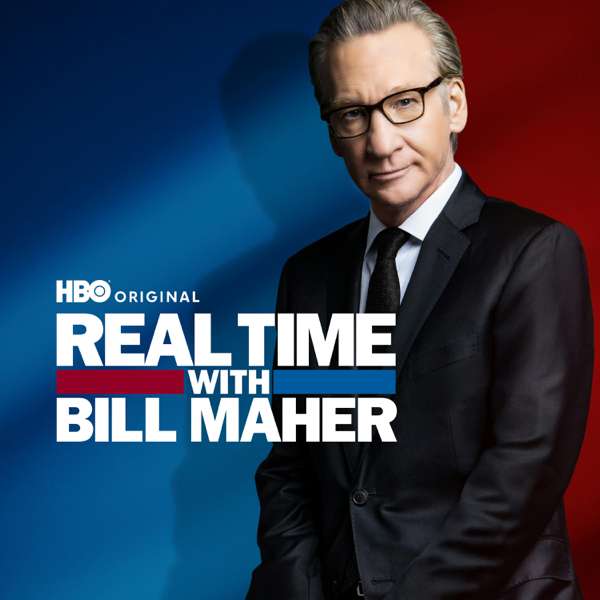
    Real Time with Bill Maher

    6

    Real Time with Bill Maher Games & Hobbies
    footer-logo

    Contact Us

    Toll Free: 844-670-7747

    Links

    • Home
    • Top Charts
    • Networks
    • Apps
    • Independents Podcasts
    • Podcast Advertising
    • Podcast News
    • Contact Us
    • About Us
    • Analytics & Insights

    Stay Connected

      Privacy, Terms of Use & Our Code of Ethics Protecting Content Creators Copyrights