Each week our host, Nathan Wilson, brings you current gardening topics, how-to’s, and answers your landscape questions. From vegetables to trees and shrubs, soil and seed-starting, Nathan brings you time-tested and researched information to make your southern garden successful. Things are changing in the south, so should the way we garden. Let’s grow something new…together.
Ep. 338 | Embracing Winter Seed Head Beauty
Oct 04, 2025
Show notes
episode 338
Embracing Winter Seed Head Beauty
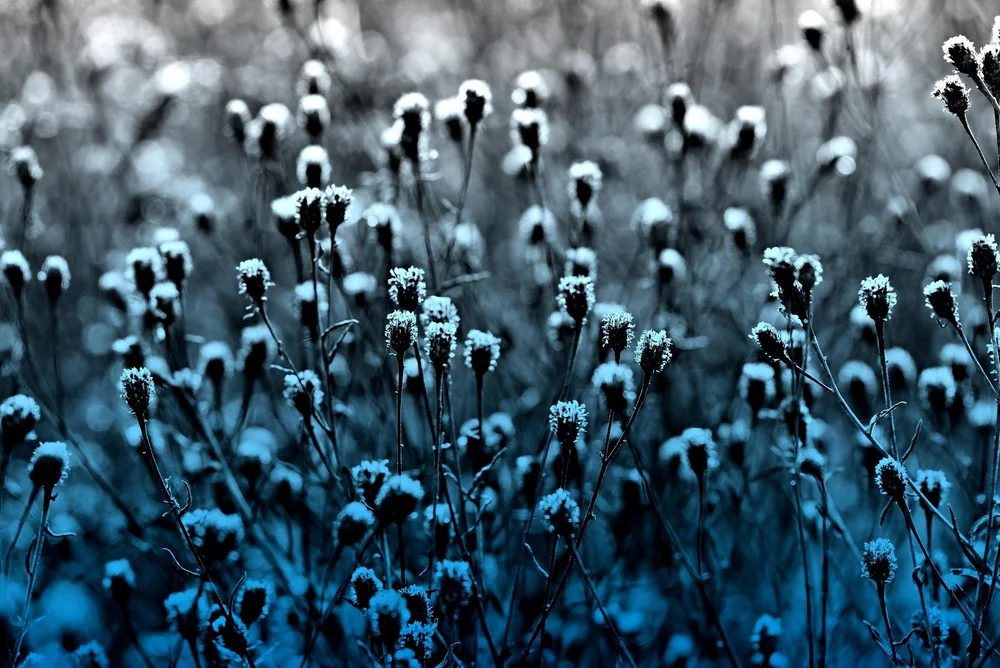
If our gardens look like spring during spring, then shouldn't our gardens look like winter in the winter? This week, Nathan discusses ways to enjoy the "winter look" in your garden once temperatures have dropped and days have shortened. There is beauty in all of the decay.
Ep. 338 | Embracing Winter Seed Head Beauty
Nathan Wilson
Ep. 337 | The Joro Spider Has Taken Over the South
Sep 27, 2025
Show notes
episode 337
The Joro Spider Has Taken Over the South
This week, Nathan gives his annual update on the spider that has taken over the south: the East Asian Joro Spider!
Ep. 337 | The Joro Spider Has Taken Over the South
Nathan Wilson
Ep. 336 | Unique and Unusual Winter Annuals
Sep 20, 2025
Show notes
episode 336
Unique and Unusual Winter Annuals
Tired of the usual pansies over winter? Join Nathan as he talks about trying your hand at a different kind of annual winter garden!
Ep. 336 | Unique and Unusual Winter Annuals
Nathan Wilson
Ep. 335 | Growing Underground with Bulbs
Sep 13, 2025
Show notes
episode 335
Growing Underground with Bulbs
Ep. 335 | Growing Underground with Bulbs
Nathan Wilson
As the mornings crisp up and the days soften, there's a quiet thrill in the air—the kind that tugs at every gardener's heart. Fall isn't just a season; it's a canvas for creating landscapes that don't just surround your home but elevate it. I'm Nathan Wilson, your gardening pal from The New Southern Garden Show, and today, I'm pulling back the curtain on designing outdoor spaces that feel like an extension of your soul. We'll chat about those sneaky signs that autumn is knocking (spoiler: your gardenia's yellowing leaves aren't dying—they're just packing for winter), and dive deep into bulbs, those underground superstars that deliver surprise blooms year after year.
Whether you're a seasoned green thumb or just dipping your toes into container gardening, this guide is your roadmap. Drawing from decades of hands-on designs, client stories, and my own trial-and-error plots, let's turn your yard into a memory-making haven. Ready to layer color, nook in surprises, and watch your home shine? Let's dig in.
Why Your Landscape Should Hug Your House (Not Hide It)
Picture this: Your home, that sturdy beacon of memories, standing tall against a backdrop of earth. Too often, we treat the yard like an afterthought—a spot for the grill or the kids' swing set. But here's the truth I've learned from countless consultations: The house is the star. Every shrub, tree, and flower should accentuate it, not compete.
Start with "lines of force." Imagine extending straight lines from your home's edges—the corners, window sills, door frames—out into the yard. These invisible guides dictate where to place elements. Want a blooming native dogwood? Tuck it toward a corner, at least 10–15 feet from the foundation to avoid foundation cracks or gutter shade. It's a fine tree (up to 25 feet tall), perfect for framing a two-story facade without overwhelming it.
For low windows, fill the soil-to-sill gap with a low hedge or groundcover. It softens those awkward voids, blending hard architecture with soft greenery. I remember my first big design gig in Cleveland, Georgia. A retiree had poured 40 years into her dream home overlooking misty mountains. The view? Stunning. The house? Spot-on. But she called me in tears: "Nathan, something's wrong." It was naked—no plants. A bare house feels cold, like unfinished siding and nails without a soul.
We fixed it fast: Low shrubs under windows, a dogwood at the corner, perennials in gaps. Suddenly, it breathed. Plants aren't just pretty; they're the love letter from your home to the world. They whisper, "Someone cares here." And trust me, from grandkids chasing fireflies to quiet evenings with a book, those outdoor memories rival the ones inside.
Quick Design Do's for Garden-Home Harmony:
Prioritize the front door: No massive oaks blocking entry—save them for the sides of doors.
Scale smart: Match plant height to home features (e.g., low-growers under windows, mid-sized trees at corners).
Accent, don't distract: Use evergreens for year-round structure, blooms for seasonal pops.
Fall's First Hints: Yellow Leaves Aren't the Enemy—They're Packing for Hibernation
If you've strolled your garden lately, you've felt it: cooler nights, shrinking daylight, that golden-hour glow hitting earlier. Days are still balmy, but fall's whispering. Don't fret those interior yellow leaves on your gardenias or roadside tulip poplars—they're not perishing. This is translocation, the plant world's clever prep for dormancy.
Botanically, it's the "trans" (different) + "location" (place): Plants pull nutrients, sugars, and water from older leaves to store in roots and stems. Think bears bulking up before hibernation (minus the cave drama—I'm no wildlife expert, but you get it). Deer are grazing like mad right now, stocking fat for lean winters. Your plants? Same vibe. They're recycling, conserving for that spring flush.
Gardenias, those evergreen darlings, yellow from the inside out—tips should stay green, or check for pests. Tulip poplars follow suit. It's normal, especially with our dry spells. Hydrangeas crisping early? Stress-induced dormancy. October's our driest month in Northeast Georgia, but established trees and shrubs will tough it out. Skip heavy watering unless rain's scarce—winter's the wet season anyway.
When to Worry (and When Not To):
Good sign: Interior yellowing on evergreens like gardenias—fall prep.
Red flag: Tip yellowing or widespread die-off—could be drought, disease, or overwatering.
Pro Tip: Containers need consistent moisture; in-ground perennials, shrubs, and trees? Let 'em coast.
Bulbs: Your Underground Allies for Non-Stop Garden Drama
Fall's my favorite season of the year—crisp air, foliage fireworks for a month. Fewer blooms, sure, but that's where bulbs swoop in like seasonal saviors.
Bulbs (or geophytes, if you're feeling fancy—“geo” for earth, “phyte” for plant) are nature's ephemerals. They hunker underground most of the year, then erupt in color. I've underused them until lately—planted crocus as a kid outside my parents' steps (some still bloom!), and now my own yard's getting surprise reticulated irises that doubled stem count by year two. They're forgiving, space-saving gems.
Why bulbs? Layer them by bloom time for succession: Late winter crocus into spring daffodils, summer lilies, fall lycoris. Nook 'em in shrub gaps, perennial borders, or annual beds—they vanish post-bloom, freeing space. Interplant with pansies or violas; bulbs push through come spring for double duty. They're the "forgot I planted that!" thrill every gardener craves.
Group by season:
Fall Bloomers: Plant now for quick color (e.g., autumn crocus, lycoris, fall daffodils).
Winter/Spring: Chill in soil now for February–April pops (e.g., daffodils, tulips, crocus, anemone).
Summer: Skip fall planting—they hate cold, wet winters. Plant next spring. (e.g., dahlia, Asiatic lilies, gladiolus)
Mastering Bulb Planting: Depth, Dirt, and That Slow-Release Magic
Success boils down to prep. Research moisture needs—most hate soggy soil (rot city), but marginals love pond edges.
Soil Setup: No “full till” needed, but loosen holes. Heavy clay? Work in organic matter. Mushroom compost's the “Cadillac” of soil amendments (per modern research)—nutrient-rich, drainage-boosting. Manure, leaf mold, or homemade compost work too. Fluff for soil tilth; bulbs thrive in loose, fertile beds.
Depth Rule: 2–3x the bulb's diameter. A 1-inch bulb should go beneath the soil 2–3 inches deep. Too deep = no show; too shallow = critter snacks. Check tags, but err high—they self-adjust when needed.
Orientation: Pointy end up (shoot side), basal plate (flat root base) down. Tubers? Whiskers (roots) down, eyes up. Unsure? Lay sideways—they'll right themselves. And be careful not to abuse the basal plate—it's the root-shoot divide.
Fertilize Smart: Toss Bulb-Tone (Espoma's organic fertilizer blend) directly in holes or simply top-dress after planting. Slow-release, low-nitrogen, high-phosphorus—feeds roots first, then leaves and blooms. Won't burn and eco-friendly.
Water: Settle soil in and around the bulb with a gentle soak—helps remove air gaps.
Cluster: And don’t forget to cluster your bulbs like eggs under a hen! One lonely daffodil? Sad. Groups of 5–7? A spectacular drift! Space bulbs 4–6 inches apart for natural waves— or whatever the bulb bag recommends.
Your Fall Action Plan: Plant, Layer, and Join the Fun
Fall is your bulb bonanza window—grab from reputable sources now! Design with house lines in mind, embrace those fall time yellowing cues, and let geophytes (bulbs) layer your magic. Your home deserves that loving landscape touch.
Feeling solo in the soil? Join our New Southern Garden crew on Facebook or Instagram—share wins, woes, and pics. Hit www.newsoutherngarden.com for full episodes and inspiration. Gardening's better together. What's your first bulb buy this fall? Drop it in the comments below—now, let's grow well, together.
Nathan Wilson has hosted New Southern Garden for years, blending Southern expertise with practical tips for veggies, containers, ornamentals and more. A North Georgia native, he's designed landscapes from mountain retreats to urban plots, always prioritizing plants that build homes into havens.
Ep. 334 | Grow THESE Herbs All Winter Long!
Sep 06, 2025
Show notes
episode 334
Grow THESE Herbs All Winter Long!
Winter is coming. Get these herbs going now and they will provide you with delicious flavors all winter long.
Ep. 334 | Grow THESE Herbs All Winter Long!
Nathan Wilson
Ep. 333 | What Does the Advanced Gardener Do Next?
Aug 30, 2025
Show notes
episode 333
What Does the Advanced Gardener Do Next?
If you've been growing and killing plants for years but want to try your green hand at something a bit more challenging, listen in as Nathan gives the advanced garden some new things to try.
Ep. 333 | What Does the Advanced Gardener Do Next?
Nathan Wilson
Ep. 332 | How Does the New Beginner Gardener Get Started?
Aug 23, 2025
Show notes
episode 332
How Does the New Beginner Gardener Get Started?
Have you ever stuck a shovel in the ground and planted a plant? No? Then listen in, as Nathan talks about ways a new beginner gardener might get started.
Ep. 332 | How Does the New Beginner Gardener Get Started?
Nathan Wilson
Ep. 331 | What to Plant Right Now
Aug 16, 2025
Show notes
episode 331
What to Plant Right Now
Get out your shovel. It's time to do a little late summer planting. Nathan tells you what to plant right now.
Ep. 331 | What to Plant Right Now
Nathan Wilson
Ep. 330 | Principles of Regenerative Landscaping | Part Two
Aug 09, 2025
Show notes
episode 330
Principles of Regenerative Landscaping | Part Two
Nathan continues the discussion on making your garden a place where ecology can bound and things need a little less attention and input from you.
Ep. 330 | Principles of Regenerative Landscaping | Part Two
Nathan Wilson
Ep. 329 | Principles of Regenerative Landscaping | Part One
Aug 02, 2025
Show notes
episode 329
Principles of Regenerative Landscaping | Part One
Have you wanted to make your garden more self-sufficient and ecologically responsible? Nathan clues you in. Listen in.
Ep. 329 | Principles of Regenerative Landscaping | Part One
Nathan Wilson

 Our TOPPODCAST Picks
  Stay Connected