Show notes
This is an extended version of the interview with Rick Johnson, author of Nature Wants Us to Be Fat. LISTEN HERE TRANSCRIPT BELOW: RICK JOHNSON [00:00:00] My name is Richard Johnson. I’m a professor of medicine here at the University of Colorado. SHELLEY [00:00:04] In fact, you direct the Department of Hypertension, or have you changed your position now? RICK JOHNSON [00:00:09] I was the chief here from 2008 till 2017, but currently I’m simply a professor. SHELLEY [00:00:17] That gives you more time to research and less that you have to be directing. RICK JOHNSON [00:00:20] Absolutely correct. SHELLEY [00:00:22] Are you doing a lot of research? RICK JOHNSON [00:00:23] I am. I continue to be a researchaholic. I’ve been doing research since the early eighties. It makes up a great part of my life. It’s exciting, exhilarating and hard work. SHELLEY [00:00:38] It is all those things with a lot of mysteries, a lot of dead ends, a lot of sudden doors that open up. “This whole story that I’ve written about is like finding treasure.” RICK JOHNSON [00:00:44] It’s been a series of great surprises and discoveries. The best I can say is that this whole story that I’ve written about is like finding treasure, I found a piece of gold. And we thought that was the best thing in the world. And then we found another one, and then we found another. And then we found a whole treasure chest. It’s sort of like finding King Priam’s treasure. What we’ve realized is that this pathway that we’ve identified seems to be involved, not just in obesity and diabetes, but in many, many current diseases, having a role in cancer and having a role in dementia and other medical problems. SHELLEY [00:01:22] Backing up just a little bit. You’re in the Division of Hypertension and Nephrology, which means that you deal with things like high blood pressure and kidney disease and gout. RICK JOHNSON [00:01:36] Yes, that’s right. So I started primarily in the world of kidney disease and high blood pressure. But as my research progressed, I migrated into other fields and ended up studying metabolic syndrome, obesity, diabetes and other conditions. SHELLEY [00:01:55] Metabolic syndrome is that very strange thing where somebody’s metabolism gets out of balance and they get really hungry for things that they don’t really need. They lose energy. They can’t build muscle as much. They’re more prone to heart disease. RICK JOHNSON [00:02:10] Yeah, metabolic syndrome refers to a constellation of findings and usually it includes abdominal obesity, high blood pressure, elevated blood sugar, sort of like insulin resistance. So it’s not true diabetes, but it’s sort of pre-diabetes. SHELLEY [00:02:29] Cells their body can’t take in energy, and the insulin levels are very high. RICK JOHNSON [00:02:37] You become resistant to the effects of insulin. So the insulin levels go up to help control your blood sugar. But even with that, your blood sugars tend to be a little bit on the high side and then you have elevated triglycerides in your blood, which is fat, and oftentimes you’ll have fatty liver. And this constellation of signs got the name metabolic syndrome many years ago. We now know that about a quarter of all adults have metabolic syndrome in the U.S. and some places in the world. It’s higher. So it seems to be a real common issue. SHELLEY [00:03:12] In the US it’s common, but in some parts of the world. It’s lower, though. RICK JOHNSON [00:03:15] Absolutely. So it can be lower. It’s sort of like, in our country, diabetes is present in about 10 to 12% of the population. You go to Samoa, it’s like 40%. You go to Kuwait, it’s like 25%. You study the Pima Indians where it’s 50%. And so diabetes and metabolic syndrome, which kind of run together. they vary quite a bit. We have very high rates here compared to some places like Sweden, but it’s still low compared to countries like Kuwait, Samoa and so forth. SHELLEY [00:03:52] It isn’t good, but it could be worse. RICK JOHNSON [00:03:54] It could be worse. SHELLEY [00:03:55] Rick Johnson, you’ve written some other books. One, you’ve called The Fat Switch. One, you called The Sugar Fix. And now you have a new book called Nature Wants Us to Be Fat. “We’ve also been able to link this pathway of metabolic syndrome, not just with, you know, classic things like diabetes, obesity, high blood pressure and heart disease, but also, as I mentioned, with things like behavioral disorders, with dementia, with alcoholism and with cancer.” RICK JOHNSON [00:04:10] Yeah. So this book is the culmination of the work I’ve been doing for the last 20 or 30 years. It’s told like a detective story because that’s sort of the way it was when we tried to figure this out. And it takes us on an adventure story where we try to figure out what causes obesity. We begin by including studies of animals in nature that naturally become obese. We try to figure out why they become obese, and then we relate it to humans. And from that, there were many discoveries. Some of them are very surprising about what causes obesity. And from that comes a whole series of ways to treat obesity, many of which have not been tried before. And we have some data that some of these methods will work. And we’ve also been able to link this pathway of metabolic syndrome, not just with, you know, classic things like diabetes, obesity, high blood pressure and heart disease, but also, as I mentioned, with things like behavioral disorders, with dementia, with alcoholism and with cancer. SHELLEY [00:05:17] So many paths lead to similar roads sometimes. RICK JOHNSON [00:05:21] Yeah, it’s sort of like we identified a major, major mechanism that animals use to become fat. And this mechanism is involved in a lot of diseases. And so I think it will turn out to be important in terms of how we approach a lot of our current diseases. SHELLEY [00:05:43] Let’s start with the punch line. What do you think animals do to get fat? RICK JOHNSON [00:05:49] They can do a variety of things, but our first big breakthrough was the discovery of the importance of fructose. Fructose is known as fruit sugar; in the wild it’s and fruit and honey. Perhaps many of you are going, ‘Hey, wait a minute, because aren’t fruits supposed to be healthy? I thought honey was healthy.’ It will sound sort of funny to hear that fructose might actually be at the core of what’s driving the whole, you know, metabolic syndrome and related diseases. But it turns out that it really is fructose. And we’ve been able to show how and we’ve also been able to show why natural fruit intake for us is actually healthy. And yet when animals eat a lot of fruit, they become fat. “ . . .some animals want to gain fat, and that’s to protect them during periods of food shortage.” SHELLEY [00:06:43] There’s a lot to unpack in all of that. Let’s start with the concept, animals want to be fat. Given how much Americans try not to be fat, why do animals want to be fat? RICK JOHNSON [00:06:57] The title’s not completely true. Only some animals want to gain fat, and that’s to protect them during periods of food shortage. Most animals will actually try to maintain a small amount of fat, and they’ll regulate it very well. So they’ll have some fat, but they don’t want to get truly obese. And so what most animals do, if they eat too much one day, they’ll eat less the next. If they exercise and run around too much one day and burn too many calories, the next day, they’ll slow down and balance out . . . other than what they expected to do. You know, if they’re actively growing, you can show that by taking an animal and force feeding it so that it gains weight or you can fast an animal so it loses weight against its will. And then if you stop that, they go right back to the weight they should be at that time of the year. So not even goes back to the way they were. They’ll go back to the weight where they feel they should be for that time of the year. But there are animals that want to gain weight, and they do it at specific times. The classic is the animal preparing for hibernation. SHELLEY [00:08:09] Oh, yes. Those bears that get so big before they go to sleep. RICK JOHNSON [00:08:13] Yes. So a bear, for example, will maintain its weight during the summer, but in the fall, suddenly it will become hungry. Really hungry. It can gain as much as eight or ten pounds a day. They can be eating 20,000 calories a day and they will increase their weight as much as 50%. And the way they tend to do it is by eating a lot of fruit. We think of fruit as healthy, but we are eating. You know, how many berries or grapes do you eat, Shelley? SHELLEY [00:08:48] I don’t eat very many grapes, actually. RICK JOHNSON [00:08:50] Let’s say you eat a bowl of grapes. You know, bears getting ready to hibernate will eat 10,000 grapes in 24 hours. So we’re talking a different level of fruit. Orangutans, when they want to gain weight, they’ll eat fruit and they’ll gorge. And I mean, they’ll get into a tree and they’ll eat fruit after fruit after fruit and eat it fast and consume and get a lot of sugar. Normally, a fruit will have like five grams of fructose, maybe ten. When we’re eating fruit, we tend to eat only, you know, one or two fruit at a time. But a bear or a orangutan or an animal that wants to eat fruit to gain weight, they’ll eat a lot more relative to their weight. They’re getting a lot more sugar. I’m calling that sugar, but it’s fruit sugar, also known as fructose. That’s what makes fruit sweet. And animals that want to gain weight will pick ripe fruit, and ripe fruit has more sugar. When a fruit ripens, the sugar content goes up. And when that happens, the fructose will increase. Also good vitamins tend to go down as the fruit ripens. So things like vitamin C tend to decrease as a fruit ripens. Vitamin C actually can block some of the effects of fructose. In the early part of when the fruit is just beginning to grow, it’s very tart. It has a lot of fiber, potassium, all these things that slow the absorption of fructose. so it discourages animals to eat it because they’re not going to get that much sugar. But as the fruit ripens, the sugar content goes up, the vitamin C content goes down, the all the other good things go down. And now the fruit is more suited to stimulate this metabolic switch where they start gaining weight and become hungry and so forth. That’s sort of how it works. So the animals that eat a lot of this fructose trigger a biologic switch. And this was what we been trying to uncover, an actual biologic mechanism that triggers weight gain, obesity, insulin resistance, a rise in blood pressure, all the features of metabolic syndrome, and they’re all all there to help us survive. When I was taught about metabolic syndrome, when I was a medical resident, it was told to me as something that’s pathologic. You know, insulin resistance is not a normal thing. We shouldn’t be insulin resistant. Metabolic syndrome is a disease. Actually, it’s not a disease. It is a normal biologic process that animals trigger when they need to gain weight. SHELLEY [00:11:54] That was so interesting to read in your book. Nature Wants Us To Be Fat, about the animals that migrate, such as geese. When they prepare for migration, they get fatty livers. If people get stuck with these conditions, they’re really sick. But the geese only have the fatty liver when they’re traveling lots of miles and they need the extra energy. Humming birds! Every day, they end up at the end of the day with a fatty liver, but then they burn it up overnight and go back to needing more food. And so they’re very robust in being able to handle things that would cause metabolic syndrome, in us. Meanwhile, hummingbirds, their blood sugar goes up above 400. RICK JOHNSON [00:12:36] They basically become diabetic and fat during the day when they’re drinking sugar water and then they burn it off at night despite the fact that they are so metabolically fit. If they drink pure sugar water all day long, their livers turn pearly white, ‘the fattest of all livers of birds’, one researcher wrote, and they develop frank diabetes and then they burn it off. It’s an amazing story about the power of sugar, that it can take an animal that is so metabolically fit and cause them to become diabetic–hummingbird feeders. So you put sugar water to get the sugar. Water and nectar are pretty much the same. SHELLEY [00:13:16] A hummingbird can basically become a diabetic by the end of the day, but by the next morning they’re so healthy and burned it all off. The fats and all of the metabolic symptoms of what we call diabetes, that they just start fresh the next day. “If you switch a fruit fly to pure sugar, it will become obese.” RICK JOHNSON [00:13:33] Exactly. And here’s a really interesting story, Shelley. Fruit flies are flies that love fruit and they eat fruit and that’s pretty much fruit juice. But there’s other things in the fruit. If you switch a fruit fly to pure sugar, it will become obese. They’ve actually shown that flies will become diabetic and obese. SHELLEY [00:13:58] A fly can become obese and diabetic? RICK JOHNSON [00:14:01] Yeah. And then they die. SHELLEY [00:14:04] As you think about it, a fly is trapped inside of an exoskeleton. So it would cause all kinds of extra pressure and problems for it to become obese. RICK JOHNSON [00:14:14] Yes, it’s true. Ants will become fat if they eat sugar. You can’t tell because they’ve got this exoskeleton. So the fat’s inside. But ants can become quite fat from sugar. And there are some ants that will search out sugar. They love sugar more so than other types of foods. SHELLEY [00:14:35] Rick Johnson I hear you saying that natural sugars found in the wild as fruit and berries generally are okay for animals, but our human style of sugars, even some of the animals that are used to sugars, it’s too much for them. RICK JOHNSON [00:14:48] So refined sugar probably can overwhelm animals and nature. SHELLEY [00:14:53] Does it overwhelm us as humans? RICK JOHNSON [00:14:55] Absolutely. For sure it does. “Animals with the sweet sensation knocked out still will seek out sugar water even though they can’t taste it.” SHELLEY [00:14:57] But Rick Johnson, refined sugar is in most of our foods. RICK JOHNSON [00:15:01] Yes, it is. And most of our foods In fact, 70% or more of processed foods have sugars put in them. And you want to know something really interesting/ If you take an animal and you knock out its sweet taste so it can’t taste sweet, it will no longer care for artificial sugars like Splenda. Sugars wont give it any kind of dopamine surge. There’s no pleasure with that. But those animals with the sweet sensation knocked out still will seek out sugar water even though they can’t taste it. We found that it’s because when you drink fructose, for example, the metabolism of fructose is what’s involved in the craving response for fructose. SHELLEY [00:15:44] It’s not our taste buds? Rick Johnson,so many people say that we have been doomed as a human population because we have enough food, and the food just tastes so delicious. So of course, people eat too much. You’re saying something different? RICK JOHNSON [00:16:06] It’s a little bit more complicated than that. So we have five tastes. One is sweet, one is salty, one is savory–umami, and there’s bitter and sour. So there’s actually three tastes that we really like sweet, salty and savory. And the other two are sort of meant to help us avoid foods that are bitter or sour because many times they’re not good for us. Now the sweet is your sugar, right? What we know is that if you knock out the sweet receptor, animals will still like sweet food. And that’s because of the metabolism. They will reduce how much sugar they eat, they’ll eat less sugar. But if you give them a choice between sugar water and regular water, they will be able identify the sugar water even though they can’t taste that it’s sweet. SHELLEY [00:16:59] Rick Johnson, o…
Full show notes at the publisher 
 Our TOPPODCAST Picks
 Stay Connected


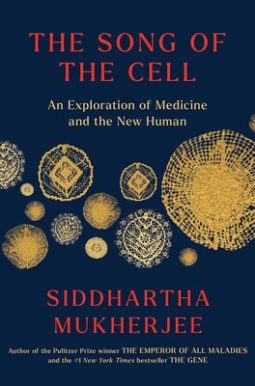 Today on How on Earth, Beth talks with Dr Siddhartha Mukherjee. His first book, The Emperor of All Maladies, won the Pulitzer Prize in 2011. His

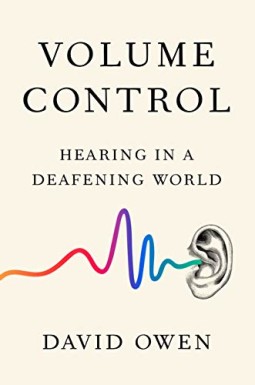 Starting this week, the FDA has approved the
 We talk with author
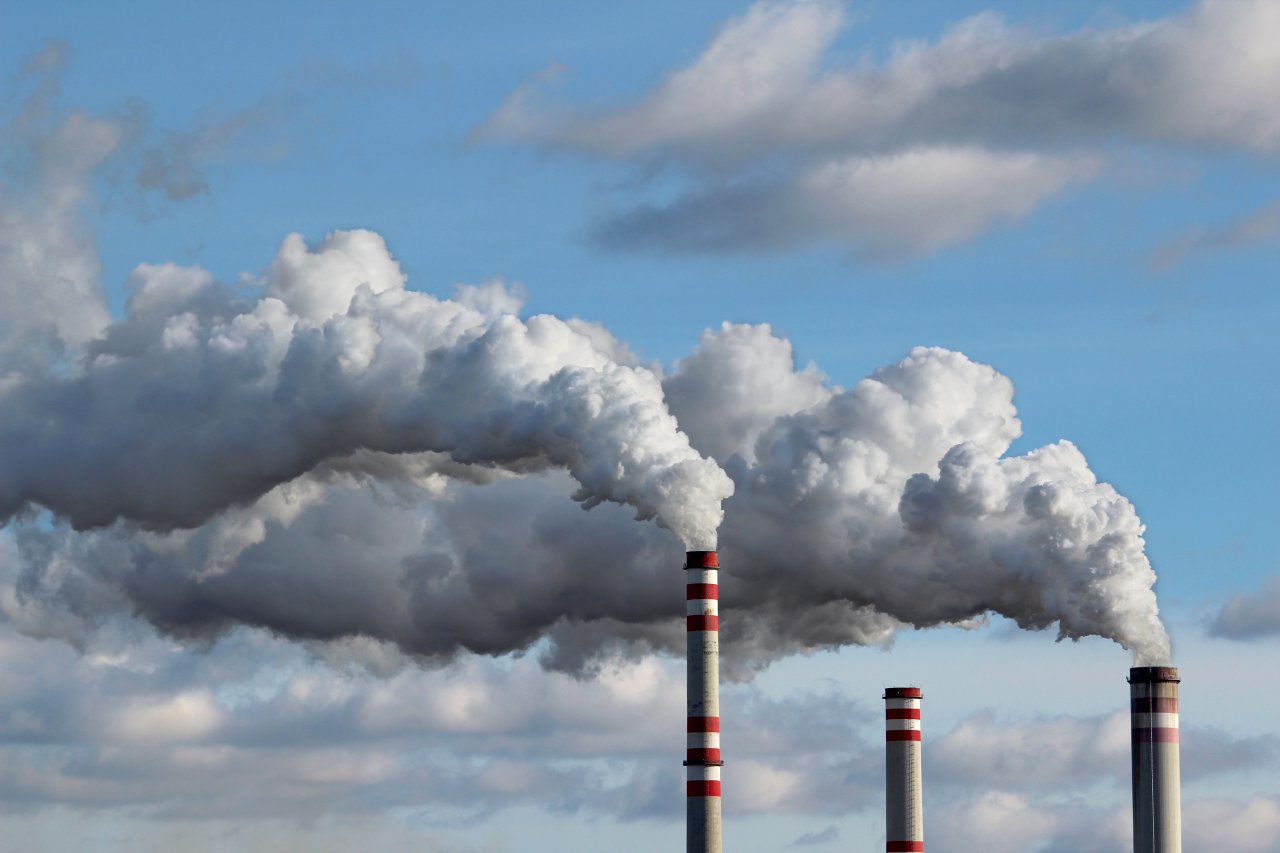 Pollution Impacts on Gut Microbiome (starts at 1:00) The
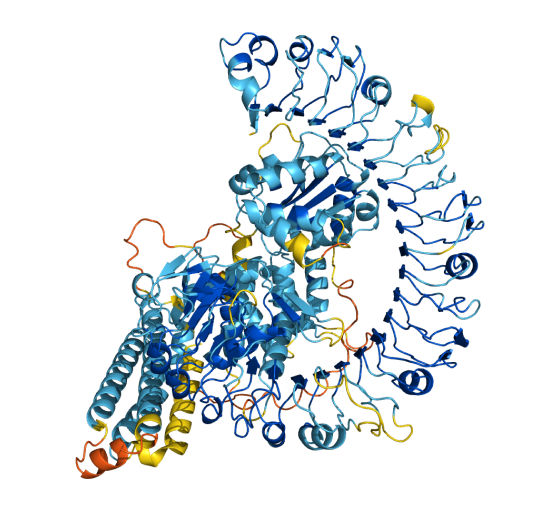 Folding Proteins (starts at 15:53) Proteins are essential for the function of our bodies and other biological systems. One mystery is how proteins containing hundreds of amino acids are able to quickly and efficiently fold into the necessary complex structures. How on Earth’s Shelley Schlender talks with
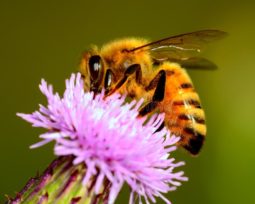 On today’s show Beth talks to Prof Michael Breed about honeybees. Sure, there is a little on their decline which is concerning to all of us, but we focus on many remarkable aspects of their biology. If you want to go deeper, you can visit






