TopPodcast.com
Menu
  • Home
  • Top Charts
  • Top Networks
  • Top Apps
  • Top Independents
  • Top Podfluencers
  • Top Picks
    • Top Business Podcasts
    • Top True Crime Podcasts
    • Top Finance Podcasts
    • Top Comedy Podcasts
    • Top Music Podcasts
    • Top Womens Podcasts
    • Top Kids Podcasts
    • Top Sports Podcasts
    • Top News Podcasts
    • Top Tech Podcasts
    • Top Crypto Podcasts
    • Top Entrepreneurial Podcasts
    • Top Fantasy Sports Podcasts
    • Top Political Podcasts
    • Top Science Podcasts
    • Top Self Help Podcasts
    • Top Sports Betting Podcasts
    • Top Stocks Podcasts
  • Podcast News
  • About Us
  • Podcast Advertising
  • Contact
Not in our directory?
Add Show Here
Podcast Equipment
Center

toppodcastlogoOur TOPPODCAST Picks

  • Comedy
  • Crypto
  • Sports
  • News
  • Politics
  • True Crime
  • Business
  • Finance

Follow Us

toppodcastlogoStay Connected

    View Top 200 Chart
    Back to Rankings Page
    Home & Garden

    GREEN Organic Garden Podcast

    The GREEN Organic Garden Podcast will inspire, teach, and promote earth friendly techniques by interviewing organic gardeners who share their journeys, tips, and tricks to simplify the process of growing your own delicious healthy food. Whether you want to have a small bed in your backyard or a full grown farming operation, our guests will help you reach your gardening goals and offer you resources and solutions to everyday gardening challenges, and inspiration to dig down in the dirt and get growing!

    This podcast uses the following third-party services for analysis:

    Spotify Ad Analytics – https://www.spotify.com/us/legal/ad-analytics-privacy-policy/

    Advertise

    Copyright: © 2015

    • Apple Podcasts
    • Google Play
    • Spotify

    Latest Episodes:
    Happy International Peace Day | PRN Update | GET OUT THE VOTE Sep 21, 2020
    Show notes

    Just a little update for PRN but I thought I should share it here too! I made calls this weekend I hope you will too!

    Grow Your Self with Nicole Burke from Gardenary.com who teaches people how to grow a garden business and

    Jesse Frost’s

    No Till Market Gardener Podcast

    Want to make phone calls with me? Join the Whitefish Phone bank! It's easy, fun and makes the most impact!

    https://www.mobilize.us/mtdems/


    This podcast uses the following third-party services for analysis:
    Spotify Ad Analytics - https://www.spotify.com/us/legal/ad-analytics-privacy-policy/

    337. Simple Roots Wellness Radio| Alexa Schirm | Iowa Sep 19, 2020
    Show notes

    Alexa Schirm from Simple Roots Wellness is here to share her amazing knowledge!

    With over 240 episodes out Simple Roots Radio is hosted by Alexa Schirm. A nutritionist by trade, Alexa has rebelled against common misconceptions about nutrition, and has, instead, created a realistic health-style that will allow you to live a healthy, satisfied and more simplistic life.

    Forget dieting for good as Alexa interviews health experts, lifestyle influencers and every day people on what strategies have worked for them and help you implement a plan that can be achieved for life. It’s raw, its funny, its real and unfiltered. It is Simple Roots Radio.

    To read the unedited AI (computer generated) transcript just click here.

    MyGardenJournal

    My Garden Journal

    OOGuidebookCVRSmall

    Get your copy of the Organic Oasis Guidebook and get started building your own earth friendly garden today!


    This podcast uses the following third-party services for analysis:
    Spotify Ad Analytics - https://www.spotify.com/us/legal/ad-analytics-privacy-policy/

    Bonus Episode ! Interview 336: Plant Trainers Podcast | Shosana Chaim | Toronto, CANADA Sep 19, 2020
    Show notes

    Plant Trainers Podcast with Adam and Shoshana Chaim

    To read the unedited AI transcript click here.

    MyGardenJournal

    My Garden Journal

    OOGuidebookCVRSmall

    Get your copy of the Organic Oasis Guidebook and get started building your own earth friendly garden today!


    This podcast uses the following third-party services for analysis:
    Spotify Ad Analytics - https://www.spotify.com/us/legal/ad-analytics-privacy-policy/

    Bonus Episode: Interview 335: Salad With A Side Of Fries Podcast | Nutritionist Jenn Trepeck | New York, NY Sep 19, 2020
    Show notes

    I hope you are going to love Jenn's podcast Salad with a Side of Fries as much as I do. I learn so much every time I listen.

    To read the unedited AI transcript (aka computer generated) click here

    MyGardenJournal

    My Garden Journal

    OOGuidebookCVRSmall

    Get your copy of the Organic Oasis Guidebook and get started building your own earth friendly garden today!


    This podcast uses the following third-party services for analysis:
    Spotify Ad Analytics - https://www.spotify.com/us/legal/ad-analytics-privacy-policy/

    330. The Flower Evolution | FlowerLounge Podcast | Katie Hess | Phoenix, AZ Sep 14, 2020
    Show notes

    https://youtu.be/t-4pI7KAp_0My Garden JournalWelcome to the Green Organic Garden Podcast. Today. It is Friday, July 24th, 2020. And I have a guest, I know you are going to love her. You are going to learn things that I have never had any idea. She's written the most beautiful books. If you get it, make sure you go to Amazon and leave it a five star review or a review, you know, anyway, because it is just, it is show informative and it's so powerful and it's about flowers and I love it.Katie Hess+ FollowThe FlowerLounge PodcastFlowerevolution: Blooming into Your Full Potential with the Magic of FlowersAnd she has a podcast. You're gonna love that. So from the flower lounge podcast and author of flower revolution here today is Katie has to dazzle us and just share. She's gonna drop tons of golden seeds. So welcome to the show, Katie, thank you so much. It's such a joy to be here, Jackie. Oh, well, I am just, I'm just touch. I could not believe it. When I opened the package that you sent me in this amazing full color hardcover book, all about flowers and all sorts of things.I had no idea about flowers and just like listening to your podcast and learning about all the places you've studied and all the things that you've done. It's just amazing. So go ahead and tell us a little bit about yourself.In love with peopleYeah, so I it's funny. It was when I was a kid, I, you know, enjoy nature and played in my mom's gardens, but I had never thought that I would actually work later in life in some sort of profession, some capacity around flowers. So I feel really lucky. I started out, let's see, I studied sociology. So I was just like in love with people.And when I graduated college, I was searching for how would I help people reach their full potential? And I started studying natural remedies and I learned that while I ran into a teacher or an expert in flower essences from Madrid, Spain, and I just sort of fell in love because I mean, I love all things, plant medicine, like herbs and tinctures and teas and essential oils, but this was like a whole new concept for me.Flower Essences Expert TeacherAnd he was teaching about how every flower on the planet has a really specific, you know, thing that it does like action that it does for our emotional mental States. And that, you know, the thing Jackie, that he said that really got me was he said, if, if 3% of the world's population were actively taking these flower essences, it would create so much positivity through the ripple effect that it would change the outcome of the future.And you could, you could probably argue the same with gardening.If we had a higher percentage of people in the world doing gardening, that we would have a happier planet and the same is true with flower remedies. So I just, I got super intrigued.And then when I came back to the U.S. I realized that nobody really knew what they were, this is 20 years ago. So meditation wasn't cool yet. And, and so, you know, it's been a long road. I've been in business for 20 years, working with flowers.The first decade I spent working with people one on one, and we'd look at like what was happening in their life, where they wanted to be, what wasn't working. And then I would work with them, you know, give them customized flower remedies.The second 10 years, I taught myself how to be an entrepreneur and how to take this sort of wild and weird concept of the life force of flowers and how they make you feel, how to bottle it, market it, you know, be able to tell the story and connect the dots for people. So that's been the last 10 years building a team expanding around the world.Well, I know we are going to learn a ton today. So I always kind of start my show asking about people's first, like, experience in the garden, but do you want to talk to us about like your first experience with nature and forging and collecting flowers? Like, were you a kid, were you an adult? Like where did that come from?Thankful for people gardening with kidsSo, yeah, I mean, when I was, I actually, I owe it all to my mom. If, if any of your listeners have kids and you're gardening or kids or grandkids, I would commend you. You're doing a tremendous service to the world because that's really where I learned to really appreciate nature was in my mom's garden.So when I was really little, we lived in Minneapolis and she had just like, Oh my God, you know, fuchsia and water hyacinths and water gardens and peonies and Lily of the Valley.And we had a big pine tree and I'd climb up the pine tree and get all sticky and sappy. And she had gardens all throughout, you know, me growing up. And that really taught me to appreciate growing things and the beauty of flowers.And she was also a Forester.So she would take me on walks and she would start, you know, at a very young age showing me how to identify things. Like I remember her showing me a winter green leaf and we break one off and open it up and you'd be like, Oh, it's just like in this cloud of wintergreen smell, you know, as a kid, it's just like, wow, this leaf looks like a little, nothing, and then it's so amazing.So she really also taught me the beauty of, you know, being in the wild and looking at lady slippers and collecting Morel mushrooms and wild blueberries. And I think it, it, you know, as an only child, the trees and the flowers and the forest were really like my best friends and that's really where it all started.I love all of that. And just like, I know the memories of being with your parents and going on those nature walks and going with your family and being, seeing all those flowers, like I still remember climbing my favorite shoe. I was even looking at our AppleTree yesterday and thinking about claiming we had a Dogwood tree that I would just do flip after flip, after flip between these two branches of, and the only thing I was going to say that, like what you were saying about gardeners, what you're doing is, you know, a really honorable thing with your kids and grandkids is that I haven't said this in a while, but I used to say it a lot at the beginning of the show.Embrace the ResistanceLike if your kids, for sure, they're teenagers are showing some kind of like resistance, just like the best thing you can do is just keep sharing your passion. Don't push anything on them. And you will be surprised at how much time they end up spending in the garden as an adult, because of that, like, I've talked to so many people that are like, I hate a garden when I was a kid. I'm totally like my mom's like, how do you have a gardening show? And in the meantime, this summer, I planted my very first broccoli seedlings and they're growing. They're like popping out of the dirt.And one of them's like almost a half inch tall. Cause I just planted them on like, I think the 17th and just, it's just so cool. Like I never thought I would ever plant a broccoli now, we'll see. Do I really get broccoli out of them? Come, you know, they'll probably be ready October. My husband's like, I don't understand why you're planting broccoli seeds. Now. He's like, you should have done that two months ago, but we're harvesting all the broccoli that we planted. Like it's, it's pretty much done. There's no broccoli growing after, like I need to get down there. And Mike's like, you got to pick that broccoli and get it in the freezer. Anyway,A good point, Jackie, that, that a lot of it comes through food because I remember, you know, picking fresh beans off of mines and picking fresh raspberries out of my mom's garden. And there's something about, there's like a real connect, I think for kids around food, you know, there's the, of course there's the beauty of flowers, but like how cool is that, that you can go out there, pick your broccoli, saute it at night, eat it. And you didn't have to go to the store.Like there's a real sense of empowerment around.Wow. Like you grew that you cook that, you know, I think that, that that's a real connect for kids on a level that they might not be able to understand when they're younger, but they know where food comes from. Right. You know, like you heard about kids in the inner city who just like, see the fruits and stuff on the shelf and don't really know where it came from.So yeah, gardening is, is a really powerful teaching tool just by showing by example.And two quick things I'm want to say about that. One of the amazing things is how much the bees are loving the flowers on the couple of broccoli's that have gone to flower. Like they are just totally out there. And then the other thing I was going to say is we're going to learn a ton about flowers. So if you don't want to grow vegetables, because that is a whole other learning curve, I bet by the end of the show, you are going to be inspired to have some beautiful flowers growing in your garden or your oasis or your landscape. FBI Agent StoryBecause I had no idea. Like one of the stories I love is the one about the FBI agent who studied polygraphs. And then he goes in and then what he like attaches the plant. So the polygraph and like the plant shows, like even when somebody goes on vacation, like they can tell what's going on. Like they're showing them this polygraph thing. Like that was just amazing to me.Isn't that wild. Yeah. It's a study that showed, I mean, through his work that he's a CIA agent, he was like, so good at polygraph that he was teaching people how to use. And you just got curious one night, you know, I could just imagine the guy sitting in his office looking at his philodendron plants, like, Hmm, what's going to happen if I connect this to the plant?Symbiotic relationshipAnd then like you said, yeah, he found that we're so in tune or rather the plants are so in tune with us, their caretakers. And I don't know who takes care of who better. It's a symbiotic relationship, but they're aware of our stress levels.So, you know, people go on vacation and the polygraph would register when that human being had stress, even though there were hundreds of miles apart, they also showed that plants could identify essentially the murder in the room, you know, that they had this experiment where someone came through and harmed a plant.And then, you know, they had several people walk through the room and all the plants were able to register on the machine when the, you know, the perpetrator came through the room.So I think there's, you know, studies like that are fun and funny and show us that there's a whole level of intelligence that we can tap into that might not be apparent, you know, because they're just operating at a different pace than we are.You know, when you mentioned bees, one thing that came to mind with bees is that of the latest research coming out of the UK, there's a study, particularly coming out of the University of Bristol, where they show that these actually aren't attracted to flowers based on color or scent, like we had thought. And that there actually is this very subtle electrical vibration that's being emitted from the flowers. And so the bees and the flowers are so communicating, the little hairs on the bees legs are picking up these electrical impulses and actually having this dynamic communication together about pollination, you know, I've been pollinated or I'm ready or whatever other things they communicate about. And just because we don't feel those electrical impulses on the hairs, on our legs, you know, it doesn't mean that they're, they're not happening.And so, how crazy is it to think when you look at your garden, if you could see what the bees or feel what the bees feel, it's almost like the movie avatar, you know, it's like, I call it floral life <inaudible>?That's what I was thinking about when you were saying that? like every flower is admitting this really gentle, soft essentially song, right? Every flower has got a different song. And so when you're, when you're gardening, you're spending time in nature, you're essentially bathing yourself in the music of nature, even though we can't hear it.Forest BathingAnd they've done those studies in medical schools in Tokyo showing tremendous benefits of forest bathing, which you can apply to gardening. So if anybody ever gives you trouble for spending too much time gardening, you just think back to the studies in Japan, they show that a forest bathing.So essentially, you know, you could translate that to being in your garden, reduces cortisol levels, adrenaline, you know, so your stress is dramatically reduced and increases white blood cells, meaning that it boosts your immune system.But the coolest thing is that there's an exponential power to it.So they found that if you spend one day in the forest AK one day in your garden, those elevated wellness effects lasts in your body for a week. And if you do it for a weekend, it lasts in your body for a month. So we're talking about, you know, real health benefits, your garden is your insurance policy, essentially.And I think also we're going to talk a little bit about forging today too, but that's so true. My friend Dacia has this blog called Simply Josephine. And she does a lot of, you know, she makes like natural medicines and selves and tinctures and different things and she's always collecting and she's like the healthiest person. I know. I mean, she's just like the epitome of the organic life just.But anyway, well, do you want to tell us about your spirit with gardening?Yeah. I mean, gardening, let's see. I, I usually tell people that I, didn't not somehow didn't inherit my mom's green thumbs and fingers, and that might be true, or it may be that I just haven't had enough practice, but I have a much more fiery personality.She is much more earthy and I watch her with plants and she can, you know, pinch them and prod them and pluck and, and they just like go crazy in her presence. You know, they just bloom and expand and grow. And she has that thing.My quality is more fiery.I had a teacher tell me once that, you know, don't touch my plants, you're burning them. So typically fiery people are better at making medicines. And so that's more sort of my realm of expertise. I have grown some flowers that we made essences out of really cool stuff like running Iris. I grew an avocado tree once.My gardening is kind of like by mistake, but you know, right now I live in Phoenix, Arizona and the ground is like concrete.It's so hard. So I spend more time going out into the wild to look for unique and different flowers and make remedies from them so that people can bring nature into their daily lives. And maybe later in my life, when I'm in a more lush place, I'll actually develop some gardening skills.Well, I'll tell you, since I started my podcast, I've gone from brown thumb to green thumb. So, but there's no hurry. And you're, I love hearing your like little adventures of going into the woods and doing this and doing that and picking that on your podcast. So why don't you share some of that with listeners? Like where do you collect your flowers? Like how do know where to go, and especially, you know, living in a place like that, where the soil is really hard to grow growing, maybe listeners will be interested to know that they can go collect flowers or things like that.Yeah, absolutely. Yeah. It started, you know, I started first collecting with whatever flowers I saw around here in this region…

    Full show notes at the publisher

    2 AWESOME Garden Podcasts to check out | Sept 12, 2020 Update | Don’t forget to vote Sep 12, 2020
    Show notes

    My broccoli about 6 inches tall. We'll see if get a head?

    Hey here's a little update on our garden Sept 12, 2020 after our first frost! 28º yes it was!

    And a shout out to two awesome podcasts I think you will enjoy!

    Grow Your Self with Nicole Burke from Gardenary.com who teaches people how to grow a garden business and

    Jesse Frost's

    No Till Market Gardener Podcast


    This podcast uses the following third-party services for analysis:
    Spotify Ad Analytics - https://www.spotify.com/us/legal/ad-analytics-privacy-policy/

    342. Everything Elderberry | Healthy Green Savvy | Susannah Shmurak | Minnesota Aug 31, 2020
    Show notes

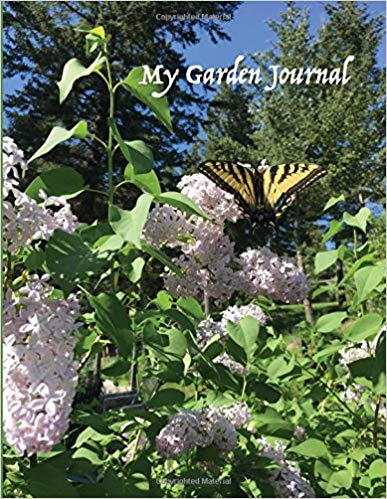
    Everything Elderberry: How to Forage, Cultivate, and Cook with this Amazing Natural Remedy by Susannah ShmurakListeners I have not had time to go through these shownotes and attach links that Susannah shared I will try to get it done ASAP, this is just the transcript direct from the computer:Hey Green future growers. Thanks for joining us today. If you're new to the show, I hope you'll subscribe on iTunes or your favorite Android app and let's get growing. Hey, green future growers. Join me on the listen app. Invite code green, G R E E N. I would love if you left me a message, you can reach out to other green future growers and other green, organic gardener podcast listeners. There, we can have a conversation about what's growing in your garden. What are you eating?Does it not feel good? Walk by the produce aisle? It does for me. And if you're not there yet, we'd be happy to help you get there over on the listen app, invite code green, G R E E N.Hey everyone. So I just want to remind you, this is the most important time to be taking good notes on what's working well. What's not working well. What don't you want to forget? Come next, February and March, when it's time to order supplies or do your design, you know, what are your favorite seeds or what do you want to play more of?Do you want more broccoli? Like you might think I'm never going to forget this, but you probably are going to forget it. And a great way to support the green organic gardener podcast would be to get our garden journal. That's got a beautiful butterfly that I took a picture of on our lilac. So it's like a little part of our home in your home has got blank pages and line pages, and it would really support us a lot. So, but most of all, we want you to have good records, just hold on. Okay.1 (1m 45s):Listeners, you know, this, that what I'm going to say. And see, I started to say this when I was on the free guy page is if you read Susannah's awesome book on, elderberries make sure that you go to Amazon and give her a five star review and a, and write the review night. Don't just leave the rating, but write their actual review because you know that she's out there trying to help shave your neighborhood. And that's what you want, not just for you learning, but show that your neighbors can learn this stuff.And so we want to share her knowledge. So make sure you read the book and if you love it, I know you will give her a five star review. Everything Elderberry: How to Forage, Cultivate, and Cook with this Amazing Natural Remedy Welcome to the Green Organic Garden.It is Saturday, August eight, 2020. And I have an awesome guest on the wine who has a blog called Healthy Green Savvy.She's passionate about helping people find practical shortcuts to healthier green living. So we know we're going to hear tons of golden seeds. She boils this all down from years of research on eco-friendly choices, growing food in small spaces, with as little effort as possible and easy ways to support health.1 (4m 23s):Naturally, she even has a book. Everything Elderberry that covers what the latest research tells us about elderberries effect, unhealthy growing advice from elderberry farmers across the country, plus 62 delicious recipes for using elderberries and elder flowers. So I know we're just going to learn lots. So I'm going to be quiet. And if you're today is Susanna Schmurak. Oh, I totally, you sent me the thing.1 (4m 53s):How do you say that? Mark? <inaudible> Susannah. Oh my goodness. If you, hadn't sent that, I probably would have been fine. I probably should have practiced out loud though instead of just in my head. Okay. Welcome to the show, Susannah!2 (5m 12s):Thank you so much for that. Terrific. In-product introduction. I'm delighted to be here.1 (5m 16s):Well, we're just tickled pink. So tell us a little bit about yourself. I'm so glad you reached out to me and are here to share this today. So go ahead and tell listeners about this.2 (5m 26s):Thanks. So I have a peculiar backstory. I was an academic for many years. I taught literature and writing at the college level. I spent lots and lots of years thinking about not too much besides the literature during the day, and thinking about gardening and eco-conscious living all the rest of the time and my classes tended to go that way as well. And in 2015, I just to switch gears completely and I left academe and decided to start writing and researching full time.2 (6m 7s):And I launched a blog and started writing for a bunch of websites and magazines and have made that kind of my full focus now. And it's been absolutely fantastic. I've volunteered locally at the city's environmental quality commission and spent a lot of time researching permaculture and home scale, renewable energy and all sorts of topics related to health and environment.2 (6m 39s):So the focus of my blog, as you said, is really to try to help people make that connection between the personal and the environmental, with a focus on really, really practical and doable things anyone can do so that they can shift their lives towards sustainability and better health. And it's been amazing. My day job is to research things like allergy remedies and how to get better sleep, to write about energy audits and experiment with nontoxic pest control and put new things in my dehydrator and write about it.2 (7m 12s):And it's been really, really enjoyable. So I get to just be a full time energy nerd, garden geek. And I just keep learning about fascinating plants that either appear in my yard, or I read about online that turns out we can eat them, or they have medicinal value. I'd never even realized. So that's kind of my backstory. I have a larger backstory about where I started to garden. I don't know if you want me to go into that.2 (7m 44s):It's kind of long and complex.1 (7m 48s):So I always start my show out asking about like your very first gardening experience. Like, were you a kid or an adult? Is that where you're headed? Or I just have to like back up just super quickly. Where, where are you located again?2 (8m 2s):I am in Minnesota and it's zone four.1 (8m 7s):Okay, cool. All right. Yeah. Well, you're doing a fantastic job and so I'm just keep going, but yeah, we kind of want to hear a little bit about like, were you a kid, were you an adult? Who were you with? What'd you?2 (8m 19s):Okay. Well, so my first gardening experience was just helping my mother in our backyard garden. And so I have memories of pulling weeds and kicking things off the vine. They're not too carefully formed, but they probably laid a groundwork as it were. But I would say my gardening story really starts with our move to Minnesota. In 2002, it was the height of the housing bubble and we were graduate students and my husband had just taken his first job at a college in our town.2 (8m 52s):And there was literally nothing we could to buy to live in, in town. And there's no rental market either. So after looking at the only thing in our price range, which our real estate agent said should be condemned and refuse to take us into. He just, I don't, I really said, you know, there's this old house out on the highway. They're about to knock down. Maybe we should look at that.2 (9m 23s):And we went out and there was this beautiful 1910 craftsman style house. And it turns out that, that if you're, if they're about to knock a house down, you can take it away for free if you're willing to pay to move it. So we acquired this free house and then had to find a place to move it to which turned out not to be terribly easy, but we found this half lot, just a block away from where he was going to start working a few months later and spend the rest of the summer setting up this house move then.2 (9m 55s):So we had a basement dug the whole lot had to be cleared. So all plant life got completely erased and they brought this house in which we then started renovating. And that was kind of, our focus was renovating this house and making it, it was actually in great condition and it was just in the wrong place, but I learned a ton.1 (10m 17s):That's what I was wondering, like how easy was it to move a house built in 1910? I mean, that's a hundred years old.2 (10m 24s):You'd be shocked. It's actually really, really easy for the people who do it for a living every day. They just pop it off its foundation, stick it off, stick it on a truck and away they go. It's kind of amazing. We had no idea you could move a house before our real estate agent just kind of said that as maybe a joke. I dunno. So we just suddenly got embroiled in what was involved in bringing a house up to code. And I started doing it. This is early days of the green remodeling products.2 (10m 57s):So trying to figure out what was safe to bring into our house became a sort of longterm project and the yard and was this bare dirt. So we got permission to move in as fall set in. You have to have a kitchen sink and a functioning toilet. So we had, we had a reuse sink on a two by fours and got permission to move into this house that had been to some degree, completely gutted and started remodeling it.2 (11m 28s):And then there's just dirt outside and nothing else. So we threw down some grass seed to just kind of try to stabilize everything. And then winter here, I don't know what it's like out in Montana, but it's at about six months along that you can have snow on the ground, which in that particular case was something of a relief.1 (11m 46s):Well, I have to tell you, I had a lot of friends in college that came to Minnesota because they thought Montana was milder winters. But yeah, I don't know. We had, we have a good amount of snow. I didn't drive here from November to may my first, like 10 years, but probably very similar.2 (12m 5s):Yeah. It's intense living in a climate like that. Anyhow. So then, you know, I was spending all this time, remodeling the house and the yard was just kind of sitting there and we started dealing with weeds in this grass and started rethinking how we could do things the way the house sits on the lot. It means my backyard is probably about 10 feet wide and totally in shade. The side yard is eight feet wide and totally in shade. So I have this corner lot with a 10th of an acre garden where I can grow a limited amount in sun.2 (12m 42s):So I, at that point started reading Fritz Hague's edible estates and the eat, the lawn movement had kind of launched. So I started trying to smother the grass with cardboard and attempted to grow one of these beautiful front yard, vegetable gardens. And it turns out Minnesota is not a great place to do that. The soil doesn't warm up enough to plant a lot of things.2 (13m 12s):You would stick in one of these gardens until, you know, early may. So it's just a lot of bare soil and it wasn'tworking. I tried sweet potatoes, which should have made this lovely, you know, ground cover had to give that up. Cause our growing season just isn't long enough. So I learned a lot just experimenting and failing over and over and over again. As I read more about permaculture, I realized that fruit trees could really be an answer to this problem. And I got seven fruit trees or fruit trees squeezed into that little space and planted as many Berry bushes as I could possibly fit in and then kind of let nature take over.2 (13m 51s):So one of the, one of the biggest things that I've gotten to do as this yard's developed is kind of learn how changing patterns over time force you to adapt and how to eat the things that will grow there. So my whole front yard now is mostly violence, which we use quite a lot. We make salads in the early spring with the flowers and the leaves I use the leaves and T all season long. So learning how to work with what you get has been part of this process.2 (14m 26s):I still desperately would love a big backyard garden, but that's not what I've got. And so the yard is this sort of edible landscape that isn't entirely keeping with the aesthetics of the neighborhood, but people kind of like it in spring when everything's in flower. And they kind of think it's wild and Bailey interesting, but also pretty weird a lot of the rest of the year. Cause we're in a sort of traditional neighborhood with grass and foundation plantings, which is where we had started as well.1 (14m 59s):And the reason you can't have a big backyard garden is because there's too much shade. Is that right?2 (15m 4s):There's also no backyard. It's a, half-life it's 10 feet wide and it's full shade. There is no backyard.1 (15m 13s):Talk about this. I'm like, this is, I just love this whole story. And then the other question, like, I, I kinda like watch track or maybe a like show your grad student. This is before you got your job at the, like, how old are you when this is, this is in 2005,2 (15m 30s):Two. We moved here. Yeah. I was not quite 30. So it's been awhile. Yeah. So I was, I was a graduate student who was supposed to be finishing her dissertation at that point and kept doing things like fixing plaster and refinishing floors and reading about permaculture. So my dissertation eventually got done, but it took awhile. So I was, I was teaching full time for a couple of years, for a few years there, there were kids in there.2 (16m 1s):There's a lot of other things I've done besides this, but the, the writing and the blog has kind of become myfull focus in the last few years.1 (16m 11s):Okay. And tell us more about the healthy green savvy blog.2 (16m 16s):So it started in part because I, as long as I can remember, I've been absolutely fascinated by kind of nutritional hacks. I was reading health magazines when I was in my teen years. Just there's something about, I don't know, kind of tricking your body into doing things. I just found utterly fascinating, whether it was, you know, certain kinds of nutritional deficiencies, that if you fix them, you have more energy or you sleep better.2 (16m 48s):And I talked about these things a lot to other people, as I would read about them, and somebody said, you should really start a blog. And I said, what's a blog, kind of went from there. So healthy green savvy is it's kind of a dumping ground for all the cool stuff that I've been reading about and researching and the new cool stuff that I keep finding out. But it's focusing lately a lot on things like foraging.2 (17m 20s):I'm utterly mesmerized by all the edible weeds that people don't realize they can eat. So it seems like I find anyone in each season when something1 (17m 30s):Tell us about some of them, because Matthew Zoeller asked me to bring somebody on to talk about edible weeds and I've never really found anybody besides him. He ended up knowing more than most people. And just, can you,2 (17m 43s):Can you tell us a few edible weeds? Oh, of course. So they're huge websites devoted to this and wonderful books on foraging, but pretty much every yard has something you can eat. So most people know about dandelions, right? That's an easy one to identify and it's wonderfully prolific, and also incredibly nutritious. The I'm a big fan of a Regal. So I use the leaves of dandelions in a very similar way, but you can eat the flowers. The roots are medicinal.2 (18m 13s):They're just great plants. And since I smothered my grass, they're actually in short supplies. I'm really happy when I find some of them in my yard, wood sorrel, Rose abundantly here personally is one of my absolute favorites. It's availabl…

    Full show notes at the publisher

    341. Vegtables Love Flowers | Lisa Ziegler Returns | Online Flower Farmer Courses You Will Love Aug 24, 2020
    Show notes

    A podcast dedicated to educating and promoting the bLinks we talk aboutLisa's WebsiteFull list of Online CoursesJonathan & Megan Leiss: The No-Till Micro-Scale Flower Farm - available anytimeLisa Ziegler: Flower Farming School Online: The Basics, Annual Crops, Marketing, and More!- Registration Opens October 2020Steve & Gretel Adams: Growing Cut-Flower Crops in Hoop and Greenhouses - Registration: November 16-20, 2020Jennie Love: The Wedding Process - Registration is only open October 1-5, 2020Ellen Frost: Florist School Online: Growing Your Business with Local FlowerVegetables Love Flowers: Companion Planting for Beauty and BountyWelcome to the Green Organic Garden. It is Friday, August 21st, 2020.I have the most amazing guest on the line, she was guest number 2, she came back after that and today she is here to dazzle you after her 3rd book called Vegetables Love Flowers to here is Lisa Ziegler.Thank you so much, Jackie. It is so my pleasure to be here and really, I do remember now that I was number two, that was a long time ago. Wasn't it? Welcome back, tell. I do have a lot of new listeners since December. And so tell them a little bit about you because maybe they haven't heard much about you.Urban Flower FarmerSure. Thanks. So I, if you can't tell from my accent, I am kind of in the South, I'm on the coast of Virginia. I'm in Southeastern Virginia and I am an urban flower farmer.My little three acre farm is right in the middle of the city. Literally I'm surrounded by 200,000 residents and my place. Although when I first, my first half of my career, I only had an acre and a quarter totally, including where my home was.That's now up to almost three acres and I have no hoophouses.The Flower Farmer: An Organic Grower's Guide to Raising and Selling Cut FlowersEverything I do is grown outdoors in a garden or a field. And, you know, I started farming in 1998, like so many other people after reading Lynn Byczynski's book, the Flower Farmer and just hit the ground running because I'm such a follower, meaning I really followed her instructions. I think it helped me to be successful right out of the gate.And when you're successful out of the gate, it helps you just to keep on going after it, you know, not everybody is like us, Jackie, where you were talking about how you kept trying and trying with your podcast.Some people just throw in the towel and I understand that, but then there's people like me and you that just keep bulldoze and after it, and but for me in the flower farming, my first customer ever that I had just really took me under his wing and ushered me right into this business.And then I just ran with it. And my business has really changed over the years.I started teaching and doing lots of programs and speaking to groups and that led to a book deal. And then I started writing books and speaking even more and traveling.And during that time I launched an online garden store called the Gardener's workshop.com where I just sell the same tools and seeds and supplies that I actually use in my gardens and the same seed varieties.We do not save seed. We just buy extra from the seed houses and package them with our instructions and offer those to our folks that are looking for great cut flower garden seeds.And then about three years ago, I launched online courses. I built my own first course and it's such an undertaking and needs such an admin support that I knew that I wanted to have higher level courses, you know, for people to be able to build their business.And so I began publishing online courses for other flower farmers in the industry, people that I've connected with and known for years and know they're awesome teachers and instructors, and wanted to publish kind of like being a book publisher. I just do it for online courses.Flower Farmer and Florist Online coursesAnd that is just really mushroomed. And our business is now being built on, we are offering online courses that better to start businesses based on flowers, whether you're want to be a flower farmer and build that business, a farmer florist.Florist School OnlineAnd now we've even offered have coming out this fall florist school online, which is all about a floor D design studio, Ellen Frost. And she only uses locally sourced flowers. So she's like, it's just amazing. So that's been kind of how we've evolved through the years and it's just pretty awesome.I just absolutely love what I'm doing.I love everything that you're doing too. Like I laugh because you could see that we persevere, but like I have not persevered with my Lynn Byczynski dreams of becoming a flower farmer. I am totally struggling and I didn't even know Any sunflowers this year. I've like less than a dozen sunflowers. And I just want to be a better, like, I just, I don't know. Anyway, tell us about the courses.0 (5m 42s):Sure. So, so when it started out it's to 2018 is when I launched the first course, which was flower farm in school. And that was my course. And it was all about, I understand the importance of people learn and how to start a business because what people don't understand is every business is unique and it's hard.It's hard because there's a lot to do and learn. And flower farming is no exception to that. It's not just about growing the flowers. You've got to get your business foundation set up. So I knew that was going to be a good part of my course.Lisa Ziegler: Flower Farming School Online: The Basics, Annual Crops, Marketing, and More!- Registration Opens October 2020And so my course, which is now referred to as flower farm in school, the basics annual crops marketing, and more really helps people to get all the nitty gritty of the business stuff out of the way. It's so simple when you know what to do, you know, it's like, yes, you need a business license. Yes, you have to charge sales tax. If your state requires it, and this is how you do it, and this is what you have, you have to have insurance.Growing Annuals the Biggest Bang For Your BuckAnd so it's kinda like getting those things that people tend to put blinders on and don't even want to look at, we get that out of the way. And then we go to town showing people how they can get into flower farming, growing annuals, which is the biggest bang for your buck and the easiest and the lowest investment to get in on and to make the most money. Teach you how to sell and find customersAnd so we kinda, I kind of immerse people in here. Let's get you started, let's get you growing flowers. Let's teach you how to sell. Let's find some customers learn how to harvest, learn how to run a farm and how you, the conditioning of the flowers, all those steps, you need to get your business rolling.And then, okay, then let's start adding some of these high value crops. And that's when I asked Dave Dowling, if he would be interested in doing a course, cause he's like a walking encyclopedia. If anybody doesn't know Dave Dowling, he was, I'm a farmer for over 20 years.President of the cut flower association for many years and other jobs. And he's just a wealth of information and experience.So he does a course called flower farmer school: bulbs, perennials, woodies, and more.So he builds on what people have learned once they get their business started this fall, we're adding yet another builder on that. And Steve and Gretel Adams of sunny meadow flower farms and from Ohio are actually doing a core of flower farming school course on growing cut flower crops in hoop and greenhouses.Steve & Gretel Adams: Growing Cut-Flower Crops in Hoop and Greenhouses - Registration: November 16-20, 2020And that's going to be amazing. They're full time farmers. It's, they're the sweetest cutest young couple ever, and they're doing it! You know, they have 17 houses and they're growing out in the field as well. And they have quite a business going.So we kinda offer you every level. Some people don't even ever want to go past the basic. They just want to grow some flowers, sell a few bouquets, add some money to the family coffers and go on. Other people are looking to ramp their business up and we're trying to provide it all.Then I started getting questions from our students saying, Hey, we want to do weddings. So I knew exactly the who I would ask if she was interested. And that was Jenny Love of Love'n Fresh Flowers, because she was like the industry leader in the farmer florist world. I mean, she was she's in Philadelphia, she's doing tons of big and small weddings, very experienced.And her business savviness is amazing.I mean, I've listened to her course several times, myself. She just has such, you just learned so much about organizing your business, whatever it is. So I knew that she would be a great addition to our lineup for people to be able to make the most money that you want to make from growing your own flowers, obviously doing events and doing the flowers for events, sorry, is the most dollar per stem that you can get.Events is the most dollar per stem you can get.And so I knew that was going to be a really great one. And, and then we added Ellen. I mentioned already the Florist School Online Ellen Frost for anybody that is not familiar with her, she's in Baltimore. And she ends a design studio. It's not a classic flower shop where you walk in to order flowers. She is got a design studio, which is really not open to the public where they do a lot of events, both weddings and those types of events.But she also don't know how quite, how to explain it. But I say to folks, Ellen's business model is what I think most people that want to get into the flower shop business think a flower shop is about, you know, she does events with her customers. They have flower book clubs, they have flower arranging war contests. I mean, they just, she has built this amazing business, but she only uses flowers that are grown within a hundred miles of her shop year round.And so her business model is just absolutely amazing! And she is actually cultivated farmers and helped them because she needed them. And we're really excited. All of those classes, all the registrations typically are open once a year and all except Dave's bald class, which they're actually in school right now. All the registrations are open October 1st through 5th is my course. And Jenny Love's farmer florist. And then mid-November, the registration is open for Farm in school, growing cut, flower crops and houses and florists school online. Both of those are mid November.But anybody that has questions, they can go to the Gardener's workshop.com and go to the online course page. All the courses are listed there and there's even a little calendar you can click on at the top to kind of show you all the dates of when school runs and when registration opens.Cause I know it's very confusing, but that's in a nutshell, that's kind of all the different courses that we offer and they're kind of rolled out because, you know, I found that, I don't know, Jackie, have you ever taken an online course?I love online school. Yeah. I mean, so a lot of people, cause I didn't know about online. I mean, I literally, this is so funny. I learned how to build online courses by taking an online course. And I was so nervous,Did you take Amy Porterfield's?I did not, I took Teresa Loes? And I don't, I'm not sure that she even does it anymore. Cause she's now a big coach for CEOs, digital CEO. She is my business coach as well. And anyway, so I took her course and I didn't, I didn't know what to expect.I couldn't, I was so afraid when it started that I actually, cause I have, I mean I have a crew of folks that helped me in my business. I made a couple of them hanging out later that day to make sure I could figure out how to get on when the class started.I mean, it was like, that's how intimidated. I mean, people think I'm so competent, right? Don't do me in technology. I mean, I've learned a lot, but anyway, so because there's so many of us that haven't done it. So I like to always explain of how it kinda works.So first off the first thing people need to know about online courses when they buy them from us anyway, is that when you buy a course from us, you have access for your lifetime. It's not like a onetime, just watch it and you're done and you have to buy it again.It's just like buying a book. But instead of picking the book up, you log into your online course library and all of your classes, like if you bought, we have people that have bought multiple of our courses and when they go to their online library, all of those courses are right there for them.And you can watch them as many times and as often as you would, like as well as there's PDF downloads and there's tons of resources. And so our schools, we sell two type types of courses.The first is on demand coursesThose are the courses when you go to our page, it's like, I think the first three or four, you can buy them anytime they're shorter courses and you can buy them and watch them as much as you want the same as with our schools, then our school courses, registration and enrollment is only open once a year, typically for only five days. And then school starts about within a few weeks of registration. Then school, lasts six weeks.And that means, let's just say if school started today. So that meant this morning, when you got up, if you wanted to see school, you would log into your library. And lo and behold, there's a bunch of videos loaded in there for you to watch as well as any resources.And then you have all week to watch them. And then at the end of the week we offer, which I think is probably one of the, the most significant things that our students just really love is we offer live Q and A sessions where the students hookup with their instructor and ask questions after watching their videos.And that happens every week with each new class for six weeks. And at the end of six weeks, your library is slammed full of a bunch of videos. We also record those live Q and A's and those are actually put into your library.So you can go back and watch them and something that is happening for my course currently, because we're now getting ready. I'm in October, that'll be my third class, the third year that I've done it. So the students this year will be able to watch both of the course, the course Q and A's from the previous years.So the content gets richer. You know what I mean? It's like, because people ask great questions. And so I just really find that the content gets bigger and bigger as well as the instructors actually add additional content to their courses from year to year.And even the past students get access to that. So if you bought it two years ago, last year, when I added stuff, the people from the year before get access, you know what I mean?It's all going into the same pot for everybody to look at. So we're excited this year, we're adding some really awesome new stuff to my course, one of them being, I think it's such a great opportunity, especially for starting out farmers, we're offering a photo library.That means that we're going to give you photos of different zinnias of different sunflowers so that if you're building your first website, you know, you're just starting your business and you don't have, I mean, that's a complaint that we hear from people.It's like, Oh my gosh, when I first started my show, I was like, maybe I could put l…

    Full show notes at the publisher

    Awesome Earthkind Podcast Giveaway | Rodale Email | August Update Aug 22, 2020
    Show notes

    Hey everyone, I just a quick in between interviews post today, an email from Rodale's, a giveaway opportunity from Earth Kind Podcast and a SHORT update on our garden.

    GIVEAWAY LINK: https://www.awesomeearthkind.com/contests

    Stay safe and let's get growing!

    Jackie :-)

    As the world reopens, a threat to our health still looms.

    What we eat, and how we grow it, is critical to maintaining our health as we seek to recover from a global pandemic.

    By Jeff Moyer, Rodale Institute CEO

    The world is slowly reopening—but the COVID-19 crisis isn’t over, and everyone still has concerns. While in many areas, the number of cases is decreasing, our health will remain in danger until we make a major change and paradigm shift.

    That change is closer than you might think. It’s in your kitchen, your backyard garden, and at the farmers market you visit every weekend.

    The solution is our soil and in our food. What we eat is critical to protecting our health, and our broken food system needs an overhaul.

    ...

    The coronavirus pandemic has focused the spotlight on the importance of health, immunity, and disease prevention. We watched as our medical systems became inundated with patients, while feeling helpless to support our own health in the face of an invisible threat.

    As we return to a new normal, it is imperative that we stay vigilant about maintaining our health. Sales of organic food rose 22 percent in March, 18 percent in April, and 16 percent in May as consumers looked for ways to boost their immune systems. We cannot return to our industrial, chemical food system as the crisis recedes—a food system that is harming both people and the planet—and expect positive impacts on our personal health. We need resilient agriculture for the future.

    What we eat is directly related to how we feel and how we protect our health. So why have we allowed an agricultural system that sprays our food with chemicals, disproportionately harms vulnerable communities, and poisons our environment be the main source of food for our families? Why is our medical system so out of touch with the role that food plays in our physical health, prescribing pharmaceuticals for lifestyle diseases that create even more side effects and problems?

    ...

    For too long, farmers and doctors have been siloed while pursuing the same goal: keeping people healthy. Remember the grade school adage “an apple a day keeps the doctor away?” It’s far past time that we bring these individuals, and professions, back together.

    The path towards change can be found in Regenerative Healthcare. Regenerative organic food is free of the threat of chemicals like glyphosate, a probable carcinogen. At Rodale Institute, our research has shown not only that organic can feed the world, but that it can feed the world’s families more nutrient dense food, full of natural antioxidants and phytonutrients that can prevent, suspend, and even reverse the most wide-spread of lifestyle diseases.

    And yet, the Standard American Diet comprises only 11 percent of its calories from whole plant foods, and more than 50 percent from highly processed products. Today, over 70 percent of global deaths are due to lifestyle-related diseases like cancer, cardiovascular disease, diabetes, and chronic immune disorders.

    When facing a threat as strong as COVID-19, we need to avail ourselves of every support system we have. Our diet is one of the simplest ways to improve our health and take control over our lives. And yet, nutrition is roundly downplayed in the medical community. In fact, many medical students receive less than 25 hours of training in nutrition during their entire education.

    We need to deploy a health care system in which farmers and physicians work together to inform a prevention-based approach to human and environmental health. Regenerative Healthcare is the only path forward.

    We must combine what we know about the power of food with our knowledge of nutrition and our bodies, working to prevent disease through an organic, whole-foods, plant-forward diet that begins on farms that work in harmony with nature.

    ...

    For over 70 years, Rodale Institute has been researching the benefits of regenerative organic agriculture. From the beginning, our mission has been to support healthy soil that grows healthy food, feeding healthy people.

    Results from Rodale Institute’s Farming Systems Trial, a 40-year side-by-side comparison of organic and conventional grain cropping systems, has shown conclusively that organic systems are not only comparable to conventional systems in terms of yields, but can yield up to 40 percent higher in years of inclement weather like drought. Organic systems also use 45 percent less energy, reducing carbon emissions.

    We started this research in 1981, long before a world-wide pandemic upended our society. The wholesale benefits of a regenerative organic food system were true then and are even truer now. Consumers clearly understand that organic food is healthier, as organic grocery sales and CSA memberships have skyrocketed since the pandemic took hold.

    ...

    Adapting the holistic, regenerative model to our nation’s healthcare systems is a crucial step in improving human health. A shift in our medical system away from pharmaceutical-based disease management towards an integrative system founded on lifestyle medicine—supported by organic, nutrient-dense whole foods—could dramatically alter the trajectory of chronic disease and create a healthier future.

    Let us agree—we cannot forget the critical role our food plays in protecting our health. Though the everyday threat of COVID-19 will eventually be a memory, the decisions we make about our food will always affect us. Take the first steps to protect your health now. You won’t regret it.

    Interested in more solutions? Rodale Institute, with our partners at The Plantrician Project, have released a new scientifically documented white paper that brings together, for the first time, doctors, scientists, and farmers to analyze the ways our food system has failed us, and, more importantly, solutions for a new path. “The Power of the Plate: The Case for Regenerative Organic Agriculture in Improving Human Health” is available for download at RodaleInstitute.org/poweroftheplate.

    Jeff Moyer is the Chief Executive Officer of Rodale Institute in Kutztown, Pennsylvania. He has worked in regenerative organic farming for over 40 years and is the author of Organic No-Till Farming: Advancing No-Till Agriculture.

    https://RodaleInstitute.org


    This podcast uses the following third-party services for analysis:
    Spotify Ad Analytics - https://www.spotify.com/us/legal/ad-analytics-privacy-policy/

    333. Solar Energy | Electric Cars | Geothermal Heating | Awesome EarthKind Podcast | Host Ron Kamen Aug 16, 2020
    Show notes

    Listen to the Awesome Earth Kind Podcast on iTunes or your favorite podcast app.https://www.awesomeearthkind.com/My Garden JournalWelcome to the GREEN Organic Garden Podcast. It is Saturday, July 18, 2020. And I have an awesome guest here. He's not a gardener, but I think you're going to love his message and he has a new podcast. And if you heard my rant yesterday, you know, I'm like doubling down on podcasting and I'm just showing the connecting with other podcasters.And I feel like if you're a listener, you're probably interested in connecting with other podcasters and learning about other great new shows. So here to talk to us today is Ron Kamen from the Awesome EarthKind Podcast. Welcome to the show, Ron.It's great to be here, Jackie. Thanks so much.All right. Well tell us about you and your new show and whatever you want to tell us.Well, thank you so much. It's a little different from your normal shows. I've, I've had the pleasure of listening to a couple of them and you know, your folks are really involved in the interconnectedness of life and in particular in growing and the abundance that naturally surrounds us when we are in tune with nature. And it's great and it's wonderful and it's, it's so fantastic!As a civilization, you know, we've kind of gotten away from a lot of different things. And one of the things that my career and my, my, my whole life work has been focused on is energy. And the reason for that is because we need energy to survive as a civilization, it powers everything we do.Energy powers everything we do.It's powering this podcast.It's powering the devices that people are listening to. It's our computers, it's our cars, it's our heating systems. It's our air conditioning systems. It's basically everything that's involved with. Civilization is really centered on energy. And most of that energy today comes from fossil fuels.And those fossil fuels, as we know, are now saturating our environment to the point where we're getting to the point where extreme weather events are happening because we've disrupted so many natural systems.And the question is, okay, so we all know where we are, the 7 billion of us.Do we want civilization to collapse and just go back to the land, which you know, is a possibility?But I don't think that's a really good option for the vast majority of 7 billion people. There are a few that might survive, but who really wants to go through that and see 99% of people just, you know, not survive and we can't survive as a civilization unless we make the transition to clean energy.And I've been involved in energy and the environment for boy over three decades, I've been lucky enough to have the opportunity to work with all sorts of people in all different forms, everything from communities to governments and businesses and nonprofits, and working with people on taking the next step to have clean energy and to make this transition that we have to make.If we want to survive as a society, you know, we're all in the midst and still getting through this worldwide COVID phenomenon that was a wake up call! Right?And then it was, it's a wake up call to all of us about how short and fragile our lives are, how interconnected our lives are. And everyone in the world for the past three, four months now has been recognizing that, "Oh my gosh, you know, life is short and how are we going to survive as a society?"And all different people are handling it in different ways.My hope is that we will recognize how interconnected we are with each other, how interconnected we are and where we're reaching the limits of the planet and that we take the next step.And the good news about that next step is as we look at these extreme weather events and we see the incredible power of nature in the air with hurricanes or tornadoes and storms in the water with floods and droughts and all different aspects of things in the earth with both a whole host of range of all the things that you guys know what's happening with the earth, and then all the extreme things that are happening, can happen with the earth, with earthquakes and volcanoes and all that power.Sun = SolarAnd then that, that little ball in the sky that provides all the energy that keeps us alive here on this planet. When you take a look at that air, water, earth and sun, that awesome power of nature that's around us. And you look at on the one side, the destructive piece and how we've disrupted the balance of nature and all the things that are happening there. But then when you look and you realize that in that same power in those four forces of nature lies the answer and the key to our survival as a, as a civilization, as humanity, as everybody on earth.And what we call is EarthKind .And the great thing about earth kine, you and me and everybody on earth is that we humans have an incredible ability to adapt and evolve and innovate and conquer anything, any challenge that comes our way. So my real hope with all the things that are going on in society right now is that we recognize that, okay, we have to change. We can change. There is a way through this.Let's find it myself as an individual, use another individual, our families, our friends, our communities, and as a planet, let's come together and make that transition. Because without that transition there, you know, we're looking at some very catastrophic consequences, but we can make the transition.And the fascinating thing is, the good news is that the tech is that nature provides a thousand times more energy clean energy than we use!A thousand times more energy than we use a thousand times more energy than we need. The better news is that our human capabilities, our technology has evolved to the point where we can capture that energy and channel it into purposes and use it to power our:electricity systemheating systemscooling systemstransportation systems that power and that energy is there. And we can tap into it. That technology is there. And the best news is that the prices have come down.So when you take a look at any aspect of this at the electricity, at the heating and cooling on the building side, and you look at the transportation side in almost every instance, you can find a way to save money while you're doing it too. And if you wind up taking it collectively, and we look at all three electricity, heating, cooling, and transportation, you could save a lot of money. And if we all do it, we can save tons of money.So we can have a positive impact:We can create a better future. We can reduce environmental destruction, we can deal with the climate issue and we can have a better, more prosperous just economy at the same time and save money as individuals. So that's what Awesome EarthKind is about. It's a podcast. I've workedwith people for three decades in various different forms. I focus primarily over my career with again, colleges, schools, nonprofits, government entities, municipalities businesses of all different sizes and shapes.And this COVID piece just made me realize that, you know, I have a message. I think I have something hope in life that I want to share with normal everyday folks. And as podcasts came along with, with our mutual friends at EO fire entrepreneurs on fire, and it just ignited me.So that's why I'm here.And we'll be launching on August 6th. And the reason for August six, by the way, for those that it kind of rings a bell in the back of your mind is August 6th, 75 years ago was when humanity really entered the atomic age and we wiped out a hundred thousand people in Hiroshima, Hiroshima.It was when humanity really became a force of nature. And that's the whole thing is that all of us collectively, we really are forces of nature. We are awesome. We have incredible power, both individually and collectively. We are humanity is the fifth element and that's what earth kind strives to project. Awesome EarthKind lets us say, "Hey, let's take the power of the air, the water, the earth, the sun, those four forces of nature and when you combine that with you and me, we aren't awesome.And that fifth element EarthKind , that earth combined energy. We can do anything and we can make this transition and we can ex enter the next stage of our evolution. And we have to, for our kids' sake and all future generations.So I was like, why aren't we doing that? Is that where you're like talking to people that have these solutions, like these tech people that have the energy, or like, how are like, what can listeners do to help change that?Yeah. Great. And that's exactly what the podcast is about.So what we're doing is we're setting in place first interviews that we'll be releasing every Monday and Thursday interviews with people that are doing amazing things. And I'll tell you about that in a second.And then the second piece that we're doing is also setting up a community.So once a week on Saturdays, we'll be answering people's questions, the we'll be dealing with their situations. And everybody has a little different situation for their personal life, right? You know, you live in Montana. I live in New York. People live in all different places around the country, all different scenarios around the world.Some of us, all of us have taken some steps, right? Some of us have bought energy, efficient, light bulbs, great thing, right? Because instead of wasting 90% of the energy to create light with an incandescent light bulb.90% of that energy is actually wasted as heat. So when you're touching an incandescent light bulb, you burn your hand. We've now made that transition to hopefully fluorescent or compact fluorescents are really the next stage, now today, our led light bulbs that lasts longer and that take most of the energy and use it to produce light as opposed to heat, which is why there's so much more efficient and they save money.So we've taken all of us have taken different steps. When they drive a hybrid car, we may have done some things to get a more efficient oil burner. We may have a heat pump, and actually we'll talk about heat pumps in a bit, but there's a lot of different things that people can do that they don't quite know about.So they don't understand what the opportunities are. They think a lot of times that it's too expensive for them to do it. And what we're doing on those Saturday show is, are answering people's questions and just dealing with where they are and what they need and setting in place communities of support so that folks, wherever they are in this continuum from basic basic knowledge through, Hey, we've done everything except for a couple of things to be net zero in terms of energy consumption.And for wholly powered by renewables. So there's this whole spectrum, and there's no judgment about where any individual is or where anybody is on the spectrum. We're all in different places.We've all had our life experiences. We've all done what we could, but the idea behind Awesome EarthKind is to help everybody figure out, okay, this is where I am.This is where I want to be. I want to be a hundred percent sustainable. I want to be a hundred percent renewable, but how do I do it? How do I do it? Where on it I am because where I am is a little bit different from where the person somewhere else is. So the goal is to set in place a community that can answer questions and help people take their next steps.So to give you some examples, right?So you mentioned at one point Earth Day, right? I think on one of your shows and one of the interviews is with Dennis Hayes. Dennis Hayes was the original coordinator of Earth Day. And then he went on to found the Earth Day Network and Earth Day is, you know, most people have heard of Earth Day now.And Earth Day is the largest secular celebration in the world. It's celebrated on a hundred and in 180 different countries, it has a worldwide mass movement of people who are concerned and want to do something about sustaining life on the planet.And we have an interview with Dennis Hayes, where he talks about some of the things that he's learned and some of the lessons that he's gotten.And on the extreme end of the spectrum, Dennis built for his nonprofit foundation in Seattle, a 52,000 square foot office building Dan is a hundred percent renewable.It is a hundred percent sustainable. It generates actually more energy than the building users because they designed it well, they have natural daylighting. They have geothermal heating systems and they have solar. And the fascinating one other fascinating thing it's in Seattle, which has the least amount of sun of any of the 48 contiguous States. Right?So it's the, it's a place with the least amount of sun. They told Dennis, he couldn't do it. It was impossible. Maybe a two story building, not the six story building, maybe a couple thousand square feet, not 50,000 square feet.And yet it got done.And it's those kinds of examples, every living from a residential. So we're talking to some folks, there's another individual. We'll be, we'll have those, an interviewee who has a little place in a little quarter acre in Virginia, right in Arlington Virginia.So in a little littles, tiny space in Arlington Virginia, and yet there a hundred percent clean energy too. And not only are they sustainable with solar and heat pumps and electric vehicles, but they pay $34 a month for their heating, air conditioning, electricity and transportation bills, not bad.So what can people do everything from a little step? It depends on where they're starting from to the largest steps of going solar and looking at the heating and cooling systems and looking at electric vehicles.And we're going to be talking about all those technologies and all those opportunities, and then helping people customize solutions to their particular needs. Does that help?Yeah, because like, I'm just picturing myself standing. Like, I, it is so hard for me to buy a light bulb anymore. I stand in the aisles. I look in the I'm like, which one is it? They're all so ridiculously expensive, it seems. Although they probably last longer. And just, if I have that question about a light bulb, I can't even imagine it. And like my brother got solar panels. Gosh, was it last summer? I can't remember when they finally got them, but like for years he was like, no, no, no. And then I don't know somebody came and knocked on their door and probably offered him a tax credit that he had to get there before the end of the year. And so I think that probably ended up having something to do with it, but yeah, it just makes no sense to me why our country is still like not leading the war. I was like my biggest disappointment with Obama. I just that and what was the other one that he let the protestors in South Dakota get just, you know, he didn't stand up for the protesters in South Dakota, the water protectors. But also I just was like, didn't they give you a Nobel prize. Cause you were going to go lead the world. And like, he should have been leading our country in green energy. And I know Congress didn't necessarily support him, but like, I dunno, like, I guess we need more podcasts like yours out there offering people simple solutions that they could do. I'm sure my listeners are dreaming about the day. They could have a zero neutral house. Like we would love to have a zero neutral house. And especially with like all these extreme storms, knocking out the power for, you know, our power was knocked out for a whole day, practic…

    Full show notes at the publisher

    Previous 1 14 15 16 17 18 30 Next

    Related Podcasts

    The Fine Homebuilding Podcast – Fine Homebuilding Magazine

    1

    The Fine Homebuilding Podcast – Fine Homebuilding Magazine Education
    The Money Pit Home Improvement Podcast

    2

    The Money Pit Home Improvement Podcast Education
    Gardenerd Tip of the Week

    3

    Gardenerd Tip of the Week Games & Hobbies
    Encyclopedia Botanica

    4

    Encyclopedia Botanica Arts
    kiwimana Buzz Beekeeping Show – A Beekeeping Podcast/Show

    5

    kiwimana Buzz Beekeeping Show – A Beekeeping Podcast/Show Games & Hobbies
    Small Farm Nation

    6

    Small Farm Nation Education
    footer-logo

    Contact Us

    Toll Free: 844-670-7747

    Links

    • Home
    • Top Charts
    • Networks
    • Apps
    • Independents Podcasts
    • Podcast Advertising
    • Podcast News
    • Contact Us
    • About Us
    • Analytics & Insights

    Stay Connected

      Privacy, Terms of Use & Our Code of Ethics Protecting Content Creators Copyrights