TopPodcast.com
Menu
  • Home
  • Top Charts
  • Top Networks
  • Top Apps
  • Top Independents
  • Top Podfluencers
  • Top Picks
    • Top Business Podcasts
    • Top True Crime Podcasts
    • Top Finance Podcasts
    • Top Comedy Podcasts
    • Top Music Podcasts
    • Top Womens Podcasts
    • Top Kids Podcasts
    • Top Sports Podcasts
    • Top News Podcasts
    • Top Tech Podcasts
    • Top Crypto Podcasts
    • Top Entrepreneurial Podcasts
    • Top Fantasy Sports Podcasts
    • Top Political Podcasts
    • Top Science Podcasts
    • Top Self Help Podcasts
    • Top Sports Betting Podcasts
    • Top Stocks Podcasts
  • Podcast News
  • About Us
  • Podcast Advertising
  • Contact
Not in our directory?
Add Show Here
Podcast Equipment
Center

toppodcastlogoOur TOPPODCAST Picks

  • Comedy
  • Crypto
  • Sports
  • News
  • Politics
  • True Crime
  • Business
  • Finance

Follow Us

toppodcastlogoStay Connected

    View Top 200 Chart
    Back to Rankings Page
    Society & Culture

    Faculty of Horror

    Podcasting from the Horrored Halls of Academia

    Advertise
    • Apple Podcasts
    • Google Play
    • Spotify

    Latest Episodes:
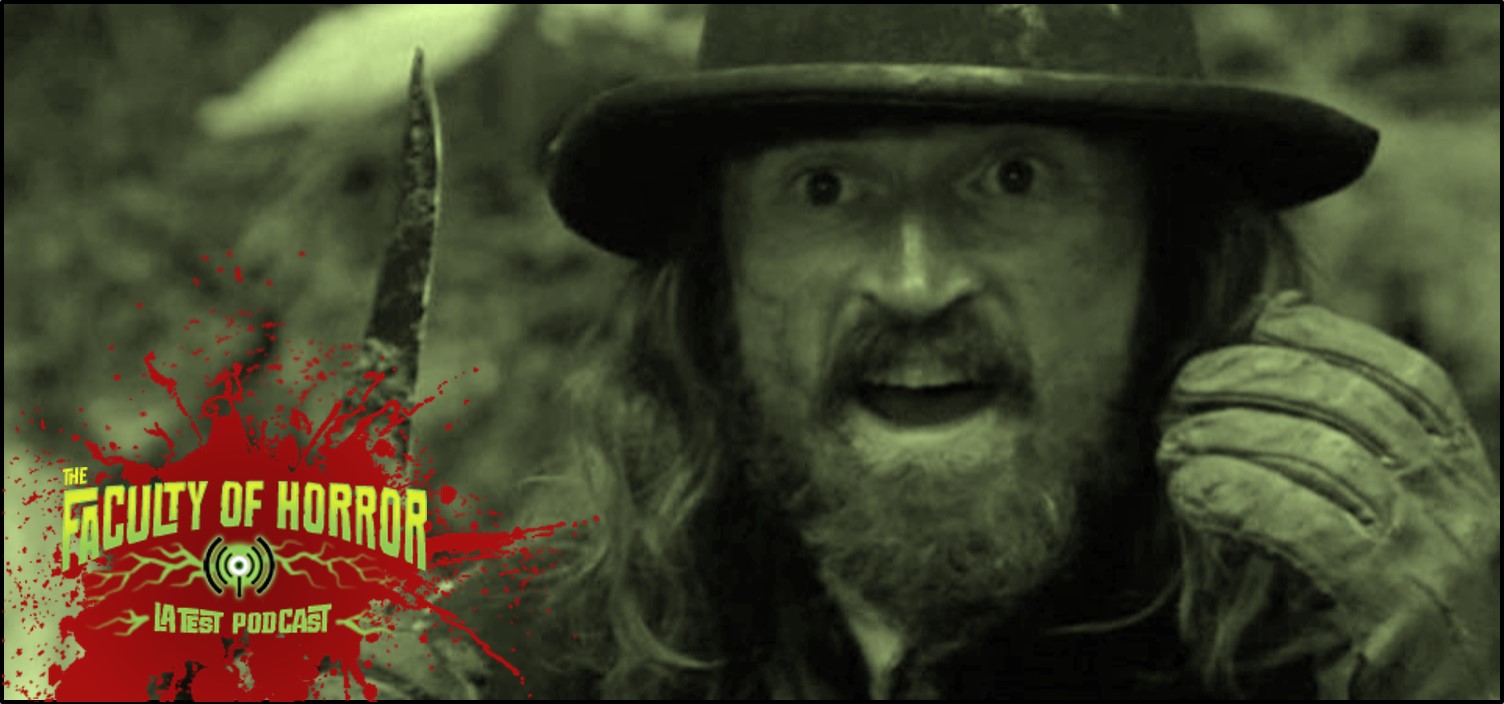
    Episode 70. Man Eater: Ravenous (1999) Feb 26, 2019
    Show notes Andrea and Alex head West to explore the notions of Manifest Destiny and the Frontier Myth in Antonia Bird’s Ravenous. Combining historical context through a modern gaze, Ravenous proves you are who you eat.

    REQUIRED READING

    Ravenous. Dir. Antonia Bird, 1999.

    EXTRA CREDIT

    Manifest Destiny – An overview of the philosophical American mandate to head West.

    Cannibal (2006) – a German film based on the true story of Armin Meiwes, who ate a man he met online.

    “You Are Who You Eat” – Bitch Flicks’ essay on Ravenous, with a discussion on how it handles “manpain.”

    Frontier Violence – NYT 1974 article on Richard Slotkin’s recontextualization of the American Frontier Myth.

    Survival: A Thematic Guide to Canadian Literature, by Margaret Atwood.

    A Tribe Called Red – Canadian Indigenous rap group.

    Tanya Tagaq – Canadian Inuk throat singer.

    LISTEN

    Right click or option-click here and choose “Save Target As…” to download the mp3.


    Episode 69: The Fack Lives!: 2018 Year in Review Jan 28, 2019
    Show notes Andrea and Alex return for their annual year in review episode. From their favourite films of 2018 to FAQs and bloopers, few stones are left unturned… and those are probably haunted anyway.

    EXTRA CREDIT

    Alex’s Favourite Films of 2018: Suspiria Pyewacket Annihilation Assassination Nation Cam Andrea’s Favourite Films of 2018: Suspiria Hereditary Assassination Nation Tigers are Not Afraid Summer of ’84 Alex’s Horror-Adjacent Film Faves: Border Sorry to Bother You Black Mirror: Bandersnatch Books mentions: Be sure to check out the Faculty of Horror Reading List! Wasteland: The Great War and the Origins of Modern Horror by W. Scott Poole Different Seasons by Stephen King The Girl Next Door by Jack Ketchum The Troop by Nick Cutter Bird Box by Josh Malerman Other sources mentioned: TIFF Long Take podcast Gaylords of Darkness podcast In Conversation with Paul Schrader – An interview from New York Magazine’s Vulture about the state of the film industry and how players like Netflix and Hulu are mining our algorithms.

    LISTEN

    Right click or option-click here and choose “Save Target As…” to download the mp3.


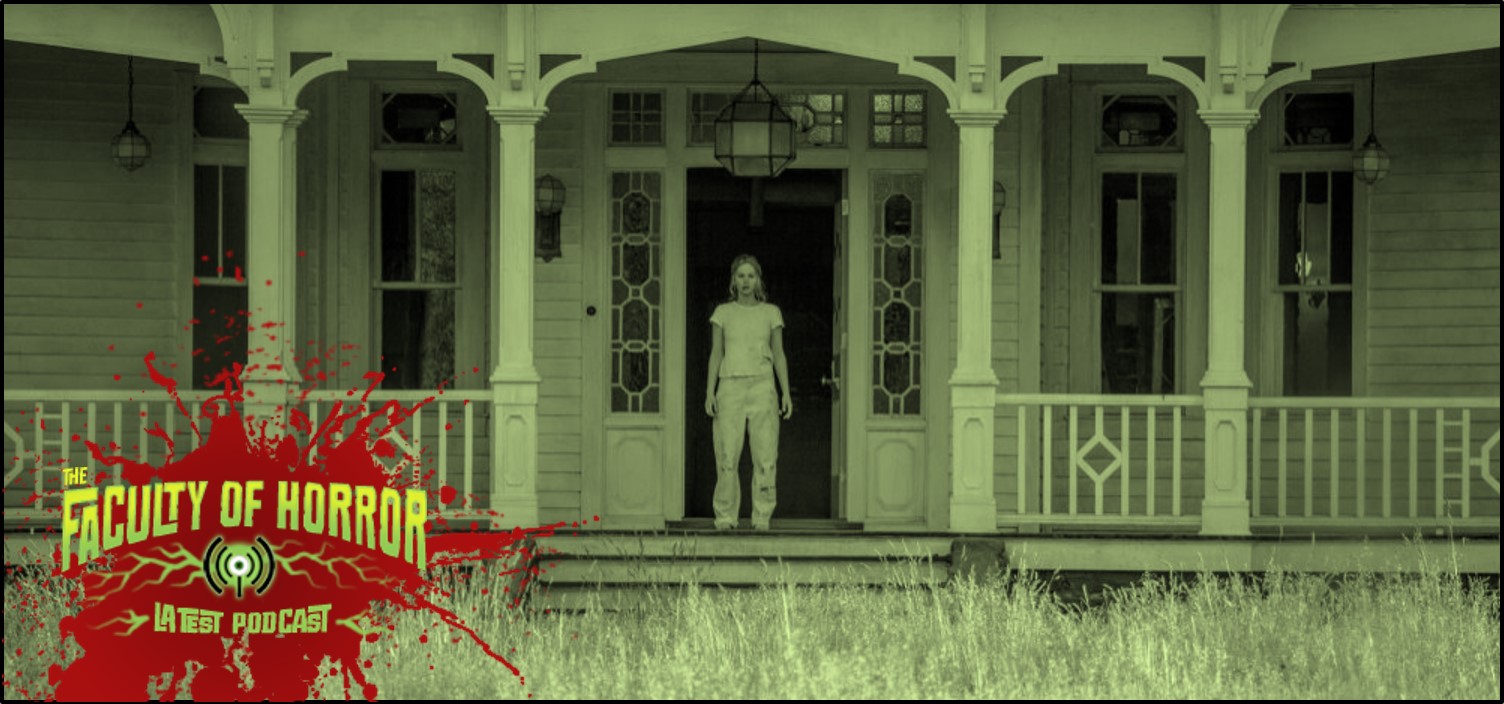
    Episode 68. House Proud: Mother! (2017) Dec 24, 2018
    Show notes Andrea and Alex break down the foundational elements of Darren Aronofsky’s divisive mother! From authorship to ecofeminism to sink instillation, few stones are left unturned or unexamined.

    REQUIRED READING

    mother! Dir. Darren Aronofsky, 2017.

    EXTRA CREDIT

    What is Ecofeminism? An overview of the term that rose to prominence in the 1970s. The Death of the Author by Roland Barthes. Barthes’ influential piece on the declining importance of God-like authorship. The Directors Cut Podcast, episode 90. Aronofsky interviewed by William Friedkin about mother! IndieWire Filmmaker Toolkit podcast, episode 47. Aronofsky on the process and ideology behind mother! “The Yellow Wall-Paper.” Charlotte Perkins Stetson’s scandalous novella from 1892.

    LISTEN

    Right click or option-click here and choose “Save Target As…” to download the mp3.


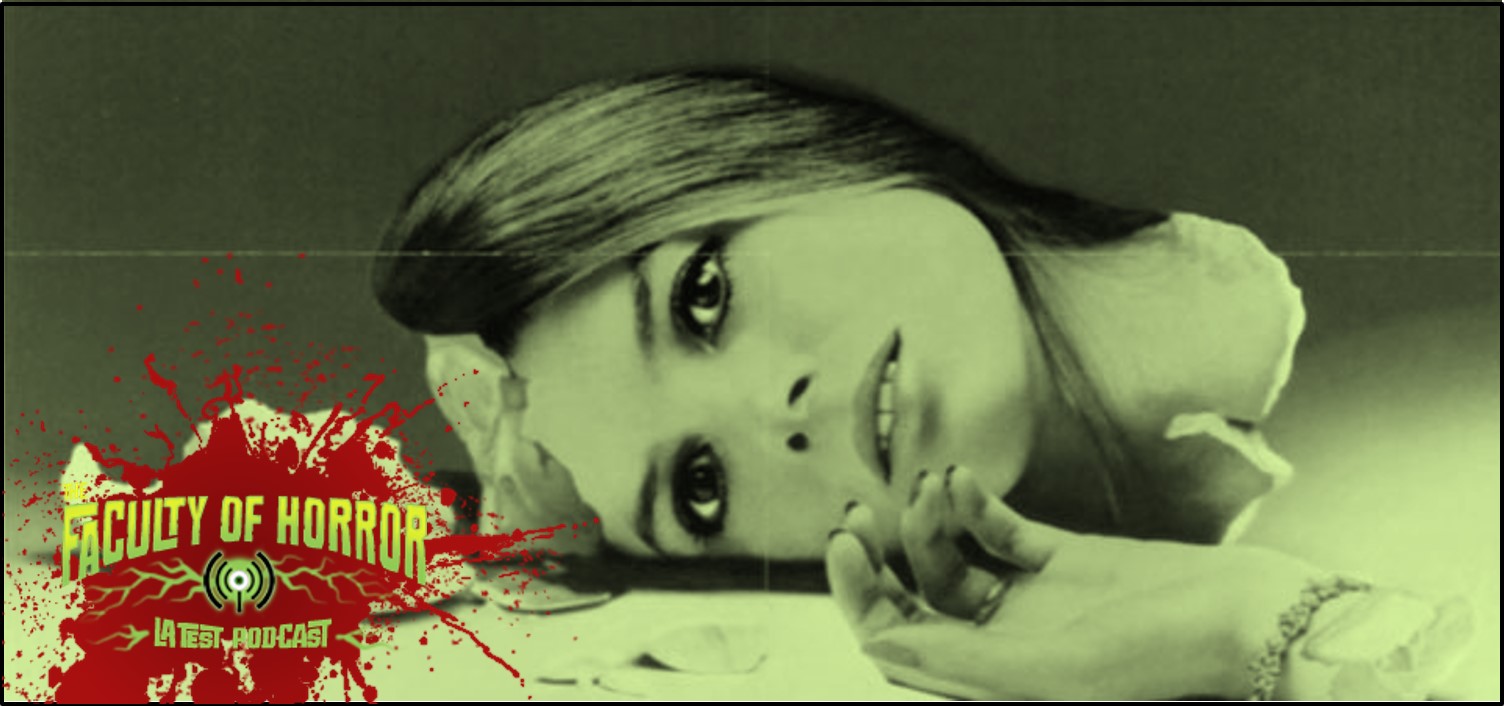
    Episode 67. Where is my mind: The Stepford Wives (1975) and Get Out (2017) Nov 28, 2018
    Show notes This month, Andrea and Alex tackle two films whose hearts lie in the darkest, most secret parts of suburban utopia. In Bryan Forbes’ The Stepford Wives and Jordan Peele’s Get Out, we follow protagonists who are socialized to make room for the privileged and examine what happens when they strike back.

    REQUIRED READING

    The Stepford Wives. Dir Bryan Forbes, 1975. Get Out. Dir Jordan Peele, 2017.

    EXTRA CREDIT

    The Feminine Mystique by Betty Friedan. The second-wave feminism manifesto that examines “the problem that has no name.” The 21st century cult of domesticity. As relevant today as ever. The Cyborg Mystique. Anna Krugovoy Silver’s examination of the opposing and overlapping views in The Feminine Mystique and The Stepford Wives.

    How to Dress Like a Stepford Wife. Great fashion advice without a trace of irony.

    On Photography by Susan Sontag. Sontag’s influential treatise on photography and its power.

    Capitol Couture via ladyhellbat.com. In which Andrea gets her Hunger Games in a twist.

    Horror Noire: Blacks in American Horror Films from the 1890s to Present by Robin R Means Coleman. A history and analysis of blackness in horror cinema.

    HORROR BLACKADEMICS: THE GET OUT (2017) SYLLABUS. Graveyard Shift Sister’s compilation of essays about Get Out.

    The Horror, The Horror: “Get Out” And The Place of Race in Scary Movies. NPR’s Code Switch’s episode on Get Out and race in horror.

    Jordan Peele on Why Get Out Is an Important Movie. Oprah’s interview with Jordan Peele.

    ‘Horror Noire’ Author Robin R. Means Coleman: The Horror News Network WiHM Interview. An interview with Means Coleman about horror, her book and Get Out.

    Surveilling the City: Whiteness, the Black Man and Democratic Totalitarianism. John Fiske’s examination of the normalization of Whiteness through surveillance.

    Whitopia: My Trip Through the Whitest Towns in America. Rich Benjamin’s TED talk about his experience living in the fast-growing white communities in America. Why Hollywood’s White Savior Obsession Is an Extension of Colonialism. An examination of the problematic trope embedded in numerous popular films. The White-Savior Industrial Complex. How the White Savior trope is embedded in day-to-day life.

    LISTEN

    Right click or option-click here and choose “Save Target As…” to download the mp3.


    Episode 66. Personal Hell: The House of the Devil (2009) Nov 03, 2018
    Show notes Join Andrea and Alex live at Salem Horror Fest! In this episode they tackle Ti West’s The House of the Devil and it’s reliance on the 1980s Satanic Panic movement. From modern technology to notions of the real and unreal, how much of the devil is in the details?

    REQUIRED READING

    The House of the Devil. Dir. Ti West, 2009.

    EXTRA CREDIT

    The history of Satanic Panic in the US — and why it’s not over yet Vox’s piece on the enduring impact of the Satanic Panic in the US.

    Satanic Panic: Pop-Cultural Paranoia in the 1980s Spectacular Optical’s deep dive into the cultural influence of Satanic Panic.

    The Work of Art in the Age of Mechanical Reproduction Walter Benjamin’s 1936 article delving into the notions of authenticity and aura in works of art.

    LISTEN

    Right click or option-click here and choose “Save Target As…” to download the mp3.


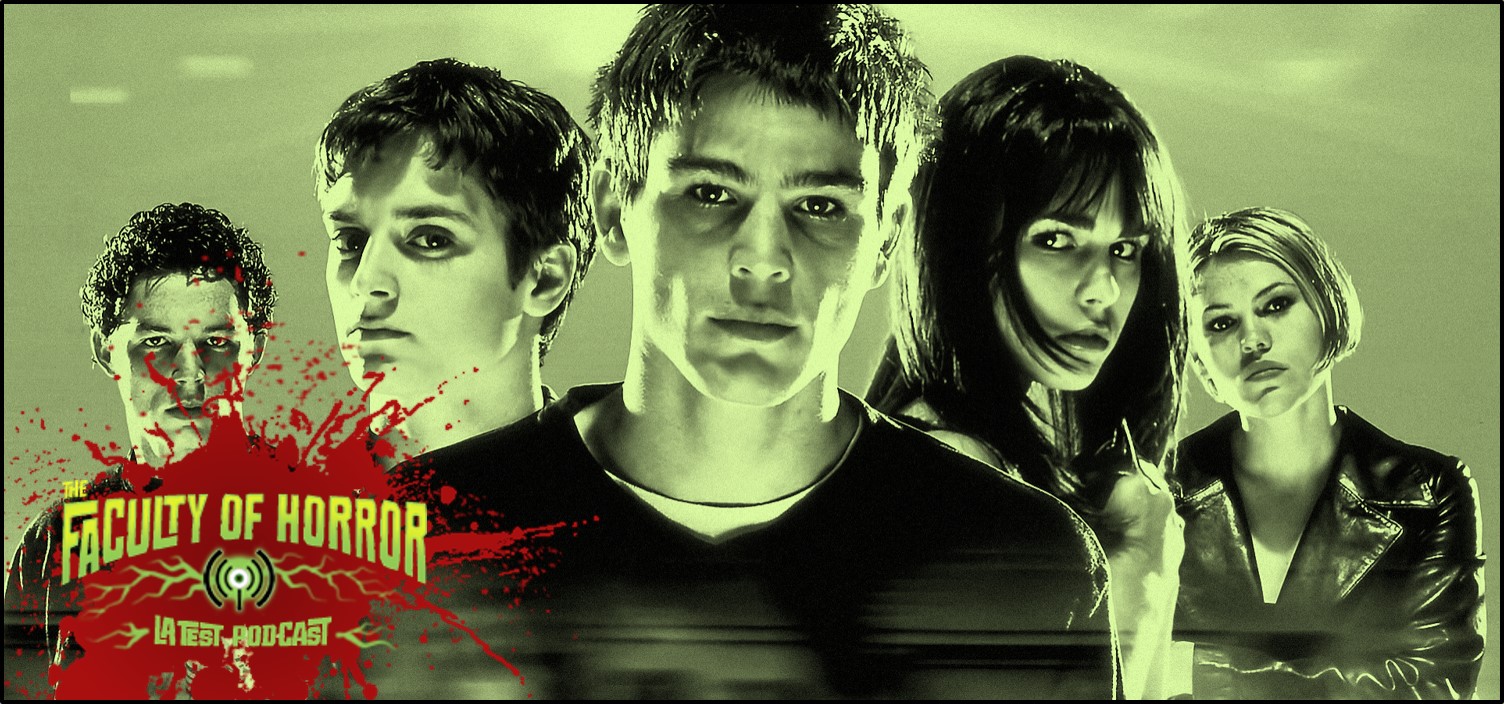
    Episode 65. Smells Like Teen Spirit: The Faculty (1998) Sep 26, 2018
    Show notes When it’s up to the misfits of Harrington High to stop the parasite-infected faculty from taking over the world, mayhem ensues. Alex and Andrea cut through the muck with a discussion on The Faculty‘s position in the ’90s teen horror cycle, the sociology of high school, and what happens when marketing partnership go awry.

    REQUIRED READING

    The Faculty. Dir. Robert Rodriguez, 1998.

    EXTRA CREDIT

    Class of 2018 t-shirts. Limited edition Faculty of Horror t-shirts are only available for a short time! Order yours today.

    Salem Horror Fest. We’ll be back October 12-14! Get your tickets now.

    Pajama Horror Gala. The Faculty of Horror’s weekly Chat Group has a podcast of its own! Site is still under construction but check it out and be sure to subscribe!

    Tommy Jeans ’90s TV spot. The ad that did the opposite of what it was supposed to.

    Freaks, Geeks, and Cool Kids by Murray Milner; an in-depth and accessible look at the life of the American teen.

    The 1990s Teen Horror Cycle, Alex’s book which features a discussion of The Faculty among many other films from that era.

    LISTEN

    Right click or option-click here and choose “Save Target As…” to download the mp3.


    All Quiet on the Western Front: The Wind (2018) Review Sep 15, 2018
    Show notes

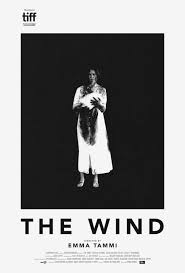
    The horror-western sub-genre has generally been a male dominated one with films like Bone Tomahawk (2015), Ravenous (1999), and From Dusk Till Dawn (1996). Emma Tammi’s new film The Wind reorients the narratives of the unknown American frontier in the 1800s and focuses on Lizzie (Caitlin Gerard) and her husband Isaac (Ashley Zukerman) as their very small, isolated world is interrupted by a new couple, Emma (Julia Goldani Tells) and Gideon (Dylan McTee) who move into the cabin a mile away from them and the strange occurrences which escalate as their relationship develops.

    In her intro to its TIFF screening Tammi referenced how she and her team were inspired by tales of women in the American frontier who were driven made by the endless, burrowing sound of the wind across the prairies. This phenomenon also known as Prairie Madness or Prairie Fever occurred when families moved from bustling urban centres to the deafening quiet of the relatively uninhabited prairies. In The Wind, the film supposes that this madness is brought about by something real, or real in the minds of those affected. An interesting companion piece to Robert Eggers The Witch (2016), The Wind circles the notion of female isolation and expectations as only the women are affected while the men go about their business. The husbands are side characters who appear to cause concern or instability for Lizzie and Emma. As the women form a rather competitive relationship, their isolation becomes clearer and their harsh reality more tactile.

    The film flips back and forth between timelines establishing and subverting expectations on the narrative sometimes to great effectiveness, sometimes to an odd amount of obviousness. Gerard is tasked with carrying the film and she, like the film, succeeds in carrying a vast amount of plot and emotion while at other times giving a forced, staid performance. The frustrating thing about The Wind is that all the elements present for a great film are there – a creepy mythology, some truly beautiful cinematography and solid (if uneven) performances but it can’t seem to stick a landing. It knows it wants to say something but can’t detach itself from rudimentary plot points to say something truly exciting, unexpected or new.

    The film offers stepping stones into a fascinating view into the Western genre by focusing on the women left behind while the men go off to hunt, tend to the land, or gather supplies giving the female characters the full weight of the story. The Wind apes on elements from Charlotte Perkins Gilman’s short story The Yellow Wallpaper more than anything else as Lizzie’s (and the audience’s) view of events is further cast into suspicion but The Wind never wants to dig deeper than introducing curious elements and then focusing on the plot. The sound design and mix which one would imagine to be at the forefront of the horror and psychological horror of a film called The Wind is barely noticeable and sounds like the white noise app I have on my phone. The Wind struggles to find its footing and decide on whether it wants to tell a rather straight-forward story or descend into the untold emotional trauma of women who endured this harsh and unforgiving way of life.

    Where The Wind succeeds is in some truly great scares and world building with a minimal budget. Unfortunately, at the end of it all, The Wind has some sound and fury but ultimately it signifies nothing.


    Scared Sacred Exclusive Chapter Excerpt – The Conjuring (2013) and The Conjuring 2 (2016) Sep 14, 2018
    Show notes

    As you may have heard, Alex and Andrea have chapters in a forthcoming anthology from House of Leaves Publishing. Scared Sacred: Idolatry, Religion and Worship in the Horror Film is a collection of writings exploring the cultural landscape of religion in horror cinema. Bringing together leading critics, historians and writers in this field, the book includes an introduction by author and theologian Professor Douglas E. Cowan, and foreword from actor and author Doug Bradley.

    Sacred Sacred is due for release early in 2019 and the crowdfunder, allowing supporters to pre-order a first edition copy of the book, is now live. The first edition run is limited to 1000 copies (the cover design will be foiled in silver), with only 100 copies of the hardback edition available (including an alternative cover foiled in copper). Each book will come with a numbered certificate. Visit https://igg.me/at/ScaredSacred/x for the full list of contributors and contents, as well as other exciting rewards!

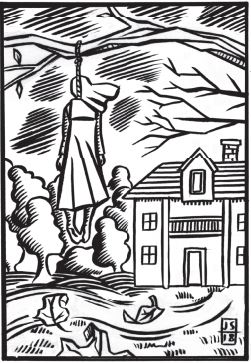
    Each chapter is also accompanied by an original illustration from John Sowder in a beautiful Medieval woodcut style. Faculty of Horror has an exclusive preview of Alex’s chapter on creeping conservatism in contemporary horror:

    Onward Christian Soldiers: Eyes of the Believers in The Conjuring (2013) and The Conjuring 2 (2016)

    James Wan’s The Conjuring (2013) and The Conjuring 2 (2016) follow fictionalized events drawn from the supposedly real adventures of Ed and Lorraine Warren, two deeply Christian figures on a mission to deliver white hetero-normative families from the clutches of certain evil. In these films, the Warrens come to represent a specific certitude: the way the American family can and should be (as evidenced by Ed and Lorraine’s blissful filmic relationship). This is reflected through the Warrens’ patriarchal, Christian ideals, a particular set of familial and faith-based values that serve to offer stability within the narratives of both films.

    The real life Ed and Lorraine Warren have become significant figures in the paranormal community since their highly publicized involvement in the Amityville case, turned into a book by Jay Anson in 1977, and followed by the Hollywood film, The Amityville Horror (1979). Their dealings in the strange and unusual officially began in 1972, when they founded the New England Society for Psychic Research (N.E.S.P.R.). Throughout their careers, the Warrens purported to be devout Catholics and oft en claimed to work with the Catholic Church to carry out investigations and exorcisms. They claimed Ed was the only non-ordained demonologist recognized by the Catholic Church, and Lorraine was a gifted medium. According to the Warrens’ official website, the N.E.S.P.R. was meant to simply investigate local hauntings, but when they accepted a case which they believed was being caused by the supposedly lost ghost of a little girl looking for her mother, Ed saw their role as not only to investigate, but also to counsel (N.E.S.P.R., n.d.). While many—if not all—of the Warren’s investigations have been disproved through various sources, they still command a formidable presence in paranormal and, recently, more mainstream circles, thanks in large part to Wan’s The Conjuring and The Conjuring 2. Both films present the Warrens as Catholic missionaries who save tormented families from both literal and metaphorical demons.


    Wave of Mutilation: Assassination Nation (2018) Review Sep 13, 2018
    Show notes

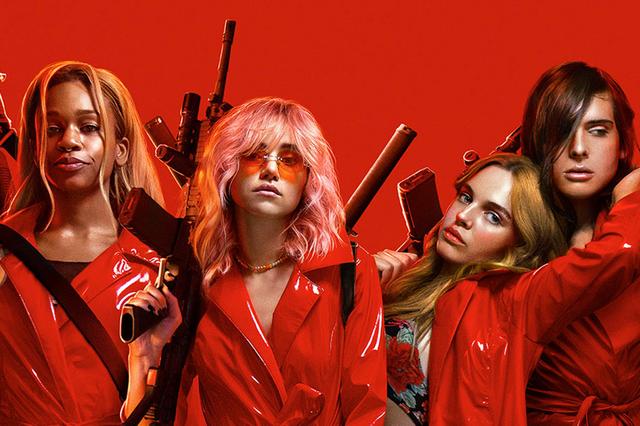
    New England is often considered the birth place of modern America. When the Puritans founded Plymouth Colony in 1620 they couldn’t have known it would become the bedrock for many of the issues Americans still face today. Sam Levinson’s Assassination Nation, uses its Salem, Massachusetts setting to highlight how little has changed from the uptight, morally corrupt commune that began America (even though it began with the best of intentions). Assassination Nation’s lineage lies in the works of American literature such as Nathaniel Hawthorne’s The Scarlet Letter (1850) and Arthur Miller’s The Crucible (1953) updating it to contemporary times and with just a smidge more violence.

    After working through the New French Extremity in my spare time, I often wondered if we’d ever get a New American Extremity because while America has never been a peaceful country, it certainly likes to pretend it is and any violence is the product of defending its civil liberties. The Purge franchise is probably the closest we got until this past year. Since 2017 we’ve seen Tragedy Girls, Revenge (made by a French director), MFA and now Assassination Nation all bloody, funny, tragic and deeply indebted to the female experience, confronting the gender’s treatment in the films of yesteryear and re-appropriating said treatment for a modern film-savvy audience. As we still grapple with all the #HotTakes on the #MeToo movement, the bulk of the work still falls on the survivors while the majority of public figures pay lip service to the movement but are unwilling and/or unable to take a meaningful stand. This duality is at the core of a national and international dialogue, where do our moral boundaries lie and how do we defend them?

    Assassination Nation tells the story of Lily (Odessa Young) and her BFFs Bex (Hari Nef), Em (Abra), and Sarah (Suki Waterhouse) as they navigate the politics of high school and sexuality in a modern age of having multiple identities through multiple lenses. While these young women are living within the confines of society, the film articulates in a variety of ways that social media plays into it allowing for a variety of truths and posturing. As the private information of the town is hacked, the residents become more desperate for answers as the dark secrets and shitty assumptions of the town are brought to light while Lily and her friends become the primary target for the town’s unfiltered anger.

    With only one previous film directing credit to his name (Another Happy Day, 2011), Sam Levinson proves himself to be a filmmaker who can create controlled chaos in the midst of a searing line of focus through a rambling narrative which feels fresh, if not a bit preaching-to-the-choir. The first third of the film establishes the frenetic and frenzied feeling of creating and maintaining a variety of lived realities in ways that feel completely, overwhelmingly and almost joyously cinematic. By establishing this mise-en-scene early on – we are given short-hand with which to understand some of the characters and some establishing narrative threads. From there the film updates the ideation that Hawthorne and Miller warned us about, that prejudice and high-minded morality around the notion of sin are performative rather than malleable. The third act, which has lost some people, descends into a violent female film fantasy. After decades of consuming violent cinematic male fantasies, Assassination Nation utilizes its protagonists and antagonists pushing them to the extremes to tell a story about our base impulses through, once again, a highly cinematic lens. By pushing its visual styles to the extreme, Assassination Nation puts some (semi) diverse female traumas and truths on screen by allowing characters who usually have no access to participation in this kind of genre ending to take up space within it with agency allowing them to reach a fantastical catharsis.

    Is Assassination Nation the most perfect film ever made? No. However, its sheer ambition and willingness to take risks keeps it relevant. When unspoken truths are blasted through a movie screen it doesn’t make them easier to swallow, it makes them harder to ignore.


    From My Cold Dead Hands: Halloween (2018) Sep 09, 2018
    Show notes

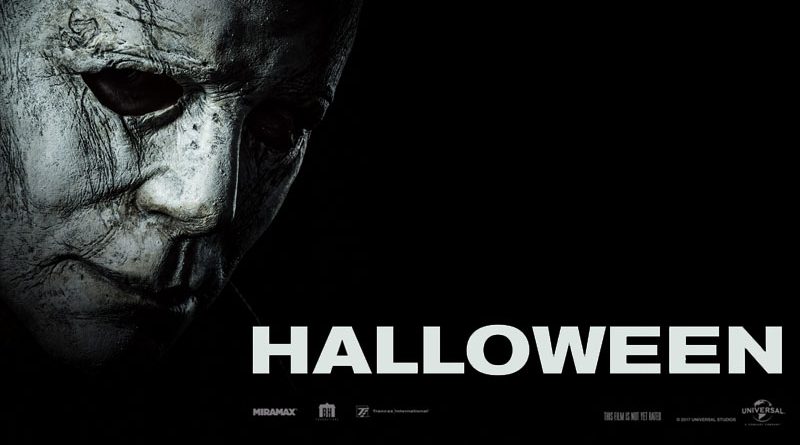
    It’s a funny thing seeing a film at TIFF’s Midnight Madness (the horror/genre programming section of TIFF). The audience is bananas. The energy is palpable and the audience participation is through the roof. At last night’s world premiere of David Gordon Green’s Halloween (2018), the audience was primed, Jamie Lee Curtis was in the house and various Michael Myers were stalking the Elgin Winter Garden venue. I’ve spoken about my love of slashers on this podcast multiple times and I’ve been on other podcasts speaking about my love for Halloween: H20 (1998) and why I think that film is a successful end to Laurie Strode’s story. I was trepidatious going in to the screening last night because I wanted to love the film, but I wasn’t convinced that Danny McBride and David Gordon Green were the team to bring something new to the franchise. I’m generally wary when a new team is brought in and says, essentially, “fuck the original franchise, we know better.” Gordon Green and McBride have made arguments in the press that the notion that Michael is Laurie’s brother isn’t as scary as some random guy killing people, to which I would like to say: fear is AHEM relative. BUT the mood was right last night and without further ado – let’s dive in to Halloween “2”018.
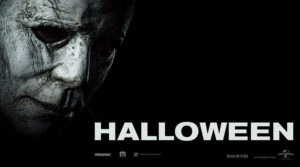
    Set 40 years after the events of John Carpenter’s Halloween (1978) and ignoring all subsequent sequels and remakes the film begins on the eve of Michael Myer’s ill-advised October 30th transport from a psychiatric hospital to a supposedly Orwellian nightmare jail. Meanwhile, Laurie Strode (Jamie Lee Curtis) has been waiting for Michael’s escape and living in fear as a survivalist putting a strain on her relationship with her daughter Karen (Judy Greer) and granddaughter Allyson (Andi Matichak). Of course, the transport carrying Michael goes awry and he’s on the loose once again. Without the guiding principal of Laurie being Michael’s sister, hence his intent on killing her and anyone related to them, the film can’t decide on Michael’s MO – does he kill indiscriminately or like to wait for elaborate set ups to strike certain victims? Is his murderous rage triggered by the holiday itself, his mask, his older sister Judith or Laurie herself? Who knows? Certainly not the film. Halloween skirts the edges of saying something but then backs down in favour of comedy, creating a frustrating 90 minutes where characters speak in exactly their motivations and intents with no subtext but when the film could say something about trauma or lived experience it cuts to a goofy non-sequitur.
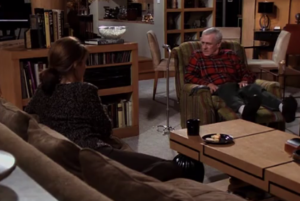
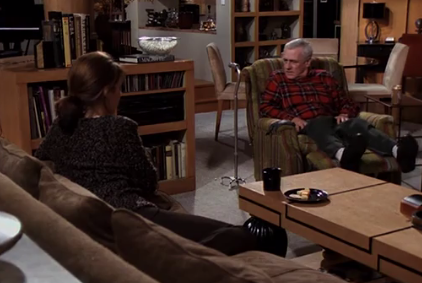
    “I don’t remember these things being so goofy.” – Martin Crane

    McBride and Gordon Green seem hell-bent on telling their audience that they have seen the original film but only through visual cues and mentions of the “Boogeyman” without context for what the “Boogeyman” means to the film, and I struggled to take away any meaning from it other than a celebration of nostalgia. I would be interested to know what someone who hasn’t seen the original film could take away from it as the film swings from one callback to another. As the filmmakers behind efforts like Pineapple Express (2008), Your Highness (2011) and Vice Principals (2017) Gordon Green and McBride can’t get out of their own way, insisting on injecting talky comedy every few minutes causing the film to flounder in its pacing and creating one of the most tonally inconsistently films I have ever seen. The film feels so indebted to these factors that it feels less like a film and more like an exercise. Filmed in mostly close-ups and medium shots I could never establish a sense of space to this new Haddonfield. One of the elements I appreciate most about Carpenter’s original is the emptiness of his new American small town, the notion that the place that was supposed to be the safest in America was also its most sinister.

    On film Twitter, I’ve seen near universal praise for the film and its female led ending, and while I didn’t hate it, the film doesn’t earn it. There will never NOT be a day where I don’t want to see Jamie Lee Curtis be a badass and other women be badasses with her, but because the film spends so much time keeping these characters apart and deviating into subplots that go nowhere, the ending feels rushed and confused but hey, I got to see JLC cock a gun a few times.

    I think nostalgia is a tricky thing, this film, which I’m sure will do very, VERY well and based on the reactions of those in the theatre around me and on Twitter, will be almost universally beloved, to me doesn’t understand what a threat like Michael Myers means today. There is talk about the original events but the filmmakers can’t quite bring themselves to take it into the realm of the violence, deadly tragedies (particularly from gun violence) that occur on a regular basis in America. McBride and Gordon Green seem to want to say that America’s violence hang-over causes people to become desensitized to lived violence until they themselves are faced with it. I’ve been watching the Netflix series Follow This about Buzzfeed journalist deep-diving into a variety of subject matters and one of the best episodes is about Black Survivalists, black folks who have taken it upon themselves to learn how to survive in unthinkable circumstances. The episode clearly lays out that for these groups they are not only marginalized but the government doesn’t care about their safety forcing them to take it into their own hands. Halloween once again skirts this issue with Laurie. What does Laurie’s self-imposed/forced survalist lifestyle say about our society? The film certainly doesn’t know or doesn’t want to say.

    Prior to last night’s screening, there was a brief intro from the creative team then the lights went down and the audience cheered in anticipation of the film. The screen remained dark and the Halloween theme music began to play. From the side of the stage someone dressed in a Michael Myers costume walked on and stood there staring at the audience while a thousand or so phone cameras flashed. Then the music stopped and “Michael” unceremoniously wandered off stage. To me this “nod” to the audience indicated that the visual checklist of a Halloween film was more important than any illuminating thematic weight. Looking at this moment in retrospect, it felt like an arbiter of what was to come. Halloween 2018 believes in the iconography of Michael Meyers but doesn’t want to understand why he became and has remained a horror icon.


    Previous 1 9 10 11 12 13 21 Next

    Related Podcasts

    Crimetown

    1

    Crimetown News
    Up and Vanished

    2

    Up and Vanished News & Politics
    The Joe Rogan Experience

    3

    The Joe Rogan Experience Comedy
    Freakonomics Radio

    4

    Freakonomics Radio Documentary
    The Joe Rogan Experience

    5

    The Joe Rogan Experience Society & Culture
    Casefile True Crime

    6

    Casefile True Crime Games & Hobbies
    footer-logo

    Contact Us

    Toll Free: 844-670-7747

    Links

    • Home
    • Top Charts
    • Networks
    • Apps
    • Independents Podcasts
    • Podcast Advertising
    • Podcast News
    • Contact Us
    • About Us
    • Analytics & Insights

    Stay Connected

      Privacy, Terms of Use & Our Code of Ethics Protecting Content Creators Copyrights