Day 37: Before Abraham Was, I Am – Discerning Hearts Podcast
Mar 26, 2026
A Lenten Spiritual Journey with Discerning Hearts: From Ashes to Glory – Discerning Hearts Podcast
Day 37: Before Abraham Was, I Am
Scripture Reading: (Jerusalem Bible)
John 8:51–59
Jesus said to the Jews: “I tell you solemnly, if anyone keeps My word he will never see death.” The Jews said, “Now we know that You are possessed. Abraham is dead, and the prophets are dead, and yet You say, ‘If anyone keeps My word he will never know the taste of death.’ Are You greater than our father Abraham, who is dead? The prophets are dead too. Who are You claiming to be?”
Jesus answered: “If I were to seek My own glory that would be no glory at all; My glory is conferred by the Father, by the One of whom you say, ‘He is our God,’ although you do not know Him. But I know Him, and if I were to say, ‘I do not know Him,’ I should be a liar, as you are. But I do know Him, and I keep His word. Your father Abraham rejoiced to think that he would see My Day; he saw it and was glad.”
The Jews then said, “You are not fifty yet, and You have seen Abraham!” Jesus replied: “I tell you solemnly, before Abraham ever was, I Am.” At this they picked up stones to throw at Him; but Jesus hid Himself and left the Temple.
Reflection:
This Gospel reaches a dramatic and profound turning point: Jesus reveals not only His mission, but His identity. “Before Abraham ever was, I Am.” It is a name that echoes the voice of God from the burning bush—a claim that leaves no room for ambiguity. Jesus is not merely a prophet or a teacher. He is the Eternal One. The Word made flesh.
But what does this mean for us, especially in these final days of Lent?
It means that in Christ, we are not following a distant ideal—we are being invited into communion with the Living God. Lent is not just about moral effort. It is about relationship. To keep His word, as Jesus says, is to remain in that relationship—faithful, trusting, open.
And yet, we know how hard that can be. There are days we feel distant. Times when questions cloud our faith. Moments when silence feels louder than the presence of God. Like those in today’s Gospel, we can be tempted to react with skepticism or resistance—especially when Jesus asks for deeper surrender.
But Lent teaches us to stay in the conversation. To ask—not with cynicism, but with longing—“Who are You claiming to be?” And to listen for His answer. Jesus does not force belief; He reveals, patiently and truthfully, again and again.
St. Teresa of Calcutta once said:
“When you look at the crucifix, you understand how much Jesus loved you. When you look at the Sacred Host, you understand how much Jesus loves you now.” (Jesus, the Word to Be Spoken: Prayers and Meditations by Mother Teresa, edited by Brother Angelo Devananda, 1996)
And from Evagrius Ponticus, one of the great voices of early Christian wisdom:
“If you are a theologian, you will pray truly; and if you pray truly, you are a theologian.” (Chapters on Prayer, 61)
To stay close to Jesus, we need prayer—not just as obligation, but as encounter. We need silence to listen. Scripture to anchor us. And people who can walk with us when the path feels unclear. God has not left us alone. And Jesus, the Great I Am, does not abandon His own.
Reflection Questions:
What does Jesus’ identity as “I Am” mean for your life today?
Are there places of resistance or fear in your heart where Christ is inviting deeper trust?
How can prayer help you remain in relationship with the Living God today?
Closing Prayer:
Jesus, You are the Eternal Word, the Living God who calls me to communion. Help me to keep Your word not only with my lips but with my life. Teach me to stay with You in prayer, even when I do not understand. Open my heart to the mystery of who You are, and let that truth lead me into deeper love, deeper freedom, and deeper faith.
Amen.
This reflection is written by Kris McGregor of Discerning Hearts®. The Scripture passage is taken from the Jerusalem Bible (1966 edition), used with permission. No unauthorized use or reproduction is permitted without prior written consent.
5th Thursday of Lent – A Time of Lectio Divina for the Discerning Heart Podcast
Mar 26, 2026
5th Thursday of Lent – A Time of Lectio Divina for the Discerning Heart Podcast
As you begin, take a deep breath and exhale slowly. For at least the next few moments, surrender all the cares and concerns of this day to the Lord.
Say slowly from your heart “Jesus, I Trust In You…You Take Over”
Become aware that He is with you, looking upon you with love, wanting to be heard deep within in your heart…
From the Holy Gospel of John 8:51-59
Jesus said to the Jews: ‘I tell you most solemnly, whoever keeps my word will never see death.’ The Jews said, ‘Now we know for certain that you are possessed. Abraham is dead, and the prophets are dead, and yet you say, “Whoever keeps my word will never know the taste of death.” Are you greater than our father Abraham, who is dead? The prophets are dead too. Who are you claiming to be?’ Jesus answered: ‘If I were to seek my own glory that would be no glory at all; my glory is conferred by the Father, by the one of whom you say, “He is our God” although you do not know him. But I know him, and if I were to say: I do not know him, I should be a liar, as you are liars yourselves. But I do know him, and I faithfully keep his word. Your father Abraham rejoiced to think that he would see my Day; he saw it and was glad.’ The Jews then said, ‘You are not fifty yet, and you have seen Abraham!’ Jesus replied: ‘I tell you most solemnly, before Abraham ever was, I Am.’ At this they picked up stones to throw at him; but Jesus hid himself and left the Temple.
What word made this passage come alive for you?
What did you sense the Lord saying to you?
Once more give the Lord an opportunity to speak to you:
Jesus said to the Jews: ‘I tell you most solemnly, whoever keeps my word will never see death.’ The Jews said, ‘Now we know for certain that you are possessed. Abraham is dead, and the prophets are dead, and yet you say, “Whoever keeps my word will never know the taste of death.” Are you greater than our father Abraham, who is dead? The prophets are dead too. Who are you claiming to be?’ Jesus answered: ‘If I were to seek my own glory that would be no glory at all; my glory is conferred by the Father, by the one of whom you say, “He is our God” although you do not know him. But I know him, and if I were to say: I do not know him, I should be a liar, as you are liars yourselves. But I do know him, and I faithfully keep his word. Your father Abraham rejoiced to think that he would see my Day; he saw it and was glad.’ The Jews then said, ‘You are not fifty yet, and you have seen Abraham!’ Jesus replied: ‘I tell you most solemnly, before Abraham ever was, I Am.’ At this they picked up stones to throw at him; but Jesus hid himself and left the Temple.
What did your heart feel as you listened?
What did you sense the Lord saying to you?
Once more, through Him, with Him and in Him listen to the Word:
Jesus said to the Jews: ‘I tell you most solemnly, whoever keeps my word will never see death.’ The Jews said, ‘Now we know for certain that you are possessed. Abraham is dead, and the prophets are dead, and yet you say, “Whoever keeps my word will never know the taste of death.” Are you greater than our father Abraham, who is dead? The prophets are dead too. Who are you claiming to be?’ Jesus answered: ‘If I were to seek my own glory that would be no glory at all; my glory is conferred by the Father, by the one of whom you say, “He is our God” although you do not know him. But I know him, and if I were to say: I do not know him, I should be a liar, as you are liars yourselves. But I do know him, and I faithfully keep his word. Your father Abraham rejoiced to think that he would see my Day; he saw it and was glad.’ The Jews then said, ‘You are not fifty yet, and you have seen Abraham!’ Jesus replied: ‘I tell you most solemnly, before Abraham ever was, I Am.’ At this they picked up stones to throw at him; but Jesus hid himself and left the Temple.
What touched your heart in this time of prayer?
What did your heart feel as you prayed?
What do you hope to carry with you from this time with the Lord?
Our Father, who art in heaven,
hallowed be thy name.
Thy kingdom come.
Thy will be done on earth, as it is in heaven.
Give us this day our daily bread,
and forgive us our trespasses,
as we forgive those who trespass against us,
and lead us not into temptation,
but deliver us from evil.
Amen
Excerpt from THE JERUSALEM BIBLE, copyright (c) 1966 by Darton, Longman & Todd, Ltd. and Doubleday, a division of Penguin Random House, Inc. Reprinted by Permission.
PoC-37 5th Thursday of Lent: The Power of the Cross Lenten Meditation
Mar 26, 2026
The Cross of Christ Restores. . .Obedience
Steps to Take as You Follow Christ
Ask—Am I obedient to the commands of Jesus?
Seek—To be open to God. Receive the Eucharist and ask God to enrich you with his Body and Blood, enabling you to be an obedient son or daughter, abiding in Christ.
Knock—Meditate on 1 John 2:3–6.
We can be sure that we know God only by keeping his commandments. Anyone who says, ‘I know him’, and does not keep his commandments, is a liar, refusing to admit the truth. But when anyone does obey what he has said, God’s love comes to perfection in him. We can be sure that we are in God only when the one who claims to be living in him is living the same kind of life as Christ lived.
How well do we know him? How much of our disobedience is due to our own ignorance of Christ? Are we disobedient children because we do not really believe that the Father loves us, and wants what is best for us?
Transform Your Life—Accept the transfusion of life that is the Eucharist, an exchange of our sin-tainted, mortal flesh for the immortality of the God-Man. Live the Eucharist realizing that Christ remains in you. When you are tempted, call upon the presence of Christ to empower you to be obedient.
Michael Dubruiel’s book The Power of the Cross: Applying the Passion of Christ to Your Life is currently available in Kindle format.
Excerpt from THE JERUSALEM BIBLE, copyright (c) 1966 by Darton, Longman & Todd, Ltd. and Doubleday, a division of Penguin Random House, Inc. Reprinted by Permission.
BW36 – Living In Harmony – The Rule of St. Benedict for Daily Life with Kris McGregor – Discerning Hearts Podcasts
Mar 25, 2026
The Rule of St. Benedict for Daily Life: Learning to Listen to God with a Discerning Heart with Kris McGregor
Episode 36 – St. Hildegard of Bingen – Living in Harmony
In this episode of The Rule of St. Benedict for Daily Life, Kris McGregor reflects on St. Hildegard of Bingen’s vision of healing as the restoration of harmony. For Hildegard, healing is not only the easing of pain or the correction of one part of life. It is the return of right order, where soul, body, and daily life begin to come back into balance under God’s wisdom.
This vision fits naturally within the Benedictine way. The Holy Rule shapes time through prayer, work, and rest so that life is not left scattered or divided. Hildegard helps us see that this ordering is not merely practical. It serves wholeness. When prayer returns to its rightful place, when work is received faithfully, and when the body and soul are no longer treated as enemies, life begins to grow steadier and more peaceful.
This episode also draws out how deeply this matters in ordinary life. Fragmentation wears people down. Prayer gets pushed aside, work becomes anxious, rest loses its peace, and even the body begins to carry the strain of a divided life. Hildegard calls us back to a wiser order. In Christ, our humanity is not bypassed but healed and restored. This episode invites listeners to consider how grace works not around life as it is lived, but within it, gathering what is scattered and teaching the whole person to live in greater harmony with God.
Citations
St. Hildegard of Bingen, Scivias: Book One, Vision Two, section 33
“In this, humility and charity are brighter than the other virtues, since humility and charity are like a soul and body that possess stronger powers than the other powers of soul and bodily members. How? Humility is like the soul and charity like the body, and they cannot be separated from each other but work together, just as soul and body cannot be disjoined but work together as long as a person lives in the body.”
1 Thessalonians 5:23, RSV–CE
“May the God of peace himself sanctify you wholly; and may your spirit and soul and body be kept sound and blameless at the coming of our Lord Jesus Christ.”
Discerning Hearts Reflection Questions
Where in my life do I feel the strain of fragmentation or imbalance?
Do I tend to treat prayer, work, rest, and care of the body as disconnected parts rather than as one life before God?
How might a wiser order in daily life create more room for healing?
In what ways have anxiety, overwork, or restlessness affected my peace?
How does Christ help me see that grace restores my humanity rather than working around it?
IP#353 Sally Read – Annunciation on Inside the Pages with Kris McGregor – Discerning Hearts Catholic Podcasts
Mar 25, 2026
Annunciation – by Sally Read on Inside the Pages with Kris McGregor
Kris McGregor speaks with Sally Read about Annunciation: A Call to Faith in a Broken World, a book Sally wrote as a letter to her daughter and as a reflection on faith, motherhood, and conversion. Sally describes the Annunciation as a pattern for every life: God calls, the soul answers, and trust must continue even when prayer feels dry or difficult. She presents Mary not as weak or passive, but as courageous, powerful, and deeply faithful, and shares how her own view of Mary changed after moving from atheism to Catholicism.
The book explores how to pass faith on to children in a world marked by anxiety, despair, and distraction. Sally recounts her daughter’s honest questions about Mass, Communion, and belief, and explains that faith is less about dramatic feelings than about opening oneself to God. Kris and Sally connect Scripture, suffering, grief, identity, and contemplation, showing how prayer and the Eucharist can transform ordinary pain and confusion into grace. By the end, the Annunciation becomes a living invitation in daily life, with each moment offering another chance to say yes to God.
How do I respond to God’s invitations in my daily life, especially when I feel uncertain or afraid?
In what ways can I grow in trust like Mary, even when I do not fully understand what God is asking of me?
Do I rely too much on feelings in my prayer life, or am I willing to remain faithful during spiritual dryness?
How can I better communicate the truths of the faith to others, especially children or those struggling with belief?
What fears or anxieties keep me from fully surrendering to God’s will?
How do I bring my grief, struggles, or suffering to God in prayer and the Eucharist?
In what ways can I cultivate a deeper habit of contemplation and interior silence in my life?
Do I truly understand my identity as someone loved and called by God?
How can I recognize each moment of my life as an opportunity to say yes to God?
What practical steps can I take to grow in faith and trust in a world marked by distraction and despair?
From the book description
Sensing the precarious nature of faith in an overwhelmingly secular world, Read, through meditation and anecdote, began writing down the compelling reasons for holding onto both God and Church. Taking the Annunciation as her template (that most fundamental yes to God), she explores common experiences of the spiritual life: His presence and invitation (And he came to her); the fears we have to let go of (Do not be afraid); the realization of our identity in God (Behold, I am the handmaid of the Lord) and what our vocation might be (Let it be to me according to your word); and when God feels very distant from us (And the angel departed from her).
Drawing on Scripture, lives of the saints, and the lives of people she has known personally and professionally as a nurse, Read shows how God is with us always―through suffering, spiritual dryness and depression, as well as in joyful and mystical ways. This book was inspired by a mother’s loving response to a daughter―but what has resulted is something that will speak to any believer engaged in the bliss and bewilderment of a relationship with God.
About the Author
Sally Read is the author of Night’s Bright Darkness: A Modern Conversion Story (Ignatius Press, 2016) and three books of poetry published by Bloodaxe Books. She is poet in residence with the Hermitage of the Three Holy Hierarchs, and she lives with her family near Rome.
The Annunciation – Building a Kingdom of Love with Msgr. John Esseff – Discerning Hearts Podcast
Mar 25, 2026
The Annunciation – Building a Kingdom of Love with Msgr. John Esseff
Msgr. John Esseff reflects on the Feast of the Annunciation, which falls in the heart of Lent. He shares how personal and significant this date is to him, as it marks the wedding anniversary of his parents. Their story, including seeking a dispensation to marry during Lent and defying an arranged marriage, mirrors the boldness and surrender exemplified by Mary’s own “yes” to God; drawing a connection between Mary’s total openness to God’s will and the Lenten call to deeper prayer, sacrifice, and discernment. Mary’s response to the angel, her understanding of Scripture, and her unwavering virginity reflect a soul in perfect union with God’s purpose.
Msgr. Esseff explores the moment of the Annunciation as a profound revelation—not only of Mary’s divine motherhood but also of the Trinity. The Father sends the Son, conceived by the Holy Spirit, marking the incarnation of God’s Word in the womb of one who had already received that Word in her heart. Her fiat—”Let it be done to me according to your word”—becomes the model of perfect prayer and surrender. He invites us to ponder God’s will in their daily lives as Mary did, suggesting that prayer is not about asking but about receiving and responding.
Discerning Hearts Reflection Questions
How does Mary’s “yes” to God challenge me to trust more deeply in His will for my life?
In what ways can I better listen to God in prayer as Mary did during the Annunciation?
Do I invite the Holy Spirit to help me discern God’s will in my daily decisions?
How does Mary’s example teach me about the meaning and purpose of obedience in the spiritual life?
What role does Scripture play in helping me understand and respond to God’s call, as it did for Mary?
How can I offer my own body, time, and choices to God like Mary offered herself?
In the midst of Lent, how is God inviting me to deeper union with Him through prayer and sacrifice?
What can I learn from Mary’s silence and pondering heart about interior prayer and reflection?
How does the mystery of the Trinity revealed at the Annunciation shape my understanding of who God is?
What does Mary’s life teach me about saying “yes” to God even when the path is uncertain?
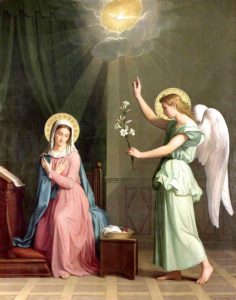
From the NAB Gospel: Luke 1:26-38
The angel Gabriel was sent from God to a town of Galilee called Nazareth, to a virgin betrothed to a man named Joseph, of the house of David, and the virgin’s name was Mary. And coming to her, he said, “Hail, full of grace! The Lord is with you.” But she was greatly troubled at what was said and pondered what sort of greeting this might be. Then the angel said to her, “Do not be afraid, Mary, for you have found favor with God. Behold, you will conceive in your womb and bear a son, and you shall name him Jesus. He will be great and will be called Son of the Most High, and the Lord God will give him the throne of David his father, and he will rule over the house of Jacob forever, and of his Kingdom there will be no end.” But Mary said to the angel, “How can this be, since I have no relations with a man?” And the angel said to her in reply, “The Holy Spirit will come upon you, and the power of the Most High will overshadow you. Therefore the child to be born will be called holy, the Son of God. And behold, Elizabeth, your relative, has also conceived a son in her old age, and this is the sixth month for her who was called barren; for nothing will be impossible for God.” Mary said, “Behold, I am the handmaid of the Lord. May it be done to me according to your word.” Then the angel departed from her.
Msgr. John A. Esseff is a Roman Catholic priest in the Diocese of Scranton. Msgr. Esseff served as a retreat director and confessor to St. Teresa of Calcutta. He continues to offer direction and retreats for the Sisters of the Missionaries of Charity worldwide. Msgr. Esseff encountered St. Padre Pio, who would become a spiritual father to him. He has lived in areas around the world, serving in the Pontifical Missions, a Catholic organization established by St. Pope John Paul II to bring the Good News to the world, especially to the poor. Msgr. Esseff assisted the founders of the Institute for Priestly Formation and continues to serve as a spiritual director for the Institute. He continues to serve as a retreat leader and director to bishops, priests, sisters, seminarians, and other religious leaders worldwide.
Day 36: The Truth Will Set You Free – Discerning Hearts Podcast
Mar 25, 2026
A Lenten Spiritual Journey with Discerning Hearts: From Ashes to Glory – Discerning Hearts Podcast
Day 36: The Truth Will Set You Free
Scripture Reading: (Jerusalem Bible)
John 8:31–42
To the Jews who believed in Him, Jesus said: “If you make My word your home you will indeed be My disciples, you will learn the truth and the truth will make you free.”
They answered, “We are descended from Abraham and we have never been the slaves of anyone; what do you mean, ‘You will be made free’?”
Jesus replied: “I tell you most solemnly, everyone who commits sin is a slave. Now the slave’s place in the house is not assured, but the son’s place is assured. So if the Son makes you free, you will be free indeed. I know that you are descended from Abraham; but in spite of that you want to kill Me because nothing I say has penetrated into you. What I, for My part, speak of is what I have seen with My Father; but you, you put into action the lessons learnt from your father.”
They repeated, “Our father is Abraham.”
Jesus said to them: “If you were Abraham’s children, you would do as Abraham did. As it is, you want to kill Me when I tell you the truth as I have learnt it from God; that is not what Abraham did. What you are doing is what your father does.”
“We were not born of prostitution,” they went on, “we have one father: God.”
Jesus answered: “If God were your father, you would love Me, since I have come here from God; yes, I have come from Him; not that I came because I chose, no, I was sent, and by Him.”
⸻
Reflection:
At the heart of this Gospel is a promise and a challenge: “If the Son makes you free, you will be free indeed.” We live in a world that talks often about freedom—but Jesus speaks of a different kind. This is not merely the freedom to choose—it is the freedom to choose what is good, what is true, what leads to life in God. This is the freedom that comes from being fully His.
Jesus speaks directly to those who believed in Him—and yet still resisted the full implications of His word. “If you make My word your home… you will learn the truth and the truth will make you free.” Truth is not just abstract. It is relational. It is Christ Himself. This kind of freedom is not the absence of struggle but the presence of Christ. It is found in surrendering to the Father’s will, as Jesus did—in letting go of control and abiding in love.
The people in the Gospel claim, “We’ve never been slaves.” But Jesus reveals a deeper slavery: sin. Sin limits our sight. It distorts our desires. It binds our hearts to what cannot save us. To be free in Christ is to be unbound from all that keeps us from love—and to live in the transforming truth of His word.
But often, we hold back. Maybe it’s fear—of what we’ll lose. Maybe it’s anxiety—of surrendering what we’ve clung to. Maybe it’s old wounds that whisper, “You’re not worthy.” These don’t disqualify us. They invite honesty.
This is where the spiritual practice of ARRR prayer can be helpful:
Acknowledge what you’re experiencing.
Relate it to Jesus in heartfelt honesty.
Receive what He offers you in that place.
Respond with trust and love.
St. Catherine of Siena reminds us that this freedom is not about willpower, but about intimacy with God:
“You have been made by God and re-made in the blood of His Son, and you are being continually made new by the fire of His love.” (Letter T82)
The Desert Father Abba Poemen once said:
“Do not give your heart to that which does not satisfy. Let love be your measure in all things.” (Apophthegmata Patrum, Poemen 18)
Freedom in Christ is not license to do as we please—it is grace to become who we truly are. It’s not about escaping suffering, but allowing God to transform it. So today, let us ask: Are we willing to let the truth dwell in us—to trust Jesus with the parts of our lives still bound by fear or falsehood?
Reflection Questions:
What still binds your heart and holds you back from full freedom in Christ?
Are there fears, anxieties, or false securities that Jesus is asking you to surrender?
How might ARRR prayer guide your steps today toward healing and trust?
Closing Prayer:
Lord Jesus, You are the Truth that sets us free. We bring You our fears, our pride, and our false securities. Help us to surrender them to You. Let Your word dwell in us, reshape us, and lead us into the freedom of love. Root us in Your truth, and help us to trust the Father as You do.
Amen.
This reflection is written by Kris McGregor of Discerning Hearts®. The Scripture passage is taken from the Jerusalem Bible (1966 edition), used with permission. No unauthorized use or reproduction is permitted without prior written consent.
The Annunciation of the Lord – A Time of Lectio Divina for the Discerning Heart Podcast
Mar 25, 2026
The Annunciation of the Lord – A Time of Lectio Divina for the Discerning Heart Podcast
As you begin, take a deep breath and exhale slowly. For at least the next few moments, surrender all the cares and concerns of this day to the Lord.
Say slowly from your heart “Jesus, I Trust In You…You Take Over”
Become aware that He is with you, looking upon you with love, wanting to be heard deep within in your heart…
From the Holy Gospel of Luke 1:26-38
The angel Gabriel was sent by God to a town in Galilee called Nazareth, to a virgin betrothed to a man named Joseph, of the House of David; and the virgin’s name was Mary. He went in and said to her, ‘Rejoice, so highly favoured! The Lord is with you.’ She was deeply disturbed by these words and asked herself what this greeting could mean, but the angel said to her, ‘Mary, do not be afraid; you have won God’s favour. Listen! You are to conceive and bear a son, and you must name him Jesus. He will be great and will be called Son of the Most High. The Lord God will give him the throne of his ancestor David; he will rule over the House of Jacob for ever and his reign will have no end.’ Mary said to the angel, ‘But how can this come about, since I am a virgin?’ ‘The Holy Spirit will come upon you’ the angel answered ‘and the power of the Most High will cover you with its shadow. And so the child will be holy and will be called Son of God. Know this too: your kinswoman Elizabeth has, in her old age, herself conceived a son, and she whom people called barren is now in her sixth month, for nothing is impossible to God.’ ‘I am the handmaid of the Lord,’ said Mary ‘let what you have said be done to me.’ And the angel left her.
What word made this passage come alive for you?
What did you sense the Lord saying to you?
Once more give the Lord an opportunity to speak to you:
The angel Gabriel was sent by God to a town in Galilee called Nazareth, to a virgin betrothed to a man named Joseph, of the House of David; and the virgin’s name was Mary. He went in and said to her, ‘Rejoice, so highly favoured! The Lord is with you.’ She was deeply disturbed by these words and asked herself what this greeting could mean, but the angel said to her, ‘Mary, do not be afraid; you have won God’s favour. Listen! You are to conceive and bear a son, and you must name him Jesus. He will be great and will be called Son of the Most High. The Lord God will give him the throne of his ancestor David; he will rule over the House of Jacob for ever and his reign will have no end.’ Mary said to the angel, ‘But how can this come about, since I am a virgin?’ ‘The Holy Spirit will come upon you’ the angel answered ‘and the power of the Most High will cover you with its shadow. And so the child will be holy and will be called Son of God. Know this too: your kinswoman Elizabeth has, in her old age, herself conceived a son, and she whom people called barren is now in her sixth month, for nothing is impossible to God.’ ‘I am the handmaid of the Lord,’ said Mary ‘let what you have said be done to me.’ And the angel left her.
What did your heart feel as you listened?
What did you sense the Lord saying to you?
Once more, through Him, with Him and in Him listen to the Word:
The angel Gabriel was sent by God to a town in Galilee called Nazareth, to a virgin betrothed to a man named Joseph, of the House of David; and the virgin’s name was Mary. He went in and said to her, ‘Rejoice, so highly favoured! The Lord is with you.’ She was deeply disturbed by these words and asked herself what this greeting could mean, but the angel said to her, ‘Mary, do not be afraid; you have won God’s favour. Listen! You are to conceive and bear a son, and you must name him Jesus. He will be great and will be called Son of the Most High. The Lord God will give him the throne of his ancestor David; he will rule over the House of Jacob for ever and his reign will have no end.’ Mary said to the angel, ‘But how can this come about, since I am a virgin?’ ‘The Holy Spirit will come upon you’ the angel answered ‘and the power of the Most High will cover you with its shadow. And so the child will be holy and will be called Son of God. Know this too: your kinswoman Elizabeth has, in her old age, herself conceived a son, and she whom people called barren is now in her sixth month, for nothing is impossible to God.’ ‘I am the handmaid of the Lord,’ said Mary ‘let what you have said be done to me.’ And the angel left her.
What touched your heart in this time of prayer?
What did your heart feel as you prayed?
What do you hope to carry with you from this time with the Lord?
Our Father, who art in heaven,
hallowed be thy name.
Thy kingdom come.
Thy will be done on earth, as it is in heaven.
Give us this day our daily bread,
and forgive us our trespasses,
as we forgive those who trespass against us,
and lead us not into temptation,
but deliver us from evil.
Amen
Excerpt from THE JERUSALEM BIBLE, copyright (c) 1966 by Darton, Longman & Todd, Ltd. and Doubleday, a division of Penguin Random House, Inc. Reprinted by Permission.
PoC-36 5th Wednesday of Lent: The Power of the Cross Lenten Meditation
Mar 25, 2026
The Cross of Christ Restores. . .Our Freedom
Steps to Take as You Follow Christ
Ask—Are there areas of my life where I am still enslaved?
Seek—Persevere in the teaching of Jesus. Experience the joy of the small victories when standing your ground against the enemy, especially when he seeks to seduce you back into the slavery of sin.
Knock—Meditate on Romans 6:22–23.
Now, however, you have been set free from sin, you have been made slaves of God, and you get a reward leading to your sanctification and ending in eternal life. For the wage paid by sin is death; the present given by God is eternal life in Christ Jesus our Lord.
What does it mean to be a slave of God? Are you a free person? If not, what still enslaves you? If so, from what has God freed you?
Transform Your Life—St. Ignatius of Loyola taught that we should make use of created things inasmuch as they aid us in praising, reverencing, and serving God, for that is the purpose of our existence. Spend your life seeing all of creation in these terms, remaining in the teaching of Jesus, and witness how your life is totally transformed.
Michael Dubruiel’s book The Power of the Cross: Applying the Passion of Christ to Your Life is currently available in Kindle format.
Excerpt from THE JERUSALEM BIBLE, copyright (c) 1966 by Darton, Longman & Todd, Ltd. and Doubleday, a division of Penguin Random House, Inc. Reprinted by Permission.
BW35 – Bearing Fruit in Steadfastness – The Rule of St. Benedict for Daily Life with Kris McGregor – Discerning Hearts Podcasts
Mar 24, 2026
The Rule of St. Benedict for Daily Life: Learning to Listen to God with a Discerning Heart with Kris McGregor
Episode 35 – St. Hildegard of Bingen – Bearing Fruit in Steadfastness
In this episode of The Rule of St. Benedict for Daily Life, Kris McGregor reflects on St. Hildegard of Bingen’s vision of fruitfulness as something that grows slowly through steadfastness. Healing is not the end of the spiritual life. It prepares the soul for deeper growth. For Hildegard, fruitfulness is not measured by visible success, intensity or quick results. It comes through remaining rooted in God, faithful in ordinary life and open to the grace that works quietly over time.
This vision fits deeply within the Benedictine way. St. Benedict does not promise instant change. He gives a way of life in which grace can be received steadily through prayer, work, liturgy, silence and faithful community life. The soul is cultivated through this rhythm. Like a well-tended field, it is protected from neglect and given room to bear fruit in due time.
This episode also highlights how easily the spiritual life can dry out through neglect rather than open rebellion. Prayer is neglected. Attention is neglected. Ordinary responsibilities are carried without care. Hildegard calls the soul back to perseverance. Stability, obedience and prayer keep life from scattering and help the heart remain close to its source. In Christ, who teaches us to abide in the vine, fruitfulness comes not from striving alone but from remaining where life is given.
Citations
St. Hildegard of Bingen, Scivias: Book Two, Vision One
“For when a field with great labor is cultivated, it brings forth much fruit, and the same is shown in the human race, for after humanity’s ruin many virtues arose to raise it up again.”
John 15:5, RSV–CE
“He who abides in me, and I in him, he it is that bears much fruit.”
Discerning Hearts Reflection Questions
Where in my life am I tempted to look for quick results instead of steady growth?
Do I trust that grace can be at work even when I do not yet see visible fruit?
What ordinary practices in my life help keep my soul rooted in God?
Where has neglect begun to dry out my prayer, attention, or fidelity?
How is Christ inviting me to abide more faithfully so that fruit can grow in its proper time?
CTD5 – Leaving the Desert – Crossing the Desert: Lent and Conversion with Deacon James Keating – Discerning Hearts Podcast
Mar 24, 2026
Leaving the Desert – Crossing the Desert: Lent and Conversion with Deacon James Keating
In this episode, Deacon James Keating and Kris McGregor explore Lent’s significance, urging introspection and acknowledgment of sin. Deacon Keating highlights society’s loss of this sense, attributing it partly to psychology’s influence.
This reminds us of personal responsibility and freedom in recognizing sin; especially cultural desensitization to sin, emphasizing intentional conscience formation through spiritually grounded fellowship. They advocate for gentle yet firm engagement on moral issues to foster genuine community within parishes.
Discerning Hearts Reflection Questions
Lenten Self-Reflection: How can you deepen your introspection during Lent to identify areas of sin in your life?
Responsibility and Freedom: Reflect on how you balance acknowledging external influences with taking personal responsibility for your actions.
Desensitization to Sin: How can you guard against societal desensitization to sin, especially in media and cultural norms?
Intentional Conscience Formation: In what ways can you intentionally cultivate a spiritually grounded fellowship to form your conscience?
Engaging on Moral Issues: How can you engage in conversations about moral issues with both gentleness and firmness, guided by love?
Fostering Community in Parishes: What steps can you take to foster genuine community within your parish, where faith is shared and nurtured collectively?
An excerpt from “Crossing the Desert: Lent and Conversion”:
“Celebrating the sacrament of reconciliation is, for many Catholics, a most daunting prospect. This sacrament has been the source of many jokes, composed perhaps by persons seeking to reduce the level of stress they feel regarding one of its main components: naming personal sin.
The naming of one’s own sin to oneself and to a priest is self-revelatory to the point of evoking anxiety. Initially, it can be true that some level of apprehension may accompany this sacrament, but over time with regular celebration of this form of worship, anxiety diminishes. Most positively the sacrament of reconciliation promotes truthful self-knowledge regarding sin in the context of Christ’s saving presence. Once someone experiences both the naming of sin and the reception of God’s mercy in this sacrament, he or she actually begins to celebrate this sacrament and see it as a great gift from Christ and his Church.”
Deacon James Keating, Ph.D., is a professor of Spiritual Theology and serves as a spiritual director at Kenrick Glennon Seminary in St. Louis, MO.
Day 35: Look Upon the One They Have Pierced – Discerning Hearts Podcast
Mar 24, 2026
A Lenten Spiritual Journey with Discerning Hearts: From Ashes to Glory – Discerning Hearts Podcast
Day 35: Look Upon the One They Have Pierced
Scripture Reading: (Jerusalem Bible)
John 8:21–30
Again Jesus said to them: “I am going away; you will look for Me and you will die in your sin. Where I am going, you cannot come.”
The Jews said to one another, “Will He kill Himself? Is that what He means by saying, ‘Where I am going, you cannot come’?”
Jesus went on: “You are from below; I am from above. You are of this world; I am not of this world. I have told you already: You will die in your sins. Yes, if you do not believe that I am He, you will die in your sins.”
So they said to Him, “Who are you?”
Jesus answered: “What I have told you from the outset. About you I have much to say and much to condemn. But the One who sent Me is truthful, and what I have learned from Him I declare to the world.”
They failed to understand that He was talking to them about the Father.
So Jesus said: “When you have lifted up the Son of Man, then you will know that I am He and that I do nothing of Myself: what the Father has taught Me is what I preach; He who sent Me is with Me, and has not left Me to Myself, for I always do what pleases Him.”
As He was saying this, many came to believe in Him.
⸻
Reflection:
In these final days of Lent, we are invited to draw close to the mystery of Christ’s suffering and self-offering. Jesus speaks of being “lifted up”—pointing not only to the physical crucifixion, but to the deeper mystery of His love poured out. When the Son of Man is lifted up, then we shall know who He truly is.
This Gospel speaks to all of us who struggle with understanding, with surrender, with trust. How often do we, like the crowd, wrestle with Jesus’ words—questioning, misunderstanding, resisting? And yet, even in the midst of our confusion, Jesus reveals the way to truth: the cross.
To gaze upon the cross in prayer is not merely to look—it is to listen. It is to enter the silence where Christ speaks most profoundly. It is to say, “Jesus, help me to receive the mystery of Your love. Teach me to trust You, to live in Your love, and to be conformed to You.” This is not just a moment of reflection—it is an invitation to communion. As we contemplate the crucifix, especially in these final days of Lent, we see not only the depth of Christ’s suffering, but the measure of His love. And with Jesus, we are invited to surrender ourselves to the loving will of the Father—trusting, as He did, that even suffering is not the end, but the beginning of glory.
St. John of the Cross once wrote:
“The soul that walks in love neither tires others nor grows tired.” (Sayings of Light and Love, 97)
Abba Theodore of Pherme offers us this simple but piercing word:
“If you love God, you will be ready for trials.” (Apophthegmata Patrum, Alphabetical Collection, Theodore of Pherme 6)
Love and trust are not measured by sentiment, but by perseverance. Christ’s love did not waver on the cross—and He offers that same grace to us. Perhaps today, you can take a moment to physically hold a crucifix in your hands. If one is on your wall, take it down and sit with it. If it’s around your neck, lift it close to your heart. And if you do not yet have one, consider seeking one out—a crucifix to hold in prayer, to gaze upon in silence.
Let that be today’s practice: to hold the cross not only with our hands, but with our hearts. To contemplate its mystery and beauty. To let Christ speak, not just to our minds, but to our souls. If you want to know how much the Father loves you—gaze upon the cross.
⸻
Reflection Questions:
1.What does the cross reveal to you about the love of Christ? 2.Are there areas of your life where trust in the Father’s will is difficult? 3.How can you make space today to gaze on the cross and listen more deeply to what Christ is saying to your heart?
⸻
Closing Prayer:
Lord Jesus, You were lifted up in love for the life of the world. Teach us to stay with You beneath the cross—not in fear, but in faith. Help us to trust in Your love, to receive it anew, and to surrender more deeply to the Father’s will. May the cross be not just a sign of suffering, but a fountain of grace. Let us never turn away from so great a love.
Amen.
This reflection is written by Kris McGregor of Discerning Hearts®. The Scripture passage is taken from the Jerusalem Bible (1966 edition), used with permission. No unauthorized use or reproduction is permitted without prior written consent.
A Novena for the Annunciation – Day 9 – Mary, Woman of Faith
Mar 24, 2026
Day 9: Mary, Woman of Faith
Lord let it be done to me as you have said” (Luke I:38)Let us pray:
Almighty Father, we are Your children. We call You by name and follow in the footsteps of Jesus, Your Son. Give us the grace to have and live the faith of Mary so we may become worthy of the eternal life You promised. Father, let us fill our hearts with faith to be able to accept Your will for us without reservations.
Help us remove the doubts and perplexities that plague our minds to face the difficulties and uncertainties of life. Let us not waver in our faith. Father, call us Your children. Comfort us and give us mercy. As we proclaim the Virgin Mary, to be the Mother of Christ and the Mother of the Church, may our communion with her Son bring us to salvation. All praise and glory ever be Yours.
Jesus, for our salvation You willingly humbled Yourself, becoming Man in the womb of the Virgin Mother, grant me through the mystery of Your holy Incarnation the virtue of humility that I may ever please God as Your Mother did, by meekness and lowliness in this world, and be exalted by You in eternity.
Mary, dear Mother of my Savior, I greet you and I thank you for having received the message of the Archangel Gabriel: “Hail, full of grace, the Lord is with thee” (Luke I:28) and for having answered with your assent, “Behold the handmaid of the Lord, be it done to me according to thy word.” (Luke 1:38) Intercede for me that God the Father, who accepted you as His Daughter and the Mother of His Son because of your humility at the Annunciation, may accept me as humble child. Amen
5th Tuesday of Lent – A Time of Lectio Divina for the Discerning Heart Podcast
Mar 24, 2026
5th Tuesday of Lent – A Time of Lectio Divina for the Discerning Heart Podcast
As you begin, take a deep breath and exhale slowly. For at least the next few moments, surrender all the cares and concerns of this day to the Lord.
Say slowly from your heart “Jesus, I Trust In You…You Take Over”
Become aware that He is with you, looking upon you with love, wanting to be heard deep within in your heart…
From the Holy Gospel of John 8:21-30
Jesus said to the Pharisees: ‘I am going away; you will look for me and you will die in your sin. Where I am going, you cannot come.’ The Jews said to one another, ‘Will he kill himself? Is that what he means by saying, “Where I am going, you cannot come”?’ Jesus went on: ‘You are from below; I am from above. You are of this world; I am not of this world. I have told you already: You will die in your sins. Yes, if you do not believe that I am He, you will die in your sins.’ So they said to him, ‘Who are you?’ Jesus answered: ‘What I have told you from the outset. About you I have much to say and much to condemn; but the one who sent me is truthful, and what I have learnt from him I declare to the world.’ They failed to understand that he was talking to them about the Father. So Jesus said: ‘When you have lifted up the Son of Man, then you will know that I am He and that I do nothing of myself: what the Father has taught me is what I preach; he who sent me is with me, and has not left me to myself, for I always do what pleases him.’ As he was saying this, many came to believe in him.
What word made this passage come alive for you?
What did you sense the Lord saying to you?
Once more give the Lord an opportunity to speak to you:
Jesus said to the Pharisees: ‘I am going away; you will look for me and you will die in your sin. Where I am going, you cannot come.’ The Jews said to one another, ‘Will he kill himself? Is that what he means by saying, “Where I am going, you cannot come”?’ Jesus went on: ‘You are from below; I am from above. You are of this world; I am not of this world. I have told you already: You will die in your sins. Yes, if you do not believe that I am He, you will die in your sins.’ So they said to him, ‘Who are you?’ Jesus answered: ‘What I have told you from the outset. About you I have much to say and much to condemn; but the one who sent me is truthful, and what I have learnt from him I declare to the world.’ They failed to understand that he was talking to them about the Father. So Jesus said: ‘When you have lifted up the Son of Man, then you will know that I am He and that I do nothing of myself: what the Father has taught me is what I preach; he who sent me is with me, and has not left me to myself, for I always do what pleases him.’ As he was saying this, many came to believe in him.
What did your heart feel as you listened?
What did you sense the Lord saying to you?
Once more, through Him, with Him and in Him listen to the Word:
Jesus said to the Pharisees: ‘I am going away; you will look for me and you will die in your sin. Where I am going, you cannot come.’ The Jews said to one another, ‘Will he kill himself? Is that what he means by saying, “Where I am going, you cannot come”?’ Jesus went on: ‘You are from below; I am from above. You are of this world; I am not of this world. I have told you already: You will die in your sins. Yes, if you do not believe that I am He, you will die in your sins.’ So they said to him, ‘Who are you?’ Jesus answered: ‘What I have told you from the outset. About you I have much to say and much to condemn; but the one who sent me is truthful, and what I have learnt from him I declare to the world.’ They failed to understand that he was talking to them about the Father. So Jesus said: ‘When you have lifted up the Son of Man, then you will know that I am He and that I do nothing of myself: what the Father has taught me is what I preach; he who sent me is with me, and has not left me to myself, for I always do what pleases him.’ As he was saying this, many came to believe in him.
What touched your heart in this time of prayer?
What did your heart feel as you prayed?
What do you hope to carry with you from this time with the Lord?
Our Father, who art in heaven,
hallowed be thy name.
Thy kingdom come.
Thy will be done on earth, as it is in heaven.
Give us this day our daily bread,
and forgive us our trespasses,
as we forgive those who trespass against us,
and lead us not into temptation,
but deliver us from evil.
Amen
Excerpt from THE JERUSALEM BIBLE, copyright (c) 1966 by Darton, Longman & Todd, Ltd. and Doubleday, a division of Penguin Random House, Inc. Reprinted by Permission.
PoC-35 5th Tuesday of Lent: The Power of the Cross Lenten Meditation
Mar 24, 2026
The Cross of Christ Restores. . .The Image of God
Steps to Take as You Follow Christ
Ask—What can make me more like Christ in his humility?
Seek—Ask God to reveal to you his purpose for your life. When you do not feel accepted by others, look to the rejection that Jesus endured on the cross and unite your suffering to his.
Knock—Meditate on Numbers 21:8–9.
The Lord answered him, ‘Make a fiery serpent and put it on a standard. If anyone is bitten and looks at it, he shall live.’ So Moses fashioned a bronze serpent which he put on a standard, and if anyone was bitten by a serpent, he looked at the bronze serpent and lived.
Imagine the people being bitten by serpents, then being healed by staring at the serpent on the pole (which is still the symbol for the medical profession). What do you think healed the people?
Transform Your Life—Learn the acceptance of God. Confess your sins and anything that you think makes you unacceptable to God. Learn to love your physical imperfections and to help others accept theirs and yours.
Michael Dubruiel’s book The Power of the Cross: Applying the Passion of Christ to Your Life is currently available in Kindle format.
Excerpt from THE JERUSALEM BIBLE, copyright (c) 1966 by Darton, Longman & Todd, Ltd. and Doubleday, a division of Penguin Random House, Inc. Reprinted by Permission.
BW34 – The Ruler of All – The Rule of St. Benedict for Daily Life with Kris McGregor – Discerning Hearts Podcasts
Mar 23, 2026
The Rule of St. Benedict for Daily Life: Learning to Listen to God with a Discerning Heart with Kris McGregor
Episode 34 – St. Hildegard of Bingen – The Ruler of All
In this episode of The Rule of St. Benedict for Daily Life, Kris McGregor continues with St. Hildegard of Bingen and her vision of God as the One who orders and sustains all things. Hildegard begins not with the self but with God, whose power gives life, fruitfulness, and right order to creation. Her Benedictine formation matters deeply here. Living within the Holy Rule, the Divine Office, and the rhythm of the liturgical year, she learns to see the world as charged with meaning, upheld by the strong hand of the Ruler of All.
Hildegard reminds us that creation is not self-made and not self-sustaining. The sky, the air, the earth, and all living things bear witness to the wisdom and power of God. This vision matters because humility begins when we remember that we are not the source of life. Much of our fear comes from living as though everything depends on us. Hildegard calls the soul back to reality: there is a Ruler of All, and that truth is meant not to crush us but to free us.
This episode also draws out the deep harmony between Hildegard’s vision and the Benedictine way. Stability teaches us to remain with God even when prayer feels dry or life feels heavy. Obedience teaches us to listen with the ear of the heart for the indwelling Christ. Humility grows as we learn that God sees more than we see and holds together what we cannot. In Christ, God’s rule is revealed not as cold force but as faithful love. This episode invites listeners to place their fear, weariness, and need for control beneath the greater wisdom and fidelity of God.
Citations
St. Hildegard of Bingen, Scivias: Book Two, Vision One
“No creature is so dull of nature as not to know what changes in the things that make it fruitful cause it to attain its full growth. The sky holds light, light air, and air the birds; the earth nourishes plants, plants fruit and fruit animals; which all testify that they were put there by a strong hand, the supreme power of the Ruler of All, Who in His strength has provided so for them all that nothing is lacking to them for their use.”
Romans 1:17, RSV–CE
“For from him and through him and to him are all things.
Discerning Hearts Reflection Questions
Where in my life am I acting as though everything depends on me?
How does fear affect my need to manage, secure, or control what is happening around me?
What does it mean for me to live more consciously under God as the Ruler of All?
How have stability, prayer, and obedience been helping me grow in trust?
How does Christ reveal that God’s rule is not distant power but faithful love?
SISL10 – I Don’t Feel God’s Love – Struggles in the Spiritual Life with Fr. Timothy Gallagher – Discerning Hearts Podcasts
Mar 23, 2026
I Don’t Feel God’s Love – Struggles in the Spiritual Life with Fr. Timothy Gallagher O.M.V.
Fr. Timothy Gallagher and Kris McGregor discuss how ongoing struggles are a normal part of the spiritual life, where both consolation and desolation play important roles in growth. Through Kathy’s experience, they show how prayer can begin with deep peace, a sense of being loved, and visible fruit in daily life, only to later shift into dryness and inner turmoil. When a Scripture passage unexpectedly brings up unresolved pain from her past, Kathy enters a state of desolation marked by feelings of distance from God, confusion, and emotional hurt, even questioning the value of continuing to pray.
Fr. Gallagher explains that this shift is not a setback but a sign of deeper grace at work. As one grows closer to God, hidden wounds may surface so they can be healed. Drawing on St. Ignatius, he notes that consolation and desolation are both normal, calling for gratitude and humility in times of light, and trust and perseverance in times of darkness. Even the painful sense of loss in desolation can lead to purification and deeper faith. He encourages seeking guidance from a wise spiritual companion, since what feels like discouragement may actually be the beginning of profound healing and transformation.
When have I experienced both consolation and desolation in my prayer life, and how did I respond to each?
Do I recognize that struggles in prayer are a normal part of spiritual growth rather than a sign of failure?
How might God be working through difficult or dry moments in my prayer to bring about deeper healing?
Am I willing to remain faithful to prayer even when I feel no sense of closeness or comfort?
Have I ever encountered past wounds or emotions arising during prayer, and how did I handle them?
Do I trust that God is present and active even when I feel distant or abandoned?
In times of consolation, do I remain humble and grateful, aware that challenges may return?
In times of desolation, do I resist discouragement and hold onto hope?
Who in my life can serve as a wise spiritual companion when I face confusion or difficulty in prayer?
How might God be inviting me into deeper freedom, healing, and relationship through my current spiritual struggles?
An excerpt from the chapter, “I Don’t Feel God’s Love”:
“This is yet another form of spiritual desolation: times when we feel no sense of God’s love, of His closeness, of warm love for others in God, but rather, we feel a kind of spiritual distance and coldness. As we’ve said so often, there is no shame in experiencing this. To feel this form of spiritual desolation does not mean that God does not love us, that we do not love Him, or that we do not desire to love others.
It simply means that God is permitting us to undergo a time of spiritual desolation because of the growth we gain when we go through it well (see the final paragraph of chapter 8). Cathy’s spiritual desolation as she prays with the calming of the storm is actually a sign that her prayer is progressing richly. For ten years, a wound in her heart has remained unhealed. God loves her too much to allow this to continue unaddressed. Almost inevitably, as she grows closer to God in prayer, this wound is touched. When it is, spiritual desolation results: pain, anger, a sense of distance from God, and an absence of all warmth. If Cathy finds wise counsel to help her understand this and if she does not stop praying, then, for the first time in ten years, deep spiritual healing can occur. Like the disciples in the boat and like Lazarus’s sisters, she will find that if Jesus slept and if he delayed two days, it was because he loved them and had a greater gift to give.”
Gallagher O.M.V, Fr. Timothy ; Gallagher O.M.V, Fr. Timothy. Struggles in the Spiritual Life: Their Nature and Their Remedies (pp. 66-67). Sophia Institute Press. Kindle Edition.
“Here is a powerful, life-changing book that will help you understand and conquer the struggles you face in your spiritual life. It’s a book for those who love the Lord and desire holiness yet often feel adrift or stagnant in their search for spiritual growth.
All of us encounter valleys on our journey with the Lord — those periods of spiritual desolation that are a painful yet unavoidable feature of our prayer life. Spiritual desolation is as complex as we are, so understanding what is happening and responding to it properly are critical to reaching the heights of holiness.
With warmth and understanding, Fr. Gallagher carefully identifies in this book the various forms of spiritual and nonspiritual desolation and supplies the remedy for each. You’ll learn how to discern whether your struggles derive from medical or psychological conditions or whether those struggles are spiritual and permitted by the Lord for reasons of growth. In each case, you’ll be given the remedy for the struggle. You’ll also learn the forms of spiritual dryness and of the Dark Night — and how to respond to them.
In chapter after chapter, Fr. Gallagher presents a particular struggle as experienced by fictional characters and then provides the advice he gives to those who come to him for spiritual direction about that struggle. You’ll gain confidence as you journey through desolation, and you’ll learn to reject the enemy’s ploys to infect you with a sense of hopelessness.“
Did you know that Fr. Timothy Gallagher has 14 different podcast series on Discerning Hearts Catholic Podcasts? Visit here to discover more!
A Novena for the Annunciation – Day 8 – Mary, handmaid of the Lord
Mar 23, 2026
Day 8: Mary, handmaid of the Lord
Then Mary said “I am the Handmaid of the Lord” (Luke I:38)
Let us pray:
O God, our loving Father, You infused into our hearts the gifts of service, charity and vocation. We come to You in humility. Grant us the spirit of divine love so that that we may imitate the Blessed Virgin Mary. Teach us how to genuinely serve, unconditionally respond to, and lovingly care for our family and brethren. Help us to respond to Your call so that we may become worthy instruments of Your divine work. Father God, we know that even before we heed Your call, You have already planned all things for us. Help us to understand that You must be first in our lives, Give us a heart that always desires to love, care, and serve. All these we pray through the mighty name of Jesus Christ our Lord and through the intercession of Our lady of the Annunciation.
Jesus, for our salvation You willingly humbled Yourself, becoming Man in the womb of the Virgin Mother, grant me through the mystery of Your holy Incarnation the virtue of humility that I may ever please God as Your Mother did, by meekness and lowliness in this world, and be exalted by You in eternity.
Mary, dear Mother of my Savior, I greet you and I thank you for having received the message of the Archangel Gabriel: “Hail, full of grace, the Lord is with thee” (Luke I:28) and for having answered with your assent, “Behold the handmaid of the Lord, be it done to me according to thy word.” (Luke 1:38) Intercede for me that God the Father, who accepted you as His Daughter and the Mother of His Son because of your humility at the Annunciation, may accept me as humble child. Amen
Day 34: Mercy Meets Us in Our Sin – Discerning Hearts Podcast
Mar 23, 2026
A Lenten Spiritual Journey with Discerning Hearts: From Ashes to Glory – Discerning Hearts Podcast
Day 34: Mercy Meets Us in Our Sin
Scripture Reading (Jerusalem Bible):
John 8:1–11 (Jerusalem Bible)
Jesus went to the Mount of Olives. At daybreak, He appeared in the Temple again; and as all the people came to Him, He sat down and began to teach them.
The scribes and Pharisees brought a woman along who had been caught committing adultery; and making her stand there in full view of everybody, they said to Jesus, “Master, this woman was caught in the very act of committing adultery, and Moses has ordered us in the Law to condemn women like this to death by stoning. What have you to say?”
They asked Him this as a test, looking for something to use against Him. But Jesus bent down and started writing on the ground with His finger. As they persisted with their question, He looked up and said, “If there is one of you who has not sinned, let him be the first to throw a stone at her.”
Then He bent down and wrote on the ground again. When they heard this, they went away one by one, beginning with the eldest, until Jesus was left alone with the woman, who remained standing there.
He looked up and said, “Woman, where are they? Has no one condemned you?”
“No one, sir,” she replied.
“Neither do I condemn you,” said Jesus. “Go away, and don’t sin any more.”
Reflection:
These final days of Lent ask something deeper of us. By now, we’ve tried to fast, to forgive, to pray more faithfully. But in that very effort, we’ve likely stumbled. We may feel weary, distracted, or discouraged. These are the very moments where God desires to meet us.
Today’s Gospel offers a scene of total exposure. The woman is brought before Jesus not in private, but in public shame. Yet what she finds is not condemnation—but mercy. Jesus does not excuse her sin, but He meets it with a gaze of compassion and a call to new life: “Neither do I condemn you. Go, and sin no more.”
This Gospel is meant for you and for me. We may not be dragged into the public square, but we all carry wounds, regrets, and patterns of sin that feel exposed before the Lord. He sees it all—and still does not turn away. The One who knows us best loves us most.
As St. Leo the Great wrote:
“The ineffable mercy of Christ wiped away the sins of the woman with a word, and in the place of guilt, sowed seeds of virtue.” (Sermon 62 on Lent)
The scribes and Pharisees want justice—but Jesus offers restoration. He shifts the gaze from the woman’s guilt to the self-examination of the crowd. “Let the one without sin cast the first stone.” And slowly, silently, they walk away. This is not a story about someone else—it is a mirror for our own hearts. Lent is not about stone-throwing; it’s about heart-returning.
The Desert Father Abba Moses the Black said:
“The one who knows his sins is greater than the one who raises the dead.” (Apophthegmata Patrum, Moses 11)
Honest self-knowledge born in prayer is the path to healing. This is why Lent calls us into practices that soften our hearts and open us to mercy. Silent prayer, especially before the Blessed Sacrament, begins this process. So too does the sacrament of Reconciliation, where we meet Christ not with punishment, but with peace.
St. Elizabeth of the Trinity beautifully captured the mystery of grace in her retreat Heaven in Faith:
“‘Abyss calls to abyss.’ It is there in the very depths that the divine impact takes place, where the abyss of our nothingness encounters the Abyss of mercy, the immensity of the all of God.”
Her words remind us that God meets us in the very depths—not where we are strong, but where we are most broken. There, in the silence and the sorrow, in the place of our failure and regret, God’s mercy does not merely meet us—it overwhelms us. We are not left in our misery. The abyss of divine mercy fills every emptiness with grace.
The invitation today is deeply personal: Jesus looks at you and asks, “Where are your accusers? Has no one condemned you?” And when we answer, He replies—not with wrath, but with mercy. The response He desires is trust.
Reflection Questions:
Where do you feel most exposed or ashamed before God?
Do you believe Jesus meets you there not to condemn, but to heal?
What concrete step—perhaps silence, confession, or heartfelt prayer—can you take today to receive His mercy?
Closing Prayer:
Lord Jesus, You know my sin and still You love me. You look upon me with compassion and speak a word of mercy that makes me new. Help me to step out of shame and into grace. Cleanse my heart and restore my hope. Give me the courage to return to You fully, and to live in the freedom of Your forgiveness.
Amen.
This reflection is written by Kris McGregor of Discerning Hearts®. The Scripture passage is taken from the Jerusalem Bible (1966 edition), used with permission. No unauthorized use or reproduction is permitted without prior written consent.
5th Monday of Lent – A Time of Lectio Divina for the Discerning Heart Podcast
Mar 23, 2026
5th Monday of Lent – A Time of Lectio Divina for the Discerning Heart Podcast
As you begin, take a deep breath and exhale slowly. For at least the next few moments, surrender all the cares and concerns of this day to the Lord.
Say slowly from your heart “Jesus, I Trust In You…You Take Over”
Become aware that He is with you, looking upon you with love, wanting to be heard deep within in your heart…
From the Holy Gospel of St. John 8:1-11
Jesus went to the Mount of Olives. At daybreak he appeared in the Temple again; and as all the people came to him, he sat down and began to teach them. The scribes and Pharisees brought a woman along who had been caught committing adultery; and making her stand there in full view of everybody, they said to Jesus, ‘Master, this woman was caught in the very act of committing adultery, and Moses has ordered us in the Law to condemn women like this to death by stoning. What have you to say?’ They asked him this as a test, looking for something to use against him. But Jesus bent down and started writing on the ground with his finger. As they persisted with their question, he looked up and said, ‘If there is one of you who has not sinned, let him be the first to throw a stone at her.’ Then he bent down and wrote on the ground again. When they heard this they went away one by one, beginning with the eldest, until Jesus was left alone with the woman, who remained standing there. He looked up and said, ‘Woman, where are they? Has no one condemned you?’ ‘No one, sir’ she replied. ‘Neither do I condemn you,’ said Jesus ‘go away, and do not sin any more.’
What word made this passage come alive for you?
What did you sense the Lord saying to you?
Once more give the Lord an opportunity to speak to you:
Jesus went to the Mount of Olives. At daybreak he appeared in the Temple again; and as all the people came to him, he sat down and began to teach them. The scribes and Pharisees brought a woman along who had been caught committing adultery; and making her stand there in full view of everybody, they said to Jesus, ‘Master, this woman was caught in the very act of committing adultery, and Moses has ordered us in the Law to condemn women like this to death by stoning. What have you to say?’ They asked him this as a test, looking for something to use against him. But Jesus bent down and started writing on the ground with his finger. As they persisted with their question, he looked up and said, ‘If there is one of you who has not sinned, let him be the first to throw a stone at her.’ Then he bent down and wrote on the ground again. When they heard this they went away one by one, beginning with the eldest, until Jesus was left alone with the woman, who remained standing there. He looked up and said, ‘Woman, where are they? Has no one condemned you?’ ‘No one, sir’ she replied. ‘Neither do I condemn you,’ said Jesus ‘go away, and do not sin any more.’
What did your heart feel as you listened?
What did you sense the Lord saying to you?
Once more, through Him, with Him and in Him listen to the Word:
Jesus went to the Mount of Olives. At daybreak he appeared in the Temple again; and as all the people came to him, he sat down and began to teach them. The scribes and Pharisees brought a woman along who had been caught committing adultery; and making her stand there in full view of everybody, they said to Jesus, ‘Master, this woman was caught in the very act of committing adultery, and Moses has ordered us in the Law to condemn women like this to death by stoning. What have you to say?’ They asked him this as a test, looking for something to use against him. But Jesus bent down and started writing on the ground with his finger. As they persisted with their question, he looked up and said, ‘If there is one of you who has not sinned, let him be the first to throw a stone at her.’ Then he bent down and wrote on the ground again. When they heard this they went away one by one, beginning with the eldest, until Jesus was left alone with the woman, who remained standing there. He looked up and said, ‘Woman, where are they? Has no one condemned you?’ ‘No one, sir’ she replied. ‘Neither do I condemn you,’ said Jesus ‘go away, and do not sin any more.’
What touched your heart in this time of prayer?
What did your heart feel as you prayed?
What do you hope to carry with you from this time with the Lord?
Our Father, who art in heaven,
hallowed be thy name.
Thy kingdom come.
Thy will be done on earth, as it is in heaven.
Give us this day our daily bread,
and forgive us our trespasses,
as we forgive those who trespass against us,
and lead us not into temptation,
but deliver us from evil.
Amen
Excerpt from THE JERUSALEM BIBLE, copyright (c) 1966 by Darton, Longman & Todd, Ltd. and Doubleday, a division of Penguin Random House, Inc. Reprinted by Permission.
PoC-34 5th Monday of Lent: The Power of the Cross Lenten Meditation
Mar 23, 2026
The Cross of Christ Restores. . .Forgiveness
Steps to Take as You Follow Christ
Ask—Do I believe in the power of Jesus to forgive?
Seek—Acknowledge your sinfulness before God. Make a daily examination of conscience. In whom are you placing your trust, in Jesus or yourself? Frequently ask God to help you to sin no more.
Knock—Meditate on Philippians 3:8–11.
Not only that, but I believe nothing can happen that will outweigh the supreme advantage of knowing Christ Jesus my Lord. For him I have accepted the loss of everything, and I look on everything as so much rubbish if only I can have Christ and be given a place in him.
I am no longer trying for perfection by my own efforts, the perfection that comes from the Law, but I want only the perfection that comes through faith in Christ, and is from God and based on faith.
All I want is to know Christ and the power of his resurrection and to share his sufferings by reproducing the pattern of his death. That is the way I can hope to take my place in the resurrection of the dead.
What does Paul mean when he speaks of his faith in Christ? Why would he count everything else as a loss and garbage? How can one become more like Christ in his death?
Transform Your Life—See yourself as no different than the greatest sinner or greatest saint. Potentially, you could be one or the other; the outcome depends more upon the one in whom you place your trust than any personal merit of your own.
Michael Dubruiel’s book The Power of the Cross: Applying the Passion of Christ to Your Life is currently available in Kindle format.
Excerpt from THE JERUSALEM BIBLE, copyright (c) 1966 by Darton, Longman & Todd, Ltd. and Doubleday, a division of Penguin Random House, Inc. Reprinted by Permission.
The Fifth Sunday of Lent: Resurrection and New Life – Building a Kingdom of Love w/ Msgr. John Esseff Podcast
Mar 22, 2026
The Fifth Sunday of Lent: Resurrection and New Life – Building a Kingdom of Love w/ Msgr. John Esseff Podcast
In this Fifth Sunday of Lent reflection, Msgr. John Esseff turns to the Gospel of the raising of Lazarus and the promise spoken through the prophet Ezekiel that God will open the graves and restore life to his people. He proclaims that apart from Christ, humanity lives in a state of spiritual death, but through faith in Jesus, the resurrection and the life, new life is given even now.
Msgr. Esseff reflects on Jesus’ question to Martha, “Do you believe this?” as the central call of Lent. Faith is not simply intellectual agreement but a surrender to the life of Christ offered through baptism and the Holy Spirit. The raising of Lazarus reveals not only Christ’s power over death but also the deeper truth that all are invited to share in his life through union with him.
The reflection concludes with a call to renewal for both the elect preparing for baptism and those already baptized. Lent becomes a time to reject sin, renounce the power of evil, and embrace fully the life of Christ within. Through the work of the Holy Spirit, believers are invited to move from death to life, preparing to celebrate the victory of Christ at Easter.
Discerning Hearts Reflection Questions
Do I truly believe that Jesus is the resurrection and the life in my own daily experience?
Where do I see signs of spiritual death or discouragement in my life right now?
How is Christ inviting me to deeper trust and surrender during this Lenten season?
What areas of sin or attachment do I need to renounce more fully?
How can I open my heart more completely to the life of the Holy Spirit within me?
BW33 – Scivias: God’s Living Work – The Rule of St. Benedict for Daily Life with Kris McGregor – Discerning Hearts Podcasts
Mar 22, 2026
The Rule of St. Benedict for Daily Life: Learning to Listen to God with a Discerning Heart with Kris McGregor
Episode 33 – St. Hildegard of Bingen – Scivias: God’s Living Work
In this episode of The Rule of St. Benedict for Daily Life, Kris McGregor turns to St. Hildegard of Bingen and her great work Scivias. Formed by the Benedictine life of prayer, stability, obedience, and attentive listening, Hildegard speaks from within the wisdom of the Holy Rule. Her visions are not distractions from that life, but expressions of a soul deeply grounded in it.
Hildegard begins with God, not with the self. She shows us the living God who sustains, orders, and heals all things. Her vision helps recover a truth we easily forget: life is not self-generated or secured by our own strength. It is given by God, held in Him, and restored by His grace. When that order is forgotten, the soul begins to dry out. When it is received again, healing begins.
This episode also shows how Hildegard’s teaching flows naturally from Benedictine formation. Stability teaches the soul to rest in God’s order. Obedience teaches deep listening. Prayer teaches us to stand before God in truth and receive life as a gift. Hildegard opens that vision more widely, helping us see creation and the human person as alive in God. In Christ, the living Word, all things hold together and are made new. This episode invites listeners to recover wonder, reverence, and a deeper awareness of God’s living presence.
Citations
St. Hildegard of Bingen, Scivias: Book Two, Vision One
“This blazing fire that you see symbolizes the Omnipotent and Living God, Who in His most glorious serenity was never darkened by any iniquity; incomprehensible, because He cannot be divided by any division or known as He is by any part of any of His creatures’ knowledge; inextinguishable, because He is that Fullness that no limit ever touched; wholly living, for there is nothing that is hidden from Him or that He does not know; and wholly Life, for everything that lives takes its life from Him.”
Colossians 1:17, RSV–CE
“He is before all things, and in him all things hold together.”
Discerning Hearts Reflection Questions
Do I live as though life depends mostly on my own effort, control, or planning?
Where in my life have I lost a sense of wonder, reverence, or dependence on God?
How have prayer, obedience, and stability been helping to shape the way I see reality?
What in my soul feels dry, tired, or withered and in need of God’s healing life?
How does Christ as the living Word help me understand creation, prayer, and my own life more deeply?
A Novena for the Annunciation – Day 7 – Mary, Help of Christians
Mar 22, 2026
Day 7: Mary, Help of Christians
Even your relative Elizabeth is expecting a son in her old age, although she was unable to have a child, and she is now in her sixth month. With God, nothing is impossible” (Luke I:36-37)
Let us pray: God, our Father, we come to You with confidence that You will enlighten us with Your grace and love. Today as we worry about the world’s miseries, where love is disappearing among families and neighbors, where we find disunity everywhere, where love and respect for Your Son Jesus Christ are no longer seen, we implore the intercession of our Blessed Mother so that we may find light and power in You. Loving God, we ask You to enlighten the abandoned, the handicapped, and those deprived of true love from a father and a mother. With Your mercy, may they find peace, hope, and unity. We ask You to help us to be like Mary who does not forget her children, always caring, helping and watching over us. We hope to be relieved from our burdens and sufferings. Please help us Your children to experience the love and unity You want in every home. May we also be a model of kindness by showing us the way to establish good relationship with our neighbor, which is an excellent way of promoting unity in oneness of heart. O Eternal Father, we praise and thank You for the graces You bestowed upon us, especially the Blessed Virgin Mother. Trusting in Your love and mercy, we hope to obtain the favor we earnestly ask through her, the grace to love and die in Your love.
Jesus, for our salvation You willingly humbled Yourself, becoming Man in the womb of the Virgin Mother, grant me through the mystery of Your holy Incarnation the virtue of humility that I may ever please God as Your Mother did, by meekness and lowliness in this world, and be exalted by You in eternity.
Mary, dear Mother of my Savior, I greet you and I thank you for having received the message of the Archangel Gabriel: “Hail, full of grace, the Lord is with thee” (Luke I:28) and for having answered with your assent, “Behold the handmaid of the Lord, be it done to me according to thy word.” (Luke 1:38) Intercede for me that God the Father, who accepted you as His Daughter and the Mother of His Son because of your humility at the Annunciation, may accept me as humble child. Amen
Day 33: Trusting the One Who Calls Us to Life – Discerning Hearts Podcast
Mar 22, 2026
A Lenten Spiritual Journey with Discerning Hearts: From Ashes to Glory – Discerning Hearts Podcast
Day 33: Trusting the One Who Calls Us to Life
Scripture Reading (Jerusalem Bible):
John 11: 11:3-7,17,20-27,33-45
Mary and Martha sent this message to Jesus, ‘Lord, the man you love is ill.’ On receiving the message, Jesus said, ‘This sickness will end not in death but in God’s glory, and through it the Son of God will be glorified.’
Jesus loved Martha and her sister and Lazarus, yet when he heard that Lazarus was ill he stayed where he was for two more days before saying to the disciples, ‘Let us go to Judaea.’
On arriving, Jesus found that Lazarus had been in the tomb for four days already. When Martha heard that Jesus had come she went to meet him. Mary remained sitting in the house. Martha said to Jesus, ‘If you had been here, my brother would not have died, but I know that, even now, whatever you ask of God, he will grant you.’ ‘Your brother’ said Jesus to her ‘will rise again.’ Martha said, ‘I know he will rise again at the resurrection on the last day.’ Jesus said:
‘I am the resurrection and the life. If anyone believes in me, even though he dies he will live, and whoever lives and believes in me will never die. Do you believe this?’
‘Yes, Lord,’ she said ‘I believe that you are the Christ, the Son of God, the one who was to come into this world.’
Jesus said in great distress, with a sigh that came straight from the heart, ‘Where have you put him?’ They said, ‘Lord, come and see.’ Jesus wept; and the Jews said, ‘See how much he loved him!’ But there were some who remarked, ‘He opened the eyes of the blind man, could he not have prevented this man’s death?’ Still sighing, Jesus reached the tomb: it was a cave with a stone to close the opening. Jesus said, ‘Take the stone away.’ Martha said to him, ‘Lord, by now he will smell; this is the fourth day.’ Jesus replied, ‘Have I not told you that if you believe you will see the glory of God?’ So they took away the stone. Then Jesus lifted up his eyes and said:
‘Father, I thank you for hearing my prayer. I knew indeed that you always hear me, but I speak for the sake of all these who stand round me, so that they may believe it was you who sent me.’
When he had said this, he cried in a loud voice, ‘Lazarus, here! Come out!’ The dead man came out, his feet and hands bound with bands of stuff and a cloth round his face. Jesus said to them, ‘Unbind him, let him go free.’
Many of the Jews who had come to visit Mary and had seen what he did believed in him.
Reflection:
At the center of today’s Gospel stands a Christological truth: Jesus is not only the miracle-worker—He is the Resurrection and the Life. His very presence is life-giving. The raising of Lazarus is not simply a miracle of compassion—it is a signpost pointing to the Cross and Resurrection, a foreshadowing of what Jesus will accomplish for all who believe.
Both faithful and close to Jesus, Martha and Mary cry out in pain: “Lord, if you had been here, my brother would not have died.” This lament does not reflect a lack of faith—it is the grief of love. Jesus does not rebuke them. He meets them in that grief. He weeps with them.
We grieve because we love—grief is love realized.
As St. Augustine said: “Love is a kind of weight or burden: it pulls us toward what we love.” (Confessions, XIII.9.10)
In heaven, our love is made whole in God. What Mary and Martha desire is wholeness. Jesus meets that longing not only with consolation, but with action. He steps into their sorrow and reveals the power of God’s mercy. He does not promise that suffering will disappear—but that it will not have the last word.
St. Thomas Aquinas teaches: “God allows evil to happen only to bring a greater good therefrom.” (Summa Theologiae, I, q.2, a.3)
Jesus’ delay in arriving is not neglect—it is mystery. He allows space for faith, for trust, for the revelation of the Father’s glory. This is a reflection of how God often works in our lives: not on our timeline, but always for our ultimate good.
In calling Lazarus forth, Jesus also calls each of us. He invites us to step out of the tombs of fear, sin, and despair. But He does not do this alone. He calls the community to participate: “Unbind him and let him go.”
As St. Augustine beautifully wrote: “He who created you without you will not save you without you.” (Sermon 169)
Lent is a time for us to reflect on what binds us and where we need new life. It is a time to allow Jesus to speak His word of life into our dead places. It is a time to help one another step out of darkness and into the light of communion.
St. Teresa of Calcutta once said: “When you know how much God is in love with you, you can only live your life radiating that love.”
And the Desert Father Abba Poemen reminds us: “Do not give your heart to that which does not satisfy. Let love be your measure in all things.” (Apophthegmata Patrum, Poemen 18)
Christ calls us to a life more abundant than we dare imagine. He meets us in our grief, walks with us in our confusion, and calls us into healing and wholeness. The invitation is not just to witness a miracle—but to live it, to step forward in faith, and to help unbind others along the way. The path through suffering is not meaningless—it is a path to resurrection.
Reflection Questions:
What parts of your heart feel like a tomb—places where you’ve lost hope or stopped believing things can change?
How do you respond when Jesus seems to delay or remain silent?
Are you willing to let Jesus unbind what keeps you from living fully in His love?
Closing Prayer:
Lord Jesus, You are the Resurrection and the Life. In the places where we are dead or bound, speak Your word of life. Help us to trust even when we do not understand. Teach us to pray, to listen, and to discern what the Father is doing. Call us out of the tomb and give us the grace to respond. May we be unbound by fear and live in the freedom of Your love. Amen.
This reflection is written by Kris McGregor of Discerning Hearts®. The Scripture passage is taken from the Jerusalem Bible (1966 edition), used with permission. No unauthorized use or reproduction is permitted without prior written consent.
5th Sunday of Lent – A Time of Lectio Divina for the Discerning Heart Podcast
Mar 22, 2026
5th Sunday of Lent – A Time of Lectio Divina for the Discerning Heart Podcast
As you begin, take a deep breath and exhale slowly. For at least the next few moments, surrender all the cares and concerns of this day to the Lord.
Say slowly from your heart “Jesus, I Trust In You…You Take Over”
Become aware that He is with you, looking upon you with love, wanting to be heard deep within in your heart…
From the Holy Gospel of St. John 11:1-45
There was a man named Lazarus who lived in the village of Bethany with the two sisters, Mary and Martha, and he was ill. It was the same Mary, the sister of the sick man Lazarus, who anointed the Lord with ointment and wiped his feet with her hair. The sisters sent this message to Jesus, ‘Lord, the man you love is ill.’ On receiving the message, Jesus said, ‘This sickness will end not in death but in God’s glory, and through it the Son of God will be glorified.’
Jesus loved Martha and her sister and Lazarus, yet when he heard that Lazarus was ill he stayed where he was for two more days before saying to the disciples, ‘Let us go to Judaea.’ The disciples said, ‘Rabbi, it is not long since the Jews wanted to stone you; are you going back again?’ Jesus replied: ‘Are there not twelve hours in the day? A man can walk in the daytime without stumbling because he has the light of this world to see by; but if he walks at night he stumbles, because there is no light to guide him.’
He said that and then added, ‘Our friend Lazarus is resting, I am going to wake him.’ The disciples said to him, ‘Lord, if he is able to rest he is sure to get better.’ The phrase Jesus used referred to the death of Lazarus, but they thought that by ‘rest’ he meant ‘sleep’, so Jesus put it plainly, ‘Lazarus is dead; and for your sake I am glad I was not there because now you will believe. But let us go to him.’ Then Thomas – known as the Twin – said to the other disciples, ‘Let us go too, and die with him.’
On arriving, Jesus found that Lazarus had been in the tomb for four days already. Bethany is only about two miles from Jerusalem, and many Jews had come to Martha and Mary to sympathise with them over their brother. When Martha heard that Jesus had come she went to meet him. Mary remained sitting in the house. Martha said to Jesus, ‘If you had been here, my brother would not have died, but I know that, even now, whatever you ask of God, he will grant you.’ ‘Your brother’ said Jesus to her ‘will rise again.’ Martha said, ‘I know he will rise again at the resurrection on the last day.’ Jesus said: ‘I am the resurrection and the life. If anyone believes in me, even though he dies he will live, and whoever lives and believes in me will never die. Do you believe this?’ ‘Yes, Lord,’ she said ‘I believe that you are the Christ, the Son of God, the one who was to come into this world.’ When she had said this, she went and called her sister Mary, saying in a low voice, ‘The Master is here and wants to see you.’ Hearing this, Mary got up quickly and went to him. Jesus had not yet come into the village; he was still at the place where Martha had met him. When the Jews who were in the house sympathising with Mary saw her get up so quickly and go out, they followed her, thinking that she was going to the tomb to weep there.
Mary went to Jesus, and as soon as she saw him she threw herself at his feet, saying, ‘Lord, if you had been here, my brother would not have died.’ At the sight of her tears, and those of the Jews who followed her, Jesus said in great distress, with a sigh that came straight from the heart, ‘Where have you put him?’ They said, ‘Lord, come and see.’ Jesus wept; and the Jews said, ‘See how much he loved him!’ But there were some who remarked, ‘He opened the eyes of the blind man, could he not have prevented this man’s death?’ Still sighing, Jesus reached the tomb: it was a cave with a stone to close the opening. Jesus said, ‘Take the stone away.’ Martha said to him, ‘Lord, by now he will smell; this is the fourth day.’ Jesus replied, ‘Have I not told you that if you believe you will see the glory of God?’ So they took away the stone. Then Jesus lifted up his eyes and said: ‘Father, I thank you for hearing my prayer. I knew indeed that you always hear me, but I speak for the sake of all these who stand round me, so that they may believe it was you who sent me.’
When he had said this, he cried in a loud voice, ‘Lazarus, here! Come out!’ The dead man came out, his feet and hands bound with bands of stuff and a cloth round his face. Jesus said to them, ‘Unbind him, let him go free.’ Many of the Jews who had come to visit Mary and had seen what he did believed in him.
What word made this passage come alive for you?
What did you sense the Lord saying to you?
Once more give the Lord an opportunity to speak to you:
There was a man named Lazarus who lived in the village of Bethany with the two sisters, Mary and Martha, and he was ill. It was the same Mary, the sister of the sick man Lazarus, who anointed the Lord with ointment and wiped his feet with her hair. The sisters sent this message to Jesus, ‘Lord, the man you love is ill.’ On receiving the message, Jesus said, ‘This sickness will end not in death but in God’s glory, and through it the Son of God will be glorified.’
Jesus loved Martha and her sister and Lazarus, yet when he heard that Lazarus was ill he stayed where he was for two more days before saying to the disciples, ‘Let us go to Judaea.’ The disciples said, ‘Rabbi, it is not long since the Jews wanted to stone you; are you going back again?’ Jesus replied: ‘Are there not twelve hours in the day? A man can walk in the daytime without stumbling because he has the light of this world to see by; but if he walks at night he stumbles, because there is no light to guide him.’
He said that and then added, ‘Our friend Lazarus is resting, I am going to wake him.’ The disciples said to him, ‘Lord, if he is able to rest he is sure to get better.’ The phrase Jesus used referred to the death of Lazarus, but they thought that by ‘rest’ he meant ‘sleep’, so Jesus put it plainly, ‘Lazarus is dead; and for your sake I am glad I was not there because now you will believe. But let us go to him.’ Then Thomas – known as the Twin – said to the other disciples, ‘Let us go too, and die with him.’
On arriving, Jesus found that Lazarus had been in the tomb for four days already. Bethany is only about two miles from Jerusalem, and many Jews had come to Martha and Mary to sympathise with them over their brother. When Martha heard that Jesus had come she went to meet him. Mary remained sitting in the house. Martha said to Jesus, ‘If you had been here, my brother would not have died, but I know that, even now, whatever you ask of God, he will grant you.’ ‘Your brother’ said Jesus to her ‘will rise again.’ Martha said, ‘I know he will rise again at the resurrection on the last day.’ Jesus said: ‘I am the resurrection and the life. If anyone believes in me, even though he dies he will live, and whoever lives and believes in me will never die. Do you believe this?’ ‘Yes, Lord,’ she said ‘I believe that you are the Christ, the Son of God, the one who was to come into this world.’ When she had said this, she went and called her sister Mary, saying in a low voice, ‘The Master is here and wants to see you.’ Hearing this, Mary got up quickly and went to him. Jesus had not yet come into the village; he was still at the place where Martha had met him. When the Jews who were in the house sympathising with Mary saw her get up so quickly and go out, they followed her, thinking that she was going to the tomb to weep there.
Mary went to Jesus, and as soon as she saw him she threw herself at his feet, saying, ‘Lord, if you had been here, my brother would not have died.’ At the sight of her tears, and those of the Jews who followed her, Jesus said in great distress, with a sigh that came straight from the heart, ‘Where have you put him?’ They said, ‘Lord, come and see.’ Jesus wept; and the Jews said, ‘See how much he loved him!’ But there were some who remarked, ‘He opened the eyes of the blind man, could he not have prevented this man’s death?’ Still sighing, Jesus reached the tomb: it was a cave with a stone to close the opening. Jesus said, ‘Take the stone away.’ Martha said to him, ‘Lord, by now he will smell; this is the fourth day.’ Jesus replied, ‘Have I not told you that if you believe you will see the glory of God?’ So they took away the stone. Then Jesus lifted up his eyes and said: ‘Father, I thank you for hearing my prayer. I knew indeed that you always hear me, but I speak for the sake of all these who stand round me, so that they may believe it was you who sent me.’
When he had said this, he cried in a loud voice, ‘Lazarus, here! Come out!’ The dead man came out, his feet and hands bound with bands of stuff and a cloth round his face. Jesus said to them, ‘Unbind him, let him go free.’ Many of the Jews who had come to visit Mary and had seen what he did believed in him.
What did your heart feel as you listened?
What did you sense the Lord saying to you?
Once more, through Him, with Him and in Him listen to the Word:
There was a man named Lazarus who lived in the village of Bethany with the two sisters, Mary and Martha, and he was ill. It was the same Mary, the sister of the sick man Lazarus, who anointed the Lord with ointment and wiped his feet with her hair. The sisters sent this message to Jesus, ‘Lord, the man you love is ill.’ On receiving the message, Jesus said, ‘This sickness will end not in death but in God’s glory, and through it the Son of God will be glorified.’
Jesus loved Martha and her sister and Lazarus, yet when he heard that Lazarus was ill he stayed where he was for two more days before saying to the disciples, ‘Let us go to Judaea.’ The disciples said, ‘Rabbi, it is not long since the Jews wanted to stone you; are you going back again?’ Jesus replied: ‘Are there not twelve hours in the day? A man can walk in the daytime without stumbling because he has the light of this world to see by; but if he walks at night he stumbles, because there is no light to guide him.’
He said that and then added, ‘Our friend Lazarus is resting, I am going to wake him.’ The disciples said to him, ‘Lord, if he is able to rest he is sure to get better.’ The phrase Jesus used referred to the death of Lazarus, but they thought that by ‘rest’ he meant ‘sleep’, so Jesus put it plainly, ‘Lazarus is dead; and for your sake I am glad I was not there because now you will believe. But let us go to him.’ Then Thomas – known as the Twin – said to the other disciples, ‘Let us go too, and die with him.’
On arriving, Jesus found that Lazarus had been in the tomb for four days already. Bethany is only about two miles from Jerusalem, and many Jews had come to Martha and Mary to sympathise with them over their brother. When Martha heard that Jesus had come she went to meet him. Mary remained sitting in the house. Martha said to Jesus, ‘If you had been here, my brother would not have died, but I know that, even now, whatever you ask of God, he will grant you.’ ‘Your brother’ said Jesus to her ‘will rise again.’ Martha said, ‘I know he will rise again at the resurrection on the last day.’ Jesus said: ‘I am the resurrection and the life. If anyone believes in me, even though he dies he will live, and whoever lives and believes in me will never die. Do you believe this?’ ‘Yes, Lord,’ she said ‘I believe that you are the Christ, the Son of God, the one who was to come into this world.’ When she had said this, she went and called her sister Mary, saying in a low voice, ‘The Master is here and wants to see you.’ Hearing this, Mary got up quickly and went to him. Jesus had not yet come into the village; he was still at the place where Martha had met him. When the Jews who were in the house sympathising with Mary saw her get up so quickly and go out, they followed her, thinking that she was going to the tomb to weep there.
Mary went to Jesus, and as soon as she saw him she threw herself at his feet, saying, ‘Lord, if you had been here, my brother would not have died.’ At the sight of her tears, and those of the Jews who followed her, Jesus said in great distress, with a sigh that came straight from the heart, ‘Where have you put him?’ They said, ‘Lord, come and see.’ Jesus wept; and the Jews said, ‘See how much he loved him!’ But there were some who remarked, ‘He opened the eyes of the blind man, could he not have prevented this man’s death?’ Still sighing, Jesus reached the tomb: it was a cave with a stone to close the opening. Jesus said, ‘Take the stone away.’ Martha said to him, ‘Lord, by now he will smell; this is the fourth day.’ Jesus replied, ‘Have I not told you that if you believe you will see the glory of God?’ So they took away the stone. Then Jesus lifted up his eyes and said: ‘Father, I thank you for hearing my prayer. I knew indeed that you always hear me, but I speak for the sake of all these who stand round me, so that they may believe it was you who sent me.’
When he had said this, he cried in a loud voice, ‘Lazarus, here! Come out!’ The dead man came out, his feet and hands bound with bands of stuff and a cloth round his face. Jesus said to them, ‘Unbind him, let him go free.’ Many of the Jews who had come to visit Mary and had seen what he did believed in him.
What touched your heart in this time of prayer?
What did your heart feel as you prayed?
What do you hope to carry with you from this time with the Lord?
Our Father, who art in heaven,
hallowed be thy name.
Thy kingdom come.
Thy will be done on earth, as it is in heaven.
Give us this day our daily bread,
and forgive us our trespasses,
as we forgive those who trespass against us,
and lead us not into temptation,
but deliver us from evil.
Amen
Excerpt from THE JERUSALEM BIBLE, copyright (c) 1966 by Darton, Longman & Todd, Ltd. and Doubleday, a division of Penguin Random House, Inc. Reprinted by Permission.
PoC-33 5th Sunday of Lent: The Power of the Cross Lenten Meditation
Mar 22, 2026
The Cross of Christ Restores. . .Life
Steps to Take as You Follow Christ
Ask—What still binds me?
Seek—See the restorative power of the cross to see all things made new by the death of Jesus—spend some time allowing your past failings, relationships, and the deaths of loved ones to come forward, and present them to the Lord.
Knock—Meditate on Acts 9:40–41.
Peter sent them all out of the room and knelt down and prayed. Then he turned to the dead woman and said, ‘Tabitha, stand up’. She opened her eyes, looked at Peter and sat up. Peter helped her to her feet, then he called in the saints and widows and showed them she was alive.
The early Church continued the ministry of Jesus, as does the Church today. In the raising of Tabitha, we see Peter doing what Jesus did. How much do we act on our faith in Christ when we encounter the results of sin in our lives?
Transform Your Life—Remember life; too often we live in the past. Live for the present moment in Christ.
Michael Dubruiel’s book The Power of the Cross: Applying the Passion of Christ to Your Life is currently available in Kindle format.
Excerpt from THE JERUSALEM BIBLE, copyright (c) 1966 by Darton, Longman & Todd, Ltd. and Doubleday, a division of Penguin Random House, Inc. Reprinted by Permission.
BW32 – Love Returned in God – The Rule of St. Benedict for Daily Life with Kris McGregor – Discerning Hearts Podcasts
Mar 21, 2026
The Rule of St. Benedict for Daily Life: Learning to Listen to God with a Discerning Heart with Kris McGregor
Episode 32 – St. Bernard of Clairvaux – Love Returned in God
In Episode 32 of our Week 4 Lenten journey with St. Bernard of Clairvaux’s On Loving God, we reflect on the furthest reach of love: when love is so healed and rightly ordered in God that a person can receive even his own life as gift. St. Bernard is careful here. He is not describing a return to self-interest, but a self restored by grace and rightly loved in God.
In conversation with the Holy Rule of St. Benedict, this episode explores how humility, obedience, stability and prayer loosen the grip of self-will and free the soul from anxious self-protection. The false self begins to fade, not so the person disappears, but so the whole person can be more deeply healed and ordered toward God. Bernard shows that when love is purified, the self is no longer grasped or defended, but received.
This episode offers a beautiful and careful vision of spiritual maturity. The soul does not become less human, but more deeply restored in God. Love is no longer divided between God and self in the old way. It comes to rest. This kind of union is not something we achieve by effort, but a gift of grace that can quietly grow in a life marked by prayer, humility, repentance and perseverance.
Citations
St. Bernard of Clairvaux, On Loving God, Chapter 15 §§30-40
“In the fourth degree, man loves himself, but for God’s sake. This happens when he so clings to God that he becomes one spirit with Him, and can say with the Apostle: ‘He who is joined to the Lord becomes one spirit with Him.’”
“In quarto gradu diligit homo se ipsum propter Deum. Quod fit cum ita inhaeret Deo, ut unus spiritus fiat cum eo, et dicat cum Apostolo: Qui adhaeret Domino, unus spiritus est.”
1 Corinthians 6:17, RSV–CE
“He who is united to the Lord becomes one spirit with him.”
Discerning Hearts Reflection Questions
Do I notice ways that I still cling to myself anxiously rather than receiving my life as gift from God?
How does St. Bernard help me understand the difference between self-interest and a self rightly loved in God?
In what areas of my life is God inviting me to let go of fear, resentment or self-assertion?
How are humility, obedience, stability, and prayer helping to loosen the grip of self-will in me?
Do I find it difficult to believe that God desires not only to save me, but to heal and rightly order my whole life in Him?
What might it look like for me to receive myself more peacefully as one who belongs to God?
How does this teaching invite me to greater trust in the hidden work of grace?
Day 32: The Hidden Work of God – Discerning Hearts Podcast
Mar 21, 2026
A Lenten Spiritual Journey with Discerning Hearts: From Ashes to Glory – Discerning Hearts Podcast
Day 32: The Hidden Work of God
Scripture Reading (Jerusalem Bible):
Jeremiah 11:18–20 The Lord revealed it to me; I was warned. O Lord, that was when You opened my eyes to their scheming. I for my part was like a trustful lamb being led to the slaughter, not knowing the schemes they were plotting against me. “Let us destroy the tree in its strength, cut him off from the land of the living, so that his name may be quickly forgotten.” But You, O Lord of hosts, who judge justly, who test the heart and mind, let me see Your vengeance upon them, for to You I have committed my cause.
Reflection:
Jeremiah’s lament foreshadows the suffering of Christ. Like a lamb led to the slaughter, he entrusts his life to God even as he is surrounded by betrayal and injustice. It’s a reminder that God’s faithful ones are not immune to suffering—and sometimes the most difficult moments are the ones no one else sees.
This hidden suffering—the kind that doesn’t always come with answers—can be the most spiritually fruitful. It invites us into the interior work of trust, surrender, and deep listening. It is the refining fire where God’s grace silently goes to work.
Even the Blessed Virgin Mary knew this path well. At the Finding in the Temple, she did not understand why Jesus had remained behind, but we’re told she “kept all these things in her heart” (Luke 2:51). Her quiet pondering is not passive—it is the active trust of a heart that says yes, even without clarity. Mary reminds us that part of the Christian life is carrying unanswered questions with peace, knowing God is still present and working.
There are times in life when we must keep going in faith, even when our hearts feel weary or our path unclear. These are the moments when silent prayer, especially before the Blessed Sacrament, becomes essential. This hidden work—of listening, of remaining, of trusting—is how saints are formed.
The Desert Father Abba Isaiah said:
“It is better to struggle in silence before God than to be praised for words that do not touch the soul.” (Apophthegmata Patrum, Isaiah 1)
And St. Elizabeth of the Trinity, a great Carmelite mystic, wrote:
“Let yourself be loved more than these… Let yourself be loved: that is everything.” (Letter 252)
Lent invites us into this mystery. We are not always called to do more, but to let God love us in the silence. In the hidden places of our lives, His grace is at work. Our part is to stay open, to keep returning, and to say yes—even in the quiet.
Reflection Questions:
Are there areas of your life where you feel unseen or misunderstood?
How can you imitate Mary’s trust in moments that lack clarity?
What does “letting yourself be loved” by God look like for you today?
Closing Prayer:
Lord, You see the hidden places of my heart. In moments when I do not understand, help me to trust. Teach me to rest in Your love, even when the path ahead is unclear. May I, like Mary, hold Your Word in my heart and ponder it with faith.
Amen.
This reflection is written by Kris McGregor of Discerning Hearts®. The Scripture passage is taken from the Jerusalem Bible (1966 edition), used with permission. No unauthorized use or reproduction is permitted without prior written consent.
A Novena for the Annunciation – Day 6 – Mary, Mother of Light
Mar 21, 2026
Day 6: Mary, Mother of Light
The Holy Spirit will come upon you and the power of the Most High will overshadow you. (Luke 1:35)
Let us pray:
Father, true to Your promise, You sent the Holy Spirit to dwell in us and to call us out of darkness into Your wonderful Light. Help us to remember this whenever we are beset with life’s perils and miseries. Fill us with hope and faith in Your providence. As we journey through life, give us the strength to courageously encounter suffering. Send us Your love and mercy when we are on the verge of quitting. Help us to know that Your Kingdom will come and bring an end to our ills. Anoint us with Your Spirit so that we may become credible bearers of the Good News to our brothers and sisters who are lonely and brokenhearted. We ask this through Christ our Lord, and the intercession of Our Lady of the Annunciation, the Mother of Light.
Jesus, for our salvation You willingly humbled Yourself, becoming Man in the womb of the Virgin Mother, grant me through the mystery of Your holy Incarnation the virtue of humility that I may ever please God as Your Mother did, by meekness and lowliness in this world, and be exalted by You in eternity.
Mary, dear Mother of my Savior, I greet you and I thank you for having received the message of the Archangel Gabriel: “Hail, full of grace, the Lord is with thee” (Luke I:28) and for having answered with your assent, “Behold the handmaid of the Lord, be it done to me according to thy word.” (Luke 1:38) Intercede for me that God the Father, who accepted you as His Daughter and the Mother of His Son because of your humility at the Annunciation, may accept me as humble child. Amen
4th Saturday of Lent – A Time of Lectio Divina for the Discerning Heart Podcast
Mar 21, 2026
4th Saturday of Lent – A Time of Lectio Divina for the Discerning Heart Podcast
As you begin, take a deep breath and exhale slowly. For at least the next few moments, surrender all the cares and concerns of this day to the Lord.
Say slowly from your heart “Jesus, I Trust In You…You Take Over”
Become aware that He is with you, looking upon you with love, wanting to be heard deep within in your heart…
From the Holy Gospel of John 7:40-52
Several people who had been listening to Jesus said, ‘Surely he must be the prophet’, and some said, ‘He is the Christ’, but others said, ‘Would the Christ be from Galilee? Does not scripture say that the Christ must be descended from David and come from the town of Bethlehem?’ So the people could not agree about him. Some would have liked to arrest him, but no one actually laid hands on him. The police went back to the chief priests and Pharisees who said to them, ‘Why haven’t you brought him?’ The police replied, ‘There has never been anybody who has spoken like him.’ ‘So’ the Pharisees answered ‘you have been led astray as well? Have any of the authorities believed in him? Any of the Pharisees? This rabble knows nothing about the Law – they are damned.’ One of them, Nicodemus – the same man who had come to Jesus earlier – said to them, ‘But surely the Law does not allow us to pass judgement on a man without giving him a hearing and discovering what he is about?’ To this they answered, ‘Are you a Galilean too? Go into the matter, and see for yourself: prophets do not come out of Galilee.’
What word made this passage come alive for you?
What did you sense the Lord saying to you?
Once more give the Lord an opportunity to speak to you:
Several people who had been listening to Jesus said, ‘Surely he must be the prophet’, and some said, ‘He is the Christ’, but others said, ‘Would the Christ be from Galilee? Does not scripture say that the Christ must be descended from David and come from the town of Bethlehem?’ So the people could not agree about him. Some would have liked to arrest him, but no one actually laid hands on him. The police went back to the chief priests and Pharisees who said to them, ‘Why haven’t you brought him?’ The police replied, ‘There has never been anybody who has spoken like him.’ ‘So’ the Pharisees answered ‘you have been led astray as well? Have any of the authorities believed in him? Any of the Pharisees? This rabble knows nothing about the Law – they are damned.’ One of them, Nicodemus – the same man who had come to Jesus earlier – said to them, ‘But surely the Law does not allow us to pass judgement on a man without giving him a hearing and discovering what he is about?’ To this they answered, ‘Are you a Galilean too? Go into the matter, and see for yourself: prophets do not come out of Galilee.’
What did your heart feel as you listened?
What did you sense the Lord saying to you?
Once more, through Him, with Him and in Him listen to the Word:
Several people who had been listening to Jesus said, ‘Surely he must be the prophet’, and some said, ‘He is the Christ’, but others said, ‘Would the Christ be from Galilee? Does not scripture say that the Christ must be descended from David and come from the town of Bethlehem?’ So the people could not agree about him. Some would have liked to arrest him, but no one actually laid hands on him. The police went back to the chief priests and Pharisees who said to them, ‘Why haven’t you brought him?’ The police replied, ‘There has never been anybody who has spoken like him.’ ‘So’ the Pharisees answered ‘you have been led astray as well? Have any of the authorities believed in him? Any of the Pharisees? This rabble knows nothing about the Law – they are damned.’ One of them, Nicodemus – the same man who had come to Jesus earlier – said to them, ‘But surely the Law does not allow us to pass judgement on a man without giving him a hearing and discovering what he is about?’ To this they answered, ‘Are you a Galilean too? Go into the matter, and see for yourself: prophets do not come out of Galilee.’
What touched your heart in this time of prayer?
What did your heart feel as you prayed?
What do you hope to carry with you from this time with the Lord?
Our Father, who art in heaven,
hallowed be thy name.
Thy kingdom come.
Thy will be done on earth, as it is in heaven.
Give us this day our daily bread,
and forgive us our trespasses,
as we forgive those who trespass against us,
and lead us not into temptation,
but deliver us from evil.
Amen
Excerpt from THE JERUSALEM BIBLE, copyright (c) 1966 by Darton, Longman & Todd, Ltd. and Doubleday, a division of Penguin Random House, Inc. Reprinted by Permission.
PoC-32 4th Saturday of Lent: The Power of the Cross Lenten Meditation
Mar 21, 2026
The Cross of Christ Illumines. . .The Way to True Unity
Steps to Take as You Follow Christ
Ask—Am I focused on unity or division within the body of Christ?
Seek—Give thanks to God ahead of time in your prayers. Think of how Jesus instituted the Eucharist (i.e., “thanksgiving”) on the night before he died. When you are at Mass, consciously give thanks to God through Jesus for all that God has done and will do in your life.
Knock—Meditate on Ephesians 5:1–2.
Try, then, to imitate God as children of his that he loves and follow Christ loving as he loved you, giving himself up in our place as a fragrant offering and a sacrifice to God.
How can we imitate God as beloved children? Are there people that we are still divided from? Pray for unity among nations and people of various faiths, and that they may come to know the Savior of mankind, Jesus.
Transform Your Life—Be a thankful person even in the midst of situations where there doesn’t seem to be much to be thankful for—think about Solanus Casey and how even though he was thought of as someone who had little to offer in his community, because of his faith, through God he became one of the most revered members of the house. Trust God at all times.
Michael Dubruiel’s book The Power of the Cross: Applying the Passion of Christ to Your Life is currently available in Kindle format.
Excerpt from THE JERUSALEM BIBLE, copyright (c) 1966 by Darton, Longman & Todd, Ltd. and Doubleday, a division of Penguin Random House, Inc. Reprinted by Permission.
BW31 – Loving God for God’s Sake – The Rule of St. Benedict for Daily Life with Kris McGregor – Discerning Hearts Podcasts
Mar 20, 2026
The Rule of St. Benedict for Daily Life: Learning to Listen to God with a Discerning Heart with Kris McGregor
Episode 31 – St. Bernard of Clairvaux – Loving God for God’s Sake
In Episode 31 of our Week 4 Lenten journey, we continue with St. Bernard of Clairvaux’s On Loving God and reflect on a deeper purification of love: learning to love God for His own sake. St. Bernard shows that this is a work of grace over time. The soul no longer turns toward God mainly for help, strength, or consolation, but begins to love Him because He is good.
In light of the Holy Rule of St. Benedict, this episode explores how love is purified through stability, obedience, prayer, and perseverance in ordinary daily life. St. Benedict trains the soul not to live by impulse, self-will, or the pursuit of spiritual comfort. Instead, the soul learns to remain with God faithfully, whether in consolation or dryness.
This steady remaining begins to loosen the grip of self-interest. Love becomes quieter, simpler, and more stable. The heart begins to desire God more than His gifts. Through the daily rhythm of prayer, work, silence, and obedience, grace teaches the soul to rest in God with fewer conditions. St. Bernard helps us see that this is not a lofty spiritual achievement, but the slow and real purification of love.
Citations
St. Bernard of Clairvaux, On Loving God, Chapter 10 §§27-28
“When God is thus loved for His own sake, then man truly loves God. He loves God because God is good, not because of what he receives from Him. Such a soul seeks not its own interest, but God alone, and rests in Him.”
“Tunc vere diligit homo Deum, cum propter ipsum Deum diligit. Non enim quod ex Deo est, sed ipsum Deum quaerit, nec sua, sed Dei tantum.”
Psalm 73:25, RSV–CE
“Whom have I in heaven but thee? And there is nothing upon earth that I desire besides thee.”
Discerning Hearts Reflection Questions
Do I notice myself turning to God mainly when I want help, comfort or relief?
What does it mean for me to love God because He is good, not only because of what He gives?
How is God inviting me to remain faithful in prayer, even when I feel dry or distracted?
In what areas of my life does self-will still make it difficult for love to deepen?
How are stability, obedience and perseverance shaping my heart during this Lenten season?
Am I willing to stay with God even when I do not feel consoled, rewarded or noticed?
Where might grace be quietly purifying my love and teaching me to rest more fully in God?
GWWL5 – Charles Dickens and Great Expectations – Great Works in Western Literature with Joseph Pearce – Discerning Hearts Podcasts
Mar 20, 2026
Charles Dickens and Great Expectations – Great Works in Western Literature with Joseph Pearce
In this episode of The Great Works in Western Literature, Kris McGregor and Joseph Pearce explore Charles Dickens’ Great Expectations, a profound story of personal conversion, moral awakening, and the search for true happiness. Dickens, writing during a time of rapid industrial and social change, presents Pip’s journey, a young boy whose desire for wealth and social status leads him away from the love and humility that once grounded him. Through Pip’s rise and fall, Dickens reveals the illusion of worldly success and the deeper truth that fulfillment is found not in possessions, but in sacrificial love and moral integrity.
Pearce highlights how Great Expectations reflects a deeply Christian vision of life, rooted in repentance, grace, and transformation. Pip’s painful recognition of his own pride and misplaced desires becomes the turning point that leads him back to what truly matters. Dickens’ work not only critiques the social and economic upheavals of Victorian England but also speaks powerfully to modern readers who face similar temptations toward materialism and ambition. Ultimately, the novel reminds us that true “great expectations” are not found in worldly gain, but in the conversion of the heart and the rediscovery of love.
Pip’s desire for wealth and status leads him away from those who truly love him. How can the pursuit of success or recognition distort our relationships?
Dickens shows that worldly gain does not bring lasting happiness. Where do we see this illusion at work in our own culture or personal lives?
Pip gradually becomes aware of his pride and ingratitude. What role does self-examination play in the process of conversion?
Joe remains a constant example of faithful, sacrificial love. How does his character challenge our understanding of what it means to love others well?
The collapse of Pip’s expectations becomes the moment of grace in his life. How can moments of disappointment or loss become opportunities for spiritual growth?
Dickens presents a vision of true wealth rooted in love, humility, and reconciliation. What does it mean for you to live with “enough” rather than always seeking more?
A native of England, Joseph Pearce is the internationally acclaimed author of many books, which include bestsellers such as The Quest for Shakespeare, Tolkien: Man and Myth, The Unmasking of Oscar Wilde, C. S. Lewis and The Catholic Church, Literary Converts, Wisdom and Innocence: A Life of G.K. Chesterton, Solzhenitsyn: A Soul in Exile and Old Thunder: A Life of Hilaire Belloc. His books have been published and translated into Spanish, Portuguese, French, Dutch, Italian, Korean, Mandarin, Croatian, and Polish.
He has hosted two 13-part television series about Shakespeare on EWTN, and has also written and presented documentaries on EWTN on the Catholicism of The Lord of the Rings and The Hobbit. His verse drama, Death Comes for the War Poets, was performed off-Broadway to critical acclaim. He has participated and lectured at a wide variety of international and literary events at major colleges and universities in the U.S., Canada, Britain, Europe, Africa, and South America.
He is a Visiting Professor of Literature at Ave Maria University and a Visiting Chair of Catholic Studies at Thomas More College of Liberal Arts (Merrimack, New Hampshire). He is editor of the St. Austin Review, series editor of the Ignatius Critical Editions, senior instructor with Homeschool Connections, and senior contributor at the Imaginative Conservative and Crisis Magazine. His personal website is www.jpearce.co.
Day 31: Walking with Christ: The Path of Love and Sacrifice – Discerning Hearts Podcast
Mar 20, 2026
A Lenten Spiritual Journey with Discerning Hearts: From Ashes to Glory – Discerning Hearts Podcast
Day 31: Walking with Christ: The Path of Love and Sacrifice
Scripture Reading (Jerusalem Bible):
Wisdom 2:1a, 12–22 The godless say to themselves, with their misguided reasoning: “Let us lie in wait for the virtuous man, since he annoys us and opposes our way of life, reproaches us for our sins against the Law, and accuses us of sins against our upbringing. He claims to have knowledge of God and calls himself a child of the Lord. His presence is a reproof to us; the very sight of him weighs us down. His life is not like others, and his ways are different. He considers us counterfeit and avoids our ways as unclean. He calls the final end of good people blessed and boasts that God is his Father. Let us see if what he says is true; let us test what will happen at the end of his life. For if the virtuous man is God’s son, God will help him and rescue him from the hands of his enemies. Let us test him with insult and torture to see how gentle he is and how patient. Let us condemn him to a shameful death, since he says that he will be protected.”
This is how they reason, but they are misled, for their wickedness has blinded them. They do not know the secrets of God, nor do they hope for holiness as a reward, nor believe in the reward of a blameless soul.
Reflection:
On this Lenten Friday, the Church invites us to walk more intentionally with Christ on the road to Calvary. It is a day marked by fasting, by abstaining from meat, and by the tradition of praying the Stations of the Cross—a spiritual pilgrimage that draws us into the mystery of Jesus’ suffering and love.
And so they scheme to silence him. This ancient cry echoes forward into the Passion of Jesus. The cross was not an accident of history—it was foretold, endured, and ultimately transformed into the instrument of our salvation.
Fridays in Lent are not just about sacrifice—they are about remembering. We remember the One who gave Himself for us. We unite our own sufferings, fears, and sacrifices with His. And through the Stations of the Cross, we meditate not just on pain, but on love—a love that bore all things for our sake.
Spending time with the Stations, even briefly, can be a deeply healing prayer. Each station offers a window into Christ’s heart—and an invitation into our own. We see Him fall, and we reflect on the ways we stumble. We watch Him meet His Mother, and we are reminded of those who walk with us in sorrow. We stand before the Cross and let the silence teach us how to love.
There are days—especially in the middle of Lent—when life feels more like a drain than a fountain, and our inner well runs dry. But the Christian life is not about pretending we are strong—it’s about discovering that in our weakness, Christ comes with grace. Prayer is how we return to the source. When our souls are parched, we are invited to return again to the font of living water.
Through silent listening, Scripture reflection, the Examen prayer, Eucharistic Adoration, and most profoundly the Sacraments—especially Reconciliation and the Eucharist—our hearts are opened. In these spaces, we learn not to flee pain, but to walk through it with Jesus. Love doesn’t mean comfort. Love means presence. It means patience. It means bearing all things, as Christ bore all for us.
The Desert Fathers knew this inner path of transformation. Abba Longinus once said:
“If you have not been crucified with Christ, you cannot be glorified with Him. Let the cross be your teacher in all things.” (Apophthegmata Patrum, Longinus 3)
And St. Alphonsus Liguori, the great spiritual writer and founder of the Redemptorists, wrote:
“He who desires nothing but God is rich and happy. He who loves the cross and follows Christ will find peace, even in suffering.” (The Way of the Cross, Meditation 14)
As we abstain today, as we pray the Stations, let us not rush past the pain. Let us bring our own crosses, questions, and longings to Christ—and walk with Him a little further.
Reflection Questions:
Have you ever prayed the Stations of the Cross? What spoke to you most?
How do you respond to moments of pain, rejection, or misunderstanding?
What would it mean to walk more closely with Christ in His suffering today?
Closing Prayer:
Lord Jesus, today we remember the road You walked for our salvation. As we carry our own burdens, help us to unite them with Yours. Through prayer, fasting, and the Stations of the Cross, teach us how to love as You love. May we not fear the cross, but find in it the door to Your heart. Amen.
This reflection is written by Kris McGregor of Discerning Hearts®. The Scripture passage is taken from the Jerusalem Bible (1966 edition), used with permission. No unauthorized use or reproduction is permitted without prior written consent.
SC-5 – The 12th, 13th, and 14th Stations – Stations of the Cross with Deacon James Keating
Mar 20, 2026
Episode 5 -Stations of the Cross: Reflections with Deacon James Keating – Deacon Keating guides us through the 12th station (Jesus dies on the Cross), the 13th station (Jesus is taken down from the Cross and laid in the arms of His mother), and the 14th station (Jesus is placed in the tomb) along the Way of the Cross.
Deacon James Keating, Ph.D., is a professor of Spiritual Theology and serves as a spiritual director at Kenrick Glennon Seminary in St. Louis, MO.
Deacon James Keating’s book Abiding in Christ: Staying with God in a Busy World is a how-to-pray resource. This book helps readers to find a quiet space wherein they can be present to God and offers suggestions of how they can be more open to God s movement within them.
A Novena for the Annunciation – Day 5 – Mary, Mother of Justice
Mar 20, 2026
Day 5: Mary, Mother of Justice
You shall conceive and bear a son and you shall call him Jesus. He will be great and shall rightly be called Son of the Most High. (Luke I:31-32)
Let us pray:
Almighty Father You gave us Mary, the mother of our Savior to be our model. She inspires us to constantly reach out to one another. We are called to anticipate the needs of those around us, perceive the cry of their heart, share their fears and their brokenness and give hope to the hopeless and forsaken. Teach us Lord how, when and where we must reach out to those in want and in pain. May our hearts be filled with Your love, ever yearning to serve You through others – without counting the cost. This we ask in Jesus name through the intercession of the Our Lady of the Annunciation.
Jesus, for our salvation You willingly humbled Yourself, becoming Man in the womb of the Virgin Mother, grant me through the mystery of Your holy Incarnation the virtue of humility that I may ever please God as Your Mother did, by meekness and lowliness in this world, and be exalted by You in eternity.
Mary, dear Mother of my Savior, I greet you and I thank you for having received the message of the Archangel Gabriel: “Hail, full of grace, the Lord is with thee” (Luke I:28) and for having answered with your assent, “Behold the handmaid of the Lord, be it done to me according to thy word.” (Luke 1:38) Intercede for me that God the Father, who accepted you as His Daughter and the Mother of His Son because of your humility at the Annunciation, may accept me as humble child. Amen
4th Friday of Lent – A Time of Lectio Divina for the Discerning Heart Podcast
Mar 20, 2026
4th Friday of Lent – A Time of Lectio Divina for the Discerning Heart Podcast
As you begin, take a deep breath and exhale slowly. For at least the next few moments, surrender all the cares and concerns of this day to the Lord.
Say slowly from your heart “Jesus, I Trust In You…You Take Over”
Become aware that He is with you, looking upon you with love, wanting to be heard deep within in your heart…
From the Holy Gospel of St. John 7:1-2,10,25-30
Jesus stayed in Galilee; he could not stay in Judaea, because the Jews were out to kill him. As the Jewish feast of Tabernacles drew near, after his brothers had left for the festival, he went up as well, but quite privately, without drawing attention to himself. Meanwhile some of the people of Jerusalem were saying, ‘Isn’t this the man they want to kill? And here he is, speaking freely, and they have nothing to say to him! Can it be true the authorities have made up their minds that he is the Christ? Yet we all know where he comes from, but when the Christ appears no one will know where he comes from.’ Then, as Jesus taught in the Temple, he cried out: ‘Yes, you know me and you know where I came from. Yet I have not come of myself: no, there is one who sent me and I really come from him, and you do not know him, but I know him because I have come from him and it was he who sent me.’ They would have arrested him then, but because his time had not yet come no one laid a hand on him.
What word made this passage come alive for you?
What did you sense the Lord saying to you?
Once more give the Lord an opportunity to speak to you:
Jesus stayed in Galilee; he could not stay in Judaea, because the Jews were out to kill him. As the Jewish feast of Tabernacles drew near, after his brothers had left for the festival, he went up as well, but quite privately, without drawing attention to himself. Meanwhile some of the people of Jerusalem were saying, ‘Isn’t this the man they want to kill? And here he is, speaking freely, and they have nothing to say to him! Can it be true the authorities have made up their minds that he is the Christ? Yet we all know where he comes from, but when the Christ appears no one will know where he comes from.’ Then, as Jesus taught in the Temple, he cried out: ‘Yes, you know me and you know where I came from. Yet I have not come of myself: no, there is one who sent me and I really come from him, and you do not know him, but I know him because I have come from him and it was he who sent me.’ They would have arrested him then, but because his time had not yet come no one laid a hand on him.
What did your heart feel as you listened?
What did you sense the Lord saying to you?
Once more, through Him, with Him and in Him listen to the Word:
Jesus stayed in Galilee; he could not stay in Judaea, because the Jews were out to kill him. As the Jewish feast of Tabernacles drew near, after his brothers had left for the festival, he went up as well, but quite privately, without drawing attention to himself. Meanwhile some of the people of Jerusalem were saying, ‘Isn’t this the man they want to kill? And here he is, speaking freely, and they have nothing to say to him! Can it be true the authorities have made up their minds that he is the Christ? Yet we all know where he comes from, but when the Christ appears no one will know where he comes from.’ Then, as Jesus taught in the Temple, he cried out: ‘Yes, you know me and you know where I came from. Yet I have not come of myself: no, there is one who sent me and I really come from him, and you do not know him, but I know him because I have come from him and it was he who sent me.’ They would have arrested him then, but because his time had not yet come no one laid a hand on him.
What touched your heart in this time of prayer?
What did your heart feel as you prayed?
What do you hope to carry with you from this time with the Lord?
Our Father, who art in heaven,
hallowed be thy name.
Thy kingdom come.
Thy will be done on earth, as it is in heaven.
Give us this day our daily bread,
and forgive us our trespasses,
as we forgive those who trespass against us,
and lead us not into temptation,
but deliver us from evil.
Amen
Excerpt from THE JERUSALEM BIBLE, copyright (c) 1966 by Darton, Longman & Todd, Ltd. and Doubleday, a division of Penguin Random House, Inc. Reprinted by Permission.
PoC-31 4th Friday of Lent: The Power of the Cross Lenten Meditation
Mar 20, 2026
The Cross of Christ Illumines. . .The Truth
Steps to Take as You Follow Christ
Ask—From whom did I learn what I know about Jesus now?
Seek—Read the Gospels daily to come to a deeper understanding of Jesus. Always begin your reading with a prayer asking God to enlighten you in your endeavor.
Knock—Meditate on Acts 16:30–31.
‘Sirs, what must I do to be saved?’ They told him, ‘Become a believer in the Lord Jesus, and you will be saved, and your household too’.
The jailor experiences the power of God’s protection over the apostles and wishes to be saved. They tell him what is necessary is to believe. What does it mean to believe? How is belief different than knowledge?
Transform Your Life—Jesus often tells his disciples to watch, to be vigilant. Seek the Lord at all times, in all places. Invite him to be a part of every area of your life. Hold nothing back.
Michael Dubruiel’s book The Power of the Cross: Applying the Passion of Christ to Your Life is currently available in Kindle format.
Excerpt from THE JERUSALEM BIBLE, copyright (c) 1966 by Darton, Longman & Todd, Ltd. and Doubleday, a division of Penguin Random House, Inc. Reprinted by Permission.
HR 4 – In place of confusing life patterns, the security of a healthy balance – The Holy Rule of St. Benedict with Fr. Mauritius Wilde O.S.B – Discerning Hearts Podcast
Mar 20, 2026
In place of confusing life patterns, the security of a healthy balance – The Holy Rule of St. Benedict with Fr. Mauritius Wilde O.S.B
In this episode of The Holy Rule of St. Benedict: A Spiritual Path for Today’s World, Kris McGregor and Fr. Mauritius Wilde, OSB reflect on how the Rule offers a remedy for the confusing life patterns of the modern world. Fr. Mauritius points to the way contemporary life has drifted from the natural rhythms God built into creation: day and night, work and rest, weekdays and Sunday, even the changing of the seasons. While many modern conveniences are real accomplishments, they can also distance us from the healthy balance human beings need. St. Benedict’s Rule responds by grounding life once again in a sacred rhythm, one that respects the body, the soul, and the created order.
At the heart of this Benedictine wisdom is the steady alternation of prayer and work. Fr. Mauritius explains that ora et labora is not merely a motto, but a deeply human and healing pattern that restores order and perspective. Prayer interrupts work, sanctifies it and reminds us that labor is not our highest good. Work, in turn, is carried back into prayer, where it is offered to God and transformed. In a culture of constant motion, St. Benedict teaches that balance is not found by doing more efficiently, but by living more faithfully within the rhythms that help the heart remain rooted in God.
From the Holy Rule of St. Benedict Chapter 41:
CHAPTER XLI
From holy Easter till Pentecost, let the brethren dine at the sixth hour and take supper in the evening. From Pentecost on, however, during the whole summer, if the monks have no work in the fields and the excess of the heat doth not interfere, let them fast on Wednesday and Friday until the ninth hour; but on the other days let them dine at the sixth hour. This sixth hour for dinner is to be continued, if they have work in the fields or the heat of the summer is great. Let the Abbot provide for this; and so let him manage and adapt everything that souls may be saved, and that what the brethren do, they may do without having a reasonable cause to murmur. From the ides of September until the beginning of Lent let them always dine at the ninth hour. During Lent, however, until Easter, let them dine in the evening. But let this evening hour be so arranged that they will not need lamp-light during their meal; but let everything be finished whilst it is still day. But at all times let the hour of meals, whether for dinner or for supper, be so arranged that everything is done by daylight.
Discerning Hearts Reflection Questions
How has the pace or structure of my daily life drifted away from the natural rhythms God built into creation?
In what ways do work, schedules or constant activity interfere with prayer and rest?
St. Benedict prioritizes prayer within the pattern of prayer and work. What place does prayer actually hold in my daily life?
How might small, faithful pauses for prayer during the day help restore balance and peace in my heart?
Am I allowing Sunday, rest, and the changing seasons to shape my life, or am I trying to control every rhythm myself?
Where is God inviting me to live with greater simplicity, stability and trust in His order for my life?
Father Mauritius Wilde, OSB, Ph.D., did his philosophical, theological, and doctoral studies in Europe. He is the author of several books and regularly directs retreats. He serves as Prior at Sant’Anselmo in Rome.
BW30 – Love in Its Beginning – The Rule of St. Benedict for Daily Life with Kris McGregor – Discerning Hearts Podcasts
Mar 19, 2026
The Rule of St. Benedict for Daily Life: Learning to Listen to God with a Discerning Heart with Kris McGregor
Episode 30 – St. Bernard of Clairvaux – Love in Its Beginning
In Episode 30 of our Week 4 Lenten journey with St. Bernard of Clairvaux’s On Loving God, we reflect on the humble beginning of love. St. Bernard speaks with striking honesty: the human person does not begin by loving God perfectly; rather, it often turns to Him first out of need, weakness, and dependence. This is not a failure of love, but its beginning.
In harmony with the wisdom of The Holy Rule of St. Benedict, this episode reminds us that grace does not build on illusion, but on truth. We do not come to God already purified or spiritually mature. We come as we are—limited, burdened, and learning. Bernard shows that when the soul recognizes it cannot sustain itself, it begins to seek God by faith and love Him as necessary.
The episode explores how this early love, though tinged with self-interest, remains real and precious. Over time, through prayer, humility, obedience, stability, and daily fidelity, grace purifies the heart. Slowly, love matures from loving God for what He gives to loving Him for who He is. This is a gentle, hopeful teaching about spiritual growth, reminding us that God does not despise the needy heart, but draws it forward into deeper love.
Citations
St. Bernard of Clairvaux, On Loving God, Chapter 8 §§23-24
“At first man loves himself for himself, for he is flesh and cannot love otherwise. But when he sees that he cannot subsist by himself, he begins to seek God by faith and to love Him as necessary. Thus in the second degree, man loves God, but for his own advantage, not yet for God’s sake.”
“Primo homo se ipsum diligit propter se ipsum, quia caro est et aliter diligere non novit. Sed ubi se ipsum non posse subsistere advertit, incipit Deum per fidem quaerere et diligere, tanquam sibi necessarium. Sic in secundo gradu diligit homo Deum, sed propter se, non propter ipsum.”
Matthew 22:37, RSV–CE
“You shall love the Lord your God with all your heart, and with all your soul, and with all your mind.”
Discerning Hearts Reflection Questions
When I turn to God in prayer, am I honest about the needs, fears or burdens that bring me to Him?
Do I ever become discouraged because my love for God feels imperfect or mixed?
How does St. Bernard’s teaching help me see that grace works through real beginnings, not imagined perfection?
In what ways is God inviting my love to grow beyond need alone into deeper trust and surrender?
How are humility, obedience, prayer and daily fidelity shaping my heart during this Lenten season?
Where do I see the Lord patiently drawing me forward rather than condemning me for where I begin?
What would it look like for me to remain with God long enough for love to be purified?
IP#245 Fr. Gary Caster – Joseph – The Man Who Raised Jesus on Inside the Pages with Kris McGregor
Mar 19, 2026
Joseph – The Man Who Raised Jesus by Fr. Gary Caster on Inside the Pages with Kris McGregor
In this episode of Inside the Pages, Fr. Gary Caster presents St. Joseph as a mysterious yet deeply engaging figure whose life is revealed through decisive, faithful action rather than recorded words. This silence invites deeper contemplation, drawing people to examine their own willingness to trust God and act with confidence and obedience.
St. Joseph’s relationship with Mary is portrayed as one of profound love, respect, and openness to God’s plan. When faced with unexpected circumstances, he moves beyond fear and embraces a new understanding of her and their shared calling. This offers a powerful example of love that sees the other through God’s eyes rather than through self-centered expectations. His role as a father highlights the importance of forming a home rooted in trust, communication, and faith. St. Joseph creates an environment where Jesus grows in wisdom and confidence, even engaging thoughtfully with elders. Fatherhood, in this light, is not limited to providing materially but includes guiding children toward a joyful readiness to follow God’s will.
St. Joseph’s influence is reflected in Jesus Himself; by observing Christ’s humanity, one can glimpse the character and care of the man who raised Him. His quiet strength, humility, and complete trust in divine direction are seen in his immediate and selfless responses to God’s guidance, without hesitation or need for control. This example speaks directly to modern vocations, especially for men, fathers, and priests. Responsibility is presented not simply as external duty but as a mission to help shape lives that are open and responsive to God. Even in moments of uncertainty or difficulty, St. Joseph’s life shows that trust remains the foundation.
Fr. Caster’s book serves as an invitation to begin or deepen a personal relationship with St. Joseph, encouraging ongoing reflection on his role as protector, guide, and faithful servant entrusted with raising Jesus.
How does St. Joseph’s silent yet decisive faith challenge the way I respond to God’s guidance in my own life?
In what ways can I grow in trusting God more fully, even when His plan is unclear or unexpected?
How can I learn to see others, especially within my family, through God’s perspective rather than my own expectations?
What does St. Joseph’s relationship with Mary teach me about love rooted in sacrifice, respect, and openness to God’s will?
How am I called to create a home or environment that nurtures faith, trust, and meaningful conversation?
In what ways can I better fulfill my responsibilities not just externally, but by forming hearts open to God?
How does St. Joseph’s example of fatherhood (or spiritual fatherhood) shape my understanding of guidance, protection, and presence?
Where in my life do I hesitate or try to control situations instead of surrendering to God as St. Joseph did?
How can I grow in humility and selflessness in carrying out the responsibilities entrusted to me?
What steps can I take to develop a deeper relationship with St. Joseph as a guide and intercessor in my spiritual life?
From the book description
Who was St. Joseph? Was he just a passive, incidental figure in the drama of salvation? On the contrary, in every way that Jesus needed a father, St. Joseph was that for him. And how overwhelming it must have been for Joseph to be asked to stand in the Father s place! No man has ever been asked to do so in such an unthinkable way. Every priest, and certainly every man who is a father (biologically or otherwise), should take this to heart.
Caster s book will provide a unique, in-depth presentation of Joseph from the perspective of the evangelical counsels and the theological and cardinal virtues. Each section will begin with an explanation of what each counsel or virtue means and then show how Joseph models it for us.
The descriptions of St. Joseph s life and character found in this book, while rooted in the Scripture passages that mention him, are chiefly inspired by Jesus, who spent the majority of his life at home with Joseph and Mary. For years, the three of them lived, prayed, celebrated, studied, and shared, all the while uniting their lives more intimately with God s own. Those years in Nazareth were a real preparation for the foundation upon which Jesus would build his saving ministry. And as much as Joseph and Mary offered Jesus, he offered them an ever-expanding awareness of the God that had changed both their lives. The reciprocity of love that perfectly defines the home in Nazareth is the very pattern for all family life—and therefore of the Church itself.
About the Author
Fr. Gary Caster, a priest of the Diocese of Peoria, has worked as a high school chaplain, religion teacher and director of Catholic Campus Ministry at Bradley University, Eureka College, Illinois Wesleyan College and now Williams College in Massachusetts. He is the author of several books, including “The Little Way of Lent” and “The Little Way of Advent,” both meditations in the spirit of St. Therese of Lisieux, and “Mary, in Her Own Words: The Mother of God in Scripture.” His first book was a collection of poetry entitled, “My Your-Eyes.” He has also written and produced shows for EWTN and travels throughout the country leading parish missions and retreats.
The Litany of St. Joseph – Text and MP3 Download
Mar 19, 2026
The Litany of Saint Joseph
V/ Lord, have mercy.
R/ Lord, have mercy.
V/ Christ, have mercy.
R/ Christ, have mercy.
V/ Lord, have mercy.
R/ Lord, have mercy.
V/ Jesus, hear us.
R/ Jesus, graciously hear us.
V/ God, the Father of Heaven,
R/ have mercy on us.
V/ God, the Son, Redeemer of the world,
R/ have mercy on us.
V/ God, the Holy Spirit,
R/ have mercy on us.
V/ Holy Trinity, One God,
R/ have mercy on us.
R/for ff: pray for us.
Holy Mary,
St. Joseph, Renowned offspring of David,
Light of Patriarchs,
Spouse of the Mother of God,
Chaste guardian of the Virgin,
Foster father of the Son of God,
Diligent protector of Christ,
Head of the Holy Family,
Joseph most just,
Joseph most chaste,
Joseph most prudent,
Joseph most strong,
Joseph most obedient,
Joseph most faithful,
Mirror of patience,
Lover of poverty,
Model of artisans,
Glory of home life,
Guardian of virgins,
Pillar of families,
Solace of the wretched,
Hope of the sick,
Patron of the dying,
Terror of demons,
Protector of Holy Church,
Lamb of God, who takes away the sins of the world,
R/ spare us, O Lord.
Lamb of God, who takes away the sins of the world,
R/ graciously hear us, O Lord.
Lamb of God, who takes away the sins of the world.
R/ have mercy on us.
He made him the lord of his household.
R/ And prince over all his possessions.
Let us pray. O God, in your ineffable providence you were pleased to choose Blessed Joseph to be the spouse of your most holy Mother; grant, we beg you, that we may be worthy to have him for our intercessor in heaven whom on earth we venerate as our Protector: You who live and reign forever and ever. R/ Amen.
A Novena for the Annunciation – Day 4 – Mary, Queen of Peace
Mar 19, 2026
Day 4: Mary, Queen of Peace
But the Angel said, “Do not fear, Mary, for God has looked kindly on you (Luke I:30)
Let us pray:
Loving Father, through our Mother, the Lady of the Annunciation, teach us how to be calm and serene so as to feel Your presence here today as we pray for our needs and desires. Teach us how to ask for them. Almighty Father, through the intercession of Mary, the Queen of Peace, may You grant us the tranquility in our hearts You granted to her at the Annunciation. Father, may the Blessed Virgin assist us especially in this Novena so that we may pray with faith, and that, if it is Your will, we may obtain through her the favor that we desire.
Jesus, for our salvation You willingly humbled Yourself, becoming Man in the womb of the Virgin Mother, grant me through the mystery of Your holy Incarnation the virtue of humility that I may ever please God as Your Mother did, by meekness and lowliness in this world, and be exalted by You in eternity.
Mary, dear Mother of my Savior, I greet you and I thank you for having received the message of the Archangel Gabriel: “Hail, full of grace, the Lord is with thee” (Luke I:28) and for having answered with your assent, “Behold the handmaid of the Lord, be it done to me according to thy word.” (Luke 1:38) Intercede for me that God the Father, who accepted you as His Daughter and the Mother of His Son because of your humility at the Annunciation, may accept me as His humble child. Amen
Day 30: Hearts Open to the Word – Discerning Hearts Podcasts
Mar 19, 2026
A Lenten Spiritual Journey with Discerning Hearts: From Ashes to Glory – Discerning Hearts Podcast
Day 30: Hearts Open to the Word
Scripture Reading: John 5:31–47 (Jerusalem Bible)
Jesus said:
“Were I to testify on my own behalf, my testimony would not be valid; but there is another witness who can speak on my behalf, and I know that his testimony is valid. You sent messengers to John, and he gave his testimony to the truth — not that I depend on human testimony; no, it is for your salvation that I speak of this.
John was a lamp alight and shining and for a time you were content to enjoy the light that he gave. But my testimony is greater than John’s: the works my Father has given me to carry out, these same works of mine testify that the Father has sent me. Besides, the Father who sent me bears witness to me himself. You have never heard his voice, you have never seen his shape, and his word finds no home in you because you do not believe in the one he has sent.
You study the scriptures, believing that in them you have eternal life; now these same scriptures testify to me, and yet you refuse to come to me for life! As for human approval, this means nothing to me. Besides, I know you too well: you have no love of God in you.
I have come in the name of my Father and you refuse to accept me; if someone else comes in his own name you will accept him. How can you believe, since you look to each other for approval and are not concerned with the approval that comes from the one God? Do not imagine that I am going to accuse you before the Father: you place your hopes on Moses, and Moses will be your accuser. If you really believed him you would believe me too, since it was I that he was writing about; but if you refuse to believe what he wrote, how can you believe what I say?”
Reflection:
Today’s Gospel is sobering. Jesus stands before the people and offers them a mirror. Despite all the signs, all the testimonies, and all the truth revealed to them, many hearts remain closed. They know the Scriptures, but they miss the Word made flesh standing before them.
This is a powerful Lenten moment—a call to self-examination. How often do we search for God on our own terms? How often do we cling to ideas, routines, or even religious practices, while avoiding the more vulnerable work of opening our hearts to real relationship?
Jesus says plainly, “You refuse to come to Me to have life.” This is not a condemnation—it’s a lament. The Lord of Life is always reaching, always inviting, but never forcing. Lent is the season to step back and ask: Where have I closed off my heart? And how is Jesus calling me to come to Him anew?
One simple yet profound way to encounter the Lord daily is through Lectio Divina, the prayerful reading of Scripture. On Discerning Hearts, the Daily Lectio Divina podcast offers the Gospel of the day read slowly and prayerfully three times, with moments of quiet and reflective encouragement offered between each reading.
St. Gregory the Great, the Benedictine pope and Doctor of the Church, reminds us:
“The Sacred Scriptures grow with the one who reads them.” (Homilies on Ezekiel, II, 1,7)
This means our relationship with the Word is meant to be alive—growing, stretching us, challenging us to listen more deeply and respond more fully.
And the Desert Father Abba Moses the Black taught:
“A man must first be cleansed of his faults before he can see clearly to read the Scriptures.” (Apophthegmata Patrum, Moses 10)
Scripture is not just information—it is invitation. And it is most fruitful when approached with a heart that longs for God’s will more than our own comfort.
So let us reflect honestly: Are we seeking Christ Himself—or are we just seeking answers, reassurance, or control? The testimony has been given. The voice of the Father still echoes through the Word. Will we hear it?
Reflection Questions:
What prevents you from coming fully to Jesus today?
Are there areas where you are going through the motions in faith without real openness to change?
How can you allow Scripture to be more than words—how can it become an encounter?
Closing Prayer:
Lord Jesus, You are the Word made flesh, the One who invites us not just to know about You, but to come to You and live. Open our hearts to Your voice, especially in the Scriptures. Cleanse us of pride and distraction, and renew in us a love for Your Word that transforms. May we never miss Your presence when You come near.
Amen.
This reflection is written by Kris McGregor of Discerning Hearts®. The Scripture passage is taken from the Jerusalem Bible (1966 edition), used with permission. No unauthorized use or reproduction is permitted without prior written consent.
Solemnity of Saint Joseph, husband of the Blessed Virgin Mary – A Time of Lectio Divina for the Discerning Heart Podcast
Mar 19, 2026
Solemnity of Saint Joseph, husband of the Blessed Virgin Mary – A Time of Lectio Divina for the Discerning Heart Podcast
As you begin, take a deep breath and exhale slowly. For at least the next few moments, surrender all the cares and concerns of this day to the Lord.
Say slowly from your heart “Jesus, I Trust In You…You Take Over”
Become aware that He is with you, looking upon you with love, wanting to be heard deep within in your heart…
From the Holy Gospel of Matthew 1:16,18-21,24
Jacob was the father of Joseph the husband of Mary; of her was born Jesus who is called Christ.
This is how Jesus Christ came to be born. His mother Mary was betrothed to Joseph; but before they came to live together she was found to be with child through the Holy Spirit. Her husband Joseph; being a man of honour and wanting to spare her publicity, decided to divorce her informally. He had made up his mind to do this when the angel of the Lord appeared to him in a dream and said, ‘Joseph son of David, do not be afraid to take Mary home as your wife, because she has conceived what is in her by the Holy Spirit. She will give birth to a son and you must name him Jesus, because he is the one who is to save his people from their sins.’ When Joseph woke up he did what the angel of the Lord had told him to do.
What word made this passage come alive for you?
What did you sense the Lord saying to you?
Once more give the Lord an opportunity to speak to you:
Jacob was the father of Joseph the husband of Mary; of her was born Jesus who is called Christ.
This is how Jesus Christ came to be born. His mother Mary was betrothed to Joseph; but before they came to live together she was found to be with child through the Holy Spirit. Her husband Joseph; being a man of honour and wanting to spare her publicity, decided to divorce her informally. He had made up his mind to do this when the angel of the Lord appeared to him in a dream and said, ‘Joseph son of David, do not be afraid to take Mary home as your wife, because she has conceived what is in her by the Holy Spirit. She will give birth to a son and you must name him Jesus, because he is the one who is to save his people from their sins.’ When Joseph woke up he did what the angel of the Lord had told him to do.
What did your heart feel as you listened?
What did you sense the Lord saying to you?
Once more, through Him, with Him and in Him listen to the Word:
Jacob was the father of Joseph the husband of Mary; of her was born Jesus who is called Christ.
This is how Jesus Christ came to be born. His mother Mary was betrothed to Joseph; but before they came to live together she was found to be with child through the Holy Spirit. Her husband Joseph; being a man of honour and wanting to spare her publicity, decided to divorce her informally. He had made up his mind to do this when the angel of the Lord appeared to him in a dream and said, ‘Joseph son of David, do not be afraid to take Mary home as your wife, because she has conceived what is in her by the Holy Spirit. She will give birth to a son and you must name him Jesus, because he is the one who is to save his people from their sins.’ When Joseph woke up he did what the angel of the Lord had told him to do.
What touched your heart in this time of prayer?
What did your heart feel as you prayed?
What do you hope to carry with you from this time with the Lord?
Our Father, who art in heaven,
hallowed be thy name.
Thy kingdom come.
Thy will be done on earth, as it is in heaven.
Give us this day our daily bread,
and forgive us our trespasses,
as we forgive those who trespass against us,
and lead us not into temptation,
but deliver us from evil.
Amen
Excerpt from THE JERUSALEM BIBLE, copyright (c) 1966 by Darton, Longman & Todd, Ltd. and Doubleday, a division of Penguin Random House, Inc. Reprinted by Permission.
PoC-30 4th Thursday of Lent: The Power of the Cross Lenten Meditation
Mar 19, 2026
The Cross of Christ Illumines. . .Our Choices
Steps to Take as You Follow Christ
Ask—Whom am I trying to please with the actions of my life?
Seek—The glory of God in all things, in all of your actions, in all of your interactions with others.
Knock—Meditate on 2 Corinthians 4:3–4.
If our gospel does not penetrate the veil, then the veil is on those who are not on the way to salvation; the unbelievers whose minds the god of this world has blinded, to stop them seeing the light shed by the Good News of the glory of Christ, who is the image of God.
Does the gospel seem like “good news” to you?
Transform Your Life—Foster a sense of pilgrimage as the model of your life. See yourself as someone walking in the footsteps of Christ. At all times seek to serve God first and to do his will in your life.
Michael Dubruiel’s book The Power of the Cross: Applying the Passion of Christ to Your Life is currently available in Kindle format.
Excerpt from THE JERUSALEM BIBLE, copyright (c) 1966 by Darton, Longman & Todd, Ltd. and Doubleday, a division of Penguin Random House, Inc. Reprinted by Permission.
BW29 – On Loving God – The Rule of St. Benedict for Daily Life with Kris McGregor – Discerning Hearts Podcasts
Mar 18, 2026
The Rule of St. Benedict for Daily Life: Learning to Listen to God with a Discerning Heart with Kris McGregor
Episode 29 – St. Bernard of Clairvaux – On Loving God
In this episode of The Rule of St. Benedict for Daily Life, Kris McGregor turns to St. Bernard of Clairvaux’s On Loving God as a natural deepening of the path already laid by the Holy Rule. Through prayer, humility, obedience, and restraint, St. Benedict has been helping to form the heart. Now St. Bernard helps clarify what that formation is meant to open within us: a deeper love of God.
St. Bernard begins with a simple but decisive truth. We do not love God only because of what He gives. We love Him because of who He is. While the spiritual life often begins in need, in our desire for help, clarity, consolation, or strength, it does not end there. As the heart continues to turn toward God in prayer, love matures. Prayer becomes more than a place of petition. It becomes a place of communion, where the heart learns to remain with God and to rest more fully in Him.
This teaching fits deeply within the Benedictine way. The Holy Rule has already been clearing away what keeps the heart restless and divided. St. Bernard now shows that all of this formation is ordered toward love. Humility clears the way. Discipline steadies the heart. Prayer opens it. And Christ reveals the full measure of this love in His complete self-gift to the Father. This episode invites listeners to consider how their own prayer is changing, and whether their love for God is becoming less anxious, less measured, and more rooted in God Himself.
Citations
St. Bernard of Clairvaux, On Loving God, Chapter 1 §1
“The cause of loving God is God himself; and the measure of that love is to love without measure.”
Causa diligendi Deum Deus est; modus autem sine modo diligere.
1 John 4:19, RSV–CE
“We love, because he first loved us.”
Discerning Hearts Reflection Questions
Do I tend to turn to God mostly when I need help, clarity or consolation?
How has my prayer changed over time? Has it become more a place of communion as well as petition?
In what ways have prayer, humility, obedience and restraint been helping to prepare my heart for a deeper love of God?
Do I find myself resting in God Himself, or mostly in the gifts and answers I hope to receive from Him?
How does Christ’s complete self-gift help me understand what it means to love God more freely and more fully?
ROF9 – Sexuality, Marriage, Contraception – Roots of the Faith with Mike Aquilina – Discerning Hearts Podcast
Mar 18, 2026
Sexuality, Marriage, Contraception – Roots of the Faith with Mike Aquilina
Mike Aquilina and Kris McGregor discuss how the Church Fathers presented marriage and family life as sacred gifts in sharp contrast to pagan Rome, where women were often treated as property, children could be discarded, and marriage was frequently marked by exploitation, instability, and distrust. This shows Christianity as bringing a radically different vision: husband and wife bound in lifelong fidelity, open to life, marked by mutual self-giving, and rooted in the love of Christ for the Church.
Early Christian teaching elevated the dignity of women, protected children, and transformed the meaning of sexuality by locating it within marriage and procreation rather than domination or pleasure alone. Drawing on figures like Tertullian and St. John Chrysostom, he portrays Christian marriage as joyful, holy, and even mystical, a living image of the Trinity and of Christ’s union with the Church.
Discerning Hearts Reflection Questions
How does the contrast between pagan Roman culture and early Christian teaching deepen my understanding of the dignity of marriage and family life?
In what ways do I recognize the influence of Christian teaching on the value of women and children in today’s world?
How can I better live out self-giving love in my relationships, reflecting Christ’s love for the Church?
What attitudes toward sexuality have I absorbed from culture that may conflict with the Christian vision?
How does viewing marriage as a sacred, lifelong covenant challenge or strengthen my perspective on commitment?
In what ways can I contribute to building a home marked by trust, fidelity, and joy?
How does the idea of the family as a “domestic church” shape my responsibilities within my household?
What can I learn from the courage of early Christians who lived their faith in a hostile culture?
How might I witness to the beauty of Christian marriage through my words or actions?
What steps can I take to grow in appreciation for the gift of life and openness to God’s plan within family life?
Version 1.0.0
You can find the book on which this series is based here.
About the Book
This highly readable introduction to the roots of many Catholic beliefs and practices provides a sense of connection to our brothers and sisters who have gone before us and who helped shape the faith. Mike Aquilina makes it clear that as far as the essentials are concerned, a time-travel trip back to the beginning of the Church would reveal a Church familiar to Catholics today. Just as an acorn grows into a tree and yet remains the same plant, so the Catholic Church is a living organism that has grown from the faith of the earliest Christians into the Body of Christ we know today.
Mike Aquilina is a popular author working in the area of Church history, especially patristics, the study of the early Church Fathers.[1] He is the executive vice-president and trustee of the St. Paul Center for Biblical Theology, a Roman Catholic research center based in Steubenville, Ohio. He is a contributing editor of Angelus (magazine) and general editor of the Reclaiming Catholic History Series from Ave Maria Press. He is the author or editor of more than fifty books, including The Fathers of the Church (2006); The Mass of the Early Christians (2007); Living the Mysteries(2003); and What Catholics Believe(1999). He has hosted eleven television series on the Eternal Word Television Network and is a frequent guest commentator on Catholic radio.
St. Cyril of Jerusalem – The Doctors of the Church with Dr. Matthew Bunson – Discerning Hearts Podcast
Mar 18, 2026
St. Cyril of Jerusalem – The Doctors of the Church with Dr. Matthew Bunson
Born: 313 AD, Caesarea Maritima, Israel
Died: March 18, 386 AD, Jerusalem, Israel
Dr. Matthew Bunson discusses St. Cyril of Jerusalem, recognized as a Doctor of the Church by Pope Leo XIII in 1883. St. Cyril, born around 315 AD, witnessed Jerusalem’s transformation into a Christian center under Constantine the Great and his mother, St. Helena.
Despite his humble and moderate nature, he faced challenges, including being falsely accused of supporting the Arian heresy by Bishop Acacius. St. Cyril’s time as Bishop of Jerusalem was marked by jurisdictional disputes and three exiles due to political and theological conflicts.
His enduring legacy lies in his catechetical lectures, particularly his mystagogical teachings on baptism, Eucharist, and prayer, which hold relevance for modern Christian formation and the new evangelization. St. Cyril’s gentle approach to dialogue and his commitment to orthodoxy amid controversy serve as a model for fostering unity and understanding within the Church.
Discerning Hearts Reflection Questions
How does the late recognition of St. Cyril as a Doctor of the Church by Pope Leo XIII reflect a broader emphasis on Eastern Church figures and early Church history during that time?
Reflect on the significance of St. Cyril’s upbringing in Jerusalem amidst its transformation into a Christian center under Constantine the Great and St. Helena. How might this context have influenced his faith and teachings?
St. Cyril faced false accusations and political conflicts, particularly regarding the Arian heresy and jurisdictional disputes. How did his response to these challenges demonstrate his commitment to orthodoxy and unity within the Church?
Consider the format and content of St. Cyril’s catechetical lectures. How do his teachings on baptism, Eucharist, and prayer provide a framework for Christian formation and ongoing spiritual growth?
Reflect on the importance of mystagogical catechesis, particularly in post-baptismal formation. How can the Church reclaim and integrate this aspect into contemporary catechetical programs?
St. Cyril’s moderate and gentle nature allowed him to engage in dialogue and seek unity within the Church despite theological differences. How can his example guide us in fostering understanding and reconciliation in modern-day theological debates?
Visualize St. Cyril delivering his catechetical lectures in the sacred setting of Jerusalem. How might the historical and spiritual significance of this location have influenced the delivery and reception of his teachings?
Reflect on the enduring impact of St. Cyril’s life and teachings. How does his example inspire us to deepen our own faith and engage in the mission of the Church today?
“Taken as a whole, Cyril’s homilies form a systematic catechesis on the Christian’s rebirth through Baptism.
He tells the catechumen: “You have been caught in the nets of the Church (cf. Mt 13: 47). Be taken alive, therefore; do not escape for it is Jesus who is fishing for you, not in order to kill you but to resurrect you after death. Indeed, you must die and rise again (cf. Rom 6: 11, 14)…. Die to your sins and live to righteousness from this very day” (Procatechesis, 5).
From the doctrinal viewpoint, Cyril commented on the Jerusalem Creed with recourse to the typology of the Scriptures in a “symphonic” relationship between the two Testaments, arriving at Christ, the centre of the universe.
The typology was to be described decisively by Augustine of Hippo: “In the Old Testament there is a veiling of the New, and in the New Testament there is a revealing of the Old” (De catechizandis rudibus 4, 8).
As for the moral catechesis, it is anchored in deep unity to the doctrinal catechesis: the dogma progressively descends in souls who are thus urged to transform their pagan behaviour on the basis of new life in Christ, a gift of Baptism.
The “mystagogical” catechesis, lastly, marked the summit of the instruction that Cyril imparted, no longer to catechumens but to the newly baptized or neophytes during Easter week. He led them to discover the mysteries still hidden in the baptismal rites of the Easter Vigil.
Enlightened by the light of a deeper faith by virtue of Baptism, the neophytes were at last able to understand these mysteries better, having celebrated their rites.”
Dr. Matthew E. Bunson is a Register senior editor and a senior contributor to EWTN News. For the past 20 years, he has been active in the area of Catholic social communications and education, including writing, editing, and teaching on a variety of topics related to Church history, the papacy, the saints and Catholic culture. He is faculty chair at Catholic Distance University, a senior fellow of the St. Paul Center for Biblical Theology, and the author or co-author of over 50 books including The Encyclopedia of Catholic History, The Pope Encyclopedia, We Have a Pope! Benedict XVI, The Saints Encyclopedia and best-selling biographies of St. Damien of Molokai and St. Kateri Tekakwitha.
O glorious Saint Joseph,faithful follower of Jesus Christ, to you we raise our hearts and hands to implore your powerful intercession in obtaining from the benign heart of Jesus all the helps and graces necessary for our spiritual and temporal welfare, particularly for the grace of a happy death and the special favor we now request…
(State your request here.)
O guardian of the Word Incarnate, we feel animated with confidence that your prayers in our behalf will be graciously heard before the throne of God.
O glorious St. Joseph, through the love you bear to Jesus Christ and for the glory of His name, hear our prayers and obtain our petitions.
Amen.
DAY NINE
O good Saint Joseph, help us to be like you, gentle to those whose weakness leans on us; help us to give to those who seek our aid, succor that they may journey unafraid. Give us your faith, that we may see the right shining above the victories of might. Give us your hope that we may stand secure, untouched by doubting, steadfast to endure. Give us your love that as the years increase an understanding heart may bring us peace. Give us your purity that the hour of death finds us untouched by evil’s breath. Give us your love of labor that we shirk no lot in life that calls us for honest work. Give us your love of poverty so that we live contented, let wealth come or go. Give us your courage that we may be strong; give us your meekness to confess our sins. Give us your patience that we may possess the kingdom of our souls without distress. Help us, dear Saint, to live that when life ends we pass with you to Jesus and His friends.
O Glorious Saint Joseph, hear our prayers and obtain our petitions.
Day 29: Written on His Heart – Discerning Hearts Podcasts
Mar 18, 2026
A Lenten Spiritual Journey with Discerning Hearts: From Ashes to Glory – Discerning Hearts Podcast
Day 29: Written on His Heart
Scripture Reading:
Isaiah 49:8–15 Thus says the Lord: In a time of favor I answer you, on the day of salvation I help you; and I have kept you and given you as a covenant to the people… They shall not hunger or thirst, nor shall scorching wind or sun strike them down… For the Lord comforts His people and shows mercy to His afflicted. But Zion said, “The Lord has forsaken me; my Lord has forgotten me.” Can a mother forget her infant, be without tenderness for the child of her womb? Even should she forget, I will never forget you. See, upon the palms of My hands I have written your name.
Reflection:
Today, Isaiah gives us one of the most tender revelations of God’s heart: even if a mother could forget her child, God cannot and will not forget us. “See, upon the palms of My hands I have written your name.” This is not poetic sentiment. It is a divine promise.
So much of Lent is a return to this core relationship: Are we living in the Father’s love? Are we cooperating with His mercy? Do we trust that our identity is secure, even when life is uncertain or painful?
Sometimes in the journey of faith, especially in the quiet or hidden seasons, we wonder if God sees us. If He remembers. If He cares. Isaiah answers this ache not with a demand, but with an image of mercy so intimate it silences our fear. God has etched us into His very being.
When we forget who we are, we lose the freedom to surrender, to discern, or to act with confidence. This is why Lent begins with a return to prayer and continues with purification—because from that place of belonging, we are made ready for deeper communion, deeper trust, and deeper love.
From this place of belonging, we also begin to hear His voice more clearly. Discernment is not first about decision-making—it is about relationship. When we know we are loved, we become more open to where God is leading. We are not guessing at His will from a distance, but listening to the One who walks beside us.
Whether we are facing a major decision or simply seeking to grow in daily faithfulness, discernment flows from the soil of prayer. When we return again and again to silence, to Scripture, and to the sacraments, our hearts become more attuned to the subtle movements of grace. In this way, Lent becomes a school of the heart—a time of listening, receiving, and being formed for mission.
The Church gives us so many ways to return: in silence, in the sacraments, in Scripture, and especially through the prayerful reading of the Word. One simple way to experience this is through Lectio Divina, the slow, prayerful listening to the daily Gospel. On Discerning Hearts, the Daily Lectio Divina podcast offers Scripture proclaimed three times with gentle reflective prompts. These gentle words invite listeners to open more deeply to God’s presence in the Word. It is not just about hearing the Word—it’s about listening and receiving it, in the very places we didn’t even know were closed.
St. Teresa of Avila, a great teacher of prayer, wrote:
“Mental prayer is nothing else than an intimate sharing between friends. It means taking time frequently to be alone with Him who we know loves us.” (The Life, ch. 8)
And from the Desert Fathers, Abba Isaiah reminds us:
“Unless the heart is humble, it cannot bear fruit in reading the Scriptures.” (Apophthegmata Patrum, Isaiah 3)
Let us anchor ourselves in the truth: before we can do anything for God, we must remember who we are to God. We are written on His hands.
Reflection Questions:
Do you believe God sees and remembers you? Why or why not?
How might your relationship with God change if you rested more deeply in His love for you?
What practices can you commit to that will help you listen more attentively to the voice of the Father?
Closing Prayer:
Lord, You have written my name upon Your hands. Help me to rest in that truth when I feel forgotten or afraid. Draw me deeper into Your heart through prayer, Scripture, and the sacraments. Teach me to trust that I am Yours, and from that place of love, lead me to do Your will with confidence.
Amen.
This reflection is written by Kris McGregor of Discerning Hearts®. The Scripture passage is taken from the Jerusalem Bible (1966 edition), used with permission. No unauthorized use or reproduction is permitted without prior written consent.
A Novena for the Annunciation – Day 3 – Mary, Comforter of the Afflicted
Mar 18, 2026
Day 3: Mary, Comforter of the Afflicted
Mary was troubled at these words, wondering what this greeting could mean. (Luke I:29)
Let us pray:
With the help of our Mother of the Word Incarnate, grant us Your mercy and consolation to lighten the burden and give comfort and strength to all who are suffering now. Dear Lord, we ask Your Blessed Mother to teach us to be compassionate. Help Your children, with the power of the Holy Spirit, to conquer the menace of evil and sin in all its manifestations. Through the intercession of the Our Lady of the Annunciation, we ask You to help us welcome the Word into the world, that we may all experience a rebirth. Through Mary, Your reign has dawned, a reign of compassion and mercy, born from the depths of the Word made flesh.
Jesus, for our salvation You willingly humbled Yourself, becoming Man in the womb of the Virgin Mother, grant me through the mystery of Your holy Incarnation the virtue of humility that I may ever please God as Your Mother did, by meekness and lowliness in this world, and be exalted by You in eternity.
Mary, dear Mother of my Savior, I greet you and I thank you for having received the message of the Archangel Gabriel: “Hail, full of grace, the Lord is with thee” (Luke I:28) and for having answered with your consent, “Behold the handmaid of the Lord, be it done to me according to thy word.” (Luke 1:38) Intercede for me that God the Father, who accepted you as His Daughter and the Mother of His Son because of your humility at the Annunciation, may accept me as His humble child. Amen
4th Wednesday of Lent – A Time of Lectio Divina for the Discerning Heart Podcast
Mar 18, 2026
4th Wednesday of Lent – A Time of Lectio Divina for the Discerning Heart Podcast
As you begin, take a deep breath and exhale slowly. For at least the next few moments, surrender all the cares and concerns of this day to the Lord.
Say slowly from your heart “Jesus, I Trust In You…You Take Over”
Become aware that He is with you, looking upon you with love, wanting to be heard deep within in your heart…
From the Holy Gospel of St. John 5:17-30
Jesus said to the Jews, ‘My Father goes on working, and so do I.’ But that only made them even more intent on killing him, because, not content with breaking the sabbath, he spoke of God as his own Father, and so made himself God’s equal. To this accusation Jesus replied: ‘I tell you most solemnly, the Son can do nothing by himself; he can do only what he sees the Father doing: and whatever the Father does the Son does too. For the Father loves the Son and shows him everything he does himself, and he will show him even greater things than these, works that will astonish you. Thus, as the Father raises the dead and gives them life, so the Son gives life to anyone he chooses; for the Father judges no one; he has entrusted all judgement to the Son, so that all may honour the Son as they honour the Father. Whoever refuses honour to the Son refuses honour to the Father who sent him. I tell you most solemnly, whoever listens to my words, and believes in the one who sent me, has eternal life; without being brought to judgement he has passed from death to life. I tell you most solemnly, the hour will come – in fact it is here already – when the dead will hear the voice of the Son of God, and all who hear it will live. For the Father, who is the source of life, has made the Son the source of life; and, because he is the Son of Man, has appointed him supreme judge. Do not be surprised at this, for the hour is coming when the dead will leave their graves at the sound of his voice: those who did good will rise again to life; and those who did evil, to condemnation. I can do nothing by myself; I can only judge as I am told to judge, and my judging is just, because my aim is to do not my own will, but the will of him who sent me.’
What word made this passage come alive for you?
What did you sense the Lord saying to you?
Once more give the Lord an opportunity to speak to you:
Jesus said to the Jews, ‘My Father goes on working, and so do I.’ But that only made them even more intent on killing him, because, not content with breaking the sabbath, he spoke of God as his own Father, and so made himself God’s equal. To this accusation Jesus replied: ‘I tell you most solemnly, the Son can do nothing by himself; he can do only what he sees the Father doing: and whatever the Father does the Son does too. For the Father loves the Son and shows him everything he does himself, and he will show him even greater things than these, works that will astonish you. Thus, as the Father raises the dead and gives them life, so the Son gives life to anyone he chooses; for the Father judges no one; he has entrusted all judgement to the Son, so that all may honour the Son as they honour the Father. Whoever refuses honour to the Son refuses honour to the Father who sent him. I tell you most solemnly, whoever listens to my words, and believes in the one who sent me, has eternal life; without being brought to judgement he has passed from death to life. I tell you most solemnly, the hour will come – in fact it is here already – when the dead will hear the voice of the Son of God, and all who hear it will live. For the Father, who is the source of life, has made the Son the source of life; and, because he is the Son of Man, has appointed him supreme judge. Do not be surprised at this, for the hour is coming when the dead will leave their graves at the sound of his voice: those who did good will rise again to life; and those who did evil, to condemnation. I can do nothing by myself; I can only judge as I am told to judge, and my judging is just, because my aim is to do not my own will, but the will of him who sent me.’
What did your heart feel as you listened?
What did you sense the Lord saying to you?
Once more, through Him, with Him and in Him listen to the Word:
Jesus said to the Jews, ‘My Father goes on working, and so do I.’ But that only made them even more intent on killing him, because, not content with breaking the sabbath, he spoke of God as his own Father, and so made himself God’s equal. To this accusation Jesus replied: ‘I tell you most solemnly, the Son can do nothing by himself; he can do only what he sees the Father doing: and whatever the Father does the Son does too. For the Father loves the Son and shows him everything he does himself, and he will show him even greater things than these, works that will astonish you. Thus, as the Father raises the dead and gives them life, so the Son gives life to anyone he chooses; for the Father judges no one; he has entrusted all judgement to the Son, so that all may honour the Son as they honour the Father. Whoever refuses honour to the Son refuses honour to the Father who sent him. I tell you most solemnly, whoever listens to my words, and believes in the one who sent me, has eternal life; without being brought to judgement he has passed from death to life. I tell you most solemnly, the hour will come – in fact it is here already – when the dead will hear the voice of the Son of God, and all who hear it will live. For the Father, who is the source of life, has made the Son the source of life; and, because he is the Son of Man, has appointed him supreme judge. Do not be surprised at this, for the hour is coming when the dead will leave their graves at the sound of his voice: those who did good will rise again to life; and those who did evil, to condemnation. I can do nothing by myself; I can only judge as I am told to judge, and my judging is just, because my aim is to do not my own will, but the will of him who sent me.’
What touched your heart in this time of prayer?
What did your heart feel as you prayed?
What do you hope to carry with you from this time with the Lord?
Our Father, who art in heaven,
hallowed be thy name.
Thy kingdom come.
Thy will be done on earth, as it is in heaven.
Give us this day our daily bread,
and forgive us our trespasses,
as we forgive those who trespass against us,
and lead us not into temptation,
but deliver us from evil.
Amen
Excerpt from THE JERUSALEM BIBLE, copyright (c) 1966 by Darton, Longman & Todd, Ltd. and Doubleday, a division of Penguin Random House, Inc. Reprinted by Permission.
PoC-29 4th Wednesday of Lent: The Power of the Cross Lenten Meditation
Mar 18, 2026
The Cross of Christ Illumines. . .Death
Steps to Take as You Follow Christ
Ask—Who can save me from death?
Seek—Pray for the dead, especially those you have known in life—family, friends, co-workers, and benefactors. When you are at Mass, call to mind those who have died when the priest mentions them in the Eucharistic Prayer.
Knock—Meditate on 1 Thessalonians 4:13–14.
We want you to be quite certain, brothers, about those who have died, to make sure that you do not grieve about them, like the other people who have no hope. We believe that Jesus died and rose again, and that it will be the same for those who have died in Jesus: God will bring them with him.
Think about how Jesus grieved at the tomb of Lazarus and how he has modeled what Christian grief should look like. How has society’s denial of death affected the way people are allowed to grieve in our culture?
If people who have died come to mind when you read over this passage, pray for them.
Transform Your Life—An ancient Christian practice is to remember death. This is not a morbid fascination with the inevitable but a clarifying experience, reminding us that our final end need not be death but life with God, and that the shortness of our earthly existence should be focused on doing whatever will build up God’s kingdom.
Michael Dubruiel’s book The Power of the Cross: Applying the Passion of Christ to Your Life is currently available in Kindle format.
Excerpt from THE JERUSALEM BIBLE, copyright (c) 1966 by Darton, Longman & Todd, Ltd. and Doubleday, a division of Penguin Random House, Inc. Reprinted by Permission.
BW28 – Prayer Shaped by Humility – The Rule of St. Benedict for Daily Life with Kris McGregor – Discerning Hearts Podcasts
Mar 17, 2026
The Rule of St. Benedict for Daily Life: Learning to Listen to God with a Discerning Heart with Kris McGregor
Episode 28 – Prayer Shaped by Humility
In this episode of The Rule of St. Benedict for Daily Life, Kris McGregor reflects on Chapter 20 of the Holy Rule, where St. Benedict teaches about personal prayer. After forming the heart through obedience, humility and the rhythm of liturgical life, St. Benedict turns to the way a person approaches God in prayer. He teaches that humility, reverence and attention matter more than many words.
St. Benedict draws on a simple human experience. When we approach someone in authority, we become more careful in how we speak. In the same way, prayer requires an awareness of before whom we stand. This reverence is not fear but a steady recognition of God’s presence. It leads to prayer that is sincere, attentive and free from unnecessary words. The heart learns that prayer is not about explaining everything perfectly, but about turning honestly toward God.
This teaching flows from the earlier chapters of the Rule, where the Divine Office and the psalms shape the soul in a rhythm of prayer. Over time, this forms a heart that is less rushed and more attentive. St. Benedict invites us to pause, to become aware of God’s presence and to let prayer arise from humility rather than anxiety. In this way, even brief prayer becomes deep and real. Following Christ, who taught His disciples to pray with simplicity and trust, this chapter reveals that the most faithful prayer is one offered with a humble and attentive heart.
Citations
Benedict of Nursia, The Rule of Saint Benedict, Chapter 20 (RB 1980)
Whenever we want to ask some favor of a powerful person, we do it humbly and respectfully, for fear of presumption. How much more important, then, to lay our petitions before the Lord God of all things with the utmost humility and sincere devotion. We must know that God regards our purity of heart and tears of compunction, not our many words. Prayer should therefore be short and pure, unless perhaps it is prolonged under the inspiration of divine grace. In community, however, prayer should always be brief; and when the superior gives the signal, all should rise together.”
Si, cum hominibus potentibus volumus aliqua suggerere, non praesumimus nisi cum humilitate et reverentia,quanto magis Domino Deo universorum cum omni humilitate et puritatis devotione supplicandum est. Et non in multiloquio, sed in puritate cordis et compunctione lacrimarum nos exaudiri sciamus. Et ideo brevis debet esse et pura oratio, nisi forte ex affectu inspirationis divinae gratiae protendatur. In conventu tamen omnino brevietur oratio, et facto signo a priore omnes pariter surgant.
Matthew 6:7, RSV–CE
“And in praying do not heap up empty phrases as the Gentiles do; for they think that they will be heard for their many words.”
Discerning Hearts Reflection Questions
Do I take time to become aware of God’s presence before I begin to pray?
Do I feel the need to fill prayer with many words instead of resting in quiet attention?
How does humility shape the way I approach God in prayer?
In what ways can I grow in reverence and simplicity in my daily prayer?
What might it look like for my prayer to become more attentive and less hurried?
The Breastplate of St. Patrick – Mp3 audio and text
Mar 17, 2026
I bind to myself today The strong virtue of the Invocation of the Trinity: I believe the Trinity in the Unity The Creator of the Universe.
I bind to myself today The virtue of the Incarnation of Christ with His Baptism, The virtue of His crucifixion with His burial, The virtue of His Resurrection with His Ascension, The virtue of His coming on the Judgement Day.
I bind to myself today The virtue of the love of seraphim, In the obedience of angels, In the hope of resurrection unto reward, In prayers of Patriarchs, In predictions of Prophets, In preaching of Apostles, In faith of Confessors, In purity of holy Virgins, In deeds of righteous men.
I bind to myself today The power of Heaven, The light of the sun, The brightness of the moon, The splendour of fire, The flashing of lightning, The swiftness of wind, The depth of sea, The stability of earth, The compactness of rocks.
I bind to myself today God’s Power to guide me, God’s Might to uphold me, God’s Wisdom to teach me, God’s Eye to watch over me, God’s Ear to hear me, God’s Word to give me speech, God’s Hand to guide me, God’s Way to lie before me, God’s Shield to shelter me, God’s Host to secure me, Against the snares of demons, Against the seductions of vices, Against the lusts of nature, Against everyone who meditates injury to me, Whether far or near, Whether few or with many.
I invoke today all these virtues Against every hostile merciless power Which may assail my body and my soul, Against the incantations of false prophets, Against the black laws of heathenism, Against the false laws of heresy, Against the deceits of idolatry, Against the spells of witches, and smiths, and druids, Against every knowledge that binds the soul of man. Christ, protect me today Against every poison, against burning, Against drowning, against death-wound, That I may receive abundant reward.
Christ with me, Christ before me, Christ behind me, Christ within me, Christ beneath me, Christ above me, Christ at my right, Christ at my left, Christ in the fort, Christ in the chariot seat, Christ on the deck, Christ in the heart of everyone who thinks of me, Christ in the mouth of everyone who speaks to me, Christ in every eye that sees me, Christ in every ear that hears me.
I bind to myself today The strong virtue of an invocation of the Trinity, I believe the Trinity in the Unity The Creator of the Universe.
O glorious Saint Joseph,faithful follower of Jesus Christ, to you we raise our hearts and hands to implore your powerful intercession in obtaining from the benign heart of Jesus all the helps and graces necessary for our spiritual and temporal welfare, particularly for the grace of a happy death and the special favor we now request…
(State your request here.)
O guardian of the Word Incarnate, we feel animated with confidence that your prayers in our behalf will be graciously heard before the throne of God.
O glorious St. Joseph, through the love you bear to Jesus Christ and for the glory of His name, hear our prayers and obtain our petitions.
Amen.
DAY EIGHT
O blessed Joseph, to whom it was given not only to see and to hear that God whom many kings longed to see and saw not; to hear and heard not; but also to carry Him in your arms, to embrace Him, to clothe Him, and to guard and defend Him, come to our assistance and intercede with Him to look favorably on our present petition.
Day 28: The Father’s Work of Mercy – Discerning Hearts Podcasts
Mar 17, 2026
A Lenten Spiritual Journey with Discerning Hearts: From Ashes to Glory – Discerning Hearts Podcast
Day 28: The Father’s Work of Mercy
Scripture Reading:
John 5:17–30
Jesus answered them, “My Father is still working, and I also am working.” For this reason the Jews were seeking all the more to kill Him, because He was not only breaking the sabbath, but was also calling God His own Father, thereby making Himself equal to God.
Jesus said to them, “Very truly, I tell you, the Son can do nothing on His own, but only what He sees the Father doing; for whatever the Father does, the Son does likewise. The Father loves the Son and shows Him all that He Himself is doing… Indeed, just as the Father raises the dead and gives them life, so also the Son gives life to whomever He wishes… I can do nothing on My own. As I hear, I judge; and My judgment is just, because I seek to do not My own will but the will of Him who sent Me.”
Reflection:
As we continue through the Gospel of John, L He speaks openly of divine intimacy, of love and obedience, of authority and life. “My Father is still working, and I also am working.” What work is this? It is the work of mercy. The work of healing. The work of calling the dead to life.
So much of Lent is a return to that core relationship: Are we living in the Father’s love? Are we cooperating with His mercy? We do not live this life of faith on our own. Like Jesus, we are invited to see what the Father is doing—in us, around us, and through us—and join Him in that mission.
This takes prayer. It takes surrender. It takes discernment. And it often takes courage. Because the will of God will almost always lead us deeper into communion with others, deeper into compassion, and deeper into the mystery of love that sacrifices for the sake of the other.
St. Ignatius of Loyola offers us a practical lens for this:
“We must make ourselves indifferent to all created things… so that we desire and choose only what is more conducive to the end for which we are created.” (Spiritual Exercises, Principle and Foundation)
We are created to love, to serve, and to return to the Father. The Son reveals this. And Lent renews it.
The Desert Father Abba Isaac taught:
“Do not say that God is just. God is love and mercy manifest in justice. He is not the rewarder of good only but the merciful restorer of the fallen.” (Conference 1, Cassian)
This is what Jesus reveals—God is not only a judge, but a Father who brings life out of death, mercy out of failure, and grace out of dryness.
So today, let us ask ourselves: where do we need to see the Father at work in our lives? And are we willing to say, like Jesus, “I seek not my own will, but the will of Him who sent me”?
Reflection Questions:
Where in your life is the Father gently inviting you to trust more deeply?
What “work of mercy” is God calling you to join in—perhaps with someone who is hurting or isolated?
How can prayer help you discern and follow the will of God more freely?
Closing Prayer:
Father of Mercy, Your Son did only what He saw You doing. Help me to open my heart to Your work in my life. May I not act on my own, but seek to cooperate with Your will through prayer, humility, and trust. Lead me by the hand of Jesus, and fill me with the Spirit that I too may bring life and healing to others. Amen.
This reflection is written by Kris McGregor of Discerning Hearts®. The Scripture passage is taken from the Jerusalem Bible (1966 edition), used with permission. No unauthorized use or reproduction is permitted without prior written consent.
A Novena for the Annunciation – Day 2 – Mary, Cause of Our Joy Rejoice!
Mar 17, 2026
Day 2: Mary, Cause of Our Joy Rejoice!
The Lord is with you. (Luke I:28)
Let us pray:
Lord God, You were pleased to bring joy to the world through the incarnation of Your Son. You sacrificed Your Son in order to save our souls and enjoy life everlasting. Grant that we, who honor His Mother, the cause of our joy, may always walk in the way of Your commandments with our hearts set on true and lasting joy. Moreover, grant us the grace to share that joy found deep in the words and actions of Mary with everyone we meet. Show us the true joy of living the gospel life – even in our deepest suffering – for You have given Mary the power of helping the miserable. Father of mercy and God of all consolation, grant in Your loving kindness that we who joyfully venerate Mary, as our comforter, may deserve to enjoy the unending happiness of heaven with her. Through Jesus Christ, our Lord.
Jesus, for our salvation You willingly humbled Yourself, becoming Man in the womb of the Virgin Mother, grant me through the mystery of Your holy Incarnation the virtue of humility that I may ever please God as Your Mother did, by meekness and lowliness in this world, and be exalted by You in eternity.
Mary, dear Mother of my Savior, I greet you and I thank you for having received the message of the Archangel Gabriel: “Hail, full of grace, the Lord is with thee” (Luke I:28) and for having answered with your consent, “Behold the handmaid of the Lord, be it done to me according to thy word.” (Luke 1:38) Intercede for me that God the Father, who accepted you as His Daughter and the Mother of His Son because of your humility at the Annunciation, may accept me as His humble child. Amen

 Our TOPPODCAST Picks
  Stay Connected


 5th Thursday of Lent – A Time of Lectio Divina for the Discerning Heart Podcast
 Steps to Take as You Follow Christ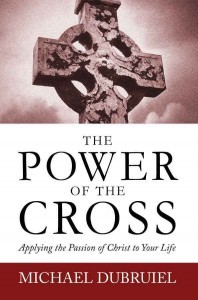


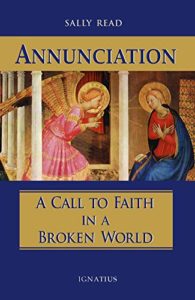 From the book description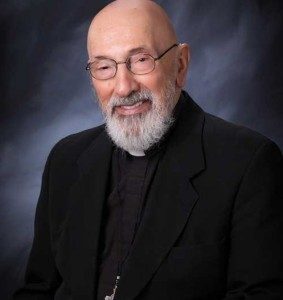
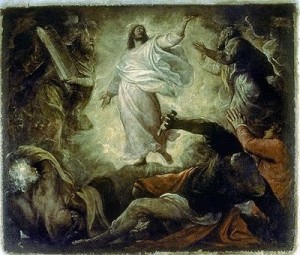 From the NAB Gospel: Luke 1:26-38
 The Annunciation of the Lord – A Time of Lectio Divina for the Discerning Heart Podcast
 Steps to Take as You Follow Christ

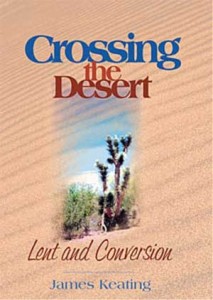 An excerpt from “Crossing the Desert: Lent and Conversion”:
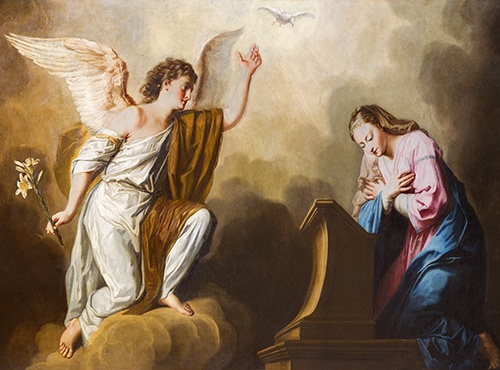 Let us pray:
Almighty Father, we are Your children. We call You by name and follow in the footsteps of Jesus, Your Son. Give us the grace to have and live the faith of Mary so we may become worthy of the eternal life You promised. Father, let us fill our hearts with faith to be able to accept Your will for us without reservations.
Help us remove the doubts and perplexities that plague our minds to face the difficulties and uncertainties of life. Let us not waver in our faith. Father, call us Your children. Comfort us and give us mercy. As we proclaim the Virgin Mary, to be the Mother of Christ and the Mother of the Church, may our communion with her Son bring us to salvation. All praise and glory ever be Yours.
Let us pray:
Almighty Father, we are Your children. We call You by name and follow in the footsteps of Jesus, Your Son. Give us the grace to have and live the faith of Mary so we may become worthy of the eternal life You promised. Father, let us fill our hearts with faith to be able to accept Your will for us without reservations.
Help us remove the doubts and perplexities that plague our minds to face the difficulties and uncertainties of life. Let us not waver in our faith. Father, call us Your children. Comfort us and give us mercy. As we proclaim the Virgin Mary, to be the Mother of Christ and the Mother of the Church, may our communion with her Son bring us to salvation. All praise and glory ever be Yours.
 5th Tuesday of Lent – A Time of Lectio Divina for the Discerning Heart Podcast
 Steps to Take as You Follow Christ
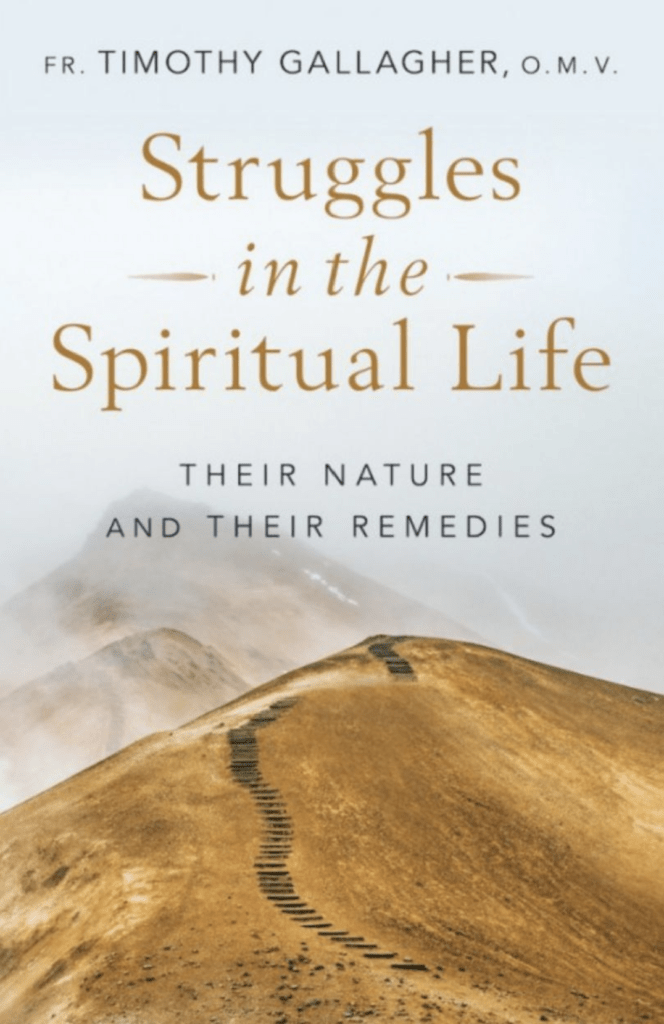
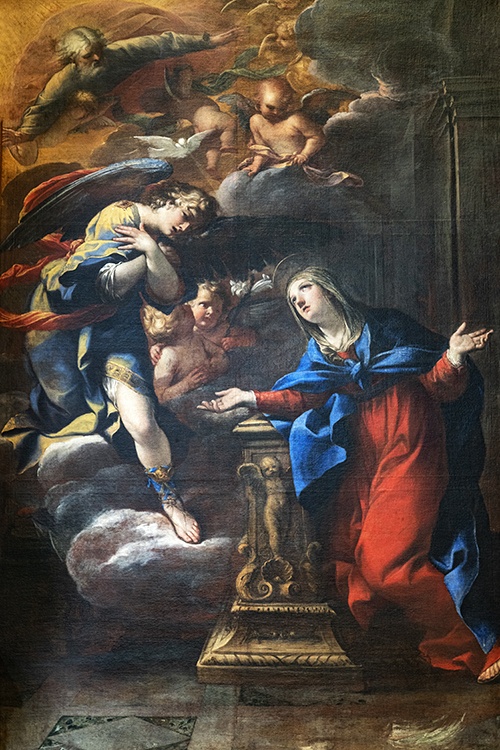
 5th Monday of Lent – A Time of Lectio Divina for the Discerning Heart Podcast
 Steps to Take as You Follow Christ

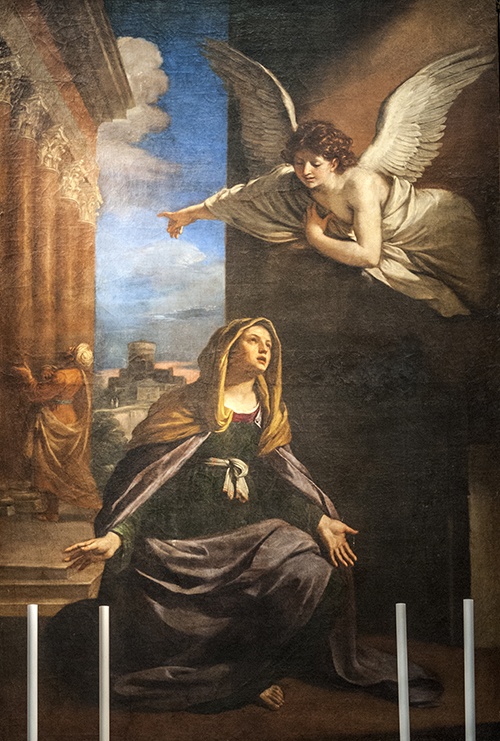
 5th Sunday of Lent – A Time of Lectio Divina for the Discerning Heart Podcast
 Steps to Take as You Follow Christ
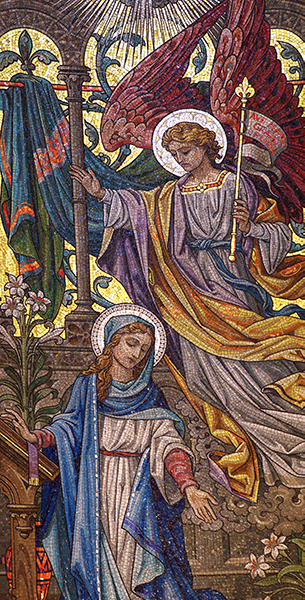
 4th Saturday of Lent – A Time of Lectio Divina for the Discerning Heart Podcast
 Steps to Take as You Follow Christ


 4th Friday of Lent – A Time of Lectio Divina for the Discerning Heart Podcast
 Steps to Take as You Follow Christ

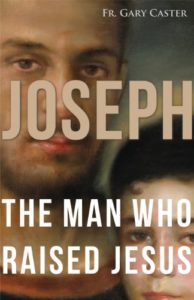
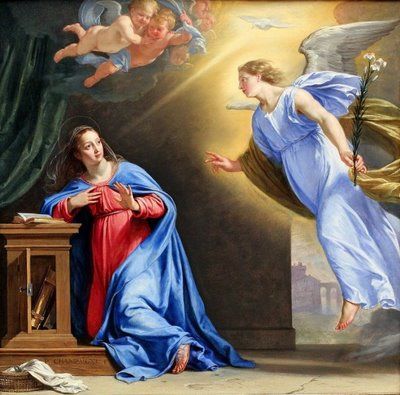
 Steps to Take as You Follow Christ



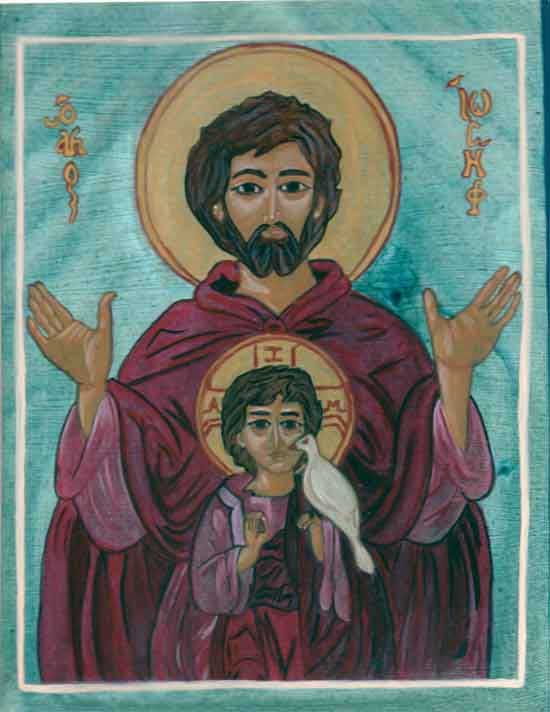
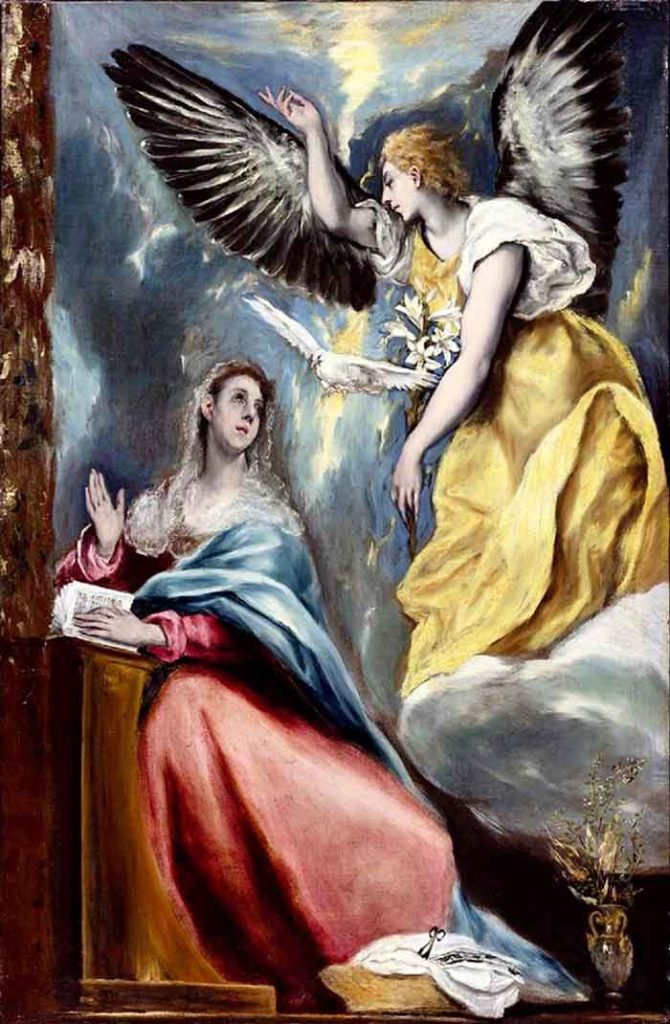
 4th Wednesday of Lent – A Time of Lectio Divina for the Discerning Heart Podcast