TopPodcast.com
Menu
  • Home
  • Top Charts
  • Top Networks
  • Top Apps
  • Top Independents
  • Top Podfluencers
  • Top Picks
    • Top Business Podcasts
    • Top True Crime Podcasts
    • Top Finance Podcasts
    • Top Comedy Podcasts
    • Top Music Podcasts
    • Top Womens Podcasts
    • Top Kids Podcasts
    • Top Sports Podcasts
    • Top News Podcasts
    • Top Tech Podcasts
    • Top Crypto Podcasts
    • Top Entrepreneurial Podcasts
    • Top Fantasy Sports Podcasts
    • Top Political Podcasts
    • Top Science Podcasts
    • Top Self Help Podcasts
    • Top Sports Betting Podcasts
    • Top Stocks Podcasts
  • Podcast News
  • About Us
  • Podcast Advertising
  • Contact
Not in our directory?
Add Show Here
Podcast Equipment
Center

toppodcastlogoOur TOPPODCAST Picks

  • Comedy
  • Crypto
  • Sports
  • News
  • Politics
  • True Crime
  • Business
  • Finance

Follow Us

toppodcastlogoStay Connected

    View Top 200 Chart
    Back to Rankings Page
    Arts

    Comic Lab

    The podcast about making comics — and making a living from comics! It’s half shop talk, half how-to, and half friendship. WE SQUEEZED IN THREE HALVES. It’s tips and tricks and all the joys of cartooning as a pro. So pull up your drawing chair, put on some headphones, and join us while you draw! And if you like what you hear, join our community at patreon.com/comiclab (For sponsorship inquiries: comiclabpodcast@gmail.com)

    Advertise
    • Apple Podcasts
    • Google Play
    • Spotify

    Latest Episodes:
    The Eyes Have It May 22, 2025
    Show notes

    Today's show is sponsored by Dreamhost. The first step in owning and controlling your own work is creating a website, and Brad and Dave have relied on Dreamhost for years. Check out Dreamhost.com/comiclab to find out how you can lock in a rate of $2.59/month for three years!

    Every beginning cartoonist agonizes over drawing eyes! Why is that — and while we're at it, what's the right way to do it? Next, we'll talk about why we hate anthologies, and answer a listener who suspects his webhost is throttling his traffic.

    Today's show

    • How to draw eyes
    • Susan MacTaggart's personal affirmation
    • Dreamhost
    • Anthologies
    • "Is my host blocking my traffic??"

    Summary

    In this engaging conversation, Dave Kellett and Brad Guigar explore the nuances of cartooning, focusing on the art of drawing eyes and the importance of expressiveness in comics. They share personal anecdotes, discuss the evolution of their styles, and provide valuable insights for aspiring cartoonists. The discussion highlights the balance between maintaining a unique style and adapting to the needs of storytelling, emphasizing that style often emerges from solving artistic challenges over time. In this conversation, Brad Guigar and Dave Kellett explore various aspects of comic art, including the importance of flexibility in artistic style, the significance of character-specific design choices, and the challenges associated with comic anthologies. They emphasize the need for experimentation in developing a unique style and the forgiving nature of comics as a medium. The discussion also touches on personal affirmations, sponsorships, and the humorous dynamics between the hosts. In this conversation, Brad Guigar and Dave Kellett delve into the complexities of anthologies in the comic industry, discussing the dynamics of collaboration, the challenges faced by creators, and the reader's perspective on anthologies. They also touch on the importance of portfolio sites and the misconceptions surrounding web traffic and SEO. The discussion highlights the frustrations and joys of comic creation, emphasizing the need for professionalism and the impact of collaboration on the final product.

    Takeaways

    • The way eyes are drawn can significantly impact a character's expressiveness.
    • Cartoonists often obsess over how to draw eyes more than other features.
    • Style in cartooning is often discovered in hindsight, not planned.
    • Using simple eye representations can be effective in storytelling.
    • Different expressions can be conveyed through variations in eye design.
    • It's important to adapt eye styles based on the emotional context of the scene.
    • The dot is a versatile starting point for drawing eyes in comics.
    • Cartooning styles can evolve significantly over time. Comics allow for flexibility and experimentation in art.
    • Don't lock yourself into a specific style too early.
    • Your artistic style will evolve over time.
    • Character design should reflect the moment and emotion.
    • Comics can be forgiving in terms of artistic rules.
    • Anthologies can be challenging due to varying contributor commitment.
    • It's important to find what works best for your characters.
    • Trust your instincts and do what looks best in the moment. Anthologies often succeed when creators are in a specific career stage.
    • The dynamics of collaboration can lead to frustration in anthologies.
    • Reader experiences with anthologies can vary widely.
    • Portfolio sites serve a different purpose than high-traffic sites.
    • SEO may not be the primary issue for low traffic on portfolio sites.
    • Social media can drive traffic to portfolio sites effectively.
    • The quality of contributions in anthologies can greatly affect the overall product.
    • Professionalism and deadlines are crucial in collaborative projects.
    • The importance of having a clear theme in anthologies is often overlooked.
    • Creatives should focus on their own work rather than anthologies.

    You get great rewards when you join the ComicLab Community on Patreon

    • $2 — Early access to episodes
    • $5 — Submit a question for possible use on the show AND get the exclusive ProTips podcast. Plus $2-tier rewards.

    If you'd like a one-on-one consultation about your comic, book it now!

    Brad Guigar is the creator of Evil Inc and the author of The Webcomics Handbook. He is available for personal consultations. Dave Kellett is the creator of Sheldon and Drive. He is the co-director of the comics documentary, Stripped.


    Who are you? What do you do? Why should I care? May 15, 2025
    Show notes

    Today's show is sponsored by Dreamhost. The first step in owning and controlling your own work is creating a website, and Brad and Dave have relied on Dreamhost for years. Check out Dreamhost.com/comiclab to find out how you can lock in a rate of $2.59/month for three years!

    Your social media profile needs to answer three questions clearly: Who are you? What do you do? And why should I care? If you're wasting time being cute, you're missing out of opportunities. Also, the NCS releases the nominees for Outstanding Cartoonist of the Year, and a person hired to illustrate a children's book faces a tough question from the writer: How do we sell this thing??

    Today's Show

    • Branding on your social media profile
    • Susan MacTaggart
    • Show sponsor: Dreamhost dreamhost.com/comiclab
    • UPDATE: NCS Outstanding Cartoonist nominations
    • We made the book... now what?"
    • Have we ever considered not doing free content?

    Summary

    In this conversation, Brad Guigar and Dave Kellett discuss the importance of branding for cartoonists on social media, emphasizing the need for clear communication in profiles. The conversation wraps up with insights on navigating new platforms like Bluesky and the importance of straightforward messaging in promoting one's work. They discuss the evolving nature of social media presence, and the value of reliable hosting services like DreamHost. They also engage in a light-hearted personal affirmation segment and provide updates from the National Cartoonist Society. The conversation culminates in practical advice for illustrators on how to sell their work, emphasizing the importance of understanding one's role in the creative process. In this episode, Brad Guigar and Dave Kellett discuss the importance of branding in book promotion, the exploration of new intellectual properties (IP) for original graphic novels, and the value of audience engagement and product testing in the creative process. They also touch on the resurgence of physical media in a digital age, emphasizing that quality content will always find an audience.

    Takeaways

    • Branding is crucial for self-publishing cartoonists.
    • Social media profiles should clearly state who you are.
    • Consistency is more important than creativity on social media.
    • Cartoonists often struggle with self-promotion due to imposter syndrome.
    • Blue Sky may not have the same algorithmic restrictions as other platforms.
    • Direct communication is key in branding and marketing.
    • It's okay to promote your work without feeling like you're bragging. Put some of the creative thought into solving business problems.
    • This change is 100% not permanent.
    • You can change it tomorrow.
    • We're big fans of DreamHost.
    • This is the perfect opportunity for you.
    • A 97-day money back guarantee.
    • You are a limitless well of creativity.
    • This is not your job, Jay.
    • You should run as far away from him as you can.
    • Your job is to use the book to promote Jay. Your job is to use the book to promote your next gig.
    • Selling books, marketing books, promoting books, that's not Jay's brand.
    • The responsibility of selling this book is not your job.
    • This is a time management issue.
    • You can use this to get to the next stage in your career.
    • We have both done this with IP that the world has never seen.
    • You'd better have previews and sample images that look incredible.
    • People will absolutely buy that thing because they know it's good.
    • People will buy your book. Absolutely.
    • You can absolutely make that work.

    You get great rewards when you join the ComicLab Community on Patreon

    • $2 — Early access to episodes
    • $5 — Submit a question for possible use on the show AND get the exclusive ProTips podcast. Plus $2-tier rewards.

    If you'd like a one-on-one consultation about your comic, book it now!

    Brad Guigar is the creator of Evil Inc and the author of The Webcomics Handbook. He is available for personal consultations. Dave Kellett is the creator of Sheldon and Drive. He is the co-director of the comics documentary, Stripped.


    Special Guest Scott C May 08, 2025
    Show notes

    Cartoonist Scott C joins us to discuss his artistic journey. He discusses his beginnings, including art directing Psychonauts and Brutal Legend for Double Fine Productions, as well as his first webcomic, Double Fine Action Comics. He shares valuable insights on working with watercolors and creating graphic novels for younger readers. His paintings are currently on display at Spoke Art in New York.

    Scott C

    • Website
    • Preorder Scott's new book, Cabin Head and Tree Head!
    • Great Showdowns
    • Double Fine Action Comics
    • Spoke Art
    • YouTube
    • Twitch
    • Instagram

    Summary

    In this engaging conversation, Dave Kellett and Brad Guigar interview Scott Campbell, a renowned artist and illustrator, exploring his journey from childhood art aspirations to his significant role in game development. The discussion covers Scott's early influences, his transition into the gaming industry, and the challenges of art direction, particularly in collaborative environments. Scott shares insights on navigating feedback and the creative process, emphasizing the importance of communication and trust in artistic collaborations. In this conversation, the speakers delve into the complexities of feedback in creative work, the joy of artistic expression, and the unique challenges of working with watercolor. They explore the importance of maintaining a childlike joy in art, the fluidity and spontaneity of watercolor painting, and the intricacies of editing in this medium. Additionally, they discuss the gallery experience, sharing insights on how to navigate art shows and the excitement of showcasing work internationally. In this engaging conversation, they discuss various aspects of the art world, including the joy of community engagement through art shows, the unique experiences at Comic-Con, and the delightful nature of librarians at ALA. They delve into Scott's artistic style, exploring how it has evolved over the years and the balance between simplicity and capturing likeness in art. The discussion culminates in a reflection on the magic of artistic interpretation and the feelings conveyed through art.

    Takeaways

    • Scott C's artwork was first discovered by Dave at Neil Patrick Harris's house.
    • Scott was encouraged by his creative mother from a young age.
    • He aspired to draw comics, particularly X-Men, during his teenage years.
    • Neil Adams provided Scott with a pivotal moment of encouragement at a convention.
    • Scott transitioned from art directing games to pursuing his own artistic projects.
    • He found his first job at Lucas Learning, working on Star Wars games.
    • Art directing Psychonauts was a challenging yet rewarding experience for Scott.
    • Feedback in creative processes is essential for growth and improvement.
    • Scott enjoys the editing process and values constructive criticism.
    • Collaboration in art requires clear communication and understanding. Feedback in creative work can be challenging and frustrating.
    • Finding joy in the artistic process is essential for fulfillment.
    • Watercolor allows for a fluid and spontaneous approach to art.
    • Editing in watercolor requires a different mindset than other mediums.
    • Art shows provide a unique opportunity to connect with fans and fellow artists.
    • Creating art should be a joyful experience, reminiscent of childhood.
    • The gallery experience can be both exhausting and rewarding.
    • Networking within the art community can lead to exciting opportunities.
    • Art can serve as a means of escape and joy for both the creator and the audience.
    • A retrospective show can encapsulate years of artistic growth and exploration. Art shows foster community engagement and joy.
    • Comic-Con is a cherished experience for artists.
    • Librarians at ALA are incredibly supportive and enthusiastic.
    • Artistic style evolves with age and experience.
    • Simplicity in art can enhance the viewer's connection.
    • Confidence in one's artistic abilities grows over time.
    • The process of creating art often involves trial and error.
    • Artistic interpretation can capture feelings beyond physical likeness.
    • The balance of detail and simplicity is crucial in art.
    • Art is a game of capturing essence rather than perfection.

    You get great rewards when you join the ComicLab Community on Patreon

    • $2 — Early access to episodes
    • $5 — Submit a question for possible use on the show AND get the exclusive ProTips podcast. Plus $2-tier rewards.

    If you'd like a one-on-one consultation about your comic, book it now!

    Brad Guigar is the creator of Evil Inc and the author of The Webcomics Handbook. He is available for personal consultations. Dave Kellett is the creator of Sheldon and Drive. He is the co-director of the comics documentary, Stripped.


    Pixels aren't permanent May 01, 2025
    Show notes

    Is it OK to change your comic after you've already sent it to your audience? The guys also tackle tariffs, ISBNs, bar codes, and offering comics to charity organizations.

    Today's show

    • Making a change to a comic after it's "out there"
    • Susan MacTaggart's personal affirmation
    • UPDATE: Tariffs on books??
    • ISBNs and bar codes for self-published books
    • Comics for Charity

    Summary

    In this conversation, Dave Kellett and Brad Guigar explore the nuances of humor writing, the importance of building an audience on new platforms, and the challenges of editing long-form comics. They discuss the creative process, social-media presence's significance, and tariffs' implications on publishing. The dialogue emphasizes the need for flexibility in creative work and the importance of adapting to changes in the industry. In the mid-show update, they discuss the complexities of navigating tariffs and customs in the publishing industry, particularly for self-publishers. They emphasize the importance of planning for potential costs, such as tariffs, when launching Kickstarter campaigns. The conversation then shifts to the necessity of ISBNs and barcodes for self-published works, highlighting their role in making books trackable and sellable. Finally, they explore how cartoonists can contribute to charitable causes through their work, encouraging creators to produce comics that align with their values and to share them independently without burdening charities.

    Takeaways

    • You never know if your humor resonates until years later.
    • Building an audience on new platforms is crucial.
    • Reflecting on past work can reveal unexpected humor.
    • Editing is a natural part of the creative process.
    • Mistakes can be corrected easily before print.
    • Social media can serve as a distributed editing tool.
    • It's important to be happy with your work in the long run.
    • Tariffs can impact the publishing industry significantly.
    • Trust in the system can be a challenge for creators.
    • Engaging with attentive fans can create strong connections.
    • Assume the worst when planning for tariffs in publishing.
    • Include potential tariffs in your Kickstarter budget.
    • ISBNs and barcodes are essential for self-published books.
    • ISBNs help track books in the international registry.
    • Barcodes are necessary for selling through retailers.
    • Charities may not need unsolicited comics due to their workload.
    • Creators can impact causes without direct charity involvement.
    • Comics can be a powerful tool for social change.
    • Plan independently to avoid complications with charities.
    • Charities are skilled at asking for the resources they need.

    You get great rewards when you join the ComicLab Community on Patreon

    • $2 — Early access to episodes
    • $5 — Submit a question for possible use on the show AND get the exclusive ProTips podcast. Plus $2-tier rewards.

    If you'd like a one-on-one consultation about your comic, book it now!

    Brad Guigar is the creator of Evil Inc and the author of The Webcomics Handbook. He is available for personal consultations. Dave Kellett is the creator of Sheldon and Drive. He is the co-director of the comics documentary, Stripped.


    Narration or Dialogue? Apr 24, 2025
    Show notes

    It's a jam-packed show this week! Brad and Dave argue over the better delivery for story exposition — dialogue or narration. Dave is discontinuing international shipping; Brad gets his Wikipedia updates; and the guys agree that Dee Fish does autobio comics right. Then Dave does another behind-the-scenes analysis of his recent Kickstarter, talking about his pricing strategy for stretch goals and how they processed hundreds of images for the campaign. Finally, with the SFWA opening their membership to comic creators, they discuss whether they should join.

    Today's show

    • Narration or Dialogue?
    • Susan McTaggart's personal affirmation
    • UPDATE: international shipping
    • UPDATE: Brad's Wikipedia page
    • UPDATE: Autobio comics done right: Finding Dee
    • Dave's Kickstarter Stretch Goals
    • Dave's Kickstarter images
    • SFWA membership

    Summary

    In this episode, cartoonists Dave Kellett and Brad Guigar focus on the debate between using narration boxes versus dialogue. Brad Guigar emphasizes the importance of comfort in storytelling choices, while both hosts explore the emotional impact of narration and its evolution in comics. They encourage creators to follow their instincts and prioritize compelling storytelling. Brad Guigar and Dave Kellett discuss various aspects of storytelling, community engagement through Patreon, the challenges of international shipping for comic creators, the significance of meaning in autobiocomics, and strategies for successful Kickstarter campaigns. They emphasize the importance of creative choices, the impact of community support, and the complexities of shipping logistics in the comic industry. Dave Kellett discusses the intricacies of managing Kickstarter campaigns, mainly focusing on stretch goals and the importance of planning. They emphasize the need for careful consideration when adding new items during a campaign and the potential complications that can arise. The discussion then shifts to preparing images for Kickstarter, highlighting the significant amount of work involved in creating marketing materials. Finally, they explore the relevance of the Science Fiction and Fantasy Writers Association (SFWA) to comic creators, sharing their thoughts on community and the changing landscape of the sci-fi genre.

    Takeaways

    • Dave shares a humorous personal anecdote about food poisoning.
    • Choosing between narration and dialogue is a key decision for comic creators.
    • Comfort in storytelling choices is crucial for new writers.
    • Narration can impact the emotional flavor of a story.
    • There is no wrong choice in narrative style; follow your gut.
    • The evolution of comic narration reflects changing storytelling trends.
    • Narration boxes can add depth but may also create rigidity.
    • The importance of pacing in storytelling is discussed.
    • Creativity should guide the use of narration and dialogue. Creative choices in storytelling can enhance narrative depth.
    • Engaging with the community through platforms like Patreon fosters support.
    • International shipping poses significant challenges for comic creators.
    • Autobiocomics should convey meaning beyond just events.
    • Successful Kickstarter campaigns require strategic planning and stretch goals.
    • Understanding shipping costs is crucial for international sales.
    • Community feedback can improve personal branding and visibility.
    • Autobiocomics can be done right by providing emotional context.
    • Stretch goals should be carefully calculated to ensure profitability.
    • Gamification of Kickstarter goals can drive excitement and engagement. Don't add stretch goals during an active Kickstarter campaign.
    • Plan all stretch goals before launching the campaign.
    • Physical items as stretch goals can complicate logistics.
    • Create paper-based stretch goals to simplify fulfillment.
    • Image preparation is crucial for a successful Kickstarter.
    • Over 200 images may be needed for a Kickstarter campaign.
    • Marketing images should be tailored for different platforms.
    • SFWA's opening to comic creators is a positive change.
    • Community support is vital for independent creators.
    • Ownership of work is essential for creative freedom.

    You get great rewards when you join the ComicLab Community on Patreon

    • $2 — Early access to episodes
    • $5 — Submit a question for possible use on the show AND get the exclusive ProTips podcast. Plus $2-tier rewards.

    If you'd like a one-on-one consultation about your comic, book it now!

    Brad Guigar is the creator of Evil Inc and the author of The Webcomics Handbook. He is available for personal consultations. Dave Kellett is the creator of Sheldon and Drive. He is the co-director of the comics documentary, Stripped.


    Paint the Wall Red: Conjuring Creativity Apr 17, 2025
    Show notes

    In a recent interview for the National Cartoonists Society, Greg Evans (the creator of the newspaper comic strip "Luanne") spoke about painting a single wall in his studio red. Mel Lazarus, creator of the syndicated strips "Momma" and "Miss Peach," told him that the color red was proven to increase creative thoughts. This resulted in one burning question for the cartoonists assembled to watch the interview: "DID IT WORK!?"

    Today's Show

    • Creativity
    • Susan MacTaggart's Personal Affirmation
    • Using copyrighted music lyrics in a comic

    Summary

    In this episode, cartoonists Dave Kellett and Brad Guigar discuss various topics related to creativity, including the significance of the color red in creative spaces and personal superstitions that influence their creative processes. They explore the humorous aspects of creativity and the shared experiences of cartoonists while also celebrating the 40th anniversary of the comic strip 'Luanne'. In this conversation, Dave Kellett and Brad Guigar explore the complexities of creativity, discussing the psychological effects of color, the challenges of maintaining a consistent creative output, and various strategies to overcome creative blocks.

    In the second half, after Susan MacTaggart drops by to share a personal affirmation for a lucky ComicLab backer, they also touch on the importance of legal considerations in creative projects, particularly when referencing existing works. The dialogue is filled with humor and personal anecdotes, making it relatable for artists and creators alike. In this conversation, Dave Kellett and Brad Guigar delve into the intricacies of copyright, fair use, and the ethical considerations surrounding using creative works. They discuss the historical context of copyright, the importance of seeking permission to use others' intellectual property, and the complexities of navigating licensing agreements. The conversation emphasizes the need for artists to respect the rights of their peers while also understanding the legal landscape that governs creative works.

    Takeaways

    • The song 'Piña Colada' has bizarre lyrics that reflect on relationships.
    • The color red is believed to boost creativity, as shared by cartoonist Greg Evans.
    • Creativity is often difficult to pin down and can be influenced by environment.
    • Many artists have personal rituals or superstitions that help trigger creativity.
    • Getting bored can lead to creative breakthroughs, as distractions are removed.
    • Having a specific workspace can enhance focus and creativity.
    • The importance of context in understanding creativity is emphasized.
    • Superstitions can be seen as strategies for fostering creativity.
    • The discussion highlights the shared experiences of cartoonists in their creative journeys.
    • The episode humorously addresses the absurdity of certain creative beliefs. Creativity can be influenced by environmental factors like color.
    • Consistency in creativity is a challenge for many artists.
    • Finding personal strategies for creativity is essential.
    • Boredom can lead to unexpected creative breakthroughs.
    • Starting the creative process is often the hardest part.
    • Engaging with interesting people can spark new ideas.
    • Reading old work can help reconnect with your creative voice.
    • Deadlines can reduce fear and encourage action in creativity.
    • Legal considerations are crucial when referencing other artists' work.
    • Your art has intrinsic value, regardless of external validation. Copyright gives artists control over their work.
    • Fair use allows limited use of copyrighted material.
    • Seeking permission is crucial when using others' work.
    • Ethical considerations are as important as legal ones.
    • The complexities of copyright can be daunting for creators.
    • Documentaries often fall under fair use but still require permissions.
    • Artists may feel protective over their creations.
    • Licensing agreements can be complicated and vary widely.
    • Understanding copyright is essential for all creators.
    • Navigating permissions can be a lengthy process.

    You get great rewards when you join the ComicLab Community on Patreon

    • $2 — Early access to episodes
    • $5 — Submit a question for possible use on the show AND get the exclusive ProTips podcast. Plus $2-tier rewards.

    If you'd like a one-on-one consultation about your comic, book it now!

    Brad Guigar is the creator of Evil Inc and the author of The Webcomics Handbook. He is available for personal consultations. Dave Kellett is the creator of Sheldon and Drive. He is the co-director of the comics documentary, Stripped.


    Autobiohazard: Drawing the Line Between Fact and Fiction Apr 10, 2025
    Show notes

    Where's the line between an autobiographical comic and a semi-autobiographical one — between "based upon" and "inspired by"? And when does the whole thing veer directly into fiction?? Plus... Dave Kellett shares real numbers from his recent Kickstarter, and we arrive at a jaw-dropping conclusion: Bluesky is it.

    The Webcomics Handbook will publish a visual breakdown of Dave's analytics on April 14th.

    Today's show

    • Where to draw the line on an autobio comic
    • Malignant Procrastination
    • Susan MacTaggart's Personal Affirmation
    • Dave shares actual numbers from his Kickstarter
    • The Wrong Way Show: Toy Story's Woody

    Summary

    In this episode of ComicLab, hosts Dave Kellett and Brad Guigar share insights on navigating autobiocomics, exploring the balance between fiction and fact in storytelling. The conversation highlights the significance of making personal stories compelling and meaningful for audiences. In this conversation, Dave Kellett and Brad Guigar explore the intricacies of storytelling in comics, mainly focusing on autobiographical narratives. They discuss the importance of engaging and meaningful stories, emphasizing that readers seek entertainment and context in narratives. The duo also addresses the common issue of procrastination among creators, urging them to take action and start their projects, regardless of the fear of failure. They highlight that creativity thrives on making choices and moving forward rather than getting bogged down in details.

    After Susan MacTaggart drops by to share a personal affirmation for one of ComicLab's $10 backers, Dave Kellett discusses the success of Kellett's recent Kickstarter campaign for his book 'Anatomy of Dogs'. He and Brad explore the sources of backers, the impact of social media platforms like Blue Sky, and the importance of converting followers into actual supporters. The discussion highlights the effectiveness of Kickstarter as a platform for creators and the changing landscape of social media engagement. In this conversation, Dave Kellett and Brad Guigar discuss the intricacies of running a successful Kickstarter campaign, the impact of social media on funding, and the importance of maintaining quality in production. They share insights on financials, the long-term benefits of Kickstarter projects, and how to build a sustainable career as an independent cartoonist. The discussion emphasizes the need for careful planning and the value of mental health in the creative process.

    Takeaways

    • Small acts of kindness can have a lasting impact.
    • Every interaction with fans can create memorable moments.
    • Autobiocomics need to be engaging, not just factual.
    • Never let the truth hinder a good story.
    • Context and meaning are crucial in storytelling.
    • It's essential to make personal stories relatable.
    • Readers care more about the story than the facts.
    • Becoming a writer means crafting meaningful narratives. Give yourself the leeway to make your story interesting.
    • Readers care about the entertainment value of a story.
    • Autobiographical comics often lack excitement and meaning.
    • Injecting fiction can enhance storytelling.
    • Stories should have a purpose for the reader's life.
    • Procrastination can hinder creative aspirations.
    • Start with small segments of your story to gain momentum.
    • Character designs will evolve; start drawing.
    • Don't let the fear of failure prevent you from creating.
    • Every choice made in storytelling contributes to the overall narrative.
    • This was my most successful Sheldon Kickstarter ever.
    • I did not use Twitter at all.
    • Blue Sky works for reaching backers.
    • The second source was my Patreon for Drive.
    • You need to be able to convert those readers into backers.
    • Those numbers are fake numbers on social media.
    • Kickstarter is a must-use for cartoonists.
    • The highest percentage of backers came from Kickstarter sources.
    • I was afraid to leave Twitter and Instagram.
    • The impact of social media on crowdfunding is significant. The utility of Kickstarter must remain intact for success.
    • Social media platforms can significantly impact funding outcomes.
    • Quality production is crucial for maintaining a good reputation.
    • Kickstarter profits can be amortized over several years.
    • Building a mailing list from backers is essential for future campaigns.
    • Mental health can improve by choosing the right social media platforms.
    • Planning ahead for stretch goals is vital to avoid pitfalls.
    • Every Kickstarter project contributes to a larger career strategy.
    • Quality materials enhance customer loyalty and future sales.
    • Understanding financials helps in making informed decisions.

    You get great rewards when you join the ComicLab Community on Patreon

    • $2 — Early access to episodes
    • $5 — Submit a question for possible use on the show AND get the exclusive ProTips podcast. Plus $2-tier rewards.

    If you'd like a one-on-one consultation about your comic, book it now!

    Brad Guigar is the creator of Evil Inc and the author of The Webcomics Handbook. He is available for personal consultations. Dave Kellett is the creator of Sheldon and Drive. He is the co-director of the comics documentary, Stripped.


    "I have a useless degree... and I love it!" Apr 03, 2025
    Show notes

    As they attempt to save the marriage of one of their listeners, Brad and Dave consider the best path for a cartoonist who wishes to pursue a master's degree. Would a Master's in Fine Arts be the right choice, or would a Master's in Business Administration be the better option? Considering the expense, perhaps the best choice is to avoid both! After grappling with that dilemma, Susan MacTaggart stops by to share a personal affirmation with a member of the ComicLab community.

    Today's Show

    • Is a Master's Degree in comics worthwhile?
    • Susan MacTaggart's Affirmation
    • UPDATE: Brad and Dave's Wikipedia pages
    • Mixing word-balloon styles

    Summary

    In this episode, the hosts discuss the importance of education for cartoonists, debating the merits of pursuing a Master's in Fine Arts (MFA) versus a Master's in Business Administration (MBA). The discussion highlights the value of writing skills in comics and the necessity of understanding business principles in today's publishing climate. In this episode, the hosts delve into the intersection of art and marketing, discussing the value of formal education, such as an MFA, in developing a creative career. They explore the importance of self-teaching versus structured learning, emphasizing personal growth and the impact of higher education on career paths. The conversation also touches on community engagement through personal affirmations and mid-show updates, culminating in discussing word balloon techniques in comics. In this episode, Brad Guigar and Dave Kellett delve into the intricacies of comic storytelling, focusing on the use of word balloons and their aesthetic implications. They discuss the evolution of comic communication, the philosophy behind how comics convey messages, and the unique structure of two-panel comics. The conversation highlights the balance between visual elements and text, exploring how these components enhance storytelling in comics.

    Takeaways

    • Education in the arts should focus on writing, not just drawing.
    • An MFA may not provide the specific skills needed for comics compared to an MBA.
    • Understanding business and marketing is crucial for independent cartoonists today.
    • Higher education can provide a shortcut to knowledge that would take years to learn otherwise.
    • Not all education needs to have a direct financial return on investment.
    • The subjective nature of art can complicate grading in MFA programs.
    • Scholarships can help alleviate the financial burden of higher education.
    • Choosing between an MFA and an MBA depends on personal career goals and interests. The art itself is not enough; marketing plays a crucial role.
    • An MFA can provide valuable insights into salesmanship and marketing.
    • The experience gained from an MFA depends on the student's openness to feedback.
    • Many successful cartoonists do not have an MFA, indicating it's not essential for success.
    • Self-teaching can be as effective as formal education, depending on the individual's learning style.
    • Personal growth and happiness can come from pursuing higher education, even if it doesn't directly impact career success.
    • Community engagement is vital for creators, as seen in the personal affirmations segment.
    • Word balloon techniques vary based on the comic's style and background complexity.
    • The hosts share humorous anecdotes about their Wikipedia pages, highlighting the challenges of self-presentation.
    • The conversation emphasizes the importance of adapting techniques to fit the evolving art style. Word balloons can affect the aesthetics of a comic.
    • Using a floater can conserve space in a panel.
    • Breaking up dialogue into multiple balloons improves readability.
    • Floaters can convey whispers or asides effectively.
    • Aesthetics sometimes dictate the choice between word balloons and floaters.
    • The history of word balloons reflects the evolution of comic art.
    • Comics often rely on a visual punchline that follows a setup.
    • Two-panel comics can exist in greeting cards and other formats.
    • The construction of comics can influence how they are perceived.
    • The philosophy of comic communication is complex and evolving.

    You get great rewards when you join the ComicLab Community on Patreon

    • $2 — Early access to episodes
    • $5 — Submit a question for possible use on the show AND get the exclusive ProTips podcast. Plus $2-tier rewards.

    If you'd like a one-on-one consultation about your comic, book it now!

    Brad Guigar is the creator of Evil Inc and the author of The Webcomics Handbook. He is available for personal consultations. Dave Kellett is the creator of Sheldon and Drive. He is the co-director of the comics documentary, Stripped.


    Running gag ... or running out of steam? Mar 27, 2025
    Show notes

    When does a running gag stop being funny — and where does it start, for that matter? Cartoonists Brad and Dave must first agree on what a running gag is! Next, they'll talk about aesthetics — in other words, how does one develop their editorial eye? Finally, Dave reviews his accounting from last year's San Diego Comic-Con and discusses how it influences his decisions for this year's show.

    Today's Show

    • When does a running gag go too far?
    • Developing an editorial eye
    • UPDATE: San Diego Comic-Con numbers

    Summary

    In this episode of Comic Lab, hosts Dave Kellett and Brad Guigar explore the nuances of humor in comics, focusing on the use of running gags and tropes. They discuss the importance of timing, audience familiarity, and the subjective nature of humor. The conversation also delves into the challenges of building an audience in webcomics and the significance of developing an editorial eye for creators. Through various examples, they highlight how running gags can engage audiences while cautioning against overuse. In the next topic, Brad Guigar and Dave Kellett discuss the importance of critical reading and learning from excellent and poor comic industry works. They emphasize the need for creators to develop an editorial eye by consuming a wide range of content, understanding audience expectations, and being open to honest feedback. The episode finally touches on the economic realities of attending comic conventions, particularly San Diego Comic-Con, and how creators can navigate the changing landscape of the comic industry.

    Takeaways

    • Running gags can enhance humor but must be used wisely.
    • Timing and audience familiarity are crucial in comedy.
    • The rule of threes is a guideline for running gags.
    • Developing an editorial eye takes time and practice.
    • Reading a variety of comics helps improve your craft.
    • Surprise is a key element in effective humor.
    • Character-driven comedy can create memorable running gags.
    • Webcomics require a different approach to running gags than print comics.
    • Familiarity can trigger emotional responses beyond humor.
    • The balance of surprise and familiarity is essential in comedy. Reading with a critical eye is necessary for creators.
    • Learning from both great and poor works is valuable.
    • Understanding why certain choices are made in storytelling is crucial.
    • Diverse reading helps inform your creative process.
    • Feedback is vital, but discernment is necessary to know what to take.
    • Comic conventions can be economically challenging for creators.
    • The landscape of comic creation has changed significantly over the years.
    • Creators must adapt to modern audience expectations.
    • Honest feedback can be hard to accept but is necessary for growth.
    • Networking at conventions should be weighed against potential losses.

    You get great rewards when you join the ComicLab Community on Patreon

    • $2 — Early access to episodes
    • $5 — Submit a question for possible use on the show AND get the exclusive ProTips podcast. Plus $2-tier rewards.

    If you'd like a one-on-one consultation about your comic, book it now!

    Brad Guigar is the creator of Evil Inc and the author of The Webcomics Handbook. He is available for personal consultations. Dave Kellett is the creator of Sheldon and Drive. He is the co-director of the comics documentary, Stripped.


    Big Number Thinking Mar 20, 2025
    Show notes

    Social media has convinced an entire generation of creators to focus on numbers — followers, subscribers, likes, shares, and other engagement metrics. However, focusing on numbers can often lead an artist to make bad decisions.

    Today's Show

    • Focusing on numbers
    • Limiting comments on BSky
    • UPDATE: Hoganmag.com
    • Lost the Kickstarter mojo
    • Comic book vs graphic novel

    Summary

    In this conversation, Dave Kellett and Brad Guigar discuss recent updates on Blue Sky, a social media platform, and how it offers a healthier commenting environment. They emphasize the importance of quality followers over quantity, sharing insights from their own experiences with Kickstarter campaigns and the ineffectiveness of traditional social media platforms like Twitter and Instagram. The conversation concludes with a focus on engagement metrics and the need for creators to prioritize passionate followers rather than simply chasing numbers. In this conversation, Dave Kellett and Brad discuss the importance of building the right audience for comics, emphasizing the shift from merely increasing follower counts to fostering passionate engagement. They explore the challenges of navigating social media changes, the necessity of embracing change in the webcomics industry, and the emotional toll of crowdfunding campaigns like Kickstarter. The discussion culminates in advice for rekindling motivation and finding joy in the creative process amidst uncertainty. In this conversation, Brad and Dave explore the emotional and practical aspects of running Kickstarter campaigns, the importance of market testing, and the structural elements that contribute to a successful project. They also discuss the significance of listening to one's inner voice during creative endeavors and reflect on the differences between comic books and graphic novels, emphasizing the evolution of sequential art.

    Takeaways

    • Organizing your workspace can be a form of avoidance.
    • Blue Sky's new commenting features promote a healthier online environment.
    • Quality followers are more valuable than a large follower count.
    • Kickstarter success can be achieved without relying on traditional social media.
    • Engagement metrics should focus on passionate followers, not just numbers.
    • Turning off public comments can improve mental well-being for creators.
    • Social media platforms should be evaluated based on their effectiveness for business.
    • Creators should prioritize platforms that allow for direct engagement with their audience.
    • The herd mentality in social media can lead to poor decision-making. Building the right audience is crucial for success.
    • Focusing on passionate engagement is more important than follower counts.
    • Social media platforms can change, and so should your strategy.
    • Embrace change as a constant in the webcomics industry.
    • Kickstarter campaigns can be emotionally exhausting but are part of the process.
    • It's natural to feel doubt after a failed campaign.
    • Finding joy in the creative process is essential for motivation.
    • You are not alone in your struggles as a creator.
    • Being pragmatic about social media is key to success.
    • Every upheaval in the industry can lead to new opportunities. Challenges can ignite motivation and creativity.
    • Finding personal motivation is key to success.
    • Kickstarter serves as a valuable market testing tool.
    • Emotional tolls are part of the creative process.
    • Structuring your Kickstarter effectively can lead to better outcomes.
    • Listening to your inner voice can guide your decisions.
    • Evaluating past projects helps in future planning.
    • The distinction between comic books and graphic novels is significant.
    • Comic books are often seen as disposable, while graphic novels are more permanent.
    • Creative paths may need reevaluation based on market feedback.

    You get great rewards when you join the ComicLab Community on Patreon

    • $2 — Early access to episodes
    • $5 — Submit a question for possible use on the show AND get the exclusive ProTips podcast. Plus $2-tier rewards.

    If you'd like a one-on-one consultation about your comic, book it now!

    Brad Guigar is the creator of Evil Inc and the author of The Webcomics Handbook. He is available for personal consultations. Dave Kellett is the creator of Sheldon and Drive. He is the co-director of the comics documentary, Stripped.


    Previous 1 6 7 8 9 10 46 Next

    Related Podcasts

    Fresh Air

    1

    Fresh Air Arts
    Twenty Thousand Hertz

    2

    Twenty Thousand Hertz Arts
    The Black Tapes

    3

    The Black Tapes Arts
    Snap Judgment

    4

    Snap Judgment Arts
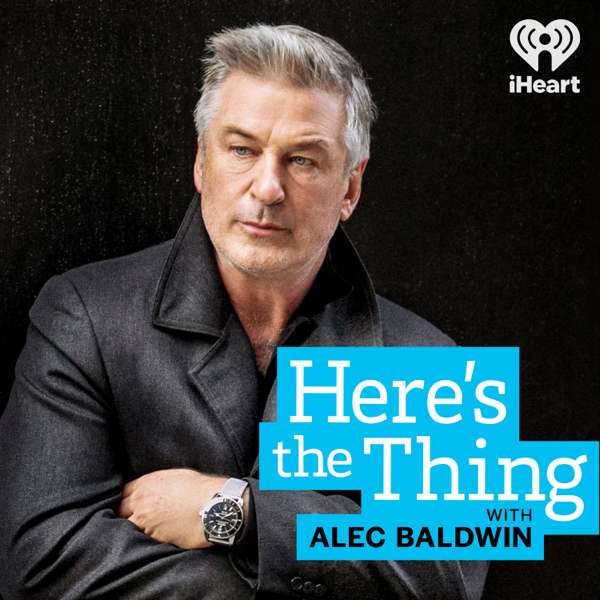
    Here’s The Thing with Alec Baldwin

    5

    Here’s The Thing with Alec Baldwin Arts
    The NoSleep Podcast – Creative Reason Media Inc.

    6

    The NoSleep Podcast – Creative Reason Media Inc. Arts
    footer-logo

    Contact Us

    Toll Free: 844-670-7747

    Links

    • Home
    • Top Charts
    • Networks
    • Apps
    • Independents Podcasts
    • Podcast Advertising
    • Podcast News
    • Contact Us
    • About Us
    • Analytics & Insights

    Stay Connected

      Privacy, Terms of Use & Our Code of Ethics Protecting Content Creators Copyrights