Our TOPPODCAST Picks
 Equipping church leaders and spaces with innovative solutions for thriving ministry. Practical strategies and interviews on leadership, worship, and production.
Learn more at www.churchfront.com

 Stay Connected
Equipping church leaders and spaces with innovative solutions for thriving ministry. Practical strategies and interviews on leadership, worship, and production.
Learn more at www.churchfront.com


Apply to Join Churchfront Premium
Free Worship and Production Toolkit
Join us at the Churchfront Conference
Follow Churchfront on Instagram or TikTok: @churchfront
Follow on Twitter: @realchurchfront
Gear we use to make videos at Churchfront
Musicbed SyncID: MB01VWQ69XRQNSN
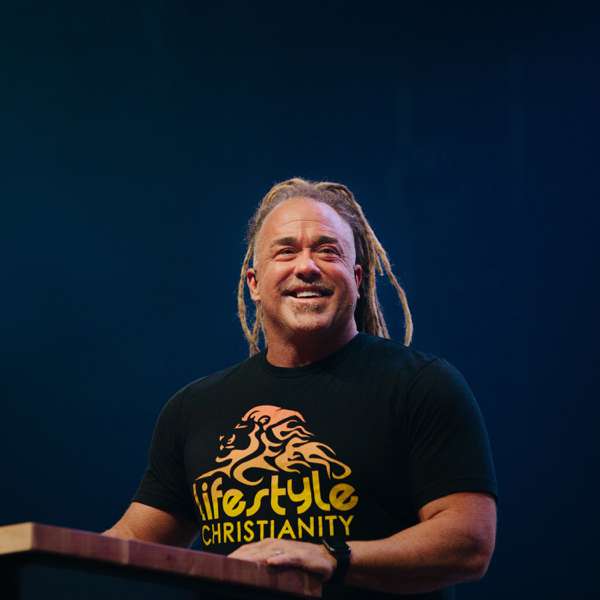
Churchfront Podcast — Erwin McManus Lead Pastor, Mosaic Church (Los Angeles) | Author, The Seven Frequencies of Communication
Guest background: Erwin McManus has led Mosaic in LA for 35 years, building a congregation averaging in its twenties across 40+ nationalities. He's also an author, speaker, and has been a longtime participant in the Global Leadership Summit at Willow Creek.
Key Topics
What holds church leaders back The most common internal limitation isn't skill or resources — it's the lack of felt permission. Pastors are often communal and loyal by nature, which also makes them dependent on someone saying "it's okay to go for it." The church culture tends to withhold permission rather than grant it. This is a big reason conferences are so magnetic — they're not primarily about information, they're about permission receiving. People go to be in a room where they feel free to dream, risk, and believe. Erwin said a large part of his life's work has been giving people permission: to dream big, to risk, to try low-percentage ideas, and to fail without that defining their worth.
Giving permission downward in the org chart Leaders often receive permission at a conference and then come back and tell their team what to do — which is not the same as giving permission. True permission-giving means creating space for people to grow, develop, dream, and execute in their own way. Key principle: hold tight to where you're going, hold loosely to how you get there. Someone can execute at a high level and still do it differently than you would — and that's okay.
"It's All About People" vs. "You Can't Take Everyone With You" (from Mind Shift)McManus intentionally places these as Chapter 1 and Chapter 3 as a juxtaposition. Most leaders lean hard toward one and neglect the other. His advice: read both, figure out which one resonates more, then go apply the other one. That tension is where relational elegance lives.
When people leave, they attack your character At Mosaic, after major style and culture shifts, the people who left rarely said "I don't like the music." They attacked Erwin's character because it made them the hero of their story. He found the exceptions refreshing — the people who were honest ("the church is too young," "too diverse," "too evangelistic") made it easy to respond. His approach: when you bring clarity as a leader, you're giving people the gift of choice. If they hate who you are now, they're going to really hate who you're becoming — so this is actually a good time to part ways. "If you're everything, you're nothing."
The white interior at Mosaic Hollywood During the 18-month pandemic shutdown, Aaron McManus pitched painting everything white — stage, speakers, walls. No precedent existed for it. The idea was: when people come back, we don't want them having a nostalgicexperience — we want them going forward. The white space became a blank canvas for projection and lighting in every direction. It's now been widely imitated. (They did the same thing at their current Pasadena theater space, which was the longtime home of the Rocky Horror Picture Show.)
The Seven Frequencies of Communication The seven frequencies are a framework for understanding how people communicate and how they're heard — not just outwardly but internally, since your inner voice shapes the health of your soul. The frequencies: Commander, Challenger, Healer, Motivator, Professor, Seer, Maven. This isn't a static identity — it's a dynamic range you can access. The goal is mastery over your frequencies, not just defaulting to your primary one.
Hire for character, not for frequency When Jake asked whether leaders need Commander or Challenger to run a department, Erwin's answer was simple: if the character is right, the frequency will work itself out. A high-Motivator leader who doesn't have Commander will still make people want to achieve for them — and the team will learn to push for clarity on execution. Environmental health matters more than frequency profile.
Commanders and competency Commanders have competency as a core value. If you move a Commander into a new role without giving them enough context, resources, and framing, they won't feel like they're being trusted — they'll feel like they're being set up to fail. The key: make sure they feel equipped, not just trusted. "He just wants to make sure he has enough swords."
Seers in leadership Many megachurch pastors are Commander-Seer combinations. The risk for Seers is confusing movement with momentum — pivoting sideways to get around an obstacle, while the team thinks the direction has changed entirely. The Seer knows they're still heading north; they forgot to communicate why they went east first. Solution from their team's side: instead of assuming the vision changed, ask "this feels like a direction change — is this a strategic move to get there faster? Help me communicate it well."
Churchfront "Captive Consultant" segment Erwin's advice for Churchfront: since they're committed to serving churches exclusively, look for where churches are growing fastest — new residential development, emerging demographics — and think about what a scalable package looks like for smaller churches. The message is too important not to be heard clearly, which makes sound and AV integration genuinely mission-critical work. He also noted that once a building is built, the acoustic future is largely set — making early architectural involvement from integrators essential.
Book/Resource mentioned: The Seven Frequencies of Communication — includes an assessment on their website. Also mentioned: Mind Shift by Erwin McManus.
Apply to Join Churchfront Premium
Free Worship and Production Toolkit
Join us at the Churchfront Conference
Follow Churchfront on Instagram or TikTok: @churchfront
Follow on Twitter: @realchurchfront
Gear we use to make videos at Churchfront
Musicbed SyncID: MB01VWQ69XRQNSN
How to Disciple Your Team When You're Always On Stage - Part 2 Episode DescriptionIn part two of this worship pastor conversation, Matt and Sean Bennett tackle the practical realities of leading volunteers, building sustainable systems, and avoiding burnout. They discuss how to disciple a team of 30 people when you can only really pour into 5 or 6, why production should enhance worship without becoming the focus, and why planning doesn't limit the Holy Spirit - it actually creates space for him to move.
Sean also shares why he has no desire to return to vocational ministry anytime soon, the "make it better" trap that burns out worship pastors, and the one simple rule that will save your sanity: Sundays are for service, not evaluation.
In This Episode00:00 - How to Disciple Your Team When You're Always On Stage 04:42 - How Production Supports Worship Without Becoming the Focus 09:53 - Systems and Planning: The Holy Spirit Shows Up on Monday Too 16:03 - The Biggest Pitfall: Not Keeping the Main Thing the Main Thing 19:10 - The "Make It Better" Trap and How to Avoid Burnout 23:23 - Practical Tips: Sundays Are for Service, Not Evaluation
Key Quotes"You can't lead 30 people on your own. At some point you have to teach your leaders to be leaders and to lead other people."
"The Holy Spirit can show up on a Monday morning planning meeting just as much as he can show up on a Sunday during a service."
"Sundays are for service, not for evaluation. You can't change Sunday. The only thing you can do is look at it for next week."
"When we stand before God someday, he's not going to ask us how many perfect services we put on. He's going to ask us what our hearts were like."
Resources MentionedVisit churchfront.com for free church production training and resources
This is part 2 of 2. If you missed part 1, go back and watch that for insights on what to look for when taking a new worship pastor role and navigating the tension between excellence and authenticity.
Apply to Join Churchfront Premium
Free Worship and Production Toolkit
Join us at the Churchfront Conference
Follow Churchfront on Instagram or TikTok: @churchfront
Follow on Twitter: @realchurchfront
Gear we use to make videos at Churchfront
Musicbed SyncID: MB01VWQ69XRQNSN
What I Wish I Knew Before Becoming a Worship Pastor - Part 1 Episode DescriptionMatt sits down with Sean Bennett, one of the newest members of the Churchfront team and a 16-year worship ministry veteran, to talk about what it's really like to lead worship and production teams. In part one of this two-part conversation, they discuss what to look for when stepping into a new worship pastor role, navigating the tension between excellence and authenticity, and how to lead a production team you can never actually be with.
Both Matt and Sean have led in large churches, small churches, and multi-site churches. They've both been the worship pastor who also had to somehow lead the tech team. This conversation pulls back the curtain on the real challenges worship pastors face and offers practical wisdom for anyone in church production or worship leadership.
In This Episode00:00 - Introduction: Meet Sean Bennett 03:27 - What I'd Do Differently Stepping Into a New Role 08:04 - The Tension Between Excellence and Authenticity 13:16 - Leading a Production Team You Can Never Be With 18:15 - You're a Pastor First, Leader Second
Key Quotes"Excellence is doing the best you can with what you have. That starts with being honest about what you actually have."
"If you're leading people, you are a pastor. Your primary objective is discipleship - helping someone become more like Jesus."
"There are some churches that could not pay me enough to work for them. And knowing that ahead of time is a good thing."
Resources MentionedVisit churchfront.com for free church production training and resources
This is part 1 of 2. Watch part 2 for more on discipling your team, building sustainable systems, and avoiding burnout.
Apply to Join Churchfront Premium
Free Worship and Production Toolkit
Join us at the Churchfront Conference
Follow Churchfront on Instagram or TikTok: @churchfront
Follow on Twitter: @realchurchfront
Gear we use to make videos at Churchfront
Musicbed SyncID: MB01VWQ69XRQNSN
Podcast Notes: Leadership & Scaling from Solo to 10+ Team Members with Jake Gosselin OverviewMatt interviews Jake Gosselin about growing Churchfront from a one-person YouTube channel into a 10+ person church AVL systems integration company. They talk through leadership growth, hiring, delegation, and how to maintain vision while scaling, with direct parallels to church leadership.
Key Topics & Timestamps Vision as the Foundation (00:00–05:32)Why clear vision needs to come before leadership development
Churchfront's mission: "Equip church leaders in spaces with innovative solutions for thriving ministry."
The importance of a mission statement, vision statement, and core values
A two-day workshop at Ramsey to clarify and communicate vision
Natural progression from YouTube creator to leading a 10-person team
Key Quote: "If there is no clear vision of where you're trying to bring that organization, then everything else that we're about to talk about with leadership development and scaling an organization is kind of irrelevant because nobody knows where you're going."
The Transition from Hands-On to Hands-Off (03:23–07:54)How Jake went from knowing everything to empowering team decision-making
Building systems so problems get solved without senior leader involvement
Decision-making frameworks around mission, vision, values, and finances
When leaders should stay involved vs. when to delegate
Team members now have authority and clarity to address issues independently
High-risk or costly decisions still require senior leader involvement
Key Quote: "It's so cool that my brain, even though I can keep up with a lot of things, I can no longer keep up with all of the cool things that are happening in the business and probably some of the headaches."
Hiring A-Players (07:54–13:04)Essential hiring criteria:
Mission alignment — genuinely excited about equipping church leaders
Self-leadership — evidence of personal discipline (health, appearance, habits)
Character references — take time to call references and vet thoroughly
Working Genius Assessment — using Patrick Lencioni's framework to build balanced teams
Team vetting — multiple team members interview candidates
Churchfront Focus: Churchfront only works with churches (not corporate AV, DJ setups, or other venues). Candidates need to genuinely care about the local church.
Working Genius Details:
$25 assessment (WIDGET acronym)
Identifies whether someone leans toward Wonder/Invention vs. Tenacity/Galvanizing traits
Helps place people into roles that fit their strengths
Recommended for church staff to understand their "genius zones"
Key Quote: "If you can't lead yourself, you can't lead others very well."
The Challenge of Letting Go (13:37–16:56)Why control is tempting but unsustainable for growth
Long-term vision motivates delegation
Media/marketing was Jake's original specialty and the hardest area for him to delegate to Matt
Over time, Matt learned Jake's standards and expectations
Hiring people who are better than you in specific areas
Real Examples:
Chris installs, rigs, mounts, and runs cable better than Jake
Spencer models and drafts 3D spaces faster in Vectorworks
James creates better schematics
Senior Leader Principle: Leaders should understand all departments without controlling them. Spend a few hours learning the basics so you can make informed decisions about major investments.
Church Application: Senior pastors should take Churchfront courses (a couple half-days) to be more informed than most lead pastors when making major AV decisions.
Key Quote: "I'm motivated by the long-term vision of where this is going and how big the organization has to go that I'm just like, 'Yeah, I don't need to control everything. I don't want that life where I feel like I have to because I'm just going to be miserable about that.'"
Present Leadership Without Micromanaging (17:46–19:40)Weekly team meetings where everyone shares what they're working on
Asking: "What did you do last week?" and "What are you working on this week?" (3–10 minutes)
Five minutes with each team member can make a huge impact
Being present builds trust across the org chart
Service businesses succeed based on team health and performance
Jake shifted from solo productivity to supporting team members
Key Quote: "That five minutes of interaction with one of your team members a week, no matter where they're at in the org chart, goes a long way because they're like, 'Oh wow, our senior leader knows me. I can trust him.'"
High-Leverage Activities (19:50–23:16)Definition of leverage: low input, high output—like a tool that multiplies your strength.
What Jake focuses on now:
Pre-design client conversations — 2–3 hours per project that sets the trajectory for large-budget projects (using Wonder/Invention/Visionary strengths)
Media creation — 30 minutes to a few hours can reach thousands (what built Churchfront over 8–10 years)
Leader development — multiplication only happens as the team grows from 10+ toward 20–30
For church leaders:
Sunday preaching — communication at scale (in-person and online)
Developing other leaders — especially in areas where you're less gifted
Key Quote: "What can I put lower input into and gives me high output? That's what a lever or a tool is."
Leadership Evolution (23:23–25:23)John Maxwell's Five Levels of Leadership (applied):
Position — title alone (doesn't get you much)
Permission — relationships; people give you permission to lead
Productivity — "Follow me because I produce results" (how Churchfront started)
Leader development — "Follow me because I'll equip you to lead others" (current focus)
Multiplication — creating leaders who create leaders
Jake's journey:
2016: solo entrepreneur and highly productive individual
Read leadership books and understood the growth track
Started with productivity to get things off the ground
With 10 people (and aiming for 20–30), he must focus on leader development to reach multiplication
Key Insight: Leadership maturity means realizing it's more people-focused than anything else.
Advice to 2016 Jake (25:44–28:06)What Jake would tell his younger self:
"Buy more Bitcoin" (half-joking)
With what he knows now, he could do in 2–3 years what took 10
But he wouldn't rush it—focus on the journey
Be a man of good character
Follow God
Keep sustainable work-life balance
Care for spouse and kids
Don't rush—God multiplies right inputs into massive outputs
Seek wise counsel on business strategy and online marketing
Show up and do the work every day
For young 20-somethings Jake mentors:
Focus on self-leadership and the basics
Better strategies exist—learn from wise voices
Put in consistent daily work
People don't see the late-night edits and behind-the-scenes grind
Key Quote: "A lot of people see Churchfront and they're like, 'Wow, it's like 300,000 subscribers. It's a decent sized little business growing a lot.' It's like, yeah, that's after eight to 10 years of just showing up and doing it every single day."
Main Themes Don't Throw the Baby Out with the BathwaterAs church culture shifts away from overly corporate/produced approaches back toward authenticity, it's still worth keeping the leadership lessons that help organizations run well—especially because leadership often isn't taught deeply in Bible school contexts.
Parallels Between Business and Church LeadershipChurchfront is a Christian business that prays before meetings and focuses on serving the local church. The leadership principles Jake uses translate directly to church staff leadership, especially for teams of 5–15.
The Secret SauceIn service businesses (and churches), the team and people are the product. That's why leader development and team health matter so much.
Natural ProgressionGrowth happens in stages. Jake went from being intimidated by the idea of 10 staff members to progressing through each hire and stage—each step building confidence for the next.
Practical Takeaways for Church LeadersClarify your vision first—mission, vision, and core values you return to weekly
Hire A-players only—take time, use assessments, and get team input
Build decision-making systems so your team can solve problems without you
Stay present without micromanaging—even five minutes per person per week helps
Focus on high-leverage activities—preaching, leader development, strategic decisions
Understand all departments without needing to control them
Invest in education—leaders should understand the basics of major spending areas
Progress through leadership levels—from productivity to multiplication
Prioritize character and self-leadership—in yourself and the people you hire
Think long-term—consistent daily effort over 8–10 years creates remarkable results
Apply to Join Churchfront Premium Apply to Join Churchfront Pro Free Worship and Production Toolkit Shop Our Online Courses Join us at the Churchfront Conference Follow Churchfront on Instagram or TikTok: @churchfront Follow on Twitter: @realchurchfront Gear we use to make videos at Churchfront Musicbed SyncID: MB01VWQ69XRQNSN Carey Nieuwhof Interview - Podcast Notes Overview Conversation with Carey Nieuwhof about the shift in modern church worship from entertainment-focused to encounter-focused experiences, live streaming strategy, and church growth in the digital age. Key Themes 1. The Shift: Entertainment vs. Encounter The Problem with Modern Church Production Social media created a "copycat phase" where churches could suddenly see what megachurches were doing Churches adopted same equipment, same songs, same production values What was unique became ubiquitous - "we all became copies of each other" Gen Z is "the most marketed to generation in human history" and numb to production Quote: "Gen Z is the most marketed to generation in human history. And we're all kind of numb to the production. I don't think people are looking for hype. They're looking for hope." What People Actually Want Something real and tangible An experience of God, not just information about God Presence, not just presentation Transformation over information The Internet's Limitation Really good at delivering information (especially with AI) Cannot facilitate an encounter "There's something that happens in the room that doesn't happen online" 2. What "Encounter Over Entertainment" Looks Like The Tonal Shift Worship leaders being more sensitive to what's happening in the room, not just rehearsed transitions Preachers leaving space, not just hitting time marks Paying attention to what God might be doing (people crying, leaning in, visible reactions) Creating space to breathe Silence and Space "When I started in ministry, my goal was to get rid of as much silence in church as I could" Now: "Where else are you going to get silence? You don't get it unless you're in church" Don't have to fill every moment with words Can be silent or "noodle" on instruments while creating space Quote: "People's lives are so noisy and so crowded. I mean, we don't even sleep without white noise machines or anything like that. So where else are you going to get silence?" Evoke vs. Manipulate Can't plan a revival - it happens or it doesn't Job is to "set the table" and make space for the Holy Spirit Example: Great movies evoke genuine tears by accessing real emotions Cheap manipulation feels different Quote: "It's not our job as Christians to manipulate. It's our job possibly to evoke, to say, 'I'm going to set the table. I can't control the Holy Spirit.'" 3. The Liturgy Issue Modern Church is "Liturgically Malnourished" Liturgy = order of service (not an outdated term) Modern church handles joy and praise well Missing: contemplation, confession, lamentation, reflection Lost practices: prayers of confession, prayers of the people Carey's Confession Presbyterian background included prayers of approach and confession As church became attractional, prayer became "just an opportunity to clear the set for the sermon" Regrets thin prayers: "God, it's so good to be here today. We thank you so much. Amen." Quote: "It's like confess your sins to one another and you will be healed. We don't do that anymore. What if we did that?" Not Either/Or, But Both/And Keep good lighting, sound, production, and musicians who can play Add breathing room, texture, color, tone, mood Use liturgical calendar and historic practices adapted to modern context Don't approach Sunday as "slots to fill" Creative Freedom 52 Sundays = 52 blank canvases Already do this well at Easter and Christmas Can be more creative without confusing people Example: Good Friday Service Ended in darkness with no announcement Faded to black and stayed there People sat in uncomfortable silence, then slowly left "I wanted them to feel that discomfort... if you can even get a small sampling of that" Easter Sunday picked up in darkness, then sunrise/resurrection 4. Live Streaming Strategy Who Should Live Stream? Not every church needs to live stream everything Need good musicians to sound great online (around 400-500 attendance to have talent base) Need separate mix for online vs. in-house Poor production = "school play" - only interesting to those directly involved Quote: "A lot of churches, and these are well-meaning, beautiful Christian people. If you don't have the talent in production or in worship, you sound like a school play." Alternatives Stream just the message On-demand after, mixed in post-production Audio only if video isn't good Consider what strangers stumbling on feed would think The Discovery Argument Pre-COVID minority of churches streamed Now "everybody you want to reach is online" "All of non-Christian America, all the nuns, all the duns, all the atheists, all the agnostics, they're on the internet" Can't remember last time truly unchurched person hadn't watched online for weeks/months before visiting The New Foyer Online is now the foyer, not the physical lobby People investigate online before visiting By the time they show up, they're ready to go "further, faster" "They've already done their investigating. They've already asked ChatGPT all the questions" 5. Practical Service Design Handling Growth Pressure Multiple services create pressure to program everything tightly Solution: Trim 5 minutes from sermon Do 60-minute service with breathing room between Create more lobby/connection space Leverage outdoor space (if climate allows) Worship Set Strategy Don't need extended mix of everything Maybe two songs and a tag instead of three full songs "Sit in the tag for a while" Find the high-impact moments (example: bridge of "How Great Is Our God") Get to what matters, like talent shows do 90-second versions Quote: "You don't have to do the extended mix of everything, the seven minute version, do the tag. That would be great. Space is something that you can do in three minutes if you know how to do it well." Service Flow Examples Don't make people stand and greet (where else does that happen?) Have emotionally intelligent people on doors, not just available people Greet people the way THEY want to be greeted Consider kids moments, announcements, communion as natural transitions Call to commitment/involvement comes sooner now than 10 years ago 6. Online Presence Best Practices Website Design Design for new people first Show service times and location prominently (mobile friendly) Staff page is #3 most viewed - people want to see "are there people like me?" Use accurate photos (don't show 27-year-olds if congregation is 70+) Show actual diversity if you have it Quote (Seth Godin): "Culture is people like us do things like this. So what people are looking for, are there people like us?" Content Strategy Lead with best sermons, not just latest Most popular videos should be easy to find People don't care if it's from 2 years ago (still watching The Office) Have robust FAQ section for unchurched questions Position yourself for lost people, not just members 7. The Current Moment The Harvest is Ripe People are seeking more than maybe in past decade or two Culture is saturated with production - not the competitive edge anymore Mental health crisis caused by social media People desperate for something real What to Do Pray for it (spiritual activity) Make newcomer journey easy Take them somewhere when they show up Go deeper faster - they're ready Quote: "People come to church looking to find God, but sometimes all they find is us. They found a really cool song, they found a really great message, but they didn't actually find God in the midst of it." Give Them Meat Reference to Tara-Lee Cobble and The Bible Recap Provide historical context (helps Christians AND non-Christians) Don't be afraid to go deep on sin, gospel, redemption Write/speak in accessible "street Greek" like the New Testament Example Opening: "Hey, we're going back 3000 years. And there was a guy named David who was King of Israel. He was trying to keep the kingdom united because there was a north and a south. You can relate to that. These are divided times..." Quote (Tim Keller): "It's worse than you can possibly imagine and better than you can possibly dream." 8. Leadership Advice For Young Church Staff (25-40) Navigating Frustration with Leadership Write down actual issues you're facing (budget, staffing, expertise) Present respectfully, thoughtfully, submissively Good leaders will either provide resources or adjust priorities Identifying Toxic Culture Unrealistic expectations Unsympathetic to staff needs Expects 60-hour weeks with no life Toxic leader will get mad/defensive when approached Options in Toxic Environment Respectfully approach and share difficulties Accept the glass ceiling and stay Build healthy team within unhealthy body (temporary solution) Leave - "unhealthy bodies drive out healthy cells" Interview Questions for New Positions Ask to talk to current staff (not the pastor) Ask to talk to FORMER staff Find out who left and why Read Google reviews Have meals/experiences together (reveals character under pressure) Quote: "Ask around, ask if you have permission. Don't ask the pastor. Don't ask the pastor. Are you healthy? The toxic people, 'I'm so healthy.'" 9. Team Building & Growth Hiring Philosophy Only hire A players C players: you know immediately (late, unmotivated, incomplete work) - should be gone B players: good but not great - "it's too bad but we'll survive" A players: if they quit you'd need 3 people to replace them Quote (Netflix): "Adequate performance gets you a generous severance package." A Player Test If they knocked on the door saying "this is my last day," how do you react? C player: "Thank goodness, now I don't have to fire them" B player: "Too bad but we'll survive" A player: "Grabbing the waste basket and throwing up" Growth Wisdom Don't settle on staff because you're panicking Will eventually become bloated with no profit Profit = "permission to do this again tomorrow" (Seth Godin) Most businesses fail not from lack of vision but lack of cash Use tools like Working Genius to find right fit Don't just find A players - find A players with gifts your team needs Cultural Values Write them down and review regularly Ritz-Carlton: 26 values, reviewed 2-3 daily in team meetings Use to evaluate: "Where are we winning/losing with our values?" Catch team members exemplifying values Values help instill culture as org chart grows 10. Upcoming Projects Carey's New Book Topic: AI and the Future Church Thesis: "As the world becomes more artificial, we need to become more human as Christians" Church's future direction is human connection Expected publication: 2026 Latest Book "At Your Best" - about time, energy, and priorities Notable Statistics & Data Points 72% of teenagers have tried AI chatbots 31% prefer AI companionship to human companions Pre-COVID: minority of churches streamed services Can't recall single unchurched person who didn't watch online for weeks/months before visiting Around 400-500 attendance: churches start having talent base for good production 80-95% of church growth in America is conversion growth (not transfer) Top 3 website pages: Homepage, Messages, Staff/About Production Quality Basics Good Enough to Stream Great singing (doesn't need to be phenomenal) Decent lights Pretty good mix Can work with church of 150-200 with good coaching Everything else can be helped with technology Bare Minimum Great guitarist + great vocalist = "off to the races" Don't feel pressure to have full mediocre band Add musicians as you find/afford great ones Practical Takeaways Create space in services - silence, breathing room, sensitivity to the room Recover lost liturgical practices - confession, lamentation, contemplation Go deeper faster - people are ready for meat, not just milk Design for online discovery - unchurched people are investigating you Lead with best content - not just latest content Only hire A players - don't panic hire when growing Build real human connection - counter to increasingly artificial world Make newcomer journey easy - they're ready to engage quickly Be creative with 52 Sundays - not just slots to fill Focus on encounter over entertainment - production supports experience, doesn't replace it Questions for Further Reflection How can we create more space for confession in our services? What would it look like to "evoke" rather than "manipulate" in worship? Are we positioning our online presence for unchurched discovery? Is our production supporting encounter or replacing it? What emotions are people carrying into our services, and how do we acknowledge that? Are we moving too fast for the Holy Spirit to work? Memorable Quotes "I don't think people are looking for hype. They're looking for hope." "People aren't looking for more information. They're looking for presence, not just presentation." "The internet is really good at information, especially with AI. You want to know anything, you can find out anything, but the internet can't really facilitate an encounter." "It's not our job as Christians to manipulate. It's our job possibly to evoke." "Where else are you going to get silence? You don't get it unless you're in church." "If you don't have the talent in production or in worship, you sound like a school play." "Everybody you want to reach is online." "Your foyer has moved online." "People come to church looking to find God, but sometimes all they find is us." "As the world becomes more artificial, we need to become more human as Christians." "Adequate performance gets you a generous severance package." "Profit is permission to do this again tomorrow."
Full show notes at the publisherApply to Join Churchfront Premium
Free Worship and Production Toolkit
Join us at the Churchfront Conference
Follow Churchfront on Instagram or TikTok: @churchfront
Follow on Twitter: @realchurchfront
Gear we use to make videos at Churchfront
Musicbed SyncID: MB01VWQ69XRQNSN
Episode TitleThe Surprising Connection Between Online Views and Church Growth
Episode DescriptionMatt and Jake dive into The Unstuck Group's Q3 2025 report analyzing 252 churches to uncover surprising connections between worship style, online streaming, and church growth. Discover why declining churches juggle multiple worship styles, how online views predict growth, and why the cost barrier for quality streaming has never been lower.
Key TakeawaysHosts: Jake Gosselin and Matt Woltjer from Churchfront
Timestamps0:00 Introduction: The Unstuck Group Q3 2025 Report Overview 1:11 76% of Churches Now Offer Only Modern/Contemporary Worship 3:52 Declining Churches Juggle Multiple Worship Styles 6:07 Living in the Tension: Traditional vs. Contemporary 7:42 Excellence in Worship - Both Styles Can Work 10:12 Vision is Essential - Don't Lead What You Don't Believe In 12:02 Your Space Dictates Your Style Limitations 14:09 Contemporary Worship = More Online Engagement 15:51 96% of Churches Now Offer Online Services 17:01 The Cost of Broadcasting Has Decreased Dramatically 19:36 Online Streaming Doesn't Hurt In-Person Attendance 20:47 Online Views as a Lead Indicator for Growth 22:50 40% of Online Viewers are First-Time Visitors 23:07 Audio First - The Key to Quality Streaming
Resources Mentioned#ChurchGrowth #WorshipStyle #LiveStreaming #ChurchTechnology #TheUnstuckGroup #ContemporaryWorship #TraditionalWorship #ChurchAV #OnlineChurch #ChurchLeadership
Production NotesApply to Join Churchfront Premium
Free Worship and Production Toolkit
Join us at the Churchfront Conference
Follow Churchfront on Instagram or TikTok: @churchfront
Follow on Twitter: @realchurchfront
Gear we use to make videos at Churchfront
Musicbed SyncID: MB01VWQ69XRQNSN
Apply to Join Churchfront Premium
Free Worship and Production Toolkit
Join us at the Churchfront Conference
Follow Churchfront on Instagram or TikTok: @churchfront
Follow on Twitter: @realchurchfront
Gear we use to make videos at Churchfront
Musicbed SyncID: MB01VWQ69XRQNSN
Apply to Join Churchfront Premium
Free Worship and Production Toolkit
Join us at the Churchfront Conference
Follow Churchfront on Instagram or TikTok: @churchfront
Follow on Twitter: @realchurchfront
Gear we use to make videos at Churchfront
Musicbed SyncID: MB01VWQ69XRQNSN
Apply to Join Churchfront Premium
Free Worship and Production Toolkit
Join us at the Churchfront Conference
Follow Churchfront on Instagram or TikTok: @churchfront
Follow on Twitter: @realchurchfront
Gear we use to make videos at Churchfront
Musicbed SyncID: MB01VWQ69XRQNSN
Podcast Show Notes: The Future of Church Leadership with Josh Howerton and Chris KutiGuests: Josh Howerton (Senior Pastor) and Chris Kuti (Worship Pastor) from LakePoint Church Hosts: Jake Gosselin and Matt Woltjer from Churchfront
Key Topics Discussed AI in Ministry (00:02:15)"If you find yourself on team Judas, get a different team." - Josh on criticizing church spending
"Two visions create division." - Chris on worship pastor alignment
"Don't let praise go to your head and don't let criticism go to your heart." - Dave Stone's advice
"We're not in the events business, we're in the disciple business." - Josh on ministry focus
"The loudest boos come from the cheapest seats." - Josh on handling criticism
Action Items for Church LeadersThis episode was recorded at LakePoint Church's broadcast studio. Special thanks to Blaine for the viral video content and Carlos for the social media strategy insights mentioned during the conversation.