Pechoin: How a Century-Old Chinese Skincare Brand Made Itself Relevant Again
Sep 23, 2026
Show notes
Pechoin made itself relevant again through a coordinated reset: it turned heritage into a usable product asset, reformulated familiar lines around efficacy, invested in research credibility, and rebuilt discovery around China’s social-commerce system. Attractive packaging helped, but it was not the full mechanism.
The deeper change connected cultural identity to formulas, price tiers, livestreaming, and retail execution. That makes the brand a useful case study in heritage brand modernization, not simply nostalgia.
What Pechoin is Today
Known in China as 百雀羚, Pechoin traces its origin to Shanghai in 1931. It follows the line from face powder to cold cream, while the blue jar became a strong visual memory cue.
History gives the brand recognition, but age alone cannot secure demand. Chinese skincare brands also compete through ingredients, evidence, content, service, and platform conversion. The archive needed a current reason to buy.
The current portfolio includes heritage moisturizers, anti-aging and brightening care, collagen products, men’s skincare, and cultural gift lines. This range keeps an accessible domestic skincare entry point while testing higher-priced formulas.
How Pechoin Turned Heritage into a Current Product System
The classic Blue Jar Became a Product Platform
The current New Classics range did not discard the blue jar. It updated the formula and the story around it. The official New Classics page presents a 94-year anniversary line with triple skin-related proteins and a “5D glycerin hydration matrix.” Its footnotes state that some ingredient data came from suppliers, while selected product claims came from internal or third-party tests.
That distinction matters. Reformulation gives an old icon a current functional reason to exist. Transparent footnotes also let informed consumers see which statements refer to ingredients, internal testing, or finished-product assessment. They do not turn every claim into independent clinical proof.
Pechoin also moved the classic into a more selective retail context. In March 2025, Lane Crawford launched a numbered blue-and-white porcelain gift set through its Xiaohongshu store, online shop, and WeChat mini program. Vogue China reported that heritage porcelain artist Wu Yibing designed the jar, which required 42 production steps and firing at 1,300 degrees Celsius.
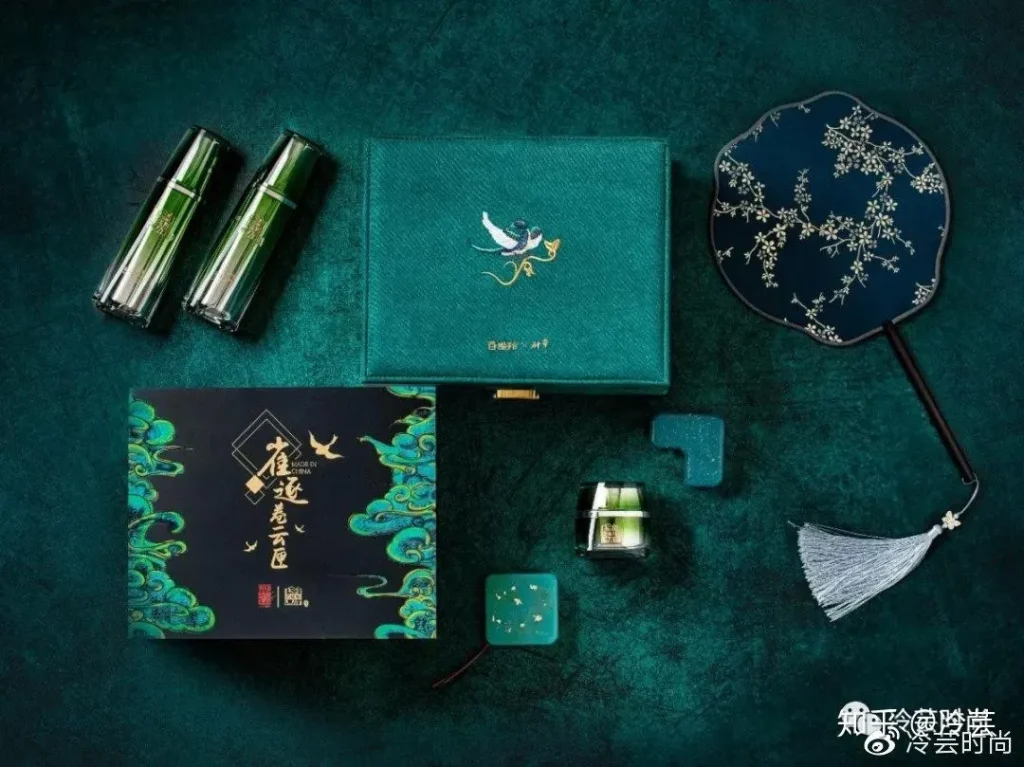
This was more precise than adding generic Chinese motifs. The brand connected a known package, a named craft tradition, a recognized maker, and a premium retail environment. The commercial role was to make cultural identity collectible and giftable without removing the affordable original from the range.
A Wide Price Ladder Keeps Memory and Aspiration Together
The Heritage Nourishing Facial Cream is RMB 19.90 for 56 grams, and the renewed Exquisite Jade Cream is RMB 360 for 50 grams. The latter references the Liangzhu jade cong and contains botanical extracts, nephrite powder, pearl powder, peptides, and other modern cosmetic ingredients.
These list prices indicate a product ladder, although they do not reveal realized prices, margins, or sales mix. The classic preserves accessibility, while higher-priced lines support beauty premiumization.
The two tiers create tension because low-cost recognition can limit premium perception, while aggressive upgrading can weaken mass appeal.
Pechoin Skincare Moved from Herbal Familiarity to Efficacy Language
The greatest change appears in how the brand describes product value. “Herbal” remains part of its identity, but current communication adds peptides, collagen pathways, barrier support, testing methods, and defined product benefits.
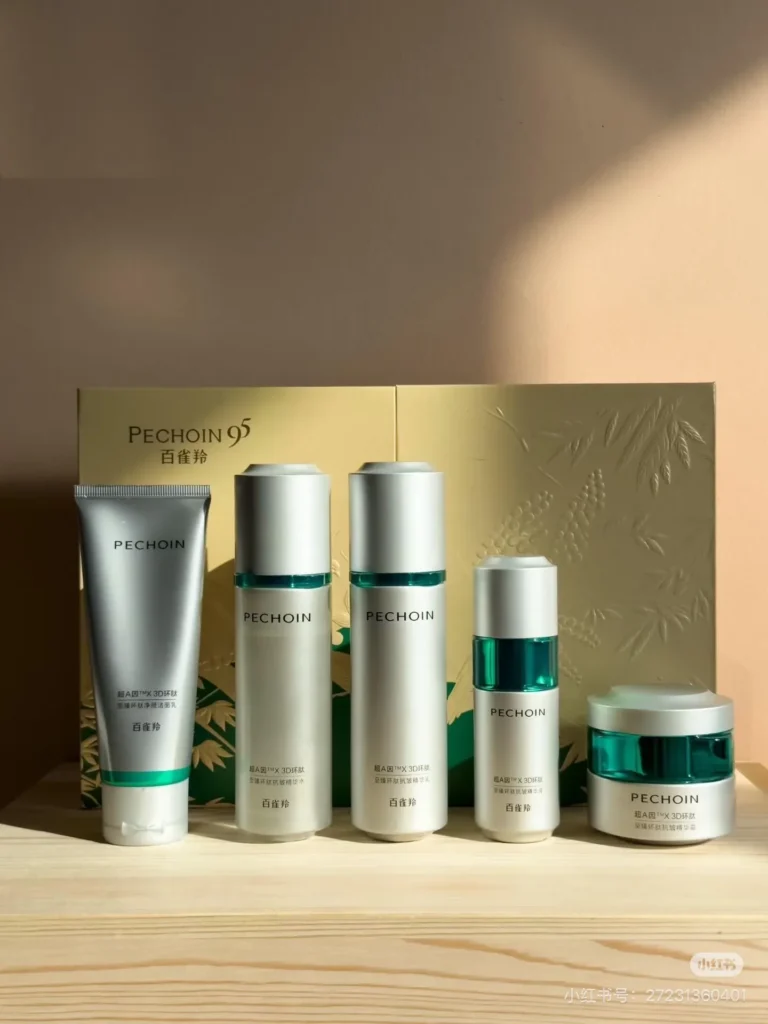
The Super A 2.0 collection combines two cyclic peptides with Ulmus davidiana root extract, described as a botanical retinol. Five products in the renewed six-product line contain the updated complex. The page separates raw-material and in-vitro findings from small finished-product studies, including tests with 30 women over two or four weeks for selected formulas.
In-vitro ingredient results cannot predict outcomes on a person’s skin, and small brand-commissioned tests have limits. The disclosures still show how Pechoin skincare now competes: a mechanism, ingredient system, test type, and stated outcome replace broad promises about traditional Chinese beauty.
Research partnerships add another layer. In June 2025, Pechoin and Ashland announced a collaboration focused on bioavailable raw materials and formulation technology. In July, the International Federation of Societies of Cosmetic Chemists named Pechoin researcher Jun Miao the 2025 Maison G. de Navarre Young Scientist Essay Prize winner for work on skin longevity.
Neither event proves that every product outperforms competitors. Together, they show that skincare R&D has become part of the brand’s operating model and external reputation, not a decorative campaign theme.
Social Commerce Converted Brand Rejuvenation into Reach
Product renewal required a new distribution and communication system. In a September 2025 Xinhua interview, a company vice president said Pechoin was developing Tmall and Douyin through brand livestreams, KOL collaborations, and educational content. She also cited themed pop-up stores as part of its offline retail work.
The channels serve different jobs. Douyin beauty content can connect discovery, explanation, demonstration, and purchase. Tmall beauty stores capture planned demand. A Xiaohongshu skincare launch can enter design and gifting conversations, while pop-ups make products tangible. This interpretation follows observed activity; Pechoin has not published a full attribution model.
Independent valuation data gives a cautious performance signal. Brand Finance valued the brand at US$3.2 billion in 2026, up 7 percent, and ranked it 13th globally among cosmetics brands. The consultancy attributed much of the momentum to Douyin sales and influencer collaborations.
Brand value is an estimate based on a royalty-relief model, not reported revenue or market share. Its direction is still useful, valuing Pechoin at US$3.0 billion after a 9 percent decline. The next year’s increase supports a recovery reading, but it does not show uninterrupted growth.
Younger Relevance Came from Coordination, Not a Single Campaign
The company says it uses cultural collaborations and celebrity partners to connect with younger consumers. Public evidence does not disclose the age mix of buyers, cohort retention, or repeat-purchase rates. Claims about winning Gen Z beauty consumers should therefore be restrained.
The stronger interpretation concerns coordination. Modern packaging creates attention. Heritage storytelling makes the design ownable. Product reformulation supplies a functional reason to reconsider the brand. Livestream hosts translate technical language, while digital and physical retail provide several purchase paths.
Visual copy alone would miss the strategy. A legacy beauty brand needs recognizable assets, credible product change, suitable price architecture, and channel-specific content. Cultural references without product improvement can feel superficial. Efficacy language without accessible evidence can weaken domestic brand trust.
What Pechoin Still Has to Prove
The company’s current relevance is credible, but several commercial questions remain unanswered. Pechoin does not publicly disclose product-level revenue, repeat purchase rates, customer age distribution, channel profitability, or margins for its premium lines. Public sources also do not establish significant current overseas retail scale.
Its English and French websites, international research links, and global brand ranking support an outward-facing identity. They do not prove successful international expansion. Chinese brands going global face different retailer economics, compliance rules, media systems, and cultural reference points. The Douyin playbook cannot be transferred intact.
The strategic takeaway is specific: heritage becomes valuable when it lowers recognition costs, while current products earn renewed trust. Pechoin linked memory to formulation, proof, price, and distribution. Its next test is to turn attention into repeat demand and translate Chinese cultural confidence for markets that do not share the same memories.
Explore China’s Brand Renewal with Ashley Dudarenok
Pechoin shows how Chinese consumer behavior, cultural branding, product innovation, and social commerce interact. Ashley Dudarenok helps companies examine these shifts through China market intelligence, advisory work, executive education, keynotes, workshops, and learning expeditions.
Book a consultation to discuss what the evidence means for your China strategy or global expansion plans.
Yes. Pechoin, Baique Ling, and 百雀羚 refer to the same Shanghai skincare brand. “Baique Ling” follows Mandarin pinyin more closely, while Pechoin remains the company’s established international brand spelling today.
Does Pechoin skincare use traditional Chinese herbs?
Many formulas contain Chinese botanical extracts such as ginseng, lingzhi, dendrobium, or centella, but ingredients vary across products. Buyers should check each INCI list because the brand also uses peptides, silicones, humectants, and recombinant proteins.
How should consumers read Pechoin efficacy claims?
Check each product-page footnote for the evidence type. Raw-material or in-vitro findings differ from finished-product human testing. Study size, duration, participant profile, measurement method, and the testing laboratory’s identity all affect interpretation.
Does Pechoin make products for sensitive skin?
Some individual products carry gentleness or sensitive-skin claims supported by tests cited on their pages. That does not make every formula suitable for everyone. Review the ingredient list and patch-test a new product first.
Where can shoppers buy Pechoin in China?
The official product pages link to the brand’s Tmall store. Current reporting also confirms Douyin sales and content activity, plus selected launches through WeChat and Xiaohongshu retail channels such as Lane Crawford.
How can shoppers check if a Pechoin product is authentic?
Use the product-verification link on the official Pechoin website and buy through clearly identified official stores or authorized retailers. Packaging alone is not reliable proof because counterfeiters can copy visible design elements.
Does Pechoin sell makeup as well as skincare?
Yes. In March 2026, Pechoin announced a return to color cosmetics with a new face powder and an AI digital model named Bai Ling. The launch extended the brand beyond its current skincare focus.
Is Pechoin already a successful global brand?
Current evidence supports international visibility, multilingual brand presentation, and research relationships. It does not establish broad overseas distribution or sales. Global ranking position measures estimated brand value, so it should not substitute for international operating results.
CHANDO: How Science, Scale and Local Consumer Insight Built a Chinese Skincare Giant
Sep 20, 2026
Show notes
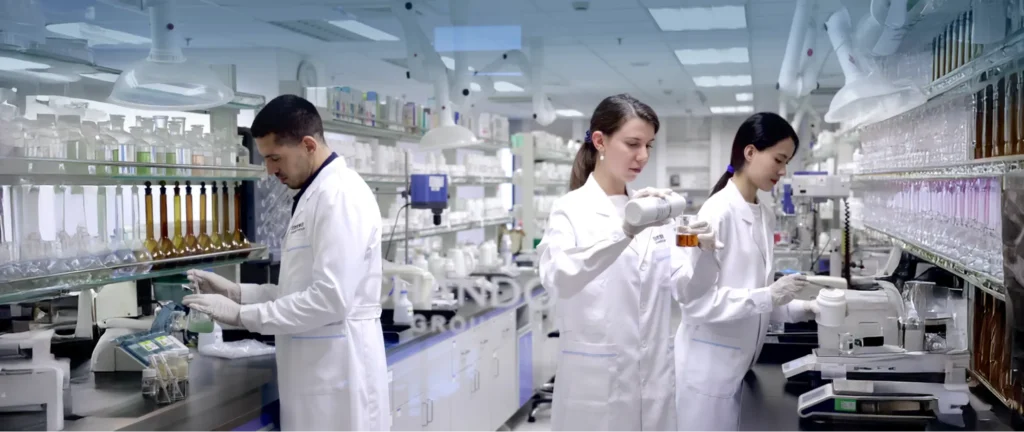
CHANDO became a major Chinese beauty brand by building a coordinated business around affordable skincare. Himalayan ingredients gave it a recognizable identity. Proprietary research, large-scale production, digital commerce, and extensive offline distribution helped turn that identity into a mass-market business.
Its growth shows how a domestic brand can translate local consumer knowledge into products, price points, and retail access that international beauty groups can find difficult to match.
Chinese Cultural Roots Shape CHANDO’s Brand Identity
CHANDO’s official brand story links its identity to Chinese ideas about harmony between people and nature. Its slogan, “你本来就很美,” translates as “You are beautiful just as you are.” This connects its natural-beauty positioning with confidence in individual appearance.
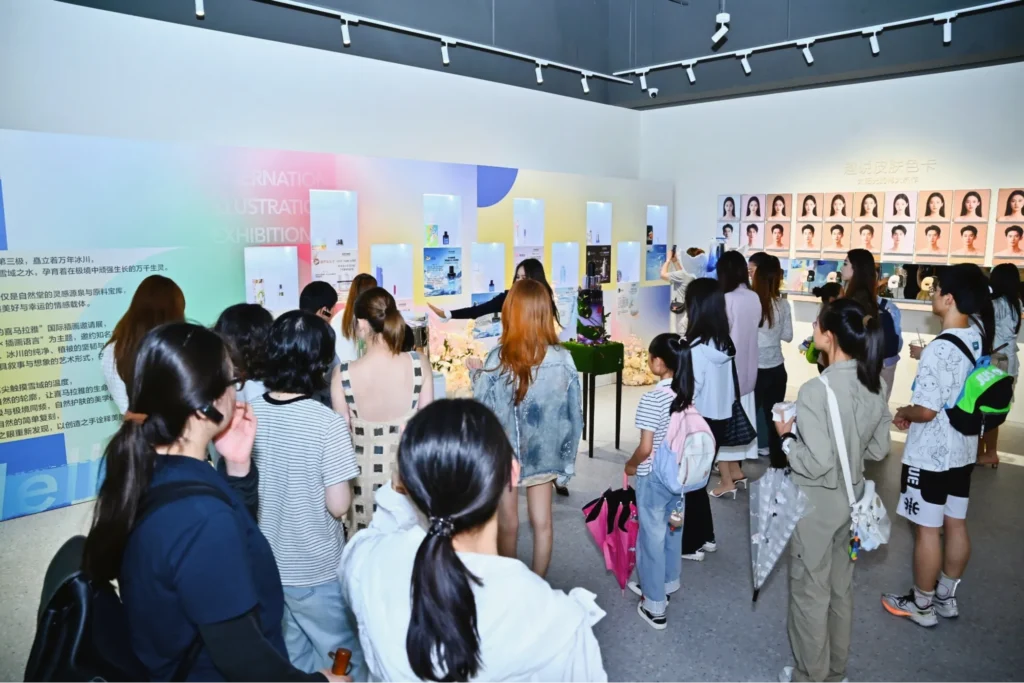
That identity also appears in contemporary creative work. At its June 2026 illustration exhibition in Shanghai, CHANDO Group presented artists’ interpretations of Himalayan mountains, glaciers, and alpine plants. Packaging from products such as Polar Glacier Water and Little Purple Stick Eye Essence served as canvases for artwork.
These collaborations connect CHANDO’s Himalayan identity with Shanghai’s creative community and extend its cultural expression into product design and public experiences.
CHANDO Himalaya Turned a Natural Story into an R&D Platform
CHANDO is the flagship brand of CHANDO Group, formerly JALA Group. The Shanghai company sells skincare, personal care, men’s care, and color cosmetics. Its April 2026 Hong Kong listing application reported 2025 revenue of RMB 5.32 billion.
The Himalayan positioning began with glacier water, alpine plants, minerals, and natural beauty. The stronger commercial move was to connect that origin story with proprietary ingredient development.
The listing filing identifies HiMurchaSin, a yeast ingredient developed from a strain found in the Himalayas, as proprietary. It appeared in 67 formulas, including Himalayan Essence and Time Frozen Essence.
The filing says in-house production costs about 95% less than buying comparable ingredients externally. This company-reported estimate helps explain the commercial value of proprietary research: ingredient ownership gives CHANDO more control over formulation, supply, and production costs.
The group’s current R&D disclosure reports 20 laboratories, 627 patent applications, 292 authorized patents, and more than 230 scientific and technical publications as of September 2026. These figures show the research infrastructure. Evidence for individual formulas and efficacy claims still needs separate assessment.
Research also sits within a much larger commercial budget. CHANDO Group spent RMB 106.2 million on R&D in 2025, equal to 2% of revenue. Sales and marketing costs reached RMB 3.04 billion, or 57.2%. Science supports differentiation, but reaching consumers costs far more.
Hero-Product Iteration Links Science to a Current Skin Concern
The Little Purple Bottle line shows how CHANDO turns research into successive product generations. The sixth-generation Time Frozen Essence had exceeded RMB 2.59 billion in cumulative retail sales by December 2025, according to the listing filing.
In April 2026, the company released the seventh generation with a self-developed peptide called HiMurchaS. CHANDO Group’s 2026 China Beauty Expo report links the product to “fatigue-induced aging,” a concern framed around stress, poor sleep, and reduced cellular energy. The company says it screened more than 2.8 million yeast proteins through an AI computational biology platform.
The filing says product development generally takes three to 18 months and begins with market analysis and consumer insight. Updating a familiar hero line lets the company introduce new ingredients while retaining the recognition built by earlier versions.
Manufacturing Scale Keeps Science Within Mass-Market Price Bands
Ingredient research needs manufacturing capacity to reach consumers at scale. CHANDO operates finished-product facilities in Shanghai, an ingredient fermentation base in Shanghai, and a plant-processing base in Linzhi.
The third phase of its Shanghai cosmetics base began operating in October 2025 with a designed capacity of 8,007 tons a year. Its fermentation facility also began operations in 2025, with an annual ingredient capacity of 1,010.5 tons.
Across the Shanghai cosmetics production base, the filing reported:
Designed capacity of 28,102 tons.
Output of 25,627 tons.
Capacity utilization of 91.2% in 2025.
These figures show substantial use of the production base alongside the addition of new facilities. Managing ingredient processing and finished-product manufacturing gives the group more direct oversight of production schedules, supply availability, and quality consistency.
Online Data and Offline Access Work as One Retail System
Online channels generated RMB 3.70 billion in 2025, equal to 69.5% of group revenue. Directly operated online stores alone contributed 56.5%. The network covers Tmall, Douyin, JD.com, Pinduoduo, Kuaishou, Xiaohongshu, and other platforms.
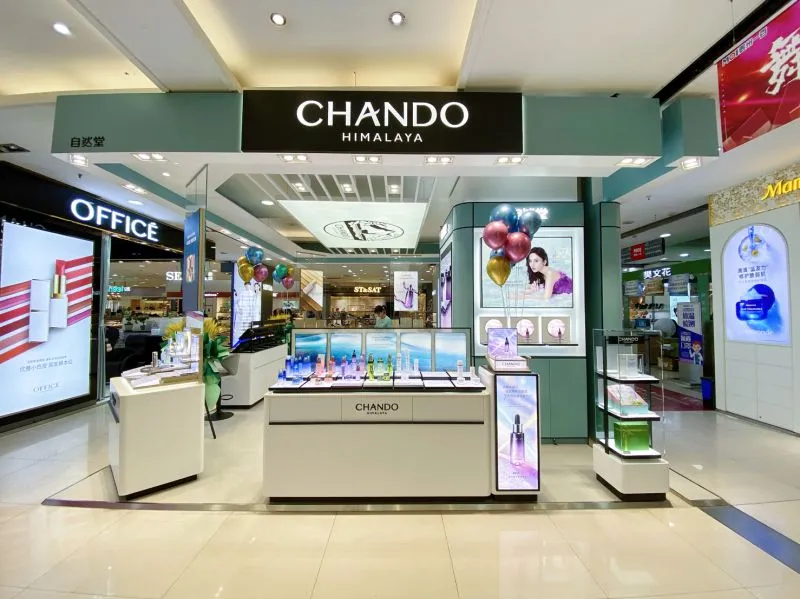
Offline reach remains substantial. The filing reports more than 64,800 retail sales points and a first directly operated flagship store in Shenzhen, opened in July 2025. Counters and local stores provide trials, advice, and immediate purchase access. E-commerce supports discovery, content, price comparison, and conversion.
Data connects those channels. CHANDO Group reported more than 42.5 million registered members at the end of 2025 and a 30.7% repurchase rate for registered CHANDO members. Its consumer management system combines online and offline records, while its cloud-store system synchronizes inventory and supports pickup or home delivery.
This coordination can help teams allocate stock, tailor membership offers, and connect online demand with local fulfillment. The membership figures indicate the size of the registered audience, although they do not establish loyalty across the entire customer base.
CHANDO Beauty Products Extend the Brand Beyond Facial Skincare
CHANDO shampoo is a smaller part of the portfolio. The current product catalog lists oil-control and volumizing shampoo alongside body wash, hair oils, skincare, masks, makeup, and men’s products. Personal-care revenue rose from RMB 172.6 million in 2024 to RMB 339.8 million in 2025, reaching 6.4% of group revenue.
Expansion into daily-use categories can create more purchase occasions. However, personal care remains a modest revenue contributor compared with the group’s core skincare business.
The strategic question is how far the brand can stretch. Each additional category needs a clear consumer purpose and a credible connection to its Himalayan science positioning. A wider catalog alone does not establish a stronger business.
What L’Oréal’s Stake Says About Global Beauty Competition
L’Oréal held a 6.67% interest in CHANDO Group through Beauty Park, according to the 2026 listing filing. Reuters reported that the stake cost RMB 442 million.
The investment gives an international beauty group financial exposure to a Chinese business with established distribution, smaller-city reach, and local product-development capabilities. It suggests that domestic competitors can also become investment opportunities for global beauty companies.
The stake does not establish a broad operating partnership or demonstrate overseas success. The filing says CHANDO Group has entered North American and Southeast Asian markets, but it does not provide regional revenue or market-share results.
The Strategic Takeaway from CHANDO
CHANDO’s next test is diversification. The group must reduce its 95.3% dependence on one brand while giving newer categories a clear role in the business. International expansion presents another challenge: establishing demand in markets with different consumer expectations, retail structures, and regulations.
For executives studying the company, the useful question is which capabilities can support that next phase. Progress will be easier to judge through revenue contributions from other brands, sustained category growth, and disclosed overseas performance.
Read China’s Beauty Shifts with Ashley Dudarenok
Ashley Dudarenok helps leadership teams interpret Chinese consumer behavior, cultural branding, and innovation to inform their business decisions. Her advisory, executive education, keynotes, workshops, and China learning expeditions connect developments in China with practical questions about products, positioning, and growth.
Book a consultation to explore what China’s beauty market means for your business.
FAQs
Is CHANDO Himalaya the same company as Himalaya Wellness?
No, CHANDO Himalaya is the international branding of China’s CHANDO beauty brand, while Himalaya Wellness is a separate company. Similar references to Himalayan ingredients do not indicate shared ownership, manufacturing, formulas, or distribution.
What does the name CHANDO mean?
The company says CHANDO comes from the transliteration of the Chinese “Chan Dao.” Its Chinese name, Ziran Tang, refers to a place where nature’s power gathers and supports the brand’s natural-beauty positioning.
Does L’Oréal own CHANDO?
L’Oréal is a minority investor, not the controlling owner. CHANDO Group’s 2026 listing application records a 6.67% interest through L’Oréal-owned Beauty Park. The founding family retains control through its holding structure.
Does CHANDO make shampoo?
Yes, CHANDO shampoo is part of the brand’s personal-care range, which includes oil-control, volumizing, and scalp-care products. Buyers should check the exact formula, hair concern, and authorized seller because ranges vary across markets.
Is CHANDO cruelty-free?
The official brand page says it does not conduct animal testing unless applicable law requires it. That qualification matters because regulations can differ across countries, product types, and time periods. Check the latest market-specific policy before purchasing.
Is CHANDO skincare suitable for sensitive skin?
Some CHANDO skincare lines target soothing, hydration, or sensitive-skin needs, but suitability depends on the individual formula and user. Review the full ingredient list, follow the directions, and patch-test before regular use.
How can buyers check if CHANDO beauty products are authentic?
Purchase CHANDO beauty products from official stores or authorized retailers. The company says product codes can provide batch and expiration information. Compare the seller, packaging, code, and local customer-service details before use.
What is CHANDO’s best-selling product?
The company identifies Pure Nutrient Lotion, also known as Bing Ji Shui, as its long-running best seller. Its 2026 filing reported cumulative sales of about 138 million bottles through December
Does CHANDO sell makeup and men’s products?
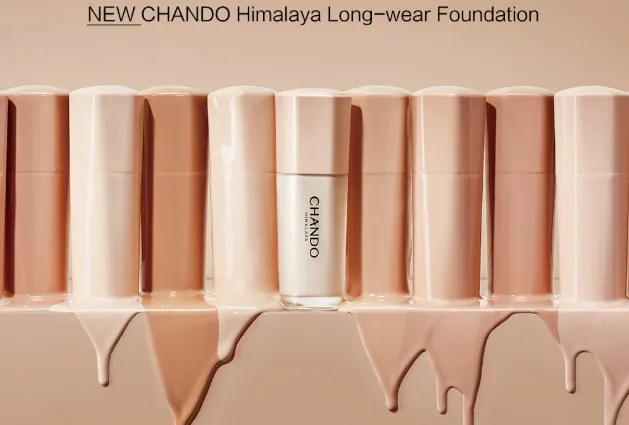
Yes, the current catalog includes foundation, cushion products, lip color, cleansers, and men’s hydration or oil-control products. Availability differs by country, so the official local catalog gives the most reliable current selection.
Are CHANDO skin care efficacy claims independently proven?
Evidence varies by product and claim. CHANDO reports laboratory research, patents, and clinical validation for certain ingredients, but buyers should not treat group-level R&D totals as proof for every formula or advertised result.
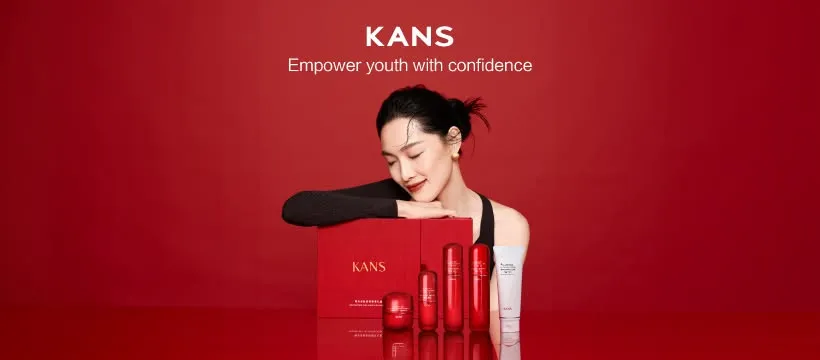
KANS: How Douyin and Anti-Aging Science Built a Chinese Skincare Giant
Sep 18, 2026
Show notes
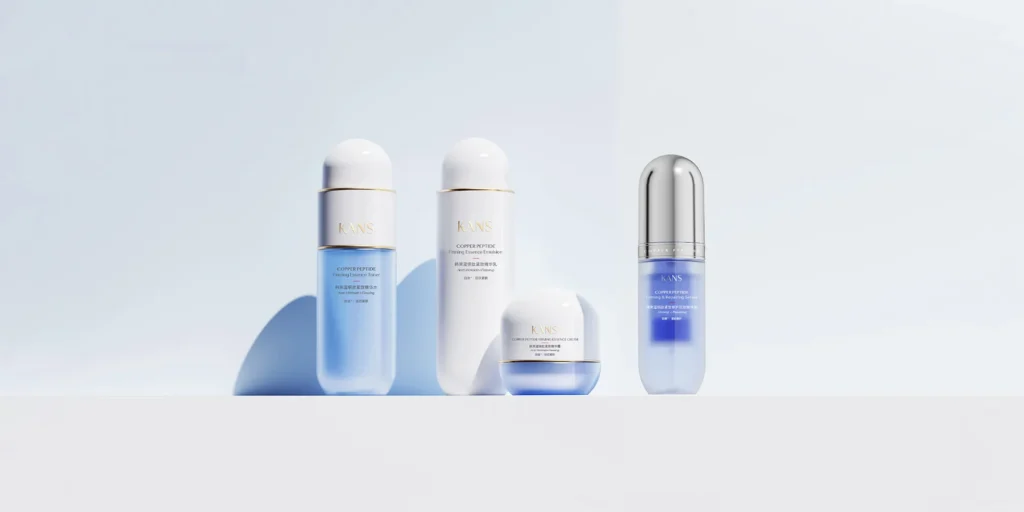
KANS became a major Chinese skincare brand through a tightly connected system: Douyin created discovery and conversion, the Red Waistline concentrated demand, and peptide research gave the brand a more defensible anti-aging story.
Attractive red packaging helped recognition, but it does not explain the scale. The deeper advantage came from connecting short-form entertainment, livestream sales, online direct distribution, hero-product economics, and consumer-friendly product claims.
That model matters because it shows how a C-Beauty brand can turn content into revenue while building enough scientific substance to support premiumization.
What Is KANS, and Which Country Does It Come From?
KANS is a Chinese cosmetics and skincare brand owned by Shanghai Chicmax Cosmetic Co., Ltd. The brand launched in 2003 and now positions itself around scientific anti-aging for Asian women across age groups, according to Shanghai Chicmax’s 2025 annual report.
The commercial scale is substantial. Shanghai Chicmax reported RMB 7.36 billion ($1.09 billion) in KANS revenue for 2025, up 31.6% from 2024. The brand supplied 80.2% of group revenue. Those figures make KANS cosmetics the parent company’s economic center, rather than one label in a balanced portfolio.
This concentration cuts two ways. It gives Chicmax a clear engine for funding research, content, and new categories. It also exposes the group to changes in Douyin traffic costs, hero-product demand, or consumer interest in peptide-led anti-aging.
How Douyin Turned KANS Into a Content-Commerce System
Douyin did more than give the brand reach. It compressed entertainment, product education, creator endorsement, livestream demonstration, and checkout into one measurable journey.
Mini Dramas Moved Viewers Toward Livestream Checkout
Vogue Business reported in January 2025 that KANS worked with KOL Jiang Shiqi on Douyin mini dramas. A company spokesperson said the stories drew audiences toward livestream sessions and focused investment on one popular skincare product.
That concentration solved a common beauty problem. Consumers need repeated exposure to understand an anti-aging regimen, but conventional ads leave little time for education. Serialized content gave the hero product recurring roles, while livestreams handled explanation, bundles, objections, and conversion.
Platform Leadership Became Measurable Business
KANS led Douyin’s skincare brand ranking in January 2025. Caixin later reported that KANS topped Douyin’s full-year 2025 cosmetics GMV ranking with more than RMB 8 billion, based on Qingyan data.
GMV and recognized revenue are different measures. Douyin GMV records transaction value on the platform, while Shanghai Chicmax’s RMB 7.36 billion ($1.09 billion) figure records KANS revenue under accounting rules. Returns, channel arrangements, and recognition timing can create a wide gap. A combined sales figure would overstate performance.
Online channels produced 93.9% of Shanghai Chicmax revenue, and online direct sales produced 85.4%. The filing attributes direct-sales growth partly to KANS, although it does not disclose a brand-level channel split.
KANS Red Waist Skincare Made Science Easy to Sell
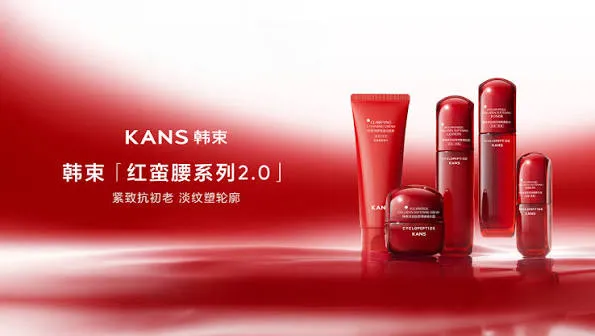
The Red Waist series links a visible product identity with a focused ingredient story. Shanghai Chicmax says the 2025 range centered on cyclohexapeptide-9, or CHP-9. The company also expanded its higher-tier X-Peptide line with an essence, toner, lotion, ampoule, and cleanser.
This is a useful product architecture. The hero line recruits buyers with a memorable color, name, and anti-wrinkle proposition.
A broader regimen then raises basket size and gives the brand more chances to retain customers. The same scientific concept can support several formats without requiring a new message for every SKU.
The Peptide Evidence is Promising but Narrower than the Marketing Story
A 2025 randomized, double-blind, vehicle-controlled study in the Journal of Cosmetic Dermatology compared serums containing 0.002% CHP-9, 0.002% retinol, or vehicle. Researchers enrolled 96 Asian participants, and 91 completed 56 days of twice-daily use.
The CHP-9 group recorded greater improvement than the low-dose retinol group across several measured wrinkle outcomes.
The limits matter. All authors listed affiliations with Shanghai Chicmax and Shanghai Kans Biotech. The trial lasted eight weeks, studied one test serum, and used a 0.002% retinol comparator.
It does not prove that every KANS skincare product delivers the same result. It also does not establish that CHP-9 outperforms the range of retinoid products consumers may encounter at other concentrations.
The commercial value lies in the shift from ingredient naming to a human clinical trial. KANS can cite measured outcomes, while responsible communication should preserve the study’s population, duration, formula, comparator, and company affiliations.
Research and Customer Acquisition Worked Together
Shanghai Chicmax spent RMB 224.7 million ($33.2 million) on R&D in 2025, a 24.9% annual increase. The group also filed 61 patent applications, received 49 patent grants, and published ten research papers across peptide anti-aging, skin repair, and child skincare.
Science did not replace media spending. Group marketing and promotion expenses reached RMB 4.71 billion ($696 million) in 2025, up 42.0%. This company-level figure covers several brands and channel investments, so it cannot serve as a KANS customer acquisition cost. It does show that product evidence and distribution power grew together.
That distinction matters for other Chinese skincare brands. A patented ingredient without sustained consumer education may remain invisible.
Heavy media buying without repeatable product value can create a short sales spike. KANS connected a research asset to a hero SKU, then repeated the message through content and commerce.
Can KANS Grow Beyond Red Waist and Douyin?
The brand added makeup products in 2025 and expanded men’s, haircare, and body-care categories. This makes KANS men part of a broader effort to expand use cases around the master brand. Shanghai Chicmax also built a tiered ambassador roster led by global ambassador Jackson Wang, alongside Liu Haocun, Tian Xuning, and Zhang Hao.
Category expansion can lower dependence on a single anti-aging line. It can also weaken the association between KANS and peptide skincare if new launches lack the same product logic.
A celebrity roster may accelerate awareness, but it does not prove strong overseas demand. Shanghai Chicmax does not report separate international revenue for KANS, so claims that the brand has already achieved global scale would go beyond the public evidence.
The next commercial test is retention. Public filings show revenue, channels, and spending, but they do not disclose brand-level repeat purchase, Douyin customer acquisition cost, or movement from Douyin into Tmall, JD, and offline retail. Those measures would show how much demand persists without continued platform spending.
What a KANS Beauty Products Review Should Examine
A useful review should evaluate the exact formula, rather than transfer the brand’s peptide research to every item.
Product identity: Match the English and Chinese product names, size, batch information, and seller authorization. Regional ranges may differ.
Ingredient relevance: Confirm that the reviewed SKU contains the ingredient connected to the cited study. A range name alone does not verify concentration or formula equivalence.
Evidence quality: Check the test product, participant group, duration, comparator, outcome measures, and researcher affiliations.
Skin fit: Assess texture, fragrance, irritation, hydration, and compatibility with the rest of the routine. Mature skin is not one uniform skin type.
Value: Compare the full regimen cost with the specific concern it addresses. Bundles can raise order value without making every step necessary.
The strategic takeaway is precise. KANS built scale because product, science, content, and checkout reinforced one another. Its next stage depends on proving repeat demand, extending that logic across categories, and translating a China-native commerce model for markets with different platforms, regulations, and skincare habits.
Decode China’s Beauty Growth With Ashley Dudarenok
KANS shows how Chinese brands connect consumer insight, product research, cultural storytelling, and platform commerce. Ashley Dudarenok helps global teams interpret these shifts through tailored keynotes, executive workshops, and China market advisory grounded in first-hand experience.
If your team is assessing Chinese consumers, social commerce, retail innovation, or lessons that can travel beyond China, book a consultation to discuss the questions most relevant to your business.
FAQs
Is KANS skincare from China?
Yes. KANS is a Chinese skincare and cosmetics brand owned by Shanghai Chicmax Cosmetic Co., Ltd. The parent company is based in Shanghai, and its public filings identify KANS as a core scientific anti-aging brand launched in 2003.
Is k.a.n.s the same brand as KANS?
In most searches, k.a.n.s refers to KANS, the Chinese beauty brand. The official English name appears as KANS in Shanghai Chicmax filings and brand materials. Buyers should still verify the seller, packaging, and product name before ordering.
Are KANS skincare products suitable for mature skin?
Some KANS skincare products target wrinkles, firmness, and other concerns associated with mature skin. Suitability still depends on the exact formula, fragrance, texture, sensitivity, and current routine. Check the ingredient list and patch-test a new product first.
What is the KANS Red Waist skincare series?
The KANS Red Waist skincare series is an anti-aging range built around a recognizable red identity and a peptide story. Shanghai Chicmax’s 2025 report names cyclohexapeptide-9 as a core ingredient, but formulas can vary across products.
Does KANS use peptides or retinol?
KANS promotes peptide-centered anti-aging research, including cyclohexapeptide-9. Individual formulas may contain different active ingredients, so consumers should read each INCI list. The 2025 CHP-9 study does not confirm the composition or performance of every retail product.
Is KANS a luxury skincare brand?
KANS is better described as a scaled Chinese scientific anti-aging brand with mass and higher-tier product lines. Its market position varies by range and country, so price, formulation, retailer, and service provide better guidance than a single luxury label.
Where can I buy KANS skincare outside China?
Availability differs by market. Look for an official regional store or an authorized retailer that provides importer details, full ingredient lists, batch information, and a clear return policy. Avoid assuming every marketplace seller has direct brand authorization.
Is KANS men a separate company?
No public filing identifies KANS men as a separate company. Shanghai Chicmax describes men’s skincare as a category developed under the broader KANS brand, alongside haircare, body care, skincare, and makeup expansion during 2025.
Are all KANS products supported by clinical trials?
No public evidence supports that conclusion. A 2025 clinical trial evaluated a specific CHP-9 test serum, not the entire catalog. Product-level proof should identify the finished formula, participant group, study duration, measured outcomes, and research sponsor.
How can I check if a KANS product is authentic?
Buy through an official or clearly authorized seller, then compare the product name, Chinese labeling, ingredient list, size, batch code, seal, and importer information. Contact the regional brand representative if packaging or claims differ from official materials.
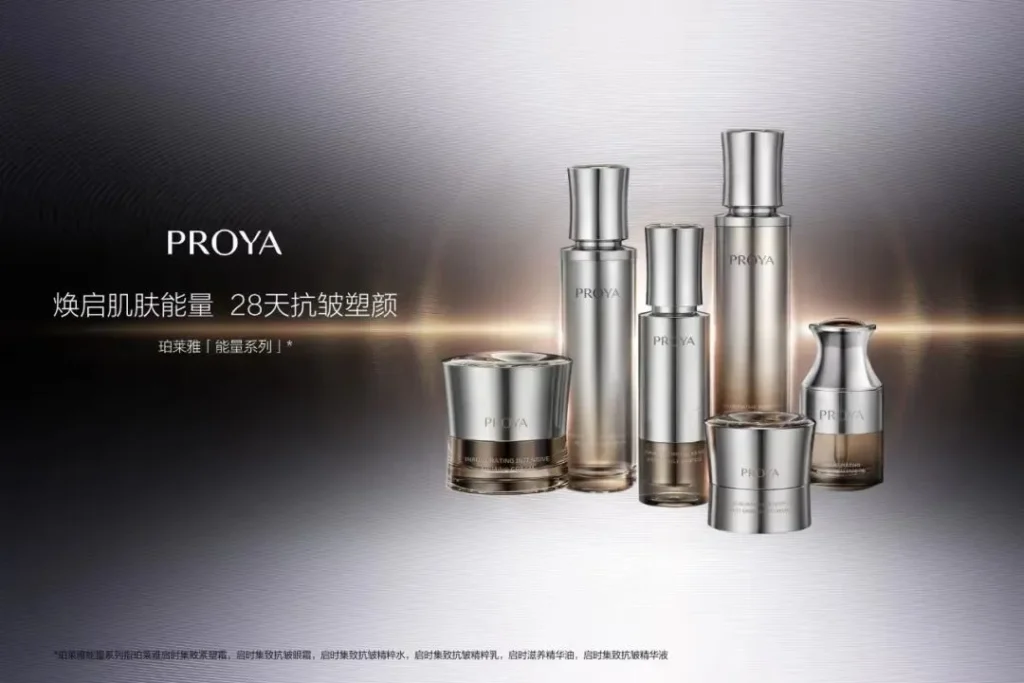
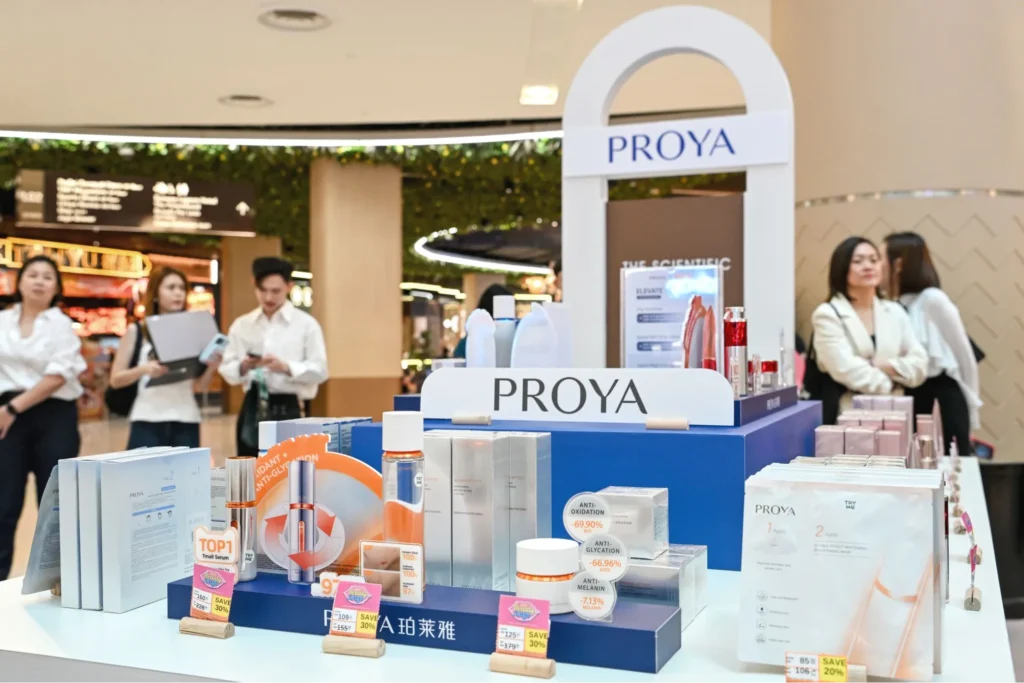
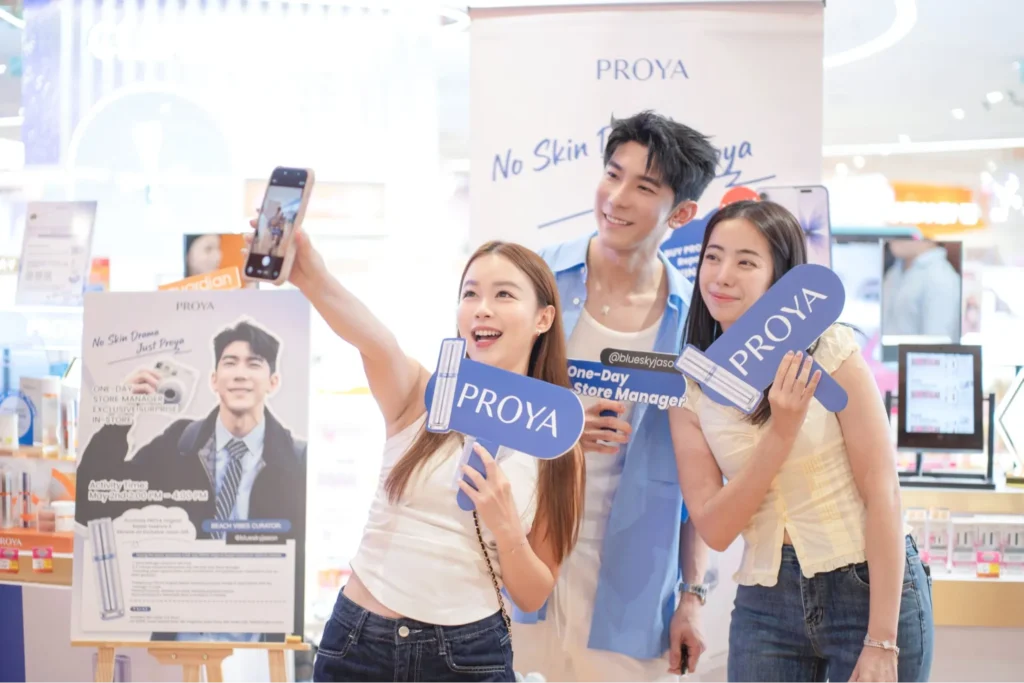
PROYA: How R&D and Consumer Insight Built a Chinese Skincare Leader
Sep 15, 2026
Show notes
PROYA became a Chinese skincare leader through a repeatable commercial system: identify a precise skin concern, turn it into a science-led hero product, explain the benefit clearly on Tmall and Douyin, then improve the line with new research. Attractive packaging supports discovery, but research conversion and channel learning explain more of the brand’s scale.
The latest results add an important warning. Growth slowed in 2025 and early 2026, so the next phase will test 珀莱 雅’s ability to reduce flagship dependence and carry Chinese beauty technology into overseas retail.
Why PROYA Matters in China’s Beauty Market
China’s cosmetics category still grew while consumer demand became more selective. The National Bureau of Statistics reported RMB 465.3 billion ($68.7 billion) in 2025 cosmetics retail sales by enterprises above the designated size, up 5.1% year over year.
PROYA Group did not keep pace with that category’s growth. Its 2025 annual report recorded approximately US$1.57 billion in revenue, down 1.68%, and approximately US$221 million in profit attributable to shareholders, down 3.50%. The namesake brand generated approximately US$1.14 billion in main business revenue, down 10.39%, and still represented 72.64% of the total.
Those figures show a large business under pressure. Leadership still needs sharper product choices, less reliance on acquisition, and new growth engines. The brand remains commercially important because it shows how local companies can pair efficacy skincare with rapid product iteration and platform-specific selling.
Consumer Insight Became a Product Architecture
Kantar Worldpanel’s 2025 China beauty analysis found that consumers were placing less weight on brand size and more on personal fit and product experience. Demand was also shifting from single functions toward scenario-led, multi-benefit care. Morning routines favored antioxidants and sun protection, while evening routines leaned toward anti-aging and repair.
The PROYA product plan closely matched that pattern. Its 2025 filing says the Double Effect series added serum, lotion, and cream versions that paired early anti-aging positioning with a whitening claim.
The Ruby series remained an anti-aging franchise and used peptide-led care in its messaging. The company also divided brightening offers across age bands and introduced PROYA MED for repair needs linked to intensive skincare and post-procedure care.
The same logic shaped sun care. The company positioned its Silver Tube product around high protection plus post-sun repair, rather than presenting UV defense as a single benefit. These are company product claims, not independent clinical findings. Their commercial value lies in making a complex routine easier to understand and shop.
Hero products also reduce launch risk. A known series gives new formulas an established identity, while iteration keeps the franchise tied to new concerns. This approach turns consumer insight into a practical brief: define the user, problem, occasion, claim, format, and channel before media spending begins.
How PROYA Turns Skincare R&D Into Marketable Claims
The group spent RMB 216.8 million on R&D in 2025, equal to 2.05% of revenue, and employed 334 R&D staff. The report also listed research centers in Hangzhou, Shanghai, and Paris, plus 303 patents at year-end, including 143 invention patents.
Stronger evidence lies in research conversion. Four self-developed ingredient projects reached industrial application during 2025. The company also completed a regulatory filing for bicyclic octapeptide-68, extending its ingredient innovation work into peptides.
At the 2025 International Federation of Societies of Cosmetic Chemists Congress, the group presented 14 research projects and received a Top 10 Papers of Basic Research award. The company’s announcement says its joint study with Zhejiang University used deep learning to screen natural compounds associated with mitochondrial function and skin aging. The resulting Cellergy pro formulation entered the Energy 2.0 line, according to the same source.
R&D alone did not build the business. PROYA reported an image-promotion expense rate of 44.03% in 2025, compared with a 2.05% R&D expense rate. The two categories serve different purposes and do not form an ROI comparison. They show that scientific credibility, product communication, celebrity reach, and paid distribution still operate together.
Tmall, Douyin, and Xiaohongshu Close the Feedback Loop
Online channels contributed 95.58% of main business revenue in 2025. The company reported that its flagship store ranked first by transaction value in Tmall Beauty for the year, while the brand ranked second in Douyin Beauty. Those are platform rankings disclosed by the company.
Each platform served a distinct role. Tmall combined hero products, gift sets, membership, and major shopping festivals. Douyin linked short video, official livestream commerce, creator broadcasts, and channel-exclusive sets. Xiaohongshu supported longer cultural and social conversations, including a 2025 International Women’s Day live dialogue.
This structure can shorten the time between product launch and commercial response. The filing also describes AI-supported content and advertising optimization on Tmall, but it does not disclose the underlying consumer-research methods or attribution model. That limit matters when evaluating claims about data-led decision-making.
The company describes an omnichannel beauty strategy, yet offline channels supplied only 4.42% of 2025 main business revenue. Department stores can support premiumization and product trial, but e-commerce remains the financial center. Platform traffic costs and algorithm changes therefore remain material operating risks.
PROYA Group Is Building Beyond One Skincare Brand
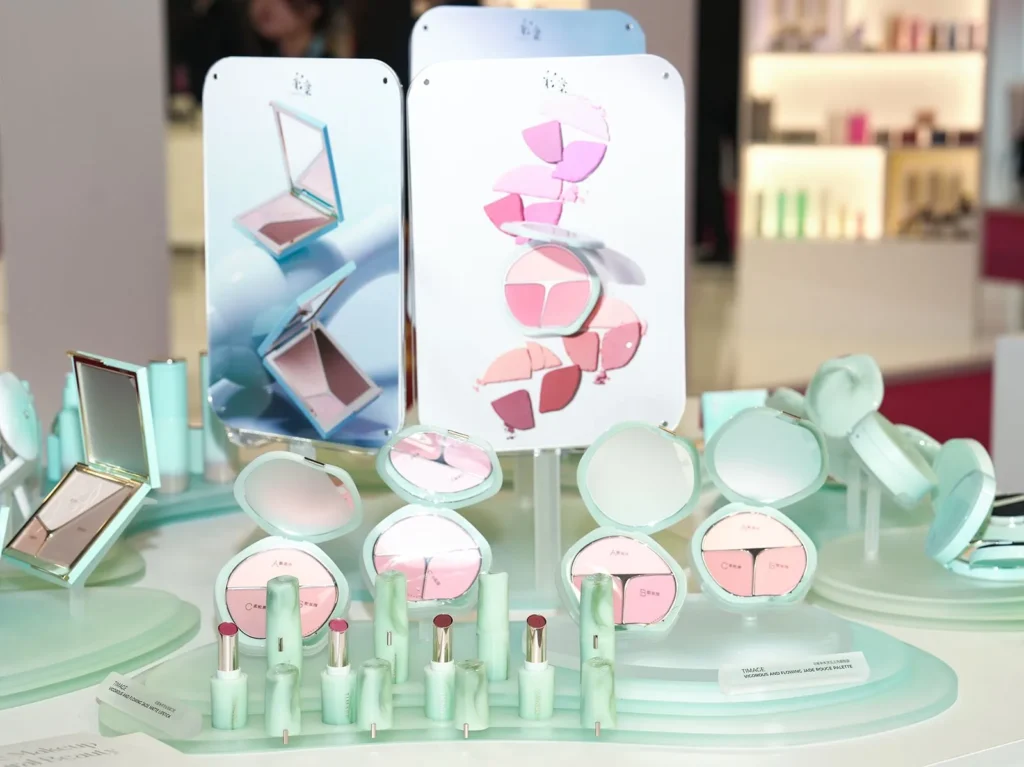
In May 2026, PROYA paid RMB 351 million ($51.8 million) for an additional 12.6% of Flower Knows, taking its indirect holding to 51%. The same report said Flower Knows generated RMB 1.7 billion ($251 million) in 2025 revenue and would become the group’s second-largest cosmetics brand. The deal gives the portfolio a larger color cosmetics business and reduces reliance on skincare.
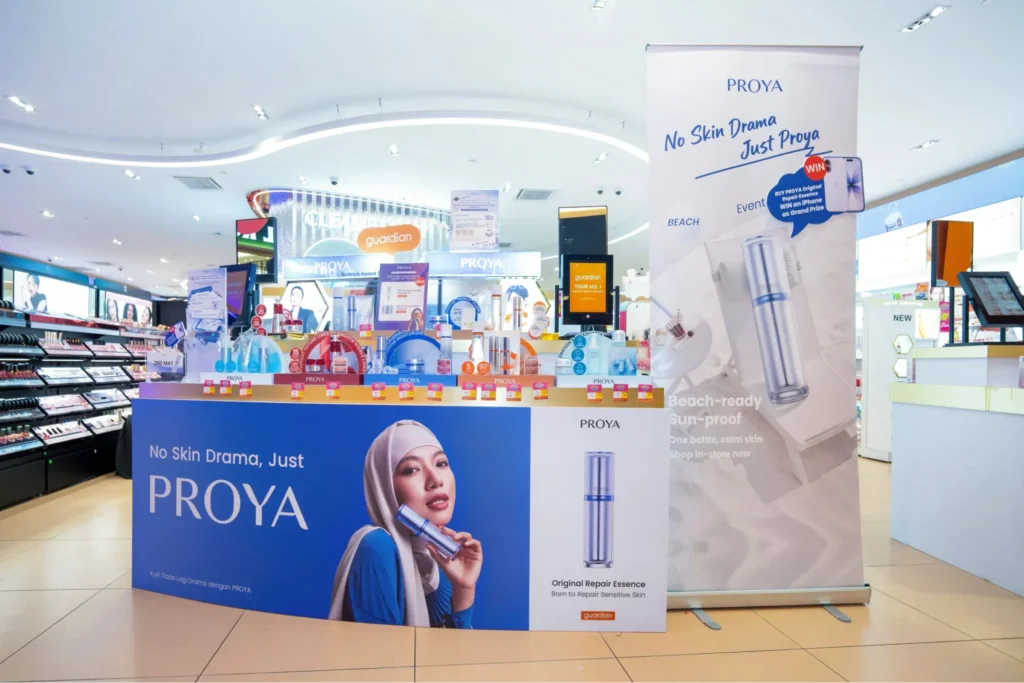
International expansion has also moved into physical distribution. Guardian Malaysia included PROYA in its Asian Derma retail range in April 2026. For C-Beauty, this is early channel proof, rather than evidence of broad global scale.
The ambition is much larger. Reuters reported in June 2025 that the group’s ten-year plan targets a place among the global top ten and would require at least RMB 50 billion in annual revenue. That is a management goal, not a forecast.
Recent numbers show the size of the task. First-quarter 2026 revenue fell 2.29% to RMB 2.305 billion ($340 million), while attributable profit declined 6.05% to RMB 366.7 million ($54.2 million). Global growth must therefore add durable demand rather than hide softness in the core business.
What Chinese Beauty Brands Can Learn From PROYA
Translate consumer tension into one clear product promise. Multi-benefit products work when shoppers can still understand the main use case.
Improve recognized franchises instead of replacing them with constant novelty. Hero lines compound memory, reviews, search demand, and retail education.
Treat skincare R&D as an operating capability. Patents matter less than the path from ingredient research to formula, claim, evidence, and repeat purchase.
Separate domestic proof from global readiness. Chinese brands going global need local compliance, retailer trust, relevant claims, and market-specific assortment.
The strategic takeaway is direct: PROYA built its advantage through the speed and discipline connecting consumer insight, science, product, and commerce. Global beauty competition will test the system’s ability to earn trust outside China while the group repairs growth at home.
Explore China’s Consumer and Innovation System With Ashley Dudarenok
PROYA shows how Chinese consumer behavior, cultural branding, scientific innovation, and platform execution connect. Ashley Dudarenok helps global teams turn those signals into decisions through China market intelligence, advisory, executive education, keynotes, workshops, and learning expeditions.
Book a consultation to examine what China’s innovation system means for your brand.
FAQs
What is PROYA skincare?
It is the flagship science-focused brand of Proya Cosmetics Co., Ltd. According to its 2025 annual report, the company positions it for young professional women, mainly in the RMB 200 to RMB 500 band, across online and offline channels.
Is PROYA the same as 珀莱雅?
Yes. PROYA is the English brand name, while 珀莱雅 is the Chinese name used in company filings and local commerce. Both refer to the flagship skincare brand, though the parent company owns a broader beauty portfolio.
What does PROYA cosmetics refer to?
The phrase usually refers to Proya Cosmetics Co., Ltd., the Shanghai-listed parent company behind PROYA and brands such as Timage and Off&Relax. The company develops, produces, and sells skincare, makeup, haircare, and efficacy-focused beauty products.
Is PROYA a luxury brand?
No. The company defines PROYA as popular exquisite skincare with a main price band of RMB 200 to RMB 500. Its premiumization relies on science, hero products, and upgraded retail presentation rather than luxury-house positioning.
What is the PROYA Double Effect series for?
PROYA’s Double Effect series targets early aging and brightening concerns. The company expanded it in 2025 with serum, lotion, and cream versions carrying a whitening claim. Buyers should check the exact formula and local product label.
What is the PROYA Ruby series?
The Ruby series is PROYA’s anti-aging hero line, linked in 2025 marketing to peptide care and firming. Formulas can change across versions and markets, so compare the product number, ingredient list, and authorized seller before buying.
What should buyers know about PROYA sunscreen?
The current Silver Tube line pairs high-protection positioning with post-sun repair messaging. That description reflects the company’s claim, not an independent clinical verdict. Check the local SPF and PA label, application directions, and reapplication guidance.
Where can I buy PROYA products?
PROYA products are available on Tmall, Douyin, Xiaohongshu, and other e-commerce platforms. The brand also distributes through offline retail channels and livestream commerce in China.
Where can I buy PROYA outside China?
Availability remains market-specific. Guardian Malaysia carried PROYA within its Asian Derma range in April 2026. Elsewhere, confirm the seller’s authorization, regional ingredient label, expiration information, and return policy before purchasing imported stock.
Is Proya skincare suitable for sensitive skin?
Suitability depends on the exact formula and your skin condition. Proya skincare includes brightening, anti-aging, sunscreen, and repair products, so review the ingredient list, patch test first, and seek dermatology advice if you have active irritation.
20 Best Chinese Skincare Brands Driving the Next Wave of C-Beauty
Sep 12, 2026
Show notes
Chinese skincare has moved decisively beyond the “affordable alternative” label. In 2025, domestic Chinese skincare brands dominate Tmall’s top 10 beauty rankings, with several surpassing international competitors in both revenue and consumer trust. The shift reflects systematic investment in dermatological research, biotechnology, and ingredient transparency—not merely packaging upgrades. Here are the 20 brands defining this transformation, organized by their core strength. Why Chinese Skincare is Entering a More Serious Phase Reuters reported in November 2025 that domestic brands were taking a larger share of China’s $75 billion beauty and personal care market. L’Oréal’s investments in CHANDO and LAN validate strategic interest in local capabilities, though investment does not prove product superiority. The NMPA’s 2025 reform supports ingredient innovation and dedicated pathways for new efficacy claims within a safety and quality framework. Science can become a stronger commercial asset, but brands still need defensible testing and accurate claims. Four models frame the 20 brands below. Scale leaders turn anti-aging or brightening into product systems. Dermatological labels focus on sensitive skin and barrier repair. Biotech firms commercialize collagen, hyaluronic acid, and other actives. Botanical brands seek proprietary value in Chinese plants and facial oils. Selection favors a distinct specialty, current operating evidence, commercial relevance, and a defensible research or ingredient model. “Best” therefore means strategically significant within C-Beauty, not universally superior. Finished-formula suitability and performance still require product-level review. Scaled Efficacy and Mass-Market Leaders 1. PROYA PROYA has executed China’s most aggressive cosmetics R&D expansion, establishing the PROYA European Innovation Center in Paris (2024) and a Shanghai research hub focused on peptide delivery systems. The brand’s 2025 “CycloPeptide” technology achieves 12-hour time-release of anti-aging actives. PROYA’s market cap surpassed RMB 50 billion ($7.39 billion) in Q1 2025, reflecting investor confidence in its science-first strategy. PROYA’s 2025 sustainability report describes R&D across Hangzhou, Shanghai, and Europe, plus self-developed botanical materials. Its advantage is the ability to turn research into broad anti-aging platforms at national scale. 2. KANS KANS represents the convergence of pharmaceutical-grade manufacturing and skincare efficacy. The brand operates a GMP-certified facility producing best Chinese skin care products with active pharmaceutical ingredients. Its 2025 product pipeline emphasizes peptide-based anti-aging formulations with stability data exceeding 36 months—a rarity in domestic Chinese skin care brands. Parent Chicmax reported 2025 revenue of RMB7.36 billion ($1.09 billion), up 31.6 percent, evidence that a precise functional message can support mass scale. 3. CHANDO CHANDO sources Himalayan botanical actives through its high-altitude cultivation program in Tibet. The brand’s 2025 “Ice Complex” technology preserves thermolabile compounds from alpine plants, including Rhodiola rosea and Saussurea involucrata. CHANDO operates the highest-altitude skincare R&D center globally (4,500 meters), giving it unique access to extremophile plant actives unavailable to competitors. L’Oréal paid RMB442 million ($65.3 million) for 6.67 percent in 2025, placing clear value on CHANDO’s distribution and local product-development speed. 4. Pechoin China’s oldest continuously operating skincare brand (founded 1931), Pechoin modernized its heritage formulation with cold-process extraction of 18 Chinese medicinal herbs. The brand’s 2025 “Century Formula” series preserves the original 1930s base formula while adding modern preservation systems. Pechoin maintains leadership in mass-market Chinese skin care with distribution across 40,000+ retail points. 5. Marubi Marubi specializes in eye-area skincare, with 2025 “Elastin-3” technology targeting orbital fat prolapse through triple-patented peptide sequences. The brand holds 37 active patents on peptide synthesis and delivery. Marubi’s partnership with Japan’s Nippon Fine Chemical enables precision peptide manufacturing at 99.7% purity—the highest of any China skincare brand. Dermatological and Barrier-Repair Specialists 6. Winona Winona leads Chinese skincare products for sensitive skin with clinical validation from 63 hospitals and over 300 dermatologists. The brand’s 2025 focus centers on barrier repair through Yunnan botanical extracts, particularly Poria cocos and Dianthus superbus. Winona’s parent company, Botanee Bioengineering, reported 2024 revenue exceeding RMB 5.5 billion ($812 million), with international expansion accelerating across Southeast Asia and Europe through pharmacy channel partnerships. 7. Dr.Yu Developed in collaboration with Shanghai Jiao Tong University’s School of Medicine, Dr. Yu pioneered the “skin barrier self-repair” concept in Chinese skincare products. The brand’s 2025 PSM (Physiological Skin Matrix) technology uses biomimetic lipid complexes that mimic healthy skin composition. Dr. Yu maintains clinical documentation across 10+ dermatology centers, positioning itself as the pharmacy-preferred option for eczema and atopic dermatitis management. 8. Comfy Comfy extends from medical dressings into five functional skincare series. Its 2025 Collagen Stick 2.0 uses proprietary recombinant type IV collagen and carries a trial report from West China Hospital’s Cosmetic Evaluation Center. 9. Collgene Collgene applies recombinant collagen to anti-aging. First-half 2025 revenue reached RMB502.7 million, up 26.9 percent after a mask upgrade, showing how one biotech platform can support distinct sister brands. 10. Xiangxiang Xiangxiang democratizes Chinese skincare with formulation transparency previously limited to premium brands. Its 2025 “Full Disclosure” policy publishes raw material sources, batch-level purity certificates, and stability test data for every product. The approach has attracted ingredient-savvy consumers willing to pay premium pricing for third-party verified formulations. Active-Ingredient and Biotechnology Challengers 11. HBN HBN pioneered “visible efficacy” in Chinese skincare brands by standardizing active ingredient percentages on product packaging. The brand’s 2025 A醇 (retinol) products use a proprietary encapsulation system that maintains stability at 3x the industry standard for temperature variation. It built its name around retinol-led anti-aging. It presented three studies at the 2025 IFSCC Congress, including AI-led research on skin-aging patterns. Academic visibility helps, though product-level evidence still matters. HBN’s ingredient transparency policy—publishing full ingredient percentages and clinical study summaries—has forced larger competitors to adopt similar disclosure practices. 12. HomeFacialPro HFP introduced the “simple ingredient, high concentration” model to Chinese e-commerce, competing directly with The Ordinary. The brand’s 2025 “Serial Dilution” line offers 15 formulations of individual actives (niacinamide, tranexamic acid, vitamin C) at pharmaceutical-grade purity. HFP’s Tmall flagship reports average repurchase rates exceeding 45%, indicating strong functional loyalty among educated consumers. It expanded its acid range in 2025 and discloses laboratories for efficacy evaluation, molecular biology, protein analysis, and stability testing. 13. Biohyalux As a subsidiary of Bloomage Biotechnology, the world’s largest hyaluronic acid producer, BIOHYALUX supplies raw materials to half the global skincare industry. The brand’s 2025 “Molecular Size Precision” technology delivers hyaluronic acid at five molecular weights for layered skin penetration. BIOHYALUX leads the medical aesthetics post-procedure recovery segment among top Chinese skincare brands, with formulations used in 4,000+ Chinese dermatology clinics. 14. UNISKIN UNISKIN is doctor-founded and frames anti-aging through integrative dermatology. Distribution across Tmall, Douyin, Xiaohongshu, Sephora, Lane Crawford, and a Shanghai clinic connects science content with premium retail and services. 15. Guyu, or Grain Rain Guyu specializes in white tea fermentation technology, with a 2025 patent for “Aged White Tea Ferment” that yields EGCG (epigallocatechin gallate) concentrations 4x higher than standard green tea extracts. The brand’s ingredient research collaborates with Fujian Agriculture and Forestry University’s Tea Science department, bridging agriculture and cosmetics R&D. Botanical, Facial-Oil, and Heritage Specialists 16. Herborist Herborist commercializes Traditional Chinese Medicine (TCM) ingredients through modern extraction technology. The brand’s 2025 “INCI-TCM” standard maps ancient formulas to INCI (International Nomenclature of Cosmetic Ingredients) nomenclature, enabling global regulatory compliance. Key ingredients include Paeonia lactiflora (white peony) for brightening and Panax ginseng for anti-aging. 17. Lin Qingxuan, or Forest Cabin Lin Qingxuan built its premium positioning around Chinese camellia oil, sourcing from 4,000-year-old camellia trees in China’s Jiangxi Province. The brand’s 2025 “Camellia Cellular Repair” complex uses pressurized extraction to preserve oleic acid and polyphenols at concentrations 2x higher than conventional cold-pressing. Its hero oil supplied 45.5% of first-half 2025 revenue and carried an 86.2% gross margin, showing both pricing power and concentration risk. The brand operates 400+ standalone stores across tier-1 Chinese cities and competes with La Mer in the RMB 800+ price bracket. 18. LAN LAN centers oil-based skincare and natural ingredients. L’Oréal acquired a minority stake in November 2025, signaling multinational interest in facial oil and a lower-risk route into local C-Beauty development. 19. Inoherb Inoherb combines TCM philosophy with ISO-certified botanical extraction. The brand’s 2025 “Wild Harvest Traceability” program tracks 22 botanical ingredients from harvest to finished product using blockchain verification. It organizes care around rhodiola, camellia, willow bark, and gentian for dullness, aging, oiliness, and sensitivity. It converts Chinese botanical knowledge into concern-specific systems. Inoherb’s academic partnerships include the Chinese Academy of Sciences’ Institute of Botany, validating ingredient efficacy through standardized testing protocols. 20. Zhuben Zhuben specializes in emulsification technology for cleansing oils, with a 2025 patent for “Micro-Emulsion Cleansing” achieving 99.8% makeup removal while preserving skin barrier function. The brand’s formulas exclude PEG surfactants and use plant-derived emulsifiers from 11 botanical sources. Zhuben’s Douyin (TikTok China) beauty sales exceeded RMB 300 million in 2024, driven by technical demonstration content alone. Beijing News reported product removals in June 2025 and raised questions about filings, ingredients, and promotional claims. How to Choose Among Chinese Skincare Products Shortlist the best Chinese skincare products by skin concern, evidence, and access. A search for the best Chinese skincare products should test four points: What exact concern does the formula address? What type of evidence supports the claim? Can you verify the company, filing, batch, seller, and ingredient list? Does the formula fit your routine and tolerance? Xiaohongshu or Douyin can reveal interest and usage patterns. Social proof cannot replace registration, formulation review, or medical advice for persistent skin problems. Strategic Takeaway The strongest Chinese skincare signal comes from systems, rather than one ingredient or platform. Durable brands will convert research into repeatable products, limit dependence on one hero SKU, and carry credible evidence across Xiaohongshu, Douyin, Tmall, and physical retail. C-Beauty now offers a benchmark for combining local ingredient IP, rapid consumer feedback, precise category ownership, and culturally relevant branding. Attention starts the cycle. Trust, repeat purchase, margin, and responsible global expansion determine its value. Apply China’s Beauty Lessons with Ashley Dudarenok The next wave of Chinese skin care shows how consumer behavior, cultural branding, product science, and platform feedback now work as one commercial system. Ashley Dudarenok helps teams interpret these signals through China market intelligence, advisory, executive education, keynotes, workshops, and learning expeditions. Book a consultation to examine what C-Beauty’s trust models and global ambitions mean for your brand. FAQs 1. What is Chinese skin care? Chinese skin care covers skincare brands and products developed in China. Current C-Beauty spans dermatological formulas, biotech actives, botanical traditions, mass-market routines, and premium oils, with brands competing on evidence, ingredients, value, and cultural relevance. 2. What are good Chinese skincare brands for sensitive skin? Winona and Dr.Yu specialize in sensitive-skin and barrier-repair care, while newpage focuses on younger skin. Product suitability still depends on the formula, your condition, and professional advice for persistent redness, itching, or dermatitis. 3. Are Chinese skincare products safe? Safety depends on the individual formula, manufacturing controls, storage, and seller authenticity, rather than the brand’s country of origin. Check the ingredient list, Chinese registration or filing information, expiry details, and patch-test instructions before use. 4. Where can I buy authentic Chinese skin care products? Use official brand stores on Tmall, JD, Douyin, or verified overseas retailers named by the brand. Match the seller, batch code, packaging, and return policy against official channels, since marketplace availability does not prove authorization. 5. How is C-Beauty different from K-Beauty? C-Beauty is defined by Chinese brands, consumer needs, retail systems, and research resources. Its current strengths include sensitive-skin care, recombinant collagen, hyaluronic acid, Chinese botanicals, and rapid social-commerce testing. K-Beauty developed through a different national ecosystem. 6. Which ingredients are common in Chinese skincare? Common territories include hyaluronic acid, peptides, ceramides, retinoids, recombinant collagen, camellia oil, licorice-derived brightening actives, rhodiola, and gentian. Presence alone proves little, so compare concentration disclosure, testing method, delivery system, and complete formula. 7. Are the best Chinese skincare products expensive? No. Price reflects positioning, packaging, channel costs, ingredients, and margin as much as performance. Affordable functional brands and premium facial-oil labels can both be credible, but evidence quality and formula suitability matter more than price. 8. Do Chinese skincare brands use Traditional Chinese Medicine ingredients? Some brands use botanicals associated with Chinese herbal traditions, while others rely mainly on global actives or biotechnology. A cultural ingredient story does not establish efficacy; look for standardized extracts, safety data, formula testing, and claim support. 9. How can I verify China skin care products before purchase? Start with the brand’s official store or website, then check the manufacturer, filing or registration details, ingredient list, batch code, and customer-service contact. Avoid listings that hide the responsible company, product label, or complete INCI. 10. Are Chinese skin care brands expanding outside China? Some are, but progress varies by brand and market. Overseas growth can come through cross-border commerce, local retailers, distributors, investment, or acquisitions. International availability does not confirm broad market success, so assess each country separately. The post 20 Best Chinese Skincare Brands Driving the Next Wave…
Perfect Diary: What China’s Digital-Native Beauty Pioneer Learned About Sustainable Growth
Sep 09, 2026
Show notes
Perfect Diary learned that digital reach can create scale quickly, but sustainable growth needs stronger products, repeat demand, disciplined acquisition spending, and better channel economics. The Chinese cosmetics brand, part of the C-Beauty movement and known in China as 完美日记, now sits inside a wider Yatsen transformation built around R&D, hero products, premium skincare, and selective retail.
Attractive packaging and social visibility still help discovery. They cannot carry the business alone. Yatsen’s 2025 results showed improved revenue and margins, yet its first-quarter 2026 report showed weaker color cosmetics and higher Douyin acquisition costs.
Why the Original Perfect Diary Growth Model Stopped Being Enough
Perfect Diary’s early brand playbook matched direct-to-consumer beauty in China. Yatsen’s 2025 annual filing describes a system in which Tmall supplied transactions, Xiaohongshu and other content platforms created discovery, beauty KOLs provided reach, and WeChat groups supported private traffic. Livestream commerce later added another route from content to sale.
The model still matters. The filing says Yatsen’s products now span Tmall, Douyin, JD.com, Pinduoduo, Vipshop, RedNote, and offline channels. Direct-to-consumer channels produced 84.9% of group revenue in 2025. It also describes WeChat groups where beauty advisors share tutorials, offers, and product guidance.
Yet access to consumers has become expensive. In the fourth quarter of 2025, Yatsen’s selling and marketing expense reached 64.8% of revenue as Double 11 traffic costs increased. In the first quarter of 2026, that ratio rose to 72.2%, partly because Douyin acquisition costs rose.
These are group figures, not standalone Perfect Diary company data. Still, they expose the central weakness in traffic-driven growth. Social commerce can generate sales, but it does not guarantee manageable customer acquisition costs, full-price demand, or retention.
Yatsen’s Results Show Progress, but not a Finished Turnaround
China’s cosmetics retail sales among enterprises above the designated size reached RMB465.3 billion ($68.7 billion ) in 2025, up 5.1%, according to the National Bureau of Statistics. Demand grew, but the market still needs stronger brand economics.
Revenue rose 26.7% to RMB4.30 billion ($635 million), gross margin reached 78.2%, and net loss narrowed 87.0% to RMB92.4 million ($13.6 million). The group also reported RMB8.4 million ($1.24 million) in non-GAAP net income.
The revenue mix matters more than the headline. Skincare grew 63.5% and produced 53.0% of group revenue. Color cosmetics, which include Perfect Diary, Little Ondine, Pink Bear, and other brands, grew only 1.9% for the year. In the first quarter of 2026, group revenue rose 22.5%, but color cosmetics declined 5.0%, and the company recorded an approximately $9.14 million net loss.
The evidence supports a measured interpretation. Yatsen has improved its portfolio economics, but the recovery depends heavily on skincare. Public disclosures do not isolate Perfect Diary China revenue or profitability, so claims that the flagship brand has completed its turnaround would go beyond the data.
Perfect Diary Makeup is Moving from Novelty to Product Platforms
Yatsen repositioned Perfect Diary beauty around “makeup skintification,” which adds skincare functions to color cosmetics. The commercial aim is clear: give consumers a product reason to return that competitors cannot copy through packaging or influencer volume alone.
In 2025, the brand introduced the Bioface Essence Foundation with third-generation Biotec technology and the Translucent Blurring Setting Powder with Smartlock technology.
OpenLab system connects more than 20 cosmetics R&D collaborations, and Perfect Diary co-published a makeup skinification report with an industry association and Ruijin Hospital. Its November 2025 innovation update says the group had filed 252 global patents, including 78 invention applications. Those figures cover Yatsen Group, not one brand.
The strategic shift is stronger when one technology supports a family of hero products. The Perfect Diary lipstick and Perfect Diary foundation lines can carry functional claims and higher value, while Perfect Diary eyeshadow can support shade discovery and creative expression. That division is an interpretation of the portfolio, not a disclosed company plan.
Product science also needs clear proof. Patents, joint research, consumer testing, and understandable claims must connect to a visible benefit. A technical story that consumers cannot evaluate will struggle to improve retention or justify premium pricing.
Offline Retail Shifted from Store Count to Channel Quality
The old expansion logic favored more owned experience stores. The group operated 77 experience stores at year-end and attributed the year-over-year decline to Perfect Diary store closures, partly offset by Galénic expansion.
The next move was different. In July 2026, Yatsen announced that Perfect Diary cosmetics would enter about 300 Sephora China outlets, including locations in Beijing, Shanghai, Guangzhou, and Shenzhen. The assortment includes Biolip Essence Lipstick 3.0, Biolip Essence Matte Lipstick 3.0, and the Translucent Blurring Setting Powder.
This omnichannel strategy favors channel quality over raw store count. Sephora can place the products beside prestige brands and give shoppers a physical setting for trial and advice. The arrangement may expand reach without rebuilding a large owned network, although Yatsen has not disclosed its commercial terms or expected store productivity.
Yatsen’s high DTC share gives it access to customer and channel data. Public reporting, however, does not provide repeat-purchase rates, customer acquisition cost, lifetime value, or Perfect Diary cohort retention. Revenue growth alone cannot answer whether the brand has built durable demand.
The next stage should be judged through a tighter set of signals:
Signal
What it reveals
Full-price repeat purchases by hero line
Product satisfaction and pricing power
Acquisition payback by Douyin, Tmall, and retail
Channel efficiency after traffic costs
Hero-product share of revenue
Focus versus dependence on constant launches
Sell-through and inventory age
Demand quality and discount risk
Store and retail-counter productivity
The economics of offline expansion
R&D conversion into repeat sales
Commercial value of the science platform
These measures would show if Perfect Diary Yatsen has converted attention into brand equity. Until the company reports more of them, the strongest conclusion is that its strategy has changed, while the durability of the flagship brand’s recovery remains unproven.
International Expansion Needs Proof Market by Market
The Sephora agreement is a mainland China distribution move, not completed international expansion. The partnership will support future entry into Hong Kong SAR and other global markets. It has not published recent market-level sales results that prove broad overseas momentum for Perfect Diary.
Chinese brands going global need more than a translated campaign. Perfect Diary cosmetics must adapt shade ranges, product claims, creator partnerships, pricing, compliance, and retail education to each market. The brand should also decide which asset travels best: Chinese cultural identity, biotech-led makeup, accessible prestige, or a combination grounded in local demand.
Digital speed remains an operating strength, but it cannot serve as the whole strategy. Perfect Diary now has to prove that product platforms can improve repeat demand, that premium channels can add profitable reach, and that international expansion can produce local relevance. Sustainable growth will come from those operating results, not from visibility alone.
Read China’s Consumer Shifts with Greater Precision
Perfect Diary connects wider lessons about Chinese consumer behavior, cultural branding, product innovation, and global expansion. Ashley Dudarenok helps leadership teams interpret these shifts through China market intelligence, executive education, advisory, keynotes, workshops, and learning expeditions.
Perfect Diary is a Chinese color cosmetics brand launched by Yatsen. Its range covers lip, face, eye, skincare, beauty tools, and kits, with products positioned from mass to mid-market and an increasing focus on skincare-linked makeup technology.
Who owns Perfect Diary?
Yatsen Holding Limited is the parent company and operates the label as its flagship brand. Its portfolio also includes Little Ondine, Pink Bear, Galénic, DR.WU’s mainland China business, and Eve Lom across several beauty segments.
What does 完美日记 mean?
完美日记 is the brand’s Chinese name and translates as “Perfect Diary.” Both names refer to the same Yatsen flagship, although product information, formulas, packaging, and availability may differ across local and international sales channels.
What products does Perfect Diary makeup include?
Perfect Diary makeup includes lipstick, lip stain, setting powder, foundation, eyeshadow, other lip, face, and eye products, skincare, beauty tools, and kits. Availability differs by market, so shoppers should confirm current formulas and authorized channels locally.
Does Perfect Diary sell skincare?
Yes. Perfect Diary skincare appears within the brand’s broader portfolio, although color cosmetics remain its central identity. Yatsen’s group skincare segment mainly refers to separate brands such as Galénic, DR.WU, and Eve Lom, not Perfect Diary alone.
What is the Biolip Essence Lipstick?
The Biolip Essence Lipstick is a Perfect Diary lipstick line using Yatsen’s Biotec platform. The company says the formula creates a biomimetic film designed to support the lip barrier while adding color, with several product generations released.
What does makeup skintification mean for Perfect Diary?
For the brand, makeup skintification means designing color cosmetics with stated skincare functions. The approach supports products such as Biolip lipstick and Bioface foundation, giving the label a functional product story beyond shades, packaging, and collaborations.
Can shoppers buy Perfect Diary at Sephora China?
Yes. The brand entered about 300 Sephora China outlets in 2026, including stores in Beijing, Shanghai, Guangzhou, and Shenzhen. Product availability can differ by location, so shoppers should check Sephora China’s current listings before visiting.
Is Perfect Diary expanding outside mainland China?
Yatsen has identified Hong Kong SAR and other global markets as future expansion priorities for the brand. These are forward-looking plans. Recent public disclosures do not provide enough market-level sales data to confirm broad overseas commercial success.
What can other DTC beauty brands learn from Perfect Diary?
DTC beauty brands can learn that social commerce accelerates discovery but does not secure durable economics. Stronger retention requires differentiated hero products, controlled acquisition spending, full-price repeat sales, clear channel roles, and local proof before international expansion.
Joocyee: How Product-Led Aesthetics Built a New-Generation Chinese Makeup Brand
Sep 06, 2026
Show notes
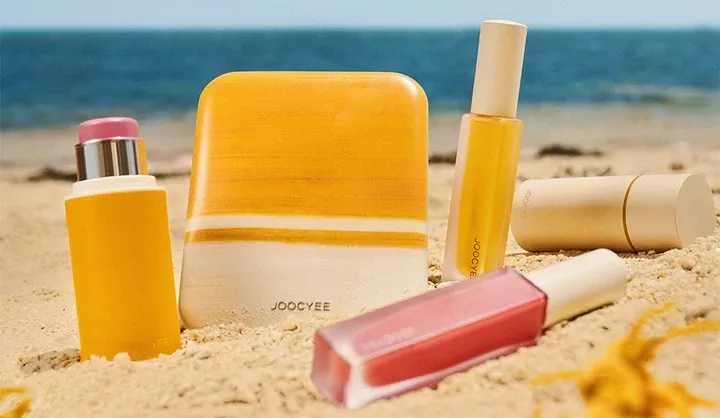
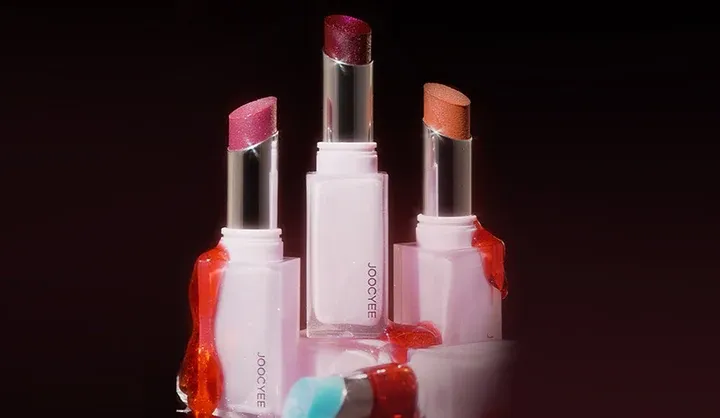
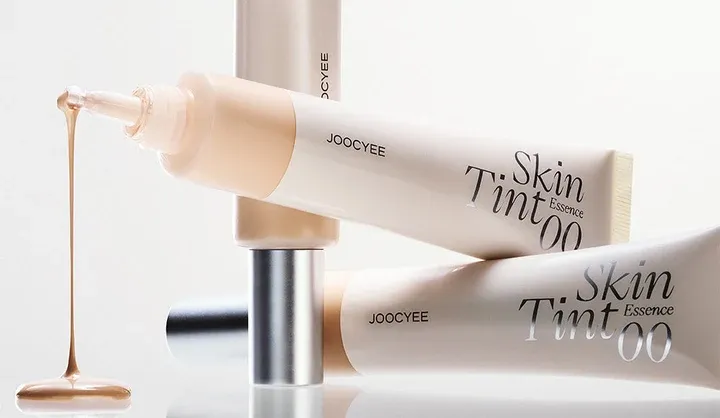
Joocyee built its place in C-Beauty by making aesthetics part of the product, not a decorative layer. Glazed finishes, tactile textures, wearable color stories, and multiuse formats turn a visual idea into something consumers can see, swatch, and buy.
That model helps explain the 18 million lip units sold globally in 2025 and revenue growth above 15%, according to parent company Joy Group. For anyone studying Chinese makeup brands, Joocyee shows how product form can carry the brand message.
What Joocyee Stands for in 2026
Founded in 2019, the brand sits inside Joy Group alongside Judydoll and beauty brands in other categories. Its current position is concise: “Simple yet chic.” The official brand page translates that idea into three product rules: a current look, comfortable wear, and easy use.
Many C-Beauty discussions still describe the brand as a broad youth or Gen Z beauty label. According to its 2025 performance disclosure, the company sharpened its position in 2025 toward fashionable makeup for urban working women. This gives the brand a clearer use case: polished color cosmetics that feel fashion-aware but remain practical for daily routines.
The shift also ties visual identity more closely to product use. Joocyee makeup uses finish, texture, shade, and compact design to express the brand. Packaging supports that system, but the product still needs a clear task.
Why the China Market Rewards Product Clarity
China’s cosmetics category grew in 2025, but growth alone did not remove competitive pressure. The National Bureau of Statistics recorded RMB 465.3 billion in cosmetics retail sales among enterprises above its designated size, up 5.1% from 2024. Online sales of physical goods across categories reached 26.1% of total consumer-goods retail sales.
This channel mix favors products that communicate quickly on a phone screen and still make sense at a counter. A finish such as glazed, jelly, velvet, or cloud gives creators an immediate demonstration. A buyer can also understand the product before reading a long description.
That is strategic interpretation, not proof that one name causes a sale. Still, it explains why the Joocyee makeup brand fits China’s content-and-commerce system.
How Joocyee Makeup Turns Aesthetics into Product Design
The current range does not rely on one signature package. It repeats a clearer system across lips, cheeks, and eyes: visible finish, tactile texture, wearable color, and simple application.
Product
Verified product feature
Commercial role
Long-Lasting Glossy Rouge 2.0
The brand describes a melting, film-forming texture with a translucent glossy finish.
It makes Joocyee lipstick recognizable through shine and texture rather than logo size.
Lightweight Non-Smudging Velvet Rouge
The formula uses what the brand calls Velvet Blur Powder Technology for a lightweight matte finish.
It gives the Joocyee matte lipstick a distinct sensory promise.
AURA Glazed Blush & Highlighter
Baked powder, mica, and different pearlescent particle sizes create a dimensional finish, according to the brand.
Joocyee glazed blush extends the glazed idea from lips to cheeks without copying the same formula.
Lookbook Multi Palette
Each palette maps shades to a complete look, such as Monday Coffee, Friday Pink, or Cozy Sunday.
It turns Joocyee eyeshadow into a ready-made color decision rather than a loose assortment of shades.
The product claims above come from the brand and should be read as company descriptions. Independent wear testing would be needed to confirm transfer resistance, wear time, or performance across skin types.
Lip Products Provide the Clearest Proof of the Model
Lip products are the strongest verified commercial engine. Joy Group reported that consumers bought more than 18 million units across the Joocyee lip range globally in 2025. A separate company performance report said the multi-purpose cream, lipstick pen, and solid lip gloss each passed RMB 100 million in sales.
That result comes from a range of formats rather than one universal hero item. Shoppers can choose shine, velvet, solid gloss, cream, or balm-like comfort while staying within one visual system. The range covers distinct occasions and finish preferences without making the brand hard to recognize.
This is where Joocyee lip gloss and lipstick naming do useful work. “Glossy,” “glazed,” “velvet,” and “fluffy” describe the expected experience. They also create clear material for swatches, close-up video, creator tutorials, and product comparison. On Xiaohongshu, Douyin, or TikTok, texture becomes both a product feature and a content format.
Multiuse Products Make the Aesthetic Easier to Wear
The brand also packages complete looks rather than asking consumers to assemble every step. The Lookbook Multi Palette links colors to routines and moods. The Joocyee glazed multi-purpose stick combines eye, lip, cheek, and contour use with a built-in blending puff.
A February 2026 Straits Times and F Zine test found that the multi-purpose stick blended into a radiant finish. The reviewer also found that direct application lifted some foundation and advised transferring the product to a brush or puff first.
That detail is commercially useful. Attractive design may prompt trial, but repeat purchase still depends on application quality.
The same review tested the Joocyee jelly highlighter. Its flexible, moist texture created a strong visual demonstration, while a second inner cap helped prevent it from drying out. The format shows how tactile novelty can earn attention while a small packaging choice protects usability.
Retail Turns Visual Recognition into Physical Trial
Digital discovery built awareness for many Chinese cosmetics brands, but the company is adding places where shoppers can compare shades and textures in person. Joy Group said the brand entered Sephora’s “The Next Big Thing” program in December 2025. A 2026 company update reported placement in more than 300 Sephora stores across China, including branded endcaps in 50 stores.
Physical retail matters for a texture-led brand. Gloss, powder reflectivity, undertone, and payoff are hard to judge through edited content. A counter lets the product defend the visual promise. It also reaches consumers who may discover makeup through stores rather than social commerce.
Global Expansion Now Requires Local Product Proof
The brand opened its first overseas boutique at Singapore’s Wisma Atria in July 2025. L’Officiel Singapore reported a boutique-exclusive launch and wider shade choices.
The move is part of a broader Joy Group push. Group overseas retail sales exceeded US$87 million in 2025, and the company opened three standalone Singapore stores across its portfolio.
Singapore offers a useful test market for Southeast Asia, where China cosmetics exports increased 9.2% to US$7.82 billion in 2025. Yet export growth does not guarantee brand fit.
The practical test is how well shades and use translate locally. The Straits Times reviewer, who described her skin as medium-tan, saw limited visible color difference between two highlighter shades. One review cannot represent a market. It does reveal the questions overseas growth must answer:
Do undertones read clearly across more complexions?
Do product instructions match local routines?
Can stores support shade trial and education?
The Strategic Takeaway from Joocyee
The brand shows that product-led aesthetics work when the central idea appears in texture, finish, color selection, naming, and use. Its next stage depends on making that system clear across more skin tones and retail settings. The commercial lesson is precise: a visual identity gains value when consumers can experience it through the product and verify it for themselves.
Understand China’s Beauty Market with Ashley Dudarenok
Joocyee offers a useful view of how Chinese consumer behavior, cultural branding, product innovation, and global expansion connect. Ashley Dudarenok helps leadership teams interpret these shifts through China market intelligence, advisory, executive education, keynotes, workshops, and learning expeditions. Book a consultation to examine what they mean for your business.
FAQs
Is Joocyee a Chinese or Korean makeup brand?
Joocyee is a Chinese color cosmetics brand associated with Shanghai-based Joy Group. Its current product range covers lip, face, and eye makeup, while its international growth has expanded through e-commerce, retail partners, and a Singapore boutique.
Who owns Joocyee?
Joy Group owns and operates Joocyee as part of a portfolio that includes Judydoll, René Furterer in China, Biophyto-genesis, and Foltène. Joy Group reported US$620 million in 2025 revenue across the full business.
When was Joocyee founded?
Joocyee was founded in 2019. The brand has since expanded into lip, face, and eye categories and moved from online discovery to branded stores and wider retail distribution.
How much does Joocyee makeup cost?
Prices vary by product and promotion. On August 13, 2026, the international site listed AURA Blush & Highlighter at US$16.90 and the Lookbook Multi Palette from US$29.90. Check local taxes, shipping, and retailer pricing.
What is the difference between Joocyee glazed rouge and Glossy Rouge 2.0?
Names can vary by market and product generation. The current Glossy Rouge 2.0 page describes an upgraded “Ice-Film” texture with quick film formation. Confirm the exact SKU because retailers may still list earlier Glazed Rouge versions.
How should you apply the Joocyee glazed multi-purpose stick?
An independent 2026 review recommends placing the product on the back of your hand, then using a brush or puff. This method may reduce foundation lifting compared with applying the stick directly over base makeup.
How do you store a Joocyee jelly highlighter?
Keep both caps in place and close the product promptly after use. A 2026 reviewer noted that the inner plastic cap helps retain moisture, which matters because the flexible highlighter texture can dry if left exposed.
Which Joocyee eyeshadow palette suits everyday makeup?
The Lookbook Multi Palette offers several daily color stories. Monday Coffee uses warm mocha tones, while Cozy Sunday centers on soft almond shades. Check current swatches against your undertone because screen color can differ from skin.
Where can overseas consumers buy Joocyee makeup?
Availability depends on the country. The official international site sells the range online, while Singapore consumers can access the Wisma Atria boutique and select retail or marketplace channels. Confirm seller authorization before purchasing through marketplaces.
Florasis: How Chinese Cultural Design Became a Global Beauty Language
Sep 03, 2026
Show notes
Florasis has turned Chinese cultural design into a global beauty language through a clear system: recognizable motifs, tactile craftsmanship, performance-led formulas, and retail spaces that let customers experience the story.
The Hangzhou brand, known in China as Huaxizi, treats culture as product architecture rather than seasonal decoration. Its engraved lipsticks, jade-inspired complexion products, embroidery editions, and sculpting palettes make the brand identifiable before a logo appears.
That matters because international C-Beauty needs more than novelty. It needs a distinct point of view that survives translation across products, channels, and markets.
What Makes Florasis Chinese Makeup Distinctive?
Many Chinese makeup brands can reference heritage. Florasis has built a repeatable design grammar from it. The brand’s current official story links the name to flowers and its logo to a traditional Chinese garden window.
Its catalog then carries that language through relief engraving, love locks, jade, phoenix imagery, embroidery, botanical ingredients, and classical beauty recipes. The company also identifies craftspeople involved in ancient lock repair, wood carving, and embossed palettes.
This approach makes culture operational. A motif can shape a case, a powder surface, a shade story, a store fixture, and a campaign. That consistency supports premium cosmetics because the customer sees a designed object with provenance, not a standard formula inside a decorative shell.
The result sits within Guochao, a wider expression of Chinese cultural confidence, yet the brand’s modern Chinese design feels more specific. Florasis beauty centers on Eastern aesthetics, West Lake associations, floral ingredients, and Chinese craftsmanship. That tight creative territory gives the brand room to evolve without losing recognition.
From Cultural Motifs to Product Architecture
Engraving Turns a Product into a Story Surface
The current Florasis Blooming Rouge Love Lock Lipstick uses a lock-shaped case and miniature relief engraving to reference love, marriage, and enduring attachment. It pairs this design with jojoba and peony seed oils plus floral extracts.
This combination explains why Florasis lipstick attracts attention beyond a carved bullet. The product carries a cultural object, a tactile ritual, and a formula story in one format.
Palettes Make Cultural IP Usable
The Florasis Eastern Beasts Sculpting Makeup Palette depicts the Azure Dragon, White Tiger, Vermilion Bird, and Black Tortoise through three-dimensional relief engraving. Its current four-in-one format combines sculptor, illuminator, blush, and eyeshadow. The cultural reference therefore supports a practical daily routine.
The Floral Engraving Phoenix Makeup Palette applies the same logic to phoenix imagery and a multi-use color system. This Florasis face palette can work as eyeshadow, blush, contour, and highlighter. Florasis eyeshadow does not live in one visual universe while complexion products live in another. Shared materials, relief work, and symbolic motifs connect the catalog.
The Florasis Beijing Opera palette extends that design language into stage color, costume, fan-shaped packaging, and embossed powder. As of August 2026, Ulta listed the palette online, although stock can change. This current retail presence gives the Florasis eyeshadow palette a role beyond a heritage collectible.
Formula Performance Gives the Cultural Story Credibility
Packaging may win the first click, but repeat purchase depends on wear, shade fit, texture, and ease of use. Current Florasis cosmetics pages increasingly connect cultural references with specific technical claims.
The Florasis Flawless Jade Breathable Longwear Cushion in the Ode to Embroidery edition combines a complexion format with Su embroidery design.
A related 2025 Yurong pressed powder page describes high-pressure air-jet milling, oil-absorbing particles, a hydrophobic coating, and botanical extracts. The Luodai brow product uses a 75 percent powder, oil-free formula and includes a refill. The Florasis eyebrow pencil shows how heritage innovation can reach a functional, lower-priced entry product.
Florasis Makeup Now Has Manufacturing Infrastructure Behind the Design
Culture becomes harder to scale when intricate components depend on disconnected suppliers. Florasis addressed that constraint with its smart factory in Qiantang District, Hangzhou. Vogue Business reported in June 2025 that the 6,480-square-meter facility runs seven digital production lines and has an annual capacity of 50 million units.
The factory’s proprietary operating system digitizes steps from raw materials to packaging. Laser-guided transporters move materials, while AI supports defect detection and formulation work. Real-time monitoring covers pressure, steam, power, compressed air, and water.
This matters strategically. Fine engraving and elaborate compacts create quality-control demands that basic packaging does not. Greater production ownership can help the brand align product design, formula development, consistency, and response time. The factory links Chinese craftsmanship with cosmetics R&D and smart manufacturing instead of treating them as separate stories.
How Florasis Is Translating Chinese Aesthetics Abroad
The brand’s global expansion now combines direct e-commerce, specialist retailers, and physical flagships. In January 2025, Florasis opened its first overseas flagship at Ginza Six in Tokyo. China Daily reported that the store followed several years of online and offline market development in Japan.
The pattern continued at home. A Shanghai government report confirmed the brand’s first Shanghai store and first Chinese shopping-mall location in June 2025. As of August 2026, Ulta Beauty listed 23 makeup products in the United States.
The translation does not require hiding the brand’s origin. It requires making the origin legible. A customer outside China may not know every mythical beast or embroidery tradition. Clear product functions, visual hierarchy, shade guidance, and trained retail service can carry the first interaction. Deeper cultural storytelling can follow.
In a June 2026 interview, Florasis President for Global Markets Gabby Chen told BeautyMatter that C-Beauty’s overseas value rests on product and supply-chain capability, speed, a distinct aesthetic language, and a credible story. That framing captures the central task: cultural localization should improve understanding without erasing the source.
The Strategic Lesson Behind Florasis
Florasis Chinese makeup shows how a brand can turn cultural confidence into a commercial system. The strongest lesson concerns coherence. Heritage appears in the object, formula narrative, store, manufacturing choices, and customer education. Each part reinforces the others.
Three principles stand out:
Build a design grammar. Choose a defined cultural territory with enough depth to support many products and formats.
Make symbolism functional. Connect the story to use, shade selection, texture, portability, or refills.
Invest behind the surface. Premiumization becomes more credible when R&D, quality control, and production capability support the visual promise.
Florasis has not made Chinese design universal by simplifying it into a generic Asian aesthetic. The brand has made it readable through repetition, product utility, and controlled translation. That is how a local cultural code starts to become a global beauty language.
What Could the Florasis Model Reveal About Your Brand?
Florasis shows that culture creates commercial value when product, storytelling, retail, and operations speak the same language. Ashley Dudarenok helps teams interpret China’s consumer shifts, retail models, and brand innovation through tailored keynotes and strategic sessions. If this case raises questions about your own positioning or China strategy, book a consultation with Ashley to examine the signals that matter.
FAQs About Florasis
What is the Florasis Chinese name?
The Florasis Chinese name is Huaxizi, written 花西子. The official brand story connects its identity to flowers, femininity, West Lake, and classical Chinese aesthetics. Its English name combines “Flora” and “Sister” into one internationally readable word.
Where is Florasis makeup made?
Where Florasis makeup is made depends on the individual product. The company now operates a smart factory in Qiantang District, Hangzhou. Since manufacturing arrangements can differ across items, check the country-of-origin statement on the package before purchase.
Is Florasis a luxury makeup brand?
Florasis sits in premium beauty rather than traditional global luxury. Current US prices cover accessible brow products, mid-priced powders, and higher-priced palettes or lipsticks. Its premium signals come from design, materials, cultural craftsmanship, formulas, and presentation.
Can I buy Florasis makeup in the United States?
Yes. As of August 2026, Florasis makeup is available through the brand’s US site and Ulta Beauty’s online marketplace. Assortment, shipping origin, pickup options, and stock differ by product, so confirm fulfillment details before ordering.
Is the Florasis Blooming Rouge Love Lock Lipstick refillable?
The current Florasis Blooming Rouge Love Lock Lipstick range includes separate refill listings for selected shades. Packaging can differ across colors, so review the product page carefully to confirm that your chosen case and refill are compatible.
How should I choose a Florasis eyeshadow palette?
Choose a Florasis eyeshadow palette around function first. Compare daily neutrals with theatrical accent colors, then check matte-to-shimmer balance, multiuse face shades, pigment intensity, and current stock. The cultural motif should support, rather than replace, usability.
What makes the Florasis Beijing Opera palette different?
The Florasis Beijing Opera palette draws from stage makeup, costume, fan forms, and relief engraving. Its nine-shade format mixes matte and shimmer finishes. Current availability varies, so check regional retailers instead of assuming every edition ships worldwide.
Is the Florasis Eastern Beasts Sculpting Makeup Palette only for contouring?
No. The Florasis Eastern Beasts Sculpting Makeup Palette combines sculpting powder, illuminator, blush, and eyeshadow in one compact. Its shade balance supports a coordinated face, while four mythic guardians create the palette’s visual and cultural structure.
What should credible Florasis makeup reviews include?
Strong Florasis makeup reviews should test wear time, oxidation, fallout, blendability, shade accuracy, comfort, and performance in a stated climate. They should disclose sponsorship and separate reactions to packaging from evidence about the formula itself.
What is the difference between Florasis cosmetics and other C-Beauty brands?
Florasis cosmetics use a tightly controlled language of Chinese garden forms, engraving, jade, floral ingredients, locks, embroidery, and mythic symbols. Other C-Beauty brands may favor fantasy, youth subcultures, clinical efficacy, or fast trend response.
Girlcult: How Cultural World-Building Creates Distinction in Chinese Beauty
Aug 31, 2026
Show notes
Girlcult has built a distinctive identity through creative coherence. Many of its collections draw on mainstream Chinese cultural sources, including classical texts, mythology, historical inventions, and literary worlds. The brand then interprets these references through surreal imagery, metallic finishes, dark beauty codes, and other visual styles associated with youth subcultures. This combination makes Girlcult makeup recognizable before a shopper reads the logo, while its formulas give consumers a practical way to participate in each collection world. Why Girlcult Matters in China’s Beauty Market Chinese beauty competition now rewards speed, relevance, and a clear reason to choose. Reuters reported in June 2025 that domestic brands had captured share from global players while weaker consumer sentiment made growth harder. A challenger brand therefore needs a memory structure beyond one attractive launch. Girlcult cosmetics builds that structure around a recognizable tension. Its source material frequently comes from widely recognized Chinese traditions, such as classical literature, historical knowledge, mythology, and idealized places. The brand differentiates these familiar references through surreal art direction, dark beauty aesthetics, metallic finishes, experimental shades, and visual codes associated with niche youth communities. Subcultural styling therefore works as one layer of the strategy rather than its complete foundation. It can signal creative affinity with niche communities, while the underlying heritage themes may remain accessible to a broader audience. This combination helps explain Girlcult’s visual distinction, although public evidence does not show how its niche lines perform against its more culturally familiar collections. How Girlcult Makeup Turns World-Building Into Product Architecture Each Collection Behaves Like a New Chapter A 2025 ENDATA report used the Compendium of Materia Medica series as a current example of new Chinese-style cosmetics. It described a collection built around the classical herbal text, with botanical colors, herb-based naming, and ingredients that extended the reference into the product. The broader catalog shows this was part of a repeatable system. As of August 2026, YesStyle’s Girlcult page listed 70 products across the Compendium of Materia Medica, Nanyang Holiday, Jianghu, Four Great Inventions, Strange Tales, Miao Psychic, Gold Rush, and Peach Blossom Spring worlds. The official Douyin storefront identifies Peach Blossom Spring as a spring and summer 2026 release and describes the brand’s direction as connecting classical Chinese subjects with imaginative concepts. This continuity suggests that visual storytelling functions as a repeatable creative system, with each collection retaining links to the parent brand. Formula and Color Make the Story Usable The strongest products translate visual drama into a makeup function. The Four Great Inventions Girlcult eyeshadow palette combines matte, pearlescent, shimmer, and chameleon textures. That variety lets one compact support restrained looks and more experimental cosmetics. The Girlcult black blush known as Black Fuwa takes a similar route. The current authorized listing describes a cool, natural-matte shade with a cream-to-powder texture that can also serve as eye color or lipstick. It contains a trace amount of black pigment, which gives the pan its provocative appearance. The Girlcult Gold Rush collection applies the same logic to reflective finishes. Its mirror Girlcult lip gloss uses a high-refractive gel texture and offers shimmer and mirror effects, while the seven-shade face palette covers eyeshadow, blush, contour, and highlighter. This product utility could support repeat use beyond the initial attraction of the packaging, although public data does not establish which products generate the strongest repeat purchase. A collectible object may win attention once. A useful Girlcult blush, adaptable palette, or comfortable Girlcult lip glaze can earn a place in a regular routine. Viral Hero Products and Everyday Staples Serve Different Roles Visually surprising products can perform well as attention drivers. A black blush, color-shifting eyeshadow, or sculpted palette gives creators an immediate hook and helps a collection circulate across social platforms. Yet the products that generate the most content are not necessarily those that support frequent replenishment. Everyday lip colors, wearable cheek shades, complexion products, and versatile palettes may attract less initial attention but fit more easily into regular routines. Girlcult therefore faces a product-matrix trade-off. Too much emphasis on novelty could limit purchase frequency, while too many conventional staples could weaken the distinction that brings consumers to the brand. A resilient portfolio needs both: hero SKUs that attract attention and accessible products that encourage continued use. Xiaohongshu and Douyin Turn Products Into Participatory Media Social-first beauty gains power when a product creates content naturally. A color-shifting Girlcult eyeshadow, sculpted compact, or dark blush gives creators a reveal, a swatch, a tutorial, and a reaction within the same object. Xiaohongshu supports the proof layer through undertone comparisons, shade searches, wear results, and complete routines. Ashley Dudarenok describes RedNote as a proof-to-purchase engine shaped by experience-led posts and peer evaluation. Douyin supplies motion and transformation. The official account introduces a collection world, while creator videos show texture, payoff, and the finished face. A 2025 Douyin Ecommerce and CBNData white paper framed beauty content as a route from product seeding to conversion. This platform split supports community-driven branding. The brand supplies cultural codes, while users test, reinterpret, combine, and debate them. Participation can extend the visibility of a niche identity while preserving recognizable brand codes. Publicly available evidence, however, does not establish how much this activity contributes to sales, retention, or profitability. What Global Brands Can Adapt From Girlcult Own a Cultural Territory with Firm Boundaries Broad references such as heritage or fantasy say little on their own. Girlcult uses more precise material: a text, mythic system, emotional archetype, or imagined place. Precision strengthens creative decisions and recognition. Put Product Evidence Underneath the Concept The visual promise should appear in the finish, texture, use case, or shade effect. Product theater attracts attention, while performance determines trust. Build Modular Worlds Instead of Isolated Campaigns Collections can change theme while retaining stable codes in naming, art direction, finish, and emotional tone. Teams gain room to innovate without rebuilding brand meaning each time. Let Communities Complete the Meaning Niche consumers value interpretation. Brands can establish a world, then leave room for tutorials, character looks, collection pairings, and fan discussion. Participation carries more emotional value than passive exposure. The Limits of Culture-Led Beauty World-Building A strong aesthetic can become repetitive if every launch depends on the same visual shock. Unconventional shades also need clear swatches across skin tones and undertones. A dramatic pan color can draw attention, but buyers still need clear expectations about payoff, texture, and wear. Full-scale world-building can also create cost pressure. Each collection may require original artwork, custom packaging, campaign sets, creator kits, retail displays, and educational content. A rapid launch cycle makes these expenses recurring. If a collection receives attention but produces limited sell-through or repeat purchase, its creative impact may not justify the added development and production costs. Girlcult also risks becoming fixed in consumers’ minds as a novelty or collector brand. Dramatic packaging and unusual colors can encourage trial, gifting, and social sharing, yet they may make it harder to establish authority in daily-wear staples. Expanding into more accessible products could support broader adoption, but excessive simplification might weaken the identity that differentiates the brand. Creative distinction must also sit on quality, safety, and substantiated claims. China’s National Medical Products Administration set out reform goals in November 2025 that strengthen standards, technical support, innovation, and risk control across cosmetics. Visual storytelling creates desire, while disciplined product execution protects long-term value. Girlcult Shows How Coherence Can Support Distinction Girlcult combines mainstream Chinese cultural source material with surreal, experimental, and at times subcultural visual styling. Its products, packaging, collection names, and social content retain enough shared creative codes to make the brand recognizable across changing themes. That coherence gives Girlcult a clear position, but it should not automatically be treated as proof of superior commercial performance. The long-term test is whether the brand can balance attention-generating hero products with wearable staples, control the cost of repeated world-building, and expand beyond novelty without losing its identity. Read China’s Cultural Signals With Ashley Dudarenok If Girlcult raises a larger question about how Chinese brands convert culture, community, and fast product cycles into relevance, Ashley Dudarenok can help your team examine the pattern behind the products. Her China-focused keynotes, executive briefings, and strategic sessions connect consumer behavior, social commerce, retail innovation, and brand positioning to concrete business decisions. Book a consultation with Ashley Dudarenok to explore which China market signals matter for your category and which lessons can travel responsibly. FAQs About Girlcult Makeup Is Girlcult a Chinese makeup brand? Yes. Girlcult is a Chinese color cosmetics brand whose current range centers on eye, lip, cheek, complexion, and multiuse products. Authorized retail listings describe its creative direction through niche art, cultural themes, daring colors, and distinctive packaging. Where can shoppers buy authentic Girlcult cosmetics outside China? Use authorized retailers, official storefronts, or marketplaces where the seller clearly identifies itself as the brand. Check packaging, ingredient information, return terms, and seller history before buying, since product names and availability can differ across regions. Is girl cult makeup the same brand as Girlcult? Usually, yes. Girl cult makeup is a spaced search variation for Girlcult, the Chinese cosmetics brand. Shoppers should still confirm the logo, series name, shade code, and authorized seller because unrelated stores may use similar wording. How should beginners choose a Girlcult eyeshadow palette? Start with a palette containing one familiar matte base, one deeper defining shade, and one special finish. Check undertone and swatches in neutral light, then choose between four-pan portability and a larger multiuse palette. What is the difference between Girlcult lip glaze and lip mud? A Girlcult lip glaze generally emphasizes shine, film formation, or a mirror effect. Lip mud usually delivers a softer matte finish with a creamier appearance. Exact performance varies by series, so check the official product description. What does the Girlcult black blush look like on skin? Black Fuwa contains a small amount of black pigment and has a cool, natural-matte finish. Its pan appearance looks darker than a conventional blush. Review undertone-specific swatches before purchase because visible results depend on complexion and application. Does Girlcult sell a true black lip product? The current catalog includes dark lip muds, metallic effects, mirror glosses, and bold lip colors across several series. Search results for Girlcult black lipstick may combine different formats, so verify the shade code, finish, and product name. What is included in the Girlcult Gold Rush collection? Current authorized listings include mirror lip gloss, a four-pan eye palette, a seven-shade face palette, and pressed powder within the Gold Rush world. Availability changes across countries, and some products may sell out or leave circulation. Is Girlcult lipstick suitable for sensitive lips? Sensitivity depends on the individual formula and personal triggers. Read the current ingredient list on the package, avoid using expired products, and stop after irritation appears. A small preliminary test can help before full-lip application. Why do product names for Girlcult cosmetics vary between stores? Retailers translate Chinese product names differently, so one item may appear as Emotion Blusher or Girlcult Mood Blush. Match the series, shade number, package image, net weight, and ingredient list instead of relying on the English name alone. The post Girlcult: How Cultural World-Building Creates Distinction in Chinese Beauty appeared first on Ashley Dudarenok.
Judydoll: How Product Innovation Is Taking a Chinese Makeup Brand Global
Aug 29, 2026
Show notes
Judydoll is going global through products that make its value visible at first glance. A metal mascara wand, a 0.014 mm eyeliner tip, a multi-use contour palette, and a cooling lip applicator give shoppers concrete reasons to test and share the brand. Joy Group then scales the strongest concepts through fast iteration, accessible prices, social commerce, and increasingly local retail.
This matters because Judydoll offers a more useful C-Beauty case than a simple viral success story. Among Chinese makeup brands, its progress shows how product engineering can become content, demand, and an omnichannel international business.
Why Judydoll Makeup Starts with a Visible Product Idea
Many affordable beauty launches compete through shade, packaging, or price. Judydoll adds a fourth element: a mechanism that a creator can demonstrate within seconds. This is functional makeup designed for discovery feeds and store counters.
Judydoll Mascara Turns an Applicator into Brand Memory
The best example is the Judydoll curling iron mascara. Its rigid metal applicator separates and coats lashes without the familiar bristled brush. The current range includes a straight 0-degree design, a 6-degree curved version, and a finer 6-degree precision option.
Joy Group continued to develop the product rather than treating the first hit as finished. In July 2025, the company introduced a fourth generation with a dual-sided design. One side separates lashes, while the patented iron-tube side lifts and curls. The company said the line had sold more than 11 million units since launch. This hero-product strategy is built around recognizable intellectual property and repeated improvement.
Eyeliner, Contour, and Gloss Solve Similarly Specific Tasks
The Judydoll eyeliner follows the same logic. The brand’s Ultra-Fine Liquid Eyeliner has a 0.014 mm tip and offers straight and 18-degree bent versions. The bent option gives users another point of control, while the quick-dry, waterproof formula supports an easy demonstration. Searches for Judydoll slim liquid eyeliner reflect demand for that precision-led format.
The Judydoll contour palette combines concealing, brightening, and sculpting functions. Its current shade architecture includes cool, warm, blush, brightening, and medium-tan options.
The Judydoll ice watery lip gloss uses a metal scoop with a curved, double-sided shape to control product. According to the product description, the formula forms a glassy finish after two to three minutes. That tactile applicator gives Judydoll watery lip gloss a memorable identity in a crowded lip category.
Judydoll Scales Winners Without Standing Still
Hero products reduce the cost of explaining a brand. Gen Z beauty consumers who discover the mascara can move into Judydoll lip gloss, Judydoll highlighter, Judydoll blush, or complexion products without learning a new story.
In its 2025 financial release, Joy Group reported more than 600 new SKUs and 20 new patents across its portfolio during the year. It also reported dual R&D operations in Shanghai and Milan. These are company-reported figures, yet they show the scale of the platform behind Judydoll.
The current catalog adds another clue. Mini complexion and color products adapt familiar formats for travel, trial, and lower-commitment purchase. Newer serum-infused blush, brightening concealer, and oil-control cushion listings also connect color with skincare-style benefits. The brand is extending proven product logic rather than relying on decorative novelty alone.
China’s Social Commerce Turns Product Features into a Feedback Loop
China’s beauty platforms reward products that are easy to explain visually. On Xiaohongshu, detailed reviews and peer recommendations support evaluation. Douyin compresses discovery, demonstration, livestream commerce, and checkout. Ashley Dudarenok’s 2025 social commerce analysis explains how those platforms connect content, community, and purchase.
That structure fits Judydoll makeup. Beauty KOLs can show lash separation or liner control. Beauty KOCs can compare angles, shades, or wear in everyday conditions. Comments, saves, conversions, and repeat content then signal product-market fit. The brand can learn which functional claim travels and which needs revision.
Virality still creates risk. Social attention can fade before repeat purchase develops, and a popular demonstration does not guarantee a profitable retail relationship. The stronger lesson is that Judydoll pairs social reach with continued product iteration and physical availability. Content creates the first trial; product performance and distribution must earn the next one.
How Judydoll is Building an International Retail System
Joy Group reported that Judydoll generated more than US$430 million in global retail sales during 2025, an increase of over 18 percent. The company also reported 118 standalone stores and distribution through more than 30,000 retail outlets worldwide. These figures show commercial scale, although readers should treat them as company disclosures rather than audited public filings.
For Chinese brands going global, the market sequence can reveal more than a headline number. The official store finder says the brand opened its first international stores in Singapore in 2025 and now ships online to more than 40 countries. It also names retail partners in the United States and Canada.
Industry reporting adds detail to the rollout. BeautyMatter reported that the brand opened shop-in-shops in two Indonesian cities in November 2025. One month later, it entered about 12,000 FamilyMart locations in Japan. The channel choice placed compact, affordable makeup inside a high-frequency convenience format, giving the brand a distinct test in the Japanese beauty market.
Hong Kong became the next physical bridge. In June 2026, InvestHK announced the brand’s first Hong Kong store and cited plans for more core retail districts. The move uses Hong Kong beauty retail as a trusted showcase, while the agency confirmed a footprint spanning Japan, Southeast Asia, Australia, Canada, the Middle East, and North America.
Localization Changes the Product and the Route to Market
International growth requires more than exporting the domestic bestseller. At the 2025 Singapore launch, Time Out Singapore found country-exclusive items and a wider foundation shade range that included options for darker skin tones.
Japan received mini formats through convenience stores, a format later highlighted in Joy Group’s report on local sales. InvestHK noted in 2026 that the brand offers Halal-certified products, an important capability for Southeast Asia beauty markets and other culturally varied markets.
Each choice addresses a different barrier: shade relevance, trial size, retail convenience, or certification. This is beauty localization at product, assortment, and channel level. It also explains why Southeast Asia, Japan, and Hong Kong can serve as practical learning markets before a heavier commitment elsewhere.
What the Judydoll Strategy Means for Global Brands
The strategic lesson is a sequence, not a single tactic. Start with a customer problem that produces visible proof. Build one recognizable hero product, then improve it across formats and use cases. Treat creator content as a source of consumer insight, not just promotion.
Enter new markets through channels that match local shopping habits. Finally, adjust shades, sizes, claims, and certifications before adding more doors.
Judydoll still has work ahead. Global awareness must translate into repeat purchase, trusted local distribution, and products that fit broader skin tones and beauty routines.
Yet its 2025 and 2026 moves show how Chinese cosmetics brands can develop the operational pieces required for durable international growth. The company is exporting a product-development system, not a passing aesthetic.
Turn China’s Beauty Signals into Practical Strategic Choices
The Judydoll case connects product design, social commerce, consumer feedback, and retail localization. Ashley Dudarenok helps leadership teams interpret these China market signals through keynotes, executive briefings, and advisory sessions focused on consumer behavior, digital ecosystems, innovation, and the future of retail.
Book a consultation to explore what China’s fastest-moving brands can teach your organization.
FAQs about Judydoll
Is Judydoll a Chinese brand?
Yes. Judydoll is a Shanghai brand founded in 2017 under Joy Group. The company sells Chinese color cosmetics across eye, lip, and face categories and now operates through e-commerce and physical retail internationally.
Who owns Judydoll?
Joy Group owns Judydoll. The Shanghai-based beauty group also manages brands across makeup, skincare, and haircare. Its 2025 results identified Judydoll as a core growth driver within a broader multi-brand portfolio.
Is Judydoll makeup available outside China?
Yes. The official store page says Judydoll makeup ships to more than 40 countries. It lists Singapore boutiques and North American retail partners, while InvestHK confirms presence across Japan, Southeast Asia, Australia, Canada, the Middle East, and North America.
Which Judydoll mascara wand should I choose?
Choose the straight 0 degree wand for classic length and curl, the 6 degree curved design for lift, or the finer 6 degree precision tool for smaller lashes and detail work. Product availability can differ across markets.
What makes the Judydoll slim liquid eyeliner different?
The current liner uses a 0.014 mm flexible tip and comes in straight or 18 degree bent designs. The straight version favors sharp precision, while the bent tip can provide steadier control during application.
How do I choose a Judydoll contour palette shade?
Start with undertone and depth. The current range includes cool gray-brown, neutral warm, blush-led, brightening, and medium-tan combinations. Check the official shade descriptions because regional stock and product names can vary.
Is Judydoll ice watery lip gloss the same as regular lip gloss?
It uses a curved metal scoop rather than a standard doe-foot applicator. The brand says this controls the amount applied and supports a precise, glassy finish after the color film sets for several minutes.
Does Judydoll make foundation and concealer?
Yes. The current official range includes moisturizing, oil-control, and UV-defense cushions, plus liquid and palette concealers. Shade availability differs, so check the market-specific storefront before selecting a Judydoll cushion foundation or Judydoll concealer.
Where can I buy authentic Judydoll makeup?
Start with the official website, a listed boutique, or a retailer named on the brand’s store page. Before buying through an independent marketplace, check the seller’s identity, packaging, ingredient list, and return policy.
Are all Judydoll products Halal-certified?
The brand offers Halal-certified products, but that wording does not confirm certification across the full catalog. Verify the mark on the exact package or request current documentation for the specific SKU and market.

 Our TOPPODCAST Picks
  Stay Connected