140 – I Traveled to Wyoming and Canada this Week and Learned About Four Different Airplanes!
Apr 18, 2020
Show notes
Before we get into the places I “traveled” through FaceTime calls, I wanted to share something you might be interested in… my friends, John and Leslie Caubble (FlyMauiHI.com) now have a “Fly Maui” YouTube channel, and I recently watched their new video where they talked about ForeFlight basics… It’s called ForeFlight 101. It’s really good information, and here’s a link for that video:
I “traveled” to 3 different locations this week, not physically, but through FaceTime video calls, where I talked with 3 airplane owners and “walked around” their airplanes with them. It was a blast! Listen to today’s episode to hear about those calls.
Facetime call #1: Dallas Mount in Wheatland, Wyoming
Dallas owns and flies a 1952 C35 Bonanza. He bought the airplane and brought it back to life, after some years of inactivity. His story is inspiring, and I had a great time talking with him and his buddy Arnie. Listen to today’s episode to hear more about the history of Dallas’ airplane and the things he’s doing to get it in excellent operating condition.
FaceTime call #2: Curtis Penner in Canada
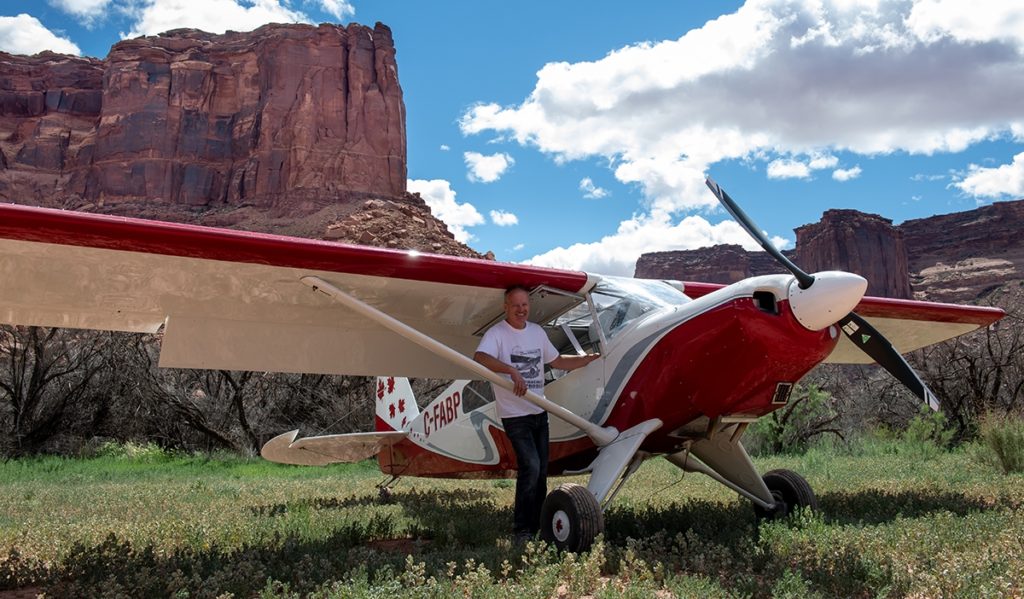
Curtis Penner was the first airplane owner I talked with this week. He’s up in Canada, just across the border from North Dakota. He’s got two airplanes, an RV-10 and a Bearhawk Patrol. The RV-10 is a tricycle gear traveling machine, that Curtis describes as “Like a Cirrus, but affordable,” and the Bearhawk Patrol is a two-place taildragger type aircraft.
Here’s the RV-10:
And here’s the Bearhawk Patrol:
Now THAT is aviation adventure!
Also, later on, after our call, Curtis sent me an email with some excellent widsom and advice about succeeding as a pilot and airplane owner… I shared that portion of his email in the audio for today’s episode.
Facetime call #3: Warwick Patterson in British Columbia
Warwick owns and flies an older well-kept Cessna 172 and is a very fascinating individual. One of his websites is FormulaPhoto.com (very interesting indeed.)
I also discovered Warwick has a podcast and YouTube channel: “Flying BC.” You can find information about the podcast at FlyingBC.com
I highly recommend starting with episode 3, “James Marasa: Out of the clouds, into the trees.” This is an incredible survival story that could have been a disaster… well worth listening to.
So those are the three FaceTime calls I wanted to share in this episode.
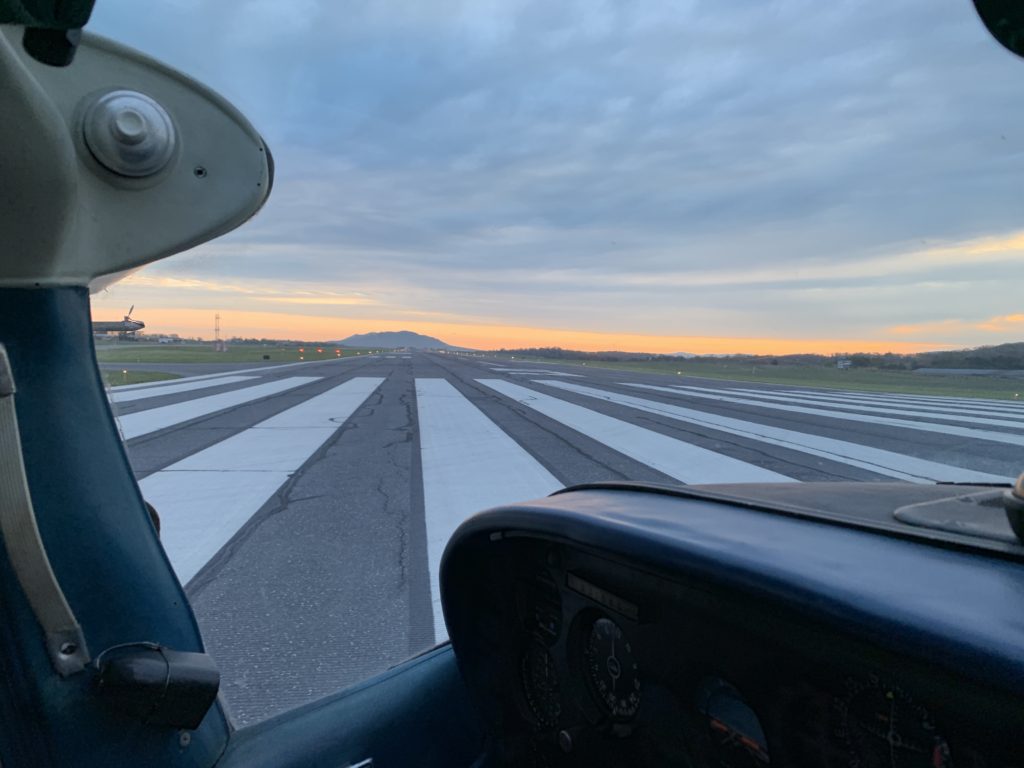
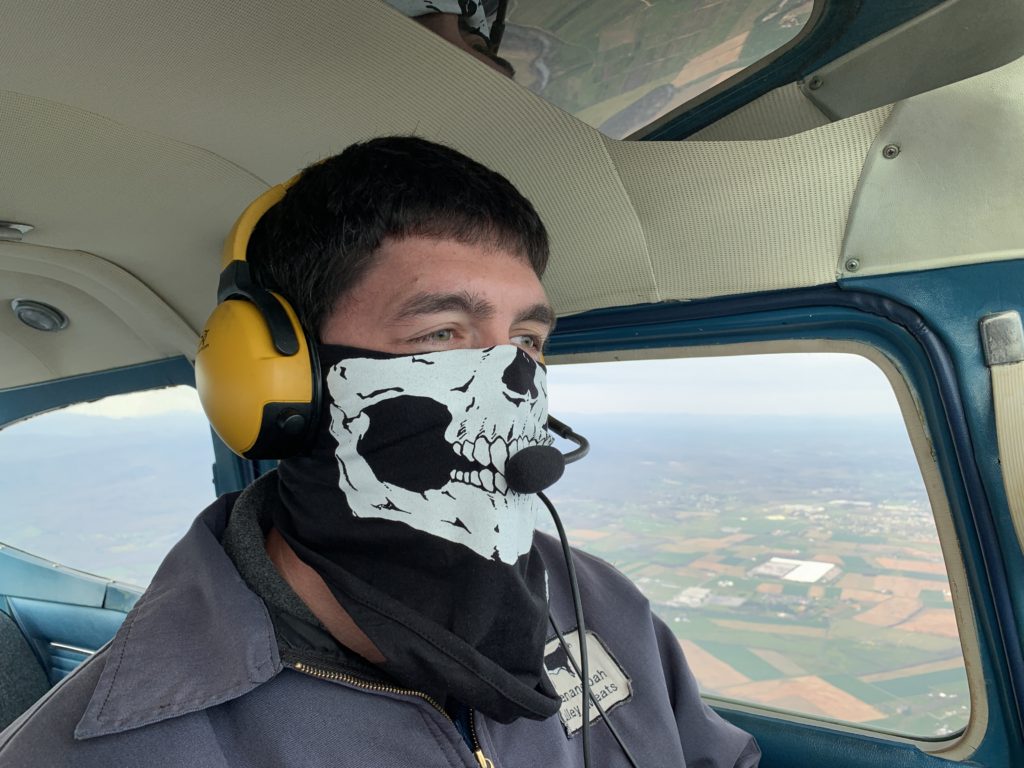
I also have two other items I talked about as well: An early morning flight with my Friend Matt in a Cessna 182, and a conversation with April Zook of the AD Toolbox and AirworthinessDirectives.com
First, the flight with Matt: (It was one of those glassy smooth mornings:)
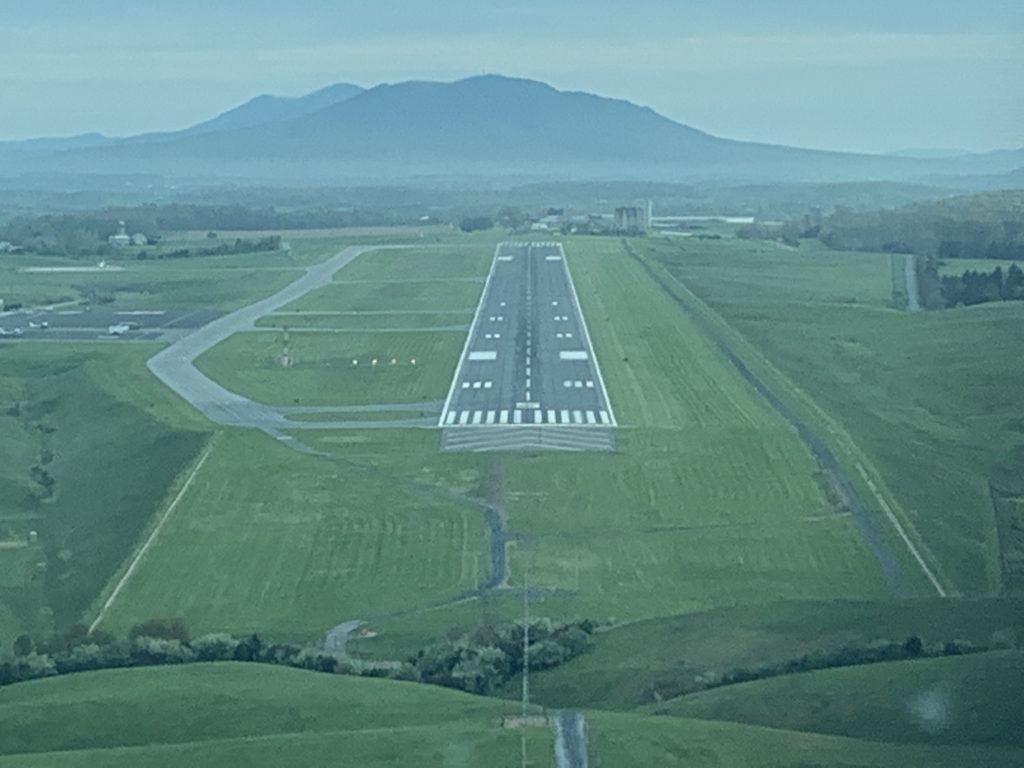
And here’s the view approaching back into SHD after our trip to Brookneal, Campbell County Airport:
And the final thing I wanted to share in this episode, is about April and Reuben Zook, with AirworthinessDirectives.com and The AD Toolbox. They are great people and I was reminded of that again when April asked me to give some feedback about a new project they’re working on… so I thought I’d mention them again here and encourage you to check out their resources.
April and Reuben have the best AD research and record keeping system in the industry… and they are super nice people who are available whenever you have a question.
Have a great week friends!
139 – My Alternator Came Apart… Should I Also Replace the Voltage Regulator?
Apr 04, 2020
Show notes
NOTICE: UNTIL THE END OF MAY 2020, USE CODE “CANARD” FOR A 20% DISCOUNT ON MY VIDEO COURSE “SAFETY WIRE LIKE A PRO!” (Listen to the podcast to hear the story behind the word “canard” and why I chose that for the code.)
Click the following link to learn about the course:
I received an email recently asking a question about an alternator that came apart due to a failed bearing… listen to today’s podcast episode for some thoughts on that.
Also, many older airplanes don’t have a digital voltage indicator on the instrument panel, so here’s a fantastic solution for plugging in to the cigarette lighter: (and the great thing is, it’s under $20!)
Here are some other items of interest from this past week: (All of these situations are described in today’s episode.)
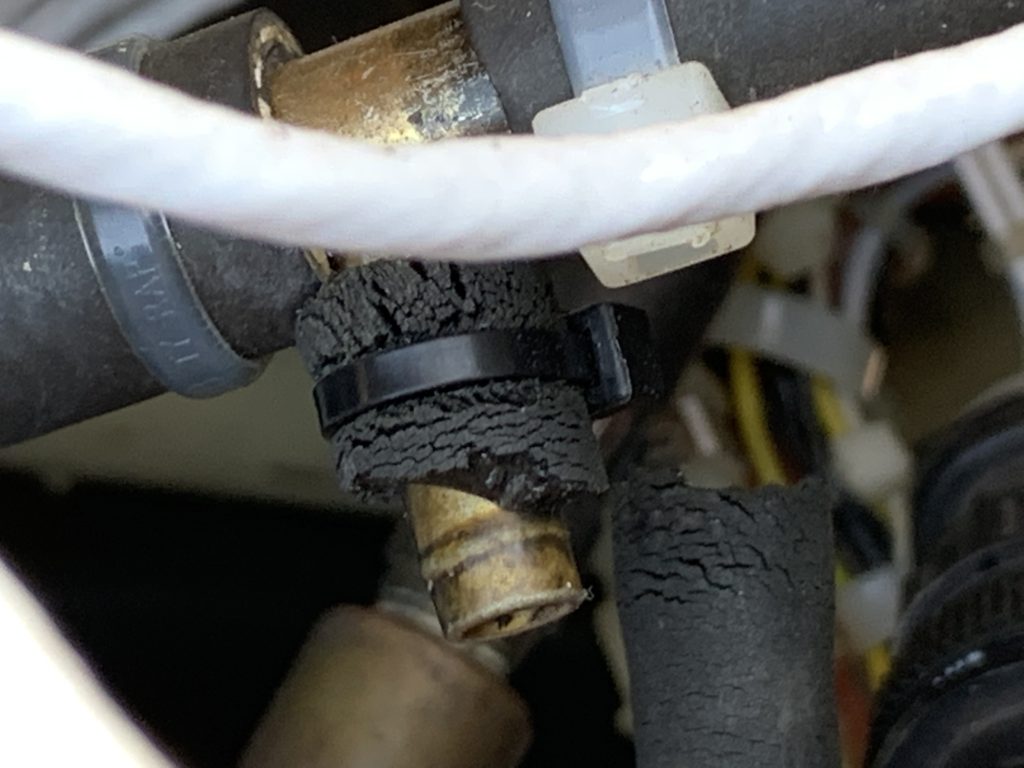
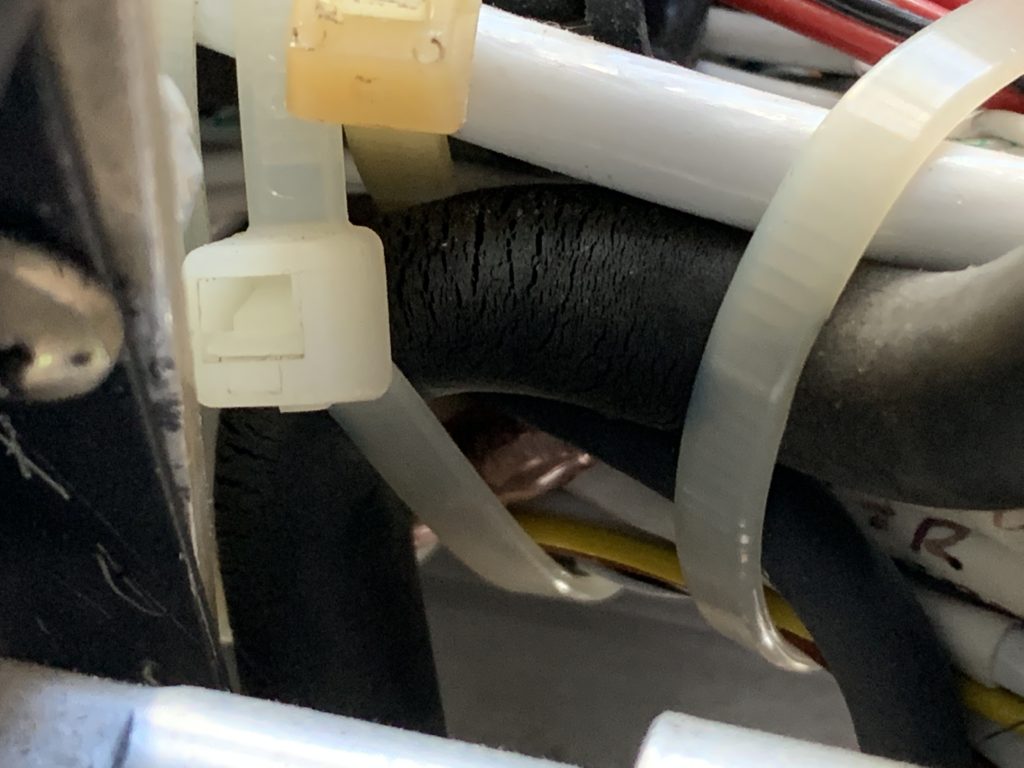
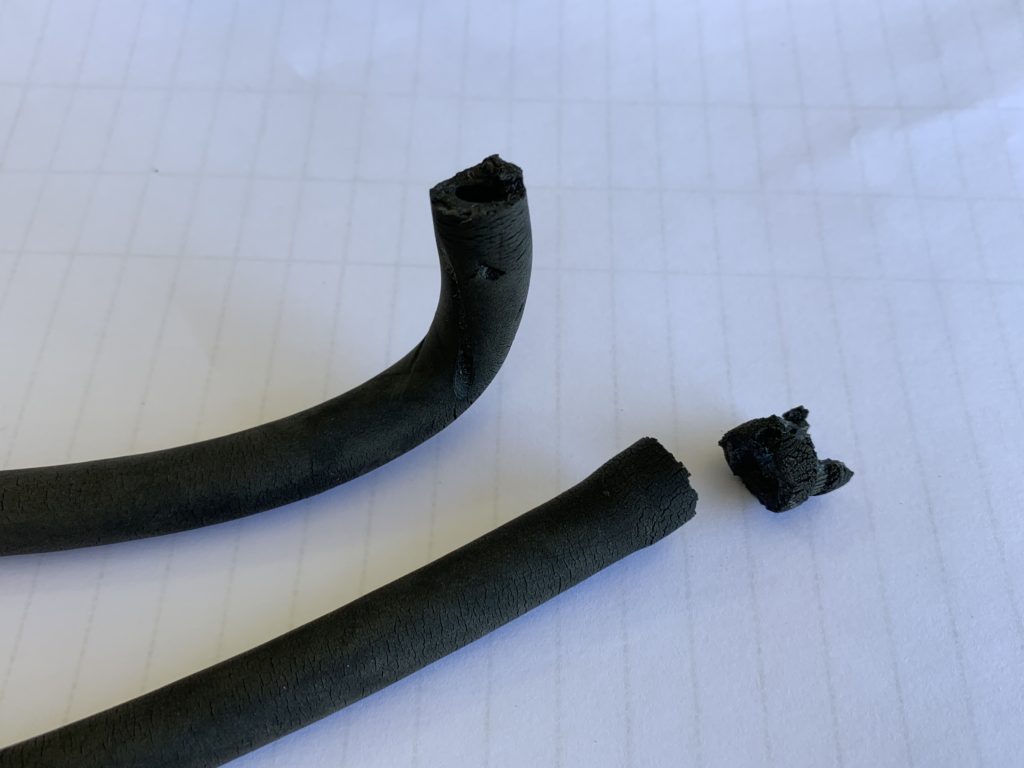
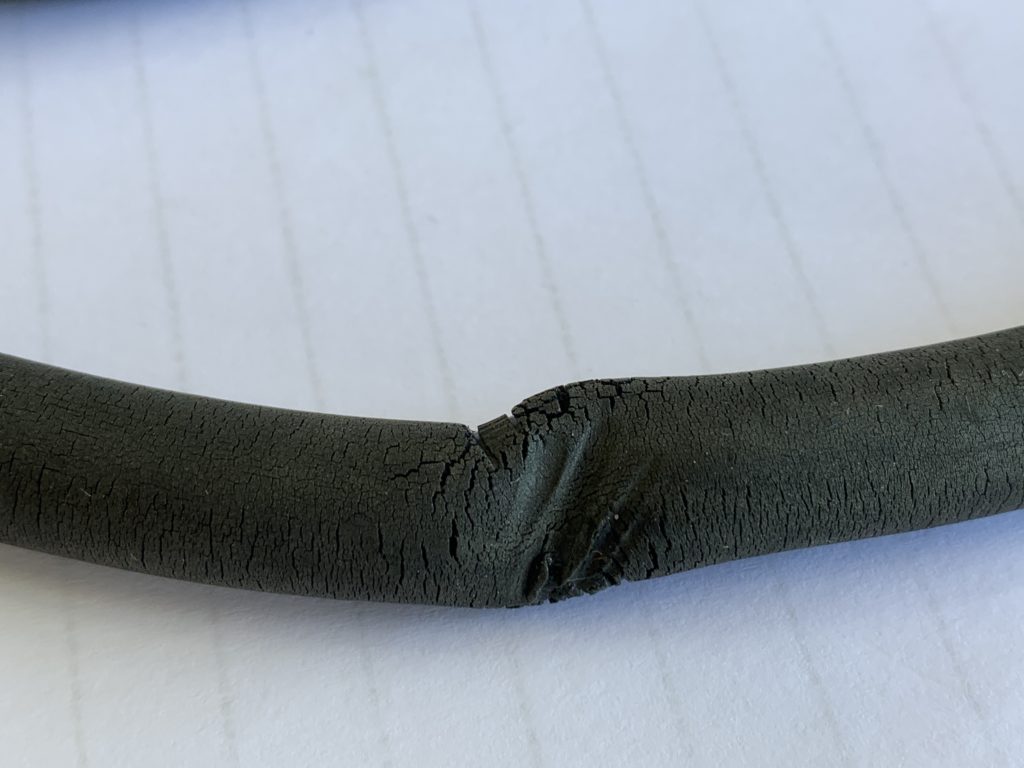
STRANGE VACUUM GAUGE INDICATIONS IN A MOONEY – CHECK OUT THE DETERIORATED HOSE THAT MAY HAVE BEEN CAUSING THIS:
EXHAUST SYSTEM PRESSURE TESTING ON AN AEROSTAR:
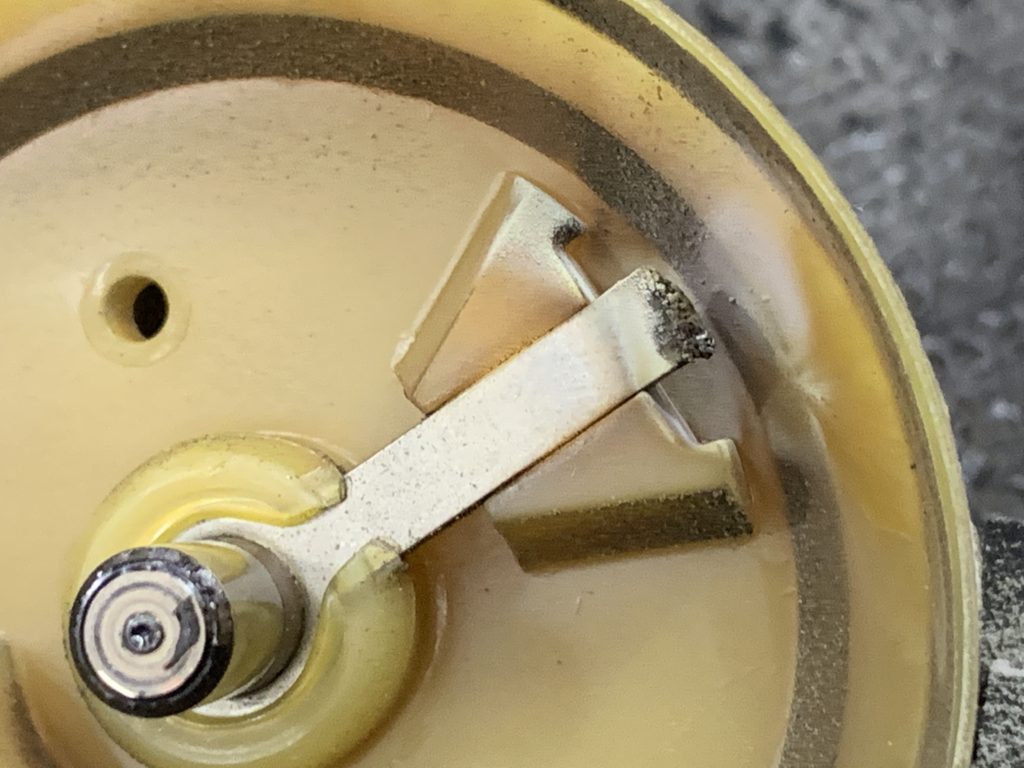
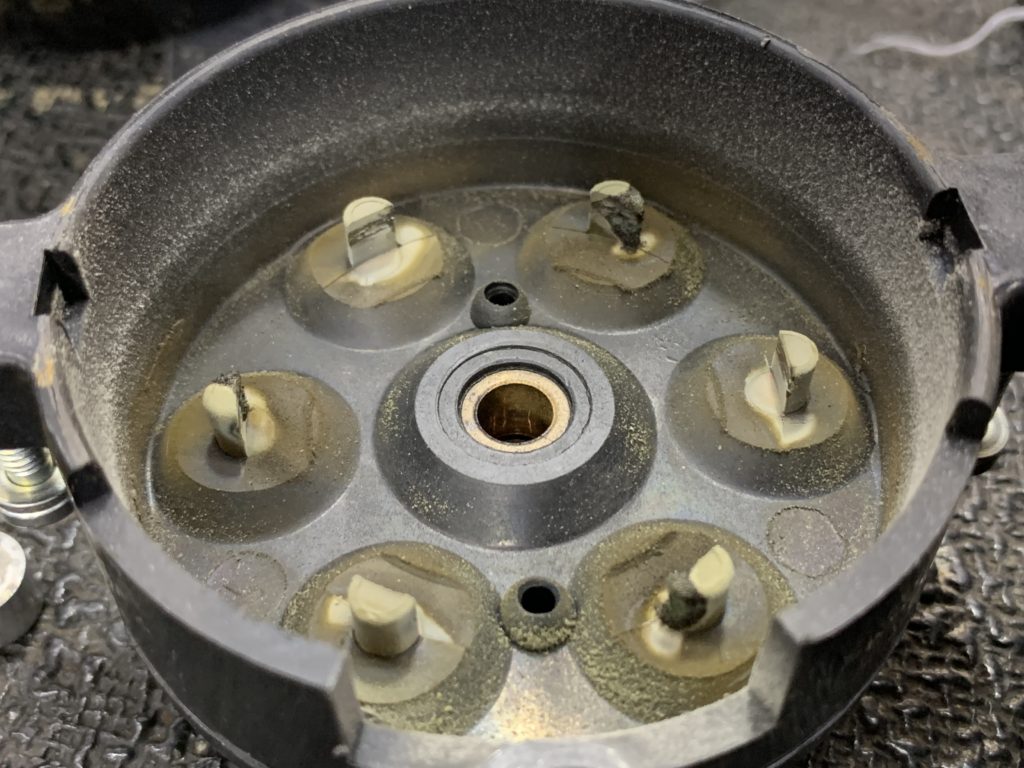
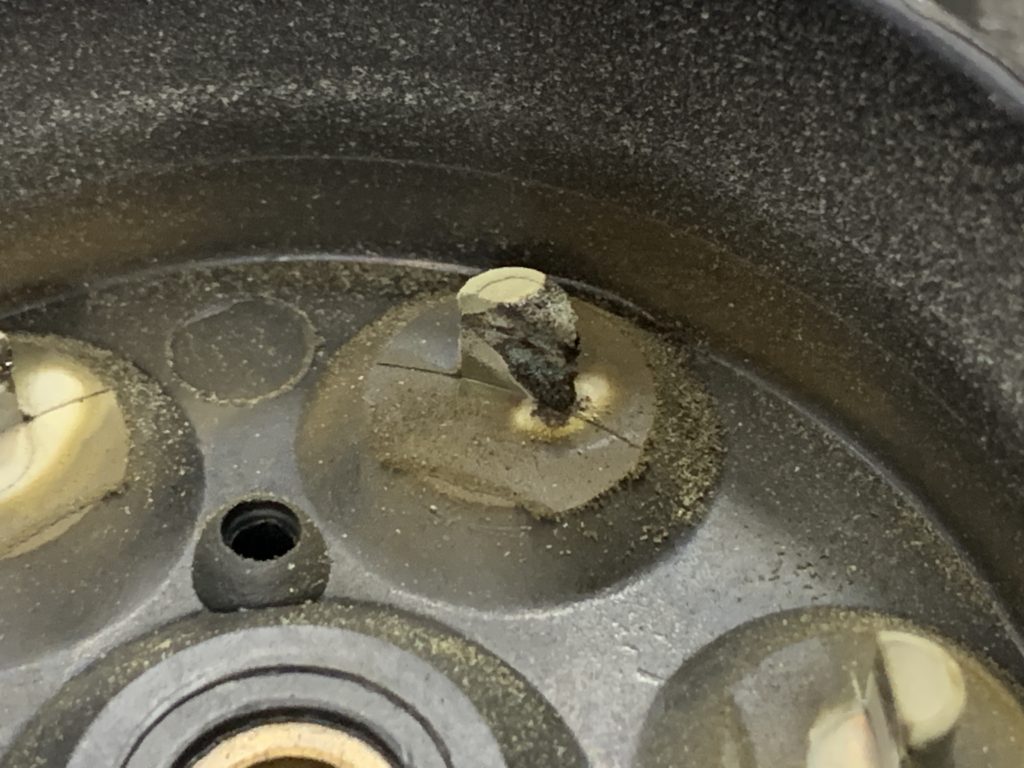
A SLICK MAGNETO THAT MADE IT TO ABOUT 1700 HOURS! (This one has gone to Kevin Herrington at Aircraft Ignition Services, LLC for repair.)
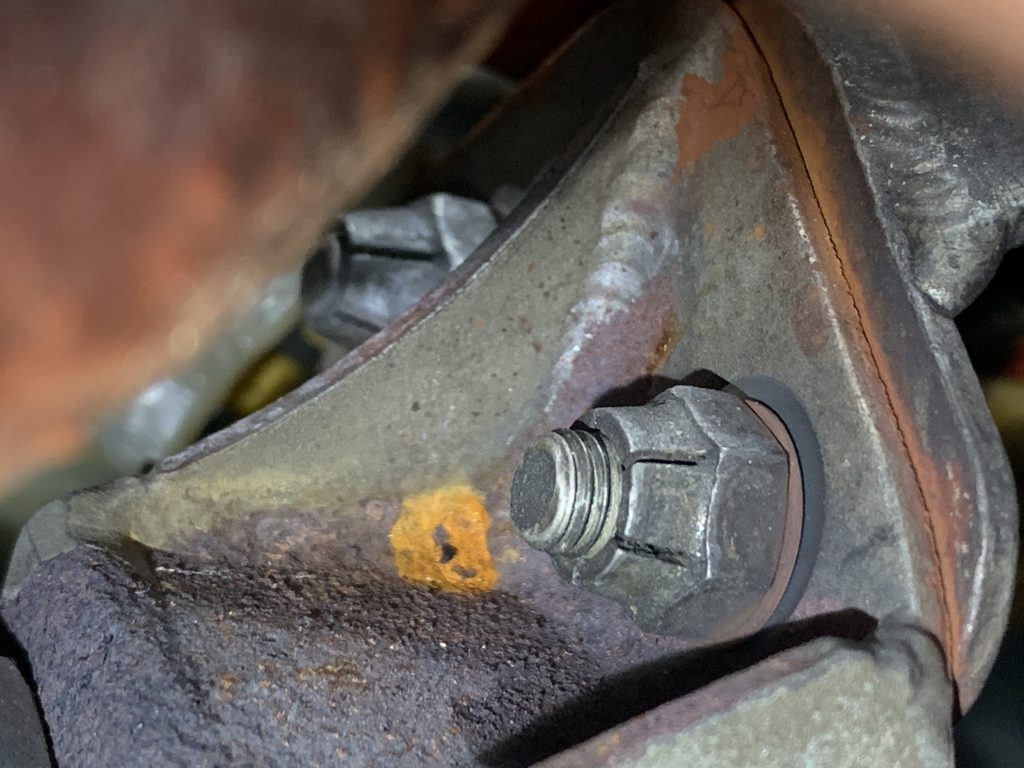
A LOOSE BOLT IN A TURBOCHARGER SUPPORT BRACE: (NOTICE THE RUSTY COLOR IN THE SEAM, WHICH INDICATES CHAFING. ALSO NOTICE THE WEAR MARK UNDER THE WASHER.)
For more information about noticing colors on an engine, check out podcast episode 036 – Tell-Tale Colors in an airplane’s engine compartment.
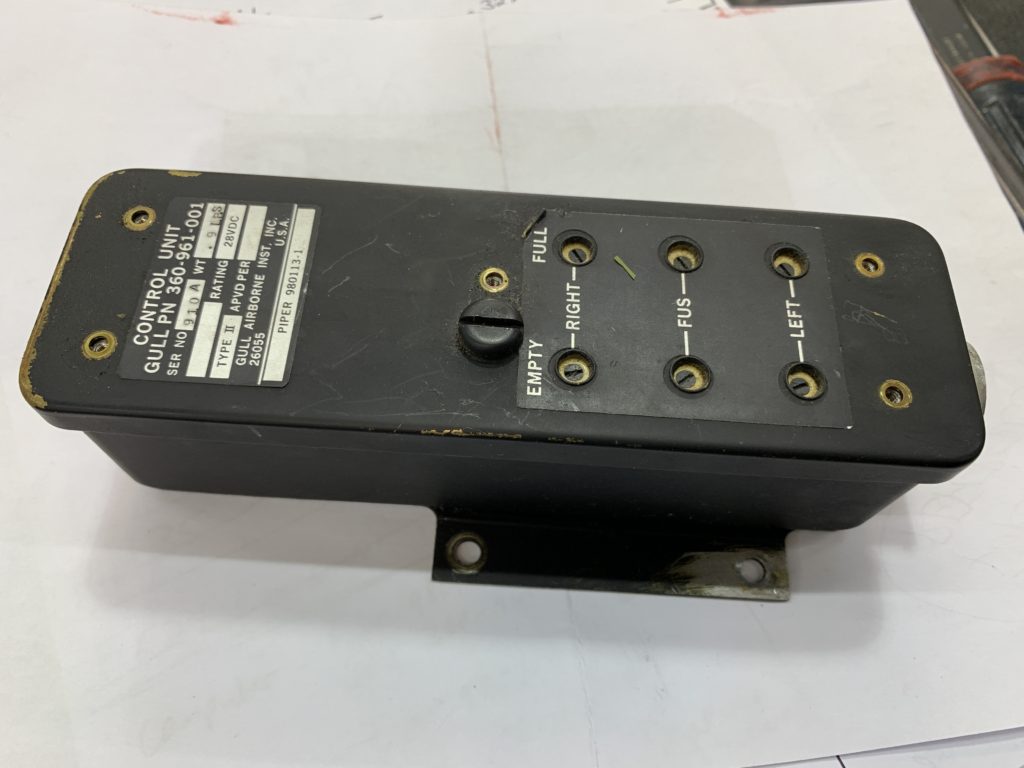
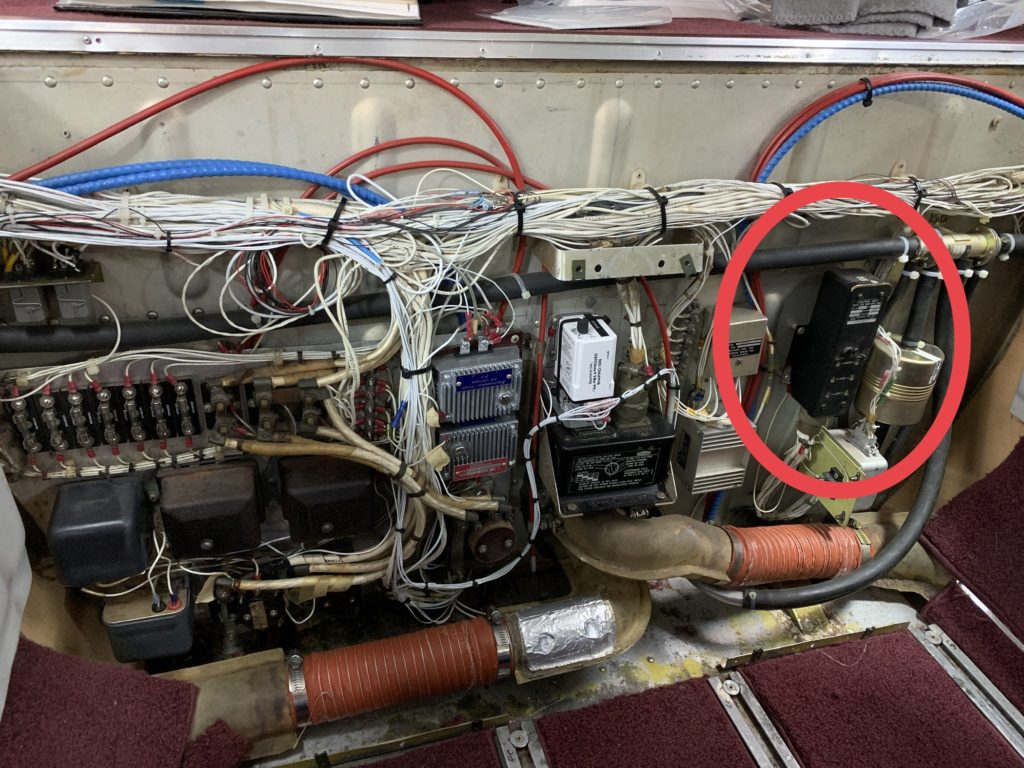
A FUEL QUANTITY COMPUTER IN AN AEROSTAR:
(We sent this component to Tech-Aire in Wichita, KS because the right fuel gauge was not indicating properly, and “Bill” advised the problem is usually in this box… so I’m hopeful this will fix it.)
PLEASE SEND ME A VOICE MESSAGE OR AN EMAIL:
Which one of these video training courses would you be most eager to learn from:
Servicing landing gear shock struts.
Basic electrical system operation and troubleshooting.
Exhaust valve borescoping and interpretation.
Another idea you have! (Let me know.)
I’d love to hear your thoughts, so click that tab over on the right side of the page and record a voice message, or, send me an email: dean@airplaneownermaintenance.com
Don’t forget, you can get my safety wiring video tutorial course for 20% off through the end of May 2020… click this link for more info:
138 – Mike White and his 1948 Piper Stinson
Mar 27, 2020
Show notes
——————————————————————————————————————–
Special announcement: We have more pictures of Mike’s airplane, but first, I want to let you know about a Zoom call I’ve scheduled for tomorrow.
I’m hoping to provide a way to get together online for some aviation encouragement in this weird time we’re in with the Corona Virus and the effects of it. Here are the details for tomorrow’s call:
Time: Mar 28, 2020 03:00 PM Eastern Time (US and Canada)
If you’d like to see some pictures of things I’ve been working on, and how it has looked at our airport this past week, along with some encouragement to keep moving forward in this time, then please join me tomorrow on the call!
If it works out well tomorrow, we might have another call again soon.
——————————————————————————————————————–
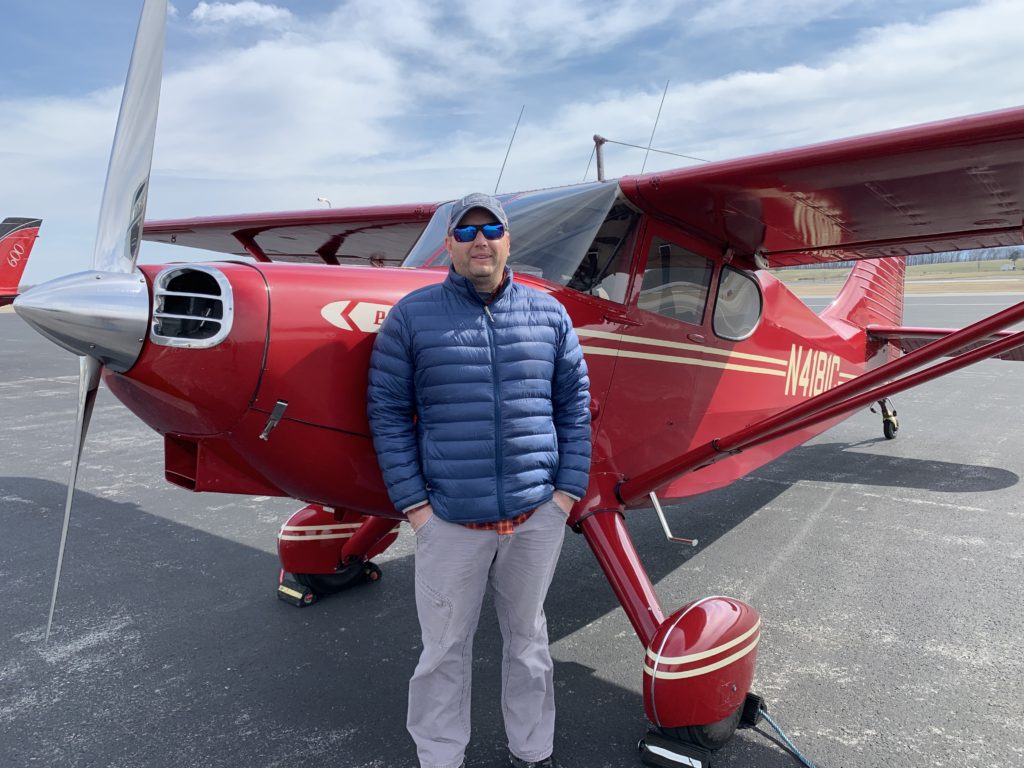
Now back to Mike’s Piper Stinson…
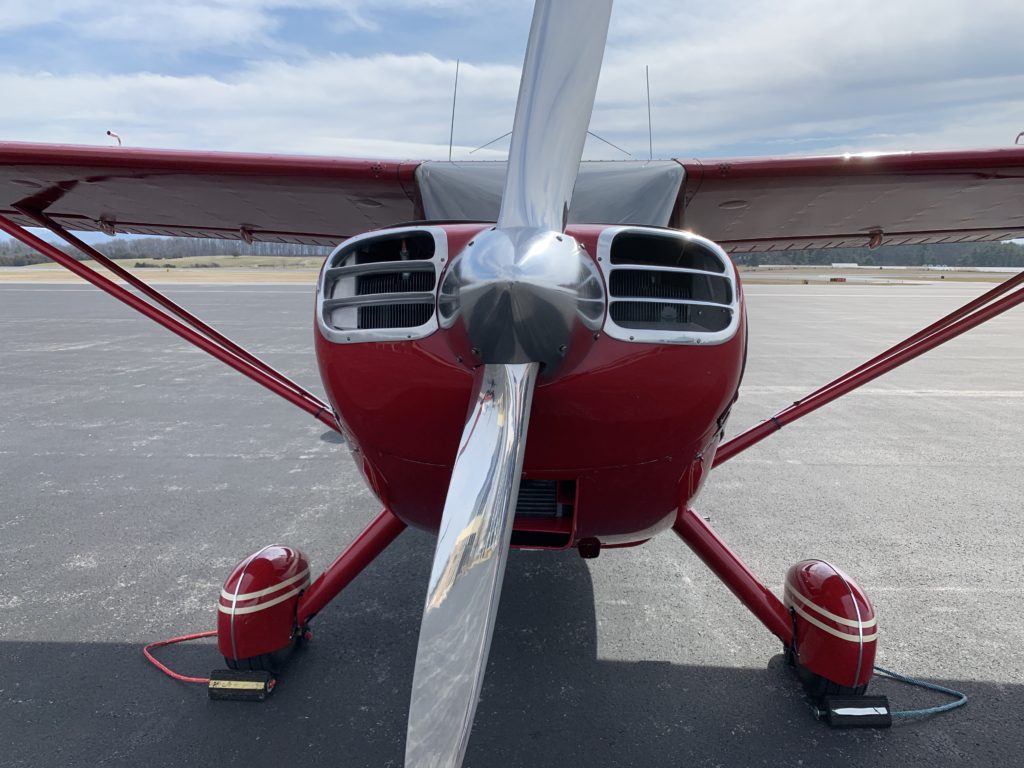
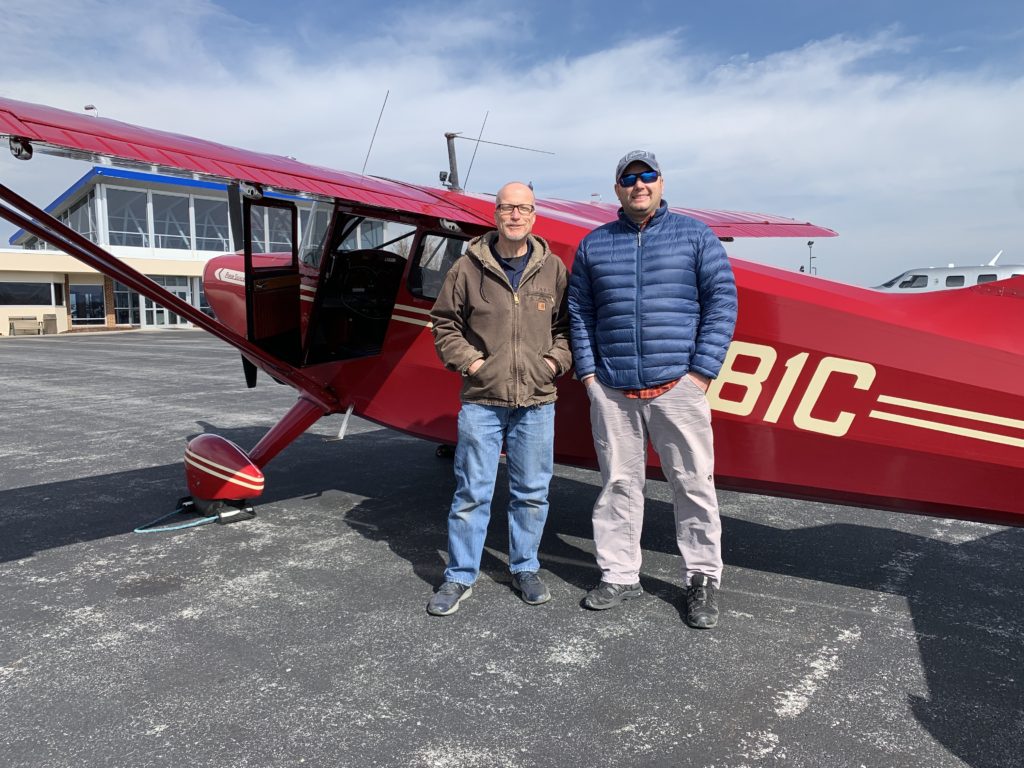
Listen to the audio for today’s episode to hear the fascinating story of how Mike and Sasha White acquired their favorite airplane, and named her “Charlie!”
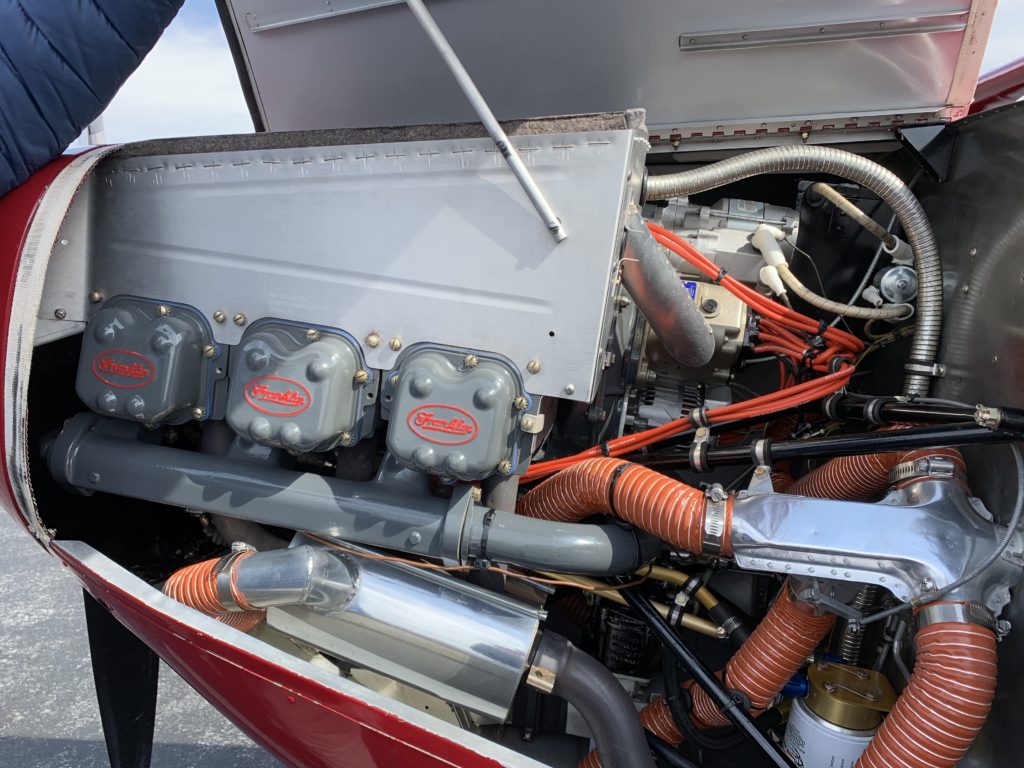
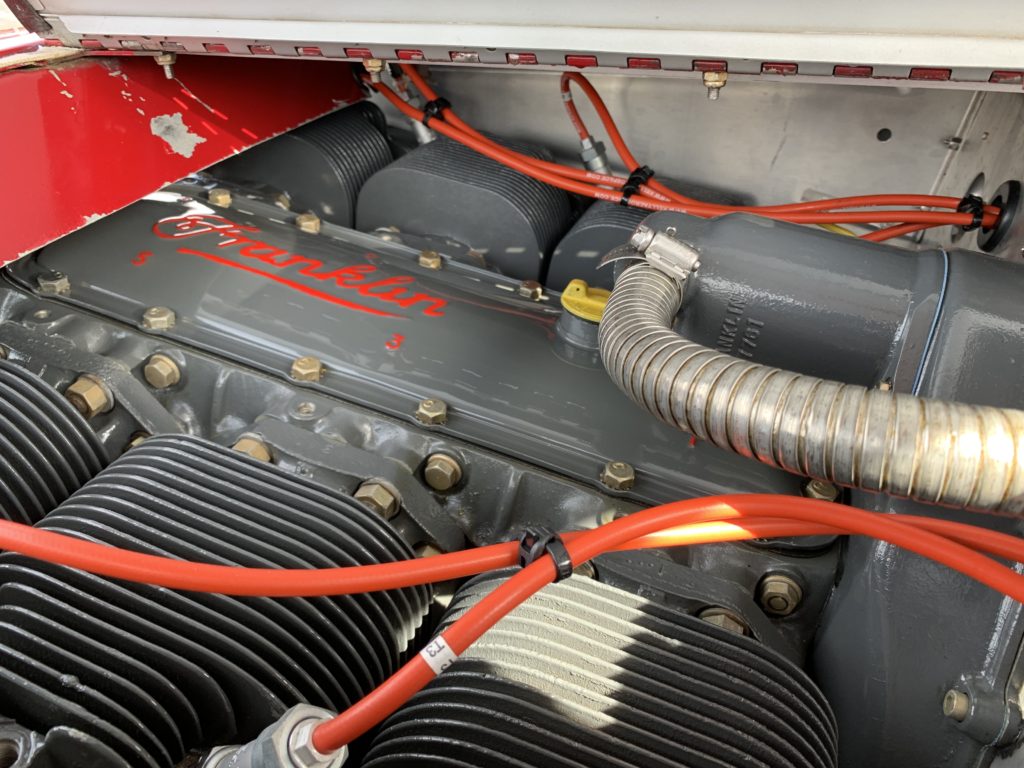
The freshly overhauled Franklin engine is in pristine condition!
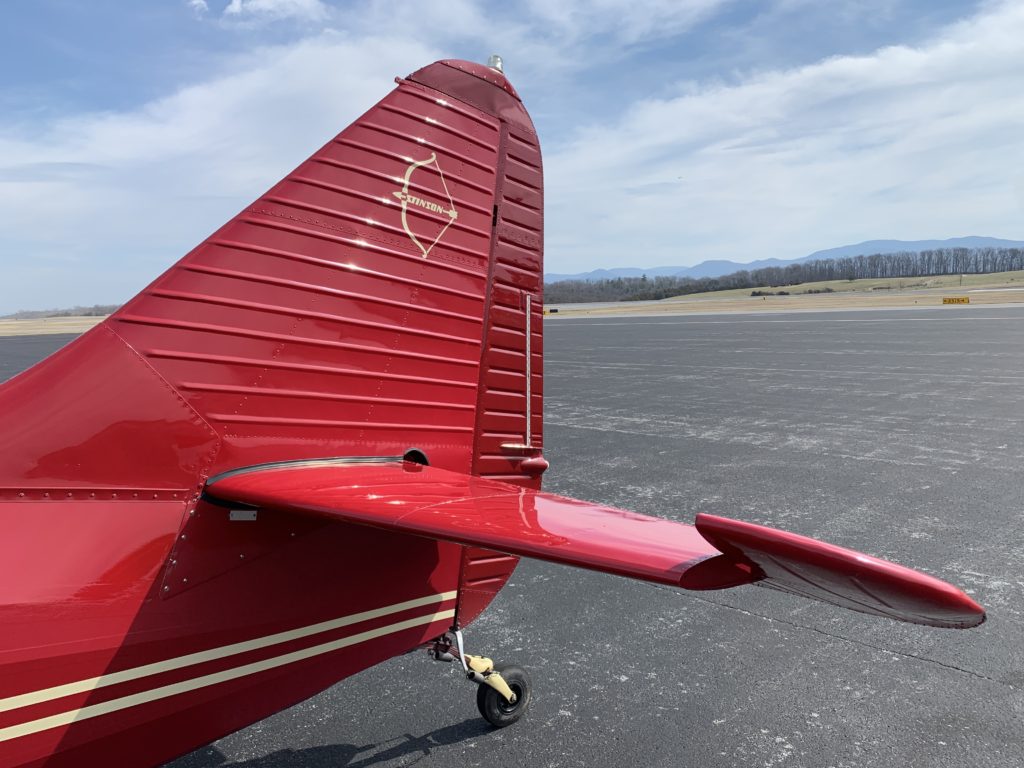
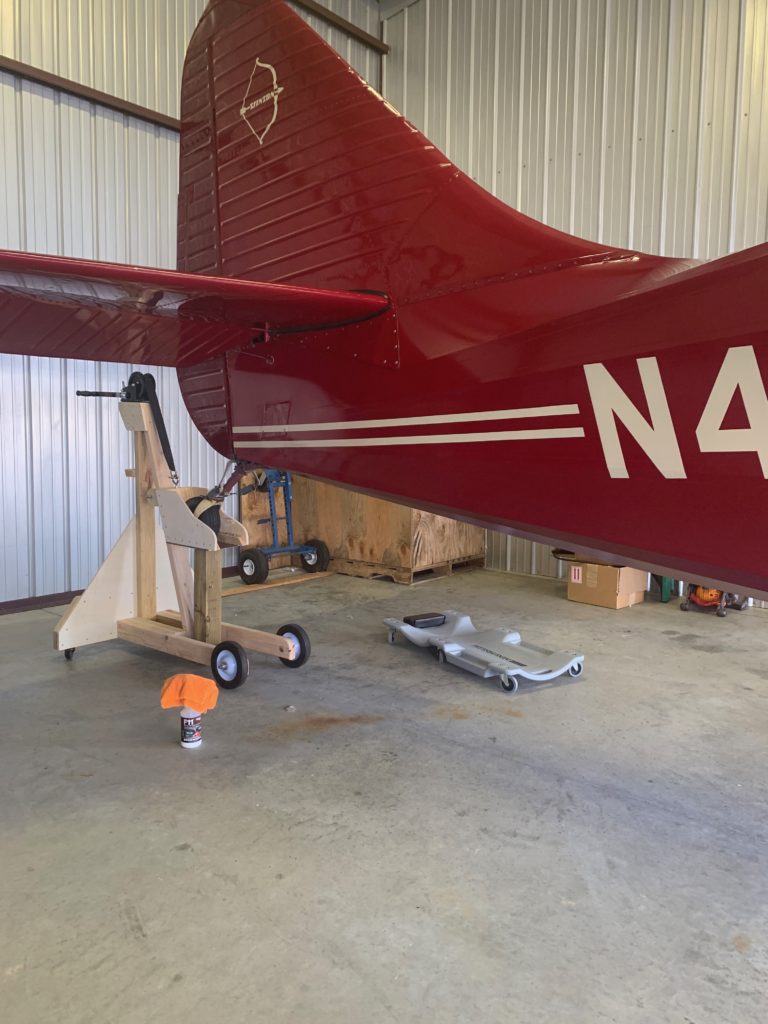
The tail has a very distinct design:
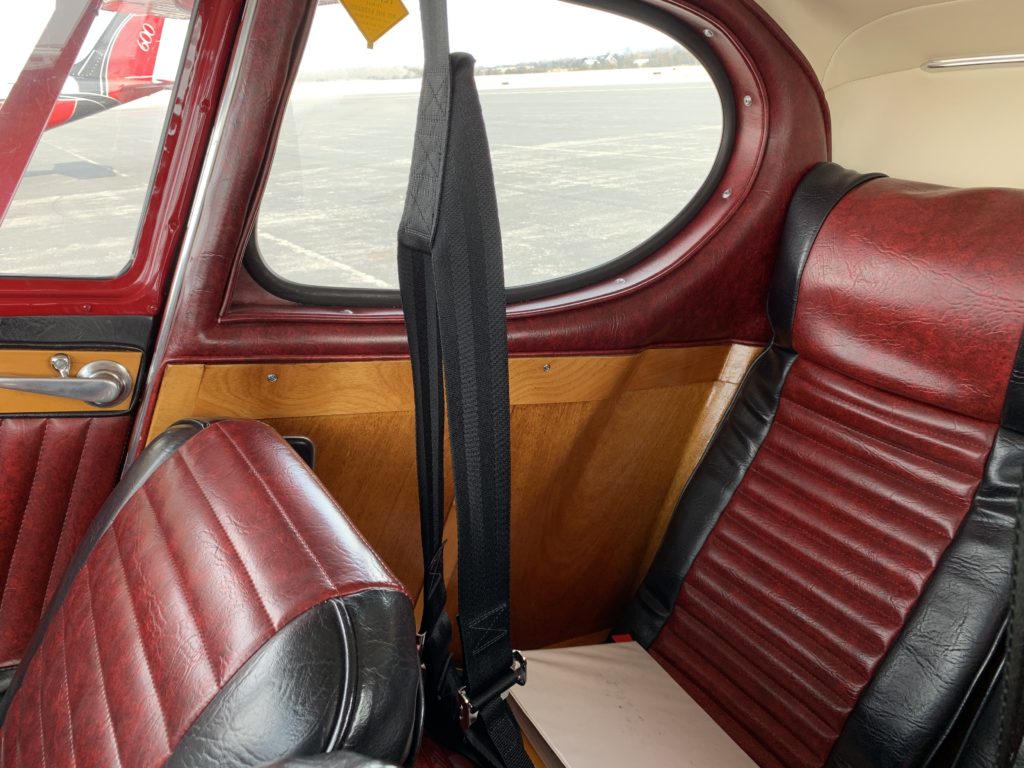
There’s even some beautiful wood interior reminiscent of Charlie’s rich history:
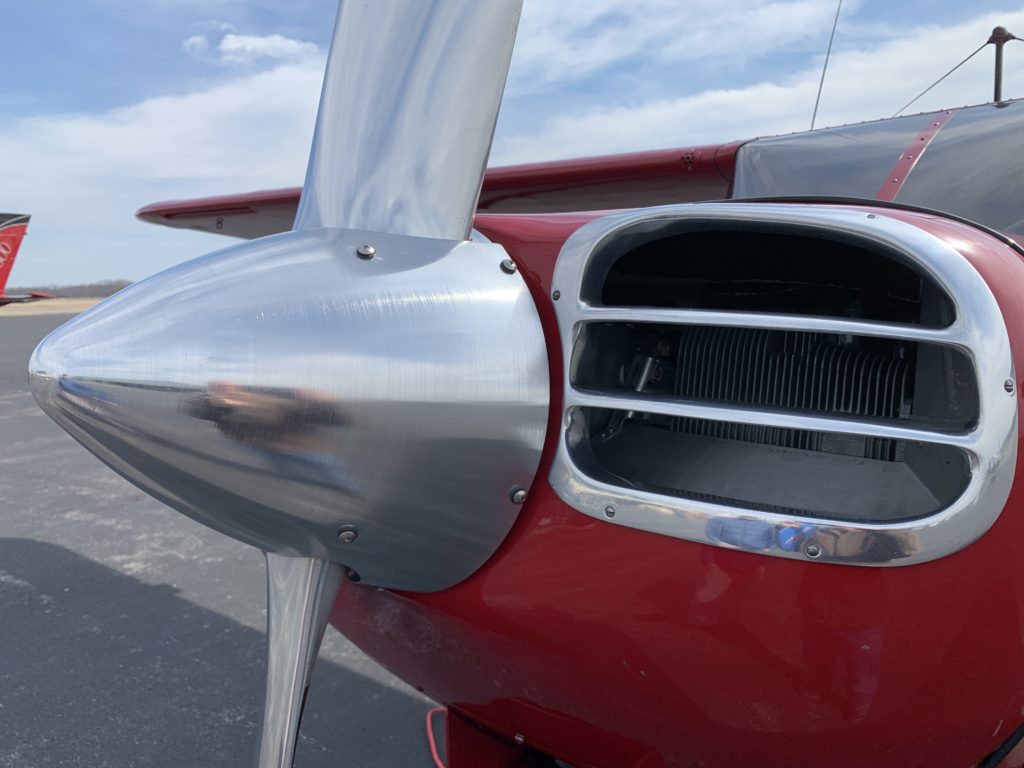
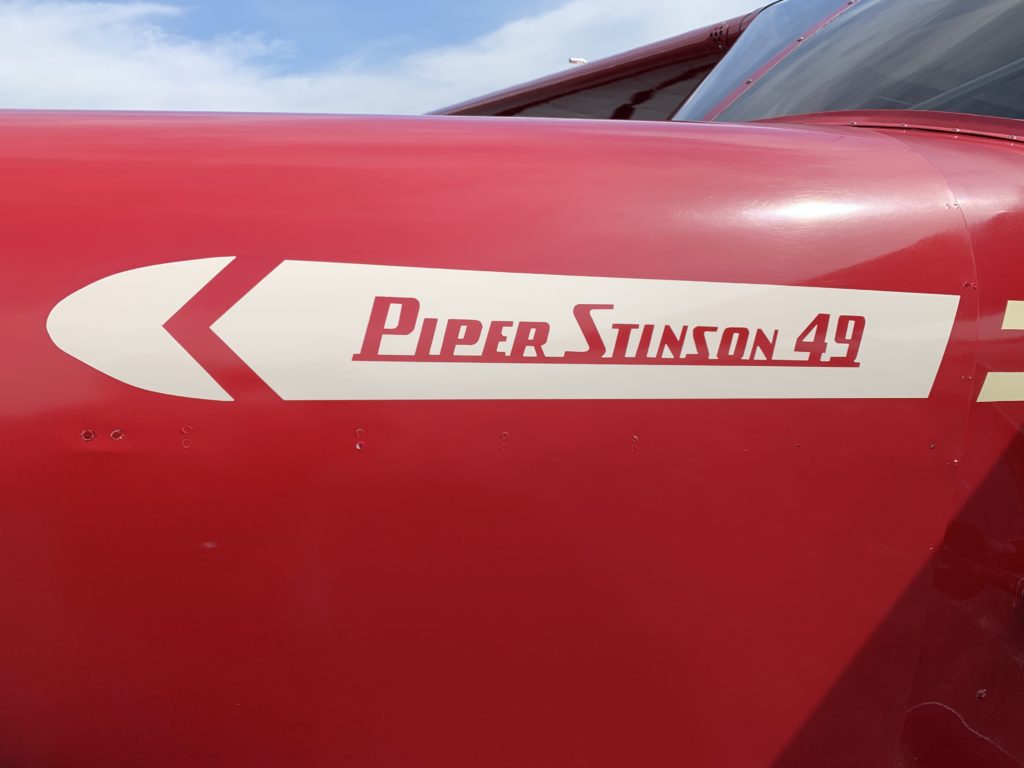
The cowling trim is also a sight to see:
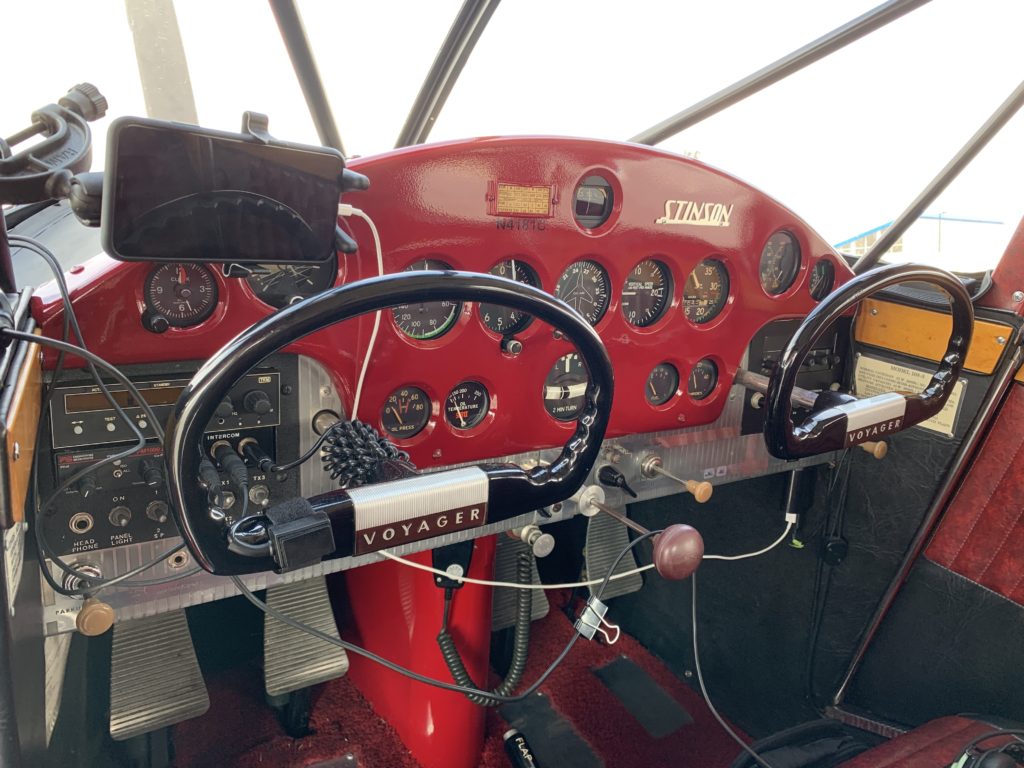
Charlie’s instrument panel sports the beautiful red paint to match the exterior:
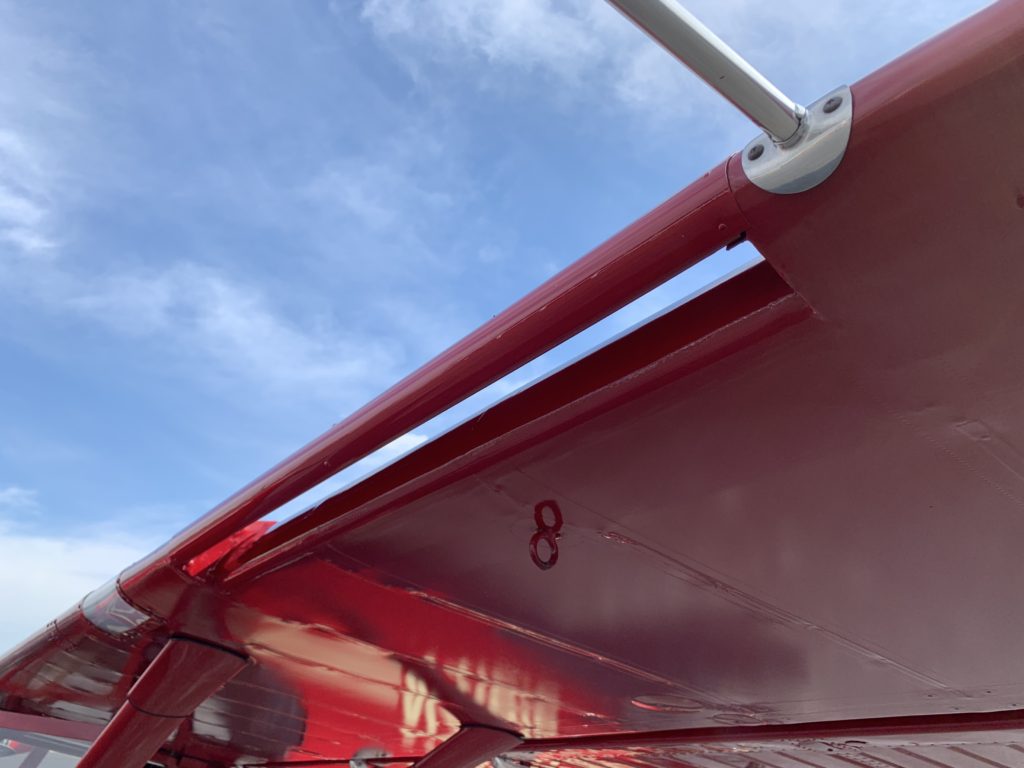
… and the leading edge slots provide excellent slow speed and stall characteristics:
All in all, this is a very cool airplane!
I had no idea there was such a thing as a “Piper Stinson.” Thanks Mike, for educating me!
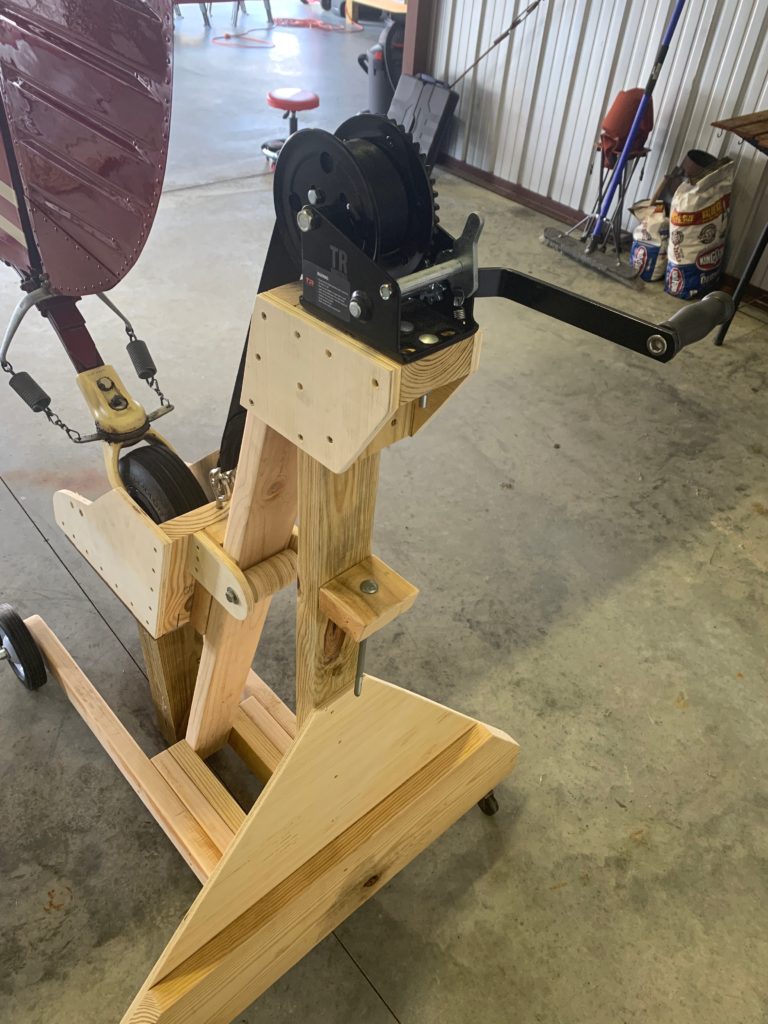
I discovered just today Mike has a special tail hoist he built to lift the tailwheel off the floor for cleaning the belly… real craftsmanship!
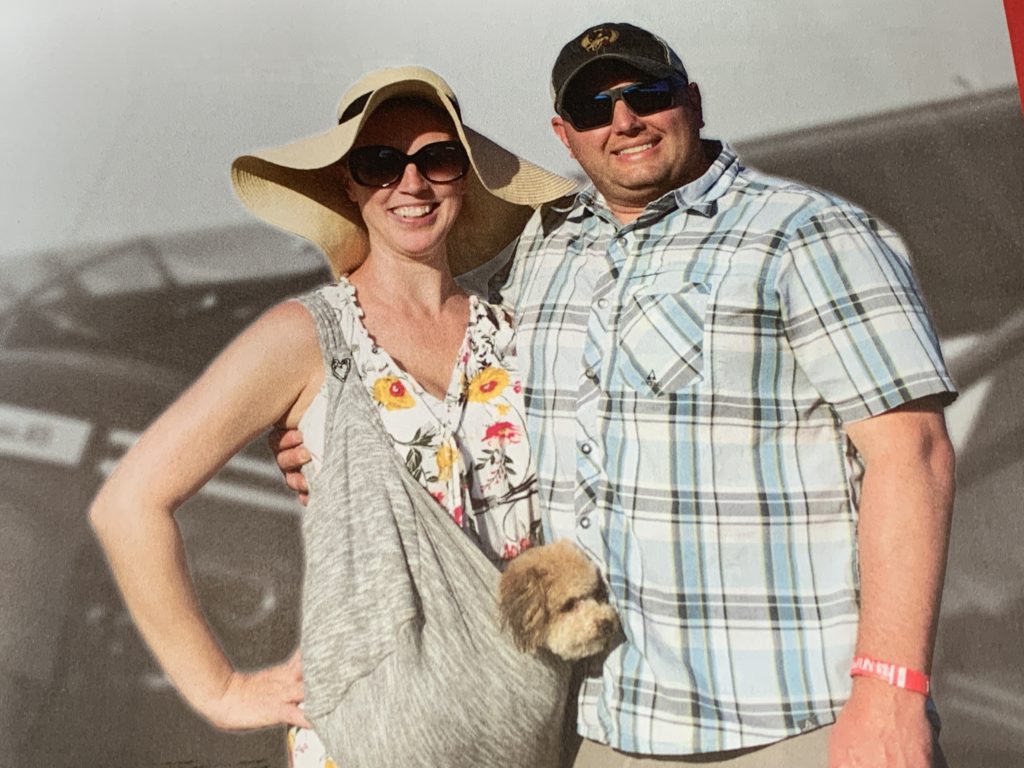
So… perhaps the next time Charlie rolls up to the ramp at KSHD, I’ll get to meet the whole crew… Mike and Sasha, and their little Yorkipoo, Bocce!
137 – IA Seminar Borescoping and Exhaust Valve Stories
Mar 15, 2020
Show notes
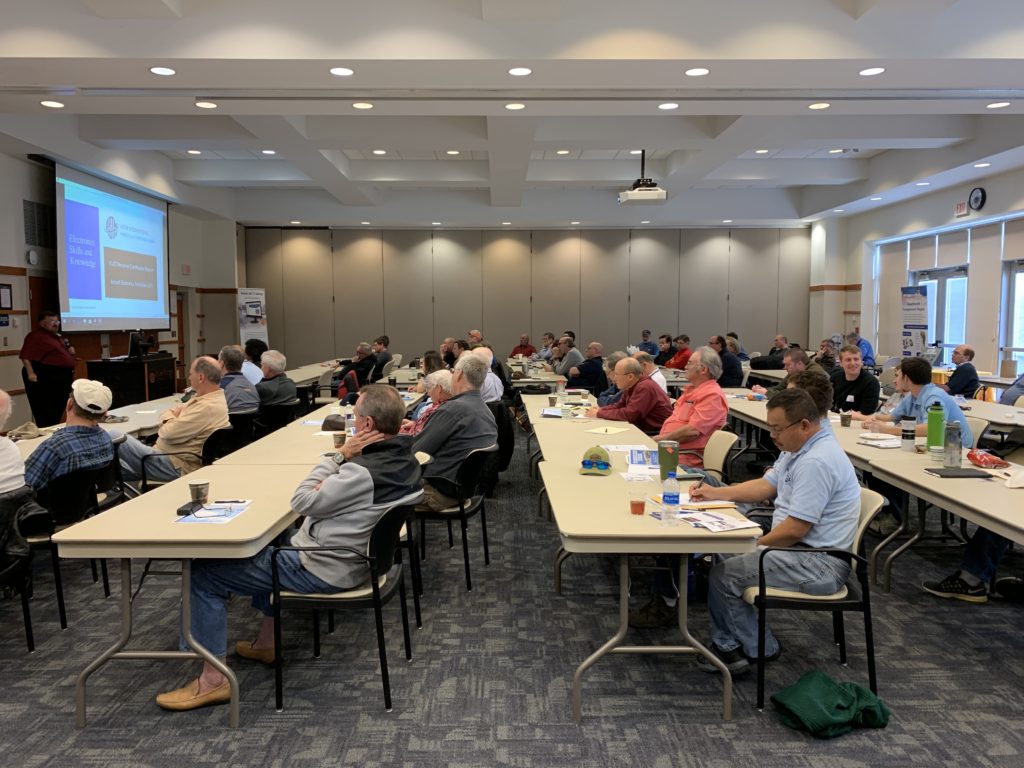
Yesterday, I had an opportunity to present a talk at our local IA renewal seminar about exhaust valve borescoping.
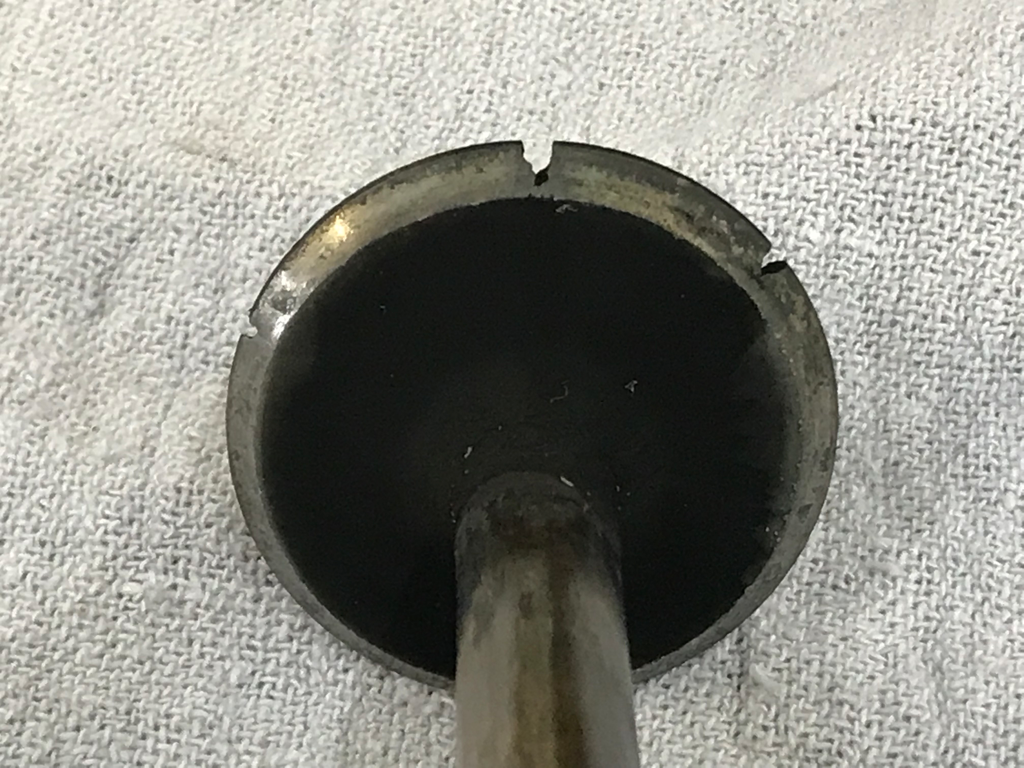
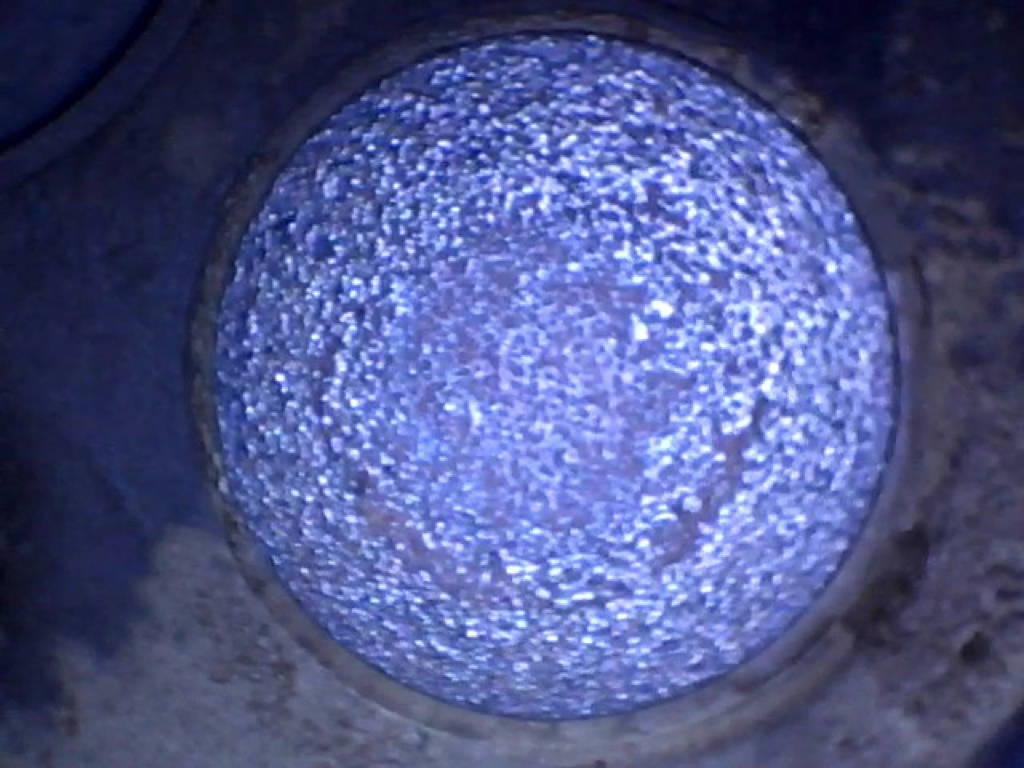
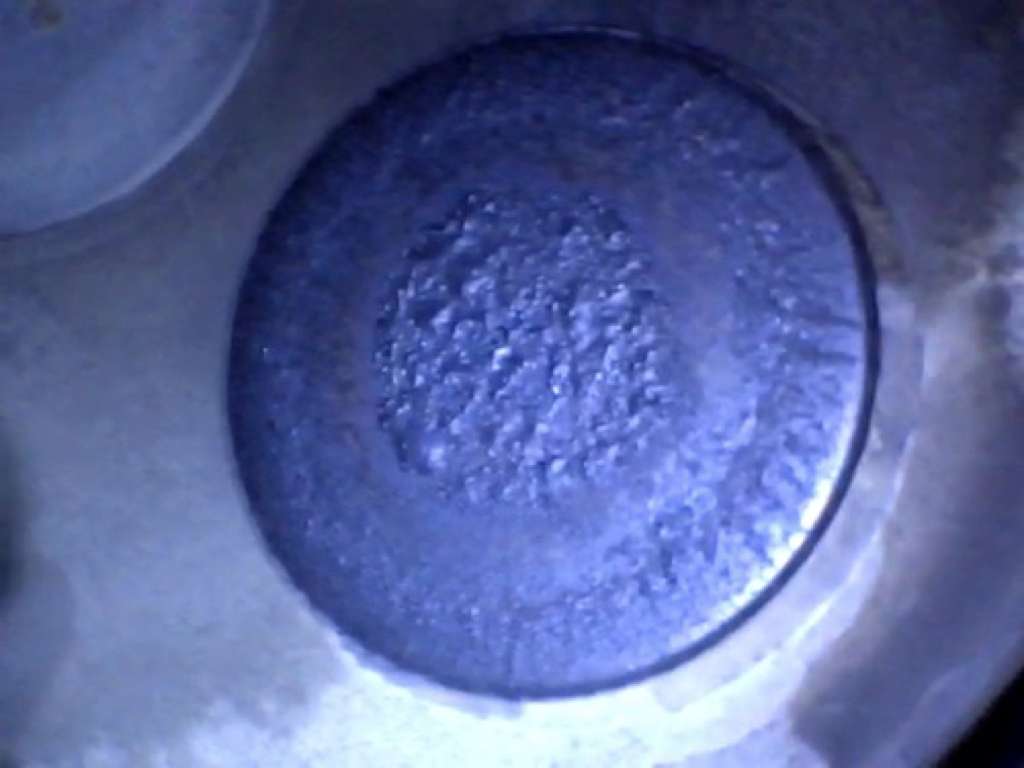
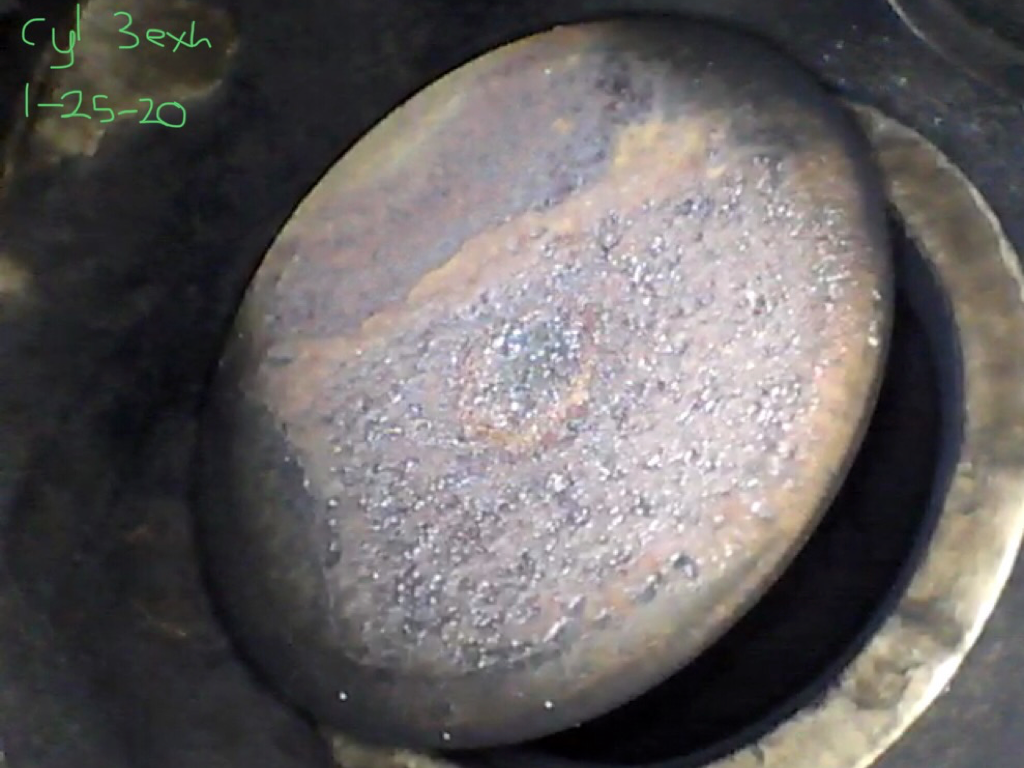
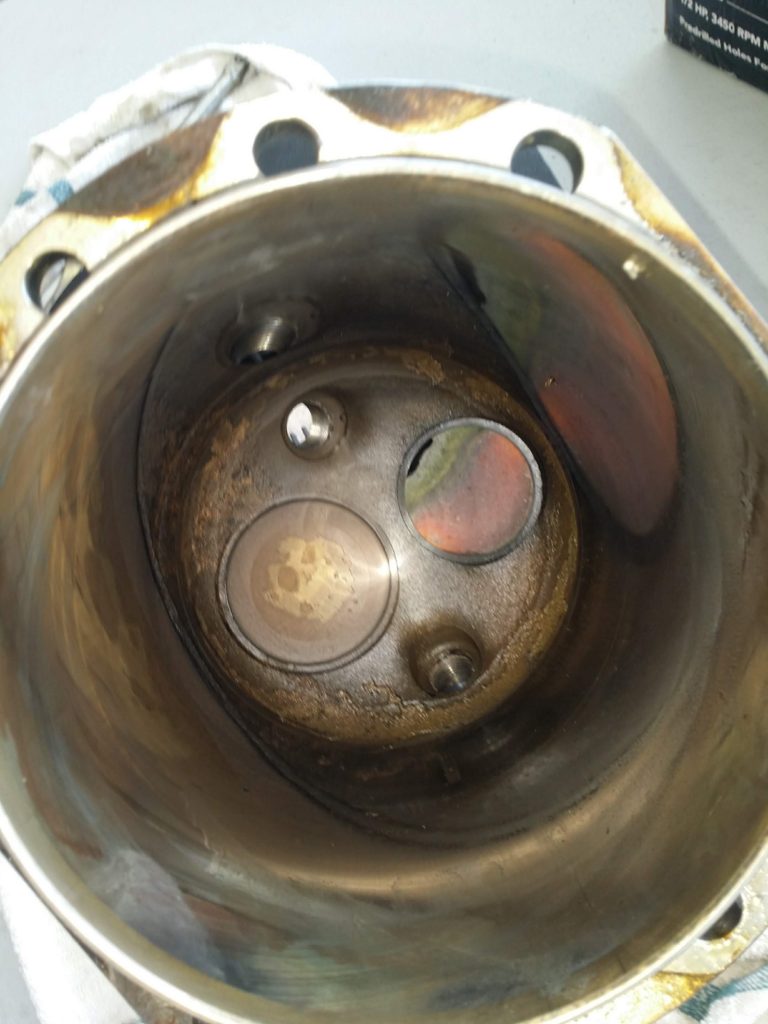
I shared some of my favorite pictures – the ones that demonstrate how critically important borescoping is, and that compression testing alone is not sufficient.
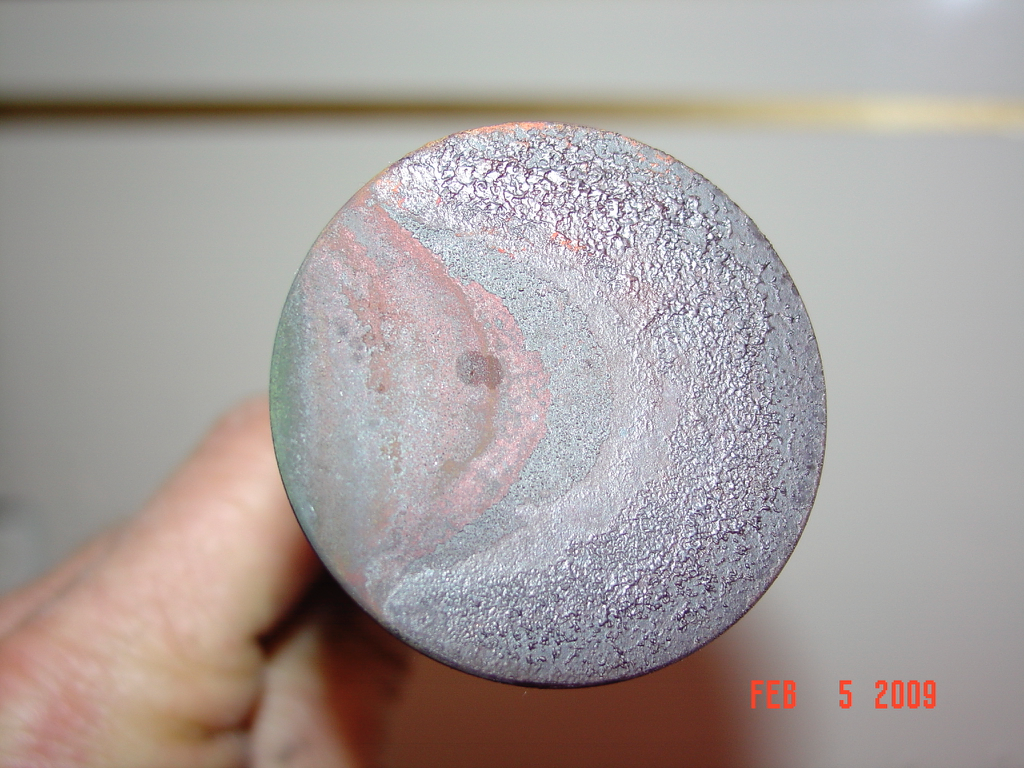
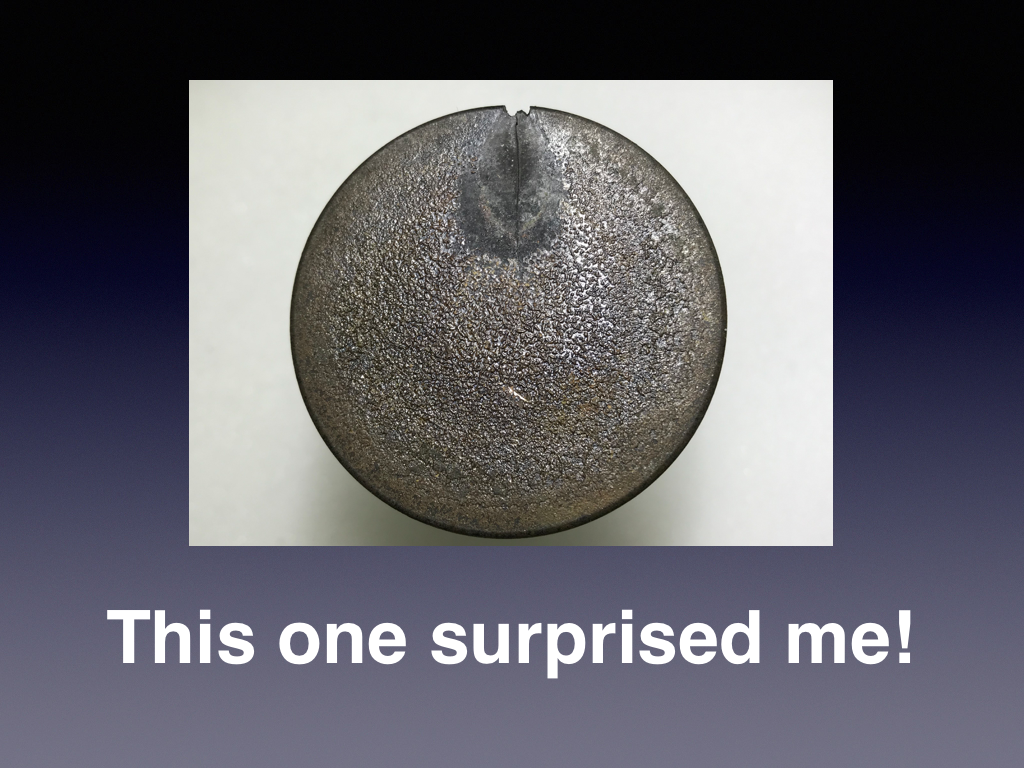
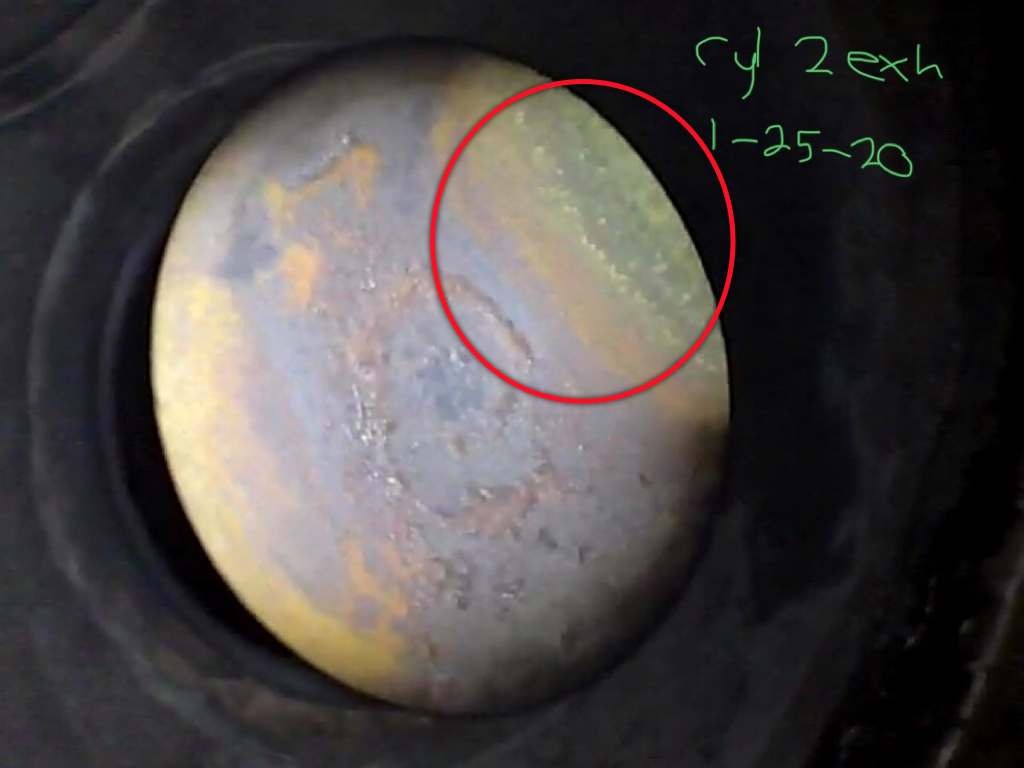
The following three examples are especially startling, since they showed a compression test of at least 60/80, but were in imminent danger of in-flight failure:
The FIRST ONEis from a Continental engine in an A36 Bonanza. Notice the green area at 9:00, indicating that area was in danger of a piece breaking off the edge.
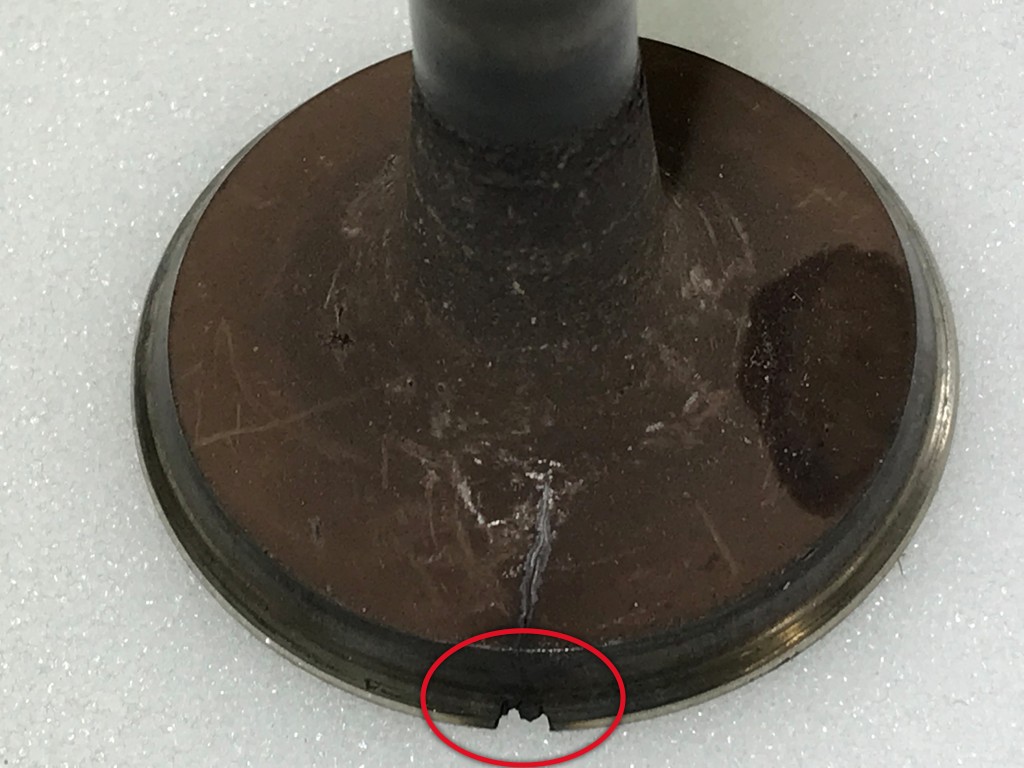
The SECOND ONEis from another Continental engine, also an A36 Bonanza. The compression of this one was 61/80, but there was a chunk missing from the edge, with a crack toward the center of the valve!
The broken edge still had enough area to seal for a compression test:
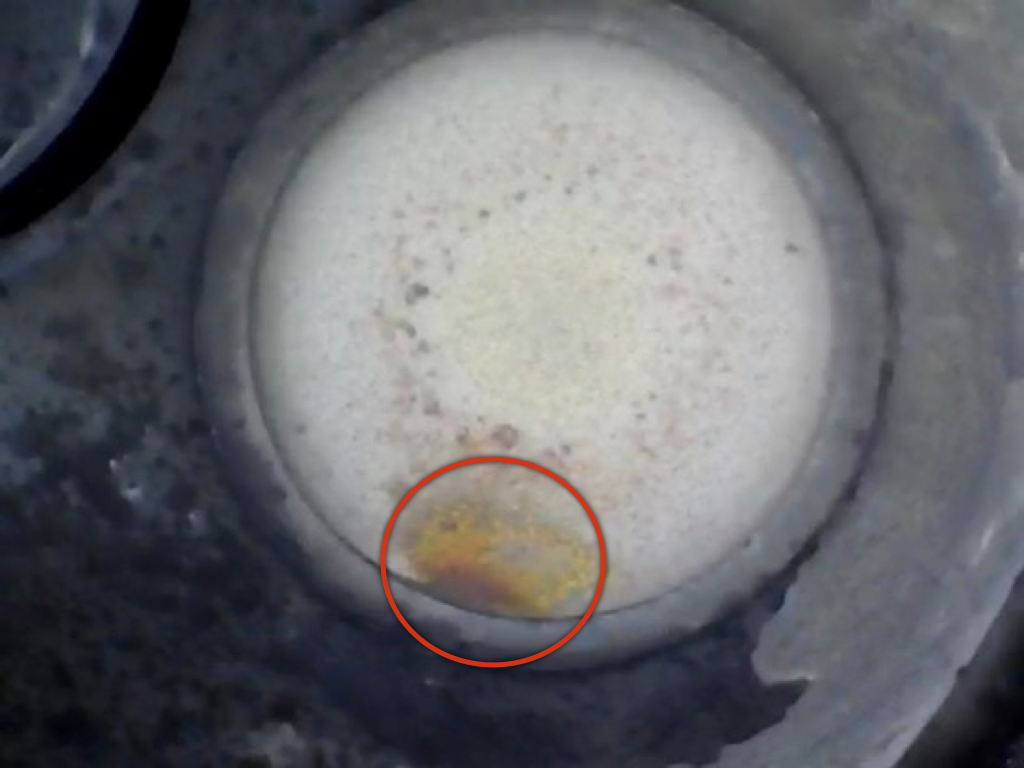
And the THIRD ONE was from a Lycoming engine in a Cessna 152. Take a look:
In the previous three examples, the borescope was absolutely necessary to discover these dangerous and unairworthy exhaust valves.
For comparison purposes, the following two pictures are examples of healthy exhaust valves:
I also shared some pictures of valves that other people have removed from their engines.
The following is from Sylvan Martin’s Grumman Tiger with a Lycoming O-360 engine. Sylvan was able to land safely after his engine ran slightly rough. He said, “My opinion is that cylinder 1 would have been noticeable at a minimum of 150 hrs before it deteriorated to the point of cracking that far across the face… Compression check will help w/ ring problems, but our family’s experience in industrial diesels (power generation) is that rings fail slowly/predictably while valves fail suddenly/catastrophically…..”
He later had to change two other cylinders, after the borescope indicated they were burning:
(Previous three photos courtesy of Sylvan Martin.)
Jason Figueroa had to change a cylinder on his Cherokee 235’s Lycoming O-540 engine due to a burning exhaust valve that was found with a borescope.
(Photo courtesy of Jason Figueroa.)
Jason said, “Borescoping told us we had an impending problem, and led to catching it before it failed.”
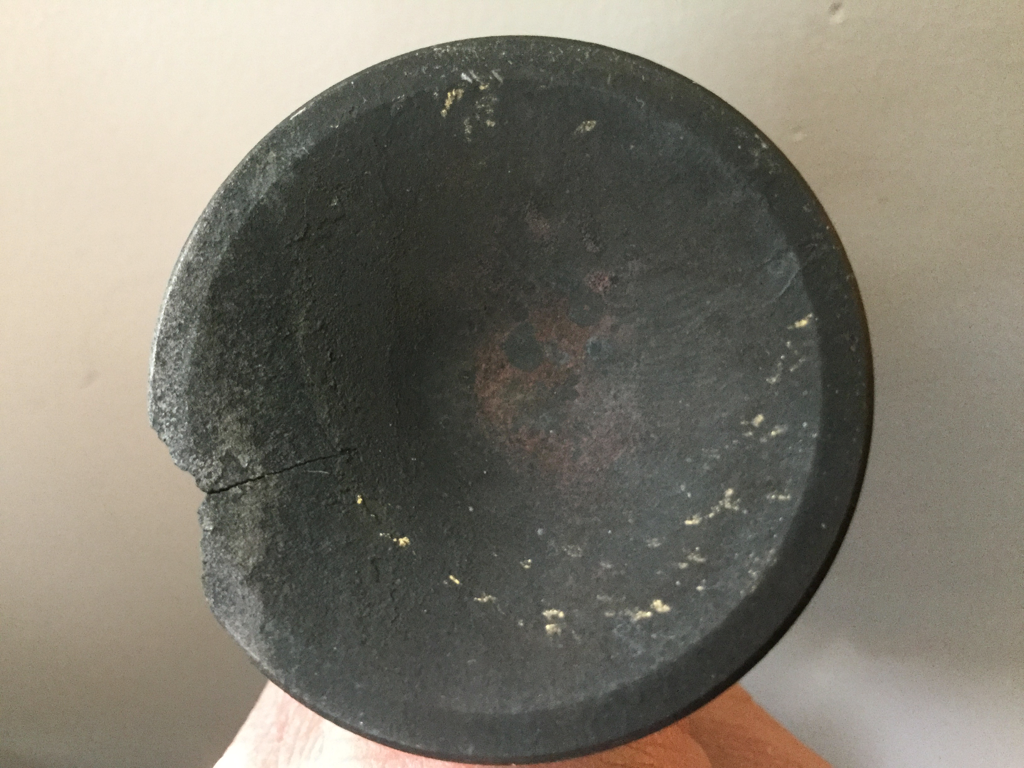
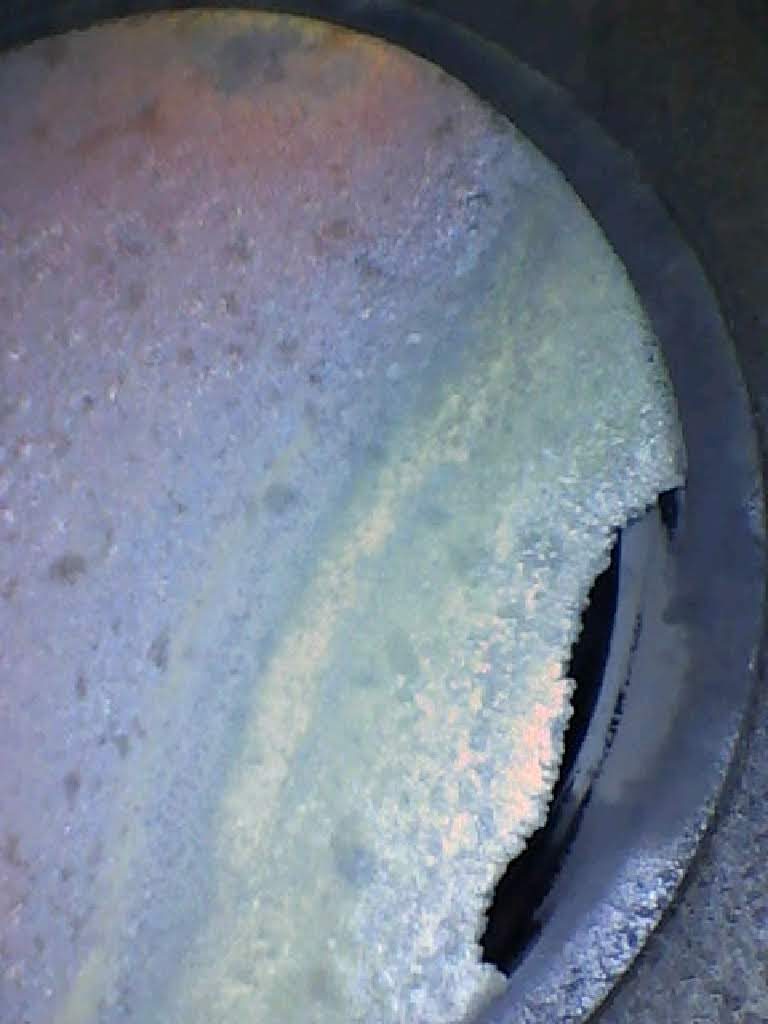
Here are two more exhast valve pictures from an unidentified source:
I’m convinced this broken valve could have been detected with a borescope LONG BEFORE the edge broke off.
My hope is that all of us who have the responsibility of determining the airworthiness of piston engines in airplanes, will use a borescope along with the compression tester for higher levels of safety and reliability.
Do you have a dream to fly? If so, you might be encouraged by the poem I shared at the end of my talk yesterday. My daughter sent it to me one day last Summer… it’s called, “The Dream Does Not Die!” If you’re interested, be sure to listen to the last part of the audio.
136 – Engine Oil Leak: How Much is Too Much?
Feb 22, 2020
Show notes
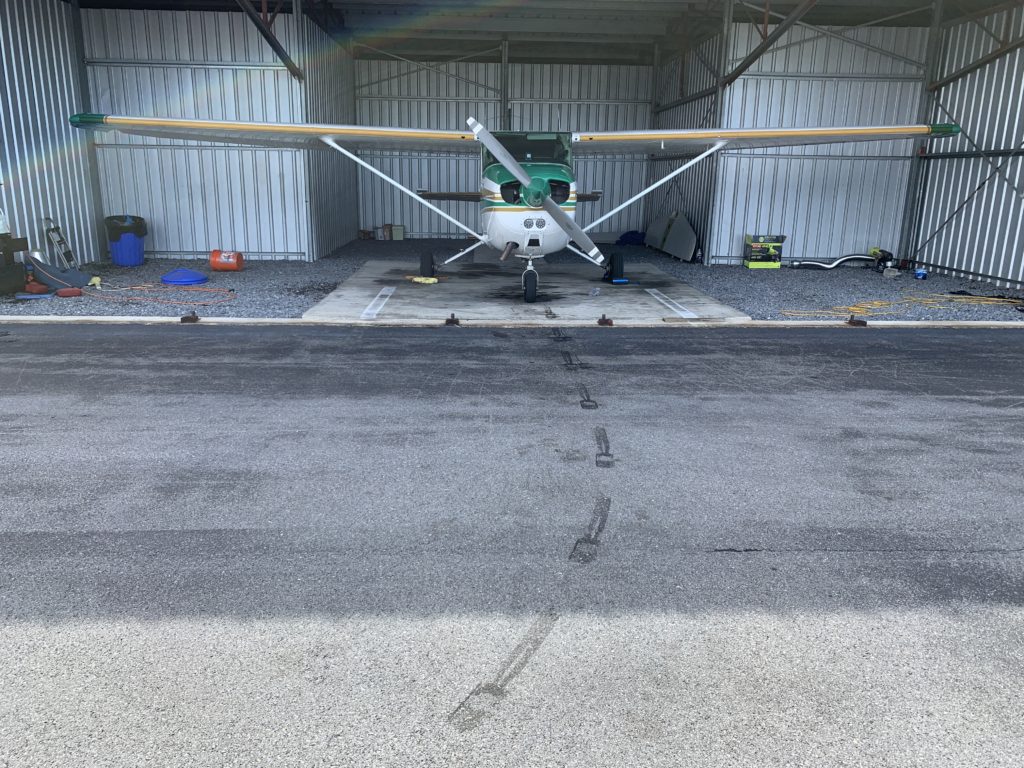
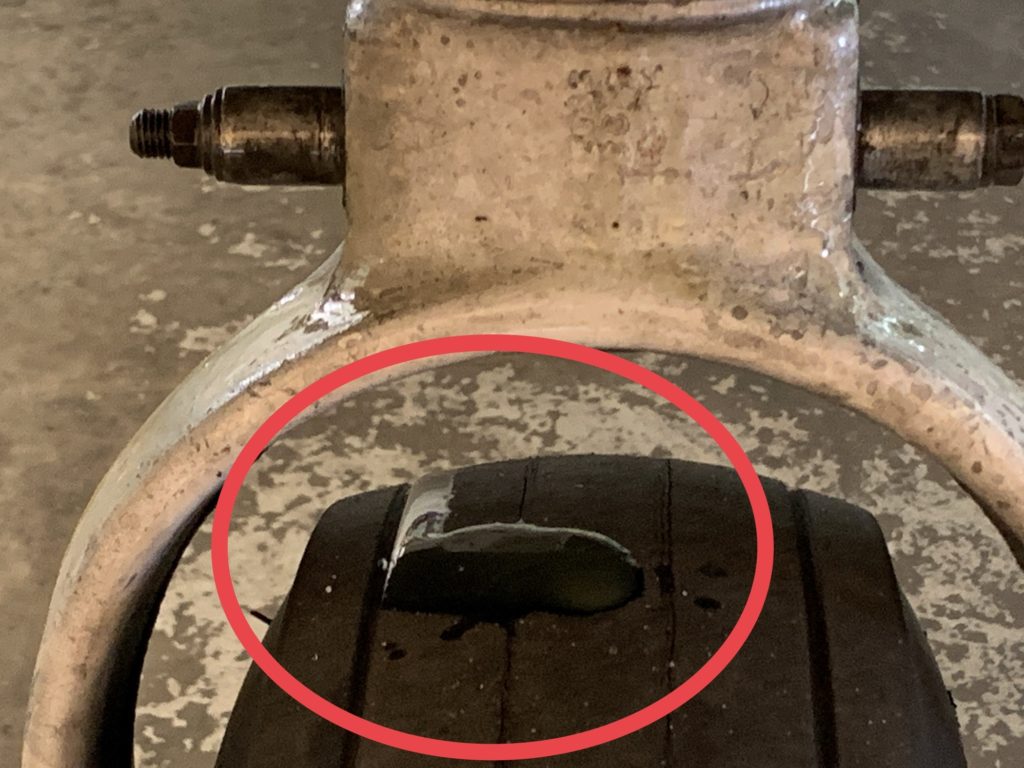
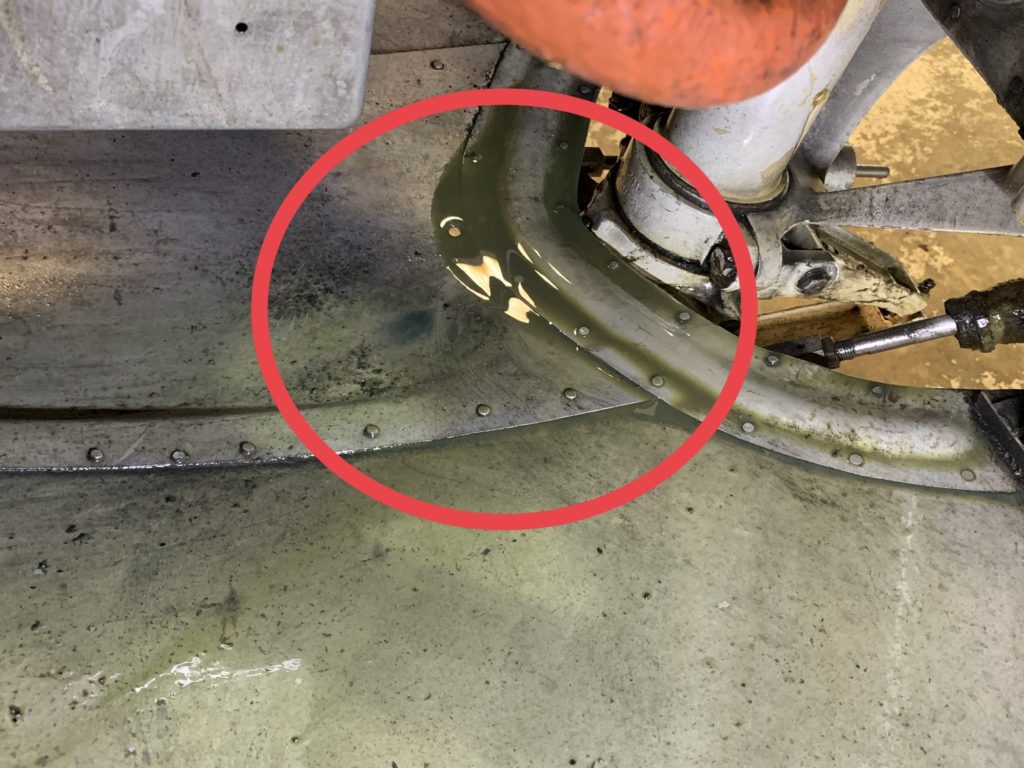
Engine oil leaks are a common problem on small airplanes with piston engines. But how much oil leakage is too much? Here’s an indicator: If there’s oil on the nose tire, and it paints a stripe on the pavement with each revolution, that’s too much oil leakage.
This was the case the other day on a Cessna 172, so we did some detective work to see where the oil was coming from.
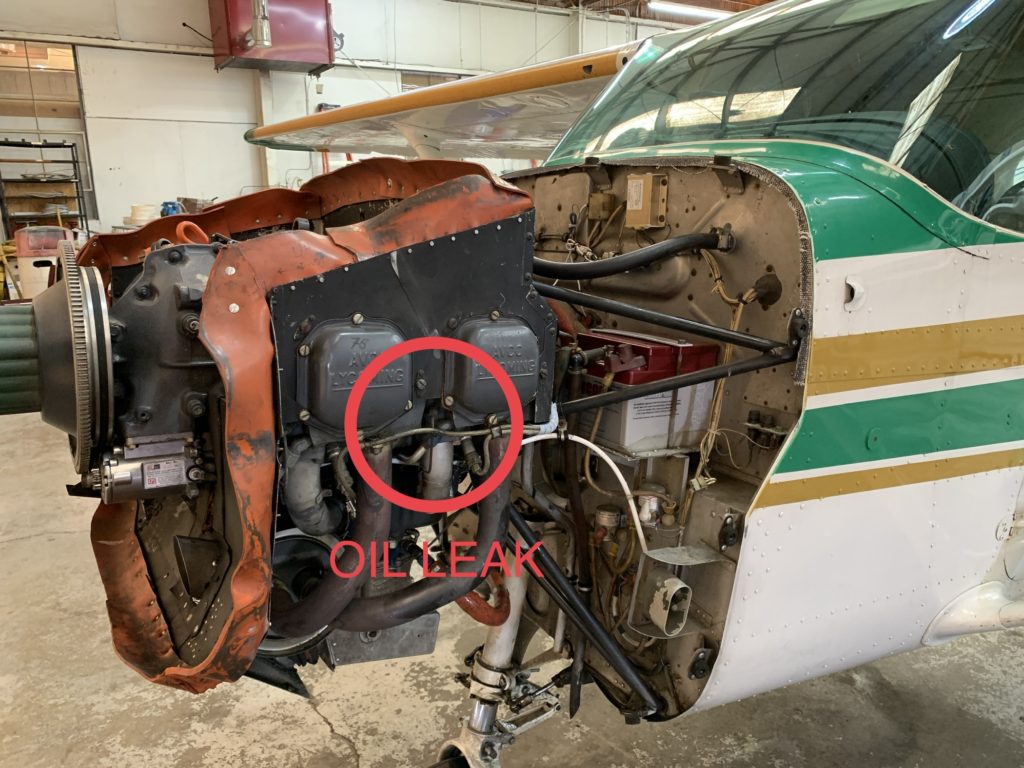
After removing the cowling, it was obvious the oil leak was significant, and it appeared to be coming from the left side of the engine.
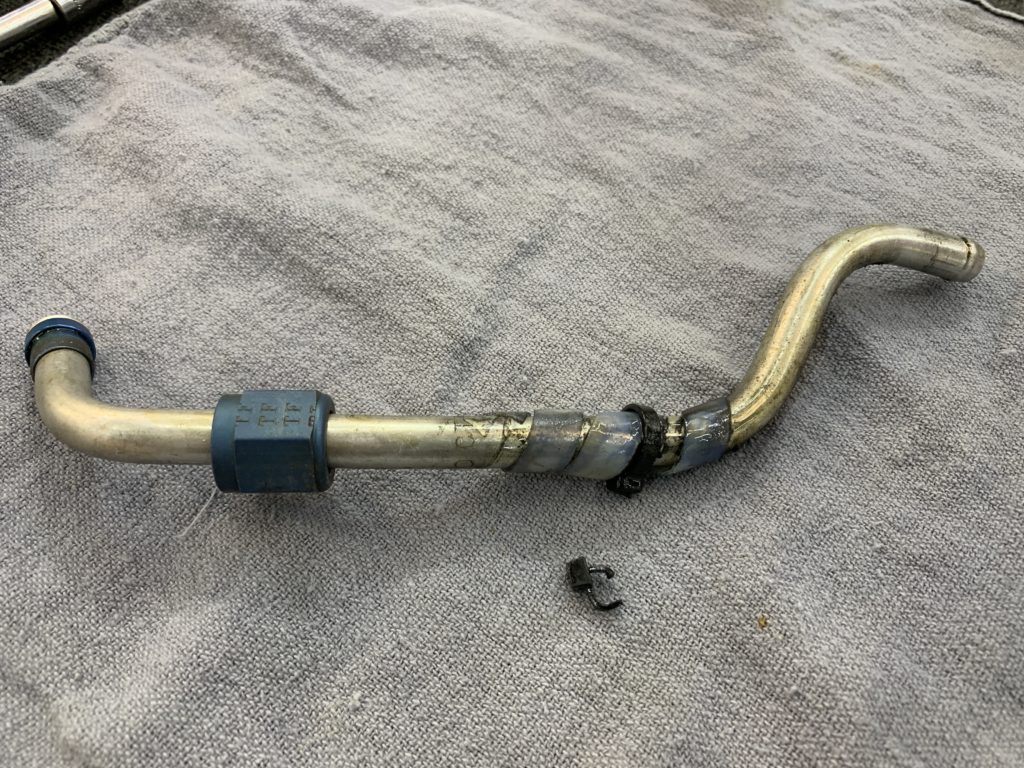
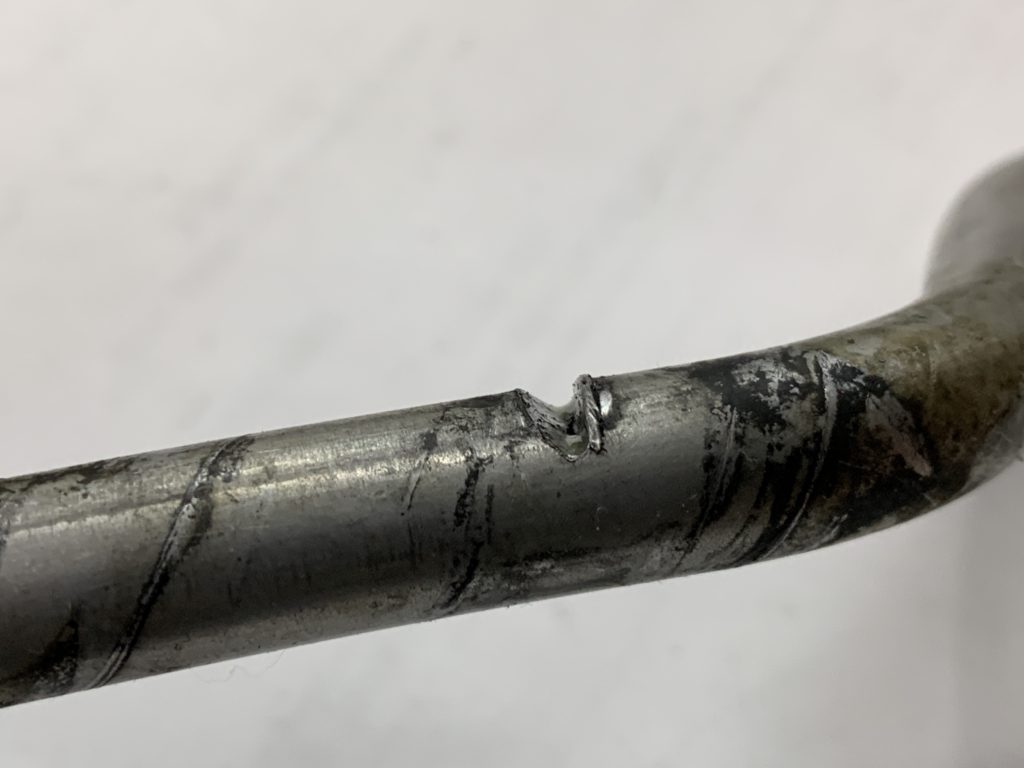
Here’s what we discovered about the rocker oil return line on cylinder #4:
The wire that holds the engine baffles in place under cylinders 2 and 4, had cut a hole in the bottom of the rocker cover oil return line. When the engine is running, this line continuously returns oil from the rocker arm area back to the crankcase. With engine vibration, this is a common area for chafing to occur, and is an important area to inspect.
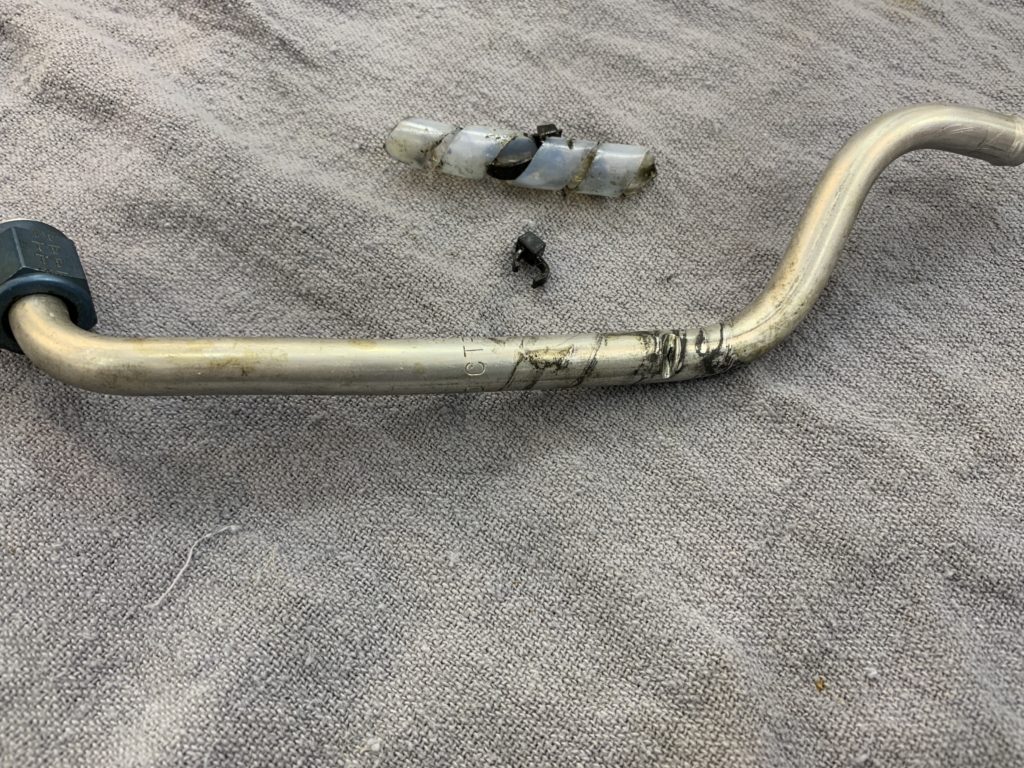
Here’s a closer look at the oil line after it was removed. The spiral wrap was a previous attempt to prevent chafing, but the wire still cut through the line.
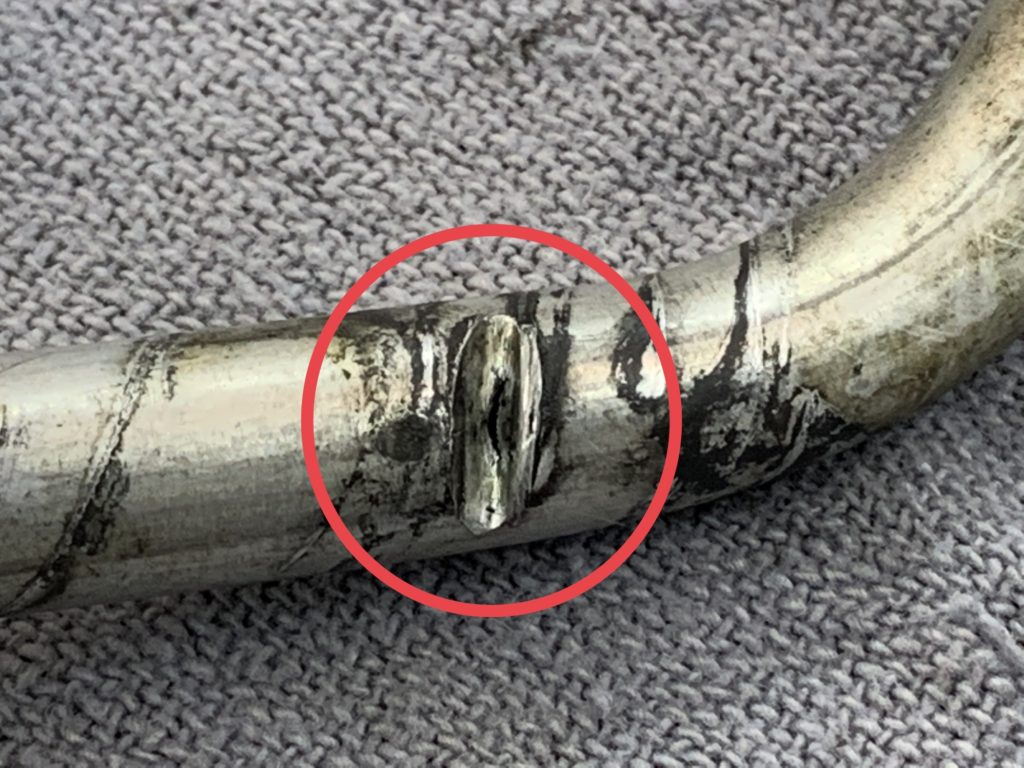
After removing the spiral wrap, the chafed area was clear:
It doesn’t take a very large hole to make a big oil mess!
This story reminds me of some helpful principles for evaluating engine oil leaks:
If engine oil is dripping on the nosewheel, it’s probably not normal and needs to be checked.
If something changes, check it out. Example: engine breather tubes sometimes drip after shutdown, but if you notice a dramatic increase, make a further investigation.
When troubleshooting oil leaks, go to the highest point on the engine where you see oil. Oil can run down on lower components and lead to wrong conclusions about the source of the oil leak.
Verify all connections and fittings are tight.
Listen to the audio in today’s episode to hear about some other loose fittings that recently caused problems… one on a Piper Turbo Arrow, and one on a Piper Saratoga.

 Our TOPPODCAST Picks
  Stay Connected