
On The Vinyl Supper, Foy Vance chats songs and food with old friends and special guests. During each episode, Foy asks the person at his table what three courses they’d eat and what music they’d listen to at their last meal. And of course, they chew the fat: the catharsis of music, food and friendship. Foy’s pals talk about everything from pairing burgers with oysters to Japanese beef and redneck sushi. Conversations meander through global tours and global lockdown, losing loved ones and winning Grammys, Golden Globes & Emmys (none of which are Foy’s…yet). Come grab a seat at Foy’s table.
Podcast Categories: Music
The Thomas Eriksen Podcast
Thomas Eriksen is the creator of the Norwegian Black Metal band Mork. Merch: morkisebakke.no/shop
Killed by Desk
Have you ever wondered what the weirdos behind your favorite records are doing when they’re not losing money in punk rock? Whether they are pushing pencils, tending bar or running corporations, we’re having sincere yet totally stupid conversations on how they’ve managed to make a living and advance their scams into careers (or something like it) among the squares. Join us as we aim to find out how punks pay their bills and what they’ve learned along the way. New episodes every Tuesday.
Theme song by M.O.T.O. Logo by Chuck Loose. Intro by Rev. Norb.
Pause/Play
Pause/Play: a podcast about live music, why it matters, and what comes next.
interMISSION @ the CSO
Chicago Symphony Orchestra musicians in behind-the-scenes conversations about what it takes to make this one of the world’s greatest orchestras.
The Drum Q&A Podcast
Dan Bailey, drummer/studio musician/engineer with 2 decades of real world experience, takes questions from his Instagram and riffs on them in long form. Everything from gear, to gig stories, to the business of being a sideman.
To submit questions to the podcast, I run an instagram Q and A every Wednesday to collect questions at @drichardbailey. (Or DM me, though I’m more likely to see it via the Q and A stories function).
Juice WRLD death conspiracy theory
In this podcast we are talking about conspiracy theories revolving around Juice WRLD and what everyone has been talking about his death
Riffs Or Die
Welcome to the Riffs Or Die podcast, hosted by David Sanchez from Havok. Join David as he dives deep into the vast multiverse of current events, music, philosophy, art, history, comedy, common sense, independent thought, and the profundity of our ephemeral existence, AKA ”life”. Subscribe today and let’s riff on some ideas. Sign up for bonus episodes and exclusive content at https://www.patreon.com/riffsordie – Visit www.riffsordie.com for more info. Thank you for your support.
Theme Time Radio Hour with your host Bob Dylan
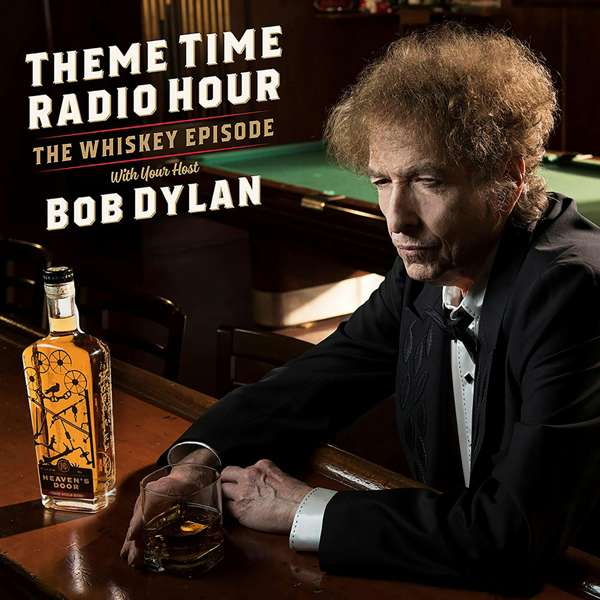
Theme Time Radio Hour is a series of 101 radio shows brought to you by Bob Dylan, featuring one hour of music, musings and more from the famed musician and Nobel Laureate. Each episode is a deep dive into a particular theme, such as cars, baseball and the weather, and features surprise call-in guests asking questions and offering anecdotes to share with the audience. For the first time in more than 10 years, Bob Dylan returns with a new Theme Time, this one on the subject of that amber intoxicant popularly known as whiskey.
Louder Than A Riot
Hip-hop emerged from the voices of the unheard. But freedom doesn’t ring the same for everyone. Inside all corners of the culture, Black women and queer folk have dealt with the same oppression the music was built to escape. Season 2 of Louder Than A Riot examines who hip-hop marginalizes, and how misogynoir — the specific racist misogyny against Black women — is embedded into the fabric of the culture that we love.
From Rico Nasty facing harassment from toxic fans, to Saucy Santana’s unapologetically femme aesthetics in a queerphobic industry, to the assault case that put Megan Thee Stallion’s image on trial, each episode of Louder Than A Riot unpacks the unspoken rules of rap that discriminate against a select few and have held the entire culture back.
Hosted by NPR Music’s Sidney Madden and Rodney Carmichael, Louder Than A Riot confronts power from every angle – from the power the genre wields over its artists, to the power plays that its rulebreakers take in order to get heard. In the midst of a so-called Renaissance for women in rap, these stories reveal a rot at the core of the culture that reflects how voices, bodies, and rights are still policed in America.
 Our TOPPODCAST Picks
  Stay Connected