
The Stanford Neurosciences Institute is a new, campus-wide independent institute under the Vice Provost and Dean of Research. The goal of the Stanford Neurosciences Institute is to understand how the brain gives rise to mental life and behavior. Our interdisciplinary community of scholars will draw from and transform a multiplicity of disciplines, including neuroscience, medicine, education, law and business. Our discoveries will remodel understanding of brain function, individuals, and society, enabling positive change and enhancing human potential.
Podcast Categories: Medicine
Nursing – College of Nursing
Mini Med School: The Heart – Stanford Continuing Studies Program
This course is a single-quarter, focused follow-up to the yearlong Mini Med School course sequence offered in 2009–10 by Stanford Continuing Studies and the Stanford Medical School. The course focuses on diseases of the heart and cardiovascular system, the leading cause of death and disability for both men and women as well as the most common cause of serious birth defects. Addressing these challenges, the Stanford Cardiovascular Institute catalyzes a unique collaboration among clinicians, translational and basic scientists, and engineers, fostering the development of novel approaches to diagnosing, treating, and ultimately preventing cardiovascular disease.
Featuring a dozen distinguished faculty from Stanford’s Cardiovascular Institute, this course offers students a dynamic introduction to the world of cardiovascular biology, health and disease, and the groundbreaking changes taking place in medical research right here at Stanford.
The course begins with an overview of how the cardiovascular system works, setting the stage for more in-depth talks by experts on topics such as: how heart disease affects men, women, and children; the role genes play in cardiovascular disease; how we can mend a broken heart through new surgical approaches, technologies, and bioengineering (including stem cells); the cardiovascular risks and benefits associated with performance athletics; new innovations in heart imaging; and more.
Emergency Ultrasound – J. Christian Fox, MD
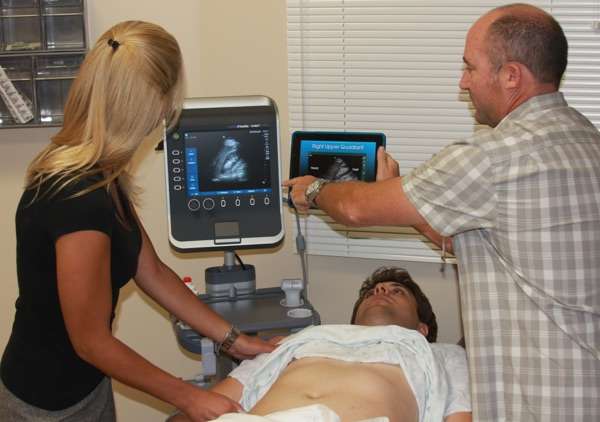
These lectures comprise the bedside ultrasound curriculum from the perspective of emergency medicine.
Epidemics in Western Society Since 1600 – Audio – Frank Snowden
This course consists of an international analysis of the impact of epidemic diseases on western society and culture from the bubonic plague to HIV/AIDS and the recent experience of SARS and swine flu. Leading themes include: infectious disease and its impact on society; the development of public health measures; the role of medical ethics; the genre of plague literature; the social reactions of mass hysteria and violence; the rise of the germ theory of disease; the development of tropical medicine; a comparison of the social, cultural, and historical impact of major infectious diseases; and the issue of emerging and re-emerging diseases.
Center for Cognitive Neuroscience – University of Pennsylvania
A graduate course in neuroethics, intended for neuroscience graduate
students, being developed and offered with support from the NSF. It includes a
combination of traditional classroom lectures, discussion and debates, as well as an
online component coordinated with a course at Wisconsin’s Neuroscience and Public
Policy graduate program.
In brief, this is the rationale: Neuroscience is increasingly affecting all aspects of human life, from the relatively familiar medical applications in neurology and psychiatry, to new applications in education, business, law and the military. Today’s neuroscience graduate students will be among the scientists, citizens and policymakers who will lead society through the maze of decisions regarding the appropriate uses of neuroscience.
This course provides a survey of the key ethical, legal and social issues at the
intersection of neuroscience and society.
Immunology – Yale School of Medicine
This collection features interviews and talks with Yale Faculty and researchers on the topic of Immunology.
Yoga – CCP Instructors
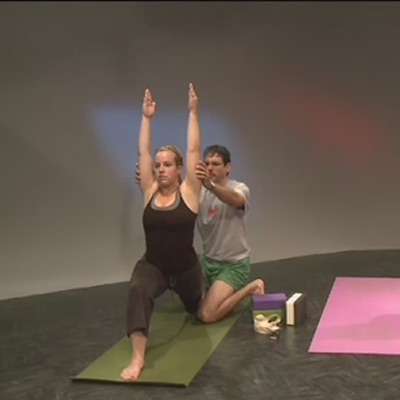
Several Community College of Philadelphia instructors lead a Yoga classes.
Basic Nursing Theory (NUR 3952) – Chris Henshaw
Autumn 2010. An introduction to nursing, covering basic nursing science concepts and an introduction to nursing assessment. The nursing assessment focus is on data collection and nursing diagnosis. Emphasis is with adults in long-term and community setting.
Dental Anatomy – University of Michigan School of Dentistry
Originally recorded in the late ’70s and early ’80s, these anatomy videos present timeless information about teeth, gums, and other oral anatomy.
 Our TOPPODCAST Picks
  Stay Connected