Medical Matters host John Henning Schumann, M.D., is an internal medicine physician and writer (http://glasshospital.com). He has contributed to Slate, The Atlantic, Marketplace and National Public Radio’s health blog, Shots.
Schumann serves as guest host for Studio Tulsa on health-related themes and is also host of Medical Matters on KWGS, a series about health care and the human condition
Schumann serves as President of The University of Oklahoma – Tulsa.

Interviews and highlights from the 2016 ASH meeting.
Carnegie Mellon’s Dietrich College of Humanities & Social Sciences emphasizes in its research and teaching the behaviors, institutions and beliefs that constitute the human experience. It is committed to a balance among humanistic, scientific and professional orientations, and to an emphasis on integrating research experience into undergraduate education.
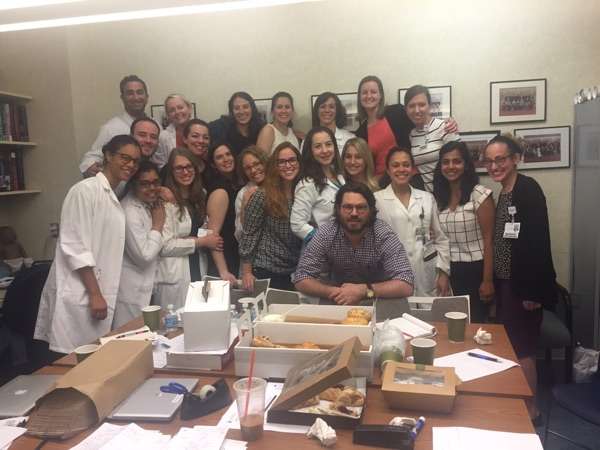
CREOG Review Corner is a podcast to review recent Practice Bulletins and Committee Opinions from the American College of Obstetrics and Gynecology (ACOG). These summaries will help residents to study for annual CREOG testing. It also is a good, fun way to keep up to date for anyone interested in the field of obstetrics and gynecology

多職種の人が集い、語らう番組です。パーソナリティは帝京平成大学 薬学部 教授の井手口直子さん。医薬に関する最新の話題について、医療従事者の方をはじめ患者関係者や学生など、幅広いリスナーに向けてお送りします。
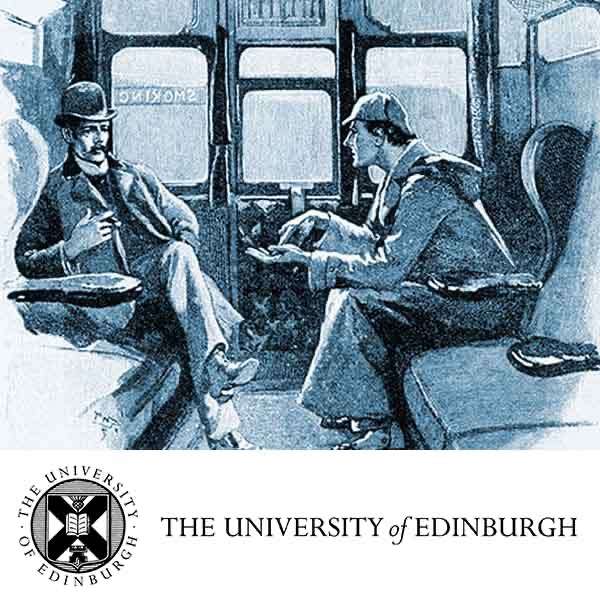
Inspired by Sir Arthur Conan Doyle, the lectures highlight the University’s acclaimed medical research.
Conan Doyle drew inspiration for his character Sherlock Holmes when he was a medical student at Edinburgh.
He based Holmes on the Professor of Medicine Joseph Bell, who was known for his meticulous attention to detail.
Today’s medical sleuths, just like Holmes, must use powers of observation and deduction not only to make the right diagnosis but also to find new treatments.
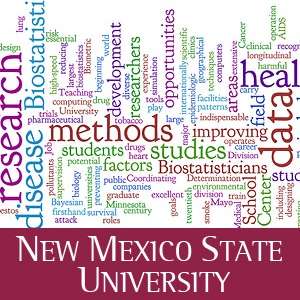
Biostatistical Applications in Public Health deals primarily with quantitative/qualitative methods for the Master of Public Health students including tabular, graphical, and numerical descriptive methods, random sampling, principles of statistical inference, confidence intervals, statistical tests of hypothesis through analysis of variance and regression, categorical data analysis and use of statistical packages for analysis.
Course image adapted from “Biostats wordmap” by Mary Beth Sancomb-Moran and licensed under an Attribution-Noncommercial-Share Alike 2.0 Generic Creative Commons license.



 Our TOPPODCAST Picks
  Stay Connected